After assessing 55 new models in 2019, Euro NCAP has announced the ‘Best in Class’, noting that 41 of those models achieved top scores. This makes 2019 one of the most impressive years on record since Euro NCAP started to evaluate consumer safety of cars on the European market.
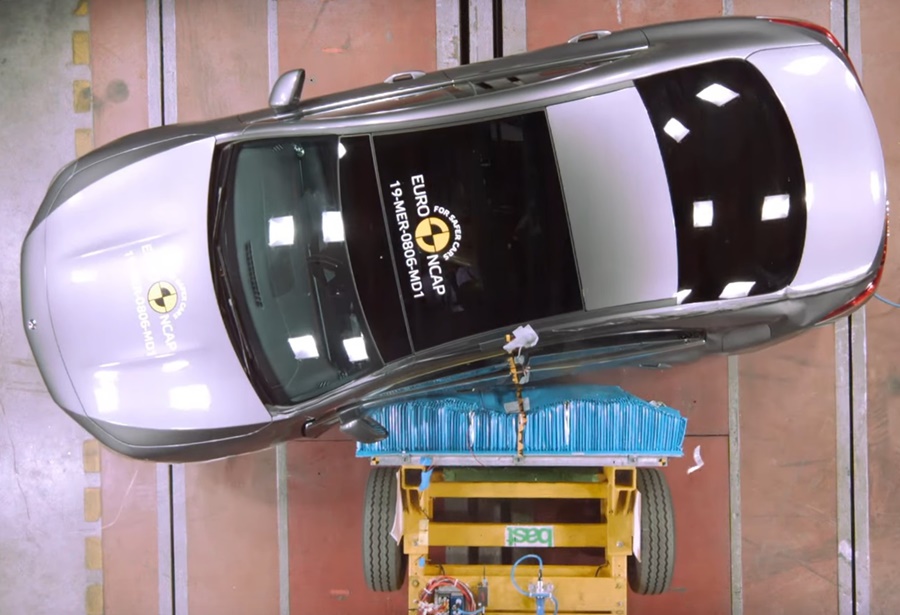
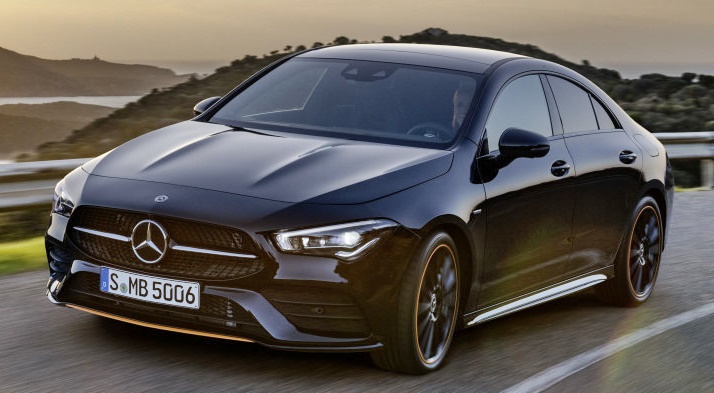
Mercedes-Benz regained its crown in the best performing Small Family Car category with the CLA. This is the sporty alternative to the A-Class Sedan, the winner of last year’s Best in Class. It achieved a score of more than 90% in three of the four areas of safety and delivered the best overall rating of the year. Remarkably, Mercedes-Benz launched 5 more 5-star vehicles in 2019, all with outstanding crash protection and driver assistance technology.
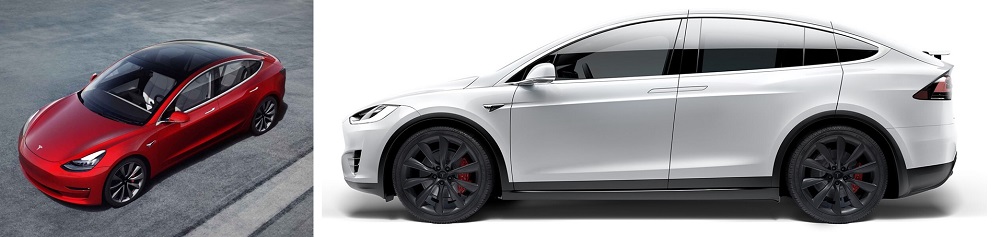
Mercedes-Benz CLATesla Model 3 and Model X
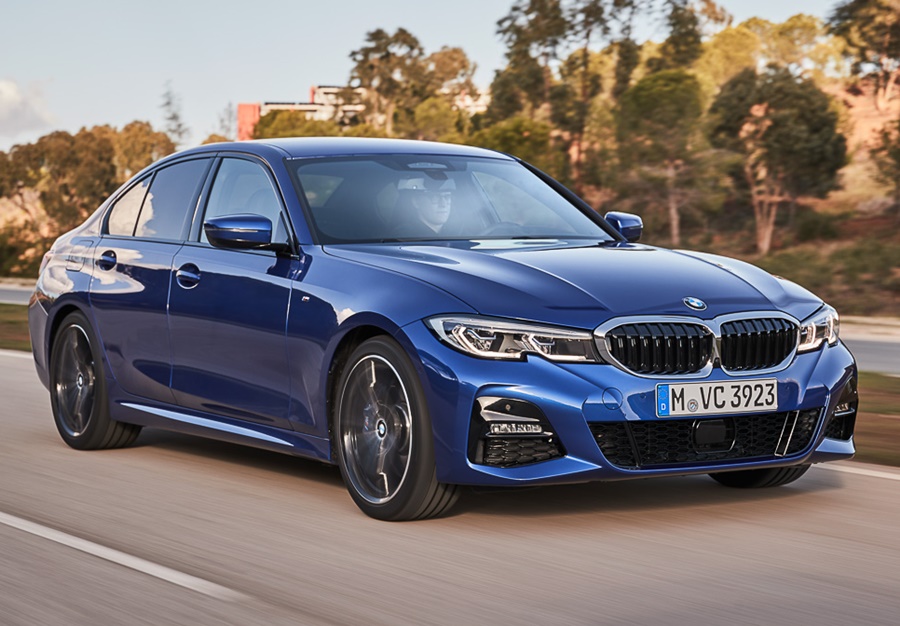
Tesla also made a strong appearance in 2019’s tests. The Model X is 2019’s winner in the Large Off-Road category, with the SEAT Tarraco in second place. The Tesla Model 3 is top of the ‘Electric and Hybrid’ vehicle class and, together with BMW’s 3-Series, shares top spot in the Large Family category. The two cars ended up with identical overall scores, the BMW scoring better in pedestrian protection, and the Tesla edging it in Safety Assist. Skoda’s new Octavia is the runner-up in this category.
BMW 3-SeriesSubaru Forester
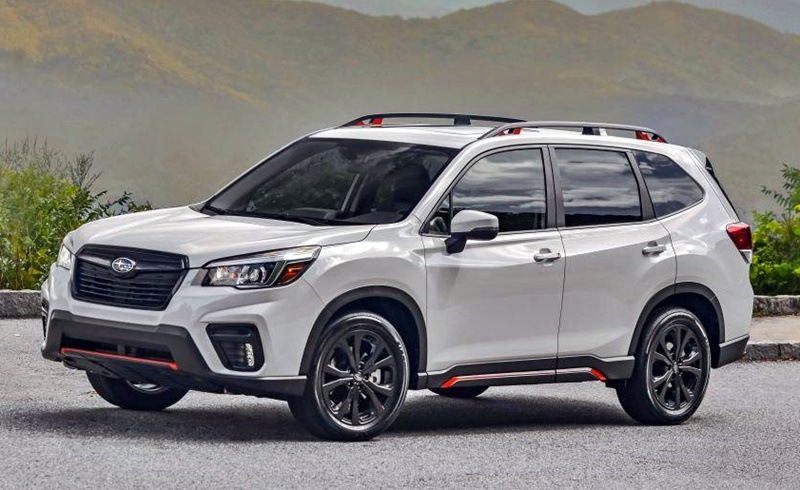
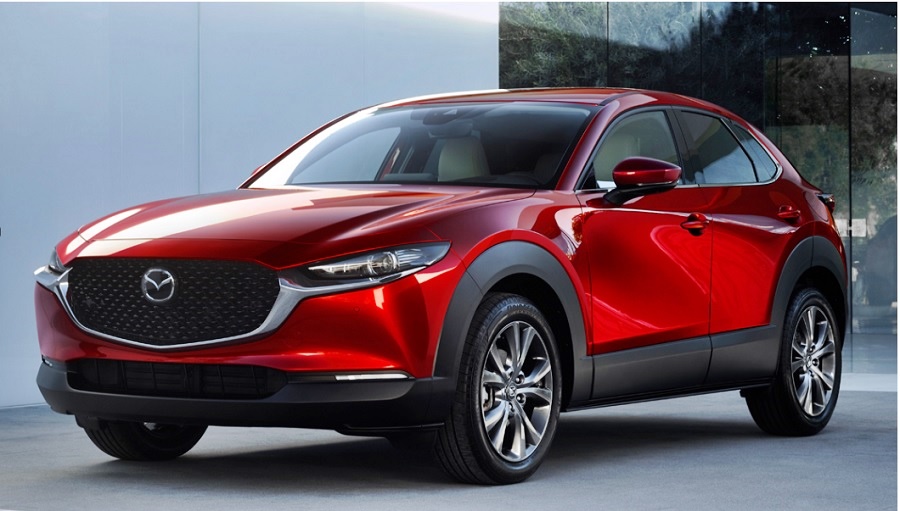
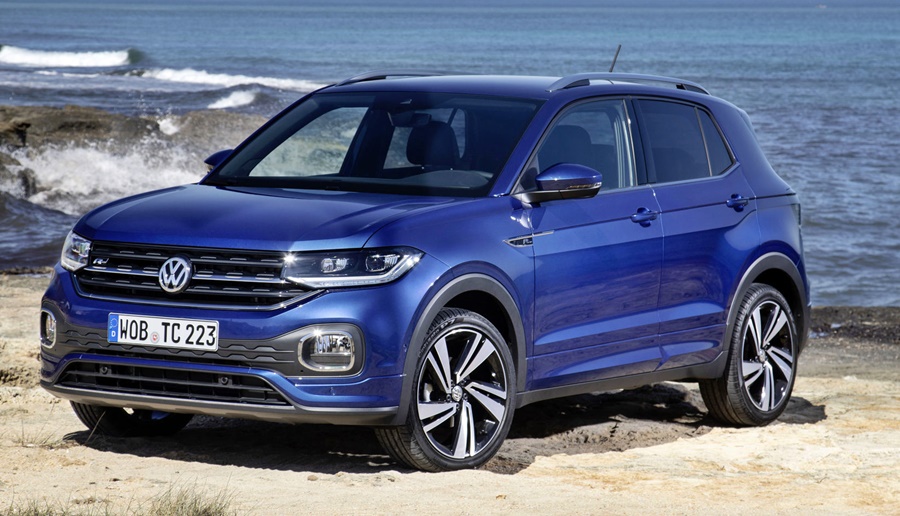
In the combined Small Off-road/Small MPV class, Subaru won with the new Forester showing excellent all-round performance. Mazda’s CX-30 and Volkswagen’s T-Cross were close followers in this category.
Mazda CX-30Volkswagen T-Cross
Despite missing out on the top spot, Mazda had an excellent year in the tests, with the Mazda3 turning in an exceptional performance in Adult Occupant Protection and taking the second place to the Mercedes-Benz CLA in the Small Family Car category.
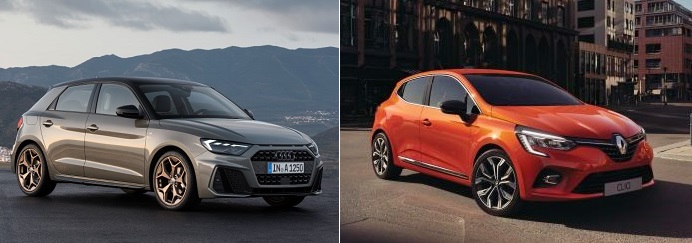
In the Supermini class, there was a tie between the sporty Audi A1 and top-selling Renault Clio which have been among Europe’s most popular and desirable hatchbacks for years. Their latest generations arrived in 2019 and came out equally well in Euro NCAP’s tests, while the newcomer Ford Puma was the runner-up in this category.
Audi A1 & Renault Clio
The Supermini segment remains the most competitive in the European market, as illustrated by the presence of 3, 4 and 5-star cars in the list. Euro NCAP said the winners deserve extraordinary credits for their uncompromising stance on safety.
Finally, a special mention was made of the new BMW Z4, the only roadster tested in 2019. It has unquestionably set a new safety benchmark for the segment.
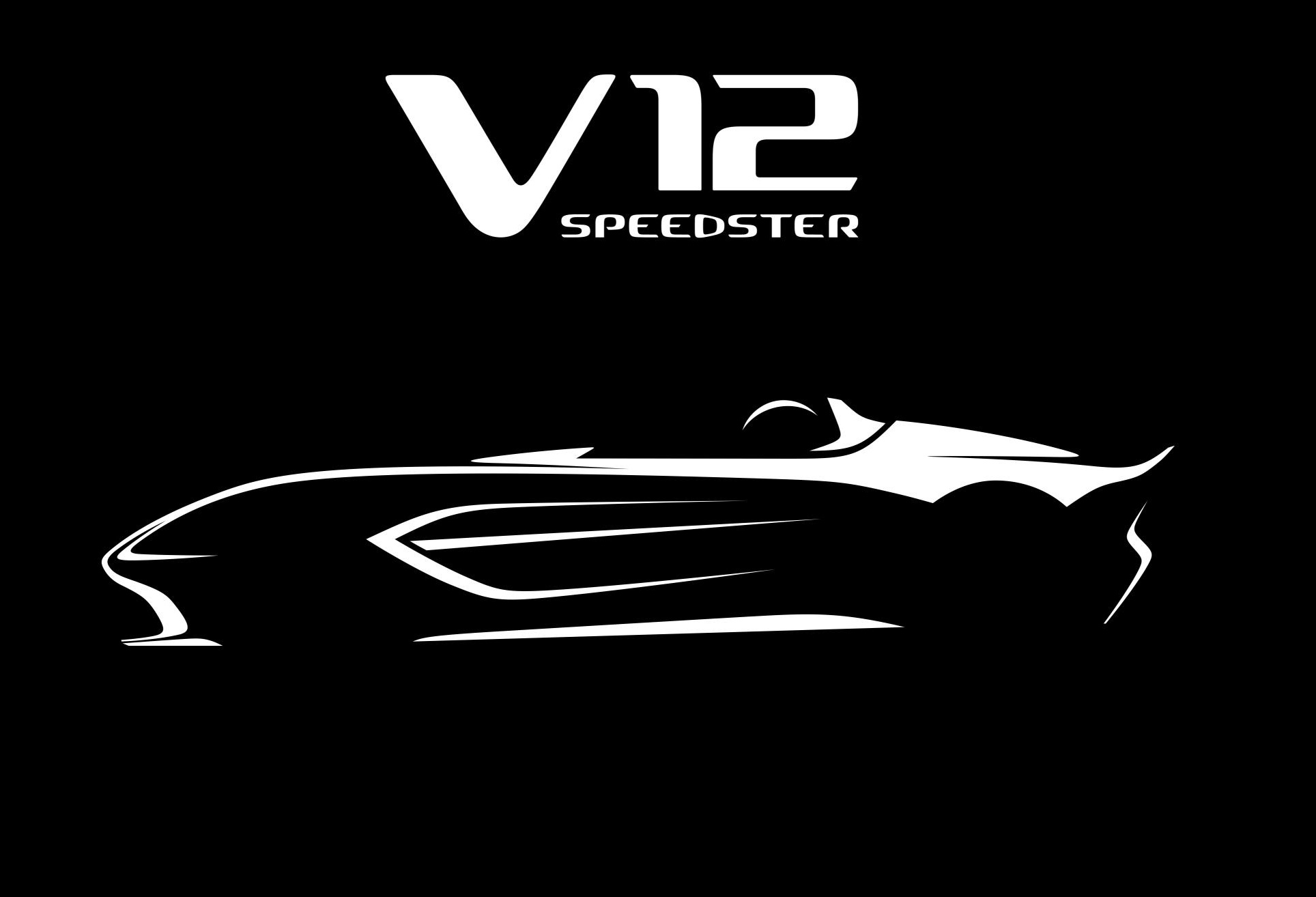
Aston Martin today confirmed production of a strictly limited number of the new V12 Speedster. The car will make its global debut later this year, with potential customers around the world offered the opportunity to acquire this exclusive British sportscar by booking one now. Only 88 will become owners and as each handbuilt unit is completed, it will be delivered, starting from the first quarter of 2021.
The V12 Speedster, created by in-house bespoke service Q by Aston Martin working with the brand’s talented team of designers and engineers, combines an authentic, driver-oriented sportscar with the use of cutting-edge motorsport and aviation technology to deliver a stunning, two-seat, enthusiast driving machine.
At the new car’s heart lies a high-performance variant of Aston Martin’s now iconic, 5.2-litre V12 Twin-Turbo engine, capable of generating an output of around 700ps/700 Nm. Offering a compelling breadth of performance, superb response and thrilling V12 soundtrack, the engine is mated to a ZF 8-speed automatic transmission mounted towards the rear of the car.
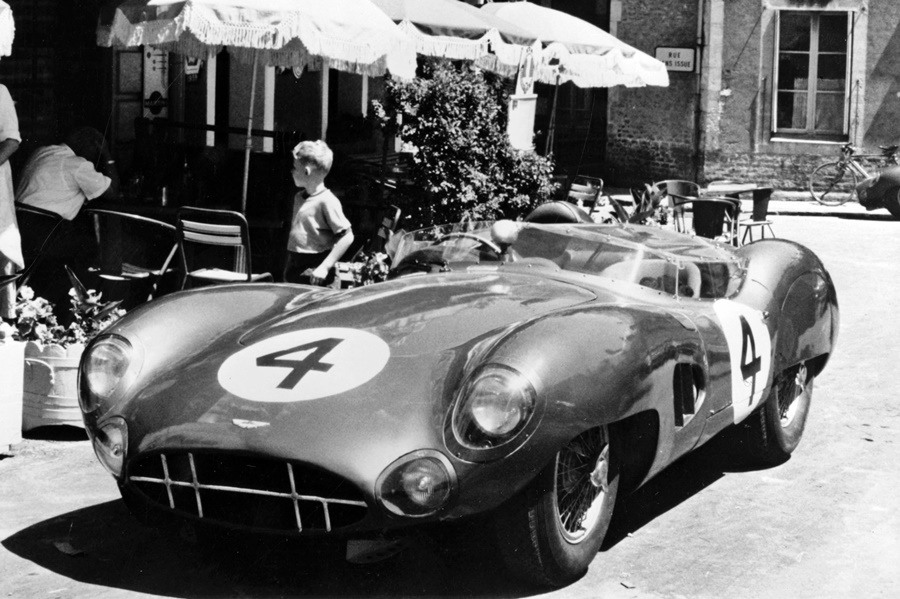
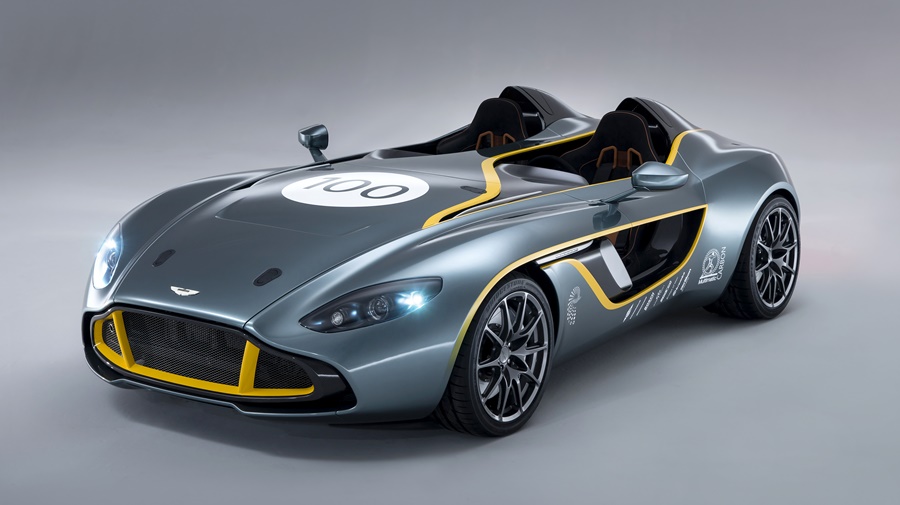
The new car’s design, while modern and dynamic, brings to mind both Aston Martin’s legendary 1959 Le Mans 24 hours- and 1000 km of Nurburgring race-winning DBR1 and the marque’s Centenary CC100 Speedster Concept shown in 2013. Its forward-looking features are shaped from the same advanced materials and expert engineering used throughout Aston Martin’s contemporary sportscar range.
The Le Mans-winning DBR1 in 1959.
The Le Mans-winning DBR1, which in part inspired the V12 Speedster, delivered Aston Martin’s most high-profile motorsport triumph to date, needs no introduction. One of only three cars in the 1950s to win both the World Sports Car Championship and Le Mans 24 Hours in the same year, the DBR1 defined not only motorsport excellence but also exquisite design elegance – an enduring Aston Martin trademark.
The brand’s CC100 Speedster Concept, meanwhile, was produced in 2013 to celebrate Aston Martin’s centenary. It too helped to inspire the creation of the new V12 Speedster which is the product of more than 12 months of meticulous design and planning work by the teams from both Q by Aston Martin, and Aston Martin Design.
If you follow the history of Perodua, you will find that it had humble beginnings with a relatively small volume catering for the bottom end of the market, the entry-level segment. Proton had already been selling cars and dominating the market for 8 years and Perodua was like a ‘little brother’ selling low-priced minicars. Yet 27 years later, we see Perodua as the nation’s No.1 brand and although it still serves the entry-level segment, it is edging upwards with the newer products.
The success story of Perodua highlights the value of patience and a willingness to learn, rather than rushing forward before being fully prepared. Perodua has had a good teacher in Daihatsu, its partner, and formed a working culture that is a blend of Malaysian and Japanese which could well be the best of both worlds.
One of the important lessons Perodua has had is planning. They do a tremendous amount of market study before committing to a new model because once they do, they have to be able to do so at high volumes. They are no longer a small player and in order to maintain their high efficiency and productivity which enables them to keep their prices attractive, they need big numbers.
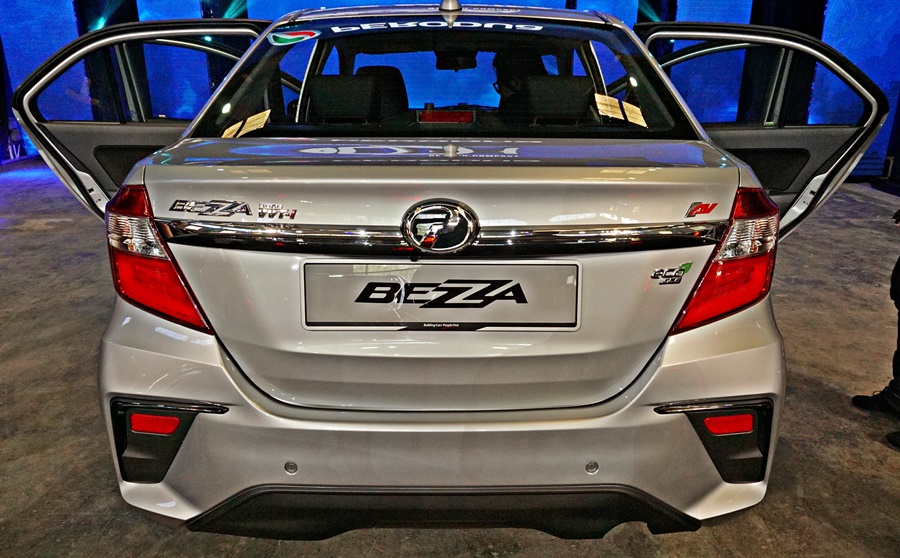
This has been the case with every model and with the Bezza, their first sedan, selling some 184,000 units over the past 3 years is certainly impressive. The Bezza’s appeal to a broad spectrum of the market has generated the big numbers and in the past couple of years, e-hailing operators (like those with Grab) have also found it to be an ideal car for their business, boosting the numbers.
What is not highlighted enough about the Bezza is that this sedan design is a truly Malaysian creation. There is no equivalent in the Daihatsu range and when Perodua wanted to do it, they were basically on their own. There was no commitment by Daihatsu to take the model for Indonesia as it does with the Myvi which it sells as the Daihatsu Sirion there.
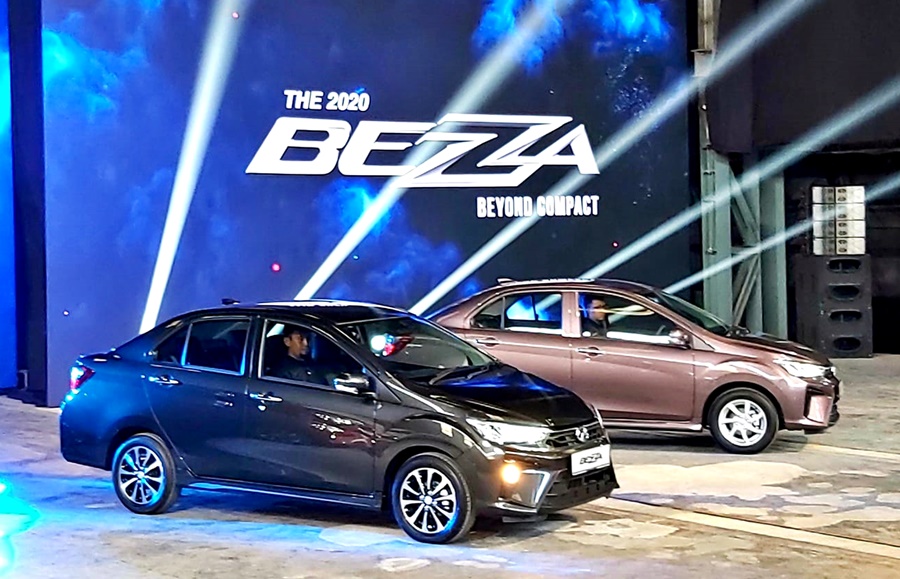
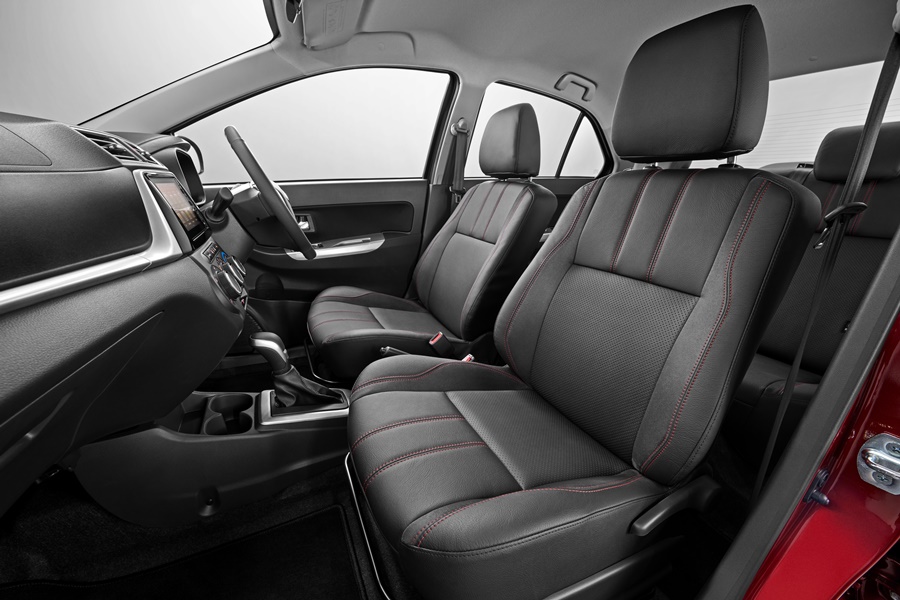
That the Bezza has done so well has generated a lot of money for funding development of the updated 2020 version which is officially launched today. And as with every model it has developed, Perodua has paid a lot of attention to the feedback from customers and addressed issues to make the car better. For instance, the rear seat backrest angle was not comfortable and they have adjusted this to eliminate that complaint. The suspension settings have been revised to improve ride comfort and handling as well.
What’s new
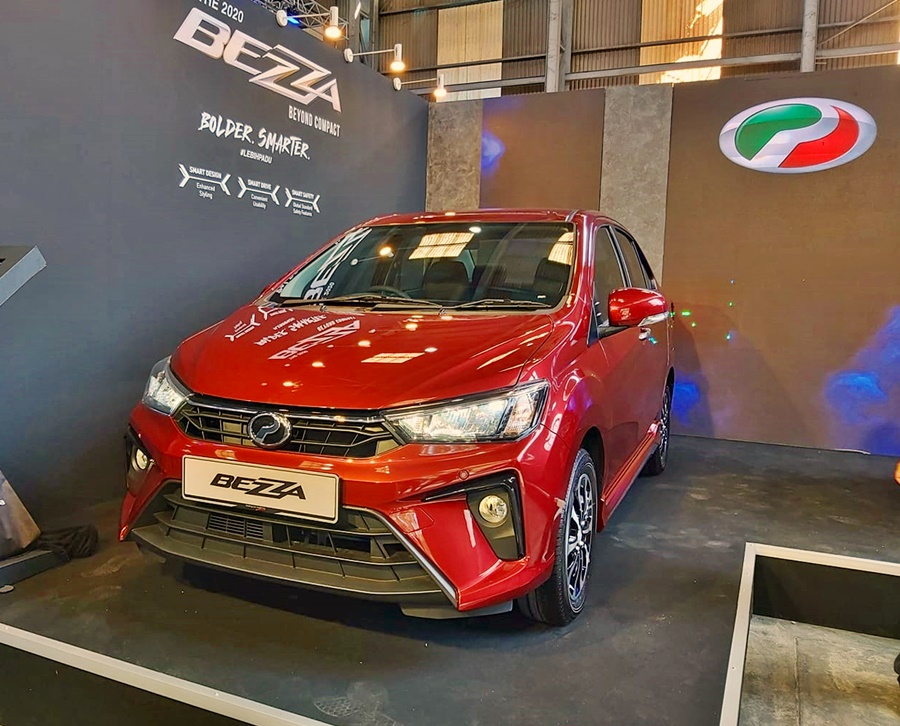
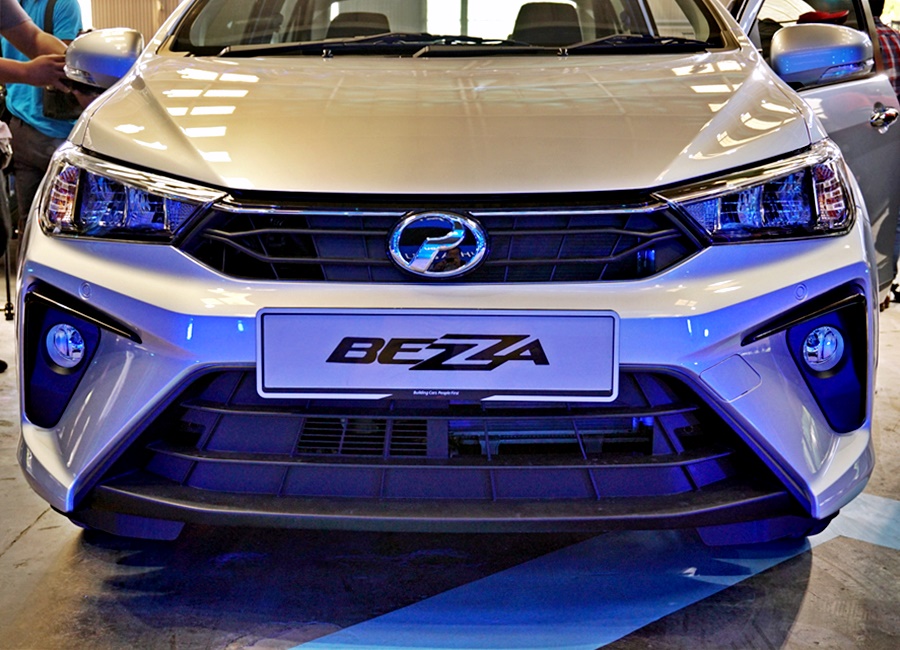
On the outside, the 2020 Bezza is almost immediately identifiable with its facelift. It’s a bolder look with sharp LED headlamps that are standard for all four variants. The new look is complemented by the angular and reprofiled front bumper which has a large lower intake grille and imposing styling elements. Additional sportiness comes from two-tone side skirts, also standard across the range, with a restyled rear bumper
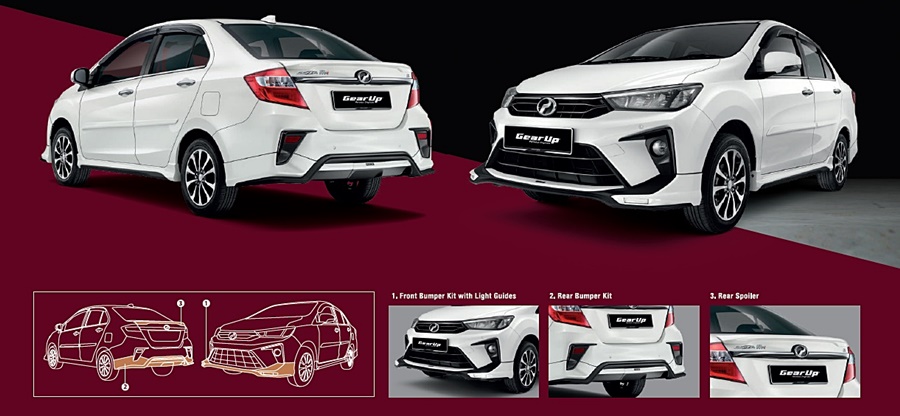
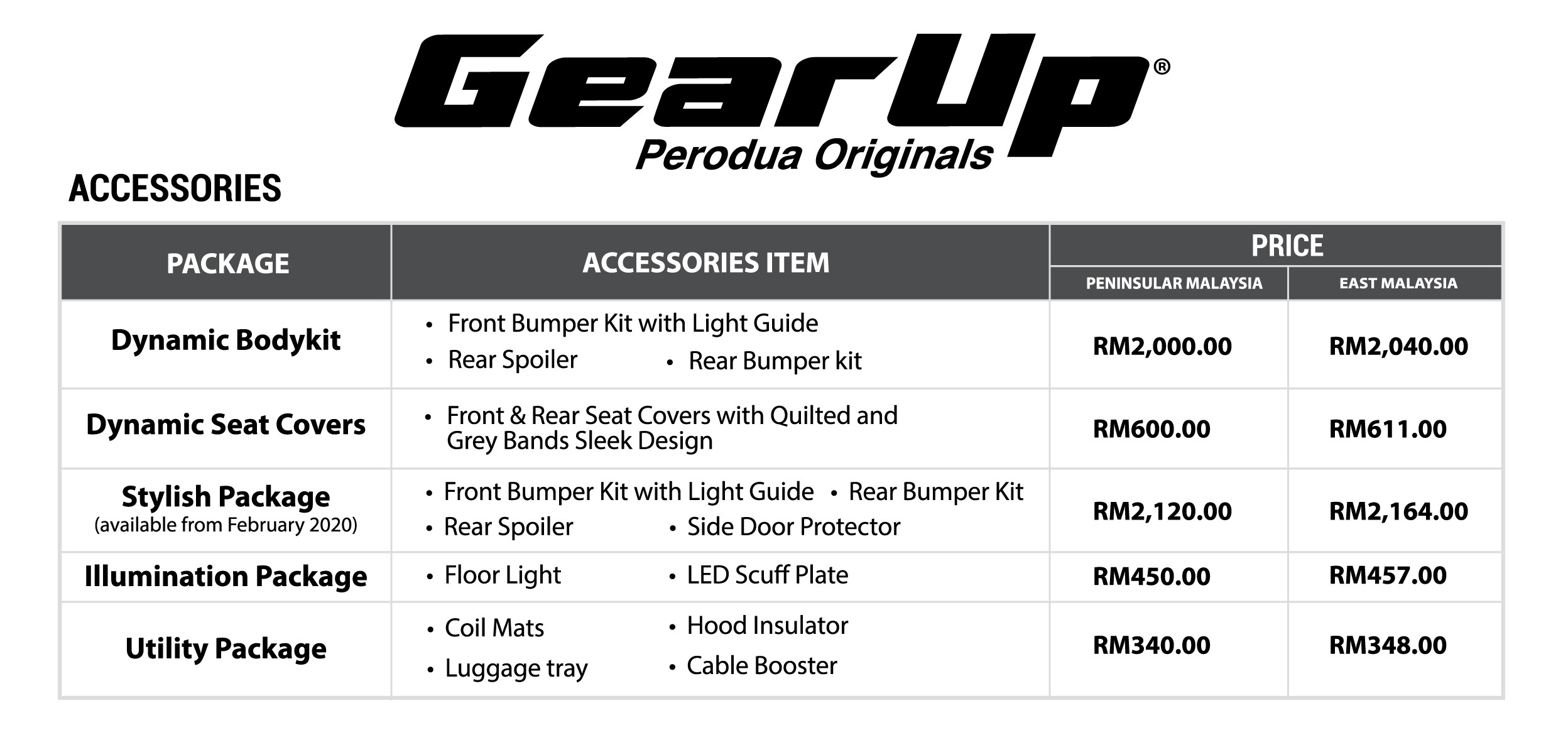
If you’re still not satisfied with the new looks and want more sportiness, you don’t have to go to an accessory shop to get the parts. Perodua has already prepared a bodykit in its GearUp accessory range specially for the Bezza. The RM2,000 cost for the bodykit can be included in the H-P loan so you pay for it over a number of years… a deal which an accessory shop would never be able to offer.
2020 Bezza with GearUp bodykit
The Bezza 1.3-litre variants now have an exclusive colour – Garnet Red – which is one of two new colours, the other being Granite Grey. These join the four existing shades – Ivory White, Glittering Silver, Ocean Blue and Sugar Brown.
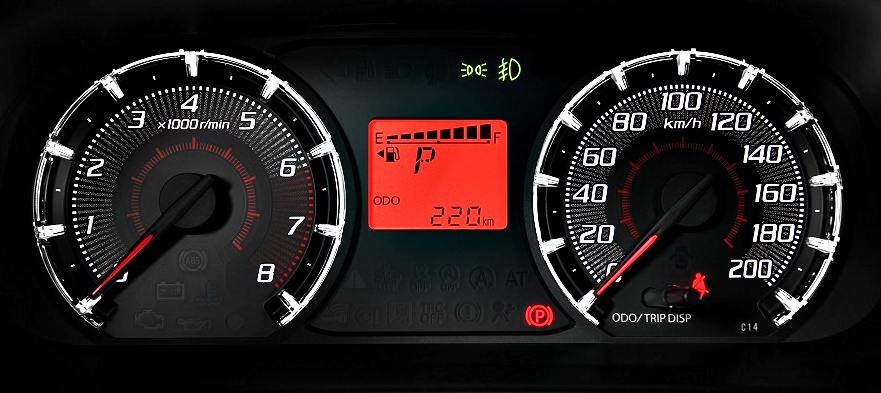
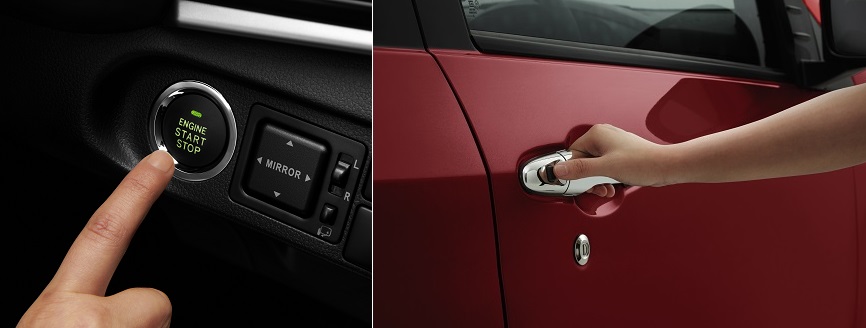
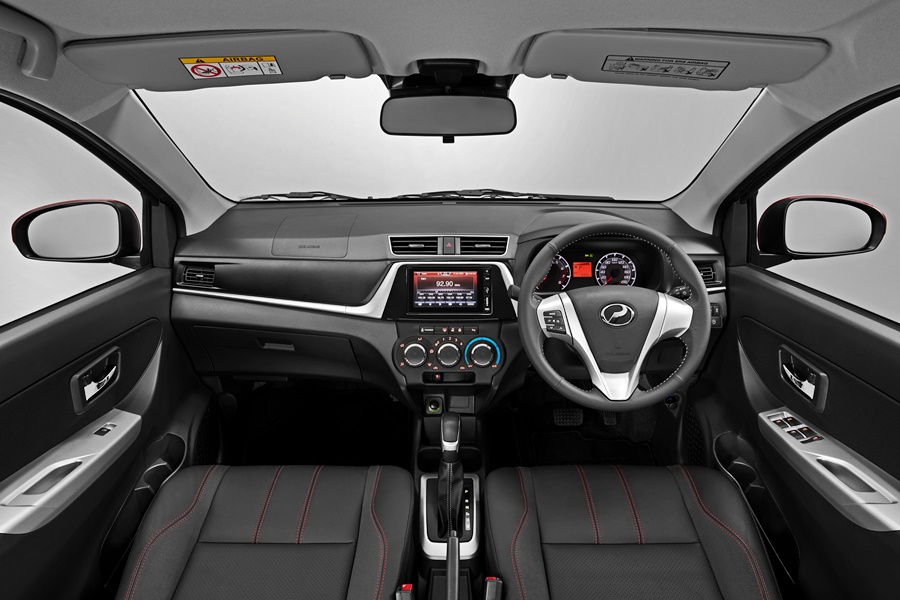
The cabin remains pretty much the same with enhancements largely for the 1.3-litre variants. The meters are now illuminated in white and keyless entry/start is now also provided. Keyless entry and pushbutton starting was something available only in more expensive models not so long ago and now it has come down to the Bezza segment, showing how fast Perodua has been able to bring costs down (working with its suppliers).
Focus on safety
But the focus of the improvements has been in safety, something which Perodua’s market surveys show keeps becoming more and more important to buyers. Reading about tragic accidents has probably made people think more about how safe their car must be and while Peroduas are small cars, they can still be safe to travel in by having driver assistance systems.
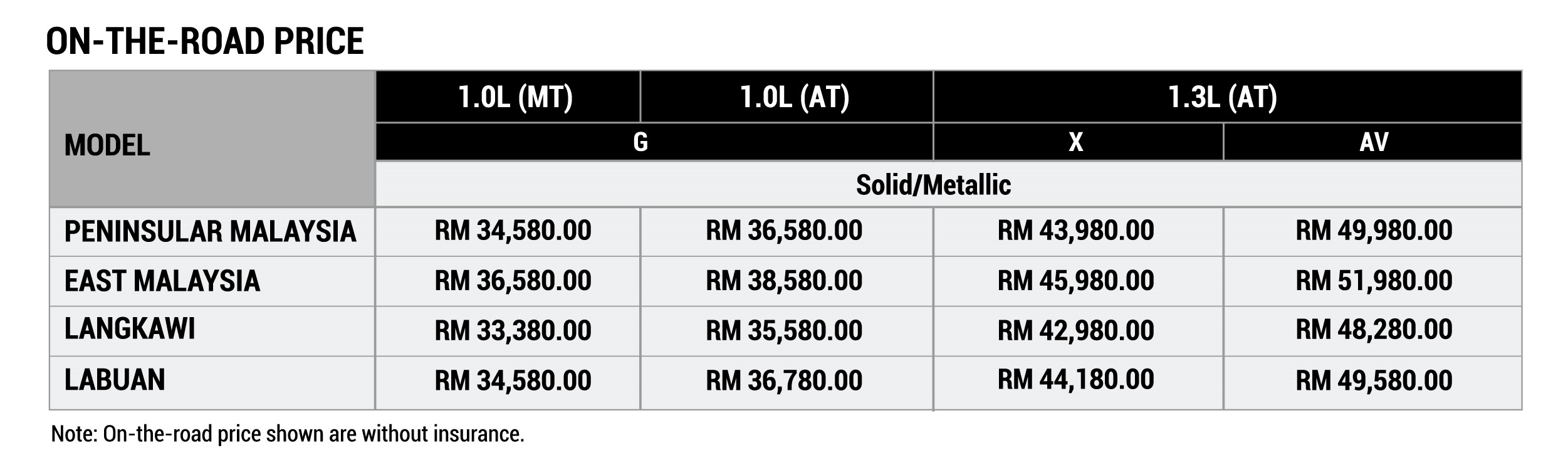
This is where Perodua’s Advanced Safety Assist 2.0 (ASA 2.0) system comes in and it is available in the Bezza AV, making it the most affordable sedan in Malaysia (under RM50,000 before including insurance) with such a feature. ASA 2.0 comprises Pedestrian Detection (up to 50 km/h), Pre-Collision Warning (up to 100 km/h), Pre-Collision Braking (up to 80 km/h), Front Departure Alert and Pedal Misoperation Control, all of which work together to mitigate collisions.
The Bezza X also get Vehicle Stability Control (VSC) and traction control now, again showing that as soon as costs come down, Perodua will include a safety system in the variant. VSC and traction control were available only with the Bezza AV before. Incidentally, the AV variant also gets a reverse camera now while all variants get power-adjustable side mirrors and reverse sensors.
With the improvements, the 2020 Bezza will certainly keep finding more new customers and by the end of this month, Perodua expects to deliver 5,600 units. Thereafter, the monthly sales target for the model is 4,000 units, on average.
Visit www.perodua.com.my to know more about the new Bezza and where you can test-drive one.
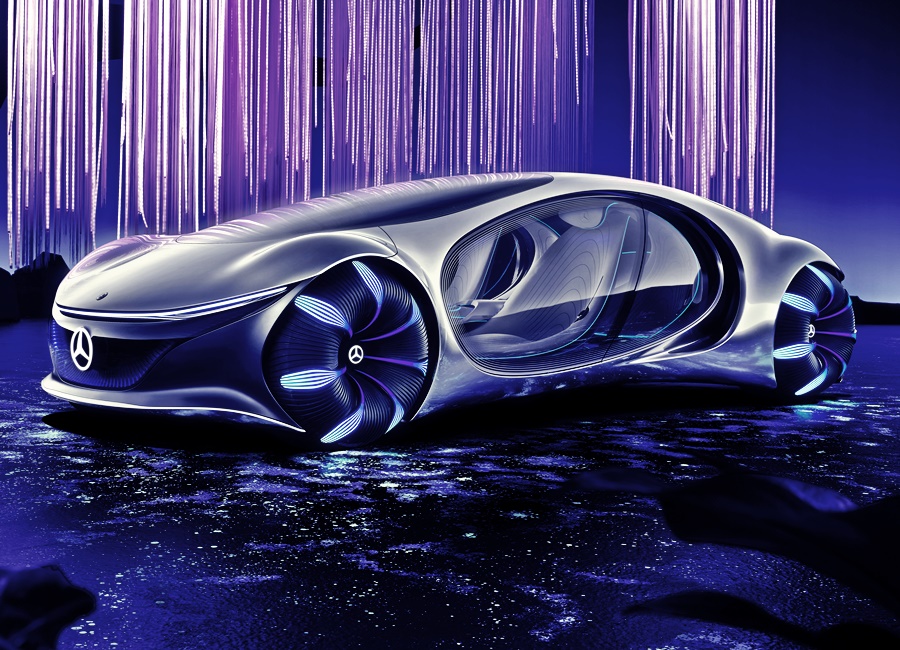
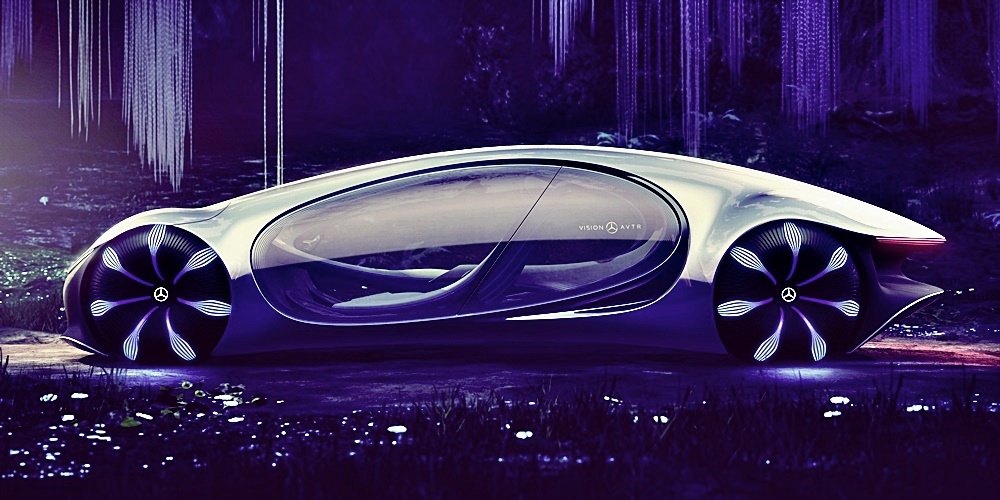
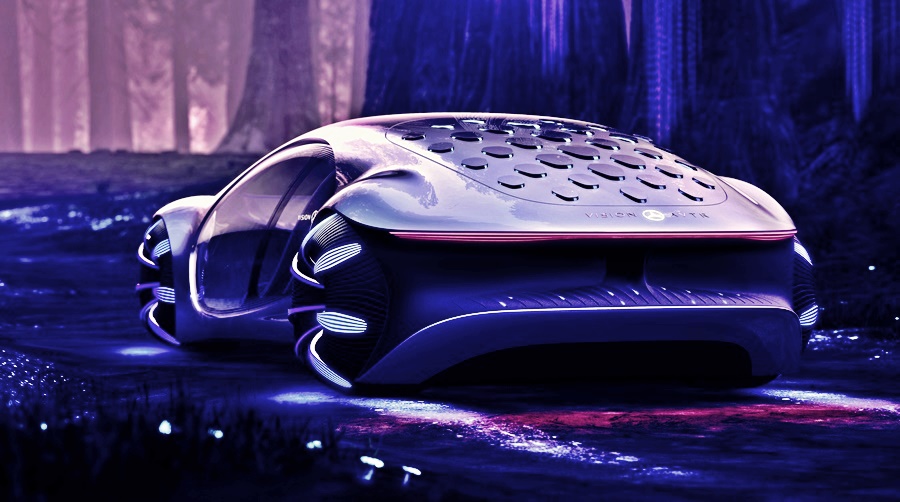
Car designers look everywhere for inspiration and ideas in the quest to create something ground-breaking. In the case of the Mercedes-Benz VISION AVTR concept, it was the AVATAR movie, with several of the creatures providing the inspiration.
The concept car’s name stands not only for the close collaboration in its development with the AVATAR team but also for ADVANCED VEHICLE TRANSFORMATION. This showcar, now on display at CES 2020 in Las Vegas, is said to embody the vision of Mercedes-Benz designers, engineers and trend researchers for mobility in the distant future.
‘Inside-out’ design structure
The holistic concept of the VISION AVTR combines the design disciplines of interior, exterior and UX on an unprecedented scale. The distinctive ‘inside-out’ design structure combines inside and outside into an emotional whole with a stretched ‘One Bow’ design and organic design language. The spectacular opening and closing of the doors is inspired by the wings of a banshee or ikran, the flying mounts of the Na’vi from AVATAR.
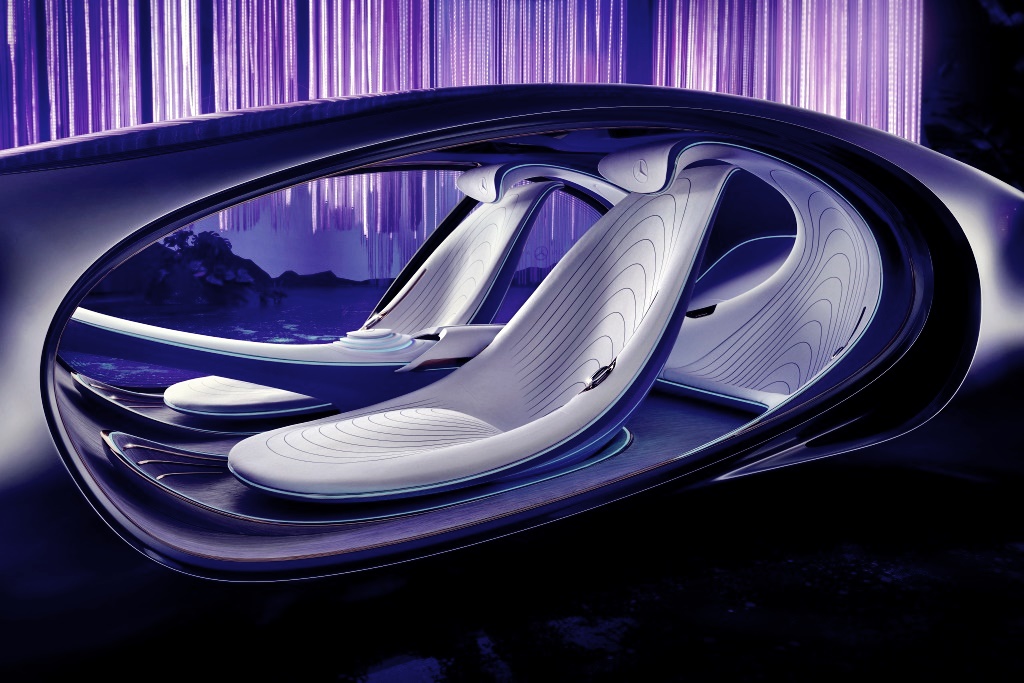
Instead of a conventional steering wheel, the multifunctional control element in the centre console allows human and machine to merge. By placing the hand on the control unit, the interior comes to life and the vehicle recognizes the driver by his or her heartbeat and breathing (a great security feature).
By simply lifting the hand, a menu selection is projected onto the palm of the hand, through which the passenger can intuitively choose between different functionalities. For example, real-time 3D graphics can be used to explore the fictional world of Pandora from different perspectives. The curved display module creates the visual connection between passengers and the outside world.
Organic battery technology
The VISION AVTR uses a revolutionary battery technology based on graphene-based organic cell chemistry that is completely free of rare earths and metals, a first. The materials of the battery are compostable and therefore completely recyclable. In this way, electric mobility becomes independent of fossil resources. As a result, Mercedes-Benz underlines the high relevance of a future circular economy in the raw materials sector.
The 33 ‘bionic flaps’ on the back of the car are reminiscent of scales of reptiles. They can communicate with the driver and through the driver with their outside world through naturally flowing movements in subtle gestures. The front and rear axles can provide drive in the same or opposite direction, which allows the VISION AVTR to move sideways by approximately 30 degrees. The so-called ‘crab movement’ gives the concept car an animal-like appearance even in its movement.
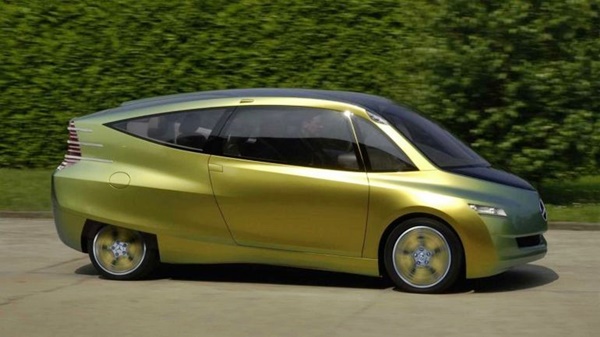
This is not the first time that Mercedes-Benz has created a ‘bionic’ car. In 2005, it displayed a concept car that was inspired by the boxfish. The fish was a role model from nature, lending itself to an aerodynamically efficient, safe, comfortable and environmentally compatible automobile not just in detail features but in its overall form and structure.
In 2005, Mercedes-Benz designers looked to nature – the boxfish – for their Bionic concept car.
Sustainable materials
The seats of the VISION AVTR are refined by vegan DINAMICA leather. This is the first and only microfibre that guarantees environmental sustainability throughout the entire production cycle. The floor is decorated with an innovative wood called Karuun. The raw material for Karuun (rattan) grows very fast as a natural raw material and is harvested by hand in Indonesia. The material gives the interior warmth and radiates naturalness.
“The aim of the VISION AVTR is to show us a signpost for a livable future, even if it will probably never be built. This concept car makes speculative science visible and tangible. As researchers and scientists evolve new theories or develop existing ones, they depend on their imagination. They leave the ground of what can be proved today and enter an area of speculation – a scientifically substantiated ’what if?’. This is exactly the approach we have taken with the VISION AVTR,” said Alexander Mankowsky, who is described as a futurologist at Mercedes-Benz.
With a total of 1.361 million vehicles sold in 2019, Geely Auto retains its position as the bestselling Chinese brand for a third consecutive year. The achievement was helped by strong December sales which saw a 39.3% increase year-on-year to 130,036 units. The total volume includes sales of Lynk & Co vehicles sold by the Group’s 50%-owned joint venture).
During 2019, sales of Geely’s New Energy Vehicles increased significantly with total sales of 113,067 units, a year-on-year increase of 68.6%, becoming a new driving force for the carmaker’s growth. A total of 57,991 vehicles were exported in 2019, a year-on-year increase of 110.6% which suggests that Geely Auto is accelerating its expansion in overseas markets.
Geely grew as domestic market declined
Geely’s growth can be considered impressive when seen in the context of the dual pressure of a global economic downturn and adjustment in the automotive industry. As China’s domestic auto market declined sharply in 2019, Geely Auto actively strengthened its global competitiveness. An example was Geely Auto’s Belarus joint venture plant which saw its 20,000th vehicle produced.
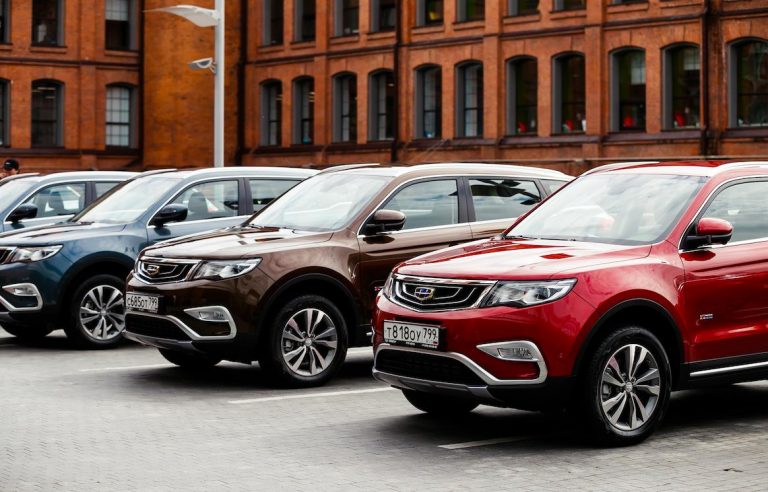
The Geely Atlas SUV is produced in Russia at a joint-venture factory.
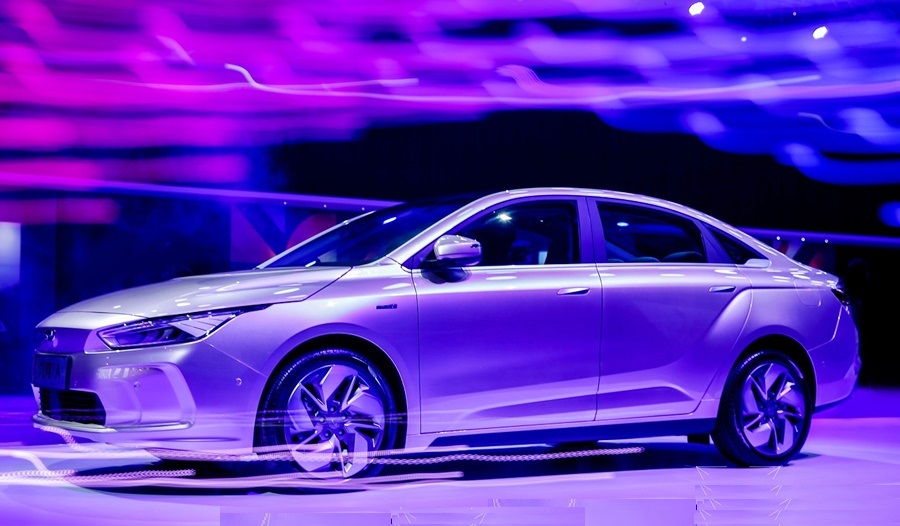
A notable development during the year was the launch of a new high-end pure electric brand called Geometry. This is part of a 3-prong product development strategy through Geely Auto, Lynk & Co, and Geometry. The product matrix of these brands has continued to be upgraded in the direction of high quality, high tech, high value.
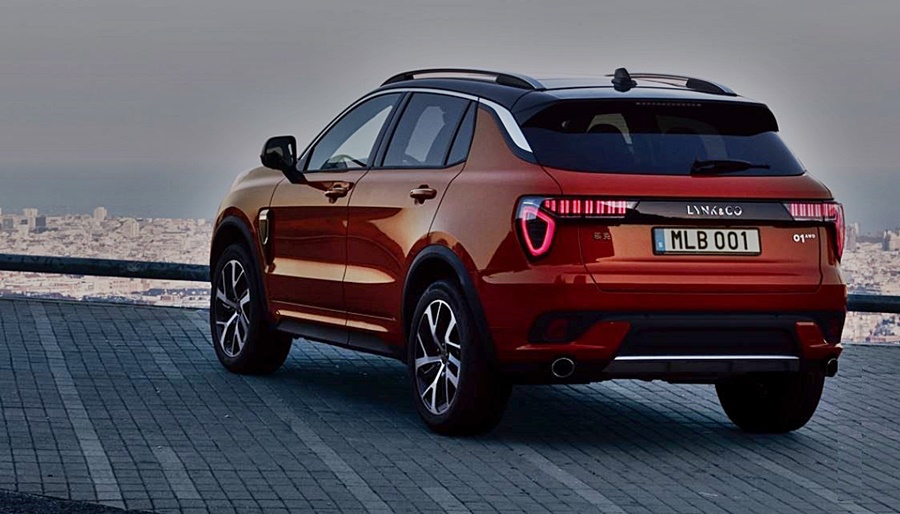
One of the models in the Lynk & Co range.Geely has also launched the Geometry brand as a pure electric brand.
Looking ahead in 2020
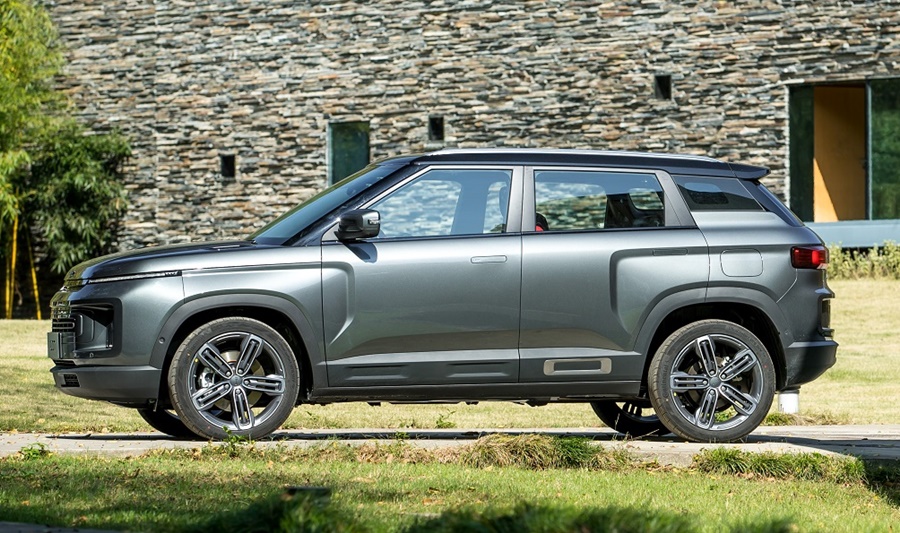
In 2020, Geely Auto says it will continue to implement its development strategy with stability as a focus and has set the annual target for 1.41 million units, 3.6% higher than for 2019. The company sees this year as a key year to advance its brand and technology with 6 new products to be launched, including the second BMA architecture-based SUV from Geely Auto, the Icon. Other models known to be in the pipeline are the first mid-size SUV from Geely Auto (codenamed VX11), a new coupe SUV based on the CMA architecture, the Lynk & Co 05, and G13, the codename for the second pure electric model from Geometry.
Geely ICON to be launched this year.
“The global automotive market is facing an unprecedented change not seen in over a century. Challenges and opportunities exist side by side. With the market as the battlefield, Geely Auto will take user demand as a guide, products as our core, and market share as our goal. We will adhere to a high-quality development strategy, maintain our footing on the uncertain road, compete on technology and brand, accelerate our global expansion, push Chinese manufacturing up the global value chain, and raise the level of Chinese auto brand in the world,” said An Conghui, President of Geely Holding Group, CEO and President of Geely Auto Group.
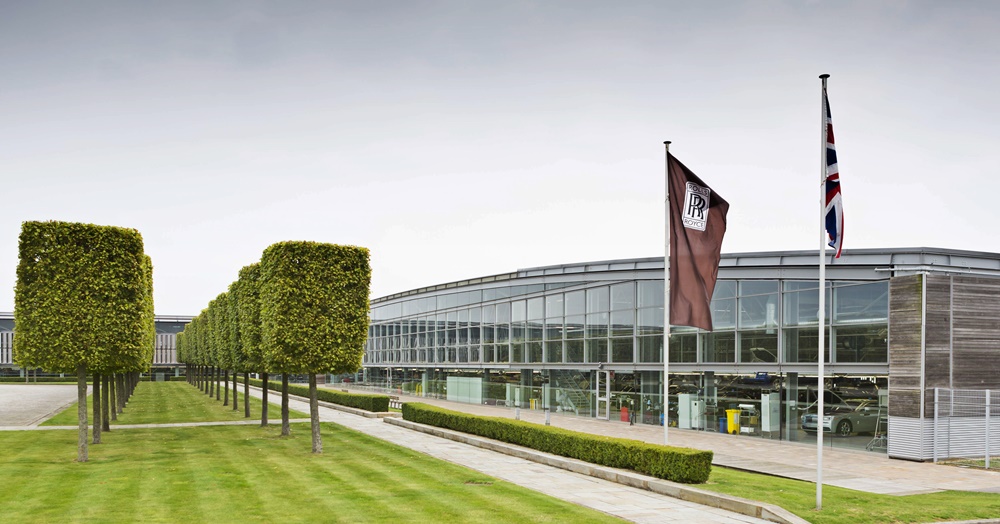
While most other carmakers are still collecting and finalising their 2019 sales data, Rolls-Royce Motor Cars has already finished its homework and can announce that its total sales for the year have no equal in the company’s 116-year history.
A total of 5,152 cars and SUVs were delivered to customers in over 50 countries around the world, an increase of 25% on the previous high set in 2018. With these historic results, Rolls-Royce continues to make a meaningful contribution to the overall performance of its shareholder, the BMW Group.
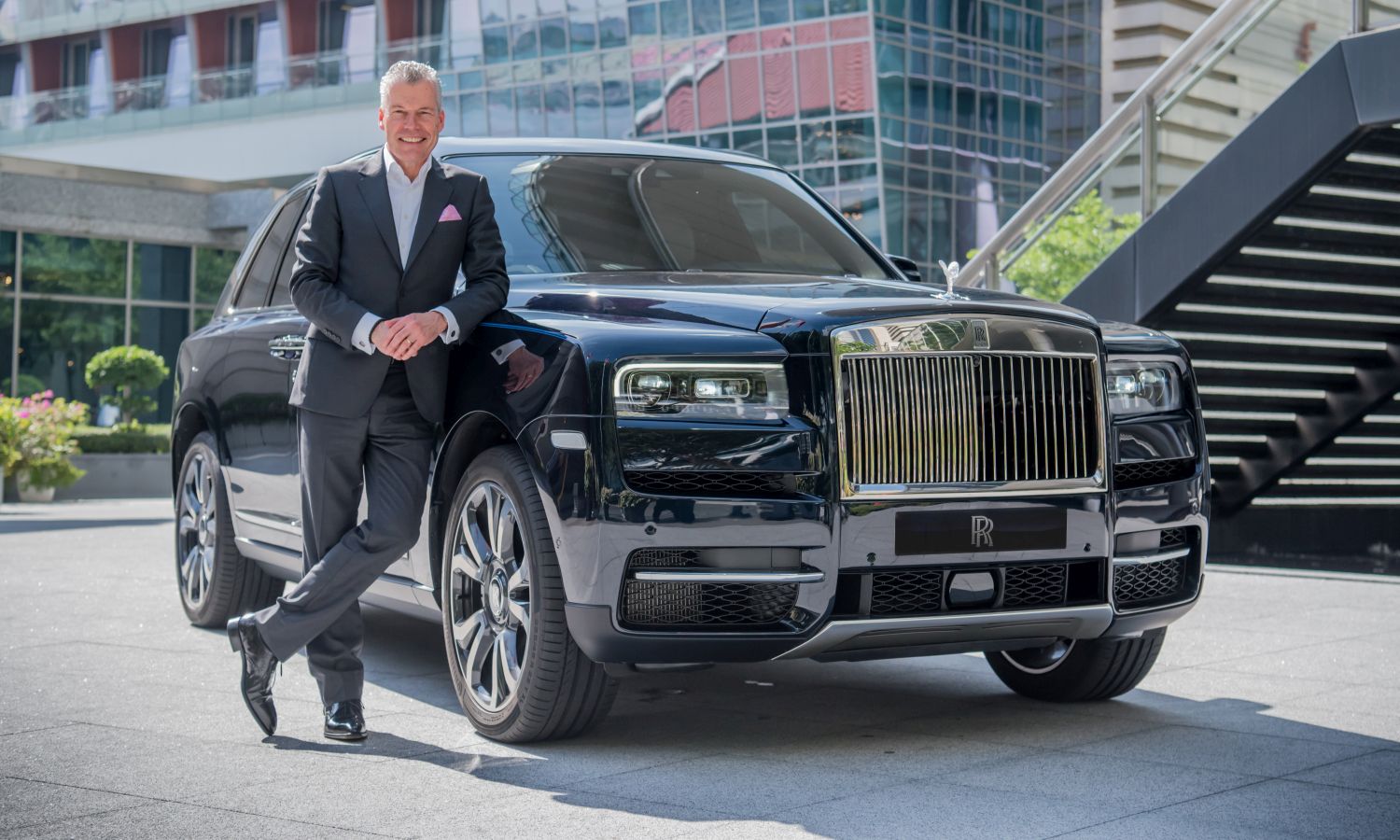
Commenting on the results, Torsten Muller-Otvos, CEO, Rolls-Royce Motor Cars, said: “This performance is of an altogether different magnitude to any previous year’s sales success. While we celebrate these remarkable results, we are conscious of our key promise to our customers, to keep our brand rare and exclusive. We are pleased and proud to have delivered growth of 25% in 2019. Worldwide demand last year for our Cullinan SUV has driven this success and is expected to stabilise in 2020. It is a ringing testament to the quality and integrity of our products, the faith and passion of our customers and, above all, the skill, dedication and determination of our exceptional team at the Home of Rolls-Royce at Goodwood and around the world and our dedicated global dealer network.”
Sales growth worldwide
Sales grew across all regions during the year, driven by strong customer demand for all the models. The company reported significant sales growth in every one of its key global markets, with North America retaining top status (around a third of global sales), followed by China and Europe (including UK).
Individual countries that achieved record sales results included Russia, Singapore, Japan, Australia, Qatar and Korea. The deliveries were made through a global network of 135 dealerships.
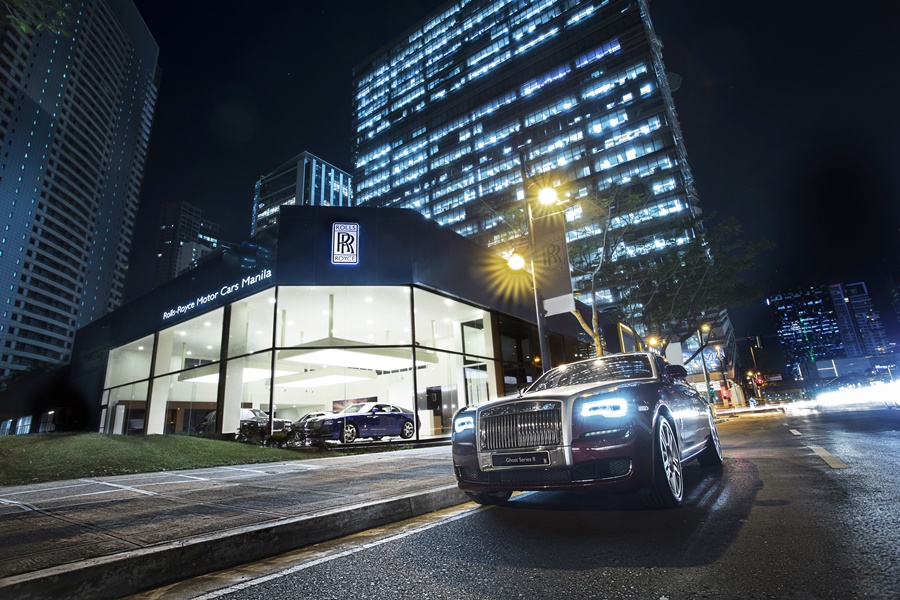
A Rolls-Royce showroom in the Philippines.
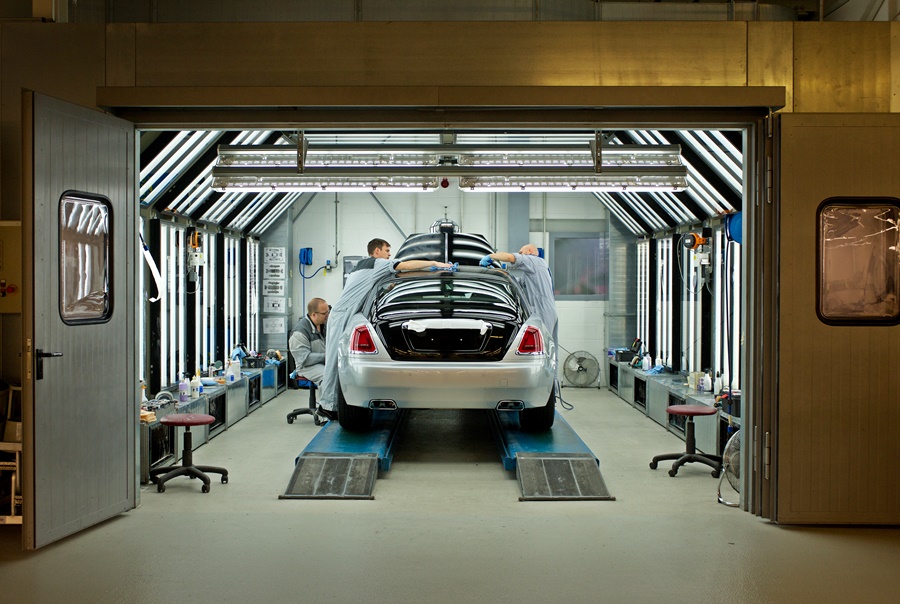
The Phantom retained its rightful place as the company’s pinnacle product, with the Dawn and Wraith continuing to dominate their respective sectors. The new Cullinan SUV gave Rolls-Royce its largest advance order book and fastest post launch sales growth of any model in the company’s history. The super-luxury SUV has become the fastest-selling new Rolls-Royce model to date.
Rolls-Royce Cullinan
Farewell to the Ghost
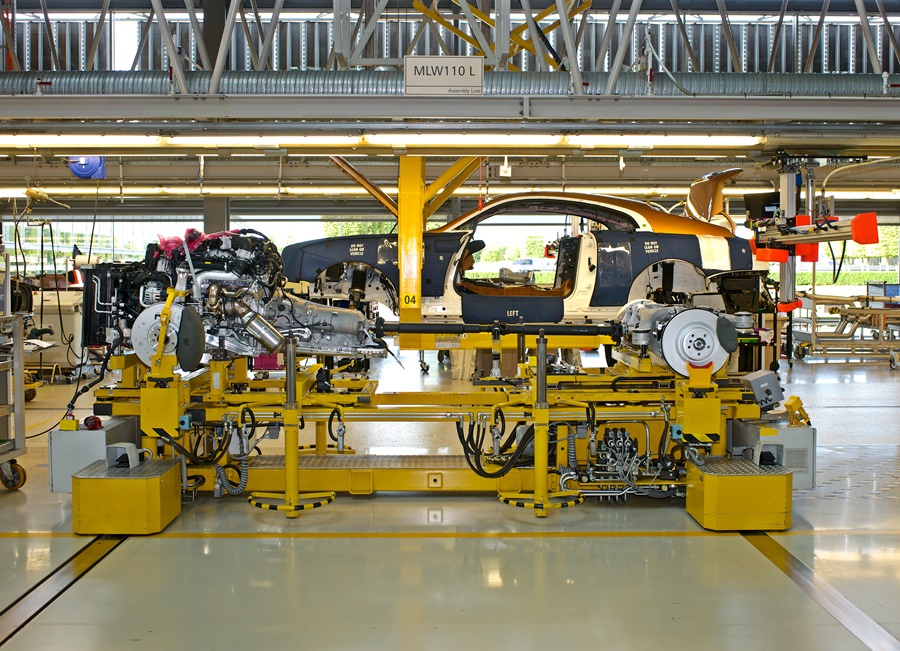
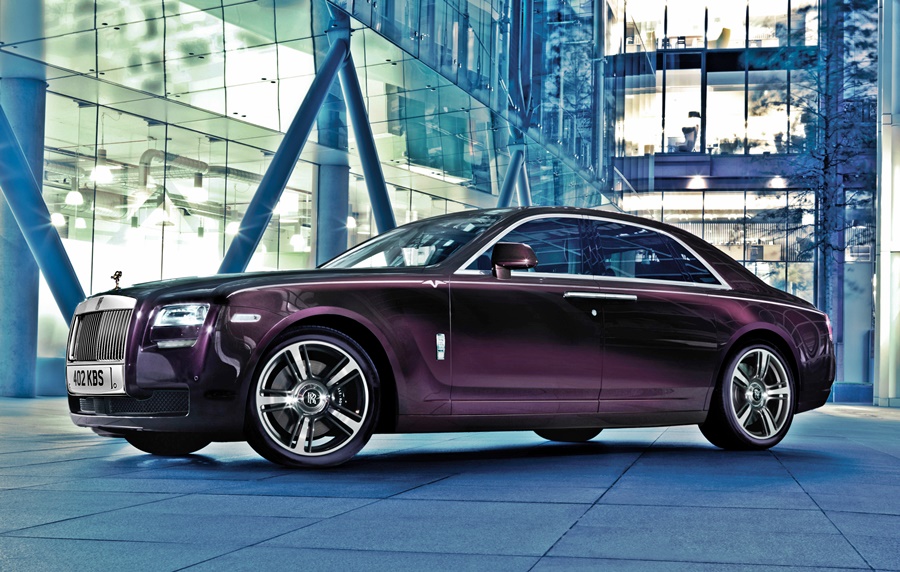
2019 marked the end of Ghost production 11 years after its launch at the 2009 Frankfurt Motor Show. The most popular Rolls-Royce model of the Goodwood era, it attracted a new audience of younger, often self-made, entrepreneurial customers to the brand. Over its 11-year lifecycle, it became the biggest-selling Rolls-Royce not just of the Goodwood era, but in the entire history of the marque.
Rolls-Royce Ghost
The success of the Ghost placed Rolls-Royce in a position to scale up its production and make the massive investments that have led to it becoming the truly global brand it is today. After 5 years of development, a successor is due for launch in mid-2020 with market availability from the fourth quarter.
Bespoke keeps growing
Global demand for Rolls-Royce Bespoke reached a new peak in 2019. The Bespoke Collective comprises several hundred creative designers, engineers and craftspeople. These highly talented men and women take enormous pride in fulfilling unprecedented levels of customer requests for Bespoke personalisation and delivering on beautiful individual commissions. In 2019, they worked on some of the most spectacular Collection Cars ever created in the history of the brand.