

Piston.my

Latest News

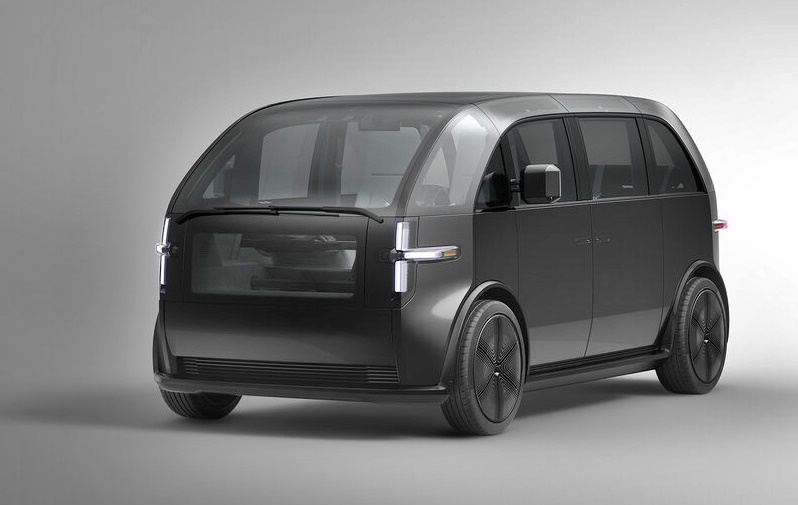
Canoo, a Los Angeles-based company, aims to carve its own presence in the coming era in which transportation is becoming increasingly electric, shared and autonomous. It will do this by challenging traditional automotive shape and functionality and capitalizes on EV (electric vehicle) architecture in a way that provides significantly more interior space.
Canoo

“We believe that the potential of EV architecture can enable a post-SUV era that addresses the ever-growing desire for space and value,” said Ulrich Kranz, In Charge at Canoo. “We promised a truly different approach for EVs, and our canoo proves that we can deliver on that vision. In my 30 years’ experience, I have never seen so many quality achievements in such a short time. We are on track for our launch date in 2021.”

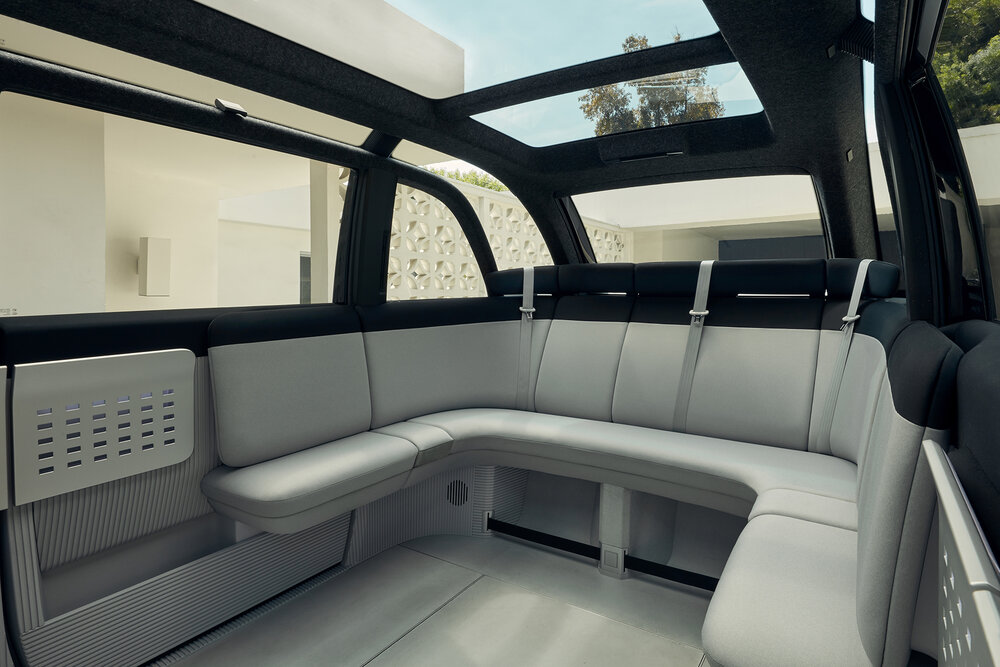
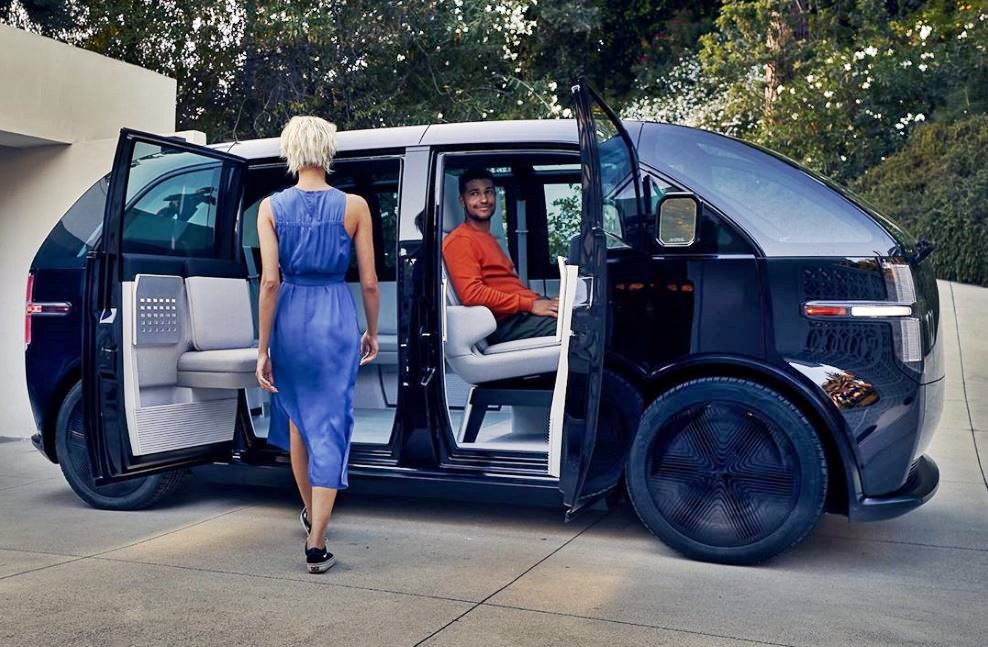
The canoo is the result of a completely re-engineered vehicle design, eliminating wasted space throughout the vehicle and providing exceptional utility to the user. By capitalizing on EV architecture, the canoo eliminates compartmentalization and comes across as an urban loft on wheels.
Canoo

As spacious as a large SUV
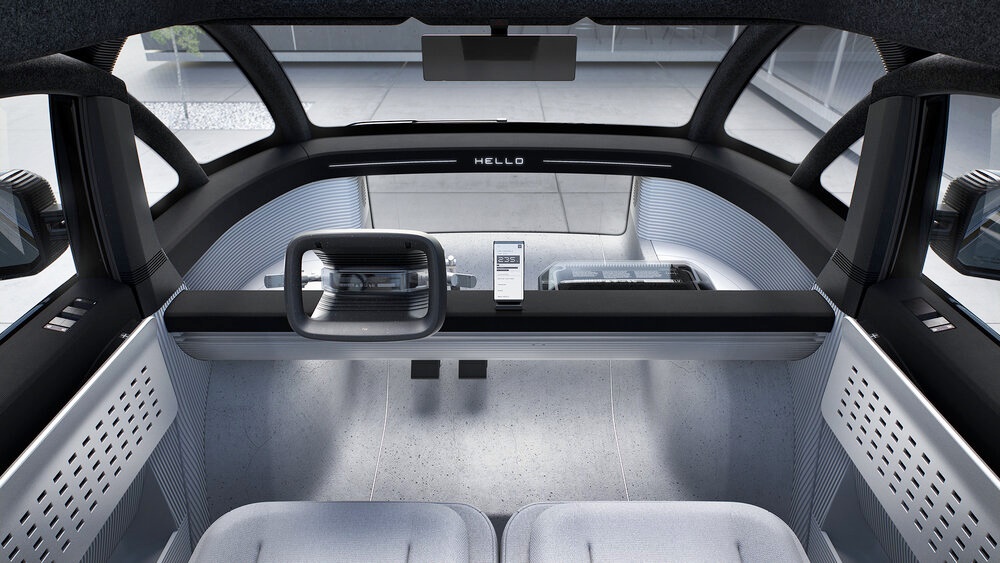
With the interior space of a large SUV and the exterior footprint of a compact car, the canoo offers enough space for 7 people. All seating is designed to feel more like furniture than traditional car seats. For example – the rear seats are more like a sofa to lounge on than a cramped and segmented backseat, and the front takes inspiration from mid-century modern chairs.

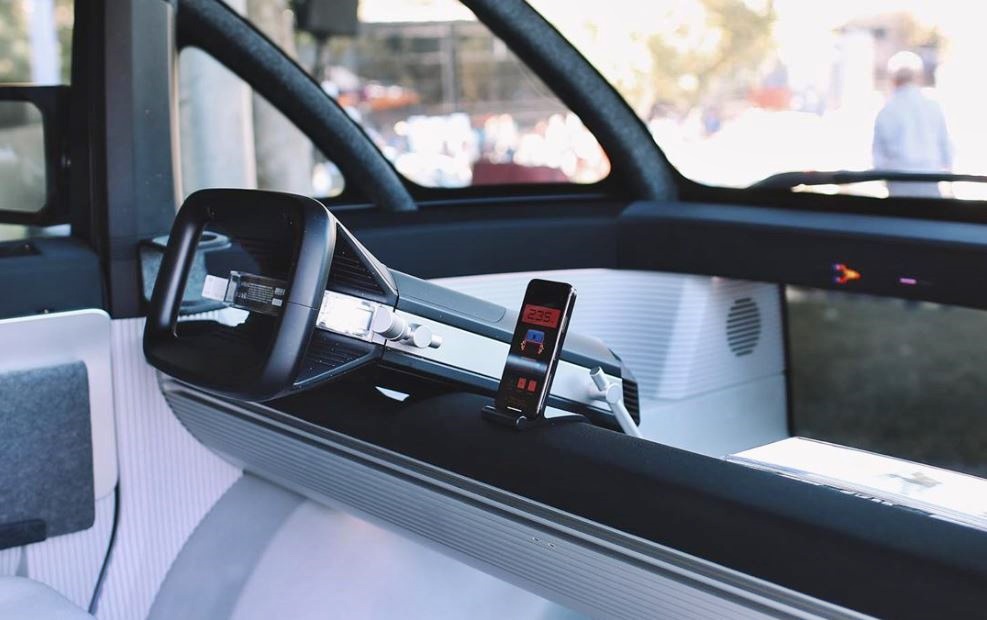
A minimalist approach for the user interface provides an experience comparable to a connected home. The occupants bring their own devices, which are naturally personalized, intuitive and secure. Therefore, the non-driving features such as navigation, music or heating can be controlled via phone or tablet to be consistent with the user’s daily connected life.
Canoo

Proprietary ‘skateboard’ architecture
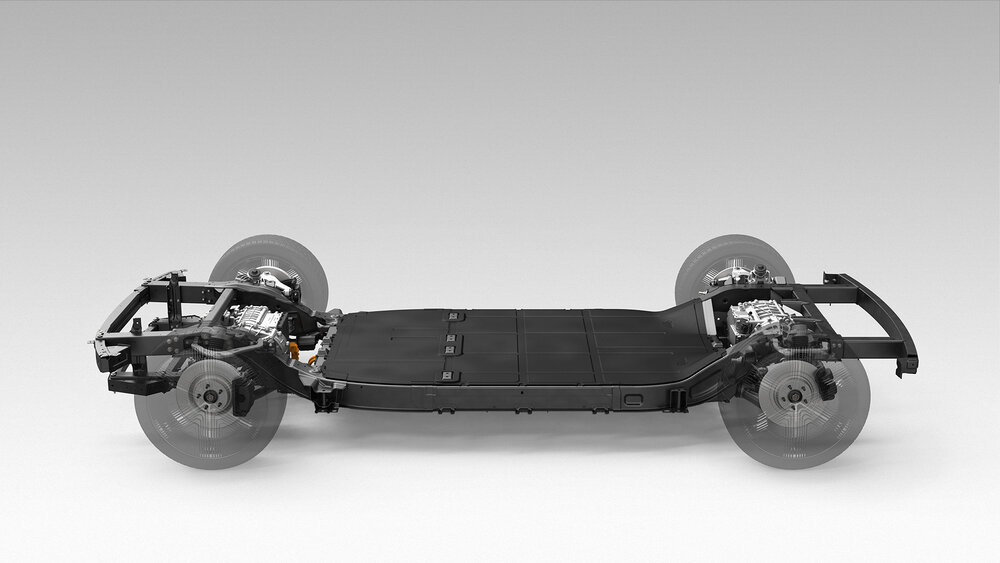
Canoo has developed a proprietary ‘skateboard’ architecture, directly housing the batteries and electric drivetrain. All of Canoo’s vehicles will share the same underpinning and different cabins or ‘top hats’ can be married on top to create unique vehicles. Leveraging the same fixed and flat skateboard allows for reduced R&D costs, efficient production and a better use of interior space.

The vehicle and skateboard are designed for an overall 5-star safety rating. The skateboard houses the most critical components of the vehicle with a strong emphasis on functional integration; the premise that all components should fulfil as many functions as possible. This helps reduce the total number of parts, skateboard size and weight.

While traditional suspension systems intrude into the passenger compartment, reducing the ability to maximize interior space, Canoo has a composite transverse leafspring suspension that creates a completely flat skateboard, enabling maximum passenger space.

Whereas other companies need a cabin to be secured to a skateboard for it to drive, Canoo’s skateboard is a self-contained unit which means it can drive on its own with any cabin placed on top. The skateboard is also set up in a way that it could support a dual, front or rear motor configuration.
Canoo

Canoo

Multi-function battery pack
The canoo has a claimed range of up to 400 kms (EPA rating) and can reach an 80% charge in less than 30 minutes. The battery pack is fastened directly to the skateboard structure and avoids the redundant structure and space taken up by a separate battery enclosure. The pack provides torsional rigidity to the skateboard and to the overall vehicle.

The parts inside the battery module also serve multiple purposes in order to reduce the number of parts and to eliminate redundancies. For example, cold plates serve to cool the batteries, hold the batteries and increase the stiffness of the skateboard. The skateboard architecture also allows for future models to leverage the same battery pack.
Canoo

Subscription concept offered
Canoo believes that there is a better solution than traditional car ownership. Currently, consumers are forced to go to a dealership and deal with insurance, maintenance and repairs. And the vehicle’s value drops immediately as the owner drives off a dealer’s lot.

Instead, Canoo will free its customers from the burden of ownership by offering a hassle-free and commitment-free EV subscription for one monthly, affordable price and with no set end date. The subscription may include services such as registration, maintenance, insurance management and charging—all from a single app.

PISTON.MY

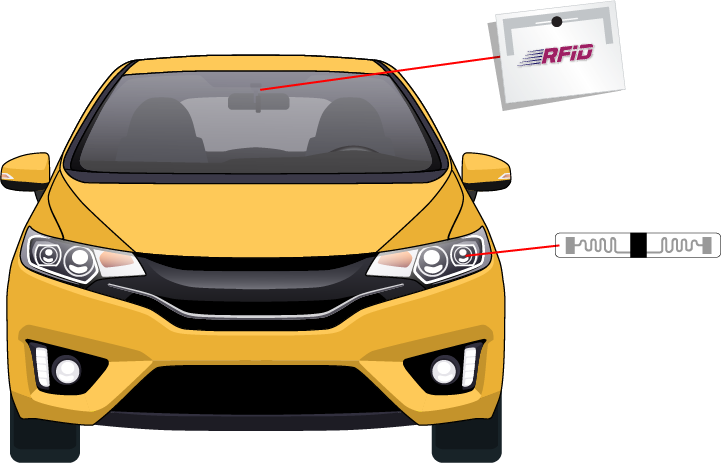
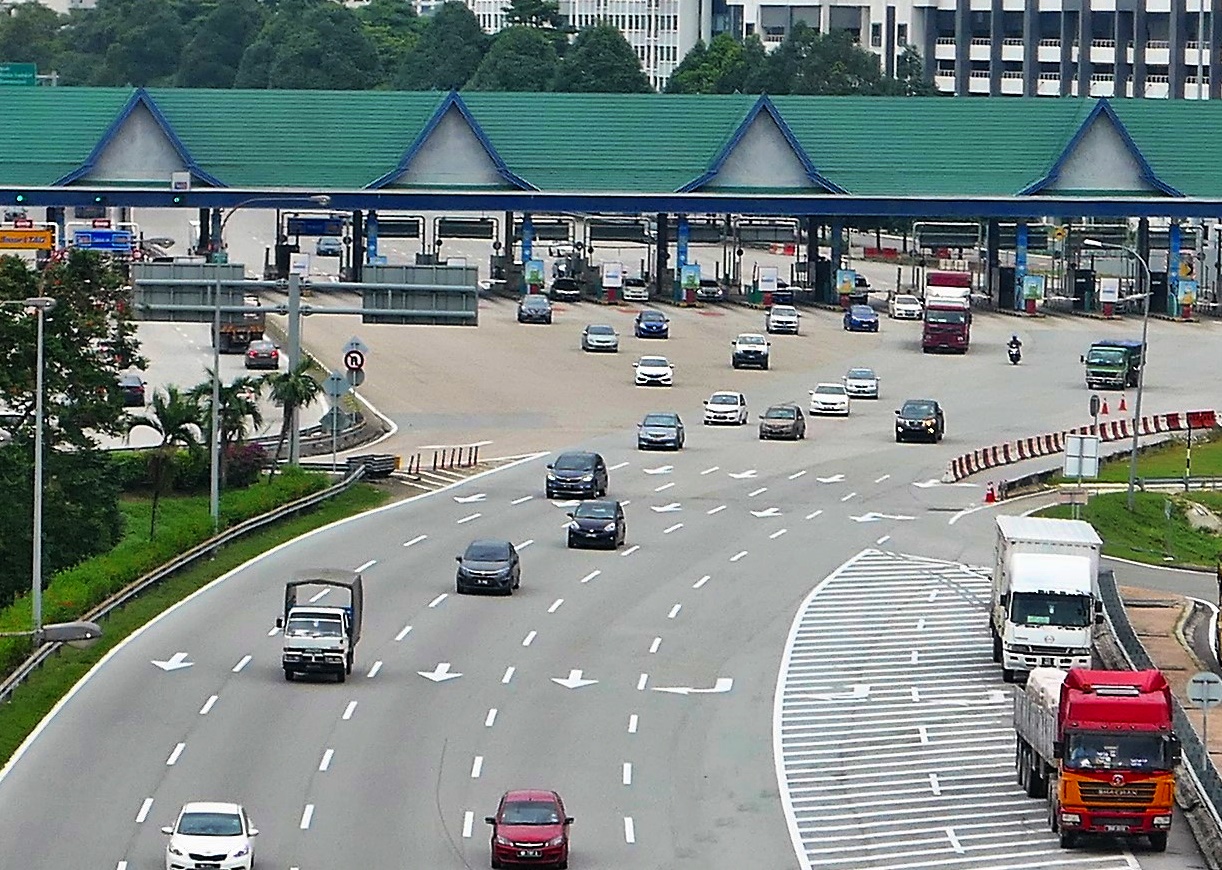
If you have a RFID tag on your vehicle, you’ll be pleased to know that from January 1, 2020, all 62 open-system toll plazas will have lanes to allow you to motor through without stopping. The move has become possible possibly because PLUS agreed to adopt the RFID system by Touch ’n Go to support the future introduction of the Multi-Lane Free Flow (MLFF) system. With this system, toll booths won’t be needed any longer although it might not be like the Singapore ERP (Electronic Road Pricing) system where only gantries are installed over the roads.

RFID

The open-system tolled highway is the one where you pay a fixed amount as you pass through the toll plaza. It differs from the closed-system which charges toll according to the distance travelled along the highway. You pay only when you pass through the second toll plaza leaving the highway.

In the case of PLUS highways, the RFID services will be available at 10 toll plazas (eg the two Penang Bridges and the Second Link in Johor)) from January 1, 2020. The concessionaire says that the remaining 83 toll plazas with the closed system will accept RFID payments from April 1, 2020.

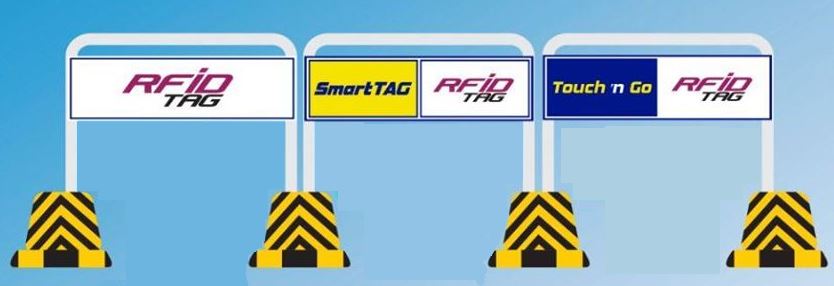
According to the Malaysian Highway Authority (Lembaga Lebuhraya Malaysia), the RFID electronic payment system will co-exist with the existing Touch ‘n Go and SmartTAG systems. So you don’t have to rush to install the RFID tag (if you have not done so), at least not just yet.

Toll plaza

The introduction of the RFID system is aimed at making traffic flow smoother through toll plazas.  The system is linked to the app-based Touch ’n Go eWallet which enables easy topping-up whenever needed. RFID transactions are in real-time and highway users will receive immediate notification of their balance.

To date, over 830,000 vehicles have been fitted with the RFID tag. Touch ’n Go has appointed 18 fitment centres around the country and also has a fleet of 112 mobile fitment centres.

PLUS to accept TnG RFID system on its highways, also addressing reload issues

PISTON.MY

As the year comes to an end, PPG – a leading supplier of automotive paint globally – looks at the colours motorists chose for their new vehicles in 2019. Because PPG operates in some 70 countries, it has been able to get data on consumer preferences although it must also be said that the data can be influenced by local assemblers who pick certain colours.

Nevertheless, collaboration between PPG’s more than 20 colour experts generates a fact-based approach to trends and consumer preferences, resulting in a unified voice on colour direction. The company believes this is reflective of current consumer attitudes and spans cultures, regions and markets.

PPG 2019 Colours

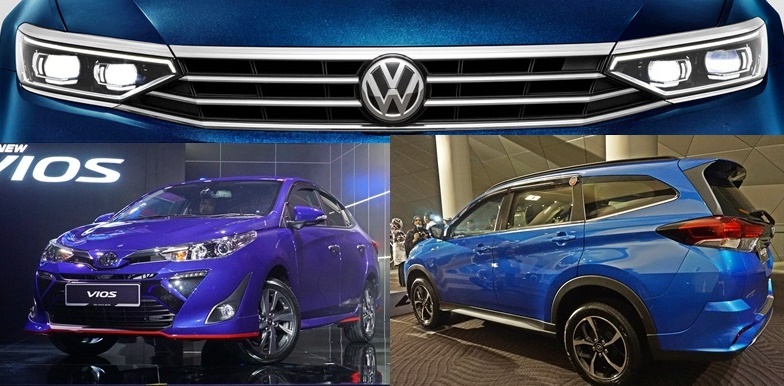
Blue reflects consumers’ desire for adventure, relaxation and reliability
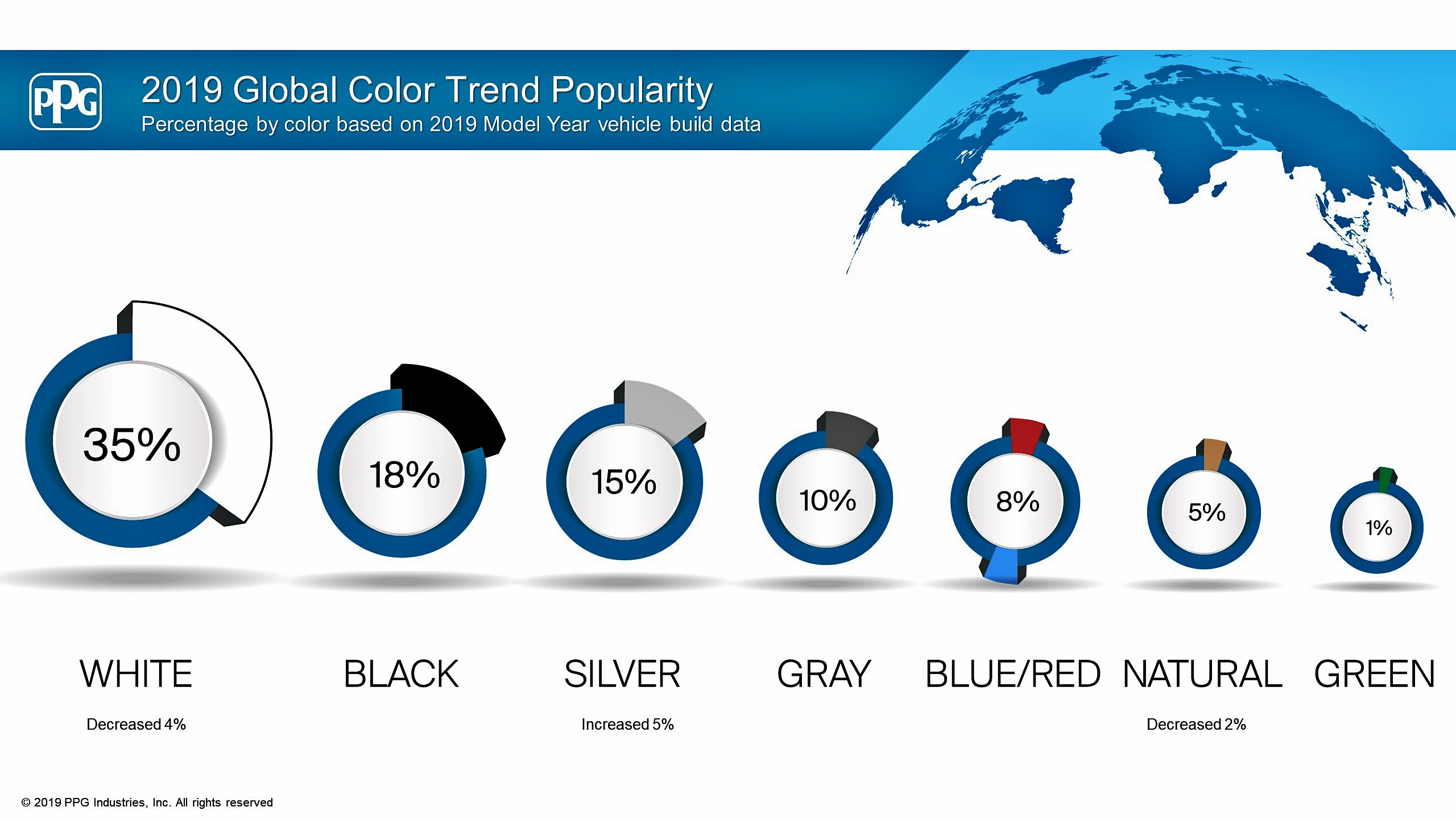
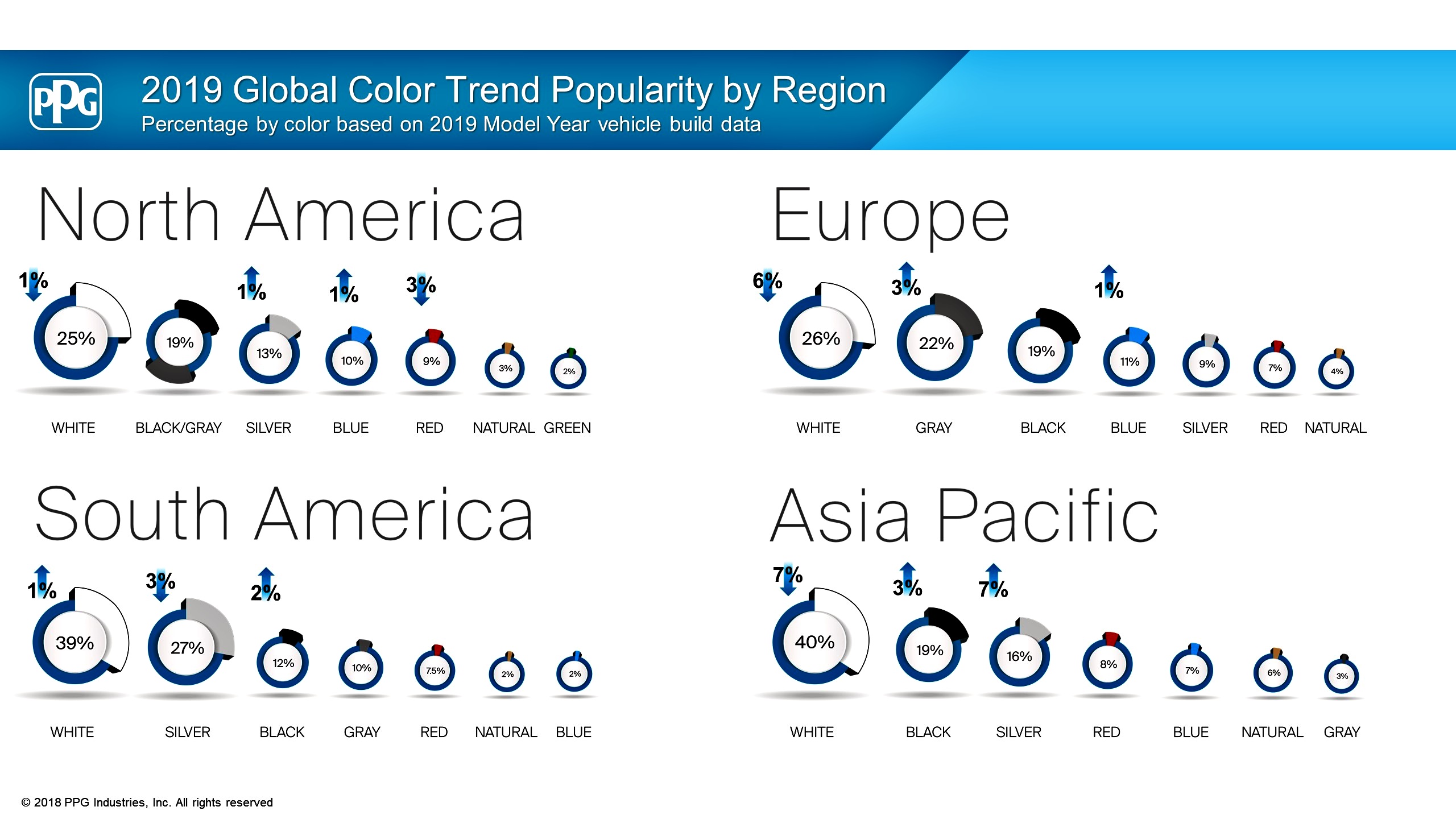
For 2019, blue was found to be increasingly popular, albeit holding a steady 8% of the total global colour popularity data – second only to neutrals like white, black, silver and grey. According to the experts, blue reflects consumers’ desire for adventure, relaxation and reliability.

“We see bolder colours making a comeback in many consumer segments. The versatility of automotive blues – from light sky blue to rich indigo – allows consumers to make a statement, while also ensuring the colour maintains a certain level of practicality,” said Jane Harrington, PPG Manager, Colour Styling, Automotive OEM Coatings.

“Now more than ever, consumers have a desire to make a statement – whether it be through their colour choices or the brands they buy,” Ms Harrington said.

PPG 2019 Colours

Europeans love the blues
Europe saw the largest number of consumers choosing blue for their vehicles in 2019, at a high of 11%, up 1% from last year. Close behind, in North America, blue was on 10% of vehicles leaving factories – the highest next to neutral hues. The Asia Pacific area saw 7% of consumers choosing blue, with South America having only 2% blue automobiles.

PPG 2019 Colours
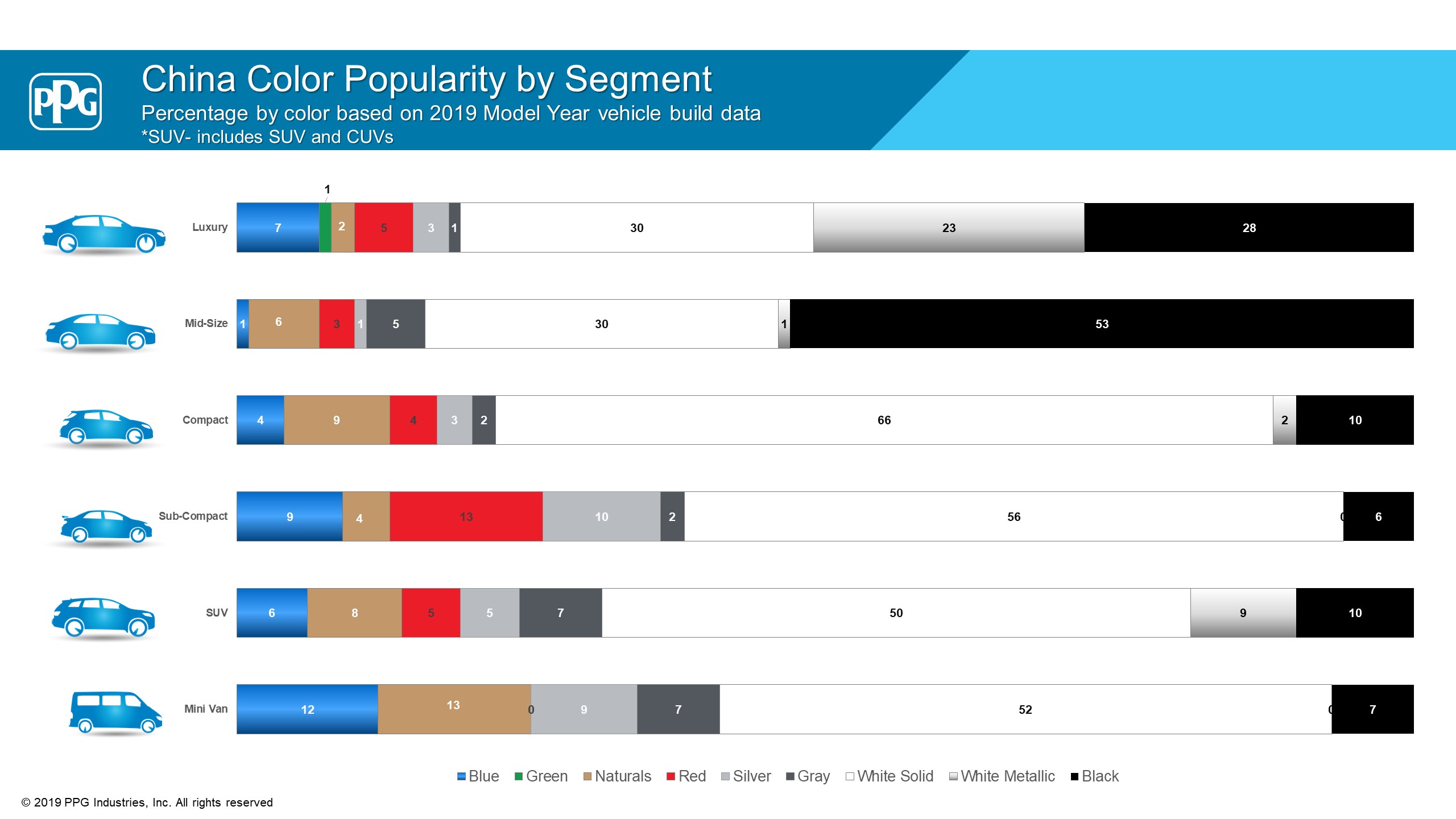
In China, white is still the most popular choice for all types of vehicles.

While it’s anticipated that we could see more blue automobiles for the next 4 years, the hue offers many nuanced shades that can be transformed with different pigment effects, fine or coarse metallic flakes, luminous micas and sparkling glass flakes. Chromatic blues with slight red or green undertones are already appearing across the automotive market and will continue to evolve over the coming years.

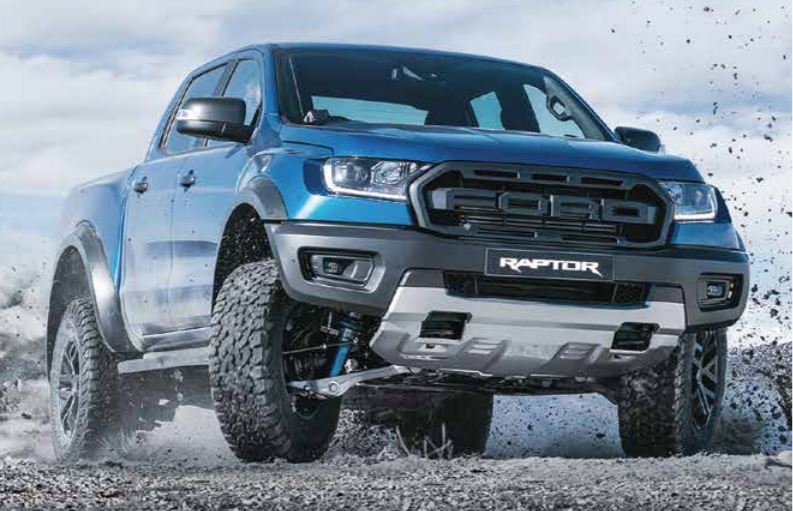
Ford Ranger

Consumers aren’t just choosing blue hues in their automobiles, but also gravitate toward the colour in their homes, electronics and automotive accents. The PPG paint brand earlier this year announced its 2020 Colour of the Year – Chinese Porcelain – a blend of cobalt and moody ink blue that imparts calmness, hopefulness and restful sleep – precious commodities in a restless world.

“The need for simplicity and escapism from technology is, in part, the reason that consumers are craving blues that bring us closer to natural elements such as the sea and sky – elements that represent peace and serenity,” said Dee Schlotter, Senior Colour Marketing Manager, PPG Paint Brand. “The increasing need for connection in an unmoored world was a reoccurring theme at PPG’s Global Colour Workshop.”

Blue for wheels too!
“Beyond colour preferences on the exterior of automobiles, consumers are looking to incorporate more colourful choices for their wheel accents,” said Jennifer Solcz, PPG Global Segment Manager for Wheels, Industrial Coatings. “We’re seeing wheel designers now opting for complementary blue and blue-grey tones, and bolder choices for logos, racing stripes and other embellishments for a cohesive, custom look.”

PISTON.MY


In accordance with the government’s directive, all petroleum companies must supply RON95 petrol meeting Euro4M standards from January 1, 2020. As it takes times to replace the fuel in storage tanks, the companies would already have been sending the new supplies by now and at some stations, the pumps would already be dispensing the Euro4M petrol.

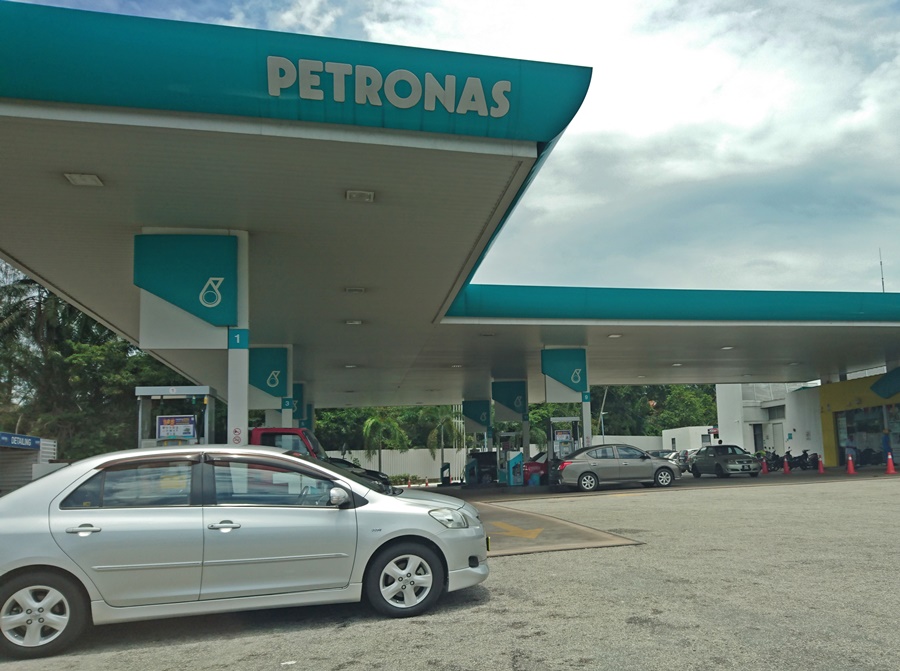
It would seem that PETRONAS stations have seen a quicker replacement rate – perhaps due to the increased demand during the holiday season as well as the popularity of their fuels – and the national oil corporation has announced that all its stations nationwide are now supplying Euro4M RON95 fuel.

PETRONAS
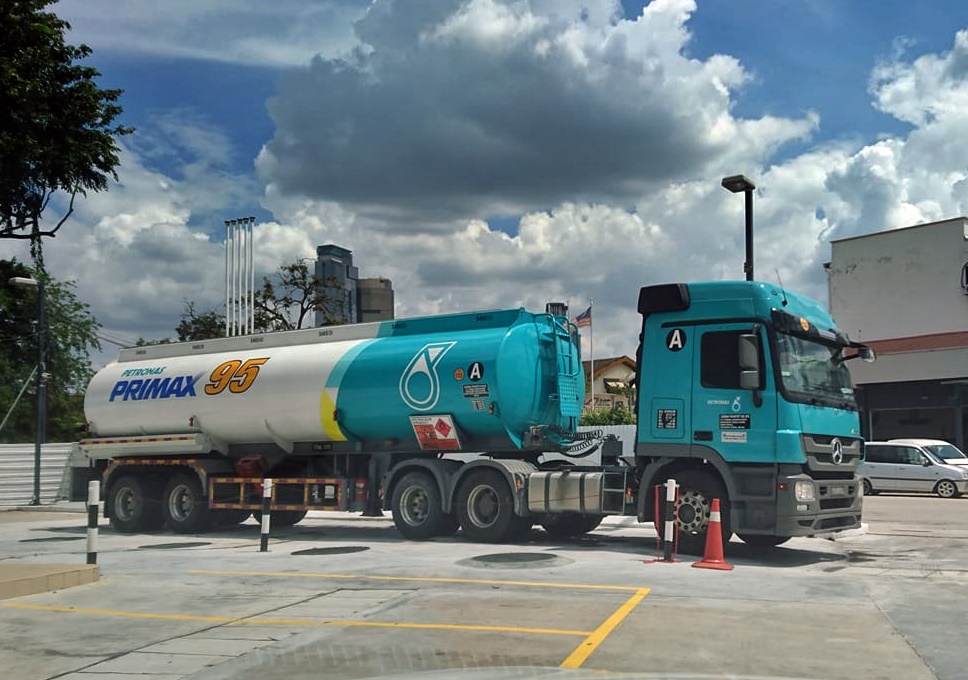
New supplies of petrol being delivered to a station (file picture).

No change in price
The price of the upgraded fuel is unchanged from before and follows whatever is set by the Automated Pricing Mechanism (APM) which is used to determine the retail prices each week. At present, the price of RON95 has been maintained at RM2.08 a litre although it would actually cost motorists RM2.28 a litre if not for subsidies amounting to RM70.61 million for this week. RON97, which is a Euro4M fuel already, is unsubsidised so its price fluctuates each week.

The new fuel specifications contain just 50 parts per million (ppm) sulphur, which is 10 times less than the Euro2M standard that has been applied for RON95 petrol for a long time. Additionally, the benzene content is reduced by 30% to 3.5% while vapour pressure is reduced by 7% to 65kPa. All this means that the fuel is cleaner, which is good for both the engine and the environment.

Upgrading to the Euro4M spec does not mean that the engine will become more powerful, as some people mistakenly think. The engine has a rated output which will be produced when it is new. However, over time, due to wear and tear and formation of deposits, the actual output may start to go down and the engine’s efficiency will also change. The change will be gradual but it happens, which is why regular maintenance is important if you want optimum performance all the time.

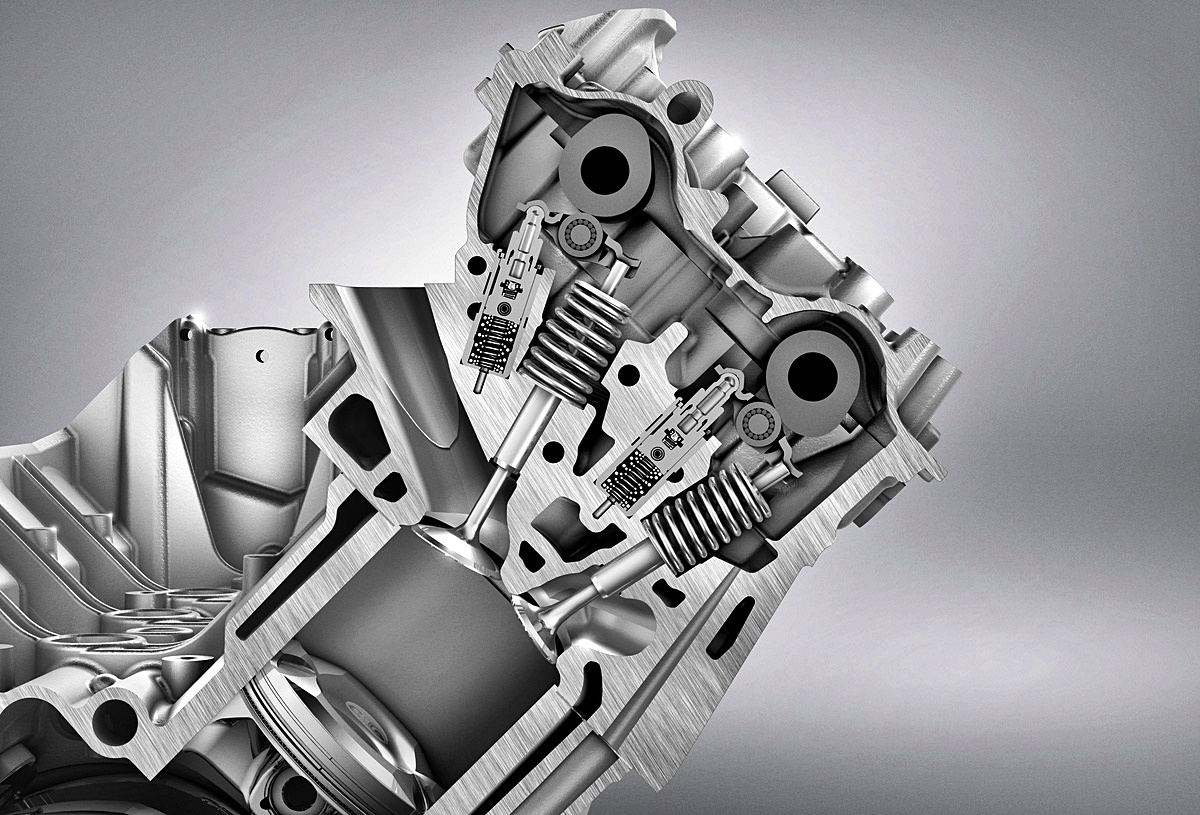
Mercedes engine
The much lower sulphur content means less clogging of the tiny passages in the fuel delivery system, allowing the engine to run more efficiently. Less sulphur is also good for the environment.

Fuel efficiency improved
What this new cleaner fuel – which PETRONAS calls Primax 95 with Pro-Drive – can do is enable the engine to run more efficiently as it has a lower sulphur content so things like the injectors don’t get clogged up. The various additives in the petrol also work to remove deposits and prevent formation, allowing the engine to run at its best, often accompanied by smoother operation. But you cannot expect an engine that it originally rated to produce 100 ps to produce 110 ps just by changing to Euro4M!

“Our RON95 fuel has been upgraded to Euro4M standard at all our stations since early December. With this upgrade, our customers will not just enjoy a smoother, more responsive and efficient drive, but also a cleaner fuel which works together with today’s modern vehicles in reducing air pollution to deliver both health and climate benefits. Ultimately, PETRONAS Primax 95 with Pro-Drive is good for the engine, and the environment,” said the MD & CEO of PETRONAS Dagangan Berhard, Dato’ Sri Syed Zainal Abidin Syed M. Tahir.

To find out more about the new enhanced PETRONAS Primax with Pro-Drive that is Euro4M- compliant, visit www.mymesra.com.my.

‘Pay, Pump & Go’ with Setel at all Petronas stations in Klang Valley

PISTON.MY


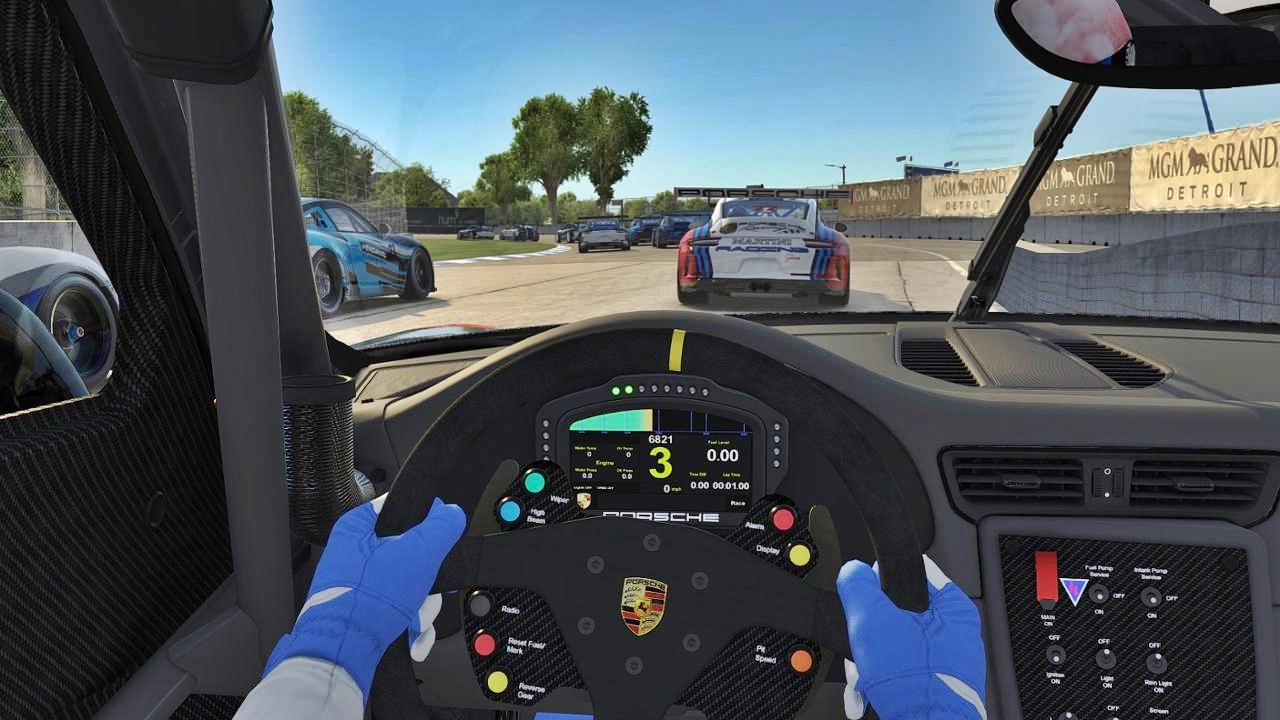
Videogames have been around since the early 1970s, with players challenging each other on machines in the same room. In tandem with the development of the internet and global connectivity, videogames moved online to evolve into ‘Esports’ from around 2000. In recent years, some car companies have started to become involved in Esports since there are also highly sophisticated motorsports simulators like Playstation 4’s Gran Turismo.

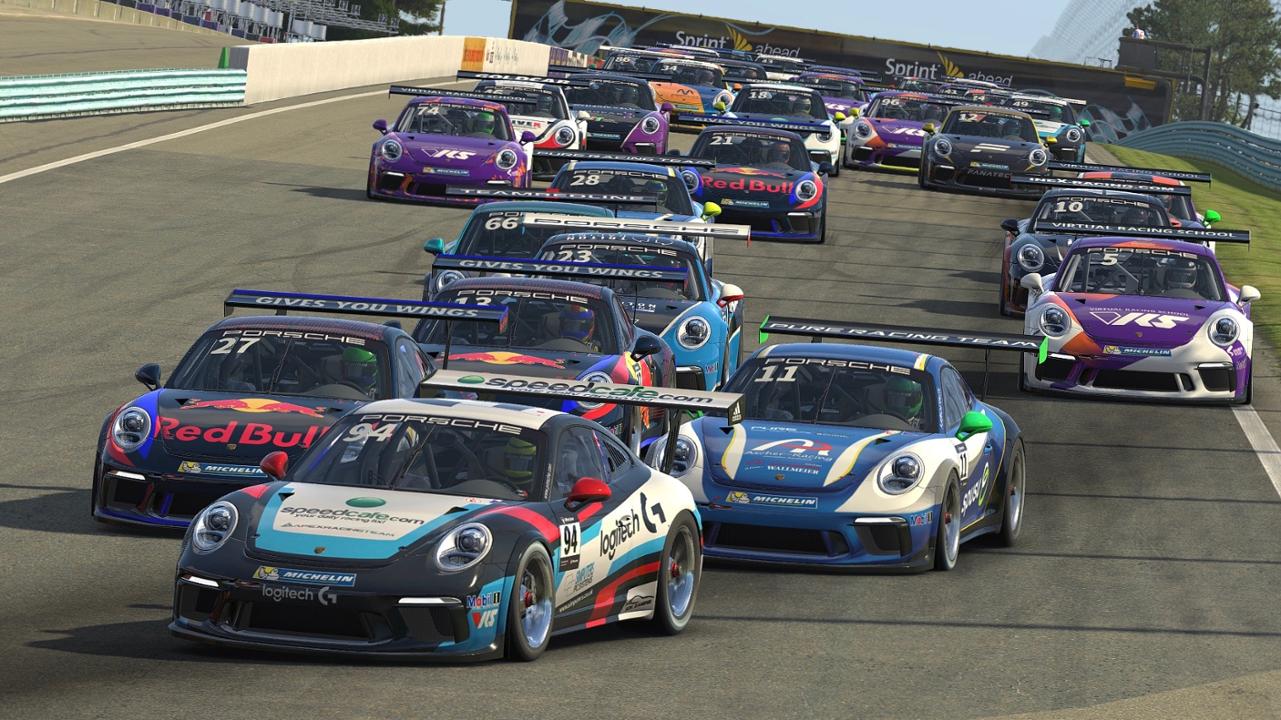
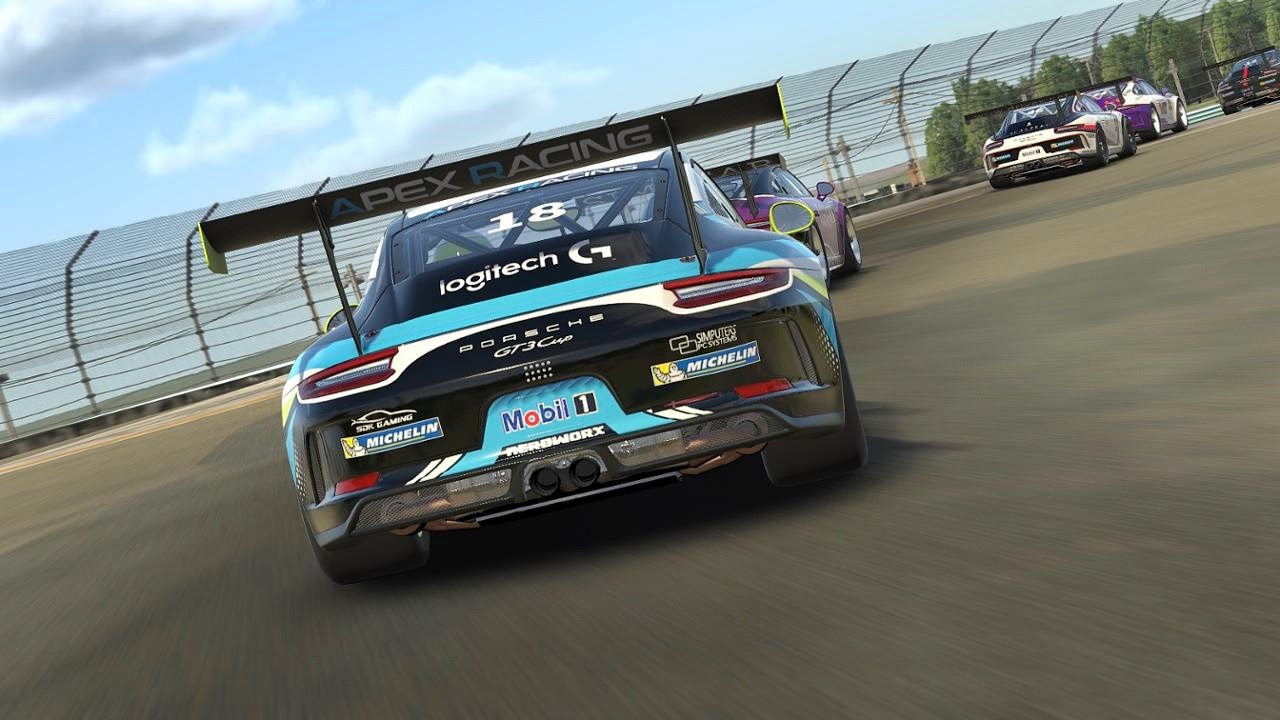
One of the companies is Porsche which organised the inaugural Porsche Esports Supercup online racing series. Encouraged by a successful first season this year, the company is now getting the second season started. Qualifying rounds to the virtual brand cup jointly organised by Porsche and iRacing have been ongoing since mid-December and will last 12 weeks.

Porsche ESports

10 racing weekends at iconic racetracks
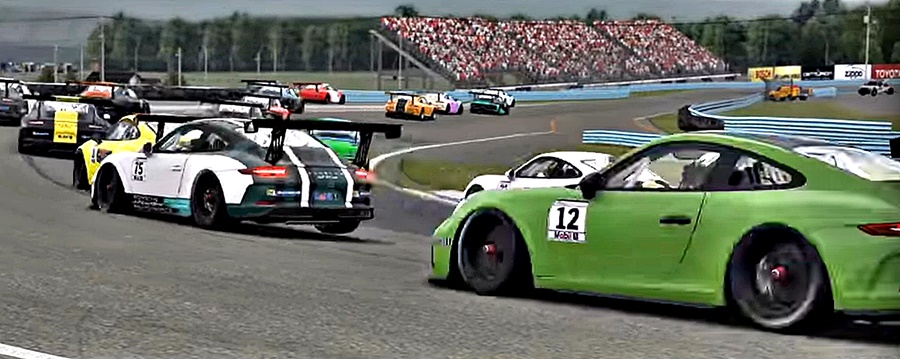
As of May 2020, the top 20 simulation racing drivers of the qualification and the first 20 drivers of the previous season will be competing against each other on 10 racing weekends at iconic racetracks and circuits forming part of the Carrera Cup brand cups.

“The first year of the Porsche Esports Supercup was dominated by thrilling races. In 20 races, we saw 10 different winners! We have achieved our aim of bringing together the best worldwide sim racers in a racing series. We are all the more looking forward to the 2020 season, where we race on the Circuit de La Sarthe in parallel to the Le Mans 24-hour race. In addition, drivers need to prove themselves at Nurburgring Nordschleife – the world’s most challenging racetrack,” said Marco Ujhasi, Porsche Motorsport Esports Manager.

Porsche ESports

Pre-season testing in Barcelona
The new features of the virtual supercup in 2020 include a 2-day, pre-season test in Barcelona where drivers can prepare for the season. The Porsche Esports Sprint Challenge will also be taking place for the very first time. A new series that is part of the Supercup involving Porsche Cayman GT4 Clubsport vehicles, it is open to all drivers not taking part in the Porsche ESports Supercup.

40 drivers from a total of 16 countries took place in the first edition of the online racing series. Australian Joshua Rogers came out top and was also the first virtual racing driver to receive an award at the ‘Night of Champions’, a gala event that took place at the beginning of December to honour the year’s Porsche motorsports winners.

Porsche ESports

20 years of the Porsche 911 GT3

PISTON.MY

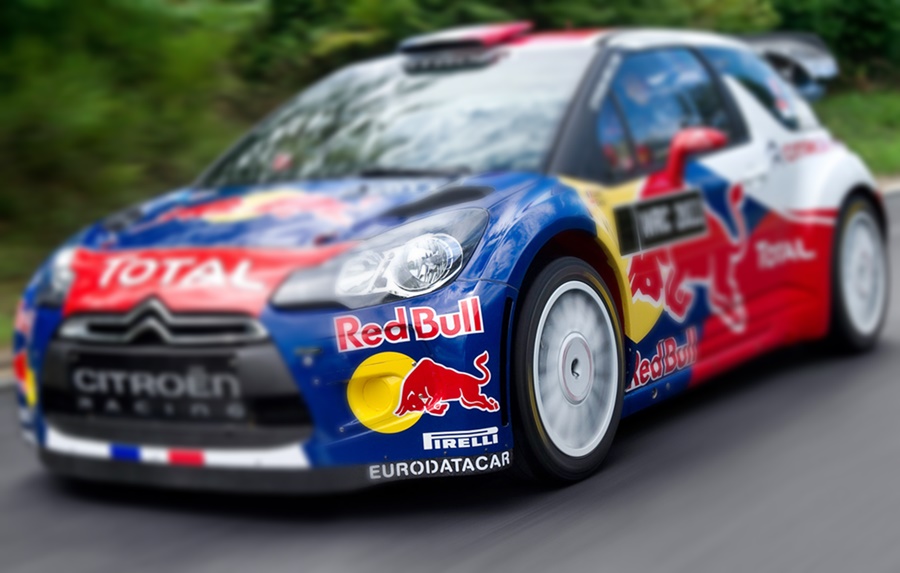
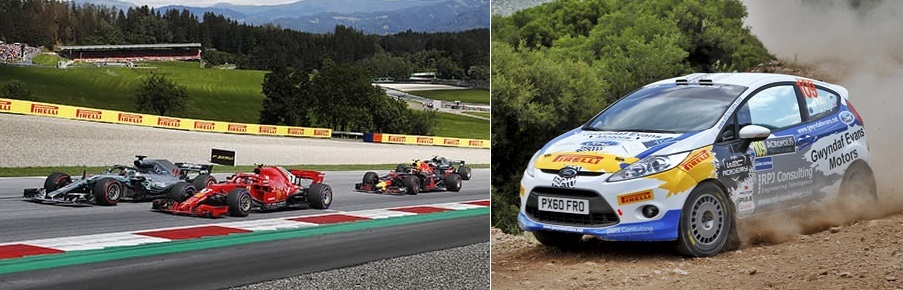
Pirelli has been the tyre-supplier to Formula 1 teams since 2011 and from 2021, the tyremaker has also been chosen by the FIA as the sole supplier for the World Rally Championship (WRC). Taking over from Michelin, the supply contract is to run until the end of 2024.

Pirelli will supply all the 4WD cars that compete on the championship, from the WRC category that fights for the overall title, to the R5-specification WRC2 class, which is also the headlining category on regional and national championships throughout the world.

WRC
Pirelli will supply tyres to all classes in the WRC.

Commitment to supporting young drivers as well
“Our return to the top level of rallying is something that we were considering for a while, and it’s particularly fitting that this appointment from the FIA comes in the year that Ott Tanak – a graduate of the Pirelli Star Driver programme – was crowned World Champion. Supplying the WRC alongside F1 will enable us to improve our products still further by putting them against some of the most varied and demanding conditions seen in motorsport,” said Mario Isola, Pirelli’s Head of F1 and car racing.

Pirelli’s commitment to supporting the careers of young drivers is set to continue as well. Alongside the continued supply to the Junior WRC, Pirelli will also carry on equipping the Junior ERC3 class on the European Rally Championship.

Pirelli F1 WRC
Pirelli has been sole tyre-supplier to F1 since 2011 but its involvement in the WRC goes back longer.

25 world titles and 181 wins
The tyremaker has long experience in WRC, having been involved since 1973 and being the tyres used by teams that won 25 world titles and 181 WRC events. It was sole supplier to the WRC from 2008 to 2010 and since 2018, it has supplied tyres for drivers in the WRC2 category.

“Technology and passion are two key elements that Pirelli bring to motorsport, and these have allowed us to secure the single tyre supply for the World Rally Championship. We’ve supported young drivers in the Junior category for many years and now we’re returning to the top class as well,” said Giovanni Tronchetti Provera, Pirelli’s Senior Vice-President of Prestige and Motorsport.

He added that rallying has always been a perfect open-air laboratory for Pirelli’s engineers to test out new technologies that are eventually destined for road use, thanks to the extreme conditions that characterise the sport.

Pirelli WRC

Tyres to be supplied
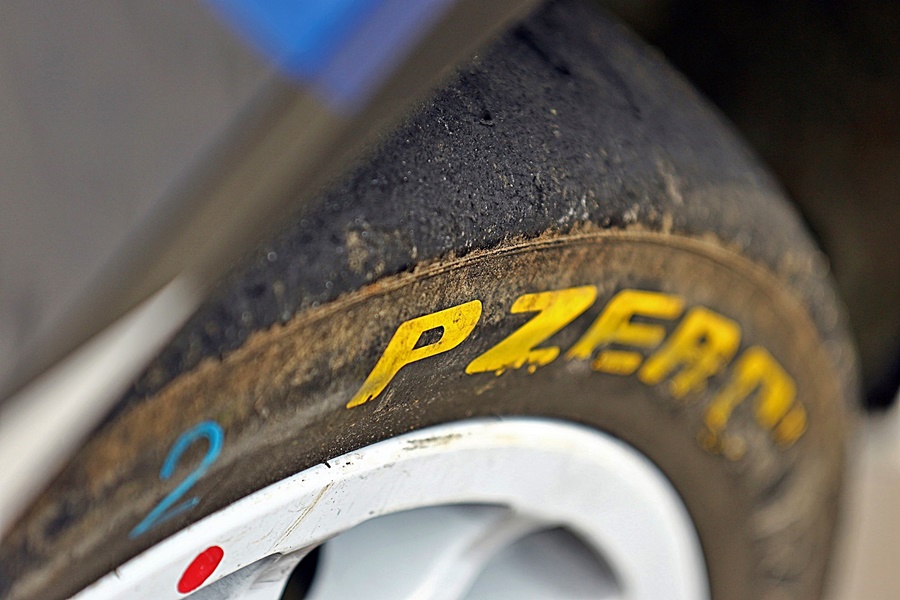
Pirelli will supply the WRC teams with tyres that have already successfully been seen on different rally championships throughout the world. The P Zero RA is for asphalt, with different compounds available to suit the terrain and weather conditions. The Sottozero Snow (with or without studs) is used for snowy conditions, the Sottozero Ice J1 is specifically designed for Rally Sweden, while on gravel, the reinforced Scorpion K can cope with a wide variety of loose surface conditions.

PISTON.MY

Archive

Follow us on Facebook

Follow us on YouTube