Piston.my

Latest News

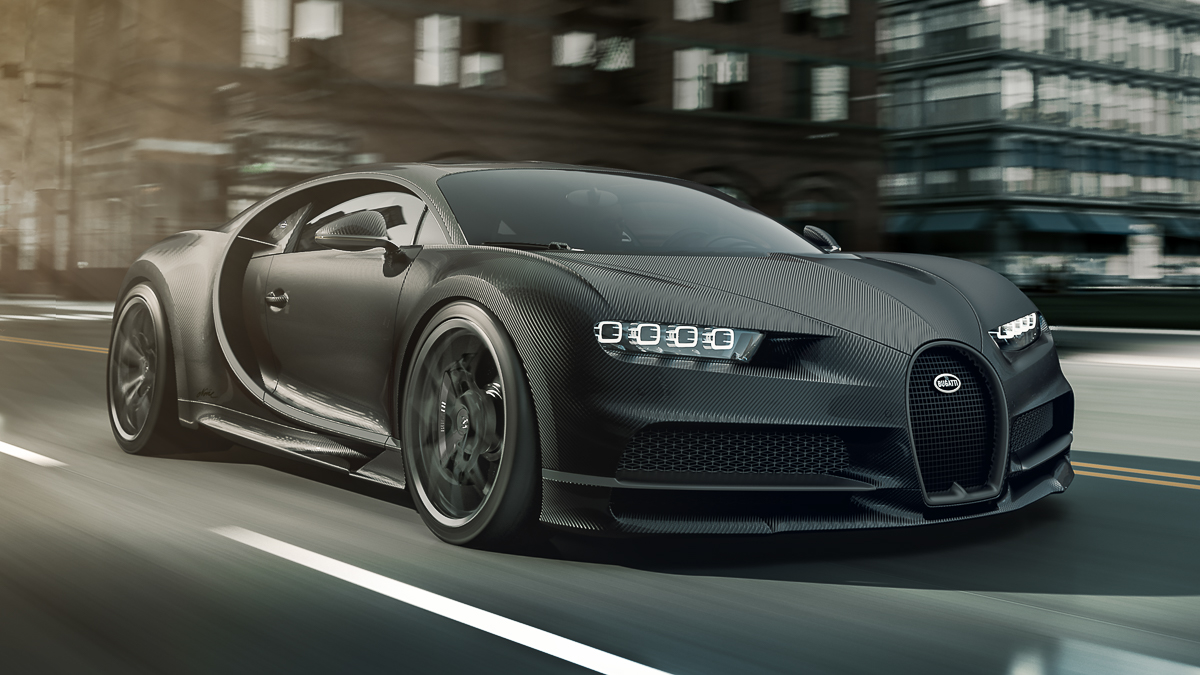
There are many enthusiasts in the motoring community who are interested in Bugatti’s “La Voiture Noire”, which is labelled as arguably the most valuable and expensive car in the world. To pay tribute to this masterpiece, the Bugatti “Chiron Noire” has been introduced and it comes in two different stylings for those with deep pockets. (more…)

Throughout the 1980s, Toyota’s engineers worked hard to develop a hybrid system which could be commercialised and used in mass production. They succeeded by the end of the decade and the carmaker introduced its first model with a hybrid electric powertrain – the Prius. Since then, Toyota has continued to make ever better hybrid powertrains as new technology has been developed and more importantly, battery technology has also made much progress.

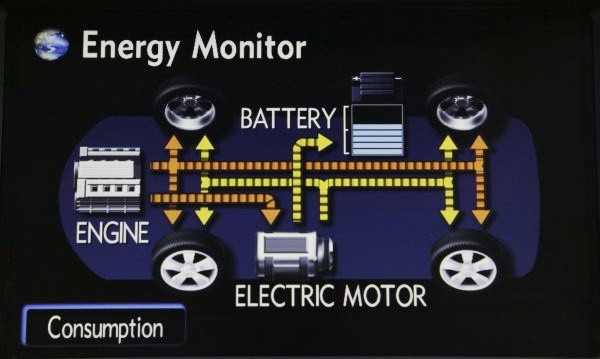
The hybrid concept is an ingenious marriage of an internal combustion engine and an electric motor. Their performance – in unison or individually – is governed automatically and seamlessly by an intelligent system that draws power from the appropriate source to maximise efficiency, or performance.

Electric power is generated by the engine while the car is being driven and is also converted from the kinetic energy produced when braking or slowing down. Power is stored in a high-voltage battery pack that needs no ‘plug-in’ recharging.

It started with the RX 400h
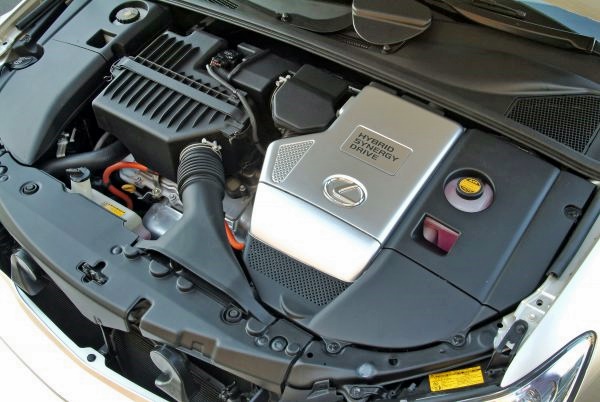
Lexus, Toyota’s premium luxury brand, has also been collaborating in the development of hybrid powertrains, apart from drawing on the development work done by Toyota. Years of R&D culminated in the RX 400h, the first self-charging hybrid Lexus and world’s first luxury hybrid vehicle, launched in 2005. On the outside, it looked little different from the familiar RX 300 SUV but, under the skin, things were very different. Yes, there was a 3.3-litre petrol V6 engine under the bonnet, but this was just one element in the all-new self-charging hybrid electric system.
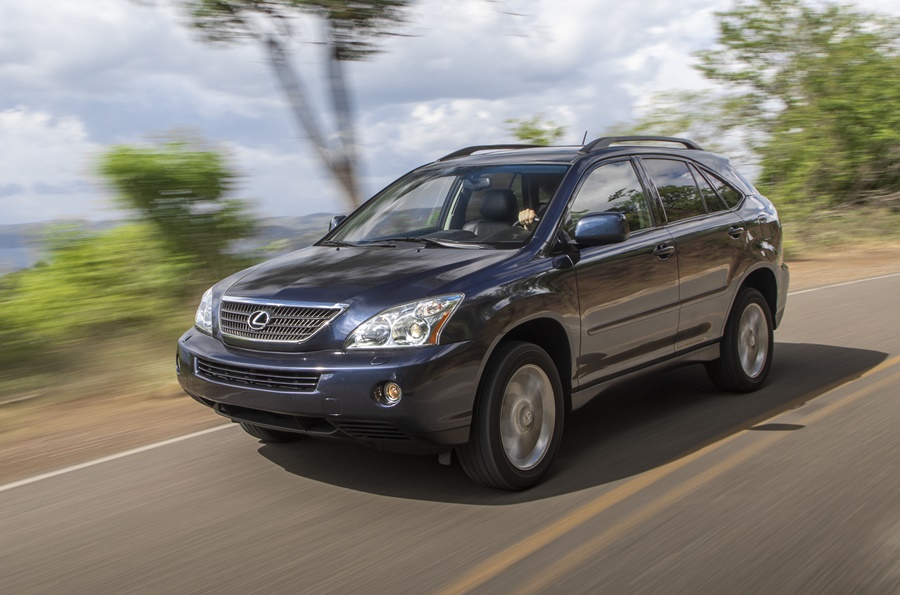

2005 Lexus RX 400h

Lexus Hybrid Drive 2005 (1)

Lexus Hybrid Drive 2005

The development of the Lexus Hybrid Drive brought ‘full’ hybrid technology to motorists. It meant the vehicle could run on electric power alone, with zero emissions and fuel consumption. Initially, this was limited to low-speeds and relatively short distances due to limitations in technology, especially battery capacity. But as the technology was developed, the capability increased significantly. Today, Lexus hybrids can travel up to 50% of the time in congested urban environments without the petrol engine running.

The second generation
The second generation of the Lexus Hybrid Drive showed significant progress. Not surprisingly, it was first offered in the brand’s new flagship sedan, the LS 600h, in 2007. As the first hybrid system to feature a V8 engine – a 5.0-litre unit, the most technically advanced Lexus had yet built – it delivered the kind of power and performance typically associated with a V12. The system delivered 445 bhp and 520 Nm of torque, giving acceleration from standstill to 100 km/h in just 6.3 seconds.
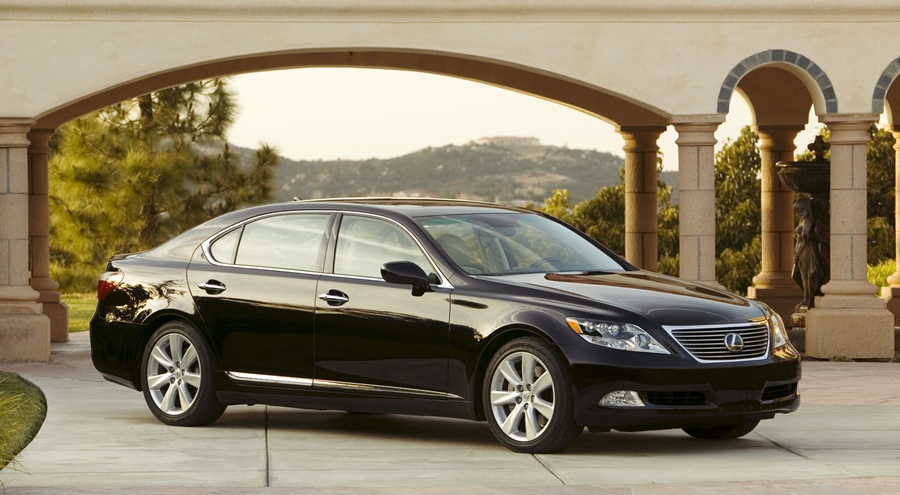
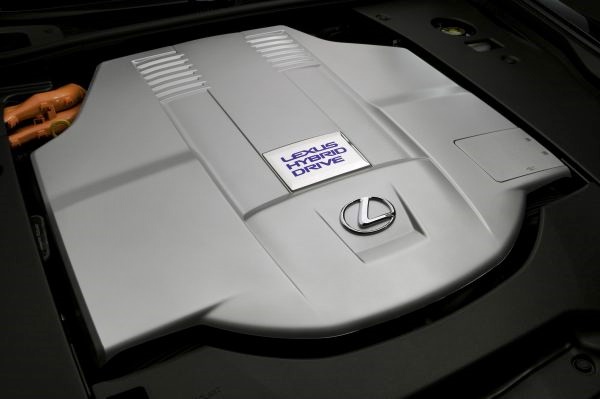
2007 Lexus LS 600h

2007 Lexus LS 600h

2007 Lexus LS 600h

When it came to emissions and fuel economy, the LS 600h also broke new ground in its class. It could achieve official combined cycle fuel economy of 10.8 kms/litre and its comparatively low emissions earned it SULEV (Super Ultra Low Emission Vehicle) status in the USA.

A sportier dimension
A sportier aspect of hybrid power was also seen in the GS 450h sports sedan. A 2-stage motor speed reduction planetary gear was used in both the GS and LS models but for the LS 600h, the hybrid transmission was upgraded. The nickel-metal hydride battery produced 280V, but a boost converter could ramp this up to 650V.
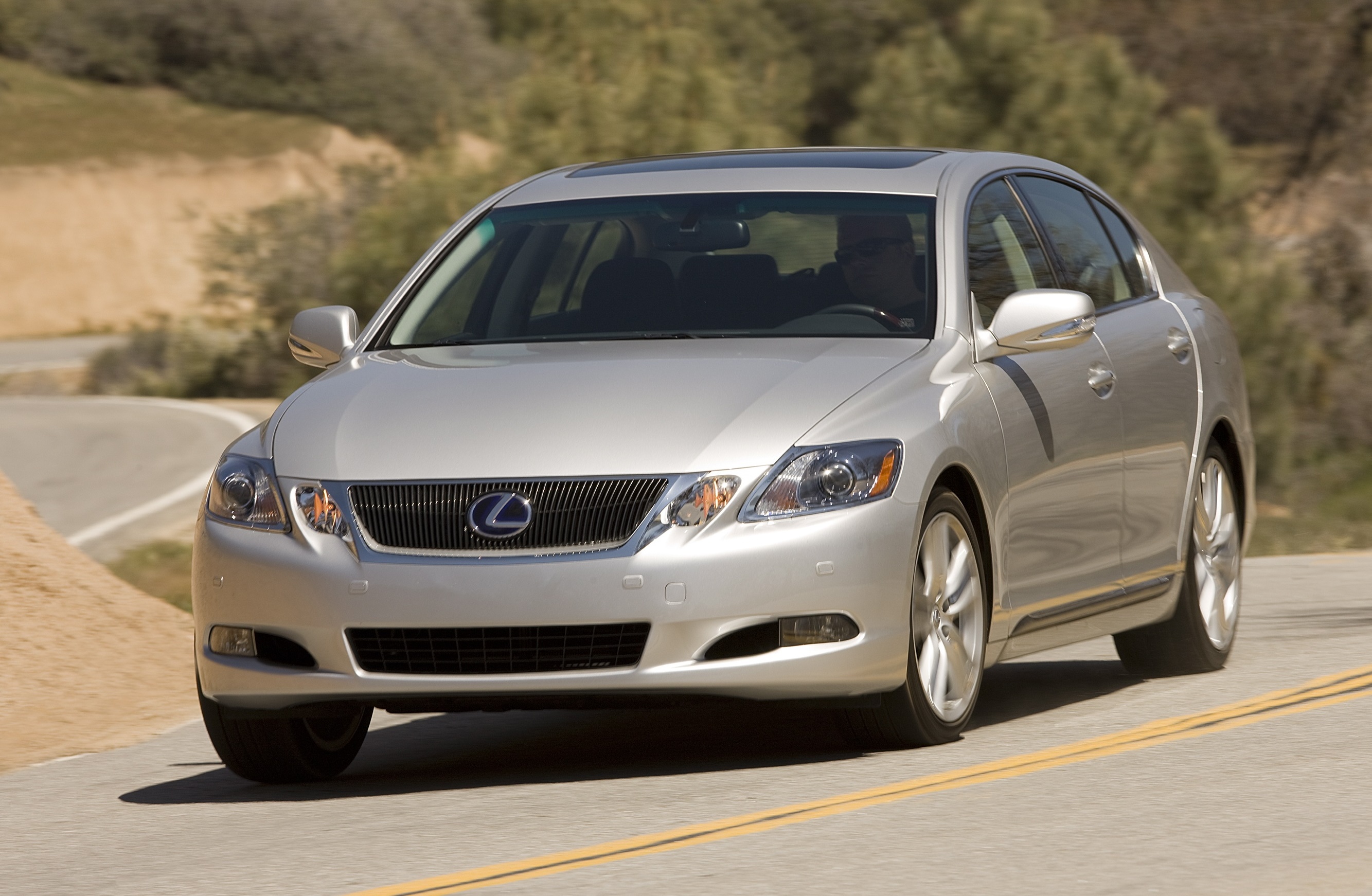
Lexus GS 450h

Lexus GS 450h

The GS 450h and the RX 450h, which superceded the original RX 400h in 2009, were equipped with a new 3.5-litre V6 engine. Thanks to the use of an electronically-controlled power split device, the transmission operated like a continuously variable transmission (CVT) but with the benefit – for the first time in a hybrid – of a manual shift mode and AI-Shift that used artificial intelligence to adapt performance to the driver’s style and the driving conditions.

More efficient, more responsive
The third generation of Lexus Hybrid Drive made advances both in efficiency and responsiveness. The revised system was first seen in the IS 300h, the first IS to feature hybrid power, which entered the market in 2013.
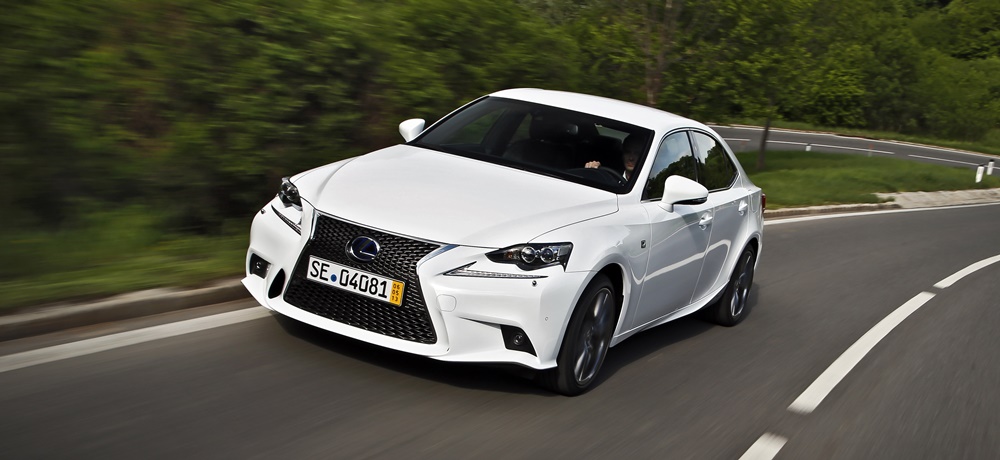
2013 Lexus IS 300h

Central to the improved performance was a new 2.5-litre Atkinson cycle petrol engine, equipped with D-4S direct fuel injection, Dual VVT-i intelligent variable valve-timing and a high-efficiency exhaust gas recirculation system. Combined with the hybrid transaxle, this gave class-leading, sub-100 g/km CO2 emissions and fuel economy from 23.3 kms/litre.

With further refinements, this system was also adopted for the Lexus NX, the company’s first midsize crossover, and the RC 300h coupe, both of which joined the range in 2014.

The Multi-Stage Hybrid System
While the styling of the LC Coupe has earned it high praise and awards, the LC also marked a new era in hybrid electric technology. The breakthrough was the Multi-Stage Hybrid System, a new transmission device that retains the hybrid’s efficiency, but which takes the driving experience to a higher level.
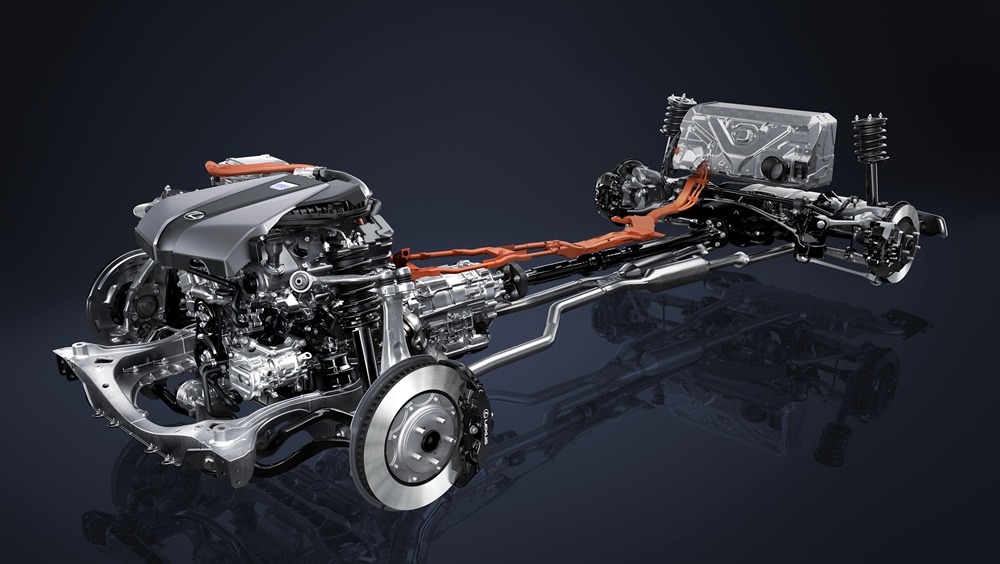
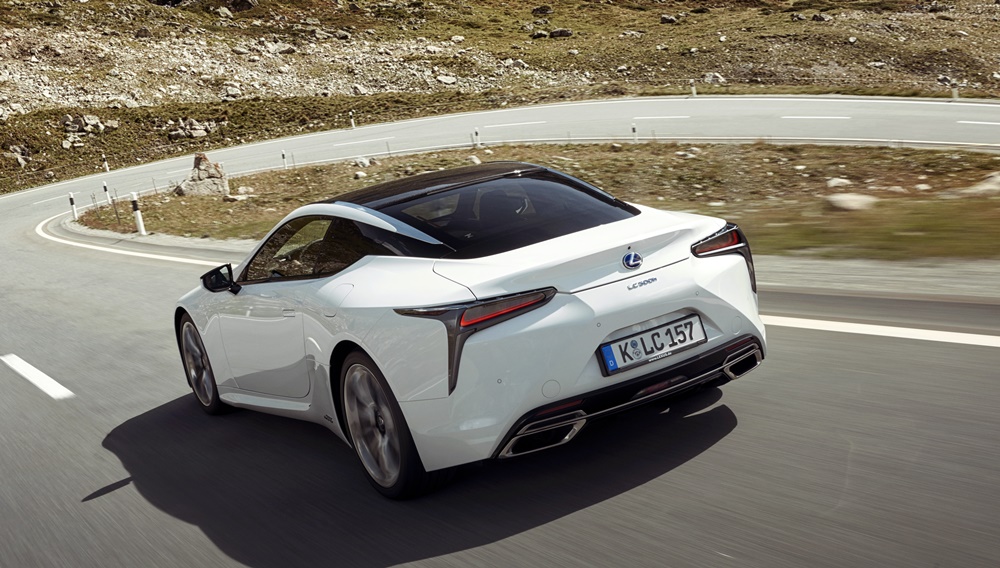
Lexus Multi Stage Hybrid System

Lexus LC 500h

The LC 500h is equipped with a 3.5-litre V6 engine that revs all the way to 6600 rpm, and benefits from detailed engineering features to promote both performance and efficiency. The Multi-Stage Hybrid System allows its potential to be exploited to the maximum by amplifying the output of both the engine and the electric motor. In this way, performance can be optimised at all engine speeds.

For the driver the rewards are more responsive and direct acceleration, greater dynamic performance and all-round driving pleasure – the ‘even sharper’ character that Lexus sought to achieve. With total system output of 359 bhp and 0 to 100 km/h acceleration in a claimed 5 seconds, the new powertrain fully justifies its place in a performance model, yet can go up to 12.3 kms/litre. Since its introduction in the LC, the Multi-Stage System has also been used in the LS 500h.

Aiming higher with fourth generation
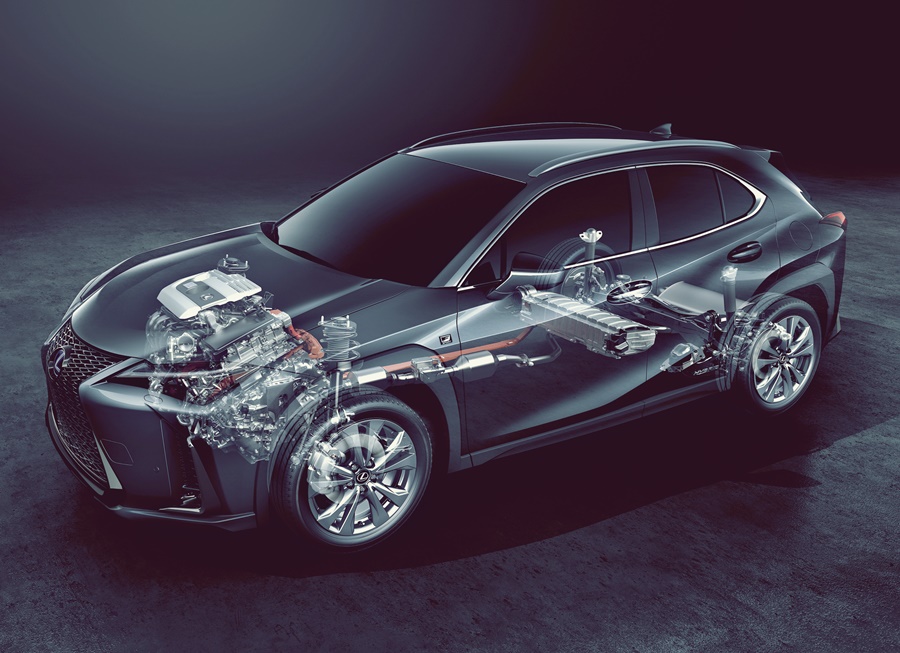
Today, Lexus is leveraging its technology leadership with a fourth generation of Lexus Hybrid Drive that achieves even better fuel efficiency, responsive emissions and low emissions. Featured in the new ES 300h sedan and UX 250h compact crossover launched in early 2019, it combines the benefits of an all-new, ultra-efficient Atkinson cycle engine with a new electric motor that’s lighter, more compact and more power dense.
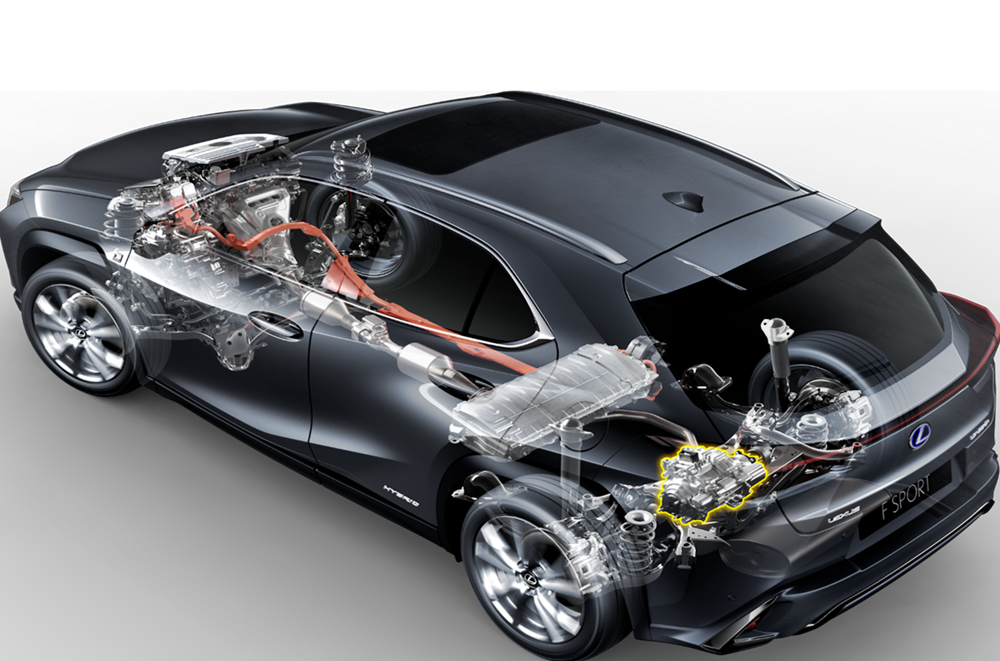
UX 250h

No effort was spared in this powertrain’s development, with 60 prototypes built and more than 10 million kilometres of road testing carried out. The result is the most thermally efficient engine yet to be installed in a production vehicle – rated at 41%. This means more of the power potential of every drop of fuel is captured to drive the wheels. This has been achieved with fast-burn combustion technology that ensures more power is gained without increasing emissions or fuel consumption.

Proven, robust and reliable technology
Lexus hybrids proved themselves to be intrinsically quiet, smooth and refined and, as the years passed, they also demonstrated exceptional reliability. This is not a fragile technology, but a robust and highly durable solution.

Within 15 years, Lexus has made the hybrid concept central to its brand, extending its reach from a single model in 2005 to a range of up to 10 vehicles in some regions today, covering many different bodystyles and performance levels. Worldwide, cumulative hybrid sales have passed 1.6 million units, while in Western Europe hybrids now account for 99% of all the new Lexus vehicles sold in the region.

To know more about Lexus models available in Malaysia, visit www.lexus.com.my,

Lexus goes fully electric with the UX300e

PISTON.MY

With the mandatory usage of childseats in cars coming into effect next month, parents have to start making the purchases to ensure they do not commit an offence (although summonses will not be issued during the first 6 months of the year). For 150 qualified parents, there is an opportunity to buy such seats at subsidised prices, thanks to BMW Malaysia, Safe ‘n Sound and Childline Foundation.
“With only 30% of drivers using child carseats for their children, it became more imperative for us as automakers to press on for child safety, regardless of the challenges we encounter in the fight for its education and accessibility. It is encouraging to see the Ministry of Transport take a definite step into making child carseats mandatory in the year to come, but at the same time, recognise that there are parents who may have limited access to them – therefore providing tax breaks and reduced excise fee for child carseats. In support of that, we are now bringing the subsidy programme online to make infant carrier carseats accessible to households with income less than RM3,000 a month,” said Harald Hoelzl, MD of BMW Group Malaysia.

Child car seats

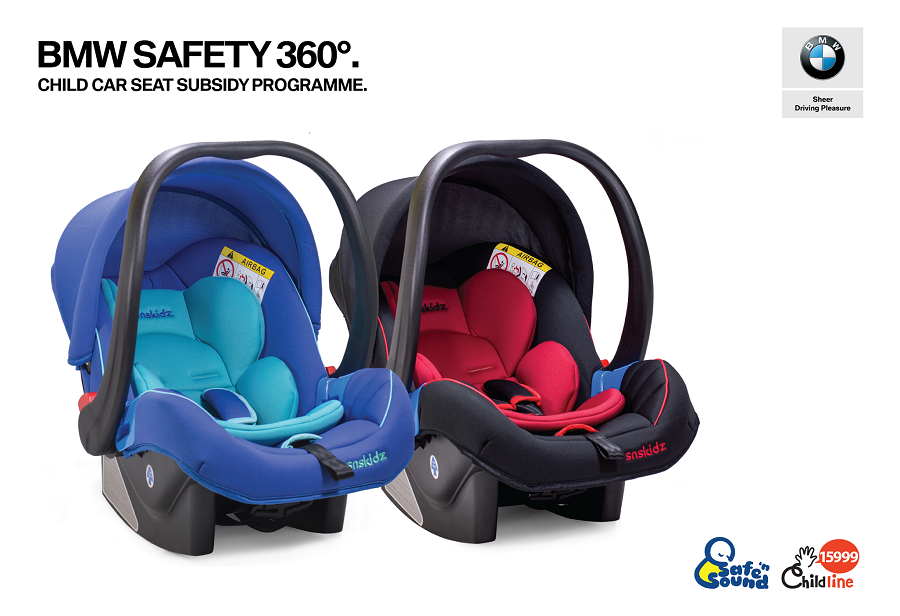
BMW Malaysia aims to accelerate the adoption of child car seats through the subsidy programme as part of the BMW Safety 360° initiative. In collaboration with Childline Foundation and Safe ‘n Sound, 150 units of infant carrier carseats will be made available at a subsidized price of RM100 each.

BMW Malaysia and Safe ‘n Sound will be subsidising 150 snskidz Ace infant carrier carseats at RM100 each. The rear-facing infant carrier carseat, which retails at RM199, can be used from birth to 13 kgs and carries the ECE R44-04 certification.

How to register
Parents can register for the subsidised infant carrier car seat at www.safensound.com.my/pages/child-car-seat-subsidy-programme from now until December 15, 2019. Applicants eligible for the subsidy will be notified, after which a payment of RM100 must be made prior to the collection of the carseat.

“Parents will also be educated on the proper ways of choosing and installing the child carseats to ensure the utmost safety of their children upon collection of the infant carrier carseat. By educating them, we hope that they, too, will become advocates for child safety.” Said Datin Wong Poai Hong from Childline Foundation.

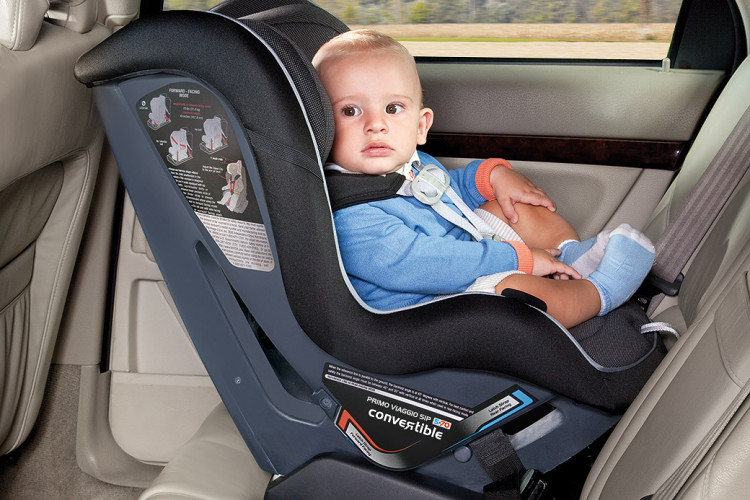
BMW childseat
BMW also offers a range of child carseats to suit different budgets of its customers.

“While the BMW Safety 360° Programme has been running for over 5 years now, we hope to see more partners take active roles to ensure that child carseats are a norm in Malaysia, be it through education or increasing accessibility to them. Partners can also engage with Childline Foundation to further advocate for child safety. For both parents and partners, there is no better time than now to take action and they should not wait until the ruling comes into effect before considering child safety,” added Sashi Ambi, Head of Corporate Communications at BMW Group Malaysia.

REMINDER: Child seats mandatory starting year 2020

PISTON.MY

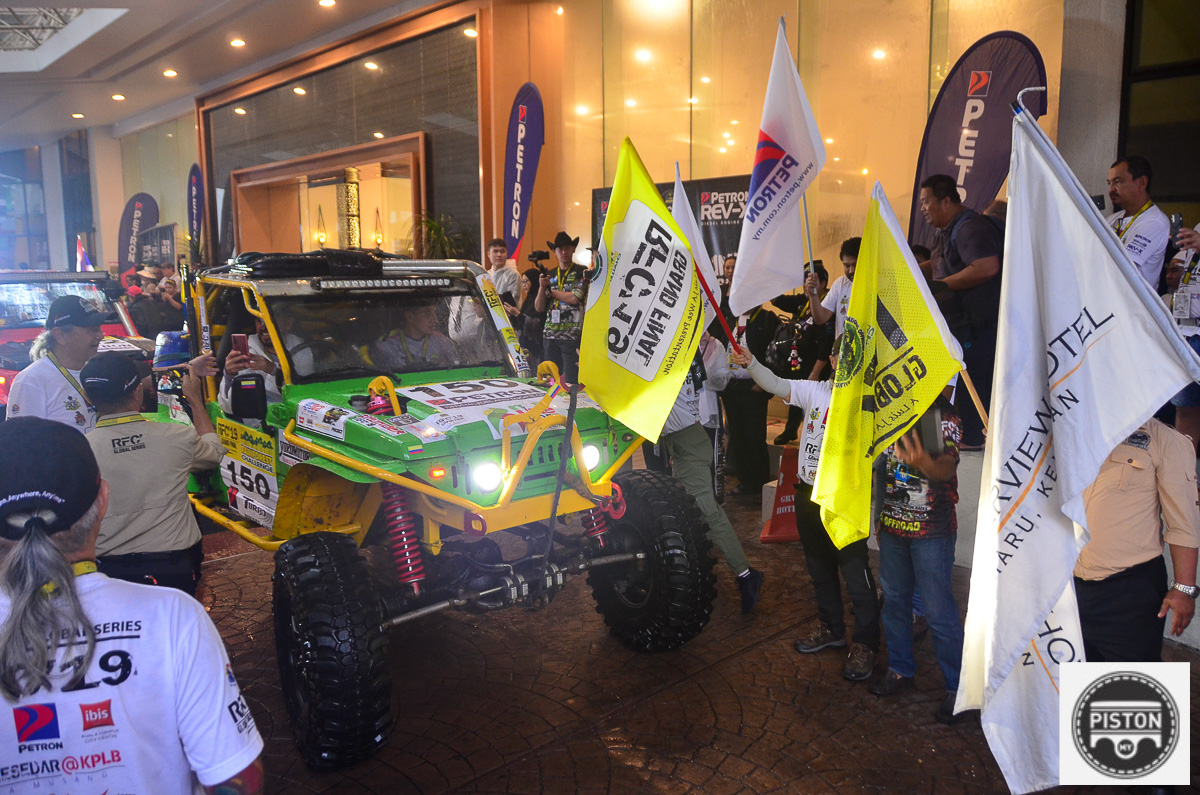
In conjunction with the Rainforest Challenge 2019 which is currently happening in the state of Kelantan, Petron Malaysia decided to organise the Petron TriAction Advantage Performance Run Media Road Trip for media members to experience one of the world’s top 10 toughest motor races. (more…)

Each year, NISMO, Nissan’s motorsports and high-performance division, holds the NISMO Festival which gives fans an opportunity to get up close with their favourite Nissan racing cars and drivers. Tomorrow (December 8) will see the 22nd edition of the event at Japan’s Fuji Speedway.

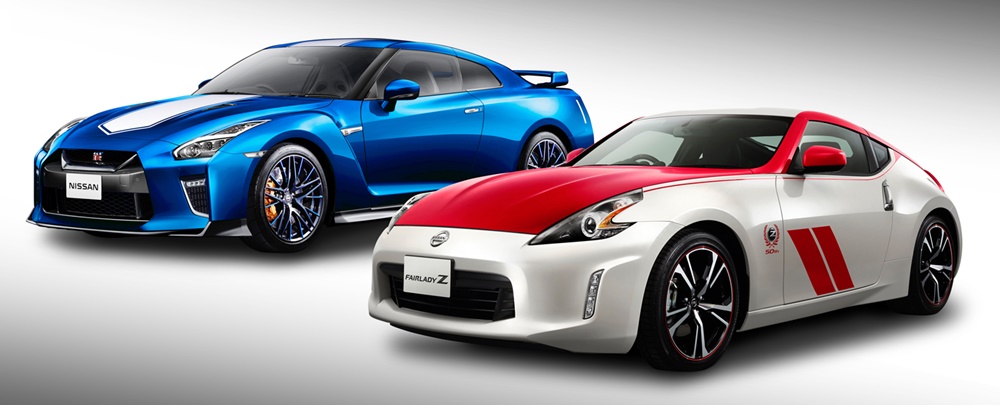
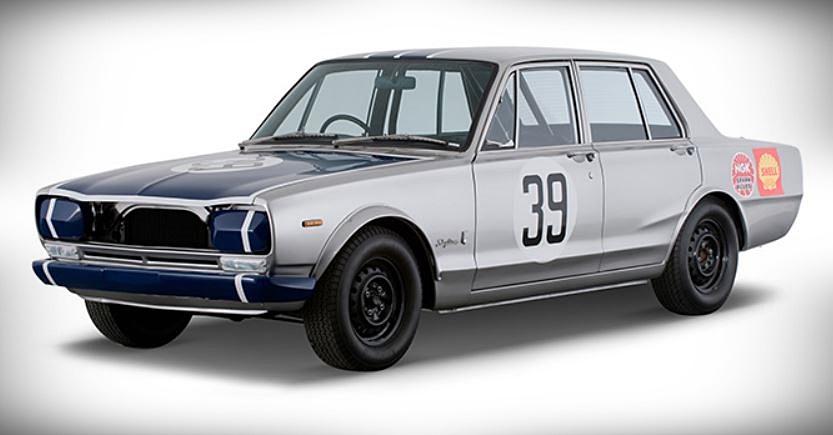
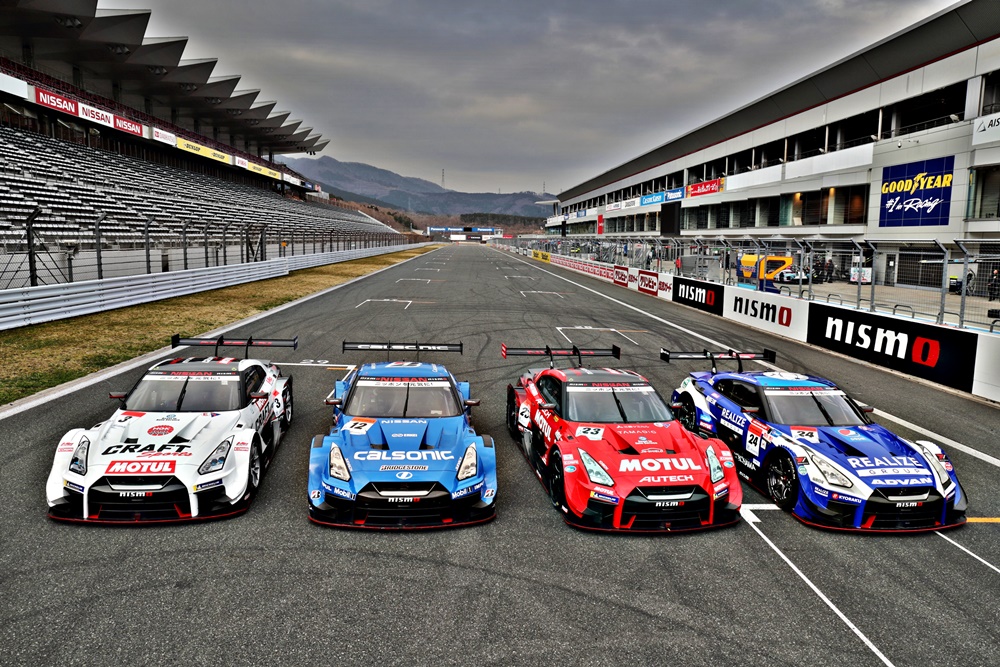
This year’s event, which coincides with the 35th anniversary of NISMO’s establishment, is also a special one as it will highlight the 50th anniversary of Nissan’s legendary GT-R and Z models. To represent the GT-R, the festival will feature the KPGC10 ‘Hakosuka’ Skyline 2000 GT-R which won the JAF GP (Japan Automobile Federation Grand Prix) in 1969; the legendary Group A BNR32 Skyline GT-R; and the 2019 Super GT GT-R racing cars.

1969 Datsun Skyline GT-R
The 1969 Skyline 2000 GT-R (KPGC10) was a high-performance sedan for touring car races with the world’s first 4-valve DOHC engine for production cars. It made its race debut at the JAF Grand Prix at the Fuji International Speedway in May 1969.

2019 NISMO Festival

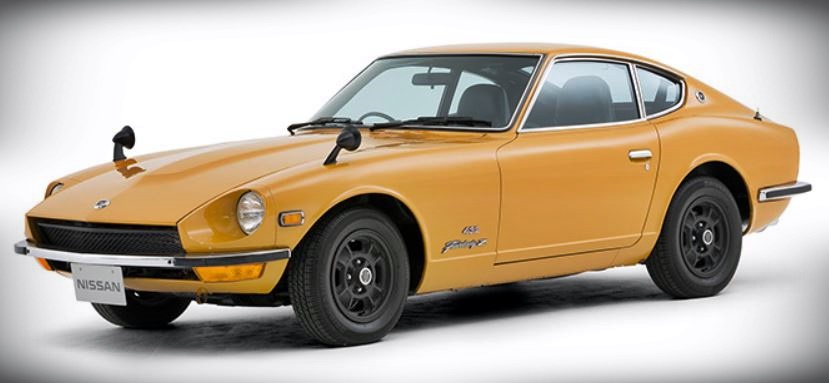
The festivities will also highlight the Fairlady Z – which began with the 240Z as it was known outside Japan – there will be several well-preserved examples ranging from road cruisers to fully bespoke racing machines representing NISMO’s rich history and association with the legendary sportscar. Along with a few other models, the ‘Z’ made a strong impression in the American market in the 1970s, strengthening the Datsun brand which was later changed to ‘Nissan’.

1969 Datsun Fairlady Z
The first generation Fairlady Z (S30), also known as Datsun 240Z or Z-car outside Japan, was launched in December 1969. This model was manufactured for 9 years and its global sales exceeded 520,000 units. This car was powered by a S20 inline DOHC 24-valve 6-cylinder engine which produced 160 ps.

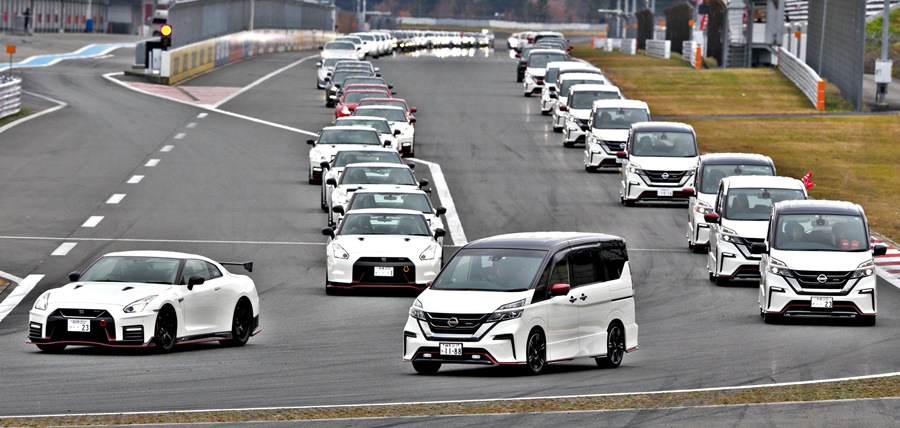
2019 NISMO Festival

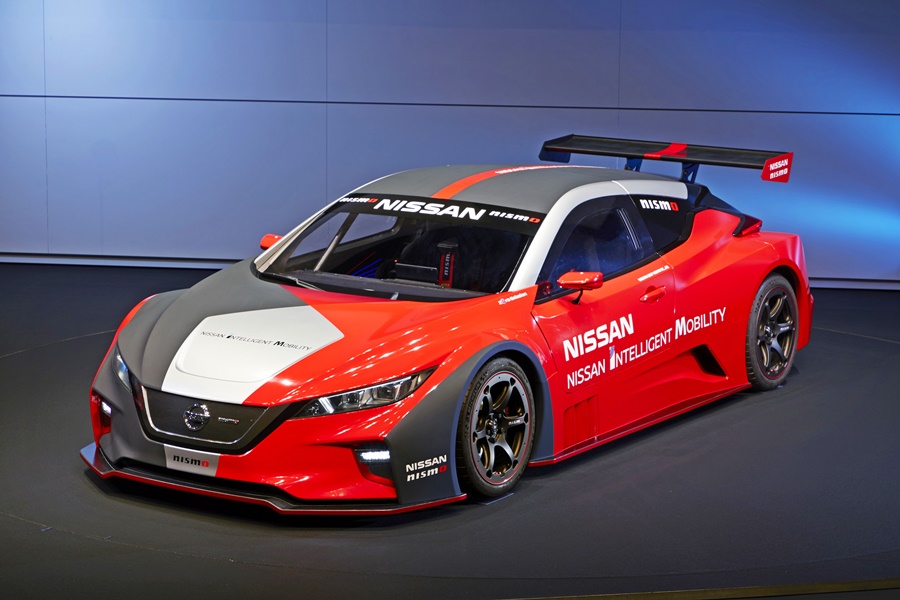
Current Nissan and NISMO cars that embody the Nissan Intelligent Mobility vision, the company’s approach to changing how cars are powered, driven and integrated with society, will also be on display, as well as the new, all-electric Formula E race car and the LEAF NISMO RC – both sporting a new kimono-inspired livery.

2019 NISMO Festival
LEAF NISMO RC sporting a new kimono-inspired livery.

NISMO Festival-goers will have a chance to experience an exhilarating Time Attack event with specially tuned GT-Rs and walk around the first ‘owner’s parking’ area, made exclusive for owners to park their prized GT-R or Z and share their passion with each other.

“The NISMO Festival is an event we have nurtured with great care,” said NISMO President Takao Katagiri, who oversees Nissan’s NISMO road car business. “I hope many of our fans, drivers, team directors, team staff and NISMO employees will join us in creating a fun day again this year.”

s

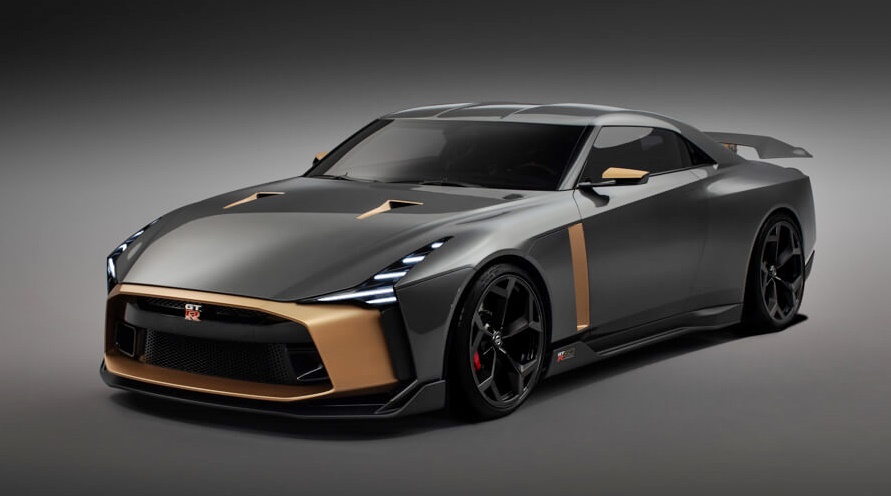
Nissan GT-R50 by Italdesign
The prototype Nissan GT-R50 by Italdesign will also be on display at the event. 50 unis are being made to celebrate the model’s 50th anniversary.

This Lego Nissan GT-R Nismo is what you’ll want in 2020

PISTON.MY


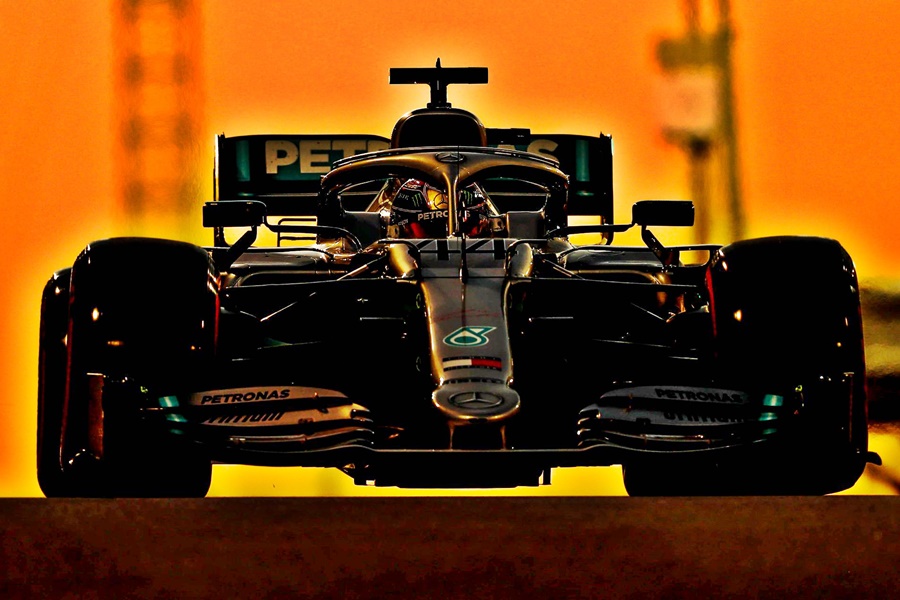
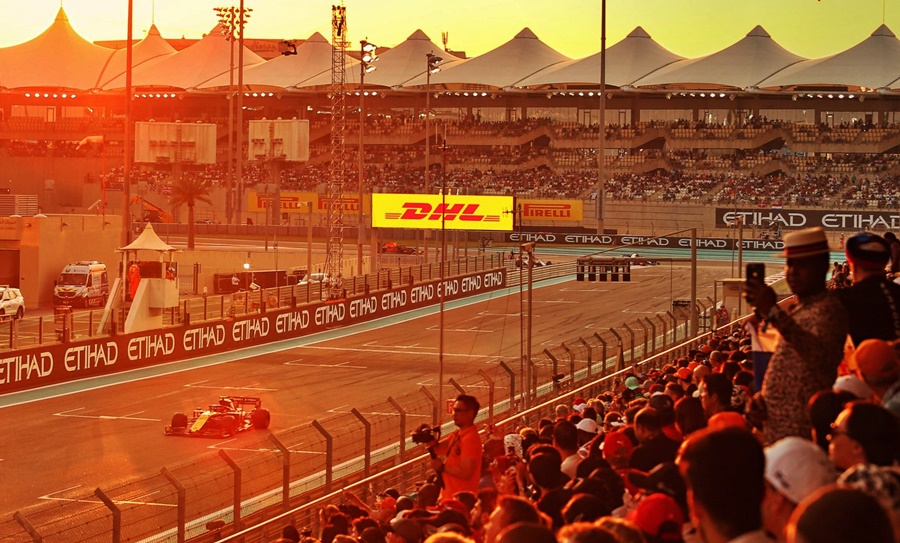
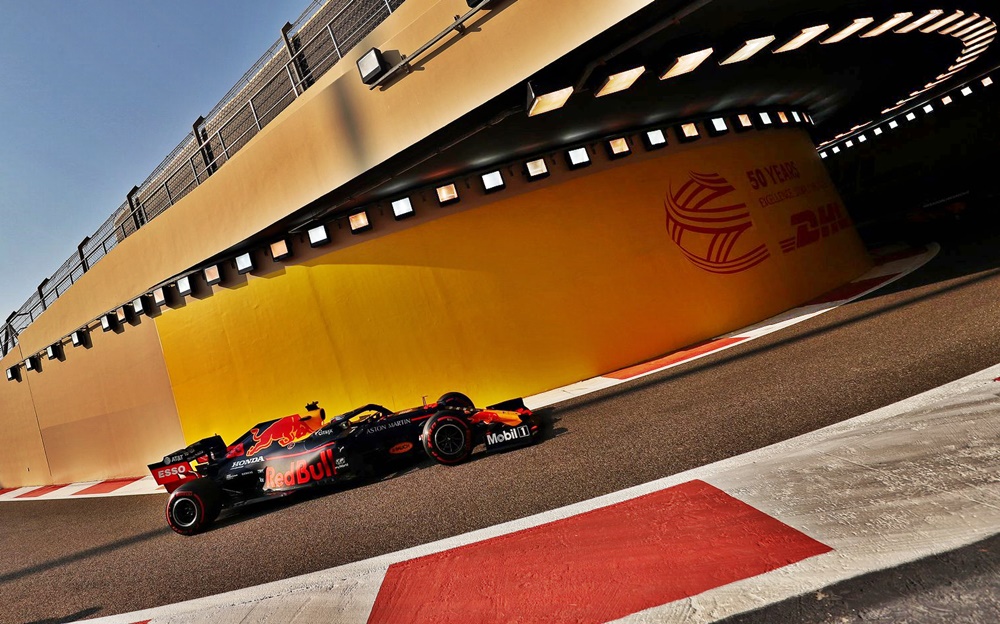
♦ Lewis Hamilton, already the 2019 World Champion Driver, finished off the season with another win at Yas Marina. It is his fifth victory at the event.

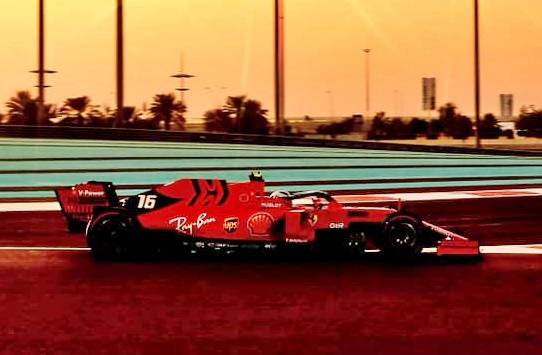
♦ Although Charles Leclerc finished third overall, his position is not confirmed as there is an investigation into the amount of fuel that was  actually in the Ferrari.

♦ Valtteri Bottas finished finished the race in 4th after having started from the back of the grid.

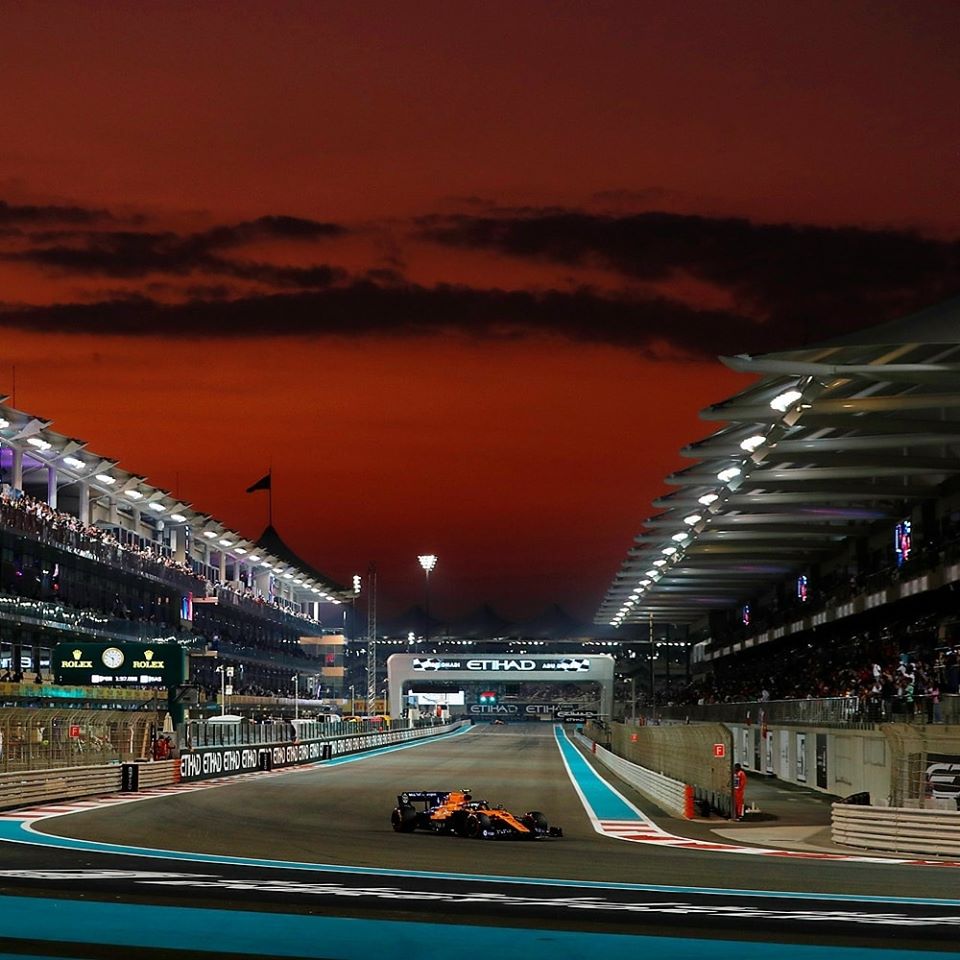
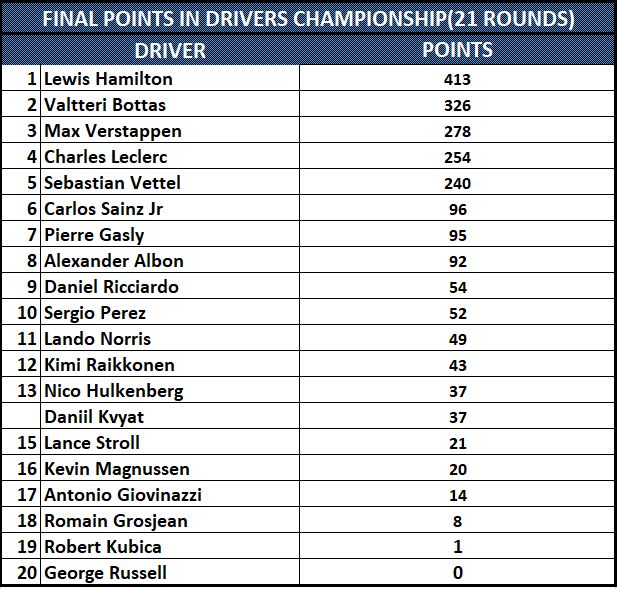
♦ In the closing stages of the race, McLaren’s Carlos Sainz, Jr. gave one last push and moved into 10th place to finish 6th overall in the Driver’s Championship.

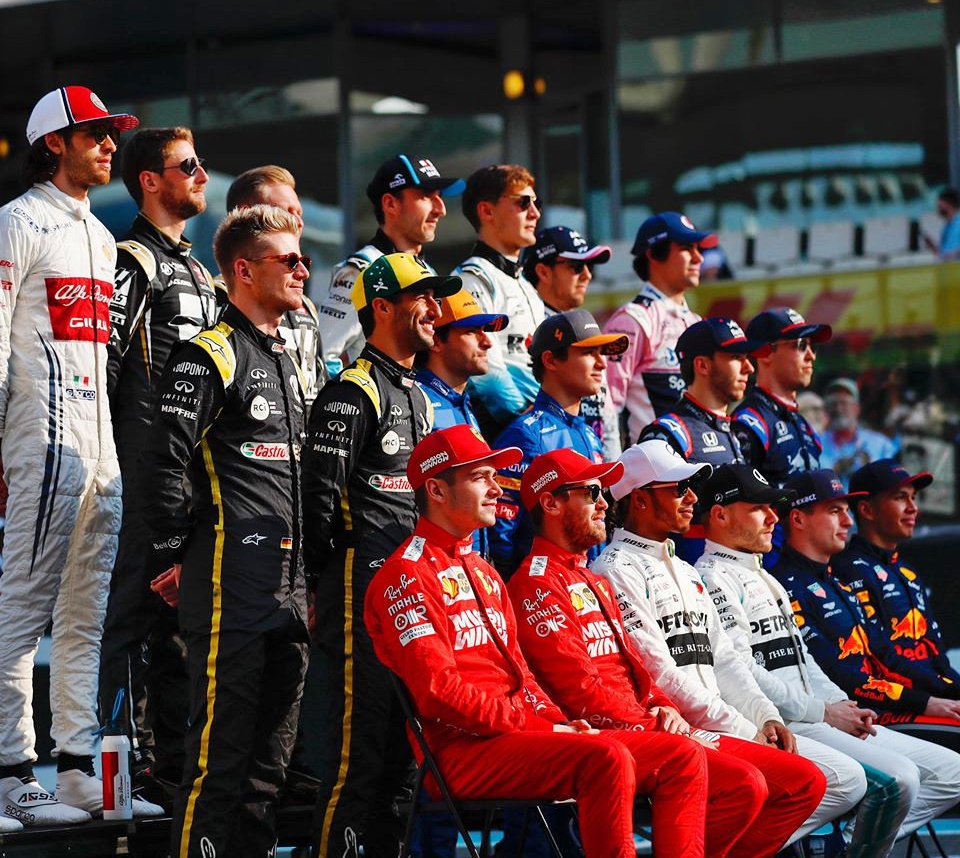
♦ Alex Albon is the only one of the four rookies this year who had not driven an F1 car at Yas Marina (although he is familiar with it, having raced in GP3 and F2 events there).

RESULTS

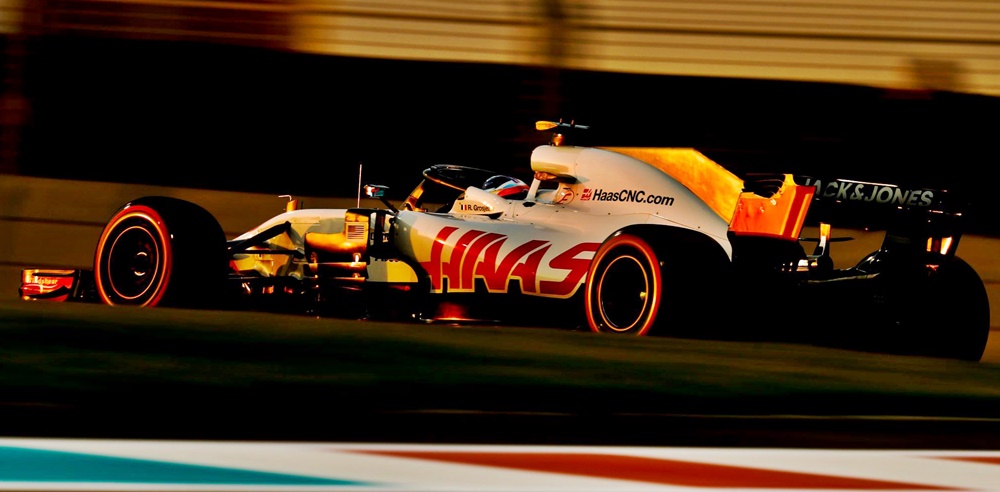
2019 F1 World Championship
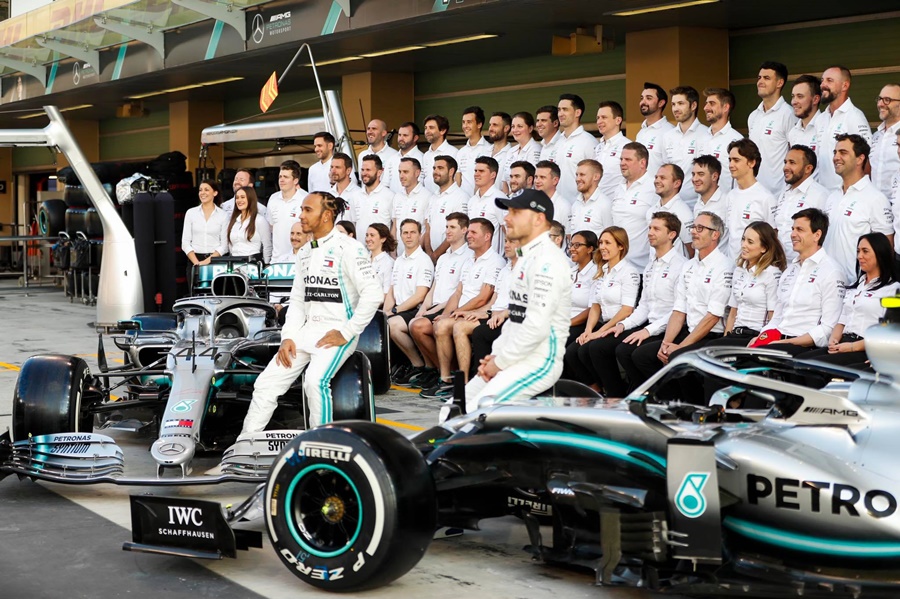
The champion driver and champion team of 2019

2019 F1 World Championship

2019 F1 World Championship

2019 F1 World Championship

DRIVERS 21 FINAL

2019 F1 World Championship

2019 F1 World Championship

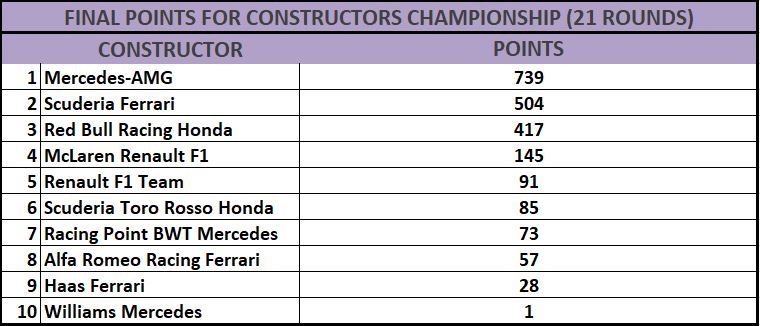
FINAL CONSTRUCTORS POINTS

F1 2019

F1 2019

Click here for the 2020 Formula 1 World Championship Calendar

PISTON.MY

Archive

Follow us on Facebook

Follow us on YouTube