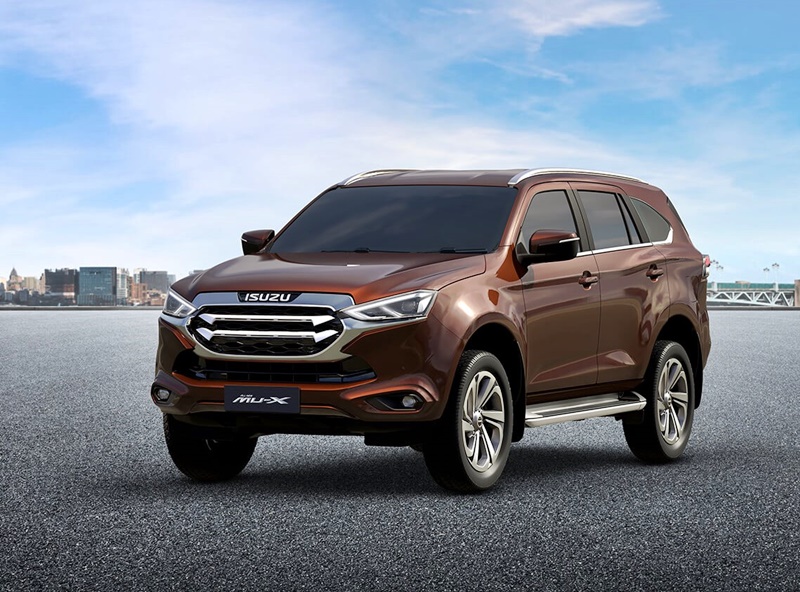
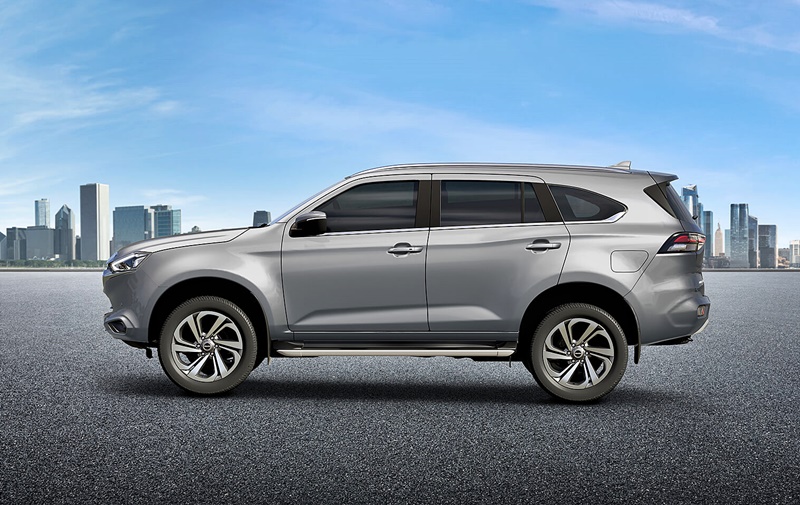
Although it’s been 5½ years that the Isuzu mu-X has been in Malaysia, the model has been around in other markets for 7 years. It’s long by today’s SUVs standards which are more allied with passenger car cycle times but not that long when considered in the context of pick-ups, which have generation cycles of up to 10 years.
The reason for the long cycle time for a full model change for the mu-X is because it has been linked to the D-MAX. The pick-up model had its full model change only a year ago, and Isuzu engineers were probably tied up on the program that they could only work on the new mu-X after completing the D-MAX.
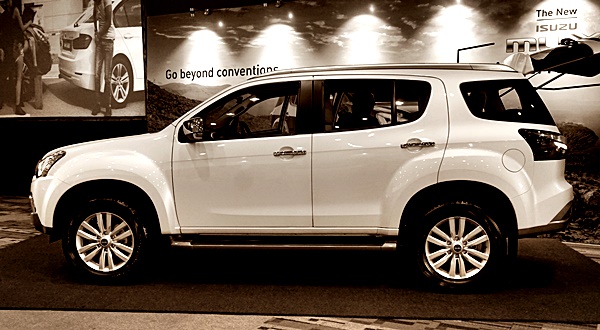
Current mu-X which was introduced in Malaysia in 2015
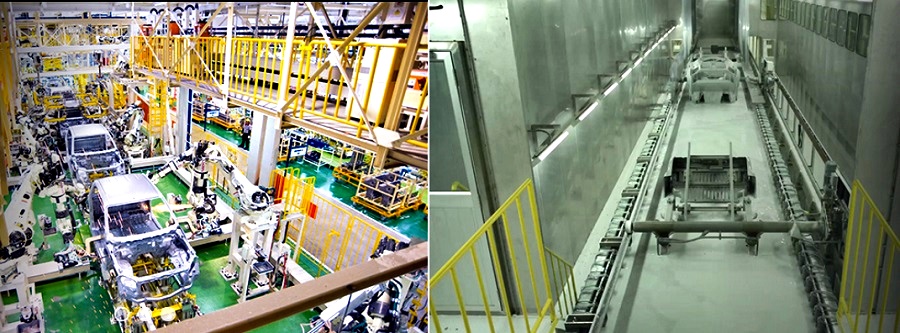
The mu-X has been manufactured in Thailand where Isuzu has its production hub and will go on sale in that market from next month, followed by exports to other countries.
Isuzu’s factory in Thailand is the production hub for the D-MAX and mu-X.
SUV Variant of D-MAX
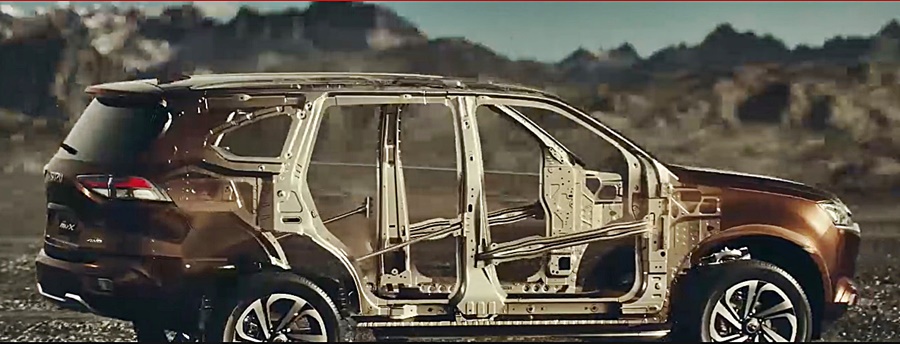
As a variant of the D-MAX, the mu-X shares the same type of body-on-frame construction. While many of today’s SUVs have gone to a monocoque structure (like a passenger car’s), the body-on-frame construction is still preferred by those who will use it for more serious off-road activities. The construction method, which was used for most SUVs before, is more robust and durable, qualities which Isuzu vehicles are well known for.
While the construction tends to be heavy, the engineers have made efforts to keep the weight down. This has been achieved by installing a plastic tailgate (which can be powered), extensive use of high-tensile steel plates and a streamlined assembly structure.
By increasing the dynamic rigidity of the cab-mount fixing portions on the chassis frame, noise levels are reduced. Additionally, foamed material is installed inside the pillars in order to reduce entry of noise and to lower vibrations felt in the cabin.
Benefits from D-MAX advances
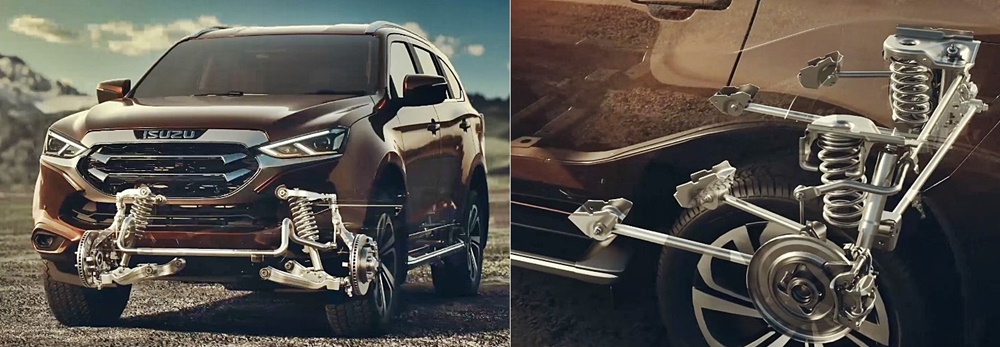
The new SUV benefits from the advances that were developed for the latest D-MAX. For example, the front suspension engineered in the D-MAX development provides better driving stability and riding comfort.
The level of roll rigidity has also significantly improved in the 5-link rear suspensions. This is due to the elevated roll centre achieved by relocating the lateral link. The stabilizer performance has also been enhanced by widening its effective width.
3-litre turbodiesel
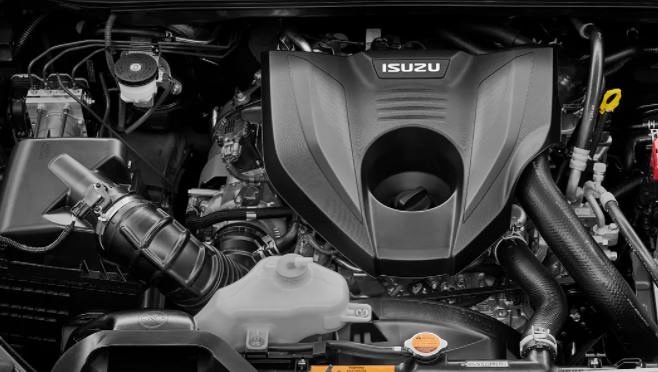
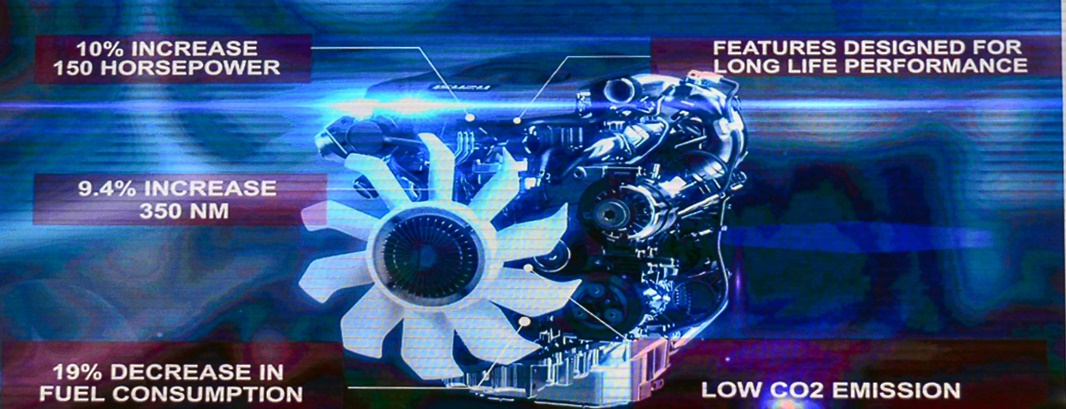
For now, the new mu-X has only one powerplant shown in its specifications – the 3-litre 4JJ3 turbodiesel with an output of 190 ps/450 Nm. It will have a 6-speed automatic transmission. It is likely that Isuzu will also offer the 1.9-litre Blue Power turbodiesel which is available for the D-MAX.
Latest Isuzu 4JJ3 engineIsuzu Blue Power 1.9-litre engine already available in the latest D-MAX.
Less conservative style
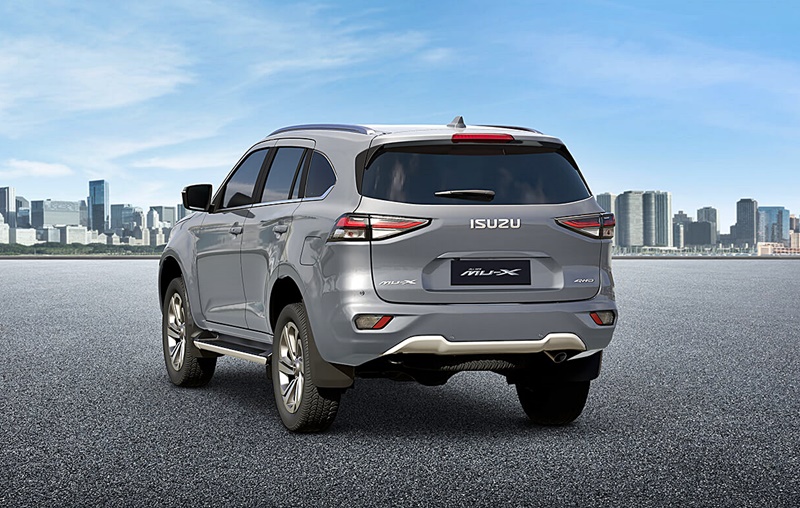
The exterior styling of the new mu-X is quite a change from its predecessor with a less conservative appearance. It comes with sharp-looking Bi-LED projector headlamps which flank the front grille that is detail-oriented with a formative design.
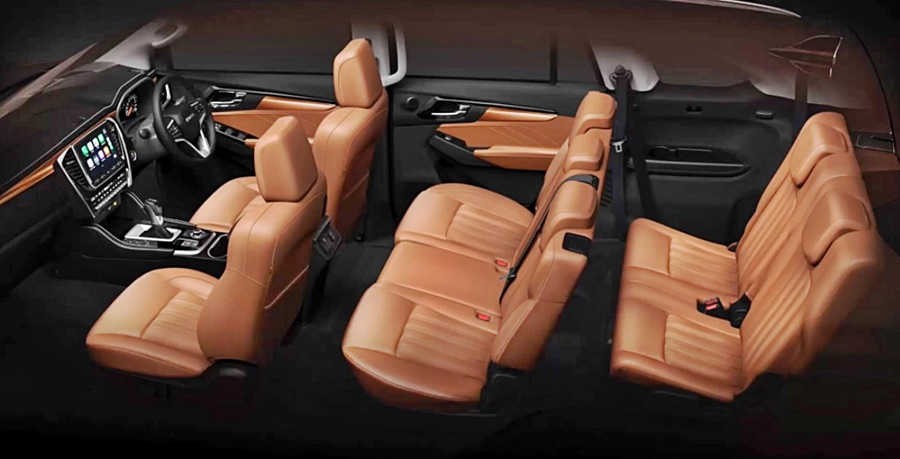
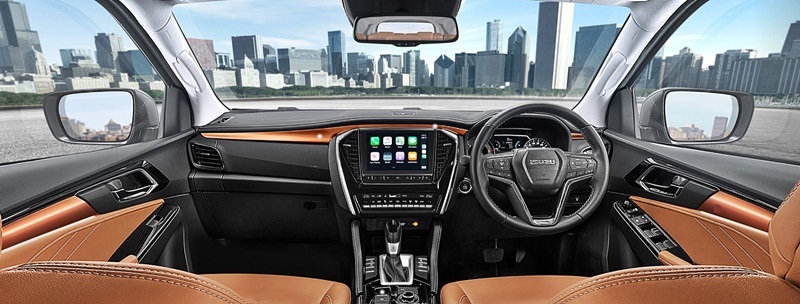
Being a variant of the D-MAX means that the cabin has also to be similar in some respects although the 4.85-metre long body can accommodate three rows of seats too. Fortunately, even pick-ups these days have a passenger car-like interior and for the new mu-X, there’s an upgrading of materials and overall quality. New features include an electric parking brake with better connectivity available.
Coming to Malaysia?
The mu-X, unlike the D-MAX which is assembled in Pahang, has been imported as a CBU model from Thailand. Its introduction in Malaysia was late but for the new model, perhaps the Malaysian version is already included in the export plan so we could see it by 2021. Recalling how the current model proved to be a good all-rounder, the new one should be even better as the new D-MAX is.
For a manufacturer to make a production model, the design cannot be too complex so as to not be too expensive to manufacture, and safety and emission regulations also need to be met. Designing a car for track use offer more freedom technical though safety is still important and there are also competition regulations to conform to.
Concept cars are the best then as they can do not need to meet regulations and can be have advanced technology that is still not ready for commercialisation. Typically, they show the design direction of the brand, and perhaps some new ideas being explored.
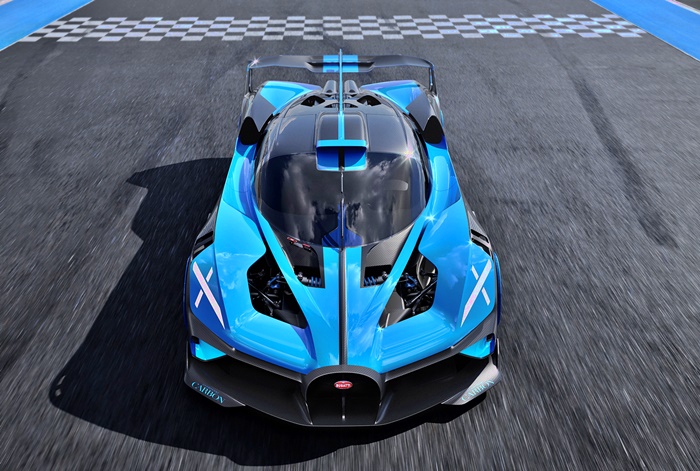
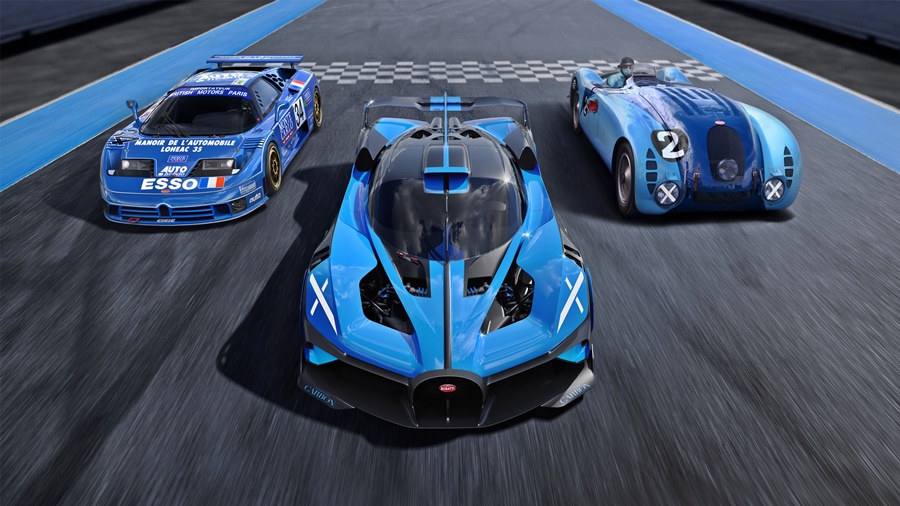
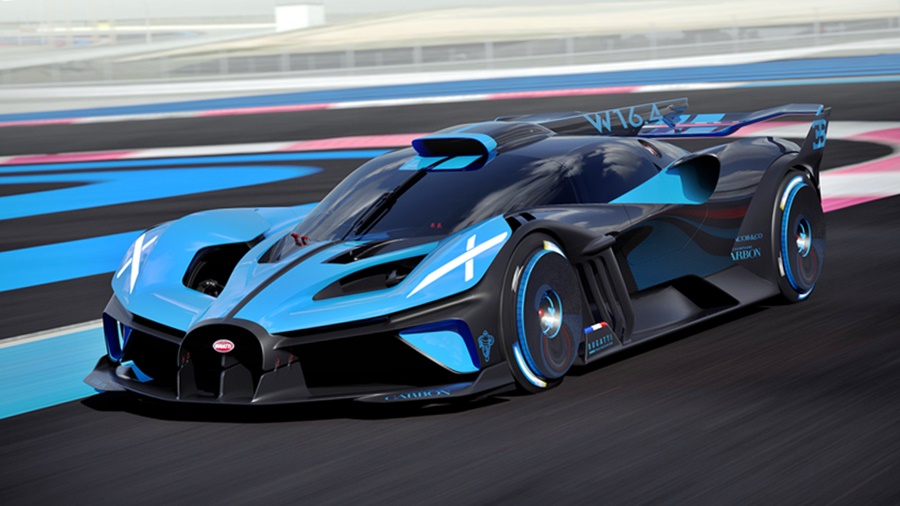
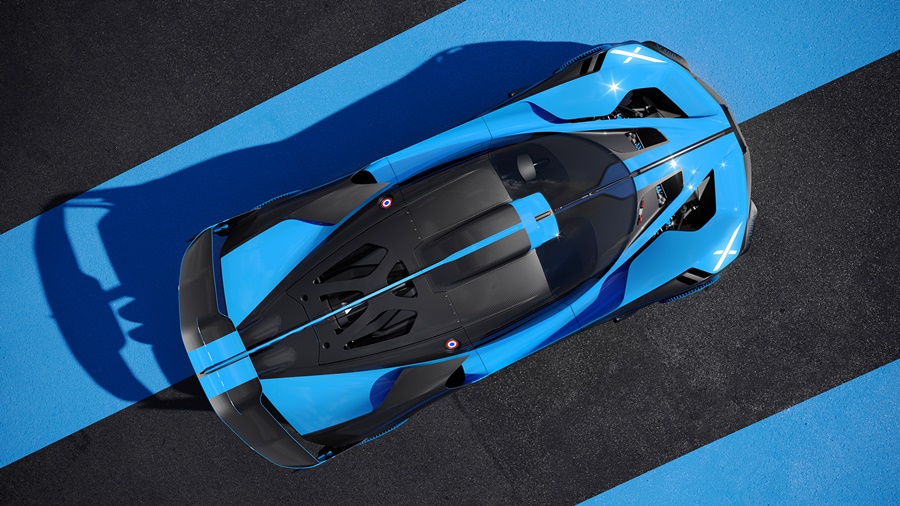
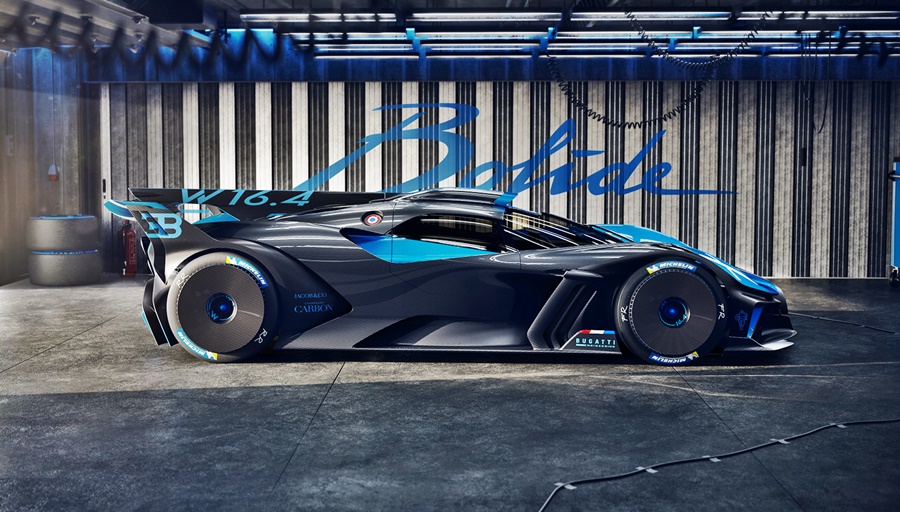
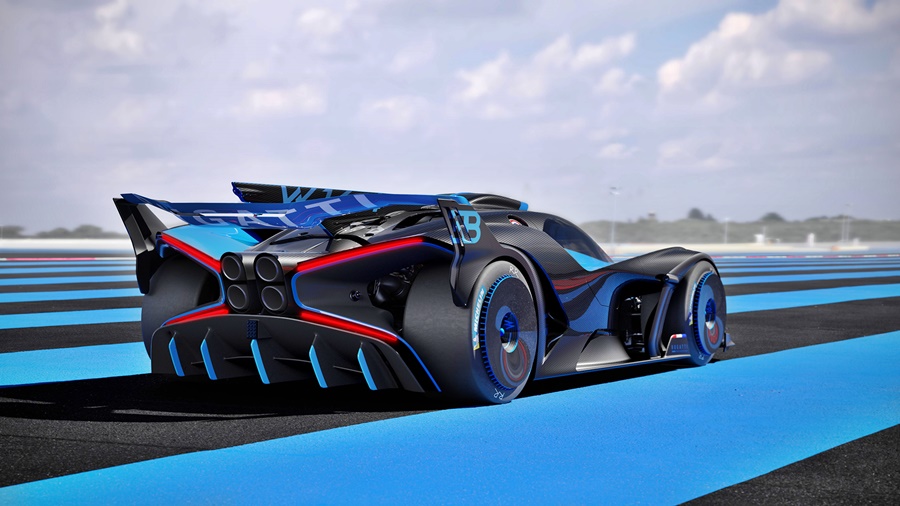
This is the case with the Bugatti Bolide, which is being presented as the answer to the question ‘what if Bugatti built a radically light vehicle around its iconic 8.0-litre W16 engine?’. The Bolide concept is a track-oriented hyper sportscar derived from production model intended to be the most extreme, uncompromising, fastest and lightest Bugatti concept car in the company’s recent history.
A ‘what if’ experiment
“Bugatti stands for the continuous quest for technological innovations – in alignment with the company’s brand values of excellence, courage, dedication. And Bugatti never stands still. We are perpetually aiming for new and exciting goals, and the question that we always keep in mind is: what if?” said Stephan Winkelmann, President of Bugatti.
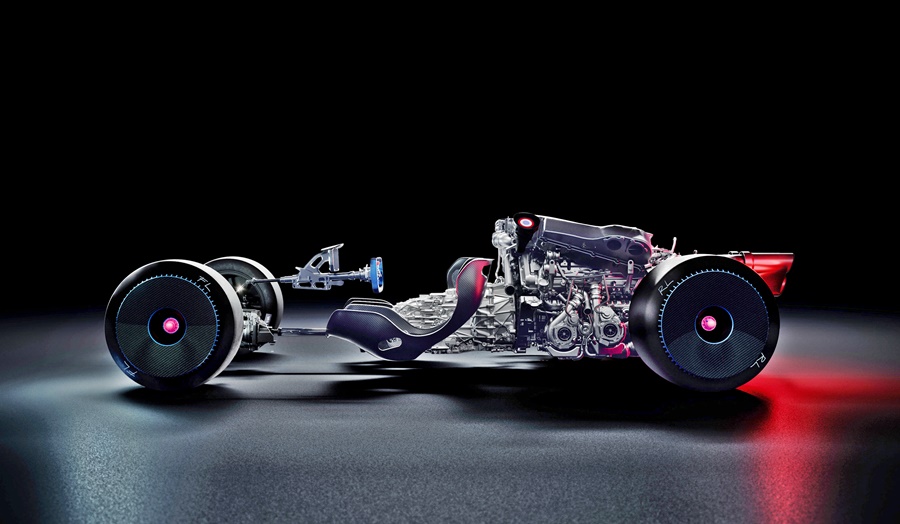
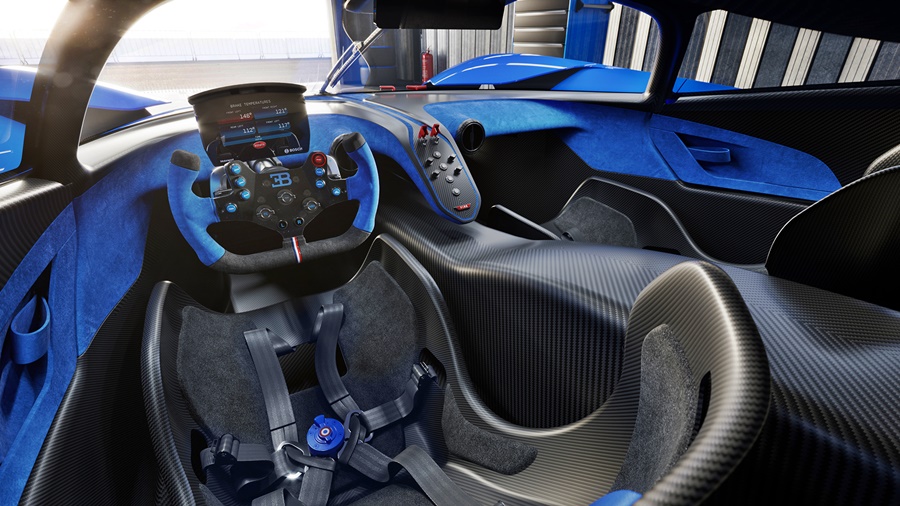
“We asked ourselves how we could realise the mighty W16 engine as a technical symbol of the brand in its purest form – with solely four wheels, engine, gearbox, steering wheel and, as the only luxury, two seats. Important aspects of our considerations were fine-tuning our iconic powertrain without any limitations as regards the weight-to-power ratio. These considerations resulted in the Bugatti Bolide.”
Powertrain designed specifically for the racetrack
Explaining the concept further, Stefan Ellrott, member of the Board of Management of Bugatti and Head of Technical Development, said that the Bolide is the ultimate answer to the question of what if Bugatti built a track-focused hyper sportscar that met the FIA’s safety requirements.
“Designed around the W16 powertrain with the minimum body structure and unbelievable performance data. The result: the smallest possible shell for a breathtaking performance vehicle that allows the W16 to truly come into its own,” he explained. “All of Bugatti’s expertise has been condensed into the Bugatti Bolide. It is therefore an innovative information source for future technologies. The Bolide is thus more than just an intellectual exercise.”
In terms of technology and organisation, the Bolide is one of the most ambitious projects for its lead engineer, Frank Gotzke. After playing a crucial role in the development of the Veyron 16.4 and the Chiron, he was given the responsibility for the technical concept of the Bolide. In only 8 months, he created a completely new sportscar around the Bugatti W16 all-wheel drive powertrain, which was highly modified for the project.
The 8-litre 16-cylinder 1,850 ps engine was engineered specifically for use on the racetrack and has an optimised engine and gearbox, especially for higher engine speeds. Among other things, there are 4 specially developed turbochargers with optimised blades in order to build up more boost pressure and power at higher engine speeds. In order to achieve optimum lubrication even under extremely high centrifugal forces, the oil circuit, oil pressure, check valves, baffles, oil tanks, oil reservoirs, and pump design of the dry sump lubrication have been optimised. The weight of the drive system is also significantly reduced.
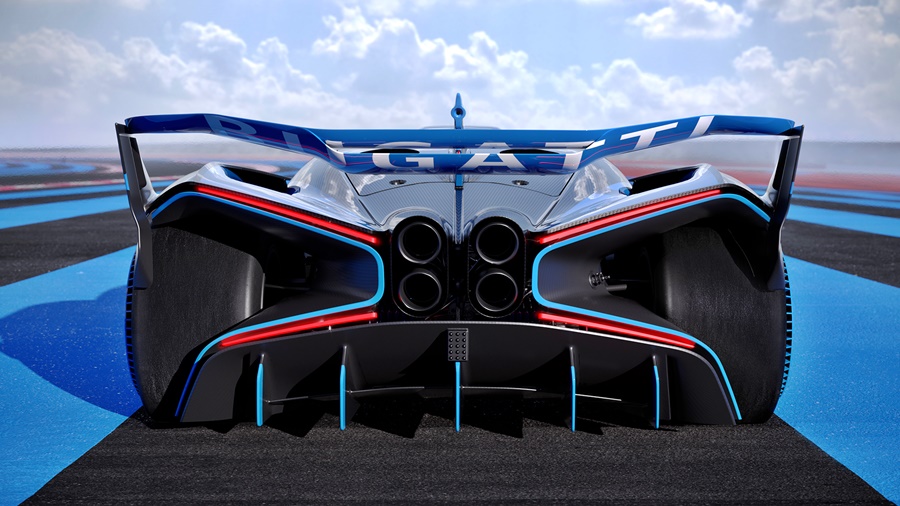
Instead of water-to-air intercooling, the Bolide has air-to-air intercooling with water pre-cooling for optimal performance on the racetrack. Two water coolers, which are arranged in front of the front axle, provide a more effective radiator system in terms of flow than is customary even in Formula 1. Three air-cooled oil coolers for engine, transmission, and differential with water pre-cooling reduce the temperature, while newly developed and hybrid carbon titanium turbofan radial compressors ventilate and cool the high-performance racing brake system.
In order to achieve a dry weight of 1,240 kgs for that impressive weight-to-power ratio of 0.67 kg per ps, every avenue was explored, both in terms of what is currently feasible and what will be possible in the future. These included expensive features like having all the screw and fastening elements of the made completely out of titanium. In addition, hollow, thin-walled functional components made of an aerospace titanium alloy are used in many places.
A worldwide innovation is the morphable outer skin of the intake scoop on the roof, which provides active airflow optimisation. If the car is driven at a slow speed, the surface of the scoop remains smooth. In contrast, a field of bubbles bulges out when driven at fast speeds. This reduces the aerodynamic drag of the scoop by 10% and ensures a 17% reduction in lift forces. In addition, the flow onto the rear wing is optimised. At 320 km/h, the downforce is at 1,800 kgs at the rear wing and 800 kgs at the front wing.
As in Formula 1, the Bolide uses lightweight brakes with ceramic discs and coatings. The front forged magnesium rims with central lock weigh 7.4 kgs, while the rear ones weigh 8.4 kgs.
Carbonfibre monocoque
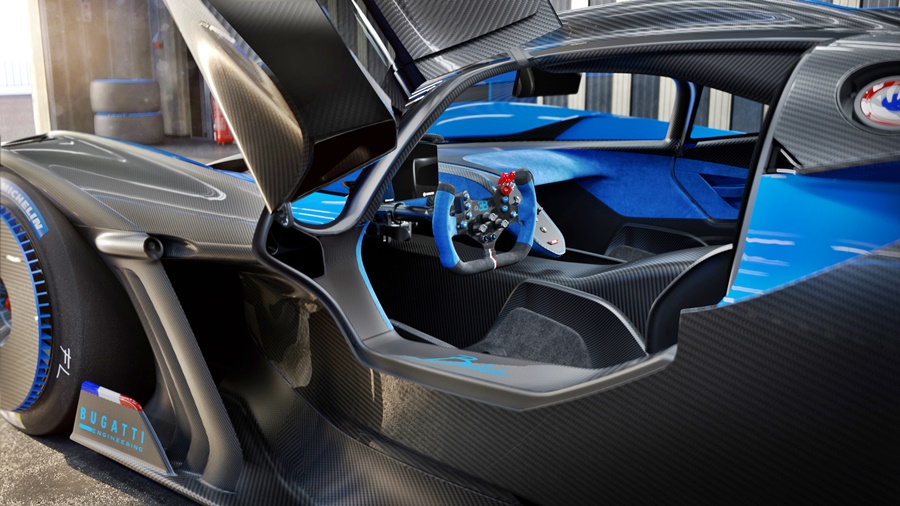
The Bugatti team developed a light monocoque made of carbonfibre around the drive. The integral front end flanged to it is also made of high-strength carbonfibres, as are the fully aerodynamically effective underbody and the monocoque itself. The rear frame is designed as a welded steel assembly made of high-strength stainless steel usually found in aviation.
With an overall height of only 995 millimetres, the Bugatti Bolide is exactly the same height as the historic Bugatti Type 35, and about 300 millimetres flatter than the Chiron. Like in an LMP1 racing car, the occupants fold up the doors that are hinged at the front at an angle, sit on a sill that is only 70 mm wide and then position their feet in the interior.
Inspired by X-1 experimental jets
The stylistic challenge was to transform the unyielding demands of aerodynamics and lightweight construction into an aesthetic that reflects the unique Bugatti DNA, but at the same time illustrates the ambition of an impressive weight-to-power ratio. The overall appearance is dominated by air ducts that are more reminiscent of aerodynamically sophisticated Formula 1 racing cars than classic sportscars.
The appearance of the Bolide invokes the so-called ‘X-planes’ of aviation history that pushed the edge of the performance envelope. It is indirectly reminiscent of the Bell X-1 jet aircraft which was flown by Chuck Yeager, who was the first person to break the sound barrier in 1947. The Bolide does not get up to that speed, of course, but it is claimed to be able to go past 500 km/h.
“For the first time, we are showing what the W16 engine is really capable of. We have freed the vehicle of all baggage and have illustrated and combined the engine with the lightest possible chassis to create the ultimate Bugatti and to ensure the ultimate driving experience. With the Bolide, we are presenting our interpretation of a Bugatti track car of modern times to Bugatti enthusiasts all over the world and finally make their most fervent wishes come true,” said Winkelmann, adding that production plans are not decided yet.
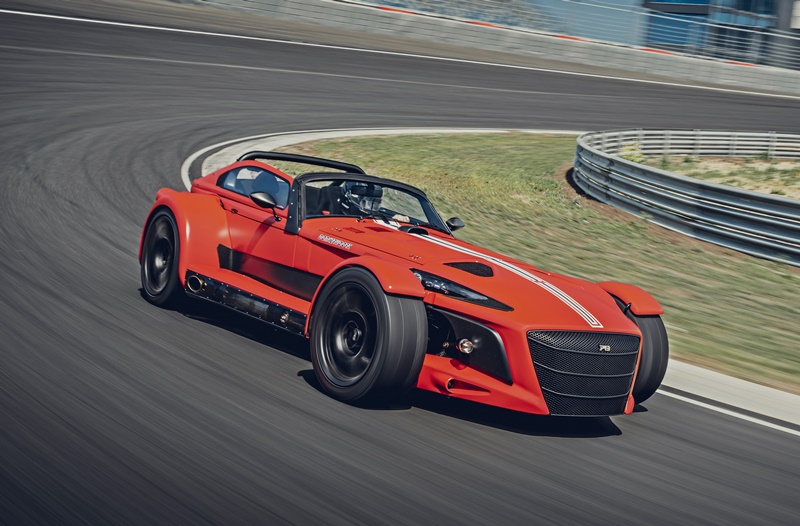
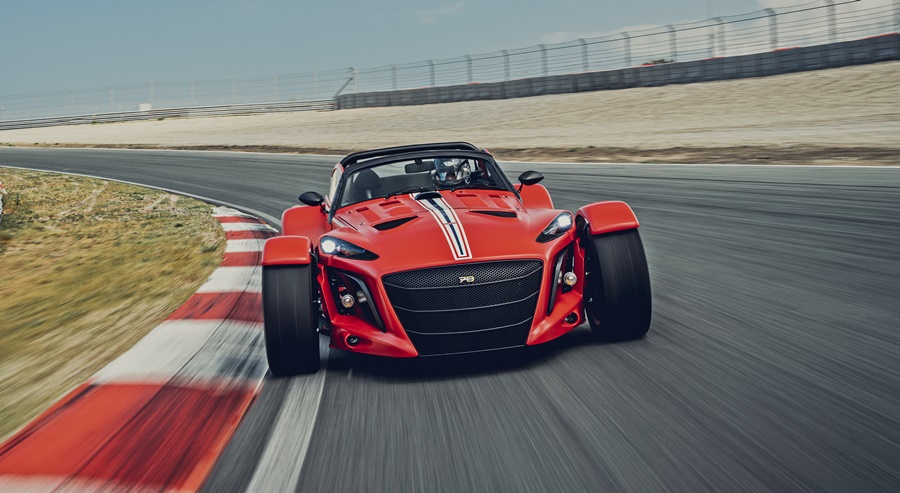
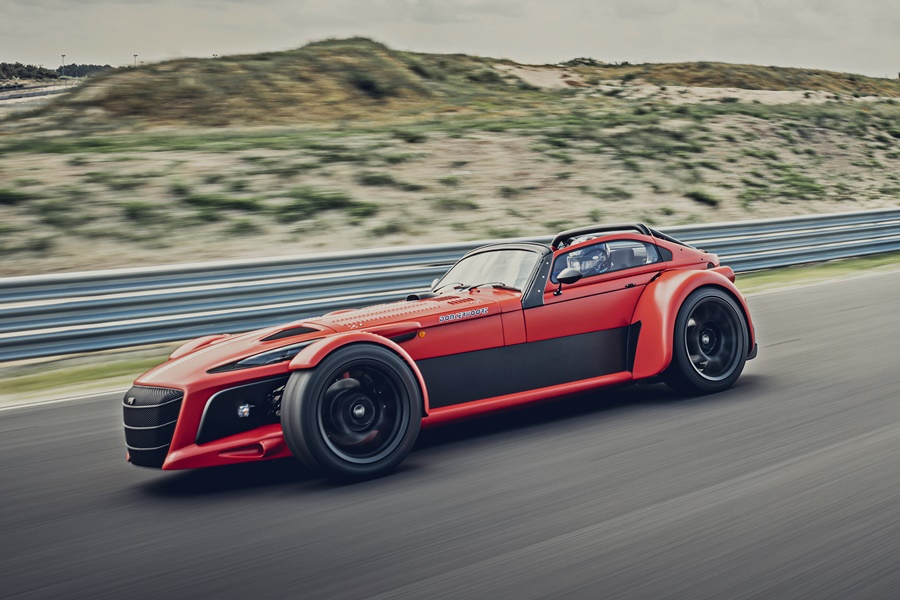
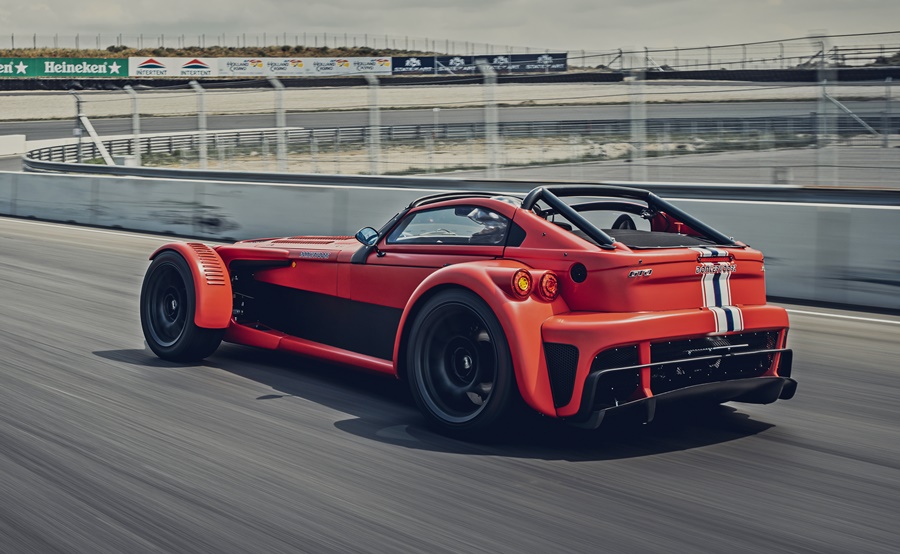
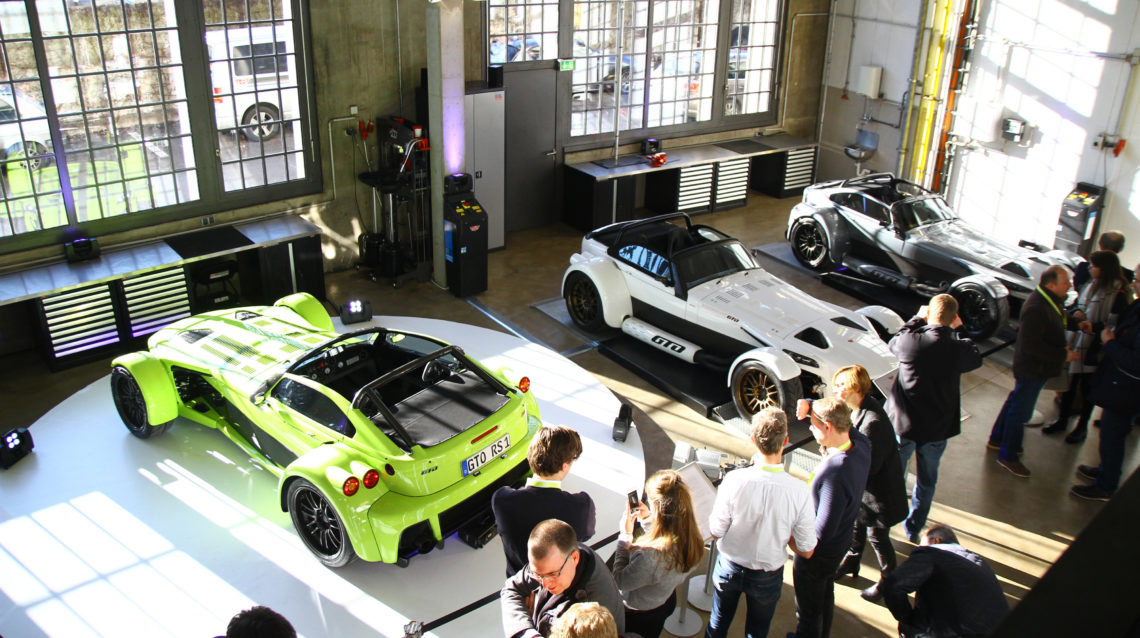
Donkervoort Automobielen, the 42-year old Dutch company that specialises in handbuilt sportscars, has developed the new D8 GTO-JD70 R as a track-only Donkervoort with ‘hypercar performance and technology for only supercar pricing’ of 198,000 euros (about RM966,000), ex-factory.
Least compromised Donkervoort
The new JD70 R takes the JD70 concept into areas of performance it can only reach on race circuits. Where the JD70 was launched this year to honour the 70th birthday of Donkervoort’s founder, Joop Donkervoort, the JD70 R has been developed to embarrass other sportscar and their owners and to make its own drivers feel like track superstars.
The 3.84-metre long car is presented as the fastest, most attacking, least compromised Donkervoort ever engineered, capable of smashing track records, winning races and doing it all on a fraction of the fuel, tyre and brake budgets of traditional sportscars.
Safety levels raised
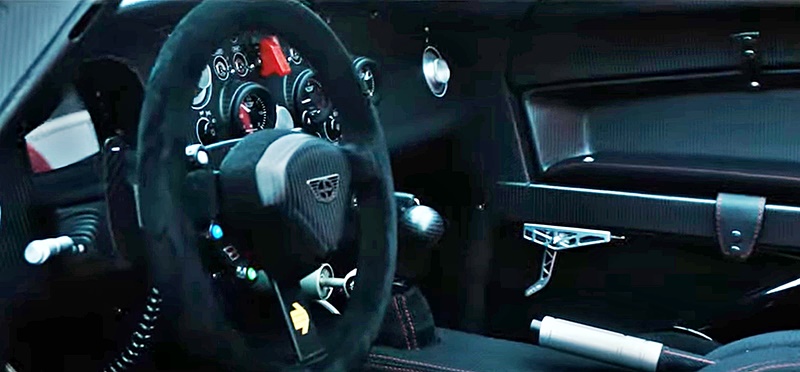
“The changes we made were all considered during the JD70 development program,” Donkervoort MD, Denis Donkervoort, explained. “We made the JD70 R much faster on every racing circuit than the JD70, so naturally we also concentrated on crash safety as a priority. It has race ABS, a fire extinguisher, greater fire protection for the fuel tank, a standard 6-point harness and full race seats. For every jump in speed with the JD70 R, we added exponentially to its crash protection.”
The JD70 R has been designed, engineered and developed to be driven flat out for hours, then refueled and sent back out on the track for more. It has also been designed to give real-time data back to the garage, where Donkervoort’s support team can tune the car for each circuit and help the drivers reach their full potential.
Donkervoort engineers concentrated on the suspension, crash safety, braking and steering of the JD70 R, creating a car that ramps up the driver engagement as well as the lap speed.
So it is safer than its roadgoing sibling although faster, and it is also visually similar. It offers an unprecedented level of adjustability for its chassis and suspension.
There are major changes to the gearbox, the brakes, the steering, the safety package and the tyres to create a car 5 full seconds faster than the JD70 around the Spa-Francorchamps Grand Prix circuit. It’s even claimed to be a full 3 seconds faster than the 1100 horsepower, 2000-Nm Koenigsegg Regera.
About Donkervoort
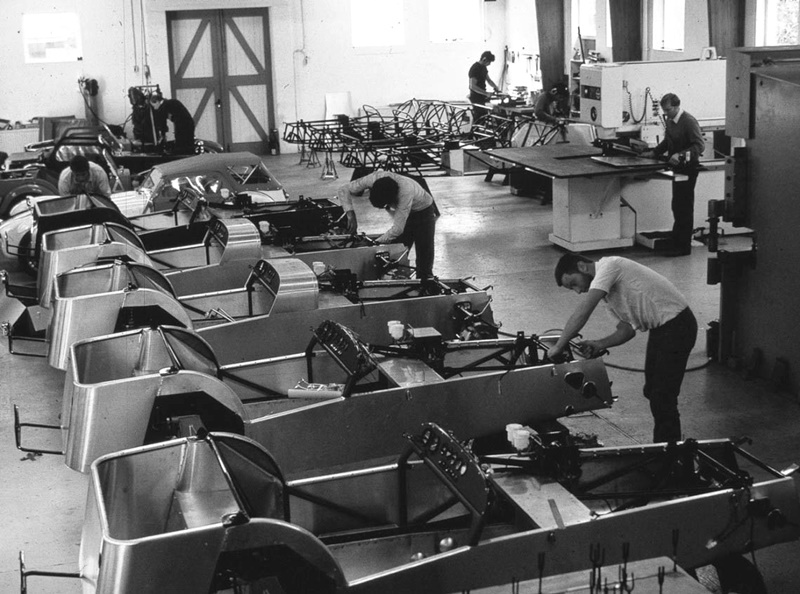
Donkervoort Automobielen BV started business in 1978 as an independent maker of handbuilt sportscars. In its earlier years, it used Ford engines for its cars but in the 1990s, the company switched to Audi which not only provided the necessary know-how for engine development but also supported many other aspects.
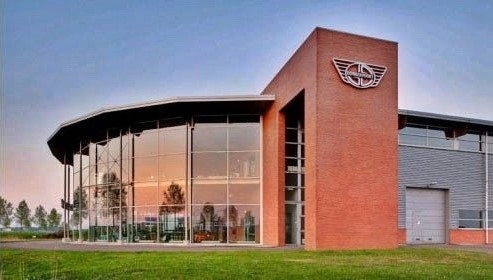
During the partnership with Audi, the company saw good sales results. This meant that higher production numbers became necessary to grow. In 2000, a decision was taken to build a brand new factory with a production capacity of around 100 Donkervoorts per year.
Over the years, Donkervoort has amassed a great deal of knowledge and experience in the development and processing of carbonfibre as an ultra-lightweight material for its own sportscars. It also has an After Sales & Service department which maintains close contact with customers to ensure that their cars stay in top condition.
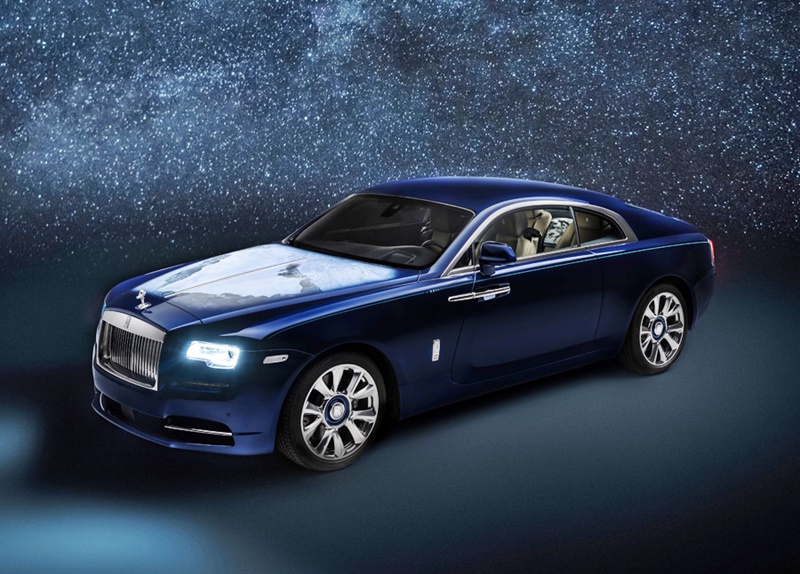
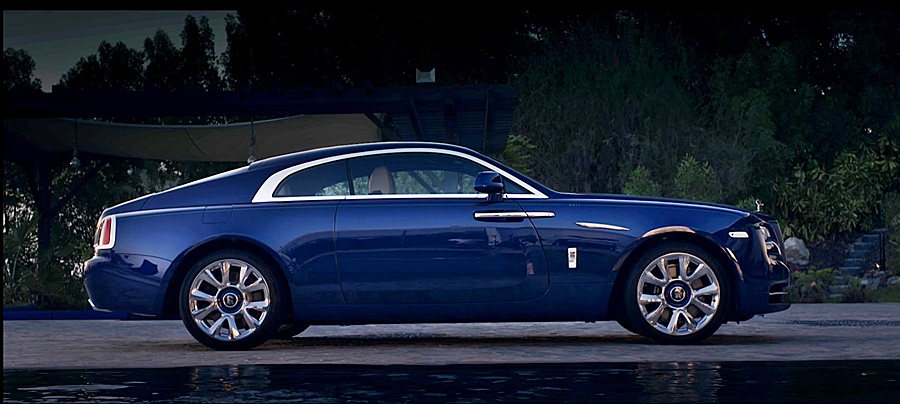
The limitations of the COVID-19 notwithstanding, work still goes on at Rolls-Royce building cars and at the Bespoke department, the specialists continue to create exclusive cars for customers. One such project for a customer in the Middle East is the ‘Wraith – Inspired By Earth’, commissioned through Rolls-Royce Abu Dhabi.
The latest creation takes its design cues from the entire Solar System, and our own beautiful planet as seen from space. The exterior is finished in Royal Blue, representing the 75% of the Earth’s surface that is covered by water. There is also a hand-painted Emerald Green coachline incorporating the Sun and the eight planets of the Solar System – Mercury, Venus, Earth, Mars, Jupiter, Saturn, Uranus and Neptune.
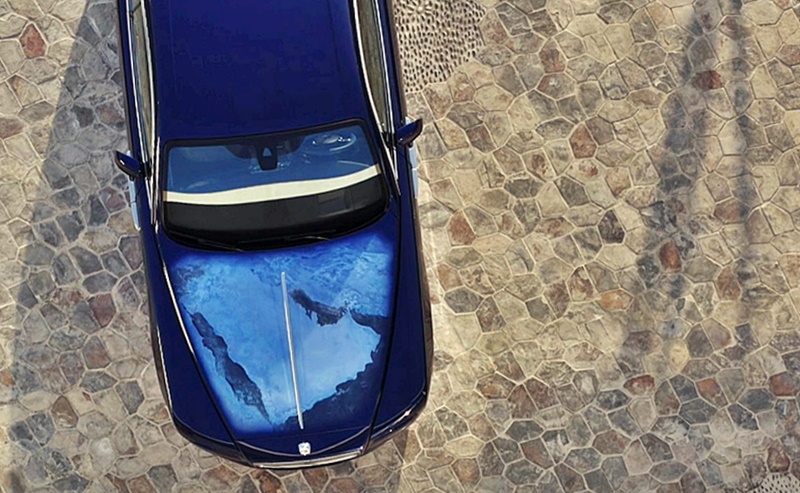
The most striking feature, however, is the bonnet artwork, which depicts a satellite’s view (or that of an astronaut on the International Space Station) of the Middle Eastern region. Centred on the United Arab Emirates, the panorama extends across the Red Sea, the Arabian Sea and the Gulf of Oman, all meticulously air-brushed by hand – not just an artwork pasted on – in a process that took over 100 hours to complete.
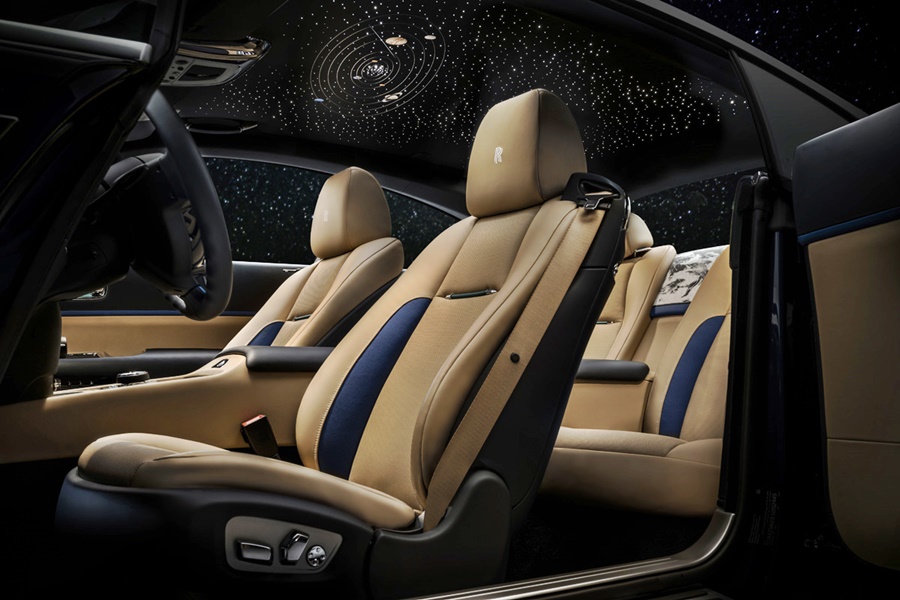
By contrast, the interior aesthetic focuses on the Earth’s surface and the human and natural life that inhabits it. The seats are made from Moccasin leather to mimic the sands of the Emirates’ deserts; Navy and Cobalto Blue accents are suggestive of rivers and lakes and Emerald Green piping symbolises nature in all its forms. Arctic White ‘RR’ monograms and stitching hint at clouds and translucent running water.
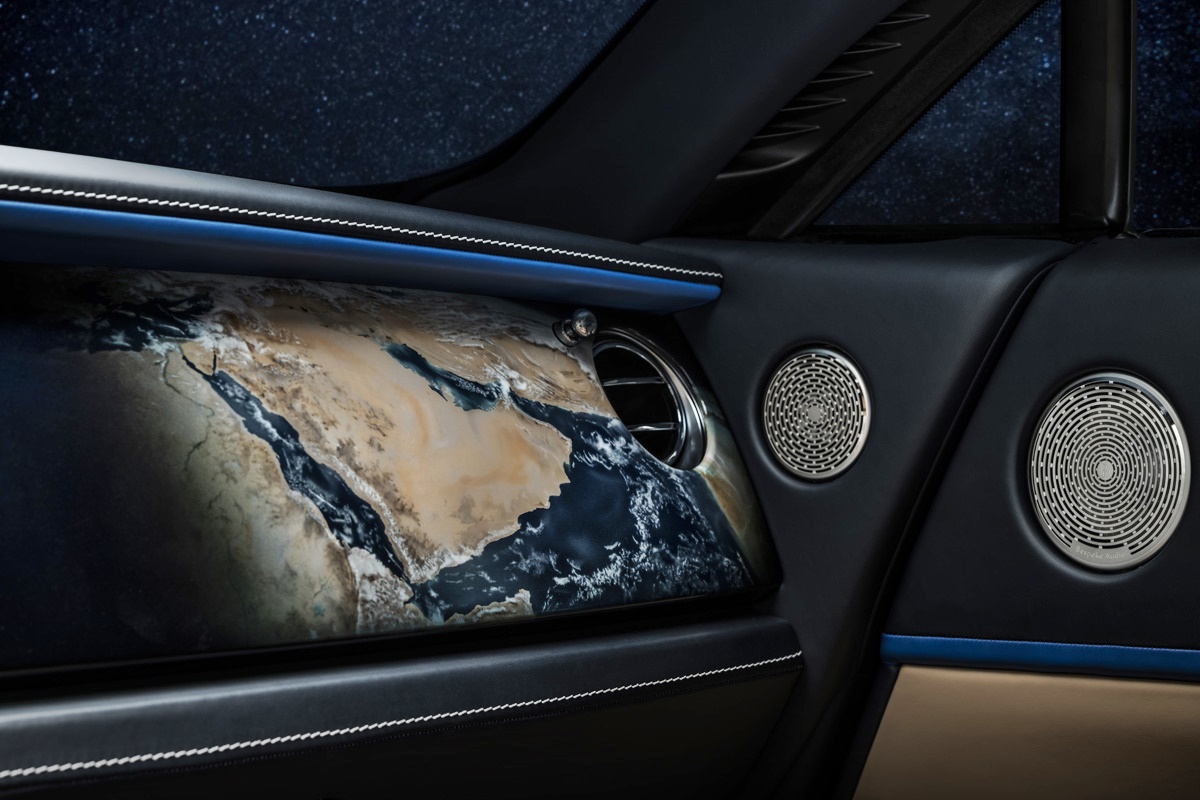
The rear waterfall features a spectacular scene of atmospheric clouds rendered in minutely detailed embroidery using Photoflash technology. On the fascia, the Piano Milori veneer is embellished with a satellite image of the Middle East, so realistic that it appears to be a photograph but in fact is skilfully air-brushed.
The customer’s chosen theme is ideal for having the Bespoke Starlight Headliner overhead. Often showing constellations in the night sky, the headliner in this Wraith is embroidered to illustrate all the planets of Solar System, centred on the Sun.
Other Bespoke details include treadplates, a clock with metal radial background, and inlays showing the planets in silver, with planet Earth accentuated in gold.
“We’re used to clients bringing us grand visions for their Bespoke Commissions, but this provided a new perspective altogether. In our response to the brief, we’ve worked at both the ‘macro’ level, referencing the Sun and planets of the whole Solar System, and the much more personal ‘micro’ level, centring our view of the world on the place the customer calls home,” explained Michael Bryden, Lead Bespoke Designer at Rolls-Royce Motor Cars.
The Bespoke department is where customers’ most ambitious and personal visions are brought to reality by a collective of designers, engineers and craftspeople. Today, almost every car that leaves the Rolls-Royce factory has also been enhanced and personalised by the specialists Bespoke.
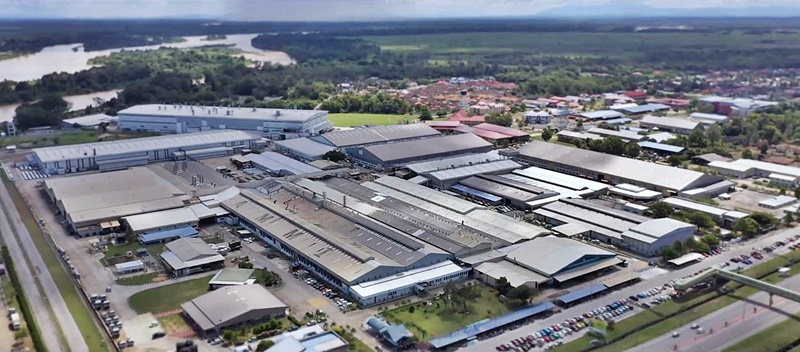
Those who have booked a Mitsubishi XPANDER can expect their new 7-seater crossover soon. The first units have been completed and will soon be leaving the plant at HICOM Automotive Manufacturers Sdn Bhd in Pekan, Pahang. Malaysia is the third country to locally-assemble the XPANDER, following Indonesia and Vietnam.
The plant location would be familiar to Mitsubishi Motors as the Pajero (and earlier models of Mitsubishi pick-ups and vans) used to be assembled there in the 1990s. Mitsubishi Motors Malaysia (MMM) has its own dedicated area for assembling the XPANDER at a rate of 6,000 units annually.
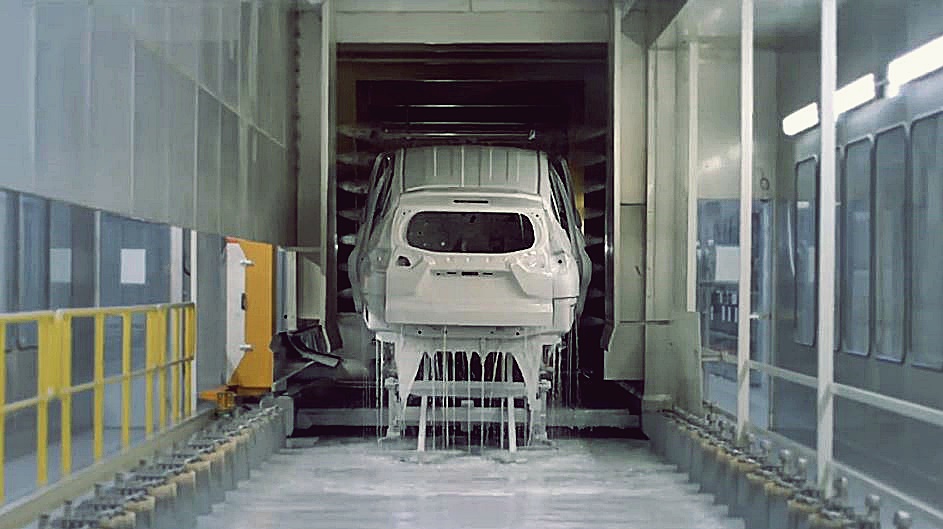
MMM invested in setting up an all-new Body Shop, Painting Jigs and Tester Line at the plant. The Paint Shop is said to be one of the most advanced in ASEAN. Complete immersion and coverage with protective primer paint is achieved during the Electro-Deposition (ED) process with the 360-degree rotation of the vehicle in the tank. Conventional ED processes usually just dip the body at one orientation.
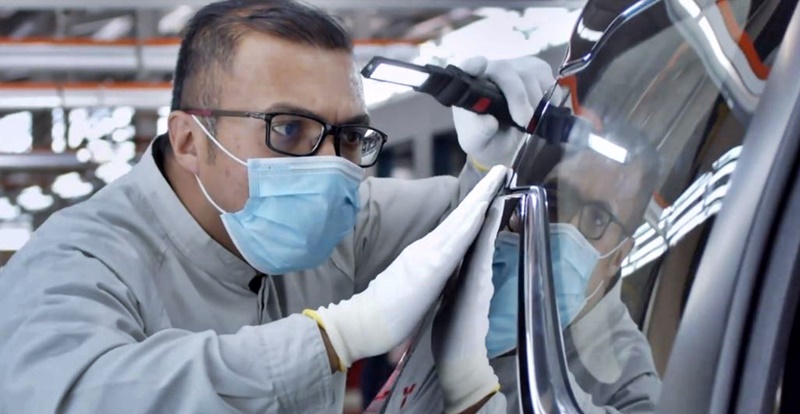
Robots are used for consistent application of multiple coats of paint to ensure a high quality finish. To ensure that the XPANDERs assembled in Malaysia meet the high standards set by Mitsubishi Motors, there are auditors from the Japanese manufacturer who constantly carry out checks.
“We ensure all our customers that each unit of the XPANDER undergoes extensive quality control tests before it is shipped out. Every inch is checked by human-eyes and cutting-edge technology,” said the CEO of Mitsubishi Motors Malaysia, Tomoyuki Shinnishi.
Mr. Shinnishi said that the XPANDER is being assembled locally to achieve a more competitive and attractive price, with better specifications providing customers more convenience and comfort. “The XPANDER is a significant model for MMM and we are confident that it will be a favourite among many Malaysians,” he added.
Since its launch in Indonesia, some 270,000 units of the XPANDER (including the XPANDER Cross variant) have been sold across ASEAN. It will be in showrooms next month and come with a 1.5-litre MIVEC engine. Pricing has not been revealed but is expected to be under RM100,000. Visit www.mitsubishi-motors.com.my to locate a showroom to view and test-drive the XPANDER and other Mitsubishi models.
Besides the XPANDER, MMM also assembles two SUV models in Malaysia – the Outlander and ASX – at the Tan Chong plant in Kuala Lumpur. Its most popular model, the Triton, is imported from Thailand in CBU form.
The early electric vehicles (EVs) were often small, partly because they had to be as light as possible to move on the limited electrical energy. Today, as battery and powertrain technology have advanced substantially, EVs are as big as sedans with petrol or diesel engines.
For small and young customers
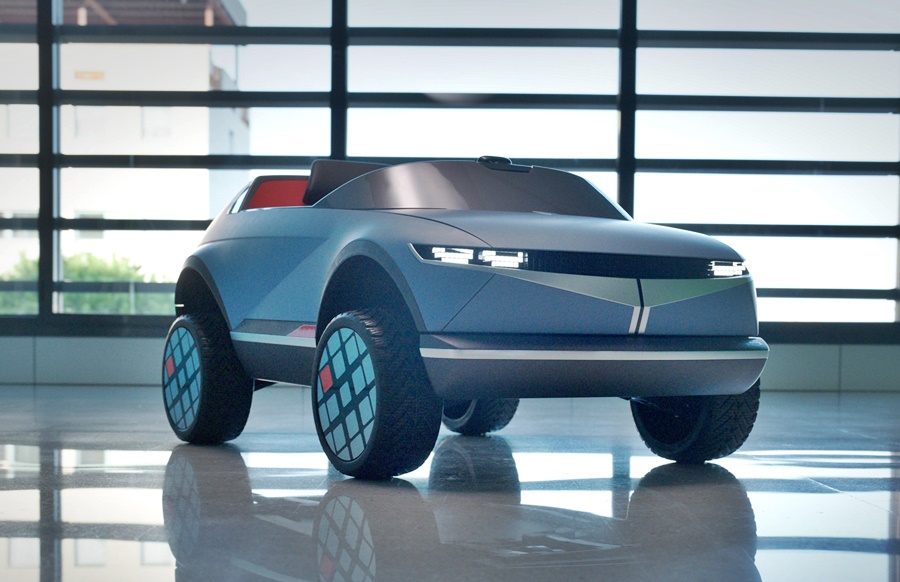
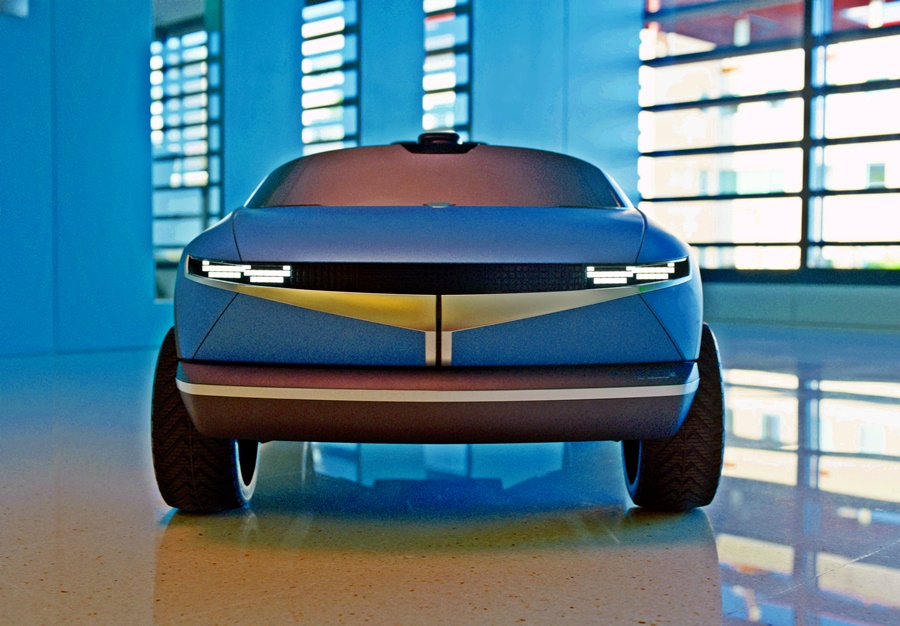
Hyundai, it seems, is going back to the ‘roots’ of EVs with a mini EV that is its smallest yet. In this first glimpse of the vehicle, it is clear that it is very small. The one-of-a-kind EV features Emotion Adaptive Vehicle Control (EAVC) technology and is something that Hyundai wants to use to offer a unique mobility experience to young (and small) customers.
Styling based on 45 EV Concept
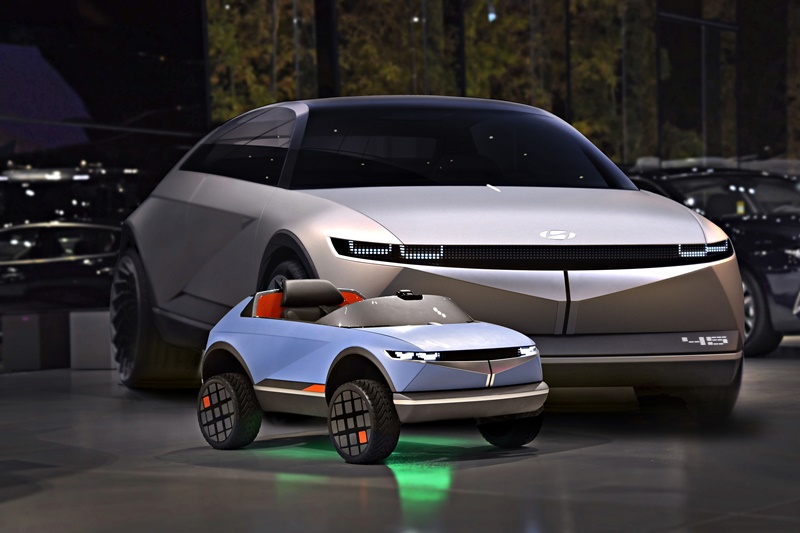
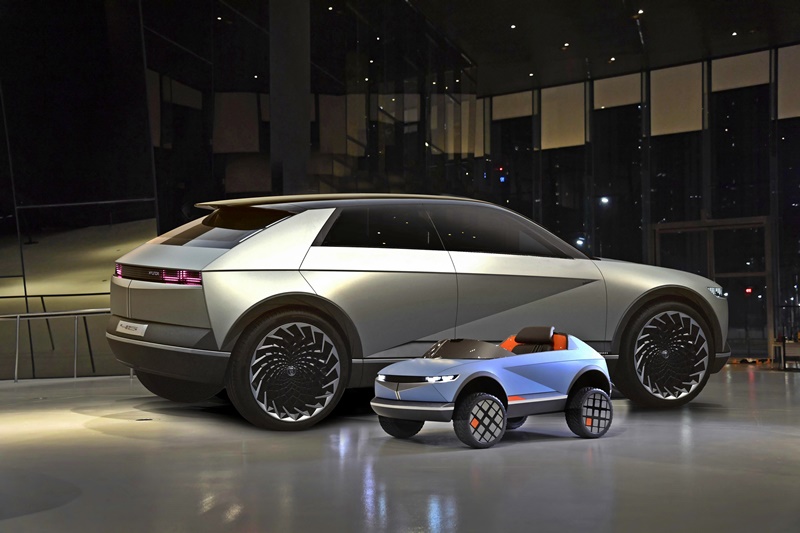
The exterior style is based on the ‘45’ EV concept that Hyundai displayed in 2019 at the Frankfurt Motorshow. The designers have adapted the signature ‘kinetic cube lamp’ design of the ‘45’ along with its angular yet smooth profile to create this yet-to-be-named EV that sports a Performance Blue exterior finish with orange accents.
This ‘little engine that could’ has two DC motors that can propel it to a top speed of 7 km/h, so it is only for the bravest souls! To boost driver confidence behind the wheel, the designers took inspiration from motorsports by placing just one seat in the middle of the 1.38-metre long car.
In keeping with the 45’s design heritage theme, Hyundai has built this unique passenger vehicle out of a traditional eco material – wood. There’s no officially rated driving range yet but the driver’s laughter is believed to be able to fuel the vehicle to travel further based on its Emotion Adaptive Vehicle Control (EAVC) technology.
It’s certainly an intriguing little vehicle that we look forward to learning more about in due course.