
Piston.my

Latest News

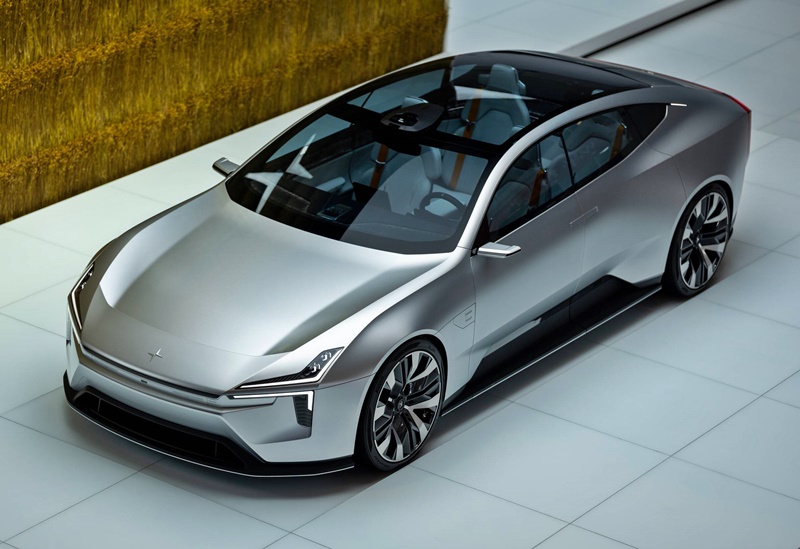
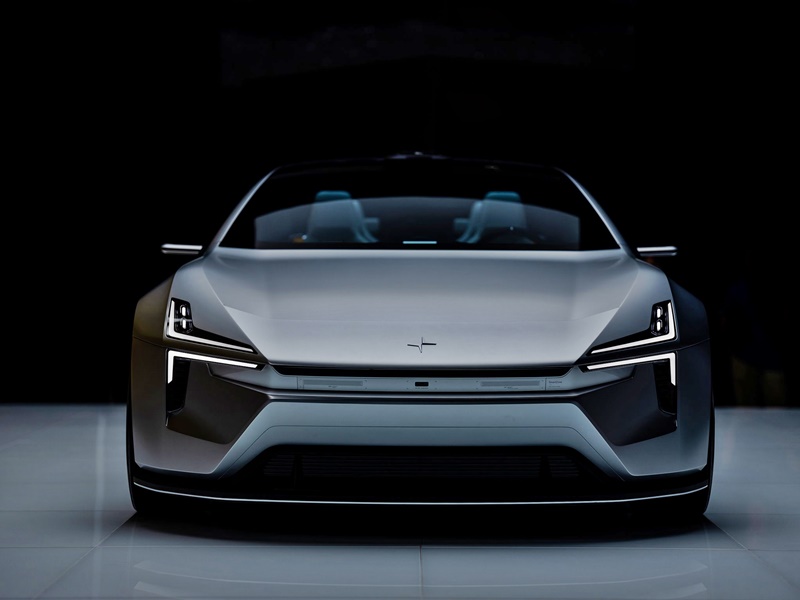
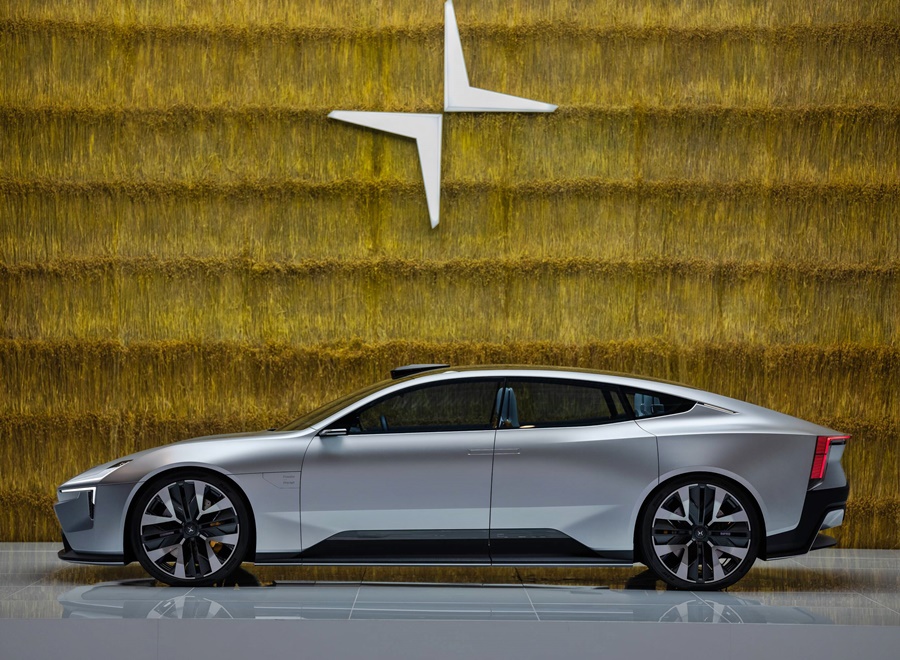
Polestar, the joint-venture company owned by the Volvo Car Group and Geely, has confirmed it will put the Precept into production. Revealed earlier this year, the Precept started life as a manifesto to illustrate the brand’s future vision and was described as a ‘commitment car’, not a concept car.

Besides showcasing the electric performance brand’s future design direction, the Precept also highlights Polestar’s path for digital technology and the use of innovative sustainable materials, inside and out.
Polestar Precept

Encouraged by positive feedback
Polestar was encouraged to turn it into a production model after encouraging response from the public.”’We’d like to see it on the road!’ – this is what the press wrote about Precept and the public said, ‘We want it’, so we decided to build it,” said Thomas Ingenlath, Polestar’s CEO.

“Consumers want to see change from this industry – not just dreams. Now, Precept becomes an even stronger statement. We are committed to reducing the environmental impact of our cars and our business. The aim has to be climate neutrality, even though I recognize that is a long-term goal,” he explained.
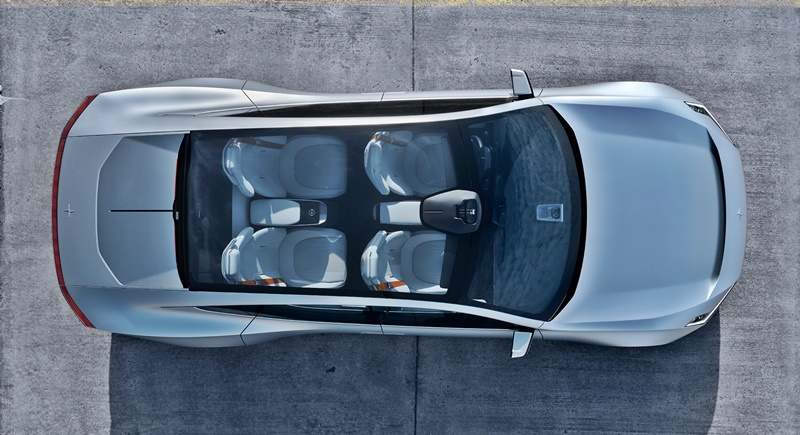
Polestar Precept

Advanced and sustainable
The interior of the Precept features a mix of sustainable materials including recycled PET bottles, reclaimed fishing nets and recycled cork vinyl. A flax-based composite, developed by external partner Bcomp Ltd., is featured in many interior and some exterior parts. Polestar’s ambition is to bring much of this sustainability into production.

In the model shown earlier this year, the next generation HMI (Human-Machine Interface), powered by Android, was demonstrated. Developed in close collaboration with Google, it features an enlarged, portrait-oriented 15-inch centre touchscreen that complements a 12.5-inch driver display. The two are linked by an illuminated blade that encompasses the entire interior.
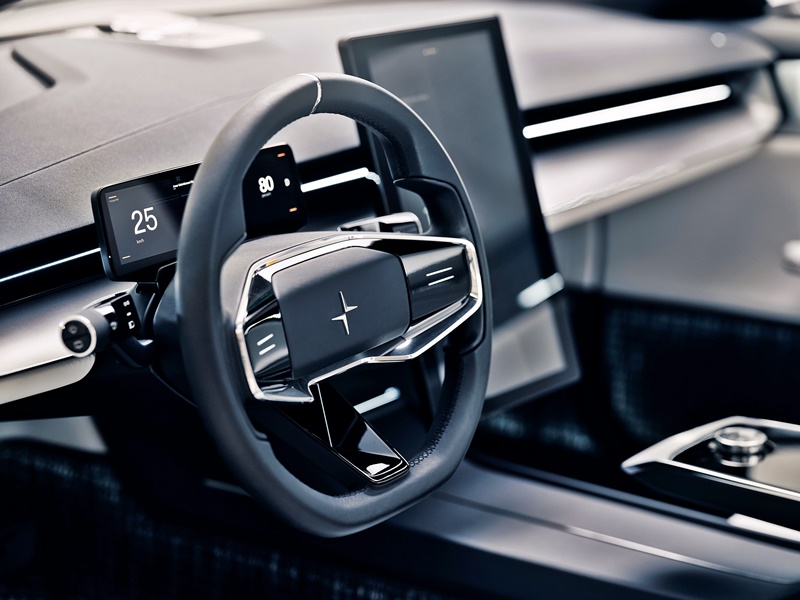
Polestar Precept

Supporting the advancement of a personalised and dynamic digital interface, the instrument panel also hosts an array of smart sensors. Eye tracking will allow the car to monitor the driver’s gaze and adjust the content of the various screens accordingly. Proximity sensors also enhance the usability of the centre display when driving.

The name ‘Precept’ was chosen to emphasise the car’s role in setting out Polestar’s intent as the contemporary electric performance brand. A precept is a manifesto of things to come; a declaration. The car signifies an important milestone for Polestar as a standalone brand, describing a unique design philosophy that remains firmly embedded in Polestar’s brand values: pure, progressive and performance.
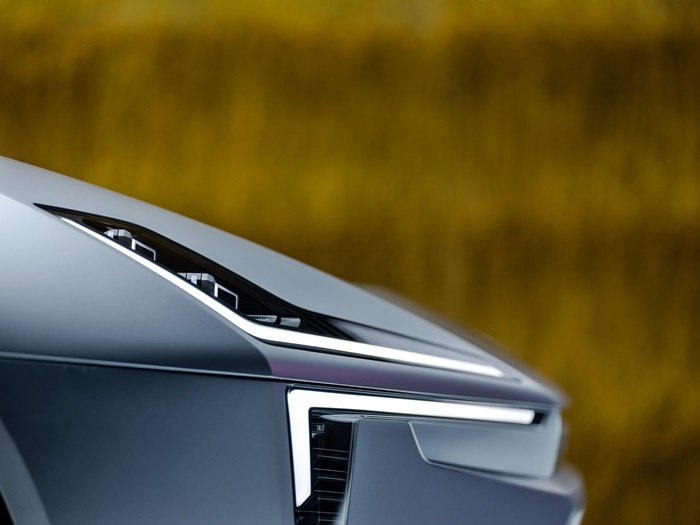
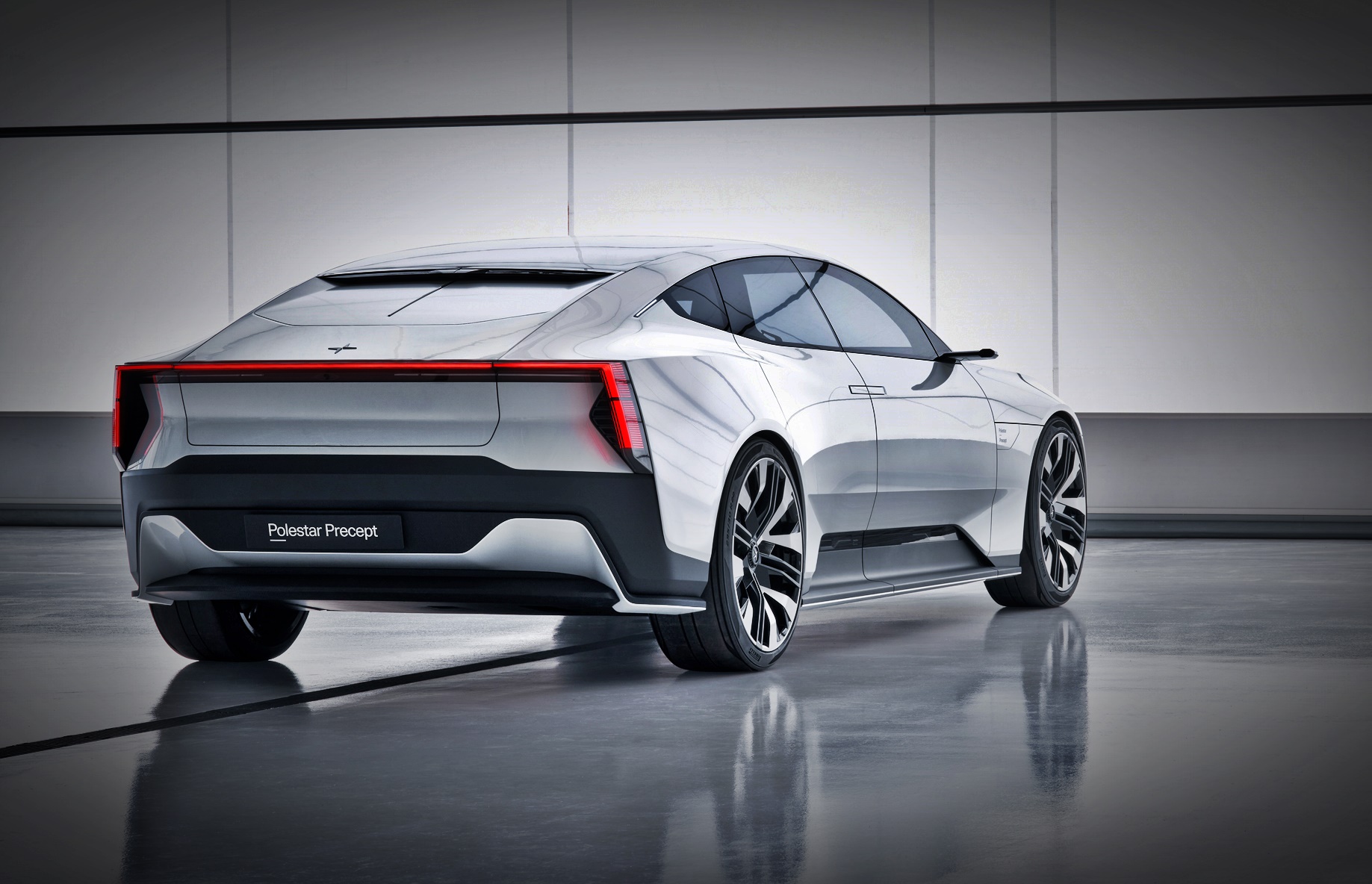
Polestar Precept

To be made in China
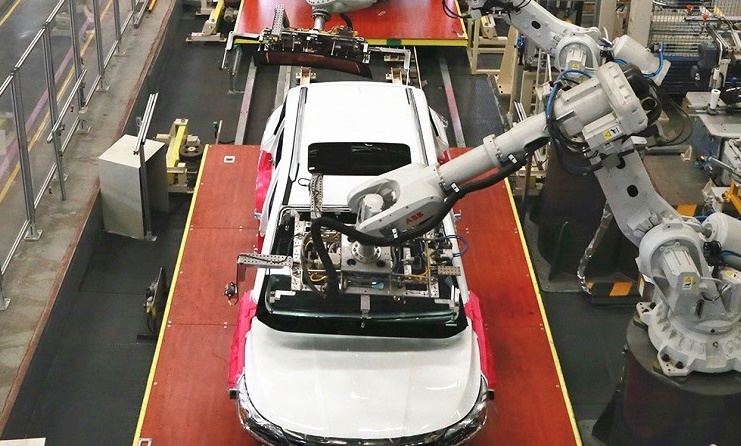
With product development underway, Polestar says it will produce Precept in China, where a new production facility will be established. The aim is to ensure the facility will be carbon-neutral and one of the most intelligent and connected automotive production facilities in the world.

The climate-positive narrative was started by a facility in Chengdu. Inaugurated in 2019, the Polestar Production Centre became the first LEED Gold-rated automotive production facility in China and runs on 100% renewable energy. It is producing the Polestar 1 – an exclusive, carbonfibre-bodied Electric Performance Hybrid – for both China and global markets.

Polestar presents high-performance EV of the future – the Precept Concept

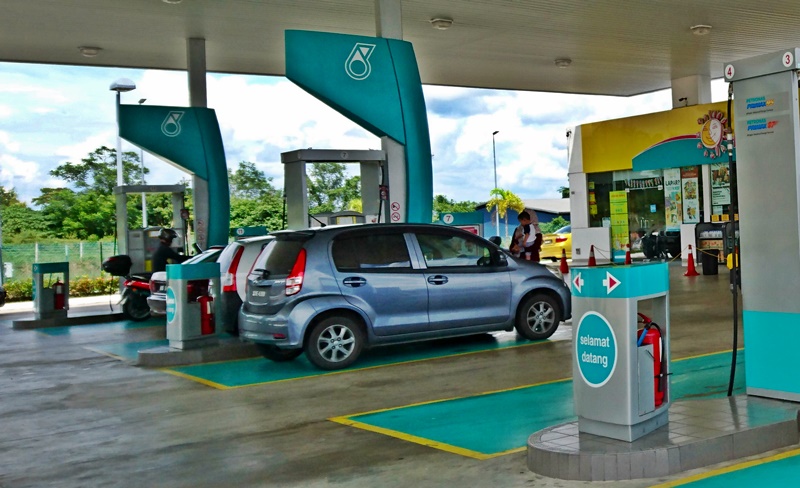
Looking back, the introduction of the Setel e-payment system by PETRONAS was timely. With the need for social distancing brought about by the COVID-19 pandemic, the cashless payment system made fuel purchases possible without having to interact with station staff.

Even the process of setting the amount required could be done from a mobile device from inside the car, although the driver would still have to get out and handle the pump nozzle. Perhaps one day that too will be automated…

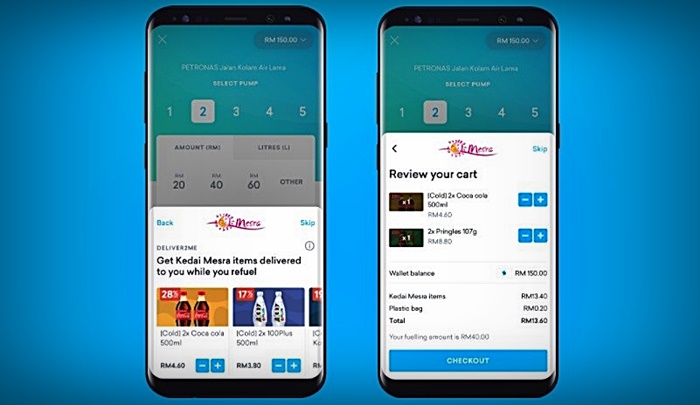
The Setel Wallet now becomes more useful with Deliver2Me, another feature which uses the cashless payment process. Deliver2Me allows Setel users to purchase selected items from participating Kedai Mesra outlets at PETRONAS stations and have them promptly delivered directly to their vehicle while refuelling.

Deliver2Me is initially available at 6 participating PETRONAS stations in the Klang Valley and will progressively be available at all Setel-enabled stations nationwide during Q1 2021. The Setel system is already available at 800 participating Kedai Mesra outlets which accept the Setel Wallet. With the Deliver2Me feature, there is the option to pay for items in Kedai Mesra with minimal physical contact as an added safety benefit necessary in these times.

As with fuel purchases, customers can earn Mesra points automatically when using the Setel system (provided they have linked it to their Mesra card). Points redemption can also be done directly through the application.

“At Setel, we’re constantly pushing boundaries to deliver a seamless and frictionless experience to our customers beyond fuel. For instance, customers no longer need to wait in line after refuelling to grab a cup of coffee and nasi lemak through Deliver2Me,” said Iskandar Ezzahuddin, CEO of Setel.

“We are pleased to offer greater convenience to over 1.5 million Setel users through our cashless payment system in Kedai Mesra. This is just a stepping stone in our journey of expansion as we add more intuitive features tailored to individual customers, in line with PETRONAS’ growing offerings,” he said.

The Setel app is available for iOS and Android devices and can be downloaded and installed for free from the Apple Store, Google Play Store and Huawei AppGallery.

PETRONAS Setel smartphone fuel payment application available nationwide

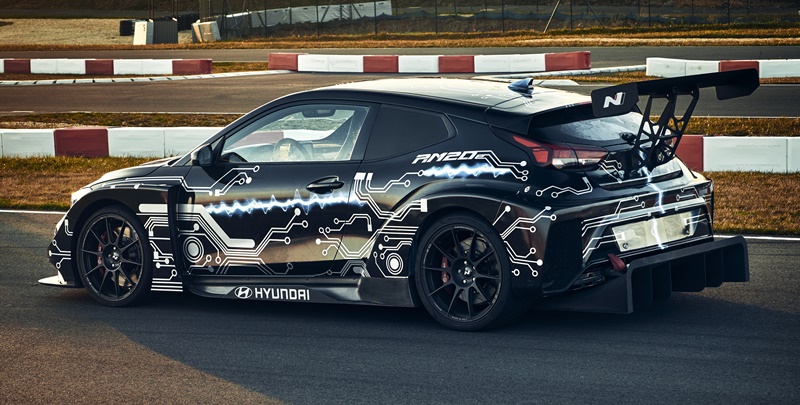
With the way electrification of cars is going, there will come a time when electric power replaces combustion power in racing cars. In fact, it’s already started with the Formula E series for single-seaters and the electric version of the TCR.

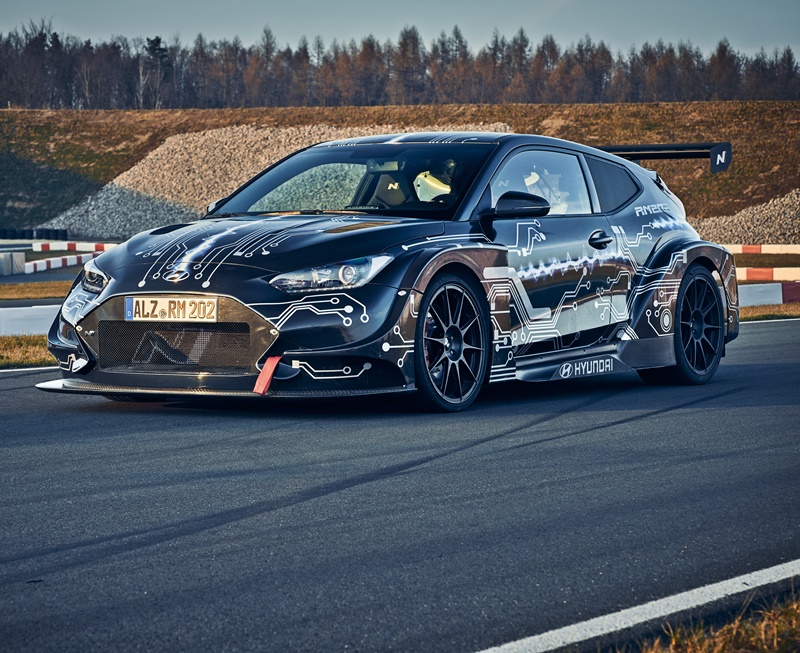
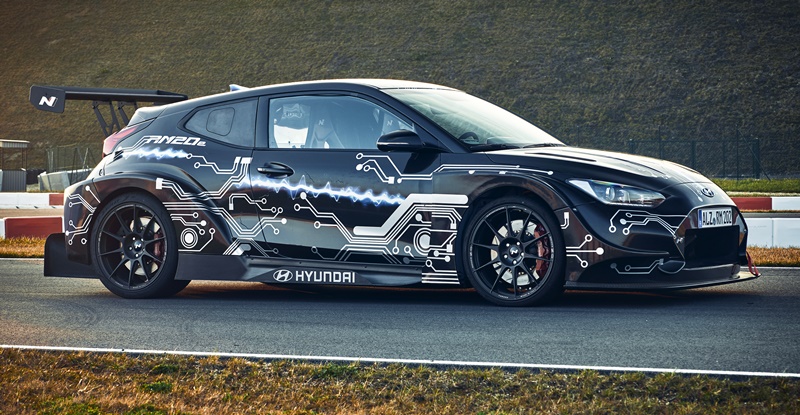
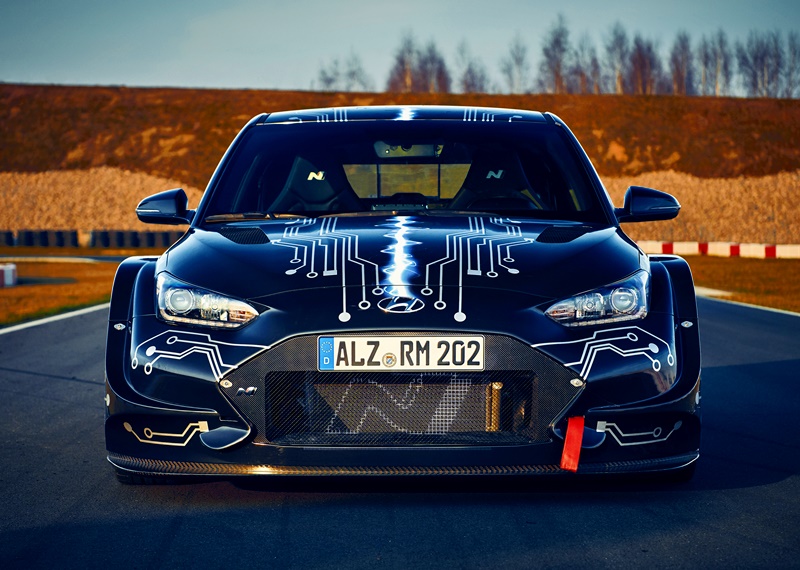
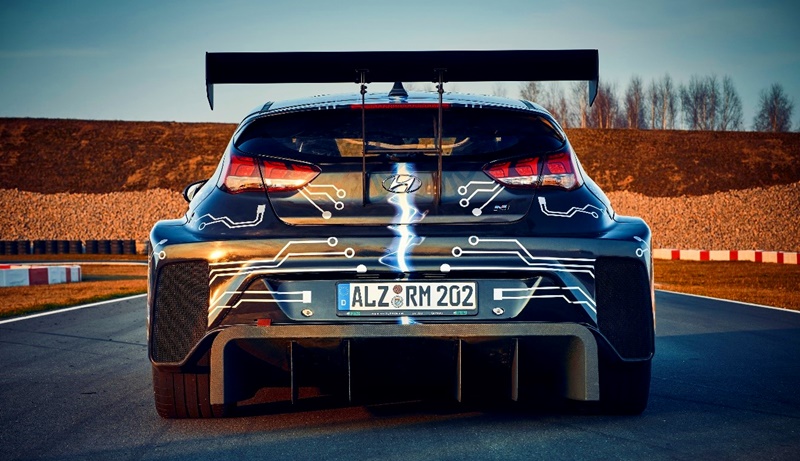
Manufacturers like Hyundai Motor are preparing for this change and one project that the company’s high-performance N division has revealed its next-generation electrified RM20e Racing Midship Sports Car. ‘RM’ refers to the prototype model’s ‘Racing Midship’ rear-drive, midship powertrain configuration, a fundamental design differentiator that yields ideal handling balance and agility from a low polar-moment of inertia.

“Our new electrified RM20e pushes the proven RM platform forcefully into a new, environmentally-focused decade of the 21st century, stretching the performance envelope of electrification on normal road environments,” said Albert Biermann, President and Head of Research and Development Division at Hyundai Motor Group.

“RM20e represents a revolutionary new chapter of electrified performance for the Racing Midship series, and our N engineers continue to garner valuable insights in the arena of zero-emission performance dynamics,” he declared.

Testing high-performance technologies
The RM platform is an engineering ‘rolling lab’ for testing high performance technologies at all speeds and driving conditions. The testing is especially important to ensure that the RM20e’s copious 596 kW/810 hp and 960 Nm output can be effectively transmitted to the ground on all types of surfaces.

Performance times are expected to be less than 3 seconds from 0 – 100 km/h and less than 10 seconds from 0 – 200 km/h. The positioning of the motor in the middle and the rear-drive layout provides optimal traction required for this level of acceleration. While having racing car-like levels of performance, balance, braking and grip, the engineers have been working to also provide quietness, responsiveness and road-going capability for daily drivers.

Variety of powertrains available
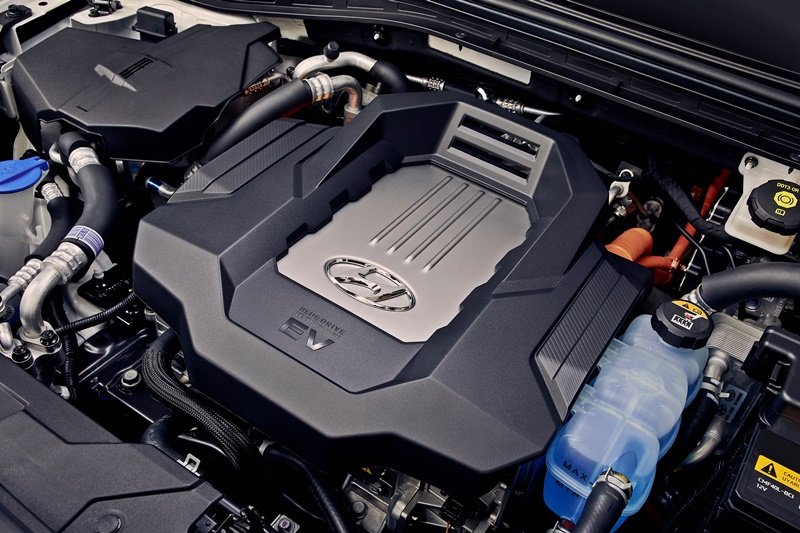
The electrified powertrain has zero-emissions, of course, and as Hyundai has developed a variety of electrified-propulsion solutions. Therefore a full spectrum of electrified powertrains is available for testing with this high-performance sportscar platform.

Hyundai’s recent investment and strategic partnership with Rimac Automobili has facilitated co-development of both BEV (Battery Electric Vehicle) and FCEV (Fuel Cell Electric Vehicle) prototypes. The electrified RM platform will continue to evolve along with the growth of this RIMAC partnership.

44 eco-friendly models by 2025
The Hyundai Motor Group, which includes Kia Motors, has set a strategic plan to deploy 44 eco-friendly models by 2025, which will include products from the N brand as well.

“The RM20e sports car prototype clearly signals future electrified brand aspirations for Hyundai’s performance N brand, moving N into the prestigious genre of supercar-level performance. RM20e proves that N driving excitement will not be compromised, even in electrified model variants.,” said Thomas Schemera, Executive Vice-President and Head of Product Division at the Hyundai Motor Group.”

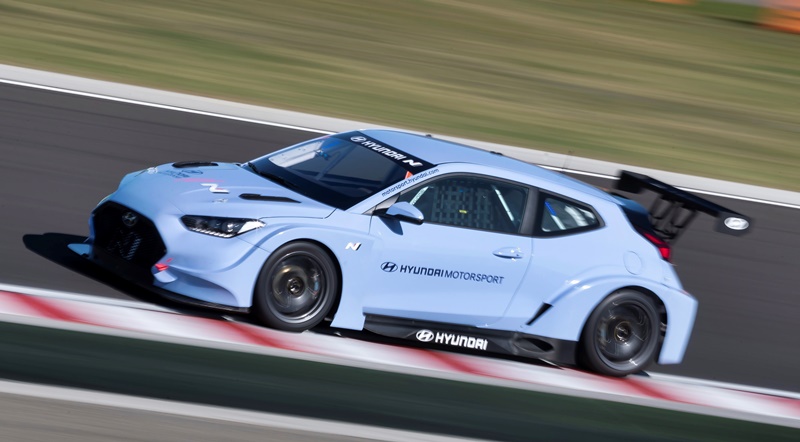
The history of the RM project goes back some 8 years and has served to develop and connect new high-performance motorsports technologies with future N models. Since the initiation of project RM, there has been a progressive evolution of the RM series with prototypes RM14, RM15, RM16 and RM19. In 2019, Hyundai’s first electric racing car – the Veloster N eTCR (pictured above) – was developed for the eTCR electric touring car series.

Updated Hyundai i30 N to get 8-speed N-DCT as well

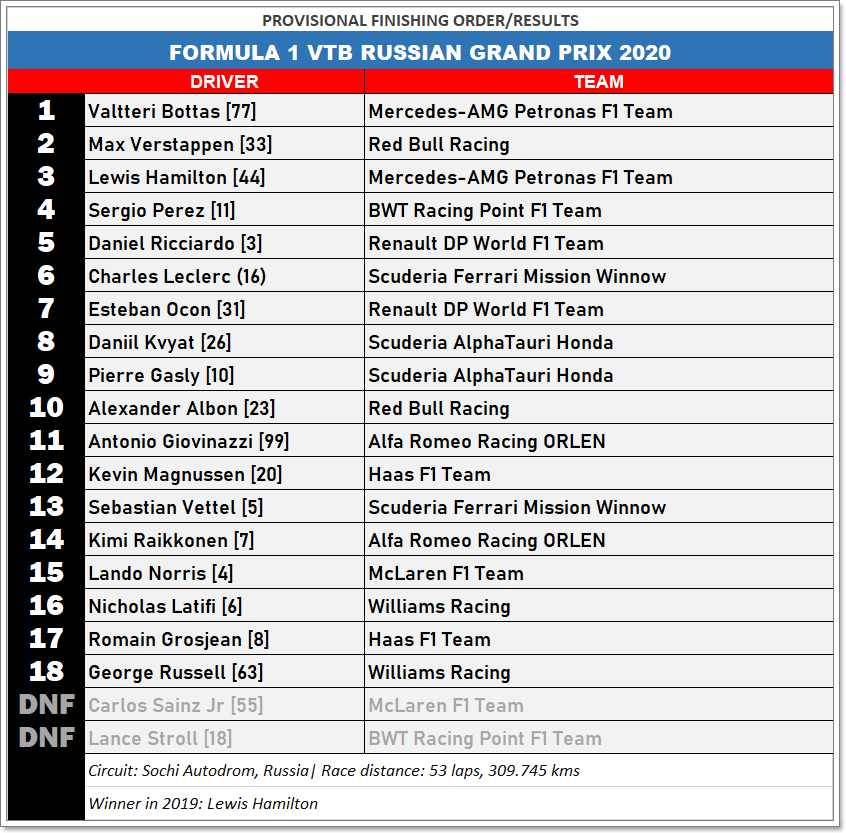
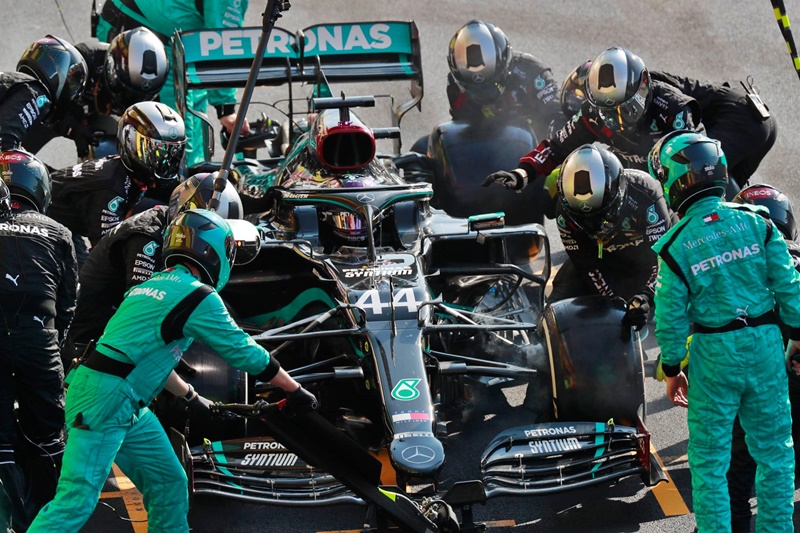
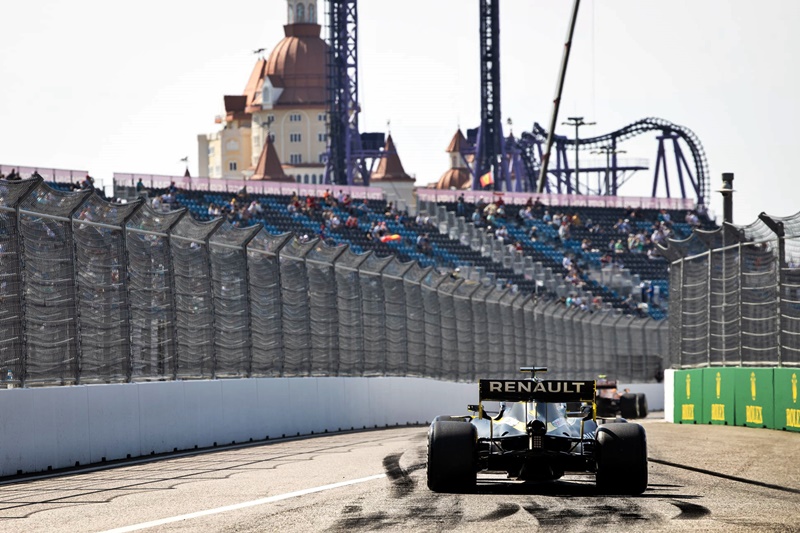
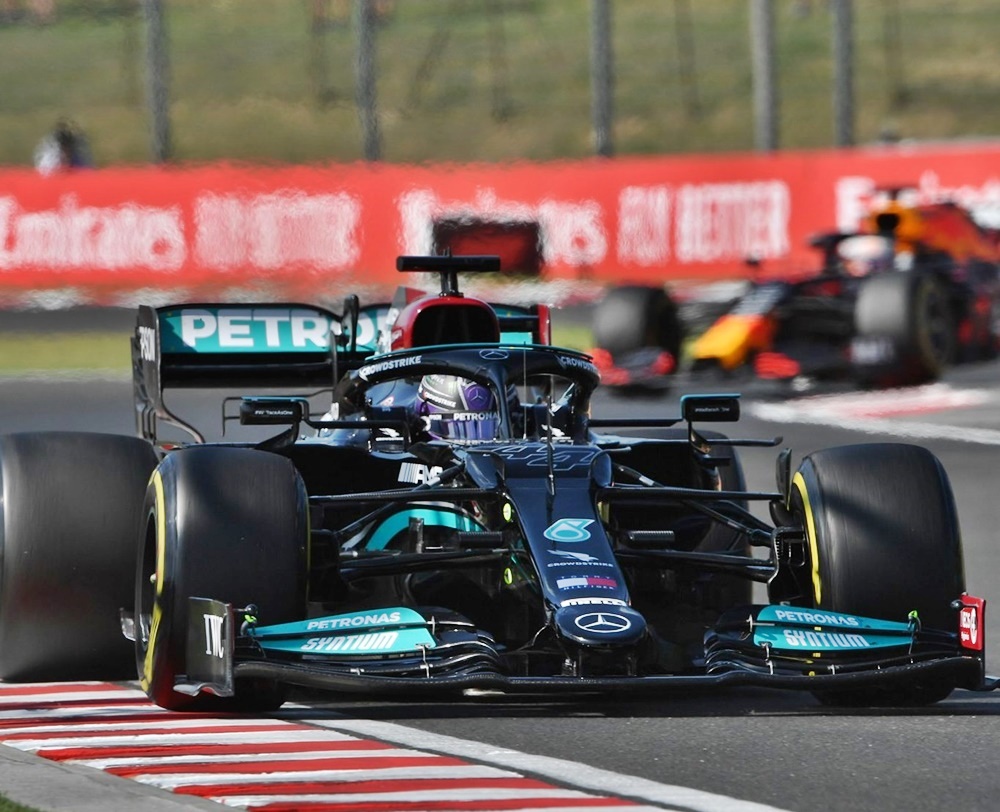
♦ The first two retirements of the race were Lance Stroll and Carlos Sainz, Jr. who crashed within the first few turns, bringing the Safety Car out for the first 5 laps.

♦ Pirelli said that early appearance of the Safety Car would help reduce tyre wear at a crucial point in the race with the cars on full fuel. It would also be advantageous for the soft tyre runners.

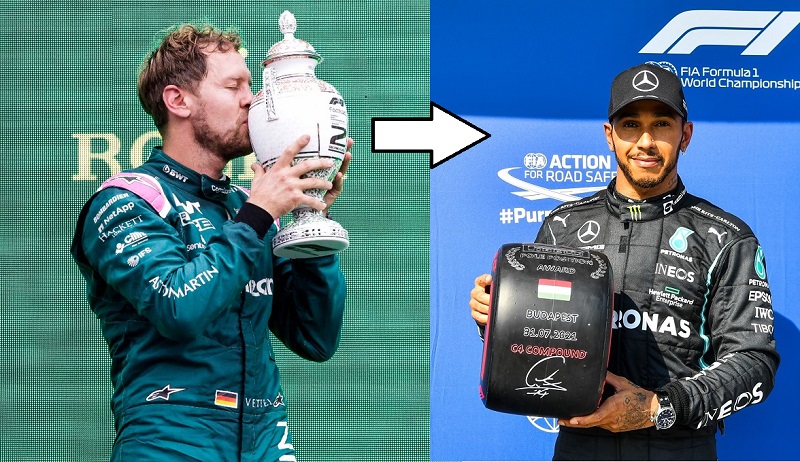
♦ As the race resumed with the departure of the Safety Car, news came that Lewis Hamilton had been given two 5-second penalties. The offence: doing practice starts in the wrong place.

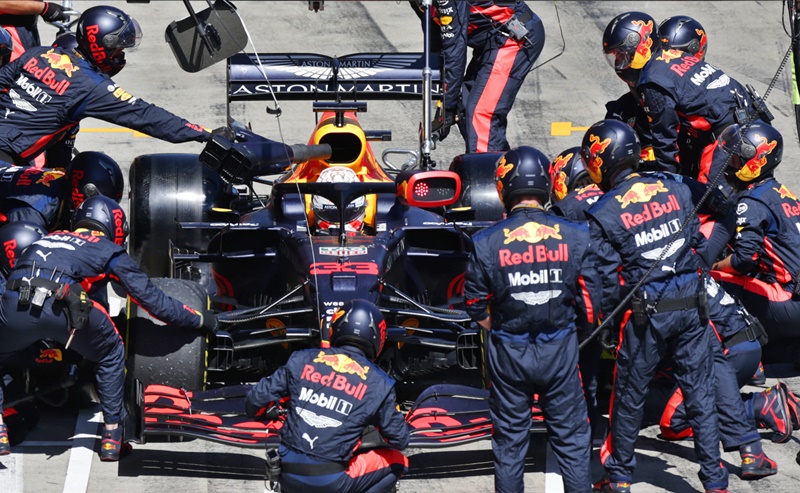
♦ At that early point in the race, there were at least 6 cars within 10 seconds of Hamilton, who was in the lead, so he had to work very hard to stretch the gap. He served his penalty on the 17th lapas tyres were changed, rejoining the race in 10th position.

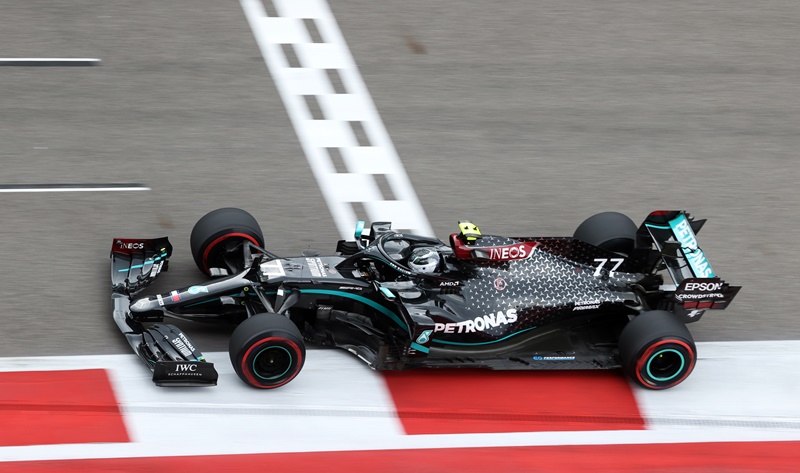
♦ At the halfway mark of the 53-lap race, it was Valtteri Bottas in the lead with a 10-second gap from Max Verstappen. A frustrated Hamilton was about 5 places back and contemplating whether to push harder or just manage the tyres and pick up as many points as possible by the end of the race.

♦ Daniel Ricciardo was another driver who got a penalty – 5 seconds for  ‘failing to follow the race director’s instructions’. Accepting the bad news, the Aussie driver told his team that he would ‘drive faster’.

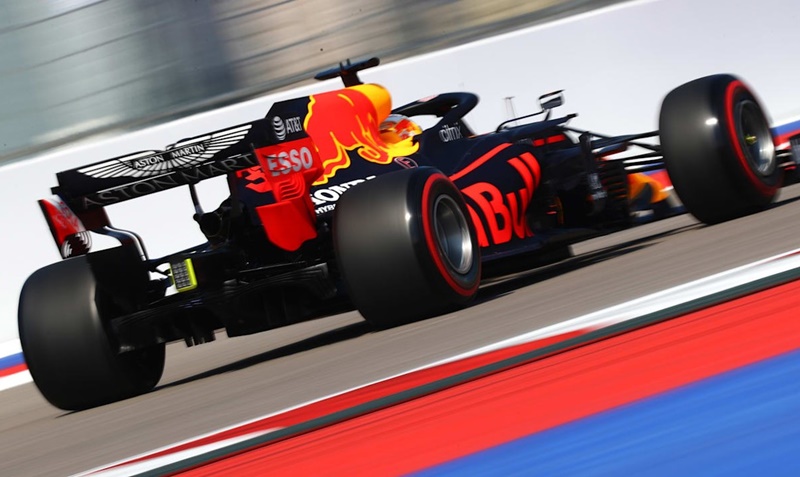
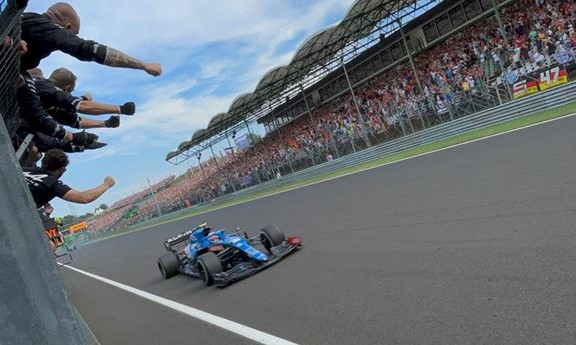
♦ With 10 laps remaining, Hamilton was up to third, behind Verstappen and Bottas. But the gaps were fairly big and by race end, the Red Bull driver was about 14 seconds ahead.

PISTON.MY

BHPetrol RON95 Euro4M

The Ferraris that most people read about or see on the roads are the ones that the company makes in ‘large’ numbers. However, there are also many cars which are not publicised – and we’re not talking about the prototypes that are going to be future models. Ferrari, like other high-end niche carmakers, also offers extensive customisation services to its customers who want unique and exclusive models.

The Omologata (unusual name but actually means ‘homologation’ in Italian) is one such car and the project was commissioned by a customer in Europe. Representative of Ferrari’s line of unique one-off models, it took a little over 2 years to complete.

2020 Ferrari Omologato

The initial presentation of sketches started with images that covered a variety of inspirations, from racing heritage to sci-fi and references to modern architecture. The idea from the onset was to create a futuristic design with distinctive elements reinterpreted in a fresh manner to provide potential for a timeless shape that is certain to leave a lasting impression.

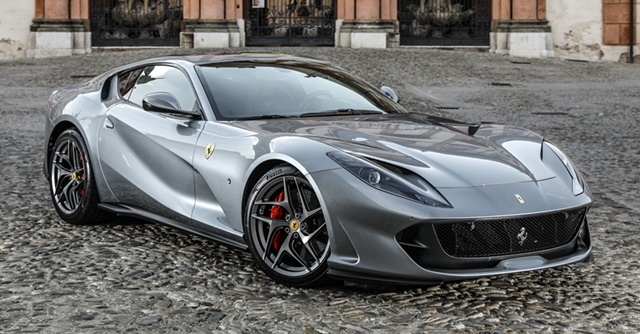
Ferrari 812 Superfast
812 Superfast

812 Superfast as the basis
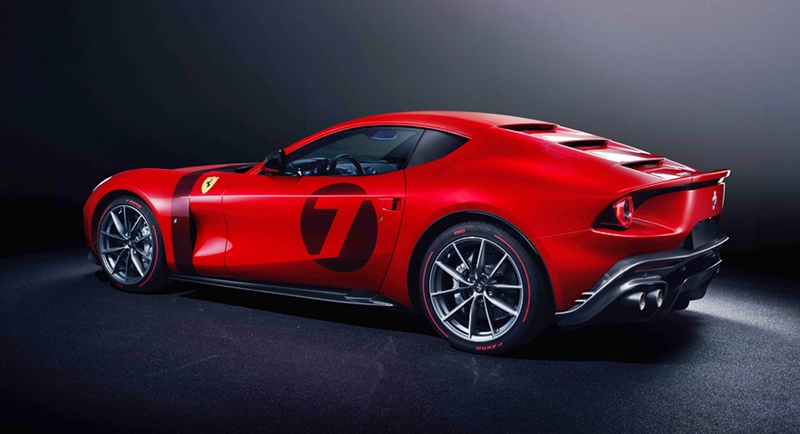
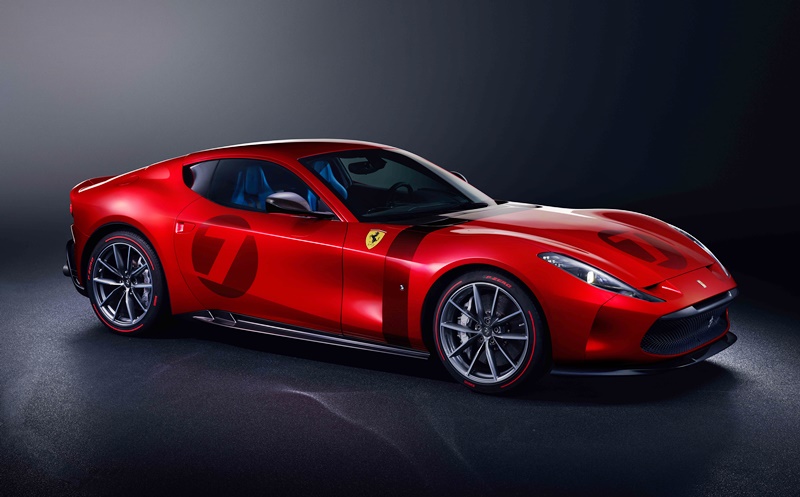
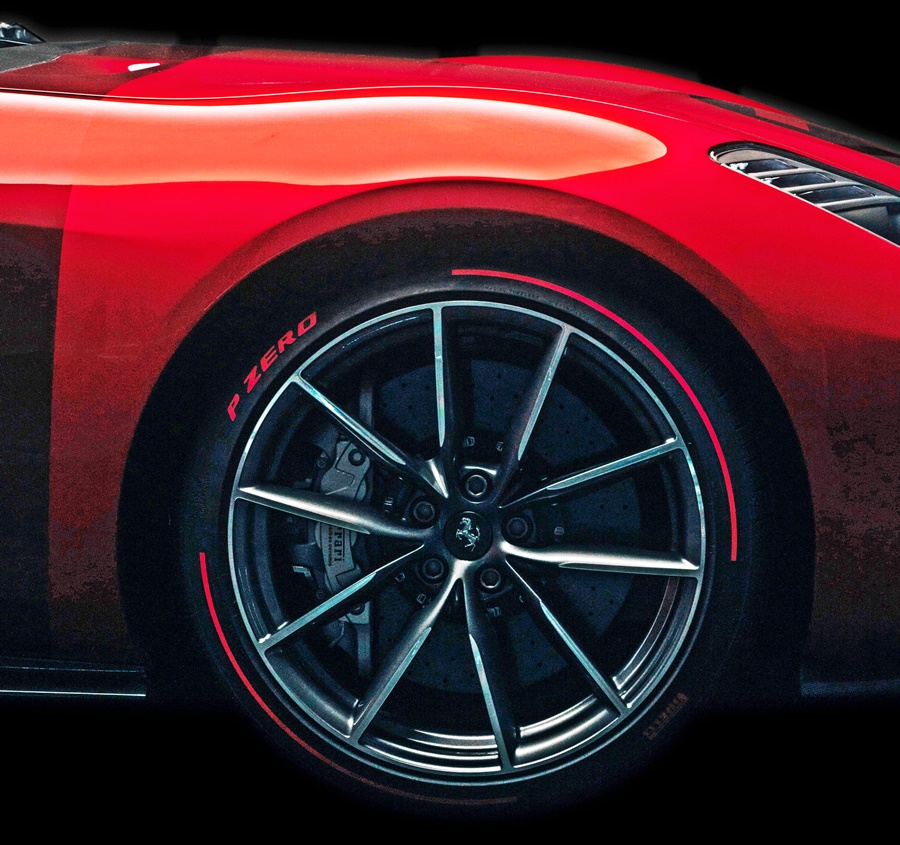
To achieve this, the designers used the underlying package of the 812 Superfast, keeping only the windscreen and headlights as existing bodywork elements. The objective was to exploit the proportions of the mid-front layout to deliver a very sleek design defined by smooth volumes and undulating reflections. The trickiest aspect was striking the ideal balance between expressiveness and restraint, projecting street presence whilst maintaining a very pure formal language.

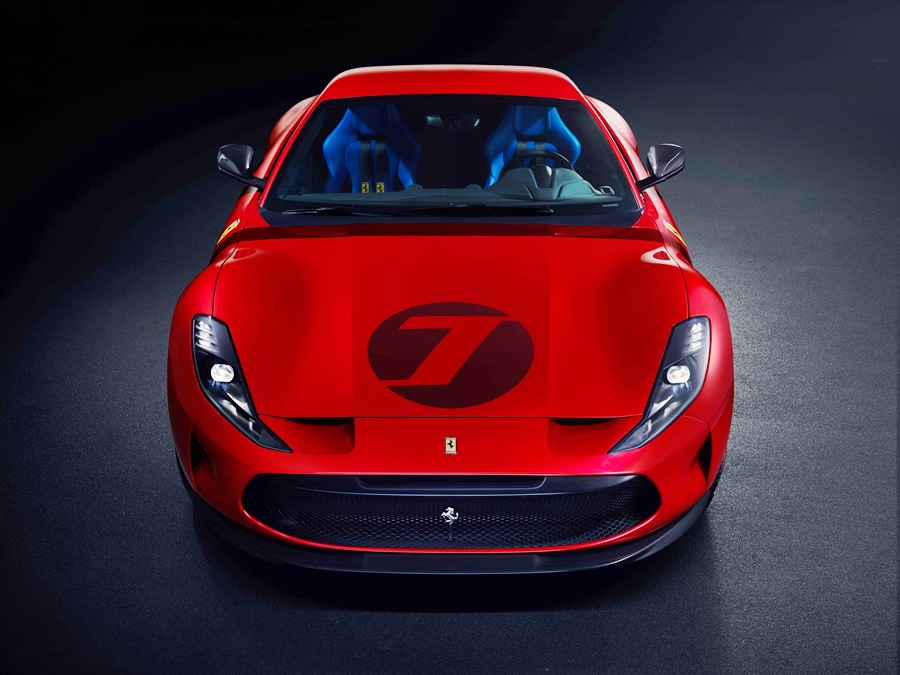
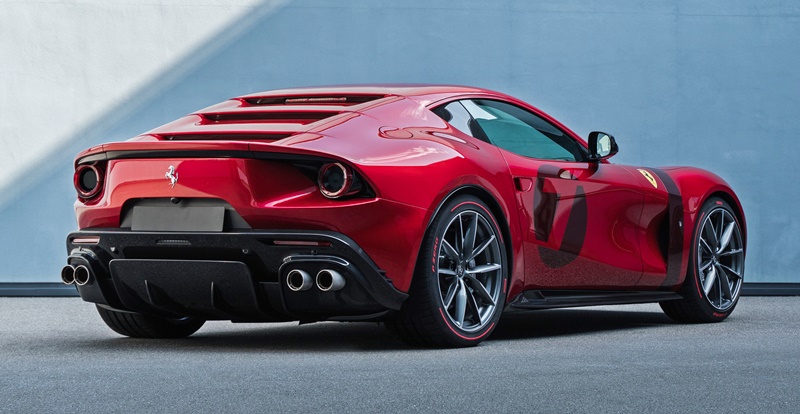
A tapering front volume defines the flattened oval grille, with the rounded section over the front wheelarches emphasized by a contrasting stripe wrapping across the bonnet. Rearwards of the door, the flank develops into a very potent rear muscle that neatly blends upwards into the three-quarter panel.

2020 Ferrari Omologato

2020 Ferrari Omologato

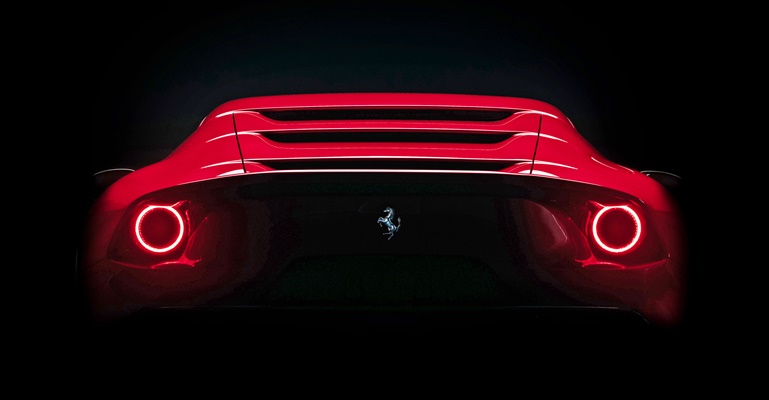
The entire volume is rendered deliberately imposing through the elimination of the rear quarter light, while three horizontal transversal cuts in the fastback volume visually lower the rear mass. The tail is surmounted by a prominent spoiler which adds not only downforce, but a more aggressive, sporty stance.

Making it road-legal
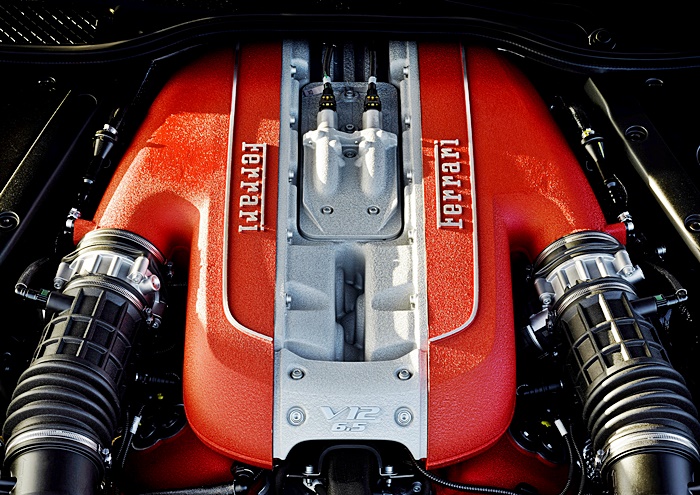
Meeting every safety requirement to ensure a Ferrari is road-legal is always a huge challenge for the design team, more so when starting from an existing platform. And ‘Omologata’ was indeed a keyword that resonated throughout the development of this, the 10th front-engined V12 one-off Ferrari has delivered since the 2009 P540 Superfast Aperta.

2020 Ferrari Omologato

Beyond the clear instructions coming from the customer and down to every detail on the car, the designers effectively took into account countless variables to make this a very exclusive model through and through. The quest for the ultimate touch went as far as developing a new shade of red just for the livery, to match the fiery triple-layer Rosso Magma over a darkened carbonfibre finish.

Link to Ferrari’s racing heritage
Inside the car, numerous trim details suggest a strong link to Ferrari’s rich racing heritage. In fact, the Omologata can be seen as a clear descendent of Ferrari’s great GT tradition spanning 7 decades of history.

2020 Ferrari Omologato

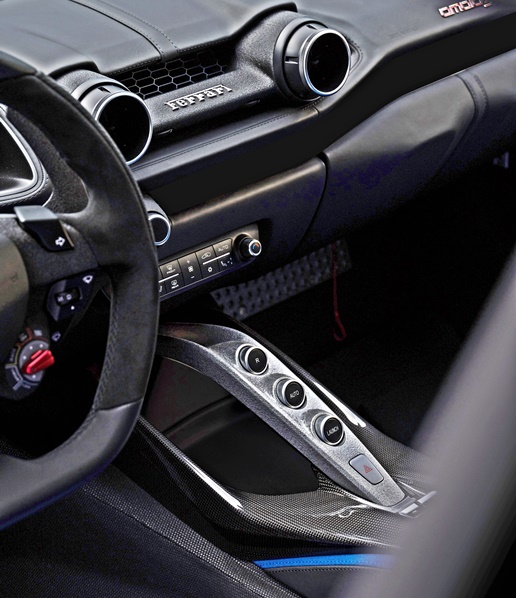
The electric blue seats, finished in a combination of leather and Jeans Aunde fabric with 4-point racing harnesses, stand out against a full black interior. In the absence of rear quarter lights and screen, the atmosphere in the cabin is purposeful, reminiscent of a bygone era.

Metal parts on the dashboard and steering wheel are finished with the crackled paint effect associated with the great GT racers of the 1950s and 1960s as well as with Ferrari’s engine cam covers. A hammered paint effect so often used in cars such as the 250 LM and 250 GTO can also be seen on details such as the inner door handles and on the Ferrari F1 bridge.

2020 Ferrari Omologato

Ferrari Portofino M – the evolution of the 2+ GT spider

COVID-19

PISTON.MY

In the past, a concept model was mostly a work of fantasy intended to wow crowds at motorshows but which the company would not be able to make for showrooms. Perhaps the excitement of seeing something futuristic has worn off and these days, manufacturers often show concept models that are close to what they will launch in a year or in a few years.
Displaying a future production model as a ‘concept’ allows the designers to get last-minute feedback from the public on certain ideas they may want to use. They may learn that people don’t appreciate a certain styling element and omit or modify it before production starts.

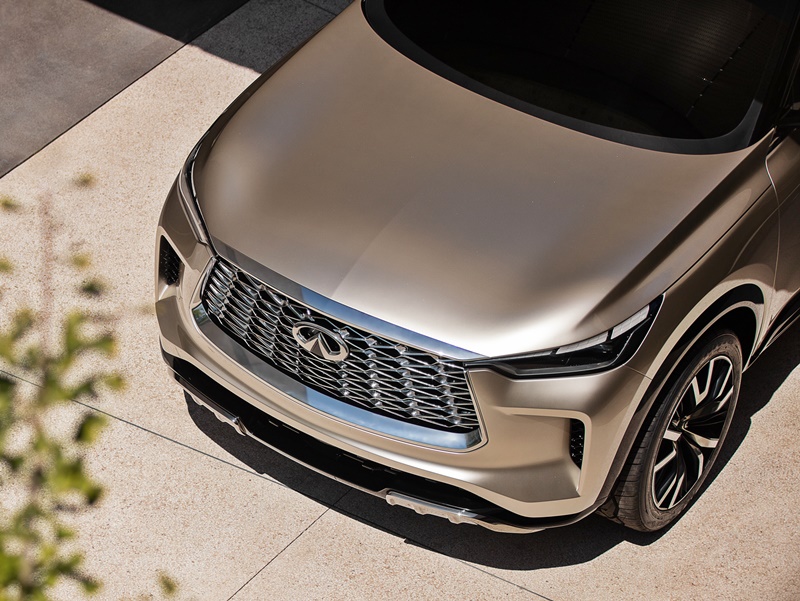
2020 Infiniti QX60 Monograph

Future 3-row SUV
Infiniti, Nissan’s luxury brand, is displaying the QX60 Monograph this weekend at the Beijing Auto Show and it confirms that the concept model previews some of the proportions and design elements for the brand’s future three-row SUV.
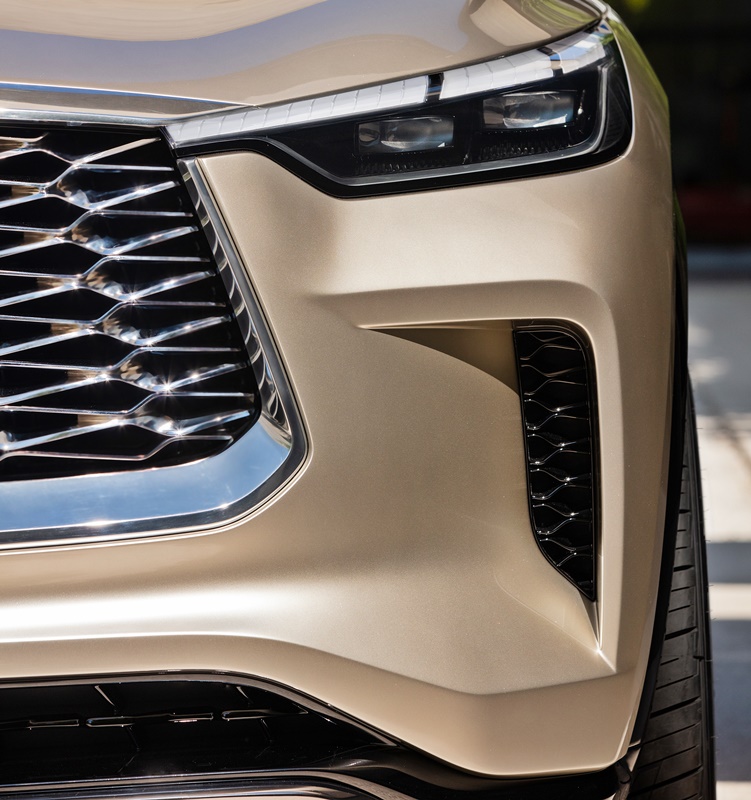
“In crafting this concept, we wanted to change the tonality of the QX60 and transform the nameplate from a sculptural and architectural point of view. We raised the visual centre of gravity, giving it a strong, straight shoulderline that carries through to the bonnet, with a higher, more prominent grille, and longer-looking cabin to deliver a sense of muscularity and a commanding presence,” said Alfonso Albaisa, Senior Vice-President, Global Design at Nissan Motor.

Japanese inspirations
“The QX60 Monograph embodies the Japanese concept of ‘Ma,’ a sense of minimalism where designers seek harmony, adding just the right number of elements with very specific meaning to create something special. This is evident on the body, where at a glance it is simple, but when you get closer, you see that there are elements that are playing against each other in a sense of harmony,” Albaisa explained.


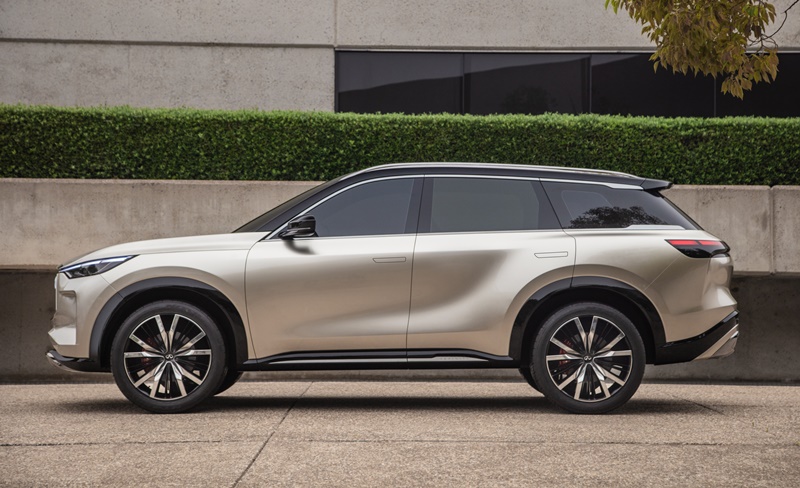
Focused solely on the exterior, the designers imagined the QX60 Monograph as a sophisticated yet functional solution for a busy, modern family. The proportions include a wide stance, sleek greenhouse, horizontal shoulder line and muscular wheel arches. The combination of which creates a commanding posture and defined SUV persona.

Advanced lighting appearance
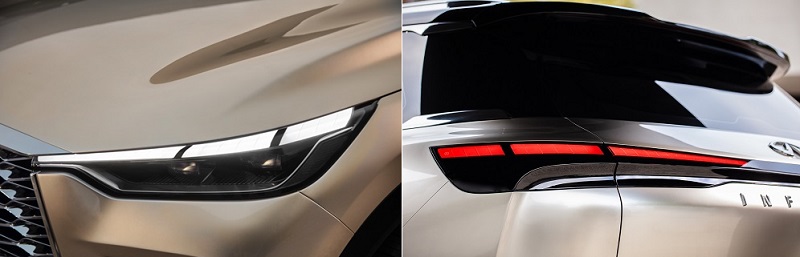
Intricate ‘Digital Piano Key’ lighting at the front and rear projects a futuristic appearance and showcases how Infiniti blends human artistry with the latest technology. The inner structure of the headlamp features a shape and pattern of lines inspired by an electrical heatsink device.

2020 Infiniti QX60 Monograph

2020 Infiniti QX60 Monograph

Bright white at the front, and ultra-red at the back, the QX60 Monograph’s lamps are accompanied by the glowing ‘infinite road’ brand emblem. Combined, the opening light sequence begins at the logo and fans out to the headlamps in a dynamic welcome for drivers.

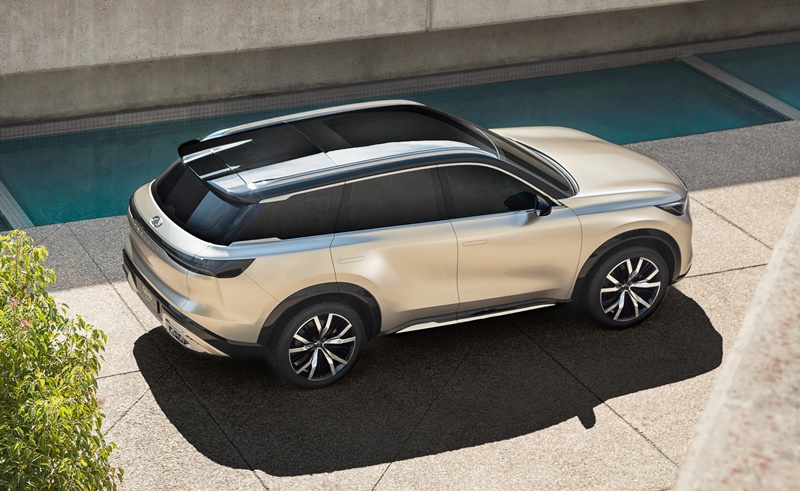
Viewed from the side, the Monograph shows off its horizontal bonnet, muscular fenders and long wheelbase. Paired with the gentle rake of the A-pillar and tapered, teardrop-like glasshouse, the result is a long sweeping, sophisticated profile. The roof flows into a subtly integrated rear roof spoiler — also in gloss black — to further enhance the car’s aerodynamic appearance.

2020 Infiniti QX60 Monograph

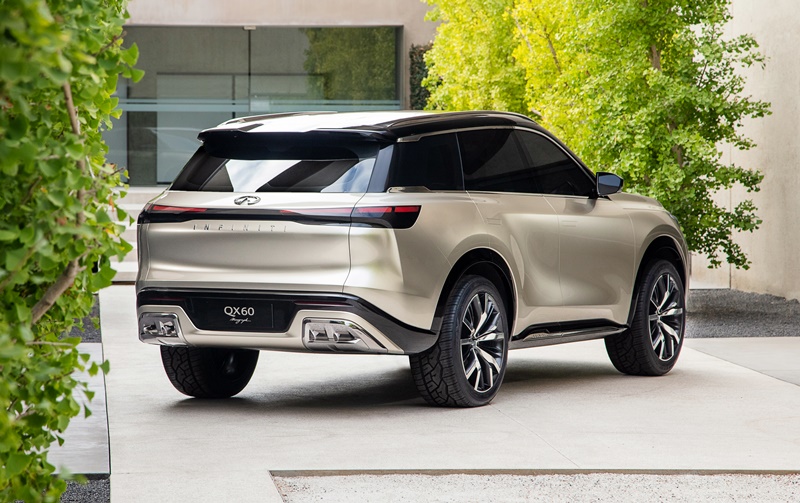
At the rear, the wide body and track, complementing the horizontal window line give the QX60 Monograph a sense of poise and stability. Embossed with the INFINITI name, the SUV features large alloy wheels that fill the pronounced fenders and reinforce the performance-inspired aesthetic.

The rear lamps are tinted and, when turned off, appear to wrap around the back of the vehicle and into the rear flanks in one continuous shape. Illuminated, the piano key lighting shines through to form a beautiful, futuristic light signature.

2020 Infiniti QX60 Monograph

Platinum paint and black roof
“The platinum paint on the QX60 Monograph projects a sense of warmth. The highly reflective nature mimics the qualities of liquid metal, allowing the surface of the body to capture the shadows and lights of the environment in which it is displayed creating a sense of dynamism,” said Taisuke Nakamura, Senior Design Director, Infiniti Global Design.

2020 Infiniti QX60 Monograph
A large panoramic roof features a ‘kimono fold’ pattern. This geometric feature, a series of intricate perpendicular lines, draws inspiration from the folds of a silk kimono and the structures of Japan’s modern architecture.

He explained that the black roof creates a strong contrast to the rich body colour for a dramatic visual statement. The pillars, roof, front, side and rear glass all seamlessly connect — giving a panoramic feel to the cabin and promoting a sense of openness. Slim-line roof rails provide a practical counterpoint to the QX60 Monograph’s sleek, sporty proportions.

“We commenced the design of the Monograph knowing this was an opportune time to start a discussion about where we are planning to take the QX60 in the future and more broadly, where we are heading as a brand with our design language,” said Albaisa, adding that the production version of the next generation QX60 can be expected in 2021.

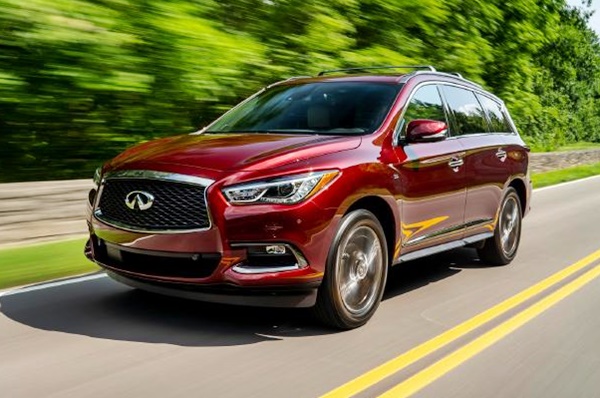
Current QX60 has been around since 2012 (known as JX35 at the start) and was Infiniti’s first 3-row SUV.

Click here for other news and articles about Infiniti

PISTON.MY

Archive

Follow us on Facebook

Follow us on YouTube