Piston.my

Latest News

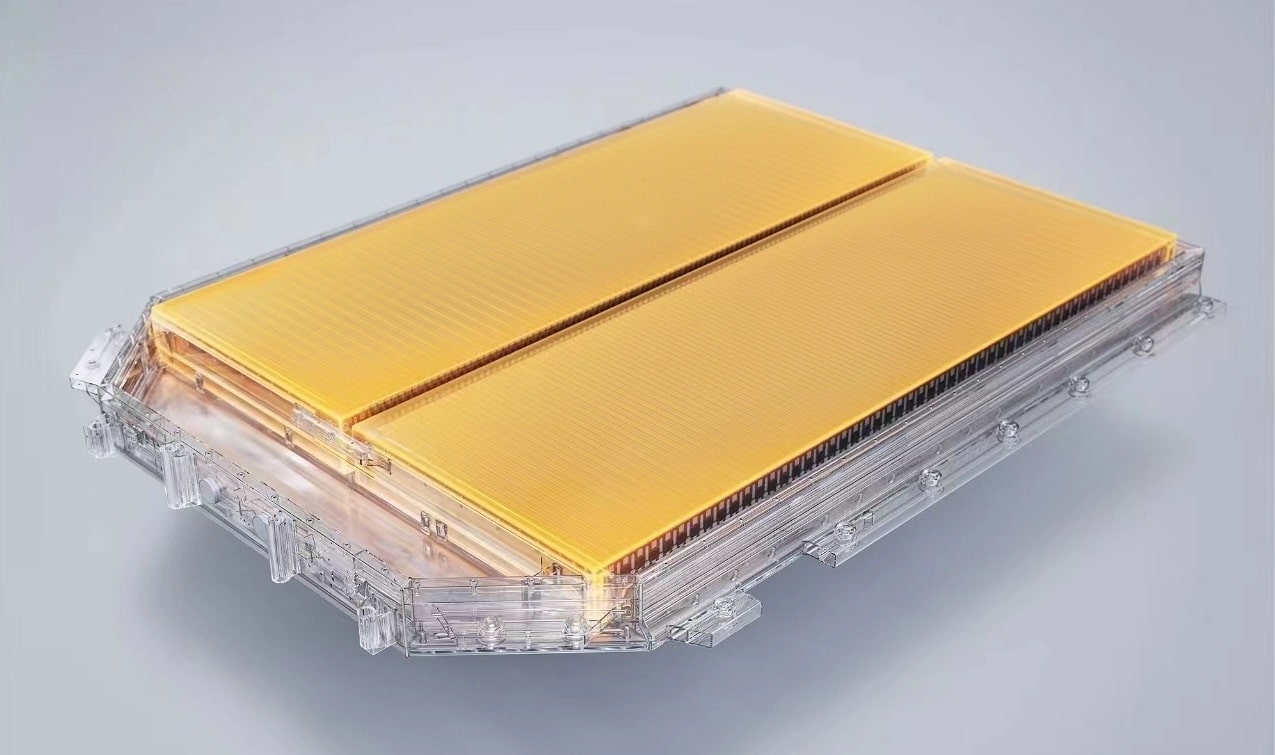
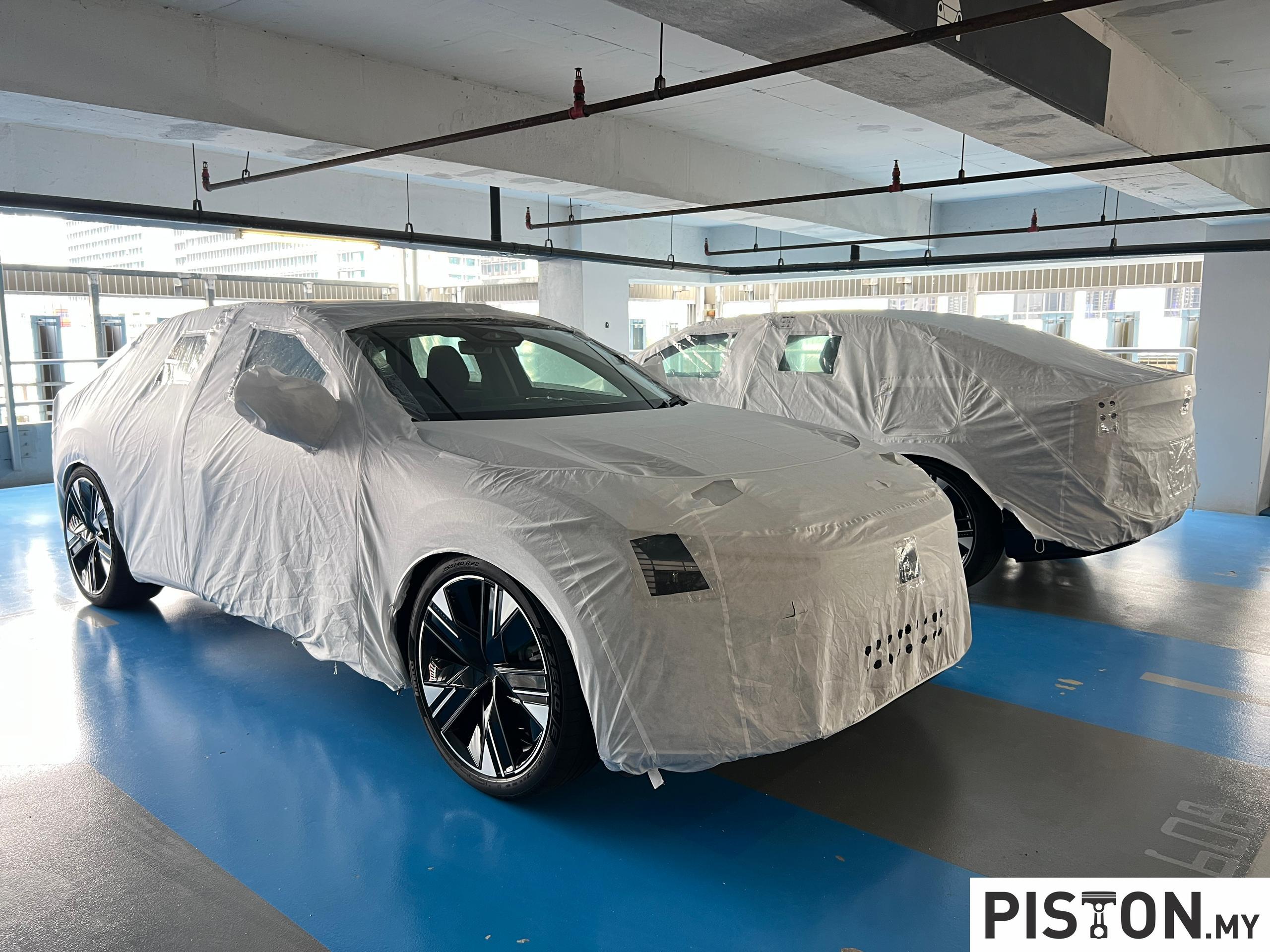
In a pioneering move, Zeekr has introduced its cutting-edge lithium iron phosphate (LFP) battery, named the Golden “Brick” Battery. This groundbreaking battery is hailed as the world’s first mass-produced LFP battery with a volume utilisation exceeding an impressive 80%. The Zeekr 007 sedan will proudly showcase this revolutionary battery technology, setting new standards for safety and performance.

The Golden Brick Battery has undergone rigorous testing, including exposure to extreme cold (-45°C) for 8 hours, immersion in a 1000°C fire, and physical stress tests. Remarkably, the battery exhibited resilience and functionality even after these extreme conditions.
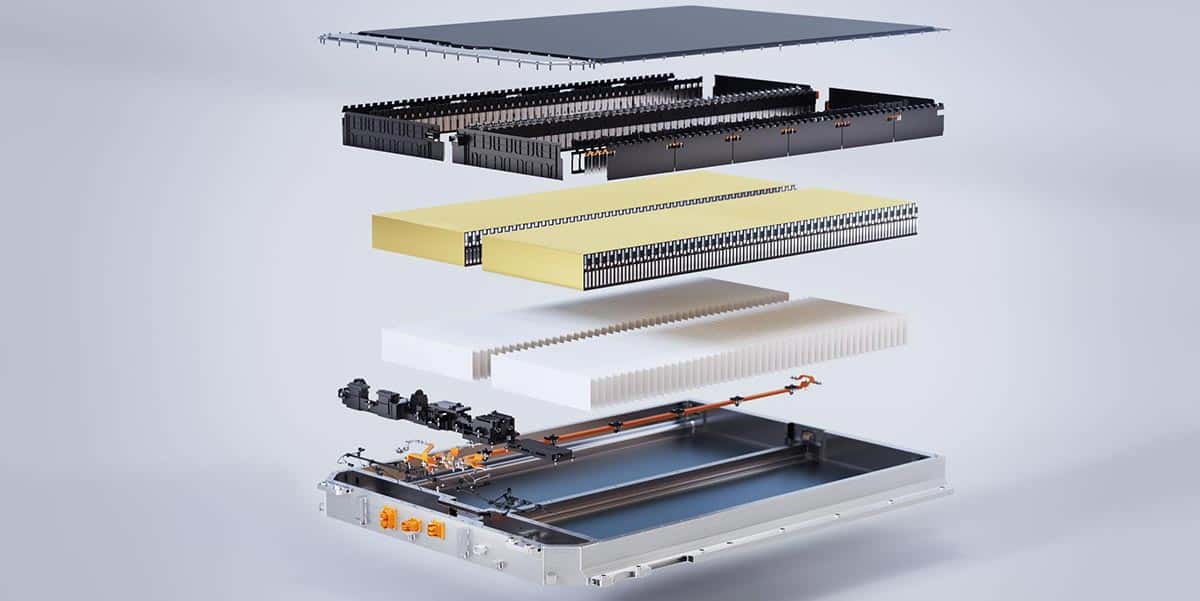
With a compact “sandwich structure,” ultra-thin separators, and an integrated tray design, the battery achieves a remarkable volume utilisation of 83.7%. This optimised design ensures maximum efficiency and space utilisation.

The battery boasts a peak charging power of 500 kW, with a maximum charge rate of 4.5C. Charging from 10% to 80% can deliver an impressive 500 km range in just 15 minutes, making it a game-changer in electric vehicle technology.
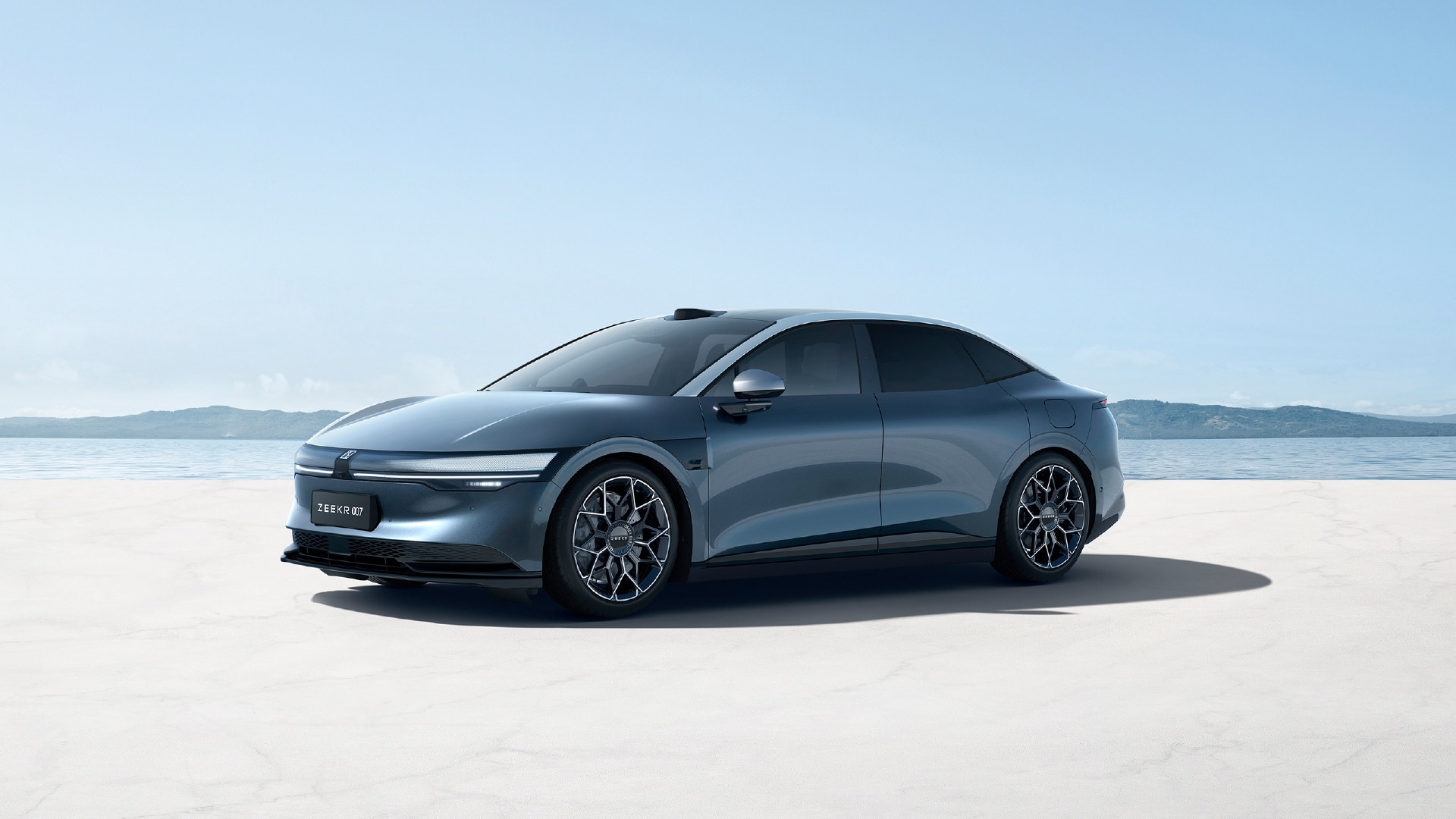
Zeekr has gone above and beyond to demonstrate the Golden Brick Battery’s safety features. A series of tests, including underwater submersion for 48 hours, exposure to a 1000°C fire, and a -45°C freeze for 8 hours, showcased the battery’s resilience. Further tests involved subjecting it to a 22-ton roller and dropping the 710kg battery from a 10-meter height, with no signs of fire, smoke, or explosions.
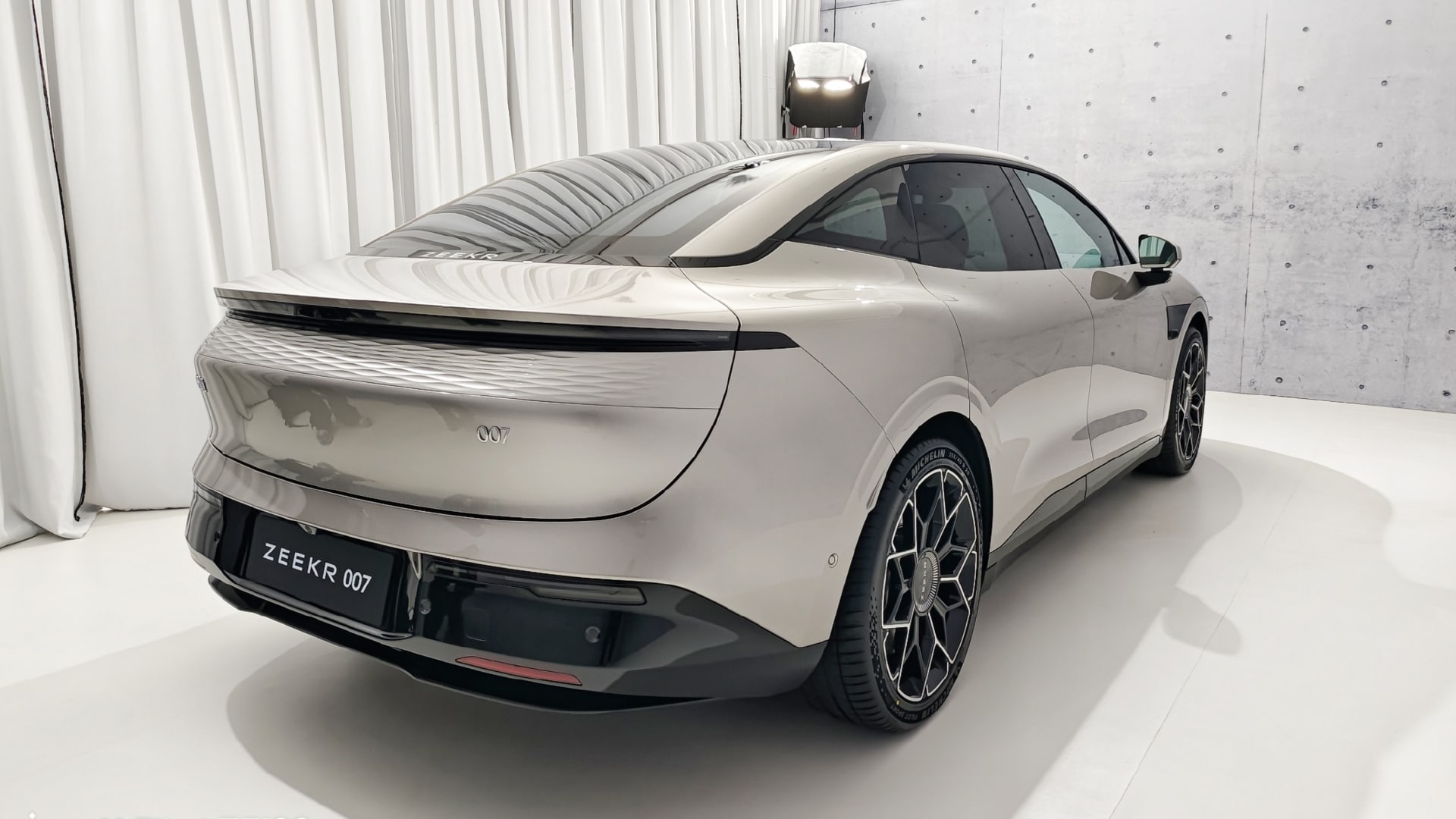
The Zeekr 007 sedan, equipped with the Golden Brick Battery, is poised to hit the roads on December 27. This car marks a significant leap forward in electric vehicle technology, promising an unparalleled combination of safety, efficiency, and performance.
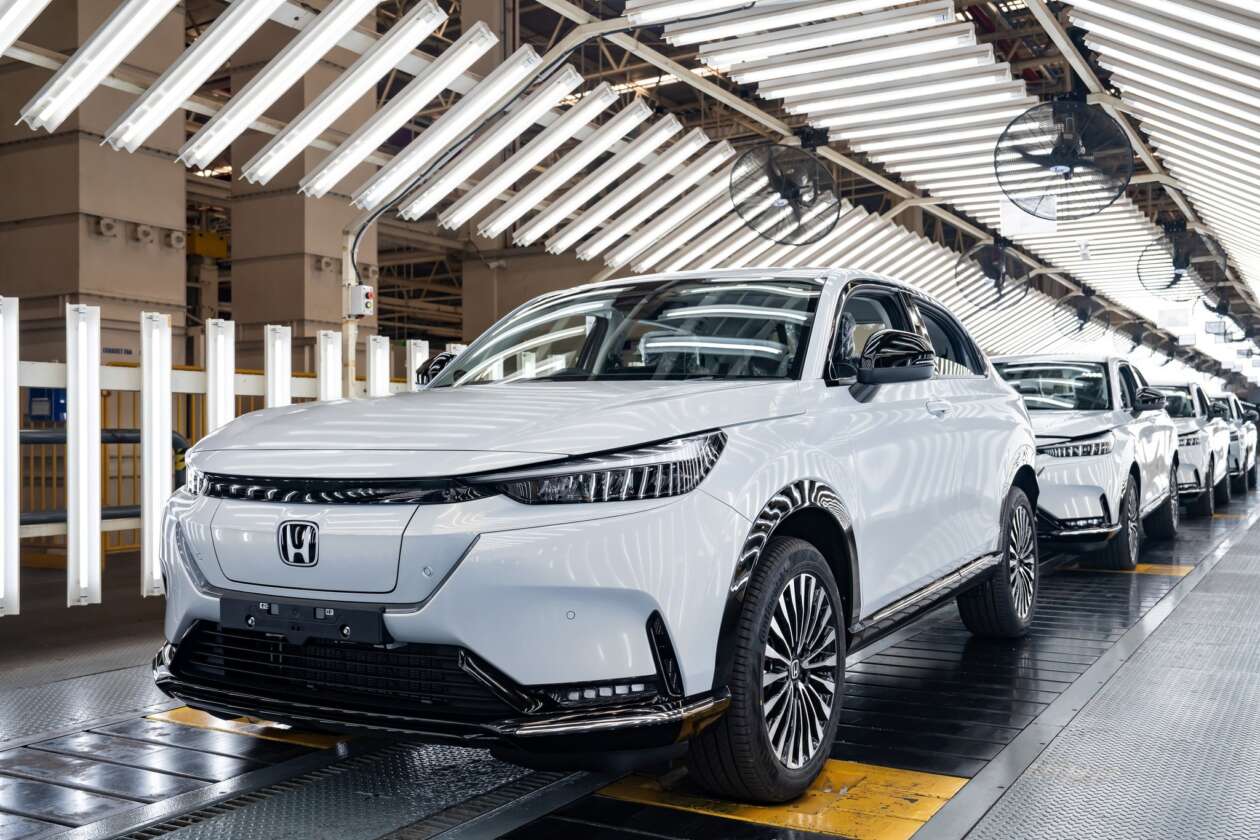
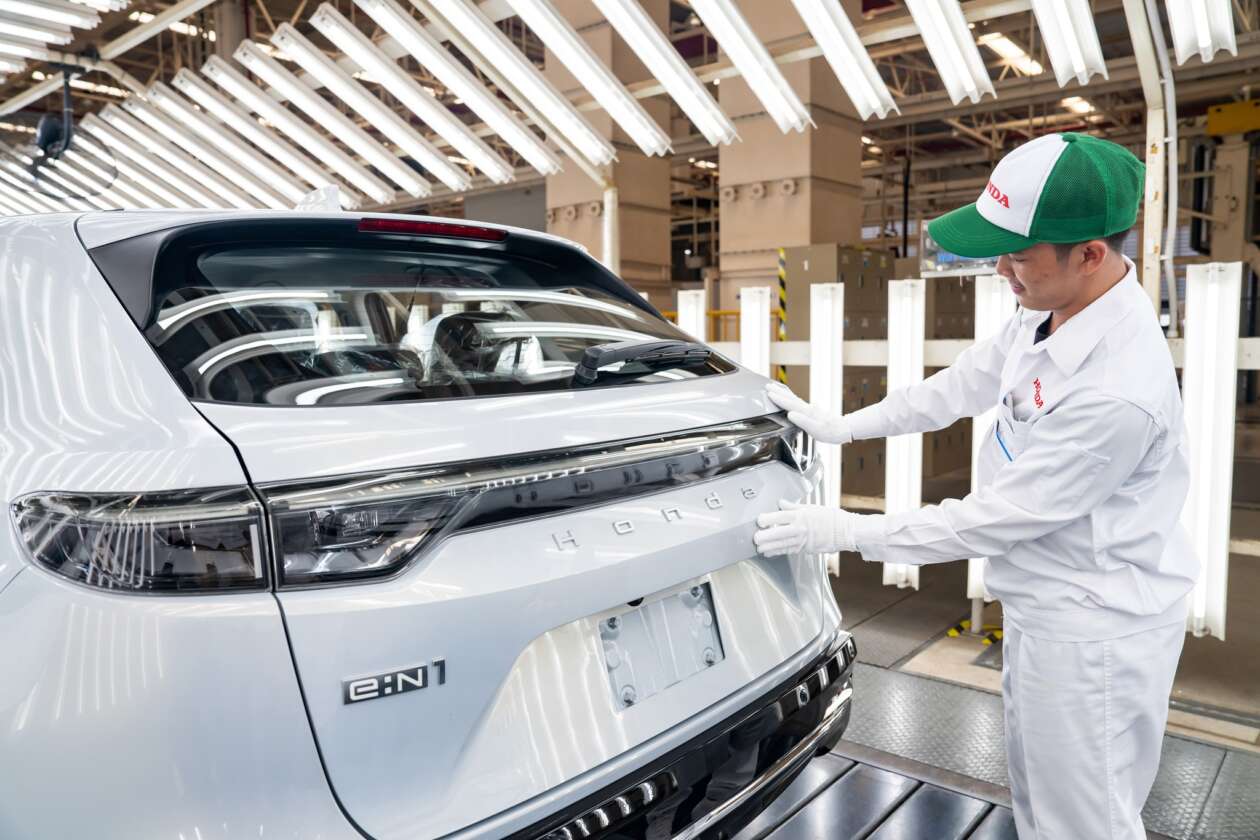
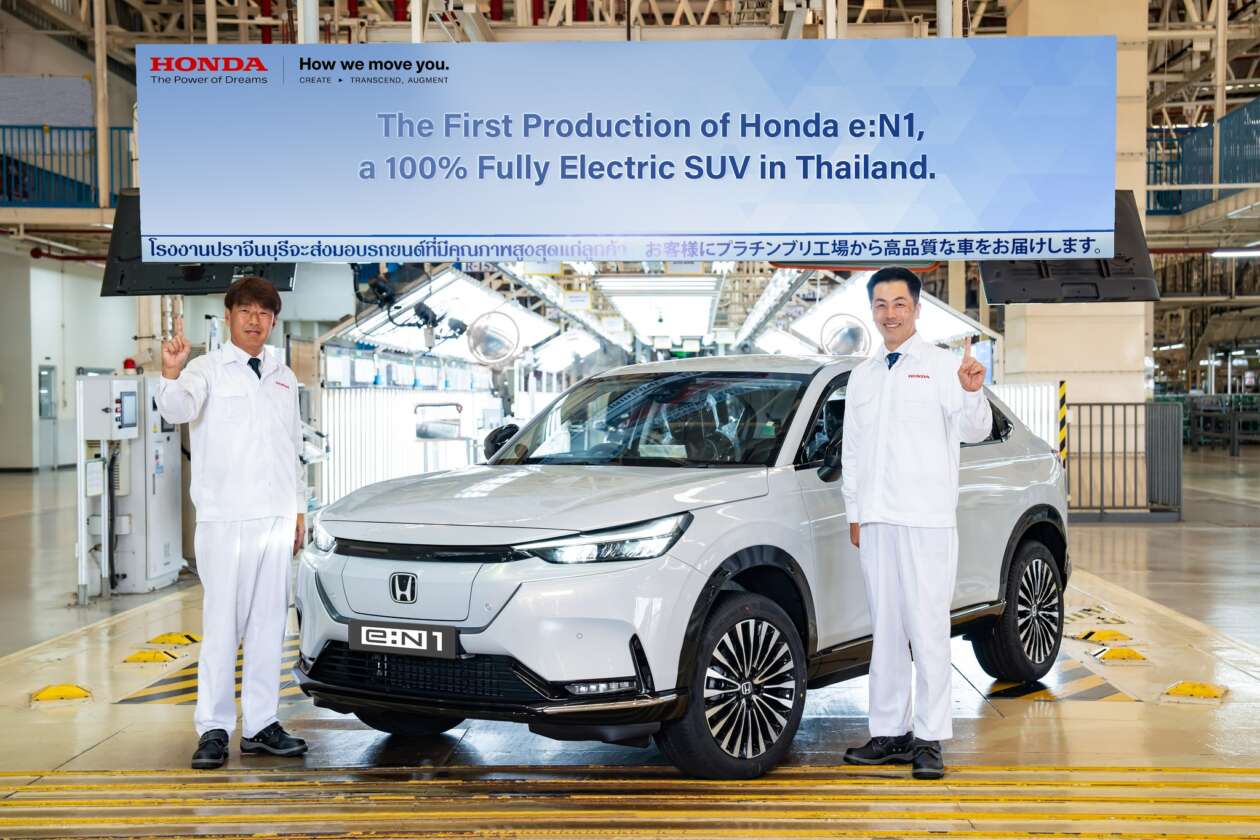
The launch of Honda’s e:N1 electric vehicle (EV) production line at the Prachinburi factory in Thailand marks an exciting development for the electric car market in the region.

The Honda e:N1 is an all-electric vehicle based on the e:N Architecture F EV platform, sharing similarities with the HR-V. The electric car features a single motor setup producing 204PS and 310Nm of torque.

As Honda introduces the e:N1 in Thailand, there is anticipation that the EV might make its way to other markets in the region, including Malaysia.

The positive reception of Honda models in Malaysia, coupled with the growing interest in electric mobility, positions the e:N1 to perform well in the market. Malaysia is expected to receive details about the Honda e:N1’s launch in the first quarter of 2024, and production in Thailand may facilitate the initial phase before considering local production based on demand.

Speaking of positive reception, Honda Malaysia recently launched the all-new Honda CR-V here and it already has over 2000 bookings.

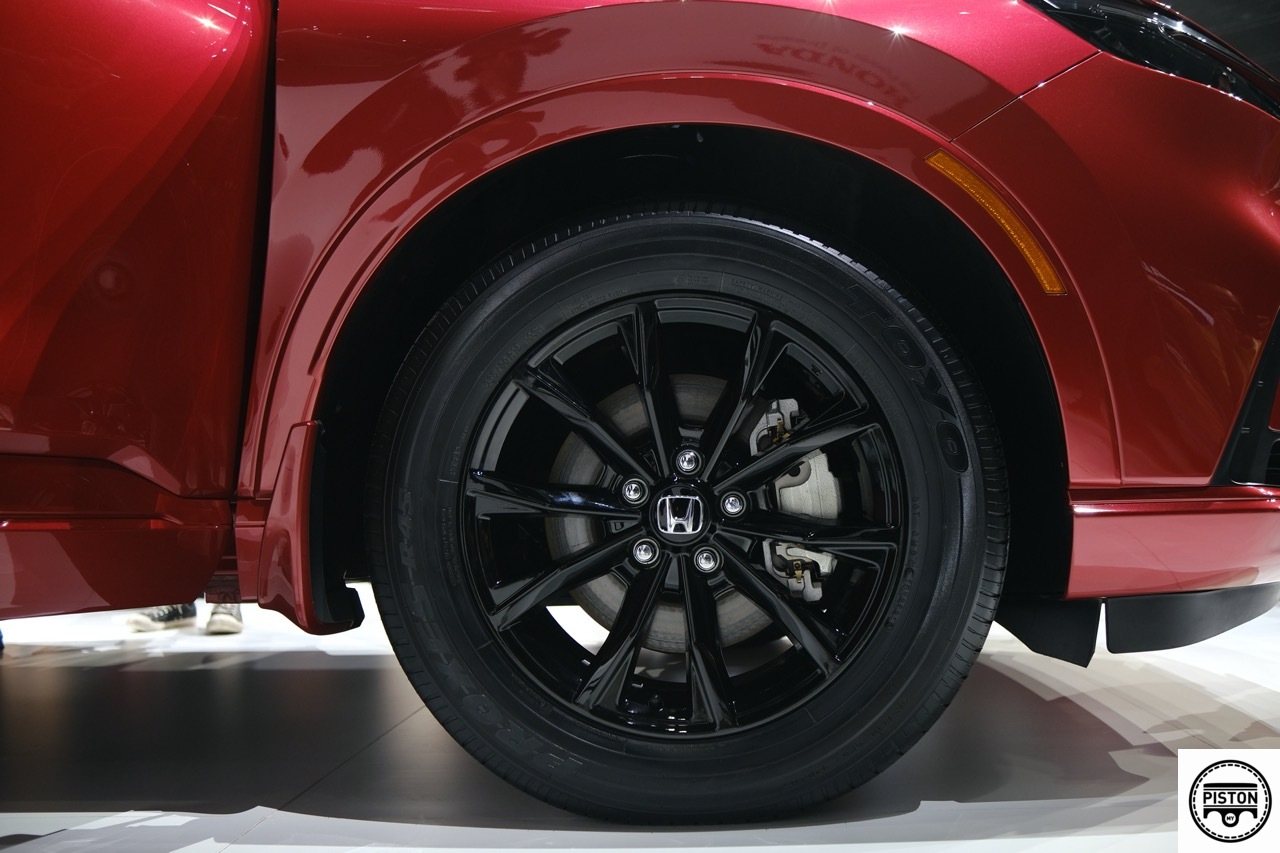
Installed at the centre of the wheels, these resonators are crafted from a lightweight resin and utilise the forces of physics, specifically centrifugal force, to make a significant impact on reducing tire noise.

One of the remarkable features of wheel resonators is their ingenious design, eliminating the need for additional connecting parts such as bolts. Instead, they leverage centrifugal force to establish a secure connection with the wheel, showcasing a streamlined and efficient approach to noise reduction.

The core functionality of wheel resonators lies in their ability to counteract tire noise through the power of resonance. By strategically creating vibrations at a specific frequency, these resonators essentially cancel out the unwanted noise generated by the tires, providing a more serene and enjoyable driving experience.

(more…)

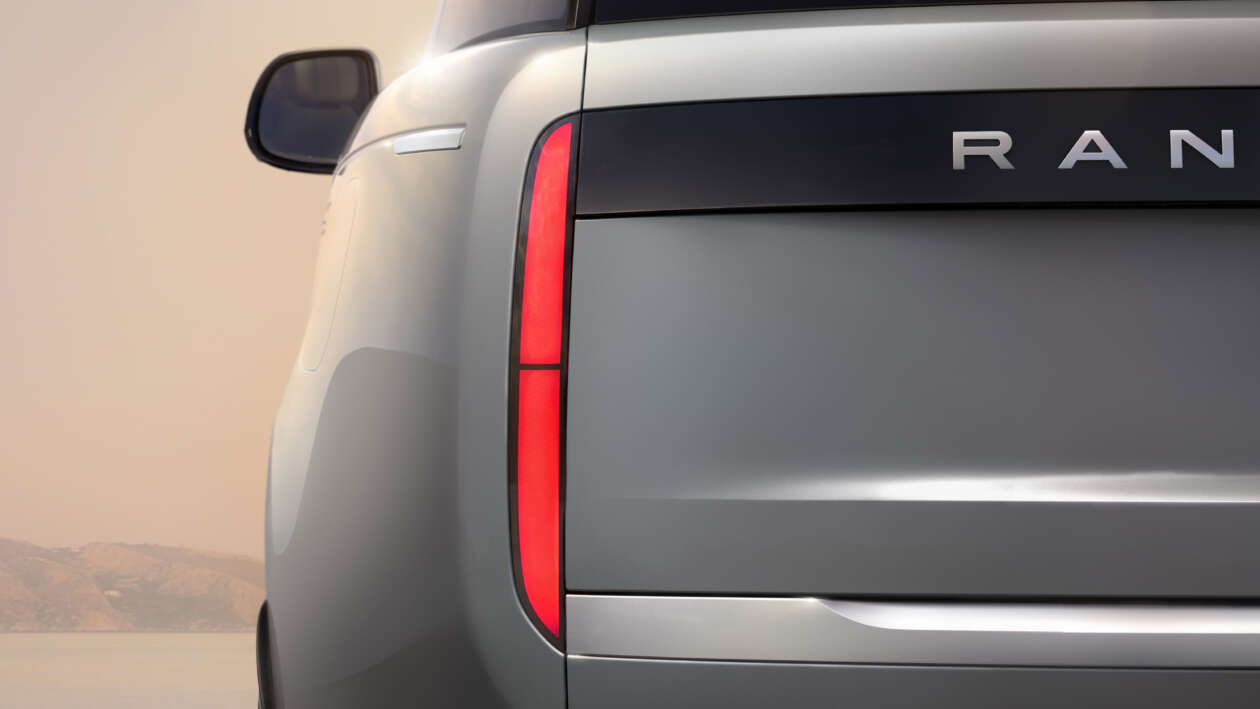
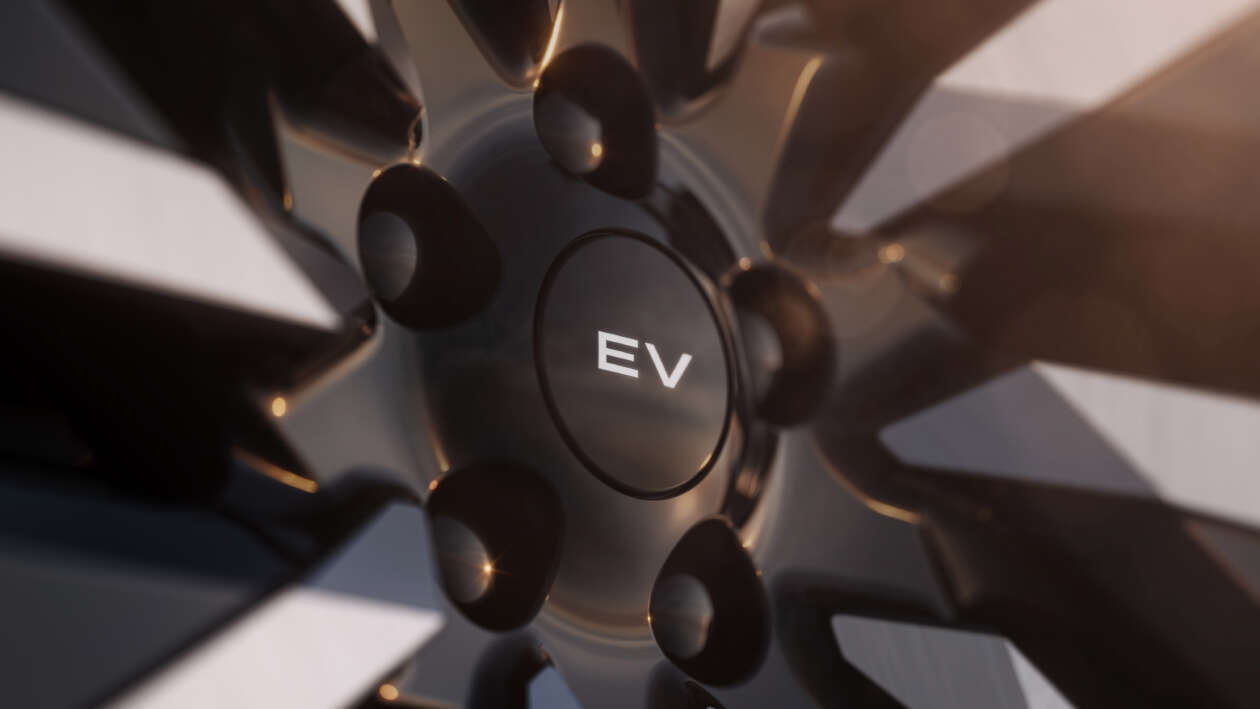
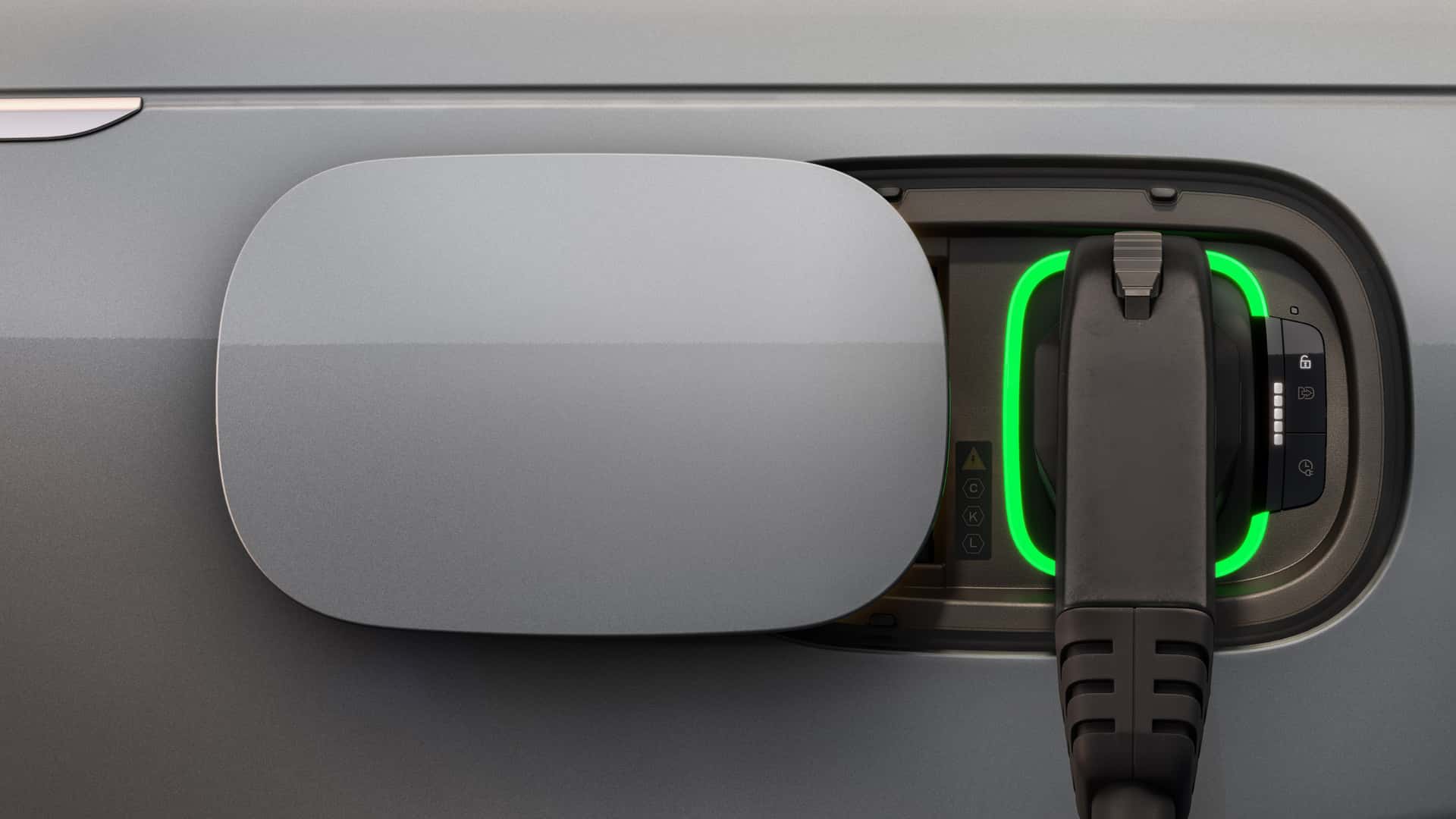
The upcoming electric Range Rover, based on the Modular Longitudinal Architecture (MLA Flex) platform, is inching closer to production and release. The electric SUV is expected to retain the luxurious design of its gas-powered and plug-in hybrid counterparts, aligning with the brand’s emphasis on electrification. Sharing the MLA Flex platform allows the electric Range Rover to maintain its off-road capabilities, a hallmark of the Range Rover lineup.

Jaguar Land Rover (JLR) has initiated rigorous testing for the electric Range Rover, subjecting prototypes to various conditions, including extreme temperatures and challenging terrains. The electric SUV is designed to handle off-road adventures, consistent with the capabilities of traditional internal combustion engine Range Rovers.

Key details, such as battery sizes and estimated driving range, are yet to be officially disclosed. However, the electric Range Rover will feature an 800-volt architecture, enabling ultra-fast charging. The batteries and electric motors for the model will be produced at JLR’s Wolverhampton factory in the UK, while the final assembly will take place alongside the regular Range Rover in Solihull, UK.


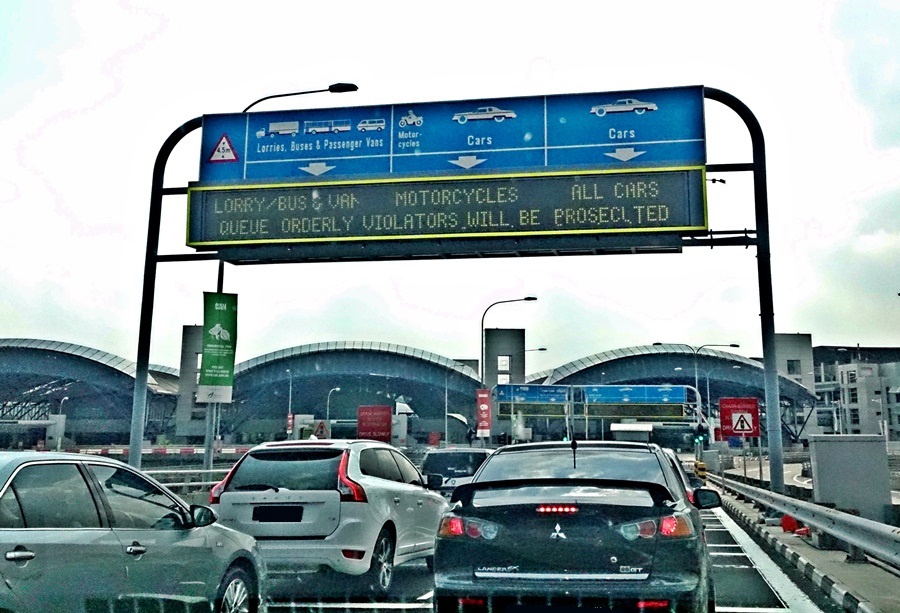
The incident at Woodlands Checkpoint highlights the seriousness of breaching regulations at border crossings and the potential legal consequences. The three-quarter tank rule, requiring vehicles to have a minimum of three-quarters of fuel when leaving Singapore via land checkpoints, is a standard procedure to ensure vehicles have sufficient fuel for their journeys.

According to The Straits Times, The refusal of the motorist to comply with the ICA officer’s instructions and the subsequent acceleration, dragging the officer along, resulted in injuries and the driver’s arrest. The charges of causing hurt by a rash act underscore the gravity of such actions, emphasising the need for motorists to cooperate with checkpoint authorities.

(more…)

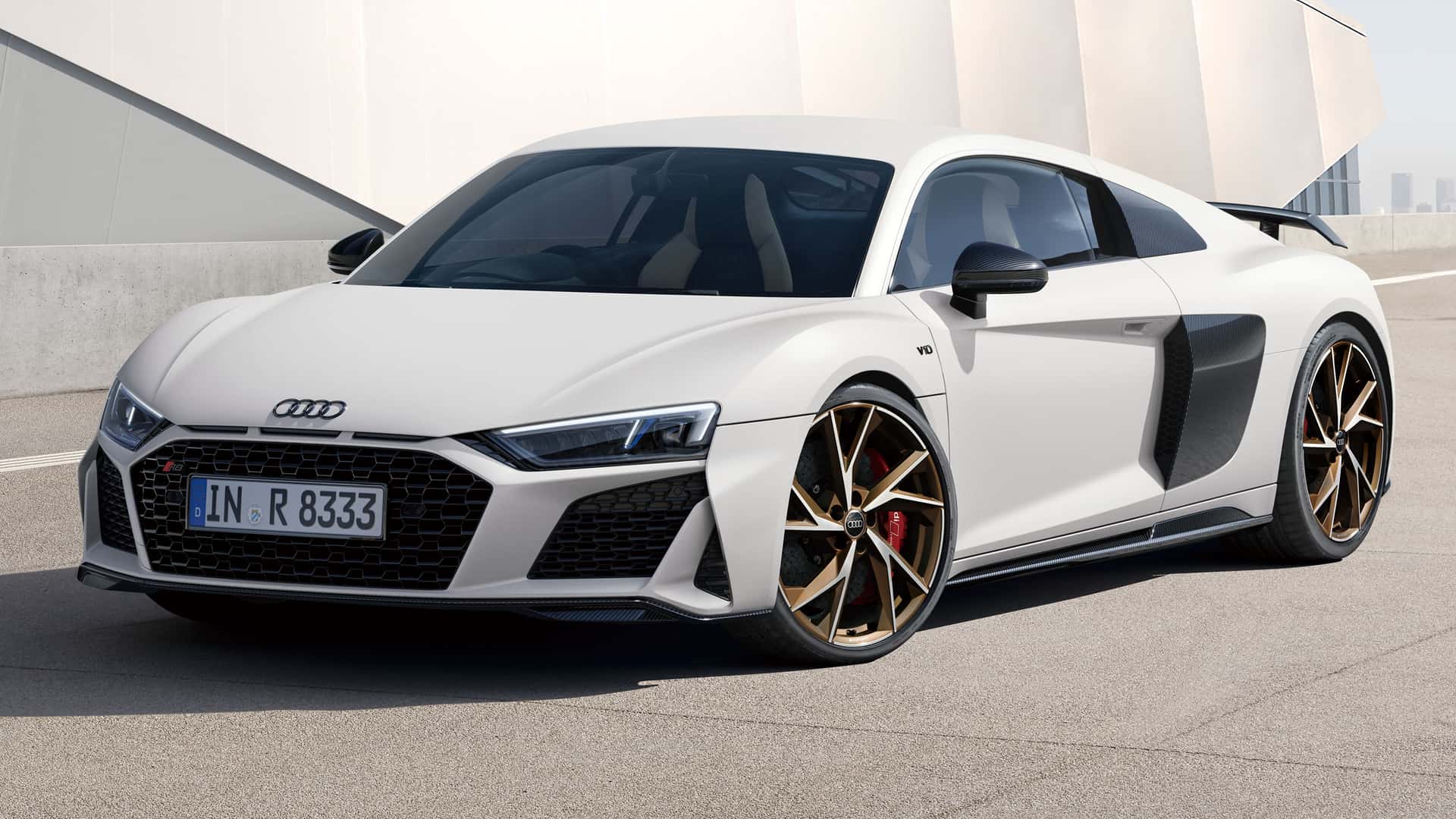
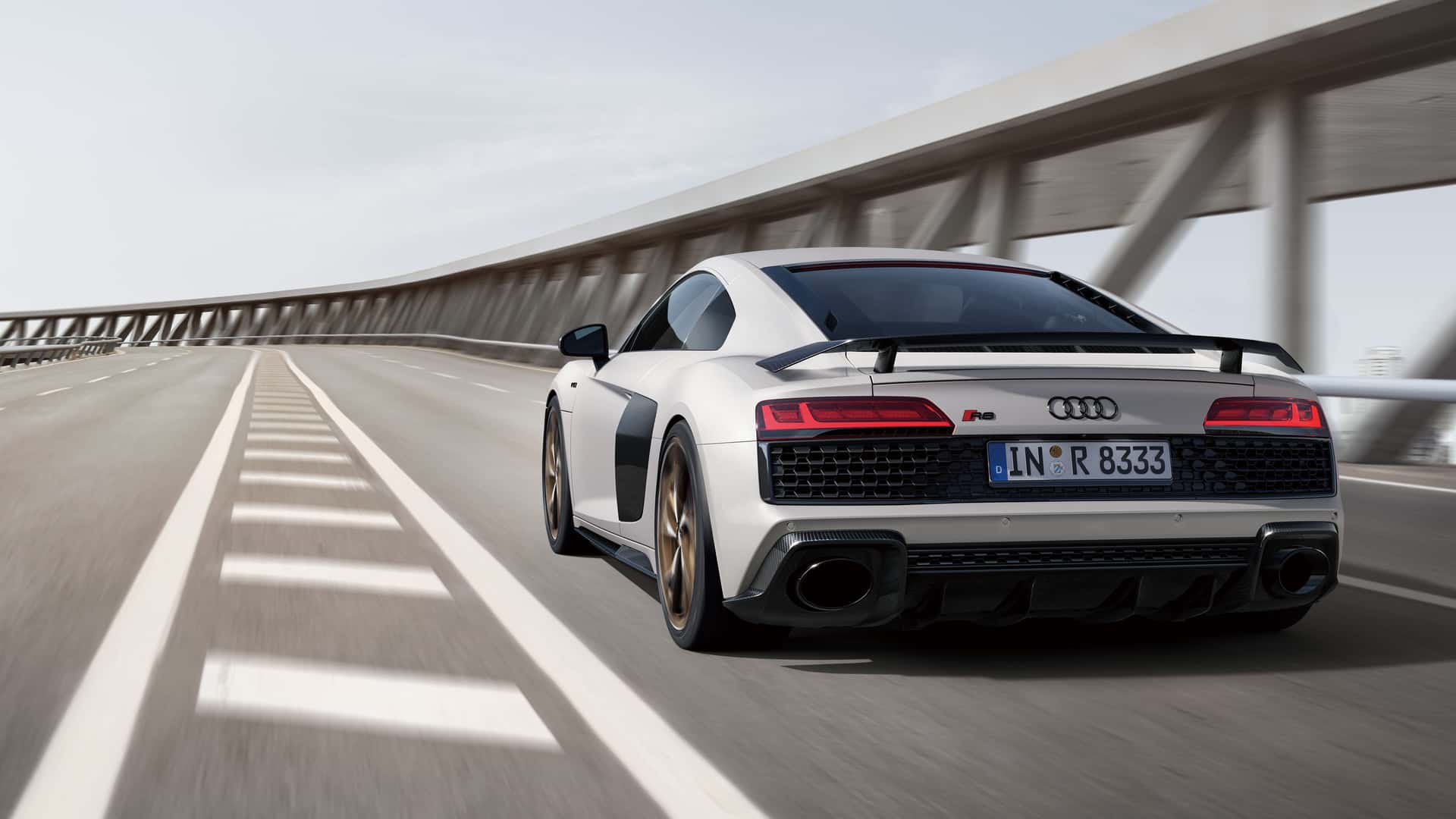
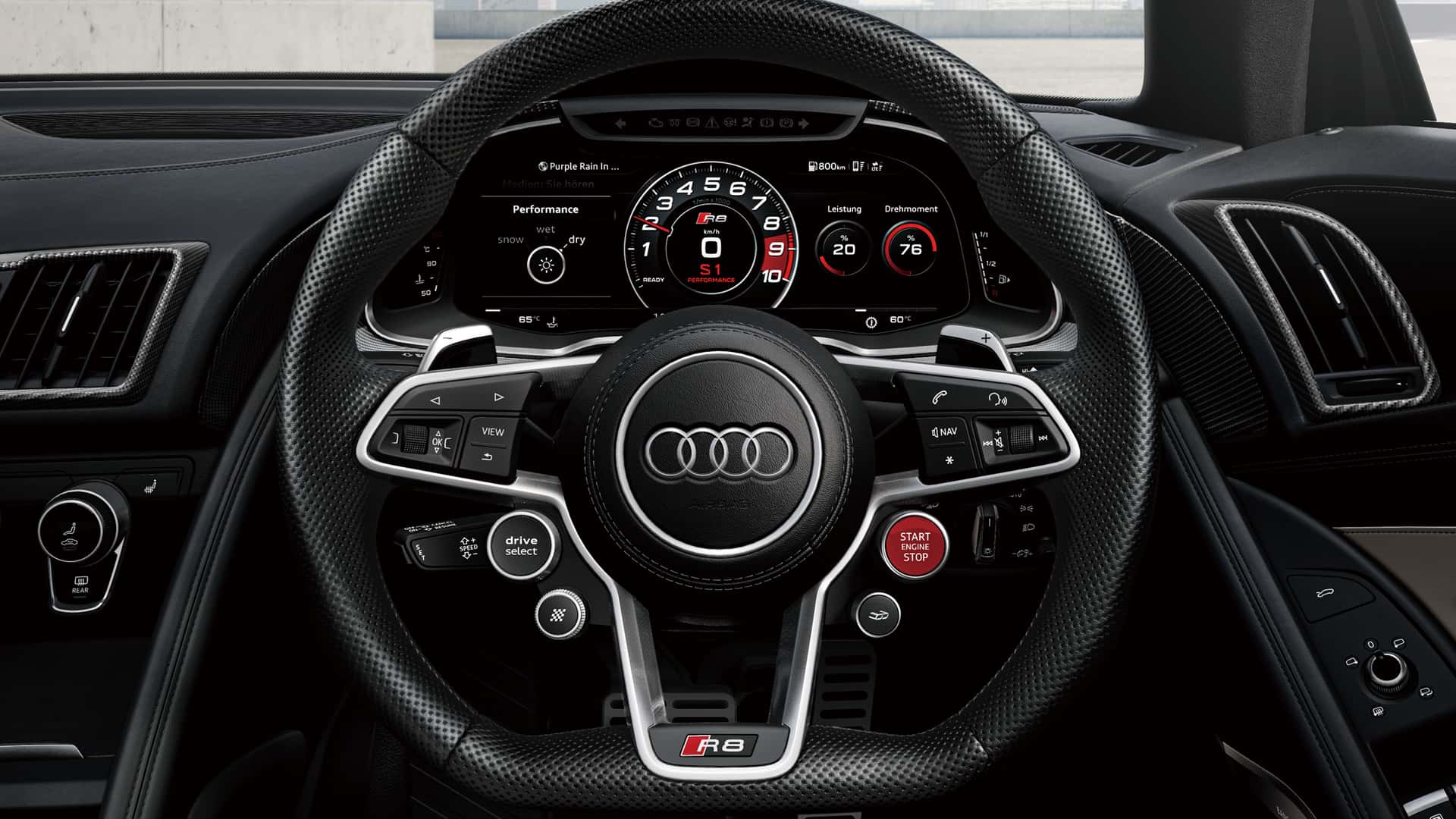
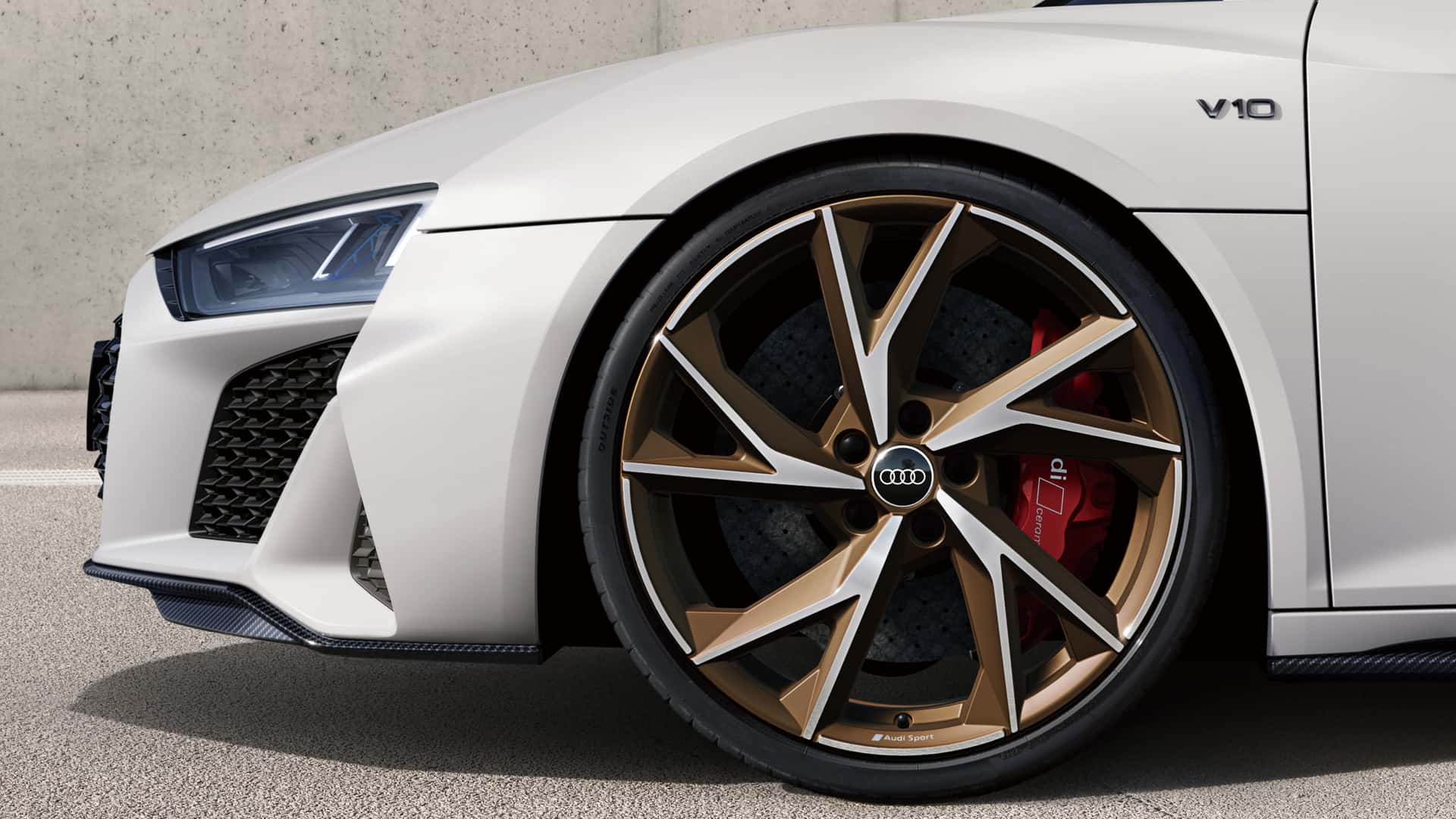
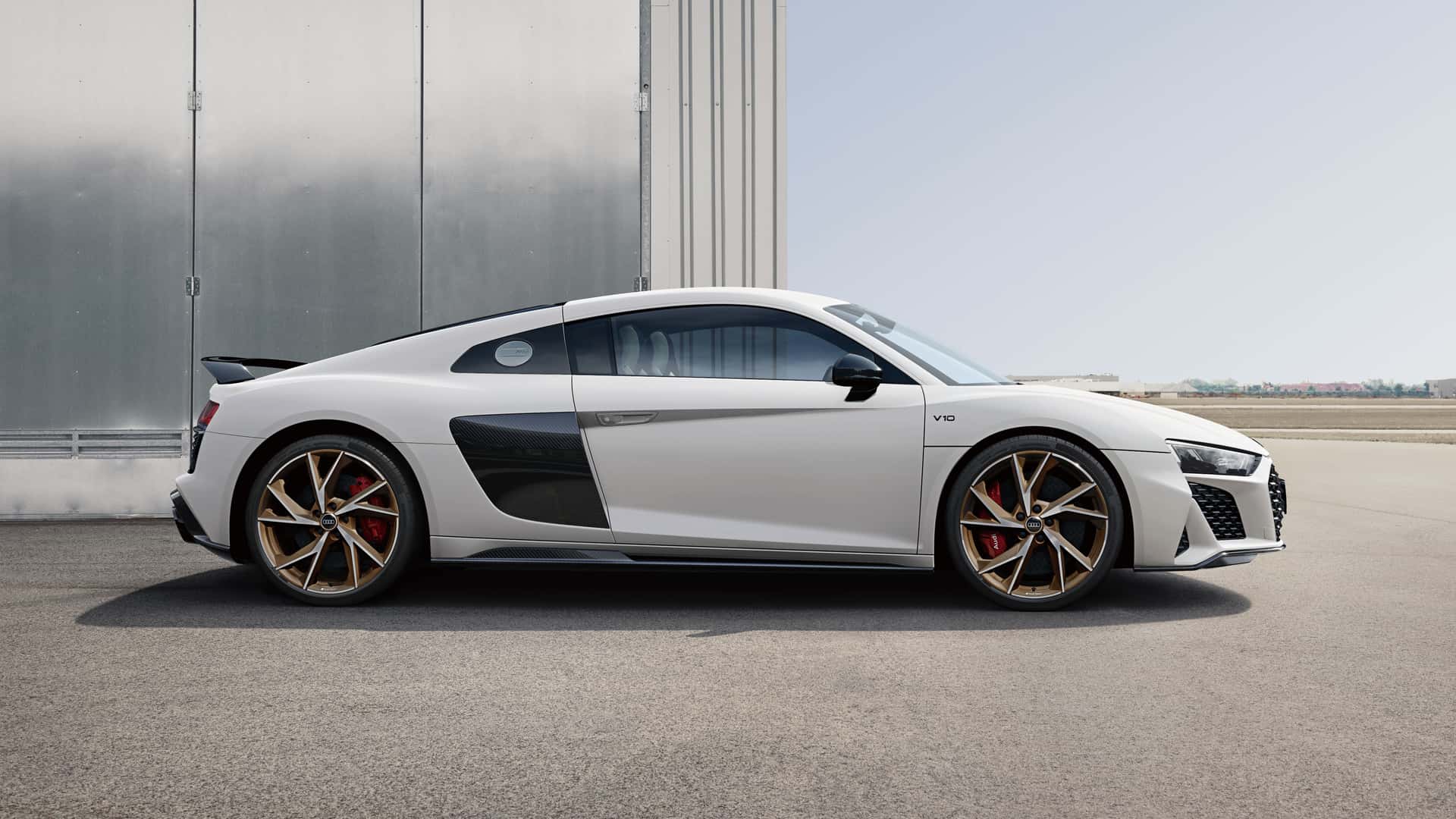
Audi has marked the end of an era for the R8 in most global markets with a special farewell edition limited to just 8 units—the Audi R8 Coupe Japan Final Edition. Based on the V10 Quattro, this model pays homage to Japan with its exclusive design featuring the country’s main colours: white, red, and gold. The exterior showcases an Ibis White Matte finish, carbon fibre aero components, black Audi emblems, and 20-inch alloy wheels in a matte bronze hue.

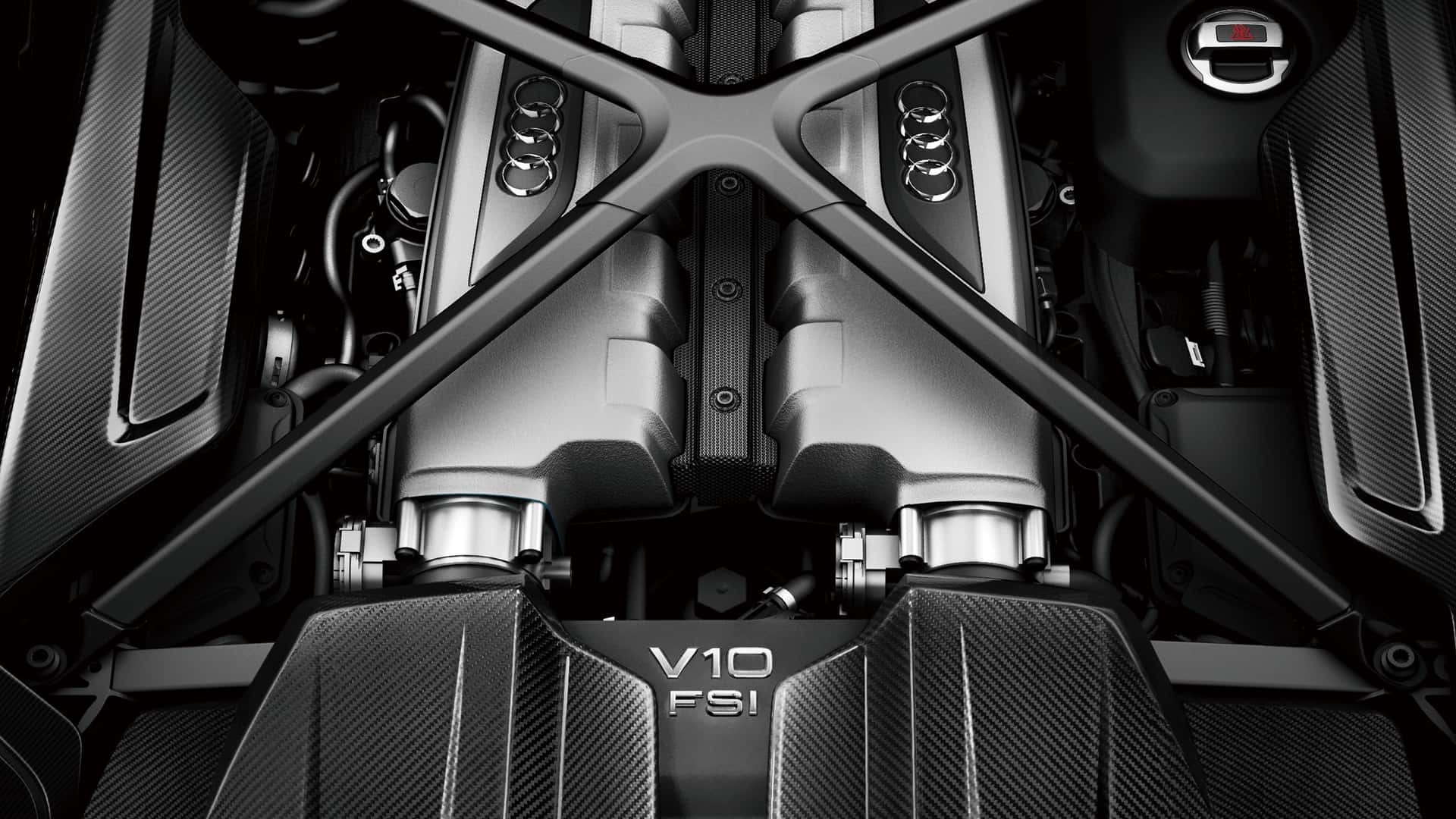
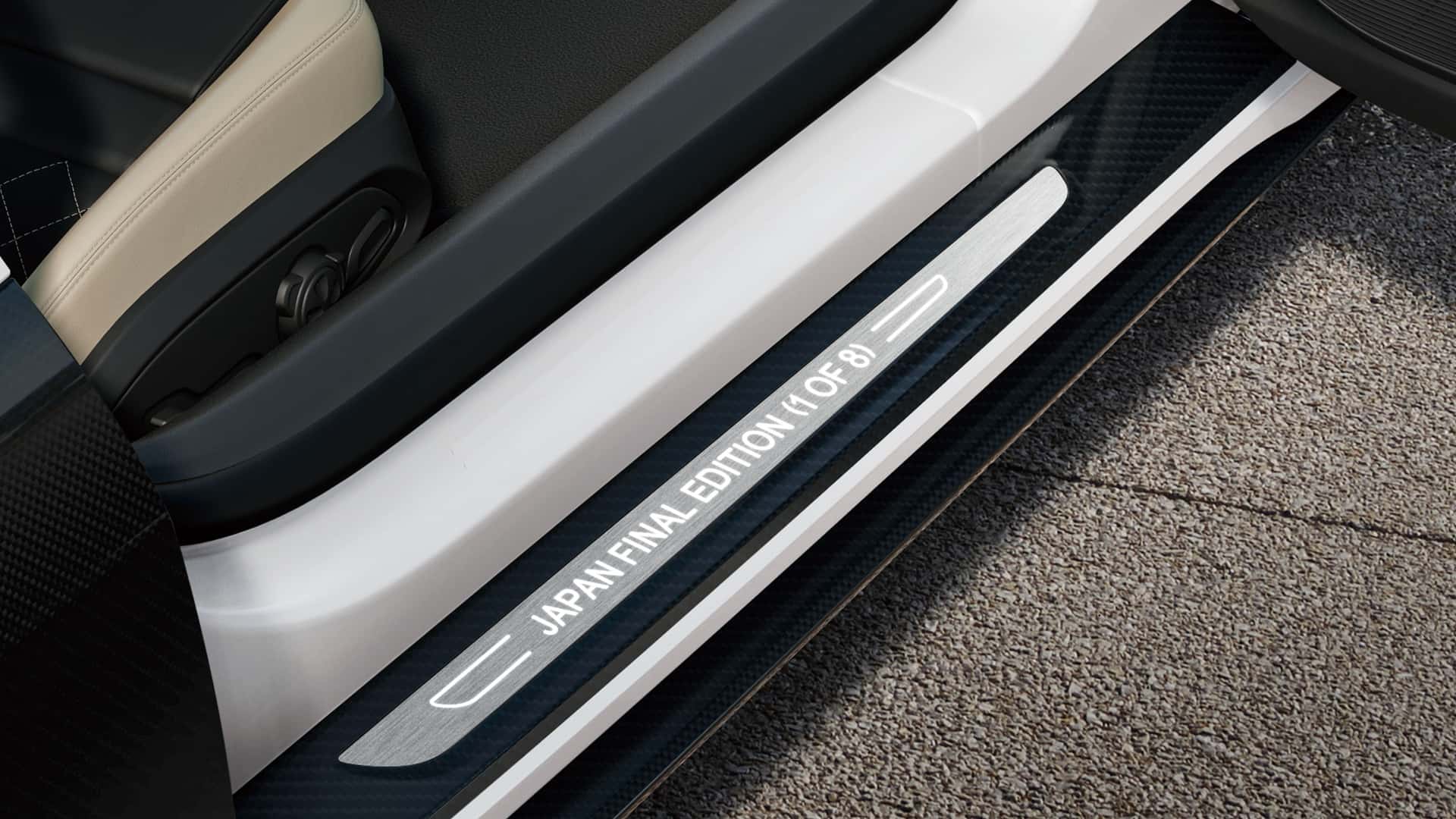
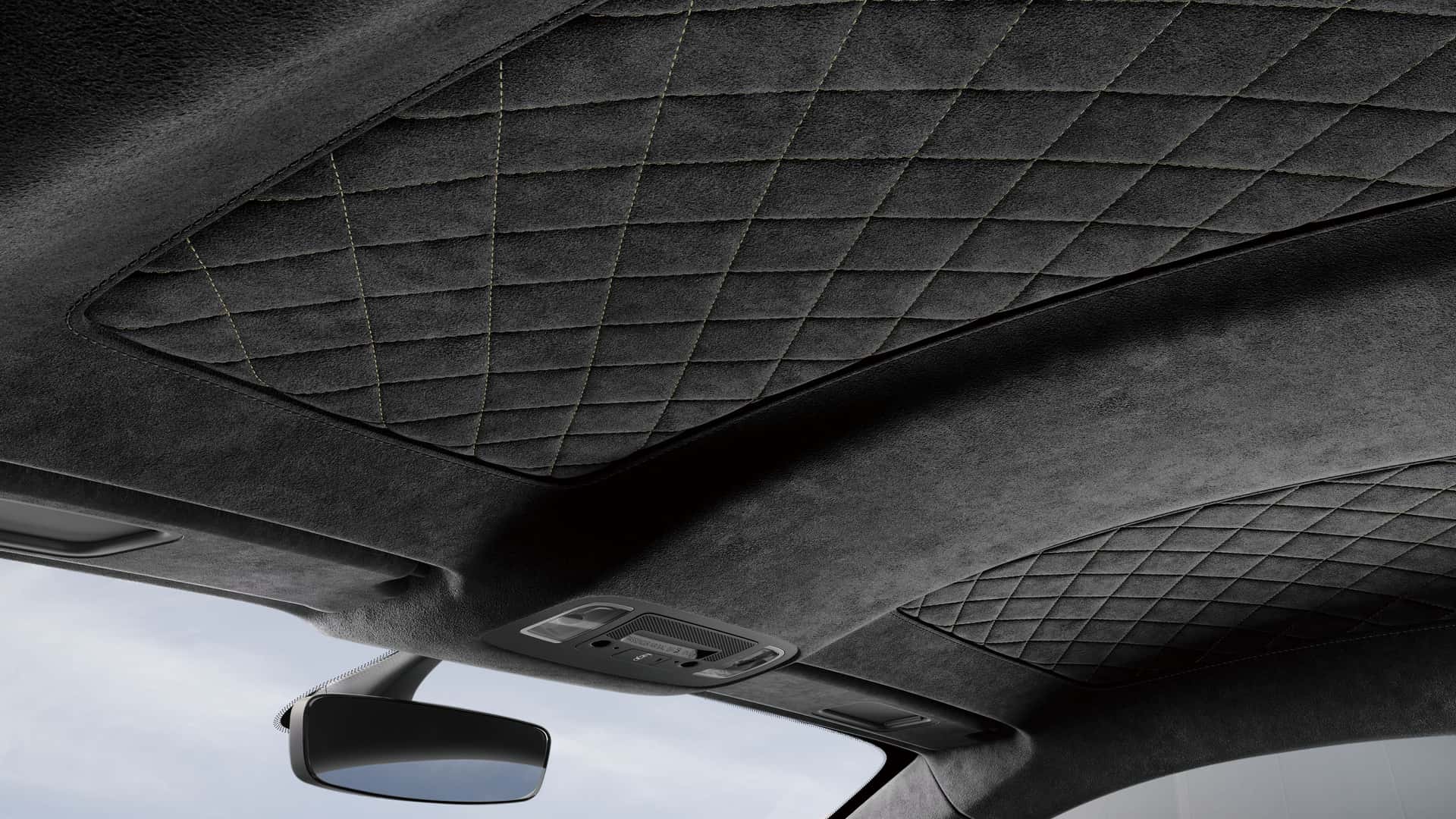
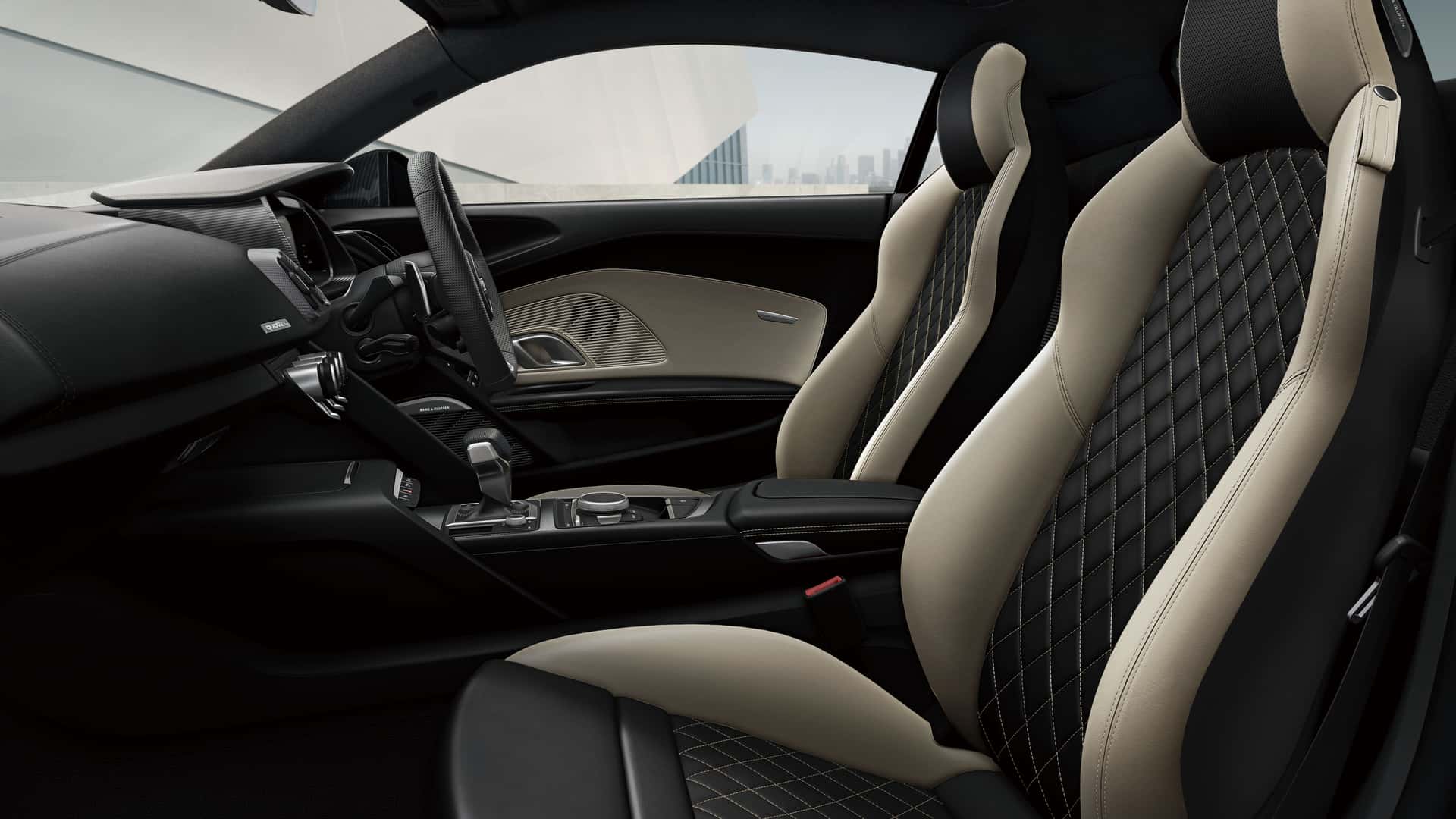
The interior is characterised by black upholstery with Alabaster White accents and diamond stitching. Each of the 8 units comes with individually numbered door sills and “Japan Final Edition” lettering. The V10 engine, likely making its final appearance, generates 612hp and 580Nm of torque, paired with a seven-speed S-tronic gearbox sending power to all four wheels.

The Audi R8 Coupe Japan Final Edition is priced at ¥35,080,000 (RM1,150,698), reflecting its exclusive status and limited availability. Buyers of this special edition will receive a commemorative piece of VIN Art, featuring the engraved chassis number of their respective cars.

Although the V10 R8 bids adieu, there are speculations about a potential return for the nameplate in the form of a high-performance electric vehicle. Audi is reportedly working on an electric platform designed for low-volume, purpose-built sports cars and supercars, suggesting the possibility of an electric successor to the iconic mid-engined R8 in the future.

The limited-edition R8 Coupe Japan Final Edition serves as a symbolic farewell to the V10-powered R8, offering a unique and exclusive model for collectors and enthusiasts. The anticipation of a potential electric successor aligns with the industry’s shift toward electrification, hinting at Audi’s commitment to high-performance electric sports cars in the future.

Archive

Follow us on Facebook

Follow us on YouTube