


Piston.my

Latest News

StayAtHome

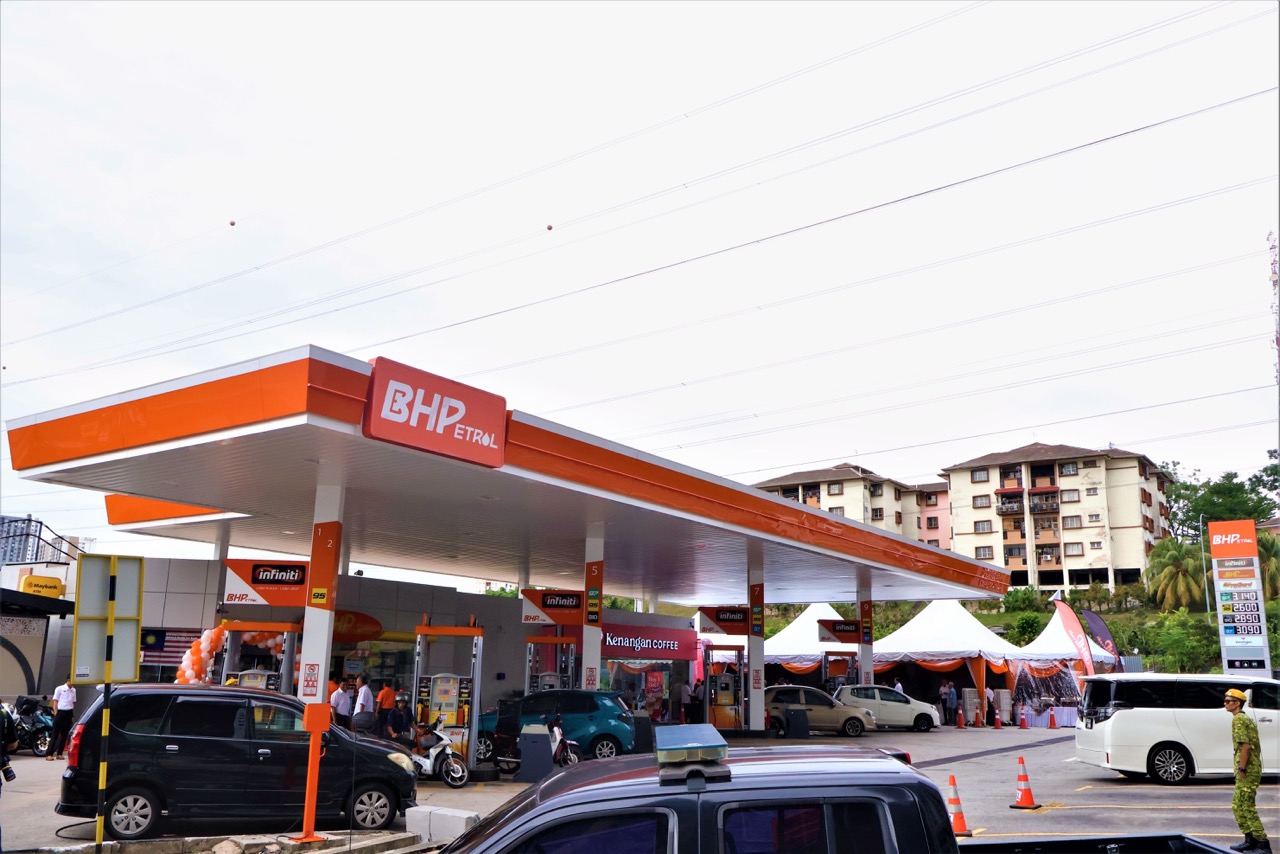
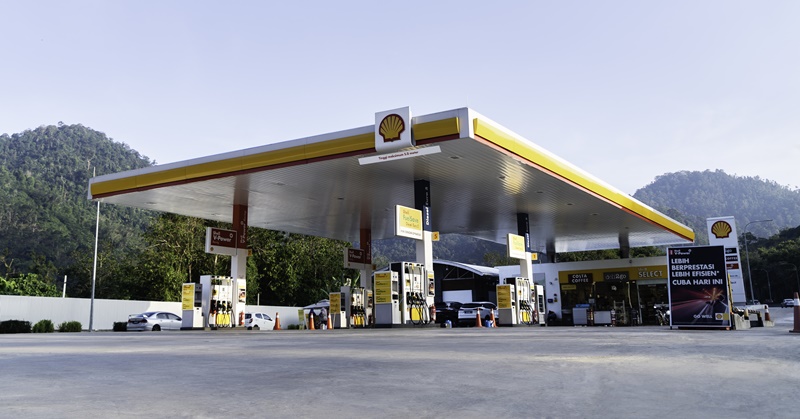
Hari Raya Aidilfitri has just passed but for Shell Malaysia, the festive atmosphere continues and to celebrate the festivity, motorists can get extra rewards when they fuel up at Shell stations nationwide. The company has extended the ‘Ekstra Ganjaran Setiap Hari’ BonusLink loyalty programme promotion that awards customers up to 4x points from now until July 31, 2021.

“We continuously look for ways to support and delight our customers as they are at the heart of everything we do. In the spirit of Hari Raya Aidilfitri, we are giving extra rewards to our customers through the extension of the BonusLink loyalty programme promotion so that more Malaysians can earn points and redeem special treats from Shell. It’s simple, quick, and definitely rewarding,” said Shairan Huzani Husain, MD of Shell Malaysia Trading Sdn Bhd and Shell Timur Sdn Bhd.

RM50 of fuel purchases
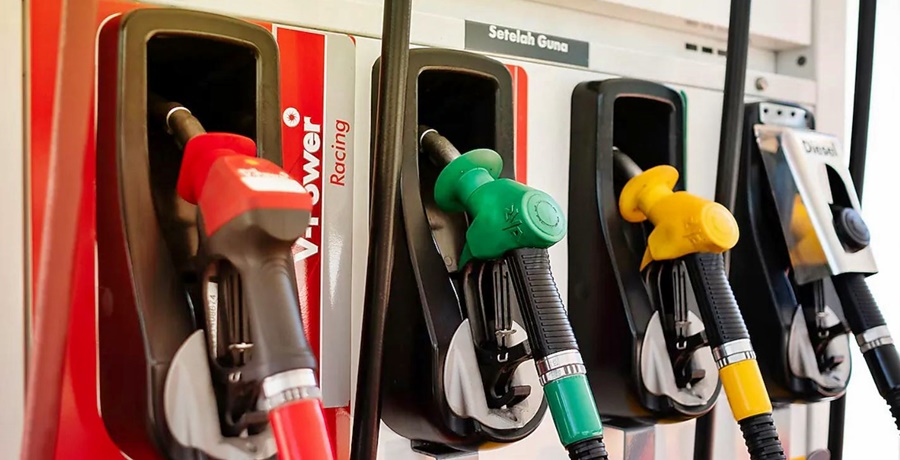
To participate, customers simply need to swipe their BonusLink card, or use the BLINK app at Shell and pump a minimum of RM50 of Shell fuels in a single receipt. They can easily multiply their points by double, triple – and even quadruple – when they make up to 4 visits per month.

The point multiplication is only applicable within the same month and will reset on the 1st of every month, until July 31, 2021. Customers can sign up for BonusLink at any Shell station nationwide or register by downloading the BLINK app from the Apple App Store or Google Play Store.

In addition, customers can redeem special treats in-store with as low as 100 BonusLink Points (for a limited time). Treats include popular favourites such as Yeo’s canned drink, Coca-Cola Klasik, Nescafe Tarik, Himalaya Salt candy, and Shell SELECT Keropok Ikan.
Help from Shell
“We want Malaysians to continue to enjoy exciting rewards that we have to offer with ‘Ekstra Ganjaran Setiap Hari’. With the traveling restrictions being enforced, we understand that it may be challenging for Malaysians to truly experience up to 4x points with BonusLink every time they refuel at Shell. We hope with this extension, Malaysians will be able to make the most out of their journeys with Shell,” Encik Shairan said.

He explained that the extension is also Shell’s way of helping out in the economic uncertainties Malaysians are experiencing with the nationwide MCO. “We understand it has not been easy for all; we will continue to stand with our customers, and by providing them with the extra value every time they refuel at Shell, we hope to help more Malaysians to make the most of their Ringgit. We hope our little effort will go some ways in helping Malaysians to go further,” added Encik Shairan.


The Shell outlet that does not sell fuel or lubricants

Visit www.bhpetrol.com.my for more information.
Although Suzuki is well known for motorcycles, its first motorised vehicles were actually cars and that was way back in the late 1930s. It only began making motorised bicycles in the 1950s and went back to making cars in the 1960s and accumulated experience in 2-wheelers and 4-wheelers.
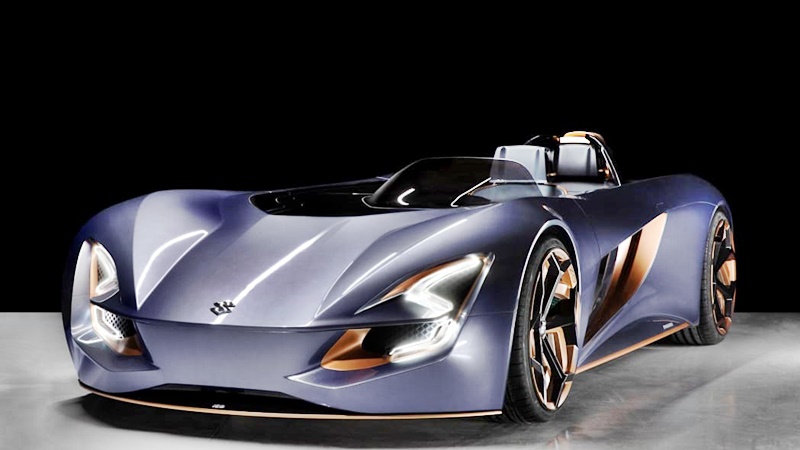
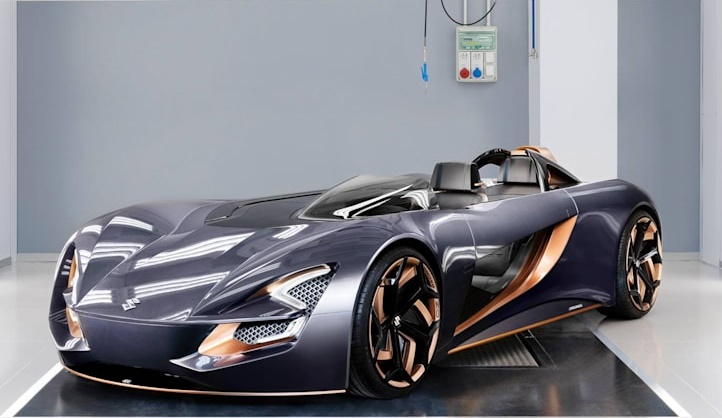
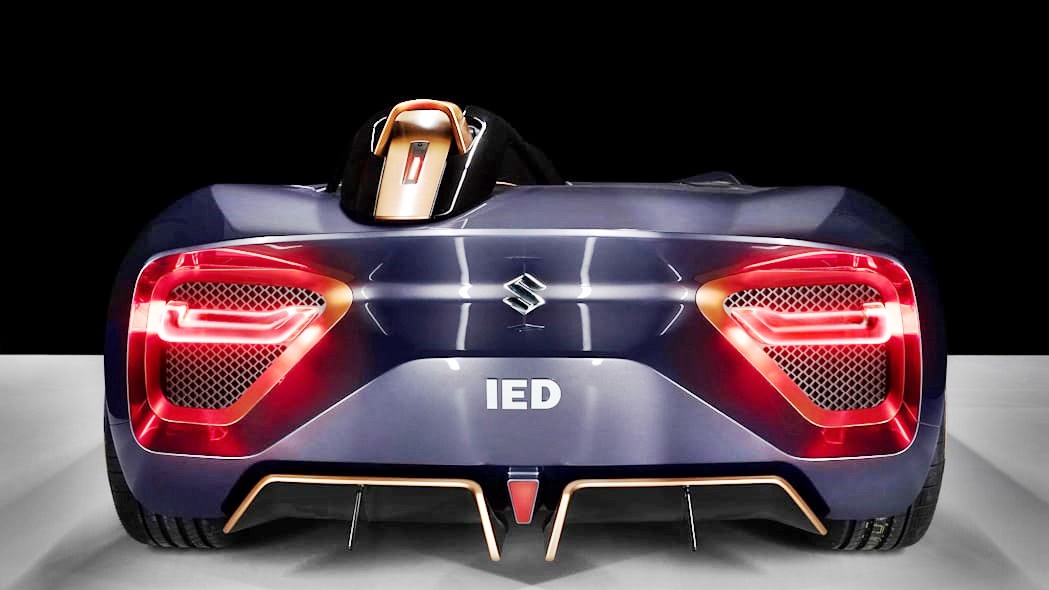
So it’s not surprising that the Misano concept, a design project by 24 students at Istituto Europeo di Design (IED) in Turin, Italy, in collaboration with the Japanese manufacturer is a car that has inspiration from motorcycles. Motorcycle racing fans will, of course, know that the name is also that of a racetrack in Italy.

2021 Suzuki Misano Conceot

Only 1 metre at highest point
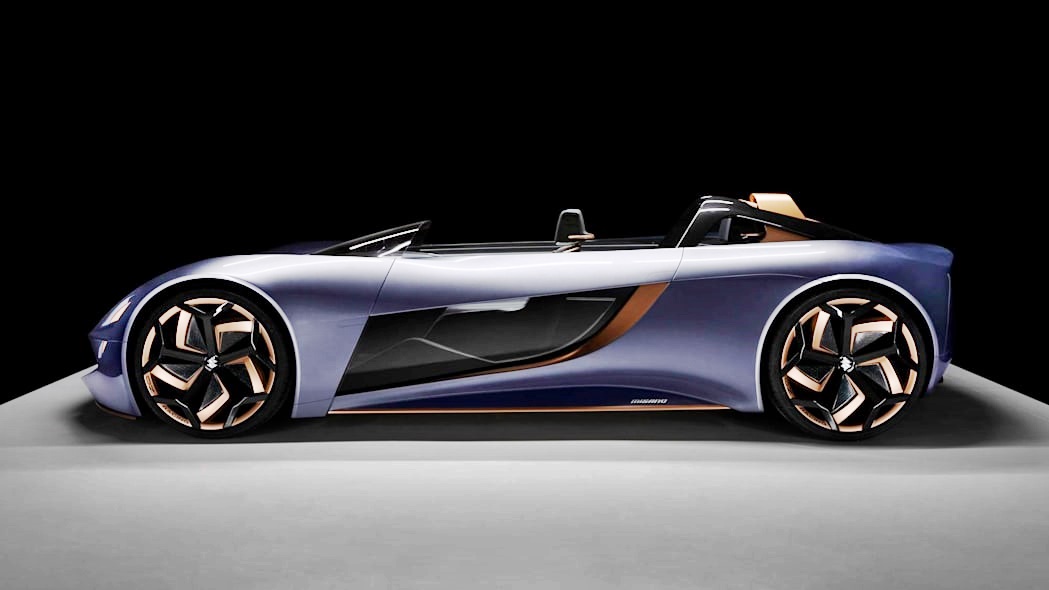
The Misano concept is around 4 metres in overall length and is just 1 metre above the ground at its highest point (which is the top of the roll-over hoops). The topless design adopts the classic barchetta silhouette which gives very good aerodynamics but what is unusual is the tandem 2-seat layout – like a motorcycle.

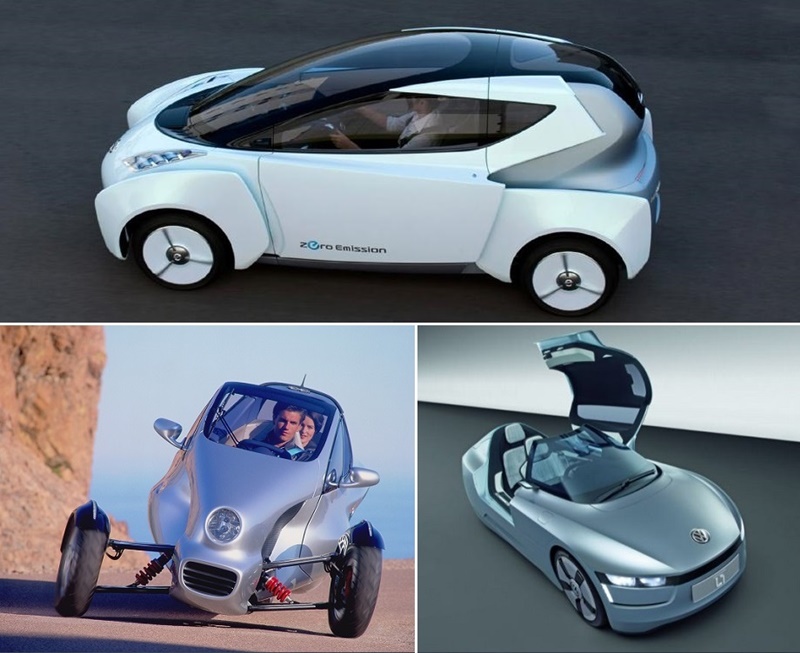
It’s not the first concept car with the passenger sitting directly behind the driver – some others that come to mind are the Volkswagen L1, Nissan Land Glider and Mercedes F300 Life Jet.

Other concept cars with tandem seating – Nissan Land Glider (top), Mercedes F300 Life Jet (above left) and Volkswagen L1 (above right)

Offset seating area
Unlike most of the other concepts, however, the width of the Misano is more generous with space. The seats are positioned on the left side while the right side of the cockpit us used for luggage space and to accommodate a battery pack.

Access is through the single door on the left side of the car which has a glass panel to give the driver a feel of being closer to the road. The windscreen is also motorcycle-inspired, shielding the driver’s side but not extending the full width.

2021 Suzuki Misano Conceot

2021 Suzuki Misano Conceot

No steering wheel
Another motorcycle element is the steering control. Instead of the conventional steering wheel and pedals, there is a control stick to ‘merges the adrenaline rush of two wheels, with the driving experience of four’, according to the designers. Today’s generation will probably be fine with that, having grown up on computer games and joysticks.

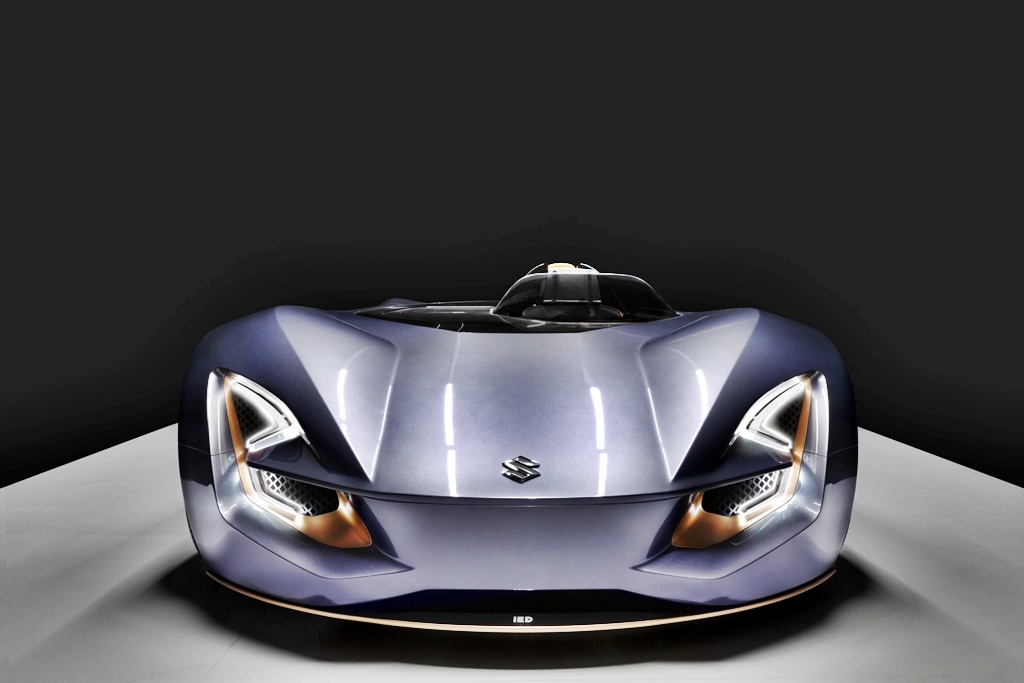
Eye-catching S-shaped headlights on either side of the nose and there is no grille since the Misano Concept is meant to be electrically powered. Powertrain details are not available suggesting that this is nothing more than a design study – which is very appealing.

The concept car is currently being  shown to the public at Mauto, the Italian national automotive museum in Turin.

2021 Suzuki Misano Conceot

Wild One MAX – the R/C model that you can drive!

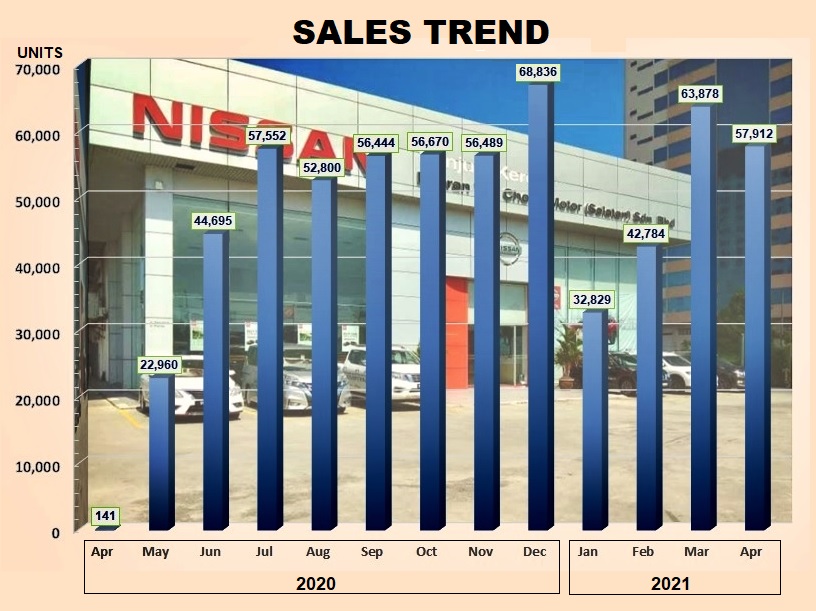
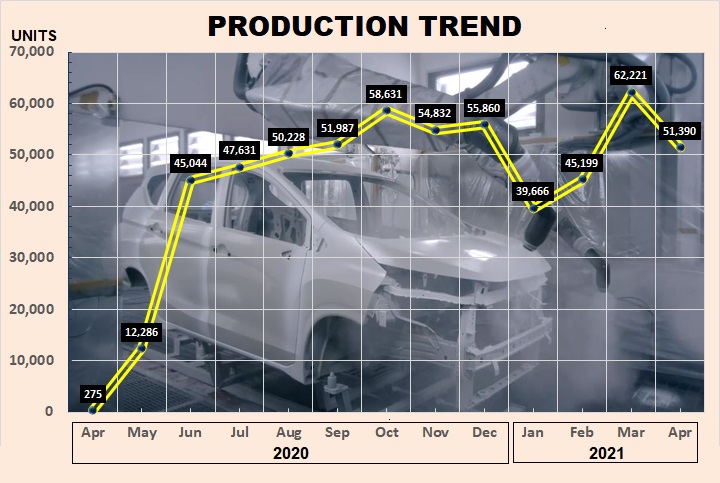
Source: Monthly reports of Malaysia Automotive Association

A year ago, new vehicle deliveries stopped as the first Movement Control Order (MCO) was in force although 141 vehicles still reached their customers. A year later, although the MCO is still in force in varying degrees, sales and deliveries continue and in April 2021, the Total Industry Volume (TIV) was the third highest in 12 months with 57,912 units registered.

Cumulative sales for the first four months of this year compared to the same period in 2021 were 89% higher,as would be expected with sales in March and April 2020 having been impacted severely and dropping to the lowest level ever.

For some brands, new vehicle supply was also a factor in April sales being 12.3% lower than March due to the global shortage of computer chips used in the many electronic systems in cars today.

On the production side, it was the same thing a year ago as plants were also ordered to stop operations and only 275 units were reported to have been completed in April 2020. This year, 51,390 vehicles were assembled locally during the same month. As mentioned earlier, shortage of computer chips – a crucial item – saw production dropping diminishing.

93% of vehicles assembled locally were passenger vehicles (excluding pickup trucks).

It should be noted that the as Mercedes-Benz Malaysia does not wish to reveal its sales numbers, they are not included in the data above.

Forecast for May
The Malaysian Automotive Association expects the TIV to continue falling, and May registrations are likely to be lower than April. Although the latest MCO allows for businesses and factories to continue operating, stricter controls on public movements may dampen sales.

Besides the effects of the MCO, the Hari Raya festive period would also be a factor in diminished sales volume. Additionally, supplies of vehicles are also likely to remain affected by the chip shortage.

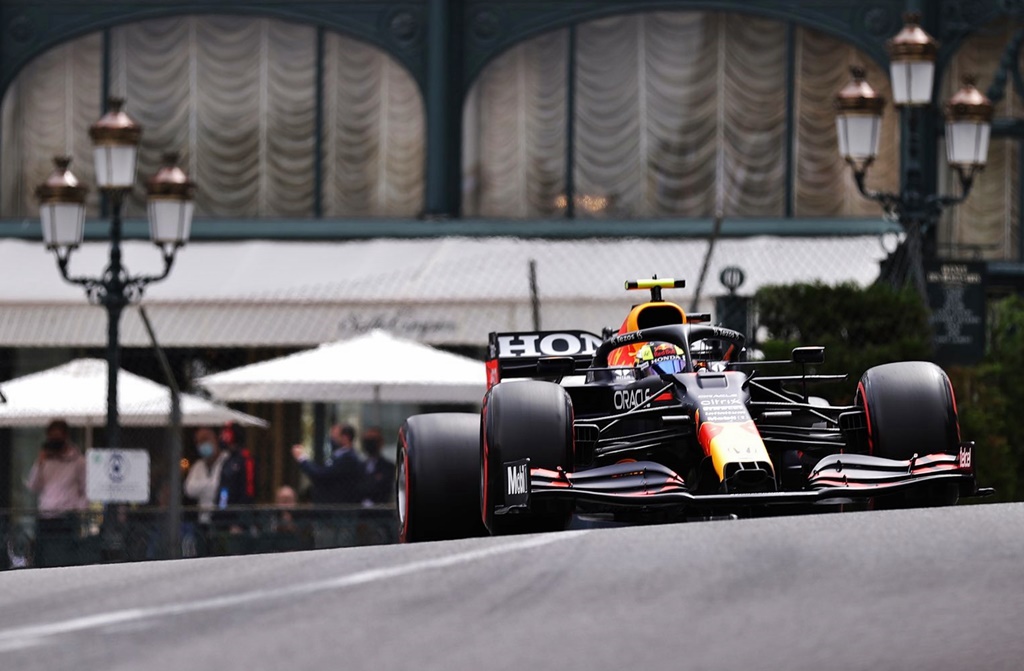
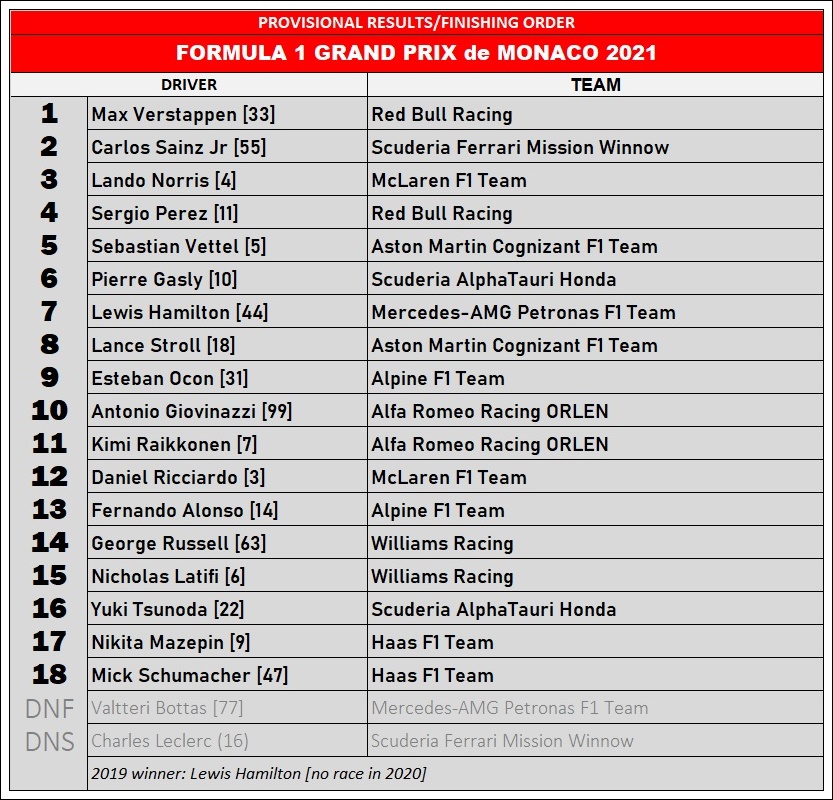
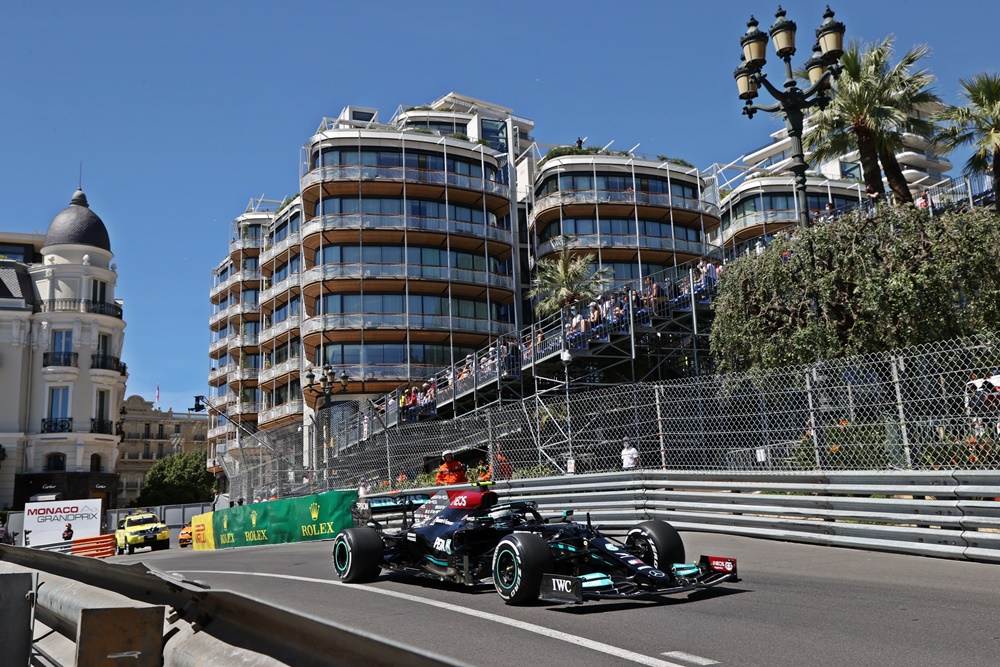
♦ Charles Leclerc, who had qualified with the fastest time and crashed at the end of the final session but could claim pole position on the grid, lost that position as the damage to his Ferrari’s gearbox was too great. This gave Red Bull driver Max Verstappen the pole position, with Mercedes-AMG’s Valtteri Bottas alongside. Uncharacteristically, Lewis Hamilton had qualified only in seventh (and moved up to sixth).

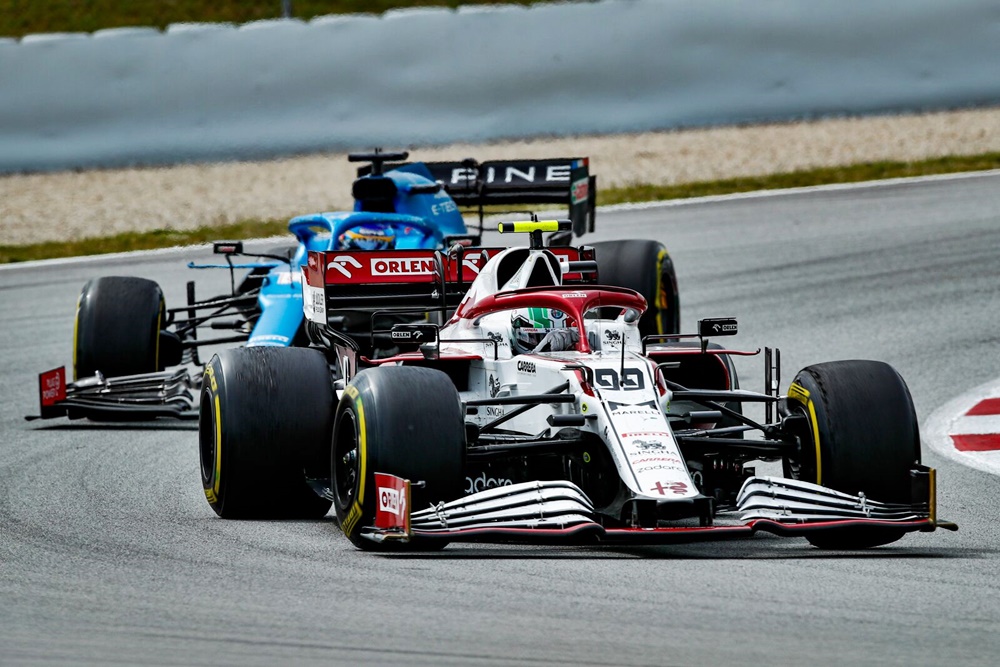
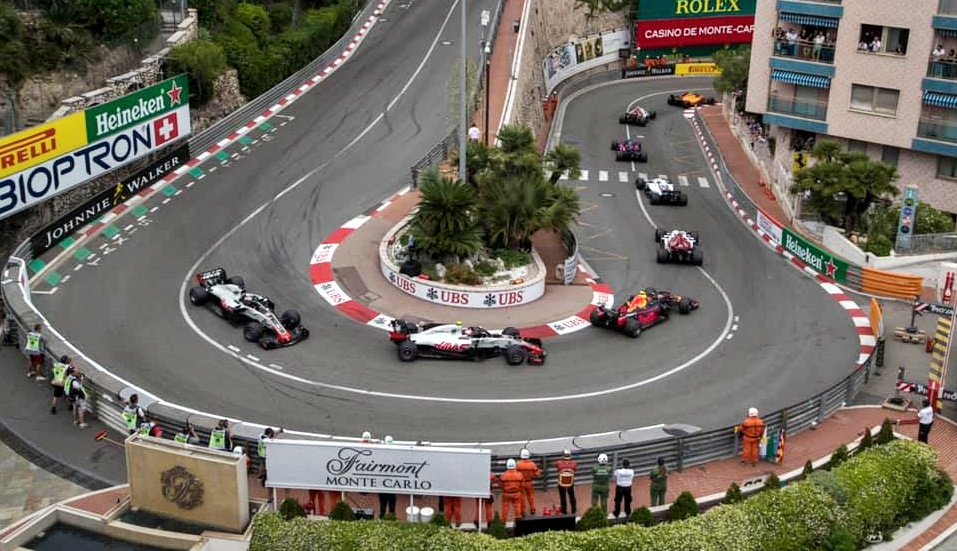
♦ The tightness of the circuit makes passing difficult so the status quo was maintained for most of the front runners although Alpine F1’s Fernando Alonso managed to move up two positions from his grid position to 14th.

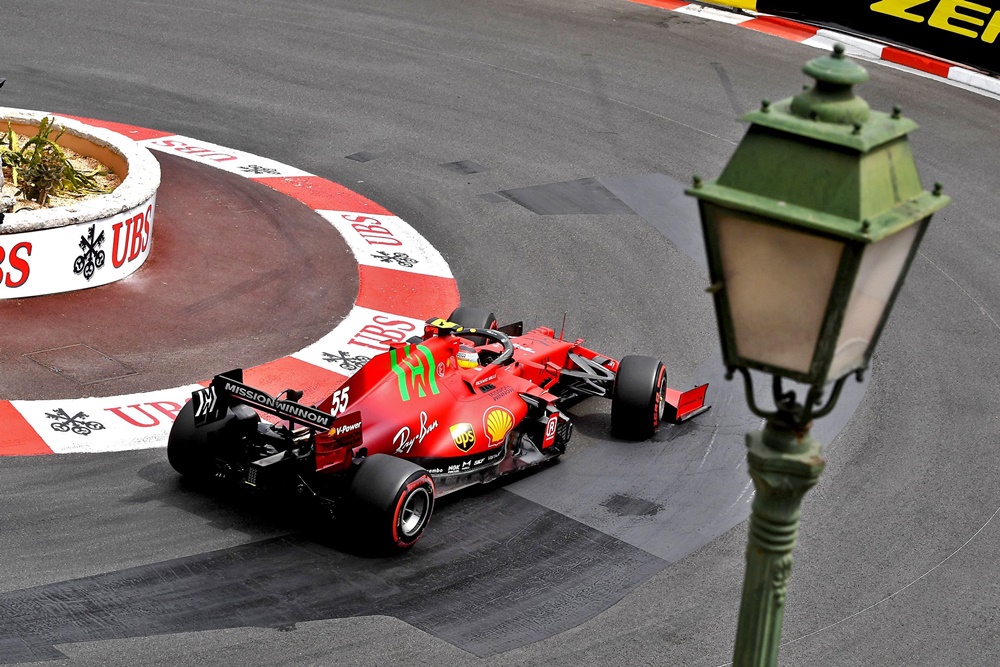
♦ Left alone to represent Ferrari, Carlos Sainz slowly took time off the gap with Bottas which was about 3 seconds with 10 laps completed.

♦ By lap 13, gaps were beginning to open up as some drivers were urged to pick up the pace. Sergio Perez, who was 20 seconds from his Red Bull team mate, was trying hard to get past Aston Martin’s Sebastian Vettel.

♦ Nikita Mazepin (Haas F1) and Lando Norris (McLaren) were some of the drivers who got black and white flags to warn them about track limits. If they did it too many times, the Stewards would give them time penalities.

♦ With 29 laps done, all eyes were on the pits to see who would come in for their tyre changes. It was Lewis Hamilton who was the first, follow by his team mater Bottas was was around 63 seconds behind Verstappen. And then disaster struck for the Finn to make it worse as a front wheel could not come off the Mercedes-AMG. As a result, the tyre could not be changed – and it meant retirement for Bottas.

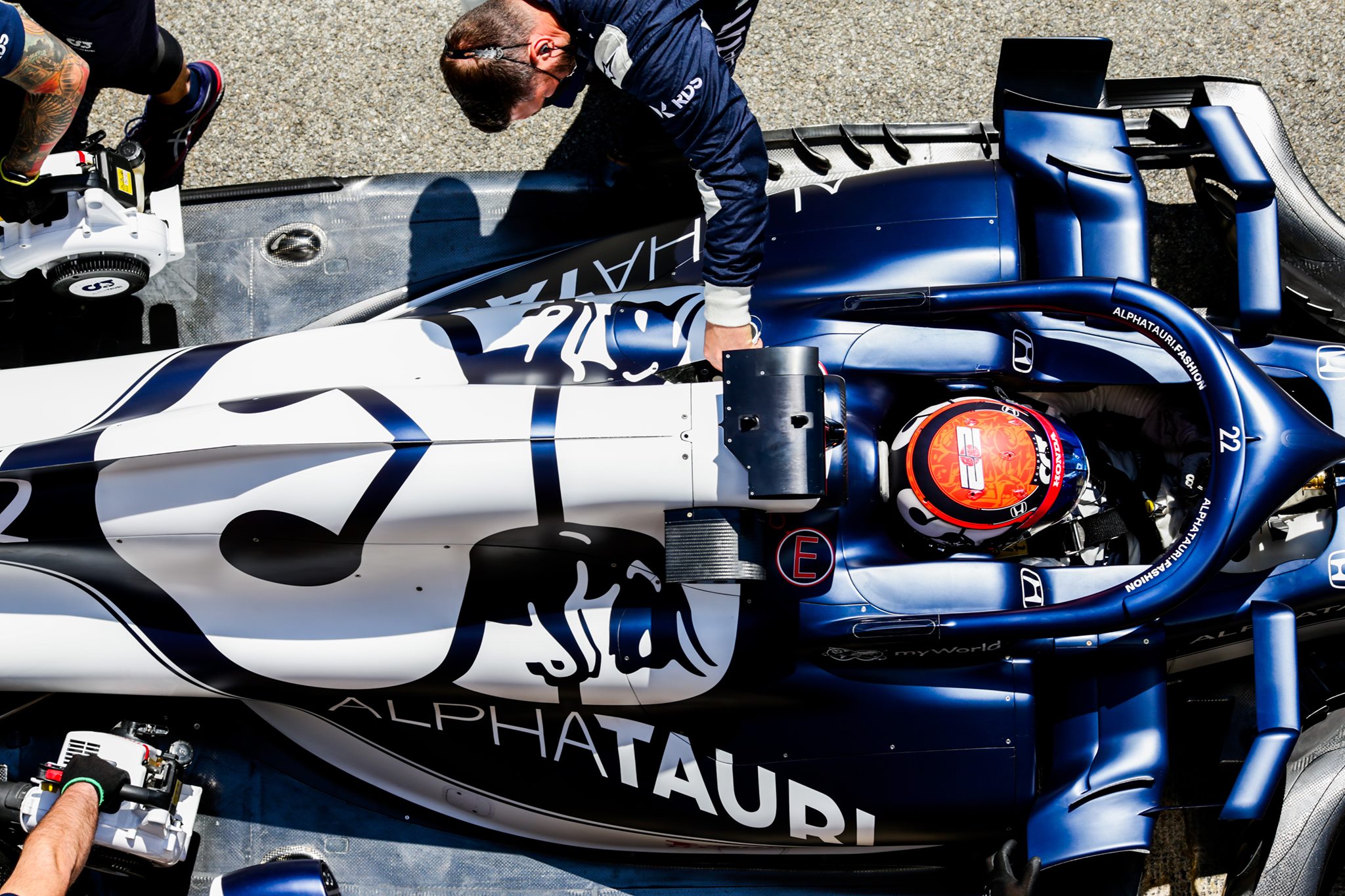
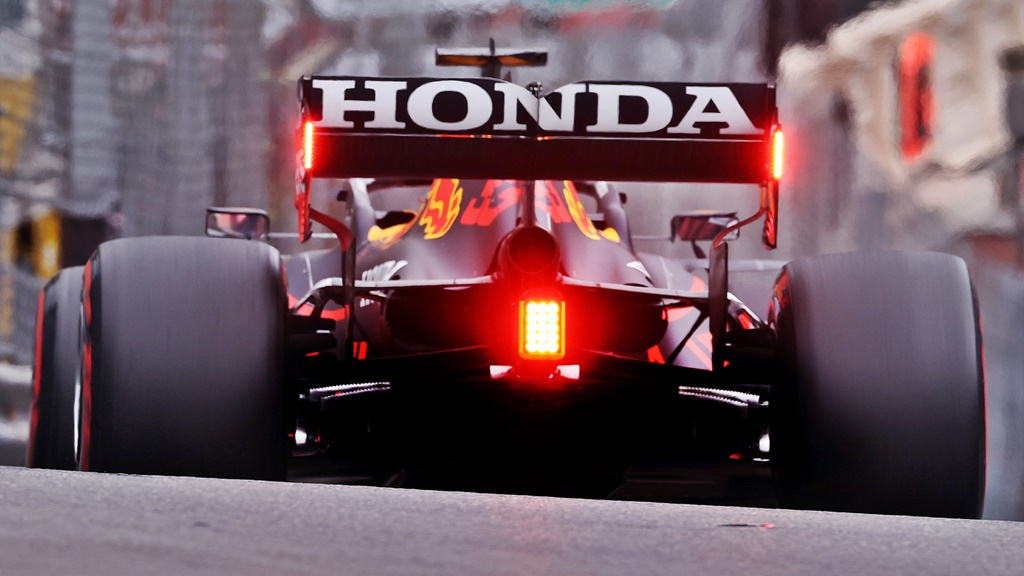
♦ Amazingly, Pierre Gasly (Scuderia AlphaTauri Honda), who was just ahead of Hamilton, came in and returned to the track still ahead of the Mercedes-AMG driver. But Vettel was quick to exploit the pit stops, passing Gasly and Hamilton to take fifth place.

♦ With half the 78-lap race completed, Verstappen was not secure yet as he had a lead of only 3 seconds ahead of Sainz. With Bottas out, there was a strong possibility of Hamilton losing his championship lead and implications for the team as well.

♦ With 30 laps remaining, Norris was in third – too far from Sainz but 7 seconds ahead of Perez. Vettel was a further 11 seconds but trying very hard with what has been an uncompetitive car.

♦ Hamilton was not giving up easily and pushed hard although, unlike other tracks where he could push forwardm difficulty overtaking held him back behind other cars.

♦ As the laps counted down, Perez was one of the more aggressive drivers, trying hard to pass Norris and be on the podium place instead of the McLaren driver.

♦ Yuki Tsunoda (Scuderia AlphaTauri Honda), who seemed to show promise at the start of the season, was the last car to pit and he was down in 16th position.

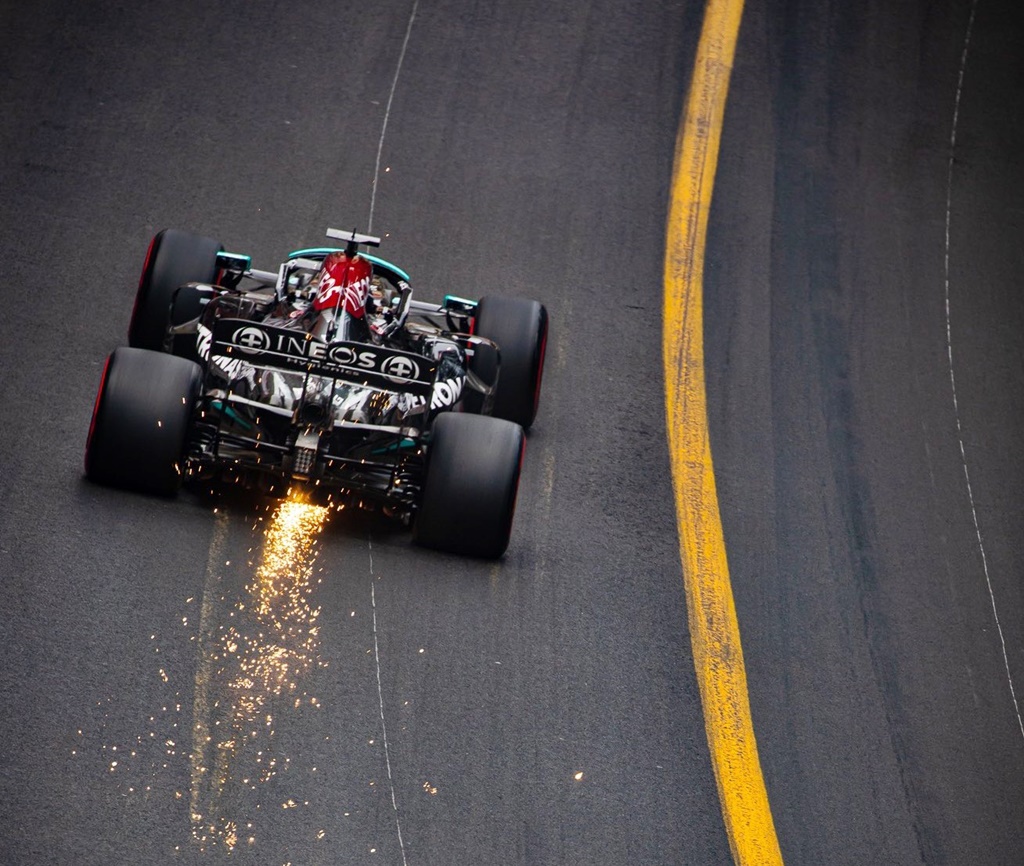
♦ As 10 laps remained, Hamilton came in for a new set of tyres, aiming to go flat out to the finish and improve his position from seventh and more importantly, try and set the fastest lap and get that one bonus point. He was the only driver to come into the pits twice – and he was also about to be lapped by Verstappen.

♦ Perez kept the pressure on Norris right till the end, coming within less than 2 seconds, but his fight could not continue as Verstappen crossed the finish line – and into the championship lead.

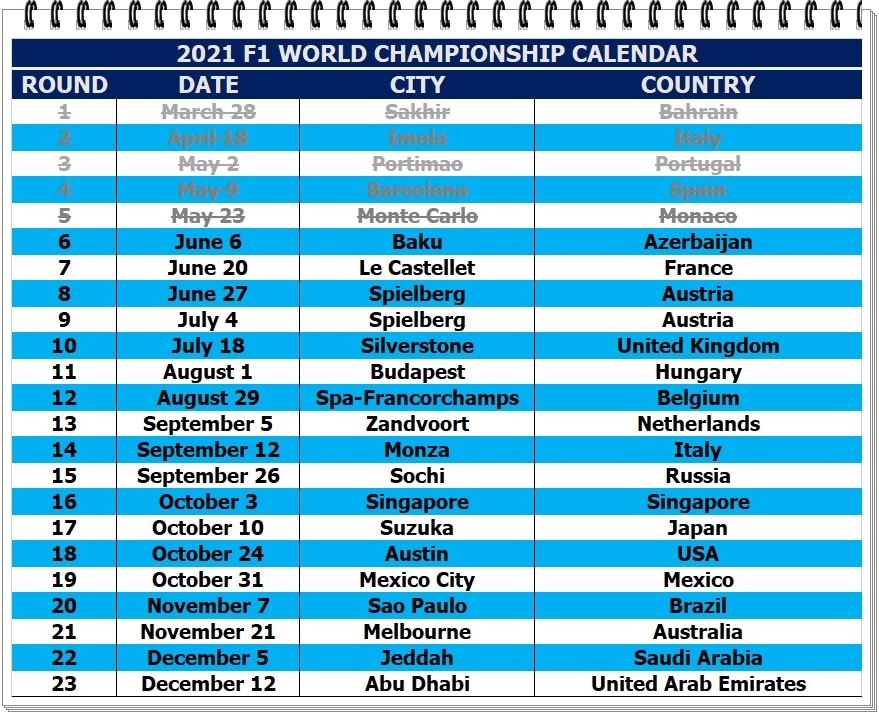
F1 – Turkish Grand Prix cancelled, 2 races to be run in Austria

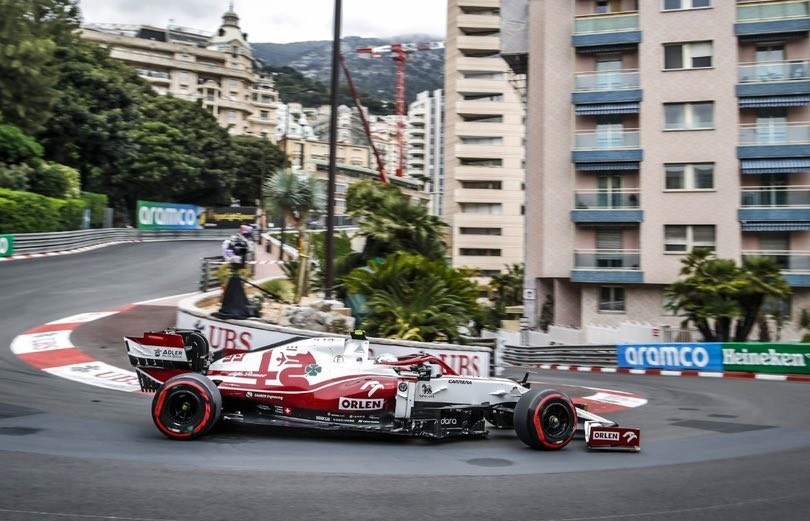
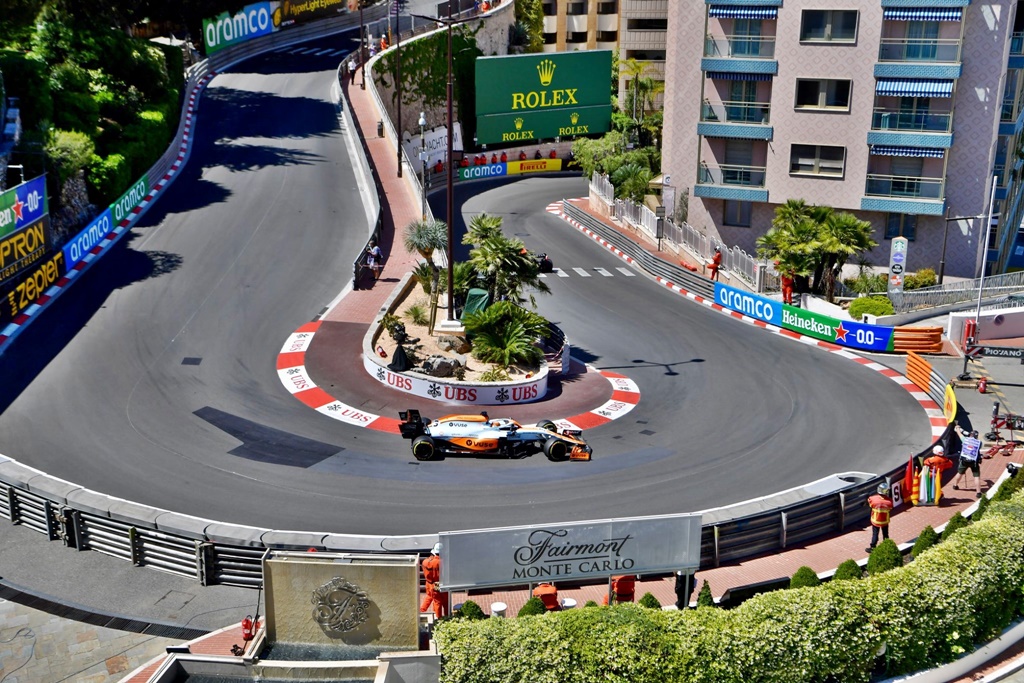
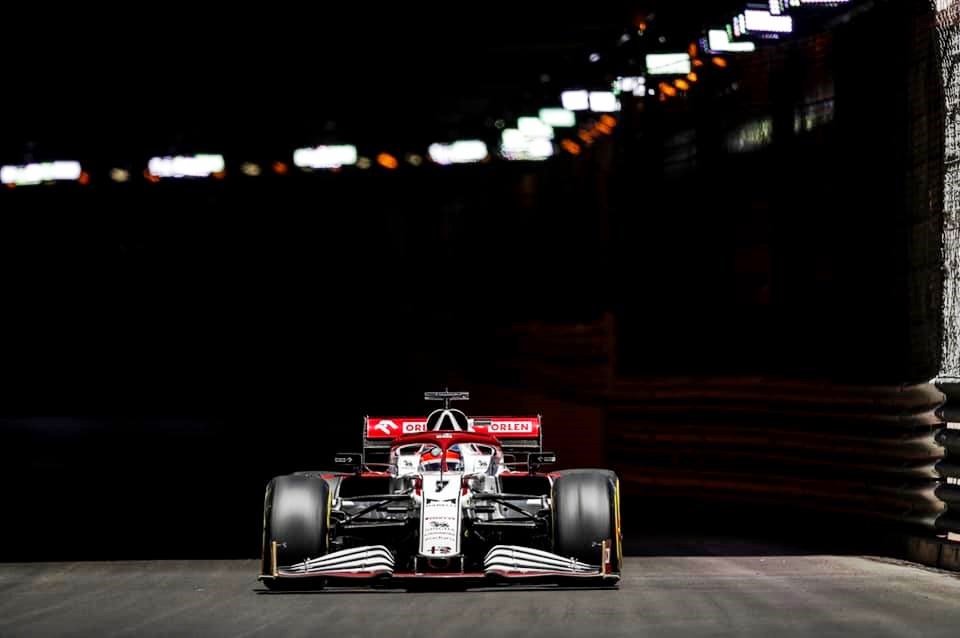
With all its twists and turns as well as tight corners, you would think that the street circuit for the 67th Monaco Grand Prix would be the toughest on brakes among all the circuits of the 2021 Formula 1 World Championship. However, it’s not and according to Brembo technicians, the Monaco Circuit falls into the category of tracks that present an average challenge for the brakes. On a difficulty index scale of 1 to 5, it is classified as a three, exactly the same as the tracks of the last three races.

The circuit stands out for its high aerodynamic load and the considerable percentage of braking time. The calipers and brake fluid reach high temperatures and vapour lock was a common phenomenon in the past, causing the lengthening of the brake pedal action. ​

F1

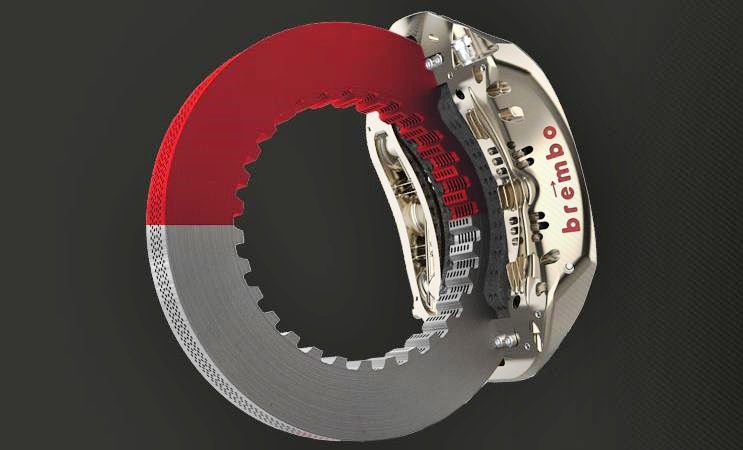
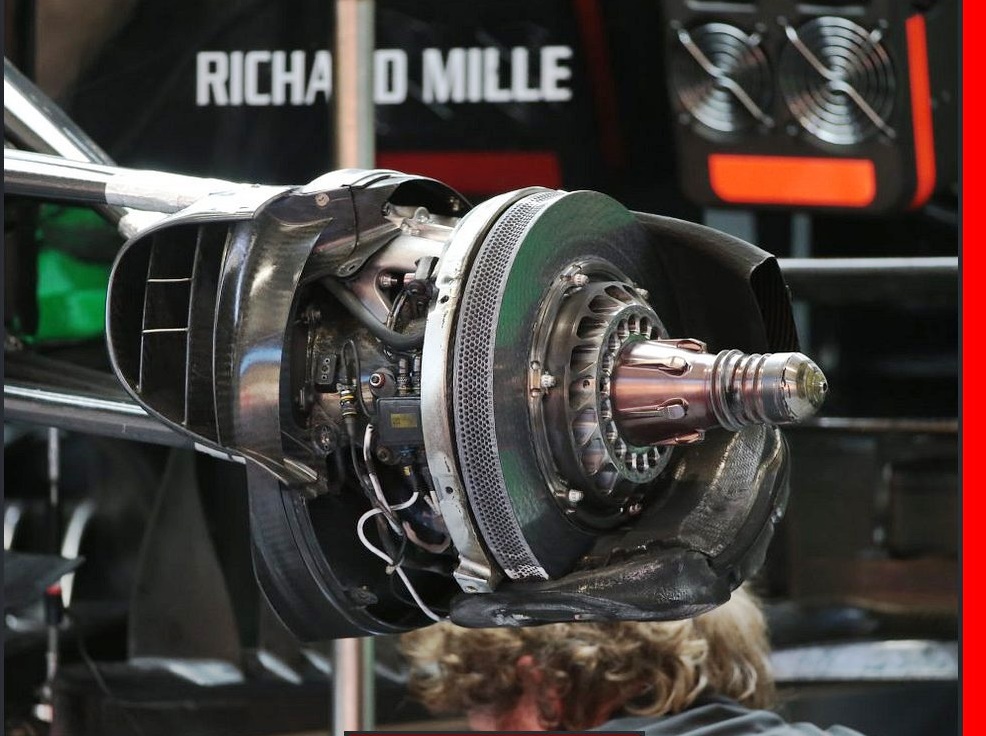
​Brembo carbon doesn’t melt at 3,000°C
Carbon discs began to be used in Formula 1 in the 1980s, and then spread into other motorsport competitions. Indeed, no other element offers that special combination of light weight, high thermal conductivity and absence of dilation, even at 1,000°C, a distinguishing feature of Brembo’s F1 discs.

The density of carbon is 1.7 grams per cubic centimetre, compared with 7.8 grams for steel and 7.3 grams for gray cast iron. Its thermal expansion coefficient is 1/15th that of steel and 1/11th that of cast iron. The melting point of carbon is higher than 3,000°C, compared with the 1,200°C of cast iron and 1,800°C of steel. ​

3 metres make all the difference​
Carbon discs aren’t suitable for road use, mainly because the braking system doesn’t reach the minimum operating temperatures needed, but also due to their high consumption. Some of their benefits, however, can be found in the carbon ceramic discs of which Brembo is the main worldwide manufacturer.

Carbon ceramic discs allow a saving of 5 to 6 kgs in weight compared with traditional cast iron discs. What’s more, their lifespan may even equal that of the vehicle they’re mounted on, depending on how it’s driven. But, above all, carbon ceramic guarantees a reduction of about 3 metres in the braking distance from 100 km/h to 0 km/h compared with a traditional disc. ​

4.6g deceleration after the tunnel
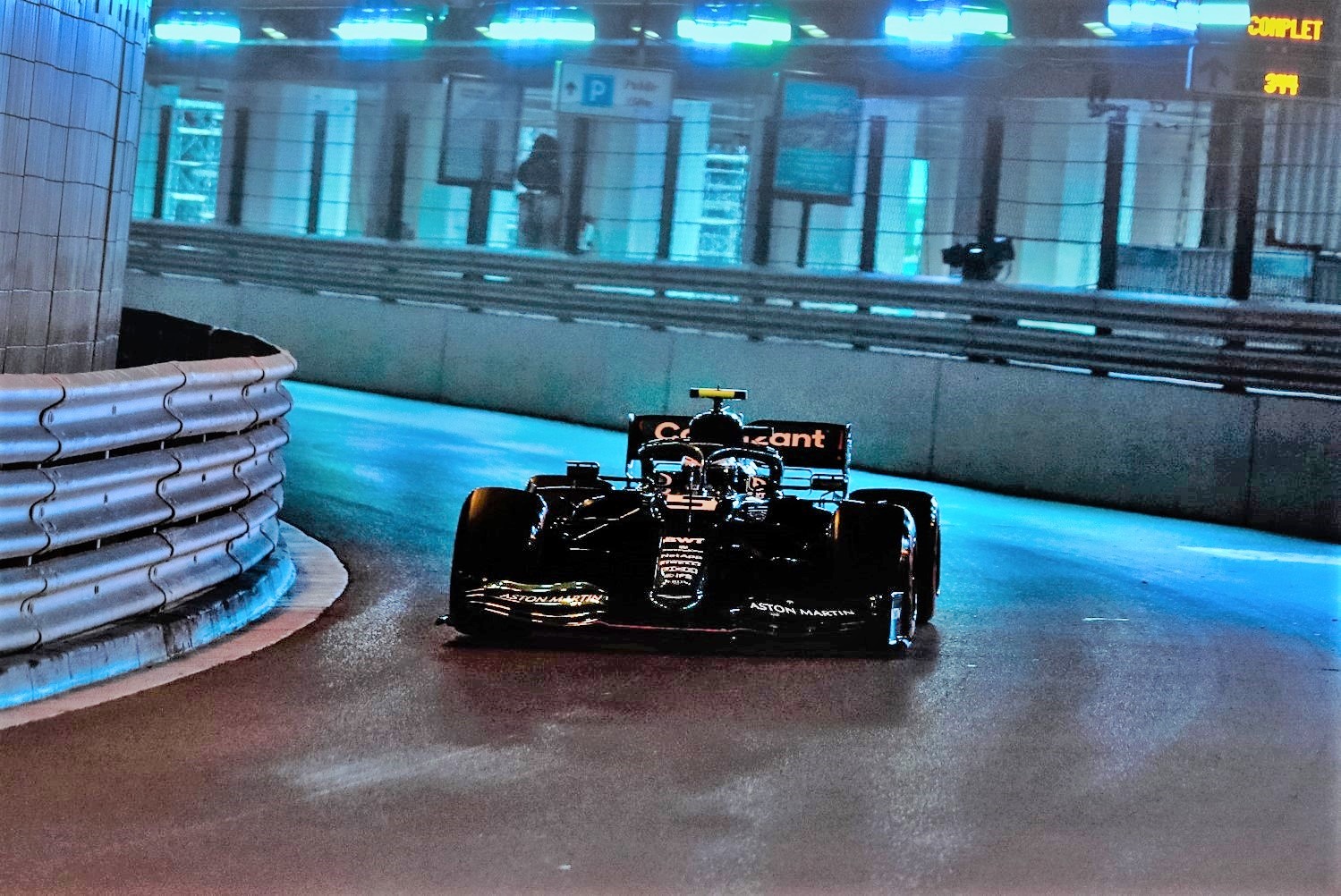
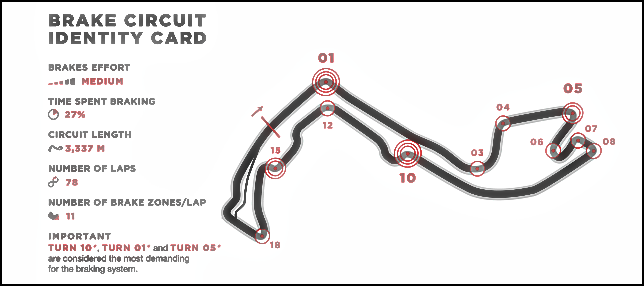
Of the 11 braking sections of the Monaco Circuit, two are classified as very demanding on the brakes, another two are of medium difficulty, and the remaining 7 are light. The hardest for the braking system is the one that comes after the tunnel (Turn 10): the cars arrive at 307 km/h and have to get down to 90 km/h within just 121 metres. To do this, the drivers brake for 2.47 seconds, applying a load of 146 kgs on the pedal and experience a deceleration force of 4.6g.

870 braking points
Despite being the shortest World Championship track at just 3.337 kms, the Monaco Circuit has 11 braking points per lap (although only one of them is particularly intense). On 4 turns, the brakes need to be used for no more than 1.1 second. The drivers use their brakes for 18.7 seconds, corresponding to 27% of the total race time.

Notwithstanding the 7 braking points per lap where the load on the pedal is less than 90 kgs), the overall load exerted by each driver from the starting line to the checkered flag is more than 62 metric tons. Only in Singapore – also a street circuit – is the figure higher than this. It also has to be said that the braking system is used about 870 times on the Monaco track, from start to finish.​ ​

The 2021 Monaco Grand Prix will start at 3 pm in Monaco/9 pm in Malaysia tonight.

F1/Round 5: Preview & Starting Grid for 2021 Monaco Grand Prix

StayAtHome


Visit www.bhpetrol.com.my for more information.


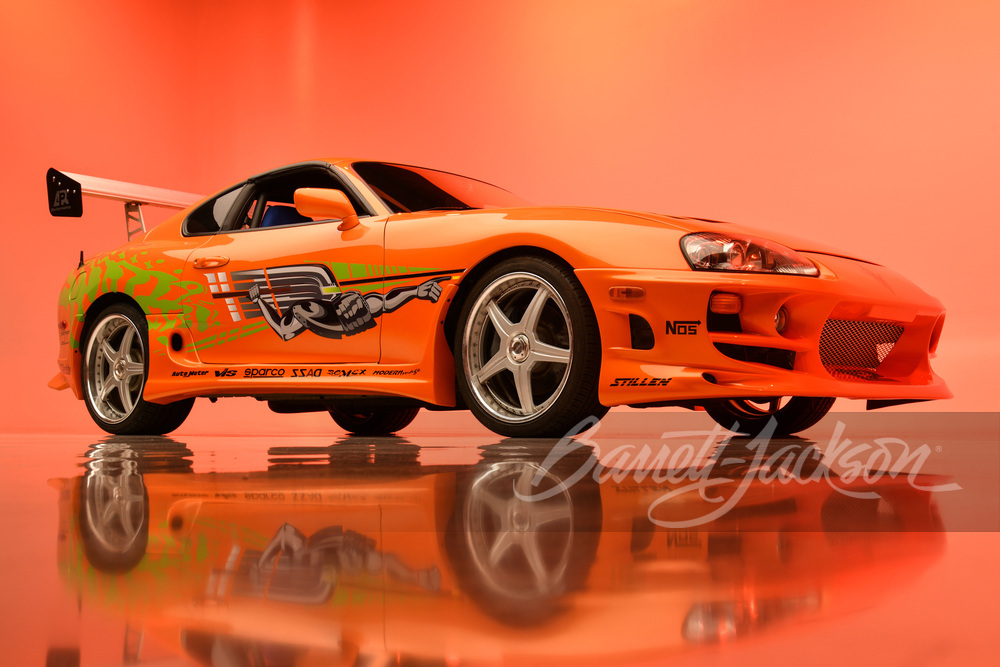
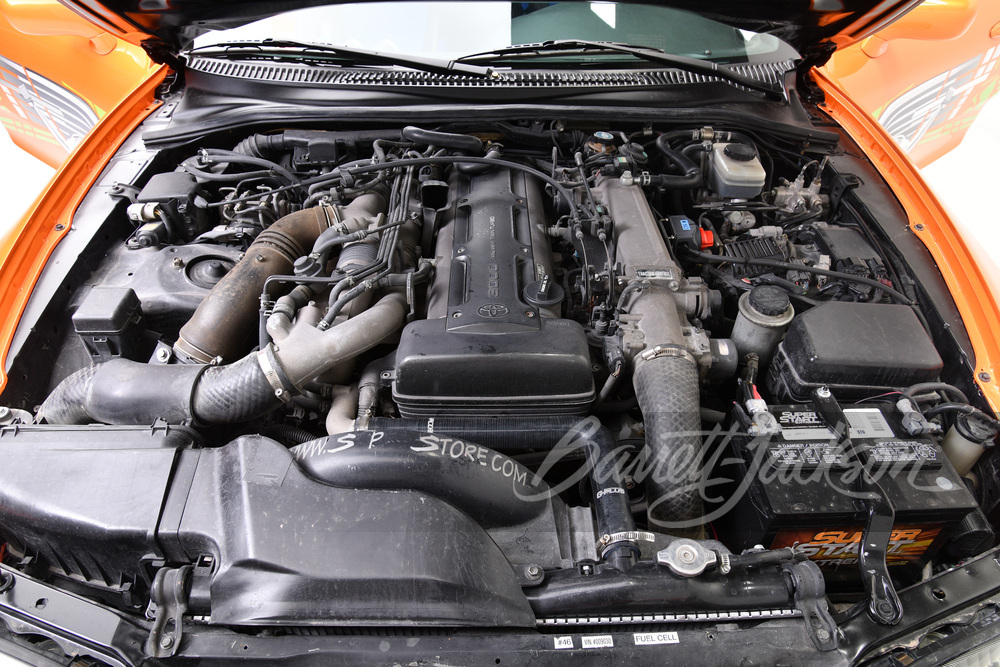
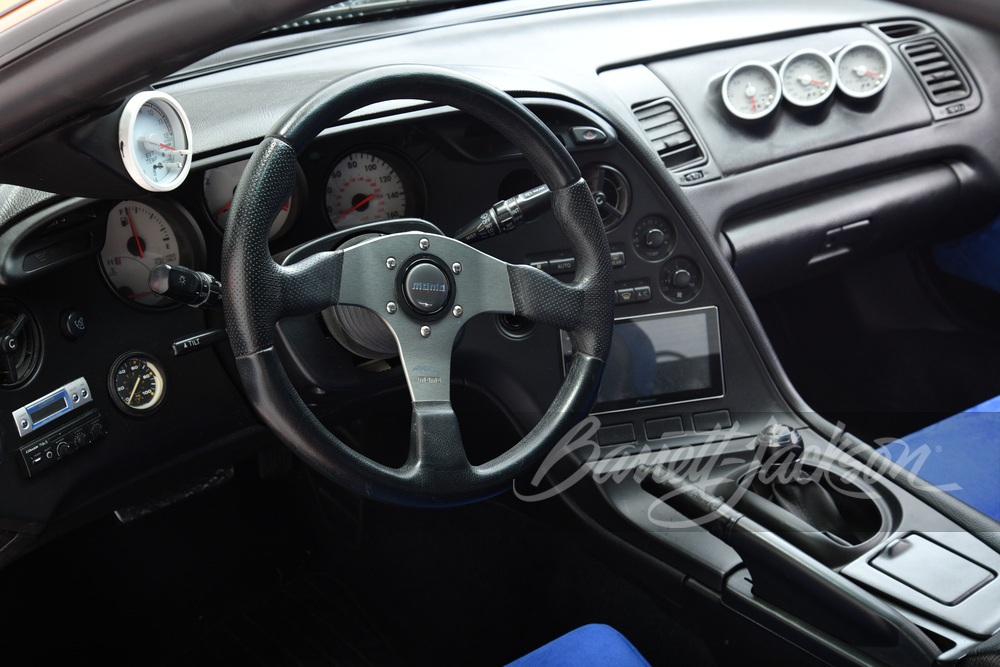
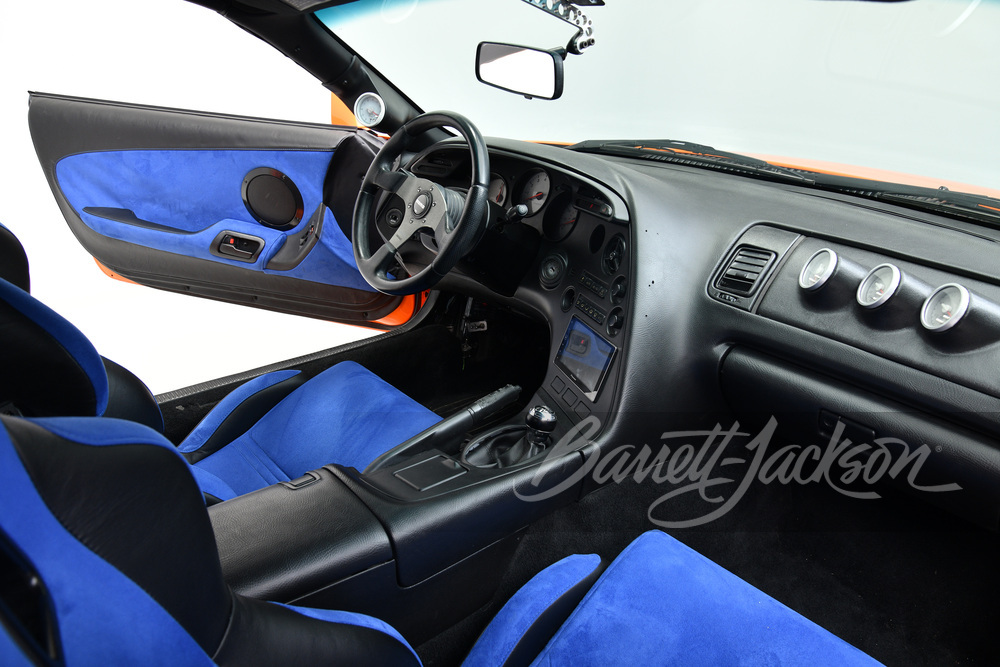
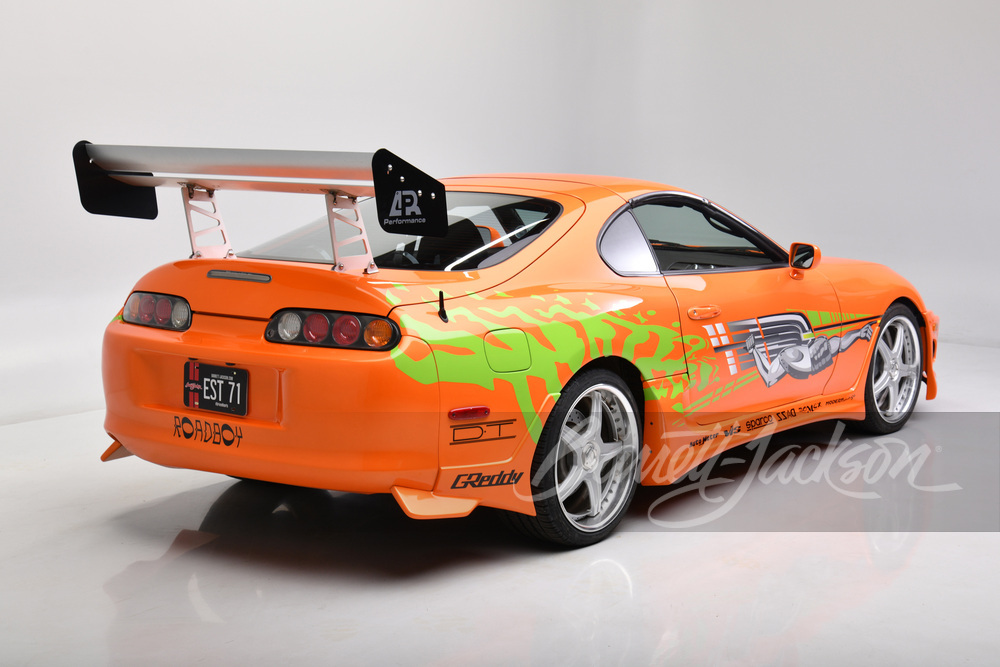
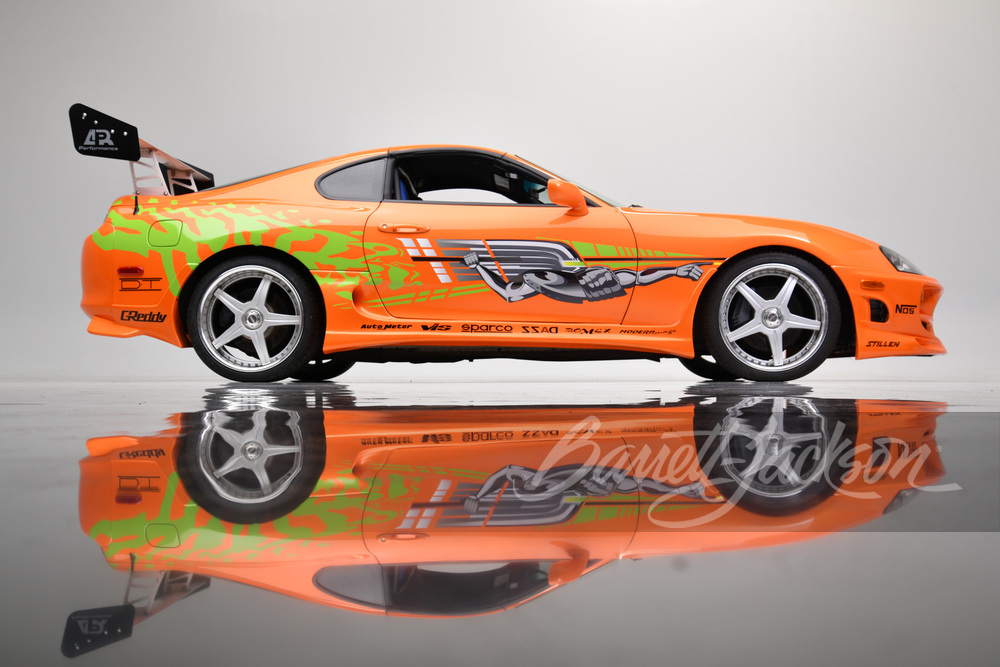
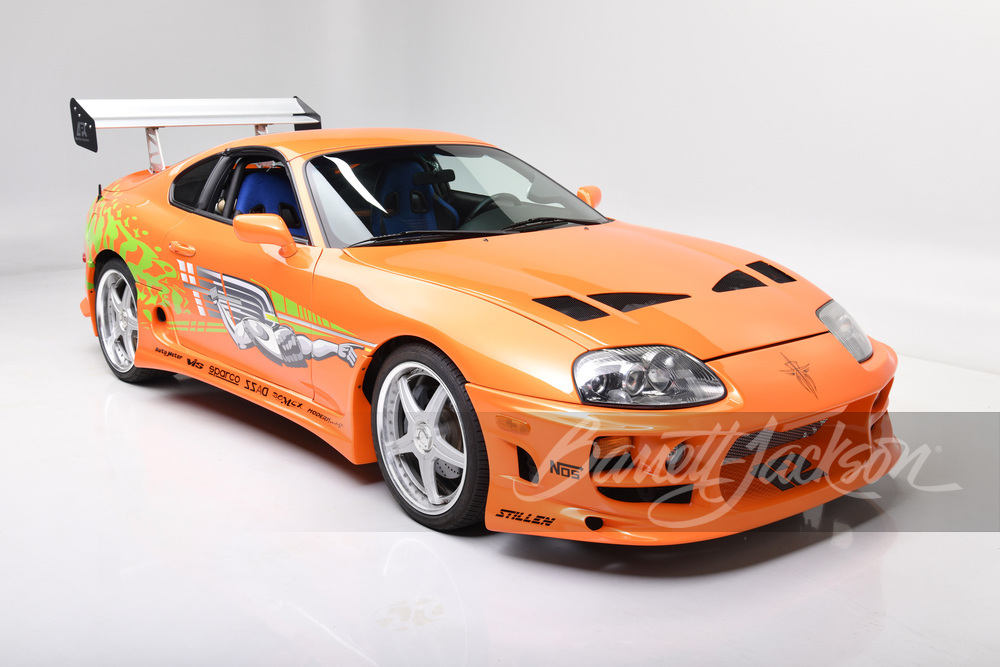
Next month, a car driven by Paul Walker in the first ‘Fast and Furious’ movie in 2001 will be auctioned by Barrett-Jackson in Las Vegas. It’s the orange 1994 Toyota Supra Turbo which also appeared in the 2003 instalment ‘2 Fast 2 Furious’. It  was used for multiple interior and exterior shots. Under the bonnet is the famed 2JZ-GTE 3-litre turbocharged inline-6 engine mated to a 4-speed automatic transmission.

Paul Walker Fast & Furious Toyota Supra Turbo

Paul Walker Fast & Furious Toyota Supra Turbo

According to Barrett-Jackson, the car was prepared specially for the movie and then returned to original form with the Lamborghini Diablo Candy Orange pearl finish and Troy Lee-designed ‘Nuclear Gladiator’ motif along the side. Extensive documentation accompanies the vehicle, including a Certificate of Authenticity.

Paul Walker Fast & Furious Toyota Supra Turbo

Paul Walker Fast & Furious Toyota Supra Turbo

Paul Walker Fast & Furious Toyota Supra Turbo

Paul Walker Fast & Furious Toyota Supra Turbo

Paul Walker Fast & Furious Toyota Supra Turbo

Barrett-Jackson, which bills itself as ‘The World’s Greatest Collector Car Auctions’, handled the auction of the personal collection of cars belonging to the actor who died in an accident in 2013. Walker’s collection consisted of 18 cars and 3 motorcycles and Barrett-Jackson collected a total of US$1.32 million (RM5.37 million) for the 5 cars which were auctioned at prices varying between US$220,000 (RM895,500) and US$385,000 (RM1.57 million).

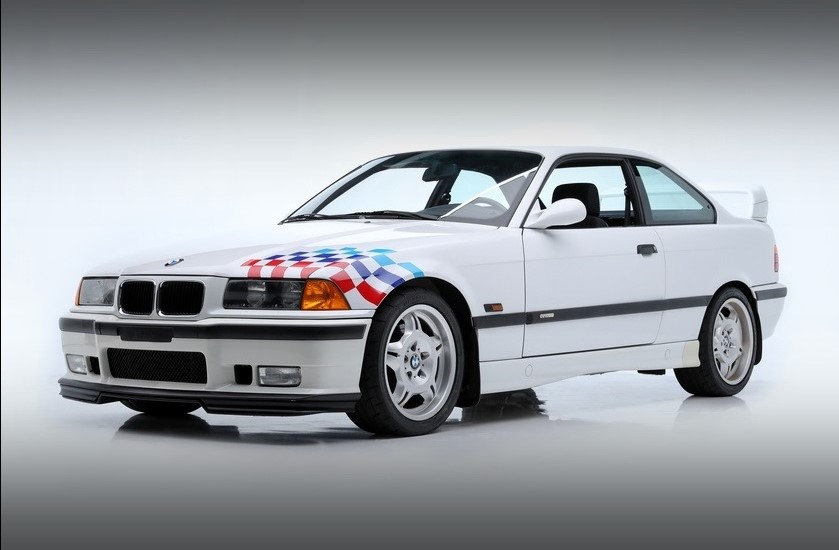
The most notable was the 1995 BMW M3 Lightweight model (shown below) – not one but five – that he owned. Walker was an avid fan of BMW and had a total of seven M3s in his collection (including the 5 Lightweights).

[All images from Barrett-Jackson]

Very rare BMW M3 Lightweight owned by Paul Walker sold for RM1.57 million


Archive

Follow us on Facebook

Follow us on YouTube