

Piston.my

Edaran Tan Chong Motor

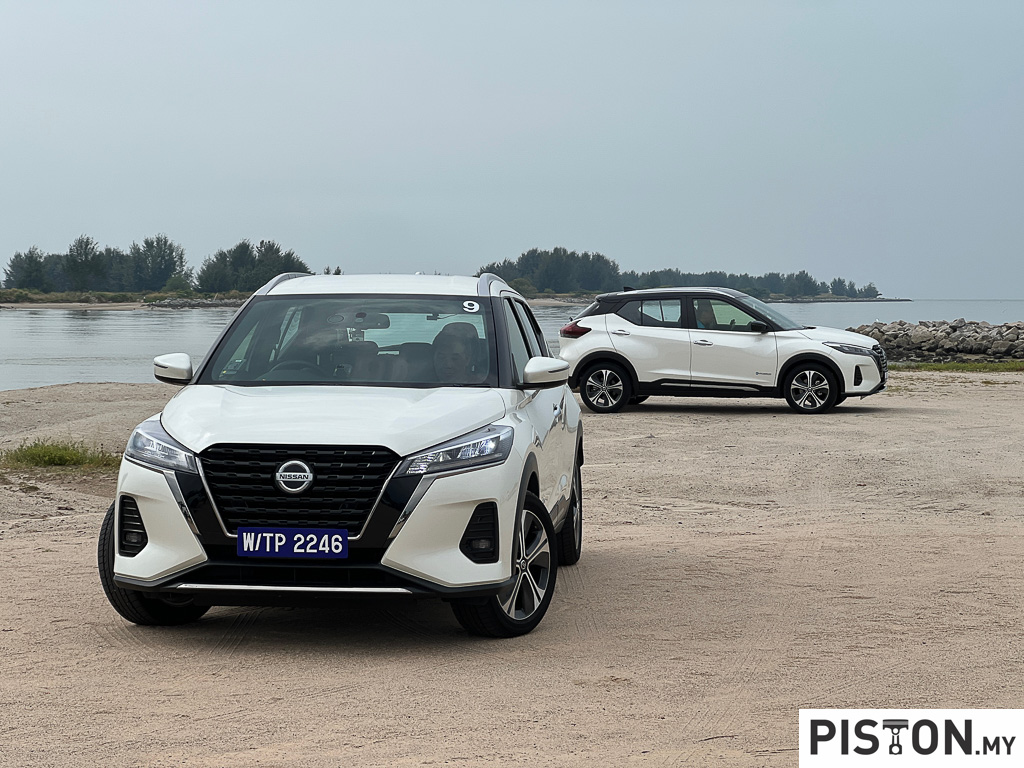
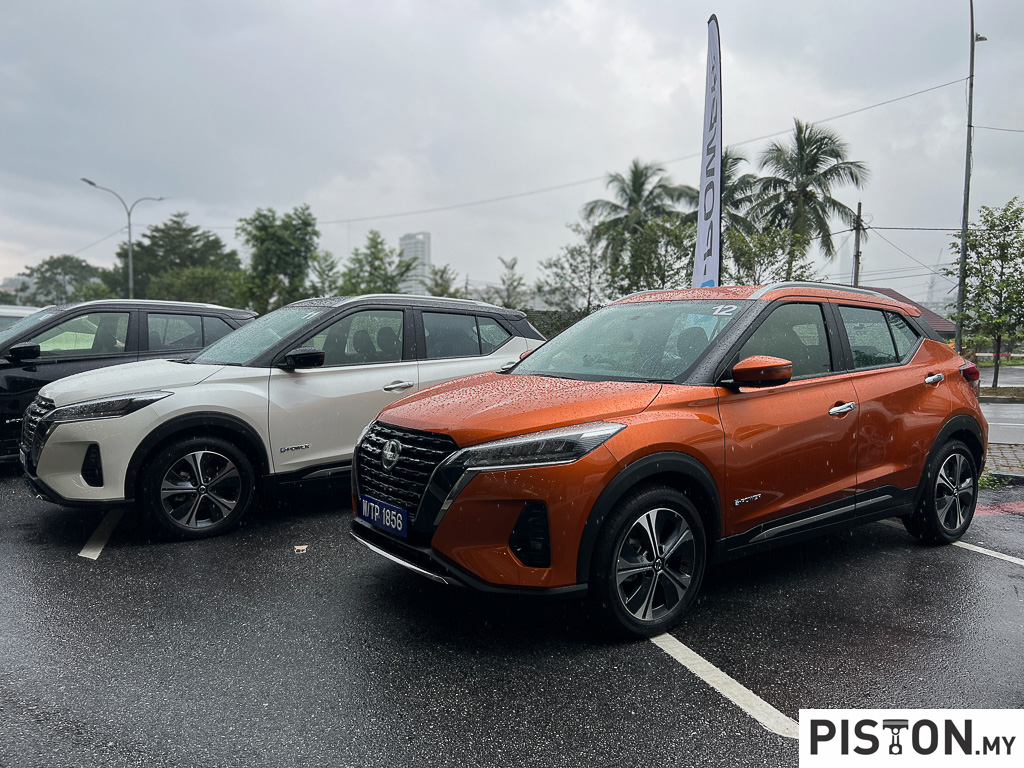
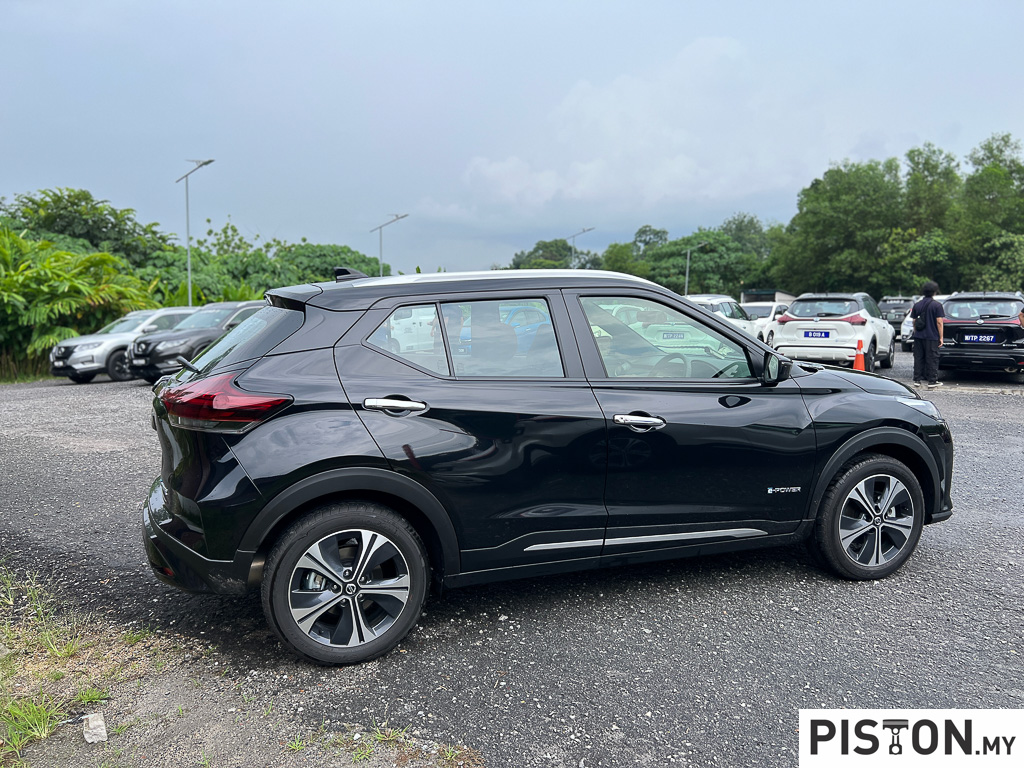
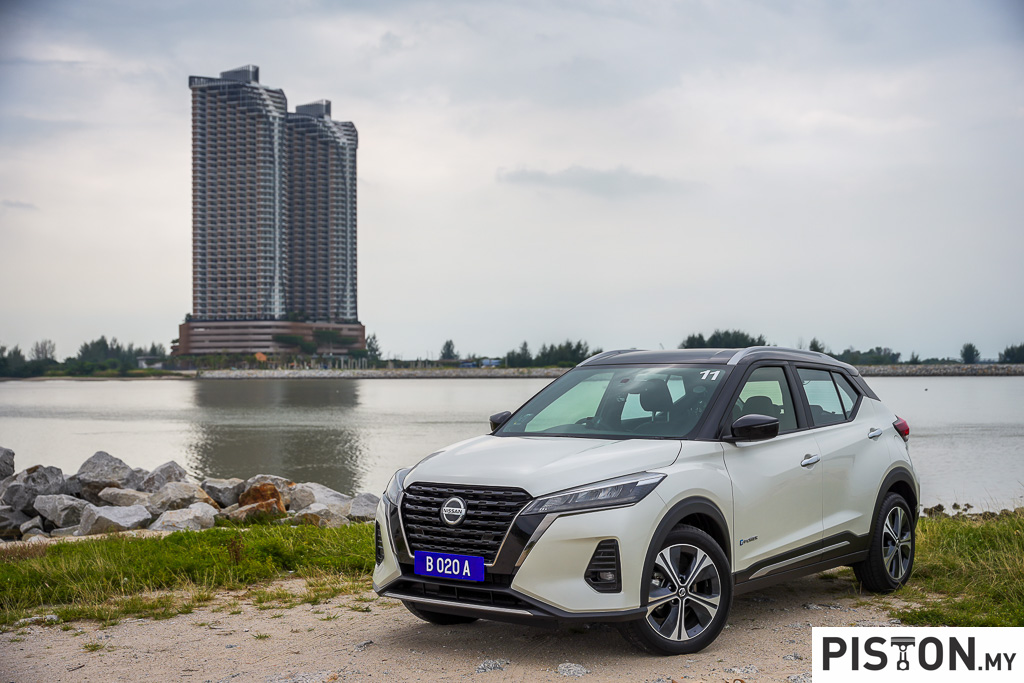
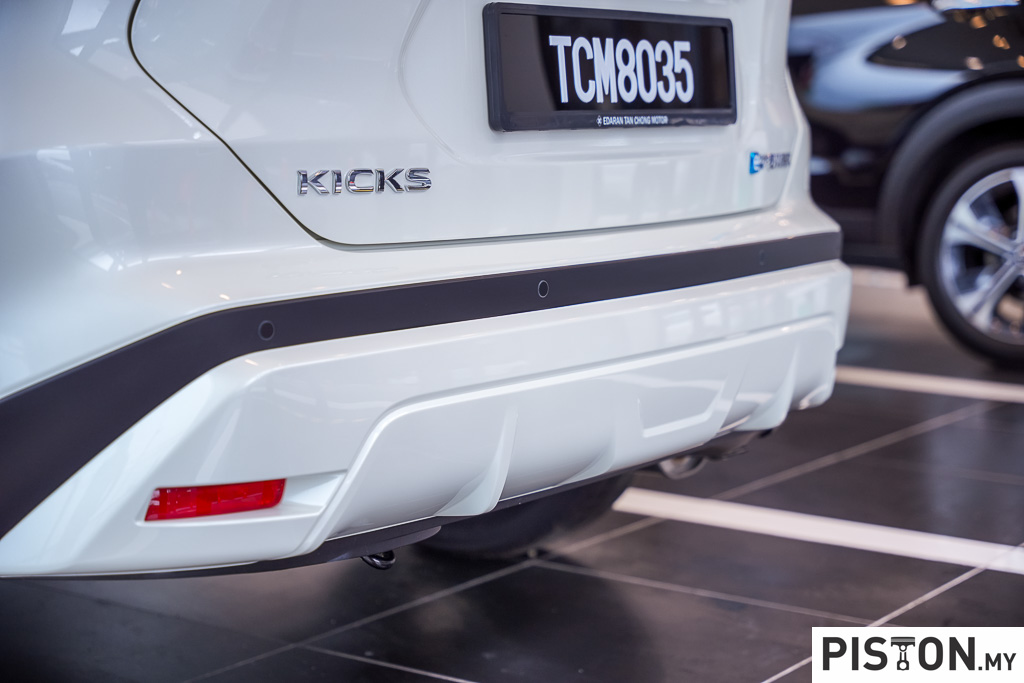
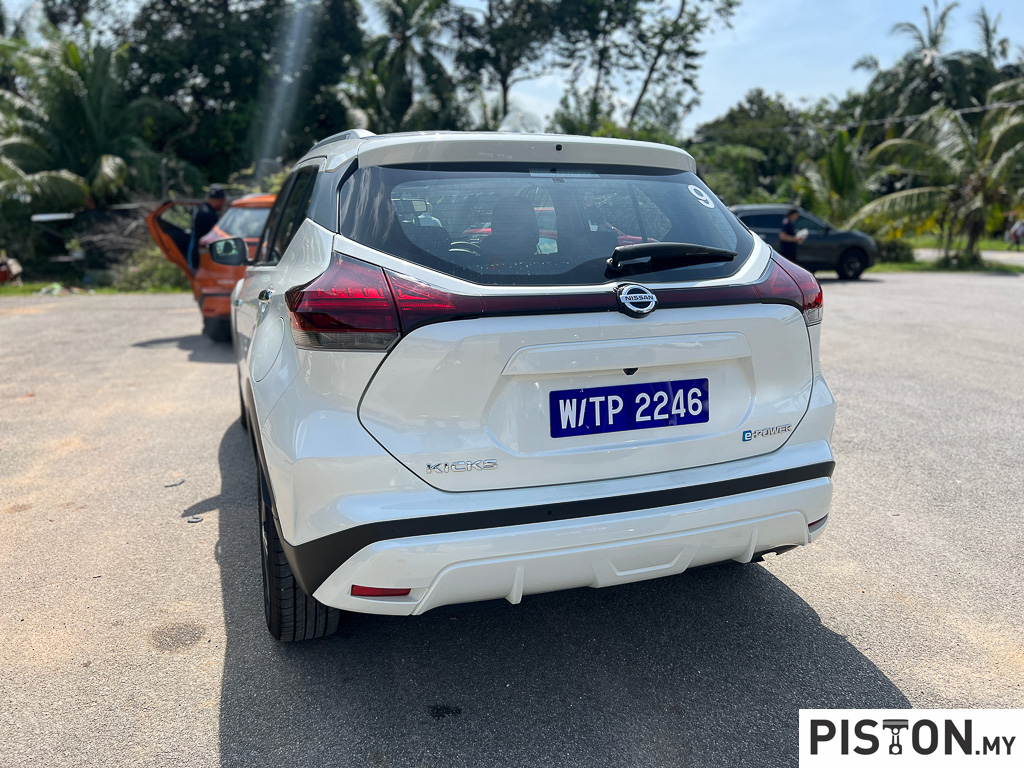
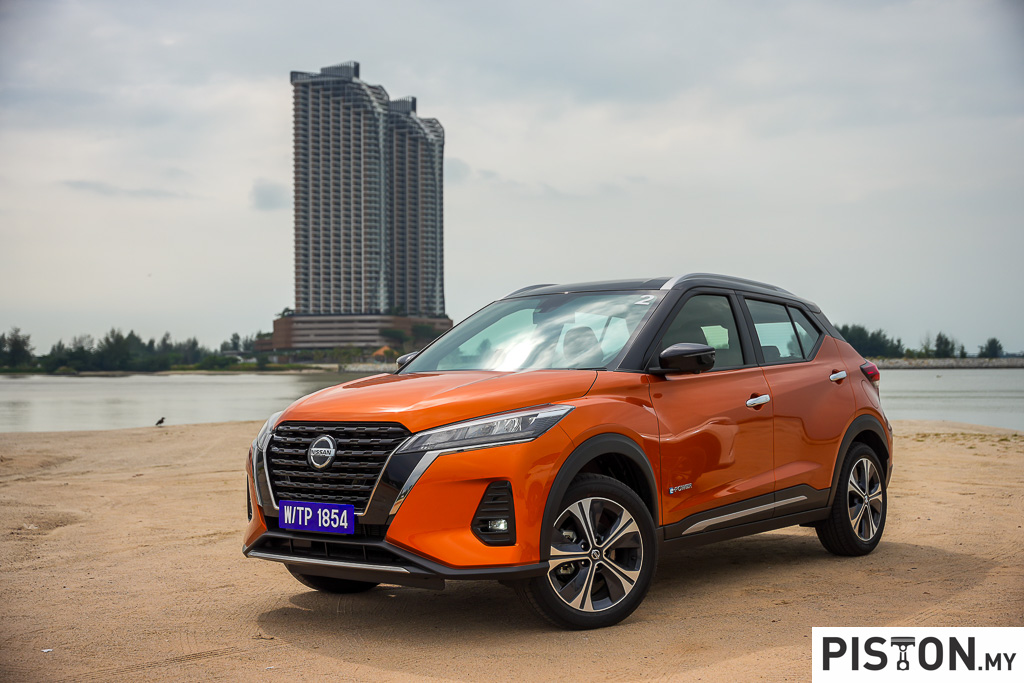
After what seemed like a never-ending hiatus, Edaran Tan Chong Motor (ETCM) is back launching new cars again. And it is not just introducing facelifts, it is shaking the market with a model we have never seen in Malaysia before – the Nissan Kicks.

Small yet spacious, refined yet fun, the Kicks is a gentle reminder of how cars used to be. In this day and age of massive infotainment screens that swivel unnecessarily, the Kicks is humble yet advanced at the same time.
What is it?

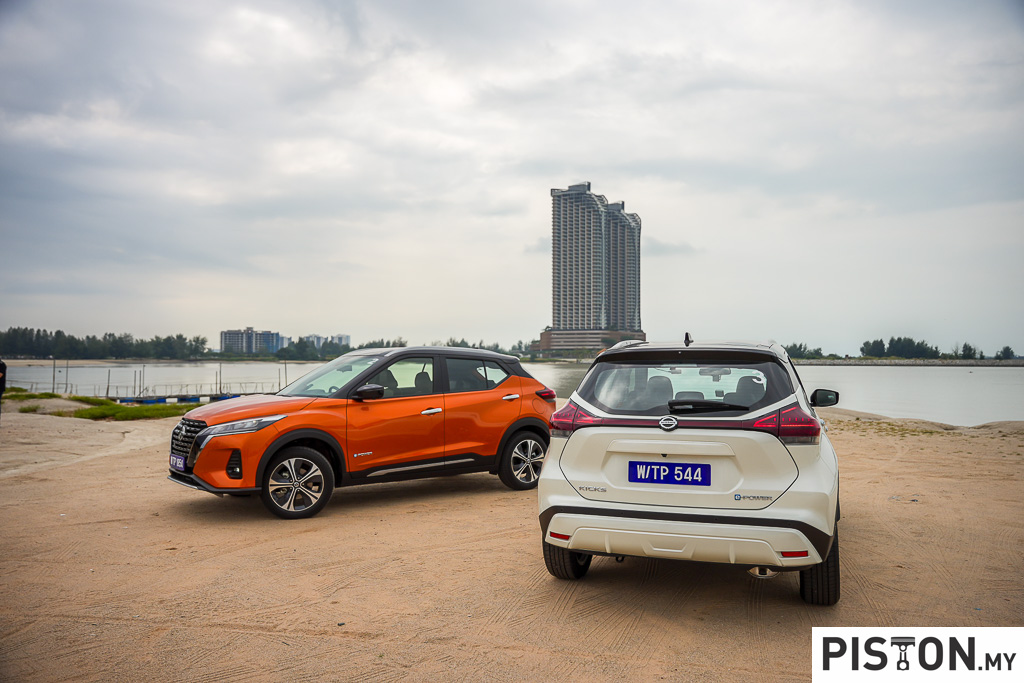
The Nissan Kicks is a B-Segment contender, that means it goes up against competition like the Honda HR-V and the Proton X50, among others.
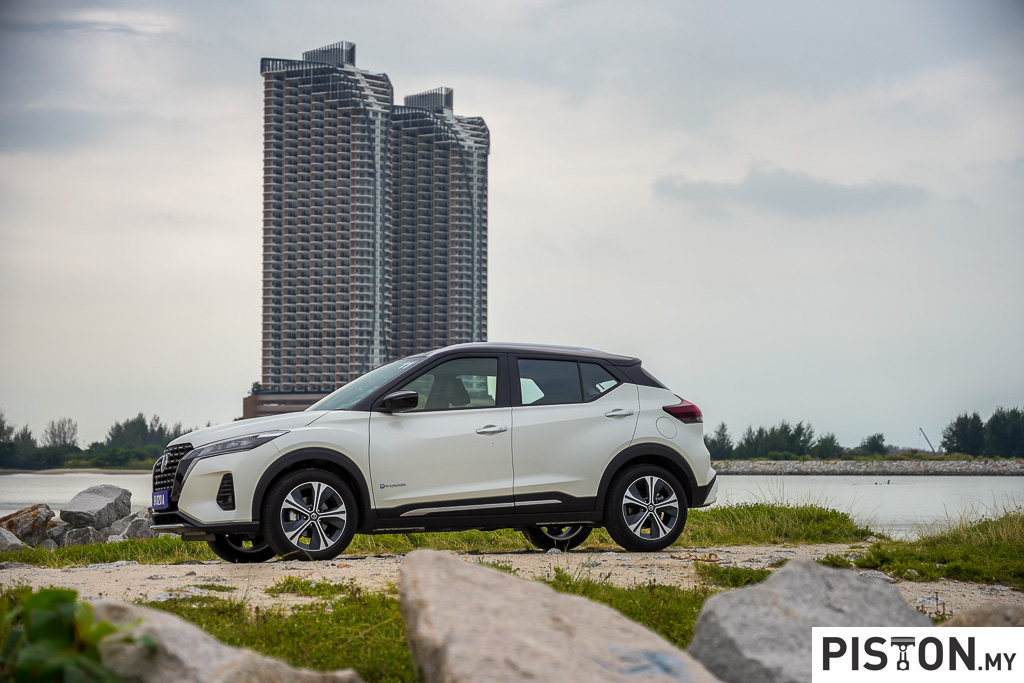
Malaysians are only just getting the Kicks, which is quite surprising since rumours were abound that we would be getting it as far back as 2018. But ETCM is eager to put that past behind them and look forward to introducing the Kicks to Malaysian homes.

We are also getting the first-generation model, which some netizens have chastised because the second-generation model has already been introduced since early 2024. But the second-generation model is not yet available in right hand drive model.
Why is it a big deal?

While a number of Malaysians including governmental policies are looking at electric vehicles, the Kicks is a hybrid SUV. This is not at all surprising because Japanese car makers have maintained that they will continue to offer cars with an internal combustion engine alongside electrified models.
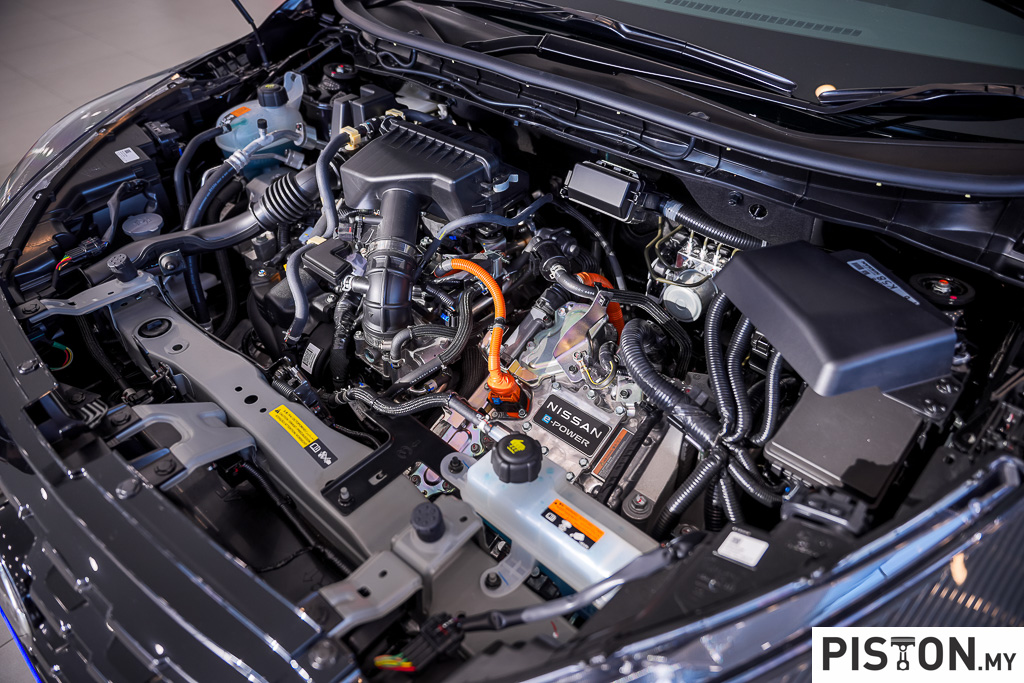
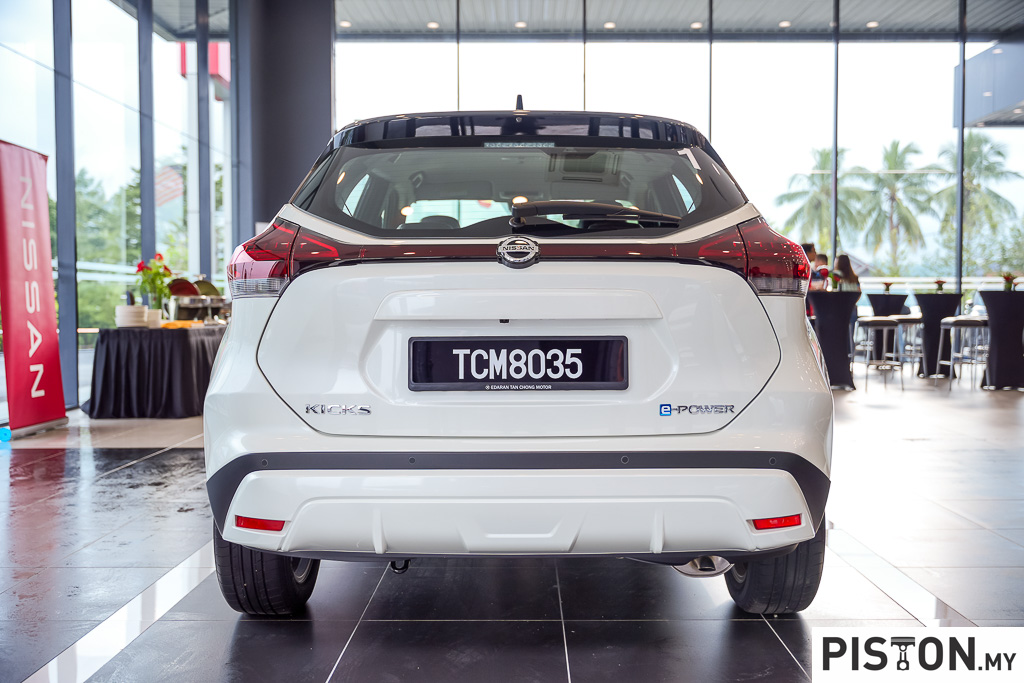
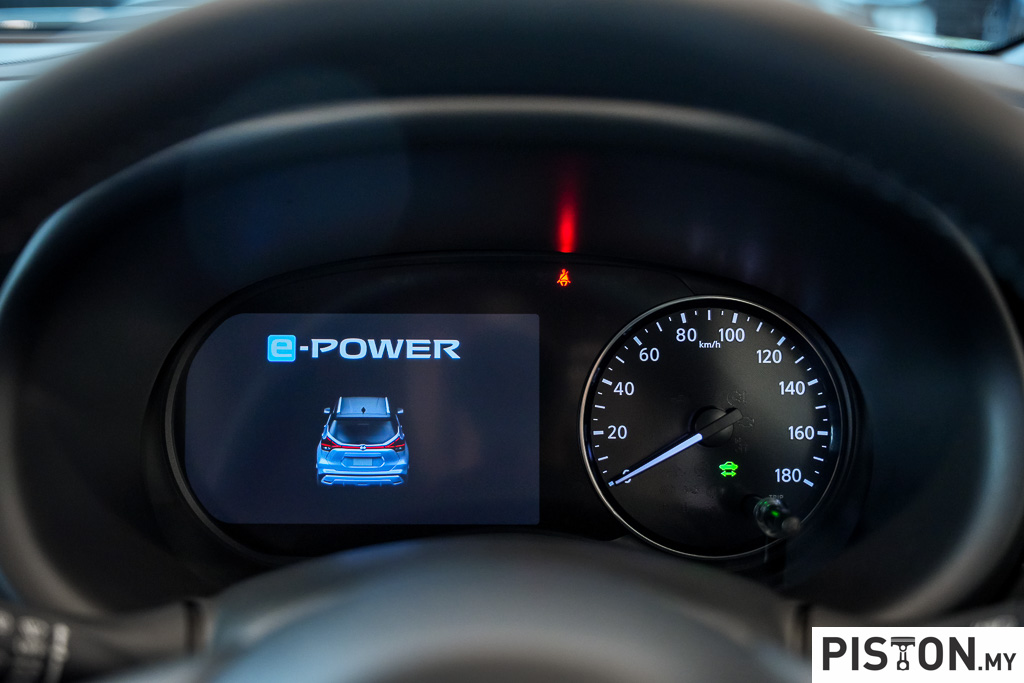
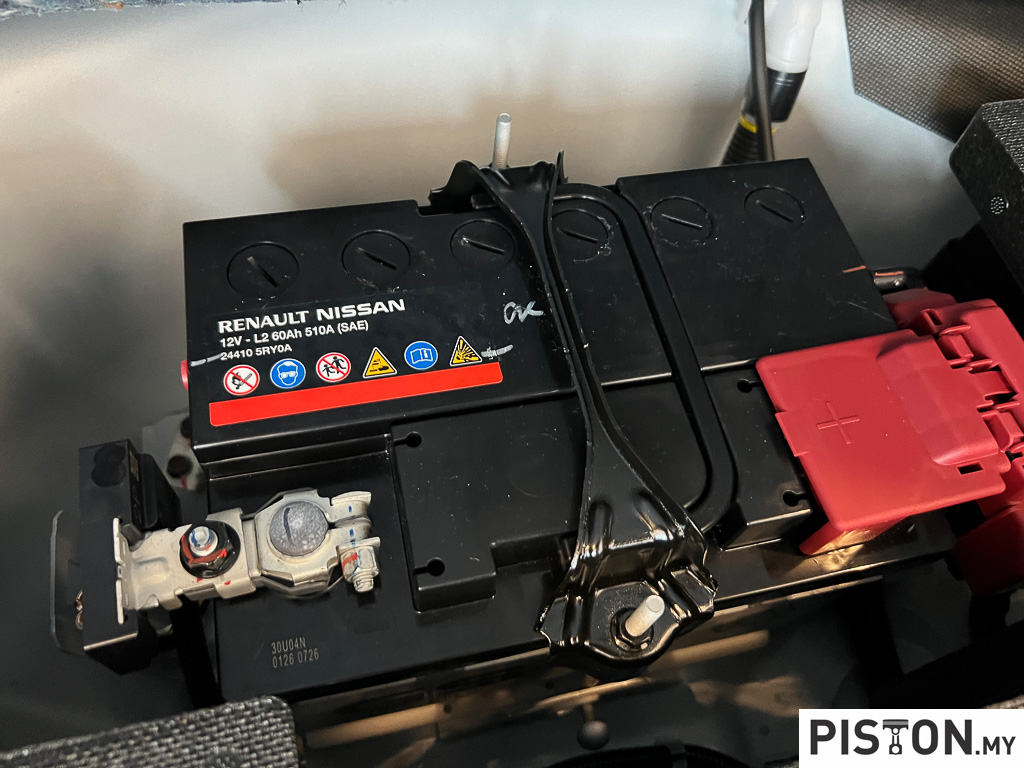
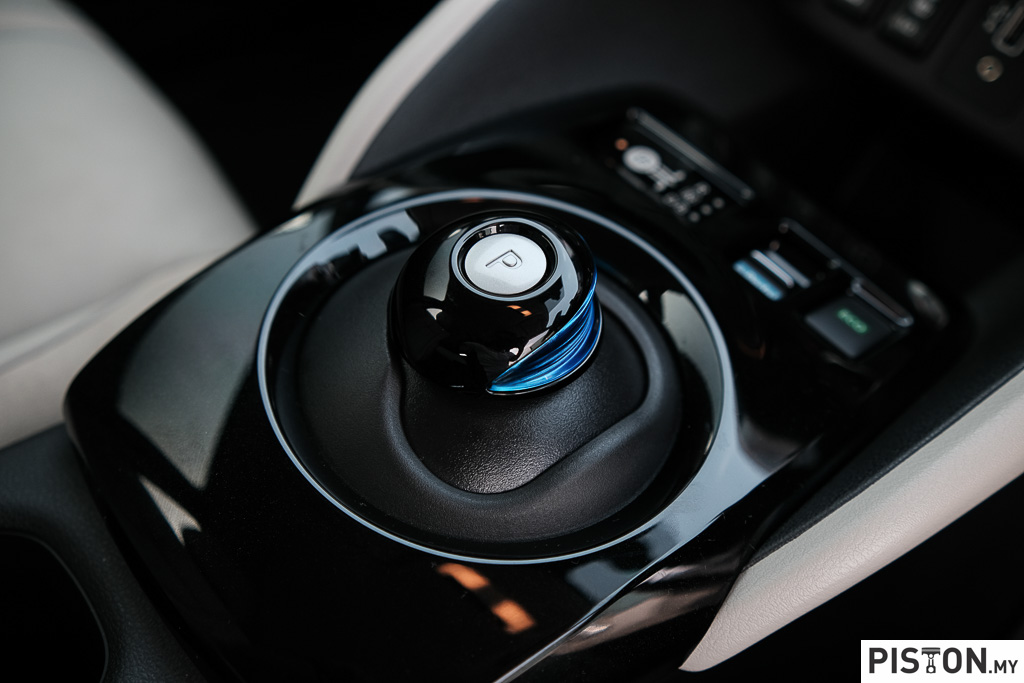
The Kicks uses a 1.2-litre, three-cylinder engine that acts as a generator that helps to charge a battery which in turn powers a motor which then turns the wheels. In our minds, that would make the Kicks a hybrid car. Except that it is not, at least that is what Nissan wants us to believe.
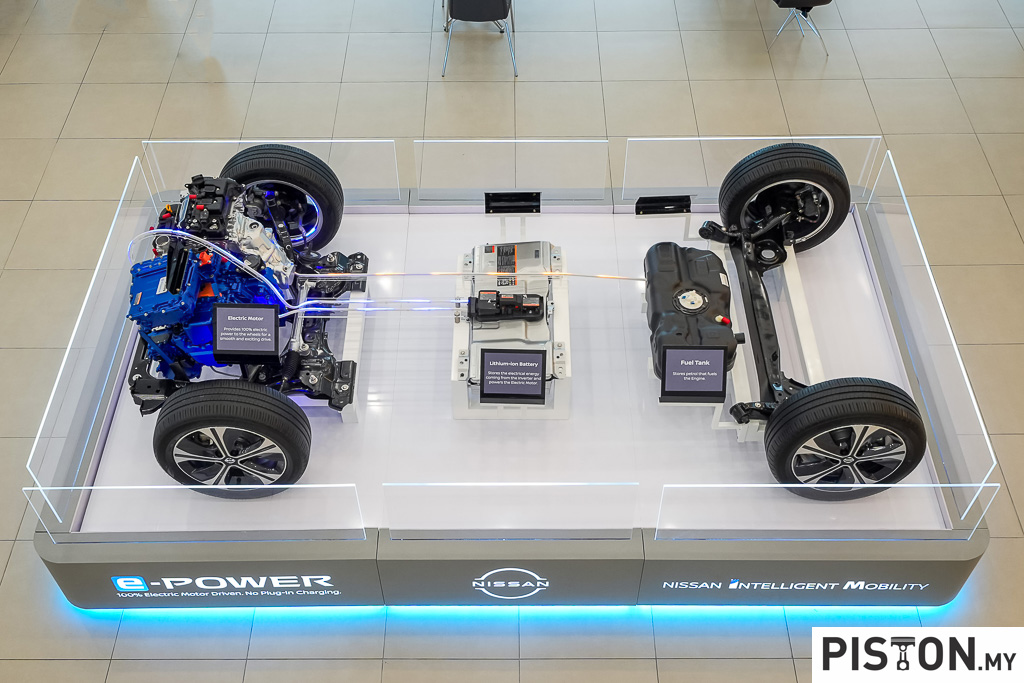
A hybrid car usually has a powertrain that includes an engine and a battery, both of which can power the wheels independently or work concurrently to turn the wheels.

The Kicks is very different in that sense. Though it may have an engine, it does not in any way turn the wheels. In fact, the engine’s sole function is to recharge the battery, even on the fly.

The battery, which has a capacity of 2.06kWh, then powers the motor. The motor is the only thing that does the heavy lifting and moves the car.

So, because it is only the motor that does the work, the hybrid term does not apply to the Kicks. According to Nissan at least.

But that aside, the Kicks is also a big deal because it drives fantastically well. The suspension and connection between man and machine that it offers is something that Chinese car makers are still struggling to match.
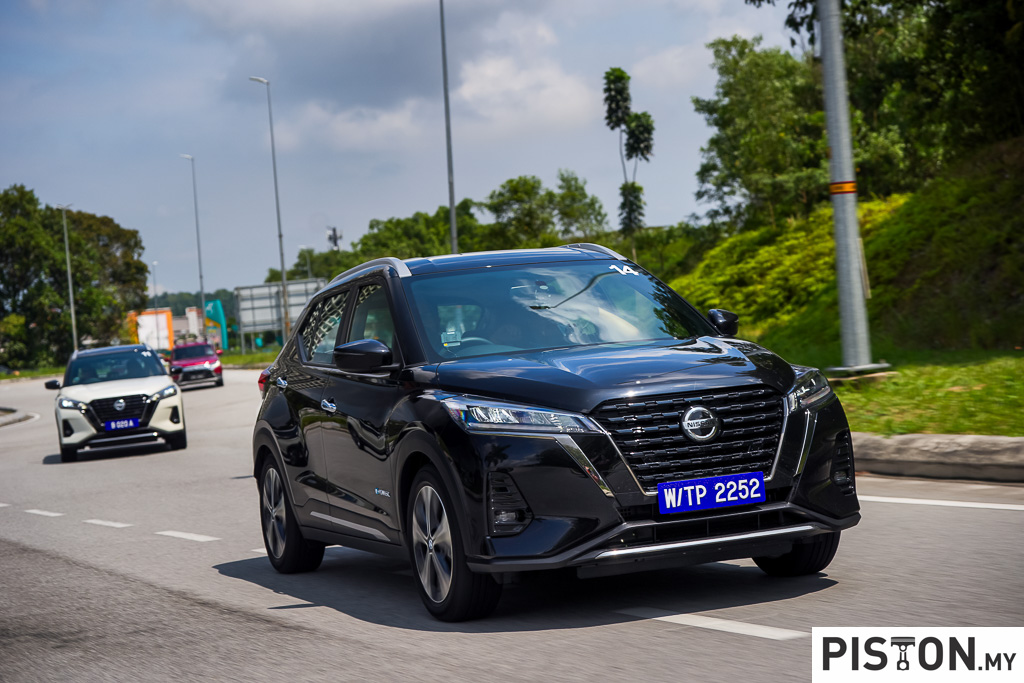
But that should not come as a surprise since Nissan has been making cars for the past 90 years and have brought the world such legends as the GT-R, the Z series, the Fairlady and plenty of other goliaths.

The powertrain is the real star of the show

Based on what we just described above, those in the know may think that the powertrain of the Nissan Kicks works in a similar fashion to Honda’s e:HEV series of hybrids. But the difference between the two is that the Honda’s engine can also power the wheels and recharge the battery at the same time. As what we have explained, Nissan’s engine does not do that.

So this means that the Nissan Kick works on electric power all of the time, except that it does not need to be recharged in the normal sense.

And this is where it stands out amongst the herds of hybrids. Where its competitors create cars that still rely on the internal combustion engine for propulsion, the Kicks does not. It only needs the engine for recharging purposes.

You may ask then if it defeats the purpose of driving an electric vehicle since one of the main objectives of an EV is to be environmentally friendly. Besides the fact that mining lithium needed to create batteries is harming the environment itself, the Kicks just needs very little petrol to recharge the battery.
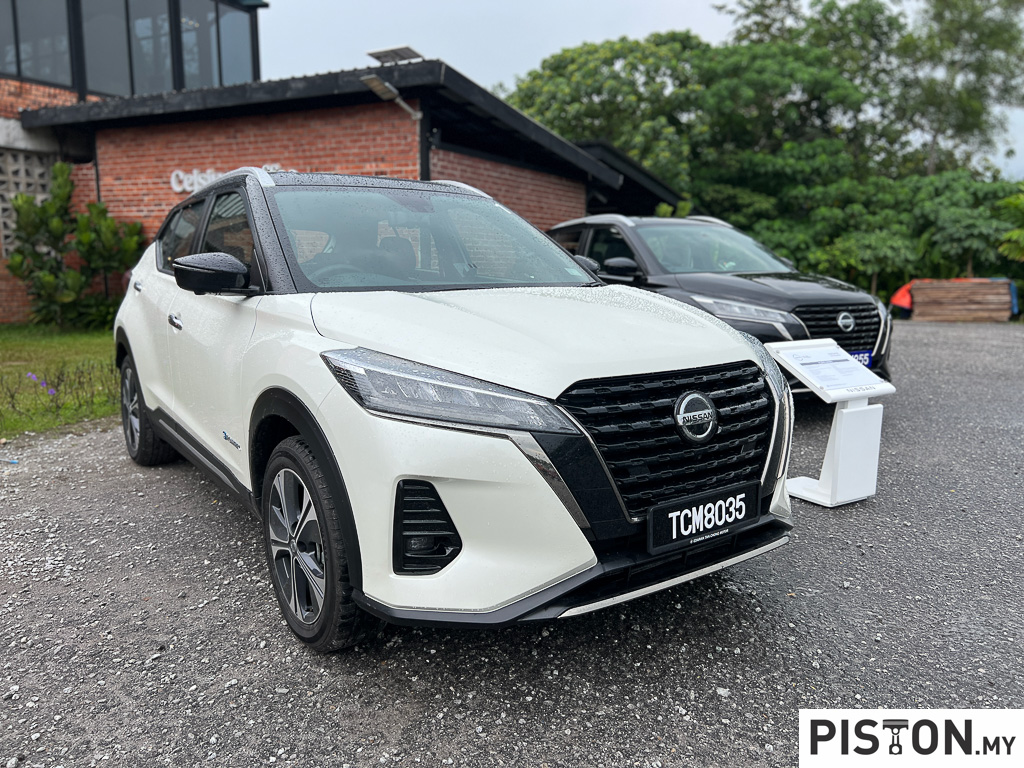
The official fuel consumption figure for the Kicks stands at 21.7km per litre, or 4.61 litres per 100km. That is outstanding by itself already. And this has very minimal impact to the environment.

But how does it fare in the real world?

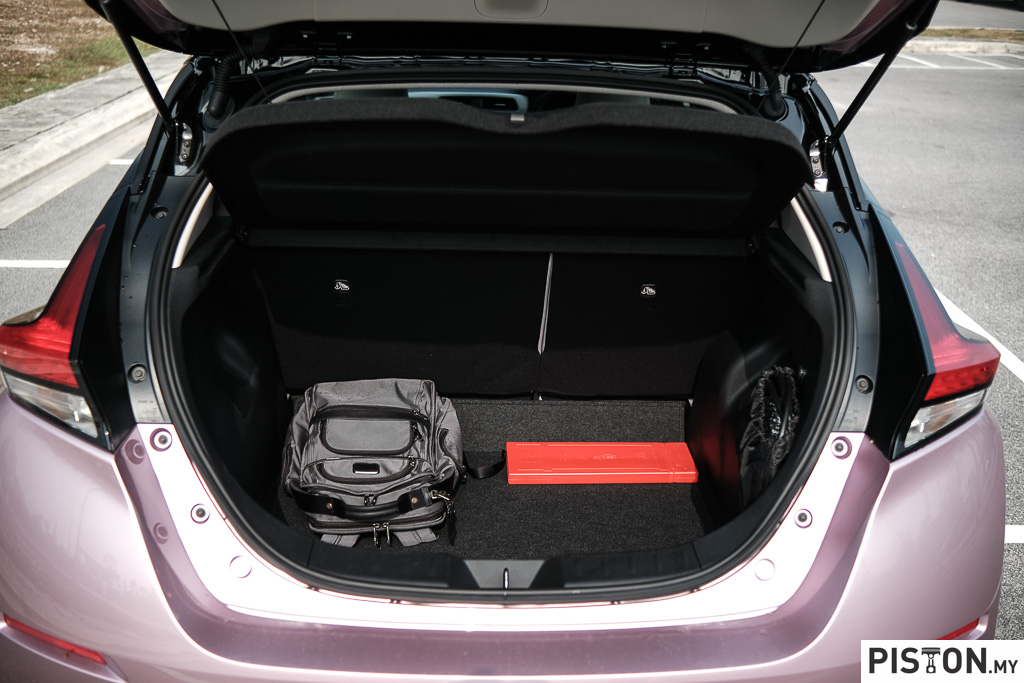
It is quite an impressive car. Despite its size, it is spacious inside, good enough for four tall adults to get comfortable, or a young family. Even the booth size is impressive, at 423 litres, it is just below on the Honda HRV’s 440 litres. Just to put it into perspective, two regular size golf bags can be fitted into the Nissan Kicks, plus some luggage.

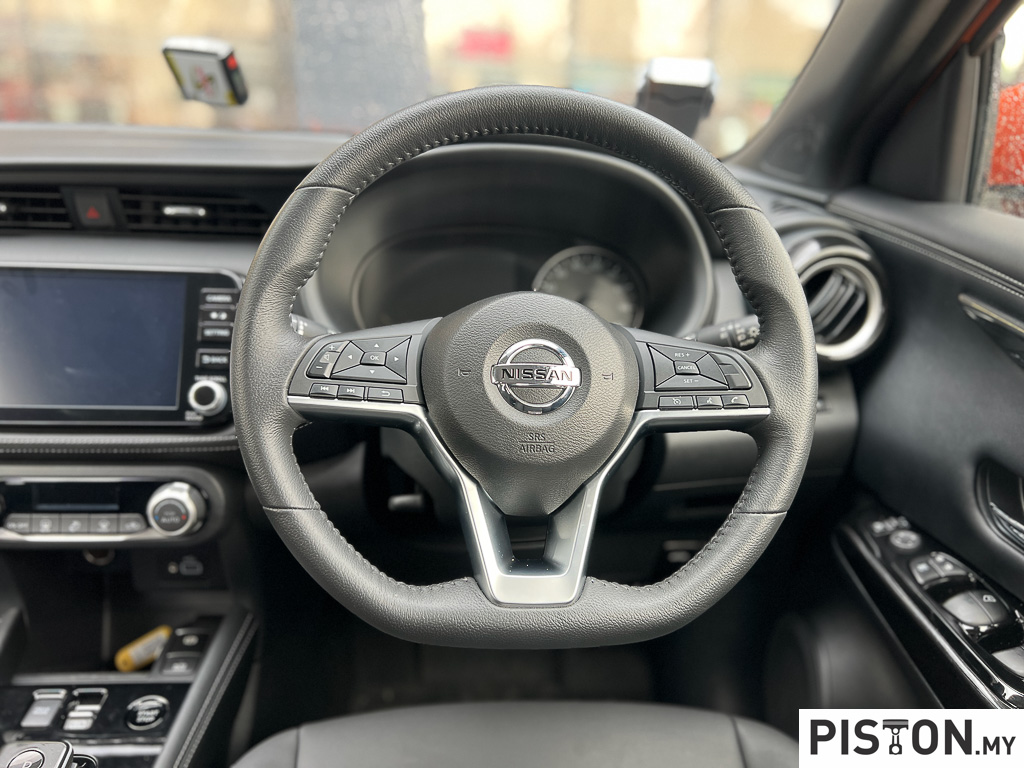
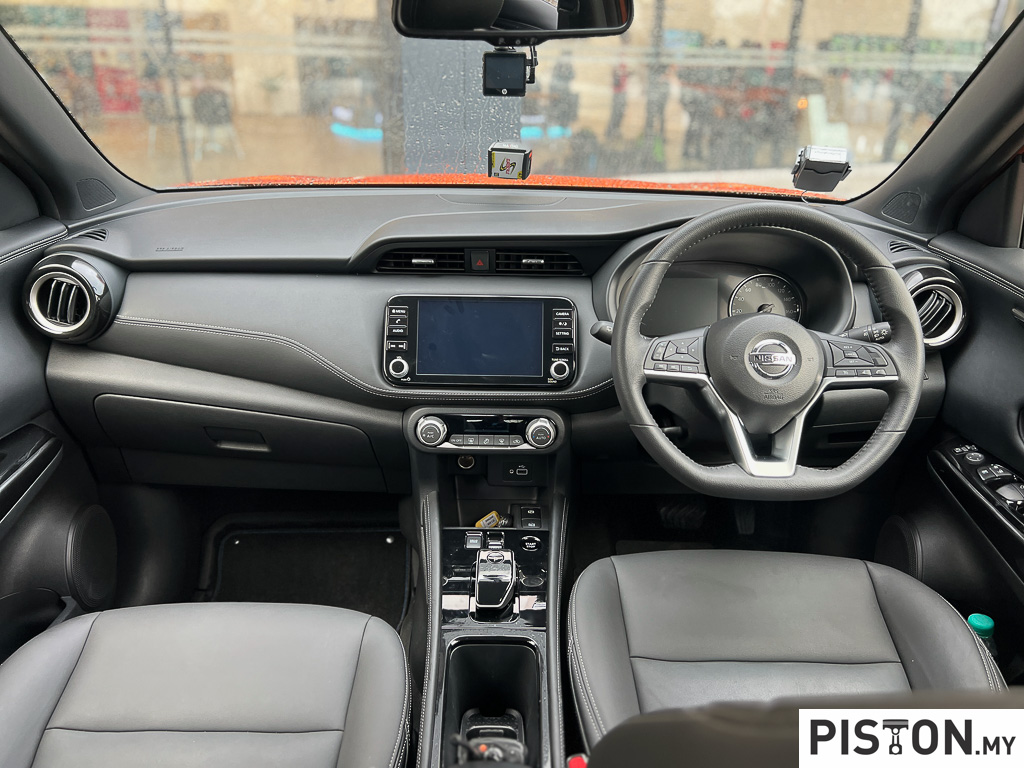
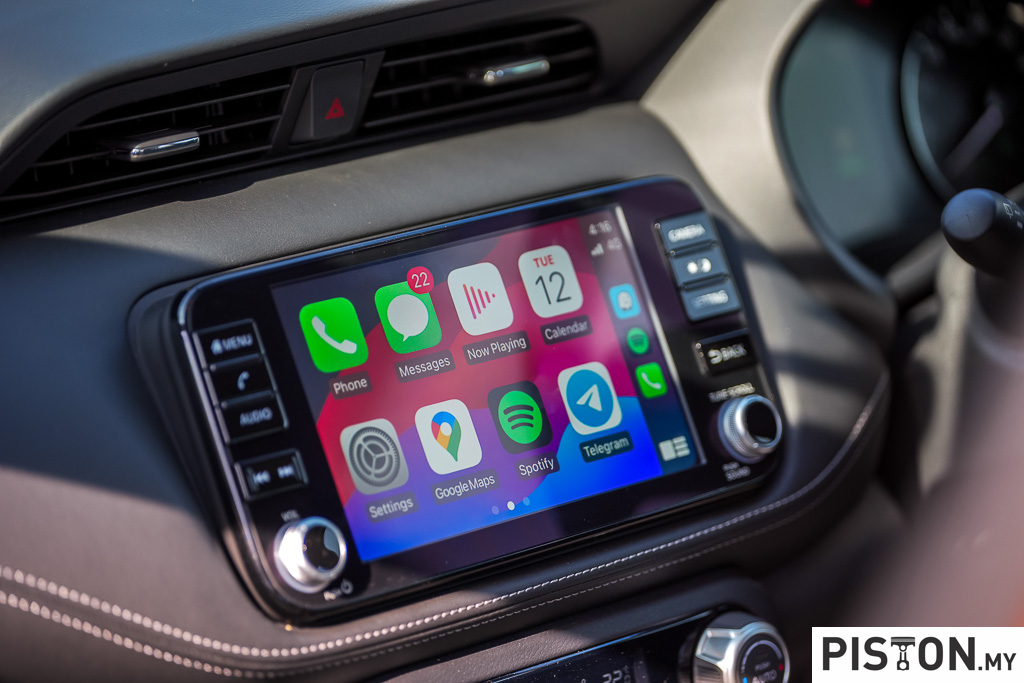
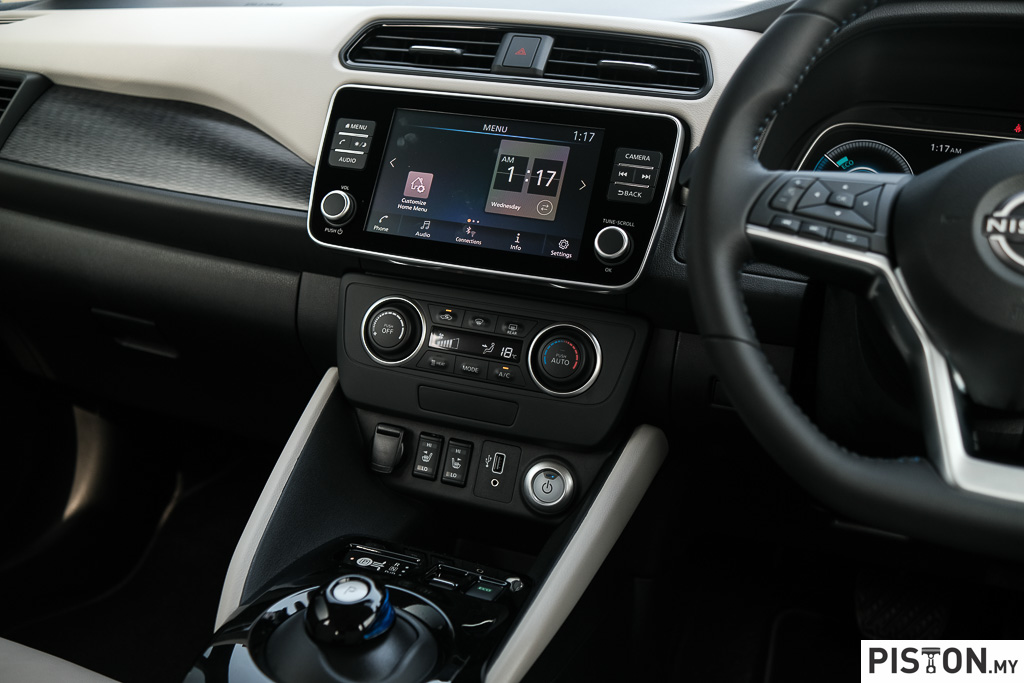
The interior may seem simplistic, especially to the newer generation. This is particularly so when compared to the competitors from China with their massive infotainment screens, futuristic designs and features.

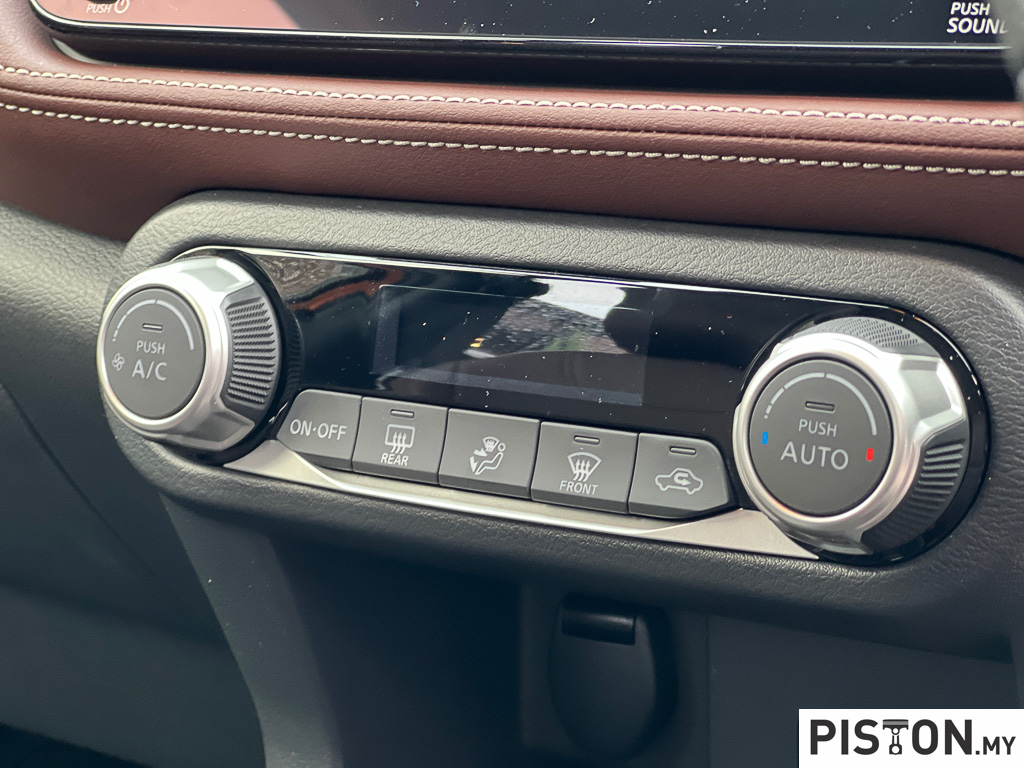
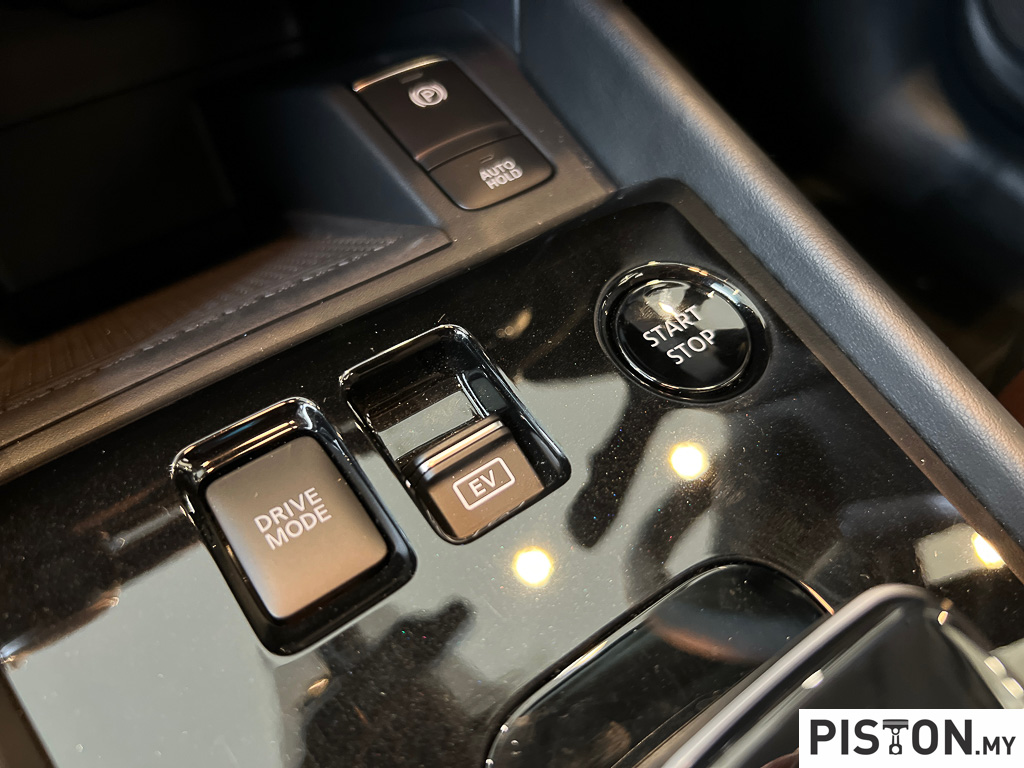
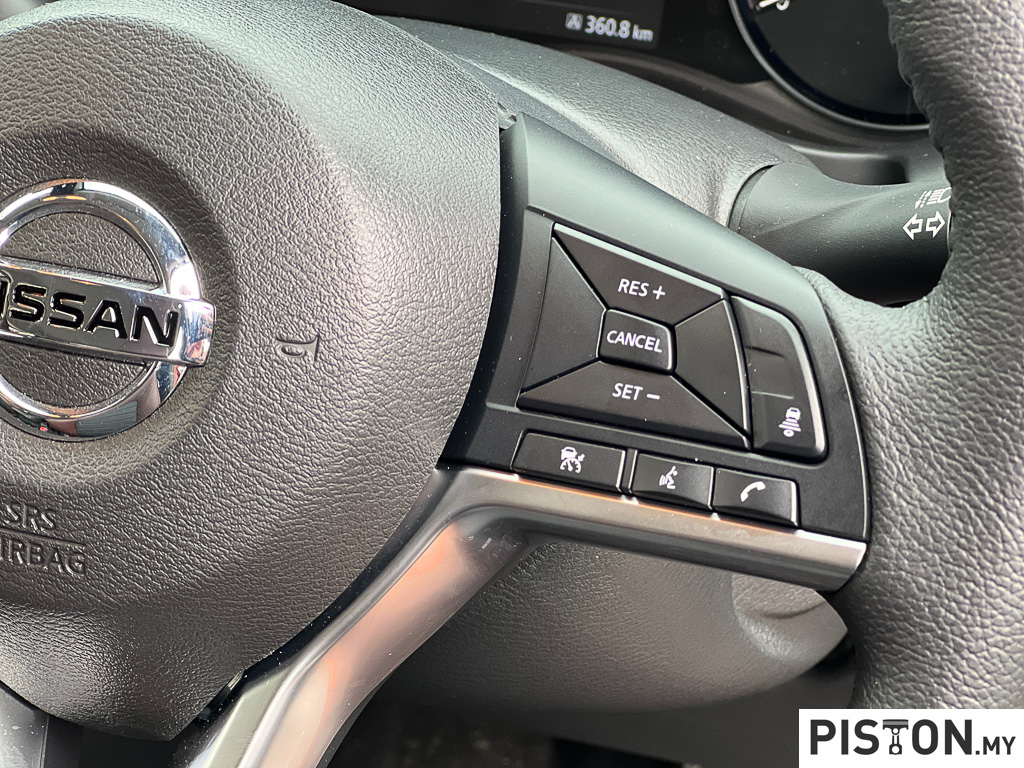
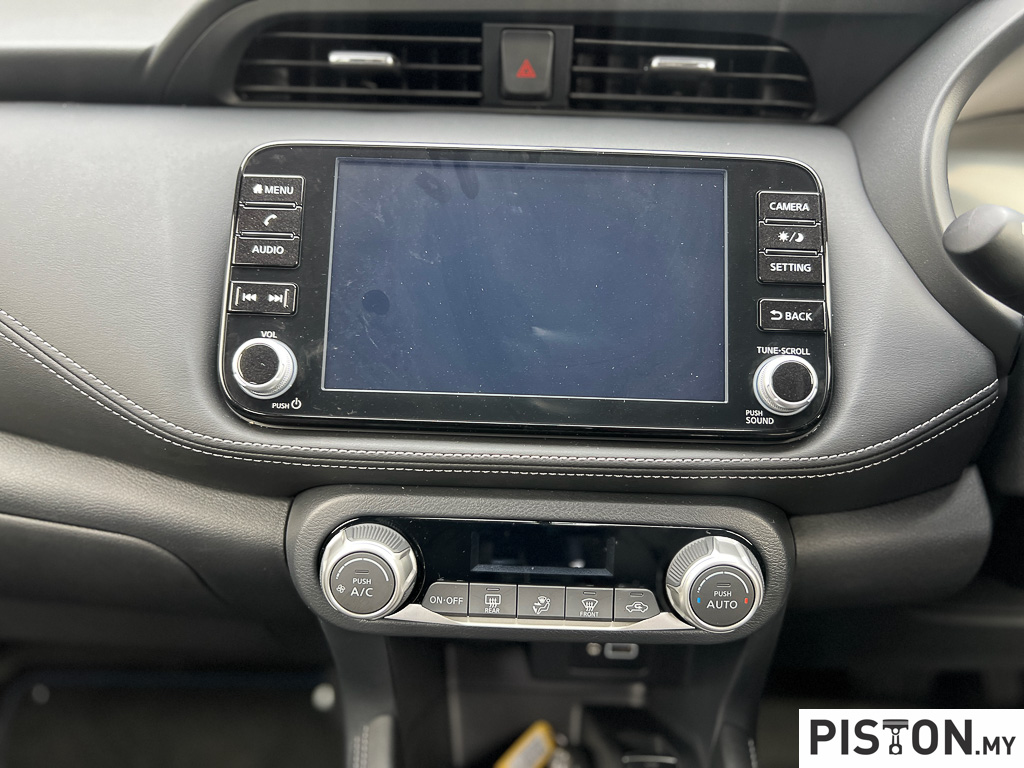
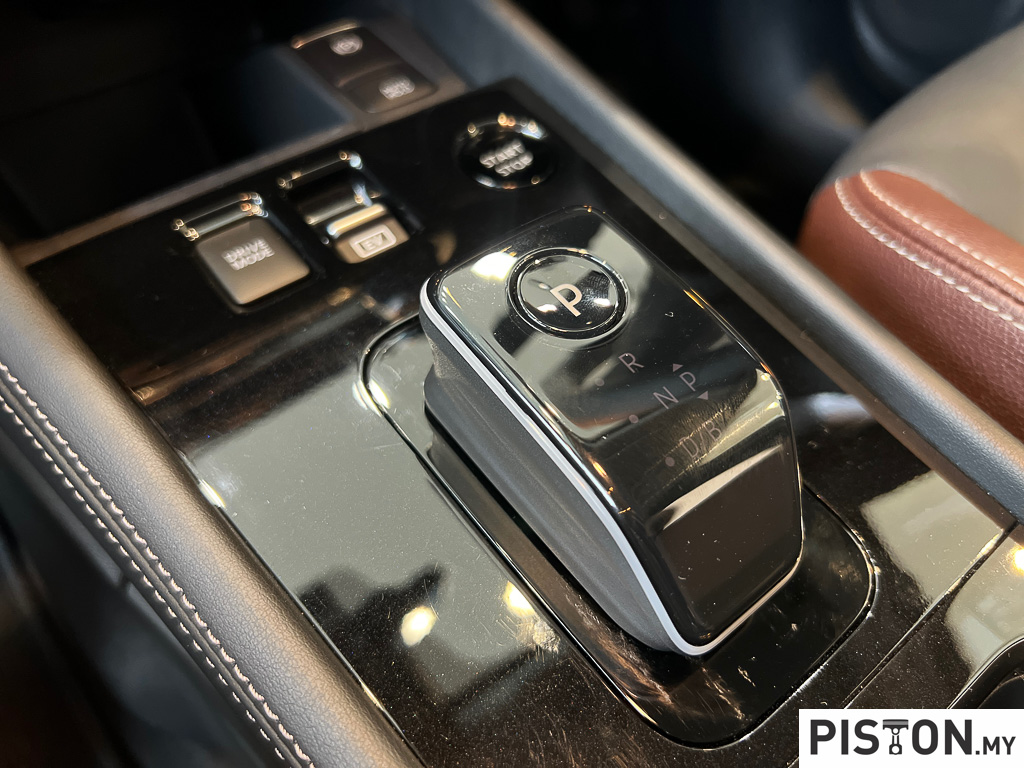
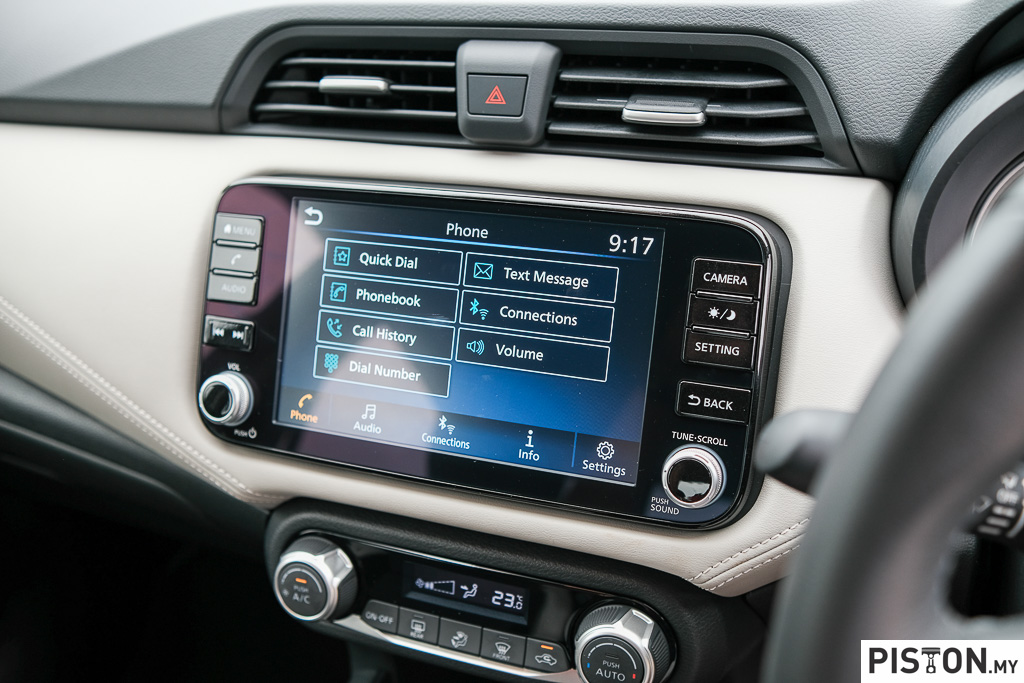
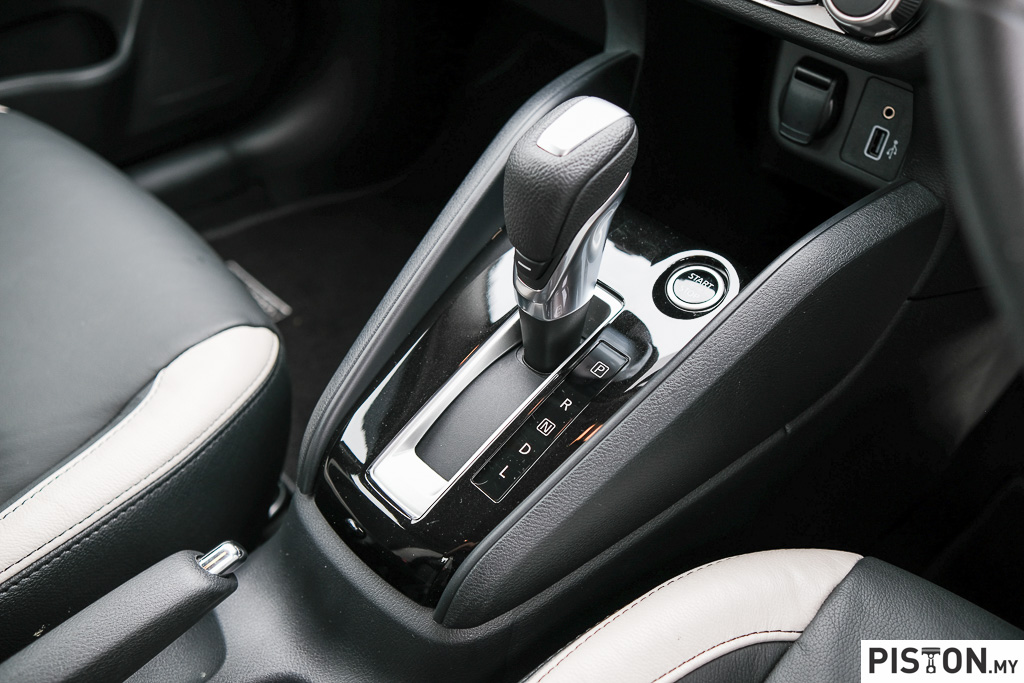
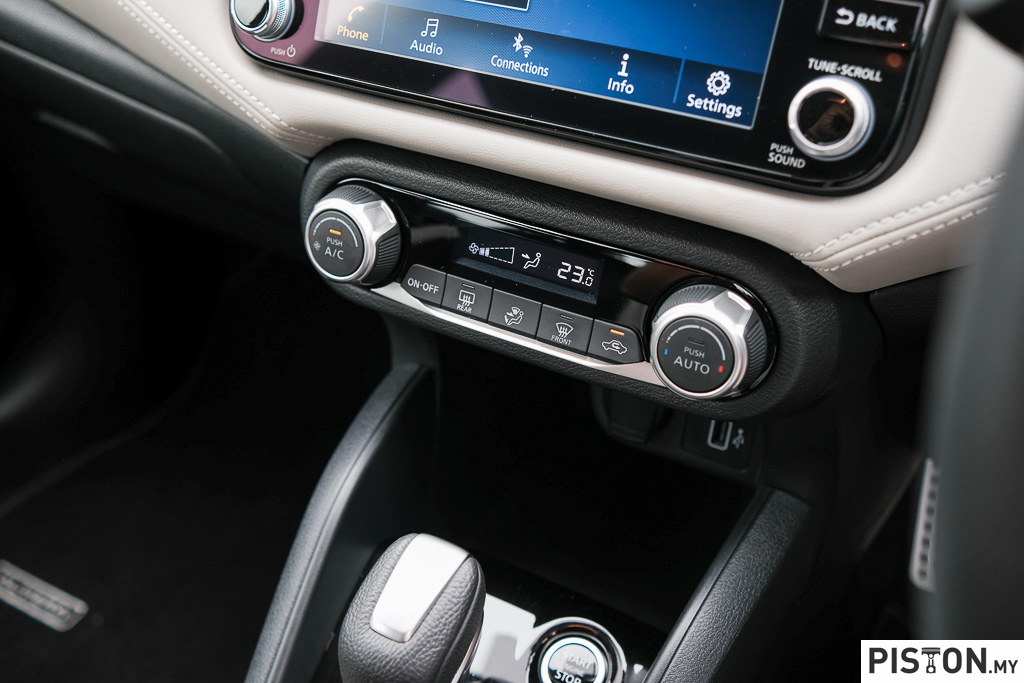
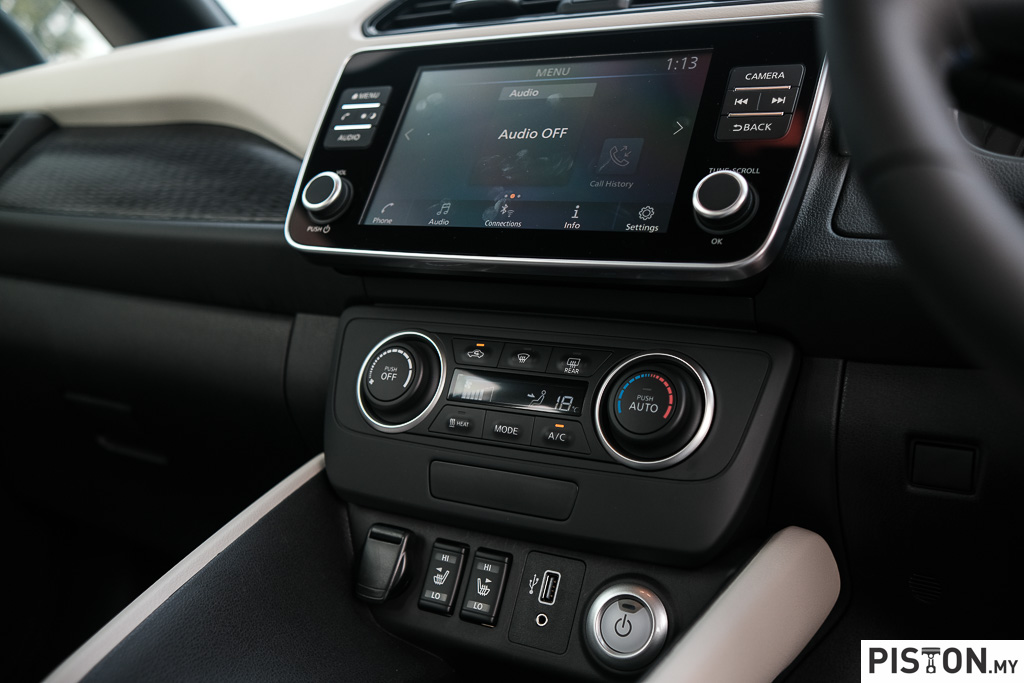
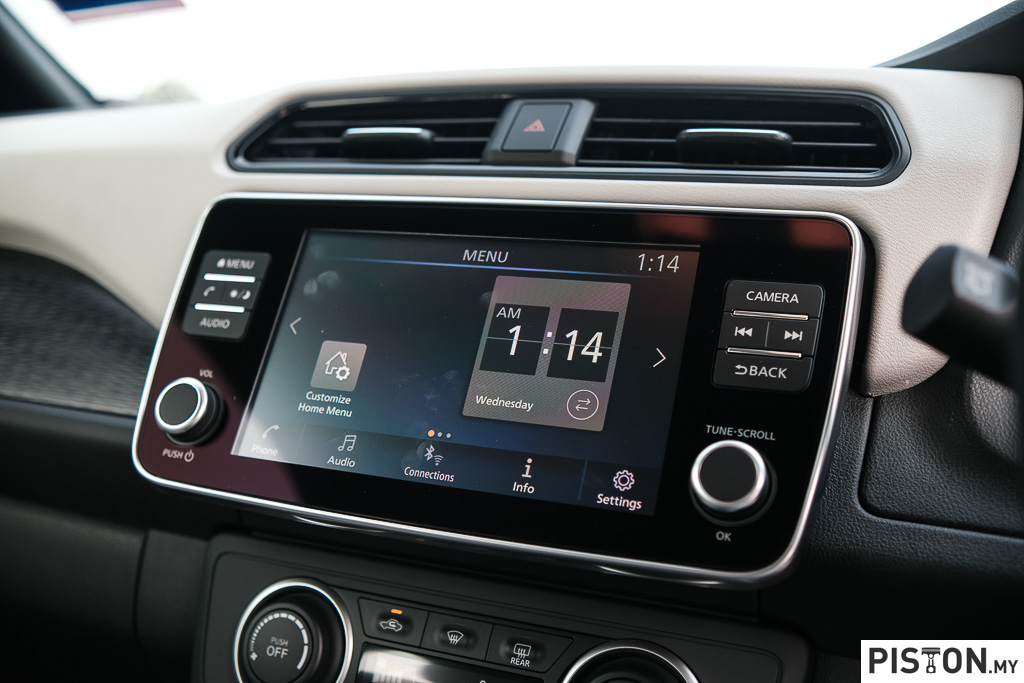
But for this writer, the interior of the Kicks is a refreshing departure from everything we are getting from China. It reminds me of cars of yesteryear with its physical buttons and dials for all of the essentials. There is even soft touch panels around the cabin and double-stitching for a premium touch.
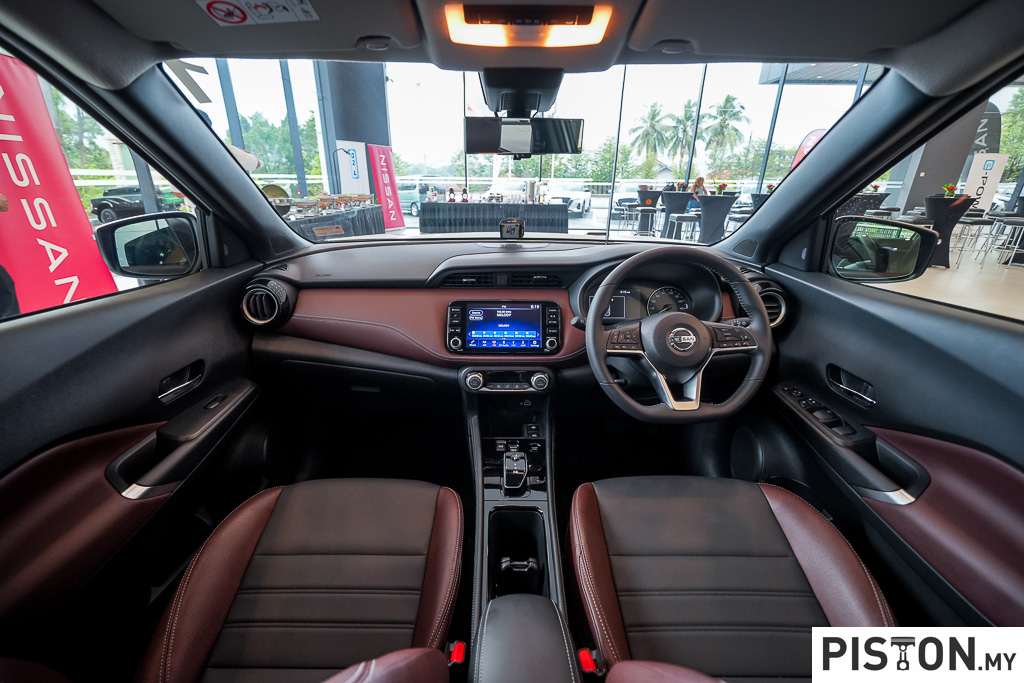
The one part about the interior that I truly like are the seats. During a recent media drive to Melaka and back, I was paired by an elderly gentleman who drove for all of 30 minutes and deemed that good enough for his review. So, I had to take on the Captain’s seat for two days, which was plenty of time to get properly acquainted with the seat.

Nissan is the company that introduced the zero gravity seats, and the Kicks offers them as well. This concept was inspired by the fatigue reduction and comfort enhancing, Nasa-measured “neutral posture”.
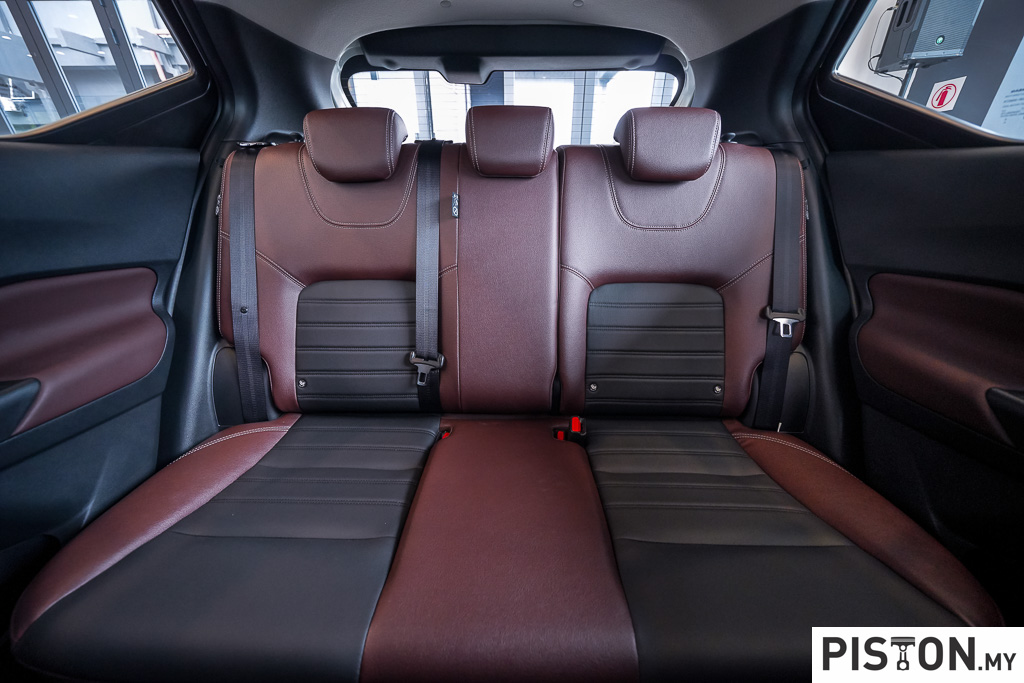
In a weightless scenario, human posture is said to be weakened and the burden on the body is at its least. According to Nissan, posture does not collapse even over long period and you are less likely to become tired. So by applying this neutral posture to a car seat, fatigue from long periods of time is minimized. And as I experienced, the seats in the Kicks really are good. Perhaps not as good as the ones in the Navara, but still good.

Is the powertrain as good as Nissan says?

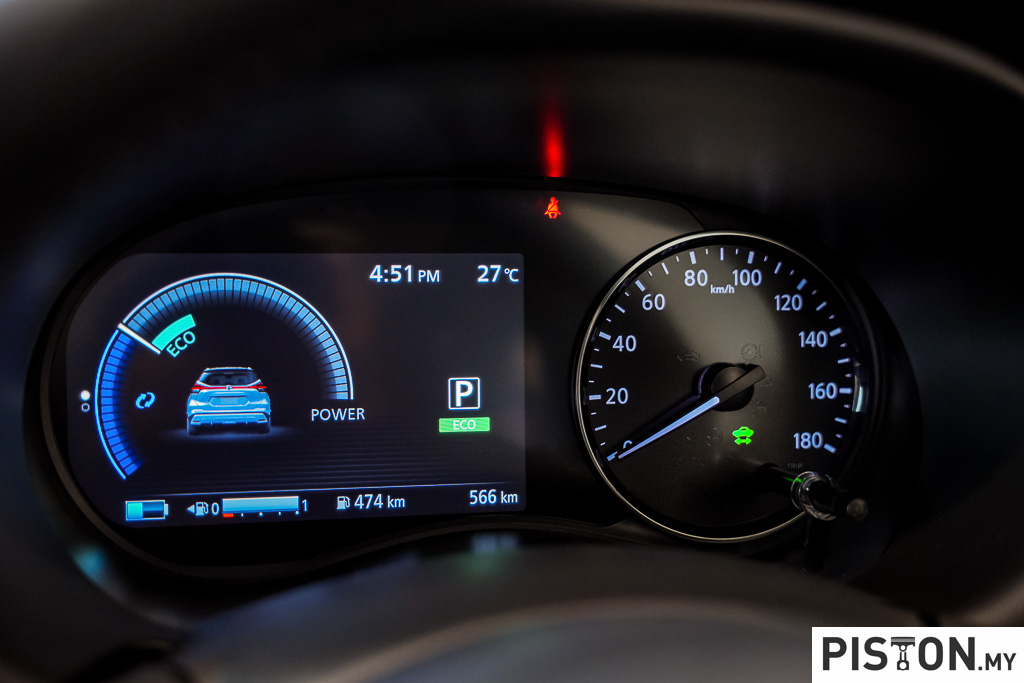
Fuel efficiency is what the powertrain has been designed to do and that is what it does best. However, I did not see the claimed consumption of 21.7km per litre, the best I saw was 18.2km per litre, but perhaps that is because we spent a lot of time corner carving around the back roads from Port Dickson to Melaka.
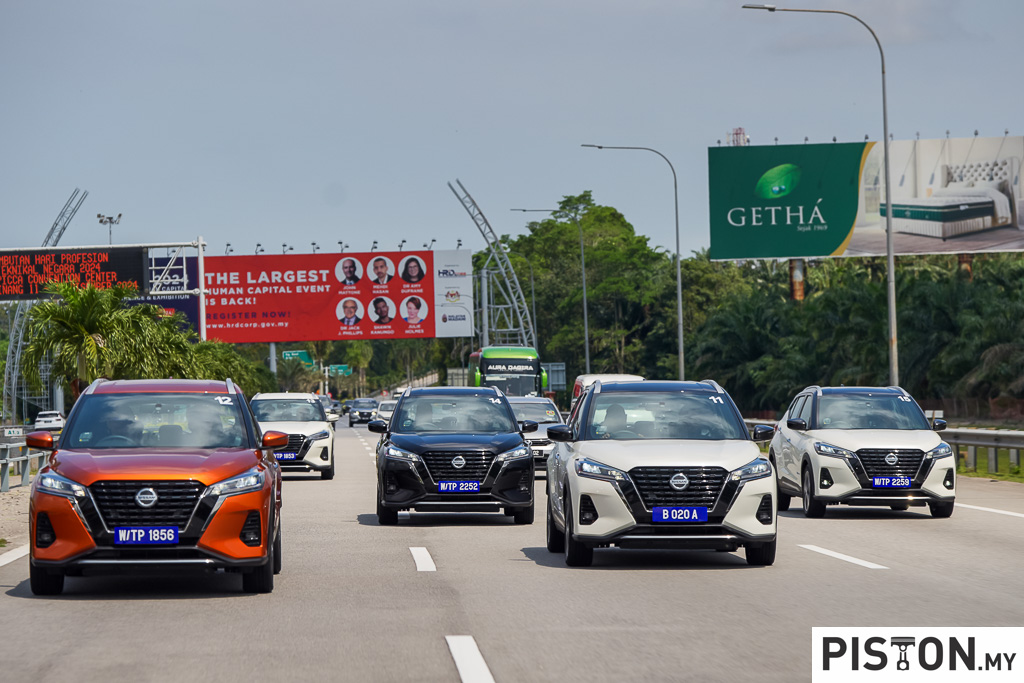
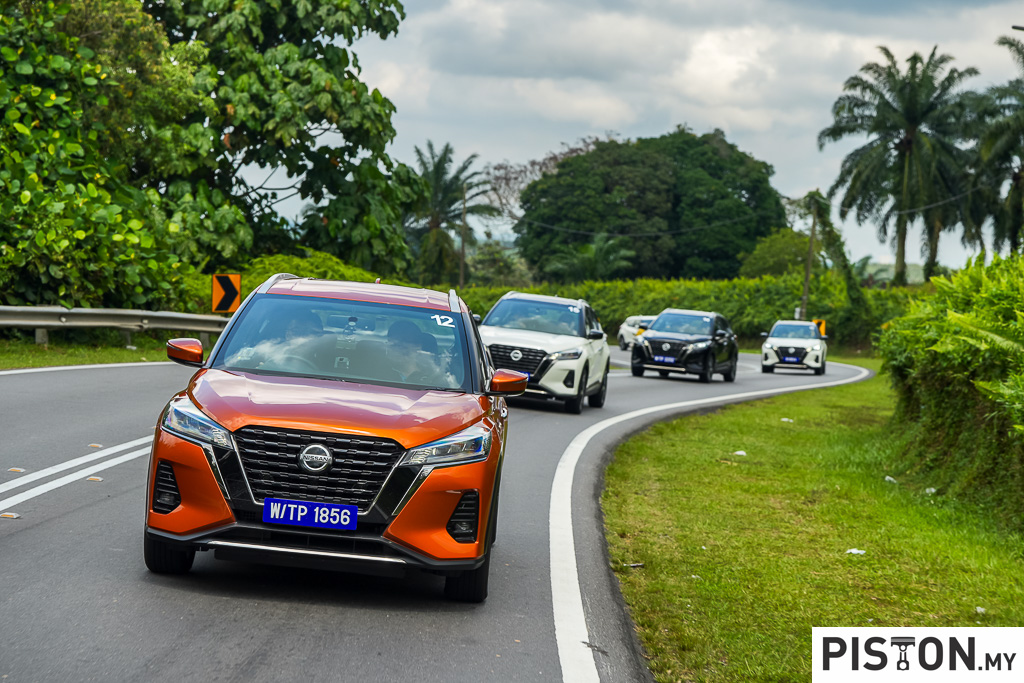
ETCM wanted us to experience the suspension setting of the car, and hence why that route was chosen. And the suspension is nearly perfect for a car of this segment, comfortable when you need it to be, and stiff when you hit the corners, so much so that you don’t really need to lift much for sweeping corners, which lets you adopt a smooth driving style, which thus improves efficiency.
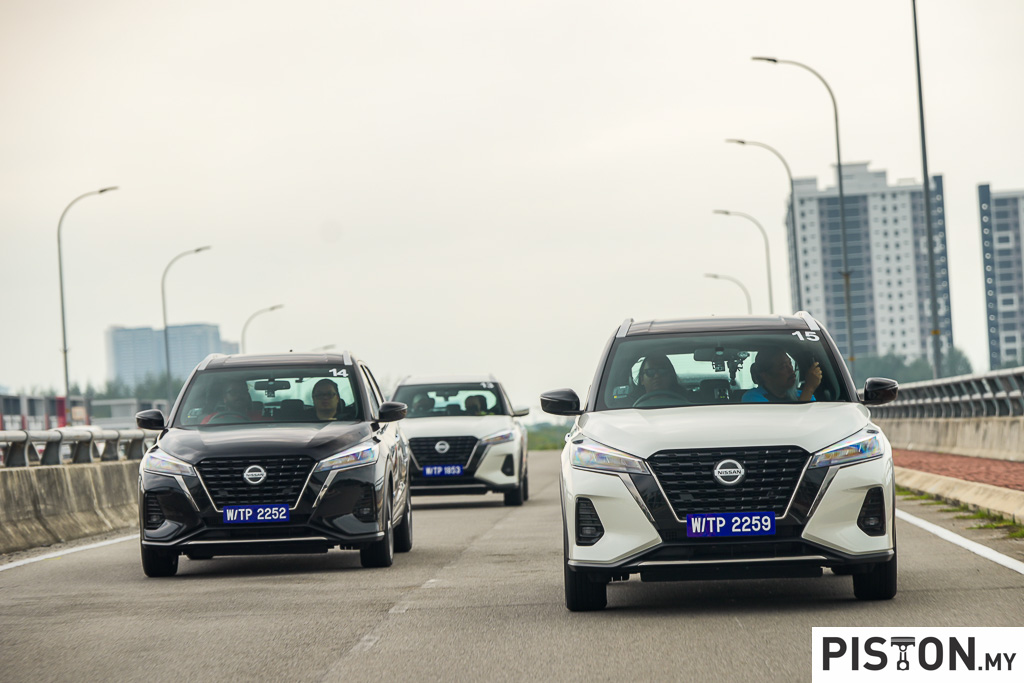
Power delivery though is just decent. With 129PS and 280Nm of torque, the delivery is better lower down the rev band, at low speed. In traffic, the initial surge in power makes the Kicks feel like an EV, but it dissipates quickly as you keep your foot floored. Acceleration time is rated at 9.5 seconds to 100km/h, which says a lot about what the car is meant to do.
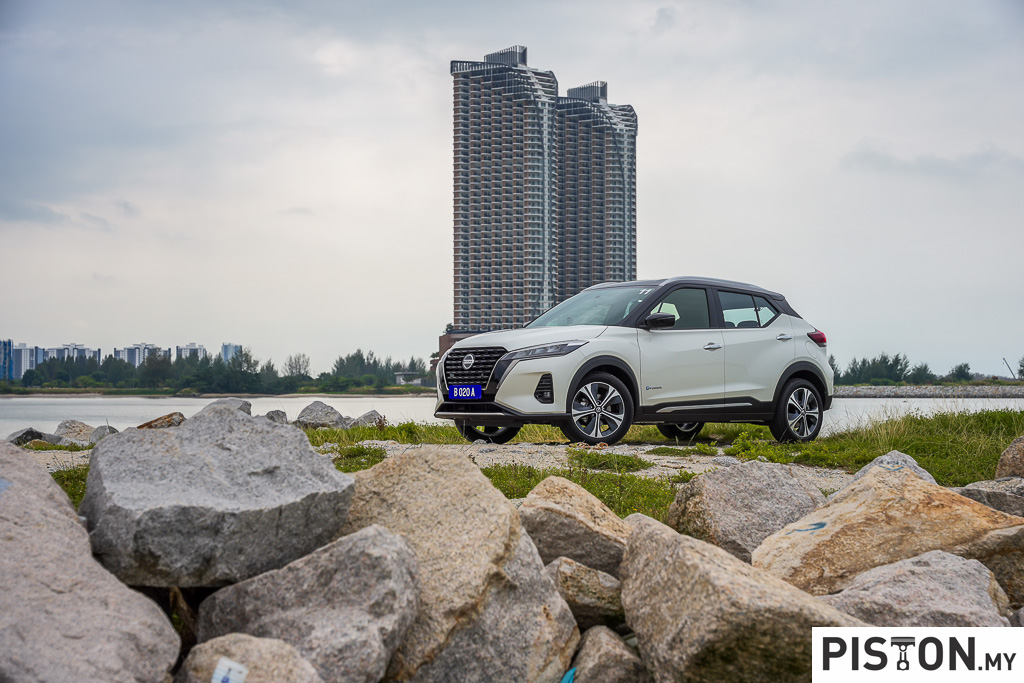
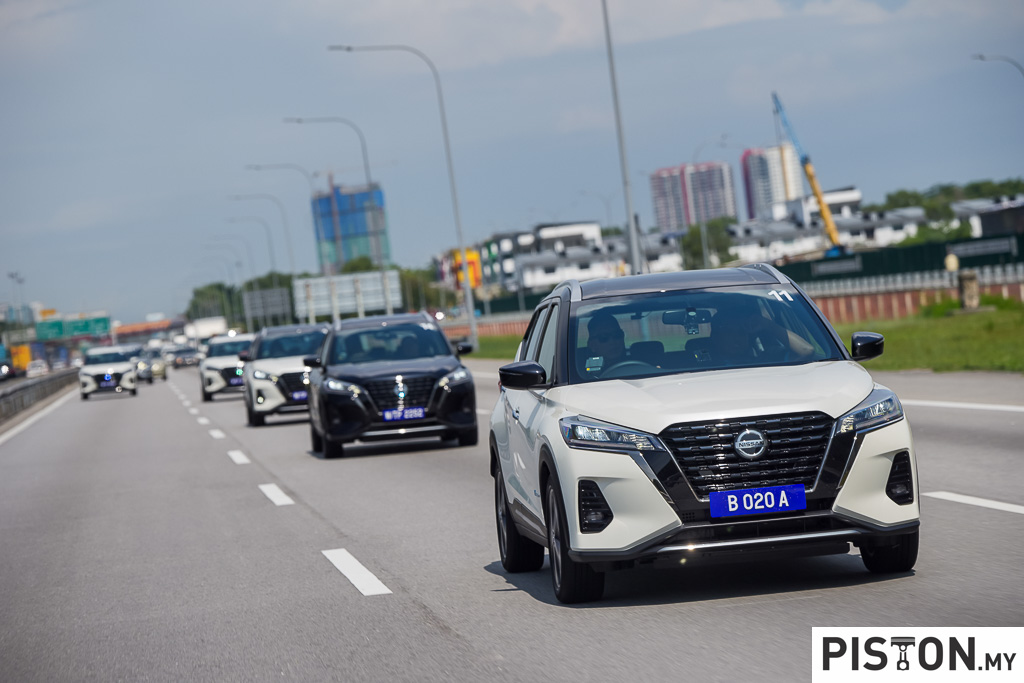
ETCM says that the natural habitat for the Kicks is in traffic, and we believe them. Because that is where the car felt its best. Along the narrow streets of traffic-light laden Melaka, it was easy to close the gap in between cars with just a little tap of the accelerator. The beauty of EV’s in traffic is the torque that is accessible from zero rpm, and that is what you get with the Kicks as well.

So, should you buy one?

It is difficult to answer this one without knowing the price of the car. But should it be priced in between RM120,000 to RM130,000, the Kicks would be in some very choppy waters.
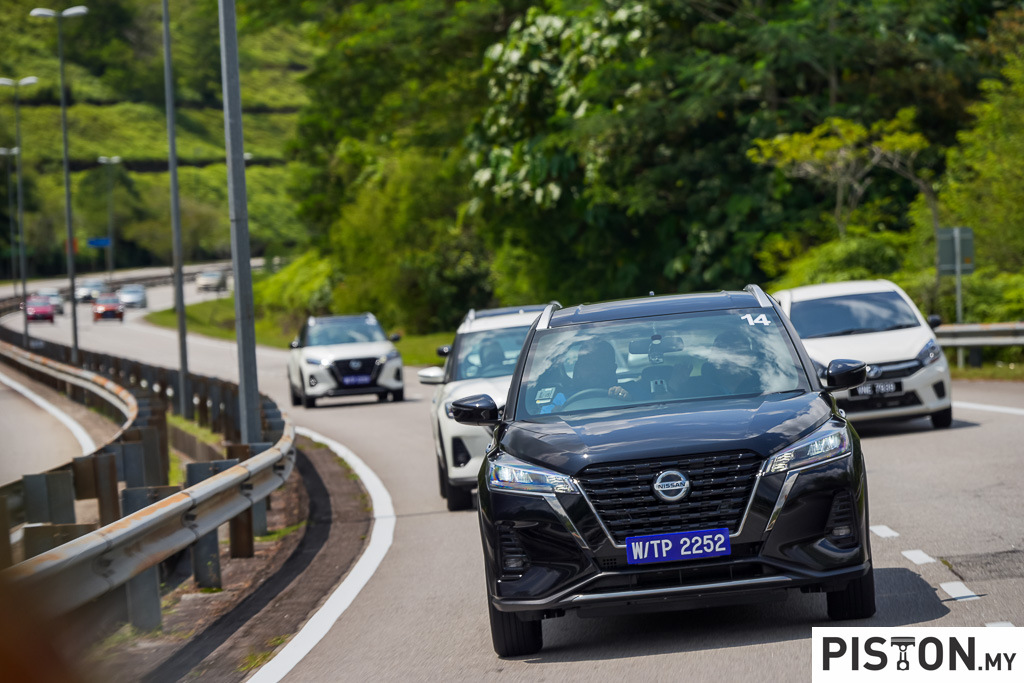
There is no denying that brands from China have been shaking up the local market. The Haval H6 Hybrid is priced at just under RM140,000, and that is a car that is bigger, roomier, and is quite efficient as well.

But the Nissan has proper pedigree in its side. A well-established network of service centres and 70 years of experience operating in the domestic market means ETCM is a company that is far ahead of the competition in terms of after sales service.

And then there is the way the car drives and handles, which I can rave about but is something you need to experience to believe.
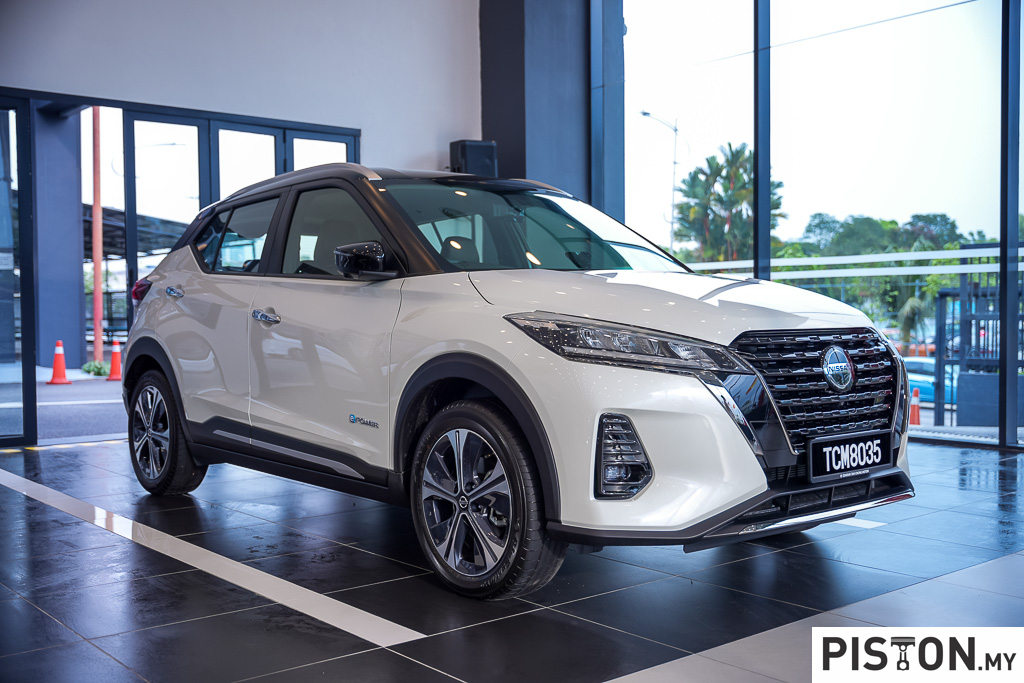
The Kicks may appeal to the traditionalists, and rightfully so as it is a delightful car to drive. Now it all comes down to the price. ETCM, the ball is in your court.

Specifications
Engine: 1.2-litre, 3-cylinder, petrol
Battery: 2.06kWh
Power: 129PS
Torque: 280Nm
Suspension: MacPherson Struts (Front) / Torsion Beam (Rear)
Price (As Tested): TBA

We like: Handling, Refinement, Efficiency
We don’t like: Interior might be too simplistic for some

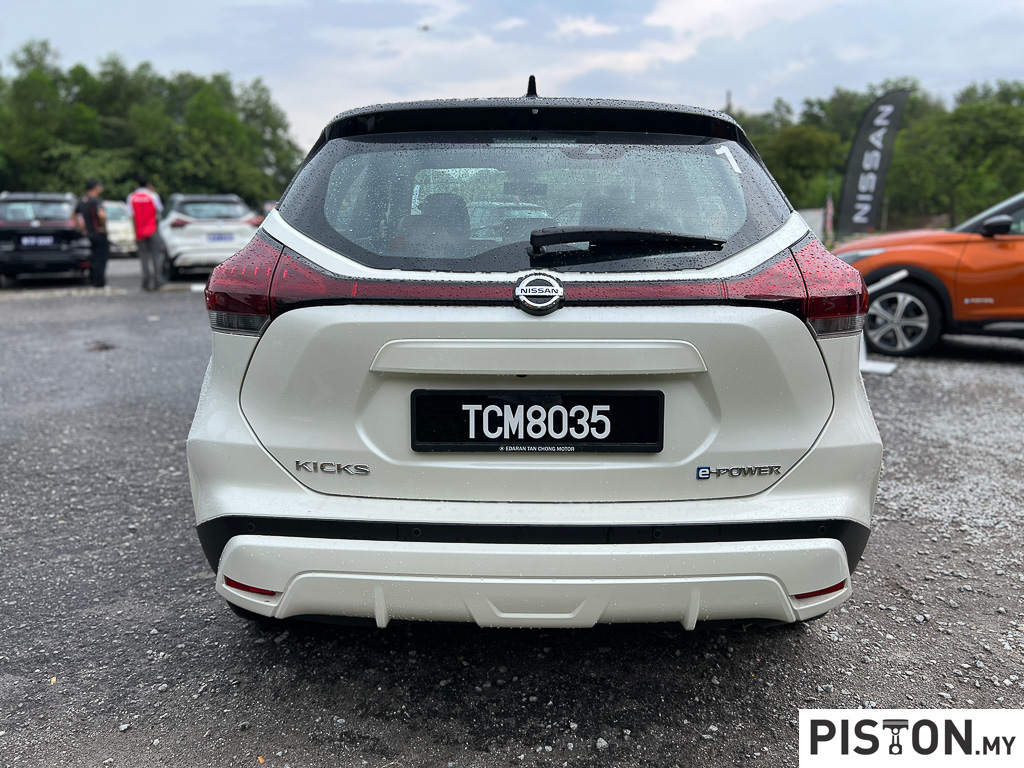
When it comes to Malaysian B-Segment cars, it wouldn’t be too far-fetched to say that the Honda City and the Toyota Vios are the standout choice. The sales volumes speak for themselves, and the choice is clear, Malaysians prefer Hondas and the Toyotas.

But despite that, there used to be a time when the segment had another clear contender, the Nissan Almera.

Launched in 2020, the then new, fourth-generation Nissan Almera was introduced to Malaysians at the beginning of the pandemic. After what the world experienced through 2020-2022, we can all agree It is never a great idea to launch a new car when everyone is tightening their purse strings. In fact, no one could even come out of their houses so how were they going to be convinced to buy a car?

Yet, Edaran Tan Chong Motor (ETCM) launched the Nissan Almera anyway and it worked out for them. Perhaps it was because of the loan moratorium where banks allowed a repayment freeze for a maximum of six months.

Car companies, financial institutions also worked with the government to reduce interest rate and taxes on cars, and this allowed companies to sell their cars for cheaper than usual. This also resulted in record car sales for Malaysia.

But this would be stealing the Almera’s thunder because after all, it is quite a nice car, as we found out recently.

Just to make it clear, we had never sat in a latest-generation Nissan Almera let alone drive one prior to this, so the new Almera was a revelation of sorts for us. Among the many B-segment reviews that we have done, the common comments usually centre around how a car compares against the Almera.

You see, the Almera has made quite a name for itself as a good-looking, reliable and comfortable car. One that can pass of the best middle ground between the Honda City and the Toyota Vios.

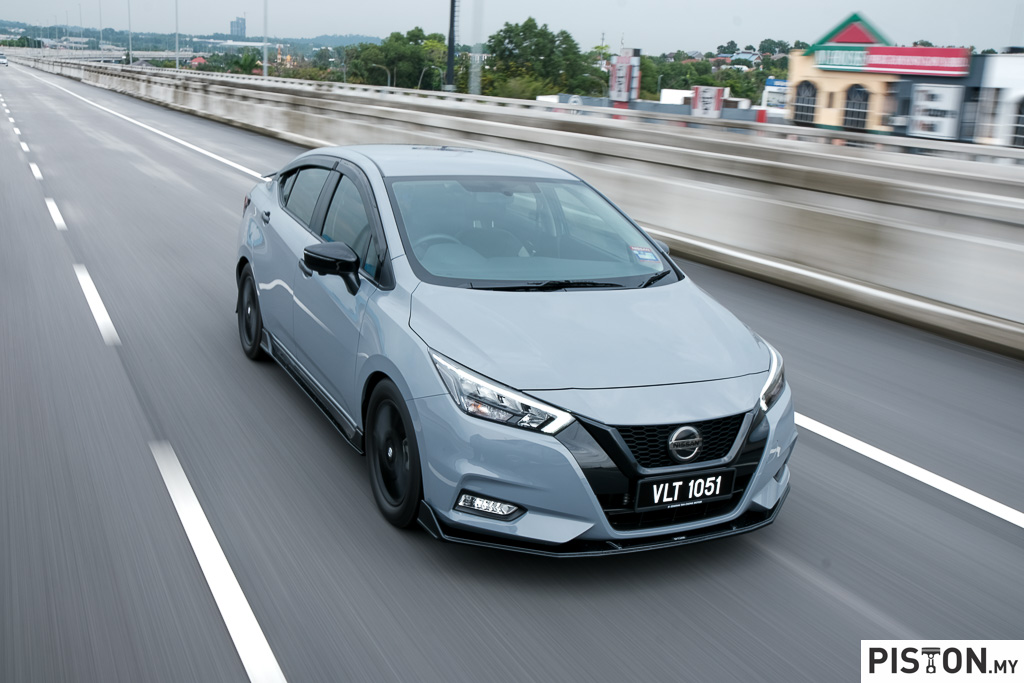
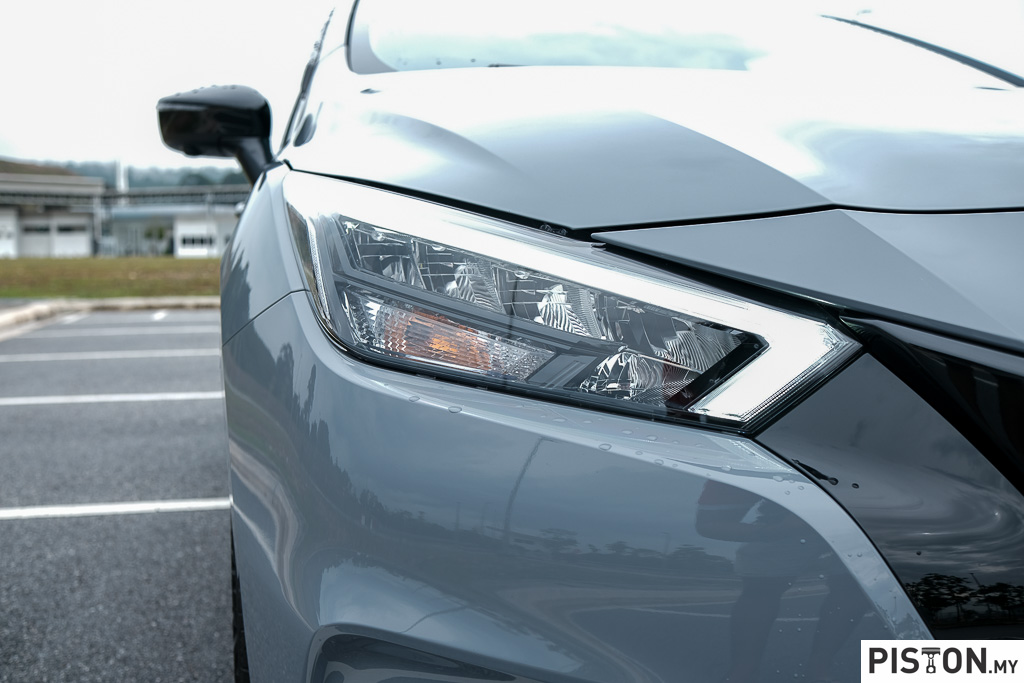
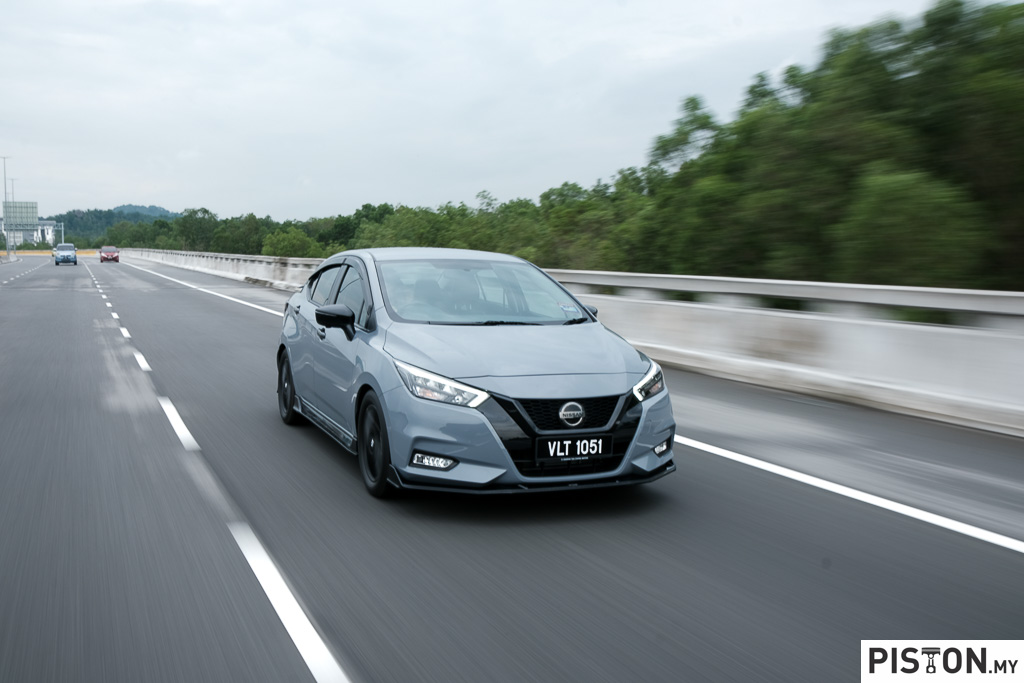
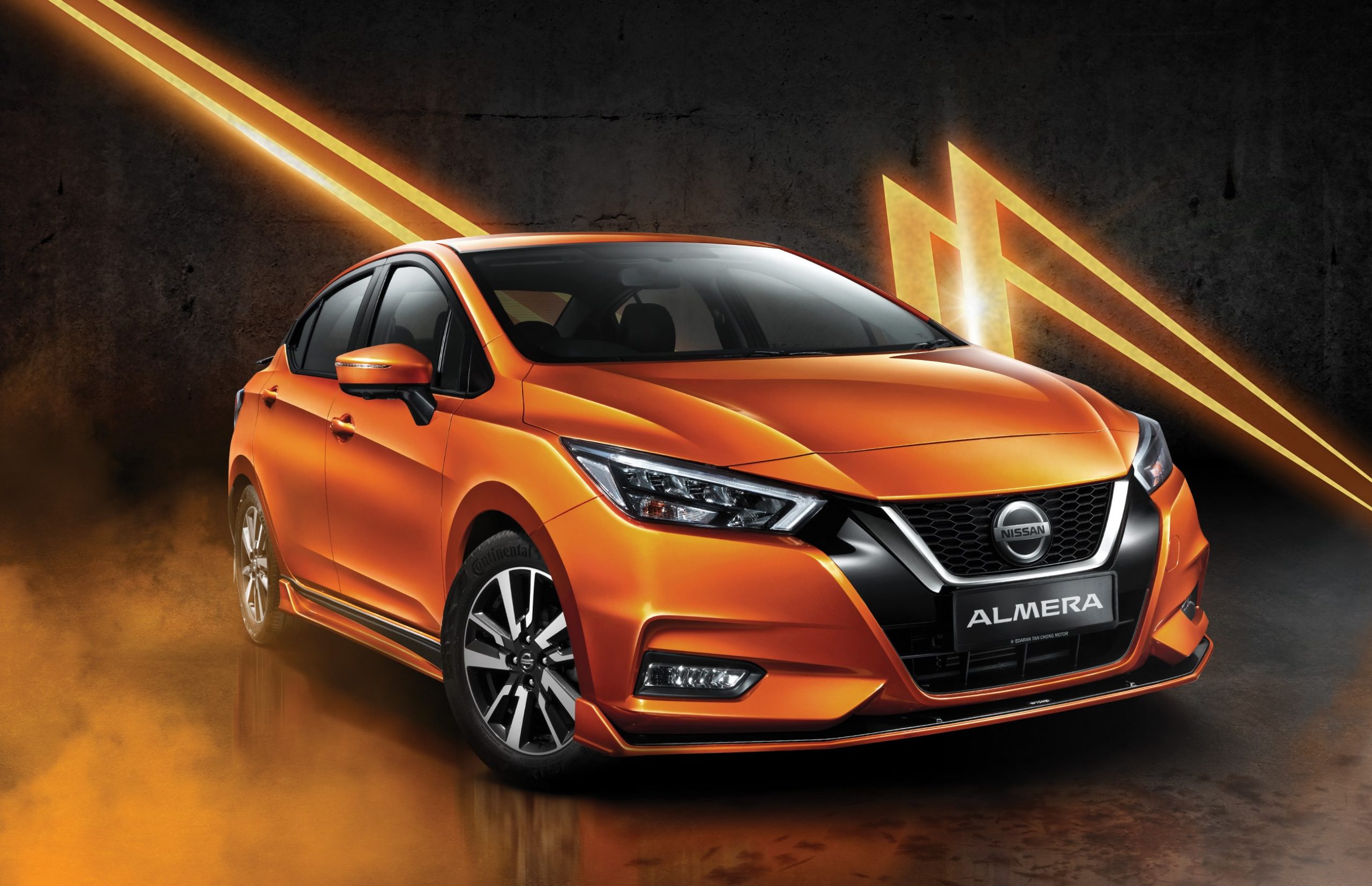
The design of the Almera deserves a special mention because it is the first time that an Almera has looked this good in the past two decades. And despite already being four years old, the design seems to have stood the test of time quite well.

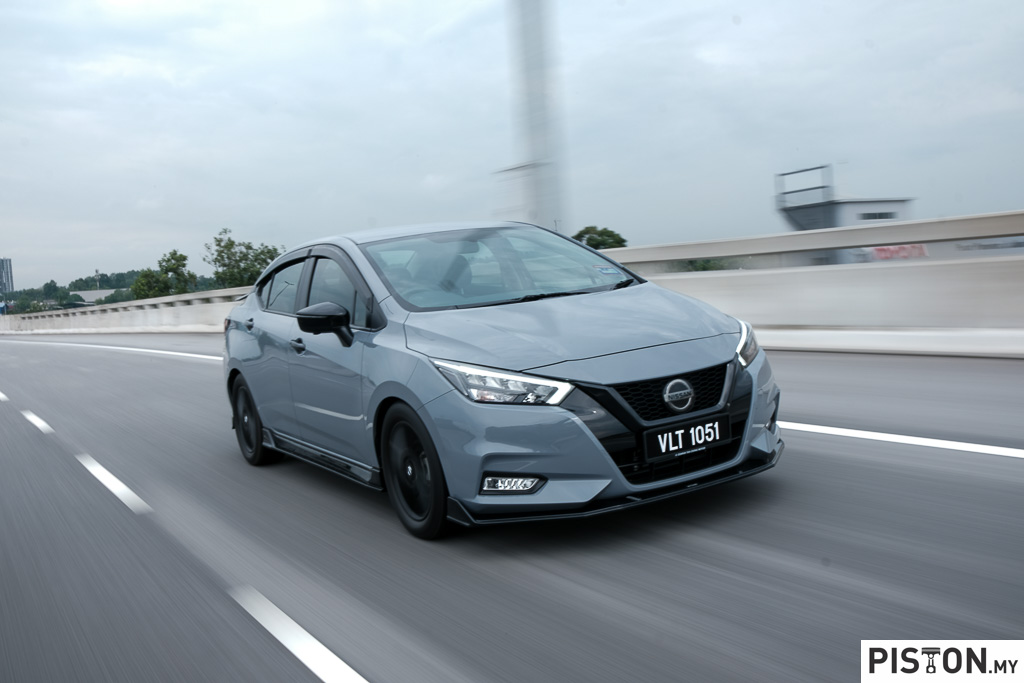
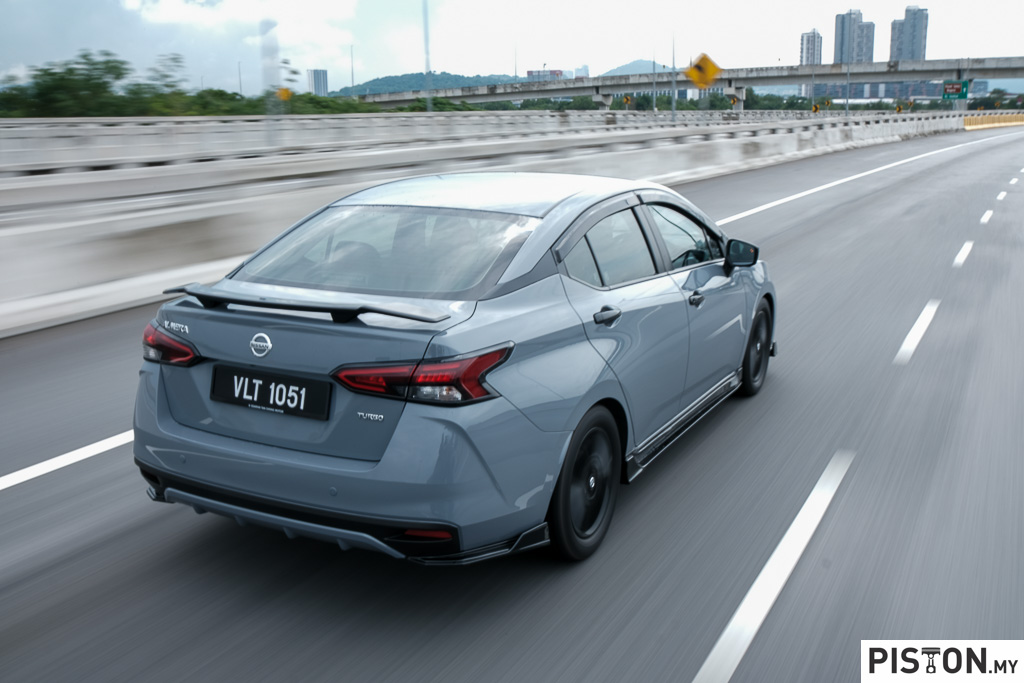
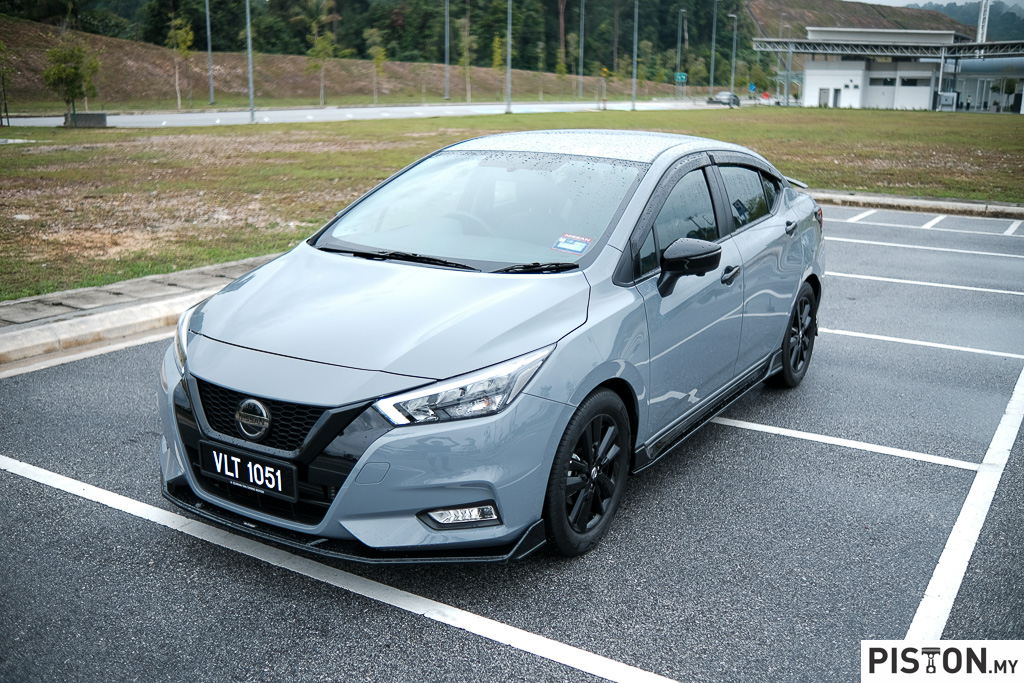
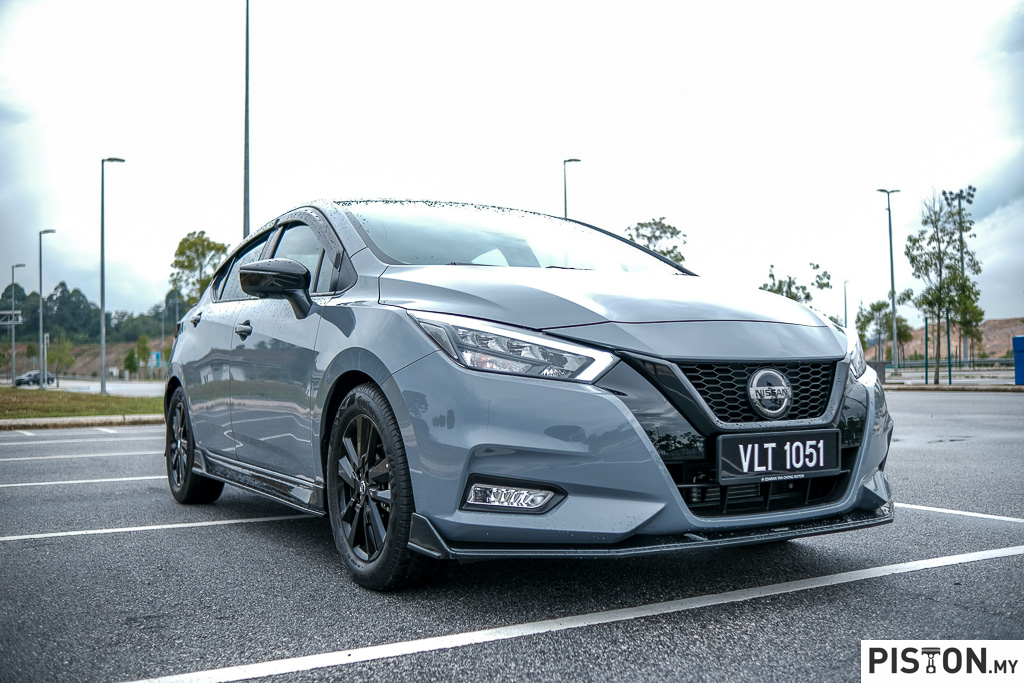
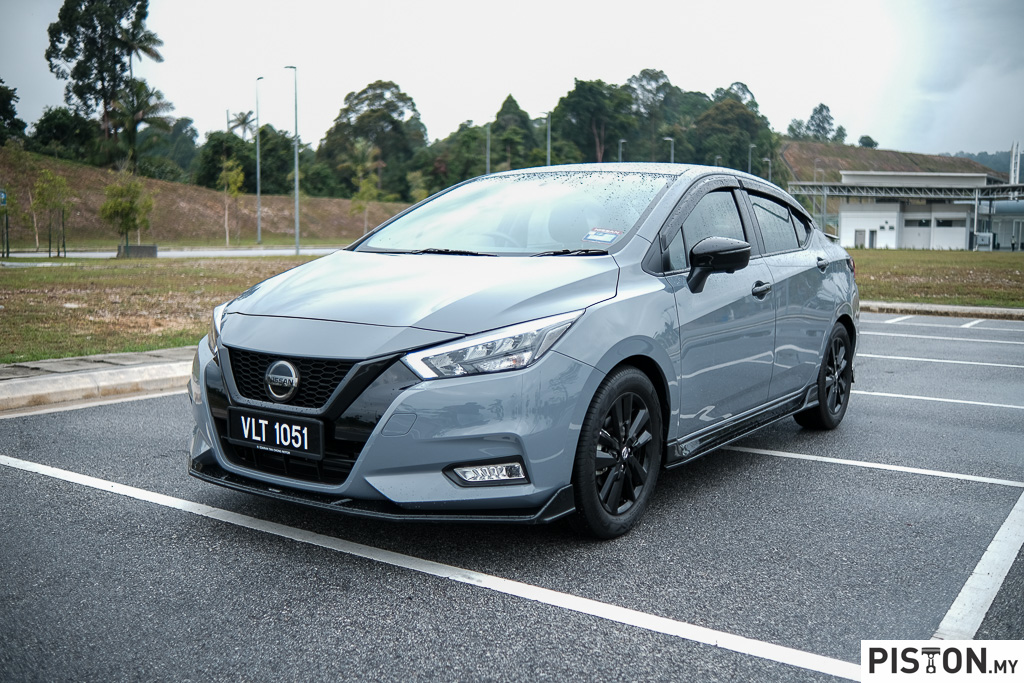
In fact, it does not only look good, but it also seems to have improved despite being largely the same. The car that you see here is the Almera Kuro Edition, which is basically Japanese for the ‘Black Edition’.

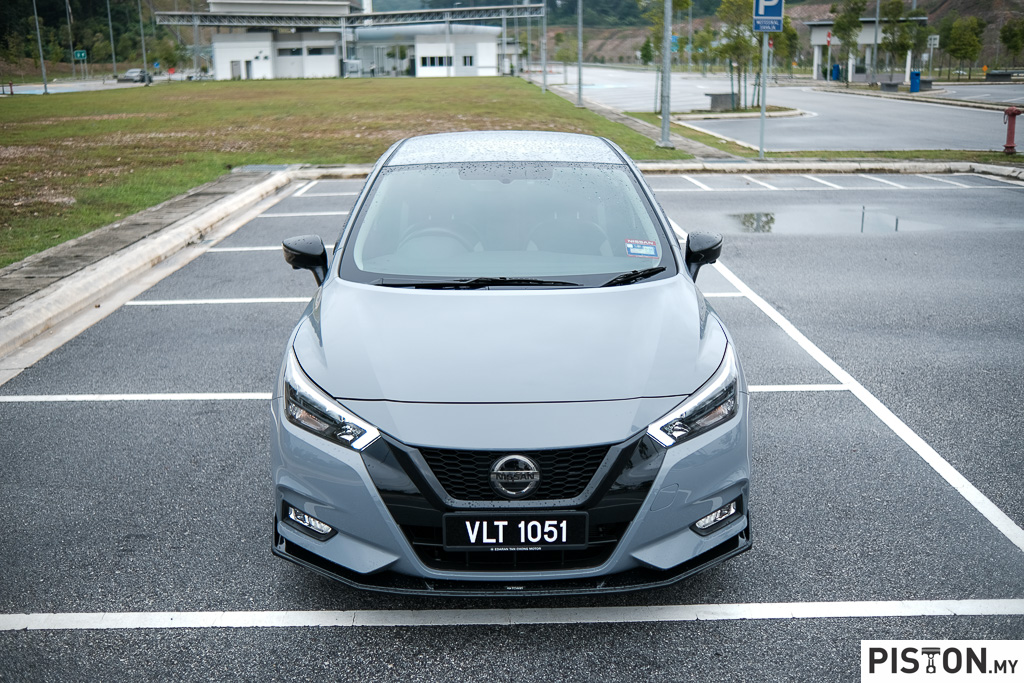
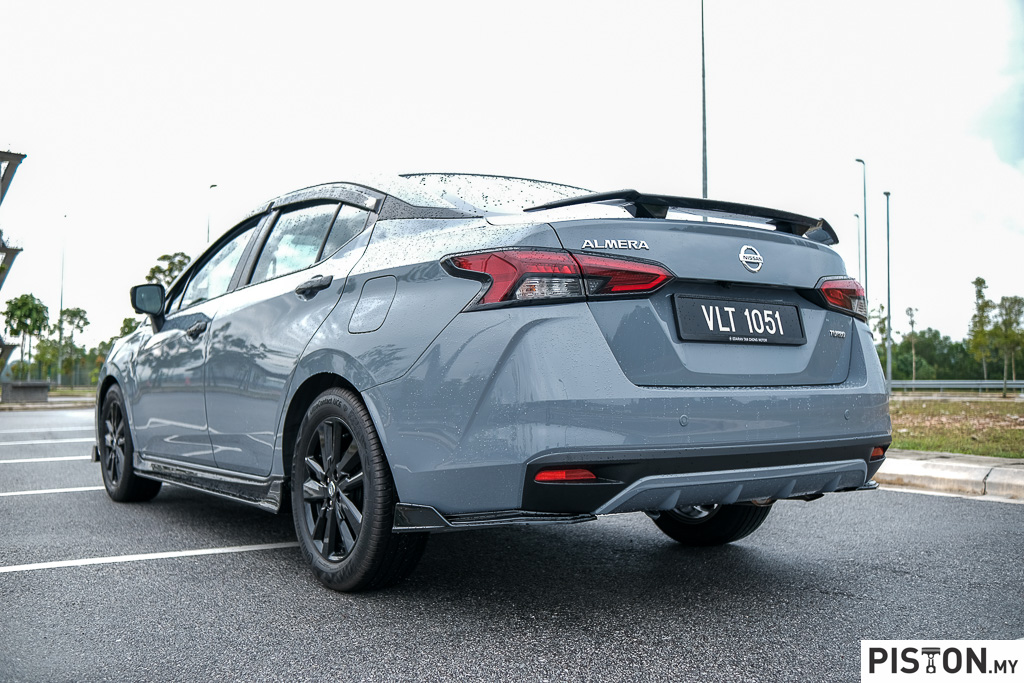
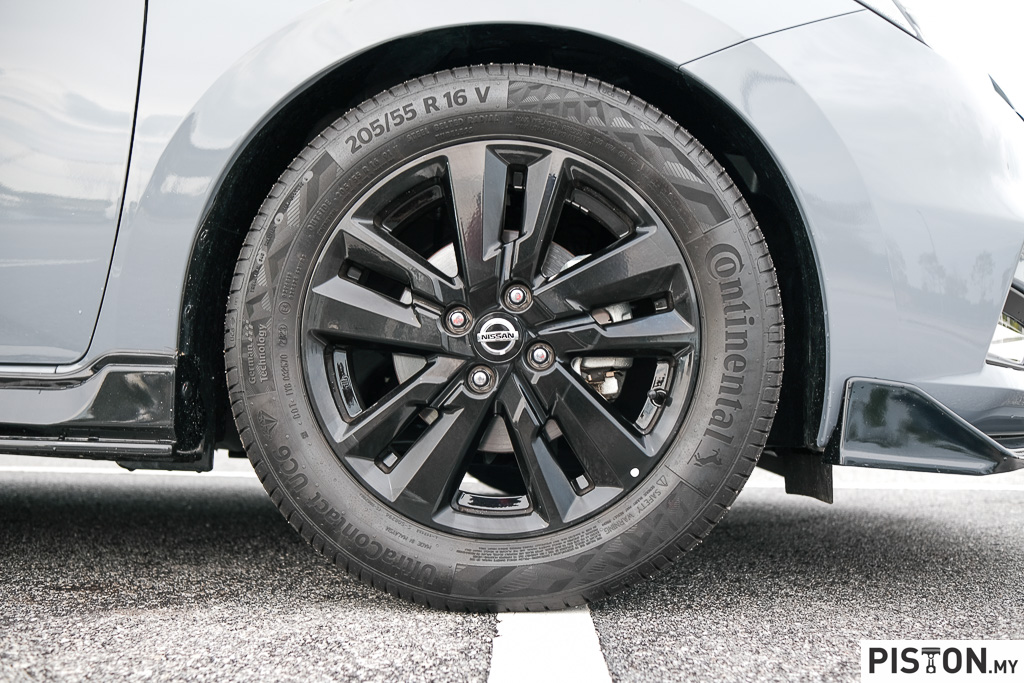
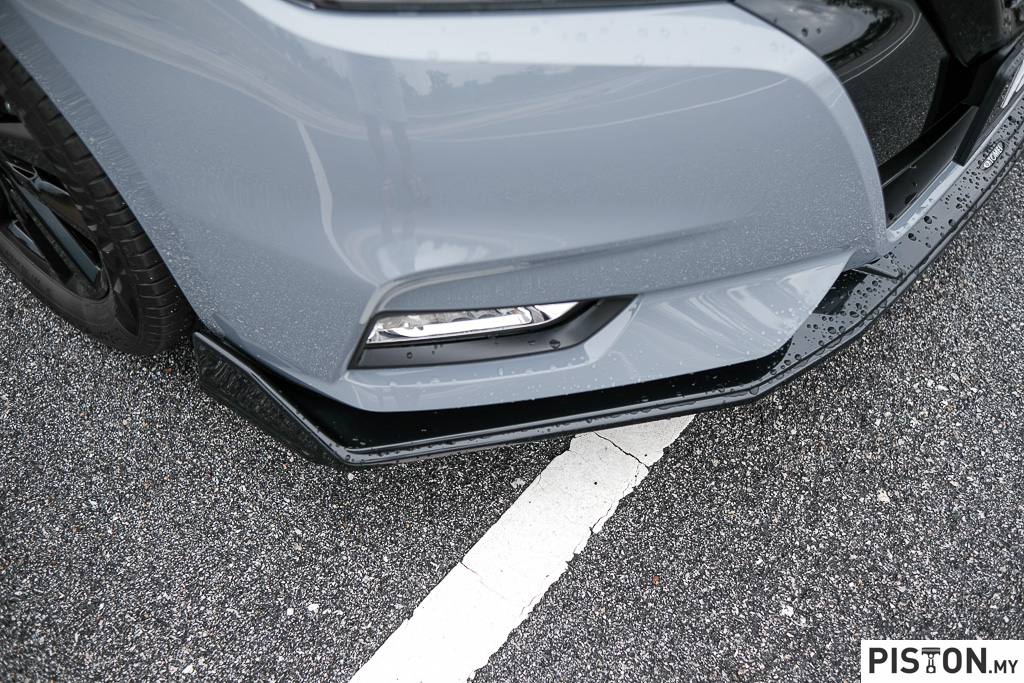
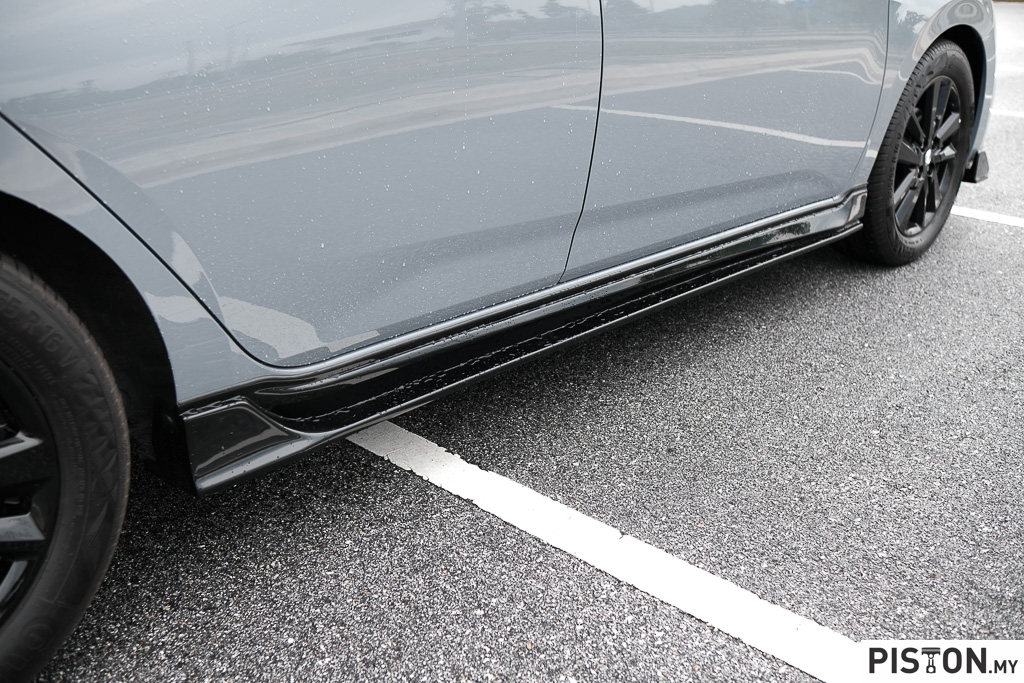
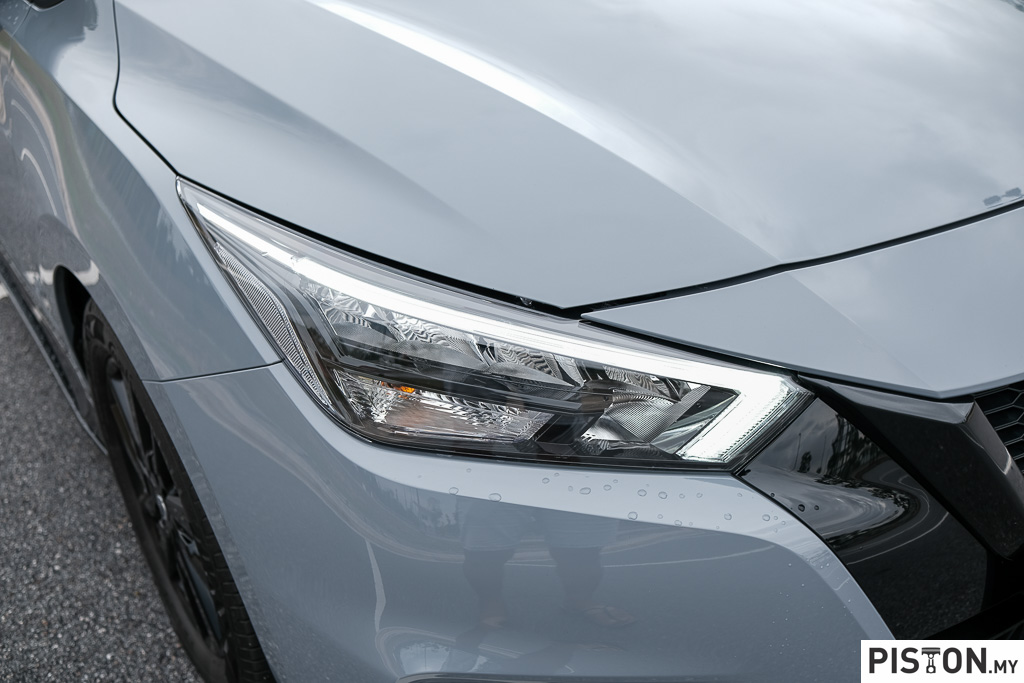
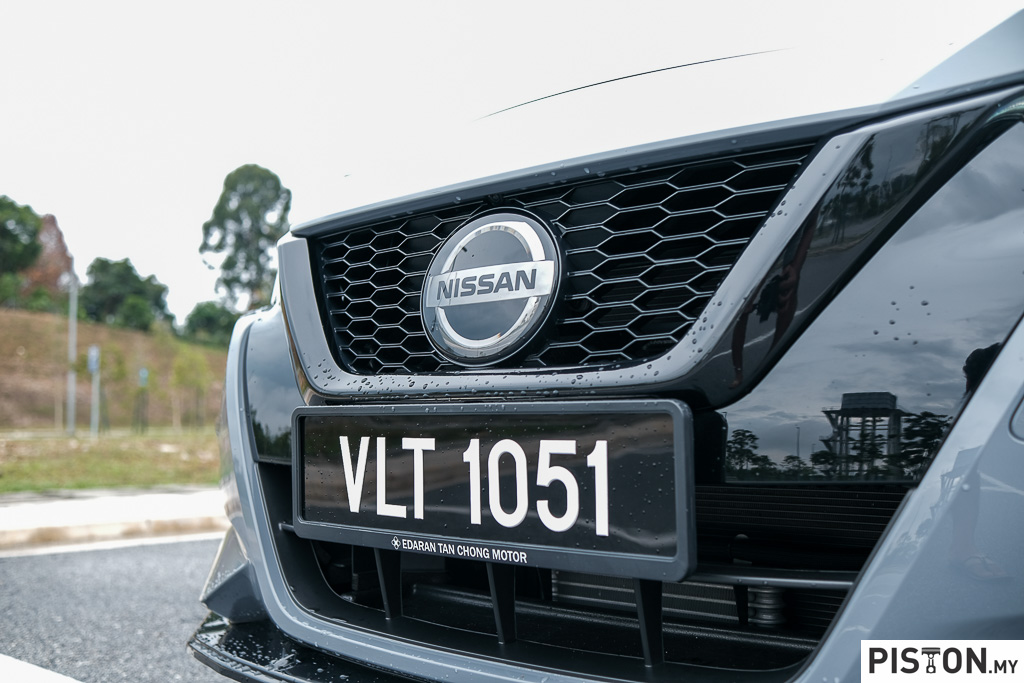
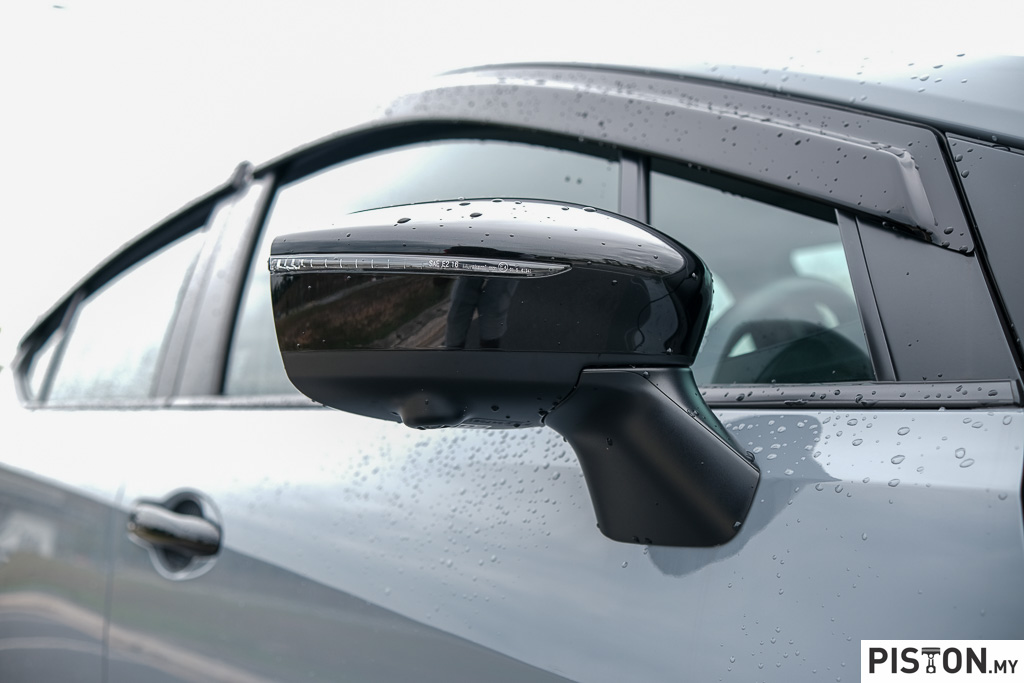
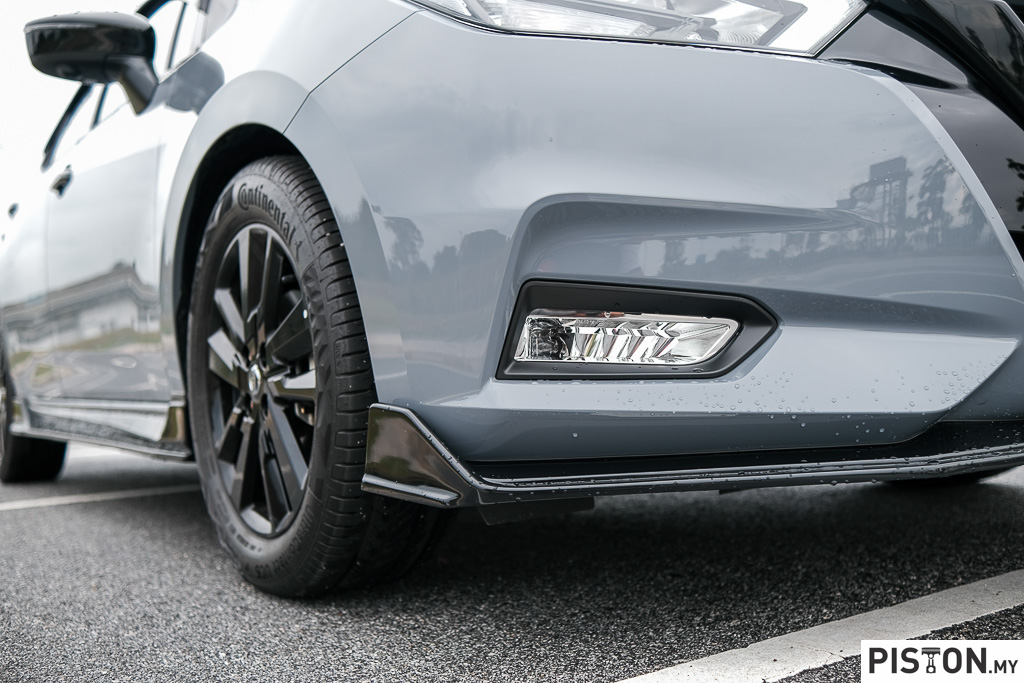
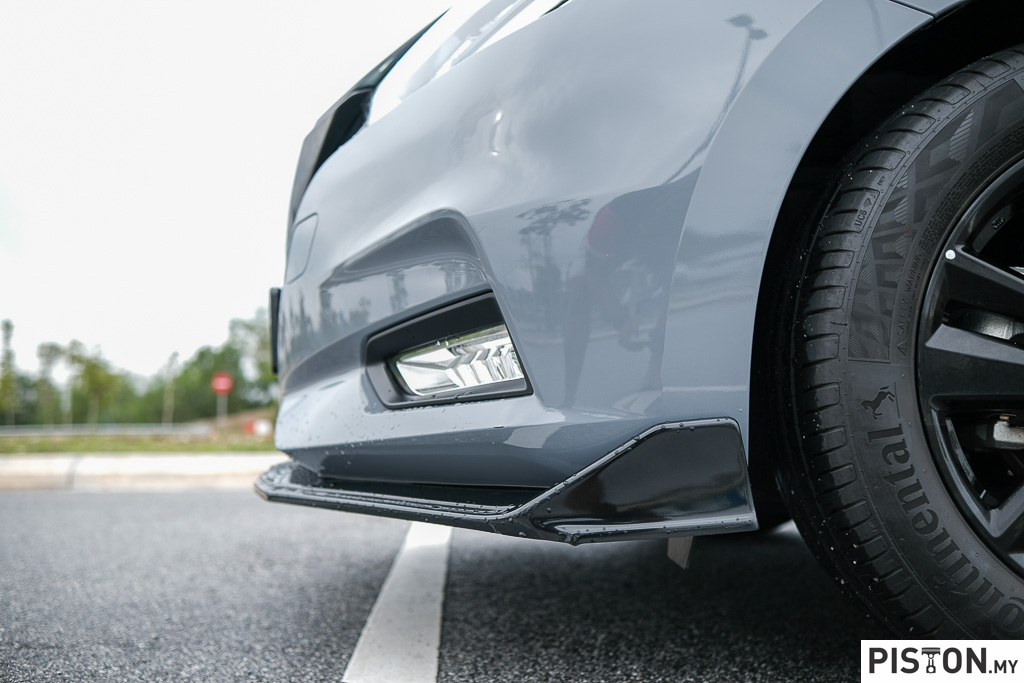
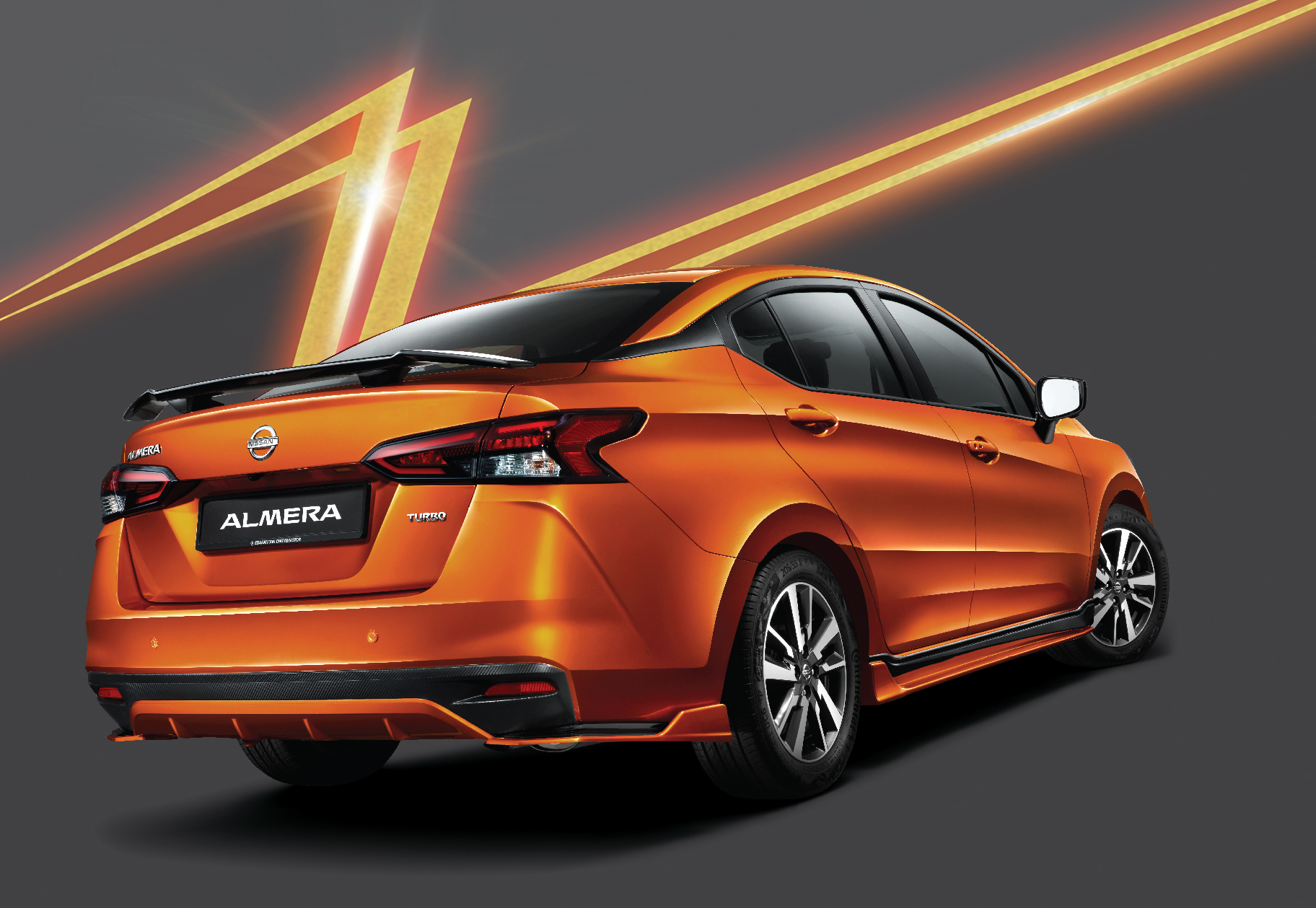
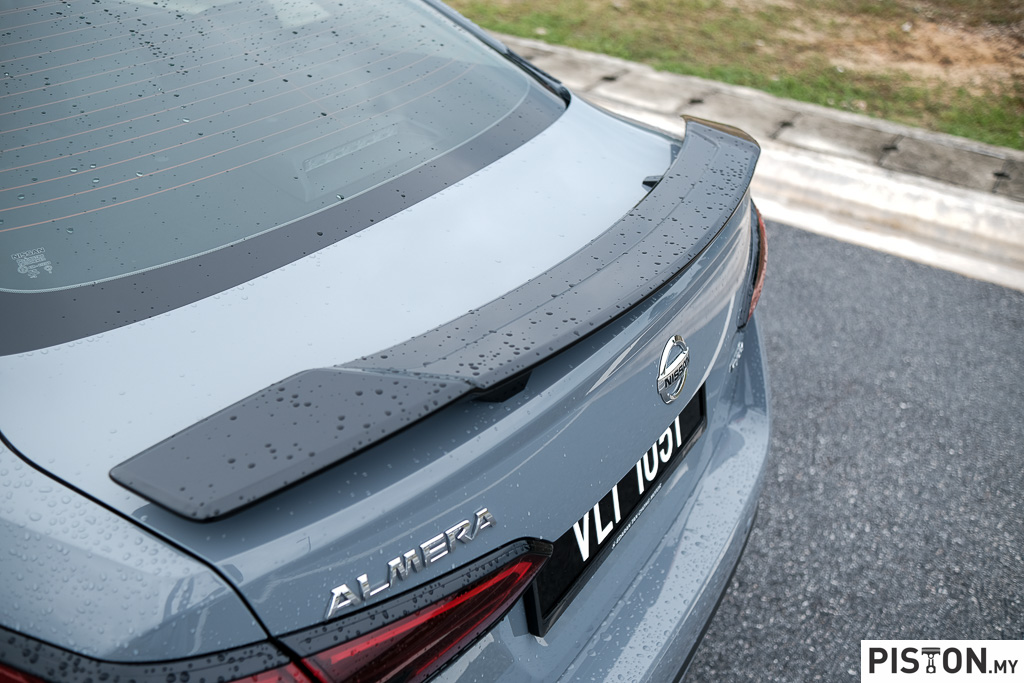
To this writer’s eyes, the Almera Kuro Edition brings out the best in the Almera’s design. It looks a lot sportier thanks to a new blacked out front grille, black 16-inch wheels, and an aero kit that include front and rear bumper spoiler, and side skirts. The Glacier Grey colour also looks like it set out to make a 60-year old feel 20 again.

The Nissan Almera is the grand child of the Nissan Sentra, which many of us will probably know and love. Malaysians will also remember the Sylphy and the Latio, both of which sold in fairly well numbers.

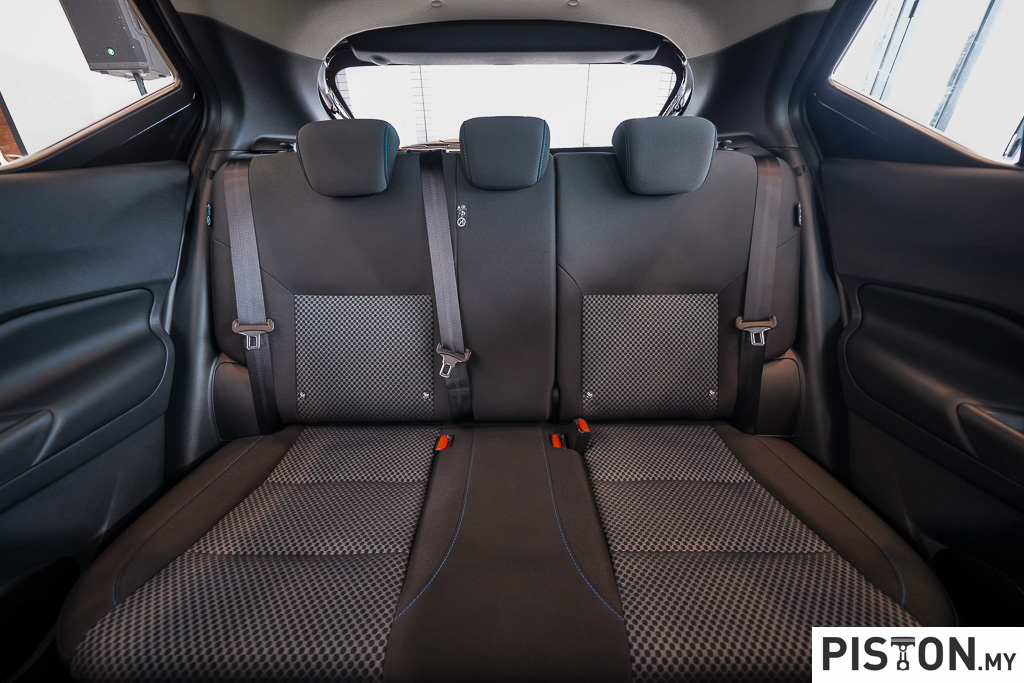
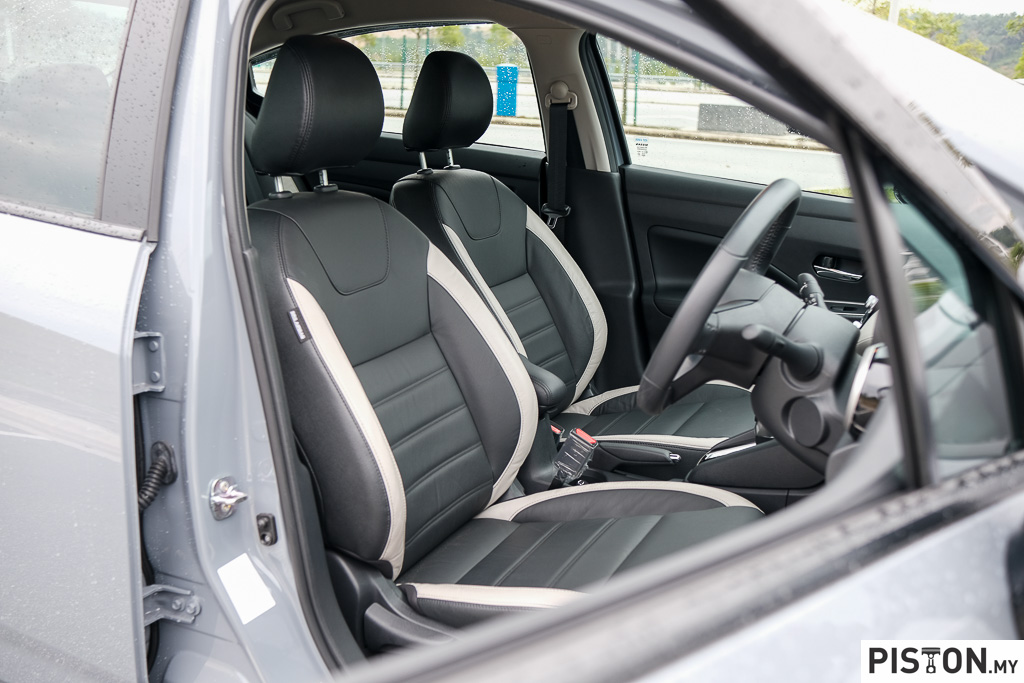
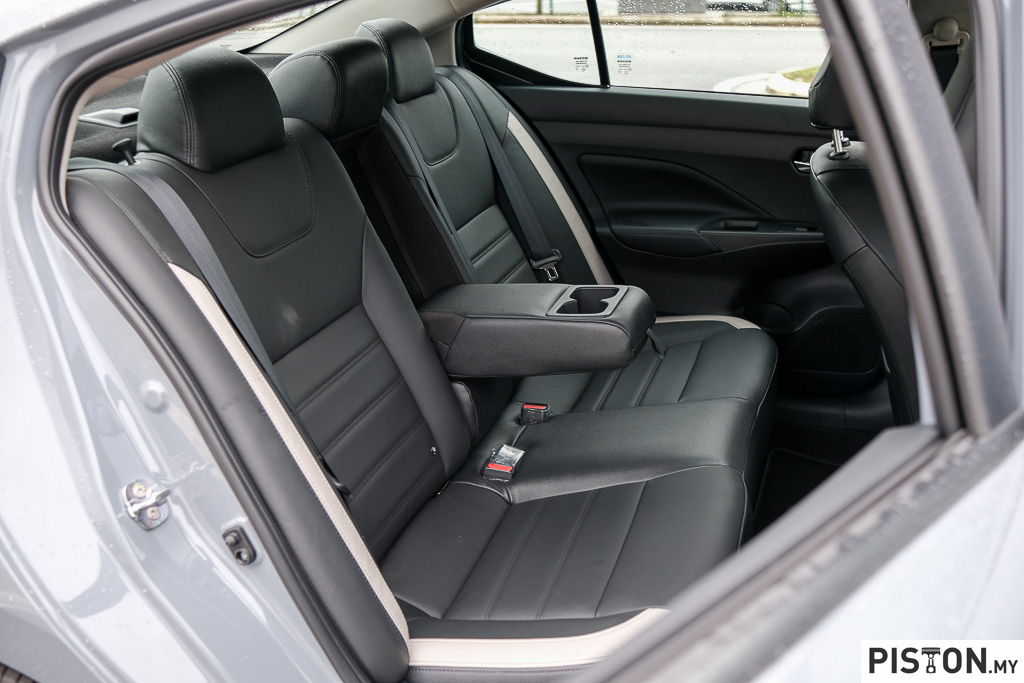
The common theme that all these cars have, is that they are all comfortable, easy to drive and are all spacious. You will have to sit in an Almera to experience this for yourself, but the seats in the Almera are the best in the segment. No probably or maybe here, they just are the best.

The seats offer better bolstering while the padding is plush. This segment does not offer electric seats due to the cost factor, but no one else but Nissan got the memo about comfortable seats being a plus point for B-segment buyers.

The only thing that is a bit of annoyance is the black and white leatherette interior. It looks like an afterthought by someone who reckoned the Almera Kuro Edition didn’t look sporty enough and believed whole heartedly that a contrasting interior would do the trick. Well, it does not and the white edges around the seats will very quickly off-white as the driver and passenger slide on them every day.

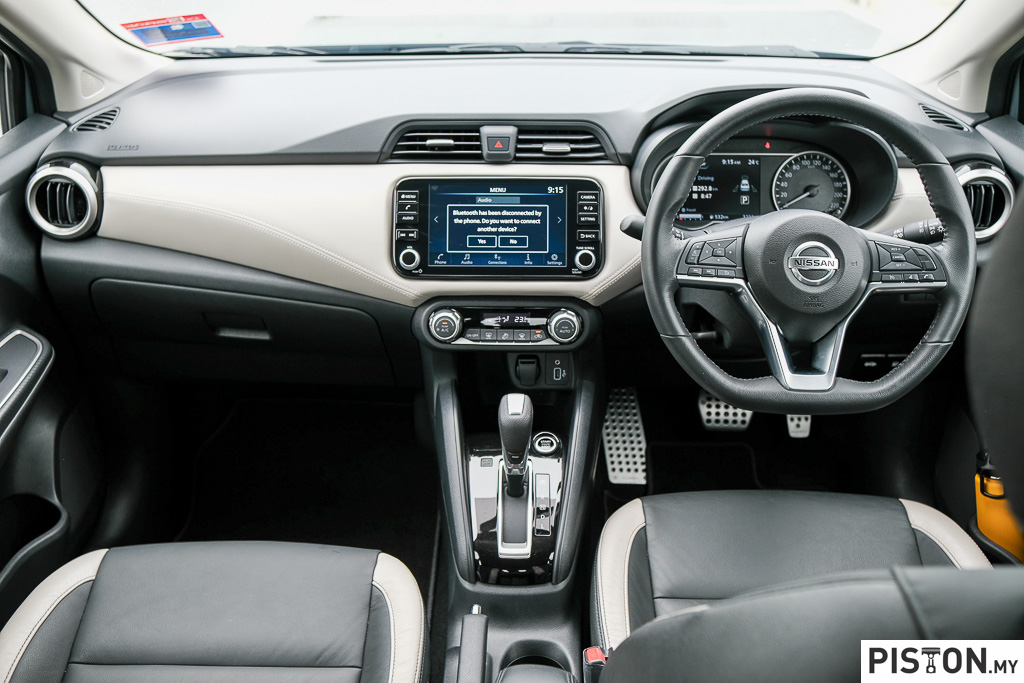
But once inside, the spaciousness of the interior will immediately impress you and you will notice that the white around the seats is also present on the dash as well. Except that this time it does not look as bad.

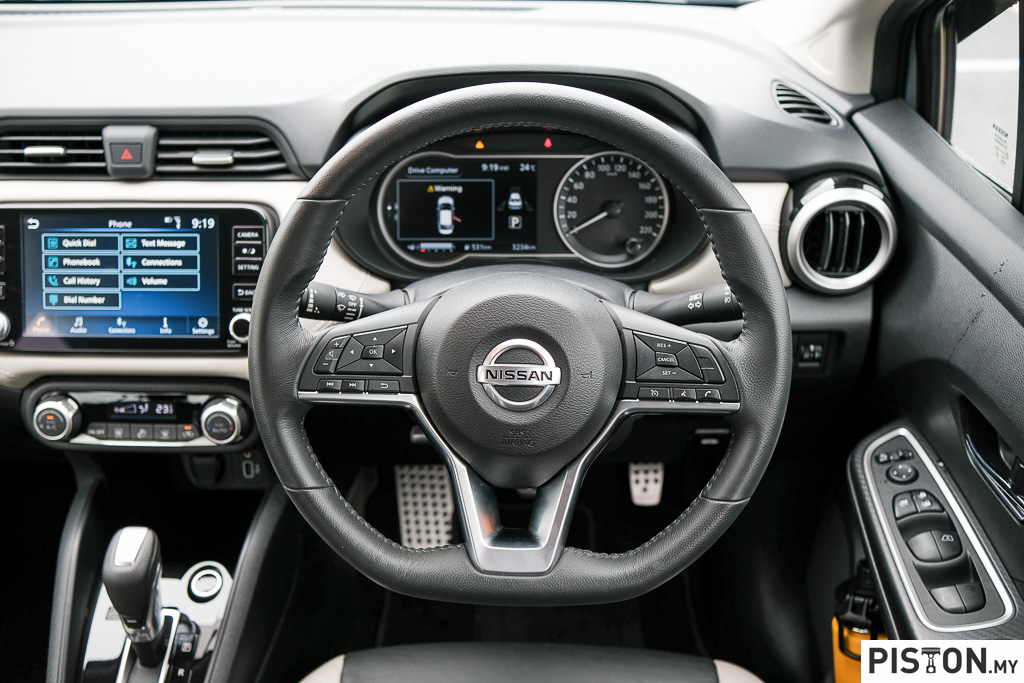
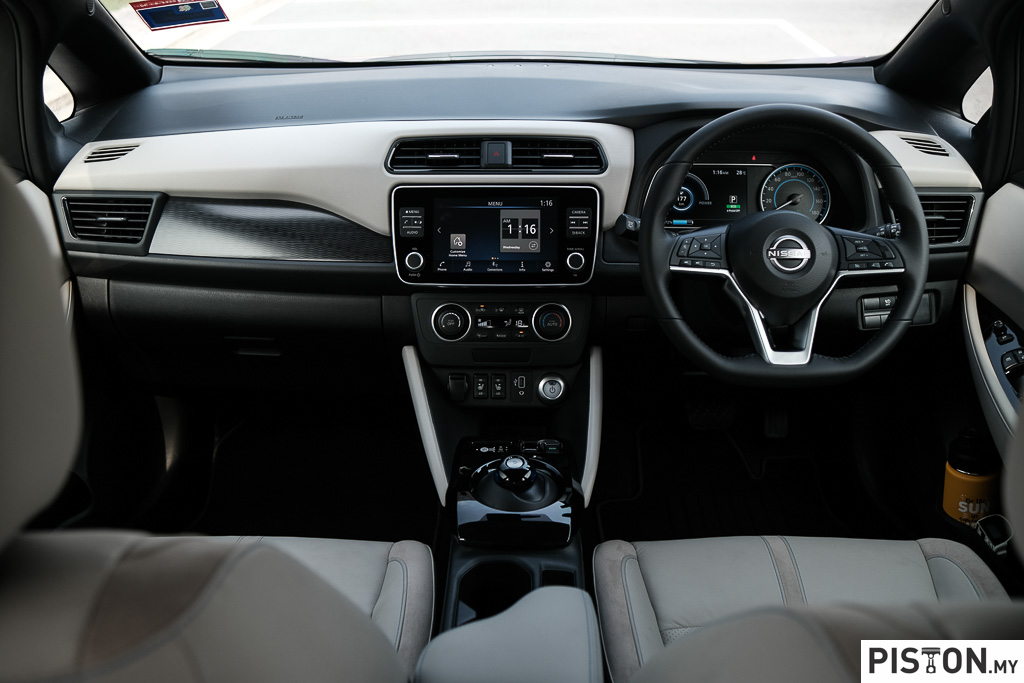
The flat-bottomed steering wheel adds some character to the car while the eight-inch touchscreen infotainment system offers Apple CarPlay and Android Auto. Both of which are considered essentials in the modern era.
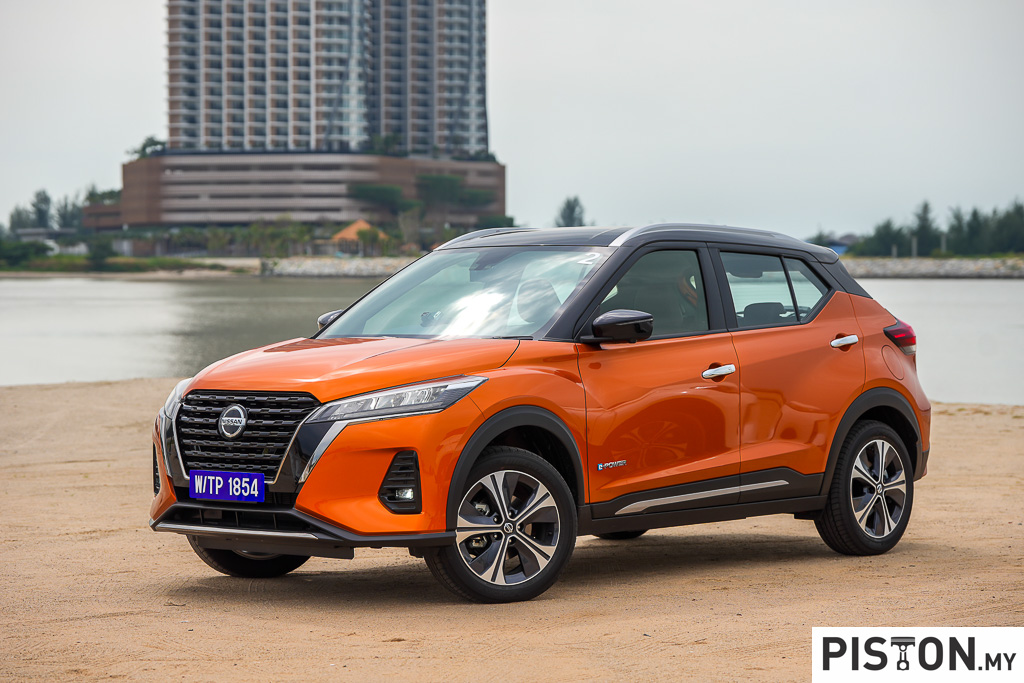
The interior generally feels good and well thought out with comfort and spaciousness being the main theme at play here.

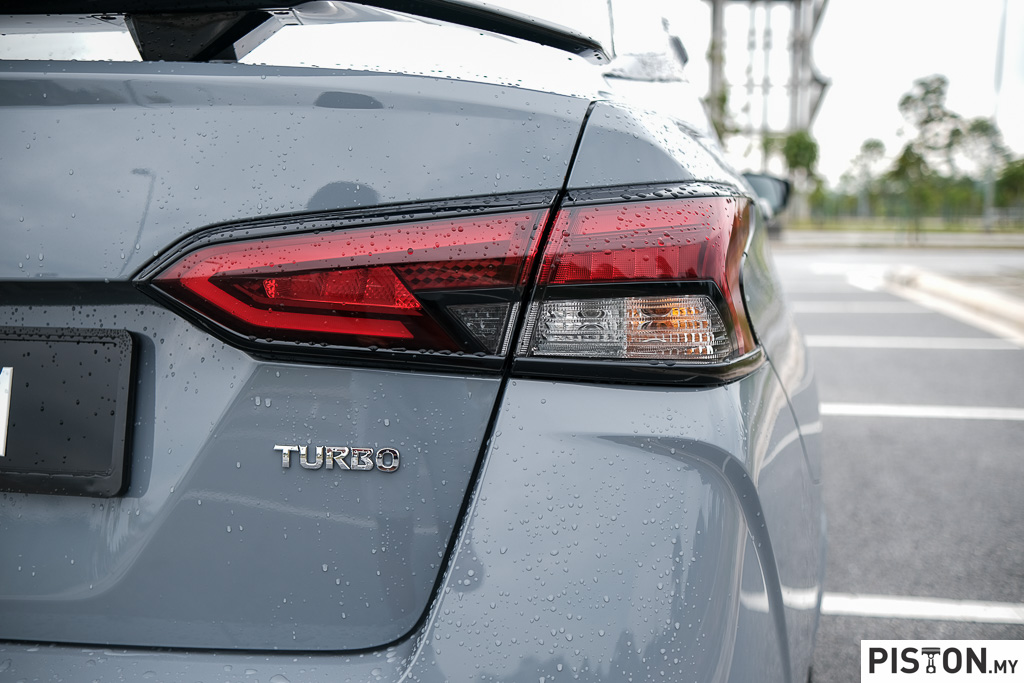
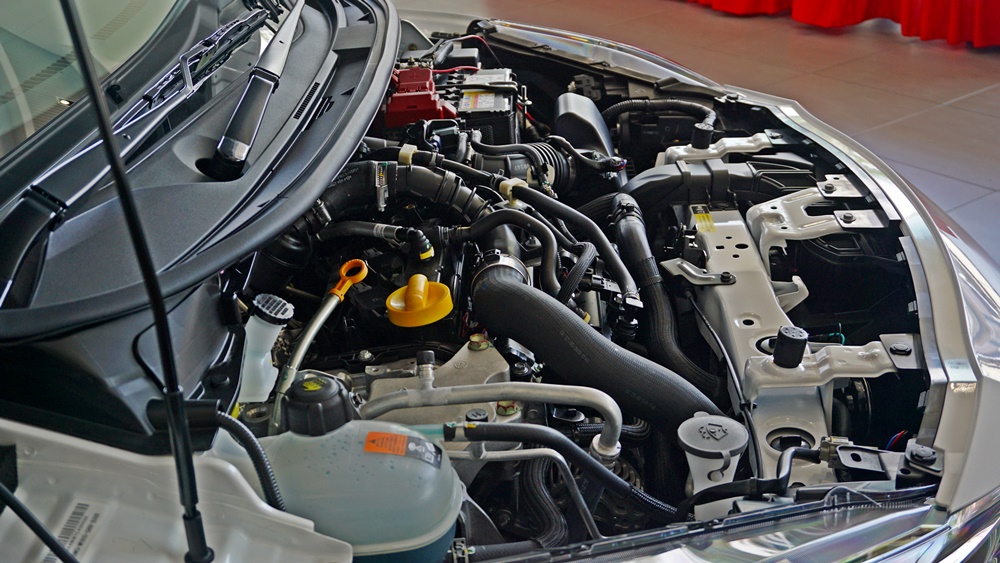
The Nissan Almera may be well-known for its interior, but it is also popular for being the only car in its segment to be powered by a three-cylinder turbocharged engine. While the competition utilise 1.5-litre, four-cylinder, naturally-aspirated engines, Nissan took on an entirely different path.

Rather than relying on good old displacement (which some say has no replacement), Nissan chose to utilise a small 1.0-litre engine and force feed it some air through a turbocharger to help it produce 100PS and 152Nm of torque.
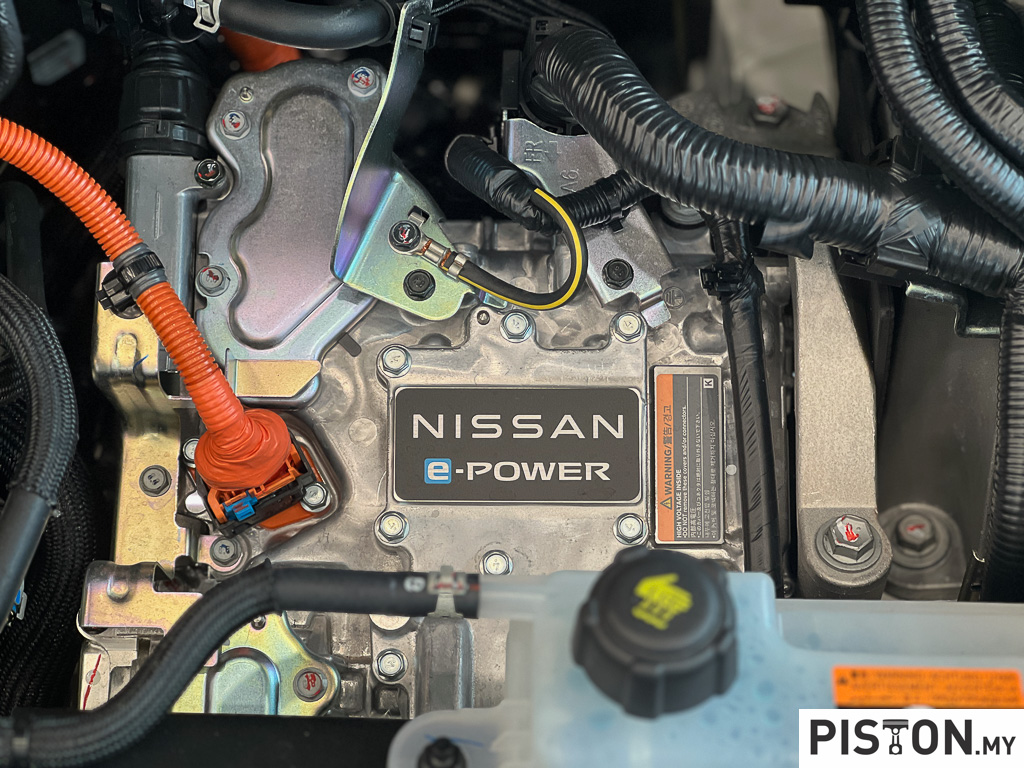
When Nissan first introduced the Almera, some Malaysians got excited when they heard that the Almera used a turbocharger. Many believed that this will make the Almera significantly more powerful than the competition. But just for reference, the Honda City makes 121PS and 145Nm of torque, which makes it significantly more powerful than the Almera.

The Almera’s turbocharger is not designed for gargantuan power, but rather it makes the Almera one of the most economical in its class. Official fuel consumption figures say that the Almera can travel an astonishing 18.4km per litre, which gives it a theoretical range of 650km per tank. Considering that the Almera uses a puny 35 litre tank (which is a lot cheaper to fill up), that range is hugely impressive.

You are going to be left hugely disappointed if you think the Almera is going to be a lot of fun to drive because it has a turbocharger. But if you manage those expectations and approach it as the car it truly is – a comfortable, convenient b-segment slinger, then the Almera is bound to impress.

On the move the Almera feels like a typical B-segment car, it does a decent job at keeping the interior hushed with the passengers insulated from the noises and vibrations underneath the car.

But it does not have the refinement levels of a Honda City and the suspension is also on the stiffer side as well, preferring instead to roll over bumps rather than to absorb them. In that aspect, the City and the Vios feel better.

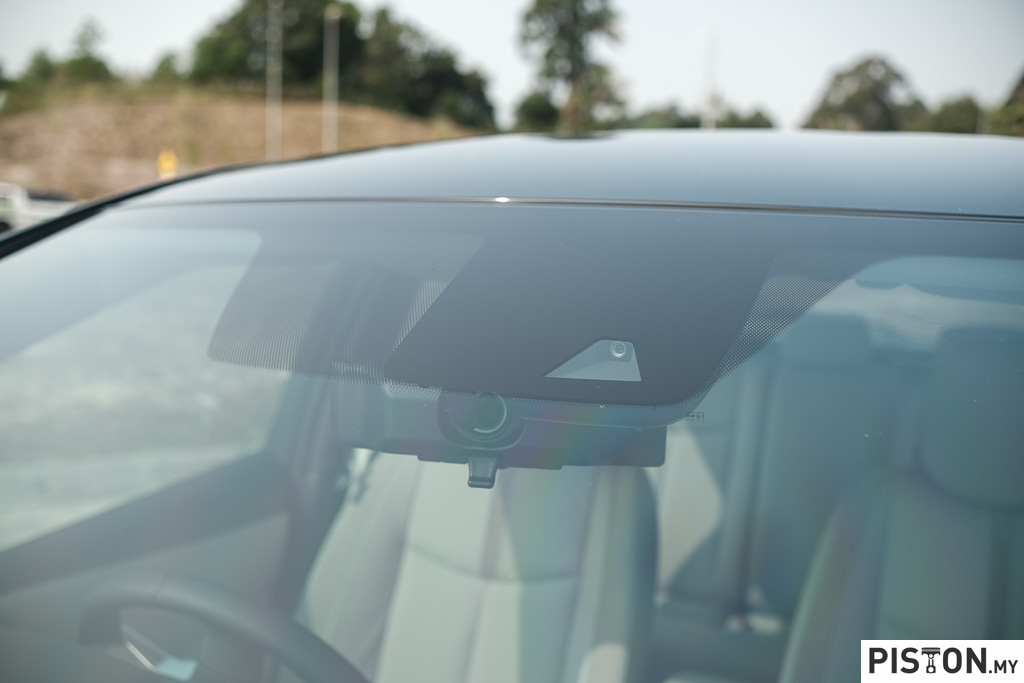
That aside, the Almera can hold its own when it comes to safety systems and features. In fact, it even trumps the mighty City with its Blind Spot Monitoring System, another feature that has become a necessity today. The Honda City still trudges along with its dated Lane Watch system.

The Nissan Almera is undoubtedly a fantastic car and while the competition has moved along with refinement, power and features, the Almera is still one of, if not the most efficient car in its segment.

The Kuro Edition lends some much needed character but that does not come for free. There are three variants with prices starting from RM83,888 for the VL variant, RM89,888 for the VLP and the model you see here is the VLT which costs RM95,888.

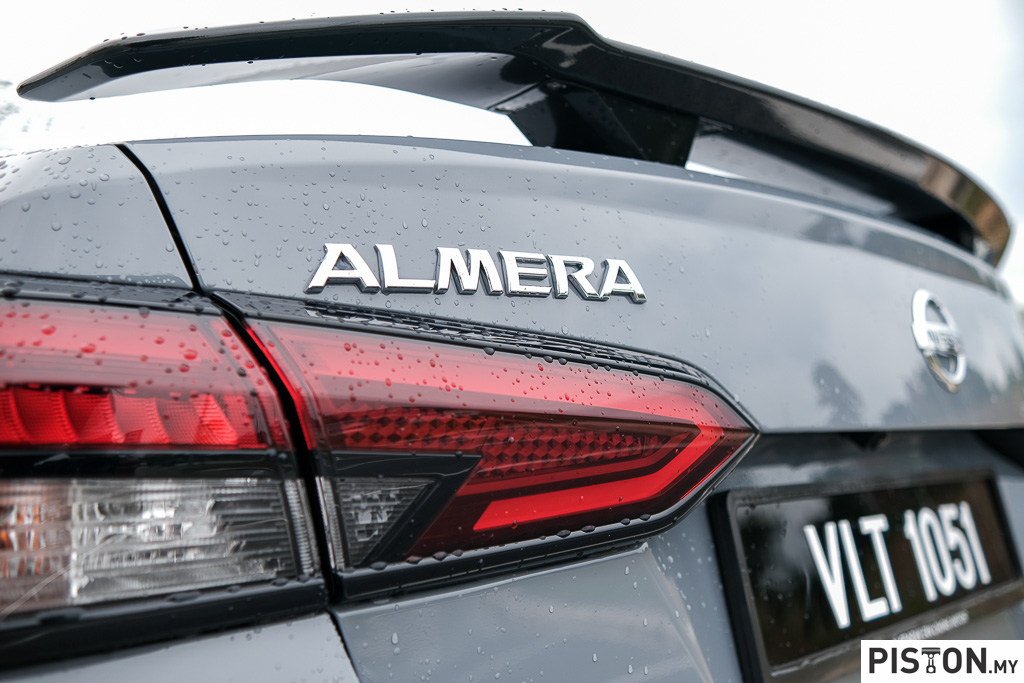
The Kuro Edition Package which includes all of the items mentioned above will set you back a further RM8,000. And that includes tint, door handle protectors and scuff plates. And if you want that good-looking rear wing, that will set you back a further RM1,400.

Is the extra premium for the body kit worth forking out for? You can’t put a price on a good-looking yet efficient car. If you need further convincing, think about it this way – the Almera is so fuel efficient that the savings can pay for the body kit over time. It may take some time, but savings always pile up.
Specifications
Engine: 1.0-litre, three-cylinder, turbocharged
Power: 100PS @ 5000rpm
Torque: 152Nm@ 2400rpm
Transmission: X-Tronic CVT
Suspension: Independent MacPherson Struts with Stabiliser (Front) / Torsion Beam with Stabiliser (Rear)

We like: Good looks, comfortable interior, fuel efficient
We don’t like: Ride quality, noisy CVT transmission

Ask anyone who has been following the latest trends in the electric vehicle industry, and they would probably tell you that BYD is the most impressive EV company at the moment.

The Chinese car and battery maker has been making waves around the world for everything from its battery technology to the cars that it builds. There is little doubt that BYD is currently the best at the game.

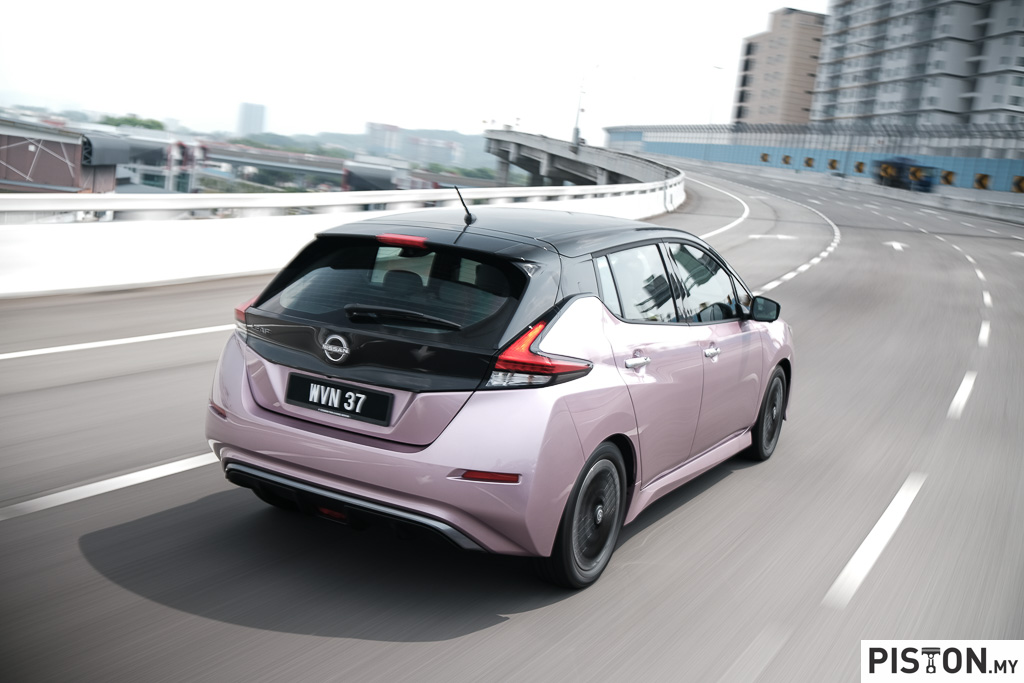
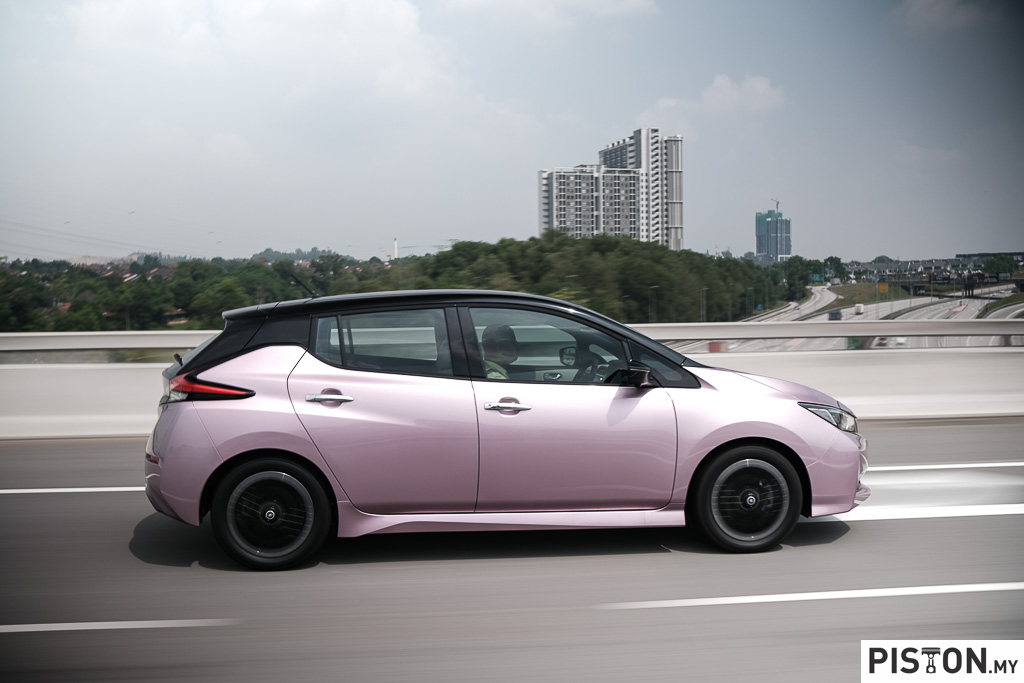
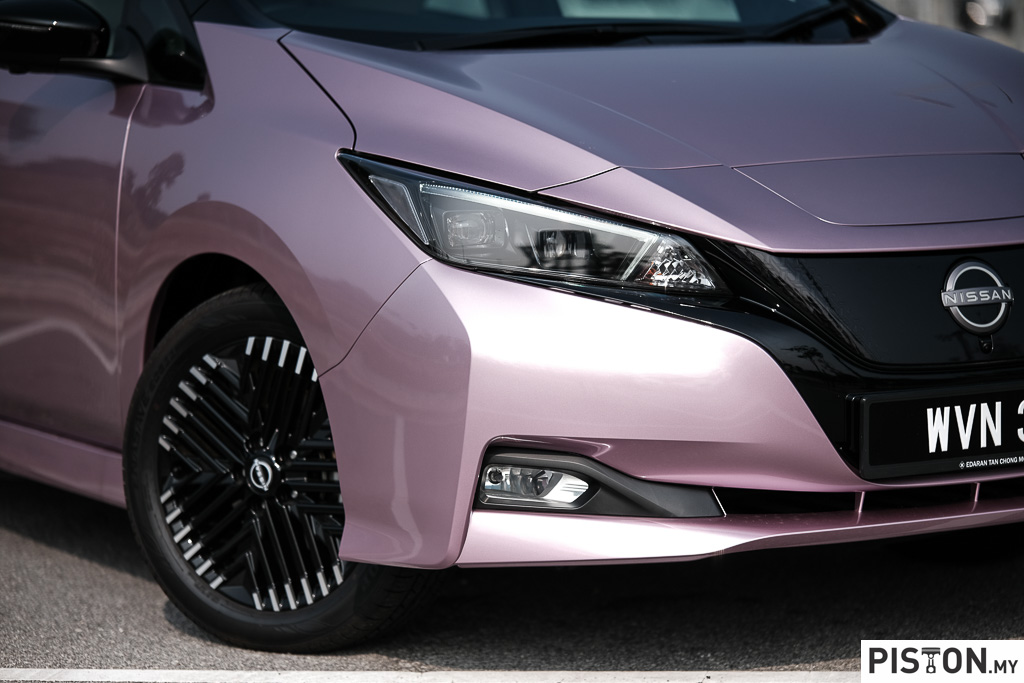
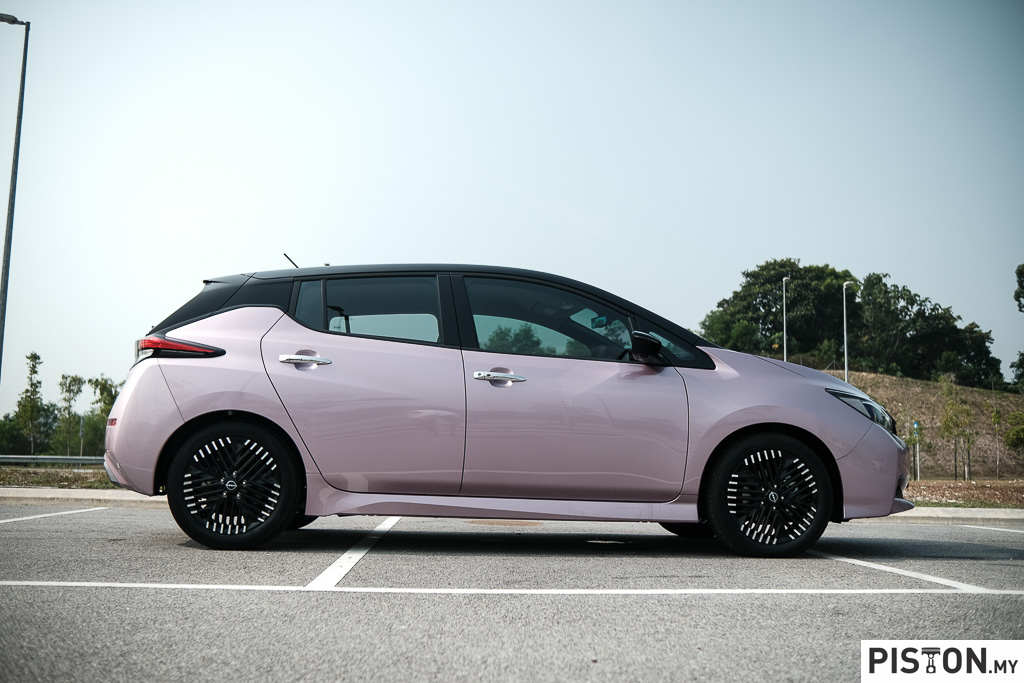
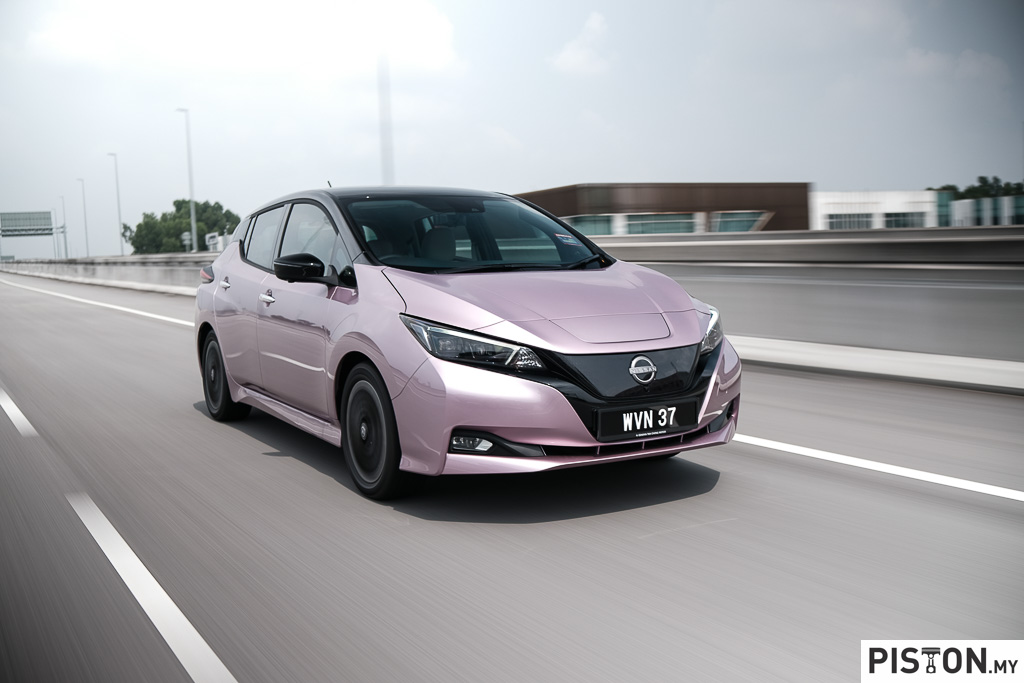
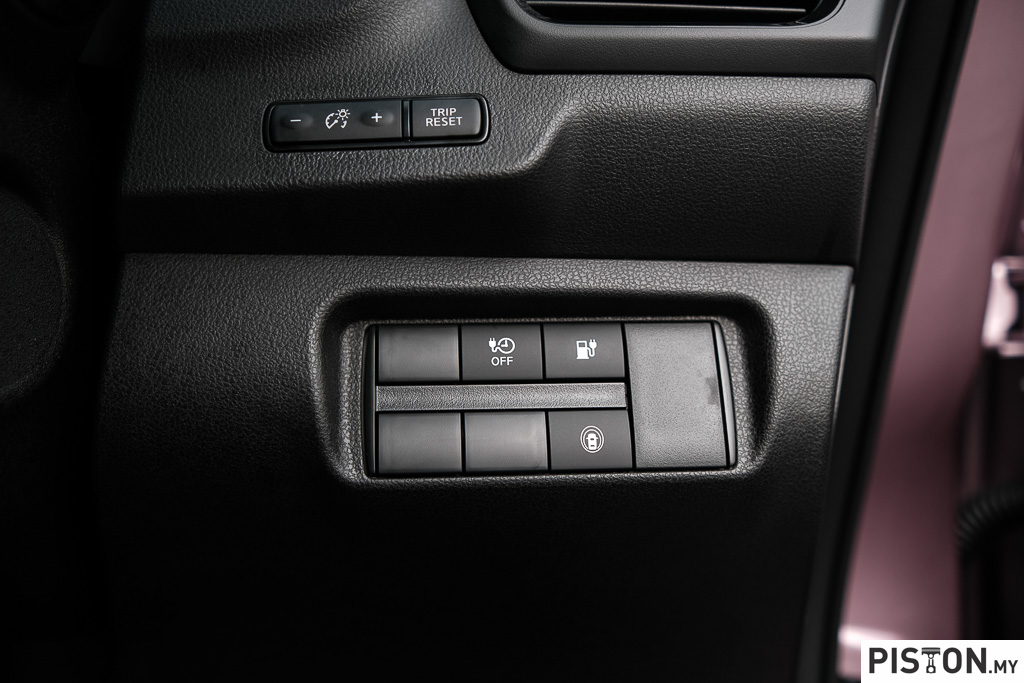
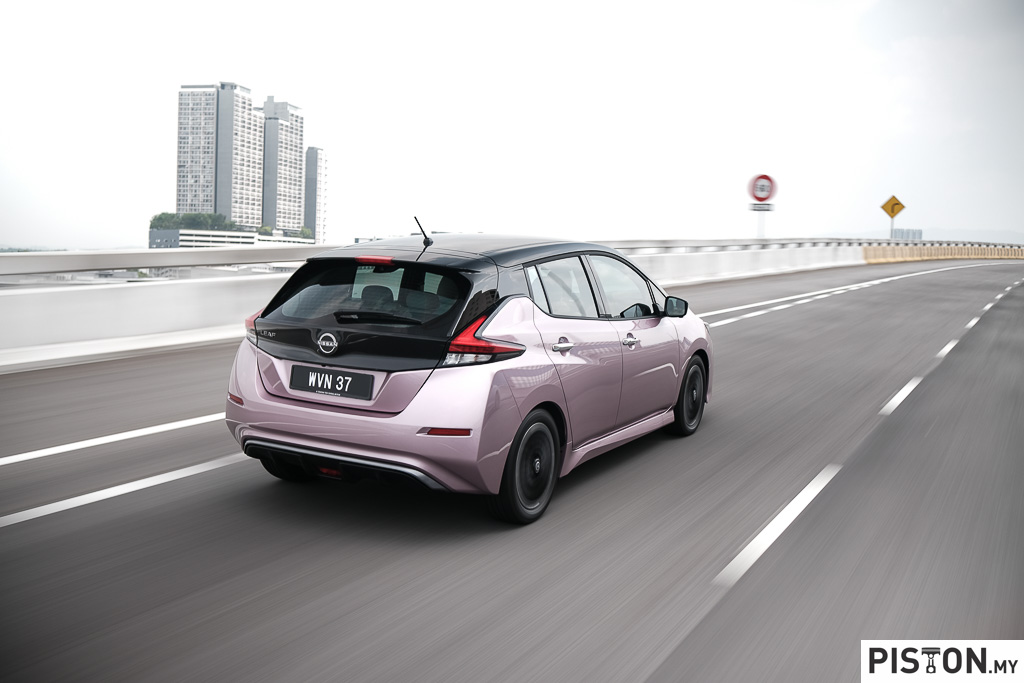
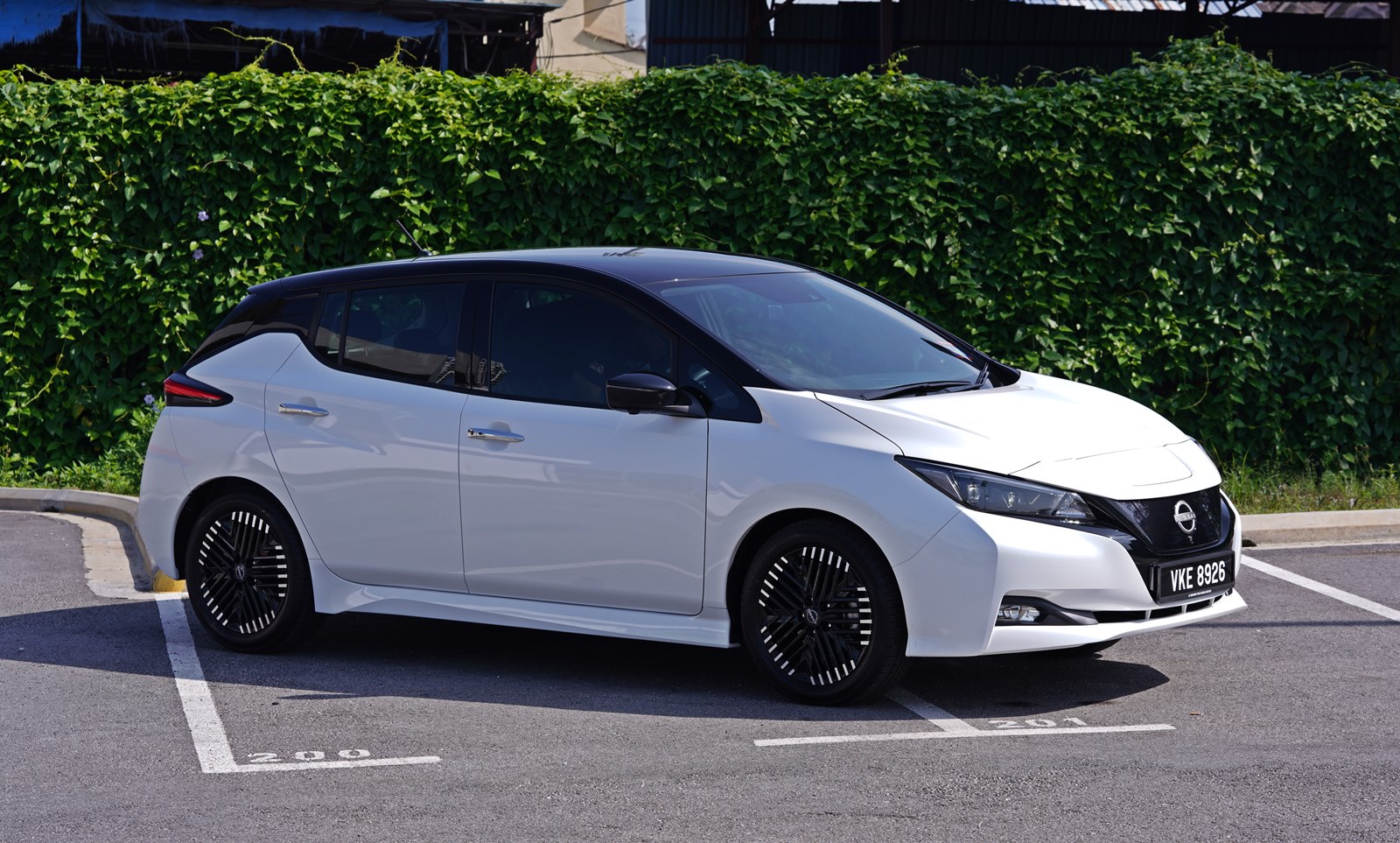
But before BYD or any other company started making waves in the EV industry, there was the Nissan Leaf. It is widely regarded as the granddaddy of the industry and credited for laying the groundwork for others to follow, in Malaysia at least.

The Leaf was one of the first mass distributed electric vehicles that Malaysians could buy. The first-generation model was introduced in Malaysia by Edaran Tan Chong Motor (ETCM) at the 2013 Kuala Lumpur International Motorshow. Back then it was priced at RM168,800.

The Nissan Leaf was also the world’s best-selling electric car up until 2020 when Tesla snatched the crown which it then subsequently lost to BYD in 2023.

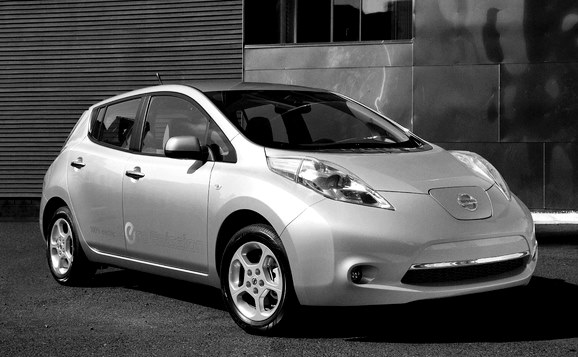
The first-generation Leaf (above) was more of a novelty car, a toy even. With a range of just 195km, it did not go very far, but it found love in a number of homes, enough to convince ETCM to introduce the second-generation model.

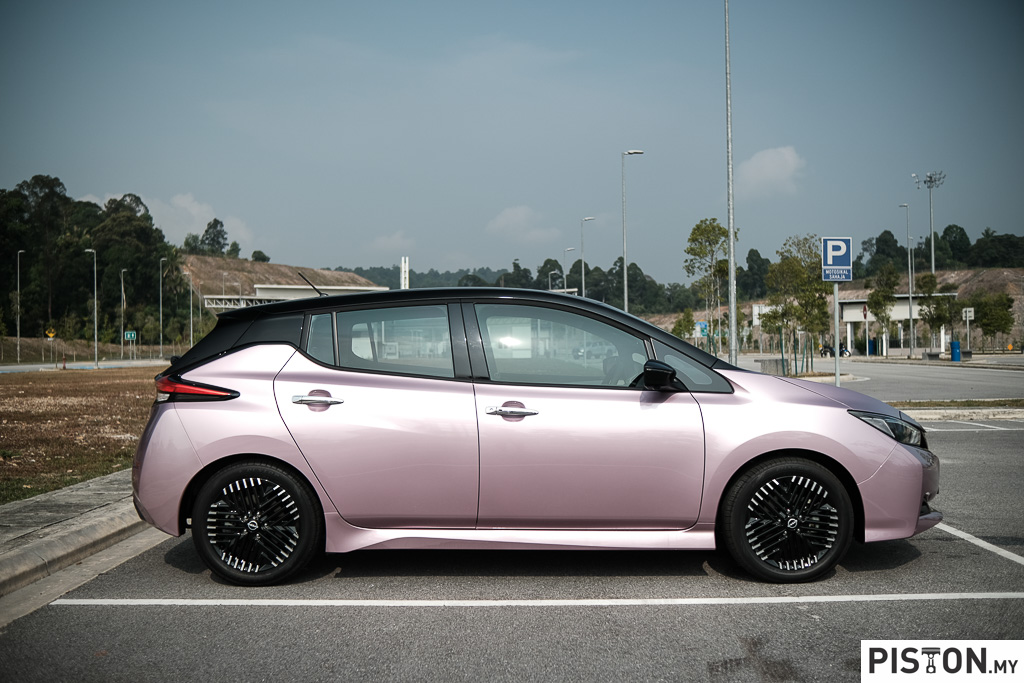
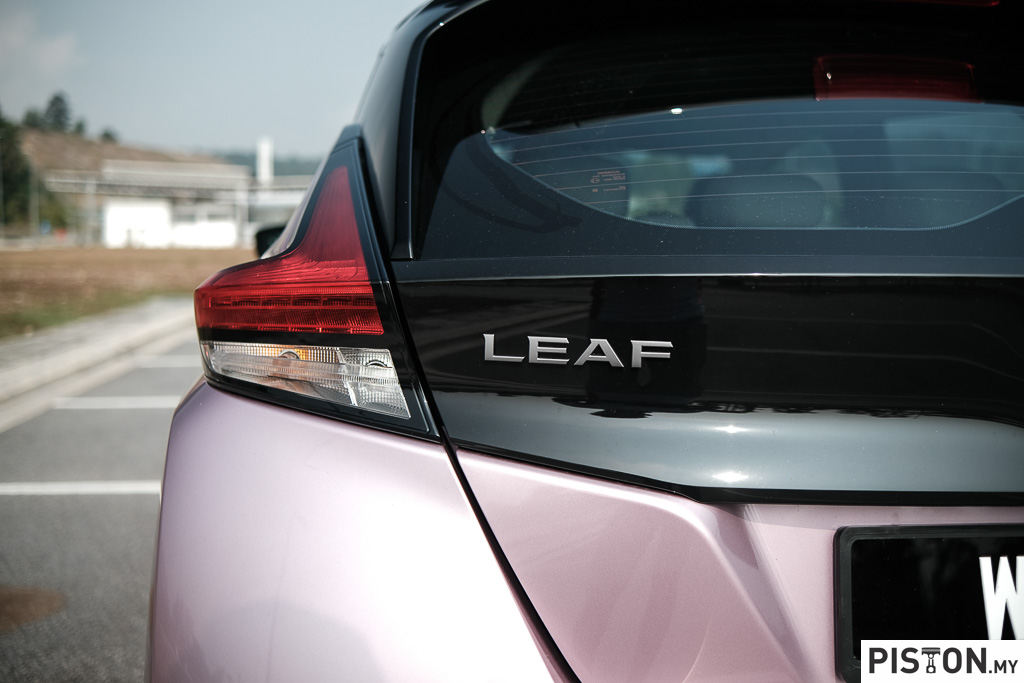
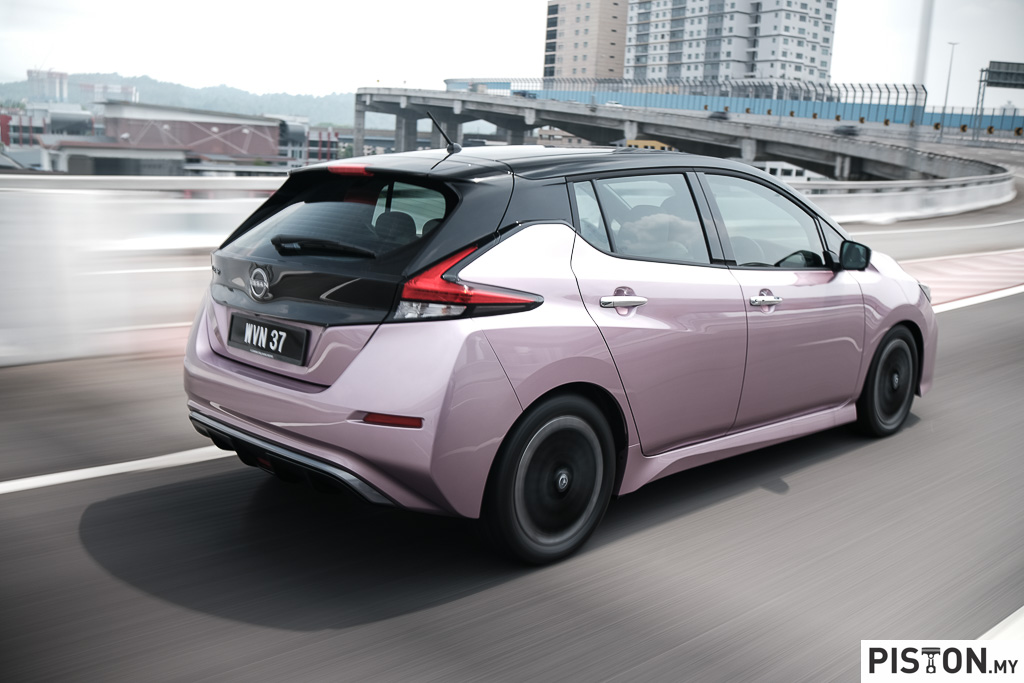
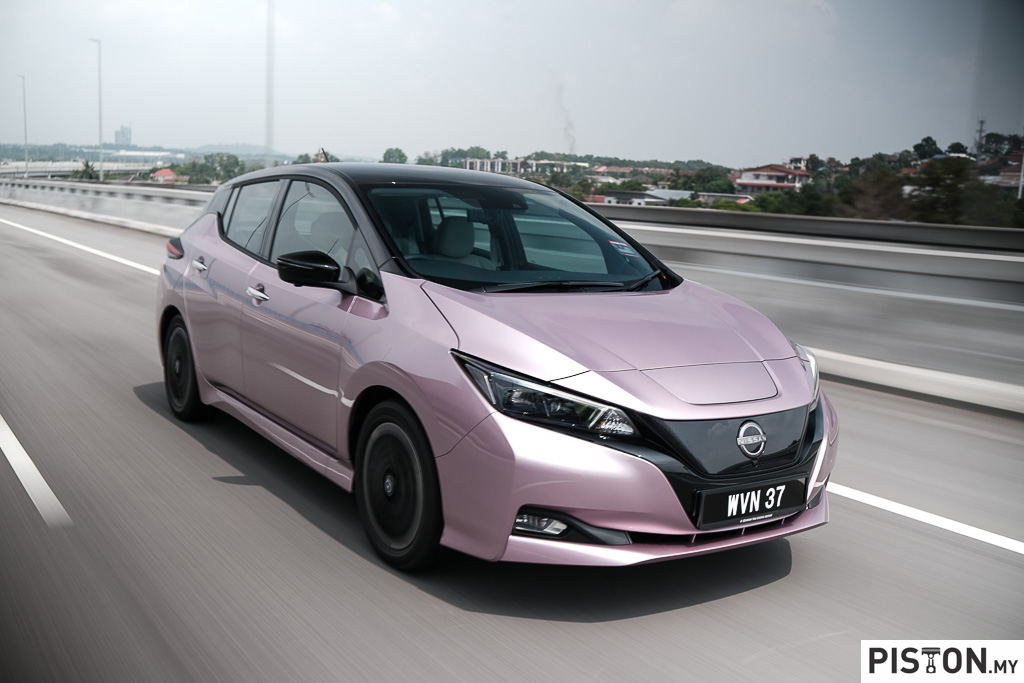
The second-generation Nissan Leaf was introduced to Malaysians about four years ago, and since then it has been constantly overshadowed by stiff competition from China.

While the Leaf may have chartered the path for the other brands to eventually make inroads to the Malaysian market, it has ultimately been beaten at its own game. Or has it? Let’s first look into the numbers.

The Leaf costs RM168,888 without insurance and comes with a three-year or 100,000km warranty on the vehicle as well as an eight-year of 160,000km warranty on the battery.

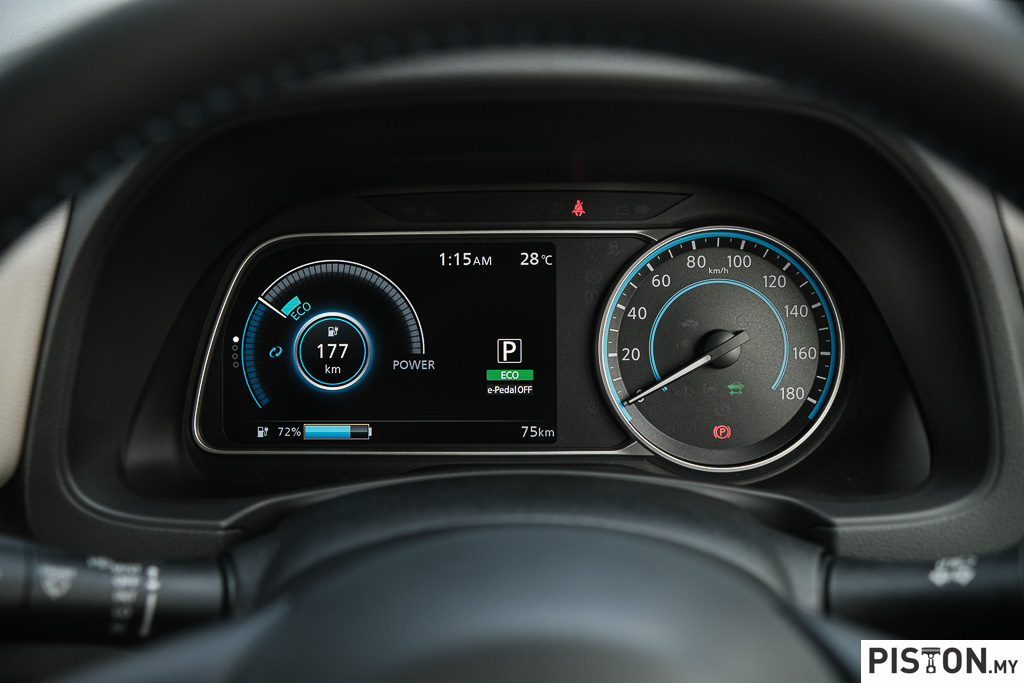
For that money, you get an EV that has a 311km range on the NEDC cycle, but we saw a range of about 230km with the battery at 98% state of charge.

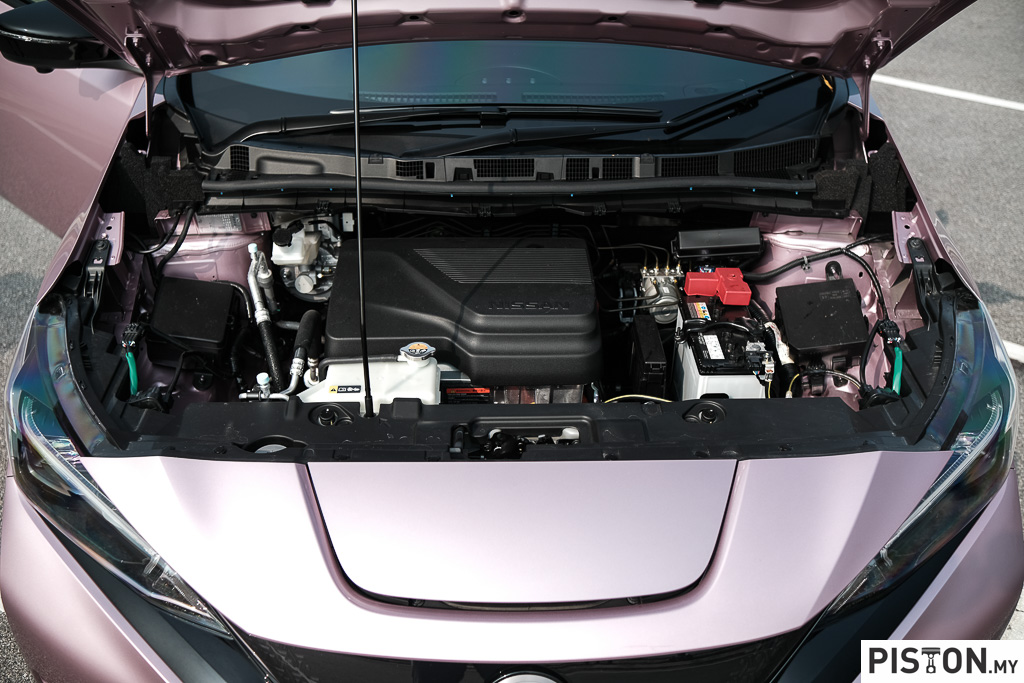
The sole electric motor that the Leaf is powered by is rated at 150PS and 320Nm of torque that drives the front wheels. The sprint to 100km/h is done in 7.9 seconds while top speed is rated at 155km/h.

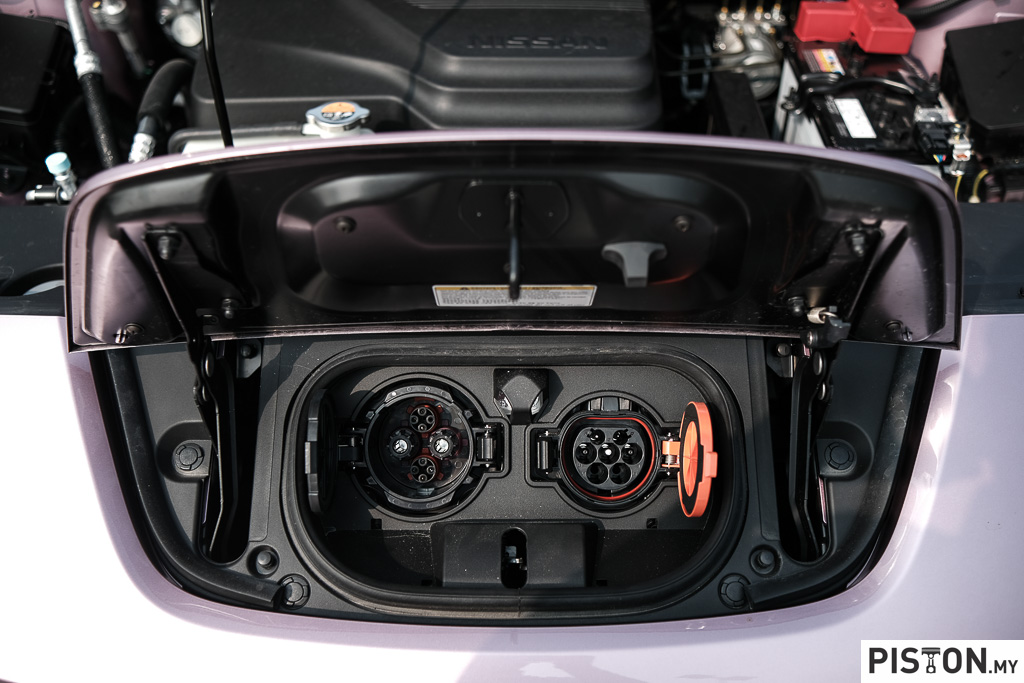
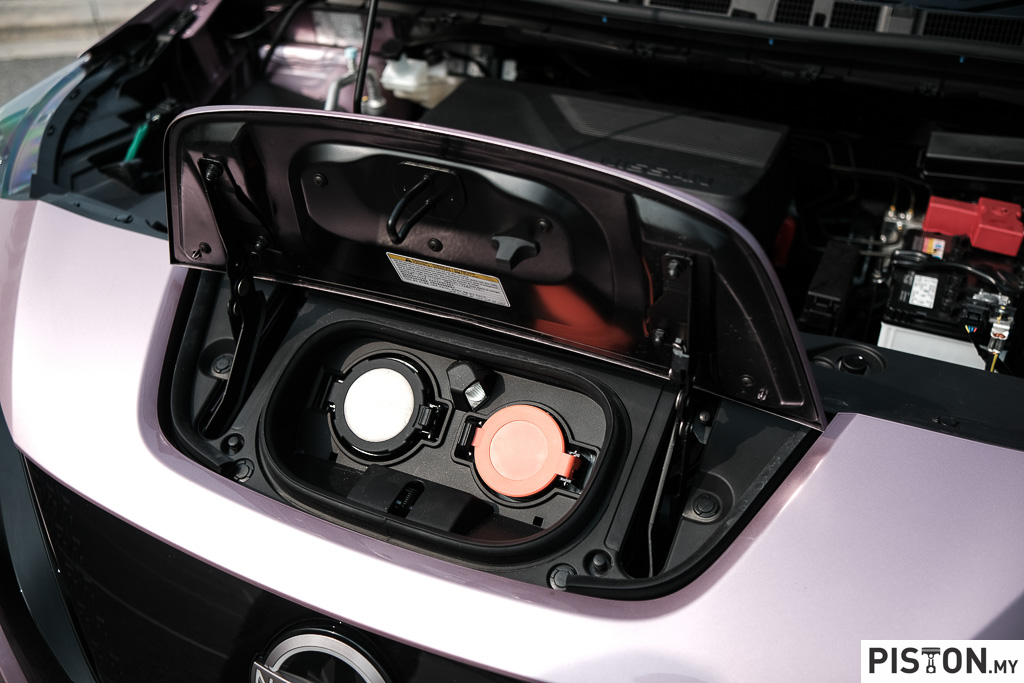
Charging the Leaf can be done in about seven hours with a 6.6kW AC charger, or an hour using a 50kW DC charger. However, the Leaf will also happily charge up using your home’s 3.6kW three-pin-plug, and that will take you 12 hours.

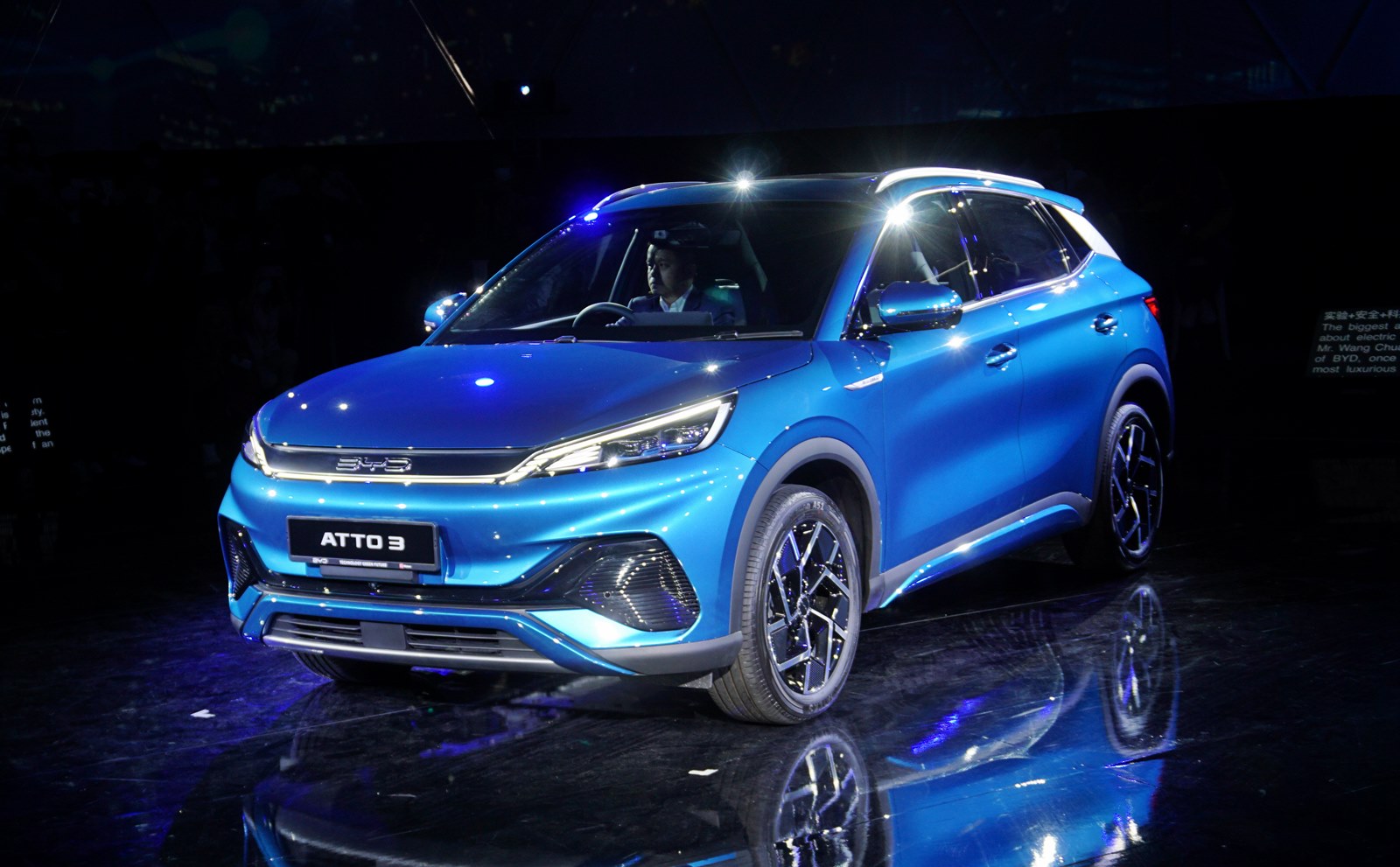
Now for comparison’s sake, lets dive into the numbers of what is arguably Malaysia’s most popular EV for the moment – the BYD Atto 3.

BYD’s SUV comes in two variants, the standard range, which is priced at RM149,800 and the extended range, which has a price tag of RM167,800. There are some discounts that are currently being offered which drops the price of the Atto 3 by a further RM20,000, but for the sake of this article, we will ignore that just to make it a level playing field for the Leaf (though it really isn’t).
Since the extended range (ER) is more closely priced to the Leaf than the standard, we shall use that for comparison. The ER has a 60.48kWh battery that offers a 420km range. It sends 204PS and 310Nm of torque to the front wheels while the sprint to 100km/h is done in just 7.3 seconds.

The Atto 3 is built on a 400-volt platform and that allows it to support 7kW of AC charging and up to 80kW of DC charging. The latter will let you juice up from zero to 80% in just 45 minutes.

The Atto 3 also has vehicle to load capability, which lets you power up appliances such as a small coffee machine or a kettle, making the car ideal for picnics or camping by the beach.

But that is not all, the Atto 3 also utilises a BYD’s proprietary Blade Lithium Iron Phosphate battery, which is widely regarded as the safest battery in the industry.

The Atto 3 also has a better interior with a rotating infotainment screen, a full-sized panoramic sunroof, wireless Apple CarPlay and can even be locked or unlocked using a NFC key card.

The BYD Atto 3 is obviously the clear winner in the battle of the spec sheets. But anyone who buys the Atto 3 or any other EV in the country, is taking a step into the unknown.

Because the EV industry is still in its infancy, the market does not have a clue about how used EV’s are going to be accepted. In the UK for example, used car dealers are shunning used EV’s because they argue that the batteries of the used EV’s cannot hold as much charge as when they were new. This impacts range, which is an inconvenience, and replacing the batteries is very expensive, and buyers are aware of that and steer clear of used EV’s.

And then there is the issue of battery replacement. Should an EV owner wish to hold on to the car longer than the eight-year warranty that most manufacturers provide for their cars, there is a good chance they will have to take on the cost of battery replacement, or deal with battery degradation.

This is where the Nissan Leaf provides an ideal solution. ETCM has come up with a plan where you don’t buy the Leaf in the traditional sense, but rather you lease the car from the company, or subscribe to it, which is just a play on words that means the same thing. This might sound weird to some of the traditionalists, but it makes perfect sense, especially when it comes to an EV.
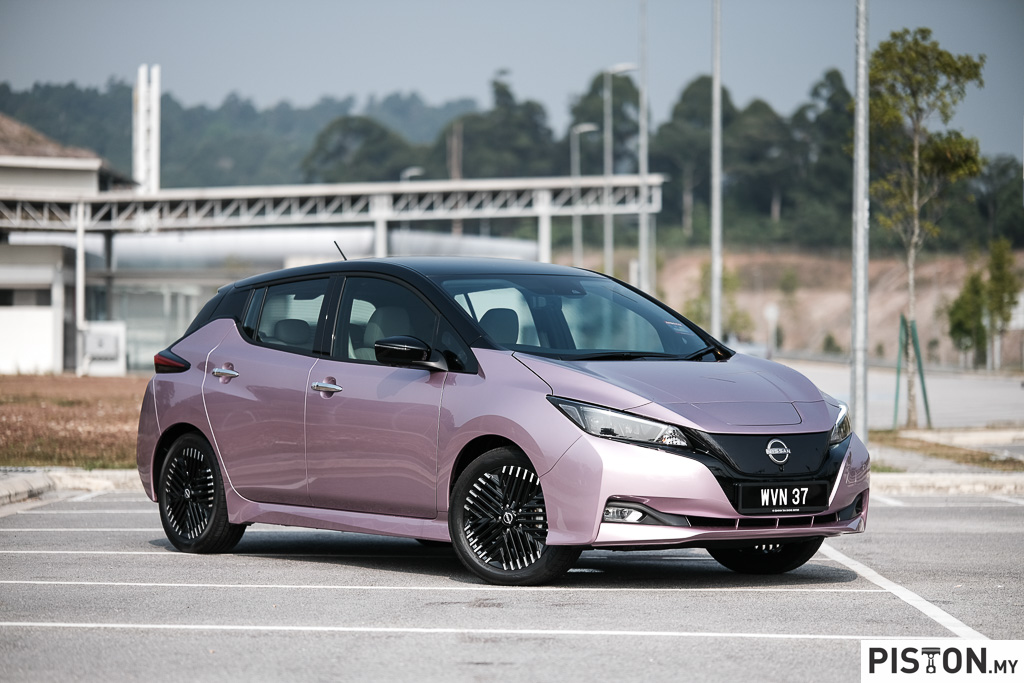
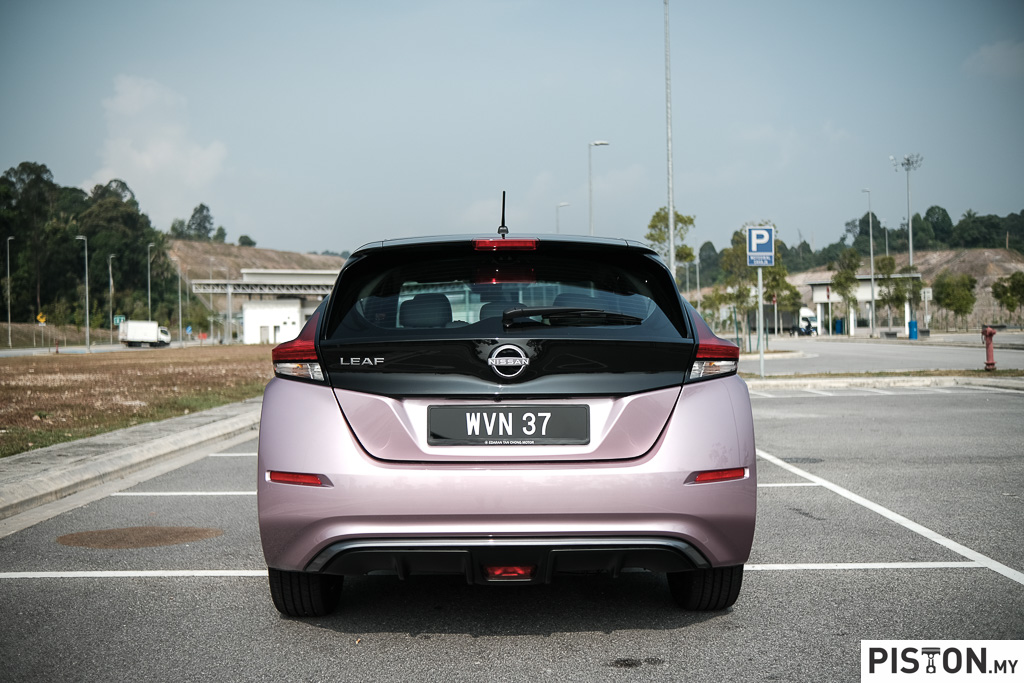
Called the Leaf Subscription Plan, the plan requires no down payment, and the monthly payments are just RM1,800 for a three-year contract. At the end of the contract, you can simply return the car.

This makes perfect sense for several reasons. For starters, you don’t have to deal with depreciation of the car, which is one of the main hole burners in your pocket. And then you don’t have to worry about disposing the car in the event you want to upgrade to a bigger car.

And most importantly and perhaps the biggest relief is not having to worry about the cost of the battery in the event it needed replacing. Sure, you would have paid RM64,800 at the end of the contract, but that is still much better than having to deal with depreciation or any unplanned maintenance issues.

This alone makes the Nissan Leaf a viable choice as your first EV or perhaps a second car. If your lifestyle revolves around the city and you don’t usually travel more than 30 to 50km per day, then the Leaf would be ideal. You don’t even have to worry about installing a wallbox since the Leaf can be charged with a domestic socket. And if you live in a high-rise building, then being able to charge up using an AC or DC charger is convenient as well.

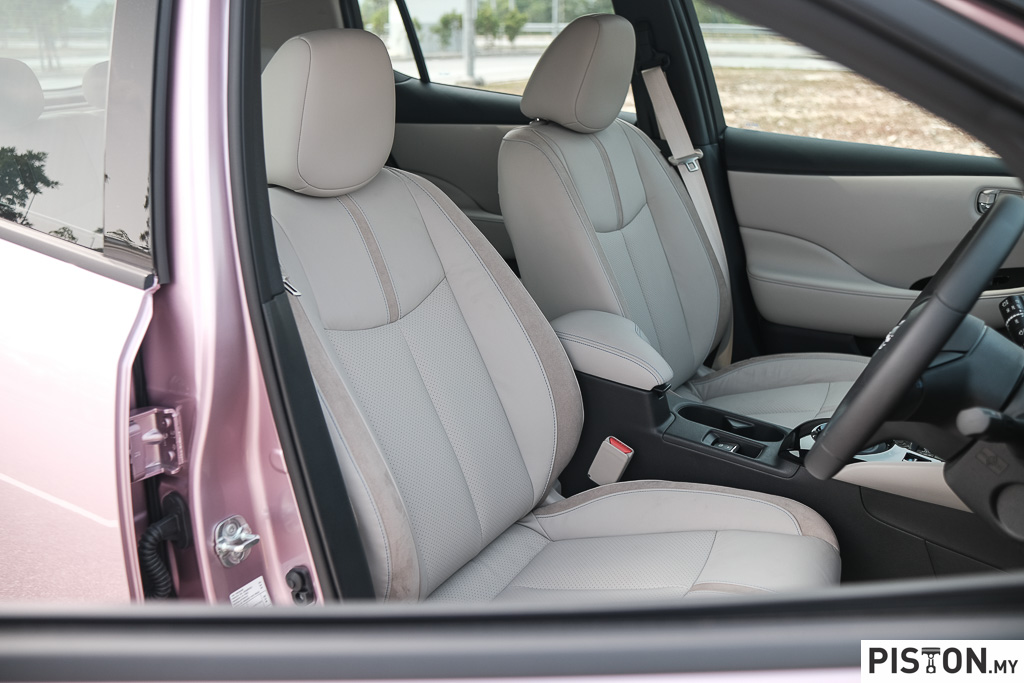
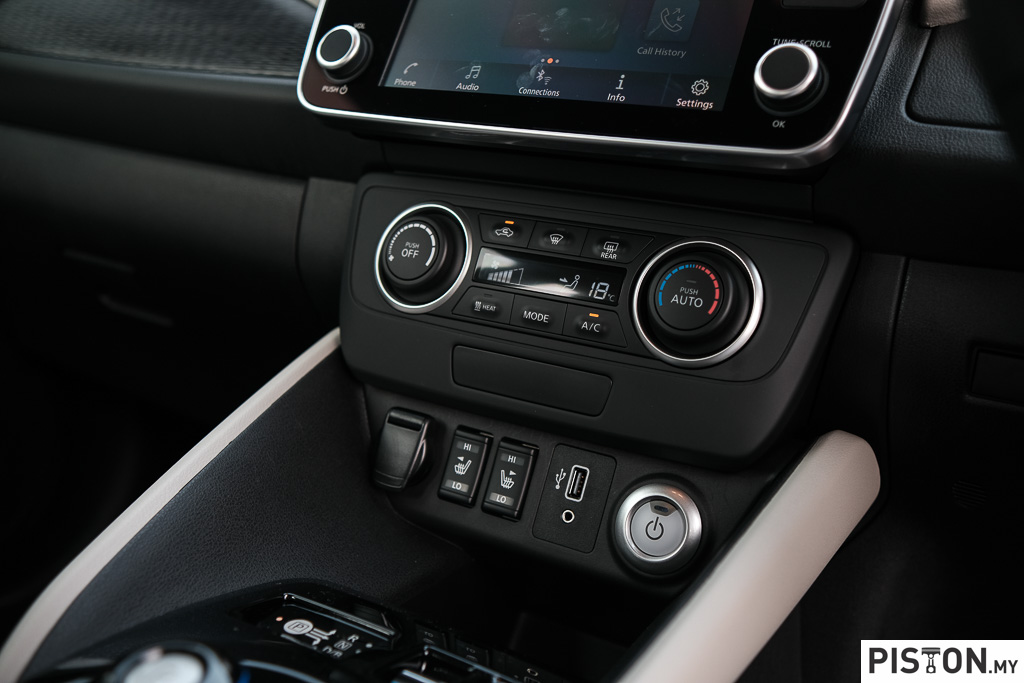
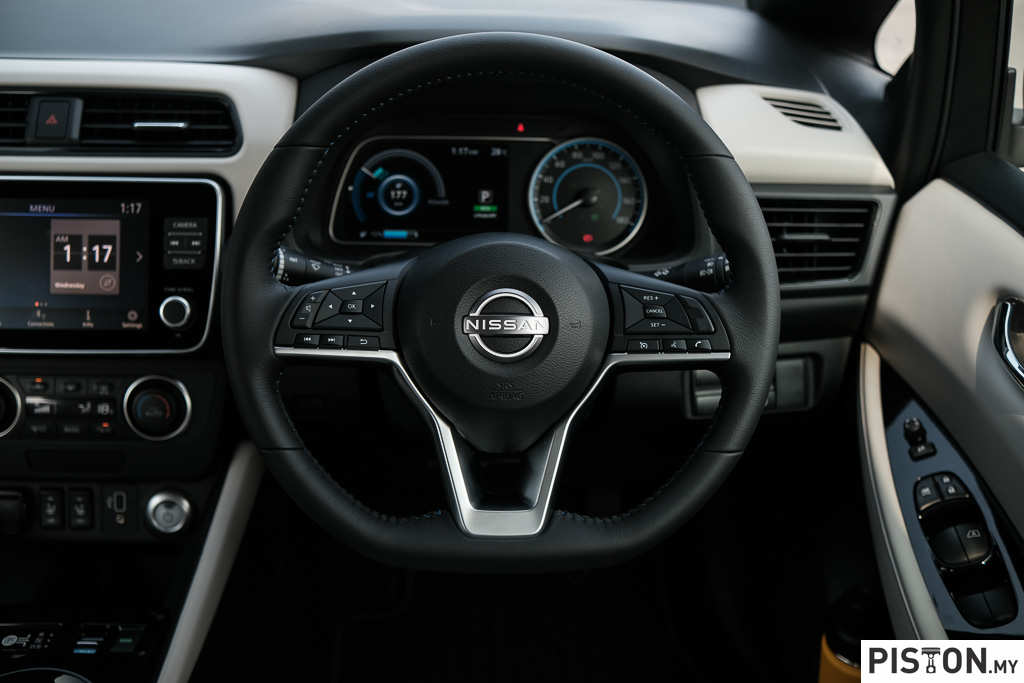
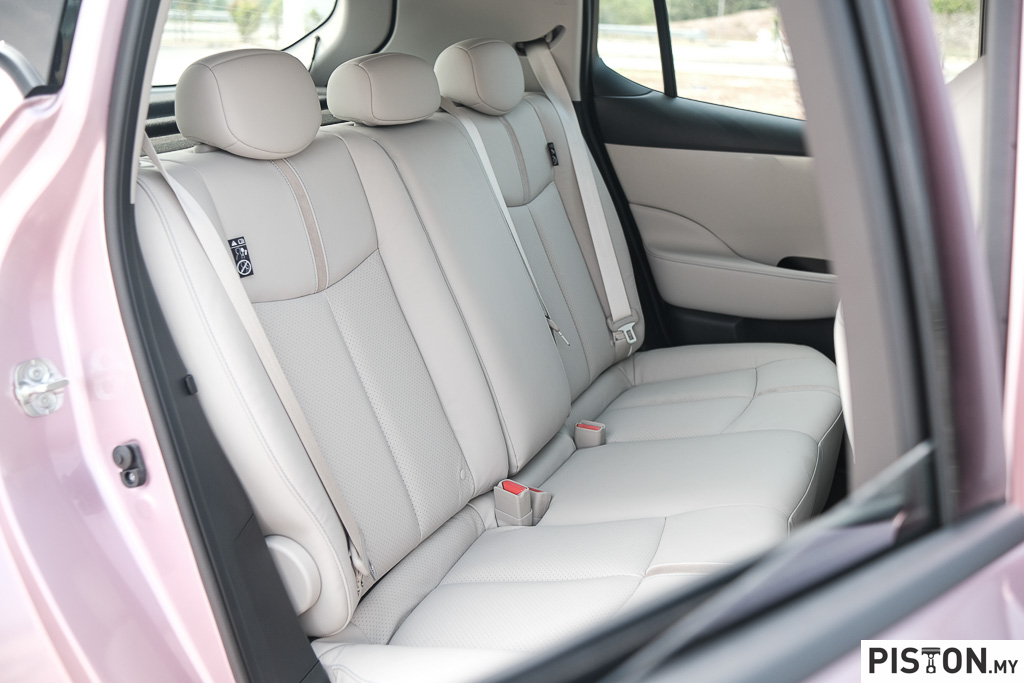
For the purpose of daily use, the Leaf offers Apple CarPlay, Android auto and arguably some of the most comfortable seats in its segment. In fact, the Leaf is ideal for life in the urban jungle. Even its size makes it easy to live with, offering enough space for luggage and for five average sized adults to get comfortable in.

If safety is of concern, the Leaf has you covered as well, offering six airbags, and Nissan Intelligent Mobility systems, which is basically Nissan’s way of saying the car comes with advanced driver aid systems (ADAS).

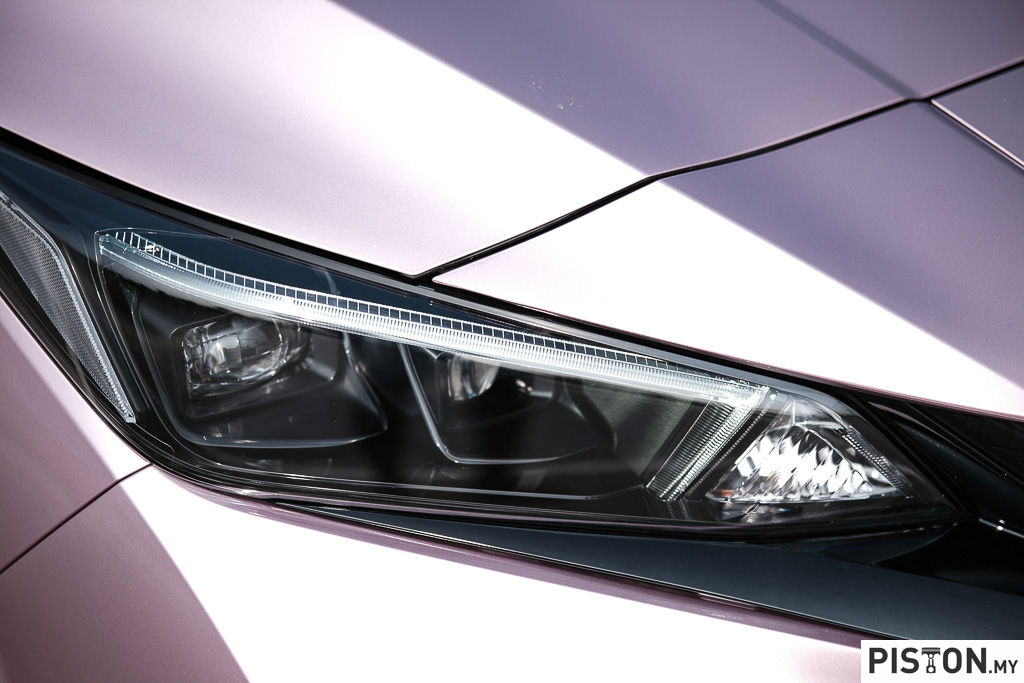
So, if the EV bug has been gnawing at you but you have been hesitant to take the leap, then perhaps dipping your toes into the segment with a leased EV would make better sense than simply leaping blindfolded into the unknown. And though the Leaf may be outgunned and outpowered by the competition, but it is the only EV in the market you can lease now. So no, it has not been beaten at its own game, the Leaf simply changed the game, and won.

Specifications:
Motor: 110kW AC Synchronous Electric Motor
Power: 150PS
Torque: 320Nm
Range: 311km (NEDC)
Charging: 1 hour (50kW DC) 7 hours (6.6kW AC) 12 hours (3.6kW AC)
Price (As tested): RM168,888 (RM1,800 per month on subscription)

We like: You don’t have to buy it, can charge anywhere
We don’t like: Range, feels basic

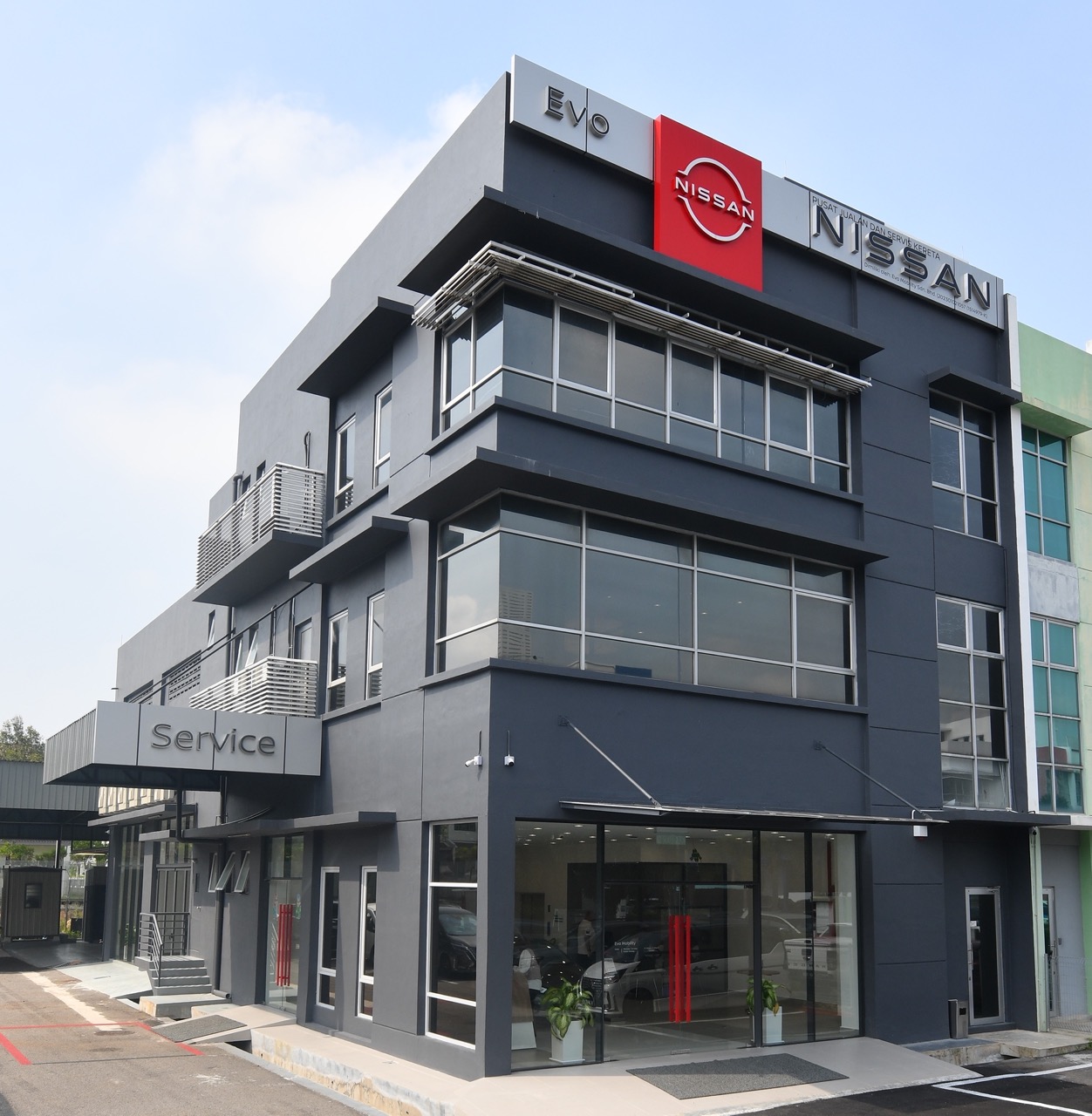
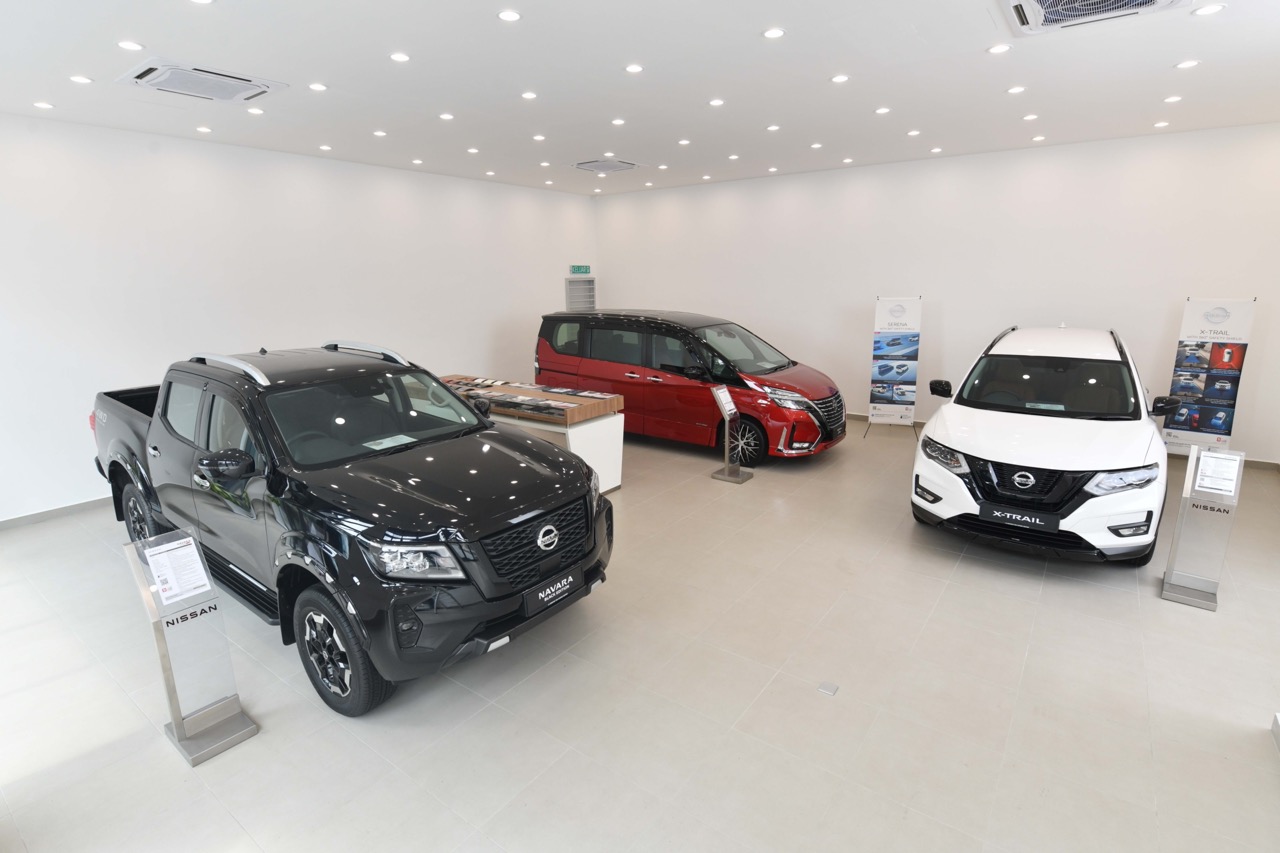
Edaran Tan Chong Motor Sdn. Bhd. (ETCM) memperkenalkan konsep NRC-NEXT untuk sebuah lagi bilik pameran Nissan di Cyberjaya, Selangor. Usaha transformasi bilik pameran ini adalah susulan kepada tiga bilik pameran yang sebelumnya, termasuk Pusat Flagship Nissan 3S  di Petaling Jaya yang direka bentuk semula dan dinaik taraf sejak dua tahun lalu. Konsep bilik pameran baharu ini membuktikan lagi komitmen syarikat dalam menyediakan pengalaman pelanggan yang unggul dan meningkatkan kepuasan pelanggan semasa mereka berinteraksi dengan jenama Nissan. 

Konsep Runcit Nissan bertujuan untuk menginovasikan pengedar Nissan dan menyampaikan standard perkhidmatan bertaraf dunia kepada pelanggan Nissan di seluruh dunia. Ia bertumpu pada mempamerkan nilai jenama Nissan sepanjang masa pelanggan berada di pusat flagship ini, sama ada untuk memandu uji model terkini atau menghantar kereta untuk servis biasa. Setiap titik sentuh kemudahan runcit yang mematuhi konsep NRC atau NRC-NEXT telah pun direka bentuk dan diperhalusi semula untuk menyampaikan keseronokan dan kepuasan kepada pelanggan.

(more…)

Edaran Tan Chong Motor Sdn. Bhd. (ETCM) has unveiled the NRC (Nissan Retail Concept) -NEXT concept for its latest Nissan showroom in Cyberjaya, Selangor. This showroom transformation initiative follows similar upgrades to three other showrooms, including the 3S Flagship Store in Petaling Jaya, over the past two years. The introduction of this new showroom concept underscores the company’s dedication to providing exceptional customer experiences and enhancing satisfaction as customers engage with the Nissan brand.

The NRC-NEXT concept aims to revolutionise Nissan dealerships and uphold world-class service standards for Nissan customers worldwide. It focuses on showcasing Nissan’s brand values throughout the entire customer journey at the dealership touchpoint, whether it involves test driving the latest models or scheduling regular service appointments. Every aspect of a NRC- or NRC-NEXT-compliant retail facility is reimagined and refined to deliver excitement and satisfaction to customers.

(more…)

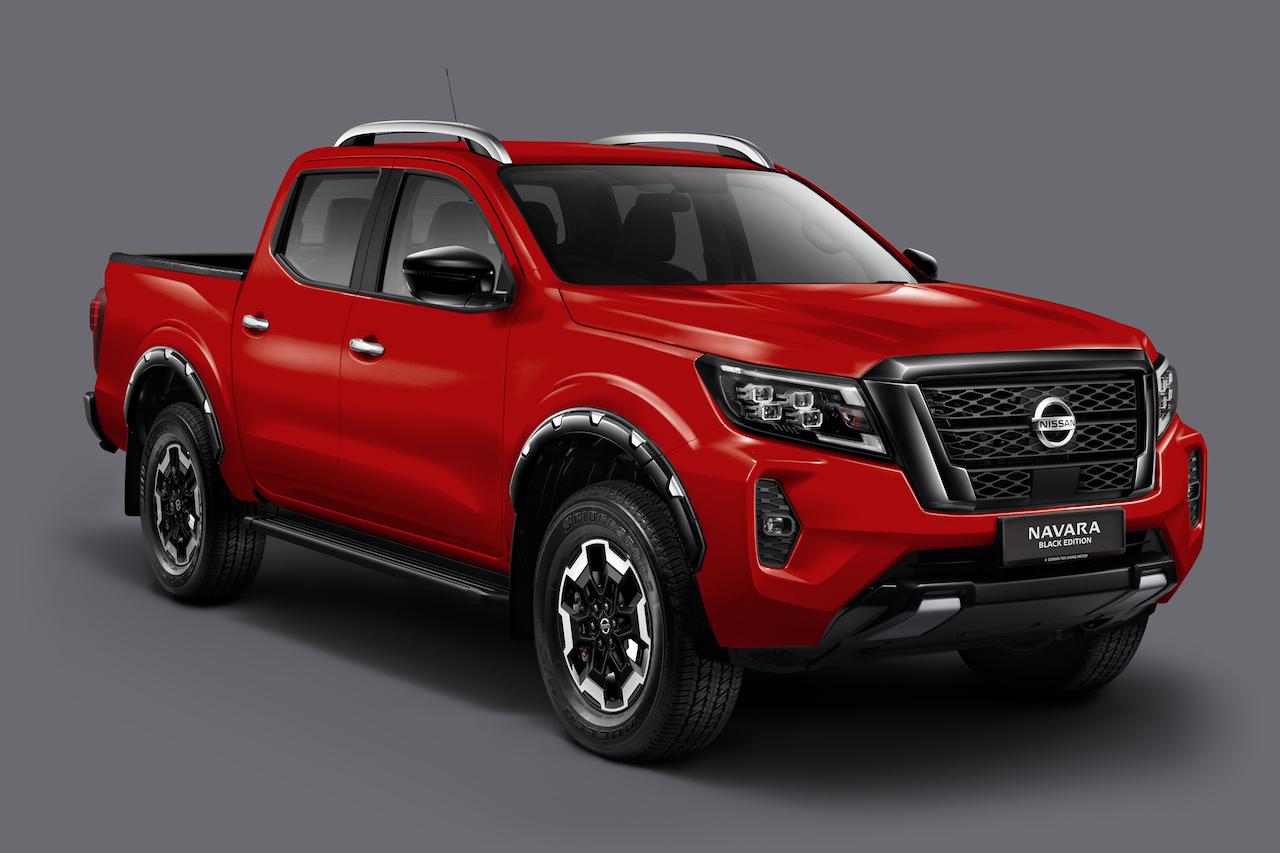
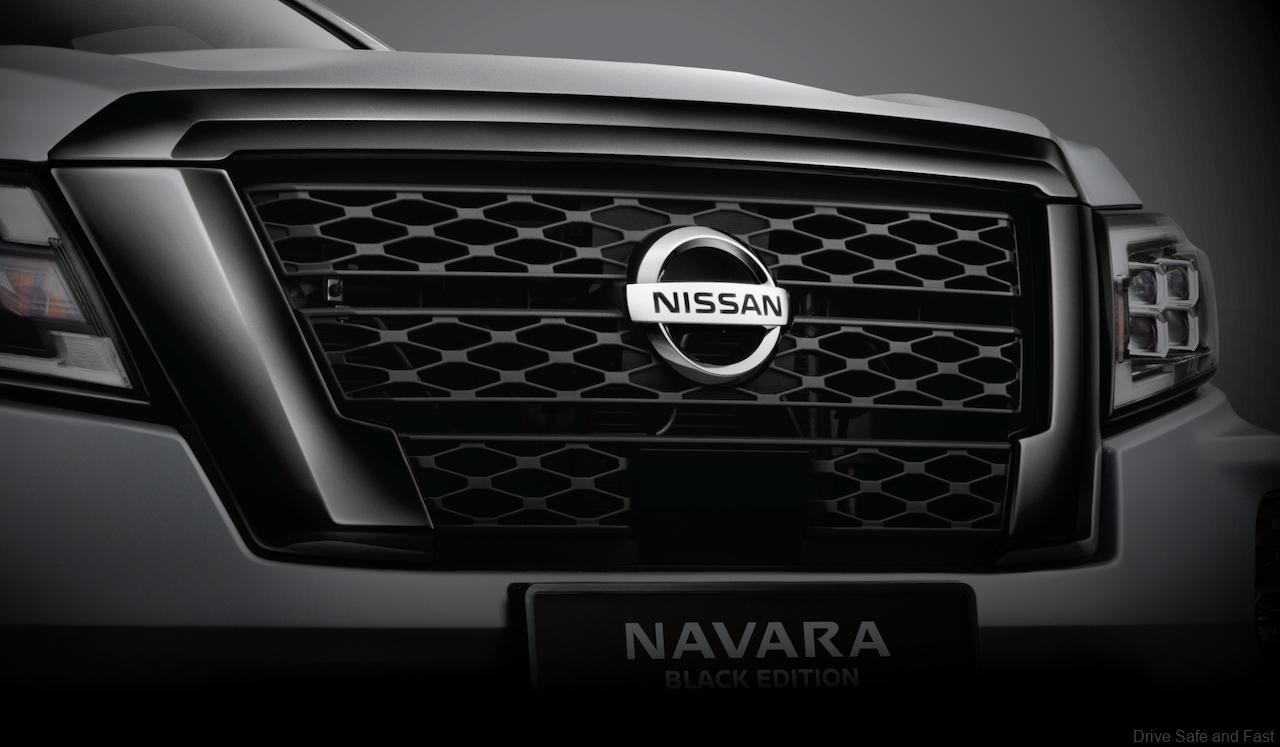
Edaran Tan Chong Motor (ETCM) has recently taken the wraps off the all-new Nissan Navara Black Edition, aimed at enhancing the aesthetics and features of the already popular VL and V variants within the Navara pick-up model range.

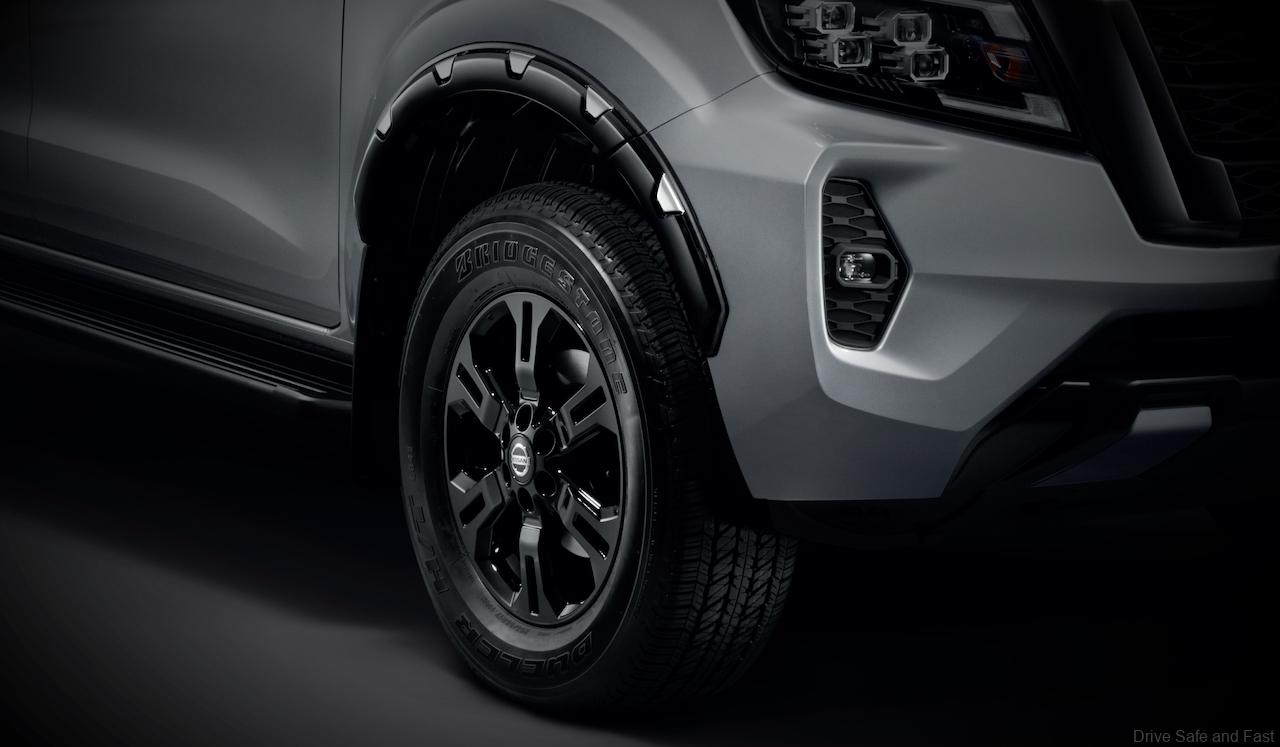
The Navara Black Edition features several key design elements, including a newly designed front grille cladding, door mirror covers, and over fenders, all finished in sleek black. In addition, the V variant comes equipped with gloss black 17-inch alloy wheels, while the VL variant maintains its distinctive black and polished 18-inch alloy wheels.

The striking blacked-out grille, previously exclusive to the flagship PRO-4X, enhances the appeal of the VL and V variants by giving them a refined yet rugged presence. This effect is further accentuated when paired with the impressive Quad-LED Projector Headlamps featuring C-shaped LED Signature Daytime Running Lights.

The sleek black theme extends to the sides of the vehicle, featuring gloss black door mirror covers alongside two-tone over fenders and alloy wheels with a matching finish.

(more…)

Although activity in the electric vehicle (EV) market in Malaysia has increased substantially in the last year due to the government allowing duty-free importation and sale, with many brands (even new ones) introducing their EV models, we have not heard from Edaran Tan Chong Motor (ETCM) which began marketing the world first mass-produced EV – the LEAF – twelve years ago.

Using its own funding, ETCM had taken the initiative to provide information to the public about EVs and the benefit of their zero emissions to the future of the planet. However, the government then was not proactive in addressing climate change until it signed the Paris Agreement in 2015 and made the commitment to become carbon-neutral by 2050. This meant taking various actions, including promoting the use of EVs.

ETCM continued to offer the LEAF, and when it went into the second generation in mid-2019, it began importing the model for sale in Malaysia. However, without the government incentives, its price was high and interest was therefore limited.

The LEAF is still in its second generation and received improvements not so long ago, so ETCM was probably waiting for the updated and better model to be available and it is now ready for sale. With the tax exemption, it is now priced at RM168,888 which is RM20,000 lower than when it was launched in 2019. This would be as low as it can get unless it is assembled locally and would then get additional incentives.

(more…)

Valentine’s Day takes place in February and while it is regarded as a special occasion for couples, it is also a time when appreciation can be shown to those whom we care about. With this in mind, Edaran Tan Chong Motor (ETCM) is having a promotion with special offers on Nissan products as a way of showing its appreciation to customers.

The promotion, called ‘Fall In Love At First Deal’ is for popular models such as the X-Trail and Serena. In the case of the X-Trail, there’s a new Black Edition accessories package which gives a bolder image with black-themed items. The package includes a Black Front Grille, Black TOMEI Aerokit, 17-inch Gloss Black Alloy Wheels, Brown NAPPA Combination Leather Seat with Leatherette Dashboard and Knee Pads, and Ice Cool Tinting.

(more…)

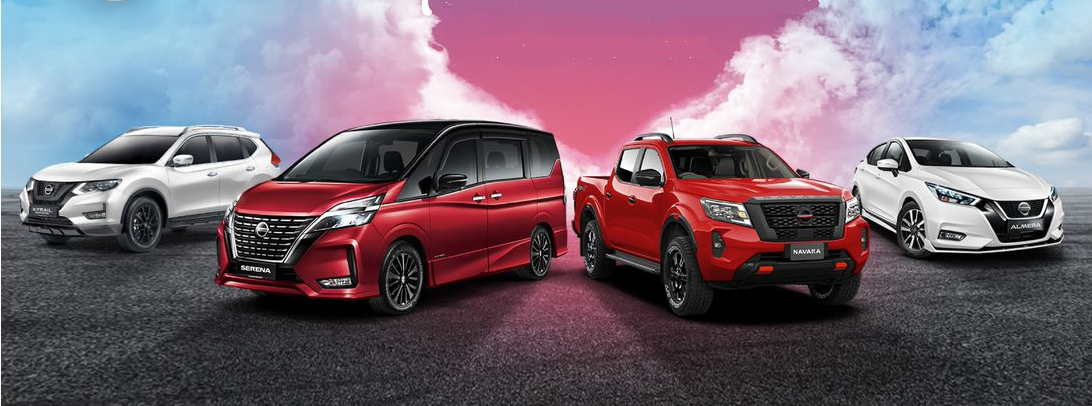
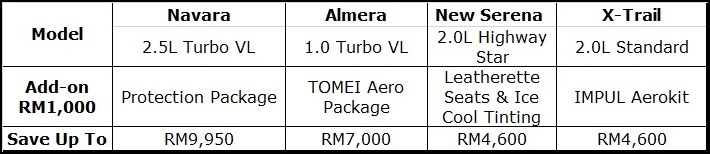
Festive seasons are times when many people may want something new to celebrate and if it’s a new car you’re considering, Edaran Tan Chong Motor (ETCM) has some special offers for new Nissan vehicles. Its Chinese New Year promotion to welcome the Year of the Rabbit is from January 1 to 31, 2023 and purchasers of the new Nissan Serena, Navara, X-Trail and Almera can enjoy savings of up to RM9,950.

The promotion includes an add-on of RM1,000 for a customized Accessories Package for the respective models, as shown below:

(more…)
BHPetrol

For a limited period (while stocks are available), every new unit of the Nissan Almera Turbo will come with a free Tomei Aerokit Package worth RM8,000. Tomei, a well-known tuner in Japan, collaborated with Edaran Tan Chong Motor (ETCM) to develop this package exclusively for the sedan.

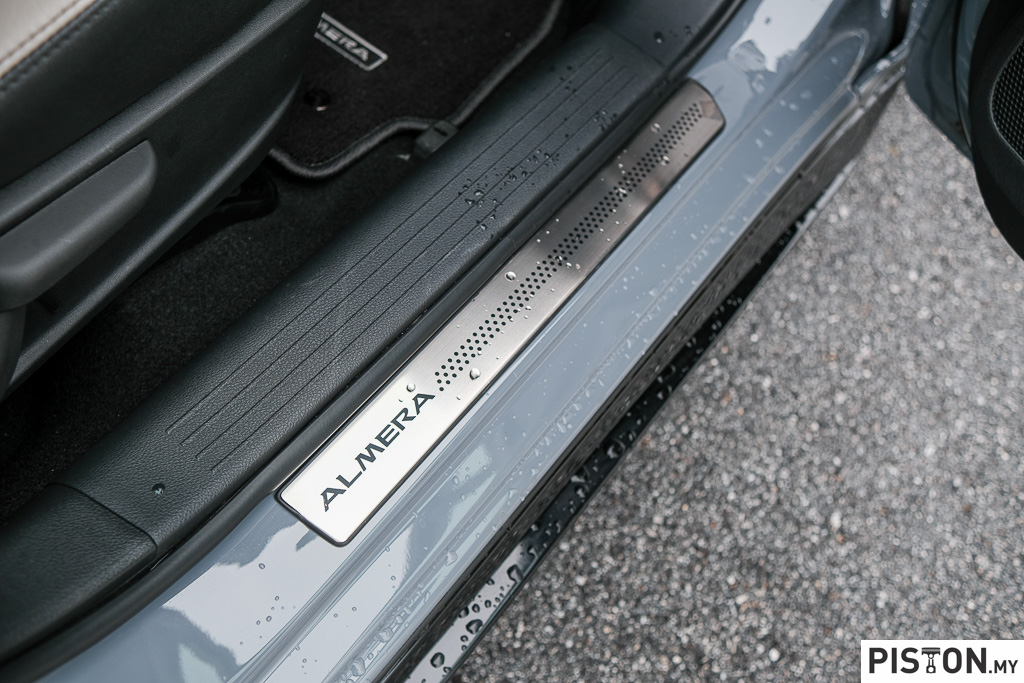
The Tomei Aero Package is available for all three variants of the Almera Turbo with the top VLT version having all the items. These are a 5-piece aerokit consisting of a front and rear (two sections) bumper spoilers, side skirts, sport pedals with footrest, door handle protectors (4 pcs), kickplate for the door sills. Door visors, and ICE Cool Tinting.

The other two versions come with the 5-piece aerokit and a bootlid spoiler, ICE Cool Tinting Film and the sport pedals with footrest. All bodykit items come in a 2-tone colour scheme.

A Tomei GT Wing (shown below) specially designed for the Almera Turbo is also available, price at RM1,400 (inclusive of installation). For a limited period, ETCM is offering the Tomei GT Wing to Early Bird buyers with a 50% discount.

All the items are factory-fitted to ensure the same high quality as the rest of the car. Each item also comes with a warranty against manufacturing defects for a period of 3 years/100,000 kms (whichever comes first).

Downsized but performance not sacrificed
The Almera Turbo’s powerplant is a good example of how downsizing engines, an industry trend, has been achieved without sacrificing performance and yet giving better fuel efficiency. The HR10DET engine generates 100 ps/152 Nm – comparable to a 1.5-litre engine – but owners have reported being able to get up to 49.5 kms/litre! Should the price of RON95 petrol (currently subsidised by the government) go up, Almera owners will be happy that they have a fuel-sipping engine.

Nissan Almera Turbo

The Almera Turbo range is priced from RM83,888 to RM95,888, with the Tomei package free while stocks last. For more information, visit the Nissan Malaysia website at www.nissan.com.my. Test-drives are available at all Nissan showrooms throughout Malaysia. For those who are not able to visit a Nissan showroom, they can still experience the car by requesting for a test-drive at their home or office. The request can be made at the Nissan Online Showroom at nissan.com.my/onlineshowroom/

Incidentally, Via the Lazada Nissan Flagship store, a booking fee (RM250) can be paid online to start the purchase process. A sales representative will then be in touch to assist in completing the rest of the process.

Archive

Follow us on Facebook

Follow us on YouTube