Piston.my

EV

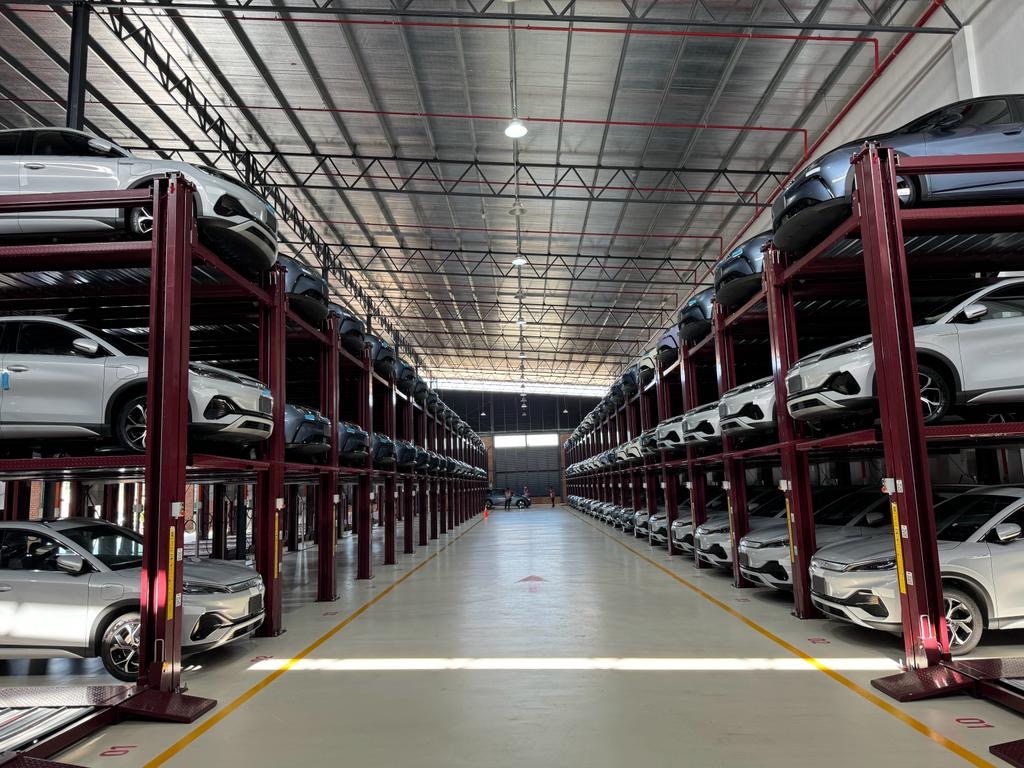
BYD’s presence in Malaysia is stronger than ever with multiple options in their lineup for buyers. From electric hatchbacks to sedans and SUVs, they have it all. Just recently, Sime Motors, the official distributor of BYD vehicles in Malaysia, marked a milestone by expanding its comprehensive aftersales network to 21 service centres nationwide. 

BYD announced a surge in sales for 2024, reflecting its growing dominance in both domestic and international markets. The company reported a 41.3% year-on-year increase, selling 4,272,145 vehicles compared to 3,024,417 units in 2023.
Sedans are fast becoming the most common type of cars seen around and are experiencing a resurgence in the automotive market, driven by a blend of innovation and evolving consumer preferences. Automakers in return are introducing sleeker designs, enhanced fuel efficiency, and advanced technology to appeal to modern buyers. 

However, with the rise of electric and hybrid powertrains, sedans now offer eco-friendly options alongside traditional combustion engines. Their balanced performance, comfort, and affordability make them a practical choice for families and urban commuters alike. This renewed focus on sedans, coupled with competitive pricing, is contributing to steady growth in both established and emerging markets.
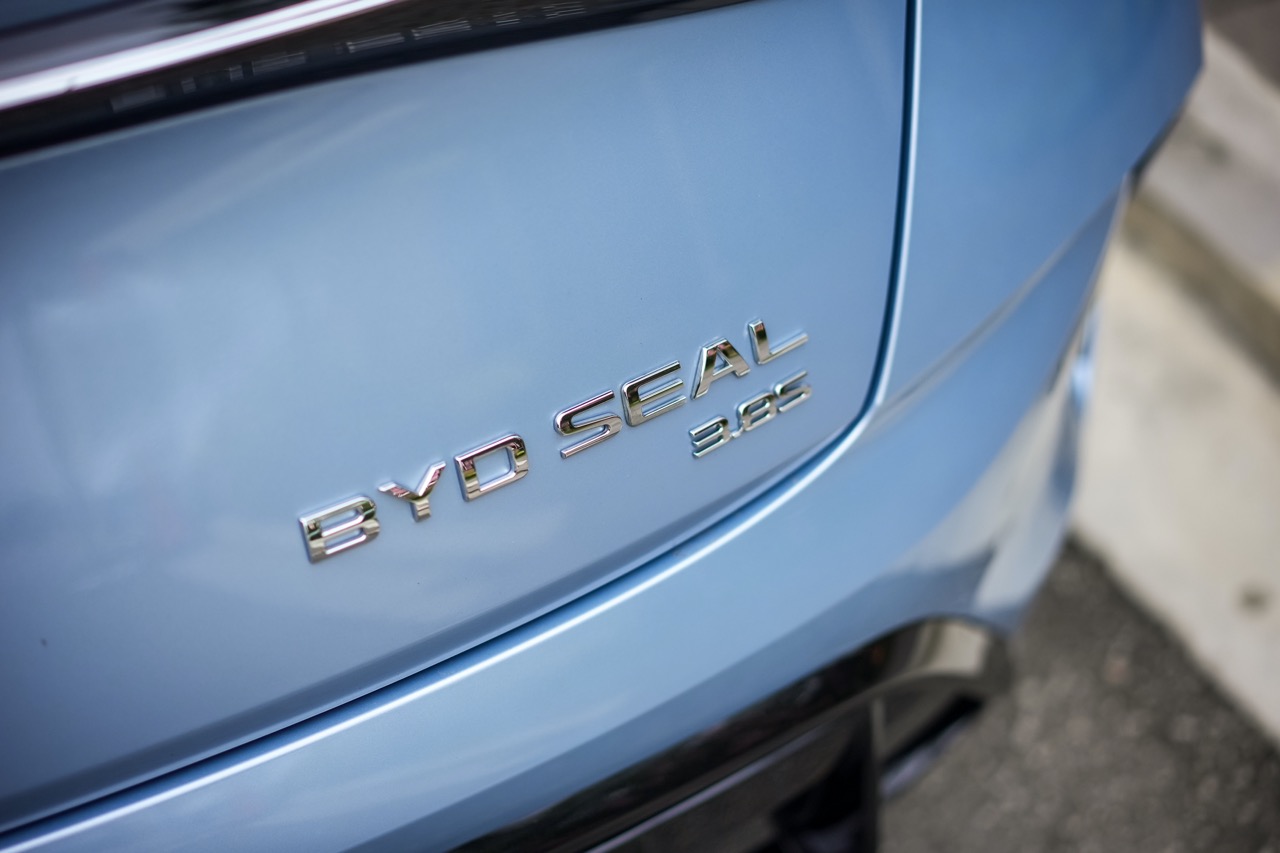
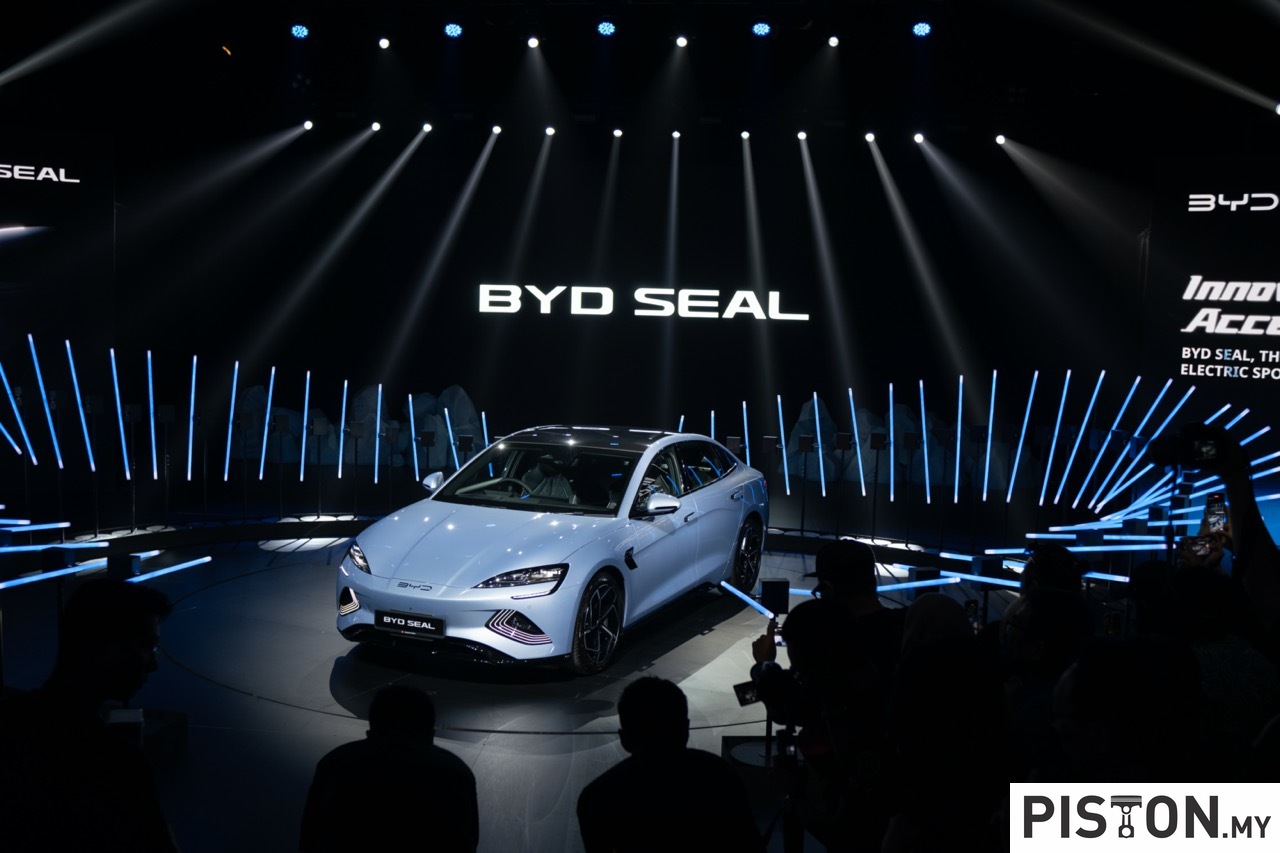
But what makes BYD so good? Are their offerings better than their competitor sedans out there? Well, we tested out the BYD Seal Performance variant and we can see why many are invested and interested in BYD’s offerings. 

Sleek and Menacing Looks

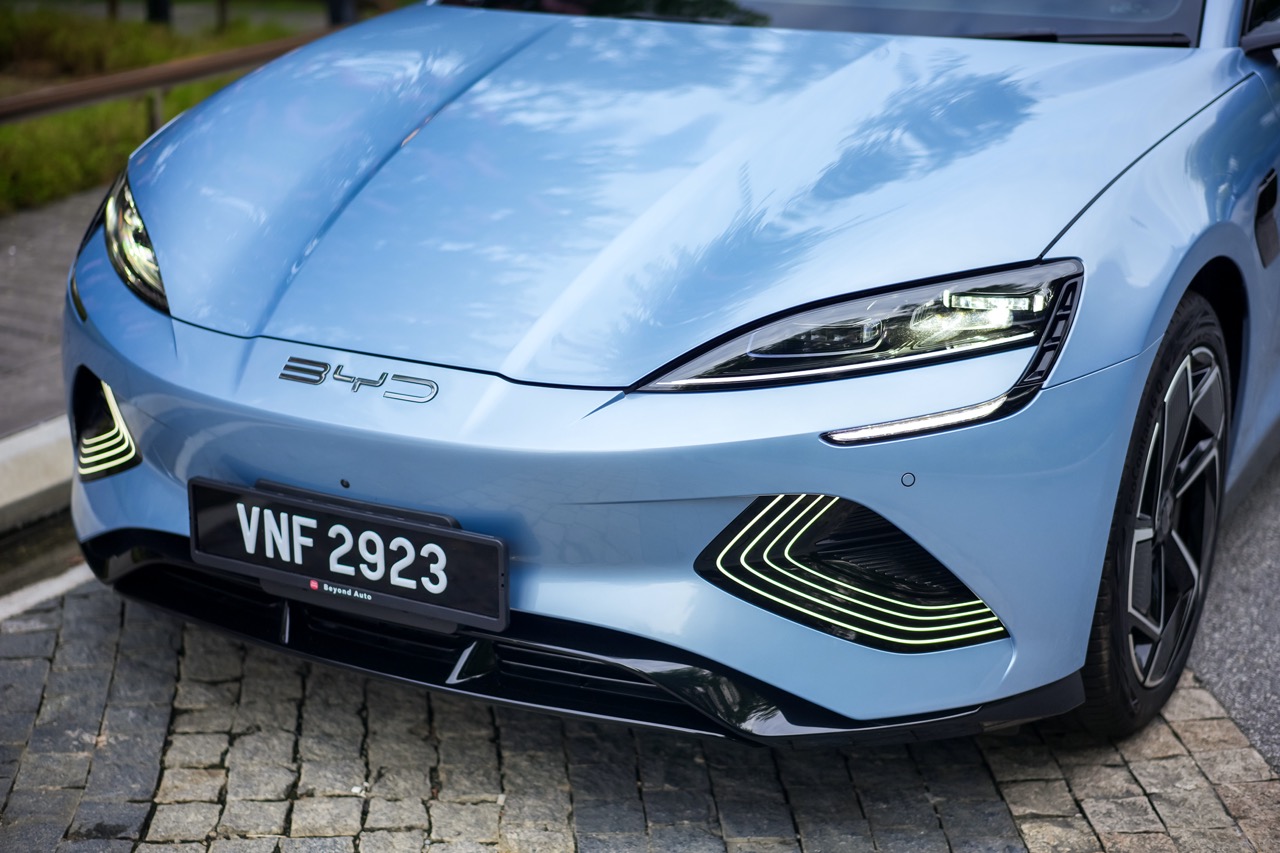
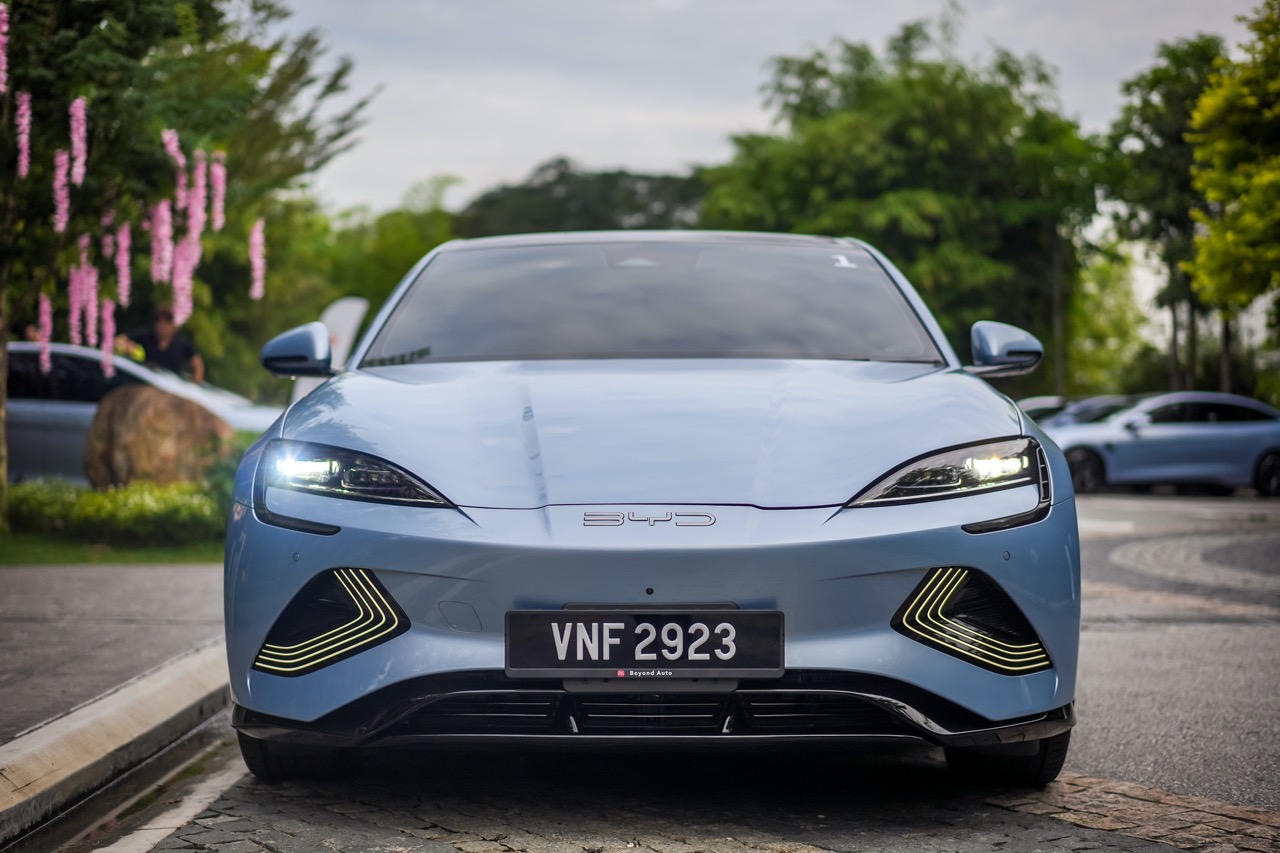
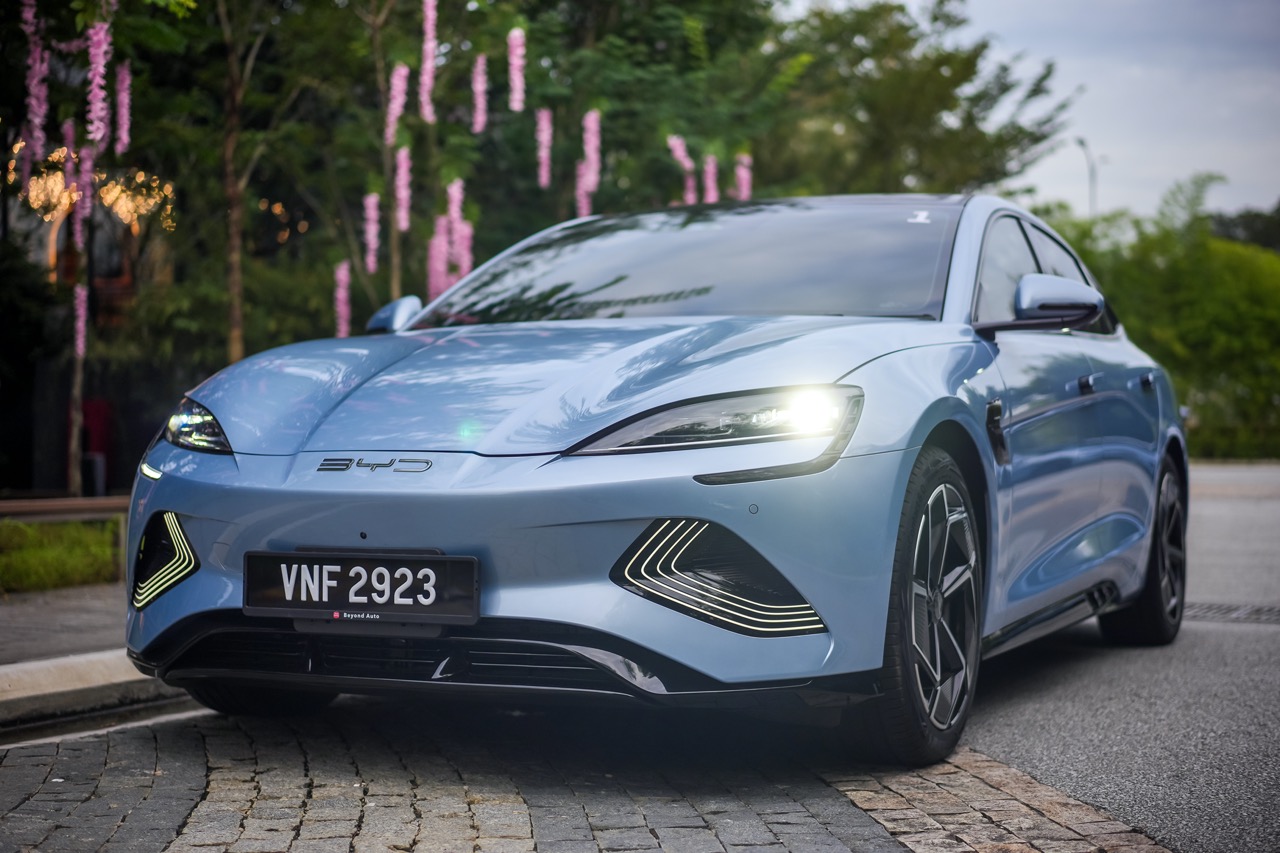
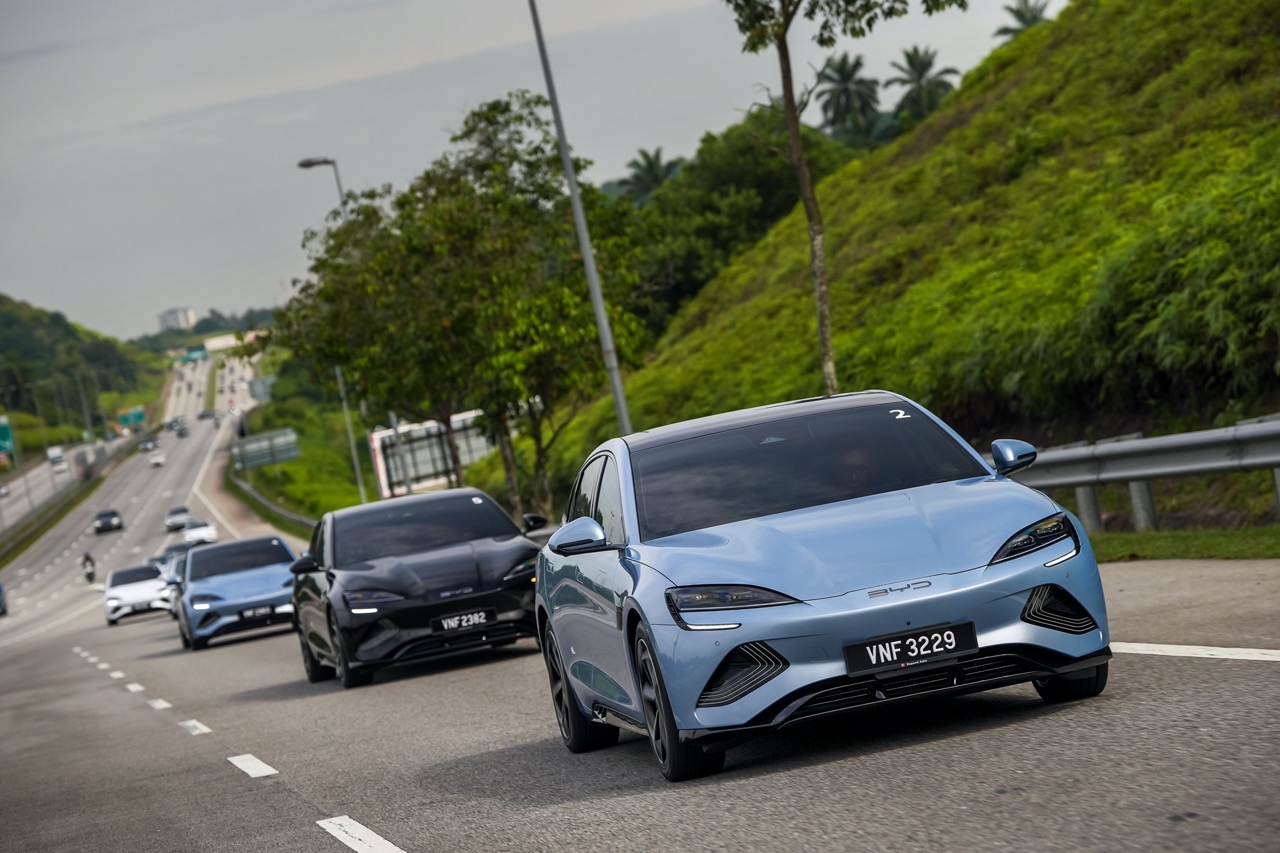
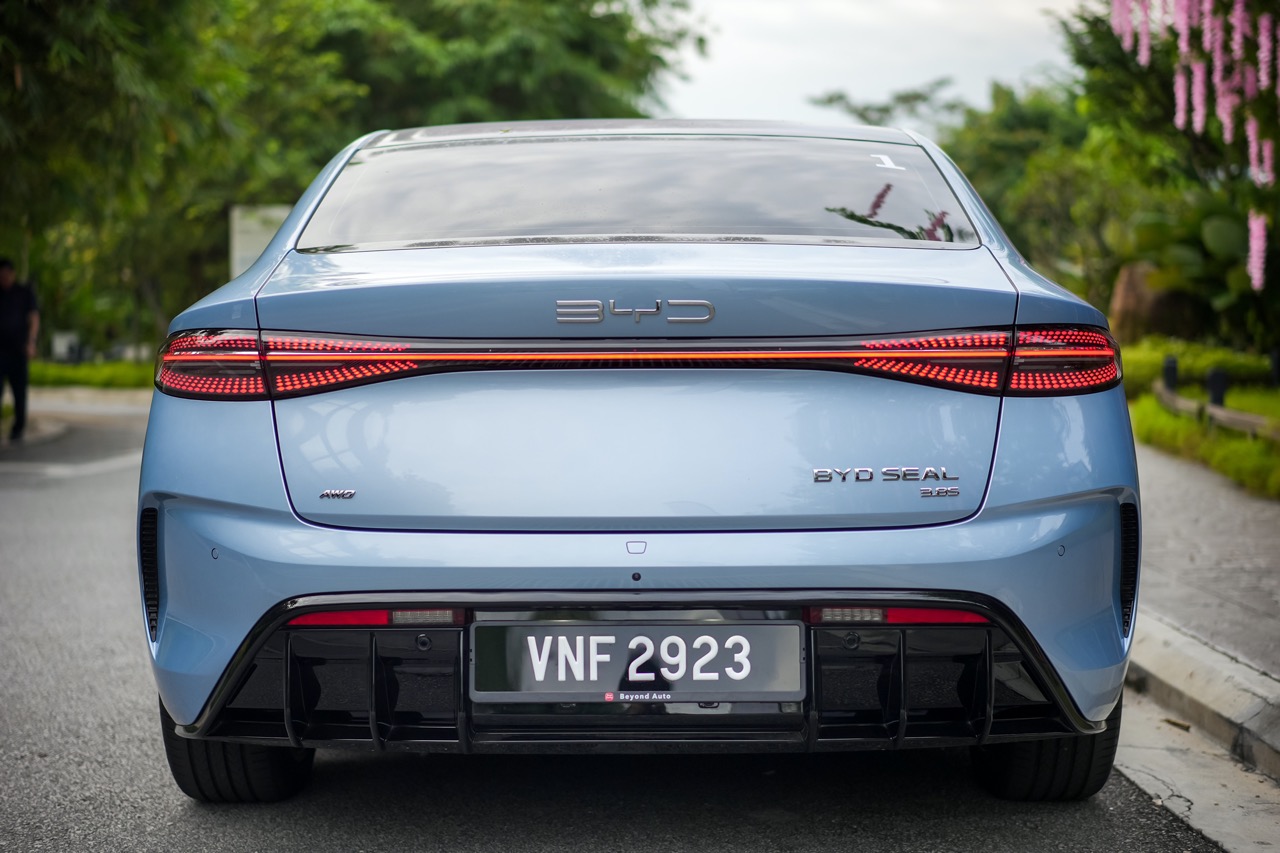
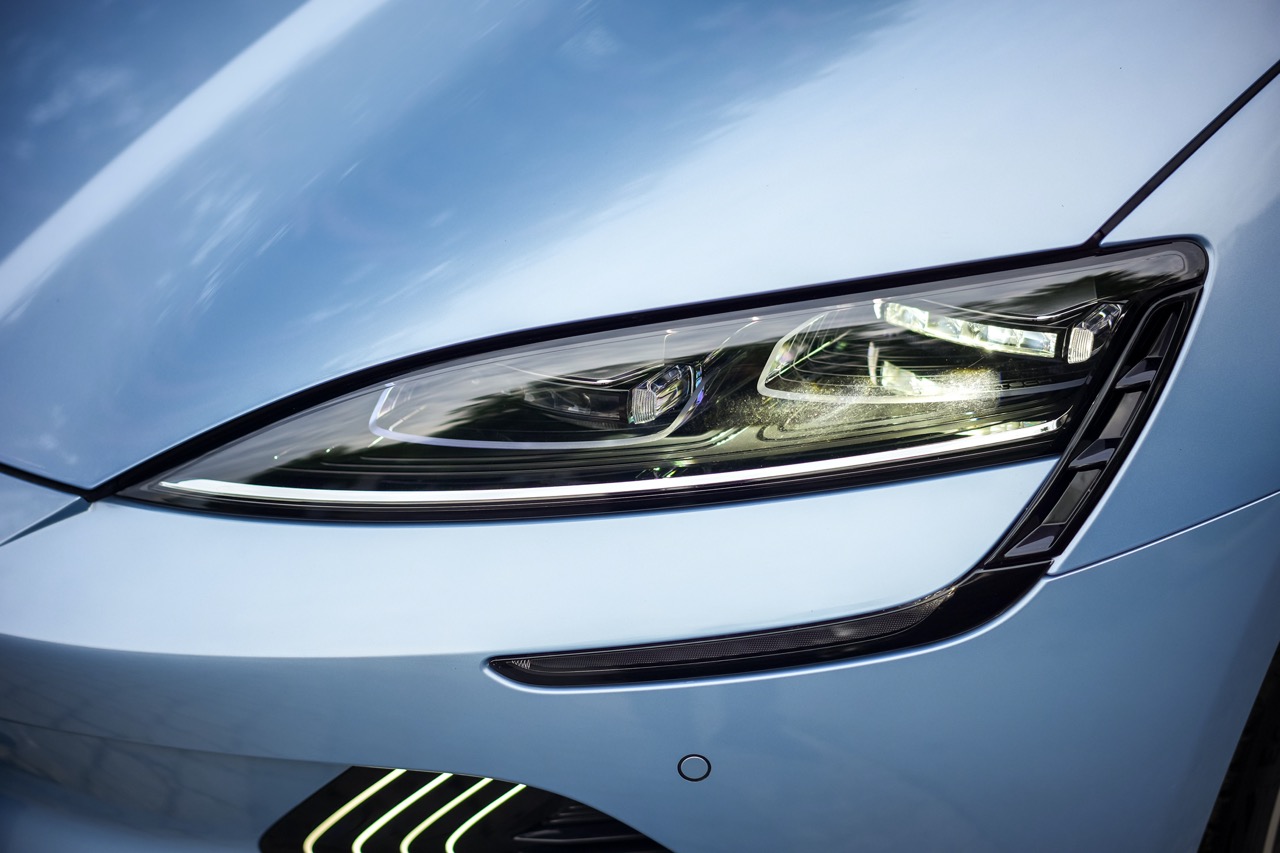
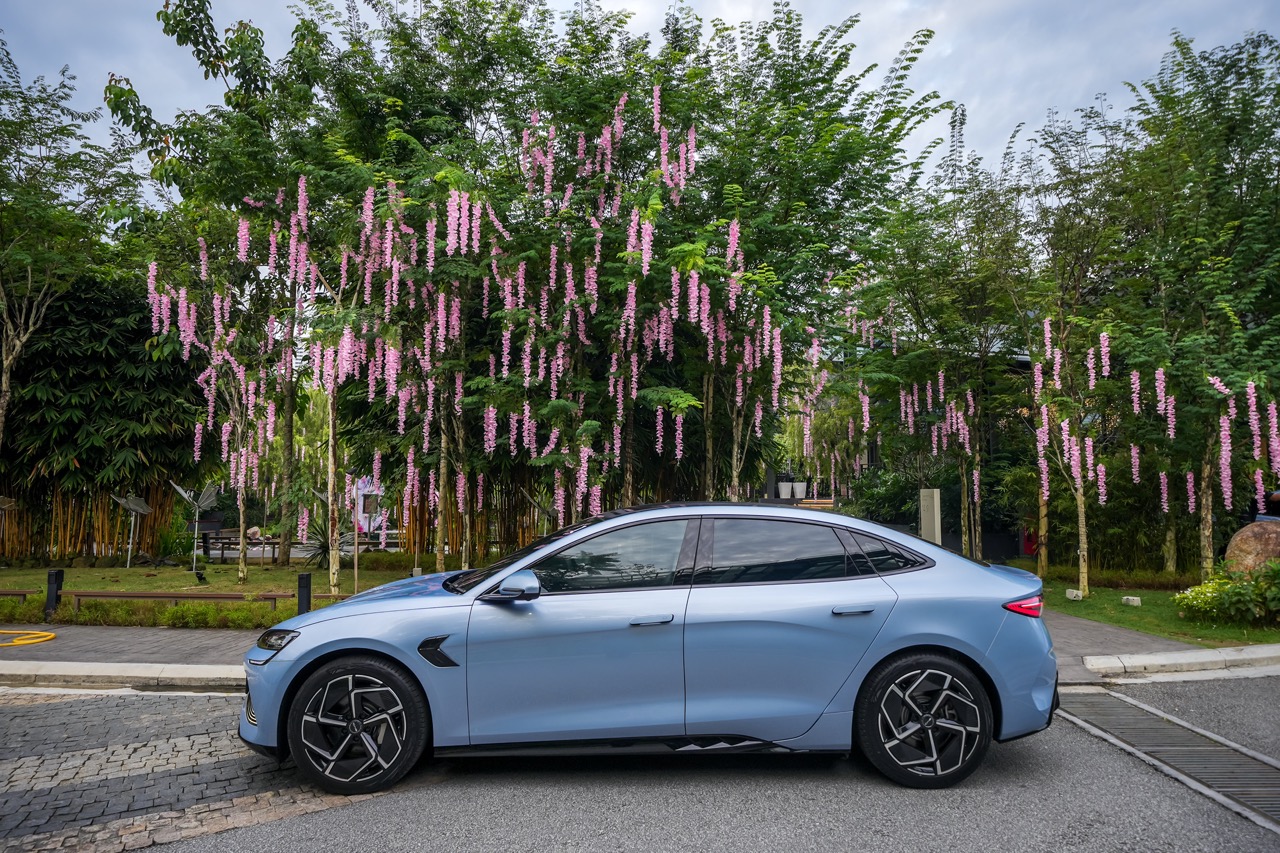
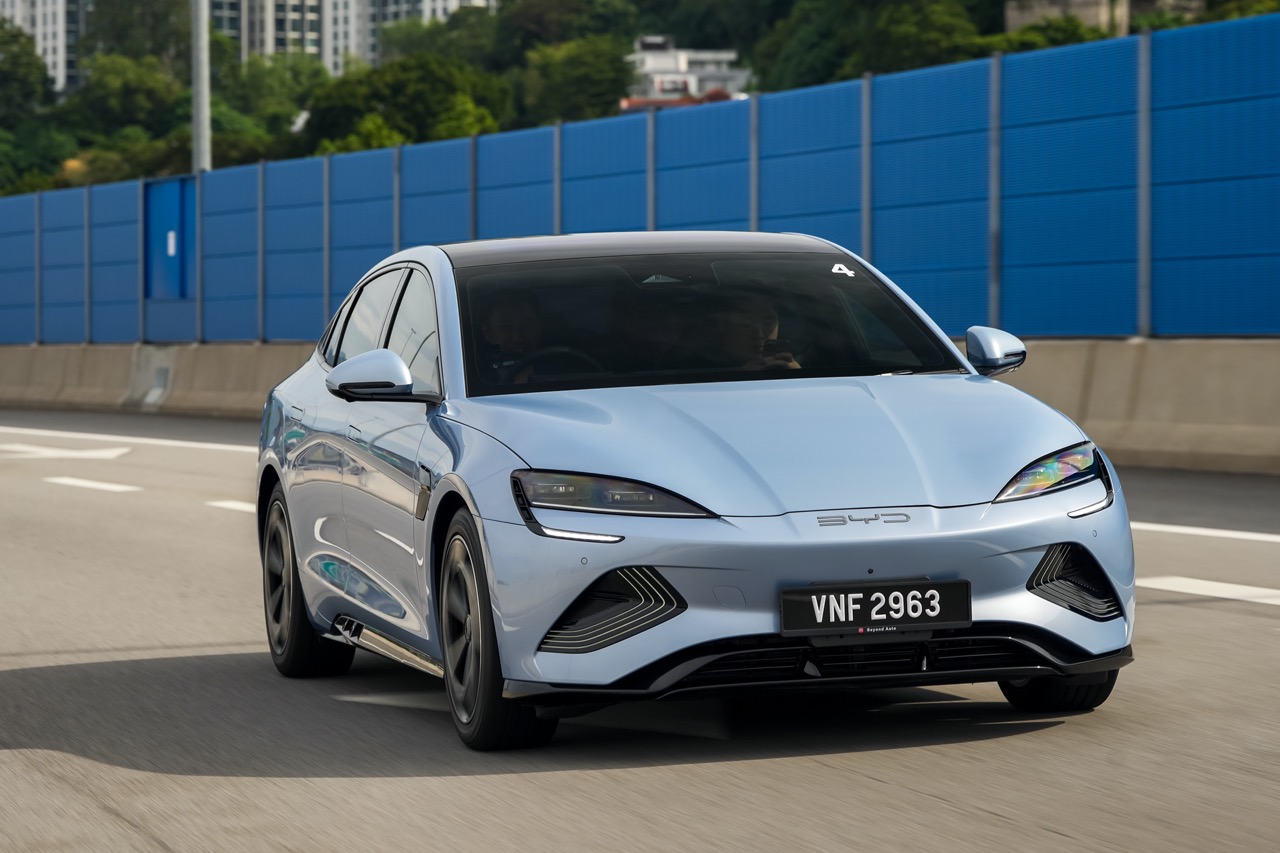
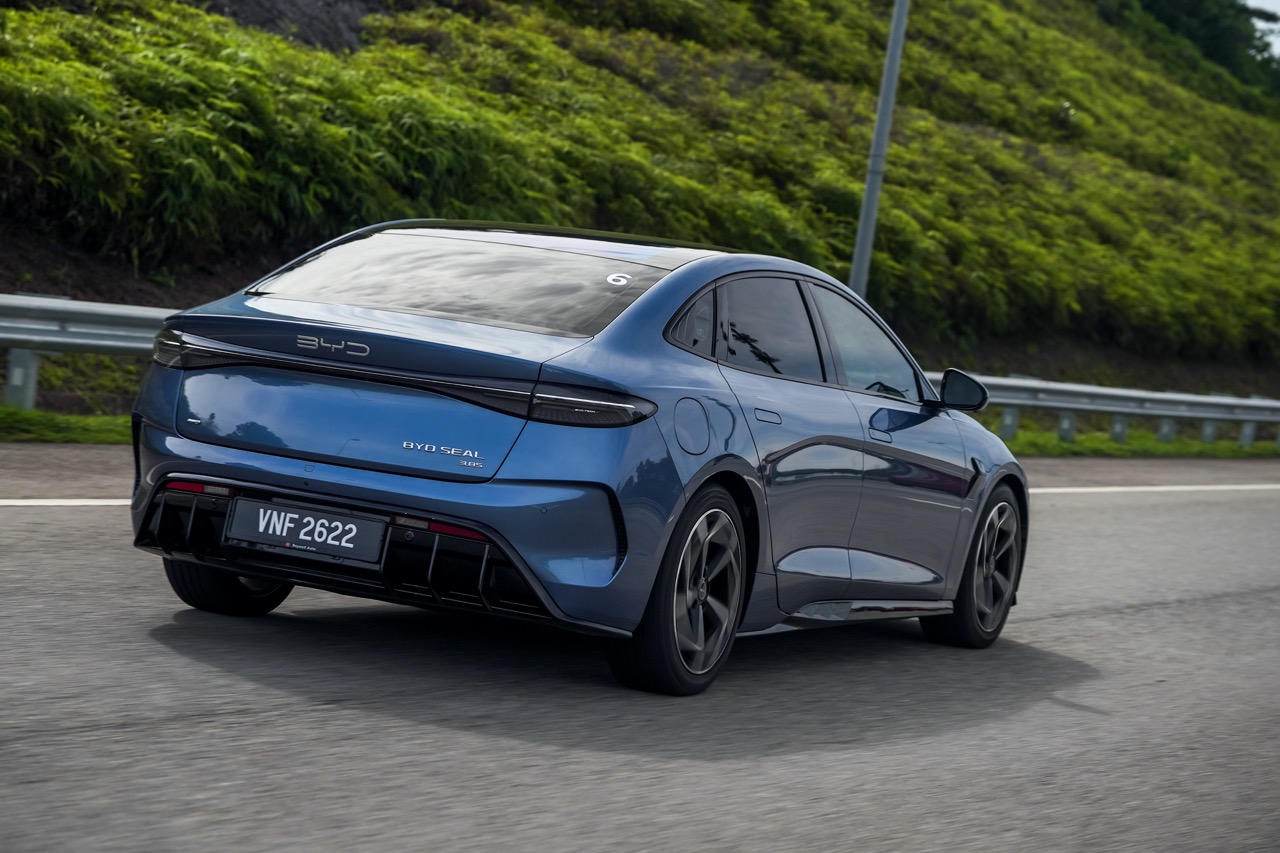
Designed by Wolfgang Egger (former Audi designer), there is no doubt that the Seal looks good in every angle. Every line and curve blends in together giving it a masculine and dominating look on the roads. The LED headlights, daytime running lights and LED tail lights enhance its appearance and are meticulously designed with intricate details that come alive at night. 
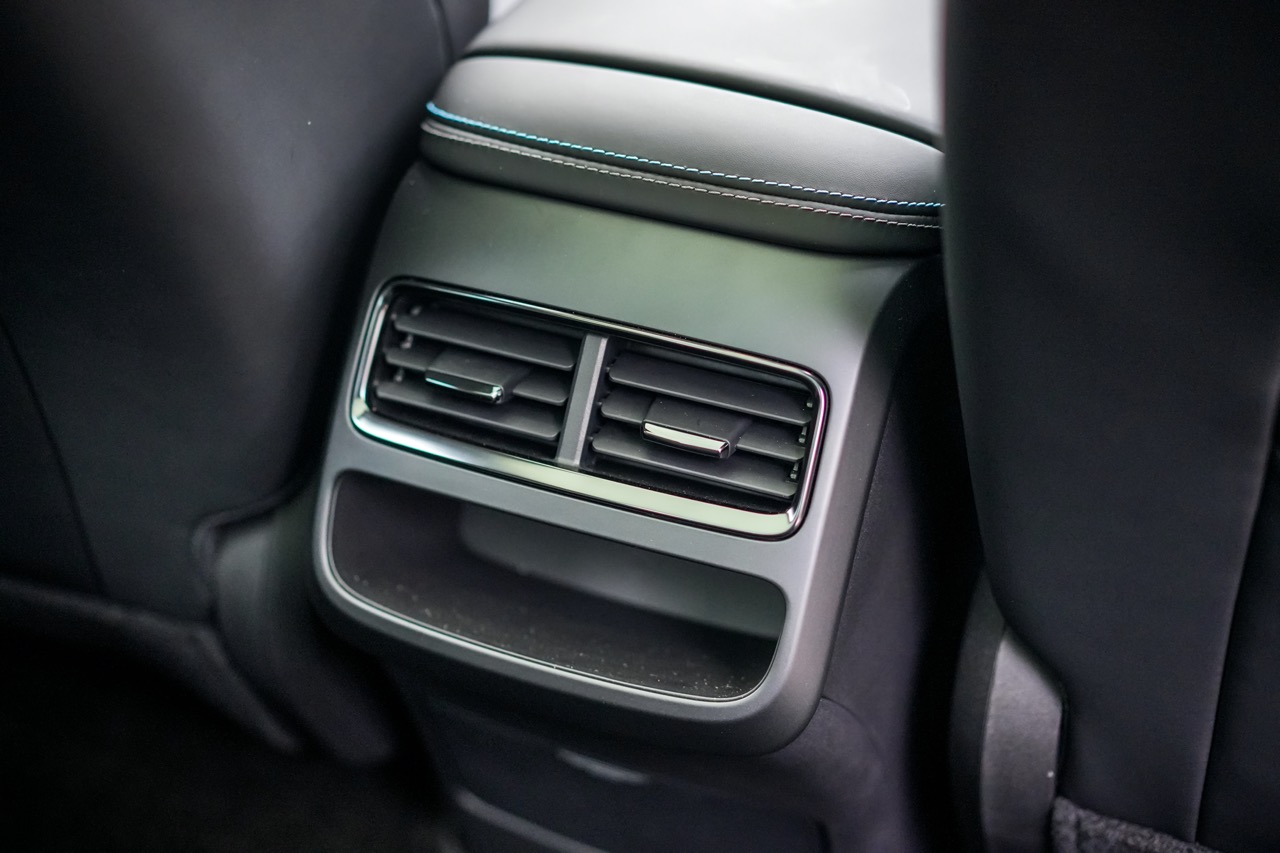
The BYD Seal Performance and the Tesla Model 3 share similar dimensions, but with some notable differences. Measuring 4,800mm in length with a 2,920mm wheelbase, the Seal Performance is 80mm longer and has a 45mm longer wheelbase than the Tesla Model 3, which measures 4,720mm in length with a 2,875mm wheelbase. 

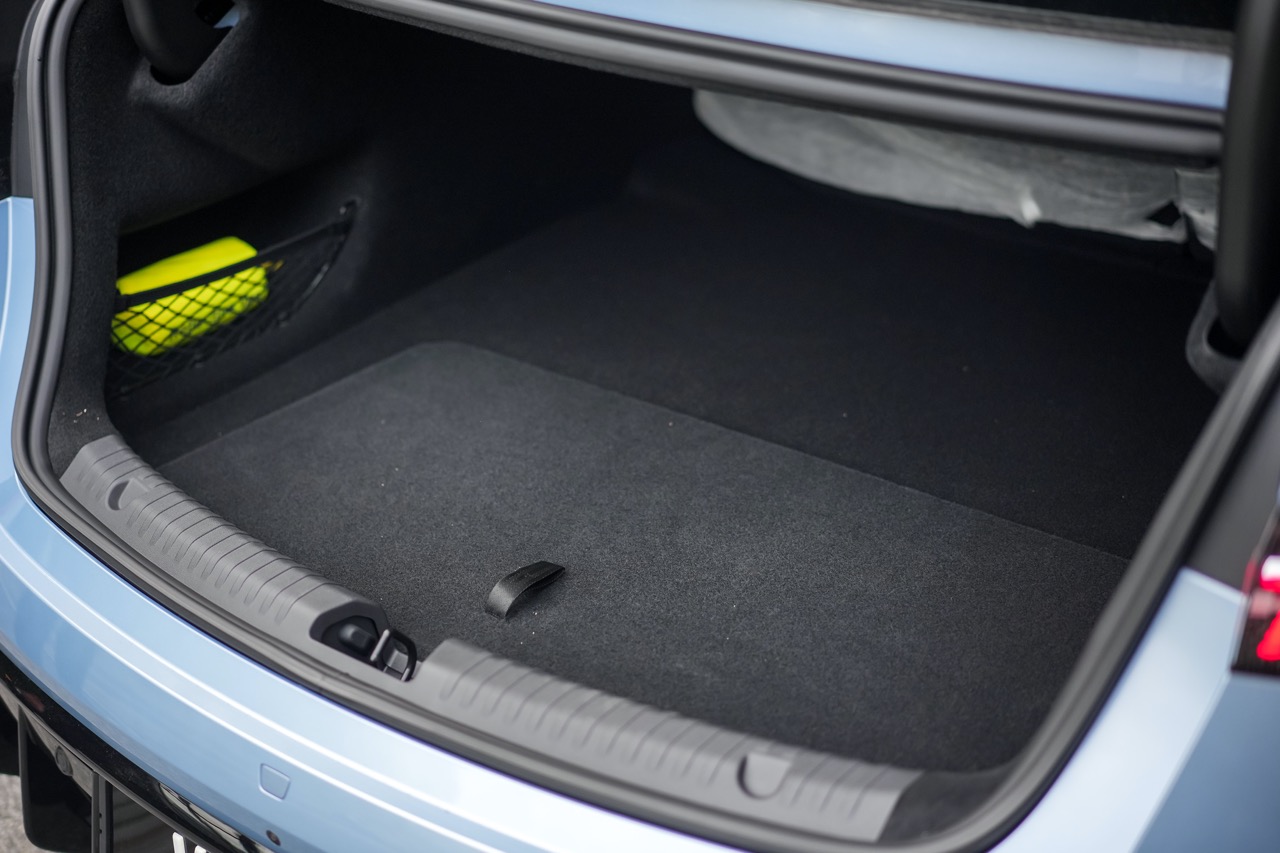
This slightly larger footprint contributes to better rear legroom in the Seal. In terms of cargo capacity, the BYD Seal offers a 400-litre boot and a 50-litre frunk, while the Tesla Model 3 provides a slightly larger 425-litre boot and a more spacious 88-litre frunk. Although the Seal’s narrow boot opening might pose challenges for loading bulkier items, it still offers a practical amount of storage.
Interior: A Tech-Forward Sanctuary

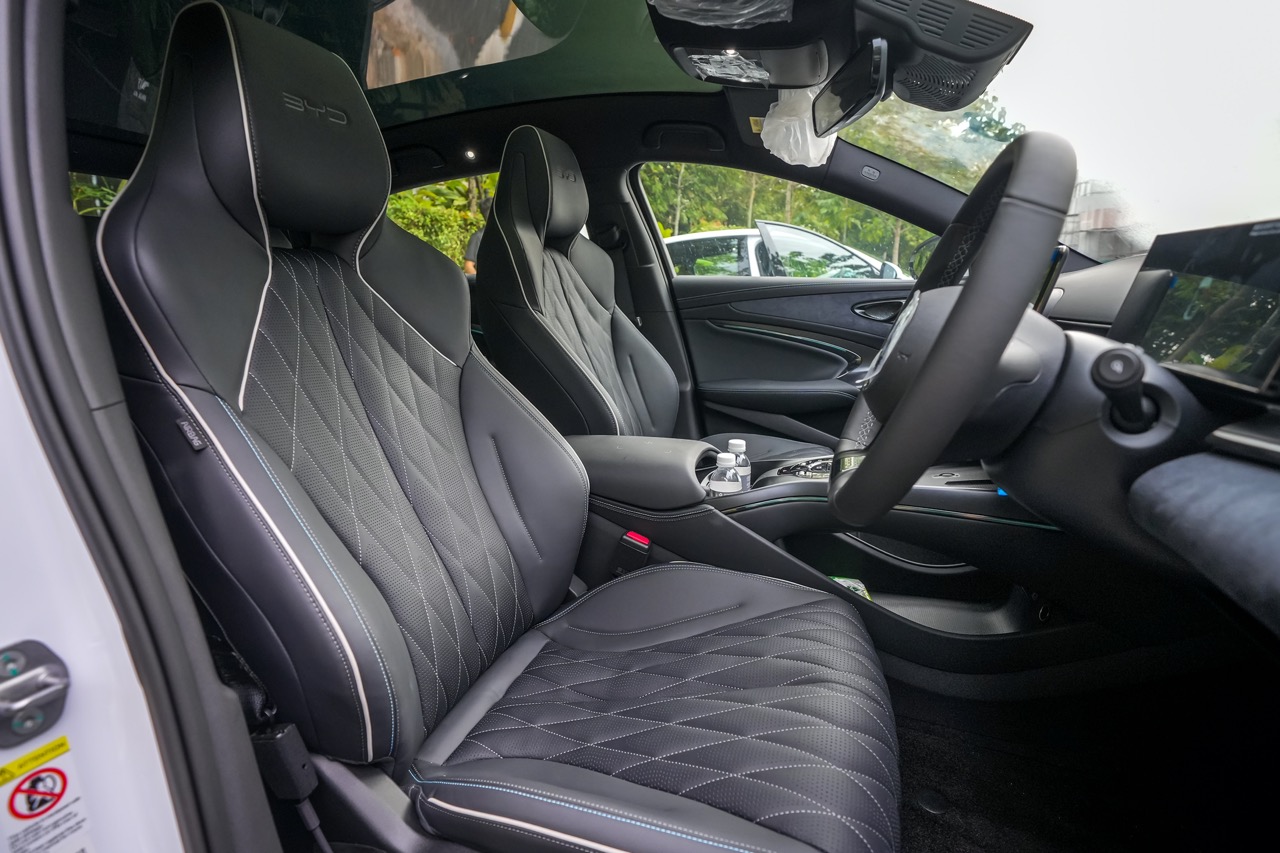
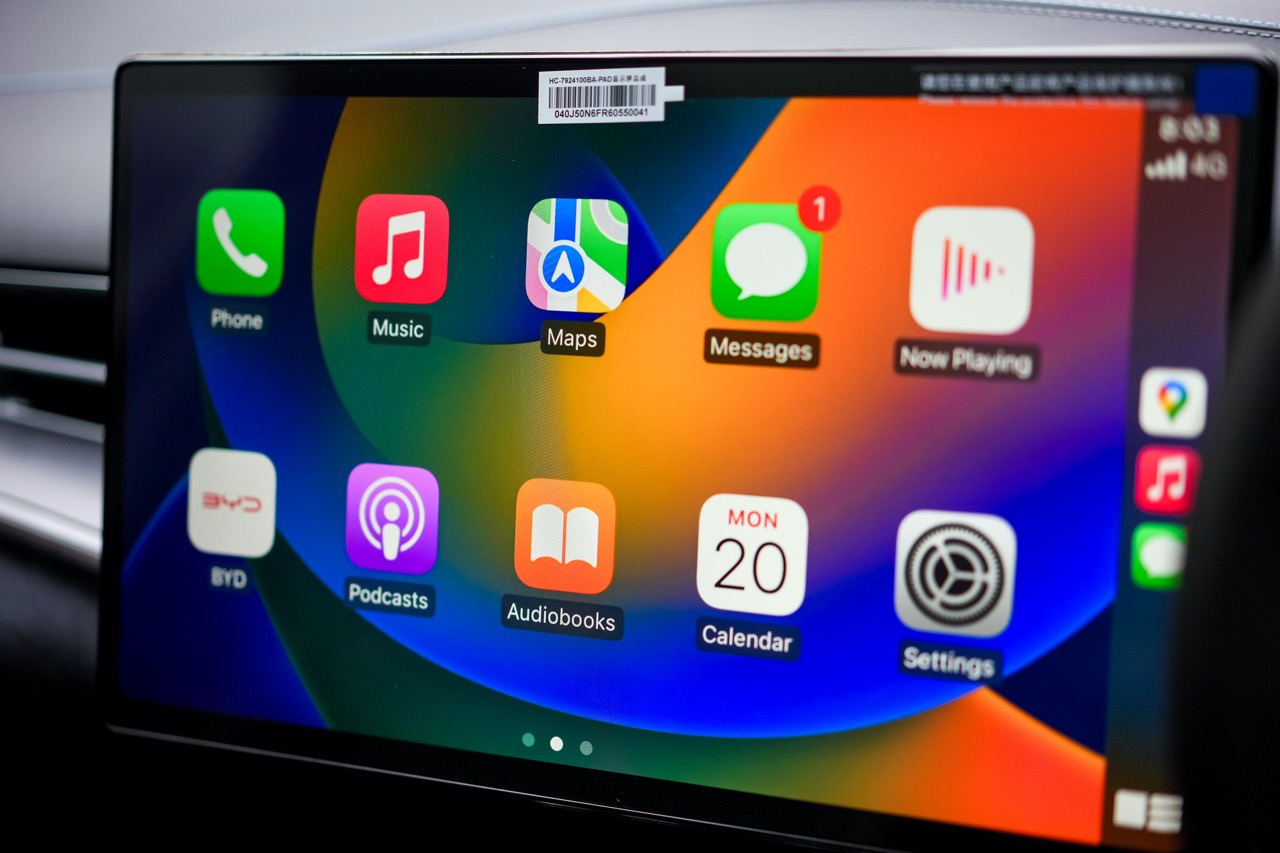
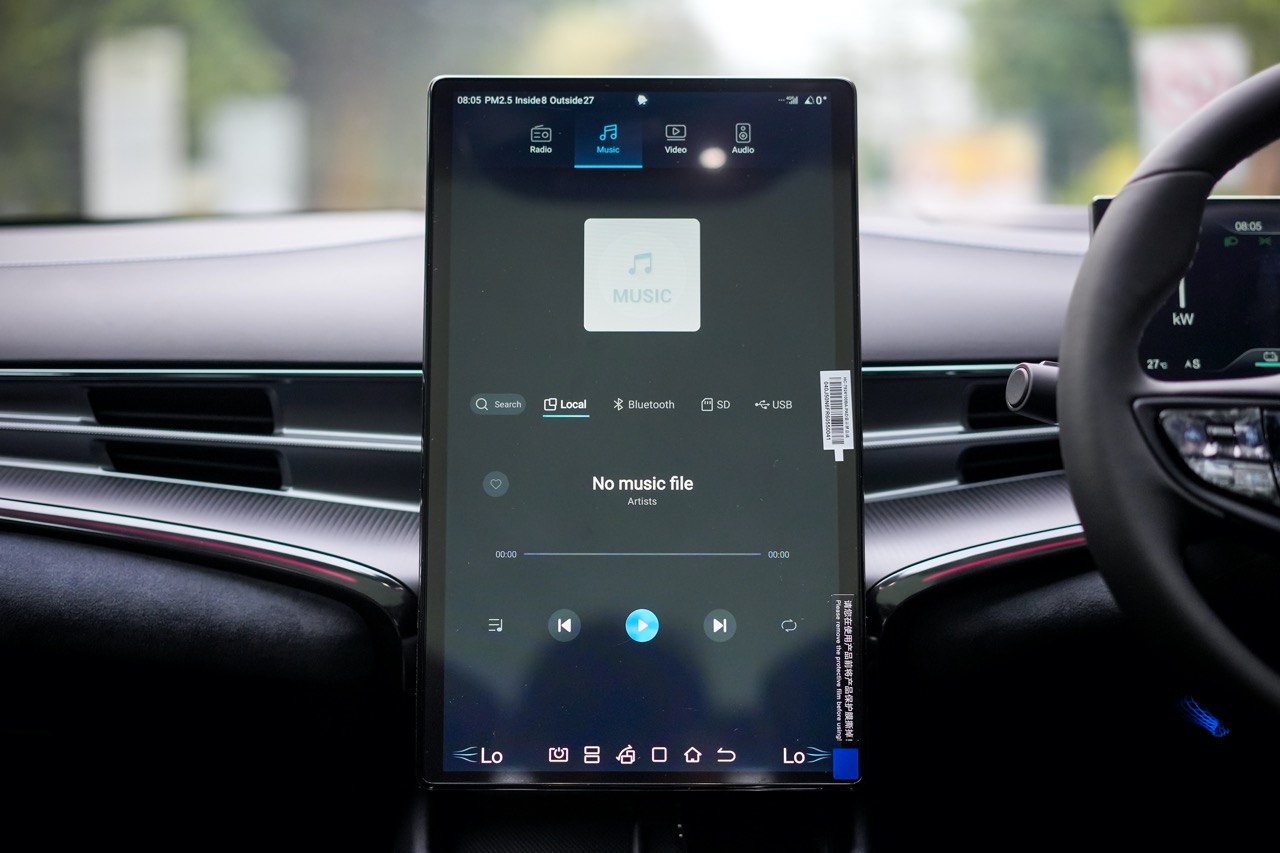
Inside, the Seal Performance exudes luxury and innovation. The cabin is wrapped in premium leather, with ventilated and heated seats ensuring comfort in all conditions. The centrepiece is the 15.6-inch rotating touchscreen, which adds a futuristic flair to the infotainment system. Whether in portrait or landscape mode, the display is crisp and responsive, offering seamless access to navigation, entertainment, and vehicle settings. A 10.25-inch digital instrument cluster provides all essential driving information at a glance, while a 12-speaker Dynaudio sound system delivers crystal-clear audio. 
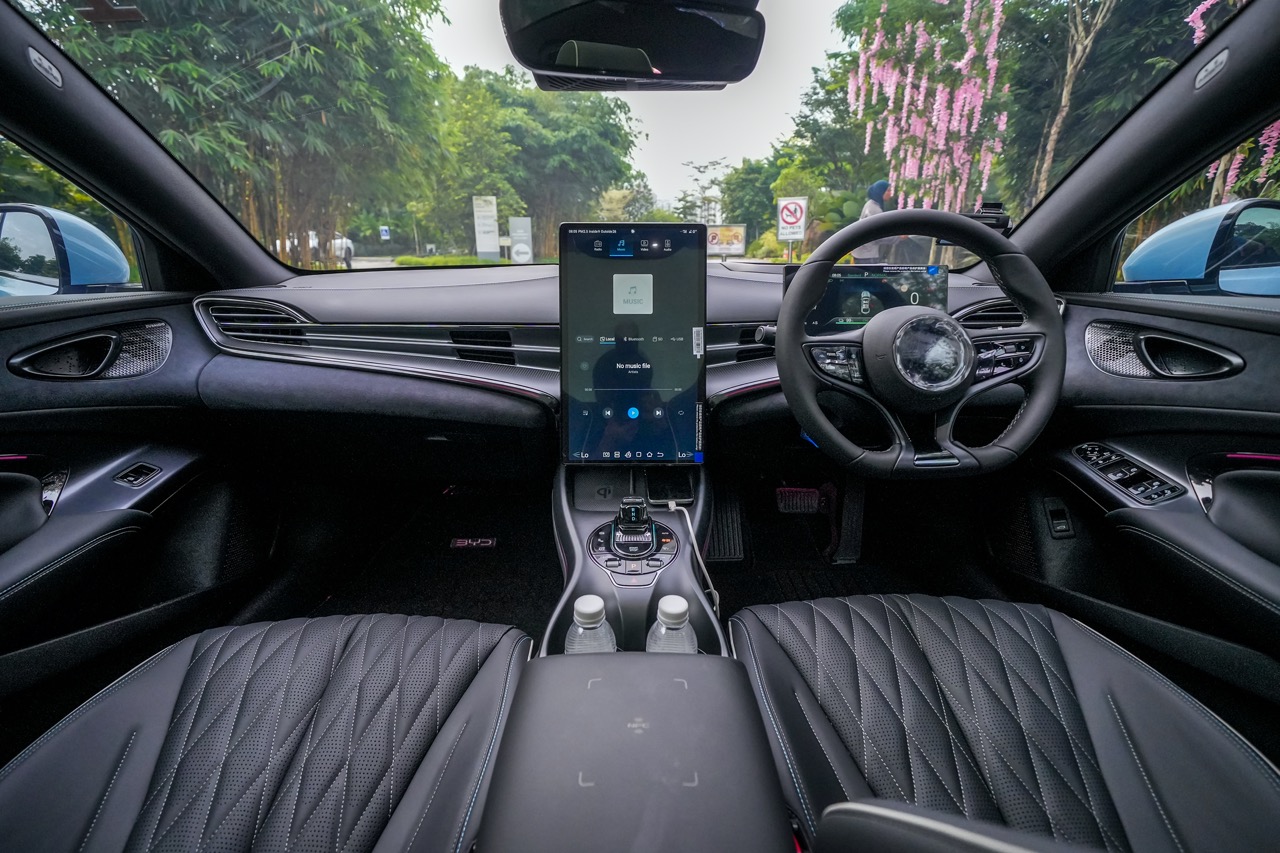
Dual-zone climate control with a PM2.5 air filtration system ensures a fresh and comfortable environment. However, the climate controls are rather annoying as they can only be accessed through the touchscreen and this is an inconvenience. Simple things such as knobs and vent controls should just be left the traditional way.

On the plus side, there are physical buttons for your preferred drive mode and volume control and the crystal gear shifter adds a touch of finesse.
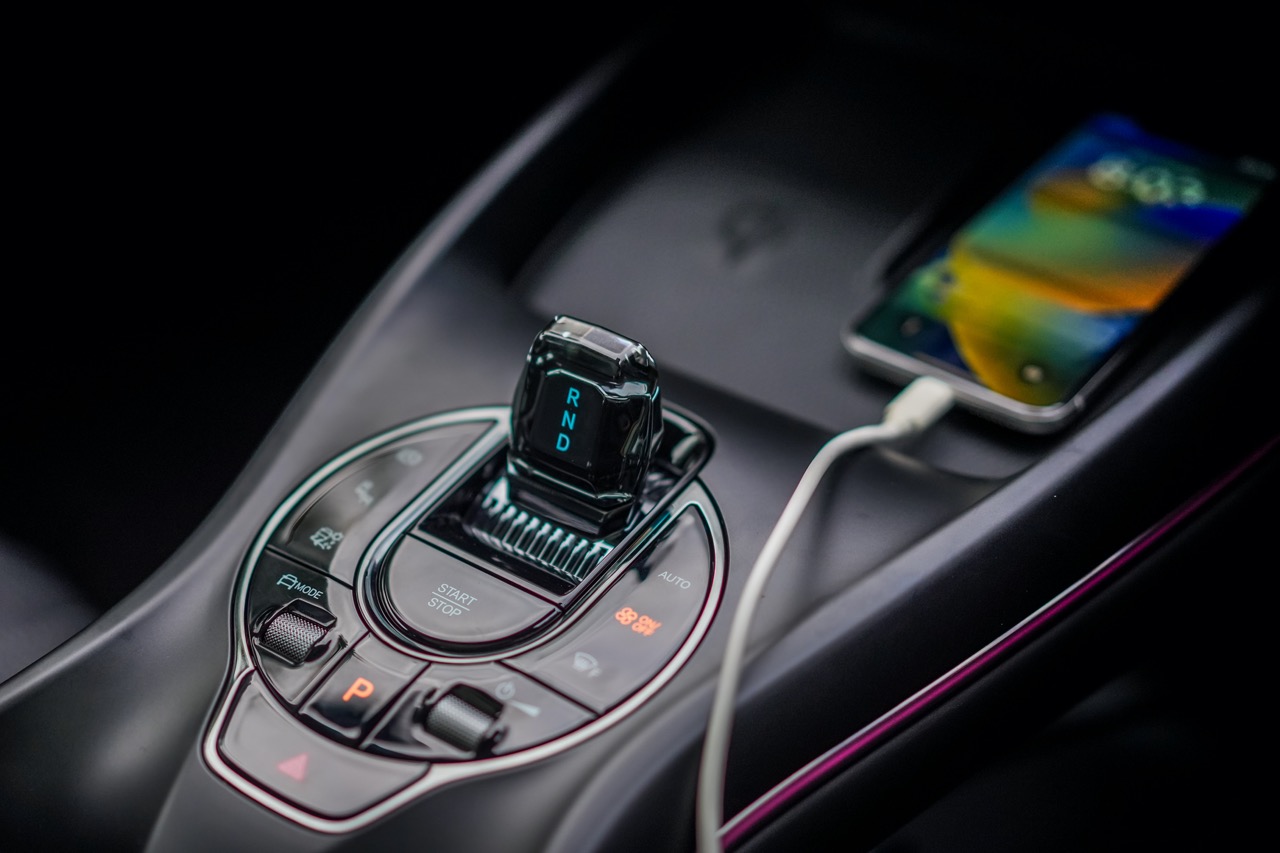
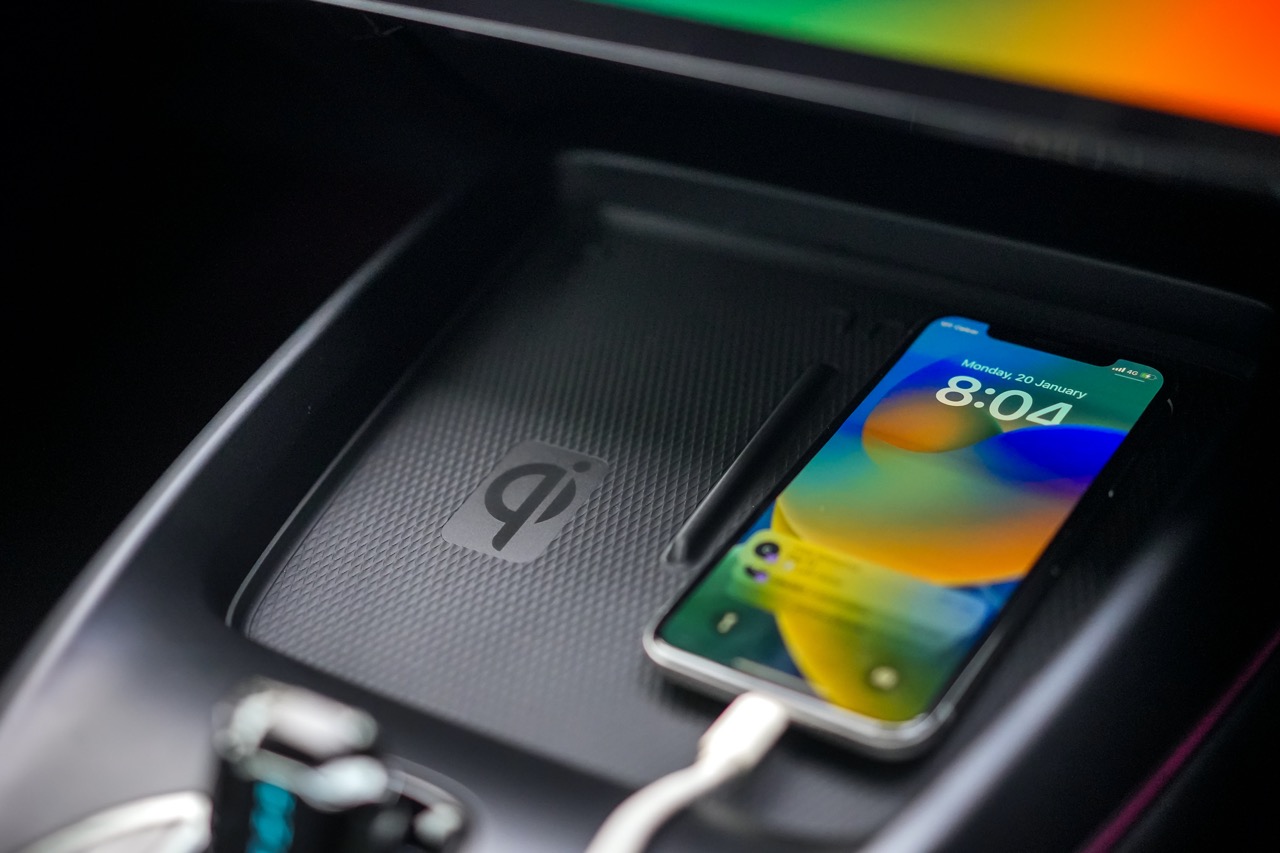
It also comes with wireless charging pads along with wired Apple CarPlay and wireless Android Auto connectivity which is easy to connect to so there are no complications for the less tech-savvy users. 

The panoramic roof has UV-resistant glass and does a commendable job of keeping the cabin cool. We were driving around Sepang under the noon sun and did not really feel the heat.
Performance: Unleashing Electrified Fury

At the core of the BYD Seal Performance lies its dual-motor, all-wheel-drive system, which generates an impressive 523hp and 670Nm of torque. This setup shoots the car from 0 to 100km/h in a mere 3.8 seconds, a figure that rivals some of the most iconic performance cars on the market. 

The instant torque delivery from the electric motors ensures that every press of the accelerator is met with a surge of adrenaline, making overtaking and highway merging an absolute breeze. Despite its substantial 2,185 kg weight, the Seal Performance feels remarkably agile. 
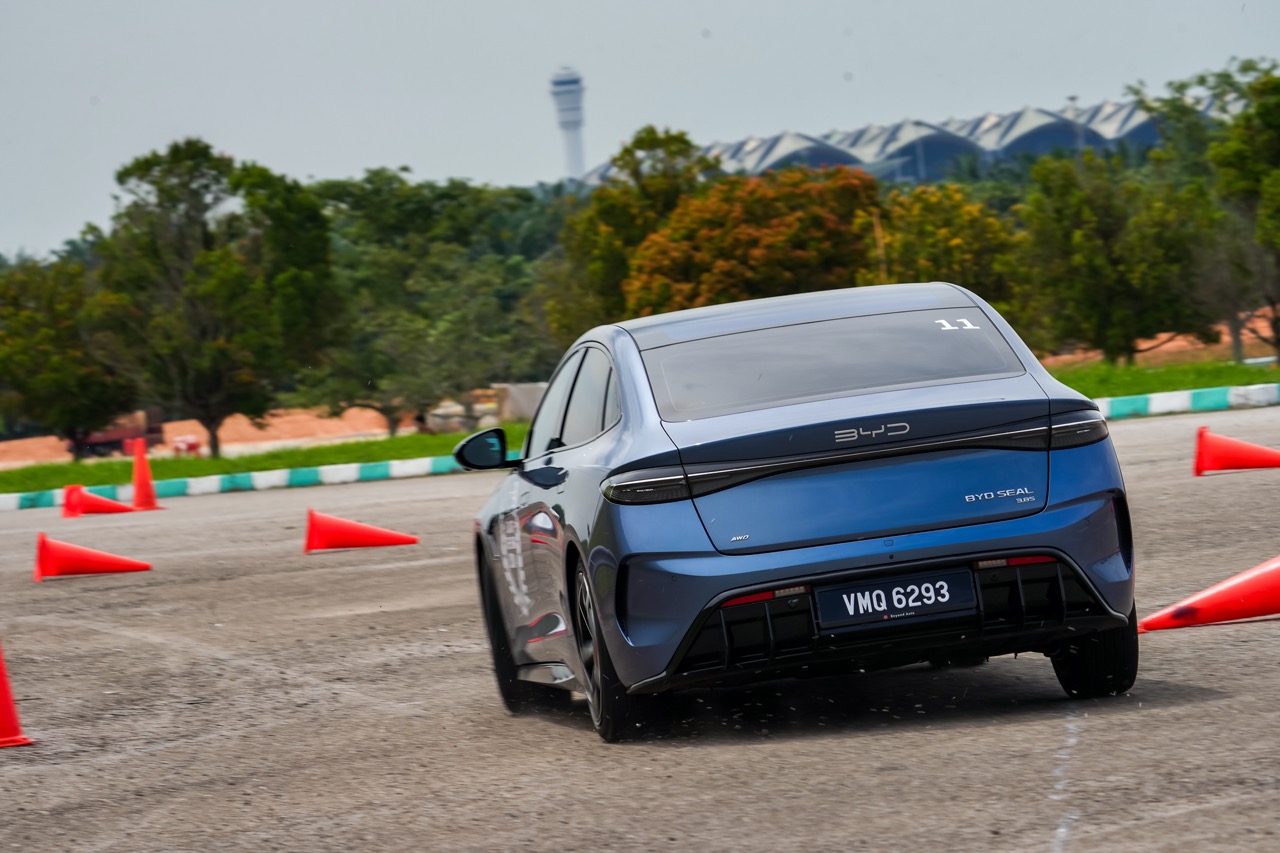
The suspension is finely tuned to balance comfort and dynamic handling, allowing the car to glide over imperfections while remaining composed during spirited driving. However, the regenerative braking system, while efficient, lacks the immediate feedback of traditional setups, requiring a slight adjustment in driving style.

However, there is an issue about the “Performance” variant that bugs me; a 180km/h electronic speed limiter. Yes, we know it is to preserve the battery life but shouldn’t a performance variant have a higher speed limit? This was a little frustrating as we were being overtaken by other cars which do not cost as much as the Seal Performace. 
Range and Charging: Power Without Compromise

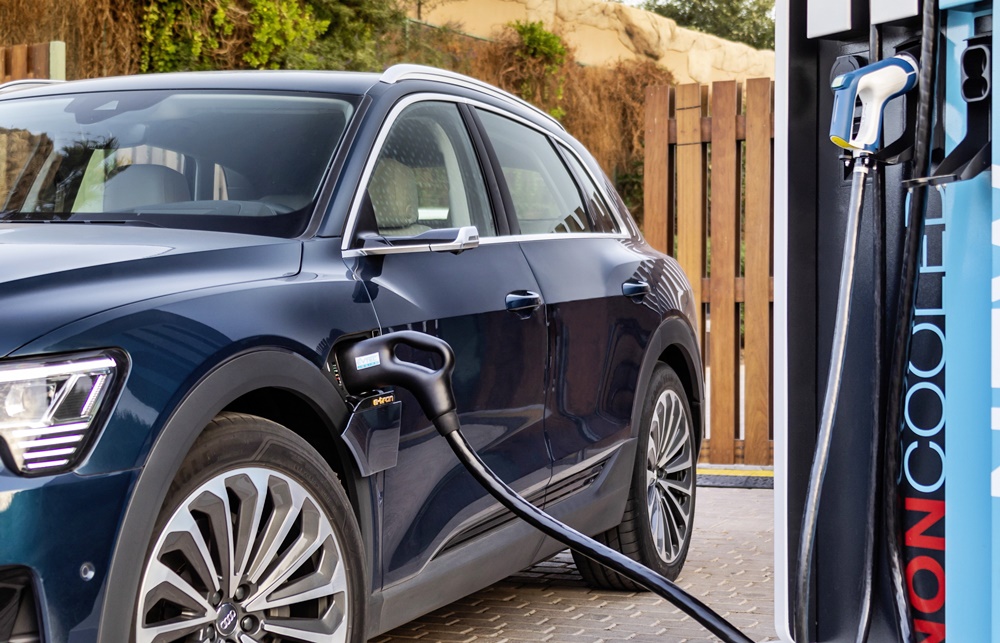
Equipped with an 82.5 kWh BYD Blade battery, the Seal Performance offers a 520km WLTP-rated range, ensuring that it’s exhilarating performance doesn’t come at the cost of practicality. Charging is equally impressive. A 7kW AC charger fully replenishes the battery in 15.2 hours, while a 150 kW DC fast charger can take the battery from 10% to 80% in just 37 minutes, making long-distance travel a stress-free affair.
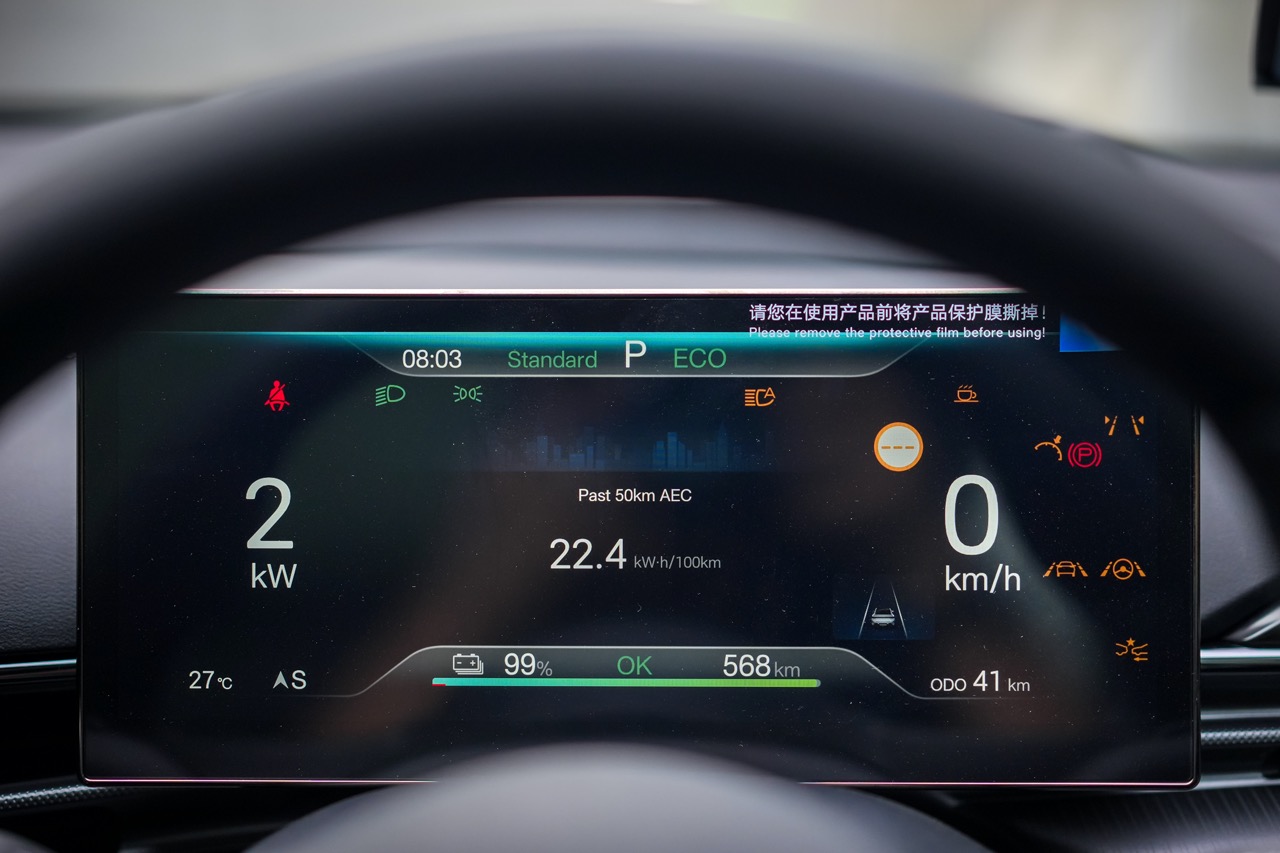
We travelled from Bamboo Hills KL to Putrajaya then to Sepang where we did at least eight rounds of a gymkhana challenge, then headed back to Bamboo Hills, all this with one charge! We still had 14% of battery remaining, which to me, is quite impressive.

Safety: Confidence on the Road

The Seal Performance is packed with advanced safety features, including nine airbags for comprehensive protection and a suite of driver-assistance systems such as adaptive cruise control, automatic emergency braking, and lane-keeping assist. A 360-degree camera provides a bird’s-eye view for easier manoeuvring.

These features are not as sensitive as other EVs out there, so it does not “take over” your steering wheel but rather help you keep your car in the lane. If you feel like a certain feature is not what you need, you can simply turn it off through the touchscreen. 
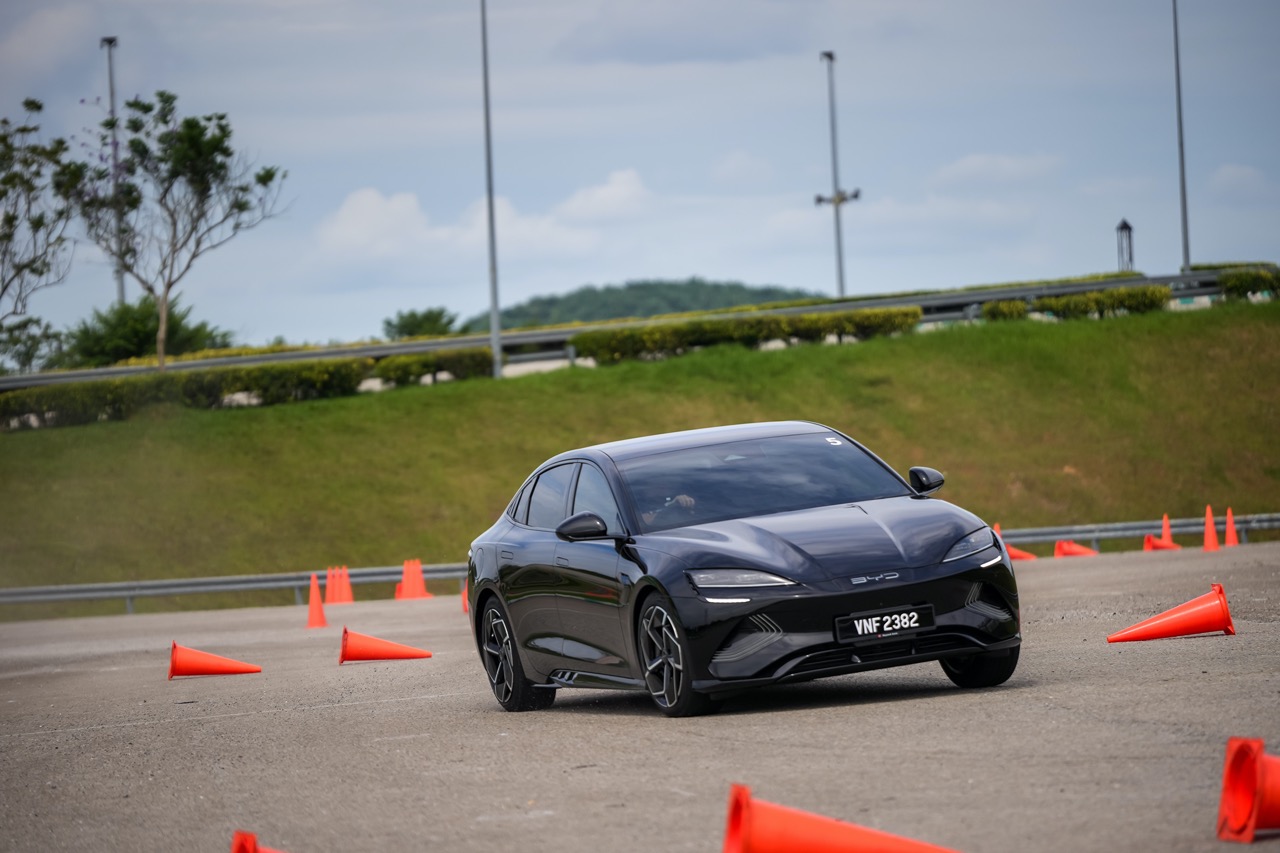
Priced at RM203,300, the BYD Seal Performance AWD is a game-changer in the premium EV segment. It combines jaw-dropping acceleration, a luxurious interior, and a design that’s both striking and functional. While there are minor drawbacks this is an exceptional package. For those seeking an electric vehicle that delivers heart-pounding performance without sacrificing everyday usability, the BYD Seal Performance is a compelling choice. It’s not just a car—it’s a statement.

Specifications:

Motors: Squirrel cage induction asynchronous motor (Front) Permanent magnet synchronous motor (Rear)

Battery: 82.56kWh BYD Blade

Power: 530PS

Torque: 670Nm

Charging: 7kW AC (15.2 hours) 150kW DC (37 minutes)

Range: 520km

0-100km/h: 3.8 seconds

Price (as tested): RM203,300

We like: The 0-100km/h dash

We don’t like: The 180km/h speed limit and climate controls
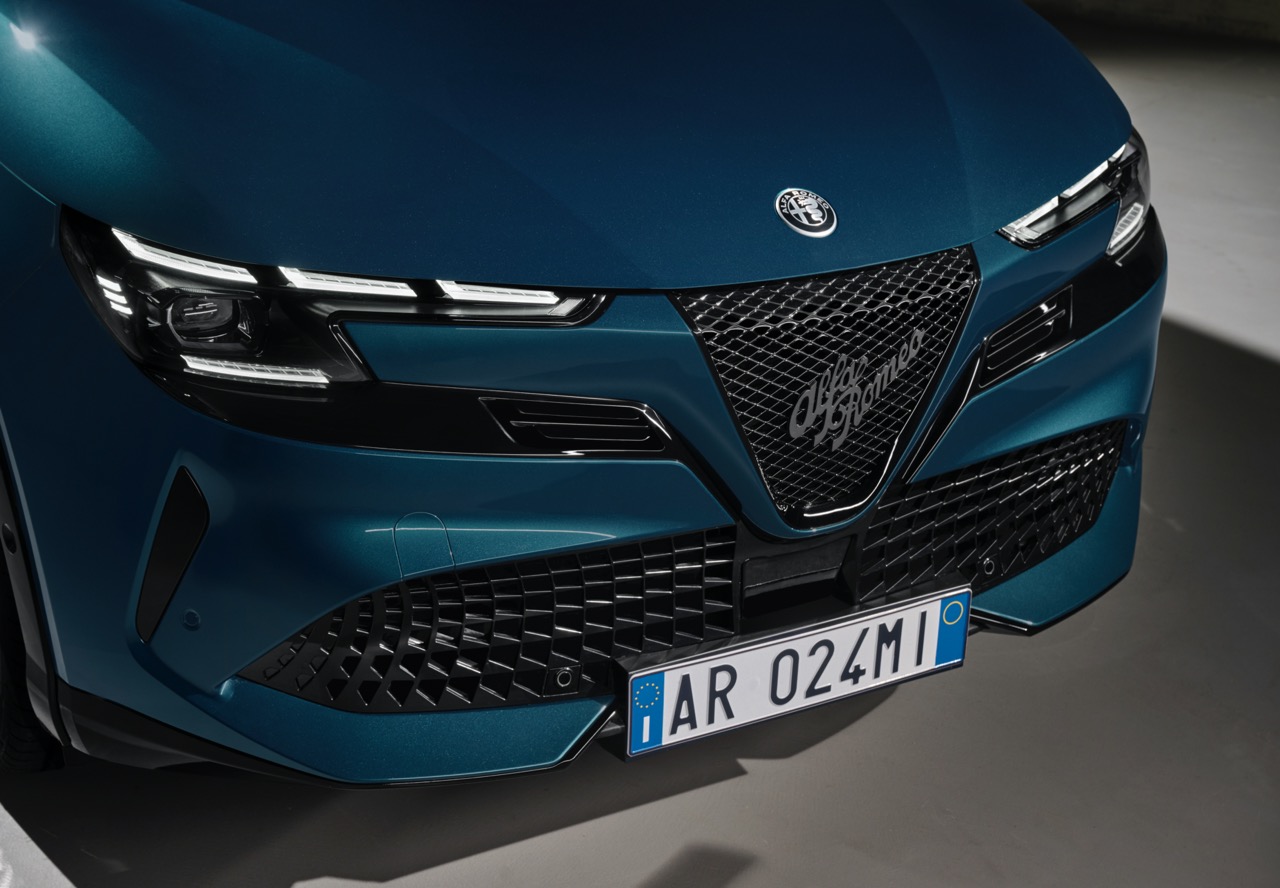
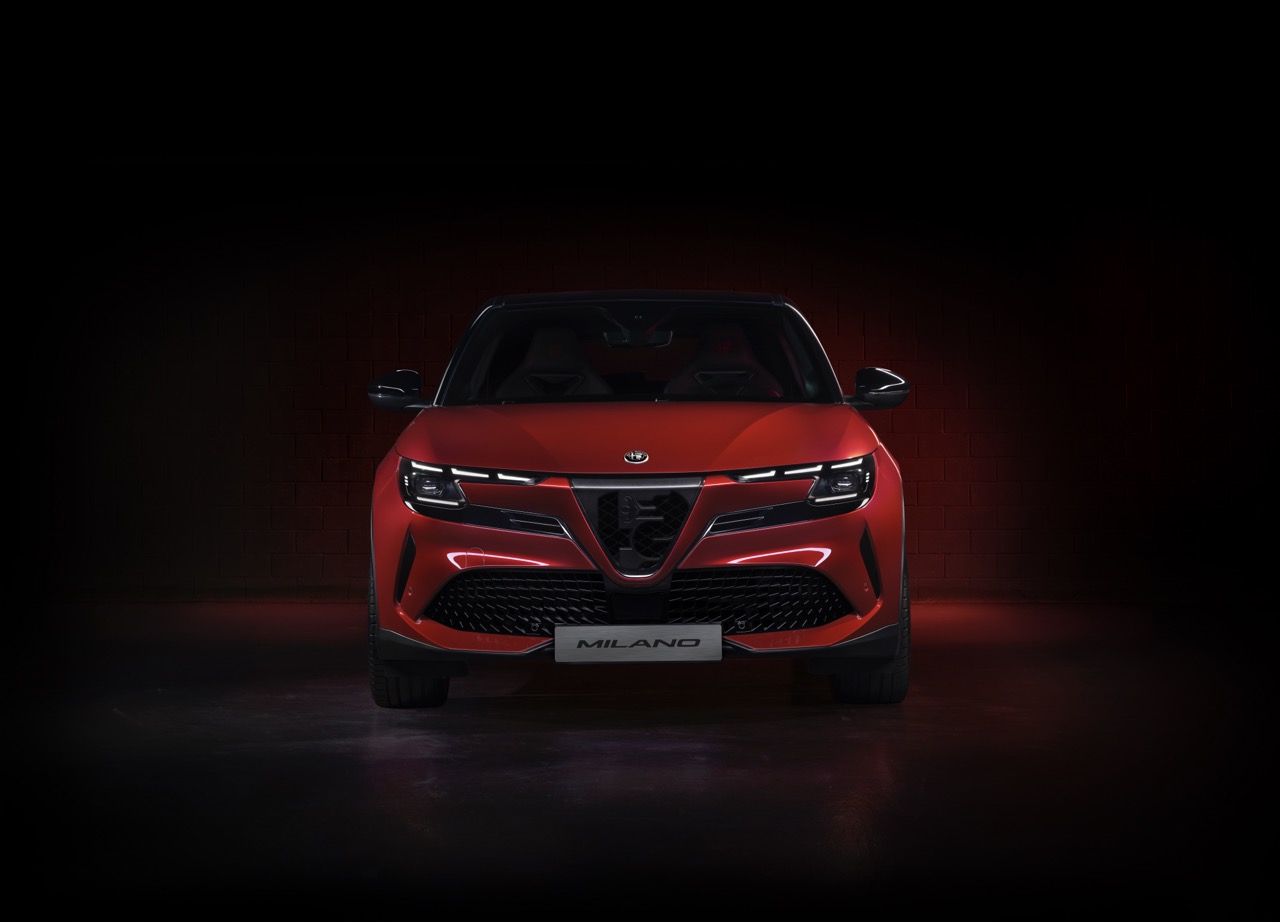
Dalam menghadapi cabaran industri automotif yang semakin menekankan elektrifikasi, Alfa Romeo telah mengambil langkah pragmatik dengan menyemak semula rancangannya untuk peralihan ke barisan semua elektrik di Amerika Utara menjelang 2027. Kini, jenama Itali ini, yang merupakan sebahagian daripada kumpulan Stellantis, memilih pendekatan “Multi-Energy”, menggabungkan kenderaan petrol, hibrid, plug-in hibrid (PHEV), dan elektrik sepenuhnya (BEV).

Pendekatan Realistik untuk Peniaga

Ketua Alfa Romeo Amerika Utara, Chris Feuell, mengakui cabaran yang bakal dihadapi oleh rangkaian peniaga jika portfolio hanya terhad kepada BEV. “Kami mempunyai 110 peniaga di rangkaian AS kami, dan mewajibkan mereka menjual hanya BEV dalam masa beberapa tahun akan menjadi sangat mencabar,” kata Feuell.

Langkah ini mencerminkan usaha untuk melindungi kelangsungan operasi peniaga dan menyediakan pilihan yang lebih luas kepada pengguna. Keputusan ini juga datang di tengah-tengah jualan yang menurun, dengan hanya 8,865 unit terjual di AS pada 2024, penurunan sebanyak 19% berbanding tahun sebelumnya.

(more…)

The automotive industry has been grappling with ambitious EV goals, and Alfa Romeo is the latest brand to revise its plans. Originally set to transition to an all-electric lineup in North America by 2027, the Italian marque, part of the Stellantis group, has now opted for a “multi-energy” strategy, which includes petrol, electric, and plug-in hybrid vehicles.

A Pragmatic Shift for Dealers

According to reports, Chris Feuell, head of Alfa Romeo North America, acknowledged that requiring dealers to sell only battery electric vehicles (BEVs) within a few years would be overly restrictive. “We’ve got 110 dealers in our US network, and it would be very challenging for them to survive with a BEV-only portfolio,” Feuell explained.

The decision comes amidst challenging circumstances for the brand in the US, with sales declining 19% last year to just 8,865 units. This shift reflects a more flexible approach to ensure the sustainability of its dealer network and cater to a broader range of consumer preferences.

(more…)

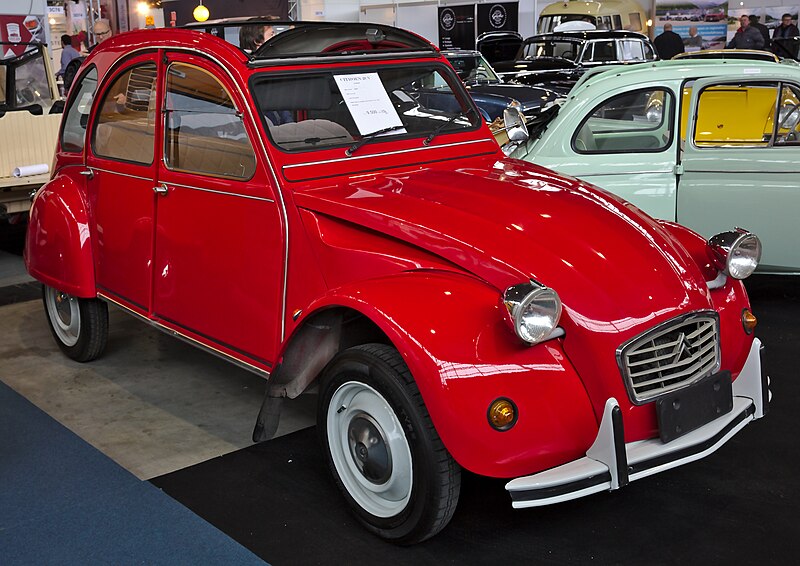
Citroën is reportedly in the early stages of developing a modern successor to its legendary 2CV, more than three decades after the original ceased production. Preliminary design work on the revival of the no-frills classic, credited with mobilizing post-war France, is underway. While Citroën had previously denied plans to reintroduce the 2CV, this latest move reflects a shift in strategy, spurred by the success of retro-inspired models like the Renault 5.
The Renault 5, launched with a starting price of £22,995 (around RM132,000), has been a runaway success in France, selling 9,973 units last month—1,721 more than Citroën’s new ë-C3. Its popularity has also boosted Renault’s share of the French electric car market from 16.3% to 23.2% in just one month.

Unlike the Renault 5, which imagines an evolution of its classic design, the revived 2CV is expected to closely mirror its original counterpart’s aesthetic. Citroën has already shown its appetite for retro design with the new Ami, unveiled at the 2024 Paris Motor Show. The Ami borrows design cues from the classic 2CV, such as distinctive round headlights, wing indentations, and Citroën’s historic logo.

According to Autocar, Citroën’s design chief, Pierre Leclercq, hinted at the possibility of more retro-inspired models at this year’s Brussels Motor Show. While stopping short of confirming the new 2CV, he acknowledged that the philosophy behind such models remains significant. “We’re not closing the door [on retro designs], but I think the philosophy is important,” he said.

(more…)

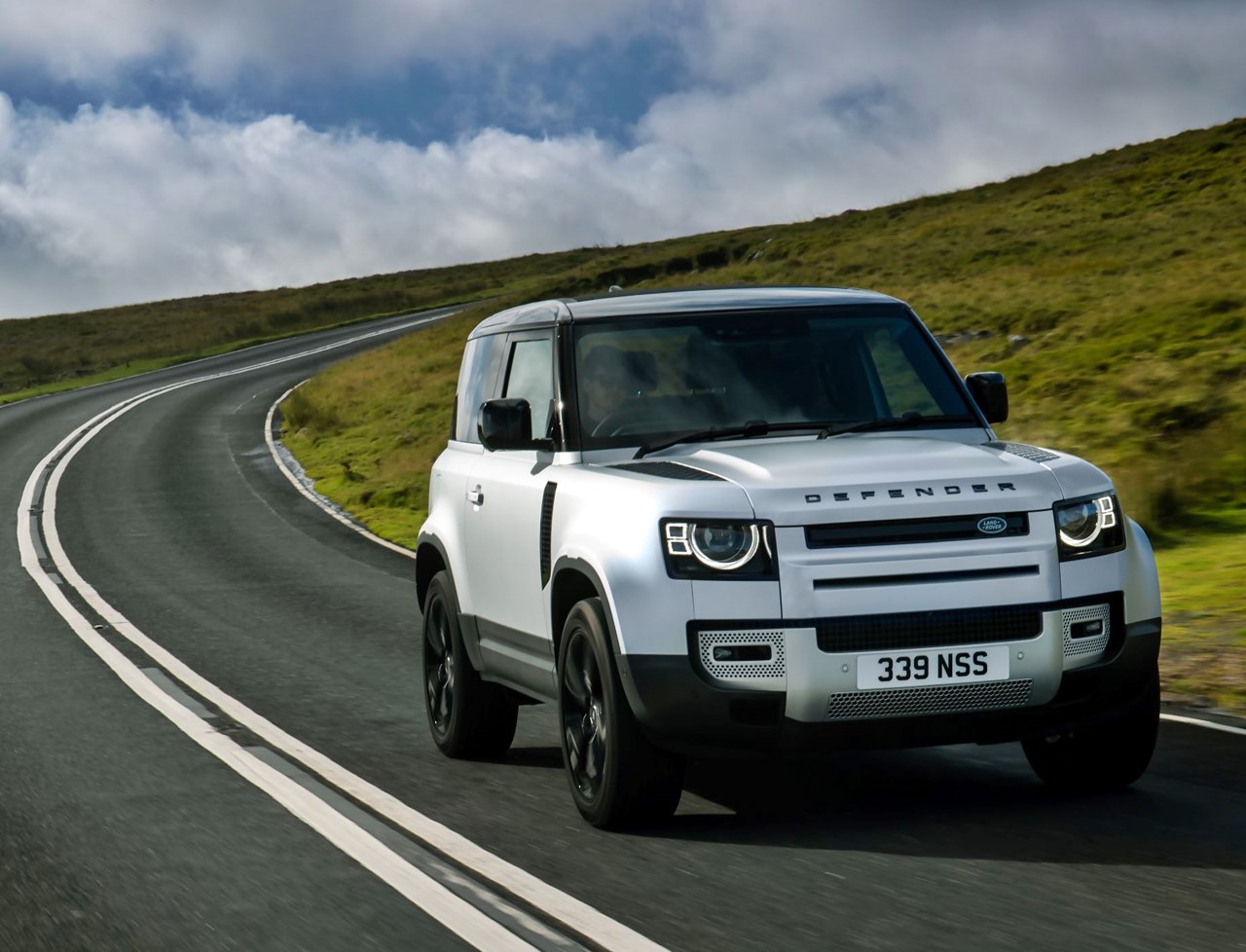
Internal combustion engines (ICEs) have outlasted many predictions of their demise, with vehicles like the Land Rover Defender remaining a stronghold of traditional powertrains. Despite JLR’s commitment to electrification, the Defender’s current generation, built on the D7x platform, wasn’t designed to go fully electric. Here’s why and what to expect moving forward:

Why the Current Defender Can’t Go Electric

Platform Limitations:

  • The D7x platform, introduced with the L663 Defender, was optimised for off-road capability and durability, but it lacks the design flexibility needed for a fully electric drivetrain.
  • Lennard Hoornik, JLR’s Chief Commercial Officer, acknowledged the difficulty of integrating the required battery and motor systems due to axle packaging constraints and the platform’s focus on rugged utility.

(more…)

BYD semakin hampir menyiapkan rancangan besar mereka untuk mengukuhkan kedudukan di Indonesia, dengan pembinaan kilang pengeluaran kenderaan elektrik (EV) bernilai $1 bilion di Subang, Jawa Barat. Menurut Eagle Zhao, Pengarah Presiden BYD di Indonesia, projek ini akan siap menjelang penghujung 2025. Langkah ini menonjolkan cita-cita syarikat untuk mendominasi pasaran EV di rantau yang selama ini dikuasai oleh pembuat kereta Jepun.

Butiran Kilang

  • Lokasi: Subang, Jawa Barat, dalam kawasan perindustrian.
  • Kapasiti Pengeluaran: 150,000 unit EV setiap tahun.
  • Jadual Siap: Penghujung 2025, dengan pengeluaran dijangka bermula tidak lama selepas itu.
  • Fokus Pasaran: Untuk memenuhi permintaan domestik dan eksport.

Kilang ini sejajar dengan strategi EV nasional Indonesia, yang menawarkan insentif cukai dan pengecualian duti import bagi menarik pelaburan asing dan meningkatkan permintaan tempatan untuk EV. Kerajaan Indonesia juga menetapkan sasaran menghasilkan 600,000 EV secara domestik menjelang 2030.

(more…)

BYD is on track to complete its $1 billion EV production plant in Indonesia by the end of 2025, according to Eagle Zhao, BYD’s president director in Indonesia. This move highlights the company’s ambition to solidify its presence in a market traditionally dominated by Japanese automakers.

Key Details of the Plant

  • Location: Subang, West Java, within an industrial complex.
  • Production Capacity: 150,000 EV units annually.
  • Timeline: Construction is set for completion by the end of 2025, with production starting shortly thereafter.
  • Export Focus: The plant is intended to serve both domestic and export markets.

BYD’s investment aligns with Indonesia’s EV strategy, which includes tax incentives and an import duty waiver for automakers to stimulate EV demand and attract foreign investment. The Indonesian government has set an ambitious target of producing 600,000 EVs domestically by 2030.

(more…)

A recent study conducted by Tata Consultancy Services (TCS), a global leader in IT services and business solutions, reveals that 64% of consumers are likely or very likely to consider an electric vehicle (EV) for their next purchase. The TCS Future-Ready eMobility Study 2025 offers an in-depth analysis of how EVs are influencing the future of sustainable mobility, shedding light on both opportunities and challenges within the EV industry.

Consumer Sentiment and Spending

Despite the growing interest in EVs, challenges surrounding infrastructure and costs remain significant barriers:

  • Charging Infrastructure: 60% of respondents identified inadequate charging networks as a major hurdle.
  • Affordability: 56% of consumers expressed a willingness to pay up to approximately RM186,400 for an EV.
  • Range Expectations: Preferences for EV range varied, with 41% favouring a range of 322–483km per charge and 31% preferring 483–644 km.

The survey encompassed over 1,300 participants from North America, the UK, Europe, and the Asia-Pacific region, including transport manufacturers, charging infrastructure providers, fleet adopters, consumers, and EV adoption influencers.

(more…)

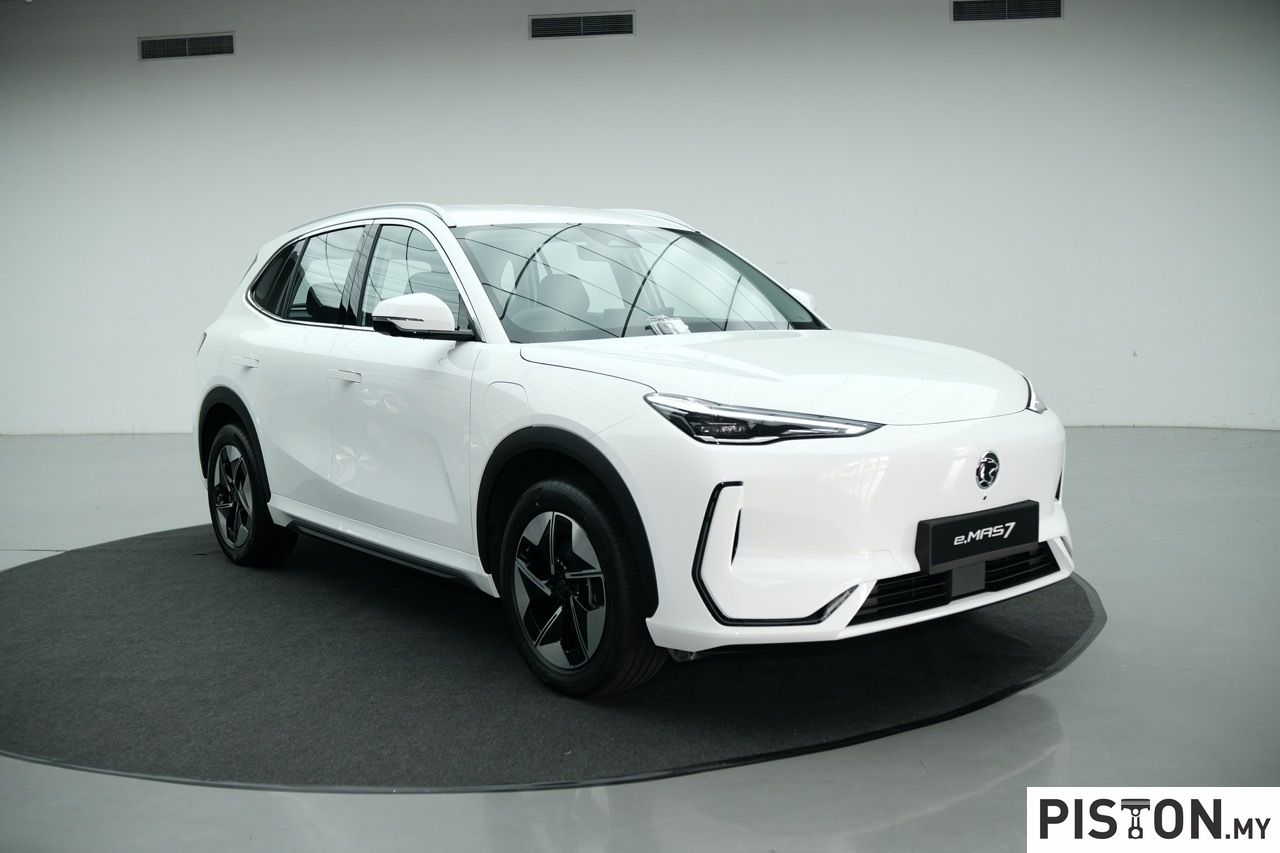
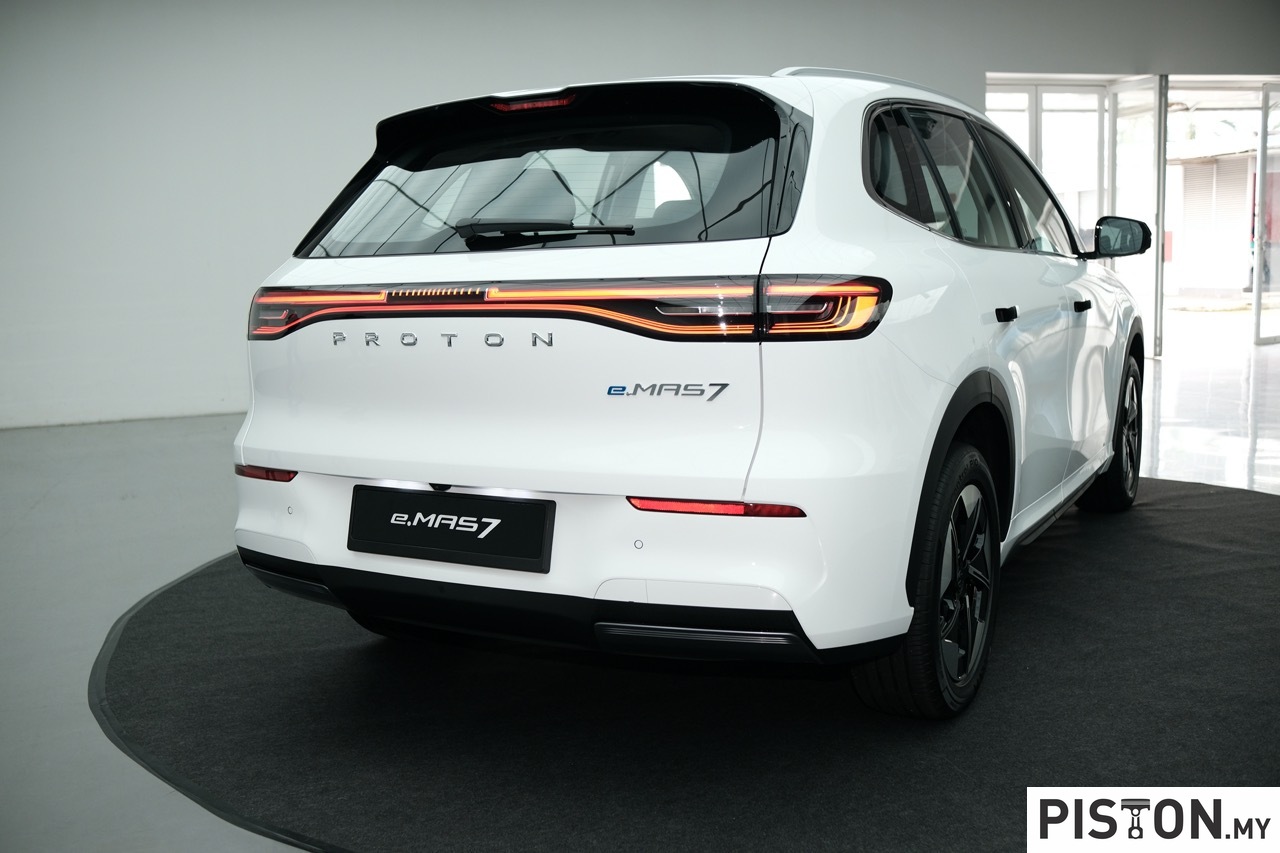
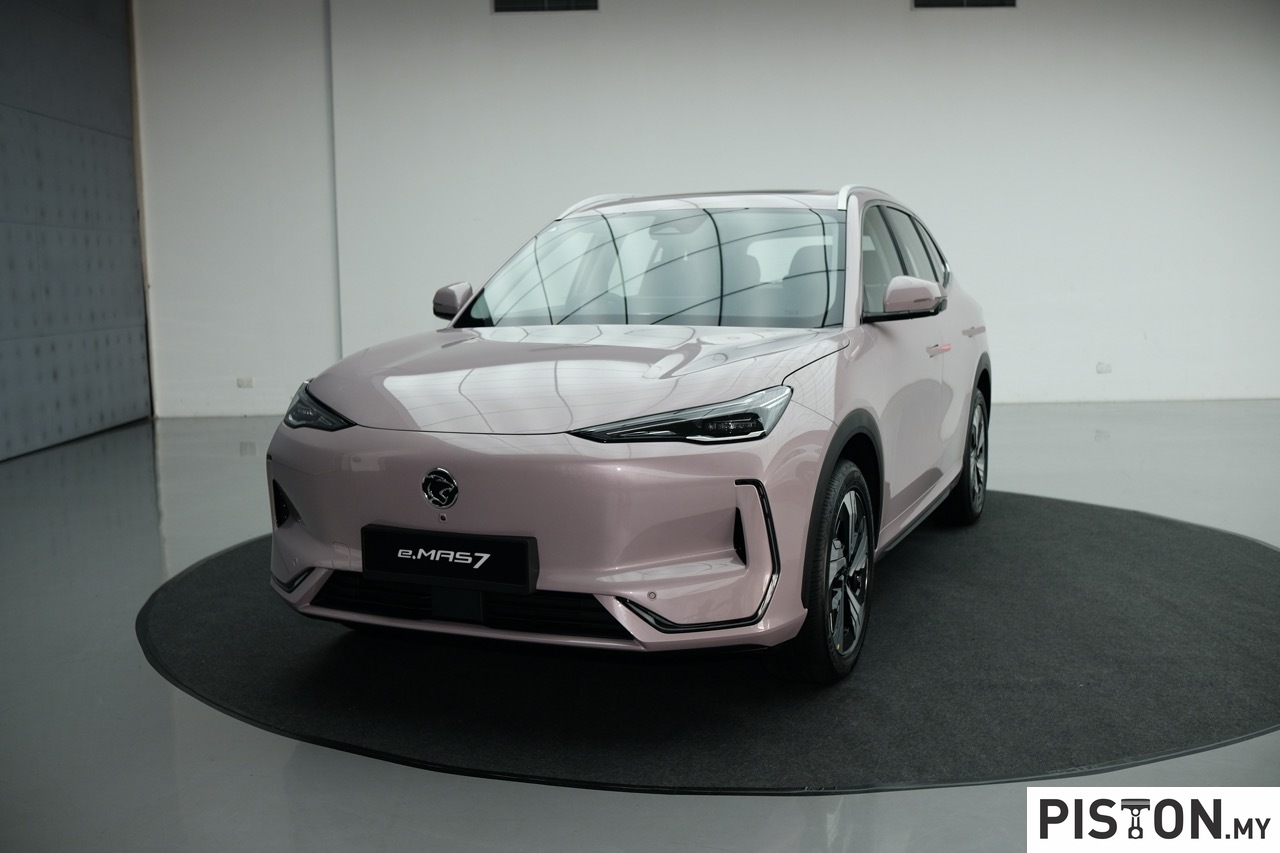
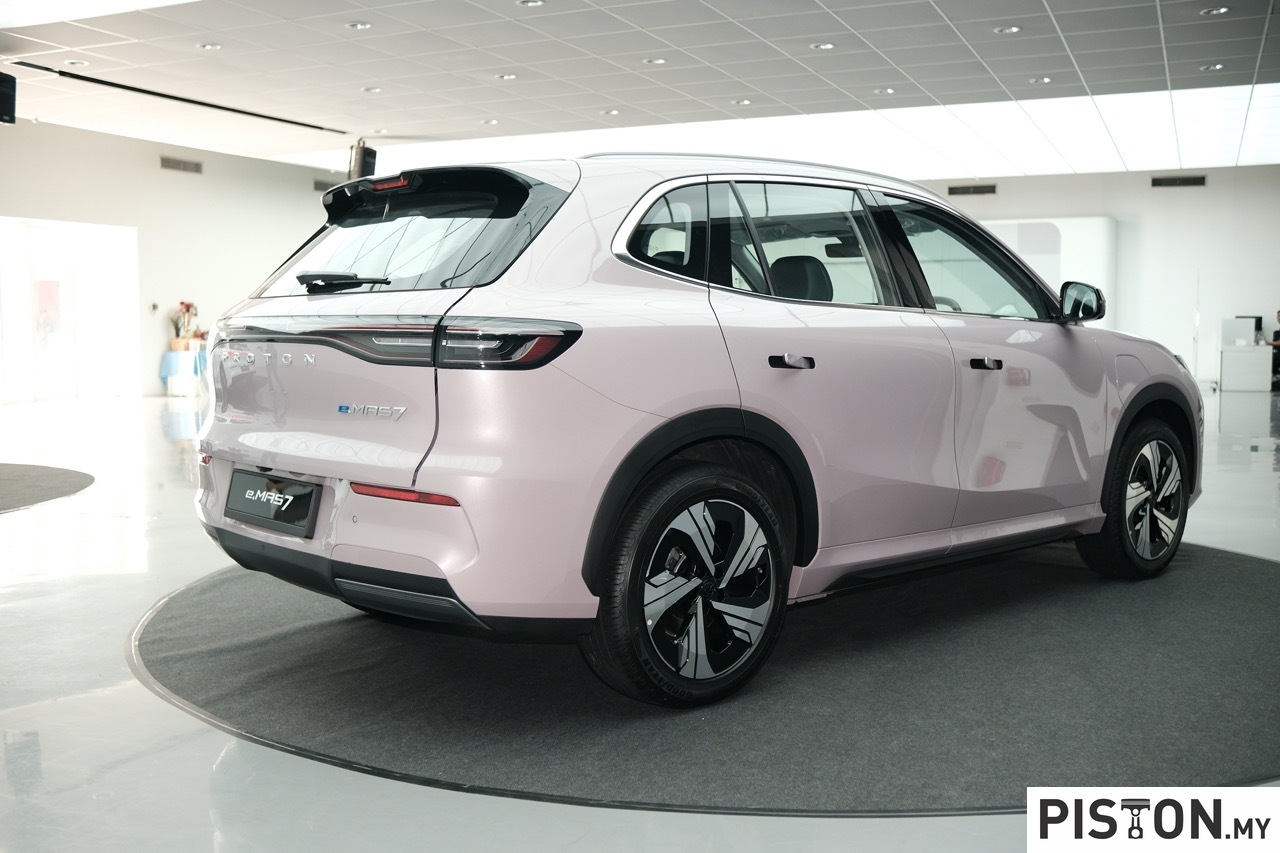
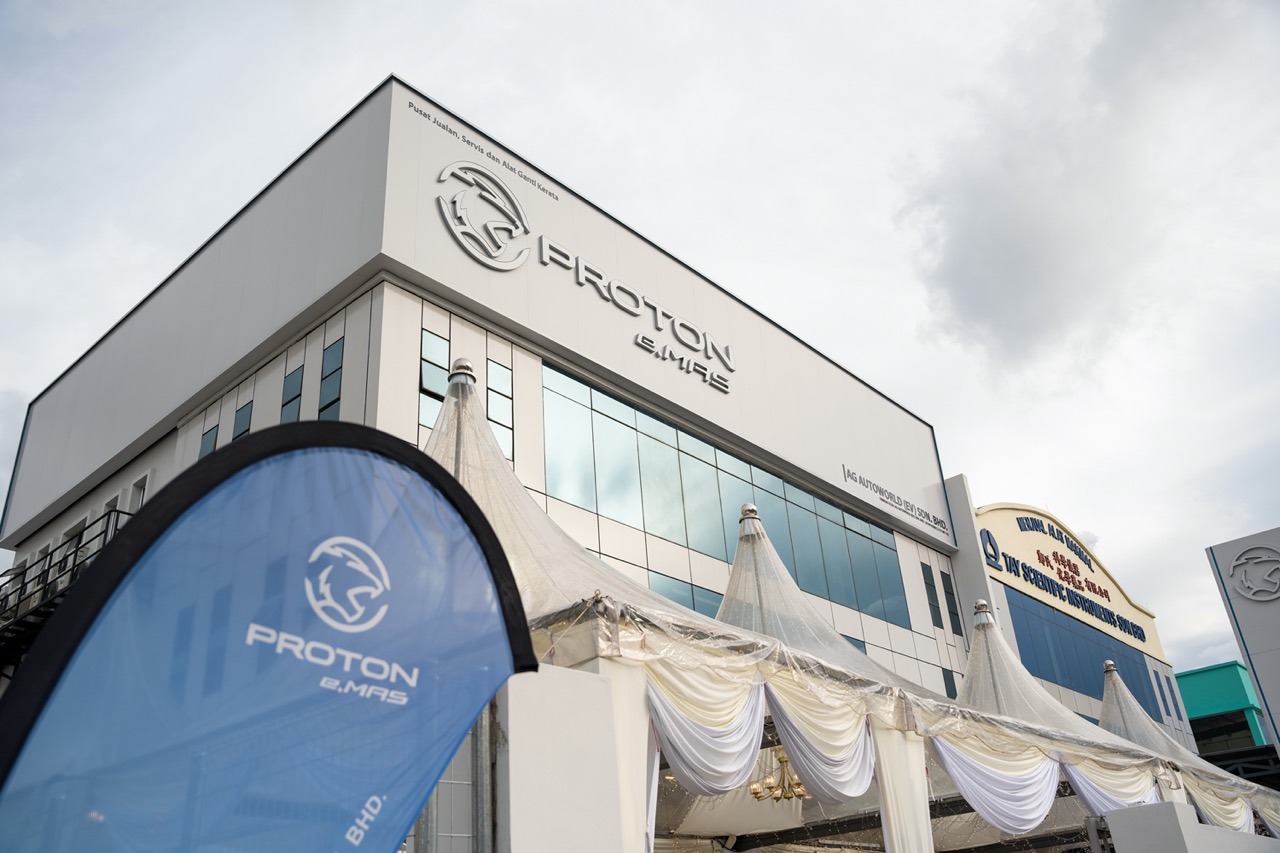
PRO-NET, sebuah anak syarikat kepada pengeluar automotif nasional Proton, telah mengumumkan lanjutan pakej pelancaran istimewa untuk Proton e.MAS 7. Hal ini berkenaan sambutan yang memberangsangkan daripada rakyat Malaysia dengan lebih 3,000 tempahan berjaya diperoleh dalam masa kurang daripada sebulan selepas pelancaran penuh Proton e.MAS 7. PRO-NET akan melanjutkan pakej Power Pack yang menarik bersama rebat harga sehingga RM4,000 kepada 3,000 pelanggan seterusnya, menjadikannya jumlah keseluruhan 6,000 tempahan kepada para pelanggan layak menikmati tawaran eksklusif ini.

Sebagai EV sulung nasional Malaysia, Proton e.MAS 7 telah menarik perhatian rakyat Malaysia dengan gabungan inovasi, prestasi, dan praktikaliti. PRO-NET akan melanjutkan pakej pelancaran istimewa serta rebat harga sebanyak RM4,000 kepada 3,000 pelanggan berikutnya, menjadikan jumlah keseluruhan 6,000 tempahan layak menikmati tawaran eksklusif ini. Tawaran yang dilanjutkan ini mengukuhkan komitmen PRO-NET untuk menjadikan mobiliti lestari lebih mudah diakses oleh rakyat Malaysia. Pelanggan yang layak untuk lanjutan ini akan menikmati tawaran eksklusif yang sama, termasuk rebat sehingga RM4,000 untuk Proton e.MAS 7. Selain itu, lima pakej pelancaran akan terus kekal, menawarkan nilai luar biasa kepada pelanggan yang terawal.

(more…)

PRO-NET, a subsidiary of Proton, has announced the extension of its special launch package for the Proton e.MAS 7 in response to an overwhelming demand from Malaysian consumers. Less than a month after its debut, the vehicle has already secured over 3,000 bookings, prompting the company to extend the offer to the next 3,000 customers. As a result, a total of 6,000 customers will now benefit from this exclusive deal.

The Proton e.MAS 7, Malaysia’s first national electric vehicle (EV), has garnered significant attention due to its innovative features, affordability, and practicality. The extended launch offer includes a RM4,000 price rebate, along with five launch power packages, demonstrating PRO-NET’s commitment to making sustainable mobility more accessible for Malaysians.

Launched by Prime Minister Anwar Ibrahim in mid-December, the Proton e.MAS 7 is available in two variants: the e.MAS 7 Prime, priced at RM105,800, and the e.MAS 7 Premium, available for RM119,800. Both variants are eligible for the extended launch offer, which includes the Launch Power Packs, offering significant value for early adopters. Among the available packages, the Power Home package provides a complimentary 7kW home charger worth RM1,500, while the Power Plus package includes a free V2L (Vehicle-to-Load) adaptor valued at RM500.

(more…)

Archive

Follow us on Facebook

Follow us on YouTube