Piston.my

EV

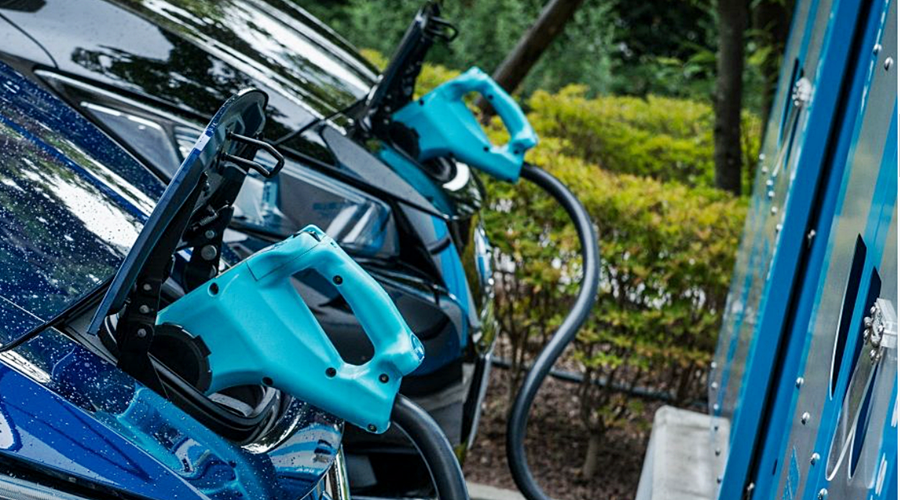
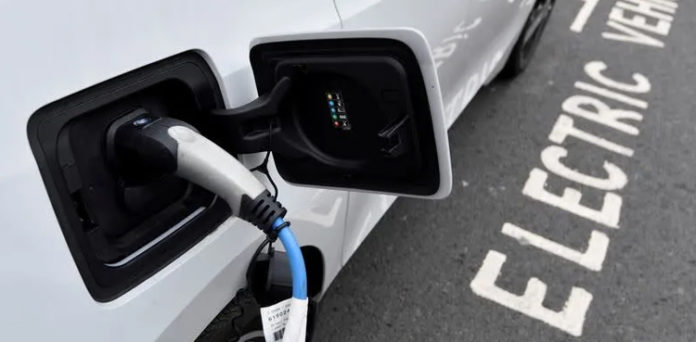
Ketua Pegawai Eksekutif Yinson Holdings Bhd, Lim Chern Yuan, menegaskan bahawa walaupun penggunaan kenderaan elektrik (EV) di Malaysia semakin meningkat, jumlah semasa EV di jalan raya belum mencukupi untuk menyokong pelaksanaan infrastruktur pengecasan yang meluas. Beliau menyatakan bahawa walaupun insentif seperti cukai rendah telah memacu jualan EV, pengembangan infrastruktur masih ketinggalan.

“Hari ini, terdapat kira-kira 38,000 EV di jalan raya Malaysia. Namun, angka ini belum menjamin penempatan stesen pengecasan di seluruh negara,” ujar Lim dalam laporan The Star. Beliau menyeru kerjasama erat dengan pihak berkuasa untuk mempercepatkan pembangunan infrastruktur EV.

Pentingnya Strategi Bersatu Asean

Lim menekankan keperluan strategi serantau yang padu untuk membangunkan industri EV di Asean. Beliau mencadangkan supaya negara-negara anggota bergerak melangkaui model perhimpunan kenderaan yang hanya menghasilkan pekerjaan bergaji rendah. Sebaliknya, pelaburan harus ditumpukan kepada sektor bernilai tinggi seperti semikonduktor, teknologi bateri, dan kejuruteraan perisian.
(more…)

Despite the rising adoption of electric vehicles (EVs) in Malaysia, the current number of EVs on the road is insufficient to justify the widespread deployment of charging infrastructure, according to Yinson Holdings Bhd CEO Lim Chern Yuan. According to The Star, Lim highlighted that while low taxes have driven EV sales, infrastructure expansion still lags.

“There are about 38,000 EVs on Malaysian roads today, but this number doesn’t yet warrant placing charging stations nationwide,” said Lim. He emphasised the ongoing collaboration with regulators to accelerate the rollout of EV infrastructure.

A Unified Asean Strategy

Lim underscored the importance of a cohesive Asean strategy to strengthen the region’s EV industry. He argued that relying on assembly-focused models limits the potential for value creation, advocating instead for investment in high-value sectors such as semiconductors, battery technology, and software engineering.

(more…)

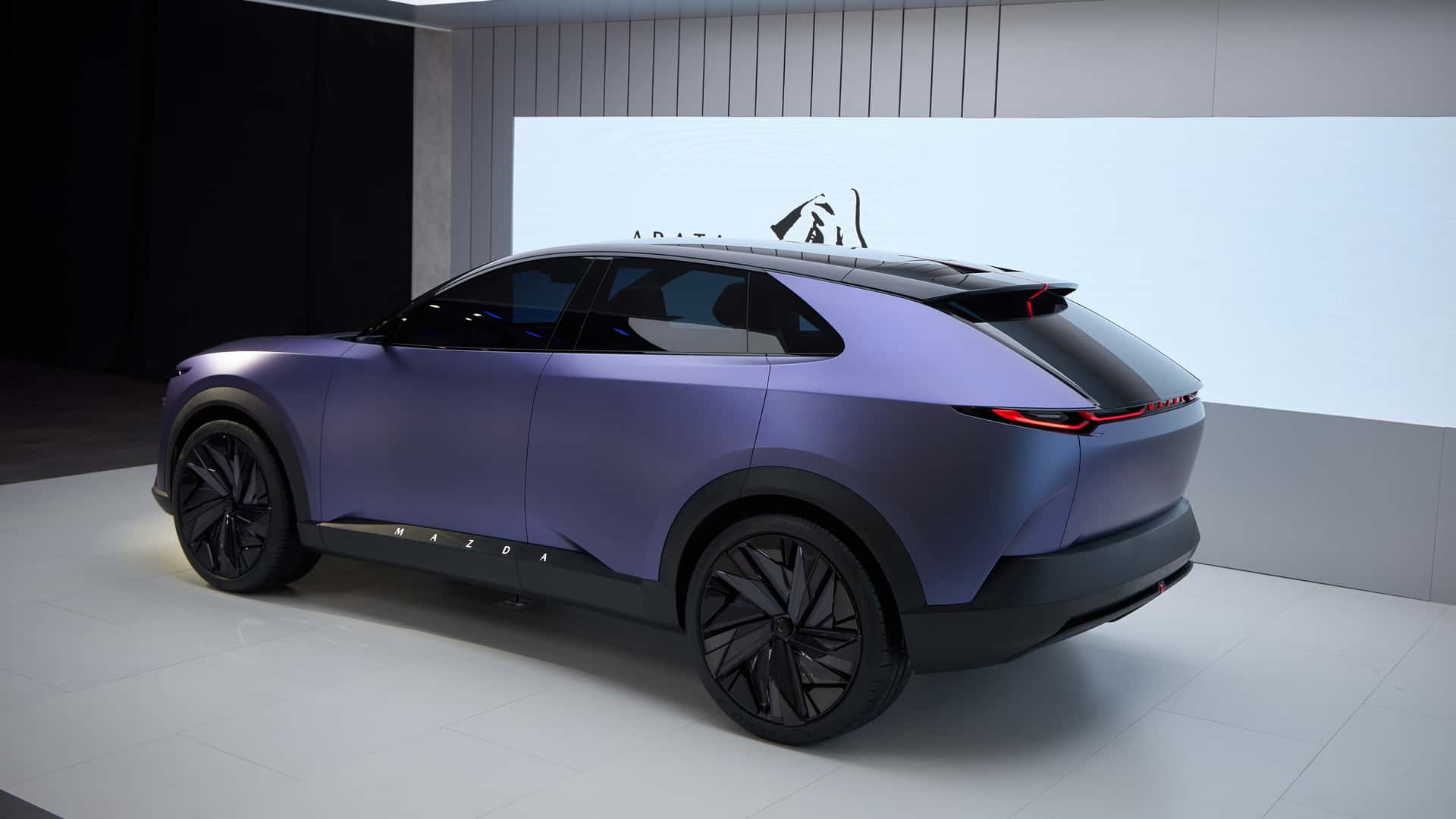
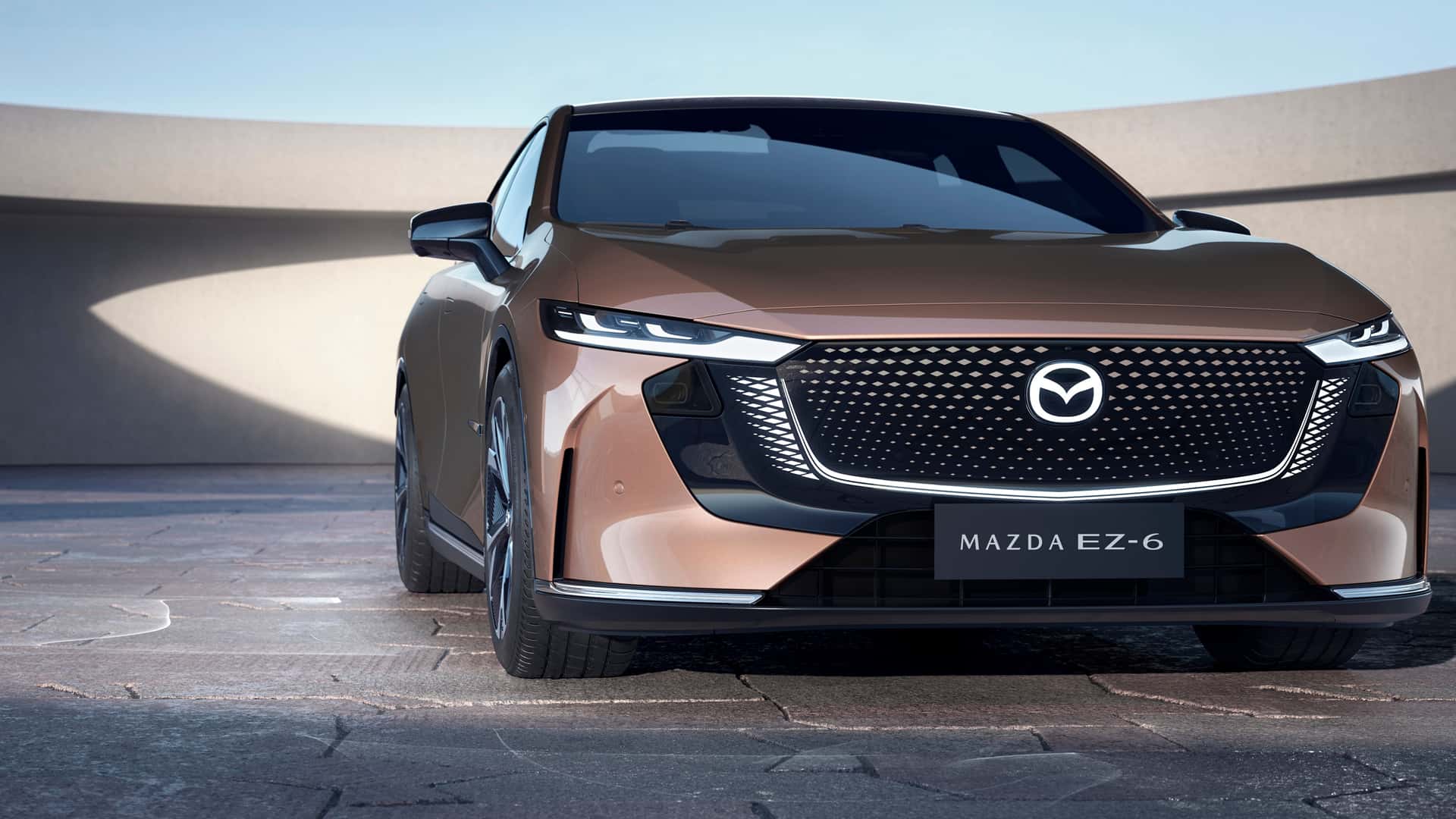
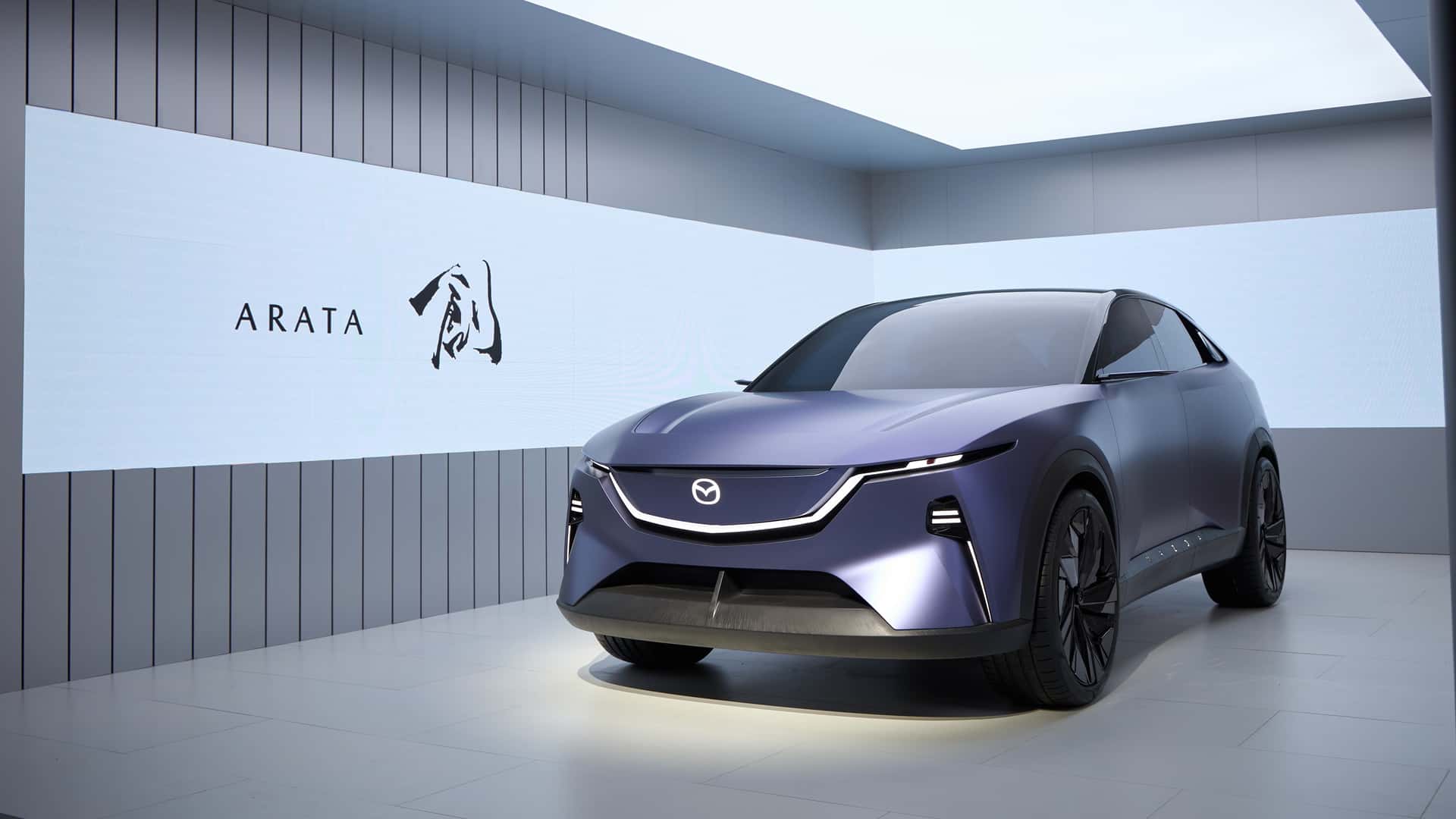
Mazda telah mengambil langkah besar dalam perjalanan elektrifikasinya dengan membangunkan sebuah kilang pembuatan bateri khusus di Iwakuni City, Yamaguchi Prefecture, Jepun. Kilang ini akan menjadi pusat pengeluaran modul bateri untuk model EV generasi baharu Mazda, termasuk kenderaan pertama yang dibina menggunakan platform EV khusus.

Kerjasama dengan Panasonic Energy

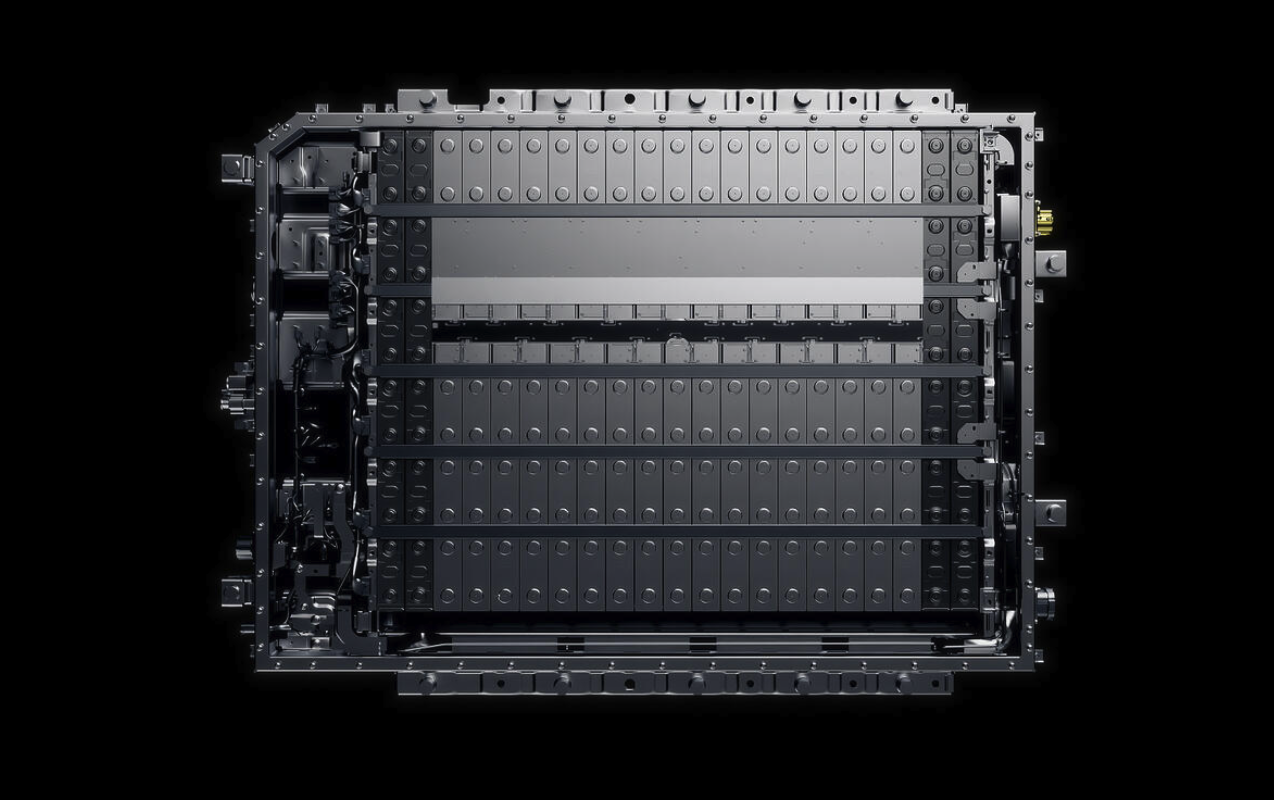
Mazda telah bekerjasama dengan Panasonic Energy untuk memanfaatkan modul bateri silinder canggih, yang akan menjadi sumber kuasa utama untuk EV generasi akan datang. Kilang ini dijangka mencapai kapasiti pengeluaran tahunan 10GWj, satu pencapaian penting dalam strategi Mazda untuk meningkatkan pengeluaran EV.

(more…)

Mazda is taking significant strides in its electrification journey by establishing a specialised battery manufacturing facility in Japan, underscoring its commitment to sustainable mobility. Located in Iwakuni City, Yamaguchi Prefecture, the plant will produce battery modules for Mazda’s upcoming models, including its first vehicle built on a dedicated electric vehicle (EV) platform.

Partnering with Panasonic Energy, Mazda will utilise advanced cylindrical battery modules to power its next-generation EVs. The factory is expected to achieve an annual production capacity of 10GWh, a milestone reflecting the automaker’s ambition to scale up EV production.

A Bold Step Forward

Mazda’s CEO, Masahiro Moro, highlighted the brand’s progress toward its in-house EV platform, which is set to debut in 2027. This platform is promised to deliver vehicles with “advanced design, superior convenience, and extended driving ranges,” signalling a departure from Mazda’s earlier strategy of adapting combustion-engine platforms for electric use.

(more…)

The world of electric vehicle (EV) batteries is buzzing with innovation, and the latest breakthrough comes from the Daegu Gyeongbuk Institute of Science and Technology (DGIST) in Korea. Researchers have developed a revolutionary lithium metal battery featuring a “triple-layer solid polymer electrolyte” that not only boasts extended durability but also self-extinguishes in the event of a fire.

Addressing Lithium Battery Safety Challenges

Traditional solid polymer electrolyte batteries face a significant challenge: the formation of dendrites. These small, tree-like structures develop during charging and discharging, potentially damaging internal battery components and increasing the risk of fires and explosions. This issue has long hindered the full potential of lithium metal batteries.

The DGIST team, led by Dr. Kim Jae-Hyun, tackled this problem with an innovative triple-layer electrolyte structure. Their design features soft outer layers for better electrode contact and a strong middle layer to reinforce structural integrity. Additionally, the electrolyte includes fire-suppressing agents like decabromodiphenyl ethane, high concentrations of lithium salt, and zeolite for added strength.

(more…)

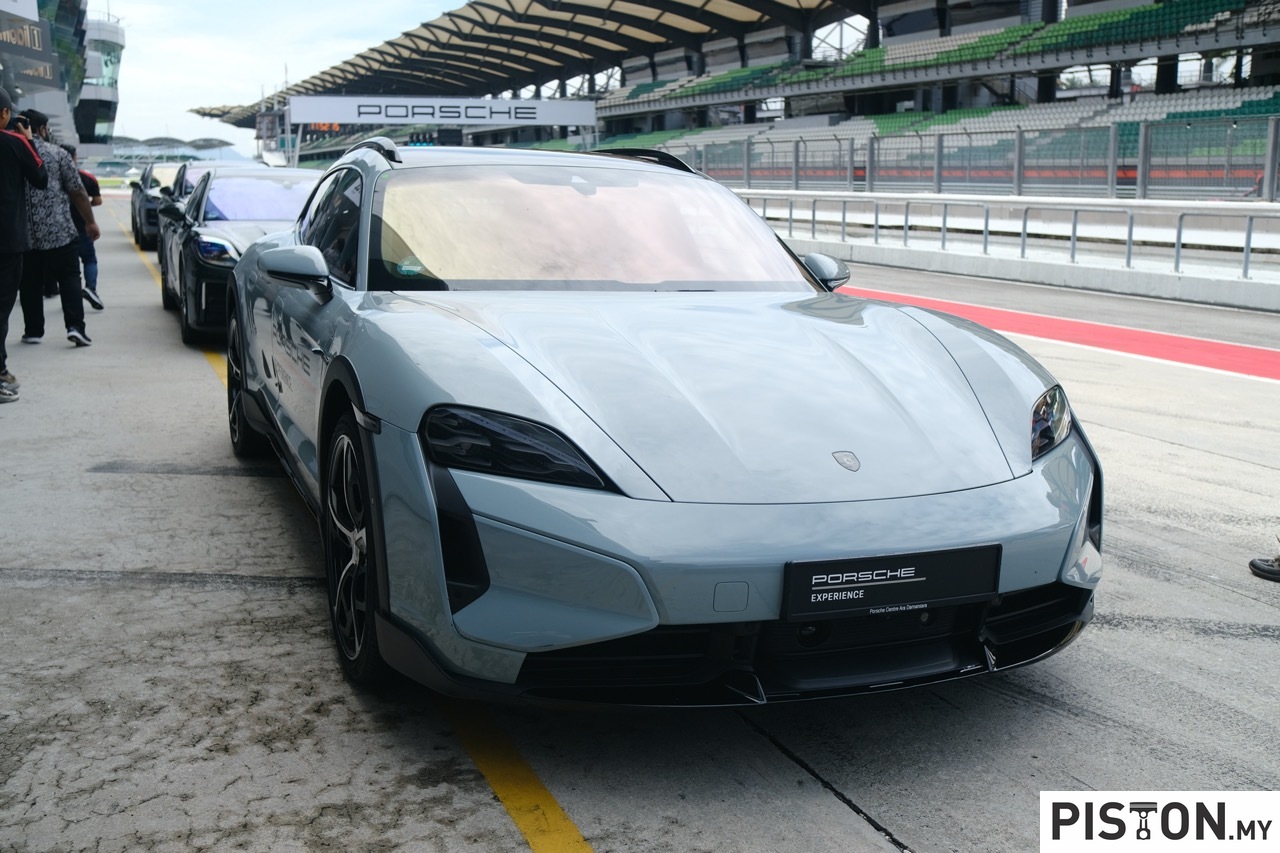
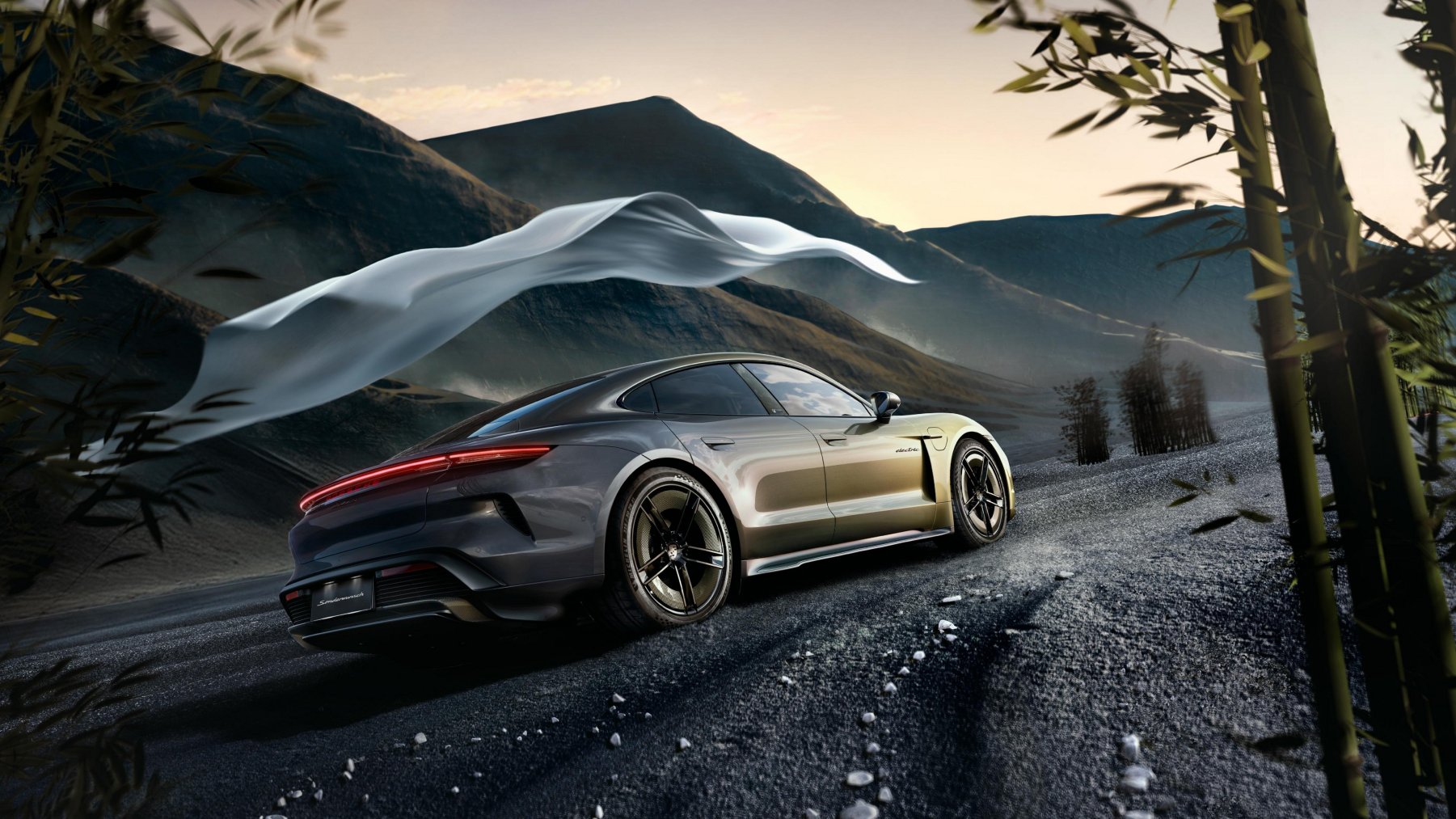
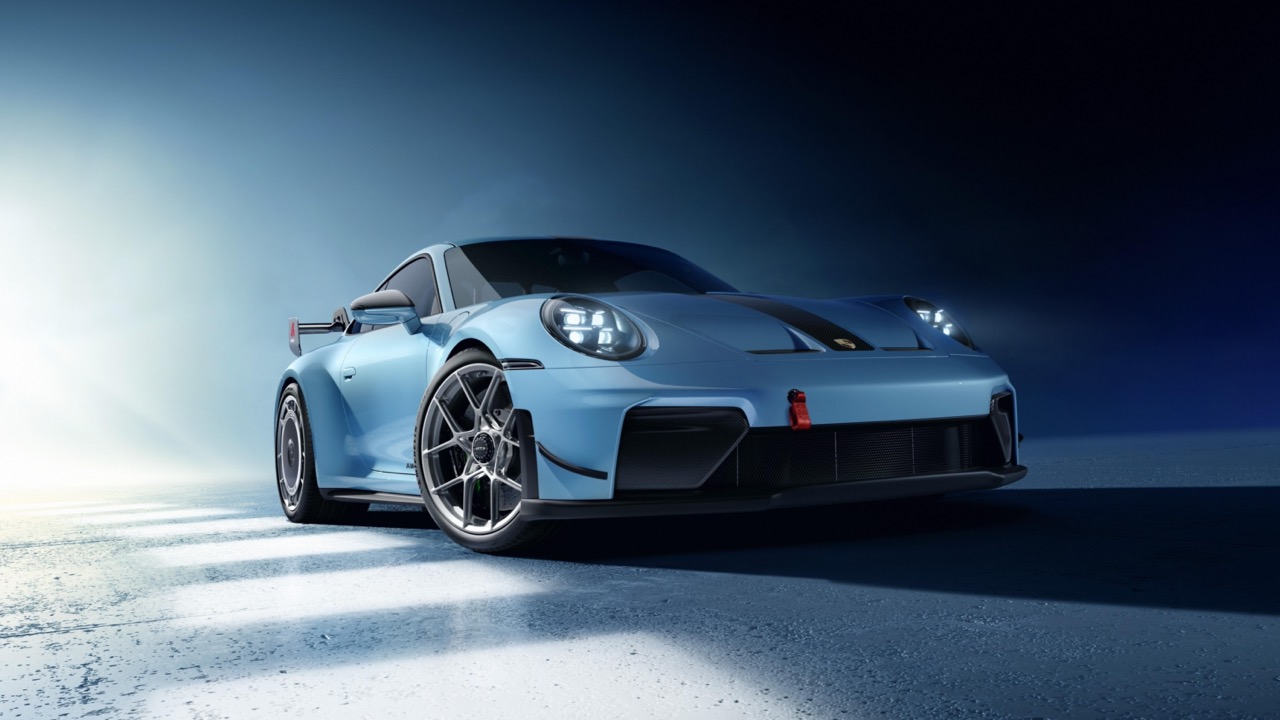
When Porsche debuted the Taycan, it redefined electric vehicles (EVs), setting records and reshaping perceptions of what EVs could achieve. However, public sentiment surrounding EVs has cooled, and changing market dynamics have led Porsche to reconsider its ambitious plans for a predominantly electric fleet.

EV Plans on Hold Amid Falling Taycan Sales

In July 2024, Porsche openly acknowledged challenges in its EV strategy. Initially targeting an 80% EV lineup by 2030, the automaker scaled back those goals following disappointing Taycan sales. In the first nine months of 2024, Taycan sales plummeted by 50% year-over-year, with only 14,000 units sold by September.

Meanwhile, Porsche’s internal combustion engine (ICE) models like the 718 Cayman and Boxster are enjoying a resurgence. These mid-engine sports cars, set to transition to all-electric models after 2025, have seen a 10% increase in global sales in 2024, even as they were discontinued in several European markets due to cybersecurity regulations.

(more…)

BYD, China’s leading electric vehicle (EV) manufacturer, announced an impressive surge in vehicle sales for 2024, reflecting its growing dominance in both domestic and international markets. The company reported a remarkable 41.3% year-on-year increase, selling 4,272,145 vehicles compared to 3,024,417 units in 2023.

December proved particularly strong for BYD’s overseas sales, with 57,154 vehicles sold outside of China, a 58.3% increase from the same month in 2023. These figures underline BYD’s expanding global footprint despite intensifying trade disputes between China and Western nations.

Global Expansion and Challenges

As the largest EV manufacturer in China—also the world’s biggest automotive market—BYD has made significant strides in penetrating international markets. Its achievements come on the back of robust domestic growth initially supported by generous subsidies from the Chinese government.

(more…)

The global electric vehicle (EV) market is set to defy scepticism, with analysts forecasting a significant 30% growth in sales for 2025. According to S&P Global Mobility, battery-electric vehicles (BEVs) are projected to achieve 15.1 million units in sales, capturing 16.7% of the global car market. This marks a significant increase from the estimated 11.6 million BEVs sold in 2024, which accounted for 13.2% of the market.

While some automakers have expressed concerns about weakening demand for EVs, industry experts remain optimistic about the sector’s trajectory. The anticipated growth underscores the accelerating shift toward sustainable transportation, although the pace of adoption will vary significantly across different regions.

Regional Trends in EV Adoption

The rate of EV adoption is expected to differ widely across regions, shaped by a combination of government policies, incentives, and infrastructure development. In India, for example, EVs are predicted to make up just 7.5% of total vehicle sales in 2025. However, the country is witnessing rapid growth, with EV sales expected to rise by 117% year-on-year as it builds the foundation for electrification.

(more…)

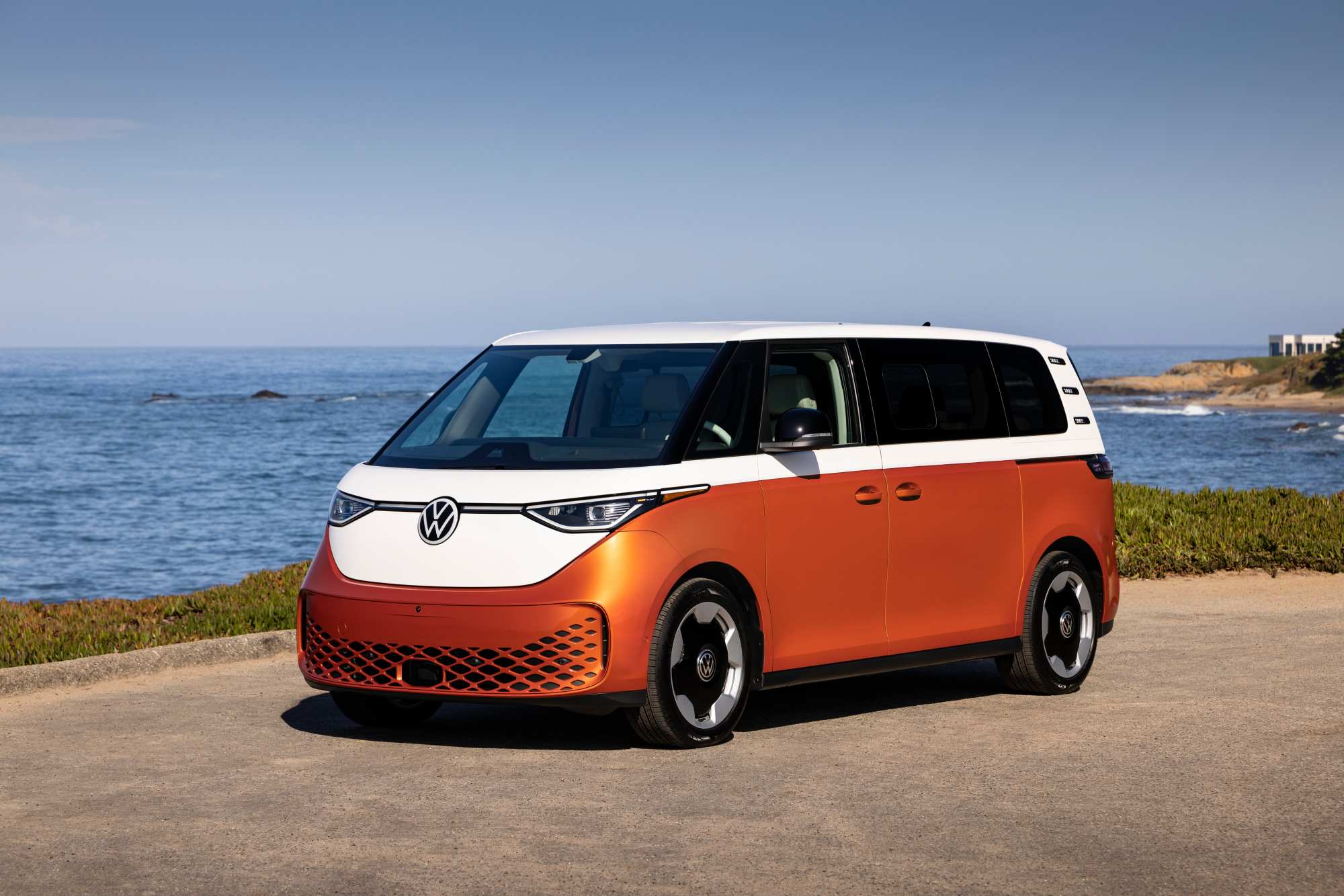
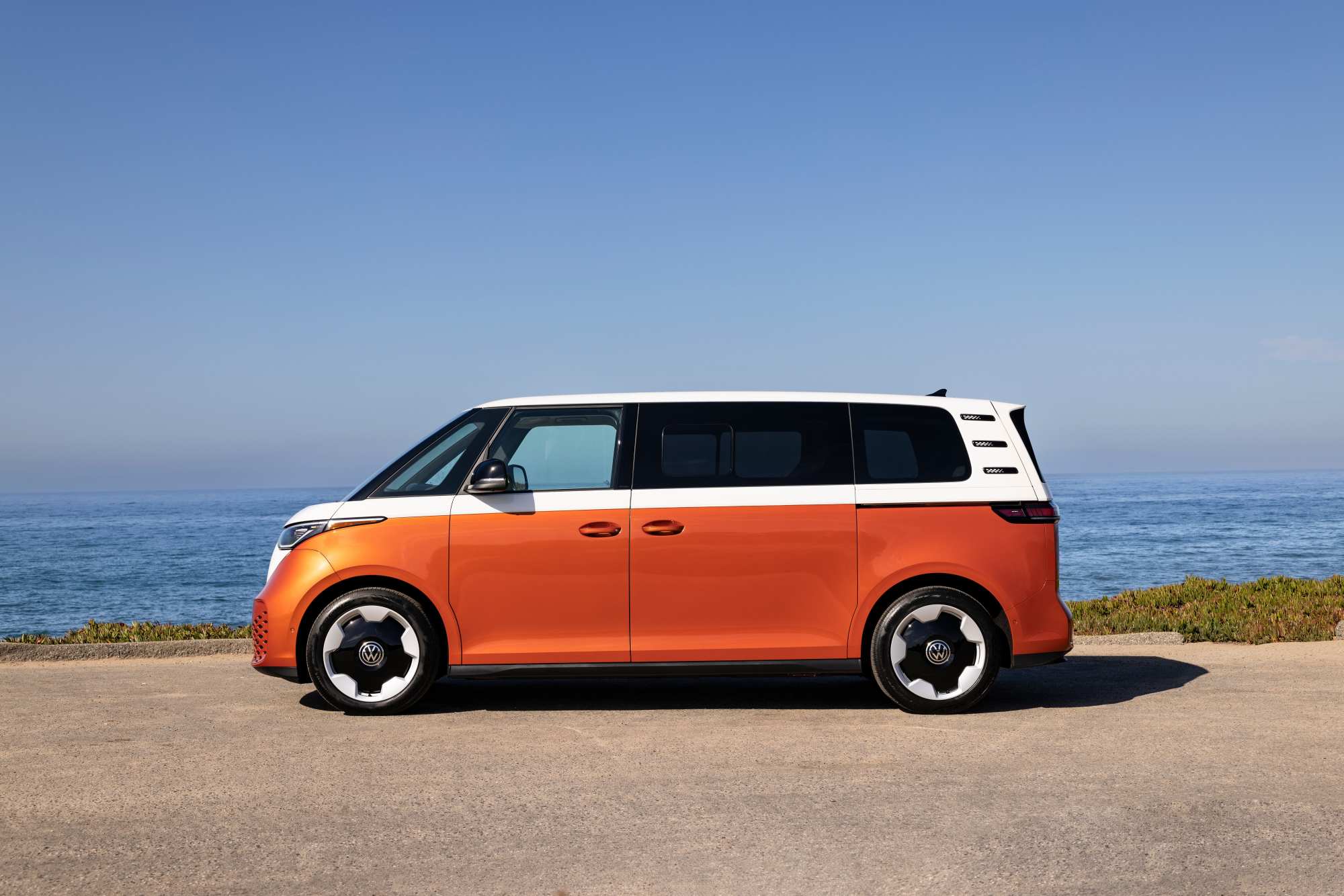
Volkswagen has revived its legendary Type 2 Microbus as the all-electric 2025 ID.Buzz, blending nostalgic charm with contemporary technology. First launched in 1950, the original Type 2 was a cultural icon symbolizing peace and good vibes, with its three rows of seats offering space for up to nine passengers. Fast forward over 50 years, and its successor is making waves as a modern EV.

Performance and Range

The ID.Buzz is significantly heavier than its predecessor, weighing in at 2,800kgs—a notable 680kgs more than the Honda Odyssey. Despite its heft, the EV offers two powertrain options: a rear-wheel-drive version with 282hp and an all-wheel-drive (AWD) variant delivering 335hp. The ID.Buzz can accelerate from 0 to 100km/h in just 5.5 seconds. However, its 86-kWh battery provides a modest range of 376km for the rear-wheel-drive version and 372km for the AWD model, falling short compared to some competitors.

(more…)

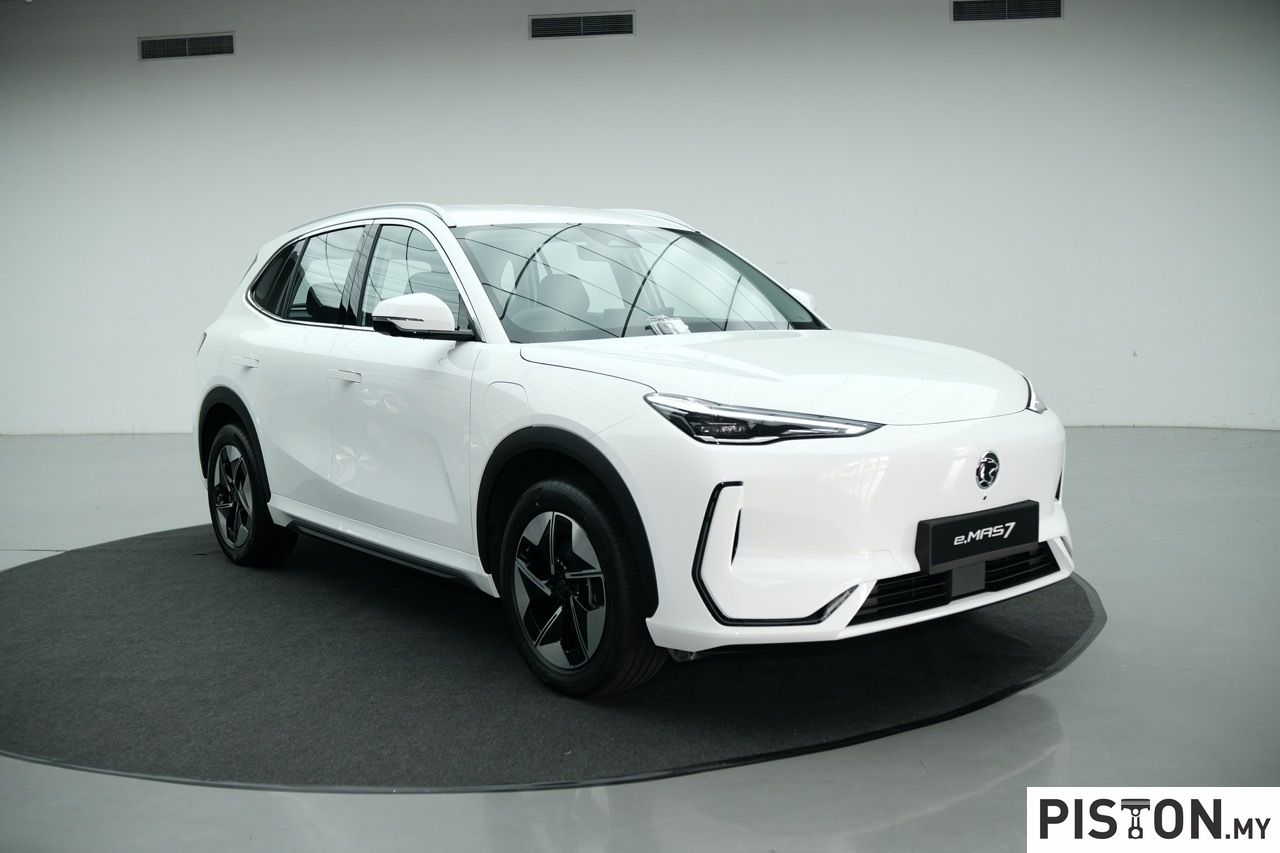
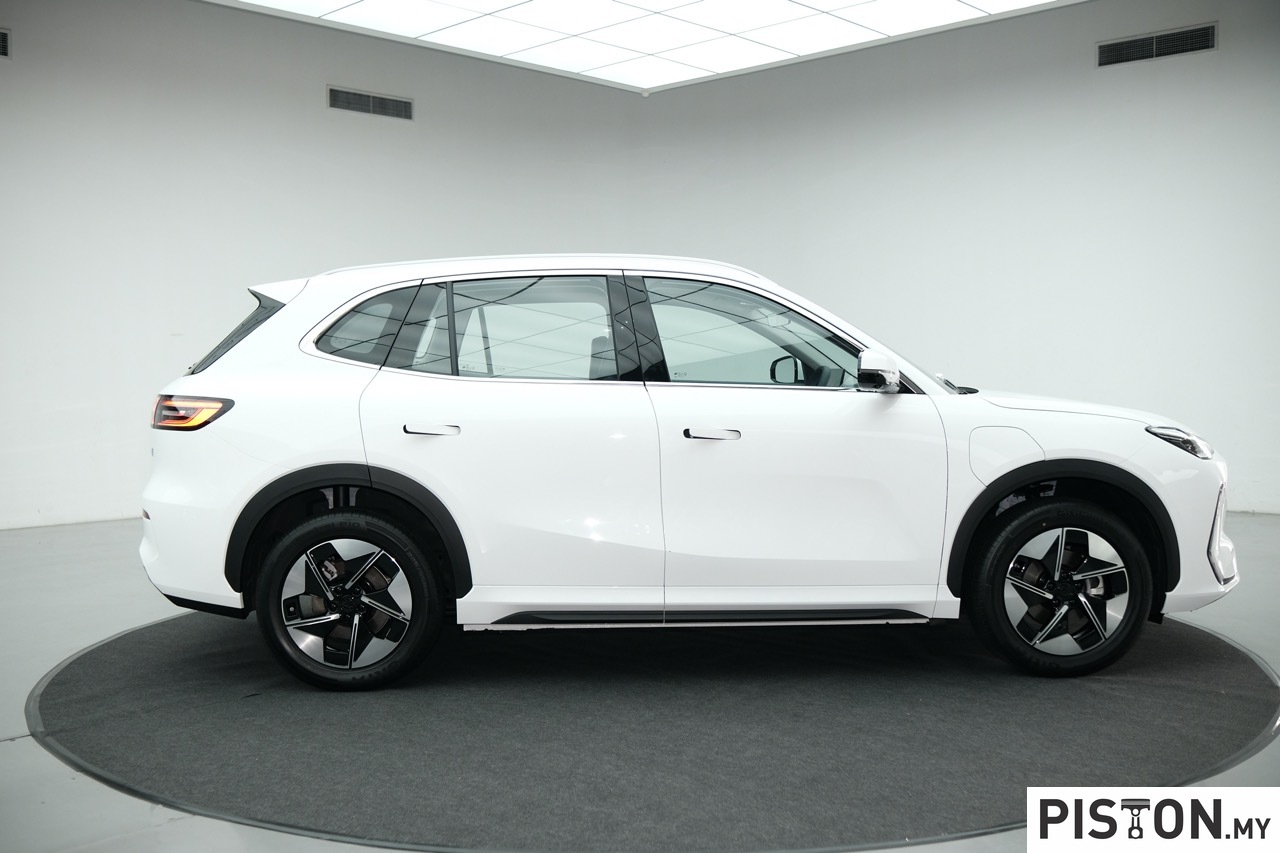
The Proton e.MAS 7, Malaysia’s first national electric vehicle (EV), has over 2,500 bookings, reflecting the nation’s growing enthusiasm for sustainable mobility. Announced by PRO-NET, a subsidiary of Proton, the achievement underscores the strong demand for innovative and eco-friendly transportation solutions in Malaysia. The e.MAS 7 marks Proton’s bold entry into the EV market, setting the stage for a transformative shift in the country’s automotive landscape.

Available in two variants—Prime and Premium—the Proton e.MAS 7 delivers impressive performance and range. Equipped with 49.52 kWh and 60.22 kWh battery packs, the EV offers a WLTP range of up to 410 km. It also supports advanced charging capabilities, including 11kW AC charging and DC fast charging of up to 100kW. Priced competitively, the e.MAS 7 starts at RM109,800 for the Prime variant and RM123,800 for the Premium variant. As part of an exclusive launch offer, the first 3,000 customers receive an RM4,000 rebate, reducing the prices to RM105,800 and RM119,800 for the respective variants.

(more…)

Archive

Follow us on Facebook

Follow us on YouTube