Honda Motor Co., Ltd. has announced a significant revision to its previously disclosed plans for a dedicated fuel cell module production facility in Moka City, Tochigi Prefecture, Japan. The changes come in response to recent shifts in the global hydrogen market, prompting the company to reduce the intended production capacity and postpone the plant’s operational launch.
Initially, Honda intended to repurpose part of its former Powertrain Unit Factory in Moka for the exclusive production of its next-generation hydrogen fuel cell modules. This facility was to commence operations within the fiscal year ending 31 March 2028 (FY2028) and was projected to have an annual production capacity of 30,000 units. Preparatory work for the project had already begun.
However, a reassessment driven by evolving conditions in the hydrogen energy landscape has led Honda to scale back the scope of its production ambitions. The company has opted to delay the start of mass production and revise the initial capacity target downwards, although specific revised figures have not been disclosed.
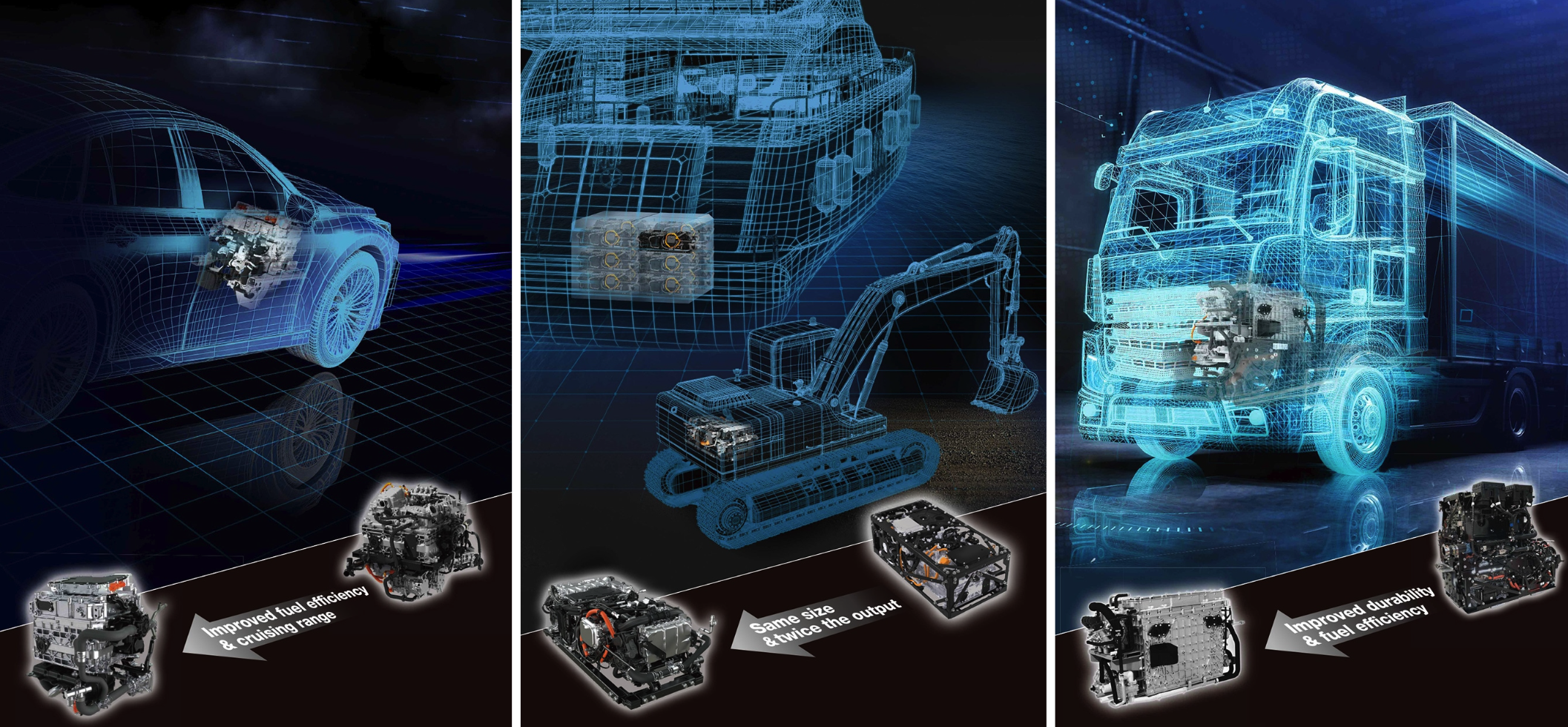
Toyota Motor Corporation has introduced its latest innovation in hydrogen technology with the unveiling of its third-generation fuel cell system (3rd Gen FC System). The new system represents a major step forward in Toyota’s vision for a hydrogen-powered future, with advancements in durability, efficiency, and cost reduction.
Designed specifically to meet the needs of the commercial sector, the 3rd Gen FC System offers durability on par with conventional diesel engines while delivering improved performance and efficiency. Toyota has significantly enhanced fuel efficiency and reduced costs compared to the previous generation, making the new system more viable for widespread adoption. The company plans to roll out the system primarily in Japan, Europe, North America, and China, with commercial availability expected after 2026.
Toyota has scheduled the official unveiling of the 3rd Gen FC System for February 19, 2025, at the H2 & FC EXPO in Tokyo, Japan. The event will mark the first public display of the new technology, highlighting its potential applications in various industries.
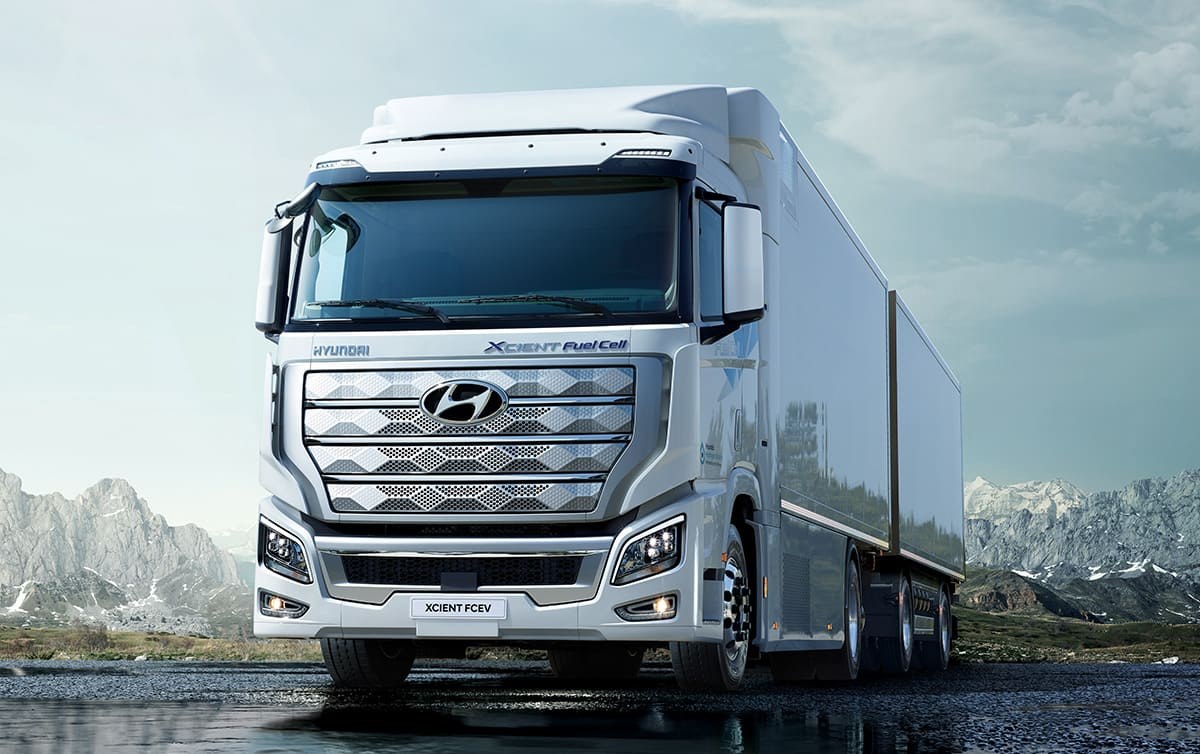
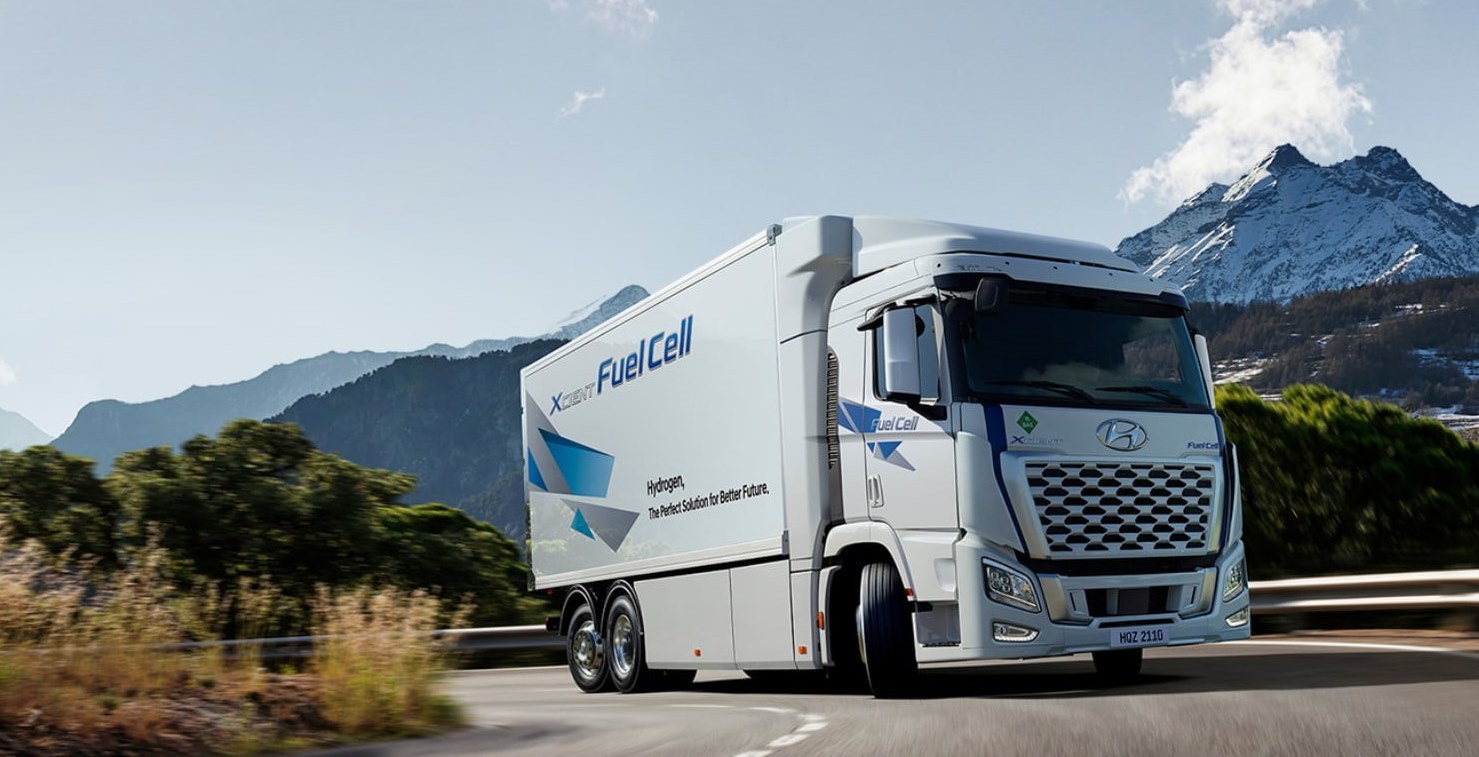
Even before full electrification with battery electric vehicles (BEVs) has gone mainstream in global markets, some manufacturers are already moving ahead with fuel cell electric vehicles (FCEVs). Hyundai Motor was among the first with production FCEV passenger models and is steadily growing its hydrogen fuel cell commercial trucks with the XCIENT Fuel Cell model.
Fuel cell (FC) technology is particularly well-suited to commercial shipping and logistics due to long ranges and short refueling times. The dual-mounted fuel cell system provides enough energy to drive the heavy-duty trucks up and down regions with mountainous terrain.
“XCIENT Fuel Cell is a present-day reality, not as a mere future drawing board project. By putting this groundbreaking vehicle on the road now, Hyundai marks a significant milestone in the history of commercial vehicles and the development of hydrogen society,” said In Cheol Lee, Executive Vice-President and Head of Commercial Vehicle Division at Hyundai Motor. “Building a comprehensive hydrogen ecosystem, where critical transportation needs are met by vehicles like XCIENT Fuel Cell, will lead to a paradigm shift that removes automobile emissions from the environmental equation.”
Joint venture in Switzerland The XCIENT Fuel Cell trucks, manufactured in Korea, are marketed a joint venture company which has Swiss company H2 Energy as a partner. The joint-venture company, Hyundai Hydrogen Mobility (HHM), offers the XCIENT Fuel Cell in a leasing deal which includes all costs, from import to technical support to the availability of green hydrogen. The big advantage is that there are no initial costs for the end customer.
Hyundai chose Switzerland as the starting point for its business venture for various reasons. One of the reasons is that zero-emission trucks do not have to pay Swiss roadtax charges. This nearly equalizes the hauling costs per kilometre of the FC truck compared to a regular diesel truck.
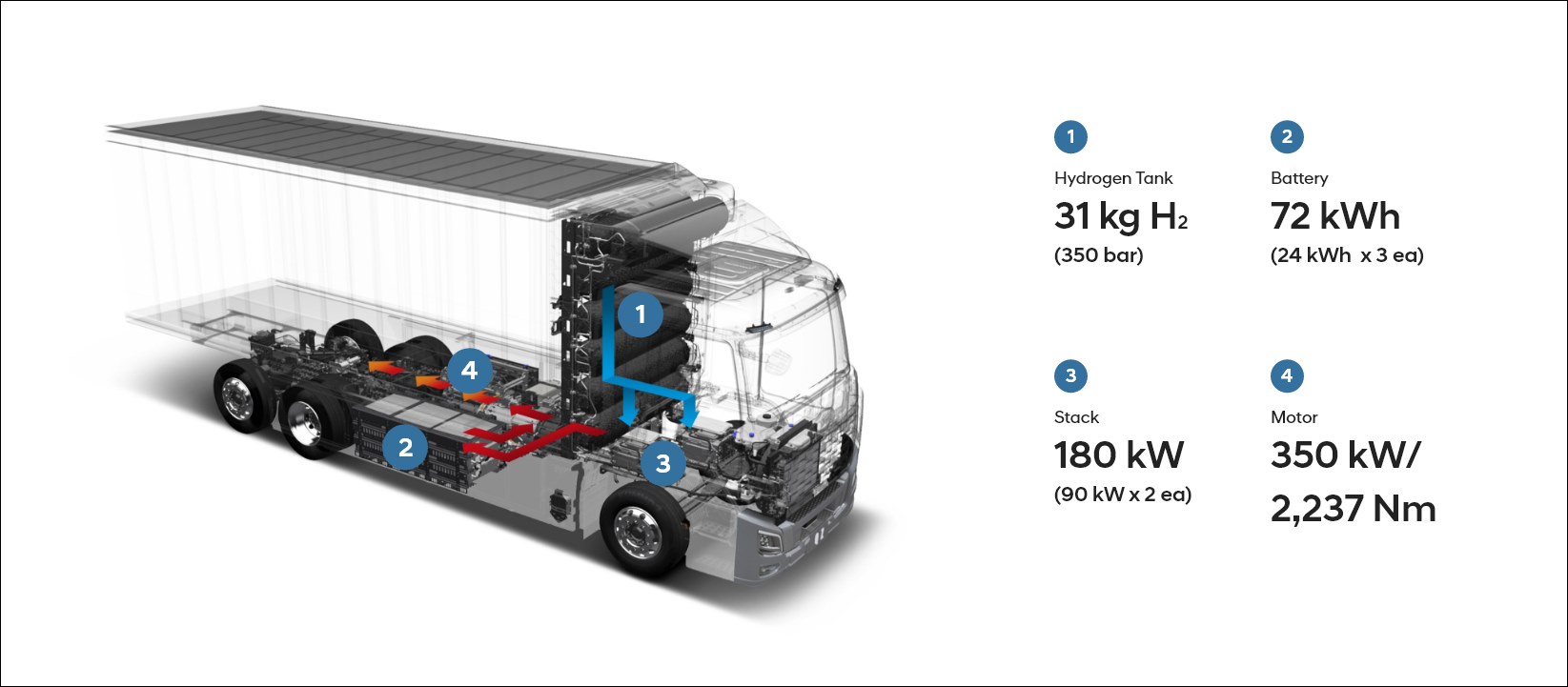
400 kms of range The XCIENT Fuel Cell, the hydrogen FC version of its Xcient truck, is equipped with a 180-kW hydrogen FC system incorporating two 90-kW fuel cell stacks. With a 350-kW e-motor, the vehicle is claimed to be able to travel 400 kms on a full tank and requires only 8 to 20 minutes to fill up. Seven large hydrogen tanks offer a combined storage capacity of around 32.09 kgs of hydrogen.
To date, Hyundai has exported XCIENT FC trucks to Switzerland, where it has 23 corporate fleet clients, and more recently, to Germany where 27 units will be used by 7 companies in the logistics and manufacturing sectors.
Fuel cell electric vehicle (FCEV) technology is not new to Hyundai Motor. In fact, the company was already carrying out R&D on such vehicles, which use hydrogen, from the early 2000s. By 2013, it was able to commercialise a FCEV in the form of the iX35, the first carmaker to do so.
Since then, development on FCEVs has advanced further and the company has accumulated even more experience and feedback through the use of its FCEVs over millions of kilometres in many parts of the world.
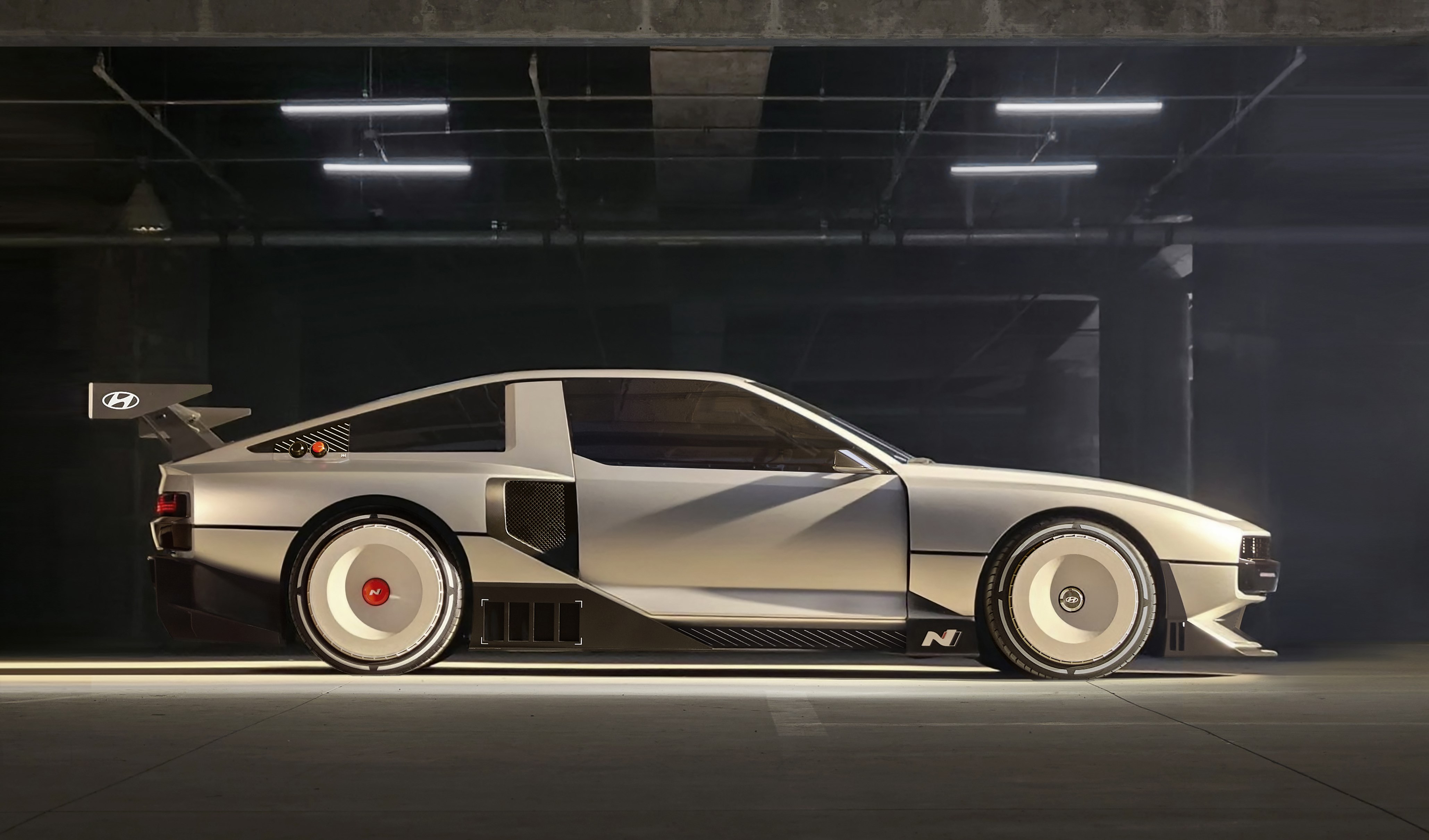
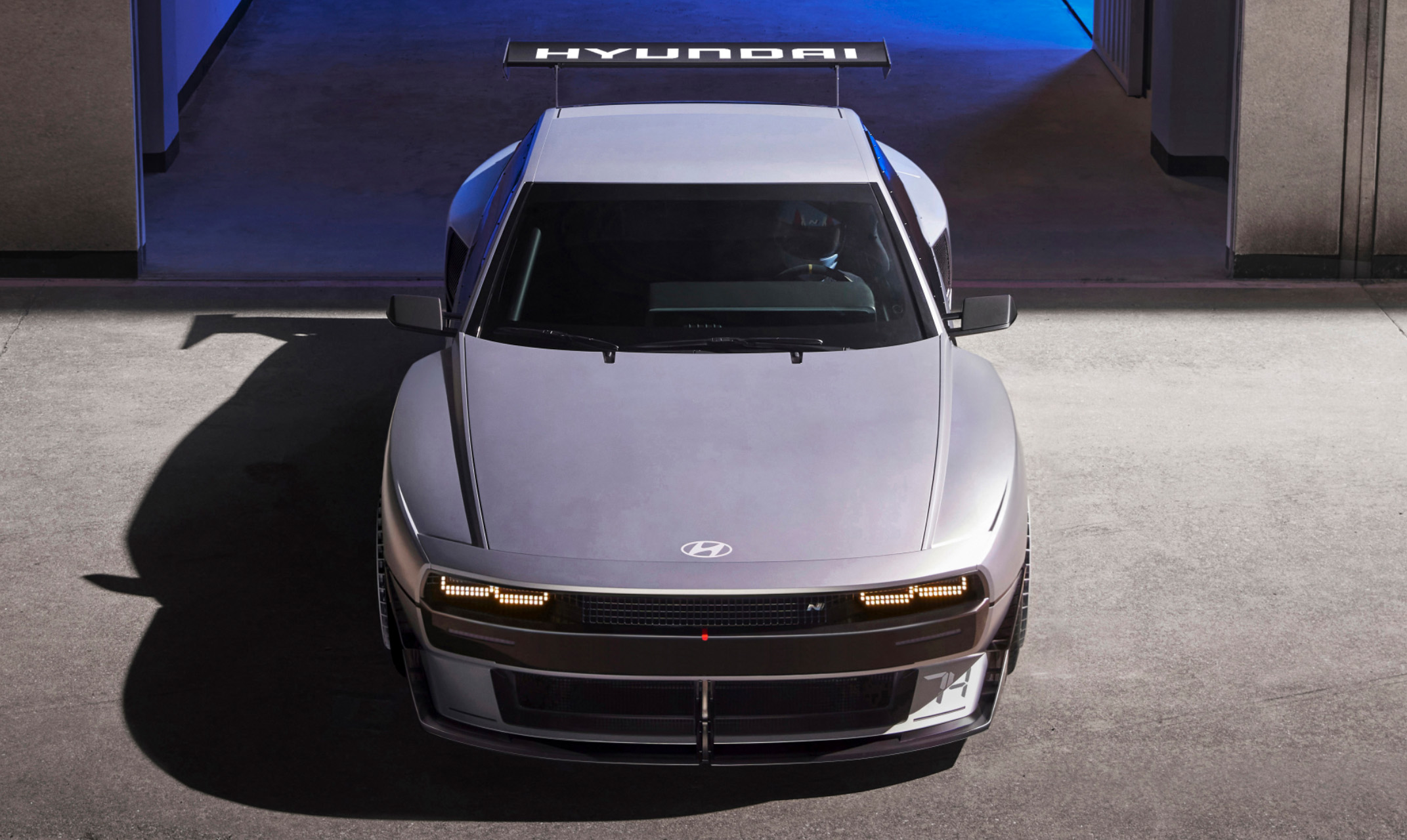
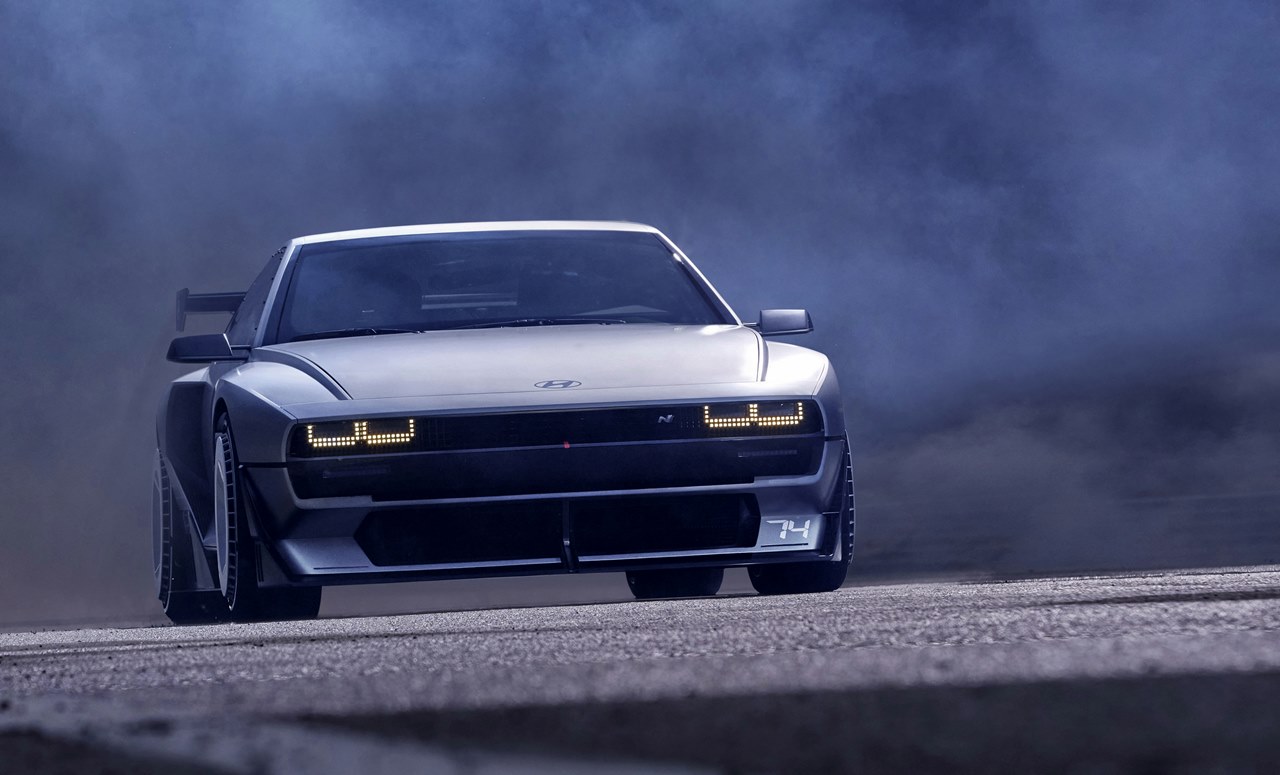
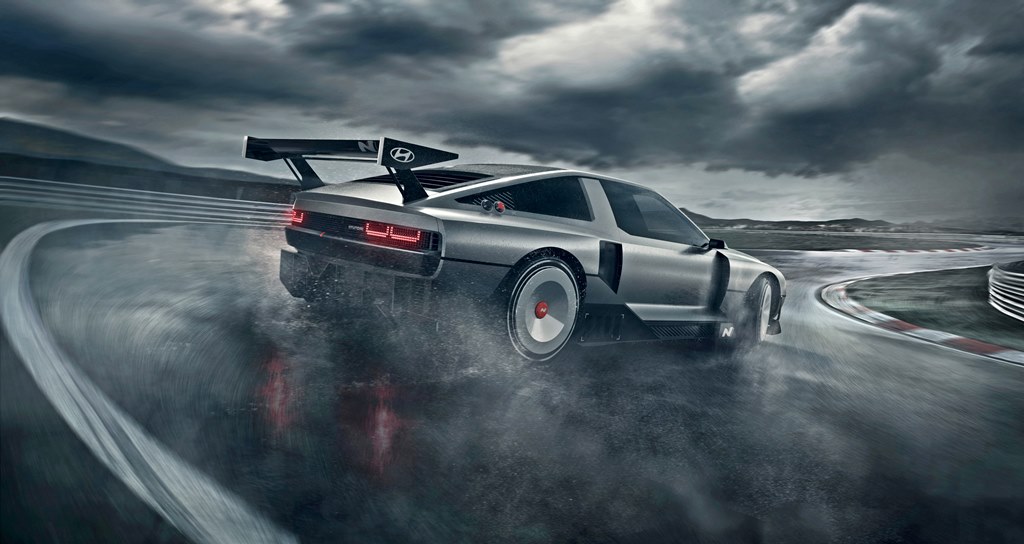
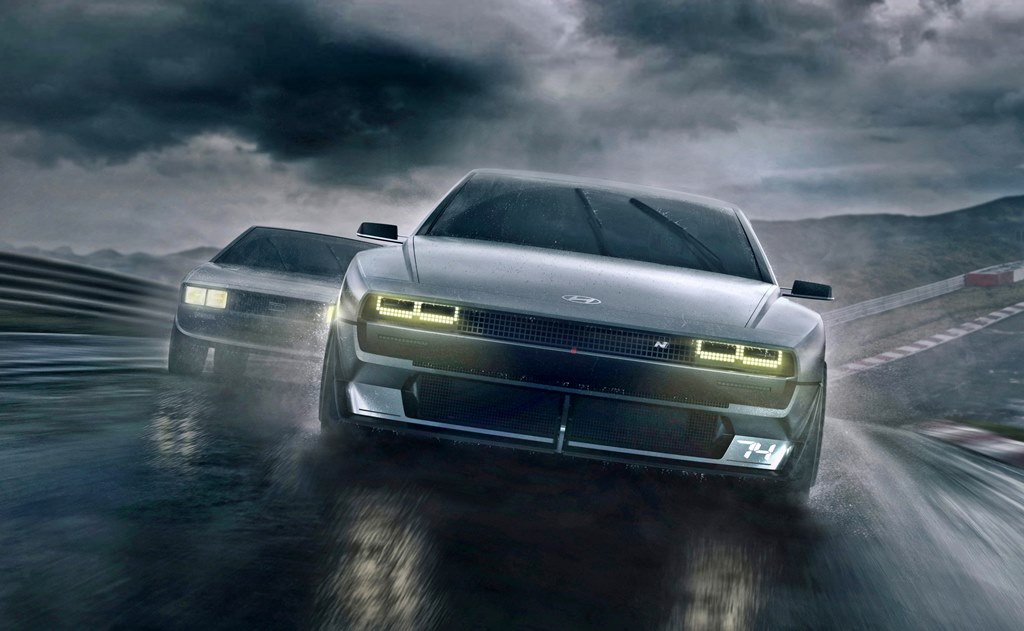
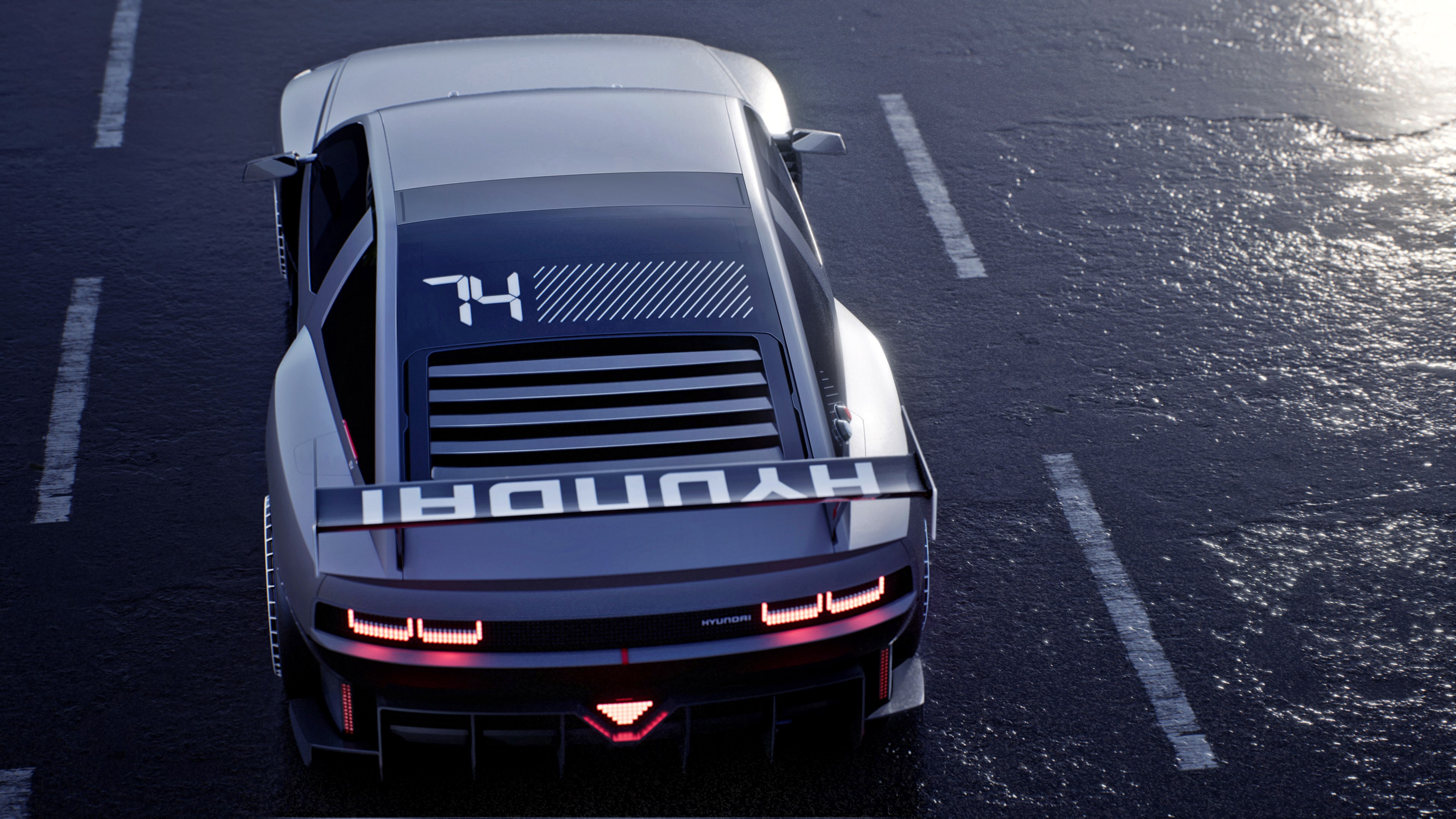
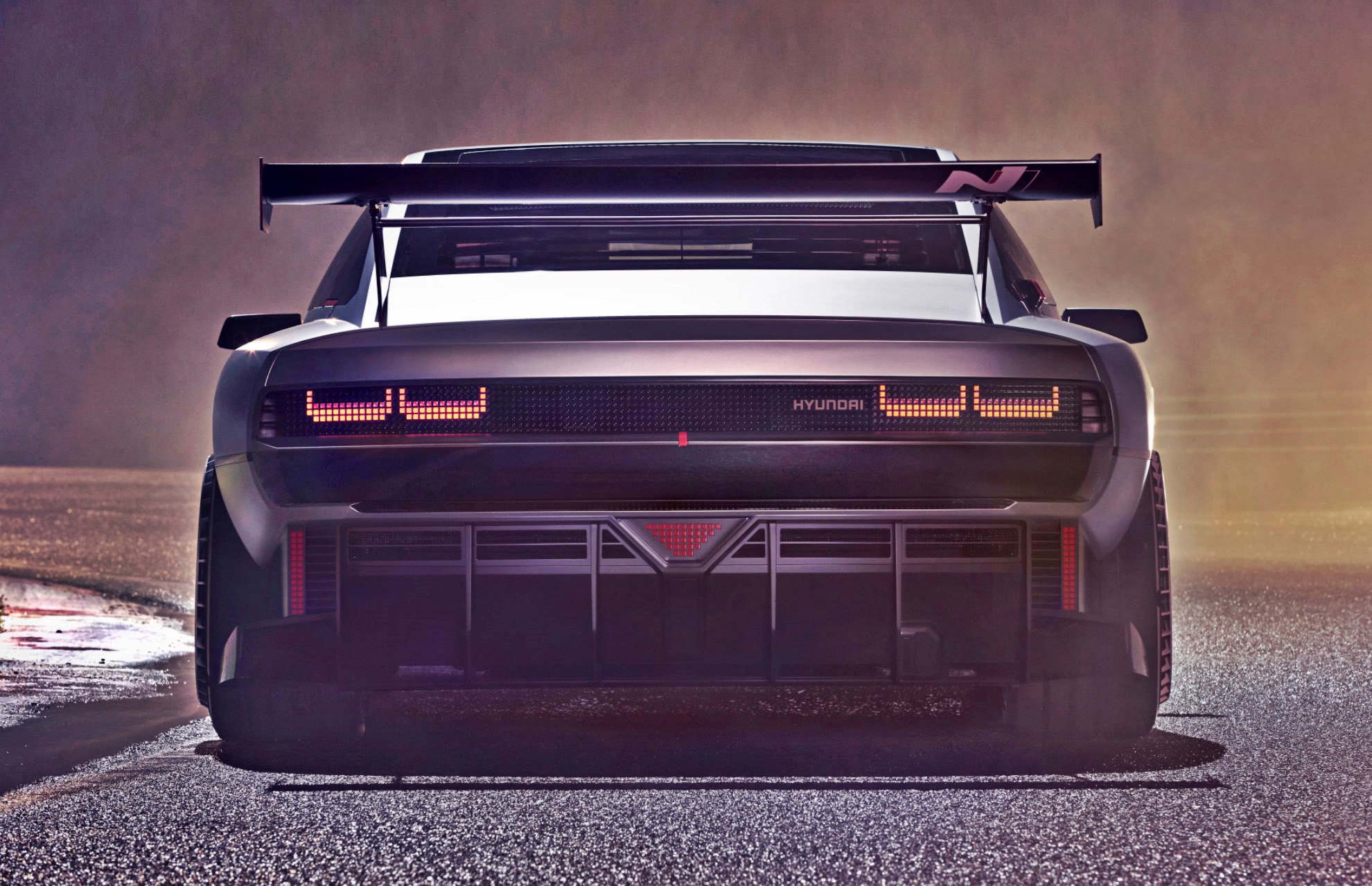
Hyundai N, the performance arm, is also looking at FCEV technology for the future and has developed the N Vision 74 as a high-performance hydrogen fuel cell hybrid rolling laboratory. While it is the first such high-performance rolling lab for Hyundai N’s engineers to use, it is not the first time for N where FCEV technology is concerned.
In 2015, the company also created the N 2025 Vision Gran Turismo with the launch of the N brand to envision the future of hydrogen-based high performance. The futuristic N 2025 was conceived to represent Hyundai in the Vision Gran Turismo program, a series of fictional concept cars for the Gran Turismo videogame by Polyphony Digital. While it was never produced as a real-life running model, it had advanced technologies that gave extremely high performance which gamers could experience.
For the N Vision 74, Hyundai’s engineers developed a hybrid structure of a battery-electric vehicle (BEV) in combination with an FCEV system, placed in an all-new layout. By having a fuel cell system and battery-electric system powering the car together, the cooling efficiency is improved.
The two different power sources can be used together or independent, depending on different driving conditions. This fine-tuned logic system enables better torque vectoring by twin motors on the rear, allowing a precise and responsive cornering experience. Moreover, the N Vision 74 explores the balance between the performance and cooling with a 3-channel cooling system.
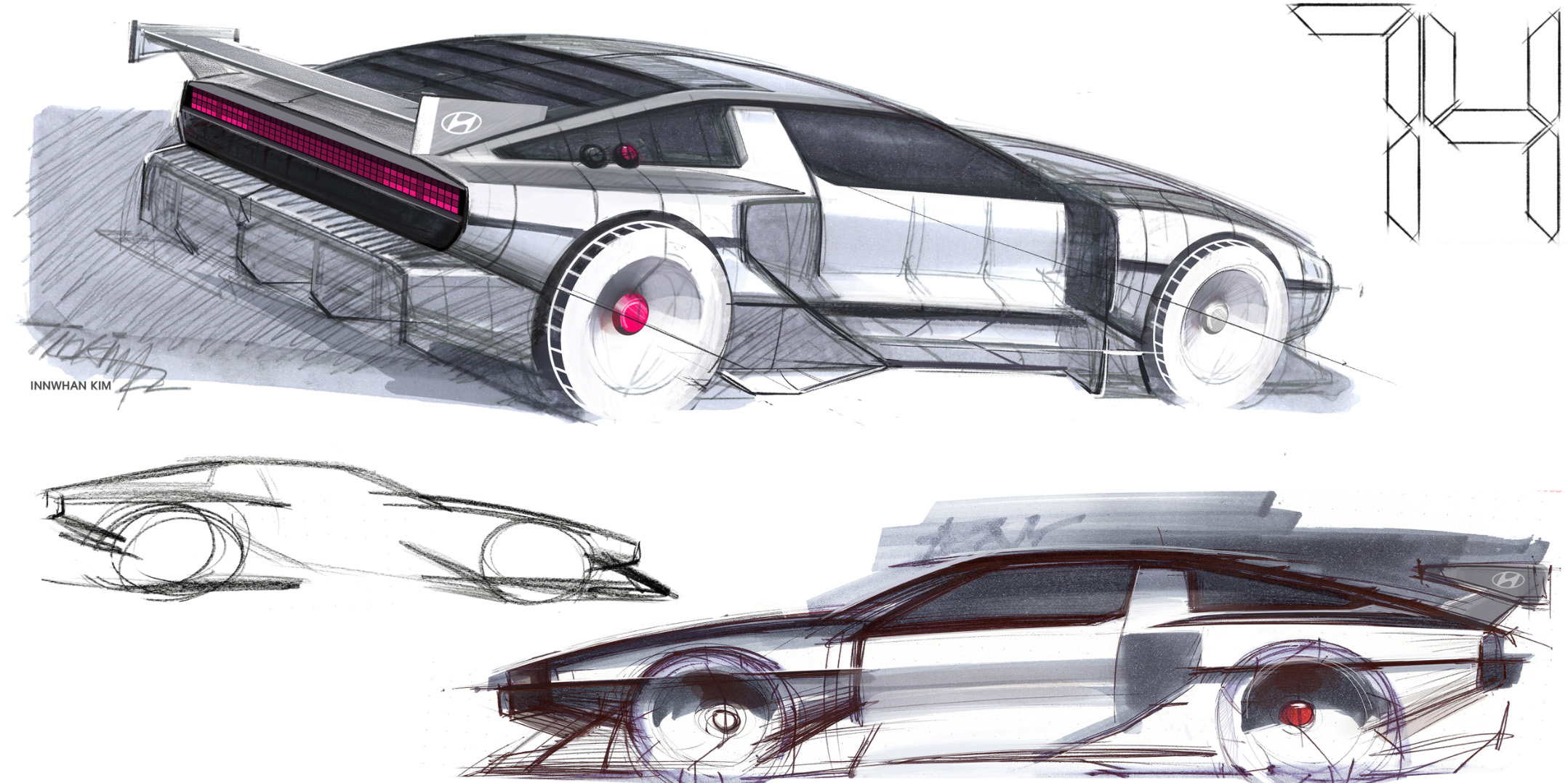
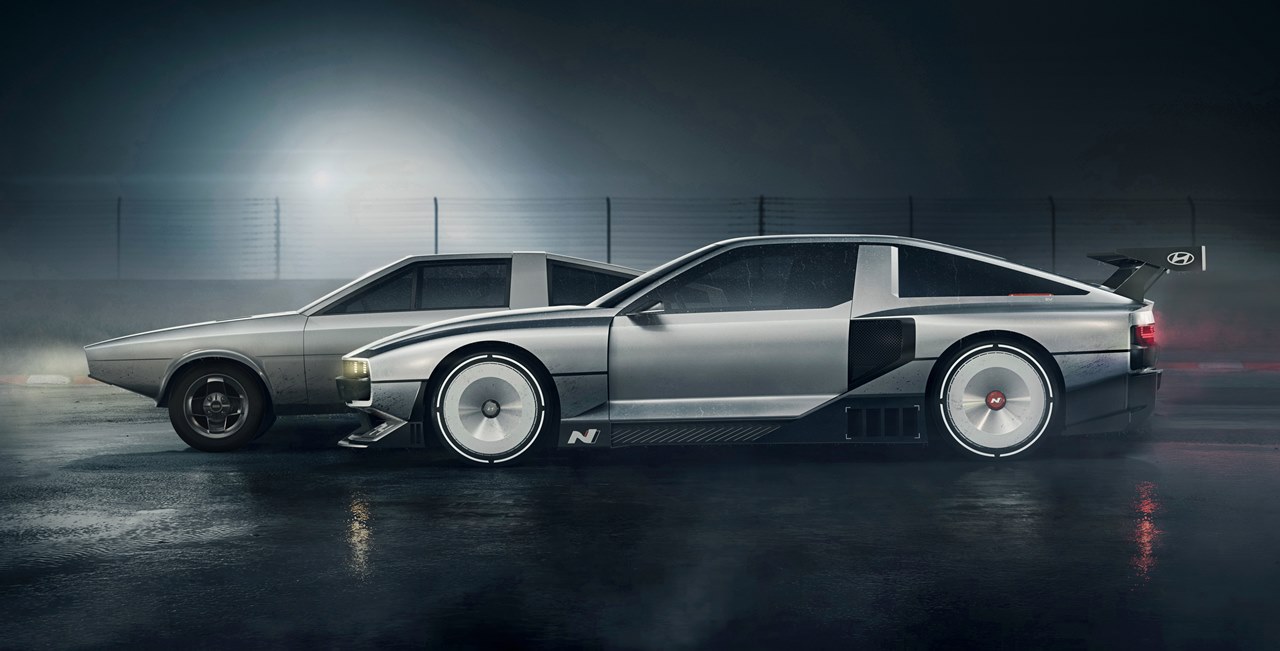
Measuring 4952 mm long, 1995 mm wide and 1331 mm tall on a 2905 mm wheelbase, the design of the concept car is inspired by the Hyundai Pony Coupe concept of 1974. This concept car developed by the designer Giorgetto Giugiaro was a proposal for a sportscar based on the very significant model in Hyundai Motor’s history. The concept car was then built into prototypes for what was to be Hyundai’s first production sportscar. Although it could not reach production in the end, the daring attitude set the tone for the entire company.
The N Vision 74 inherited the pure surface, dynamic proportioned profile and the unique B-pillar from the Pony Coupe concept. In addition, the lighting units have Parametric Pixel lighting, a feature which is seen on the latest models.
“N Vision 74’s future-oriented design reflects the respect and appreciation we have for the dedication and passion that went into the Pony Coupe concept,” said SangYup Lee, Executive Vice-President and Head of Hyundai Design Centre.
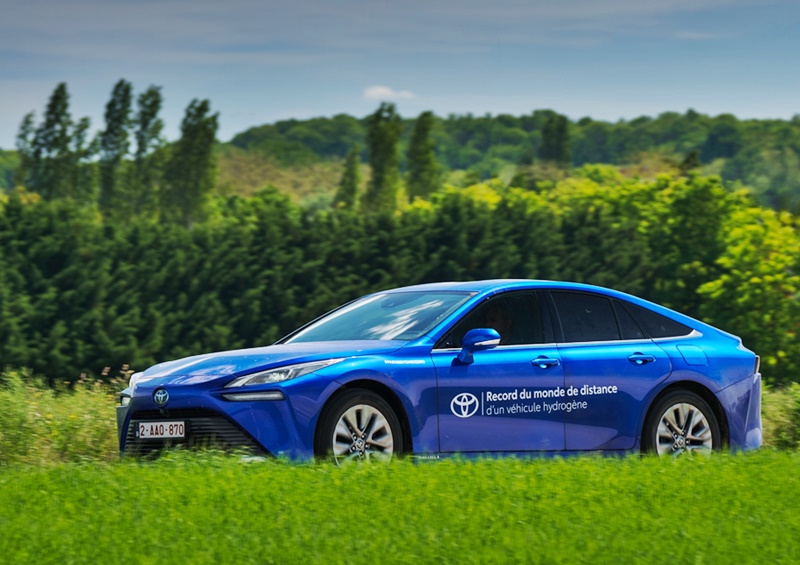
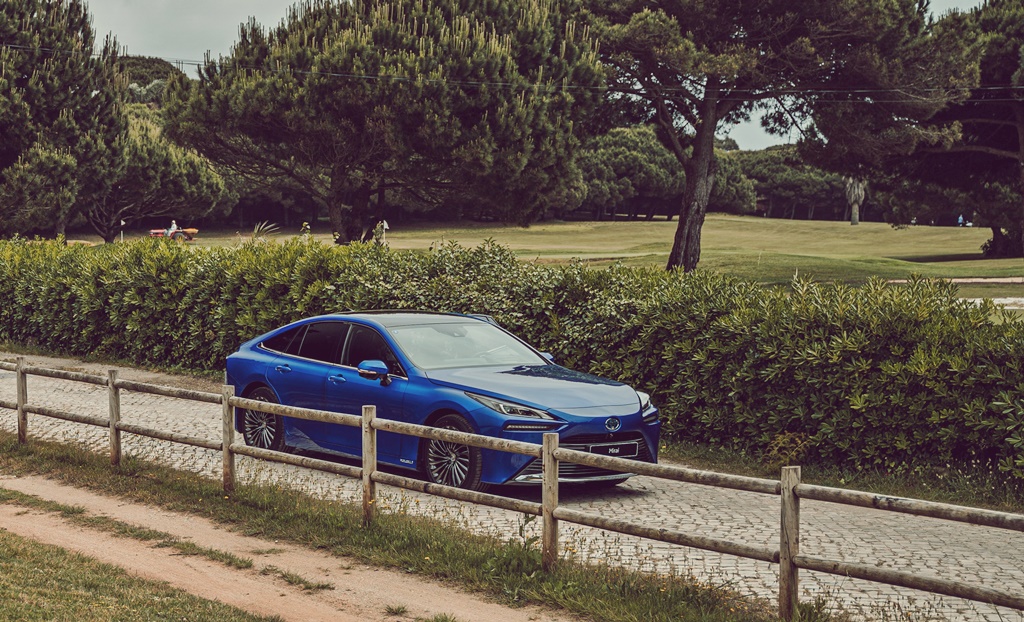
Fuel cell technology for use in cars is still something in its infancy and only a few manufacturers have started to offer them commercially and even then, in limited numbers and markets. The Toyota Mirai is one of the fuel cell electric vehicles (FCEV) already in production, its first generation having been launched in 2014.
The second generation of the Mirai went on sale late last year and is currently available in Japan, North America and some European markets. As would be expected, has more advanced fuel cell technology that improves performance in many areas.
The compact, high-output Fuel Cell stack has smaller and lighter parts, and it has been specially designed for use with the TNGA GA-L platform. The FC stack sets a new record for specific power density at 5.4 kW/litre as maximum power has risen from 114 kW to 128 kW.
More fuel capacity
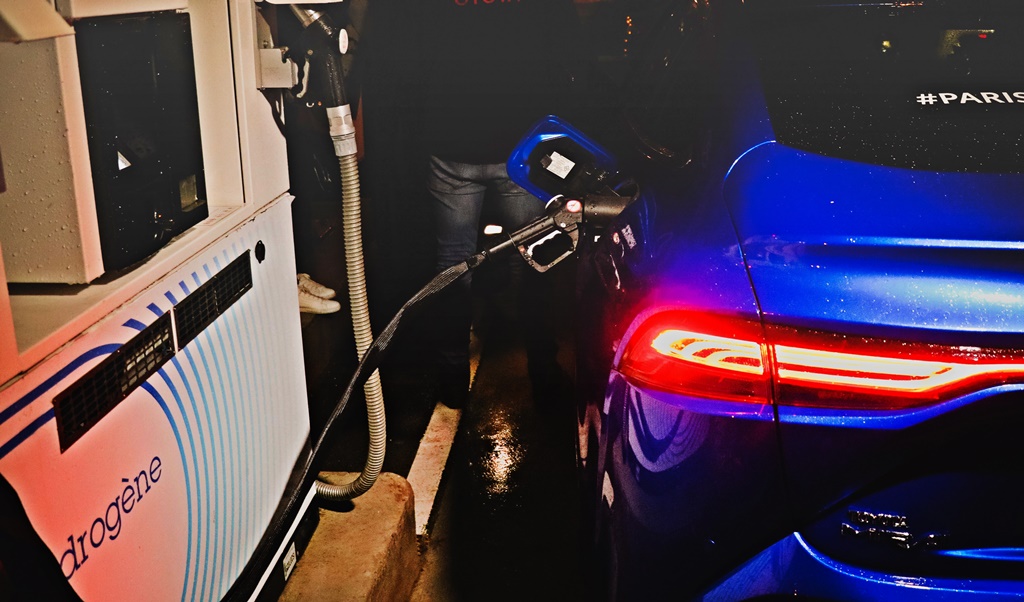
The new Mirai also has increased fuel capacity (approximately 20%) which extends range. Hydrogen can be pumped in much faster than the fastest recharging time for an electric vehicle which can be up to 25 minutes. Its refuelling time is less than 5 minutes at a 700-bar refuelling station.
Over 1,000 kms travelled
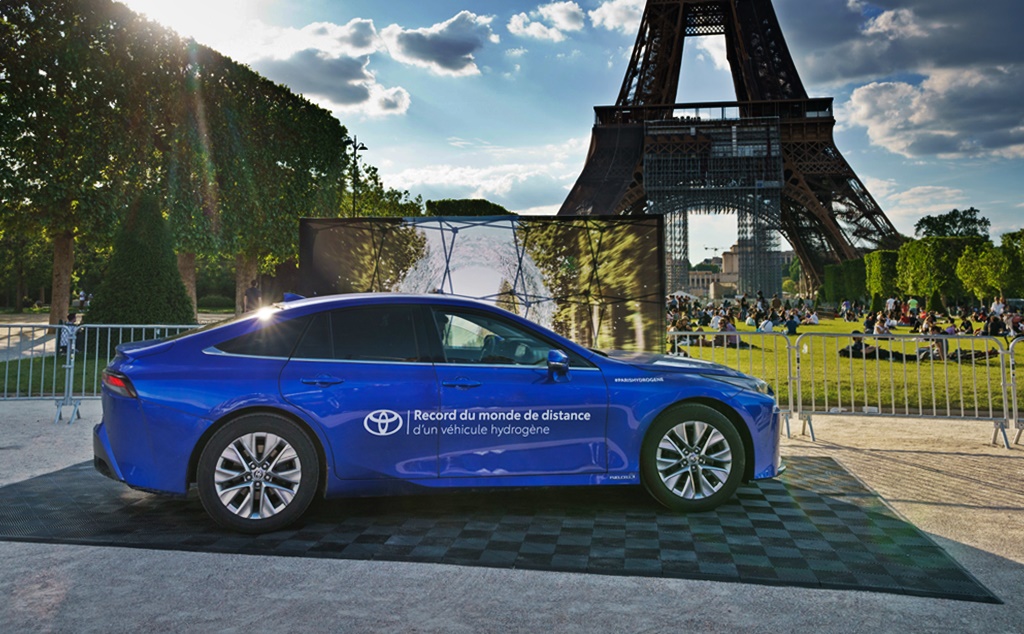
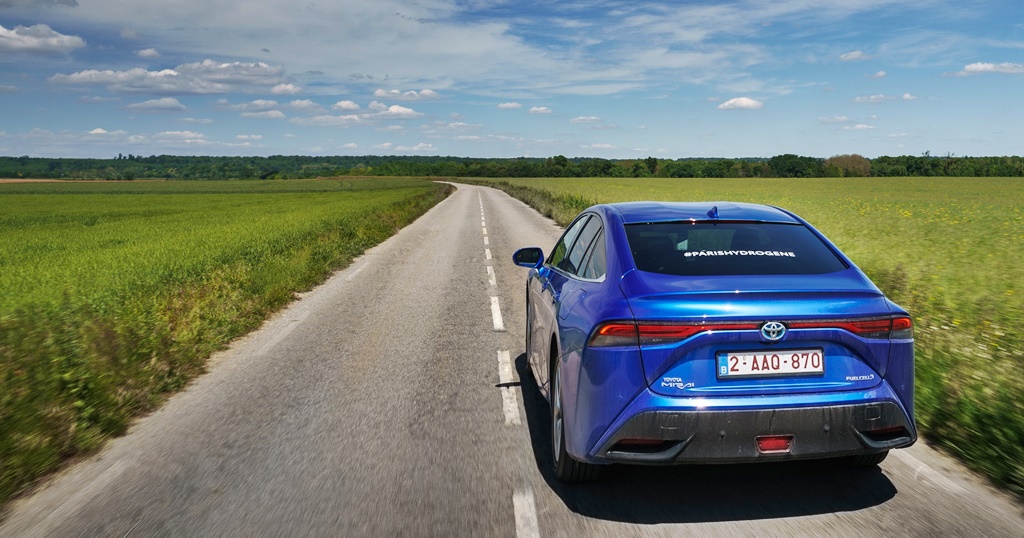
This increased range has enabled the Mirai to break the world record for the distance driven with one fill of hydrogen – over 1,000 kms. The record-breaking run was done in France last month and the car was driven on public roads.
The Mirai can store a total volume of 5.6 kgs of green hydrogen. During the run, the average fuel consumption was 0.55 kg/100 kms, the distance and consumption being certified by an independent authority.
‘Eco-driving’ style used
Toyota does mention that, to achieve the 1,003-km driving distance record, the 4 drivers adopted an ‘eco-driving’ style. However, they did not use any special techniques and everyday drivers can also apply a similar driving style if they want to achieve good fuel economy. Under normal driving conditions, the Mirai has a claimed range of 650 kms with all tanks full.
“It’s an amazing challenge that we achieved with the new Mirai. Internally, it is the mindset of ‘Start your Impossible’, going beyond our own limits, that drives us, and we proved it again,” said Frank Marotte, CEO of Toyota France.
Even after you recover from COVID-19 infection, your quality of life may be affected and you will still suffer for a long period after that. So avoid being infected by taking the necessary measures to protect yourself as well as others – and also get your vaccination.
Motorsports have long been used for the testing and development of many new technologies which have eventually been used for everyday cars. Engineers who work with racing teams have to do so under challenging conditions that also require speed due to competition, and this provides fertile ground for developing new solutions to improve performance.
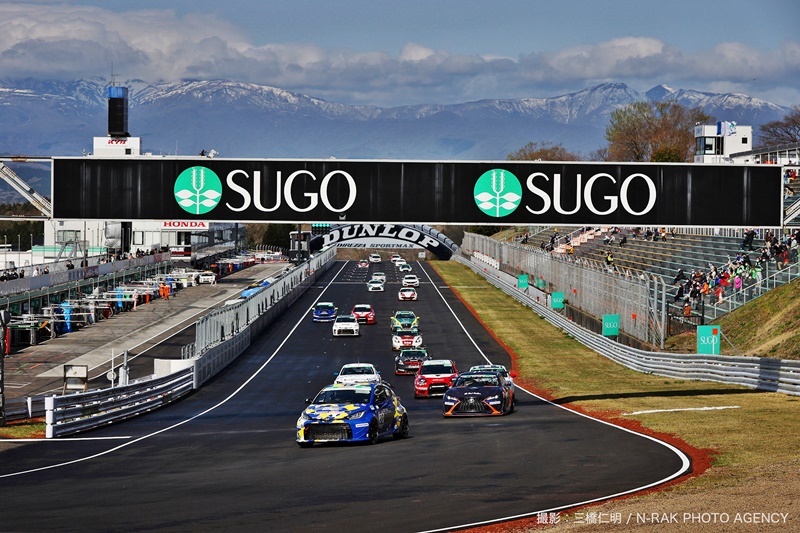
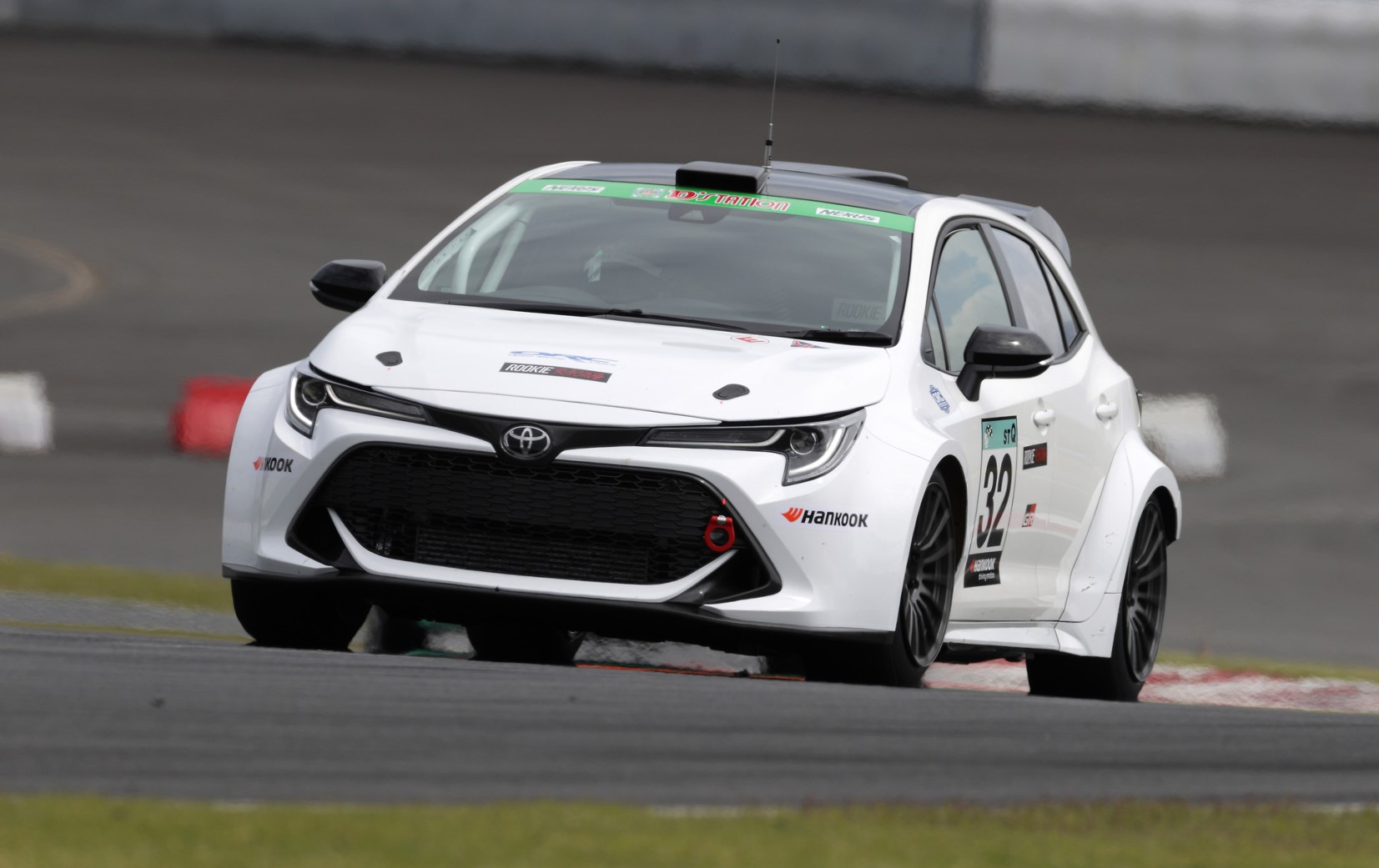
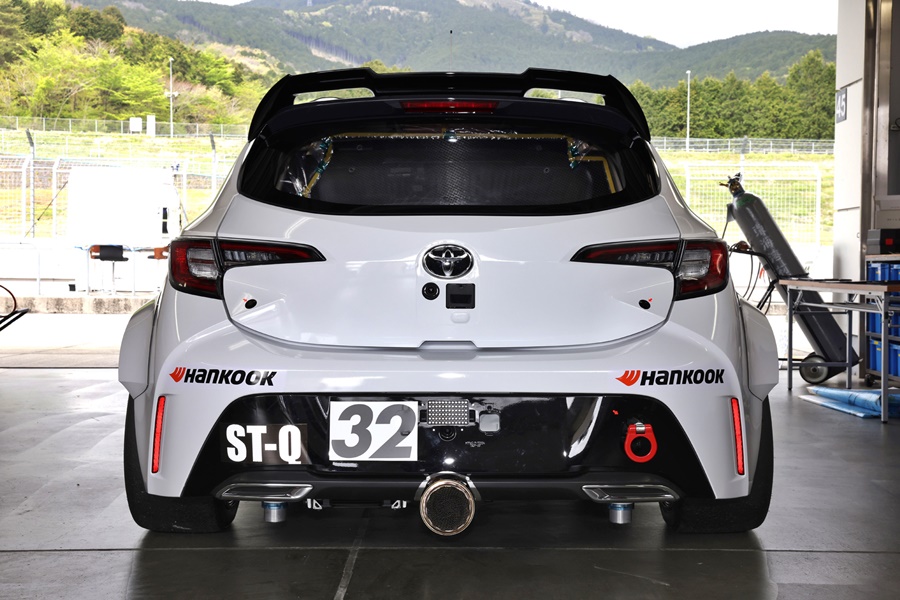
Toyota Motor Corporation (TMC) will also be taking this approach in developing a hydrogen-fuelled engine. Actually, the engine already exists and It has been installed in a racing car based on Toyota’s Corolla Sport. This car will enter races under the ORC ROOKIE Racing banner, starting with the Super Taikyu Series 2021 Powered by Hankook Round 3 NAPAC Fuji Super TEC 24 Hours Race in May.
The hydrogen-fuelled racing car undergoing tests.
By refining its under-development hydrogen engine in the harsh environment of motorsports, Toyota aims to contribute to the realization of a sustainable and prosperous mobility society, ultimately enabling a carbon-neutral mobility society.
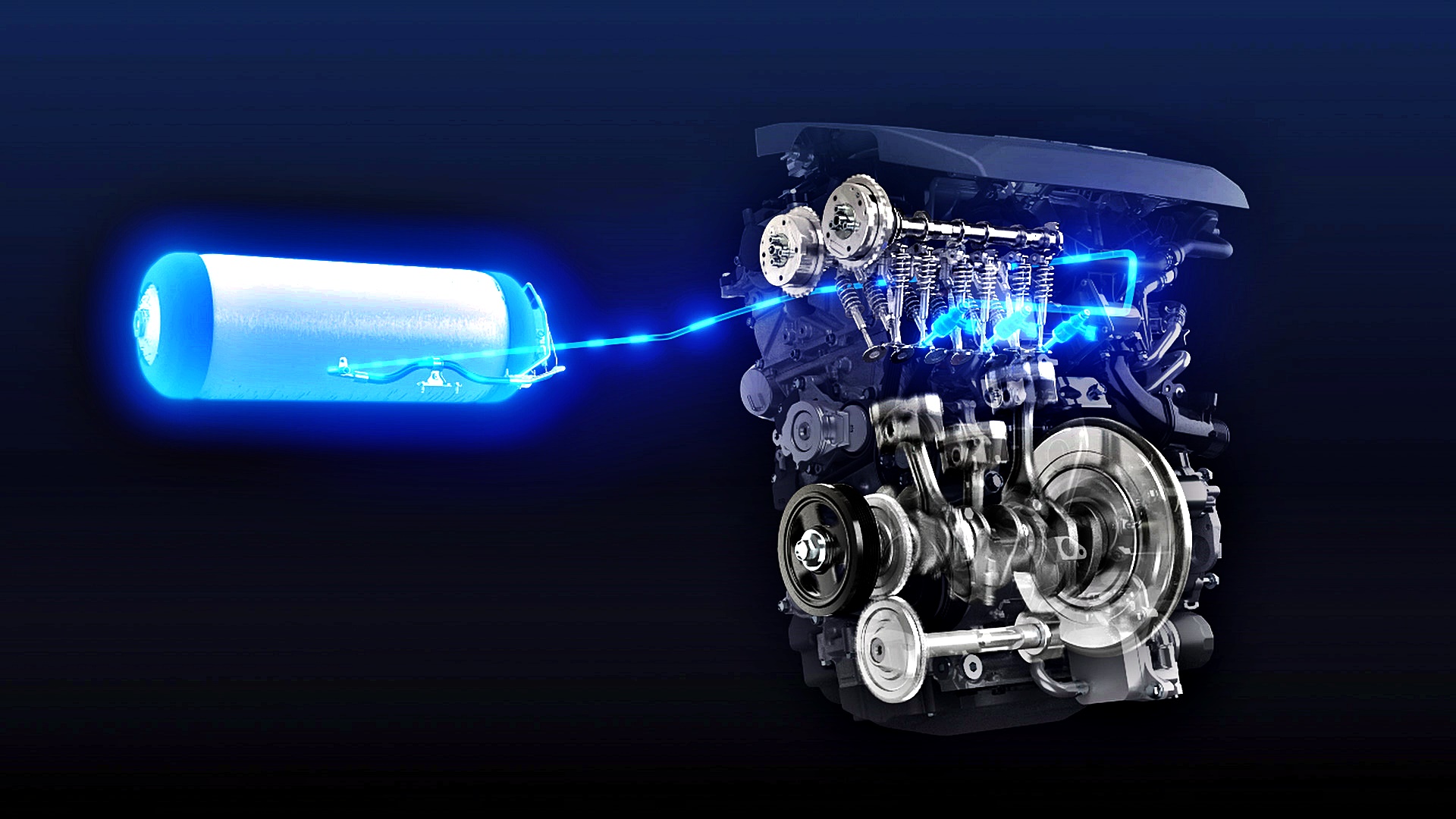
Toyota has long engaged in the innovation of engine technology, and in fact, the company has not only successful developed fuel cells (FCs) which use hydrogen that chemically reacts with oxygen in the air to produce electricity, but it has also used those fuel cells to power the electric motor in the Mirai, Toyota’s first commercialised fuel cell electric vehicle (FCEV). Except for the combustion of minute amounts of engine oil during driving, which is also the case with petrol engines, hydrogen engines emit zero CO2 when in use.
For the hydrogen engine, the fuel delivery systems for FCEVs have been modified from those used with petrol engines. Combustion in hydrogen engines occurs at a faster rate than in petrol engines, resulting in a characteristic of good responsiveness. While having excellent environmental performance, hydrogen engines also have the potential to relay the fun of driving, including through sounds and vibrations.
Plans are for the hydrogen-engined racing car to be fueled during races using hydrogen produced at the Fukushima Hydrogen Energy Research Field. While aiming to expand the hydrogen infrastructure in Japan by promoting hydrogen use, Toyota intends to continue advancing efforts for economic recovery and revitalization of the Tohoku region together with all parties concerned.
Even in safety, Toyota intends to apply the technologies and know-how that it has accumulated through the development of fuel cell vehicles and the commercialization of the Mirai. To ensure safety related to the use of hydrogen and high voltage, the countermeasures cultivated during the development of electrified vehicles such as FCEVs and HEVs were implemented. These measures are based on the basic approach of ensuring that hydrogen does not leak and, in the unlikely event that any leaks should occur, ensuring their immediate detection and stoppage.
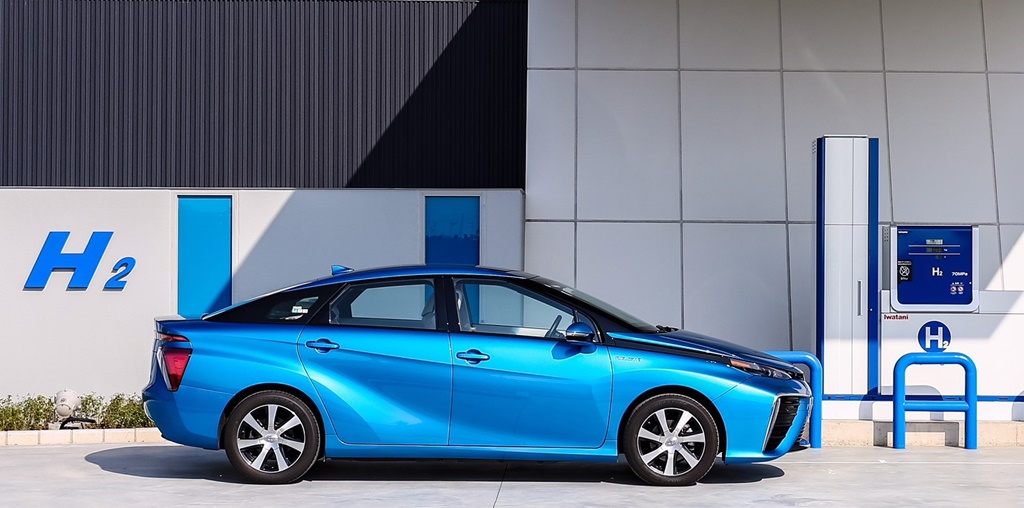
Mirai – Toyota’s first commercialised fuel-cell electric vehicle runs on hydrogen. Two generations have been produced since it first went on sale in 2014.
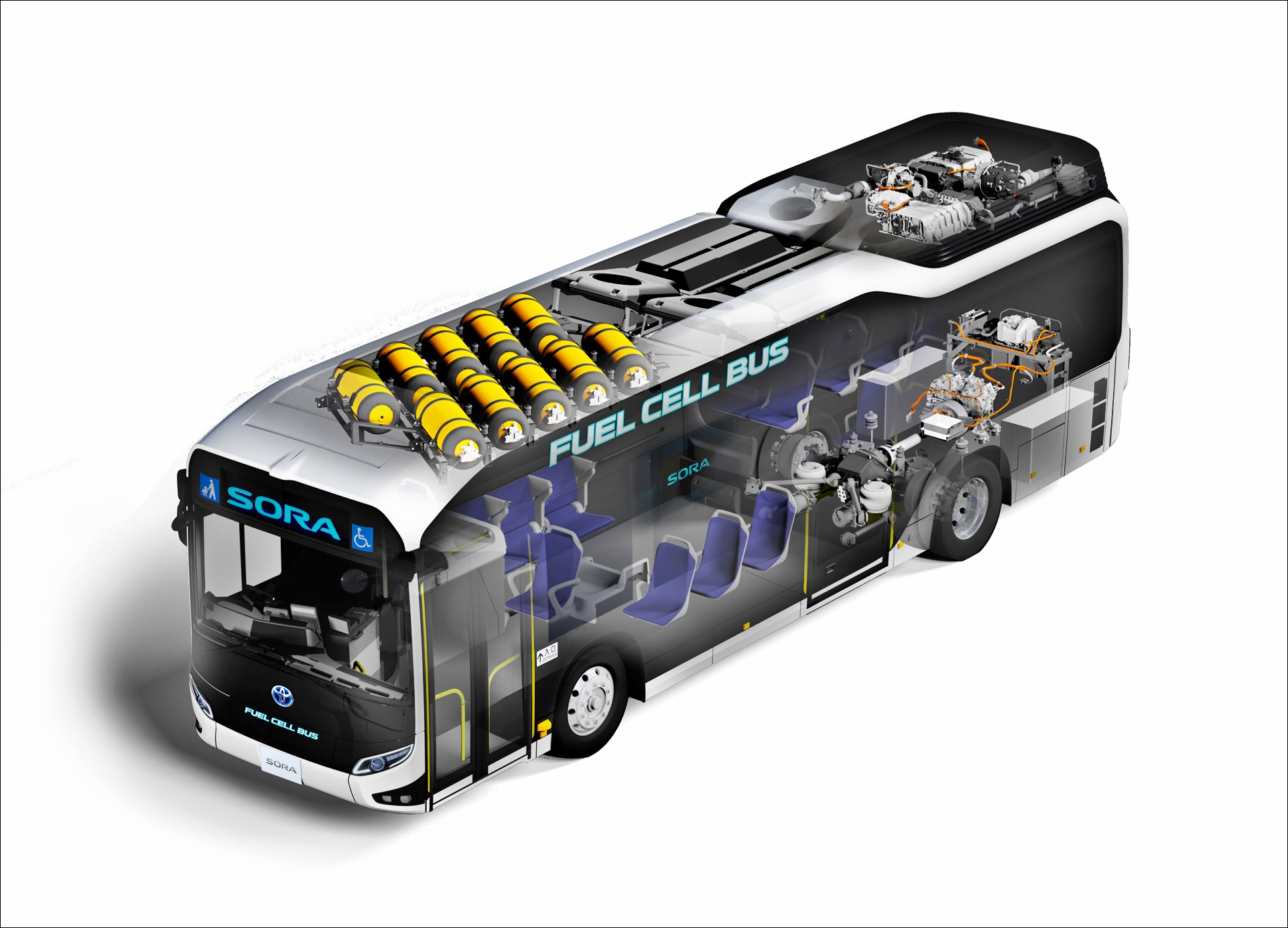
Toward achieving carbon neutrality, Toyota has been strengthening its efforts, such as by aiming to promote the use of hydrogen through the popularization of FCEVs and numerous other fuel-cell-powered products. Toyota has been taking various initiatives toward the creation of a hydrogen society, such as selling the Mirai and SORA FCEV bus, selling FC systems to FC product companies, as well as allowing royalty-free use of its FCEV-related patent licenses.
Toyota has developed a product that packages individual FC system-related products of second generation Mirai with enhanced performance, such as the FC stack, as well as components that handle air supply, hydrogen supply, cooling, and power control, into a single compact module.