Piston.my

Honda

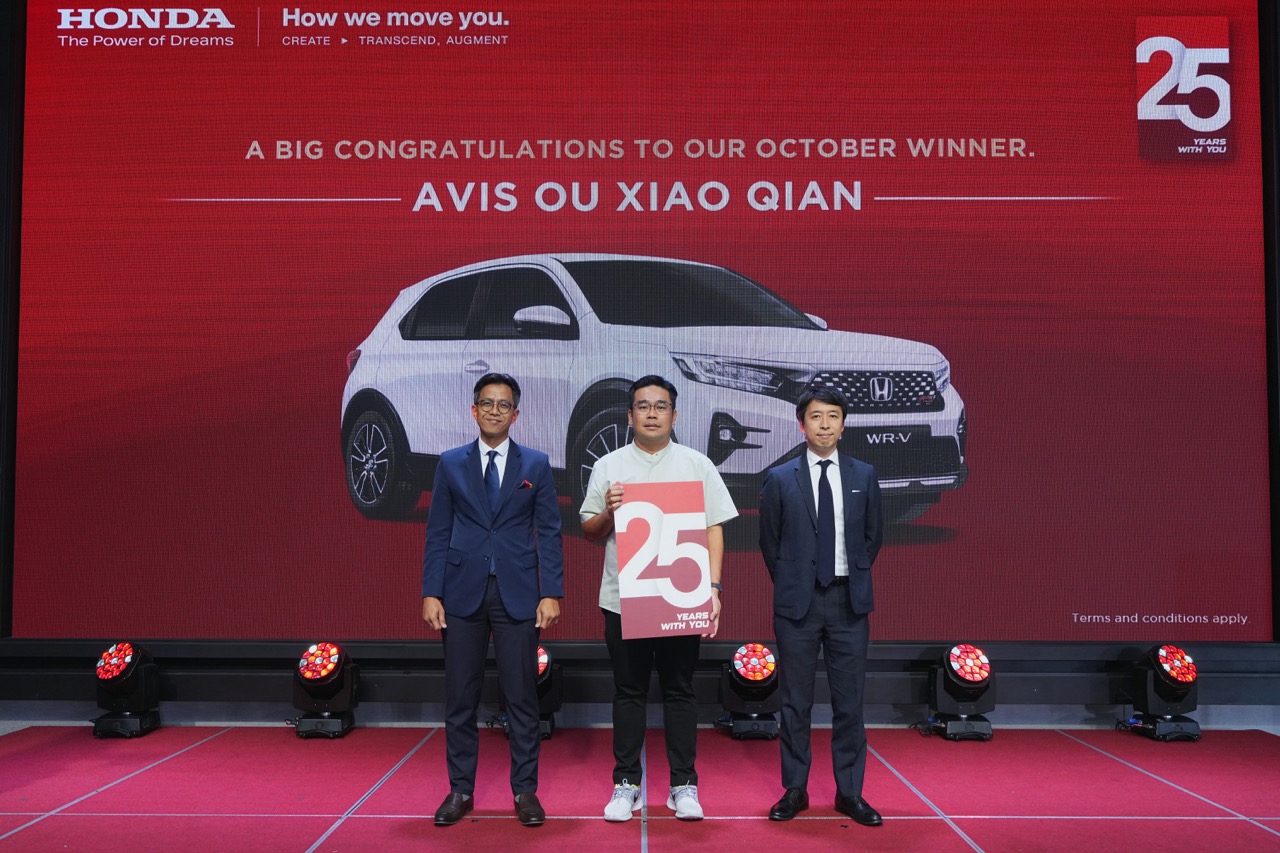
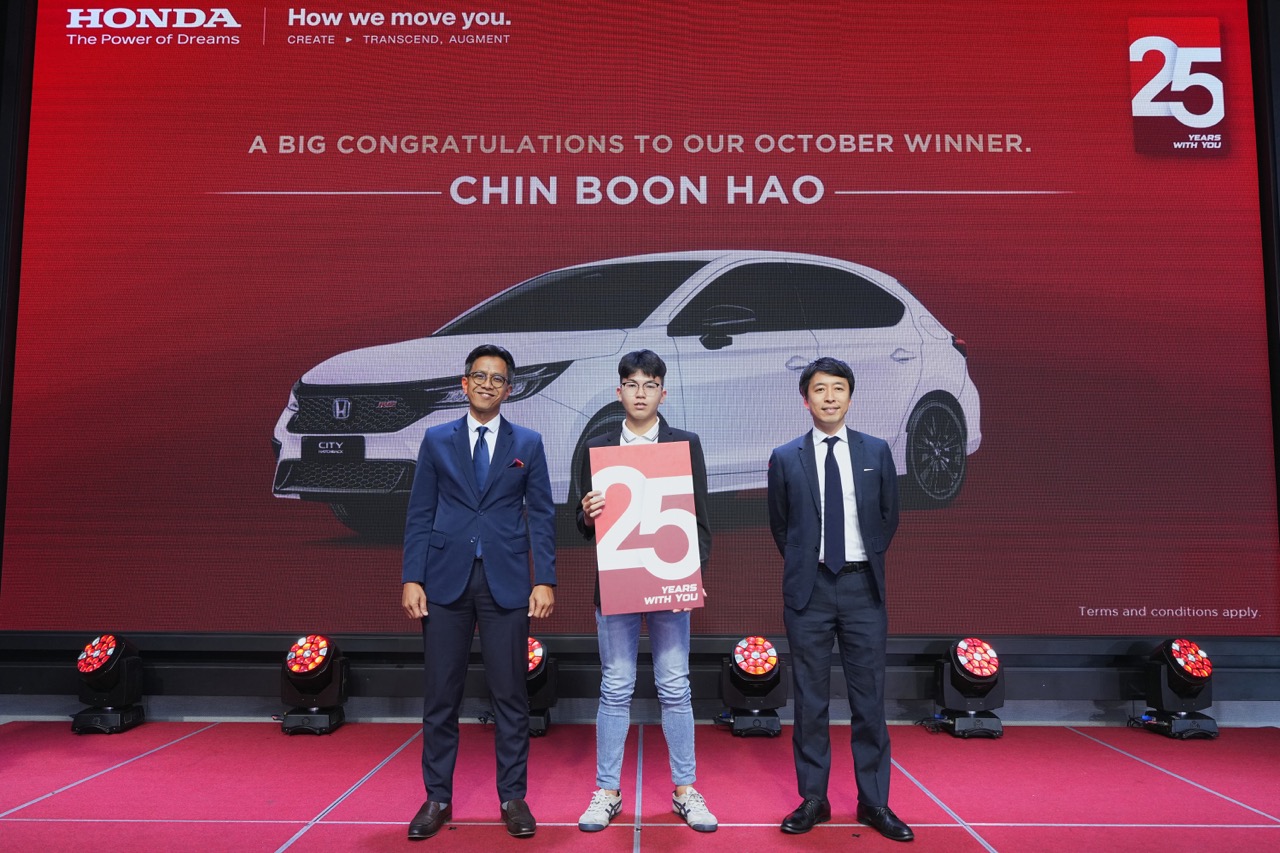
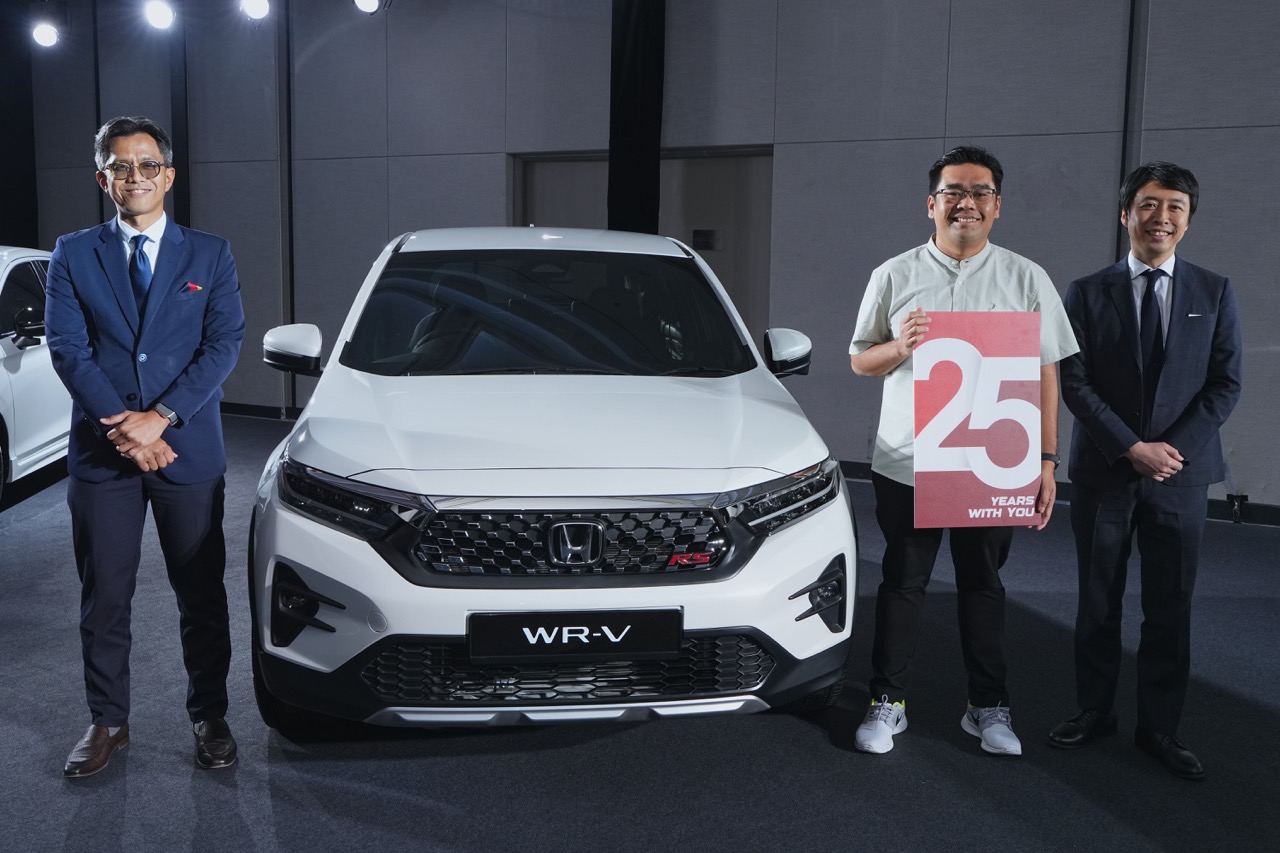
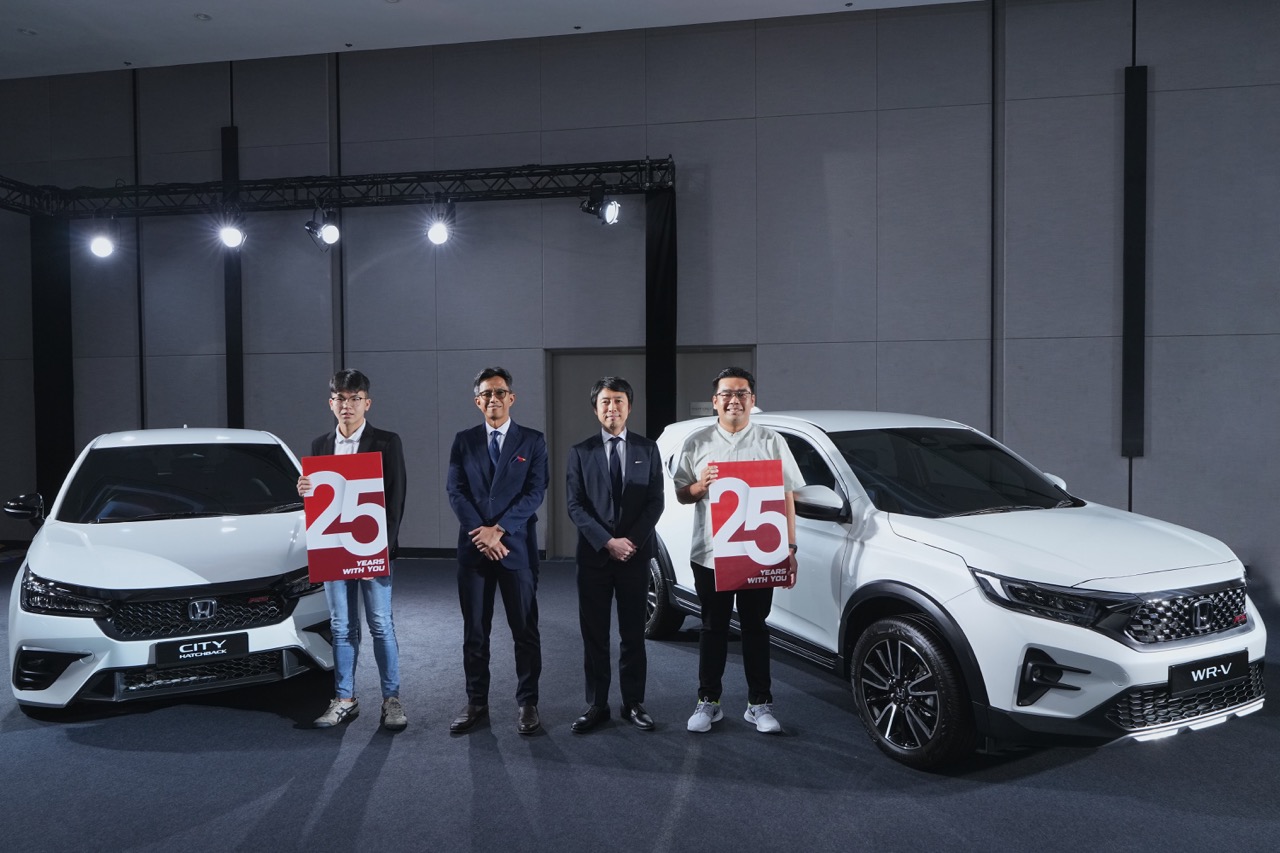
Sebagai sebahagian daripada sambutan ulang tahunnya yang ke-25, Honda Malaysia telah menganjurkan kempen untuk menghadiahkan sebuah Honda City Hatchback RS serta sebuah Honda WR-V RS.

Dan para pemenang telah diumumkan hari ini (4 Disember 2025) dan kereta-kereta tersebut diserahkan di satu majlis penghargaan.

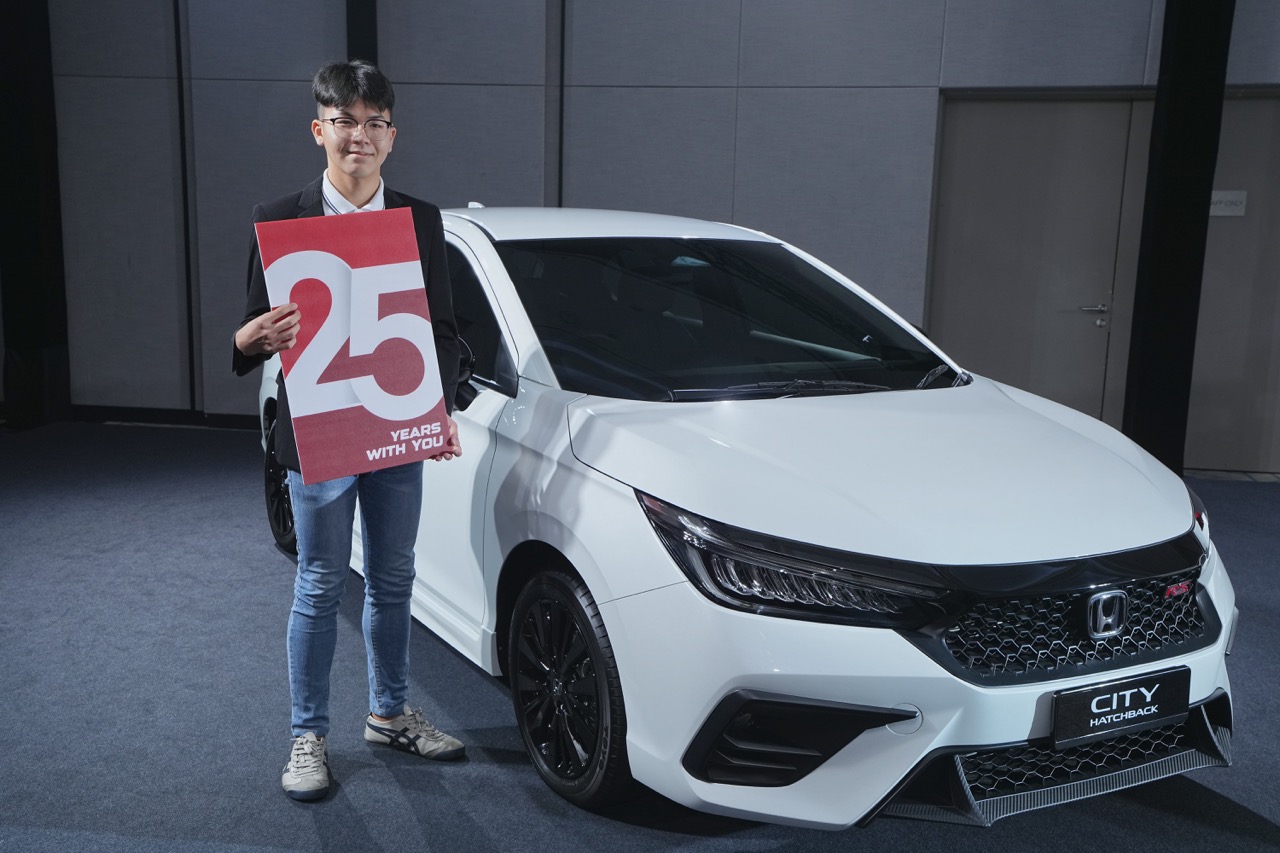
Pemenang bertuah Honda City Hatchback RS, iaitu Encik Chin Boon Hao, telah menyertai kempen tersebut selepas membeli sebuah Honda Civic serba baharu.

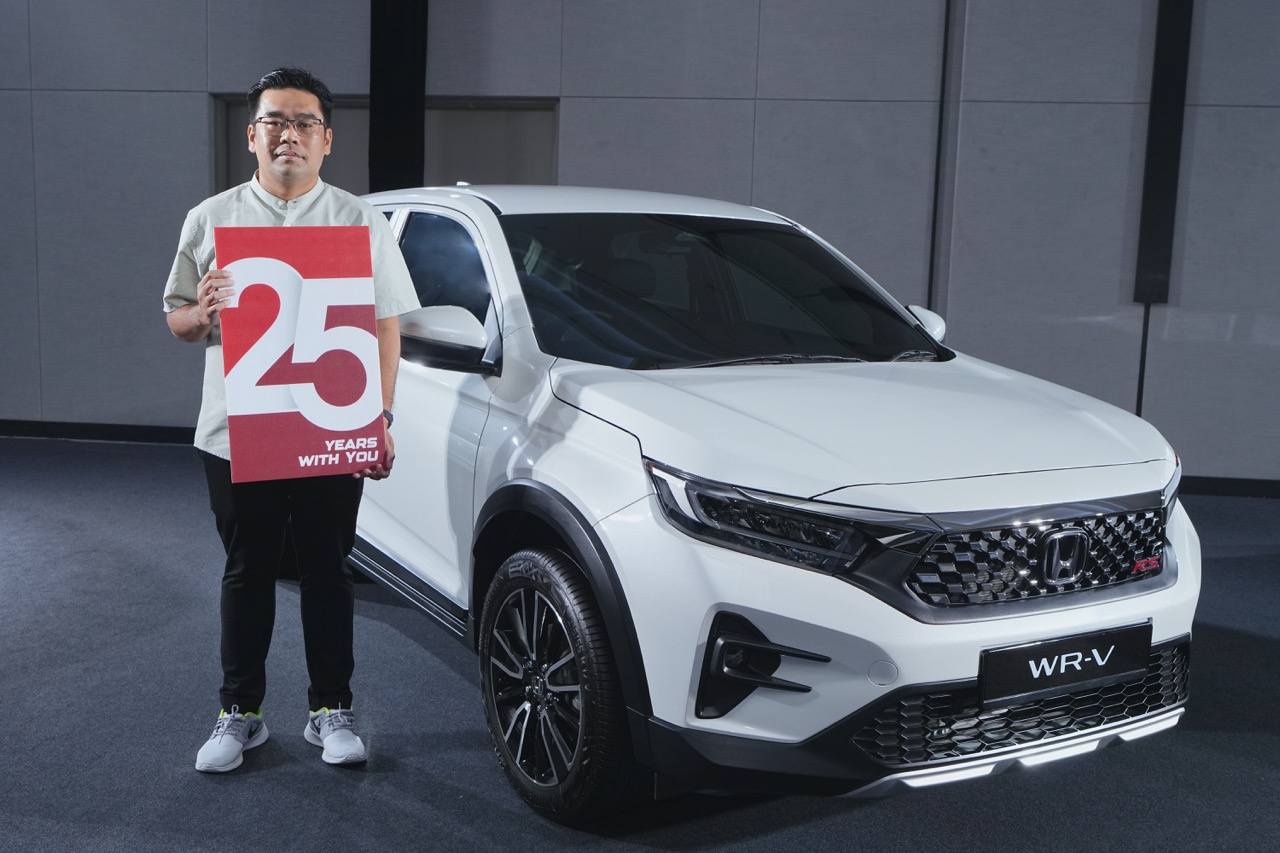
Pemenang Honda WR-V RS baharu pula ialah Cik Avis Ou Xiao Qian dari Sarawak, dan beliau mengambil bahagian dalam peraduan ini selepas membeli Honda CR-V baharu.

Honda City Hatchback RS serta WR-V RS adalah antara enam hadiah utama yang ditawarkan bersempena dengan cabutan bertuah kempen “Kerana Anda” ulang tahun ke-25 Honda Malaysia.

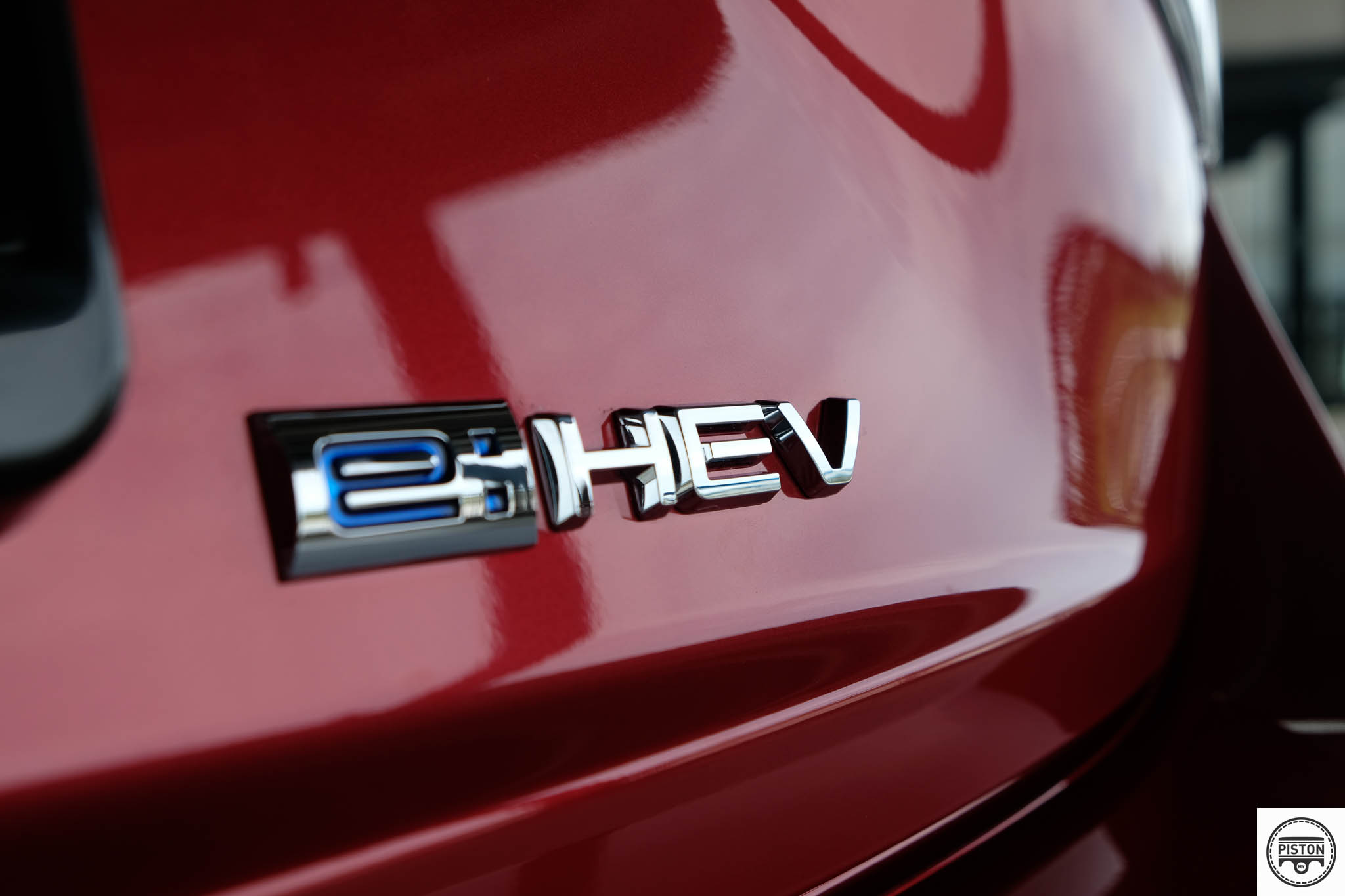
Hadiah utama yang lain ialah Honda City RS, Civic RS, HR-V Baharu, Honda CR-V e:HEV RS, serta rebat Honda Insurance Plus.

Mekanisme peraduan ini melibatkan pengumpulan mata sama ada dengan memandu uji Honda baharu atau mendaftarkan mana-mana model Honda baharu. Lebih banyak penyertaan dikumpul, lebih tinggi peluang untuk memenangi model Honda.

Dua pemenang akan diumumkan setiap bulan di laman Facebook rasmi Honda Malaysia dan melalui rangkaian pengedarnya.

Honda Malaysia telah ditubuhkan pada tahun 2000 sebagai usaha sama di antara Honda Motor Company Ltd (Jepun), Oriental Holdings Berhad dan DRB Hicom.

Pada tahun 2003, pemasangan tempatan bermula di kilang syarikat di Pegoh, Melaka, dengan Honda CRV generasi kedua menjadi model Honda yang pertama dipasang di Malaysia.

As part of its 25th anniversary celebration, Honda Malaysia organised a campaign to give away a Honda City Hatchback RS as well as a Honda WR-V RS.

And the winners were announced today (4th December, 2025) and the cars handed over during a special appreciation event.

The lucky winner of the Honda City Hatchback RS, one Mr Chin Boon Hao took part in the campaign after purchasing a brand new Honda Civic.

The winner of the new Honda WR-V RS on the other hand is one Ms Avis Ou Xiao Qian from Sarawak. She took part in the contest after purchasing a new Honda CR-V.

The Honda City Hatchback RS as well as the WR-V RS are among the six grand prizes offered in conjunction with Honda Malaysia’s 25th anniversary “Because of You” campaign lucky draw.

The other grand prizes are the Honda City RS, Civic RS, New HR-V, Honda CR-V e:HEV RS as well as Honda Insurance Plus rebates.

The contest mechanism involves collecting points by either test driving a new Honda or registering any new Honda model. The more entries collected, the higher the chances of winning a Honda model.

Two winners will be announced each month on Honda Malaysia’s official Facebook page and through its dealer network.

Honda Malaysia was established in the year 2000 as a joint venture between Honda Motor Company Ltd (Japan), Oriental Holdings Berhad and DRB Hicom.

In 2003, local assembly began at the company’s plant in Pagoh, Melaka with the second generation Honda CRV being the first Malaysian assembled Honda.

Electric cars, hybrids or plug-in hybrids? That seems to be the golden question for all car makers these days, doesn’t it?

And while some car makers have thrown their weight behind EV’s, some have adopted a wait and see approach.

This cautious approach seems to have paid off as car makers who had initially announced an all-electric target by a certain year, are now back tracking and working on multiple powertrain options once again.

“Power of choice”, some call it. Did we not have this choice before? One can’t help but wonder if these slogans are a cover up for obviously disastrous future planning.

The cost of this backtrack has been monumental as well, with some European giants reporting losses in the billions of Euros.

Japanese car makers like Honda though, have been more cautious. The wait and see approach has benefitted the company even though their initial reluctance to adopt electric powertrains meant that environmental groups trained their crosshairs on the company.
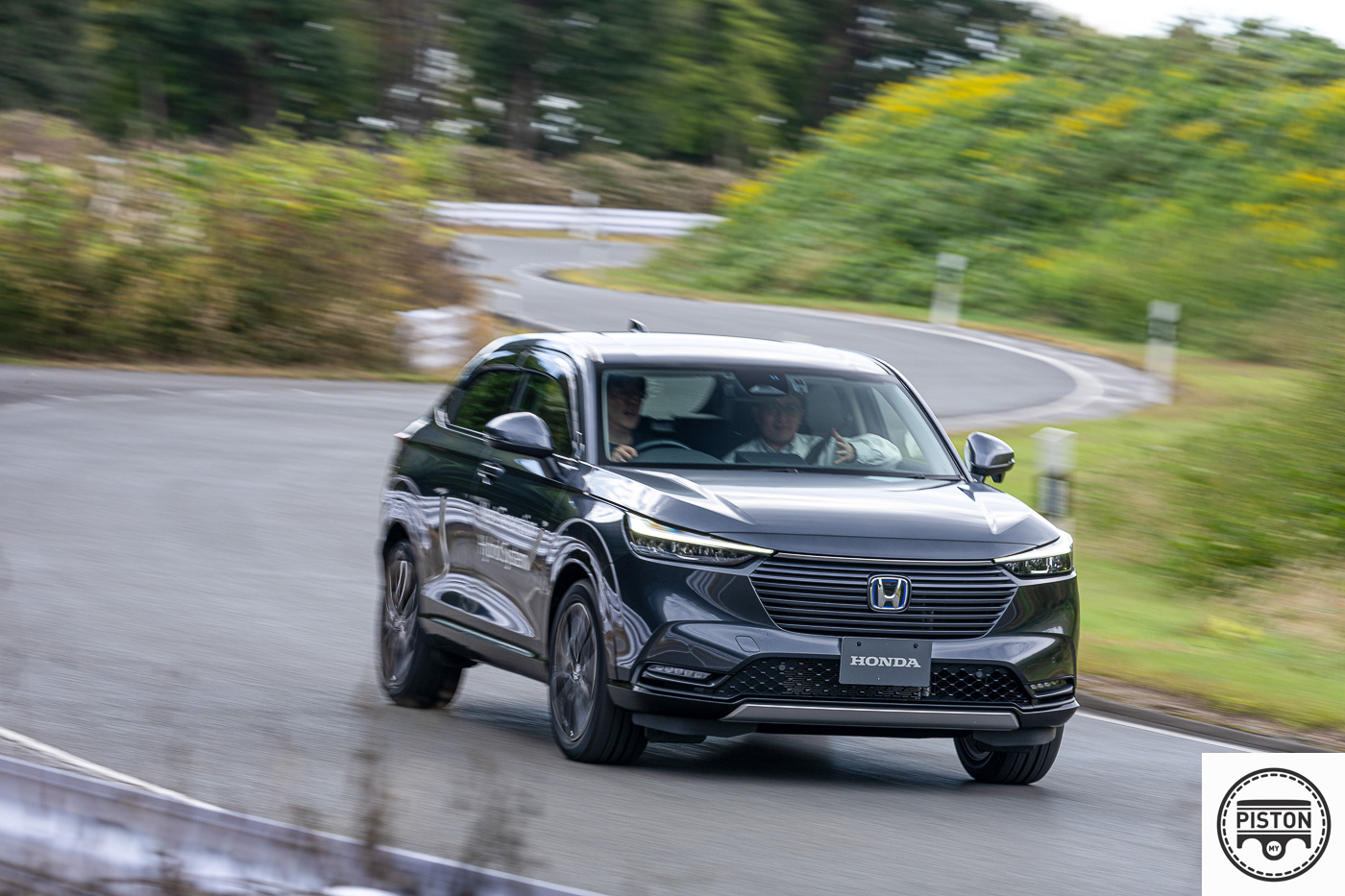
It was not only these groups though, even car fans and buyers shied away, saying that Honda’s slow development meant that the company was lost and thus finished.

Even the seemingly unstoppable Chinese companies are now expanding beyond electric cars. BYD, the company that has championed EV’s for years is now moving towards plug-in hybrids.

BYD Malaysia recently previewed the Shark, a plug-in hybrid pick-up truck. Though it is unlikely to be launched here unless BYD locally assembles it, it does indicate that the company is toying with the idea of introducing plug-in hybrid powertrains for the Malaysian market.

What does all this mean for car buyers? Trust the company that seems to be taking it slow.
Like Lionel Messi’s field observation skills, Honda too observes and then decides where to place itself to maximise the chance of creating an impact in the industry. Or in this matter, introduce the right technology that car buyers will appreciate the most.

Honda’s cautious steps seems to have been the right move. But it does not mean that the company has shied away from development. Far from it in fact, the company has been quietly developing new tech in the background, and it will soon be ready to launch them all and claim its throne once again.
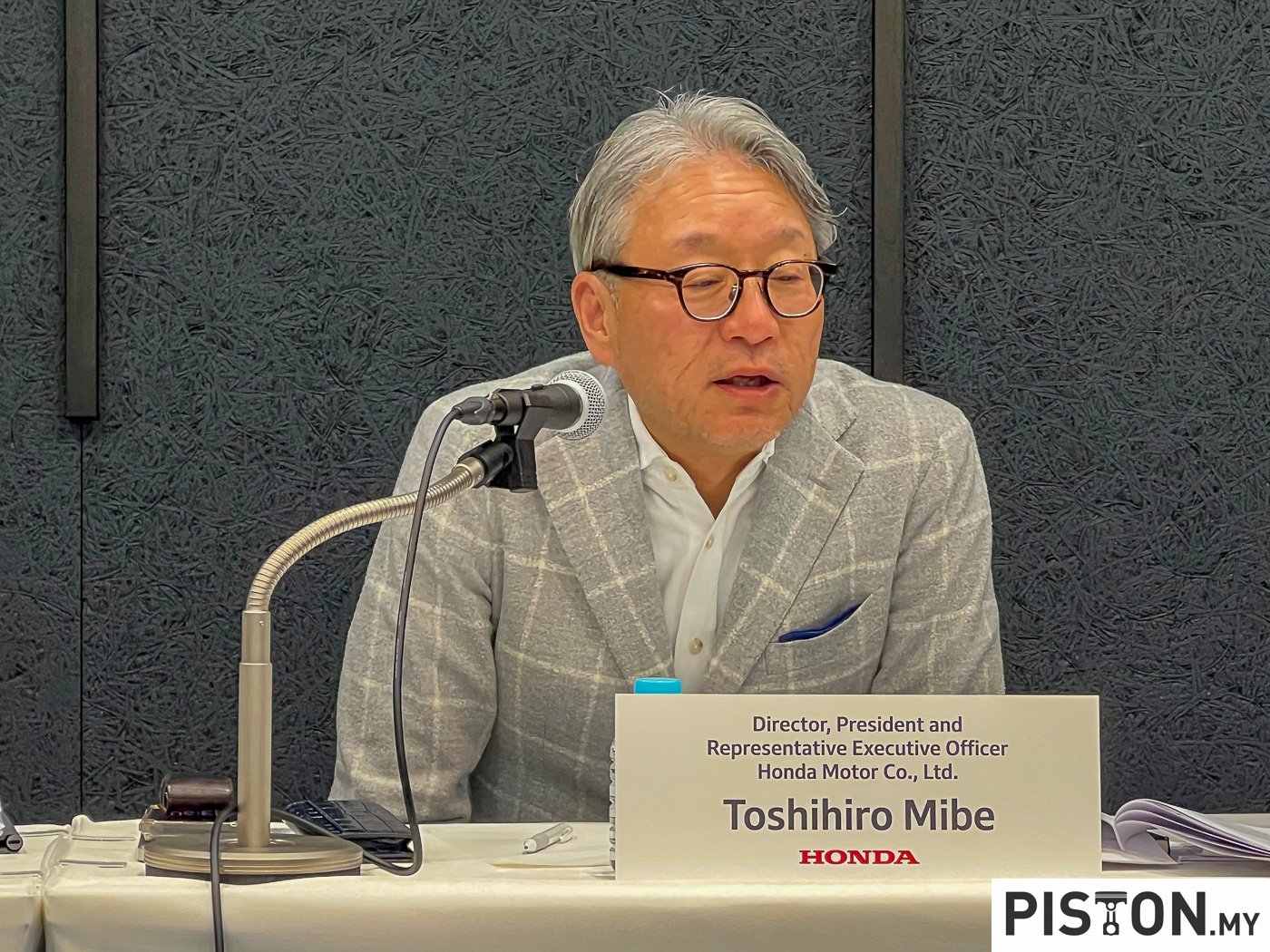
I was recently in Japan with Honda and visited the Honda booth during the 2025 Japan Mobility Show and even listened to Honda’s vision of the future, delivered by non-other than Toshihiro Mibe (above), the President and CEO of Honda Motor Company Limited.

After that, we visited Honda’s proving ground in Tochigi, where Honda presented its future electric and hybrid models.

So, what do they have in store?

New platforms that will bring back the joy of driving yet improve assembly time and cost.

Honda has thrown out the rule book for platforms and has rethought how they should work.
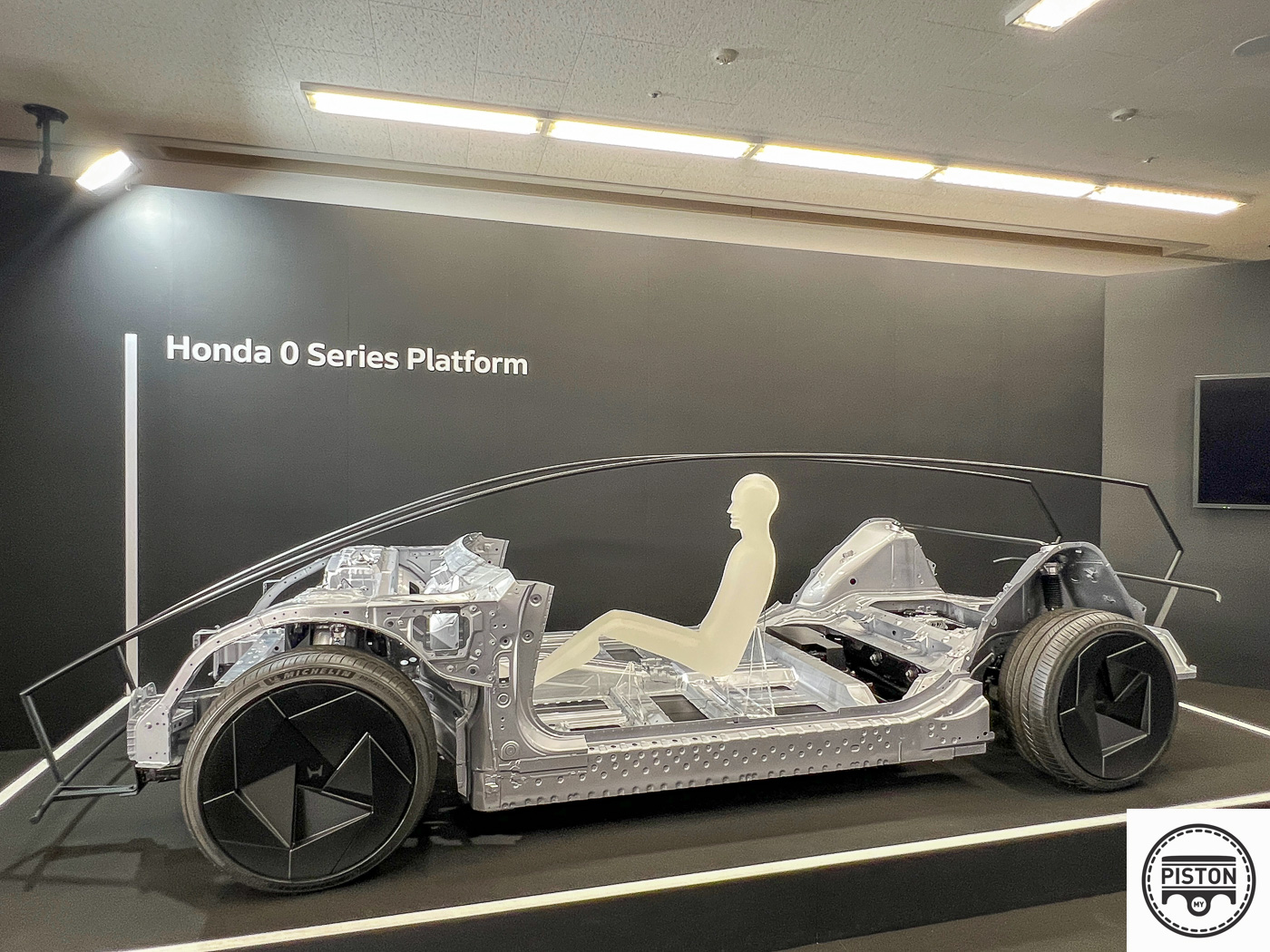
For years we have been told that body rigidity and suspension tuning is the key to improve the driveability of car. But Honda is now saying no!

Honda’s next generation medium sized platform that will underpin models like the next generation Civic and CR-V is set to be introduced in 2027. This new platform will focus on lowering weight, improving driving dynamics, lower cabin noise and vibration, as well as lower manufacturing cost.

But more importantly, it is going to achieve this by introducing flex. You read that right, Honda wants its platform to be able to twist and bend while cornering, particularly at the front of the car.
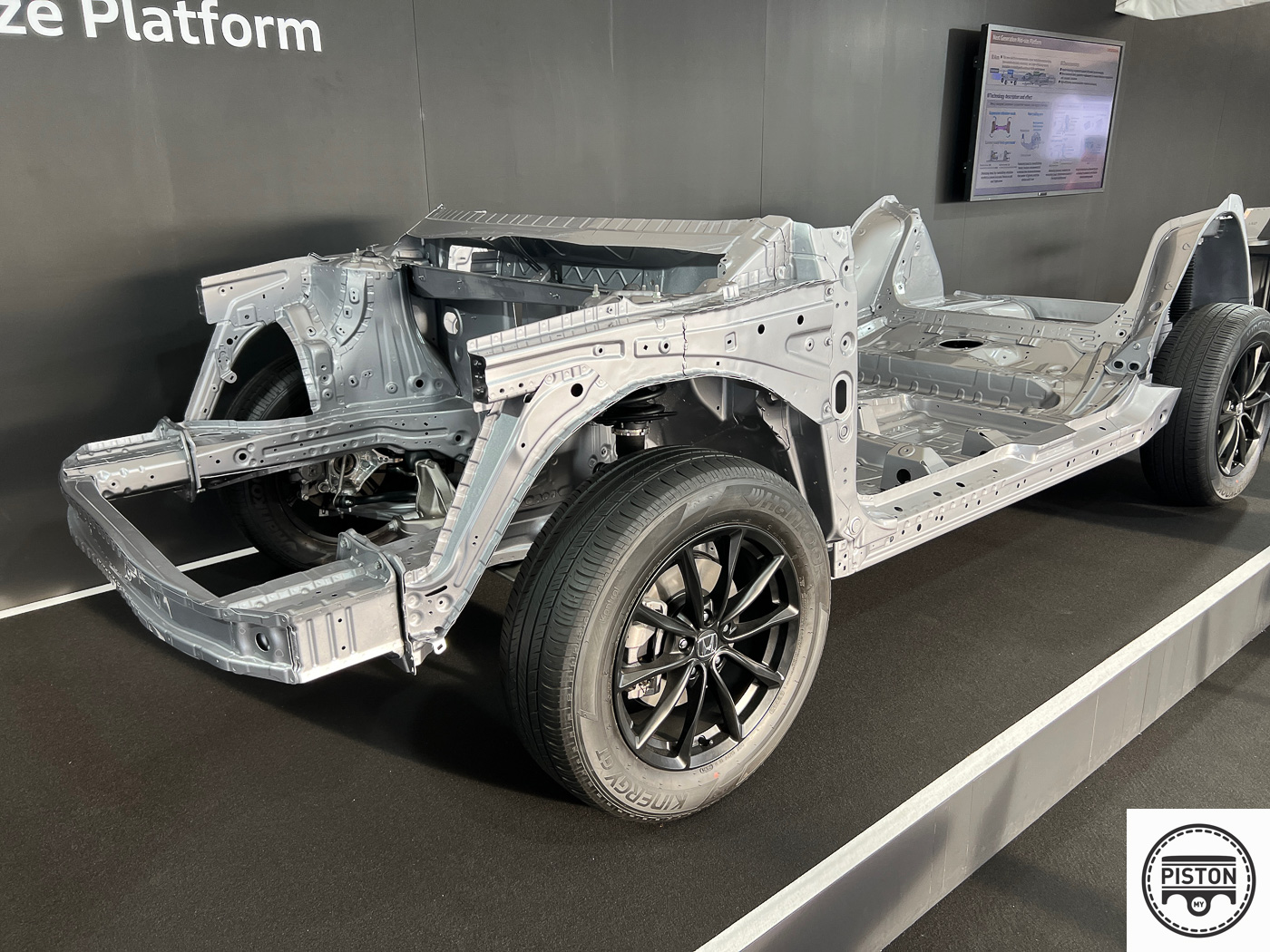
Engineers will usually stiffen a body around the engine and areas that are prone to deform when cornering. But now, Honda’s engineers have shifted rigidity to key areas around the front of the car.

How does this help? Imagine this. You are driving into a fast right-hand corner. With Honda’s new platform, the left front of the car will deform slightly to push the front left wheel down. This enlarges the contact patch of the tyre, thus stabilising the car and giving you more grip and confidence in that corner.

It is simple yet genius at the same time.
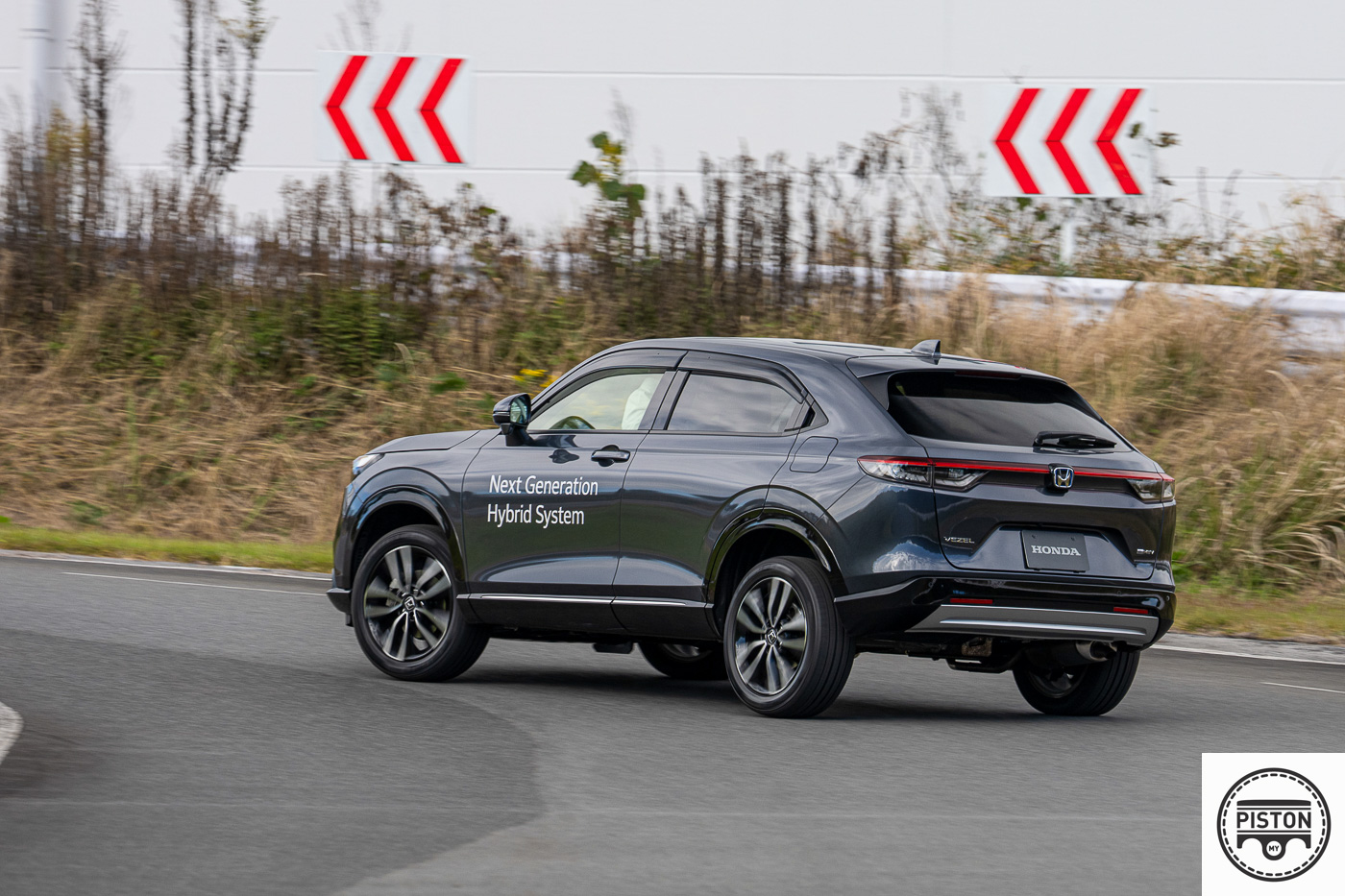
But besides giving you better handling, it should also be more comfortable as a flexible platform will be able to better absorb hits and bumps.

On top of that, this reduces the overall weight of the car by an incredible 90kg compared to the current platform, improving efficiency in the process.

Talking about efficiency, this new platform will also increase the percentage of parts that are shared among Honda models. In fact, Honda is aiming for parts commonality of more than 60% across all models that use this new platform.

This will then enable the efficient production of distinctive and diverse models while keeping cost down.
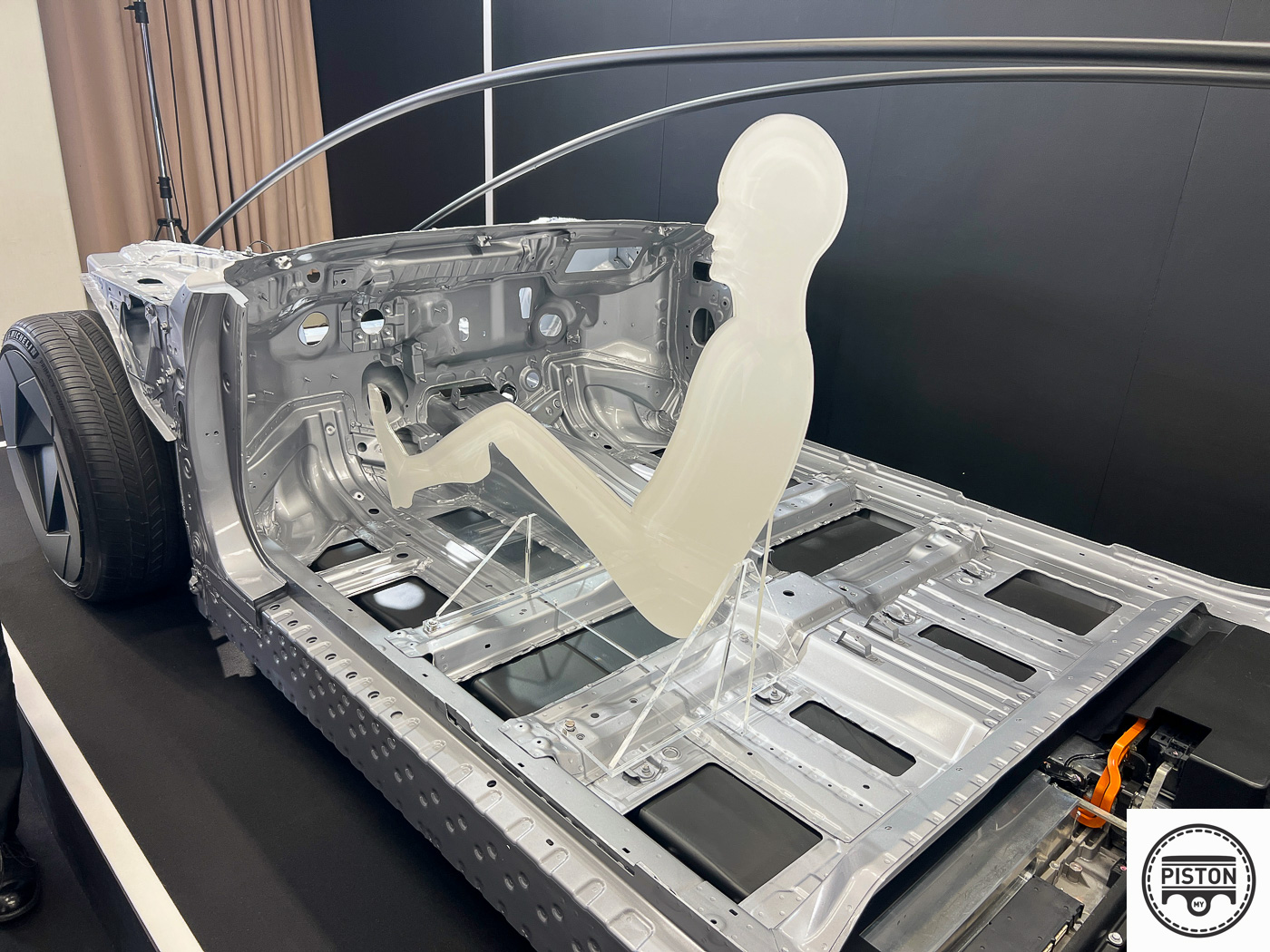
It is not all about flex and cost reduction though. Honda also plans to introduce clever new technologies that will also improve the joy of driving Honda cars.

These new technologies include Motion Management System that improves posture, and a new pitch control technology that will work concurrently with the current Agile Handling Assist system. The latter was introduced in the new Prelude and Accord and works to support smoother vehicle behaviour during cornering.

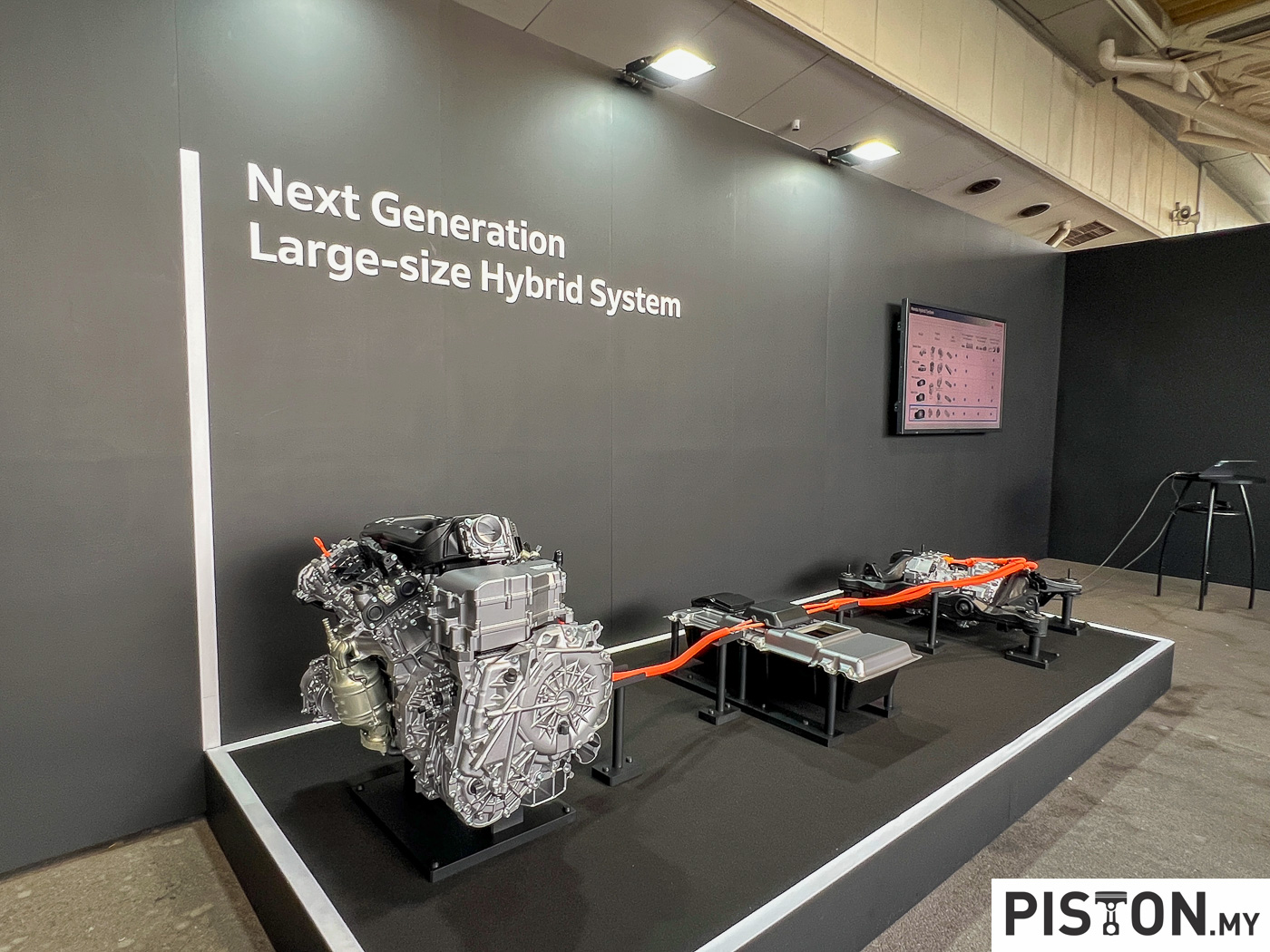
A new, large hybrid system.

Besides the new platforms, Honda is also working on the next-generation of its large, V6 engines. It is important to note that this engine is unlikely to be made available for Malaysian buyers due to the simple fact that the models powered by Honda’s V6 engines are all unavailable here.
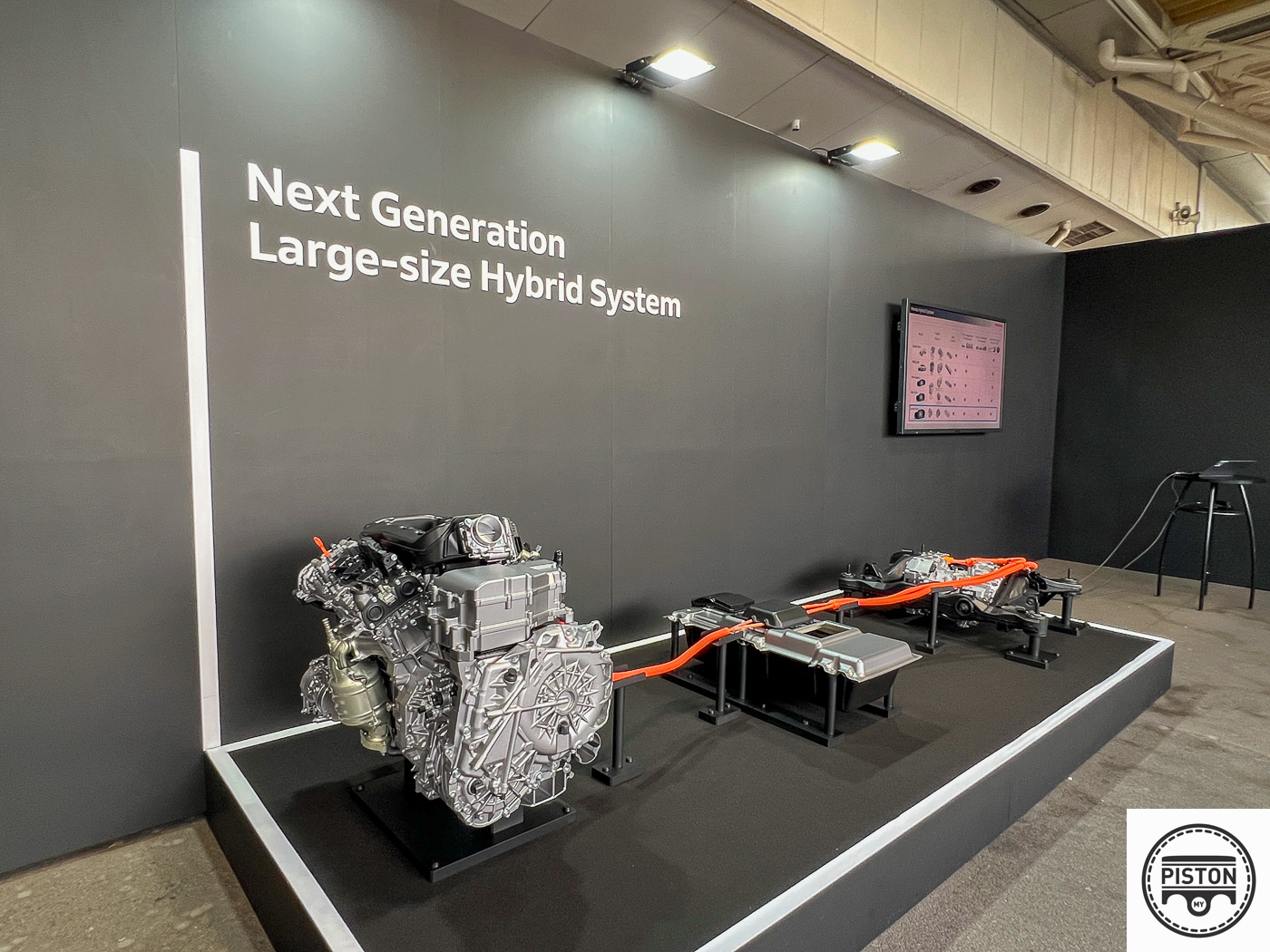
Models like the Honda Pilot, Odyssey, Passport or even some of the Acura models all use a V6 engine, and none of those models are available in Malaysia.

Still, it is worth mentioning that Honda is refining this engine in the name of efficiency and joy of driving.

During its product presentation on the new engine, Honda’s engineers made no mention of the displacement of the engine.
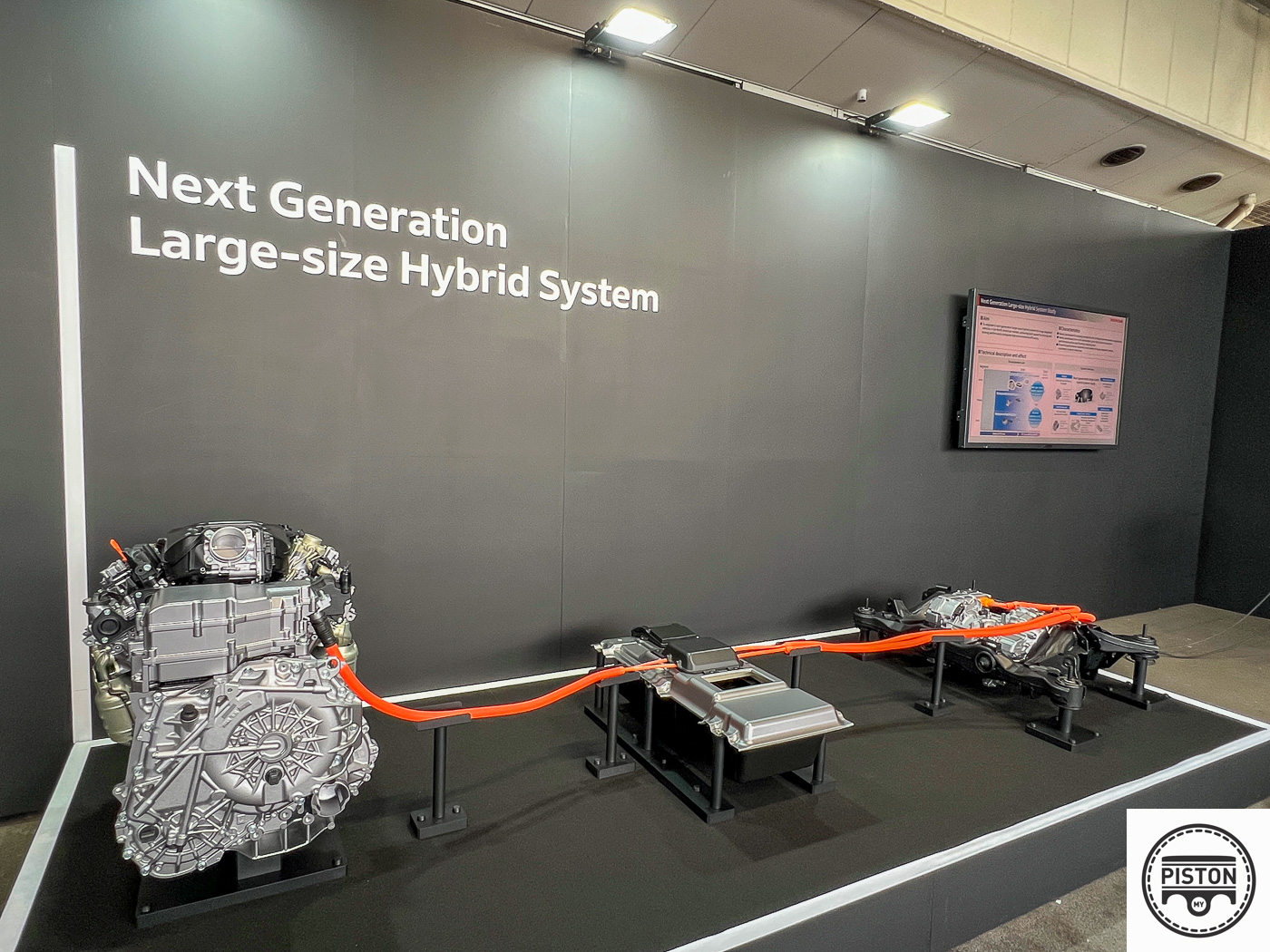
However, we do know that this engine will be part of an elaborate hybrid powertrain with what looks like a rear-mounted electric motor, possibly for added towing and off-road grunt.

Honda did not share much in terms of the tech for the powertrain, but it did mention that the engine will power the next-generation large hybrid models and will have improved fuel efficiency by as much as 30%.
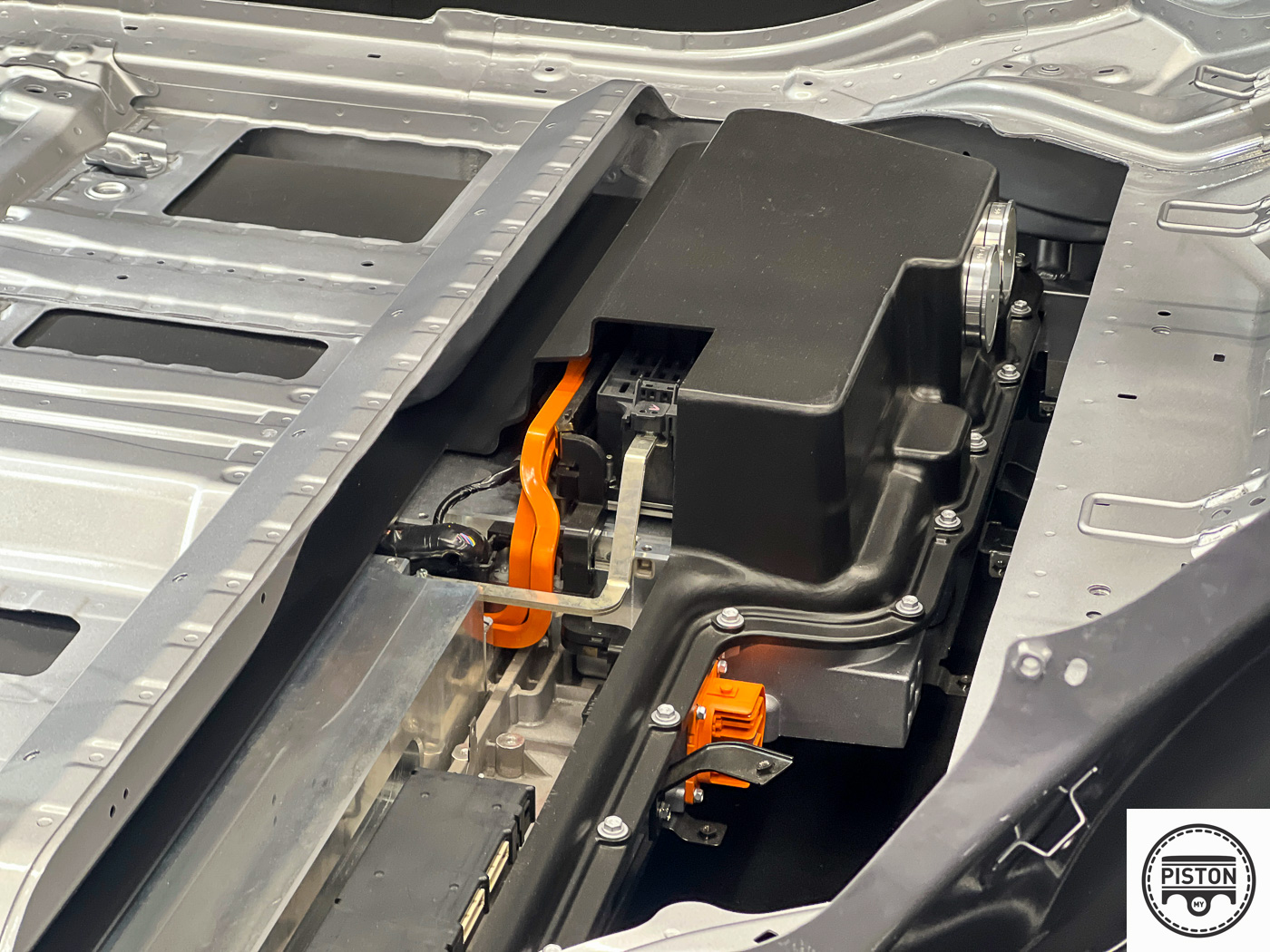
But this does not mean that performance will take a hit, instead Honda says that it is striving to improve full-throttle acceleration by more than 10% compared to existing large-sized hybrid models.

Honda wants to reintroduce the joy of driving, as well.

Among the many powerpoint slides that I sat through, there were three recurring themes, efficiency, electrification, as well as the joy of driving.

Honda is serious about all three elements and understands that EV’s and hybrids can be dull to drive. But it has figured out how to make driving them a lot more interesting.

And that is by introducing elements that we love from cars with an internal combustion engine to EV’s and hybrids.

Let’s get straight to the point, besides improving handling and power, Honda also wants to introduce the feel of gears shifting, even though there is no gearbox in any EV or hybrids.

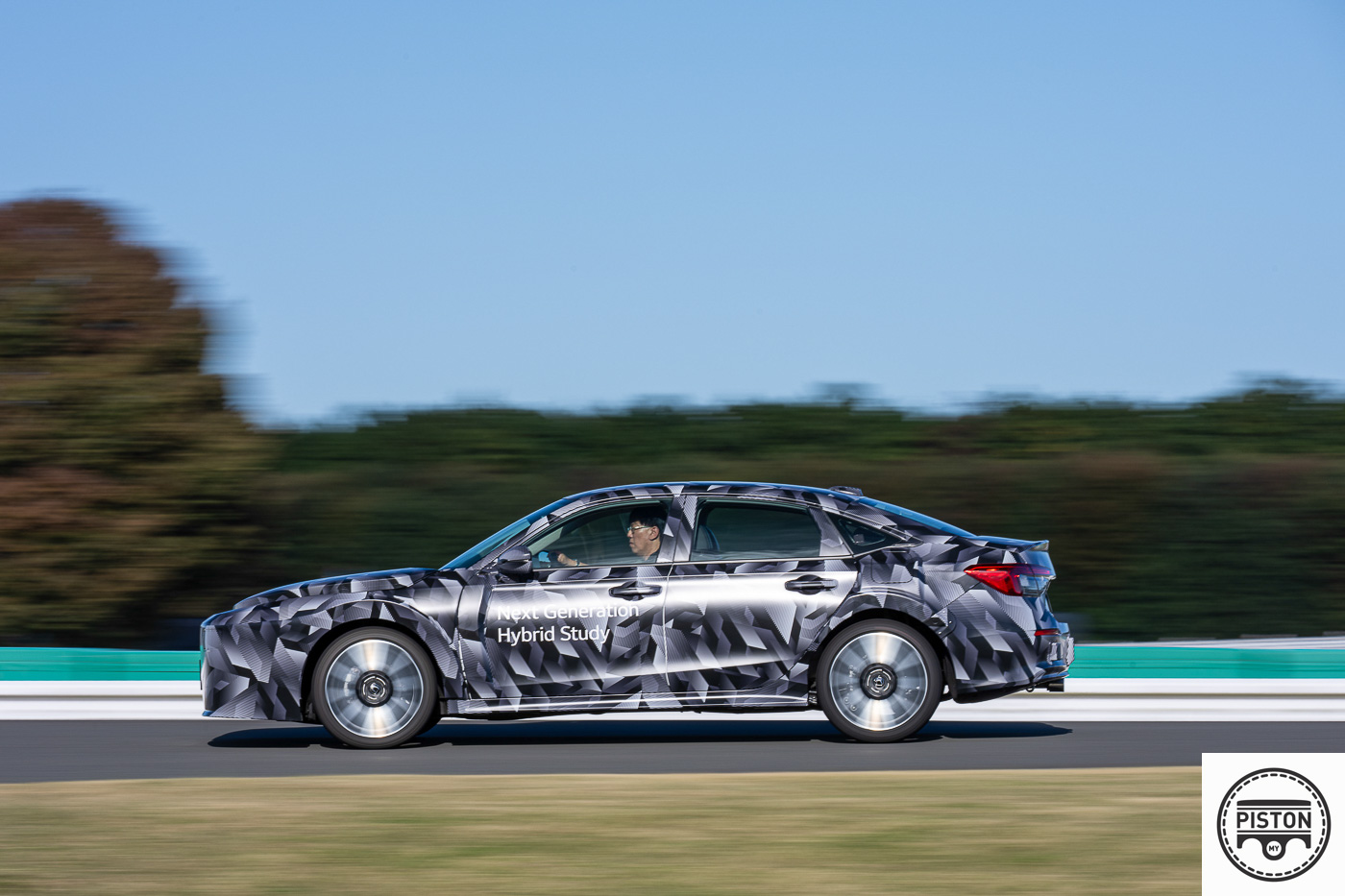
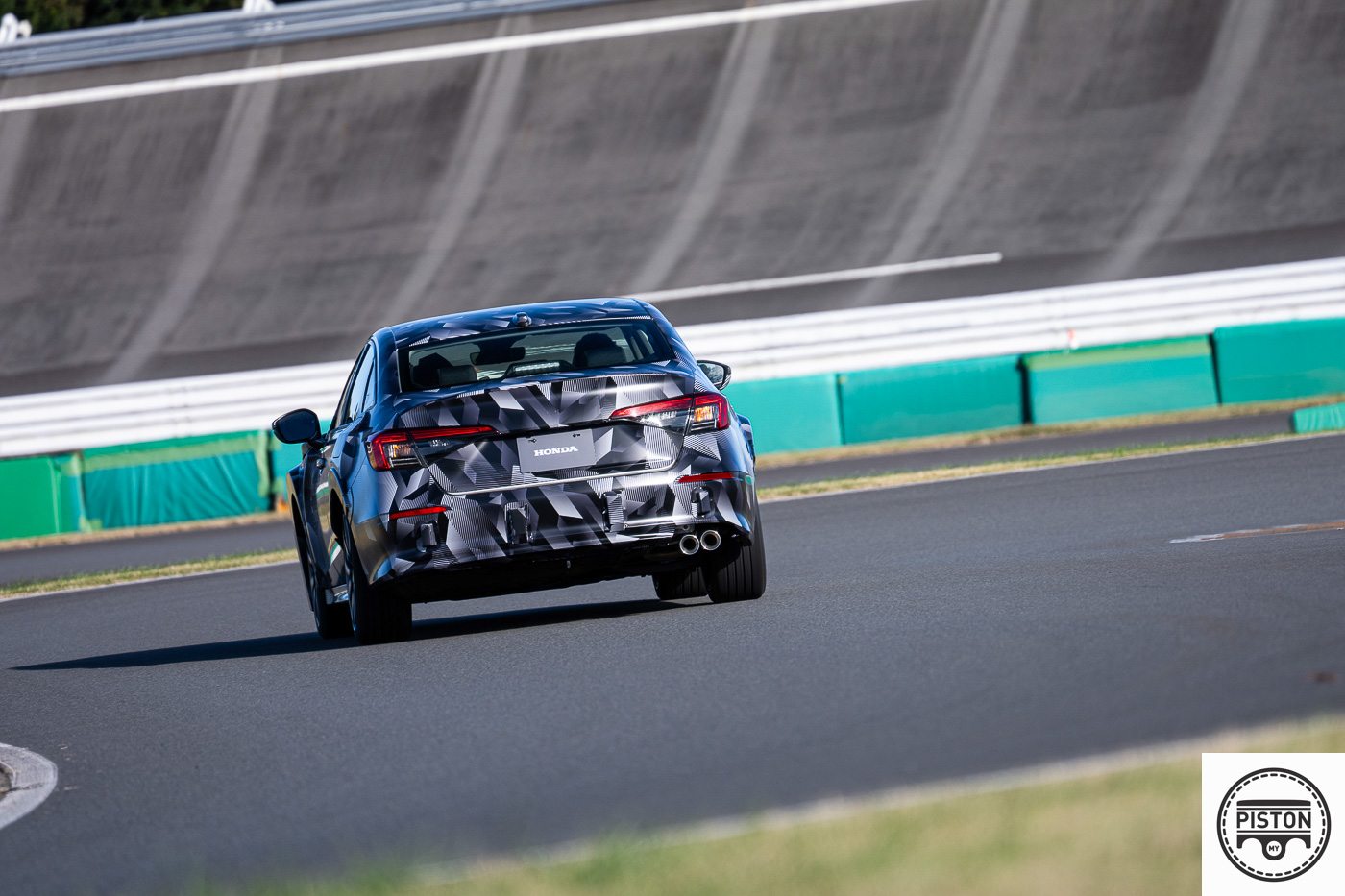
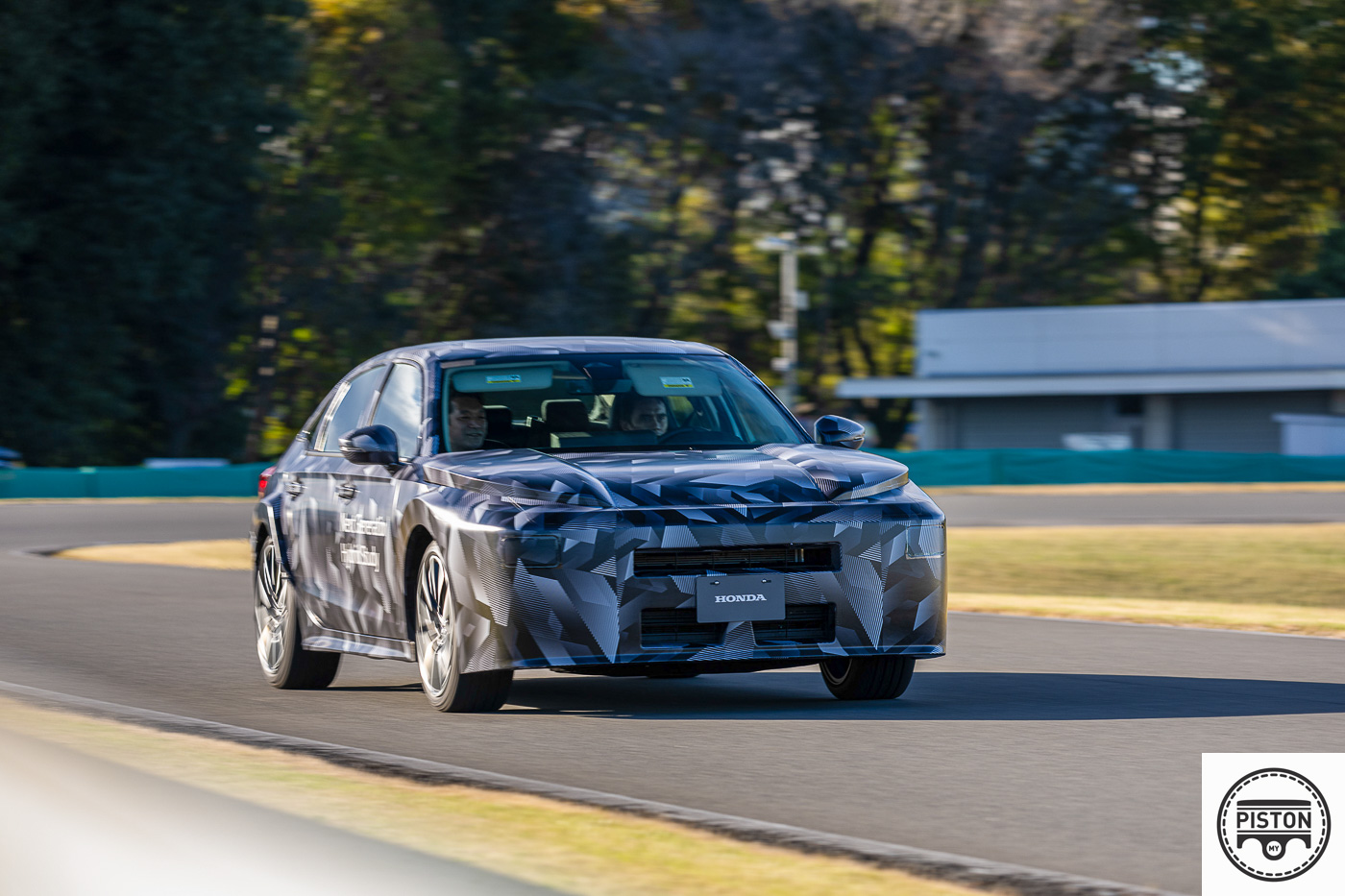
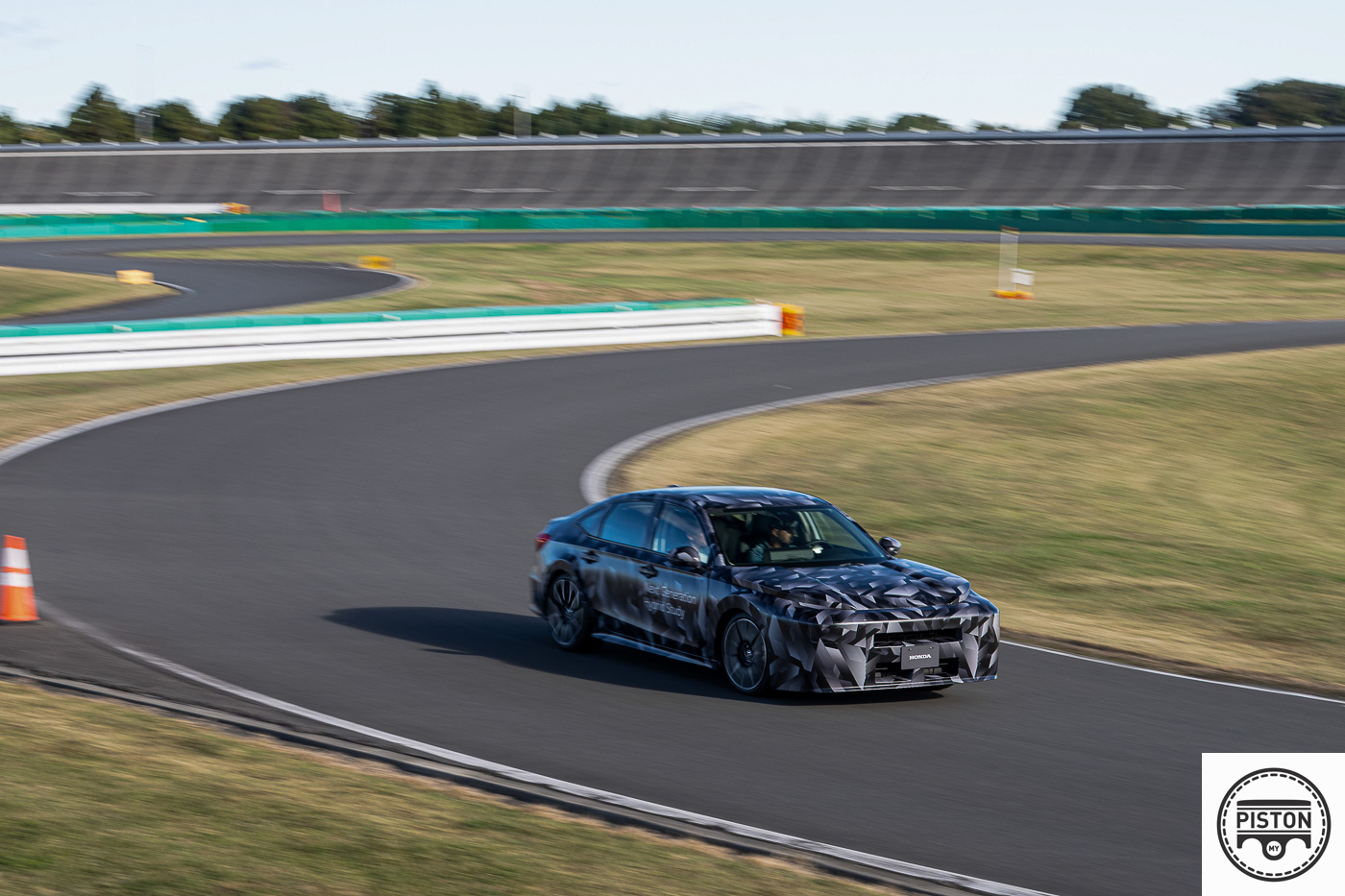
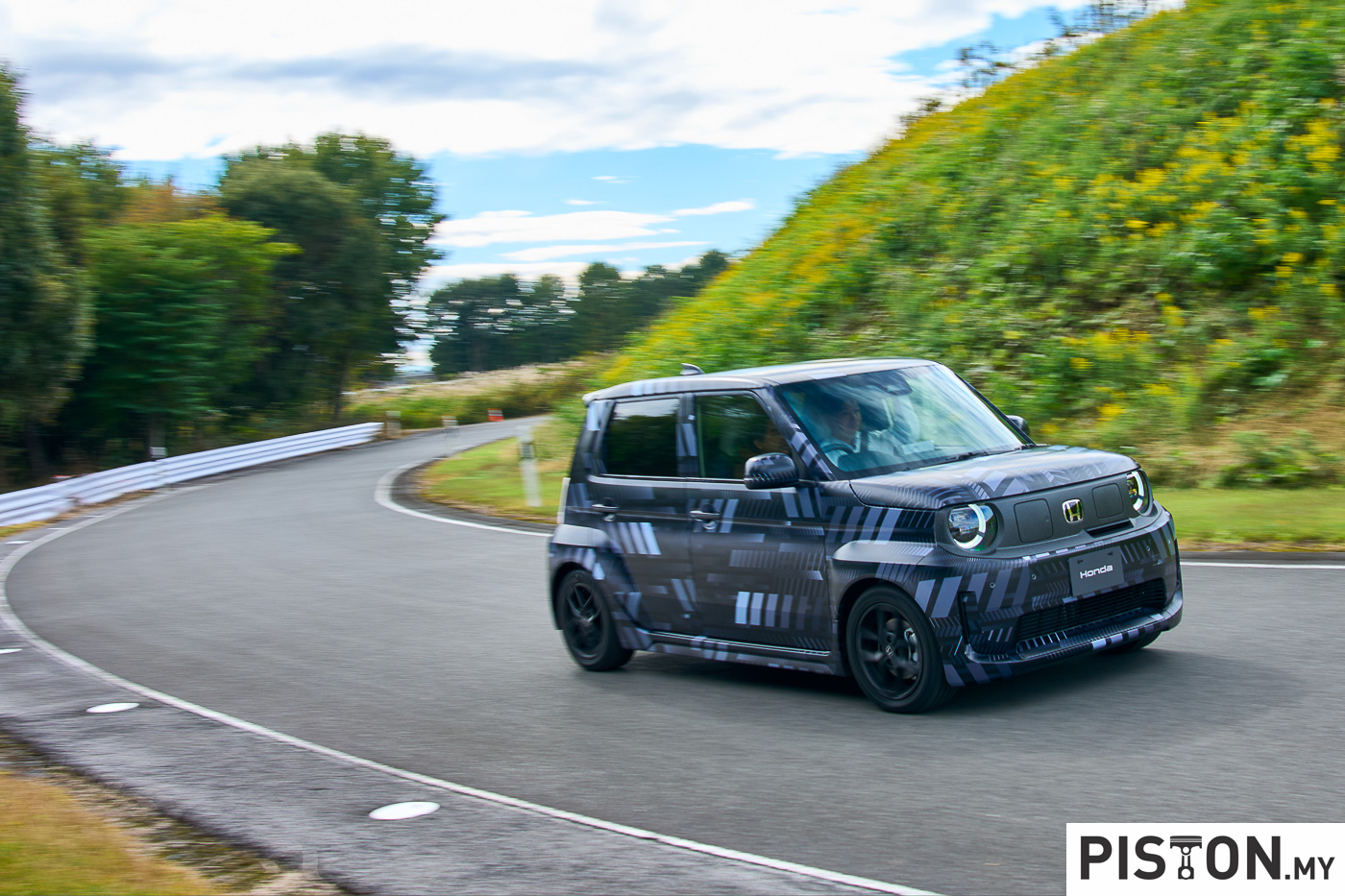
Part of the programme at Honda’s Tochigi proving ground included driving a prototype model of what looked like the Honda Civic. When queried, Honda’s engineers were reluctant to confirm the model, but it was quite obviously a Civic from the taillights as well as from bits and pieces of the interior.
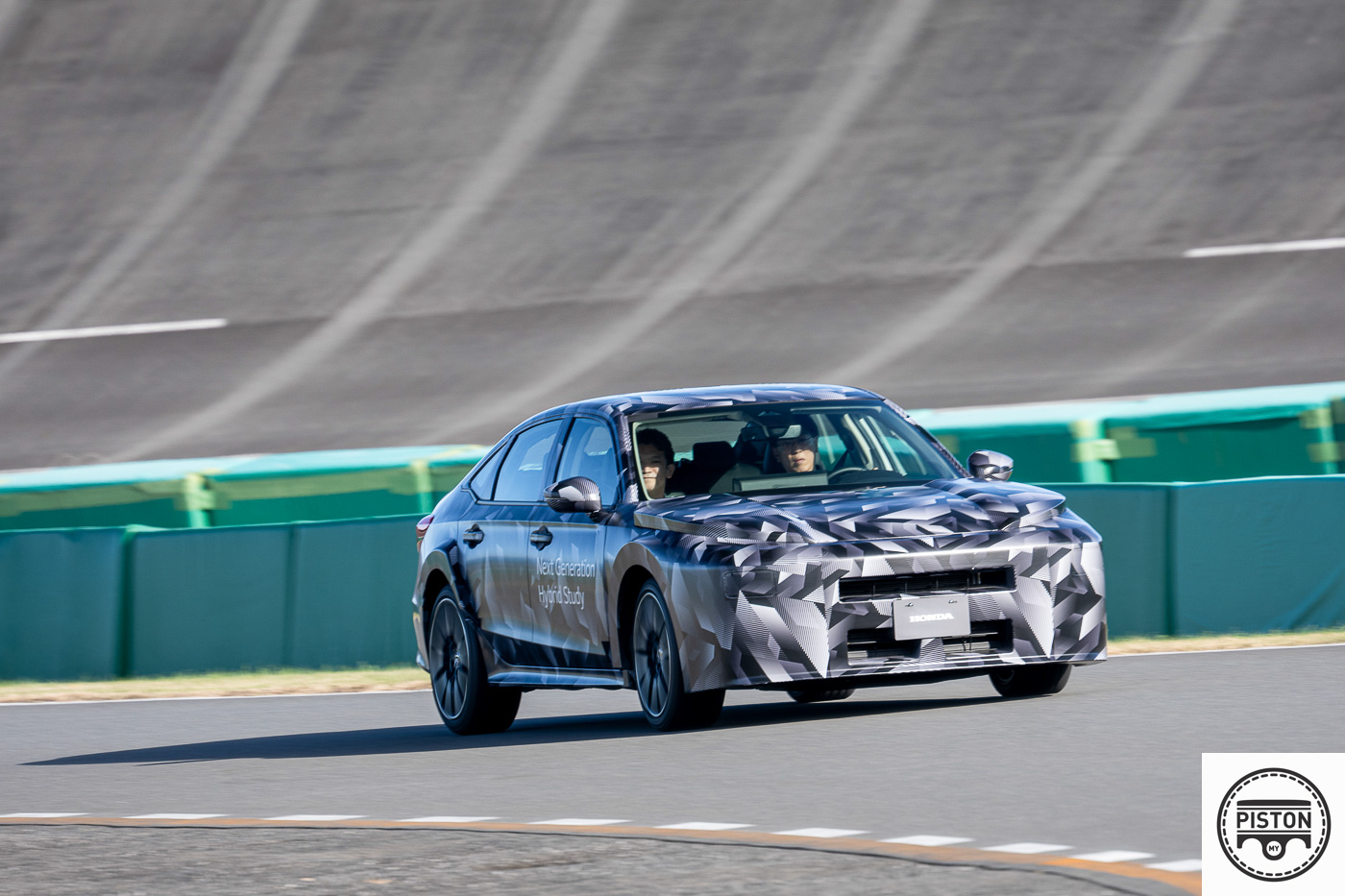
But it was just a Civic in body, because what lay underneath made it an entirely different machine. Unlike the current Civic, this model sounded sportier especially during acceleration, felt sharper during corner entry and just felt a lot more eager to be driven fast.

It felt like Honda had finally figured out the one thing that the current Civic does not have, character. And if Honda manages to programme such a character into all its car’s then we are in for a treat.

The other thing that I experienced is something called S+ Shift (pronounced as S Plus). This is basically a collection of drive modes as well as intelligent wizardry designed to make your mind believe that you are actually driving a fire breathing monster when all you’re doing is driving a Honda hybrid.
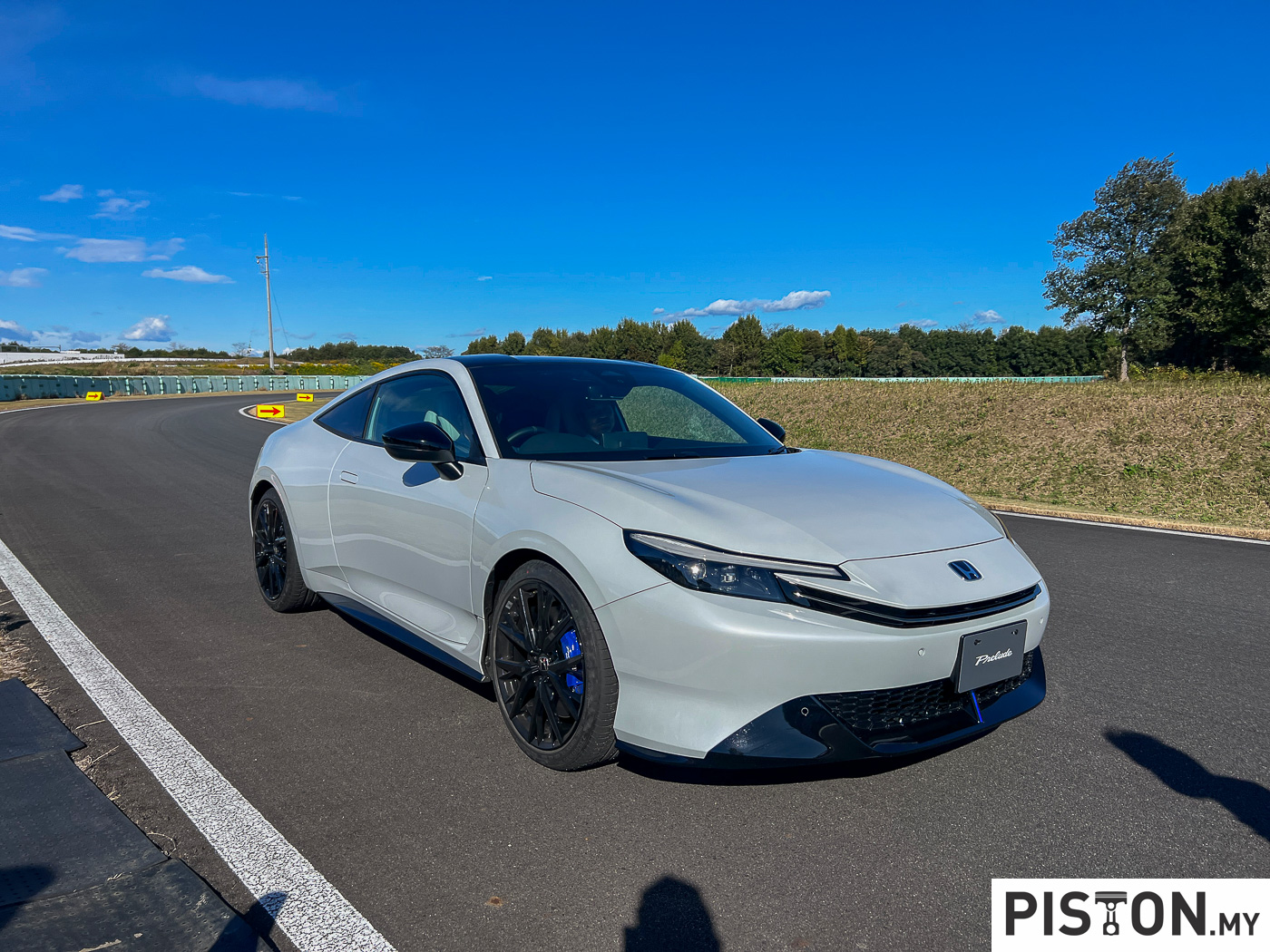
I experienced Honda’s S+ Shift in the new Prelude (I’ll detail my experience with that car in a different article) and was blown away by the experience.

The new Prelude is powered by Honda’s hybrid powertrain, which means that the wheels are driven directly by an electric motor and there is no gearbox. The 2.0-litre naturally-aspirated engine is not exactly spirited by itself either.
But the S+ Shift worked wonders by making the engine sound a lot sportier than it actually is. This sound is channelled into the cabin through the speakers. But before you say this is not new technology, this augmented sound is paired with simulated gearshifts.

Honda has managed to perfectly mimic gearshifts complete with power cuts (or fuel cuts if you are so inclined), downshift blips and such. The sound and the feel is intoxicating, and this is exactly what Honda means by joy of driving.
So, Honda may be adopting hybrid powertrains, but it has not forgotten to have fun, and it does not want you to forget the joy of driving either.

What about electrification though?

Honda believes in letting its customers decide which powertrain they want rather than dictate to them what they should be driving.
Hence Honda is busy building the next generation of electric cars using something called the 0 series platform. From this, there will be sedans, and large and medium sized SUVs as well.

In fact, we also drove the Super One Prototype, a small electric kei car that is also a joy to drive.
So Honda has all its bases covered and unlike some other car makers, it has not forgotten how to have fun along the way.

China has undoubtedly taken the lead when it comes to electric cars. It has been so successful at it that it has forced giants of the car making business to follow suit.

Some of those giants have been good at emulating while some carmakers, particularly those from Europe and America, have lost huge amounts of money just to keep up.

The Japanese however have taken cautious steps.

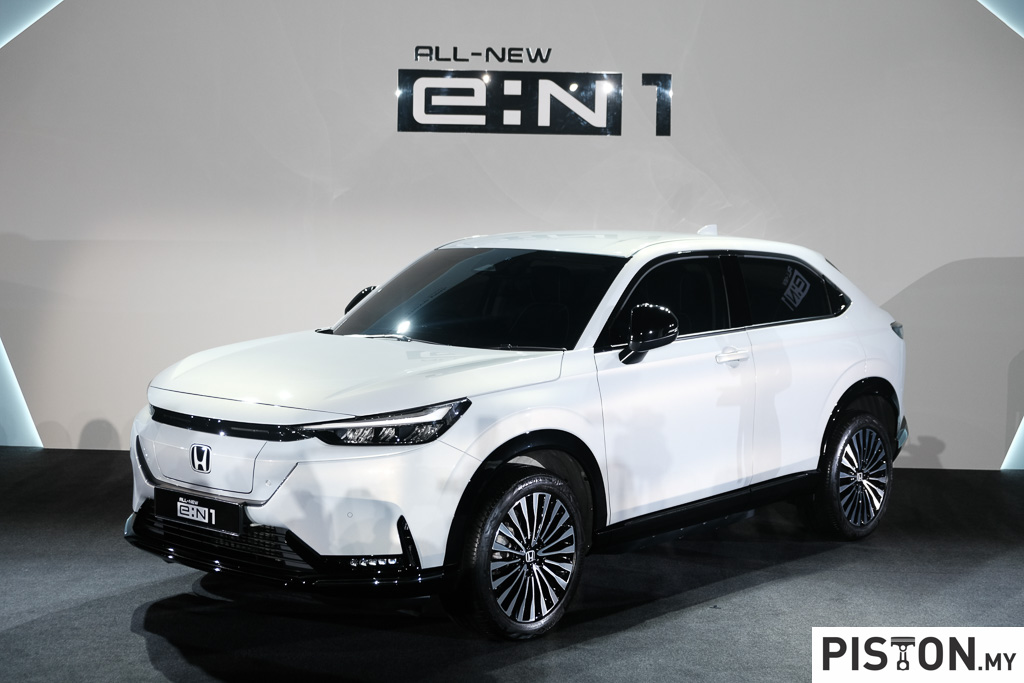
Until recently, Honda has largely been absent from the electric vehicle segment, in Malaysia at least. The recently introduced e:N1 is a decent salvo at the segment but it hardly made a dent nor did fans of electric cars sit up and take notice.

Honda e:N1 EV

But while Chinese car makers and perhaps even Tesla itself will tell you that electric cars are the “be all, end all” solution to world’s mobility and environmental problems, Honda has taken a completely different approach (though we all know that’s not true).

As I found out recently during a trip to the Japan Mobility Show (previously known as the Tokyo Motor Show) and subsequent question and answer session with Honda’s top management, the company still believes that hybrids play a big role in transport.

But despite that, it also believes that battery electric vehicles have their place in supporting a sustainable environment. Honda says it will continue its research and development programme for electric cars and already has a few cars set to be launched in 2026.

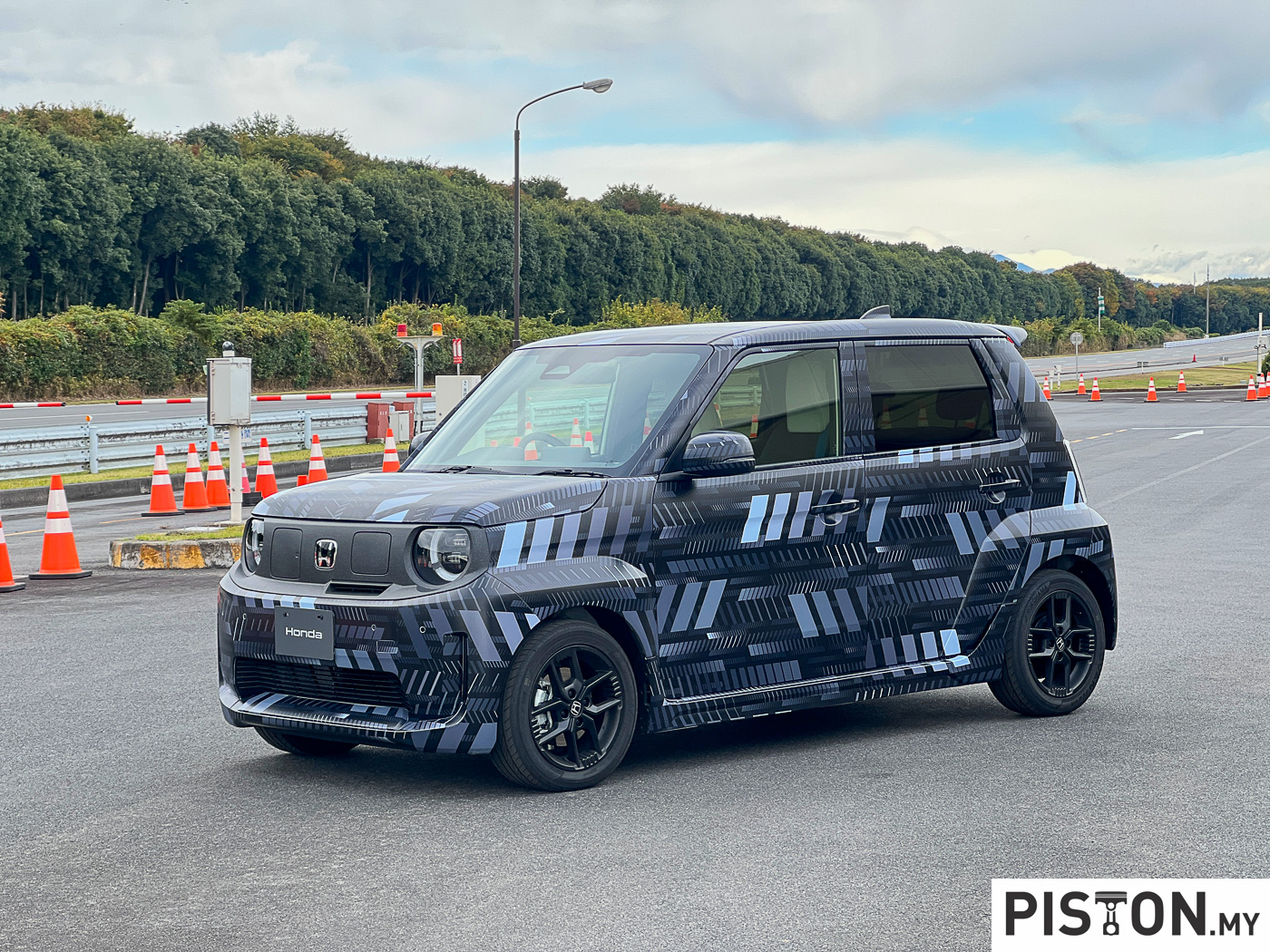
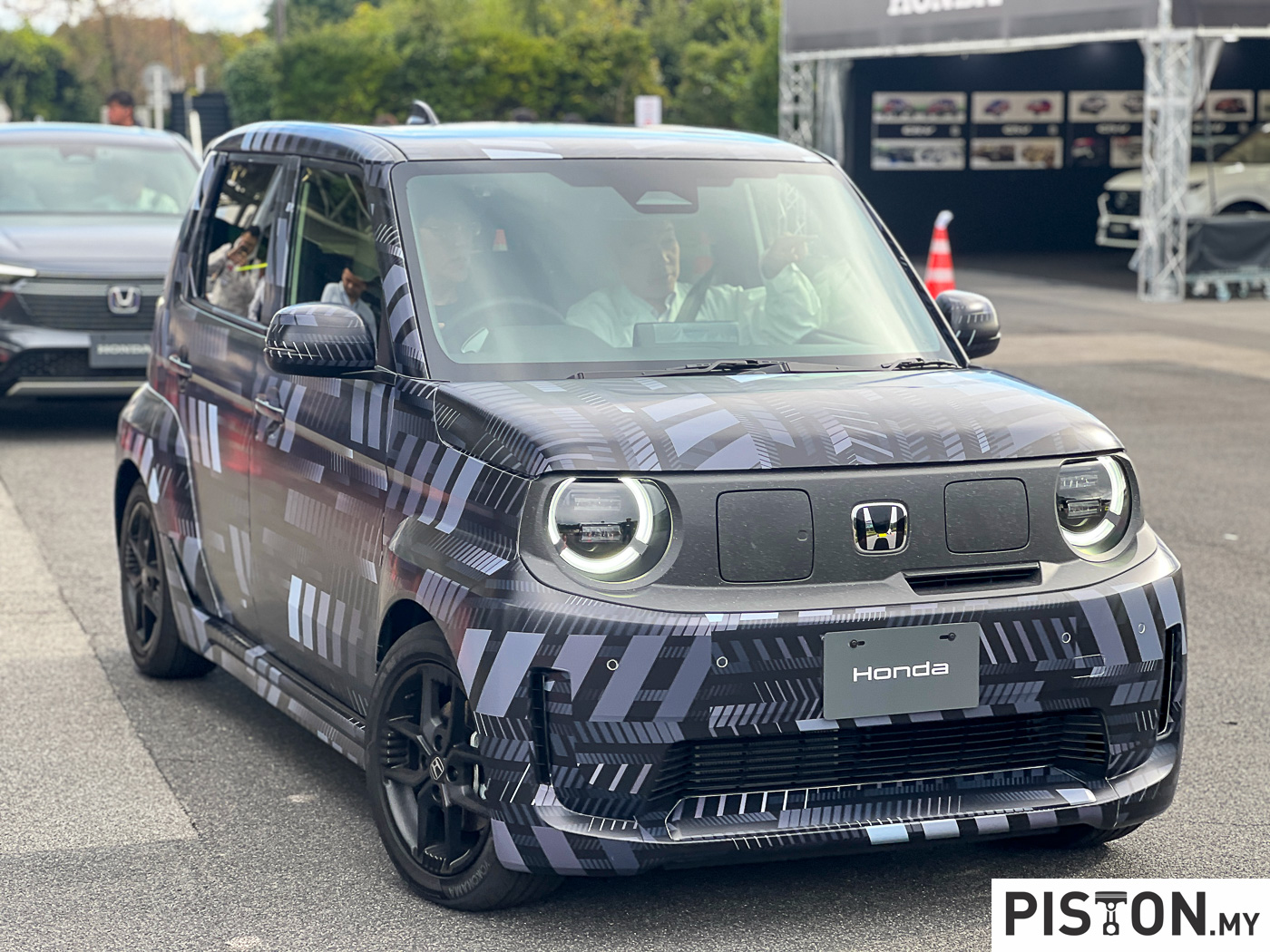
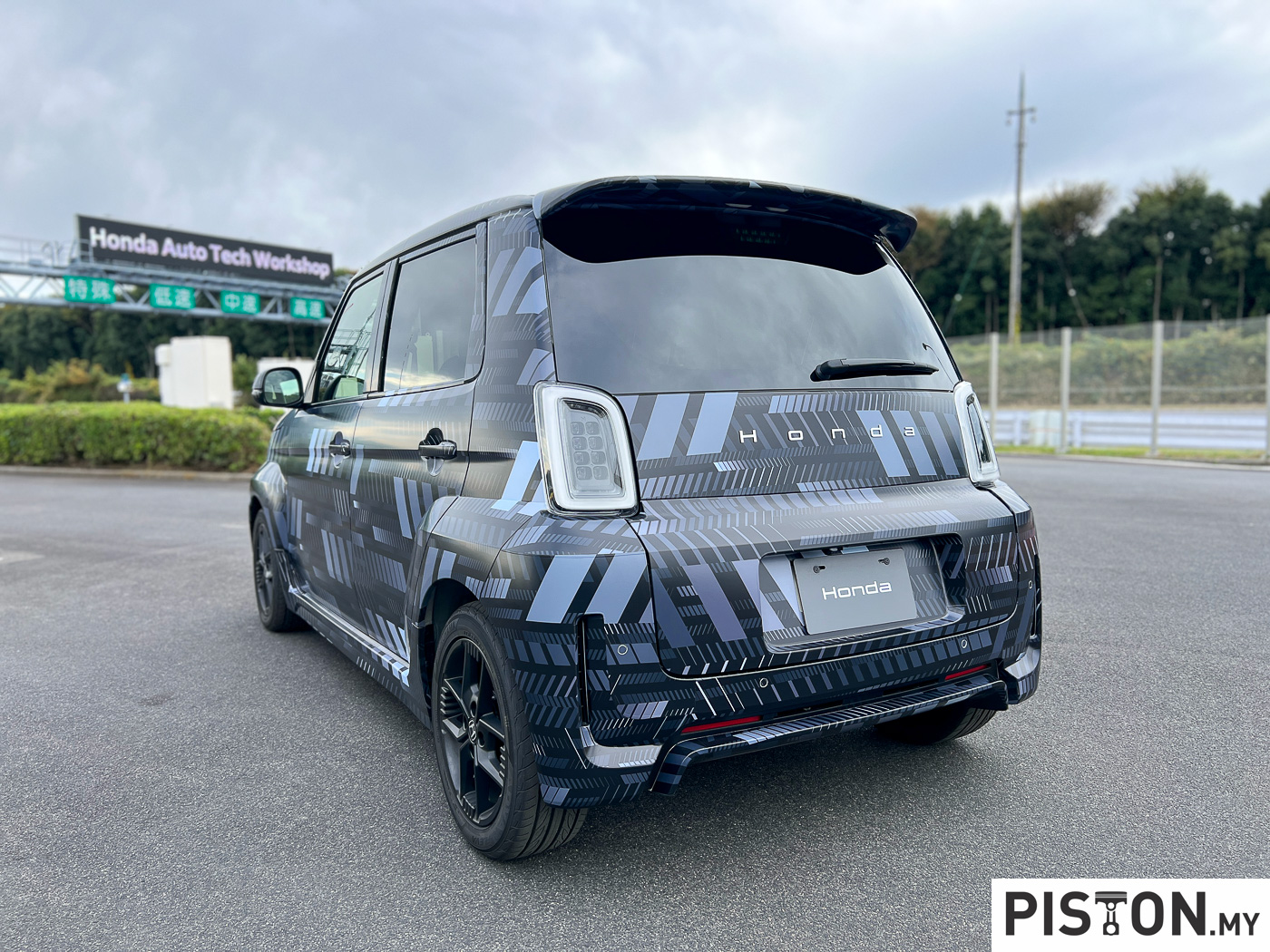
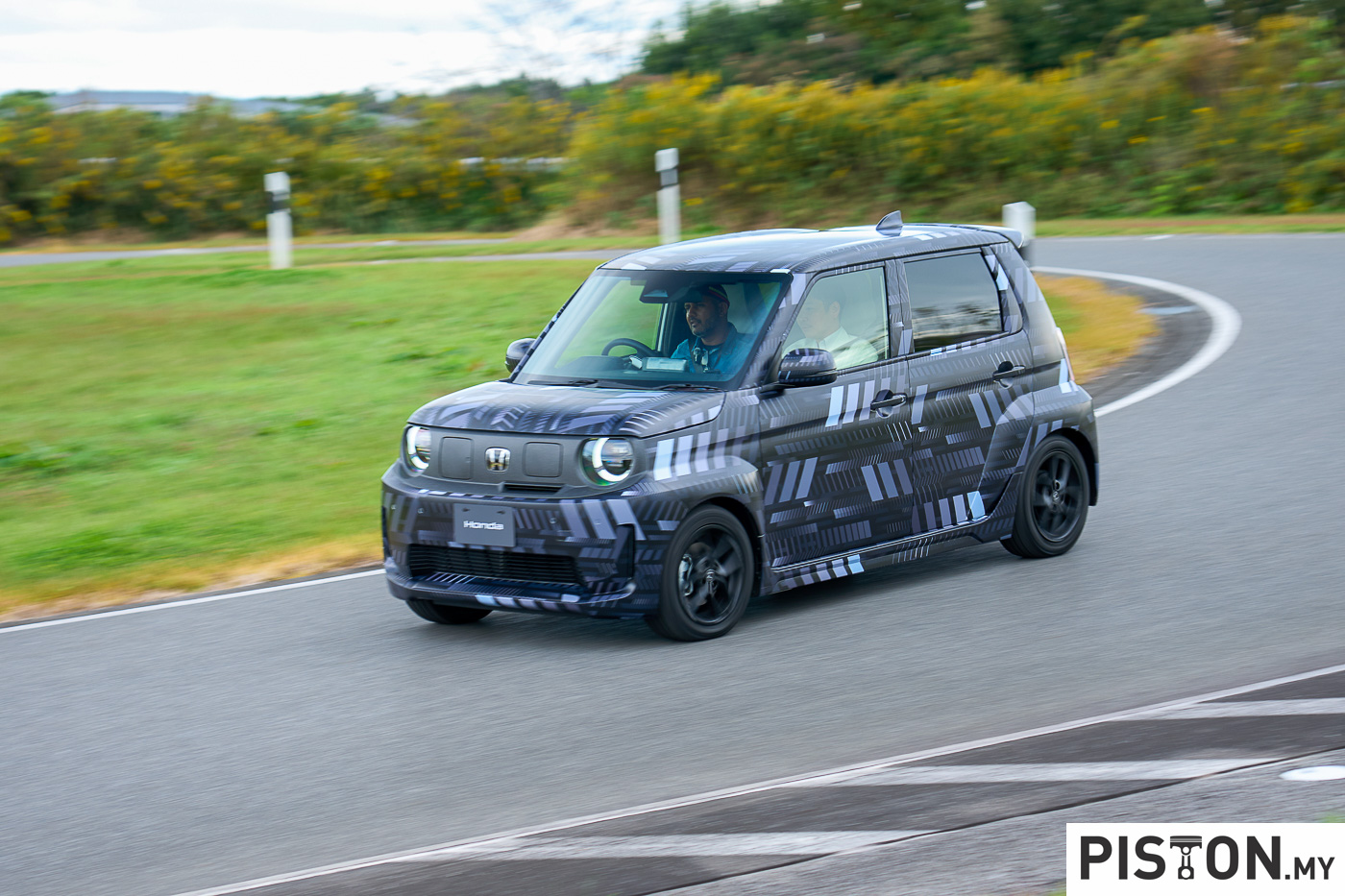
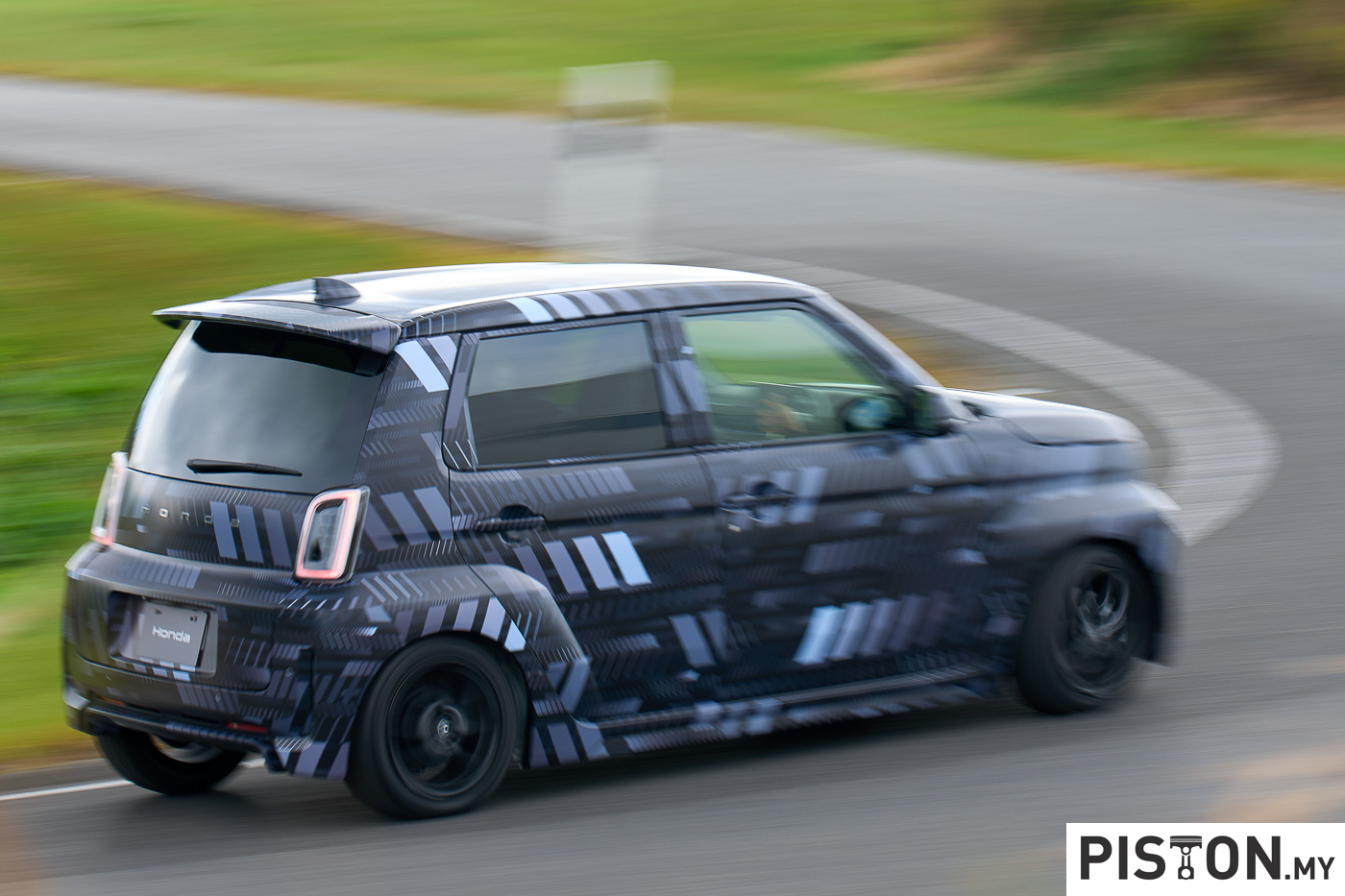
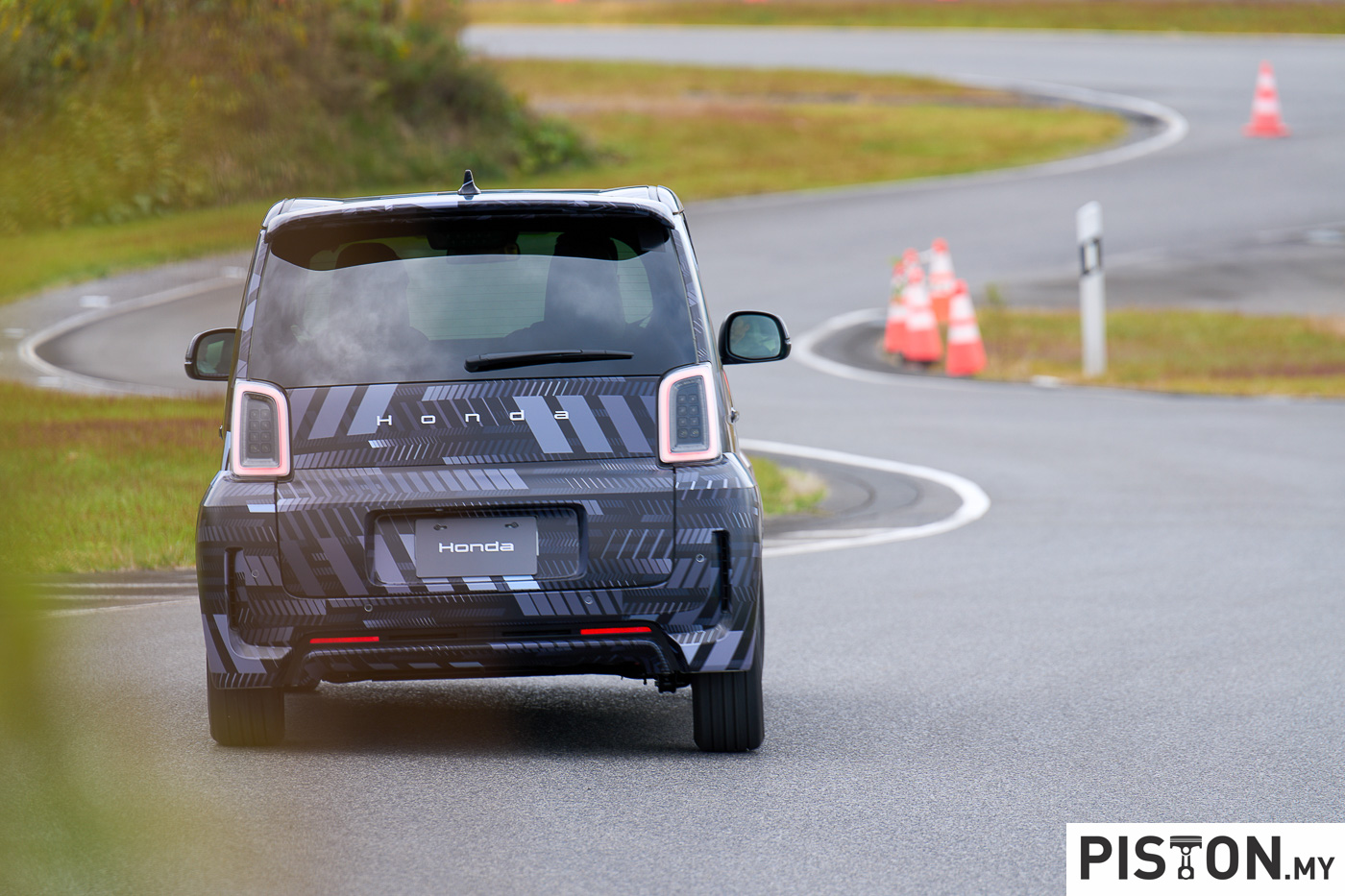
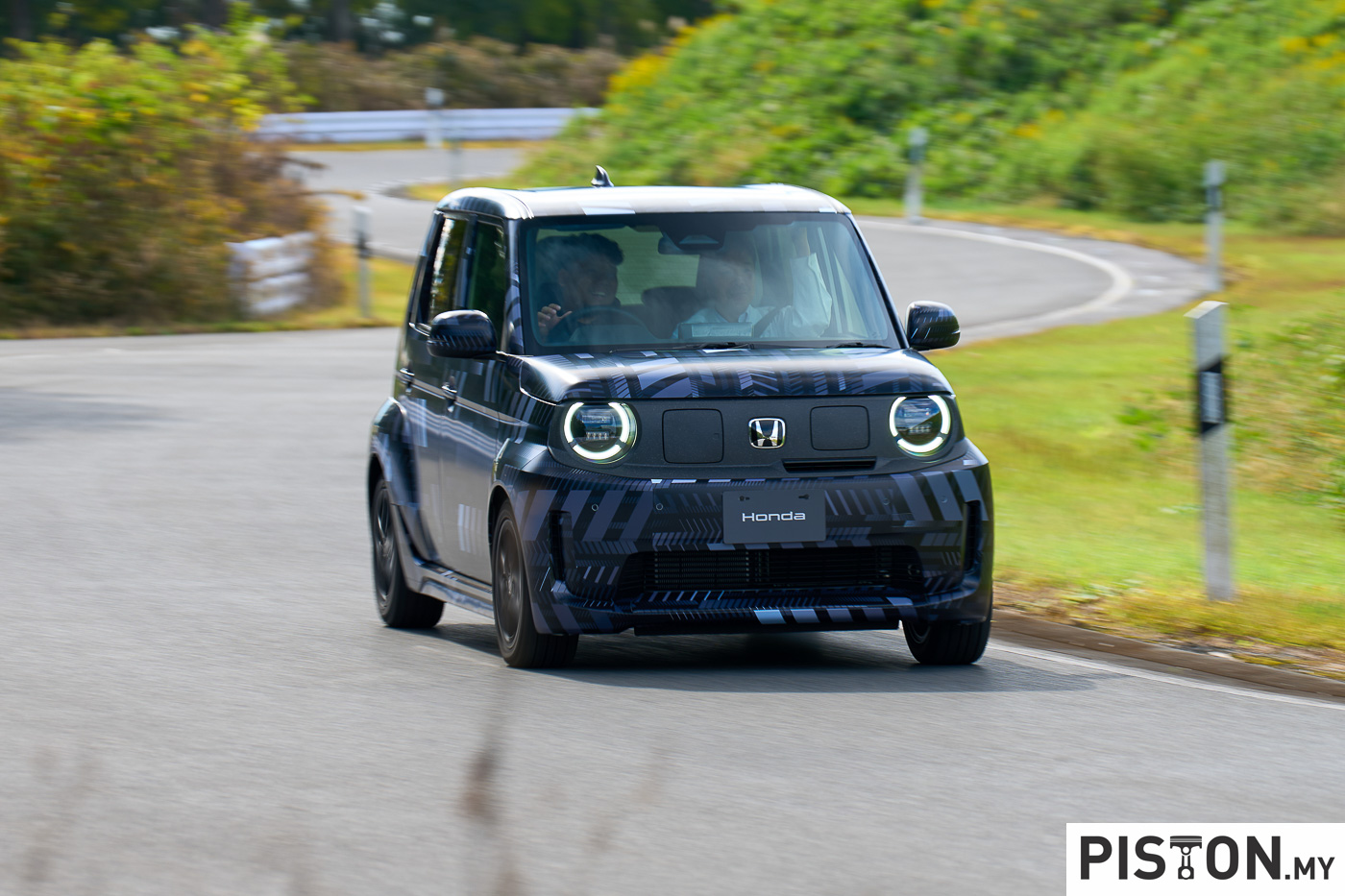
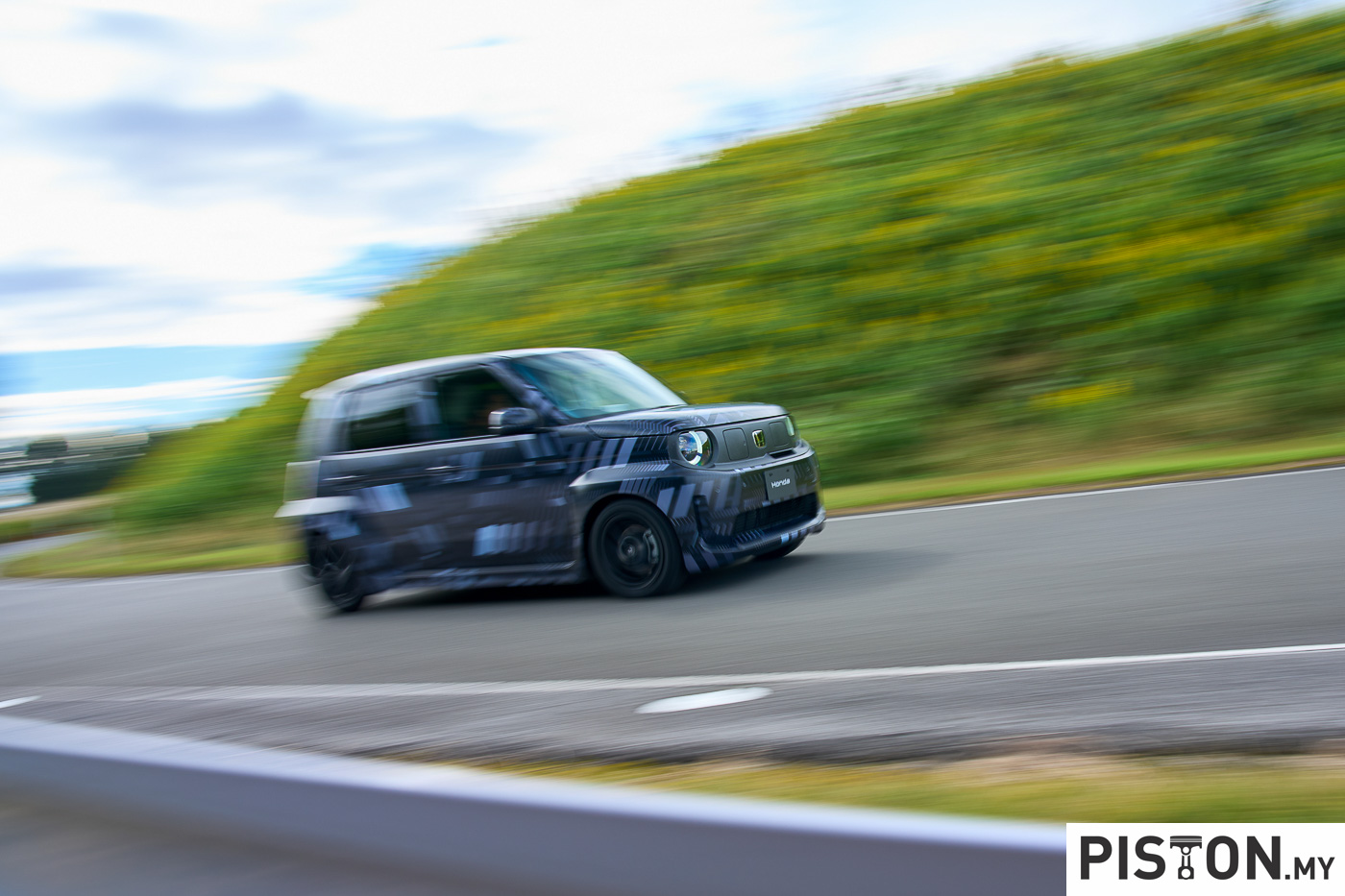
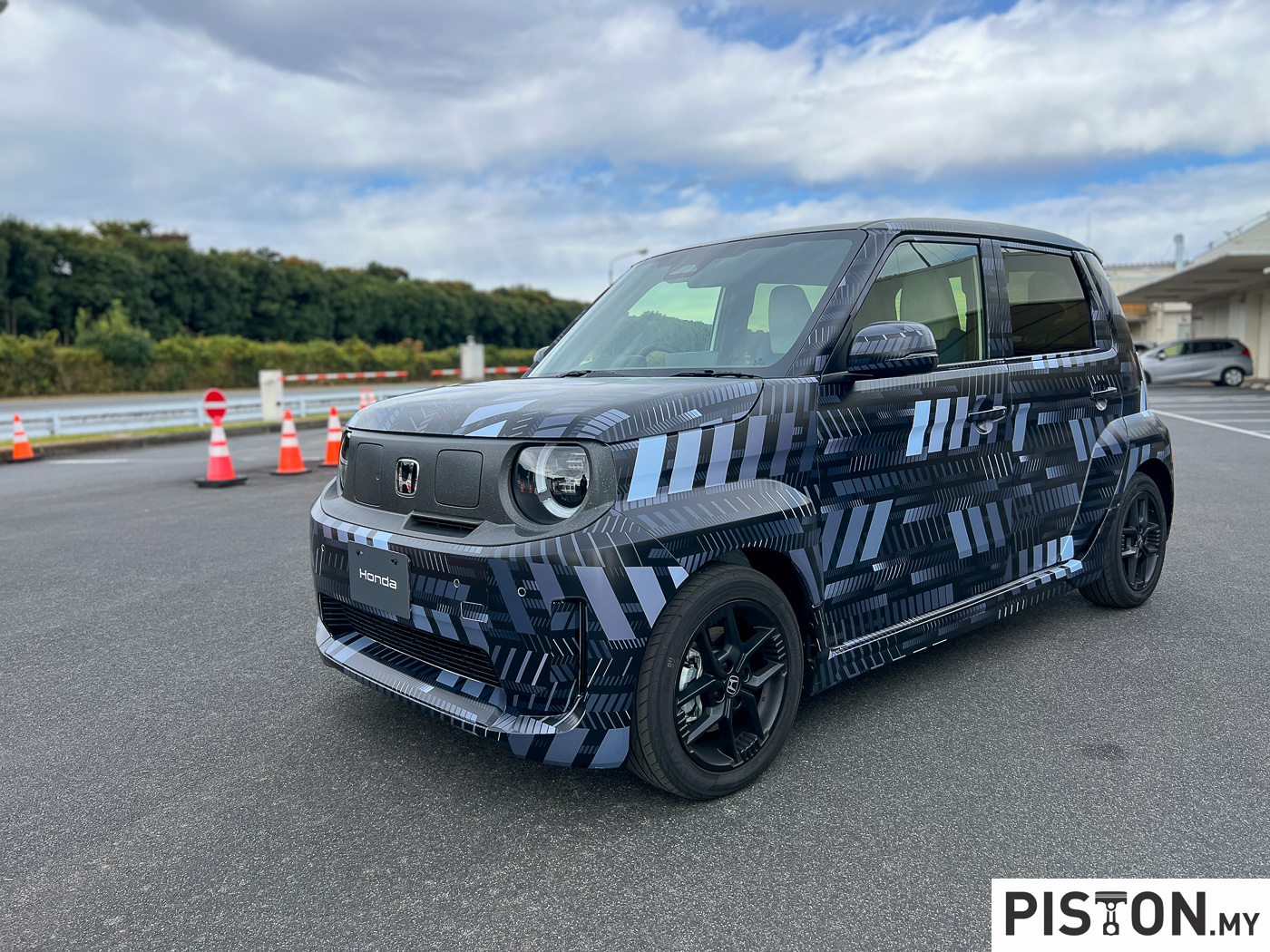
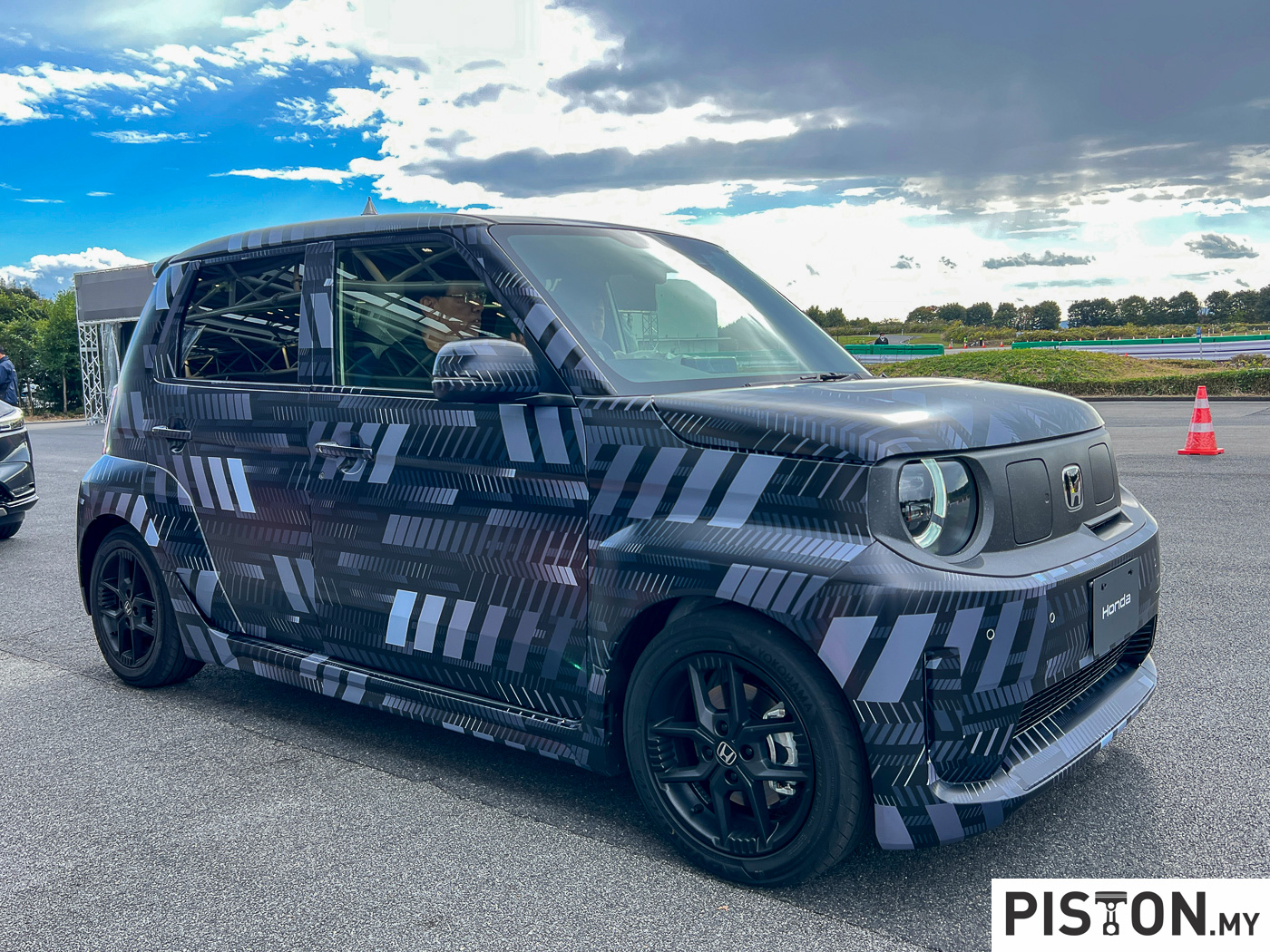
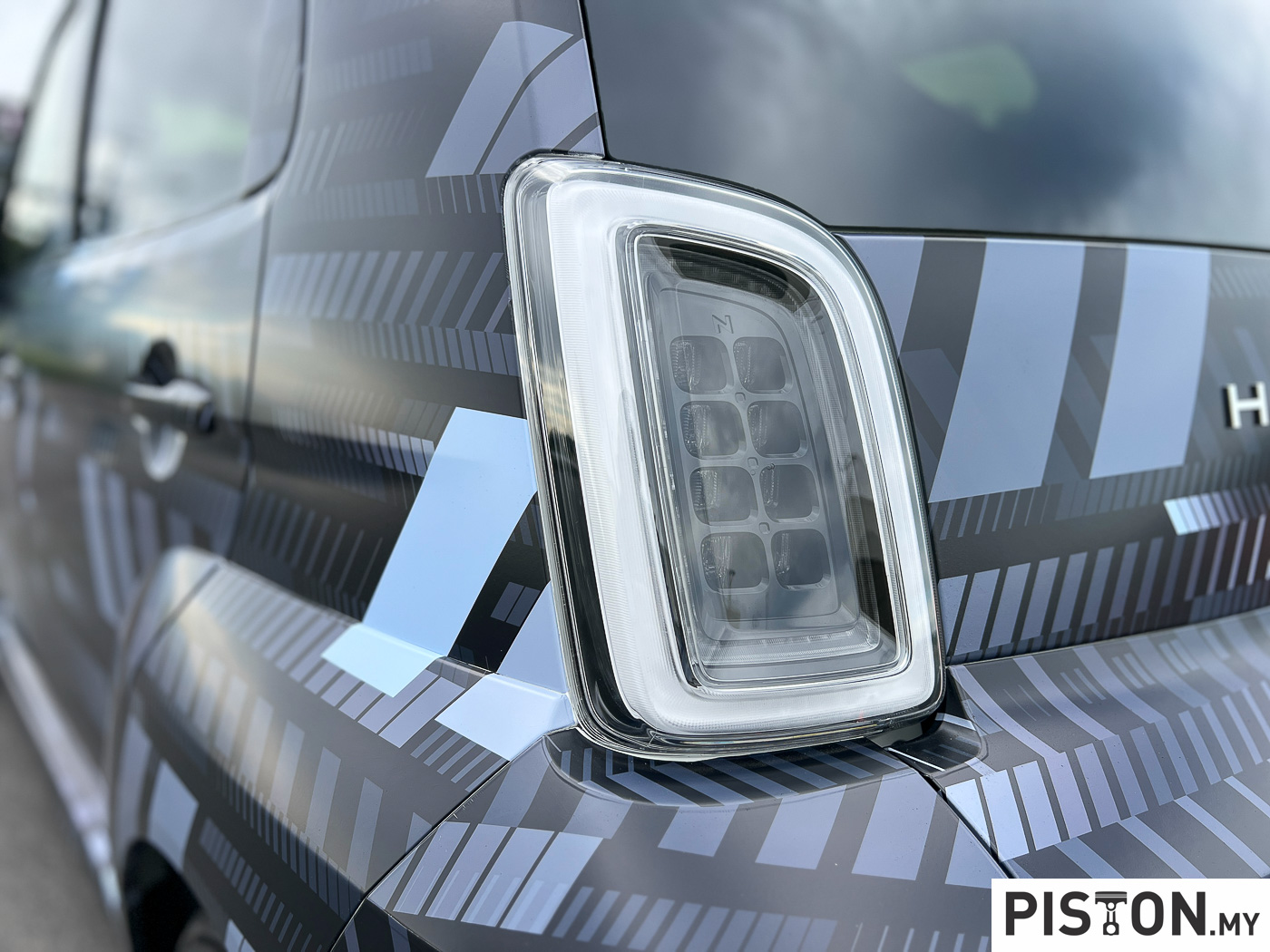
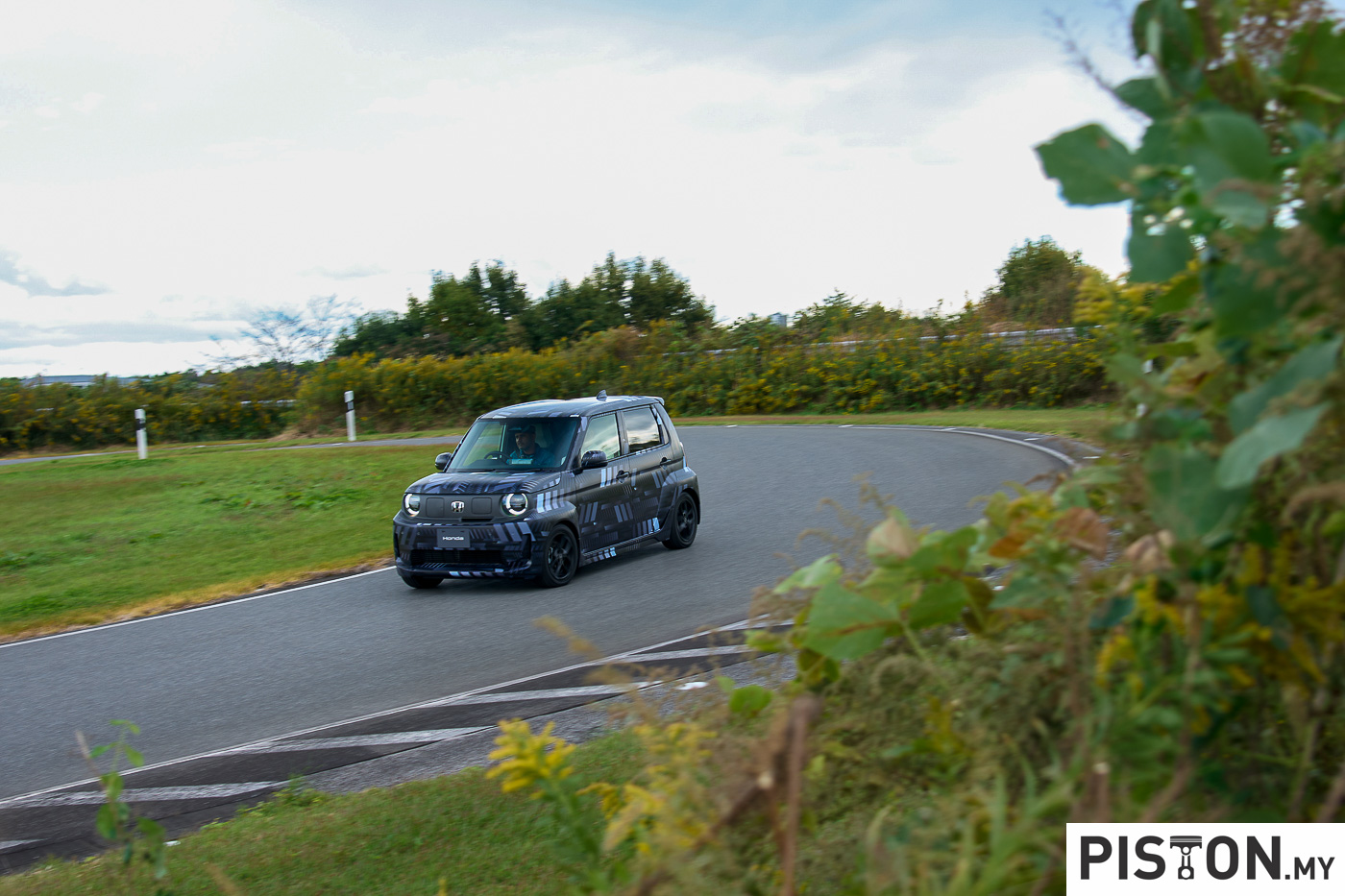
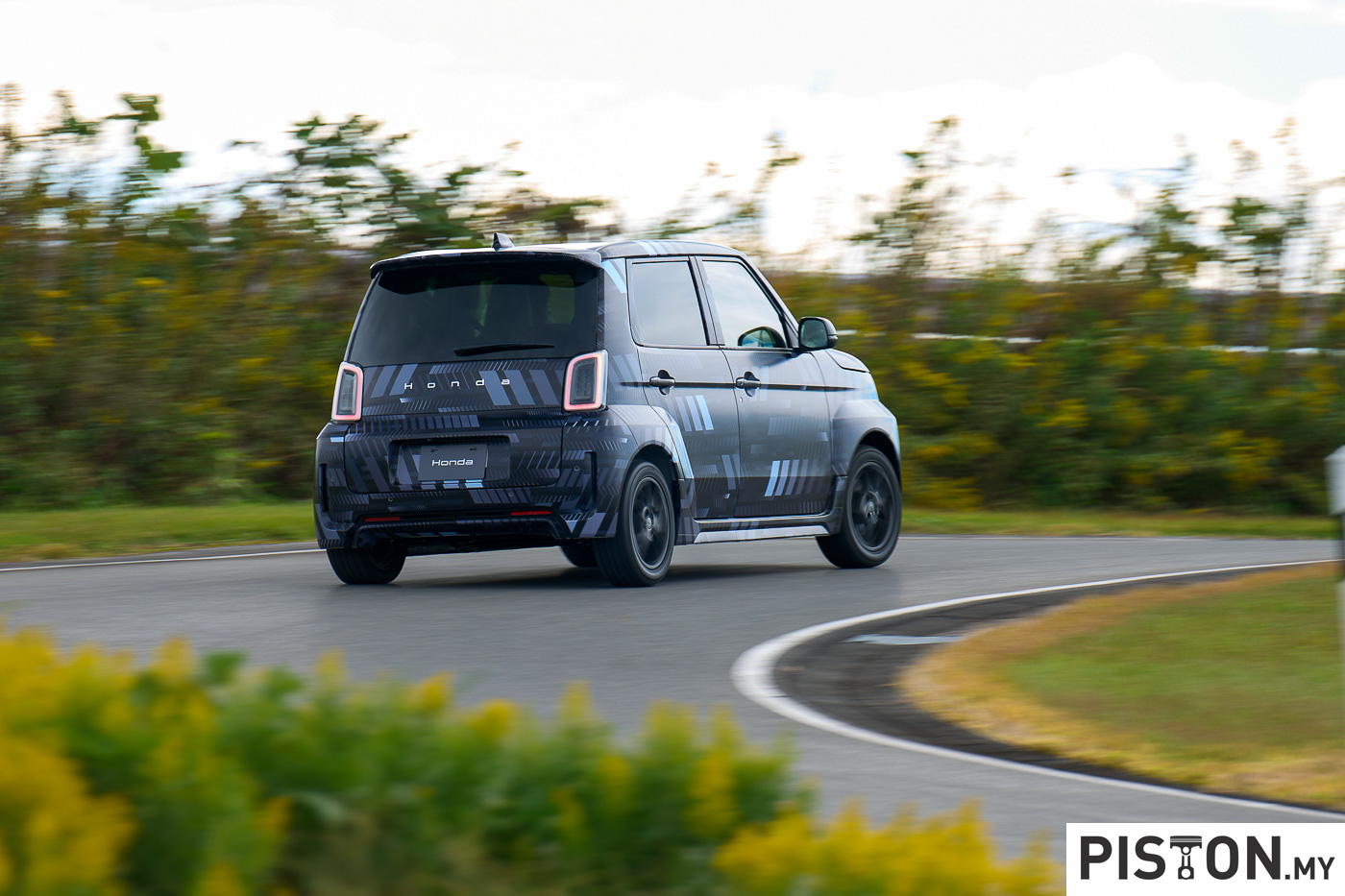
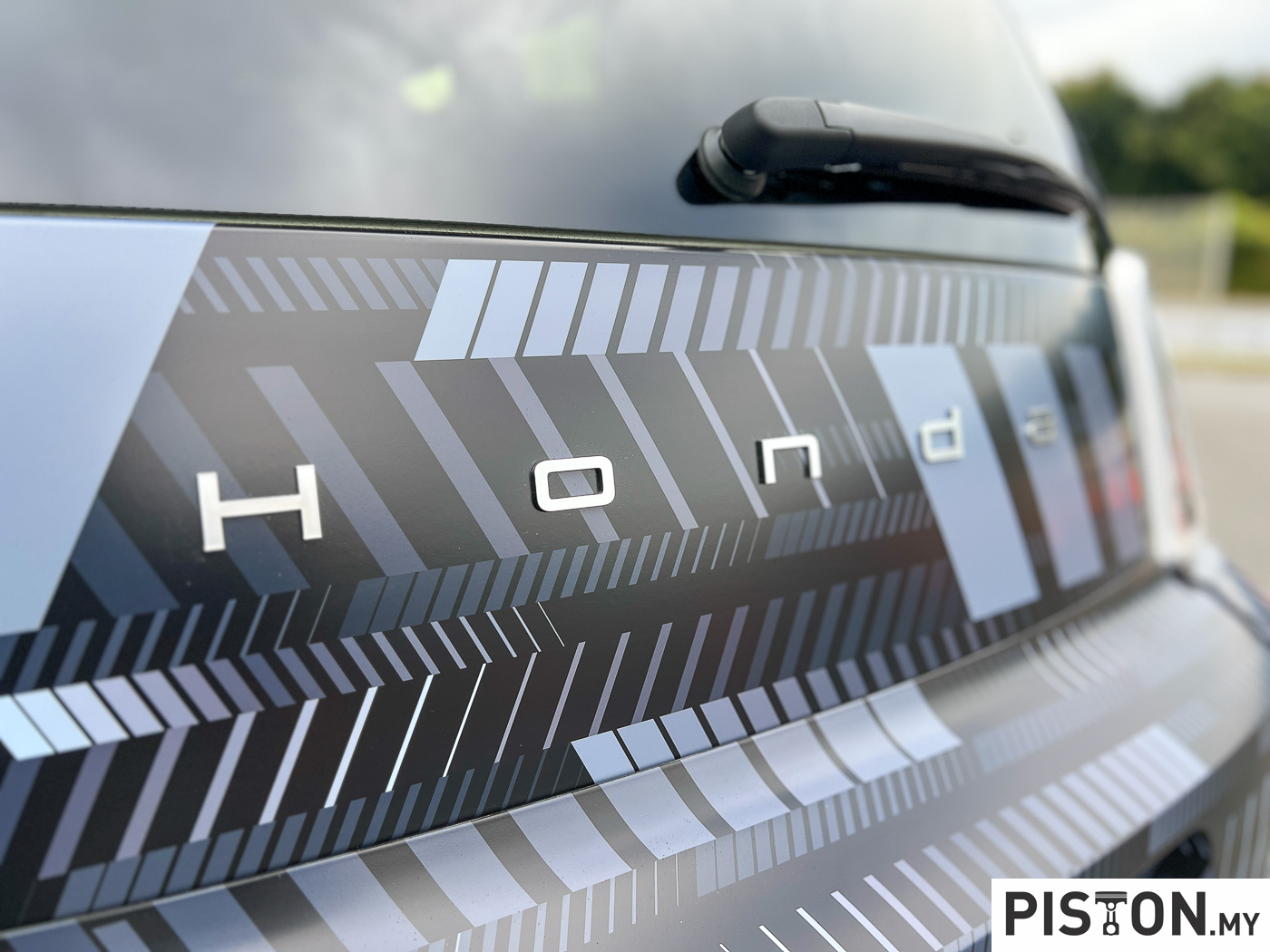
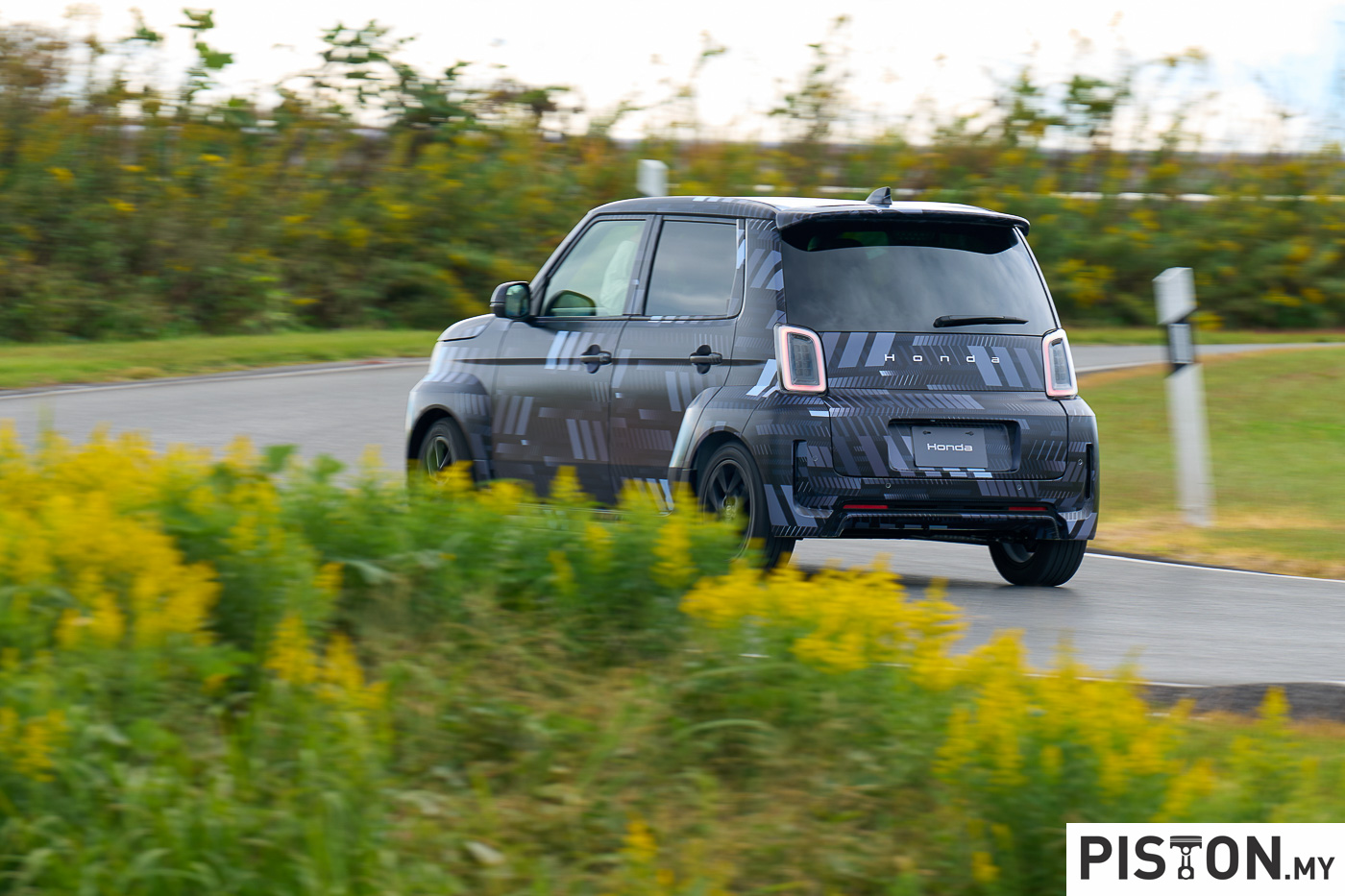
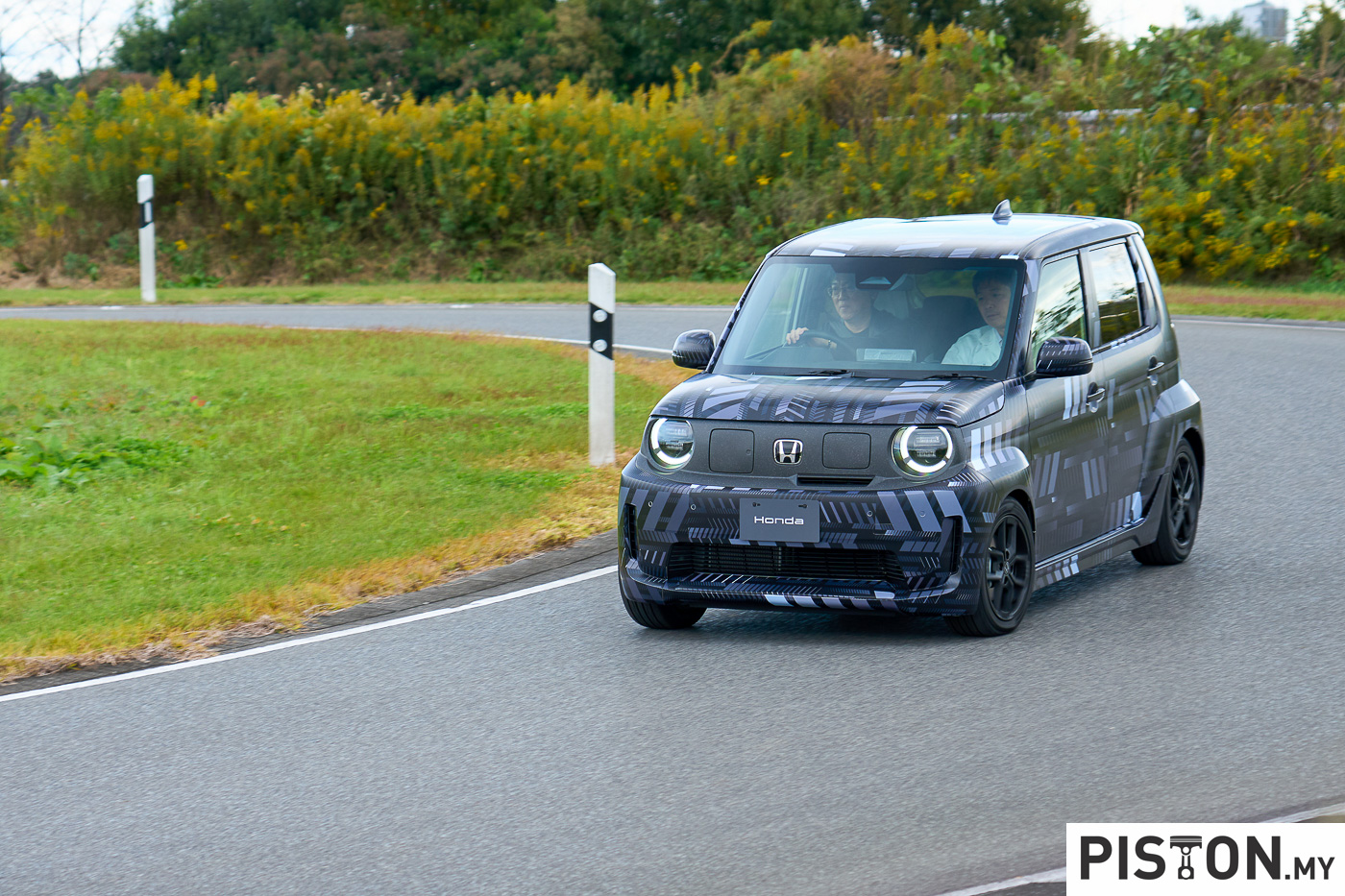
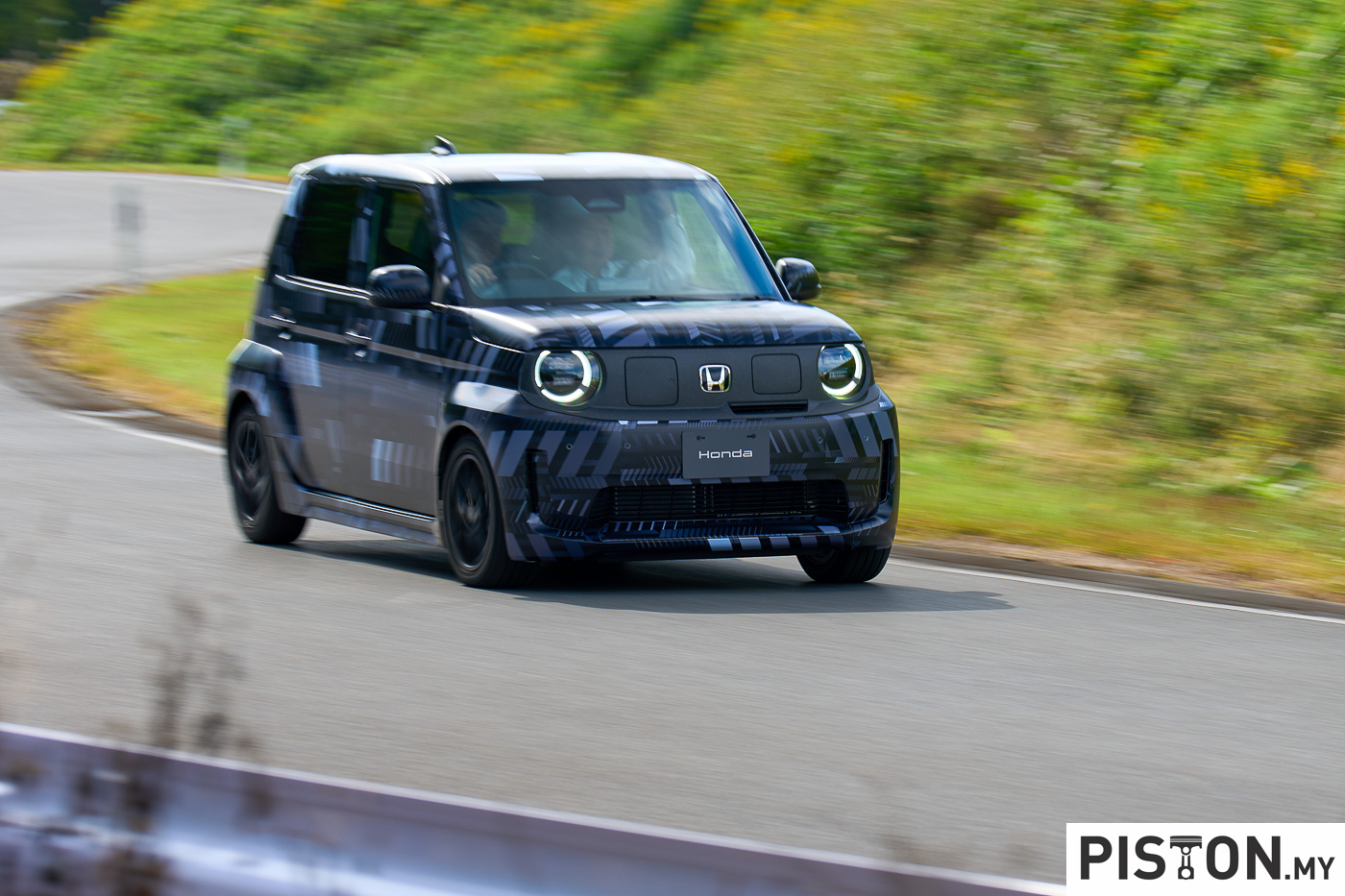
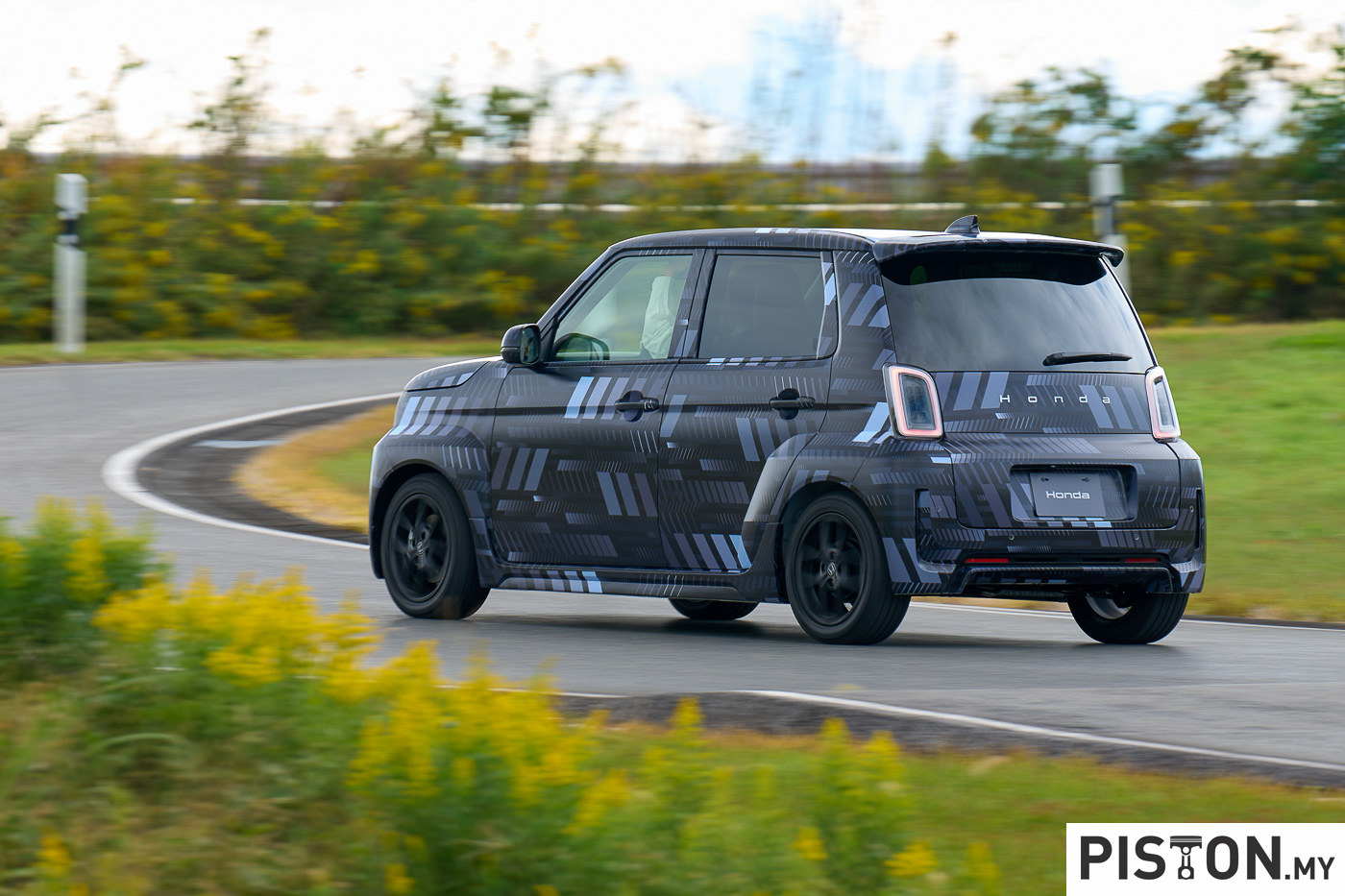
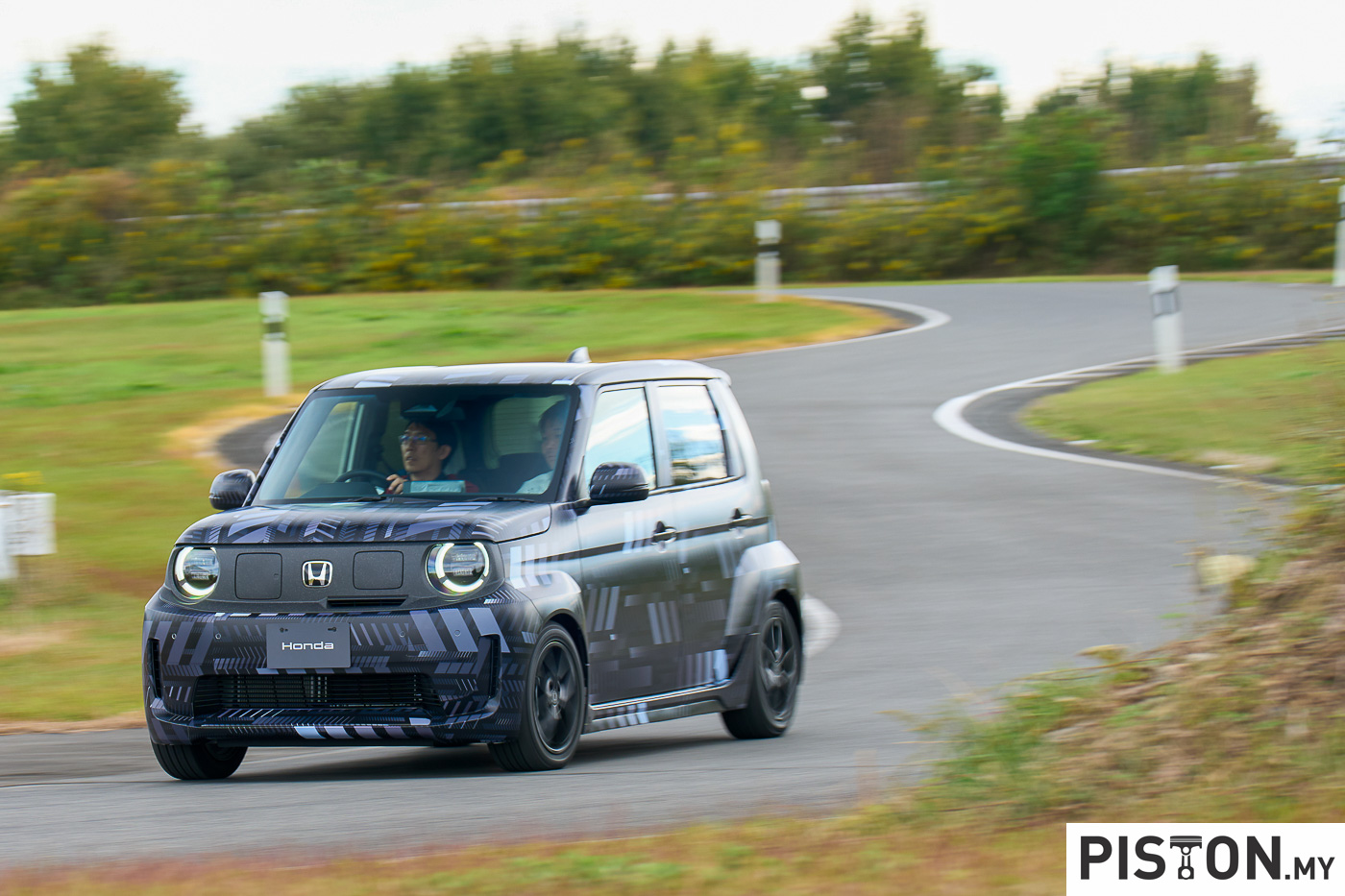
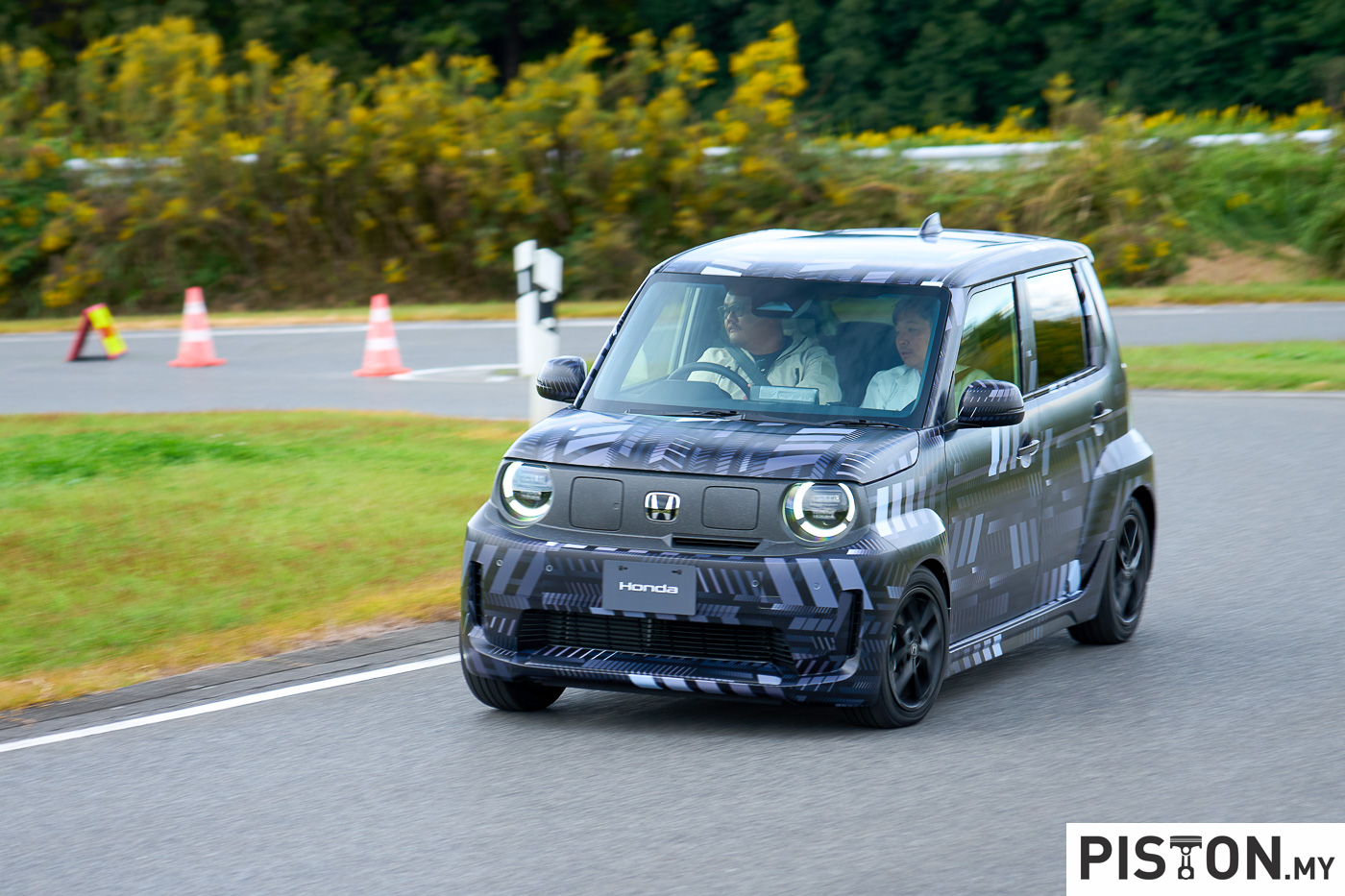
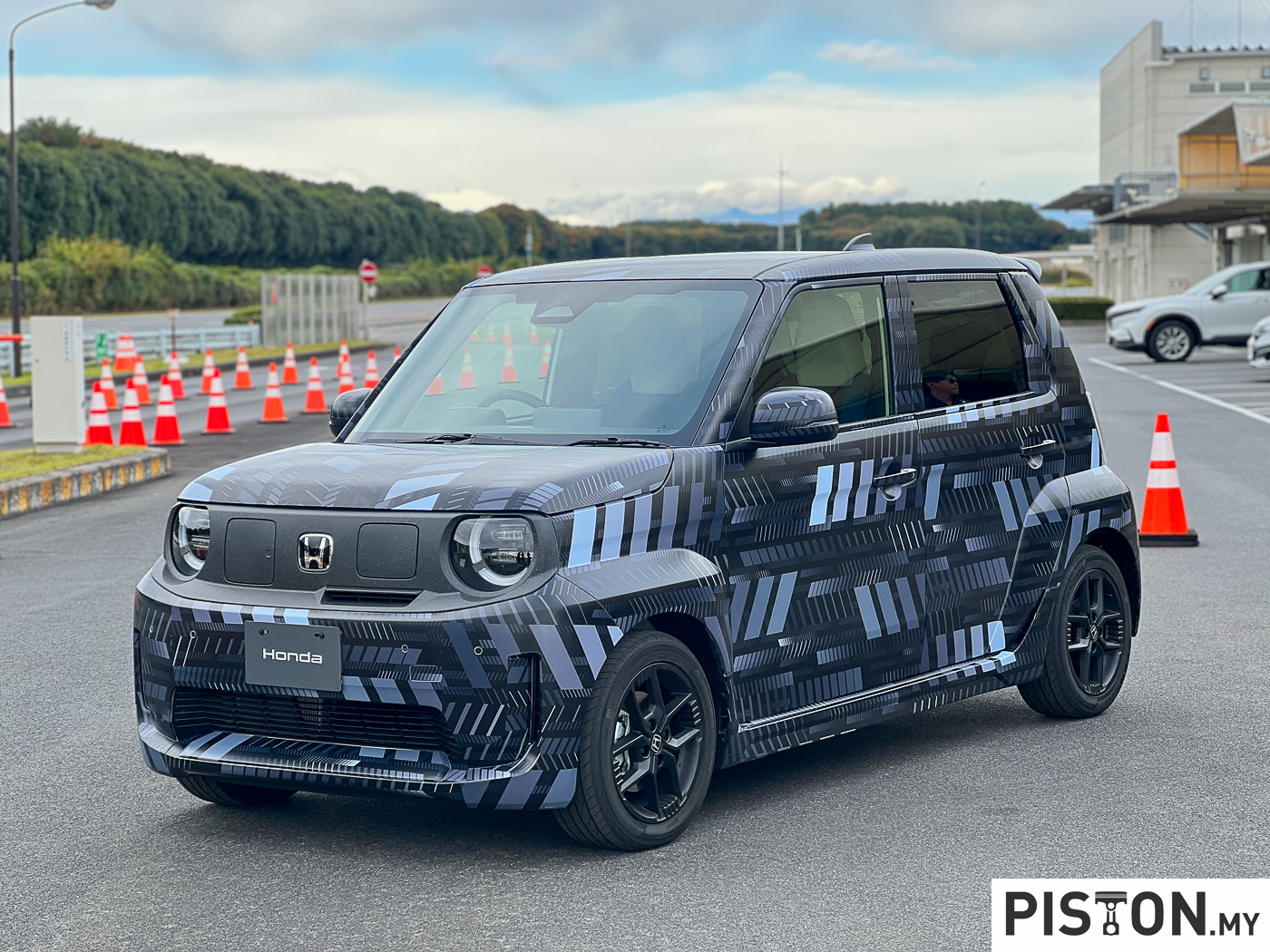
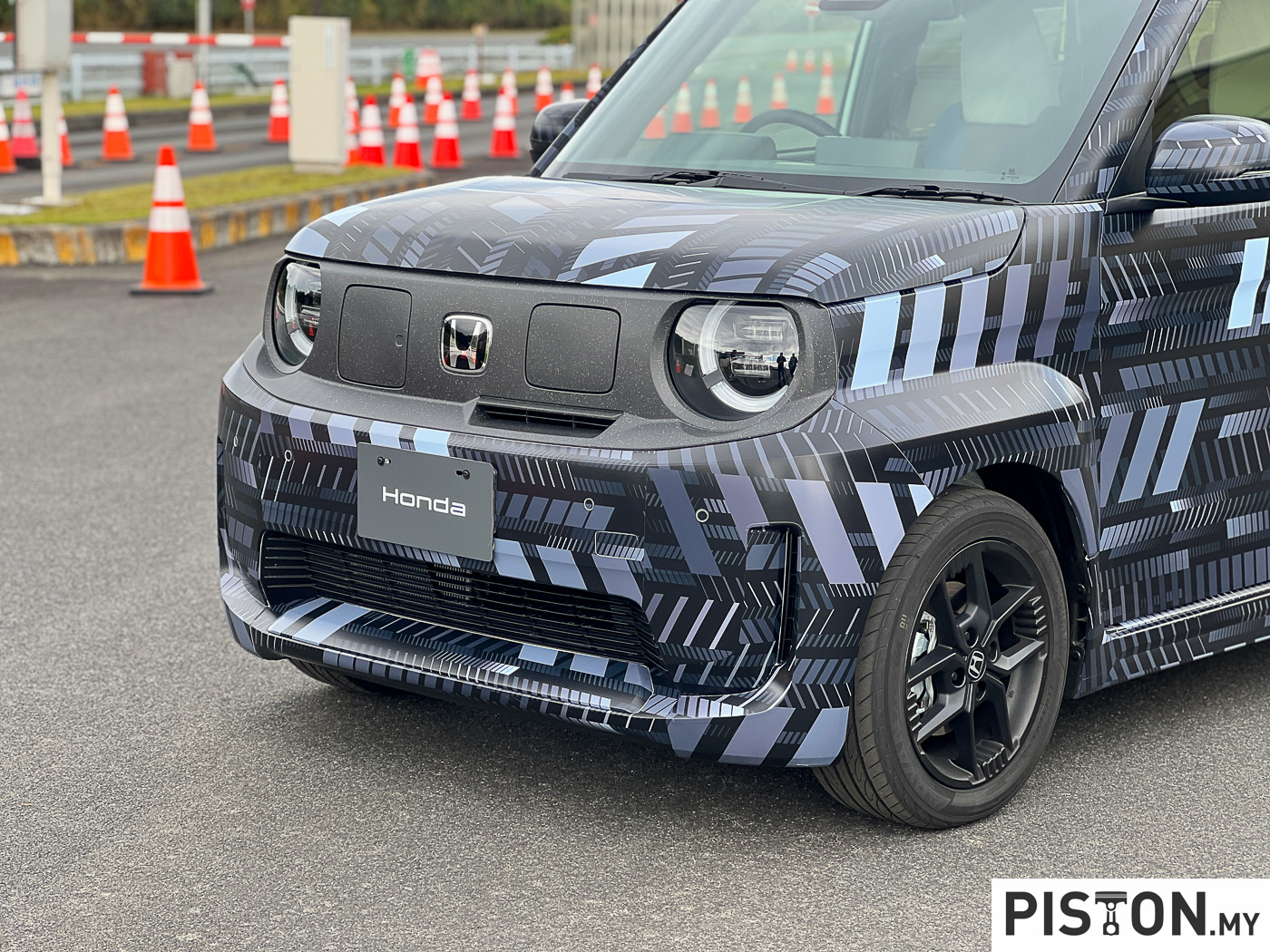
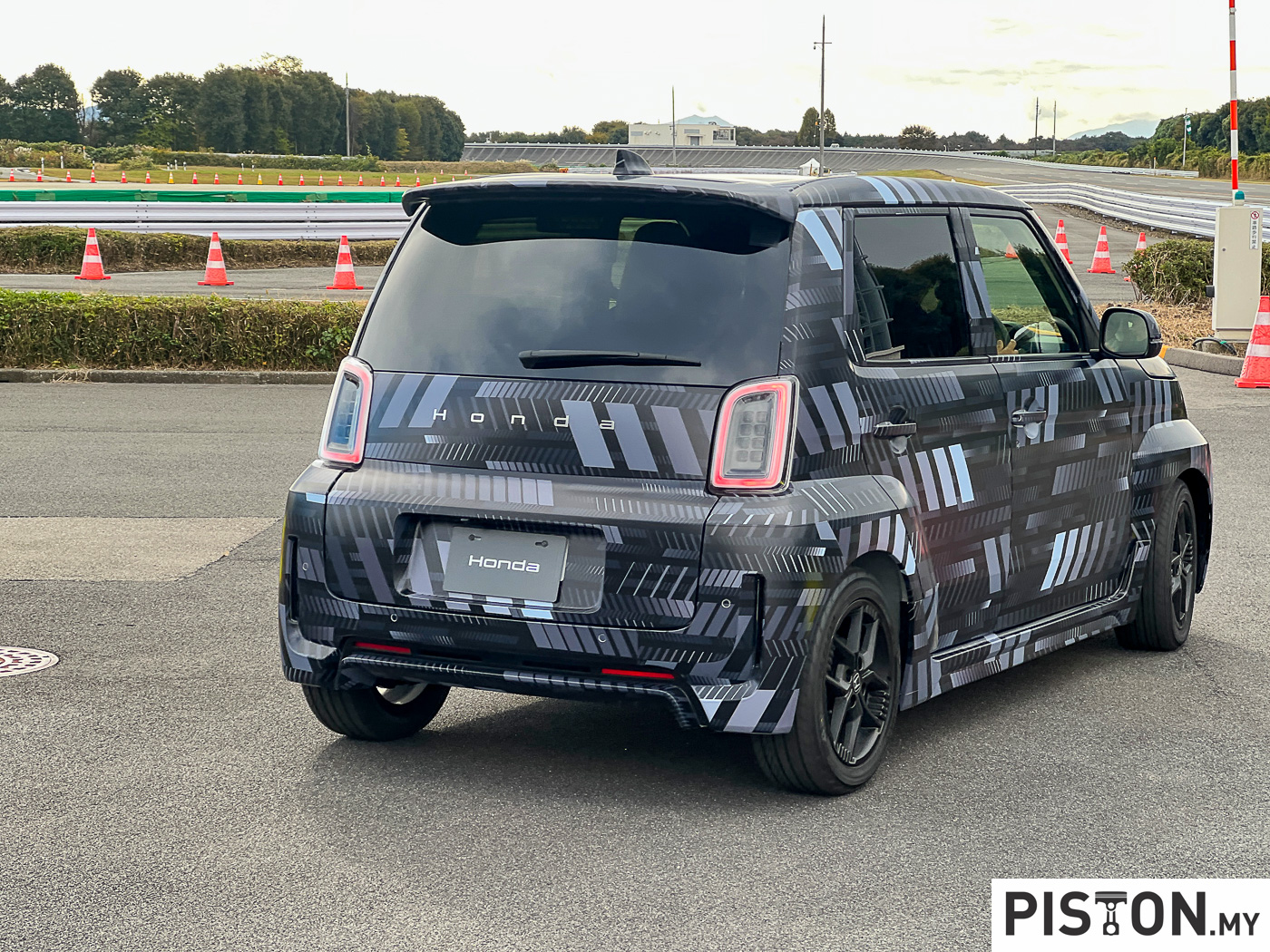
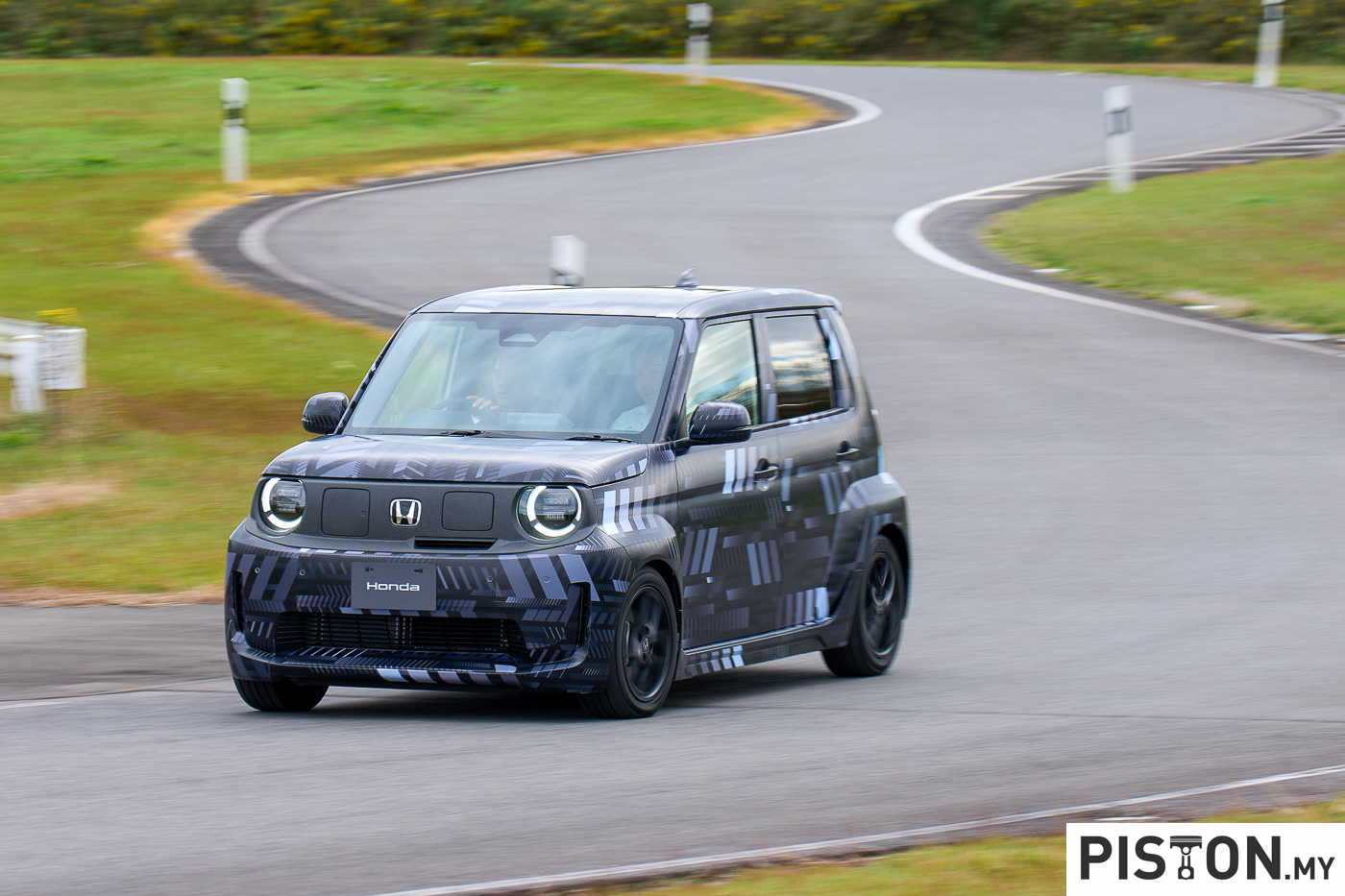
One of those cars is the Honda Super-One Prototype. It is a small and fun electric car that has Honda’s fun loving DNA very much in its circuitry. And I have driven it.
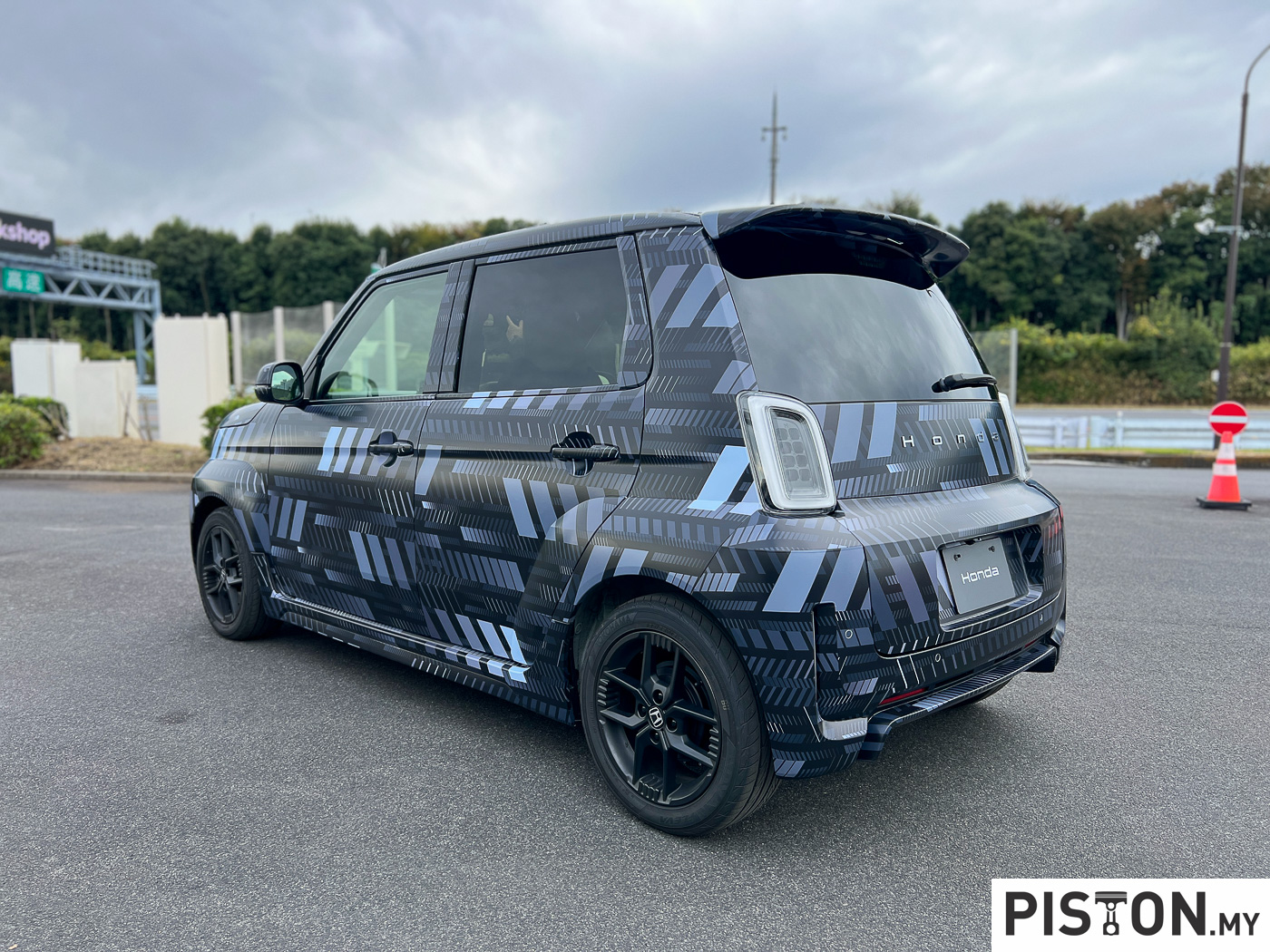
But first, what is it?

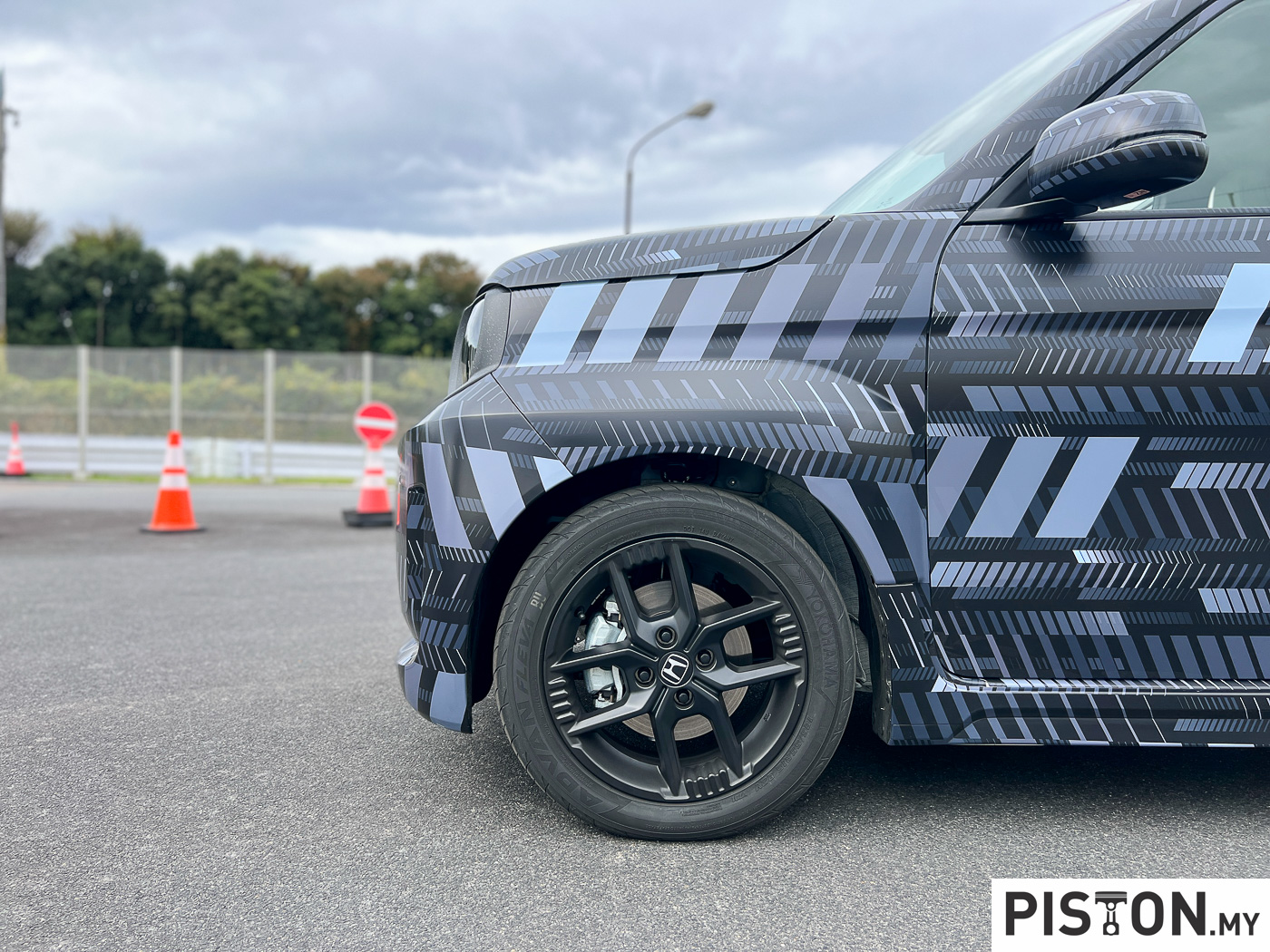
In terms of sizing, it reminds me of the Honda City Turbo from the 1980s. It has kei car like proportions and if you’re not familiar with that term, a quick Google search defines it as a “light vehicle that sits in a category of small, lightweight vehicles in Japan that must meet specific regulations for size, engine capacity and power”.

The regulations mentioned include a max length of 3.48 meters in length, 1.48 meters in width and a height of two meters, as well as a maximum engine displacement of 660cc.

The Super-One prototype does not meet all of the requirements of a traditional kei car since it is electric powered, but on first glance a kei car is exactly what it looks like.

During the product presentation for the Super-One prototype, there were two words that kept recurring – fun and joyful to drive! The presenter mentioned that the Super-One was developed to be “fun to drive, which is part of Honda’s fun loving spirit”.

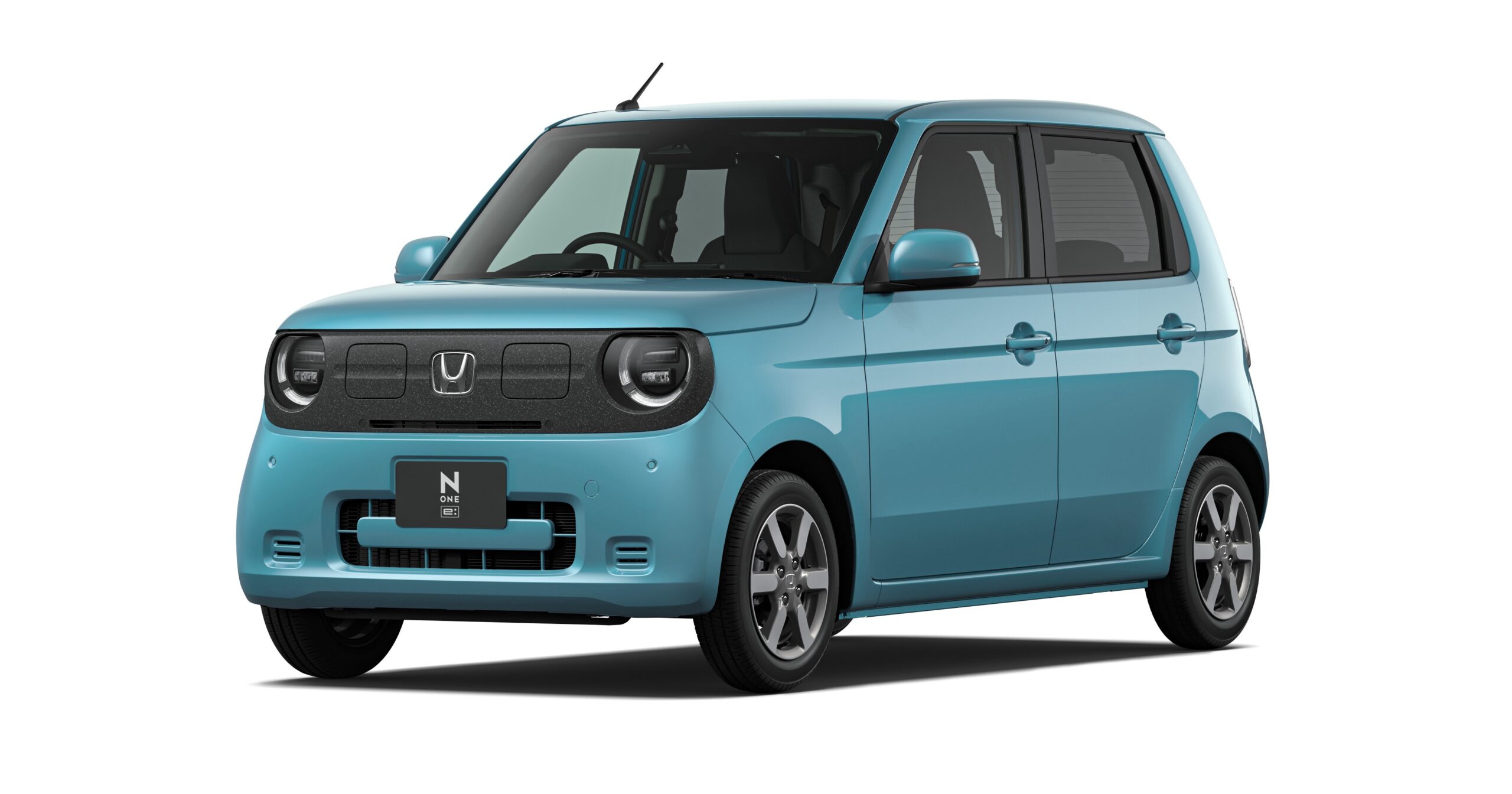
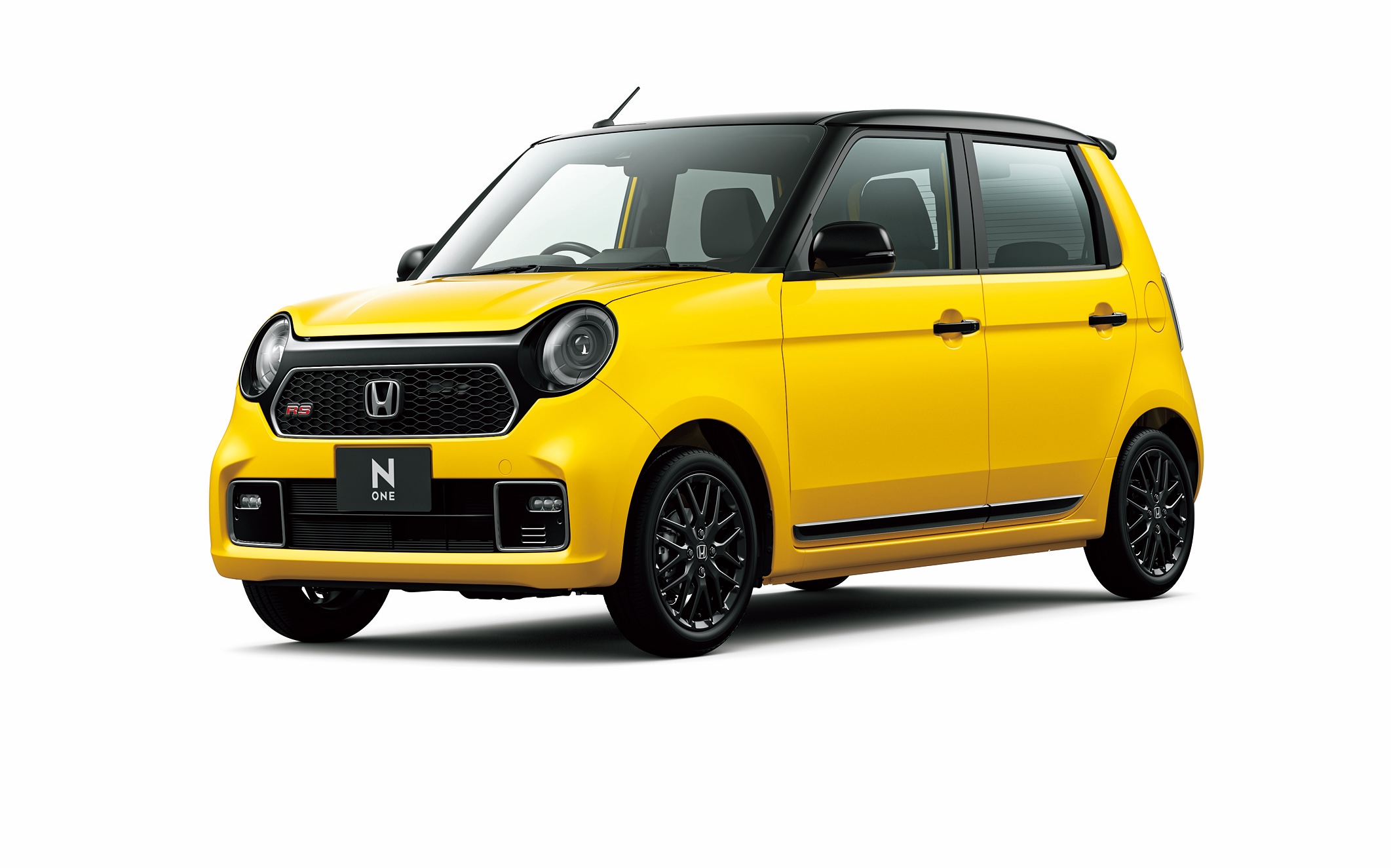
Honda N-One e, the base car for the Super-One Prototype.

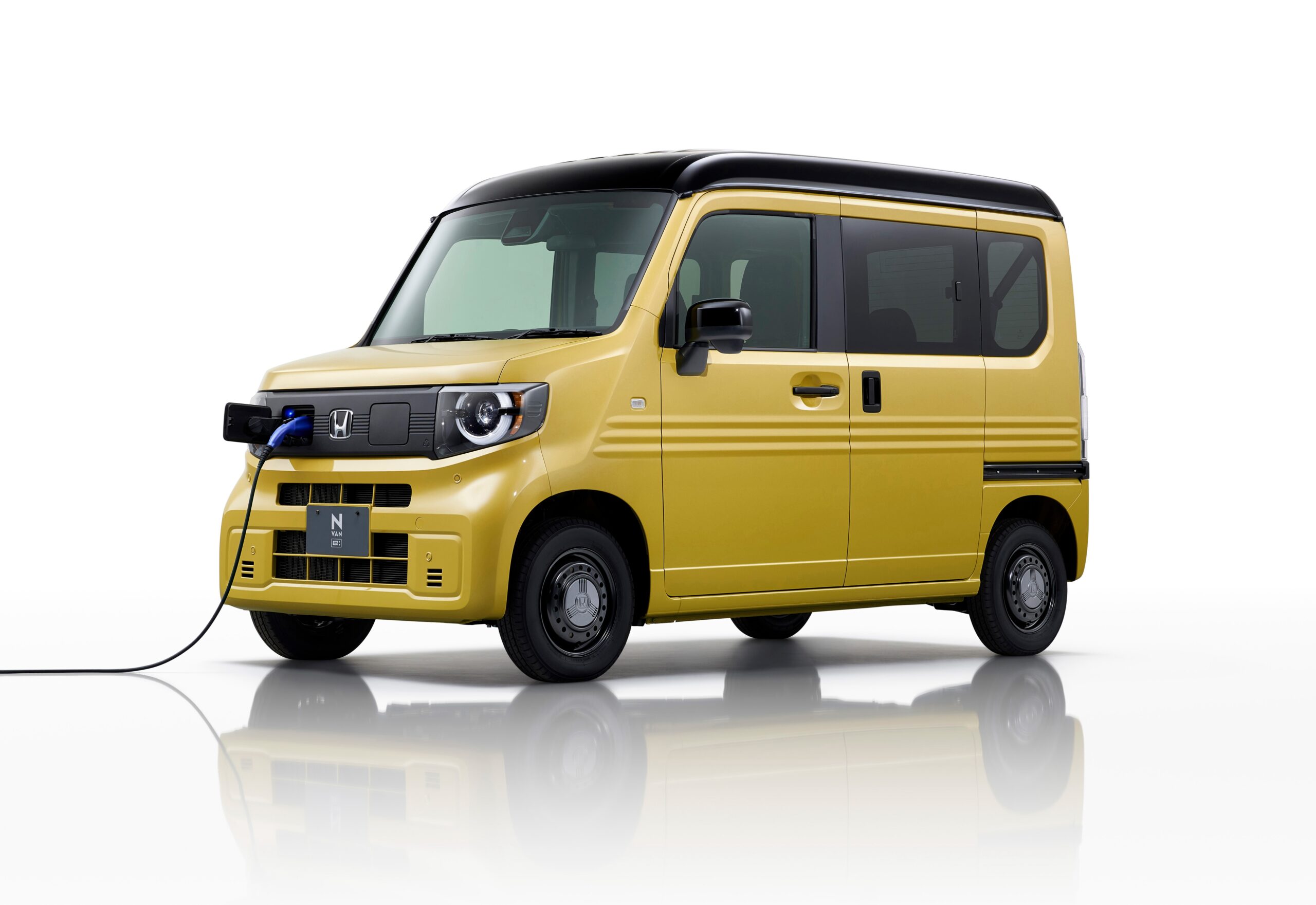
The Super-One is based on the N-One e: (that colon is weirdly part of the official name of the car but for the sake of good English, I will stop using it after this), which also shares its underpinnings with the N-Van e: (colon is again part of the name but I will stop now).

The Honda N-Van e shares the same platform as the N-One e and Super-One Prototype.

In fact, all three cars are built on Honda’s lightweight platform for N Series models.

And the N-One e and the Super-One prototype are also loosely based on the Honda N-one, a true kei car with a 658cc, petrol engine, first introduced back in 2020.

The Honda N-One was introduced back in 2020.

Back to the N-One e, it is powered by a 29.3kWh battery pack that gives it a WLTP range of 295km. This is important information to remember for later in this article.

So is the Super-One Prototype fun to drive?

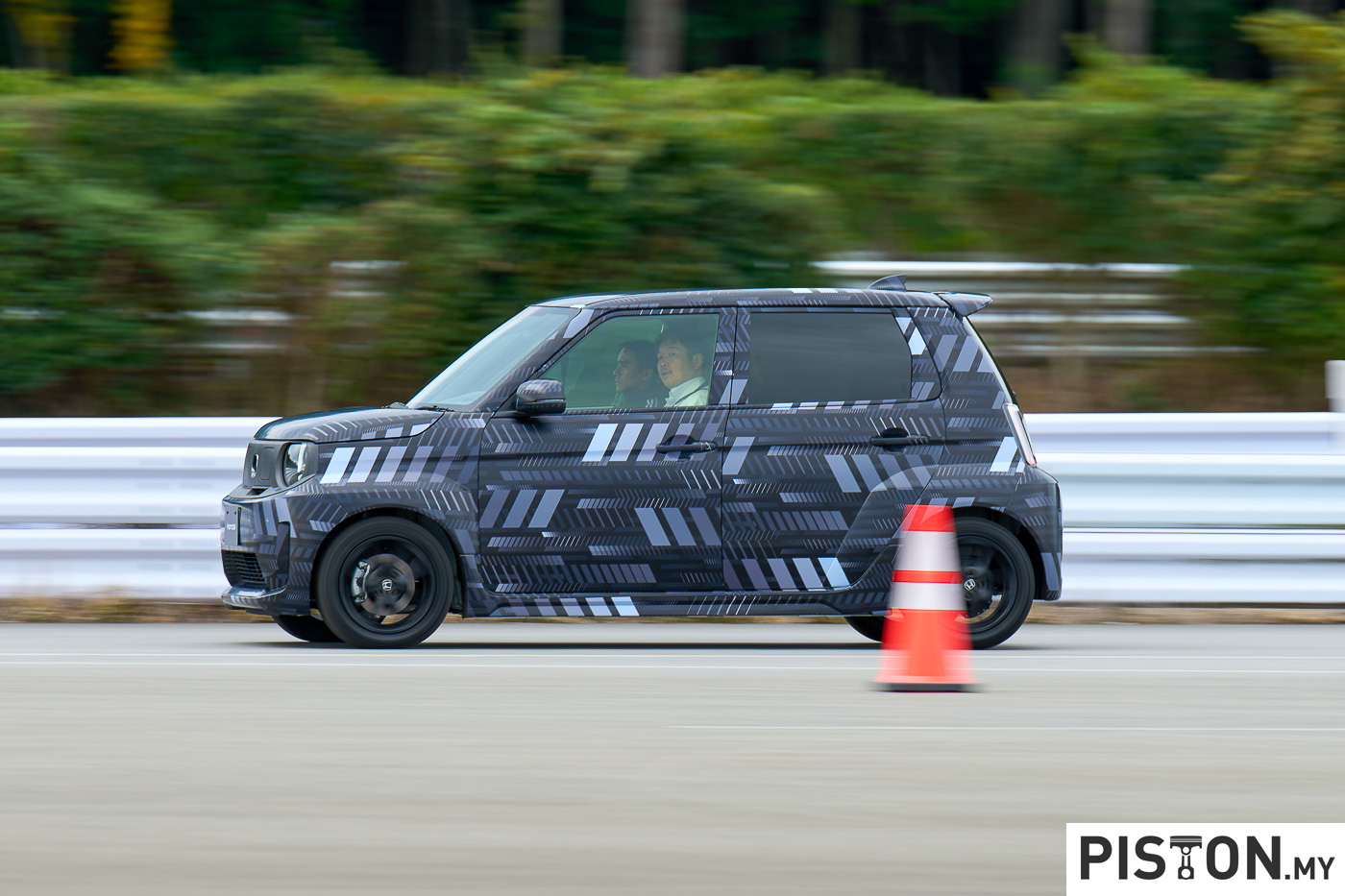
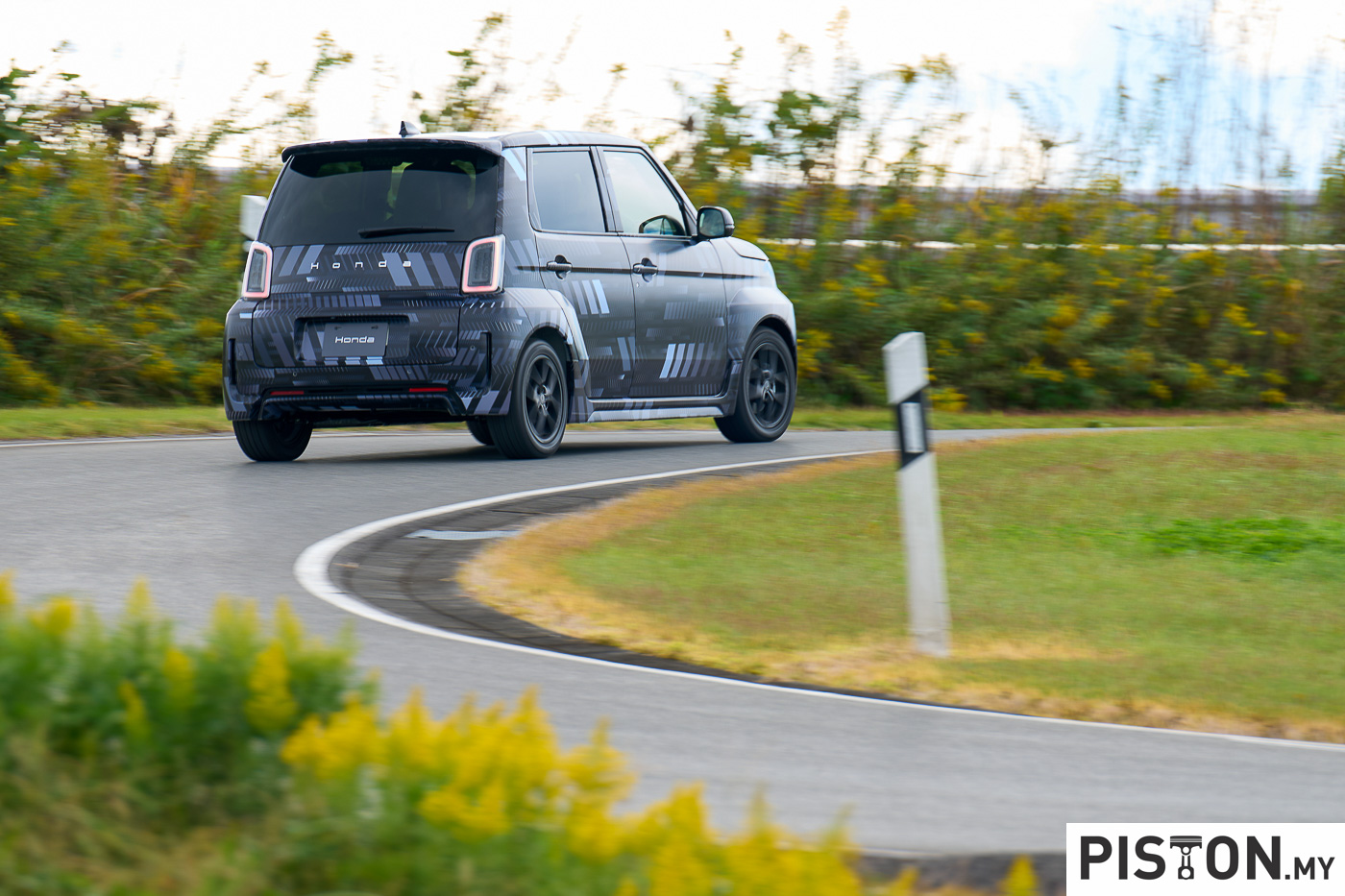
It is built to be fun, and it definitely is, as what I experienced around Honda’s Tochigi proving ground.

A big part of the car centres around the augmented engine sound. This is precisely engineered to mimic the sounds of a sporty engine together with a seven-speed transmission.

The artificial sound also perfectly mimics the sound of rev-matching during down shifts.

Other members of the press who had also driven the car reported that they experienced “power cuts” in between these artificial shifts. This is also sometimes referred to as a fuel cut.

A power cut is what you experience during gear shifts when the engine cuts out, the clutch engages and a gear shift takes place.

Some car makers have learnt to artificially mimic this in their electric vehicles since these cars do not have a transmission box. This is done to add a touch of sporting character to a car that is otherwise too quiet and too vanilla in character. Both are aspects that matter for driving enthusiasts.

However, I personally did not experience this power cut. Perhaps I was not pushing the car hard enough.

But, I did experience it in the Honda Prelude I drove after the Super-One, and though that’s a different story I can say that it makes the car feel like a regular, fast, performance car.

Honda’s official press release on the Super-One prototype mentions that the car “simulated seven-speed transmission that reproduces the gearshift feel of a traditional multi-gear transmission.”

What else?

It’s size is a big part of its character. If you have ever driven a small, turbocharged car like a Perodua Kancil with a turbocharged engine swap, you will know what I am talking about.

It’s speed is not exactly brain numbing but the sound that you get when boost mode is activated just makes it feel like a proper pocket rocket.

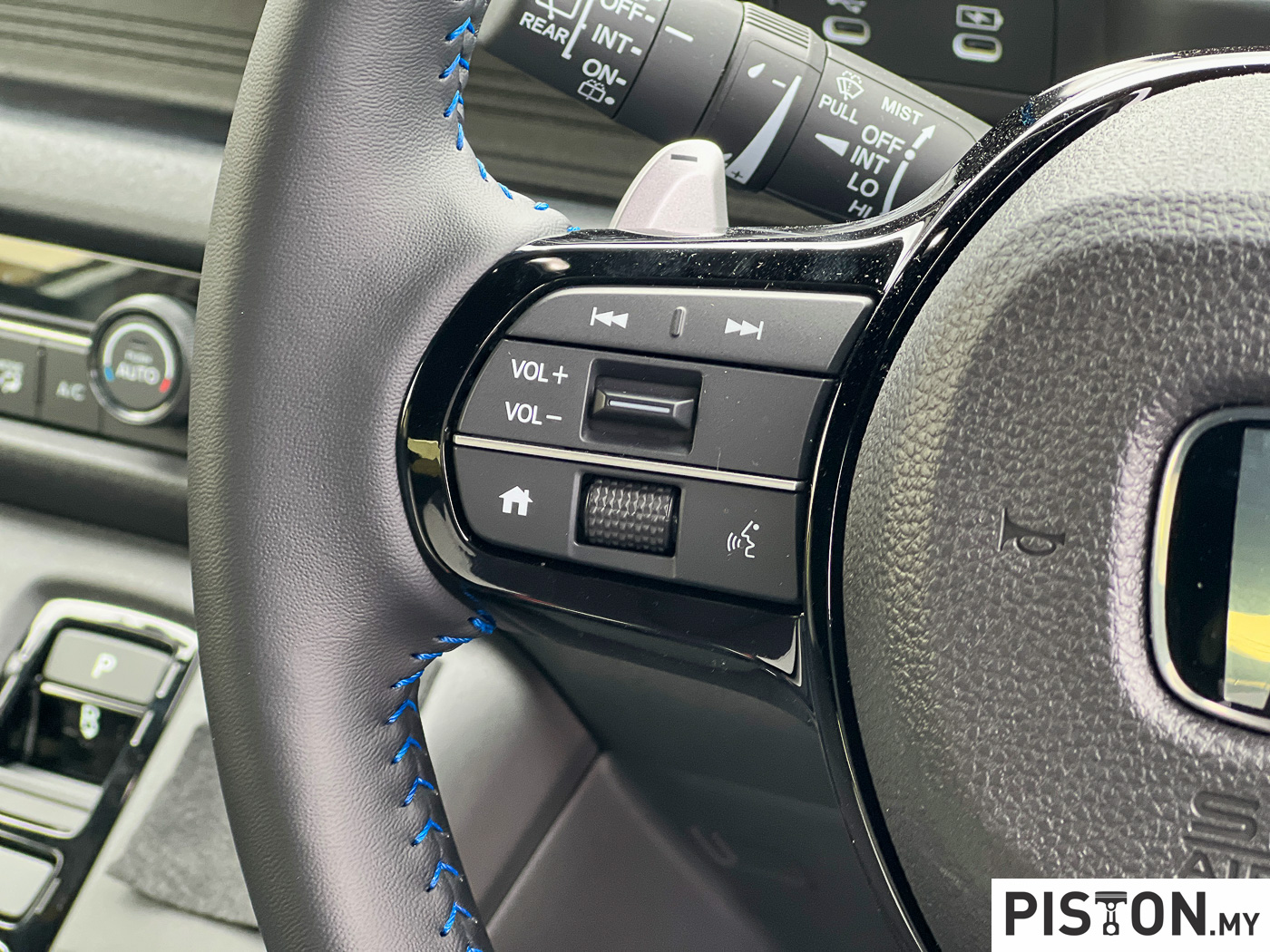
I also really like that the steering mounted paddle shifters act like they are shifting gears and this just makes it feel like you’re piling on speed quickly.

But glance at the digital instrument cluster and you will realise you are not going anywhere very quick. The car just makes you feel that way and I really don’t mind it because what eventually matters is how the car makes you feel, and the Super-One prototype feels like a lot of fun.

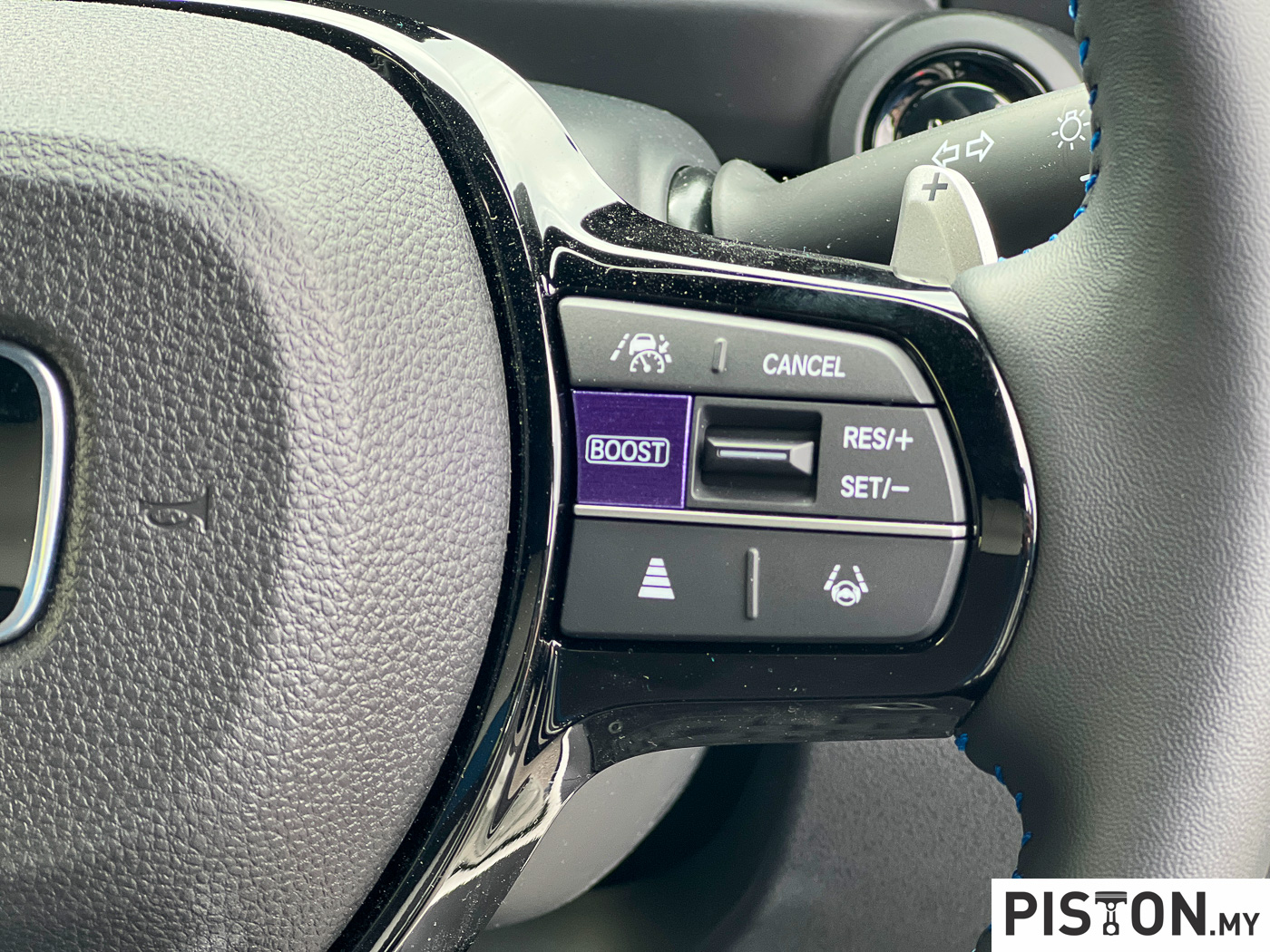
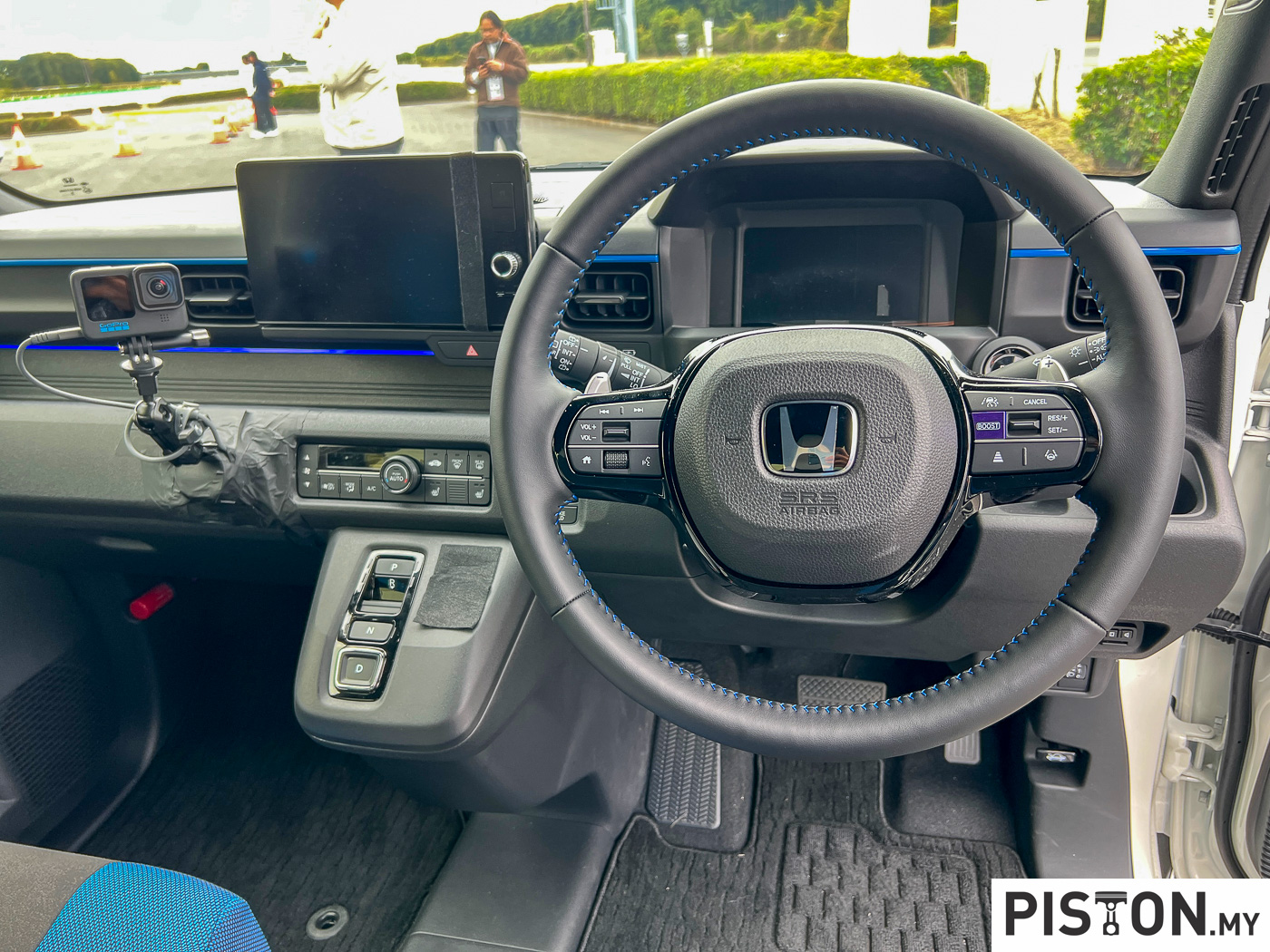
The Super-One also differentiates itself from the base N-One e through a steering mounted Boost button.

It is unclear whether it adds more power when activated, but it surely makes the car sound and feel purposeful when pressed. Honda says that when the Boost mode is turned on, it “stimulates the driver’s senses – including visual and auditory senses, as well as a tactile sensation of acceleration and vibration.”

Let’s talk about the interior.

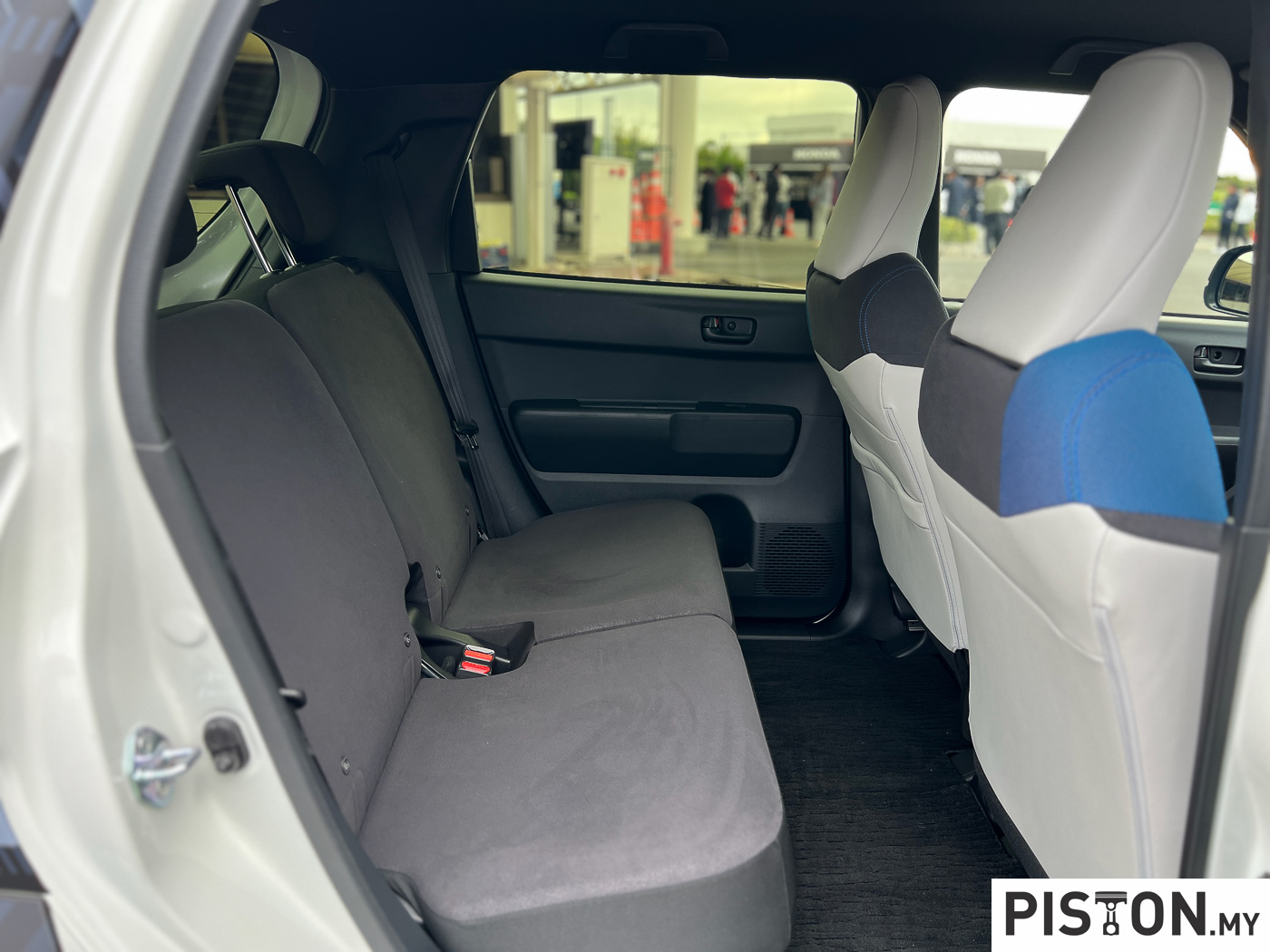
Before we get to the overall look and feel, let’s get one thing out of the way, the Super-One is a small car, the rear seats feel cramped, and the boot space can only be described in the most Malaysian manner – “boleh, lah”.

I am a tall and wide guy, and so was the Honda engineer sitting next to me during the test drive. And we were almost shoulder to shoulder.

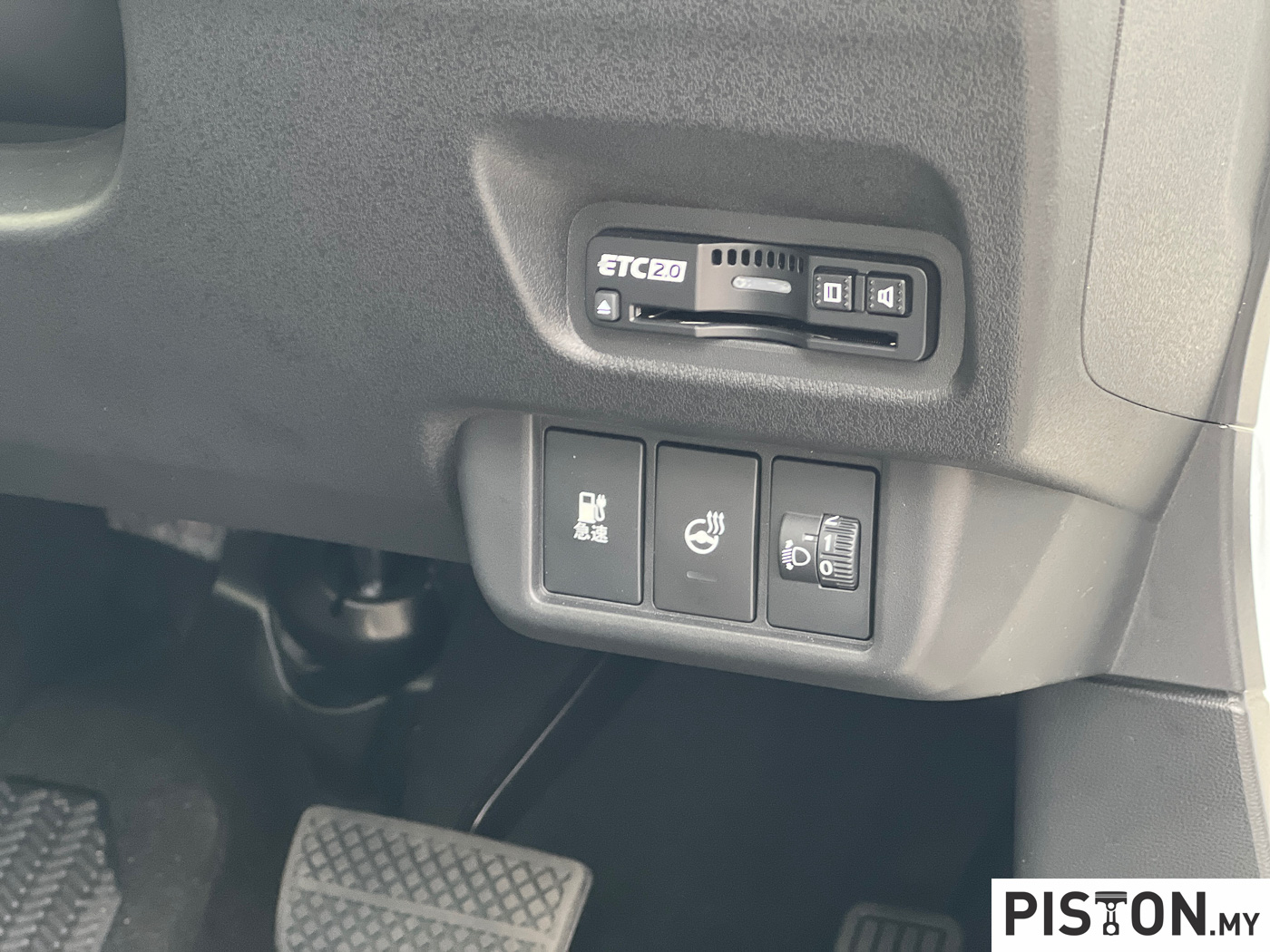
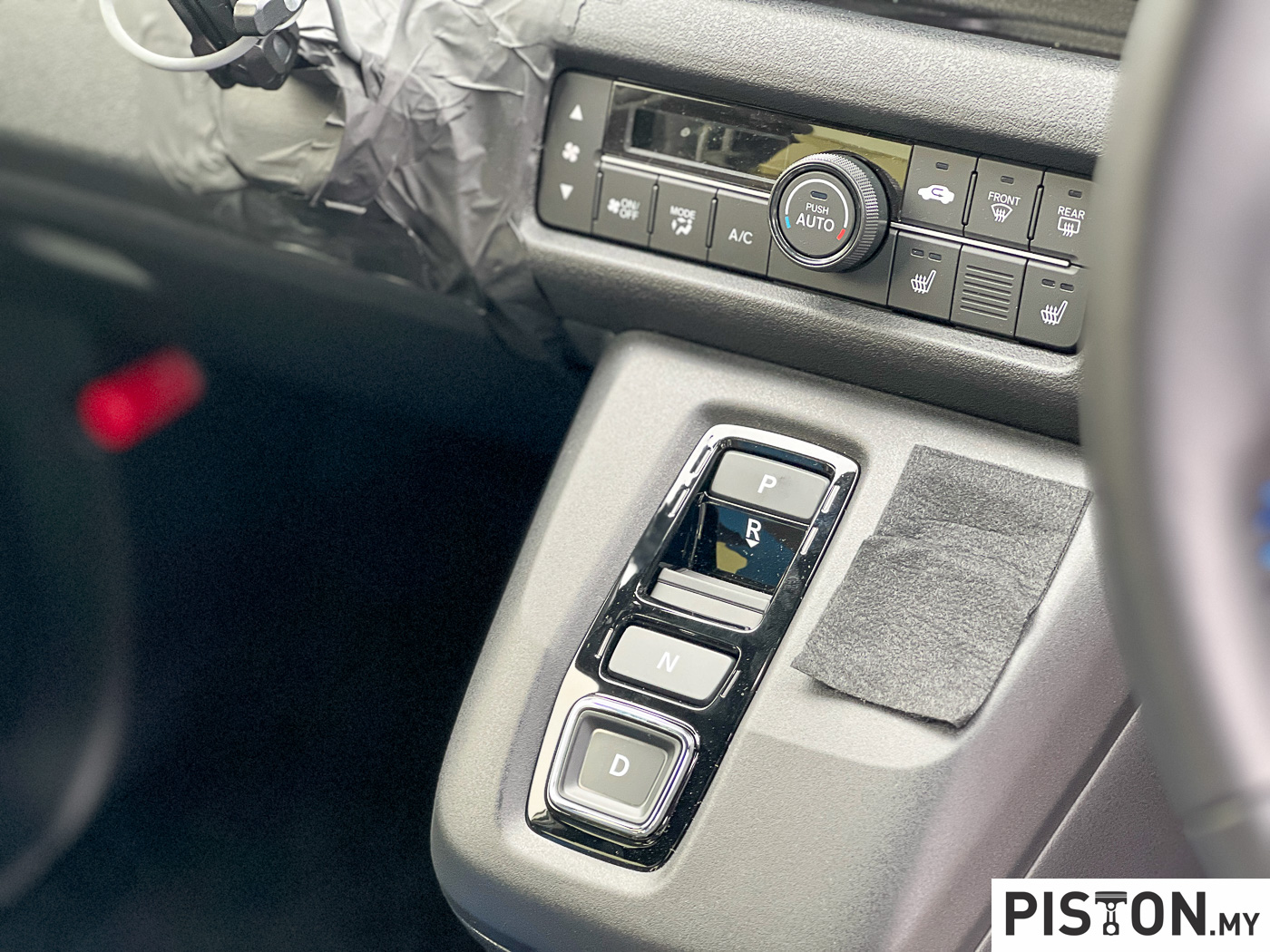
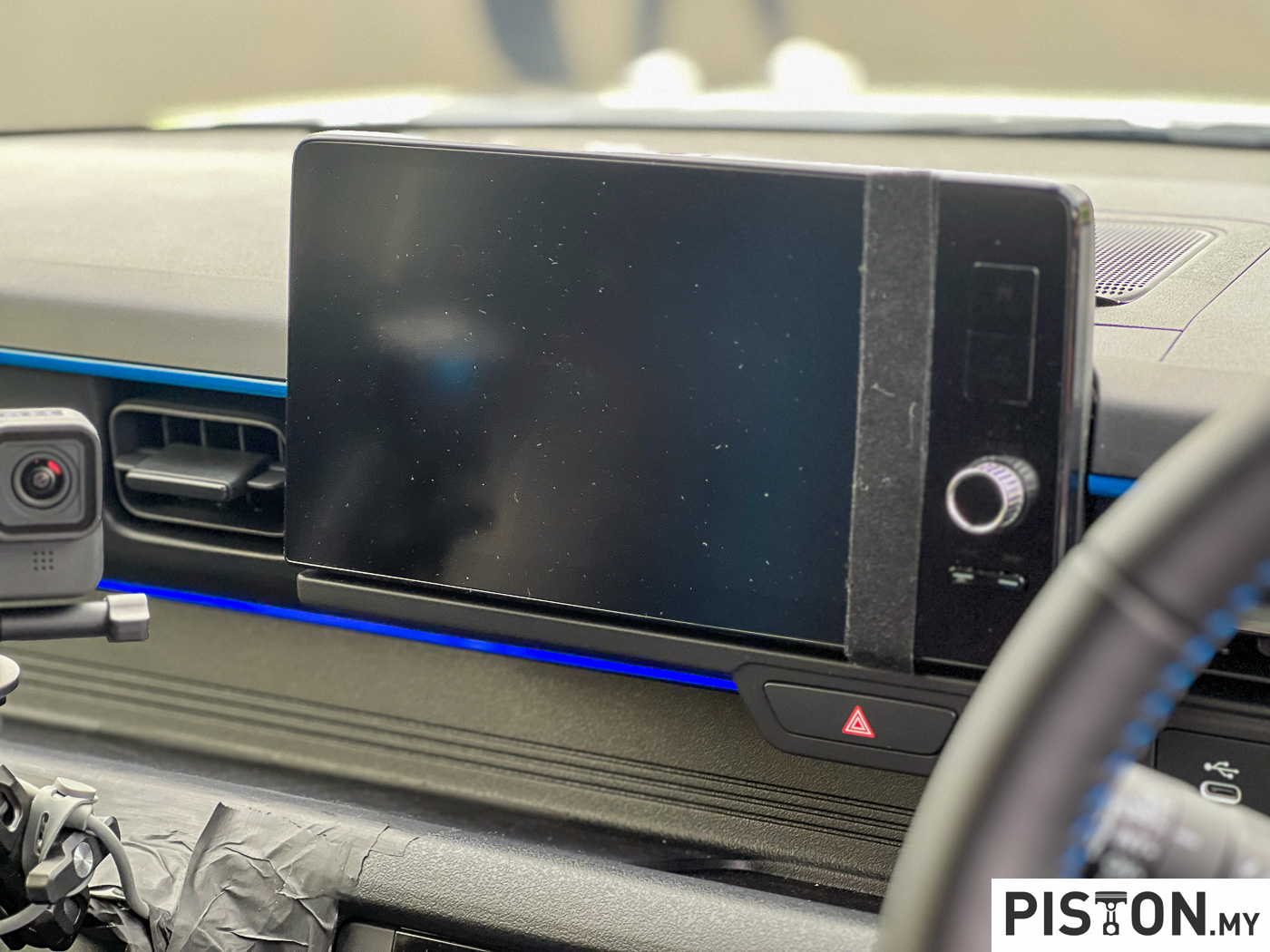
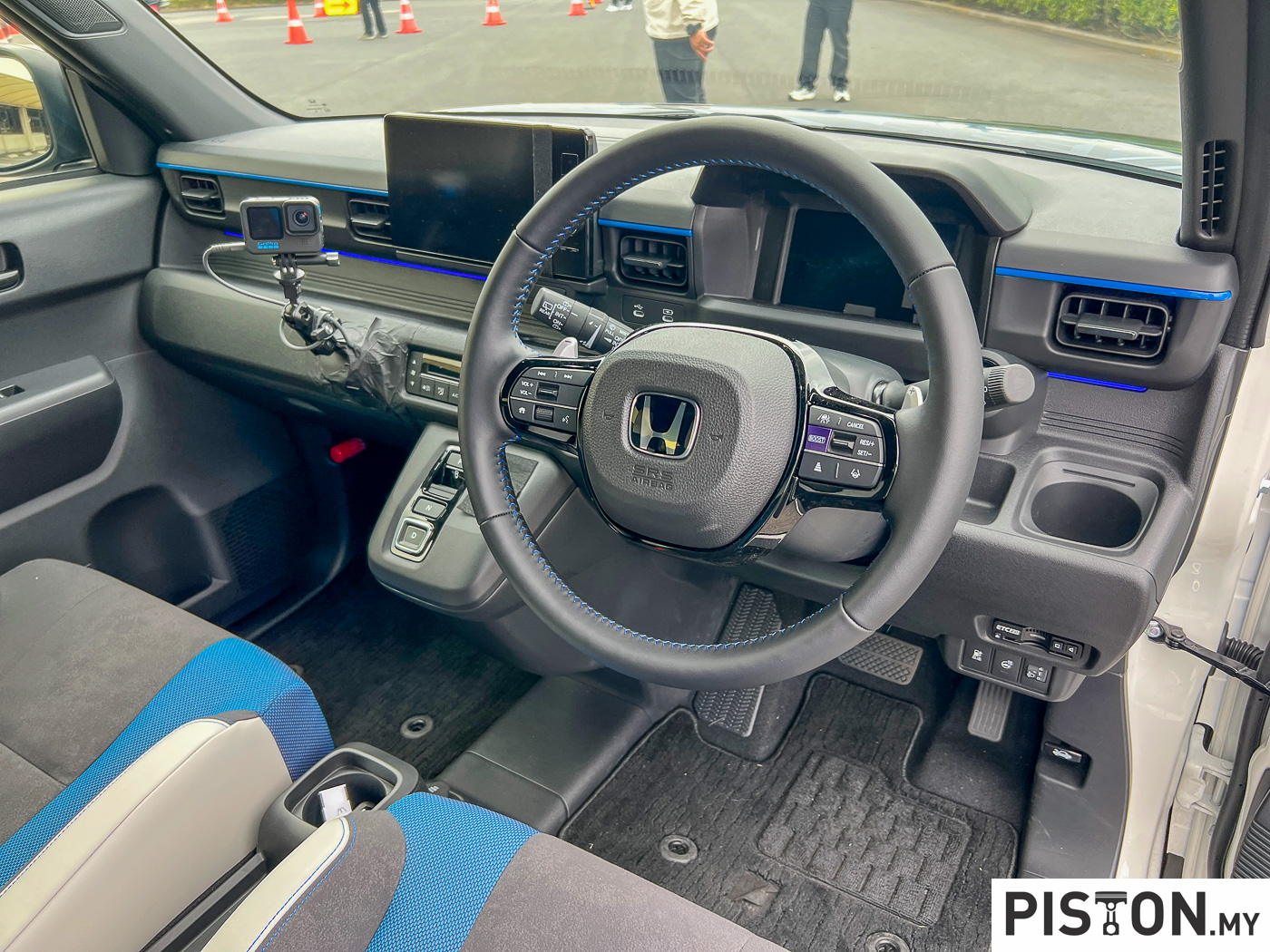
Now that we have got that out of the way, the dashboard looks and feels simplistic, but you get hard buttons for all of the key controls. Honda may have taken its time with EV’s, but at least it has learnt from real world feedback what the Chinese and Tesla are still struggling with – hard buttons matter!

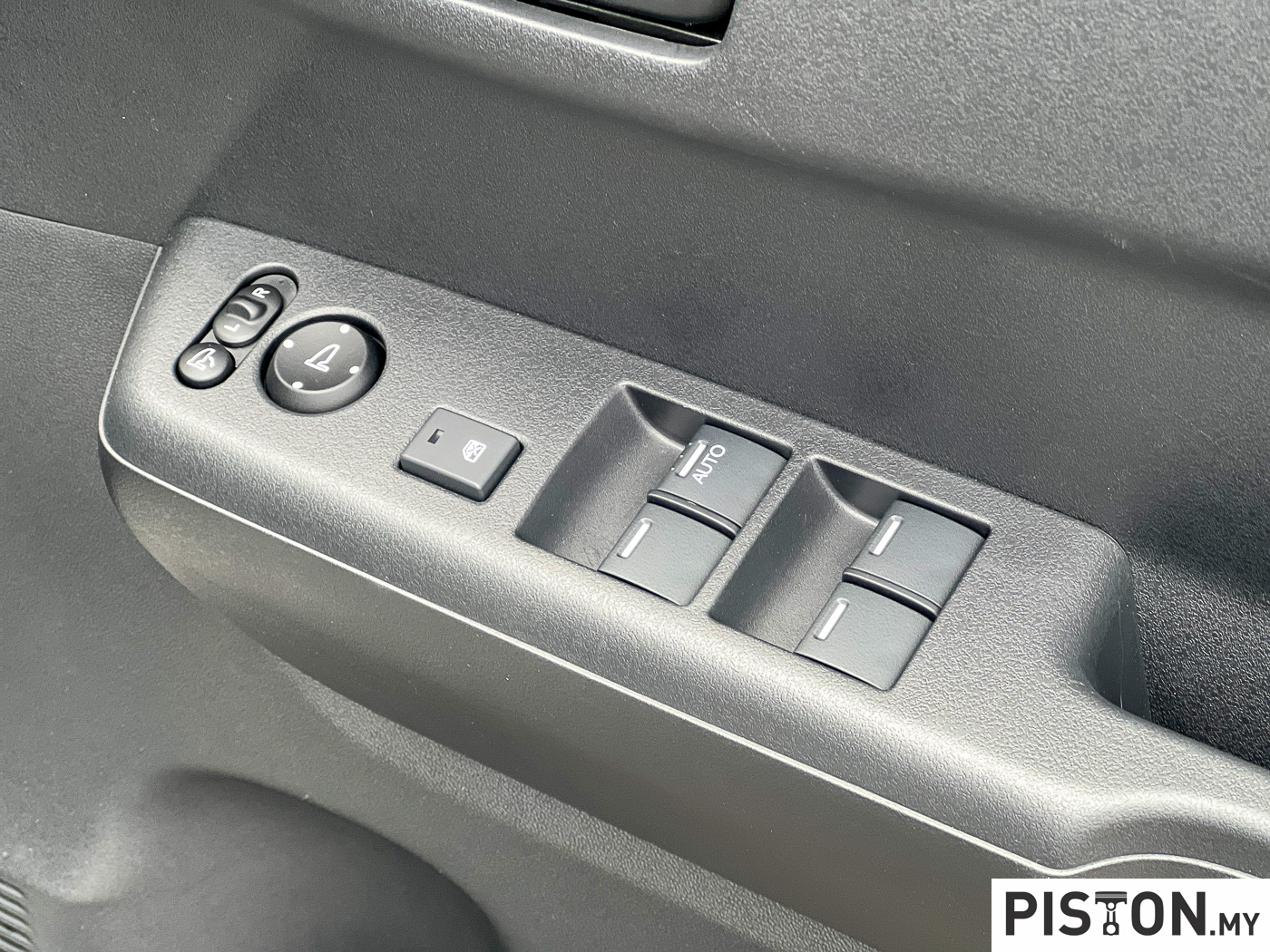
Besides that, all of the controls are from the usual Honda parts bin. The window switches look similar to the Honda City, as does the infotainment system. The gear selector buttons are from the Honda e:N1 but the two spoke wheel will be new territory for Malaysians. The buttons on the wheel? Not so much as they too are lifted from other Honda models.

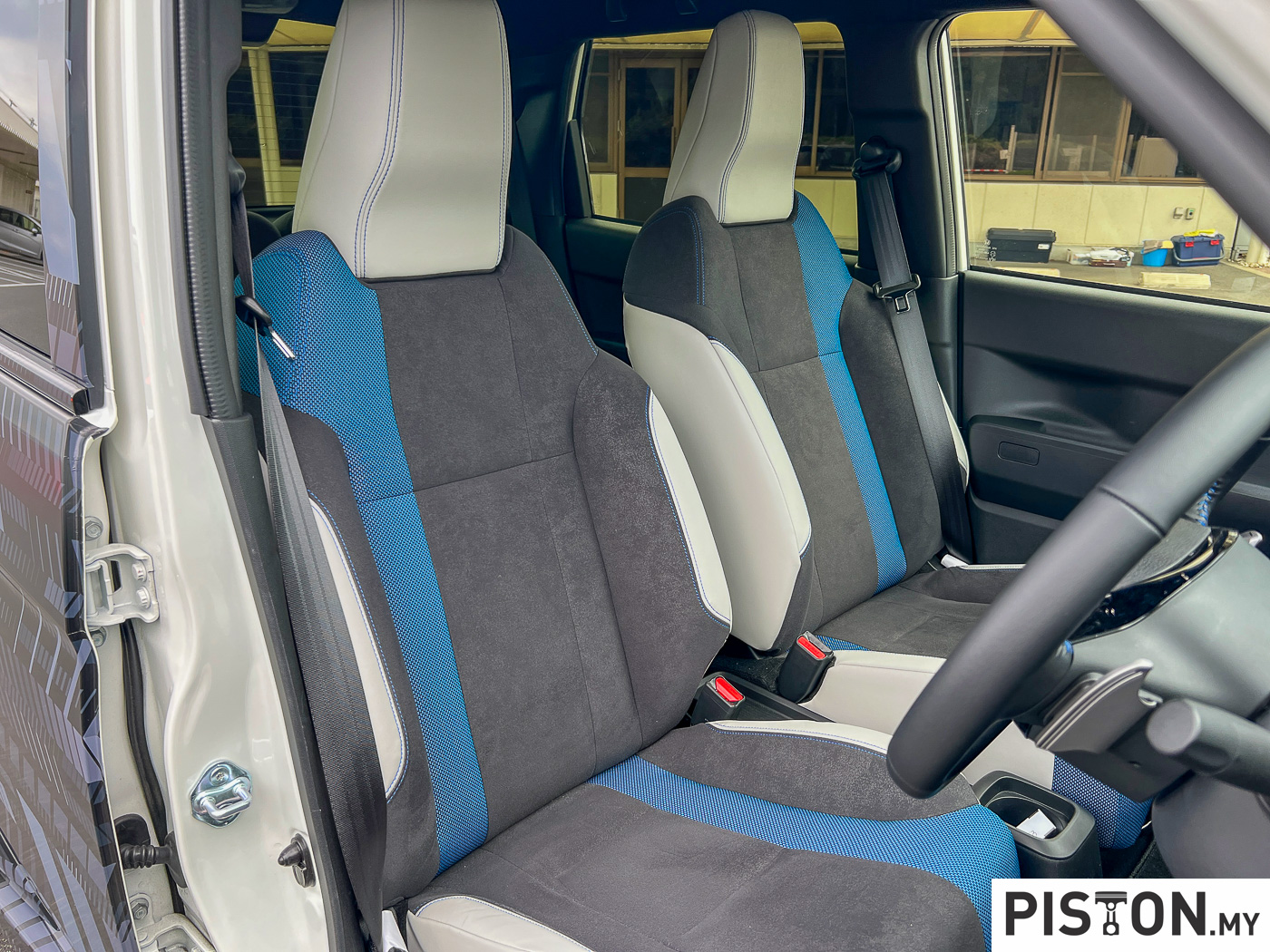
The seats are similar to the ones in the N-One e, but here they are finished in different materials that include something that looks like denim, suede and what I am assuming to be faux leather. All held together by blue stitching.

Honda’s official press materials describe the interior as “a space that heightens anticipation for an excellent driving experience.”

What about tech?

Earlier in this article, I asked that you remember the battery and range of the N-One e, and this is where it is important because Honda is holdings its cards close to its chest with regards to all the tech that underpins the Super-One.

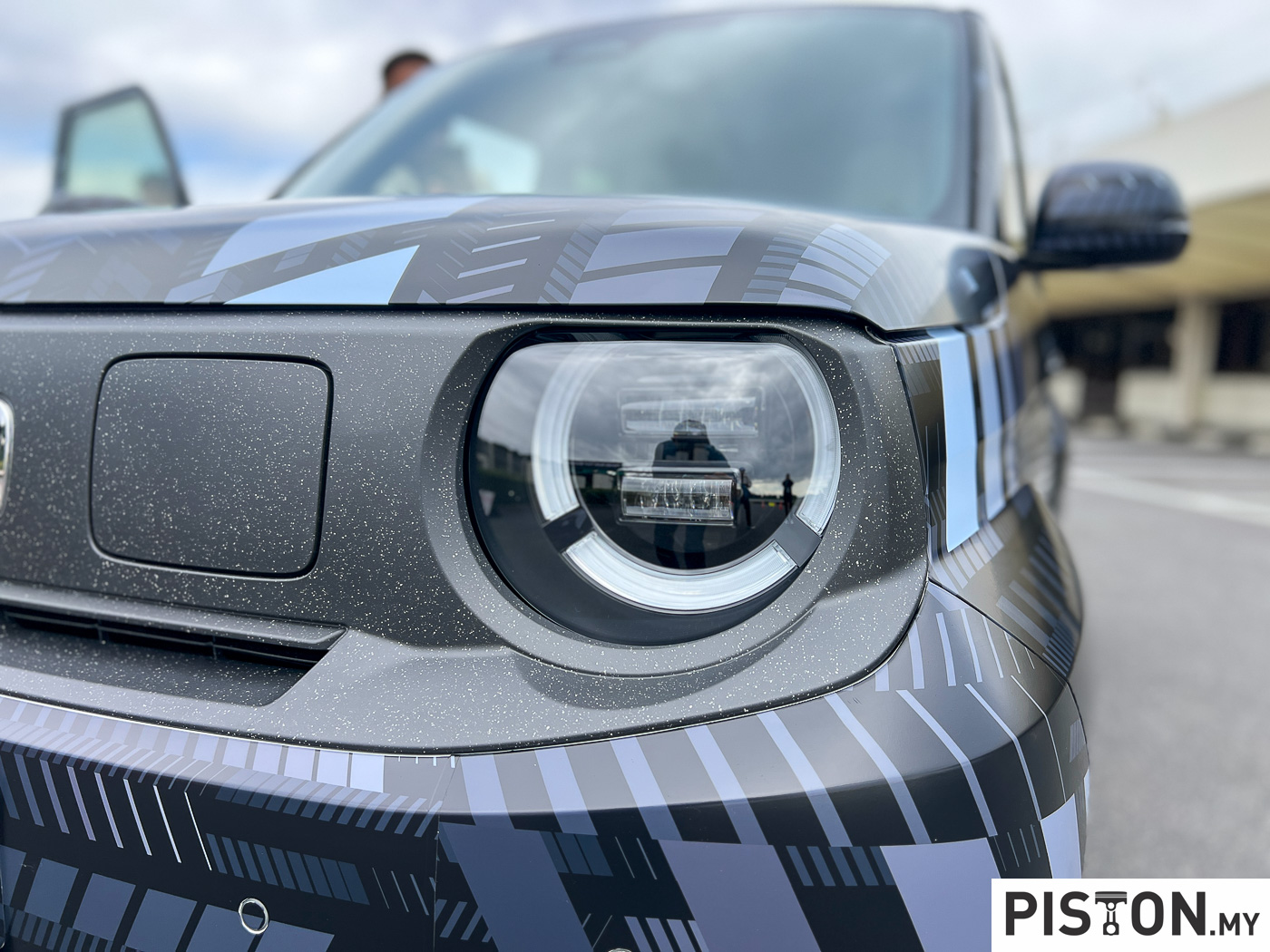
But since both cars are pretty much the same, though the Super-One has flared arches, an angrier stance, and some go fast bits, we can make some correlations.

The N-One e utilises a 29.3kWh battery pack which gives it a 295km WLTP range. In terms of charging, the base car can be recharged using a 6kW AC charger that will take 4.5 hours to fully recharge while a 50kW DC fast-charger will take 30 minutes to reach 80%.

Though there is little to no information regarding the tech underneath the Super-One, the fact that both cars share the same platform means that it would not be too far-fetched to assume that the powertrain is the same as well.

In fact, one could also be forgiven for thinking of the Super-One as the angrier sibling of the N-One e, one designed for a little bit of fun rather than a bland, characterless everyday EV.

Central to the Super-One prototype package is that aforementioned Boost button.

So will we be getting it in Malaysia?

Honda says that its Super-One prototype “has undergone testing on various road surfaces and under diverse climate conditions in Japan, the UK and other countries across Asia to further enhance its driving performance”.

In fact, the Super-One has already been spotted being tested in Malaysia as well. And more importantly, Honda is not a company that will fly a group of journalists to Japan to test drive a car only for the car not to make it to our shores.

The real question is not if it will arrive in Malaysia, but when.

And when it does, keep in mind that the Super-One prototype was also showcased at the iconic Goodwood Festival of speed in the UK. And that itself shows that Honda wants to position it as a “unique car with new possibilities of a new joy of driving unique to Honda EVs.”

After what I experienced with it, I believe that driving enthusiasts will like it as much as I did. Sometimes you don’t have to go fast to have fun.

Specifications: Honda N-One e (base car)
Battery: 29.3kWh
AC charging: 6kW (4.5 hours, 0-100%)
DC charging: 50kW (30 mins, 10-80%)
Range: 295km WLTP
We like: Fun to drive character
We don’t like: Front mounted charging port

Honda Malaysia meraikan ulang tahun ke-25 jenama itu di negara ini dengan memperkenalkan CR-V Edisi Dual-Tone khas. Hanya 300 unit SUV edisi terhad ini akan ditawarkan di seluruh Malaysia sebagai tanda penghargaan kepada para pelanggan yang telah menyokong Honda sepanjang dua dekad setengah.

Sebagai model paling lama dalam barisan Honda Malaysia, CR-V memainkan peranan penting dalam membina kejayaan jenama itu di pasaran tempatan. Edisi khas ini menjadi model CR-V pertama dengan rekaan dwi-tona, menampilkan bumbung hitam, tiang sisi dan cermin gelap yang menyerlahkan gaya sporty serta penampilan lebih premium.

Model ini ditawarkan untuk dua varian — E dan V, masing-masing dikuasakan oleh enjin 1.5L VTEC Turbo yang terkenal dengan keseimbangan antara kuasa dan kecekapan bahan api. Pelanggan boleh memilih antara dua warna menarik iaitu Ignite Red Metallic dan Platinum White Pearl, sementara harga kekal sama seperti varian asal — RM169,900 bagi varian E dan RM181,900 bagi varian V.

Pelancaran ini merupakan sebahagian daripada Kempen Ulang Tahun ke-25 Honda Malaysia “Because of You”, yang menzahirkan penghargaan kepada rakyat Malaysia atas kepercayaan dan sokongan berterusan terhadap jenama Honda.

(more…)

Honda Malaysia has introduced a special CR-V Dual-Tone Edition, celebrating 25 years of the brand’s presence in Malaysia. Only 300 units of this limited edition SUV will be available nationwide, showing Honda’s appreciation to loyal customers who have supported the brand over the years.

The CR-V is Honda Malaysia’s longest-running model and a key part of its success. This new Dual-Tone Edition is the first CR-V to feature a two-tone design, with a black roof, side pillars, and mirrors that add a sportier and more stylish look. It is available for the E and V variants, both powered by a 1.5L VTEC Turbo engine that delivers strong performance and smooth driving.

Customers can choose between two colours — Ignite Red Metallic and Platinum White Pearl. Prices remain the same as before: RM169,900 for the E variant and RM181,900 for the V variant. This release is part of Honda Malaysia’s “Because of You” 25th Anniversary Campaign, which thanks Malaysians for their long-term trust and support.

The CR-V has been an important model for Honda Malaysia since it first became locally assembled in 2003 at the Melaka plant. So far, about 149,000 units have been sold across the country, proving its popularity as a reliable and versatile SUV.

(more…)

Honda is one of the most dynamic companies in the market. On one end it builds cars like the Honda CR-V, HR-V, Honda City and City Hatchback for regular people to go about their regular lives.

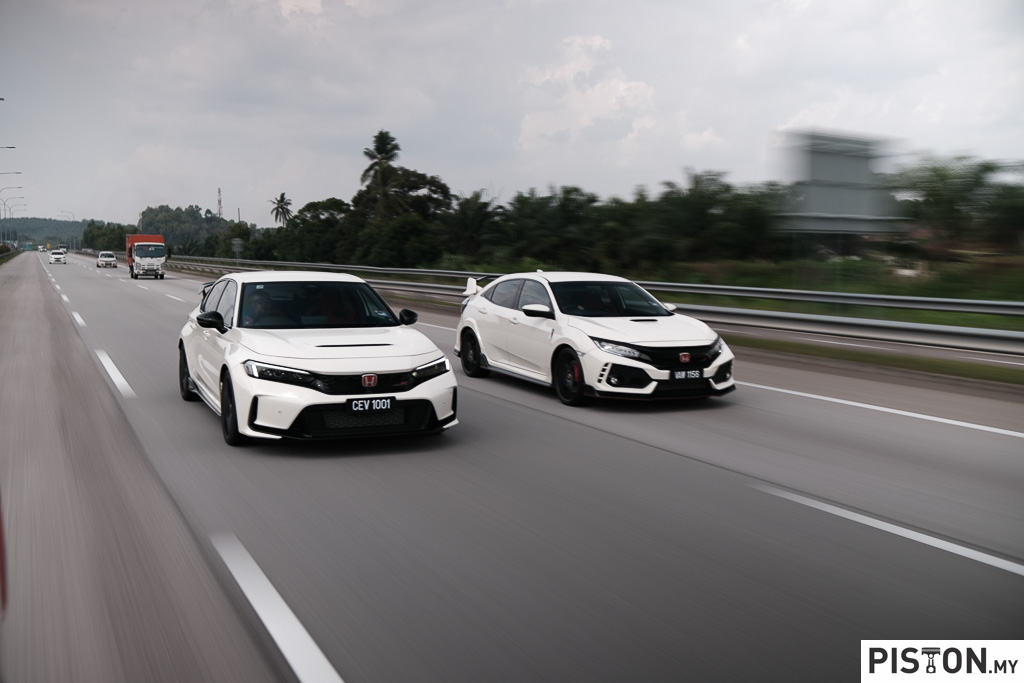
On the other end it builds cars like the Civic Type R and now the Prelude for those who love the joy of driving and want to have fun.

It also builds electric cars such as the e:N1 and the Prologue, the latter available in the North American market only.

In fact, Honda has been building electric cars since 1997, the year it introduced the EV Plus, an exclusively EV only model powered by a nickel-metal hydride battery. Groundbreaking at that time.

Honda is also a firm believer in hybrid technology and has over 25 years of experience in building hybrid powertrains.

On a completely different spectrum, the company builds some of the best motorcycles in the business, marine engines, airplanes, and as of late, has also started delving into reusable rockets to rival that of Elon Musk’s Space X.

All of that without mentioning the decades of success it has enjoyed in the world of motorsport, particularly Formula 1 and MotoGP.

So, believe me when I say that Honda is one of the most dynamic companies in the business.

So, to be able to sit down for a question-and-answer session with the decision makers of the company is nothing short of impossible.

Except that member of the Malaysian automotive press had that exact opportunity recently at the company’s office in Tokyo.

In attendance was the man himself, Toshihiro Mibe, Director, President and Representative Executive Officer of Honda Motor Company, Ltd.

Mibe-san is not your regular executive. He joined Honda in 1987 and began his career in automobile research and development with a focus on engine development.

On Honda’s official press site, Mibe-san is described as a “true engine expert” and has played a key role in the development of some of Honda’s most iconic engines that have powered most of Honda and Acura models for the past two decades.

He was also the President of Honda’s global research and development and has been the driving force in the advancement of Honda’s electrification effort.

So when Mibe-san talks, we listen.

Also in attendance were press members from other countries who asked questions that were specific to their markets, but there were two key takeaways for global markets.

The first being Honda still acknowledges that battery electric vehicle’s play a big role in environmental impact.

Despite heavily backing hybrid technology as the best way forward, Mibe also reaffirmed Honda’s commitment to BEV’s.

During the interview Mibe said, “it is not true that we are scaling back on our development of full EV’s, but compared to our initial forecast, the volume will have to be lower”.

“As I have said before, when it comes to carbon neutrality for passenger cars, battery EV’s are the optimum solution. That remains unchanged. So, it is not that we are scaling back on EV development, but we are just reviewing and revising our models and their volume, and we will continue to work on that”.

Mibe was also quick to reaffirm Honda’s commitment to hybrids, which the company has been building and refining over many years.

“On the other hand, hybrid vehicles is an area where we have many years of experience, and we have been building hybrids for more than 25 years or so”.

“We have plenty of expertise and know how when it comes to hybrid vehicles, so without spending extraordinary amount on development expenses, we can utilise our expertise, keeping down the investment required and we can develop new models out of those (Honda’s experience). Both EV’s and hybrid will continue to support Honda’s automobile business”.

“We will also increase the volume of our hybrid vehicles, by 2030 we are planning for over two million units of hybrid vehicles. Hybrids will be the main portion of our business (by 2030) and for BEV’s, we will continue with our research and development activities.

As part of the trip to Japan, I also had a chance to test drive Honda’s future hybrid technologies. Besides the usual emphasis on efficiency and environmental factors, Honda’s engineers also placed a big importance on making the hybrid powertrains feel as close to a regular internal combustion engine as possible, thus improving the ‘feel good’ factor of Honda hybrid cars.

Honda’s hybrid powertrains do not have transmission boxes and rely on electric motors to drive the wheels. But the engineers have figured out a way to simulate engine noise as well as the “feel” of a transmission shifting gears. That requires a different article altogether, but I will say that Honda has done a fantastic job with that because it comes with the accompanying power cuts that we feel in between shifts.

The second takeaway is Honda’s commitment to safety for its four- and two-wheels business. Back in 2021, Honda announced its zero fatalities by 2050 target, and during the recent interview Mibe reaffirmed the company’s commitment to that target.

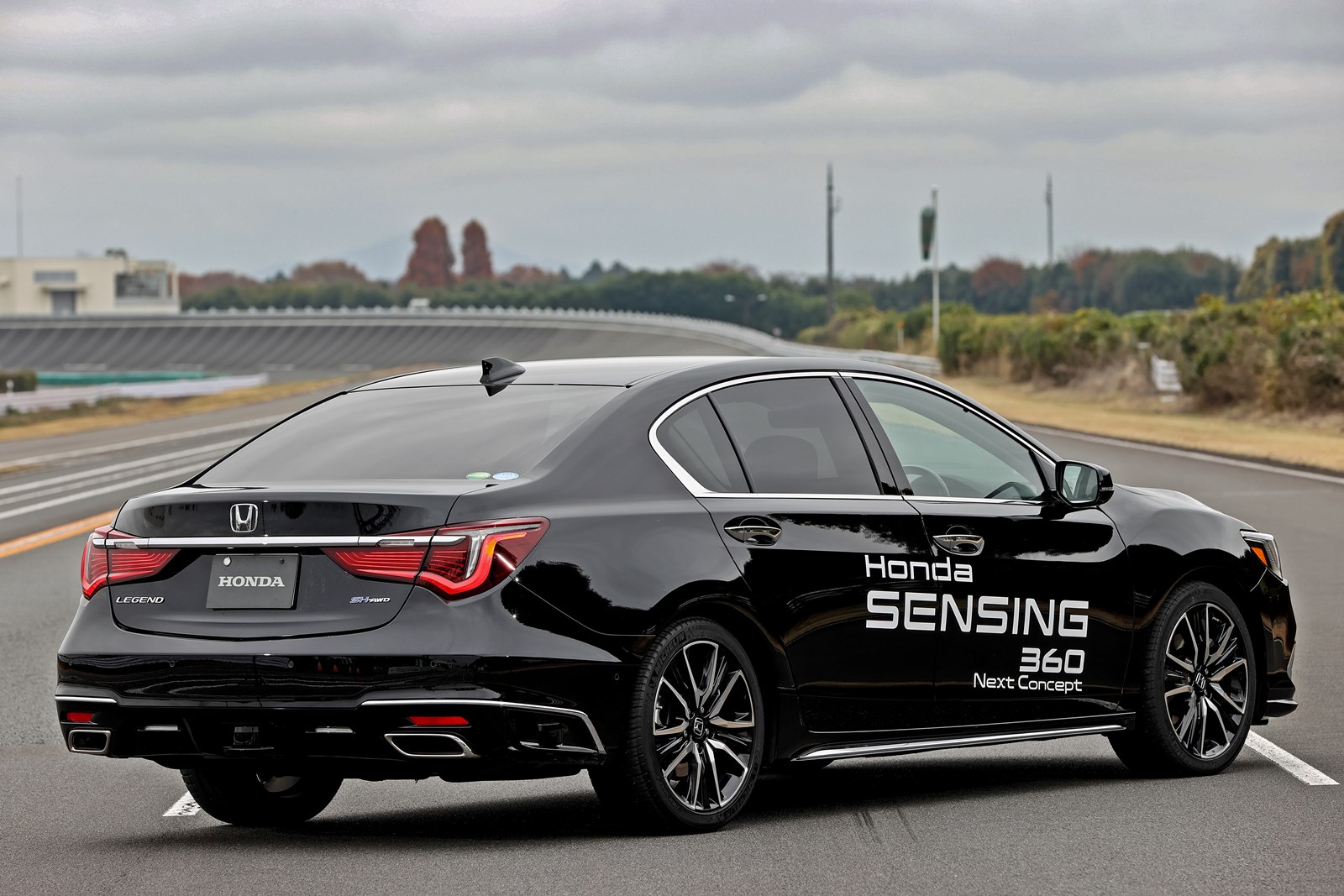
Citing Honda’s SENSING technology (which is Honda lingo for advanced driver aid system) and the progress of artificial intelligence, Honda continues with the target of zero fatalities in just 25 years.

So, you may think that Honda cars are lagging behind its competitors especially those from China, but Honda has survived many challenges, has a clear pathway for its future and judging from what I saw and experienced at Honda’s test facilities, this is a company that dismiss at your own peril.

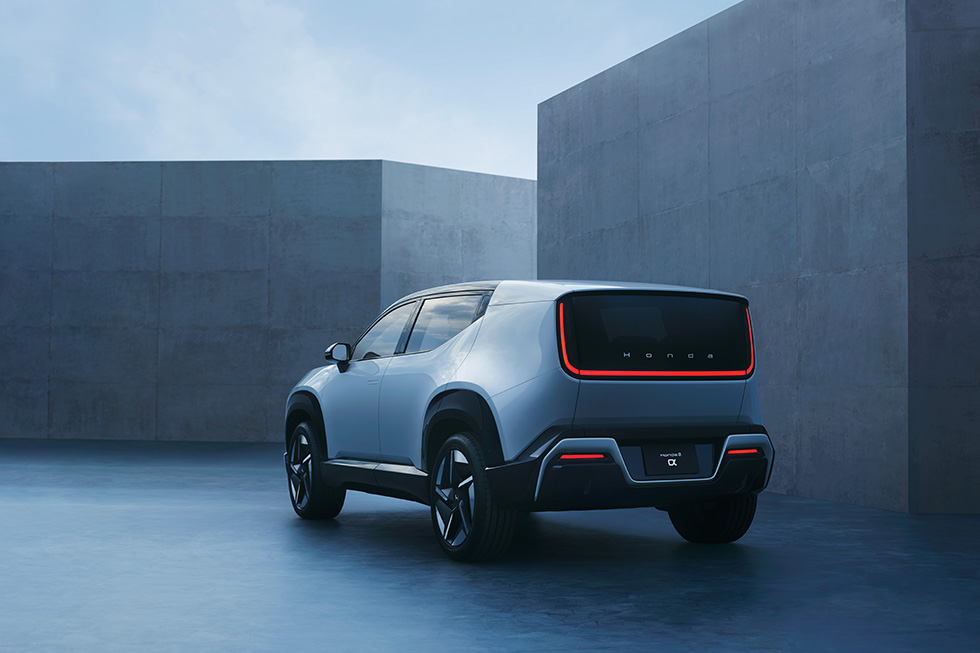
Honda Motor Co., Ltd. has taken the wraps off the Honda 0 α (Alpha) prototype at the Japan Mobility Show 2025, introducing the latest addition to its growing range of next-generation electric vehicles. This new model joins the futuristic Honda 0 lineup as a key entry point for customers into the brand’s new electric era.

Set to be displayed throughout the duration of the show, the Honda 0 α is designed as a compact SUV that seamlessly fits into both urban and natural environments. It continues the design and engineering philosophy first seen in the Honda 0 Saloon and Honda 0 SUV, which were unveiled earlier this year at CES 2025. Unlike those flagship models, the 0 α serves as a “gateway model” — more accessible yet still showcasing the same level of sophistication, innovation, and environmental awareness that define the Honda 0 Series.

The 0 α has been developed under the guiding principles of “Thin, Light, and Wise,” the core philosophy of the Honda 0 Series. These principles focus on maximising efficiency through lightweight engineering, clever design, and advanced technology. The result is a vehicle that offers sleek styling, excellent interior space, and refined usability, all while delivering the practicality and confidence expected of an SUV.

(more…)

Honda telah memperkenalkan Super-ONE Prototype di Japan Mobility Show 2025, sebuah kereta elektrik kompak yang direka untuk mengembalikan keseronokan dan keterujaan pemanduan dalam kehidupan seharian.

Model konsep ini dibangunkan berdasarkan falsafah baharu Honda yang dikenali sebagai “e: Dash BOOSTER”, yang menekankan bahawa kenderaan elektrik bukan sekadar bersih dan mesra alam, tetapi juga mampu memberikan pengalaman pemanduan yang menyeronokkan. Nama “Super” merujuk kepada prestasi tambahan yang ditawarkan, manakala “ONE” melambangkan keunikan dan identiti tersendiri model ini dalam barisan kenderaan elektrik Honda.

Super-ONE menggabungkan kelebihan mesra alam sebuah EV dengan pengendalian lincah dan dinamik seperti kereta sports. Ia dibina menggunakan versi dipertingkat daripada platform ringan siri Honda N Series, yang memberikan pengendalian pantas dan kestabilan tinggi. Reka bentuk badan yang lebar dan lengkung fender yang menonjol bukan sahaja menonjolkan gaya sporty, tetapi juga meningkatkan kestabilan sewaktu mengambil selekoh.

Antara ciri paling menarik ialah mod “Boost”, yang meningkatkan kuasa motor dan meniru sensasi pemanduan transmisi tujuh kelajuan lengkap dengan bunyi enjin tiruan. Ia memberikan pengalaman seolah-olah memandu kereta sport enjin petrol — namun tanpa sebarang pelepasan karbon.

(more…)

Honda has taken the wraps off its latest creation, the Super-ONE Prototype, at the Japan Mobility Show 2025 — a compact all-electric vehicle that aims to inject excitement back into everyday driving. On display throughout the duration of the event, the Super-ONE signals Honda’s ambition to redefine what a small EV can be: light, responsive, and genuinely fun to drive.

Developed under the concept “e: Dash BOOSTER,” the Super-ONE is designed to offer more than just clean mobility. It embodies Honda’s philosophy of creating vehicles that stir emotion while remaining practical and efficient. The name itself carries meaning — “Super” represents performance that goes beyond convention, while “ONE” reflects Honda’s goal to craft something distinct and uniquely its own.

The Super-ONE’s development centred on combining the environmental benefits of an electric vehicle with the sense of engagement and joy that Honda has long been known for. The company set out to create an EV that stimulates the driver’s senses — sight, sound, and touch — through its handling, performance, and interior experience.

(more…)

Archive

Follow us on Facebook

Follow us on YouTube