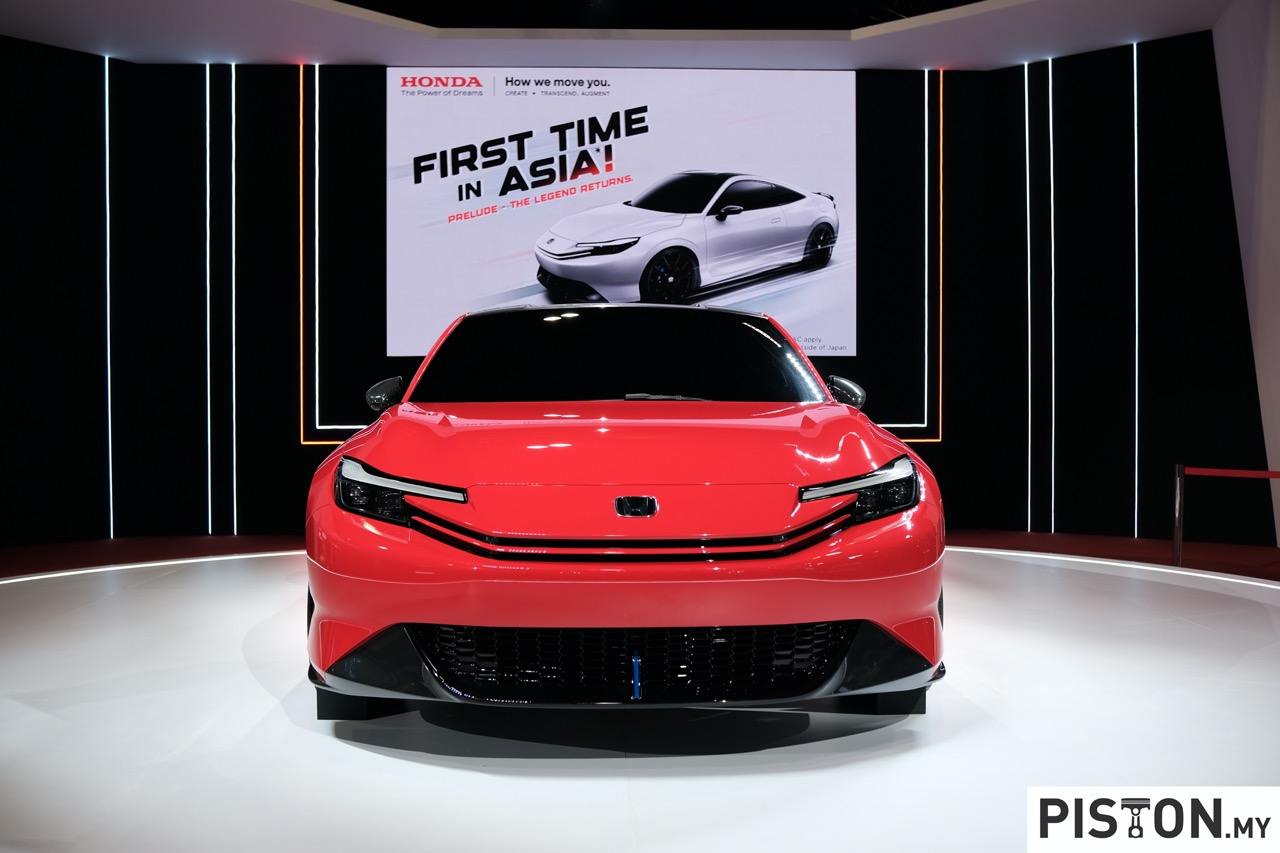
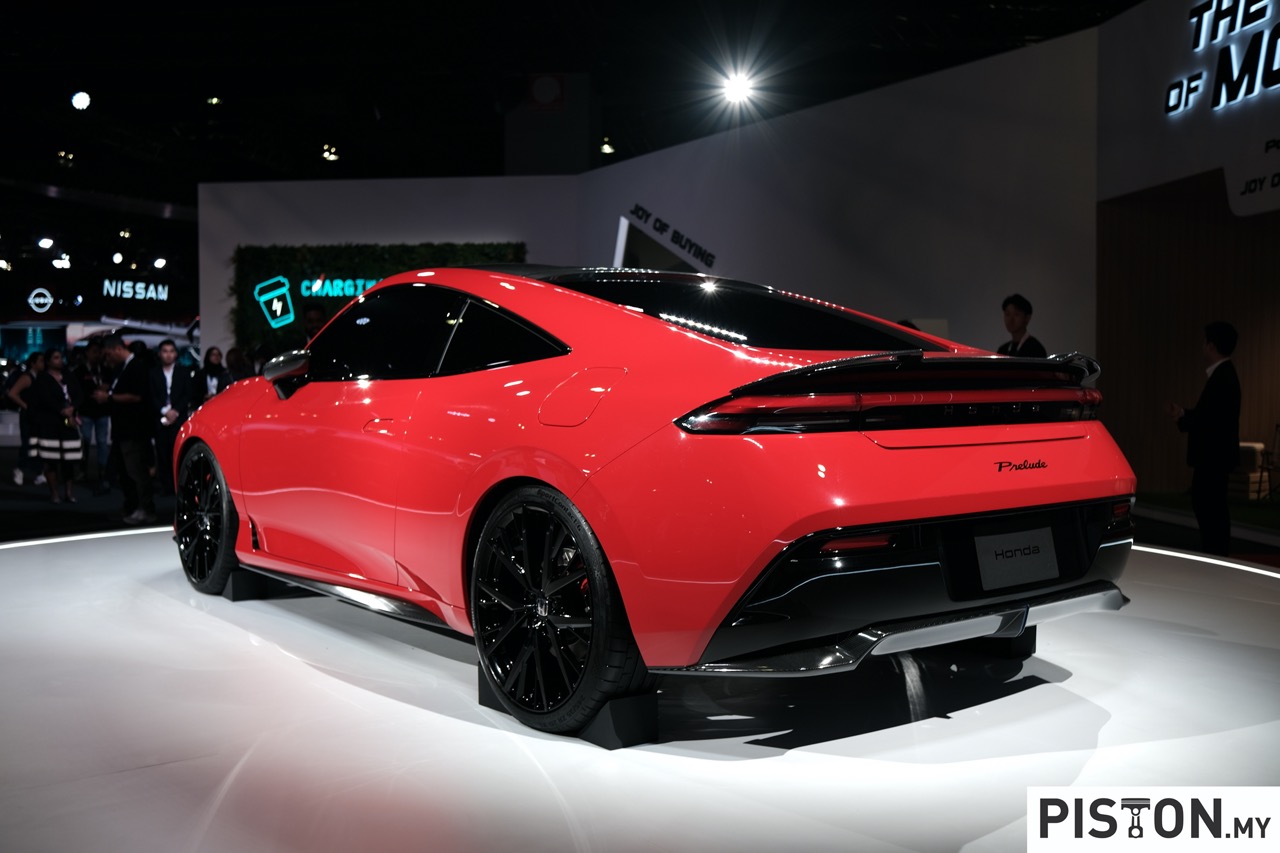
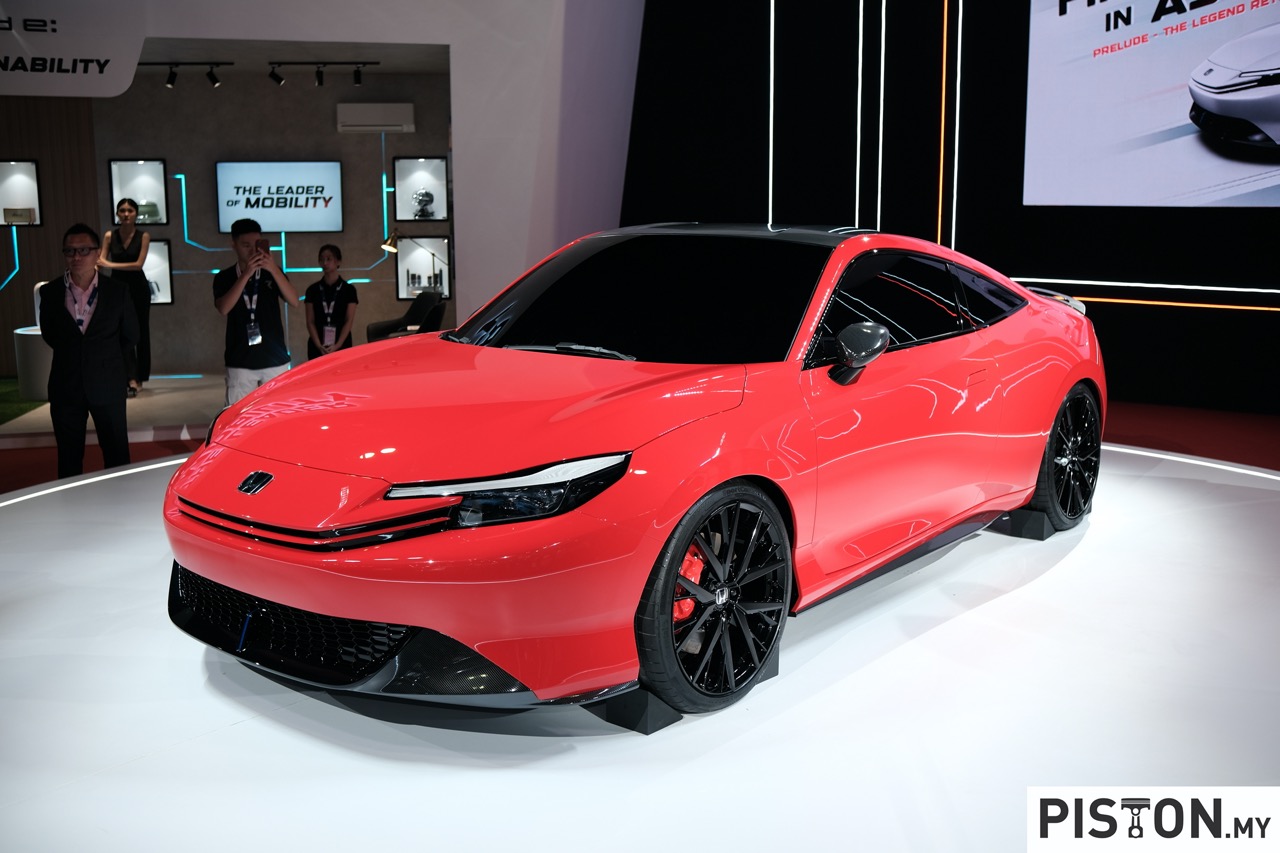
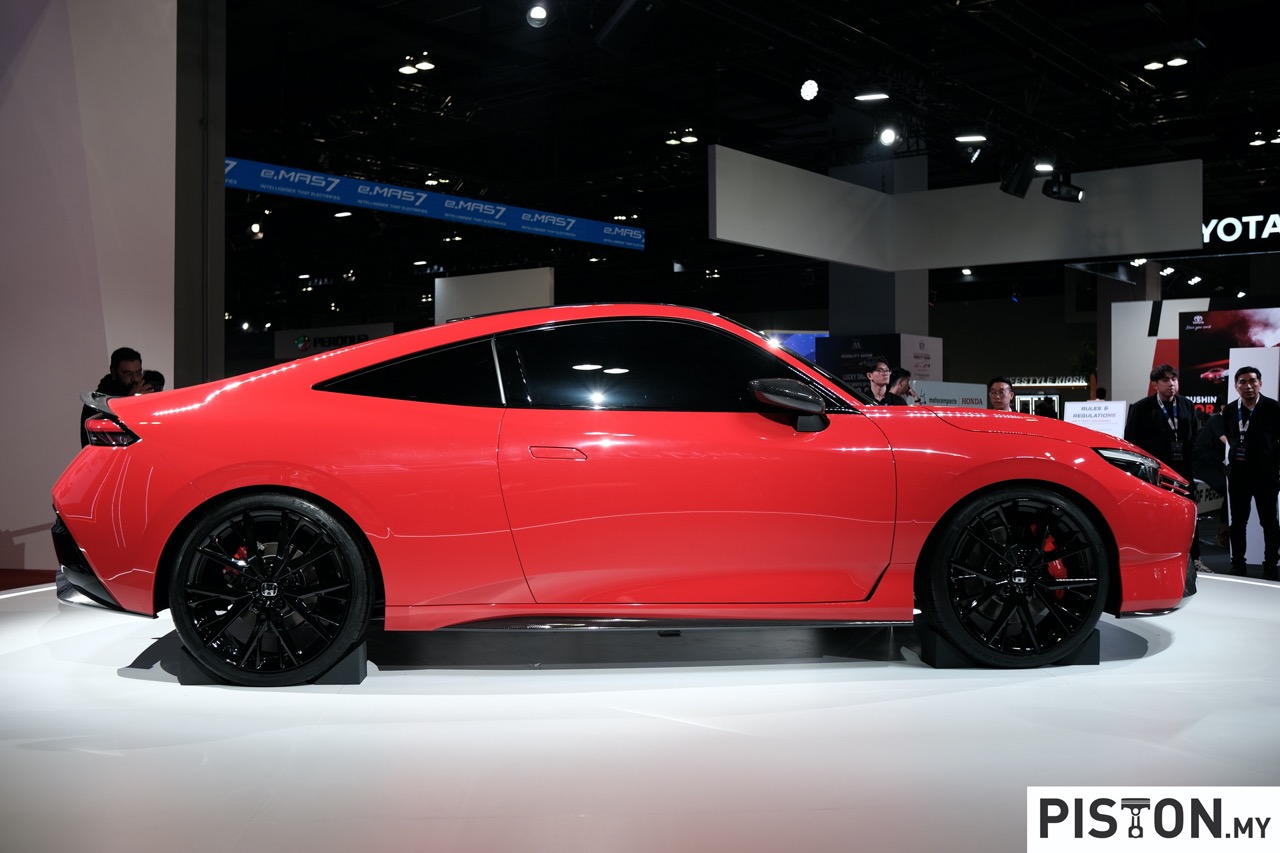
Honda kini dalam perancangan untuk menghidupkan semula nama ikonik Prelude, kali ini dengan pendekatan yang lebih moden dan seimbang—menggabungkan kecekapan sistem hibrid dengan elemen kejuruteraan berprestasi tinggi. Model baharu ini bakal menampilkan satu gabungan unik yang membezakan dirinya daripada barisan kenderaan berasaskan Civic yang lain.
Antara tarikan utama Prelude generasi baharu ialah penggunaan sistem suspensi hadapan jenis dwi-paksi, iaitu komponen sama yang digunakan dalam Honda Civic Type R. Gabungan ini dipertingkatkan lagi dengan trek hadapan yang lebih lebar serta sistem brek Brembo berprestasi tinggi, memberi gambaran awal bahawa meskipun berteraskan hibrid, Prelude tetap serius dari segi prestasi.
Namun berbeza dengan Civic Type R yang menggunakan enjin pengecas turbo, Honda Prelude baharu akan dikuasakan oleh sistem kuasa hibrid yang diambil daripada Civic e:HEV. Ini menjadikan Prelude sebagai sebuah kenderaan yang tidak mempunyai pesaing langsung di pasaran semasa—sebuah coupe dua pintu dengan prestasi mantap, tetapi memanfaatkan kecekapan janaan elektrik.
Honda is preparing to reintroduce the Prelude nameplate with a compelling blend of performance engineering and hybrid efficiency, setting it apart from the rest of the Civic-based range. The revived model will stand out by featuring the same dual-axis front suspension setup found in the acclaimed Civic Type R, combined with that model’s wider front track and high-performance Brembo brakes. However, instead of being driven by a turbocharged engine, the new Prelude will employ the powertrain from the Civic Hybrid.
This unique pairing of the Civic Hybrid’s electrified power system with the precision handling of the Type R chassis is expected to create a car without direct rivals in the market. While some manufacturers have explored the idea of combining hybrid technology with performance applications, it remains an unconventional strategy across the industry.
Honda appears to be positioning the new Prelude as a grand tourer rather than a full-blown sports coupe. This direction preserves certain elements from previous generations, including its two-door, front-wheel-drive configuration. However, enthusiasts hoping for the return of a manual transmission will be disappointed. Unlike the CR-Z hybrid, which proudly offered a six-speed manual gearbox, the latest iteration of the Prelude will forgo that option entirely.
Honda menutup tirai era Civic Type R di Eropah dengan pelancaran edisi istimewa Civic Type R Ultimate Edition — sebuah model yang bukan sekadar kereta, tetapi satu penghormatan yang mendalam terhadap sejarah selama 28 tahun jentera berprestasi tinggi ini. Dihasilkan dalam jumlah yang amat terhad, hanya 40 unit akan ditawarkan di seluruh benua Eropah, menjadikan model ini bukan sahaja simbolik, tetapi juga eksklusif bagi para peminat dan pengumpul sejati.
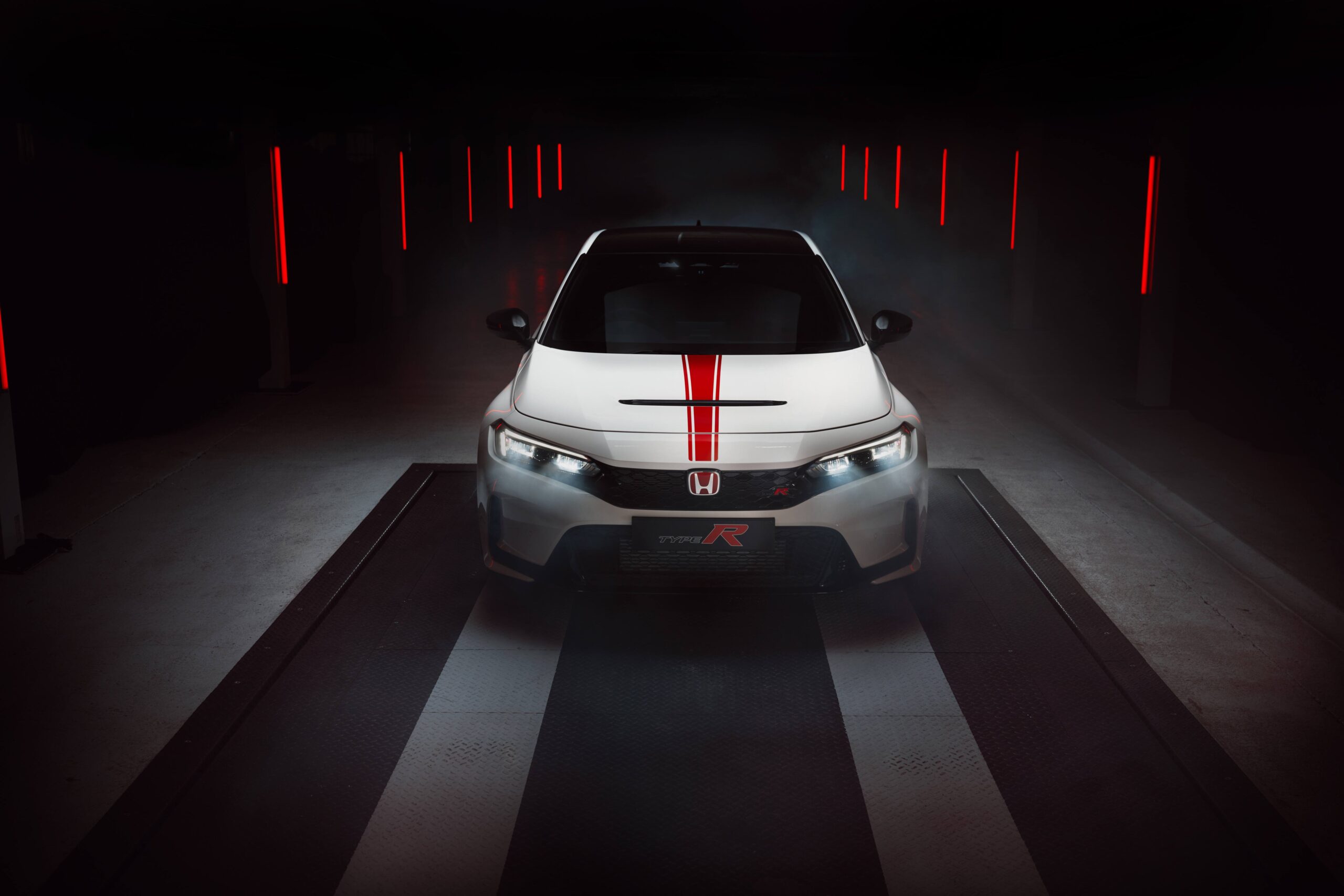
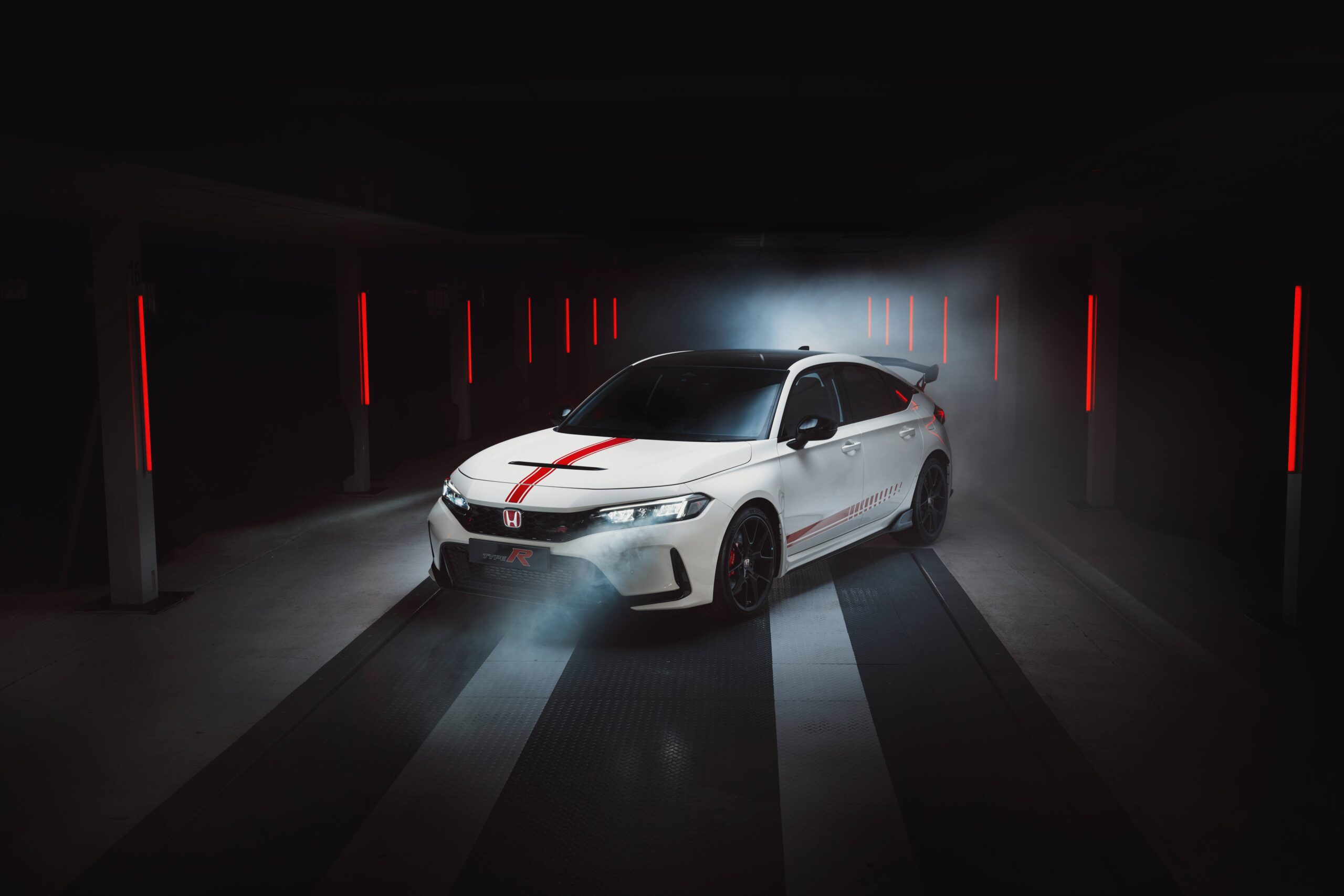
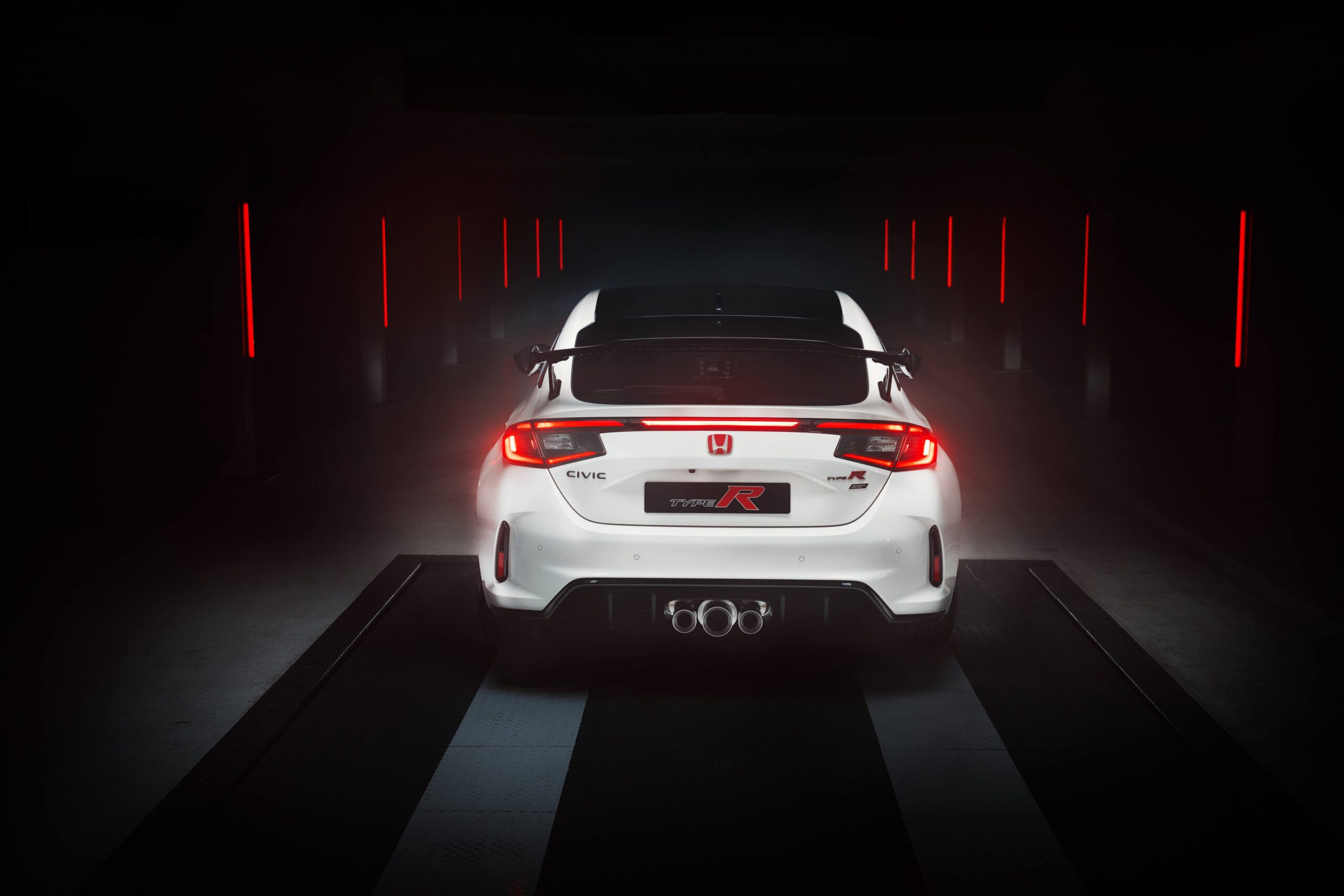
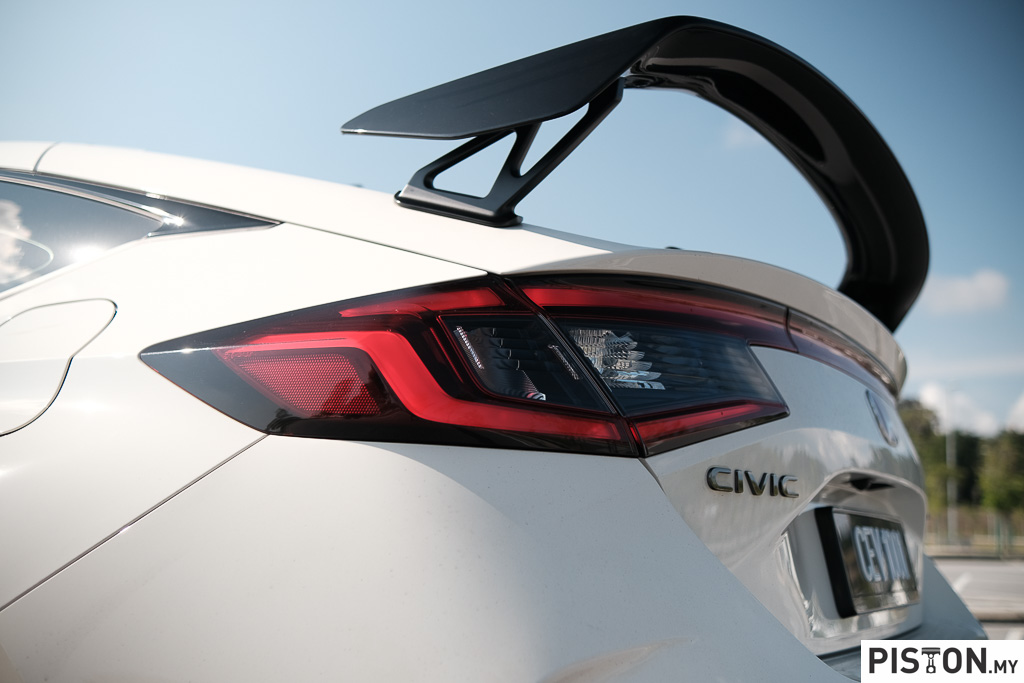
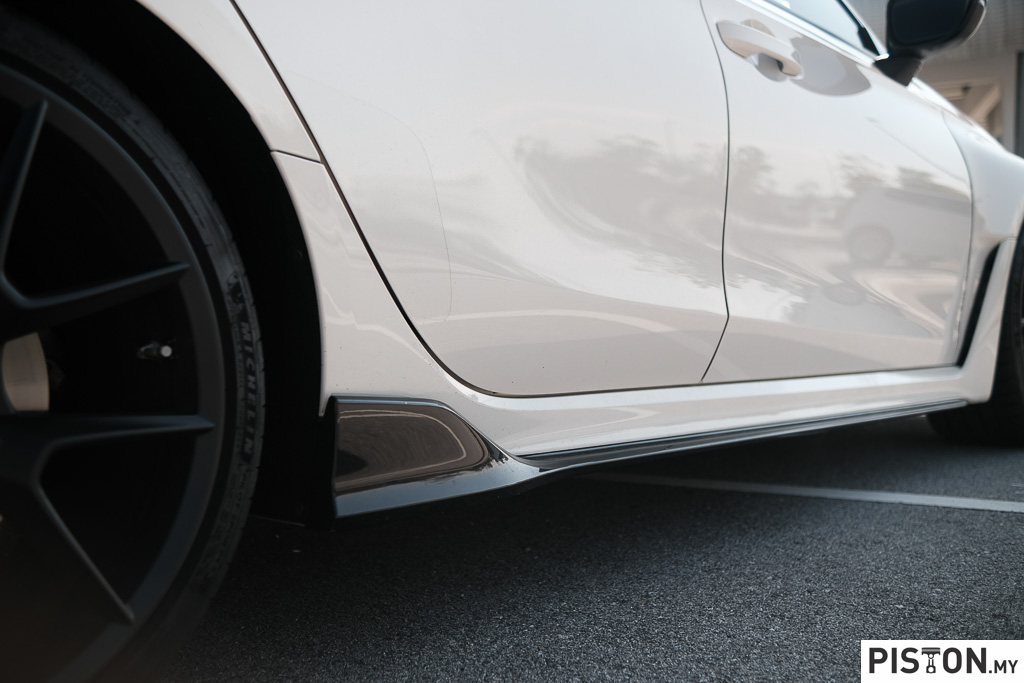
Edisi khas ini tampil menawan dalam warna ikonik Championship White, diserlahkan dengan jalur pelekat merah khas yang menjalar dari bonet hingga ke sisi kenderaan—merupakan penghormatan visual kepada lencana Type R yang sinonim dengan prestasi mutlak Honda. Sentuhan eksklusif diteruskan dengan bumbung berwarna hitam dan elemen gentian karbon yang ketara seperti spoiler belakang yang agresif serta kemasan ambang pintu yang memperkukuh penampilan sporty dan aerodinamiknya.
Masuk ke ruang kabin, pengalaman premium diteruskan dengan penggunaan gentian karbon pada konsol tengah, diiringi pencahayaan ambien yang strategik pada kawasan utama seperti pemegang cawan, panel pintu, kawasan kaki dan di bawah tempat duduk hadapan. Unsur kemewahan diperhebat dengan unjuran logo Type R di atas tanah ketika pintu dibuka—satu sentuhan halus namun eksklusif yang melambangkan perpisahan bergaya buat model lagenda ini.
Honda is marking the end of an era in Europe with the launch of the Civic Type R Ultimate Edition, a highly exclusive version of its celebrated hot hatch. Limited to just 40 units across the continent, this edition serves as a tribute to the model’s 28-year legacy, ahead of the Civic Type R’s planned discontinuation in European markets by 2026.
This final send-off comes adorned in the model’s signature Championship White paintwork, complemented by distinctive red decals tracing the bonnet and flanks—an homage to its renowned Type R badge. The car is further distinguished by a contrasting black roof and several carbon fibre enhancements, including a prominent rear wing spoiler and door sill garnishes.
Inside the cabin, the carbon fibre aesthetic continues on the centre console, while ambient lighting highlights key areas such as the cup holder, door trims, footwell, and beneath the front seats. A Type R logo projection on the ground upon door opening adds a final bespoke flourish to the interior design.
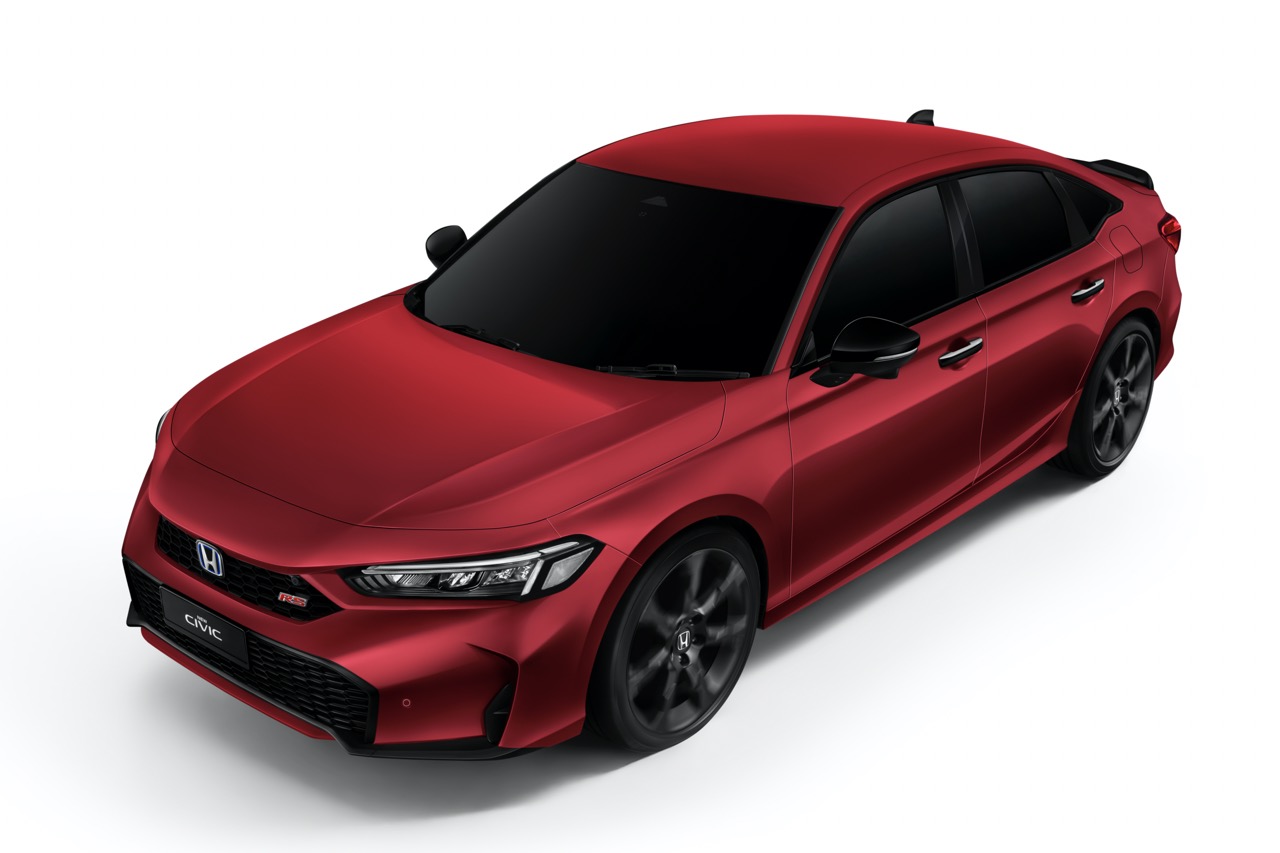
Honda Malaysia hari ini mengumumkan bahawa tempahan kini dibuka untuk model yang dinantikan ramai – Civic Baharu, yang dijangka dilancarkan secara rasmi pada Januari 2025. Model baharu ini bertujuan untuk mentakrif semula segmen C dengan reka bentuk yang bergaya, prestasi tinggi, dan ciri-ciri inovatif, meneruskan tradisi kecemerlangan Honda dan meningkatkan pengalaman pemanduan.
Civic sentiasa memegang tempat istimewa di hati rakyat Malaysia. Sejak pelancaran generasi ke-11 pada tahun 2022, lebih 28,000 unit telah dijual di Malaysia. Hebatnya, Civic telah mendominasi segmen C bukan nasional selama lapan tahun berturut-turut sejak 2016, dengan pegangan pasaran yang kuat sebanyak 70% setakat Oktober 2024.
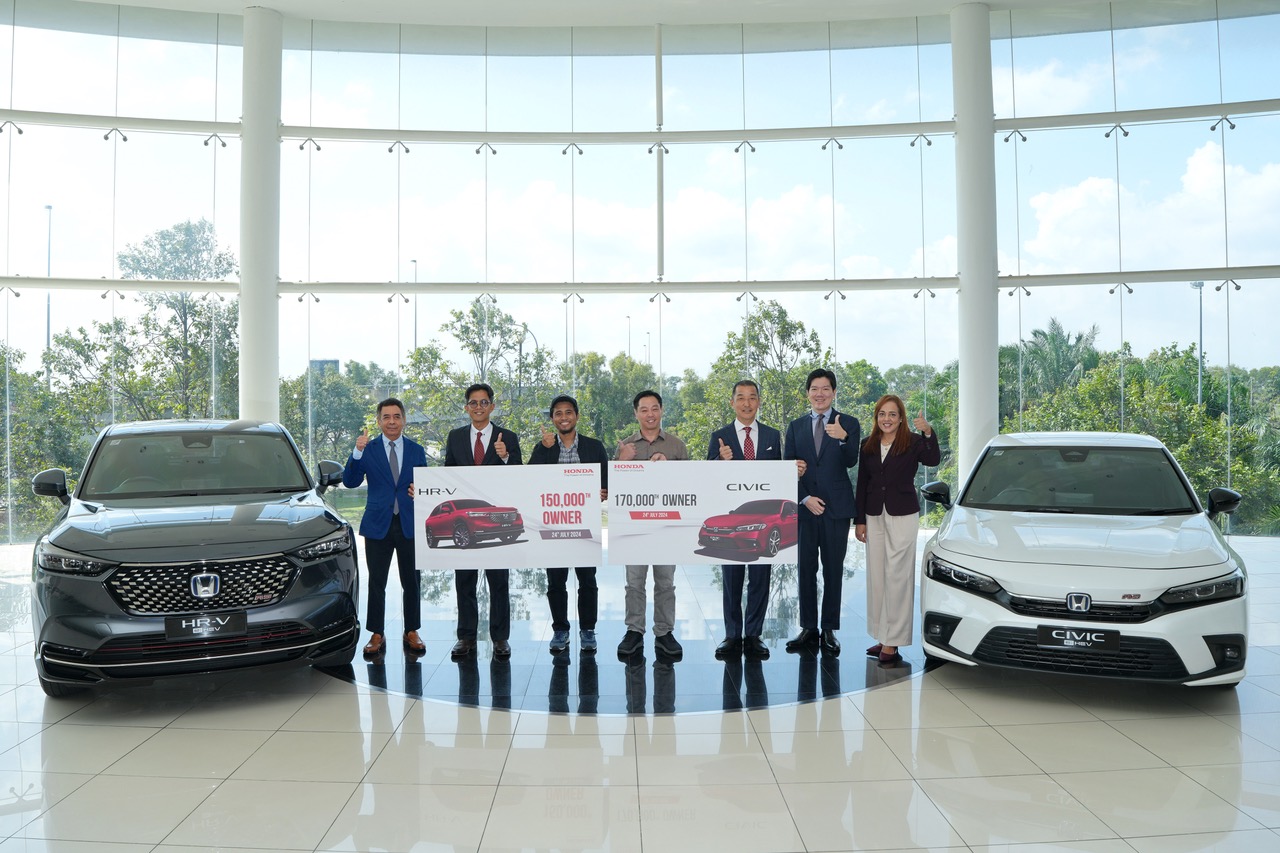
Honda Malaysia telah mencapai pencapaian penting dengan penghantaran Civic ke-170,000 dan HR-V ke-150,000 di Malaysia. Majlis perayaan ini diadakan di Honda Botanic Auto Mall Sdn. Bhd., dan menandakan kejayaan besar bagi kedua-dua model.
Pencapaian Bersejarah:
Civic ke-170,000: Diserahkan kepada Encik Lim Chin Hui, model 2.0L e:HEV RS.
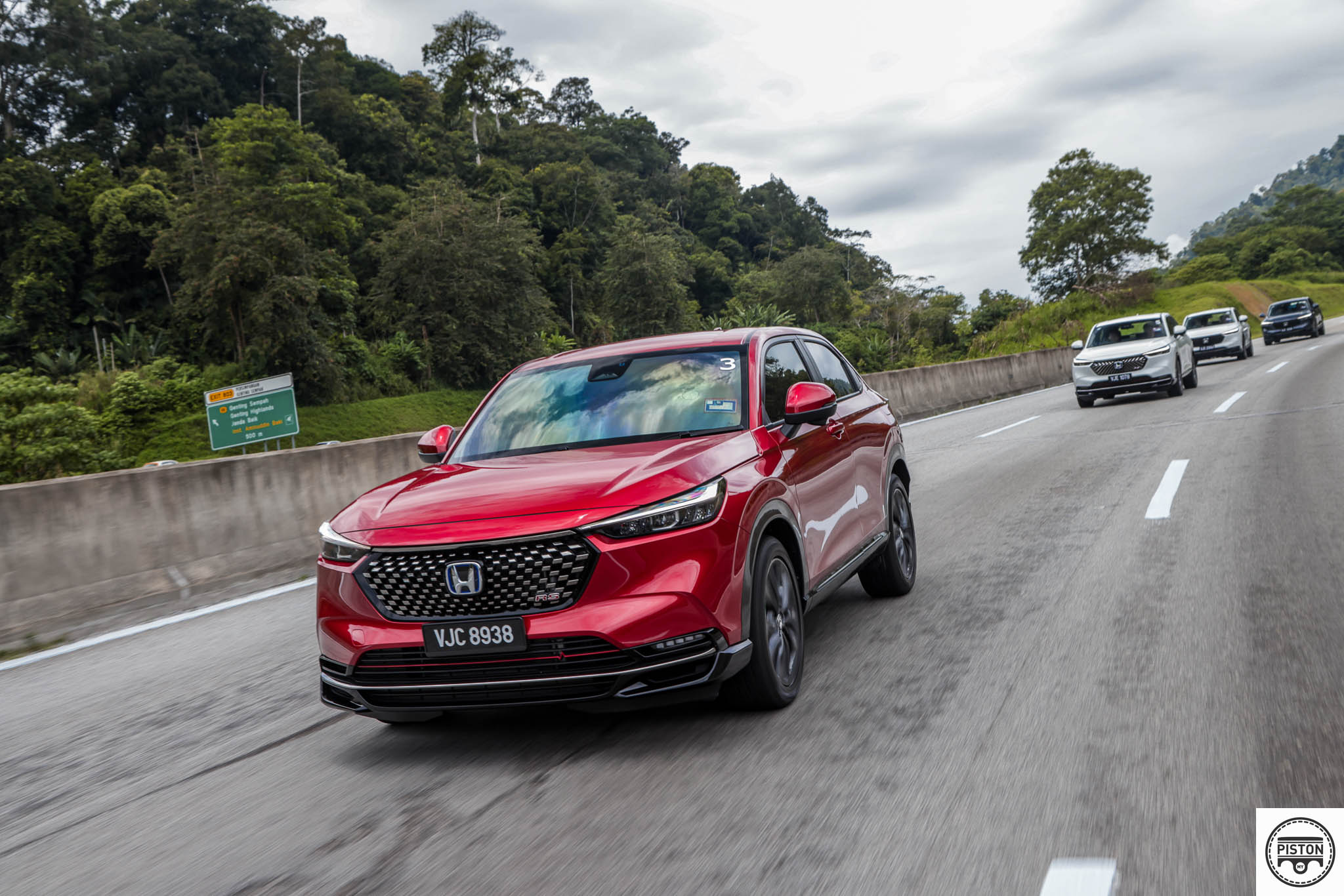
HR-V ke-150,000: Diserahkan kepada Cik Asha Waheda, model 1.5L e:HEV RS.
Kedua-dua pelanggan menerima hadiah eksklusif dan aksesori tulen Honda bernilai RM10,000.
Honda Malaysia celebrated a major milestone today with the delivery of its 170,000th Civic and 150,000th HR-V in Malaysia. The event took place at Honda Botanic Auto Mall Sdn. Bhd., marking a double achievement for the popular models.
Historic Milestone
The 170,000th Civic, a 2.0L e:HEV RS, was handed over to Mr. Lim Chin Hui, while the 150,000th HR-V, a 1.5L e:HEV RS, was delivered to Ms. Asha Waheda. Both customers received exclusive gifts and Honda Genuine Accessories valued at RM10,000 as part of the celebration.
Sales and Growth
In the first half of 2024, Honda Malaysia reported total sales exceeding 39,200 units, a 16% increase from the same period in 2023. The HR-V led sales in the Non-National Compact SUV Segment, contributing 28% to Honda Malaysia’s total sales. The City model followed with 24%, and the CR-V contributed 15%.
The company also noted a growing demand for its e:HEV technology. The e:HEV variants, available in models like the City, City Hatchback, Civic, HR-V, and CR-V, accounted for 13% of sales in the first half of 2024, reflecting substantial growth for Honda’s hybrid models.
Future Commitment
Honda Malaysia continues to uphold its “How We Move You” tagline, focusing on creating mobility products and services that drive progress and enhance the joy and freedom of mobility for its customers. The company remains dedicated to advancing its offerings and meeting the evolving needs of the Malaysian market.
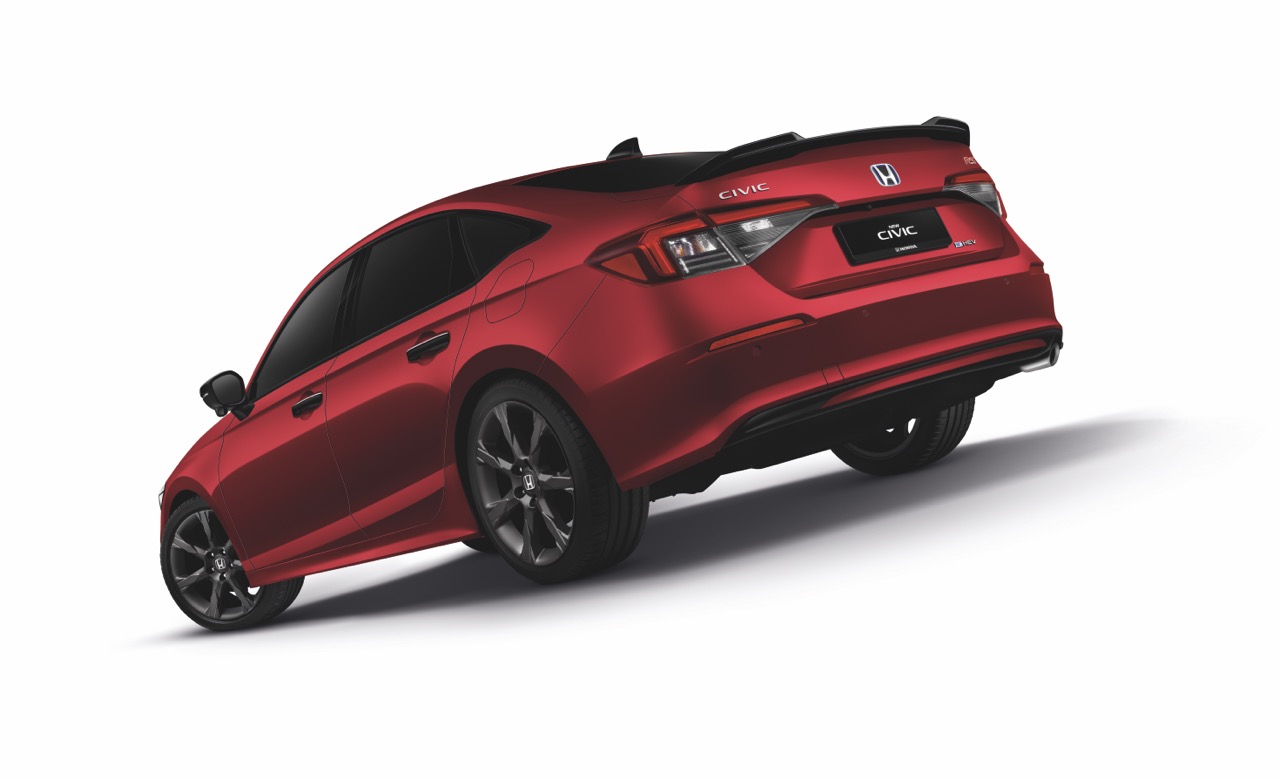
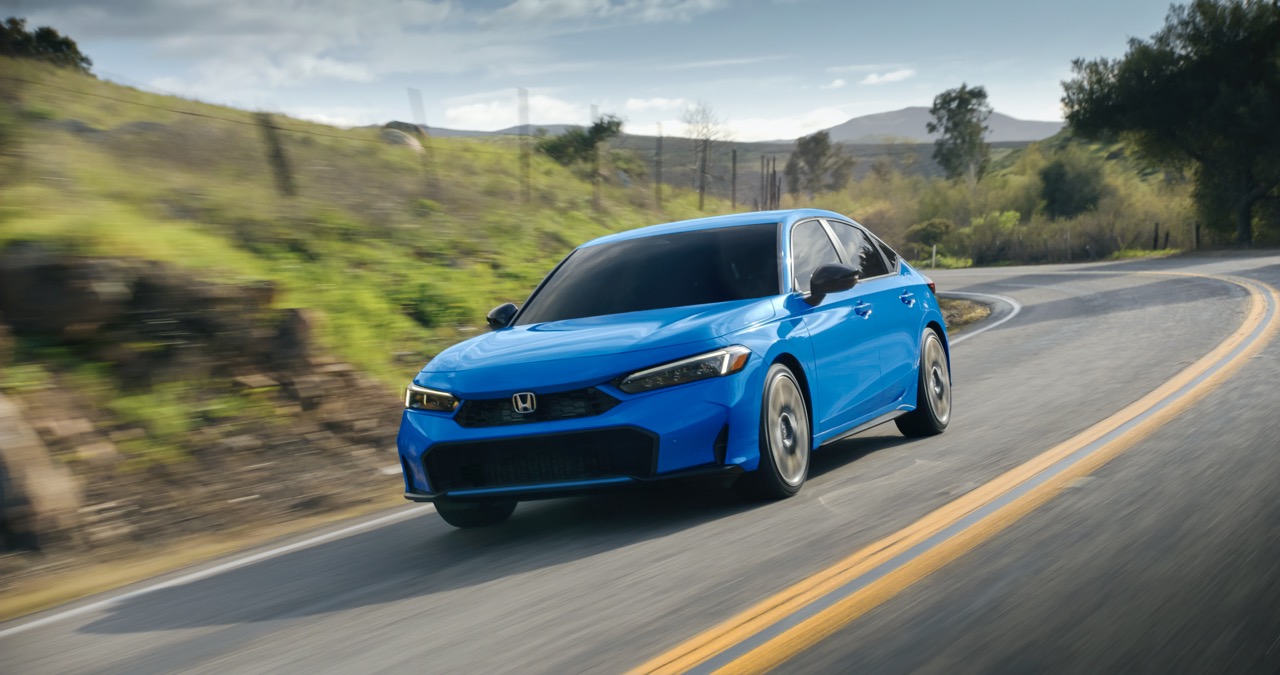
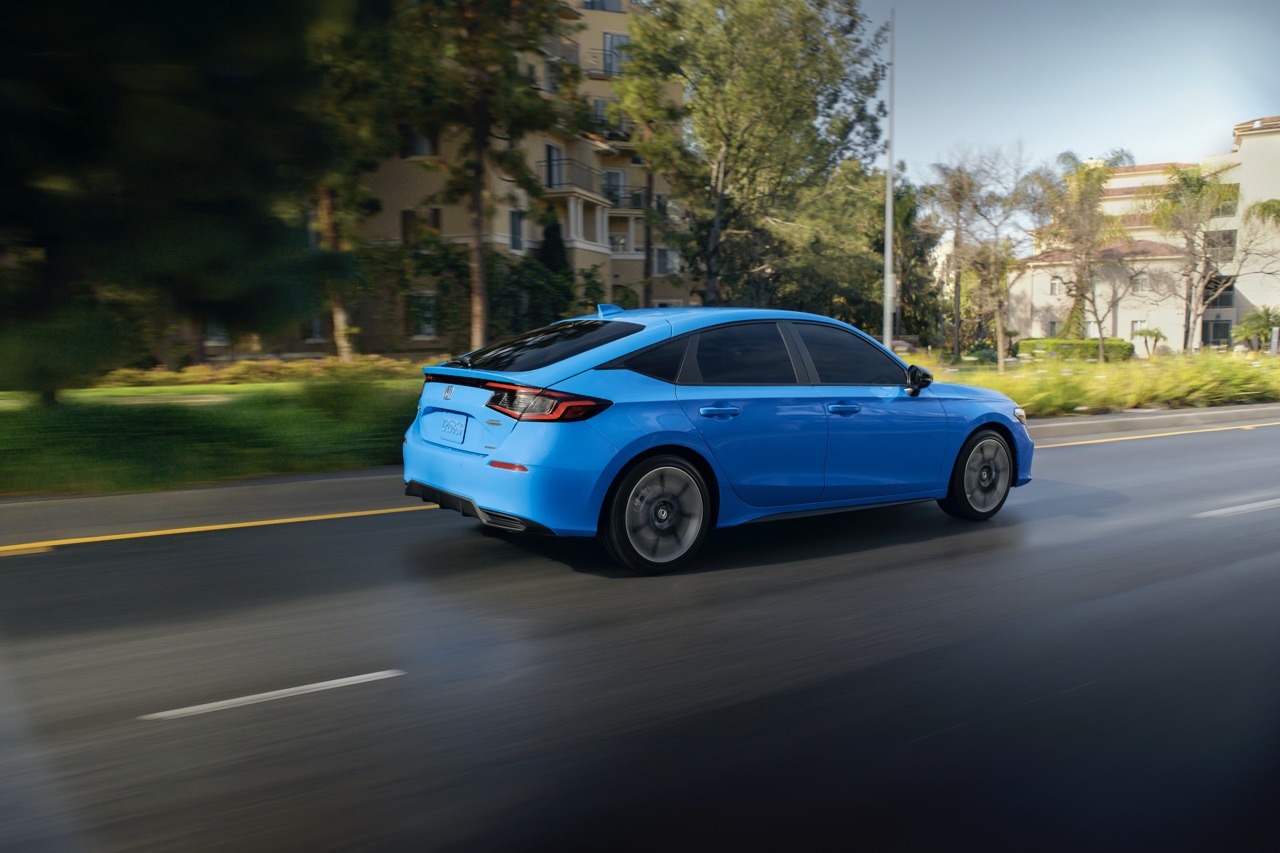
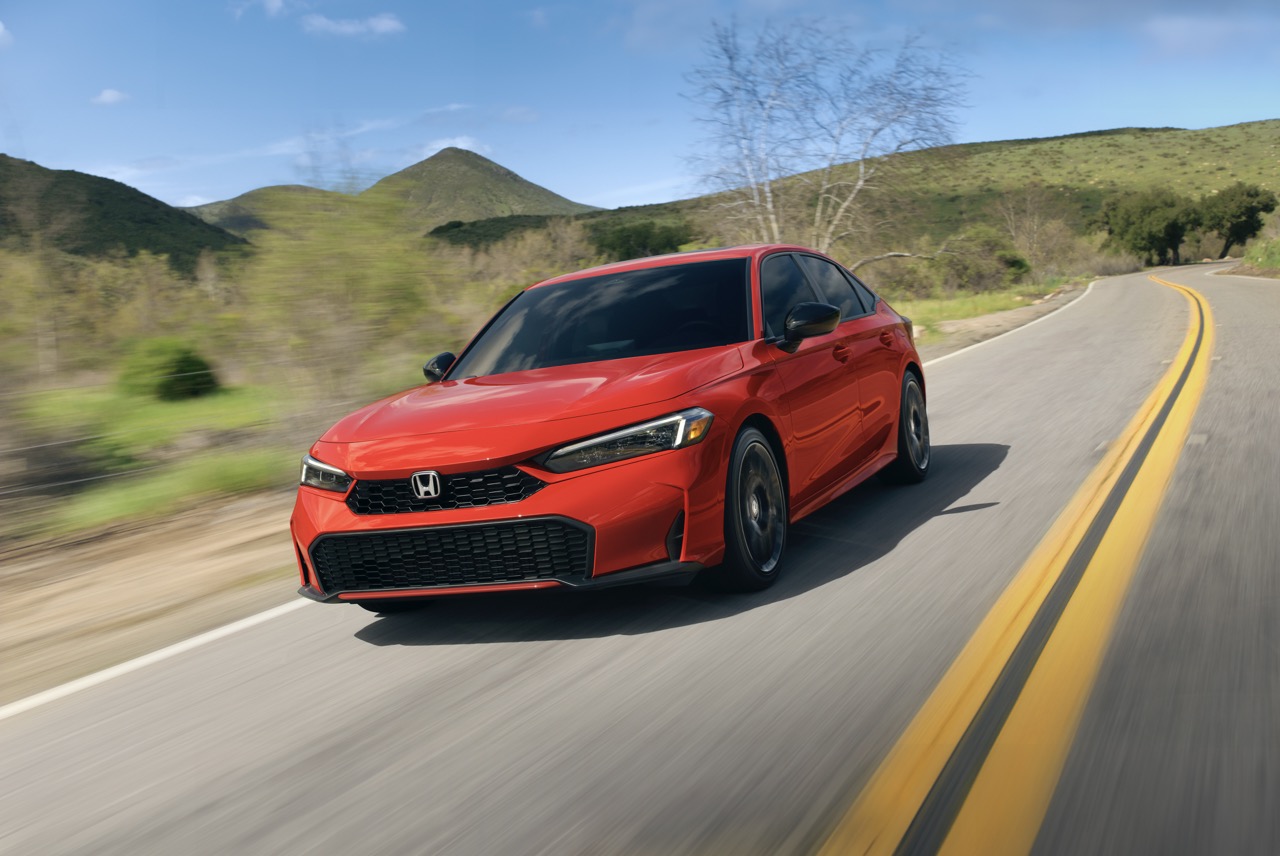
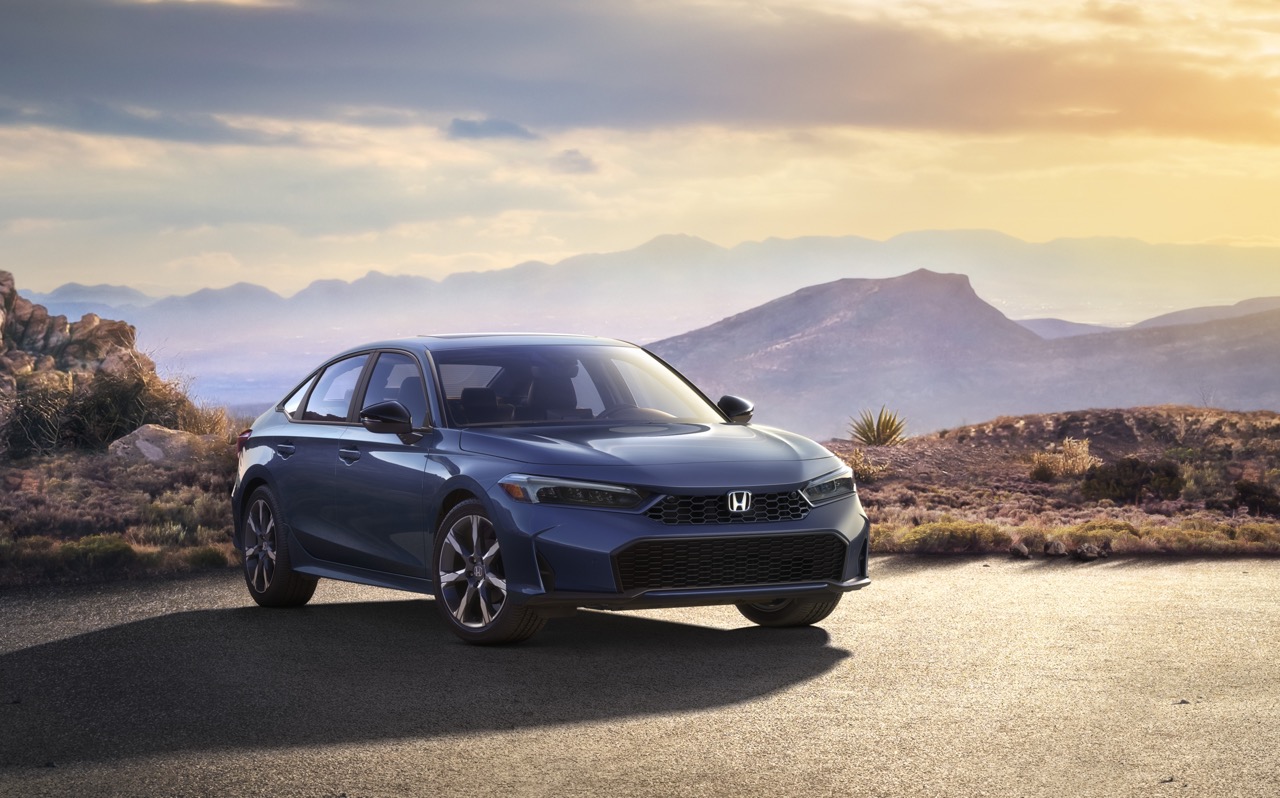
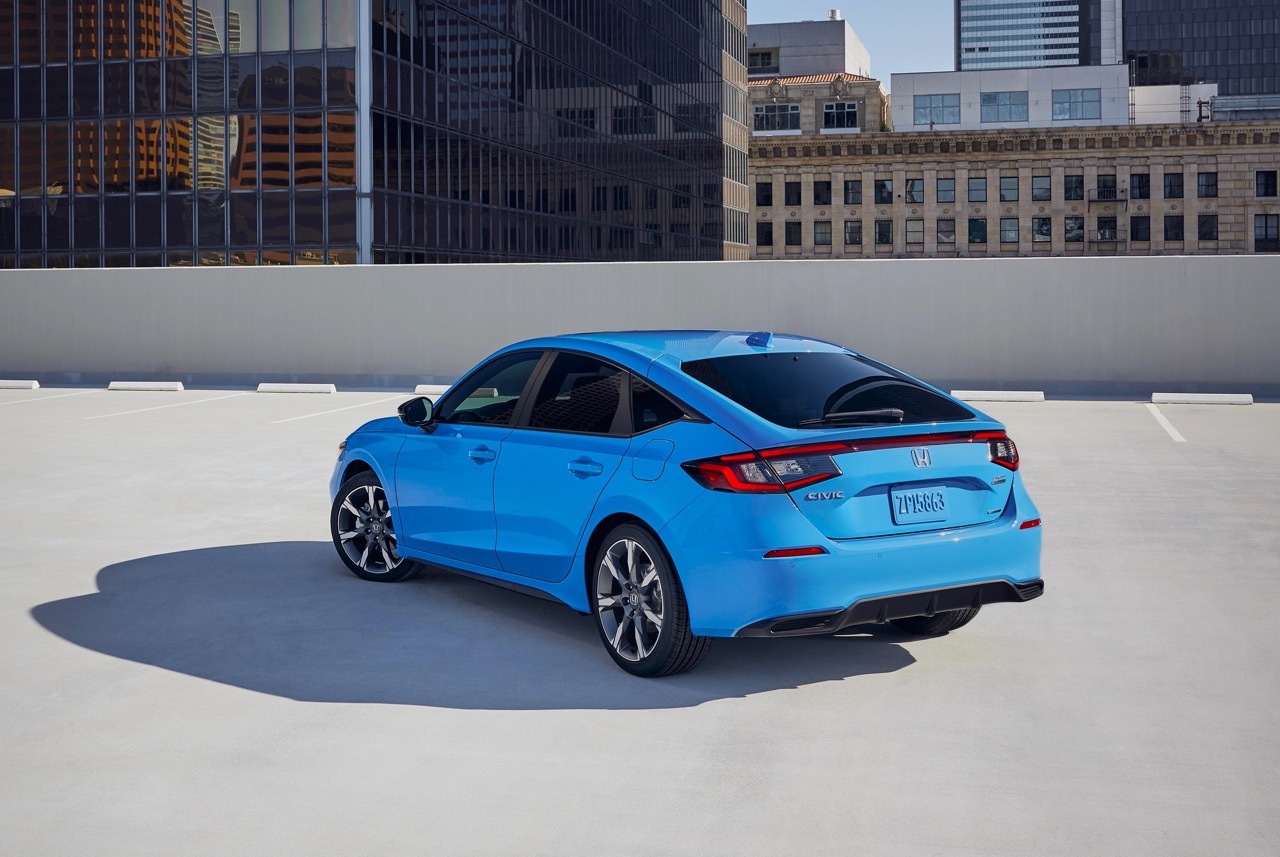
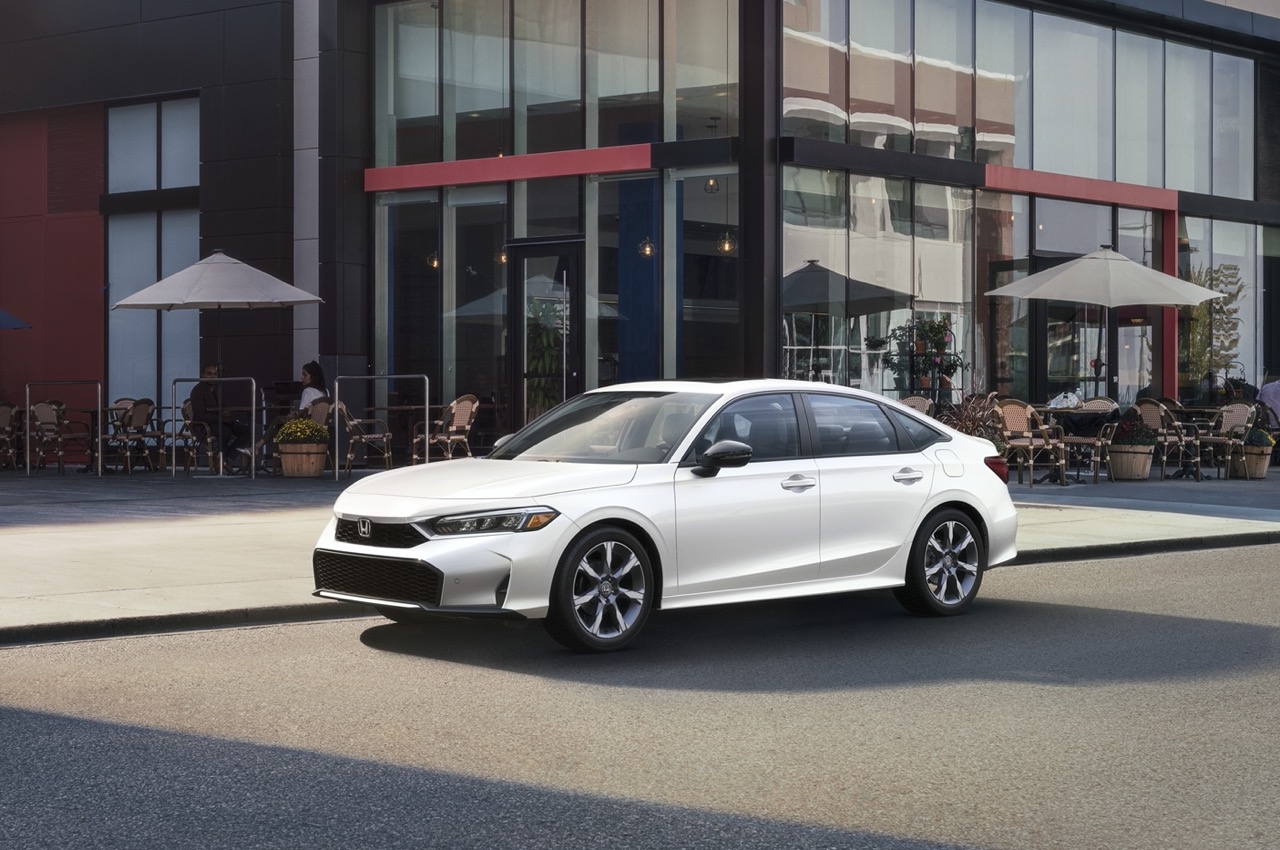
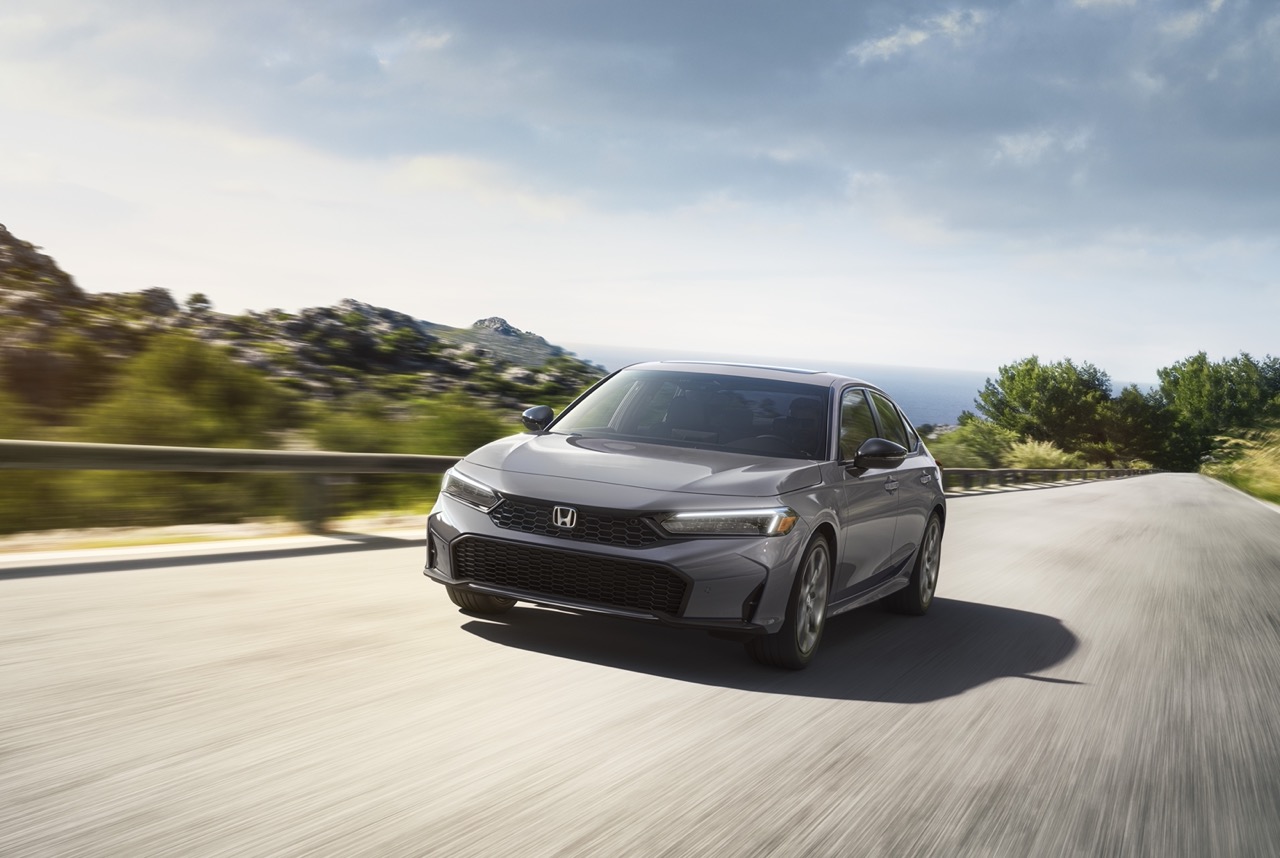
Expanding upon the success of the 11th generation Civic, crowned the 2022 North American Car of the Year, the refreshed 2025 Honda Civic introduces more style, enhanced technology, and significantly more power, particularly with the available two-motor hybrid powertrain. Positioned as the flagship model, the new Civic hybrid, available in sedan or hatchback configurations, is anticipated to achieve an EPA combined fuel economy rating approaching 50 mpg1, thanks to its integration of the award-winning Honda two-motor hybrid system.
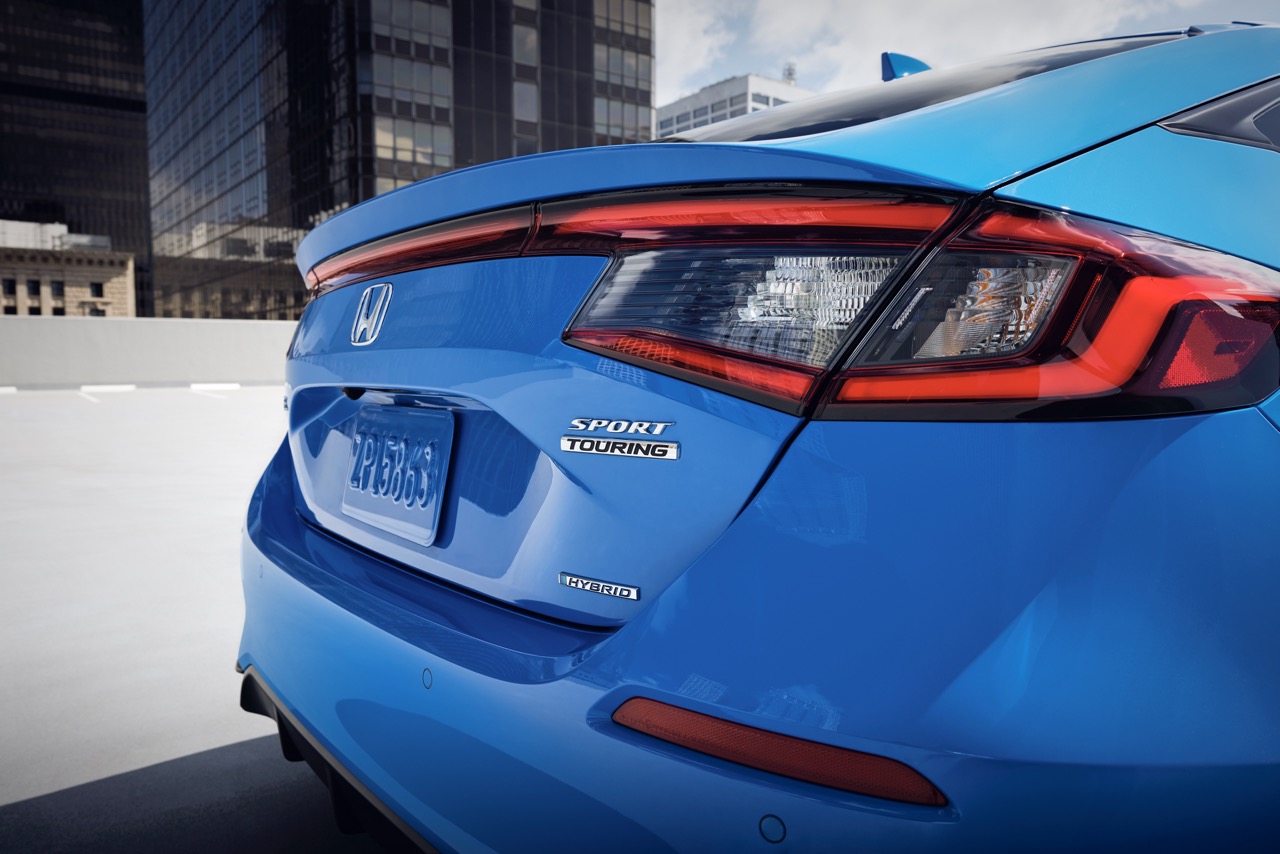
The 2025 Civic will be offered in four trim levels, starting with the LX (sedan only) and Sport, and featuring the hybrid-powered Sport Hybrid and Sport Touring Hybrid variants. These new hybrid-electric models are projected to constitute approximately 40% of Civic sales, marking a pivotal step in Honda’s electrification strategy.
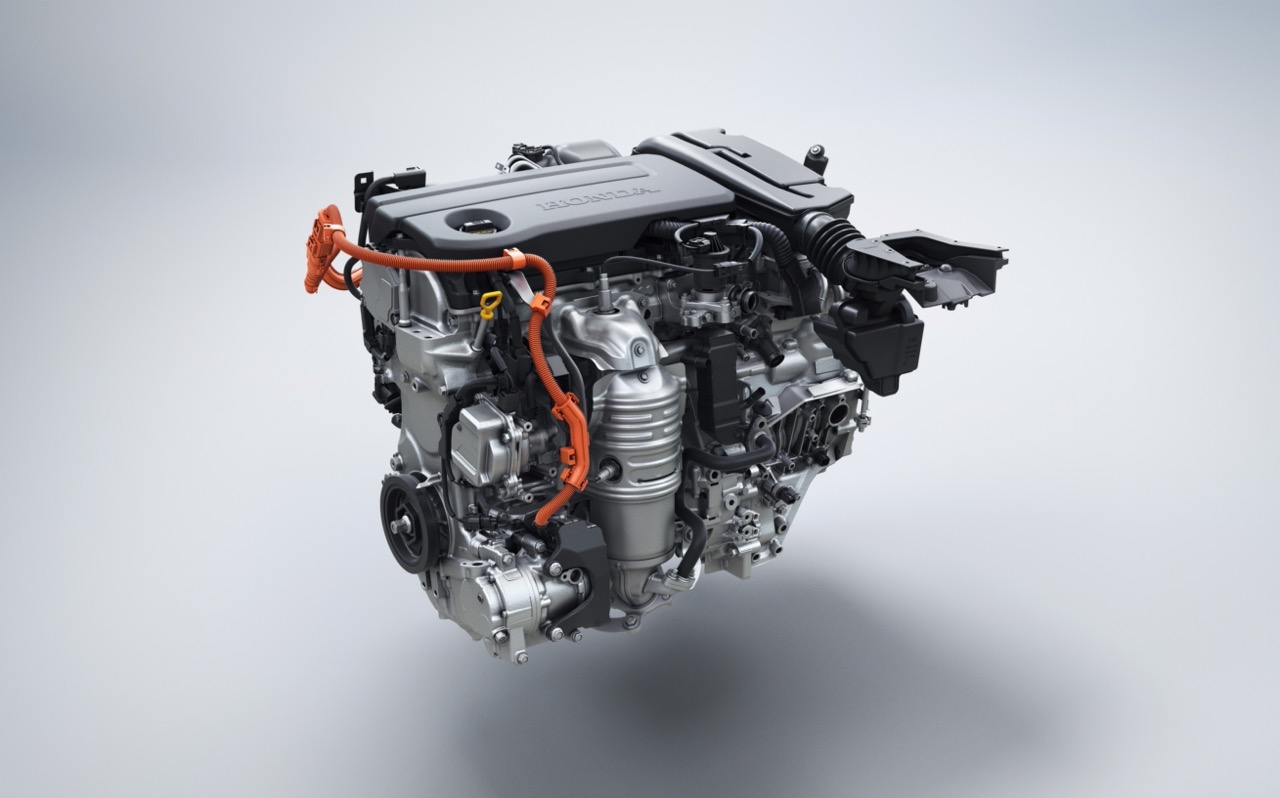
The new Civic hybrid-electric trims boast remarkable performance, featuring an anticipated combined 200hp and an impressive 315Nm of torque, making them the most potent non-Type R Civics ever produced. This enhanced power output, coupled with exceptional EPA fuel economy ratings, ensures quick and effortless acceleration. The Linear Shift Control enhances the driving experience by simulating the rev feel of a conventional drivetrain shifting gears under acceleration, resulting in even quicker performance than the outgoing 1.5L turbo-powered Civic.
Honda’s two-motor hybrid system optimises efficiency without compromising dynamic performance or interior space. Tailored for the Civic, this system delivers a sporty driving experience, incorporating two powerful electric motors. Furthermore, the new Civic hybrids offer four levels of regenerative-braking deceleration via selector paddles on the steering wheel, allowing for precise control during deceleration.
To enhance Civic’s renowned fun-to-drive spirit and ride comfort, the ride and handling dynamics of the hybrid models have been fine-tuned with unique spring and damper tuning, along with specially developed tires. Moreover, hybrid trims boast the lowest NVH levels in the Civic lineup, featuring a robust noise reduction package that includes Active Noise Control on all hybrids and wheel resonators on Sport Touring trims.
Continuing its commitment to affordability, Civic LX and Sport trims are powered by a responsive and efficient 2.0-litre 4-cylinder engine, while Sport Hybrid and Sport Touring Hybrid trims benefit from Honda’s potent yet efficient two-motor hybrid system. Drivers can seamlessly switch between selectable drive modes—Econ, Normal, and Sport (Sport and hybrid trims only)—to optimise the driving experience for various conditions. The Sport Touring Hybrid models also introduce a new Individual mode, enabling customisation of the driving experience.
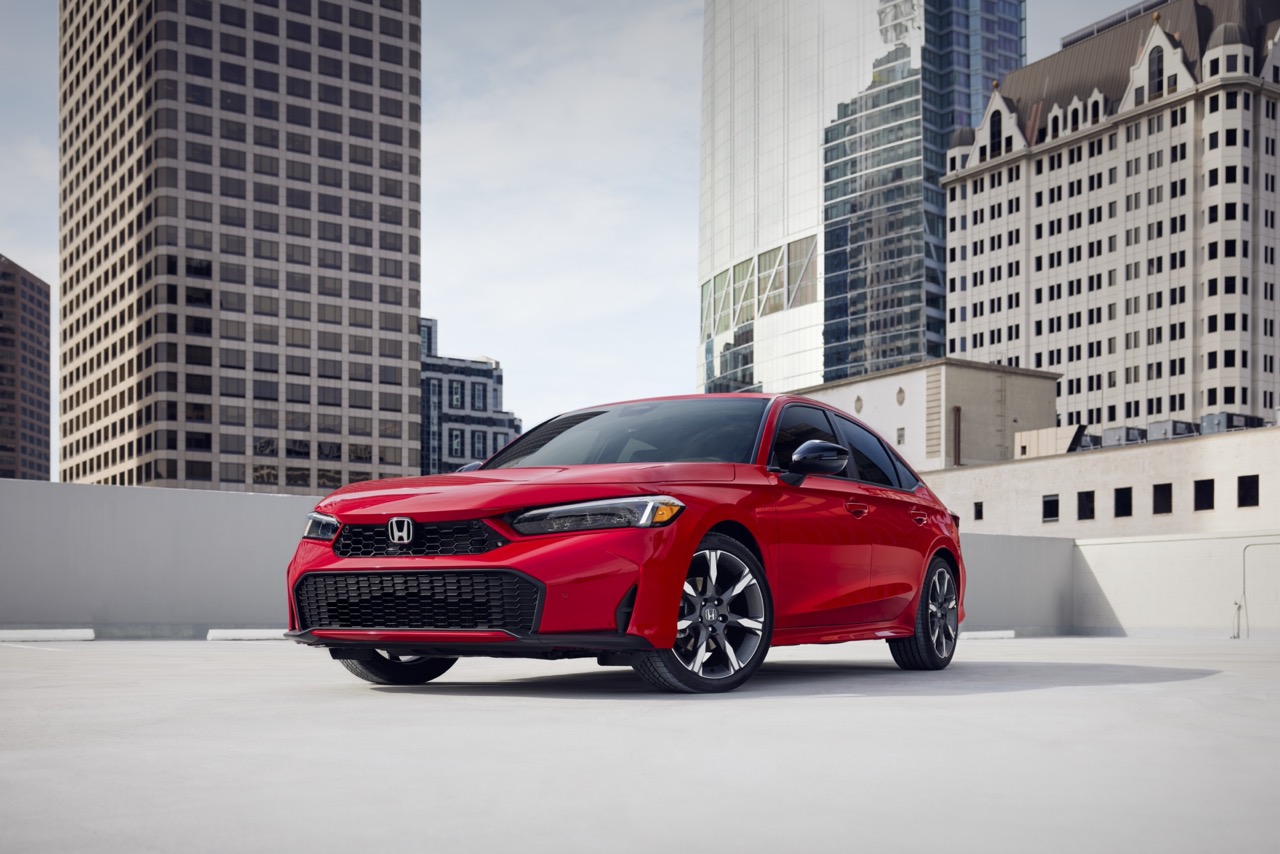
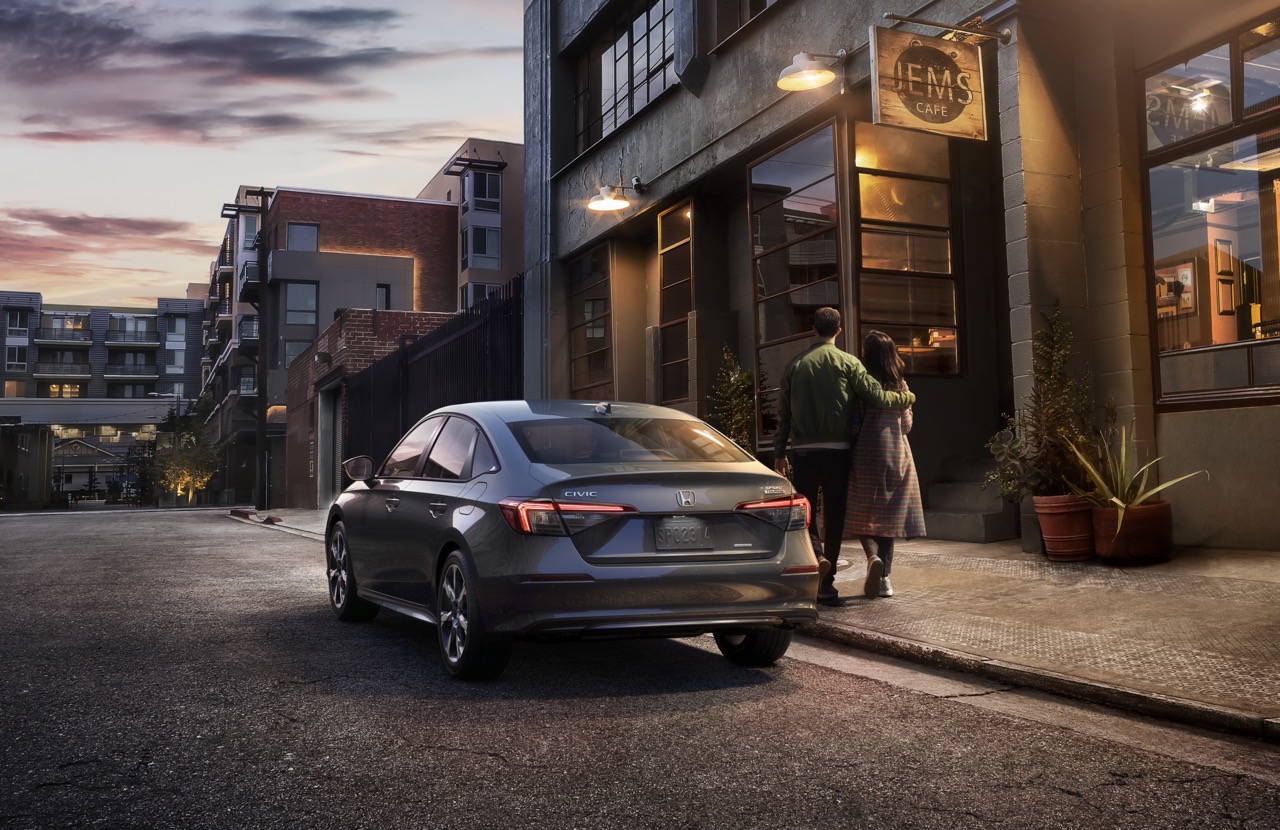
In terms of design, every 2025 Honda Civic receives exterior enhancements, including a more aggressive front fascia and grille, along with darker taillights for a sharper appearance in the sedan model. The more-powerful hybrid-powered trims feature a distinct body-coloured headlamp garnish and front lower spoiler, further accentuating their sporty aesthetic. Additionally, all Sport trims retain dark trim and black 18-inch wheels, with a new machine-finished wheel design exclusive to the top-of-the-line Sport Touring Hybrid.
Introducing four new exterior colours—including Solar Silver Metallic, Urban Gray Pearl, Blue Lagoon Pearl (exclusive to Civic sedan), and Sand Dune Pearl (exclusive to Civic hatchback)—further enhance the visual appeal of the 2025 Civic.
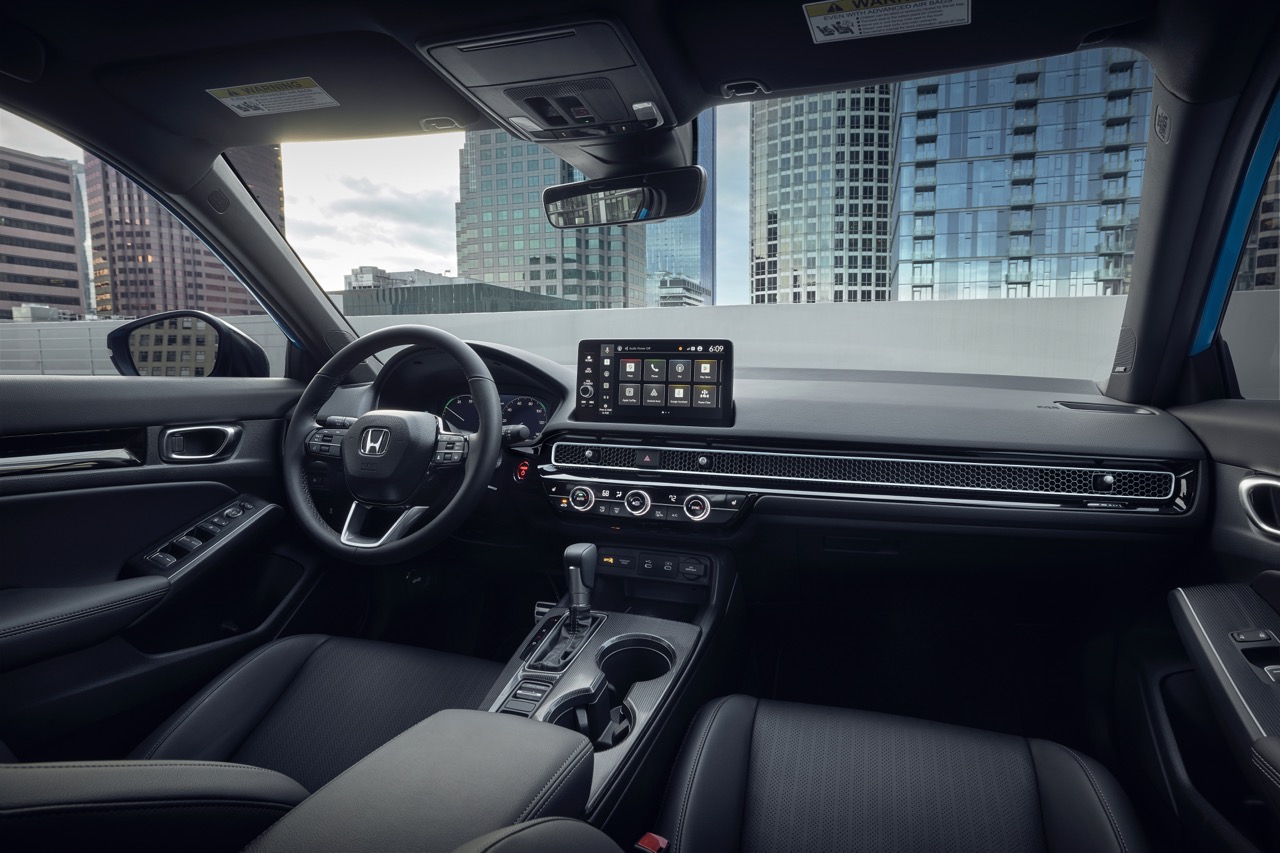
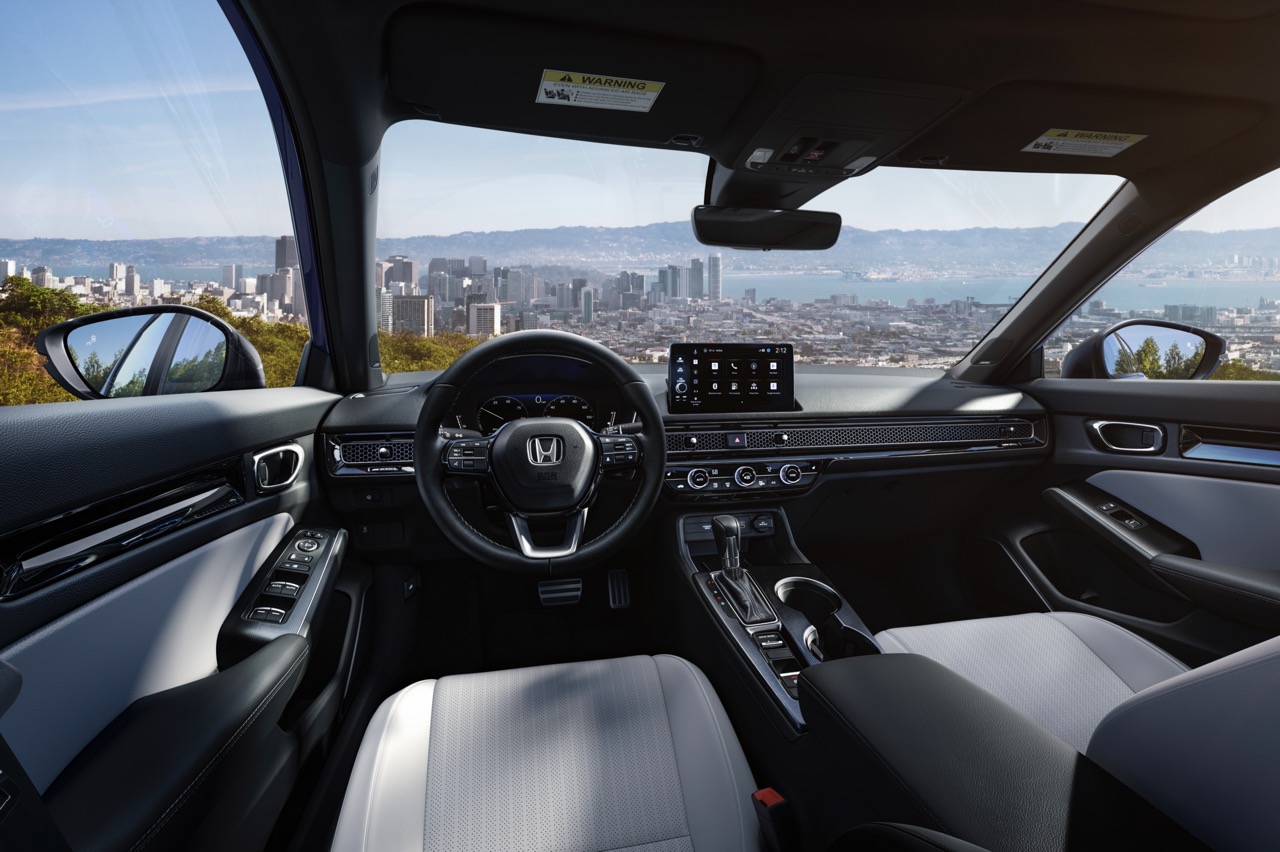
Inside, the Civic’s interior is refreshed, offering a simple yet clean design. All hybrid models now feature a grey interior colour, while the Sport Hybrid includes standard amenities such as a moonroof, heated front seats, and dual-zone climate controls. The Sport Touring Hybrid adds premium touches like leather seating, a 12-speaker Bose premium audio system, and advanced technology, including a larger 9-inch touchscreen with wireless Apple CarPlay and Android Auto compatibility, along with a wireless smartphone charger. Additionally, all Civic models come standard with front USB-C ports.
The top-line Sport Touring Hybrid integrates Google built-in for the first time in a Civic, offering access to apps like Google Assistant, Google Maps, and more on Google Play. This feature enhances the driving experience with personalised and connected functionalities, supported by a complimentary 3-year unlimited data plan.
Safety remains a top priority for Honda, with the 11th-generation Civic equipped with advanced active and passive safety technology as standard across all trim levels. This includes Honda’s proprietary Advanced Compatibility Engineering (ACE) body structure, designed to enhance occupant protection in various frontal collisions, along with advanced supplemental restraint systems.
Civic’s driver and passenger front airbags are engineered to minimise the risk of severe brain trauma associated with angled frontal collisions, with innovative designs aimed at reducing rotation. Furthermore, all Civic models come equipped with the Honda Sensing suite of safety and driver-assistive technologies, featuring Collision Mitigation Braking System (CMBS) with Pedestrian Detection, Forward Collision Warning, Road Departure Mitigation (RDM) incorporating Lane Departure Warning (LDW), Lane Keeping Assist System (LKAS), and Adaptive Cruise Control (ACC). Additionally, all Sport models are now equipped with Blind Spot with Rear Cross-Traffic Alert.
The year 2024 is not a good time to be a car fan. Sure, you have some mega cars from the likes of Bugatti, Ferrari, Porsche and Aston Martin, but you have to have some deep pockets to be able to indulge in those.
The advent of technology has made it possible to create stratospheric power and aerospace levels of aerodynamics to ensure a car never leaves the ground. But all of this comes at a price, figures that would leave some rich folks short of breath.
On the other hand, the 90s and the noughties were probably the best times for car fans. Technologies from the 80s such as turbochargers and all-wheel-drive systems had been perfected and came together to create such monstrosities as the Nissan GT-R, the Lancia Delta Integrale and even Audi’s RS series of power-mobiles.
And car companies thought of the regular man as well. Ford created the Focus RS, Renault had the mighty Clio, Peugeot with its 308, Mazda its MX-5 and Honda had its Type R. Closer to home, even Proton had something that just about anyone could appreciate – the beloved Satria GTi.
And then something changed somewhere.
In the ever-evolving world of automotive tech, cars needed to produce more power, be faster, look better and stick to the road like a lizard to the wall. And unfortunately, this meant that cars that were once fun and affordable had become more expensive because evolution requires tech and tech is not cheap.
We wouldn’t go so far as to say that electric car’s stole all the fun, but there does lie some blame there. But that’s a debate for another time.
Back tracking to the time when cars were cheap and cheerful, the Civic Type R (CTR) was introduced in 1997 and was based on the EK9 Civic. While some of its competitors relied on force induction to create massive power, Honda went a different route and refined its popular VTEC technology.
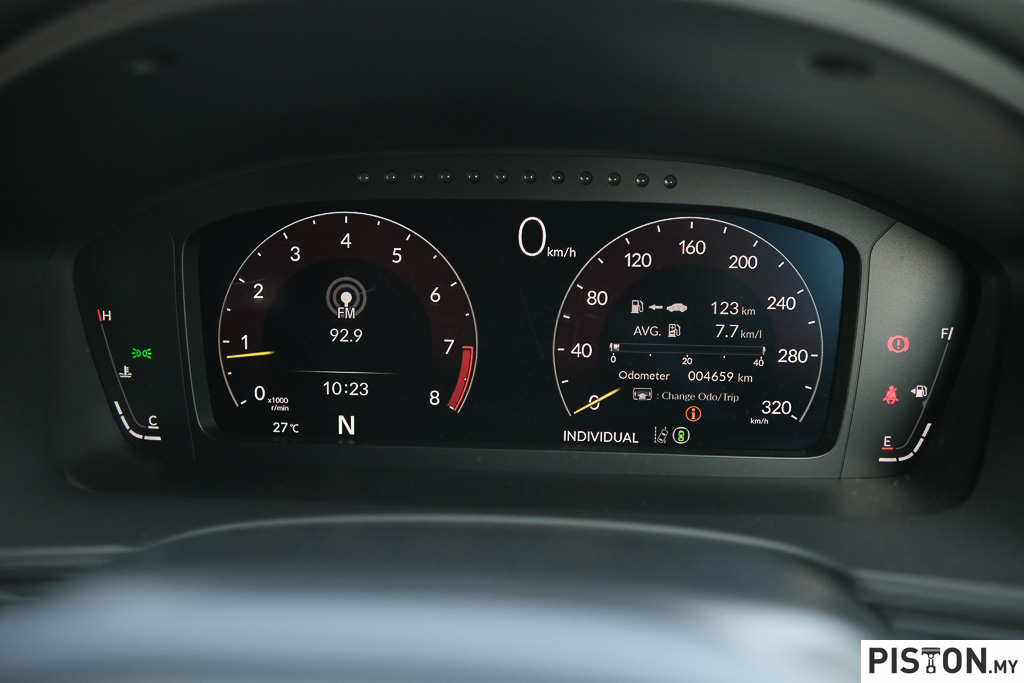
The B16B engine of the EK9 Civic is still one of the finest small displacements, naturally-aspirated engines ever made and is still highly sought after by enthusiasts. It created most of its power at the upper end of the 8000rpm redline, which meant that you had to keep the engine on the boil to extract every bit of horsepower. That combined with a livewire chassis and grippy tyres provided a driving experience that is extinct in today’s cars.
Then came the evolution of Type R models such as the Integra Type R models with legends such as the DC2 and DC5. Arguably one of the most memorable of the Civic Type R’s is the 2007 FD2 which was very much a race car for the road with its ultra-stiff suspension, specially developed tyres and once again, an engine that screamed so loud that it would put your former lover to shame.
The subsequent iterations were softened a little as European legislations creeped in. Things like carbon and noise emissions began to threaten the purity of the Type R brand, but fortunately we Asians got none of those models except for in the parallel import market.
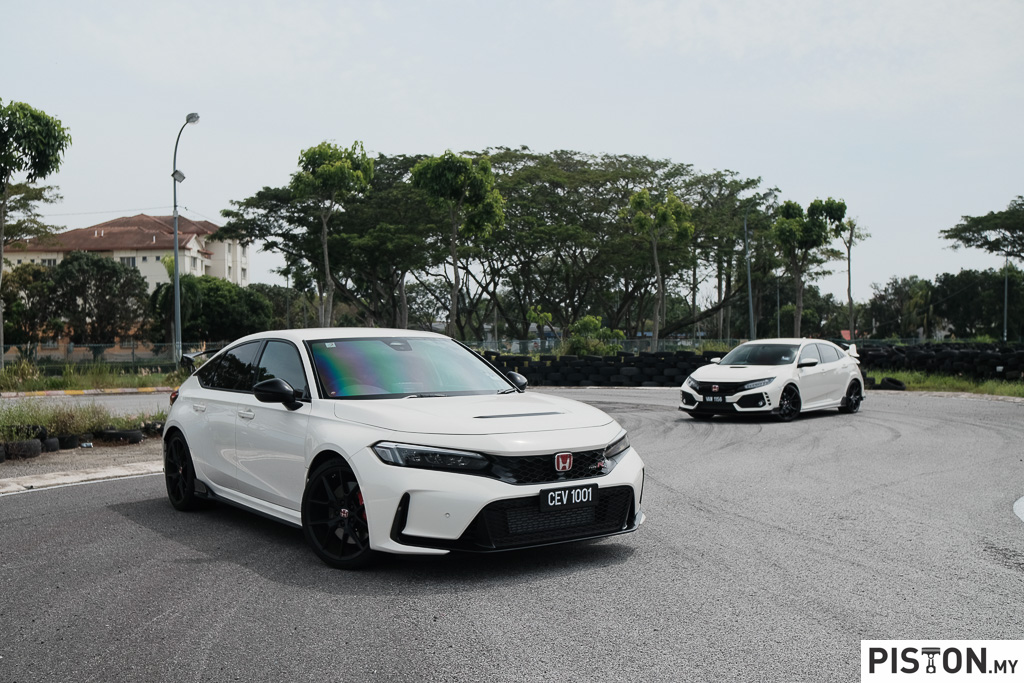
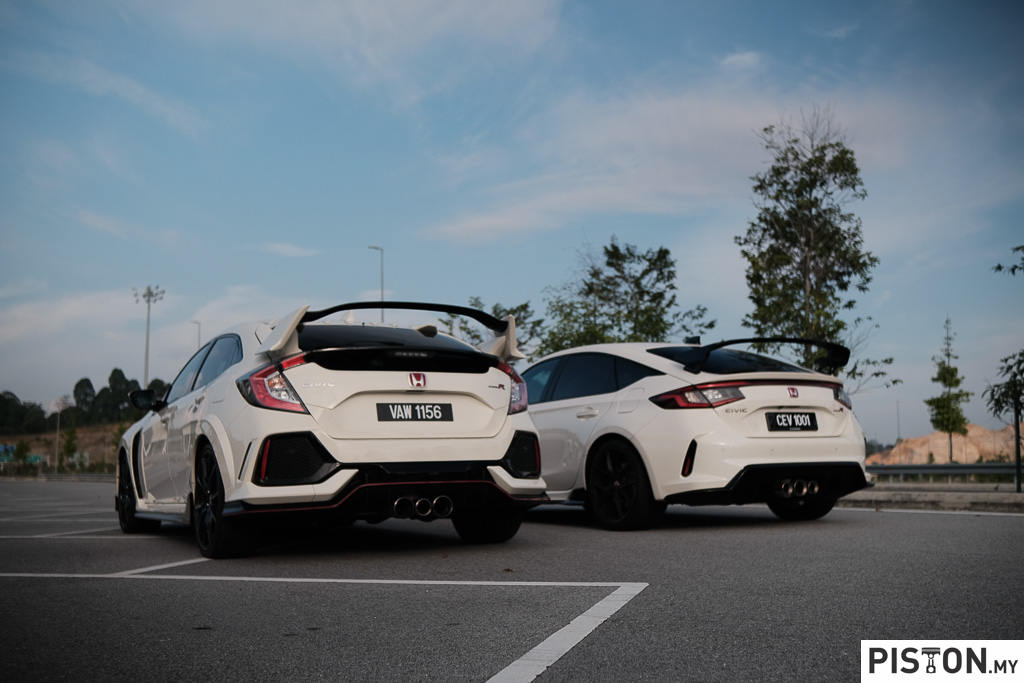
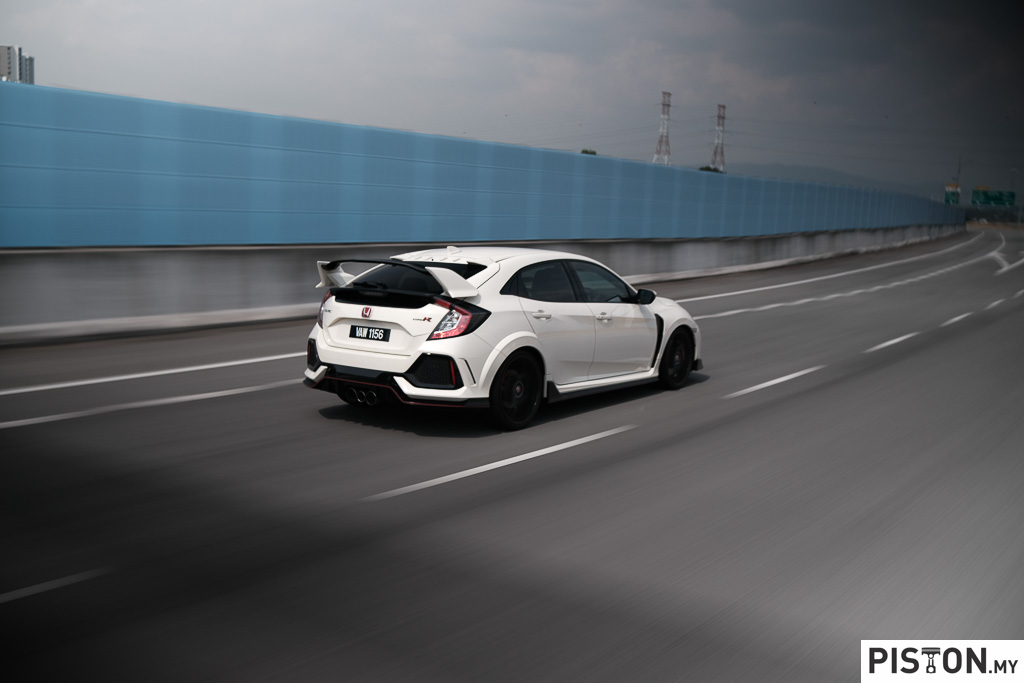
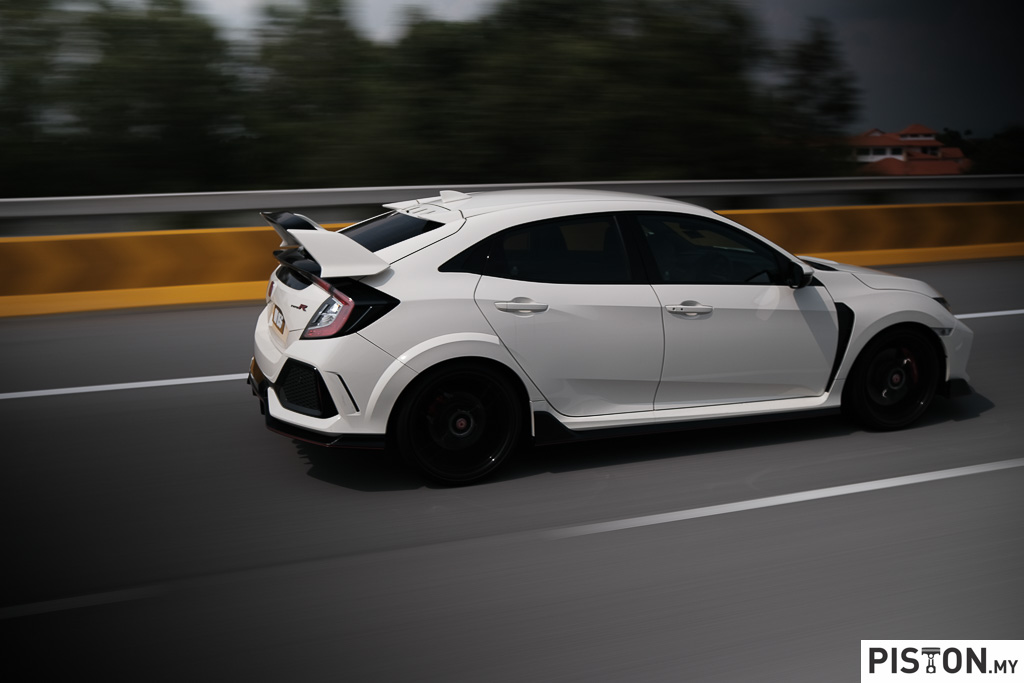
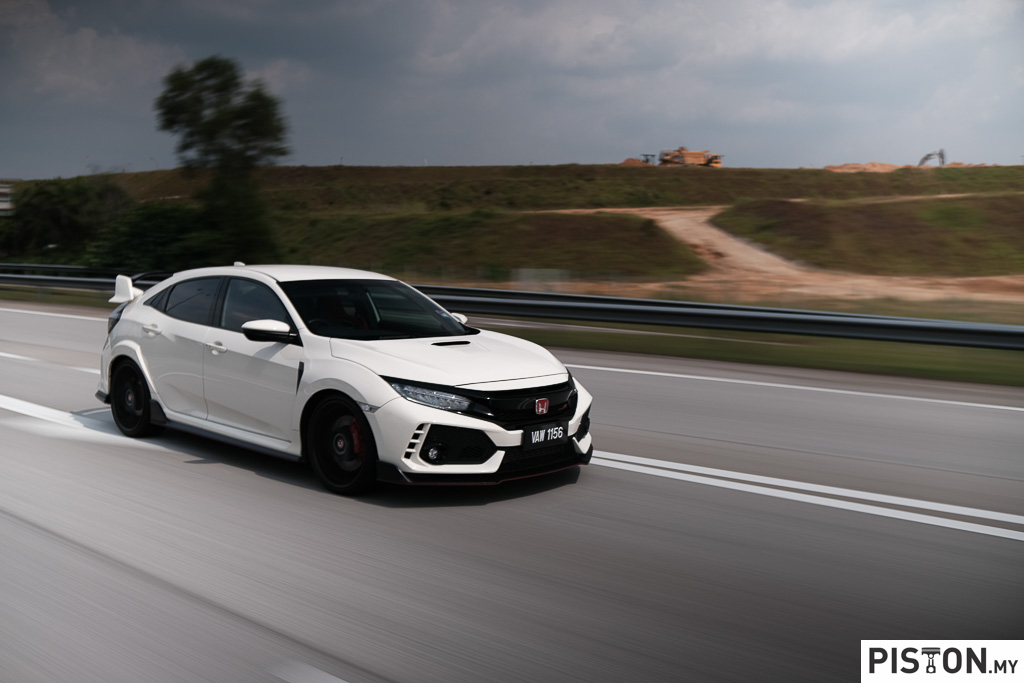
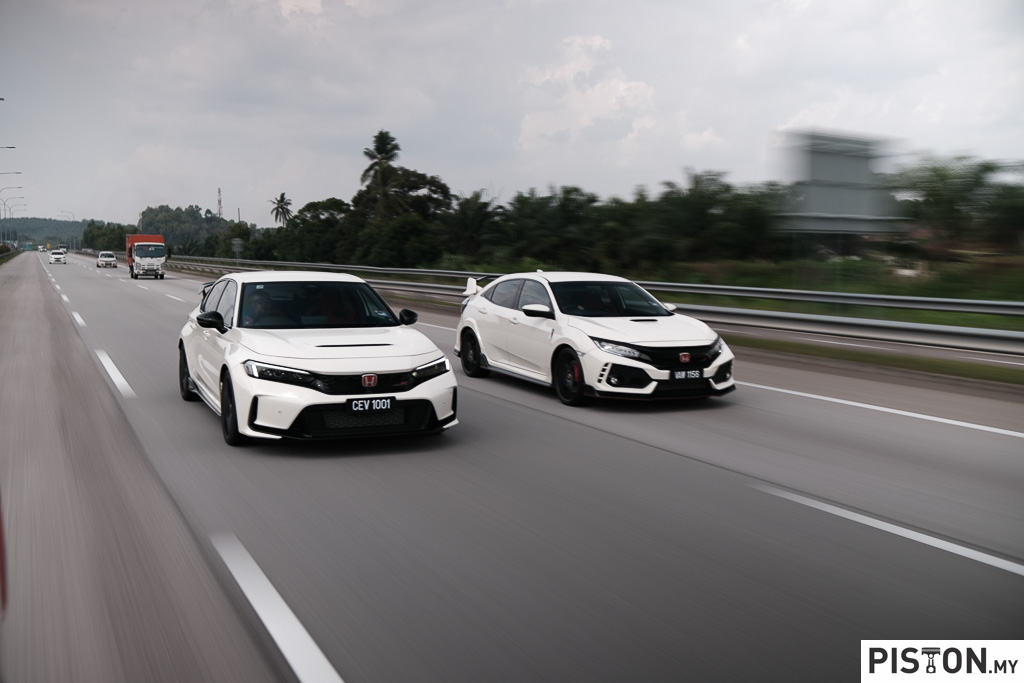
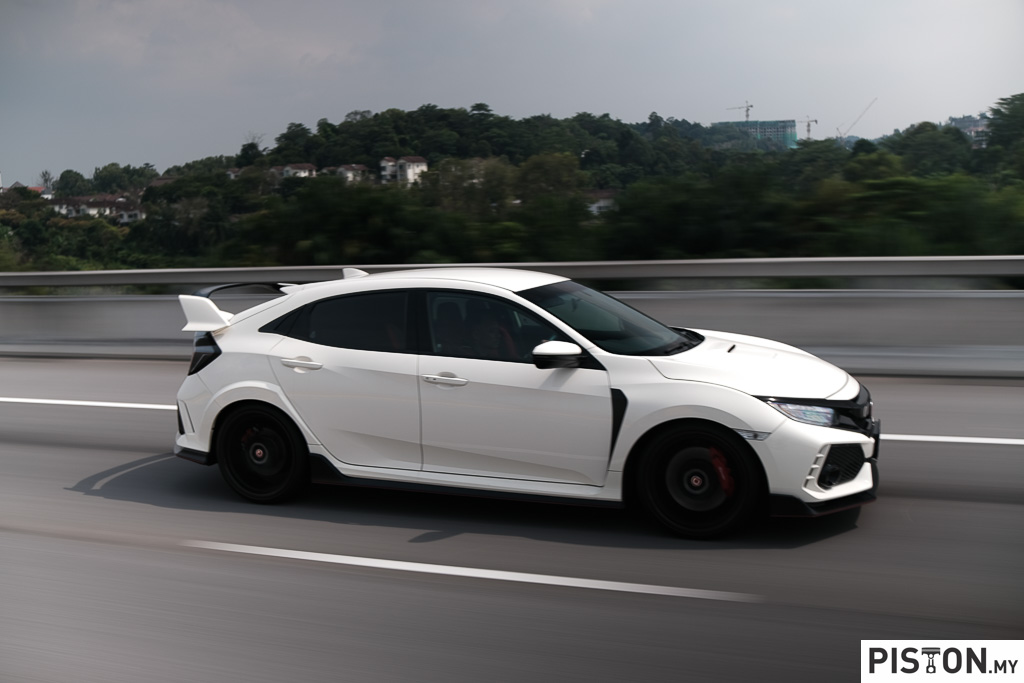
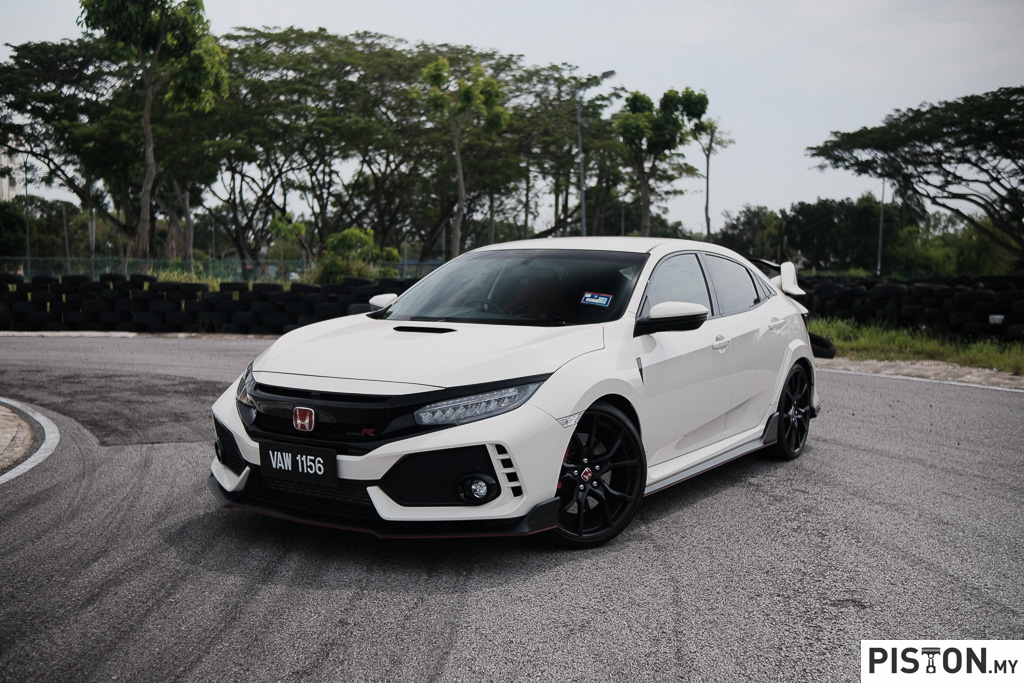
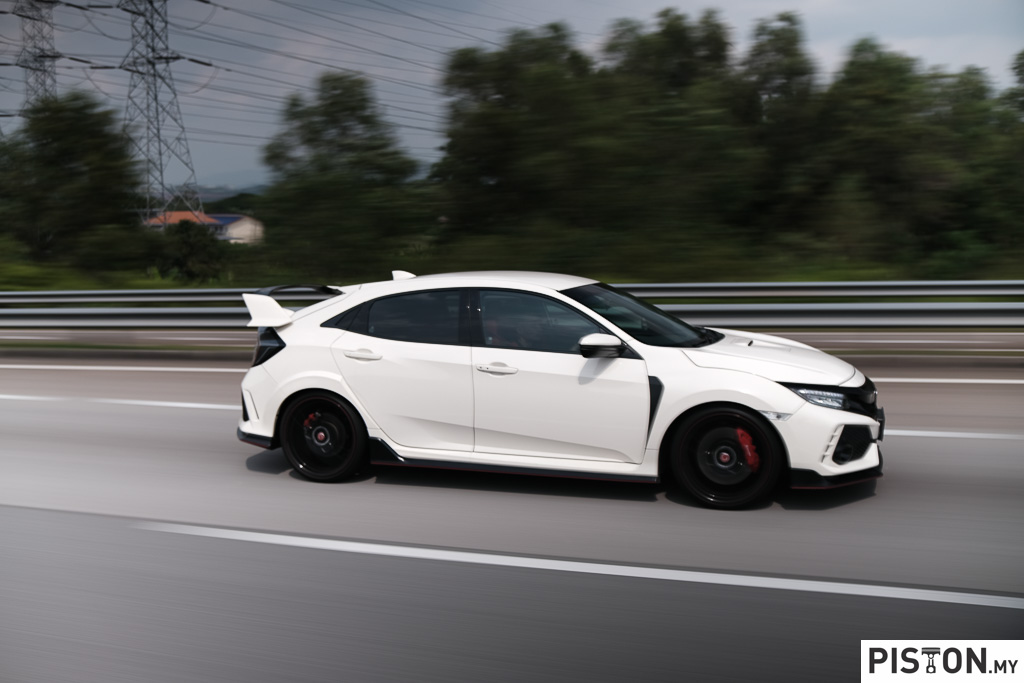
Then came the Civic Type R FK8R. It was the second CTR model that came with a turbo engine after the FK2. And despite being developed in Europe, it was heavenly.
But it was unlike older CTR’s, it was heavy, came with adaptive suspension and drive modes, and it was comfortable, a word that could never be used in the same sentence as a Honda Type R.
It did not forget the driver though, for the initiated, it offered one of the greatest manual gearboxes ever made and the turbocharger complemented Honda’s VTEC system perfectly.
Fans of Honda’s naturally-aspirated engines had a hard time faulting it. It also became the fastest front-wheel-drive car to lap the legendary Nurburgring-Nordschleiffe in Germany.
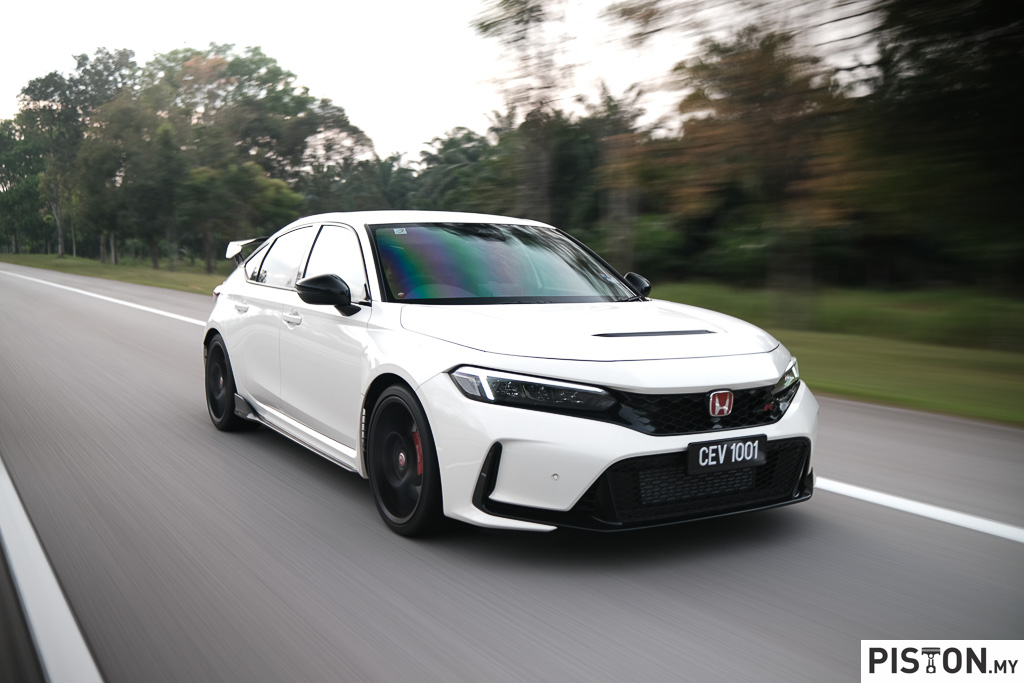
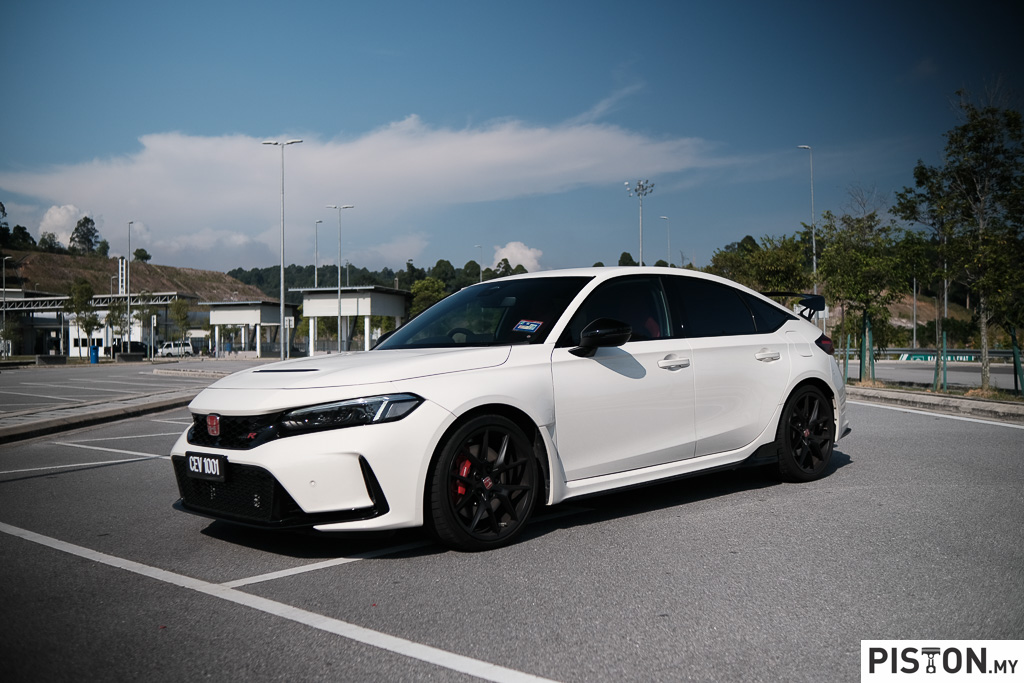
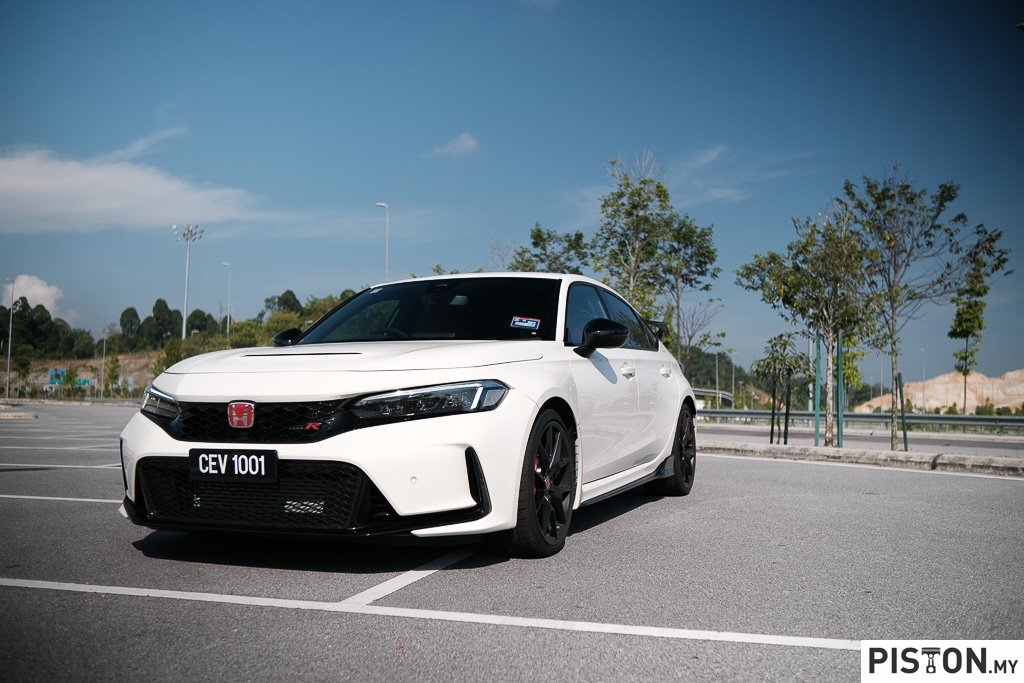
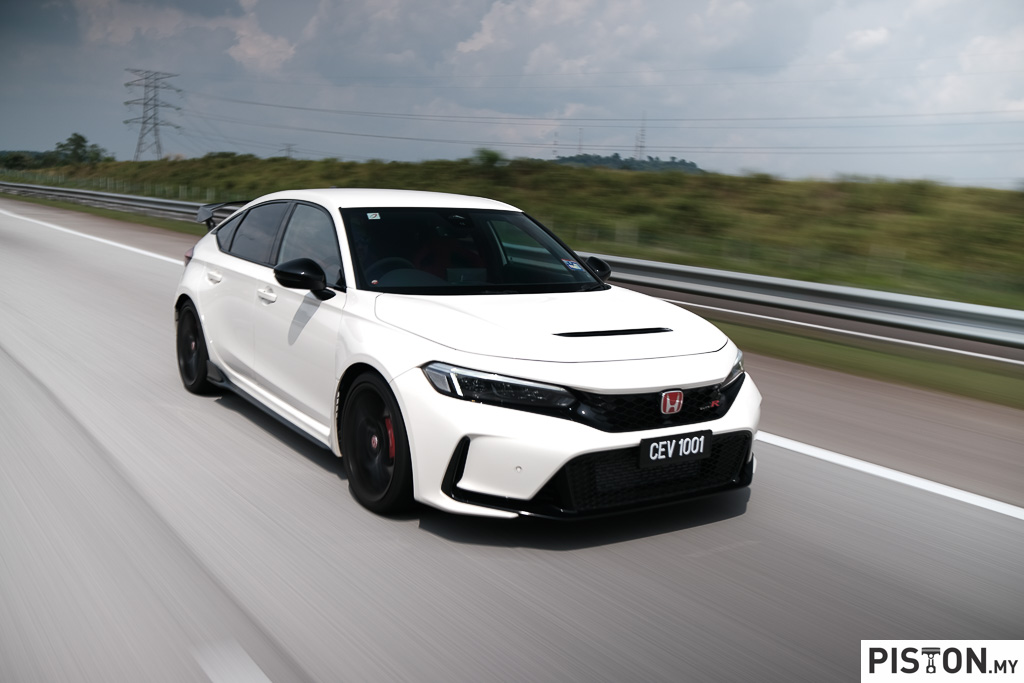
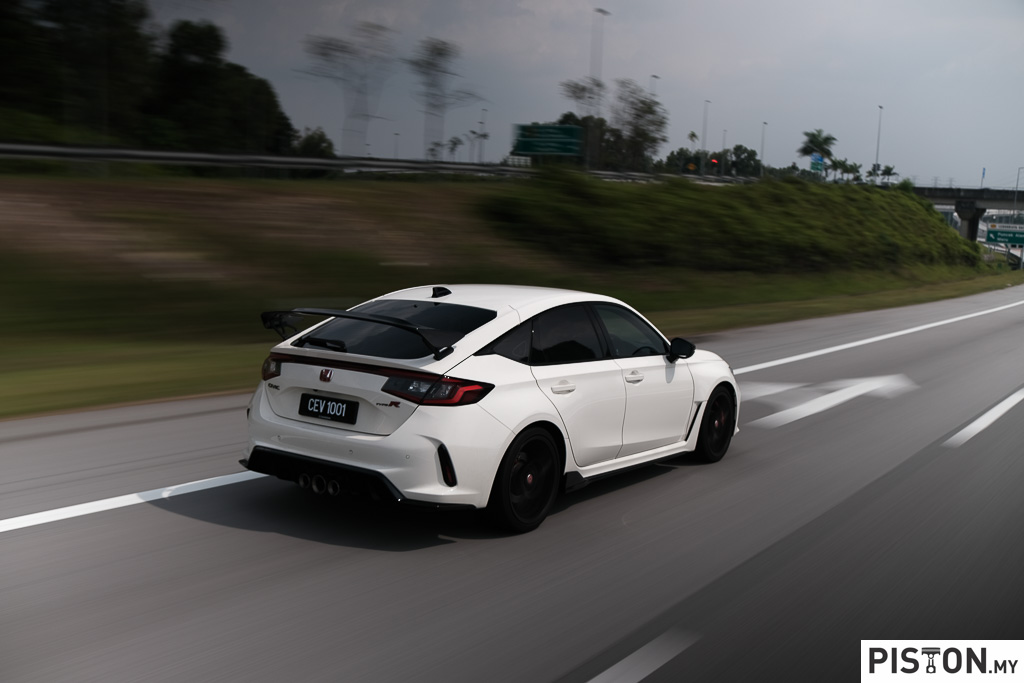
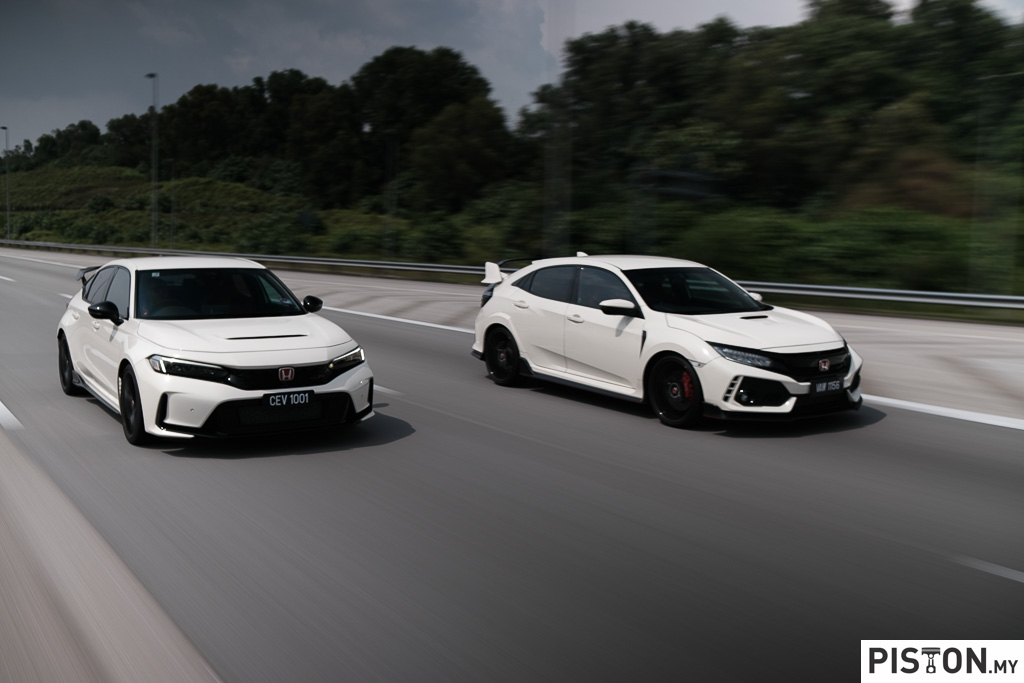
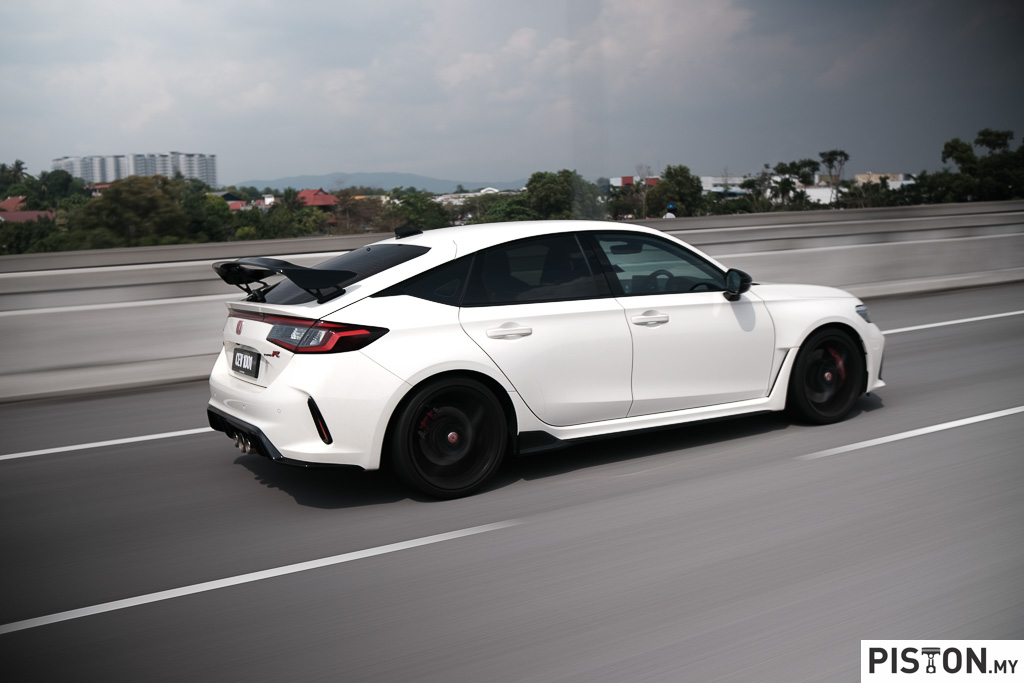
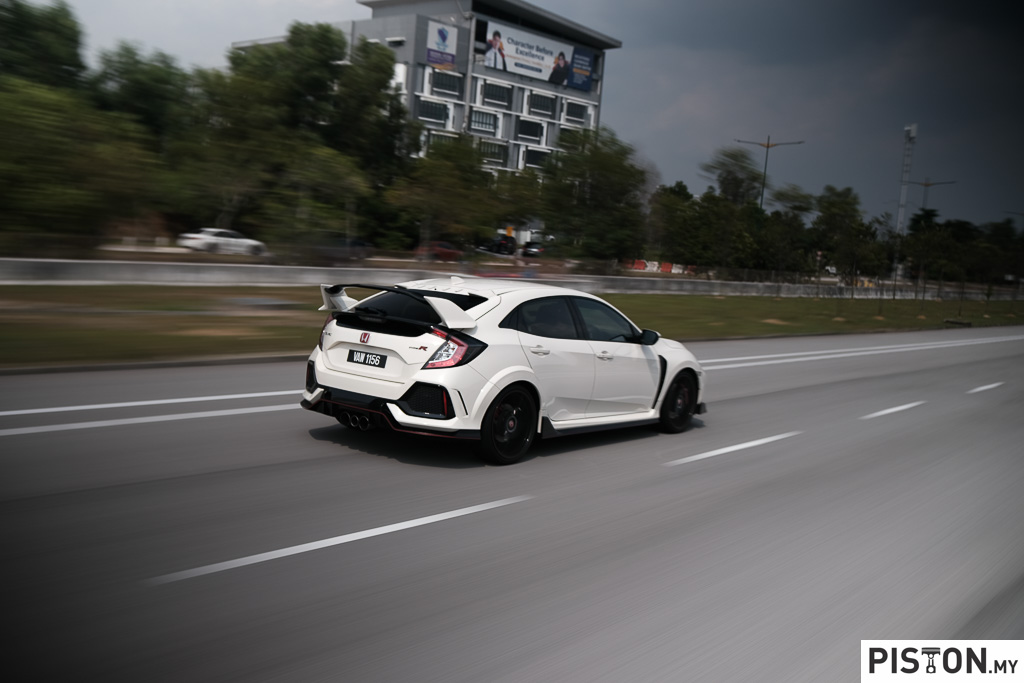
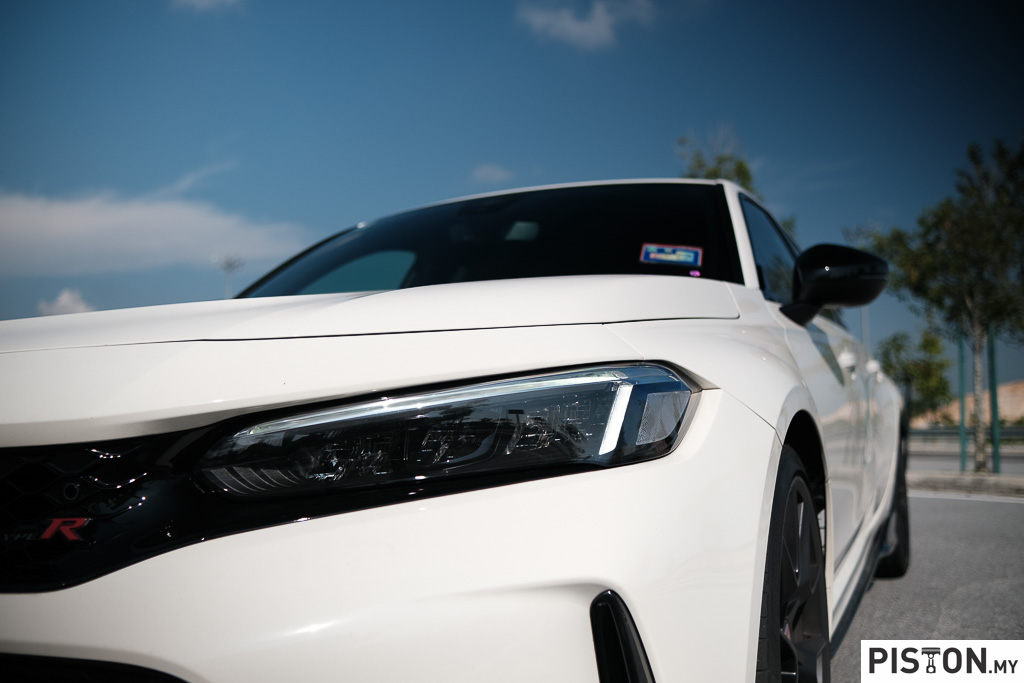
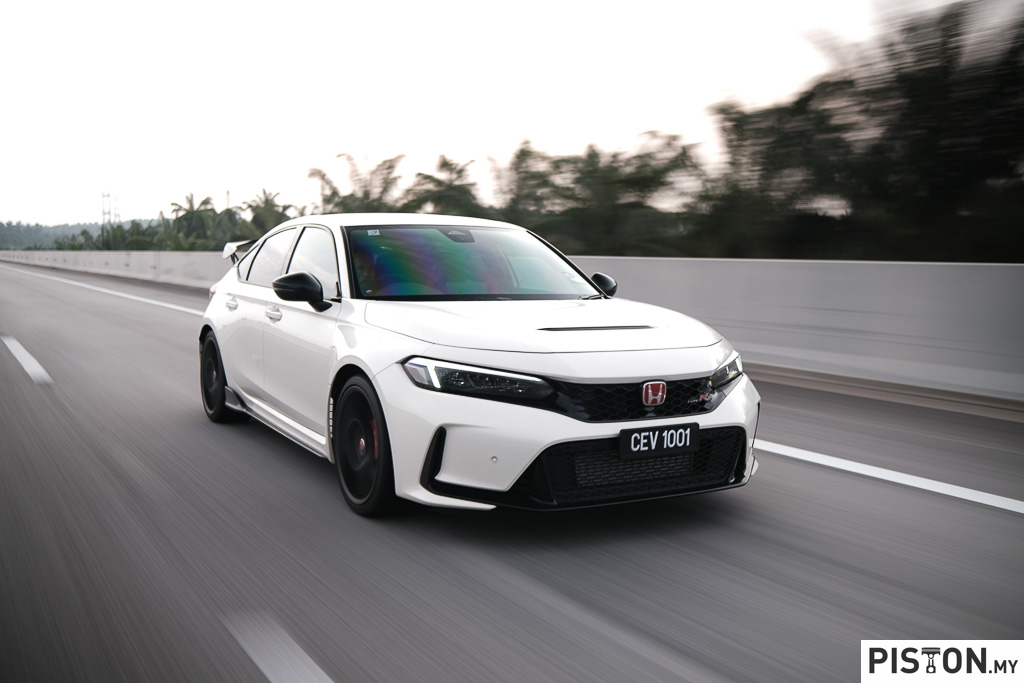
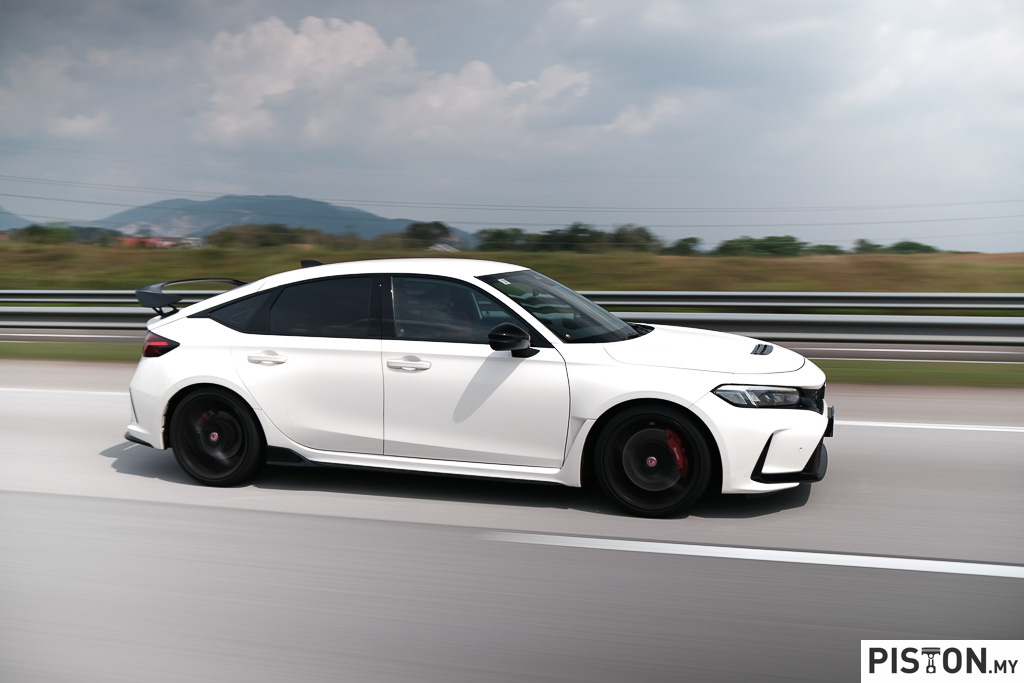
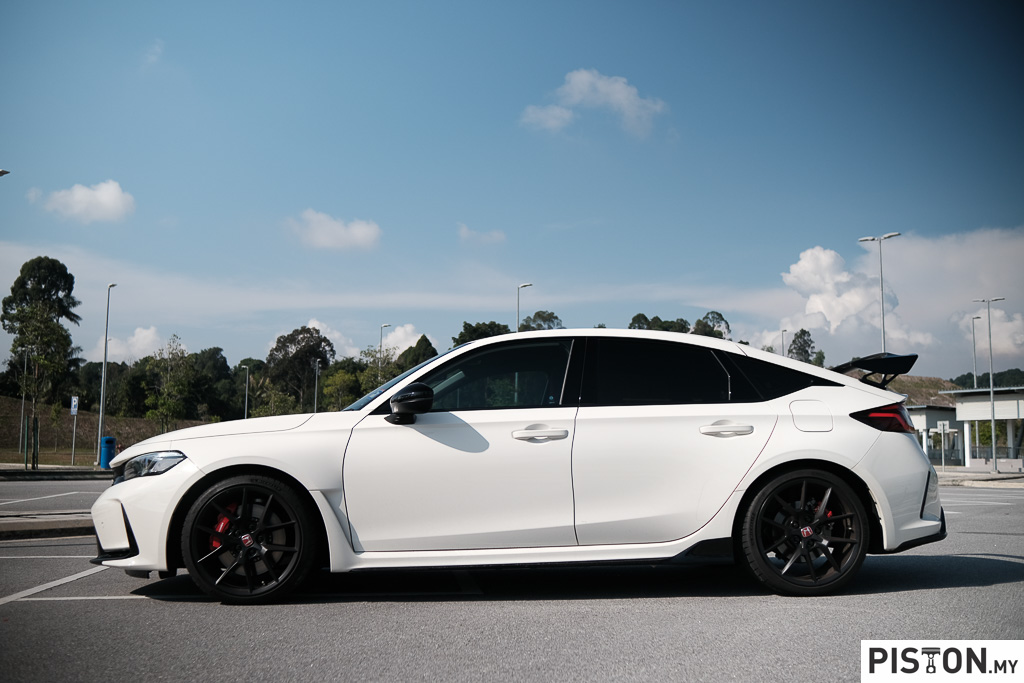
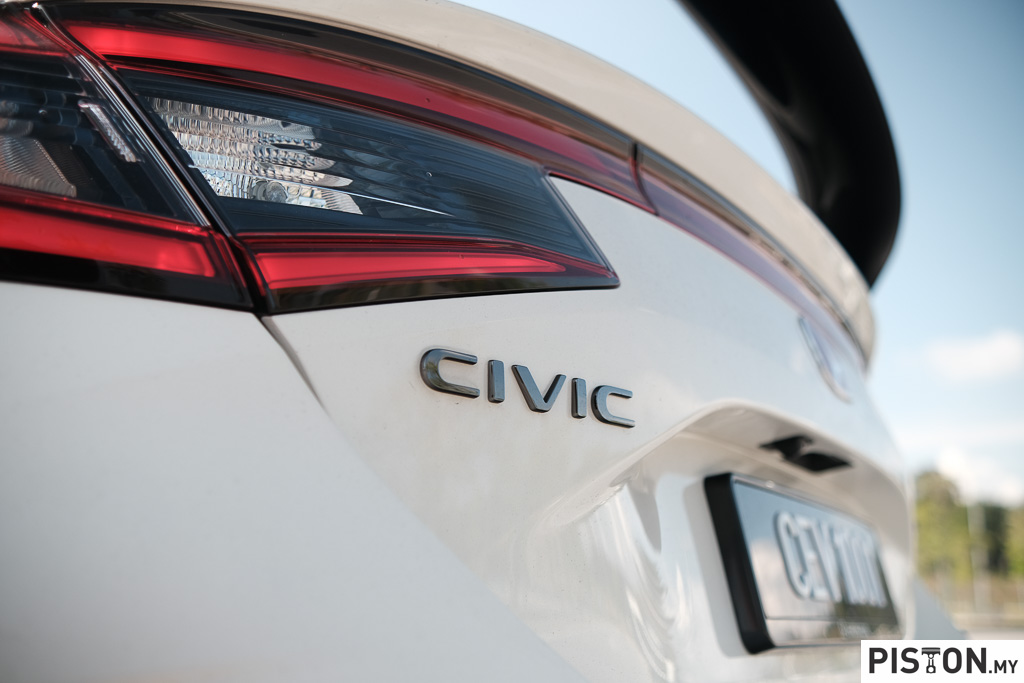
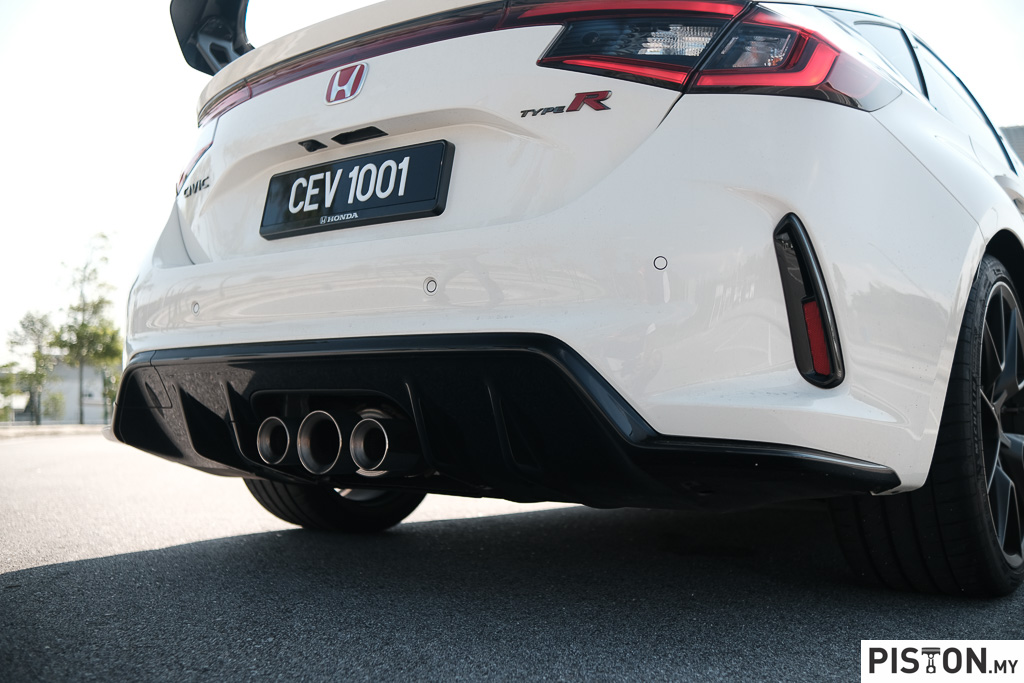
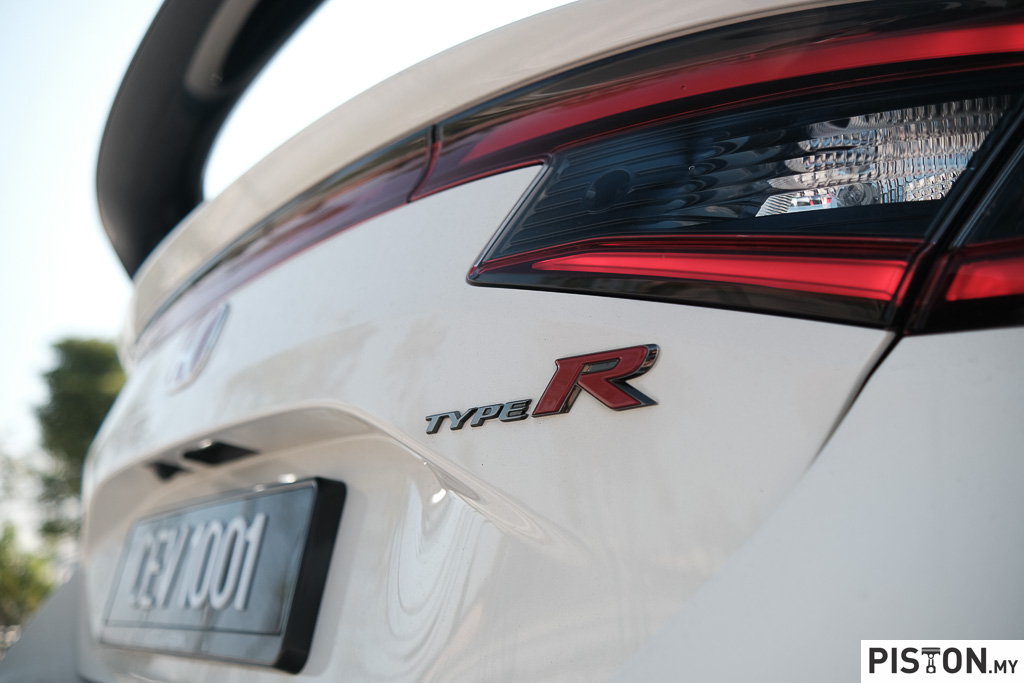
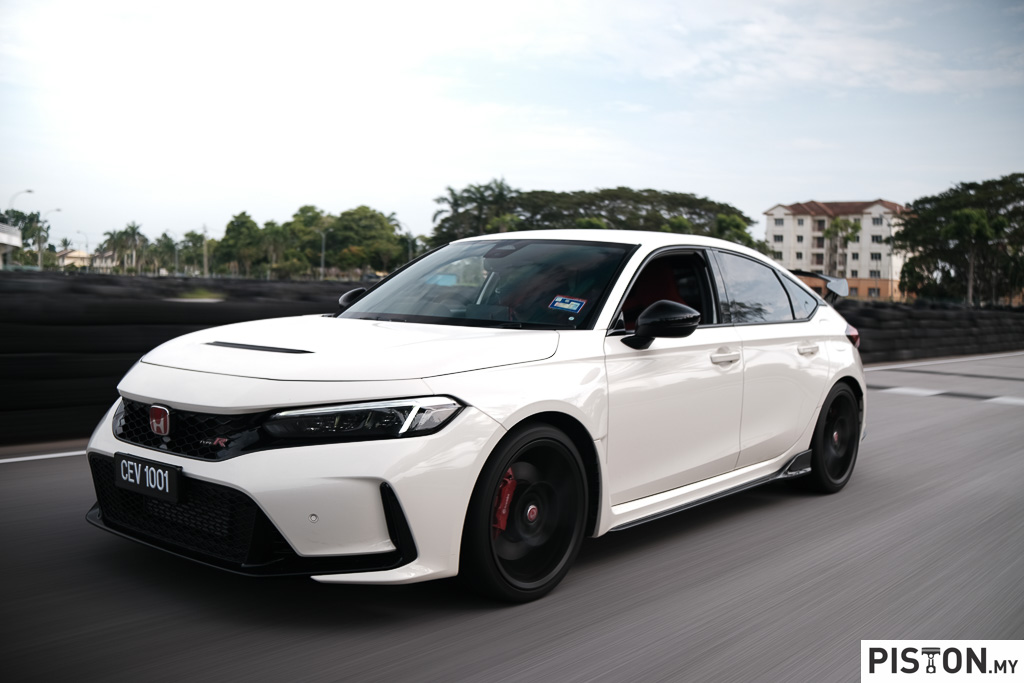
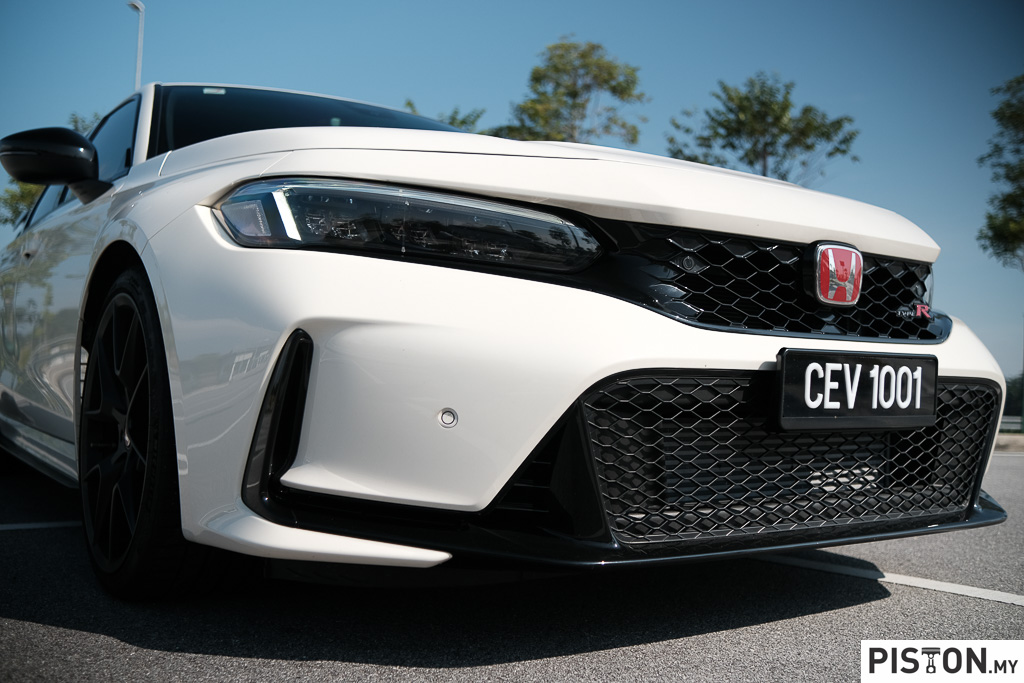
And just when fans and enthusiasts thought that it could not get any better, Honda took the wraps off the Civic Type R FL5 – arguably the greatest Type R, ever.
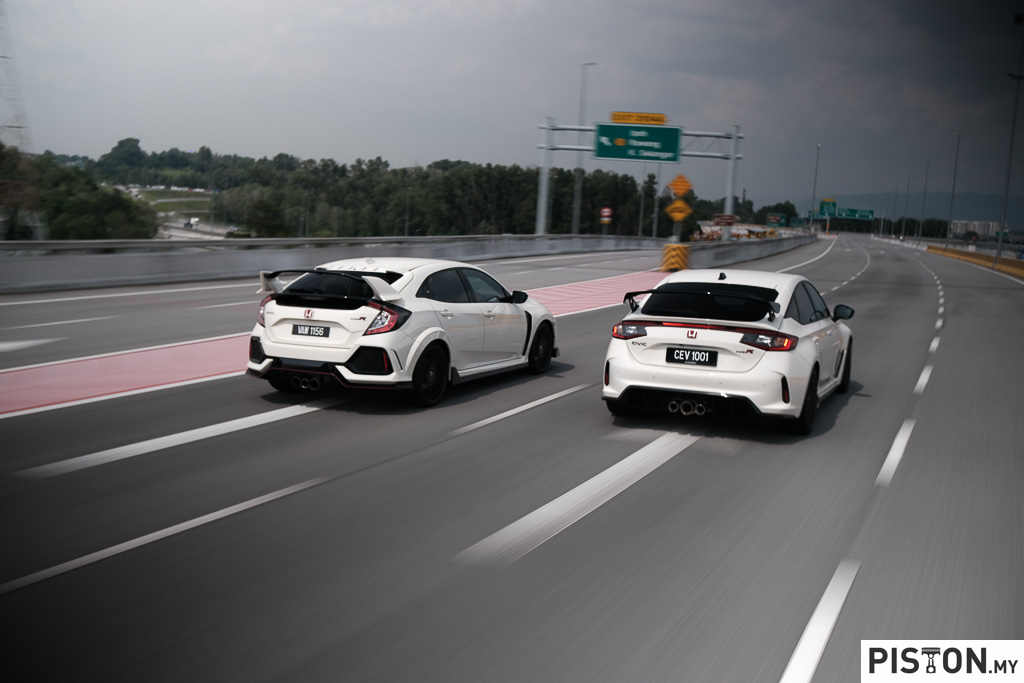
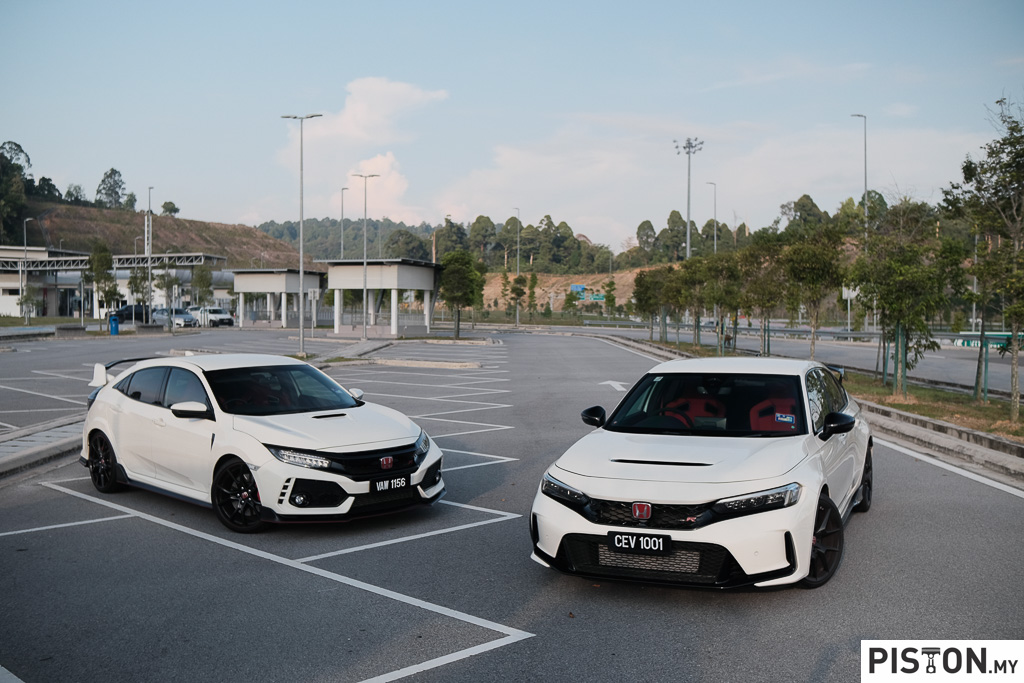
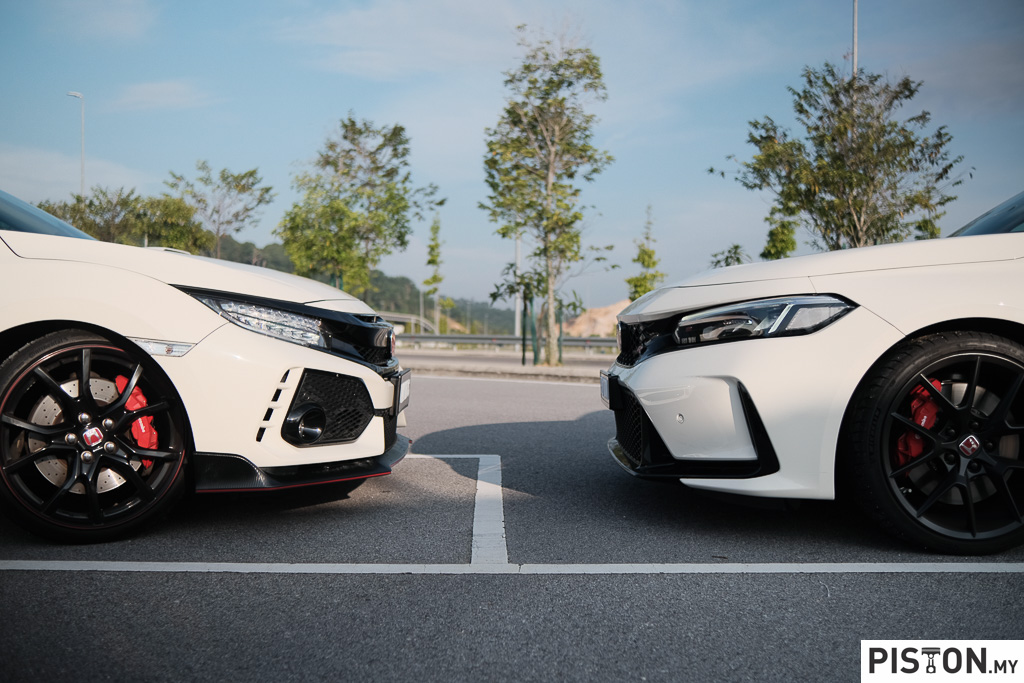
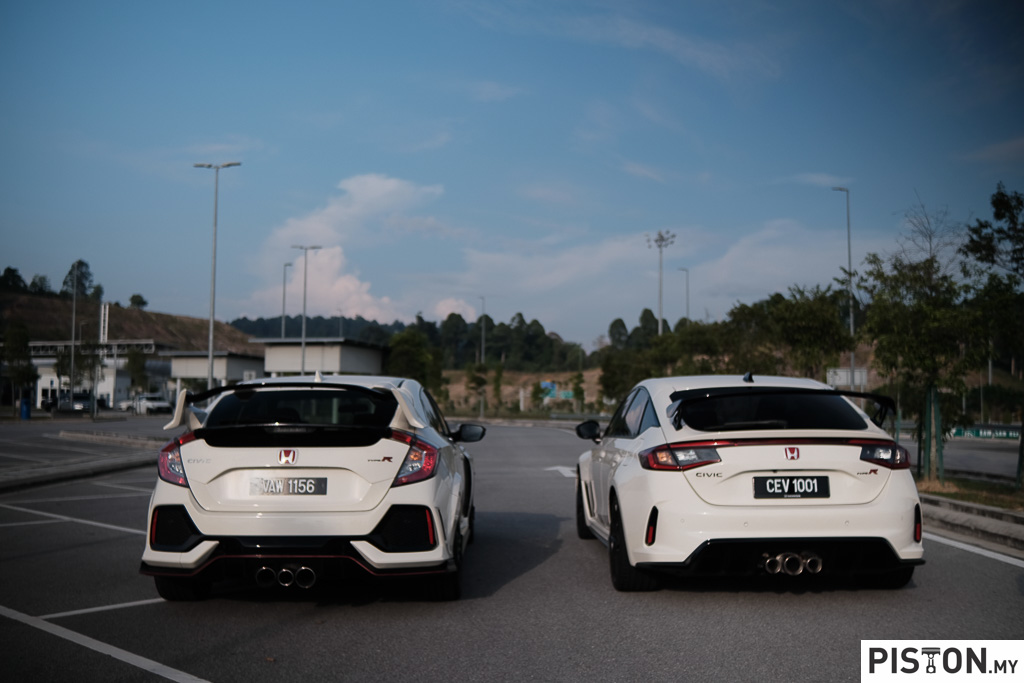
The new CTR FL5 shares a lot with its predecessors, particularly the powertrain and suspension components.
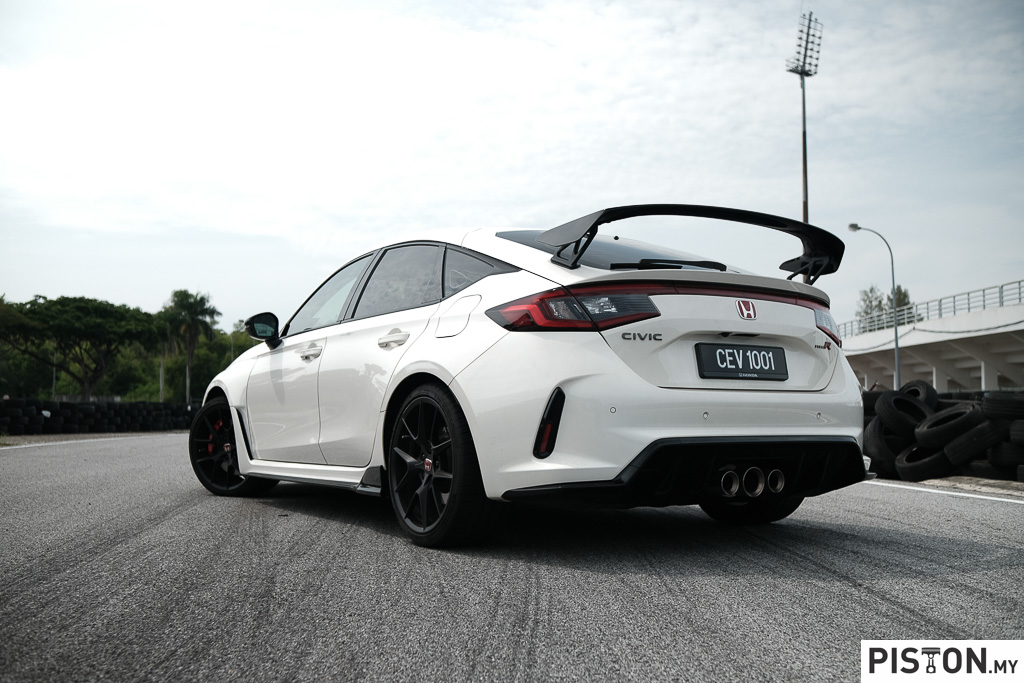
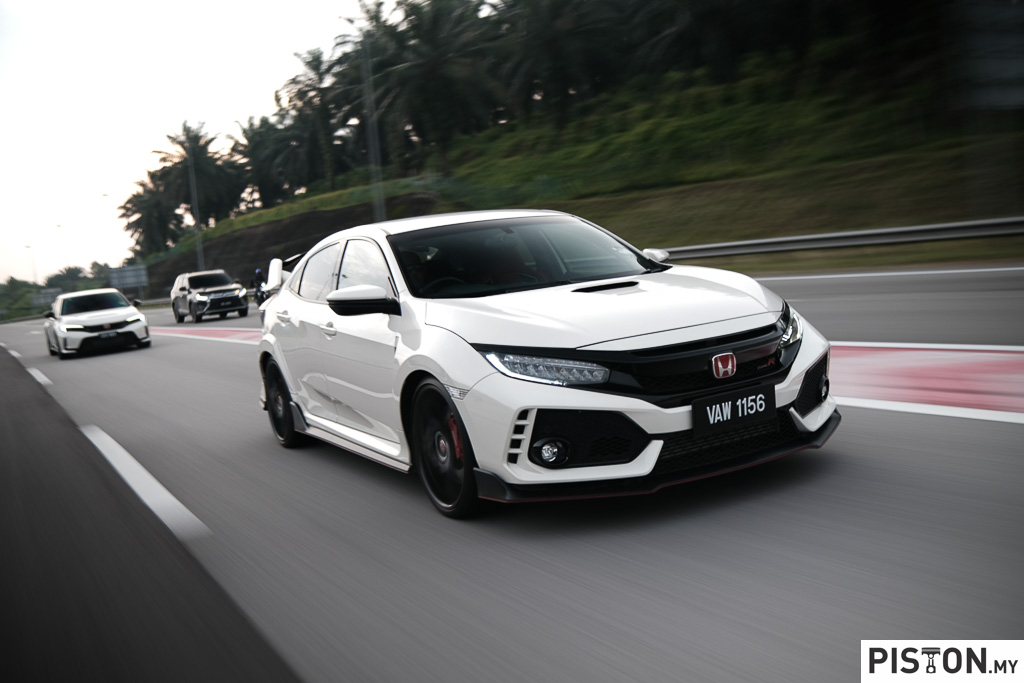
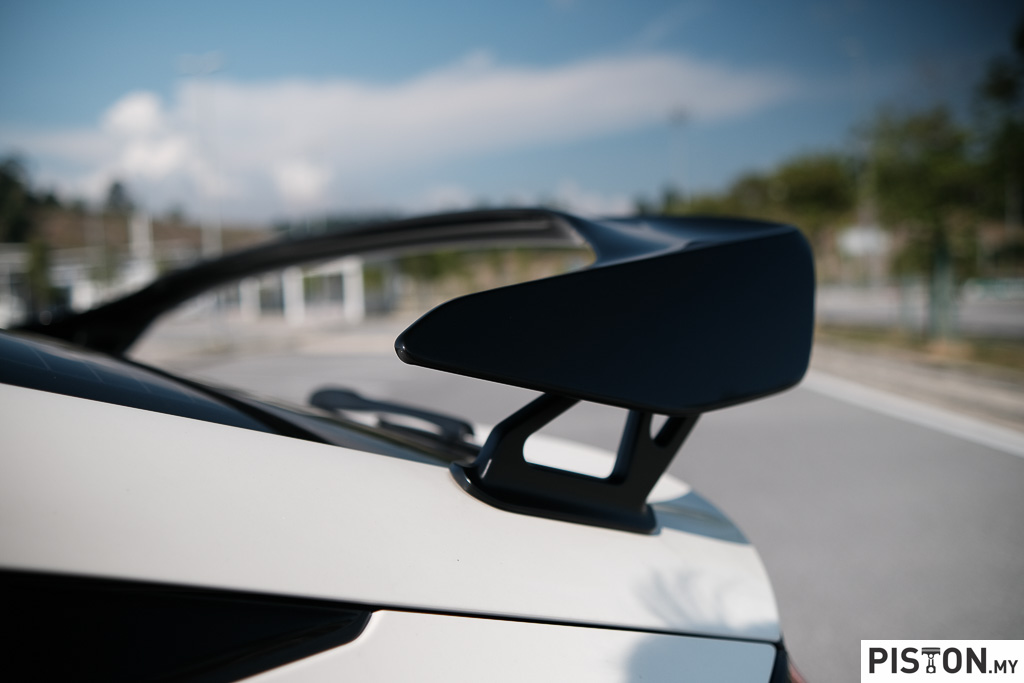
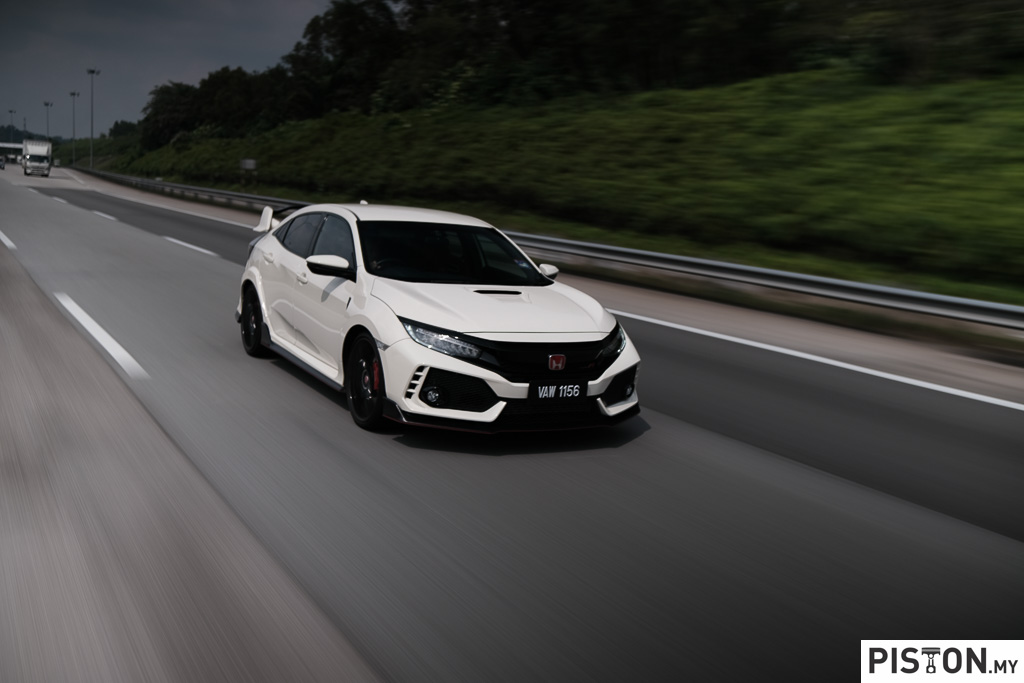
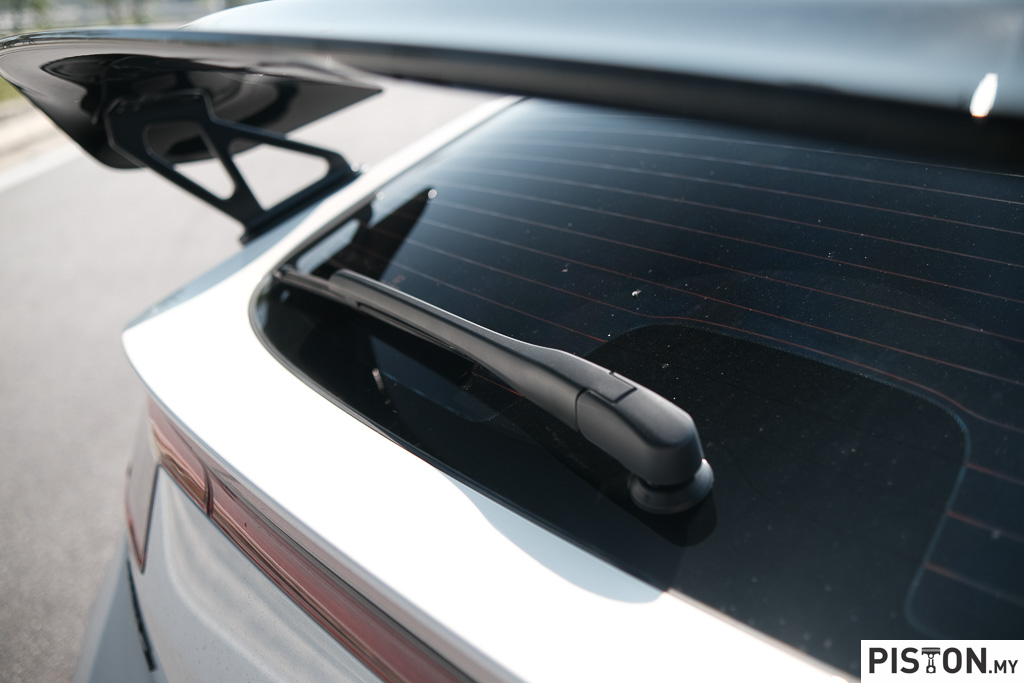
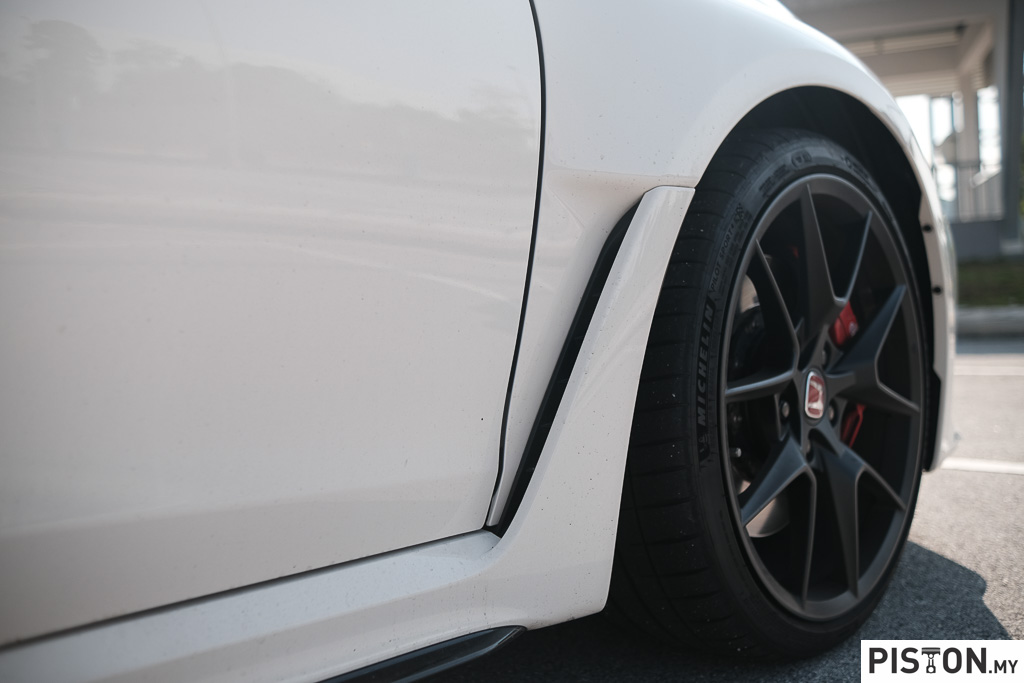
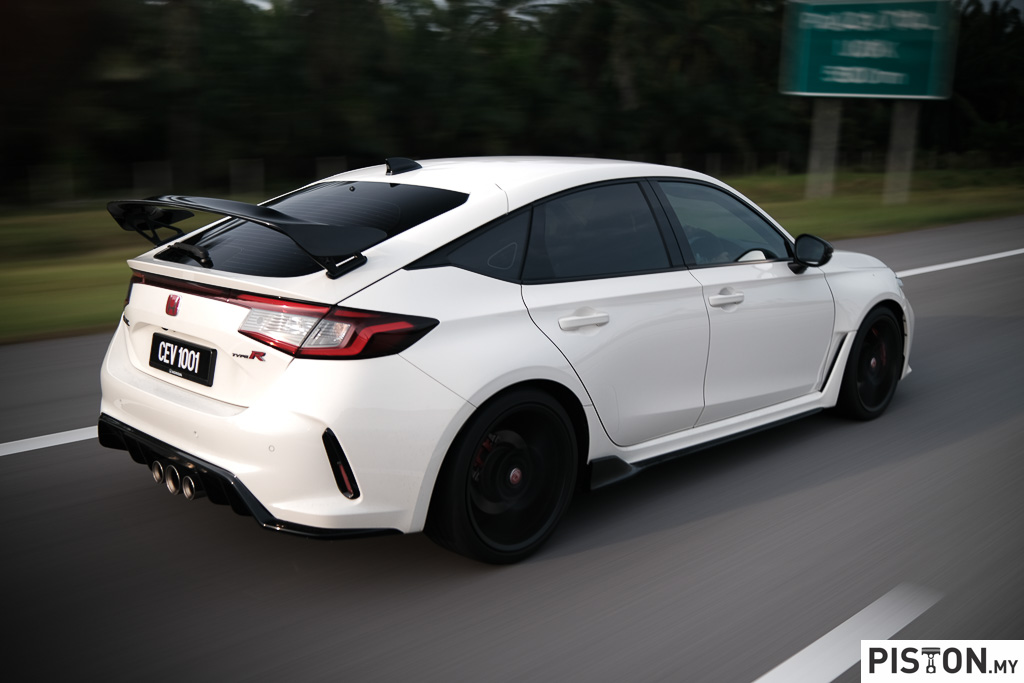
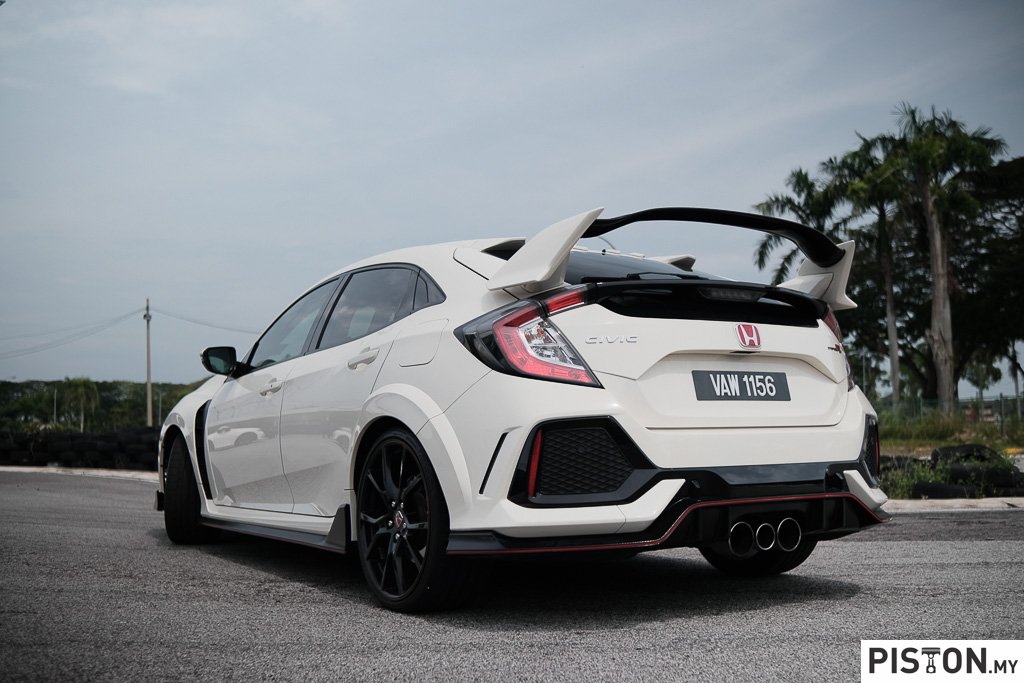
But while the older model had aggressive styling such as the double spoilers, fins and wings that just looked rude, the newer model is refined and socially acceptable. It looks more matured with its styling, which is every bit as functional. In fact, at 200km/h, the design of the CTR FL5 generates 100kg of downforce to further push the car down to maximise grip.
Just like before, there are several vents and fins that channel air in and around the car to also keep things like the engine and brakes cool.
The real spectacle though is inside the car and in the way it drives.
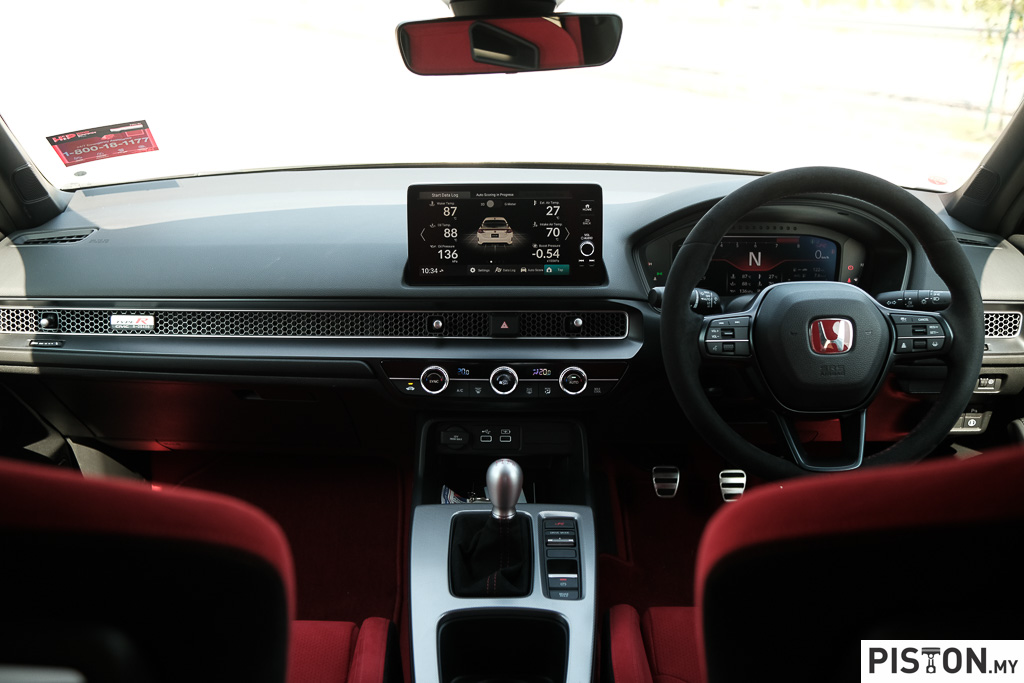
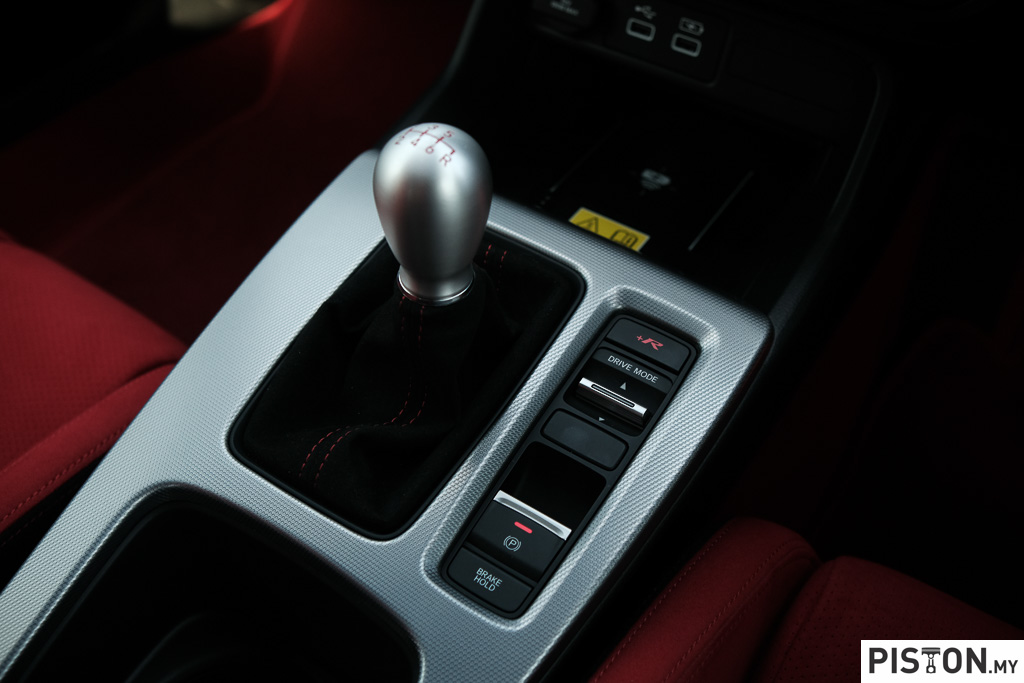
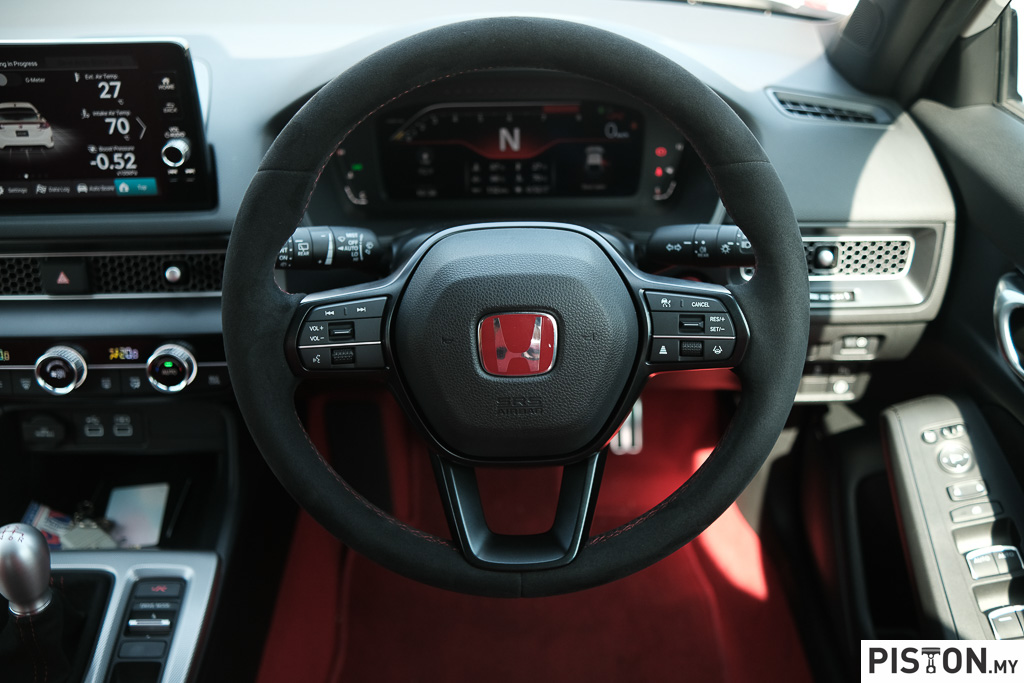
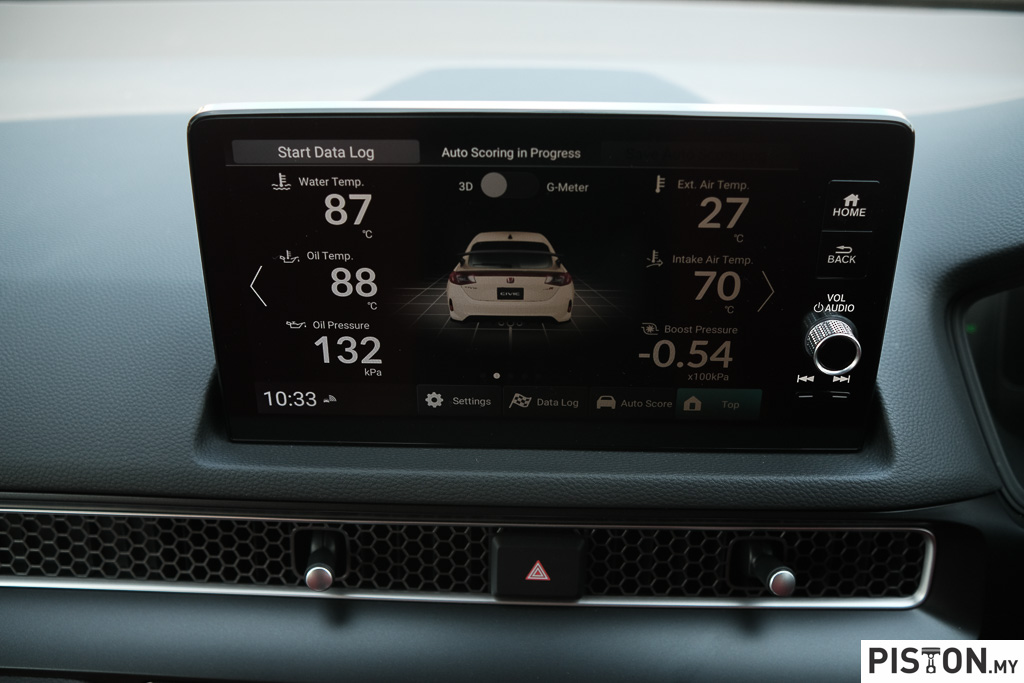
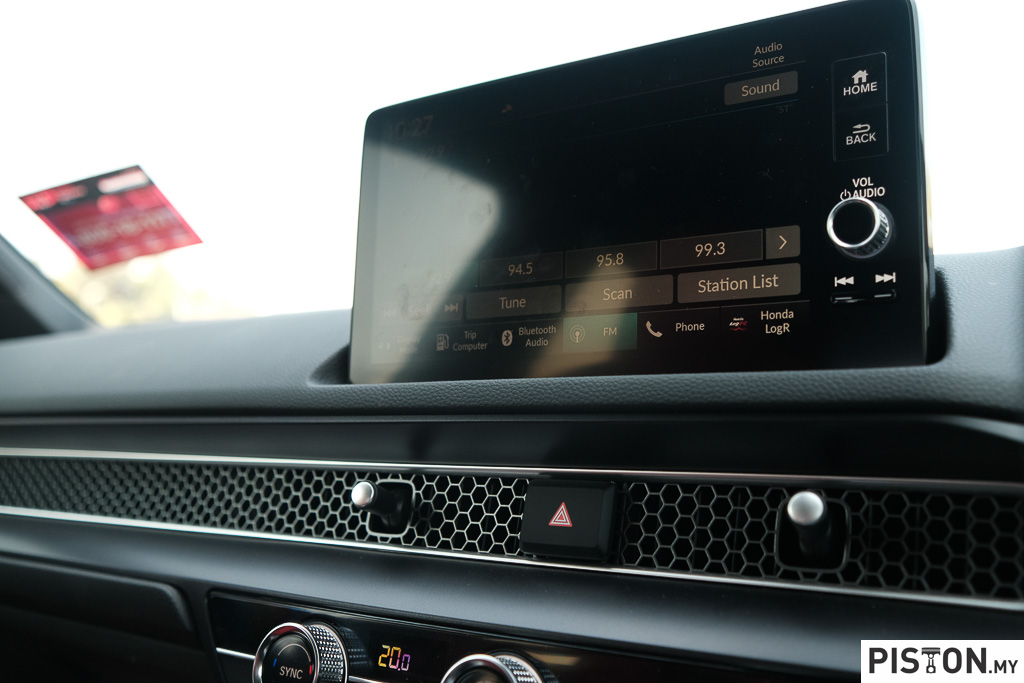
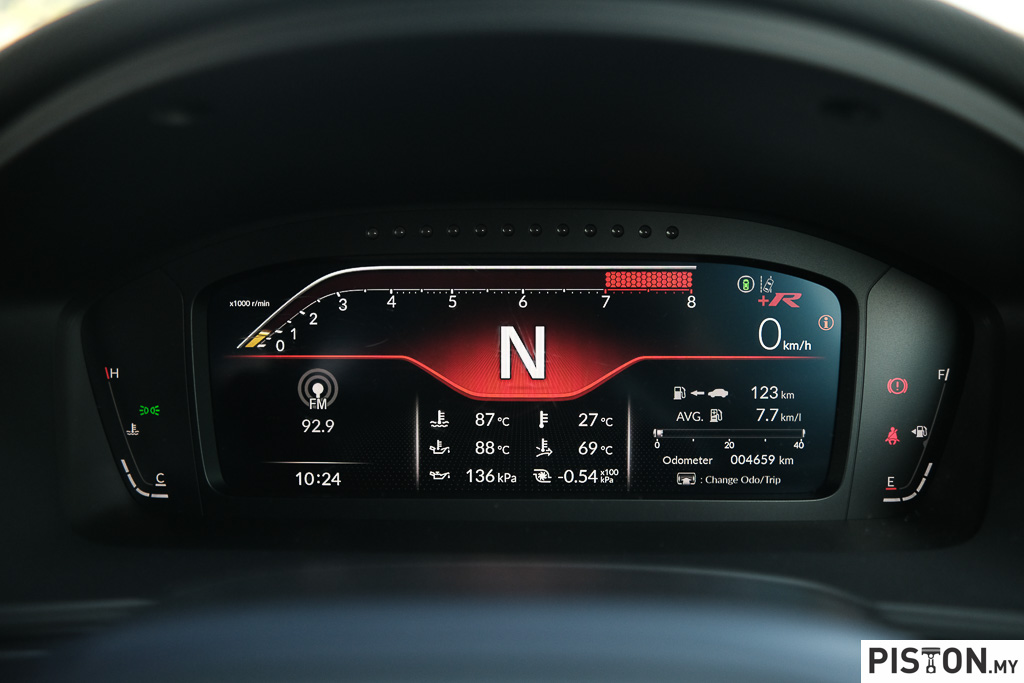
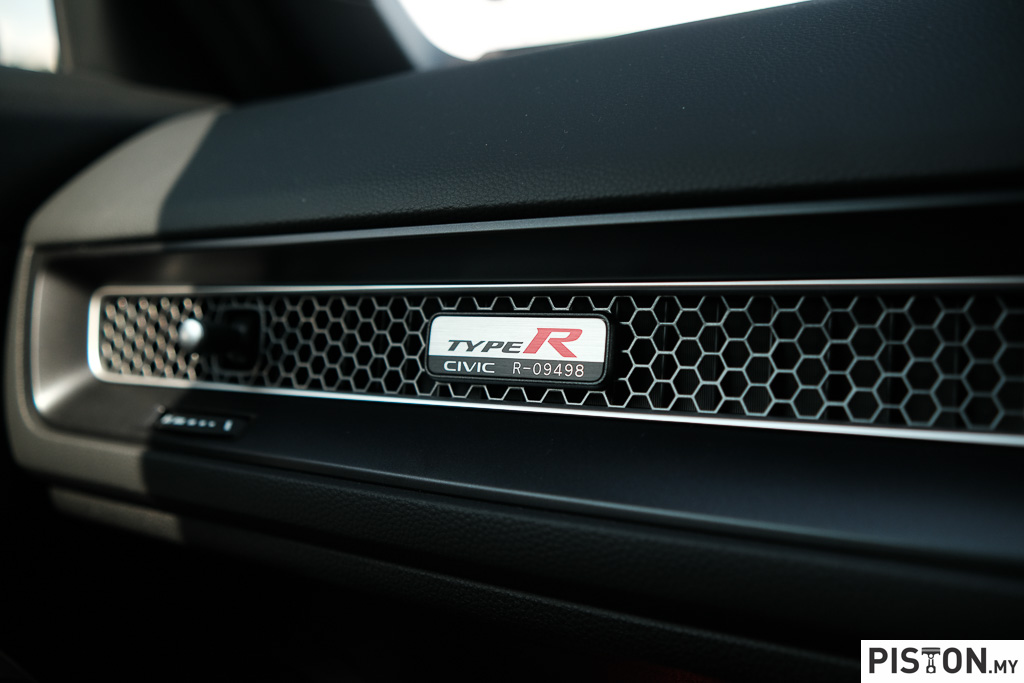
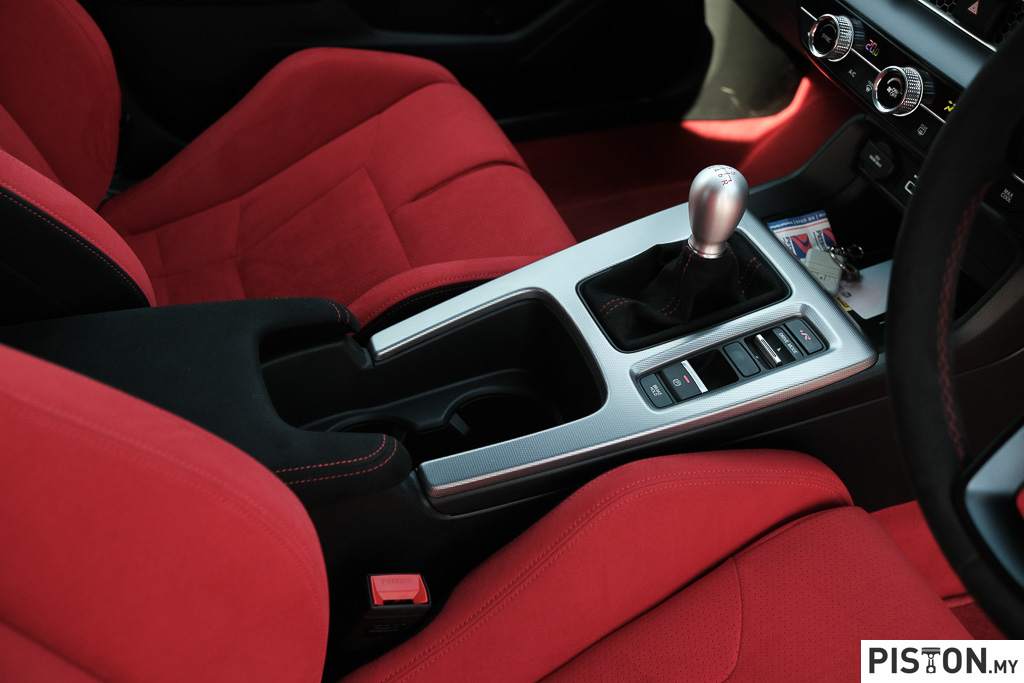
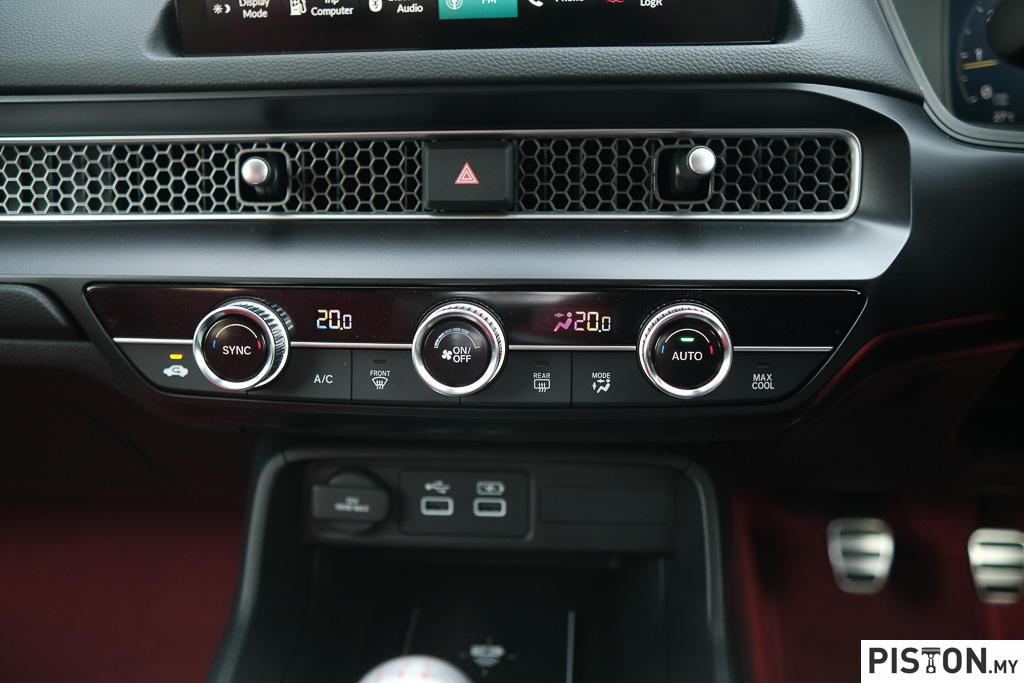
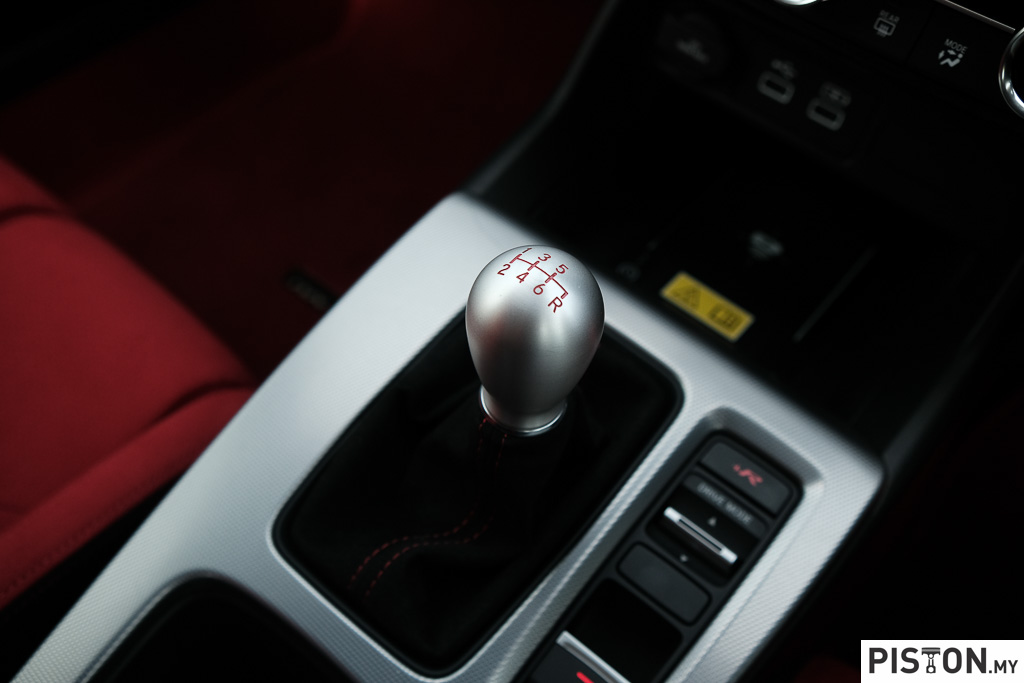
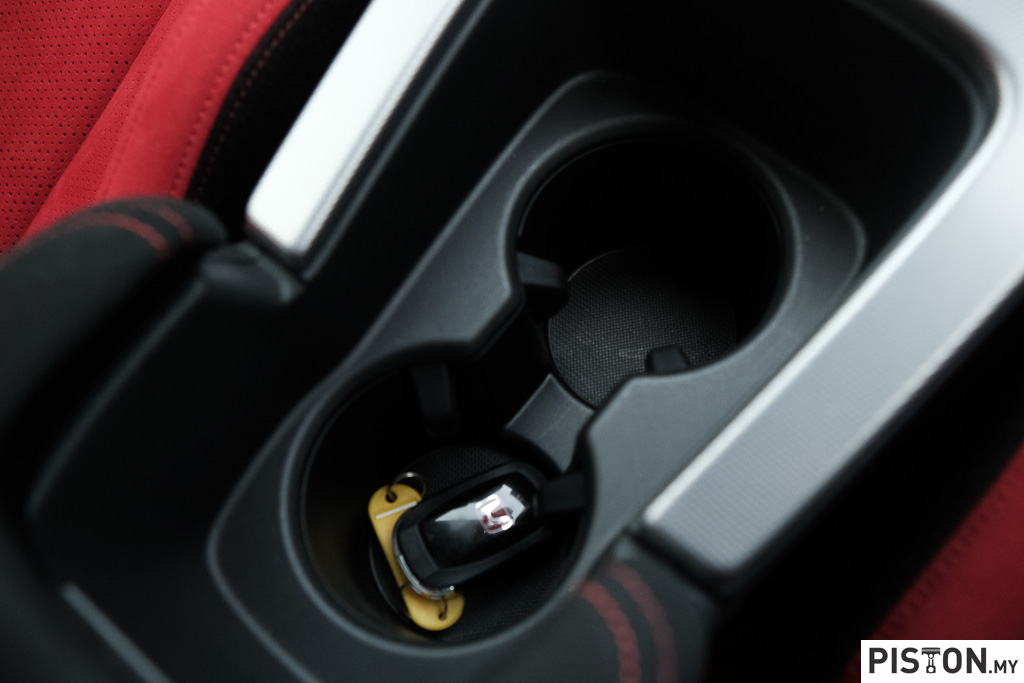
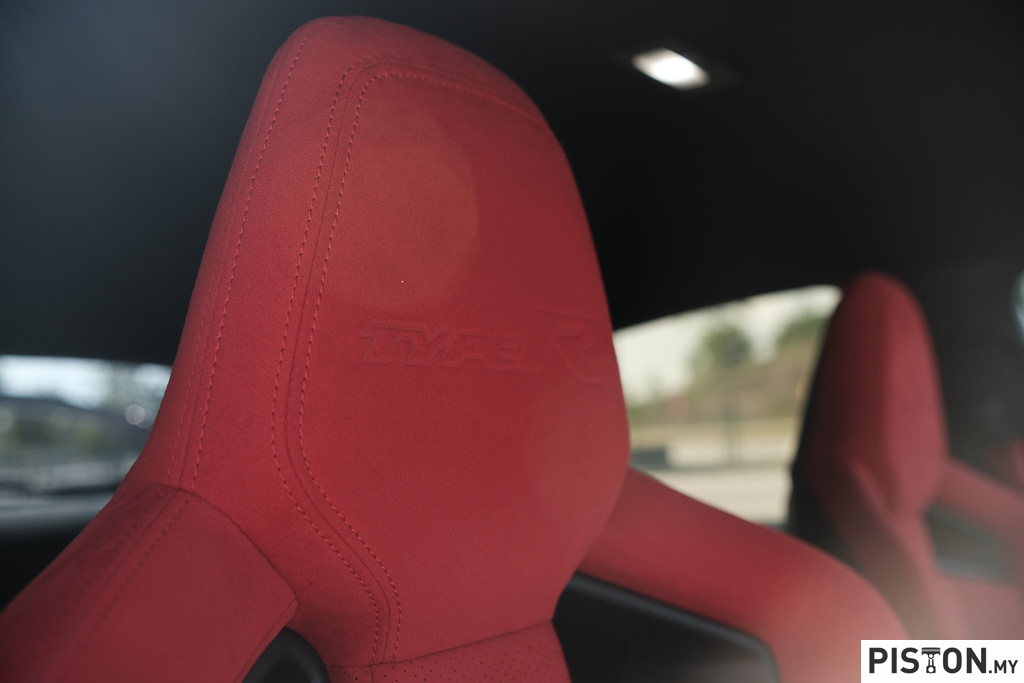
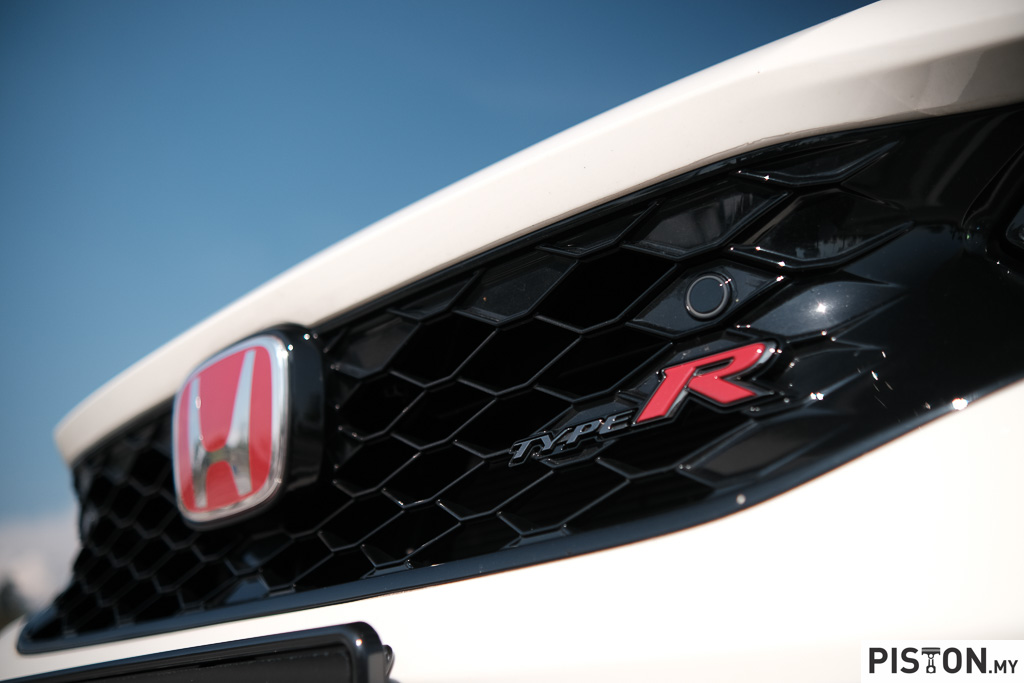
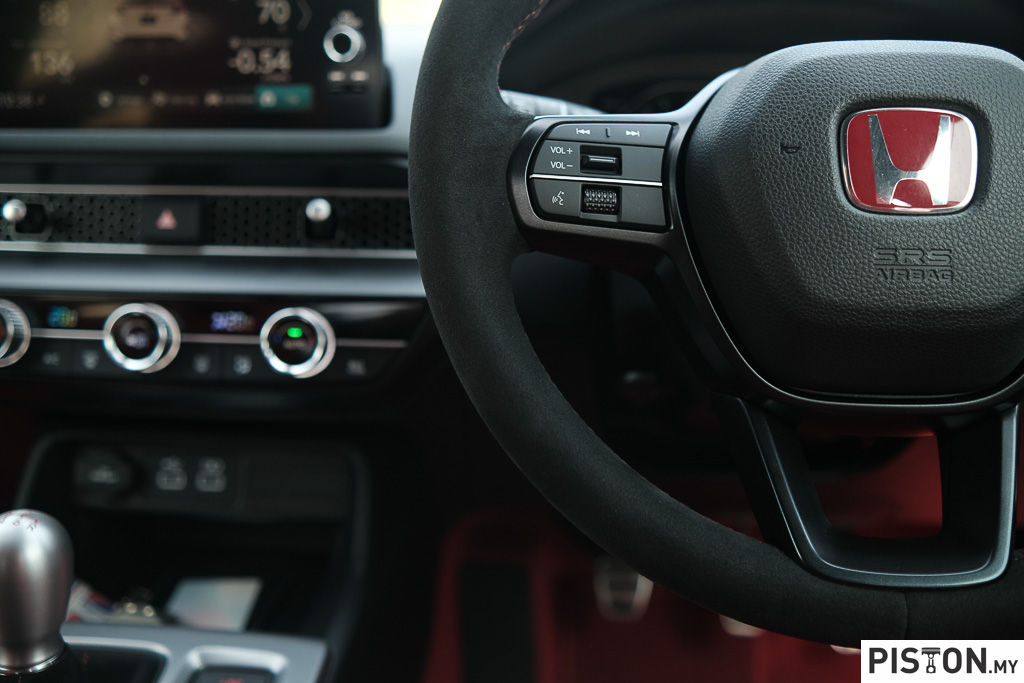
Current Honda Civic owners will find the interior to be quite familiar, but that is to be expected considering that all Type R’s are built upon the base Civics. So, your Civic Hybrid has the same dashboard as the Type R, except that the Type R has and only comes with a six-speed manual gearbox. So, you could spend RM80,000 on a body kit for your Civic, but it will never be a Type R.
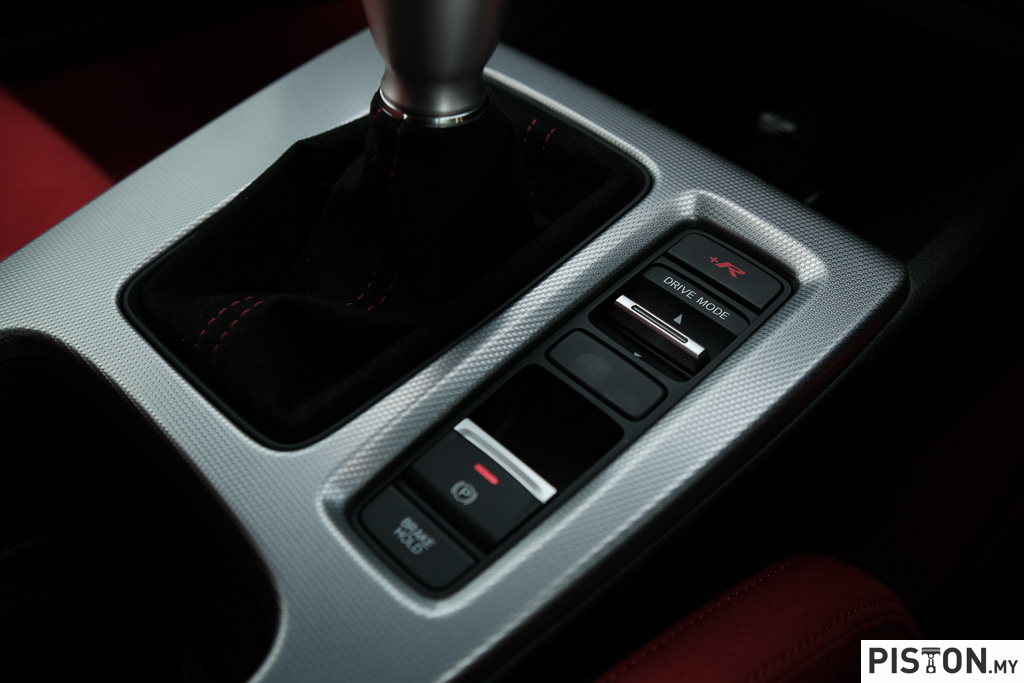
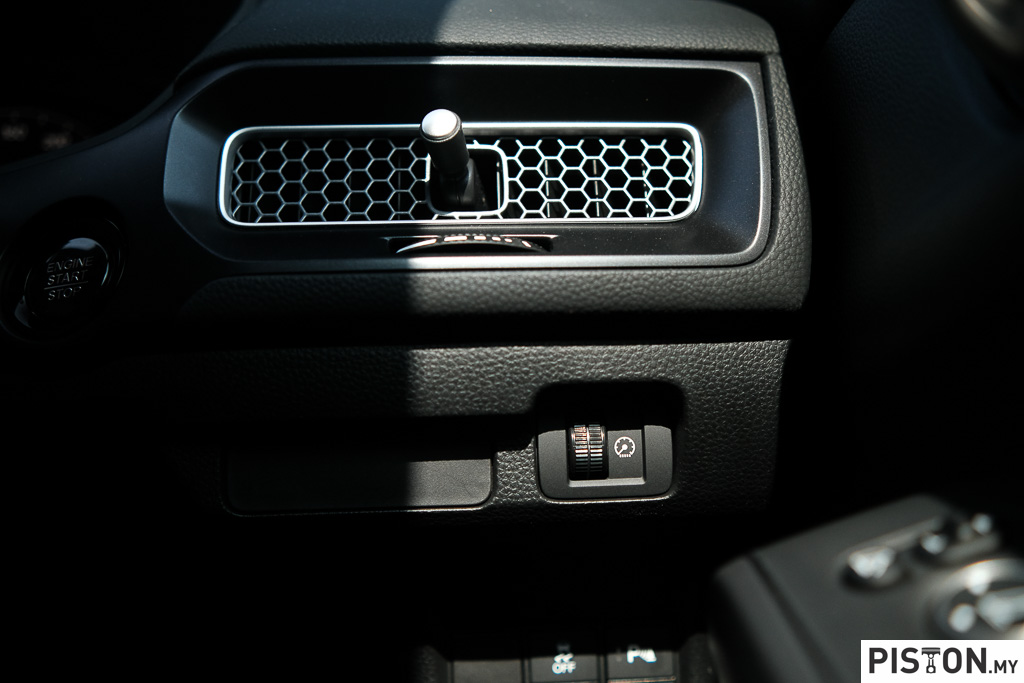
On the topic of manual transmissions, the gear knob in the old FK8 is circular and made of aluminium. The one in the FL5 is also made of aluminium but is shaped like a teardrop and it weighs 230 grammes more.
The reason behind the heavier gearknob is that Honda apparently figured that by adding more weight to the knob, it makes the shifts feel more natural, sleeker even. And after jumping into the FL5 after hours behind the wheel of the FK8, the shifts are buttery and precise.
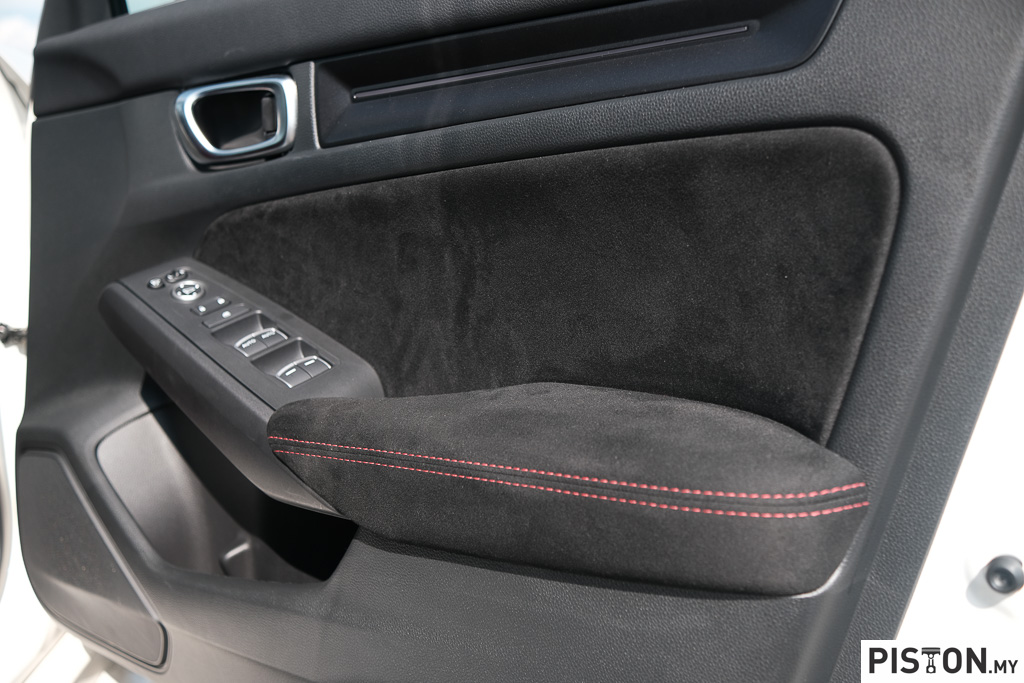
The steering column too has been reworked and this makes it feel lighter, faster and more communicative at the same time. The Alcantara wrapped steering wheel is always twitching and chatting with your palms, sending little nuggets of information back to your brain about what is happening with the tyres.
In comparison, the steering of the FK8 feels heavy and dull.
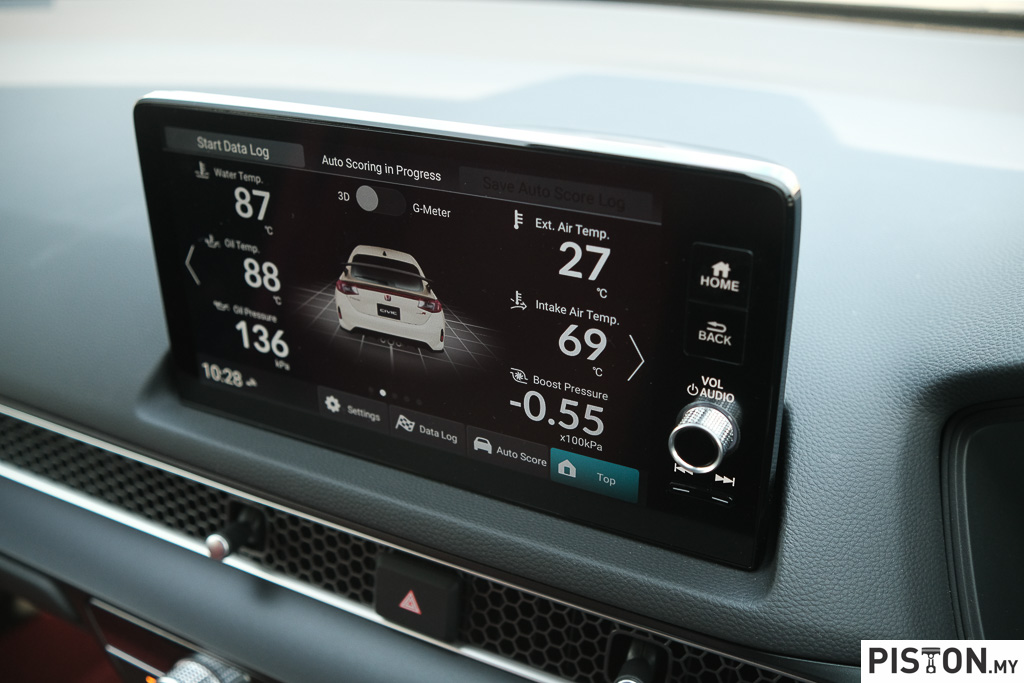
The real show begins when you drive. Both cars have drive modes – Comfort, Sport and R. But the newer CTR has an individual mode that lets you customise how you want the car to feel, you can have the suspension set to comfortable, the steering set to sport and the engine set for maximum response.
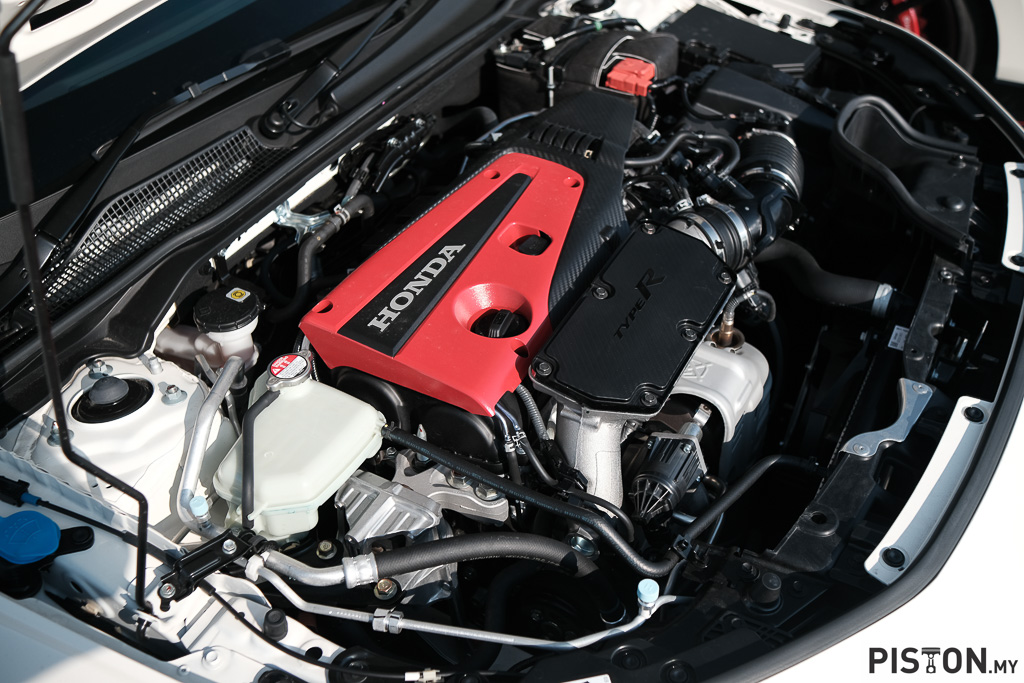
The new car also feels more eager to get off the line. Both are powered by the same 2.0-litre, four-cylinder, turbo-VTEC engine, except that the new CTR produces 319 and 420Nm while the previous one offered 310PS and 400Nm.
That’s not a lot of power difference but the FL5 has other tricks up its sleeves. The turbocharger for one has been re-engineered and now responds quicker. The flywheel is also 18% lighter and this helps to reduce inertia by 25%, which ultimately results in a car that feels more eager and accelerates harder.
In terms of numbers, the new model reaches 100km/h from a dead stop in just 5.5 seconds, while its predecessor took 5.7. You may think that 0.2 seconds can barely be felt, but the FL5 just feels wilder from the moment you take your foot off the clutch.
The FL5 is a bigger car too, much bigger than a Golf R or a Mercedes-Benz A45S AMG, and perhaps closer in size to a BMW 3-Series. But in Sport or R mode, it dances at the edge of grip and rarely feels like it is about to edge into an understeer.
Some describe the FL5 as a grip gorilla; we can understand why as it can charge into corners with the rear neatly tucked in and slingshot out where previous models would just slide into the barriers when you overload the tyres.
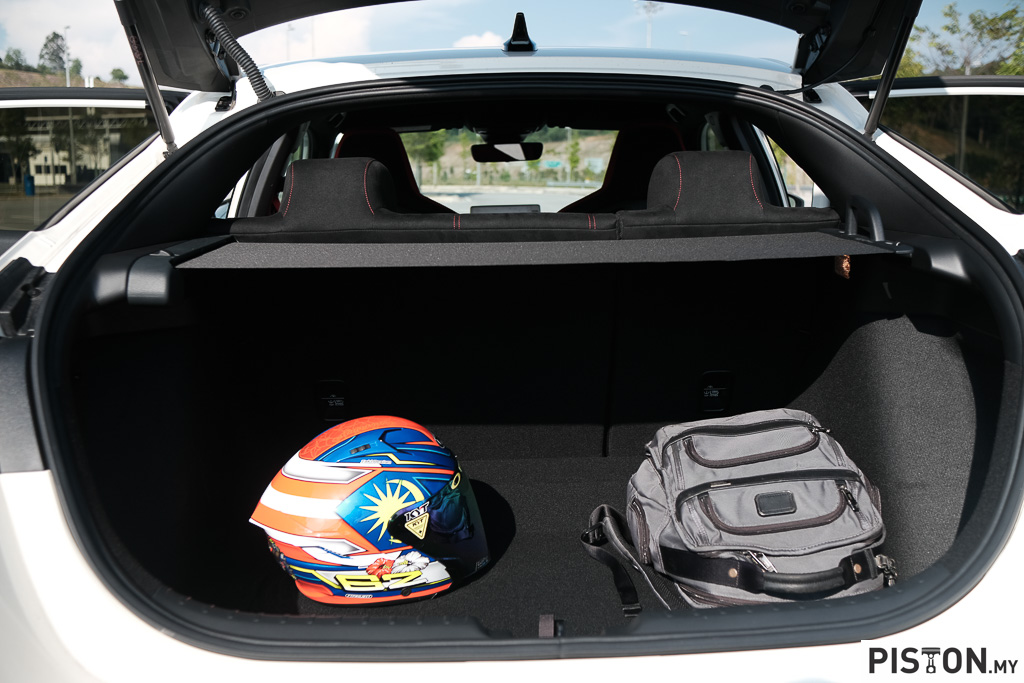
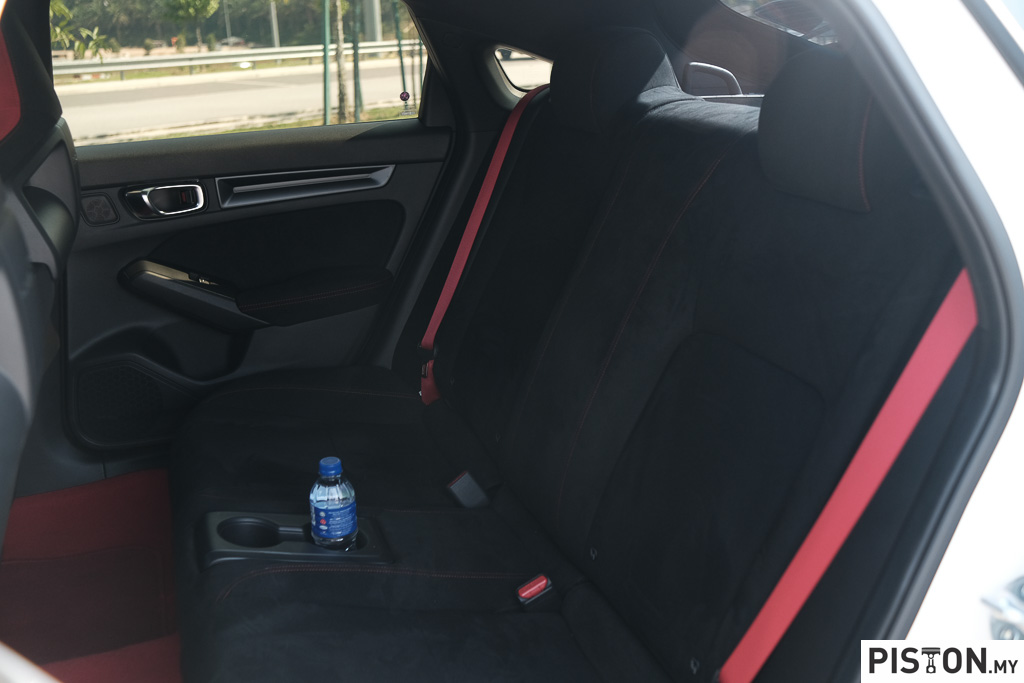
But you can also take it easy with the new CTR, and that makes us think that Honda has made a sports car for those 90s kid that are growing old but never want to grow up. These people need space for the family, so Honda fitted a huge booth with foldable rear seats.
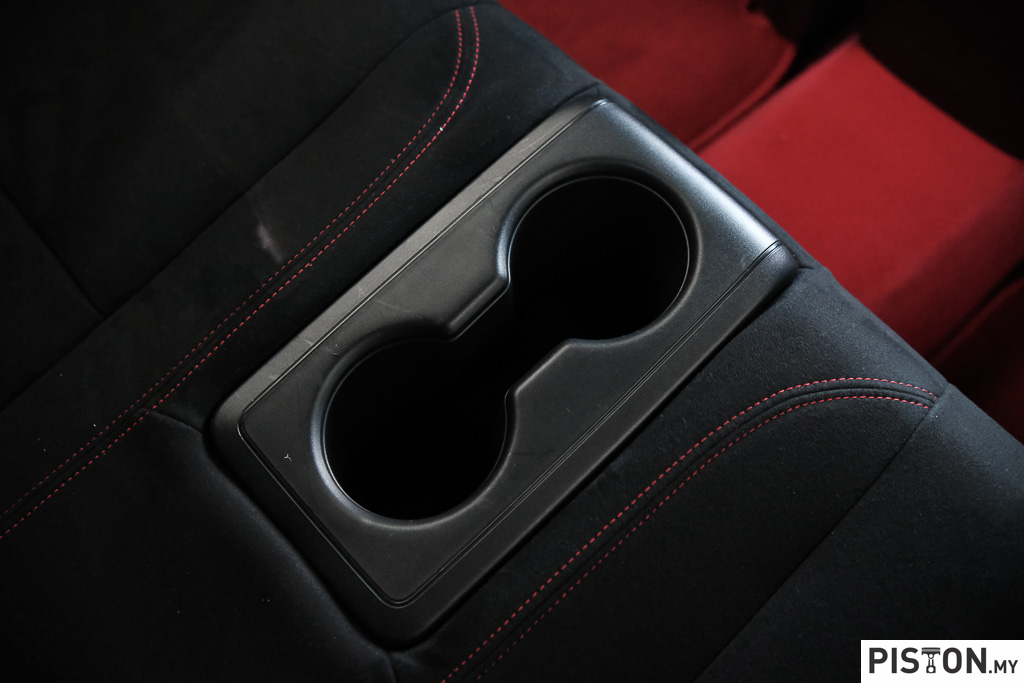
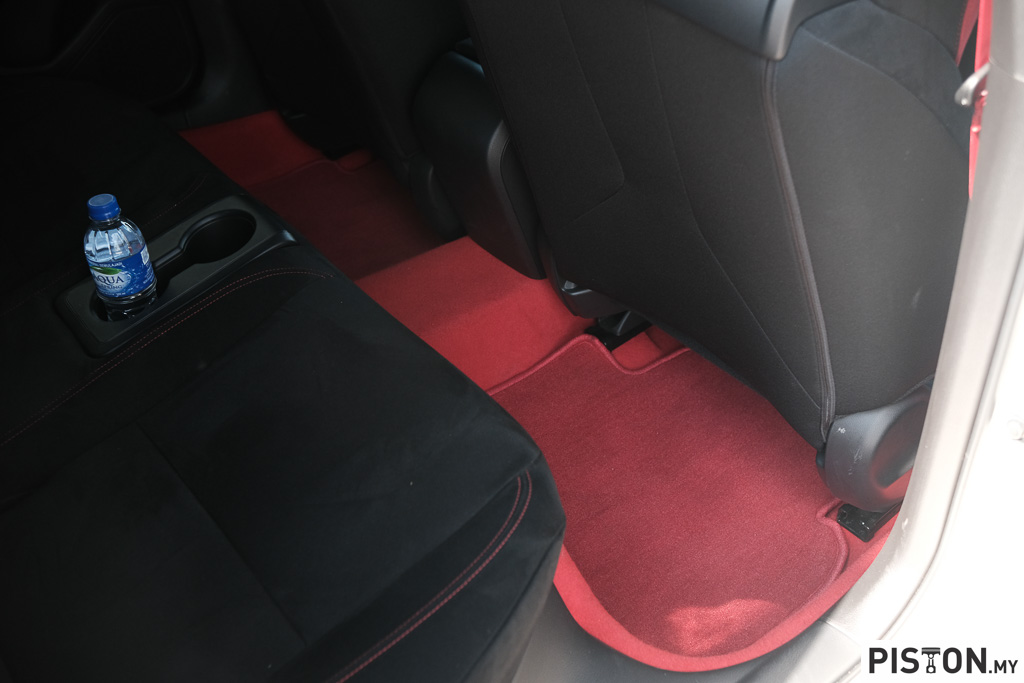
These people also need space for the family, so the rear seats come with ISOFIX mounts and cupholders. They need to keep the family comfortable, so the suspension does a great job at keep the occupants comfortable, though the very audible tyre roar is a clear indication of what this car really is underneath.
And on Sundays when the kids and the wife are asleep, these people wake up at 6am to go barrelling down their favourite roads with the rev-match function making them feel like driving gods as they carve corner after corner, appreciating the decades of engineering that has gone into making one of the finest driver’s cars this decade has seen.
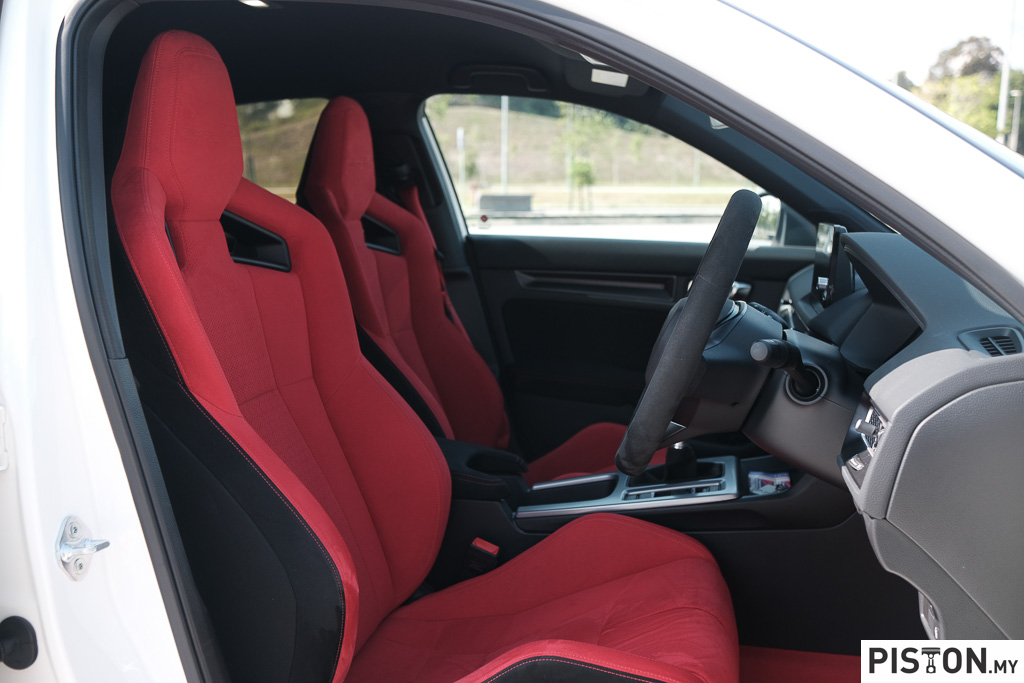
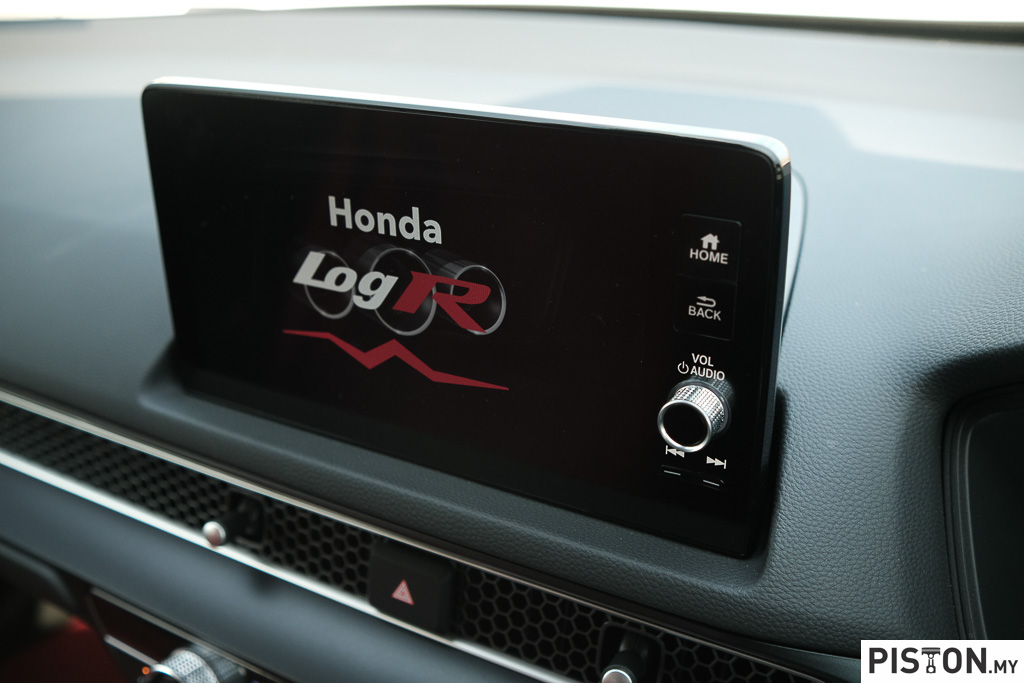
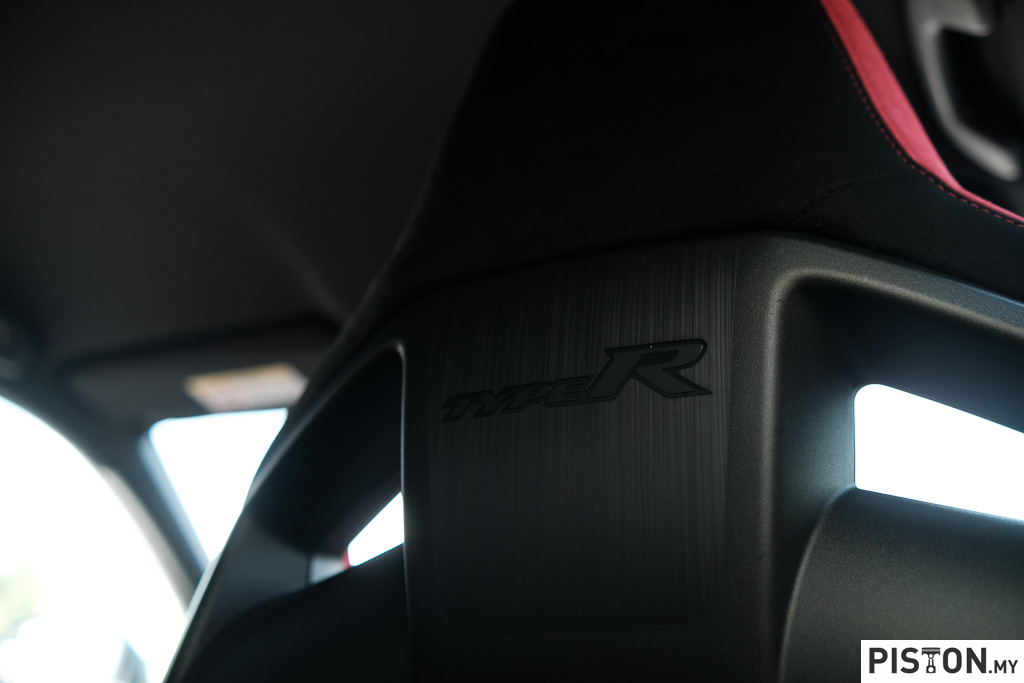
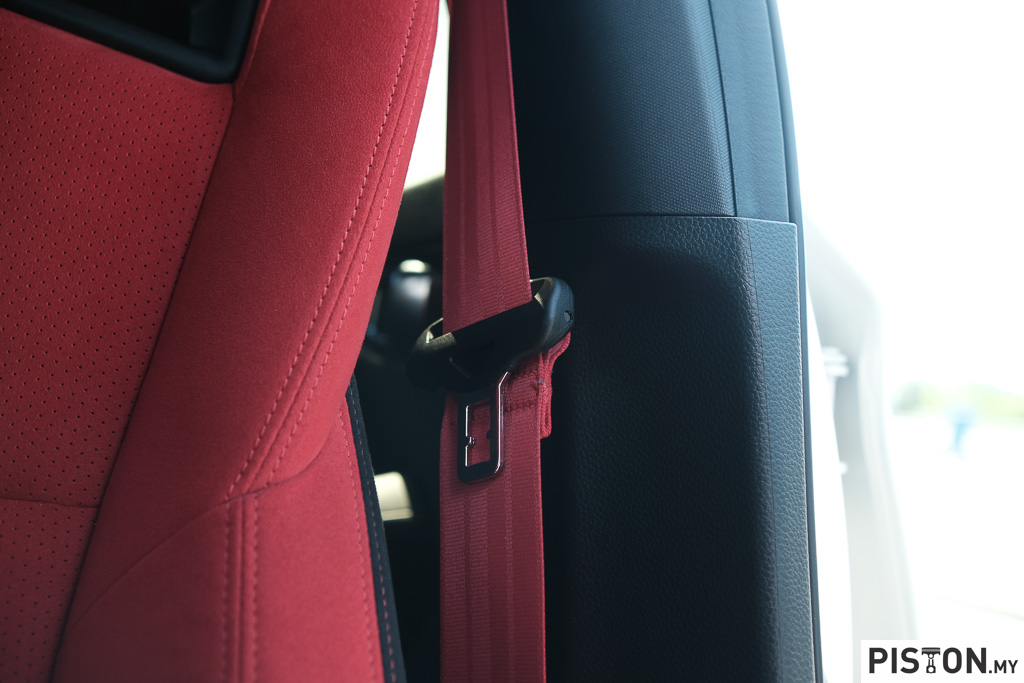
By 11am, they are back with the family, and the car has mellowed down and is ready for Sunday lunch with the family at the local banana leaf shop. On the way, the wireless Apple Carplay or wired Android Auto keeps the occupants entertained. There are safety systems to keep the family secure while features like adaptive cruise control and ultra-comfortable sport bucket seats make long journeys bearable.
It is a pity that the world has evolved into a place where such cars may soon go the way of the Dodo, but we can all be thankful that there are manufacturers like Honda who still care about driving pleasure. The only thing that stands in the way is the RM399,900 asking price.
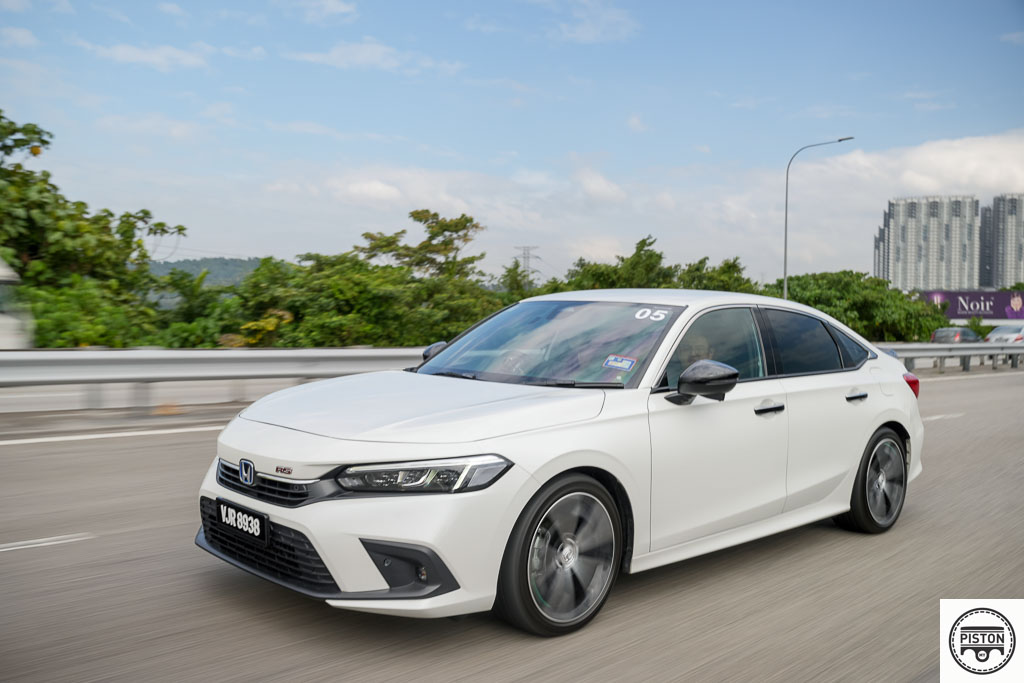
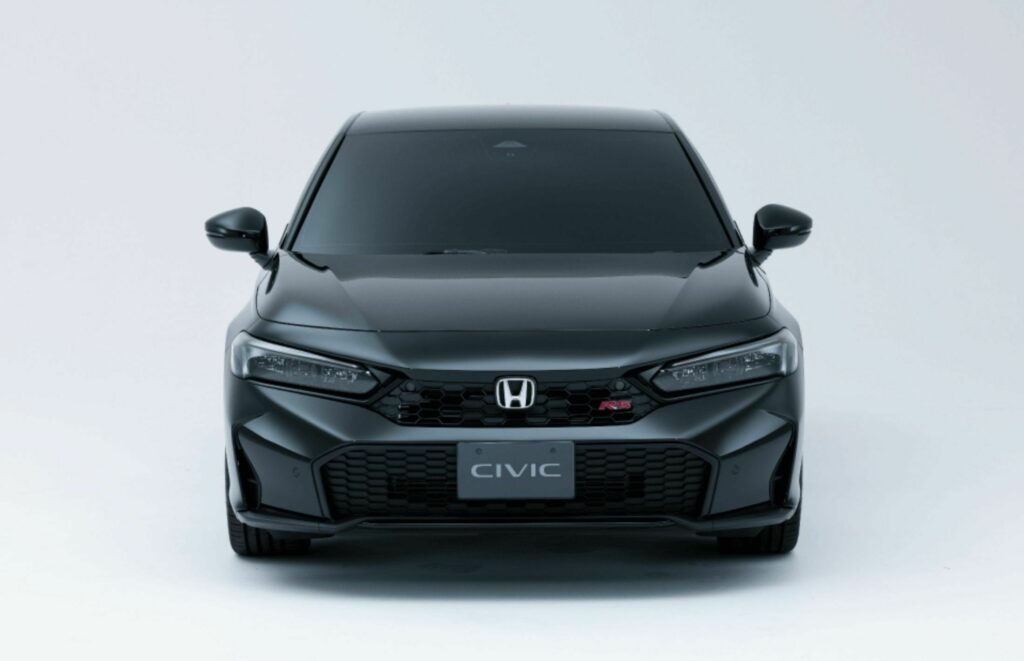
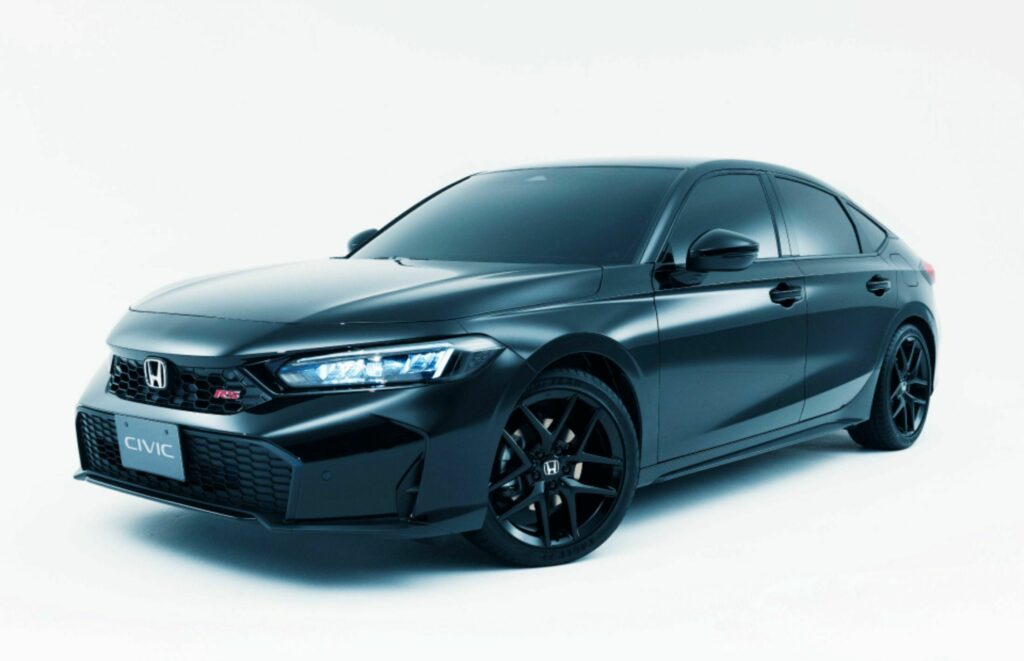
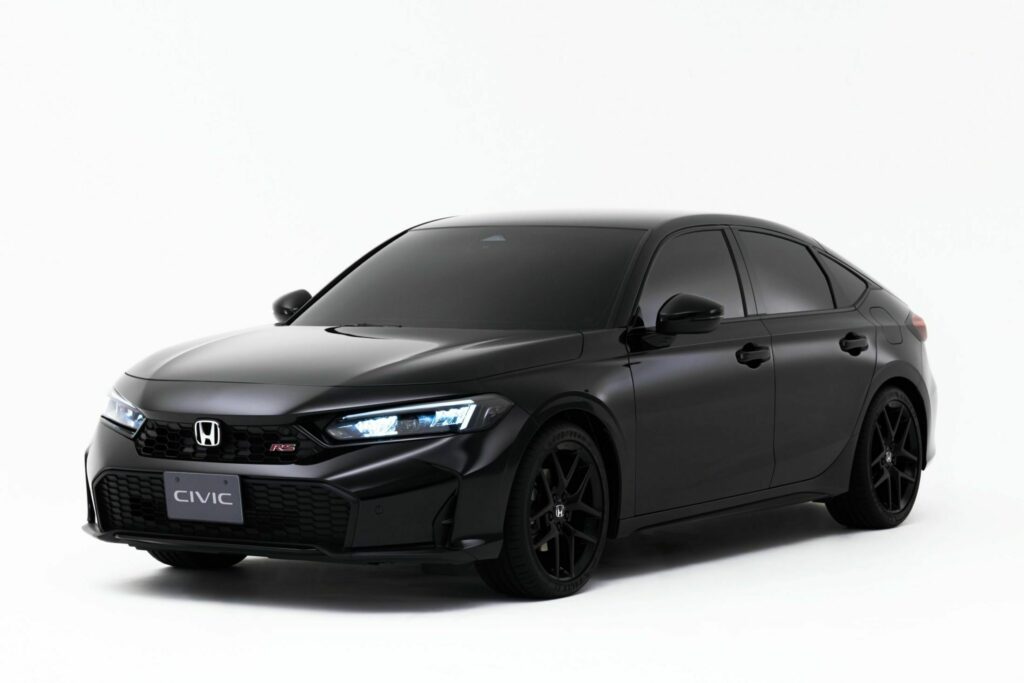
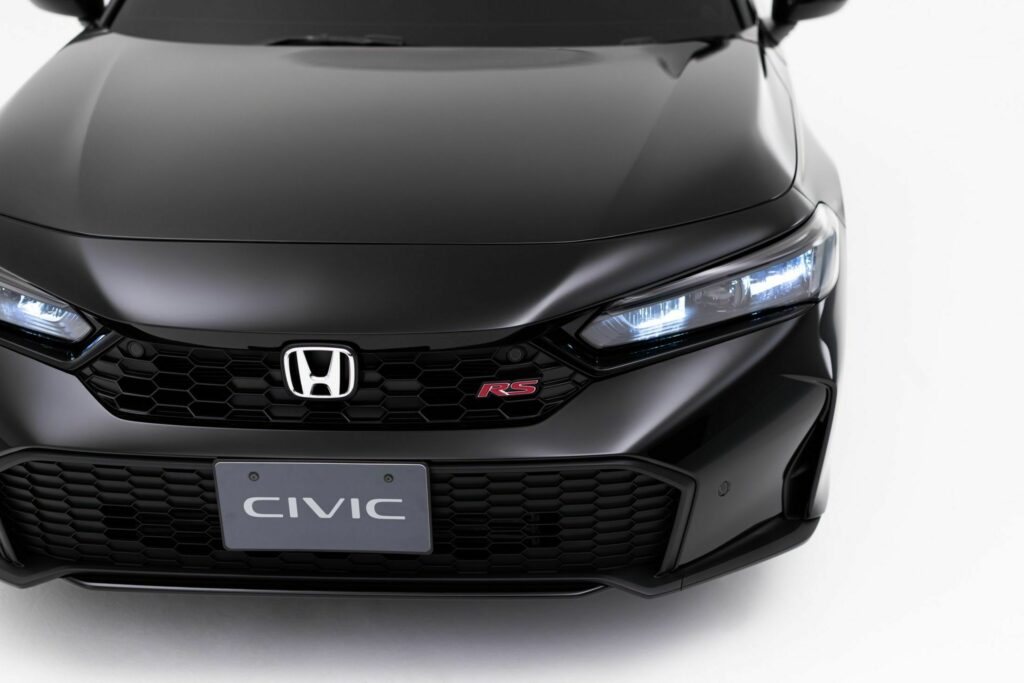
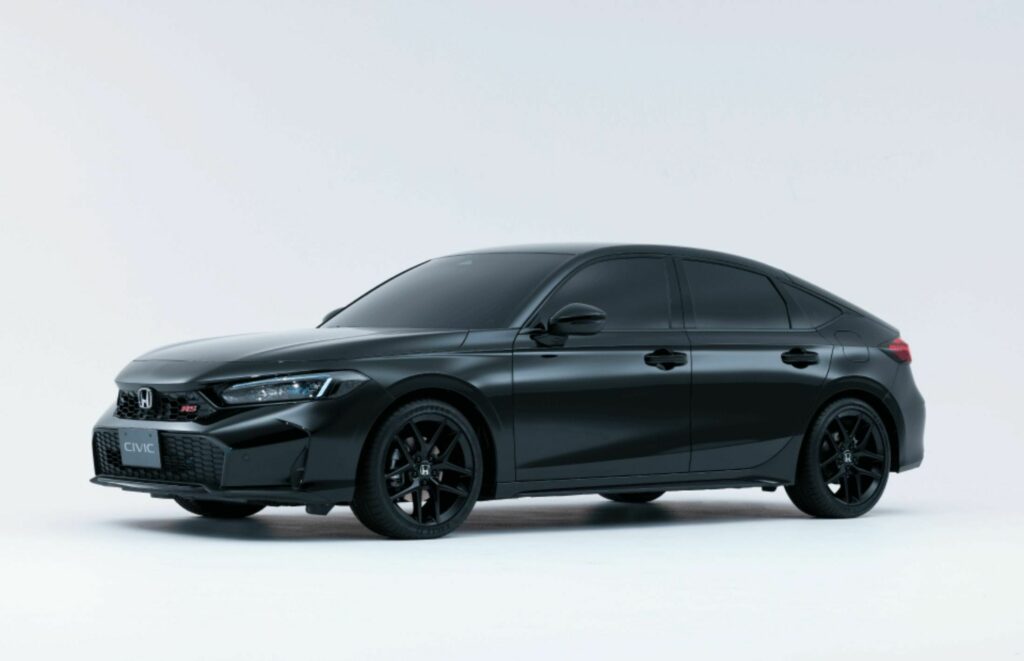
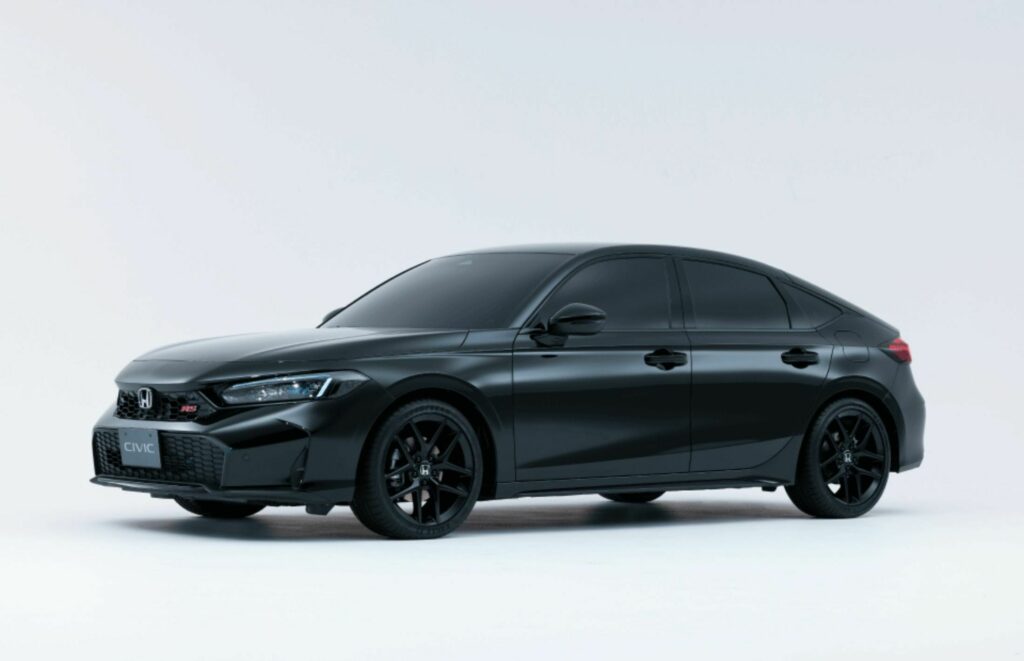
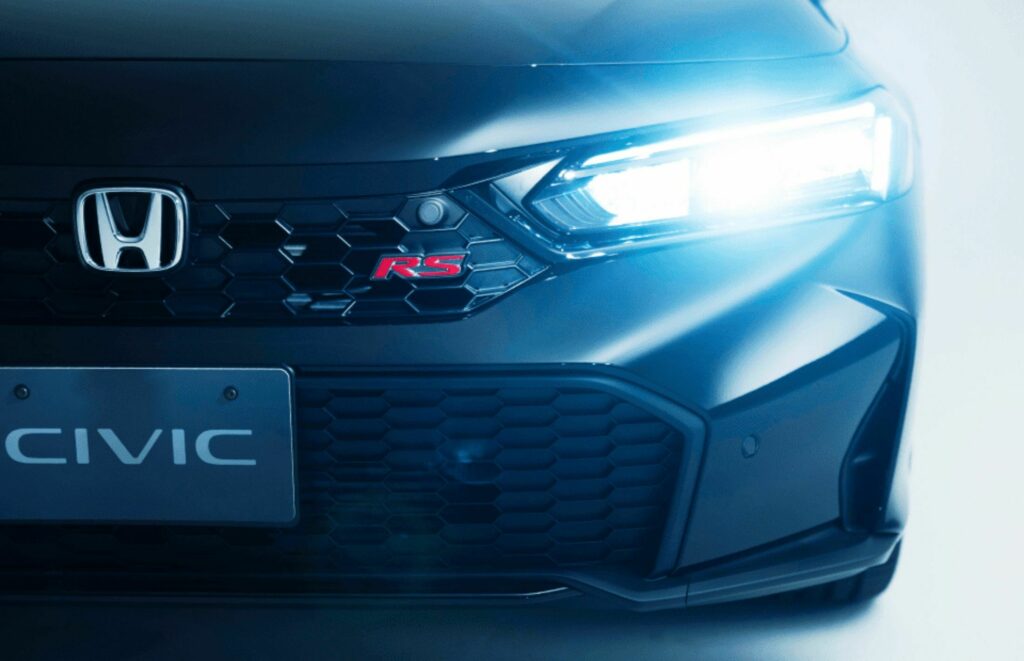
Honda telah mendedahkan Prototaip Honda Civic RS 2024 di Tokyo Auto Salon, memberikan gambaran ringkas mengenai versi hatchback yang lebih sporty dengan kotak gear manual. Varian baru ini bertujuan untuk memberikan pengalaman memandu yang lebih menarik kepada pelanggan Jepun, menyelit di antara versi standard dan Civic Type R yang berprestasi tinggi.
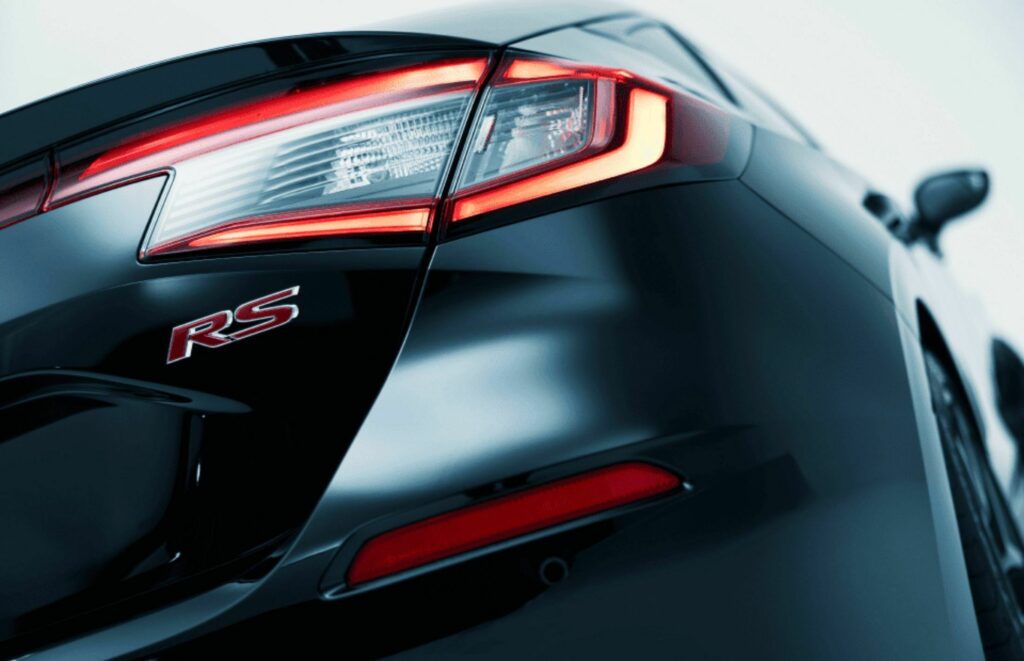
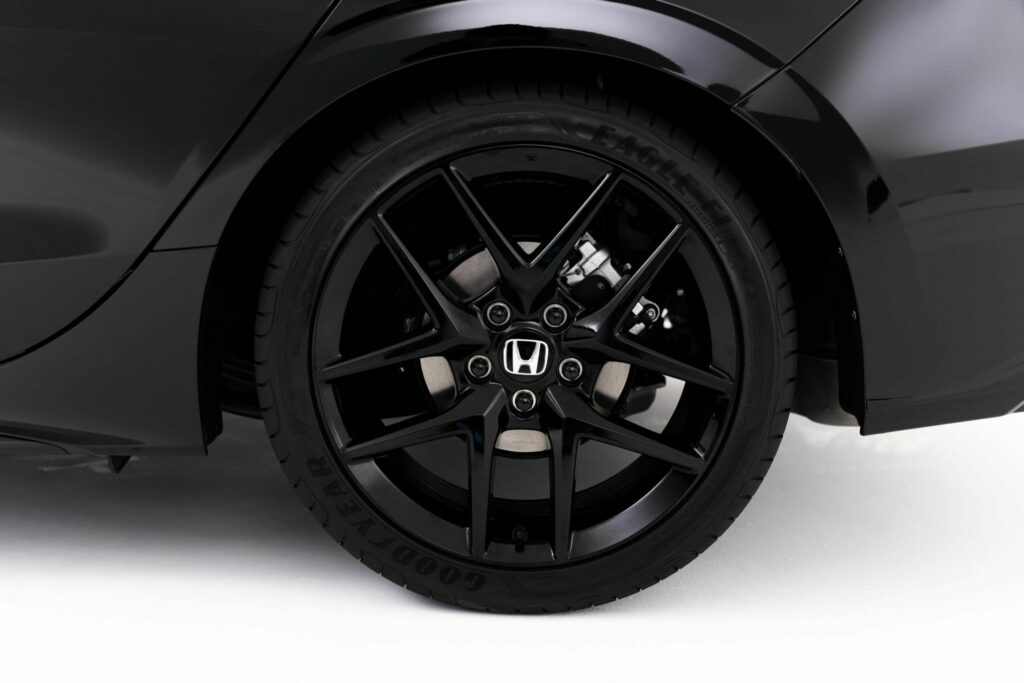
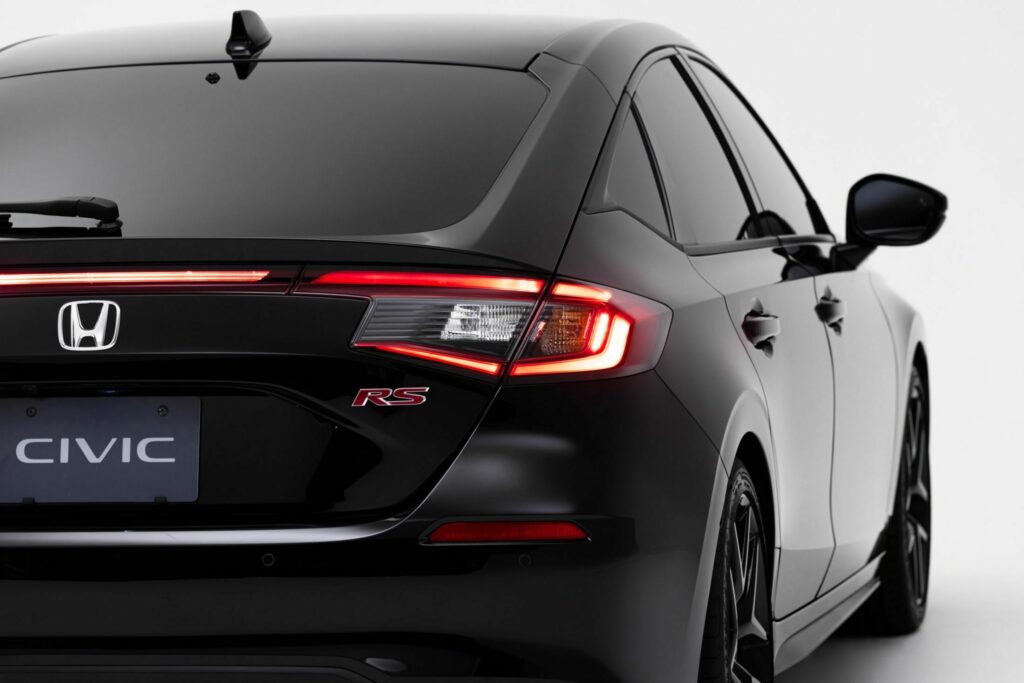
Civic RS Prototype menonjol dengan reka bentuk luaran yang keseluruhannya hitam, memberikan penampilan yang sporty dan ganas. Bumper depan telah direka semula dengan garis yang lebih tajam dan saluran sisi yang lebih ramping, dipertingkatkan oleh emblem RS merah untuk kontras. Walaupun badan kereta dan rim aloi kekal serupa dengan Honda Civic Hatchback standard, peningkatan visual memberikan prototaip ini penampilan yang lebih sporty dan terinspirasi oleh Type R.
Di pasaran Amerika Syarikat, Honda Civic sudah menawarkan kotak gear manual enam kelajuan, tetapi pelanggan Jepun terhad kepada transmisi automatik CVT. Di pasaran kami, kami mempunyai RS turbo 1.5L dengan CVT dan 2.0L e:HEV RS dengan e-CVT. Honda Civic RS baru dengan transmisi manual dijangka dilancarkan di Jepun pada September 2024, memberikan pengalaman memandu yang lebih praktikal kepada peminat kenderaan.
Walaupun maklumat terperinci mengenai enjin belum diumumkan, kemungkinan ia akan menampilkan enjin petrol turbo 1.5 liter yang tidak elektrik. Honda memberi petunjuk mengenai “penambahbaikan lebih lanjut kepada kegembiraan memandu,” mencadangkan penyesuaian potensi kepada susunan chassis untuk melengkapkan estetika yang lebih sporty.
Civic RS Jepun dijangka berkongsi ciri-ciri prestasi dengan Civic Si versi Amerika, termasuk differential terhad, teknologi rev-matching, spring yang lebih keras, absorber yang direka semula, bar stabiliser yang lebih tebal, brek yang lebih besar, dan enjin turbo 1.5 liter menghasilkan 200hp. Pengenalan Civic RS Jepun yang dilengkapi dengan manual selari dengan komitmen Honda untuk menyediakan pelbagai pilihan untuk peminat memandu.