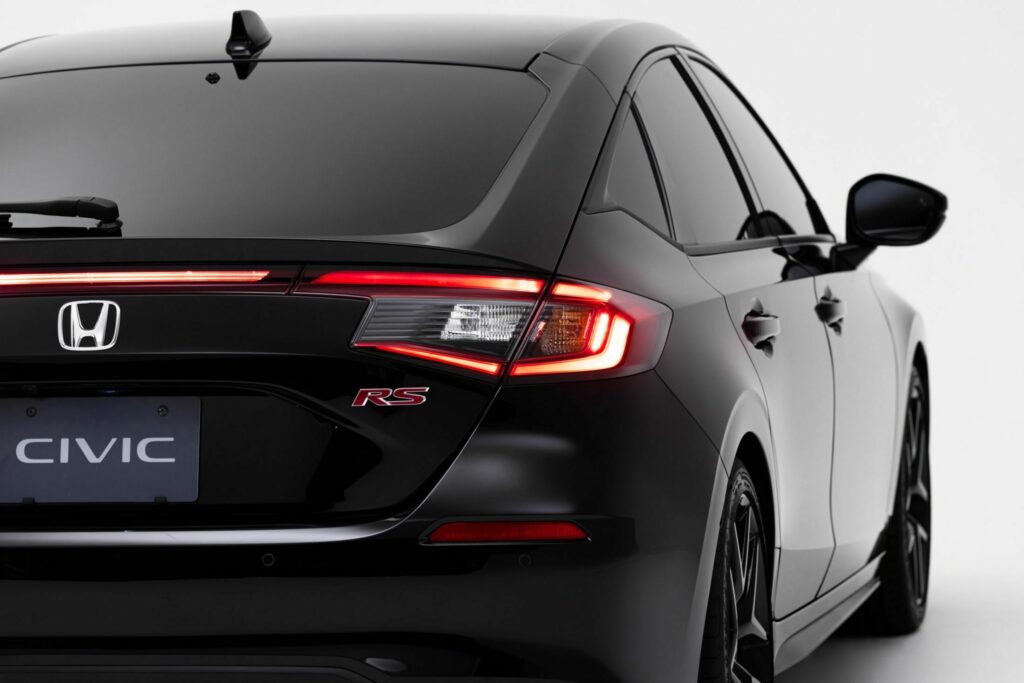
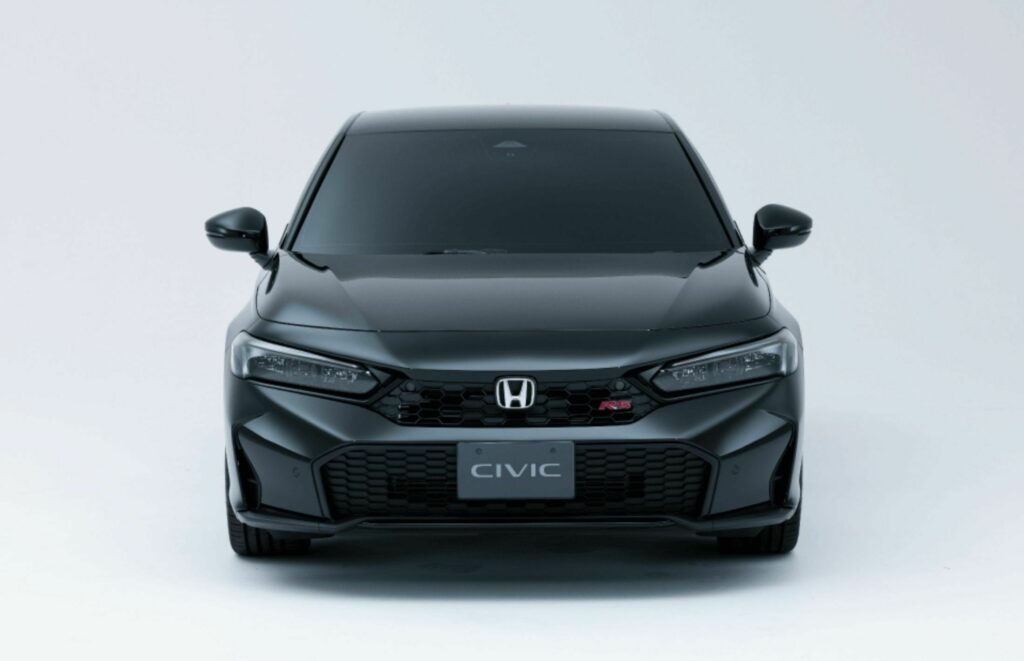
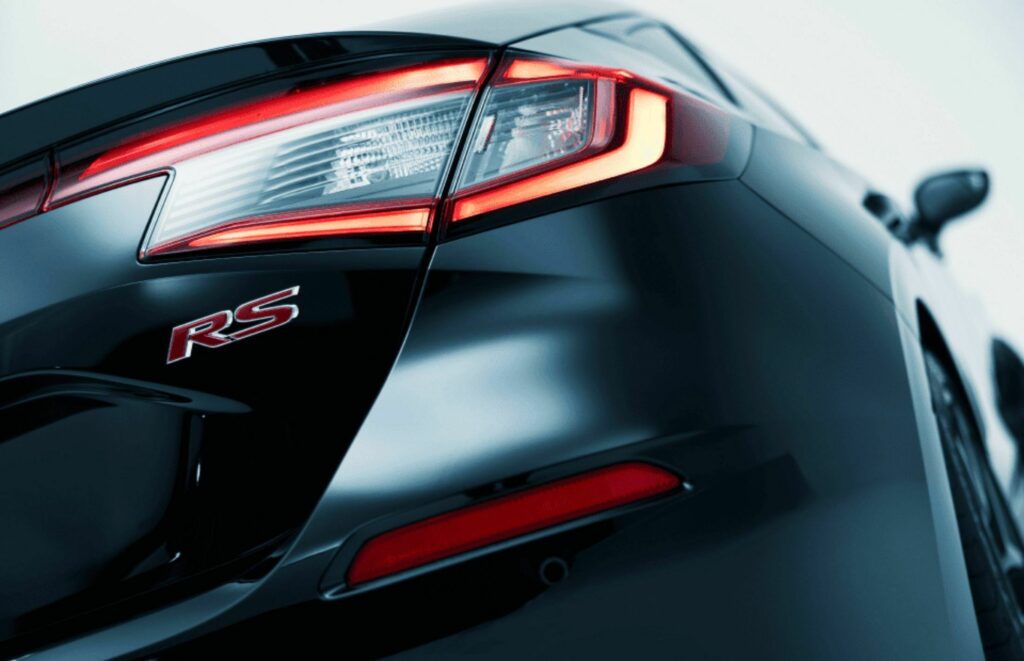
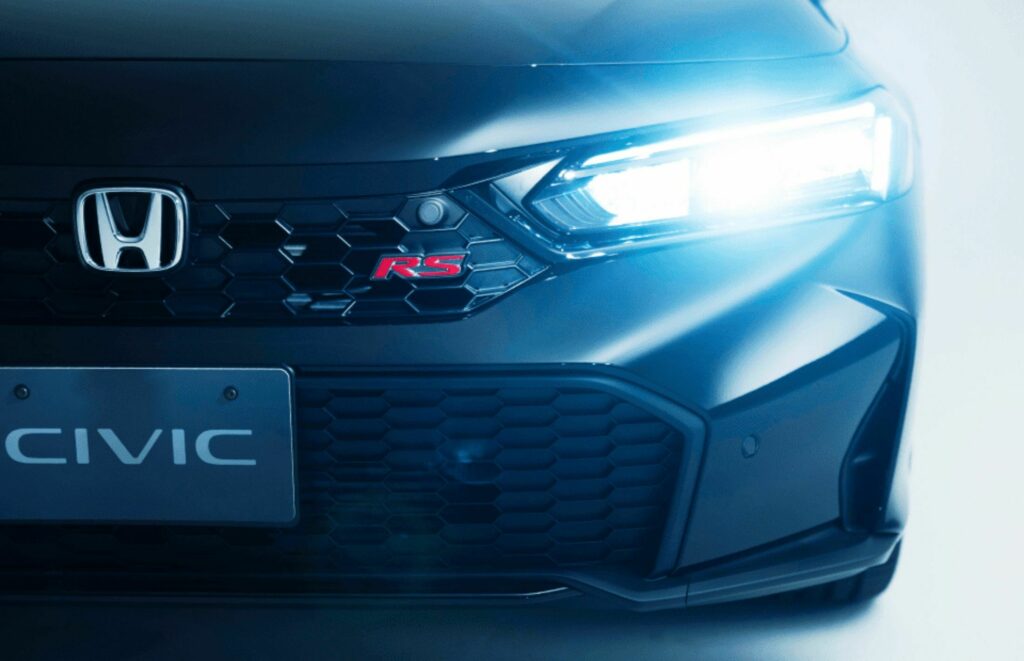
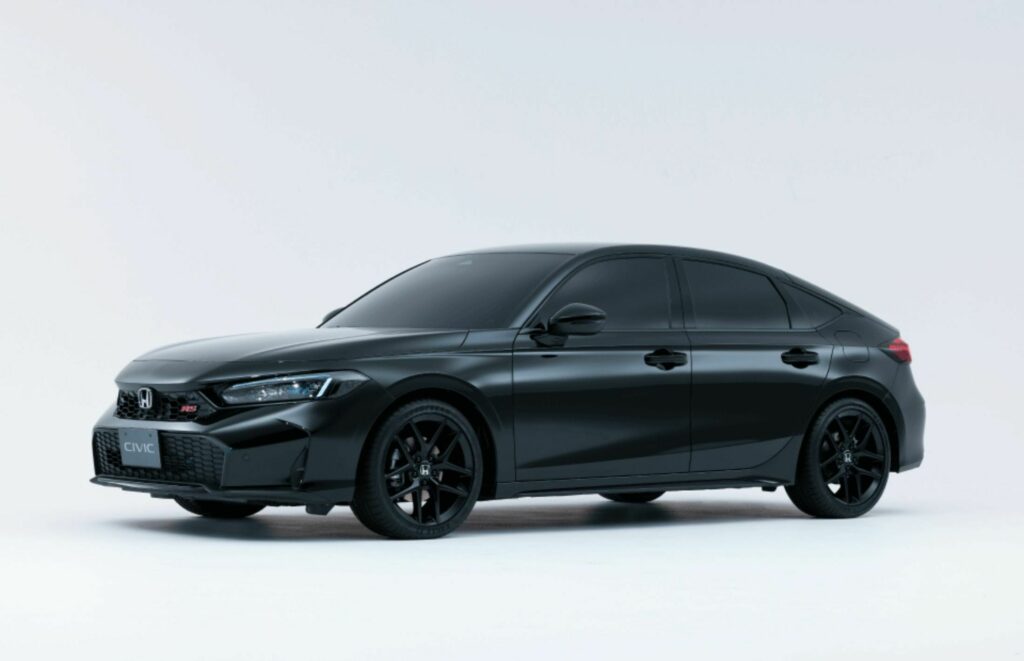
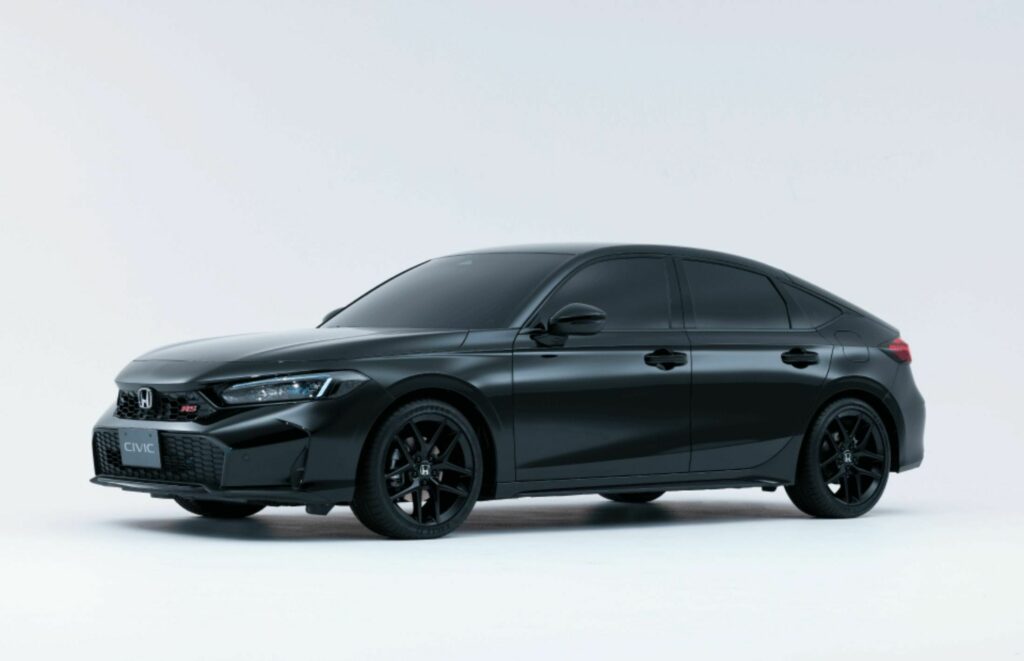
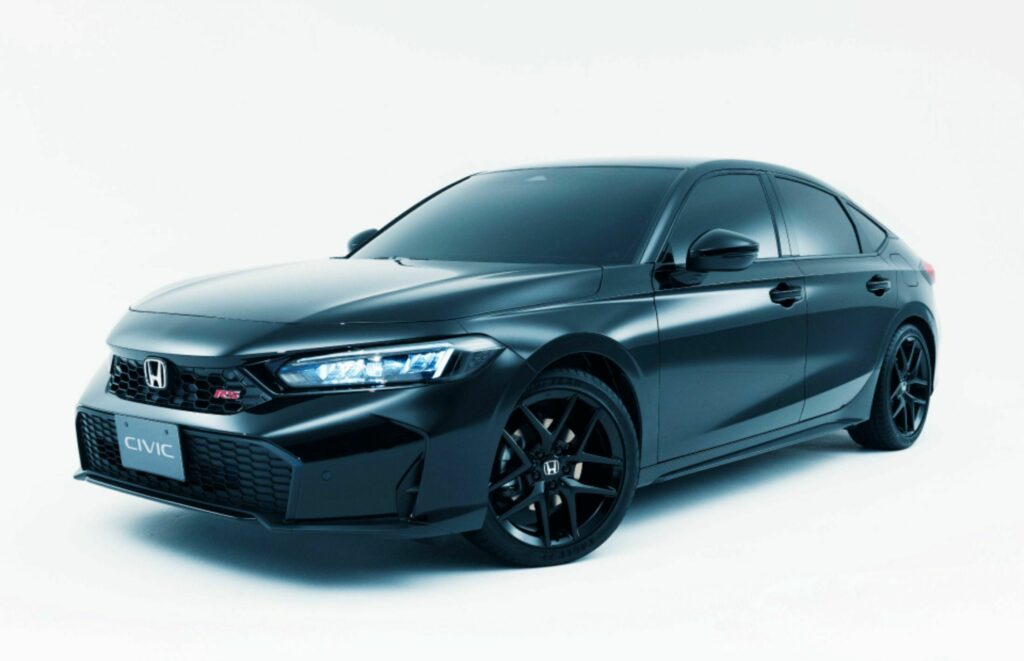
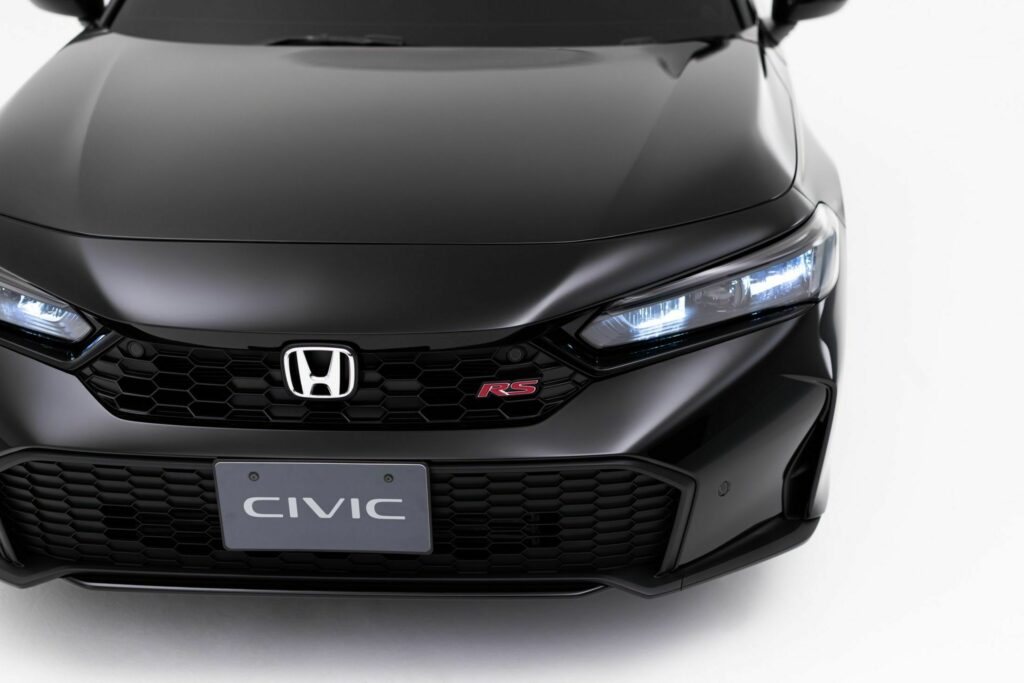
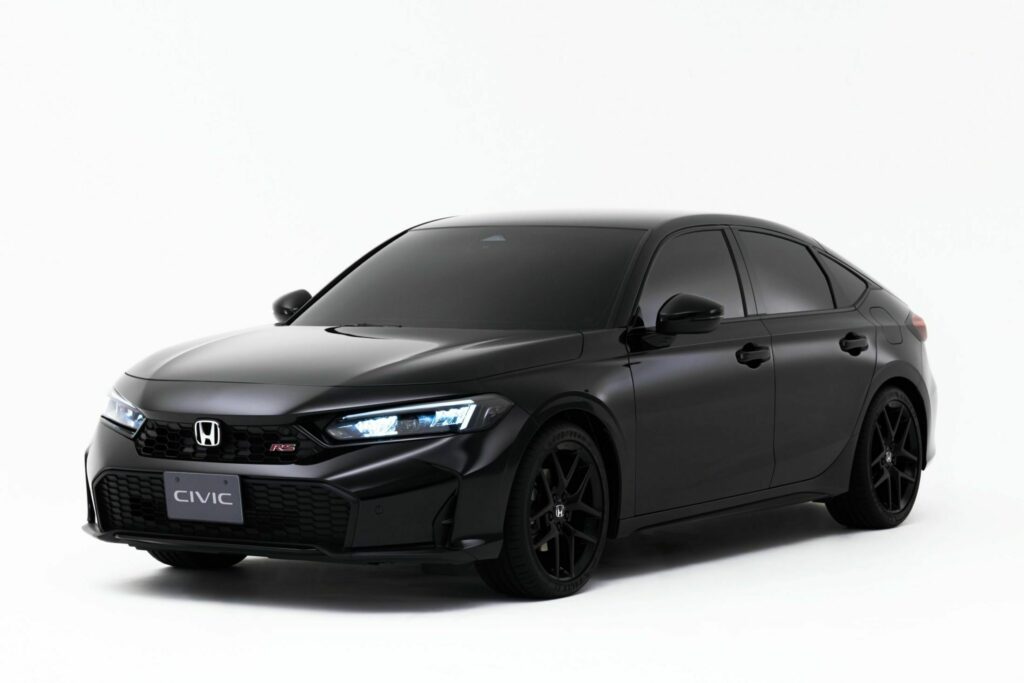
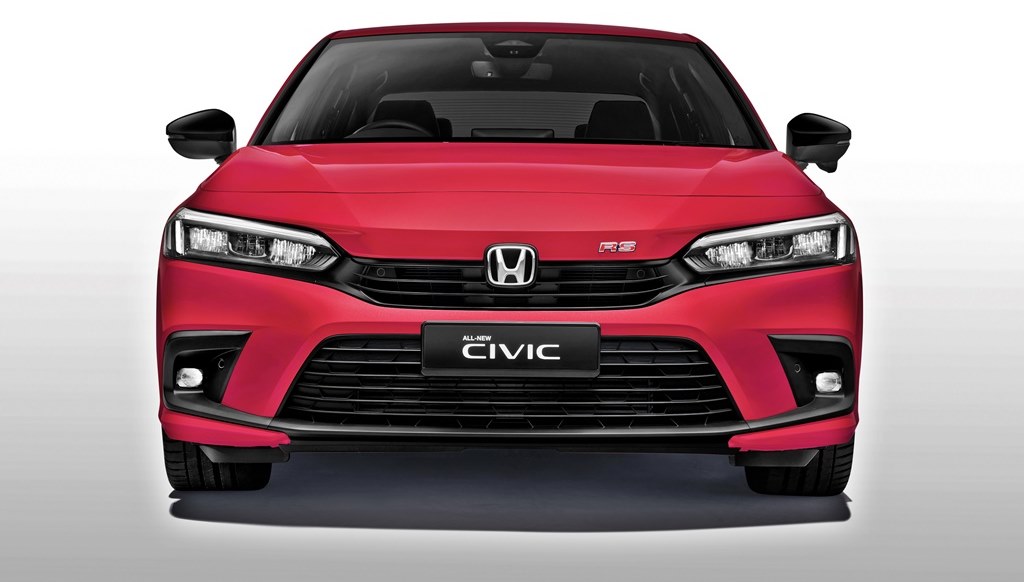
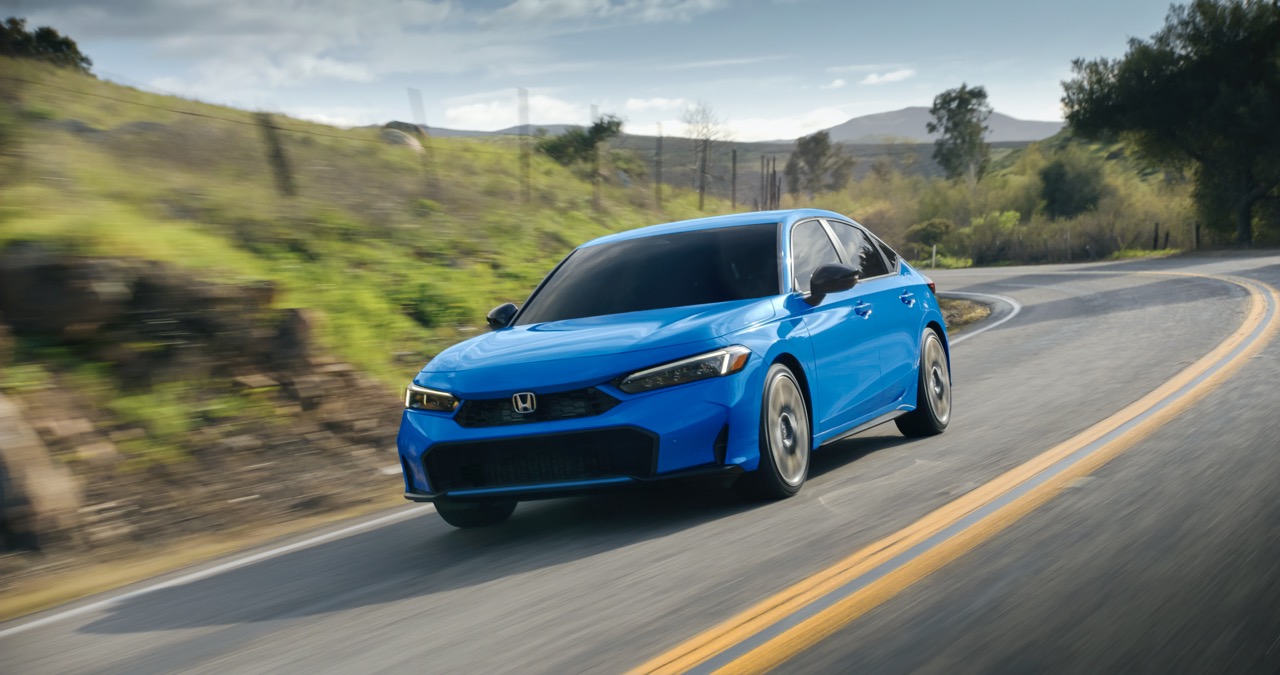
Honda has showcased the 2024 Honda Civic RS Prototype at the Tokyo Auto Salon, providing a preview of a sporty trim for the hatchback featuring a manual gearbox. This variant aims to fill the gap between the standard versions and the high-performance Civic Type R, offering Japanese buyers a more engaging driving experience.
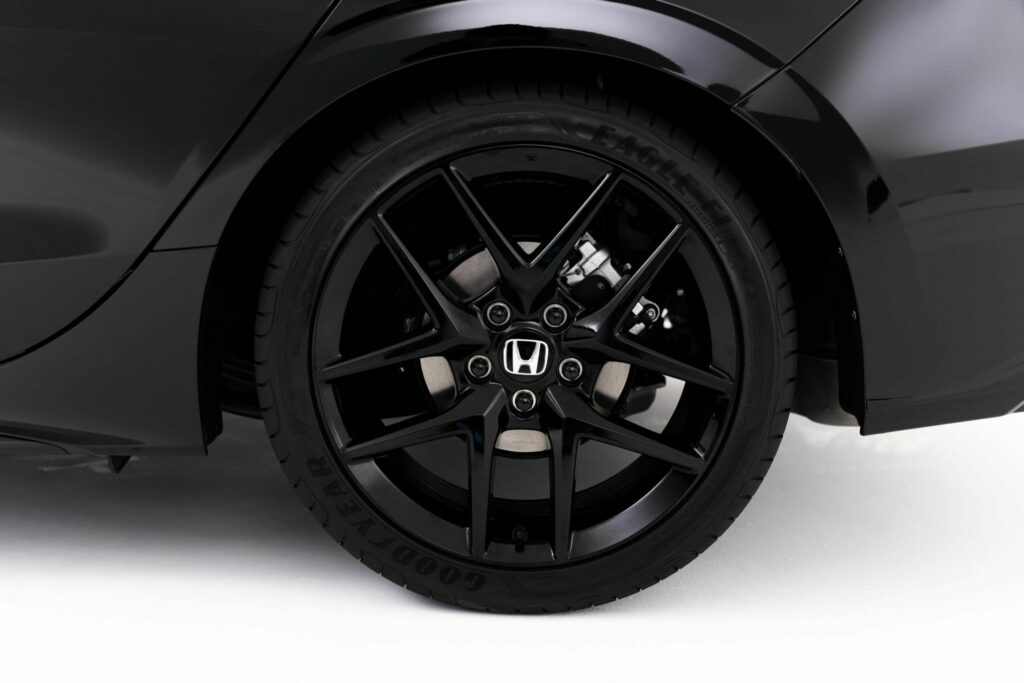
The Civic RS Prototype comes with a striking full-black livery, contributing to its stealthy and sporty appearance. The redesigned front bumper with sharper surfacing and slimmer side intakes stands out, complemented by red RS emblems on both ends for added contrast against the black paint. While maintaining the bodywork and alloy wheels from the standard Civic Hatchback, the visual enhancements give the new trim a softer, Type R-inspired look.
In the US market, the Honda Civic is already available with a six-speed manual gearbox, but Japanese customers are currently limited to the CVT automatic transmission. In our market, we have the 1.5L turbocharged RS with the CVT and the 2.0L e:HEV RS with an e-CVT. However, Honda has announced that the manual-equipped Civic RS will launch in Japan in the fall of 2024.
While the company has not provided details about the powertrain, it is likely to feature the non-electrified turbocharged 1.5-litre gasoline engine. Additionally, Honda has hinted at “further refinements to the joy of driving,” suggesting a revised chassis setup to complement the sportier aesthetics.
The Japanese-spec Civic RS is expected to align with the US-spec Civic Si in terms of performance features. The US model includes a limited-slip differential, rev-matching technology, stiffer springs, revised dampers, thicker stabiliser bars, larger brakes, and a turbocharged 1.5-litre engine producing 200hp. The introduction of the manual-equipped Civic RS in Japan reflects Honda’s commitment to offering diverse options for driving enthusiasts.
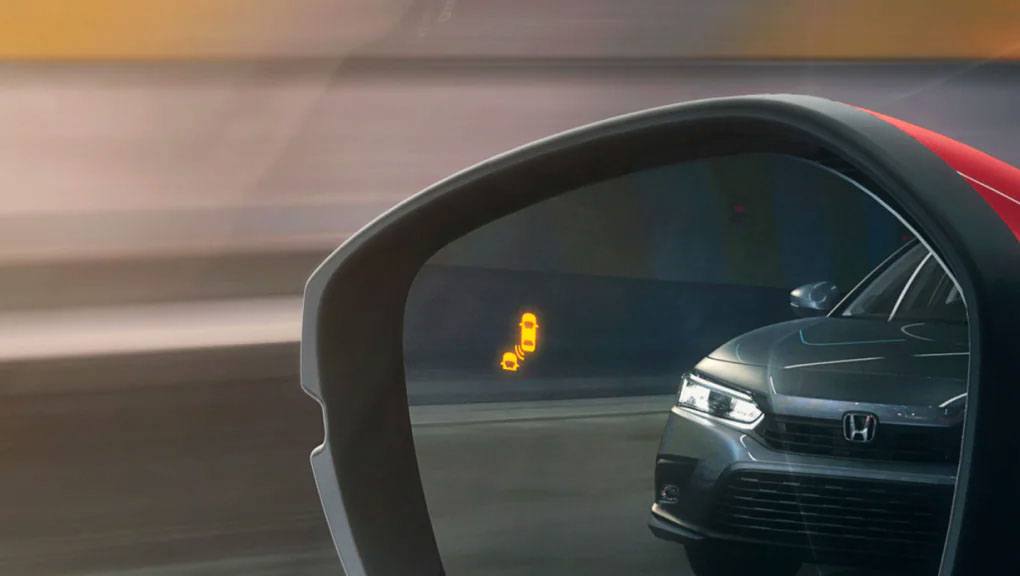
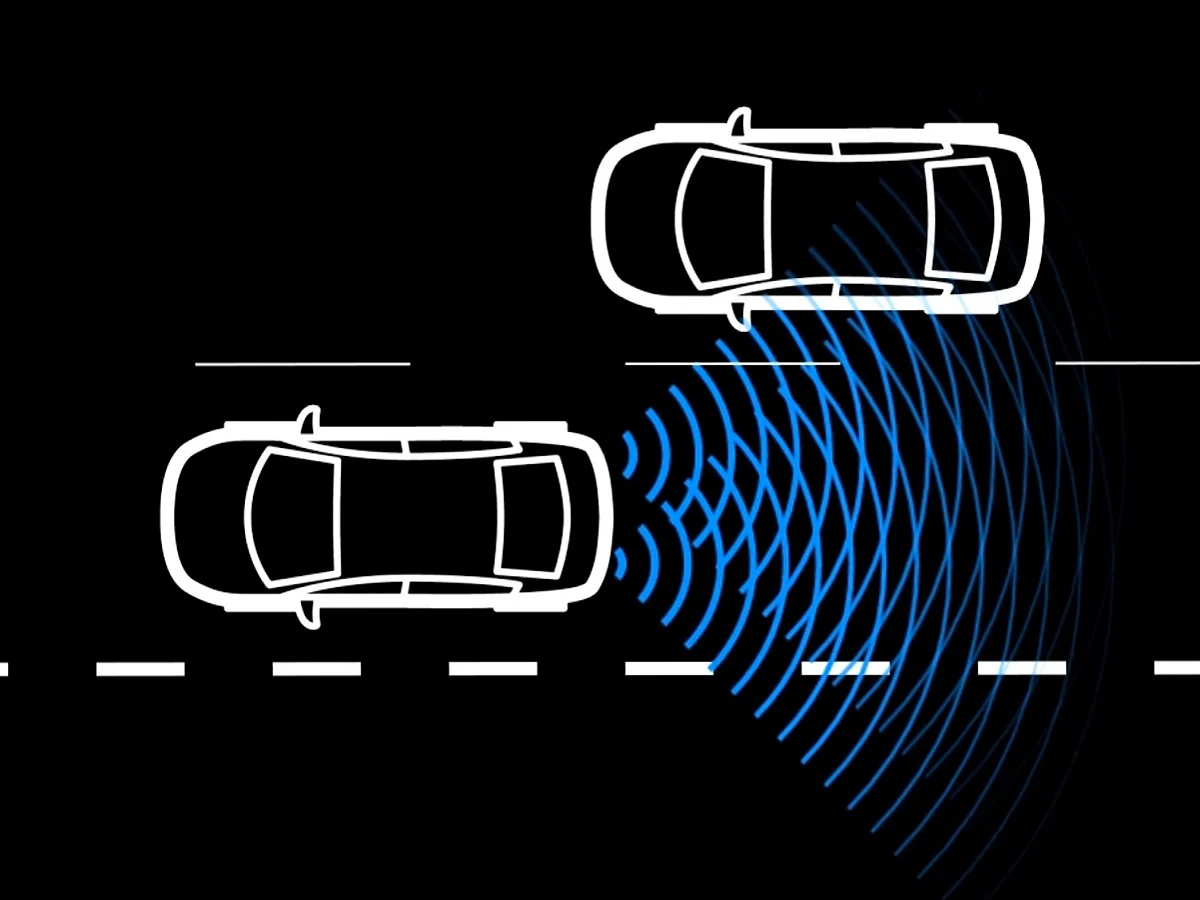
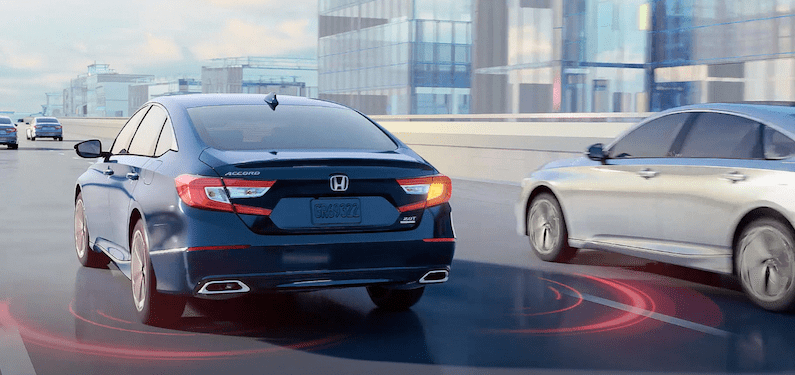
The Blind Spot Monitoring system is arguably one of the must have safety systems in modern cars.
It works by using ultrasonic sensors embedded in the side or at the bottom of a vehicle’s rear bumper to detect other vehicles present in the blind spot. This then alerts the driver either through visual or auditory alerts.
Some systems also use side-mounted cameras which are mounted in the side view mirrors.
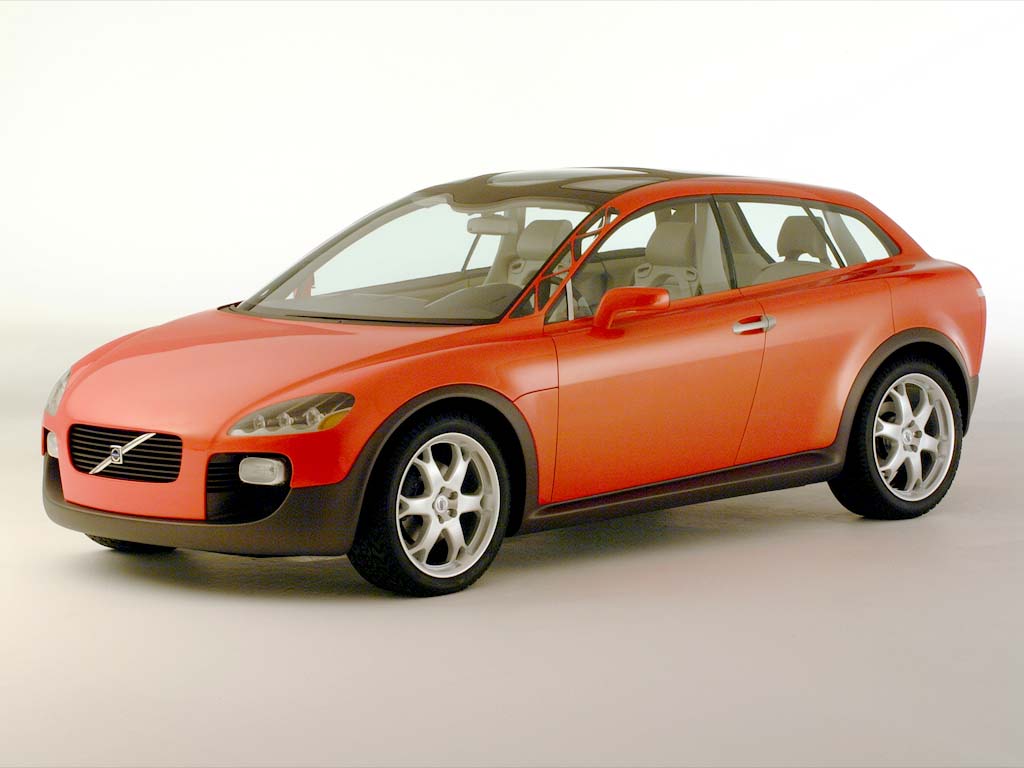
The Blind Spot Monitoring system was developed by Volvo who first called it BLIS, and was first shown in the Volvo Safety Concept car (SCC) in 2001 (shown below).
It was later shown again at the 2004 North American International Auto Show in Detroit, Michigan and was available as an option on the XC70 wagon and the S60 sedan of the same year.
These days the Blind Spot Monitoring system (BSM) is available in a number of cars as well as the likes of the Perodua Myvi and the Axia.
Curiously though, Honda cars in Malaysia have been sold with an alternative system to BSM called the Lane Watch System (LWS).
The LWS has the same objective as the BSM system where it alerts the driver of obstacles in the blind spot of the car.
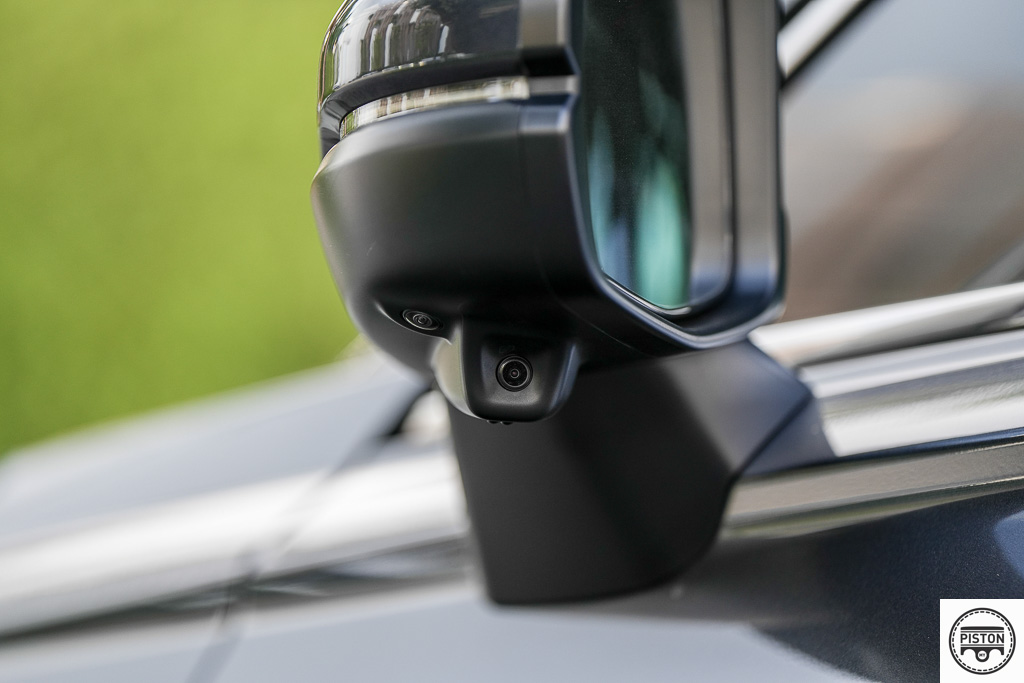
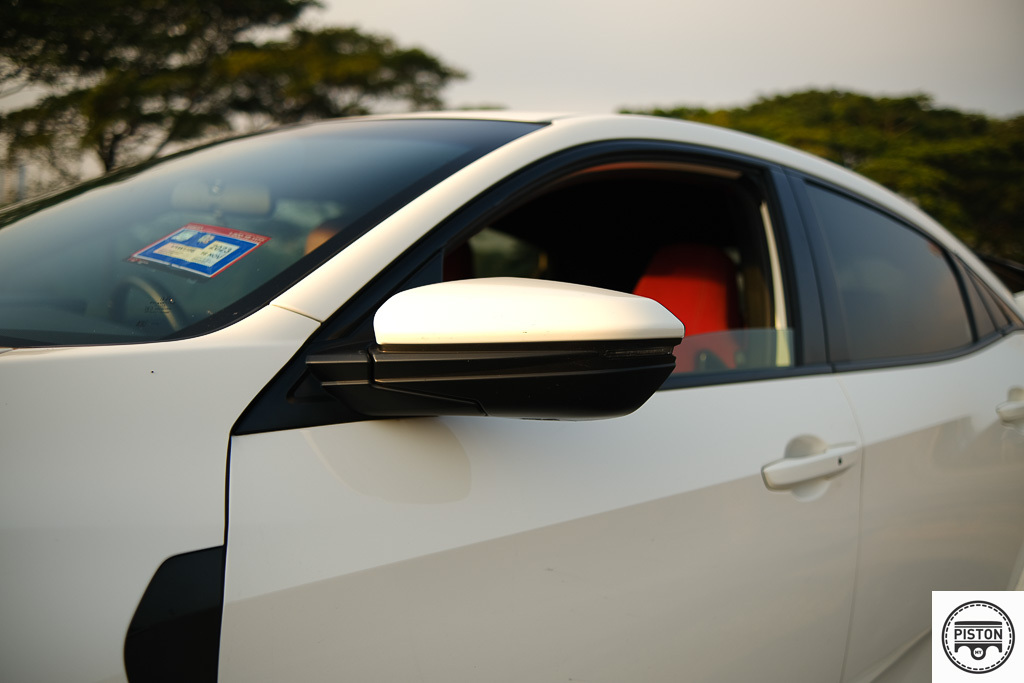
However, it works by using a camera placed on the left side mirror (seen below) and then displays a video image of the left rear quarter of the car.
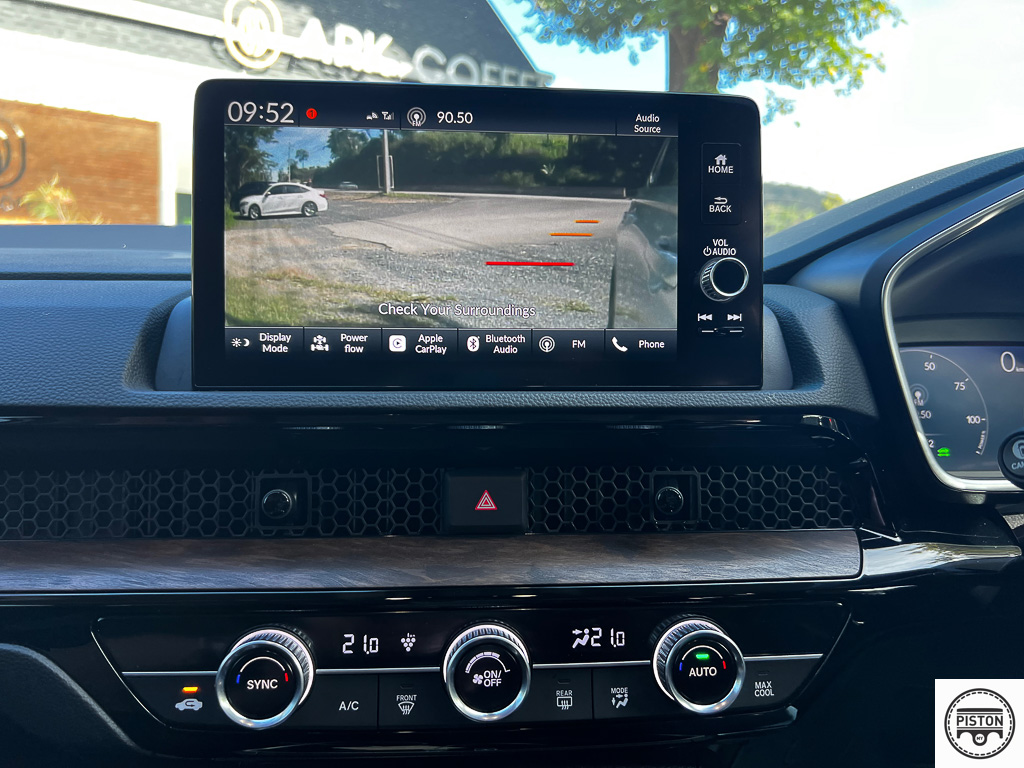
This only works when the turn signal is used or when a button placed on the turn signal stalk is pressed. There is no other visual nor auditory alert and neither does it alert you of other vehicles on the right side of the car.
And the other problem is that it only works best during the day when the sun is shinning at its brightest, as can be seen in the image below. This is because the camera that is used sends back a grainy image onto the centrally-placed monitor that often also shows the GPS map.
It does not work well in low light conditions, at night, or worse, in the torrential Malaysian monsoon rain where barely anything can be seen at all.
Often times, two motorcycles riding side by side at night can be misinterpreted as a single car.
Curiously though, Honda does offer Blind Spot Monitoring system in other markets, just not in Malaysia. Not yet at least.
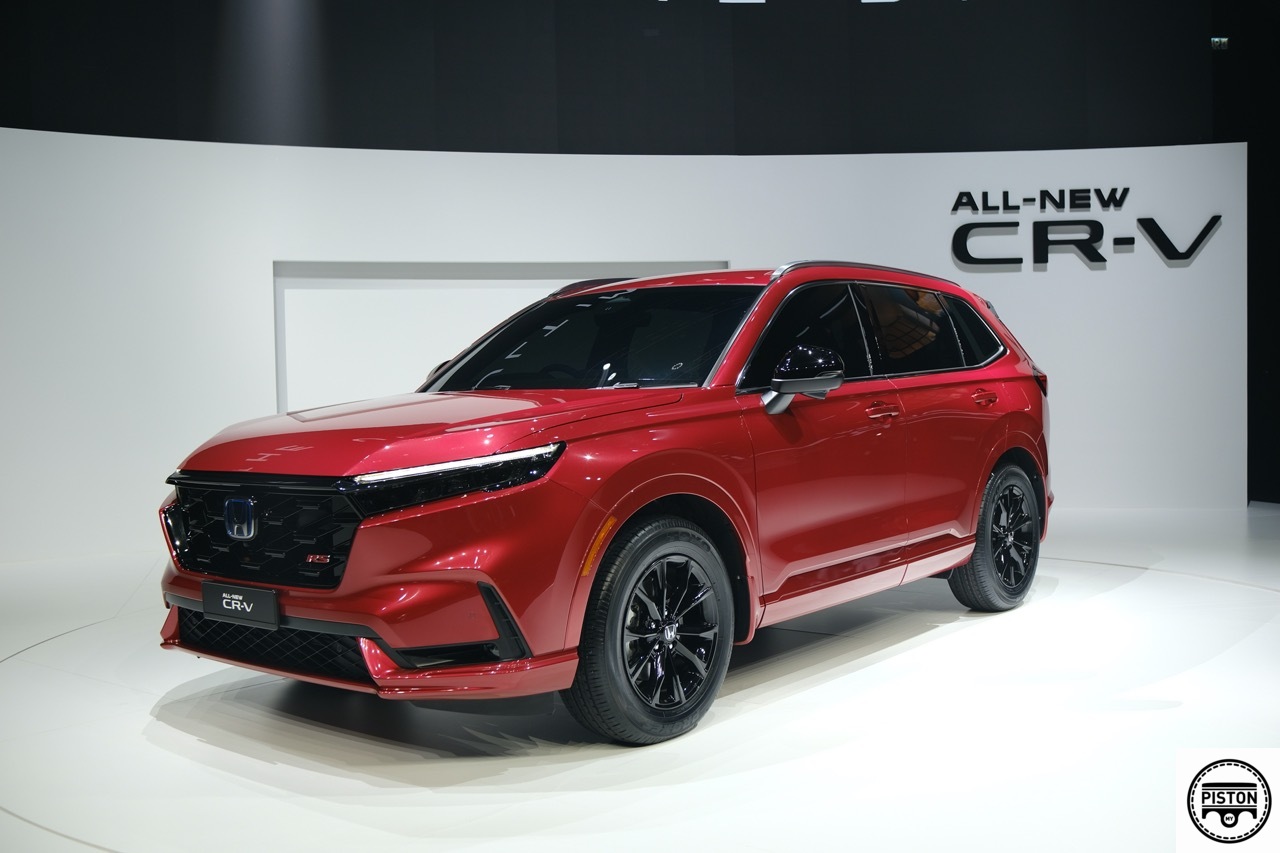
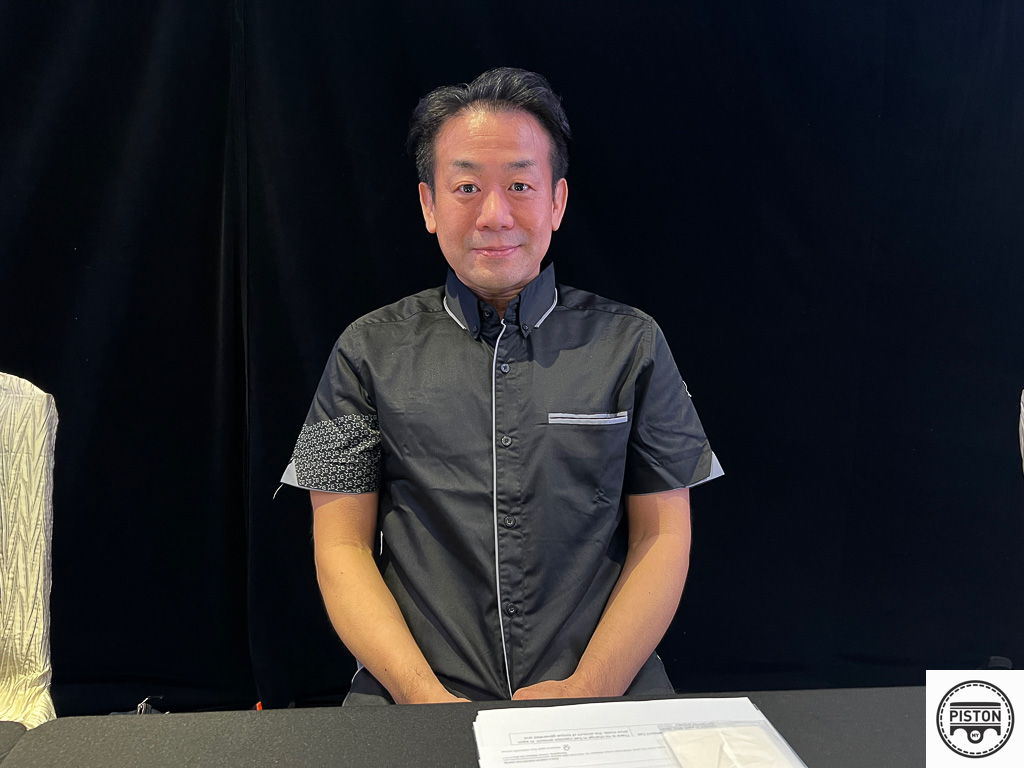
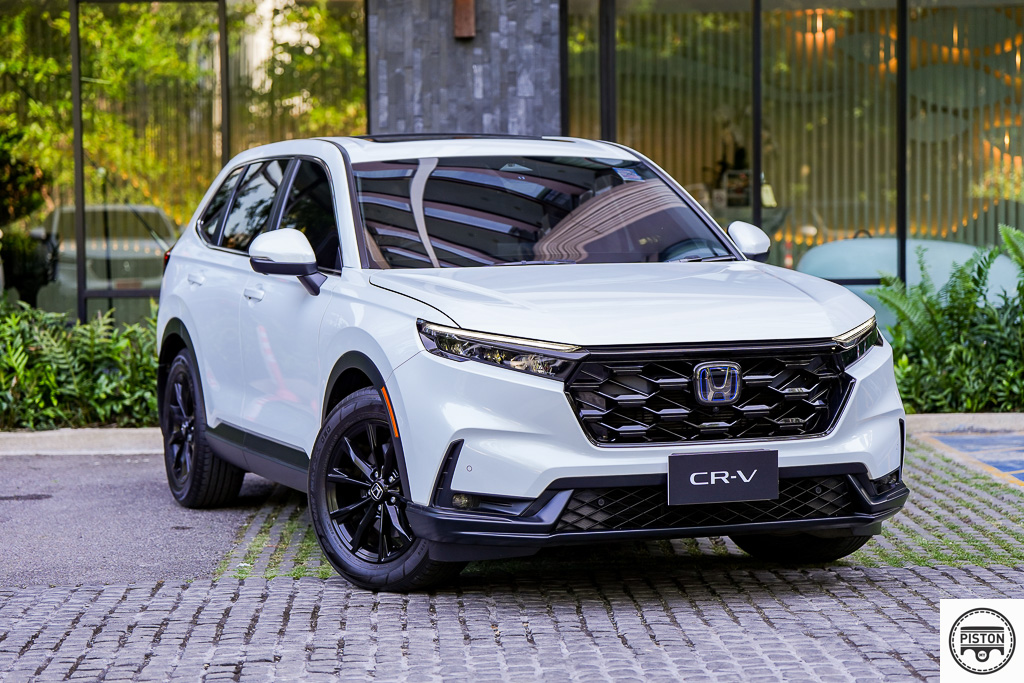
We recently got the chance to ask why this is so during a private media interview with Eisuke Sato, the Large Project Leader of the newly launched sixth-generation Honda CRV. Sato-san flew in from Japan for the Malaysian introduction of the new CRV.
When asked by Piston.my on why Malaysian Honda’s still use Lane Watch rather than the Blind Spot Monitoring system, Sato-san said, “In other regions, we do apply BSM and in the CRV globally, we do apply BSM as well.”
“However, specifically in Asian and in Malaysia, we consider how motorcycles are often used and we believe that Lane Watch is more effective.”
“Because Lane Watch can actually visualise where a motorcycle is and how many motorcycles there are, the Lane Watch system can provide for more accurate information for drivers.”
When asked about the grainy image and how the use of a high-definition camera would probably make the system more effective, Sato-san replied, “If we look at competitors, there are those who utilise higher-definition cameras but we did verify and confirm that the current spec used in the CRV is sufficient to capture the presence of motorcycles.”
“We also do understand that in dark situations and when it is raining drivers will need more visibility, so we will continue monitoring the situation and will consider an upgrade for the next models,” he added.
There is no doubt that Blind Spot Monitoring system works better in low light and in bad weather, and it is great that Honda Malaysia has an ear on the ground and listens to feedback.
So will we see the Blind Spot Monitoring system making an appearance in upcoming models. If there’s anything we took away from that interview, we can confidently say yes, it is just a matter of time.
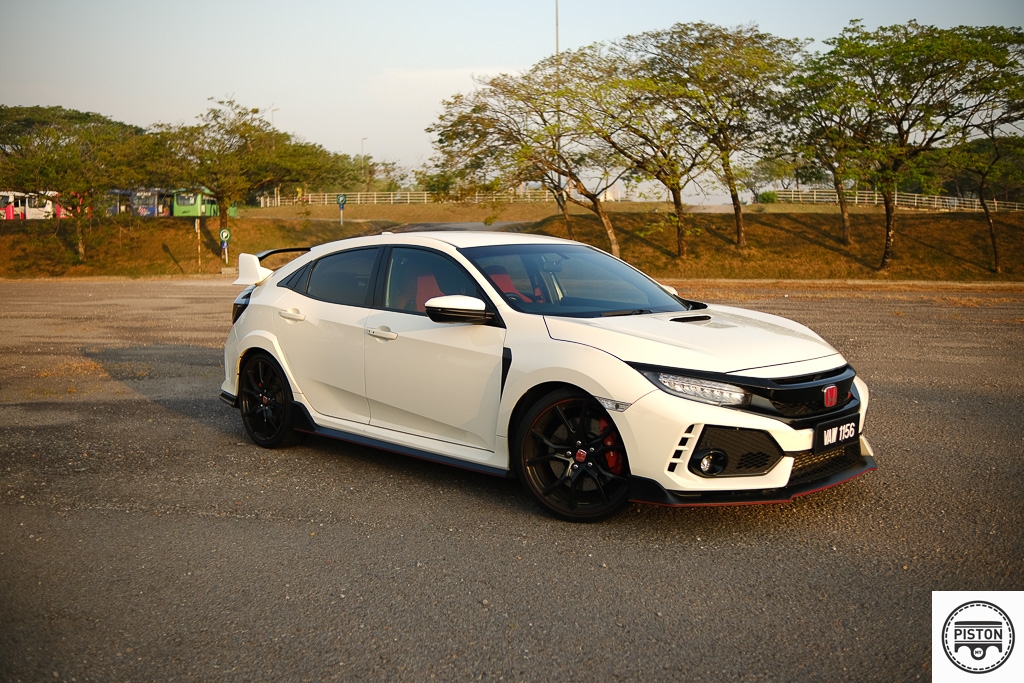
Few cars define the passion for driving like Honda’s iconic Type R. Some of the cars that can be put into the same category include creations by BMW’s M division, Mercedes AMG, Audi’s RS, Nissan’s Nismo, Toyota’s GR, and a few others.
While all those brands mentioned above might be fierce competitors, the one thing that all of them share is the ability to stir emotions. While their parent companies create cars for general transportation, the sub-divisions are more than just a means of transport, they are meant to create a connection between the car and one’s soul.
The Type R started off life as just that, a division meant to make one of Honda’s most iconic models into something that would seize the world – the Honda NSX Type-R. Or otherwise known as the Ferrari killer.
Back in the 80s and 90s, Ferrari made cars that were amazing to look at, but not so great to drive and worse to own (besides the F40). And it is quite safe to say that the NSX shook up the Maranello based establishment (with due credit to Nissan’s GTR of course).
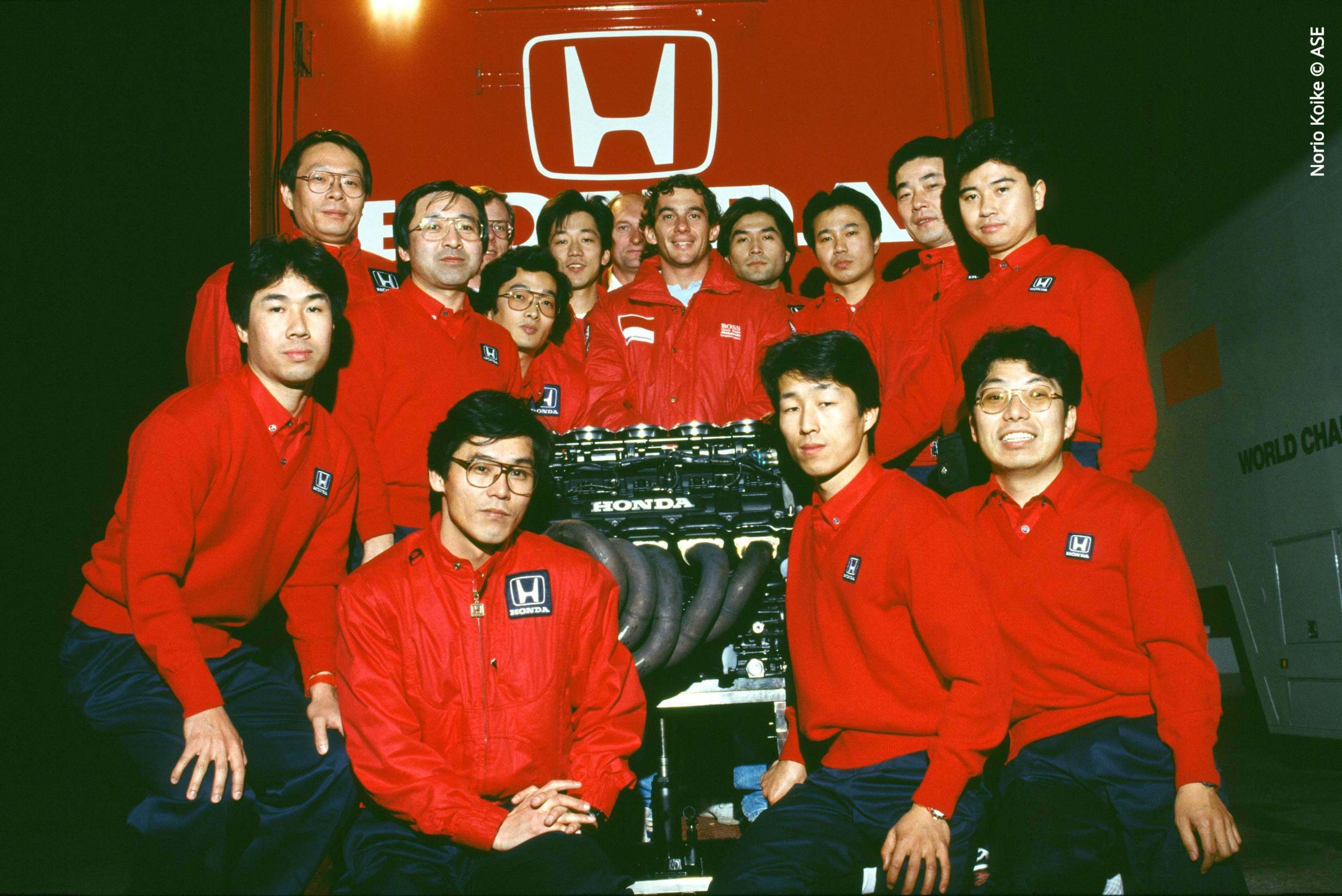
Honda had the legendary Ayrton Senna on their side when the late Brazilian raced for the Mclaren-Honda Formula One team, which whom he won three World Championships with.
Senna had his way with the NSX and helped to improve the handling and overall dynamics of the car, most notably at the Suzuka circuit in Japan, which is owned by Honda.
Honda later created a wilder version of the NSX, christening it the Type R, which made the NSX Type R the first of its kind. This was the beginning of what would later command a cult like following of the Type R brand.
Type R models are generally treated to a distinct weight loss program that includes a lack of sound insulation. The entire air-conditioning system will also be removed for earlier models (Honda realized this was not practical and re-installed it in later year models), as well as the complete removal of the power steering system. The glass around the car was also generally thinner for specific Type R cars. This resulted in lighter cars that were a joy to drive.
Some of the icons from the Type R family includes the NSX Type R, the Integra Type R and of course, the Civic Type R.
But not all of them were greats though. Honda thought it would be a good idea to offer an Accord Type R but that turned out to be the least exciting of all Type R models. There is also the Civic FN2R which is considered quite ‘soft’ when compared to other JDM and Asia specific models. Good thing then that those two were only offered for the European market.
One of the greatest Type R’s is the Civic FD2R. With a 2.0-litre naturally-aspirated engine producing 225PS and 215Nm of torque, the car came with a slick-shifting short-throw 6-speed manual gearbox. This combined with an 8,400rpm rev limit and semi-slick Bridgestone tyres, made the car feel like a race car for the road.
The FD2R is a true icon of the Type R family and one that will always be remembered with affection. Honda faced an uphill task to create a successor. With the rising demand for efficient and cleaner engines, it simply was not feasible to continue to build naturally-aspirated engines.
So, Honda had to step into the world of forced-induction and created a turbocharged successor to the FD2R, much to the dismay of Type R fans around the world since a naturally-aspirated engine was considered a hallmark of all Type R’s.
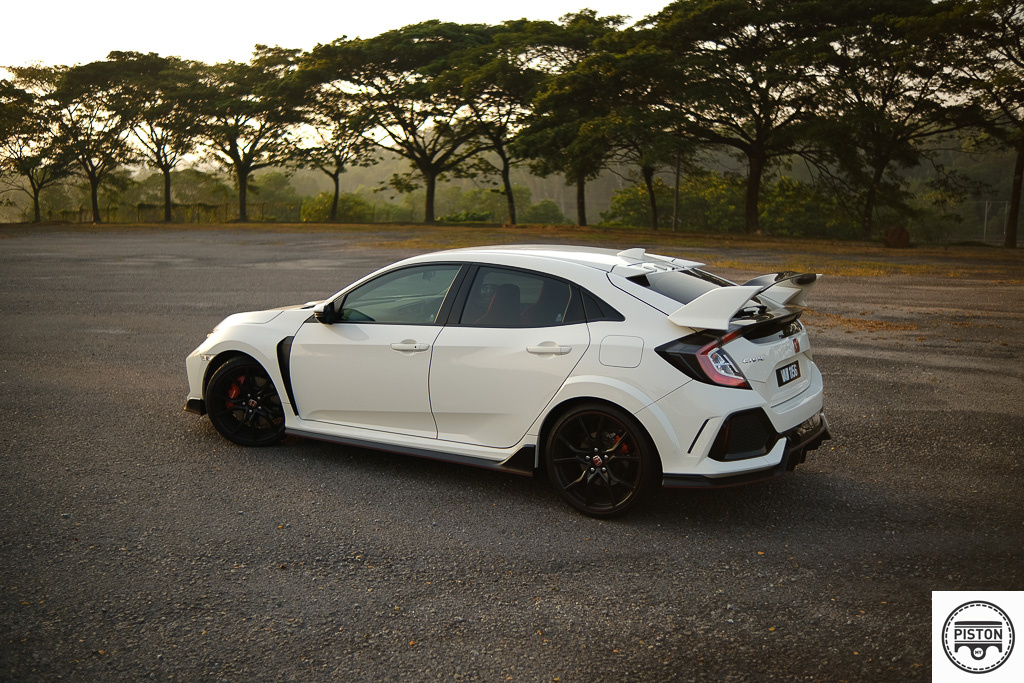
The FK8R is the spiritual successor to the iconic FD2R, but in reality, the two are only connected with each other in name and not so much in spirit.
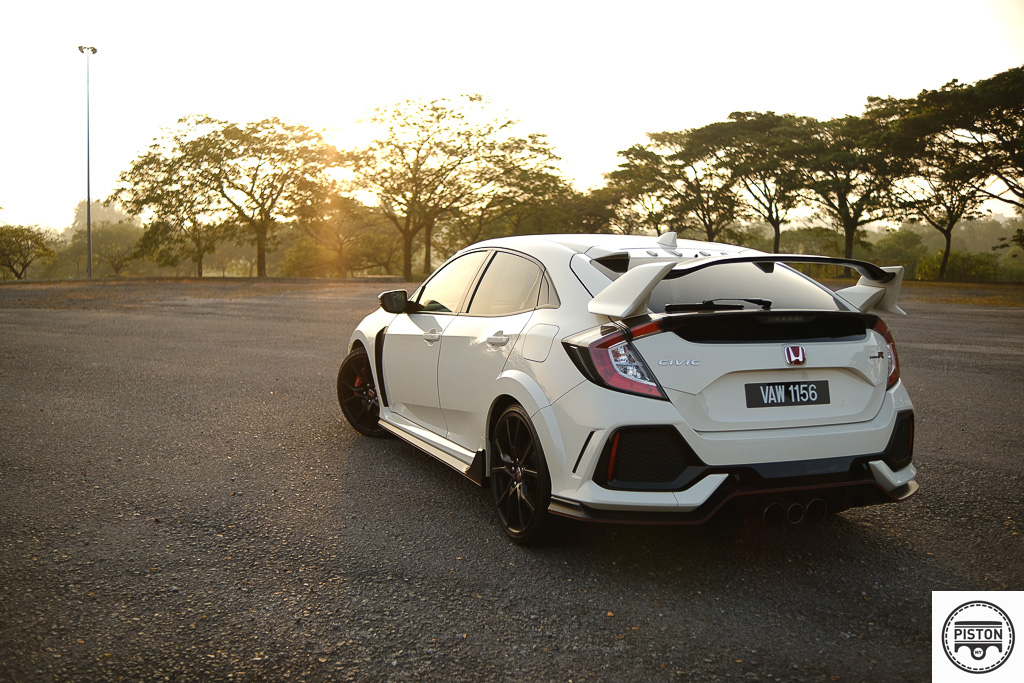
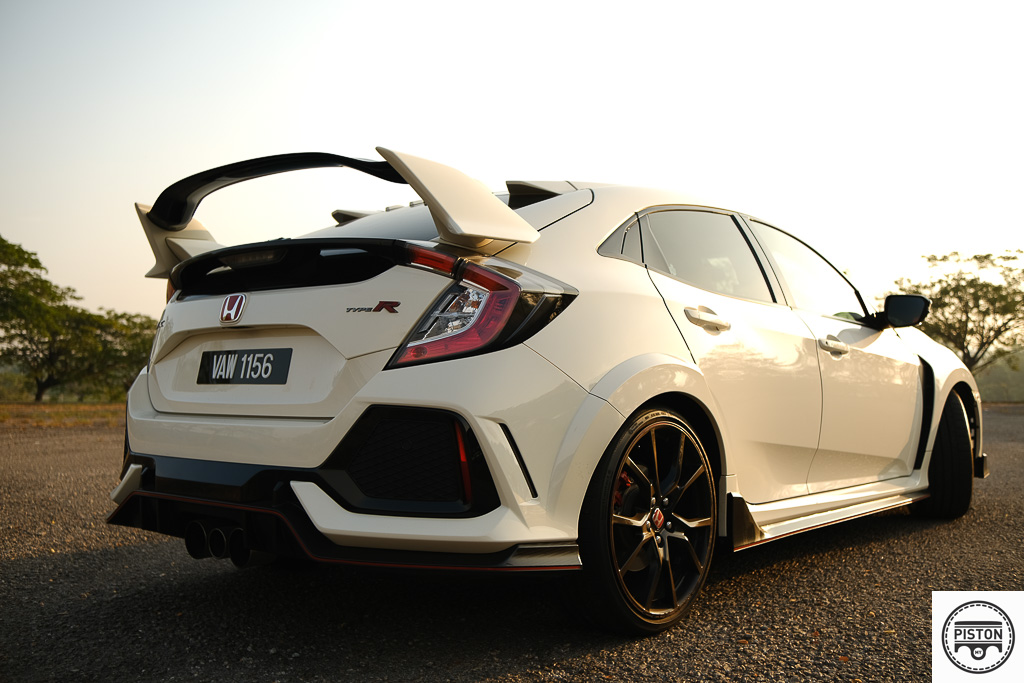
There are things that the two share though, such as the short-shifting 6-speed manual transmission, the large rear wing, and a driving experience that will shake your internals. But the method of delivering that experience is vastly different.
While the FD2R will engage your attention by keeping you fixated as the engine screams, demanding that you bang home every gear ratio until the car reaches its electronically programmed 180km/h top speed. The FK8R on the other hand requires that you pay attention to the speedo meter, because it has a tendency of piling on speed without you knowing it. It is clinical yet refined in its power delivery.
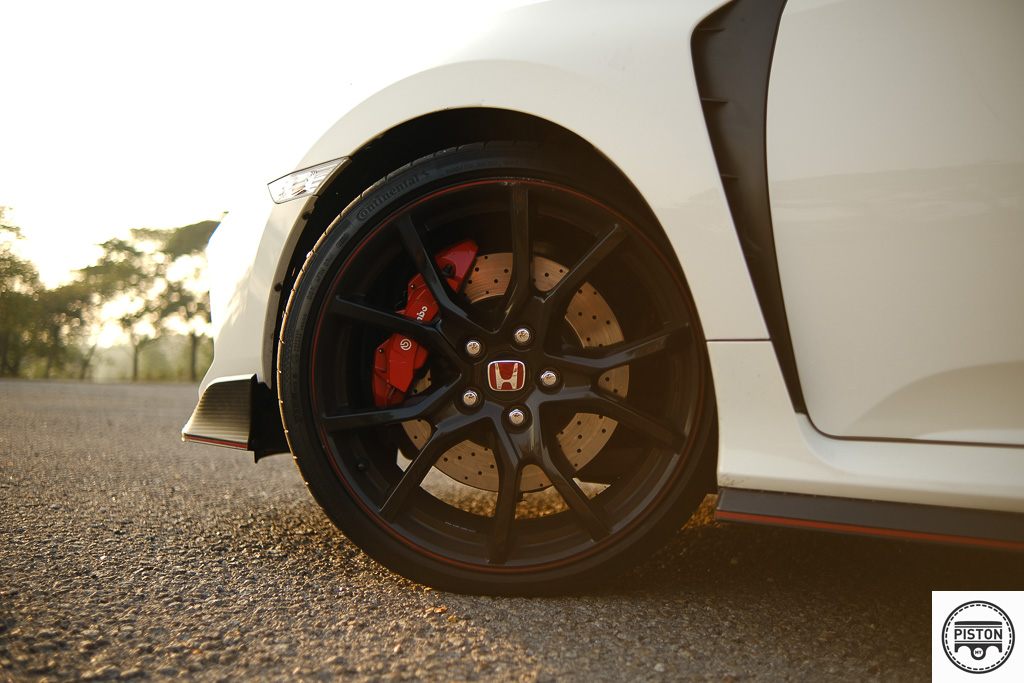
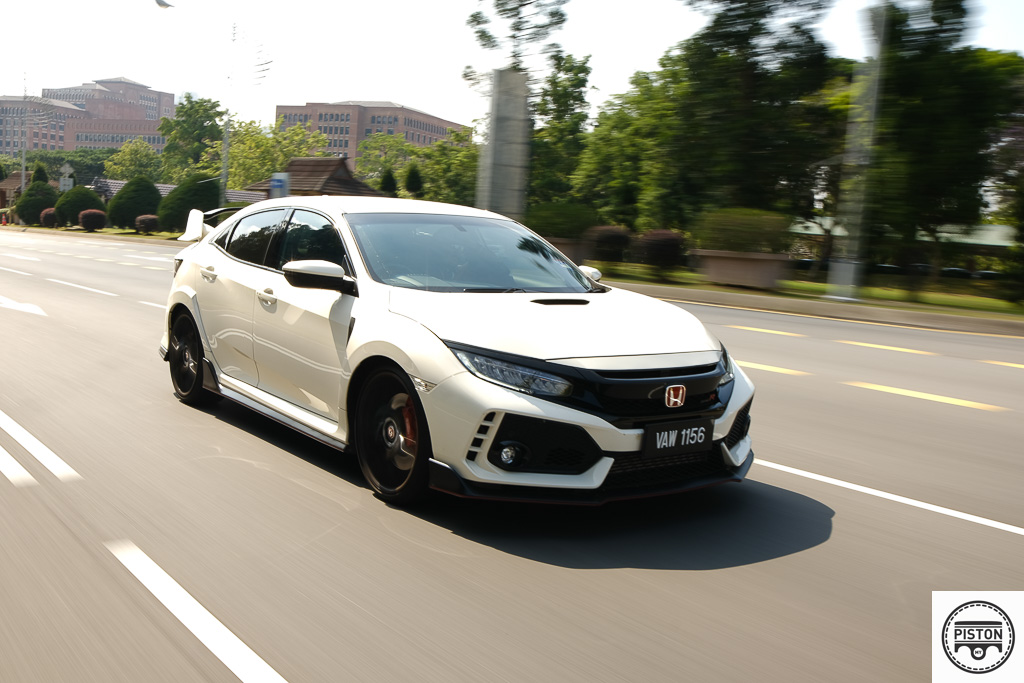
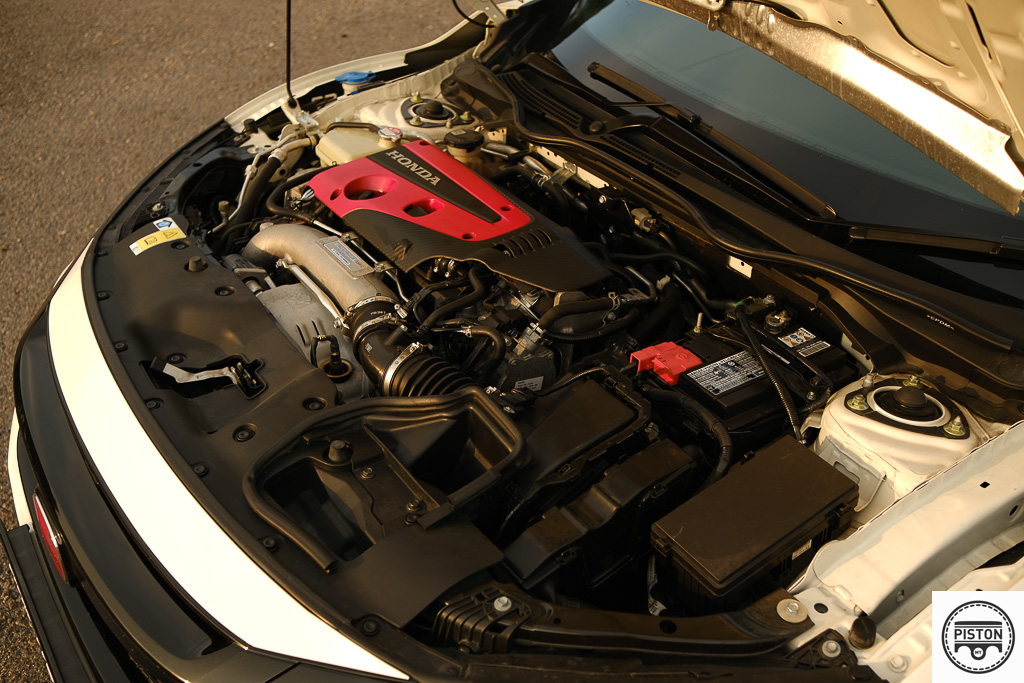
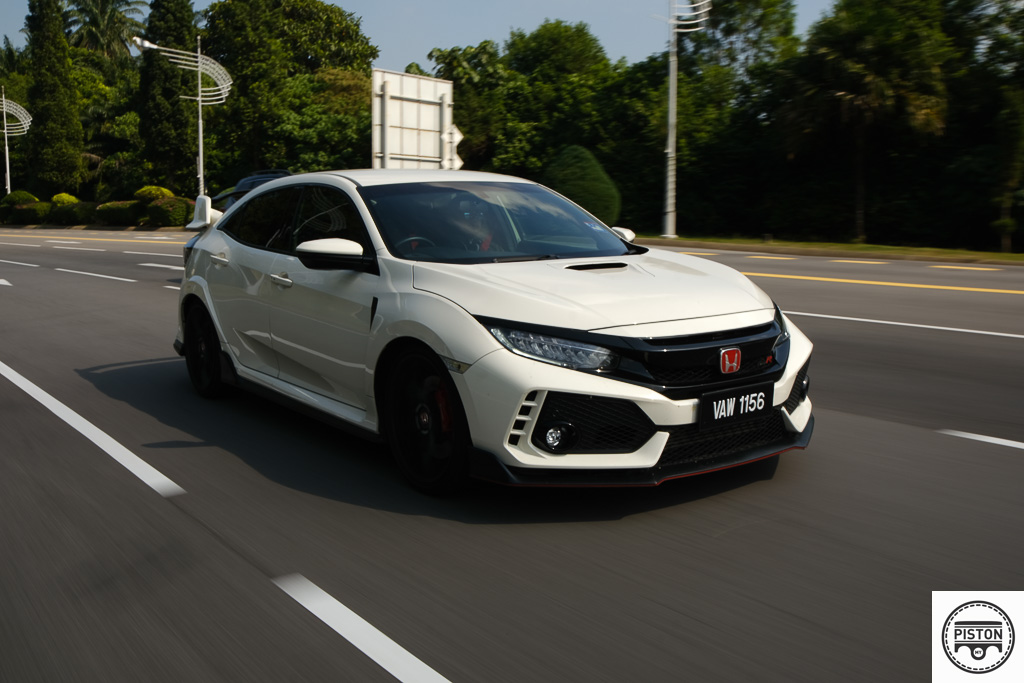
Embracing forced-induction has allowed Honda to offer much more power than previous generation Type R’s. The Civic FK8R produces 310PS and 400Nm of torque. It does the 0-100kmh in just 5.8 seconds and will not stop accelerating until it reaches its 272km/h top speed. That is just about 100km/h faster than previous generation models.
For reference sake, the NSX Type R, which is widely regarded as the greatest Type R ever produced makes just 290hp and 304Nm of torque. Though there are some reports suggesting that those numbers were under declared.
But before you start to think that the NSX Type R is slower compared to the FK8R, it is worth remembering that the project leader for the NSX Type R was once quoted as saying, “the idea behind the R was not to create a swan song rendition with a massive dose of additional power, but to go back to basics.”
And the ‘basics’ in mention means the removal of some of the items that add to the overall weight. As such the NSX Type R was a full 84kg lighter than the standard NSX and this resulted in an impressive power to weight ratio of 220bhp per tone. With the NSX Type R weighing in at 1,274kg, we will let you do the math.
On the topic of the FK8R, it is a sublimely different machine as compared to its predecessors. While the words of choice for older Type R’s would be aggressive, noisy, engaging with a borderline trashy drive character, the FK8R is more refined, friendly yet boisterous when the road allows, and yet as engaging as previous models. To put it simply and in modern language, the FK8R is what you get when a Type R has to take on the responsibilities of an adult.
The FK8R comes with adaptive suspension, which is a first in the history of the Type R. This and the electronic steering allow Honda to offer driving modes, of which the FK8R has three – Comfort, Sport and +R mode.
The +R mode is where the car is at its best, with the suspension set at its stiffest (not so great for passenger comfort), the steering wheel at its chattiest and power is delivered with no turbo lag.
And because of the forced-induction, you can even accelerate in fourth or fifth gear on the highway with the car responding immediately. Even the interior noise is at an acceptable level, while older Type R’s were notorious for being noisy.
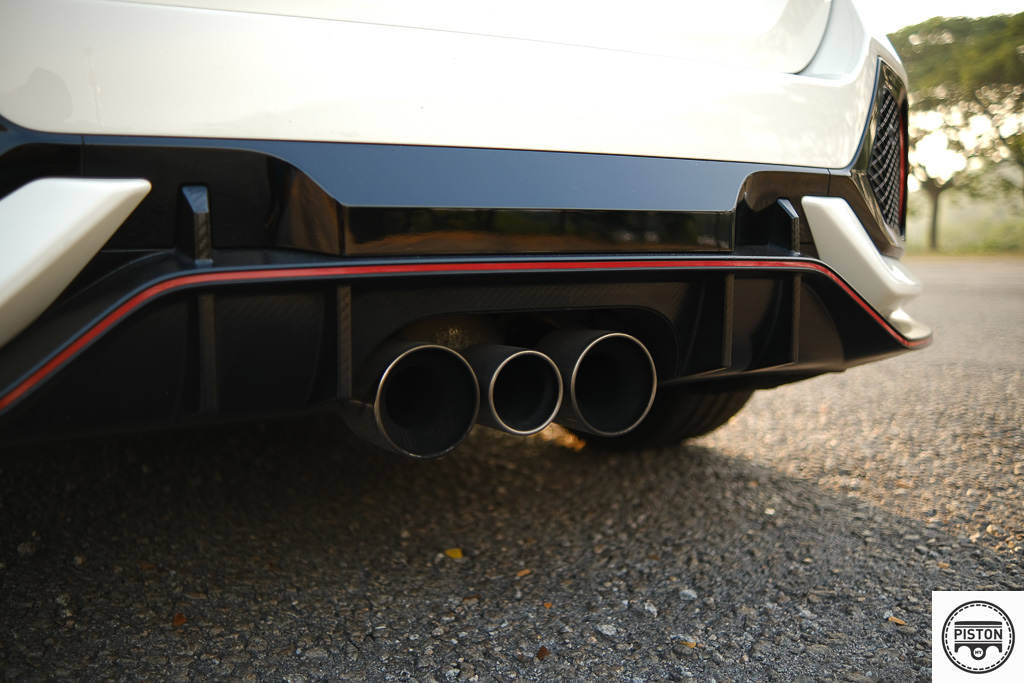
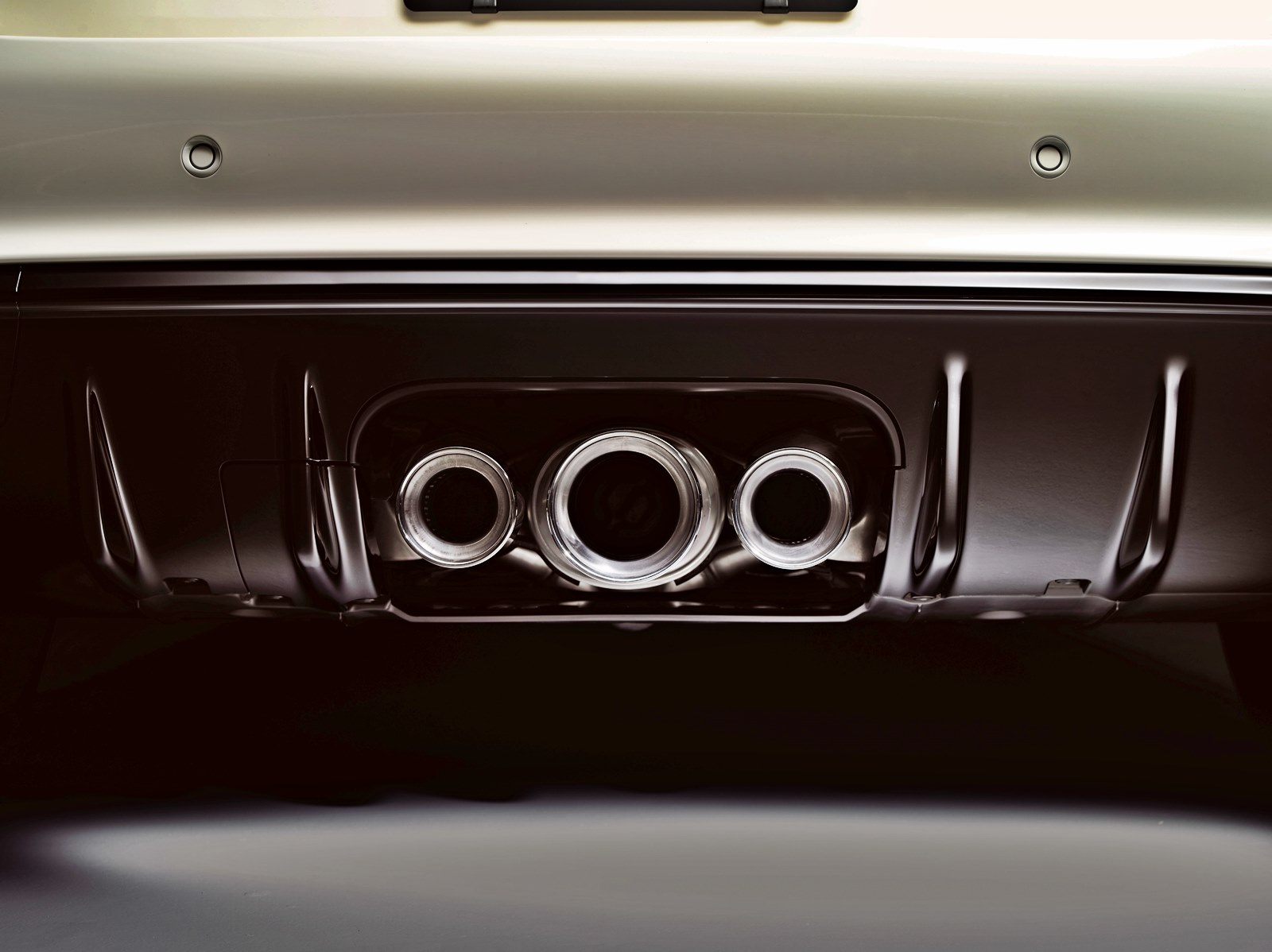
This is not achieved by using heavy sound deadening material but with clever trick involving the triple exhaust tips. The two exhaust tips on the sides still work like any other exhaust, but the one in the centre gives the car its sporty sound. At low speed it gives it an aggressive sound which can be heard from the inside and out. But at higher speed such as on the highway, it channels air towards the outer two pipes to keep the interior quiet and comfortable.
This makes the FK8R incredibly well placed as a comfortable touring machine, which is something the other Type R models could never achieve.
The driving modes together with the 2.0-litre turbocharged engine are the defining features of the FK8R. These features give it its character and its general purposefulness. But its four-seats, interior spaciousness and features like Apple CarPlay make it a family friendly machine, like a Doberman that always has the family’s best interest at heart.
Except that this time, that best interest in question is driving pleasure, of which the FK8R offers in abundance, and this singularity makes it a definite future classic.
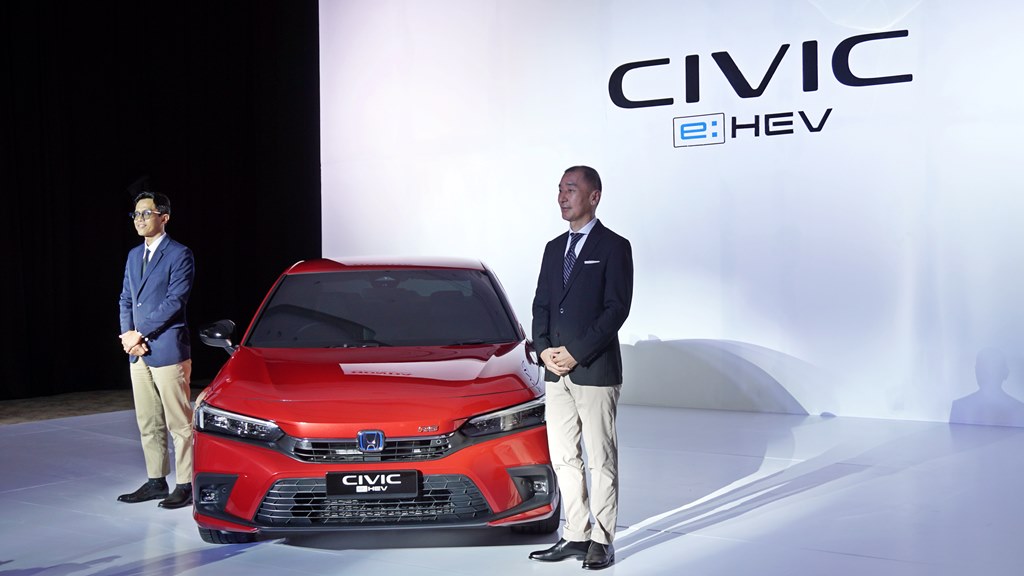
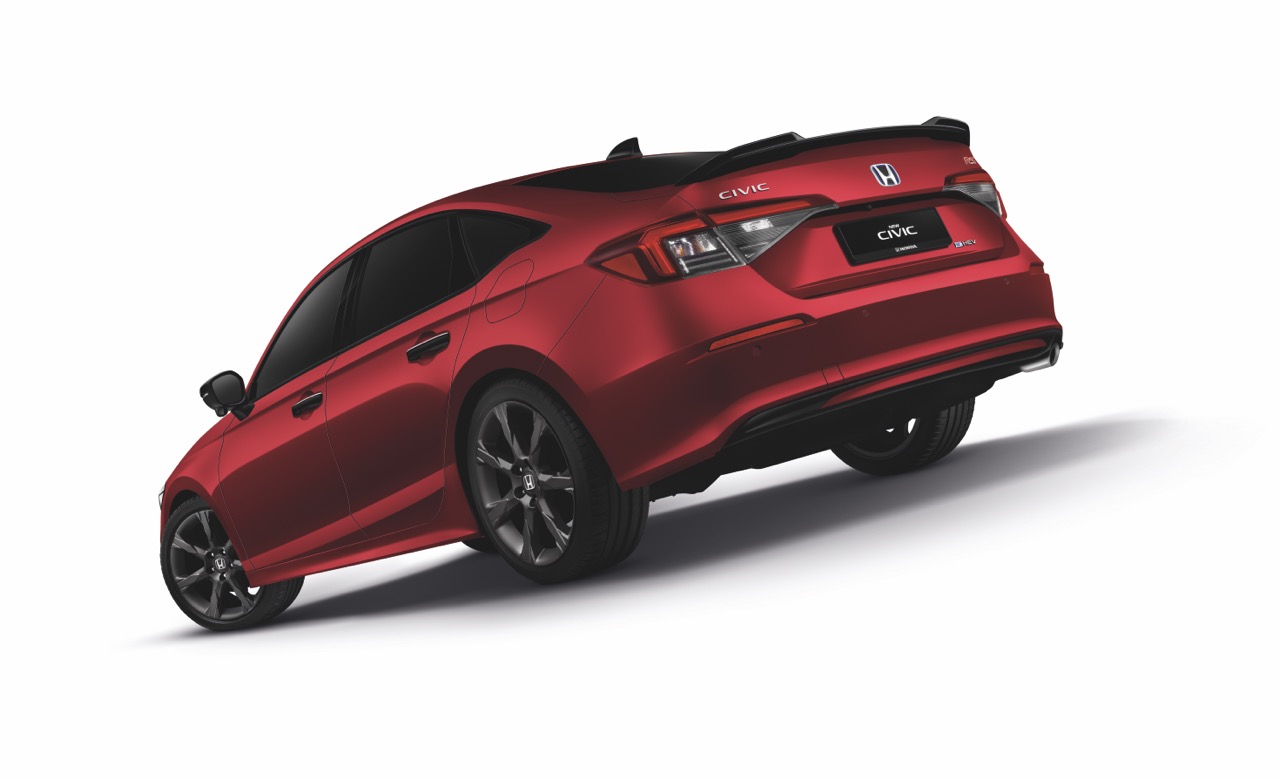
It’s been a busy year for Honda Malaysia, having started with the launch of the new Honda Civic and then the HR-V, two popular models that presently have long waiting lists. And to end the year, the company has launched an additional variant for the Civic in the form of the Civic e:HEV Hybrid today.
This is no surprise, of course, as it was already announced a month ago and Honda Malaysia even allowed us to get the first drive impressions at the Sepang circuit. We were able to show you what the car looks like and the only things that were not known then were the interior (under embargo) and of greater interest to the public, the price.
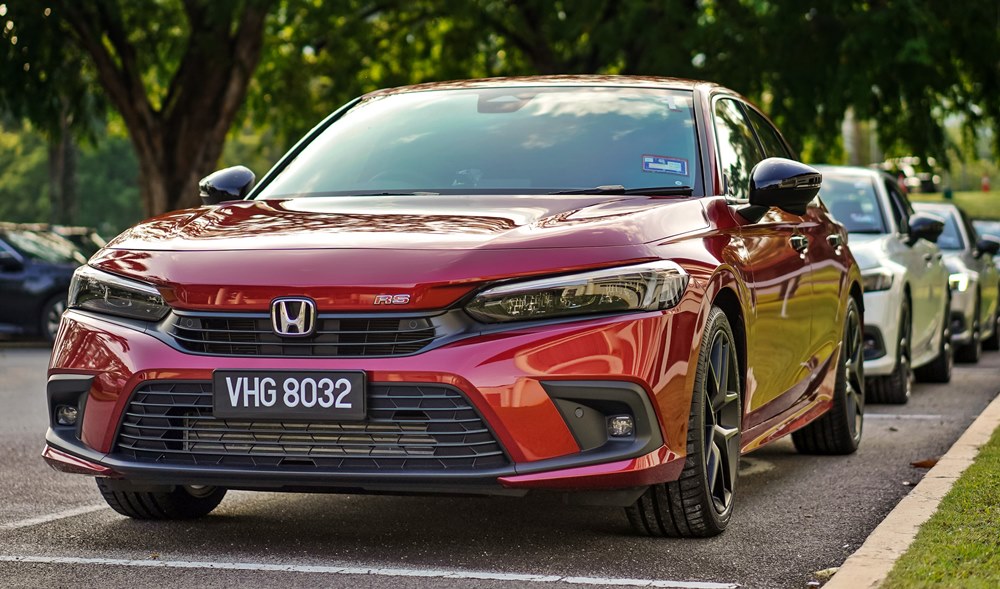
So first off, here’s the price: RM166,500 (without insurance) for the single RS version and this is around RM15,800 more than the Civic RS with just a 1.5-litre turbocharged engine. So, by virtue of its price, the Civic e:HEV would be the flagship of the range which includes the 1.5V and 1.5E versions. Malaysia is one of only three countries in the world to have the e:HEV version of the Civic Sedan, the others being Thailand and China.
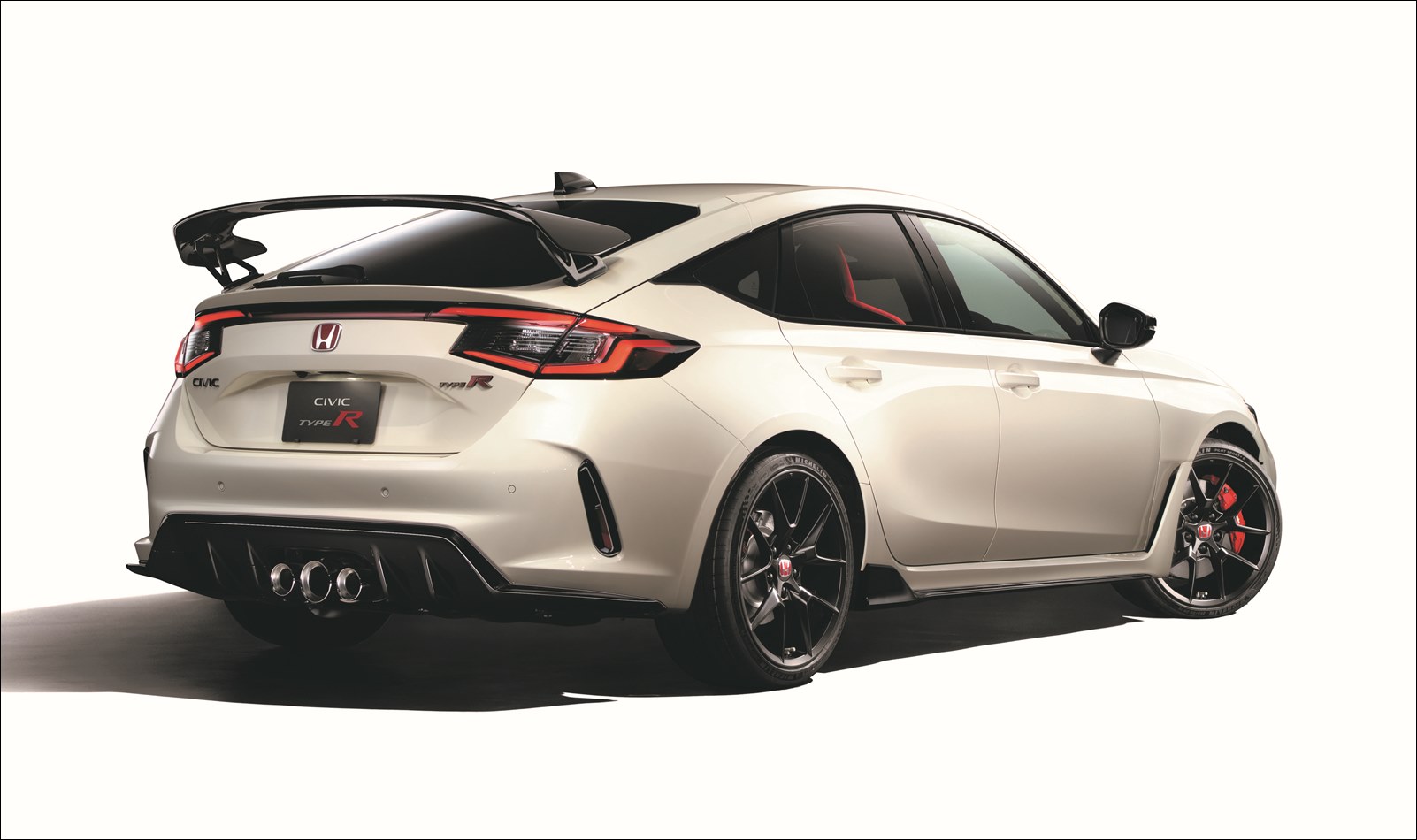
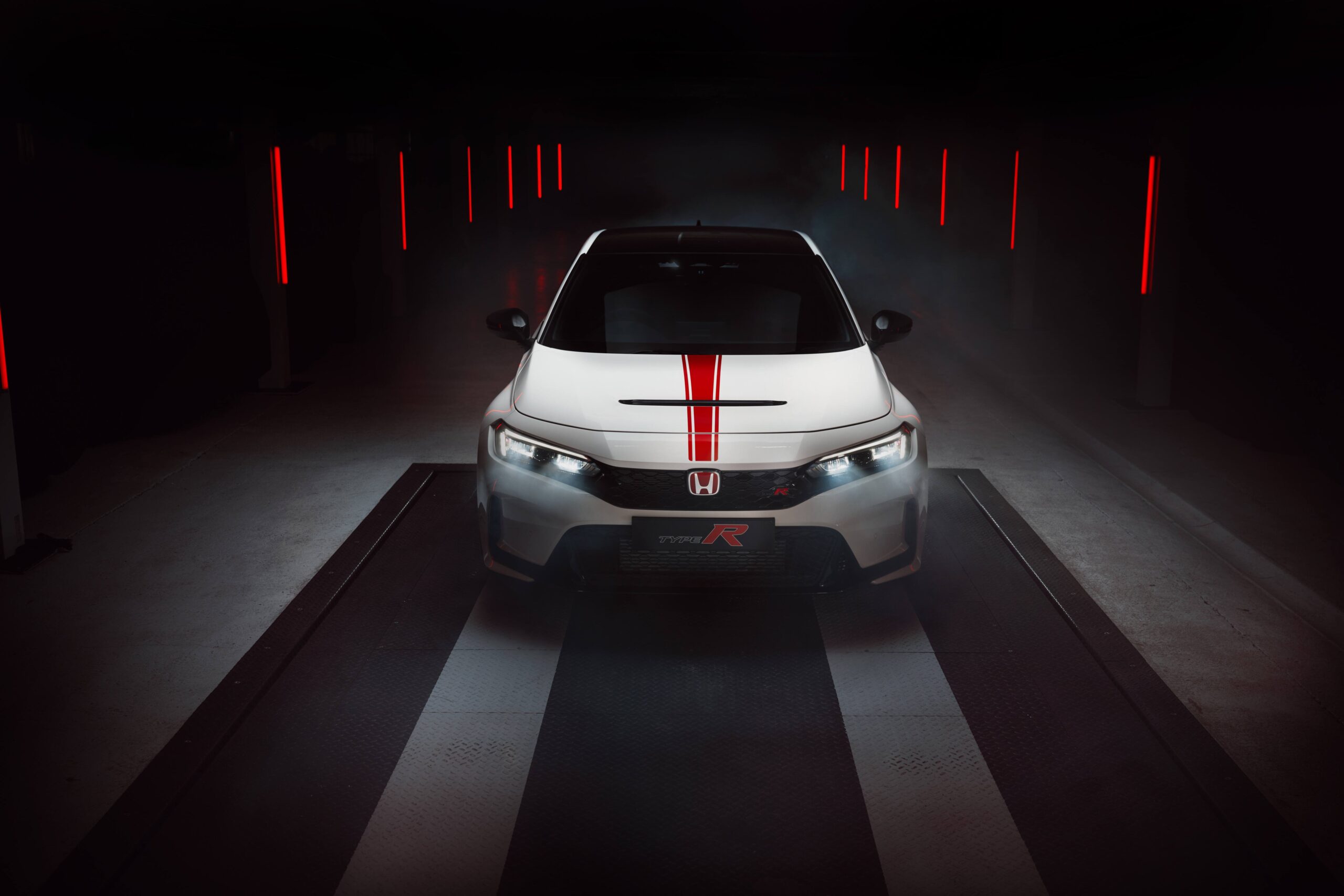
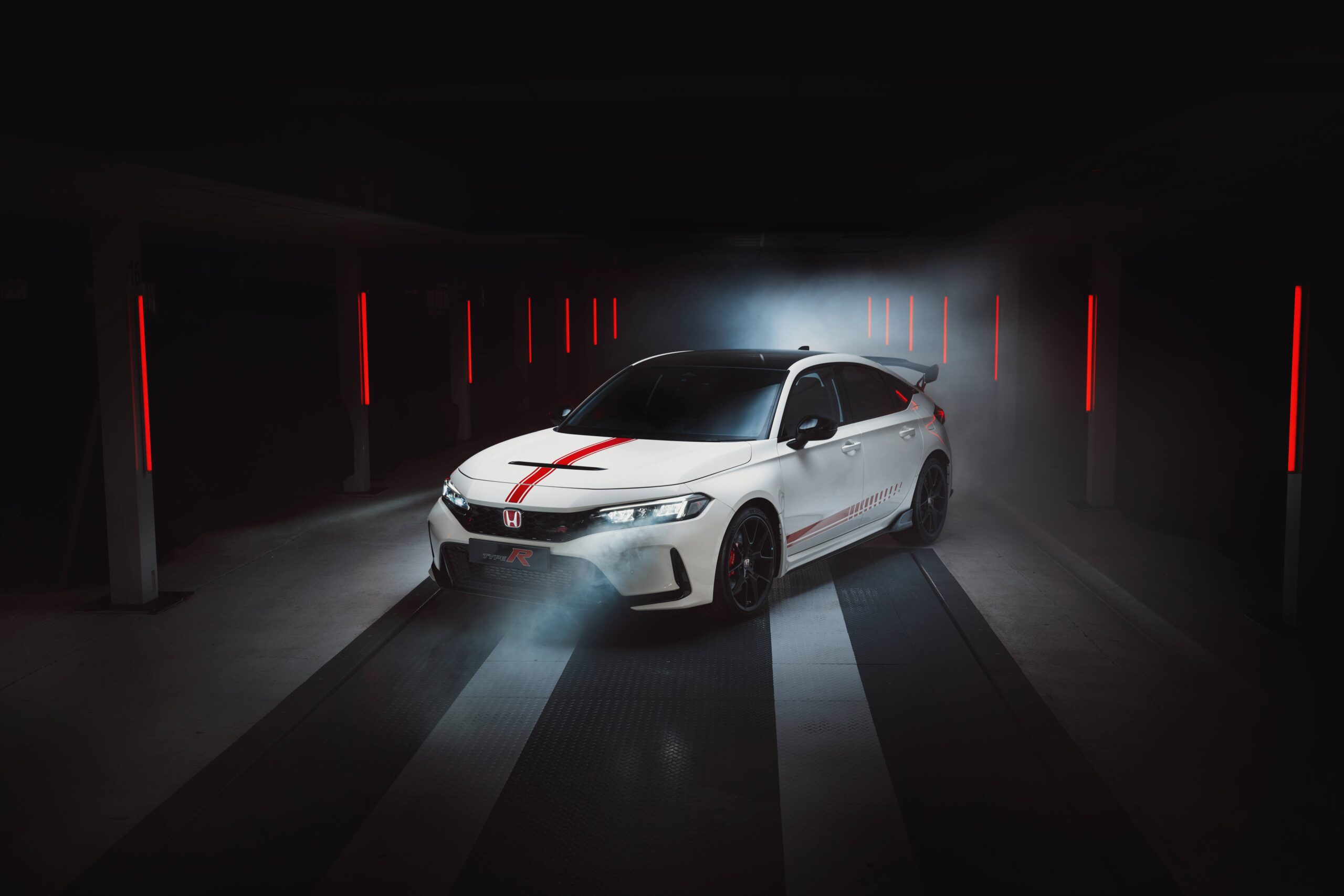
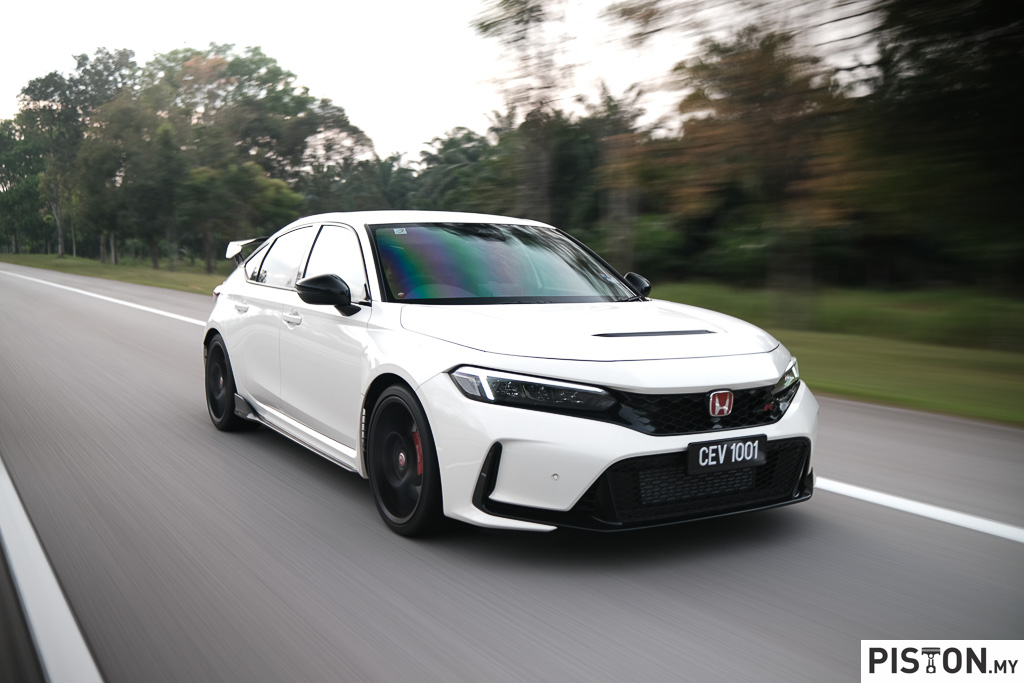
2023 is the 50th year of the Honda Civic and it has also been 25 years since the brand’s iconic high-performance Type R model stormed into the market. To mark this significant milestone year, Honda has launched the new Civic Type R as the most powerful Type R ever.
Based on the latest 11th generation Civic hatchback version, the new Civic Type R has advancements and application of motorsport-derived technologies that allow it to exceed the capabilities of even the stripped-out, lightweight version of the previous model.
The locally-assembled Honda City Hybrid (model year 2021) and Civic Sedan (model year 2022) are being recalled by Honda Malaysia to rectify two issues. While these issues have not caused any injuries or accidents, the company is being proactive as a precautionary safety measure.
Honda Malaysia apologises for the inconvenience caused to owners of the affected and reassures that other current production and selling models are not affected in this product recall. The company believes this product recall is necessary as customer safety is Honda Malaysia’s top priority.
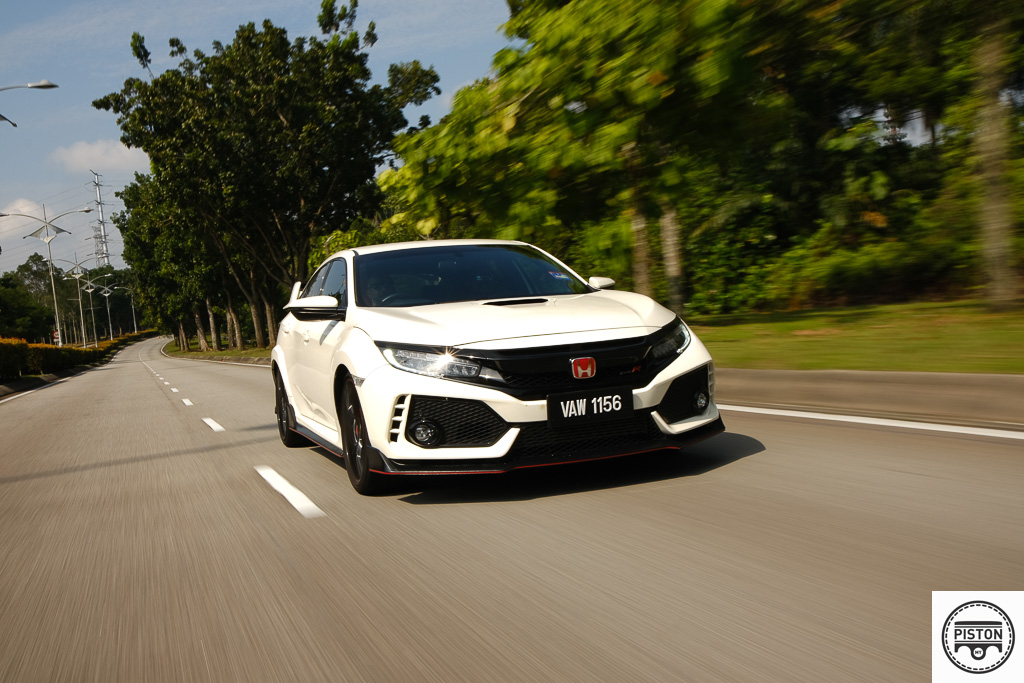
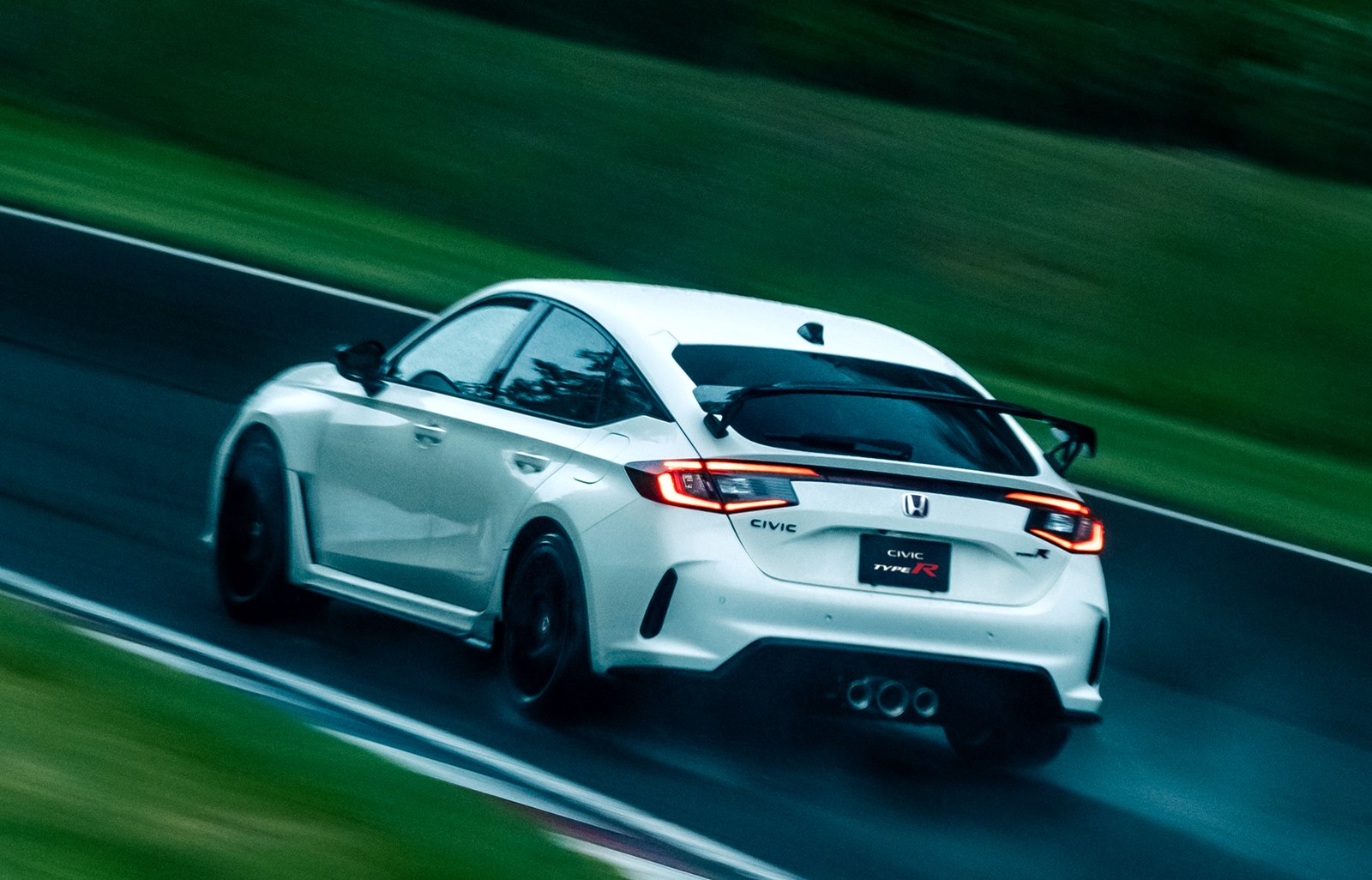
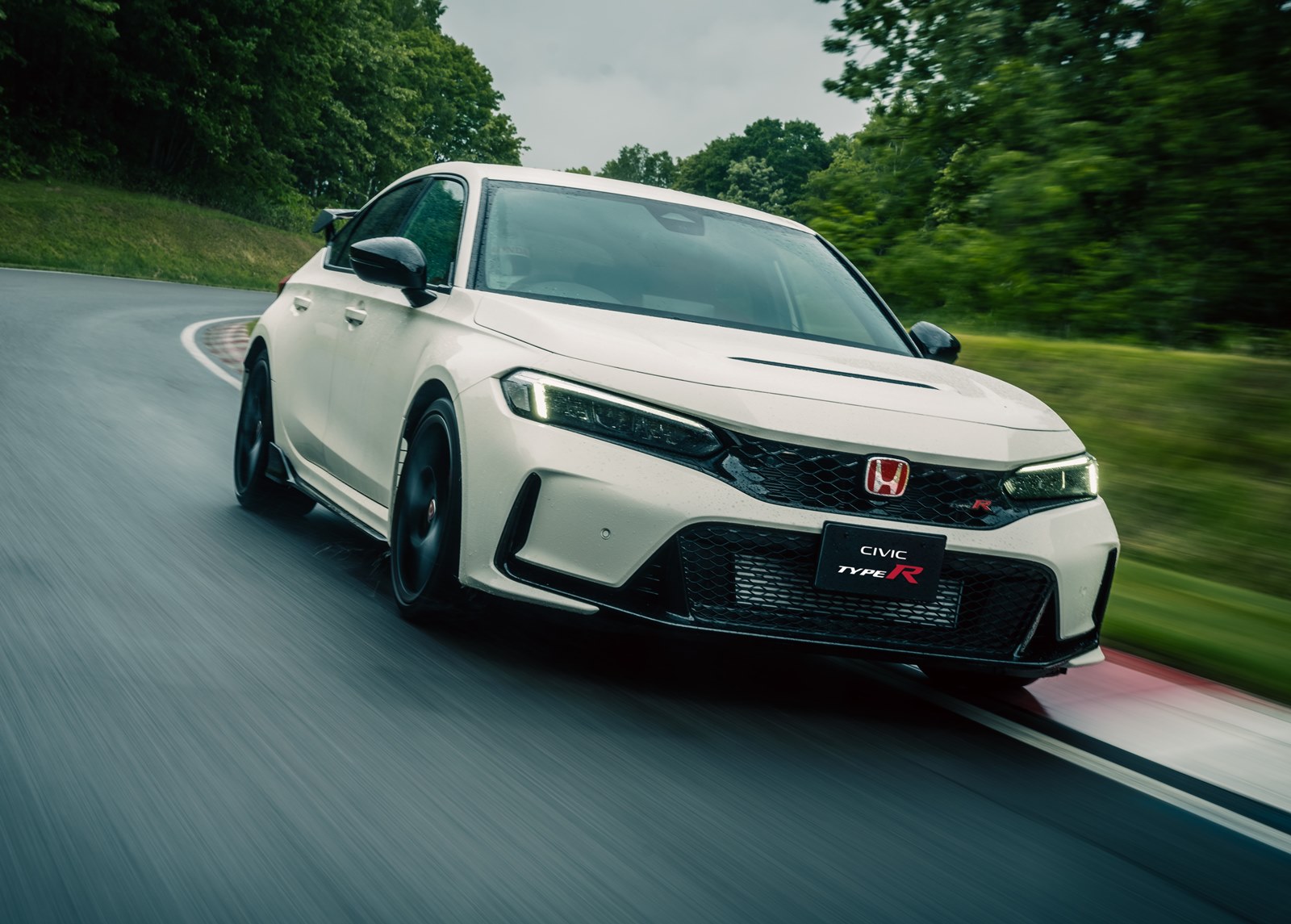
It’s the 50th anniversary of the Honda Civic and to celebrate this milestone, a brand new Type R has made its global debut. Based on the 11th generation of the Civic, the latest Type R will be the most powerful version ever to come from the factory.
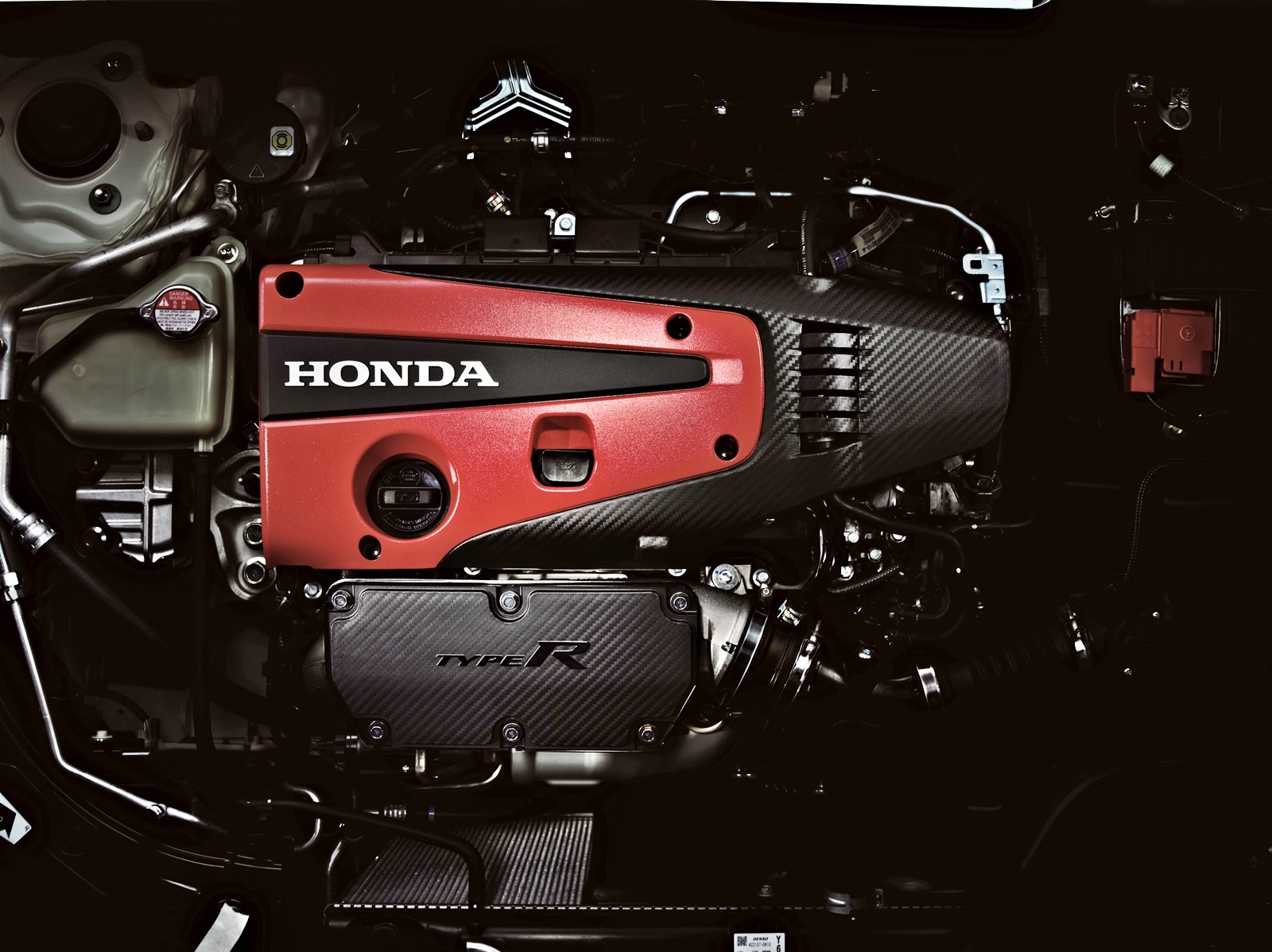
Full technical information is not released yet but Honda says that the familiar 2-litre 4-cylinder turbocharged engine has been retuned for more power and responsiveness, so it should be higher than 300 ps/400 Nm. It’s paired with an improved 6-speed manual transmission with a rev-matching system for smoother and more precise shifts.
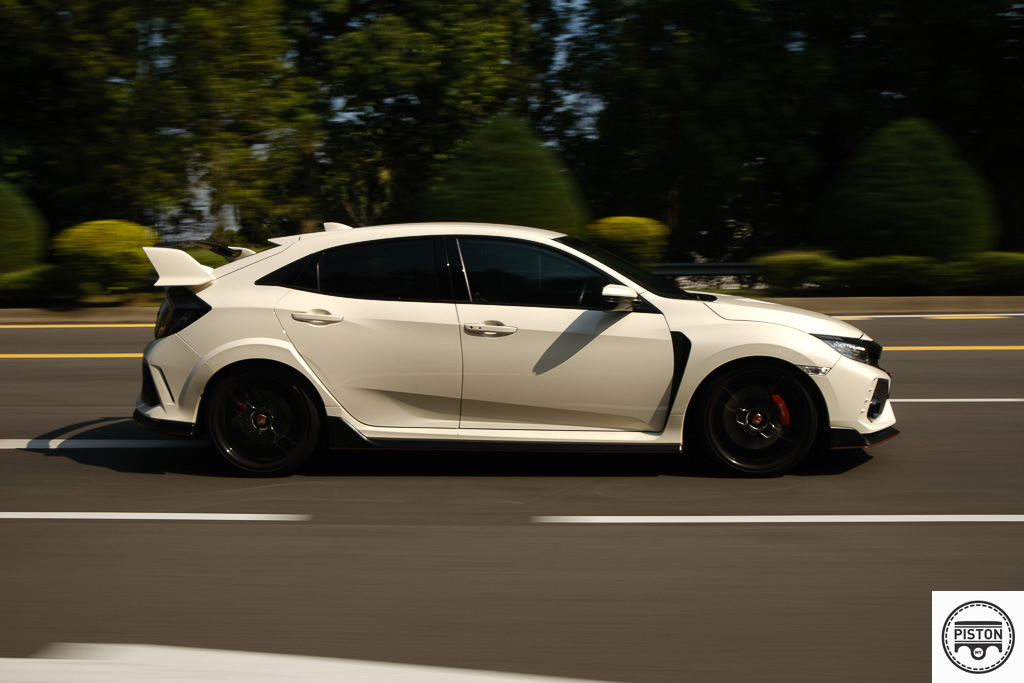
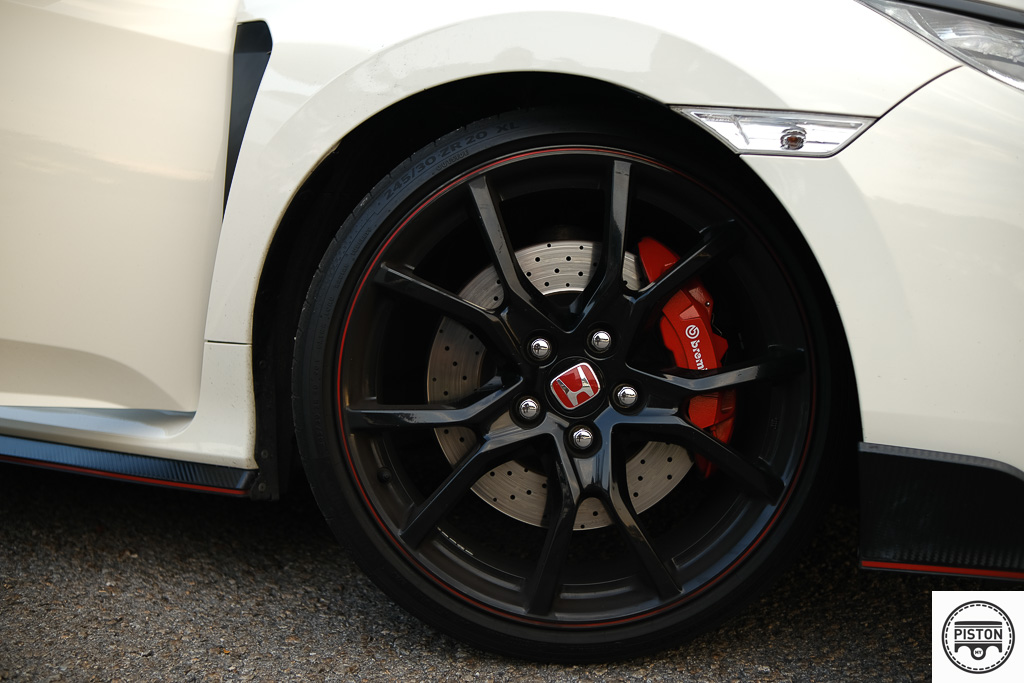
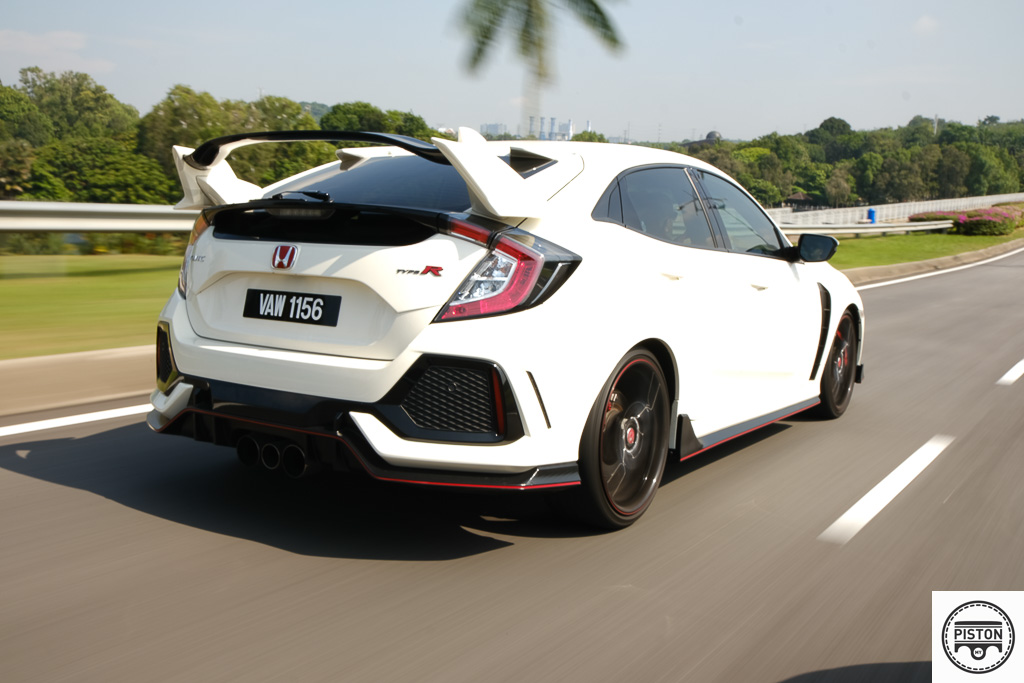
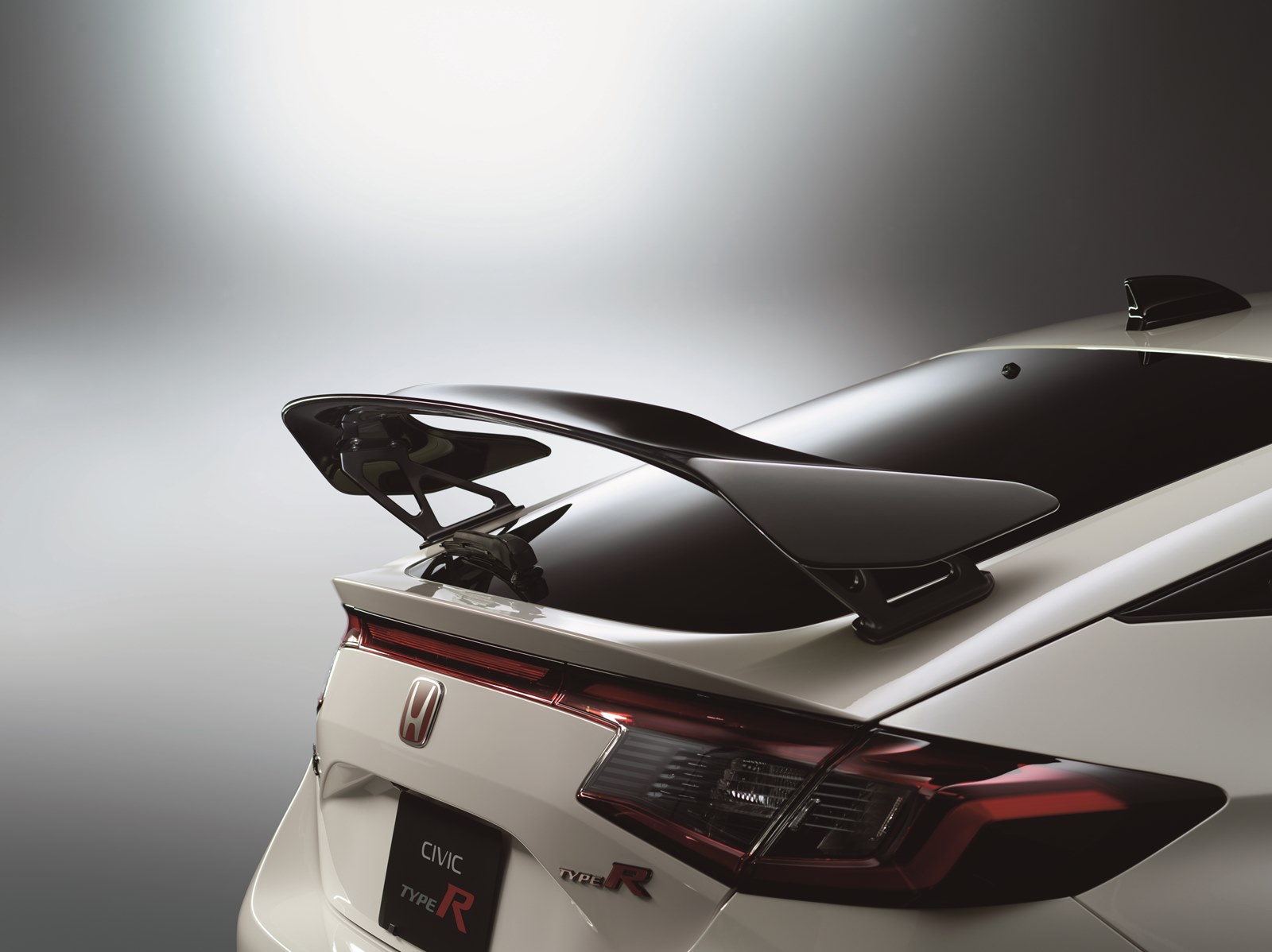
The new Type R is longer, lower and wider, with more integrated advanced aerodynamic features to achieve well-balanced downforce as well as drag-reduction. Look carefully and you’ll notice the wider rear doors which are exclusive to this version, while there’s a redesigned rear spoiler. The new rear bumper incorporates the signature three round exhaust outlets and new rear diffuser.
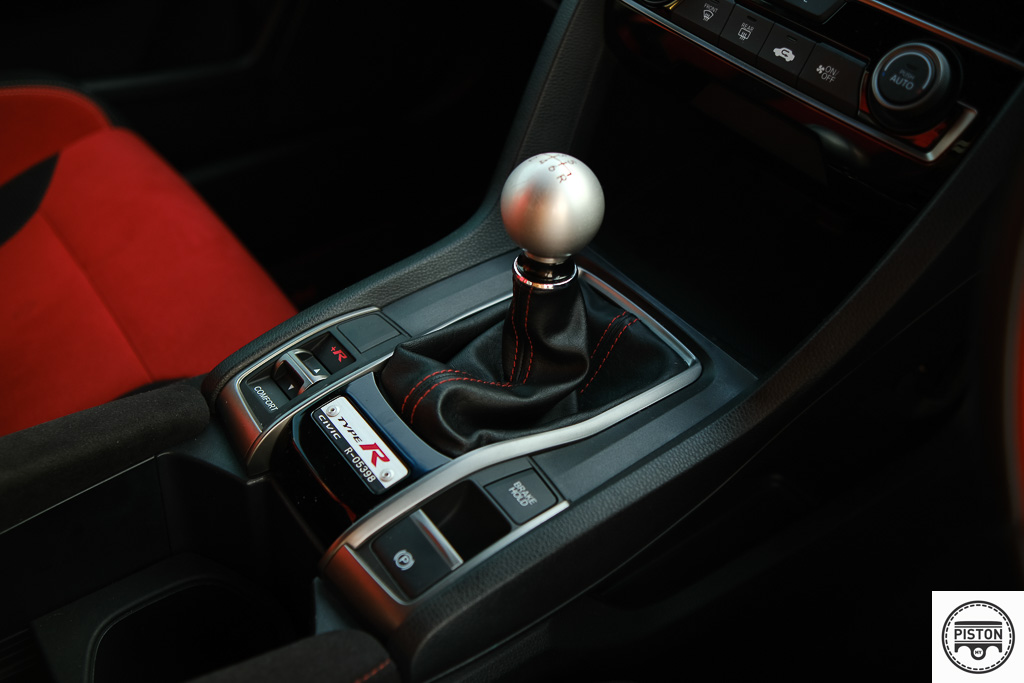
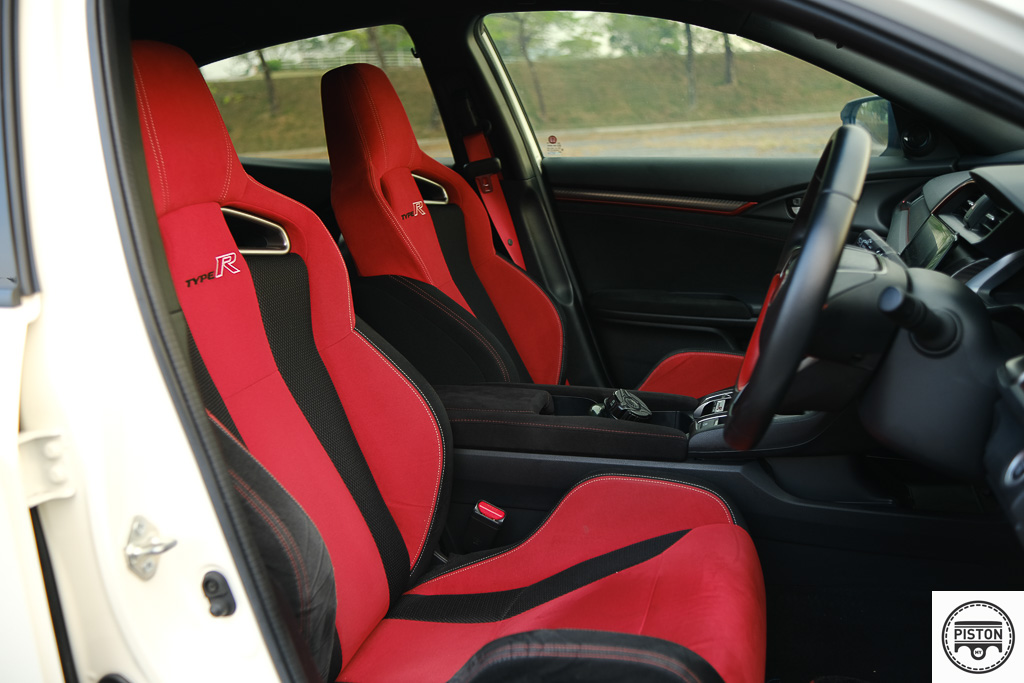
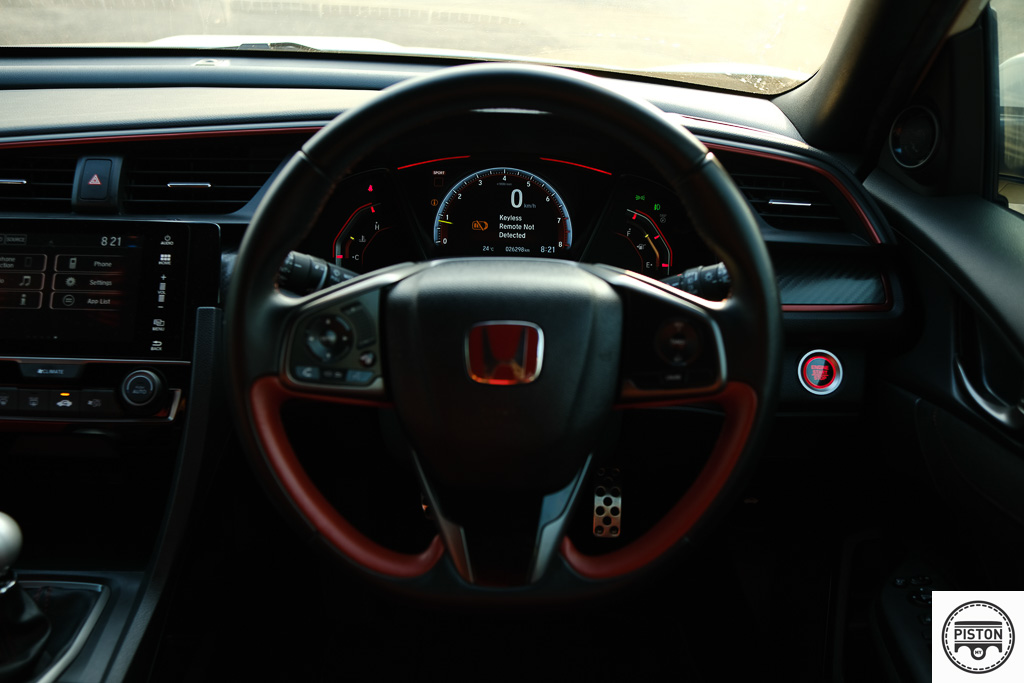
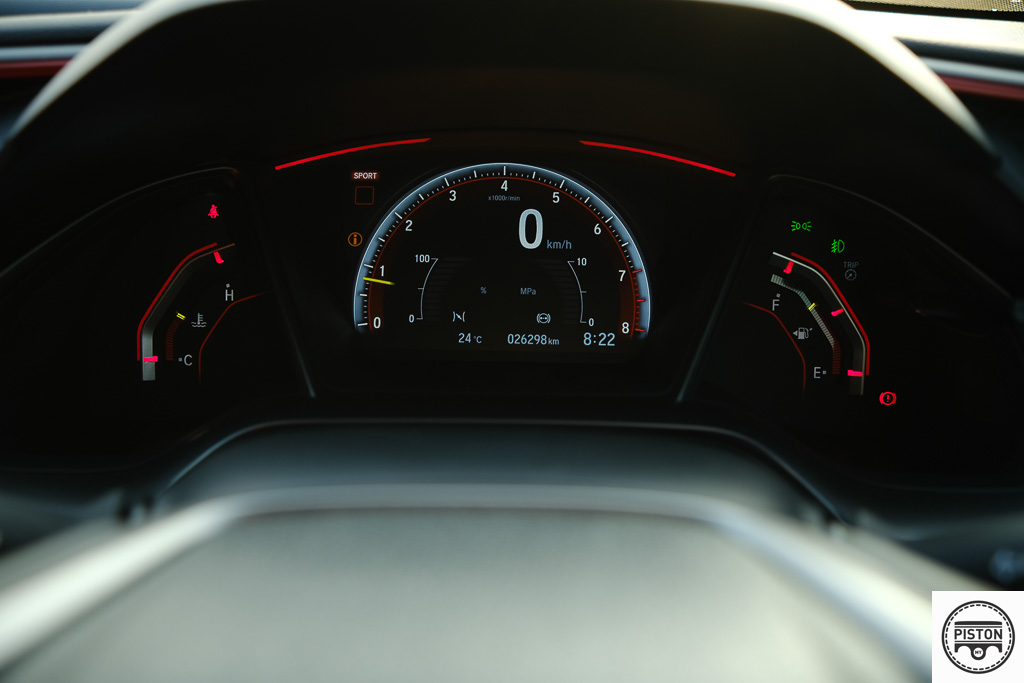
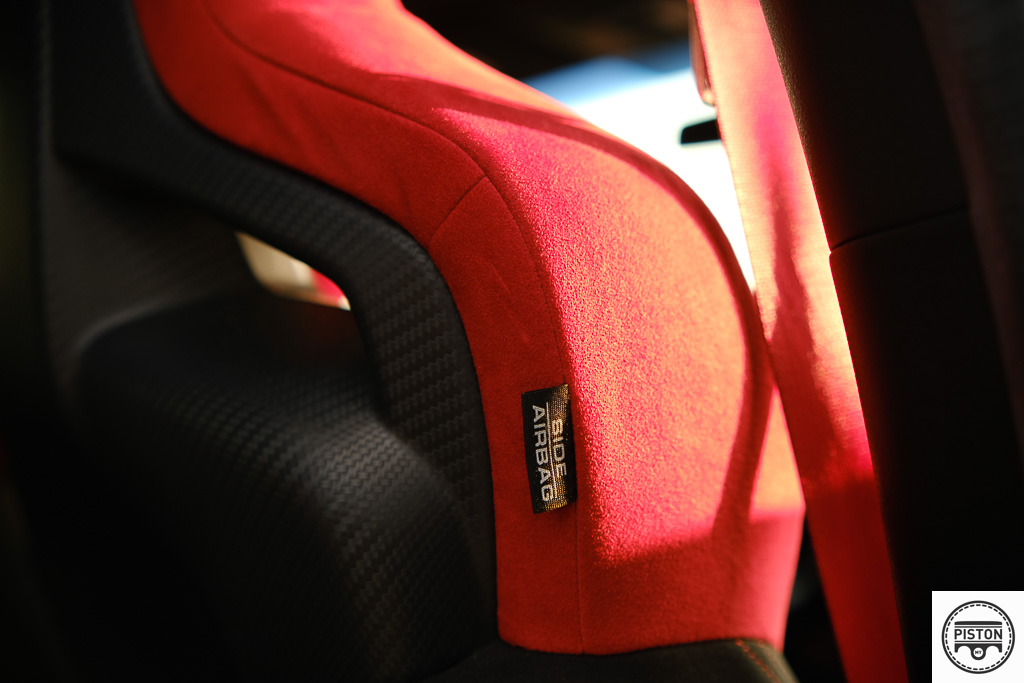
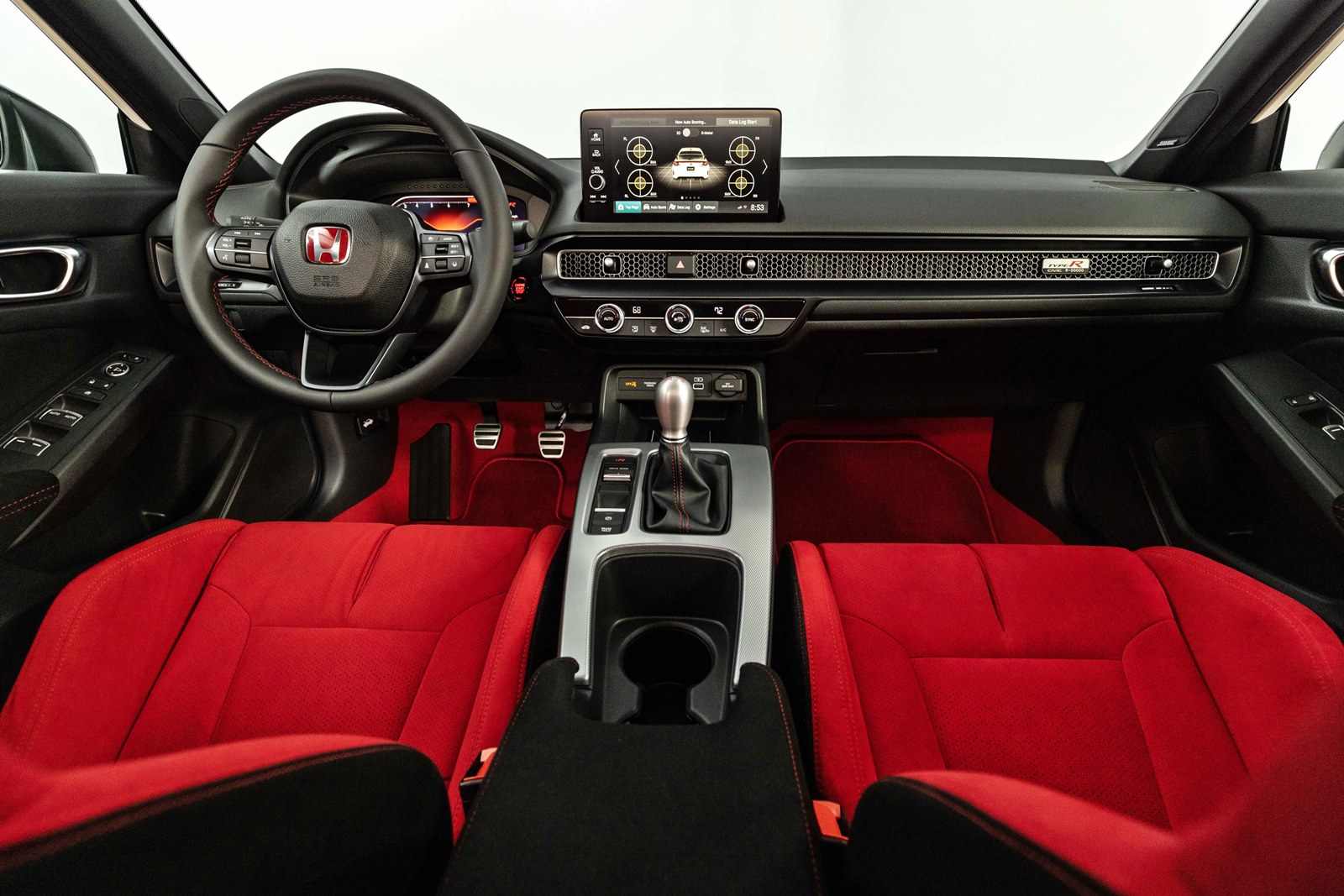
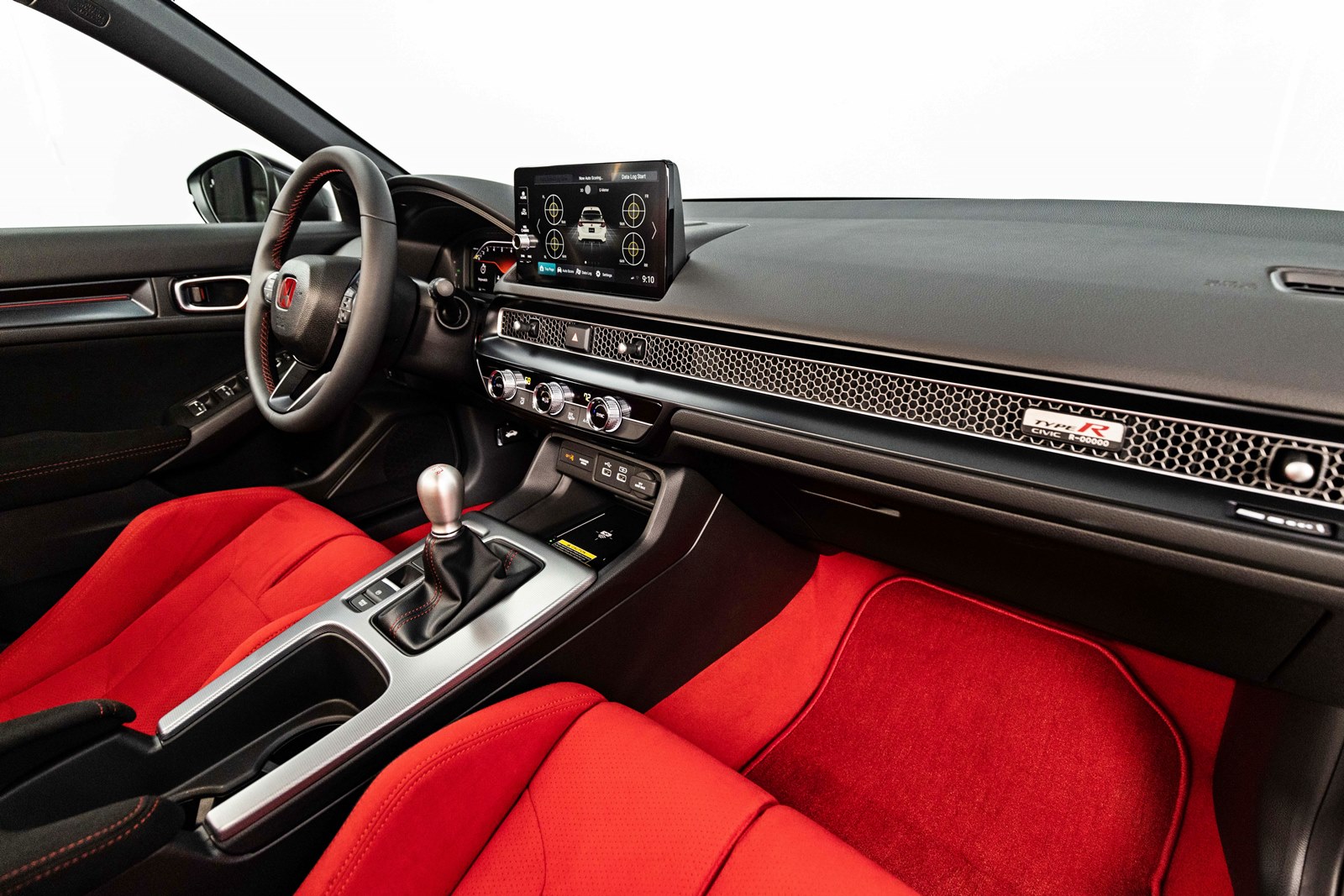
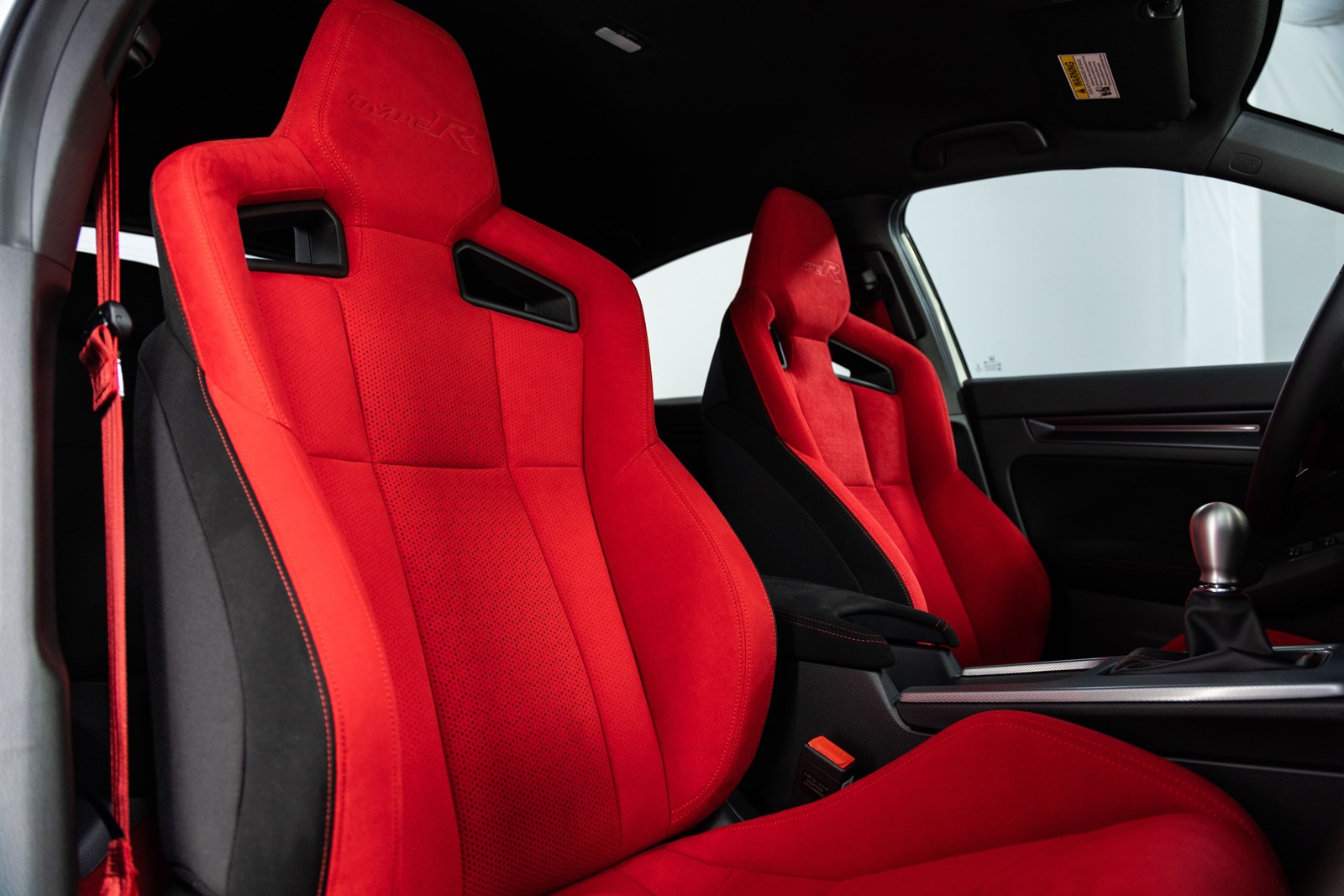
The cockpit is performance-themed and driver-focussed, with the Type R’s iconic red seats, carpet and trim, and a serialized Type R plate now placed on the dashboard. The suede-like material which covers the body-hugging seats has a high friction coefficient to reduce body slippage when cornering in high-g driving situations.
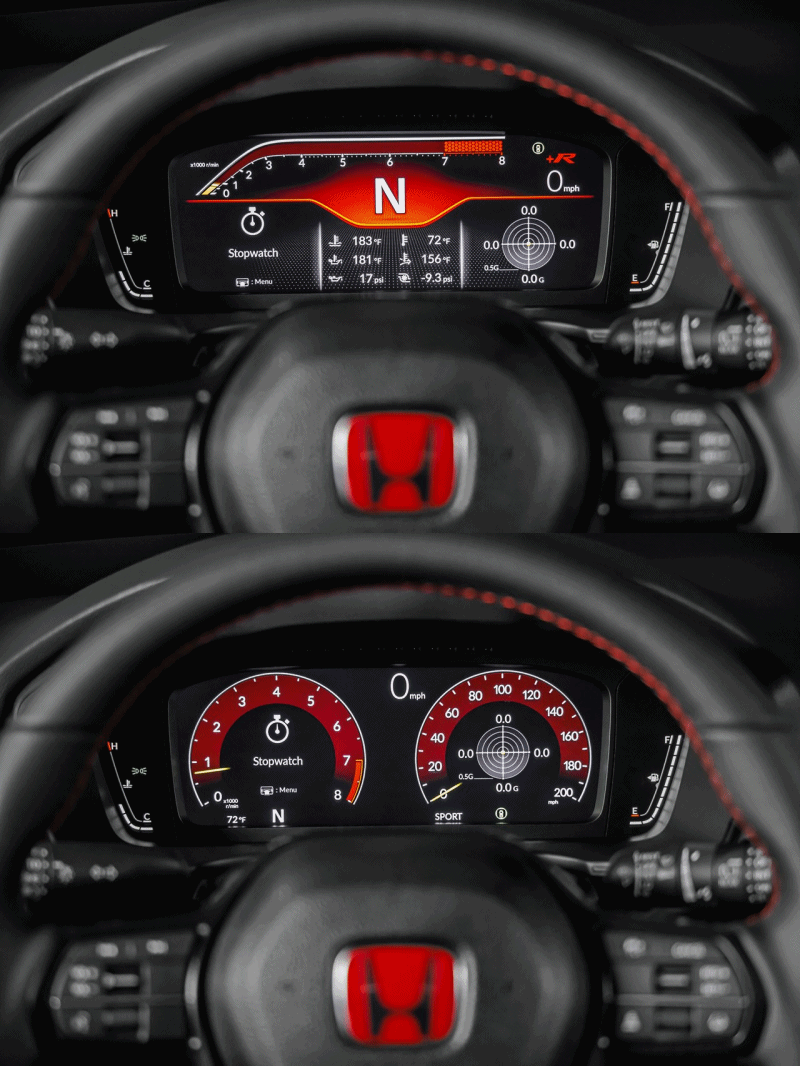
The revised instrument panel has a new +R driving mode which allows the driver to quickly view vital information, with a graphic engine rpm display, rev indicator lights, and gear position indicator placed at the top.
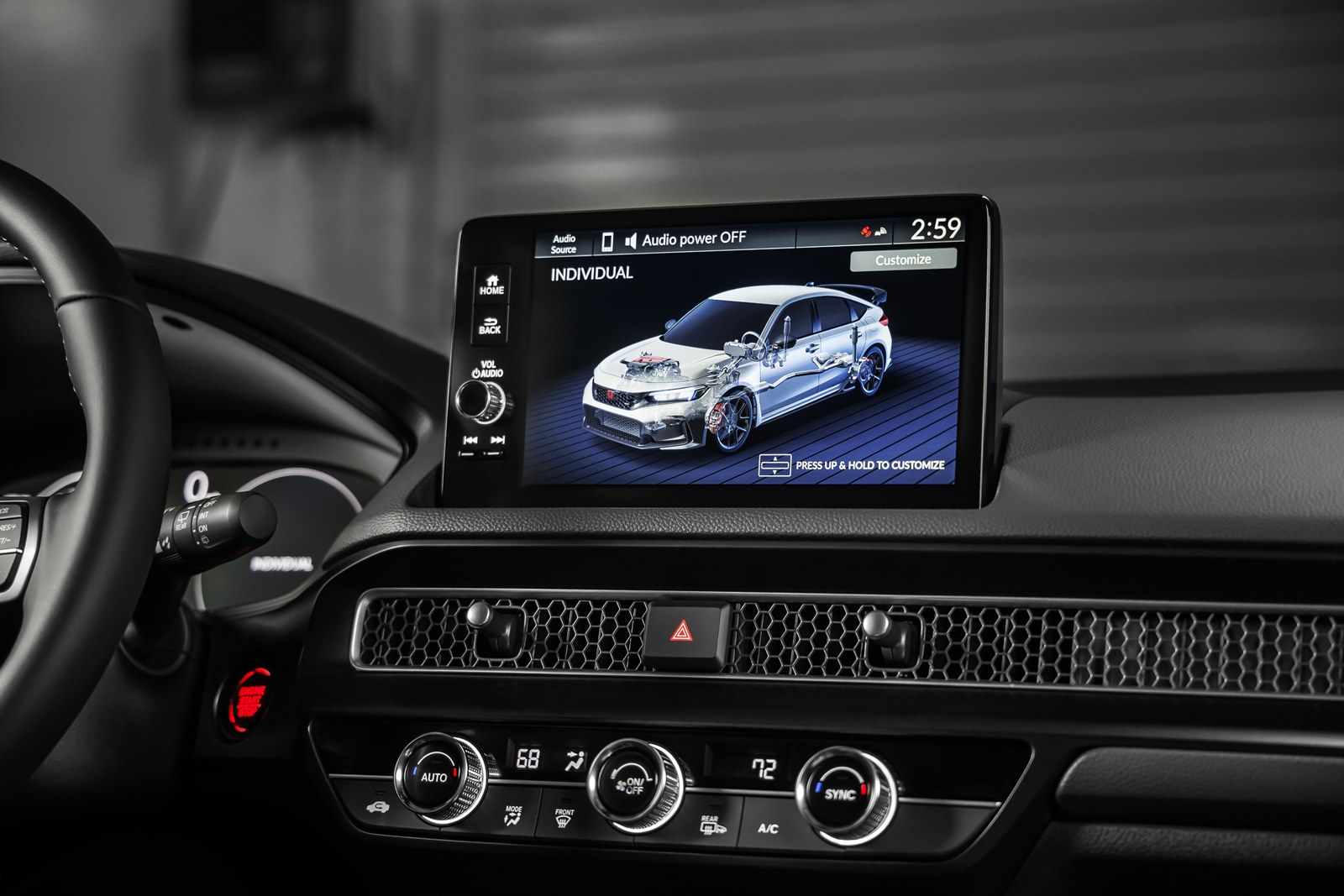
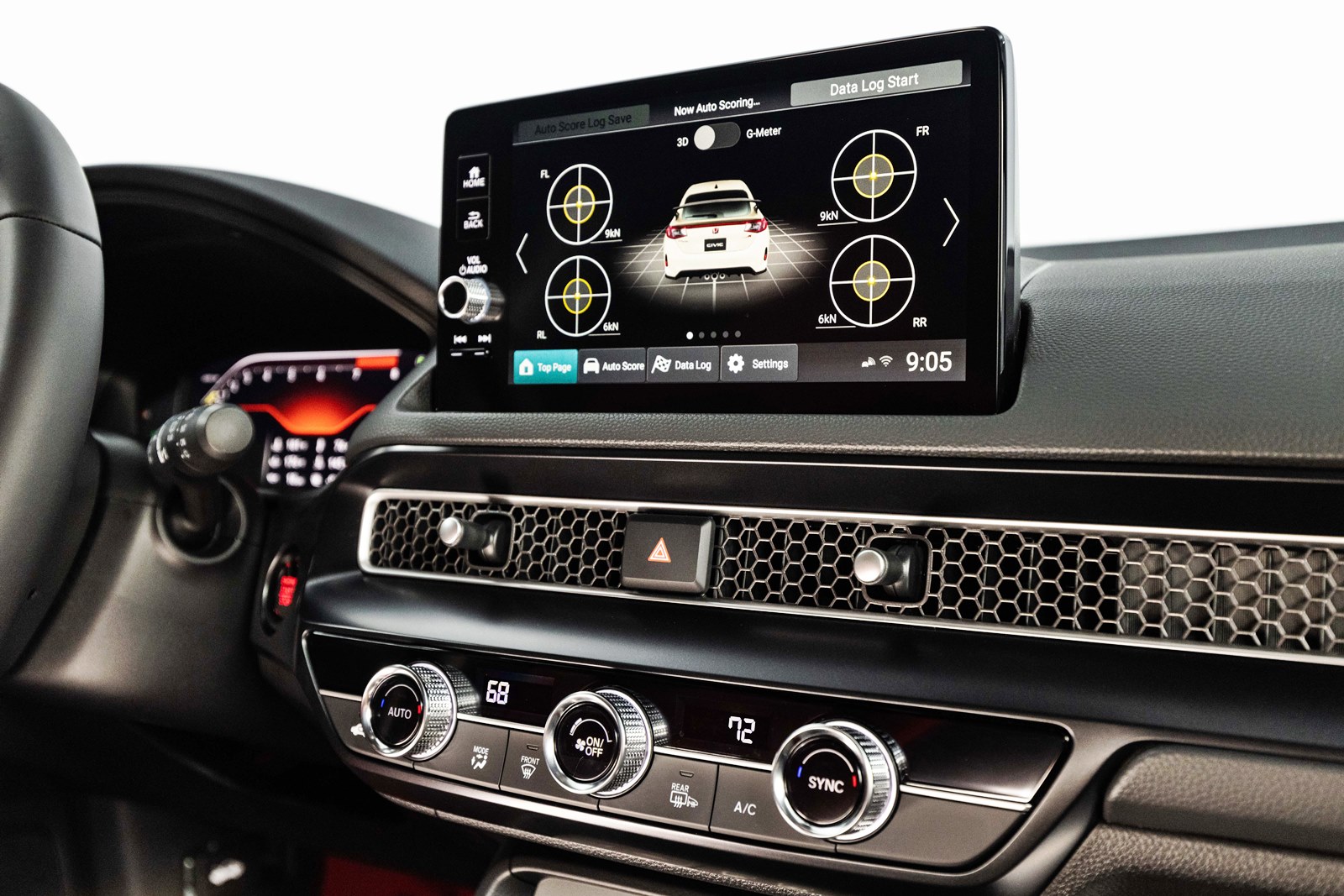
For those who want to improve their performance, the Honda LogR data logger provides real-time information on the mechanical movements of the vehicle and vehicle behaviour. Other useful features include a stopwatch to record lap times and the ability to share driving videos.
Full details will only be released in the fourth quarter of the year when the new model has its official market launch.
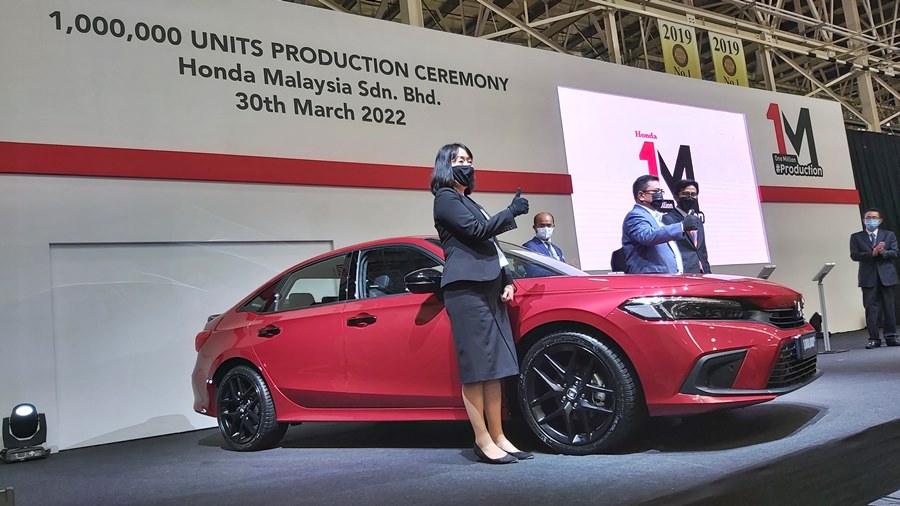
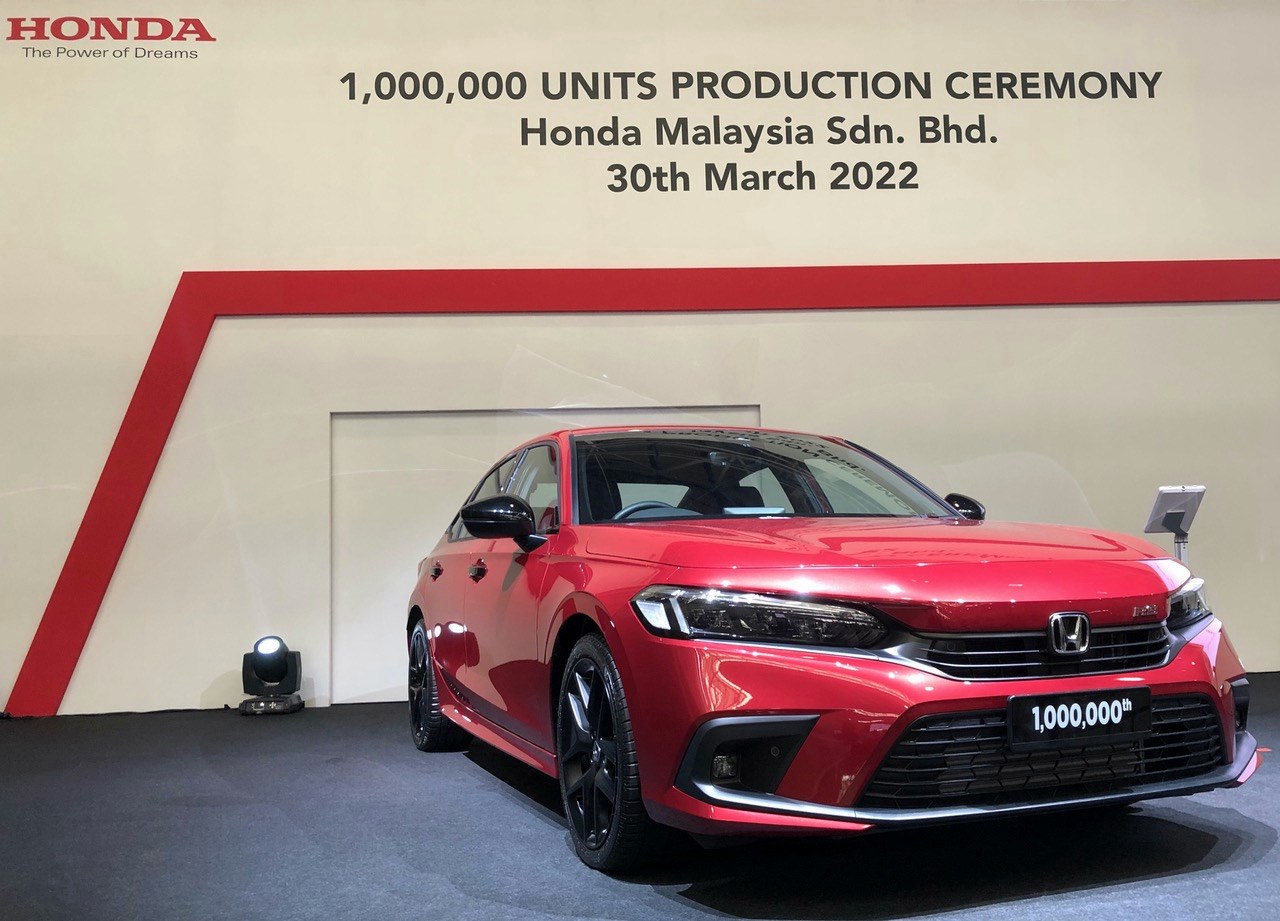
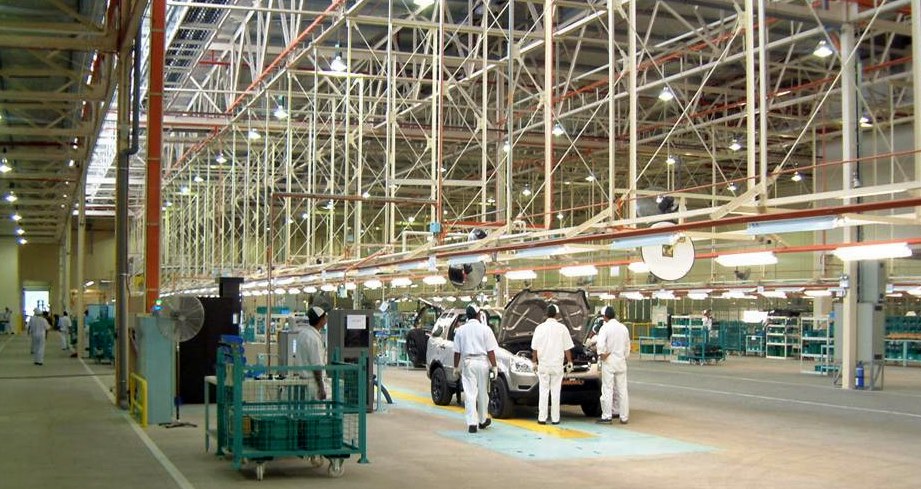
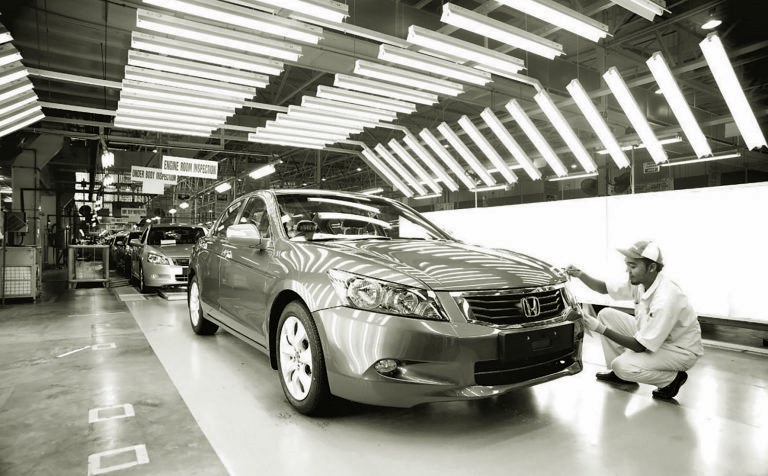
The Honda Malaysia assembly plant today crossed a significant milestone in its history – the production of its 1 millionth unit since commencing local assembly in 2003. The 1 millionth unit was the latest 11the generation of the Honda Civic Sedan.
Speaking at a special ceremony held at the plant, Honda Malaysia’s Managing Director & CEO, Madoka Chujo, said: “It has been 20 years since Honda Malaysia’s establishment in the country. We have evolved and recorded significant achievements since then. In March 2021, we achieved the 1 millionth sale unit milestone with all Malaysians. Just one year later, I am now celebrating another significant milestone with all of you the 1 millionth production unit. I would like to express my deepest appreciation to all Honda associates and suppliers for their effort and hard work to ensure smooth production process and supply chain operations, even with many challenges faced, including the COVID-19 pandemic, global chip shortage and recent flood incidents. With their dedication, Challenging Spirit and working ‘Together As One’, we are able to achieve this remarkable 1 million production unit milestone.”
”Additionally, I would like to extend my heartfelt gratitude to our dealers, members of the media and Honda customers for your unwavering support towards Honda Malaysia. We would also like to thank the Malaysian government for the strong support since the establishment of Honda Malaysia. On top of that, we would like to express our sincere gratitude to the Melaka State Government for their continued support for our plans for this Pegoh Plant. The tremendous support from all stakeholders has helped Honda Malaysia progress and enabled us to achieve the No.1 position in Non-National Passenger Vehicle segment for 8 consecutive years since 2014,” she said.
Although Honda vehicles have been assembled in Malaysia since the early 1970s, they were done so under contract assembly with Oriental Assemblers in Johor. With the establishment of Honda Malaysia (initially known as DRB-Oriental-Honda), the Japanese carmaker also made the decision to invest in having its own assembly plant as well. It chose a greenfield site in Pegoh, Melaka, adjacent to the North-South Expressway.
The first model assembled when the plant began operations in 2003 was the second generation Honda CR-V.
Investment in the plant, which took a brisk 13 months to go from construction to pilot production in 2003, started with RM180 million, with RM194 million earmarked for expansion over the following 5 years. The investment included RM20 million for a facility on the 80-acre site to assemble Constant Velocity (CV) joints for export to Honda plants in the Philippines, Indonesia and Thailand under the ASEAN Industrial Cooperation Scheme (AICO). Later, the volumes made it the largest exporter of CV joints in the region and its products would go as far as the UK and Turkey.
Started with CR-V
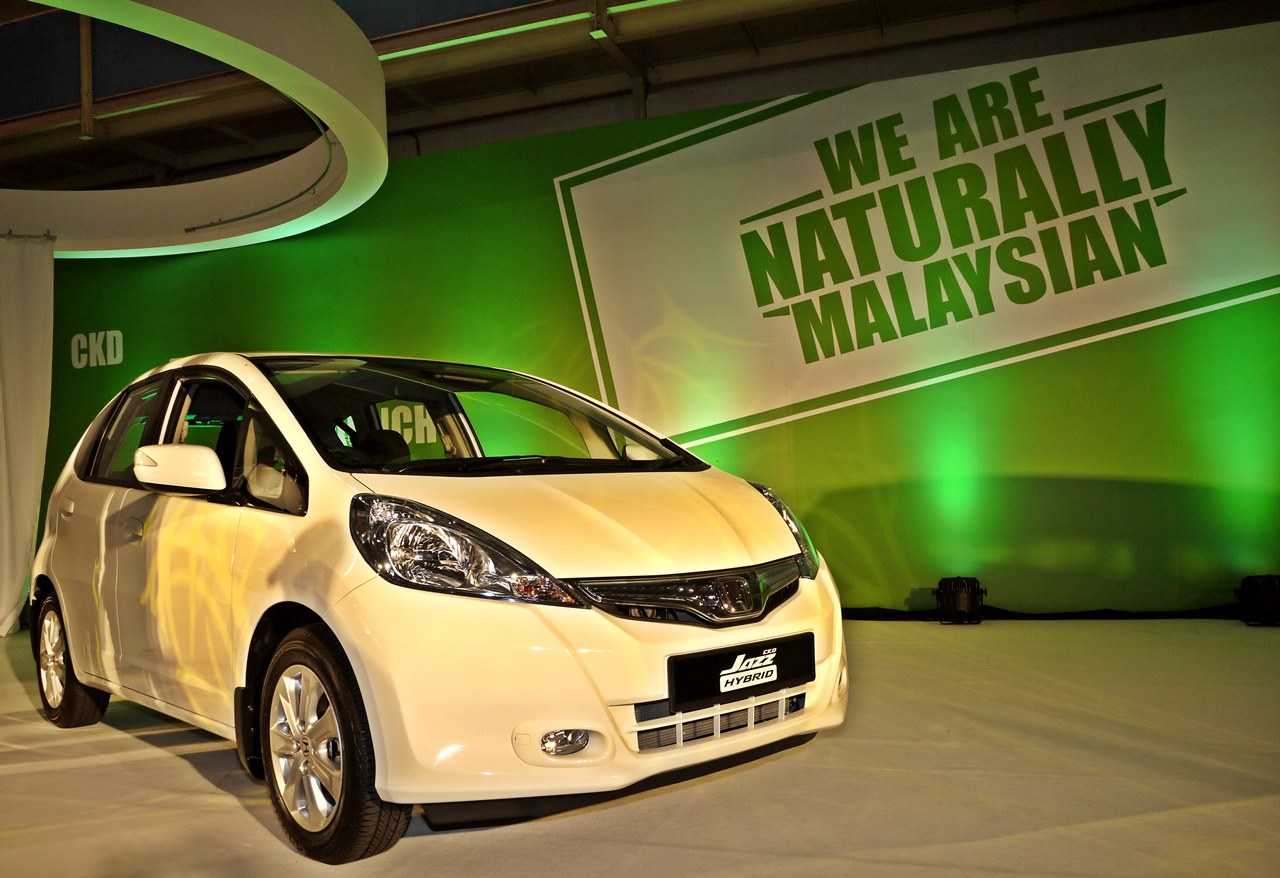
The plant was initially built with a single line for an annual capacity of 50,000 vehicles. The first model to roll out was the second generation of the CR-V. All output from the plant was only for the Malaysian market and as the popularity of Hondas grew, demand rose so the production capacity was increased to 100,000 units a year with a second line being set up. By then, the number of models assembled locally totalled seven. In October 2013, local assembly of the Jazz Hybrid began, making Honda Malaysia the first company to assemble vehicles with hybrid electric technology locally.
The Honda Jazz Hybrid was the first locally assembled model with hybrid electric vehicle (HEV) technology. Today, Honda Malaysia offers HEV technology with the City Sedan, City Hatchback and HR-V models, all assembled locally as well.
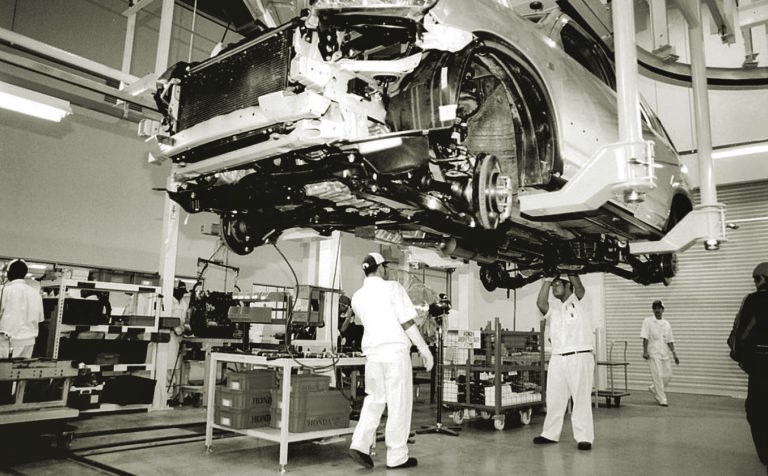
The flexible production capability allows different models to be assembled at the same time. There is also a range of state-of-the-art manufacturing technologies that are on par with the Honda plants in Japan. One of them is Laser Brazing technology which creates a smooth and clean roofline for a sleeker exterior appearance. Inner Frame Welding technology is also used to enhance the body rigidity, while the use of Spray Polyurethane Foam reduces noise and vibrations.
Malaysia considered ‘first country’ market
The steady progress made by the plant as well as growing sales volumes have raised the status of the Malaysian market where product planning is concerned. Since the fourth generation of the City, Malaysia has been considered a ‘first country’ instead of ‘second country’. The ‘second country’ status meant that whatever features were available were already decided earlier by ‘first countries’ such as India, Thailand and Indonesia. As such, Honda Malaysia had to adapt from what was already decided for other markets and that affected the cost of the parts made locally.
Being upgraded to ‘first country’ meant that Honda Malaysia could participate in the product planning for the new model and submit specific requests for features or equipment which were required for the Malaysian version. This enabled a greater degree of localization of parts which also led to lowering of production costs.
Manufacturing technologies at the assembly plant in Melaka have been constantly upgraded to enable the vehicles produced to be of the highest quality.
Besides its own factory, Honda Malaysia also encouraged some of its suppliers to set up facilities nearby so that delivery of parts would be faster and more efficient. This would support the Japanese approach of ‘Just-in-Time’ where storage of parts would be kept low, reducing the need for warehousing space.
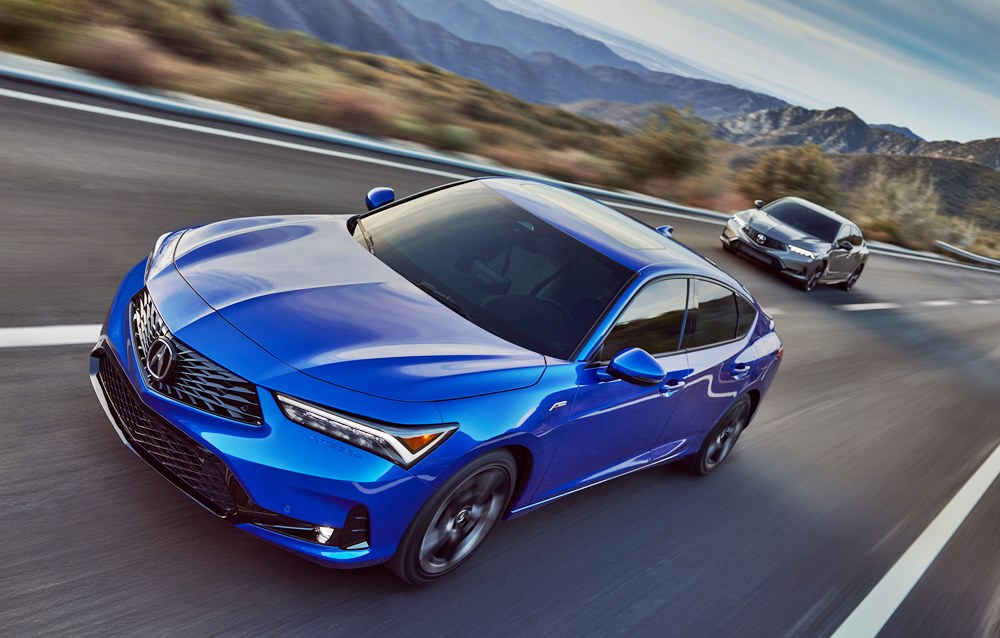
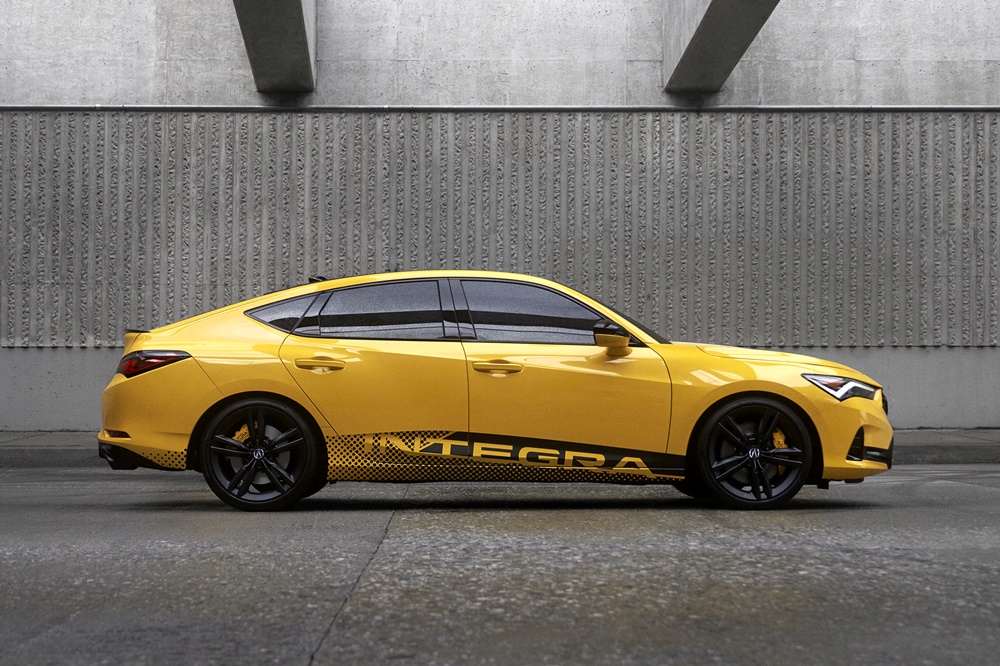
The Integra was the model that helped launch the Acura brand in America in 1986 and became a much respected model among enthusiasts. It was retired in 2001 (in America) and was thought to be destined to stay in history books and memories. But last year, Acura showed off an Integra Prototype and said that the model would be back, and it would be built in America for the first time.
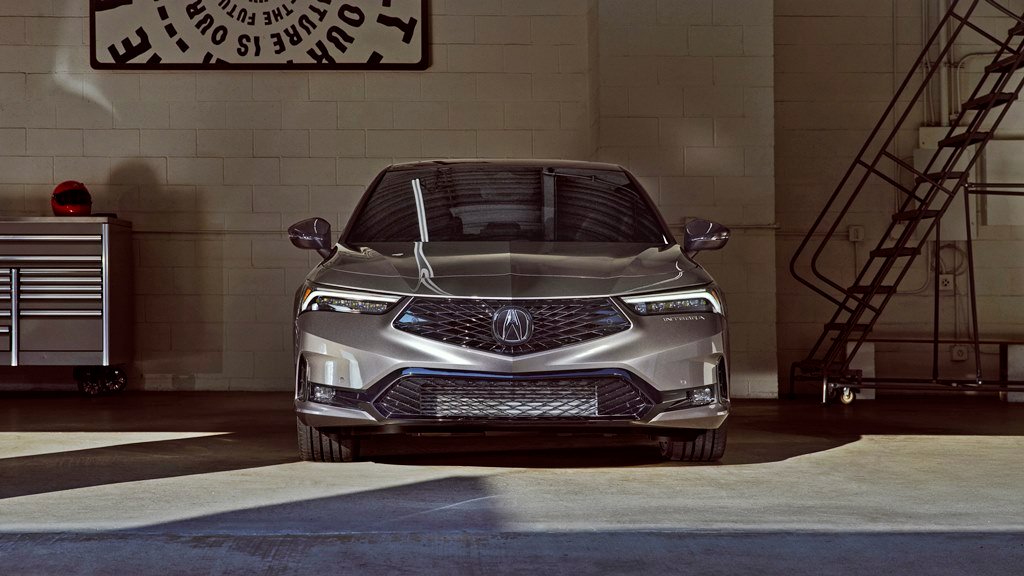
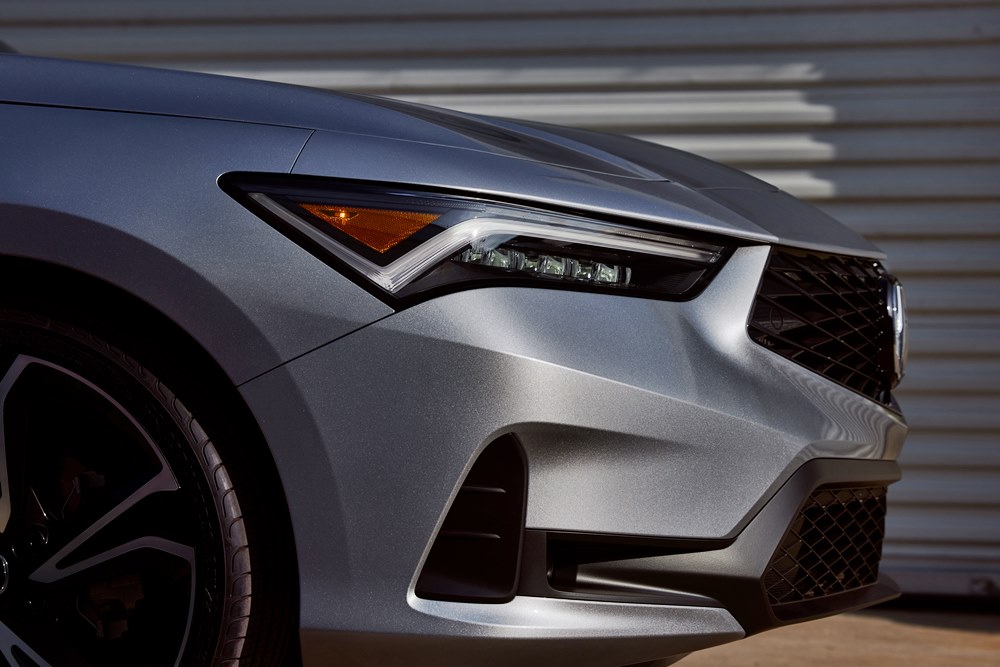
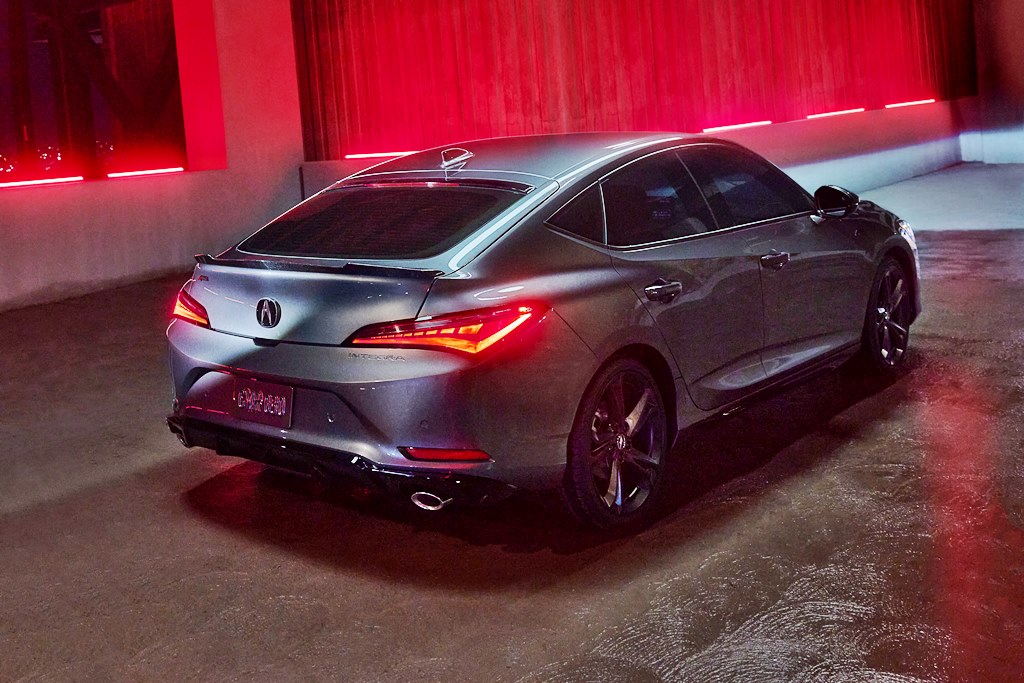
And here it is, looking very much like the prototype but without the bright yellow colour and graphics. It returns with a fresh new sporty design, coupe-like and having 4 doors plus a tailgate. The Integra uses Acura’s contrast design language, first seen on the latest RDX and features a frameless version of Acura’s Diamond Pentagon grille, framed by four JewelEye LED headlight elements and ‘Chicane’ LED daytime running lights.
Integra Prototype shown last year.
The rear end has dual exhaust finishers below and wide, single piece LED taillights above which are reminiscent of previous models. Embossed Integra logos in the front and rear fascia recall the 3rd generation car.
Customers can also select appearance packages and with the A-Spec sport-appearance package, there are gloss-black window surrounds and front and rear fascia trim, as well as a sporty lip spoiler. The package includes 18-inch alloy wheels fitted with larger 235/40R18 performance tyres.
Familiar 1.5-litre turbo engine
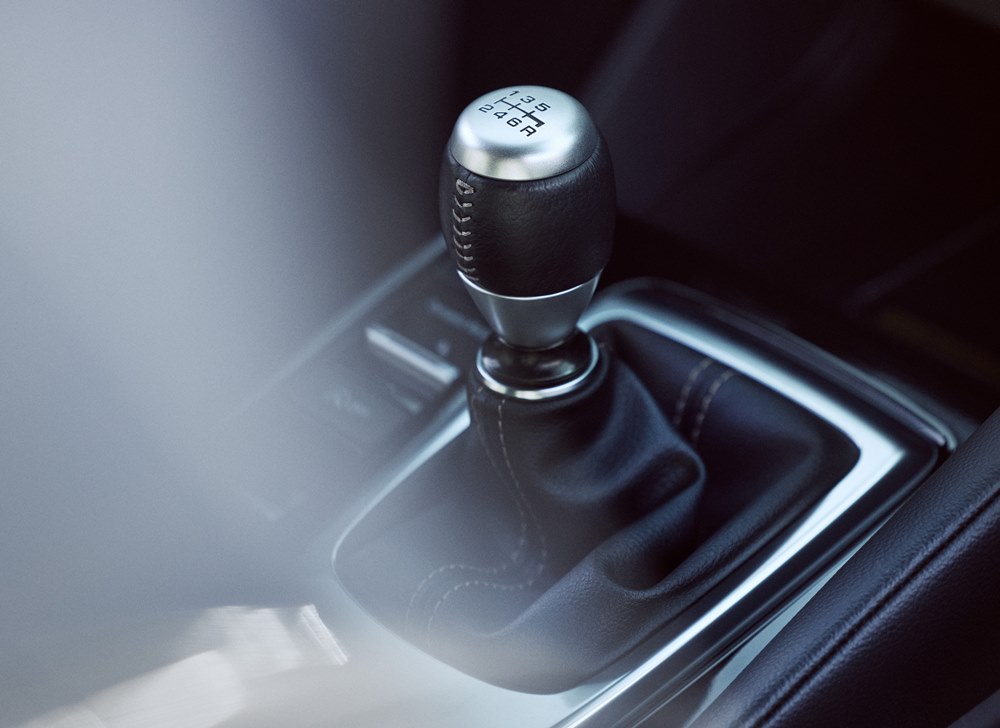
Under the aluminium bonnet is a VTEC-enhanced DOHC 1.5-litre turbocharged 4-cylinder engine producing 200 bhp/260 Nm. A new coil type exhaust system adds an emotional exhaust sound. The engine comes with a CVT but customers can also opt for a 6-speed manual transmission (with LSD included), which should please enthusiasts.
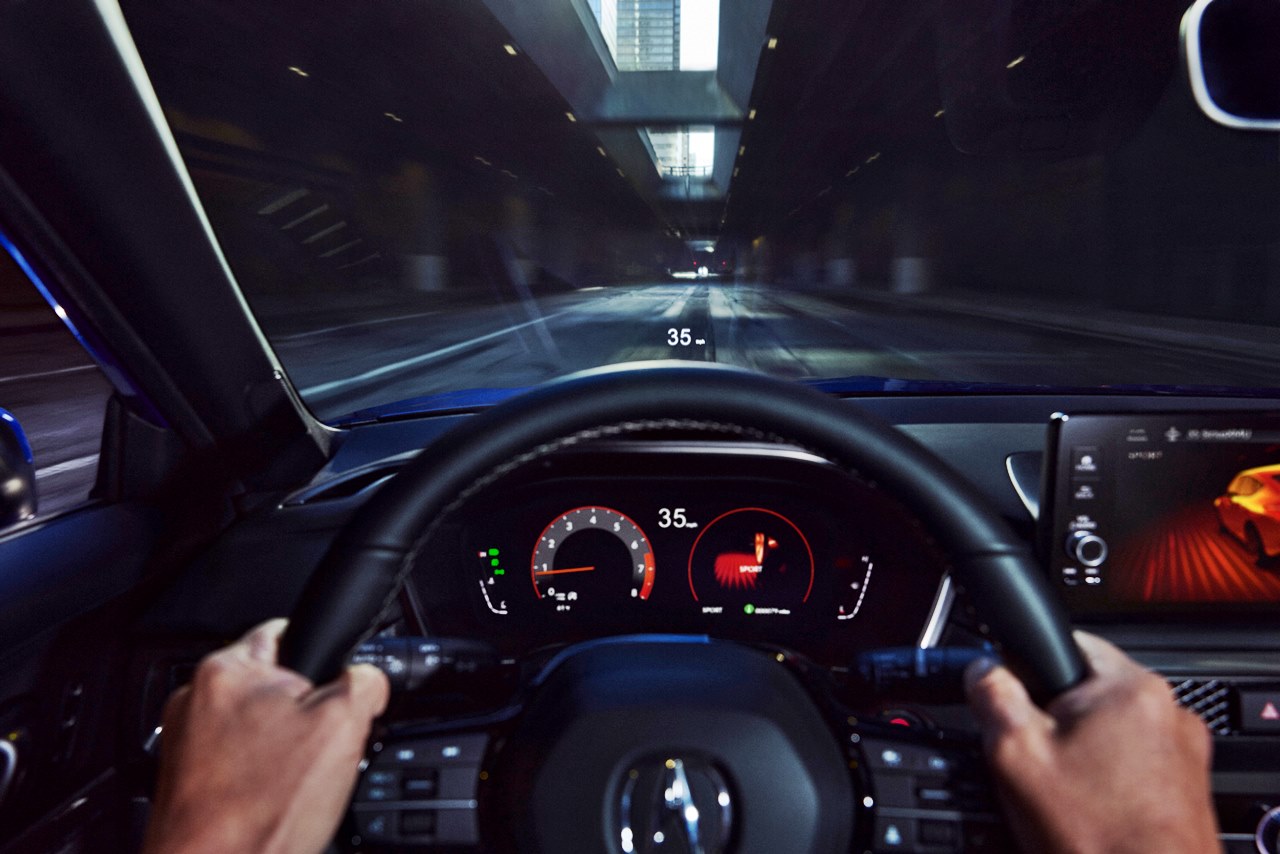
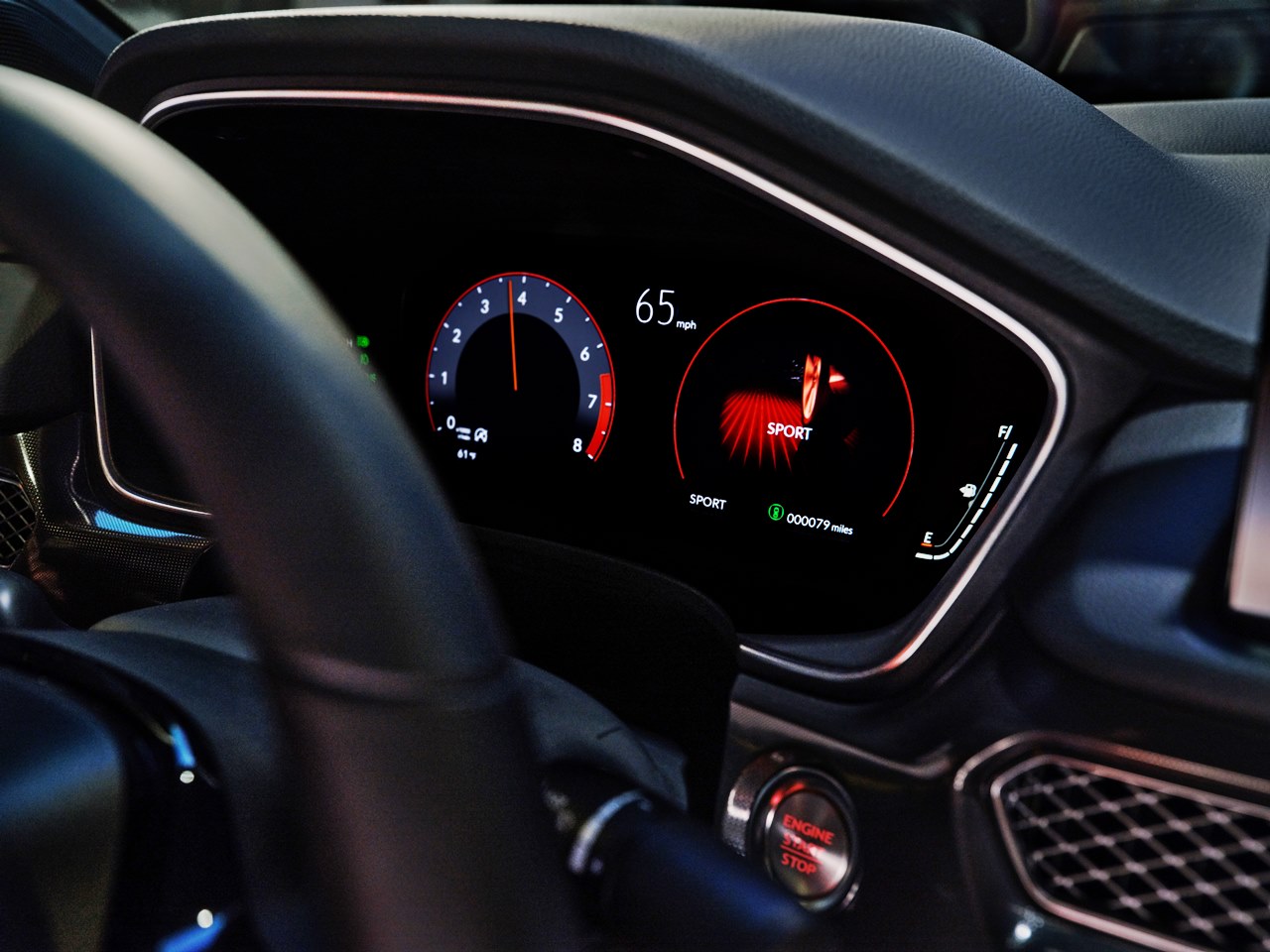
A standard Integrated Dynamics System provides3 driving modes (Comfort, Normal and Sport) that the driver can choose. Each mode has its own throttle response, automatic transmission mapping, steering feel and even gauge colouration.
Adaptive Damper System
Much is shared with the latest Civic but the engineers have also tuned the chassis of the new Integra to provide class-leading driving dynamics and engaging performance. The fully independent suspension can be upgraded with an optional Adaptive Damper System for drivers to have more precise control of the ride and handling. An Individual mode allows independent selection of steering, engine response, and suspension firmness for a more personalise driving experience at the touch of a button.
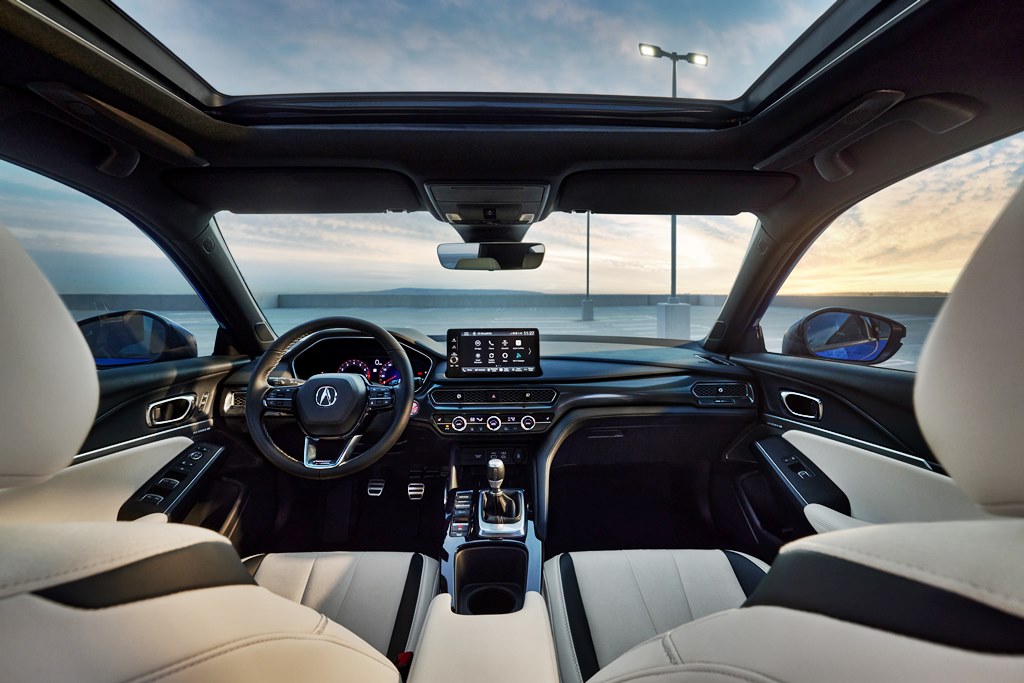
Inside, the Integra’s cabin has a low dashboard cowl, thin pillars and door-mounted mirrors which give a better field of view. Sporty cars don’t always have good rear legroom but the Integra is said to give rear passengers generous legroom and plenty of space for recreational gear.
Standard are new body-stabilizing front seats wrapped in synthetic leather. They come with 8-way power adjustment for the driver which can be upgraded to 12 ways at extra cost. When equipped with the A-Spec package, the standard items are replaced by stainless steel pedals, red gauge needles, and contrast stitching on the steering wheel, seats, shifter and shift boot.
Acura Precision Cockpit
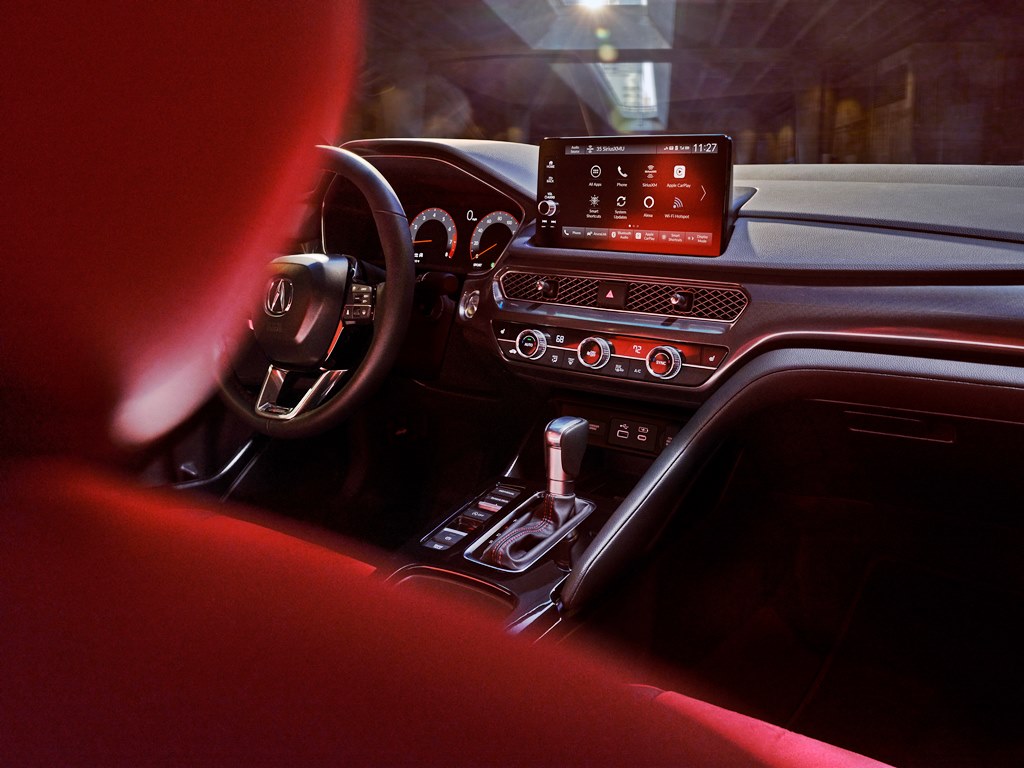
The 10.2-inch Acura Precision Cockpit digital gauge cluster with multiple display modes is complemented by a 7-inch or 9-inch digital touchscreen. Those who add the Technology Package can also get Qi-compatible wireless charging and a 5.3-inch Head-Up Display. All USB charging ports are the newer Type C ones. For music on the move, there’s an 8-speaker system with the option of a 16-speaker ELS STUDIO 3D premium audio system.
Being a sportscar with high performance, safety is naturally even more important. The Integra has many active safety systems including the integrated AcuraWatch suite of driver assistive and safety technologies that use a single camera system. It also has a segment-first new generation of driver and passenger front airbags, specifically designed to cradle the head and reduce the risk of brain injuries, especially in offset collisions. The aluminium bonnet is made with an embossed inner structure that will distribute the force of an impact with a pedestrian’s head in the event of a collision to reduce the likelihood of injury.
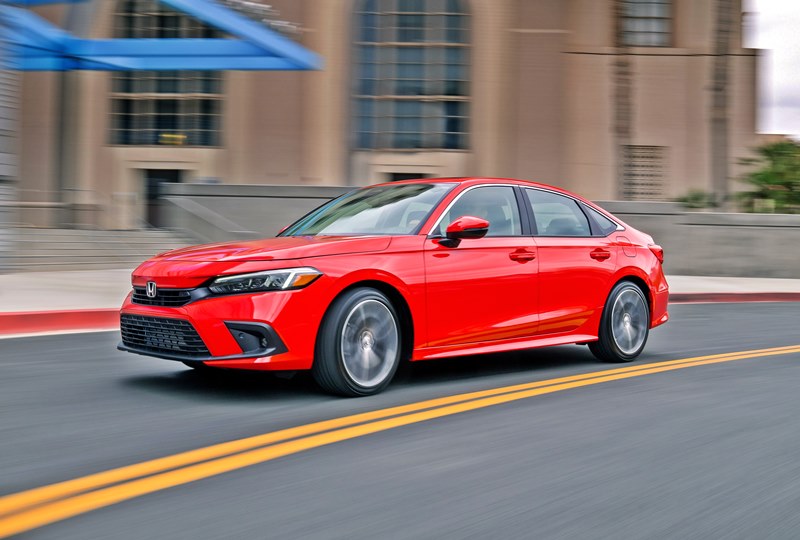
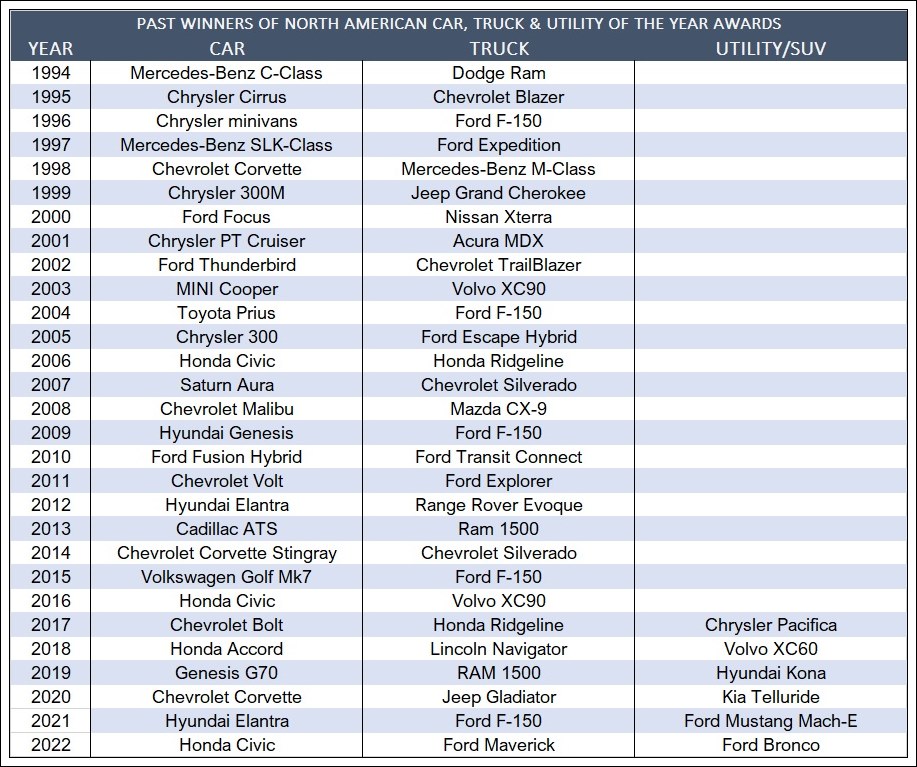
In 2016, the 10th generation of the Honda Civic won the North American Car of the Year title and in 2022, its successor has again been picked by the jury of automotive journalists. This is the third time for the model which is the most popular compact car in America, with the first time being in 2006 with the 8th generation. Add the Accord in 2018, and the Ridgeline which was picked as the North American Truck of the Year in 2017, and Honda has collected five titles to date.
The North American Car, Utility and Truck of the Year awards honour excellence in innovation, design, safety features, performance, technology, driver satisfaction and value. Initiated in 1994, they are judged by 50 professional automotive journalists from the USA and Canada who work for independent magazines, television, radio, newspapers and industry websites.
“The Honda Civic has long set the standard by which other compact cars are measured and this all-new Civic raised that bar in every conceivable way,” said Michael Kistemaker, Assistant Vice-President of Honda national sales, American Honda Motor Co., Inc. “We’re especially proud for the Civic development team in Japan and our production associates at our plants in Greensburg, Indiana and Alliston, Ontario where the 2022 Civic Sedan, Hatchback and Si are built.”
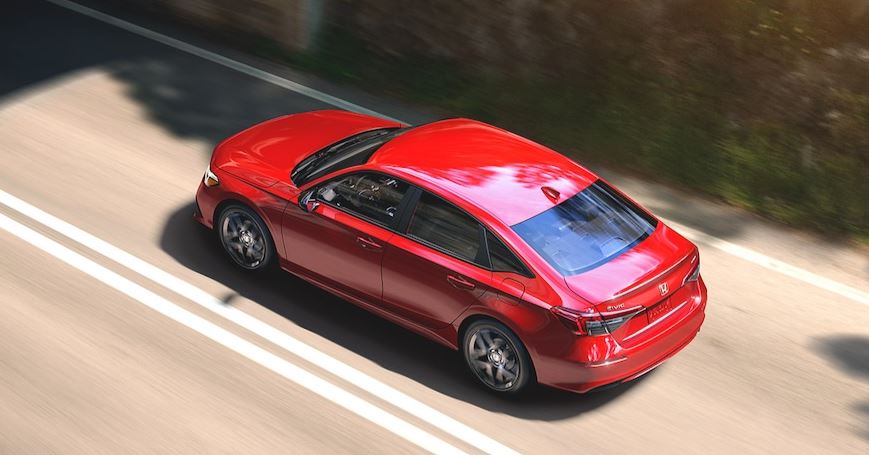
Redesigned from the ground-up, the all-new Honda Civic has a more rigid body structure, an advanced and enhanced chassis wrapped in a more sophisticated, sleek and sporty design with top class interior space and comfort. The drivetrain options include a high-torque VTEC Turbo engine and a host of new standard safety, driver-assistive and connected-car technologies.
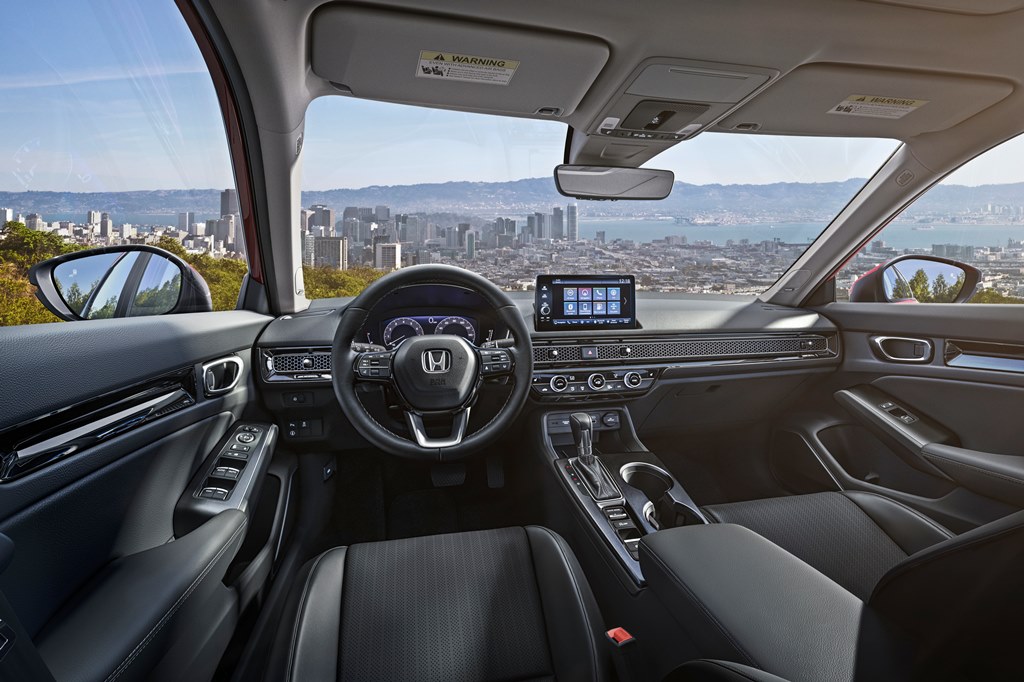
Interior of US version of new Civic.
Last October, the 11th generation Civic was also recognized by WardsAuto in the categories for Wards 10 Best Interiors and Wards 10 Best User Experience for 2021. Inspired by the classic human-centered designs of early Honda vehicles, the brand’s new interior design direction – applied in the new Civic – helps enhance the driving experience by eliminating complexity and advancing the user experience through thoughtful and pleasing design elements.
The design philosophy features a renewed focus on Honda’s classic “Man Maximum/Machine Minimum” (M/M) approach that maximizes cabin space, while minimizing space required for mechanical components. Inside, the M/M approach results in a very simple, clean and modern take on classic Civic values. By evoking the uncluttered cabin design of early generations of the model, the new model’s interior has exceptional visibility, intuitive ergonomics, generous passenger volume and driver-focused technology.
Right model, right time
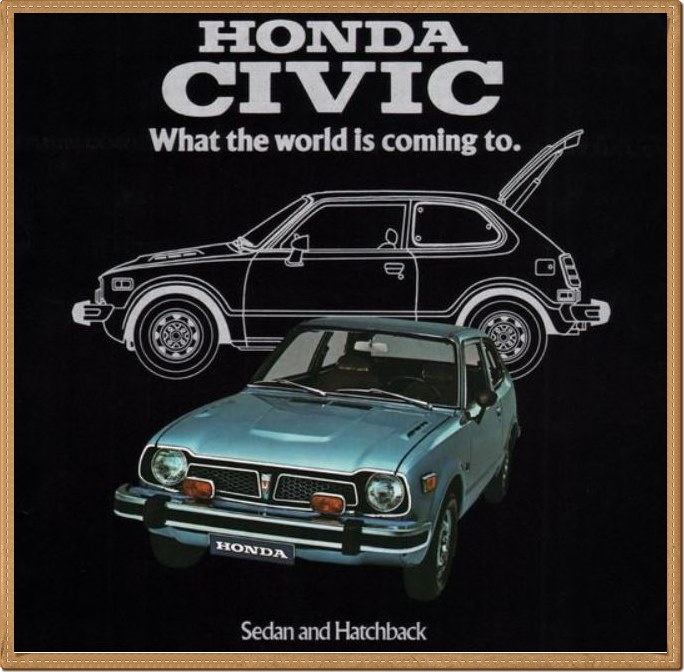
The Civic, in its first generation, was one of the models that boosted the popularity of Japanese cars in America when it appeared in the early 1970s. It arrived at a time when the country was going through an energy and air quality crisis, and besides its compact size, the innovative fuel-efficient CVCC engine was also able to meet the newly-introduced exhaust emission standards without the need for a catalytic converter.
Form then on, Honda (already the leader in the motorcycle market) became increasingly popular in what was then the world’s largest car market. To date, Honda has produced nearly 11 million Civics in North America (more than 5 million in the USA), representing nearly 30% of the brand’s vehicle production in the region.
Coming to Malaysia this week
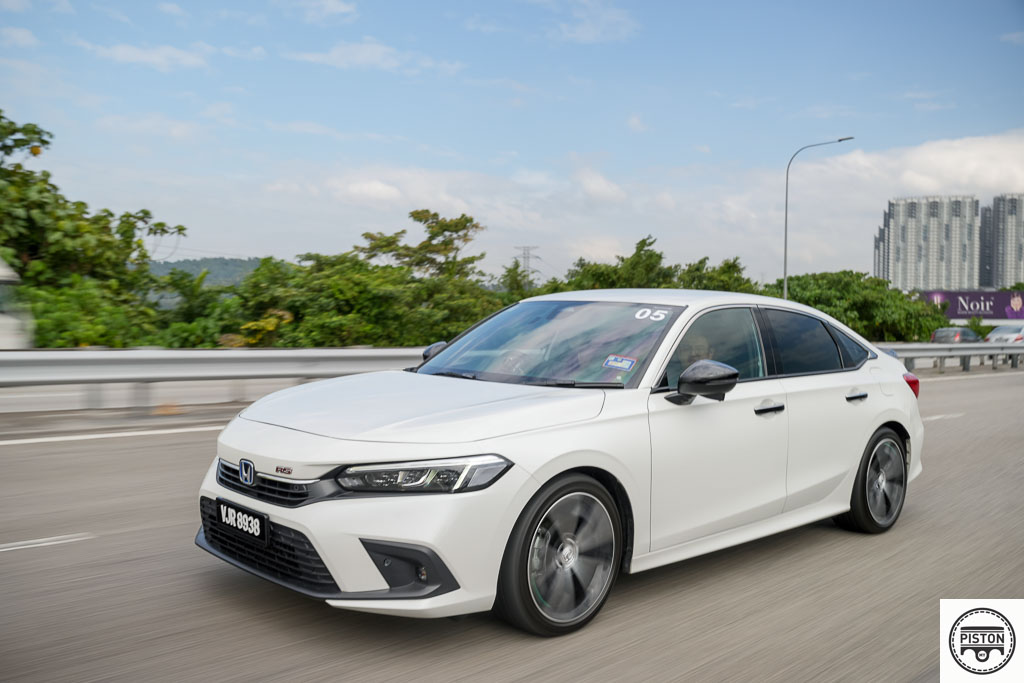
The 11th generation Civic will also be launched in Malaysia tomorrow (Thursday, January 13) and the locally-assembled line-up will include a RS version with a 182 ps/240 Nm VTEC 1.5-litre turbocharged 4-cylinder engine. For more information, visit www.honda.com.my or authorized Honda showrooms in Malaysia.
Vaccination does not make you immune to COVID-19 infection. You can still get infected, and although you may not show symptoms, you could spread the coronavirus to others. Do not stop taking protective measures such as wearing a facemask, washing hands frequently and social distancing.