Piston.my

ICE

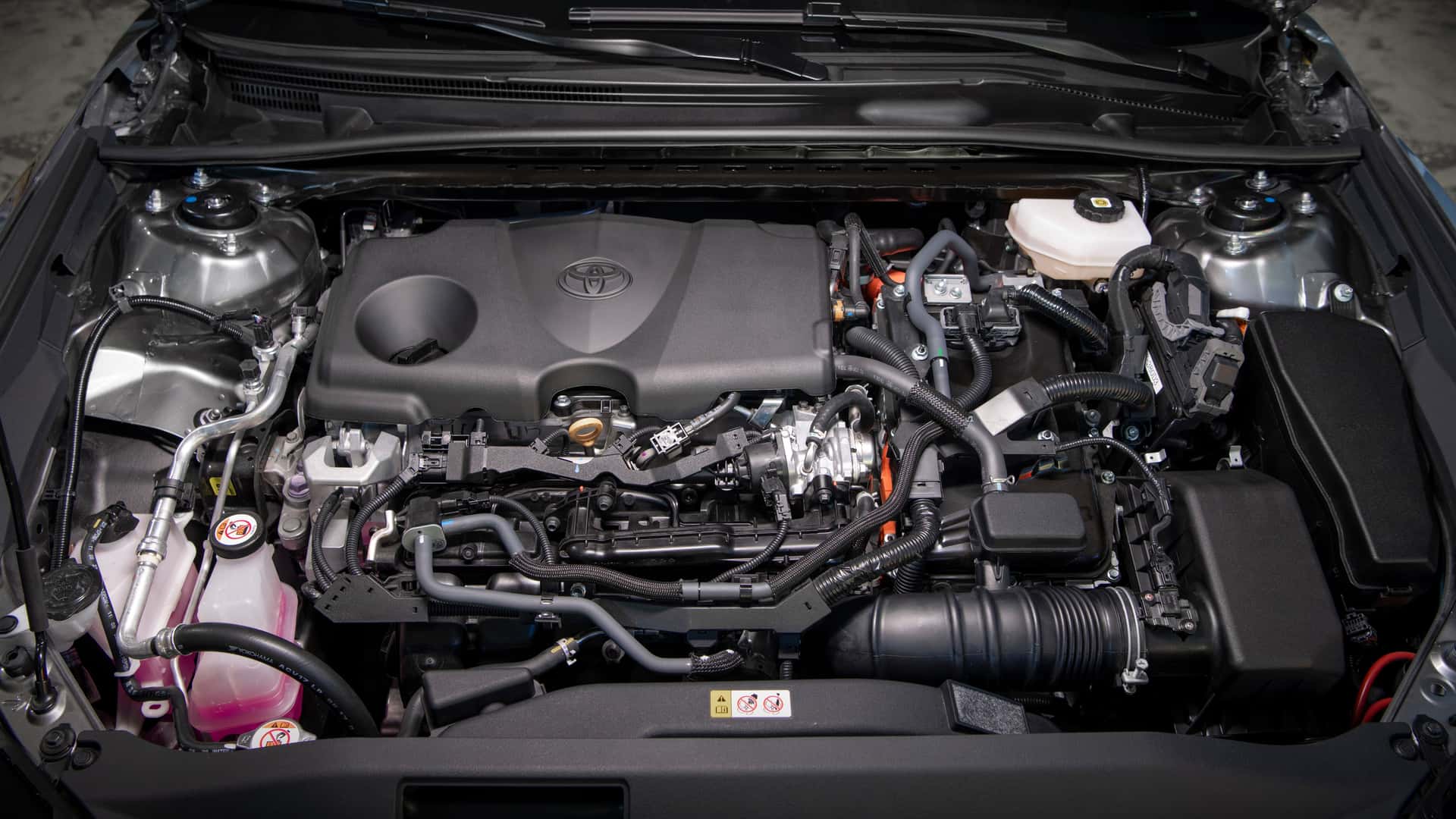
In a bold stance against the prevailing shift towards electric vehicles, Toyota’s Gazoo Racing division expresses unwavering confidence in the future of hydrogen combustion engines. Masahito Watanabe, Head of Gazoo Racing, asserts that internal combustion engines, particularly those powered by hydrogen, can coexist with the growing trend of electrification.

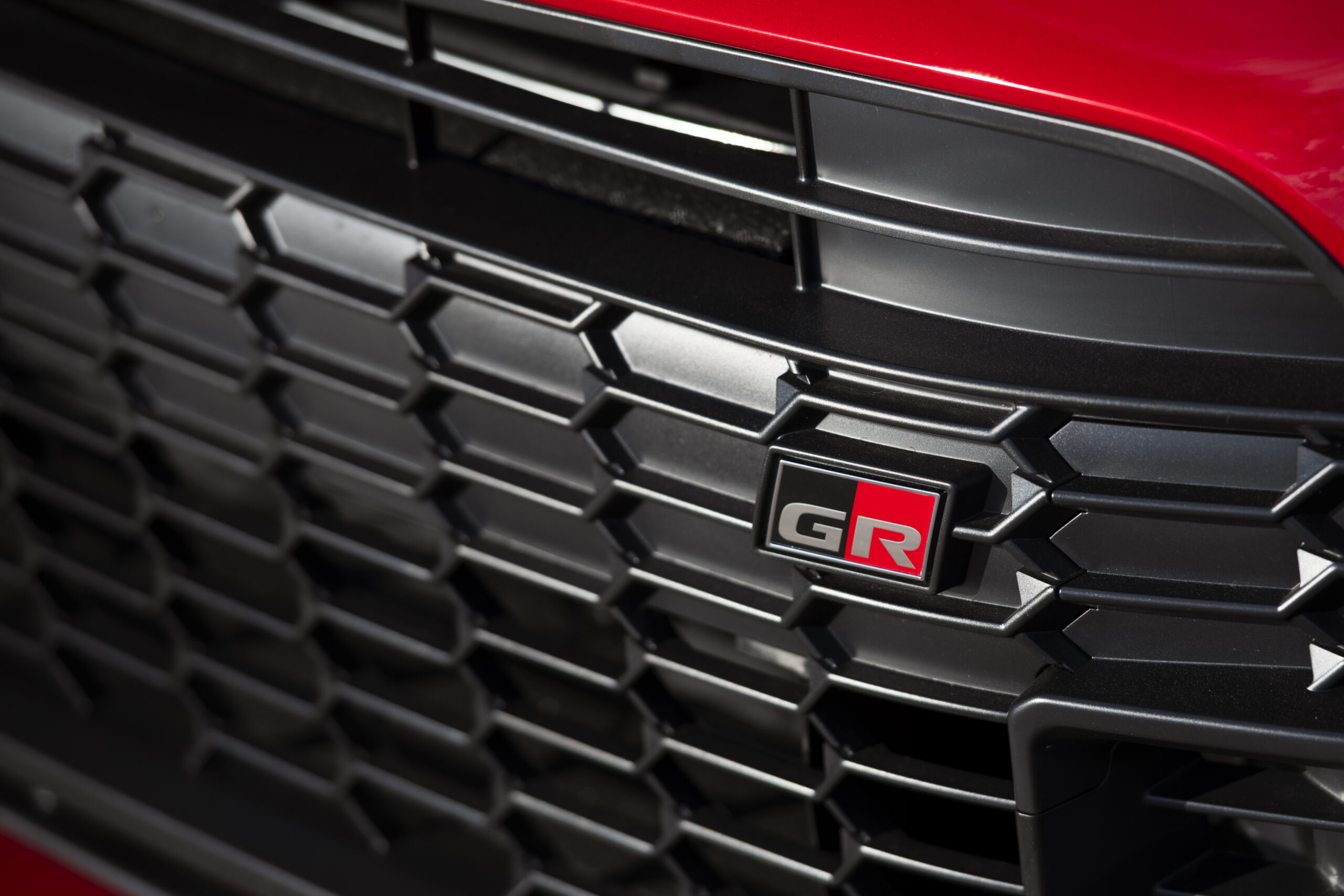
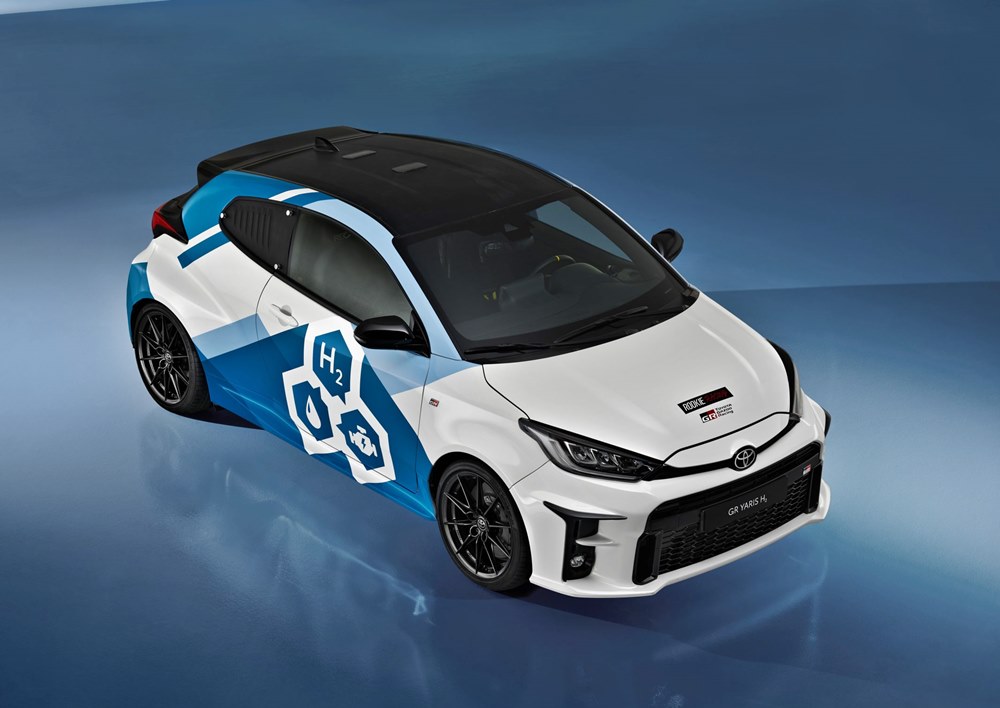
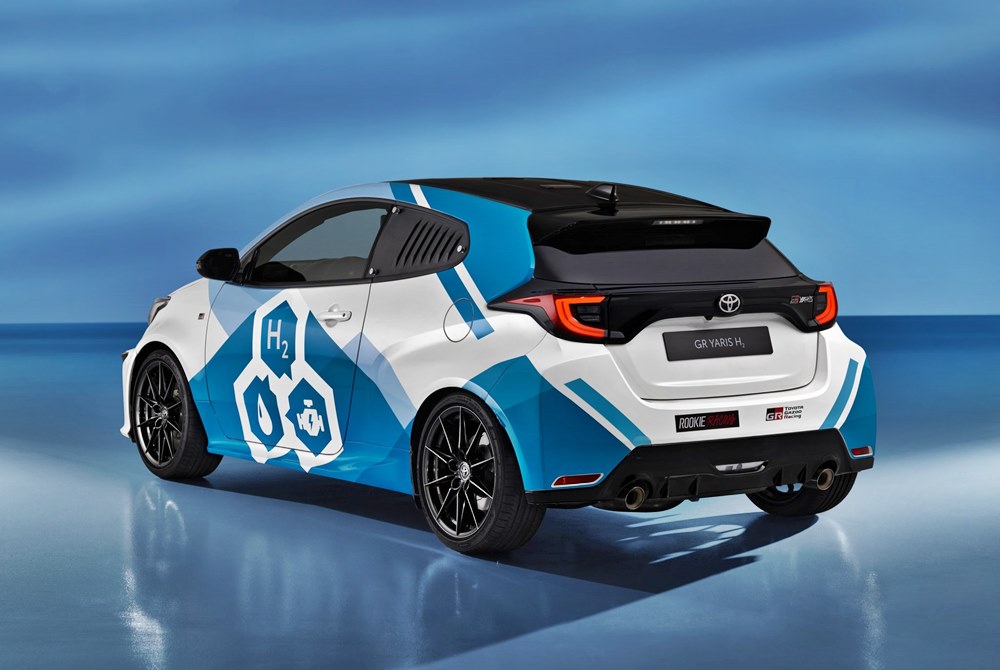
2021 Toyota GR Yaris Prototype with hydrogen engine

Watanabe highlighted that the internal combustion engine, specifically through hydrogen combustion, still holds untapped potential in the pursuit of zero-emission vehicles. He emphasised the commitment to exploring diverse technologies rather than succumbing to complete electrification. However, he acknowledged a significant obstacle: the lack of infrastructure for hydrogen vehicles, hindering enthusiasts who seek easy access to filling stations.

(more…)

Berita ini mungkin sukar diterima, terutamanya bagi pemilik kenderaan plug-in hybrid electric vehicle (PHEV), tetapi mengikut Consumer Reports (CR), hibrid biasa adalah lebih boleh dipercayai daripada PHEV. CR mengumpul maklumat daripada ahli-ahli mereka setiap tahun mengenai masalah yang mereka hadapi dengan kenderaan mereka dalam tempoh 12 bulan yang lepas.

Tahun ini, mereka mengumpul data dari lebih daripada 330,000 kenderaan, merangkumi model tahun 2000 hingga 2023, termasuk beberapa model awal 2024. Walau bagaimanapun, adalah penting untuk diingatkan bahawa kerana laporan ini berasal dari Amerika Syarikat, beberapa model kereta mungkin tidak relevan untuk pasaran Malaysia.

Fokus utama di sini adalah perbandingan dengan kenderaan internal combustion engine (ICE) tradisional. Model elektrik, terutamanya hibrid, telah menunjukkan prestasi yang lebih baik berbanding dengan kenderaan ICE tradisional. Walau bagaimanapun, laporan tersebut menunjukkan bahawa PHEV mempunyai prestasi yang bercampur, dengan kebolehpercayaan yang berbeza-beza di kalangan model-model yang berlainan.

Penilaian melibatkan 20 kawasan masalah yang berpotensi berbeza di kalangan pelbagai jenis kenderaan, merangkumi segala-galanya dari masalah kecil seperti brek bising hingga kepada kebimbangan yang lebih besar seperti enjin, transmisi, bateri kenderaan elektrik (EV), dan masalah cas EV yang sudah tamat tempoh waranti.

(more…)

This is going to be a hard pill to swallow, especially for plug-in hybrid electric vehicle (PHEV) owners, but statistics do not lie. According to CR (Consumer Reports), hybrids have far superior reliability compared to PHEVs. Every year, CR compiles info and data from its members about problems that they have encountered with their vehicles in the past 12 months.

This year, CR accumulated data from over 330,000 vehicles dated from 2000 to 2023 model years with a few additions of early 2024 models. However, because this CR is a US-based report, certain models may not be relevant to the Malaysian market.

The main comparison here is towards traditional ICE (Internal Combustion Engine). Electrified models, particularly hybrids, have emerged as frontrunners, showcasing superior performance compared to traditional ICE vehicles. However, the report also sheds light on the mixed performance of PHEVs, with notable variations in reliability among different models.
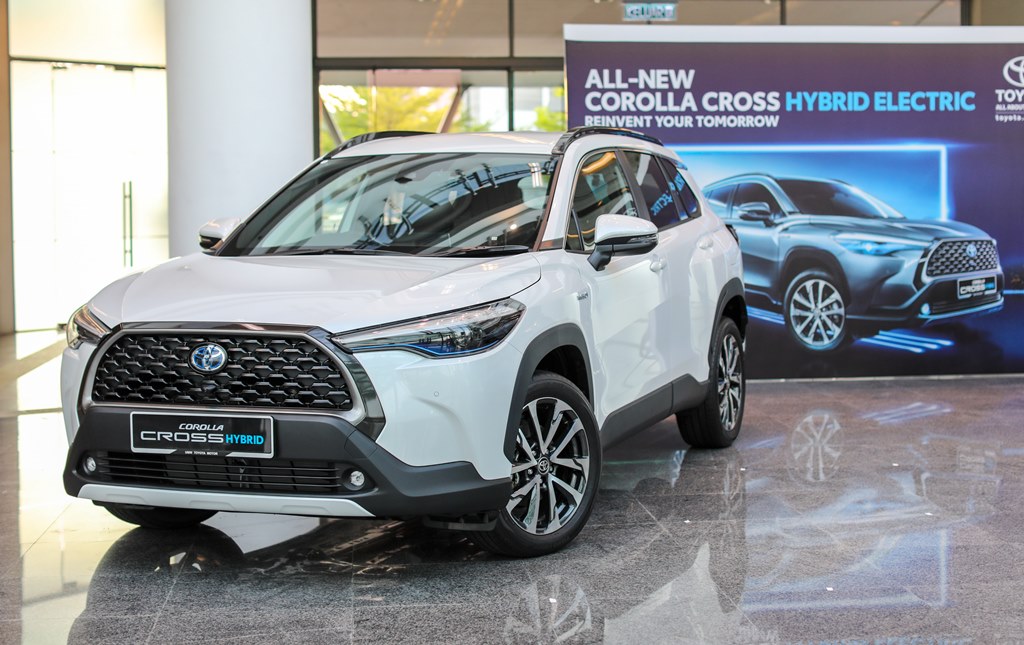
The evaluation delves into 20 trouble areas across various vehicle types, providing a nuanced perspective on mainstream models. This thorough evaluation encompasses everything from minor nuisances like squeaky brakes to major concerns such as out-of-warranty engine, transmission, EV battery, and EV charging issues.

Consumer Reports employs a meticulous approach, weighing the severity of each problem to generate a predicted reliability score for each vehicle, ranging from 1 to 100. This score is instrumental in determining the overall reliability rating for every major mainstream model. The reliability rating is then merged with data from track testing, owner satisfaction survey results, and safety data to calculate each vehicle’s Overall Score.

(more…)

Gentari’s Deputy CEO and Chief Green Mobility Officer, Shah Yang Razalli, has highlighted that Malaysia’s fuel subsidy policy goes against its efforts to encourage the use of electric vehicles (EVs). This conflict is hindering the overall push towards greater EV usage in the country.

As reported by TheEdge Malaysia, Razalli stressed that a key aspect in driving EV adoption is achieving a balance in the total cost of ownership (TCO). In simpler words, the question is: Is it more cost-effective to buy and run an EV over its entire lifetime compared to a traditional internal combustion engine (ICE) vehicle? This topic was discussed during a session at the Energy Transition Conference held on August 28.

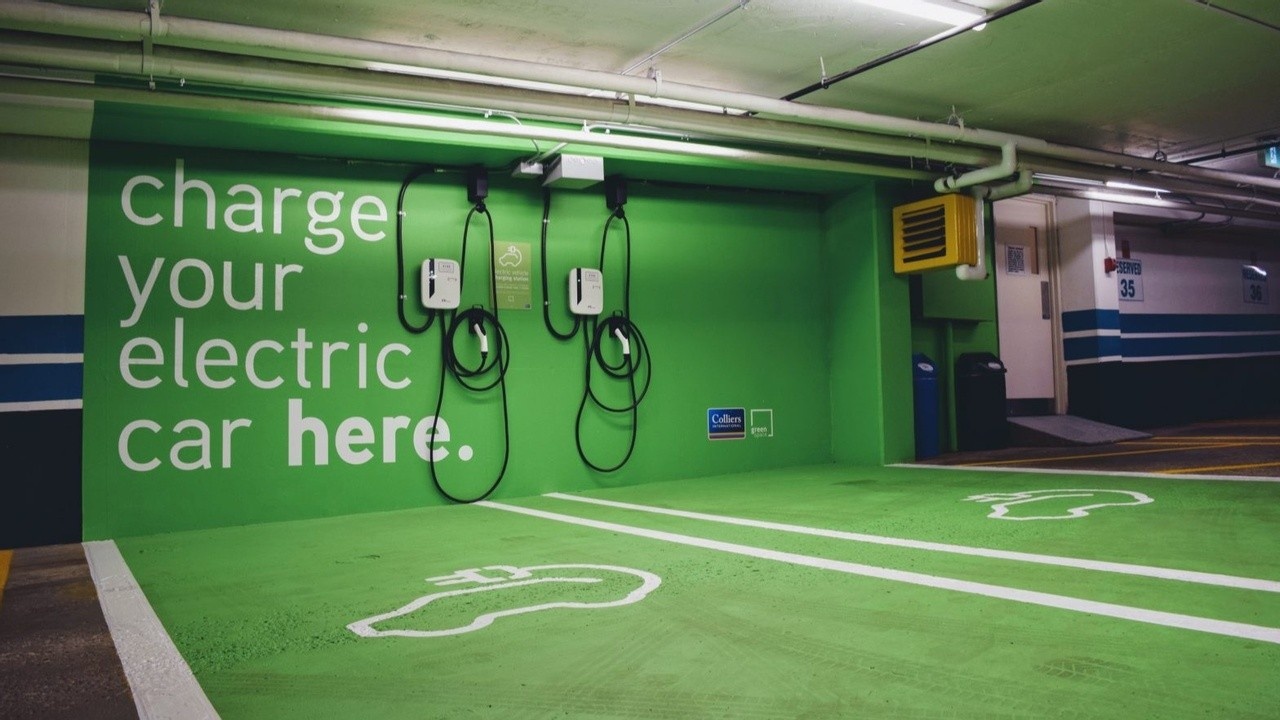
The obstacle to achieving cost parity between EVs and ICE vehicles is the presence of financial incentives. These incentives include direct subsidies for purchasing EVs and additional benefits such as free public charging, parking, or tolls. At the same time, any discouragement of fossil fuel usage is influenced by measures like fuel taxes or carbon taxes.

(more…)

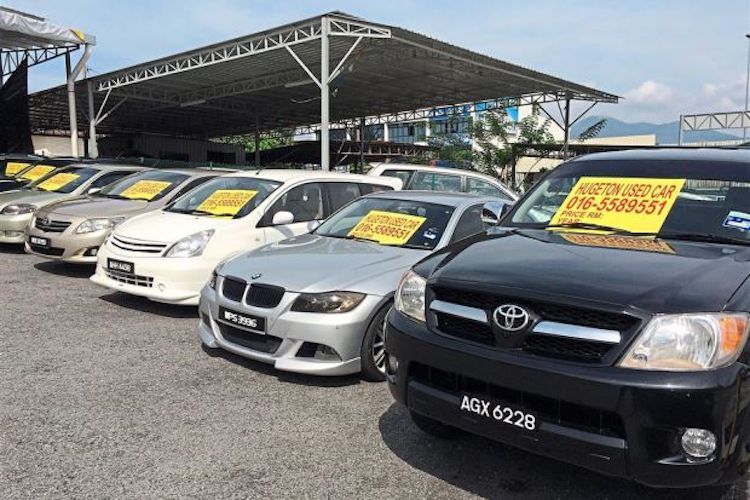
Industry experts predict challenges for the internal combustion engine (ICE) driven second hand car market due to the growing focus on environmental, social, and governance (ESG) standards. This could lead to higher costs and taxes for ICE vehicles, raising doubts about the sustainability of the second hand car industry.

The delay in adopting ESG principles is a concern, notably seen in the environmentally harmful reputation of the used car market. This is due to reliance on old, polluting vehicles using fossil fuels.

(more…)
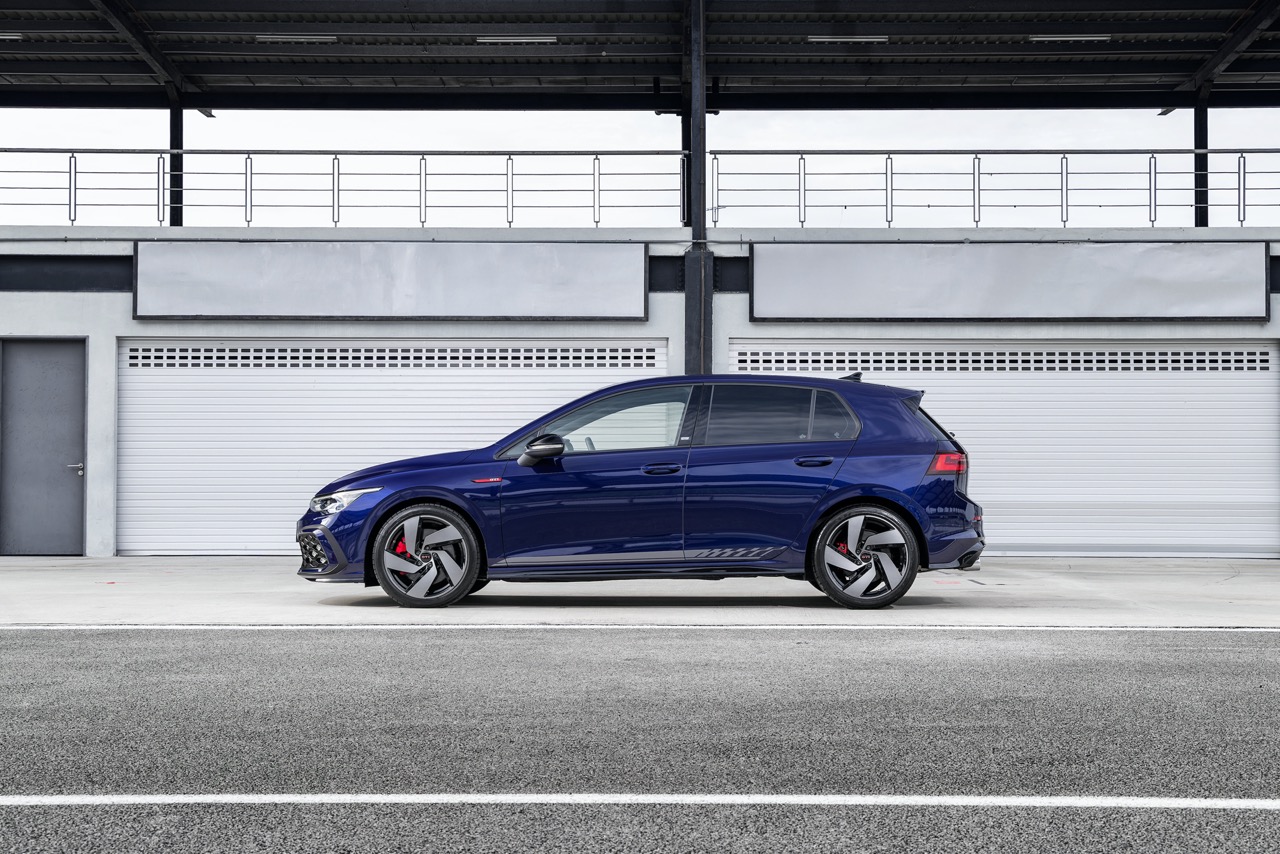
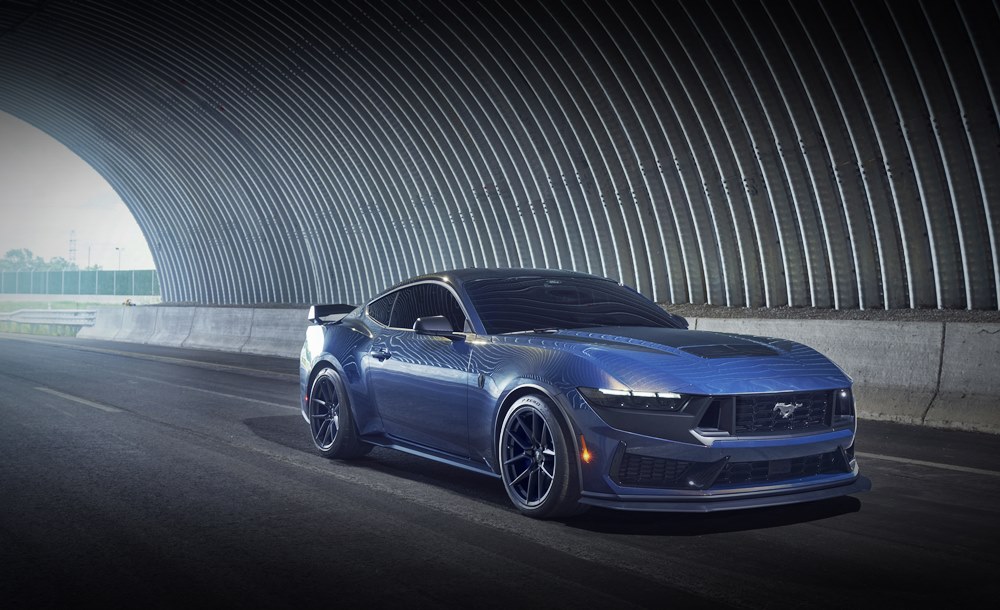
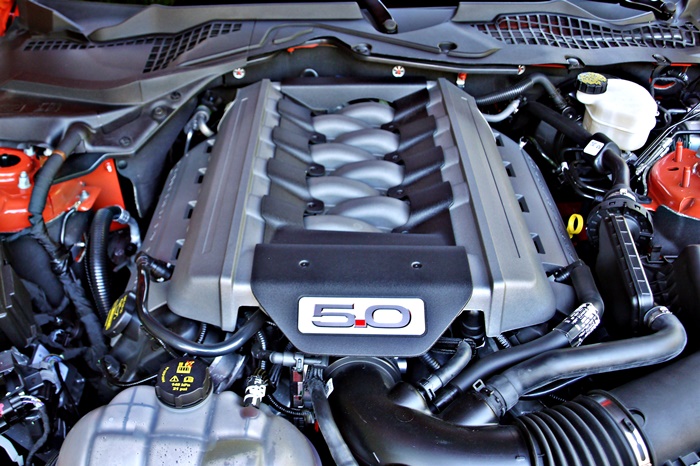
The Ford Mustang’s V8 engine is a crucial component of its character, and the business has no plans to replace it with batteries and an electric motor anytime soon.

Ford Mustang 5.0

Ford has vowed to continue selling the Mustang with an internal combustion engine and has no intention of discontinuing the model’s drivetrain. Unlike competitors Chevrolet and Dodge, whose current Mustang rivals are being killed off, with the former’s Camaro coupe and the latter’s Challenger coupe and Charger sedan due to cease production in 2024.

(more…)
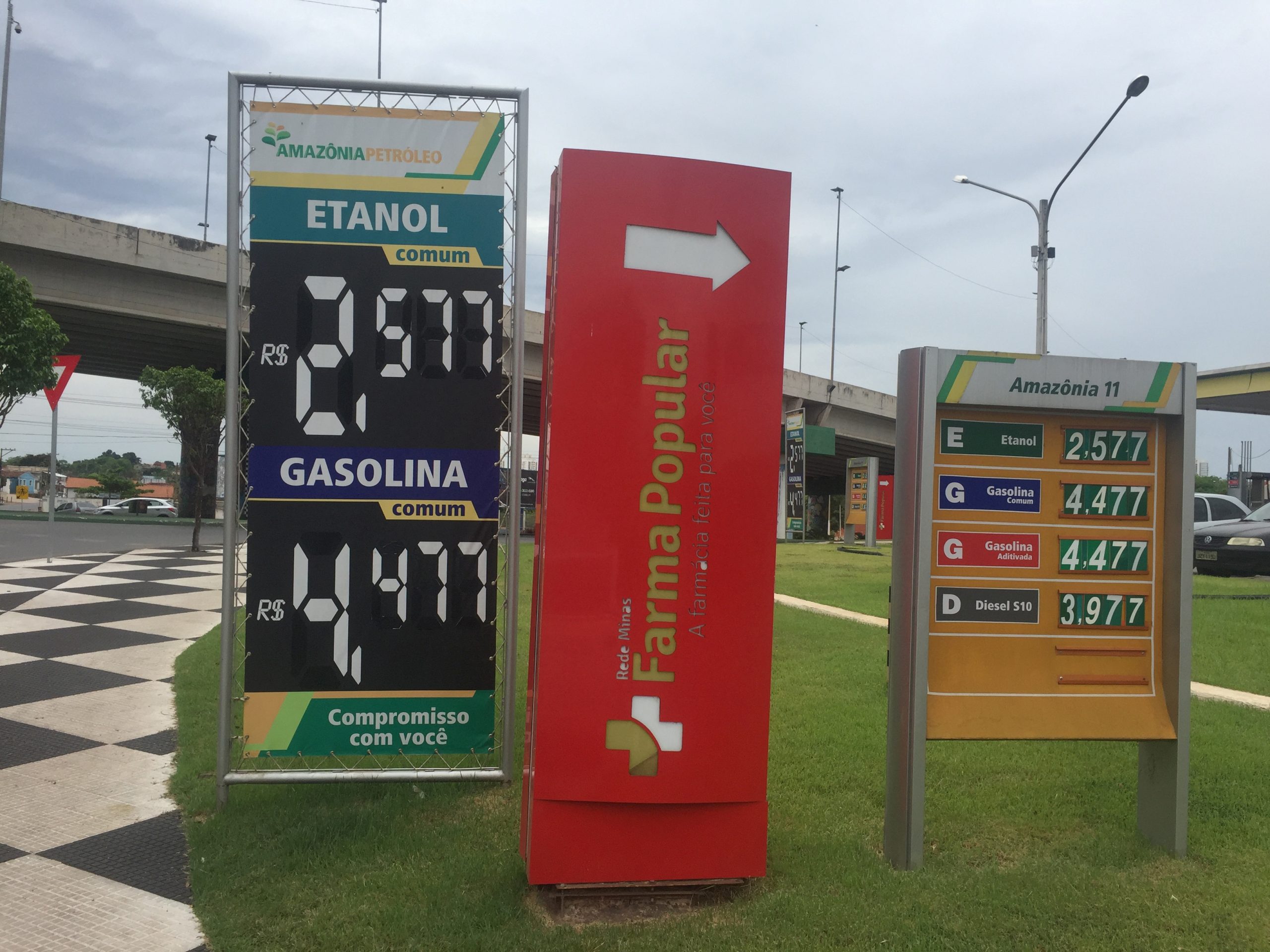
Speciality automobiles running on any blend of petrol and ethanol were Brazil’s novel approach to reducing tailpipe emissions for two decades, helping the country boast just a quarter of the road pollution of other nations its size.

While other countries are pushing the EV agenda, Brazil is standing its ground while several of the other leading economies in the world set out specific plans to ultimately stop selling automobiles with combustion engines. The most widely used models in the nation are so-called flexible-fuel cars that can operate entirely on biofuel made from sugar cane, making them generally more environmentally friendly than pure petrol engines.

(more…)
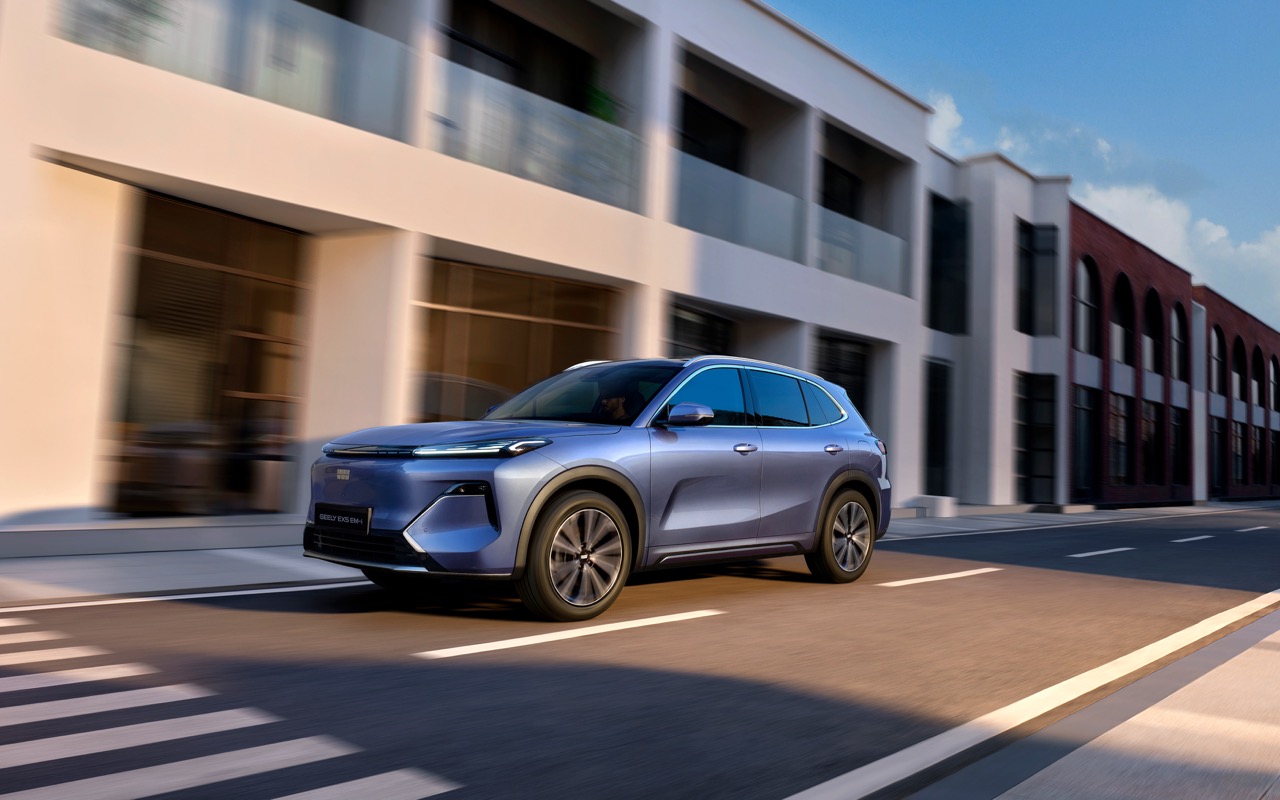
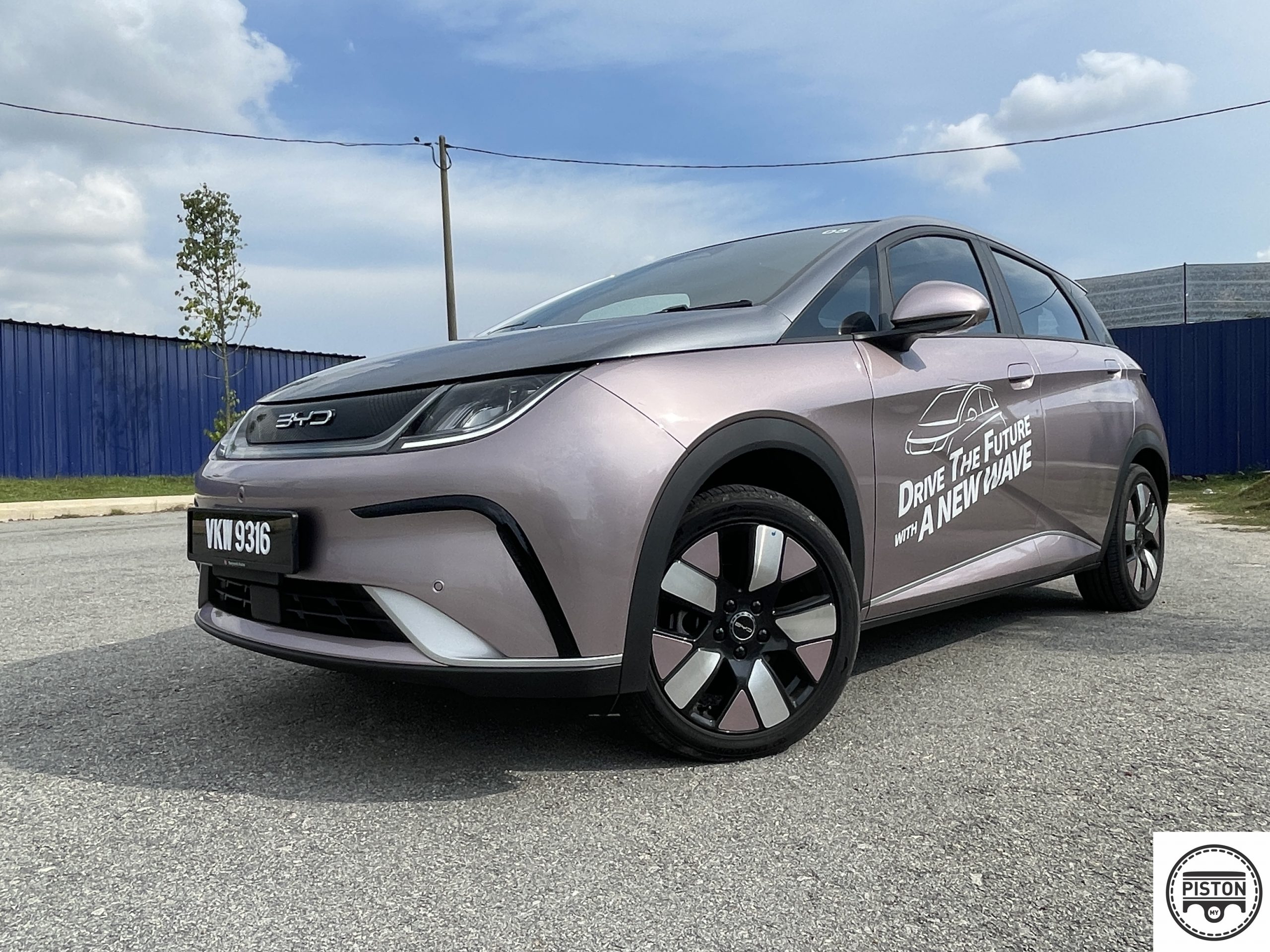
Netizens are expressing their frustration over the fact that luxury electric car brands like Tesla are exempt from taxes and duties, supposedly ‘making wealthy Malaysians even wealthier’, while fuel-powered, more affordable cars like the Perodua Axia are subject to high-er taxes, inadvertently burdening the less fortunate segments of the Malaysian population.

Questions about the environment are allegedly fairly important with electric cars (EVs). When their batteries reach the end of their useful lives, they will compound the already existing environmental concerns.

(more…)

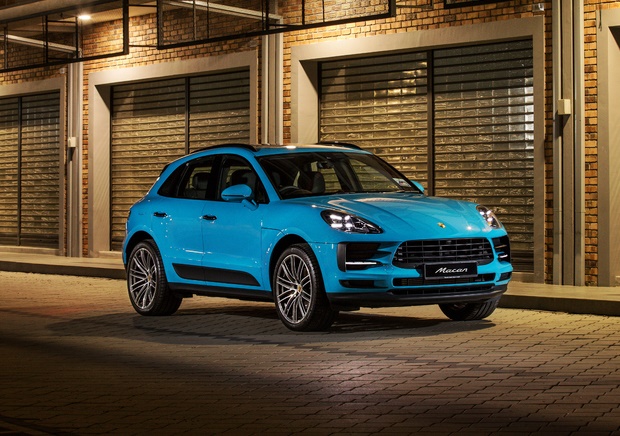
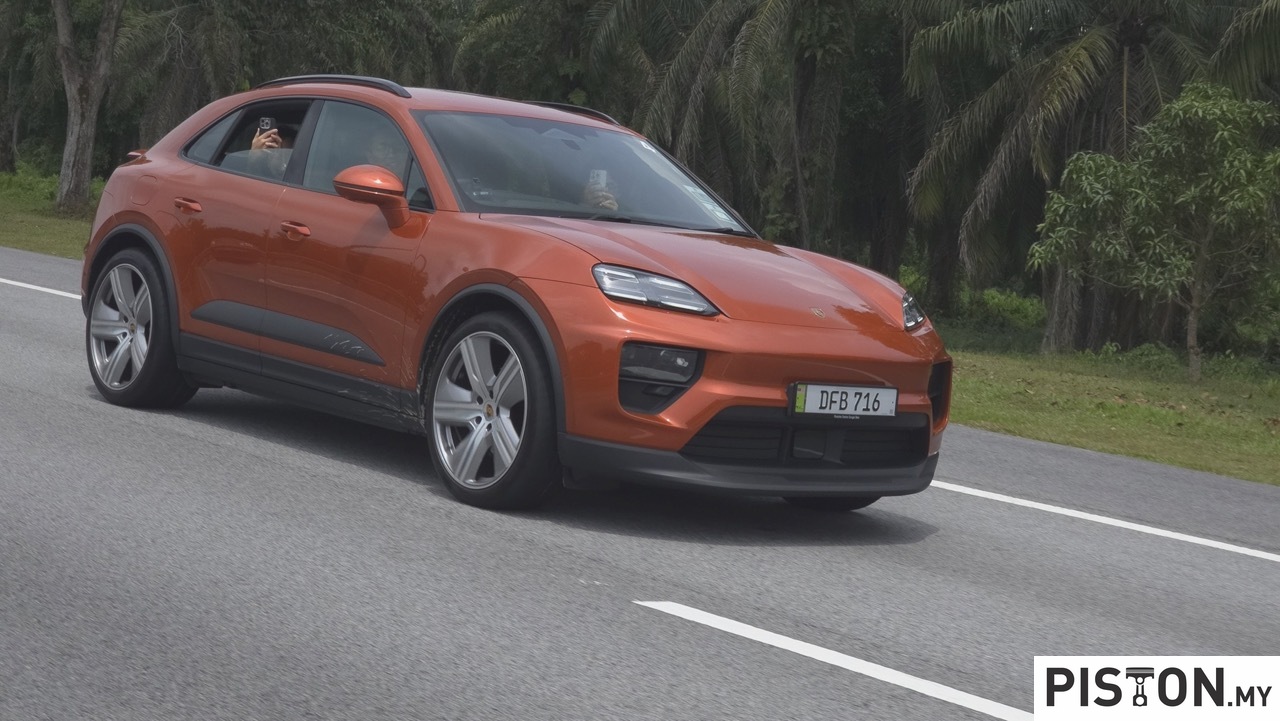
The all-new, fully electric Porsche Macan is scheduled to be introduced in the first half of 2024, although it is possible that the ICE-powered version may continue to be produced for a longer period of time than previously anticipated. 

According to reports, Porsche stated that, depending on sales volume over the following two years, it will evaluate its decision to discontinue the combustion-engined Macan in 2025 or 2026.

The production version of the Macan was unveiled at the 2013 Los Angeles Auto Show and 2013 Tokyo Motor Show. Early models included the Macan S and Macan Turbo. The recent model that is available in the Malaysian market is the 2022 Porsche Macan facelift. The standard Macan costs RM433,154, the Macan S starts at RM623,593, and the Macan GTS is the most expensive model, starting at RM786,232.

(more…)

After Germany questioned the EU’s support for the regulations, the bloc’s member states postponed a vote scheduled for next week on the law that will ban the sale of new CO2-emitting vehicles by 2035.

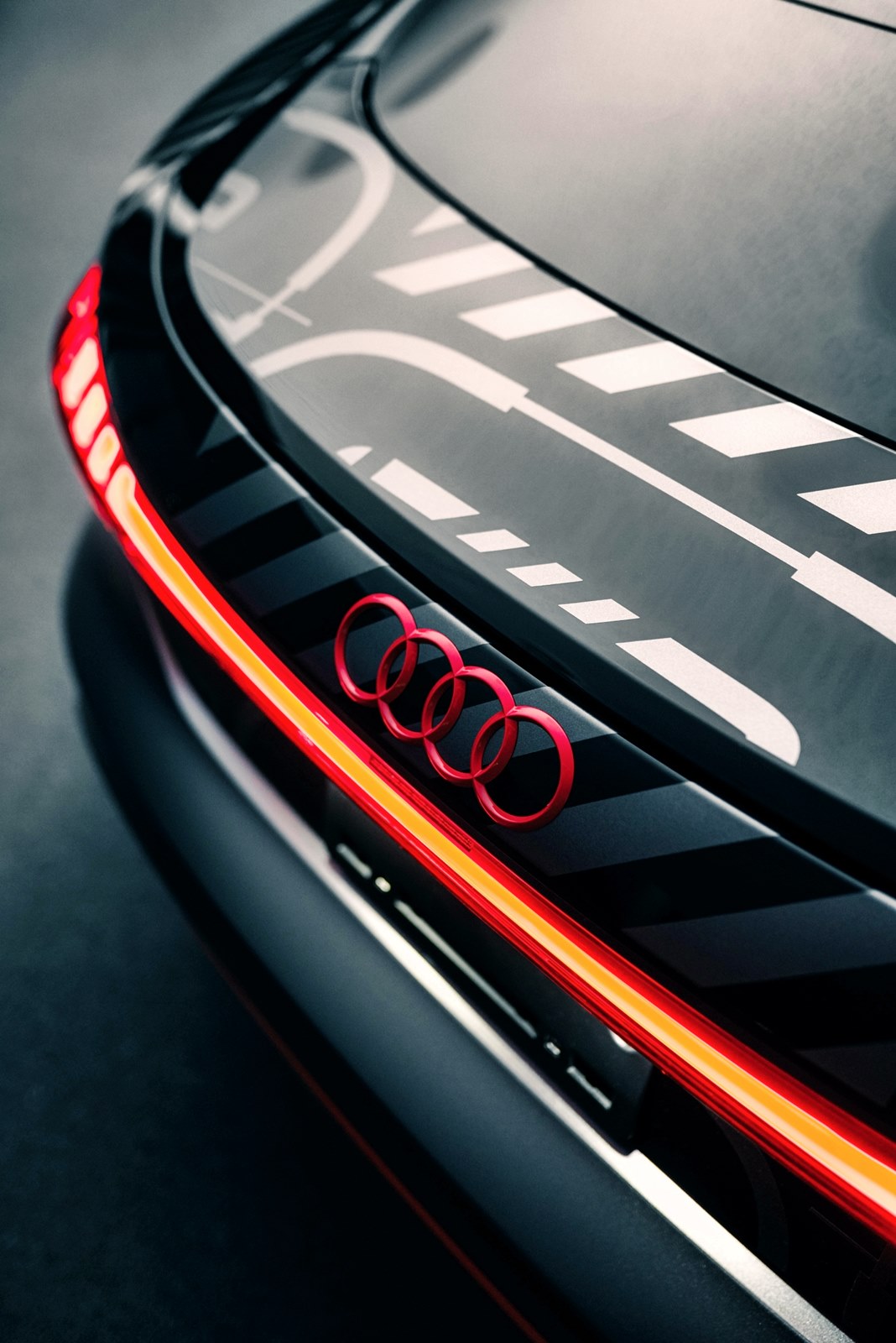
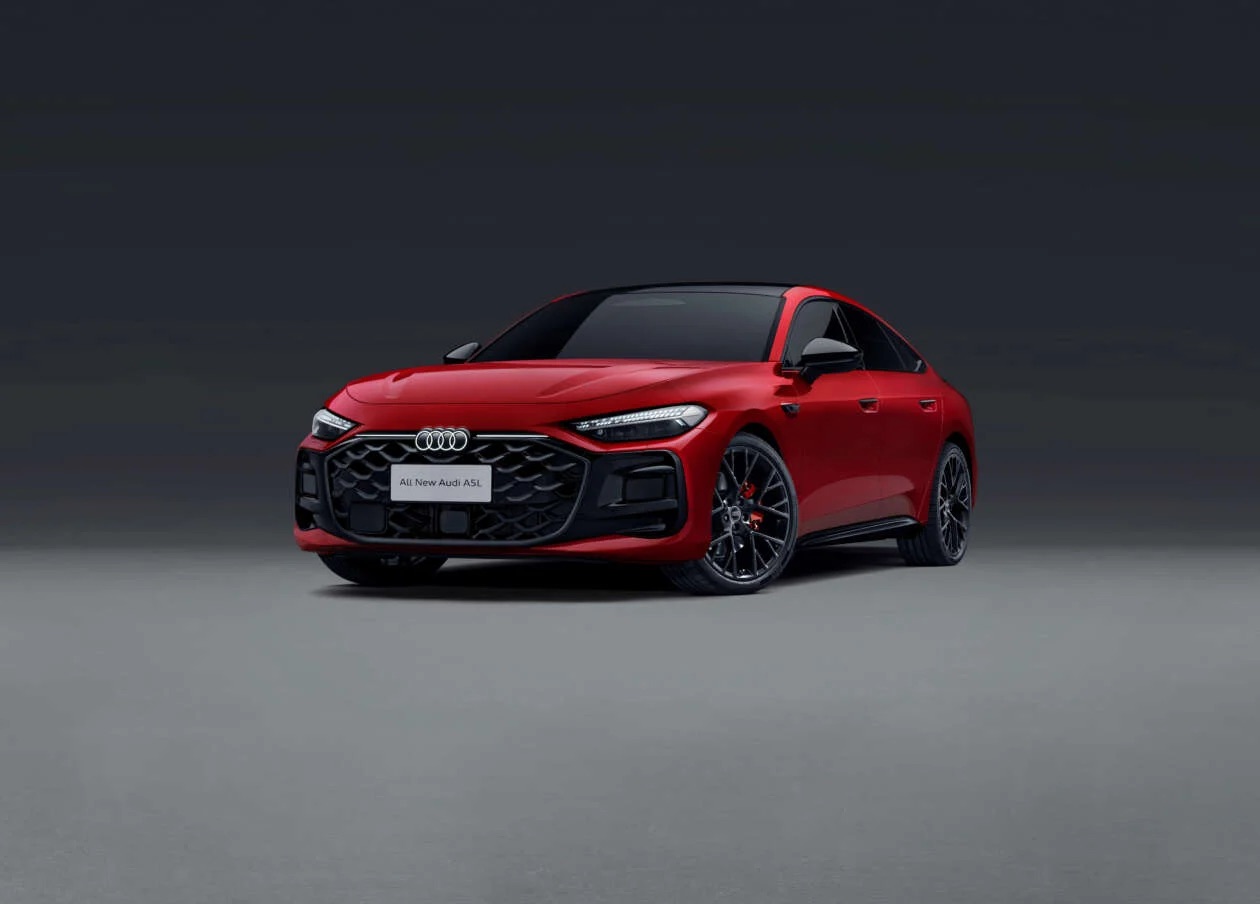
However, Audi, they have planned to totally cease production of ICE cars by the end of 2026 but this might see some delays due to the ongoing discussion.

(more…)

Archive

Follow us on Facebook

Follow us on YouTube