

Piston.my

Maserati

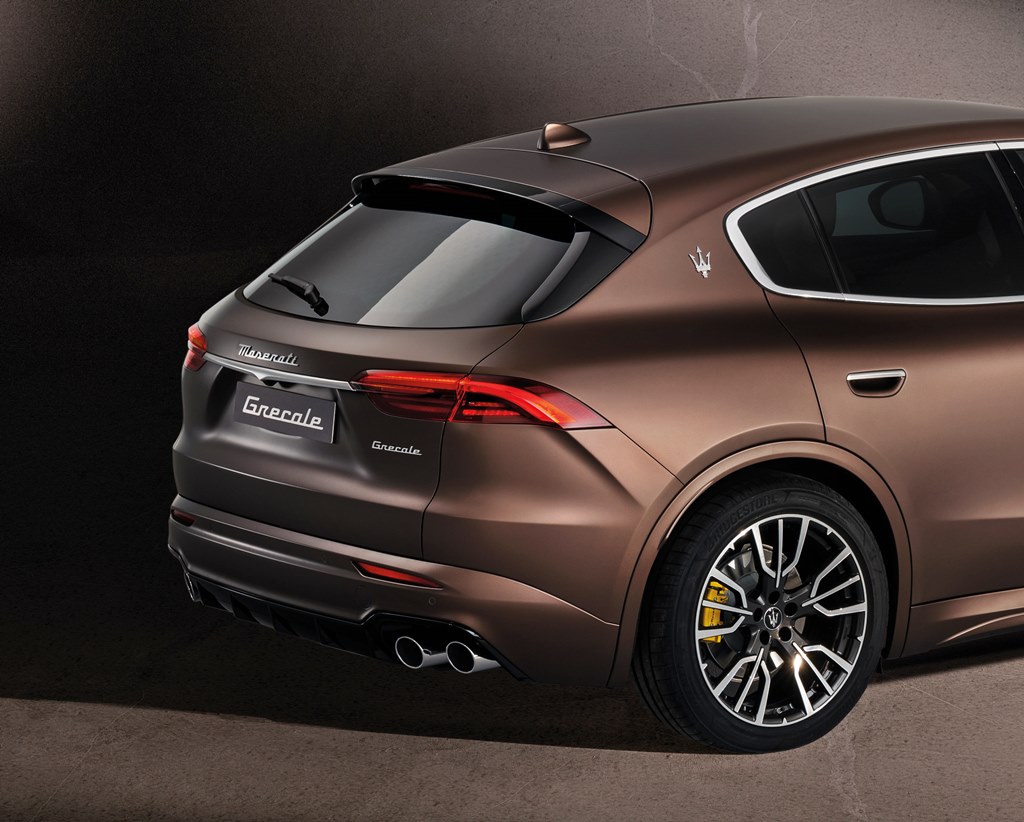
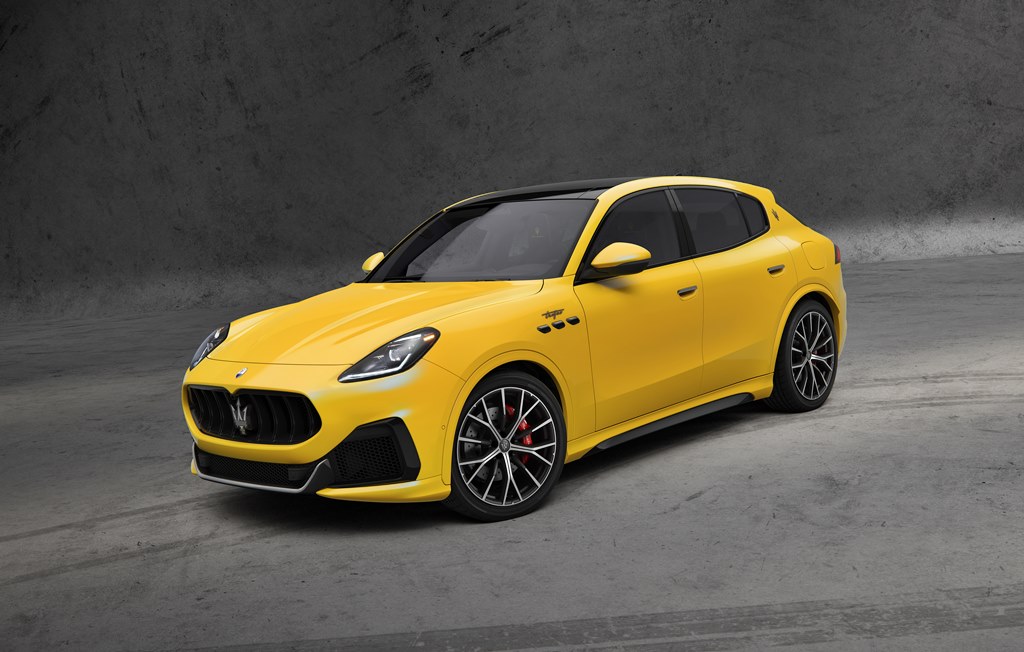
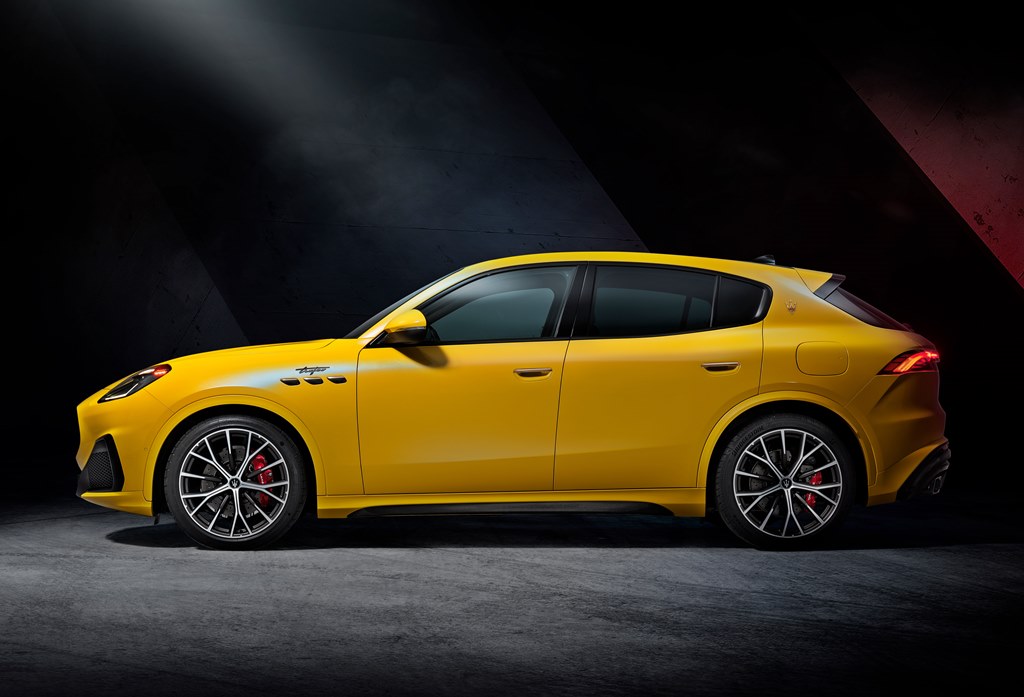
The Maserati Grecale has finally been unveiled after a delay of about three months due to the global chip shortage. As the second SUV in the carmaker’s range, it is positioned below the Levante and take on rivals like the BMW X3 and Porsche Macan.

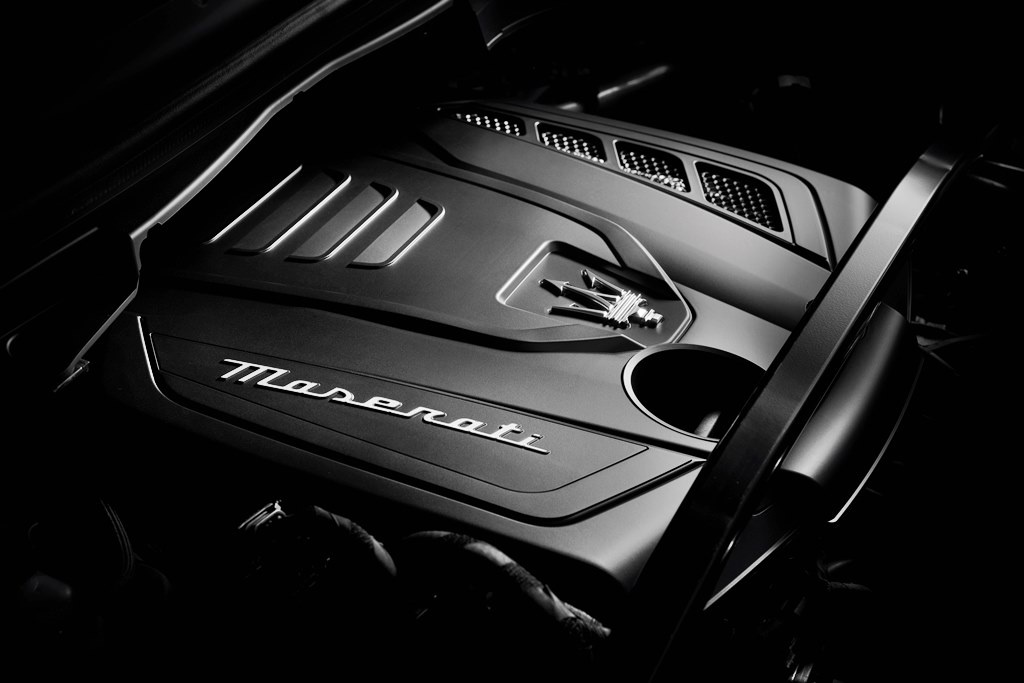
With an overall length of 4846 mm and width of 2163 mm, the shares the Giorgio platform with the Alfa Romeo Stelvio, though this is an updated platform with the additional capability of accommodating a 400V electric powertrain as well. At launch, there will be three engine choices available – two 4-cylinder 48V mild hybrids (300 bhp/330 bhp) and the powerful Nettuno V6 which produces 530 bhp for the Trofeo version.
2022 Maserati Grecale

2022 Maserati Grecale

Like the Levante, the performance of the all-wheel drive Grecale’s can be optimised with drive modes. In fact, while the Levante has 4 modes, the Grecale has one more (for the Trofeo version) besides the Comfort, GT, Sport and Off-Road modes. To complement the drive modes is the Maserati Vehicle Dynamic Control Module system which gives full control of driving dynamics and comfort levels.
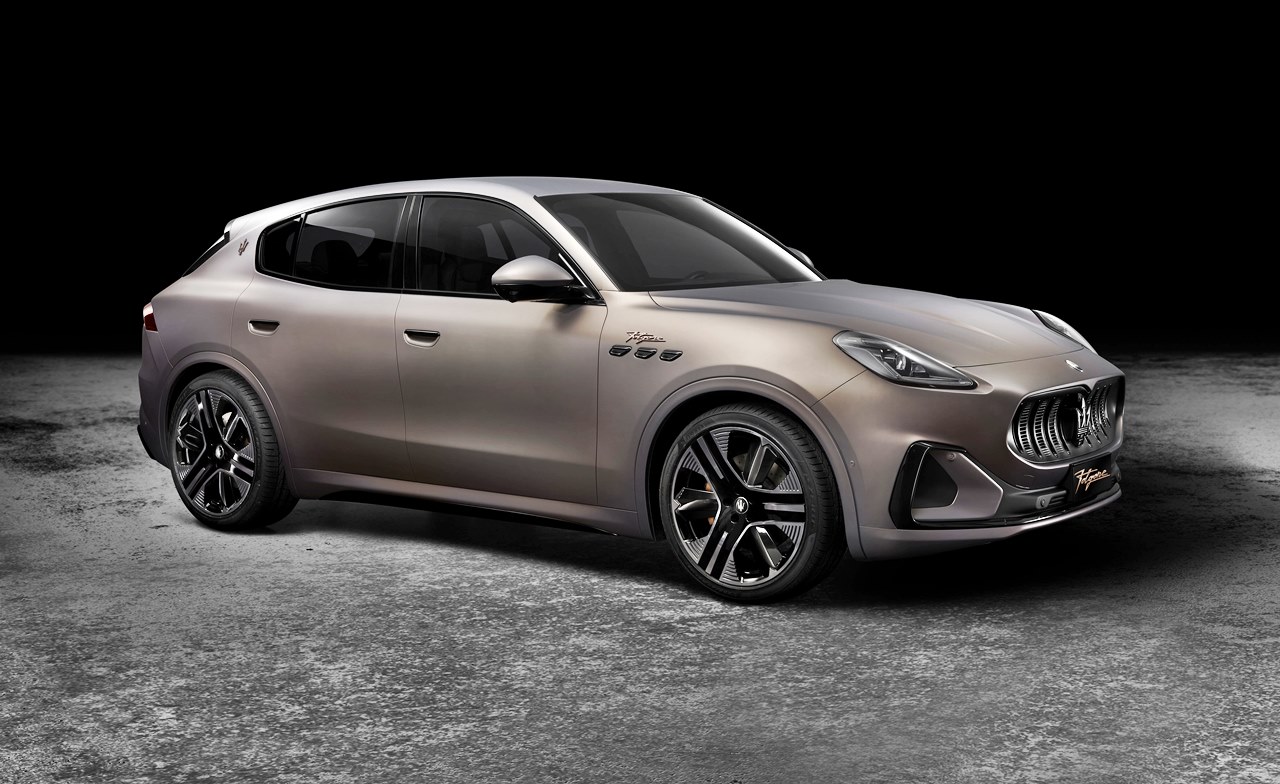
Fully electric Grecale Folgore will only be launched in 2023.

Details of the electrified version, Maserati’s first BEV (battery electric vehicle) SUV are not available yet as the model will only be introduced in 2023. For now, it is known that it will have 400V technology for its powertrain. It will be part of the Folgore range, the name referring to the company’s strategy to have a completely electric product range by 2030.

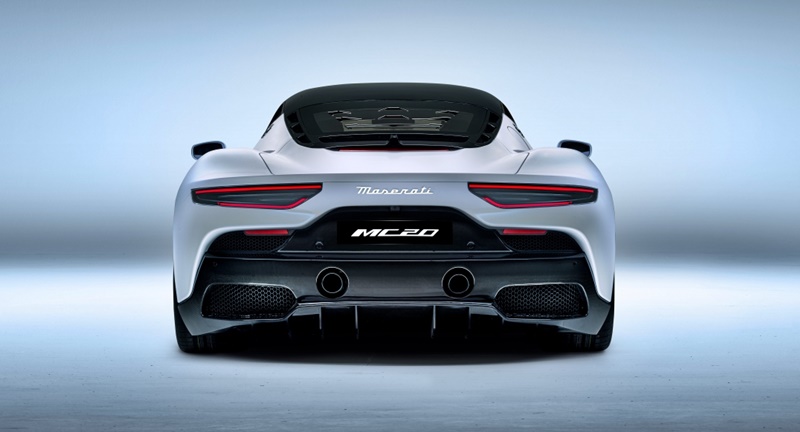
The Grecale’s design uses elements from the MC20 sportscar, with a more ‘vertical’ design language more appropriate for the SUV form that is 1670 mm tall. The body has meandering, visual forms and its technical components are highlighted by the use of carbonfibre. In the rear, the boomerang taillights are inspired by the Giugiaro 3200 GT and fit in with the trapezoidal line, made even more striking by the coupe effect of the profile.
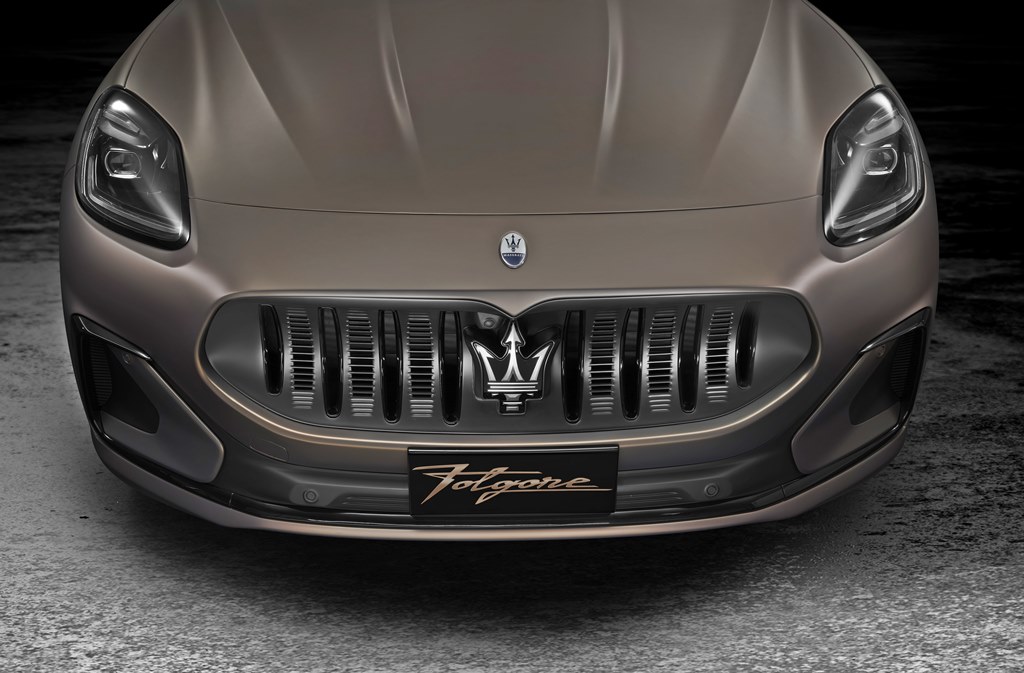
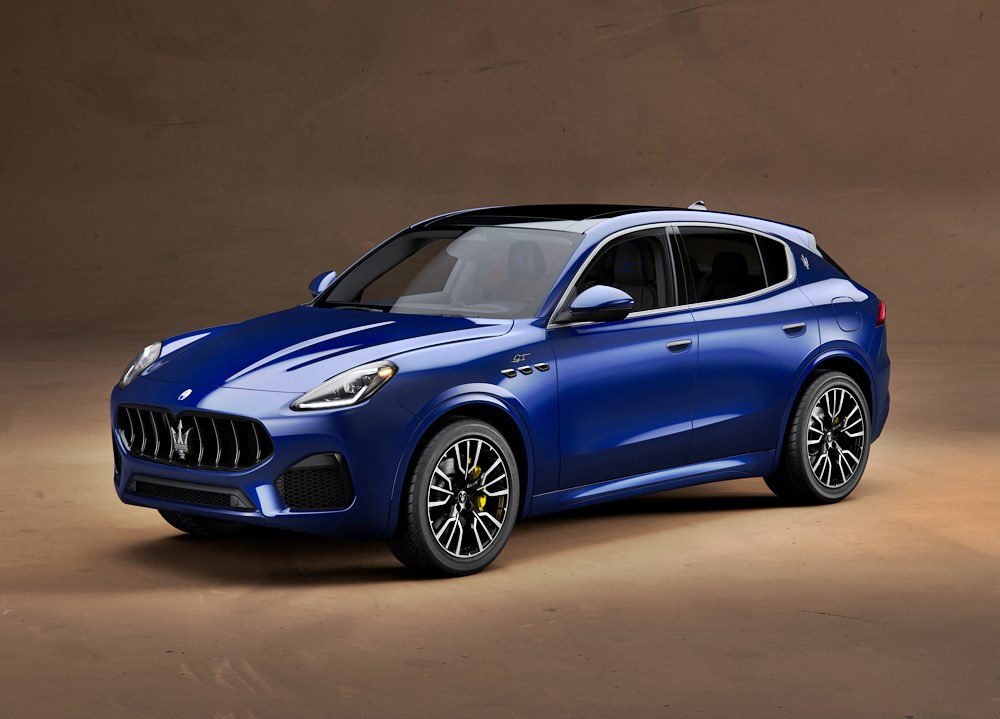
2022 Maserati Grecale

2022 Maserati Grecale

2022 Maserati Grecale

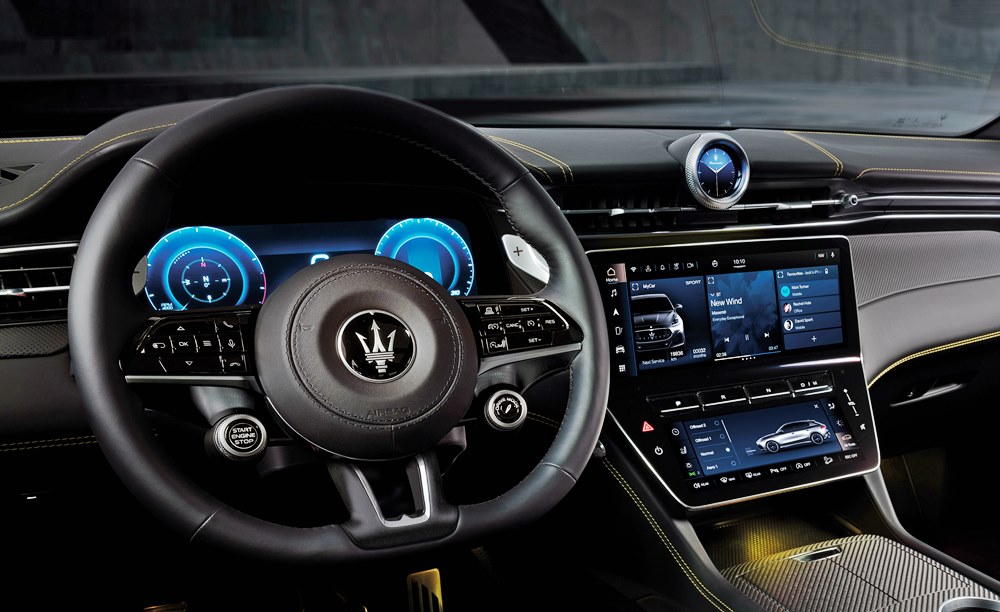
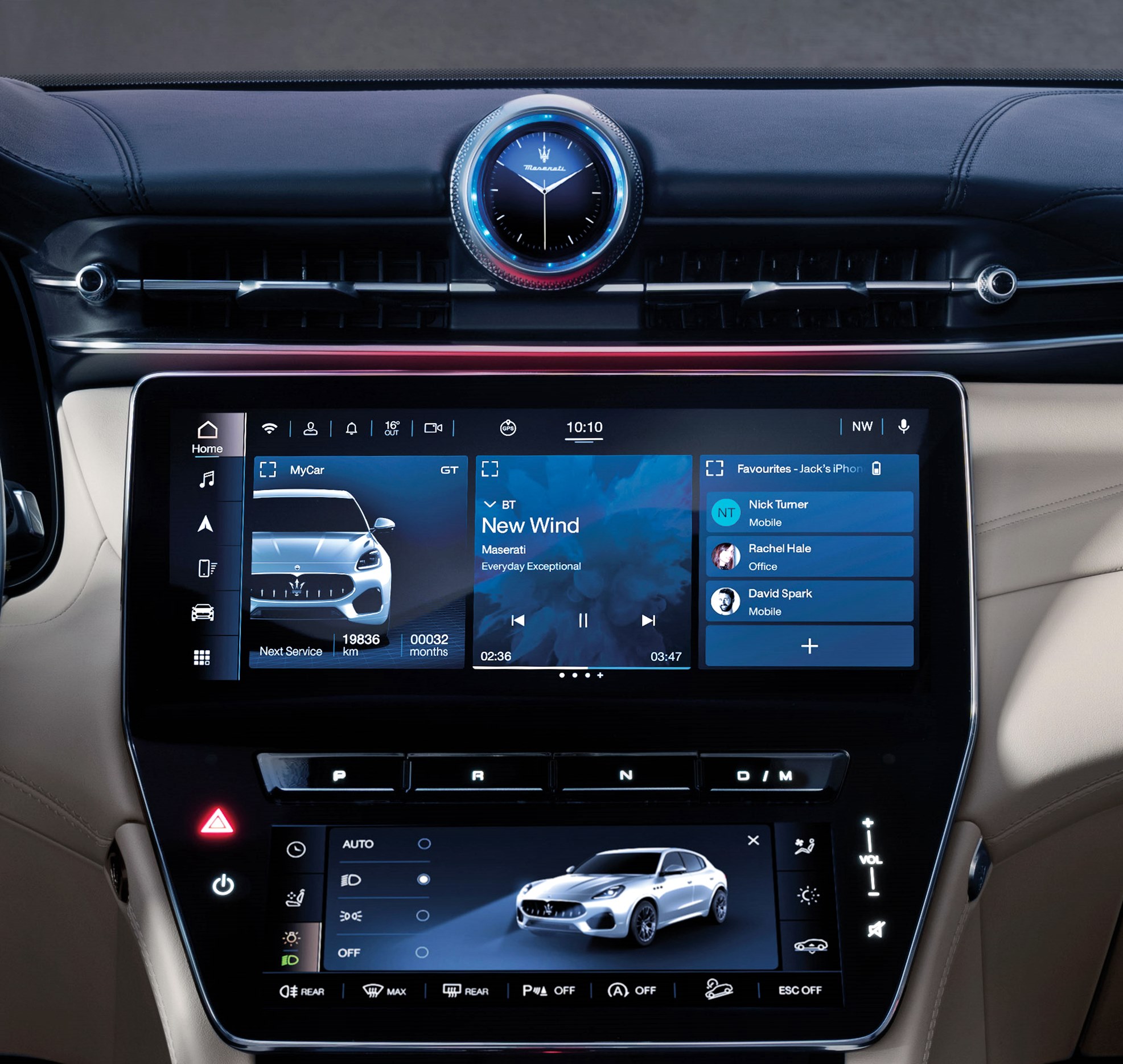
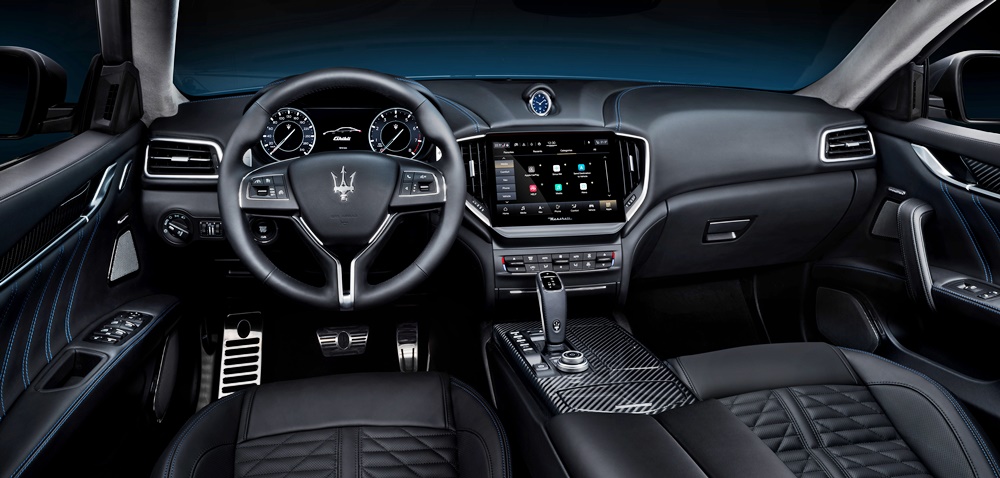
The cabin, riding on a wheelbase of 2901 mm, has 2 rows of seating for 5 persons. Like many of the latest cars, the displays are greatly digitised, certainly more than any Maserati before. Everything is touch-based, giving clean aesthetics and even the traditional Maserati clockface has gone digital for the first time,
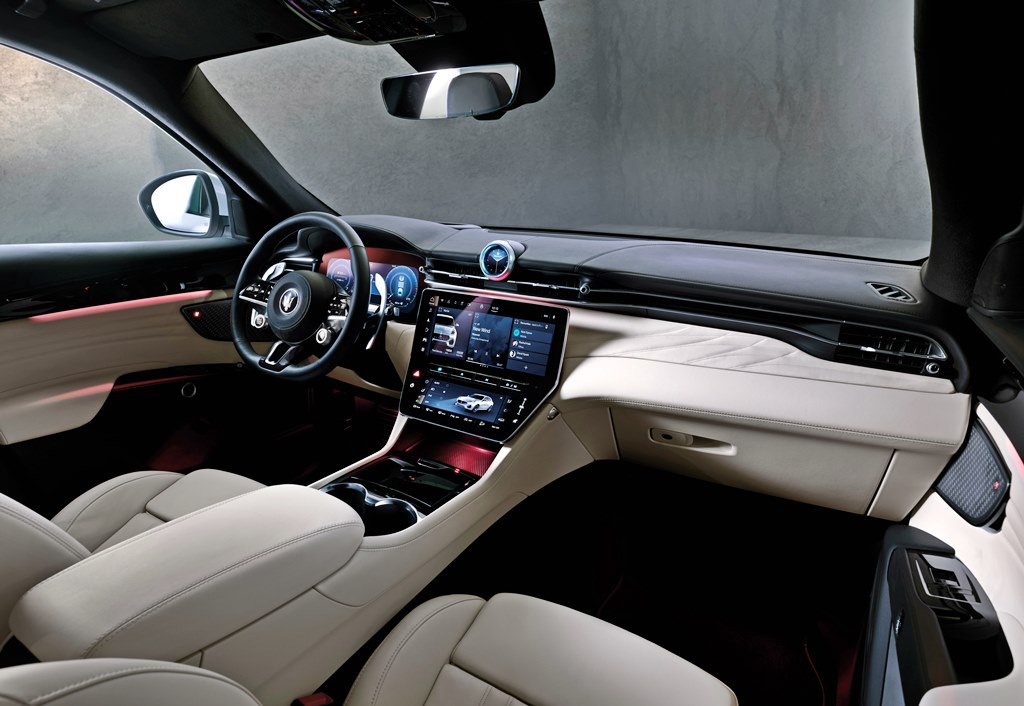
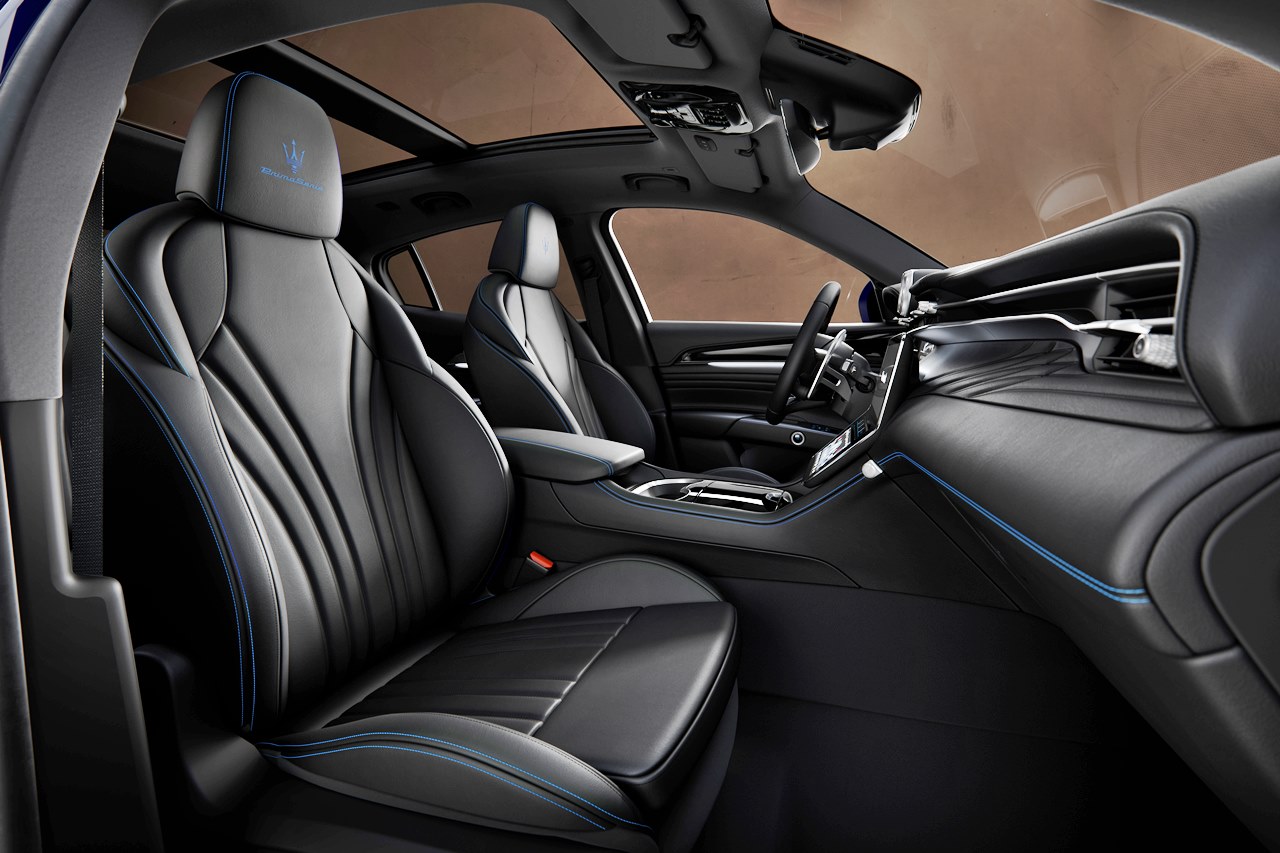
2022 Maserati Grecale

2022 Maserati Grecale

2022 Maserati Grecale

2022 Maserati Grecale

The dashboard has a large 12.3-inch display (the largest ever on a Maserati) with a classic cluster for the driver, and an 8.8-inch touchscreen running on Android Automotive software, which gives digital assistant services. There’s a second display for rear passengers as well to have more personalised control of the infotainment system.
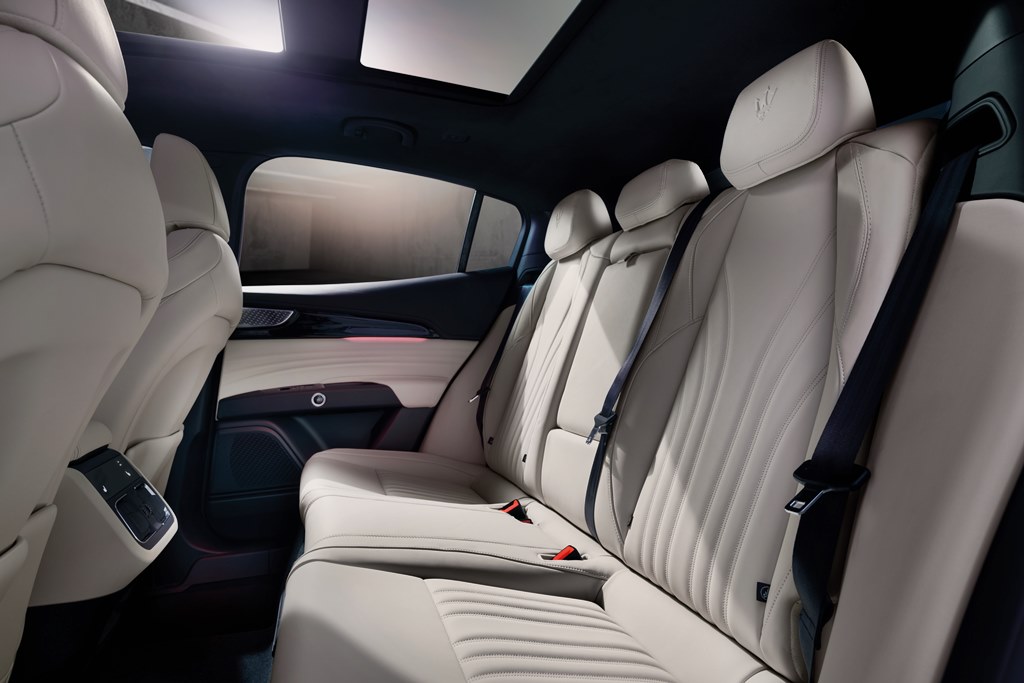
2022 Maserati Grecale

For those who expect a luxury model to have superlative audio quality, Maserati has worked with Italian specialist Sonus Faber to provide an immersive 3D sound system. The Sonus faber system comes with a high-frequency amplifier and 14 or 21 speakers with specific functionalities that illustrates Sonus faber’s natural sound thorough the use of natural materials.

Production will start in mid-2022 with first deliveries commencing during the second half of the year. Official pricing has not been revealed although the entry-level Grecale GT is rumoured to start from around £50,000 (about RM280,000) in the UK.
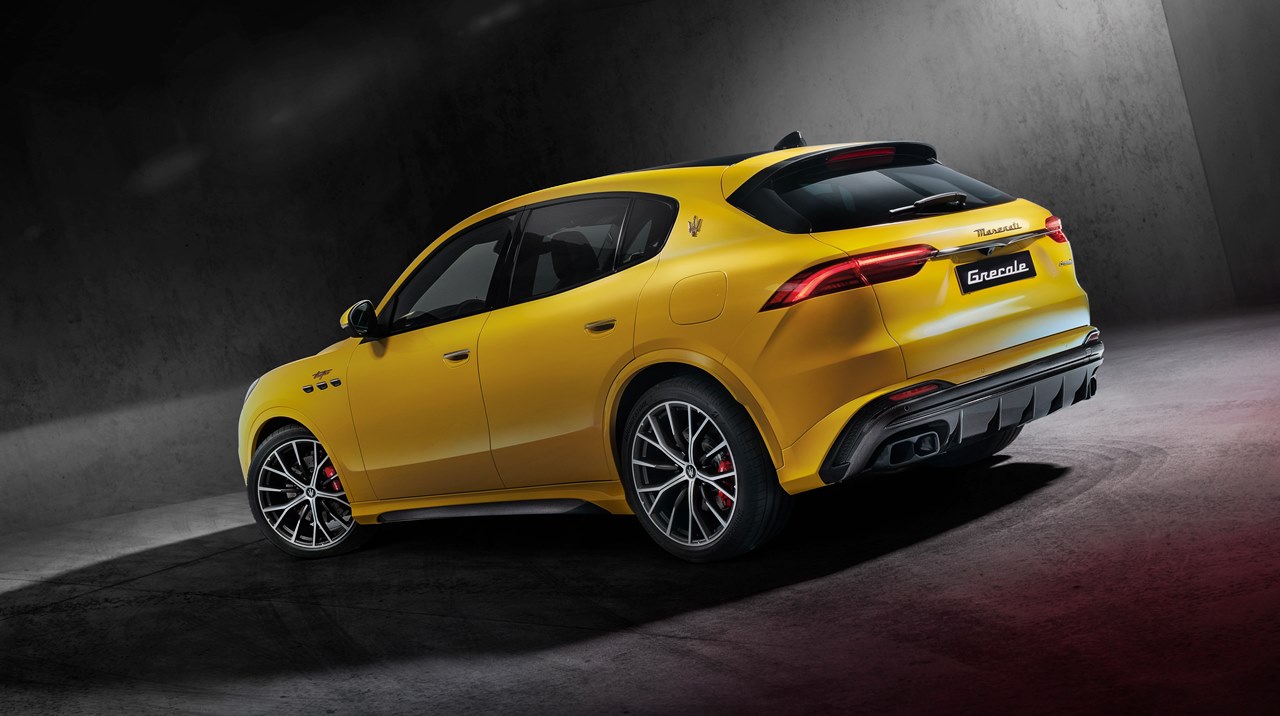
2022 Maserati Grecale

Maserati starts electrification journey with new Ghibli Hybrid
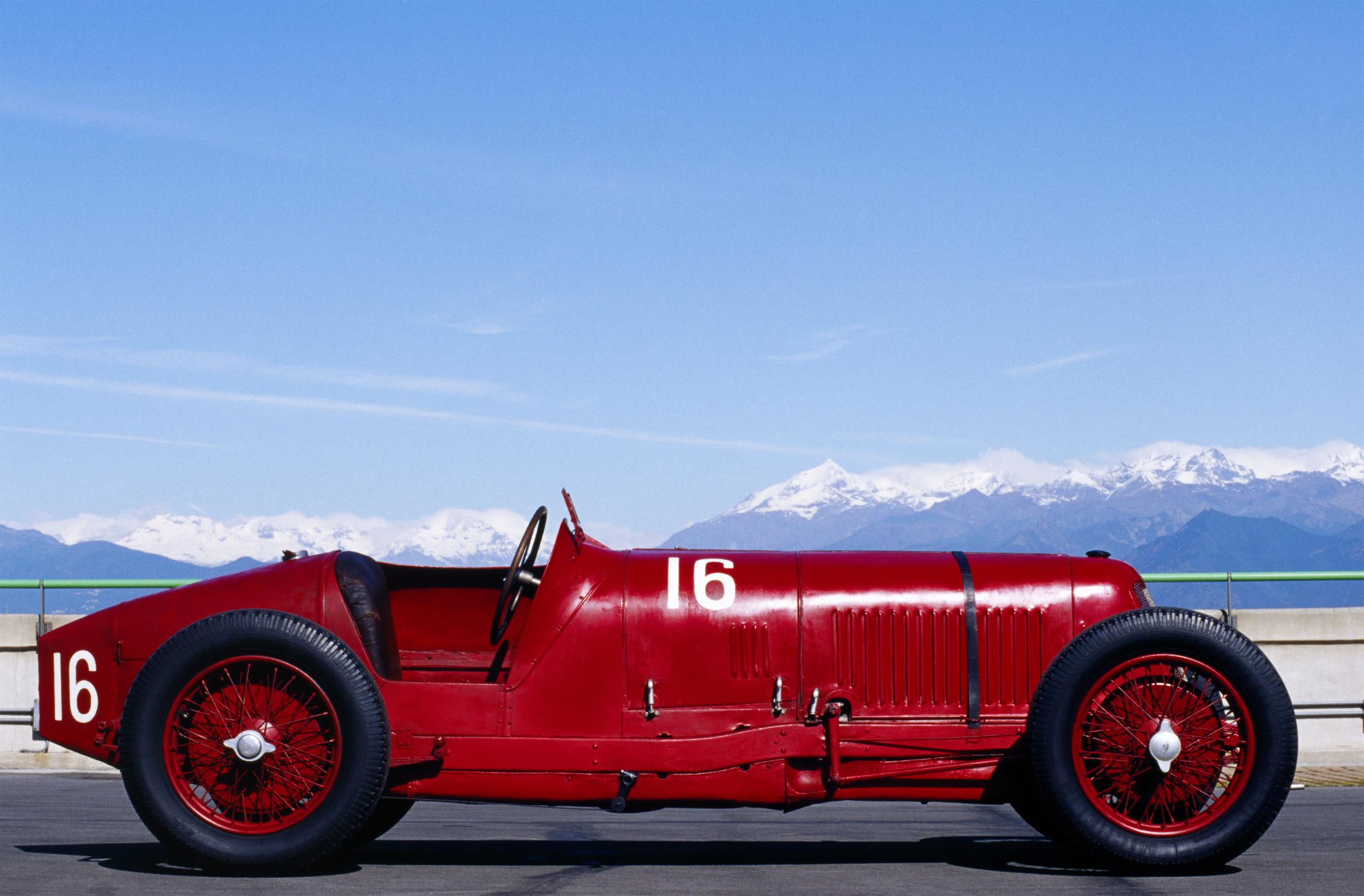
Like most Italian carmakers, Maserati has motorsport in its long history. Twelve years after its founding by the Maserati brothers, Alfieri, Ernesto and Ettore, the first racing car to bear the Trident logo was the Tipo 26 which was entered in the 1926 Targa Florio in Italy. It won first place in its class with Alfieri at the wheel.

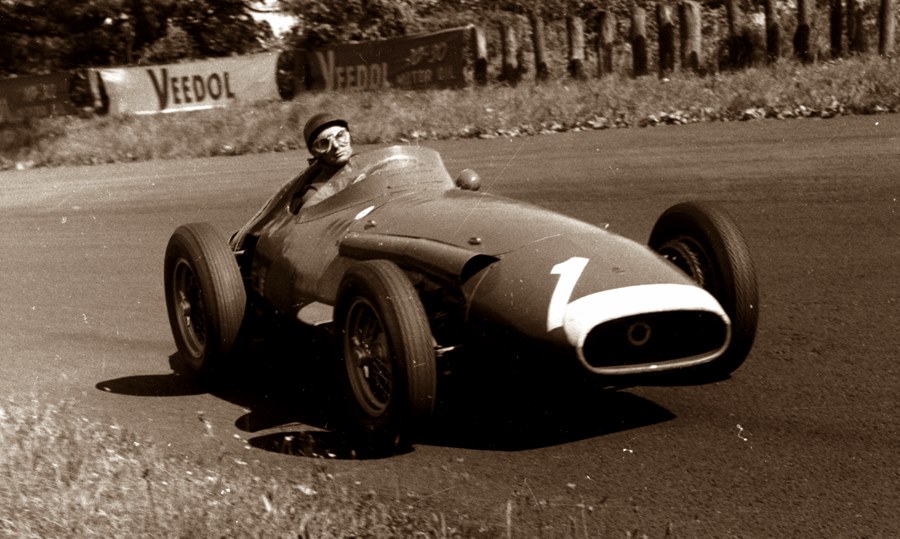
During the 1920s and 1930s, the Maserati garage built racing cars for sale all over the world, while also producing road cars with the high performance demonstrated on the racetracks. 31 years after Alfieri’s first victory, Juan Manuel Fangio won the Formula 1 World Championship with a Maserati in 1957. The last time Maserati entered a single-seater was with Maria Teresa De Filippis, the first woman to qualify in F1, who drove a 250F.

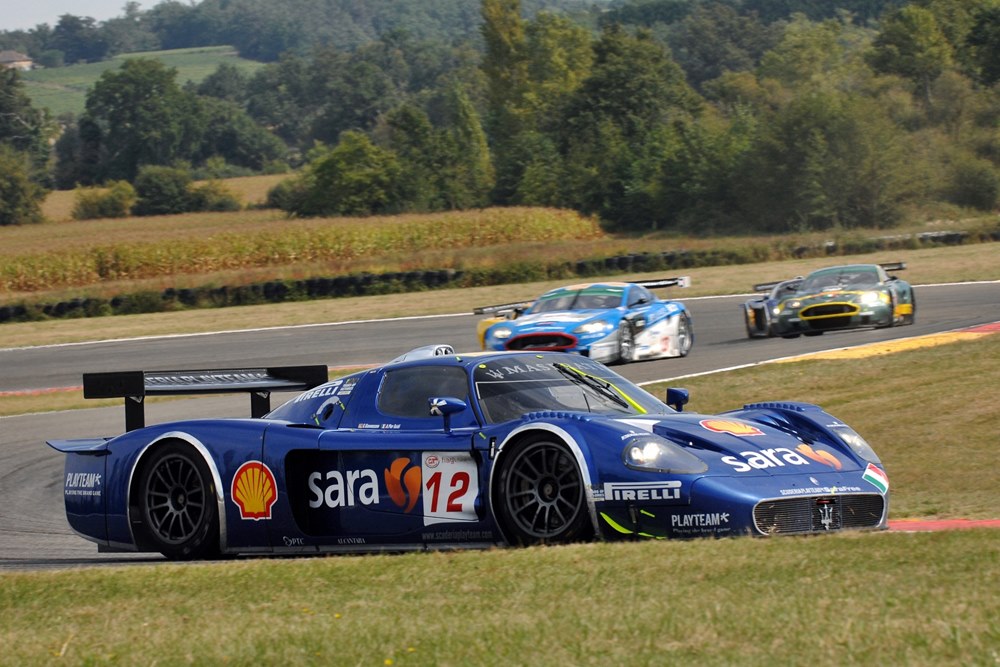
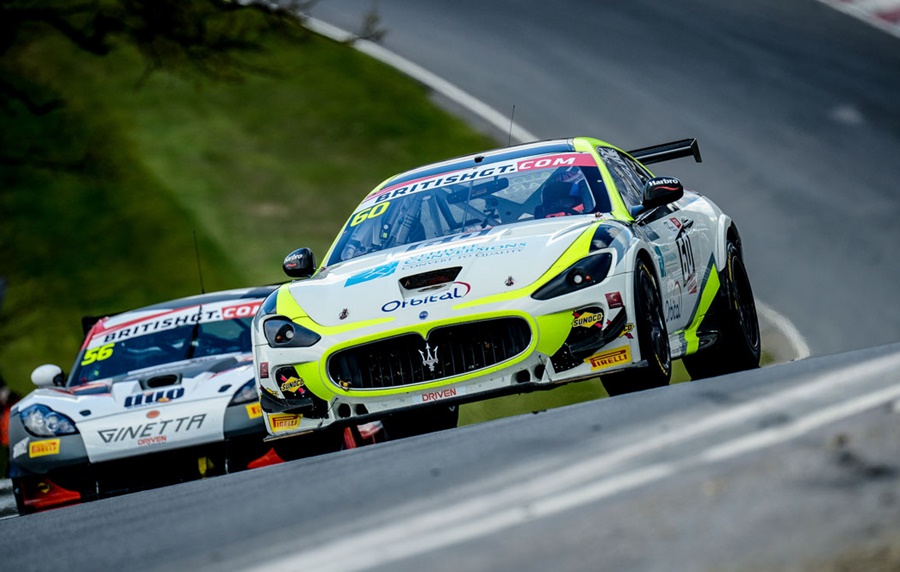
Maserati’s last appearance in racing was during the first decade of the 21st century with the MC12. Its teams won 22 races and 14 Championship titles across Constructors’ Championships, Drivers’ Championships and Teams’ Championships in the FIA GT from 2004 to 2010.

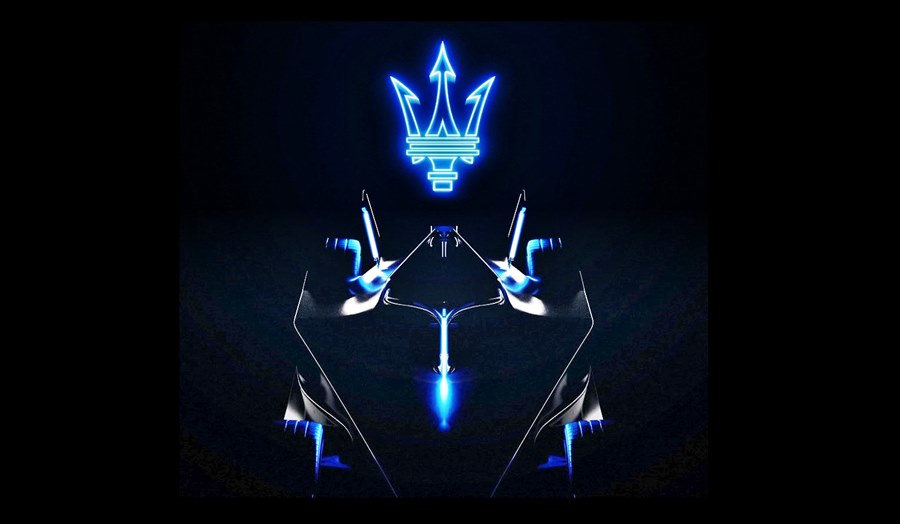
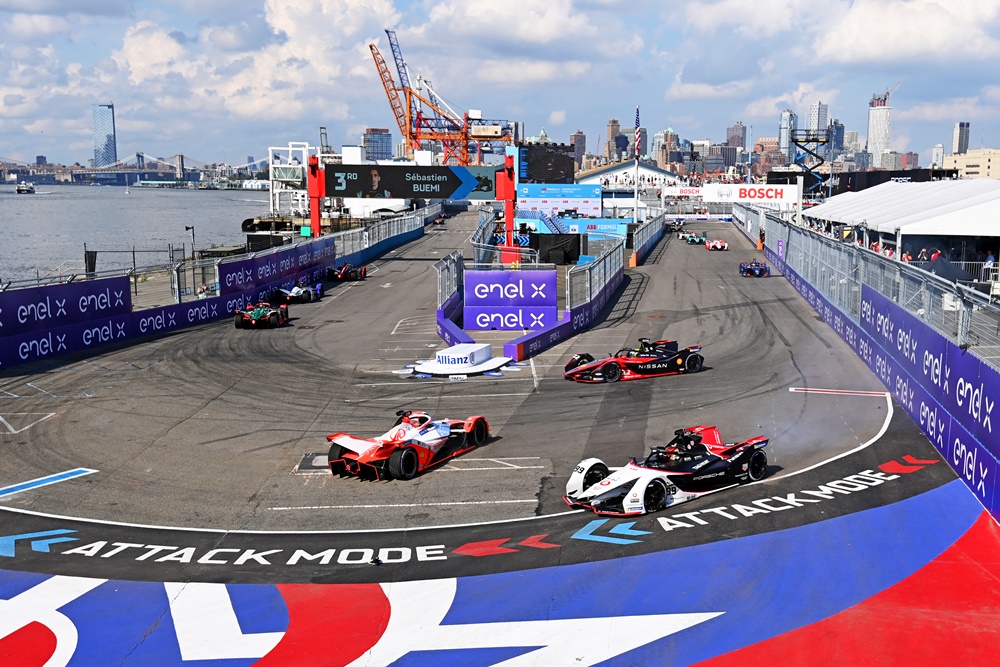
In 2023, the brand will again be seen on the starting grid of races as it joins the ABB FIA Formula E World Championship in 2023 for Season 9. It will be the first Italian brand to compete in Formula E, the all-electric single-seater world championship that will be the 8th season this year.

Maserati will be the second brand in the Stellantis Group to participate in Formula E, the other being DS from the Citroen affiliate which has been racing since 2018. The company’s racing team is now developing a new racing car which conforms to the Gen3 regulations which will see the fastest, lightest and most powerful Formula E racing car ever. The Gen3 is the world’s most efficient racing car featuring a series of industry-leading design, production and technological innovations.

Maserati’s entry into Formula E is in line with its move and commitment to electric mobility. This strategy will see the introduction of Folgore, a new sub-brand that will have a range of battery electric vehicles (BEVs). Folgore versions will be available for the Grecale, GranTurismo and GranCabrio, as well as the MC20.

“We are very proud to be back where we belong as protagonists in the world of racing. We are powered by passion and innovative by nature. We have a long history of world-class excellence in competition and we are ready to drive performance in the future. In the race for more performance, luxury, and innovation, Folgore is irresistible and it is the purest expression of Maserati. That’s why we decided to go back to racing in the ABB FIA Formula E World Championship, meeting our customers in the city centers of the world, taking the Trident forward into the future,” said Davide Grasso, CEO of Maserati.

Maserati’s confirmed entry is good news for the event’s organizers with Audi, BMW and Mercedes-Benz ending their participation. McLaren has also indicated its interest in taking part in Formula E but has not given details of when they might start. With the accelerating impetus of electrification, some other brands might also see it useful to be in Formula E to show their strengths in the EV field.

Since inception in 2014, Formula E has provided dramatic racing action on the streets of cities around the world such as New York, Monaco, Berlin, Mexico City, London and Rome. For manufacturers like Nissan, Porsche, NIO, Mahindra, Jaguar, DS, BMW, Mercedes-Benz and Audi, developing cars for racing has led to finding new solutions in increasing energy efficiency, enhancements in battery range and advances in powertrain development.

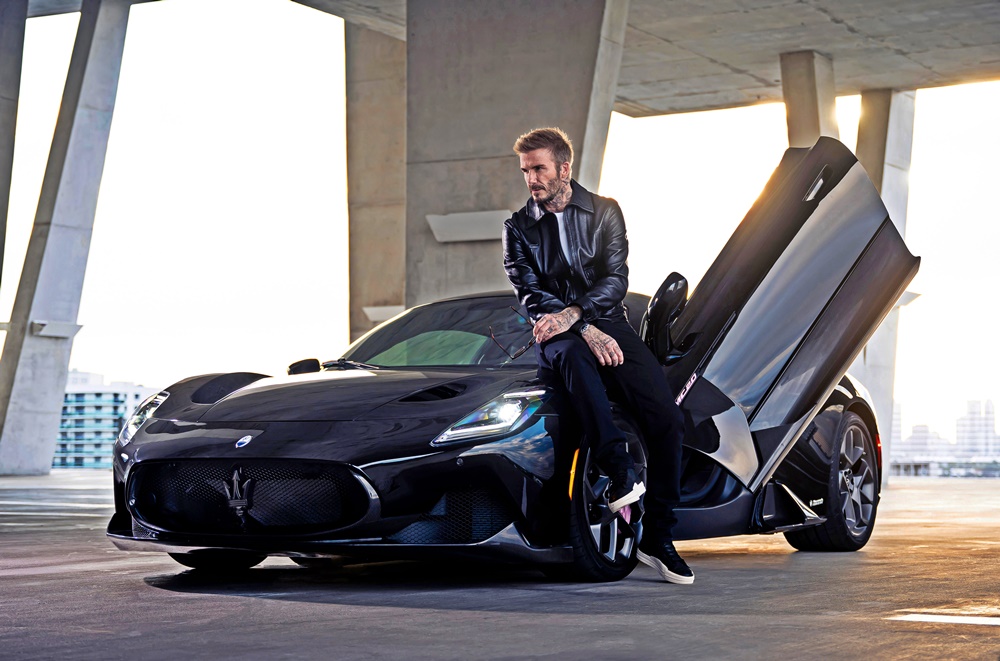
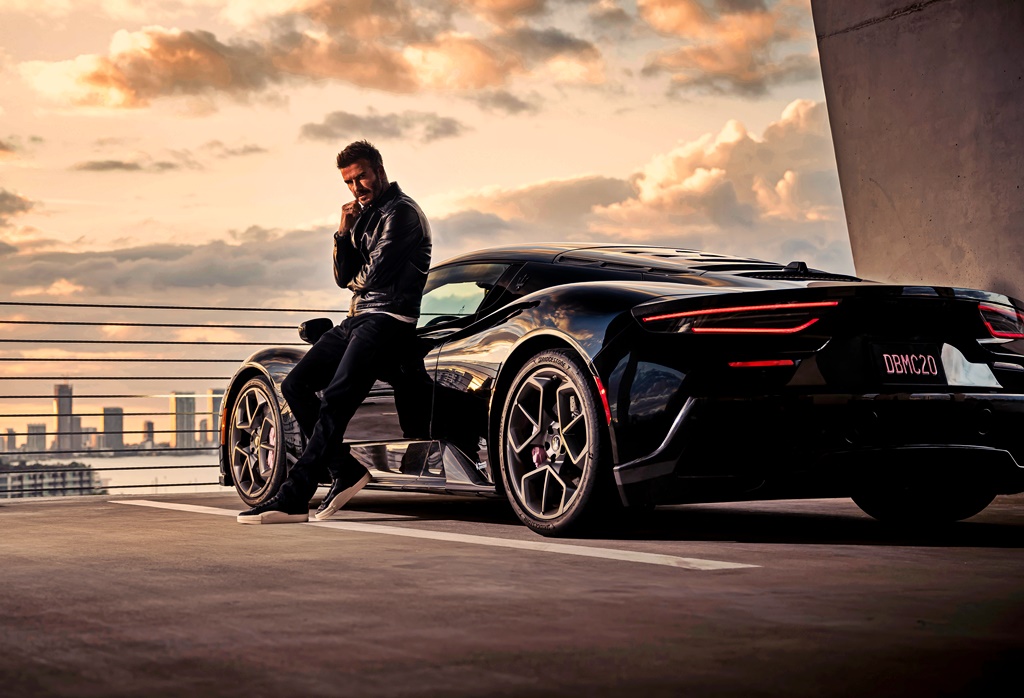
The Maserati’s MC20 Fuoriserie Edition for David Beckham is like a letter written to the city of Miami, home of Beckham’s football club in America. It began as part of the carmaker’s Fuoriserie customization program which allows customers to create a very personalised Maserati. In this case, the customer was the brand’s ambassador himself, who became a designer with the help of the Maserati Centro Stile.

At Maserati Fuoriserie, a car starts as a blank canvas and customers are offered an array of instruments to create with. The rest is left to the clients taste and inspiration, giving them the opportunity to set their own trends and express their personality.

After a personalized and collaborative design process, Beckham and the designers created the MC20 Fuoriserie Edition for David Beckham. This car translates true passion into a carbonfibre monocoque, entirely Made in Italy, and powered by a patented V6 petrol engine derived from Formula 1 technologies.

Maserati MC20 David Beckham Edition 2021

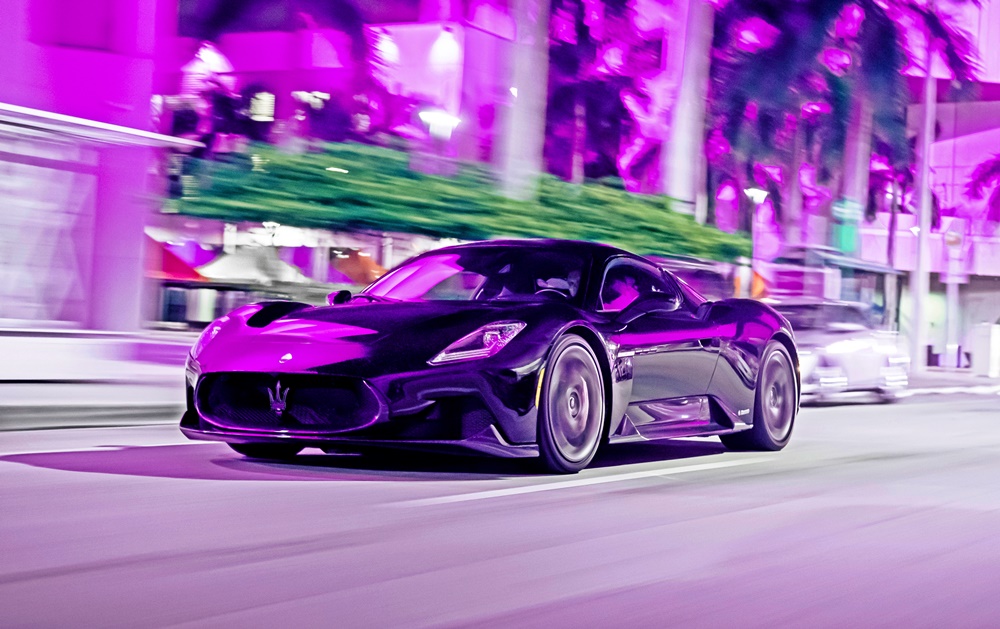
The end result of this very personal sportscar is black and pink, a chromatic dichotomy, as well as the interplay between glossy and matt surfaces. The team colours are black and pink, and the team uniforms are characterized by contrasting glossy-matt treatments.

Starting from this as an inspiration, the bodywork features a glossy black tone which contrasts with the Trident logos on the grille and on the C-pillar, in black, but with an opaque finish. The Maserati lettering on the rear is also opaque, while the MC20 badge on the door is pastel pink, as are the Brembo brake calipers.

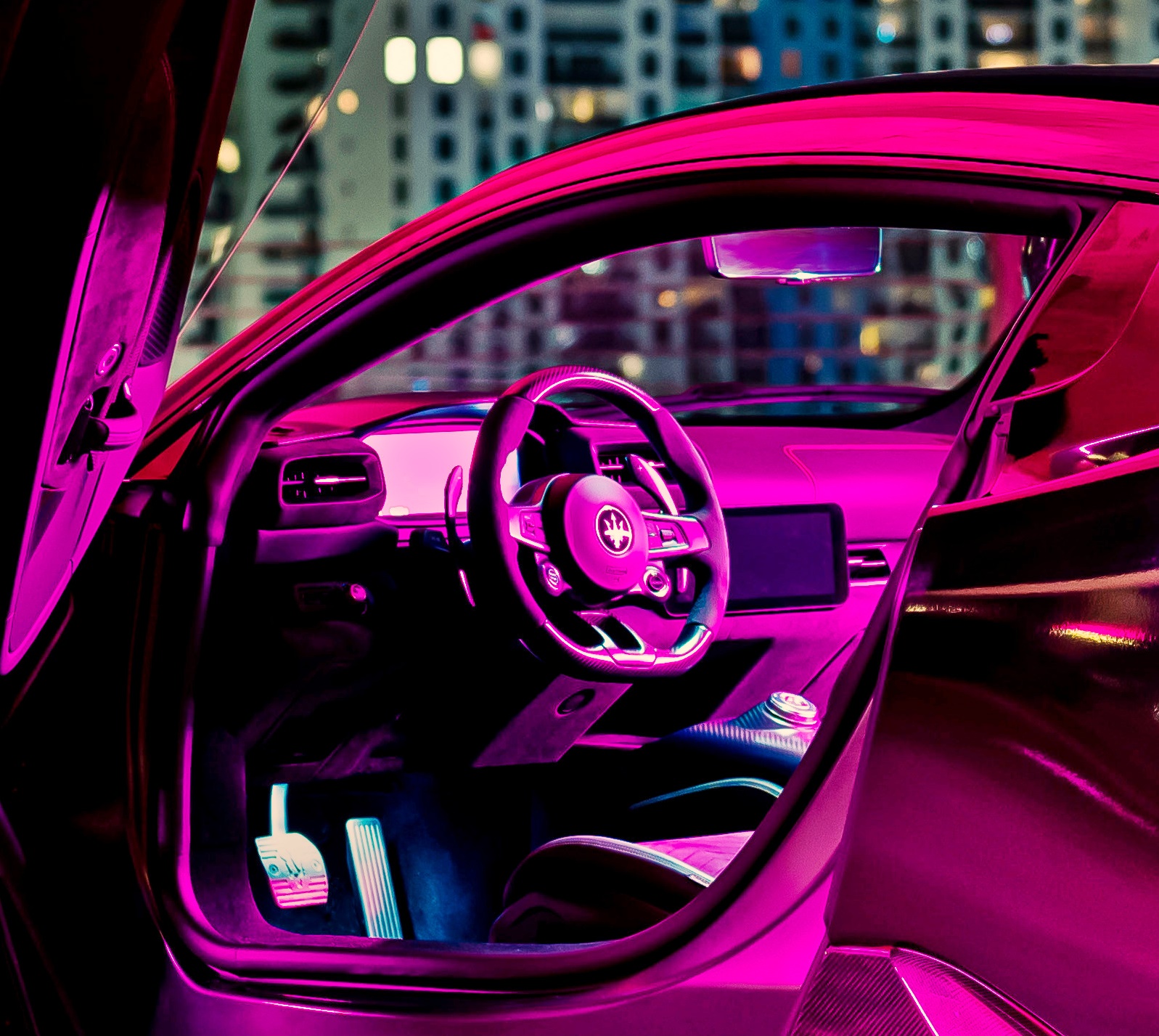
The interior, in leather and Alcantara, is black with contrast-stitching in pink. The backrests, in Alcantara, are worked with a tone-on-tone laser engraving method and the headrest features a 3-dimensional pastel pink embroidery.  In the centre tunnel between the two seats is a personalized nameplate with a glossy-matte effect. At the top, next to the Trident, the Maserati Fuoriserie lettering is pastel pink, at the bottom are the italics ‘For David’ which appears with an aluminium effect.

Maserati MC20 David Beckham Edition 2021

Maserati MC20 David Beckham Edition 2021

“As car designers, our mission is to offer a holistic experience. This value guides our Brand’s stylistic research, making each Maserati uniquely recognizable. Our customization program is another example of our brand’s goal to create singular experiences for our customers: Maserati Fuoriserie is a blank canvas, on which Maserati clients can write their own stories and unleash their creativity, making their dreams come true,” said Klaus Busse, Head of Maserati Design.

“Designing this special edition MC20 with David, as with all our Fuoriserie projects, is also an ode to the Brand’s past, taking us back to a time when every car was hand-built to the client’s requests, giving life to a one-off, a true ‘fuoriserie’,” he explained.

“I have always been a car enthusiast, so to be part of designing and creating my MC20 through the Fuoriserie customisation programme has been an amazing experience. Cars are about individual taste whether it’s the model, colour or small personal details on the inside. It has been incredible to collaborate with the Maserati team and designers to create this one-off car that is inspired by my second home, Miami and my football club there. It is a joy to be behind the wheel,” said Beckham.

Maserati MC20 David Beckham Edition 2021

Maserati Levante SUV gets hybrid variant

Electrification is unavoidable for carmakers as regulations tighten on exhaust emissions and even the reluctant ones have to at least go the hybrid route, if not full electric. Maserati, with its small range, has chosen the hybrid route which started with the mild hybrid Ghibli saloon last year and now extends to include its first hybrid SUV, the Levante Hybrid.

Unveiled at the Shanghai Auto Show (and online for the rest of the world) the Italian brand’s first electrified SUV offers new performance characteristics that are ‘Faster. Greener. Unique’, as its advertising tagline goes.

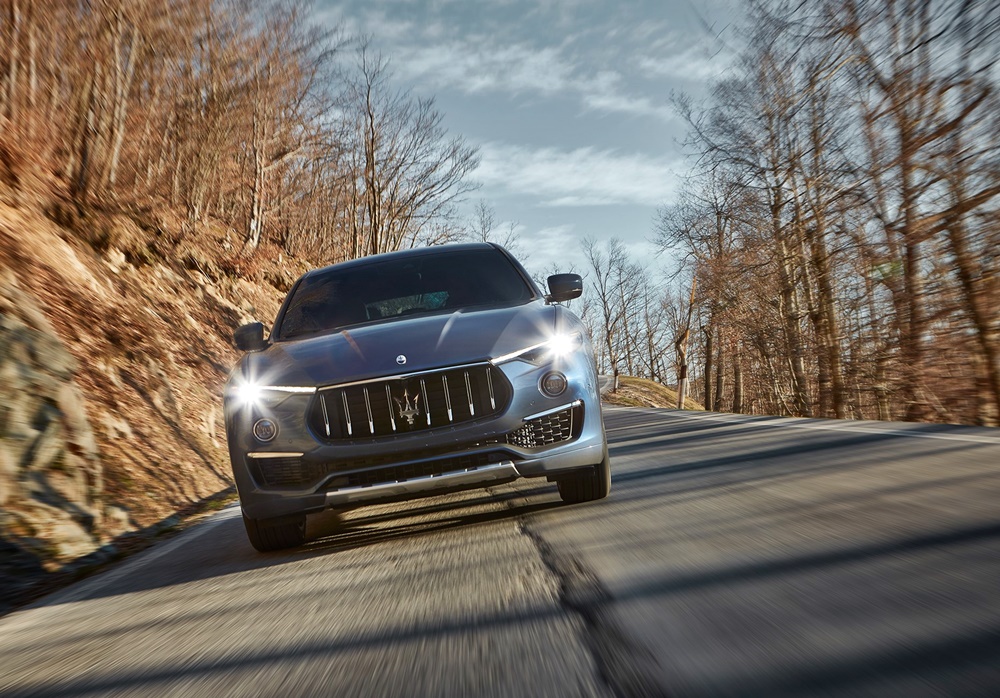
2021 Maserati Levante Hybrid

48V mild hybrid system
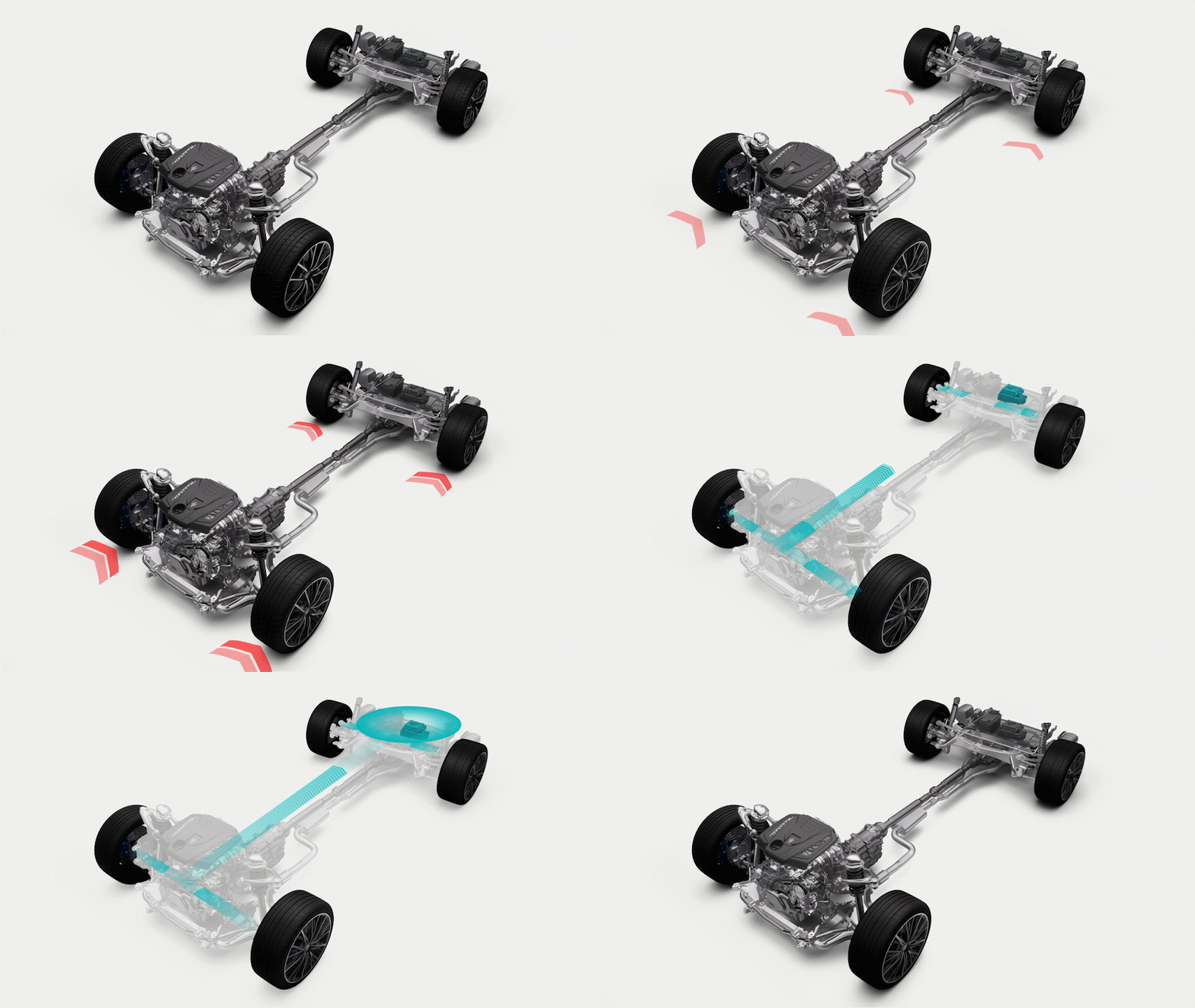
Like the Ghibli Hybrid, the Levante Hybrid combines the 4-cylinder, 2-litre turbocharged engine with a 48-volt hybrid system to recover energy during deceleration and braking. The SUV weighs less than the 6-cylinder engine equivalent (both diesel and petrol) and, above all, has an even better weight distribution since the heavy battery pack is placed in the rear to optimally balance the masses of the vehicle.

Maximum power output of the powertrain is 330 ps, with maximum torque of 450 Nm that is available from 2250 rpm. Factory data on the performance, which is available only with all-wheel drive, shows a top speed of 240 km/h and acceleration from 0 to 100 km/h in 6 seconds.

2021 Maserati Levante Hybrid

Blue shade for hybrids
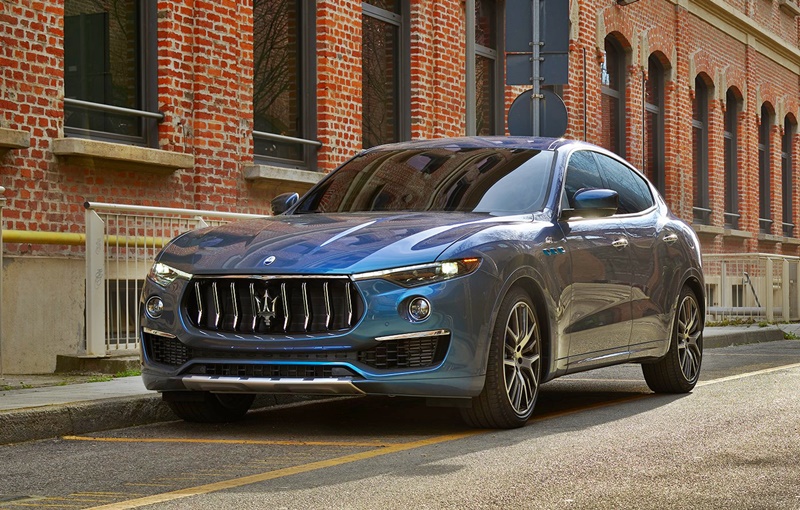
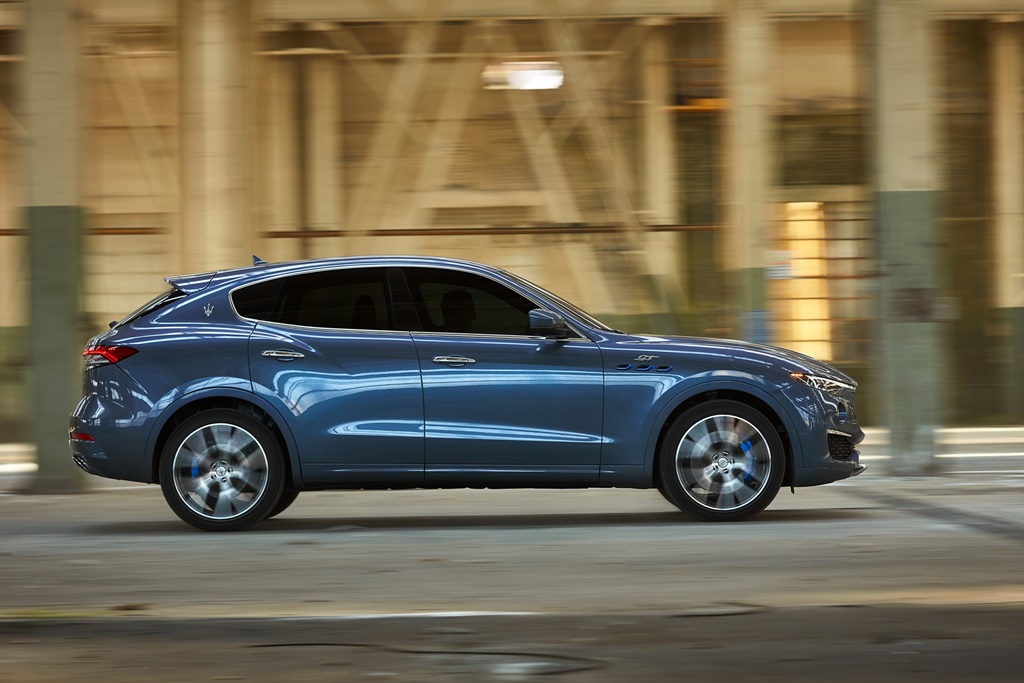
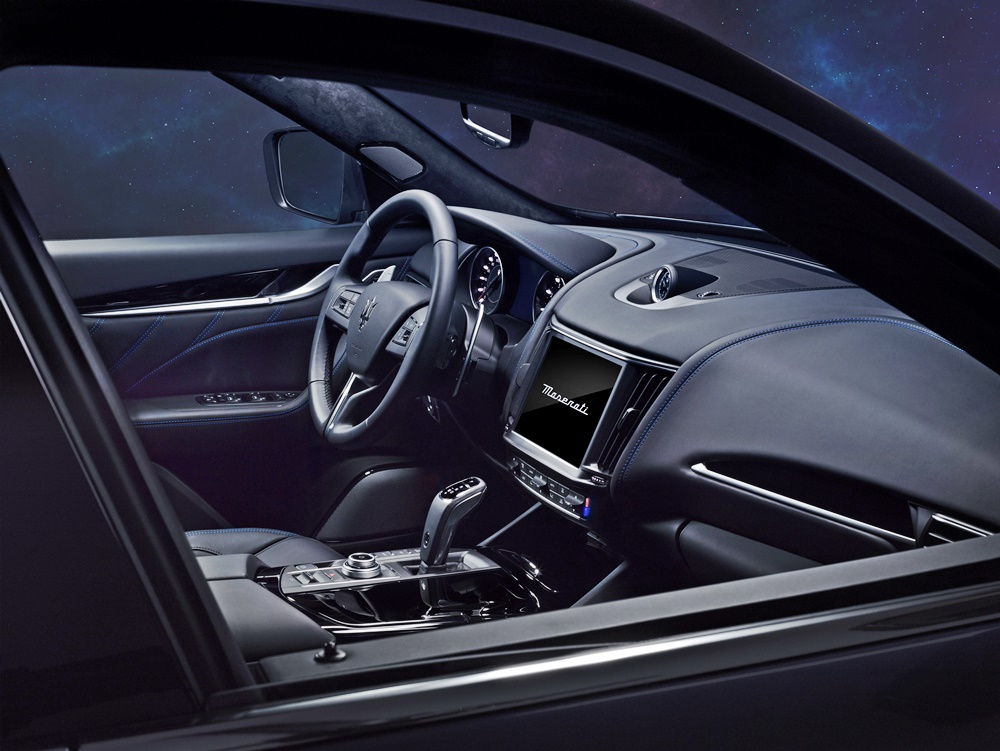
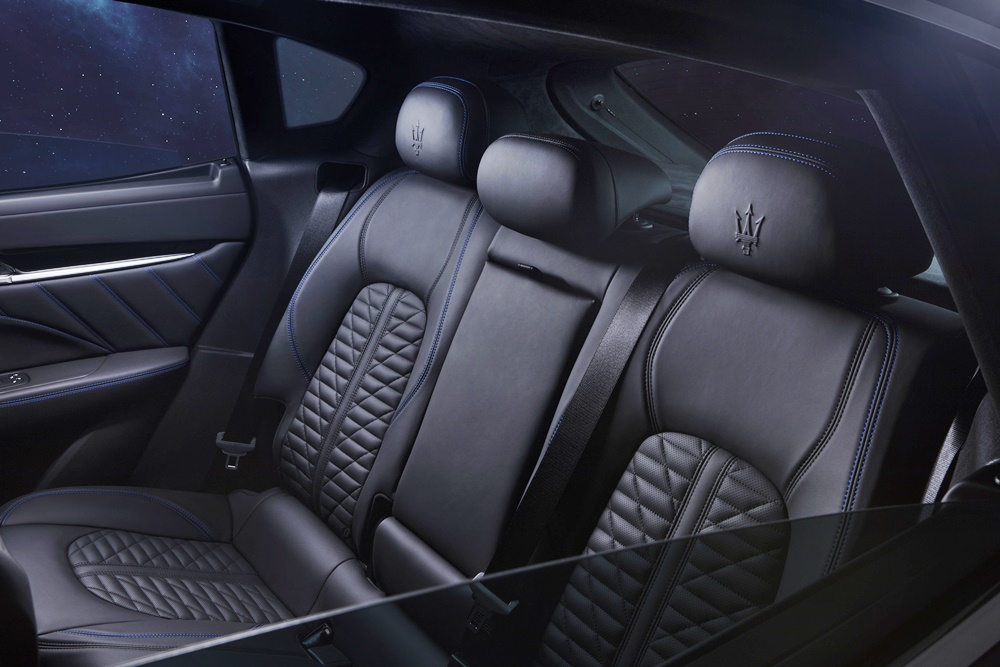
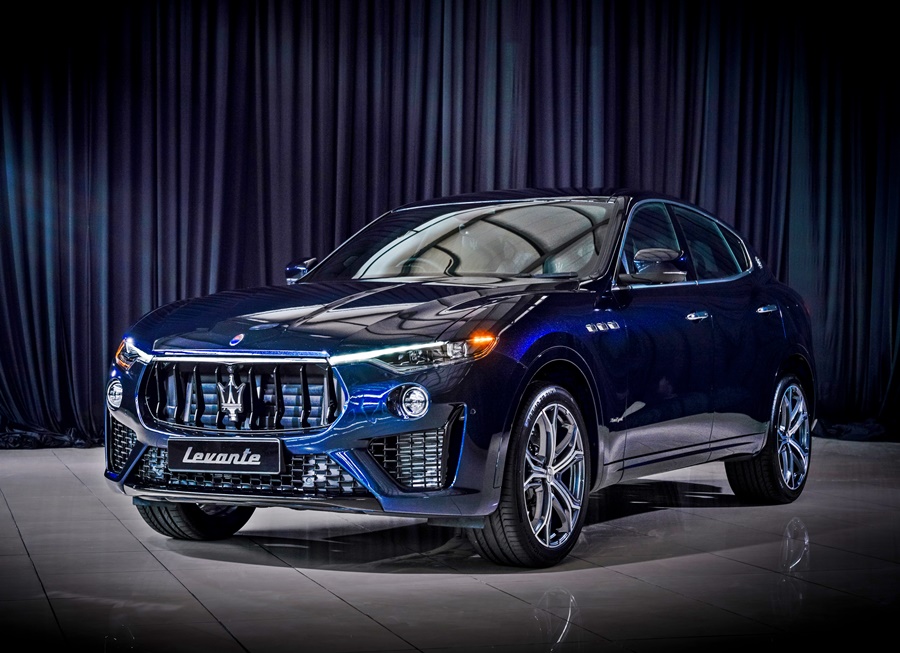
In terms of appearance, the Levante Hybrid launch version is characterised by a new metallic tri-coat colour called Azzurro Astro, available as part of the brand’s customisation programme, Maserati Fuoriserie. Other exterior and interior details contribute to this car’s immediately recognisable design; some are in blue, the shade chosen to identify hybrid cars, already used by Maserati on Ghibli Hybrid.

On the exterior, blue characterises the three iconic side air ducts, the brake calipers and the C-pillar logo. The same blue shade reappears inside the car, specifically on the embroidered seams of the seats.

2021 Maserati Levante Hybrid

2021 Maserati Levante Hybrid

2021 Maserati Levante Hybrid

New Maserati Connect program
The SUV remains connected at all times, enabling monitoring of the vehicle’s ‘health’. The new  Maserati Connect system will alert the driver when a scheduled service is due, adding convenience to the ownership experience. With a Smartphone or Smartwatch, the driver can stay in contact with their vehicle via the Maserati Connect App (also possible via their virtual personal assistant  with Amazon Alexa or Google Assist).

2021 Maserati Levante Hybrid

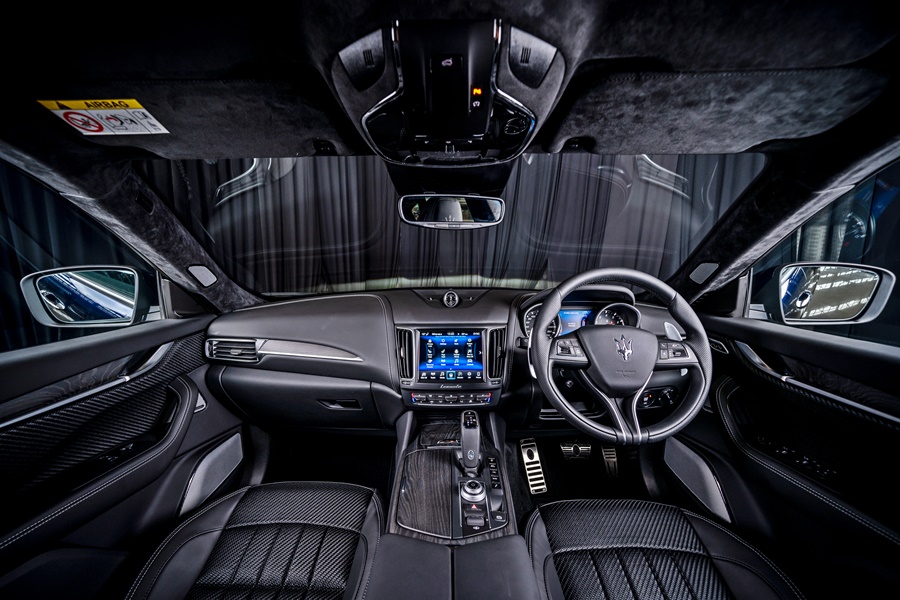
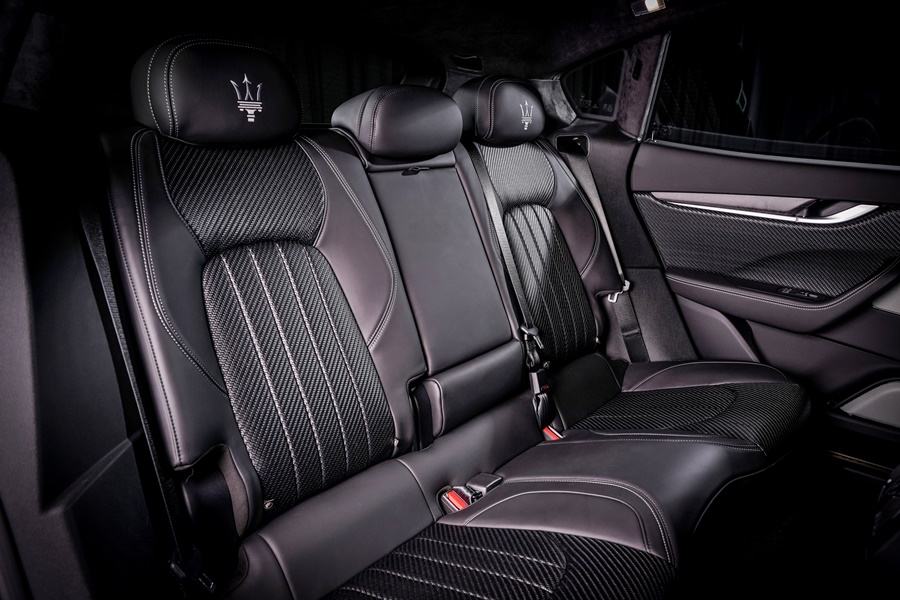
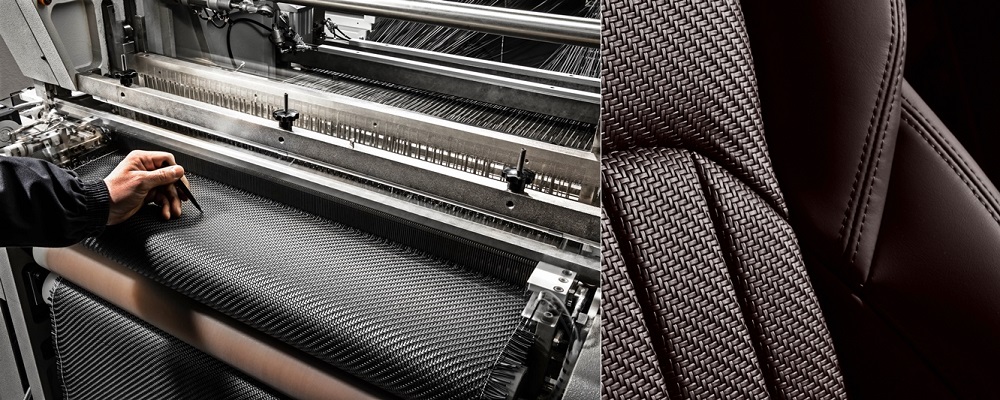
Five units of a special edition of the Maserati Levante are now available in Malaysia, priced from RM838,800 (inclusive of local taxes and duties). They are the Levante S GranSport featuring Ermenegildo Zegna interior with PELLETSSUTA, a woven leather textile made exclusively for selected Maserati vehicles.

This collaboration between the two iconic Italian brands is not new, given their shared passion for traditional craftsmanship as well as innovative design ideas. Born of old-world Italian traditions and today’s innovative technology, PELLETESSUTA is a result of years of research. It is a development that ingeniously uses thin Nappa leather strips, replacing conventional fabric yarn. The traditional method of weaving is still adhered to, creating create an ultra-luxurious ‘fabric’ that is lightweight, soft and enduring.

2021 Maserati Levante S GranSport Ermenegildo Zegna

For the first time in the history of Maserati-Zegna partnership, the customisation has been extended to also include the GranSport trims of the Maserati range, expanding the possibilities for personalisation.

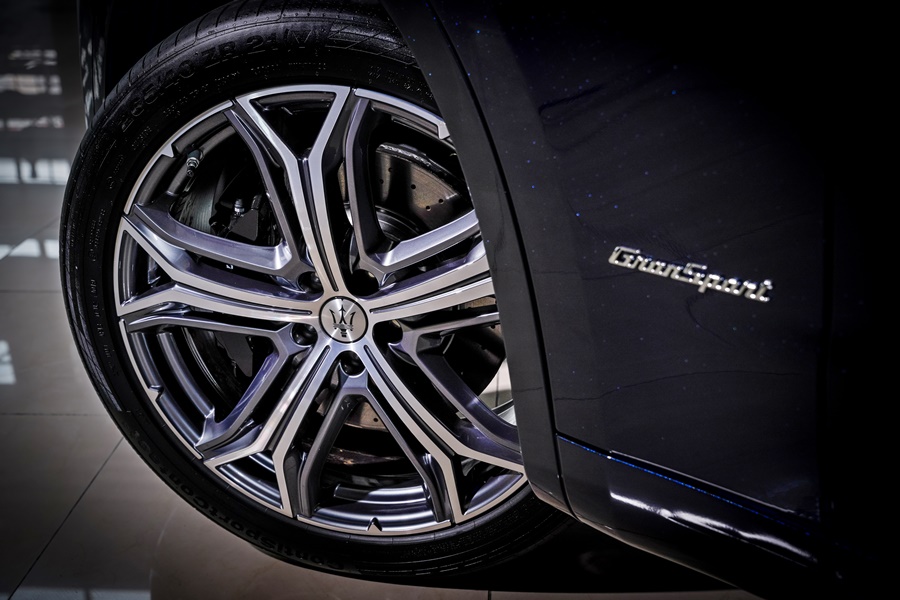
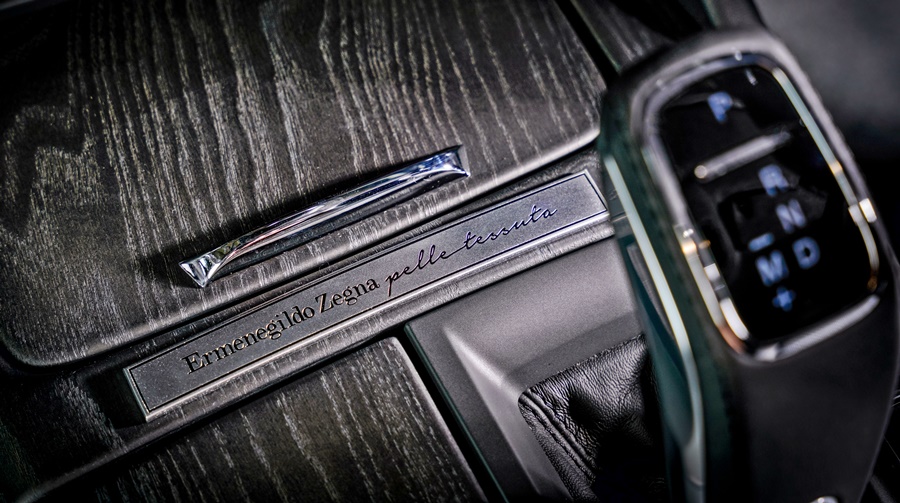
Besides the black PELLETESSUTA interior, there is also exclusive Radica wood trim with the words ‘Ermenegildo Zegna PELLETESSUTA’, black brake calipers; and 21-inch polished Helios rims. The special edition Levante S GranSport also has an exclusive bronzo tri-coat exterior colour, or as an alternative, a Blue Nobile tri-coat paint as well.

2021 Maserati Levante S GranSport Ermenegildo Zegna

2021 Maserati Levante S GranSport Ermenegildo Zegna

“Like Maserati, the PELLETESSUTA by Ermenegildo Zegna combines new avant-garde technologies with century-old craftmanship to create innovation. It comes to life in the Maserati Levante S GranSport to heighten the experience for both driver and passenger, while exquisitely complementing its luxurious, race-inspired performance,” said Datuk Nik Hamdan Nik Hassan, Group CEO, Automotive Group, Naza Corporation Holdings.

2021 Maserati Levante S GranSport Ermenegildo Zegna

2021 Maserati Levante S GranSport Ermenegildo Zegna

Maserati Malaysia (Naza Italia) offers each of the 5 units with 3 years of Standard Warranty coverage with no mileage restriction. There is also a Free maintenance programme of 3 years or 60,000 kms (whichever comes first), inclusive of Maserati Premium Service Plus.

MC20 – the all-new supercar that begins a new era for Maserati

The last time Maserati had a true supercar was 15 years ago and that was the MC12 (which was largely a Ferrari Enzo derivative). Since then, its range has been aging and declining sales have diminished revenues to fund new product development. But the downhill slide has been arrested and the Italian brand with a history of over 100 years is preparing for a renaissance with an all-new model – the MC20.

All-new engine by Maserati
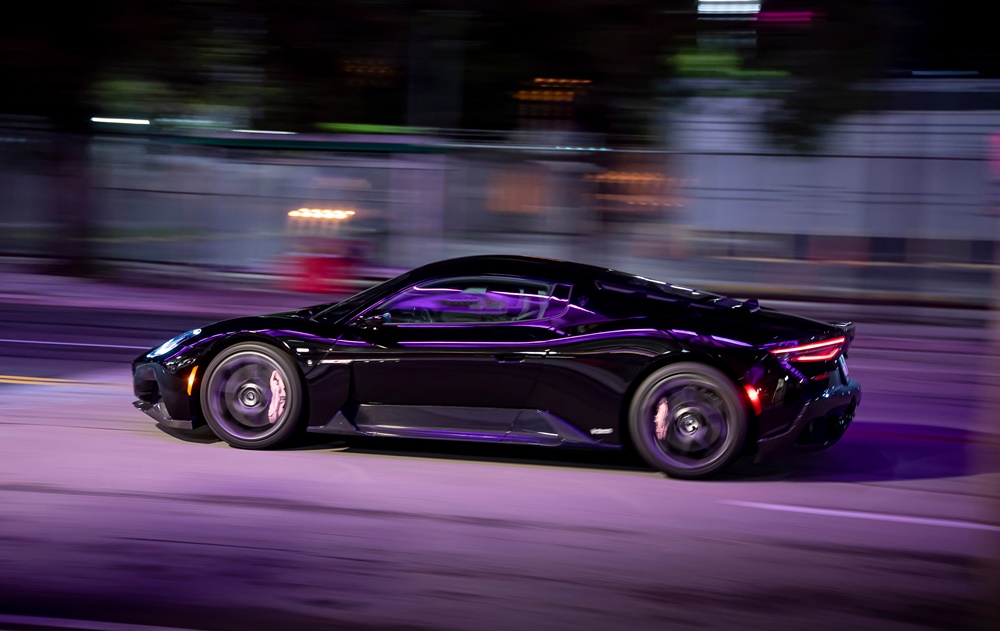
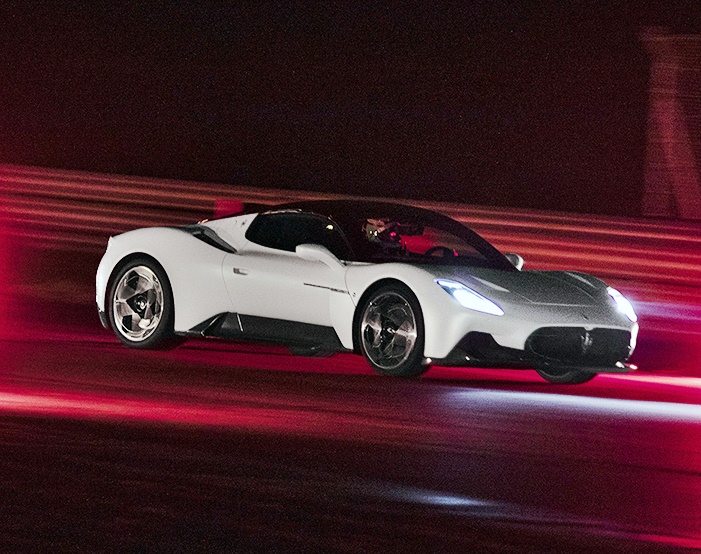
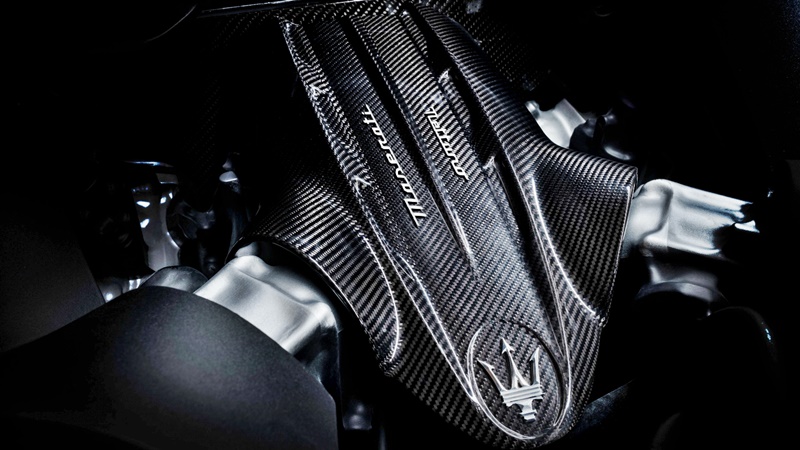
Unlike the MC12, the new MC20 (which stands for ‘Maserati Corse’ and ‘2020’) has been developed almost entirely by Maserati and this includes its engine, which it also makes in-house. The 3-litre 90-degree V6 engine, called Nettuno, is a brand new power unit which generates 630 bhp – coincidentally almost the same as what the MC12 produced. However, this output, along with 730 Nm of torque has been achieved with half the number of cylinders and cubic centimetres.

2021 Maserati MC20

The achievement is due in a large part to using twin turbochargers as well as Maserati Twin Combustion (MTC), an approach which increases combustion efficiency by using a pre-combustion chamber with twin spark plugs. The concept has so far been used only in F1 engines so this is another example of F1 technology being transferred to a road car.

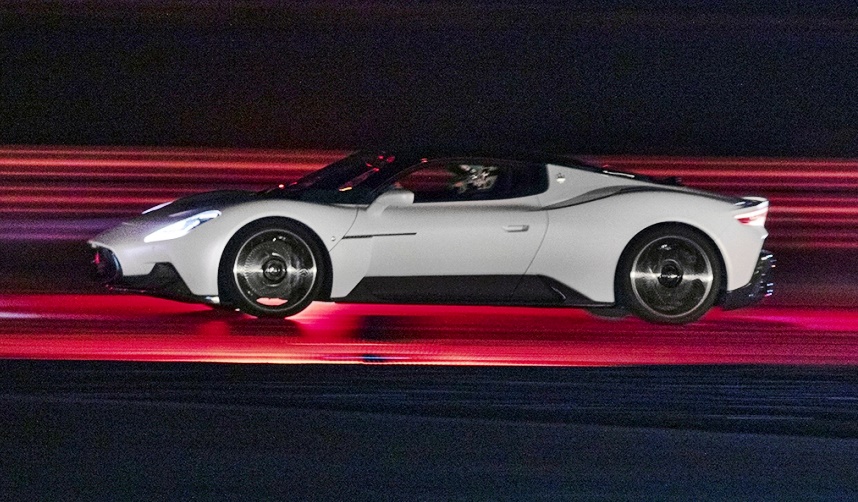
Power delivery to the rear wheels passes through an 8-speed, dual-clutch transmission and a mechanically locking rear differential (an electronic differential is available as an option). From the moment the power is transferred to the road, it takes a claimed 2.9 seconds to reach 100 km/h, another 5.9 seconds to go past 200 km/h and top out at 325 km/h.

If the driver cares about fuel consumption at all, the claimed figure for lowest consumption is 10.4 kms/litre but most drivers would probably be burning fuel from the 60-litre tank at around 5 kms/litre.

BHPetrol RON95 Euro4M

Electrification-ready platform
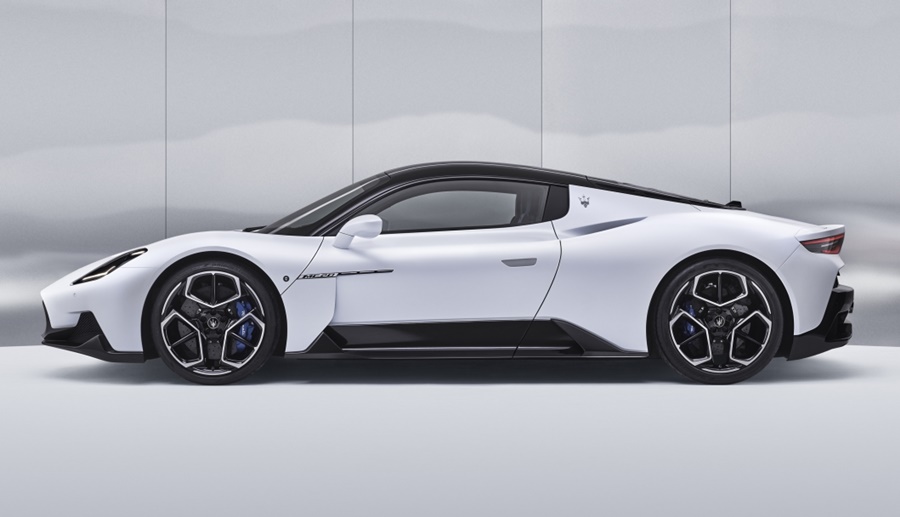
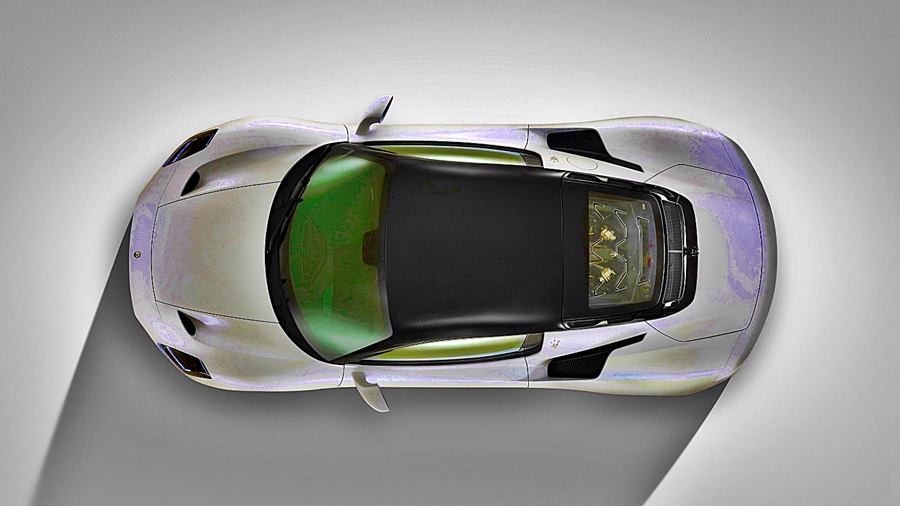
The 1,500 kg MC20 has a carbonfibre monocoque tub enclosed by a lightweight carbonfibre and aluminium coupe bodystyle which will, in due course, be accompanied by a convertible. The platform is also ready for electrification in future (probably in 2022) without requiring much structural alteration.

2021 Maserati MC20

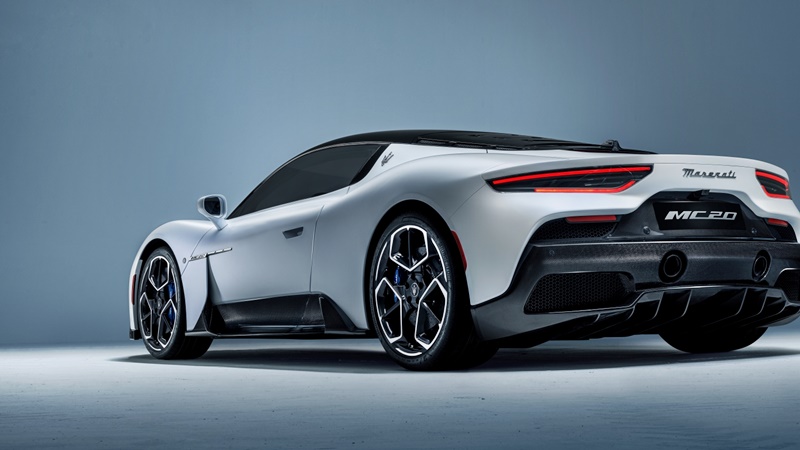
Aerodynamic efficiency was given a lot of attention and over 2,000 man-hours were spent in the wind tunnel with specialists from Dallara (the racing car team) refining and optimising the shape. More than a thousand Computational Fluid Dynamics simulations were also done and the resulting car has a sleek 0.38 Cd profile, with no mobile appendages. Only a discreet rear spoiler projects from the otherwise clean surfacing, providing the necessary downforce at high speeds.

2021 Maserati MC20

Cabin designed for sporty experience
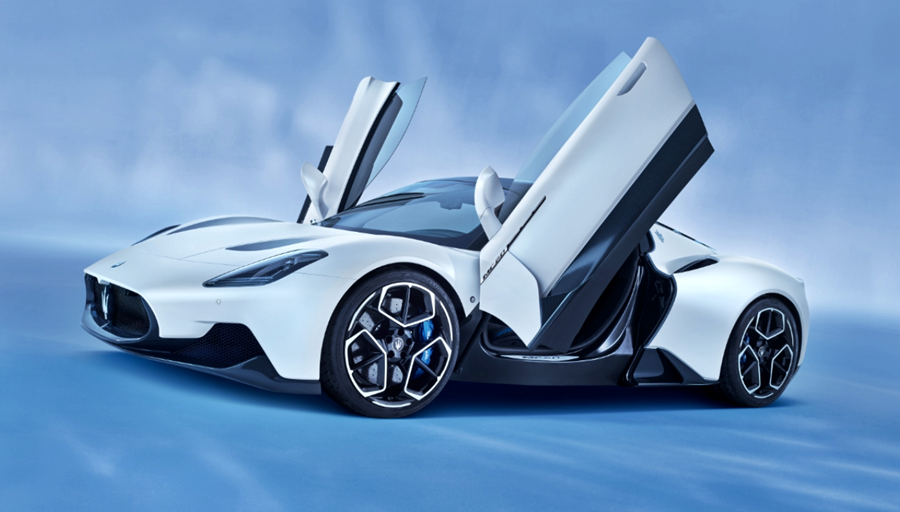
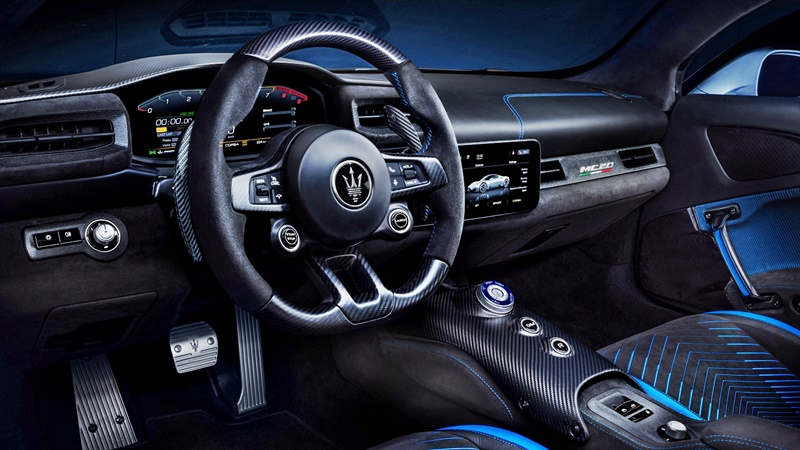
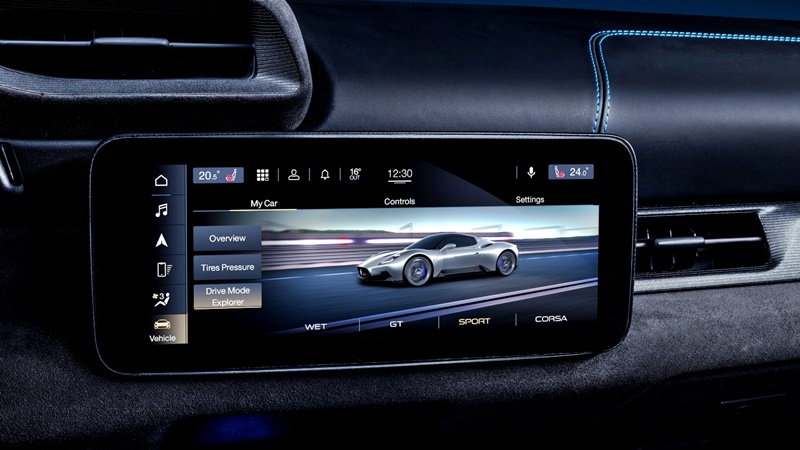
The 2-seat cabin, accessed through ‘butterfly’ doors, is configured for sporty driving with the driver as the central element. A conscious effort has been made to keep everything simple and clean to minimise distractions. However, the driver is kept fully informed of what the car is doing at all times with two 10-inch screens that also enable management of functions.

2021 Maserati MC20

2021 Maserati MC20

2021 Maserati MC20

2021 Maserati MC20

Simplicity is also evident in the carbonfibre-clad central console, which minimal features – a wireless smartphone charger pad, selector for 5 driving modes, 2 speed selection buttons, power window controls, Multimedia System controls, and a storage compartment. All other controls are on the steering wheel, with the ignition button on the left and the launch control on the right.

To stay connected to the outside world, the MC20 comes with the Maserati Connect program. This offers a full range of services that include connected navigation, Alexa and wifi hotspot. Maserati provides an app for interfacing with a smartphone or smartwatch.

2021 Maserati MC20

At launch, Maserati offers 6 colours to characterise the MC20: Bianco Audace, Giallo Genio, Rosso Vincente, Blu Infinito, Nero Enigma and Grigio Mistero. Each of them has been conceived exclusively for the new model with themes that relate to Maserati and Italy.

Return to motorsport
Both visually and conceptually, there are strong references to the MC12. In the same way as its predecessor, the MC20 is an indication of the brand’s return to motorsport. It will be built at Maserati’s plant where its cars have been built for more than 80 years.

2021 Maserati MC20

A new production line, created in the spaces where the GranTurismo and GranCabrio models were assembled until November 2019, will now be for the MC20. The site also has a new paintshop incorporating innovative, environment-friendly technologies. The Nettuno will also be built in Modena, at the newly established Maserati Engine Lab.

More accessible than the MC12
Only 50 units of the MC12 were ever made and they were very expensive. The MC20, however, will be available in larger numbers and at a more accessible price. Production starts at the end of this year with orders are now being accepted.

2021 Maserati MC 20

The launch of the MC20 marks the beginning of the new era for the company that has been involved in automobiles since the beginning of the last century. Part of a long-term plan to return to greatness, especially in the performance segment, it should gain prominence with a secure future in the FCA Group.

Maserati allows the world to look inside its top secret Innovation Lab

Social distance

PISTON.MY

BHPetrol RON95 Euro4M

Although Maserati, being at the upper end of the market, has a niche for itself where the character of its cars (and also a SUV) have long been appreciated, it cannot ignore the fact that the automotive world is electrifying. As with SUVs, virtually every brand has or is developing electrically-powered or hybrid models that are the future and Maserati too has an electrification plan for its products.

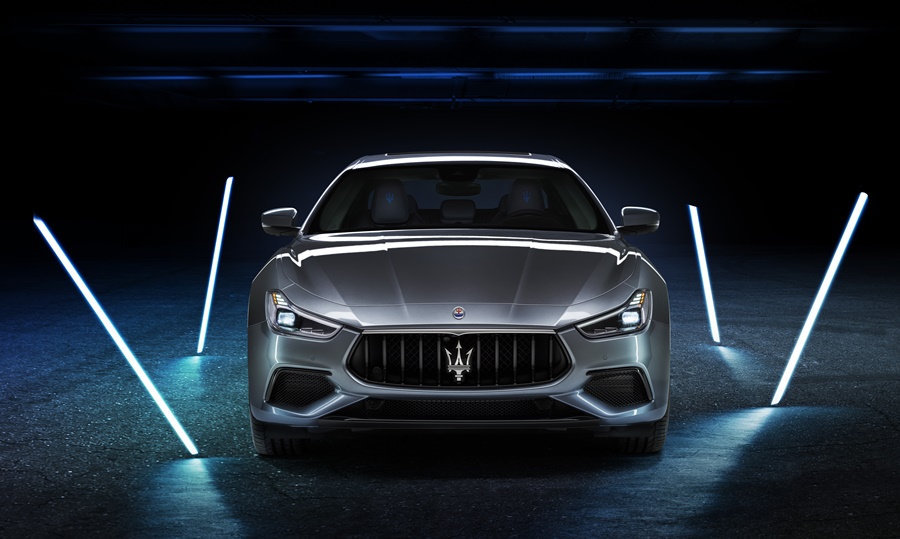
With the new Ghibli Hybrid, the Italian brand with the Trident as its emblem begins its journey of electrification. It represents one of the most ambitious projects for Maserati, another step forward in its new era following the announcement of the new engine for the MC20 super sportscar.

2020 Maserati Ghibli Hybrid

The choice of the Ghibli to receive a hybrid powertrain is no coincidence. This model, with over 100,000 units produced since its launch in 2013, is said to perfectly embody the manufacturer’s DNA.

Just as BMW, Porsche and Volvo could not release a SUV into the market until it had the brand DNA, it is the same for Maserati which has faced the challenge of entering the world of electrification without altering the brand’s core philosophy and values.

2020 Maserati Ghibli Hybrid

The result? The best possible hybrid sedan the engineers can develop – with the character of a Maserati and that includes the unmistakeable sound (thanks to special resonators). The arrival of the new Ghibli Hybrid thus expands the Maserati range with future-oriented technology.
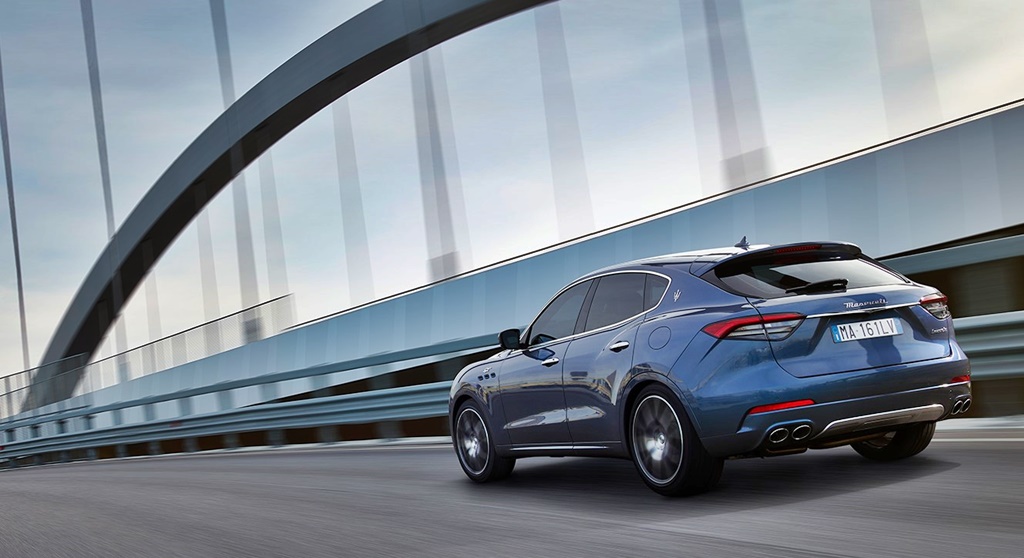
Hybrid-exclusive styling
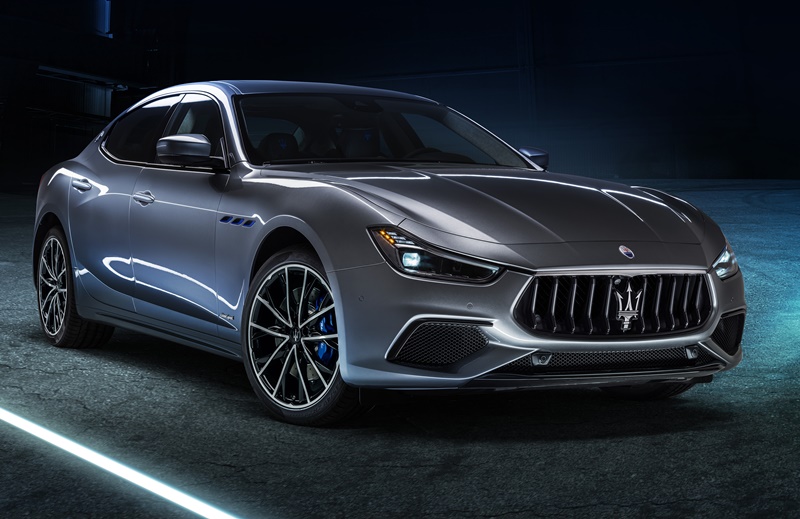
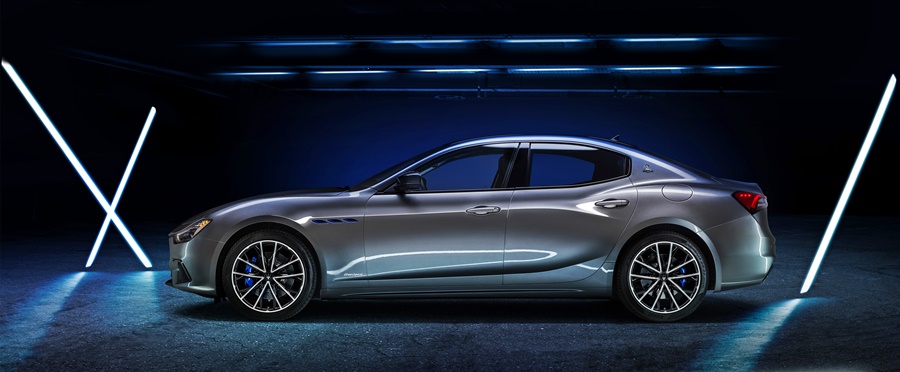
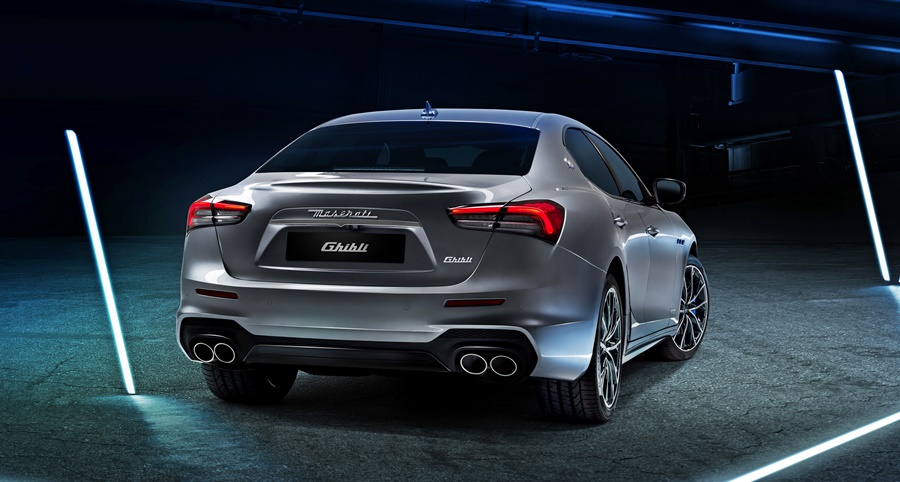
The Ghibli Hybrid is immediately recognisable with different styling for the hybrid that features a  different grille, with bars redesigned to represent a tuning fork (a musical device that emits a sound of extreme purity). At the rear of the car, the lighting units have their unique style, with a boomerang-like profile inspired by the 3200 GT and Alfieri concept car.

2020 Maserati Ghibli Hybrid

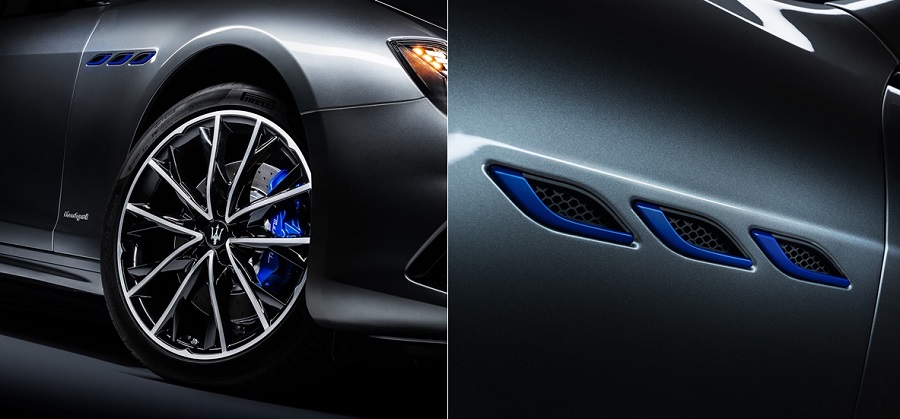
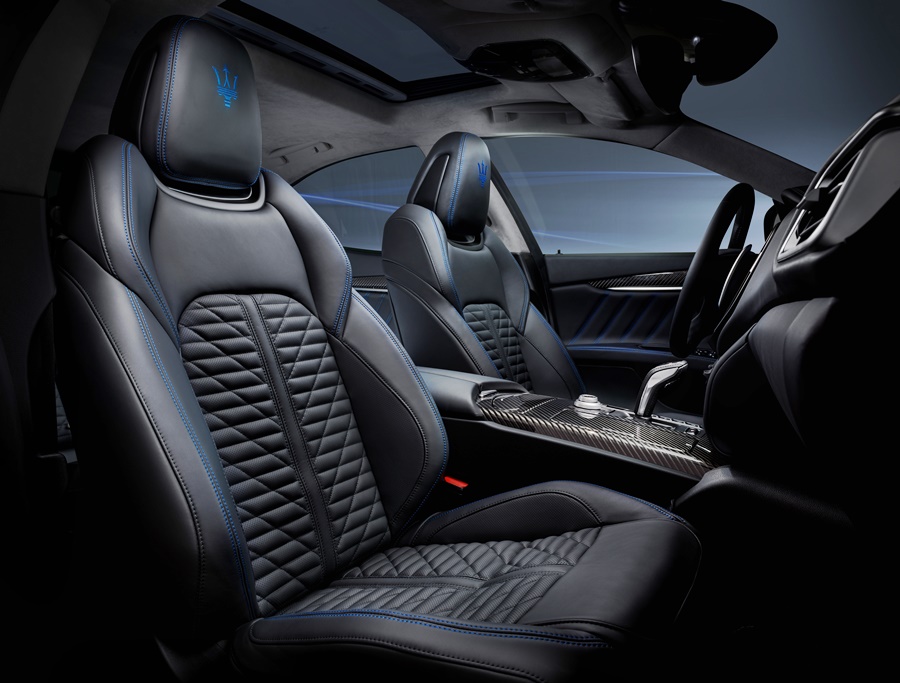
On the exterior, the blue colour characterises the three iconic side air ducts, the brake calipers and the thunderbolt in the oval that encloses the Trident on the rear pillar. The same colour is used as the theme inside, in particular on the embroidered seams of the seats.

2020 Maserati Ghibli Hybrid

2020 Maserati Ghibli Hybrid
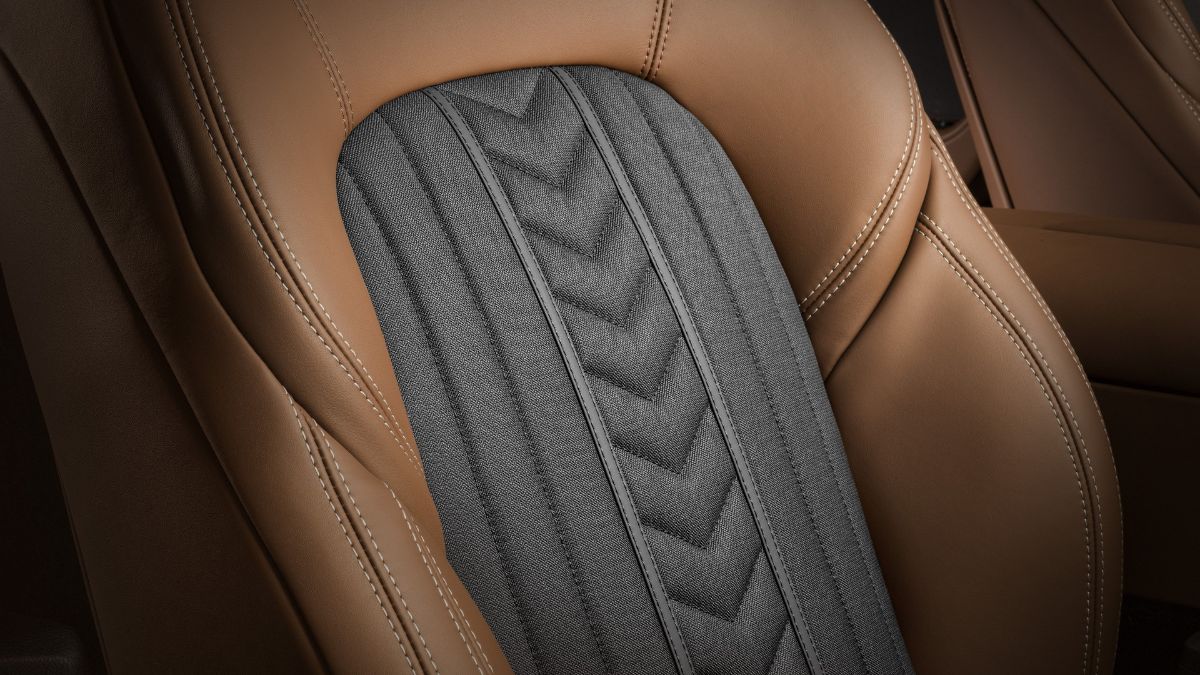
One of the two variants comes with natural silk upholstery by Ermenegildo Zegna

Mild Hybrid solution
Maserati has chosen a hybrid solution focused primarily on improving performance, while also reducing fuel consumption and cutting exhaust emissions. The hybrid technology exploits kinetic energy the car accumulates when in motion, recovering it and transforming it into electricity during deceleration and braking, and storing it in a battery pack at the rear.

2020 Maserati Ghibli Hybrid

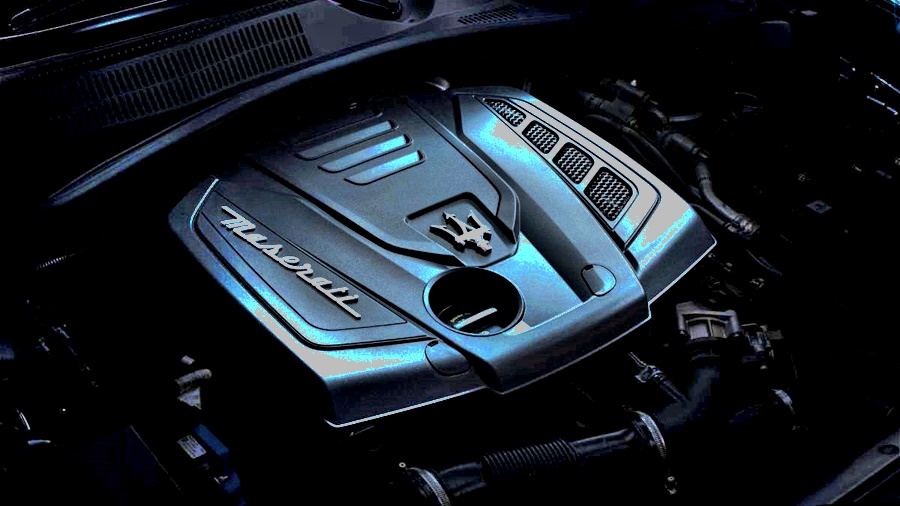
The powertrain is the outcome of in-depth engineering development work by the Maserati Innovation Lab. It combines an internal combustion 2-litre petrol engine (4 cylinders with a  turbocharger) with a 48-volt alternator and an additional electric supercharger (e-Booster).

This solution, claimed to be unique in its segment, is the first in a new generation of Maserati powertrains which balance performance, efficiency and driving pleasure. Incidentally, the Ghibli Hybrid weighs about 80 kgs less than the diesel variant.

2020 Maserati Ghibli Hybrid

Maximum power output is 330 ps, with peak torque of 450 Nm delivered from just 1500 rpm. That enables the Ghibli Hybrid to go from standstill to 100 km/h in a claimed 5.7 seconds and achieve a top speed of 255 km/h.

Maserati Connect debuts
Besides electrification, the Ghibli Hybrid also marks the debut of the new Maserati Connect program. This enables a constant connection with the car; the information exchange continues when on the move, to improve the services offered to the driver. As well as the capability of updating the software on board, the system also performs checks on the car and monitors the Safety and Security services in emergencies.

2020 Maserati Ghibli Hybrid

What comes next?
The first cars should leave the factory in late September 2020, with Asian markets likely to see them during the first quarter of next year. Prices will only be announced at a later date, but it is known that there will be at least two variants.

The new Ghibli Hybrid represents the first step in a plan that will lead to the electrification of all new Maserati models. The brand’s first all-electric models will be the new GranTurismo and GranCabrio, scheduled for launch in 2021.
Maserati allows the world to look inside its top secret Innovation Lab

PISTON.MY

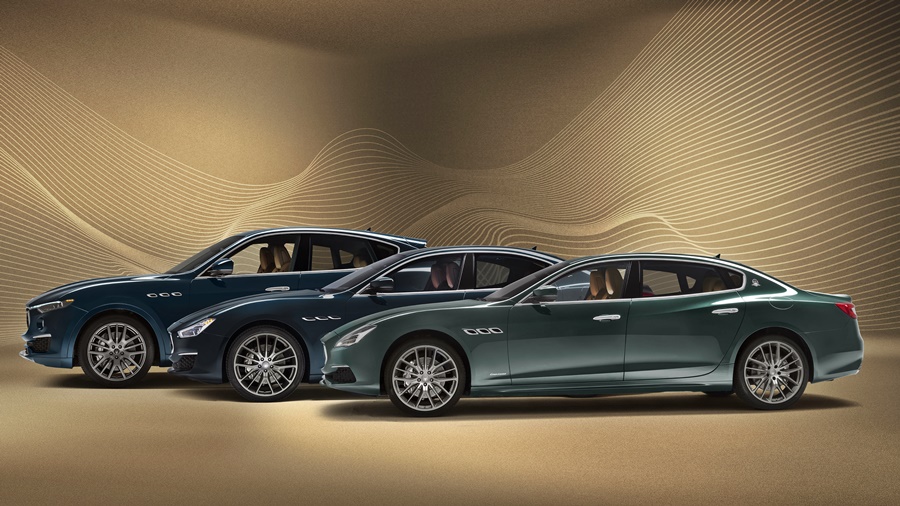
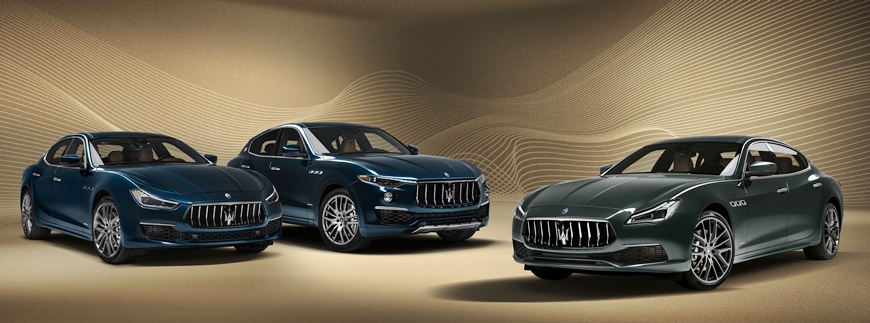
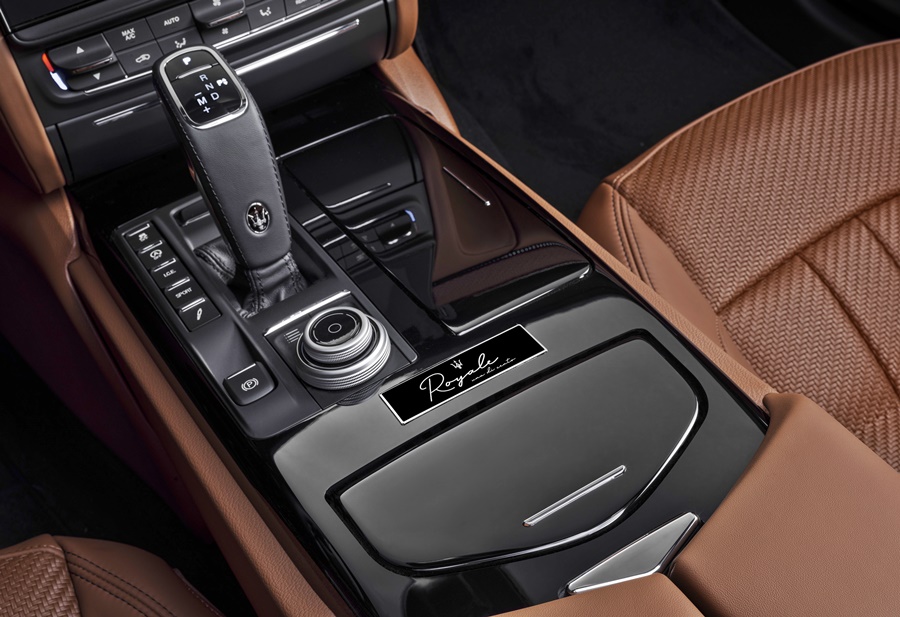
Throughout its history of over 100 years, Maserati has been well known for creating unique models and exclusive cars. Amongst them, the 1986 Royale version of the 3rd generation Quattroporte stands out. Essentially a restyling project featuring exclusive blue and green colours, improved interiors, with soft leather seats and extensive use of wood in the dashboard and door panels, only 51 units were produced for sale.

2020 Maserati Royale Series

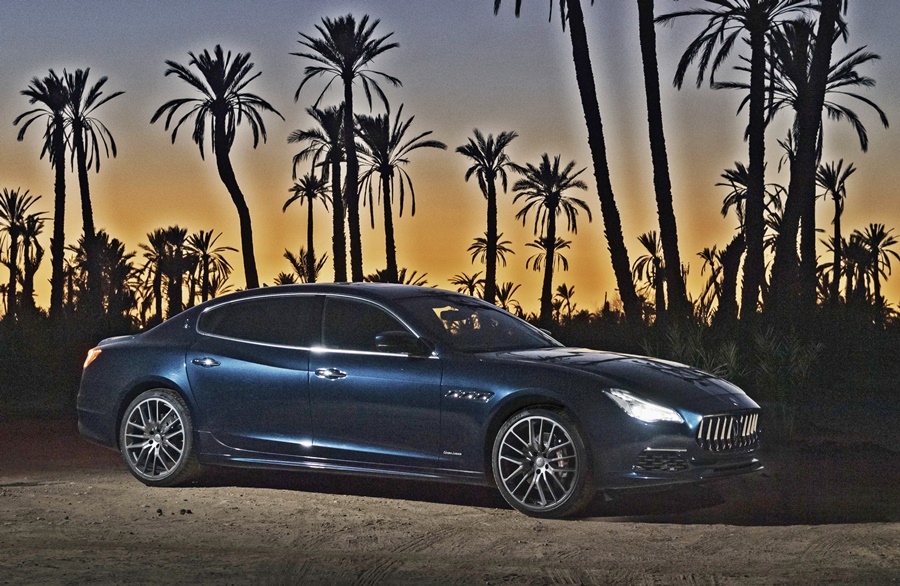
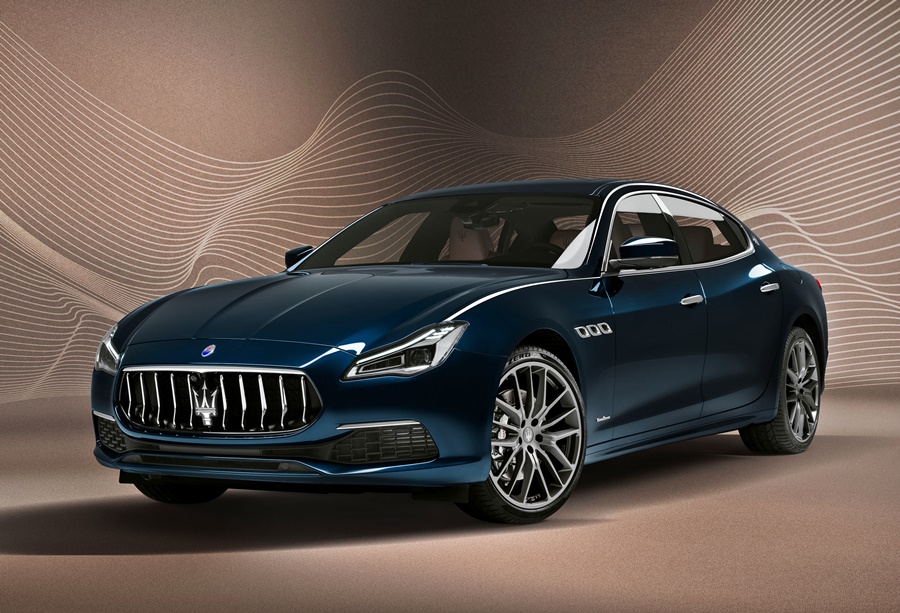
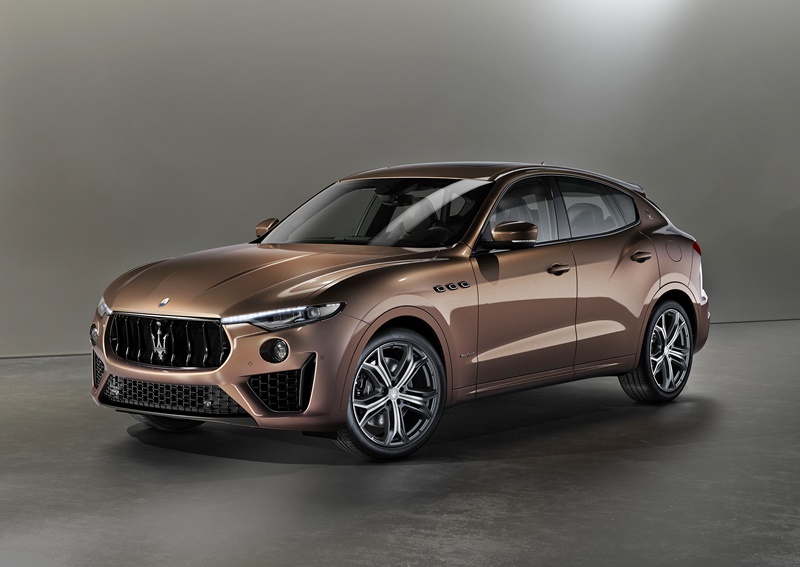
Now Maserati is paying tribute to its heritage with the launch of a special series bearing the same name, this time available across all models with V6 engines featured in the current Maserati range. The factory plans to make 100 units of the Quattroporte, Levante and Ghibli Royale with engines ranging from the 275-bhp 3.0-litre V6 Diesel to the 350-bhp and 430-bhp 3.0-litre V6 petrol.

As with the original Royale, the 2020 special series is available in similarly unique blue and green colours: Blu Royale and Verde Royale. To complete the elegant exterior look, the Levante Royale features 21-inch Anteo Staggered Anthracite rims, with Titanium Anthracite rims on Ghibli and Quattroporte, all with silver brake calipers.

2020 Maserati Royale Series

Inside the Royale Series
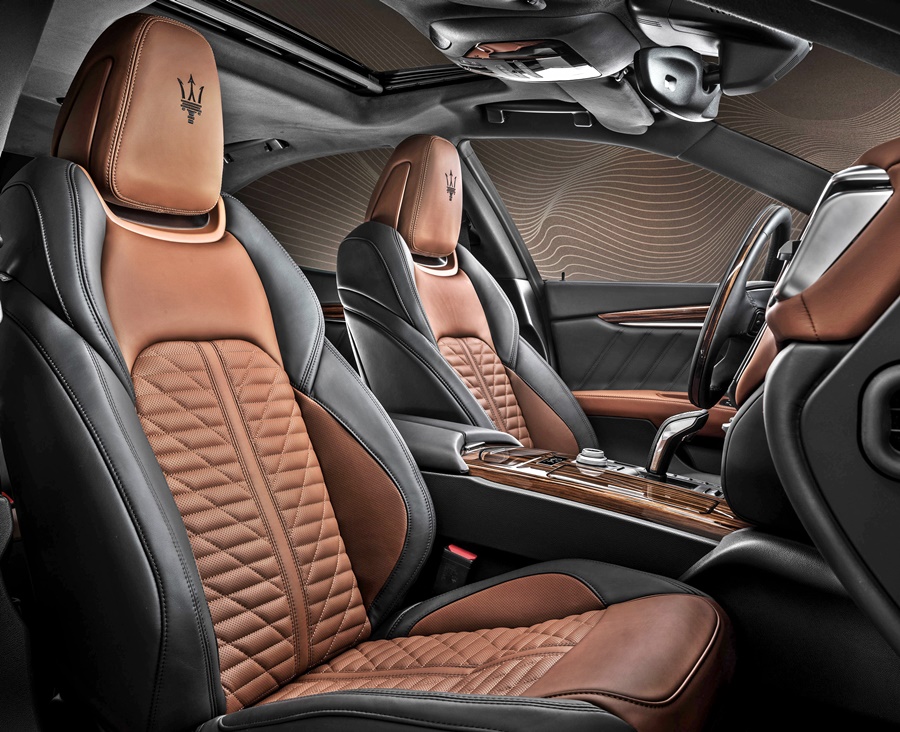
The Royale interiors, based on the GranLusso trim, are available in Zegna PELLETESSUTA Cuoio or two-tone Pieno Fiore leather in Black/Cuoio. The Zegna PELLETESSUTA is a woven leather textile made exclusively for Maserati interiors. Born of old-world Italian traditions and today’s innovative technology, it was ingeniously fashioned using thin strips of Nappa leather to create an ultra-luxurious ’fabric’ that is lightweight, soft and durable.

2020 Maserati Royale Series

The extensive equipment list includes Cold Weather, Premium and Driving Assistance Plus Packages fitted as standard. Comprehensive Advanced Driving Assistance Systems actively respond to potential hazards to ensure safety for driver and passengers.

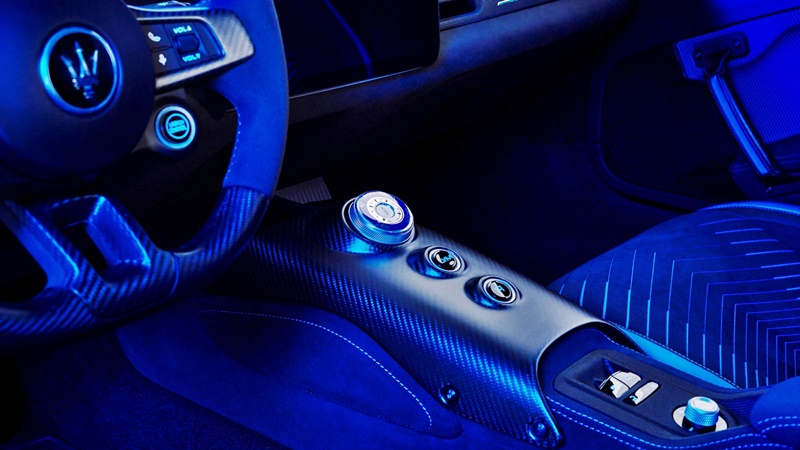
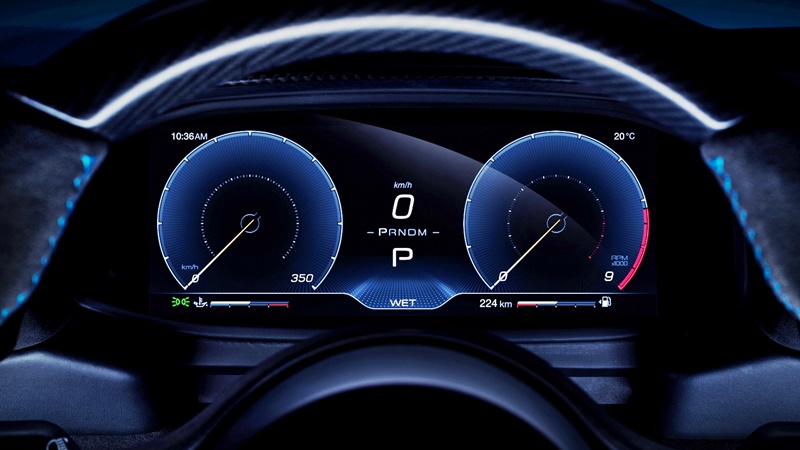
Like the rest of the range, the Royale Special Series features the Maserati Touch Control Plus (MTC+) unit, an 8.4-inch touchscreen at the centre of the dashboard. The interface is said to be extremely straightforward to use and controls all the key vehicle functions. The screen also displays the rear view depicted by the reversing camera, with guidelines for ease of use.
2020 Maserati Royale Series

Compatible smartphones can interface with the infotainment system using either Apple CarPlay or Android Auto. In addition, for iPhone users, Apple’s Siri system acts as a personal assistant, allowing them to carry out tasks using voice command. Through naturally spoken language, it is possible to make a call or access music, messages, reminders, emails, websites and much more.

Although the first deliveries are scheduled for March 2020, orders for this limited series are now being accepted. In the UK, the prices start from £78,900 (around RM417,500) for the Ghibli, £85,300 (RM451,400) for the Levante and £103,150 (RM545,900) for the Quattroporte.

2020 Maserati Royale Series

Maserati readies for new era starting in May 2020

PISTON.MY

Although the recent developments concerning the merger of Fiat Chrysler Automobiles (FCA) and Groupe PSA have had fans of the Italian brands (under FCA) worried about their future, it’s still ‘business as usual’ for those brands until such time the new management looks at the enlarged single entity. That could take a while and where Maserati is concerned, it will continue its modernisation work at the Modena plant in Italy.

There are also plans a big event in May 2020 when it will be celebrating its roots and its more than a century of history.  The business was founded in Bologna in December 1914 and its mechanical workshop began activities in the middle of the same month. The Maserati brothers were passionate about mechanical engineering and loved speed, quite happy to get behind the wheel of a racing car themselves, despite their many technical and commercial commitments.

Maserati Tipo A6
Maserati Tipo A6

Another brother, Mario, contributed by creating the famous Trident logo (inspired by the Fountain of Neptune in the centre of Bologna) and their brother Bindo joined Officine Maserati in 1932, after Alfieri’s death.

Maserati Tipo 26
Maserati Tipo 26

The first car to bear the Trident logo was built in 1926. It was the Tipo 26 (pictured above), a racing car which debuted at the Targa Florio that same year, winning first place in the class up to 1.5 L, with Alfieri Maserati at the wheel. This was the first in a long series of successes, including two consecutive editions of the Indianapolis 500 (1939 and 1940), four consecutive victories in the Targa Florio (1937, 1938, 1939 and 1940), nine F1 wins and the 1957 F1 World Championship with Juan Manuel Fangio.

More recently, Maserati returned to its winning ways with the MC12, the car which, between 2005 and 2010, won 6 FIA GT international championships, the highest-level racing category for production-derived GT cars.

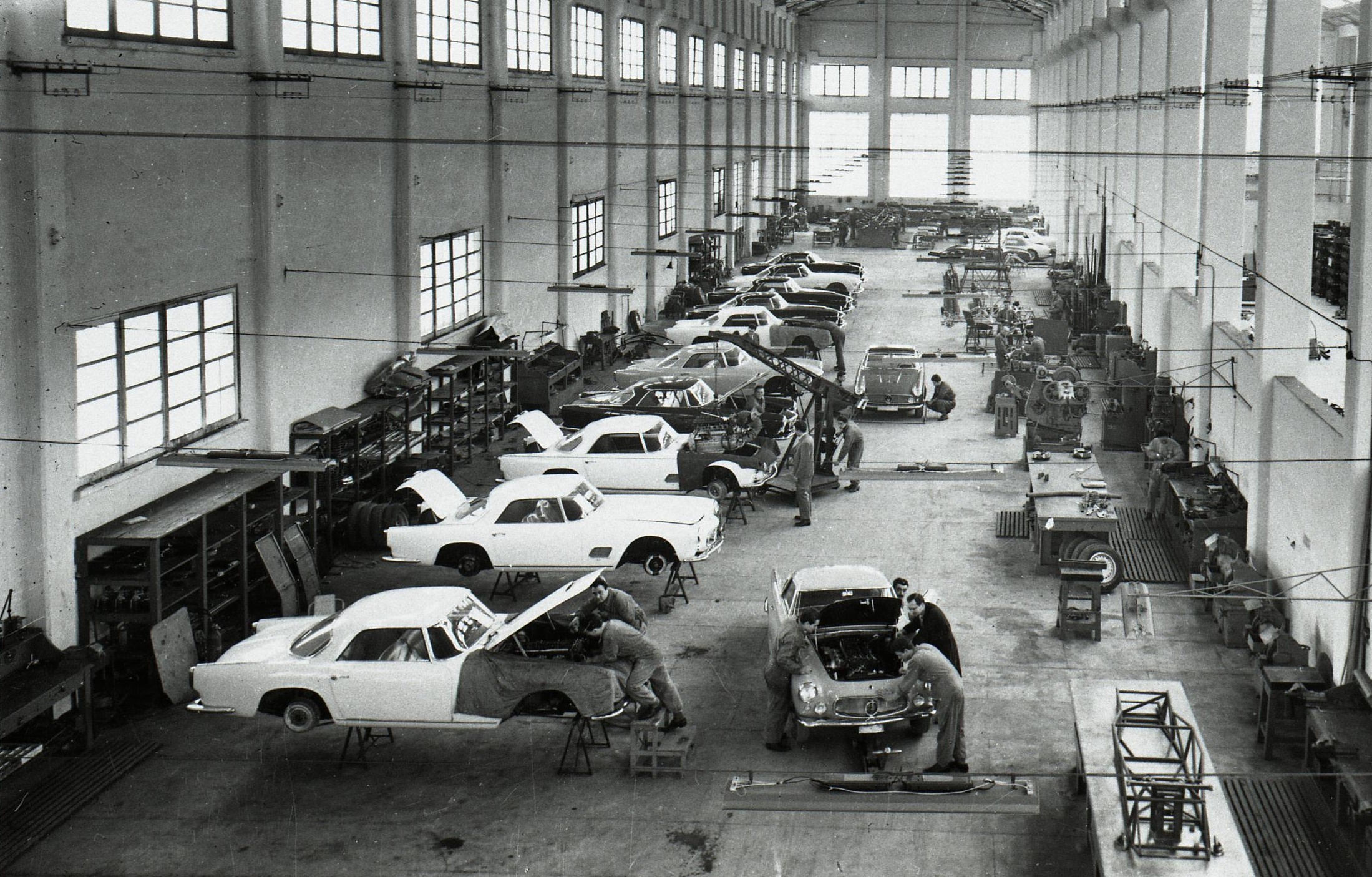
Maserati remained in Bologna until 1939. In late September 1939, following the acquisition of the Brand by the Orsi family, operations began for the transfer of the company to Modena, where the Orsi family’s businesses were based, to build new cars, invest in research and innovation and become Modena’s most globally famous brand. The production site where the plant is still located, officially opened its doors on January 1, 1940.

Maserati Modena plant
The Maserati plant in Modena in 1958.

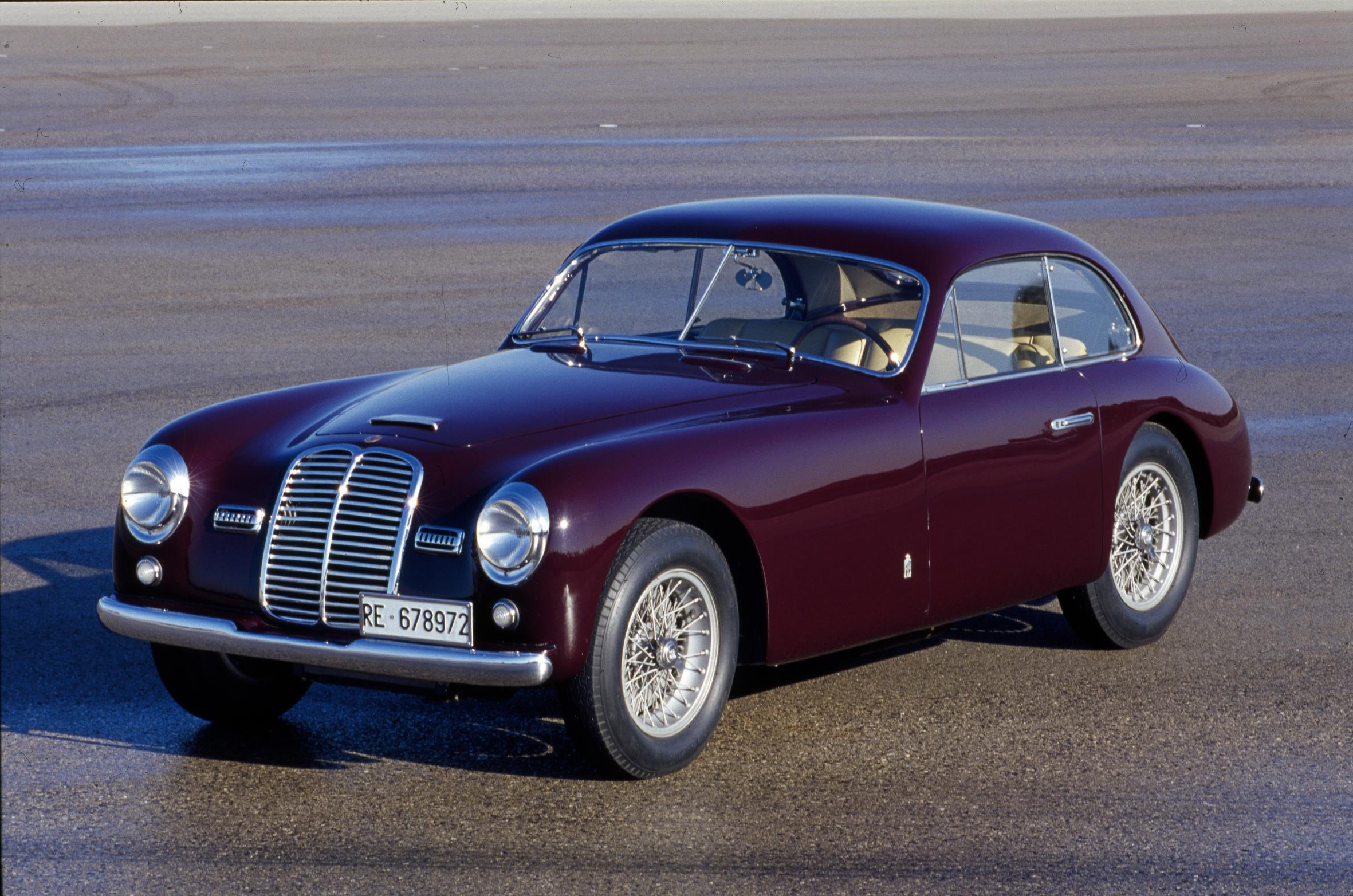
The year 1947 marked the end of one era and the start of a new one. The Maserati brothers’ collaboration with the company ended while the brand launched its first road car, the A6 1500. In 1963, Maserati started another new phase of its history: with the launch of the Quattroporte, it created a completely new, previously non-existent market segment, that of high-performance luxury sedans.

After the brief period under the ownership of Citroen (1967-1975), during which the French owners introduced the first modern industrial processes, in the following De Tomaso period (1976-1993), the Modena plant created and sold a model destined to be one of the brand’s best-known, best-selling cars: the Biturbo.

The acquisition by Fiat in 1993 was the start of yet another major new chapter and which led to Maserati coming under the control of Ferrari in September 1997. These were years of major transformations as well as the birth of the 3200 GT (1998), followed by the Spyder (2001), a car which marked the important return to the US market. In 2005, Maserati was separated from Ferrari and returned to the control of the Fiat Group.

2007 was a very successful year, with the debut at the Detroit Motor Show of the Quattroporte (5th generation) with automatic transmission, enabling an important step forward, especially in markets such as the USA, Japan and the Middle East. The same year saw the presentation at the Geneva International Motor Show of the GranTurismo, another milestone in Maserati’s history.

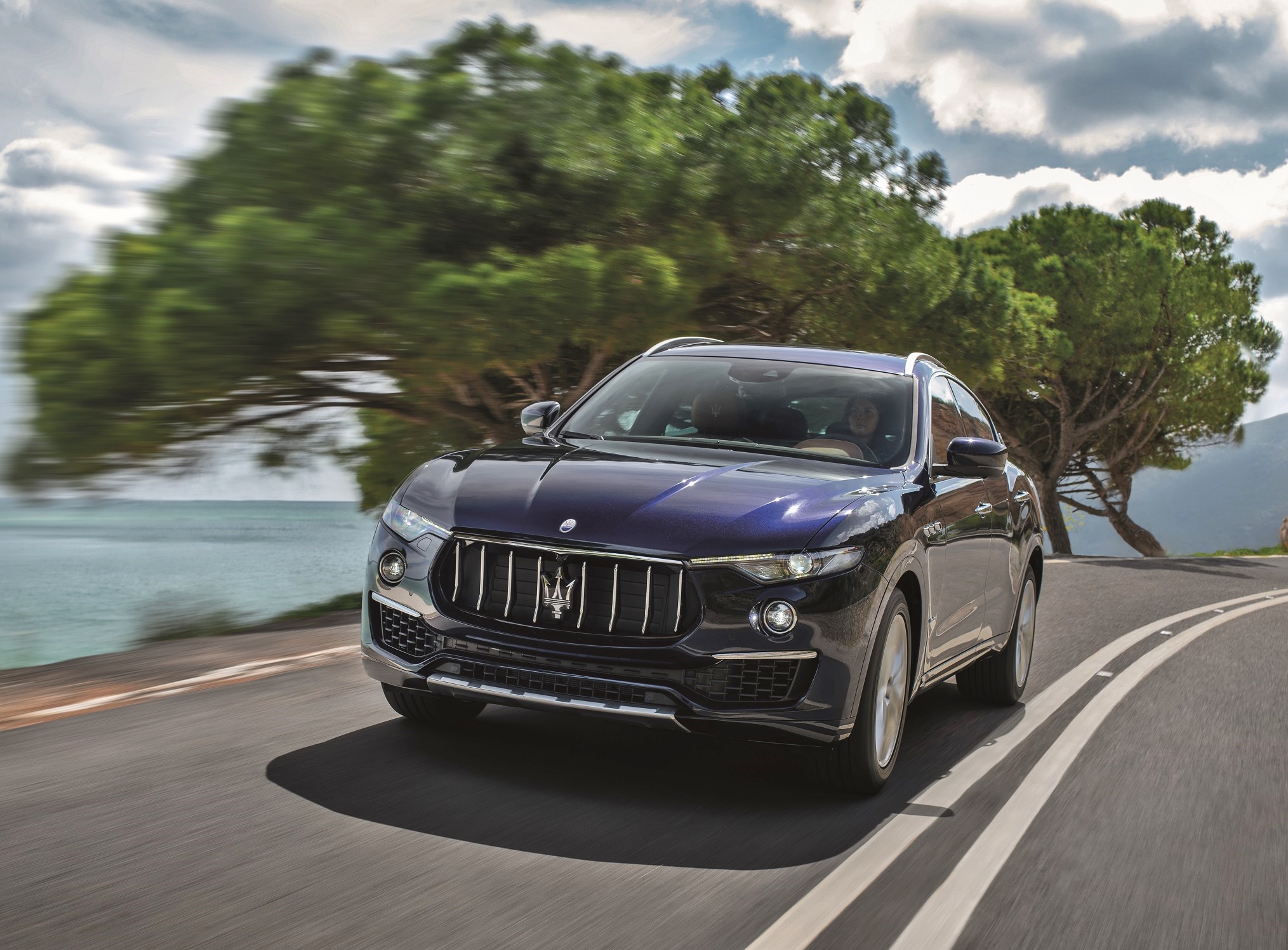
First SUV - the Levante
First SUV – the Levante

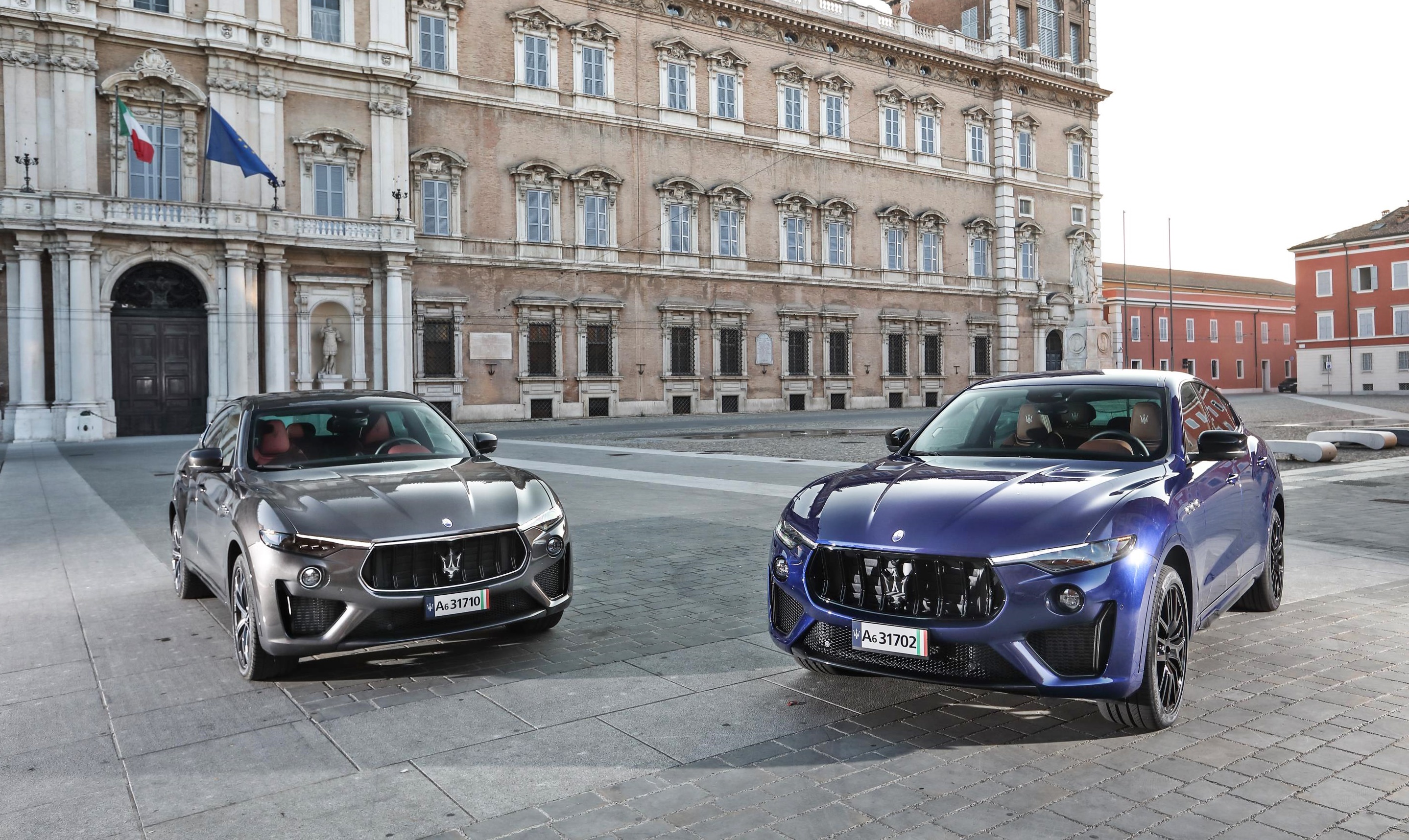
In 2009, it was the turn of the GranCabrio, followed by other new products that significantly renewed the range: the new Quattroporte (now in 6th generation and presented at the 2013 Detroit Motor Show), the Ghibli (Shanghai Motor Show in 2013) and the Levante (2016 Geneva International Motor Show), the first SUV for the Brand.

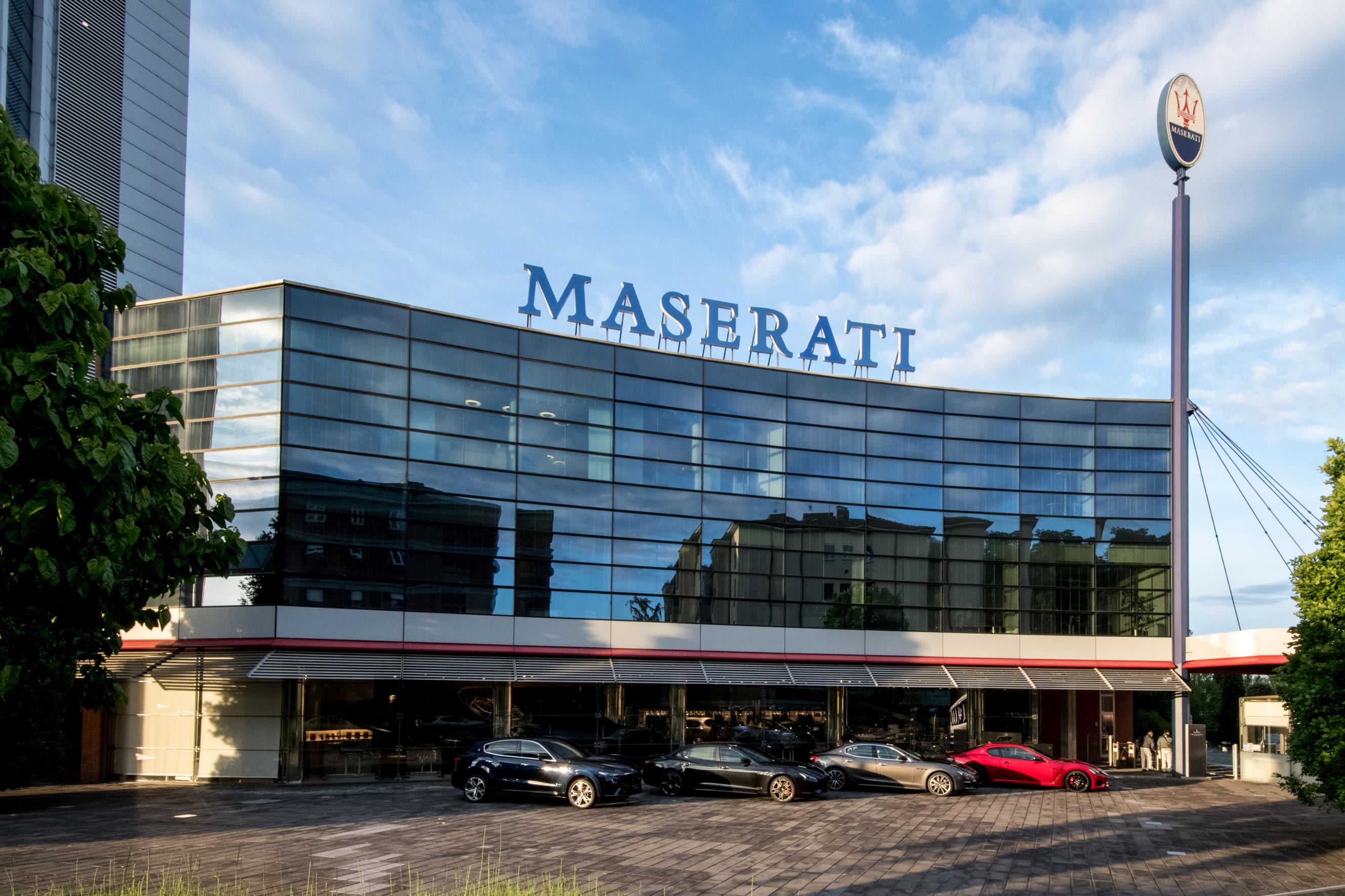
Maserati Headquarters

After over a century of history, the Modena plant is producing cars sold in more than 70 markets, all which stand out for their luxury, elegance, style, performance and quality. These characteristics have made Maserati a true Italian icon at the global level. With the strength of over a century of history, Maserati is now ready to start a new era in May 2020.

Maserati allows the world to look inside its top secret Innovation Lab

PISTON.MY

Some of the most secret areas in a car company are those where future products are planned and new technologies developed. These are the R&D facilities where, in some cases, even the employees are subjected to security checks every day. At one company, they are allowed to bring in handphones but these must be very old models that have no cameras and recording capability.

So it’s a surprise move that Maserati has opened the doors of its Innovation Lab which is usually off-limits. Of course, this look inside the Innovation Lab is not going to be on the list of tourist tours in Modena!

Maserati Innovation Lab

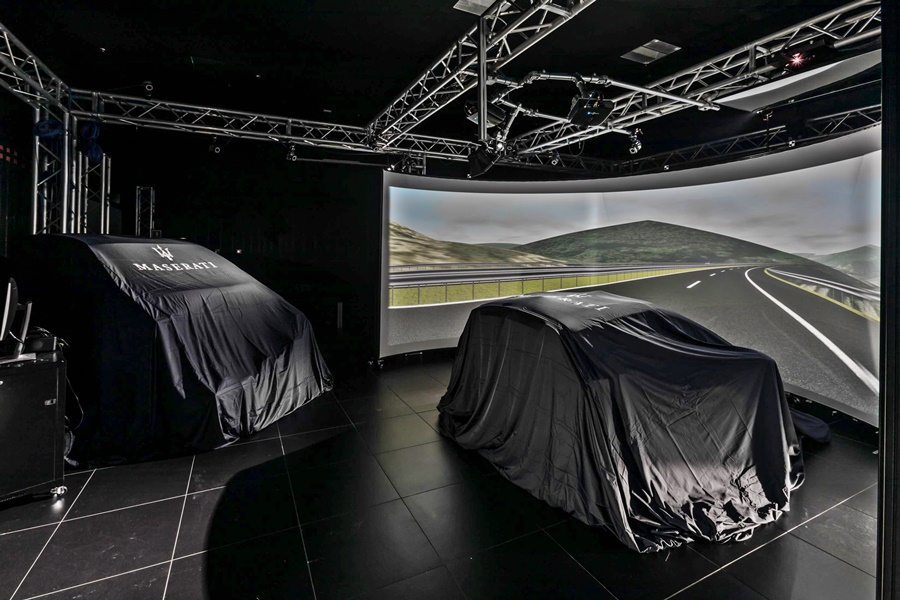
The brand’s engineering hub, inaugurated in September 2015 and located in Modena, Italy, has the fundamental role of driving research technology, development and planning. At this facility, the digital processes support the product development, applying the exclusive Maserati formula which, by means of an integrated approach, prioritizes the human factor right from the initial phases. Concern with customer needs has been scrupulously incorporated into the virtual simulation process thanks to an exclusive mix of hardware and software.

The Product Development hub (or Technical Department) employs more than 1,500 technicians (including those at other locations in Italy). The majority are engineers of some 17 different nationalities and it is a very young and dynamic workforce with an average age of around 37 years. Almost half of the employees are under 35 and 20% are under 30. The organization has grown considerably in recent years, attracting top graduates from the best Italian universities, including those that collaborate with Maserati.

Maserati Innovation Lab

Static Simulator
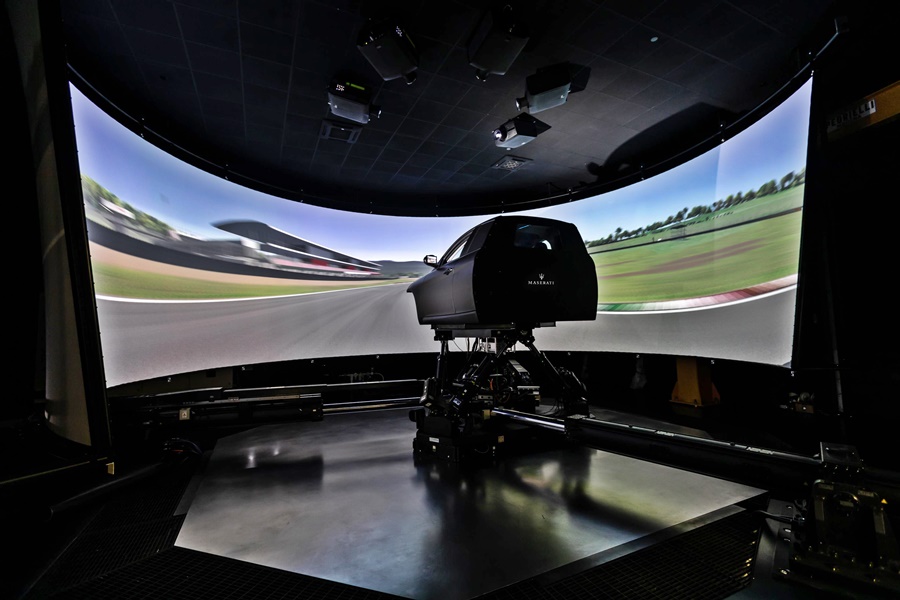
The Static Simulator is the starting point for every experience in the Maserati realm of simulation. The system is composed of a cockpit, three projectors and high computational power. It is a simple system that helps engineers, from the very initial phase of the development process, obtain immediate feedback from the driver, and makes a major contribution to new model validation.

In particular, Maserati engineering ensures a driver-centred strategy even during virtual development, by creating a link between the Hardware In the Loop (HiL) methodology and the simulator. Using this approach, real subsystems such as steering and braking, ABS and ESC can be added in, to create tests that connect physical and simulated components to provide a test-bed for developing all the characteristics of a new vehicle.

Last, but not least, driver assist systems can be developed, trialled and validated in a safe environment by reproducing the complex scenarios which may arise anywhere in the world.

Maserati Innovation Lab

DiM (Driver-in-Motion) technology
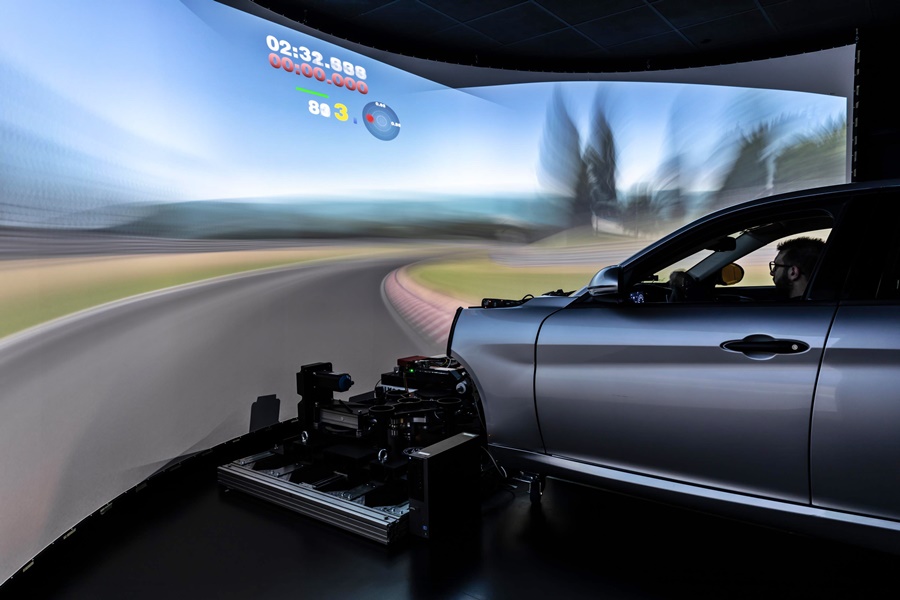
The Dynamic Simulator featuring latest generation DiM (Driver-in-Motion) technology is the most modern and advanced found in Europe. It is extremely valuable in the development of all the new models. The Dynamic Simulator incorporates state-of-the-art technology and enables full exploitation of systems’ integration thanks to the evolution of proprietary control strategies, cutting development times and costs. It also helps to reduce the number of prototypes and ensures that the Virtual Sign-Off is very close to the final product.

With various directions of movement, this tool generates an effective driving experience in a virtual environment that emulates the driving dynamics of a car in the real world. Numerous environments can be programme with a wide variety of road surfaces or contexts, including the world’s top international racing circuits. The simulator makes it possible to test cars on various racetracks on the same day. Modifications to the vehicle can be made with a few simple clicks and this greatly simplifies the analysis of the data gathered.

Maserati racing

The majority of simulators utilize six actuators in order to offer six “degrees of freedom”. The innovative dynamic simulator used at the Innovation Lab takes full advantage of 9 actuators, thanks to which it can utilize 3 degrees of freedom with the lower platform and 6 with the upper one. In this way, it can offer in total 9 degrees of freedom to accurately reproduce the driving characteristics of a car. All of this enables the engineers to precisely analyse the dynamics of the car, in addition to driving performance and comfort, all on the same moving platform.

Another particularly interesting characteristic is a very thin cushion of air which makes the entire platform float over the pavement, enabling dynamic, silent and continuous movement thanks to the electric actuators.

Maserati Innovation Lab

The Dynamic Simulator featuring latest generation DiM (Driver-in-Motion) technology offers tried and tested technology that makes it possible to achieve a 50% reduction in time-to-market for new cars, to carry out 90% of all development on the simulator and to reduce by 40% the use of physical prototypes.

Using the simulator makes it possible to study and emulate the electrified vehicles included in Maserati’s future plans even before physical tests become possible. Thus, the new opportunities offered by this different propulsion method can be analysed and explored in ways that keep the Maserati DNA absolutely intact.

The User eXperience development labs
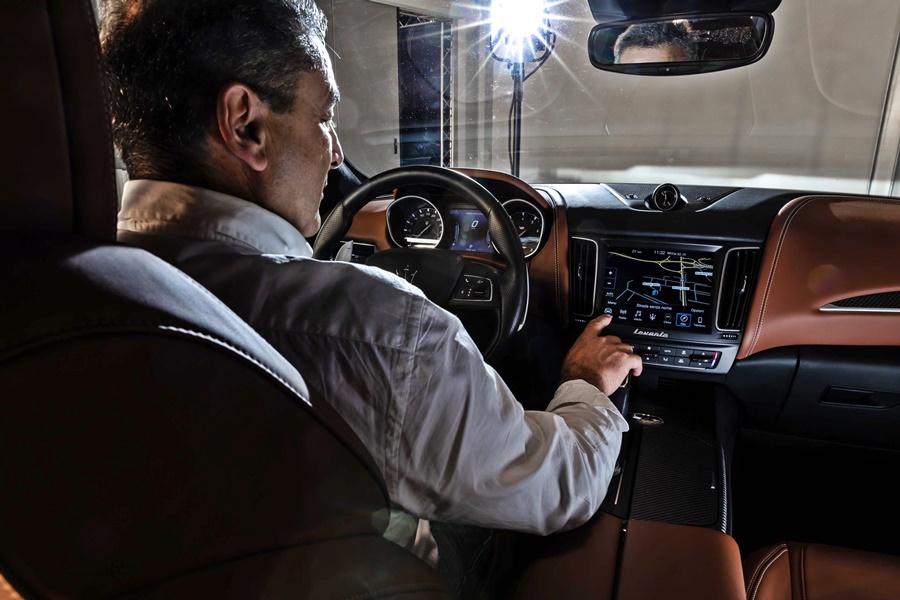
These labs are fundamental in the design of the human-machine interfaces, one of the major challenges of the latest Maserati development projects. The rapid evolution of connectivity and the use of driver assist systems, combined with electrification, generate a vast number of scenarios for multisensorial interaction with the vehicle.

Maserati Innovation Lab

The Maserati driver simulator hub includes a lab dedicated to vehicle ergonomics, enabling accurate reproduction of driving posture, visibility and interactions with the on-board controls and displays, and where the vehicle under development can be driven in any scenario with the utmost realism.

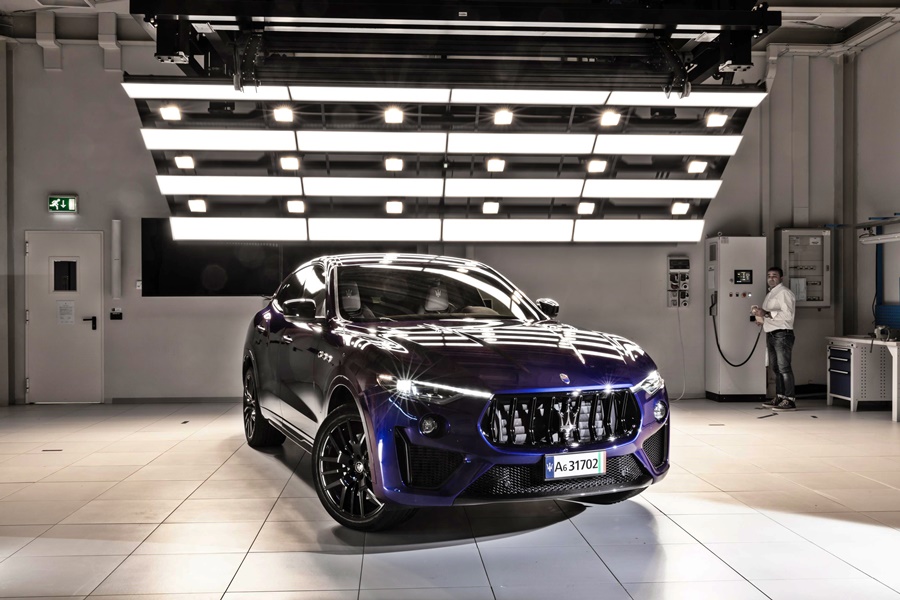
The skylight simulator, for example, is designed to reproduce lighting conditions at all times of day, at any point in the year and at any latitude. Here there is an in-depth focus on reflection problems, to avoid disturbance at the wheel while still providing solutions with attractive shapes, materials, finishes and colours.

(more…)

Archive

Follow us on Facebook

Follow us on YouTube