Piston.my

Mazda

For those following auto industry trends, it would appear that the future has to be electrified; first, hybrids with a combustion engine and electric motor, and then just an electric motor alone. It’s considered the only way to address climate change which is blamed partly on exhaust emissions of motor vehicles. Increasingly stringent regulations have made it more and more challenging for manufacturers to develop combustion engines to meet tougher standards and it seems that going electric is the only solution.

Perhaps it is – in the longer term – but for now, the technology is still expensive and hybrid powertrains are just beginning to have cost levels that can reach a much larger number of consumers than fully electric vehicles or battery electric vehicles (BEVs). Furthermore, in many countries, the infrastructure to support BEVs is still not sufficiently developed so it will be inconvenient and impractical owning such vehicles that need regular recharging. In Malaysia, for example, there are around 400 recharging stations at the moment – versus around 3,700 stations selling petrol and diesel.
For these reasons, some manufacturers are looking at other approaches which can give consumers choices. Five Japanese manufacturers – Kawasaki, Mazda, Subaru, Toyota, and Yamaha – are collaborating to find ways to continue using internal combustion engines in a way that can meet stringent regulations and still aim for carbon neutrality.

They are not against full electrification and are developing BEVs too (Toyota will spend 4 trillion yen during this decade on BEV development), but they also think of customers in less developed countries where BEVs will be too expensive. Such people still need transport, so they will be provided vehicles with powertrains that are sufficiently ‘green’.

Realistic alternative approach
This alternative approach is realistic and given the combined technical resources of the 5 companies, new solutions will be found. Back in the early 1970s, when tough exhaust emissions regulations were introduced in America and forced manufacturers to fit catalytic converters, Honda was able to develop its CVCC engine which could run on low-octane fuel and meet the regulations without having a catalytic converter.
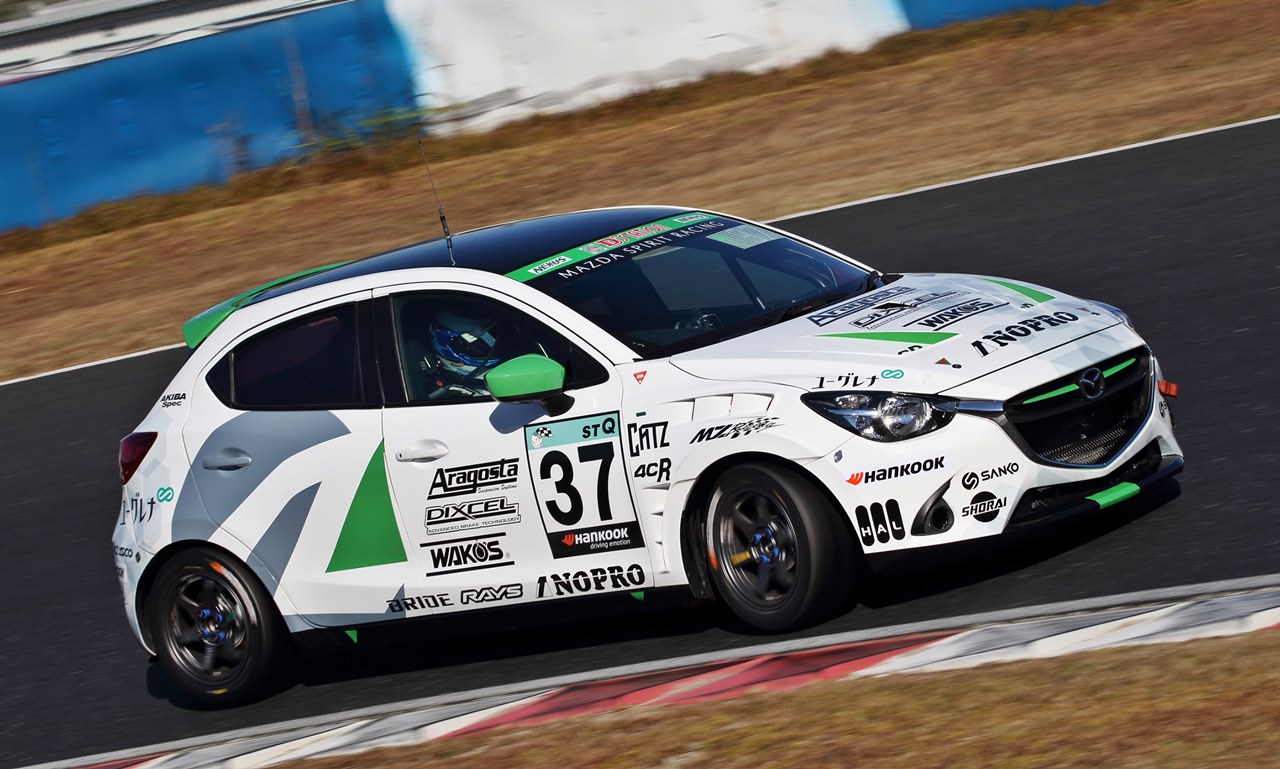
Toyota and Yamaha have been jointly working on engines that can run on hydrogen, while Mazda is working on engines that use next-generation bio-diesel. The carmaker previously developed the SKYACTIV-D turbodiesel which was a very efficient engine, and this engine is now being modified to use a 100% bio-derived next-generation fuel called Susteo developed by Japanese firm Euglena Co. Ltd.

Testing in endurance racing
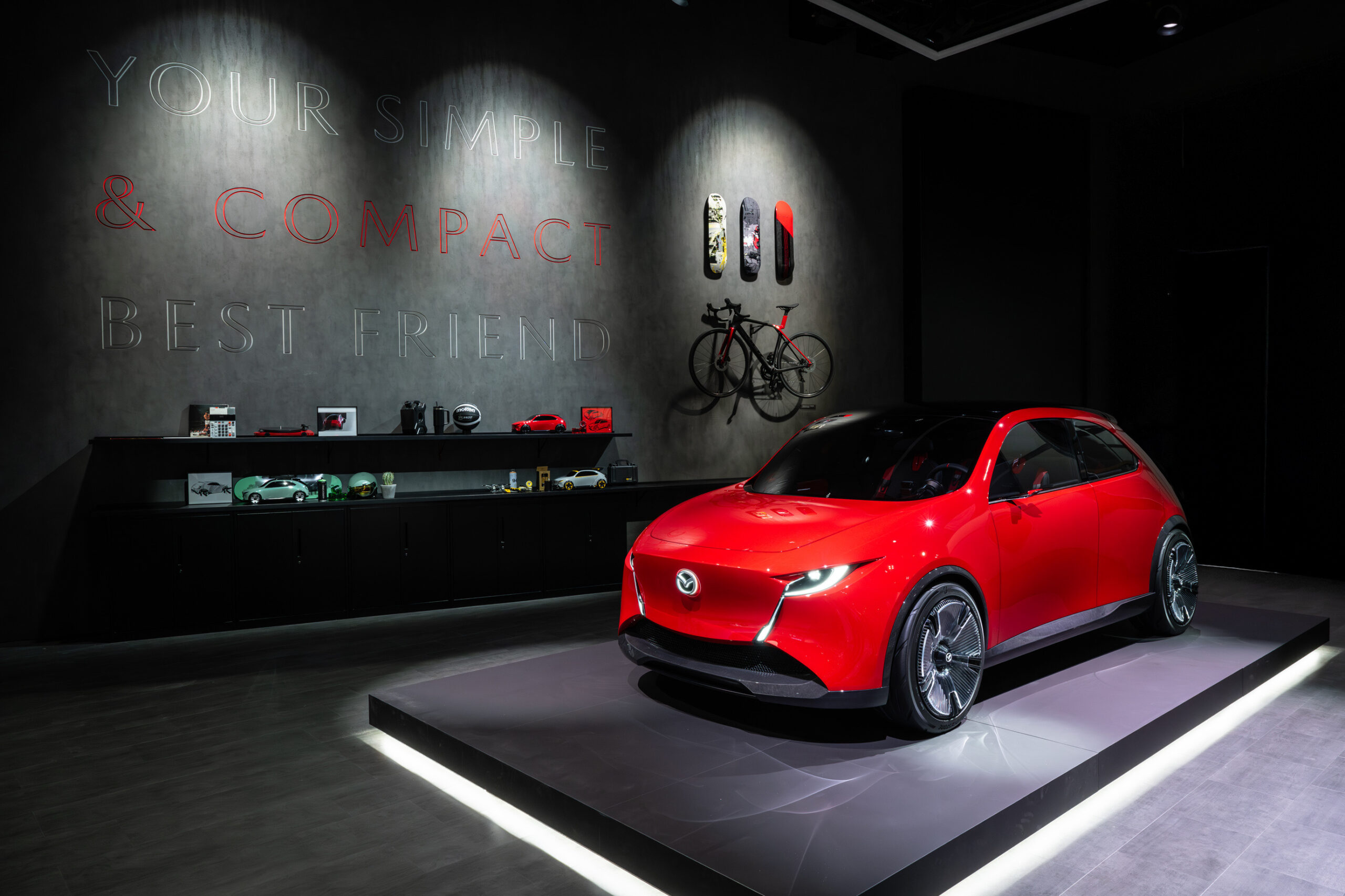
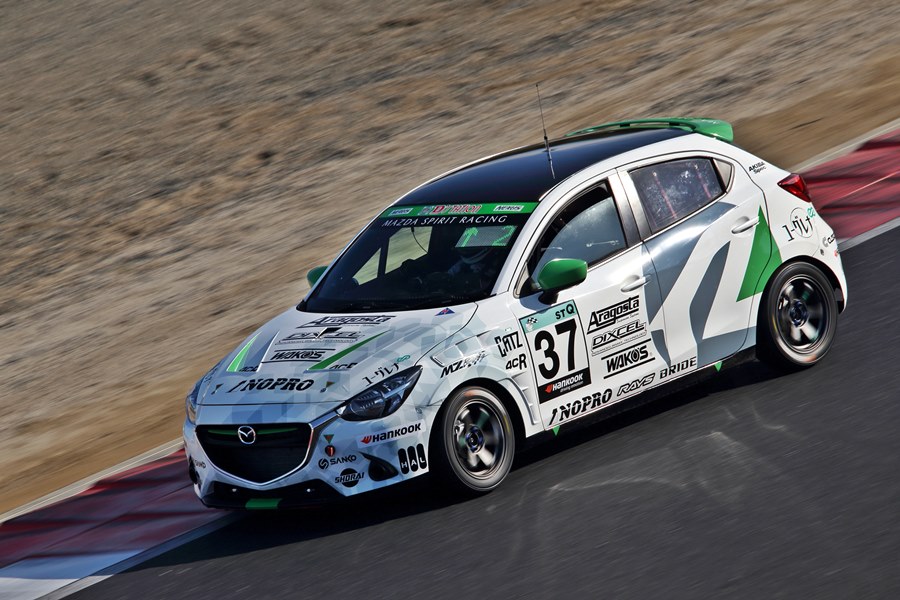
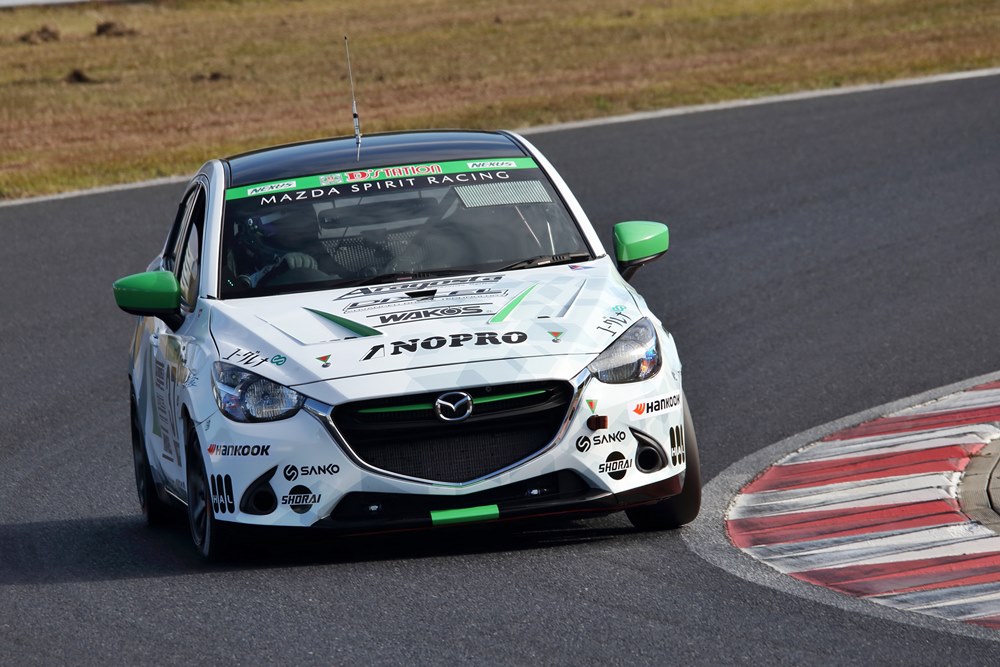
The prototype engine is installed in the Mazda2 Bio concept car and part of its development will include being raced in Japan’s leading domestic endurance racing series, the Super Taikyu Series. This series, which consists of 7 rounds, starts next month at Suzuka and there will be races of 5 or 6 hours as well as a 24-hour event.

Mazda already demonstrated the potential of the 1.5-litre SKYACTIV-D powered car with Euglena’s 100% bio-based fuel made from used cooking oil and microalgae fats when the Mazda2 competed in last November’s Super Taikyu Race.
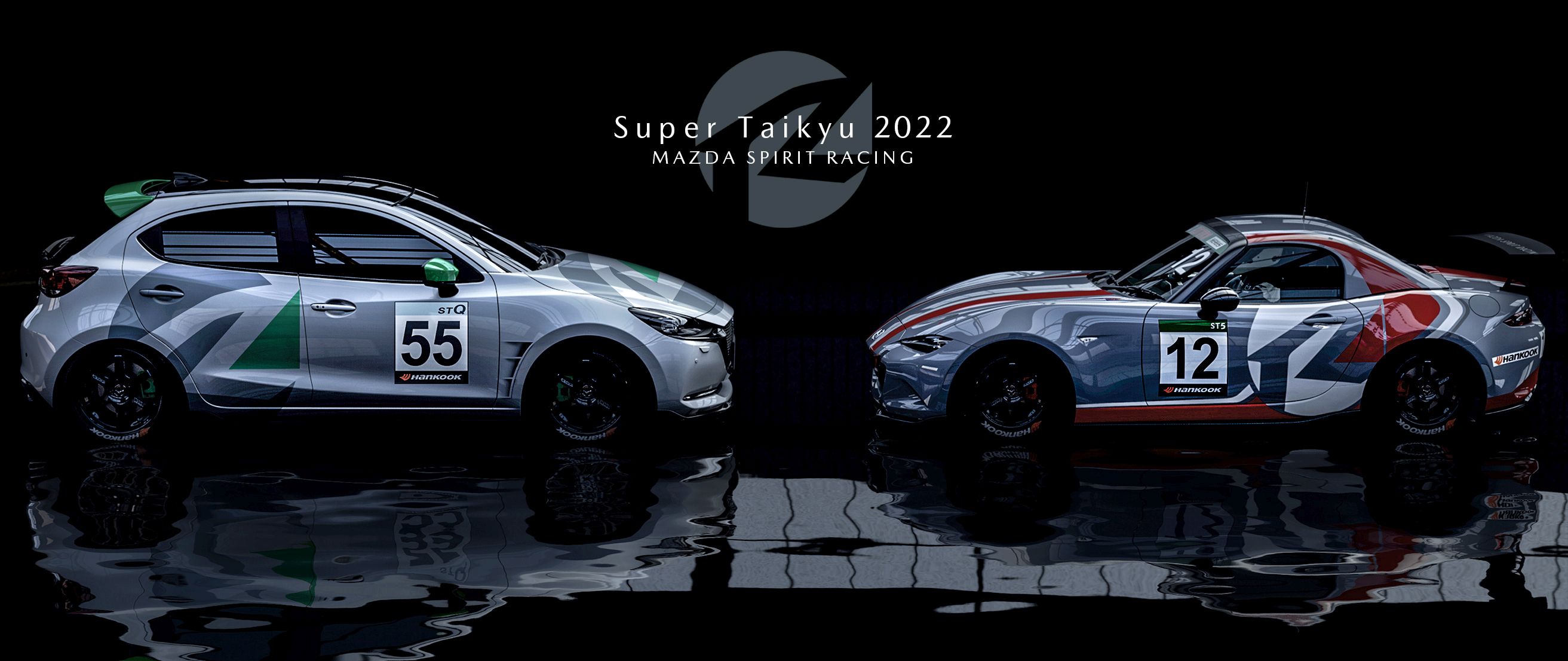
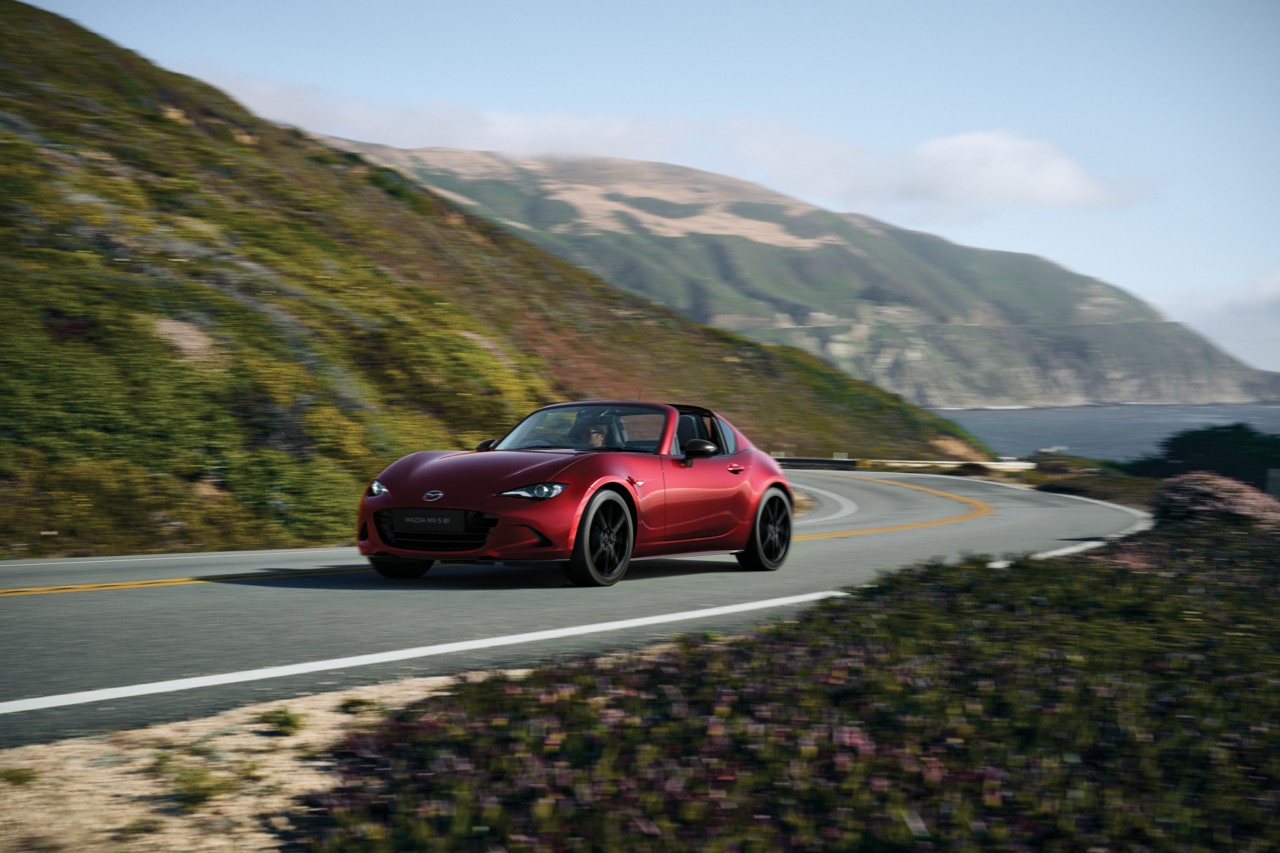
Participating in the ST-Q class with the Mazda2 Bio concept, Mazda will take part in the full series with a new silver livery. From the third round, it will also compete with a SKYACTIV-G petrol-powered MX-5 in the ST-5 production class, a class that has seen privateer teams have huge success with MX-5s over the last few years.
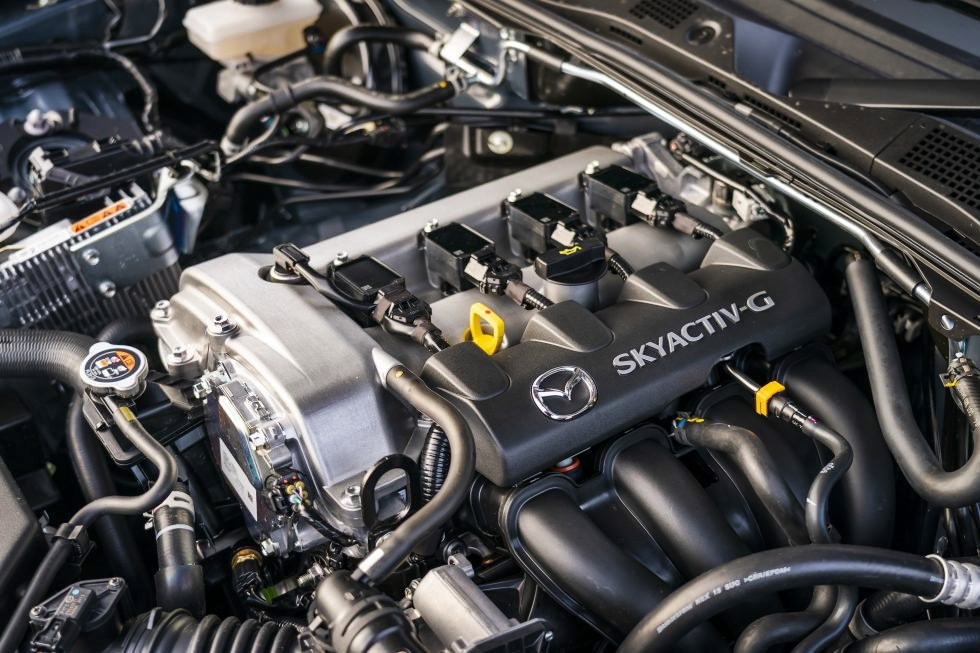
Mazda SKYACTIV-G engine in MX-5
SKYACTIV-G engine in the MX-5.

Multi-solution approach
Mazda is following a comprehensive strategy called the multi-solution approach, which takes into account all available solutions to reach climate neutrality and to suit individual mobility needs as well as regional conditions. It will continue to make investments in developing conventional hybrids, diesel engine models, BEV models and plug-in hybrid (PHEV) models while, at the same time, promoting initiatives in renewable fuels such as 100% bio-based fuels.

Next-generation biodiesel fuels, which are made from sustainable raw materials such as microalgae fats and used cooking oil, do not compete with food crops, which has been an issue with existing biodiesel fuels. As these fuels can also be used as alternatives to diesel in existing vehicles and equipment without any modification, no additional fuel supply infrastructure is required. Therefore, biodiesel can be expected to play a prominent role as an excellent liquid fuel source in promoting carbon neutrality.
High-performance Lexus V8 modified to run on hydrogen in Toyota-Yamaha project


At different periods, manufacturers have different strategies which require investments in different parts of the world. In the 1990s, Ford decided that it must ‘control its own destiny’ in the ASEAN region and was attracted by the ASEAN Free Trade Area (AFTA). This would be a single trading region and those who made their products in any country in the region could export to another ASEAN country with no import duties imposed. For a mass producer like Ford (and the company was the one that introduced mass production to the auto industry), this was ideal as it meant that a mega-factory could be set up in one country to supply to other countries. Great for cost efficiencies which would also mean more competitive prices in the markets.

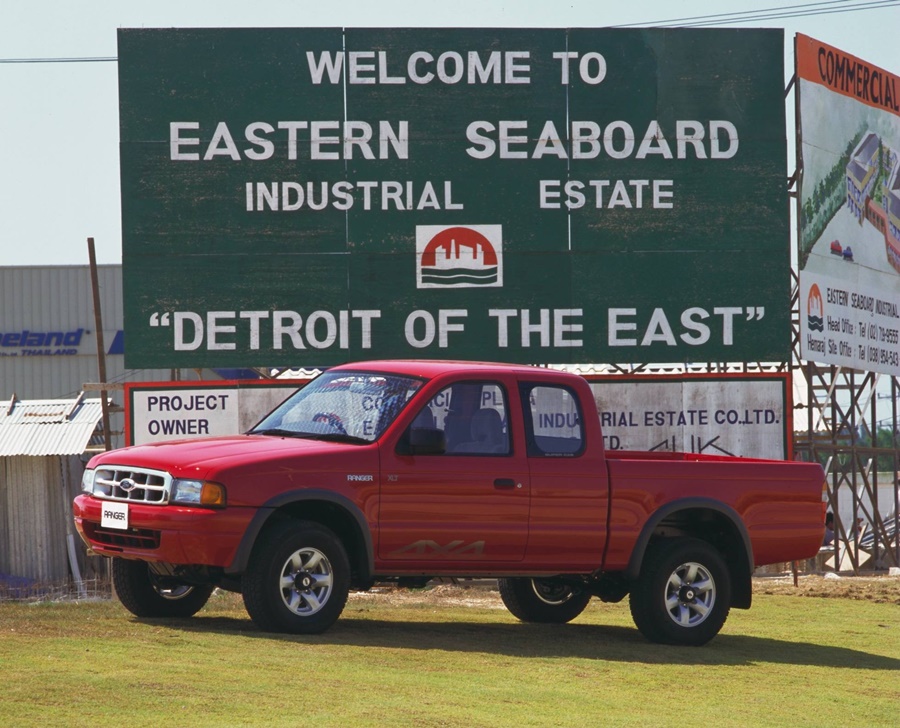
So Ford invested US$500 million (RM2.107 billion) to establish a brand new factory in Rayong, on the Eastern Seaboard of Thailand. The factory, called Auto Alliance Thailand (AAT), was a joint-venture with Mazda, which was then an affiliate. Its main product would be the new Ford Ranger truck and Mazda equivalent, the BT-50, with the Everest SUV being added later. Besides supplying the Asian market, the factory also supplied to other global markets which was helpful during the regional downturn when the Asian Financial Crisis hit.

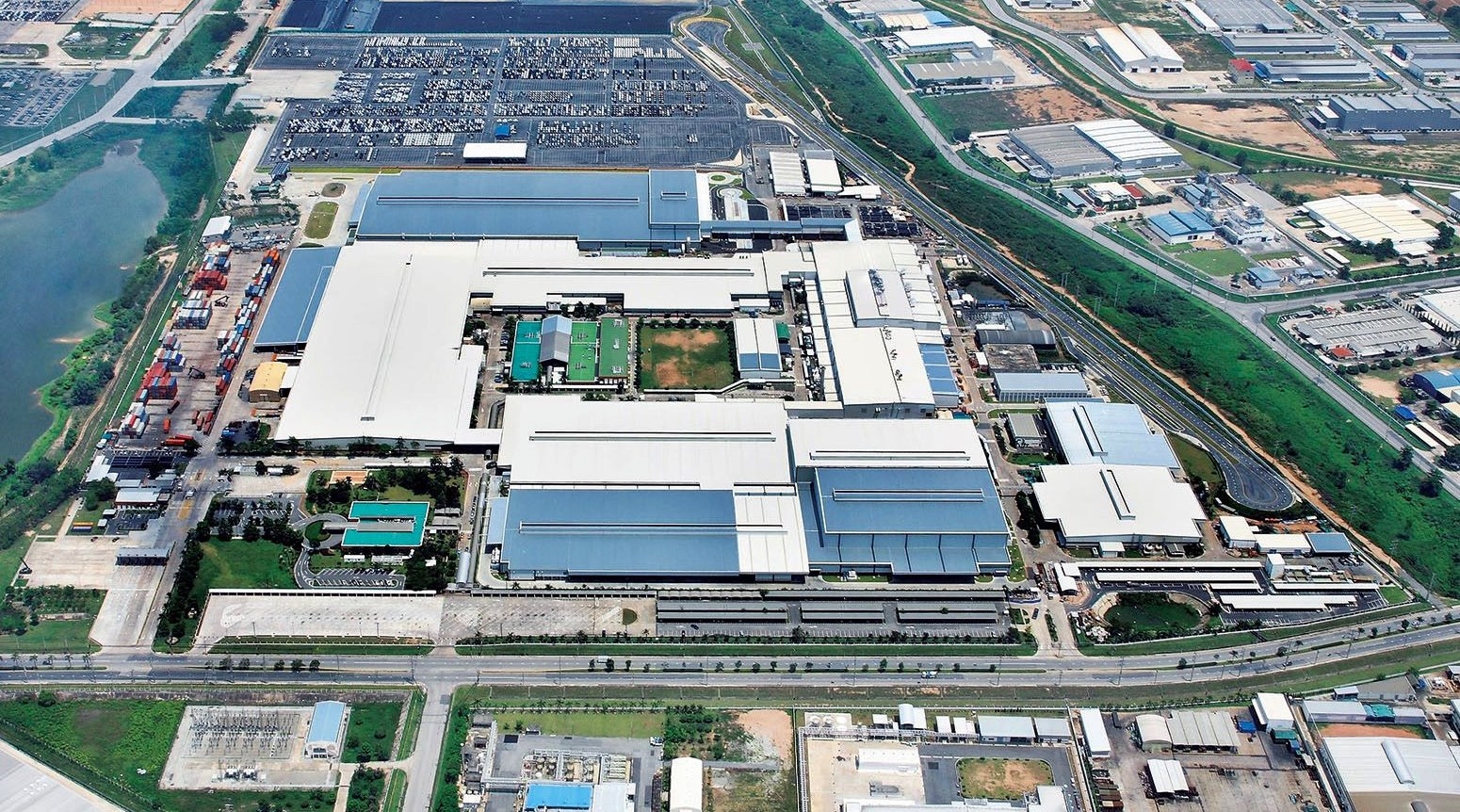
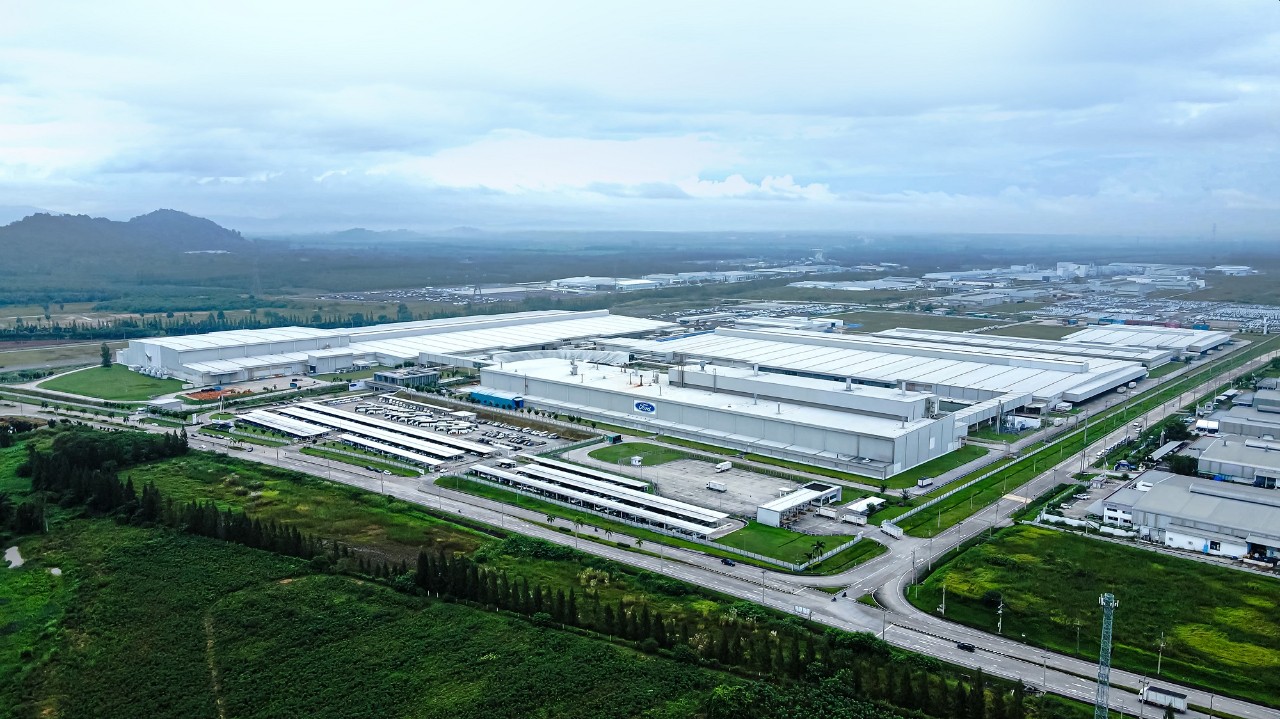
Auto Alliance Thailand, the factory set up in the mid-1990s as a joint-venture between Ford and Mazda. Its first product was the Ranger (below) which was exported around the ASEAN region as well as globally.

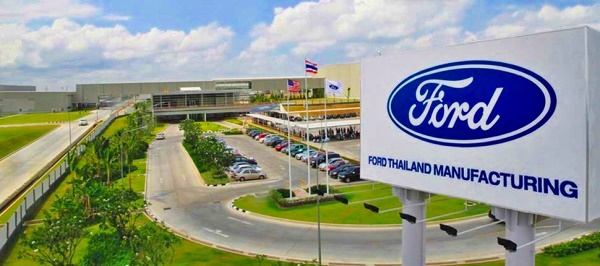
17 years after AAT began operations, Ford set up another factory in the same area with an investment of US$450 million (about RM1.9 billion) and it was wholly owned by the carmaker. Known as Ford Thailand Manufacturing (FTM), it was initially producing passenger car models like the Fiesta and Focus but when Ford decided to change strategies in the Asian region and focus on trucks, the factory switched to making only Rangers.

Ford built the second factory as demand for the Ranger grew. This was necessary as the 270,000-unit output from AAT was strictly fixed at 50:50 for each of the brands. This meant that Ford could get no more than 135,000 vehicles a year, even if Mazda did not use up its full allocation. Mazda too would have experienced the same frustration as the popularity of its models grew and one solution has been that its new BT-50 truck is now being produced at Isuzu’s factory (also in Thailand). In order to raise its output, Ford moved some production of the Ranger to FTM in 2016.

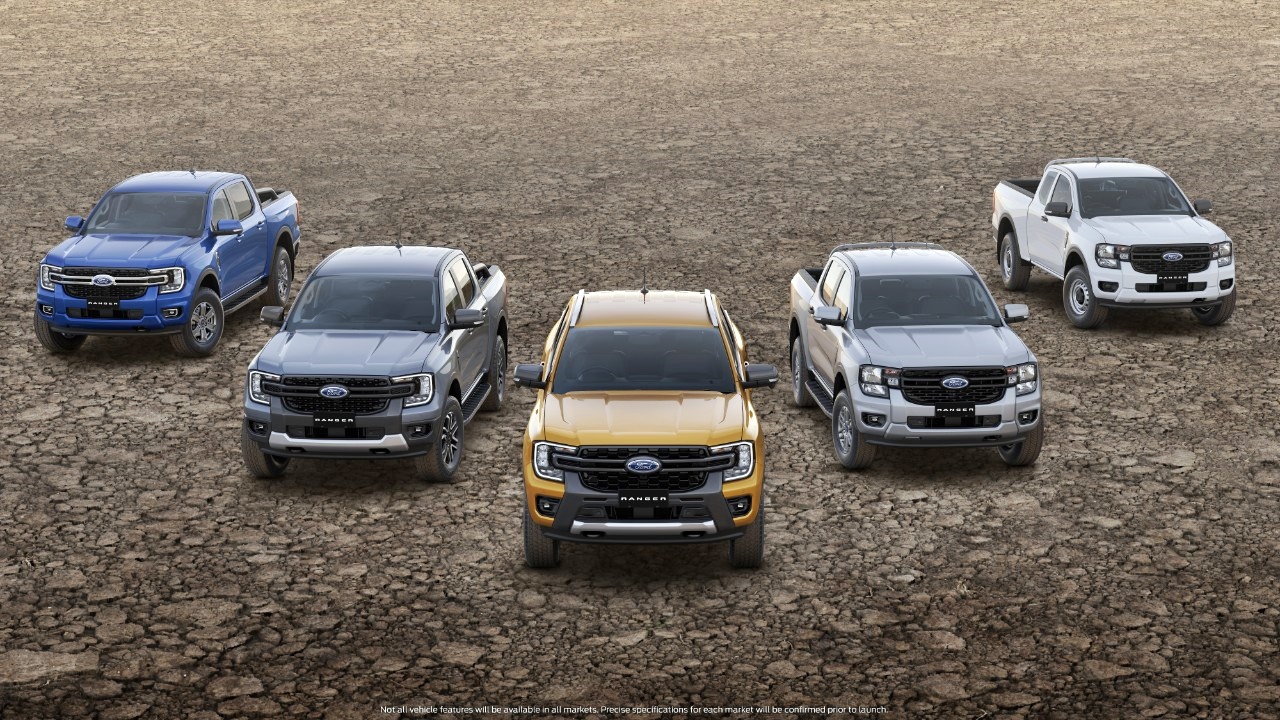
Next year will see the new generation of the Ranger entering the market and Ford expects demand to be even higher. Since its output from AAT remains capped, it is expanding FTM and is spending another US$900 million (about RM3.8 billion) on upgrading its manufacturing facilities and capabilities in Thailand, at both FTM and AAT. Over 44% of the investment is in the supply chain network to provide opportunities for local supply chain partners.

Ford Thailand Manufacturing, located 14 kms from AAT, began operations in 2012. It produced the Fiesta, Focus and EcoSport models but now only does the Ranger, and has been upgraded to produce the new Ranger (below) next year.

This is the largest-ever single investment in Ford’s 25-year history in Thailand and is recognition of the importance of the country as a global export production base for the company. “This is an important milestone to build on our quarter-century of commitment to producing vehicles in Thailand, enabling us to further modernize and upgrade our local operations, and support production for the exciting upcoming launch of the next-gen Ranger, one of Ford’s highest volume and most successful vehicles anywhere in the world, and the next-gen Everest SUV,” said Yukontorn ‘Vickie’ Wisadkosin, President, Ford ASEAN and Asia Pacific Distributors Markets.

Besides adding a second shift at FTM which provides over 1,200 new jobs, the overall investment also brings Ford’s manufacturing facilities in Thailand in line with the latest global efficiency, flexibility, and quality processes through extensive upgrades and new state-of-the-art manufacturing technologies.

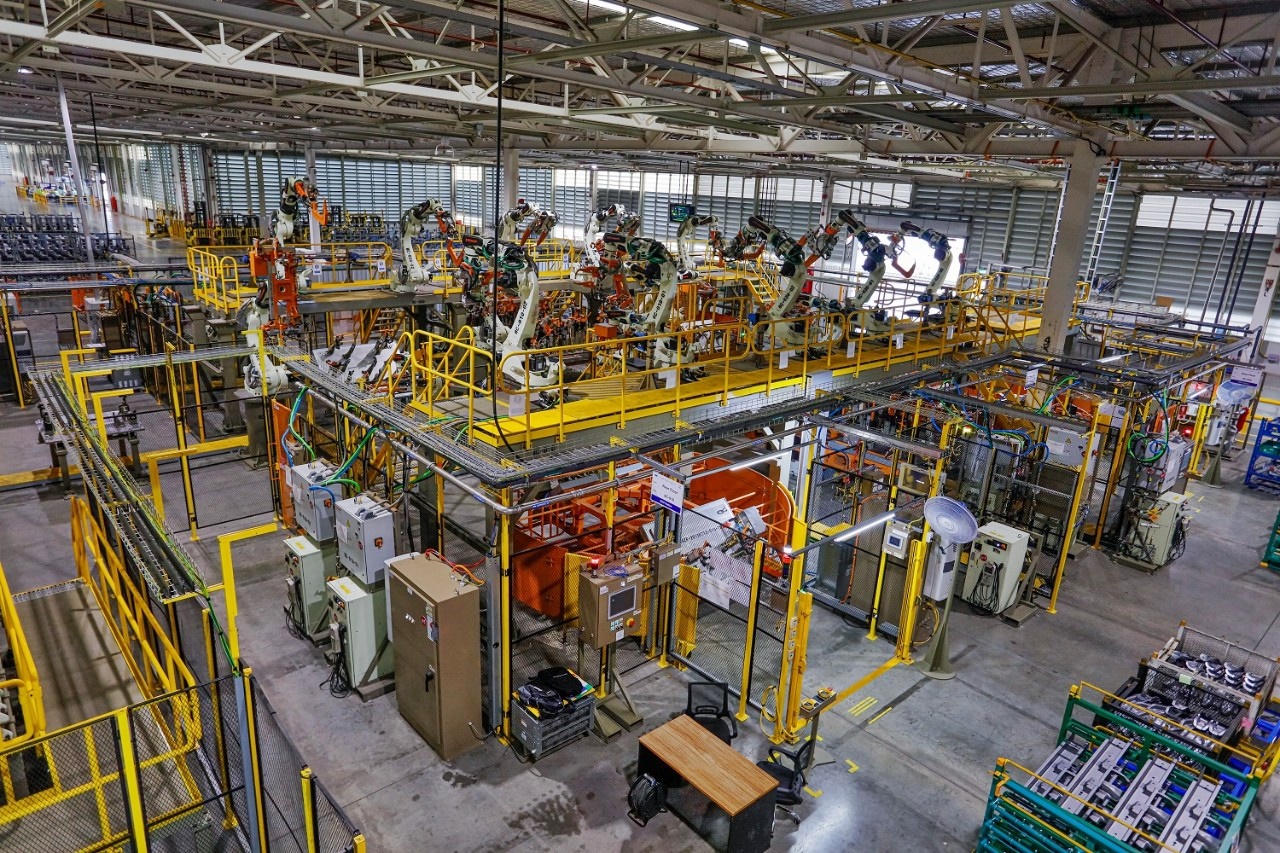
The company is almost doubling the number of robots at both FTM and AAT, with the addition of 356 robots at the body shop and paint shop. This brings the level of automation at the body shop at FTM and AAT from 34% to 80% and 69%, respectively.

Ford also has increased its production capability for multi-variant truck production in FTM. By increasing model flexibility, the plant can produce multiple cab styles – single cab, open cab and double cab – on the same production line. This allows more flexibility in planning and scheduling so the plant can react more quickly to customer demand and reduce customer waiting time for a new vehicle.

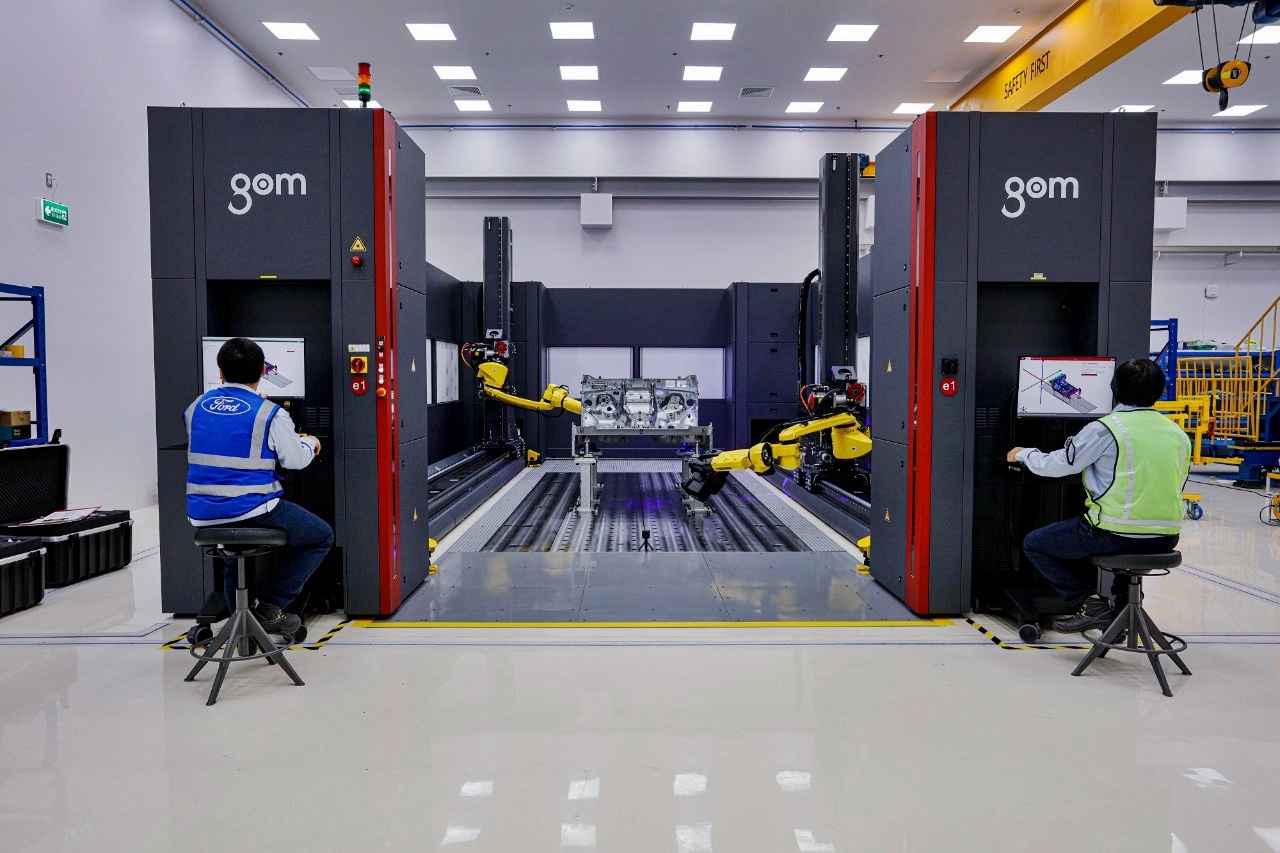
As part of the investment, Ford is the first auto manufacturer to implement ScanBox technology in Southeast Asia. This latest surface scan capability improves the time used to accurately measure the whole vehicle by 5 times during the assembly process, helping Ford to increase efficiency in problem solving for better quality control.

In addition, FTM and AAT are making significant efforts to support environmentally friendly initiatives, including using renewable energy, reducing CO2 emissions, and practicing zero waste to landfill.

Exporting vehicles is a significant part of Ford’s manufacturing business in Thailand, with the Ranger going to over 180 markets around the world. AAT will be the lead production hub for the upcoming next-gen Everest SUV which would almost certainly be based on the new Ranger.

Global debut of 4th generation Ford Ranger

Since the 1990s, the Mazda BT-50 has been a ‘twin’ of the Ford Ranger, as the two carmakers worked together to develop a common truck model (they also jointly developed passenger cars, vans and SUVs). However, for the new BT-50, Mazda no longer worked with Ford (which unveiled its new Ranger recently) and instead formed a commercial partnership with Isuzu Motors to develop a new model.

KODO design makes the difference
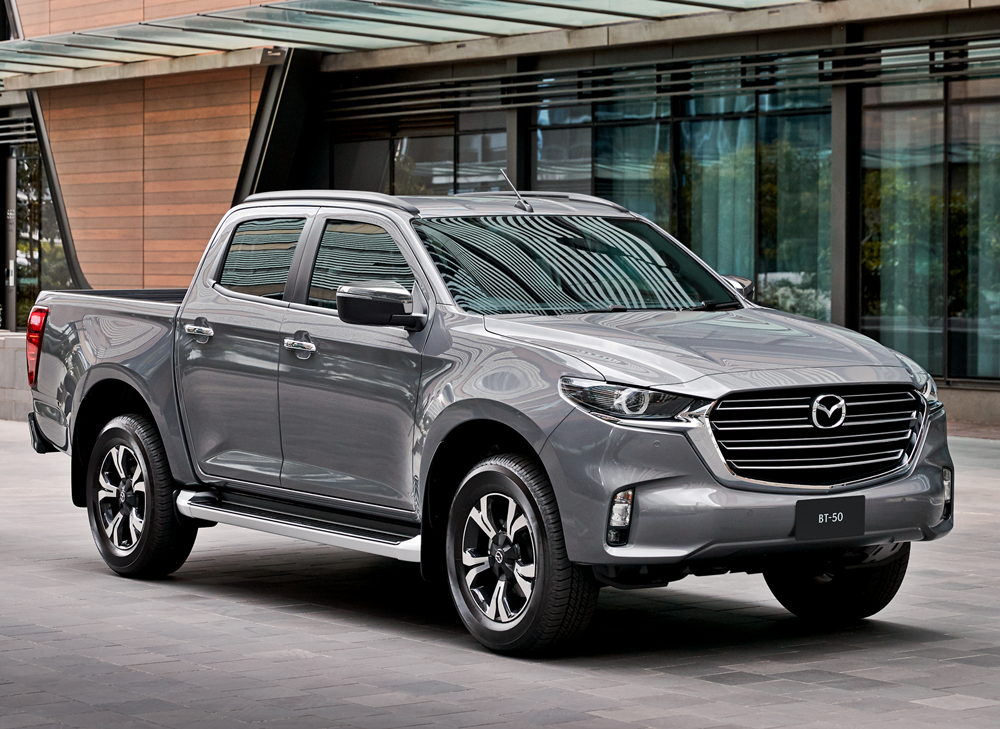
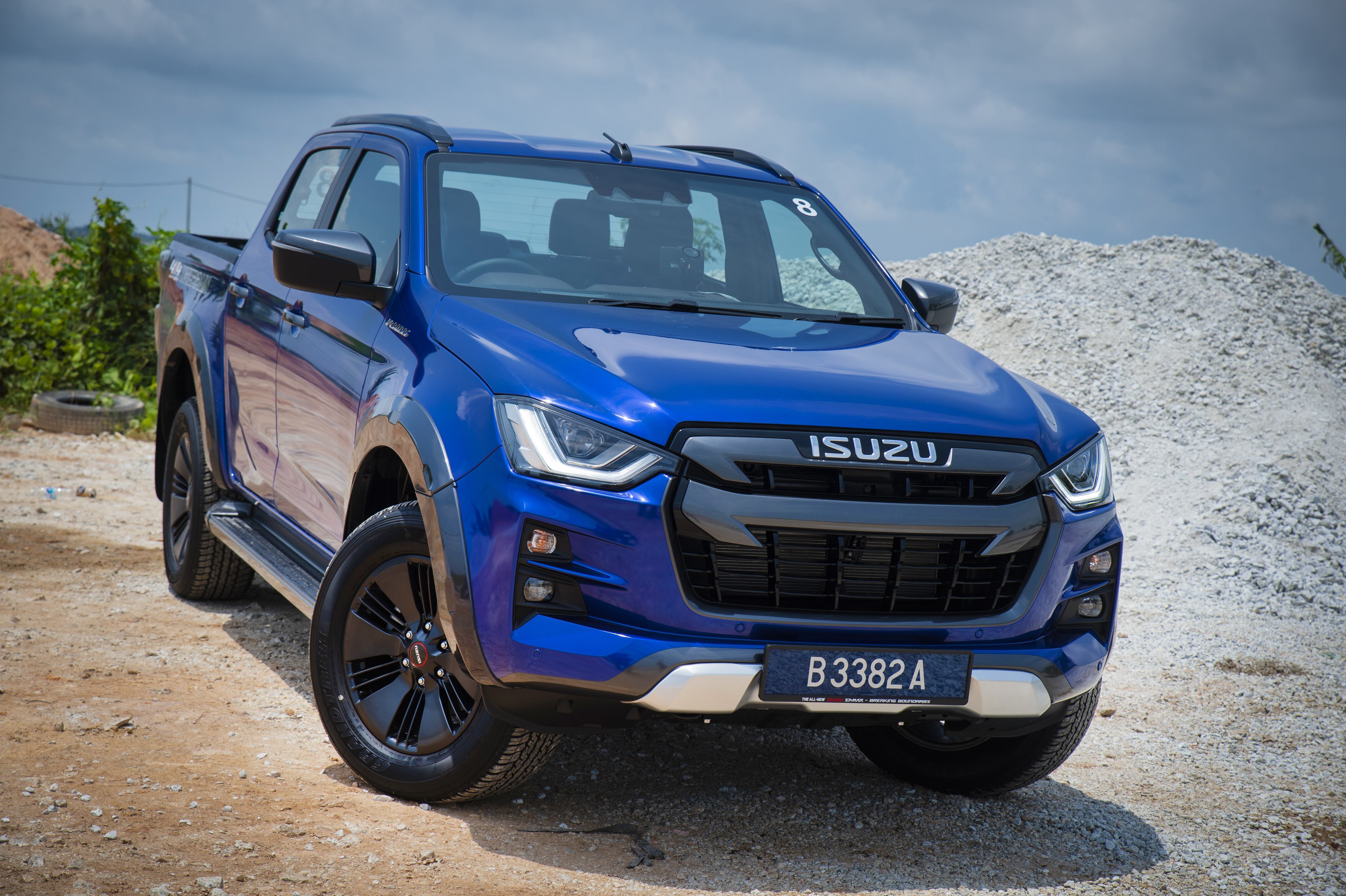
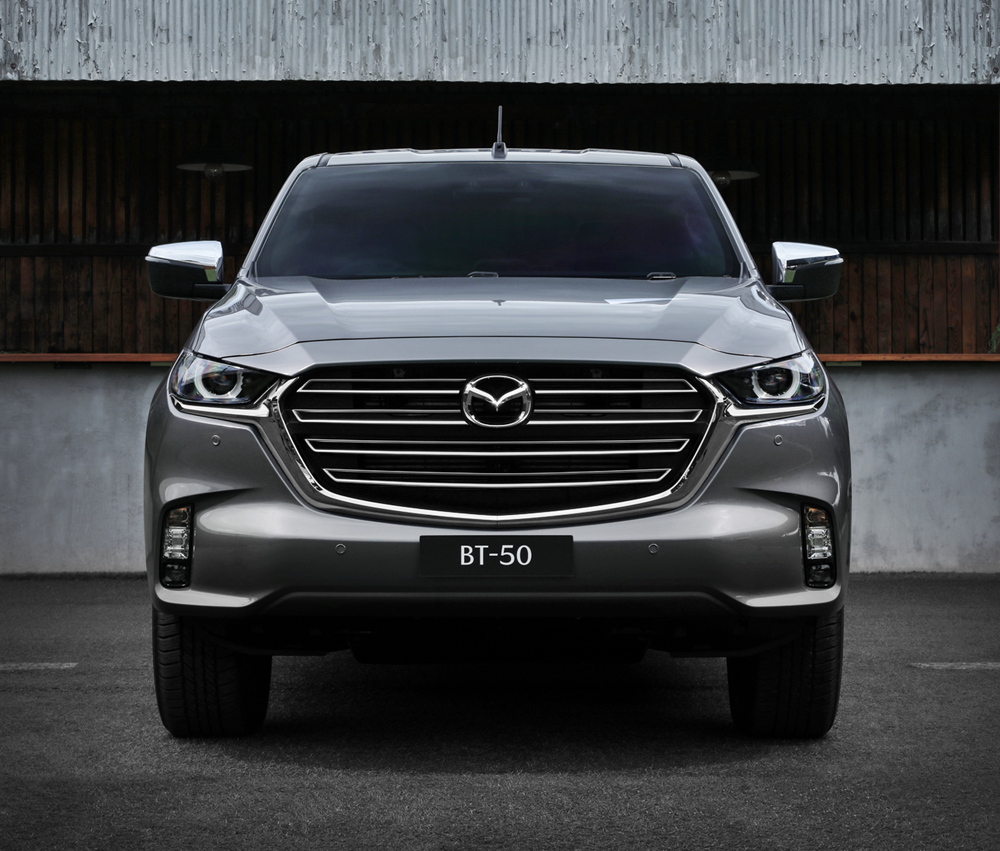
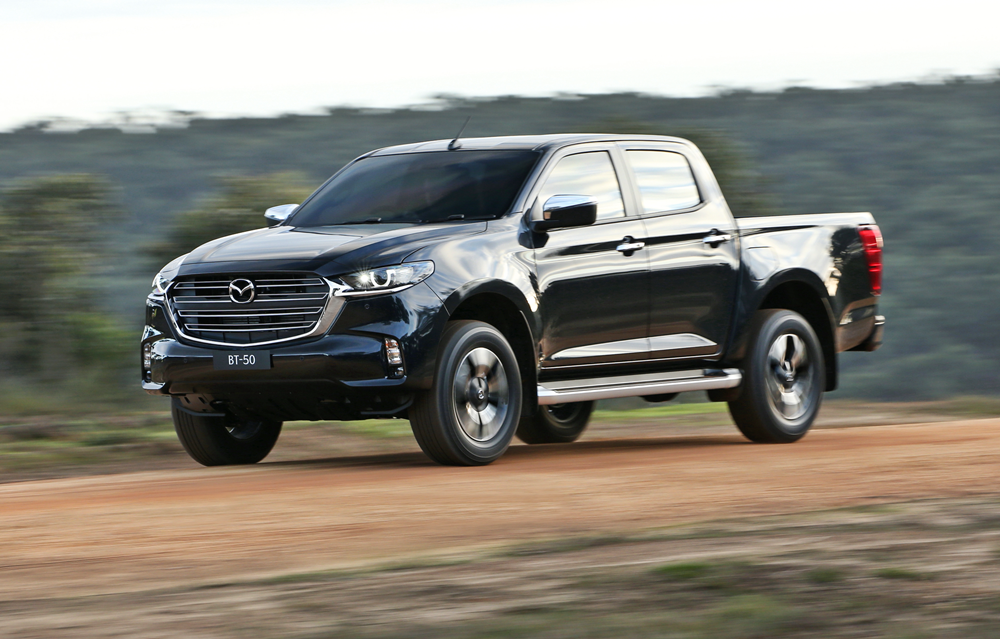
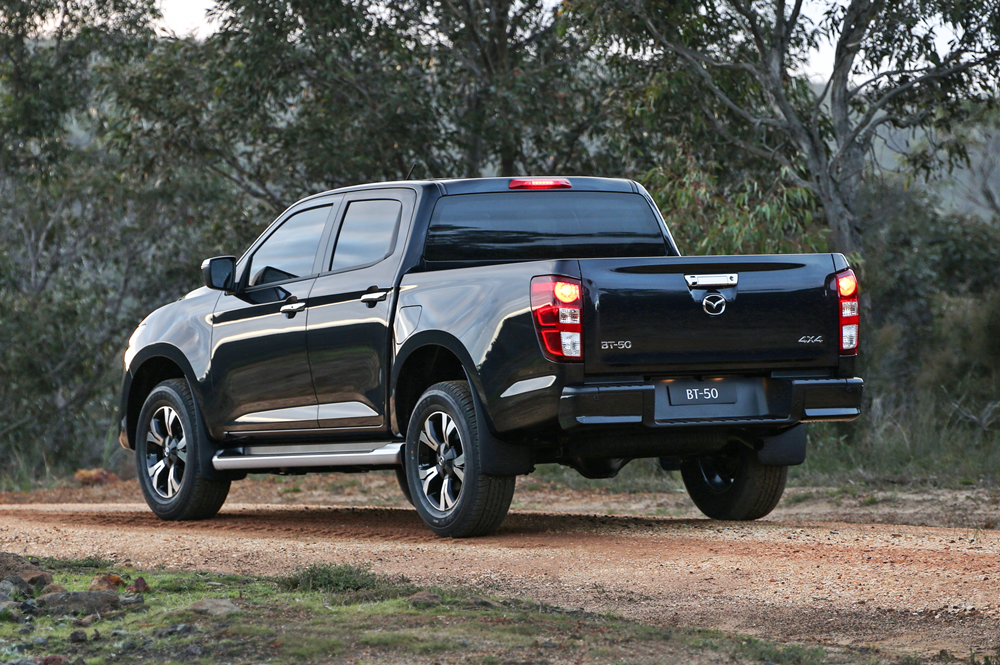
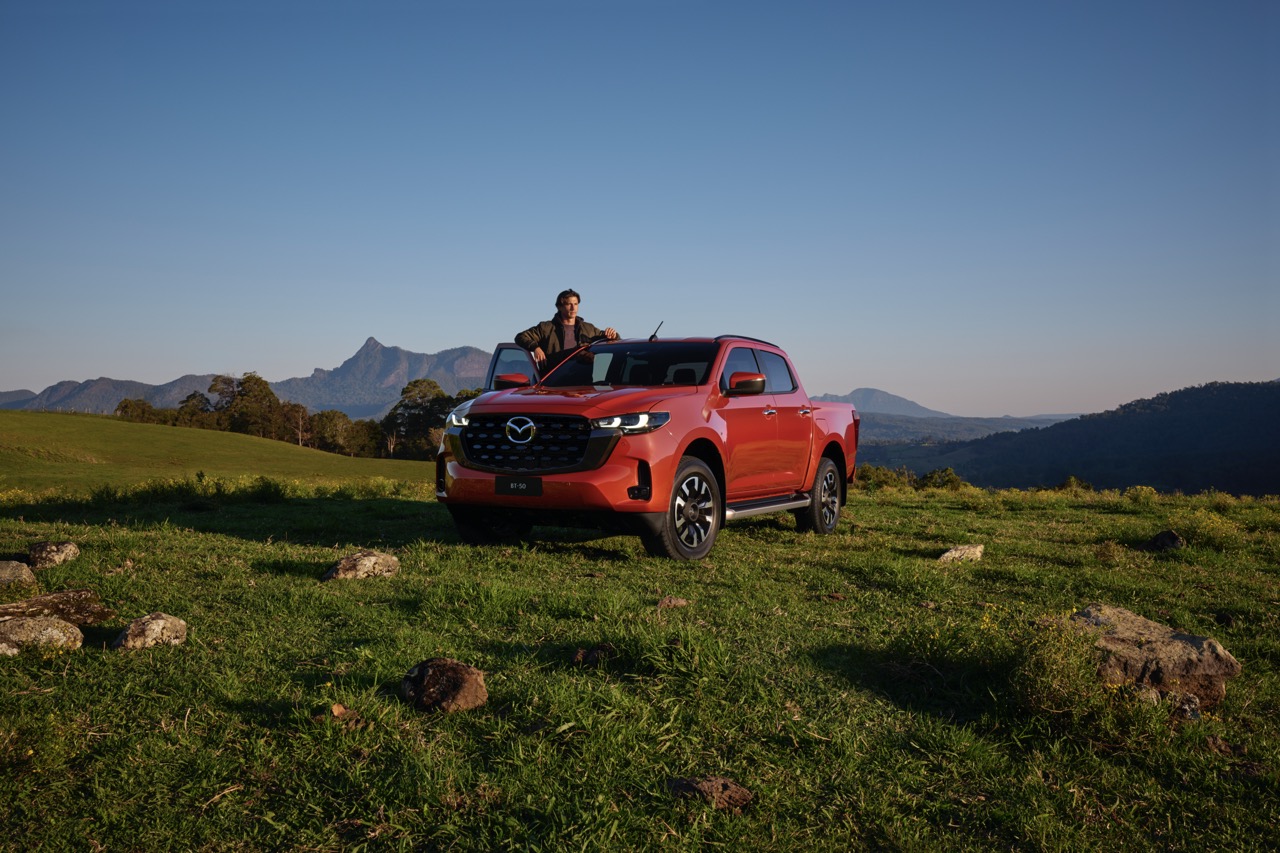
It’s no secret that the new BT-50 is adapted from the latest Isuzu D-MAX which was launched in Malaysia in April this year. However, when you look at the two pick-up trucks, you will see that Mazda has used its KODO design language to differentiate appearances significantly. In fact, if you were not told of the Isuzu connection, you would probably not think of the D-MAX. And to ensure its brand is immediately known, there is the familiar front grille (enlarged to match the size of the truck) and the 3-dimensional signature wing that extends out towards the side.

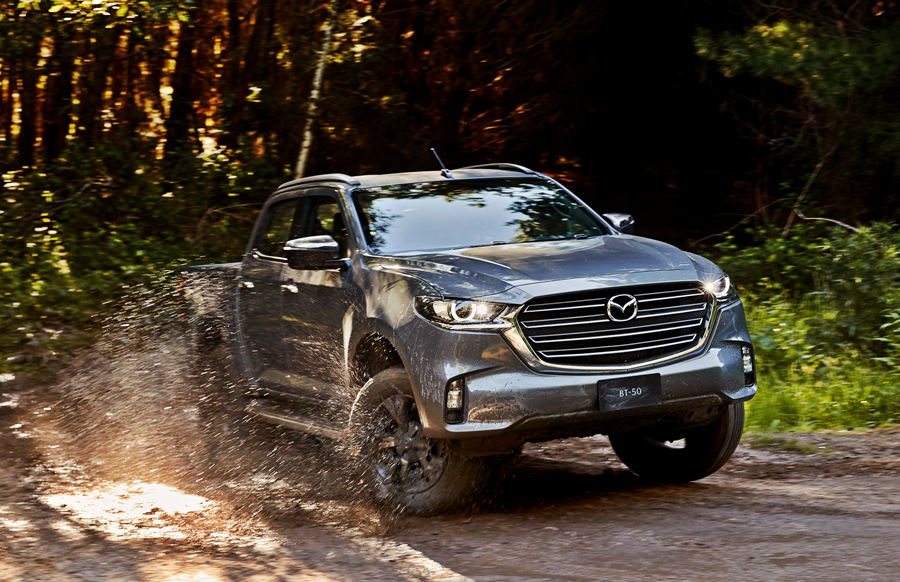
2022 Mazda BT-50
With its KODO design language, the new BT-50 has a significantly different appearance from the latest Isuzu D-MAX (below) which it has technical similarities with.

There’s not a lot you can do with a truck design since the profile of cab and cargo bed are pretty much similar. So the areas where differentiation can be done would be areas like the lights. In the case of the BT-50, the headlights are distinct and sharp, taking in cues from Mazda’s SUV range, and achieving the ‘deep gaze’ characteristic of Mazda.

At the back, the tailgate is the key design point, shaped to flow towards the Mazda badge to create a continuity of movement from front to rear. This complements the overall sense of bold and powerful movement, even when standing still.

Two engine choices
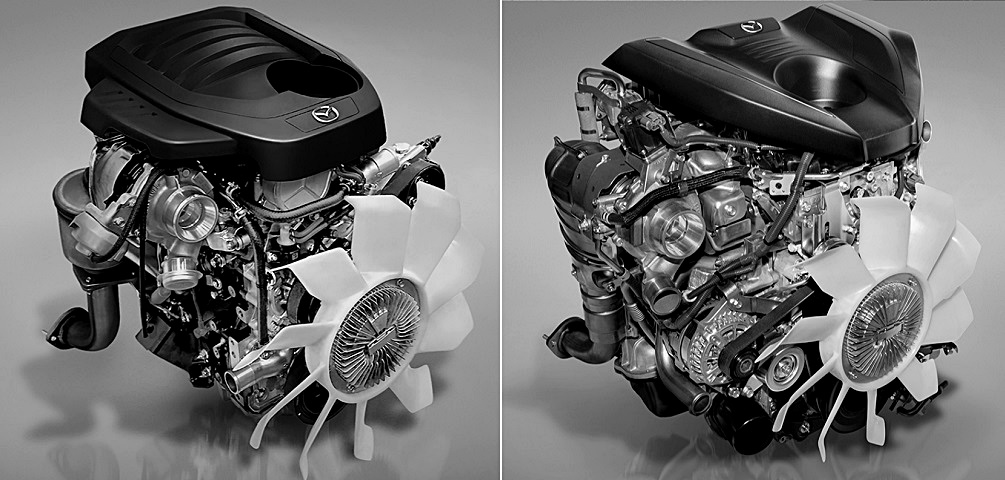
For the Malaysian market, Bermaz Motor offers two engine choices – a 1.9-litre or 3-litre turbodiesel 4-cylinder engines. These engines are also used in the D-MAX, so they are proven powerplants although it is possible that Mazda engineers may have tuned the characteristics slightly differently to meet the brand’s own philosophy. The electronic control module is programmed to match the torque delivery characteristics of the engine by always selecting the best ratio. Both engines are paired with 6-speed automatic transmissions.

Two 4-cylinder turbodiesel engines are available for the new BT-50 with displacements of 1.9 litres (left) and 3.0 litres (right).

Inside the double cab
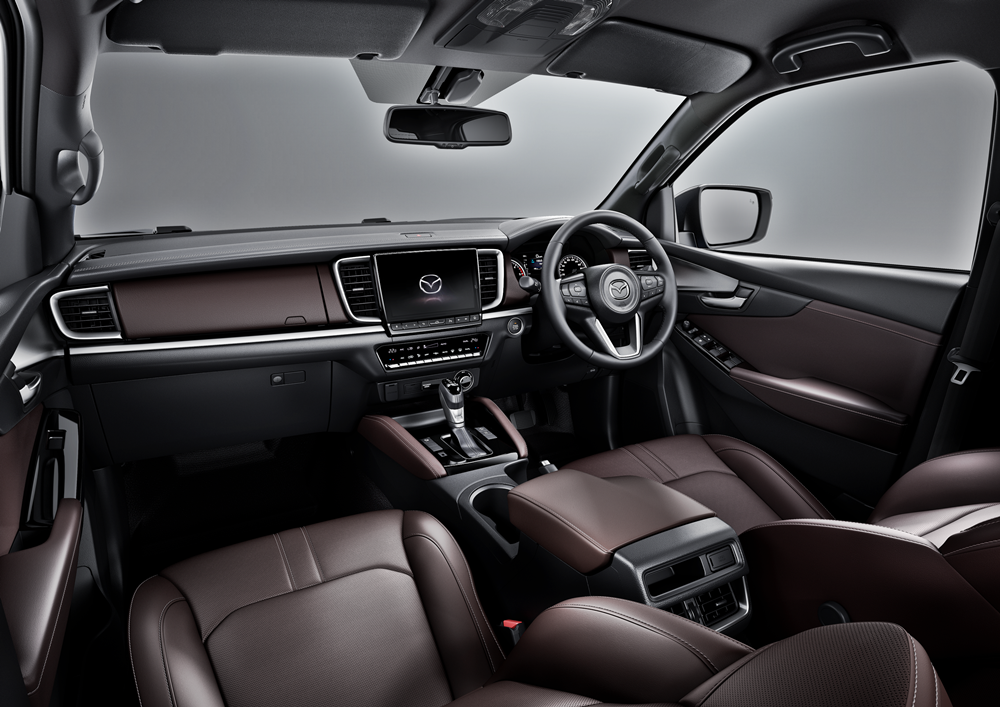
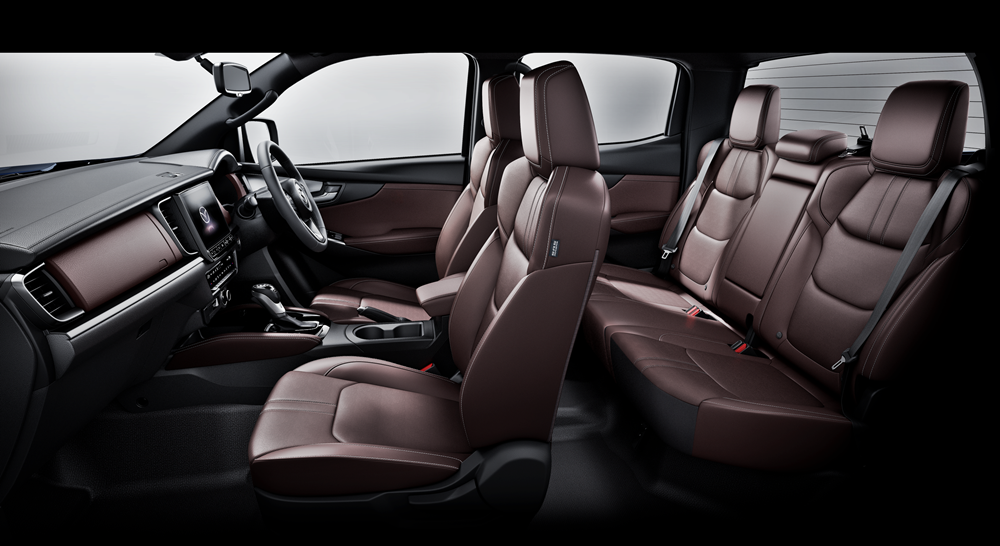
As with the exterior, the double cab interior also has the same high quality feel that Mazdas are known for. The human-centric environment ensures that drivers feel connected to their vehicle and are comfortable. The horizontal layout of the instrument panel extends out to the door trim on each side, visually widening the cabin. Fine stitching is used for the dashboard, instrument panel cover, and kneepads, adding an extra touch of quality to the interior. The door moldings that wrap around the dash area are a feature of the Kodo design philosophy.

Rear passengers have convenience and comfort with air ducts bringing cool air to them and a USB charging port to recharge personal electronic devices. Supportive seats wrap around the body to hold it well when driving over bumpy terrain. A large touchscreen infotainment system offers comprehensive functionality, including Apple CarPlay & Android Auto connectivity.

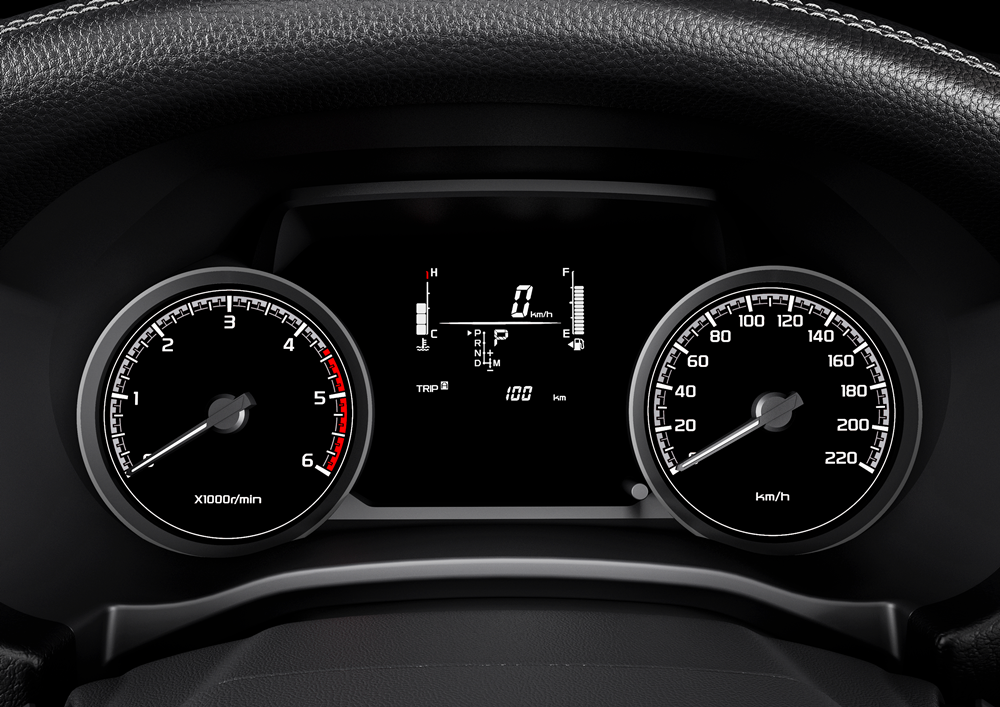
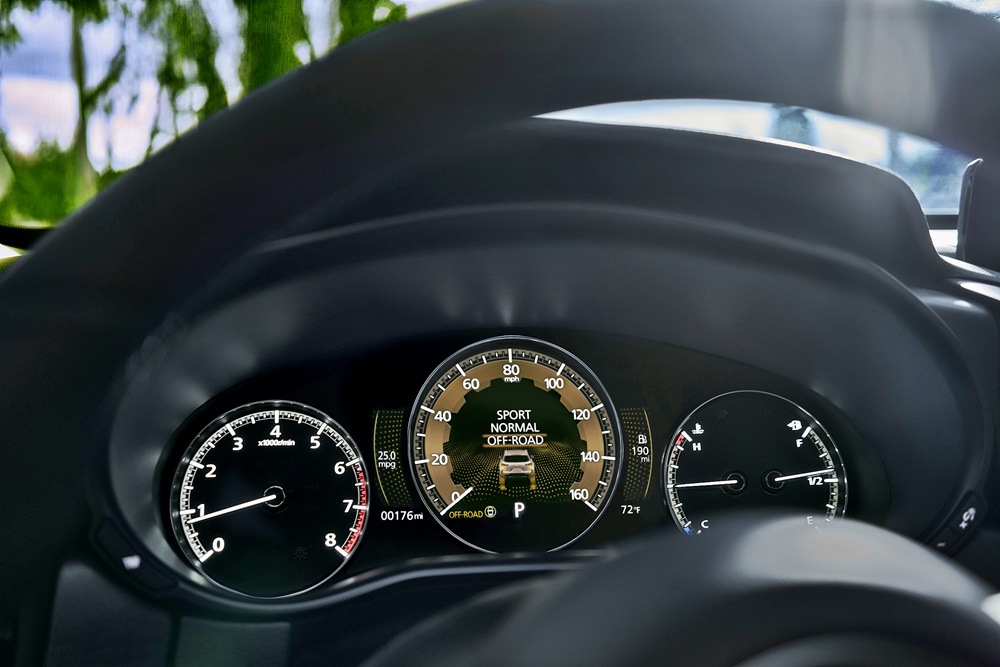
The new instrument cluster has two round analog meters flanking a 4.2-inch multi-information display in the centre. The panel surface is finished in Mazda’s deep, pure black color, creating a striking contrast against the light font and silver rims of the analog meters.

The rear doors are designed with wide openings and ample space for the feet and knees to pass through. This makes it easier for passengers to get in and out of the rear of the cab. Assist grips at the top are also useful for those who need support for the body.

As safe as a car
Even though this is a pick-up truck, safety is just as important as the occupants are the same as those who travel in a passenger car. Mazda therefore provides safety technologies which 7 SRS airbags and depending on the variant) active driver-assistance systems such as ABS + EBD with Electronic Stability Control and Traction Control. Hill Launch Assist (HLA) and Hill Descent Control (HDC) are also available, while a Rear Differential Lock is standard.

Certain versions of the new BT-50 also come with advanced systems such as Automatic High Beam, Blind Spot Monitoring with Rear Cross-Traffic Alert, Lane Departure Warning System, Forward Collision Warning, Auto Emergency Braking, and Adaptive Cruise Control. So it is comparable to a modern car which should be the case since most pick-up trucks are now being driven on highways more than off-road.

Preview in first week of December
The new BT-50 has a selling price starting from RM124,179.20 and purchasers get a manufacturer’s warranty of 5 years or 100,000 kms, whichever occurs first after original registration. Authorized Mazda dealers nationwide are now accepting bookings. For more information on the new BT-50 or other Mazda models, or to locate an authorized showroom, visit www.mazda.com.my.

Quality pre-owned Mazda vehicles available at the new Mazda Anshin website

Mazda’s all-new CX-50 is another new model from the carmaker that could be seen as the beginning of a new range with the ‘0’ added at the end. With the exception of the older BT-50, we’ve had the MX-30 and the CX-30 in recent years and now a larger SUV joins this new generation of models.

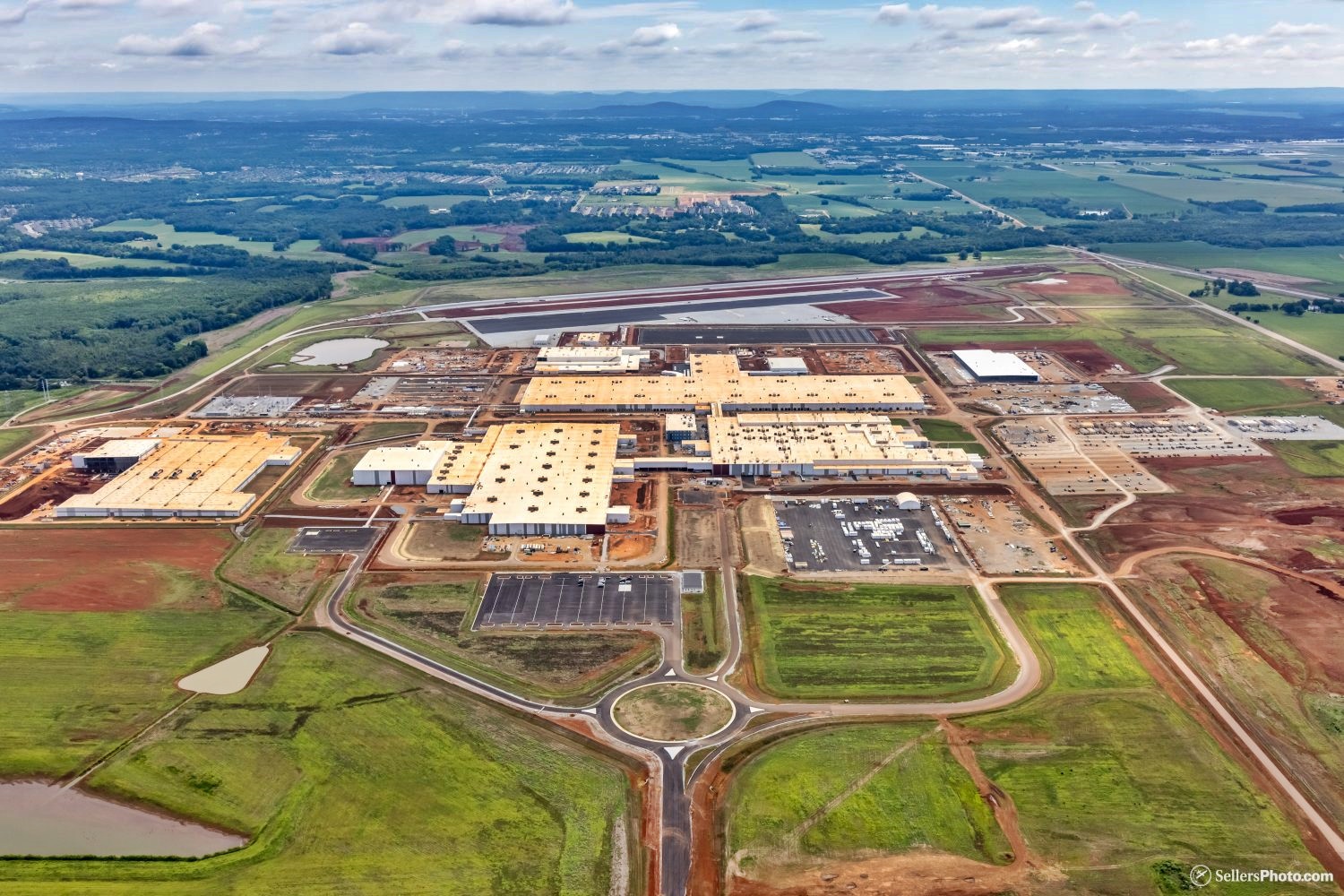
The CX-50, not intended as an immediate replacement for the CX-5, is essentially for the North American market where Mazda enjoys strong sales. Not only has it been developed for the market but it will also be built there, at the new Mazda Toyota Manufacturing factory in Alabama, with production beginning in January 2022.

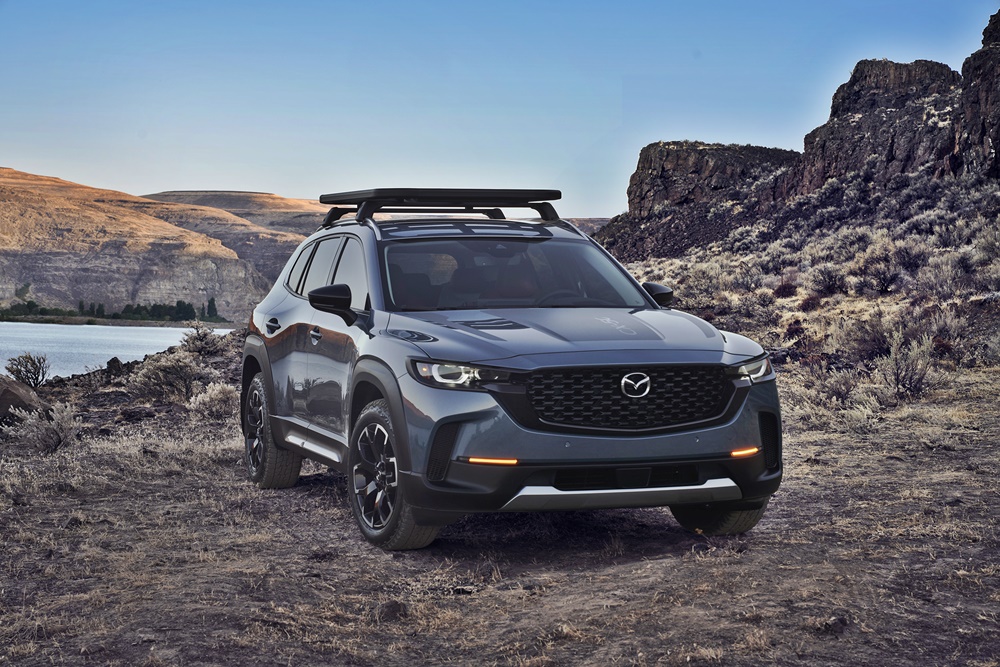
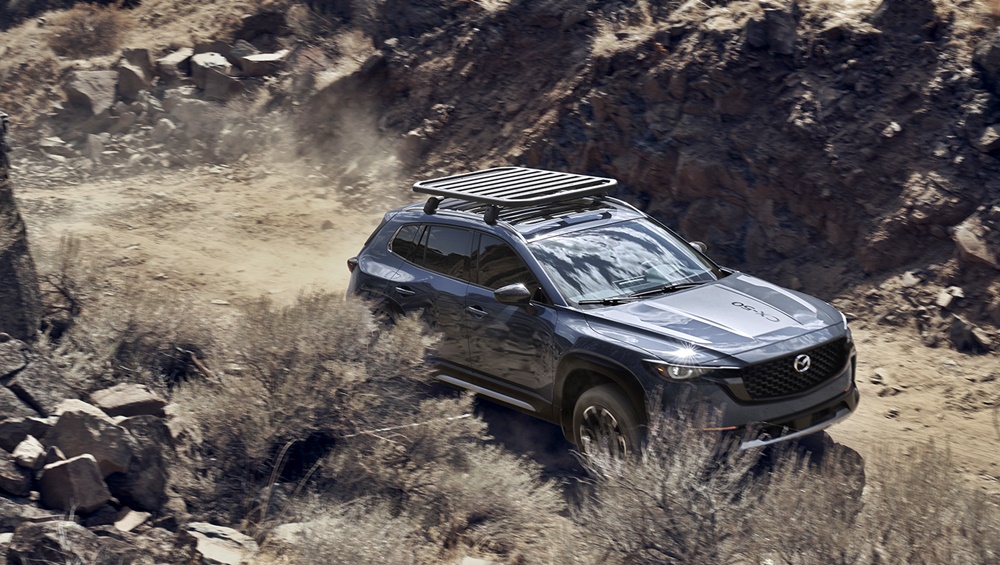
2022 Mazda CX-50

The CX-50 will have both naturally aspirated and turbocharged SKYACTIV-G petrol engines. This is a 2.5-litre 4-cylinder unit which will be paired a 6-speed automatic transmission. All versions will have i-ACTIV all-wheel drive and a new Mazda Intelligent Drive Select known as Mi-Drive.

Later on, the company plans to add electrified powertrain options. It confirms a ‘traditional hybrid model’ will be offered but no details are being provided yet. The hybrid powertrain is likely to be Toyota’s (which has often said it is willing to share its technology to promote hybrids) although Mazda engineers would also ‘tune’ it according to their own philosophy.

Up to 150,000 units of the new CX-50 will be built annually at the jointly owned Mazda Toyota Manufacturing factory in Alabama, USA.

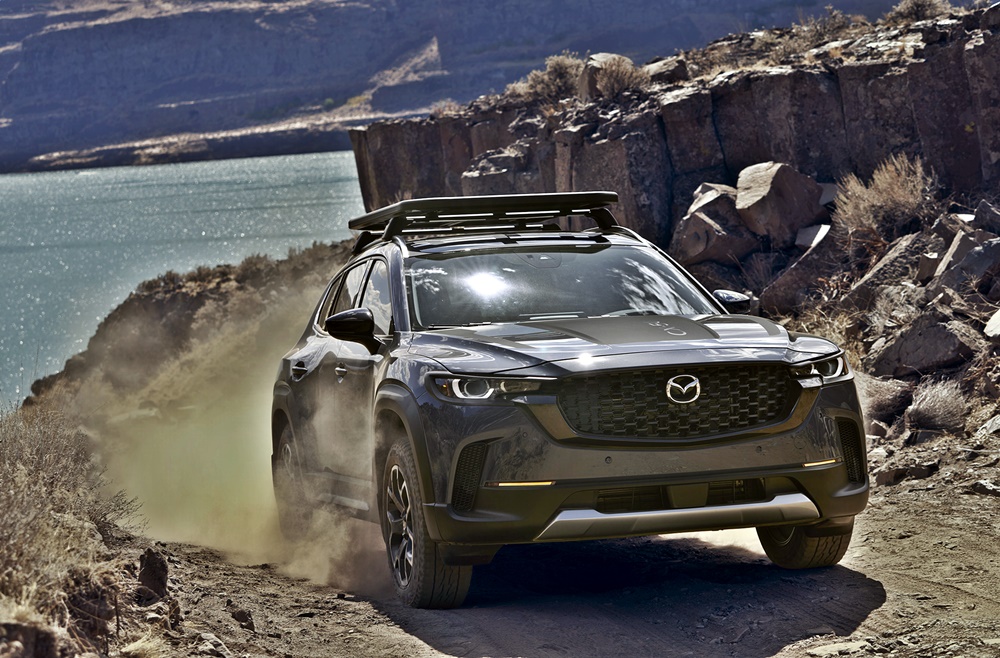
2022 Mazda CX-50

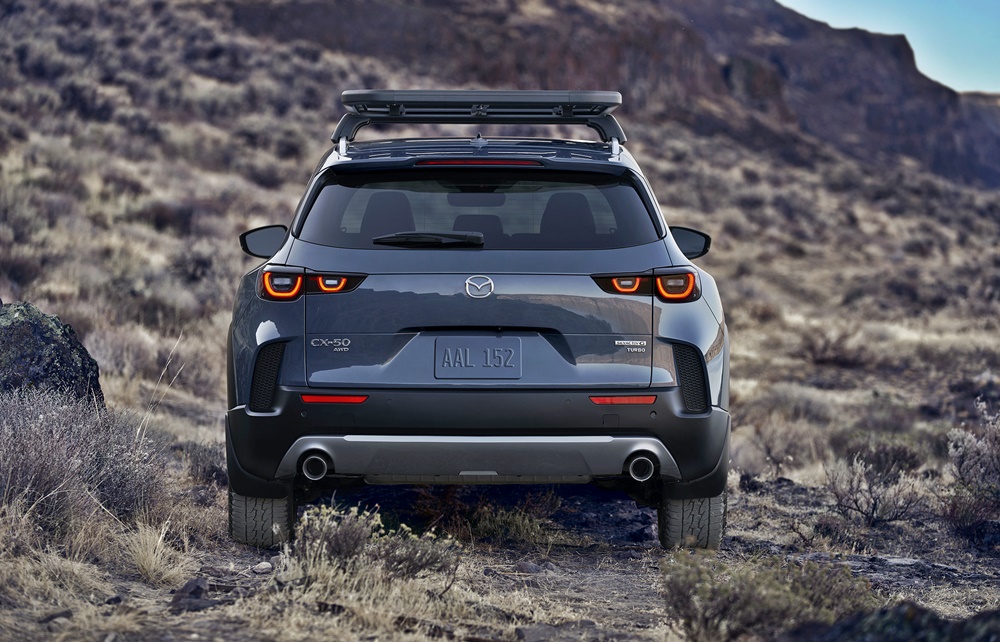
With this new model, it appears that Mazda has adjusted the balance of highway capability and off-road capability based on market studies of how owners of SUVs use their vehicles. The present range of models are already fairly competent with jinba-ittai driving dynamics on the road and with the CX-50, some extra capability has been added for off-road motoring. Exactly what this entails is not explained but Mazda says that drivers will be able ‘to venture further into the outdoors and various terrain’.

It is likely that Mazda engineers have adapted the G-Vectoring Control (GVC) to enhance driving on loose surfaces. This proprietary system developed by the carmaker intelligently adjusts engine torque so that weight distribution is more front-biased when turning in. That could be useful on loose surfaces to enhance grip as the vehicle goes around a turn.

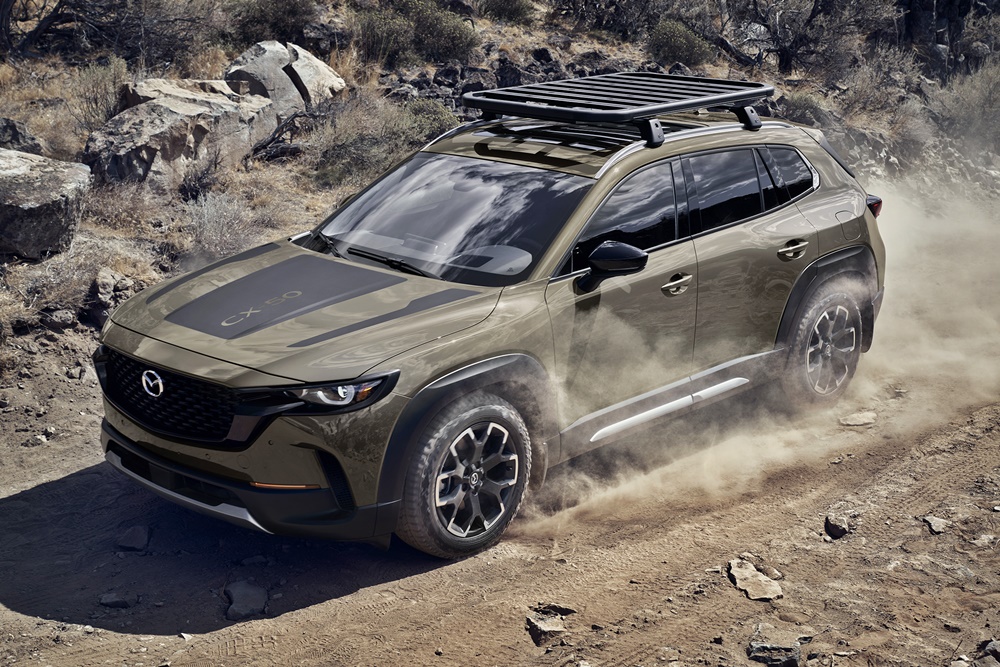
With the ‘father of KODO Design’, Ikuo Maeda (Head of Mazda Design) having expressed a hope that KODO design will exist ‘forever’, it is also adopted for the CX-50. As with each new model, there is a bit of evolution in the design language and the design elements are geared toward a  more rugged image.

2022 Mazda CX-50

Riding on a new platform also used for the latest Mazda3 and CX-30, the CX-50 is slightly longer than the CX-5 as well as wider. However, the roofline is closer to the road and the designers have put on roof rails. While roof rails on many SUVs are more for looks, those on the CX-50 are said to be high-strength and, along with reinforced B-pillars and door jambs, allow equipment to be securely stowed on the roof. For those who have more gear, Mazda also offers a roof carrier as an option.

2022 Mazda CX-50

2022 Mazda CX-50

2022 Mazda CX-50

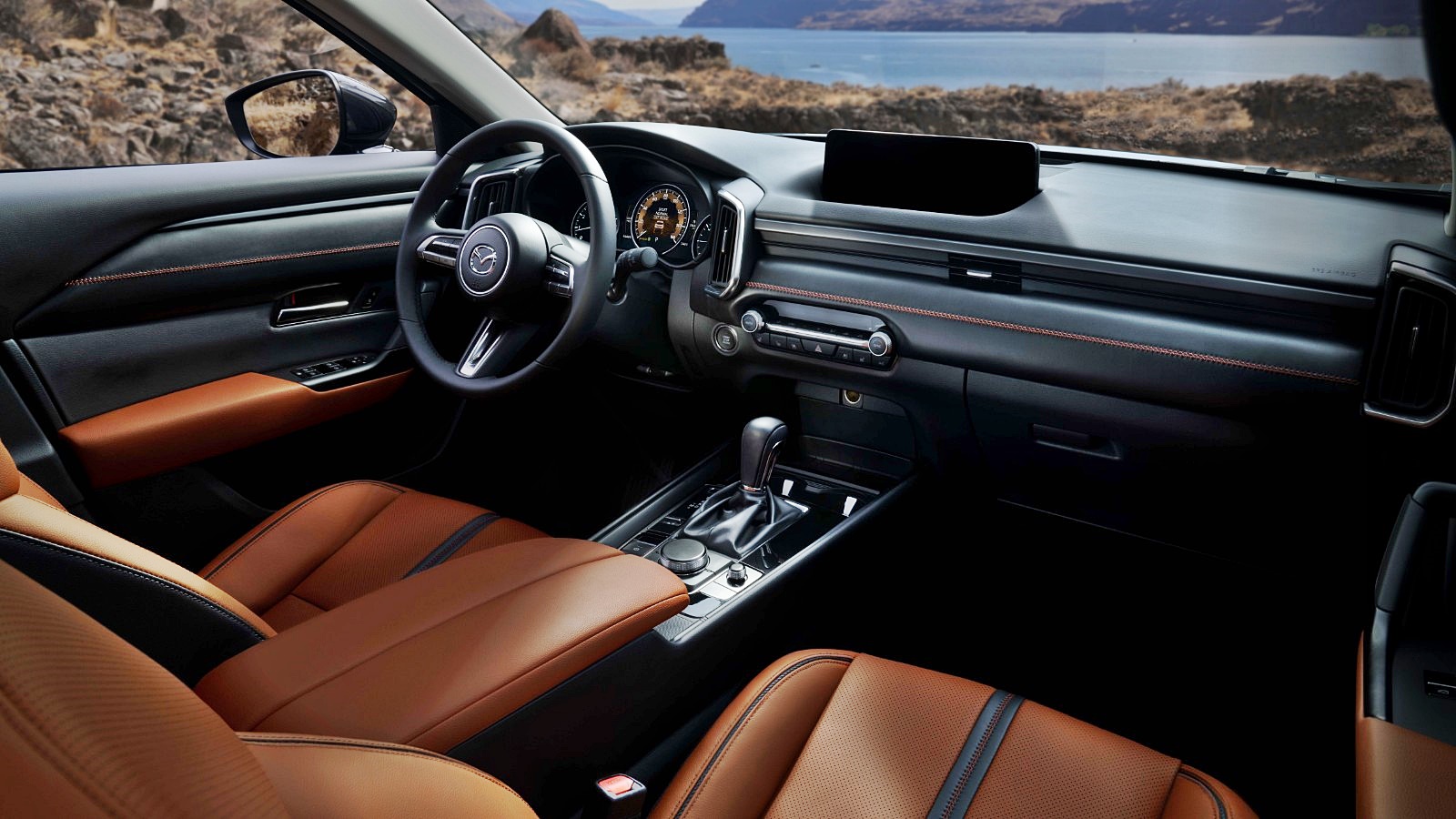
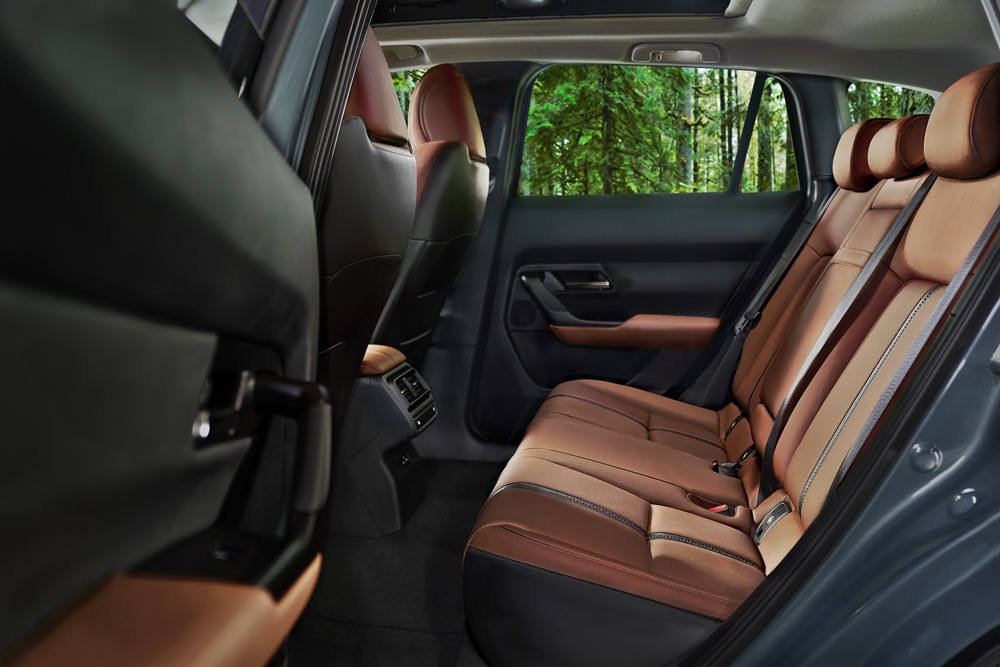
As with other current Mazdas, the cabin has a premium look with functionality that would be welcome by those who do venture off-road. The generous height and length contribute to the spacious cargo area and perhaps some of the useful lessons gained from working with Ford on the jointly developed Escape/Tribute years ago have been recalled. A new panoramic moonroof, a first for Mazda, brings the sky in, again something that will be especially appreciated off-road.

As the model is intended mainly for the North American market, it is unlikely that it will be offered in Malaysia by Bermaz. However, it might eventually appear in a later generation as the current single-digit number range transitions into the double-digit one in later years as Mazda clearly would not be having dual model ranges for too long. That has already happened with the CX-30, with the CX-3 to be discontinued in some markets next year.

2022 Mazda CX-50

To know more about Mazda models available in Malaysia, visit www.mazda.com.my.

Mazda to complete electrification of products by 2030, with major focus on European markets

Mazda Motor Corporation will be expanding its SUV line-up from 2022 onwards. While  the popular CX-5 will remain one of the core models globally, alongside with models such as the CX-30, the company has finalised development of additional models in the Large Product Group.

These models, including two new ones – the CX-60 and CX-80 – will be aimed at European and American markets, together with the new wide-bodied CX-70 and CX-90. The new models will be introduced throughout Europe during the next two years.

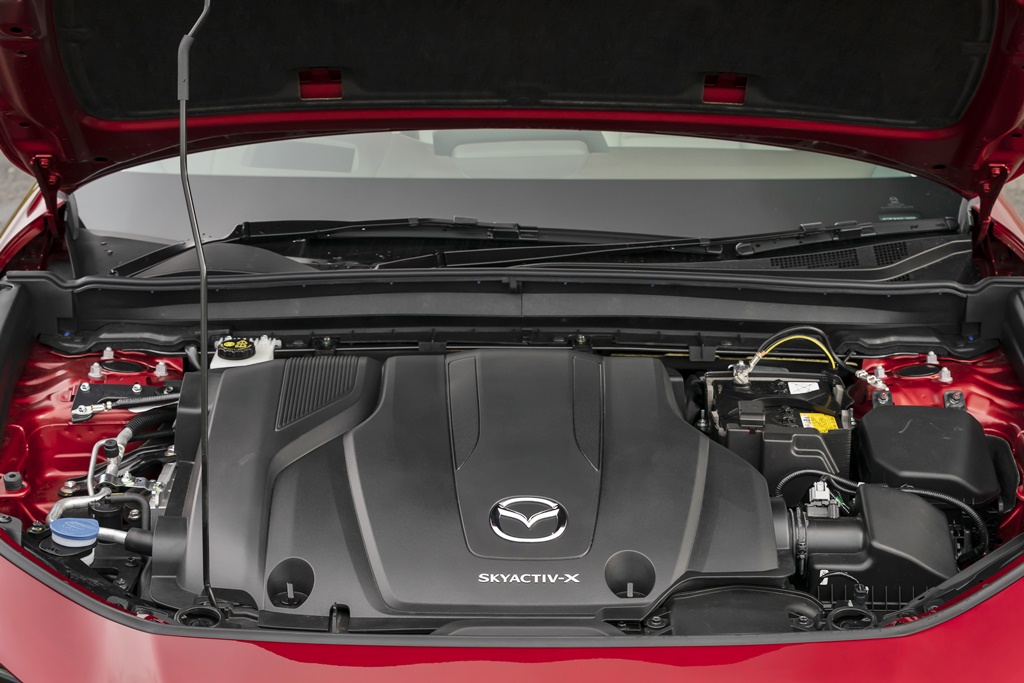
Featuring 2-row and 3-row seating, respectively, the CX-60 and CX-80 will also spearhead the European introduction of plug-in hybrid (PHEV) models that use 4-cylinder petrol engines combined with an electric motor. There will also be the new generation straight-six SKYACTIV-X petrol engine and SKYACTIV-D turbodiesel engine incorporating a 48V mild hybrid system. These engines will have high output while also achieving excellent environmental performance.

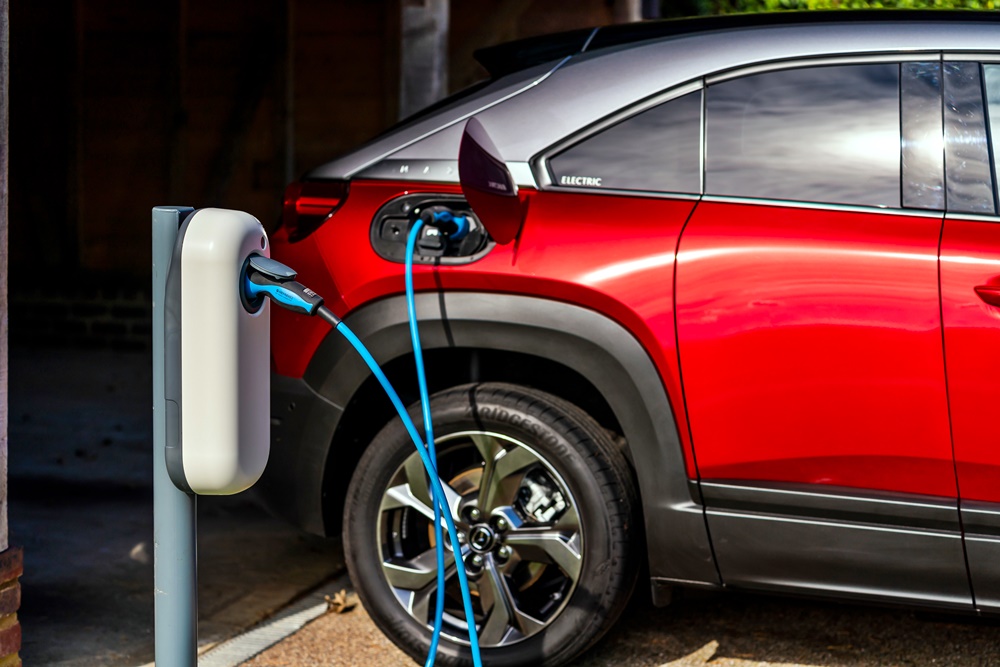
Fully electric MX-30.

The new CX-60 and CX-80 are expected to create positive business growth over the medium to long term. They will make full use of Mazda’s Building Block development and production strategy. This strategy enables the carmaker to  efficiently develop and deploy superior technologies by building up a set of fundamental technologies as ‘blocks’. Some of the technologies are already familiar – like SKYACTIV technology – with bundled planning and flexible production.

In addition, during the first half of 2022, a new version of Mazda’s first mass-production EV, the MX-30, will be introduced. This model incorporates multiple electrification technologies that use Mazda’s famed rotary engine as a generator.

From around 2025, the company will introduce a number of new products on a new EV-dedicated platform. With the introduction of these models, Mazda is on track to complete the electrification of its complete range by 2030.

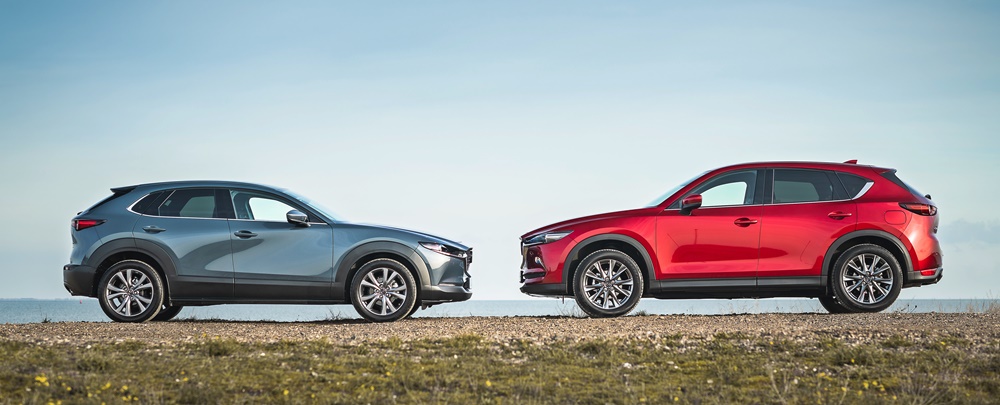
CX-30 and CX-5, two of the Mazda SUVs available in Malaysia.

To know more about Mazda models available in Malaysia, visit www.mazda.com.my.

Quality pre-owned Mazda vehicles available at the new Mazda Anshin website

If you have taken a close look at Mazda models, you will have noticed that the audio systems in the vehicles are often from Bose, a company which has been producing premium audio systems for over 50 years. Bose makes systems for home as well as professional users, and also develops premium sound systems for automobile manufacturers to use as original equipment.

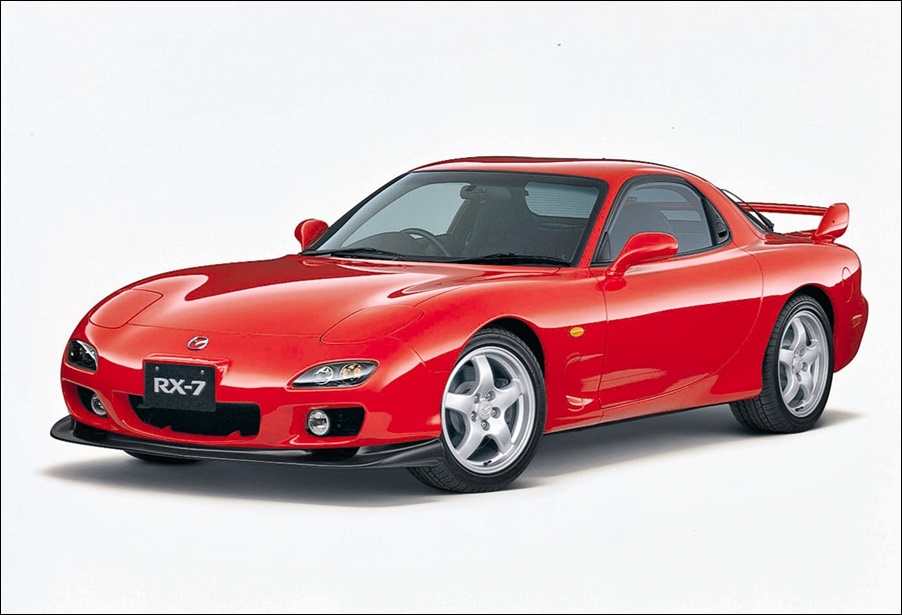
Mazda is one of the companies that Bose has had a long relationship with in this area, having first started working together with the third-generation Mazda RX-7 thirty years ago. While Mazda has long experience in making cars, it also understands that in some areas, it is better to work with specialists in the field to get the best solutions for customers.

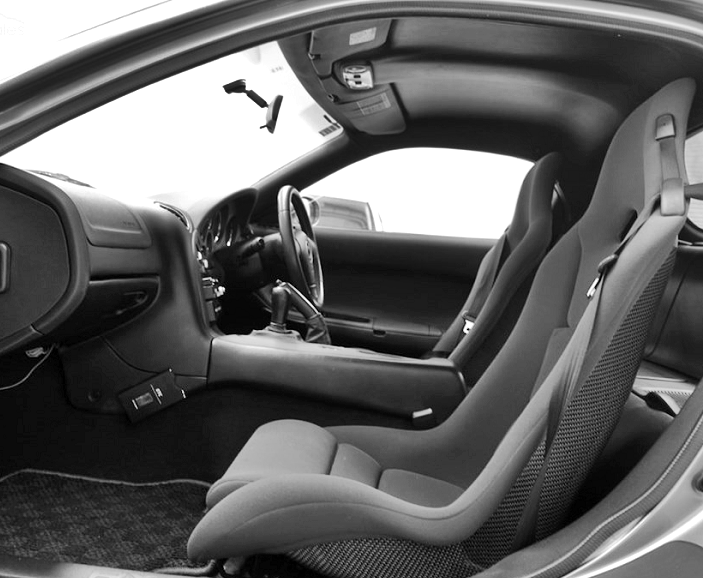
Mazda RX-7 FD interior

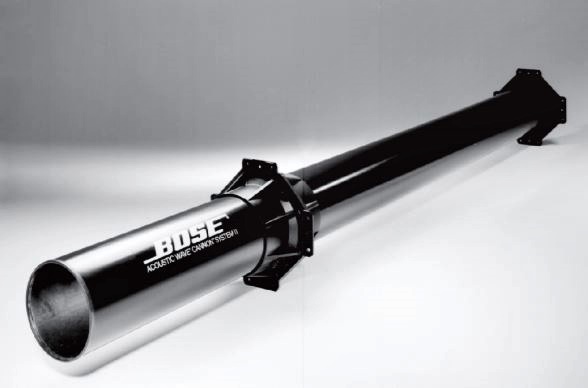
In the case of the RX-7, the requirements of the team working on the sportscar were to provide powerful bass and impactful sound. In their search for exceptional audio performance that could meet these requirements, the development team came across the Acoustic Wave Cannon system by Bose. The bass reproduction system comprising a 3.6-metre-long tube with a high-power woofer inside provided exactly what Mazda was looking for, and the two companies set to work integrating the speaker technology into the car.

Acoustic Wave Cannon system by Bose.
RX-7 FD

While the task seemed insurmountable at first, an ingenious system of folds and bends allowed the engineers from the two companies to package the long tube into the rear of the car without compromising space or sound quality. “The Acoustic Waveguide technology and the RX-7 made music effortless,” remembers Mike Rosen, Principal Engineer Bose Automotive Systems, who was involved in the project.

The success with the RX-7 led to a continuing relationship with Bose and its systems are offered as premium features in Mazda models. And Bose does more than just supply systems as it also helps to optimize speaker placement for the best sound reproduction in the cabin. While Mazda engineers care a lot about vehicle dynamics, they also know that how the system sounds and the listening experience adds to the driving experience.

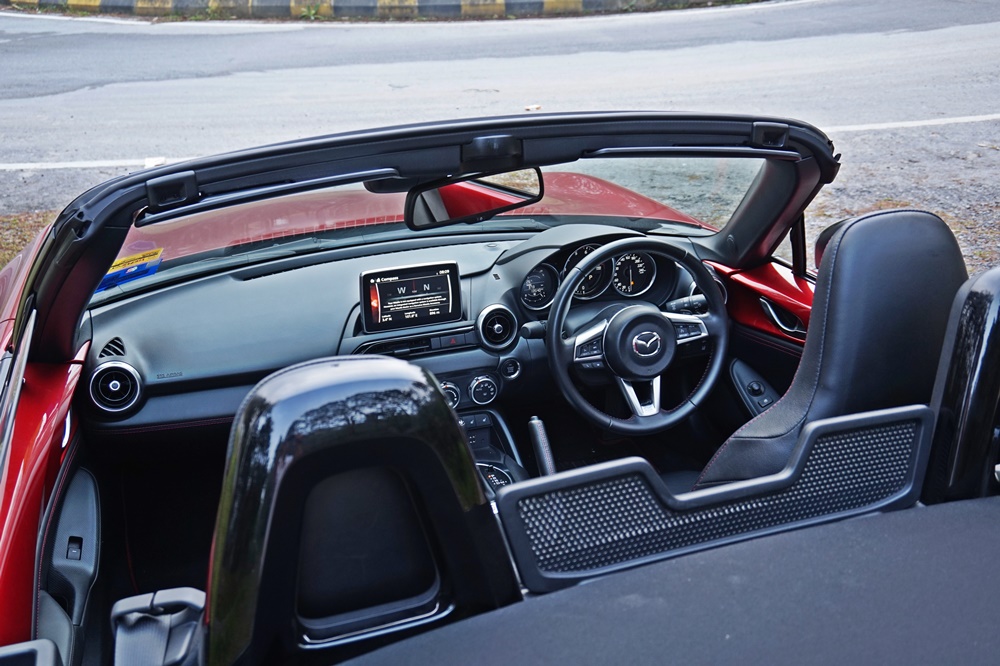
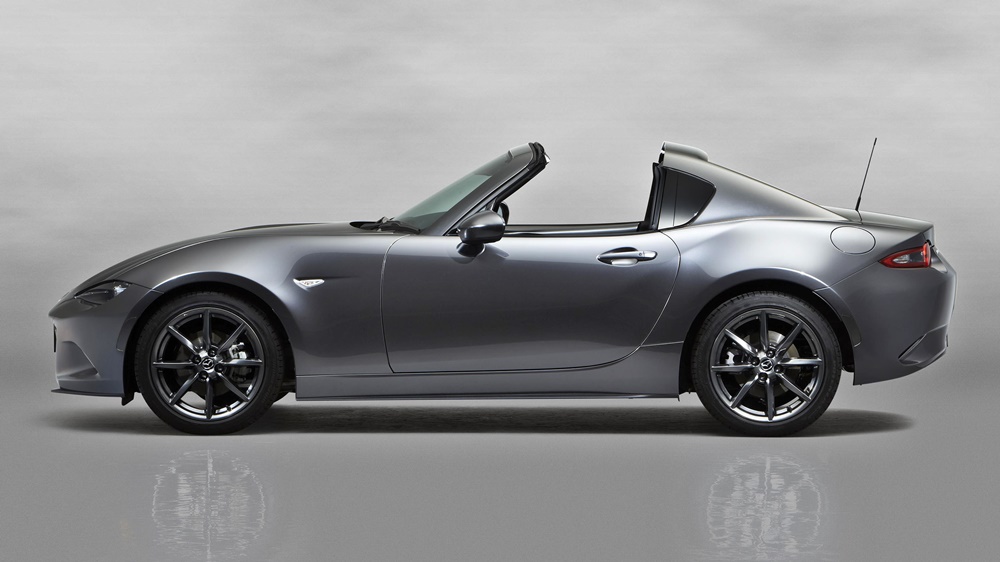
One particularly challenging milestone was the MX-5. Providing great sound quality for convertible cars when the top is down is a challenge for manufacturers and sound designers the world over, but Mazda and Bose came up with an innovative solution for the fourth-generation MX-5.

MX-5 interior
MX-5 RF

An EQ switch automatically adjusts the sound setting when the top is down, and Ultra Nearfield speakers embedded directly into the seat headrests allow for an immersive listening experience, even when the roof is open. Furthermore, Bose’s AudioPilot noise compensation technology continuously monitors the noise environment and automatically adjusts the audio playback to any changed circumstances, such as road and wind noise. This way, the driver can focus their attention on the music and driving experience without the need to make manual adjustments.

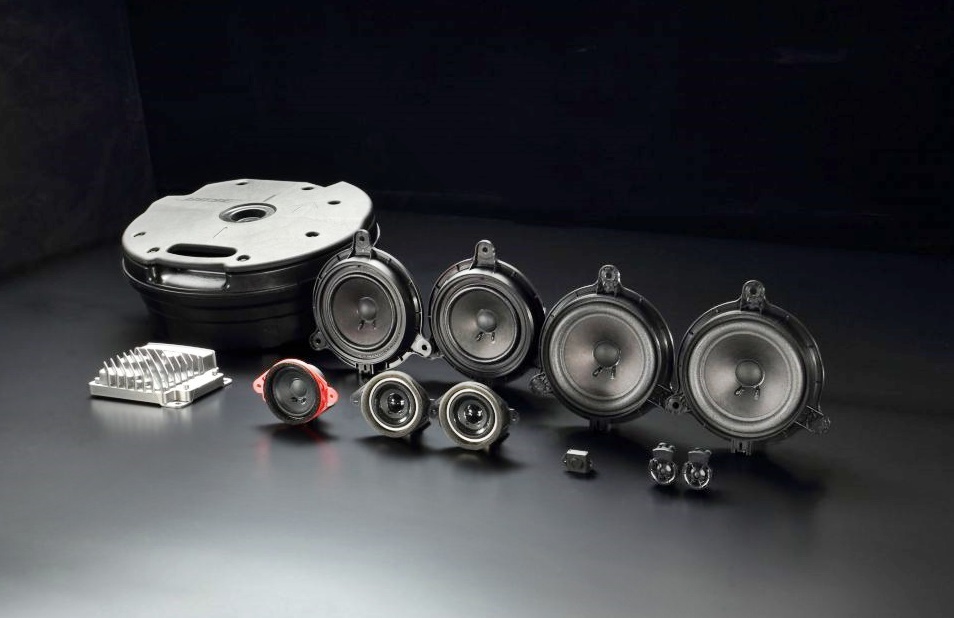
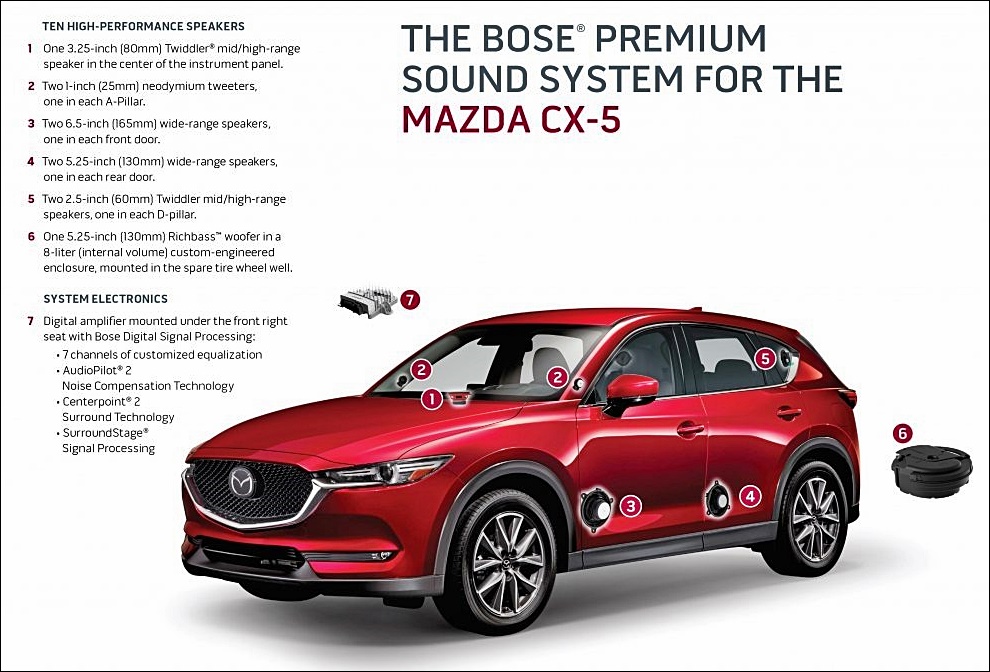
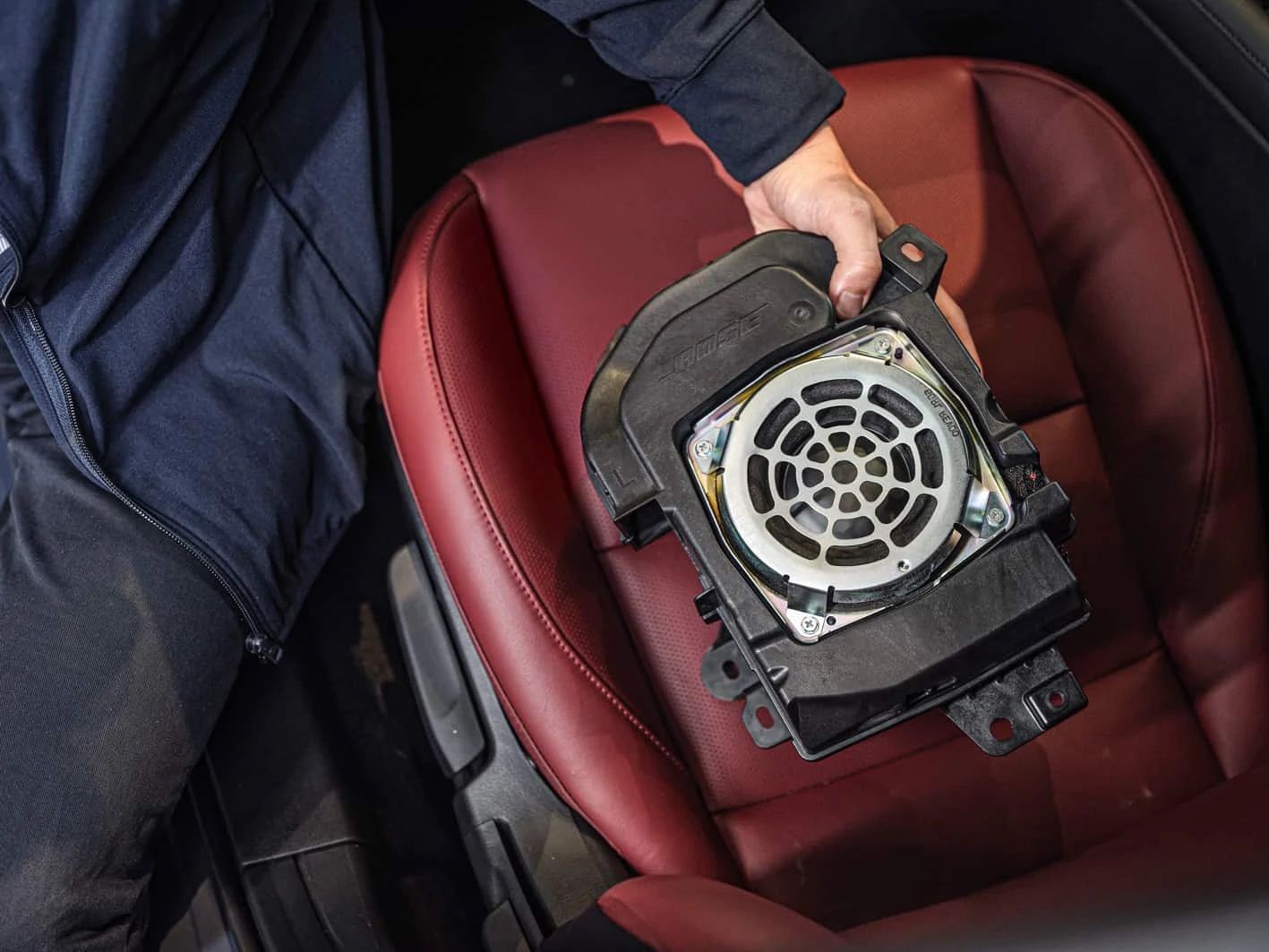
The latest generation of Mazda cars saw another breakthrough in the 30-year collaboration. In almost all models since the 2019 Mazda3, the woofers were moved from the door panels to the cowl side above the kick panel. This new placement not only frees up space for bigger door pockets, but also contributes to a better sound experience, as the bass energy is reflected by the floor, firewall and kick panel area simultaneously. This corner-loading effect creates a remarkably impactful, rich bass reproduction that is neither overbearing nor prone to rattling.

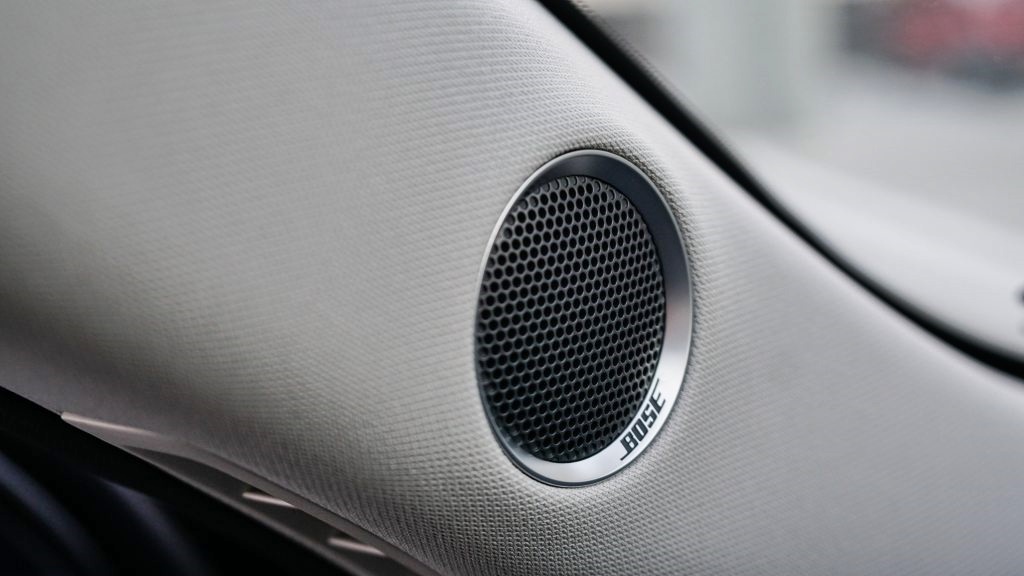
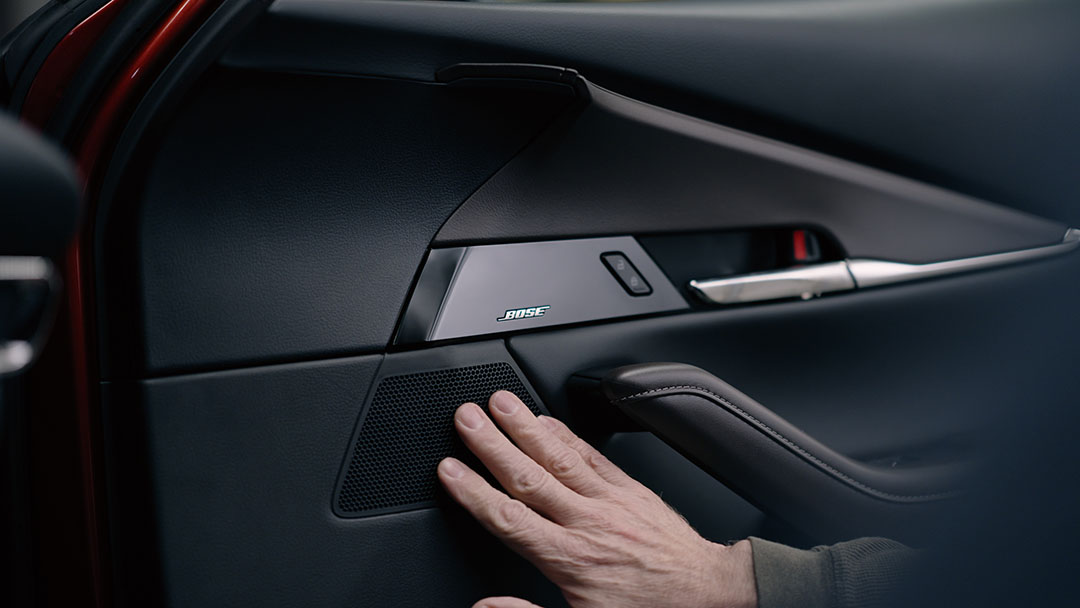
An aluminium grille fitted over the midrange speakers contributes to both the interior’s premium look and sound quality. The grille protects the speaker, but it causes complex vibrations between the two and affects sound direction. To minimize this, the grille was made thinner and features more holes.

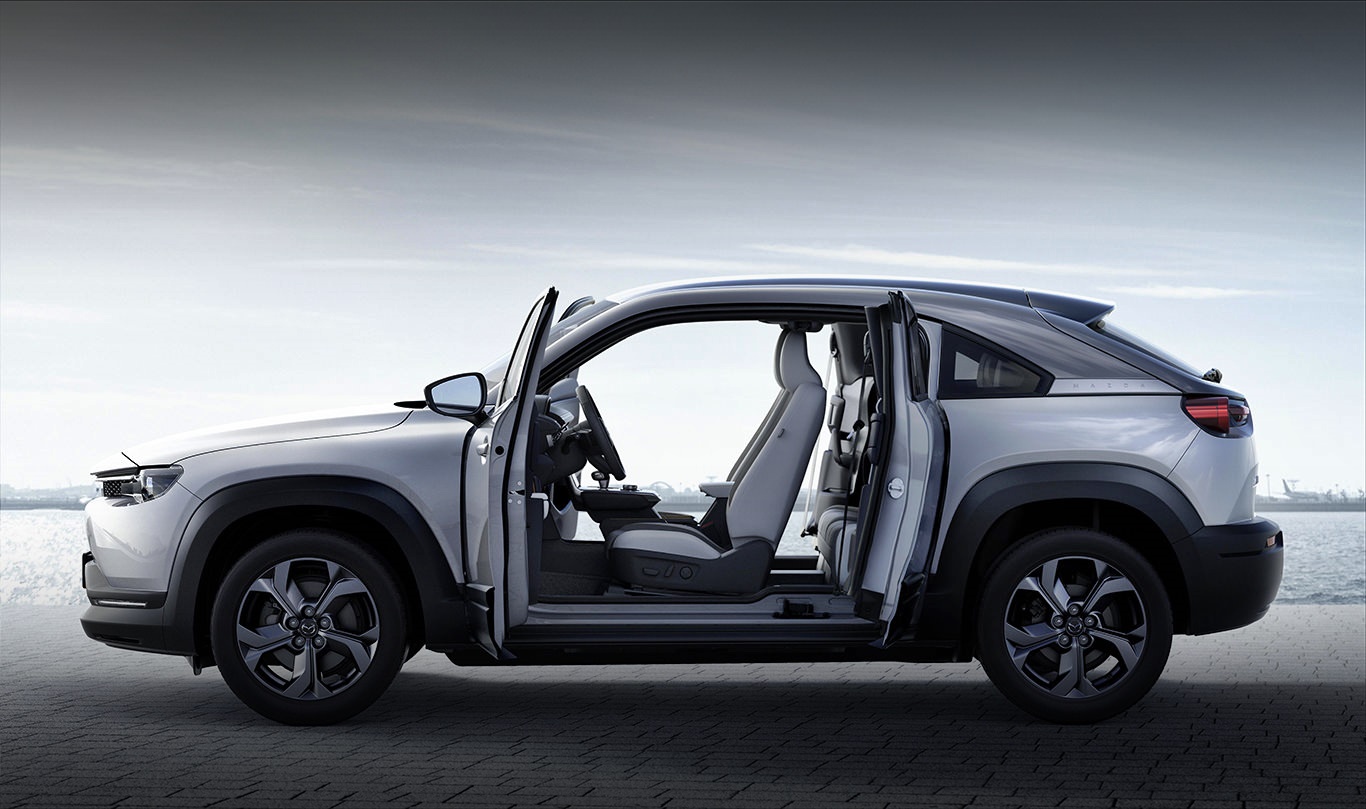
The cowl-side bass enclosures are complemented by an additional subwoofer in the rear to ‘match’ the low-frequency performance across the cabin. The new configuration – aptly called BassMatch – shows its full potential in the all-electric MX-30, because there is no engine sound, the driver and passengers can experience even more detail and a richer audio experience than ever before.

Mazda MX-30 EV
Mazda MX-30

“The acoustics are a lot clearer than in previous models, and you can really feel the expansion of sound,” said Koji Wakamatsu, Assistant Manager in Mazda’s Electrical & Electronics Performance Development Department. “You can enjoy listening to music that sounds exactly as it was intended by its creators,” added Atsushi Hinokidani, an acoustic engineer at Bose.

To know more about Mazda vehicles with Bose sound systems, visit www.mazda.com.my

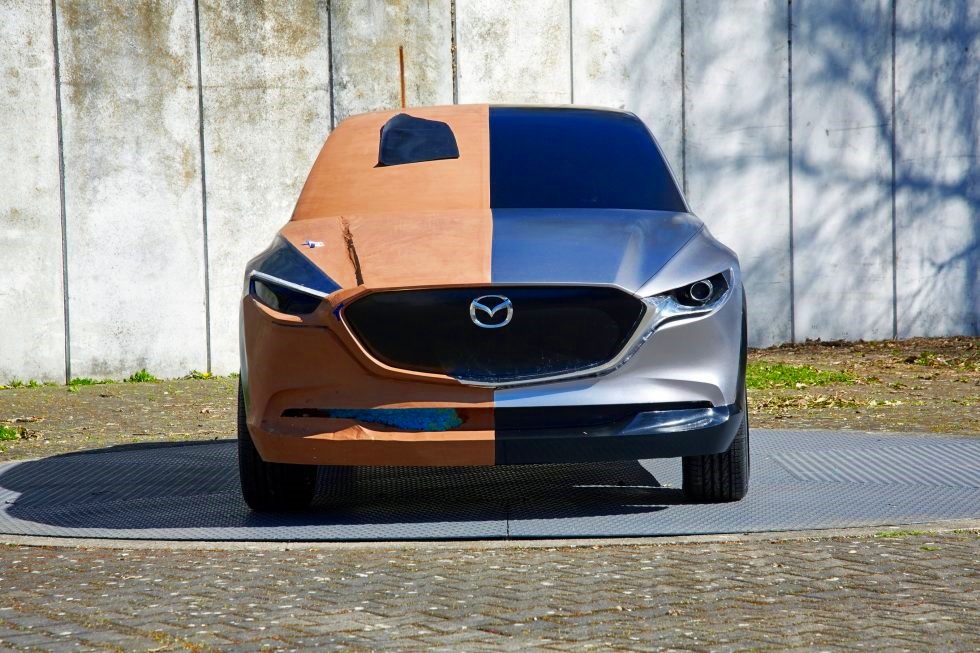
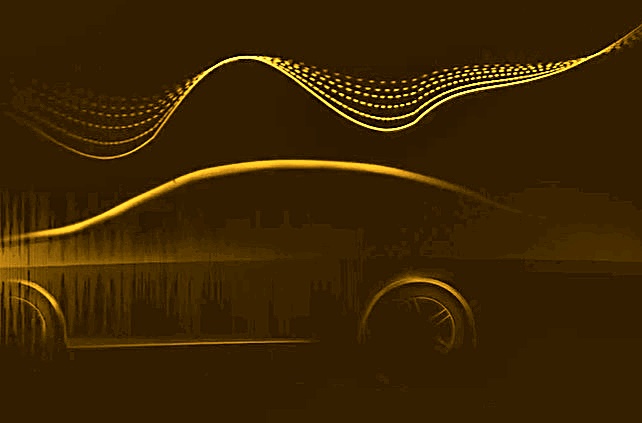
Mazda’s Kodo Design is 10 years old and continues to evolve

 StayAtHome

It’s been a while since we heard about updates for the Mazda range distributed in Malaysia by Bermaz Motor. The last time was in April for the latest MX-5 RF and Mazda6, and a month earlier, the company also announced that bookings for the new CX-3 were accepted.

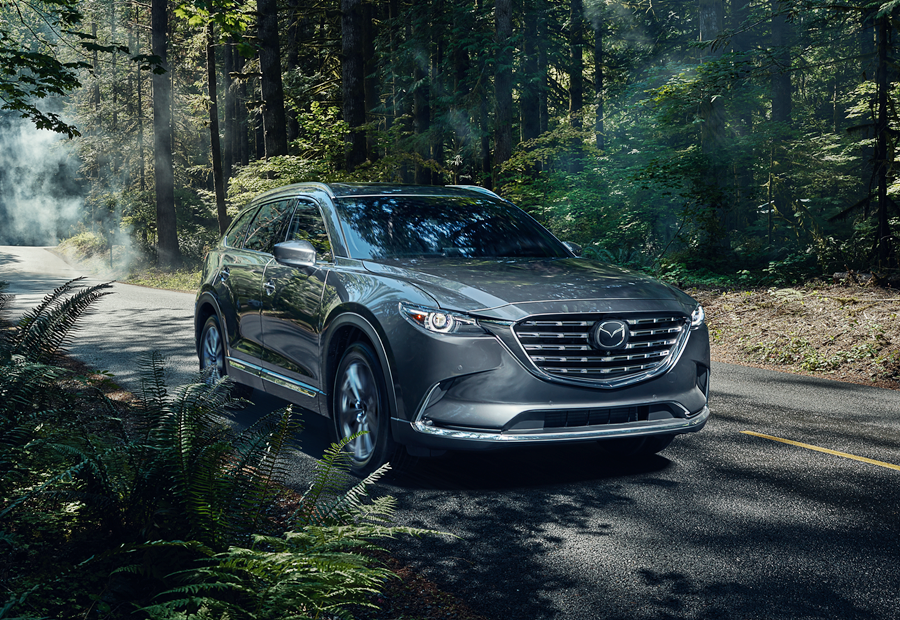
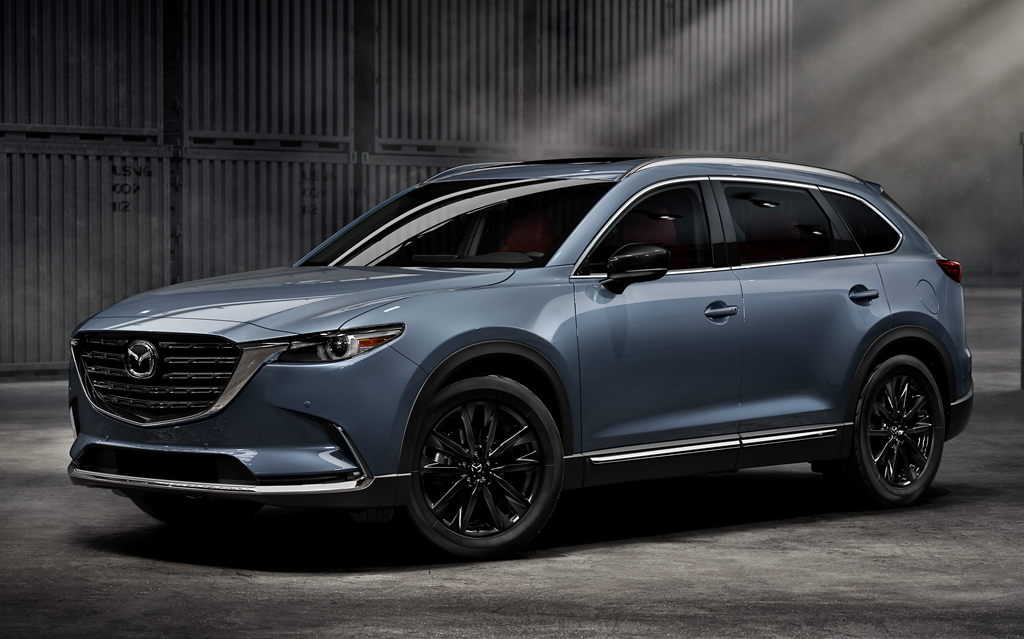
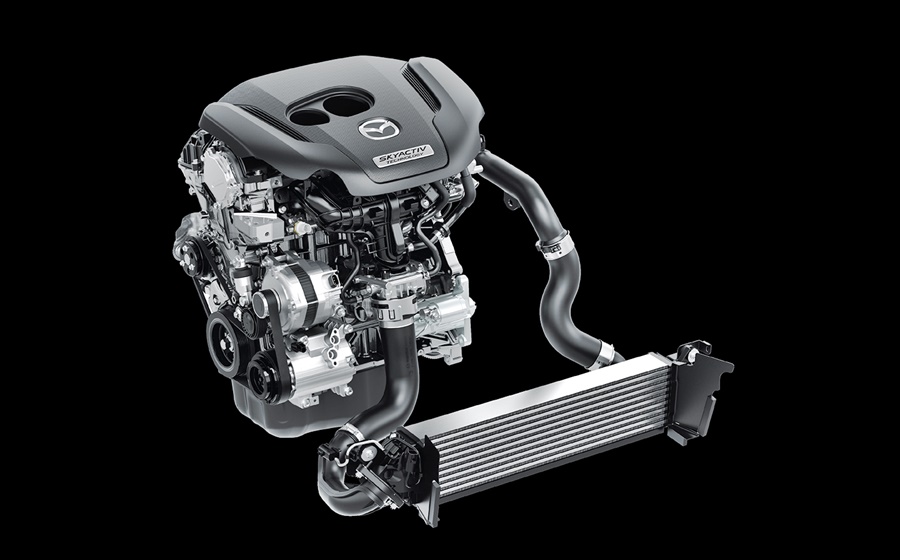
Now comes the updated CX-9, flagship of Mazda’s SUV range, which gets cosmetic as well as technical upgrades. The 3-row SUV is available in two variants – 2WD and AWD – both using the SKYACTIV-G 2.5 turbocharged petrol engine with an output of 228 ps/420 Nm and a 6-speed SKYACTIV-Drive automatic transmission.

2021 Mazda CX-9

Peninsular Malaysia pricing (without insurance and with 50% exemption on sales tax) is from RM319,847.40 for the 2WD variant and RM336,215.40 for the AWD variant. All new vehicles come with a 5-year warranty (or maximum of 100,000 kms) and also free maintenance service for the first 5 years (or maximum of 100,000 kms).

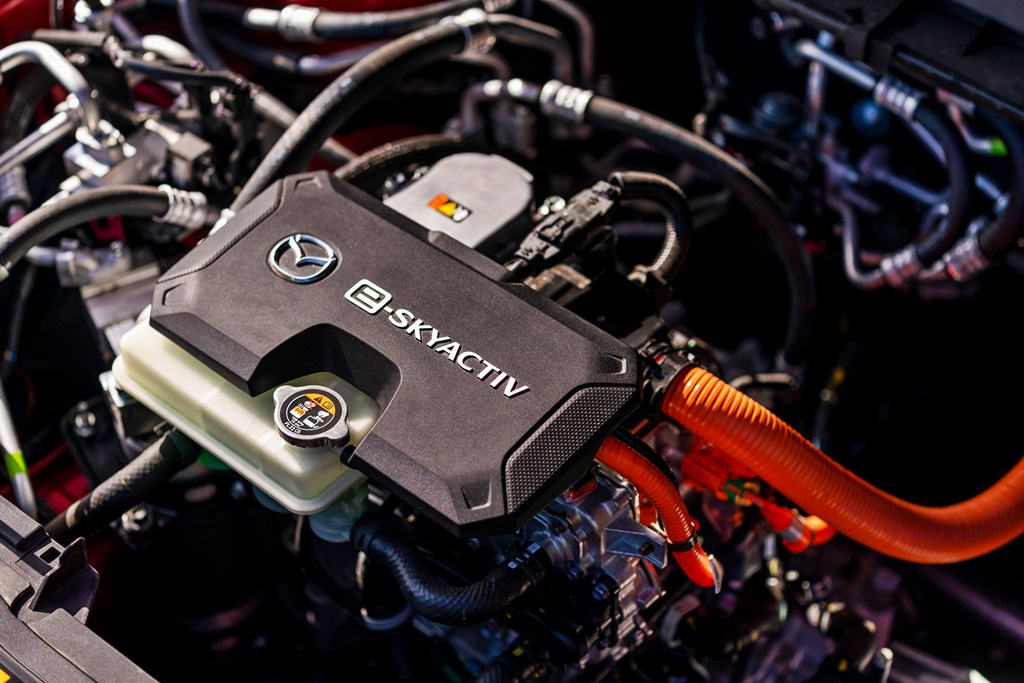
Mazda SKYACTIV-G engine

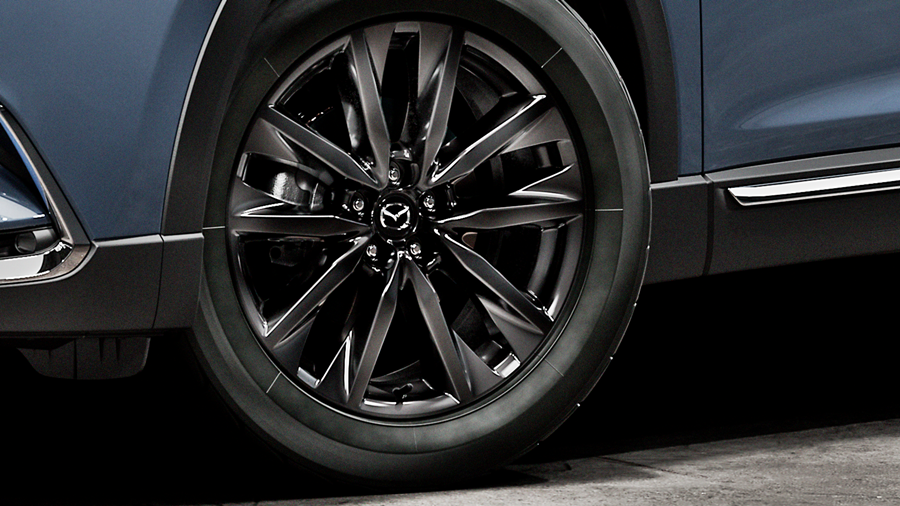
The 2021 CX-9 is now available in the ‘Ignite Edition’ which features gloss black door outer mirrors, gloss black for the new front grille design, and 20-inch black metallic aluminium alloy wheels as standard. LED headlights with auto-levelling, LED daytime running lights and taillights, and rain-sensing windshield wipers are also standard. Body colours available are Soul Red Crystal, Machine Gray, Snowflake White Pearl, Sonic Silver, Deep Crystal Blue and Jet Black.

2021 Mazda CX-9

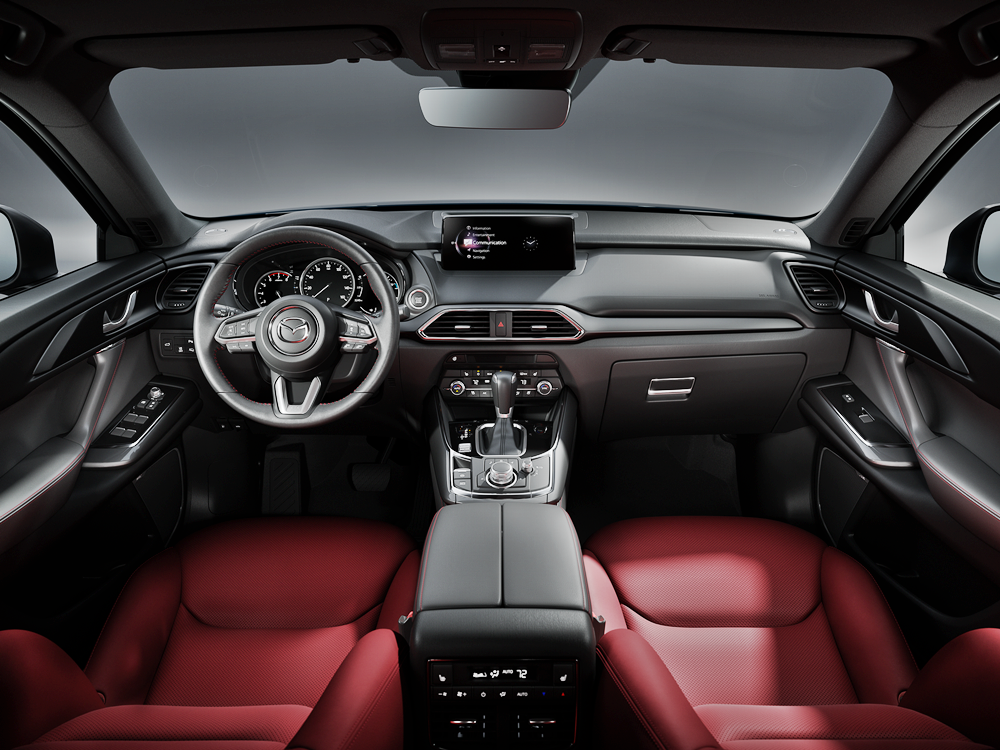
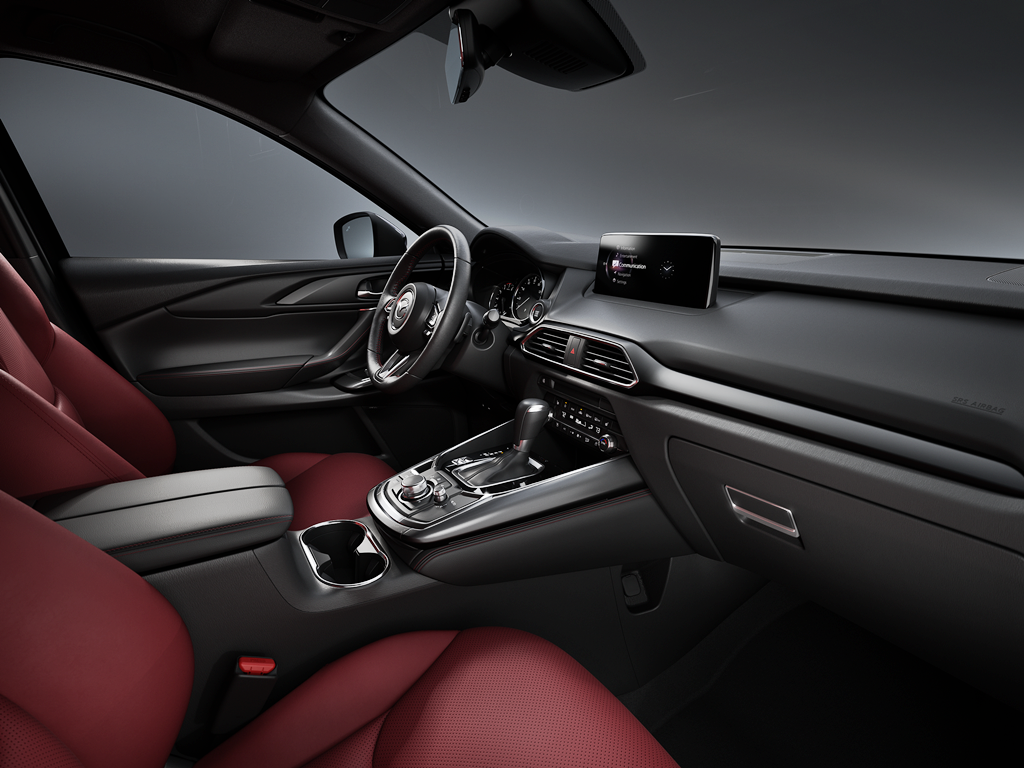
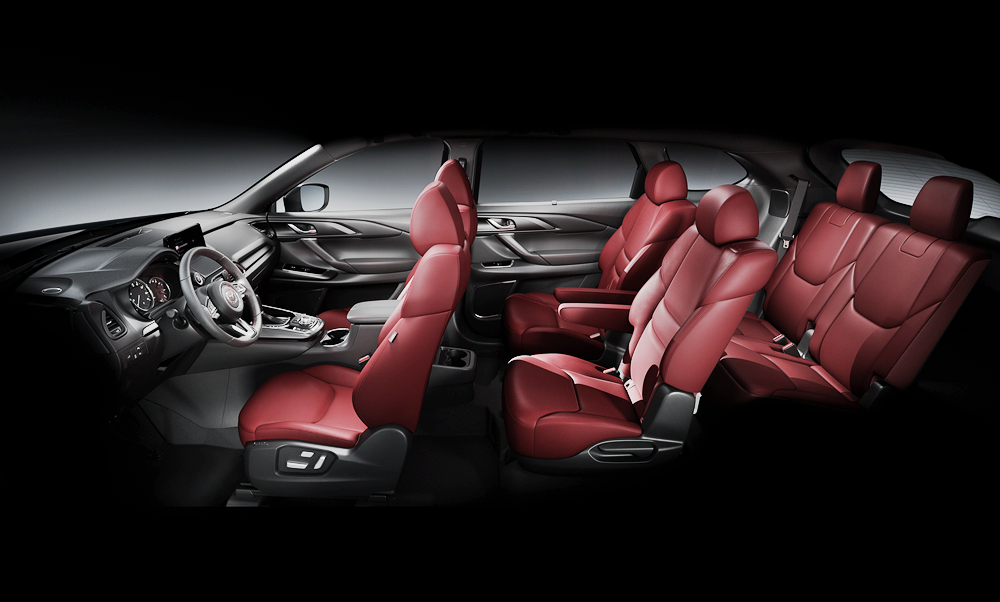
The interior features burgundy-coloured leather seats and black interior trim on the dash, door panels and handle bezels. The infotainment system now has wireless Apple CarPlay along with Android Auto capabilities for easier connectivity with smartphones. Also new are a wireless charger (if you have a phone with the capability) and paddle shifters.

2021 Mazda CX-9

2021 Mazda CX-9

Other standard features include a leather-wrapped steering wheel and shift knob, 3-zone automatic climate control, 10 power adjustments for the driver’s seat with memory positioning, interior LED accents, Bluetooth handsfree phone and audio pairing, keyless entry and push-button start.

2021 Mazda CX-9

As the flagship model, the CX-8 gets an advanced package of safety systems which Mazda calls i-Activsense. These help the driver to avoid accidents and can also automatically respond in dangerous situations by applying the brakes. Mazda Radar Cruise Control allows the driver to enjoy long-distance motoring as a safe gap will always be maintained even when a speed has been set for cruising.

Other systems in i-Activesense include Adaptive LED Headlights, Blind Spot Monitoring with Rear Cross-Traffic Alert, Lane Departure Warning with Lane-Keep Assist and Driver Attention Alert.

To know more about the new CX-9 and other Mazda models in Malaysia, visit www.mazda.com.my.

Soul Red and the importance of paint finish to Mazda designers

Staying at home more than going for casual outings is the ‘New Normal’ in this age of the COVID-19 pandemic. While the situation in different countries varies, the main thing is to minimize close contact so many of the usual activities we used to enjoy are not possible – for now. In Malaysia, we have been having the Movement Control Order (MCO) for over a year and this has largely restricted leaving the home, except for essential or emergency matters or to go to work (with permission from the authorities).

Fortunately, this is the 21st century where we have the internet, so even though people cannot meet face to face, they can still remain in regular contact via the various online channels. Perhaps it’s just not the same as sitting at the mamak stall with your friends but it is certainly better than 30 years ago when such a situation would have meant isolation and much more boredom. Now you can even go racing with your friends online!

‘Paint’ a digital canvas
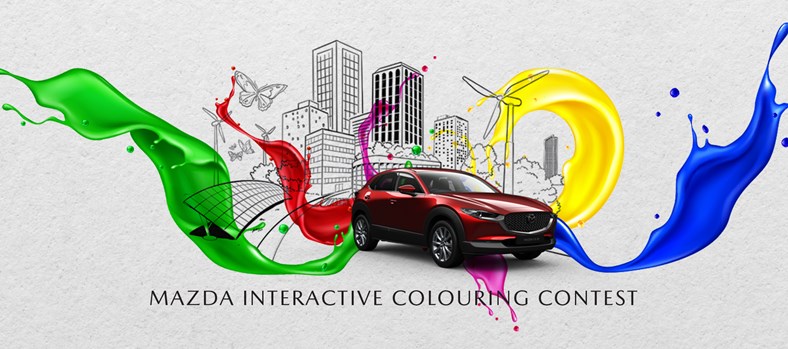
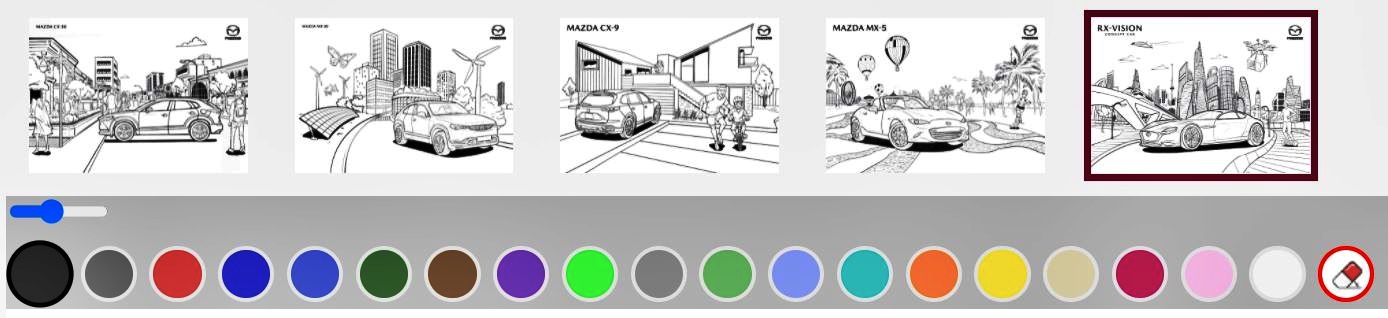
For families with little ones, Mazda Malaysia (represented by Bermaz Motor) has an interactive colouring contest which is ideal at this #stayathome time. It’s a digital age activity where children can ‘paint’ a digital canvas on their computer or tablet (a smartphone would be too small).

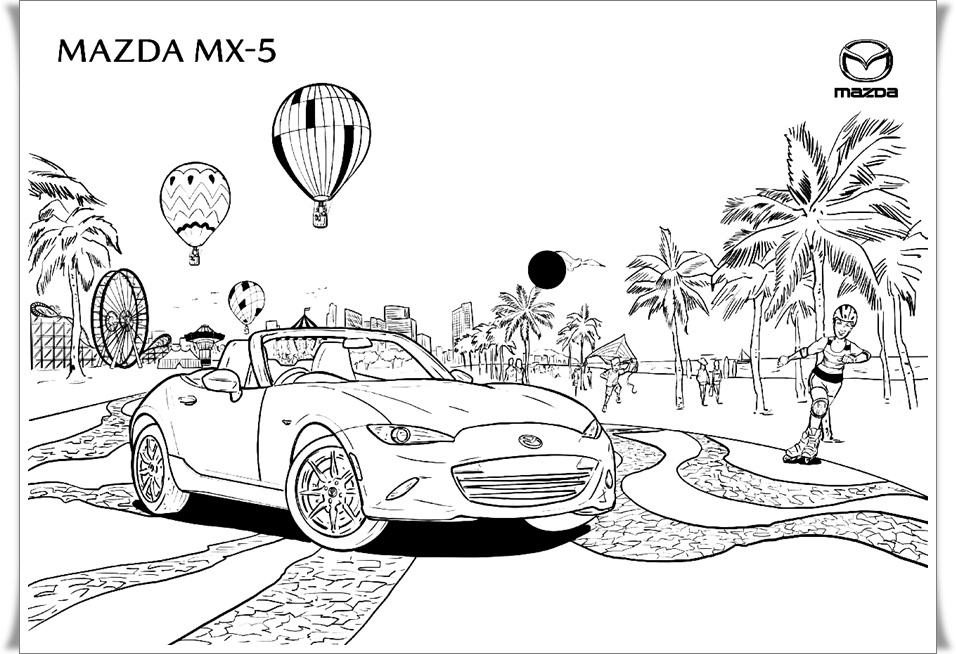
There are five different drawings to colour, four of them with current Mazda models and one of the Mazda RX Vision concept car. There doesn’t seem to be a limit on the entries that can be submitted so participants can probably choose one or all the drawings offered.

Cash prizes and Mazda Premium Merchandise
The drawing tools are simple to use (like MS Paint) and once completed, they can be printed out as well. To join the contest, the completed image needs to be attached to the submission form available at the website. All submissions must reach Mazda Malaysia by August 18, 2021. Cash prizes and Mazda Premium Merchandise will be given as prizes for the entries judged to be the best.

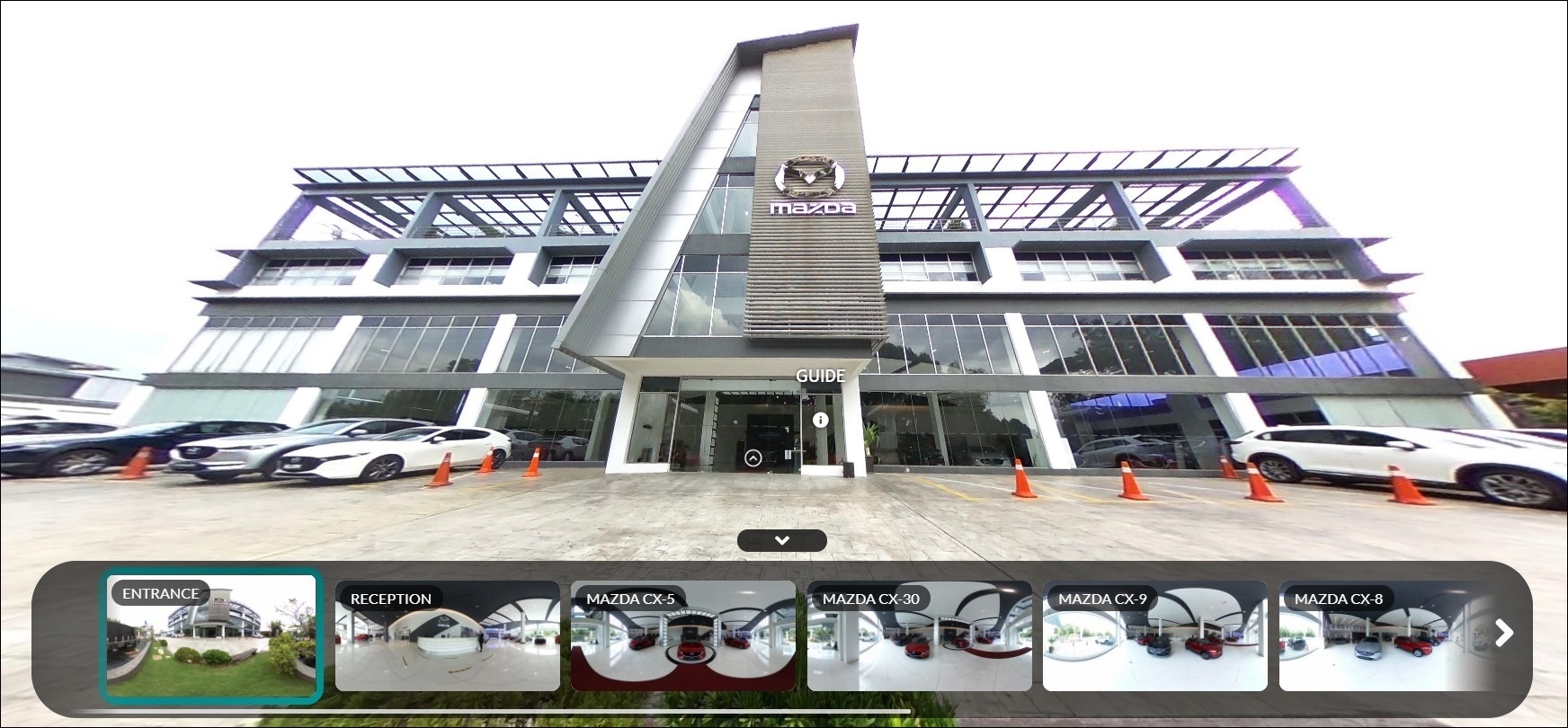
Click here to go to the Mazda Interactive Colouring Contest page and if you are interested in knowing more about the models in the drawings, you can get information at www.mazda.com.my as well as take a virtual tour of the Mazda Malaysia flagship showroom in Glenmarie, Selangor.

Mazda x Mizuno driving shoes enhance Jinba Ittai for drivers

StayAtHome

Mazda owners and fans will know about ‘Jinba Ittai’ – that unity between the driver and the car, the way a rider and a horse can be ‘one’. ‘Jinba Ittai’ became embedded as a core philosophy for Mazda from 1987, during the development of the first MX-5. Tetsu Kasahara, a young engineer in the Chassis Dynamics Development Department at that time, recalls the term being used internally. “One day, Toshihiko Hirai, the first-gen MX-5’s Programme Manager, started printing ‘Jinba Ittai‘ on his business cards, and I think that’s how it came to be used externally,” he said.

Since then, Jinba-Ittai is a must for every Mazda and it is what makes the company’s cars special, especially to those who love driving. It’s not just in the sports models but in every model Mazda makes, including its trucks and MPVs. In some cases where models have been shared with other mnufacturers, eg the early Mazda3 and the Tribute SUV, Mazda engineers have made some small but effective modifications that have achieved Jinba Ittai for the brand’s models.

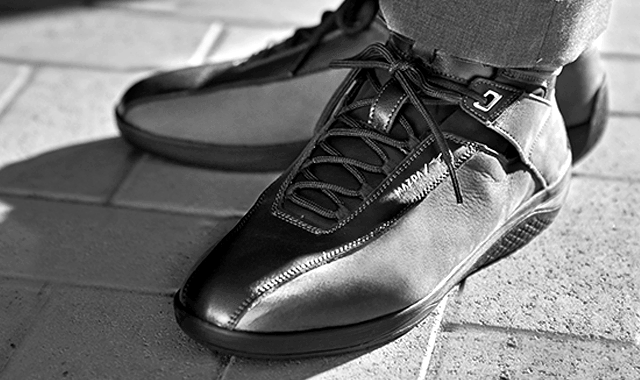
Mazda x Mizuno drving shoes

The importance of driving shoes
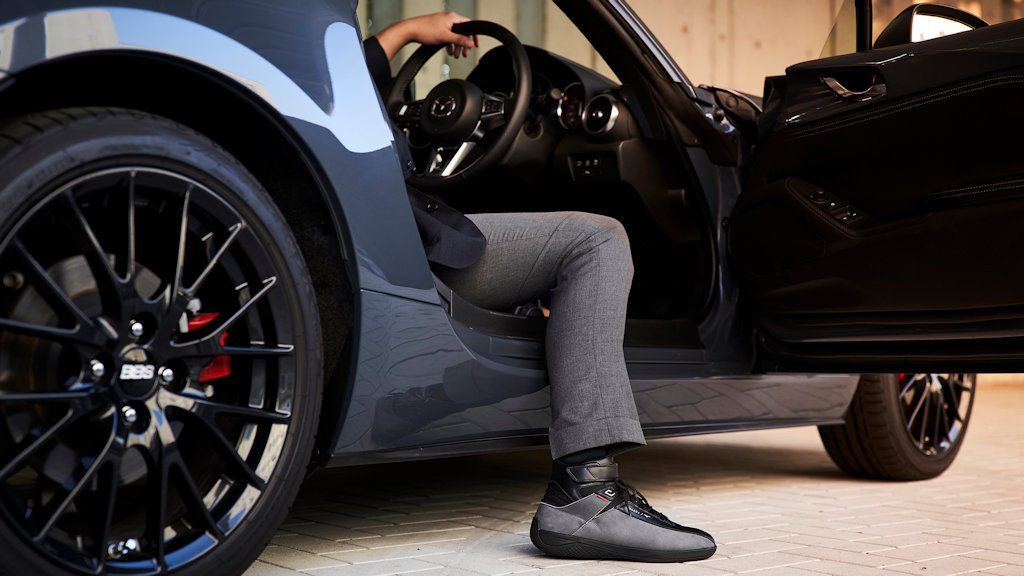
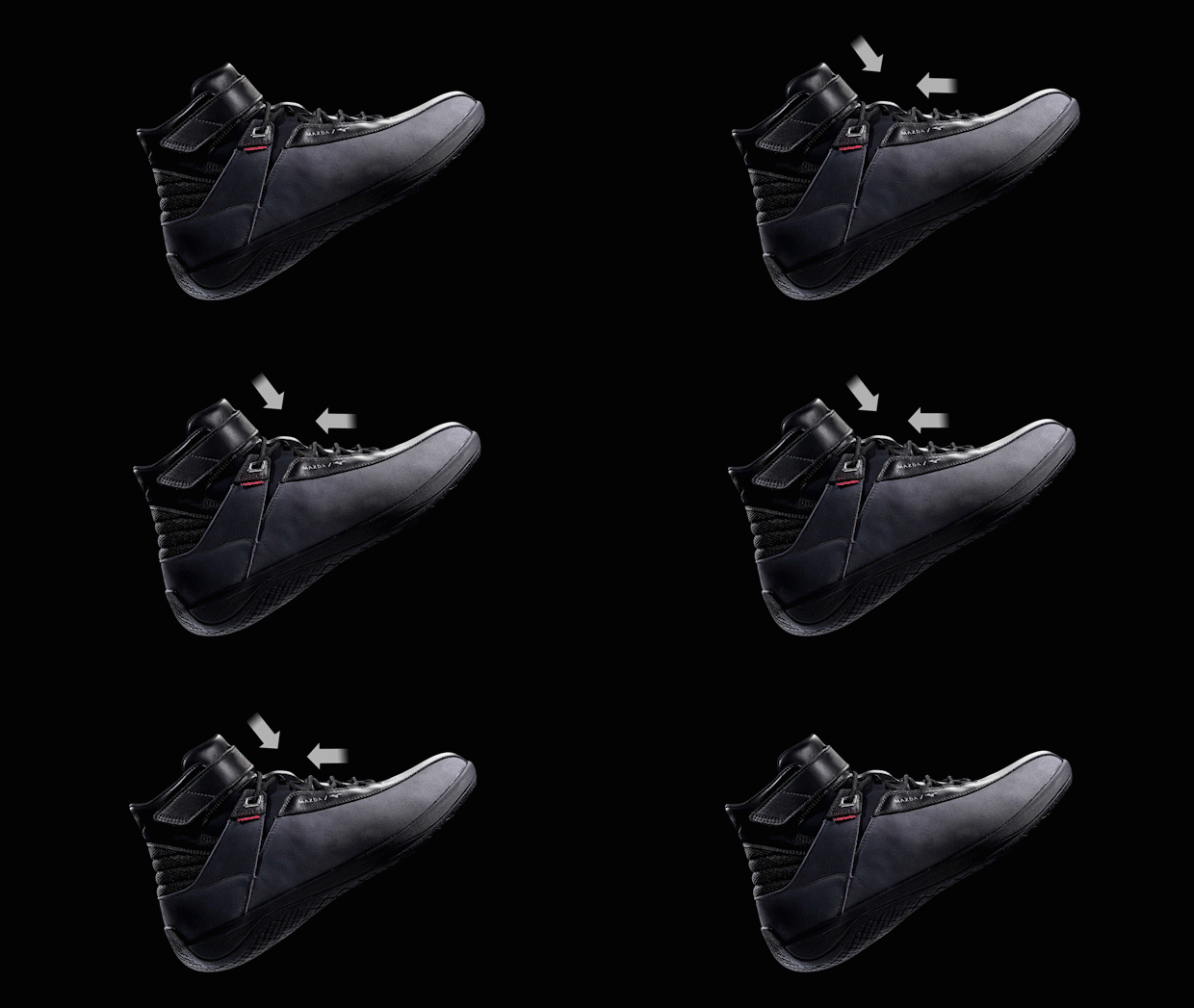
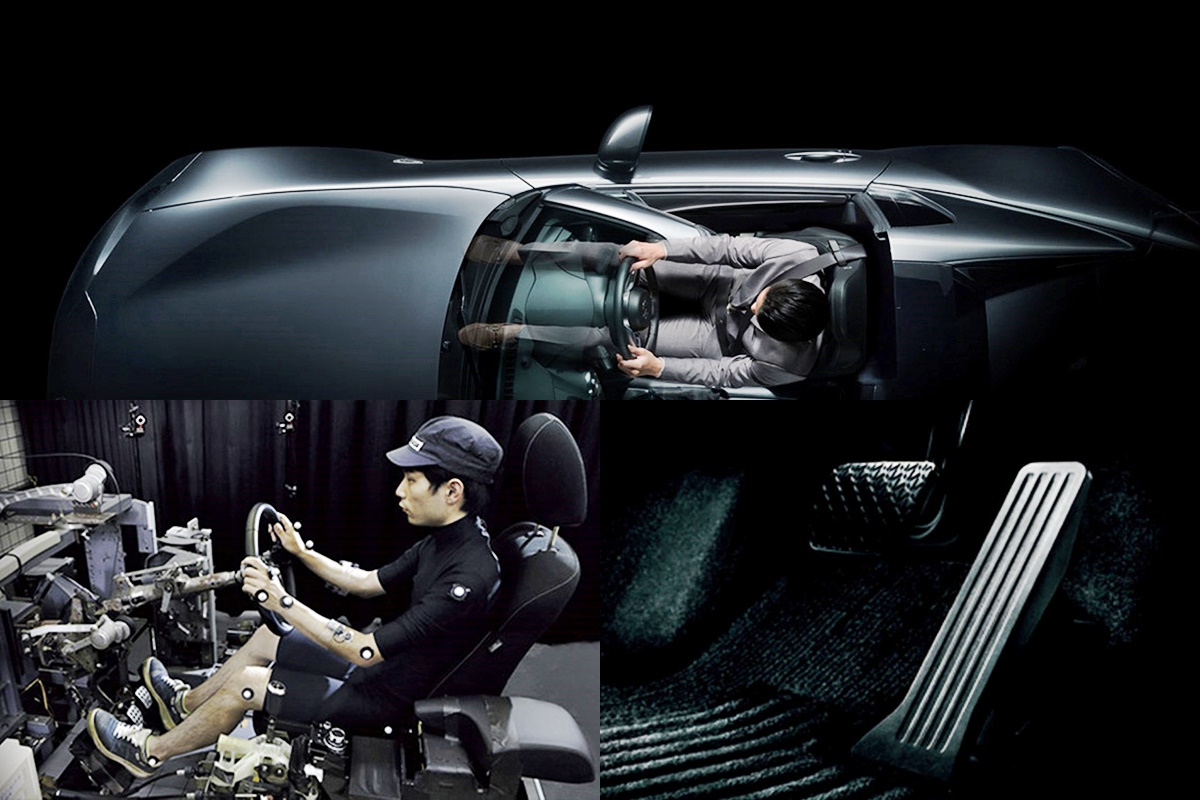
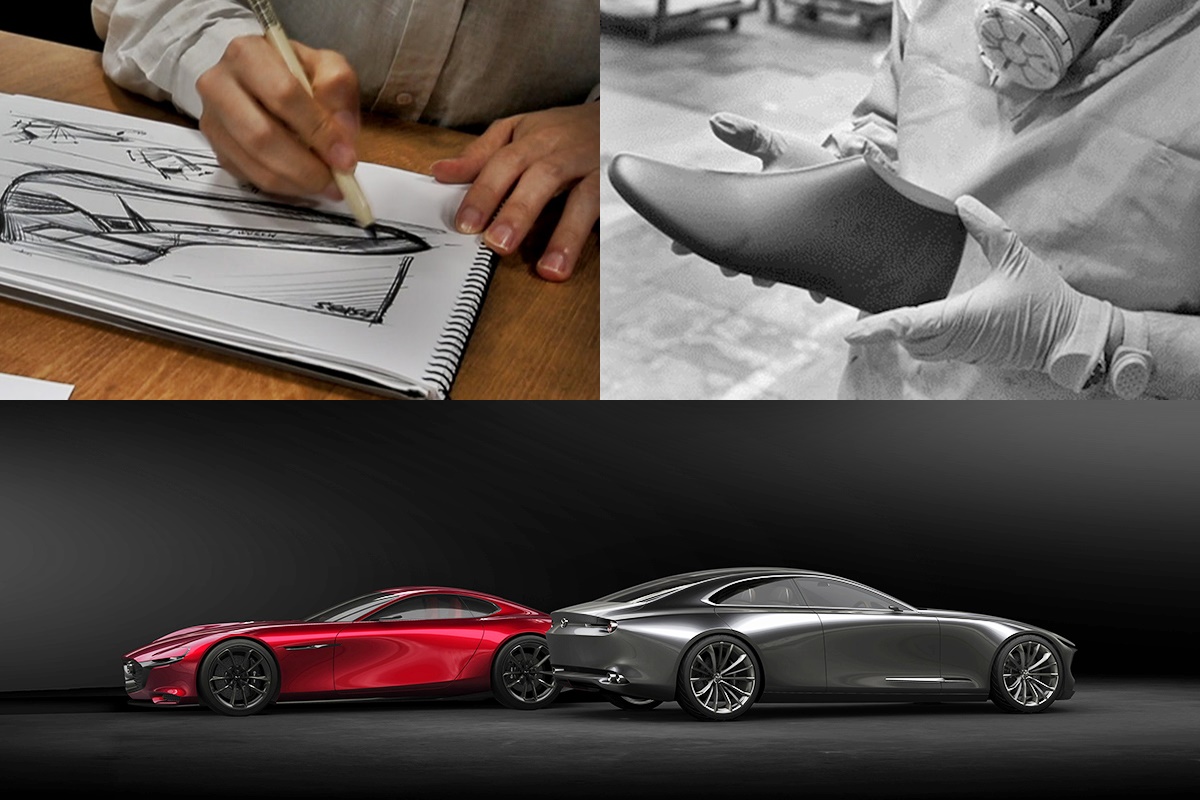
Just as the tyres are the crucial contact a car has with the road, the feet of the driver are crucial in the control and driving experience. In pursuit of the best possible Jinba Ittai experience for drivers, Mazda teamed up with Mizuno, a well-known sportswear company, to jointly develop driving shoes. Also involved in the project was Makuake Incubation Studio which provides new product and new business development support.
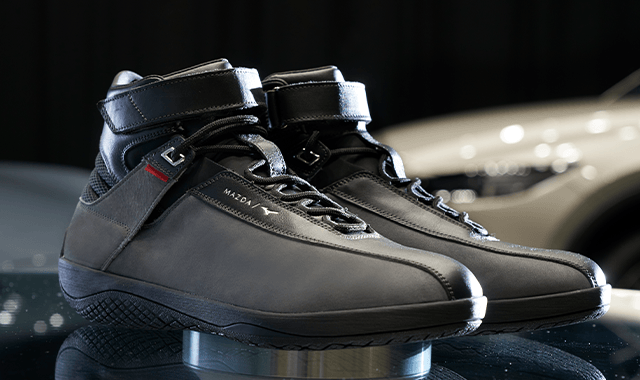
The driving shoes are said to provide the driver with a driving experience of light yet stable and comfortable pedal operation. For effective operation of the pedals, ‘dorsiflexion support upper’ helps to pull back the foot to the top. The reaction force of the areas that flex makes it easier to adjust the amount of pedal depression more precisely. Mizuno used posture control technology that it cultivated in the development of competition swimwear.

Mazda x Mizuno drving shoes

Mazda x Mizuno drving shoes

Mazda x Mizuno drving shoes

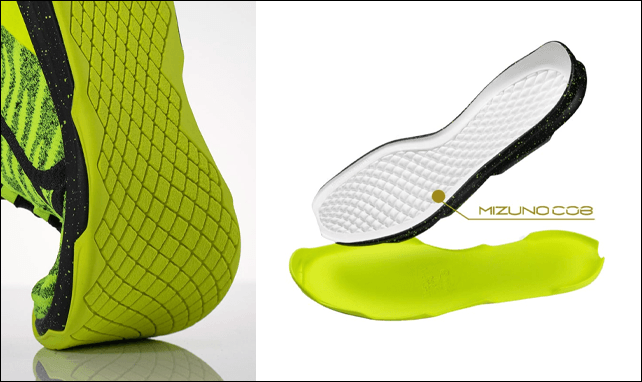
MIZUNO COB technology in sole
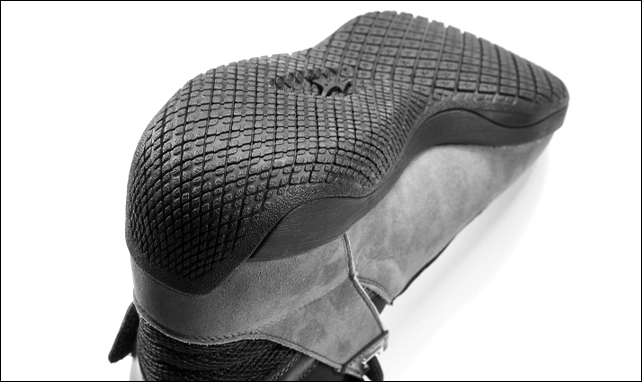
The shoes use MIZUNO COB, which enhances the sensitivity of the soles of the feet in order to communicate with the car and obtain a direct feeling of operation. MIZUNO COB can transmit more accurate information to the sole by adding unevenness on the upper surface of the midsole that is linked to the design of the outsole. It provides a direct pedal feel while ensuring the cushioning required for comfort. It therefore enhances Jinba Ittai during driving, giving the sense of unity between the driver and the car and enables smooth pedal operation in various driving situations.

Mazda x Mizuno drving shoes

Mazda x Mizuno drving shoes

Commenting on the shoes, a Mizuno designer said that if the shoes that connect the driver and the car are solid, human abilities will naturally be brought out. “Shoes are also an important factor in driving; after all, you can’t run well if you wear business shoes when running,” he explained.

Mazda x Mizuno drving shoes

First shoe project for Mazda Design
Mazda Design was involved in the shoe design as well, welcoming the challenge of designing a product they have never done before. As with Mazda vehicles, the form is fused with texture and functionality at a high level. The shoe has a black theme (with grey elements) in its design  and each shoe weighs 270 grams.
Mazda x Mizuno drving shoes

Mazda x Mizuno drving shoes

Only for sale in Japan
The shoes, which are only available in Japan, will be on display at Mizuno stores, Mazda headquarters and Mazda dealers from tomorrow. However, deliveries to purchasers will only take place from March 2022. Only 1,350 pairs (in 4 batches) are available and with tax, the total price is 44,000 yen (about RM1,675).
To know more about the Mazda range of vehicles available in Malaysia, visit www.mazda.com.my.

Mazda’s Kodo Design is 10 years old and continues to evolve

Visit www.bhpetrol.com.my for more information.

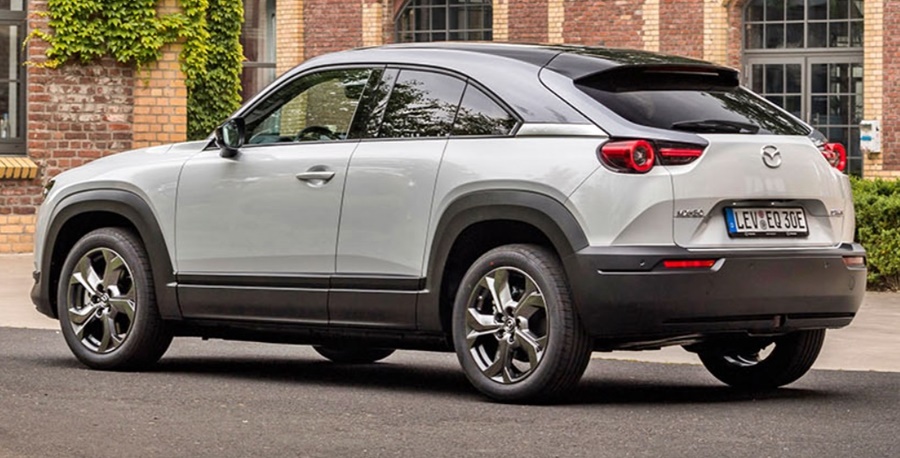
When people think of Mazda’s MX range, the MX-5 Miata would come to mind. Or, those who keep up with auto news will know that the company now sells a model known as the MX-30 which is the brand’s first mass-produced fully electric car.

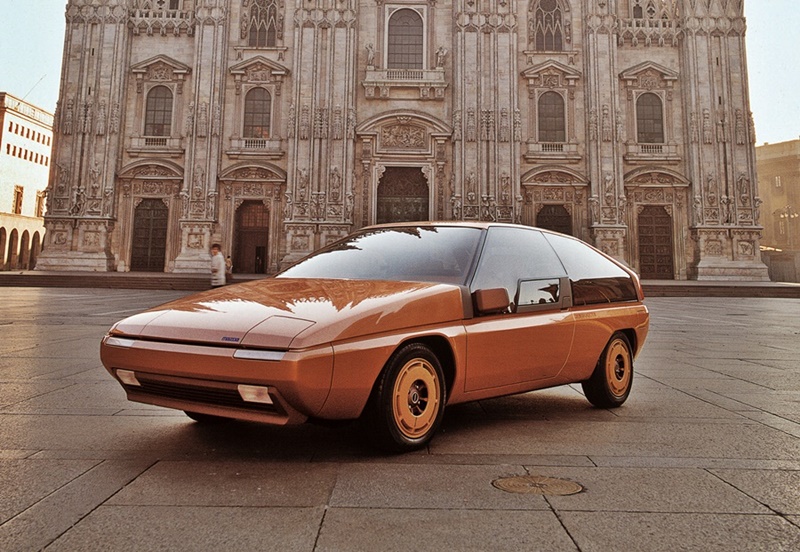
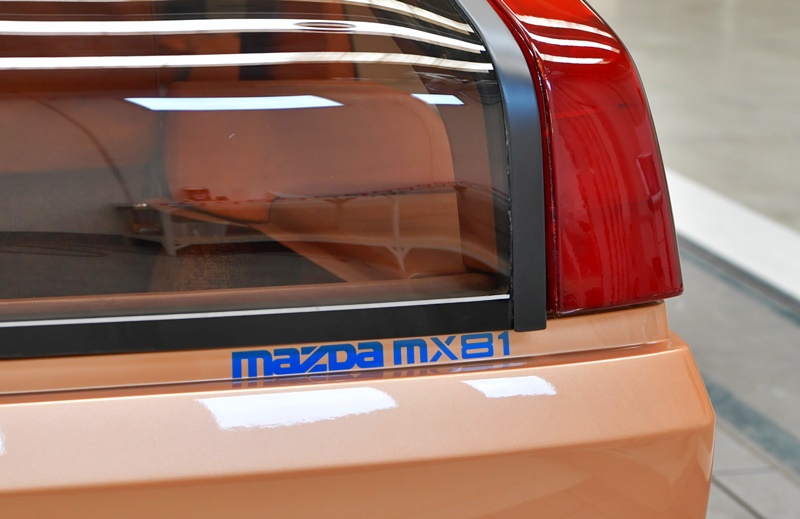
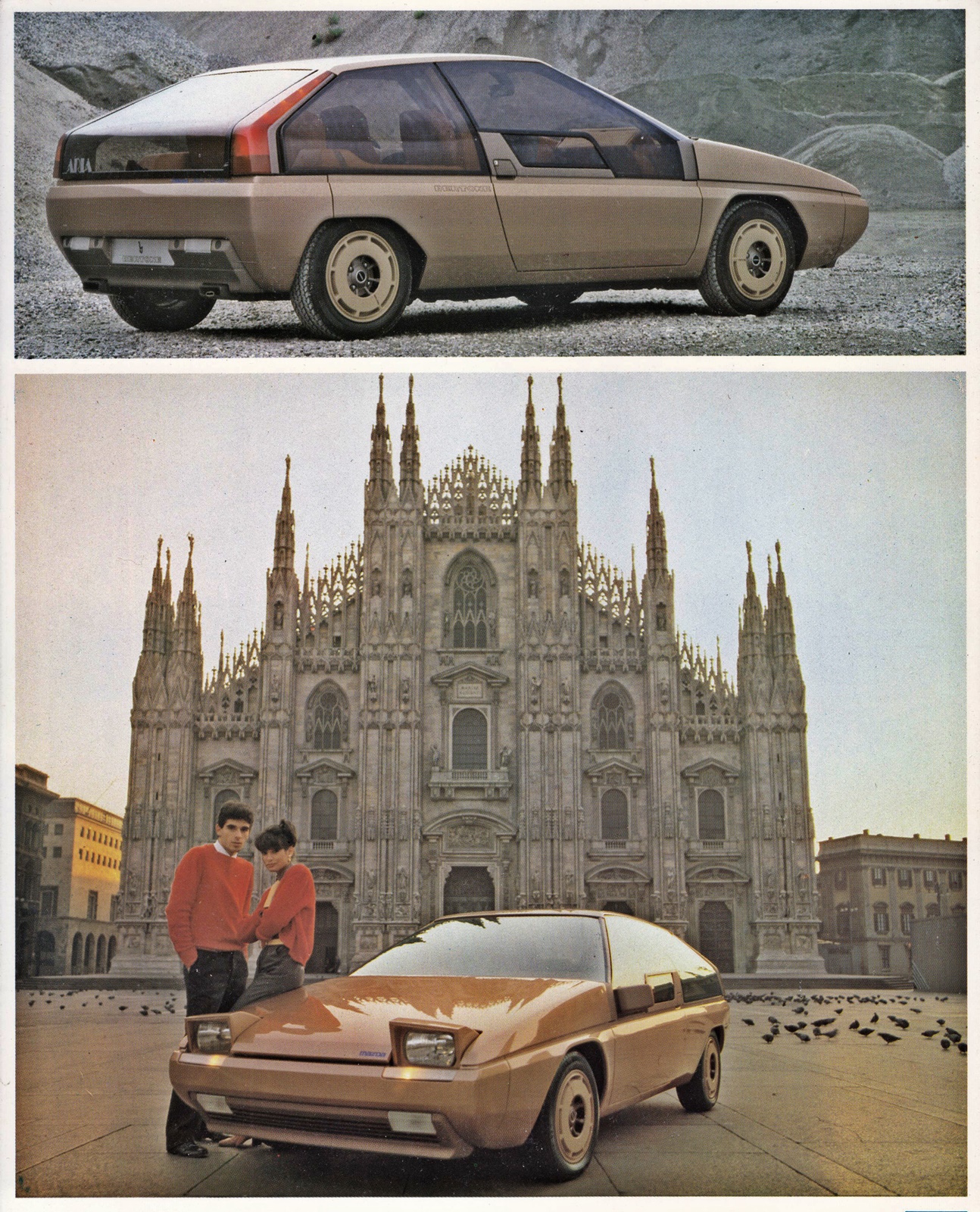
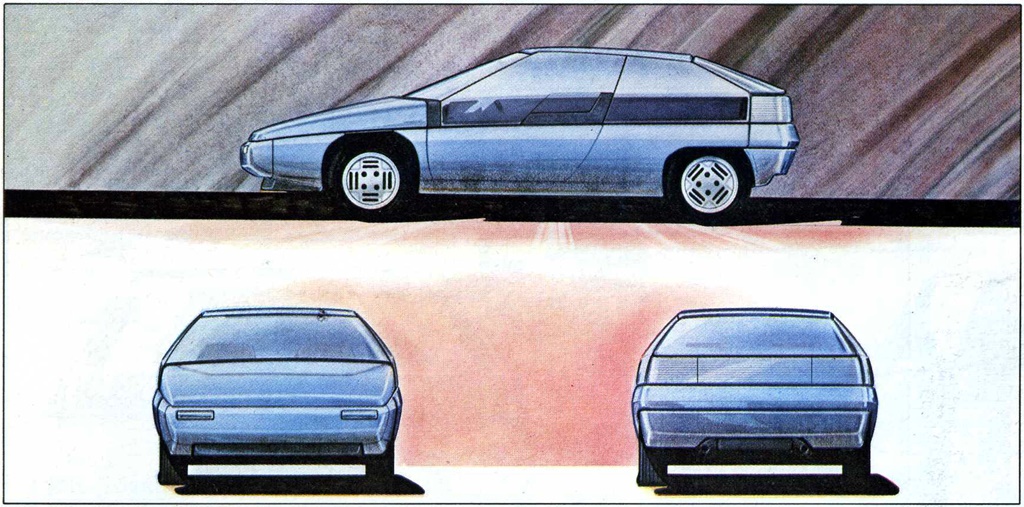
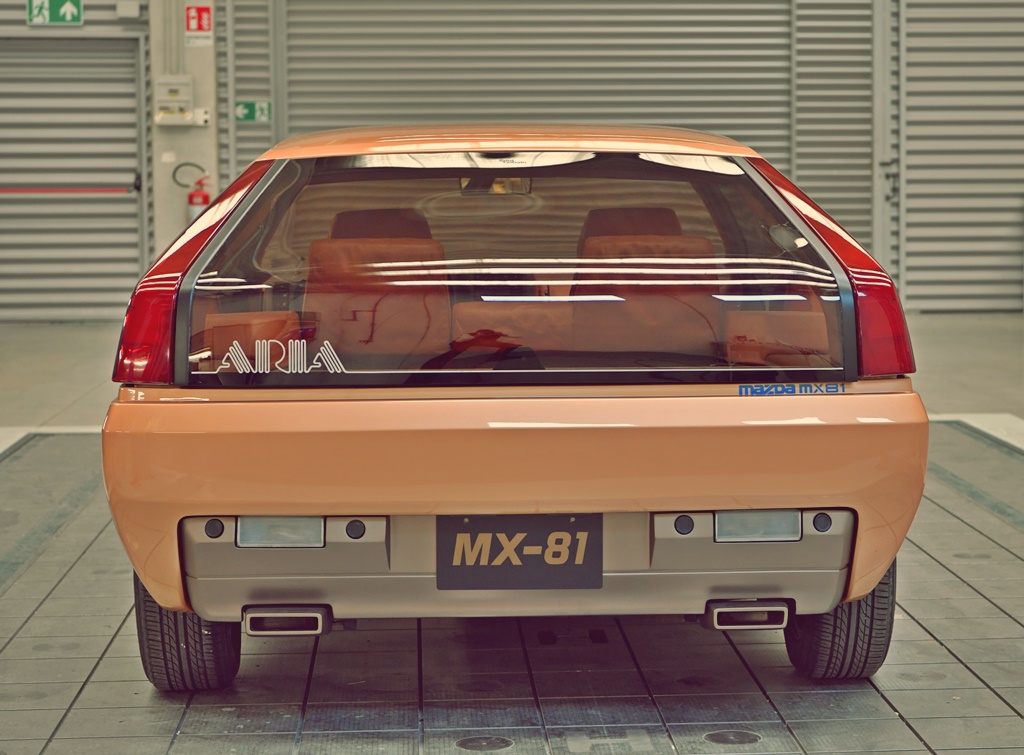
However, long before the MX-5 – which became the bestselling 2-seat convertible sportscar of all time – there was another Mazda which had the ‘MX’ designation. This was the MX-81 Aria, a concept car displayed at the 1981 Tokyo Motor Show. Designed by Marc Dechamps for coachbuilder Bertone, it was the first Mazda MX and now, 40 years after its unveiling, Mazda Italy has carried out a restoration of the small wedge-shaped coupe.

Original PR images of the MX-81 which were distributed at the 1981 Tokyo Motor Show.

To create the MX-81 Aria, Bertone used running gear from the 323, which was the first generation with front-wheel drive. On this platform was placed the futuristic hatchback form. With its gold paint, huge glasshouse and pop-up lights, it stood out at the motorshow.

The concept car had futuristic features, some of which would find their way into production models in later years. Back then, the features gave the cabin a radical look with the recessed square steering wheel, TV screen and side swinging front seats. Exterior ideas like high-mounted tail lights and pop-up headlamps were adopted in Mazda models too.

Discovery in a warehouse
While many prototypes and concept cars have been destroyed (or ‘lost’) after finishing their round of displays, the MX-81 was kept in a warehouse at Mazda’s headquarters in Hiroshima. In 2019, Nobuhiro Yamamoto – the former 4th generation MX-5 programme manager and rotary engine developer – found the concept car and proposed the idea restoring it.

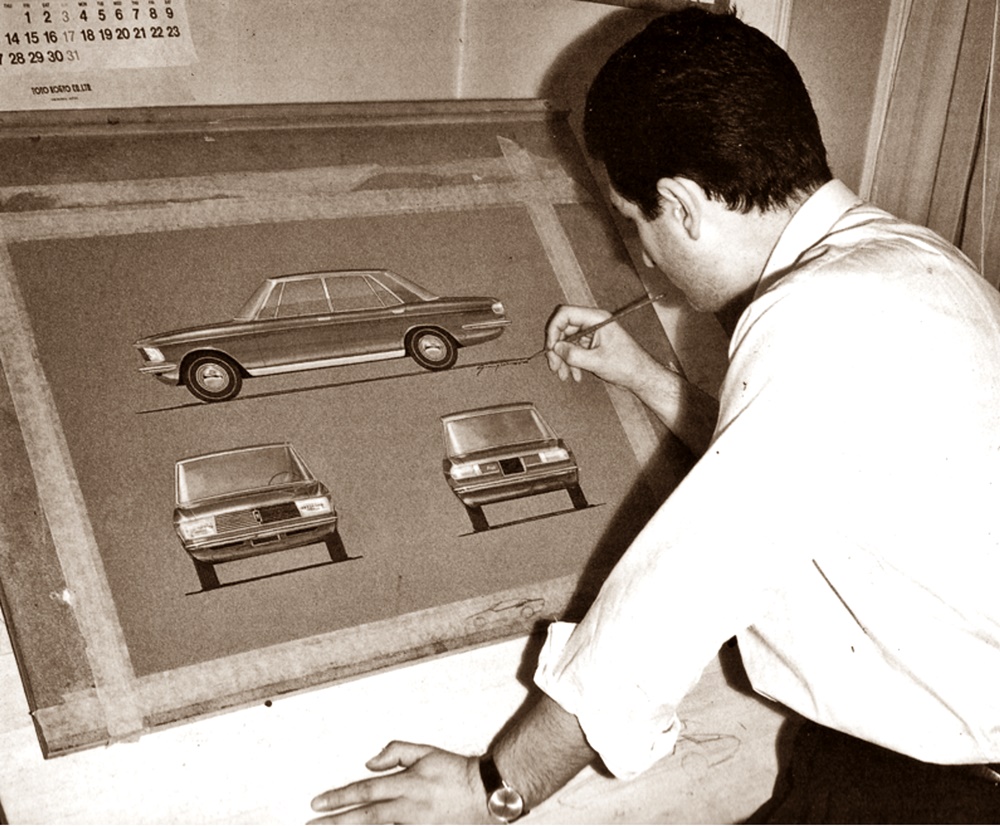
The original sketches by Bertone.
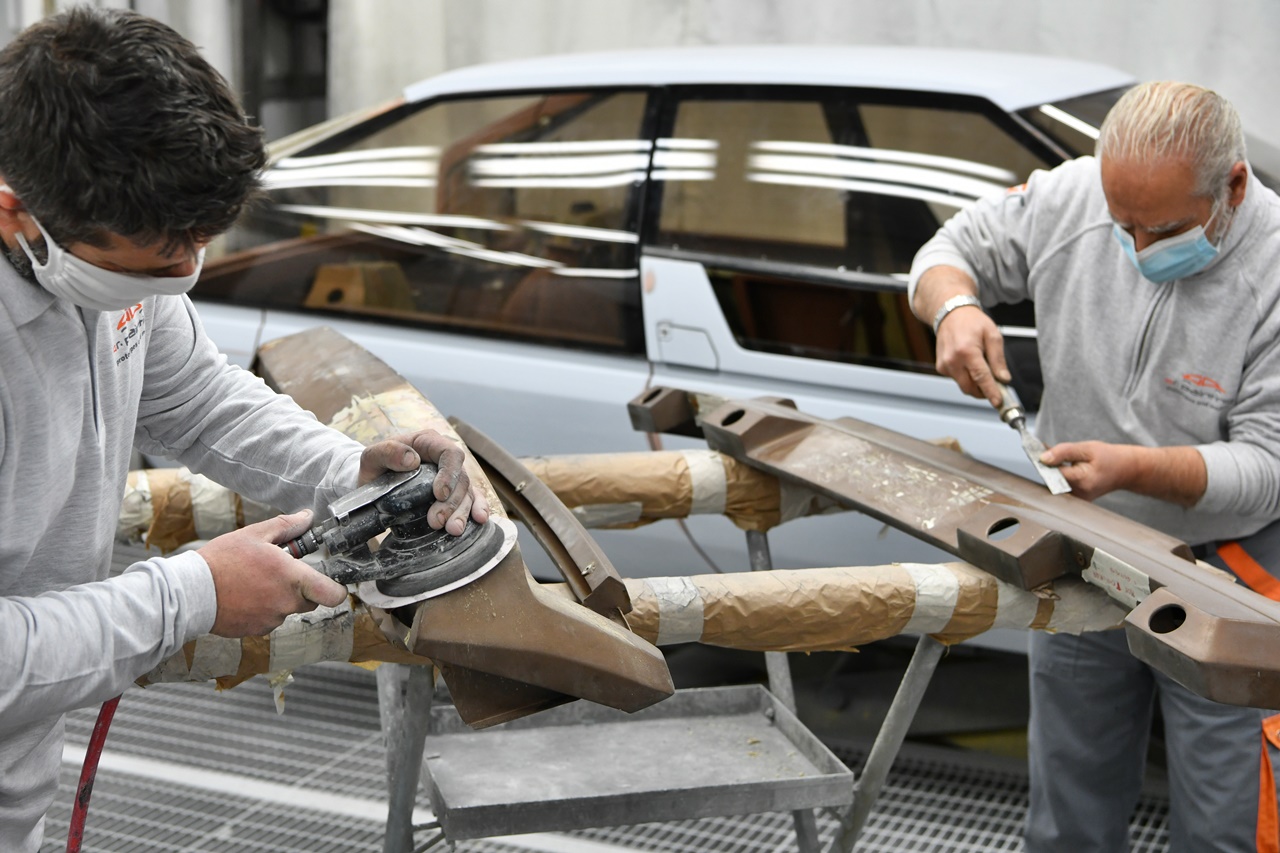
Restoration work on the MX-81 after it was kept in a warehouse for 40 years.

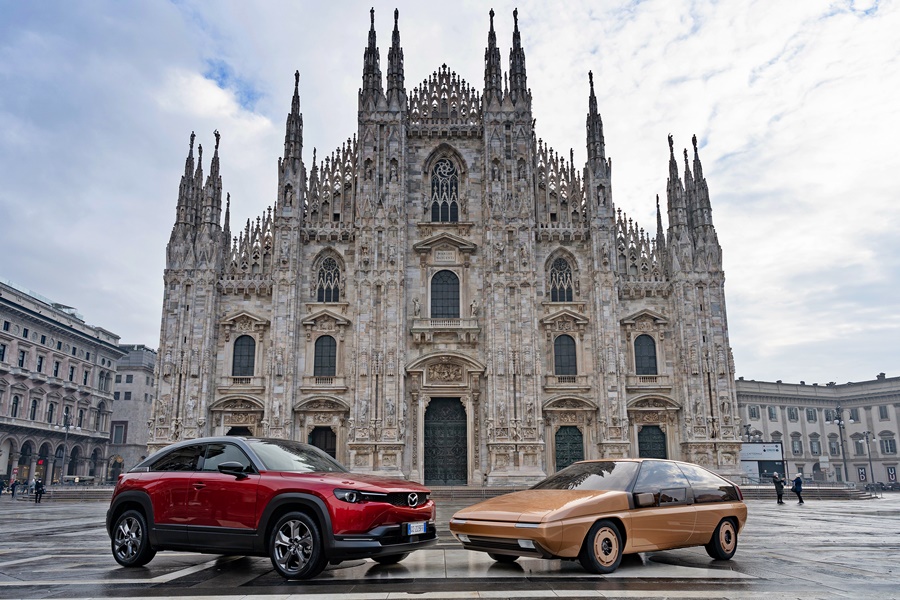
It was supported by the company and shipped to Mazda Italy, where it has been painstakingly restored by SuperStile in Turin. Fittingly, the completion of the restoration was celebrated by the recreation of the original press images of the MX-81 in front of Milan Cathedral.

Mazda’s connection to Italian designers
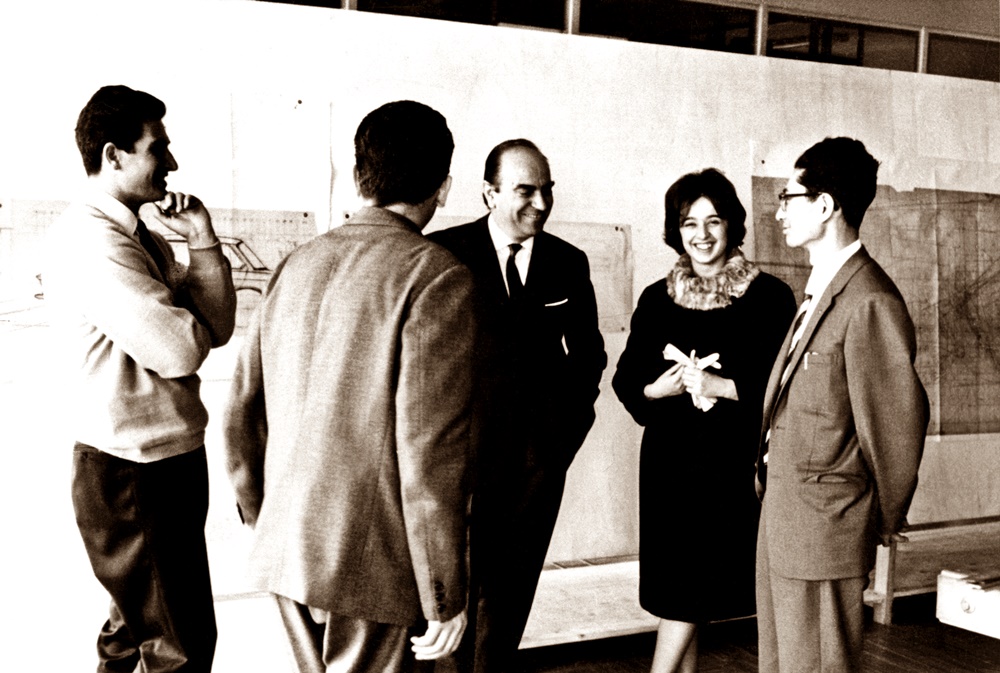
However, the connection between Mazda and Italian design celebrated by the restoration of the MX-81 actually started even before the MX-81 was displayed. 20 years earlier, in 1960, a young automotive writer by the name of Hideyuki Miyakawa travelled to Italy and the Turin Motor Show where he met Giorgetto Giugiaro, then Head of Design at Bertone. He also met his future wife, Marisa Bassano – a Japanese-Italian translator with a passion for cars. During Marisa’s study trip to Hiroshima in 1961, Miyakawa met then-chairman of Mazda, Tsuneji Matsuda, and the pair discussed the importance of design in the Japanese car industry.

Automotive writer Hideyuki Miyakawa (right) and his wife talking with Bertone (centre) and Giugiaro (left).
Giugiaro putting his signature on one of his sketches.

Back in Turin, Hideyuki and Marisa began working as intermediaries between the legendary Italian design studios of Bertone, Ghia and Pininfarina and Japanese car manufacturers. The collaboration between Mazda and Bertone they helped to facilitate led to Giugiaro designing the Mazda Familia and Luce models of the 1960s, plus the R130 Luce Coupe of 1969. The relationship with Bertone continued even after Giugiaro left to work for Ghia, and the restoration of the MX-81 Aria is a celebration of that partnership.

The MX line begins
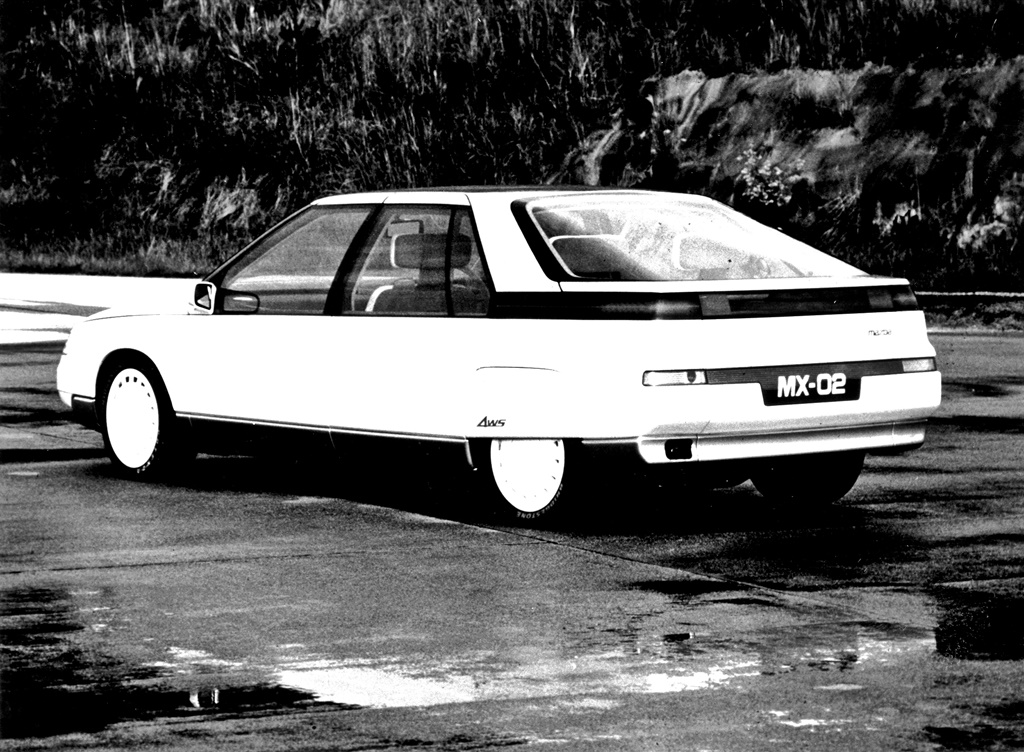
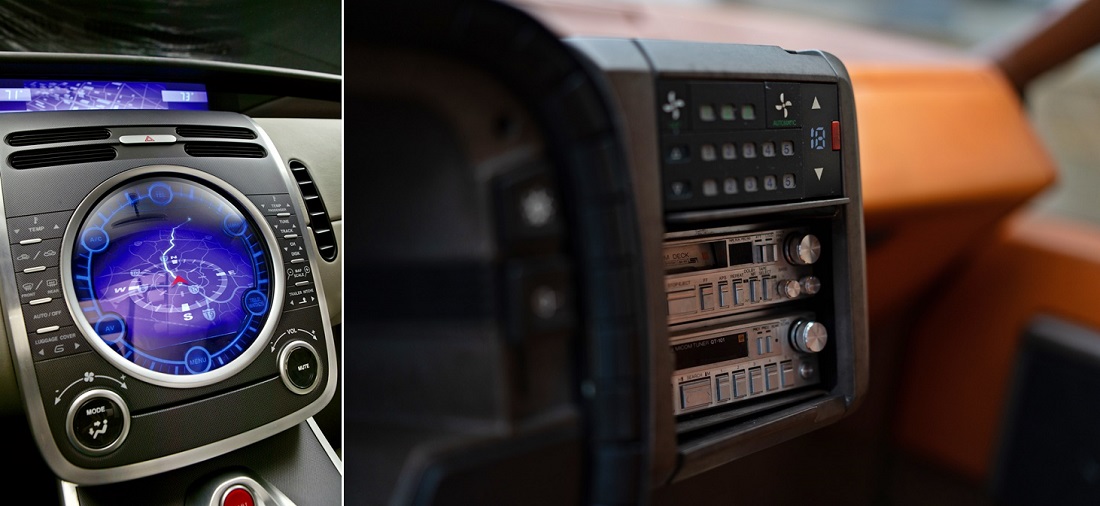
However, the Mazda MX-81 was only the beginning of the story of the MX badge, which has actually been used more than a dozen times across a broad spread of production, concept and racing Mazdas. After the MX-81 was the MX-02 concept car of 1983. This was a larger 5-door hatchback design with large windows, aerodynamic rear wheel covers and flared-in door mirrors. Unique features included rear wheel steering and a Head-Up display projected on the windscreen.

MX-02 concept
MX-03 concept

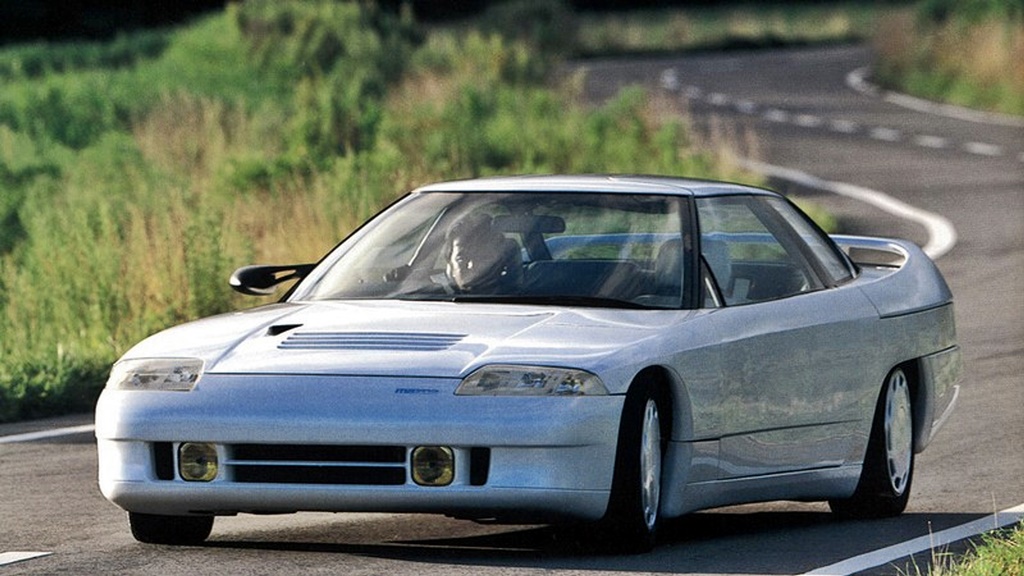
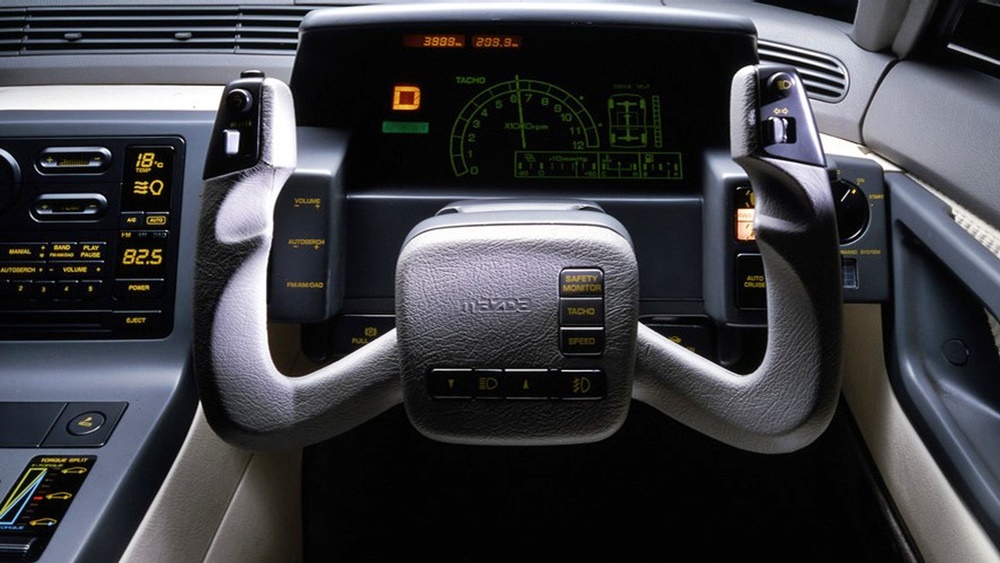
The one-off theme continued with the 1985 MX-03, another radical looking car. This sportscar concept was proposed with an exciting powertrain – a triple rotor 315 ps engine. The low-slung was very futuristic, with a cabin that featured an aircraft style yoke rather than a steering wheel, plus digital displays and a Head-Up Display. It showed off a lot of advanced technology like 4-wheel steering and all-wheel drive, while the long low body had wind resistance of just 0.25 Cd.

While the MX-02 and MX-03 shared some of the same futuristic design cues, the MX-04 was completely different. Displayed the 1987 Tokyo Motor Show, the MX-04 was a front-engine rear-wheel drive sportscar that had removable fibreglass panels. These allowed the car to switch from a glass dome-roofed coupe to a beach buggy style open-sided roadster. Powered by a rotary engine this ‘shape-shifting’ sportscar was never considered for production.

The designs and features of concept cars were futuristic but some ideas would be adopted in production models in later years.

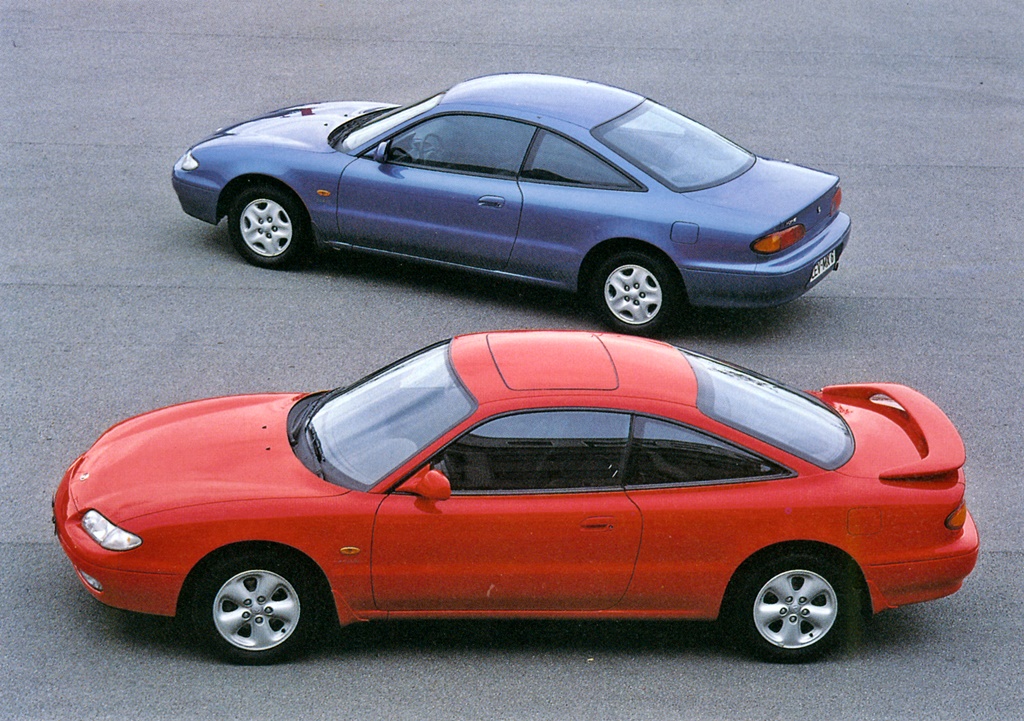
But little did outsiders know that Mazda was already developing the MX-5, which would come 2 years later. Other production models to have ‘MX’ were the MX-3 and MX-6 production coupes.

MX in racing
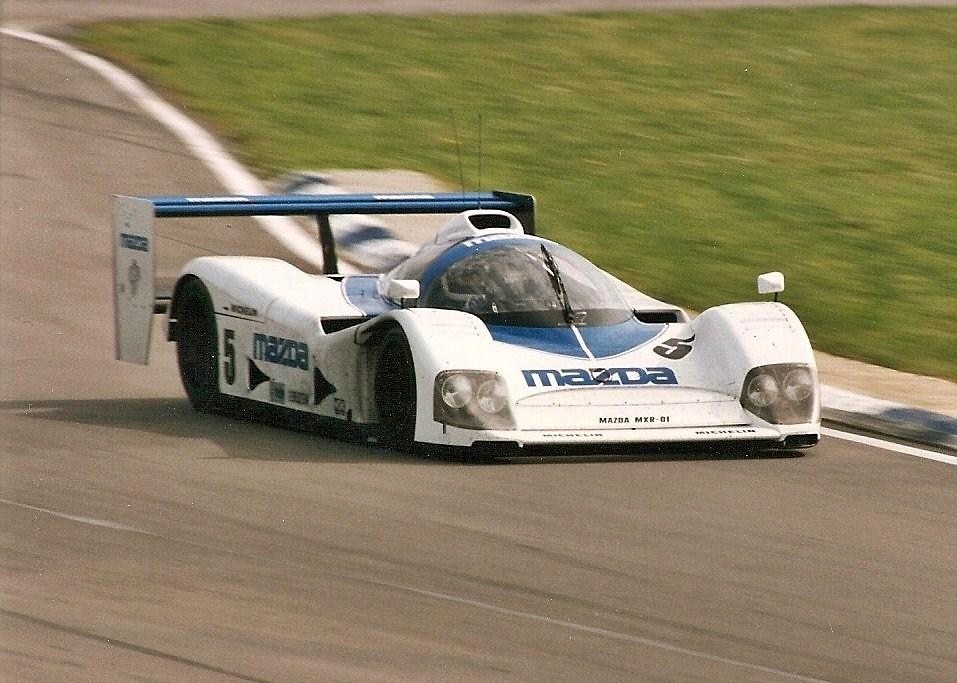
In the 1990s, arguably the most radical car to have the MX badge was the Mazda MXR-01. After the rotary-powered Mazda 787B took victory in the 1991 Le Mans 24 Hours, the FIA promptly banned rotary-powered cars, leaving Mazda looking for a new car for the 1992 World Sportscar Championship at very short notice. A solution arrived in the shape of the MXR-01 prototype racing car.

MXR-01 racing prototype

Based on the previous season’s Jaguar XJR-14, the British firm’s withdrawal from sportscar racing, allowed Mazda to adapt this radical Ross Brawn-designed prototype and fit a Mazda-badged V10 Judd engine. Famed for its incredible grip and downforce, just 5 examples were built. But sadly, the collapse of the World Sportscar Championship at the end of 1992 spelt the end of Mazda’s world motorsport programme and denied the MXR-01 the chance of success.

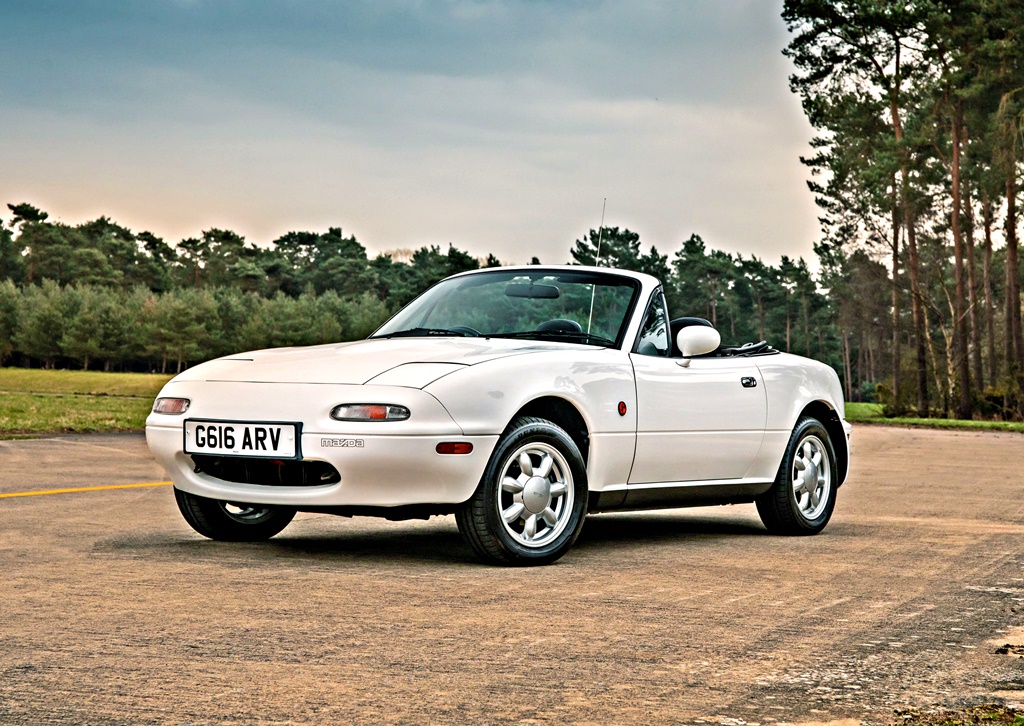
In 1989, the MX-5 was launched and would become the bestselling 2-seater convertible sportscar in the world. (Below) It was followed by the MX-3 and MX-6 during the 1990s.

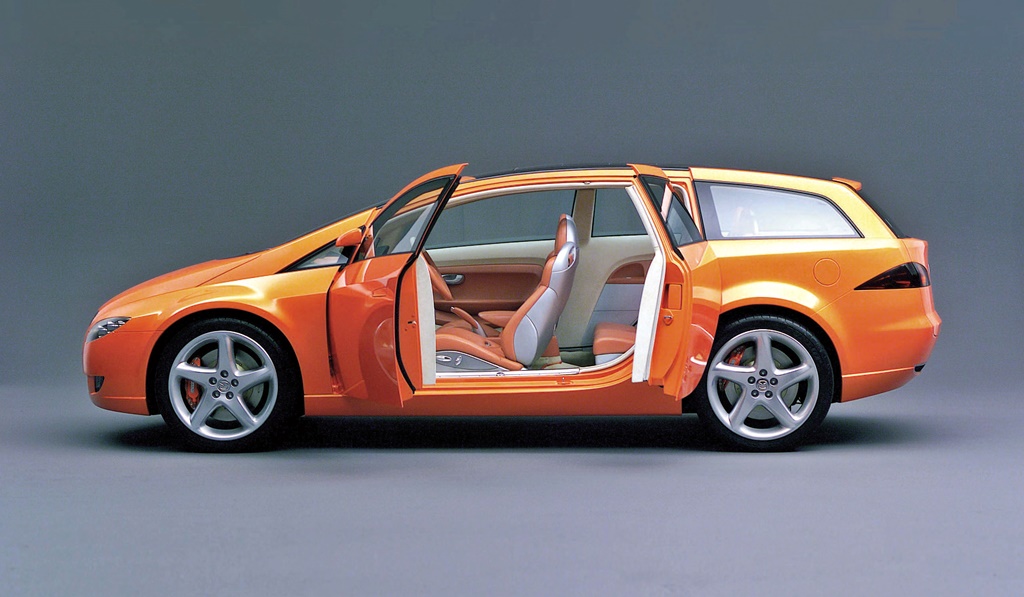
MX-Sport Tourer concept

Into the 21st century, the MX badge has still appeared on concept cars – the 2001 MX-Sport Tourer/MPV; 2002 MX-Sport Runabout; 2003 MX-Sportif; and 2004 MX-Flexa. The MX concept car that really started Mazda on the road to another success story was the 2005 MX-Crossport. Inspired by the RX-8 sportscar, this was a sporty looking SUV concept with sculpted wheel arches, slender headlamps and bold shoulder lines. It would be the basis for the model that that became the CX-7, which established a lineage of SUVs that lead to today’s CX-5, CX-30 and MX-30.

40 years later, the fully electric MX-30 – not a concept car – poses with the MX-81 at the same spot where the concept car was originally photographed in 1981.

To know more about Mazda models available in Malaysia, visit www.mazda.com.my.

Unusual, little known Mazda vehicles you may never have heard of

Archive

Follow us on Facebook

Follow us on YouTube