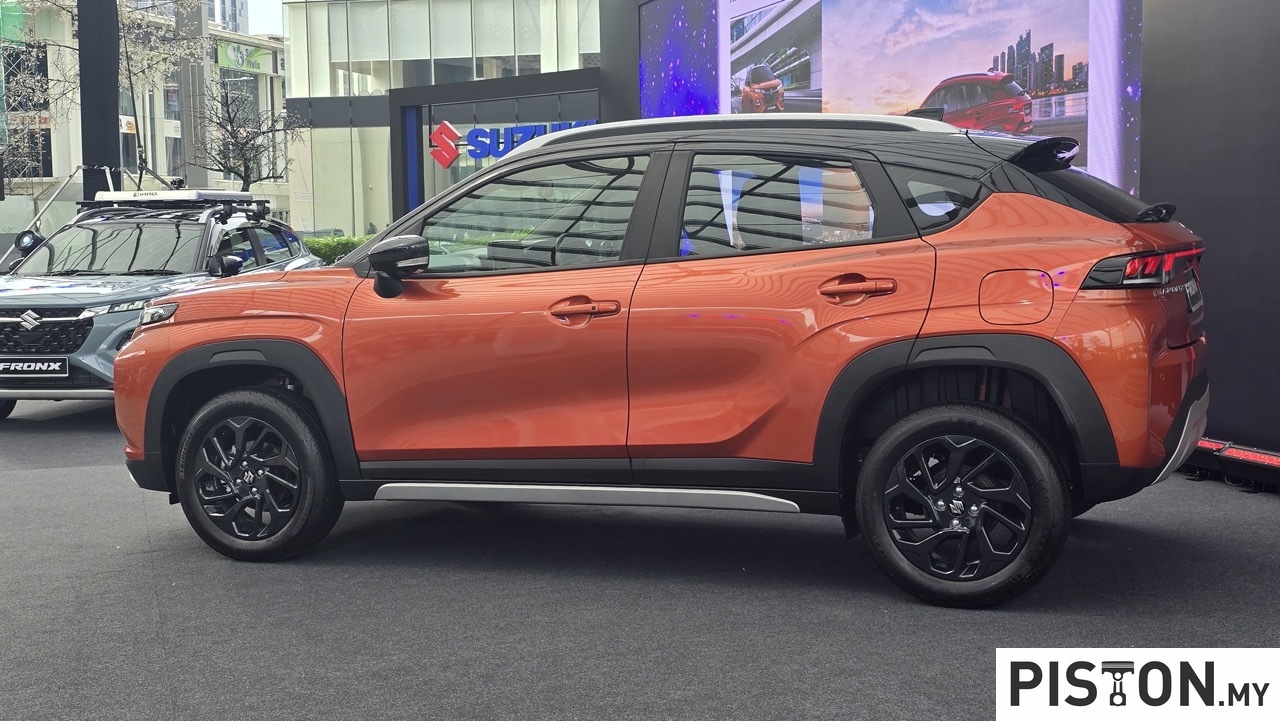
Naza Eastern Motors rasmi memperkenalkan Suzuki Fronx Hybrid untuk pasaran Malaysia, menandakan kemasukan yang lebih yakin jenama itu dalam segmen SUV kompak tempatan. Model baharu ini digambarkan sebagai gabungan gaya moden, praktikaliti harian dan kejuruteraan yang matang—dicipta untuk pemandu yang mahukan kelainan tanpa berkompromi pada kegunaan seharian. Dengan penarafan lima bintang ASEAN NCAP, Fronx muncul sebagai salah satu SUV paling selamat dalam kelasnya.
Dibina di atas platform ringan generasi terbaharu Suzuki, Fronx menyerlah melalui reka bentuk yang lebih berani. Bahagian hadapan tampil dengan gril krom yang menonjol, lampu LED penuh dan garis badan yang tajam. Siluet belakang coupe memberikan sentuhan sporty, manakala pelapisan badan dan plat pelindung menambah imej lasak yang sesuai untuk perjalanan harian mahupun luar bandar.
Dengan ukuran 3,995 mm panjang, 1,765 mm lebar, 1,550 mm tinggi serta jarak roda 2,520 mm, Fronx berada dalam kategori saiz yang sama seperti Perodua Ativa—cukup kompak untuk bandar, namun masih tampak kukuh dan stabil. Pilihan warna satu tona serta dua tona dipadankan dengan rim aloi 16 inci, melengkapkan penampilan sporty model ini.
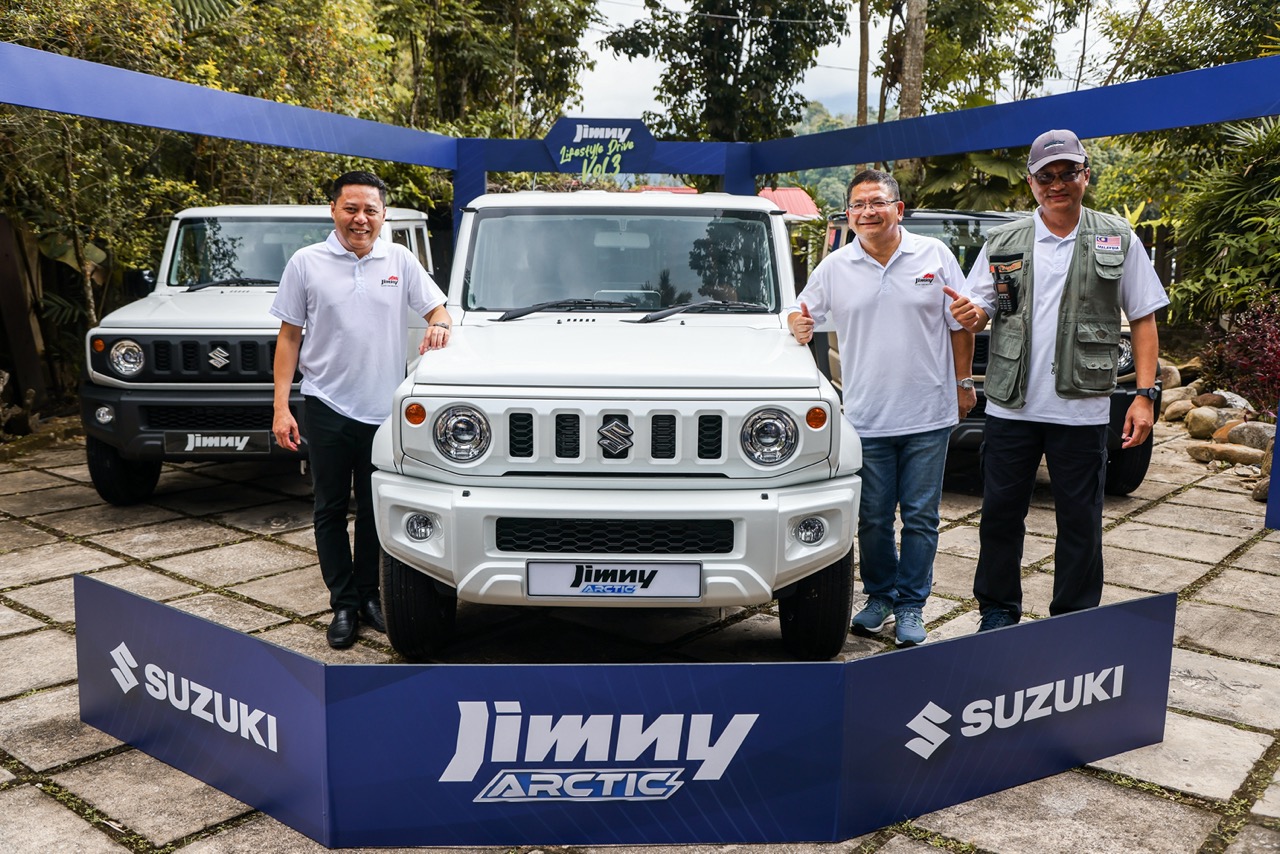
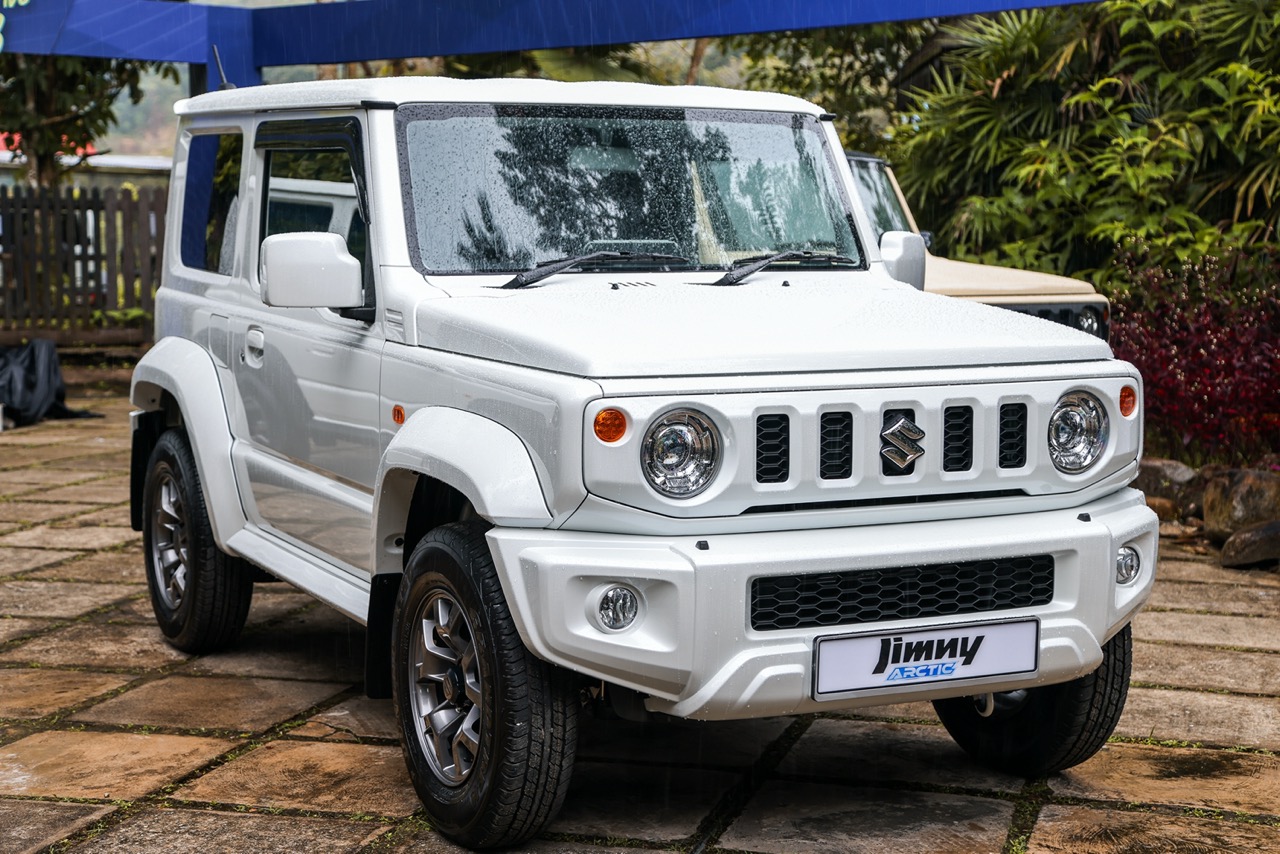
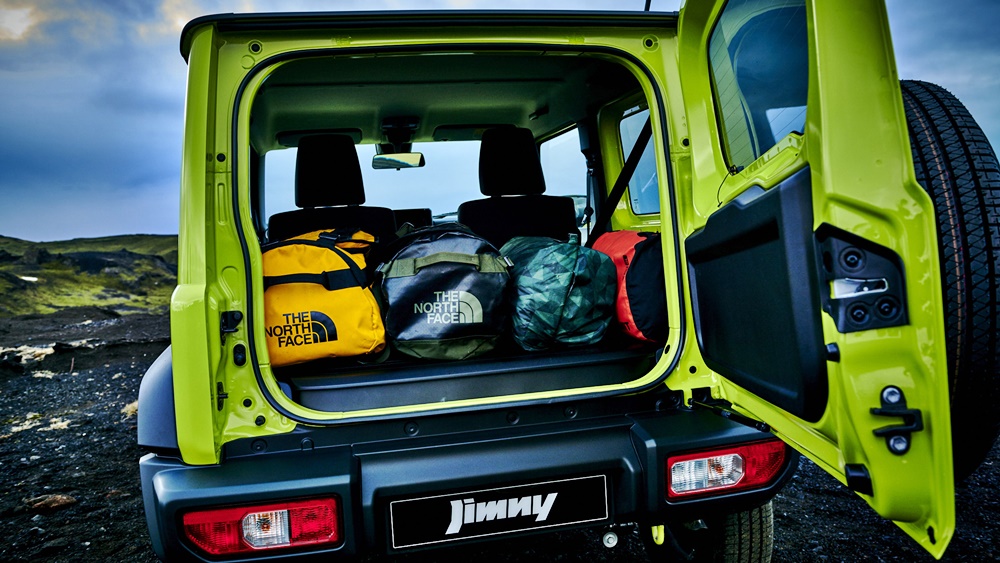
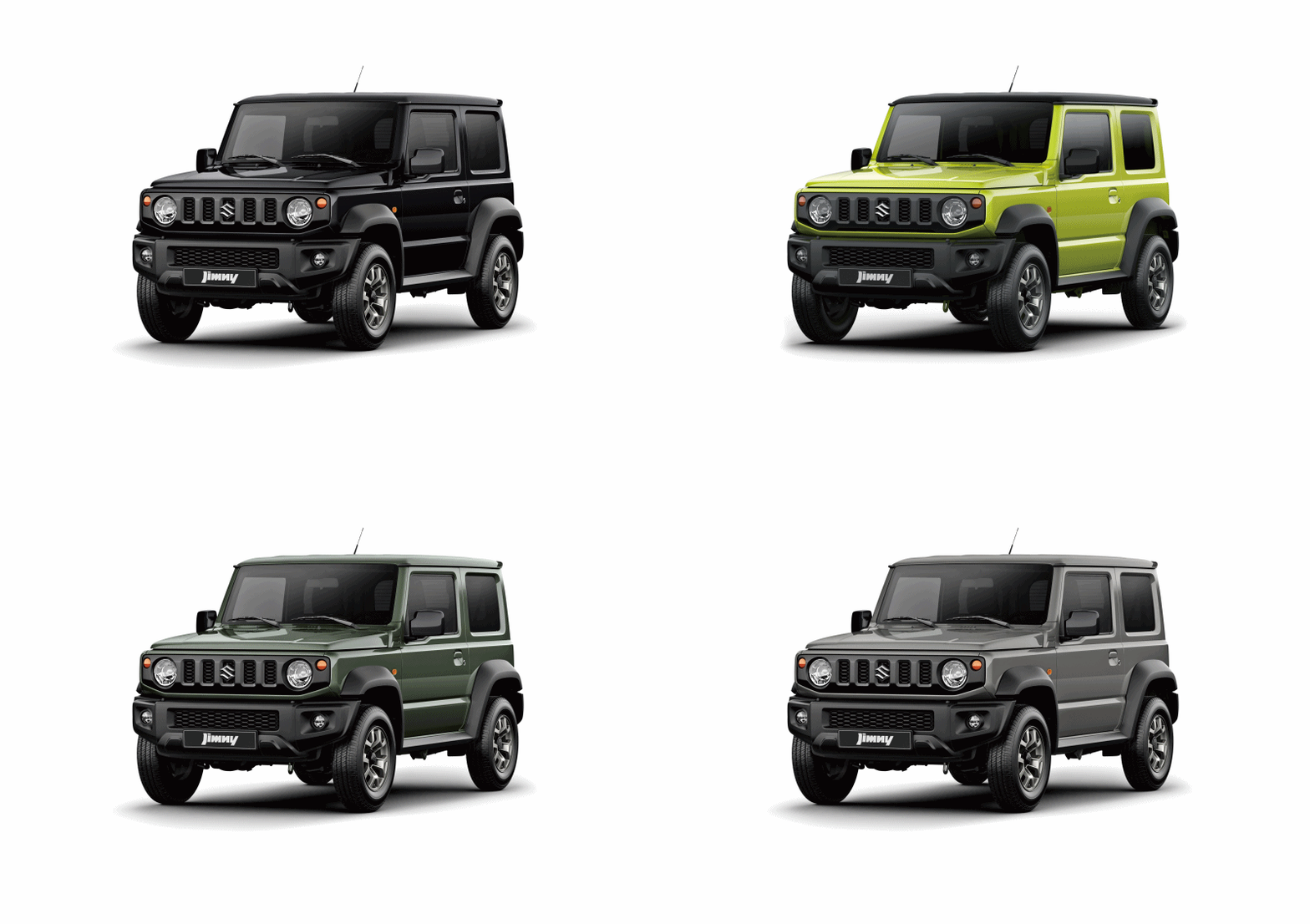
Naza Eastern Motors Sdn. Bhd., pengedar eksklusif kenderaan Suzuki di Malaysia, memperkenalkan Suzuki Jimny Arctic, edisi terhad kepada barisan Jimny 3-Door. Pelancaran yang dinanti-nantikan ini berlangsung di edisi ketiga Jimny Lifestyle Drive, yang menyaksikan hampir 50 kenderaan Suzuki Jimny berkumpul untuk konvoi ke Aman Rimba Private Estate, Janda Baik, Pahang.
Menggabungkan Pengembaraan dan Inovasi
Ketika pelancaran, Mohamad Irwan Shahril menyatakan kepentingan Jimny Arctic sebagai pencapaian penting untuk Suzuki Cars Malaysia. Beliau menegaskan:
“Jimny Arctic adalah bukti dedikasi kami untuk menyediakan kenderaan luar biasa yang disesuaikan untuk pelanggan tempatan kami. Dengan penambahbaikan dan ciri reka bentuknya yang unik, ia membawa tahap keterujaan yang segar kepada pasaran SUV di Malaysia.”
Suzuki terus komited untuk menyediakan kenderaan yang mengekalkan kualiti, kebolehpercayaan, dan gaya, sambil memenuhi keperluan peminat luar jalan.
Ciri Eksklusif dan Harga
Suzuki Jimny Arctic ditawarkan pada harga RM167,900 (sebelum insurans) dengan promosi early bird yang memberikan rebat sehingga RM7,000. Model ini direka untuk menggabungkan keanggunan dengan kepraktisan lasak, menjadikannya pilihan unggul dalam segmen 4×4 kompak.
Naza Eastern Motors Sdn. Bhd., the exclusive distributor of Suzuki vehicles in Malaysia, has introduced the Suzuki Jimny Arctic, a limited-edition addition to the Jimny 3-Door lineup. The highly anticipated reveal took place at the 3rd edition of the Jimny Lifestyle Drive, a gathering of nearly 50 Suzuki Jimny vehicles for an adventurous convoy to Aman Rimba Private Estate in Janda Baik, Pahang.
A Celebration of Adventure and Innovation
Speaking at the launch, Mohamad Irwan Shahril highlighted the significance of the Jimny Arctic’s unveiling, calling it a “milestone for Suzuki Cars Malaysia.” He emphasised the brand’s commitment to offering vehicles that cater to off-road enthusiasts while maintaining Suzuki’s hallmarks of quality, reliability, and style.
He added, “The Jimny Arctic is a testament to our dedication to providing exceptional vehicles tailored for our local customers. With its unique design enhancements and features, it brings a fresh level of excitement to the SUV market in Malaysia.”
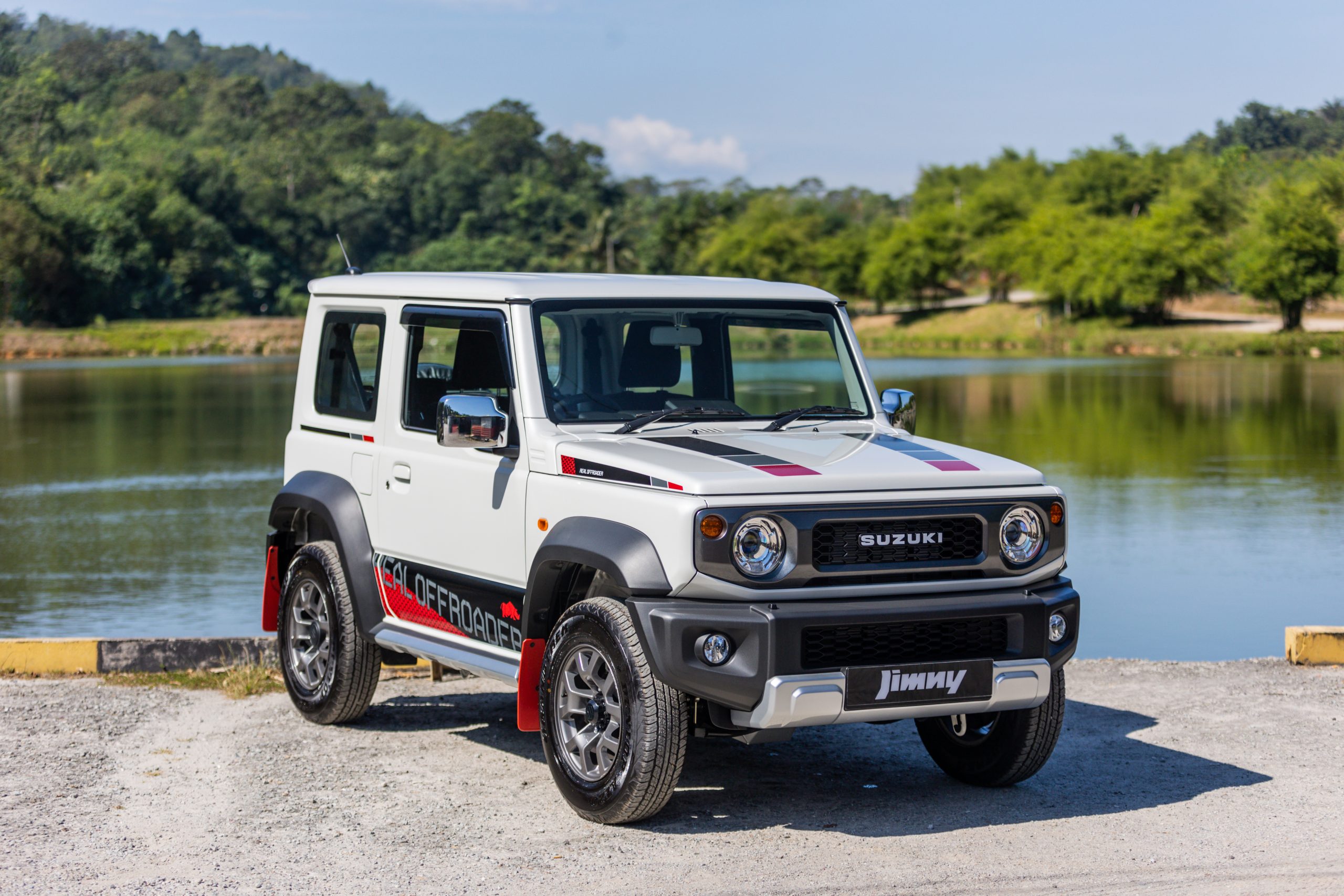
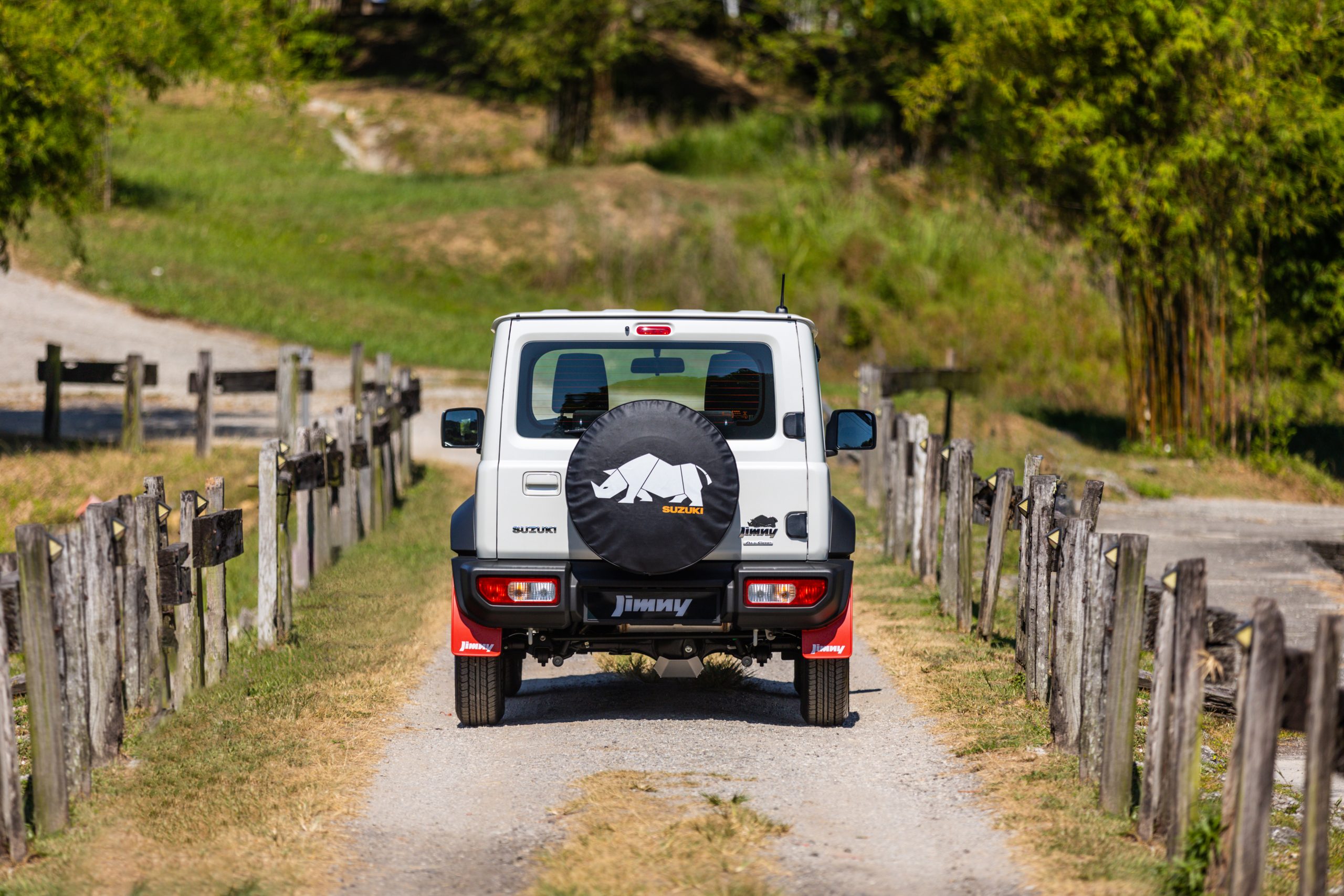
Nearly two years following the Suzuki Jimny’s comeback to the Malaysian market, Naza Eastern Motors Sdn Bhd has released the Jimny Rhino edition. This limited-edition model intends to revive consumer interest in Suzuki’s famous Jimny and give buyers a unique ownership experience.
A Jimny Lifestyle Drive was held to mark the debut of this new edition. Mohamad Irwan Shahril, Chief Operating Officer of Naza Eastern Motors, and more than 30 Jimny owners participated in a convoy drive from the Suzuki Cars Petaling Jaya Showroom to the Malaysia 4WD Training & Experience Centre (M4TREC) in Semenyih where the Jimny Rhino Edition was unveiled. This was followed by an off-road demonstration and exercise by Suzuki Jimny instructors.
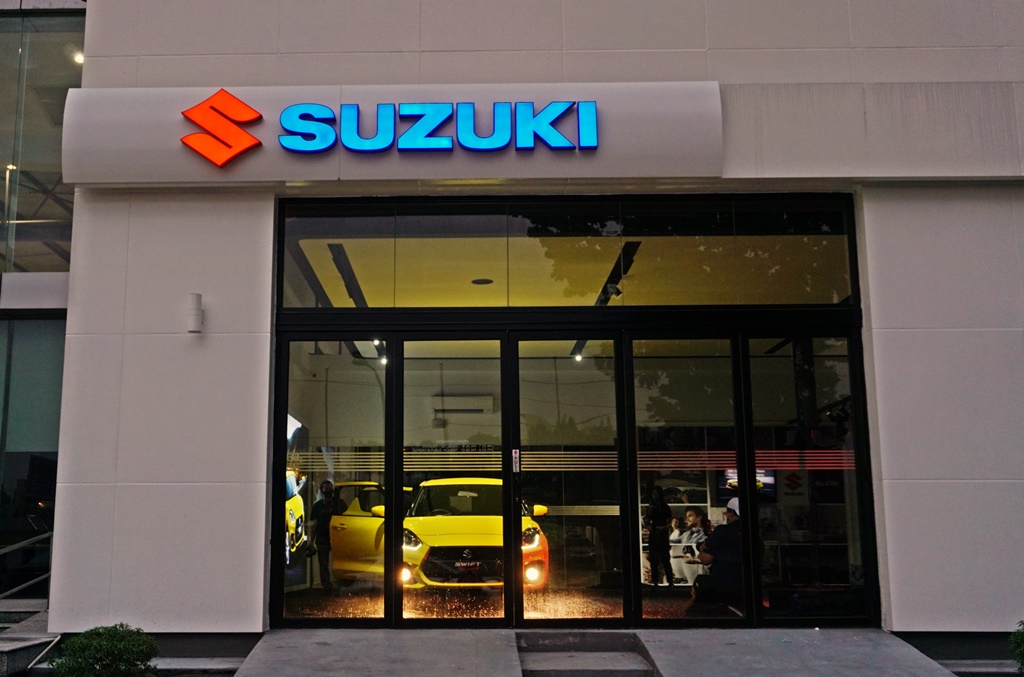
Following the Suzuki Swift Sport that marked the return of the Suzuki car brand to Malaysia, Naza Eastern Motors (NEM), the official distributor, has now begun importing the Jimny compact SUV. Equally iconic as the Swift, the Jimny has a long history and its first generation predecessor was on sale in Malaysia as far back as the 1970s.
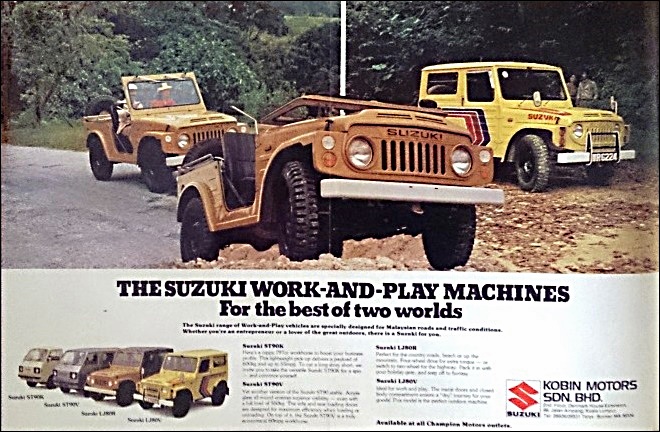
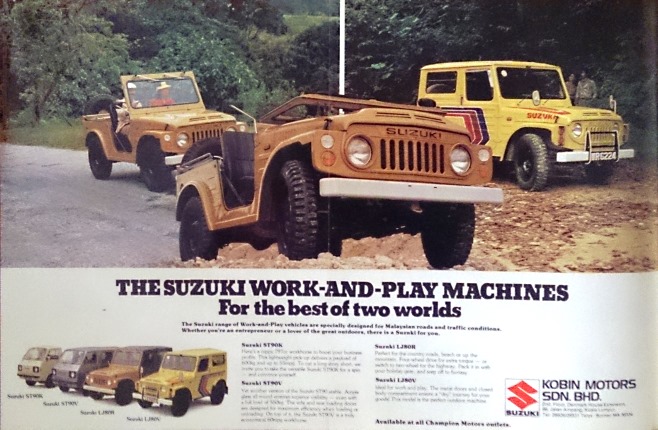
The first generation Jimny was truly a mini SUV, measuring about 3.2 metres long and 1.4 metres wide. With an 800 cc engine, its kerb weight was only 787 kgs which was advantageous on soft ground. Contractors loved it as it was ideal for going around construction sites and could even take rough terrain with its simple 4×4 system.
An advertisement in the 1970s for the first generation
Later versions of the first generation with various bodystyles, including a high roof, broadened the popularity of the model. However, by the third generation, the price had jumped significantly and although it was available, the numbers sold were very small.
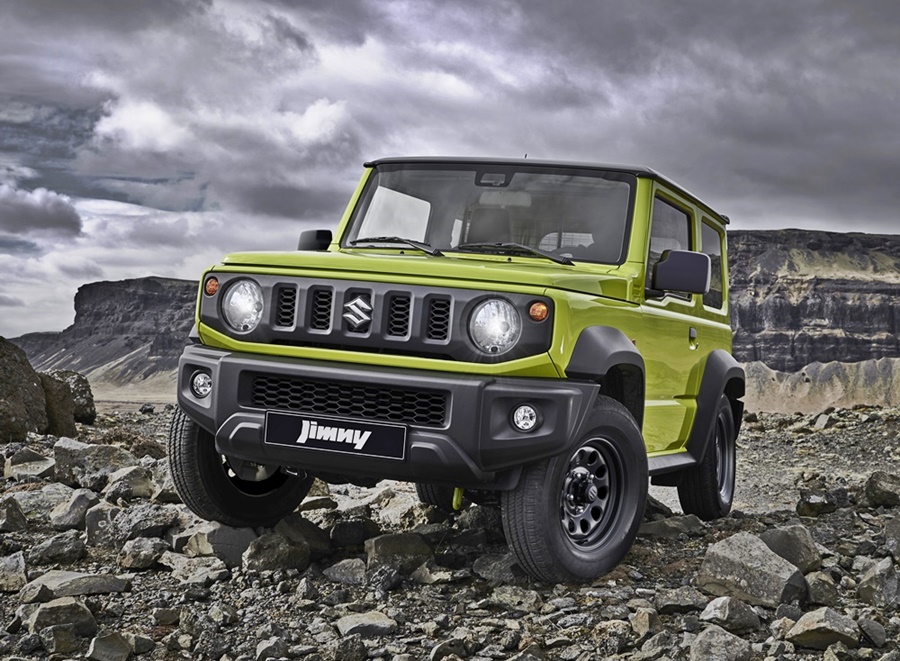
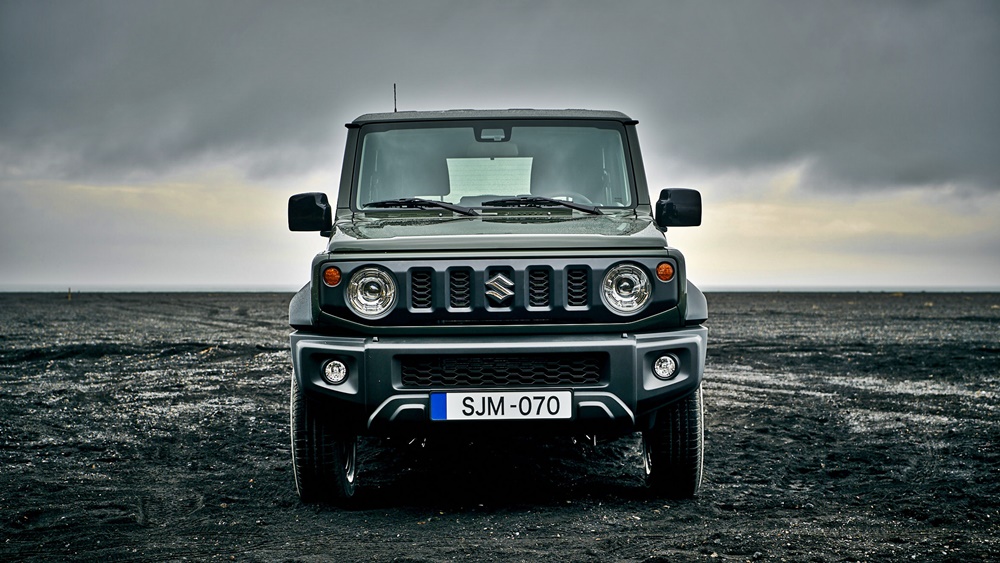
The latest 4th generation has been around for about 3 years and when it was launched, many saw its appearance to be like a mini G-Wagen (the Mercedes-Benz SUV). In fact, there are aftermarket accessories to make it look like the German SUV. The price went up even more and NEM is offering it at RM168,900 (excluding sales tax) and for those who wonder, the price of the first generation was around RM17,500.
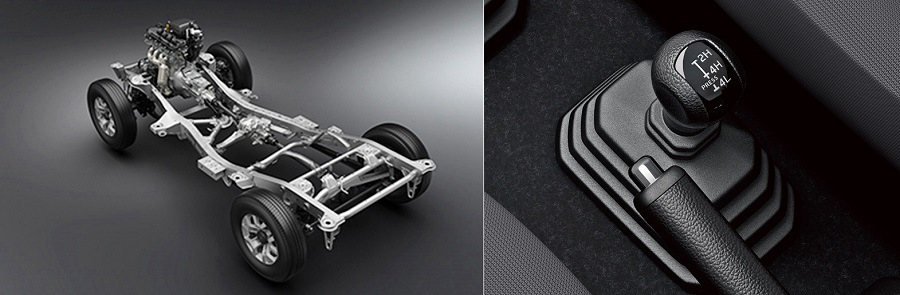
Of course, the Jimny has come a long way technically and has many modern technologies. It no longer uses a kei-class engine but a K15B 1.5-litre petrol engine. NEM is importing on the version with a 4-speed automatic transmission but you do get 4×4. And like the traditional SUVs, there’s even a transfer case with 2WD/4WD high range and 4×4 low range that enables very low speeds in difficult terrain.
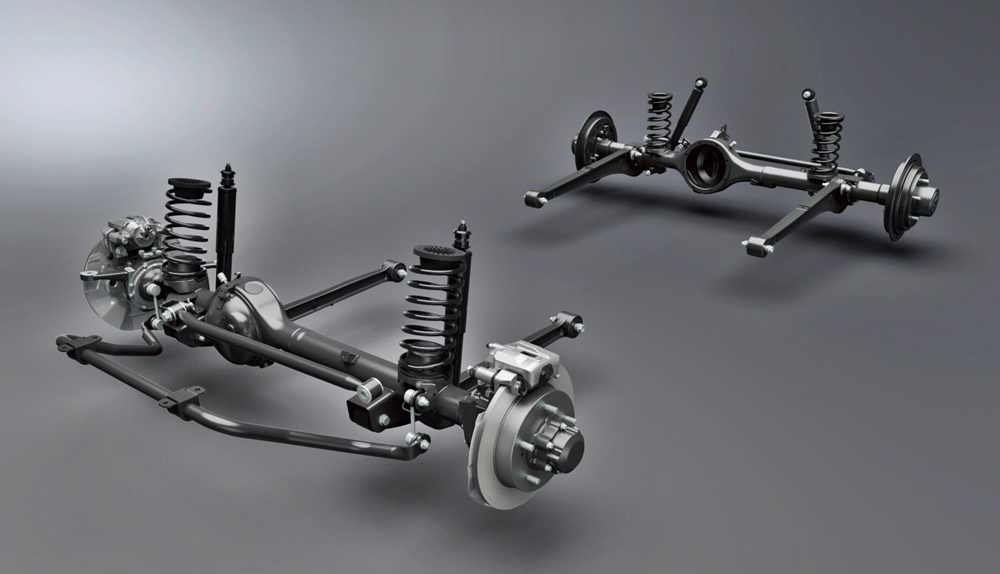
The construction also follows traditional SUVs with a body-on-chassis (BOC) frame. Suzuki could probably have used a monocoque approach but may have used the BOC method for ‘traditional’ reasons. There’s nothing wrong with the BOC structure which is better for heavy loads though it may be slightly less comfortable. The coil spring suspension is a simple layout with a3-link rigid axle layout.
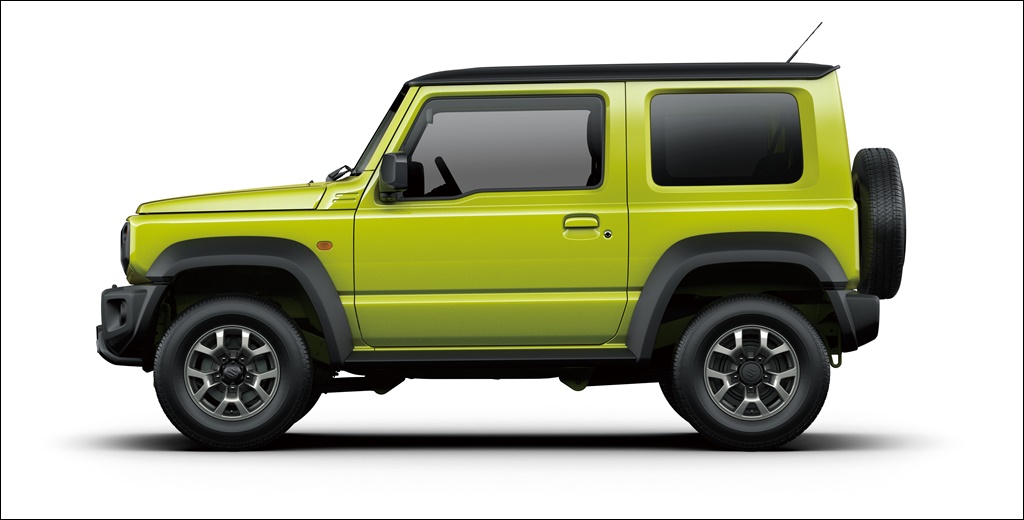
The size of the latest Jimny, which has only 2 side doors, has grown to 3.6 metres long and 1.6 metres wide. It has generous ground clearance of 210 mm, with good clearance angles for better off-road capability. It has also become heavier, with a kerb weight in the region of 1,095 kgs.
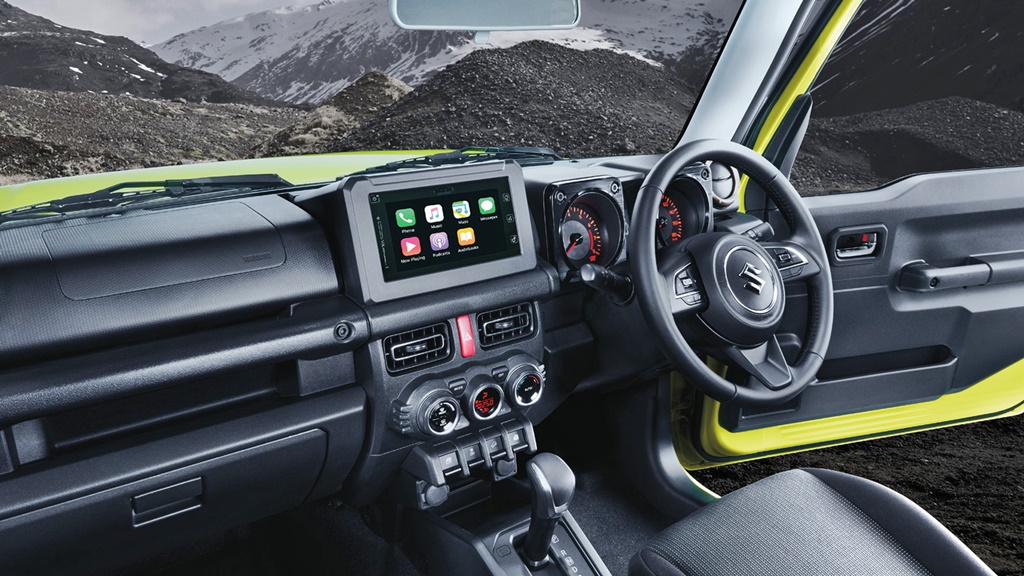
The original Jimny was a pretty bare vehicle with uncovered metal panels around the cabin. Today’s Jimny is, however, as comfortable and well equipped as a passenger car (which partly accounts for why its costs so much more). The 4-seater space is snug but has air-conditioning, a leather-wrapped multi-function steering wheel and a touchscreen infotainment system which supports Apple CarPlay and Bluetooth, handsfree telephony and audio functions.
Like all SUVs, there are practical storage spaces but the compact external dimensions will already indicate that you can’t have a lot of cargo space. Nevertheless, the rear seats can be folded to 830 provide up to 820 litres of volume.
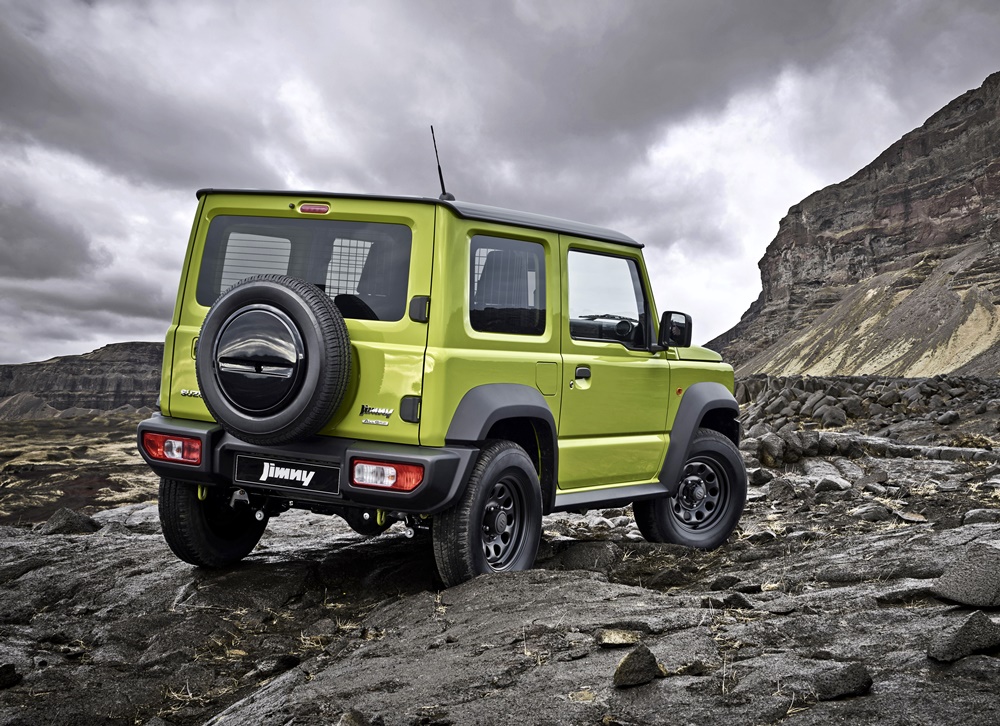
The Suzuki designers chose to retain the side-hinged rear door as well as spare wheel mounted on the door, two elements which follow the classic 4×4 SUV look. Over the past 15 years, as SUVs evolved into more passenger-like vehicles, the styling changed and designers switched to a top-hinged door (partly also for safety reasons) and decided that there was no need to add engineering complexity with the spare wheel hung on the door.
The Jimny also has all the safety systems expected of a vehicle today. Electronic Stability Control will be helpful in slippery conditions and of course, there’s ABS and also hill-descent control, the latter letting the computer safely control the vehicle as it moves down a slope. Parents with small children will appreciate the ISOFIX points behind for ease of installing compatible childseats.
When Proton formed a technical tie-up with Suzuki, which led to the creation of the Proton Ertiga, the Japanese carmaker decided to show its support for the partnership (small though it was) by withdrawing from the Malaysian market in 2016. It was the same sort of move made by Mitsubishi Motors some 30 years earlier when it was involved with the Malaysian carmaker. The difference though was that Mitsubishi Motors had a stake in the company and could look at a long-term relationship whereas Suzuki was essentially just providing a product that Proton could adapt quickly.
The move by Suzuki disappointed its customers and fans, which had built up over 10 years. Although not all the products sold well, the brand image was strong. For enthusiasts especially, the Swift Sport was a hot little hatchback that offered zesty performance. Sadly, their favourite brand had abandoned the market and those who did own the cars kept them for as long as possible.
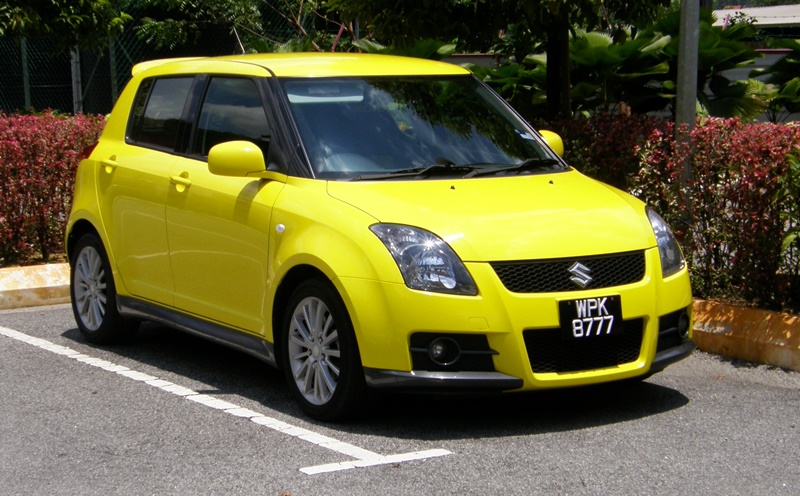
First Swift Sport launched in 2007.
Back with a new distributor
Now Suzuki is back, and it’s doing so through a new distributor – Naza Eastern Motors Sdn Bhd. (NEM) which is part of the Naza Group. Interestingly, although Naza has handled many different brands, it has never had a Japanese brand until now.
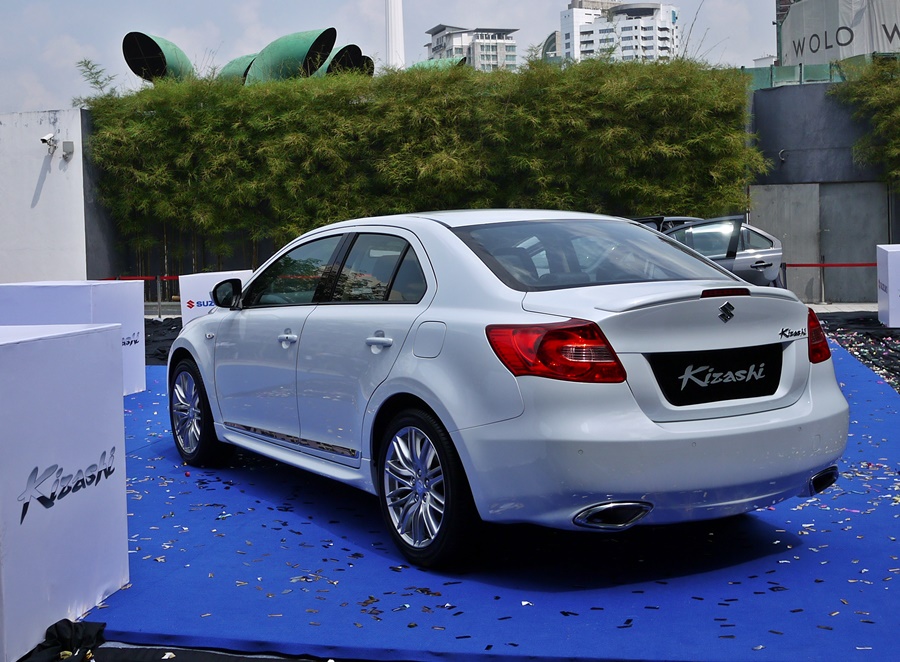
Suzuki has a wide range of models, from minicars to hatchbacks to SUVs, all small models. It did try to get into a larger sized market with a model called the Kizashi but never succeeded. The Suzuki model which Malaysians know best is the Swift which was introduced in 2005 when Suzuki Malaysia began operations.
Times have changed and while the plain vanilla Swift was popular back then, the market is filled with many more competitors today so NEM has decided to import just the Swift Sport, at least for now. This variant is the more iconic one and will surely have many who are eagerly waiting to get one.
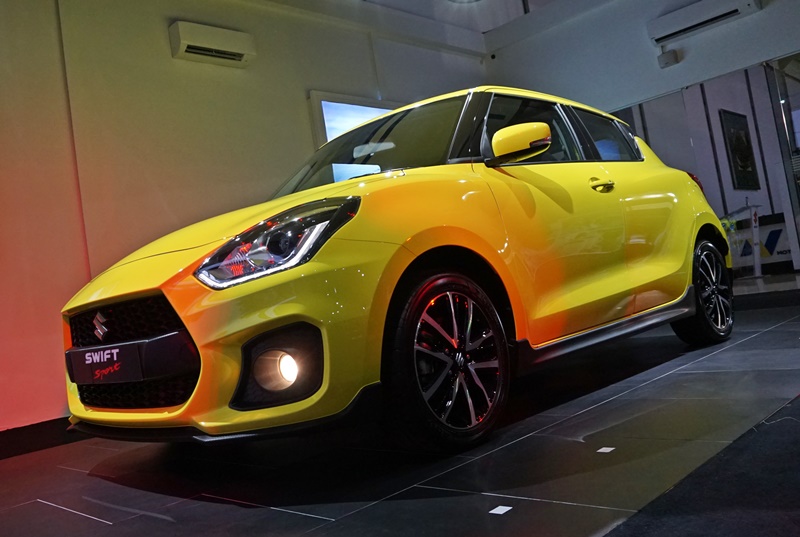
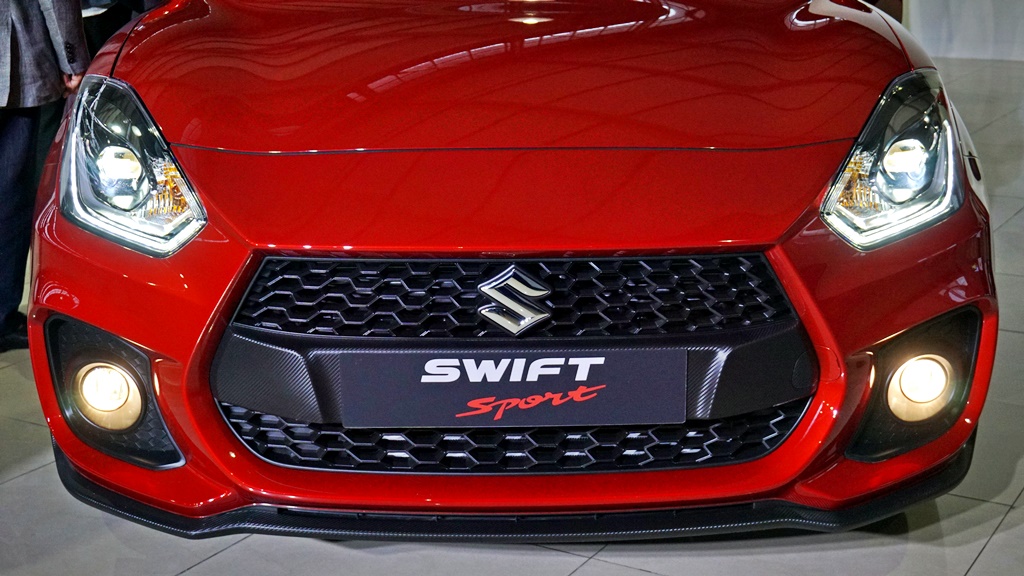
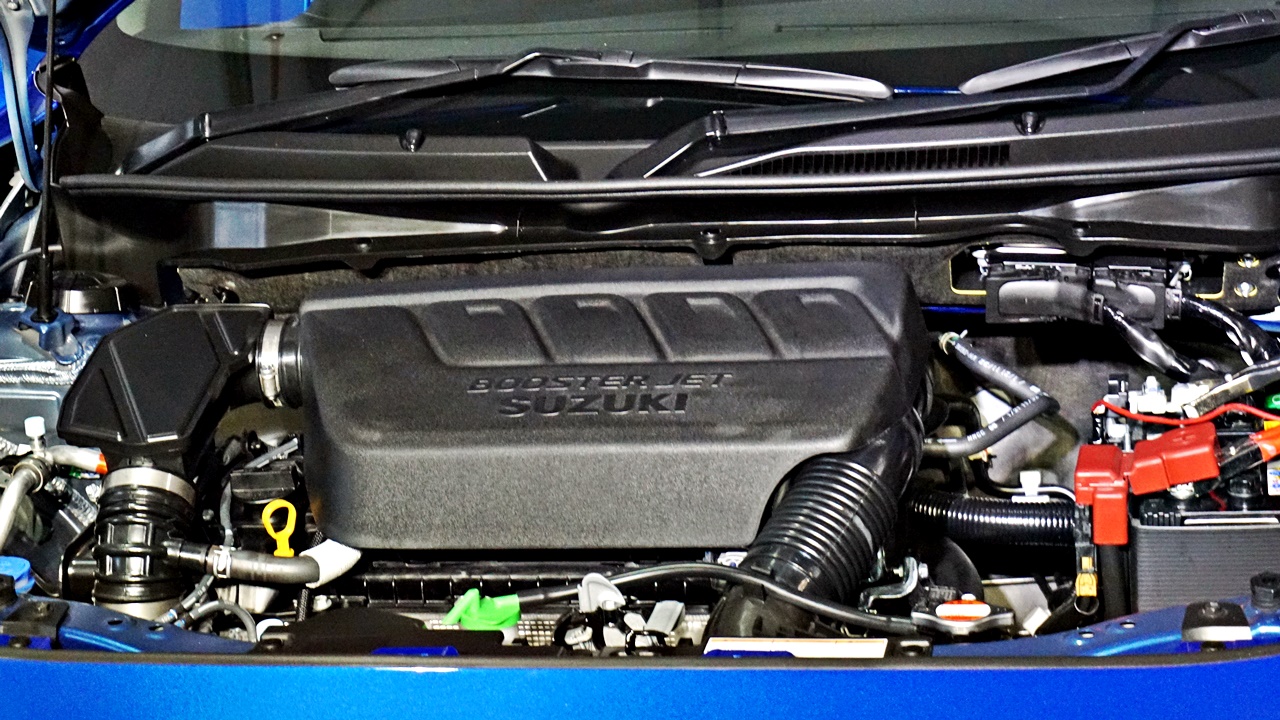
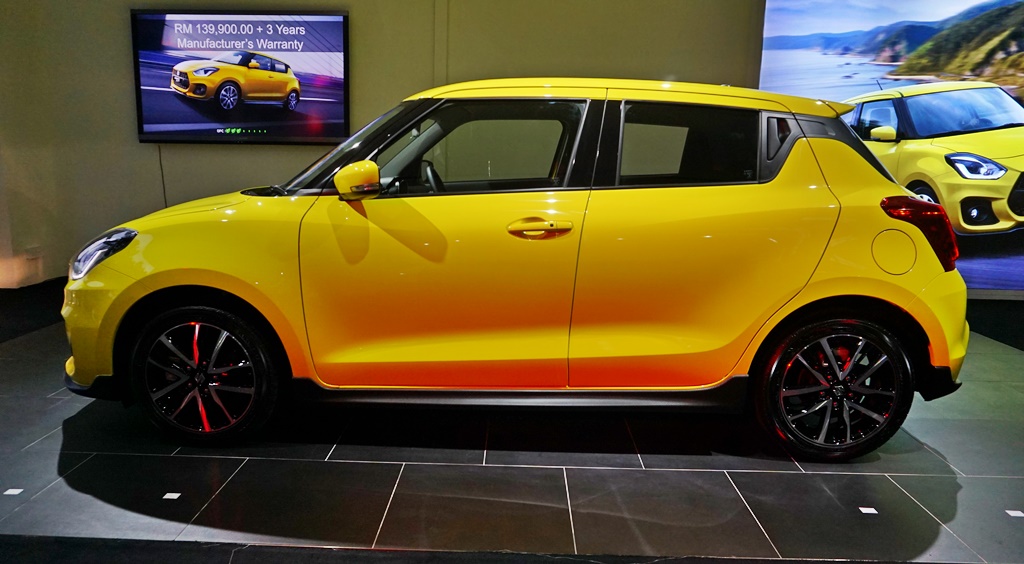
Priced from RM139,900 (excluding insurance), the new Swift Sport is from the latest third generation with a 1.4-litre BOOSTERJET engine. Like many small engines today, this engine has direct fuel injection and turbocharging with intercooling which pushes output up to 140 bhp/230 Nm. The dual variable valve timing is electrically operated on the intake side but has hydraulic operation on the exhaust side.
During development, Suzuki’s engineers virtually eliminated the typical delay in power delivery (turbo lag) by attaching the compact turbocharger directly to the cylinder head as well as incorporating the exhaust manifold into the cylinder head casting. This design ensures optimum gas flow with minimal heat loss through to the turbo unit.
No manual transmission
The power goes to the front wheels through a 6-speed automatic transmission which will disappoint enthusiasts. One of the strong attractions of the previous generations was that they were available (in Malaysia) with manual transmissions. This was at a time when companies were beginning to discontinue manual variants of their models due to diminishing demand.
It is likely that NEM did some market studies and found that the volume potential was higher for an automatic transmission variant than for a manual transmission. They could listen to a limited group of enthusiasts who might tell them ‘everyone who buys a Swift Sport will want a manual’ but the reality today is that most people are satisfied with an automatic. At least it’s not a CVT…
With the automatic transmission, the car is claimed to be able to do 0 to 100 km/h in 8 seconds and reach a top speed of 205 km/h. If you don’t drive with the pedal floored most of the time, you could get 16.4 kms per litre and we learnt that, unlike the previous 1.5-litre engine, this new one can deliver 100% of the rated output with RON95 petrol. The previous engine was apparently tuned to give its maximum output with RON98 which we do not have, and with RON97, dyno testing showed that the output was 1 bhp less.
While the suspension layout is fairly straightforward, careful tuning has been done to give greater driving stability, optimised roll rigidity, and improved dynamic response. The rear suspension was specially designed to ensure good high speed stability and the trailing arm was developed exclusively for the Swift Sport to minimise deformation during cornering. The rigidity of the torsion beam is also tuned to provide optimal roll stiffness.
Suzuki engineers developed a new platform called ‘HEARTECT’ which is said to provide enhanced fundamental vehicle performance due to being light and highly rigid. The underbody’s structure and component layout are incorporated in a highly rigid frame that resists distortion while also dissipating impact energy. More welds are used to increase structural rigidity of the body.
Swift design DNA retained
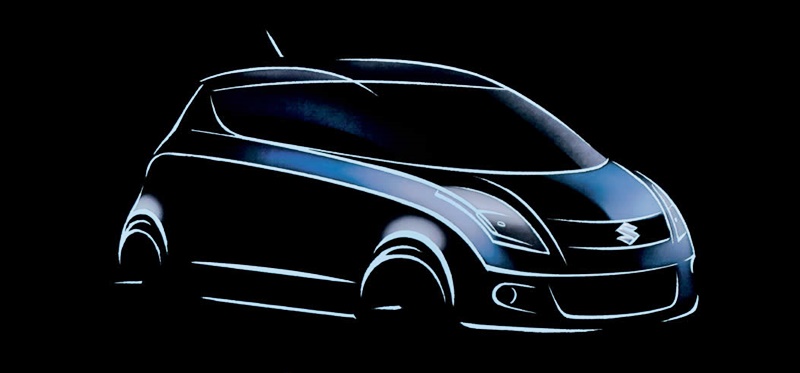
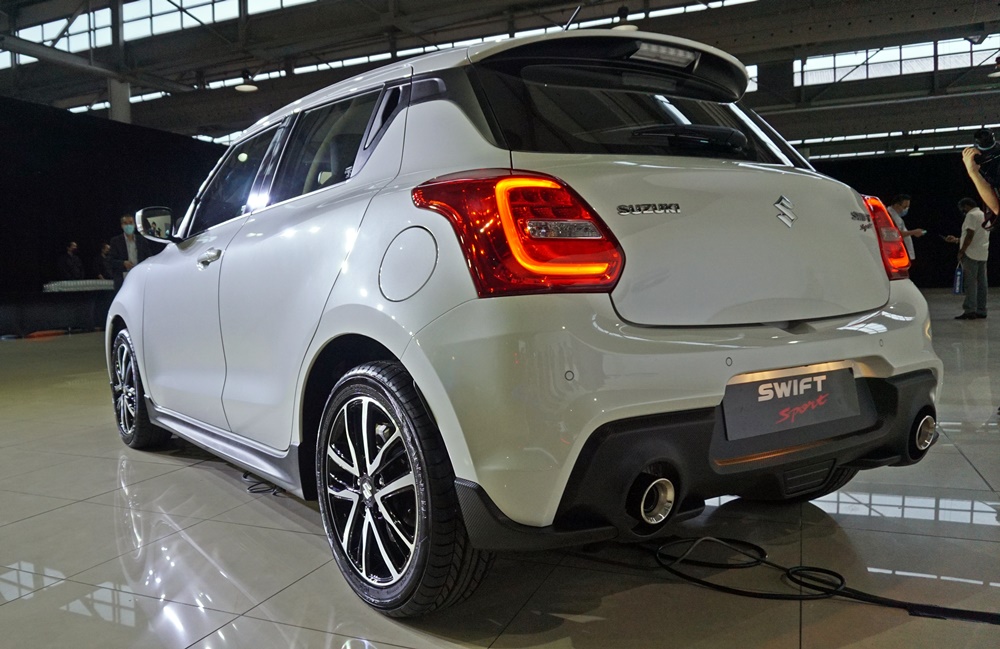
While the technical aspects have changed significantly since the last time Malaysians had a Swift Sport to buy (officially), the design retains a familiar form that can be traced all the way back to the Concept S of 2004. That shape has evolved over the years but remains recognisable as a Swift. For the Swift Sport, the appearance is more expressive, in keeping with the sport image.
The 2004 Concept S
Black-out roof pillars give the impression of a ‘floating’ roof while dark trim running along the lower sides establishes a low centre of gravity. The handles for the rear doors are up on the roof pillar, an idea which is not unique nor new as it can be found on some other models. It gives a cleaner look to the door panel though some people will get confused not seeing a handle in the usual place.
Sporty cabin
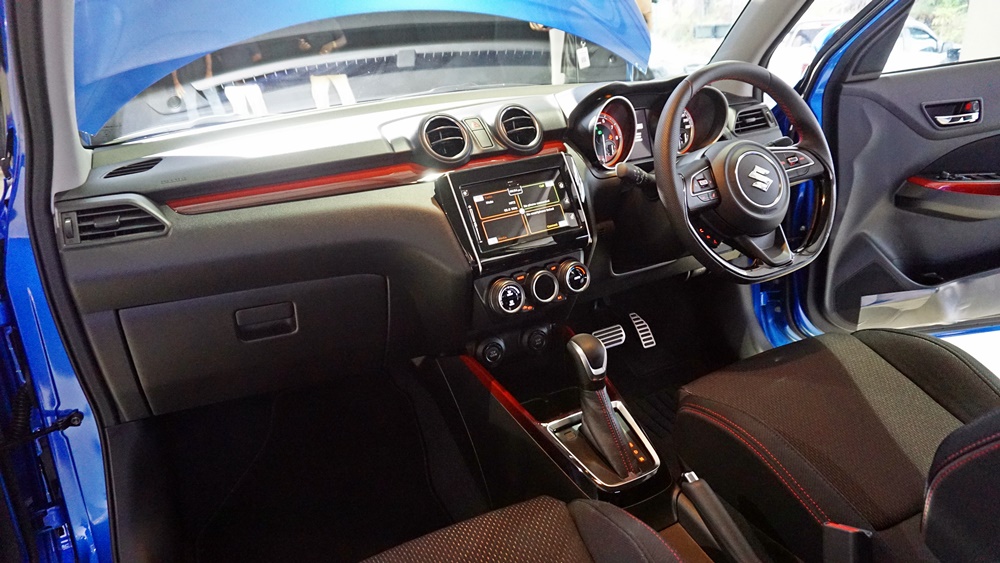
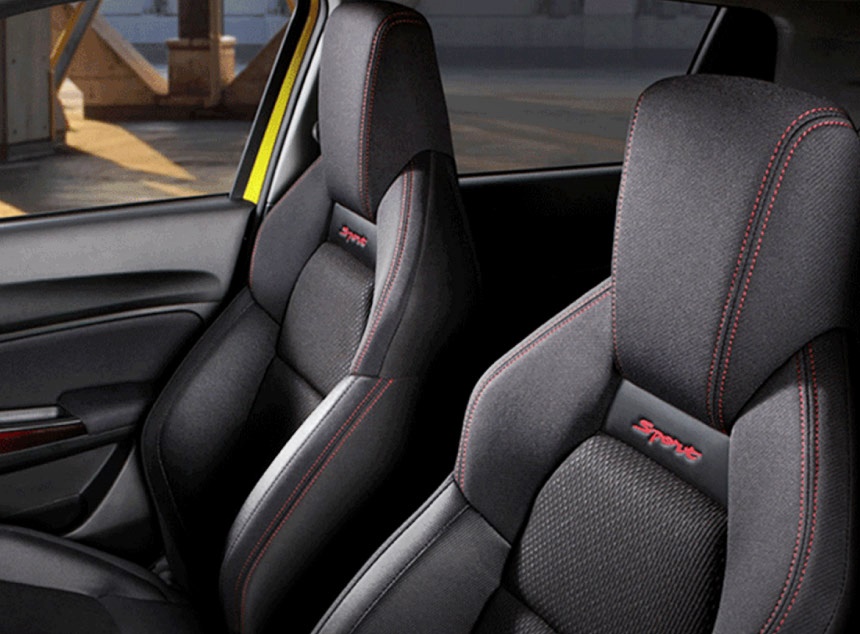
As would be expected, the Swift Sport’s cabin has a sporty flavour with semi bucket front seats that should hug the body well to keep it in place during the spirited driving which an owner is bound to indulge in. The seats have tubular frames set within the side supports of both the seatback and seat base cushion with urethane pads for additional support.
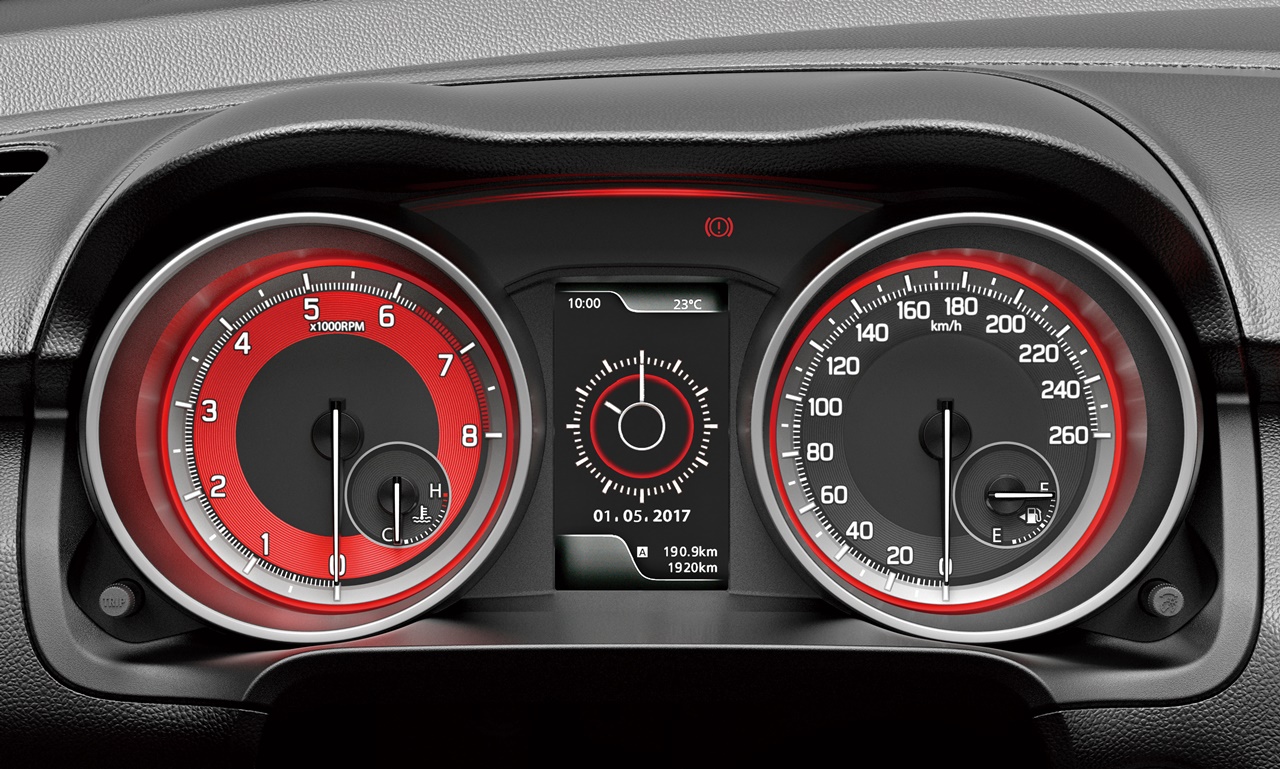
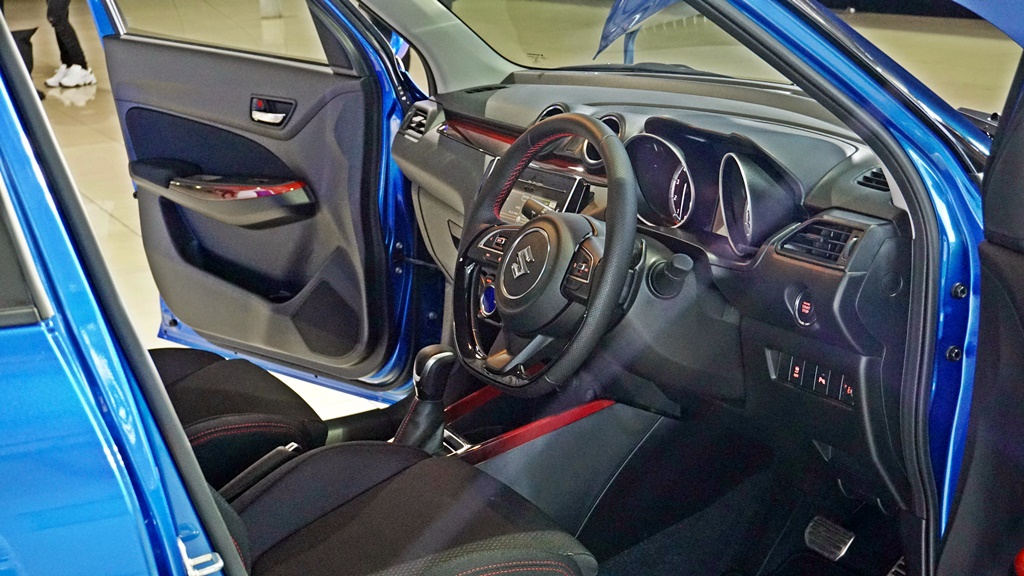
The dashboard has a rather ‘classic’ layout, somewhat different from most of today’s cars. It’s functional with a basic tone of black to create a high contrast interior space. For added sport appeal, the tachometer features a red dial face and the speedometer is coloured silver. A digital multimedia info display between the meters shows, among other things real-time engine output (bhp and Nm), g-forces and turbo boost.
The 3-spoke leather-wrapped steering wheel, with red stitching, multi-function switches and paddle shifters, has a D-shaped design with a flat bottom, a feature usually found in sportscars.
The ventilation controls are in the form of large rotary knobs which will be appreciated by drivers as you don’t have to look down at them to make adjustments. Above the knobs is a 7-inch colour touchscreen for the infotainment system which has Apple CarPlay, Android Auto and MirrorLink for connectivity.
The Swift Sport has Suzuki‘s Total Effective Control Technology (TECT) for collision safety. This makes use of collapsible structures that absorb impact energy in the event of a collision, a frame structure that effectively disperses impact energy, and rigid cabin structure. Six airbags are provided for cushioning at the front and sides.
No driver-assist systems
While we usually read of driver-assistance active safety systems in almost every new model launched today, NEM doesn’t mention this in its materials. This is not to say that the model was developed without such systems as the Swift Sport sold in other markets does have a camera and radar which detect hazards and active systems that will give autonomous emergency braking.
Nevertheless, there is ABS with Brake Assist and Electronic Stability Program which no car should be without today. There’s also cruise control which is the basic type as it cannot be adaptive without a camera or radar.
As the official distributors, NEM will of course provide all the necessary aftersales support and has one 3S service centre in operation with immediate effect. Presumably, they will have a network in due course and will also provide services to those who already own a Suzuki.
While Suzuki motorcycles were on Malaysian roads in the 1960s, the 4-wheelers appeared in the 1970s, with the early models being the SJ/LJ (above) – a miniaturized Jeep – and the SS80 which was known as the Alto elsewhere. The SJ was a simple vehicle with 4×4 and could go almost anywhere as it was light and small. However, in those days, small vehicles were not in great demand so the Suzukis had limited sales. Later on, with the Swift in the 1980s and then the Vitara, the brand started to gain followers. When Suzuki Malaysia began operations in 2005, it got off to a great start with the positive response to the new Swift which was later assembled locally as well while the Swift Sport was imported. There were other models like the APV, SX4, Kizashi (pictured below) and S-Cross which were sold but the numbers were limited. When Suzuki tied up with Proton, it withdrew its own products from the market as a show of support – perhaps thinking it would have a long-term relationship. But that was not to be after one model (the Ertiga) and the brand remained absent from the market for 5 years.