Piston.my

SUV

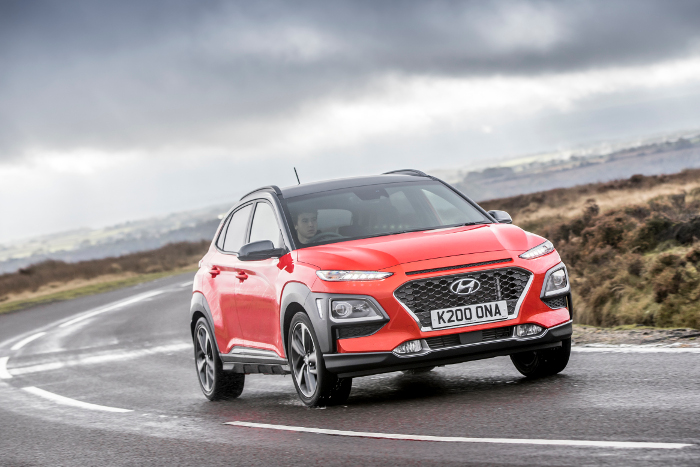
Hyundai’s newest vehicle, the Kona has received high marks in the latest round of Euro NCAP crash safety tests. The independent European body determined that the Kona deserved a 5 star rating, the highest distinction possible in all four categories: Adult Occupant, Child Occupant, Pedestrian and Safety Assist.

“The five-star safety rating from Euro NCAP for the All-New KONA proves that our newest SUV fulfills the highest standards for the safety of our customers,” says Thomas A. Schmid, Chief Operating Officer at Hyundai Motor Europe. “The top result demonstrates that Hyundai Motor not only offers technology-driven and innovative solutions, but also makes them easily accessible to everyone.”

The compact SUV completed the required tests with more than satisfactory results thanks to it’s slew of safety tech. Most notable of the lot have to be Lane Keep Assist and Autonomous Emergency Braking. The former monitors vehicle movements, prompting drivers to keep within the white lines when they stray off course. It does give off audible and visual warnings before stepping in to steer it back on track.

The latter, which is becoming commonplace on many new vehicles, monitors the road ahead via radar and camera sensors. If the system senses an impending collision, it warns drivers both visually and audibly. If the driver continues to ignore the warnings, the system will step in and apply the appropriate braking pressure to avoid or lesson the severity of an impact.

Apart from these, the Kona also benefits from having High-Beam Assist (HBA) with Static Low Beam Assist, Driver Attention Alert (DAA), Blind-Spot Detection (BSD) and Rear Cross-Traffic Alert (RCCA). Together, these safety features makes up Hyundai’s SmartSense system. Adding to this, the car also offers SUV capabilities, allowing drivers to traverse tricky terrain in a safe manner.

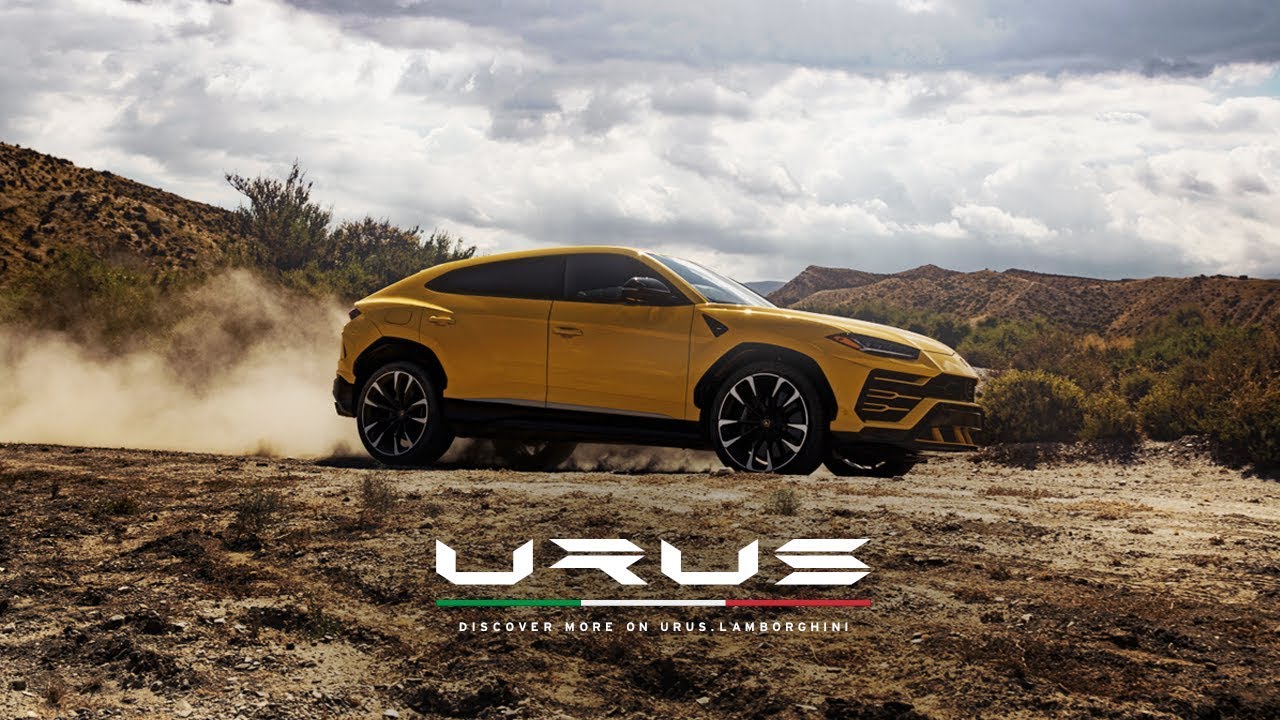
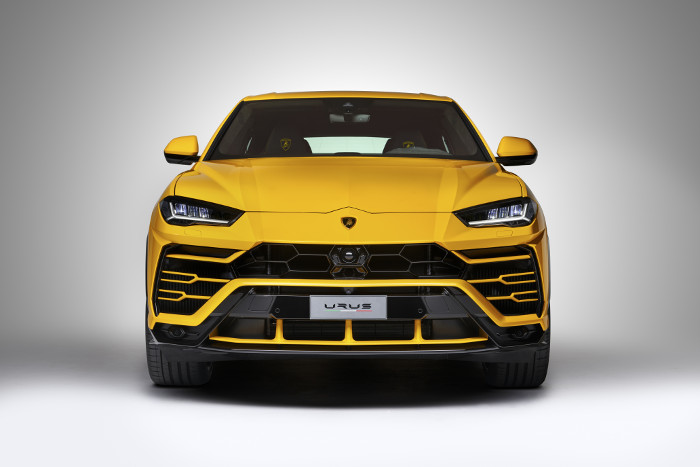
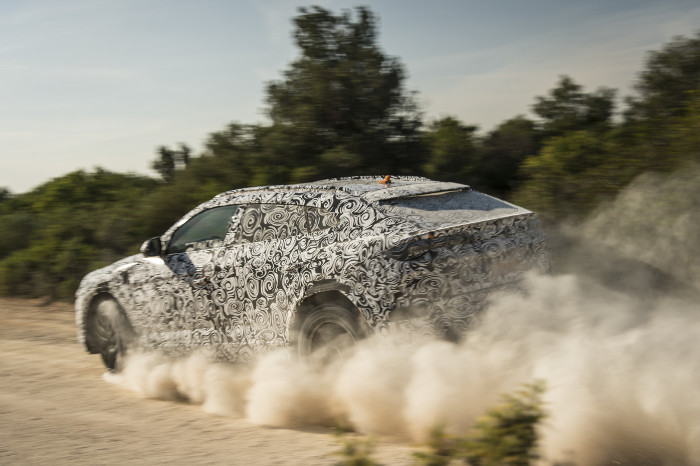
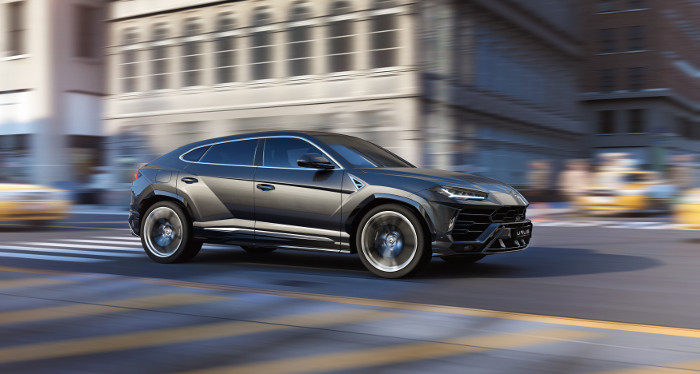
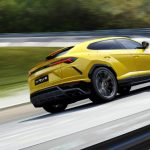
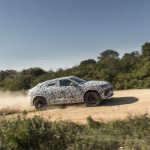
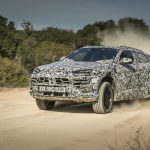
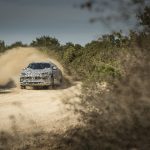
Lamborghini has finally introduced its highly-anticipated SUV to the masses. It’s called the Urus, after a famous Spanish fighting bull – the nomenclature of choice for many of the automaker’s models. The styling is inline with lamborghini’s current design language, featuring a swooping bonnet, angular headlights and massive front bumper.

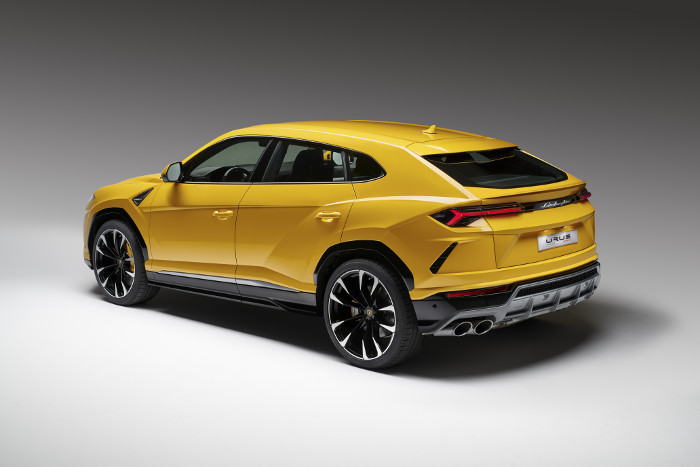
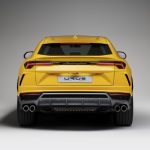
The front fascia, especially the lower region, have been assembled with a series of fins and honeycomb styled inlets that offer sufficient cooling for the car’s engine and also aerodynamic efficiency. The raked roof line makes the Urus look more like a hatchback than a full-fledged SUV. A minimalist approach to the LED tail lights, diffuser and bumper assembly lend a cleaner look to the entire look of the rear.

On the subject of engines, the Urus features a twin turbocharged 4.0-litre V8 powerplant that produces 650bhp and 850Nm of torque. Mated to an 8-speed automatic transmission that sends power to the road via Lamborghini’s all-wheel-drive system. Torque is split 40/60 between the front and rear, which changes depending on the chosen mode (Off-road, Snow, Sand or tarmac) and driving behaviour.

As such, the Urus is able to sprint to 100km/h from a standstill in just 3.6 seconds and reach a top speed of 305km/h. It has an air suspension system, that enables ride height changes as well as rear wheel steering, which at low speeds, turns in the opposite direction to the front ones, for better cornering ability. Lamborghini’s various driving mode selection enables the muffling of the exhaust note when discretion is needed.

Despite its size, the Urus’ body has been kept fairly light through the use of aluminum and Steel. This blend offers a good level of rigidity and lightweight properties, and contributed to it weighing only 2,200kg. It features frameless doors, torsional beams replacing a C-pillar, and cross-members made of aluminium.

Stopping power has been made available through the use of carbon ceramic brakes measuring 440 x 40 mm at the front and 370 x 30 mm at the rear. They are said to offer virtually no brake fade and optimizes pedal feel regardless of driving conditions. Wheel options range from 21 to 23-inches that can be fitted to a variety of tyre types that have been especially developed by Pirelli for the automaker.

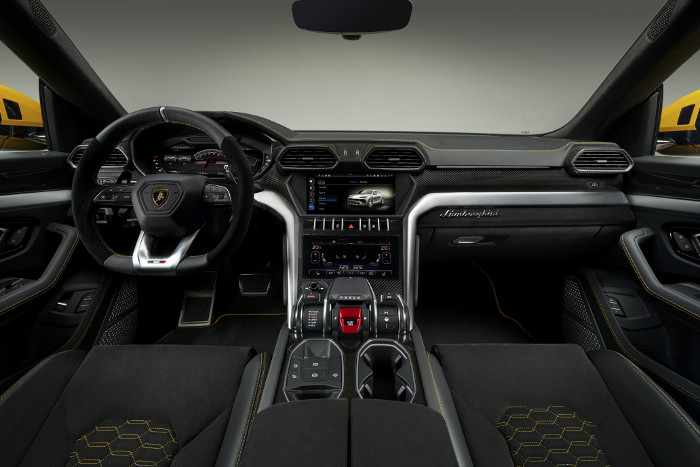
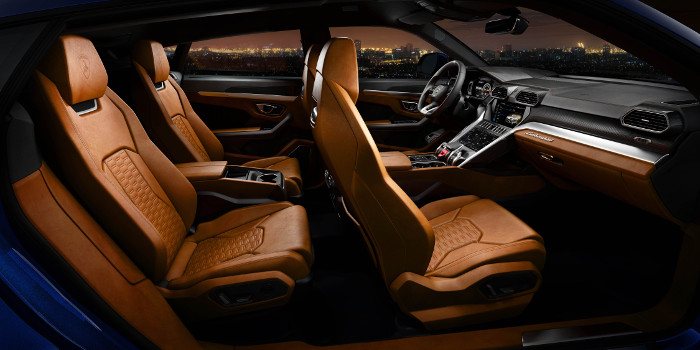
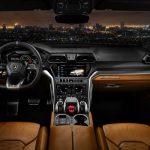
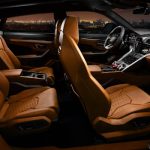
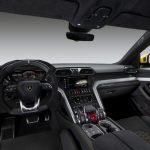
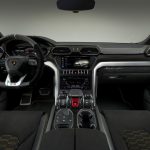
Like other Lamborghinis, the interior has been layed out with a decent blend of sportiness and luxury appeal. There’s a decent infotainment system and a slew of connectivity options to cover your entertainment needs. It is coupled with an 8-speaker setup that can be upgraded to a high-end Bang & Olufsen Sound System with 3D sound and 1,700 watt output and 21 fully active speakers.

Advanced Driver Assistance Systems are fitted as standard and offer a decent level of safety and security to driver and passengers. The High Beam Assistant automatically fades headlights in and out of high beam mode as required, front and rear parking sensors and cruise control are also included as standard, as is the PreCognition system preventing or mitigating collisions.

The Urus is one of the the most technologically advanced Lambos in the stable and features keyless start, electrically operated rear taligate as well as a whole slew of others. Unlike other models, the Urus is meant to offer a blend of luxury, comfort and sportiness that isn’t really offered by other vehicle manufacturers.

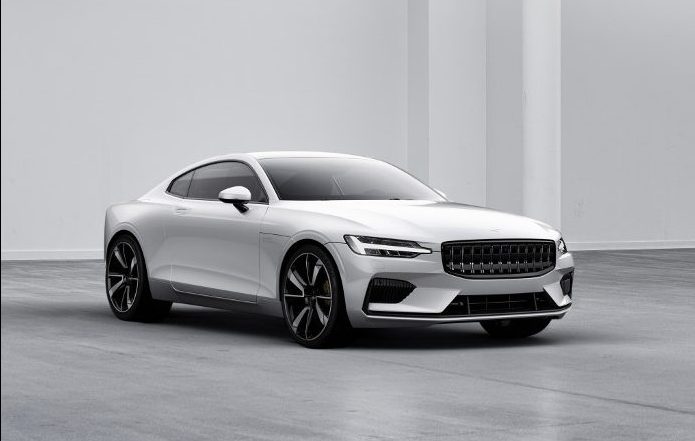
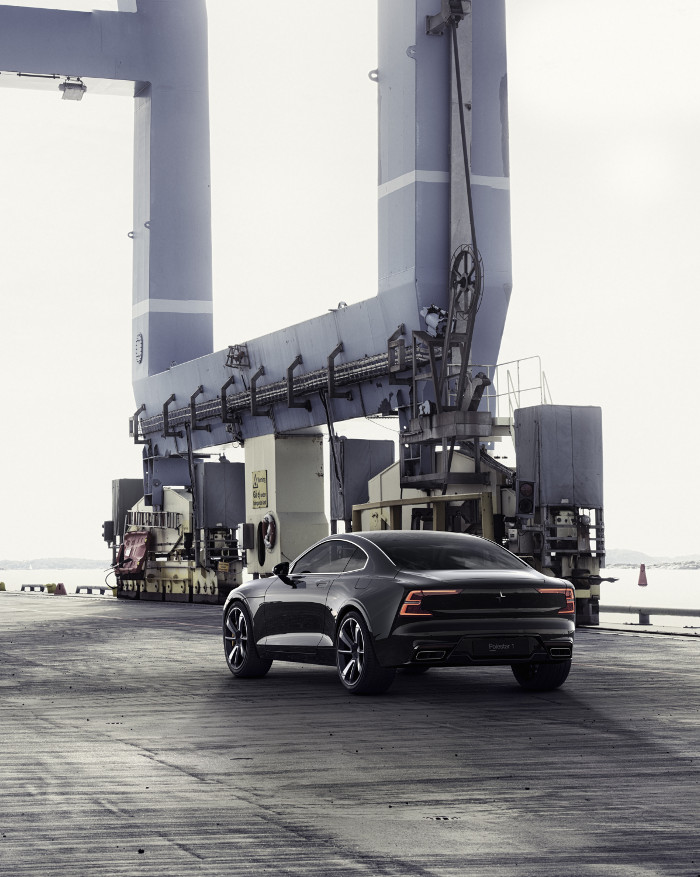
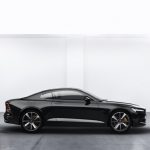
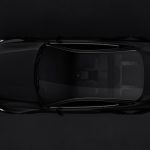
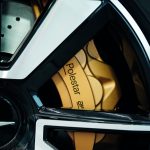
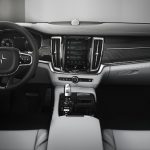
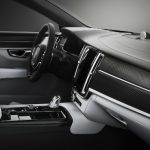
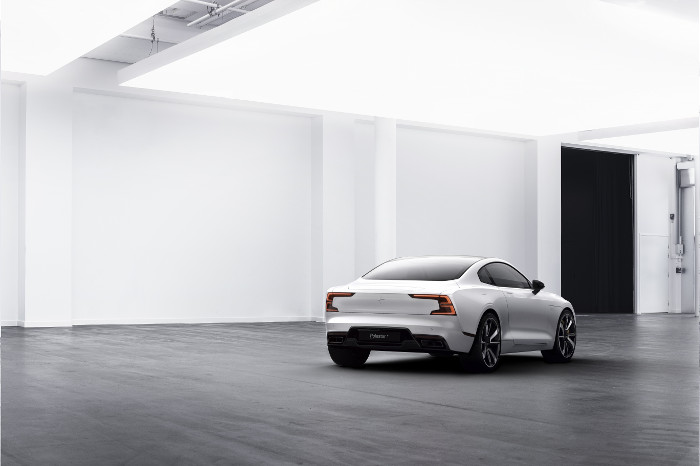
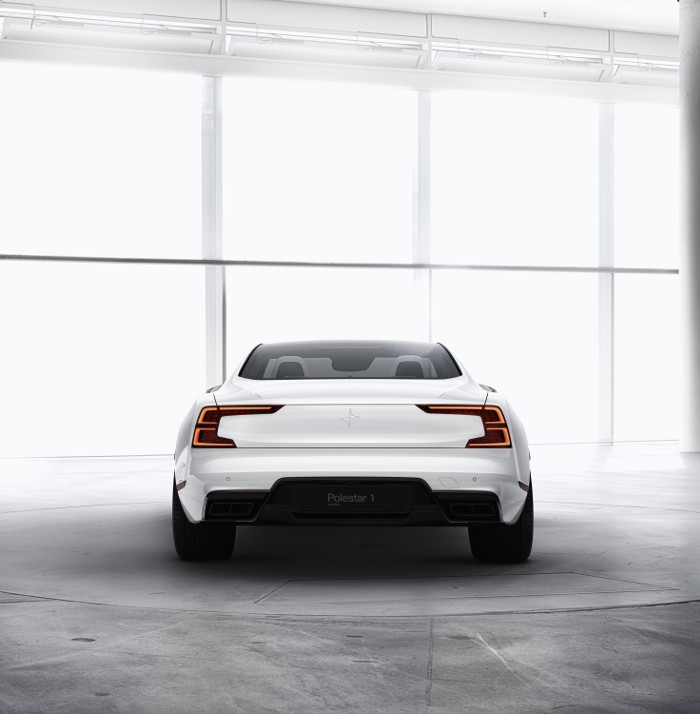
Polestar has finally revealed its first ever production car to the world. Called the Polestar 1, the vehicle is a Volvo S90 based Coupe that is built upon the Swedish automaker’s Scalable Platform Architecture (SPA).

The company stated that parts sharing with its Volvo cousin has enabled it to build the Polestar 1 in record time, taking just a fraction of what usually amounts to years worth of research & development as well as testing. That said, 50% of the components used are new while the remaining half are inherited from Volvo.

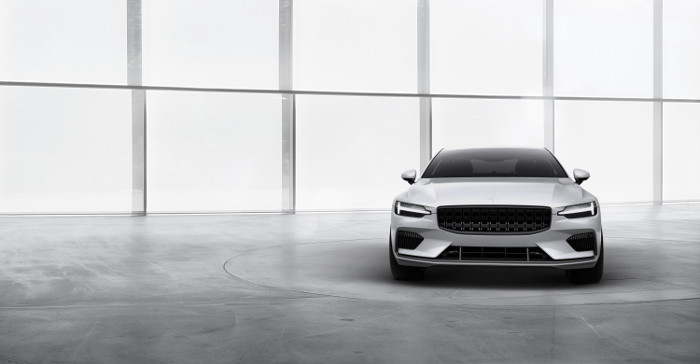
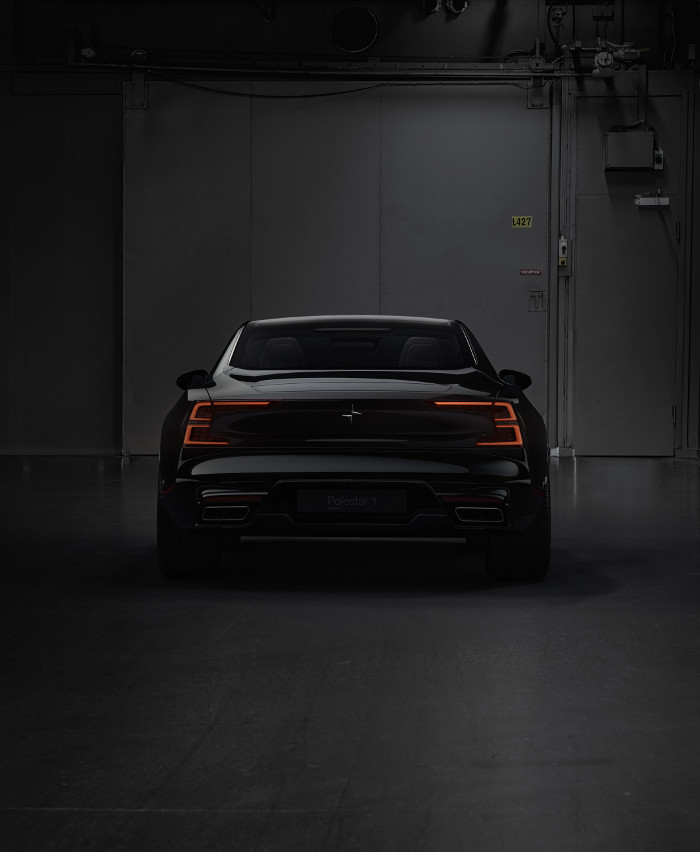
Sporting similar a silhouette as the S90 sedan, Polestar has done away with Volvo’s signature chrome grille and placed an understated yet menacing louvered grille. The projector headlights with DRL’s resembling Thor’s hammer are still present but subtle tweaks have been made to the front and rear sections of teh car for better aero efficiency.

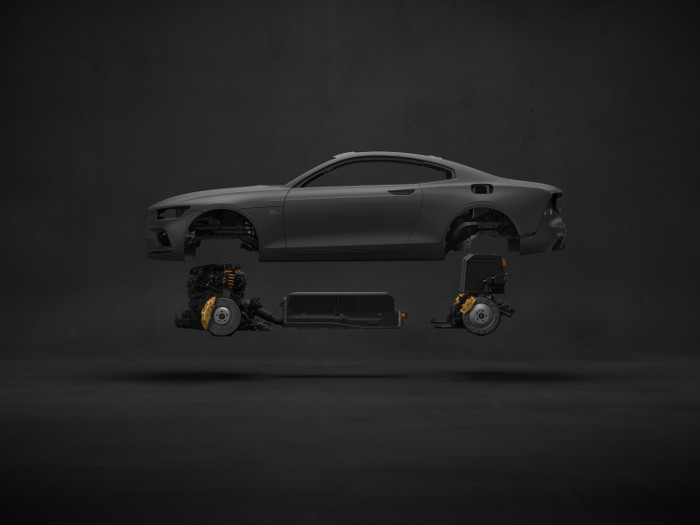
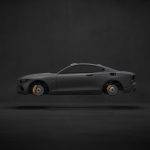
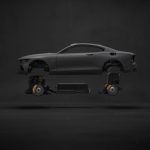
The body is made from carbon-fibre, which has enabled the improvement of torsional stiffness by 45% and lowered the car’s centre of gravity. This will result in a massive weight reduction compared to the standard Volvo meaning, that agility and nimbleness should be better too.

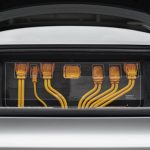
The car features a hybrid powertrain that brings total output to a colossal 600bhp and 1000Nm of torque. Called the Electric Performance Hybrid, the Polestar 1 is able to travel about 150km on pure electric power, making it the only hybrid vehicle currently on sale that can achieve such a feat on a single charge.

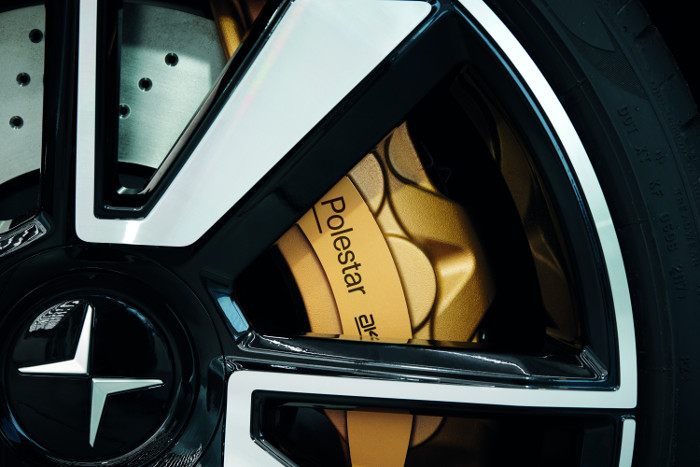
Another first, the Polestar 1 is the first car in the world that will be fitted with the Öhlins Continuously Controlled Electronic Suspension (CESi) advanced chassis technology. That coupled with a double electric rear axle for torque vectoring, will enable the car to remain planted while cornering at high speeds.

Marketed as a 2+2 seater grand tourer, the Polestar 1 is a concept vehicle that previews what the production version may look like when it is unveiled in mid-2019. The vehicle will be built in Polestar’s state-of-the-art production centre in Chengdu, China. Due for completion in mid-2018, the facility will be responsible for manufacturing future models from the automaker.

During the reveal, Polestar made it known that it will be launching two further models called the Polestar 2 and Polestar 3. The former will be an electric vehicle that will take on the Tesla Model 3, while the latter is poised to be an SUV styled EV.

Apart from this, the automaker is also planning on revolutionising the way we buy our cars. It will allow its vehicles to be purchased/rented online and will also introduce a substription service that will enable ownership with zero-downpayment at a steady monthly fee. In addition to that, owners can also rent alterntavie vehicles within the Volvo family.

The exact details are still a bit hazy at the moment as Polestar has yet to lay down concrete framework that will enable the public to its subscriptions service for a 2-3 year lease of its vehicles rather than opt in to an out-right purchase.

Thomas Ingenlath, Chief Executive Officer of Polestar said, “Polestar 1 is the first car to carry the Polestar on the bonnet. A beautiful GT with amazing technology packed into it. All future cars from Polestar will feature a fully electric drivetrain, delivering on our brand vision of being the new standalone electric performance brand.”

Despite this, Polestar will still have its brick and mortar showrooms around the globe to facilitate customers how prefer the old fashion way of buying vehicles. The order books of the Polestar 1 begins today, and Polestar says its ready to facilitate all interested parties.

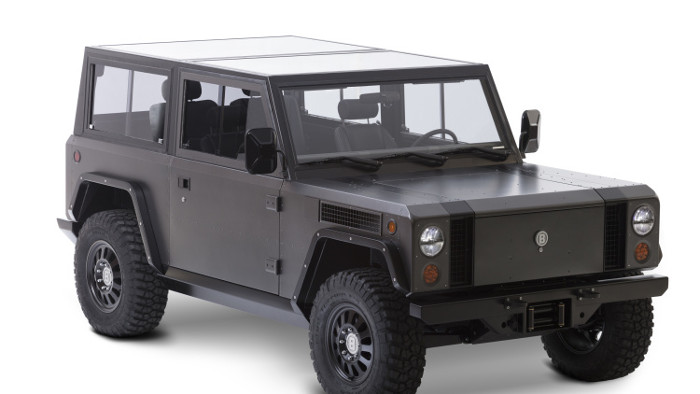
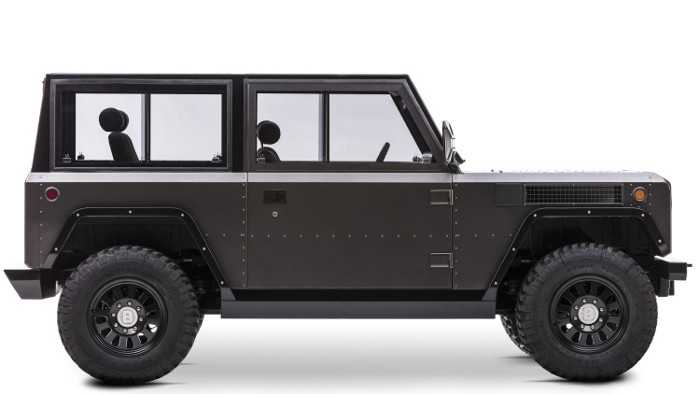
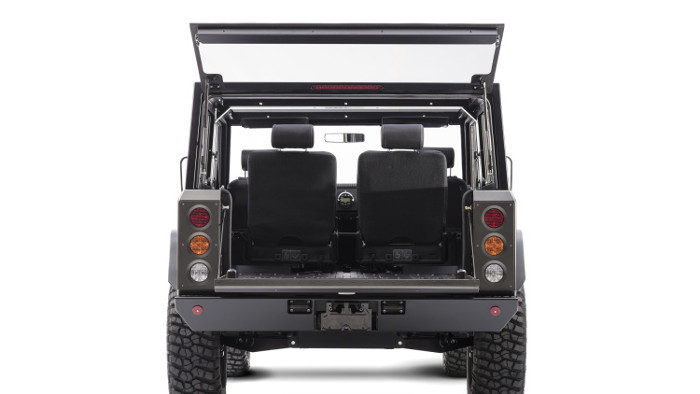
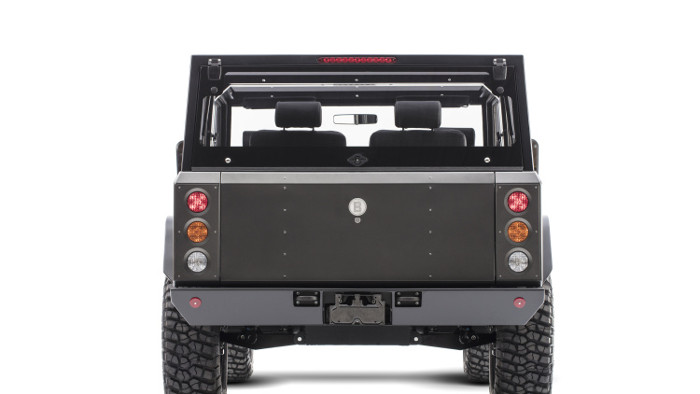
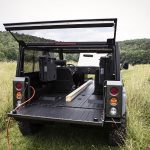
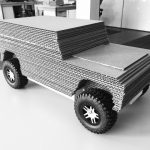
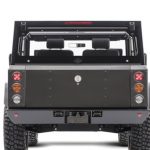
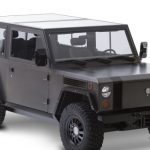
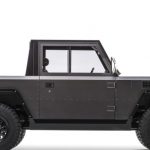
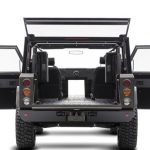
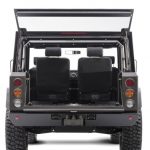
Bollinger Motors, a relatively new US automotive company has unveiled what it considers the first practical all-electric SUV. Based on the conventional three box design of more dated 4×4 vehicles like the Land Rover Defender, the Bollinger B10 is said to be a a rugged no-nonsense off-roader.

The boxy design is rather basic and combines elements of several classic vehicles. It incorporates some design elements of the Defender for the front fascia, as well as the A-pillars, but further back, the squared roof and c-pillars are reminiscent of older Jeep Wrangler models.

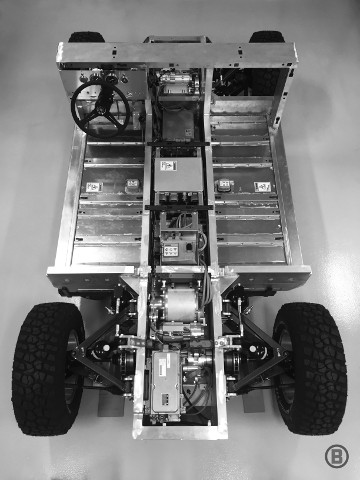
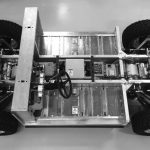
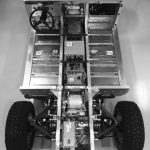
It’s all-aluminum chassis with a high-strength, low-alloy (HSLA) steel rollover structure, is designed to handle the touchest of conditions. Overall weight is said to be 1,769kg and thanks to a dual motor setup, the B10 has a payload capacity of 2,767kg.

“The B1 combines Bollinger Motors’ advanced all-wheel-drive system with our all-electric powertrain to produce best-in-class horsepower, torque and ground clearance,” said CJ Winegar, Bollinger Motors engineer. “This vehicle signifies a huge leap above what is currently on the market. There’s nothing like it out there.”

At an overall length of 150 (in), a width of 1,493mm and a height 1,867mm, the B10 is by no means a small vehicle but thanks to clever enginering, it has a 50/50 weight balance for the front and rear.

Its painted in a gunmetal-like colour with black accents on the body work and the rims. Unlike most manufacturers, Bollinger Motors, isn’t trying to win any stylistic contests, instead, they want its capabilities to be its most talked about attribute.

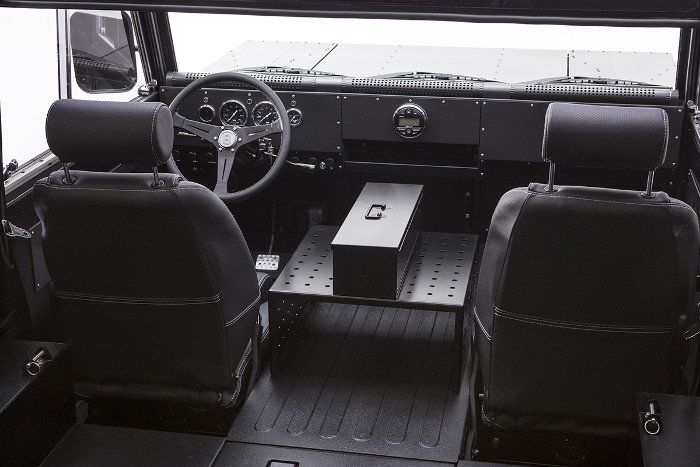
On the inside, the basic black design continues and there’s only minimal gauges and switch gear. What’s unique however, is the machined table-like centre console that should allow for ample storage and placement of tools.

As mentioned earlier, power is supplied via two electric motors that provide a combined output of 360bhp and 640Nm of torque. According to the automaker, the B10 is able to sprint from 0-100km/h in just 4.5 seconds and reach a top speed of 204km/h.

These are synchronous electric motors that drive all four wheels. One is placed at the front and the other the rear, both are supplied with power by a lithium ion battery pack. Buyers can choose between a 60kWh or 100kWh version that produce either 193km or 322km range respectively.

Charging time varies depending on the battery pack. The smaller 60kWh takes 7.3 hours to fully charge but only 45 minutes using DC Fast Charge. The bigger 100kWh takes about 12.1 hours to charge but only 75 minutes with DC Fast Charge option. These numbers mean that if you lack the DC Fast Charging option, this won’t be the practical SUV that it is touted to be.

Bollinger Motors is currently in talks with a number of contract manufacturers to help them with building the B10. And once the deal has been finalized, the company is looking to start delivering vehicles to customers within two years.

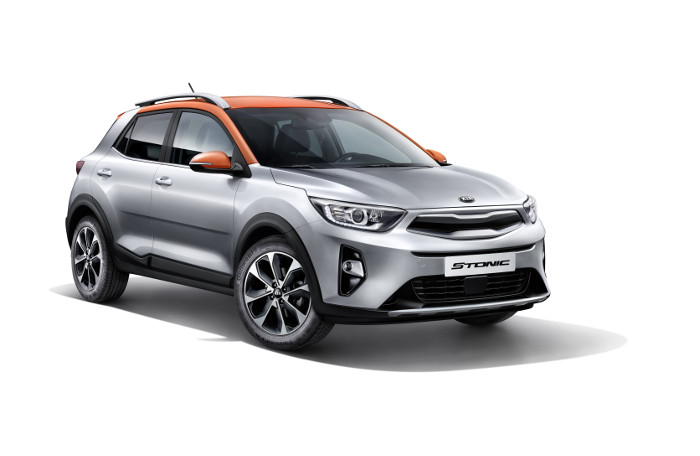
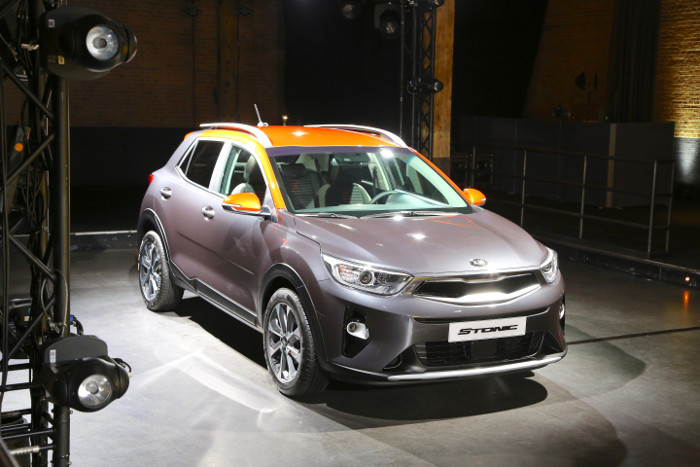
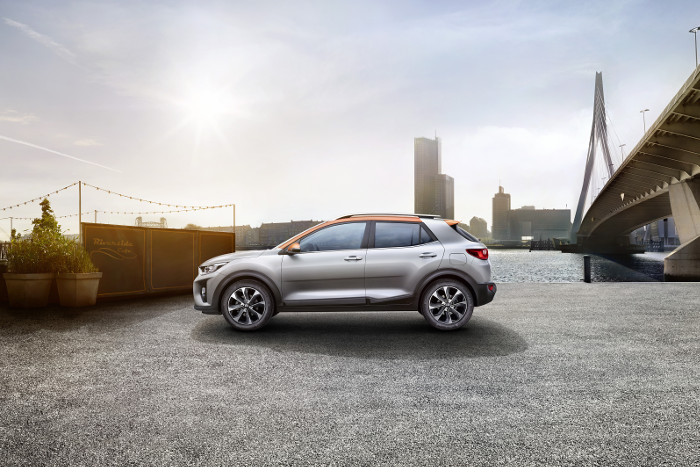
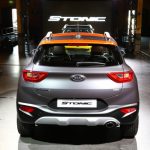
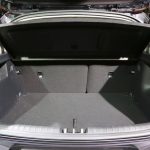
Kia’s answer to the compact crossover segment leaders, is the Stonic, which is said to be an important model for the Korean manufacturer in Europe. That’s because this particular crossover segment accounts for 1.1 million vehicle sales in Europe alone, each year and that figure is predicted to balloon to more than double that by 2020.

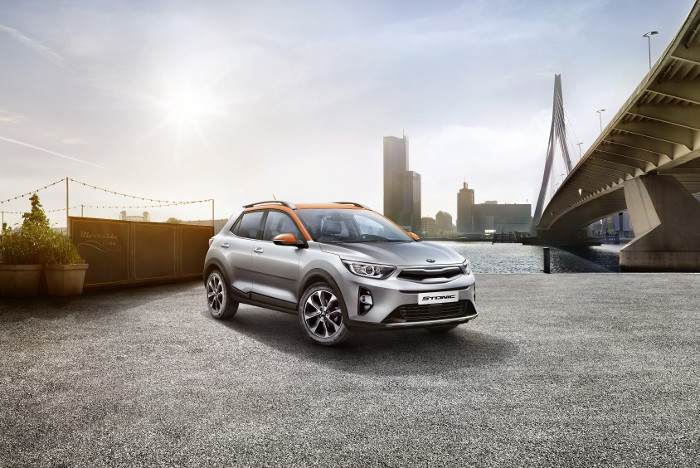
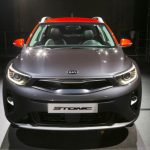
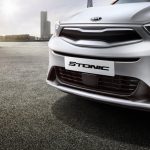
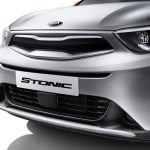
The Stonic features relatively sharp styling and contours that are aesthetically pleasing to the eye. The signature Tiger nose grille is present but less prominent than those found on other model and features a minimalist look that adds detail to the entire assembly. The long swept LED headlights are a decent addition and lend a touch of class to the entire look of the front end.

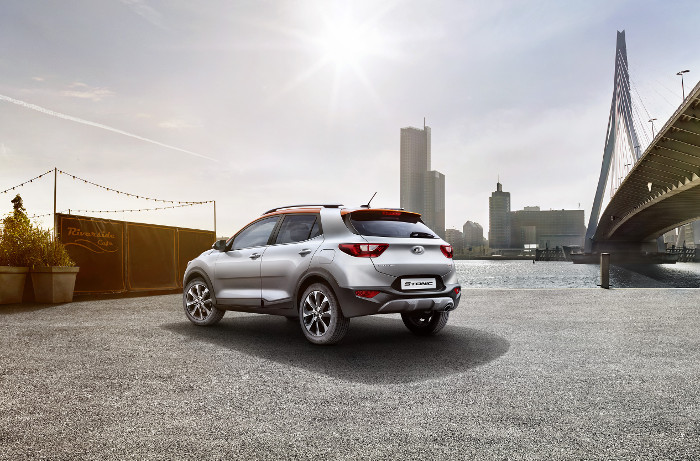
The side profile blends the width of an SUV with the compact lines of a modern day hatchback, giving the Stonic a sleek sporty look that’s almost car-like. At the rear, it features a design reminiscent of the Hyundai i30. The curvature of the tail lamps and tailgate provide the vehicle with a broad and masculine look.

The Stonic’s design is a collaborative effort between Kia’s design houses in Europe and Korea, which the company says, allowed the body to incorporate sharp horizontal feature lines with softer sculpted surfaces. Built on a strong and lightweight platform, the Stonic is made from advanced high strength steel, which accounts for 51 percent of the body’s total material.

Speaking of the latest addition to the family, Michael Cole, Chief Operating Officer of Kia Motors Europe, said, “The Kia Stonic will be one of the most compelling new cars in this rapidly-expanding class, backed by Kia’s unique warranty, and the brand’s reputation for reliability, quality and contemporary design. As the segment expands, the Stonic looks set to become one of our best-selling cars.”

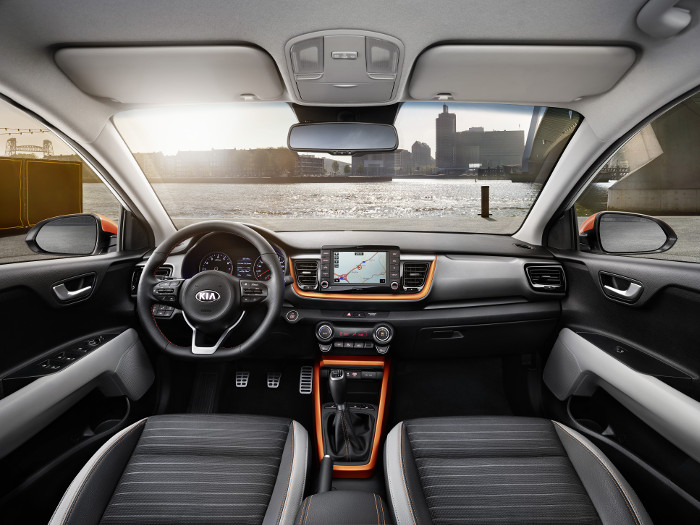
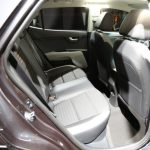
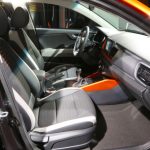
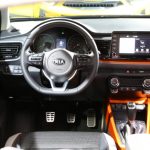
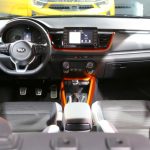
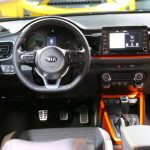
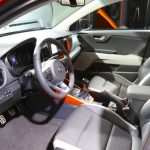
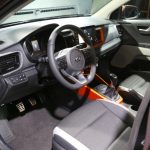
Typical of a modern day Kia, the interior is well laid out and features an infotainment system that is said to be user-friendly and convenient to operate on top of being compatible with Apple CarPlay and Android Auto.

Powering the new crossover will be a range of lightweight, turbocharged petrol and diesel engines that will be paired to a manual transmission. The lack of an automatic option is rather surprising but Kia believes this combination will offer maximum driver engagement and efficiency. The engine options are a turbocharged 1.0-litre T-GDI, 1.25-litre and 1.4-litre naturally aspirated MPI petrol engines as well as a 1.6-litre diesel one to complete the range.

Kia has tuned the steering and suspension setup to match the taste of European buyers and comes with a slew of safety tech, which include Electronic Stability Control (ESC) and Vehicle Stability Management (VSM). Specific functions of VSM include Torque Vectoring by Braking, Straight Line Stability, and Cornering Brake Control.

Buyers can choose from a selection of Kia’s DRiVE WISE Advanced Driver Assistance Systems (ADAS), which are Autonomous Emergency Braking with pedestrian recognition and Forward Collision Alert, Blind Spot Detection with Rear Cross Traffic Alert and Lane Departure Warning System. Thanks to a new fusion camera system, Stonic also offers High Beam Assist and Driver Attention Warning.

Apart from that, the Stonic’s ‘Targa’-style roof and two tonne paint scheme will provide potential buyers with several different colour combinations to choose from, 20 to be exact with a choice of five distinctive colours for the roof. Buyers in Europe can expect it to go on sale sometime in the next few months with Kia’s unbelievable 161,000km warranty package.

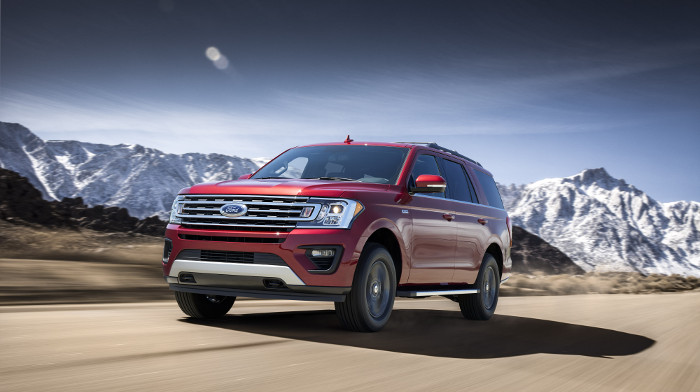
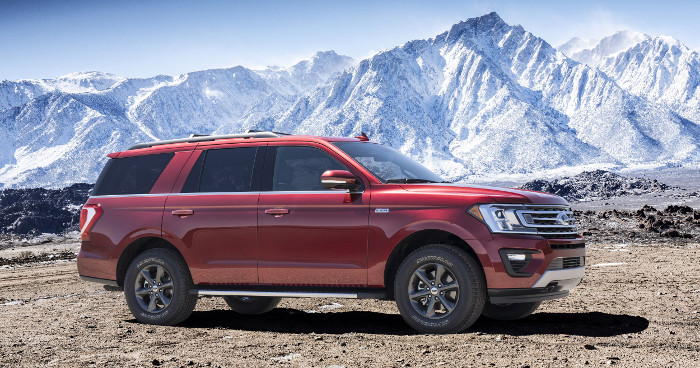
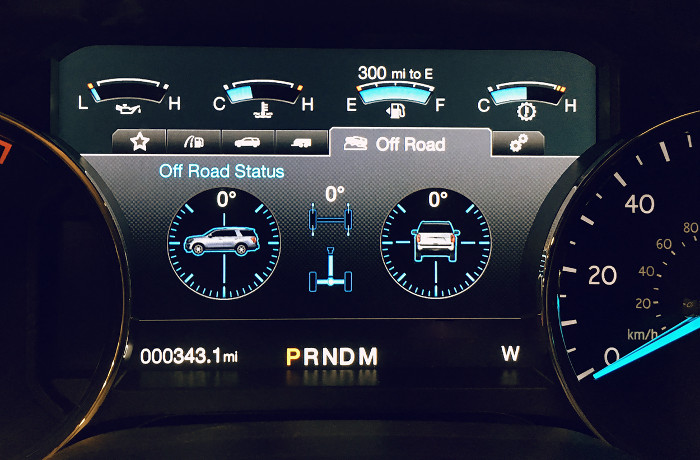
Ford’s venerable Expedition now comes in a new trim level called the FX4, and its purpose is to be the most off-road capable Expedition ever. The reason for its inception is that the Blue Oval determined that 20 percent of Expedition owners use their vehicles for off-road adventures and as such, their Expedition should be able to keep up with them.

“The FX4 Off-Road package delivers off-road driving confidence,” said Mike Kipley, Expedition vehicle engineering manager. “The technology we’re using works to adapt to different driving conditions so customers can enjoy the adventure without worry.”

The following is what separates the Expedition with the FX4 Off-Road Package compared with other variants of its namesake:

  • Patented electronic limited-slip rear differential to help improve off-road performance in low-traction situations. It automatically shifts power output to the rear tyre that has the most traction.on which wheels need extra traction. Overall, its gearing improves towing performance and capability
  • Off-road-tuned shock absorbers to keep wheels in contact with the road
  • All-terrain tires with thicker sidewalls
  • Seven different skid plates that serve as underbody armor and protect critical areas. These plates consist of a sand shield to protect the turbocharger intercoolers from getting clogged by dirt or mud, steel plates to protect steering gear, engine, transmission and transfer case as well as the fuel tank.
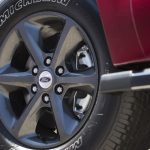
    18-inch Magnetic Metallic-painted cast-aluminum wheels
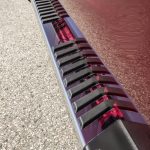
  • Chrome running boards
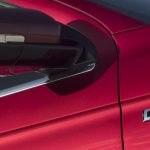
  • FX4 badging on the liftgate and front fender
  • New rubber floor liners featuring deep side sills that can be removed and cleaned of any mud, sand or water

Like the rest of the variants, the FX4 benefits from Ford’s Terrain Management System that offers seven different drive modes (Normal, Sport, Tow/Haul, Eco, Grass/Gravel/Snow, Sand, Mud/Rut) that help the Expedition cope with different road conditions. Drivers also have the option of toggling between 2WD and 4WD mode depending on their preference/needs at any given time.

Under the hood of the FX4 is the 3.5-litre EcoBoost engine that produces 375bhp and 637Nm of torque. It is mated to an all-new 10-speed automatic transmission that will help fuel economy and provide the vehicle with the capability of towing a load of up to 4,218kg.

The Cabin is very spacious as expected and is able to offer seating for eight occupants and still provide a decent cargo space volume. And unlike the old days, Ford’s current Expedition comes with a whole slew of entertainment and safety tech that should win over city dwellers as well as adventure seekers.

The Ford Expedition FX4 will only be available in the US and will go on sale sometime in the second half of this year.

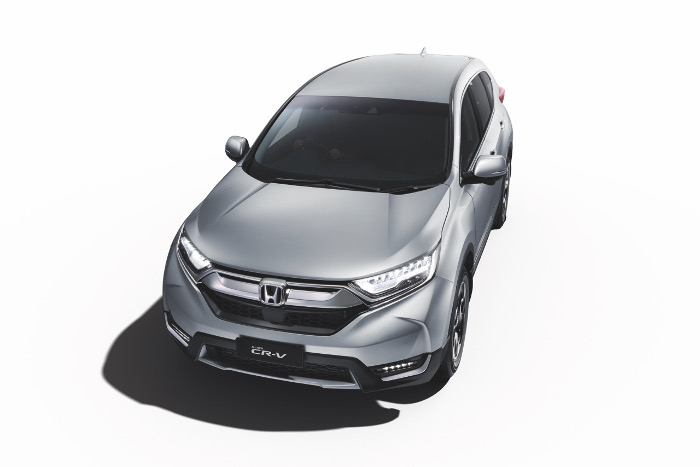
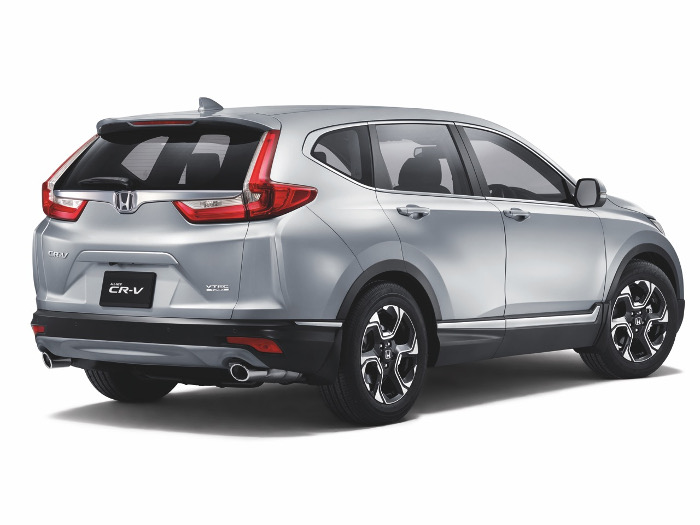
Honda will be launching the 5th generation CR-V very soon and that should have many Malaysians excited. It is a complete redesign, both inside and out with the vehicle featuring muscular styling and a plethora of driver aids that are more common place in expensive German luxury cars.

For the new CR-V, Honda’s designers incorporated more angular styling compared to that used by its predecessor. The LED projector headlights are elongated and blend with the contours of the front fascia. The grille is wider and more prominent at the front, giving the vehicle a more rugged look. The signature chrome bar that stretches across the grille features a two piece design with the thin upper section stretching across the entire front end.

The side profile is not that far off from the 4th gen vehicle but the lower roof line and wider side countours are more sporty attributes that will make it a more appealing SUV. At the rear, Honda chose a simple yet elegant design with the two piece rear lights arrangement that are integrated with the metal chrome trim panel, which stretches from one side of the boot to the other.

Despite not growing much in size, the new CR-V is still bigger compared to the vehicle it replaces. It’s 4,584mm long, 1,855mm wide and 1,679mm high but that increases 10mm for the 4WD model. It has a wheelbase of 2,660mm and offers decent ground clearance of 198mm for the 2WD one and 208mm for the 4WD variant. Honda says that cabin space is best in class and will be quite accommodating to taller passengers. Cargo space is good too, with about 1,084 litres with the rear seats fare folded flat to the floor.

This is all well and good but the features that deserve the most praise are the driver aids. Unlike previous generation CR-V vehicles, the new one, has cutting-edge tech that should boost any driver’s confidence while on the road. Called Sensing, the system makes use of a monocular camera on the top of the windshield and milimeter wave radar in the grille to detect obstacles, impending collisions and other safety related risks.

This Sensing safety suite consists of seven features, which are Adaptive Cruise Control (ACC), Low-Speed Follow (LSF), Forward Collision Warning (FCW), Collision Mitigation Braking System (CMBS), Lane Keeping Assist System (LKAS), Road Departure Mitigation (RDM), and Lane Departure Warning (LDW).

The ACC and LSF features allow the driver to set a desired cruising speed and take both feet of the pedals, which will then allow the vehicle to maintain said speed, apply brakes and when necessary accelerate to maintain a safe distance to the vehicle in front. It even works in stop and go traffic situations, which should be a major benefit to those who face traffic jams on a regular basis.

Forward Collision Warning and Collision Mitigation Braking work together to act as the driver’s third eye. When the FCW detects a risk of a collision with the vehicle in front, it triggers visual warning audible alerts to the driver. CMB on the other hand, scans traffic conditions in front of the vehicle and if it detects a potential collision, it will automatically apply the brakes to slow the vehicle down and reduce the severity of a collision.

Besides front collision, impacts from the sides are also a major concern especially when crossing intersections. Here too, Honda’s new CR-V has your back covered. Through the use of Lane Keeping Assist, the system uses the vehicle’s camera to monitor lane markings and adjust steering input to ensure that the vehicle stays in its lane.

Road Departure Mitigation is a warning system that alerts the driver (when speeds are within 72km/h to 180km/h) when he or she veers off into another driver’s lane or too close to the edge of the road. The steering wheel will vibrate to alert the driver, and when necessary, steering and braking input will be made automatically to keep the CR-V out of harm’s way.
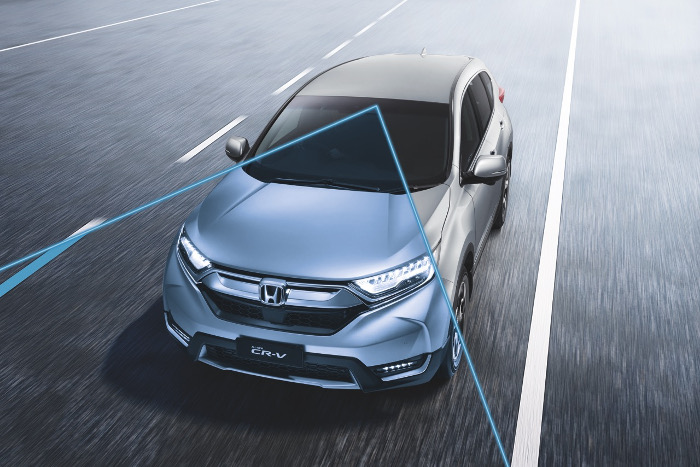
Lastly, there’s Lane Departure Warning which is integrated with the Road Departure Mitigation system. It will remind drivers to use the appropriate signal lights if it detects that the vehicle crosses into another lane without the proper use of the turn signals.

Honda will be conducting five roadshows this month across the country to allow Malaysians to have a closer look at the new CR-V before it’s official launch for our market. If you are interested in the vehicle, the following are the respective locations where Honda will conduct the aforementioned roadshows.

4 June 2017 Gurney Paragon, Penang 10:00 am – 10:00 pm

7 – 11 June 2017 Mid Valley, Kuala Lumpur 10:00 am – 10:00 pm

11 June 2017 Imago Mall, Kota Kinabalu 10:00 am – 10:00 pm

16 – 18 June 2017 AEON Tebrau City, Johor Bahru 10:00 am – 10:00 pm

18 June 2017 Plaza Merdeka, Kuching 10:00 am – 10:00 pm

If you wish to buy the CR-V, you can pre-book the SUV at any of the 91 authorised Honda dealerships nationwide right now and be one of the first to drive it home when it is offically launched. For more information, visit the automaker’s local website at www.honda.com.my.


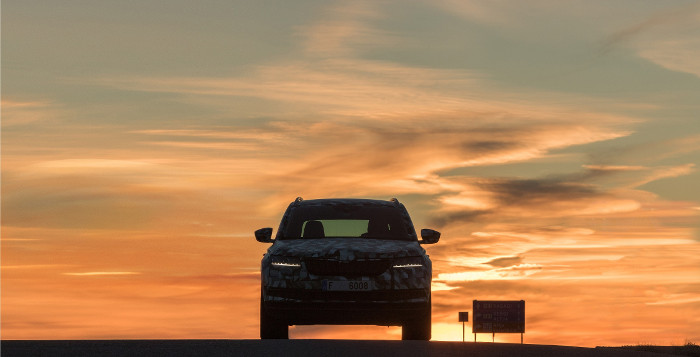
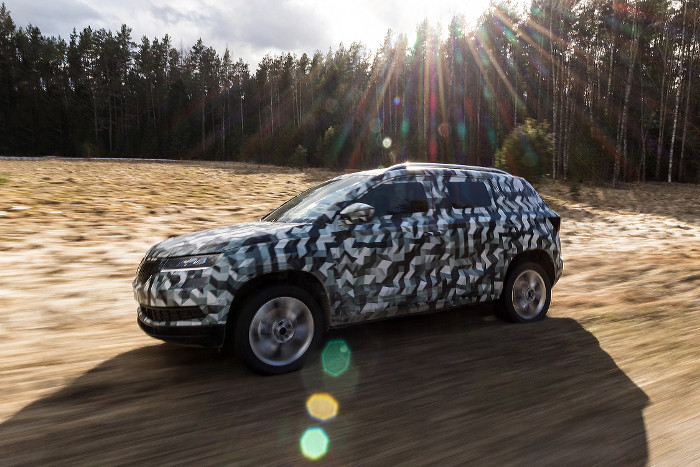
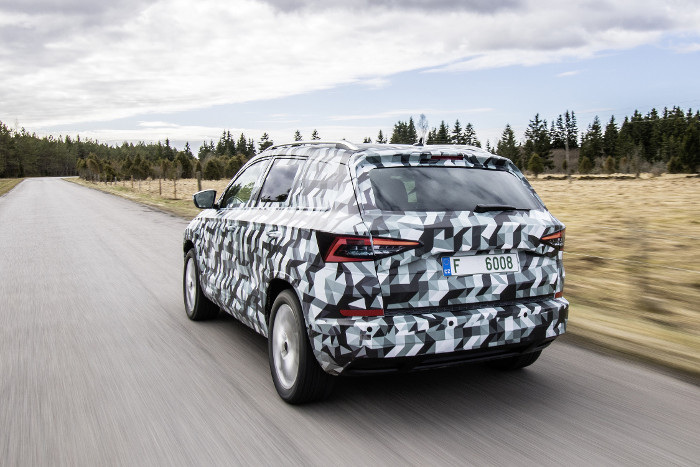
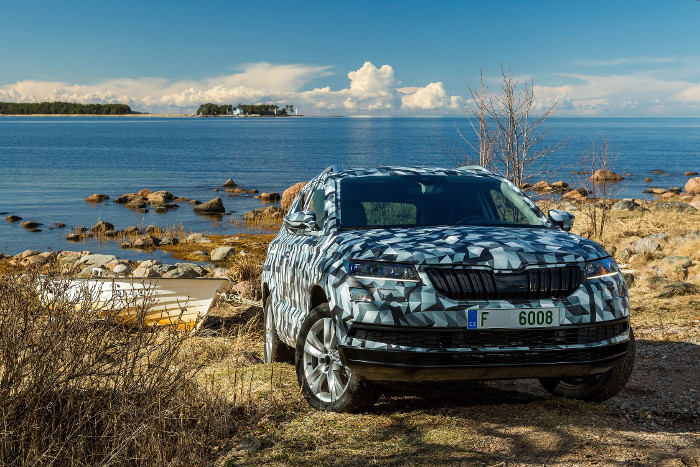
Skoda will be introducing the new Karoq to the European market soon. The design has changed somewhat but its fairly larger than the vehicle it replaces. The compact SUV measures 4,382 mm in length, 1,841 mm wide, and 1,605 mm high.

The vehicle has a wheelbase of 2,638 mm or 2,630 mm for the all-wheel-drive (AWD) version. Thanks to the increase in size, passengers now have 68 mm more legroom than before. When the back seats are fully upright, the luggage compartment offers 521 litres of space but that increases to 1,630 mm when the rear seats are folded down. If the need arises, the rear seats can be completely removed to offer more cargo space, turning the SUV into an MPV with a maximum capacity of 1,810 litres.

Inside, the vehicle gets a state of the art kit that include interfaces with capacitive touch displays, WLAN hotspot capabilities, optional LTE module, infotainment and navigation system as well as the CareConnect services. You can even pair your smartphone with the infotainment system by using the SmartLink+ platform which is compatible with Apple CarPlay, Android Auto and MirrorLink.

As far as safety is concerned, the Karoq comes equipped with a whole host of tech that include Parking Assistant, Lane Assist, Blind Spot Detect, Front Assist with predictive pedestrian protection and Emergency Assistant that help improve safety. When hitched to a trailer, the Karoq can tow a payload of up to 2 tonnes and with the new trailer assistant, the system helps guide drivers while maneuvering and when reversing slowly.
Though the exact contours of the vehicle have yet to be revealed, Skoda syas that it is fitted with full LED headlights with clear-lens optics (optional) , the interior features LED ambient lighting and decor strips on the doors. The dashboard lighting can be set to one of ten different colours depending on what your prefer.

As of now, Skoda is offering the vehicle with four engine choices, two petrol and two diesel ones. The capacities are 1.0, 1.5, 1.6 and 2.0-litres with power ranging from 115bhp to 190bhp. All engine variants are turbo-charged direct injection units that feature start-stop technology and brake energy recovery. All of them can be mated to either a 6-speed manual or 7-speed DSG gearbox with the exception of the 2.0-litre diesel, which only comes with the latter.

When equipped with the higher trim variants, the Karoq offers driver profiles that can be adjusted to alter driving dynamics. These modes are Normal, Sport, Eco, Individual and Snow and when the Off-road mode is selected while the AWD system is active, Skoda says that the setup will be better prepared to handle tough terrain.

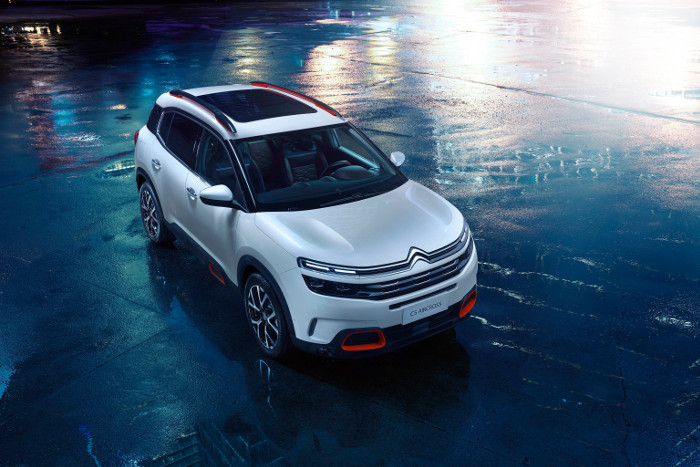
Citroen unveiled its Sporty SUV, the C5 Aircross at the Shanghai Motorshow. The French automaker is starting to focus quite a bit of its attention on the SUV market with the introduction of the futuristic C-Aircross Concept and C3 Aircross.

For the C5 Aircross, Citroen is positioning it as a global vehicle that will take on the German and Japanese heavyweights that have dominated markets around the world. Unlike most contemporary designs, the C5 Aircross features sleek and elegant contours. The front fascia sports a thin and understated louvered grille design that extends from one side of the fender to the other. The Citroen badge has been integrated with the upper grille that also houses the thin two piece LED headlights.

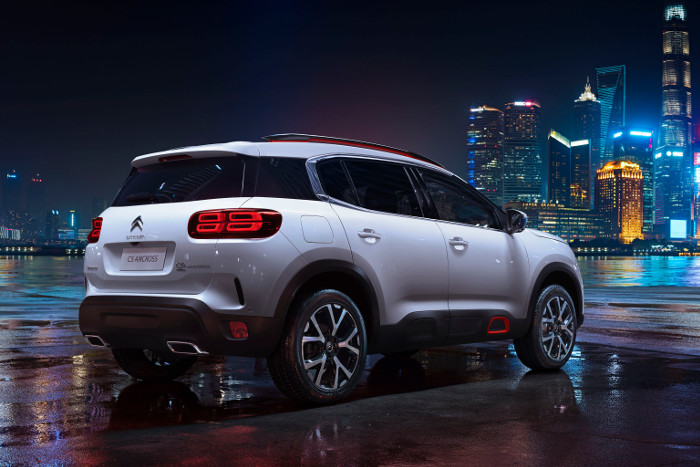
From the sides, the car features a contemporary look, wide wheel arches and wide but sleek A and C-pillars that feature glass paneling, giving the vehicle a more airy look. At the rear, the look is reminiscent of the older VW Toureg. The elongated four panel LED tail lights’s lines flow with the contours of the rear bodywork. The entire design blends luxury and rugged outdoors ability into a simplified yet elegant package. The C5 Aircross features a 2,730 mm wheelbase and short overhangs that will help it tackle off road obstacles with better maneuverability and precision.

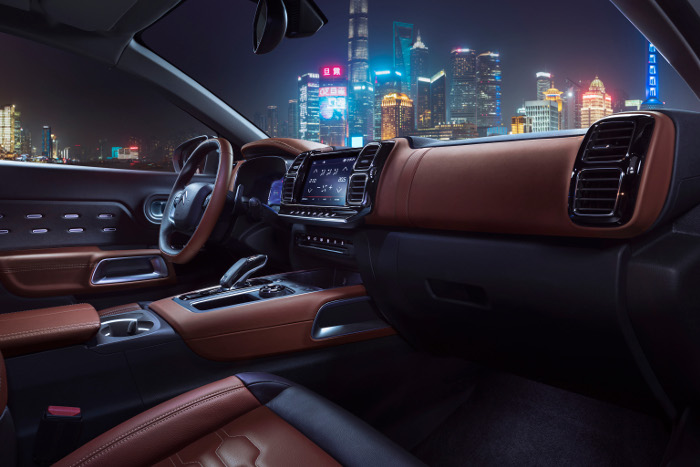
But inside is where things get interesting. Due to the vehicle’s construction and choice of materials, the cabin looks spacious and like the exterior, has an airy effect to it, thanks in part to the large panoramic roof. The dashboard features a horizontal layout to provide for a greater width, the seats are wide and feature comfortable materials which is also true for the wide centre console which has soft and elegant materials that provide a better sense of protection and comfort.

In the centre stack, there’s a 12.3-inch TFT digital cluster and a capacitive 8-inch HD touchscreen infotainment system that should feature an array of connectivity. The heated front seats have a massaging feature that will help occupants relax as they breath in the clean purified air expelled from the vehicle’s air quality treatment system.

Built on the EMP2 platform, this particular Citroen comes equipped with the Progressive Hydraulic Cushions suspension, which is said to provide exceptional levels of damping and ride comfort. Apart from that, it also comes with a slew of driving aids which include Active Safety Brake, Active Lane Departure Warning, Adaptive Cruise Control with a Stop function, Grip Control and Hill Assist Descent Control.

Citroen’s C5 Aircross will the first vehicle in its line-up to also feature a PHEV plug-in hybrid variant, which will definitely be to the liking of the environmentally conscious folks. According to the automaker, the vehicle will be launched in China in October of this year followed by Europe at the end of 2018.

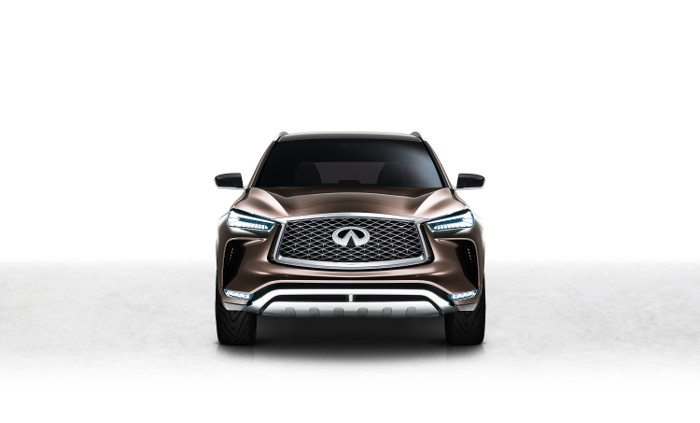
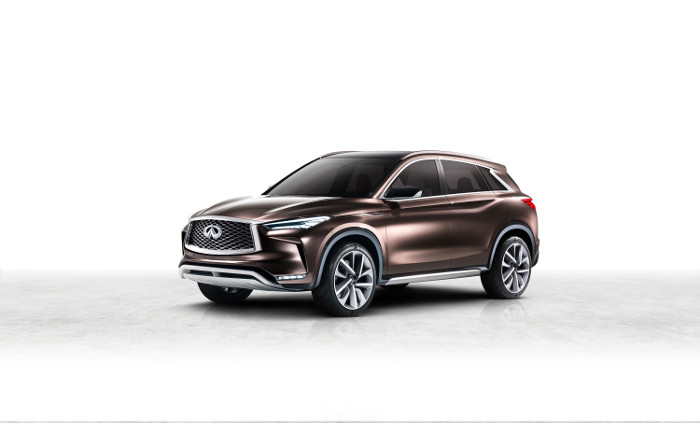
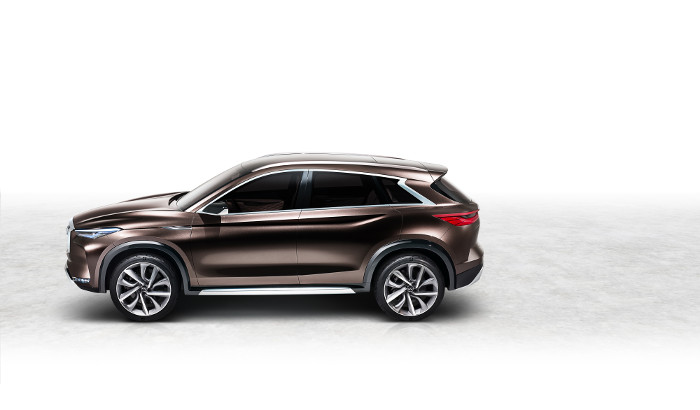
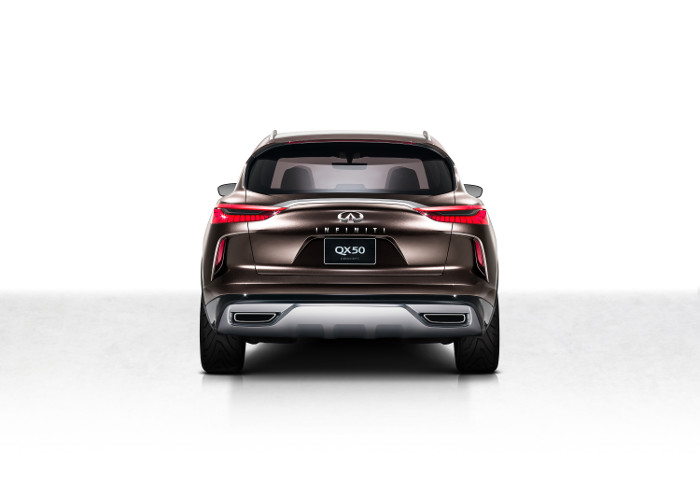
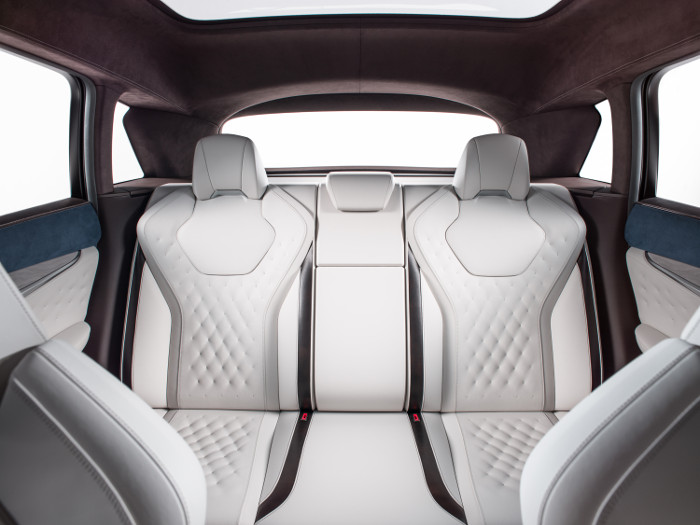
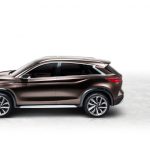
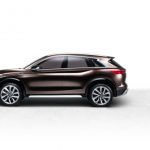
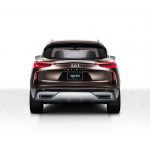
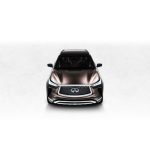
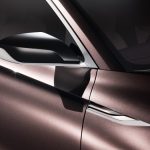
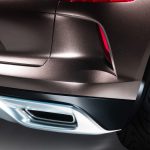
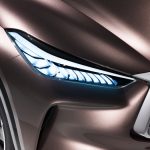
Infiniti’s QX50 Concept will make its debut at the on going Shanghai Motorshow. The next-generation premium crossover is said to offer futuristic design elements that complement the modern drivetrain very well.

The company stated that the QX50 will be the first vehicle in the world to have an engine that can adjust its variable compression ratio while on the move. This Variable Compression Turbo (VC-Turbo) engine will have the ability to adjust to the needs of drivers as and when power or fuel efficiency is favoured.

Infiniti also says that the QX50 will feature autonomous drive support technologies that will allow the vehicle to operate unaided. Besides the tech, the company has designed it in such a way that the interior and exterior designs complement each other very well and lend to a muscular silhouette. It’s space-centric cabin will have decent levels of comfort while offering modern and elegant levels of craftsmanship.

“INFINITI is pleased to debut an SUV concept in the world’s fastest growing segment, here in the world’s largest market,” said Roland Krueger, president of INFINITI Motor Company. “The QX50 production vehicles will feature advanced autonomous drive capability and will be the first vehicle in the world to be powered by an engine that can adjust variable compression ratio on the fly.”

Infiniti says that its goal is to produce a vehicle that looks muscular yet elegant, has futuristic autonomous technologies but ultimately, offer high levels of driver engagement – a must for those looking for something more than just a mode of transportation.

Archive

Follow us on Facebook

Follow us on YouTube