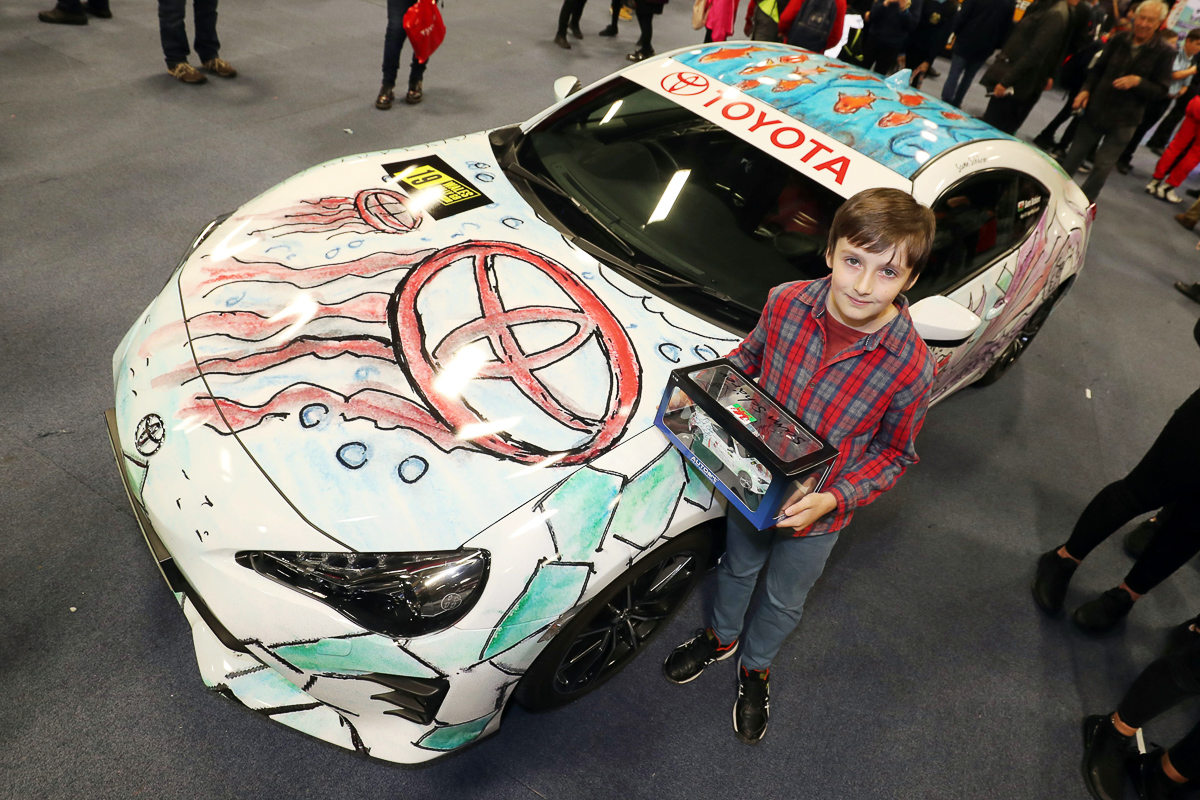
10-year-old Sam Scharer from the Ysgol Bro Gwydir School, Llanrwst, Conwy, has won a very special design competition which involves a livery for a Toyota GT86 rally car and WRC. The kid’s sea-themed design won the hearts of judges at the nationwide competition and will be seen taking part at the UK’s round for the FIA World Rally Championship. How cool is that? (more…)
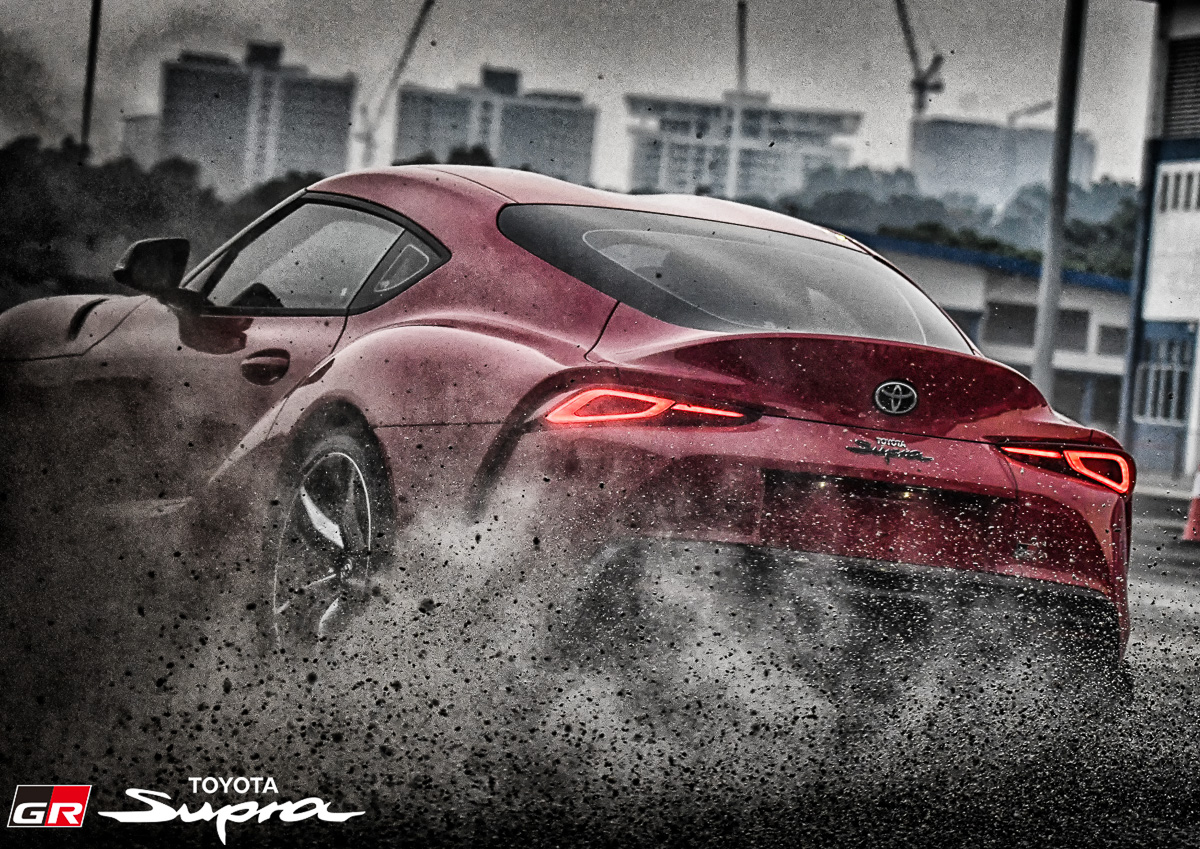
The folks from Mutiara Motors aka Toyota Plentong will be launching the all-new Toyota GR Supra for the Southern region of Johor this Saturday (28 September 2019). To all Supra fans and enthusiasts currently residing in the state, you can catch it live from 10am to 4pm. Trust us, you will not want to miss it! (more…)
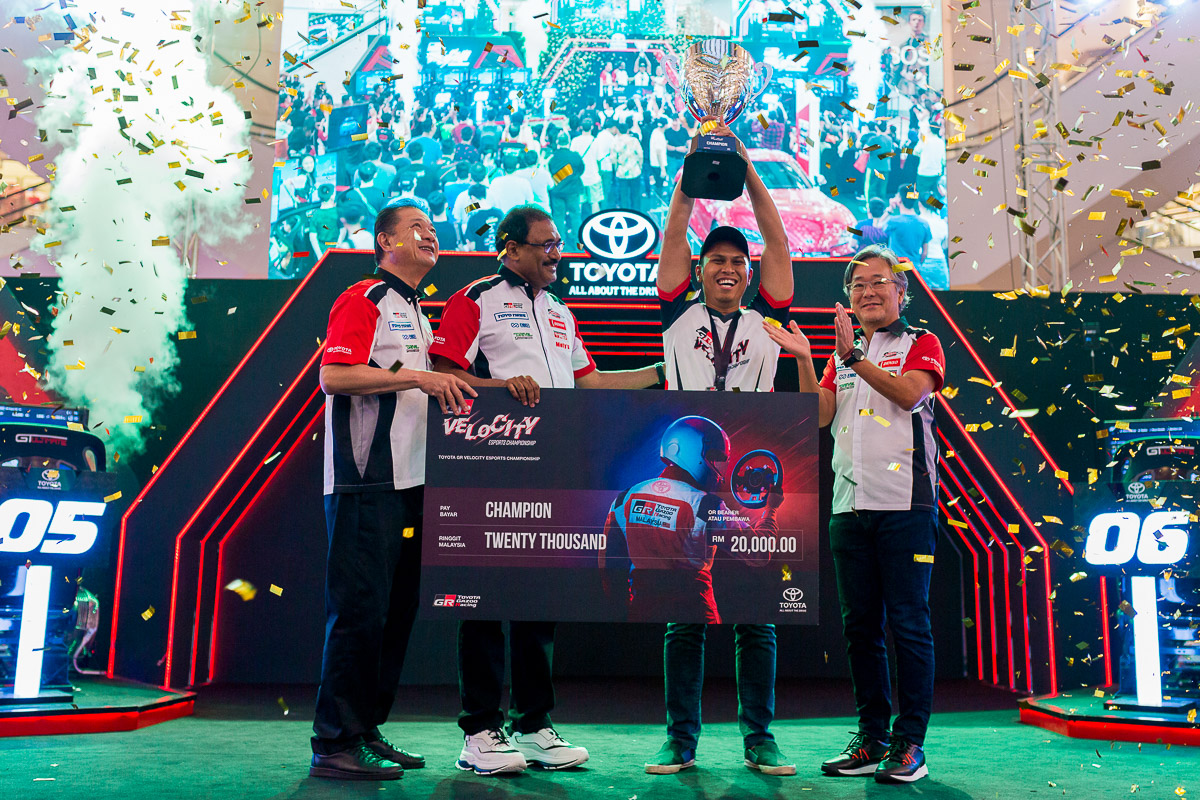
The grand finals of the Toyota Gazoo Racing Velocity Esports Championship concluded its epic weekend here in the heart of Kuala Lumpur. Regarded as Malaysia’s biggest national Esports racing event, spectators at Pavilion KL witnessed champions being crowned in this new era of motorsports. (more…)
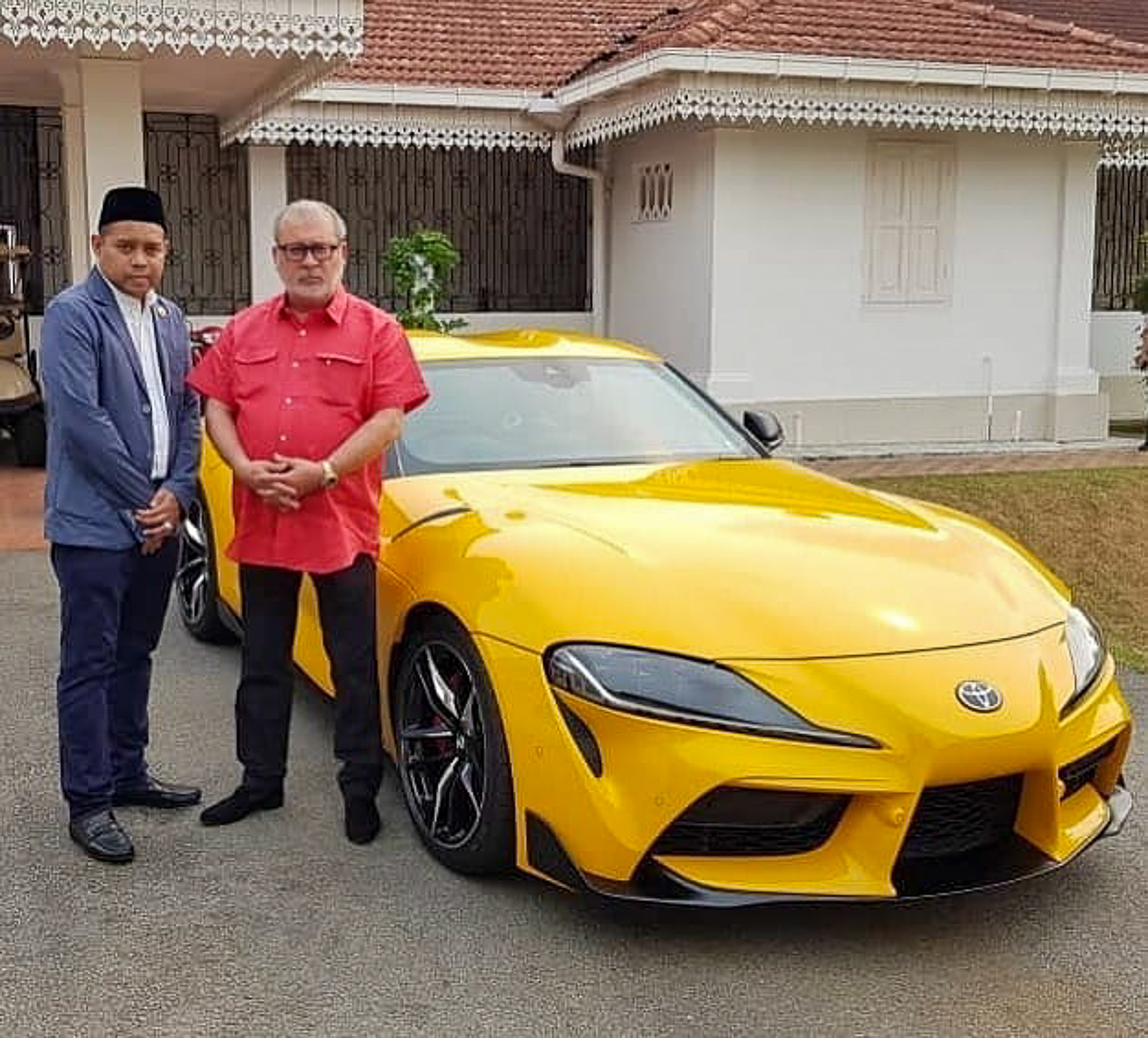
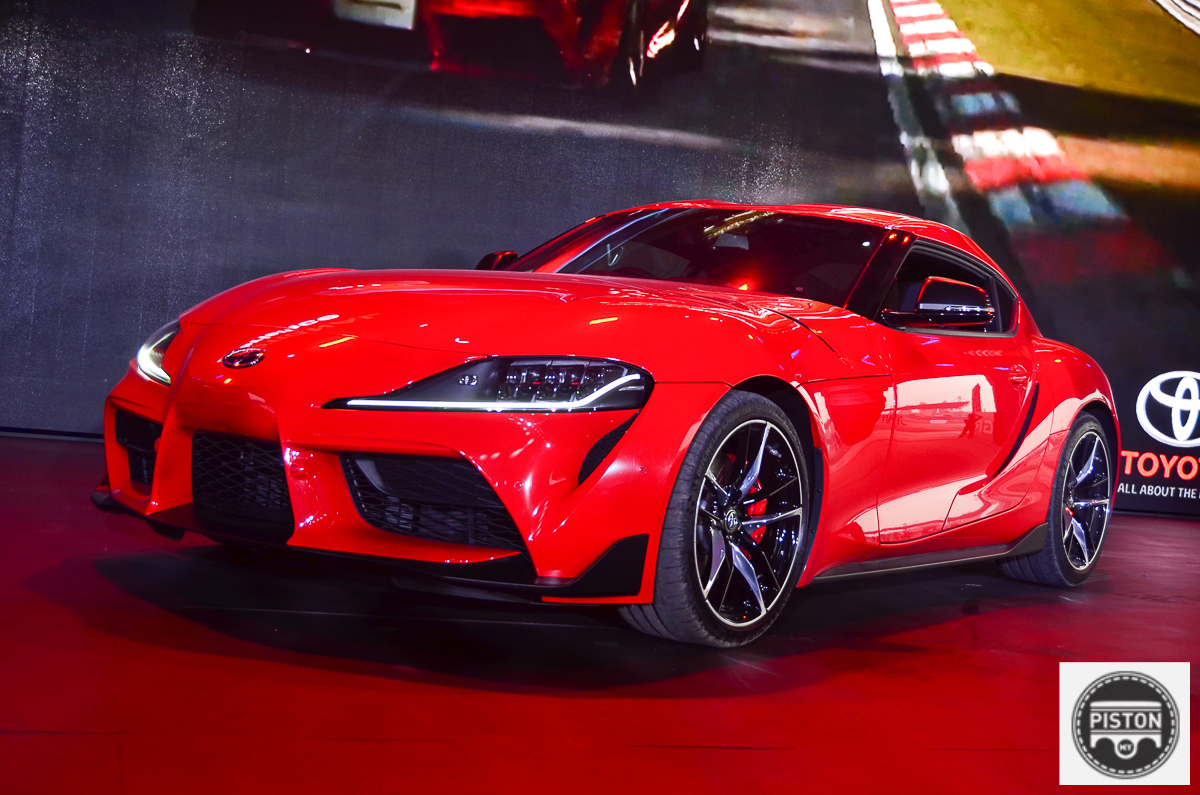
It was only a couple of days back when UMW Toyota launched their most exciting model to date, the 2020 Toyota GR Supra. In pure awesomeness, the Sultan of Johor, Sultan Ibrahim ibni Almarhum Sultan Iskandar, took delivery of Malaysia’s first Toyota GR Supra on the same evening the car was launched! How cool is that? (more…)
While the Jeep and Land Rover usually come to mind when thinking of 4×4 vehicles, Toyota’s Land Cruiser also has a place in the history of such vehicles. And according to the latest data released by Toyota, cumulative sales of the Land Cruiser – the company’s longest-selling model – passed the 10 million mark at the end of August 2019.
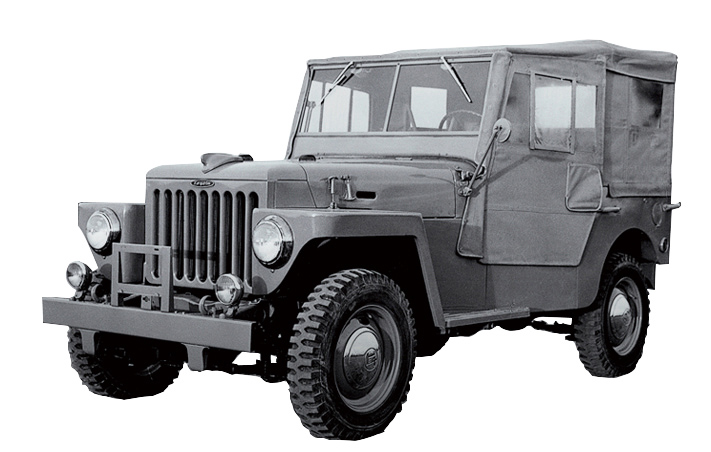
The Land Cruiser went on sale in August 1951 and initially, it was called the Toyota ‘Jeep BJ’, the ‘Land Cruiser’ name coming into use in 1954. It would remain in production in the following decades, providing durable and reliable transport on all kinds of terrain around the world.
The first Land Cruiser
Land Cruiser introduced Toyota brand
In many markets, the Land Cruiser was the first Toyota model to be sold and the company was not shy starting with small numbers. In fact, in the early years, fewer than 100 units were exported annually. However, by 1965, 10 years after full-scale exports commenced, that figure rose to 10,000 units each year as more and more customers discovered the toughness of the Land Cruiser.
At present, the Land Cruiser is sold in approximately 170 countries and regions worldwide, with annual global sales standing at approximately 400,000 units. The majority of vehicles are produced in Japan, with local assembly also done in Kenya and Portugal.
The Land Cruiser contributed significantly to increased trust in the Toyota brand around the world and created a foothold for the company to expand its exports. Although Toyota wanted to sell passenger cars in the USA in the late 1950s, it found that the Land Cruiser was a more appealing product to American customers and focussed on marketing the 4×4 vehicle.
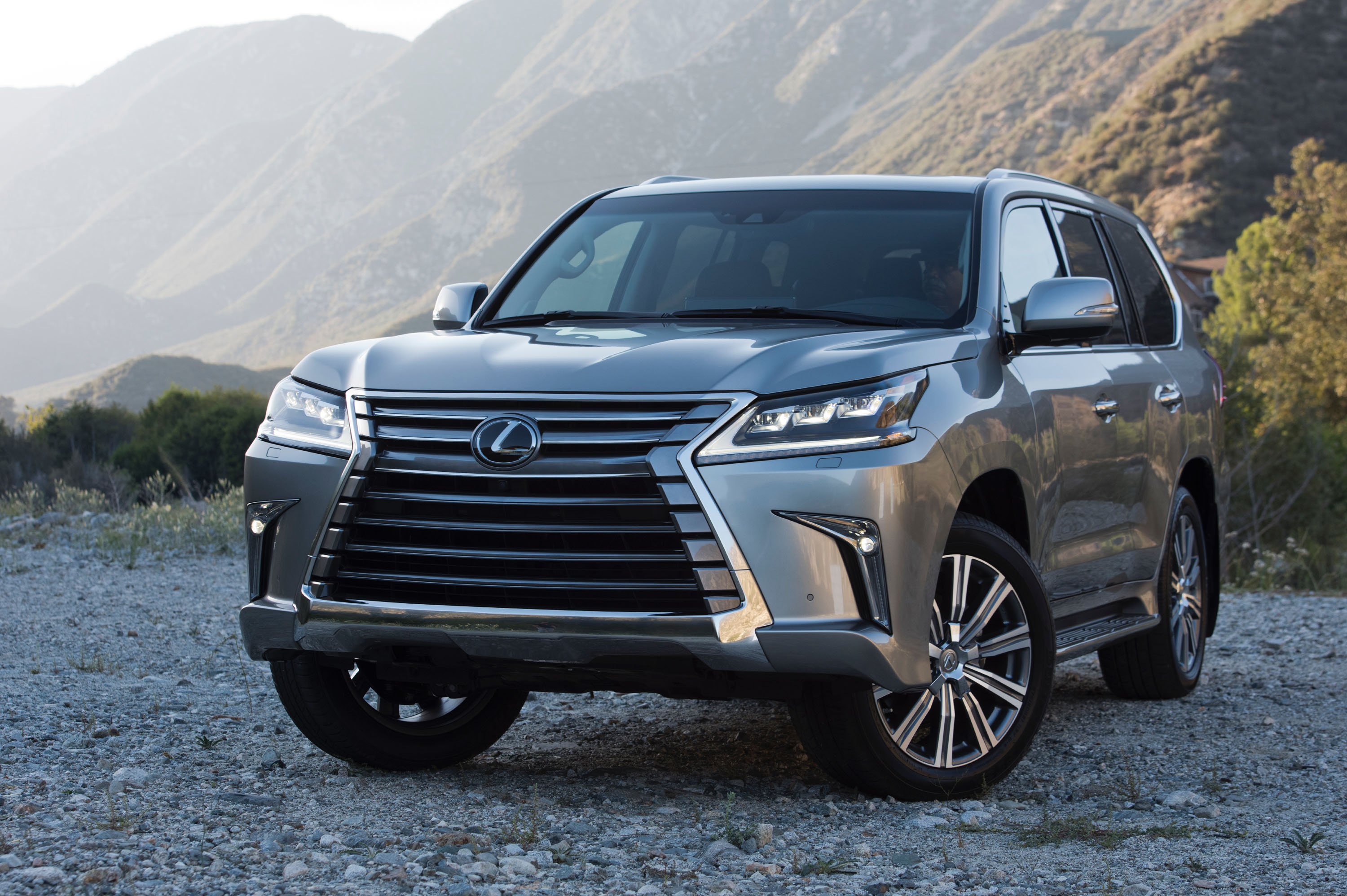
Lexus has also adapted the Land Cruiser to be a luxury model in its range for customers who want a more capable off-road vehicle than the RX.
First Toyota model sold in Malaysia
The Land Cruiser was also the first Toyota model to be sold in Malaysia (although East Malaysians will argue that there was no ‘Malaysia’ then). In 1956, North Borneo (Sabah) Trading had obtained distribution rights for Toyota vehicles and imported a batch of Land Cruisers to sell. The first customer was in Tanjung Aru, Sabah, who is believed to have paid RM8,600 for a unit with a 3.9-litre engine.
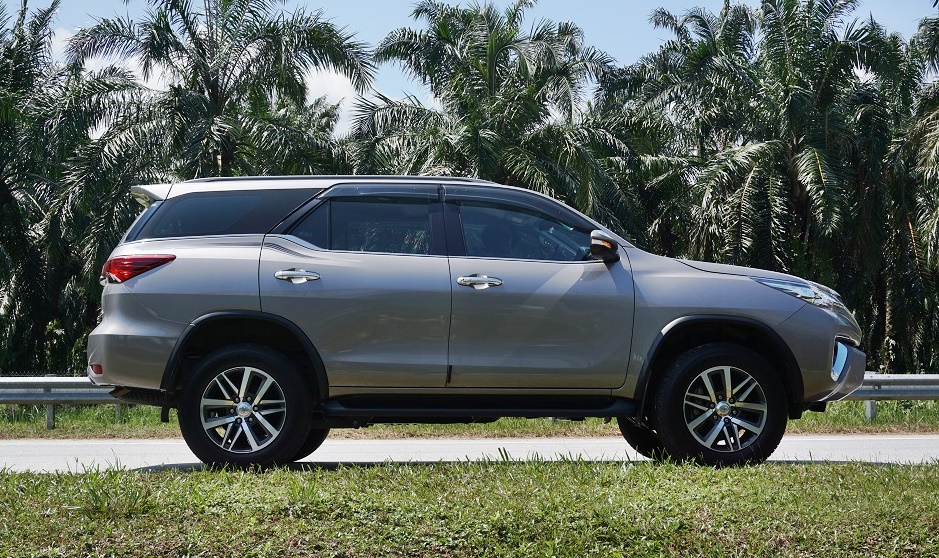
In 1956, the first Toyota model sold in Malaysia was a Land Cruiser 20 Series like the one shown above.Local assembly of Land Cruisers ceased in the early 2000s as demand for large SUVs declined. However, Toyota’s IMV project replaced the model in the segment with a new one called the Fortuner.
Some 20 years later, the Land Cruiser would be assembled at Sarawak Motor Industries in Kuching and shipped to Peninsular Malaysia as well. The Land Cruiser, together with the Hilux, strengthened Toyota’s image in East Malaysia as they proved to be very reliable vehicles. In the mid-1980s, after UMW Toyota Motor took over Toyota distribution, assembly of the Land Cruiser was moved to its own plant in Shah Alam, Selangor. Local assembly of the model would continue into the early 2000s and then cease as demand for large 4×4 vehicles began to decline.
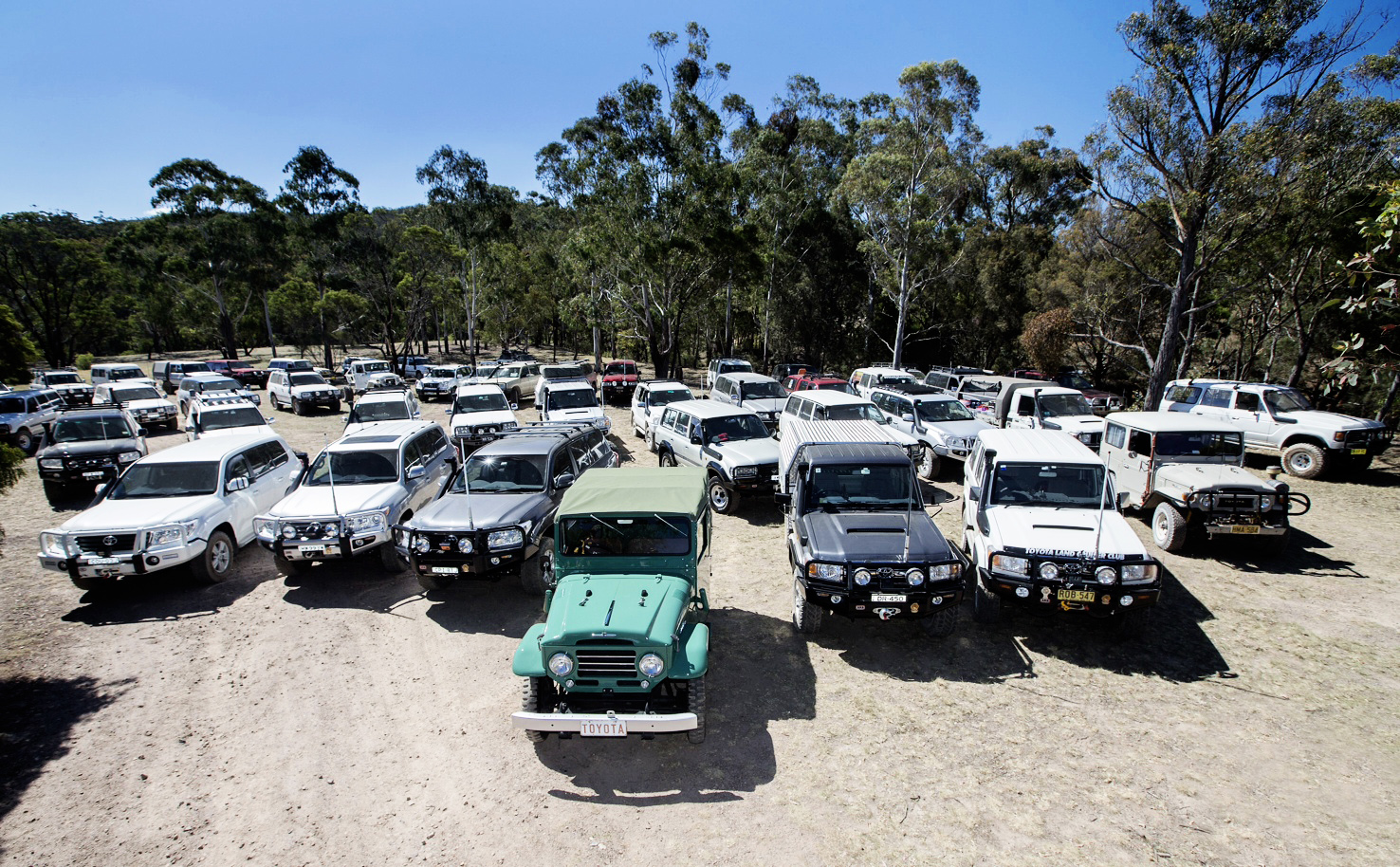
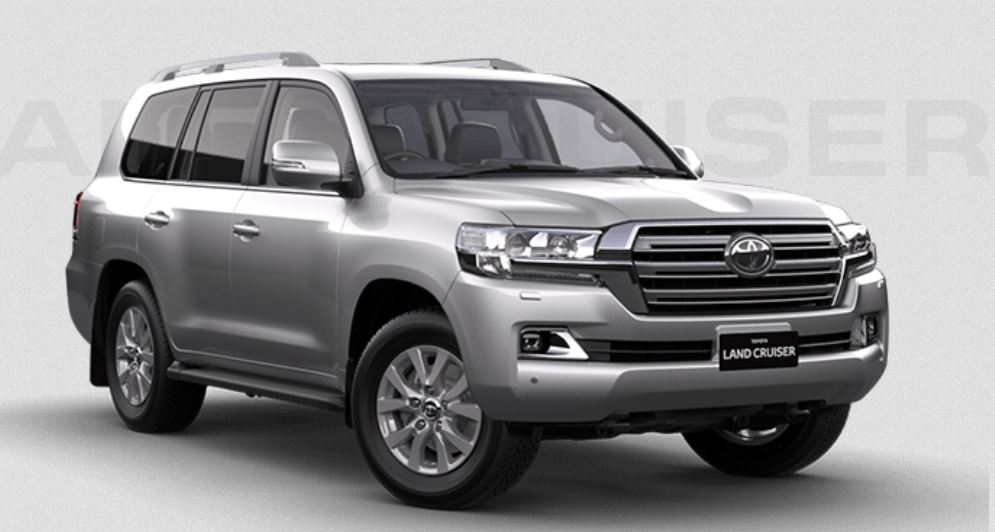
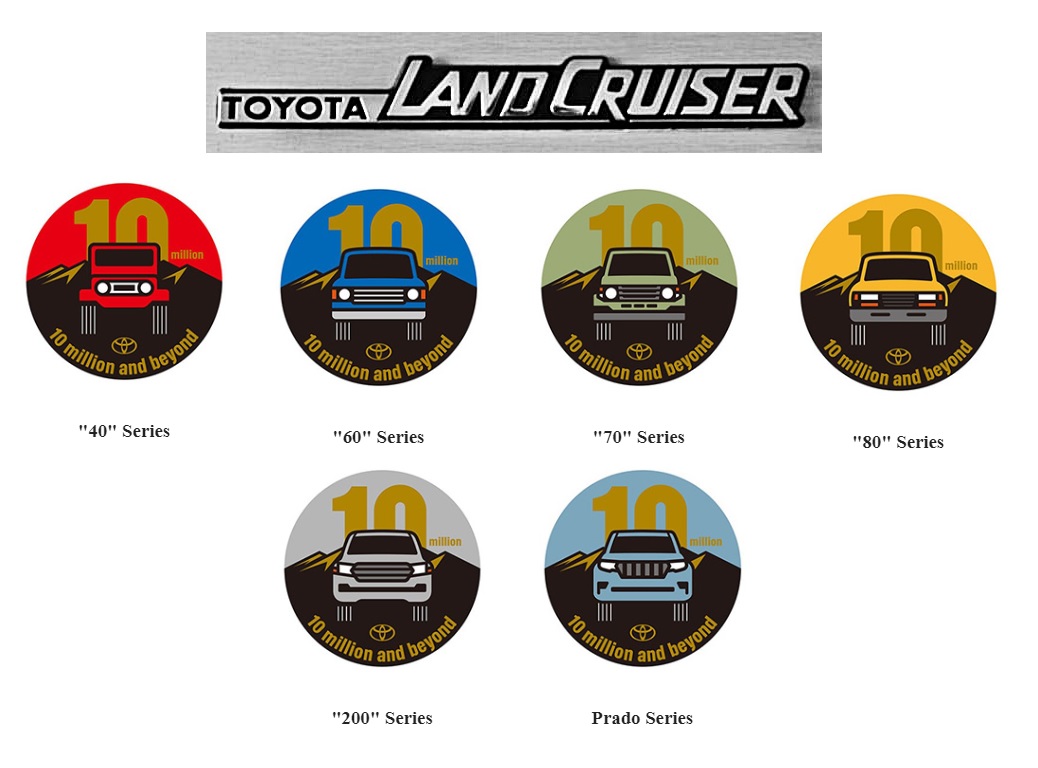
Like other Toyota models, the Land Cruiser has also gone through generational changes since 1951. Each generation has been referred to as a ‘series’ and the current one is the 200 Series which is the eighth series. Interestingly, while most markets would sell the latest series, there are regions where the 40 Series vehicles continue to be used – some 50 years after they were manufactured.
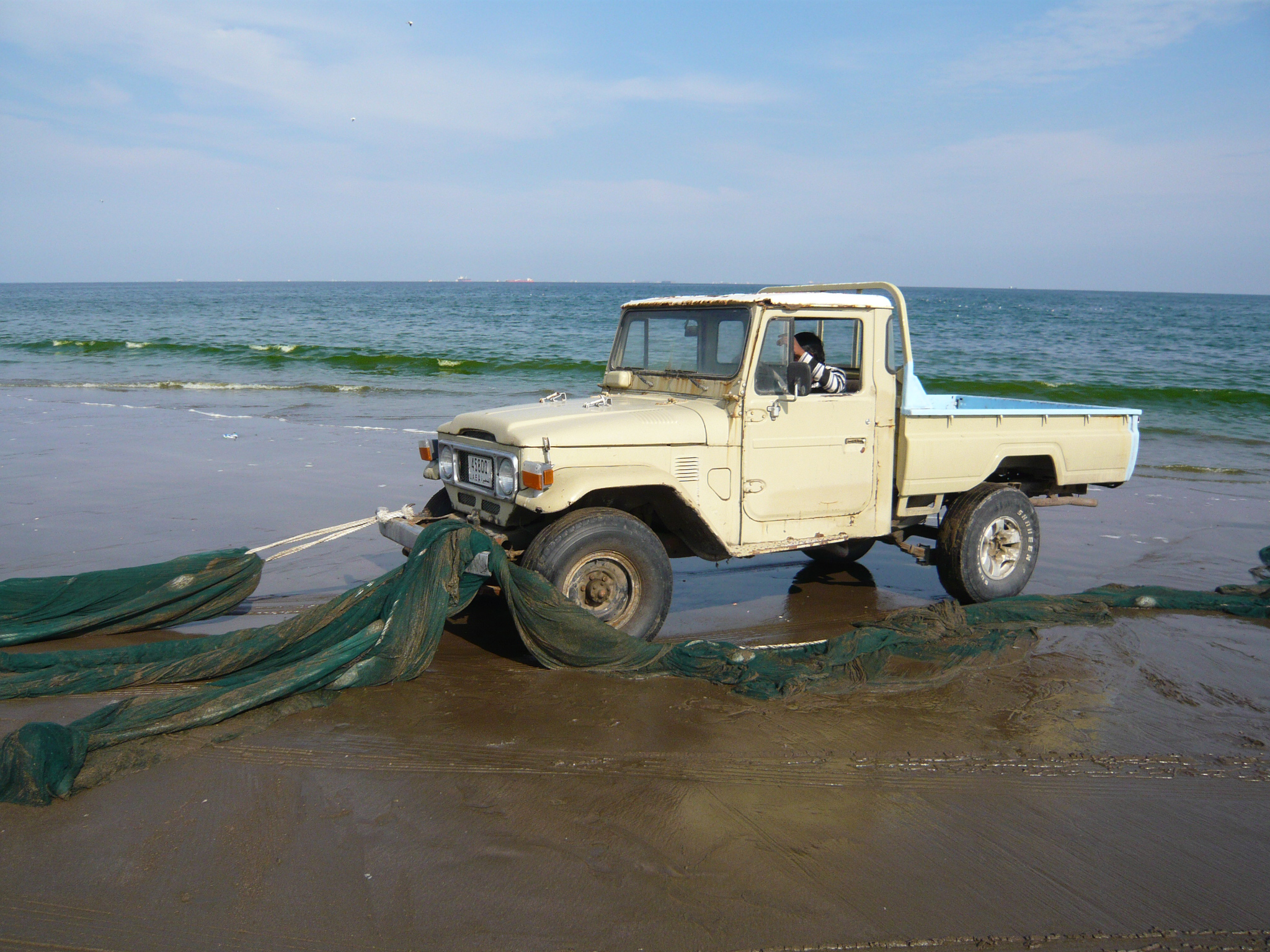
Land Cruisers last a long time and this 40 Series unit is still in use 50 years after it was manufactured.Current generation of the Land Cruiser
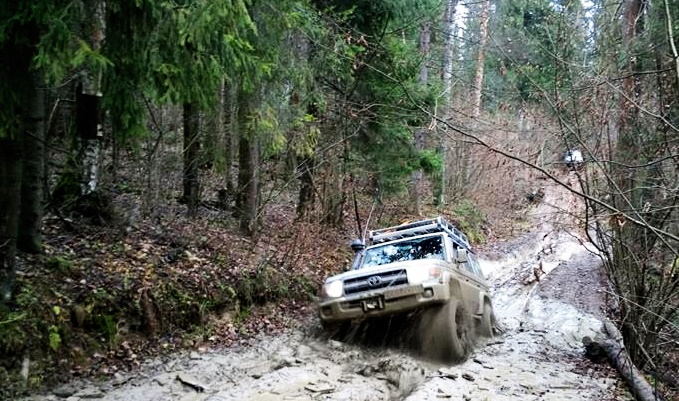
The Land Cruiser continues to be a popular vehicle for off-road transportation. While the older models have a following among enthusiasts, the modern ones are favourites of armed forces and various organisations involved in humanitarian assistance.
After months of patience and anticipation, UMW Toyota Motor (UMWT) has finally graced the Malaysian market with their latest and most iconic model to date, the 2020 Toyota GR Supra. Officially launched globally earlier this year, UMWT kept their promise and delivered their masterpiece today during its grand unveiling in Kuala Lumpur. (more…)
Ever since the 1990s, when increasingly intense competition forced carmakers to bring their production costs down as much as possible, one of the approaches taken was to create common platforms which could be used for a variety of models. Before, each model might have its own platform with unique or different parts and systems but this gave poor economies of scale and higher costs. Thus from what might have been 10 platforms, the entire range would use perhaps 6, on which would sit models for different size and bodystyle segments.
The use of common platforms meant that many engineering items and electronics systems could be shared. Customers didn’t really care anyway: they didn’t see platforms and architecture; they saw what was on top of the platforms and that was where talented designers earned their money. Their experience of the model was how it drove and how it felt to them, so the engineers worked hard on driving dynamics.
Toyota New Global Architecture
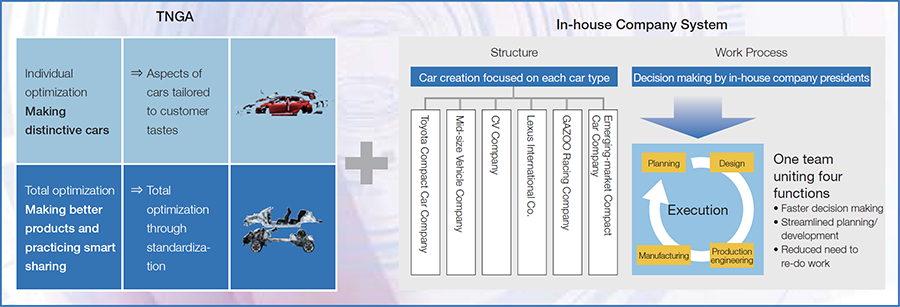
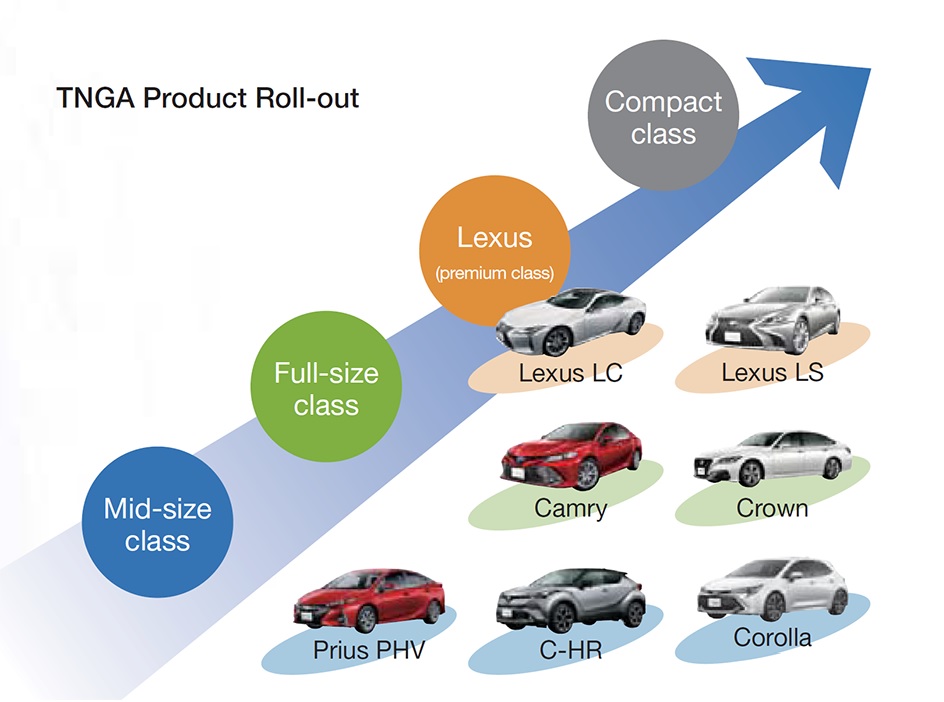
Toyota, like the other carmakers, rationalised its platform strategy and over the past decade, its new platforms under the Toyota New Global Architecture (TNGA) philosophy has delivered a step-change in the ride, handling and styling of a series of recent new models.
The first, the GA-C platform for mid-sized cars – is the foundation for advances in the driving character and appeal of the latest generation Prius, the C-HR and the latest 12th generation Corolla. Similarly, the TNGA philosophy has demonstrated its capability for larger sedans and SUVs, with the GA-K platform underpinning the new Camry and the new RAV4 to great effect. It is also used for the newer Lexus models.
GA-B for smaller cars
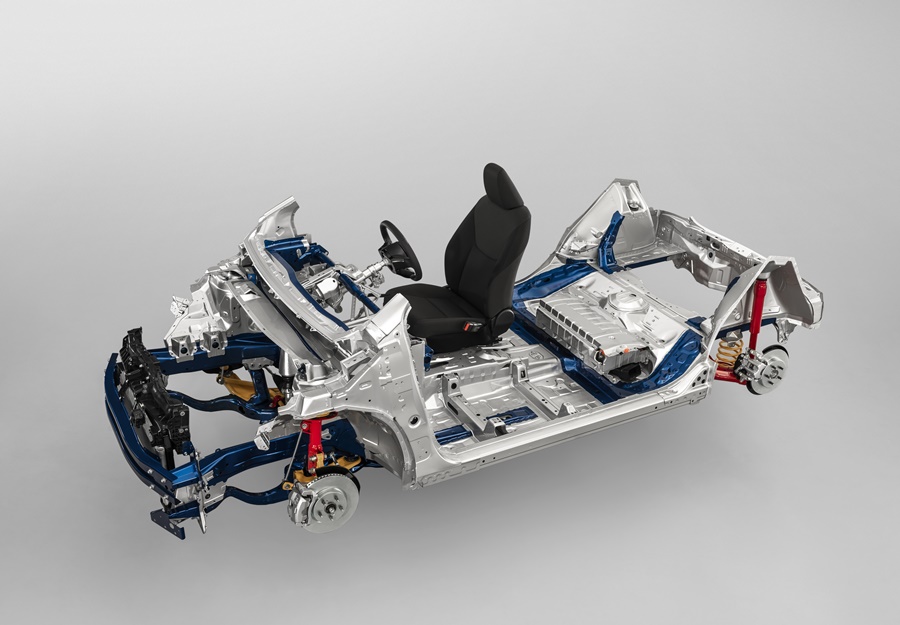
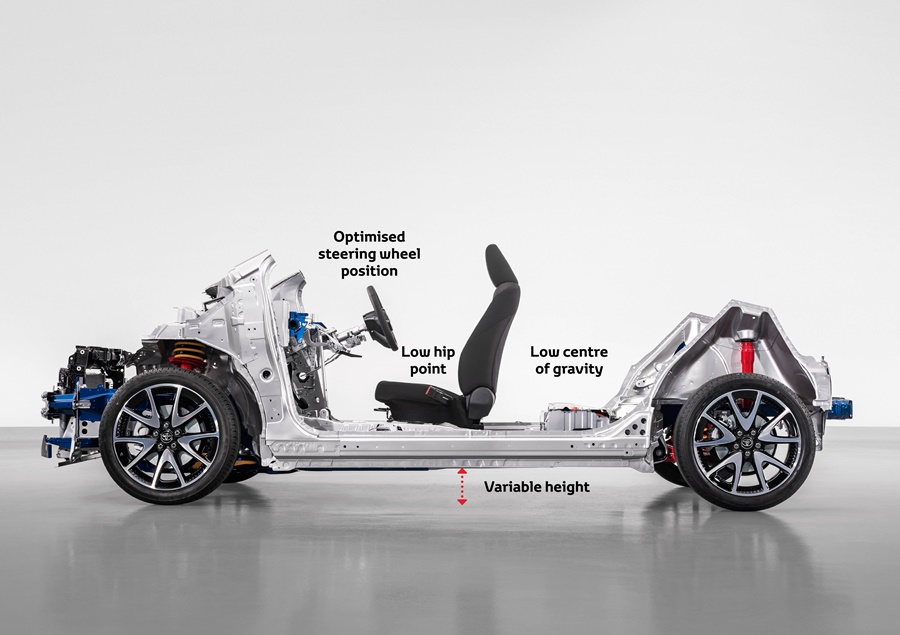
Now, Toyota is preparing to apply the philosophy and technology of TNGA to elevate the design and driving performance of its small cars with the GA-B platform. In common with the GA-C and GA-K platforms, the new GA-B platform is designed to deliver better driving dynamics with more comfort.
This is achieved through a number of techniques. First of all, the platform features advanced joining technologies that contribute to high levels of underbody rigidity whilst maintaining a focus on weight and cost.
Secondly, the MacPherson strut front suspension features low friction dampers and a variety of spring types. The rear suspension can be specified as either torsion beam or multi-link design, depending on vehicle character and type. This gives the chassis engineers a degree of flexibility which they didn’t have before.
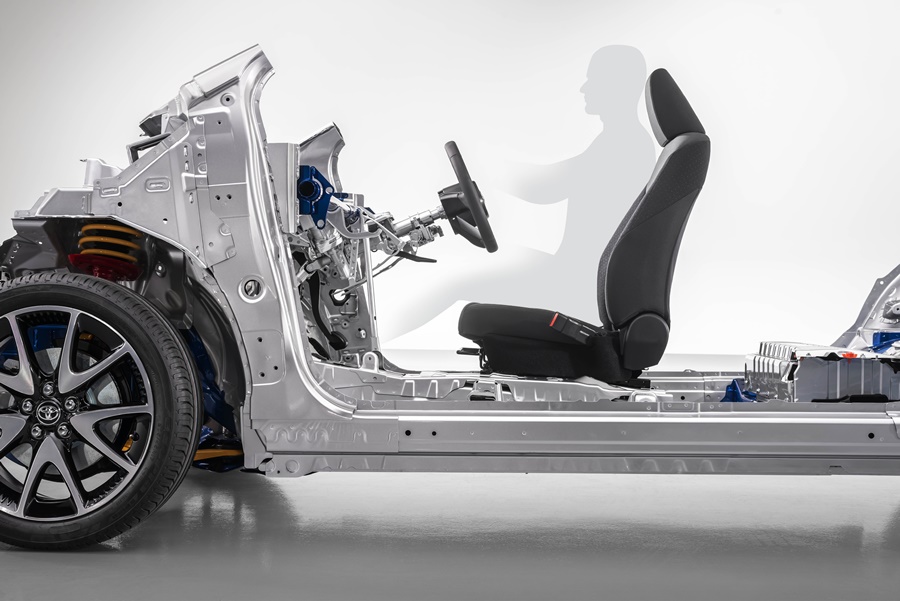
Last, but not least, the GA-B platform also positions the driver’s seat low and back towards the centre of the car, helping to lower the vehicle’s centre of gravity. This also creates an engaging driving position with a steering wheel that can be set close to the driver at an optimised angle.
Smart packaging
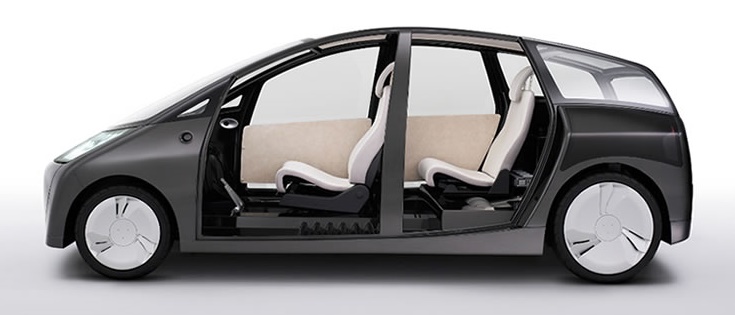
The new GA-B platform has also been designed to maximise interior space through its approach to smart packaging delivering a spacious and comfortable interior. The TNGA philosophy positions non-visible components to simplify vehicle design in key areas. As a result, vehicle designers will have the freedom to give each new GA-B model a visually distinctive and individual look with a low stance and appealing proportions.
In addition, the upper body hard points and the driver’s hip point are positioned low to give designers further freedom to create vehicles with a low height and wide stance. This kind of visual appeal is aided by the positioning of the wheels at the platform corners, with very short overhangs. And the combination of a long wheelbase architecture and a smart approach to packaging ensures that interior space is not compromised despite possible compact exterior dimensions.
Future small models from Toyota will have better interior packaging with the new architecture
Modular system
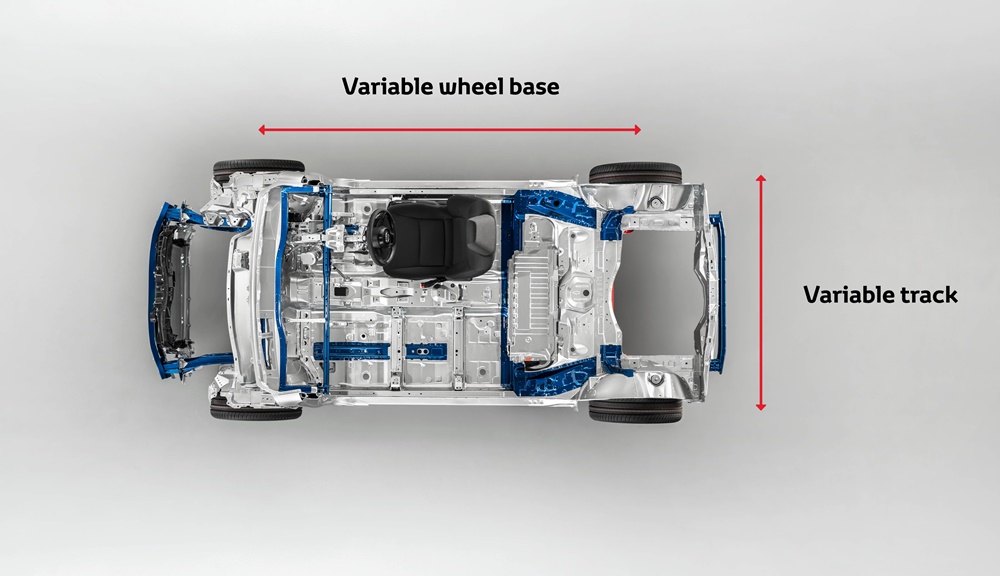
The new GA-B platform offers a great deal of modularity, with a variety of wheelbase lengths, vehicle heights and track widths, allowing designers and engineers to create vehicles of different sizes and body types. This is important since consumers like to have variety, and it can be achieved without having to engineer separate platforms at extra cost.
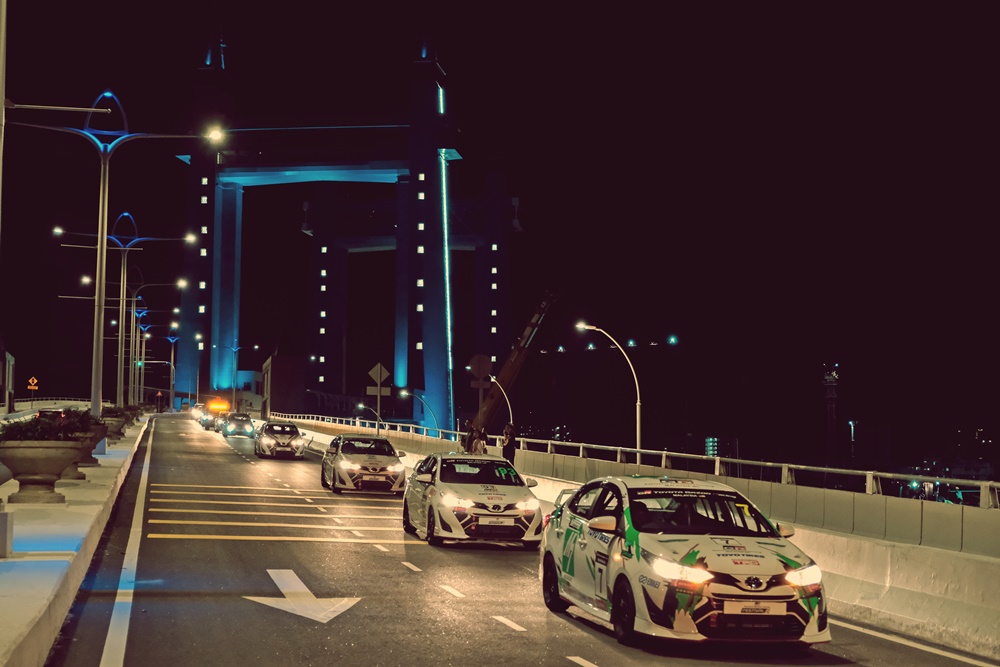
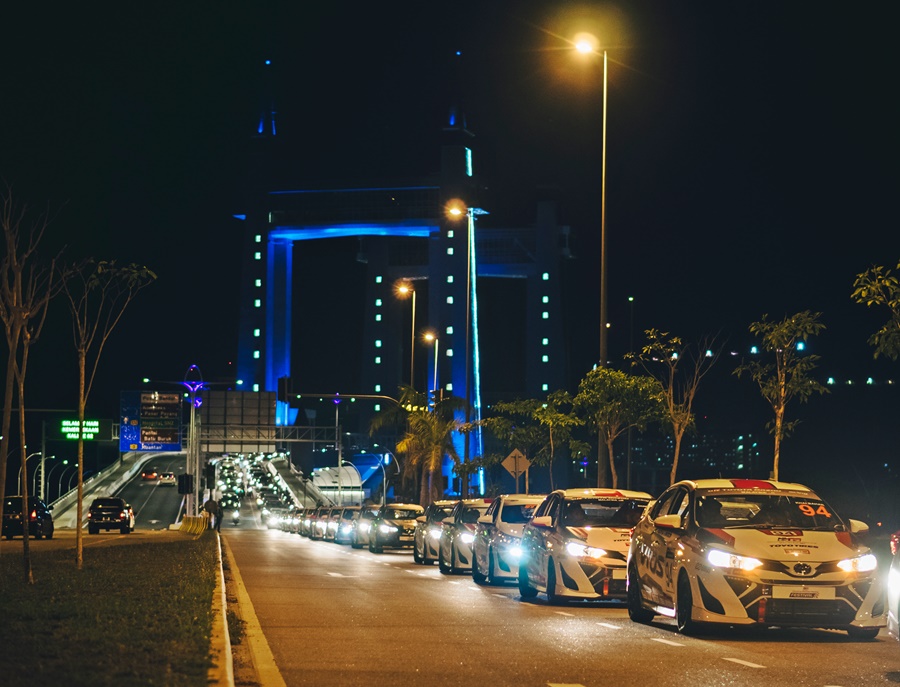
Terengganu on the East Coast has Friday and Saturday as its weekend, so Thursday night is usually a time when people start to look forward to their weekly break. Last night saw added excitement in the state capital of Kuala Terengganu as the streets came alive with a convoy of 35 vehicles taking part in the Toyota GAZOO Racing Festival Drivers’ Parade.
A first in Kuala Terengganu
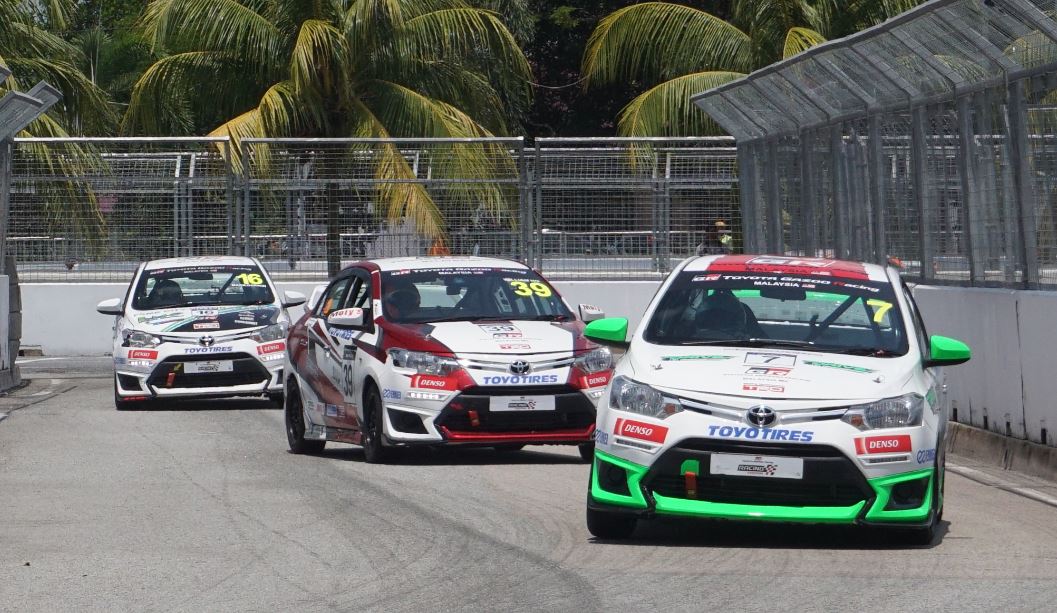
The parade was a promotional event for this weekend’s opening round of Season 3 of the Toyota GAZOO Racing (TGR) Festival and Vios Challenge race series. In the convoy were 26 Vios racing cars which were driven on public roads for the very first time, escorted by the police. The racing cars, intended for the race series, are normally not for normal use on public roads.
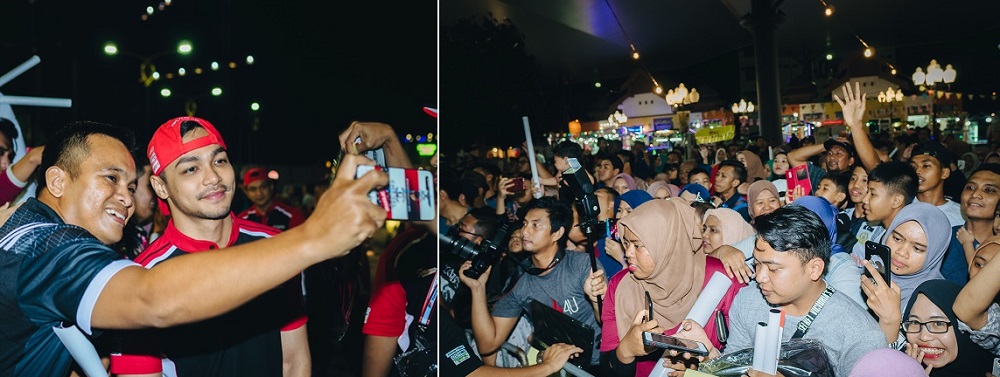
Starting from the race venue at the Sultan Mizan Zainal Abidin stadium, the 25-km journey took drivers across the iconic Kuala Terengganu Drawbridge before coming to stop at Pasarnita for a meet-and-greet session with hundreds of local fans.
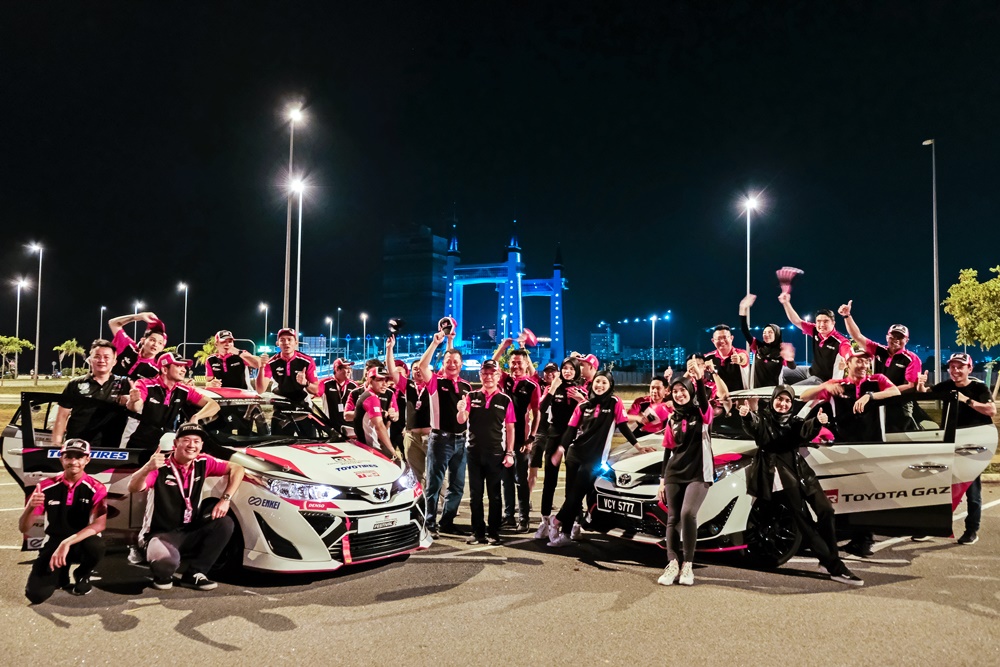
Toyota GAZOO Racing Festival Chief Motorsports Officer Akio Takeyama led the convoy which had celebrities and Promotional class drivers Diana Danielle, Janna Nick, Wany Hasrita, Nabila Razali, Ain Edruce, Shukri Yahaya, Shawn Lee, Nabil Ahmad, Khai Bahar and Syafiq Kyle.
Also joining the parade were the pool of amateur and professional racers competing in the Sporting and Super Sporting Classes who included Malaysian drifter and Season 1 champion Tengku Djan Ley, teenage driver Hayden Haikal, Dato’ Ken Foo, Season 2 champion Brendon Lim, Ahmad Tarmimi, Mark Darwin, Mirza Syahmi, Mohd Ismail Idris, Jackson Tan, Freddie Ang, Ricky Tan, Syafiq Ali, Lim Chun Beng, Sutan Mustafa and Tom Goh.
Recognized as Malaysia’s premier street racing series, the Vios Challenge is held on a specially-constructed 1.65-km street circuit and features close action on the track with celebrity, amateur and professional racing drivers competing in three classes of saloon car racing (Promotional, Sporting and Super Sporting classes respectively) in the exciting one-make series that is the highlight of the TGR Festival.
Scenes from the Season 2 event which was held at the same venue last year.
More than just racing action
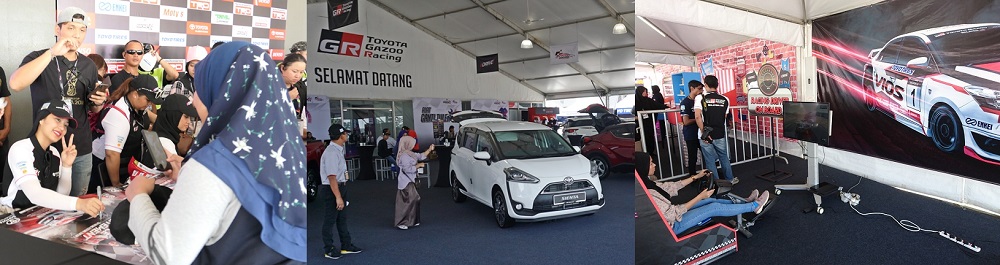
For motorsports fans and spectators in Kuala Terengganu, the excitement of the TGR Festival is not confined to the action and drama on the track. Today and tomorrow, there also will be a display of Toyota’s wide range of models (with test-drives available), a drift performance by Japanese drifters courtesy of Toyo Tires, a racing simulator challenge, stage games and celebrity performances, promotional activities, lucky draws, the sale of merchandise, and a Superfans Signing Session where fans can mingle with the celebrities racing in the Promotional class. Entrance is free and there’s plenty of parking available at the venue.
UMW Toyota Motor Sdn Bhd (UMWT) has announced a realignment of its corporate social responsibility (CSR) initiatives in line with the global corporate initiative called ‘Start Your Impossible’ established by Toyota Motor Corporation (TMC).
This shift by TMC is carried out to inspire employees, partners and customers to achieve greater heights by attempting missions that they themselves deem impossible – a core company belief that has inspired boundless innovations, transforming the company from that of an automotive to a mobility manufacturer.
Through the new CSR realignment, UMWT has added a mission to realize impossible dreams through sports in its philanthropic pillar. “This year, we will be working with the Paralympic Council of Malaysia to enable more differently abled children to participate actively in sports,” said UMWT’s Deputy Chairman, Akio Takeyama.
Fund-raiser in November
The initiative, Mr. Takeyama said, will begin with a fund-raiser through a Toyota Outrun fun run on November 17, 2019 at Bandar Rimbayu, Kota Kemuning, Selangor. UMWT expects about 3,000 participants to join in the event. A registration fee of RM50 per participant will apply and the proceeds will be channeled to Paralympic Council of Malaysia’s ‘Fitness and Exercise with Person with Disabilities’ programme.
“The funds will be used to equip para athlete trainers around Klang Valley with the skills to train differently abled children. We believe that this would be a sustained effort to discover more hidden talents among children with disability and help them achieve their dream in sports,” Mr. Takeyama added.
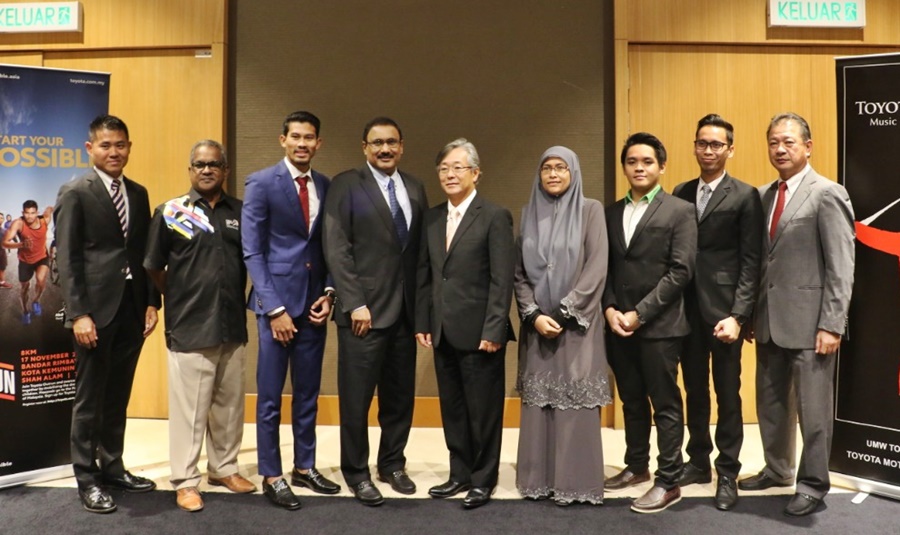
Abdul Latif Romly (thrid from left), ambassador for the campaign, with UMWT’s management and representatives from other organisations which will be involved in the CSR initiatives.
Abdul Latif Romly to be campaign ambassador
UMWT has also appointed Paralympic Champion Abdul Latif Romly as its ambassador for this campaign. On the appointment, Mr. Takeyama said: “Latif was up against impossible odds at the 2016 Summer Paralympics. The world saw him broke the T20 long jump world record three times on the same day. It was impossible. Then it wasn’t. At Toyota, mobility is about overcoming challenges and making dreams a reality. That’s why we’re teaming up with Latif to support differently abled children so they too can start their impossible”.
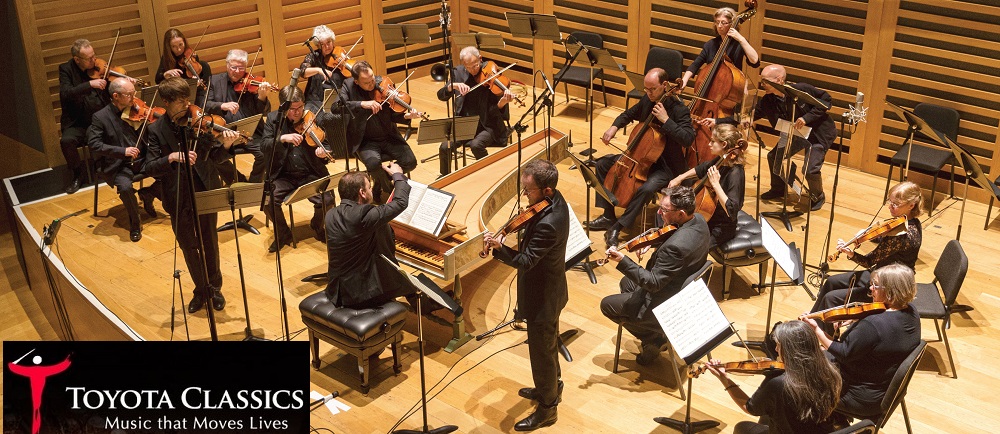
UMWT will also be continuing its other CSR initiatives such as the Toyota Classics, which have brought world-class orchestras for the past 30 years to perform in Malaysia. A total of about RM9 million in gross proceeds from the concerts over the years has been donated to some 70 social, environment and charity organizations to support worthy programs.
UMW Toyota Motor (UMWT) has initiated a Special Service Campaign (SSC) to replace the airbag inflator module components of certain Toyota models sold by the company. The vehicles involved in this campaign were subjected to a previous Takata airbag inflator module recall and repaired between 2014 and 2019. At that time, a certain number of vehicles were replaced with non-desiccated airbag inflators modules produced by Takata but for this new SSC, those airbag inflator modules will be replaced with one that has improved components.
Approximately 41,000 Toyota vehicles
UMWT says there are approximately 41,000 Toyota vehicles manufactured from 2001 to 2013 involved. These are the Toyota Vios produced from May 2003 to August 2007, and September 2007 to July 2013; Toyota Corolla Altis produced from July 2001 to July 2007; Toyota Camry produced from June 2002 to December 2005; and Toyota Yaris produced from January 2006 to August 2007.
(Above and below) The models being recalled for the Special Service Campaign
In accordance with standard practice, the company will notify all affected vehicle owners officially and perform the necessary replacement at no charge to the owners. In the event that you believe your vehicle to be affected but have not received any notification, you can visit Toyota’s Special Service Campaign webpage to check using the Vehicle Identification Number (VIN) Checker. To those who have uploaded the Toyota Drive Apps, there is also a link to Toyota’s SSC page and the VIN Checker. Information on other vital SSCs is also available on the webpage.
Further information can also be obtained from any authorised Toyota service centre or by calling the Toyota Freephone at 1-800-8-TOYOTA (869682).