While there is a push to get people to switch to electric vehicles (EVs), apart from issues like the recharging infrastructure, the cost of purchasing such vehicle remains higher than similarly sized models with combustion engines. Much of it has to do with the cost of the technologies which are still fairly young, and the huge costs of R&D spent at this time.
For this reason, the auto industry needs the help of governments to also offer incentives that can offset the high purchase prices in the short-term. Various incentives are being given and in Malaysia, the government is exempting EVs from all import duties and even roadtax for a few years.
But the fact remains that for a properly engineered EV of a practical size (we’re not talking about the tiny 2-seater mini EVs), the price still cannot be level with similarly-sized combustion vehicles. There is a downward trend though as economies of scale are slowly kicking in with volumes rising quickly. Some carmakers believe that they will be able to produce EVs at around similar costs as combustion vehicles by the second half of this decade.
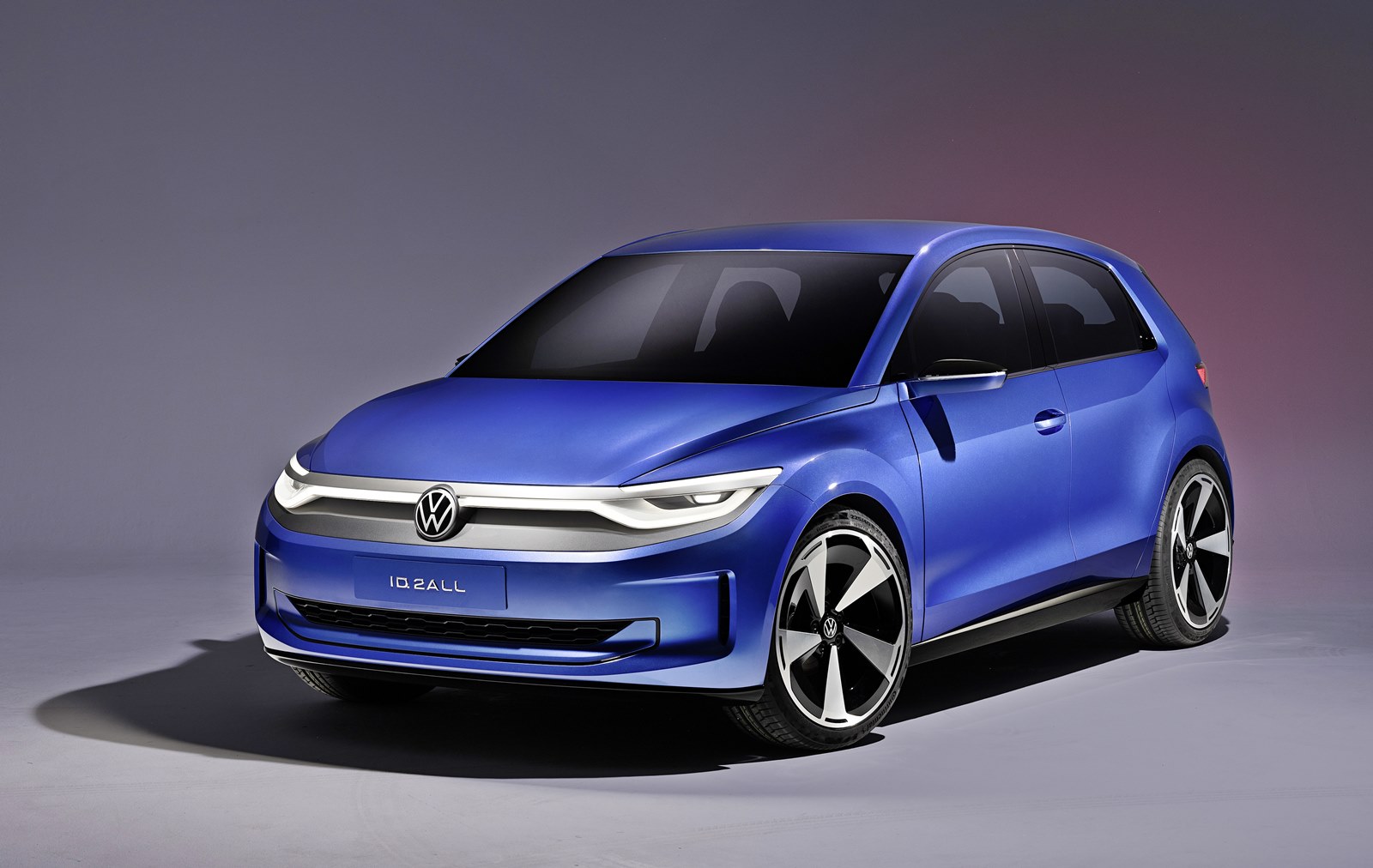
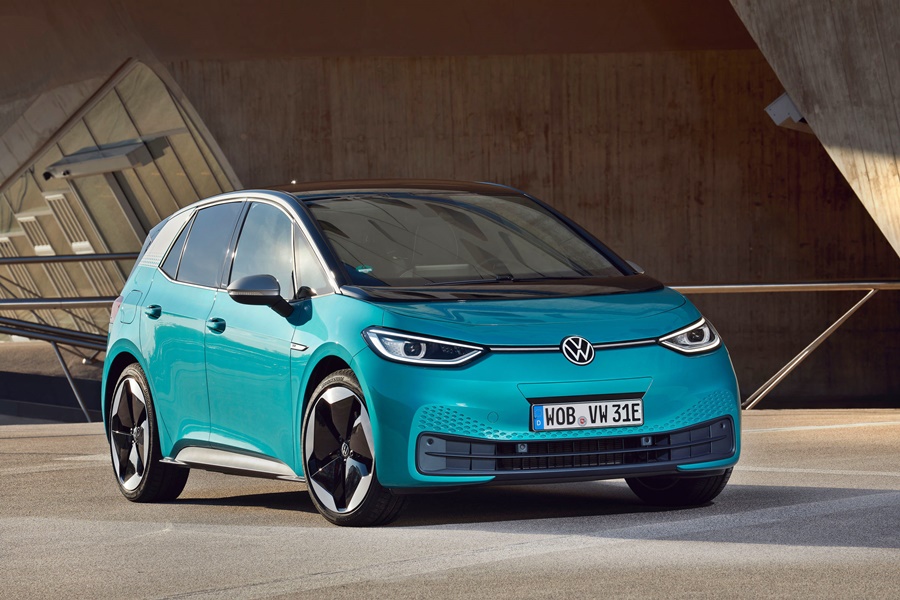
One of them is Volkswagen which will have a model costing less than 25,000 euros, which is equivalent to around RM120,000 at today’s exchange rates. This will be ‘full-value’ EV with many high-tech features and is part of the carmaker’s electric offensive which will see 10 new EVs by 2026.
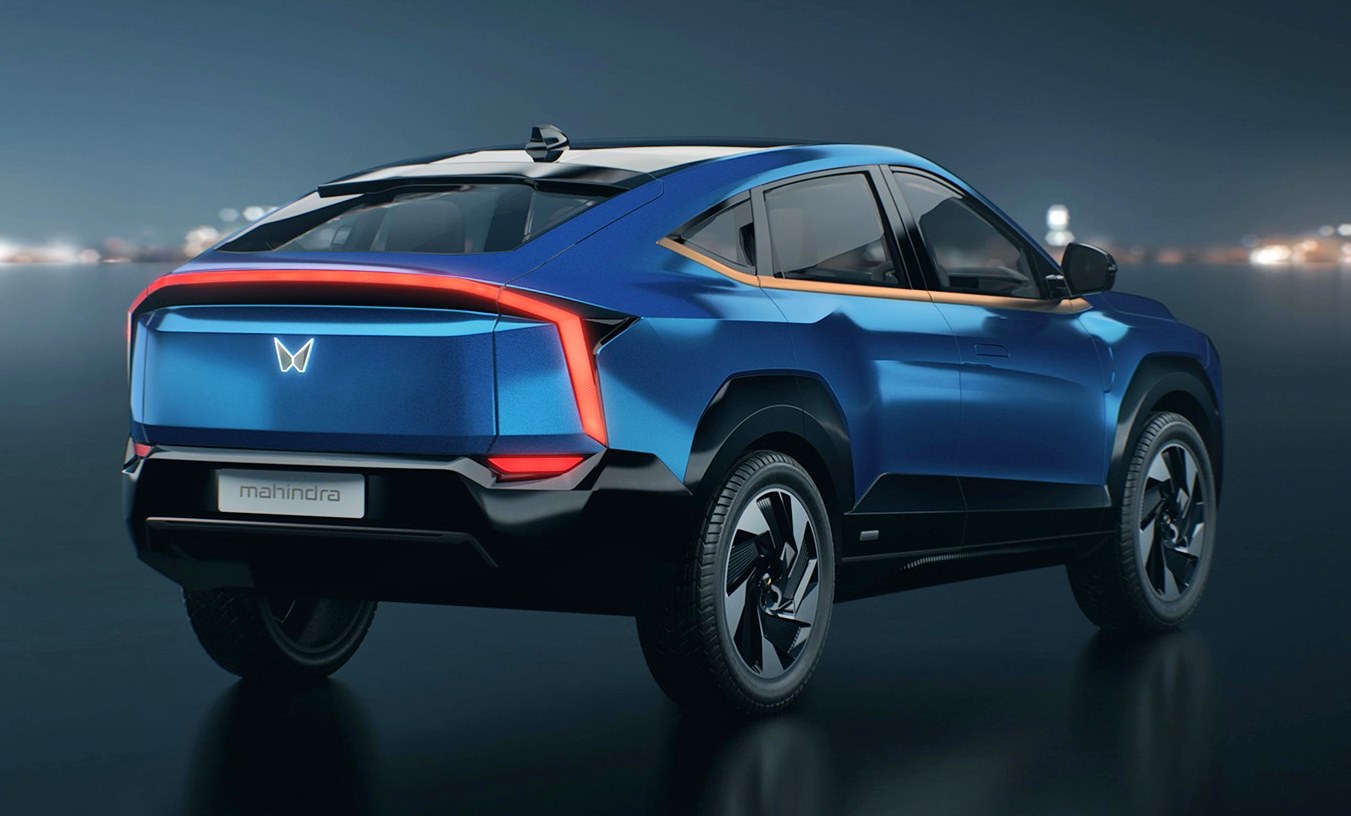
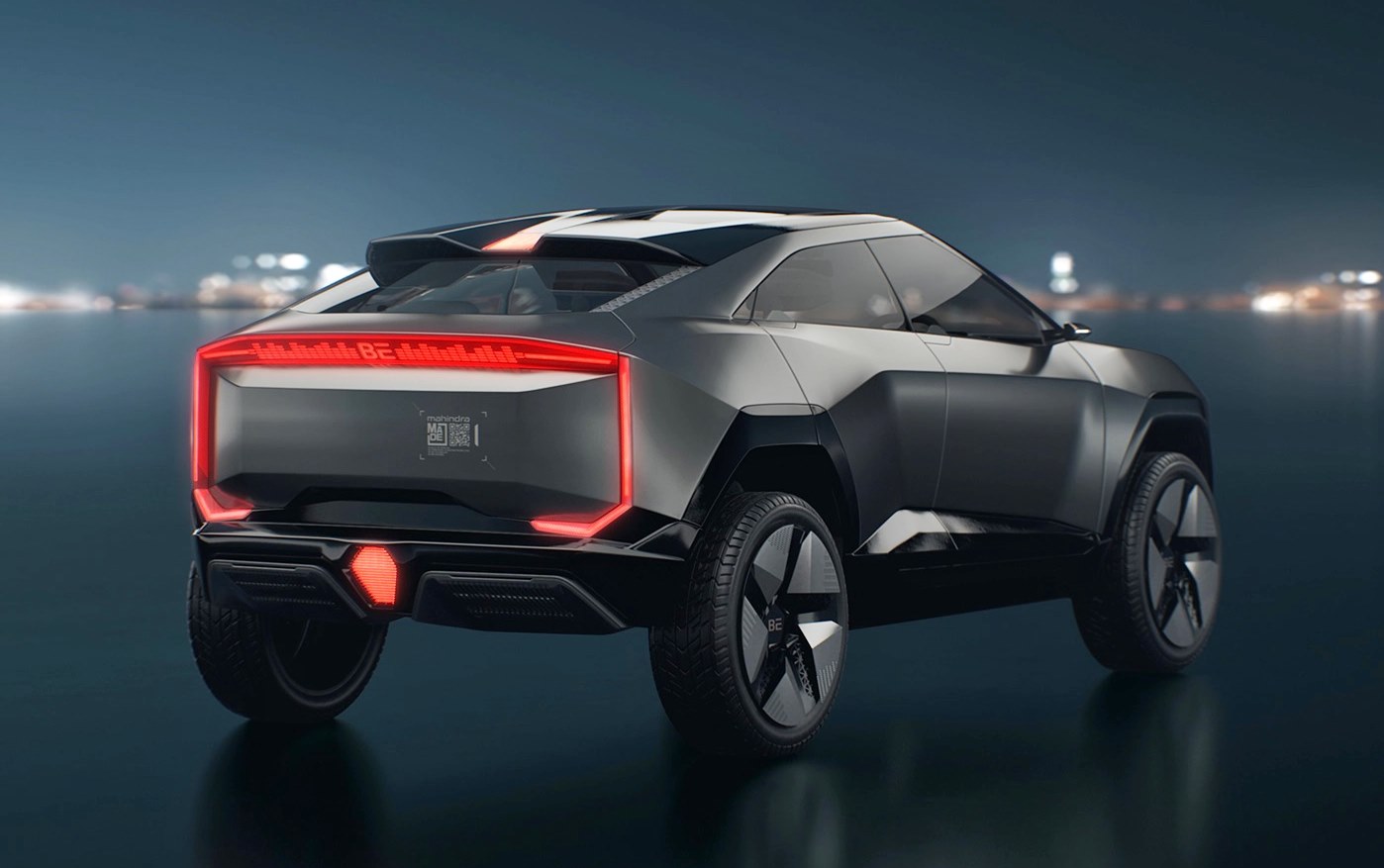
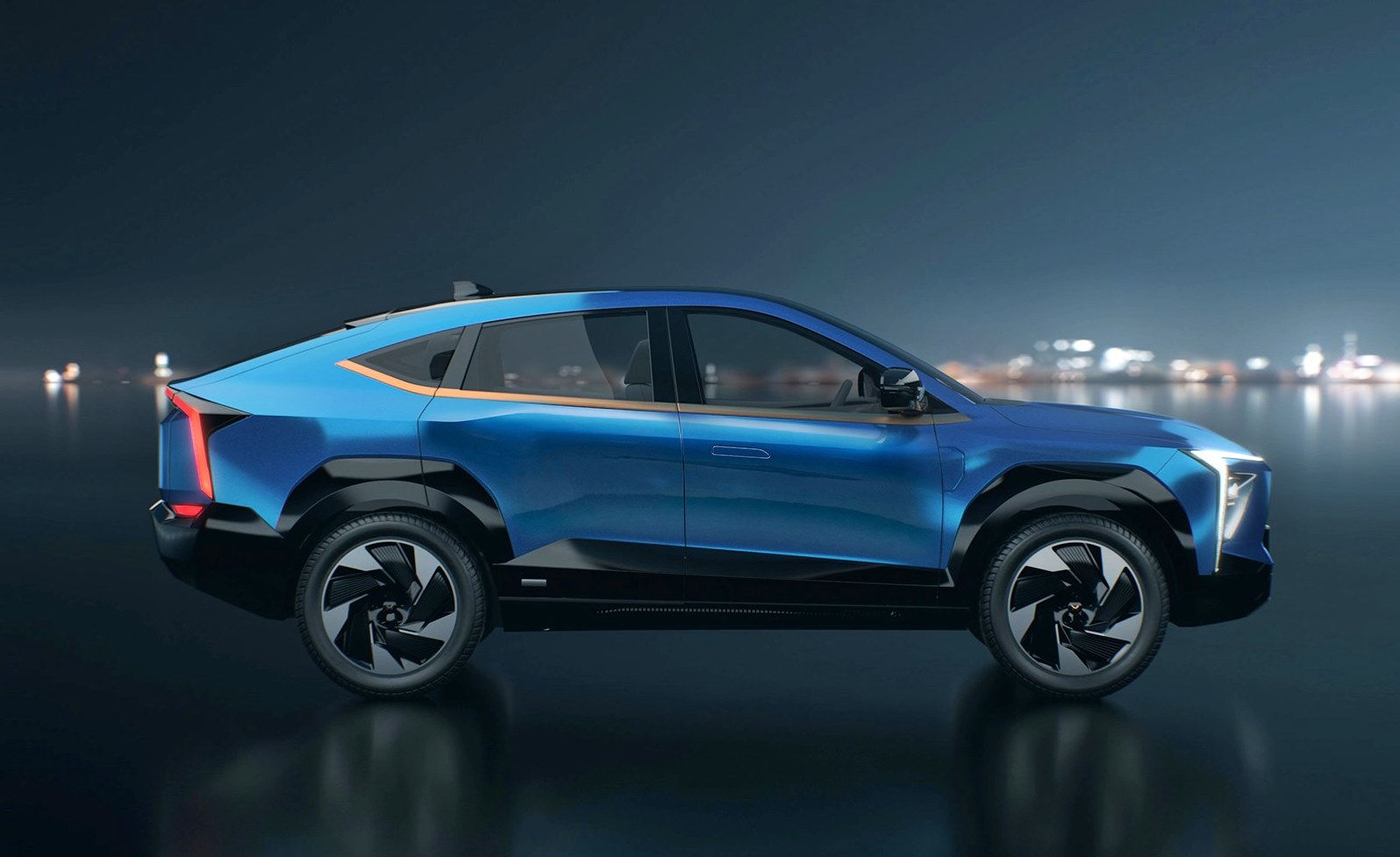
Mahindra & Mahindra, India’s leading SUV manufacturer, has officially opened its new design centre of excellence in England which will serve as the ‘conceptual hotbed’ for the company’s portfolio of future EV products. Known as Mahindra Advanced Design Europe (M.A.D.E), the facility is part of the Mahindra Global Design Network that includes the Mahindra India Design Studio in Mumbai.
To create future EVs The role of M.A.D.E. is to conceive and create all future EVs and advanced vehicle design concepts. It is equipped with state-of-the-art design tools, enabling it to handle end-to-end design activities including conceptualisation, 3D digital and physical modelling, Class-A surfacing, digital visualisation and Human-Machine Interface (HMI) design.
It also incorporates a complete digital visualisation suite, clay modelling studio, VR digital modelling and digital as well as physical presentation areas.
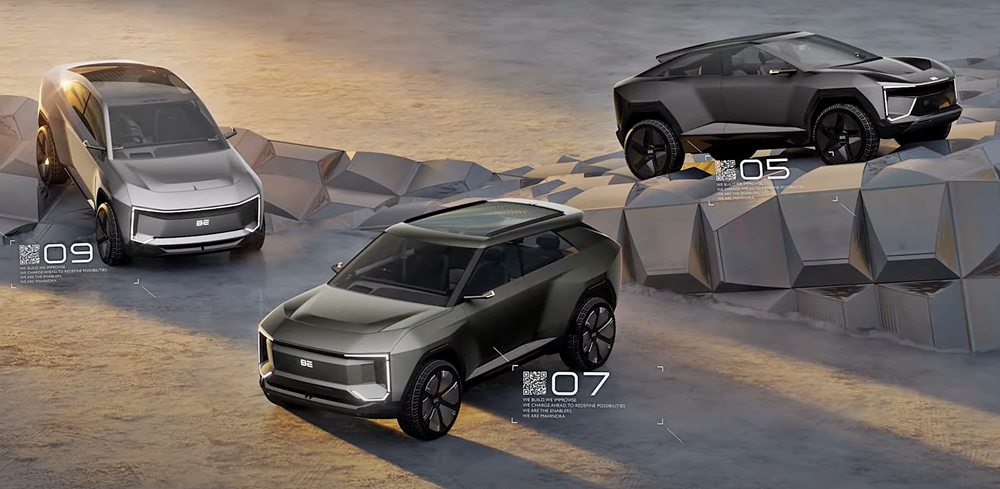
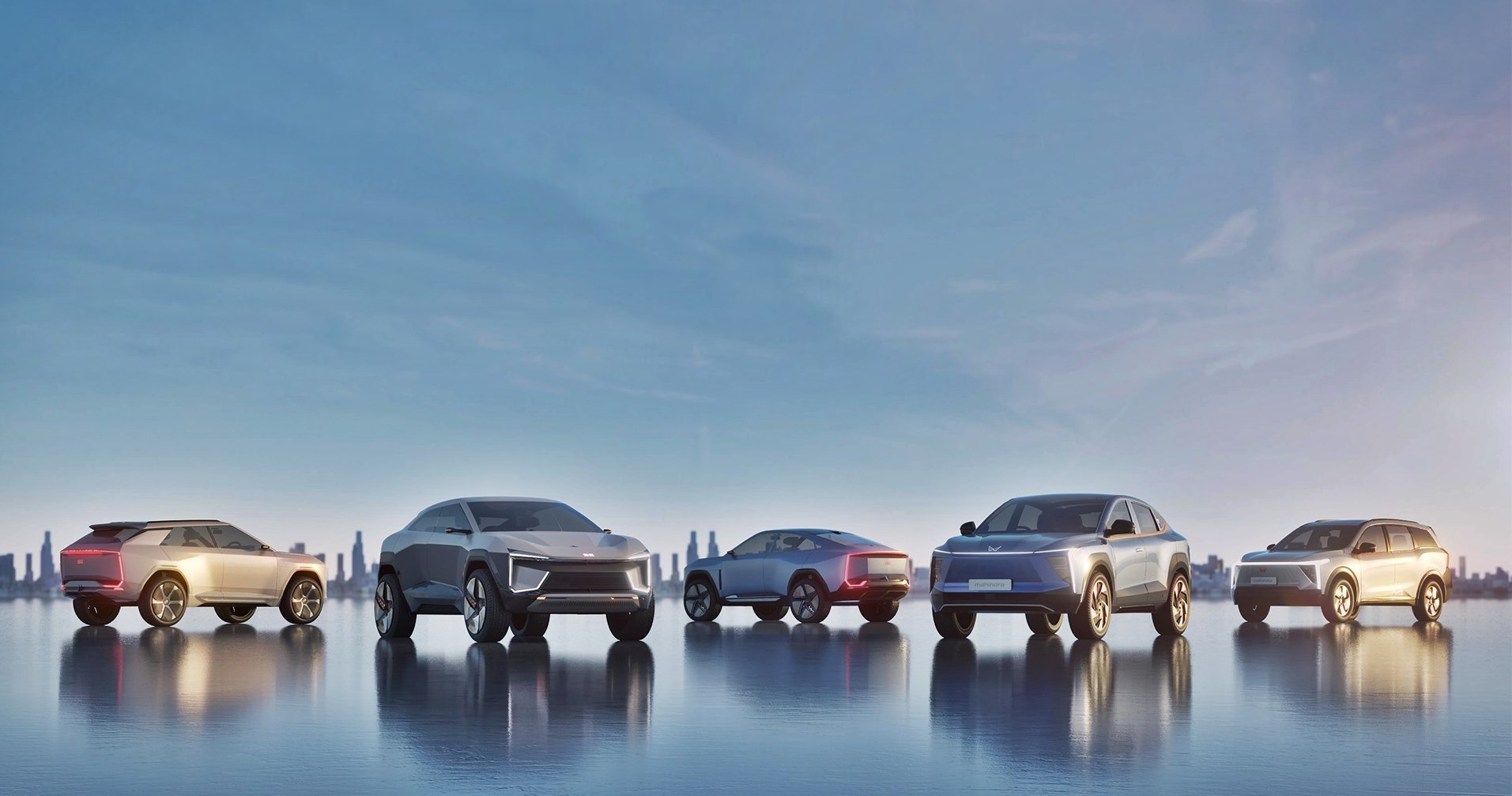
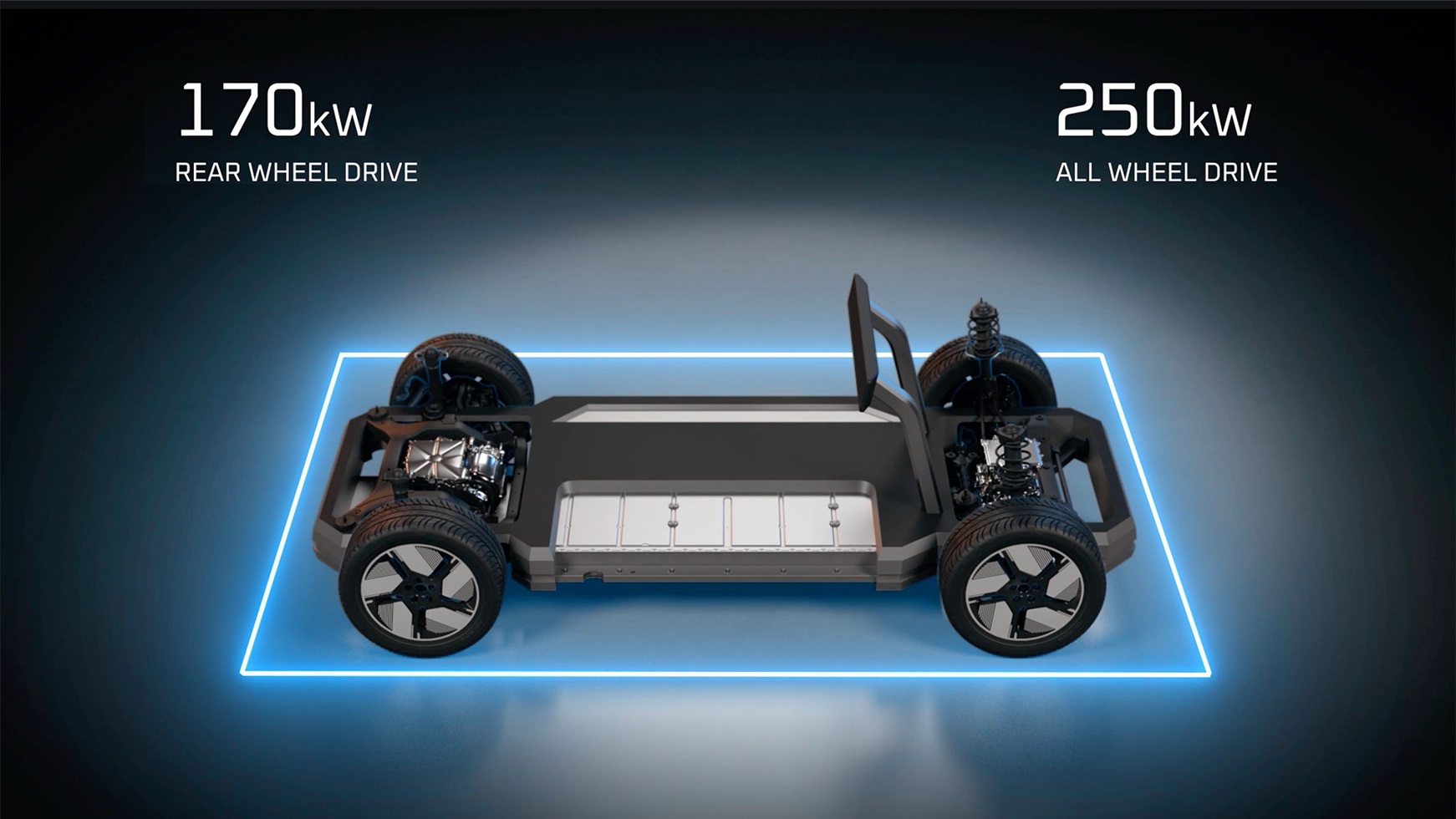
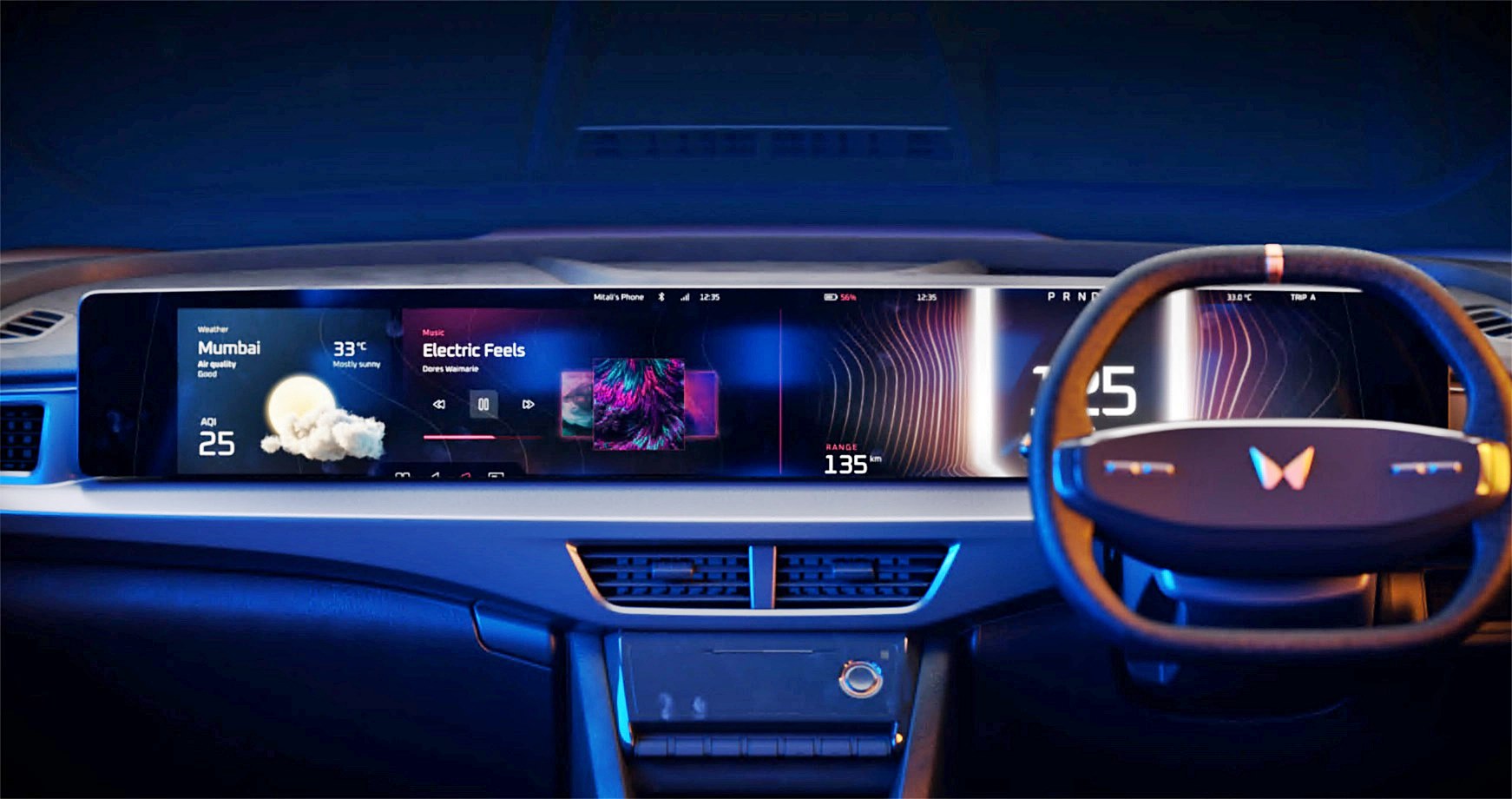
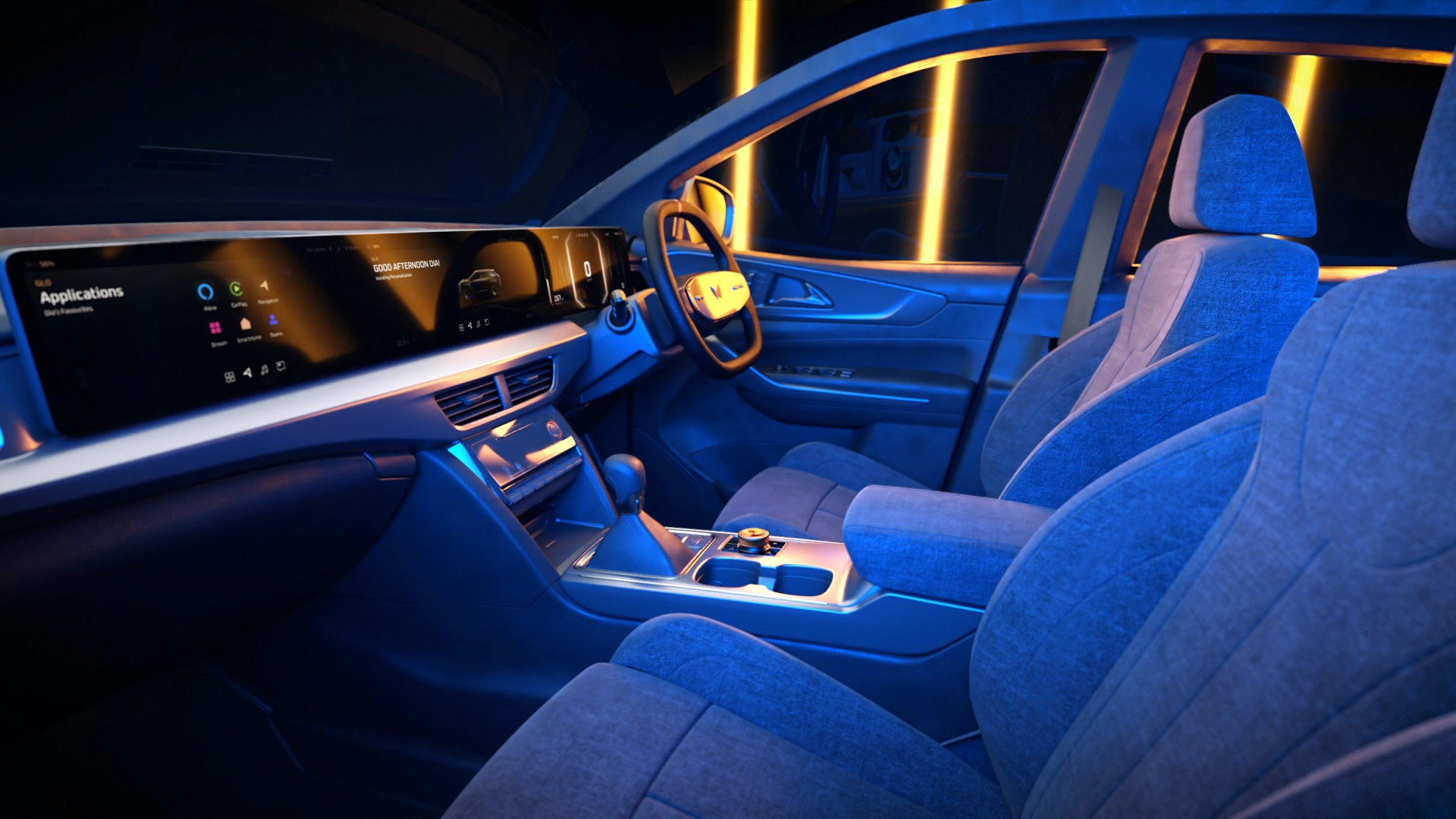
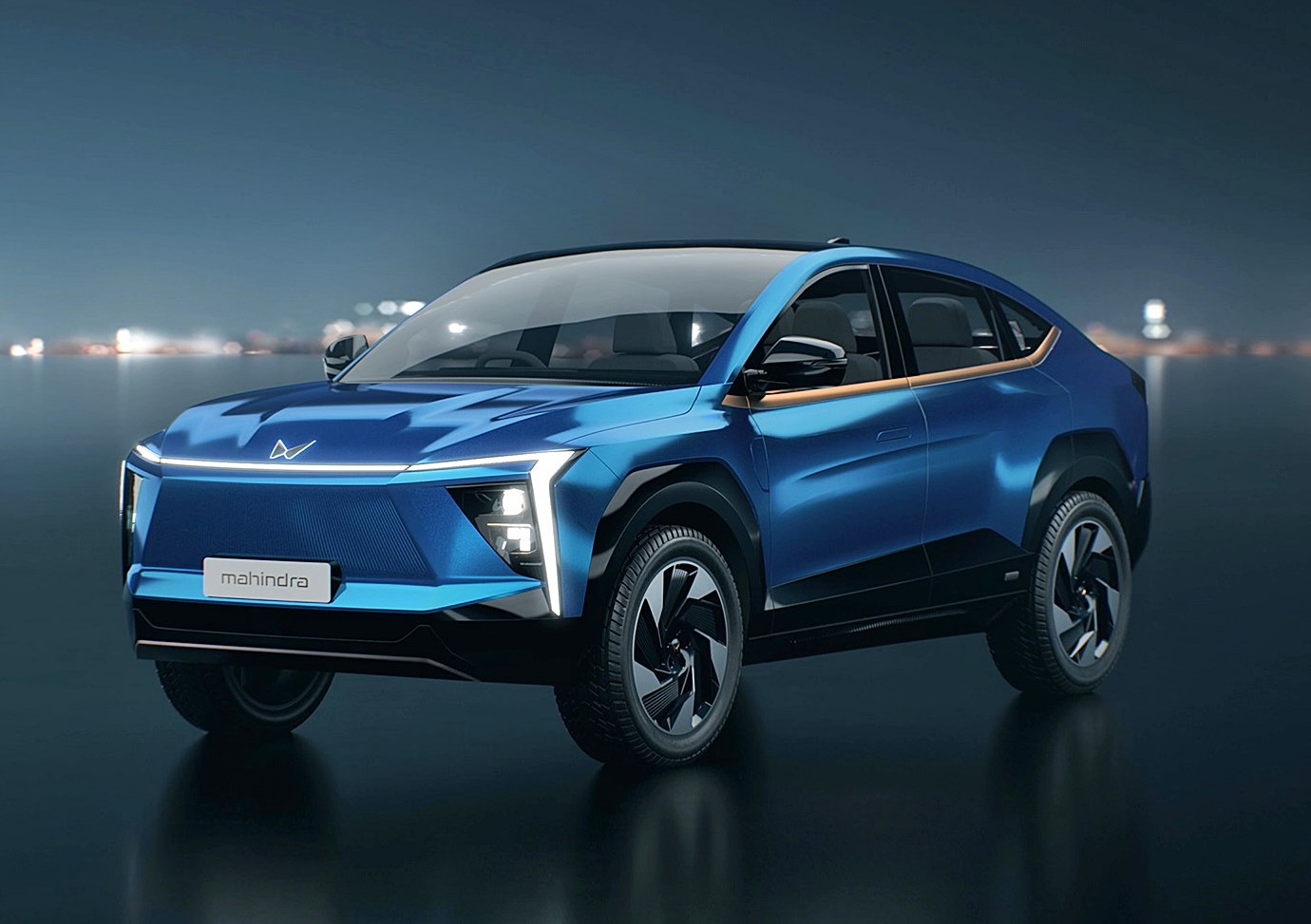
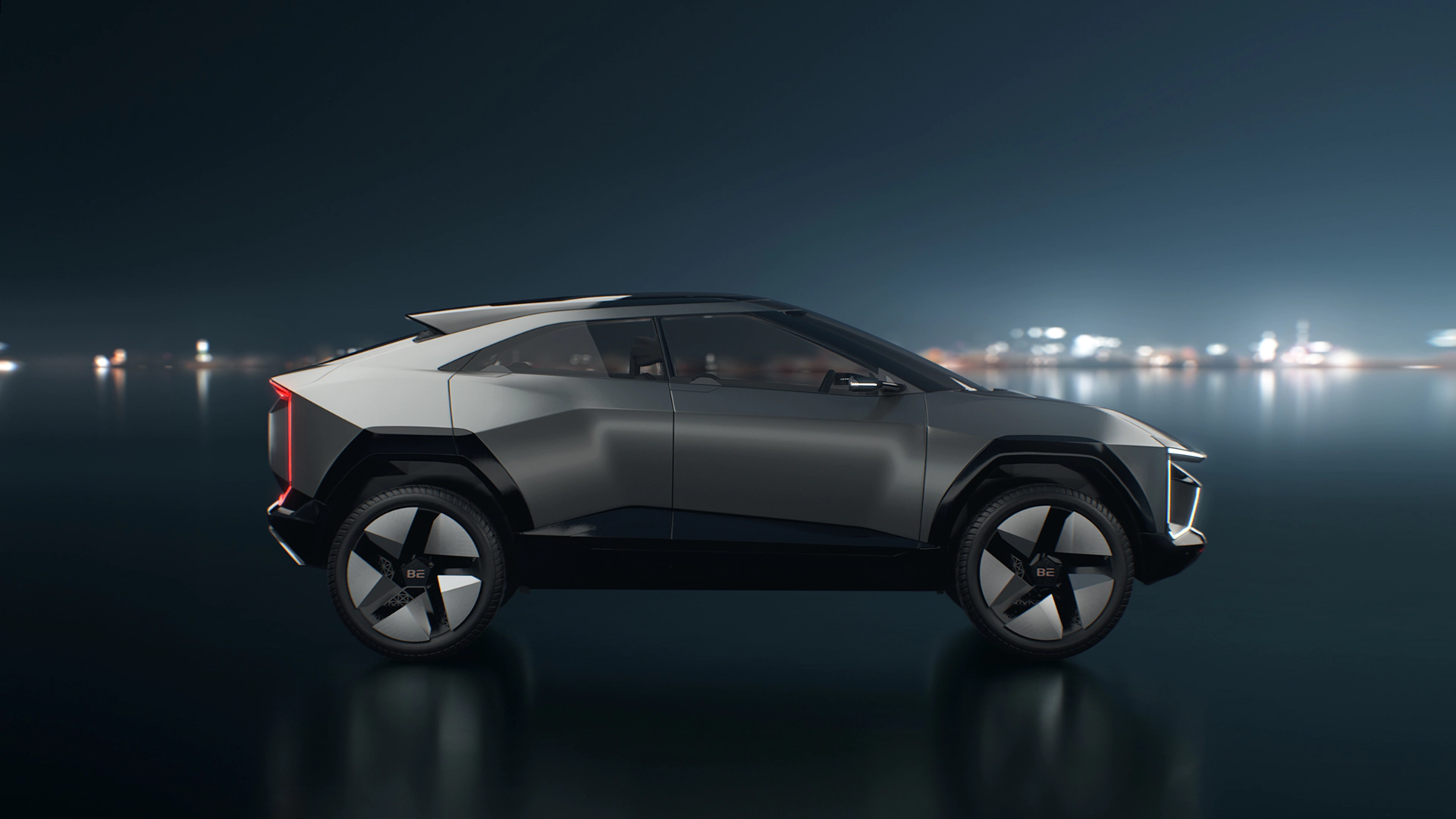
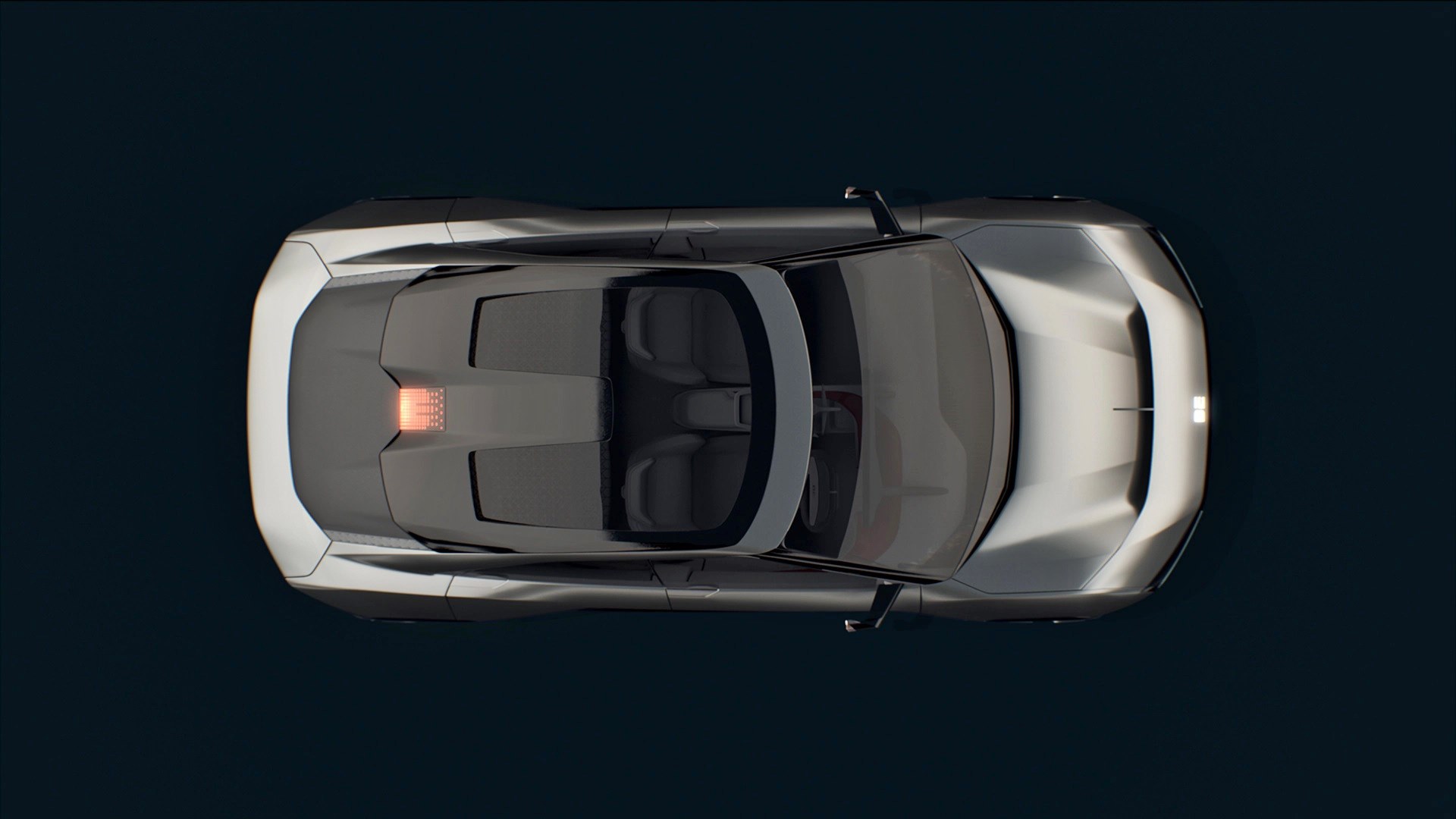
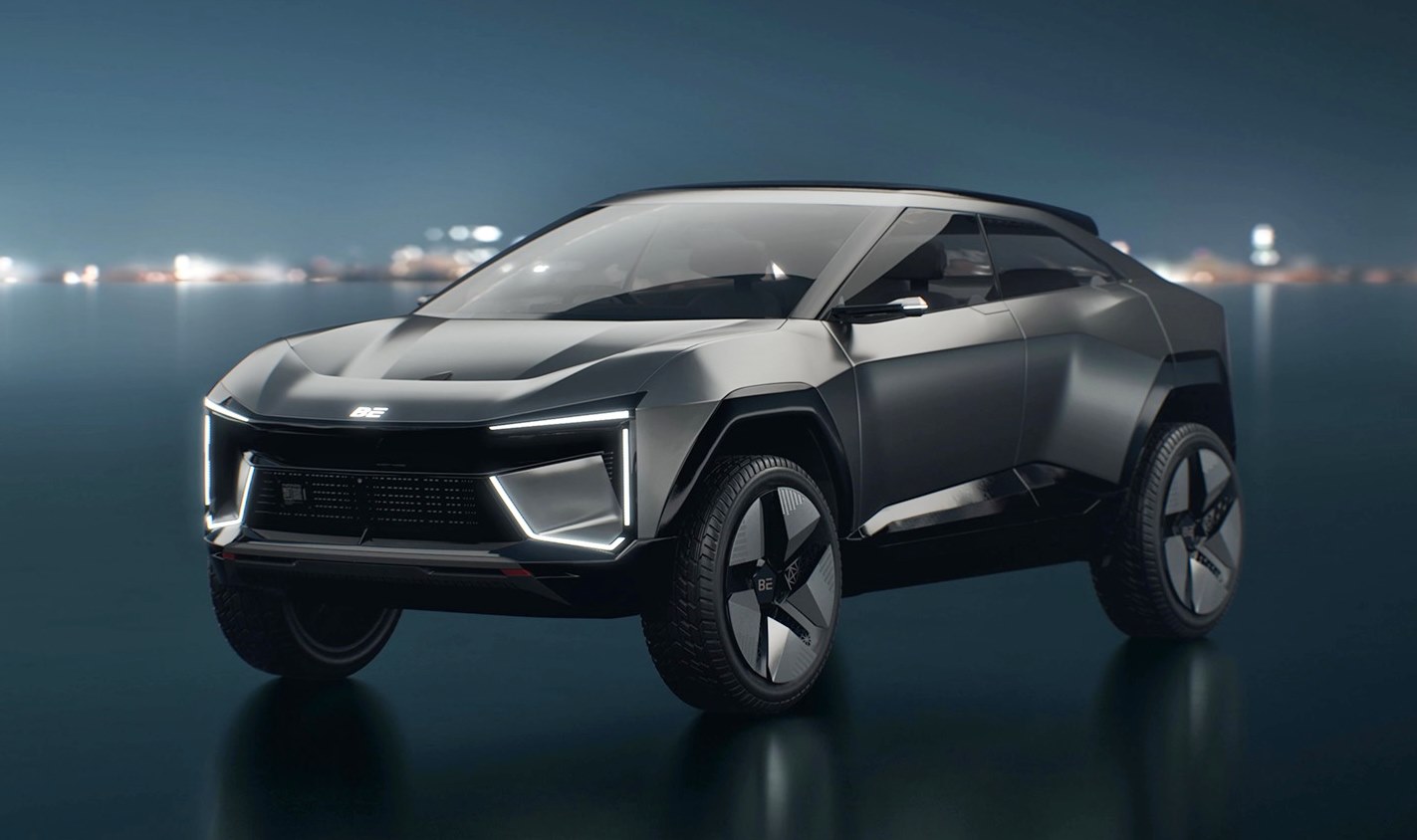
Two brands, 5 e-SUVs During the official opening recently, Mahindra & Mahindra, also presented its new INGLO EV platform (shown above) and 5 e-SUV proposals under two EV brands, showcasing its vision for the future of electric mobility. The new brands, created specifically for EV products are XUV and BE.
The first of the e-SUVs will be launched in December 2024, followed by two in 2025 and one in October 2026. The launch date for the fifth model is not confirmed but it will be a SUV grand tourer.
Cooperation with Volkswagen Group Additionally, Mahindra & Mahindra also announced a strategic cooperation plan with the Volkswagen Group which will see the German carmaker supplying its MEB electric components (electric drivetrain, battery system and battery cells) for the INGLO purpose-built electric platform.
The cooperation intends to have a volume of more than one million units over lifetime for the 5 proposed all-electric SUVs. The two companies also intend to explore further opportunities for collaboration, opening the perspective towards a broader strategic alliance to accelerate the electrification of the Indian automotive market.
This will encompass potential areas of collaboration in the field of e-mobility, including vehicle projects, the localization of battery cell manufacturing, and charging and energy solutions for the electric ecosystem in India.
“We are happy that we have identified a larger scope of collaboration between our two companies. Together, Volkswagen and Mahindra can contribute significantly to the electrification of India, a huge automotive market with ambitious climate protection commitments. The MEB Electric Platform and its components are key to affordable sustainable mobility around the globe. The partnership not only demonstrates that our platform business is highly competitive, but also that the MEB is well on track to become one of the leading open platforms for e-mobility,” said Thomas Schmall, Volkswagen Group Board of Management member for Technology and CEO of Volkswagen Group Components.
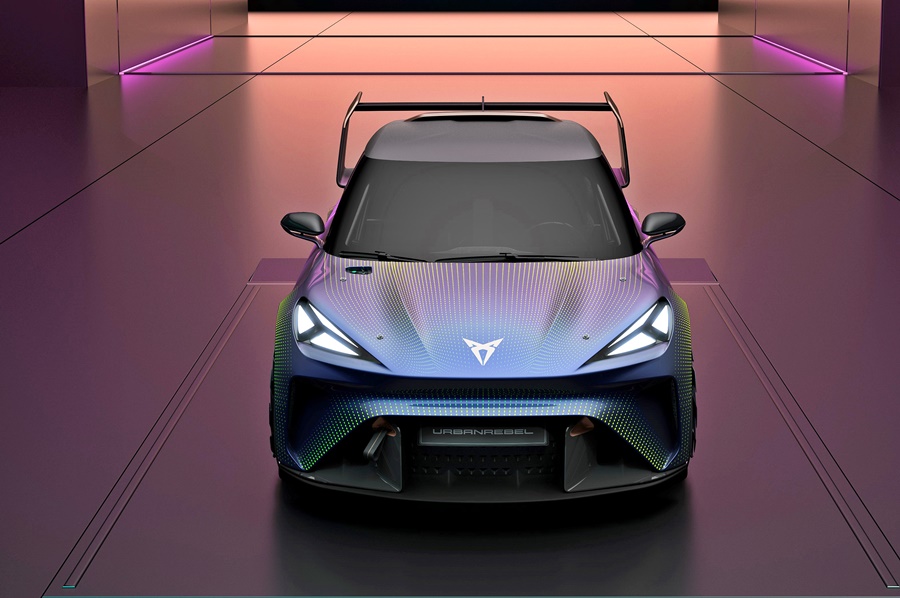
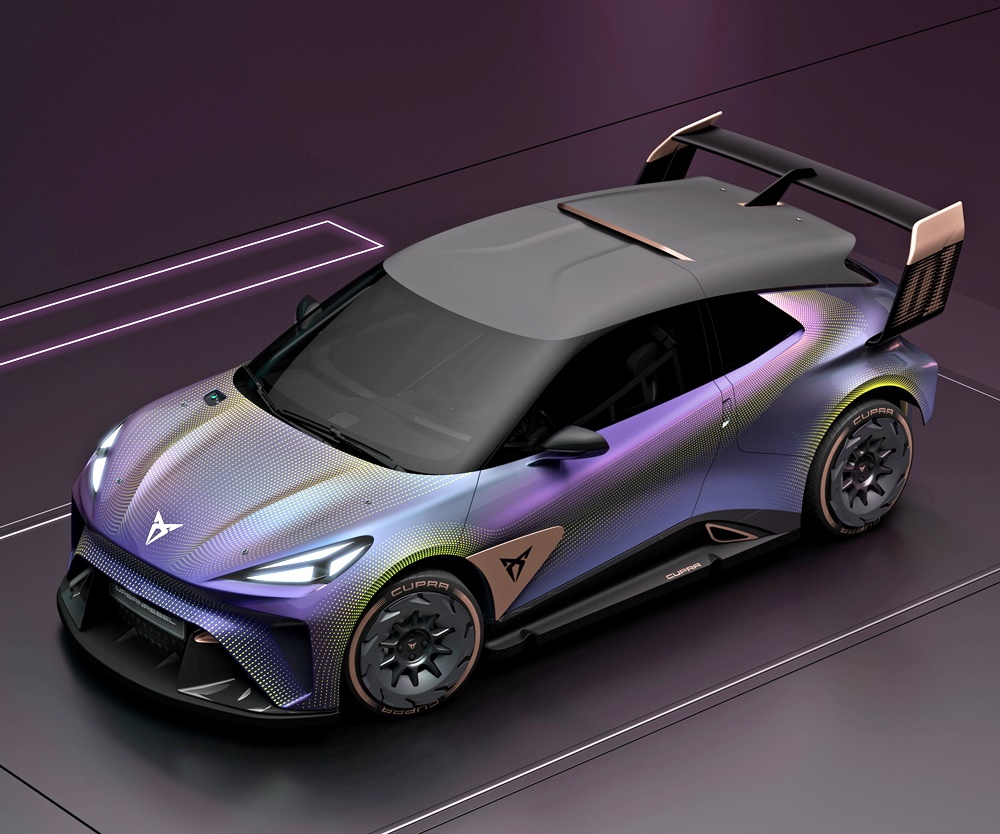
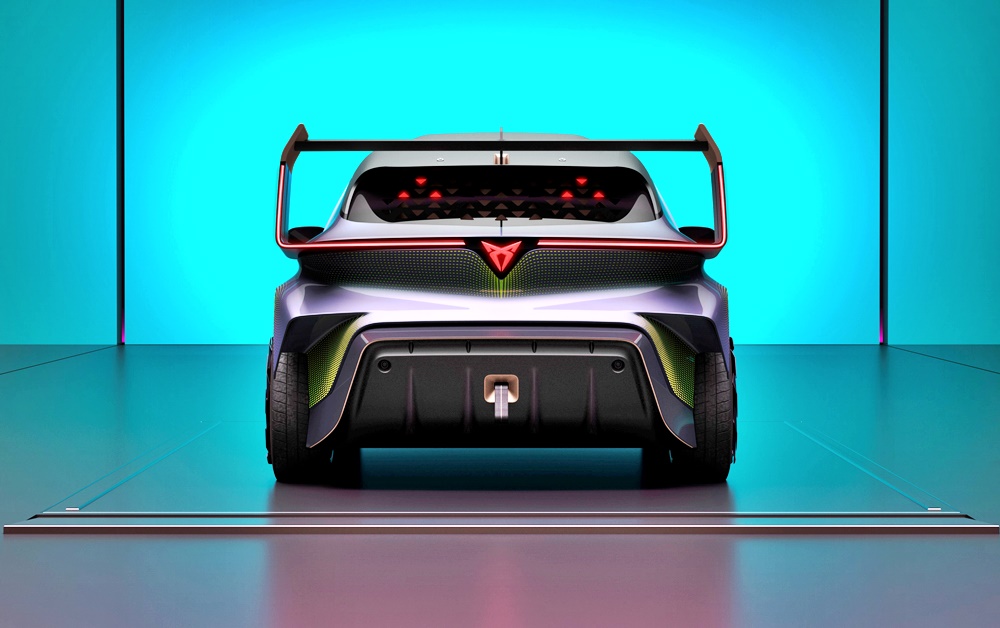
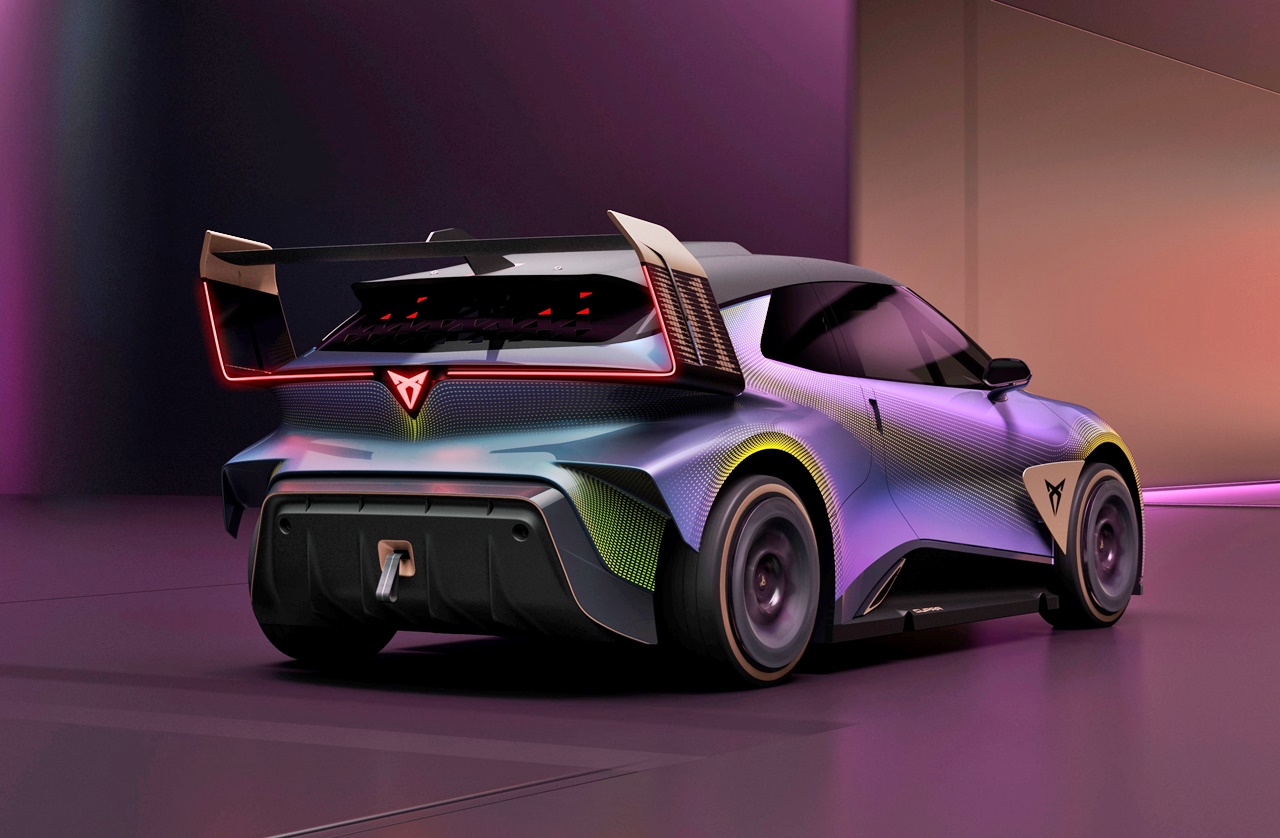
CUPRA, the high-performance subsidiary of Spanish carmaker SEAT, has revealed the design language that will be used for its urban electric vehicle (EV). Instead of just sketches, the company has built a full-sized prototype which it calls the CUPRA UrbanRebel Concept that will be displayed at the IAA Munich International Motor Show this month.
The CUPRA UrbanRebel Concept is designed as a racing car to push the limits in a radical interpretation of an urban electric car. Having a racing car as the basis for the design is because Racing is at the core of CUPRA’s DNA.
New electric car to be launched in 2025
“The CUPRA UrbanRebel Concept is a radical interpretation of the company’s urban electric car, due to be launched in 2025. This racing concept gives an idea of the design language of the future street-car and will inspire its creation” said Wayne Griffiths, CEO of CUPRA. “It builds on the design foundations of the 100% electric urban vehicle, that will be launched in 2025.”
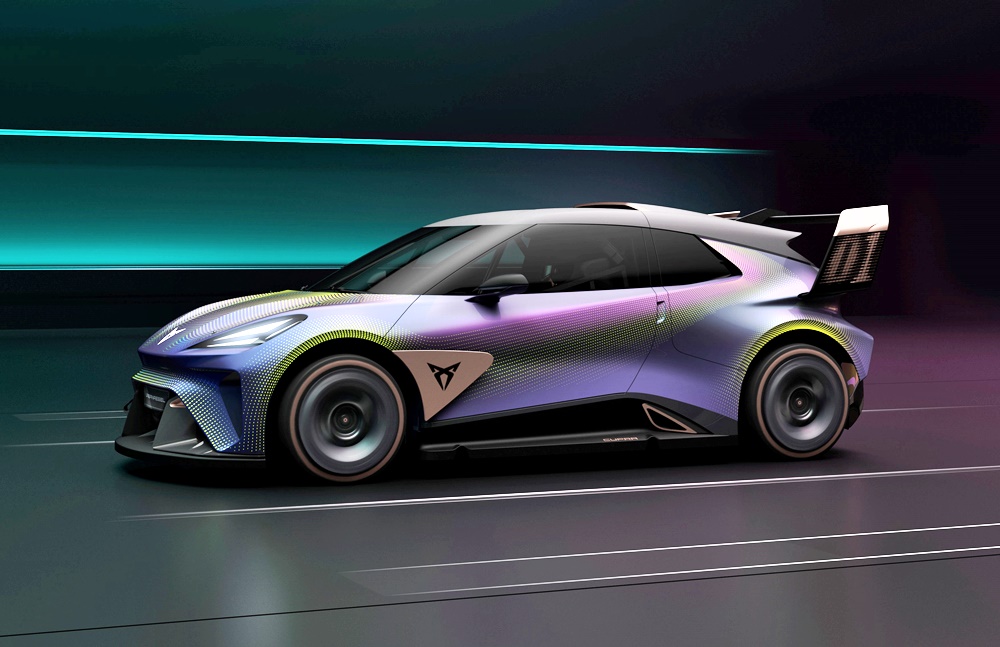
This racing version will influence the road version of the urban electric car, but the core elements are enhanced to give the vehicle an even more rebellious character. At the front, the shark nose was created using a negative surface. The front face is also emphasized by the new triangular signature in the headlamps.
Its wraparound window graphic generates the visual effect of a helmet – as in the CUPRA Tavascan Concept – and gives continuity between the windows around the whole car to deliver the effect of a floating roof.
Moving to the side, the car shows athletic proportions, thanks to the wedge line – from the C-pillar to the front door – with diagonal sculptural surfaces., that create tensional contrast. The rear view of shows athletic shoulders, in a new interpretation of the design seen in the CUPRA Formentor.
Influence from virtual world
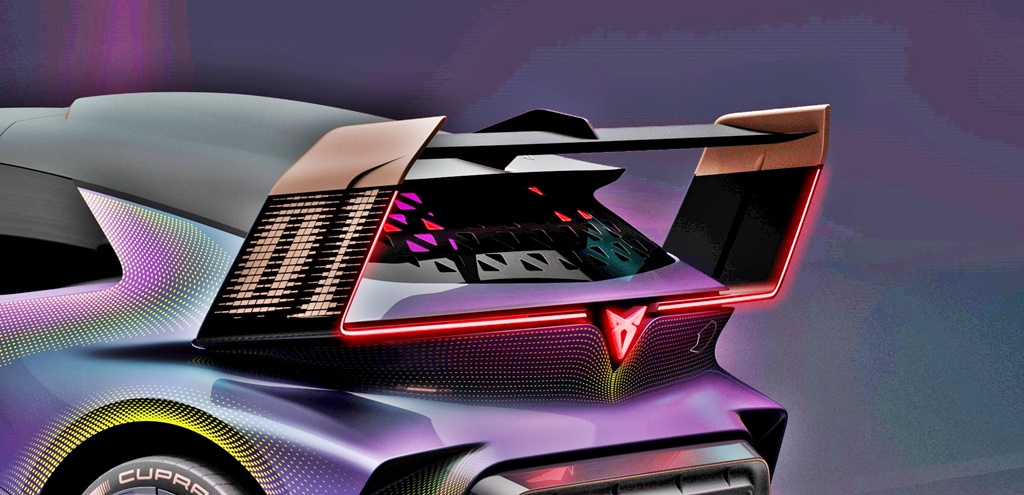
The rear features an iconic design, thanks to horizontal proportions. On top of that, the large spoiler – usually seen on racing cars seen in the virtual world – gives it an imposing sharp look underlined by the negative surface beneath it.
“The CUPRA UrbanRebel Concept injects a gamification look to the racing car, projecting a radical interpretation of the company’s urban electric car,” said Jorge Diez, CUPRA Design Director. “Each contoured line and sculpted surface in the design is brought to life by a livery that uses kinetic particles to add movement to the surface as light shifts across it.”
Volkwagen MEB platform for EVs
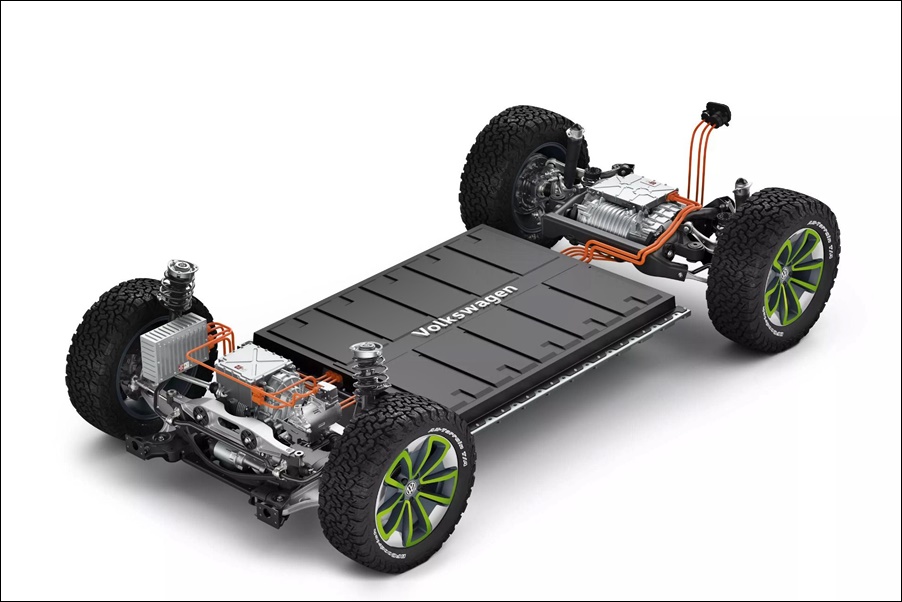
The car’s overall length is 4080 mm, with a width of 1795 mm and height of 1444 mm, which makes is slightly larger than a Volkswagen Polo but smaller than a Golf. It sits on the Volkswagen Group’s MEB (modular electric drive matrix) platform engineered for EVs. The output for the concept car is said to be 250 kW of continuous power and up to 320 kW at its peak. The factory claim for the 0 to 100 km/h sprint is 3.2 seconds.
Volkswagen Group MEB platform designed for electric vehicles.
The CUPRA UrbanRebel Concept is more than just a preview of a new model for CUPRA. It also involves the rest of the Volkswagen Group, which SEAT is part of. “The urban electric car is a key strategic project not only for our company, but also for the Volkswagen Group, as our aim is to produce more than 500,000 urban electric cars per year in the Martorell factory in Spain for different Group brands. The urban electric car will democratise and make accessible electromobility to the masses,” said Griffiths.
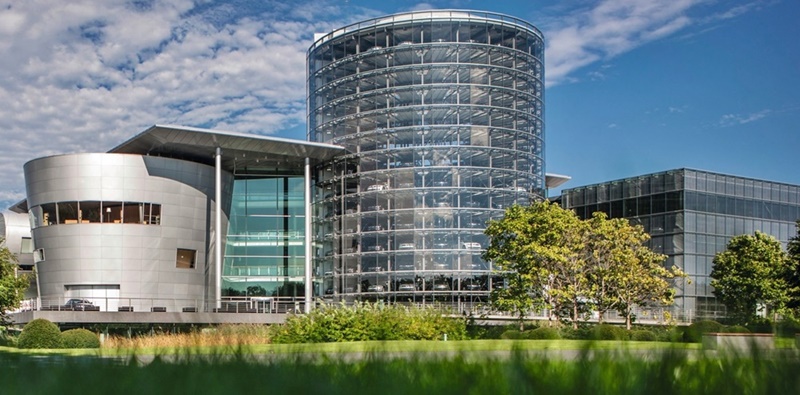
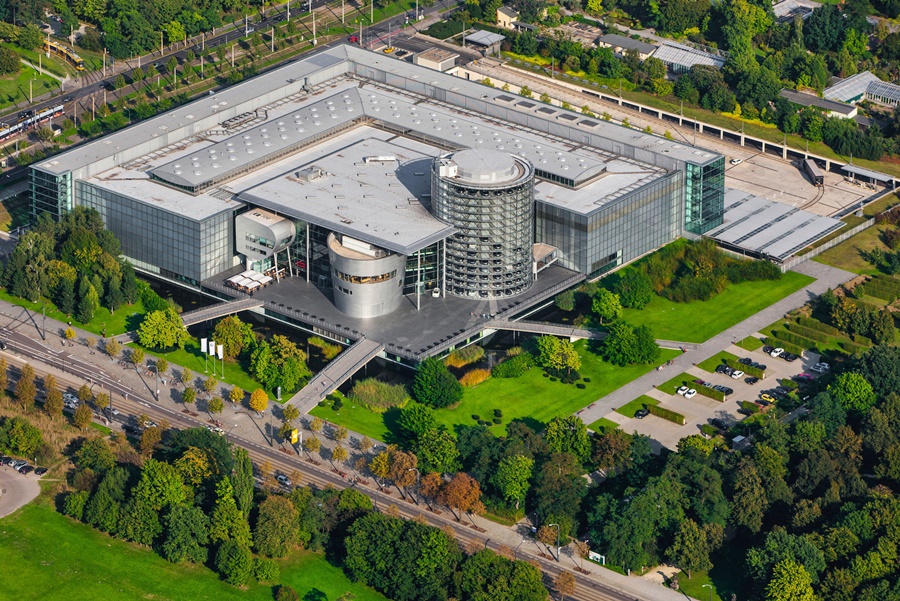
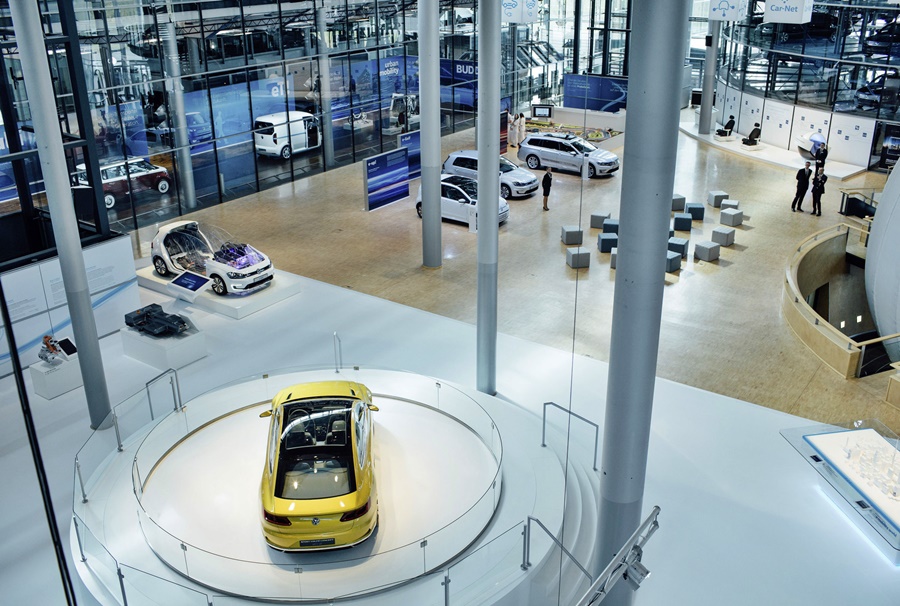
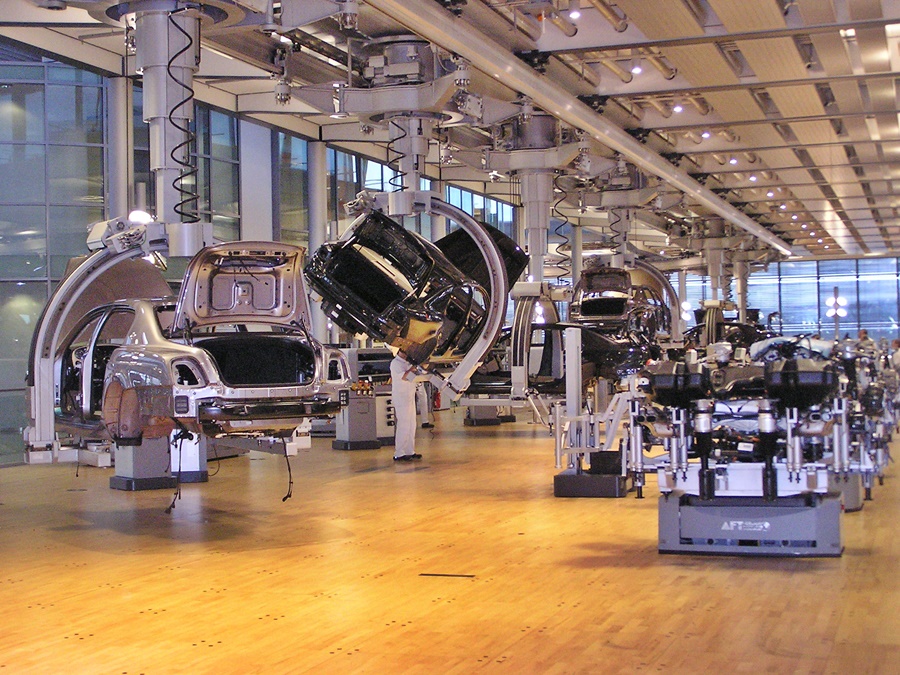
Volkswagen’s Transparent Factory, located in Dresden (which used to be in the former East Germany), began operations in 2002 making the company’s Phaeton luxury sedan. At one point, it was also used for production of the Continental Flying Spur by Bentley, which is part of the Volkswagen Group. The unique factory, with glass walls, also assembled the e-Golf.
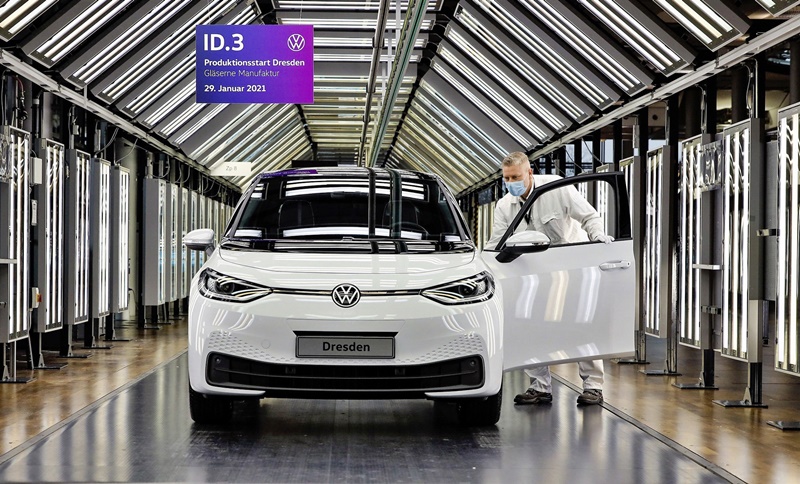
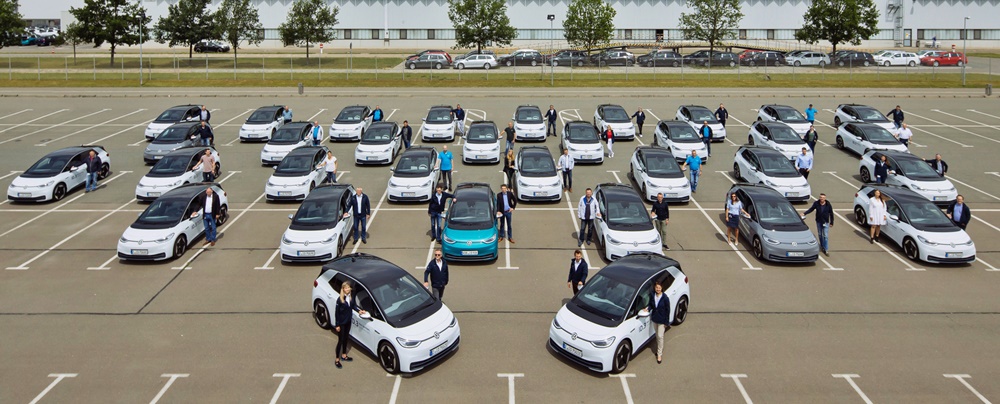
Now, it is making the ID, Volkswagen’s range of all-electric vehicles. It is the second production site for the ID.3 and already the fourth site in the world producing Volkswagen models based on the Modular Electric Drive Toolkit (MEB). Over the coming years, the former ‘Centre of Future Mobility’ will steadily transform into the ‘Home of the ID’.
Showcase for mobility of tomorrow
“The Transparent Factory plays an important role within the Volkswagen brand. Here, visitors, customers and guests come into direct contact with the mobility of tomorrow. We are a production plant, tourist attraction, event location, test lab and delivery centre – all in one. With the start of the production of the ID.3, we are giving the green light for our strategic realignment,” said Danny Auerswald, Site Manager of the Transparent Factory.
An additional focus of the strategic realignment is the development of a research and innovation site that drives innovative projects on a pilot scale for later use in large capacity sites at Volkswagen.
Holistic experience
As it was before, the Transparent Factory offers customers, visitors and guests a holistic experience of the ID. family – from initial advice and test drives, to production visits, co-constructing the ID.3 and modern event formats, up to the handover of the electric vehicles.
The first ID.3 rolled off the assembly line recently, and as with the start-up of the e-Golf in 2017, the production of the ID.3 will also start with one shift and 35 vehicles from Monday to Friday. Visitors can tour the factory from Mondays to Sundays.
The Transparent Factory, located in the former East Germany, also offers tours to the public and customers can collect their vehicles there as well.
In future, significantly more vehicles will be handed over to customers in the Transparent Factory. To that end, a second delivery point was recently set up in the factory – which is unique in the automobile industry. The number of vehicle handovers to customers is expected to increase from 1,301 in 2019 and 3,296 in 2020, to more than 5,000 vehicles in 2021. The goal is around 9,700 deliveries a year by 2022.
Conversion of the factory
At the beginning of 2021, the production area of the Transparent Factory was converted to meet the requirements of the MEB. The first conversions for the ID.3 already took place in summer 2020. As one of seven stations, the ‘marriage’, where the body and chassis are bolted together, was adapted. The conversion measures include, for example, the installation of a system on which the panoramic roof is fitted and for the adaptation of the gripping devices for installing the cockpit and seat system.
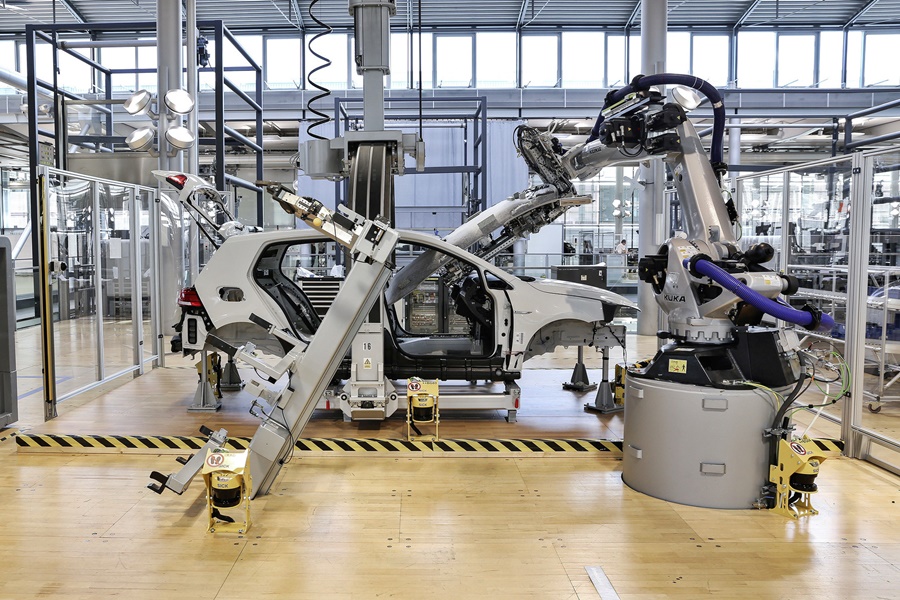
The factory produced the Phaeton as well as Bentley Continental Flying Spur (above) and e-Golf (below).
Fourth MEB factory
The Transparent Factory is already the fourth site in the world producing Volkswagen electric cars based on the Modular Electric Drive Toolkit. At the end of 2020, the Chinese sites in Anting and Foshan also started production of MEB vehicles. Together, the two plants in Germany and two plants in China have a maximum production capacity of more than 900,000 vehicles a year. Two more sites in Germany and one in the USA are also preparing for MEB production.
The topic of Production 4.0 will also be driven forward in the Transparent Factory. The guiding principle is the automation and digitalization of complex operations within assembly and logistics. Specifically, the factory will act as a planned pilot plant in the company for the development and application of new technologies in volume production processes.