Piston.my

Volvo

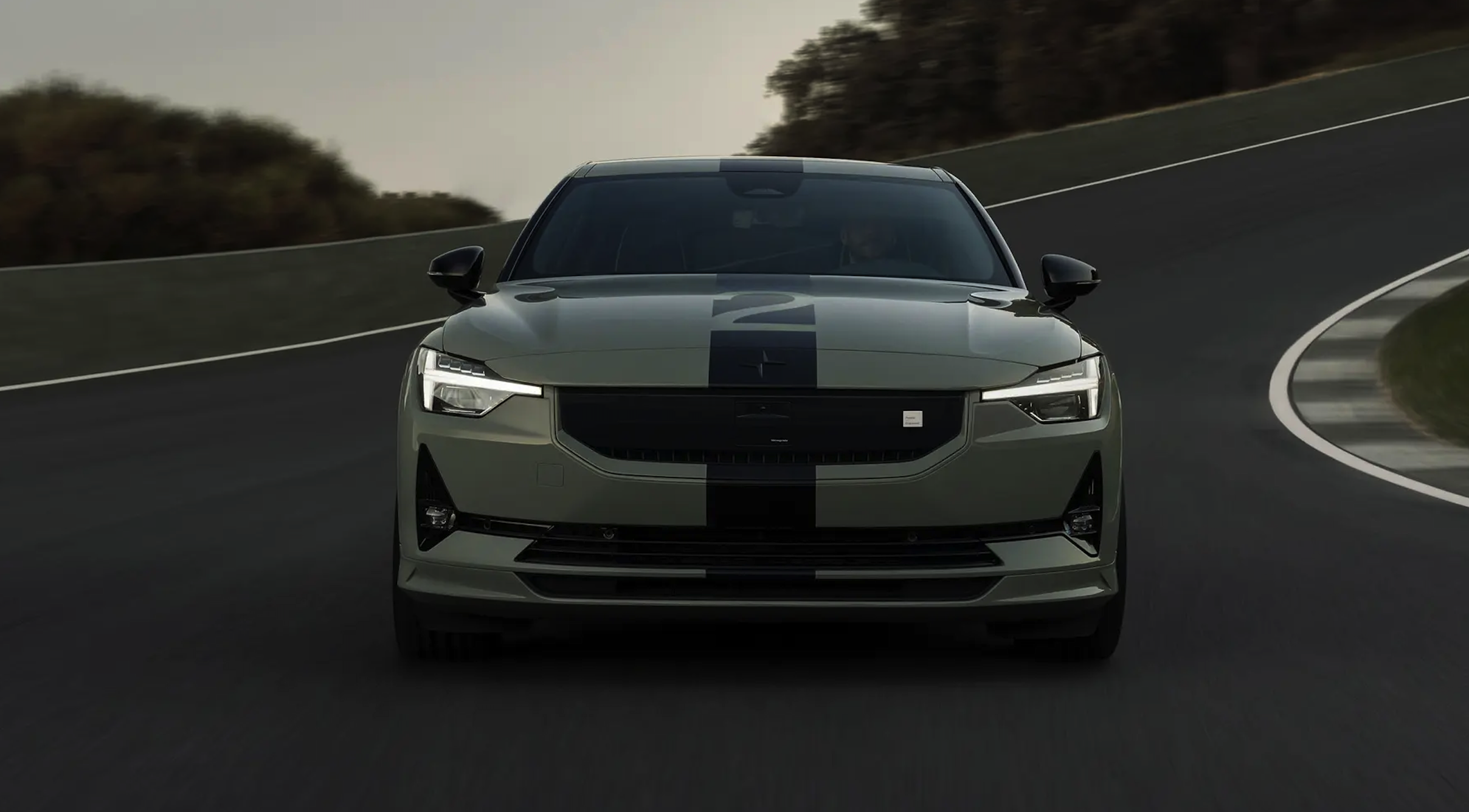
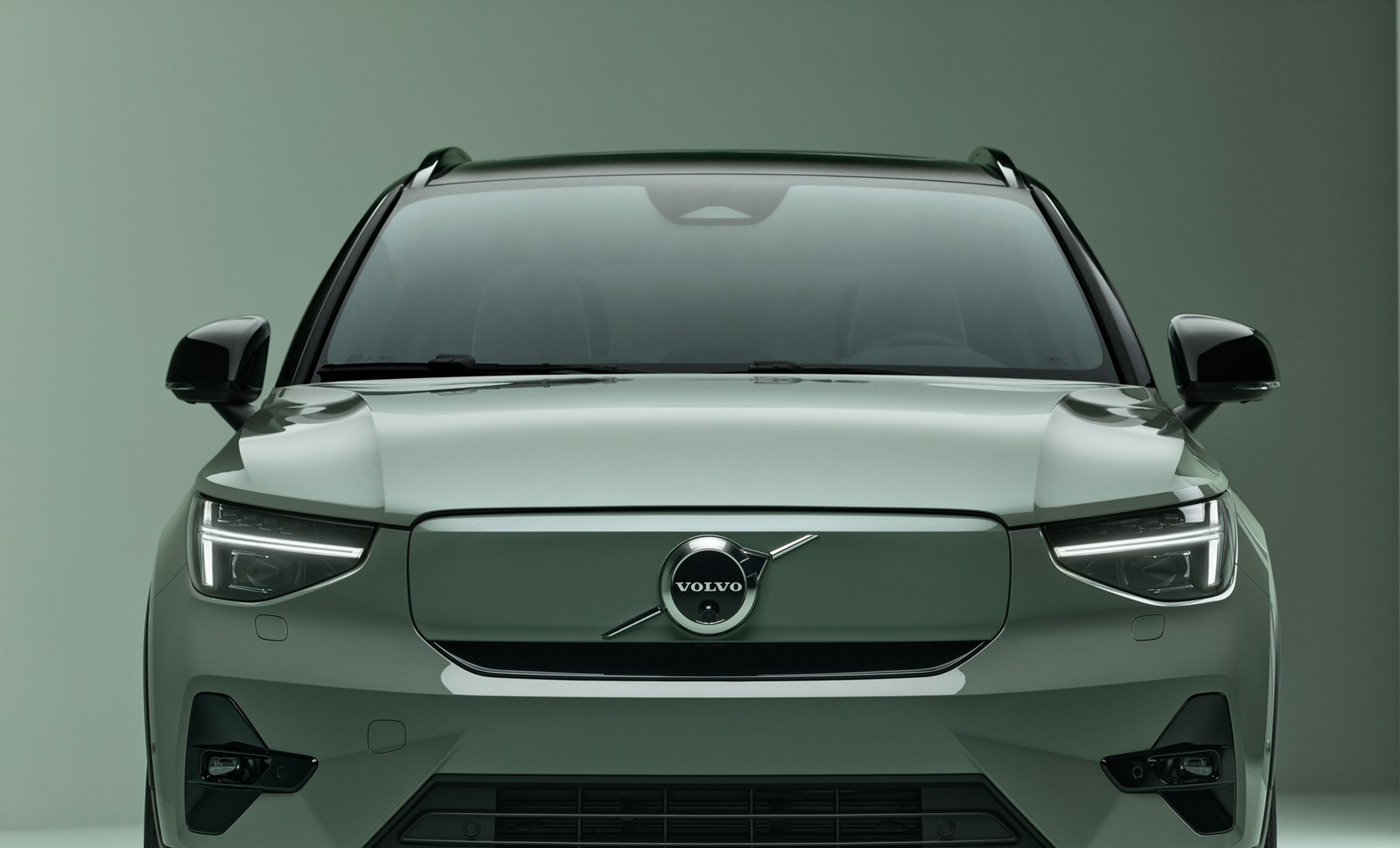
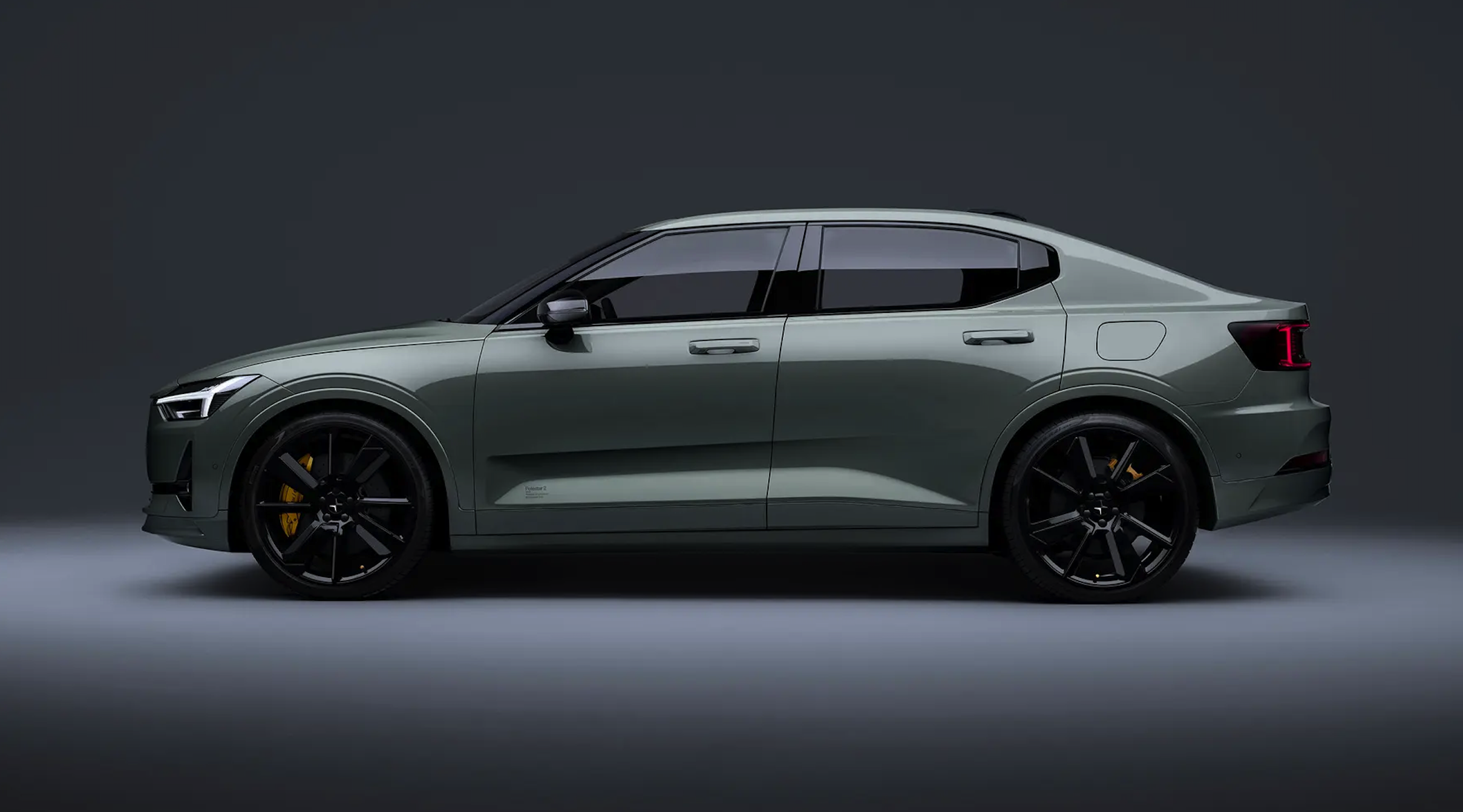
Swedish automotive powerhouse has released another beautiful addition to their portfolio. This is the second BST car to be manufactured and it will be limited to only 230 units.

(more…)

Volvo Car Malaysia (VCM) closed 2022 with another record sales volume with 3,194 vehicles delivered to customers nationwide. The achievement was the seventh consecutive year of sales growth for the Swedish brand, with the 43% increase over the 2021 volume also being a record.

Around 75% of all models sold were SUVs which, like the sedans and stationwagons, were assembled locally at Volvo’s own plant in Shah Alam, Selangor. Some of the output from this plant also goes to neighbouring countries as it is a regional production hub for Volvo.

(more…)

It was just 8 months ago that Volvo Car Malaysia (VCM) launched its first battery electric vehicle (BEV), the XC40 Recharge, and in doing so, it was also the first company to assemble a BEV locally. At that time, VCM said that it will launch one new Recharge model (the name given to BEVs) each year during the coming 5 years.

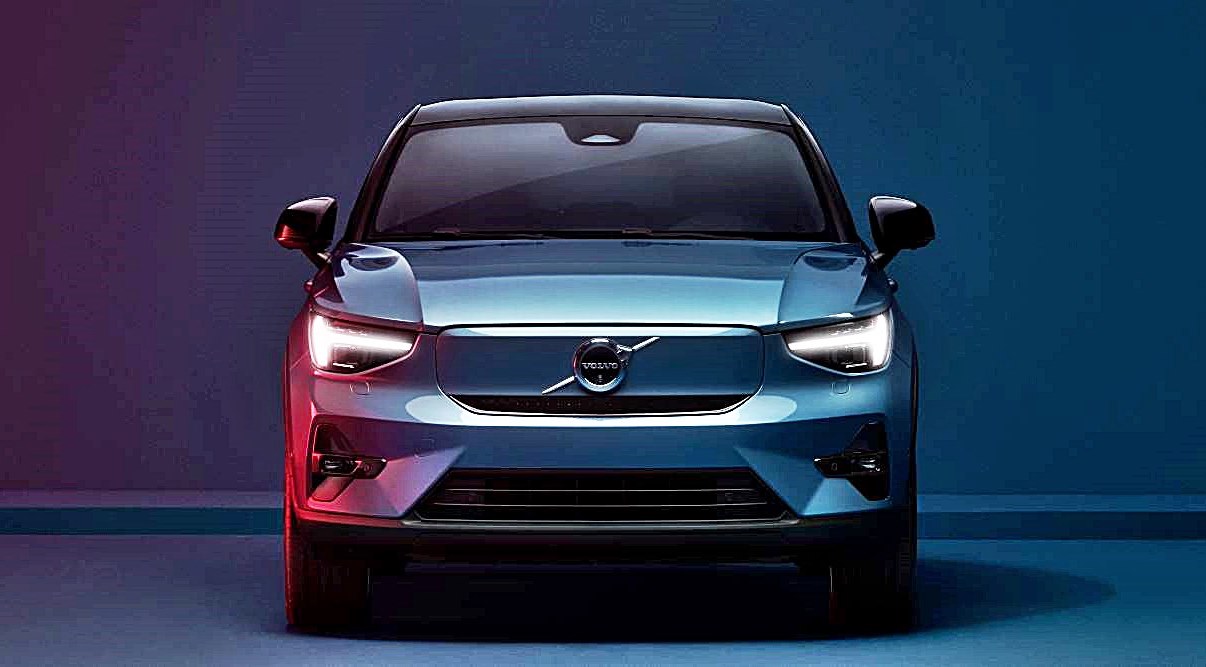
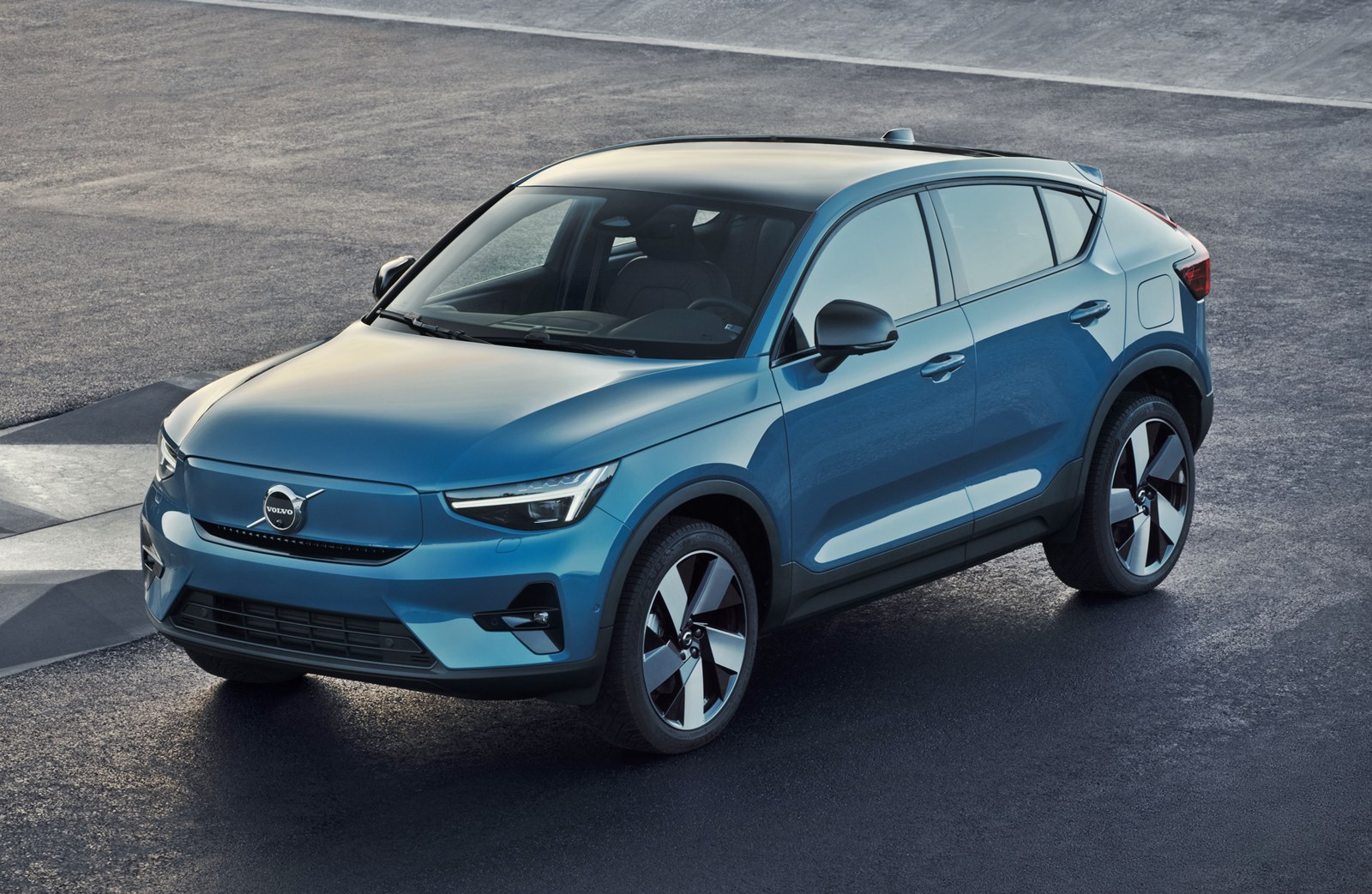
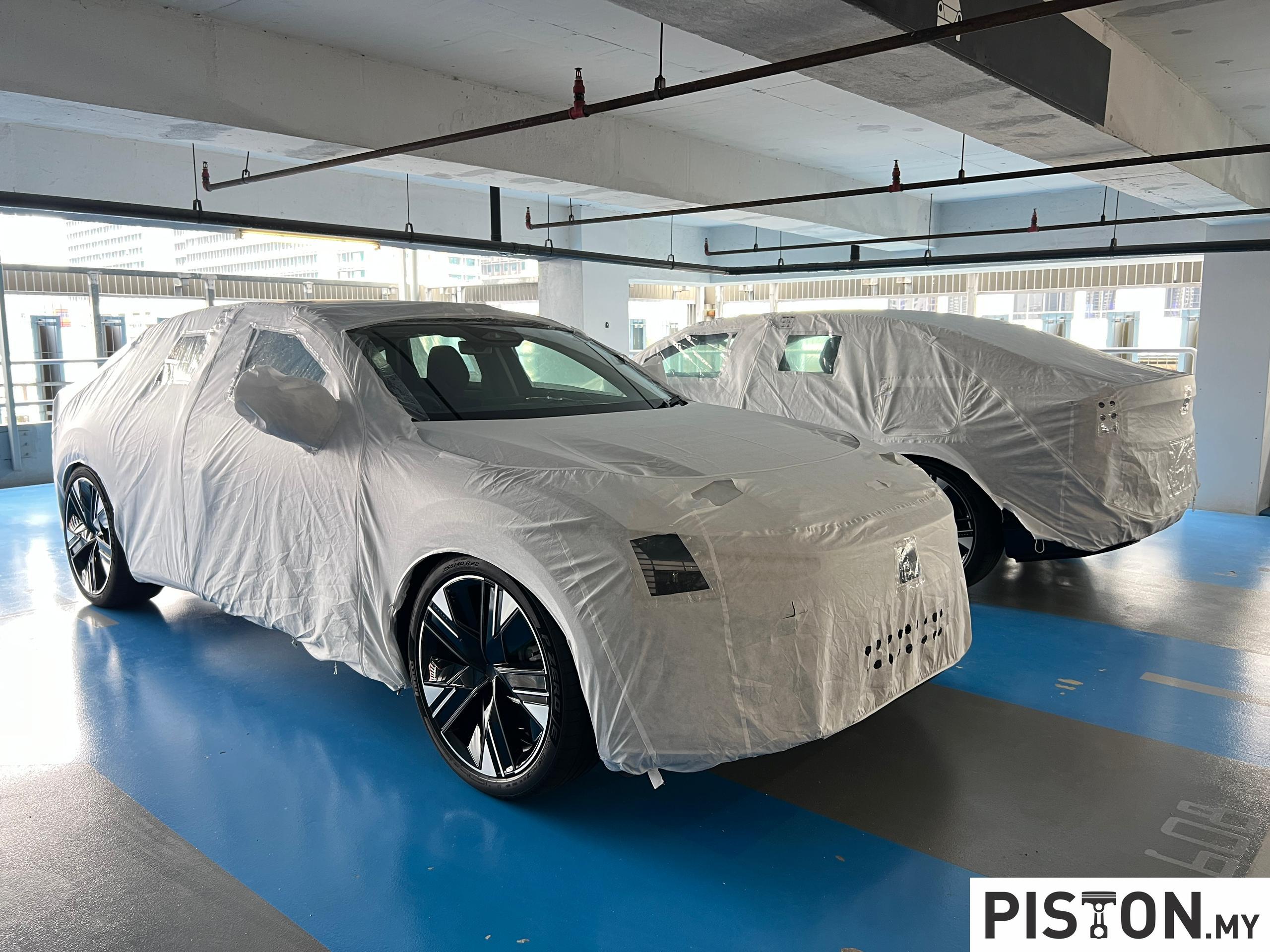
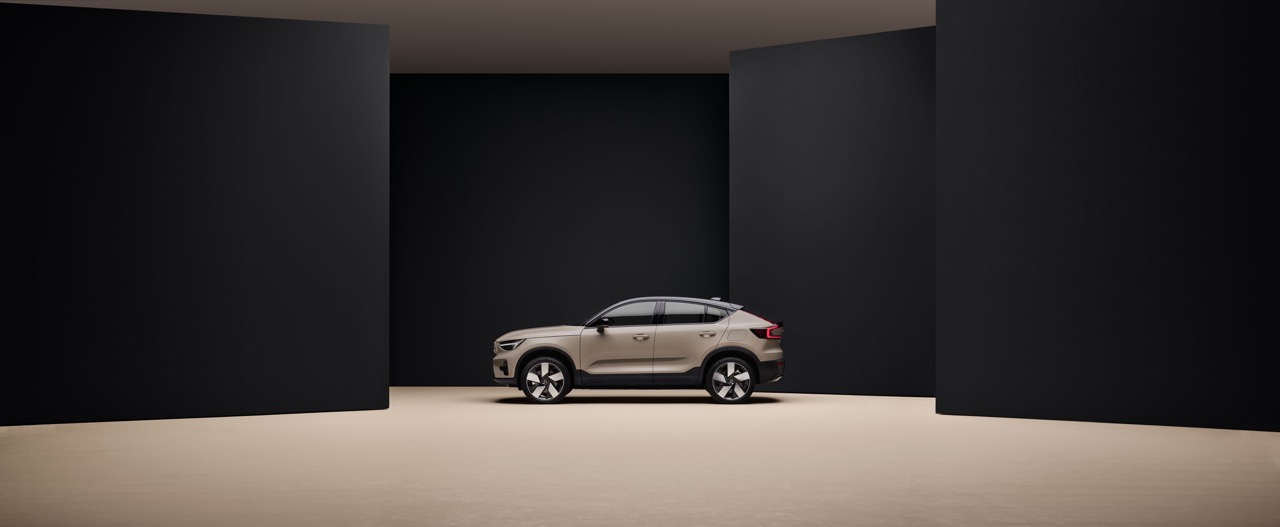
However, even before 2022 has ended, it has already launched the second Recharge model – or perhaps this is considered the one for 2023 (so there won’t be a new model next year). It’s the C40 Recharge Pure Electric and like the XC40 Recharge, it is also assembled locally at the oldest vehicle assembly plant in Malaysia, located in Shah Alam, Selangor. The plant is a regional production hub for Volvo, from which it exports various models around ASEAN.

Only one version of the C40 Recharge is currently assembled and even with tax exemption, it is priced at RM288,888 (without insurance), RM10,000 more than the XC40 Recharge. Still not mass market pricing but then again, this is a premium brand and the technology is expensive too.

(more…)

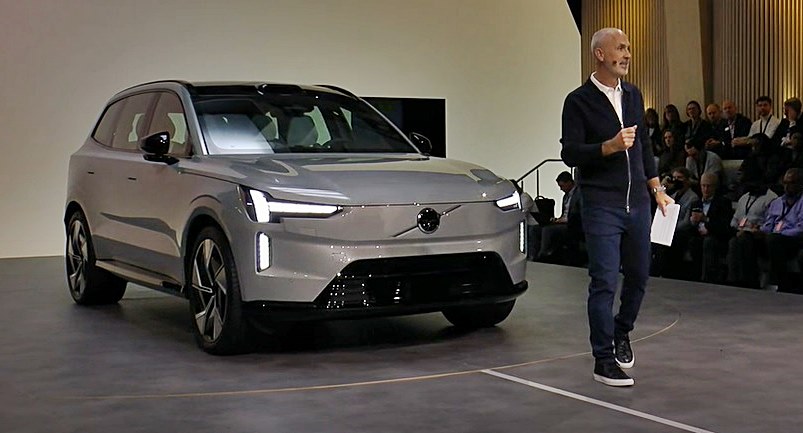
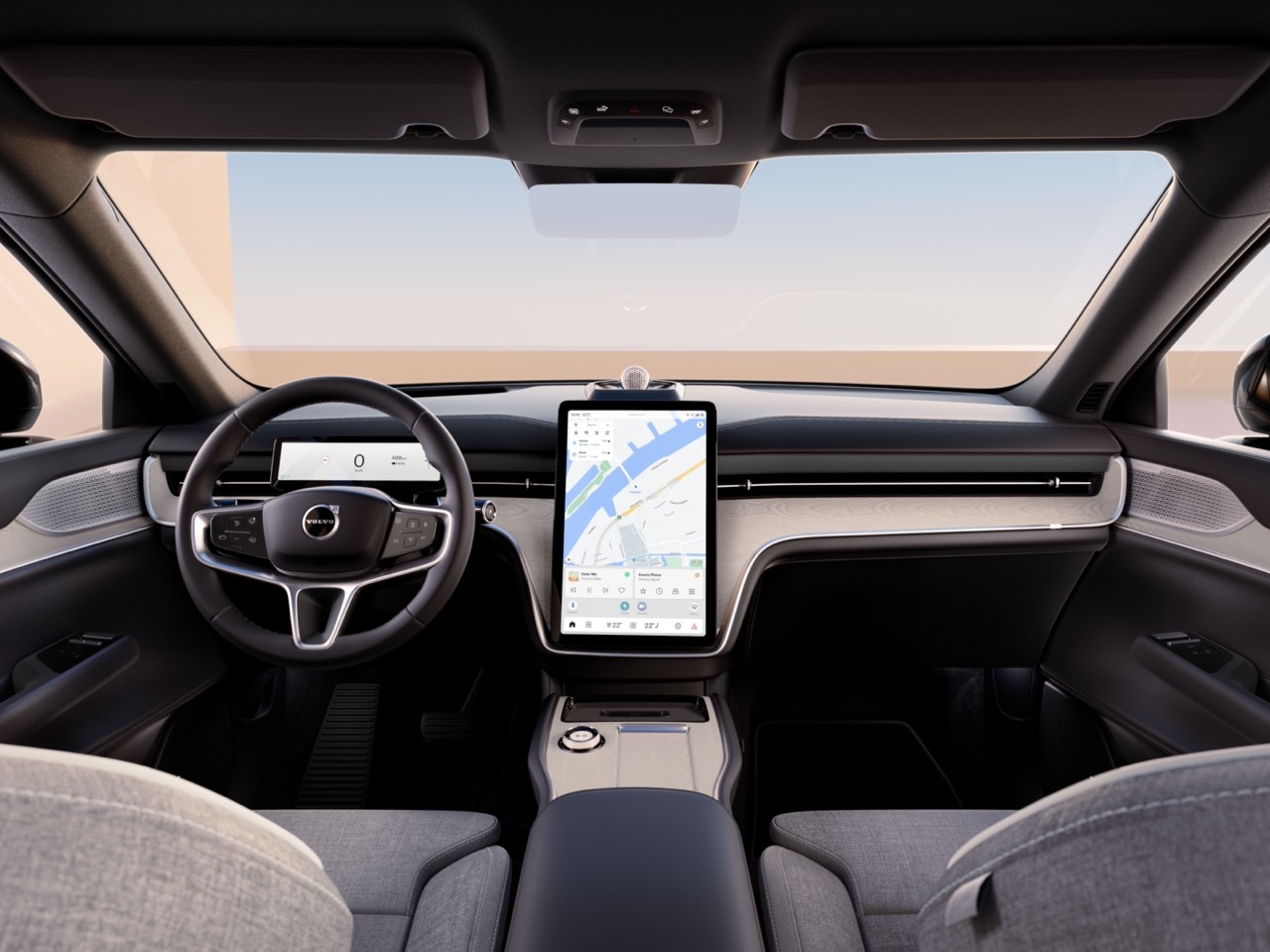
20 years after Volvo introduced its first SUV, the Swedish carmaker begins a new era with a totally new SUV that takes it into a fully electric future. Unveiled today in Sweden, the new EX90 is the first of a series of models that will enter the market at the rate of one per year. Volvo has declared that by 2030, it will sell only zero emission electric vehicles – one of the most ambitious electrification blueprints in the automotive industry.

“The Volvo EX90 is a statement for where we are, and where we are going,” said Jim Rowan, Volvo’s CEO. “It’s fully electric with a range of up to 600 kilometres on a single charge, designed to further raise our safety standards, the first Volvo car to be truly defined by its software and part of a wider ecosystem, connecting to your home and your other devices. The Volvo EX90 is the start of something new for Volvo Cars in many ways.”

(more…)

Volvo Car Malaysia has begun sales of an updated version of the Volvo XC40 Pure Electric, the first battery electric vehicle (BEV) from the Volvo range to be introduced in Malaysia. The model was well received when launched in March this year, with over 400 orders received within the first 2 months, all of which were delivered to customers by June 2022.

Priced at RM278,888 (excluding insurance for Peninsular Malaysia registration), the locally assembled XC40 Recharge gets a new colour (Fjord Blue) to join the choices of Black Stone, Crystal White, Sage Green, Silver Dawn, Thunder Grey. There are also minor cosmetic changes at the front and rear as well as new rims. Inside, Charcoal Connect Suede textile is used, with a new shift lever sculpted with leather-free charcoal material.

(more…)

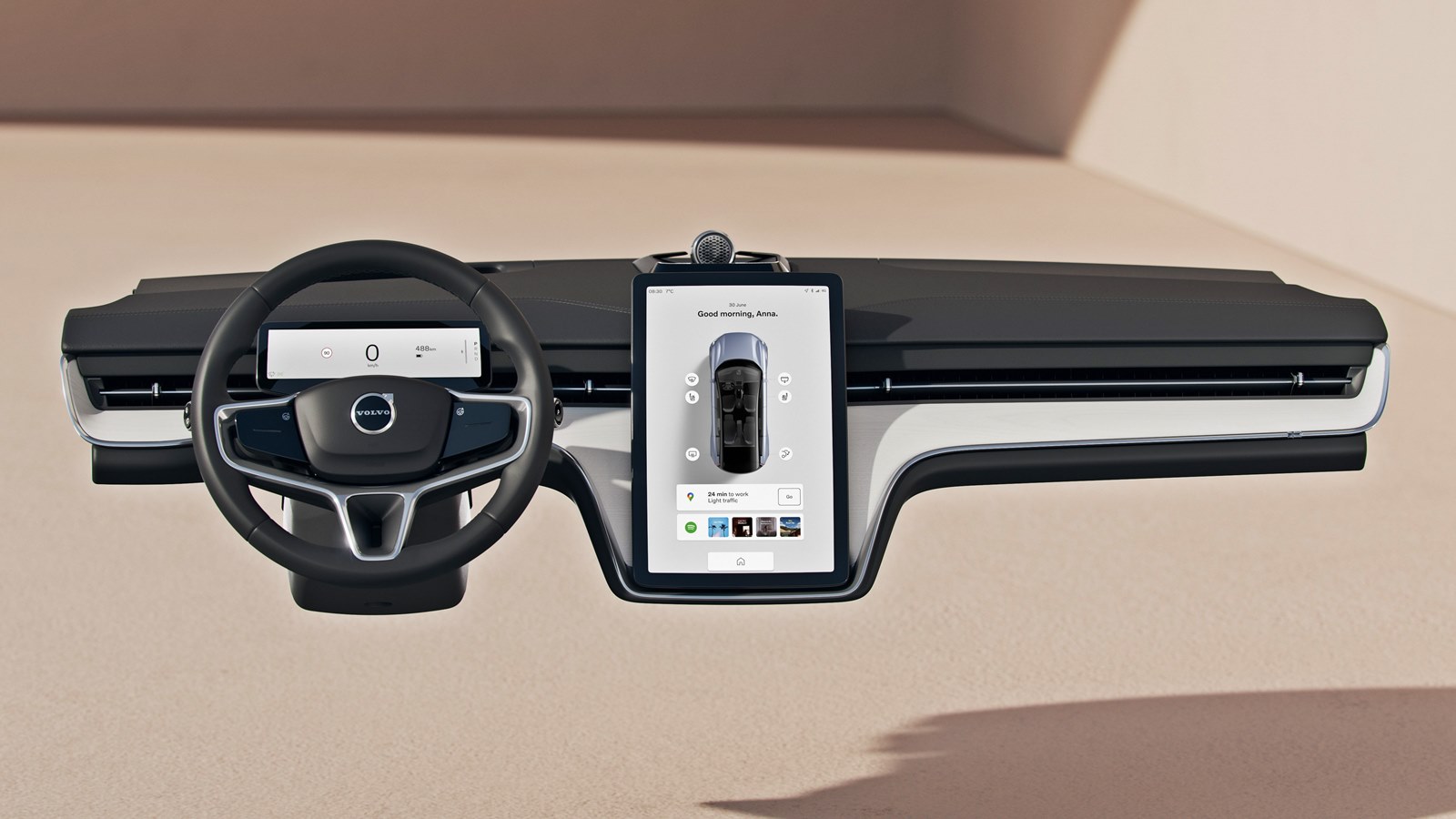
Being kept informed and aware are very important elements when driving. In earlier years, the driver only had a few instruments to monitor and to make things easier, warning lights were used so they would only give an alert when something went wrong. Then with electronics and miniaturization increasing from the 1980s, more meters could be inserted on the instrument panel to monitor more areas.

However, many meters were still physical and the number that could be installed was limited. Some even went onto spaces on the dashboard so the driver had to look at two areas. Slowly, the amount of information grew, and there was also more emphasis on being aware of what was going on outside for safety. So the driver began to have a lot of information to view, absorb and process and unlike computers that kept increasing their processing power.

This led Volvo to develop IDIS – Intelligent Driver Information System – an approach which was introduced in the S40 in 2003. IDIS was to prevent information ‘overload’ so the driver would not be distracted while driving but still be alerted if there was something important relating to the car’s operation. The system worked by prioritizing the information and services in the car, depending on the current driving situation. If necessary, the system would delay information during times when the driver was in a situation of higher ‘workload’. However, information vital to safety was never delayed and even the delays were maximum 5 seconds.

(more…)

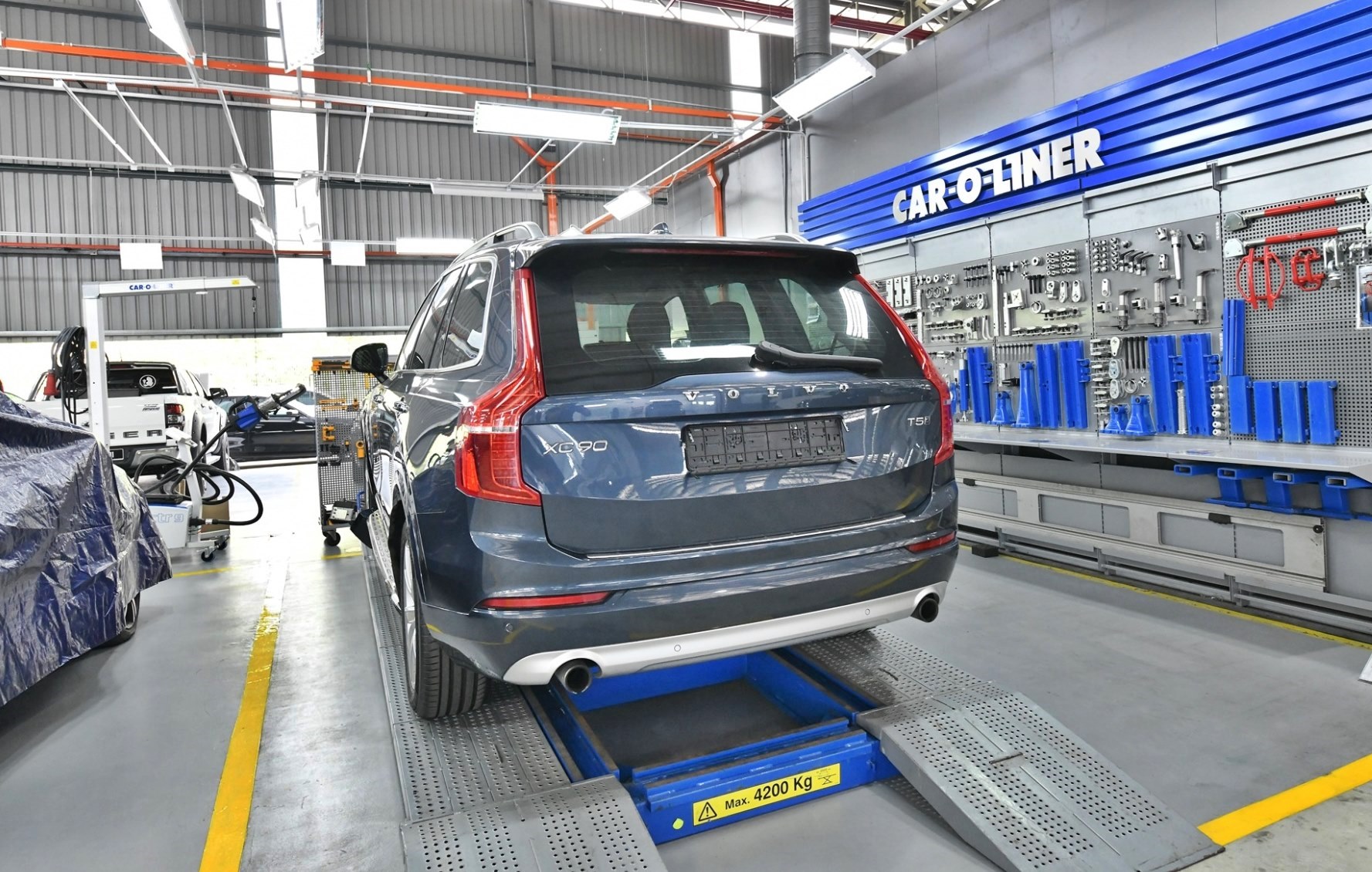
Sime Darby Motors represents (through its subsidiaries) a number of different automotive brands and as part of its commitment to principals, it has to provide a high standard of sales and aftersales support. Besides showrooms, Sime Darby Motors also has a Centralised Body and Paint Centre located in Bukit Jelutong, Selangor, to provide repair and refinishing services.

The Sime Darby Motors centre was recently accredited to the Volvo Certified Damage Repair (VCDR) standard for such facilities. This means it meets the high standards set and required by the Swedish carmaker for such services. The VCDR standard involves the use of a state-of-the-art body repair system and advanced tools, including a fast and highly accurate 3D sensor-equipped measuring system. An efficient paint booth setup was also put in place, creating a well-ventilated and dust-free environment.

(more…)

It’s hard to imagine that parents can take their children out in a car and forget about them after parking and getting out. But from the periodic news reports of children being trapped in cars because their parents forgot about them, it does happen – and sometimes a tragic death occurs.

US government statistics show that since 1998, more than 900 children in America have died after being left in hot cars. Heartbreakingly, a majority of hot car deaths occur because someone forgot that their child was in the car at the time. No statistics are readily available for Malaysia but it does happen too.

Volvo as a safety pioneer has given this matter attention and used its technological expertise to develop a system which can help ensure that no one will be left behind or forgotten. It’s a radar system for use inside the cabin and also covers the boot compartment. The radar’s sensitivity is strong enough to detect the tiniest movements at sub-millimetre scale – such as those of a sleeping toddler or even a pet.

(more…)

If your Volvo looks like it’s been through a crash test after an accident and you would like to continue using it, you can get it restored to a condition safe to be driven, certified by Volvo. Two authorized Volvo dealerships in Malaysia now have Volvo Certified Damage Repair Centres (VCDR) which can provide end-to-end high quality body repair and paint services that meet the Swedish carmaker’s standards.

The two dealerships are Federal Auto Cars (located in Glenmarie, Selangor) and Sime Darby Swedish Auto (Ara Damansara, Selangor). Malaysia is the second country in the region to have such facilities. Each facility measures 11,133 square feet and can handle up to 1,260 vehicles a year.

“We are very happy to be able to witness the milestones that Volvo Car Malaysia has achieved thus far,” said Nick Connor, Head of Volvo Cars APEC. “From the implementation of a global electrification strategy to selling the XC40 Recharge Pure Electric, here we are today, launching Volvo Car’s VCDR to further realize our vision in offering the highest standards of aftersales care to our customers. We are very happy that through the investment made by our partners, Malaysia is now the second country in the region to introduce VCDR.”

(more…)
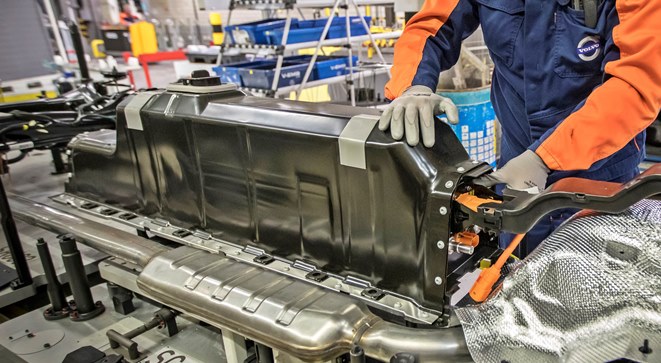

Batteries are one of the most crucial parts of an electric vehicle (EV); without it, the electric motors won’t run and the vehicle won’t move. So it’s not surprising that battery technology is continuously being advanced. It could be even more advanced, had the EVs which were around over 100 years ago remained popular but the drawbacks of batteries then meant that the combustion engine gained more favour and killed the EV.

In the 21st century, the EV’s popularity has been ‘forced’ by regulations which aim to address climate change as quickly as possible. Thus, advancement of battery technology has to be accelerated to provide better storage capacity and greater efficiency. Within a year, batteries can make big leaps in performance to give better range, an important factor in EV acceptance.
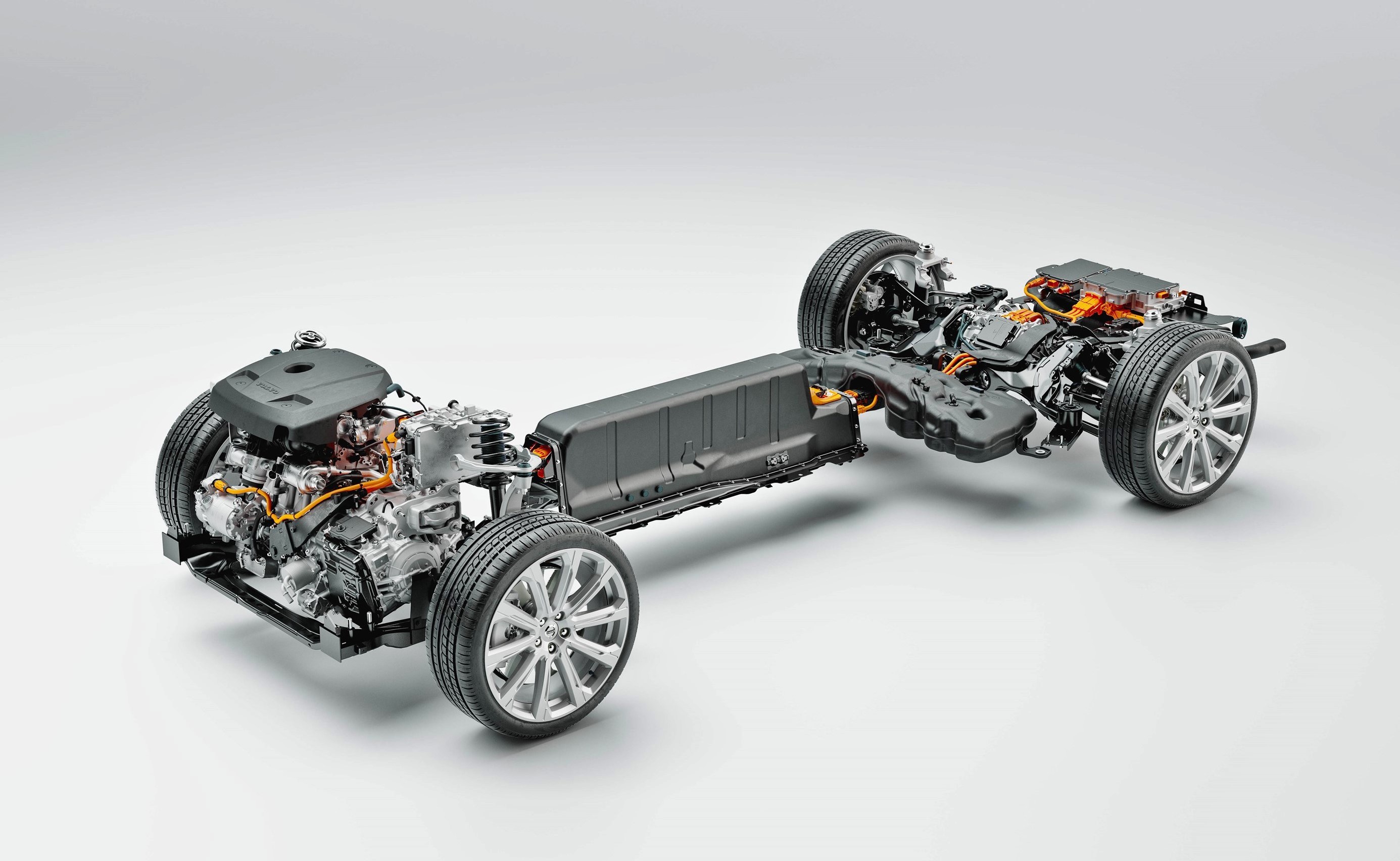
An example is with Volvo, which is almost entirely focussed on EVs. Its Recharge T8 models now have improved plug-in hybrid (PHEV) powertrains with better performance and driveability. This comes from a new long-range lithium-ion battery pack of 18.8 kWh, up 62% from 11.6 kWh. The increased capacity is due to the addition of a third layer of cells. The resulting extension in a claimed electric-only range of between 70 and 90 kms, almost double the previous maximum range of 49 kms.
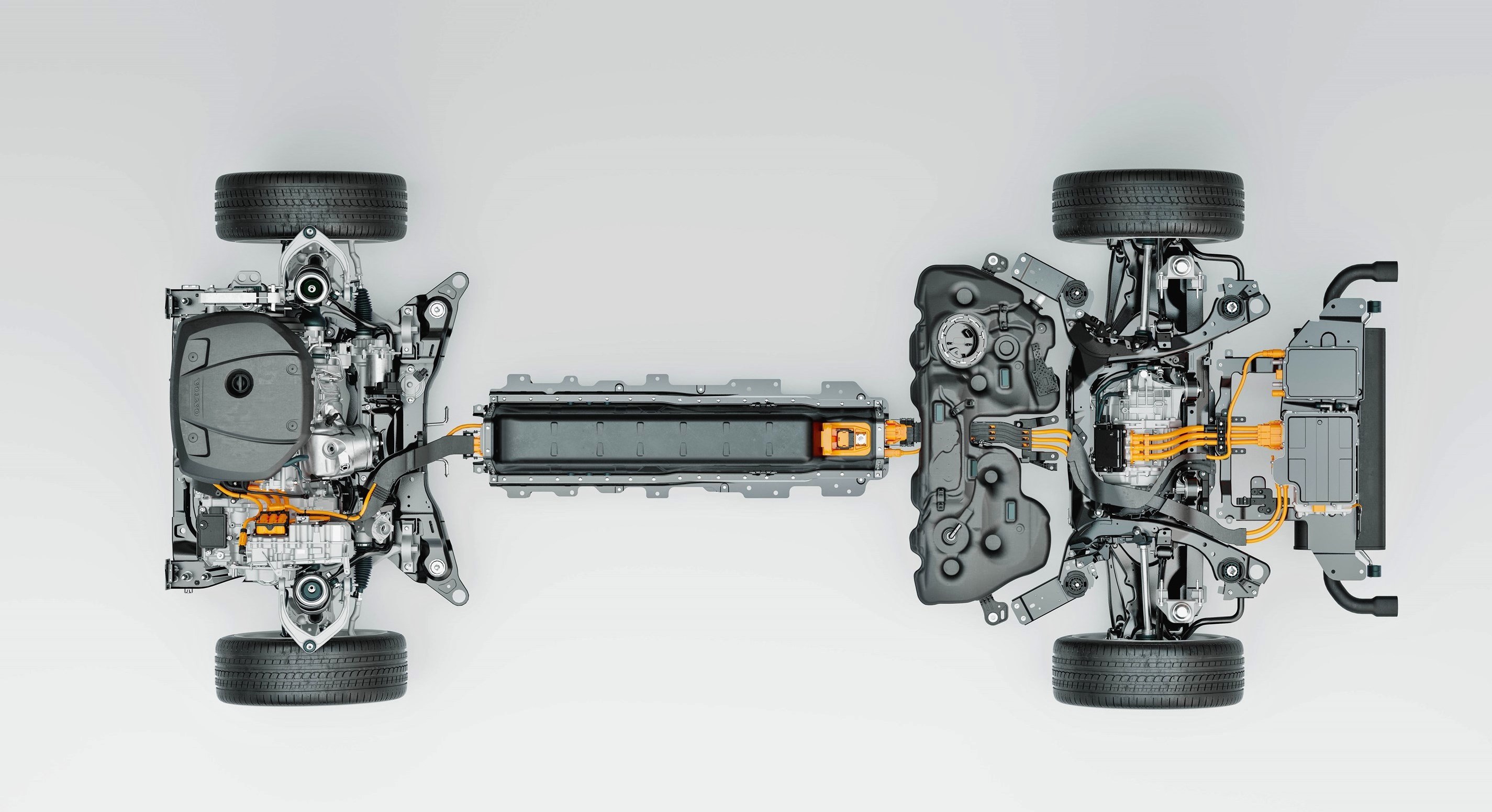
Improved driving performance comes from a new rear electric motor generating the equivalent of 145 ps, which is almost 65% more than the previous motor’s output. Overall system output, in combination with the petrol engine, has been boosted to 462 ps, which is 55 ps more than before.

The improvements are also beneficial to the environment as being able to drive longer distances in pure electric mode means less emissions of carbon dioxide (CO2), the gas that is causing global warming.

In Malaysia, the new Recharge T8 powertrain will be available for the 60 and 90 models, ie XC60, S60, V60, XC90 and S90.

Additionally, the XC60 and S90 PHEV models will also have One-Pedal Drive settings which are useful in stop-and-go traffic. A feature used in Volvo’s BEVs (battery electric vehicles), One-Pedal Drive is claimed to enable more effective battery regeneration and higher regenerative power that can improve fuel efficiency. The animation below shows how One-Pedal Drive works.

Using One-Pedal Drive, the driver uses the accelerator pedal predominantly to manage the car’s speed. Each time the foot is lifted off the pedal, regenerative braking activates automatically. This differs from the conventional approach that requires depressing the brake pedal before regeneration can take place. It would therefore be especially effective in slow-moving traffic, allowing the battery to be more frequently topped up.

“Our new line of PHEVs will transform the way our customers experience electric driving,” said Charles Frump, Managing Director of Volvo Car Malaysia. “The improved powertrain lets our customers drive sustainably at a longer distance, at the same time providing them with range confidence that fits the needs of their everyday lives.”

Mr. Frump also said that there will be price adjustments across the range from next week. The adjustments will start with current models of the XC40 T5, XC40 Recharge T5, XC60 B5, and XC90 B5. The new line-up of the 90 and 60 models will be sold at a ‘new price point’ when they exit from the assembly plant in Shah Alam, Selangor. The price for the current Recharge T8 models remains the same and will be sold while stocks last.
 

Concept Recharge – a manifesto for the next generation of all-electric Volvos

Archive

Follow us on Facebook

Follow us on YouTube