

Piston.my

Volvo

Bragging rights at the Nurburgring is very important to many manufacturers. A hot lap around the Green Hell is the default standard used to gauge a performance car’s worth. Forget top speeds and 0-100km/h times, their significance pales in comparison to how fast a particular car can get around the insanely tricky and dangerous German track.

When an automaker one-ups the competition, it makes sure the whole world knows about it. It will publish an elaborate press release that is supplemented by a few videos to jack up the hype further. This is considered the norm these days, which is why its rather puzzling why Volvo, decided to do the exact opposite.

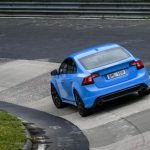
After the completion of the World Touring Car Championship (WTCC) at the Nurburgring, in typical fashion automakers pack up and head home. Volvo on the other hand, chose to stay on to do more research and development. It decided to put several of its race and road cars on the legendary course and push them to their limits to see how fast they would actually go.

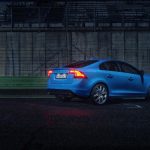
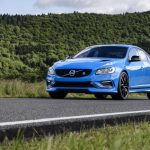
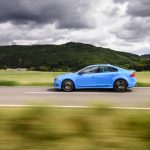
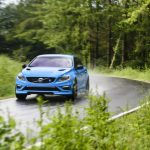
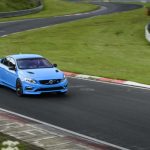
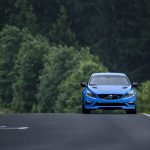
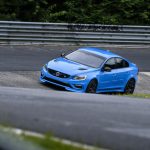
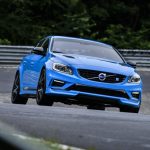
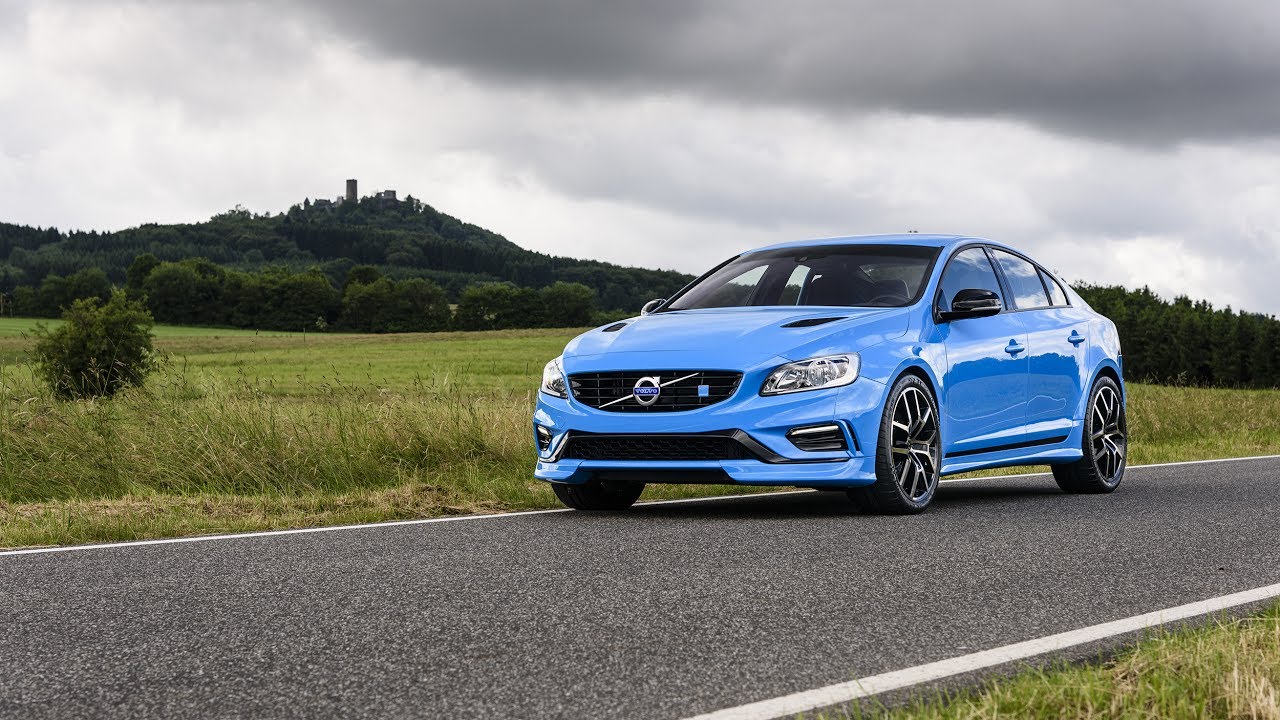
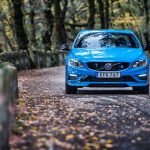
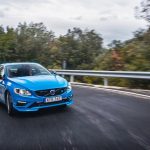
The road going S60 Polestar managed to blitz the previous lap record to become the fastest four door production car to lap the infamous Nurburgring. After doing so, Volvo decided to keep the information to itself. Opting instead to make relevant changes to the racing and road cars from what was learnt on that day. The Swedish automaker hopes that, by deciding to keep mum about last year’s accomplishment, it might have a formidable advantage on track in this year’s WTCC.

Check out the video to understand what really happened behind the scenes in 2016 that led to Volvo’s best achievement on the most important proving ground.
Source: carthottle
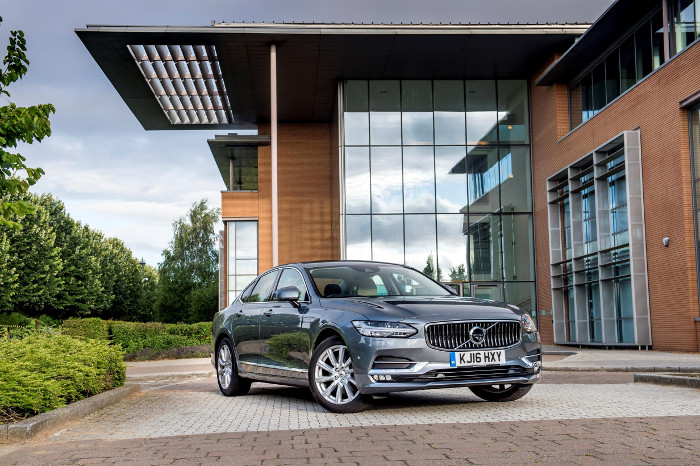
In a recent article on Car Throttle, it was reported that Volvo is currently in the process of moving away from diesel engines. A pioneer of oil burner powerplants, Volvo seems to be abandoning diesel for electric power citing Tesla’s ability to produce exceptional cars that are in very high demand right now.

As we’ve mentioned in a previous article, Volvo’s short term plan is to provide some form of electrification for all models in its current line up. And at the same time, It’s also gearing up to produce its first ever all-electric vehicle, which is slated to hit markets around the world in 2019.

The move to halt R&D of future diesel engines was revealed by Volvo’s CEO Hakan Samuelsson in an interview with German newspaper Frankfurter Allgemeine. That said, the Swedish automaker isn’t moving away from diesel engines completely. Electric and petrol powered engines/motors still lack the torque and range of large and powerful diesel engines. And Volvo, being a major player in the trucks segment, isn’t just going to give up its share of the market. Until it finds a viable alternative, diesel power will remain the mainstay of Volvo trucks.

This decision, for now at least, will mainly impact passenger vehicles. The requirements for cars and SUVs are far lower than whats expected from trucks. Expect to see the automaker downsize its petrol powered options for electrified ones as it moves to offer cleaner and more environmentally friendly vehicles for its customers.

Source: Car ThrottleFrankfurter Allgemeine

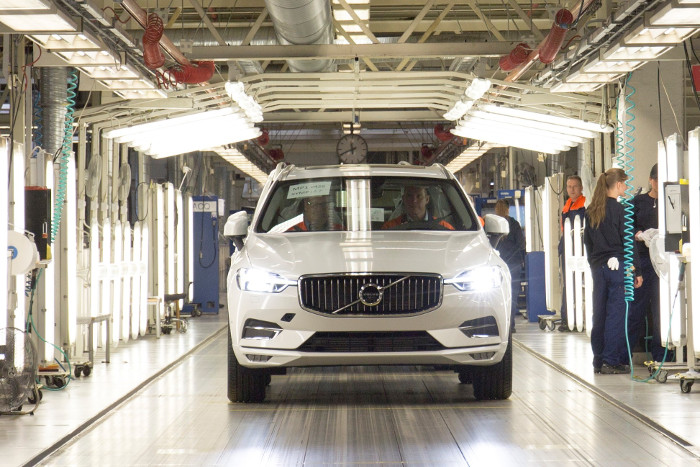
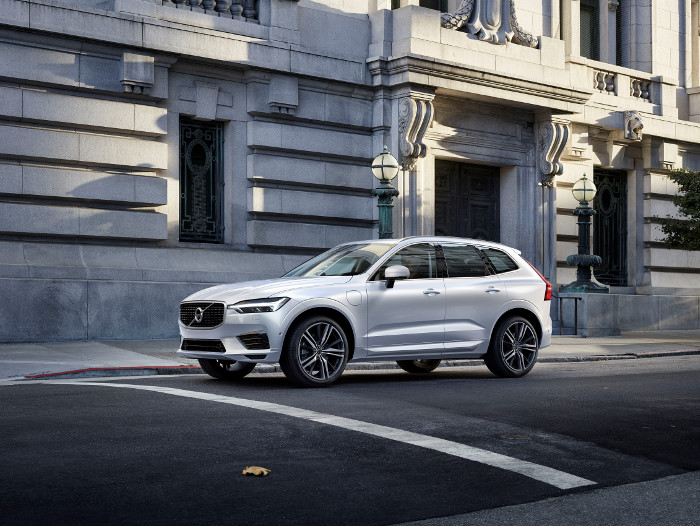
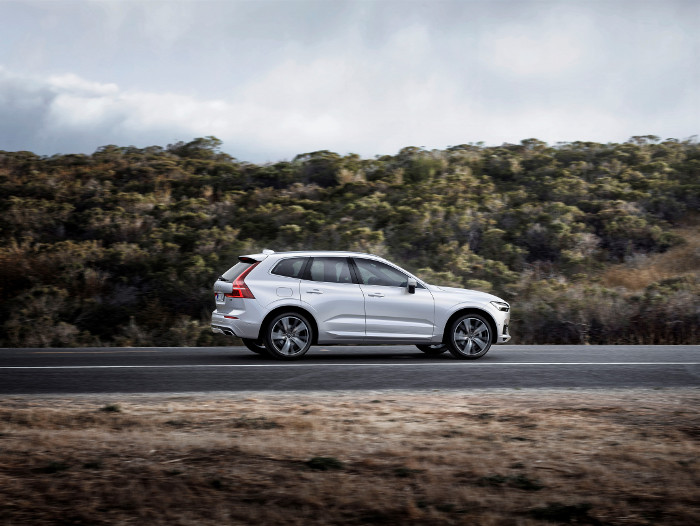
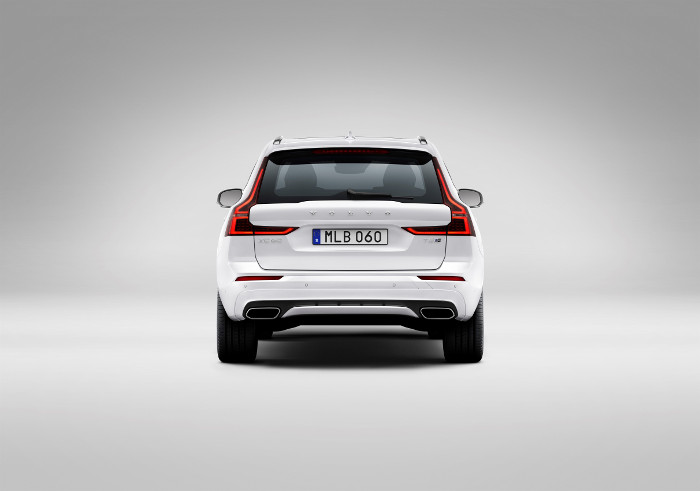
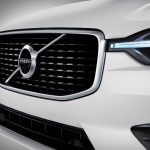
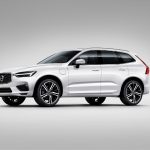
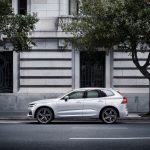
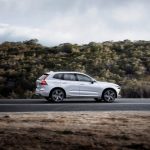
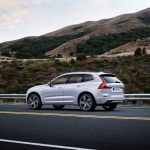
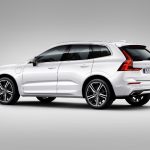
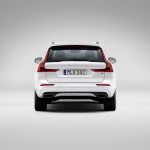
Volvo’s XC60 has just started rolling off the production line at the company’s plant in Torslanda, Sweden. It was the T5 AWD Inscription (in Crystal White) that was the first variant to come off the line.

The new vehicle replaces the original XC60, which has been produced for nine years since its launch and has gone on to become the best-selling premium mid-sized SUV in Europe and allowing Volvo to sell nearly a million of them globally. Due to its popularity, the XC60 accounts for 30 per cent of Volvo’s sales worldwide.

“This is a proud day for everyone at the plant,” said Magnus Nilsson, vice president of the Torslanda plant. “We have worked hard in recent weeks and months to prepare Torslanda for this latest new Volvo model, and now we are ready to start delivering new XC60s to customers.”

Unlike its predecessor, the new vehicle is built on Volvo’s SPA (Scaleable Product Architecture) which already underpins three other models in the company’s current line up inclduing the 90 series cars. The SPA platform has improved overall efficiency and has had a positive effect on employment at Volvo, with thousands of new jobs being created in production, research and development, and other areas.

Like the rest of the line-up, The XC60 features cutting edge safety tech which include Steer Assist, City Safety, Oncoming Lane Mitigation which help avoid head-on collisions and Blind Spot Information System (BLIS) that works with Steer Assist to reduce the risk of lane-changing collisions.

Apart from that, there’s also Pilot Assist, which is available as an option. It’s a semi-autonomous driver-assistance system, that takes over the tasks of steering, acceleration and braking on well-marked roads at speeds of up to 130km/h.

Inside, the cabin features a CleanZone four-zone climate control system that removes harmful pollutants and particles that enters the cabin. The XC60 is available with a T8 Twin Engine petrol plug-in hybrid that delivers 407bhp and allows it to sprint to 100km/h from a standstil in just 5.3 seconds.

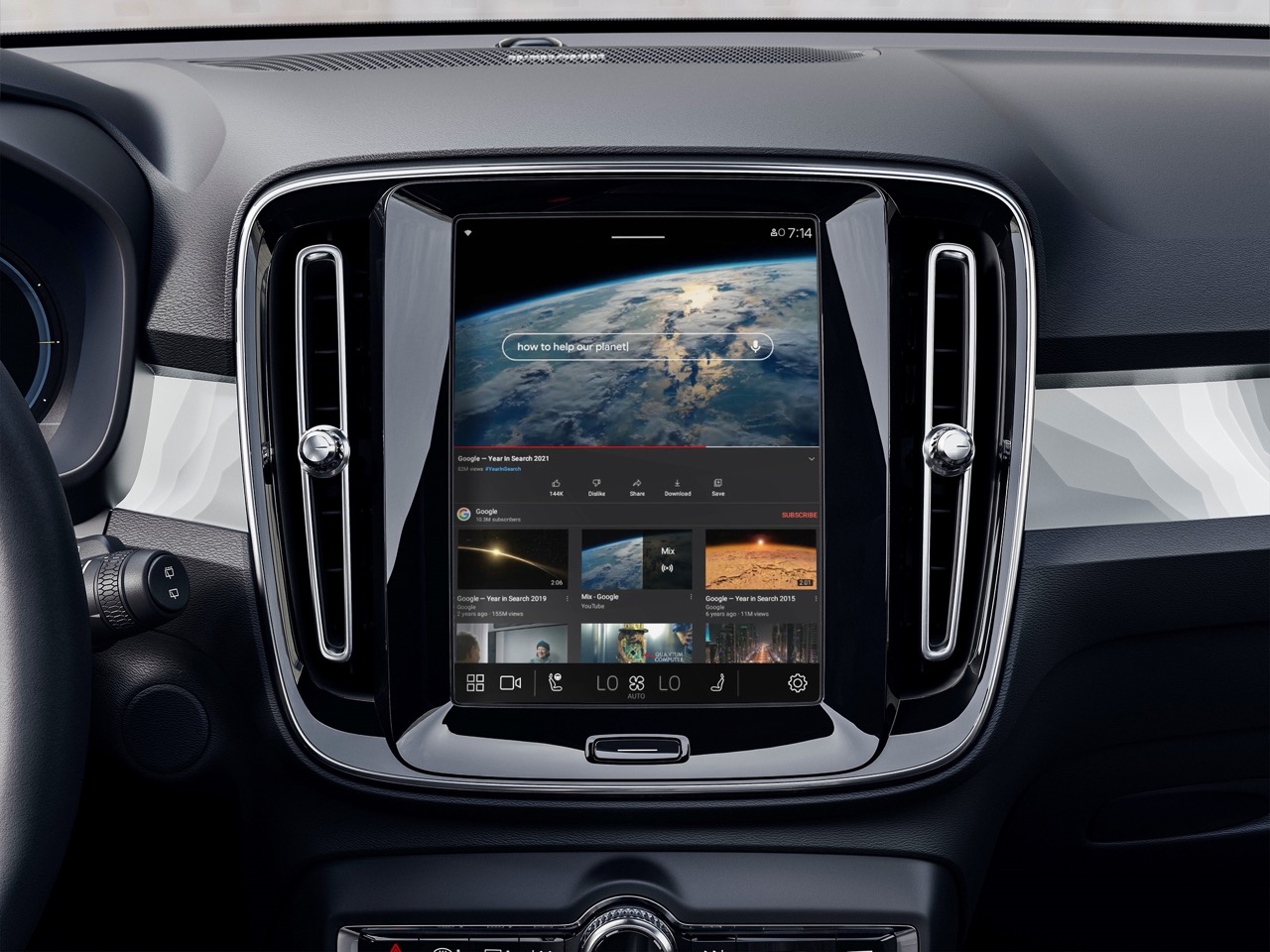
Volvo has also fitted an infotainment system that comes with connected services such as Sensus and Volvo on Call. It also offers smartphone integration with Android Auto and Apple CarPlay.
The Volvo XC60 will be made available in markets across the world gradually as the automaker aims to make 2017 another record-breaking year.

Archive

Follow us on Facebook

Follow us on YouTube