Manufacturing processes in the auto industry have been continuously improving and, together with better materials, automotive parts have been able to last longer. This has given carmakers the ability to progressively lengthen warranties which, 40 years ago, were just a year long or maximum of 20,000 kms after first registration.
Today, many companies offer coverage for a period of 5 years or longer, and there is no limit on mileage. However, owners must follow the schedule of maintenance services and inspections, and visit authorised service centres in order to keep the warranty valid. This is a reasonable condition since the vehicle also needs to be kept in good running condition which will help it to last.
Since manufacturers are confident enough to give longer warranties, it stands to reason that the parts in a vehicle are also long-lasting and this has led Volvo Car Malaysia to offer the ‘Customer Lifetime Parts Warranty’ programme. Under this new programme, owners who have purchased and installed Volvo genuine parts at an authorised Volvo dealership from October 1, 2021 will be eligible to for the warranty. The coverage commences from the date the part is purchased and is valid as long as the vehicle remains under the ownership of the registered owner.
The Customer Lifetime Parts Warranty does not cover every single item, especially wear-and-tear items like windscreen wiper blades and light bulbs. Such items are also usually excluded from the general warranty unless there is a definite manufacturing defect.
Most other warranties on replacement parts are for a limited period so Volvo Car Malaysia’s Lifetime coverage will give more peace of mind. In the event that repair or replacement for any genuine Volvo parts are due to a material or manufacturing defect, Volvo Car Malaysia will repair and replace the parts free of charge.
Those with older Volvo models who have not visited an authorised Volvo dealership for more than 2 years can also enjoy this lifetime warranty programme. However, they need to first bring their vehicle to an authorised service centre for the Volvo Health Check. This is to ensure that the vehicle is in good condition and has not been modified or tampered with in any way.
Modifications can cause problems which can lead to parts wearing out faster or even failing. For example, using wheels that are not original and are of an ‘extreme’ size could place stress on certain areas, resulting in damage or failure. This would obviously not be Volvo’s fault and cannot be covered.
Older models can also enjoy the lifetime parts warranty if they meet certain conditions,
If the vehicle check confirms the vehicle is in good condition, then the owner can purchase parts under the warranty programme. However, the vehicles must be sent to any authorised Volvo dealership for subsequent services for the warranty to remain valid. This means that if the owner has not been using authorised service centres after the original warranty ended, they will now have to do so for the rest of the time they own the vehicle.
“This new offering is part of our commitment to provide the best aftersales services for our customers. Customer satisfaction have always been a pivotal aspect for Volvo, and through this warranty programme, our customers can now enjoy the benefits of decreased maintenance costs and experience the quality offered by Volvo, in the years to come,” said Charles Frump, Managing Director of Volvo Car Malaysia.
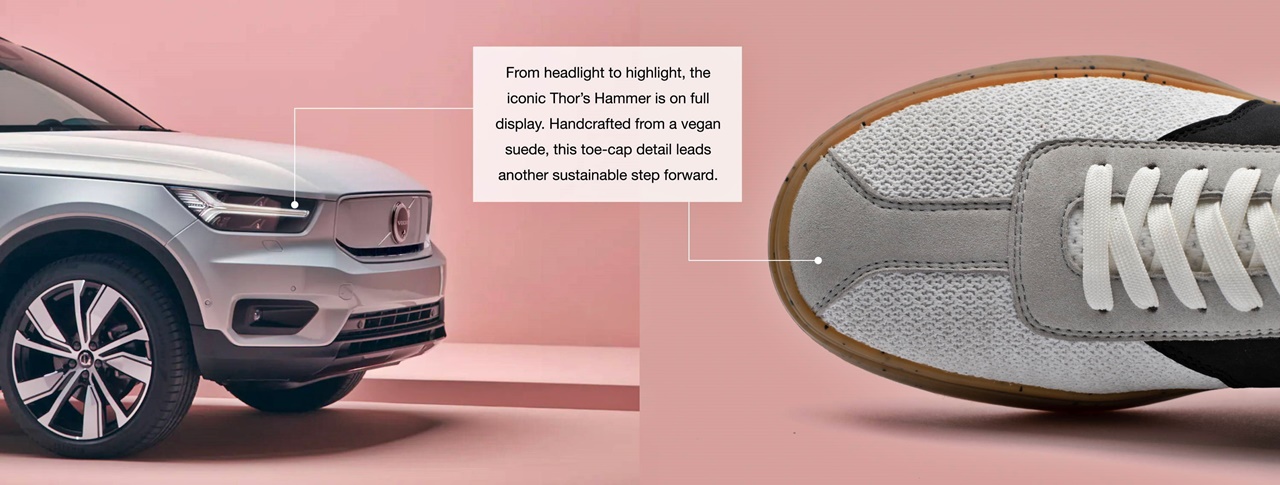
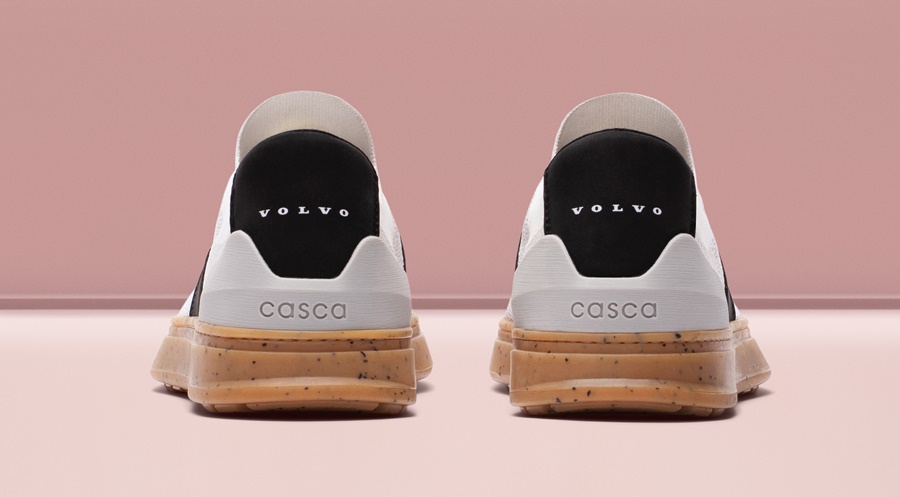
Cars and shoes… in some ways, they can be considered have similar functions since both ‘transport’ people around, though in very different ways. Cars use energy from the combustion engine or electric motor to move but with shoes, you have to provide your own energy. So it’s not unusual that on World Car-Free Day (September 22), Volvo Cars Canada and Casca footwear will launch a limited-edition sneaker. Available in Canada for $198 (about RM645), the shoes have been inspired by the fully electric Volvo XC40 Recharge.
“At Volvo Cars, we are committed to setting the highest standards of sustainability in mobility and that goes beyond electrifying our fleet to transforming all aspects of our business. The shoe we have created with Casca in celebration of World Car-Free Day, is one way to recognize the many steps we are taking on our journey to climate neutrality,” said Matt Girgis, Managing Director of Volvo Car Canada Ltd.
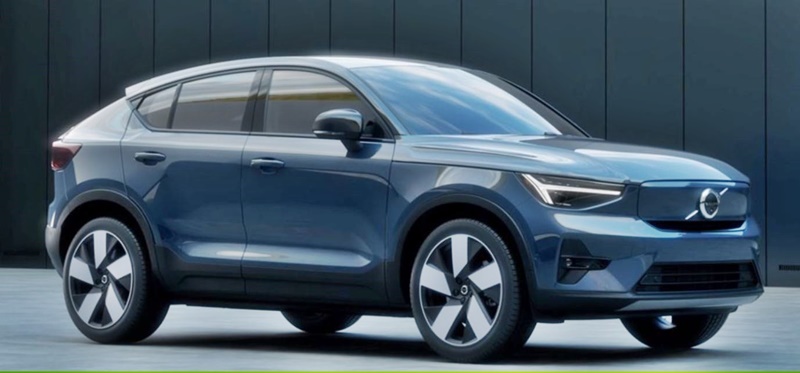
Volvo XC40 Recharge
For a carbon-neutral future
As would be expected, the shoe is all about sustainability in the long term, and both brands have a shared vision for a carbon-neutral future. On Volvo Cars’ part, there is a commitment to reducing lifecycle emissions per vehicle by 40% by 2025 and producing only fully electric vehicles by 2030. Casca’s adoption of water-based, low-energy UV treatment processes coupled with their 2-year product warranty are a testament to their ‘buy less, waste less’ philosophy.
“The Volvo XC40 Recharge was designed to reduce environmental impact, so it was the perfect inspiration for the shoe,” said Kevin Reid Lead Director and Co-Founder, Casca. “Through this collaboration, we’re also celebrating many design firsts – our first shared design, our fastest production to market, and new recycled materials we’ve never used before.”
Scandinavian influences
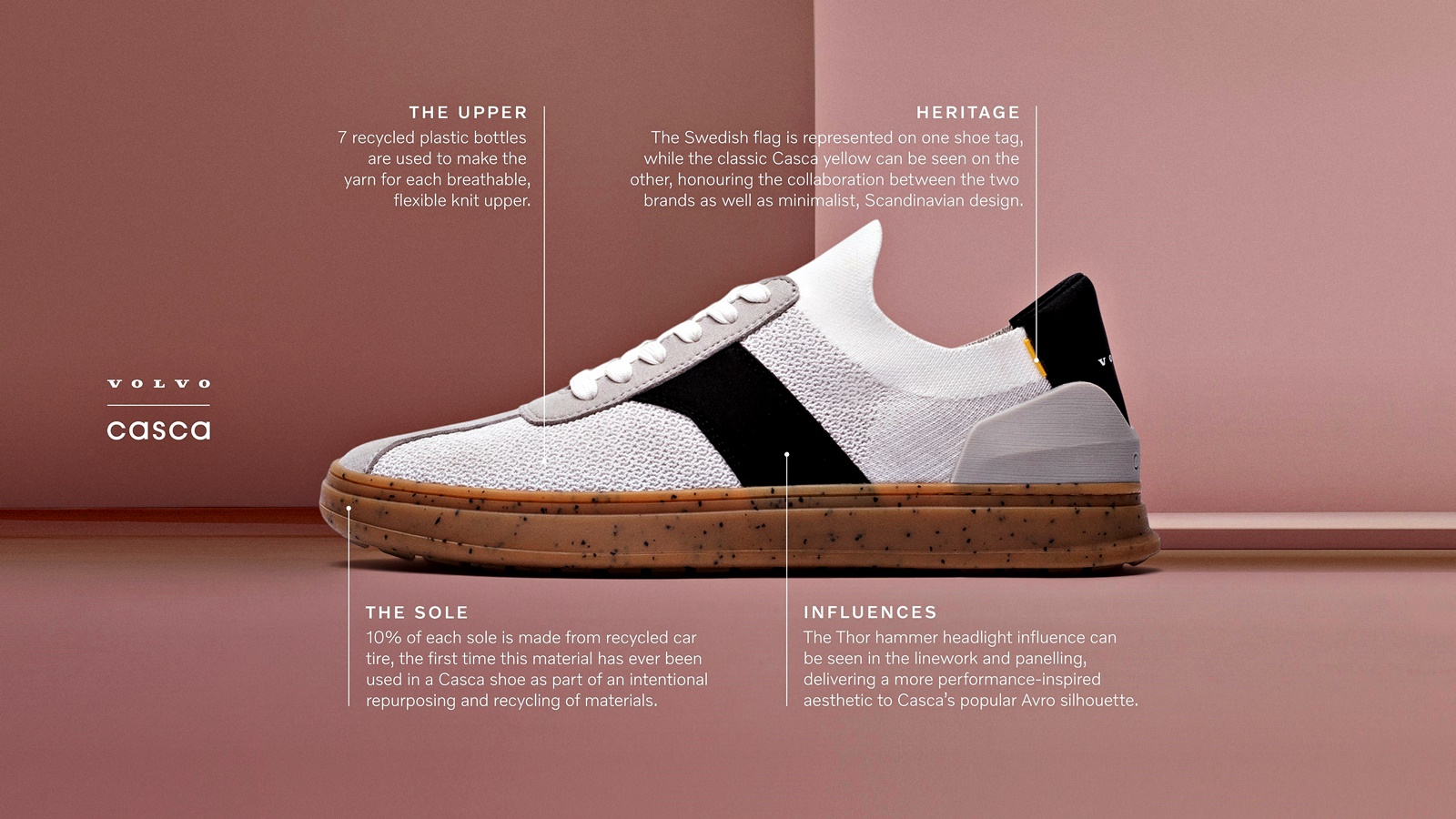
The goal was to create a shoe rooted in conscious design. Scandinavian influences of the XC40 Recharge were purposefully integrated for a collaborative new interpretation of Casca’s trademark clean lines. For instance, the ‘Thor’s hammer’ headlight influence can be seen in the linework and panelling, delivering a more performance-inspired aesthetic to Casca’s popular Avro silhouette.
The Swedish flag is represented on one shoe tag, while the classic Casca yellow can be seen on the other, honouring the collaboration between the two brands as well as minimalist, Scandinavian design.
Recycled materials
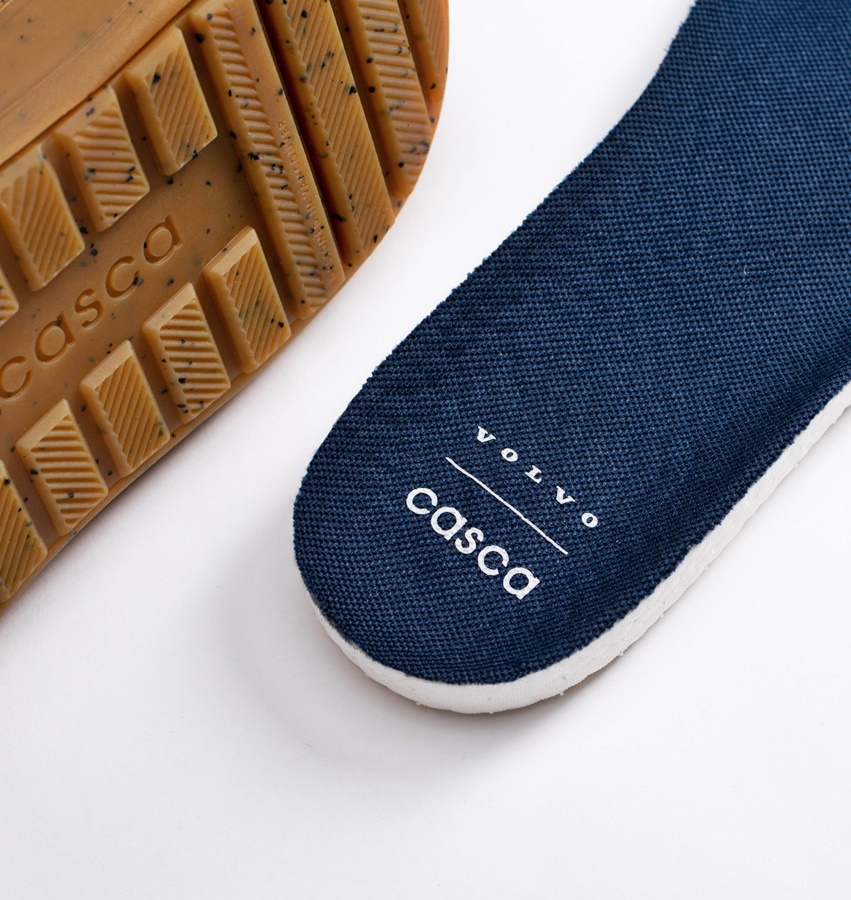
Of course, an important aspect of the shoe is how it is made and its environmentally-friendly credentials come from having 10% of each sole made from recycled car tyres, the first time this material has ever been used in a Casca shoe as part of an intentional repurposing and recycling of materials. Furthermore, 7 recycled plastic bottles are used to make the yarn for each breathable, flexible knit upper.
Those two features are a preview of some of the initiatives by both companies. By 2025, Volvo Cars aims to increase the share of recycled and bio-based materials in their vehicles by 25%. By 2022, all of Casca’s knit uppers will be made from recycled or renewable materials.
By 2025, Volvo Cars aims to increase the share of recycled and bio-based materials in their vehicles by 25%.
“We know that being advanced isn’t just about great design and technology; it means implementing ethical and sustainable practices,” said Braden Parker, CEO and Co-Founder, Casca. “This is just one of many similarities we see between our brand and Volvo Cars, we both want to create something with intention that lasts.”
Volvo Cars has signed an agreement with its parent company, Geely Holding, to acquire Geely Holding’s stake in the companies’ joint ventures in China. This development means that the Swedish carmaker, acquired by Geely from Ford in 2010, will take full ownership of its car manufacturing plants and sales operations in the biggest car market in the world
The acquisition of an additional 50% of the shares in Daqing Volvo Car Manufacturing and Shanghai Volvo Car Research & Development will further strengthen Volvo Cars’ position in China, its largest market, and maximize exposure to one of the fastest growing regions globally.
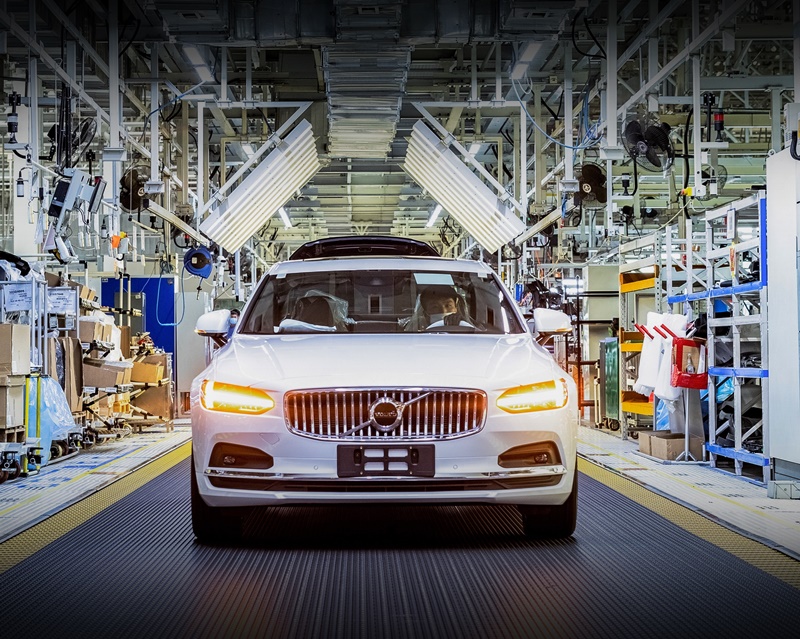
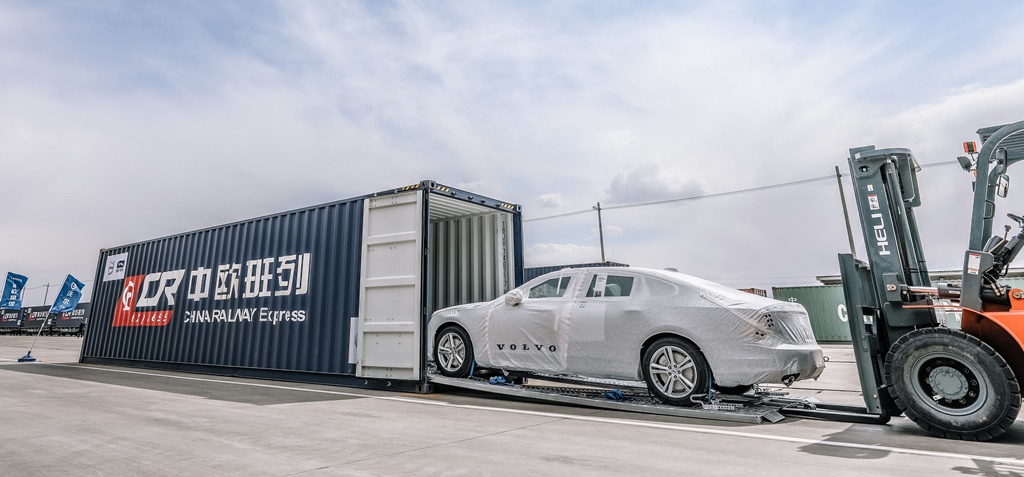
Volvo factory in Chengdu.In 2017, Volvo began sending the S90 sedan to Belgium from its Daqing factory via the China-Europe railway link. The connection to Europe is faster than the traditional sea route from Asian ports.
Full control over operations in China
Although the two joint venture companies are already fully included in Volvo Car Group’s financial statements, Volvo Cars’ share of their net income and equity will increase following the transaction. “With this agreement, Volvo Cars will become the first major non-Chinese automaker with full control over its Chinese operations,” said Hakan Samuelsson, Chief Executive of Volvo Cars.
“Geely Holding Group and Volvo Cars are continuously evaluating the best way to collaborate and structure operations within the wider Group. These two transactions will create a clearer ownership structure within both Volvo Cars and Geely Holding,” said Geely Holding CEO, Daniel Donghui Li.
Acquisition includes R&D facility
Volvo Cars has grown significantly faster than the average market in China in recent years and will continue to invest in the country to maintain the strong growth trend. Following the transactions, Volvo Cars will have full ownership of its manufacturing plants in Chengdu and Daqing, its national sales company in China and its R&D facility in Shanghai.
The transactions will be completed in two steps, starting in 2022 when the joint venture requirement for auto manufacturing in China will be lifted, and expected to be formally completed in 2023. The transactions will, of course, need regulatory approvals.
Volvo dealership in Beijing.
Strong growth in China in spite of pandemic
Volvo Cars has seen strong growth in the Chinese market in recent years. In 2020, it sold 166,617 cars in China, an increase of 7.5% over 2019 performance and its eighth consecutive sales record in the market in spite of the pandemic. In the first half of 2021, sales increased 44.9% compared to the same period in 2020, and by 40.1% compared with the same period in 2019.
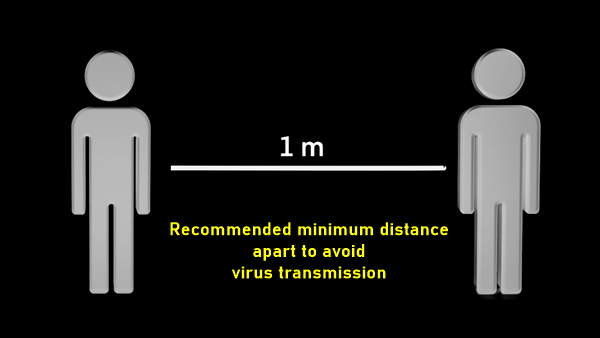
Vaccination does not make you immune to COVID-19 infection. You can still get infected and you may not show symptoms but spread the coronavirus. Do not stop taking protective measures such as wearing a facemask, washing hands frequently and social distancing.
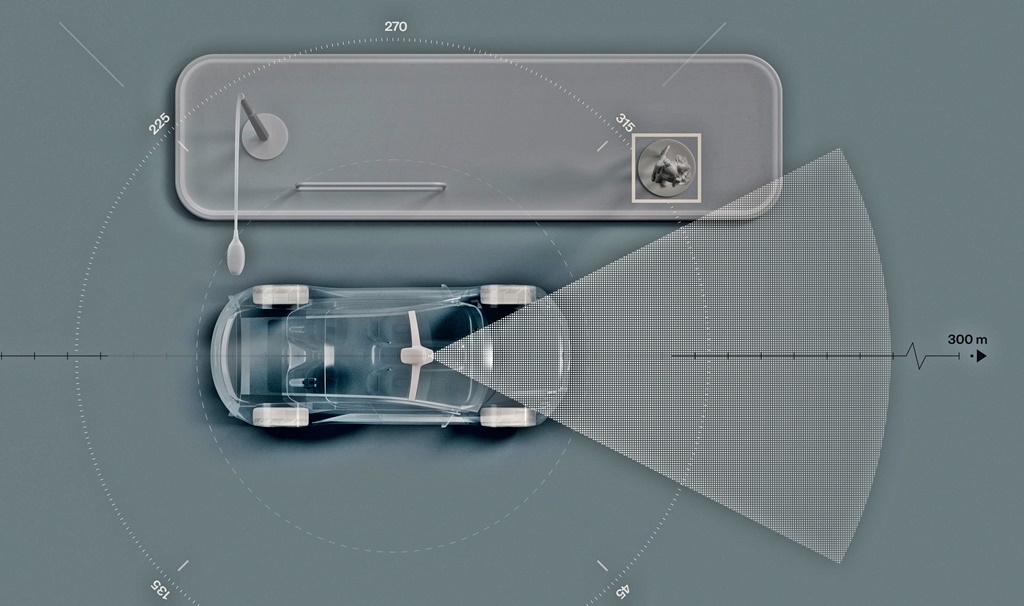
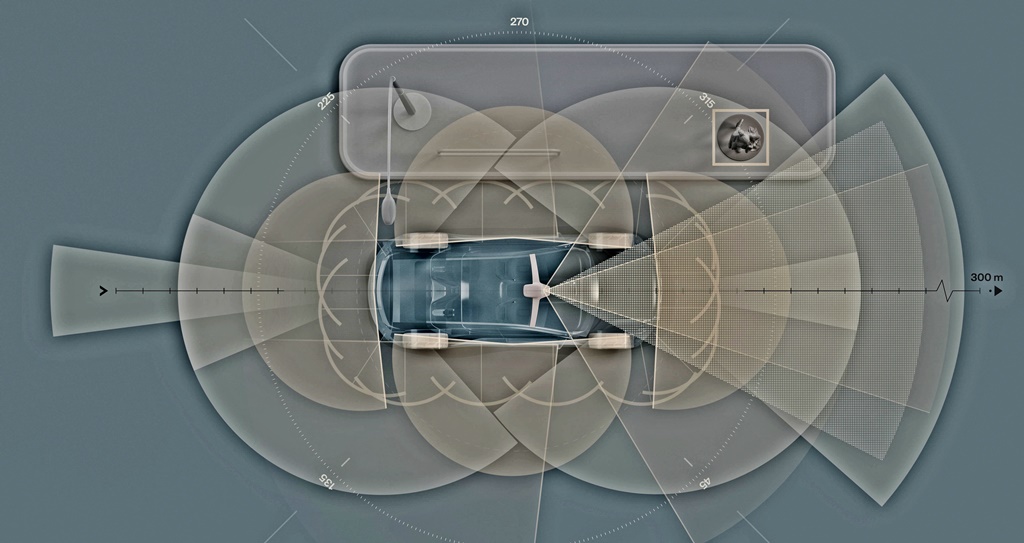
In order for autonomous vehicles to function safely, especially when the need for driver intervention is not required, sensor technology must be extremely precise and detailed. While the computer can make intelligent decisions to control the movements of the car, the sensors are its eyes and must collect data of the surroundings and the potential hazards.
At present, many cars already have radar and camera sensors to scan the road ahead, enabling identification of pedestrians and other vehicles. Even earlier, there were already sensors to detect vehicles in the blind spot and this has advanced to include vehicles that approach from the left or right as a vehicle is reversing out of a parking bay.
With the next generation of the Volvo XC90, to be revealed in 2022, state-of-the-art sensors will be used which will include LiDAR (Light Detection And Ranging) technology developed by Luminar and an autonomous driving computer-powered by the NVIDIA DRIVE Orin system-on-a-chip, as standard. This will be industry-leading safety technology that can help to save even more lives as the company sets a new benchmark for automotive safety.
By combining this state-of-the-art hardware with Volvo, Zenseact and Luminar software for the next generation of its well-established collision-avoidance technology, Volvo Cars aims to reduce fatalities and accidents as a whole with this new safety package.
“Volvo Cars is, and always has been, a leader in safety. It will now define the next level of car safety,” said Hakan Samuelsson, Chief Executive of Volvo Cars. “By having this hardware as standard, we can continuously improve safety features over the air and introduce advanced autonomous drive systems, reinforcing our leadership in safety.”
With the new safety package, Volvo Cars aims to reduce collisions, and the reduction rate is anticipated to accelerate over time via over-the-air software updates. The new technologies are also designed to specifically address those traffic situations which result in a large portion of the remaining severe injuries and fatalities found today.
“In our ambition to deliver ever safer cars, our long-term aim is to achieve zero collisions and avoid crashes altogether,” said Henrik Green, Chief Technology Officer at Volvo Cars. “As we improve our safety technology continuously through updates over the air, we expect collisions to become increasingly rare and hope to save more lives.”
Once introduced, the technology is expected to mature over time, becoming more capable and allowing the car to assist and improve the capabilities of a human driver in safety-critical situations. Whereas previous generations of technology largely relied on warning the driver for potential immediate threats, this new safety technology will, over time, increasingly intervene as needed to prevent collisions.
While saving lives and preventing injury remains the company’s first priority, Volvo Cars also sees a potential added benefit of lower insurance costs as car crashes involving Volvo cars become increasingly rare.
Beyond the sensor suite and Artificial Intelligence computing performance, Volvo’s forthcoming flagship model will also come with back-up systems for key functions such as steering and braking that make it hardware ready for safe, unsupervised autonomous driving once available.
These back-up systems, alongside LiDAR and the computer software, will enable the Highway Pilot functionality, developed in-house together with Volvo Cars’ autonomous driving software development company, Zenseact. An autonomous driving feature for use on motorways, the optional Highway Pilot will be activated for customers when verified safe and legally allowed for individual geographic locations and conditions.
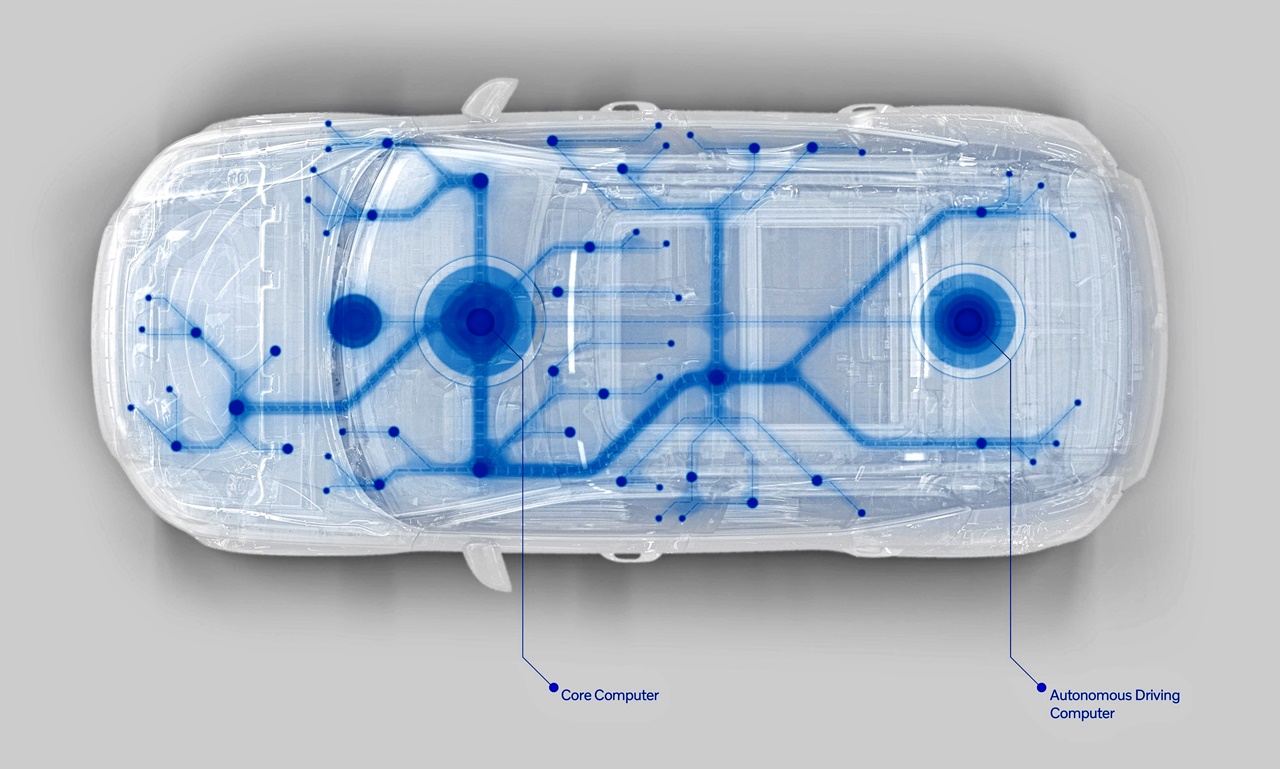
Earlier this year, Volvo Cars announced it will use NVIDIA technology to centralise computing. The core computer and autonomous drive computer, both powered by NVIDIA technology, allow its cars to become safer, more personal and more sustainable over time through over-the-air updates, while also providing it with the computing power required for vision and LiDAR processing. The company has already been using the high-performance, energy-efficient NVIDIA DRIVE since 2016.
NVIDIA Orin system-on-a-chip maintains safety architecture.
In 2019, the Volvo Group (which produces commercial vehicle models) also signed an agreement with NVIDIA to jointly develop the decision-making system of autonomous commercial vehicles and machines. Utilizing NVIDIA’s end-to-end artificial intelligence platform for training, simulation and in-vehicle computing, the resulting system is designed to safely handle fully autonomous driving on public roads and highways.
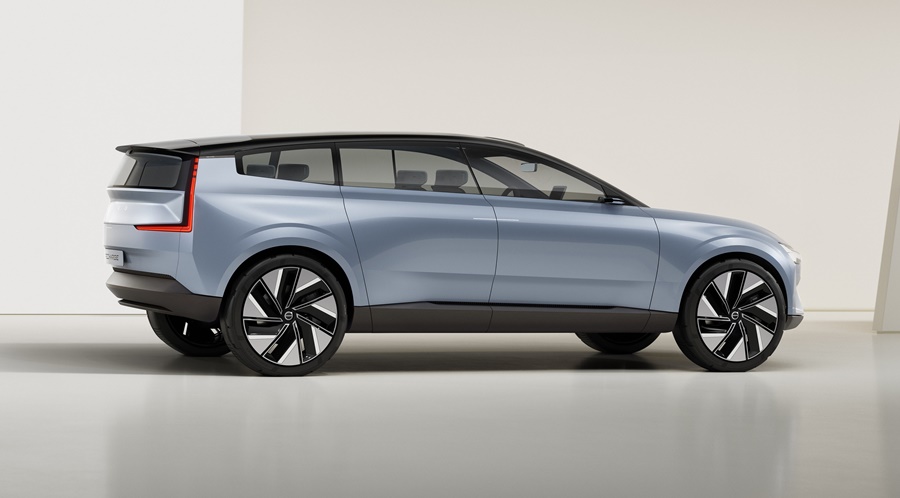
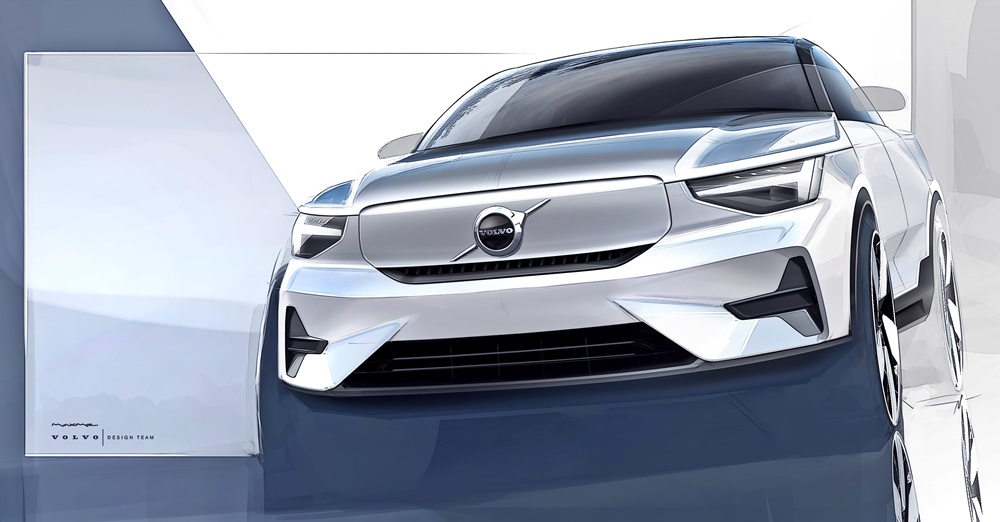
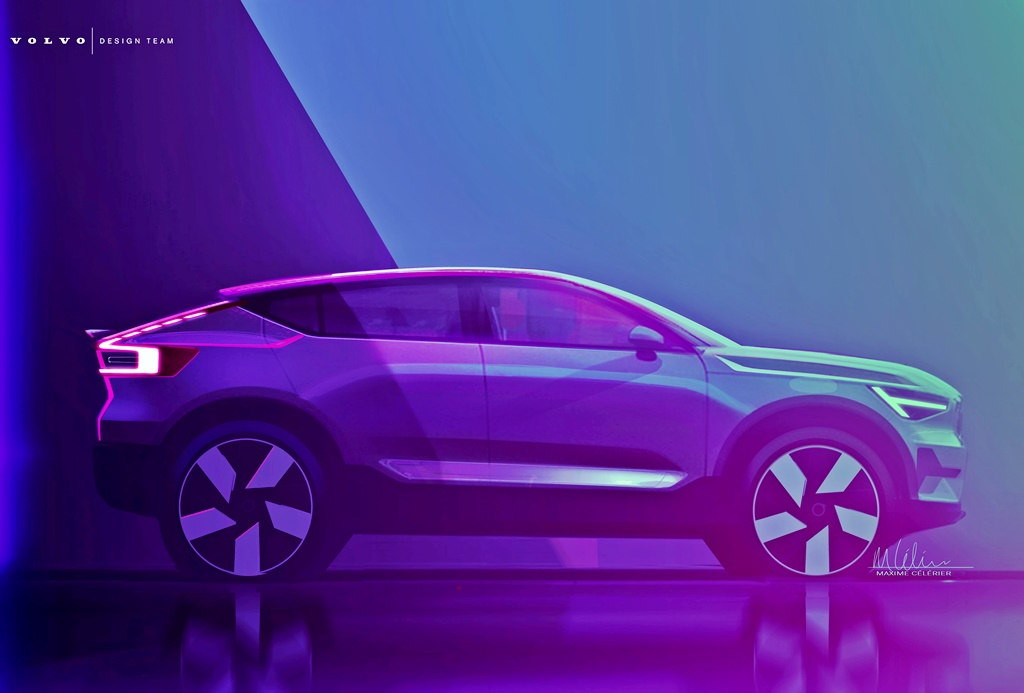
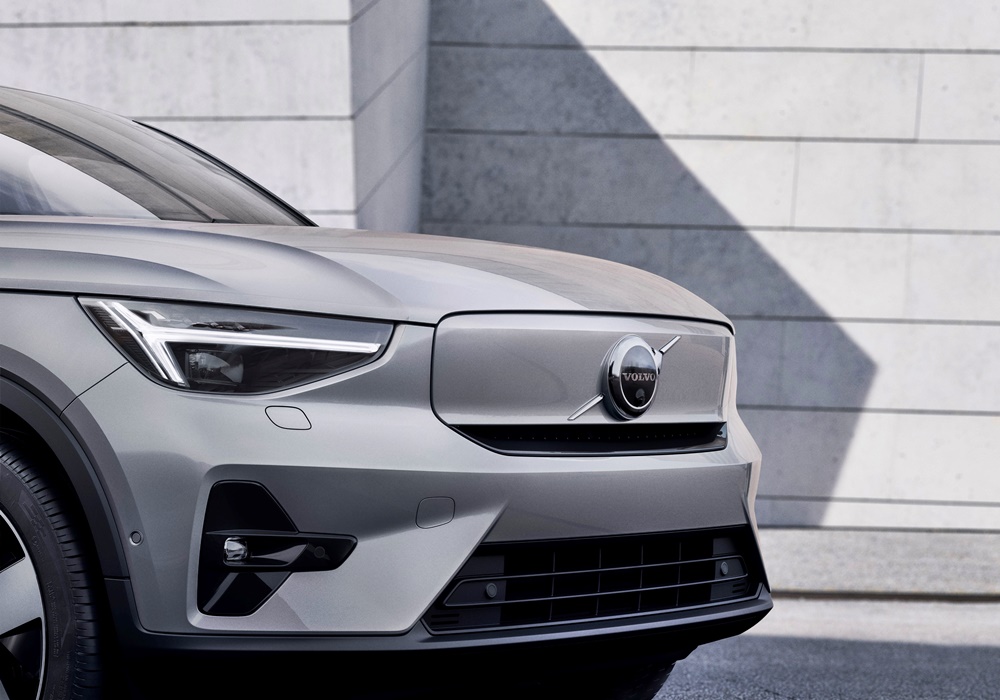
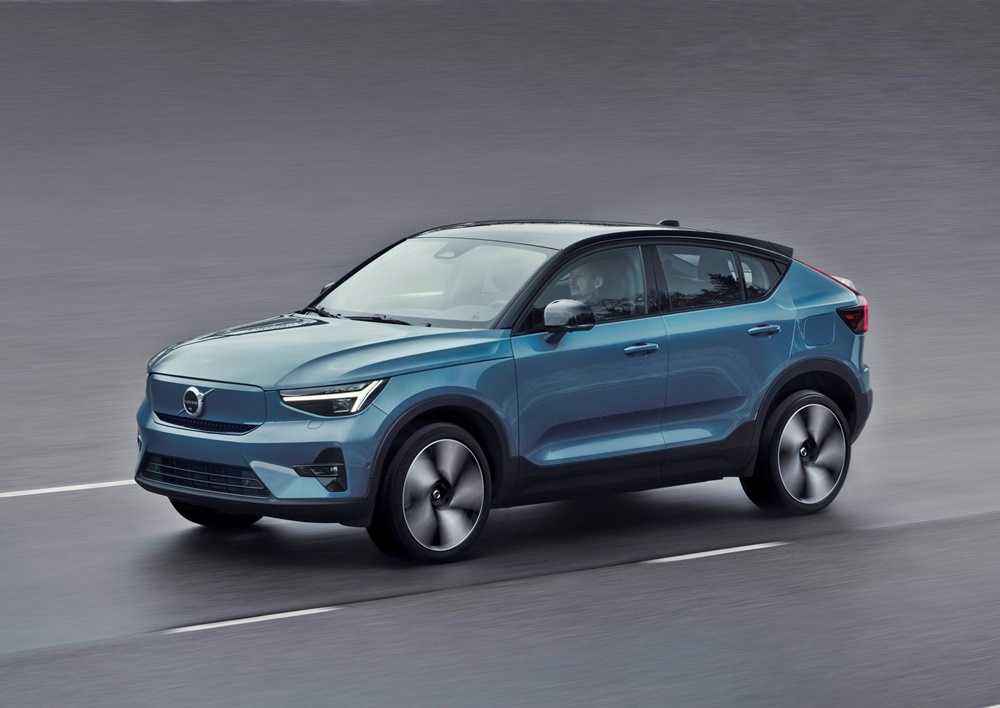
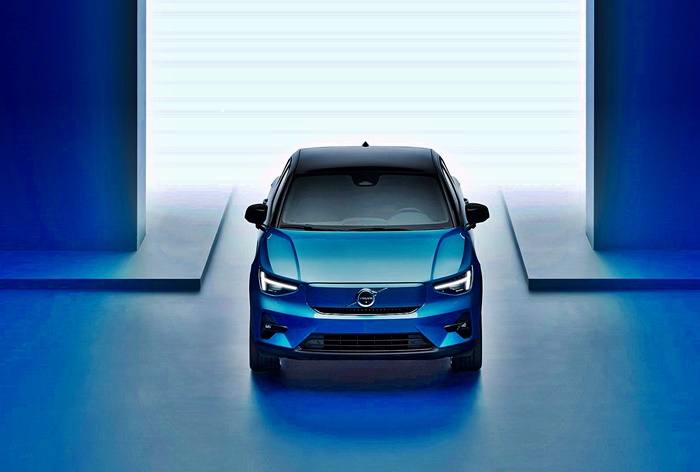
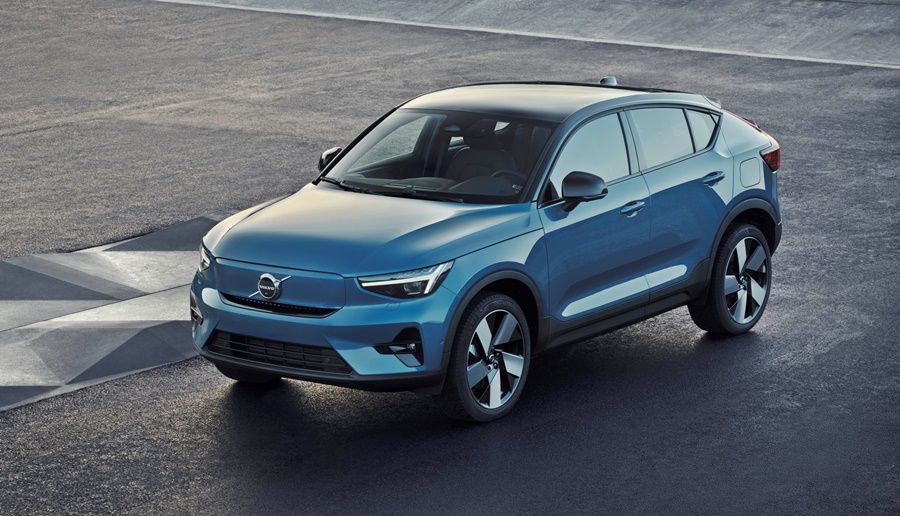
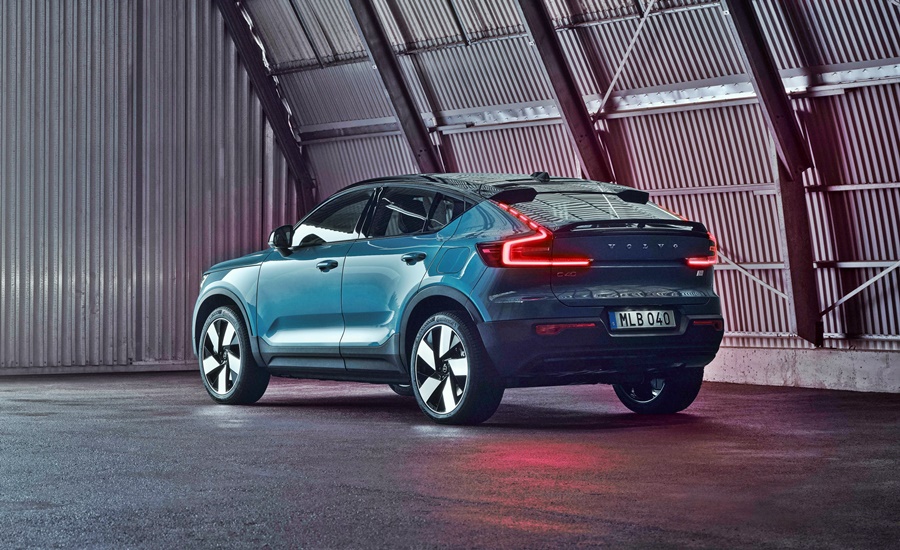
Electrically-powered cars are not new to Volvo but the new C40 Recharge will be the first such vehicle that the public can buy. It’s the first Volvo model in history designed as pure electric only, spearheading the future of the Swedish brand. Its SUV elements and benefits combined with a lower profile means that Volvo Cars also enters a new segment – and it does so with cutting-edge design and features not previously seen on Volvo cars.
“The C40 is a car that symbolises electrification and delivers on it,” said Robin Page, head of design at Volvo Cars. “It has the personality of the XC40, which proved to be attractive to many, but it’s dialled up even more through its dynamic expression and sleek profile. It’s a really attractive product for people who are looking for the easy-to-live-with aspects of an SUV with more of a modern statement.”
Though it seems like a variation of the XC40, it is actually much more that than (apart from the fact that it has an electric powertrain), adopting only the fundamental building blocks of the XC40. Similar to the birth of the XC40, the C40 started as a spontaneous sketch by one of the designers in the team. It was Yury Zamkavenka’s sketch which ‘hit the ground running from the initial idea’, according to T. Jon Mayer, Head of Exterior Design.
“That doesn’t happen very frequently. When it does, it’s always some of the more characterful ideas that flourish, because it’s such a pure statement from that first sketch,” Mayer explained, adding that the uniqueness of the car – its commanding seating position combined with a streamlined form – becomes very clear when it’s on the road next to other cars.
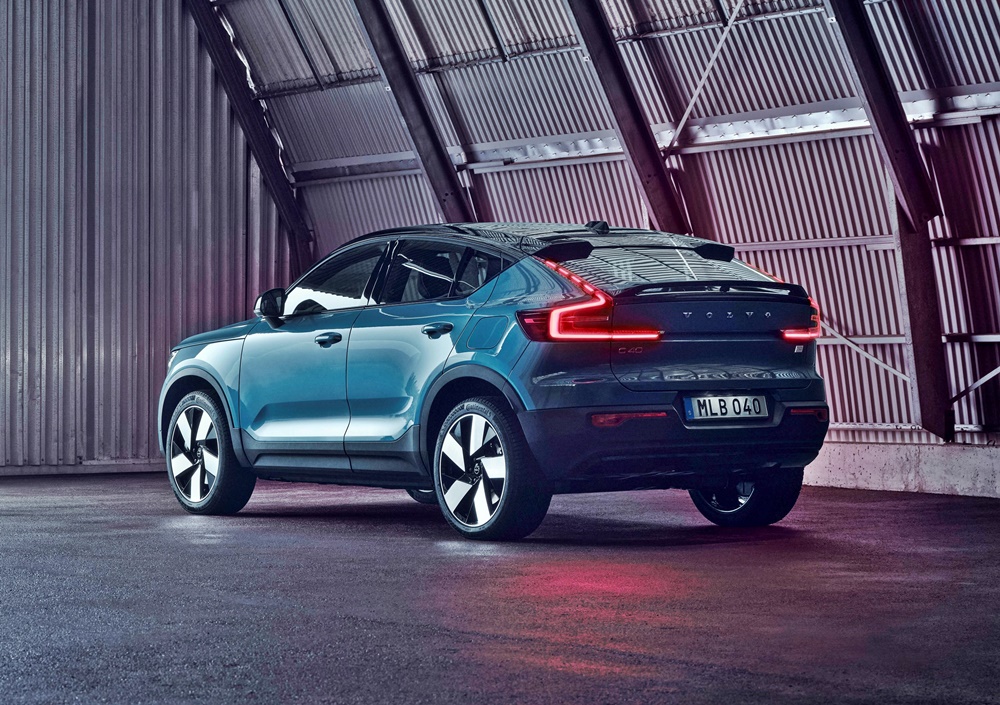
“One of my favourite views of the car is the rear seven-eighths, which gives you a view of the side and the coupé line profile,” he said. “You see the SUV elements as it sits on these really big wheels, and it’s this tough little character but with a very sleek approach to the roof. It’s built upon the solidity of the XC40, but in a more dynamic way. These combinations give it a totally different expression, while still carrying on our DNA.”
Breaking new ground
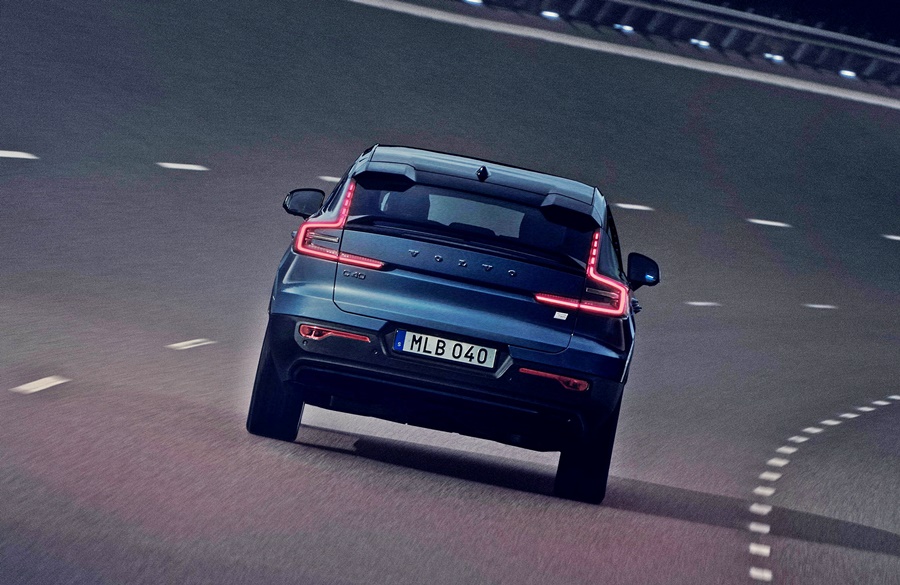
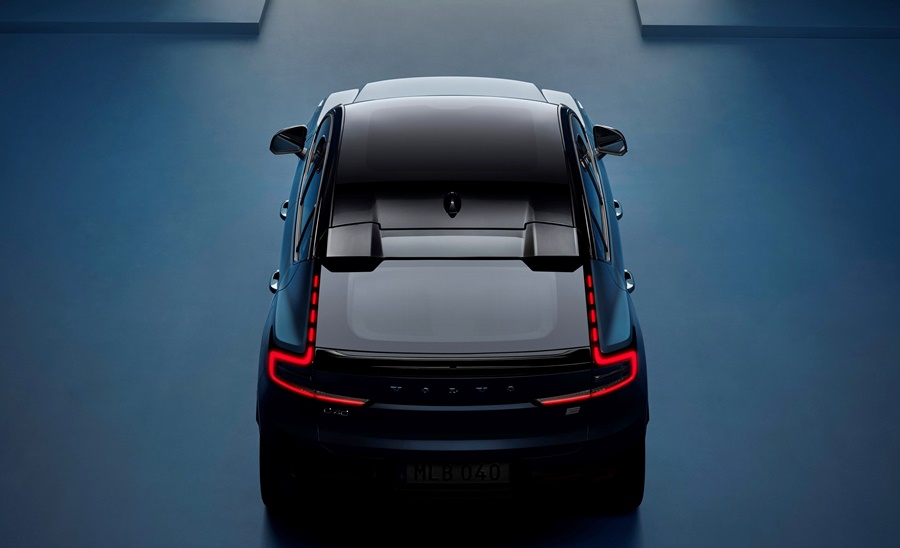
The idea of breaking new ground with something familiar is mirrored in individual details. For example, the signature Thor’s Hammer headlights are augmented with new pixel LEDs, which automatically adjust to light conditions and switch on and off independently to optimise the light pattern. The equally emblematic vertical rear lights are segmented, providing a testament to the engineering challenge of extending one big lamp along the roofline, while also creating a modern take on a classic design.
The DNA is distinguished by a Scandinavian approach in the form language: sections are shaved and carved out of the solid form, creating a sense of purity and refinement; an understated confidence. “It communicates a solidity, which can also link to a feeling of safety,” Mayer said. “Subconsciously, this is a powerful beast that’s protective, yet we sculpt it in a way to make it as lightweight and efficient as possible.”
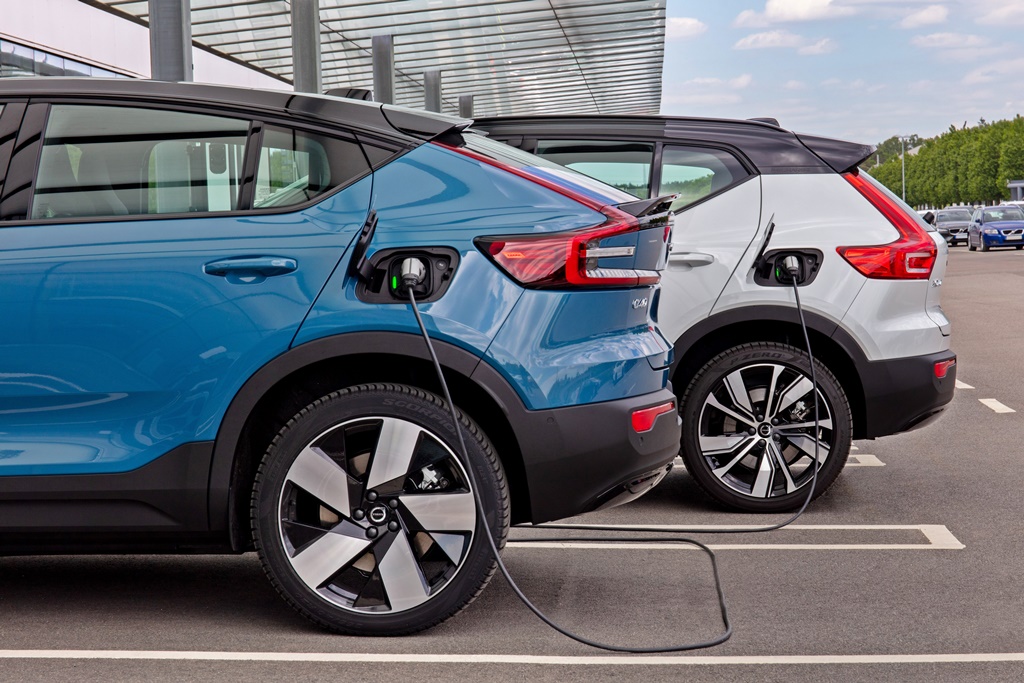
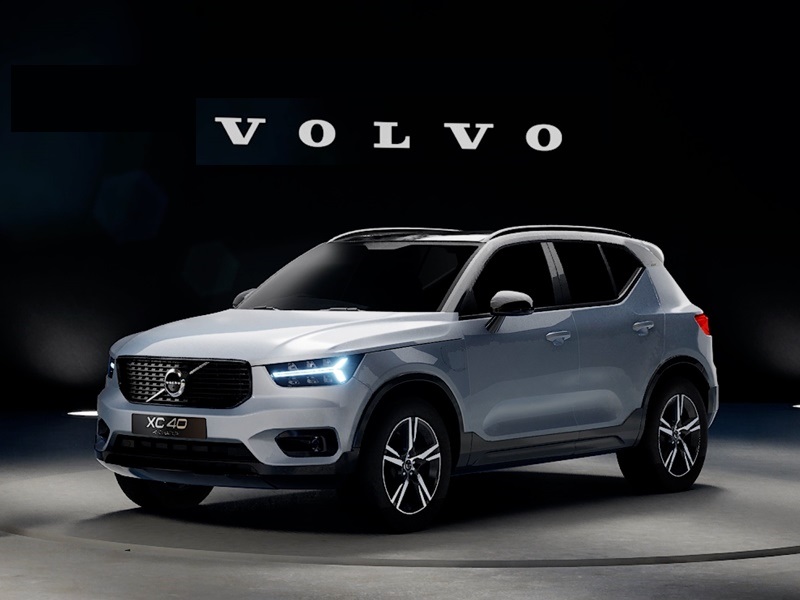
Rear ends of C40 Recharge (blue car) and XC40 (silver car).
Nature and light
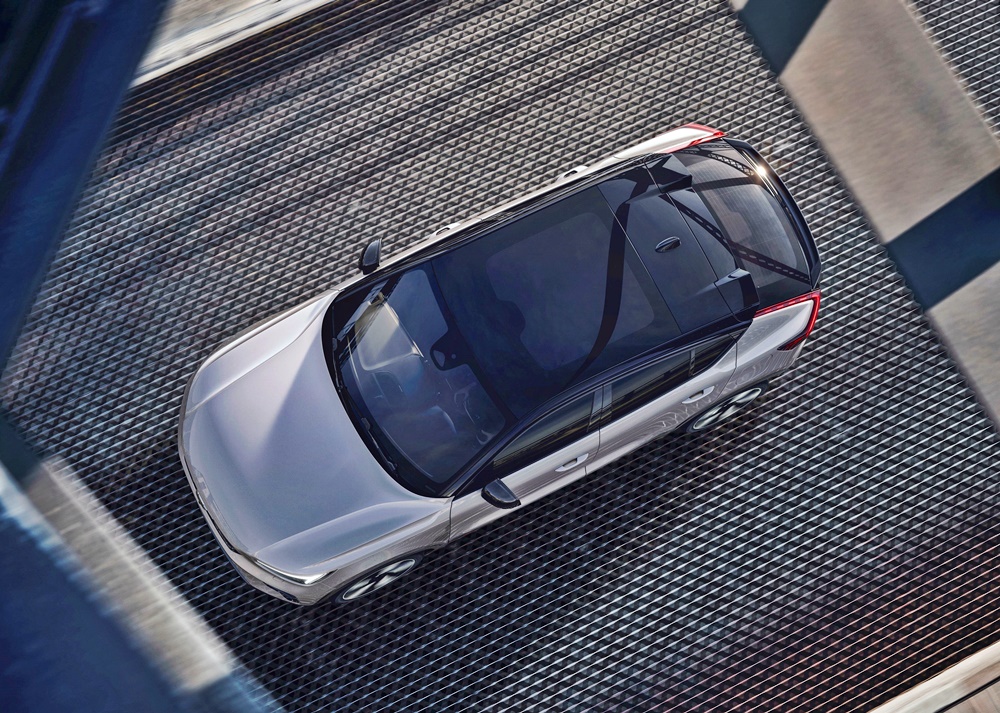
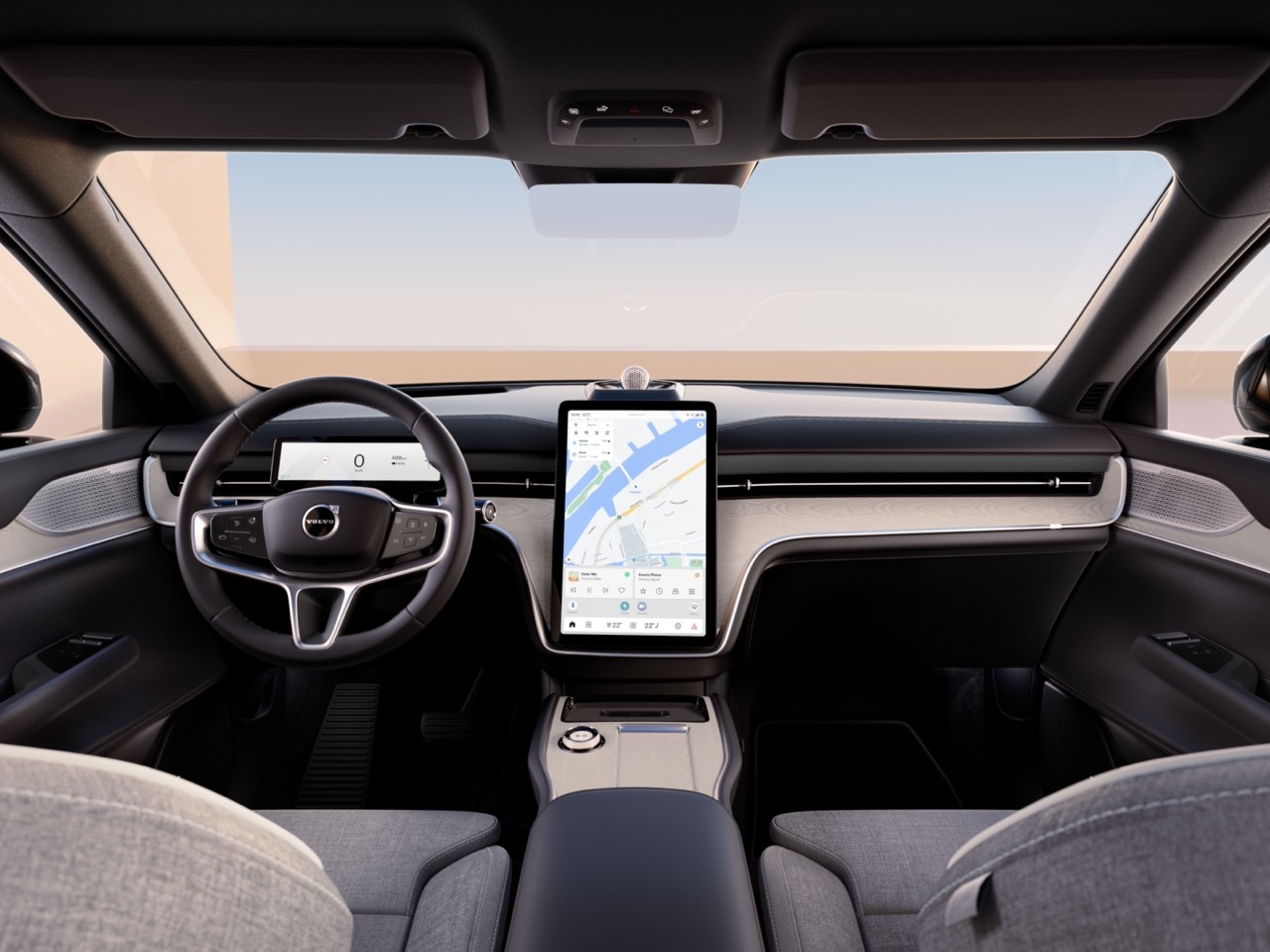
Using these design principles – as well as inspiration from the Scandinavian landscapes with their quiet atmospheres, light and freedom of space – the confidence of the exterior design is tied together with an interior design characterised by the calming effects of nature. There’s the large, panoramic glass roof that enhances the airiness of the cabin, making the most out of short winter days, while blurring the line between outside and inside during bright summer nights.
“In Sweden, it’s dark and grey most of the year – but when the sun shines, the colours come to life much more vibrantly than anywhere else,” said Lisa Reeves, Head of Interior Design. “The grass looks greener, the sea looks bluer. You see this reflected in the architecture here: houses have a lot of glass, designed to really let in the light and the open floor plans spread the light within the house. Light and nature are strong parts of the culture and are important themes for the C40 interior.”
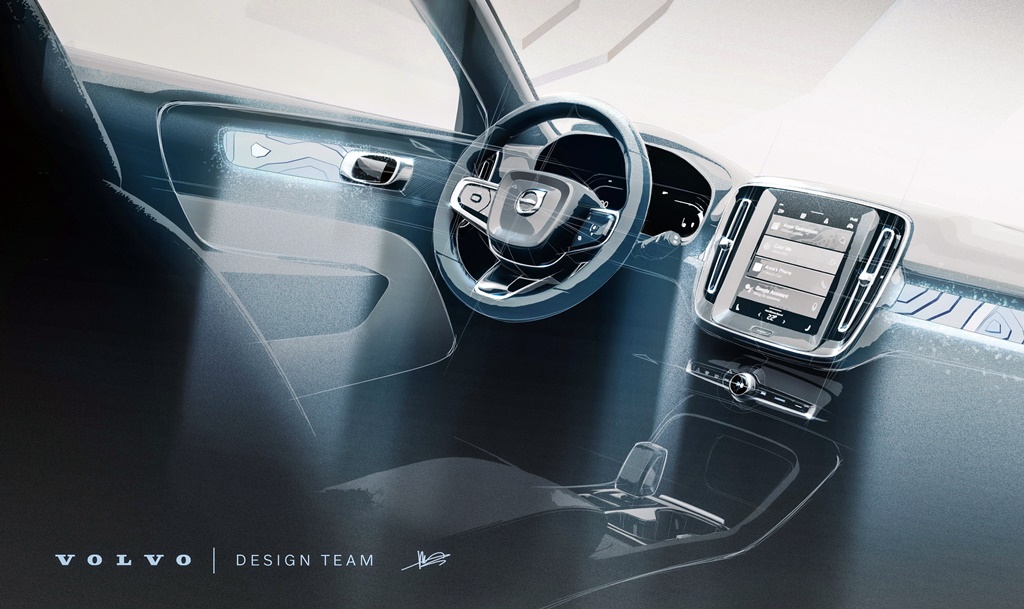
The Fjord Blue colour, inspired by the deep inlets on the Scandinavian west coast, flows from the exterior and creates a continuation inside by colouring the large swathes of carpet that extends up from the floor to the sides of the tunnel console and the front doors. This provides a foundation for the backlit translucent graphics on the dashboard and front door panels, which are a nod to the dramatic, yet serene mountain sceneries in Sweden’s Abisko national park.
“We traced the topography of the park and used the contours to create an abstract digitalised design with a layered pattern,” explained Rekha Meena, Senior Design Manager, colour and material. “When the light from LED lamps comes through across the surface, it creates this really nice, atmospheric three-dimensional effect.”
Sustainable materials
Hand-in-hand with nature as a source of inspiration is the high amount of sustainable materials used for the interior. The topography trim panels are partly made of recycled plastic, while the carpet is made of 100 per cent recycled PET plastic bottles. The C40 offers Volvo Cars’ first leather-free interior, with one upholstery option containing naturally renewable wool fibres, and a second option using a combination of suede textile (also made of recycled plastic) and micro-tech material.
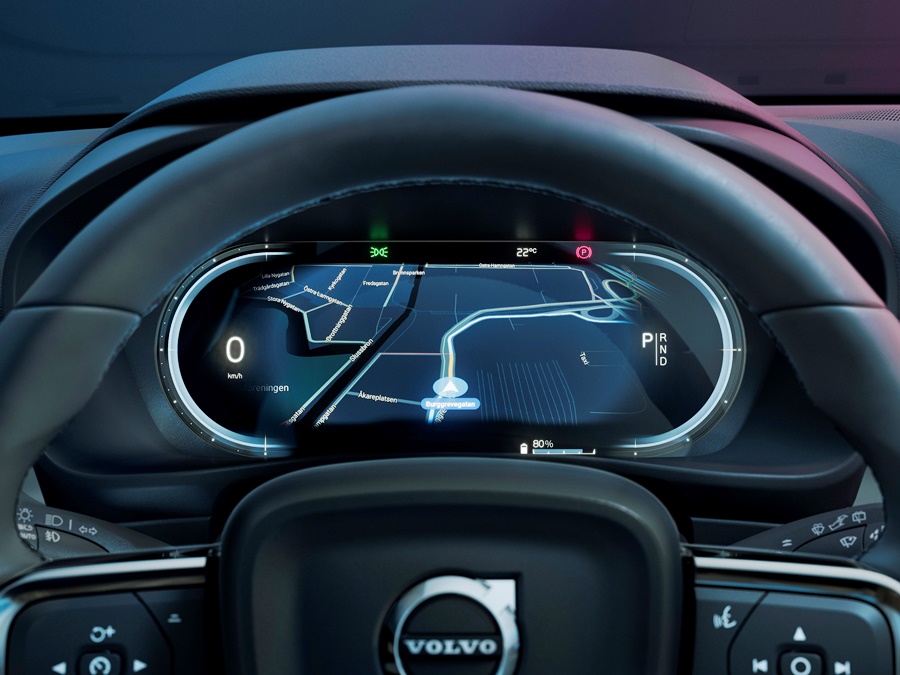
The layout of the interior gives a sense of organisation and thoughtfulness, where functionality is key. The C40 repeats the XC40’s ‘uncluttering’ approach, providing smart and thoughtful ways to store all important belongings within arm’s length. Minimalism is an overarching theme, which becomes even more evident when looking at the instrument panel.
Symbolism and function
Using renewable and recycled material is one part of the sustainability equation, and the car being fully electric is another. But to really get the message of electrification across, the C40 needs to look the part as well, and it does so with features that blend symbolism and function together.
The new wheel design, influenced by the Volvo 360c concept car from 2018, helps with aerodynamics while creating a dynamic look fitting the driveline; the rear spoiler both characterises and supports downforce on the car; and the roofline boosts aerodynamic efficiency, giving it a functional as well as a visual relationship to range. And then there are the elements where messaging slightly takes the upper hand, like the closed grill and the contrast roof.
“To symbolise the electric car, the face is really important,” said Page. “Part of our design language is about honesty, and the reality is that we don’t need a large air intake for an electric car. This car originates from the XC40 – which does have a grill – so it’s not a case where we can just ignore that and do a super low, fully moulded front. And we wouldn’t want to do that on this car anyway, because the C40 has a characterful face. We achieved a good solution, with strong, pure graphical lines. Together with the contrast roof, which we’ll use to distinguish our 40 cluster electric cars, it’s one of the ingredients that communicates our journey towards full electrification.”
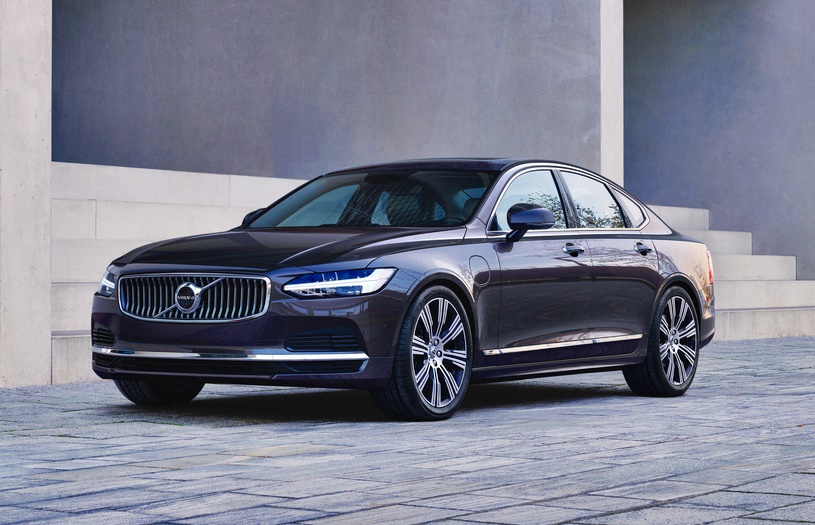
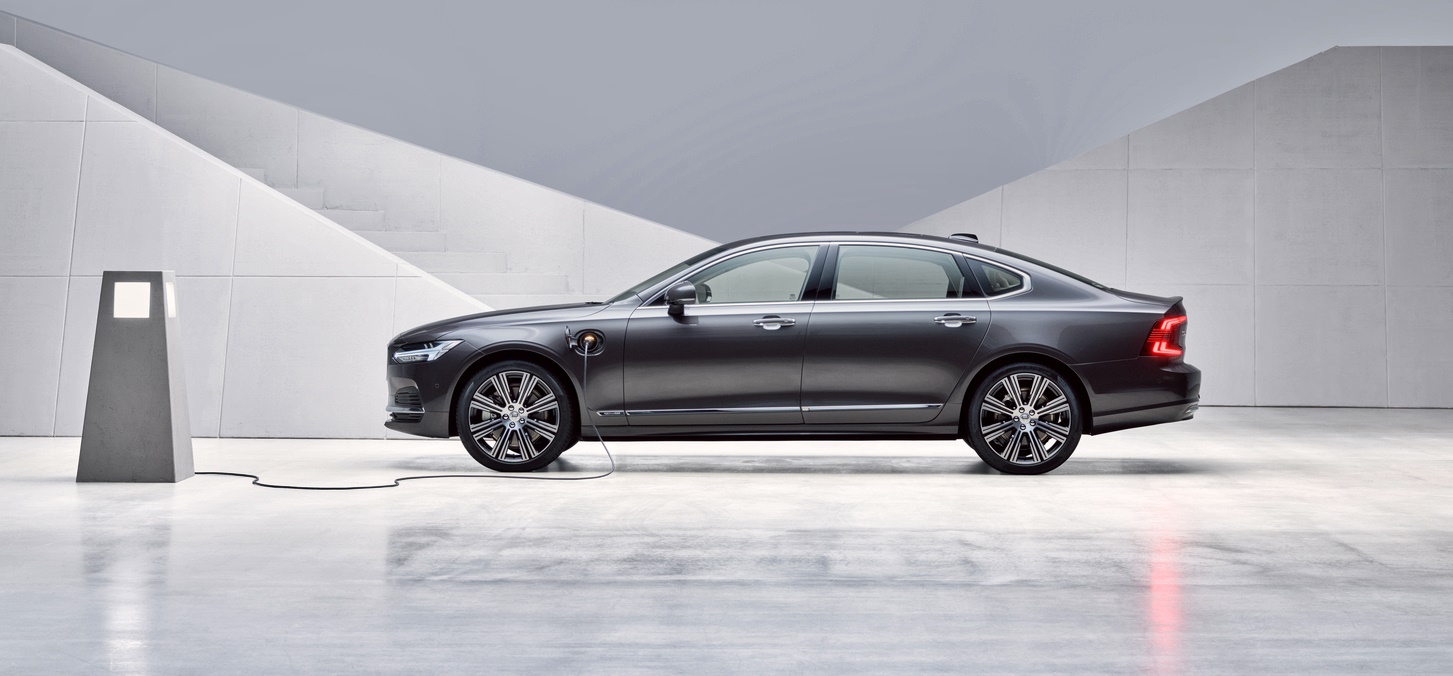
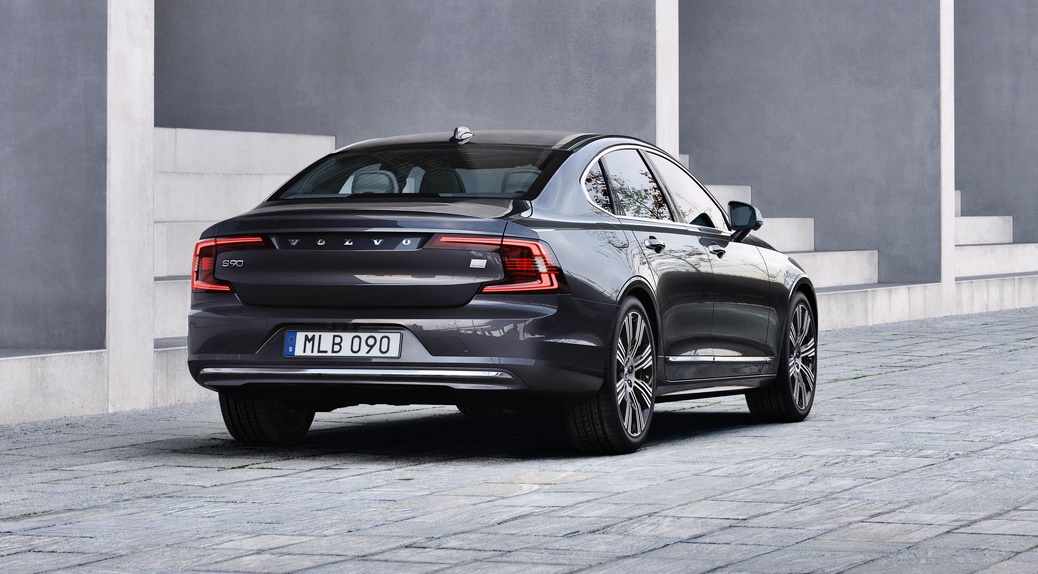
The Volvo S90, which traces its roots back to the 960 of the 1990s, has been updated with a new exterior and interior finishing. Assembled at the Volvo plant in Selangor, the flagship sedan is built on the Scalable Product Architecture (SPA) platform and, for the Malaysian market, uses Volvo’s Drive-E turbocharged/supercharged powertrain.
The 2021 S90 Recharge T8 is currently priced from RM339,315 (without insurance) but will rise to RM358,888 after June 30, 2021, if the sales tax exemption is not extended. Additionally, there will be a T5 variant (priced at RM328,888) which will be available from June 2021 onwards.
The T8 variant is powered by a Twin Engine and has a rechargeable lithium-ion battery pack. Total system output of the plug-in hybrid powertrain consisting of a 4-cylinder petrol engine and electric motor is 407 bhp/640 Nm, which is used to power the Electric All-Wheel Drive system with Electric Rear Axle Drive.
Minimalist design updated
Similar to the XC90, the S90 Recharge T8 has Volvo’s design language which blends minimalist design and stylistic cues such as the ‘Thor Hammer’ LED headlight design, vertical chrome grille with the Volvo Iron Mark, and a bold and clean use of the Volvo spreadmark on the rear. The tail lamps have also been changed to a similar design to the recently launched S60 T8 R-Design, adding a touch of sportiness.
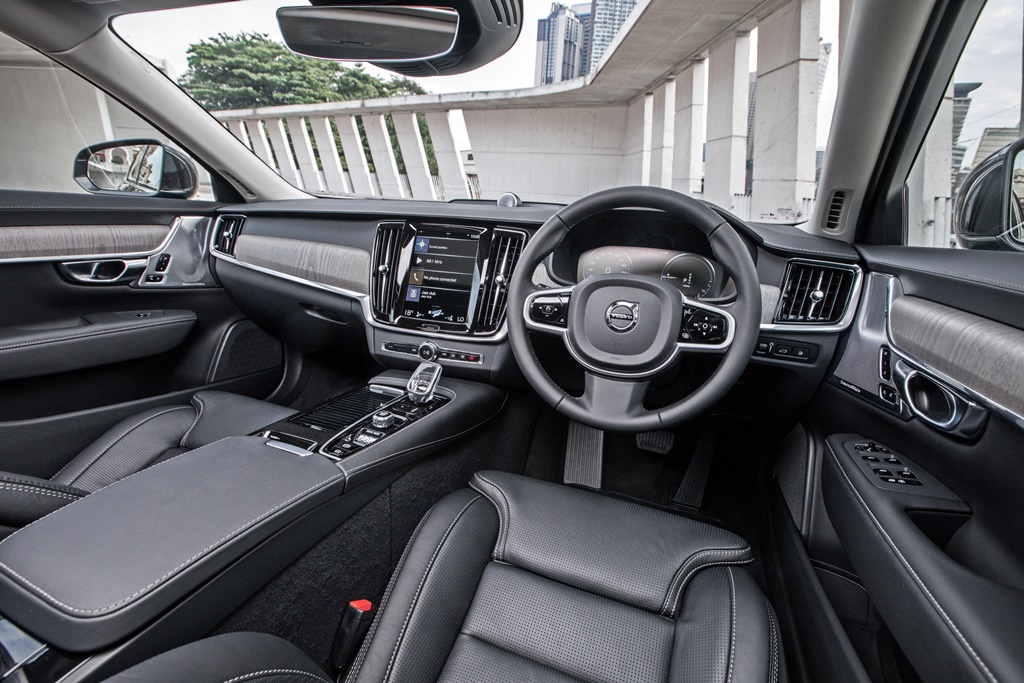
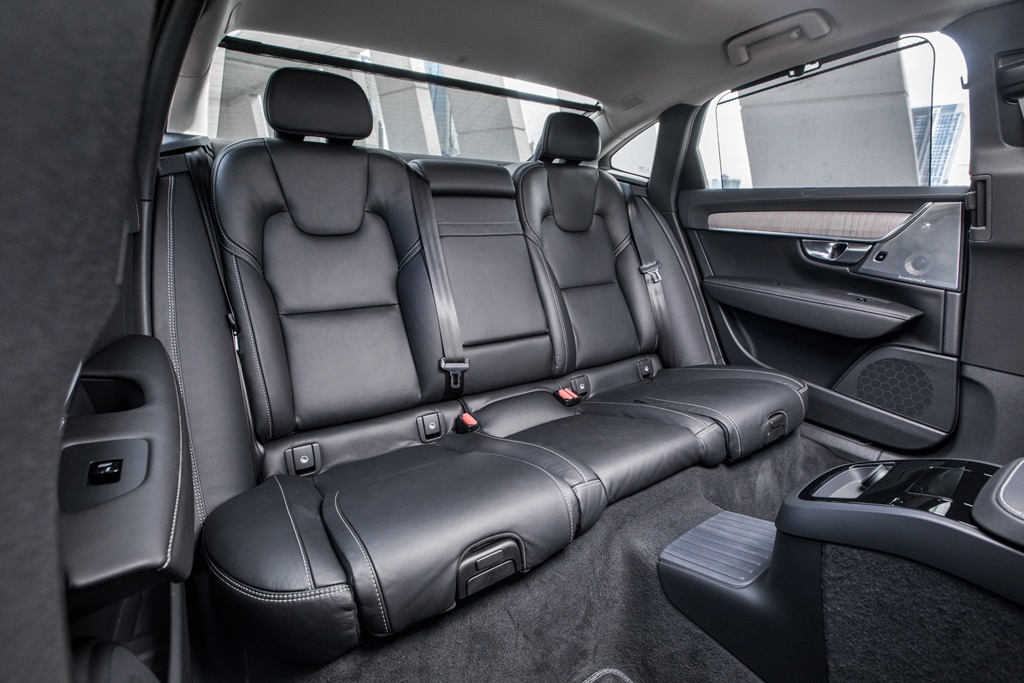
The Scandinavian-ness is a key feature of Volvo interiors while connectivity and technology are strong points of the S90 Recharge T8. Vertical air blades are installed on each side of the Sensus user interface which keeps the driver connected with intuitive technology and personalised convenience.
Premium 1400W sound system
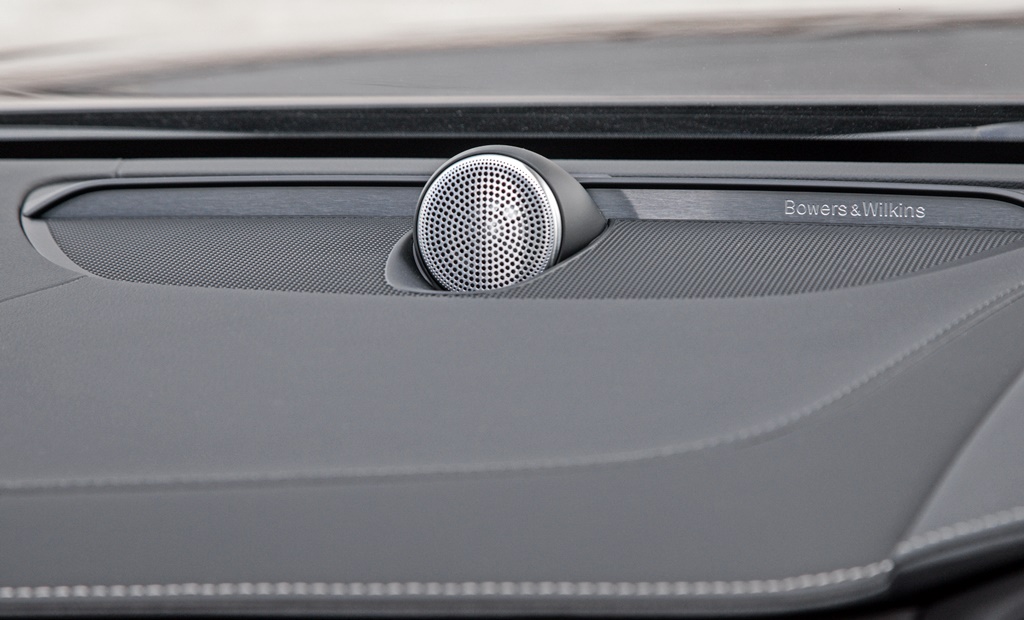
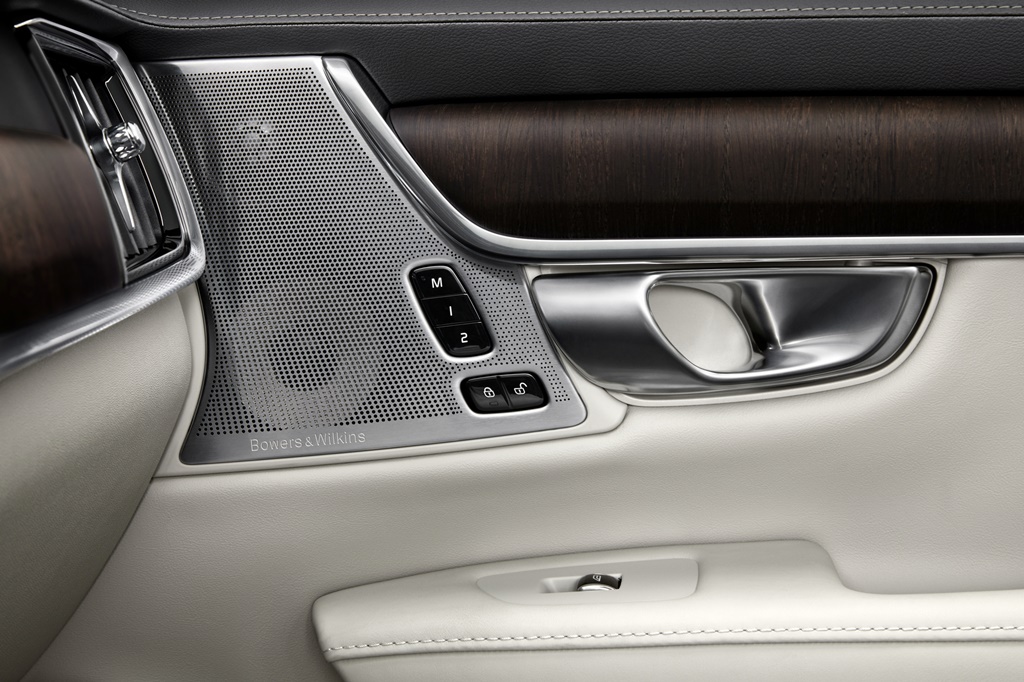
For entertainment, there’s an upgraded Bowers & Wilkins sound system with a total of 19 speakers, including the signature Tweeter-on-Top speaker integrated into the design contours of dashboard. This speaker system also employs Bowers and Wilkins’ exclusive Nautilus speaker technology and includes new double-dome aluminium tweeters and the new generation mid-range speaker cones in Continuum composite material.
Combined with the unique feature of different room modes such as the Concert Hall Mode, which is modelled after the exact acoustic qualities of the famous Gothenburg Concert Hall, and also a Jazz Club Mode, the occupants are promised an experience said to be comparable to having seats in a Swedish theatre or a classy jazz club. The system has an output of 1,400W and can be interfaced with compatible smartphones using Apple Carplay or Android Auto.
Intellisafe system with 180 km/h maximum speed
Standard Volvo safety features starting with a chassis made of boron steel for added body strength. This complements Volvo’s Intellisafe system that assists the driver to avoid accidents, or minimise the effects of collisions. Some of the systems – like Blind Spot Information System and City Safety – which are today found in many cars were pioneered by almost Volvo 20 years ago.
Incidentally, those who buy the latest Volvos will be able to travel at no more than 180 km/h, even if the car is capable of a high speed. The carmaker made this decision in 2019 ‘to help close the remaining gap to zero serious injuries and fatalities in traffic’.
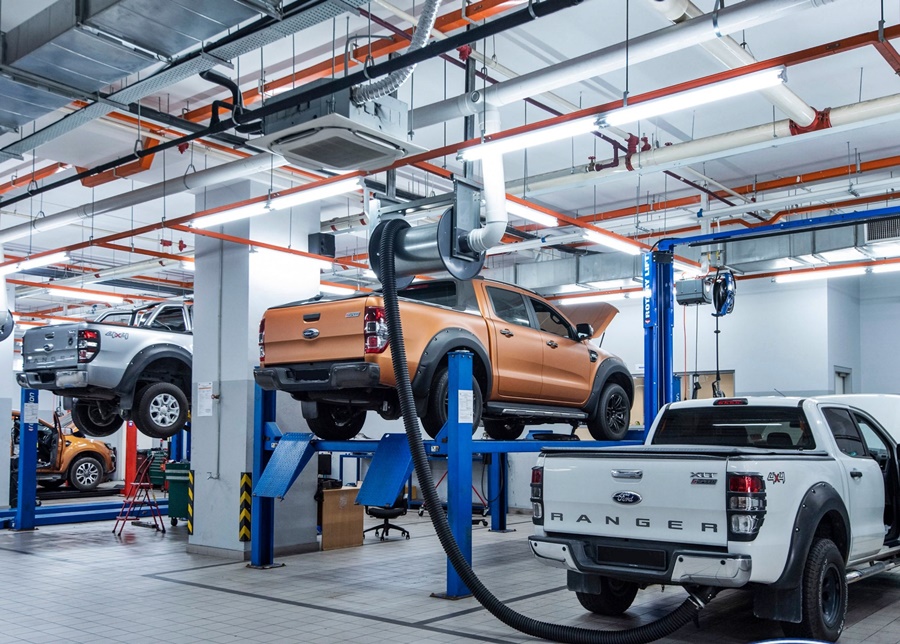
Making the purchase and ownership of cars as convenient as possible is important to retain customers so they continue with the brand the next time they replace or get an additional car. For many companies, providing convenience has been through making retail outlets 3S – offering sales, service and spare parts. In this way, they are a one-stop centre for all the customer’s needs, from the time of purchase through owning the vehicle.
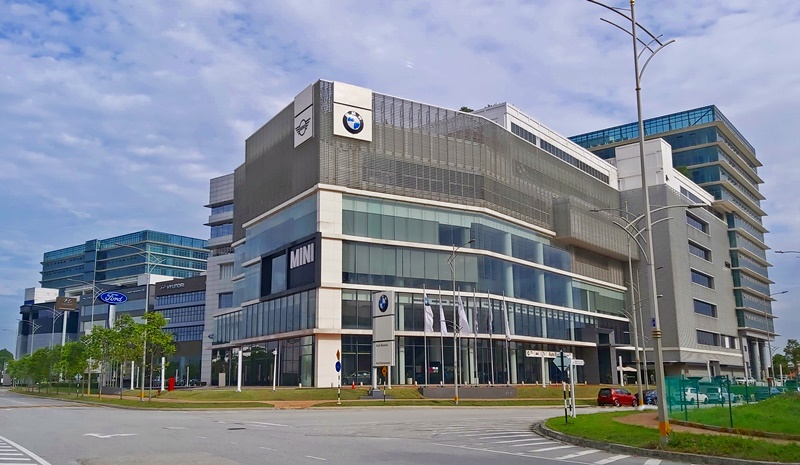
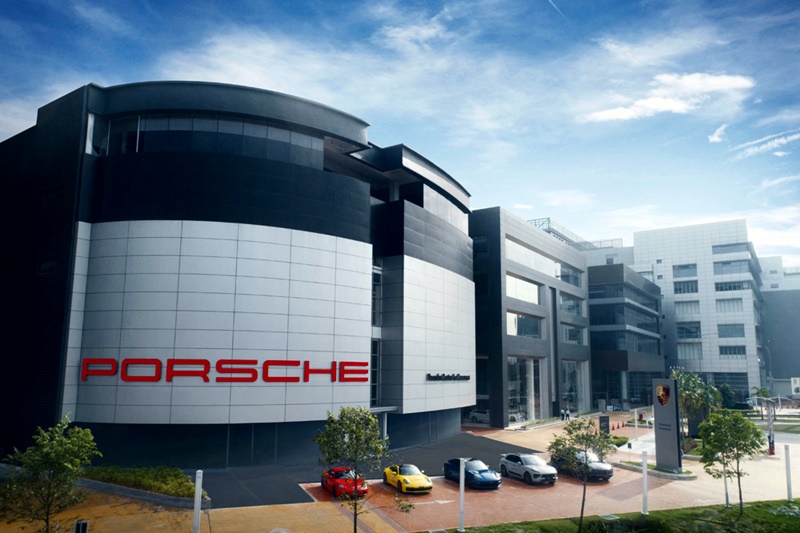
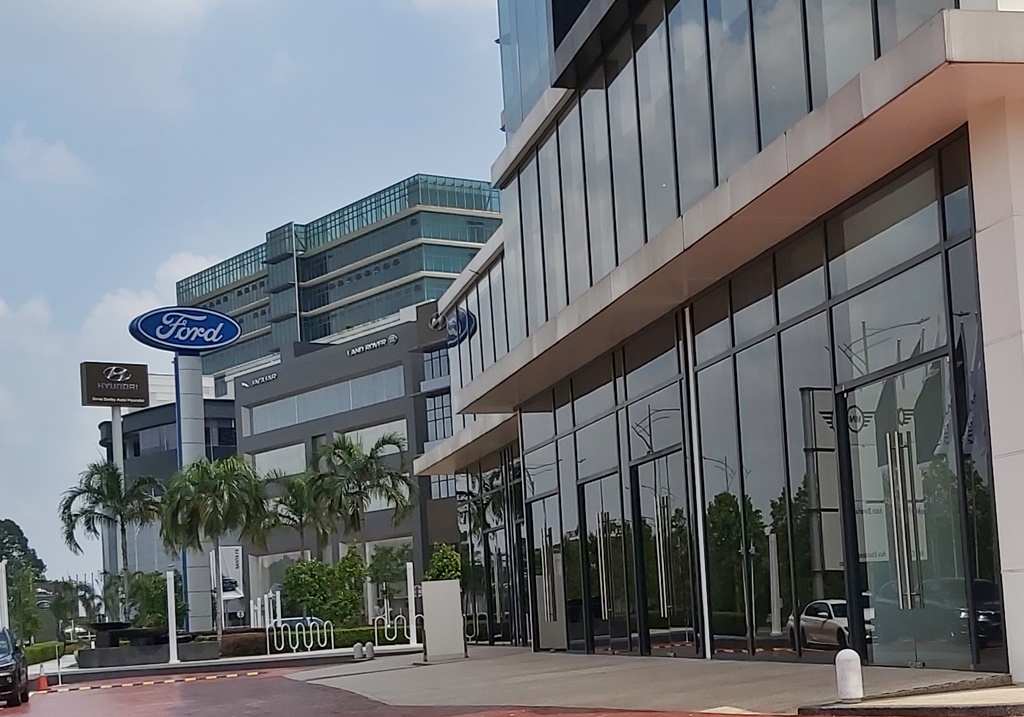
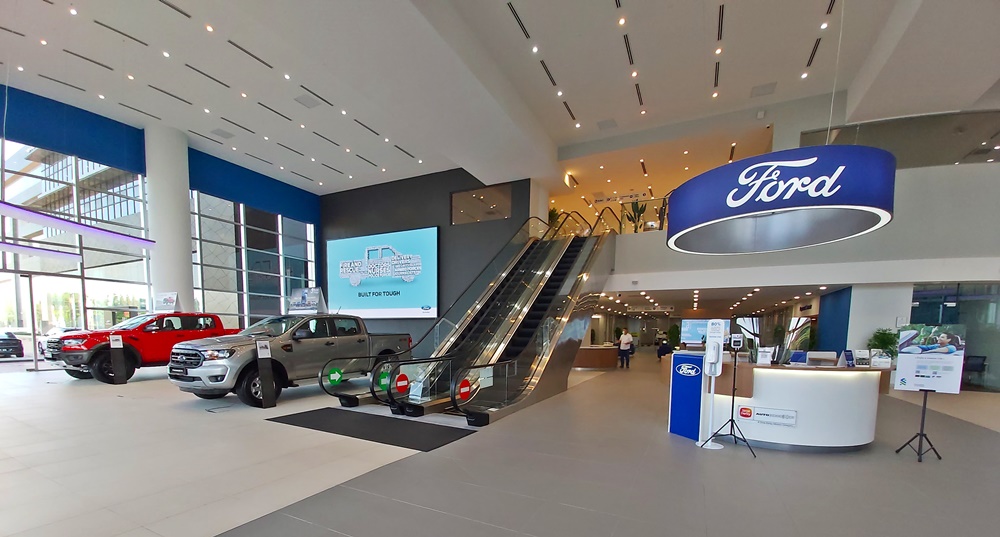
Sime Darby Motors has gone further by not only having 3S outlets but also clustering them at one site so that customers can choose from a wider range of models from different brands without having to go to different locations. The site is the new Sime Darby Motors City located in the township of Ara Damansara within the Klang Valley, near Sultan Abdul Aziz Shah Airport (formerly Subang International Airport) which is claimed to be the largest automotive complex in Southeast Asia.
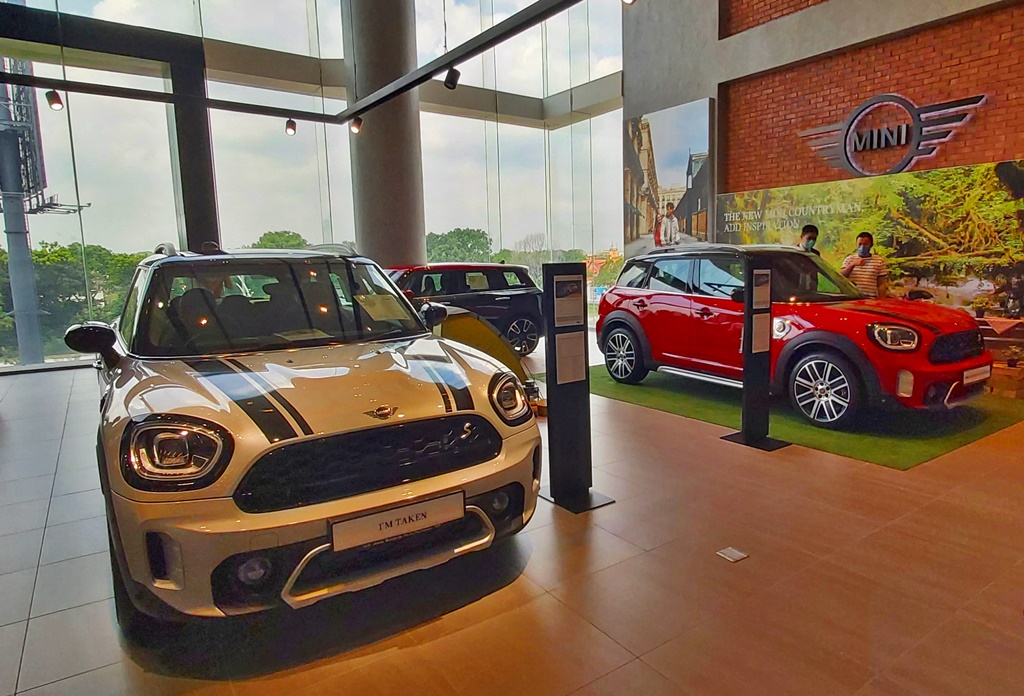
It is the realisation of an idea which has been considered for at least the past 30 years, perhaps gaining more relevance as the number of brands increased from the early ones such as Ford and BMW to now include Porsche, Hyundai, Jaguar, MINI, Motorrad (BMW motorcycles), Land Rover and Volvo. Though operational for over a year now, the official opening of Sime Darby Motors City has taken place only today due to COVID-19 pandemic and Movement Control Orders which restricted public events.
6 showrooms plus pre-owned business unit
The complex of 6 flagship showrooms and service centres is built on 8.6 acres of Sime Darby land adjacent to the highway to the airport. The built-up area is considerable – 1.3 million square feet – with up to 8 levels, some of which are for the service centres. It has a Green Building Index (GBI) certified facility built with sustainability in mind and incorporates technologies to cultivate a paperless organisational culture.
There is also an indoor facility with space for almost 100 vehicles that are managed by the Sime Darby Auto Selection unit dealing with pre-owned vehicles. Sime Darby Motors City also has mobility collaborations with SOCAR (a car-sharing network) and myTukar (an online used car trading platform).
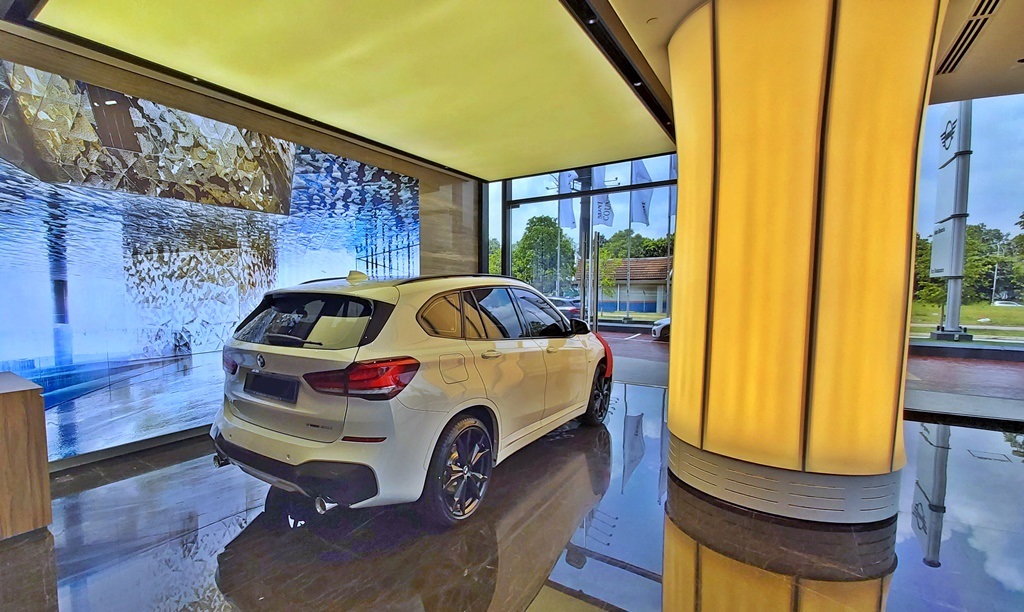
Auto Bavaria has this special area for handover of new vehicles to customers.
First automotive facility with IoT
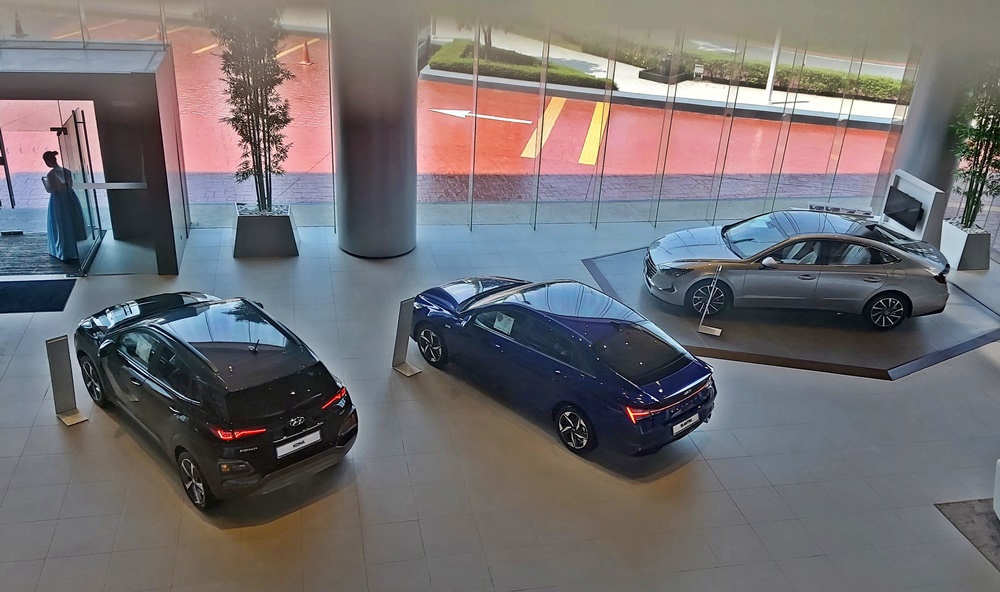
Each showroom has its own identity in keeping with the brand image, and aftersales services are provided with the highest standards, both in terms of equipment and personnel. Sime Darby Motors City is Malaysia’s first automotive facility that deploys Internet of Things (IoT) technologies, enabling improved service capacity, and supporting the company’s growth by accelerating efficiencies to deliver world-class services to its customers.
“As one of the key players in the automotive industry, Sime Darby Motors has always been committed to pursuing excellence as we strive to provide world-class services to our customers. The launch of Sime Darby Motors City is a testament to this steadfast commitment,” said Andrew Basham, Managing Director of Sime Darby Motors.
At the heart of the facility’s digital infrastructure is its Vehicle Tracking Management system which utilises a camera-based parking guide and customisable signages to ensure a higher level of guidance, security and convenience for the customer. It also allows for quicker collection of vehicles upon completion of service. Internally, the facility’s digitalised infrastructure communicates the status of each vehicle in real-time, ensuring greater efficiencies are achieved.
IoT-powered Automated Number Plate Recognition cameras have also been installed as part of a contactless self-check-in system, enabling customers’ appointment data to be accessed, upon their arrival. Concurrently, a service advisor will be alerted and automatically assigned to the customer, allowing for a seamless experience. The deployment of these technologies will be rolled out progressively throughout Sime Darby Motors City.
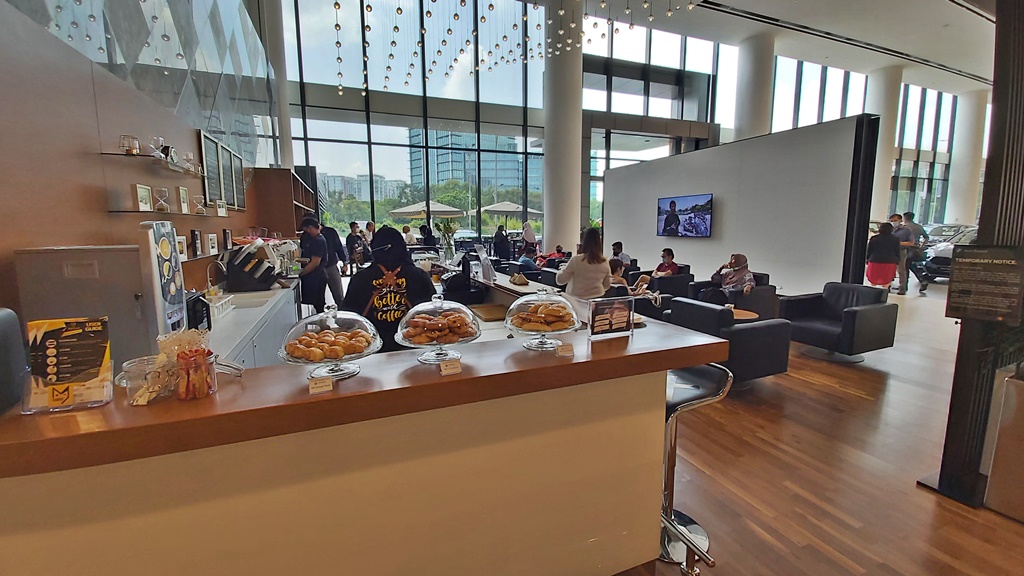
Customers visiting showrooms and service centres can relax and have snacks and drinks or even do work in comfortable surroundings.
RM570 million was spent on building Sime Darby Motors City so it is not a project that may be replicated in other parts of the country. “We have no plans for another similarly sized complex but we could explore other approaches in future,” said Jeffrey Gan, Managing Director, Retail and Distribution for Malaysia, Sime Darby Motors.
Future-ready for EV era
With an eye on the future of the business, Sime Darby Motors City is future-ready as the automotive industry continues to evolve towards EV. It is equipped with specialised EV-certified technicians and designated areas for EV charging, storage and repairs, which are currently available at Auto Bavaria, Auto Hyundai, Auto Performance and Swedish Auto, all of which have brands that offer electrified models.
Sime Darby Auto Performance, which represents the Porsche brand, has installed Malaysia’s first fast Direct Current (DC) high-performance charger, operational since September 2020, within its Porsche Centre. Capable of delivering a maximum of 175 kW, it is able to provide a nearly full charge within 36 minutes, which is at least 8 times faster than the fastest Alternating Current (AC) charger available at 22 kW.
Grand Launch Weekend
This weekend (April 16 – 18) will be a good time to visit Sime Darby Motors City as there will be a ‘Grand Launch Weekend’ event with attractive deals at all the showrooms. However, it is recommended that those going there contact the showroom they wish to visit so that an appointment can be made. This is to adhere to the government’s COVID-19 Standard Operating Procedures on crowd control and physical distancing.
The Volvo Cars electrified Recharge line gets another model – the C40 Recharge – as part of the carmaker’s ongoing plans to have fully electric vehicles account for 50% of its global sales volume by 2025. And by 2030, it plans for every vehicle it sells to run only on electricity, no more combustion engines or hybrids.
The C40 Recharge will go in production during the fourth quarter of this year at the Volvo Cars plant in Belgium where the XC40 Recharge is also built. In line with its ambition of reducing complexity in its model offering and focus on attractive pre-selected variants, Volvo Cars has drastically simplified the consumer offering of the C40 Recharge.
420 kms range and more to come
The propulsion consists of twin electric motors – one on the front and one on the rear axle – powered by a 78 kWh battery pack that can be fast-charged to 80% in about 40 minutes. Its range is anticipated to be around 420 kms, and this figure is expected to improve over time via over-the-air software updates that will make running more efficient.
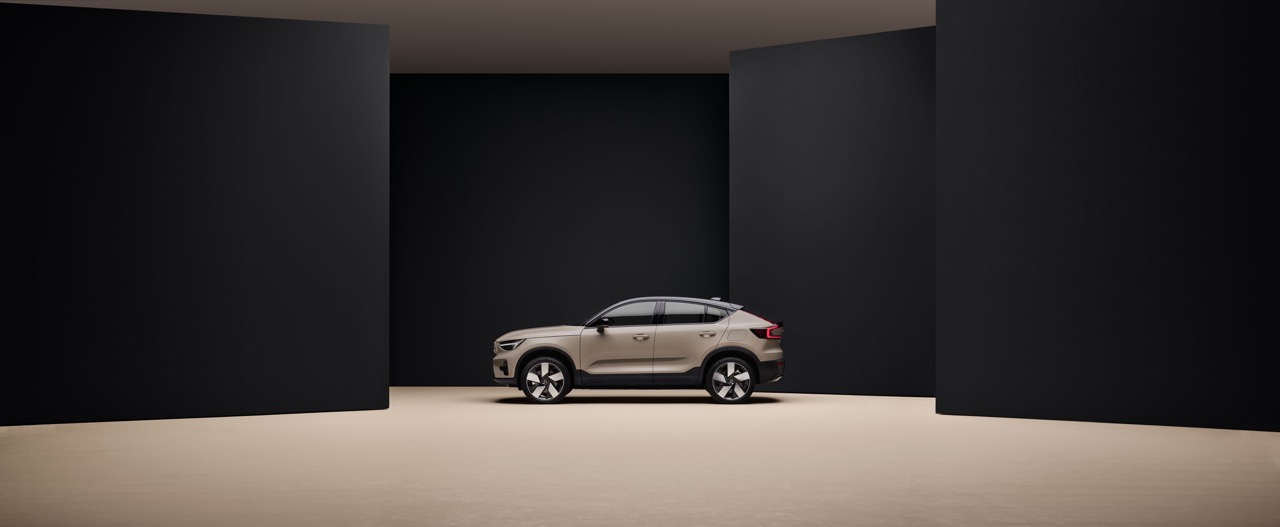
The C40 Recharge has all the benefits of an SUV but with a lower and sleeker design. It is based on the CMA vehicle platform and the first Volvo model in history designed as pure electric only. The new front design introduces a new face for all-electric Volvos and includes headlights with state-of-the-art pixel technology. The rear of the C40 Recharge features a striking rear-end design to go with the lower roofline.
Inside, the C40 Recharge provides customers with the high seating position that most Volvo drivers are said to prefer. Besides a range of colour and decor options unique to the model, it is also the first Volvo model to be completely leather-free.
Google/Android infotainment system
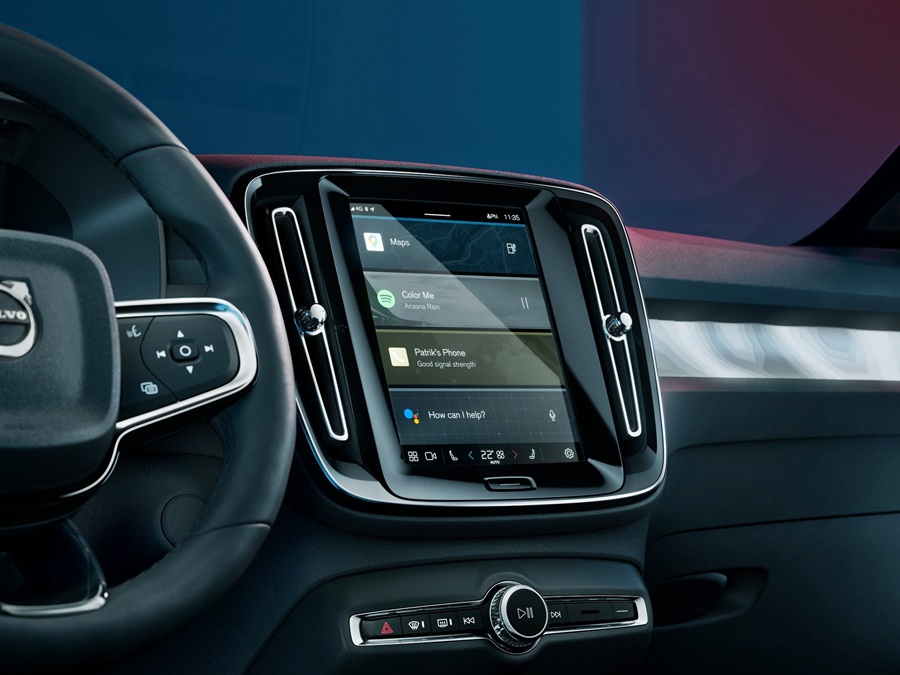
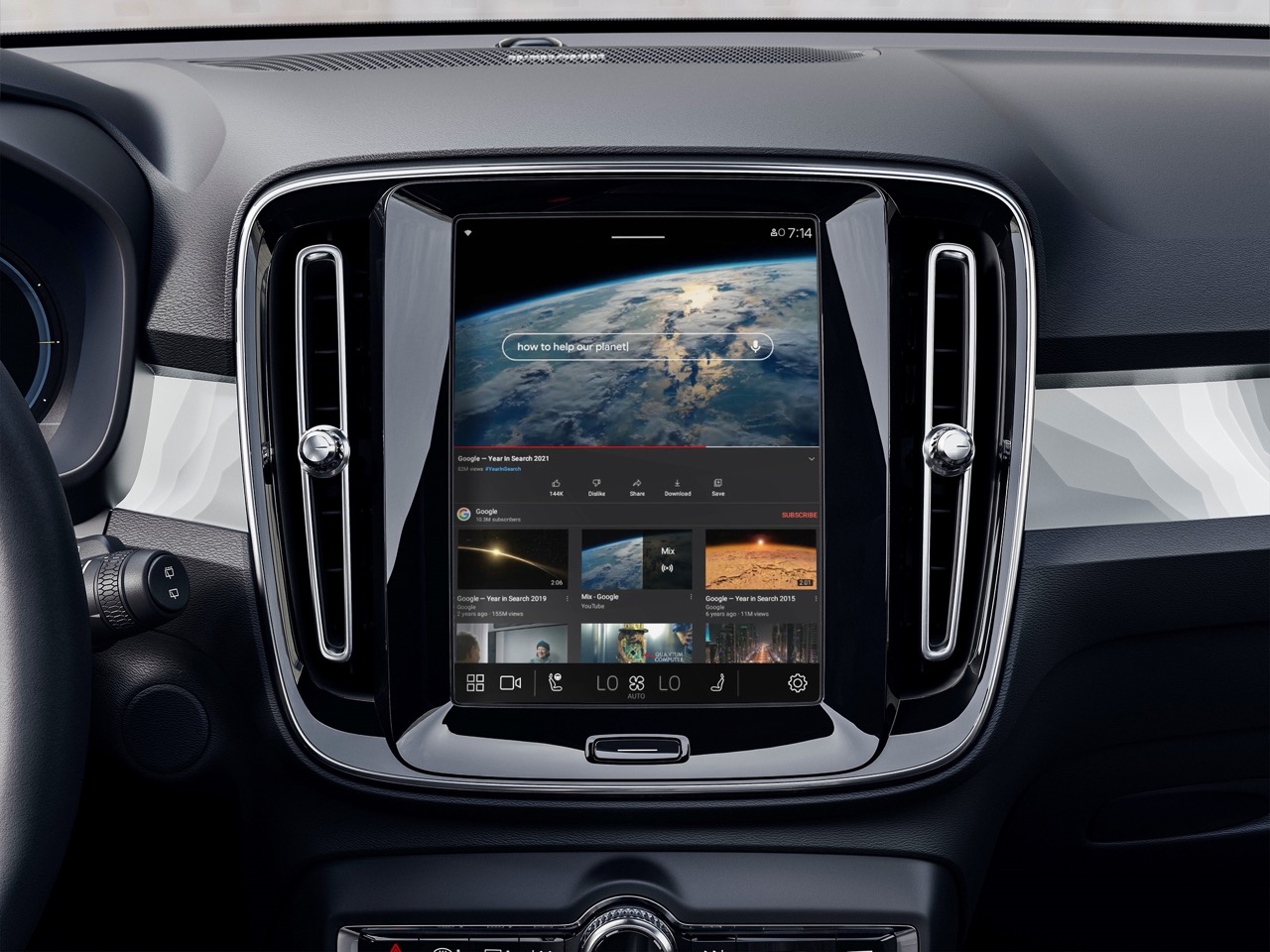
Like the XC40 Recharge, the C40 Recharge will come with what is claimed to be one of the best infotainment systems on the market. The system, jointly developed with Google and running the Android operating system, provides consumers with Google apps and services built-in. This includes navigation and connectivity apps which are commonly found on other portable personal devices.
“The C40 Recharge represents the future of Volvo and shows where we are going,” said Henrik Green, the company’s Chief Technology Officer. “It is fully electric, offered online only with a convenient care package and will be available for quick delivery. Getting a new Volvo was never this attractive.”
Available online only
Volvo Cars is fundamentally changing how and where to meet its customers, and will transform the current wholesale model by moving online. Its electric vehicle models will be available online only. As part of this new commercial strategy, Volvo Cars will invest heavily in its online sales channels, radically reduce complexity in its product offer, and with transparent and set pricing models.
When customers get a new C40 Recharge, it will come with a convenient care package that includes items such as service, warranty, roadside assistance, as well as insurance and home charging options.
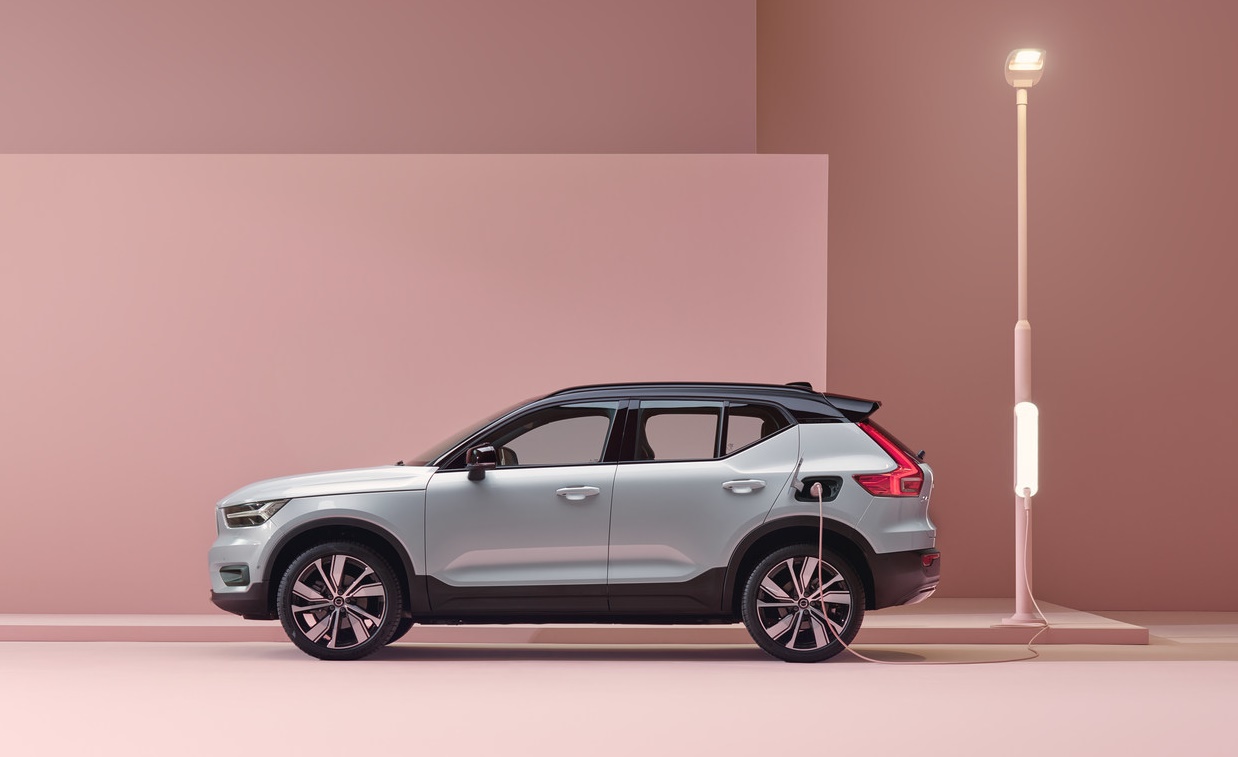
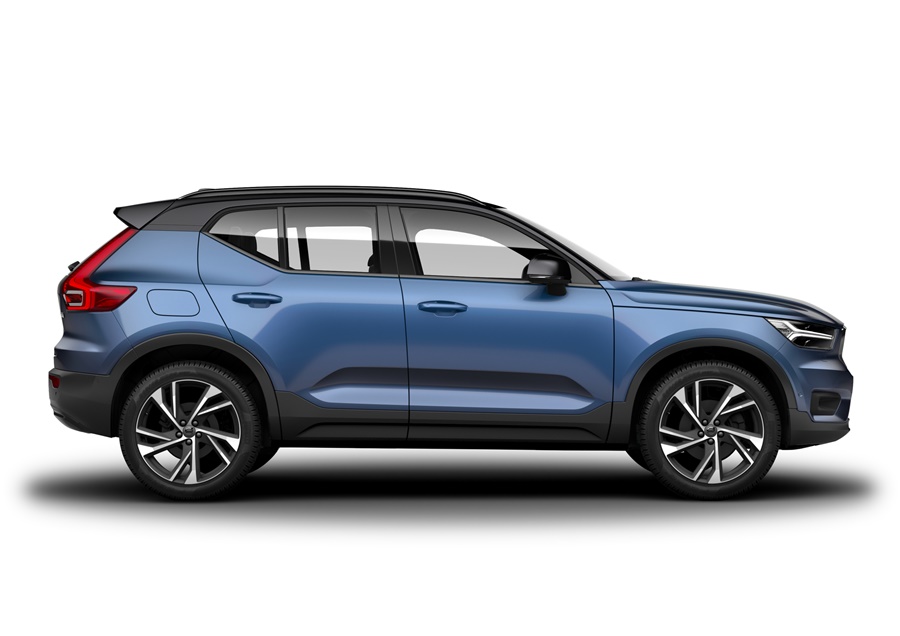
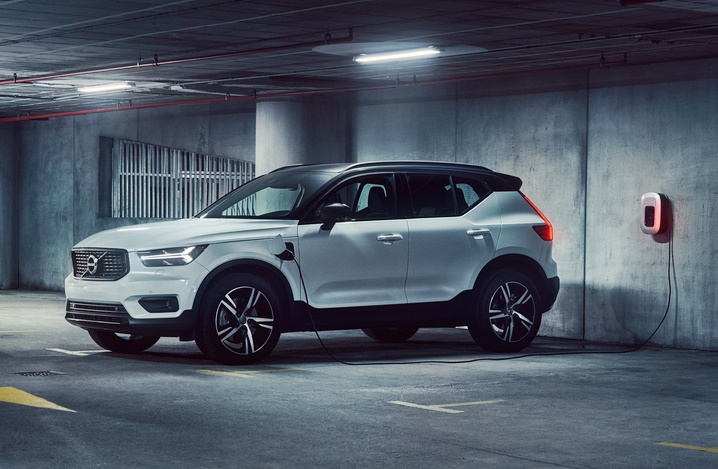
The locally-assembled Volvo XC40 range in Malaysia now has a second variant – the XC40 Recharge T5. The ‘Recharge’ indicates it is a Plug-In Hybrid Electric Vehicle (PHEV), so it extends the already varied PHEV range available from Volvo Car Malaysia.
The second model in the XC40 range is priced at RM241,997.04 for private registration in Peninsular Malaysia (excluding insurance and with full sales tax exemption until the end of June). This is RM10,346 more than the XC40 T5 R-Design.
1.5-litre petrol engine + electric motor
Unlike the XC40 T5 AWD R-Design with a 2-litre turbocharged engine, the XC40 Recharge T5 has a hybrid powertrain which is composed of a 1.5-litre turbocharged 3-cylinder petrol engine that works together with an 82 ps/160 Nm electric motor. The total system output is 262 ps/425 Nm, which flows to the front wheels only through a 7-speed dual-clutch (wet type) transmission.
Performance-wise, the hybrid powertrain gives a zippy feel as maximum torque kicks the moment the car moves off and the level remains the same to 3,000 rpm. But if run against the T5 with just the petrol engine, the 0 to 100 km/h time is shown to be slower – 7.3 seconds versus 6.4 seconds. Nevertheless, both cars have the same top speed of 180 km/h and that is a maximum speed set by Volvo as a measure for safer motoring. You may grumble but that maximum speed is 70 km/h over the highest speed limit in Malaysia anyway.
0% to 100% in 3 hours
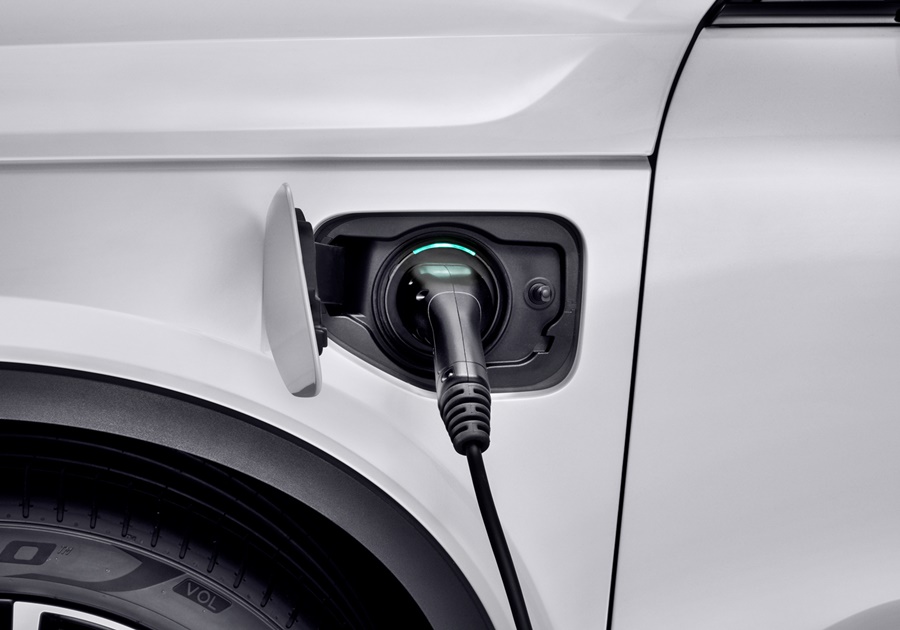
As PHEV, it’s possible to recharge the 10.7 kWh lithium-ion battery pack from an external source. This can be a household power supply – which will take up to 5 hours to fully recharge the battery pack – or a charging station which can bring the time to around 3 hours. Of course, that assumes a fully drained empty battery pack and in practice, it is likely that an owner would be ‘topping up’ the capacity the same way as with a fuel tank.
45 kms on electricity alone
While driving, the petrol engine will be used and consume fuel but because the electric motor also provides part of the propulsion, fuel consumption will be reduced and can be as economical as 45.5 kms a litre. If conditions permit, it is possible to go up to 45 kms on just electricity alone which is not only good for your wallet but also the environment. And with the fuel tank having a volume of 49 litres, the potential range with a full tank is over 2,000 kms so refuelling will probably be much less frequent.
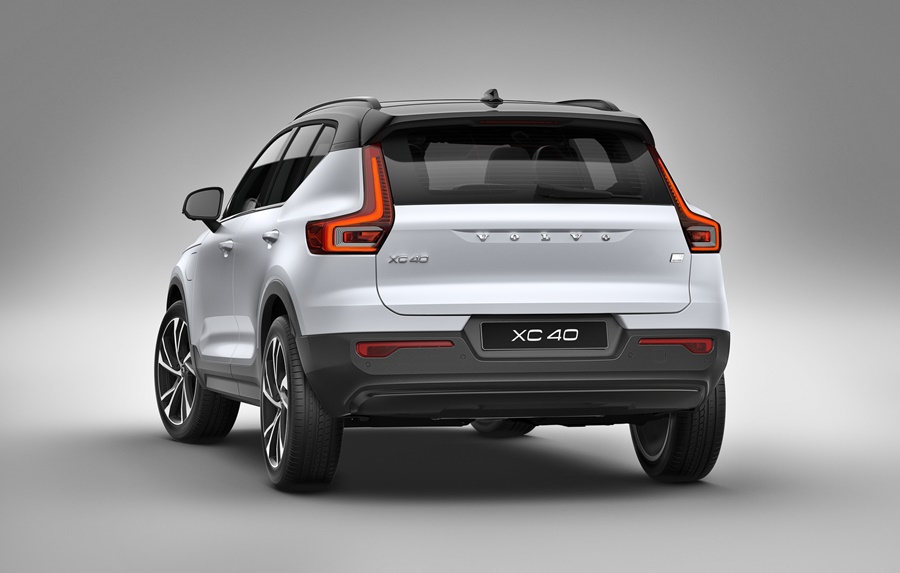
Built on Volvo’s Compact Modular Architecture (CMA) platform, the XC40 Recharge T5 has the same looks as the T5 AWD with the black roof contrasting with the 5 colour choices (although it is less evident with the Black Stone finish). The black-themed R-Design package is also fitted, probably to simplify assembly by having the same accessories and equipment.
Scandinavian with R-Design interior as well
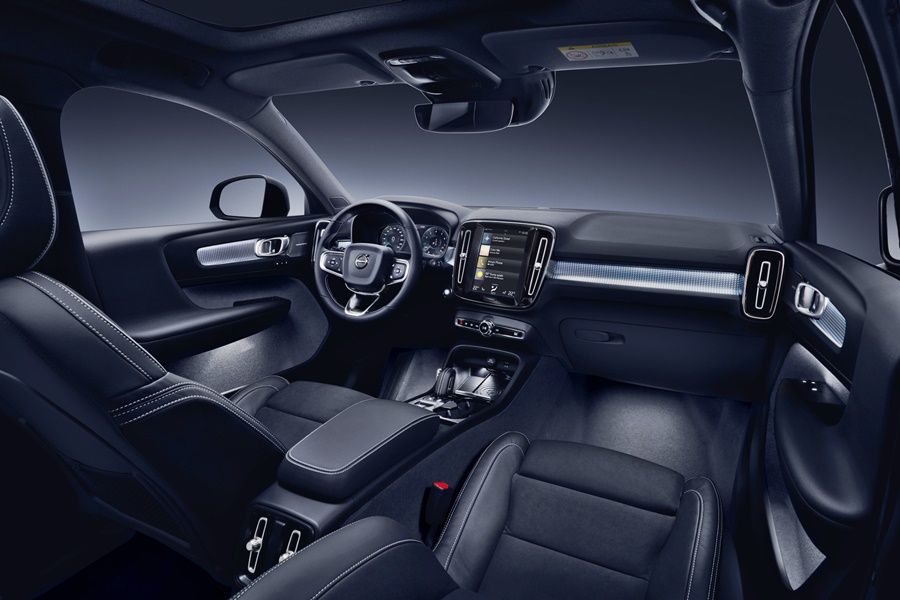
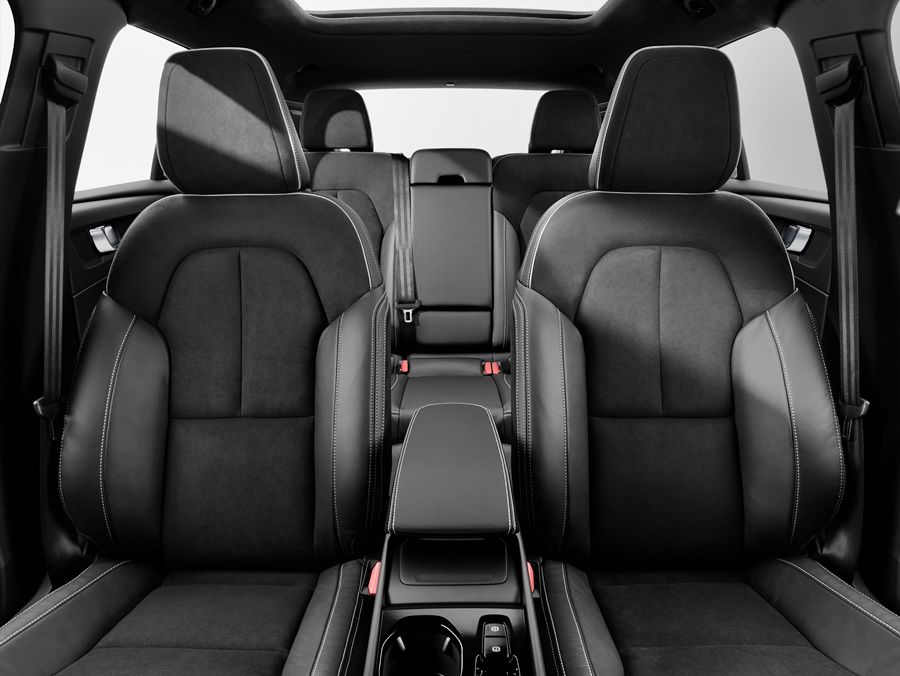
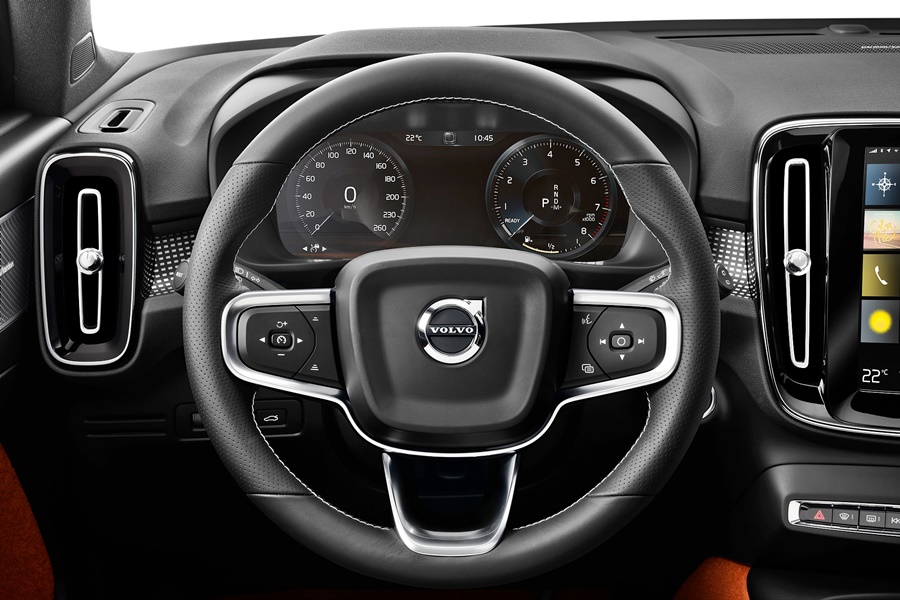
The interior has the typical Scandinavian ambience that every Volvo today possesses. It’s in the colours , textures and minimalism that is evident around the cabin. Blended into this is underlying high-tech with the fully digital-graphic instrument panel, Intelligent Driver Information System and SENSUS, which is a fully integrated, connected navigation system. Information is shown on a 9-inch colour touchscreen display.
The R-Design package is not just to make the exterior sportier but is also applied within with sporty elements in the trim and items like the shifter and pedals. Also notable is the effort to keep the environment clean, even more important in these times. Volvo’s ventilation system has been upgraded to clean the air more effectively and ensure air quality is premium, just like the car.
Leadership in safety, as always
Being a Volvo, the XC40 comes with a very extensive list of safety systems and features, categorised under two areas of the Intellisafe package – active and passive. The active systems include City Safety which helps the driver avoid accidents with automatic emergency braking if necessary. The camera and radar systems have been improved further to be able to detect not just pedestrians but also cyclists and large animals.
One of the things which Volvo engineers worked hard to prevent was the roll-over and since the first XC90 – which was the carmaker’s first SUV – a roll-over protection system has been present to prevent such situations due to the tallness of the vehicle.
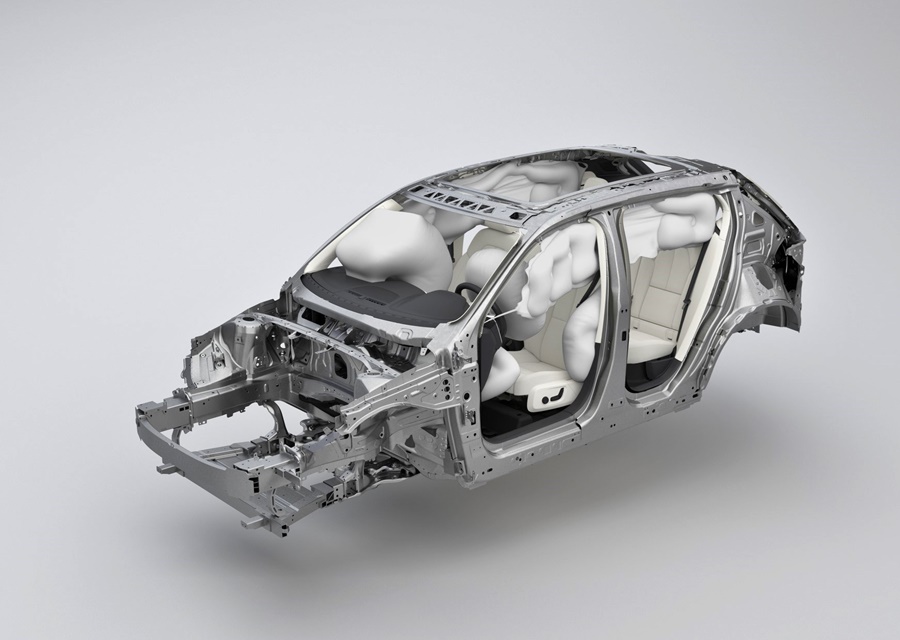
For passive protection – which is prevent or reduce injuries in an accident – the XC40 has a strong structure with the Side Impact Protection System (SIPS) that has been in use since the days of the 850 in the early 1990s. This includes a Dual-Chamber SIPSBag which deploys at the sides of the seats for additional protection.
“We are excited that we can finally offer one of our most successful SUVs as a plug-in hybrid electric vehicle, and thus completing our full line-up of PHEVs. The launch of the XC40 Recharge T5 is a sign of greener times ahead as we continue to strive towards a more sustainable future and do our part to not only reduce our carbon footprint, but also help our customers reduce theirs as well,” said Nalin Jain, MD of Volvo Car Malaysia.
Special deal for online booking
Customers who book online will receive a complimentary Bowers & Wilkins PX5 wireless headphone set worth RM2,800. This offer is limited to the first 50 customers who book online and must take delivery of the car before May 31, 2021 (terms and conditions apply).
Back in the 1970s, Federal Auto was the first company in Malaysia to establish its own dedicated used car business for the brand of cars it sold – Volvo. The business thrived over the years as a supplementary business, catering to those who wanted Volvos for less. Fast forward 50 years later and the business has evolved into a certified used car programme known as Volvo Selekt.
Higher quality of used vehicles
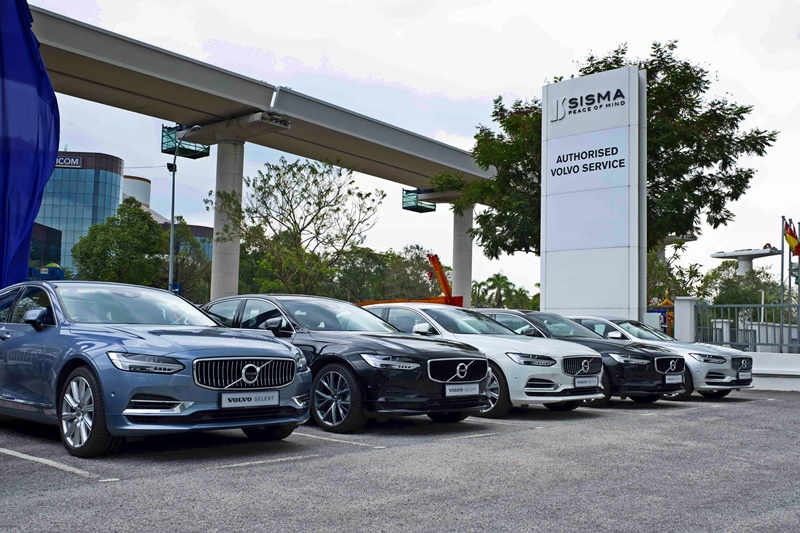
Launched in June last year and supported by Volvo Car Malaysia, Volvo Selekt vehicles are offered only at two authorised dealerships whereas all Volvo quality used cars are made available at other dealerships – 12 in total – across the nation. The difference is that Volvo Selekt vehicles are under 5 years old with less than 100,000 kms mileage, and have received a 125-point inspection, the relevant software upgrades, and necessary replacements with genuine parts to ensure that they are road-ready and can deliver optimal performance.
Nevertheless, using the same criteria for all pre-owned vehicles, each Volvo dealership conducts a series of checks and updates to ensure that all Volvo quality used cars are maintained up to Volvo’s standards.
Right initiative for the New Normal
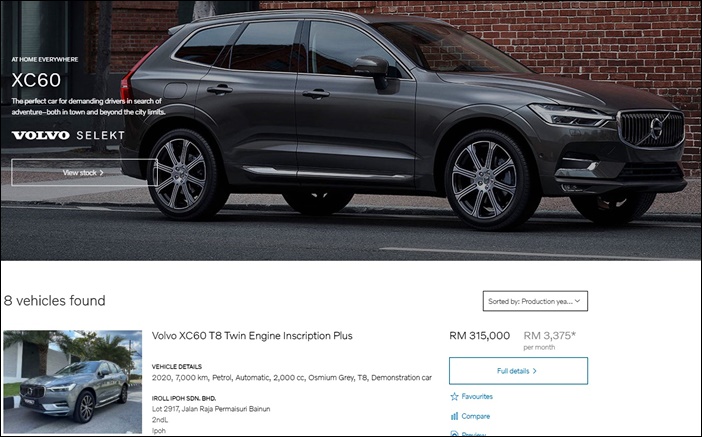
Now Volvo Selekt is going digital with its Volvo Used Car Locator, a timely initiative in view of the New Normal where reduced physical interaction is advised. Instead of going to the dealership, customers can be at home and shop for Volvo vehicles at a price point that fulfils their financial needs. No need to go through all the SOPs at the dealership!
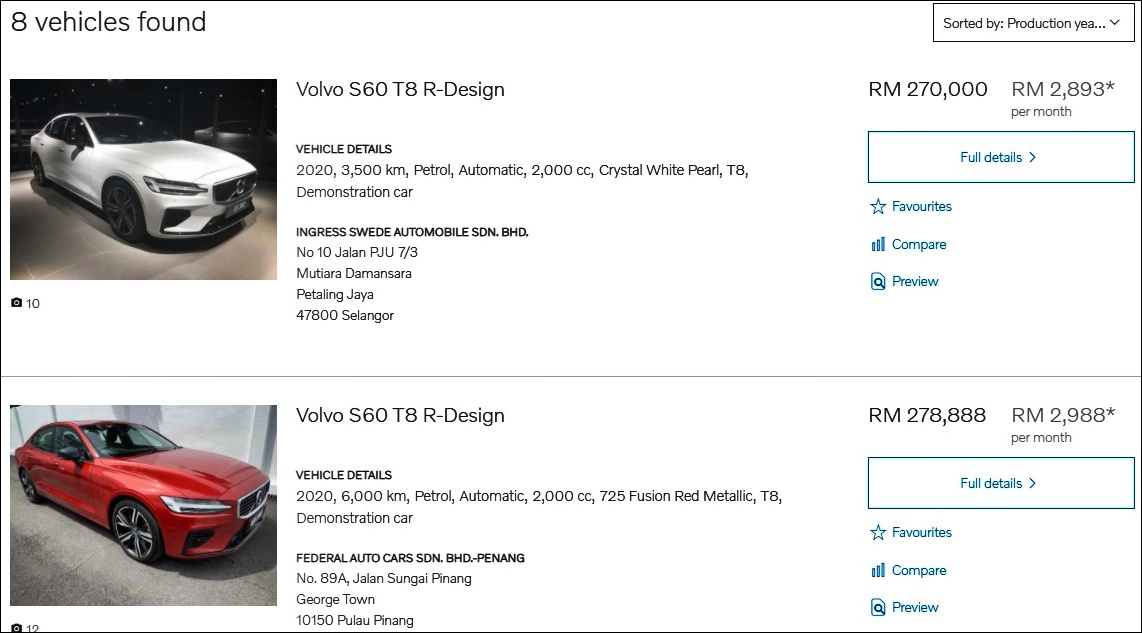
Once a used vehicle is made available on the Volvo Used Car Locator, it can be viewed on the website which will have various models on a consolidated list for both Volvo Selekt and Volvo quality used cars that are available at Volvo dealerships across Malaysia. The website also provides full details of the vehicles so that customers can identify the Volvo that best fit their lifestyles and its closest location.
Visit www.bhpetrol.com.my to find out more about other promotions at BHPetromart.
12-month warranty plus service package
All Volvo Selekt vehicles come a minimum of 12 months warranty, complimentary 1-year maintenance service package (VSA 1) and 12 months of complimentary Roadside Assistance.
Volvo Selekt cars accounted for 15% to the total Volvo used car sales in 2020 in Malaysia. According to Nalin Jain, MD of Volvo Car Malaysia, the positive response Volvo Selekt received motivated the company to give customers more choices on how they can purchase a used Volvo car. “So in line with our move to be technologically savvy, we now introduce the Volvo Used Car Locator, to elevate customers’ experience in acquiring and owning a Volvo car, all from the convenience of their smartphones or laptops,” he said.