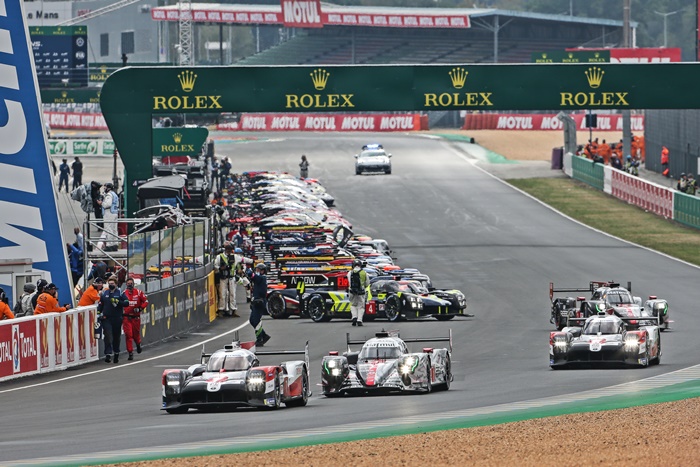
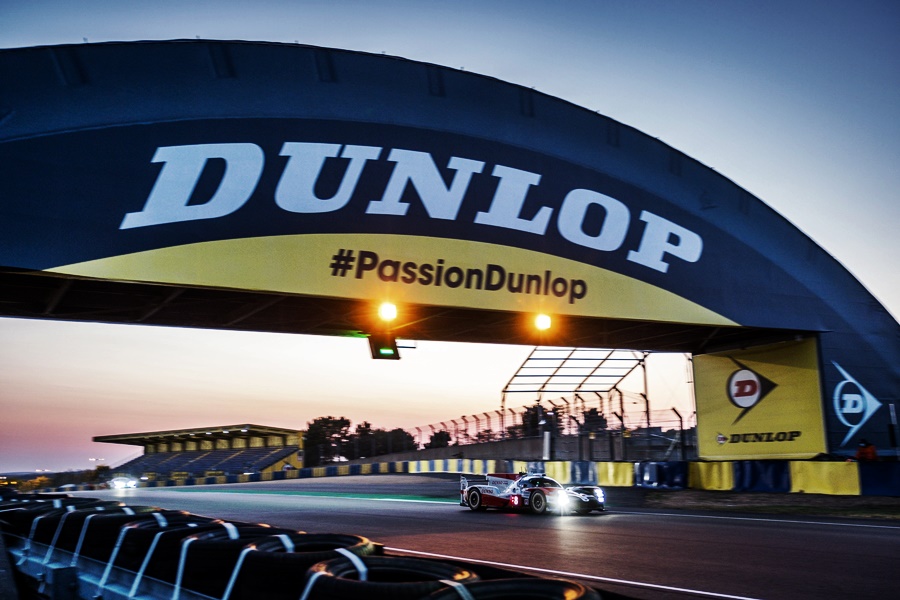
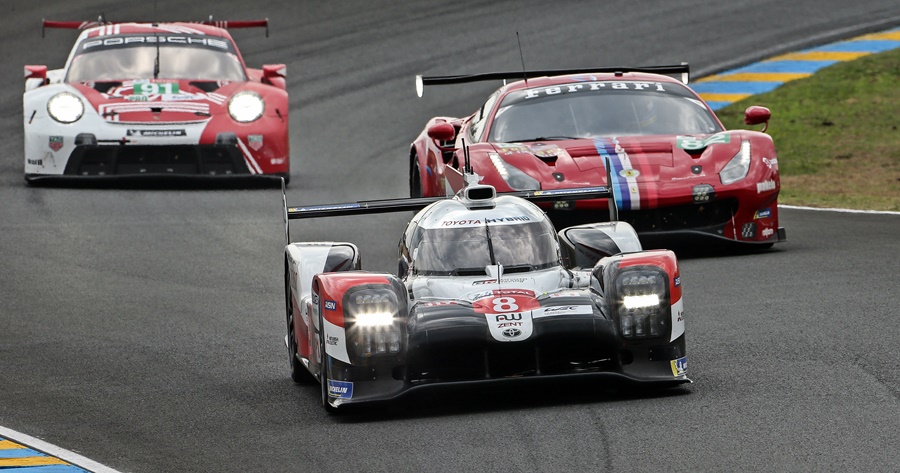
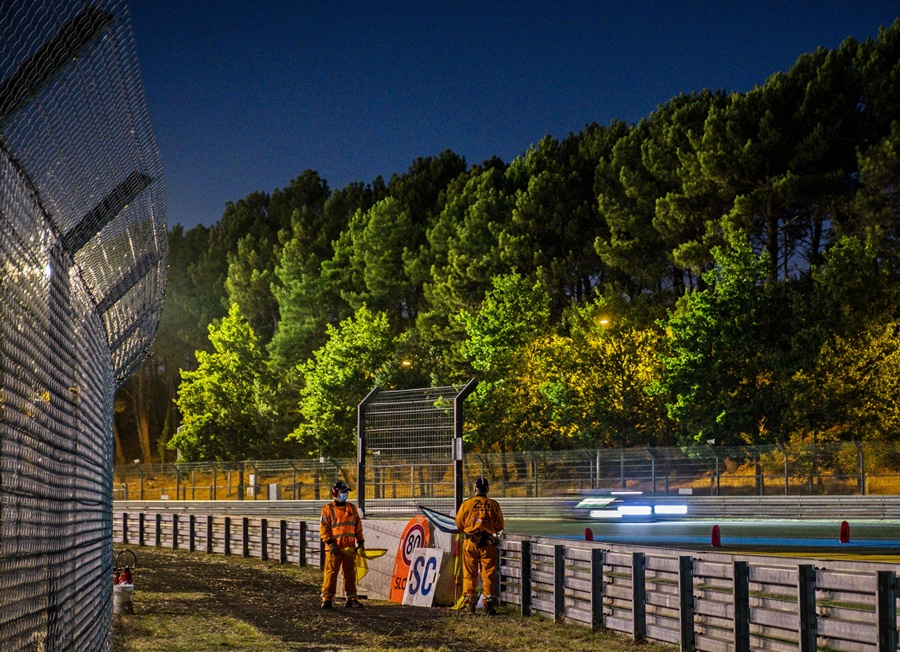
Toyota continued its winning streak at Le Mans with another victory this weekend, its third successive one in the classic 24-hour endurance race. Kazuki Nakajima was at the wheel of the No. 8 Toyota GAZOO Racing TS050 HYBRID as team mates Sebastien Buemi and Brendon Hartley watched him take the chequered flag after 387 laps.
From No.7 to No.8
The early lead was maintained by Kamui Kobayashi, partnered by Mike Conway and Jose Maria Lopez, in the No. 7 Toyota. However, midway through the race, the car had a turbo problem and the No.8 car quickly moved to take over at the front.
Second overall was Rebellion Racing’s Gibson R-13 driven by the trio of Bruno Senna, Norman Nato and Gustavo Menezes. It was one of two cars from the Swiss team which shadowed the No.8 Toyota, waiting for the car to drop out which, of course, didn’t happen.
LMP1 and GTE winners
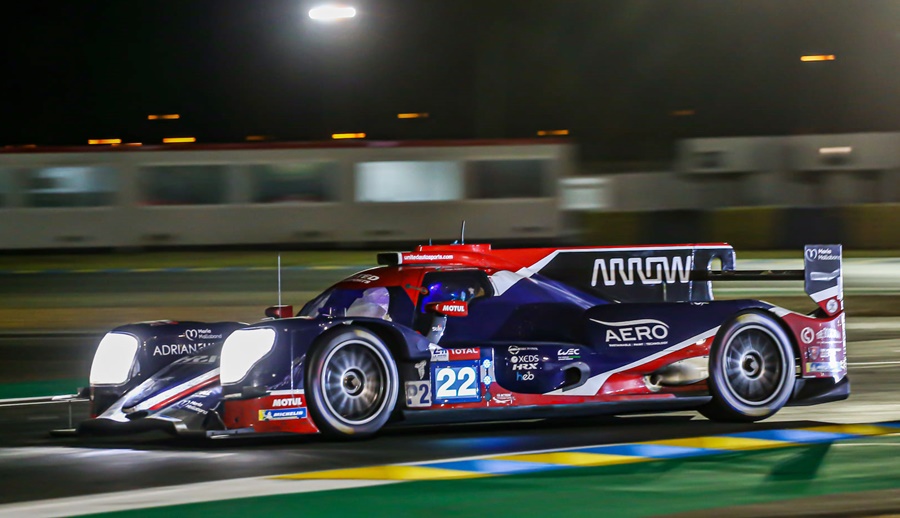
While Toyota won the LMP1 category, the LMP2 category was won by the United Autosports Team with an Oreca-Gibson crewed by Paul di Resta, Philip Hanson and Filipe Albuquerque. They finished fifth overall after the No.3 car of Rebellion Racing.
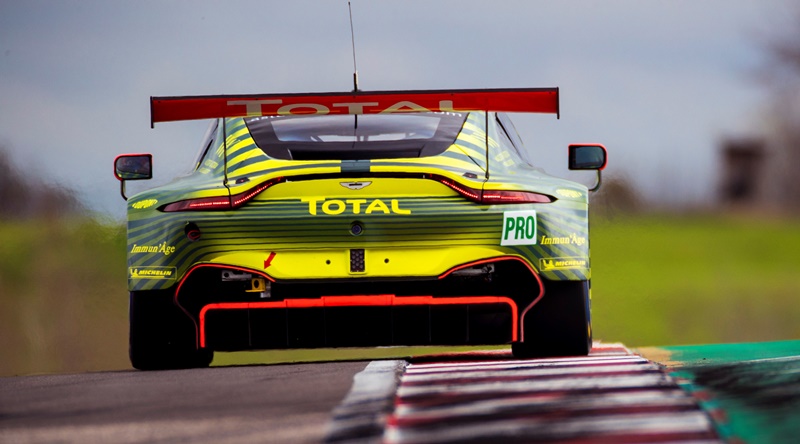
Aston Martin Racing won the FIA GT Manufacturers Championship as the No.97 Aston Martin Vantage AMR finished tops in the GTE Pro class and the #90 TF Sport Aston Martin Vantage AMR collect the trophy for the GTE Am class.
This year’s Le Mans race, the 88th edition since starting in 1923, is the last one before the new Hypercar era starts for the next season. Sadly, the spectator stands were empty as French authorities did not allow large crowds due the ongoing COVID-19 pandemic.
The 2019-2020 WEC season has one more round remaining which will be held in Bahrain on November 14.
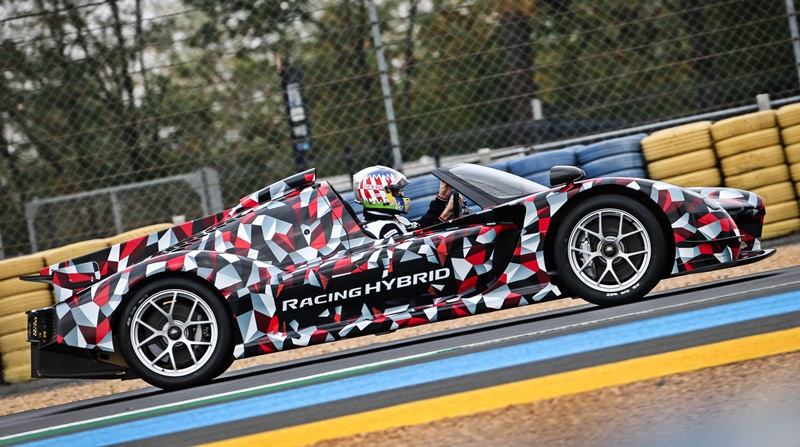
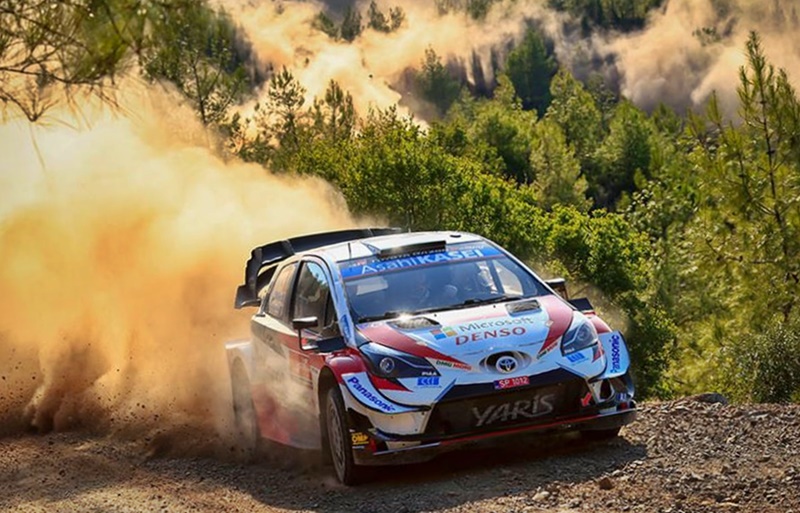
Toyota’s GR Super Sport hypercar returned to its spiritual home this weekend to appear in public for the first time, as part of its ongoing development process, shortly before the start of the Le Mans 24 Hours. Based on the 2-time Le Mans-winning TS050 HYBRID racing car and covered in GR camouflage livery, the car completed a demonstration lap before arriving at a ceremony to return the Le Mans trophy for this year’s race.Besides the win at Le Mans, Toyota GAZOO Racing also won the Rally Turkey this weekend.
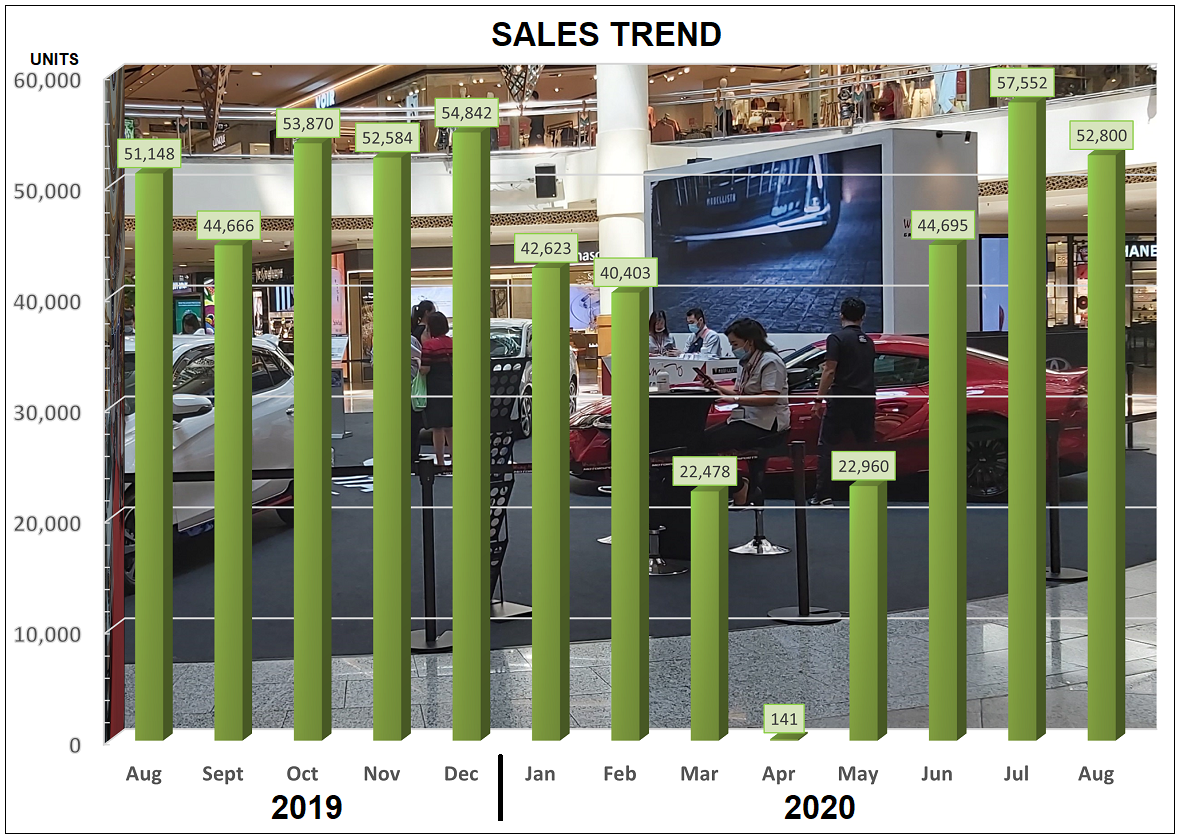
♦ It should be noted that the sales volume shown for August does not indicate the Total Industry Volume (TIV) as some companies have chosen not to share their data on a monthly basis and will only do so on a quarterly basis.
♦ Although the August sales volume was 8% lower than July’s, the government’s Sales Tax exemption incentive continued to help boost sales as the same month in 2019 registered 3% lower sales.
♦ Cumulative sales after 8 months have reached 285,045 units, 28% lower than for the same period in 2019 but a slightly narrower gap compared to the January – July period for both years.
♦ To achieve the MAA’s 470,000-unit forecast for 2020, the industry must sell an average of 46,238 units in the remaining 4 months. The 52,800 units sold in August were therefore above that level but can high volumes be sustained till the end of the year?
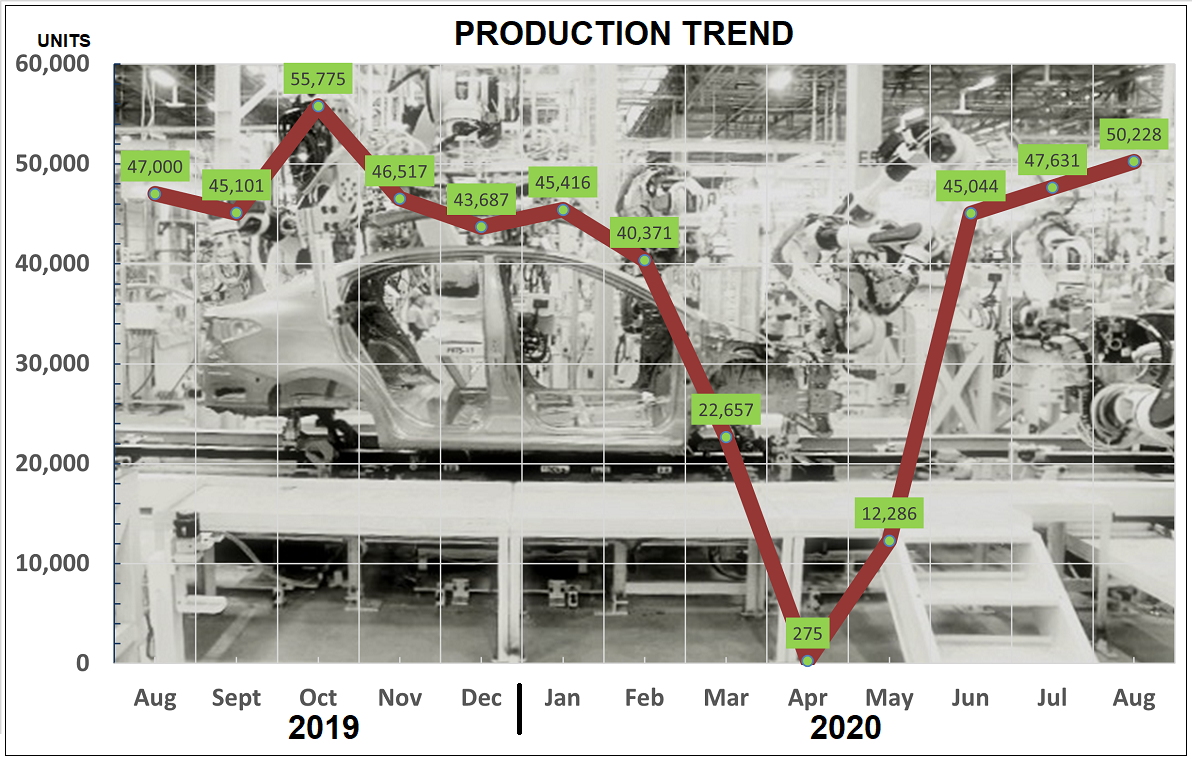
♦ Production rose again as the plants could resume normal production capabilities and respond to the increased demand. The output rose by 5.4% to 50,228 units which comprised 47,934 passenger vehicles and 2,294 commercial vehicles. However, the loss of almost 3 months of production has put the cumulative output 31% behind that of 2019 in the same 8-month period.
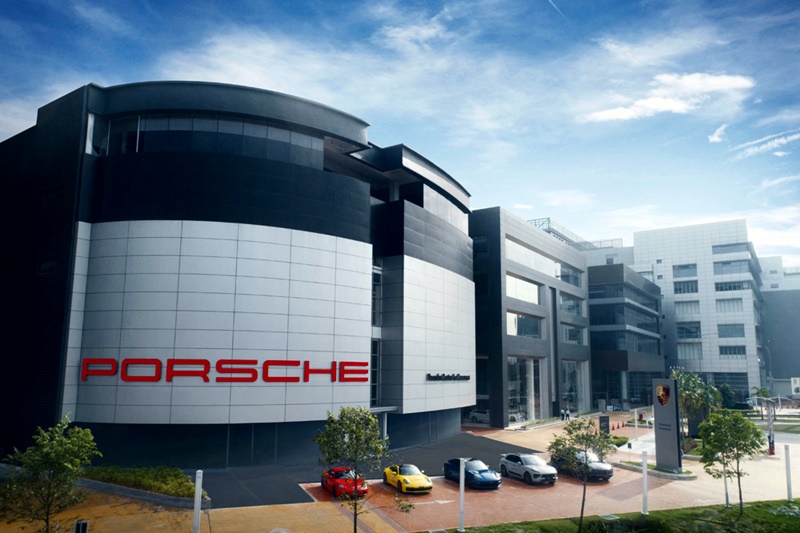
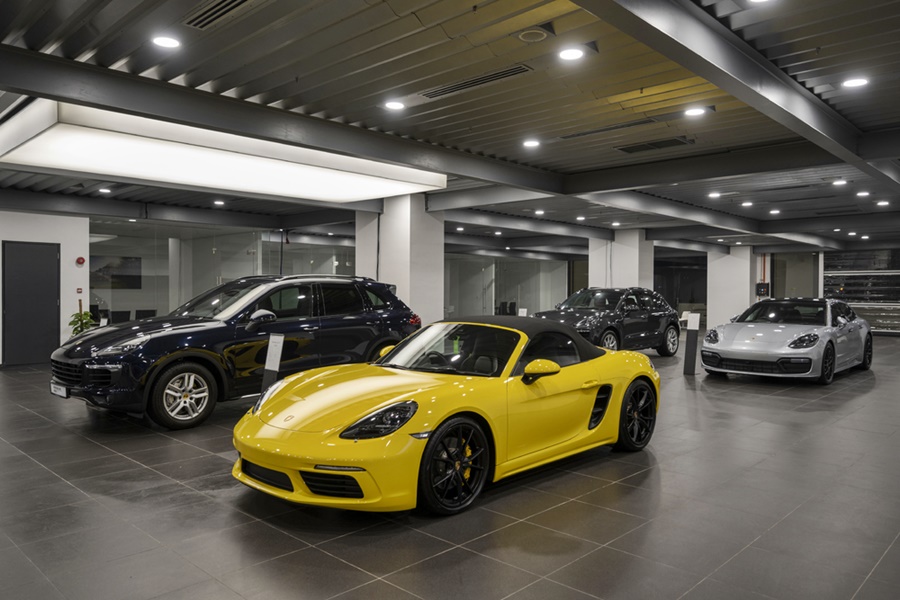
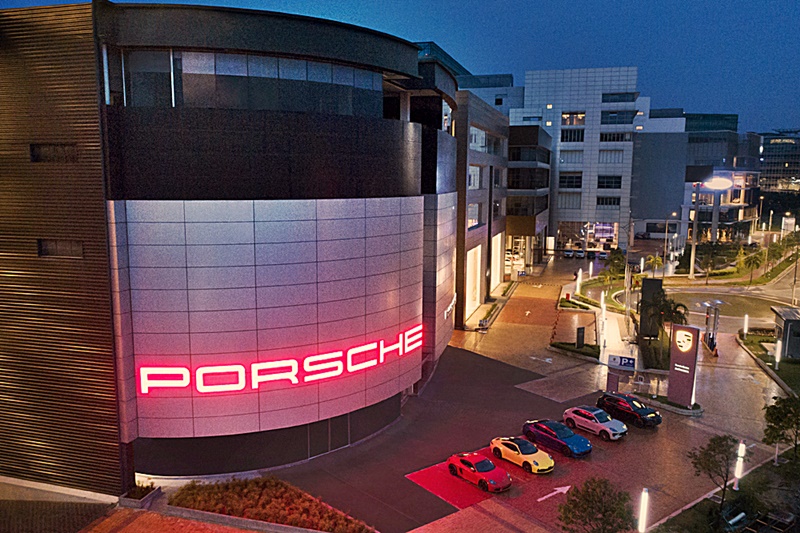
With an investment of over RM15 million, Sime Darby Auto Performance (SDAP), the authorised importer of Porsche vehicles and parts in Malaysia, has built the largest 3S Porsche Centre within a single facility in the Porsche Asia-Pacific region. Officially opened recently, the flagship facility known as Porsche Centre Ara Damansara is the third brand new dealership facility established by SDAP in its 10 years representing the brand in this country.
The Porsche Centre Ara Damansara occupies a cumulative built-up area of 12,102 square metres which includes 8,000 square metres of working space across 5 levels, with two showroom floors, two service and workshop levels and the importer office.
Showroom on two floors
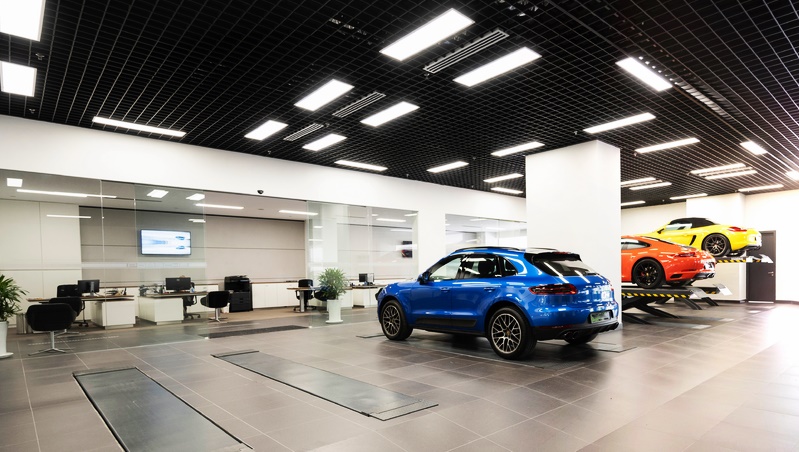
The new facility is designed to deliver a best-in-class retail experience for customers and enthusiasts alike. The showroom areas on two floors, connected by escalators, can showcase up to 26 models. Porsche owners and fans will be able to purchase accessories and equipment at the ‘shop-in-shop’ featuring the latest collection of Porsche Driver’s Selection.
The service workshop operates on the second and third floors and has 21 service bays, with frameless telescopic oil hydraulic lifts being used. The Aftersales reception area comprises 4 dialogue bays, air-conditioned for better comfort
Motorsports Zone
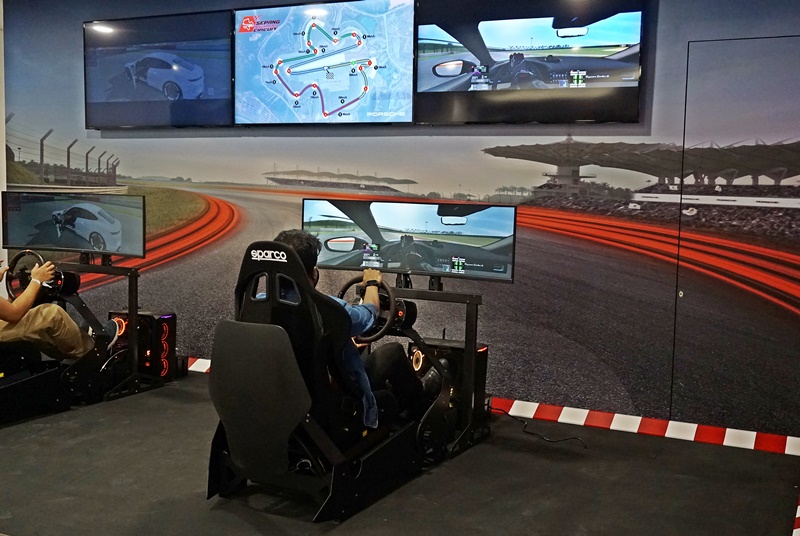
There is also a dedicated Motorsports Zone, the first of its kind not only in Malaysia, but globally. Besides showcasing classic and modern Porsche racing cars, there are racing simulators for visitors to experience a virtual drive on a variety of circuits. Personal coaching with a trained instructor is also available for owners.
High-performance chargers
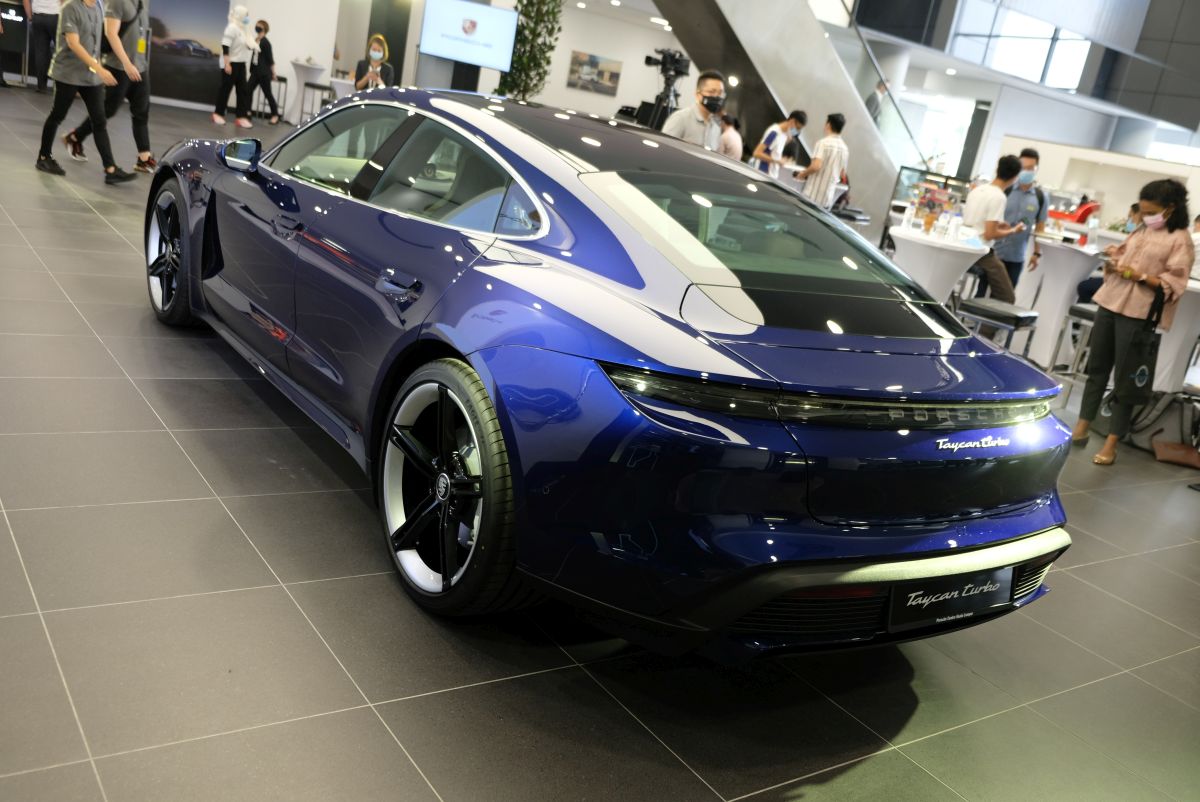
To prepare for the new era of electromobility, SDAP has installed Direct Current (DC) high-performance chargers for customers at all Porsche Centres. These 175 kW chargers are currently the fastest in the country and can fully charge the battery pack of the new Taycan within 36 minutes under optimal conditions.
Owners of the new Taycan all-electric sportscar will be able to get their cars charged within 36 minutes using the high-performance chargers at the facility.
“A central part of the new concept is to create a unique brand experience and a gathering place for our Porsche community, appealing to existing and new customers,” said Christopher Hunter, CEO of Sime Darby Auto Performance. ”Strategically located within the newly built Sime Darby Motors City complex of Ara Damansara in Selangor, this latest addition to the Porsche dealer network signals the commitment of SDAP and Sime Darby Motors, as well as Porsche Asia Pacific, to ensure a best-in-class experience for customers and enthusiasts alike.”
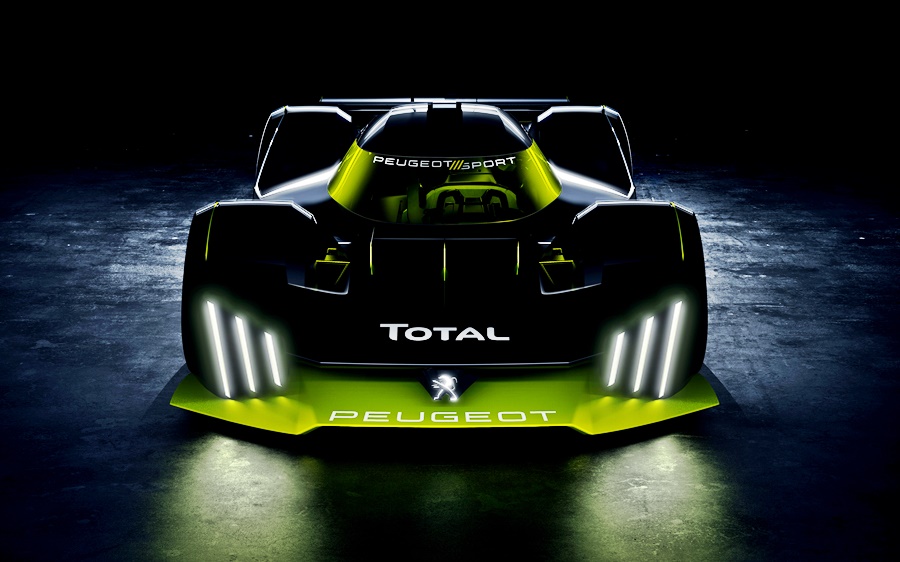
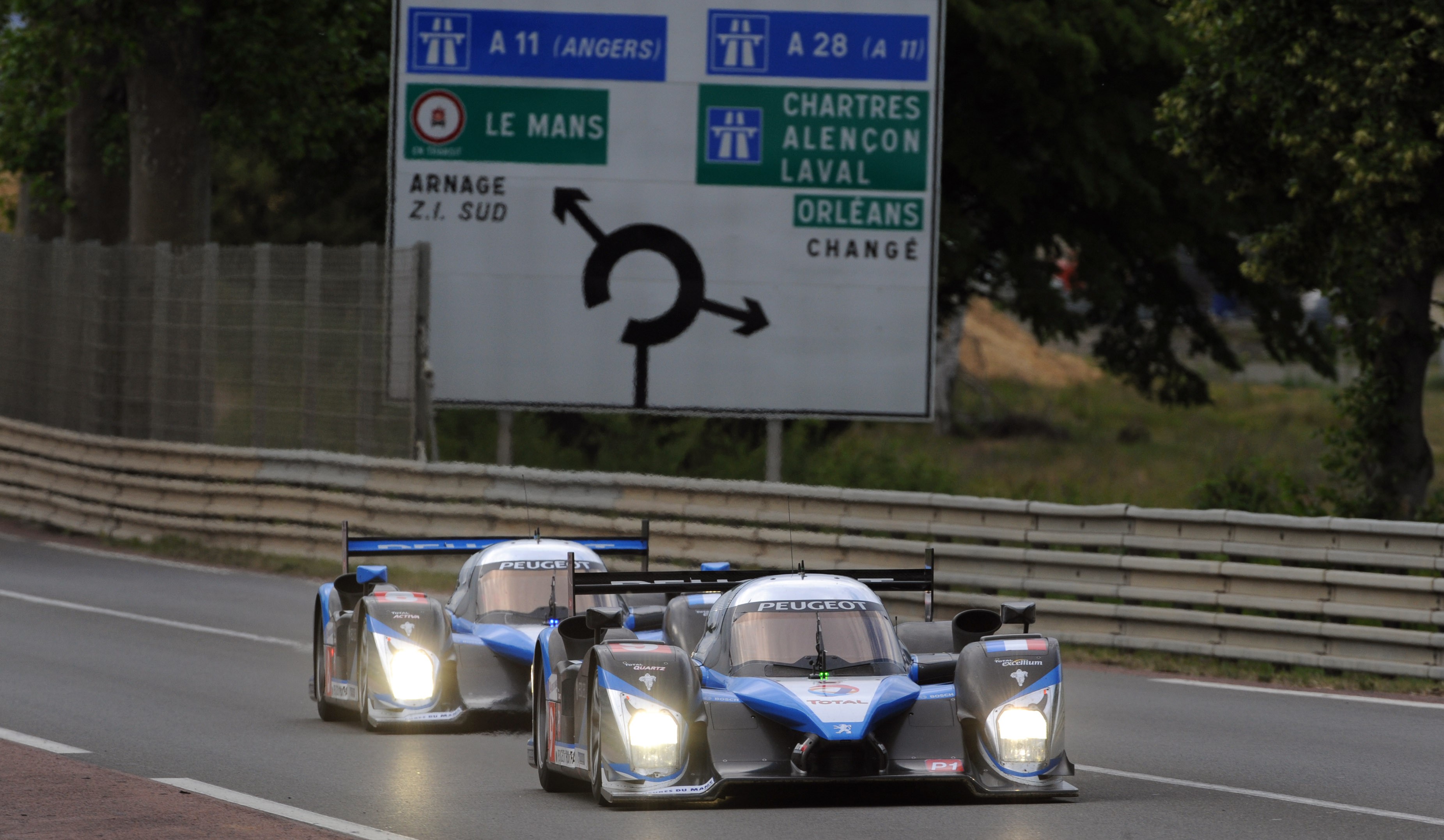
This weekend sees the running of the 88th edition of the 24 Hours of Le Mans, which was originally scheduled for its usual date in June but had to be postponed due to the COVID-19 pandemic. On this weekend too, Peugeot and TOTAL officially commence their Le Mans Hypercar (LMH) project. This will see a new racing car, developed to new regulations, for the top tier endurance category.
“Le Mans is the holy grail of the automobile world,” said Jean Philippe Imparato, Peugeot brand CEO. “It is the race who determines its winner. For us, this represents 3 victories but also the endless sweat, tears and joy and an incredible team spirit with TOTAL, with whom we celebrate 25 years of collaboration.”
“The Le Mans Hypercar project provides us possibilities for joint development on the entire energy system of the car. We can work on the efficiency of our fuels – for all the competitors, as the exclusive supplier- or for the lube, specifically designed for hybrid vehicles. It will also allow TOTAL and SAFT to study new battery solutions alongside Peugeot,” said Philippe Montanteme, TOTAL’s Strategy/Marketing & Research Director.
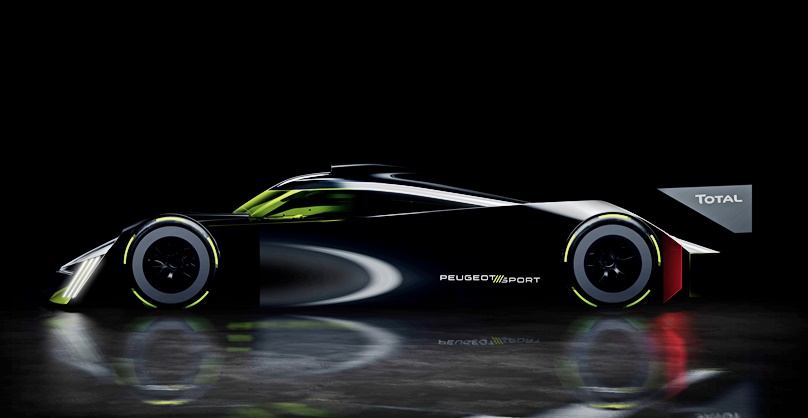
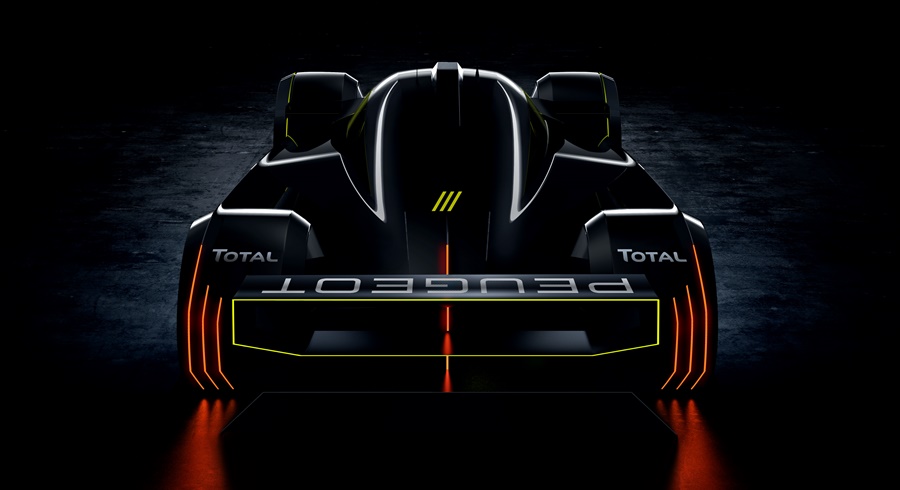
The choice of the LMH category was dictated by several criteria, one being that of a certain aerodynamic freedom. This makes it possible to incorporate, with the support of Peugeot Design, the aesthetic detail of the brand. Draft sketches have already been prepared which show the first design thoughts and verify the fundamental required elements, particularly in terms of dimensions.
The hypercar specifications
After various phases of studies for the general structure, the aerodynamic concept and the choice of engine architecture will come the final decision of the electrical framework. This will lead to development of the hybrid powertrain that can generate 500 kW.
“The hypercar will have 4-wheel drive, equipped – as required by the regulations – with an electric motor and a maximum power of 200 kW on the front axle. The total power level will be identical to that of a 100% thermal 2-wheel drive car (500 kW or approximately 680 ps) that will be distributed between the 2 axles. In comparison with what we currently know in LMP1, the car will be heavier so as to be compatible with road vehicles. It will also be longer and slightly wider,” revealed Olivier Jansonnie, Technical Director WEC program at Peugeot Sport which will be involved.
“This regulation is also different because it incorporates ‘BoP’ or ‘Balance of Performance’. It certainly sets limits, but also allows room for many technical possibilities in our development, specifically on the general shape, as long as a certain overall aerodynamic efficiency is not exceeded. This will be measured in a 1:1 scale wind tunnel and which will be part of the BOP,” explained Jansonnie.
Debut in 2022
He added that the aerodynamic concept has been confirmed, engine framework has been decided and the functionality of the hybrid system and its fundamental design are chosen. “We still have several steps left before our debut in endurance in 2022,” he said.
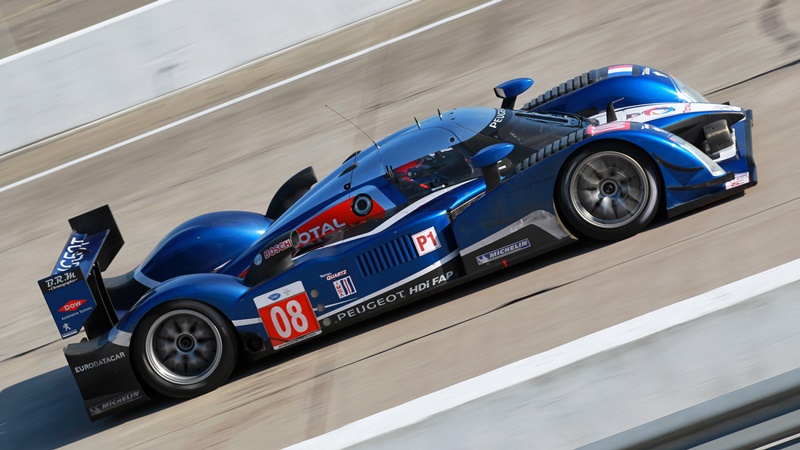
Peugeot is no stranger to Le Mans and endurance racing, having successfully competed with the 908 turbodiesel in earlier years. It stopped participation suddenly after 2011 due to a decline in sales as the company needed to conserve resources on the launch of new models.
“This category unites our entire company and all of our entities, with features and technologies similar to those of our production cars. We are coming back to endurance racing because we have the opportunity to work the sport in a different way, with the hybridization of petrol and electricity. Peugeot Sport is changing its identity and launching its label of electrified high-performance vehicles. This endurance program allows us to integrate ourselves fully into the transition of energies,” declared Imparato.
Carlos Tavares, Chairman of Groupe PSA and also a racing driver, will be the official starter of the 88th 24 Hours of Le Mans race today. He will be in a Peugeot 908 which the brand used in endurance racing between 2007 and 2011.
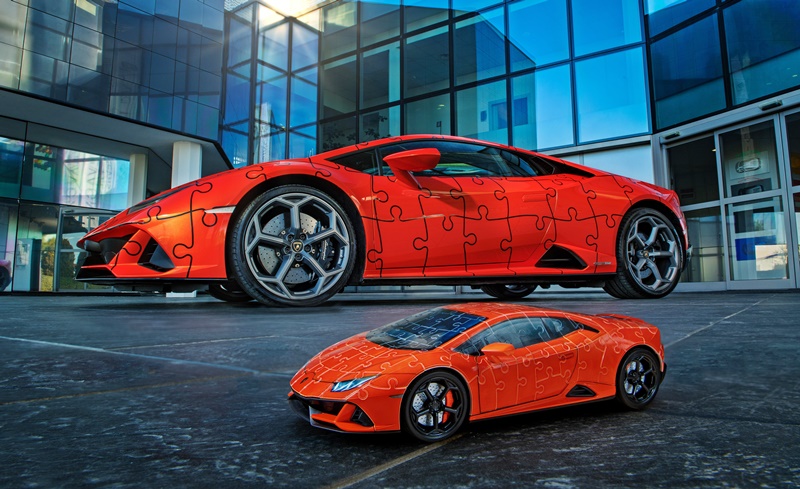
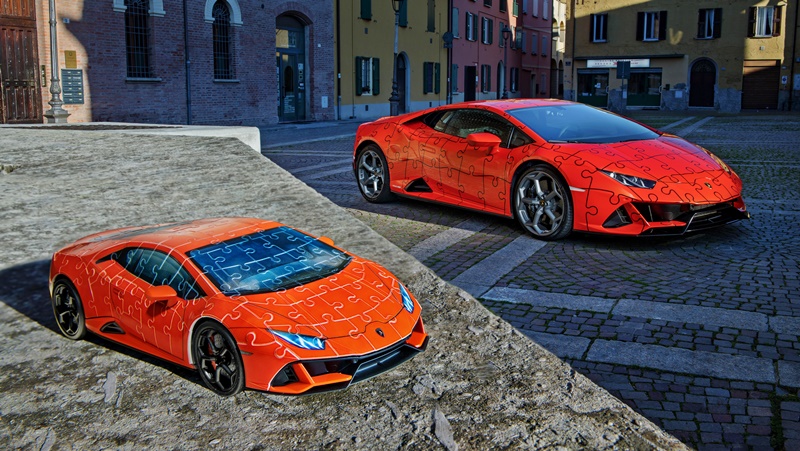
Not everyone will be able to own a Lamborghini as it requires a lot of money to acquire one (an understatement, of course). But many should be able to afford €34.99 (about RM170) for the Lamborghini Huracan EVO created through a collaboration between Automobili Lamborghini and Ravensburger.
108 pieces in faithful detail
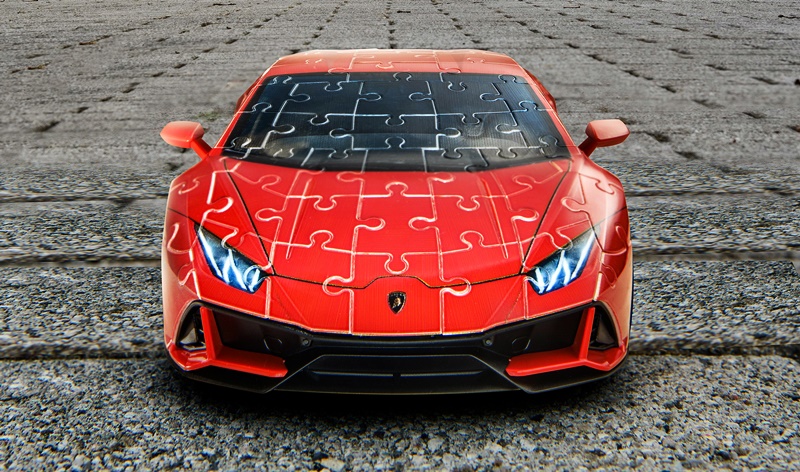
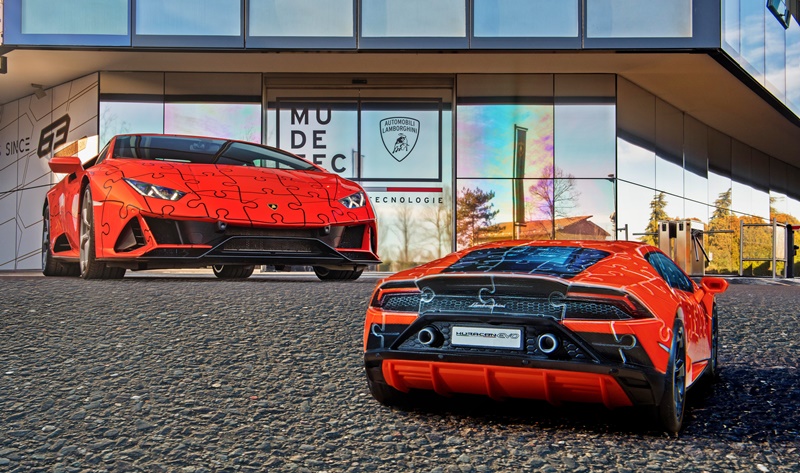
This supercar comes in the form of a 3D jigsaw puzzle which Lamborghini enthusiasts can assemble into the Huracan EVO car in a 1:18 scale. Ravensburger, a leading games and recreation brand from Germany, has replicated its dynamic lines and sophisticated aerodynamic styling,
Workers at the Lamborghini factory have to assemble thousands of parts to make a Huracan EVO but you just need to put together 108 plastic pieces which are numbered for easier identification.
Every detail is faithful to the real car, from the Y-style front bumper and Y-shape in the headlights, to the hexagonal details found throughout the car and the original Arancio Xanto orange colour of Lamborghini cars. The completed car can be mounted onto a replica chassis.
The finished model, with the distinctive Lamborghini design DNA evident in its low-slung profile, measures 26 cm in length. Distinctive finishing touches are realized by the 32 high-quality feature accessories, such as the axles and four rotating wheels that faithfully replicate the Aesir rims found on the real car, along with front splitter and rear diffuser.
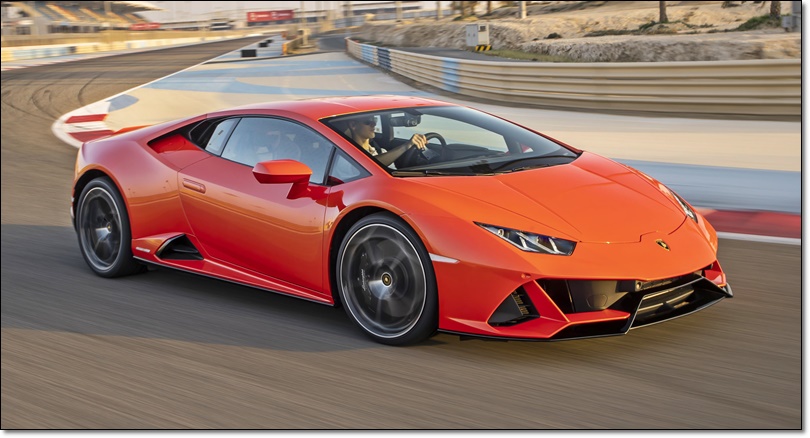
A full-sized Huracan EVO costs around RM1.15 million.
Most successful V10 Lambo
The Huracan line began in 2014 and then became the Huracan EVO from 2019. It is the evolution of the most successful V10-powered Lamborghini ever. Its 5.2-litre naturally-aspirated engine, with titanium intake valves, produces 640 bhp/600 Nm and with a dry weight of 1,422 kgs, the Huracan EVO has a weight‑to‑power ratio of 2.22 kgs/bhp. It is claimed to accelerate from 0 to 100 km/h in 2.9 seconds and can reach a top speed of 325 km/h.
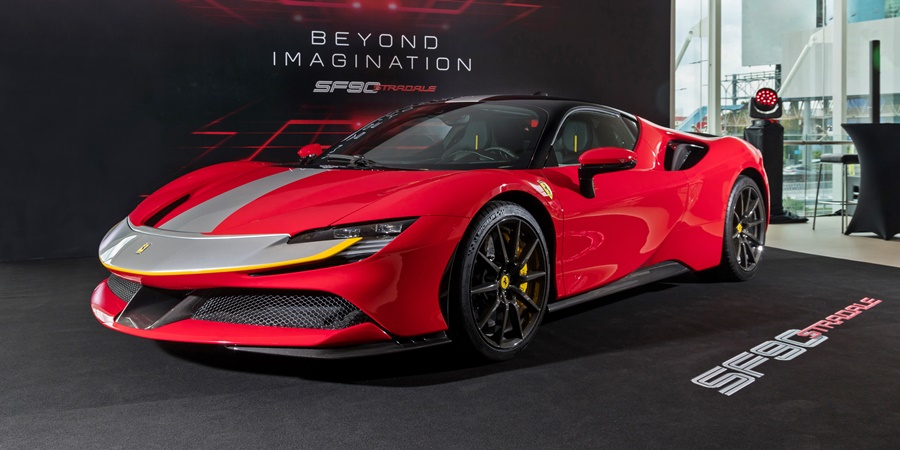
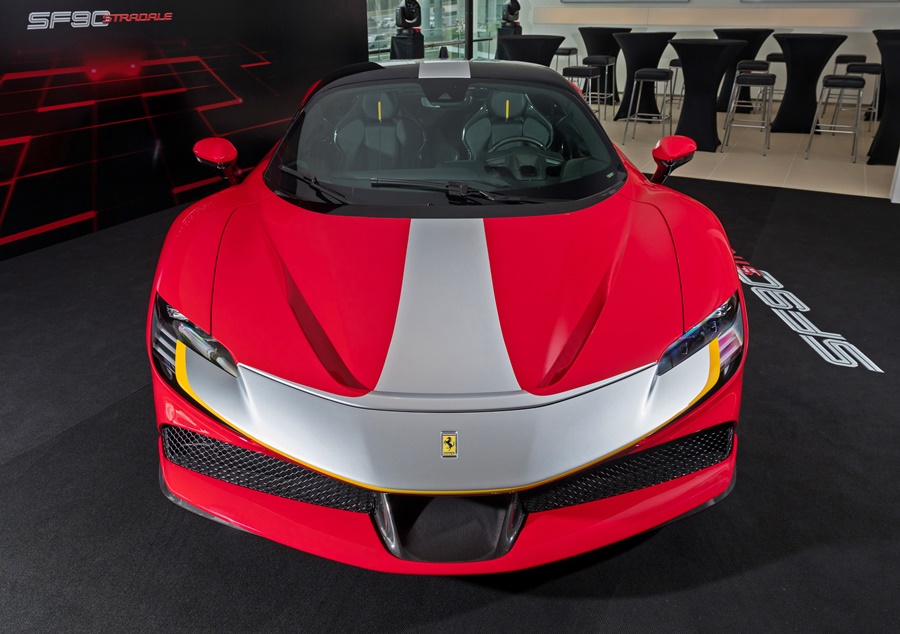
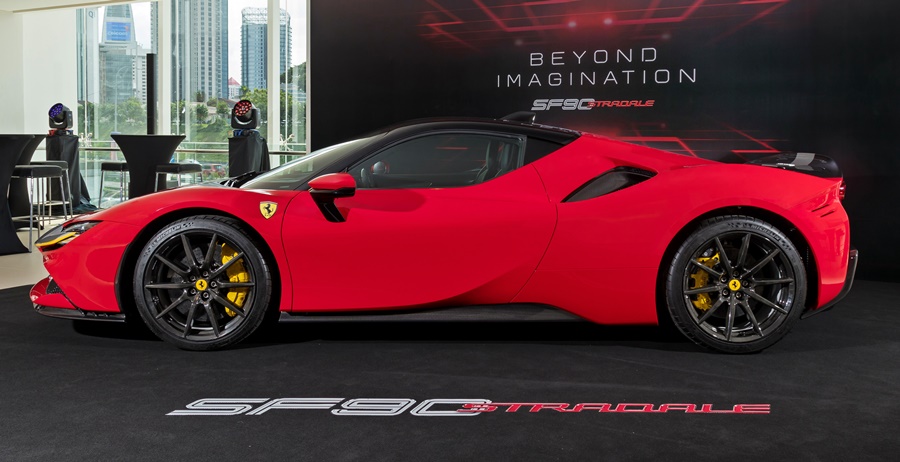
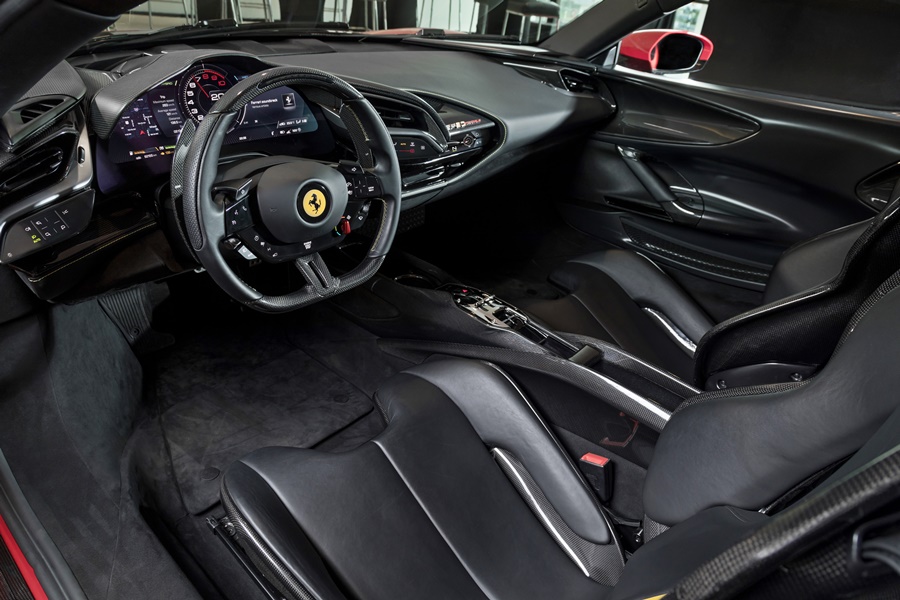
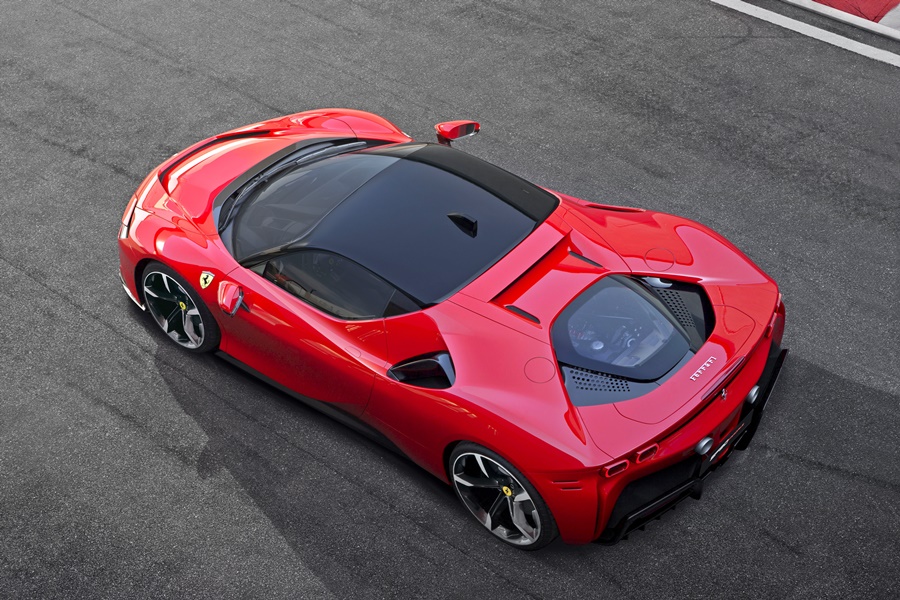
As Ferrari’s first series production PHEV (Plug-in Hybrid Electric Vehicle), the SF90 Stradale marks the beginning of a whole new chapter in the company’s history.
‘SF90’ is a reference to the 90th anniversary of the foundation of Scuderia Ferrari and ‘Stradale’, which translates to ‘road’, underscores the distinct link that has always existed between Ferrari’s track and road cars.
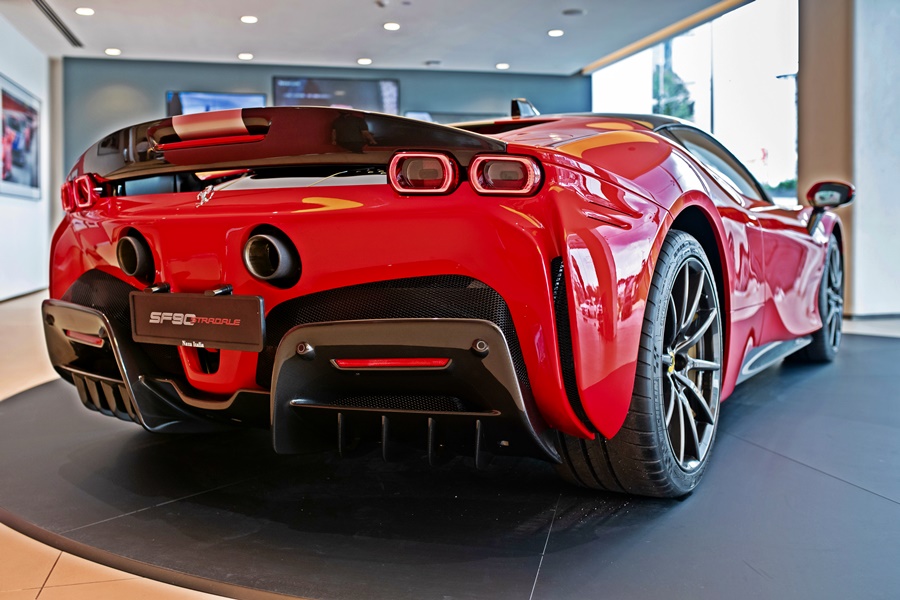
From a stylistic perspective, it completely rewrites the mid-rear-engined sports berlinetta proportions introduced on the 360 Modena 20 years ago.
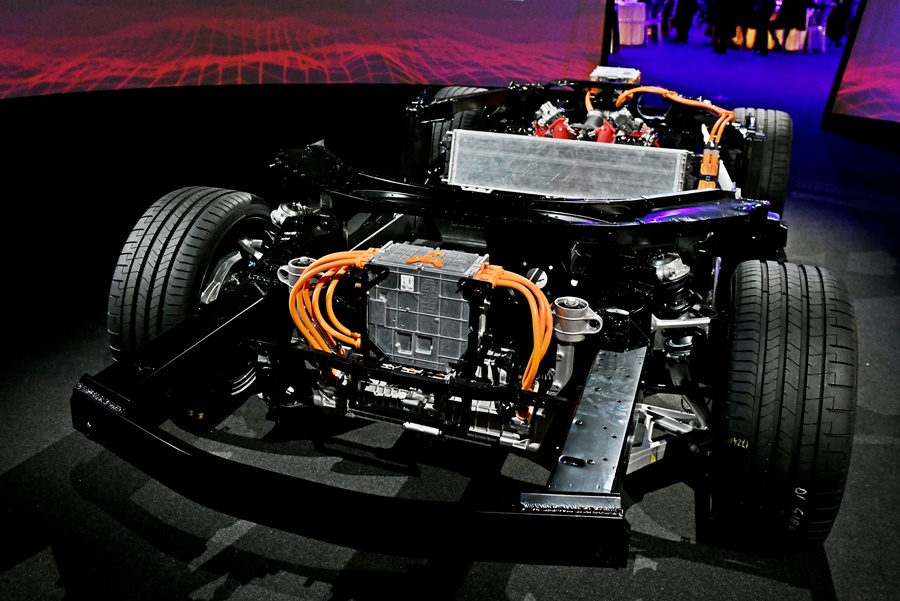
Ferrari has successfully taken on the challenge of combining conventional and electrical power sources with its first ever plug-in hybrid vehicle, once again drawing upon its advanced technology from the track and making it applicable for the road.
The new model delivers unprecedented performance for a production car, with figures such as 1,000 ps, and a weight-to-power ratio of 1.57 kg/ps, with 390 kgs of downforce at 250 km/h.
The 90° V8 turbo 3990 cc engine delivers 780 ps (the highest power output of any 8-cylinder in Ferrari history), with the remaining 220 ps from 3 electric motors.
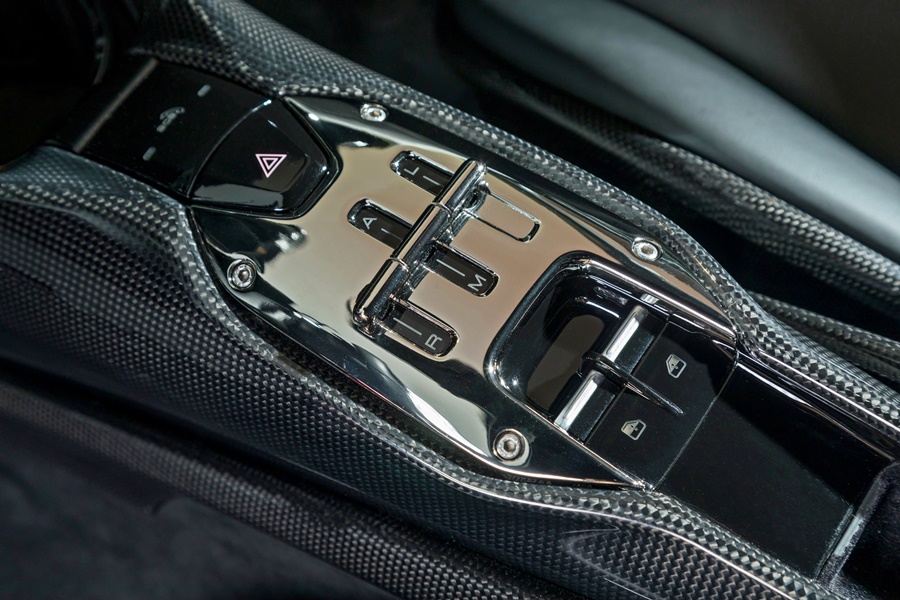
The SF90 Stradale is the first Ferrari sportscar to be equipped with 4WD, a step necessary to allow the incredible power unleashed by the hybrid powertrain to be fully exploited. With an 8-speed dual-clutch transmission, its claimed 0-100 km/h time is 2.5 sec and 0-200 km/h is 6.7 seconds.
As well as exclusively providing propulsion in electric drive, the two front motors independently control the torque delivered to the two wheels, extending the concept of Torque Vectoring.
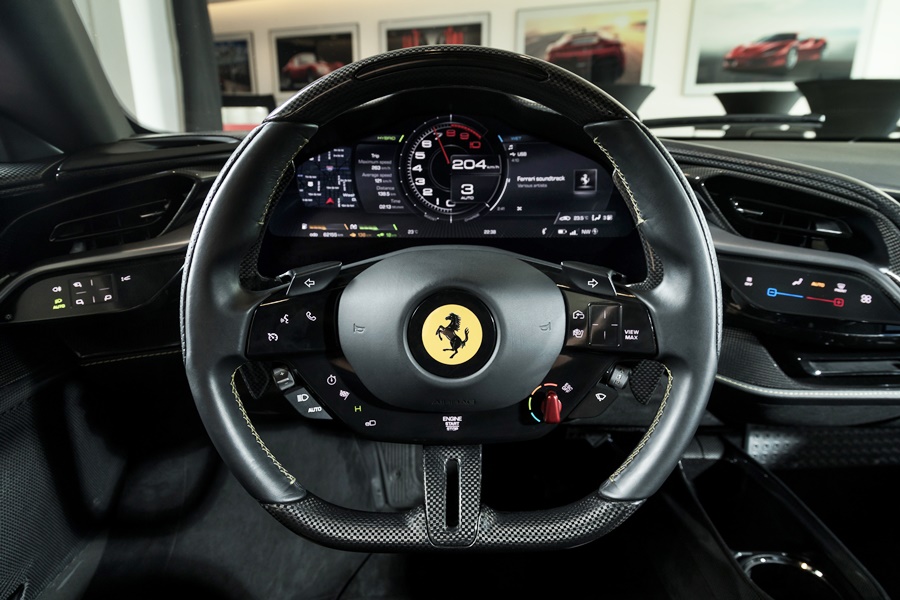
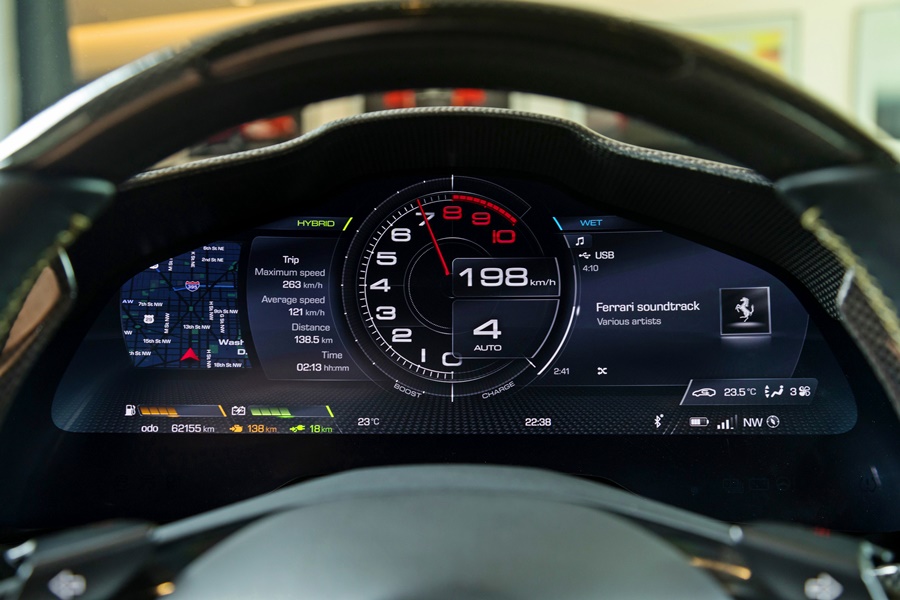
A major innovation within is the steering wheel which now has a touchpad and a series of haptic buttons that allow the driver to control virtually every aspect of the car using just their thumbs. The central instrument cluster is now entirely digital with the first automotive application of a 16-inch curved HD screen which can be fully configured and controlled using the controls on the steering wheel.
To own this Ferrari will require more than RM1,908,000 as the figure does not include duties, insurance and other taxes.