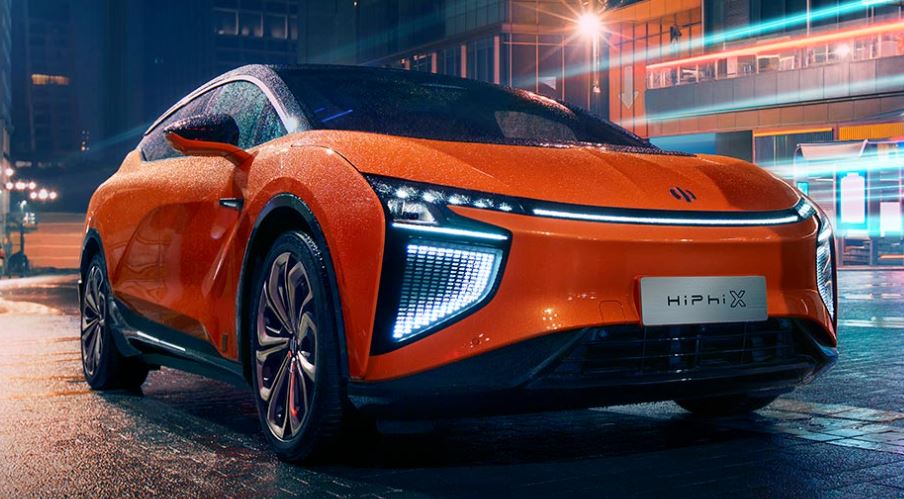
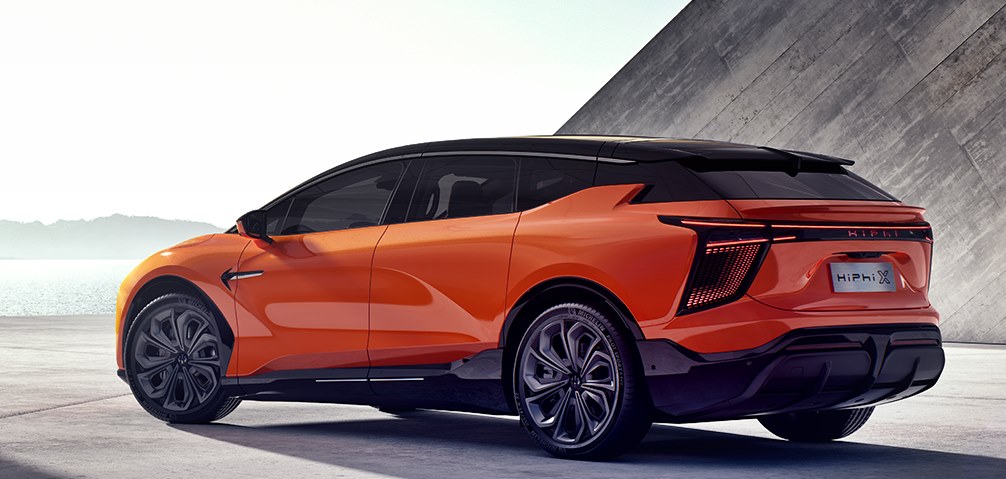
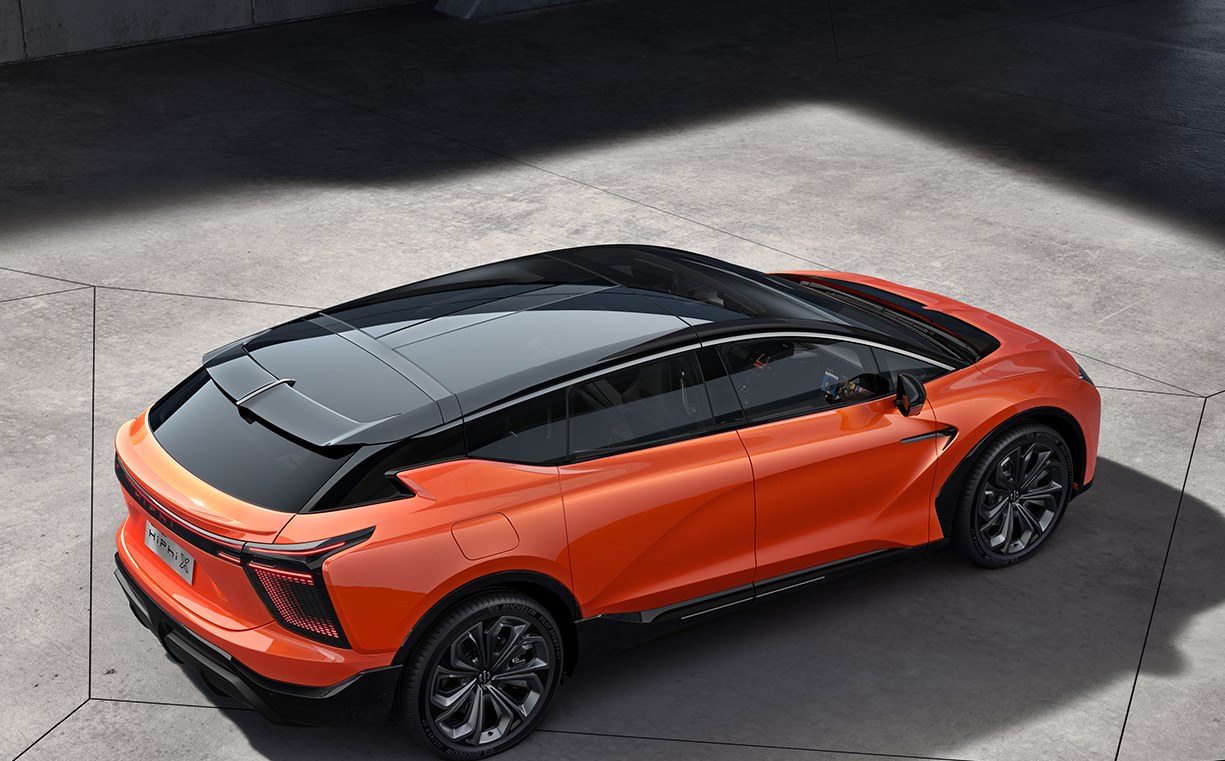
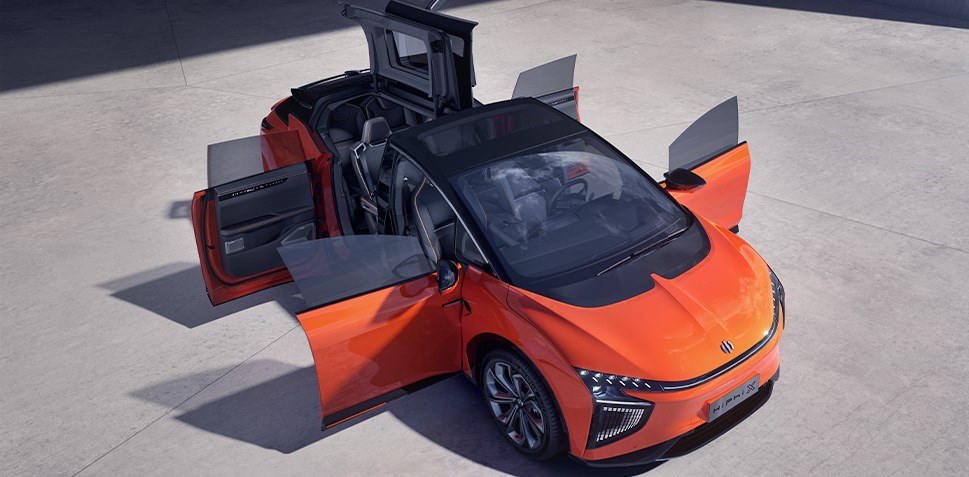
Human Horizons, the young Chinese technology company (established just 4 years ago), has released details of two more versions of its HiPhi X Super SUV range. The new versions are the 6-seater Creative Extended Range Edition and Intelligent Extended Range Edition which are said to be premium products.
Meeting more differing customer needs
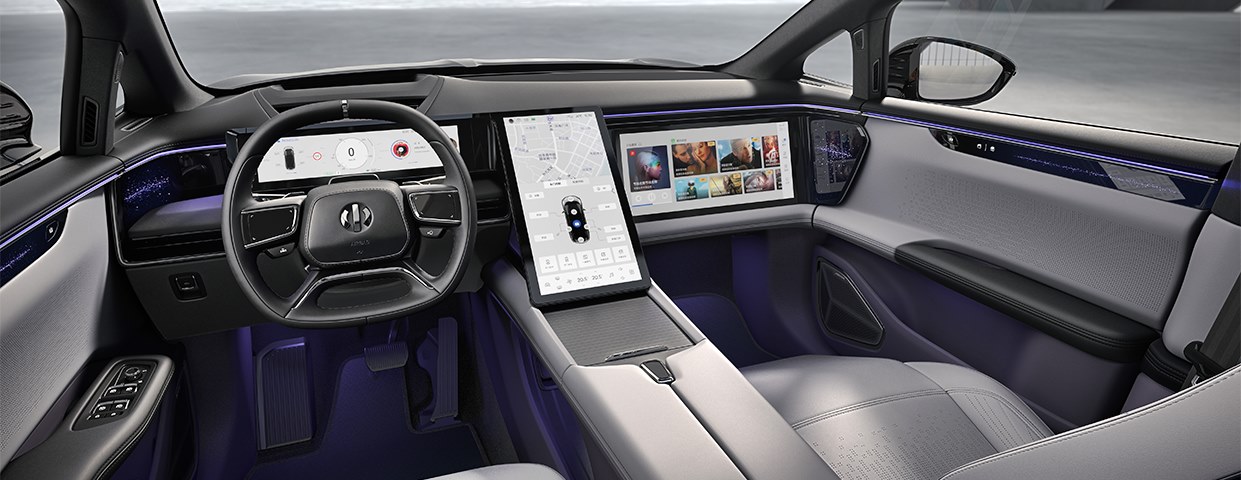
Since being unveiled in mid-May 2021, the HiPhi X has been selling well across China and the development team has been looking at providing vehicles for more differing needs of consumers. Both the Creative Extended Range Edition and Intelligent Extended Range Edition are outfitted as luxury versions, with features such as a 17-speaker Meridian audio system, 19.9-inch entertainment screen for passengers, customizable smart fragrance system by Givaudan, interior light panels, a HEPA biochemical filter, and a driver physical monitoring system.
The HiPhi X has a number of world and industry firsts among mass-produced passenger vehicles, especially in the EV segment. These include smart PML programmable headlights, smart ISD interactive lamps and lighting system, and the intuitive AI-powered HiPhi Play interactive visual display.
Internet-of-Things technology
The model is also equipped with the world’s first fully-integrated open smart HiPhi service-oriented architecture (H-SOA) for use in a mass-produced vehicle. This utilizes the latest in Internet-of-Things (IoT) technology to connect, control, and monitor the operation of the vehicle. The open architecture acts as an open piece of hardware that third-party developers and regular users can program to create innovative visual displays according to their mood. For this reason, Human Horizons refers to the HiPhi X as the world’s ‘first evolvable super SUV’.
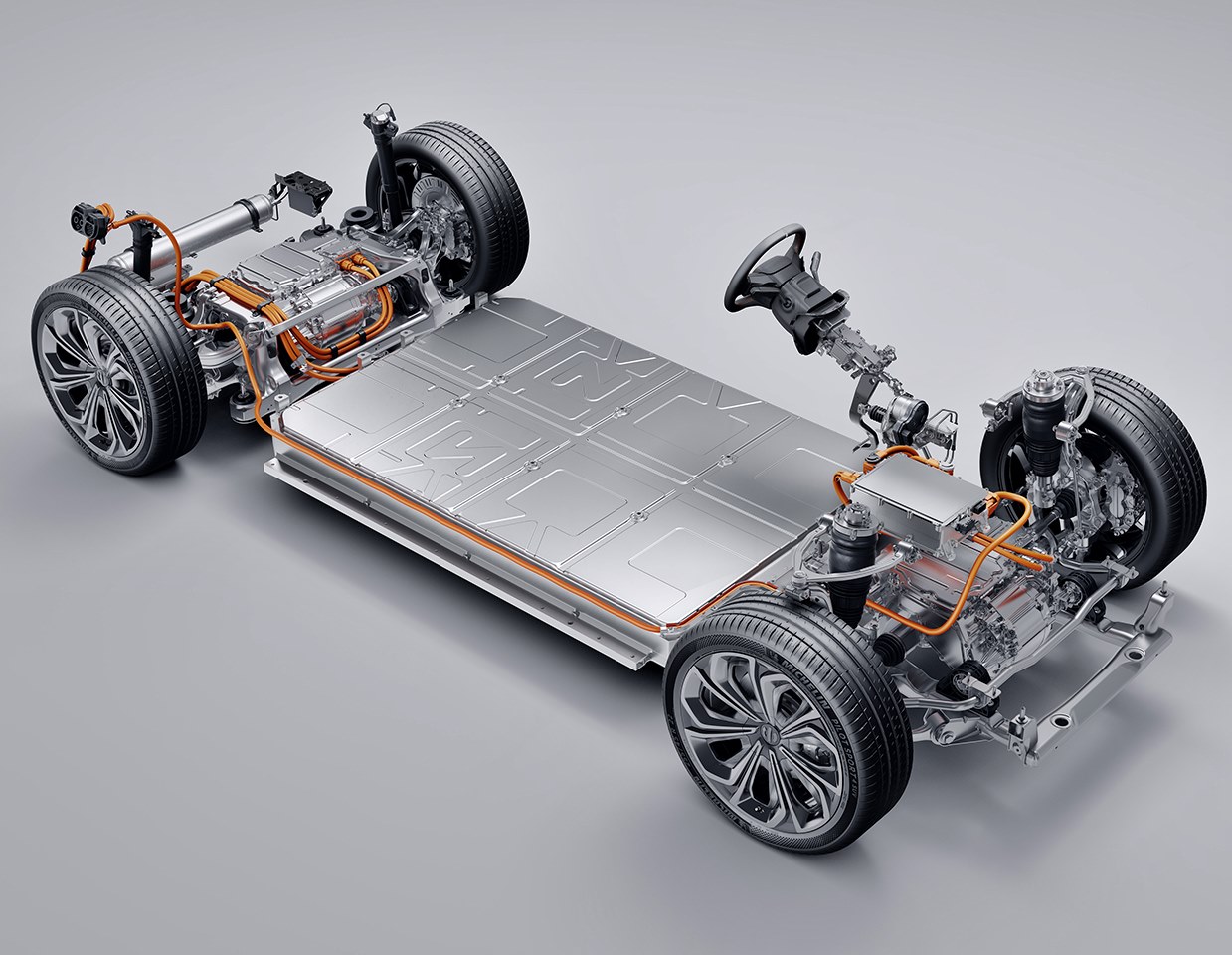
Having been conceived as an EV right from the start, the designers had no constraints as they could develop a layout fully optimised for EVs. Measuring 5.2 metres long, its lightweight hybrid aluminium construction will complement the concept of sustainability with the adoption of vegan leather and the use of recyclable materials.
There are two drivetrain versions of the HiPhi X – single motor/rear-wheel drive and dual motor/all-wheel drive. The battery pack has a 96 kWh capacity and is said to be able to provide a cruising range of up to 650 kms. It also has 4-wheel steering for easier manoeuvring, while 562 sensors feed real-time data to 4 domain controllers and 6 computing platforms to allow autonomous motoring and even parking.
Growing popularity
To date, over 5,000 HiPhi X vehicles have been delivered in China. The company claims it is the first Chinese brand to top the sales charts for premium luxury cars valued at more than 600,000 RMB (about RM398,000) for any given month. Human Horizons continues to work on expanding the charging network by supplying coverage from over 270,000 charging points across 500 cities throughout China.
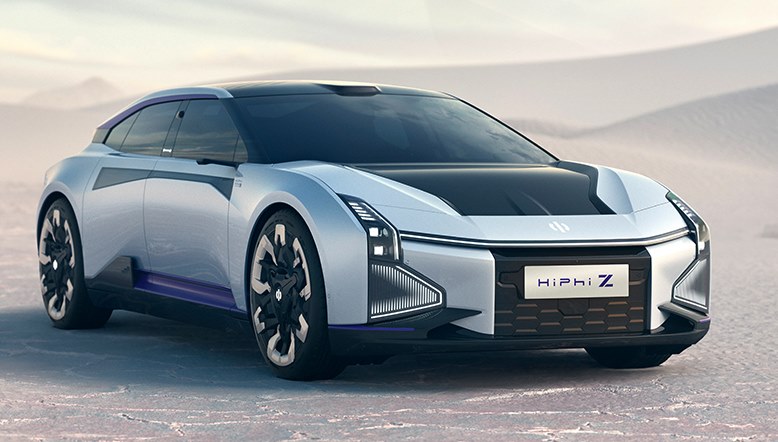
HiPhi Z, to make its debut this year, will be the second model from Human Horizons.
Since the late 1990s, hybrid powertrain systems have been developed by various manufacturers, acting as the first step in electrification of vehicles. The systems are similar in having an electric motor and a combustion engine but differ in the way they operate. The ideal operating strategy is to be able to use the electric motor as much as possible, with the engine coming in when extra power is needed.
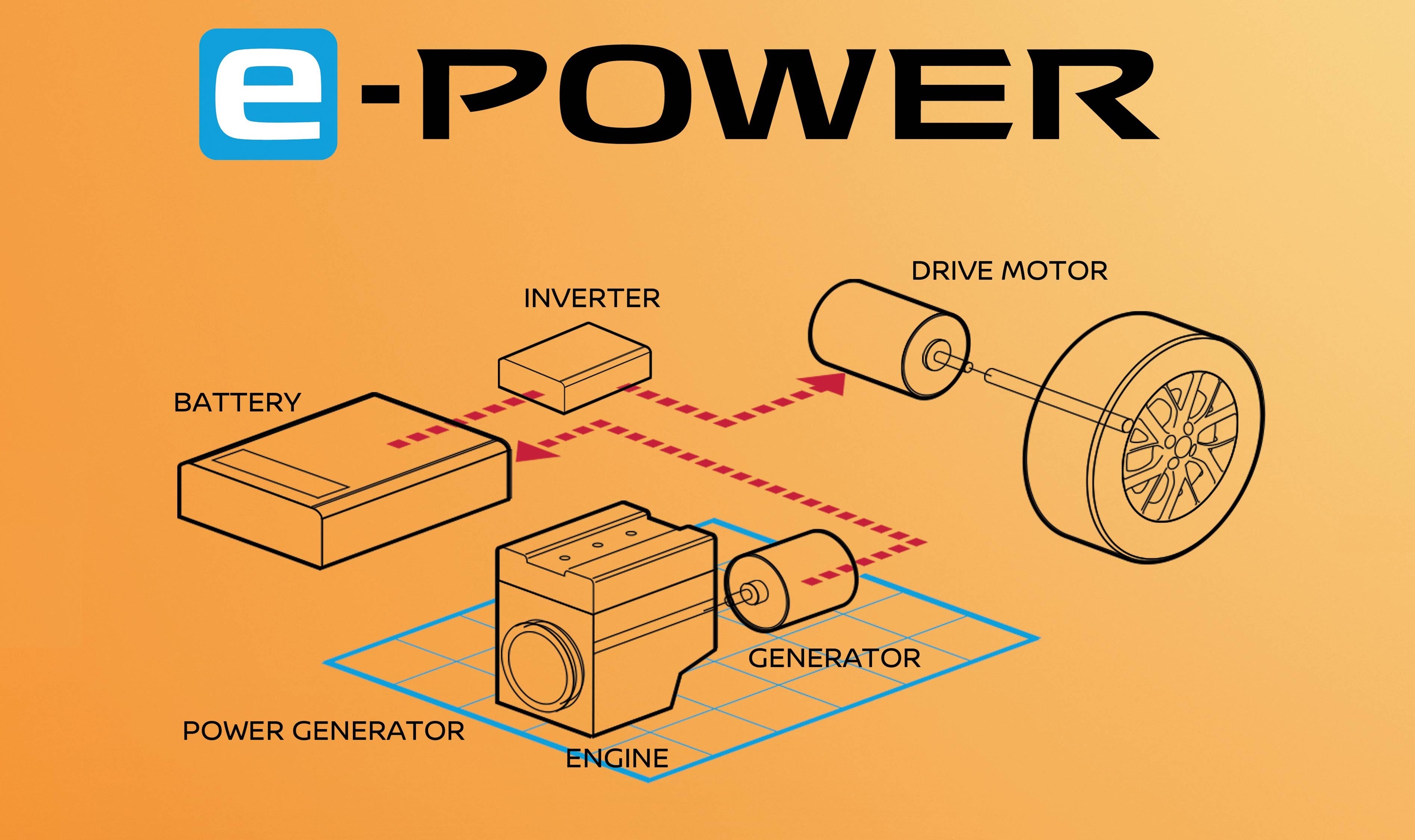
Nissan’s e-POWER system takes a slightly different approach although it has the motor and engine as well. Part of the electrification strategy under Nissan Intelligent Mobility, e-POWER borrows from the EV technology developed for the LEAF, now the best-selling fully electric car in history.
Nissan Intelligent Mobility anchors critical company decisions around how cars are powered, how cars are driven, and how cars integrate into society. In 2006, Nissan R&D was able to achieve a breakthrough in its energy management technology by reducing the battery capacity to match its competitors’ hybrid vehicles while still delivering desirable EV qualities, such as quietness and efficient energy use. In addition, application of Nissan’s technologies, such as the integration of a power-generating engine, electric motor drive for compact car use, strengthening of the powertrain’s rigidity and improvements in NVH levels, became the foundation of e-POWER and its implementation in the compact-car segment.
Where the LEAF requires regular recharging of its battery pack, an e-POWER system does not need that as a small petrol engine is used to charge the high-output battery pack when necessary. This means that the driver will have no need to look for a charging station (or set one up in his home) and no ‘range anxiety’ (the fear of running of out electricity and being unable to recharge).
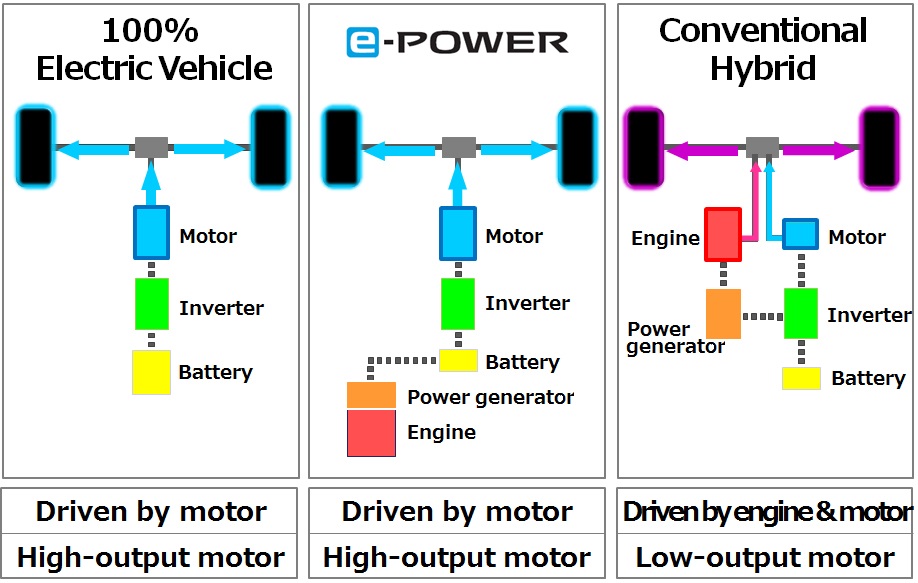
A significant difference between the e-POWER system and other hybrid systems is that the wheels are driven only by the electric motor. With other hybrid systems, the motor and engine are used to propel the vehicle, varying their amount of contribution according to driving conditions.
The e-POWER’s compact powertrain consists of a petrol engine, power generator, inverter, and electric motor. In conventional hybrid systems, a low-output electric motor is mated to a petrol engine to drive the wheels when the battery is low (or when traveling at higher speeds). However, in the e-POWER system, the engine is not connected to the wheels; its function is to charge the battery. Thus, the car has its own ‘charging station’ wherever it goes, recharging the battery whenever it is low.
This system structure generally requires a bigger motor and battery because the motor is the only power source to drive wheels. This has made it hard for the automotive industry to mount the system in compact cars. However, Nissan found a way to minimize and reduce weight, develop more responsive motor control methods and optimize energy management. As a result, the e-POWER system can use a smaller battery than the LEAF but delivers EV performance.
This means that there is maximum torque almost instantly – a characteristic of electric motors – , which enhances acceleration. Because the system relies on the engine less frequently, fuel efficiency is comparable to that of leading conventional hybrids, especially during daily town driving.
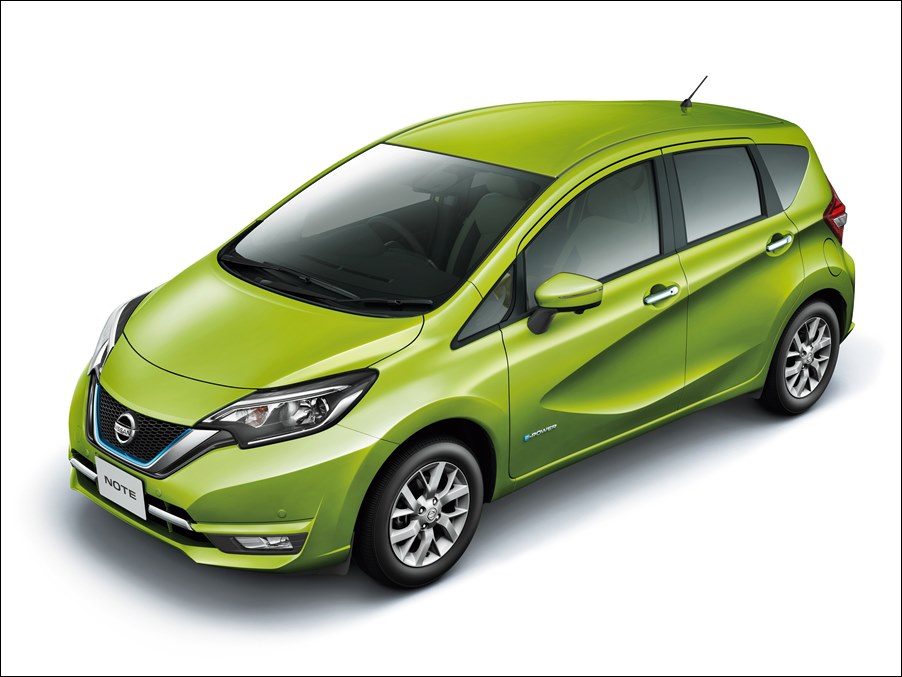
The Note sold in Japan was the first model to use the e-POWER system.
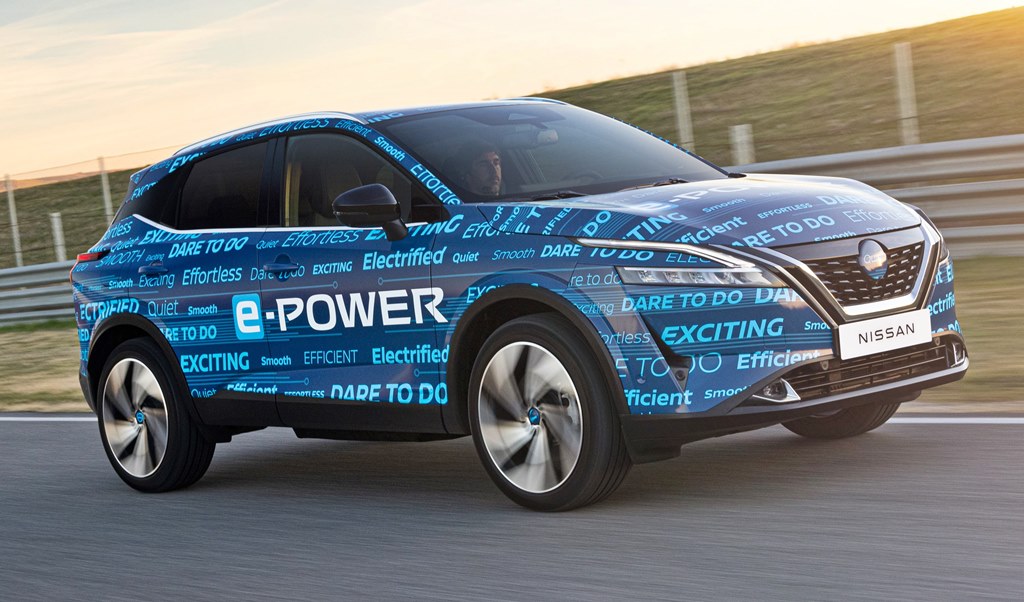
Over the years, Nissan has been improving and refining the e-POWER system while also offering it in selected models for the Japanese market. It has been progressively offered in other markets since 2020 and this year, the new Qashqai SUV will be the first model in Europe to be equipped with the system. The system was also introduced in China last year in the new Sylphy model.
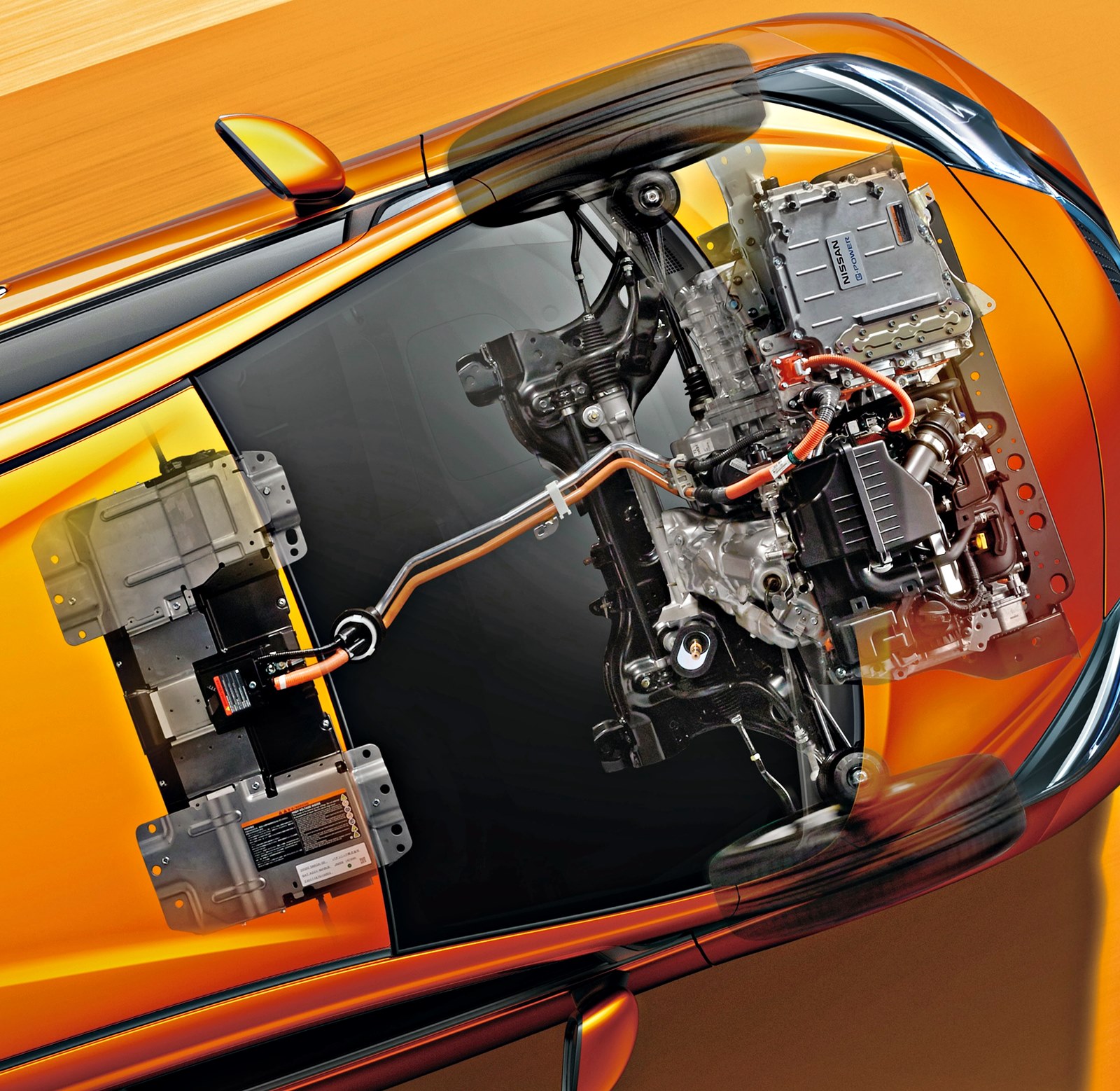
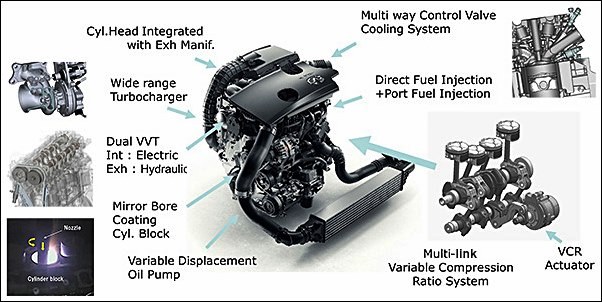
At the heart of the latest e-POWER system is a 1.5-litre 3-cylinder turbocharged variable compression 156 bhp petrol engine (pictured below) which has been developed specifically for this application. First used by Infiniti, the engine’s variable compression capability (between 8.1 and 14.1:1) is a unique feature in an internal combustion engine and allows it to adjust compression ratio, giving both optimum performance and economy depending on the engine load. The 140 kW electric motor is of a similar size and power output as found in Nissan’s EV models.
With the variable compression ratio, the engine runs within its optimal range and best compression ratio, leading to superior fuel efficiency and lower CO2 emissions compared with a traditional internal combustion engine, as well as a refined drive thanks to reduced engine noise.
To maximise performance, in high acceleration or high-speed situations, the energy management control unit within the e-POWER system can send the power generated by the engine directly to the electric motor, via the inverter, to bolster the electricity supply which is coming from the battery. Under deceleration and braking, the kinetic energy is recaptured and channelled back to the battery to optimise efficiency.
Key to the development of the e-POWER system for the Qashqai was the need to ensure the driving experience gave a ‘connected’ sensation, where the petrol engine speed remains relative to the vehicle’s road speed. Engineers at Nissan Technical Centre Europe collaborated in developing a system called ‘Linear Tune’. This feature governs the petrol engine and progressively increases the speed of the 1.5-litre engine to meet the motor’s energy demands as the car accelerates, ensuring there is no ‘disconnect’ between what the occupants experience in terms of performance and sound.
New Qashqai is first Nissan model in Europe with e-POWER.
The disparity between engine speed and road speed is a phenomenon that drivers and passengers find unsettling. For example, a sudden rise in engine revs without a commensurate increase in speed is perceived as frustrating and ‘disconnected’ by occupants – which Linear Tune addresses.
Although sales of EVs are growing rapidly, especially in Europe, Nissan understands that not everyone is ready to make the switch for various reasons. The e-POWER system therefore provides a transitional phase where the benefits of using an EV can be experienced without the present concerns that many may have regarding recharging and range.
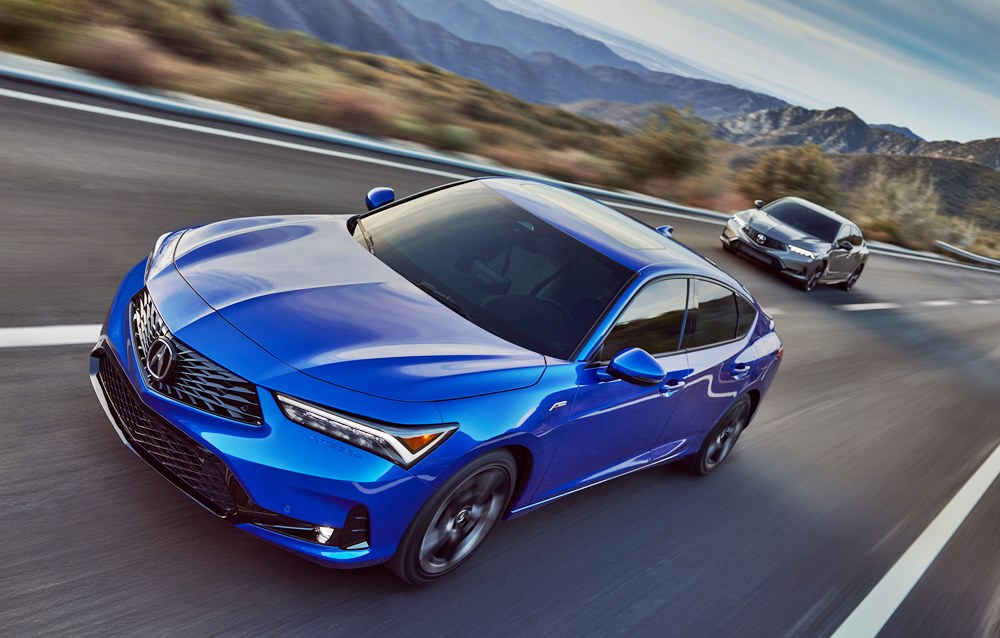
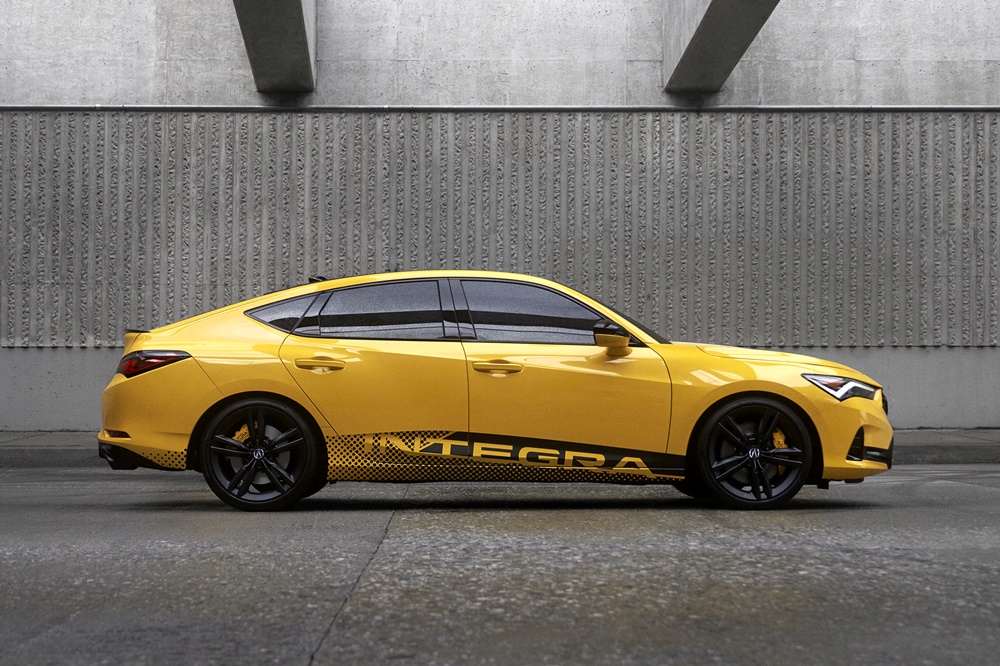
The Integra was the model that helped launch the Acura brand in America in 1986 and became a much respected model among enthusiasts. It was retired in 2001 (in America) and was thought to be destined to stay in history books and memories. But last year, Acura showed off an Integra Prototype and said that the model would be back, and it would be built in America for the first time.
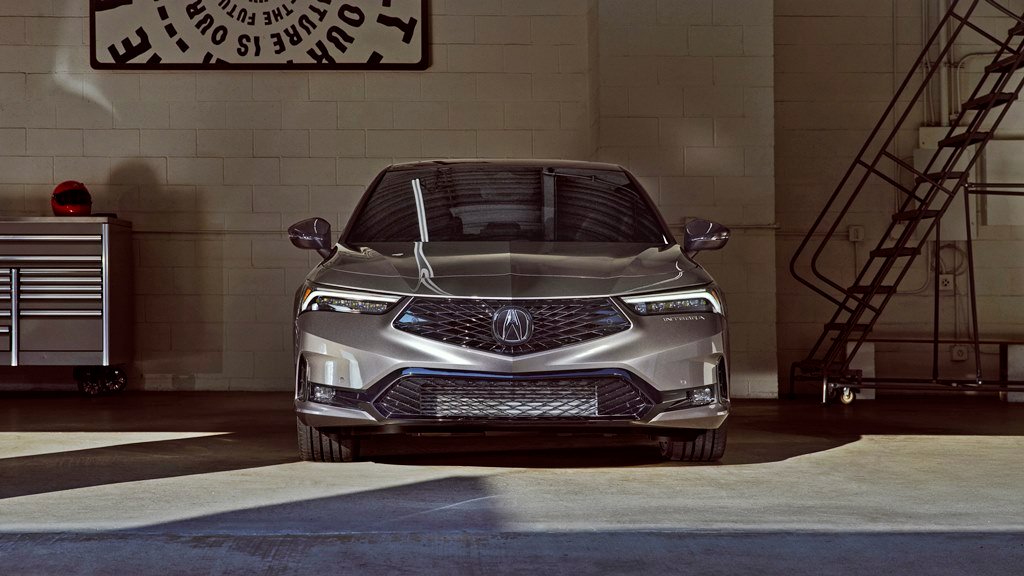
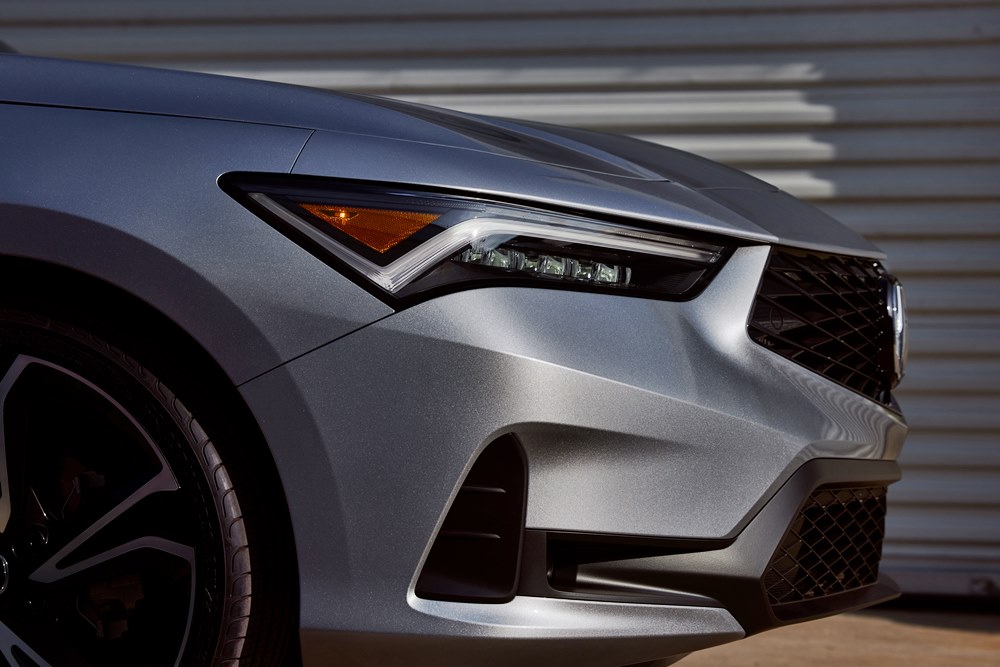
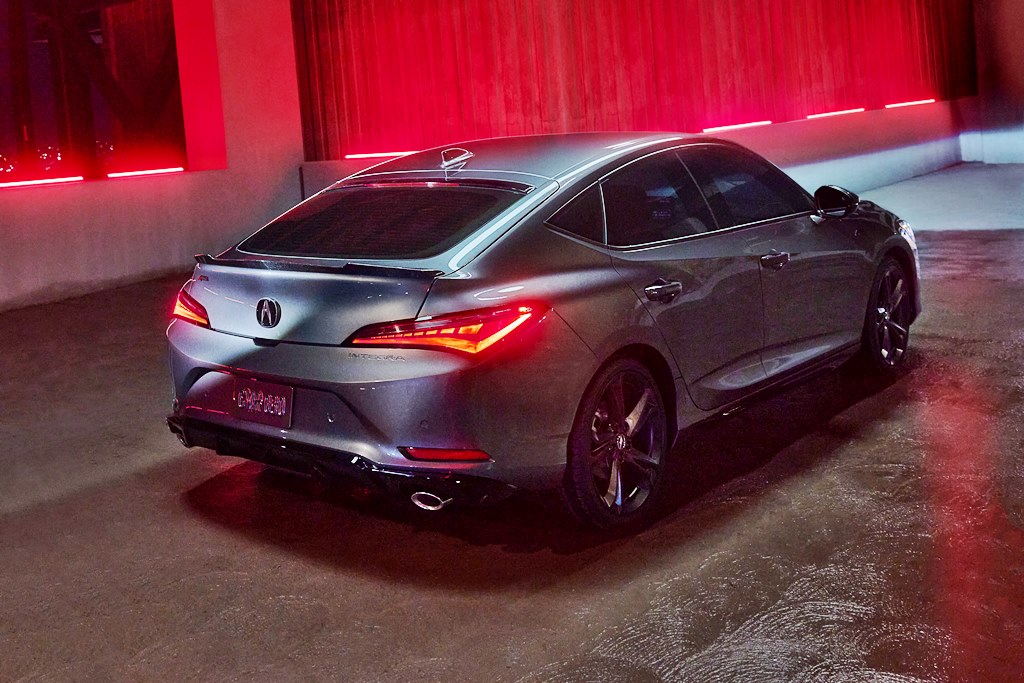
And here it is, looking very much like the prototype but without the bright yellow colour and graphics. It returns with a fresh new sporty design, coupe-like and having 4 doors plus a tailgate. The Integra uses Acura’s contrast design language, first seen on the latest RDX and features a frameless version of Acura’s Diamond Pentagon grille, framed by four JewelEye LED headlight elements and ‘Chicane’ LED daytime running lights.
Integra Prototype shown last year.
The rear end has dual exhaust finishers below and wide, single piece LED taillights above which are reminiscent of previous models. Embossed Integra logos in the front and rear fascia recall the 3rd generation car.
Customers can also select appearance packages and with the A-Spec sport-appearance package, there are gloss-black window surrounds and front and rear fascia trim, as well as a sporty lip spoiler. The package includes 18-inch alloy wheels fitted with larger 235/40R18 performance tyres.
Familiar 1.5-litre turbo engine
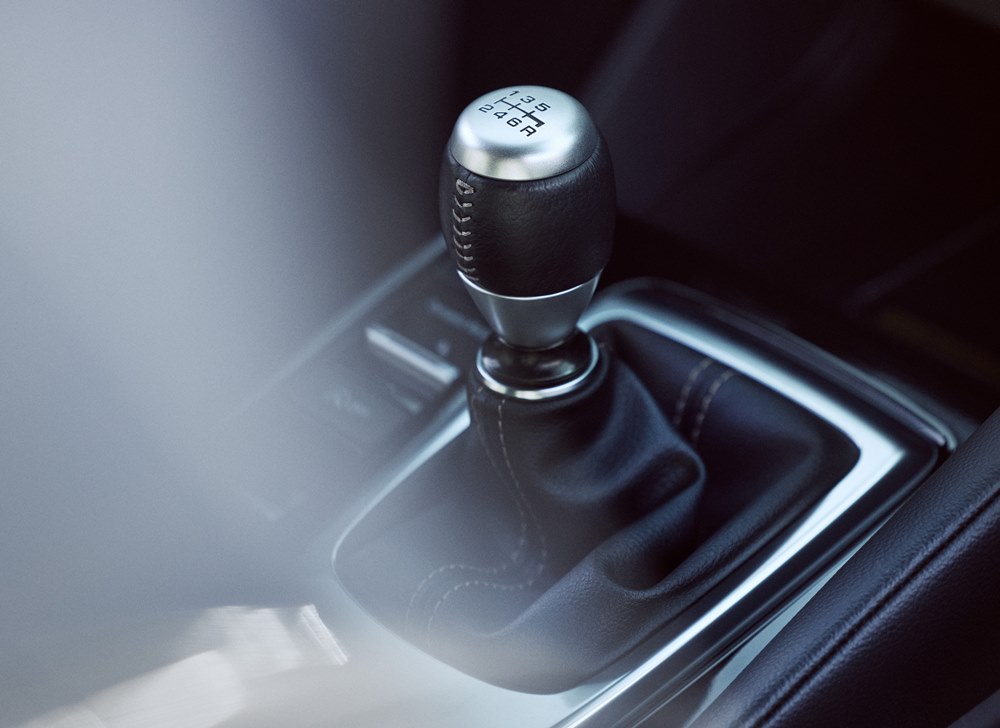
Under the aluminium bonnet is a VTEC-enhanced DOHC 1.5-litre turbocharged 4-cylinder engine producing 200 bhp/260 Nm. A new coil type exhaust system adds an emotional exhaust sound. The engine comes with a CVT but customers can also opt for a 6-speed manual transmission (with LSD included), which should please enthusiasts.
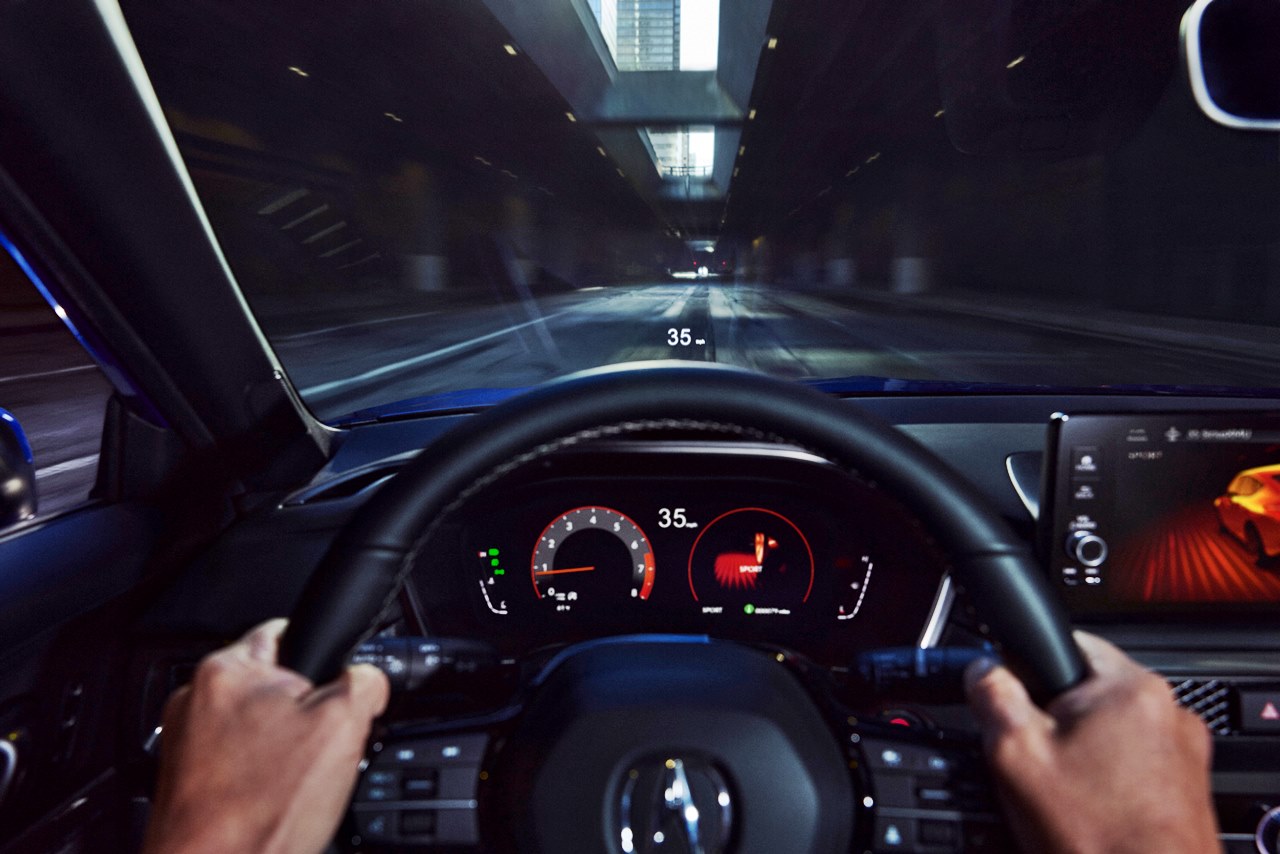
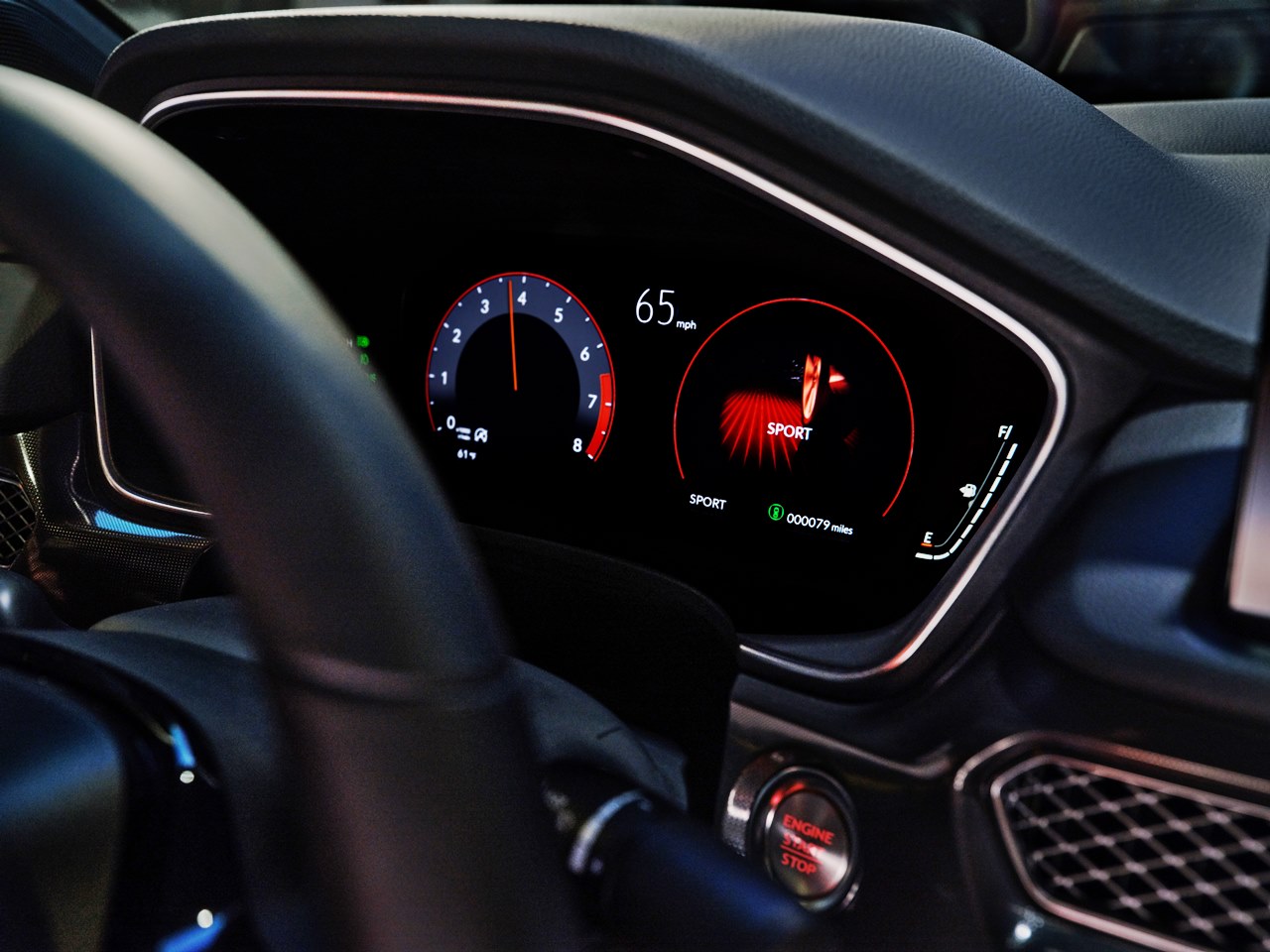
A standard Integrated Dynamics System provides3 driving modes (Comfort, Normal and Sport) that the driver can choose. Each mode has its own throttle response, automatic transmission mapping, steering feel and even gauge colouration.
Adaptive Damper System
Much is shared with the latest Civic but the engineers have also tuned the chassis of the new Integra to provide class-leading driving dynamics and engaging performance. The fully independent suspension can be upgraded with an optional Adaptive Damper System for drivers to have more precise control of the ride and handling. An Individual mode allows independent selection of steering, engine response, and suspension firmness for a more personalise driving experience at the touch of a button.
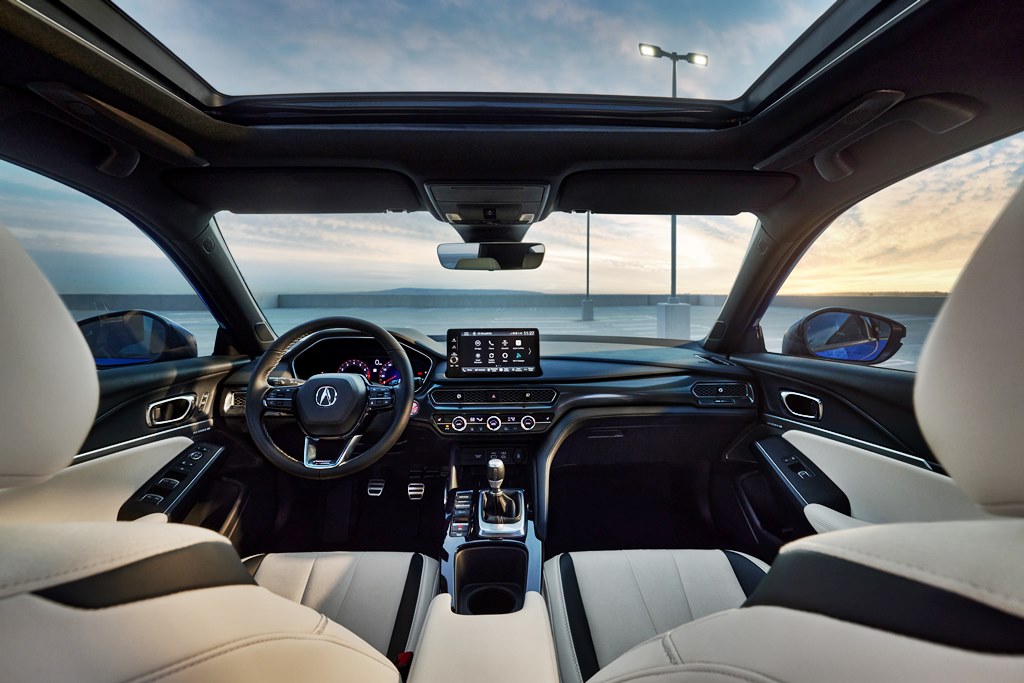
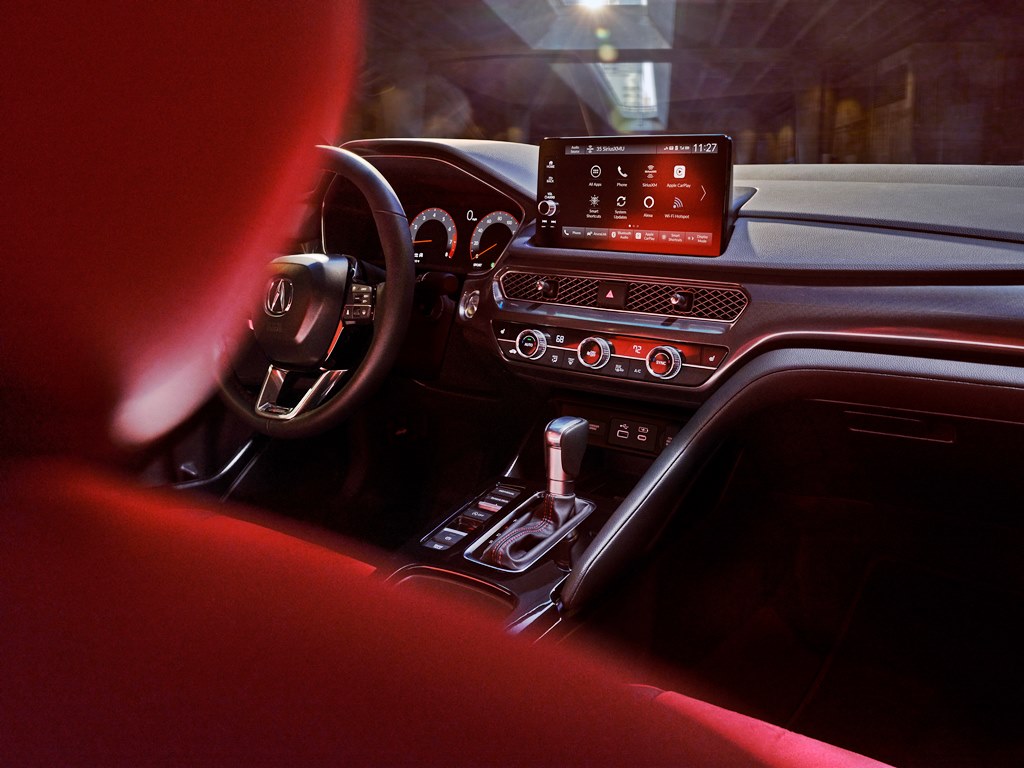
Inside, the Integra’s cabin has a low dashboard cowl, thin pillars and door-mounted mirrors which give a better field of view. Sporty cars don’t always have good rear legroom but the Integra is said to give rear passengers generous legroom and plenty of space for recreational gear.
Standard are new body-stabilizing front seats wrapped in synthetic leather. They come with 8-way power adjustment for the driver which can be upgraded to 12 ways at extra cost. When equipped with the A-Spec package, the standard items are replaced by stainless steel pedals, red gauge needles, and contrast stitching on the steering wheel, seats, shifter and shift boot.
Acura Precision Cockpit
The 10.2-inch Acura Precision Cockpit digital gauge cluster with multiple display modes is complemented by a 7-inch or 9-inch digital touchscreen. Those who add the Technology Package can also get Qi-compatible wireless charging and a 5.3-inch Head-Up Display. All USB charging ports are the newer Type C ones. For music on the move, there’s an 8-speaker system with the option of a 16-speaker ELS STUDIO 3D premium audio system.
Being a sportscar with high performance, safety is naturally even more important. The Integra has many active safety systems including the integrated AcuraWatch suite of driver assistive and safety technologies that use a single camera system. It also has a segment-first new generation of driver and passenger front airbags, specifically designed to cradle the head and reduce the risk of brain injuries, especially in offset collisions. The aluminium bonnet is made with an embossed inner structure that will distribute the force of an impact with a pedestrian’s head in the event of a collision to reduce the likelihood of injury.
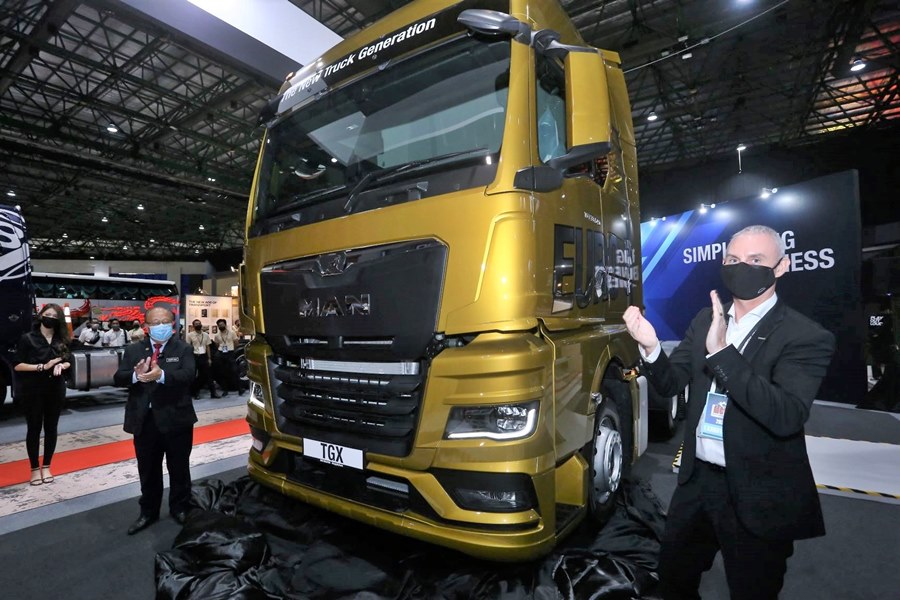
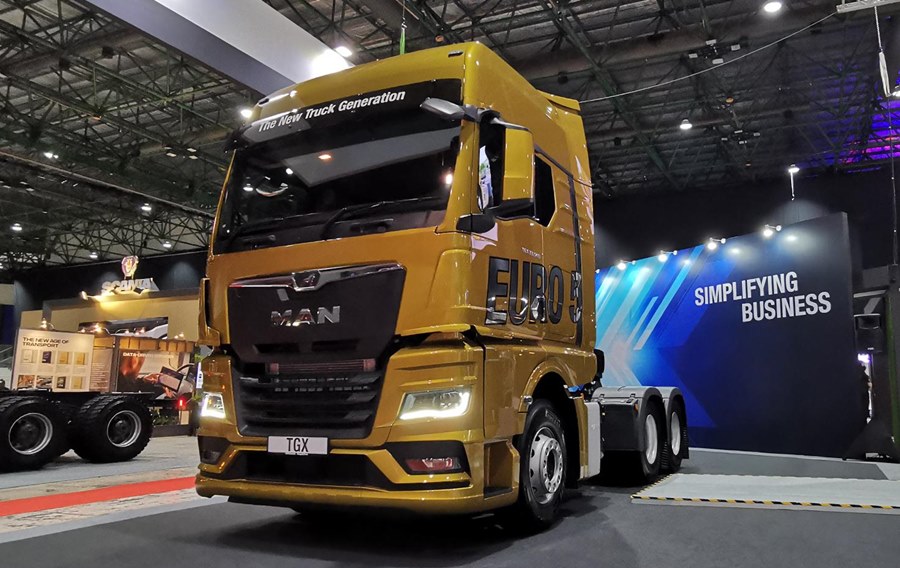
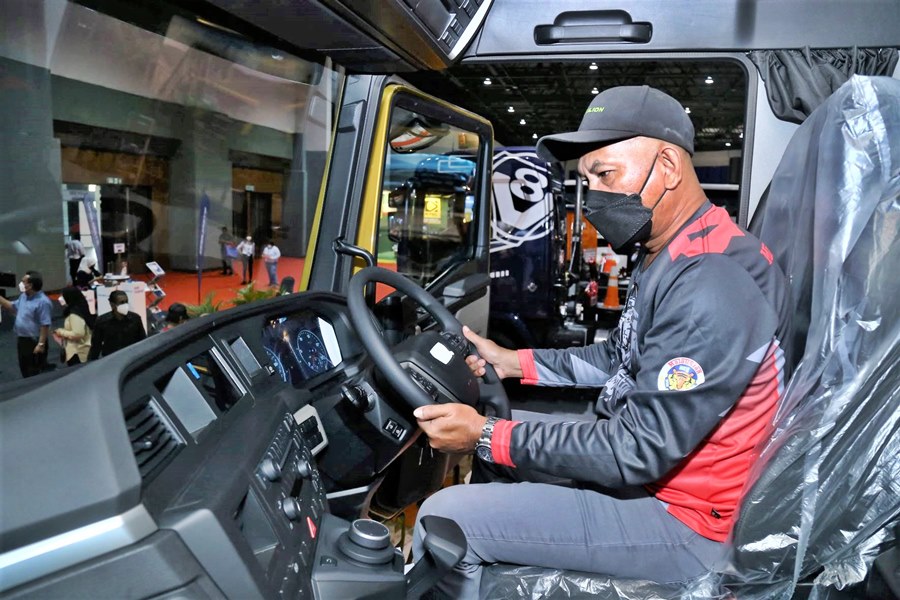
MAN Truck & Bus (M) Sdn Bhd (MAN Malaysia) has launched its flagship model of the New MAN Truck Generation line-up – the MAN TGX. The company expects that the truck, designed for long-haul and cross-border trips that typically last a few days, will find significant demand from fleet operators in the country.
More space, larger cab
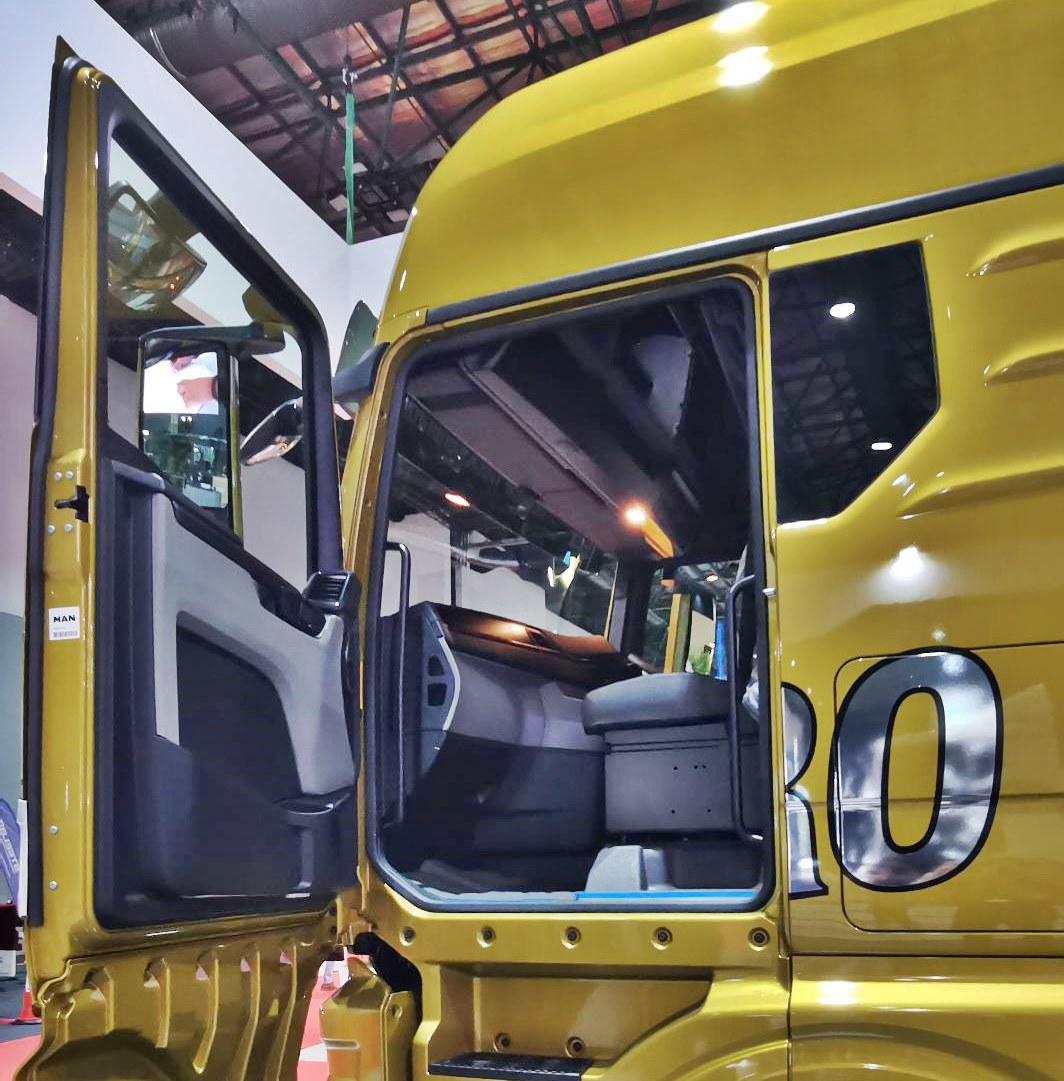
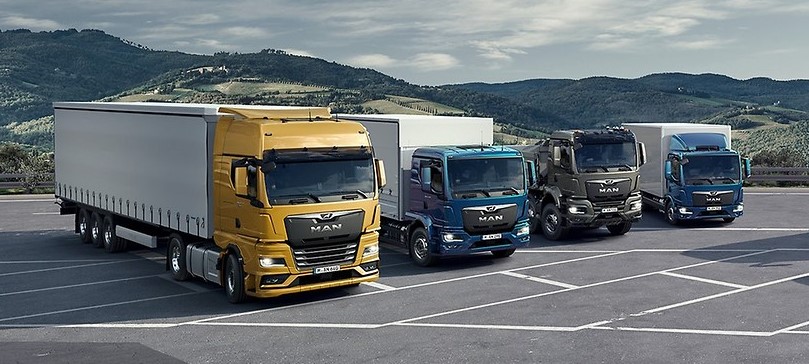
The MAN TGX is offered alongside its more familiar stablemate, the flexible and versatile MAN TGS that is typically the model of choice in this market. However, the TGX offers more spaciousness with the largest cab among all the New MAN Truck Generation models, especially with its high roof.
The spacious cabin offers more than 520 litres of combined storage space while the standing height of 2,100 mm allows easy movement for the driver and co-driver. The exterior dimensions of the cab are a width of 2,440 mm, length of 2,280 mm and height of 2,150 mm.
Euro-5 compliant engine
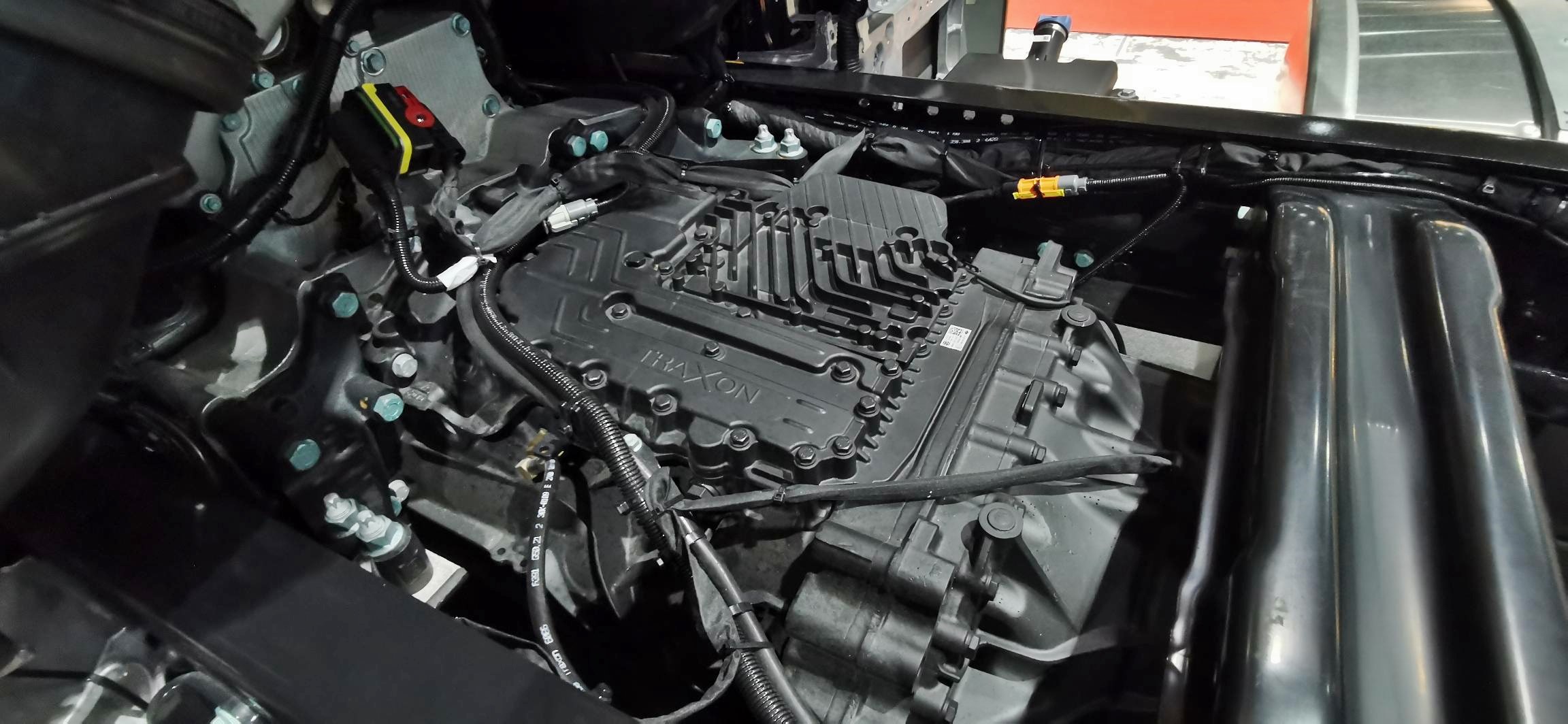
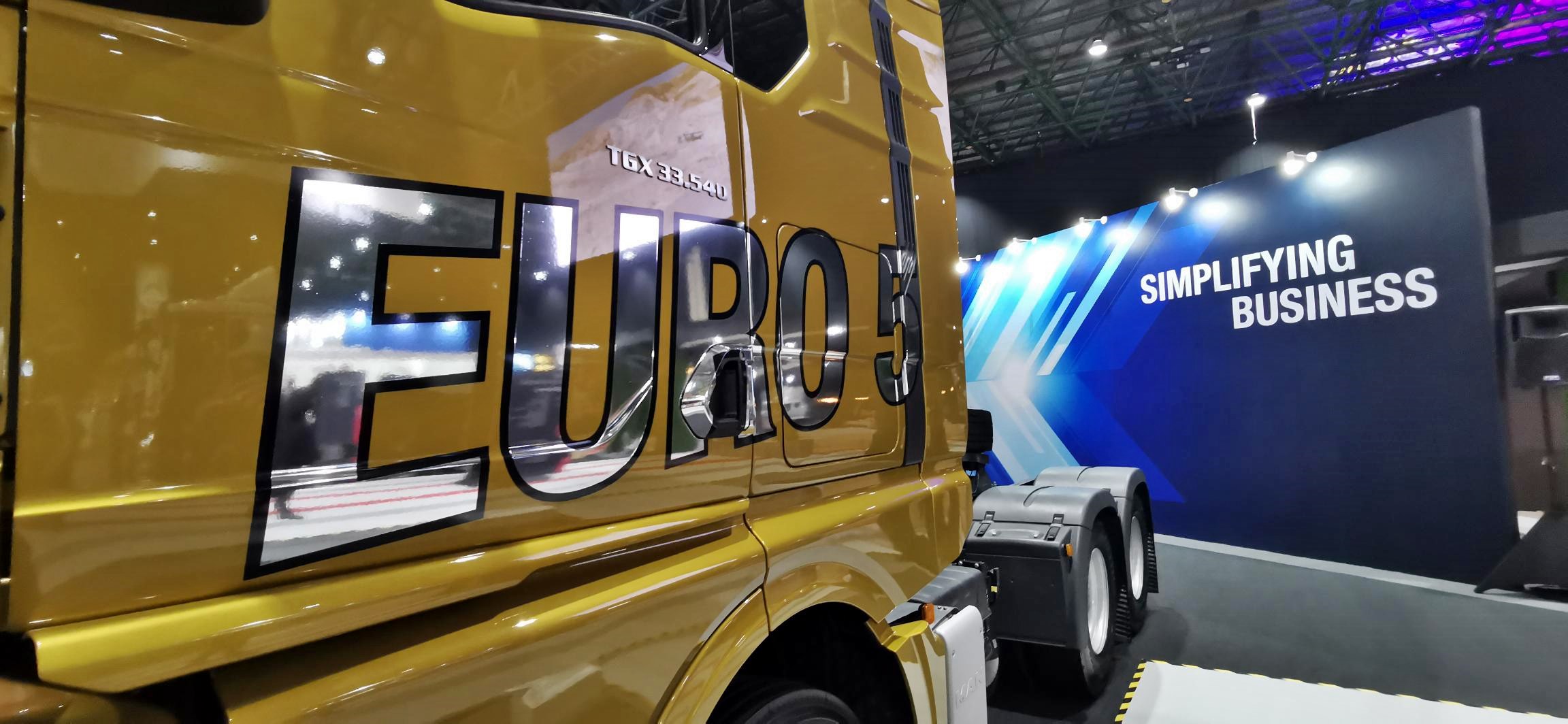
The MAN TGX is powered by the proven MAN D2676 LF08 which has maximum power output of 540 bhp/2,500 Nm and is coupled to a 12-speed MAN TipMatic gearbox. It generates lower carbon emissions to comply with stricter Environmental, Social and Governance (ESG) standards that are the norm in today’s business environment. As with all the other models MAN Malaysia has been offering since November 2021, the diesel D266 LF 08 engine is Euro 5-compliant.
The engines of all MAN trucks sold in Malaysia are Euro-5 compliant.
MAN Malaysia Managing Director Andrew O’Brooks said that the move demonstrated the company’s desire to stand-up and be counted in Malaysia’s journey towards carbon-neutral status by 2050. “We are effectively challenging the Malaysian transporters to join the journey and take the lead in reducing carbon emissions. In Europe, long-distance transport vehicles produce as much as 27% of CO2 gases. Malaysia must look and act now to reduce its carbon footprint; and the commercial vehicle industry as well as public service vehicles can do their part in this environmental challenge,” he said.
‘Industry needs to reinvest’
As a manufacturer, MAN is doing its part to offer the right solution. “The industry certainly needs to reinvest in new, future-proof trucks that meet these criteria especially in the current business environment that demands strict environmental, social and governance (ESG) compliance,” Mr. O’Brooks added.
In the late 1990s, licensing regulations for the use of pick-up trucks changed allowing them to be registered for private use like passenger cars. The development was very significant and gave Malaysians an alternative to the passenger car for personal transport. Furthermore, they were also not subject to excise duty due to the provisions of the ASEAN Free Trade Agreement, allowing their prices to be lower.
The development was significant as it saw rapid expansion of the pick-up truck segment. Tens of thousands of Malaysians switched to trucks over the years, finding them to be great for many different roles – daily transport, leisure activities and as a workhorse for those who had a small business.
Isuzu Motors, having had long experience in pick-up trucks and light commercial vehicles, took serious note of this trend and began to adapt its D-MAX truck to be more suited for personal use. Of course, all the original attributes such as go-anywhere capability, efficient and reliable powertrains and robust engineering were maintained and improved with each generation.
The best of the best
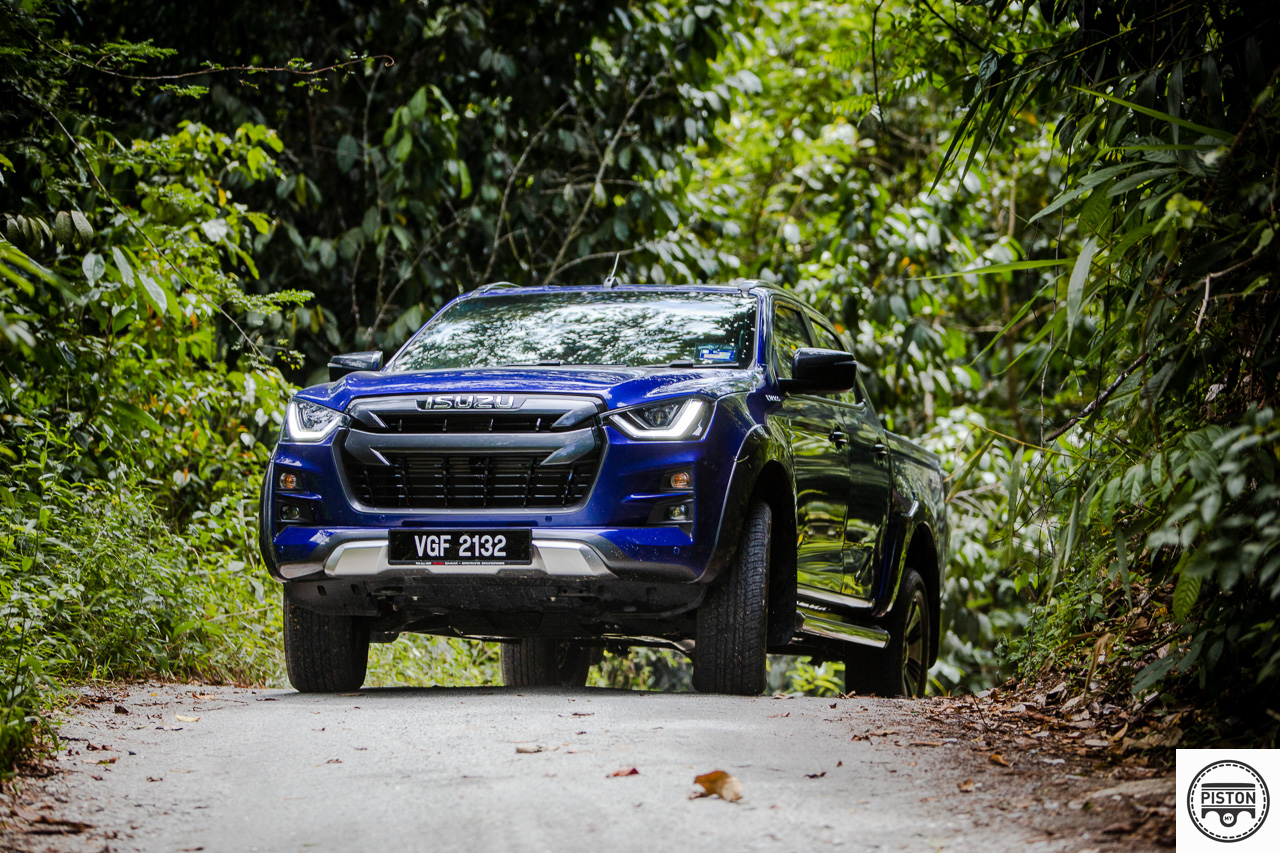
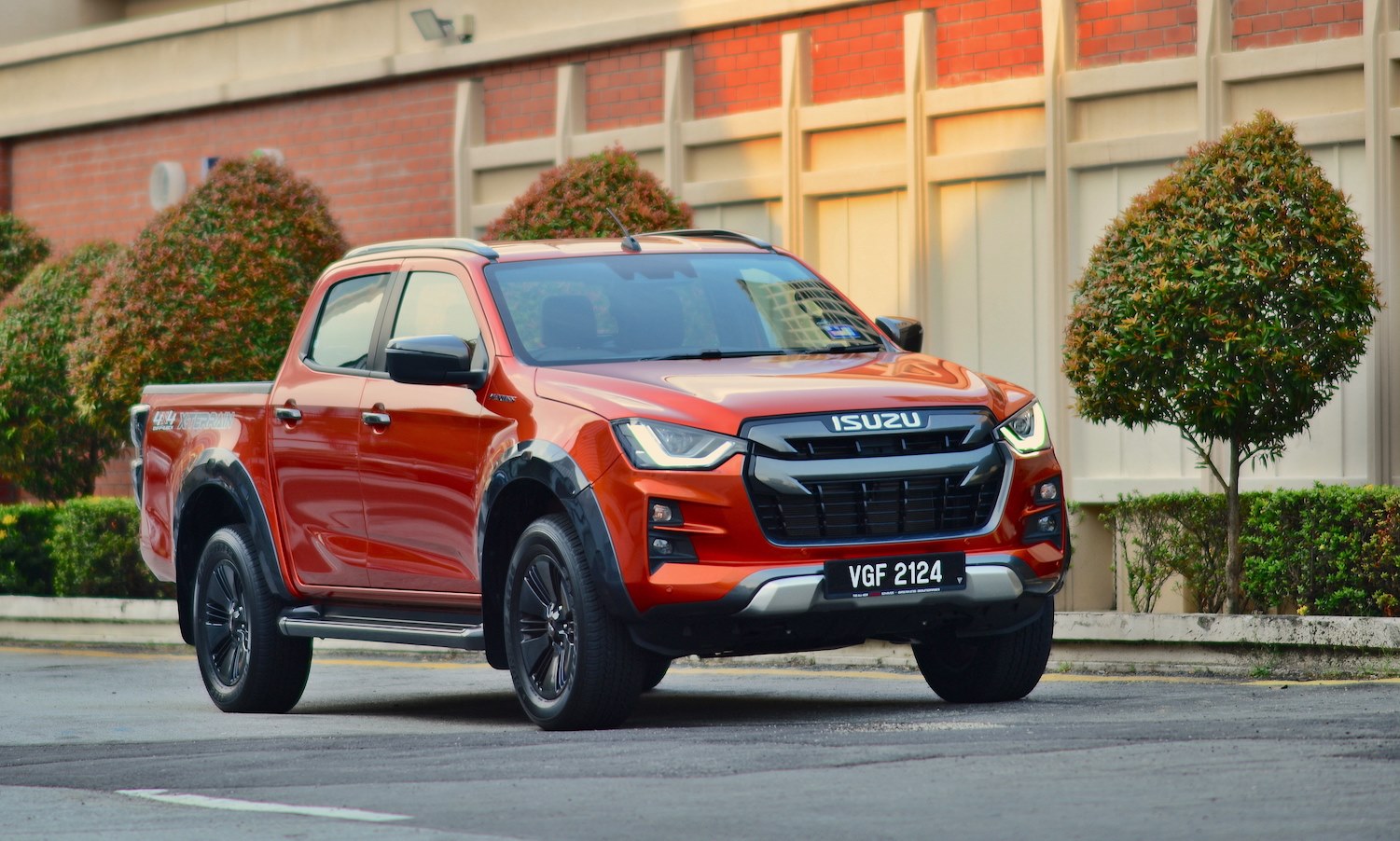
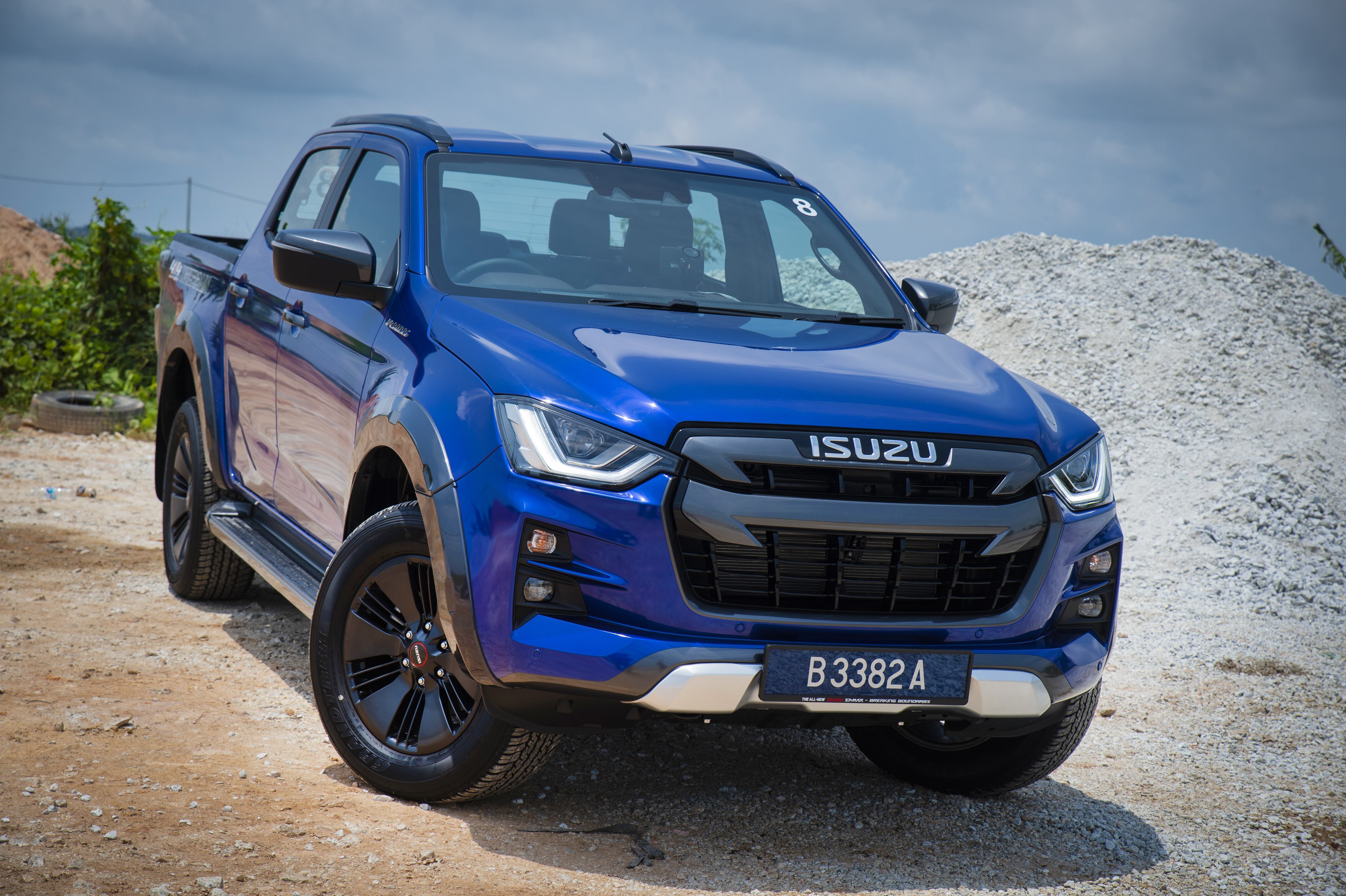
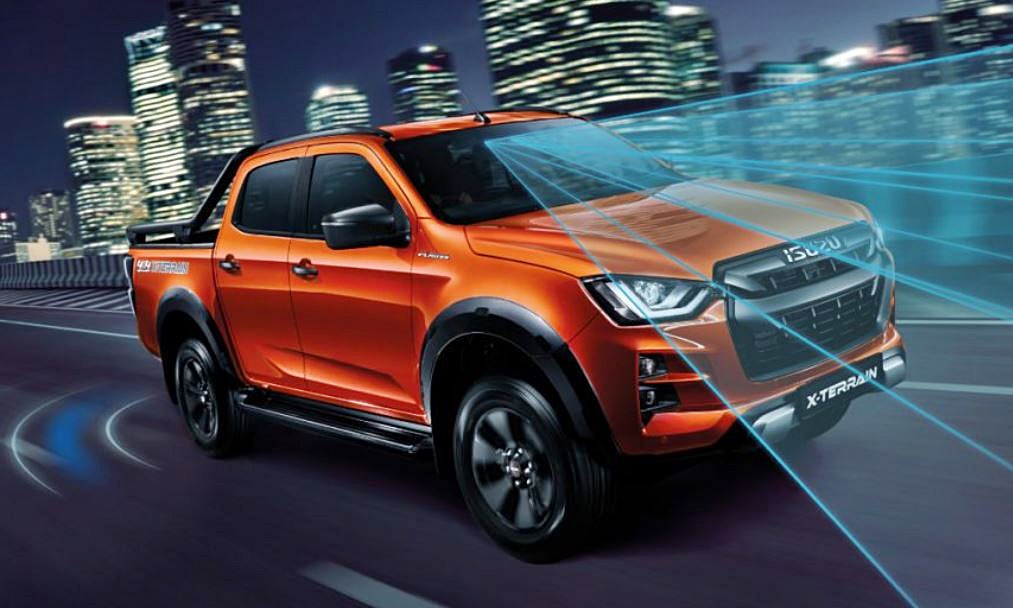
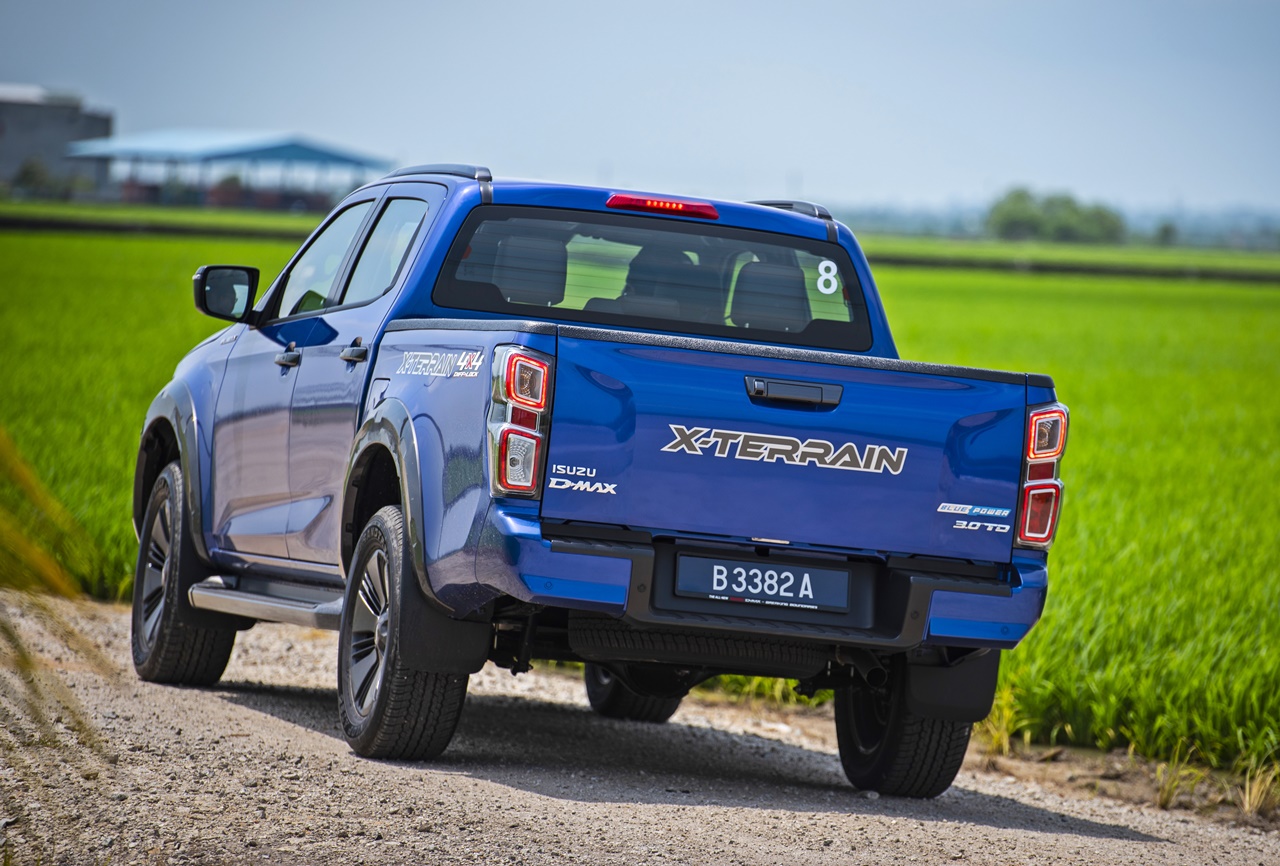
Today, the D-MAX is in its third generation which was launched in April 2021. Without a doubt, it can be considered the best D-MAX ever offered and the ‘best of the best‘ would be the X-Terrain version which is at the top of the range.
The D-MAX X-Terrain would be the ideal pick-up truck for anyone who is keen to switch to the ‘trucking lifestyle’. For starters, let’s consider the interior: back in the old days, pick-up truck interiors were pretty bare because they were used only for rough work. So there was no point putting in good materials or even providing comfort – and certainly, there was no air-conditioning. The pick-up trucks them would have been unappealing even if they could be used for personal transport.
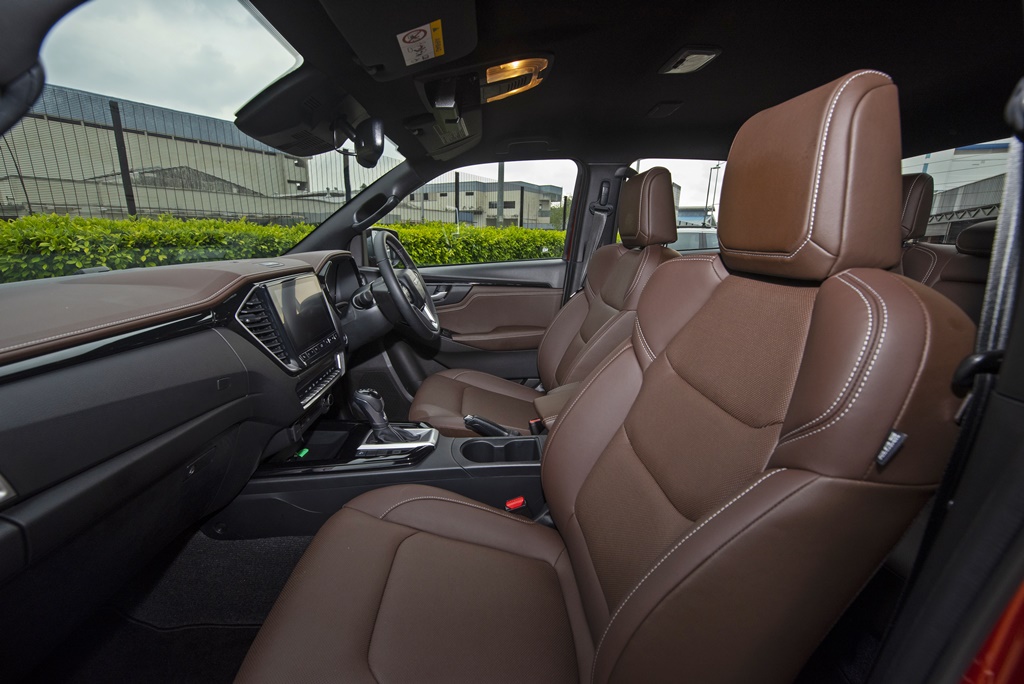
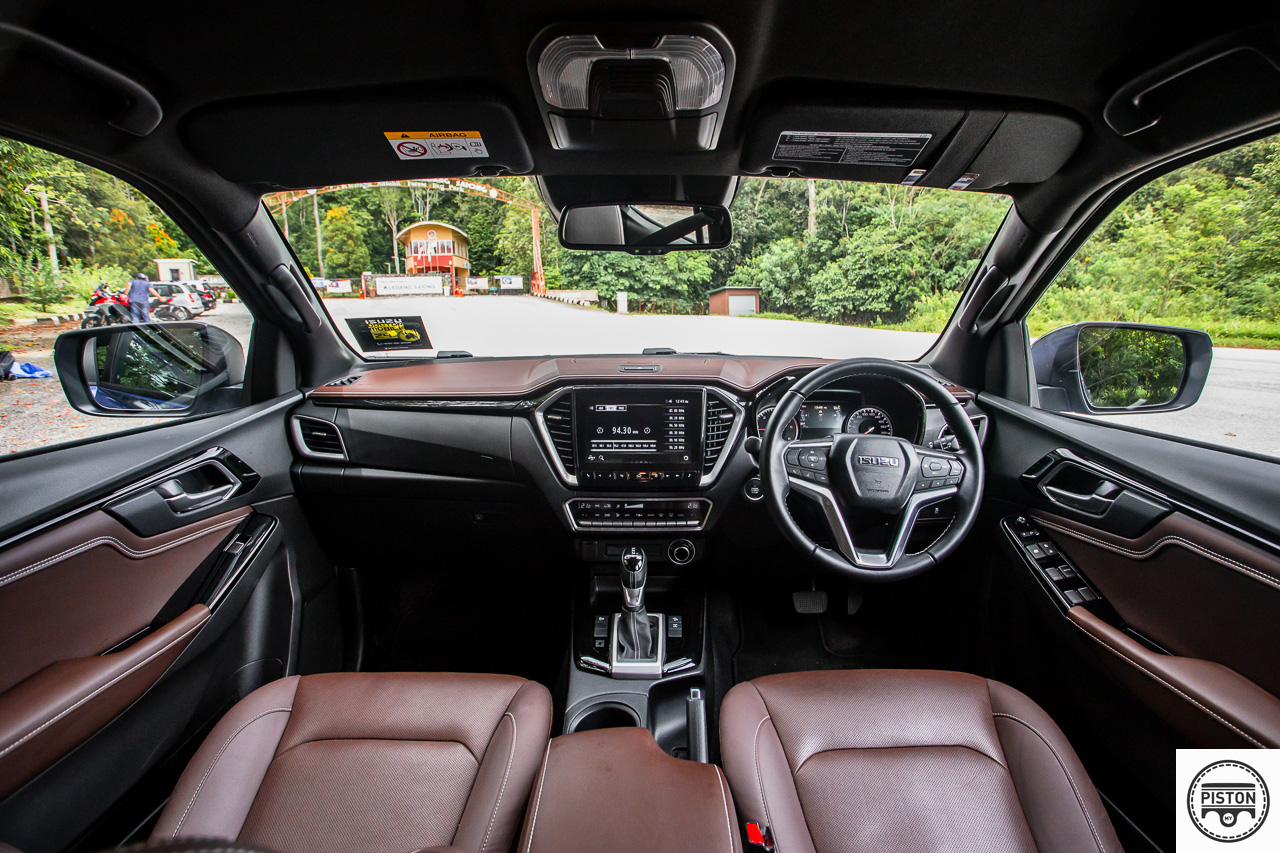
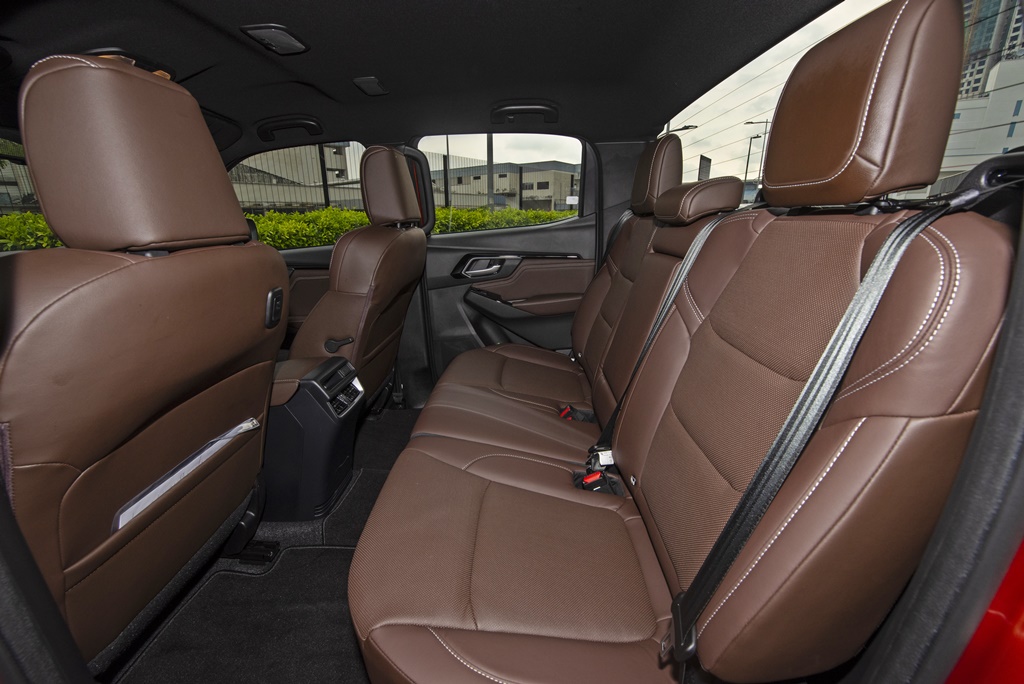
Step (or more correctly, climb) inside and you will find a cabin which would be comparable to a passenger car’s. There’s no bare metal around as all surfaces are covered with trim pieces or soft materials. The seats have been thoughtfully structured for comfort with generous padding and good support. For enhanced comfort the seat cushion pads also feature Anti Vibration Elastic Comfort foam that can absorb vibrations more quickly than conventional cushion material.
The same convenience
You won’t miss anything that you had in your car when you move to a D-MAX X-Terrain because all the same convenience and connectivity features are present. The windows open and close at the touch of a switch and 9-inch display screen serves as a control centre for the infotainment system. You can transfer your favourite apps onto the system and access them from there using Apple Carplay or Android Auto, or Bluetooth connectivity. Voice commands can also be used for handsfree operation, making driving safer.
And yes, there is air-conditioning and it’s as efficient as the one you would have had in your car. Dual-zone distributions brings cool air throughout the cabin and there are also vents for the rear passengers to stay cool. The driver and front passenger car set their own preferred temperature or the system can be left on AUTO and keep the environment cool and comfortable.
Even for those who are not drivers, the transition from passenger car to the D-MAX X-Terrain will be seamless as the rear seats are just as comfortable. There are lots of storage spaces for devices and small stuff, and there are even hidden compartments under the seats to keep an iPad or other belongings out of sight.
Smart technologies
Other smart technologies also make the ownership experience of a D-MAX X-Terrain as easy as a passenger car. For instance, you can start the engine from a distance and run the air-conditioner to cool down the interior before getting in. There’s no need to use a key to unlock or start the vehicle and it will even lock itself when you walk away. How many cars can do that?
For the driver, the experience is also not much different from driving a car. In fact, the information on the instrument panel and Advanced Driver Assistance Systems (ADAS) are more extensive than many cars in the same price range as the D-MAX X-Terrain.
But there is one thing about driving a pick-up truck which is advantageous and which a passenger car does not have – the commanding view. With the cab being higher, the seating position is also higher which gives the driver a better view of the road ahead. And for those who are intimidated by the length, a reverse camera as well as sensors in the rear bumper (also in the front bumper) makes parking easy and you’ll be able to slot into a parking bay without sweating.
ADAS makes driving safer
Just as comfort and convenience were not important in the old pick-up trucks, safety features were basic. However, with the D-MAX X-Terrain, the Advanced Driver Assistance Systems (ADAS) help the driver to avoid an accident or lessen the damaging effects of a collision. The driver’s workload is also lessened because, with Adaptive Cruise Control, the vehicle can be left to cruise at a set speed with a safe gap always maintained from the vehicle ahead. Even the headlights will switch to low beams automatically if there is a vehicle approaching.
Isuzu considers the safety of occupants equally important as those in passenger cars and has engineered the D-MAX X-Terrain to provide superior protection in the event of an accident. Apart from the tough structure, there are also various safety systems to helped the driver avoid accidents or reduce their effects. Thus, the D-MAX X-Terrain has been able to receive the maximum score of 5 stars in the ASEAN NCAP evaluation tests.
Comfortable and also powerful
The cabin may have comfortable seating but a truck is still a truck, right? It’s tall and bounces around on rough ground and the engine is noisy. That was how the old trucks were but with modern trucks like the D-MAX X-Terrain, the platform has been more carefully engineered not just for strength but also rigidity. Together with the comfort-oriented suspension, the ride quality is smooth and comfortable even when travelling over rough terrain.
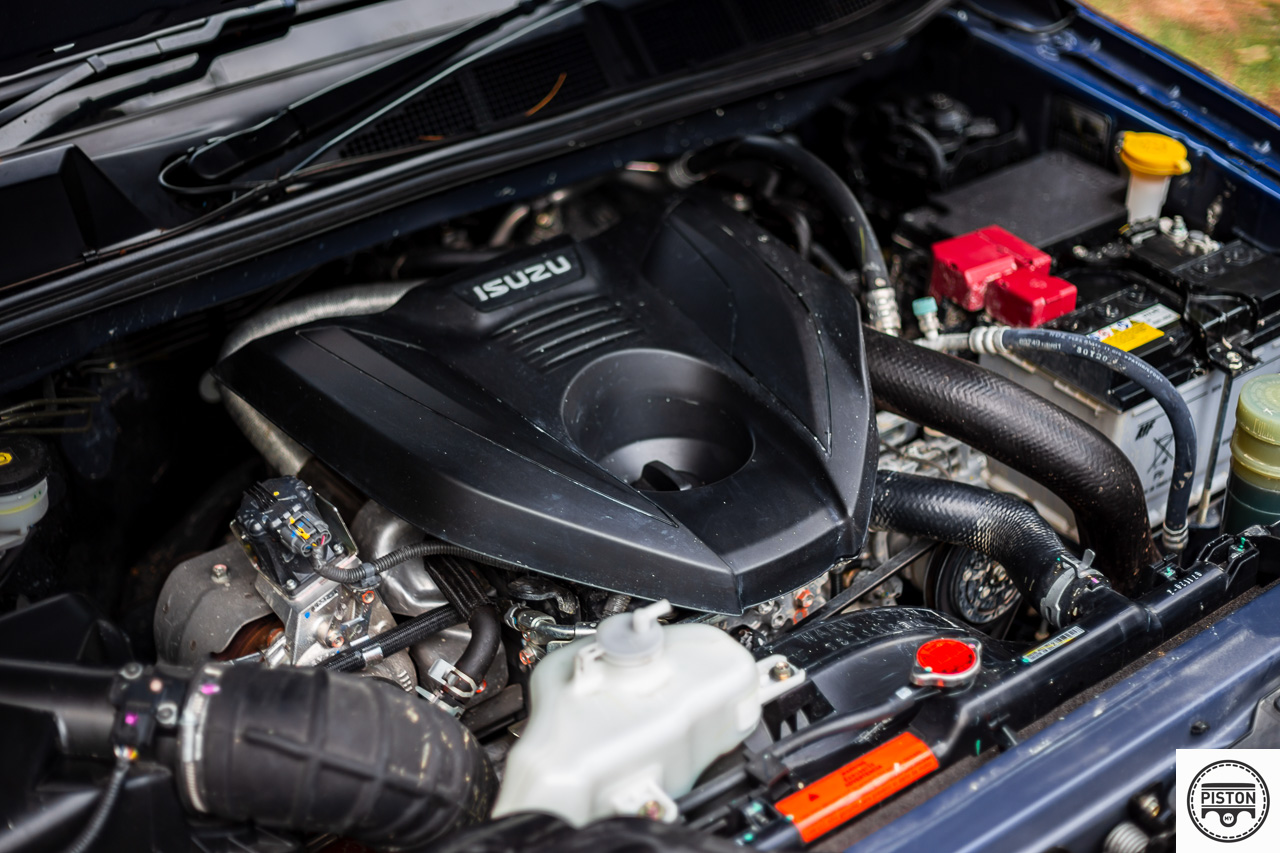
With the 3-litre turbocharged 4-cylinder engine generating up to 190 ps of power and 450 Nm of torque, the D-MAX X-Terrain can go just about anywhere – and briskly too. Apart from the tree-stump pulling power, it can also get to speeds well beyond the highest national speed limit and if you want to avoid getting a summons, Isuzu provides a speed-limiter to keep the speed at the limit.
Carries more durians than a car
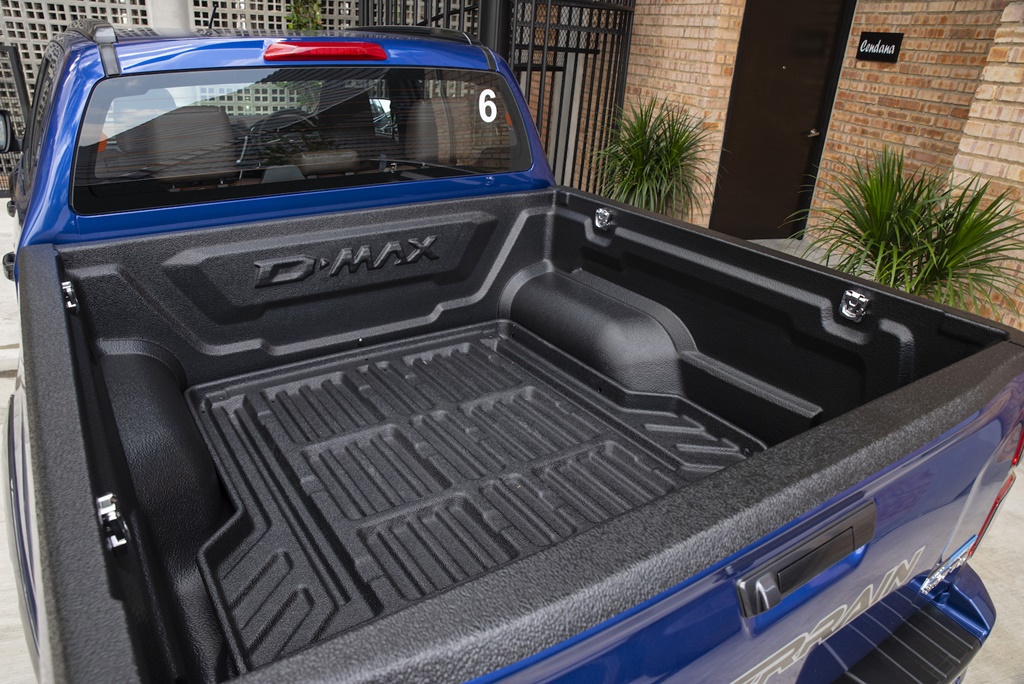
Switching from a passenger car to the D-MAX X-Terrain can change your life because it will bring a whole new lifestyle for you and your friends or family. There’s a lots of space at the back to carry all kinds of recreational gear and you can certainly carry more durians or plants with a D-MAX X-Terrain than you could with any car (even a stationwagon). And because it has truck genes, the load-carrying capacity is also higher than a passenger car’s.
Reliability and durability are a given with Isuzu vehicles and to give peace of mind to owners, Isuzu Malaysia offers a 7-year warranty with no limit on mileage. This means that the owner can enjoy the full 7 years of coverage against manufacturing defects (terms and condition apply).
The best way to discover how easy it is to switch from a passenger car to the D-MAX X-Terrain is to test-drive one at an authorized Isuzu dealership. To find one in Peninsular or East Malaysia, visit www.isuzu.net.my and you can soon start your new trucking lifestyle.
Sunshine contains energy and it’s free and abundantly available, so it makes sense that it can be used to power facilities. Modern technology had made it possible to collect sunshine and convert it into energy and Shell Malaysia is making use of this technology in efforts to lower carbon emissions.
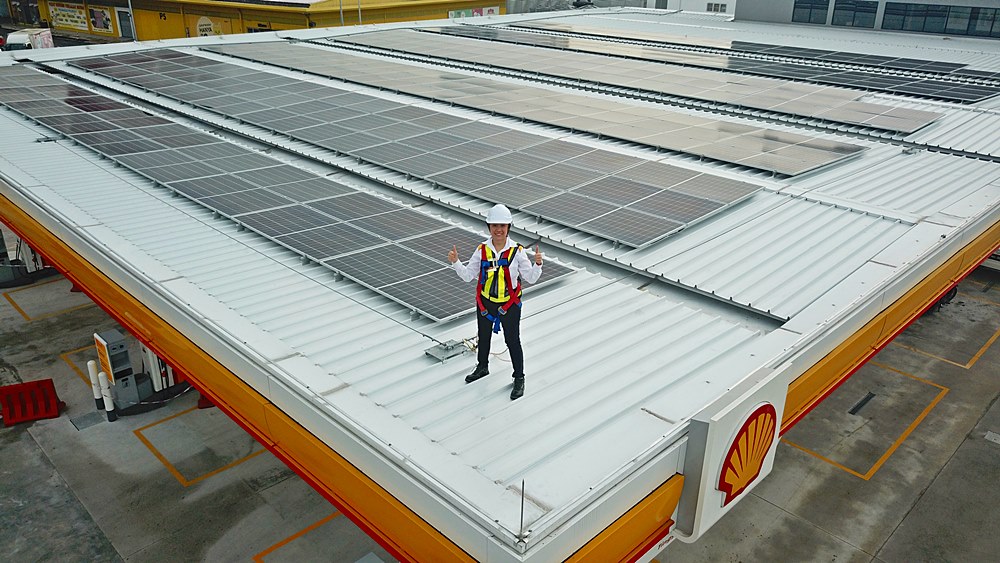
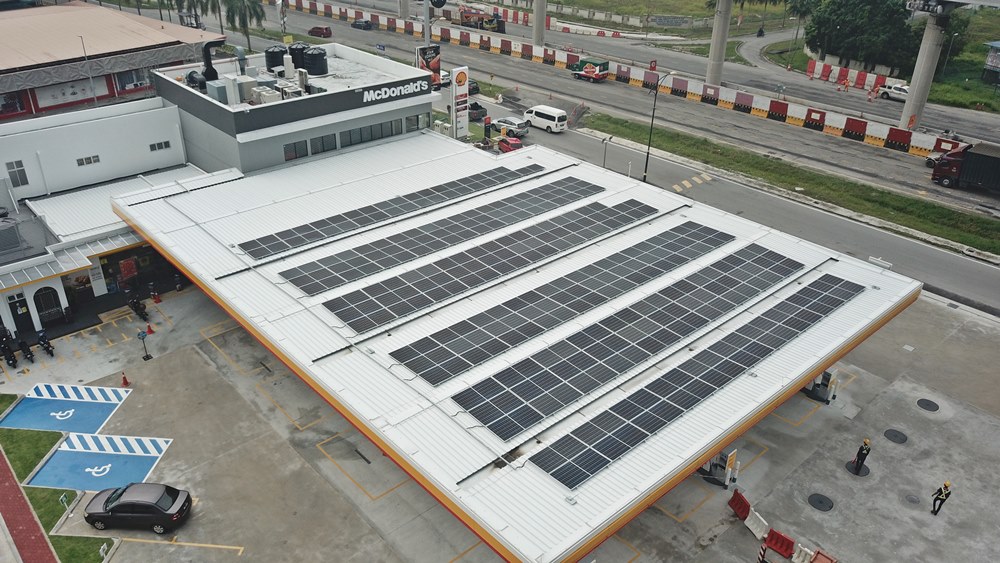
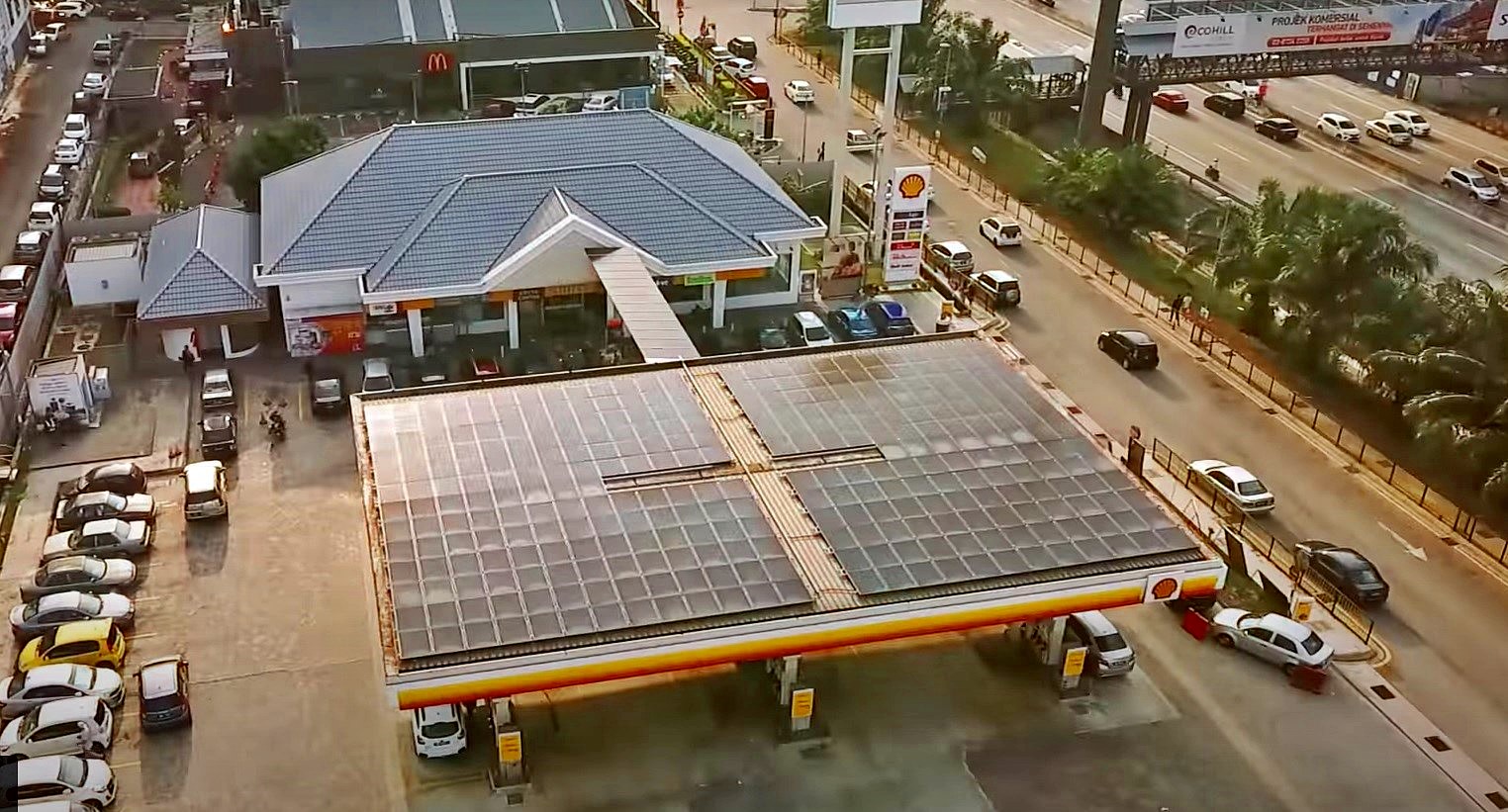
The company has installed solar panels at 216 of its retail stations around the country as is part of the drive to adopt a combination of measures to improve its energy efficiency and reduce its carbon footprint. Installation of solar panels at retail stations help supplement and reduce dependability on local utilities, resulting in increased electrical savings for the stations in the long run.
216 stations to date
Shell is working with Cleantech Solar to install the solar panels at its retail stations in Malaysia. So far, a total of 22,505 solar Photo Voltaic panels with a total capacity of 10.12 megawatt (MWp) have been installed on the roofs of 216 stations as part of the company’s commitment to run a safe, efficient, responsible, and profitable business. Exemplifying this, the current number of solar panels in the stations can generate 12,939 MWh of electrical energy, enough to power roughly 3,740 households in a year.
“At Shell, we aim to make the transition towards a low-carbon future possible for our operations and will always look out for initiatives that will enable us to provide cleaner and sustainable energy solutions for our customers. We have fitted 216 of our stations with solar panels and we will be progressing towards about 350 stations by the end of 2022,” said Seow Lee Ming, General Manager of Mobility Shell.
Green Building Index Certification
In 2019, Shell Damansara Jaya and Shell Taman Connaught were the first two retail stations in Malaysia to receive the Green Building Index (GBI) Certification. The GBI is the country’s industry-recognised green rating tool for buildings to promote sustainability in the built environment by saving energy and resources. These two Shell stations mark the first entries in the new retail fuel category introduced for the certification standard. The company is also the first in the Asia Pacific region to receive this GBI certification.
Shell also opened what is an example of ‘the station of the future’ – Shell Mint Hotel – which is Malaysia’s First Gold GBI Certified Petrol Station. Apart from being powered by solar, this station has sustainable features such as a food waste composting machine that converts food waste into fertilisers, energy-efficient air-conditioners and chillers, recycling facilities and a smart LED lighting system at the forecourt. To lessen the station’s usage of water from municipal systems, a rainwater harvesting system is utilised to collect and store rainwater to be reused in its facilities such as the toilets.
Shell has now received GBI certification for 5 of its stations in Malaysia. They are Shell Taman Connaught, Shell Damansara Jaya, Shell Mint Hotel, Shell Tangkak Lay-by and Shell Alor Pongsu.
The Shell Group has set a target to become a net-zero emissions energy business by 2050, in step with society. This is also in line with the government’s ambition towards Malaysia achieving Carbon Neutral in the same year. By powering Malaysia with cleaner energy and innovation mobility solutions, Shell hopes to mobilise the energy sector and increase its efficiency by offering products and services with lower carbon emissions.
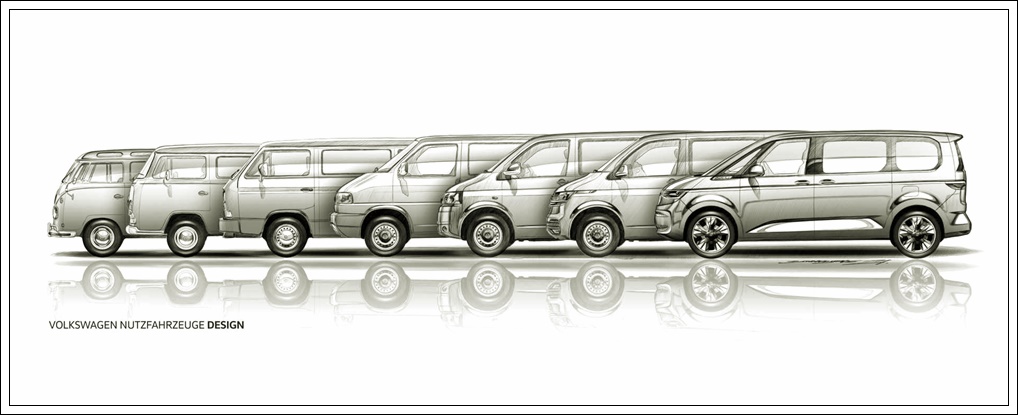
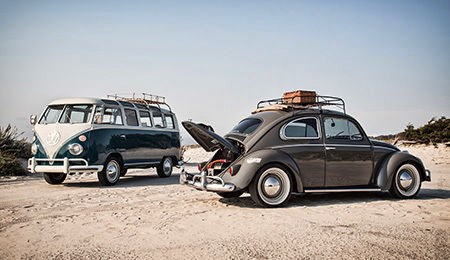
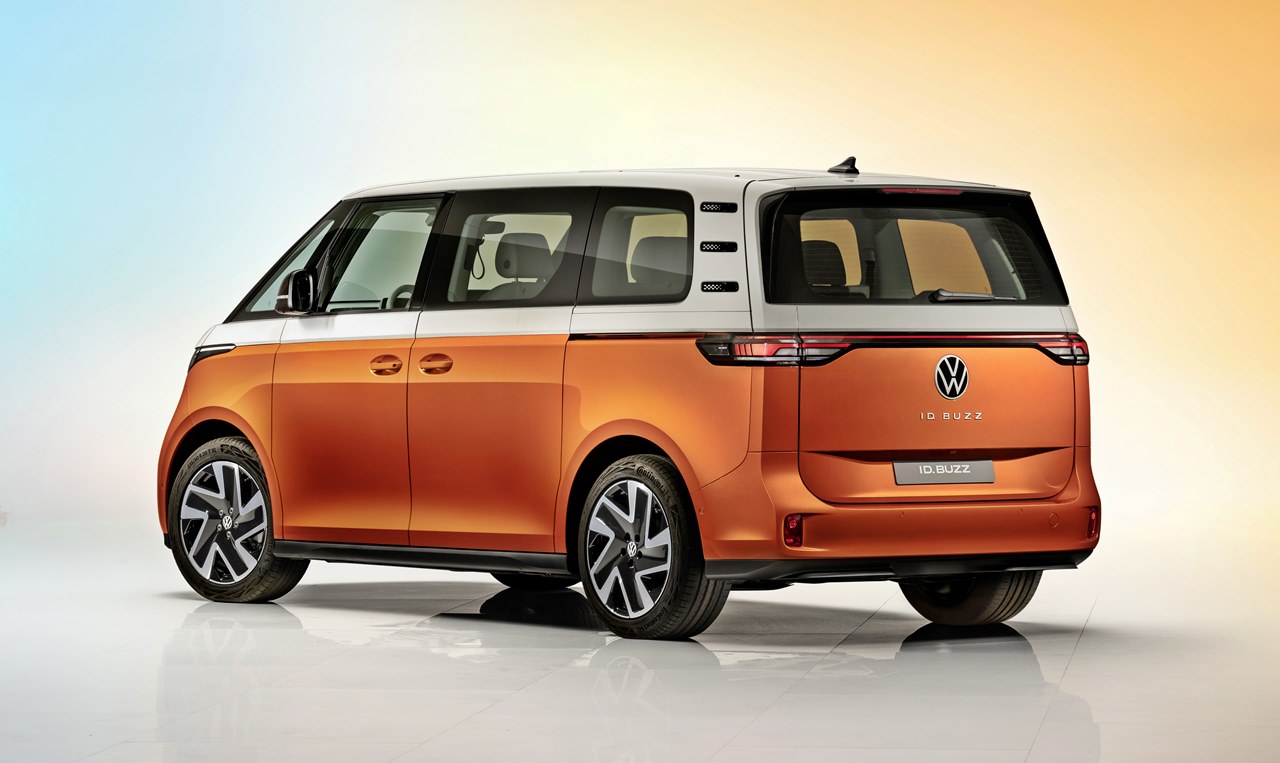
Thhe Beetle was Volkswagen’s first car and the company brought it back in a modern form in 1997. Now it is doing the same thing with the brand’s second model which was the Type 1 Transporter produced from 1949 onwards. It was actually on an extended Beetle platform and like the iconic car, remained in production for a long time. However, the Transporter, unlike the original Beetle, evolved in its design right to the current 6th generation.
With demand for MPVs in many countries, Volkswagen decided that one of the models in its all-electric ID. family would have to be such a vehicle, and for inspiration, the designers looked all the way back to the Type 2 which had various names in different markets (just like the Beetle). The original Transporter was especially popular in America and was one of the symbols of the 1960s counter-culture movement.
Evolution of the Transporter from 1949.The Transporter was Volkswagen’s second model and used the same platform as the Beetle.
Its low cost and simplicity made it easily affordable by the hippies who would live in it and gave the vehicles a lot of character with creative paintwork. And with the same durability as a Beetle, it lasted a long time with minimal maintenance too.
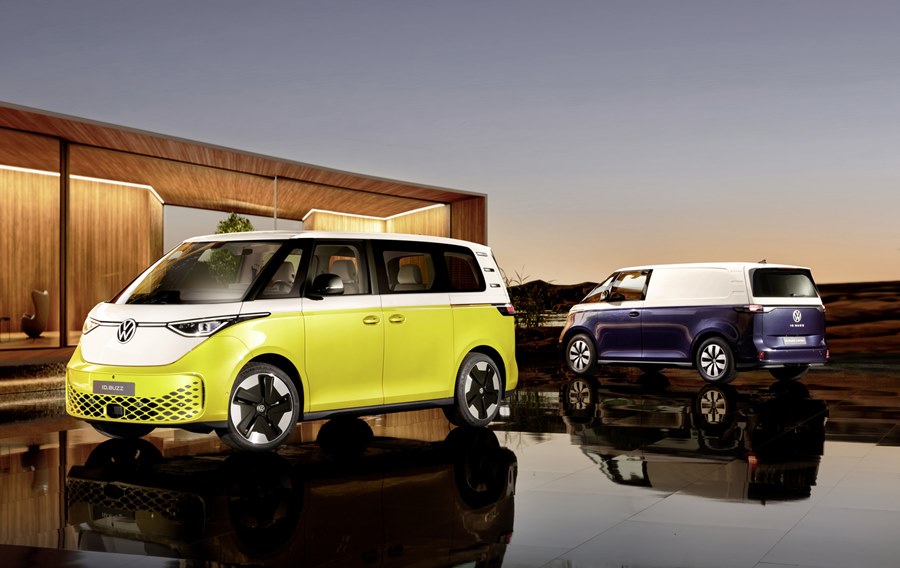
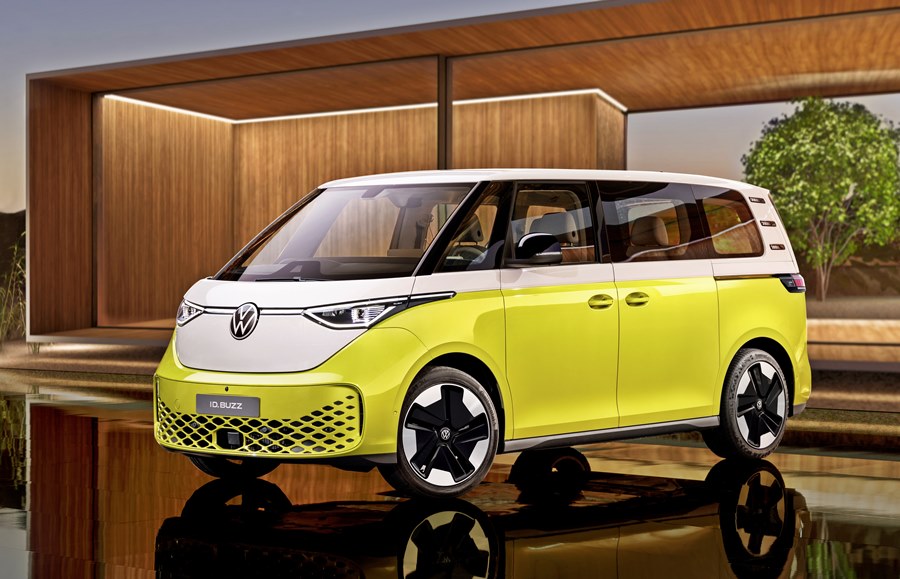
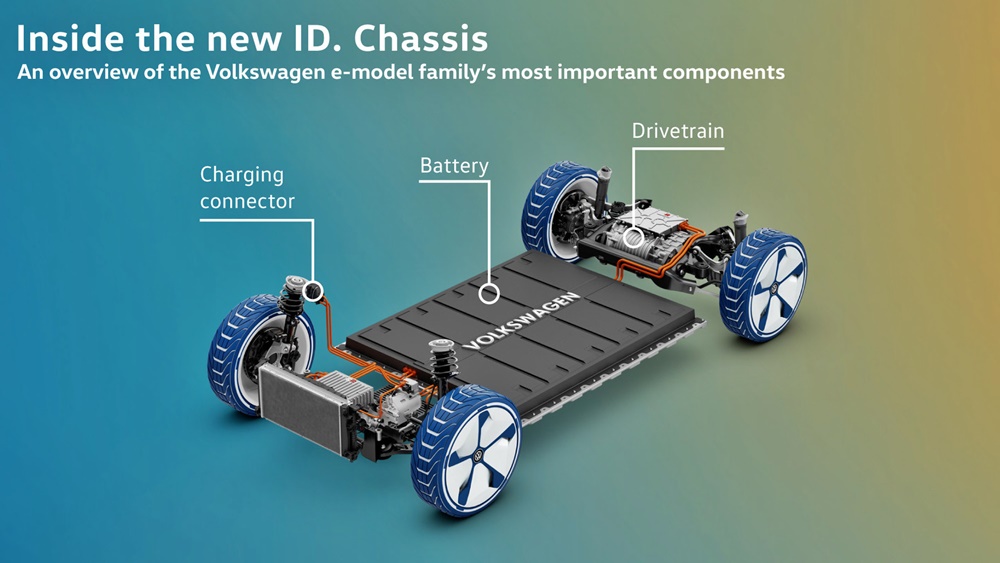
In 2022, the Type 1 returns as the ID.Buzz and it is fully electric. Like other ID. models, the ID. Buzz used the Volkswagen Group’s Modular Electric Drive Kit (MEB). This is the world’s first scalable mass production platform for fully-electric vehicles that can be configured for different models and segments. Its architecture allows for an evolutionary further development of software and technology, which not only benefits new models such as the ID. Buzz, but also models that have already been delivered, by means of over-the-air updates.
The iconic design
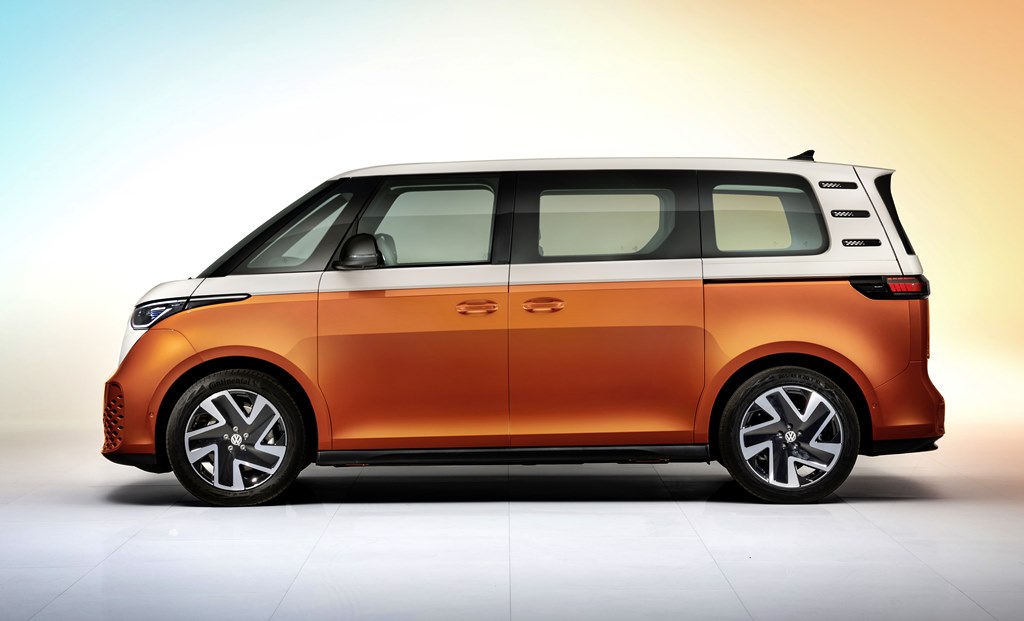
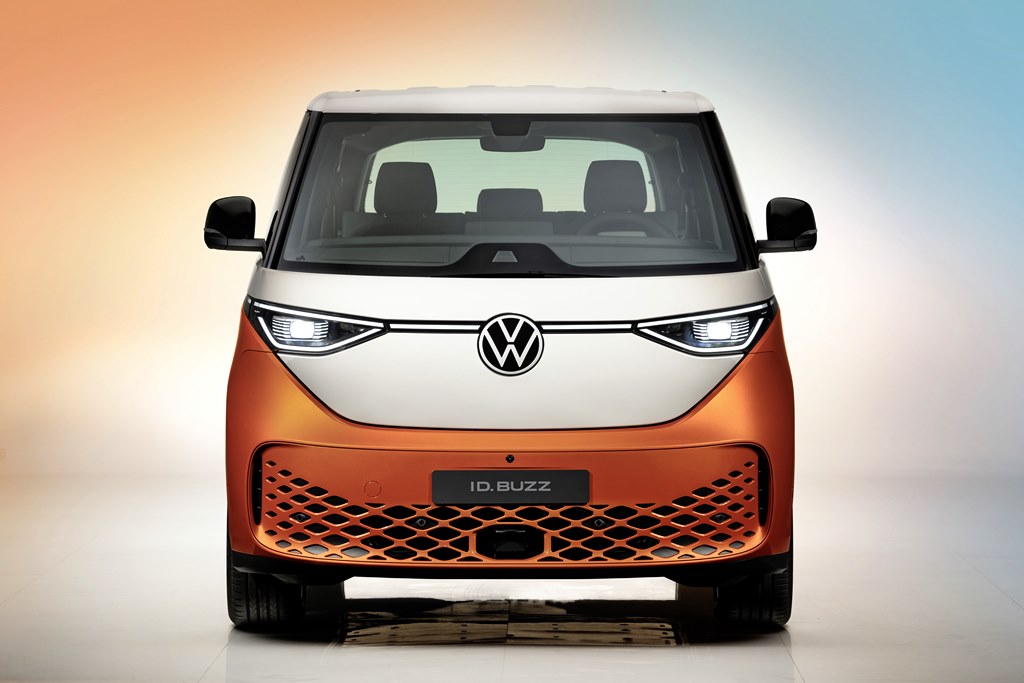
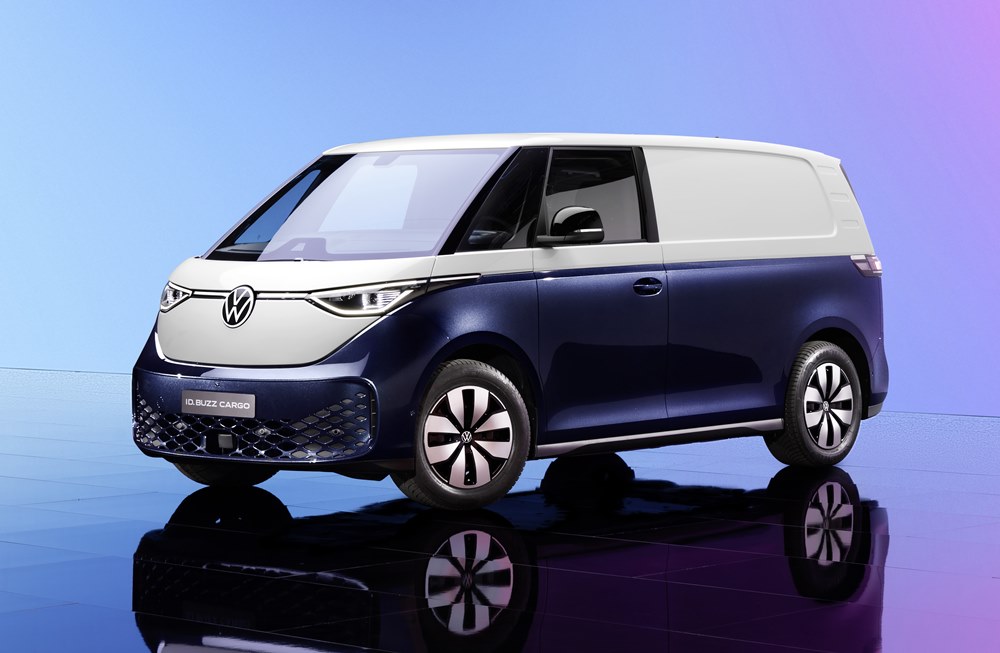
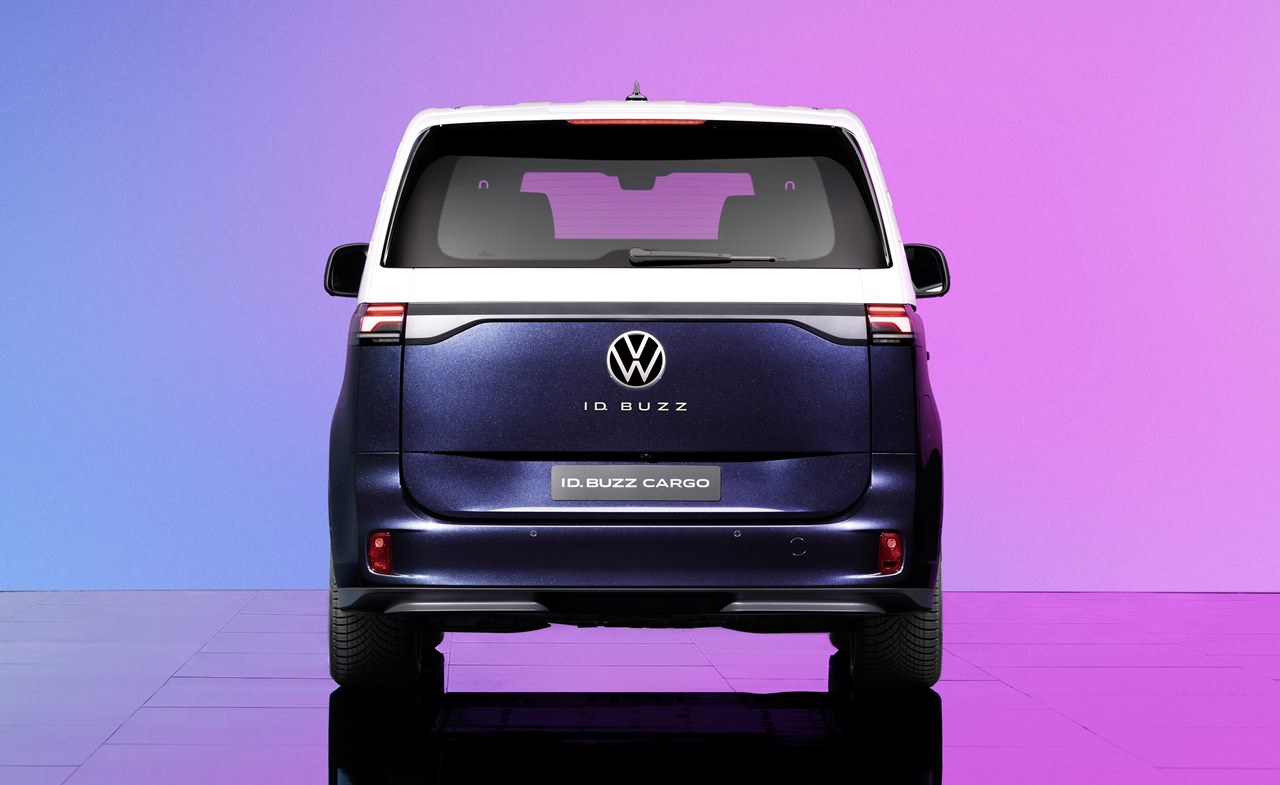
The unique design of the ID. Buzz has proportions that create a direct link with the original classic vehicle. Another feature that has always been typical of the model line is the iconic front with its V-shaped front panel, now flanked by charismatic LED headlights. The same goes for the optional 2- paintwork.
The ID. Buzz and commercially-oriented ID. Buzz Cargo have a long wheelbase of 2988 mm, roughly the same as that of the current 6th generation Transporter. The length of both versions is 4712 mm which means that, in relation to the overall length, the wheelbase is unusually long. This has allowed for more flexible packaging within, complementing the cubic shape which is ideal for maximising available space.
Function should get a priority over design and in the case of the ID.Buzz, it’s the first MPV that has a drag coefficient comparable to a car’s – 0.285 to 0.29 (ID.Buzz Cargo). Good aerodynamics are important, especially for an electric vehicle so that the motor can work less hard to maintain a desired speed. Of course, it’s the same with cars with combustion engines too as less wind resistance means less energy consumed and more fuel saved.
And talking of energy, the ID. Buzz and ID. Buzz Cargo will have a 77 kWh lithium-ion battery pack to power a 150 kW electric motor, which – as the flat engine once did in the Type 2 – drives the rear axle. The position of the battery, integrated deep down in the sandwich floor, and the lightweight electric drive system result in a good distribution of weight and a low vehicle centre of gravity. Both factors optimise the handling and agility.
The battery pack can be charged from wallboxes or public charging stations using 11 kW alternating current (AC). Via a CCS plug connector at a DC rapid-charging station (direct current), the charging power can be as much as 170 kW. When charged in this way, the battery charge level rises from 5% to 80% in about 30 minutes.
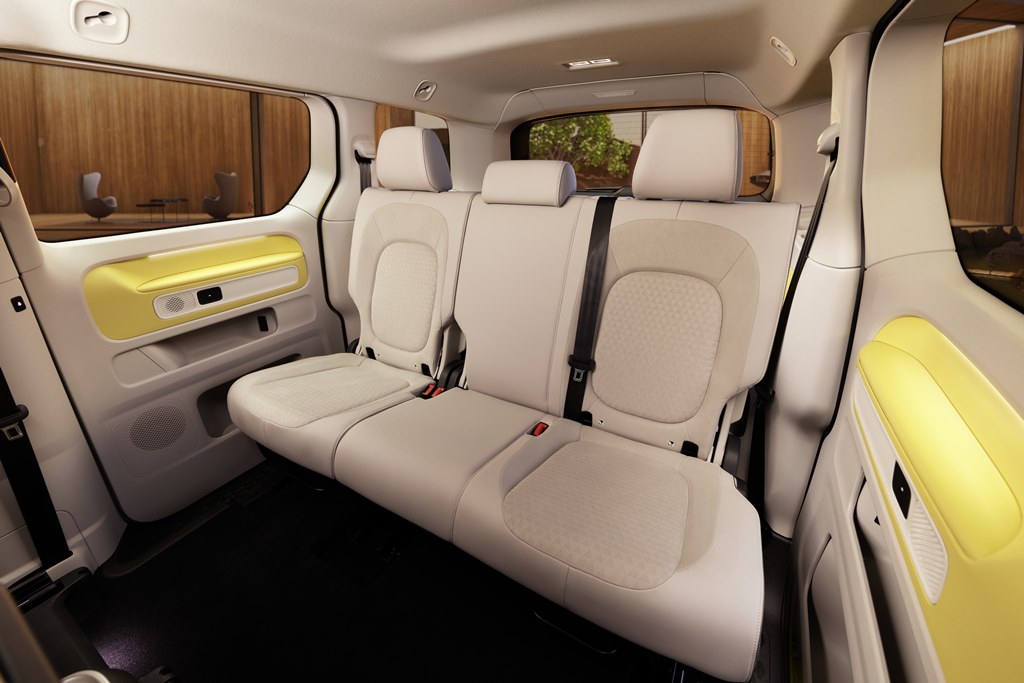
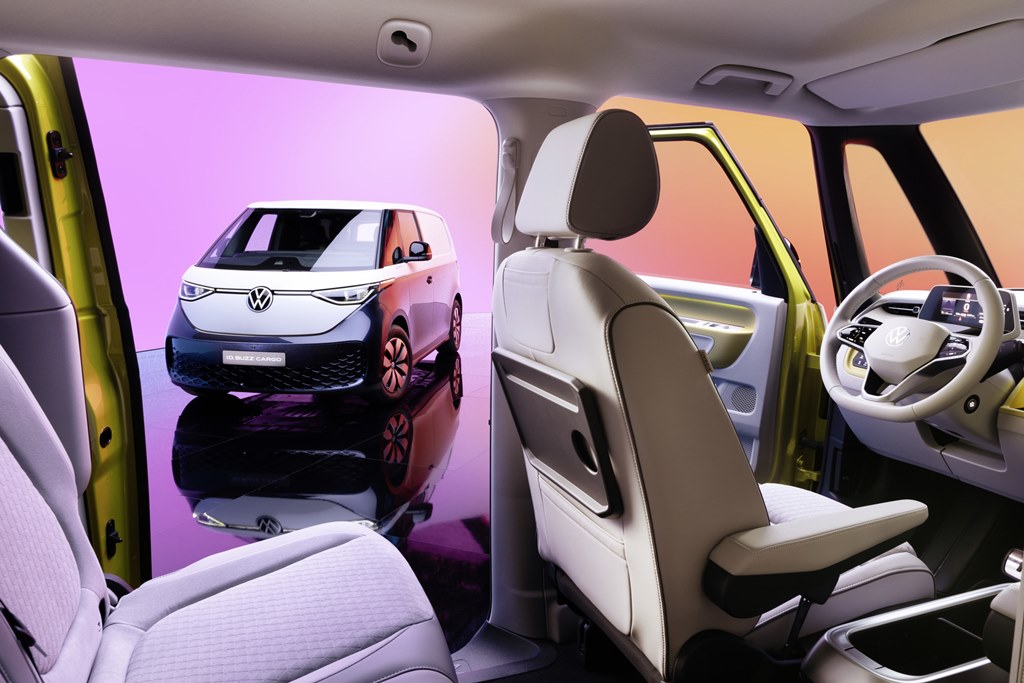
For the ID.Buzz, the interior has been given a lounge-like, friendly ambience for 5 people to enjoy travelling. The spacious cabin maximizes utility and comfort, while dazzling with high-tech features and an interplay of colours and materials.
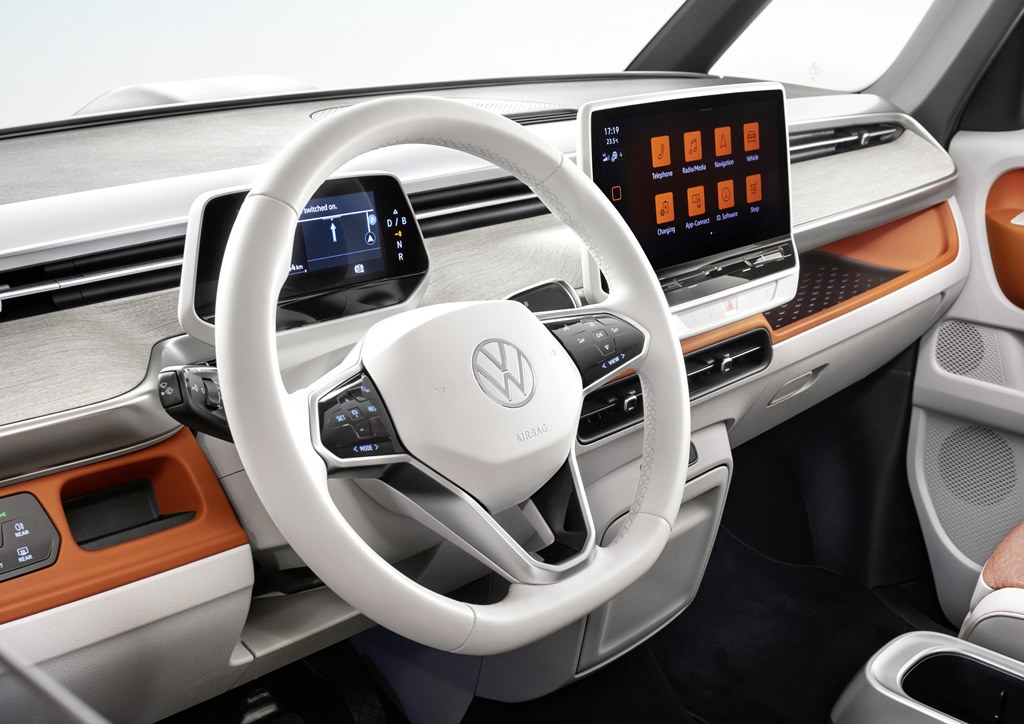
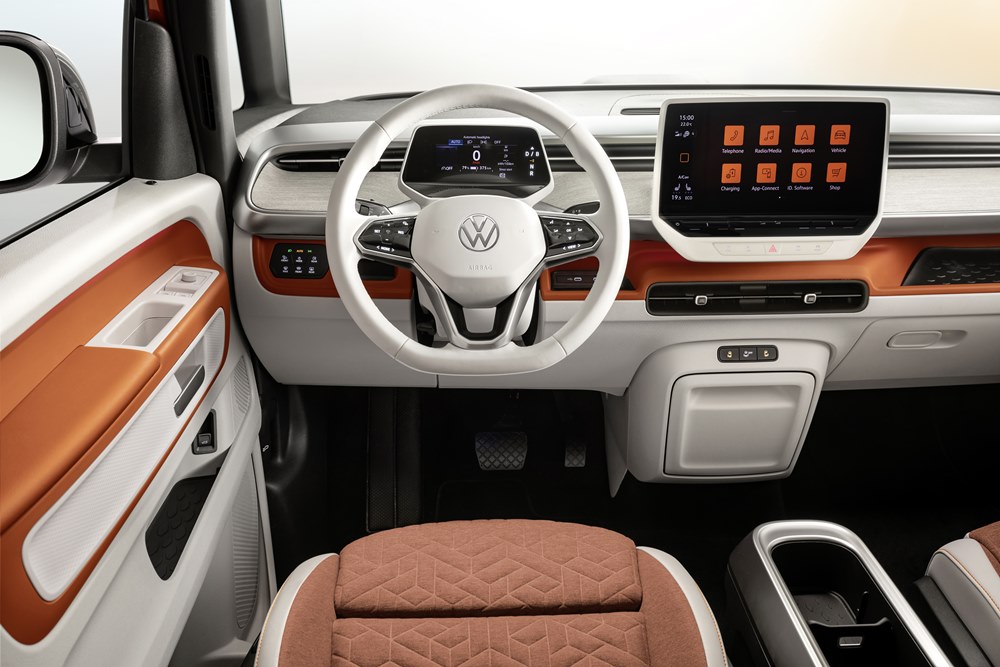
The cockpit is both high-tech and ergonomic with a 10-inch Digital Cockpit display and 10-inch or 12-inch infotainment/navigation system positioned centrally in the dashboard. Both the Digital Cockpit and infotainment system are connected with the instrument panel only at the bottom, looking like free-floating tablets. Beneath the infotainment system is a control bar with digital buttons and touch sliders.
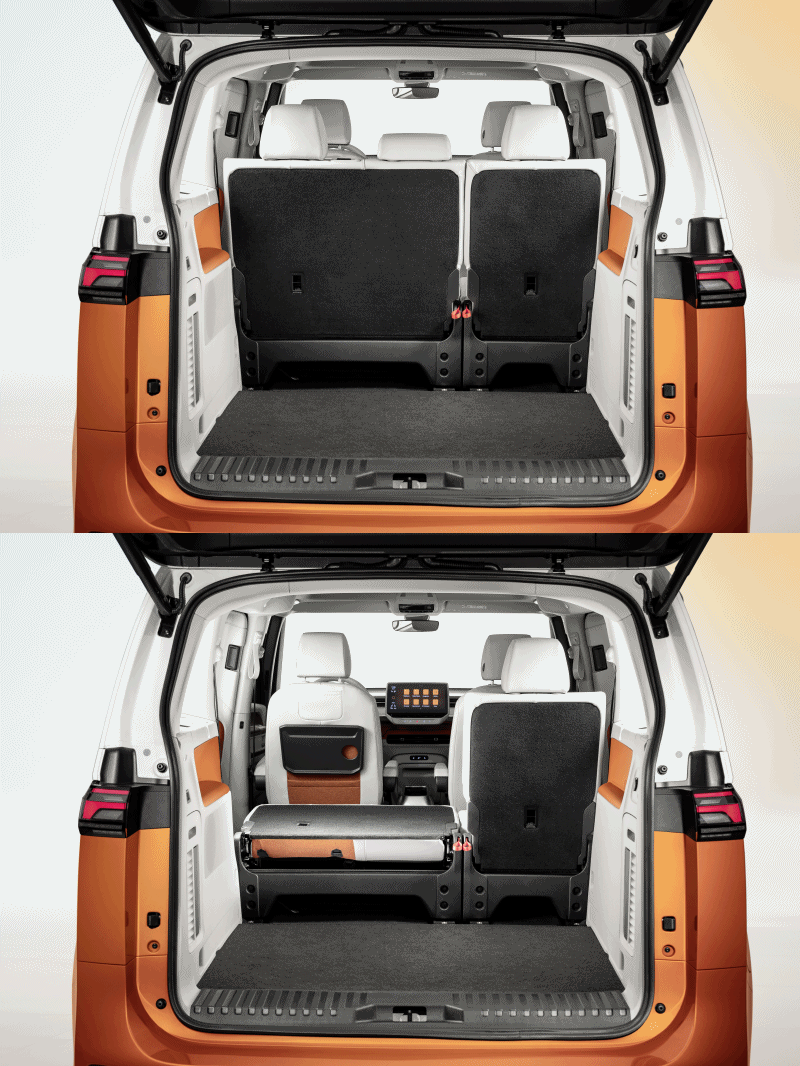
A love for detail is reflected in the stylized vehicle silhouette that is embossed in the lower side seat trim, and the fold-down tables located in the backs of the front seats. Wholly practical, by contrast, is the optional height-adjustable cargo floor, which creates a level load space surface. The upward-opening rear hatch reveals 1,121 litres of luggage space and 2 side sliding doors are fitted as standard.
Volkswagen Commercial Vehicles has developed an optional movable and removable centre console specifically for the ID. Buzz. The idea for this multifunction box was derived from the concept car shown earlier. In its upper section, it provides storage bins (in the case of the ID. Buzz Cargo, a cupholder), that can accommodate bottle, tablets or laptops.
As with other models of ID. family, the ID. Buzz comes with the interactive ‘ID. Light’. It stretches across in front of the windscreen in the driver’s field of vision above the instrument panel, and gives the driver intuitive information based on the colour and position of the light signal. For example, a signal in the right-hand area of the strip advises of obstructions in this area or corresponds with a navigation instruction to change lanes. When the ‘ID. Light’ goes red, it is signaling danger and the need to brake.
The hippies of the 1960s would love the ambient lighting feature – as standard, there are 10 colours and customers can also specify the 30-colour option. This option lights up a strip in the instrument panel, the decorative strips in the doors, the storage bins in the doors and the footwell. The Digital Cockpit and the infotainment system also take on the chosen base shade. In addition, two colours can be combined in each case for the different zones, and a ‘Mood Menu’ activates preconfigured lighting profiles.
Depending on the specifications chosen by importers in different markets, there is the possibility of a 6-seat configuration, with individual seats arranged in 3 rows of two. On the extended wheelbase version, there can be a 7-seat configuration in a 2/3/2 arrangement.
The ID. Buzz Cargo is what in Malaysia would be referred to as a ‘panel van’, strictly for commercial registration and use. In standard form, this version can accommodate 3 persons in front on a bench seat. An individual seat can also be installed for another passenger.
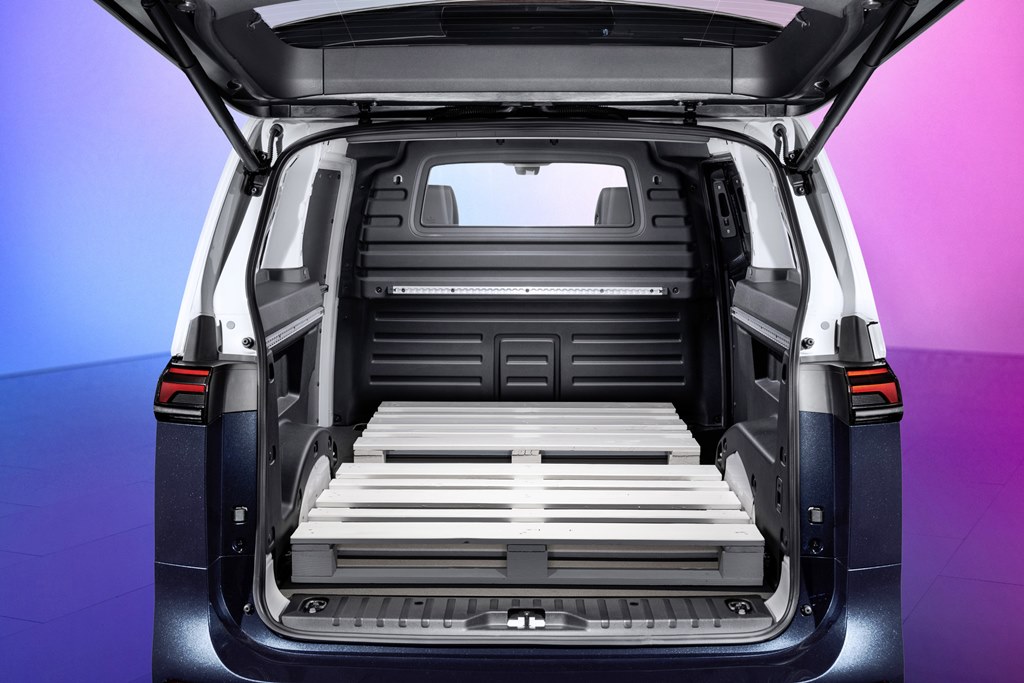
Behind the seats is a fixed partition, separating off the cargo space which has no windows. The cargo space has a volume of 3.9 cubic metres and has rings on the floor and bars on the walls for securing goods. Besides a wide-opening tailgate, the is one sliding door on the passenger side and customers can also specify a second sliding door on the other side as an option.
The ID.Buzz will go on sale in the third quarter of this year in some European markets. North America will see the extended wheelbase version in 2023 and deliveries will start in 2024. As for the rest of the world, Volkswagen Commercial Vehicles has not indicated when exports will start.
Changing colour choices for new cars may seem like a simple thing for the marketing company – just tell the plant what new colour to paint and it will be done. However, the process of adding or changing to a new colour is actually not as easy, from what we understand from people in the industry. There must be evidence that the new colour is going to be popular and justify the plant or manufacturer doing durability tests, and in some cases, marketing people have told us that when they do try to ask for a colour change, the manufacturer will ask if it will result in more sales than with the current colour. If not, why waste time and money to develop and test a new colour?
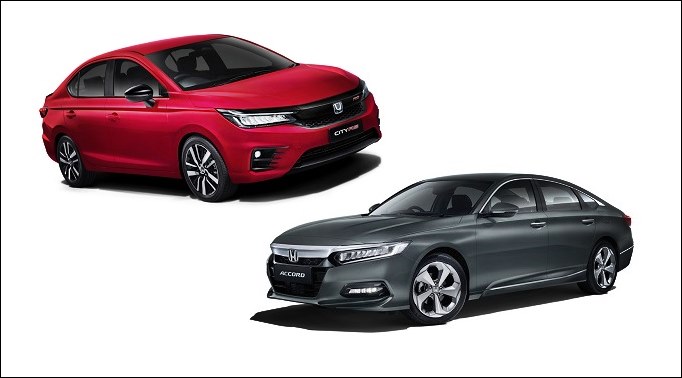
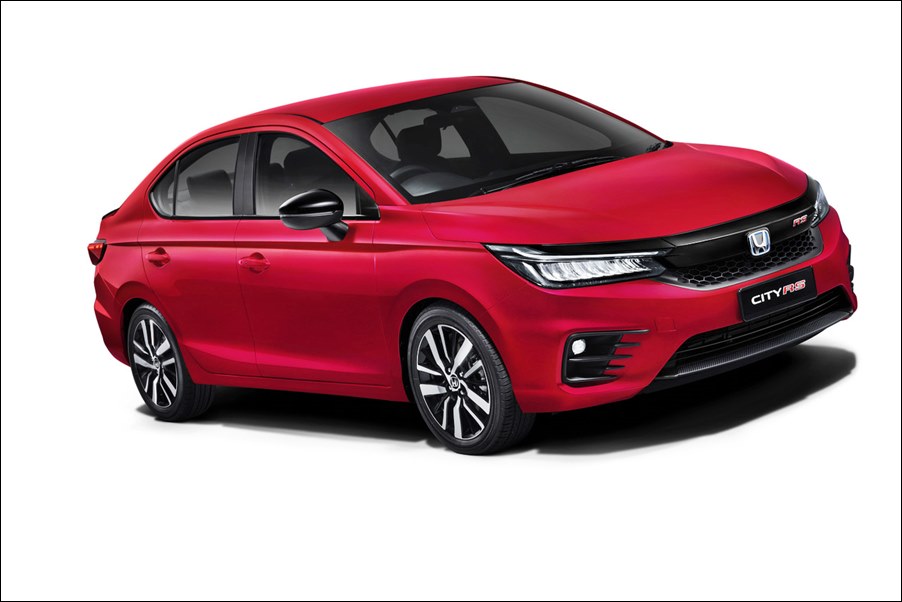
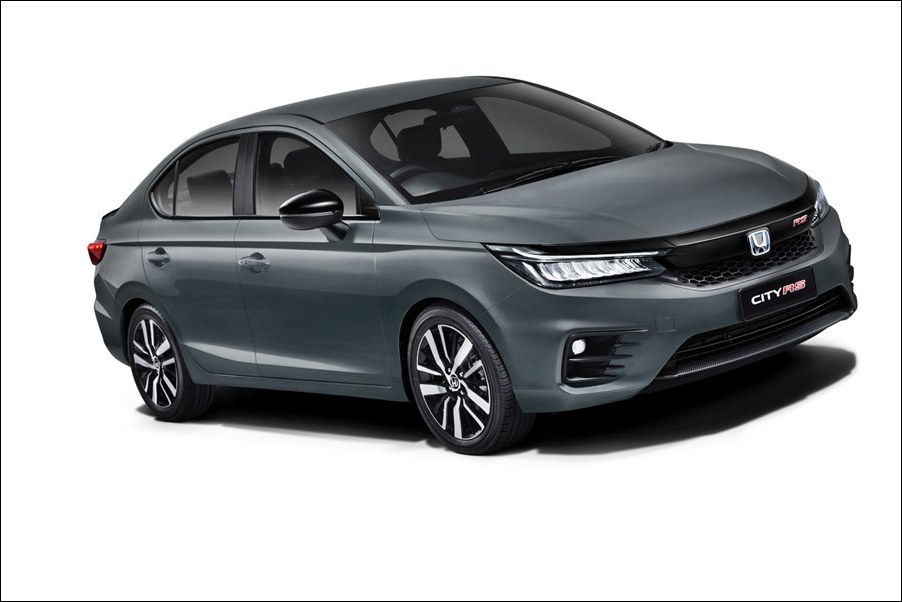
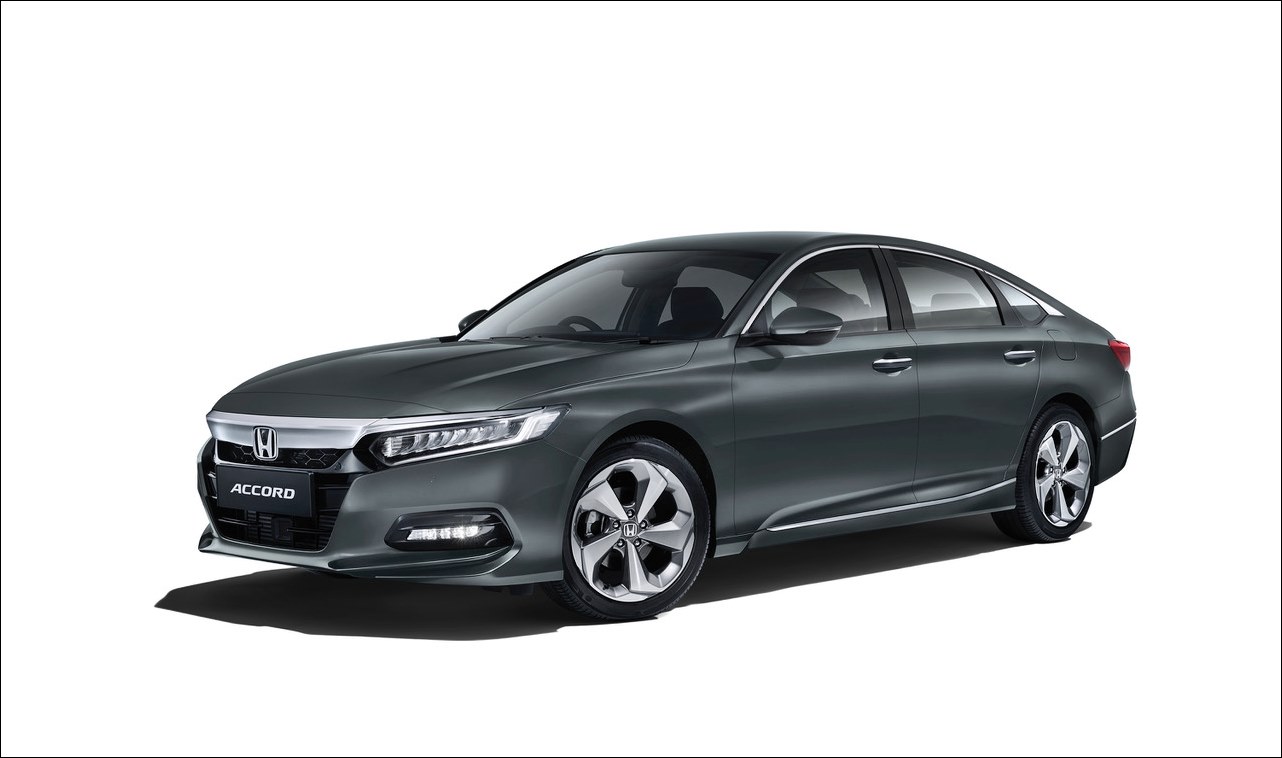
But inevitably, colours have to be changed to refresh the range and Honda Malaysia does that periodically. Their latest new colour options are for the best-selling City and flagship Accord models. Both models can now be ordered with a new Meteoroid Gray Metallic finish that replaces the Modern Steel Metallic colour. The City also gets a fresh and vibrant Ignite Red Metallic colour option, replacing the Passion Red Pearl colour.
“The Ignite Red Metallic and Meteoroid Gray Metallic colours are introduced in the All-New City Hatchback for the first time. Both colours have been well accepted by the market and we expanded the new colour options to the All-New Civic. To further excite the market, we are now offering these new colour options in the City and Accord as well. The new colours further emphasise the styling of the City and elevate the sleek profile of the Accord. We will continue to enhance our products to deliver the Joy of Buying to the customers,” said Madoka Chujo, Honda Malaysia’s Managing Director & CEO.
She said that sales of the latest 5th Generation City have exceeded 32,500 units since its launch. “It was Honda Malaysia’s best-selling model in January and February this year, with 38% contribution to the company’s overall sales during that period,” she added.
The current Accord is the 10th generation of the executive model and was introduced to the Malaysian market in 2020. It was the first time a Japanese mass market manufacturer introduced a turbocharged engine in a D-segment car. The model received favourable response from Malaysians with more than 2,200 units sold to date.
For more information on the City, Accord or other Honda models in Malaysia, visit any authorised Honda dealership. The locations of dealerships can be found at www.honda.com.my.
Castrol, one of the world’s leading lubricant brands, is back for the fourth consecutive year with a unique celebration of Castrol Hari Mekanik Malaysia (HMM) on March 18, 2022. This year’s event – the only one of its kind in Malaysia – takes on a unique theme: ‘The Game Changers’, in honor of the unsung heroes of every vehicle owner’s life.
As has been the story of Castrol Hari Mekanik Malaysia since the beginning, this marks an extension of Castrol’s efforts in paying tribute to the mechanics of Malaysia, a deserving community that has been a backbone of the brand for many years. Castrol HMM 2022 will be a fully virtual experience, with various activities planned, including social media contests, jersey giveaways and engagement with influential KOLs (key opinion leaders).
To take things a step further, Castrol HMM 2022 marks the first-ever collaboration opportunity ith the English Premier League (EPL), in line with the theme. As the most-watched football league in the world, the EPL is broadcasted in 212 territories to 643 million homes, with a potential TV audience of 4.7 billion viewers. The league brings together millions of fans worldwide like no other; and Malaysia is no exception.
This collaboration explores the dynamics of mechanics and footballers as kindred spirits, with the same drive and hard work to strive to live their passion and achieve their goals. Mechanics, like the rest of us, love and enjoy football, which has been a big part of the Malaysian lepak culture for years. Castrol hopes to alleviate the love and respect the people of Malaysia have for our mechanics via this partnership with the EPL.
To commemorate the event, Castrol will be giving away exclusive Castrol X EPL merchandise, which include jerseys, caps, and flasks. This merchandise will also be a part of the social media contest. With an aim to provide social media users an avenue to channel their loyalty to Castrol and love for football, Castrol hopes to get to the masses with a nationwide reach, therefore encouraging more participants to celebrate our local mechanics. Participants of the contest will have to snap a photo of themselves in their favourite football jersey or Castrol t-shirt with either their car or bike and with the background of any Castrol branded workshop; and proceed to post their photo on Facebook or Instagram with the caption of thanking or appreciating their mechanic.
The most liked Facebook or Instagram post with the hashtags #CastrolHariMekanik and #CastrolEPL will win exclusive Castrol X EPL merchandise.
“Castrol is proud to have selected “The Game Changers” theme for 2022 as a tribute and respect to our local mechanics. This year’s celebration is extra special for us, as we have EPL joining us in honouring our mechanics. In the past few years, the pandemic has affected the lives of many of us. The mechanic community, despite facing the loss of livelihood due to various economic restrictions, soldiered on and performed their duty in attending to our vehicles with dedication, and meticulousness. We are grateful to Malaysia’s mechanic community, along with the other frontliners, for having our back during trying times,” said Keow Mei-Shan, Marketing Director of Castrol Malaysia & Singapore.
“We hope our event will bring more awareness to the dedication and selflessness of mechanics in our country, and via this online campaign, we look forward to having as many Malaysians join our cause,” she concluded.
To find out more about Castrol and its products, visit www.castrol.com/my .
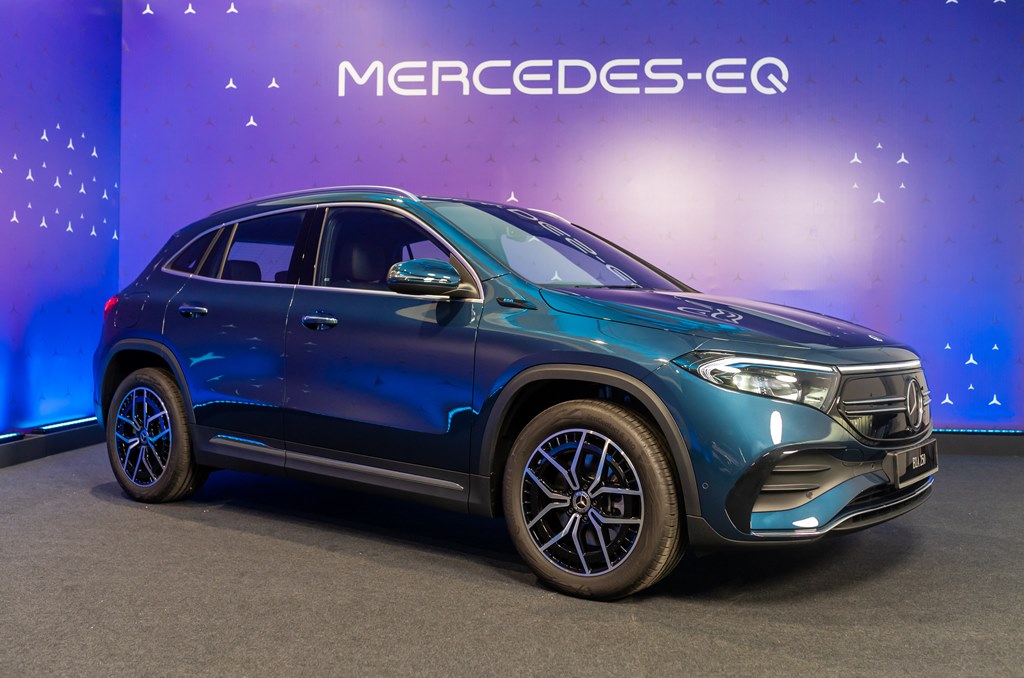
Mercedes-EQ which started in 2016 as a sub-brand of Mercedes-Benz dedicated to fully electric vehicles (EVs) was introduced to Malaysians in mid-2019. But apart from previewing the first model the new brand, which was the EQC, not much happened and instead, Mercedes-Benz Malaysia (MBM) focussed on the EQ-Power range which covered the plug-in hybrid (PHEV) models.
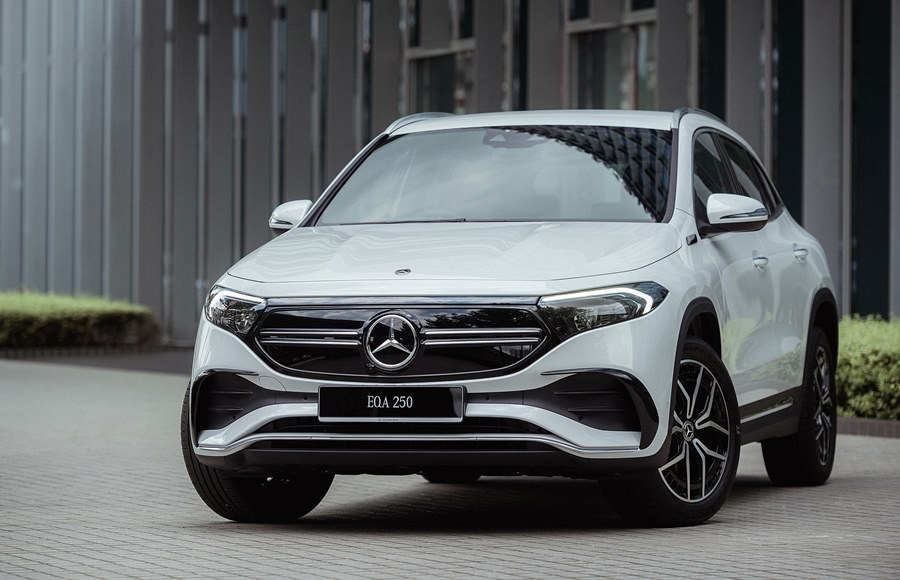
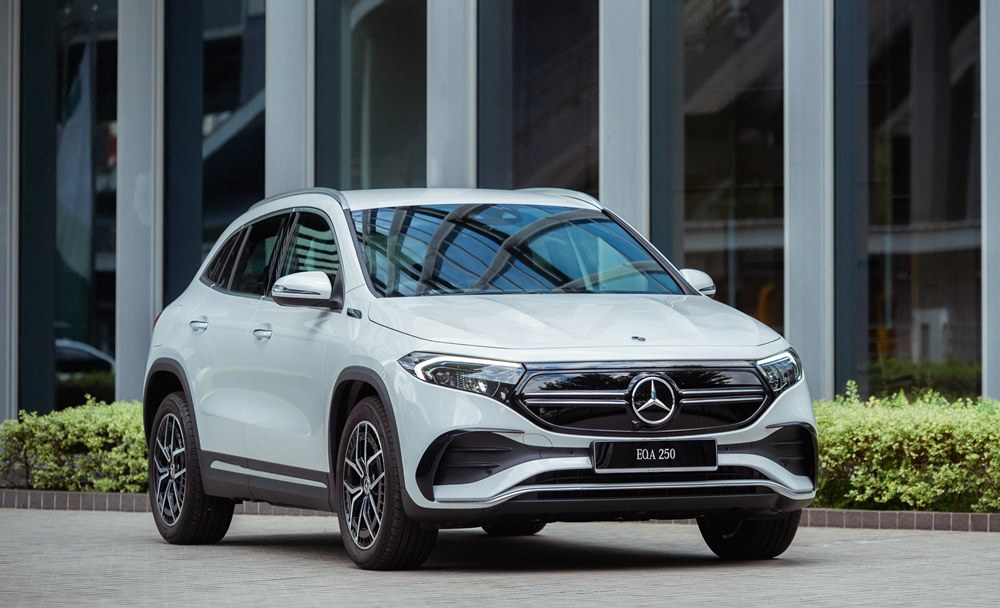
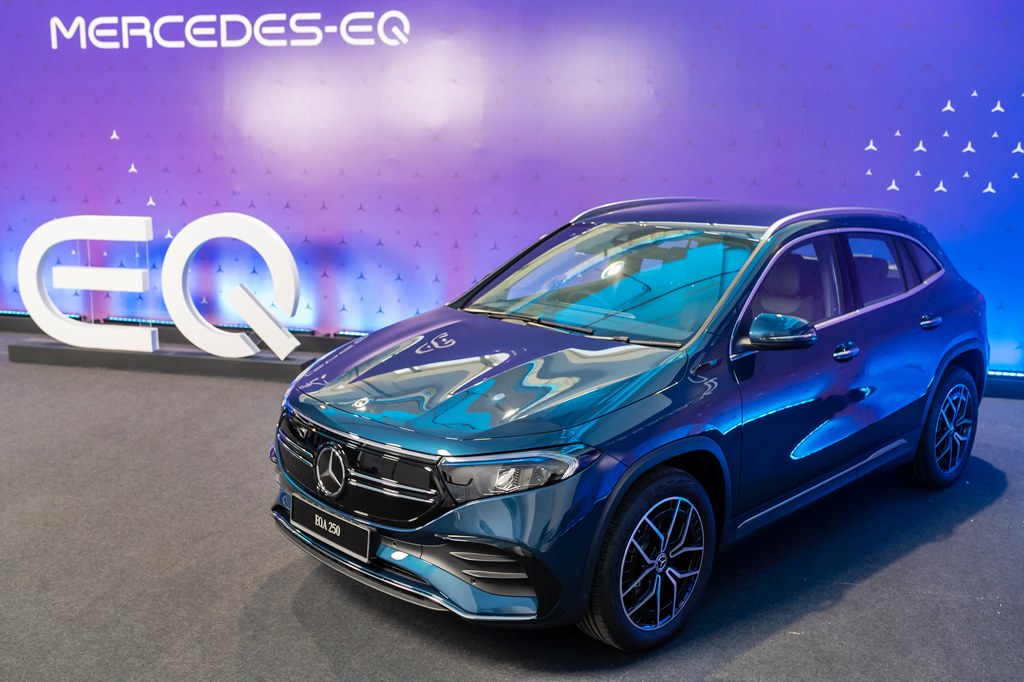
But the planning was going on behind the scenes and we were always told that EQ would be coming, and that day has arrived with the launch of the EQA 250 today. Although the EQC was the first model in the EQ range to be launched (in 2019), MBM has chosen to start off at the entry level with the EQA, the third EQ model which was launched in Europe last year.
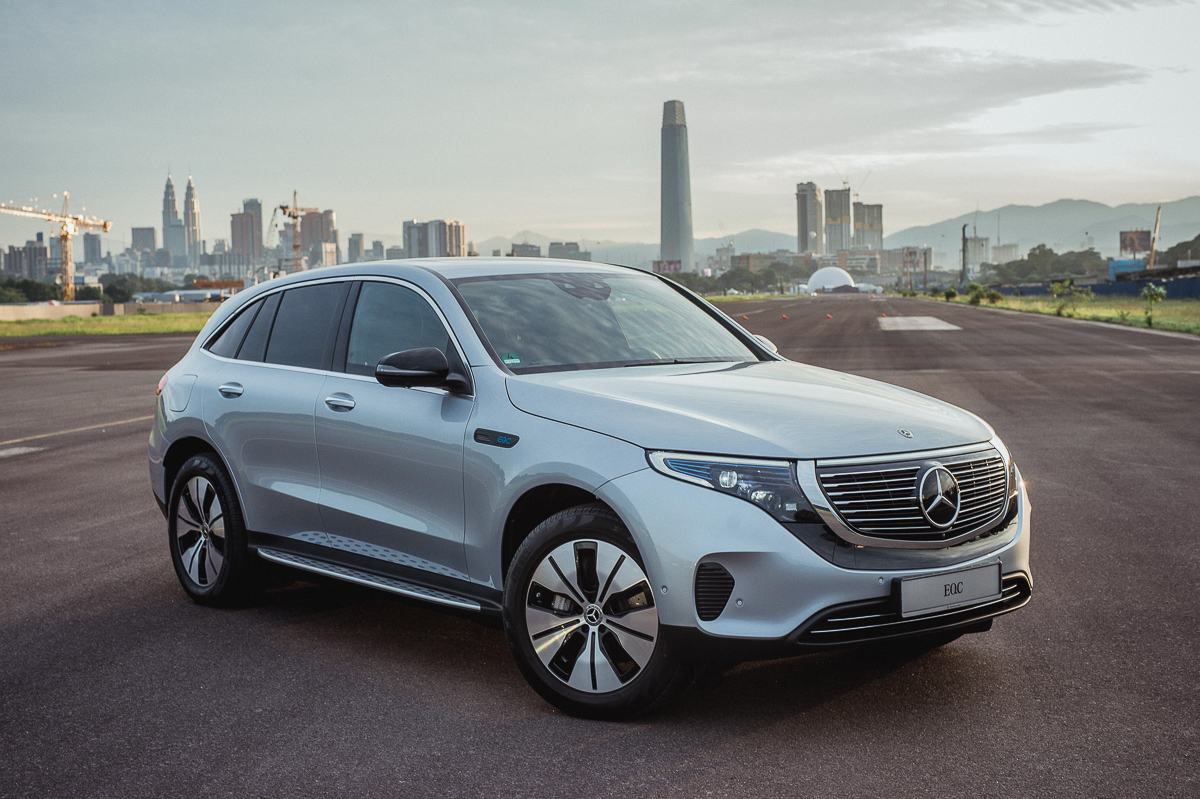
EQC was the first model of the Mercedes-EQ range and appeared in Malaysia in 2019 to introduce the new all-electric range.
Decisions are made years ahead in the car industry and at the time MBM was planning, they would not have expected the government to offer full exemption of import duties and even roadtax for battery electric vehicles (BEVs). So the pricing of the EQA 250 would probably have been expected to be higher although incentives would have been expected.
So it must have been a pleasant surprise last October to be told that the EQA 250 could be sold duty-free in 2022 and for the next few years (longer if assembled locally). This has enabled the retail price, without insurance, to be RM278,201.25, and that also includes 50% exemption in sales tax allowed for CBU models. For now, the EQA 250 is offered with the AMG Line package that adds a sporty touch to the SUV.
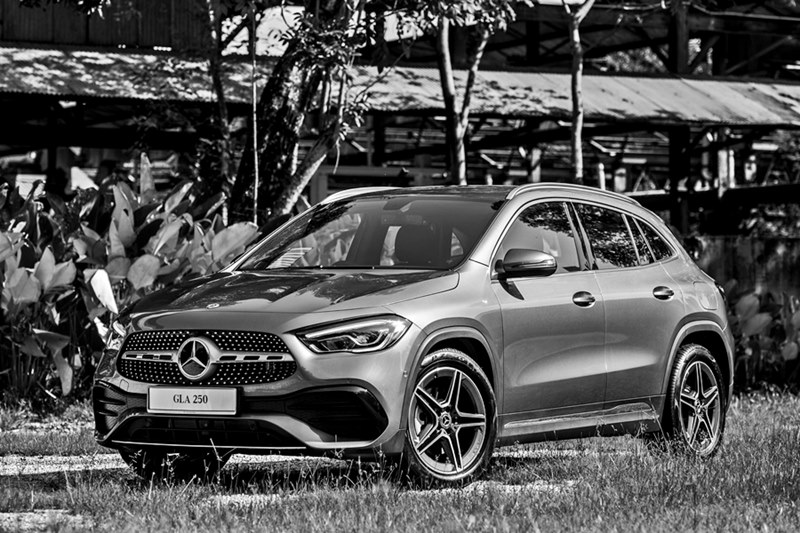
The EQA 250 is related to the GLA (below) but its platform and architecture have been optimised for a BEV.
The EQA is related to the GLA and in fact, shares the same MFA2 platform which has been adapted for a BEV layout. So it’s not fully optimized for BEVs and to give the EQA 250 the efficiency it needs to maximise performance, it has been given a large battery pack and much attention has been given to aerodynamics.
Lots of wind tunnel and simulation work brought the Cd value down to 0.28, and the bodywork has been made as smooth as possible. Among the most important aerodynamic measures are the completely closed cooling air control system in the upper section; the aerodynamically efficient front and rear aprons; a very smooth, almost completely enclosed underside; specially optimised Aero wheels and specifically adapted front and rear wheel spoilers.
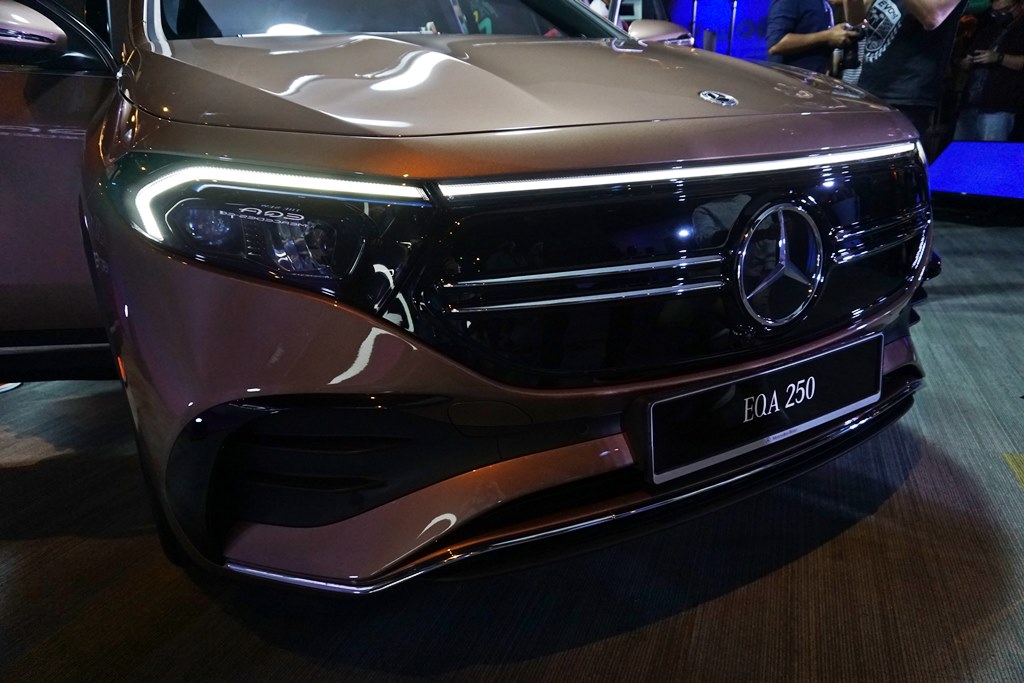
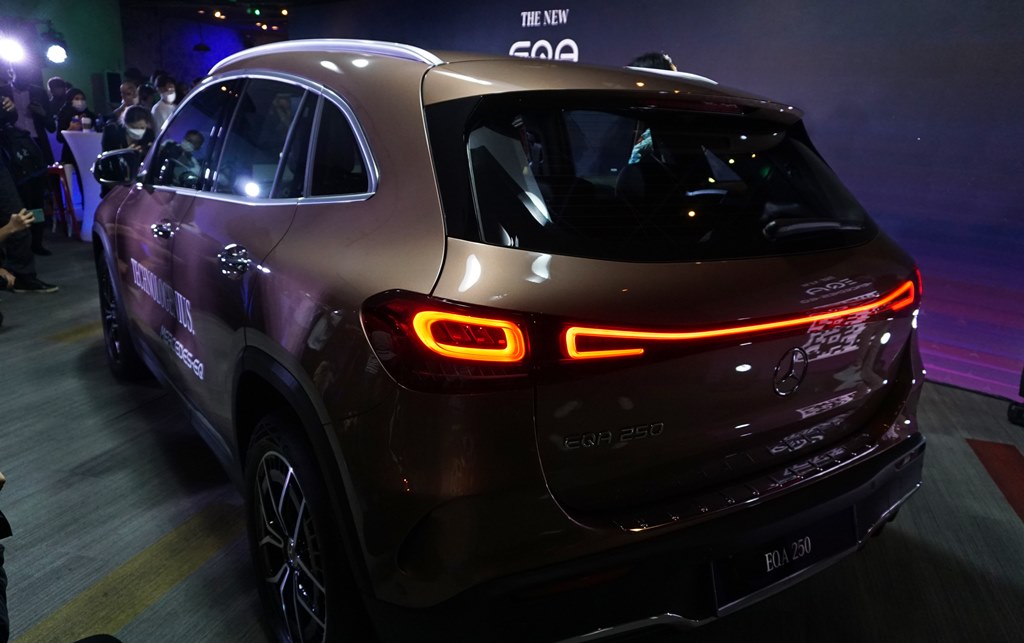
The EQA shows that cars of the future will still look like the cars were drive today, rather than the bubbles or bullet-shaped vehicles that were imagined to be on the roads in the 21st century. As mentioned earlier, it is like a BEV derivative of the GLA (but is really more than that). Its front end has the EQ design elements with a black panel radiator grille and central star. With the AMG Line package, the EQA 250 gets the sporty genes of the Mercedes-AMG brand. It reinterprets the twin-blade design of the grille and features a diffuser-look AMG rear apron.
A design feature is the continuous fibreoptic light strip across the front and rear, providing a distinctive visual signature. Mercedes-Benz has chosen blue for as its ‘electric theme’ so the headlights have a blue colour within. At the back, the LED units merge seamlessly into the tapered LED light strip to emphasise width.
The doors reach over the sills, keeping the frames (and thus also the occupants’ trousers) free of dirt and improving impact protection in the event of a side collision. All-round protective cladding adds ruggedness and structure to the overall proportions, hinting at the SUV’s off-road character, as does the simulated underride guard at the front and rear.
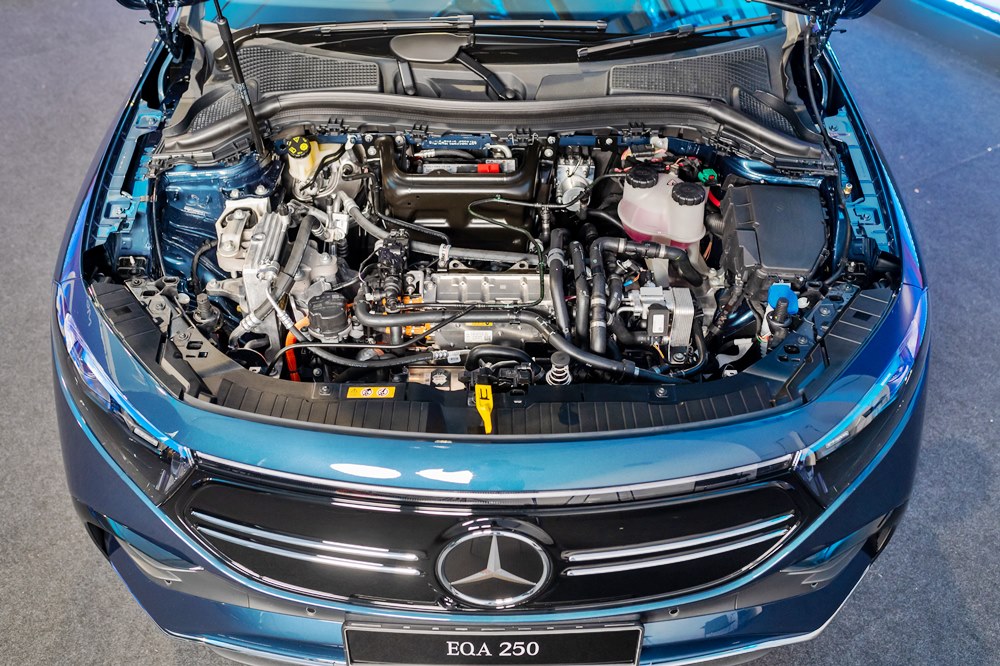
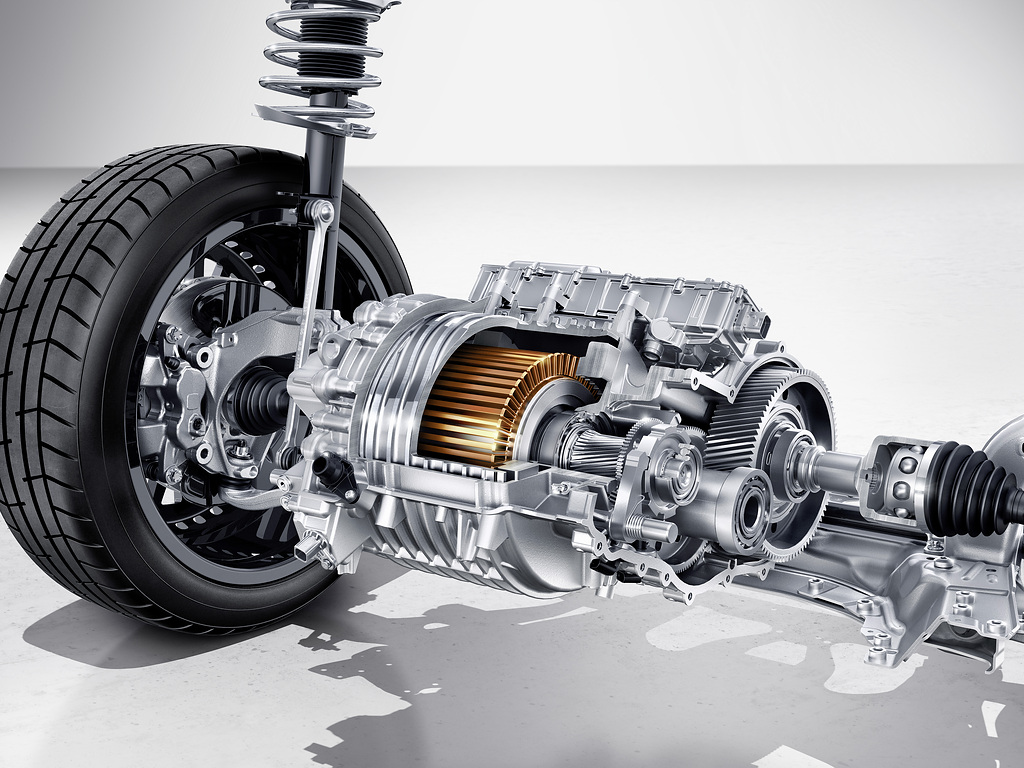
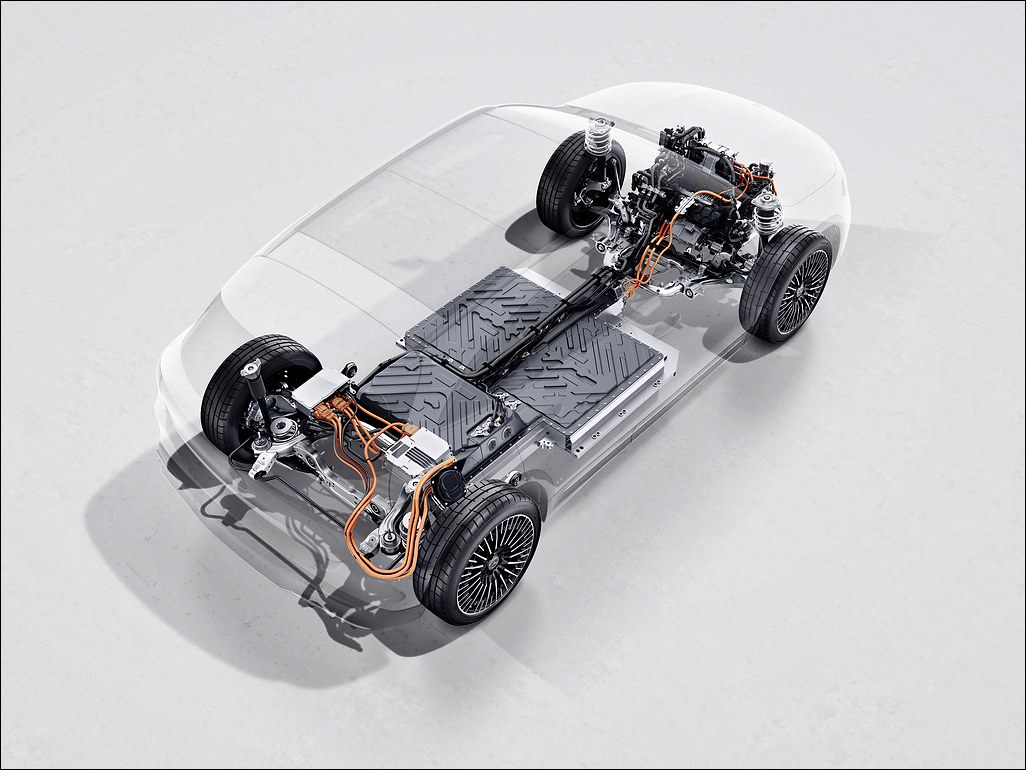
The EQA 250 has a straightforward electric powertrain consisting of a single motor driving the front wheels. The electric motor, a fixed-ratio transmission with a differential, the cooling system and the electronics form a highly integrated, very compact powertrain (eATS).The motor, which has an output of 140 kW/190 ps and 370 Nm of torque, is powered by a ‘double-decker’ lithium-ion battery pack with a usable energy content of 66.5 kWh.
The claimed acceleration time is 8.9 seconds from 0 to 100 km/h with a top speed of 160 km/h. The fuel consumption in petrol and diesel engines, the distance you can travel is dependent on many factors – even how you drive – and it’s the same for BEVs. Push the vehicle hard and you get less range but unlike combustion engines, low speeds are not necessarily inefficient. So MBM provides a range of 402 – 496 kms on a fully charged battery pack which would be good enough for regular motoring.
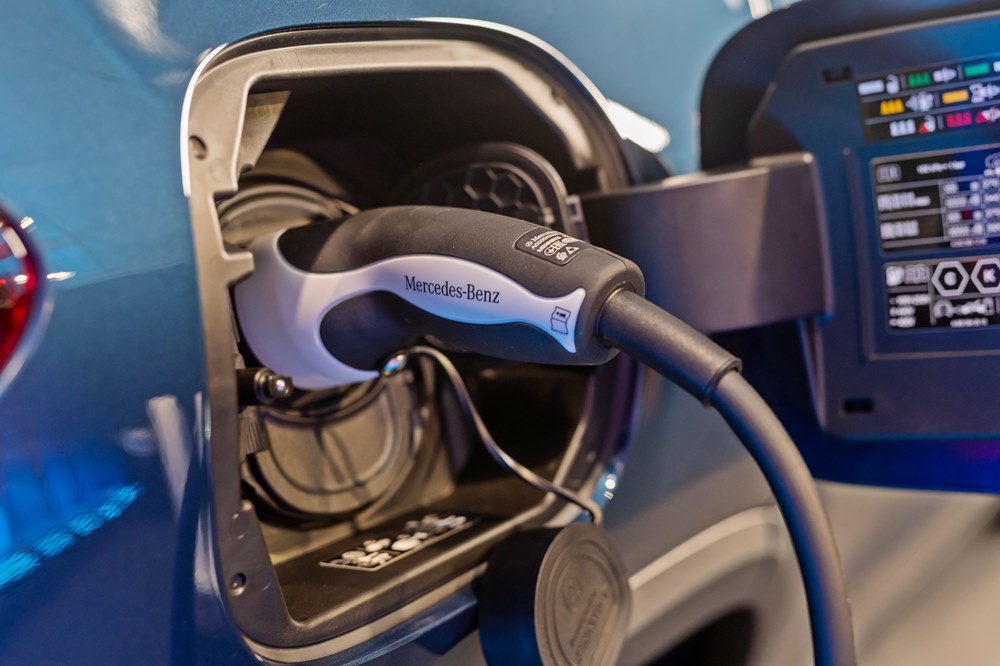
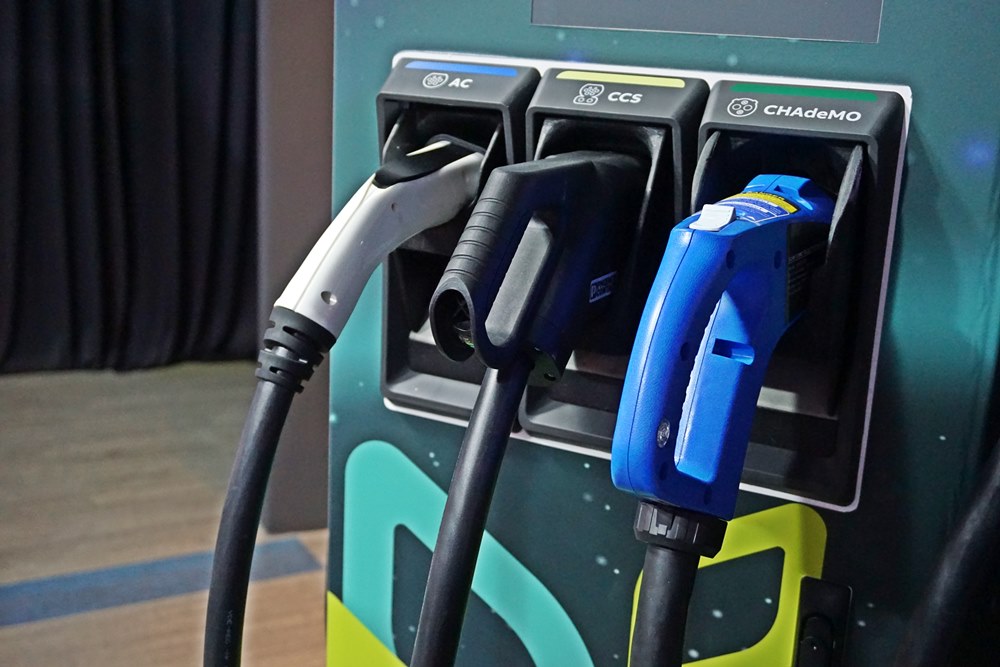
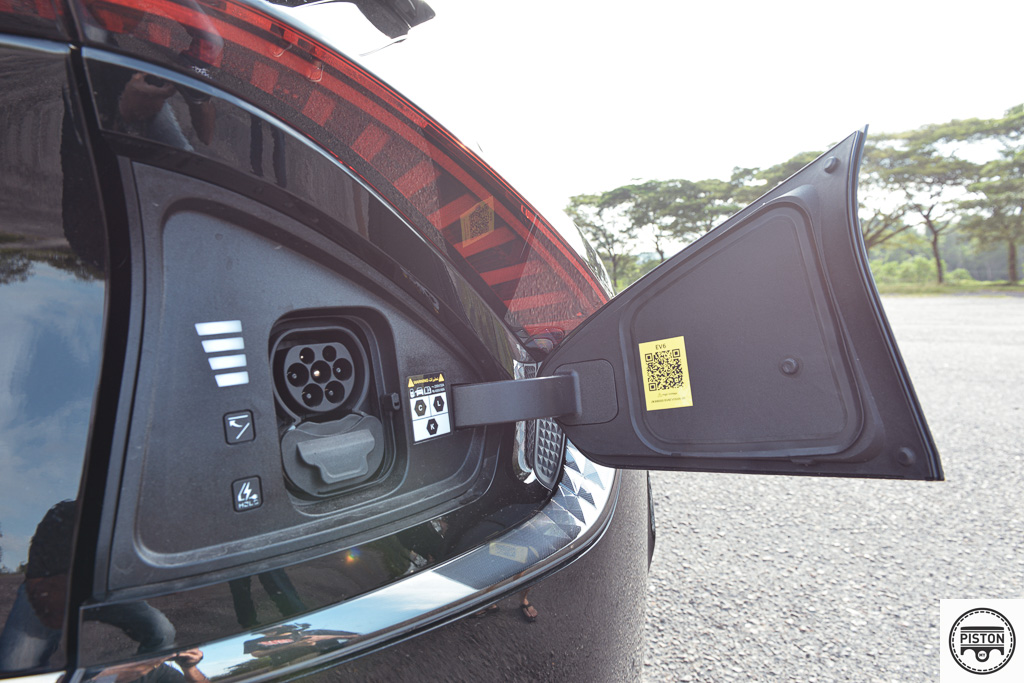
When it comes to recharging, there are various ways the owner can get it done and each one takes a different length of time. The shortest time is with a DC 100 kW fast-charger which can ‘refuel’ from 10% to 80% within around 30 minutes. The on-board charger can handle charging from AC power outlets at the home or in public locations but will take at last 5 hours 45 minutes from 10% to 100%. That pretty much means leaving the vehicle parked overnight so if you switch to a BEV, it will have to be part of your routine. Of course, if you ‘top up’ periodically, then you may not have to wait so long. Incidentally, if you want to charge at home, you will need a wallbox which will be additional cost for installation.
‘Fuel pump’ of the future – refuelling will be with electricity, not petrol or diesel.
For the convenience of its customers, MBM is setting up 13 DC fast-chargers installed in strategic dealer locations around the country. With the Mercedes-Benz Autohaus network quite extensive, this means that EQA owners will be able to travel quite far and be assured of quick charging. Until the end of 2023, using the charging stations will be free of charge.
Additionally, EQ customers will enjoy an exclusive 1-year subscription with JomCharge, where they will enjoy unlimited charging at a 50% discount at all JomCharge charging stations for the first 1,000 customers. The JomCharge locations are at Petronas stations and the petroleum company has said that it plans to install the fast-chargers along the North-South Expressway and part of the East-Coast Expressway.
Like most other companies selling BEVs, MBM offers a warranty of 8 years or up to 160,000 kms for the battery pack so first (and even second) owners should have no concerns about replacement cost. In time, there will be an increasing number of used battery packs and the issue of how to recycle them will become important. MBM is aware of this future issue and will prepare for it but says it is something that the industry will have to work together on as well.
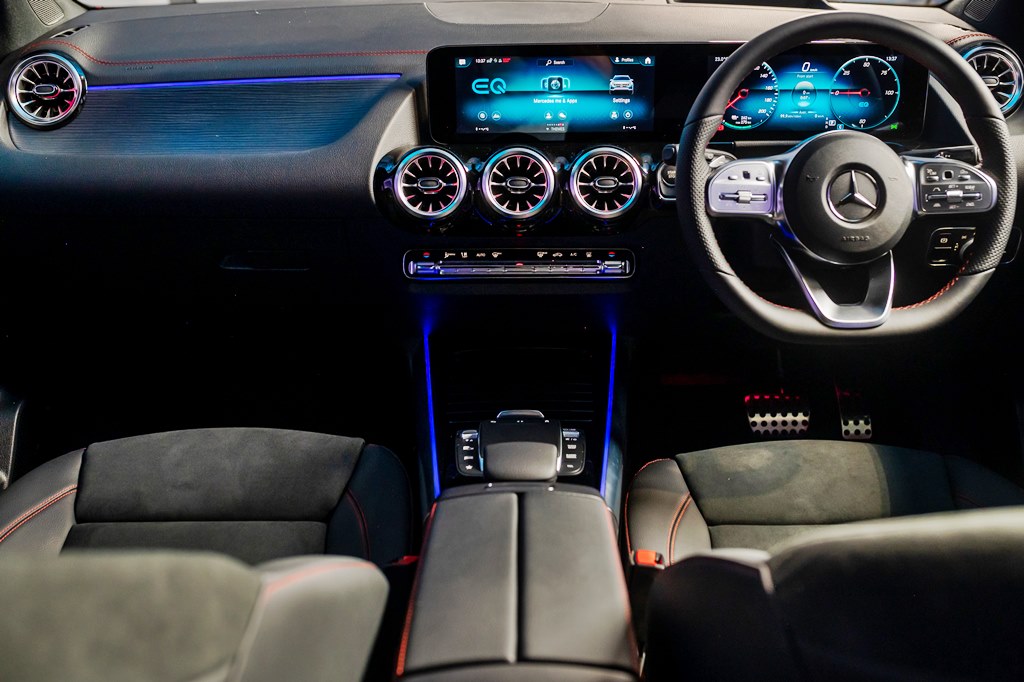
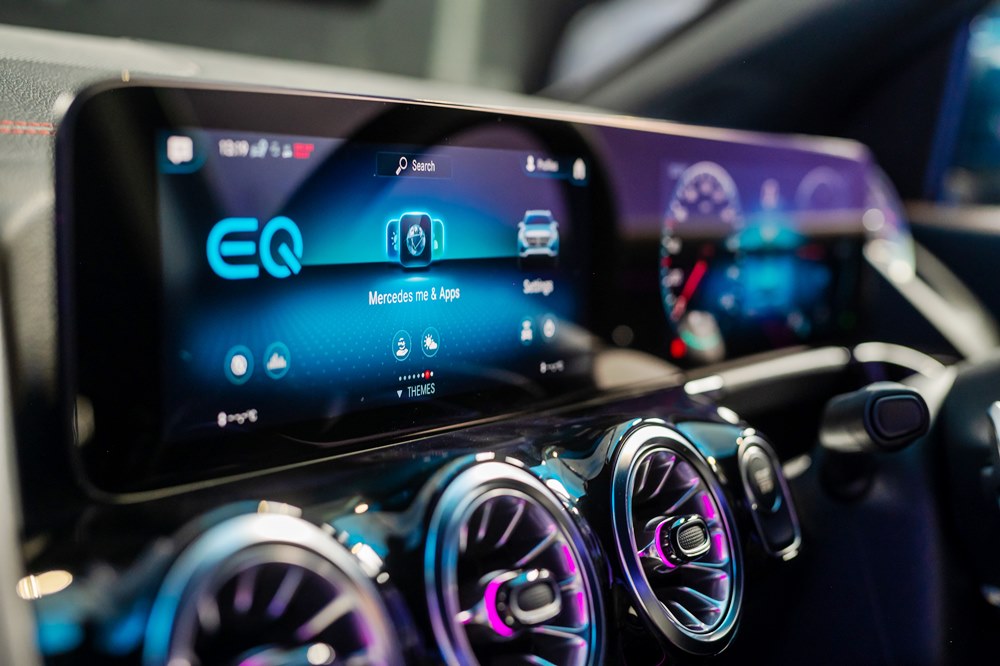
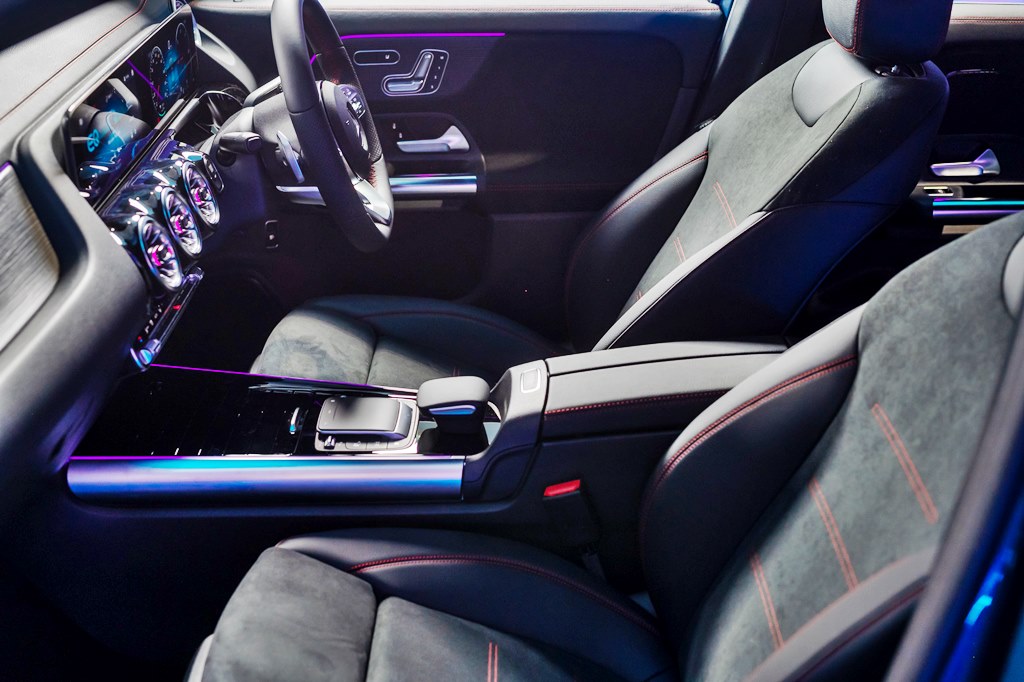
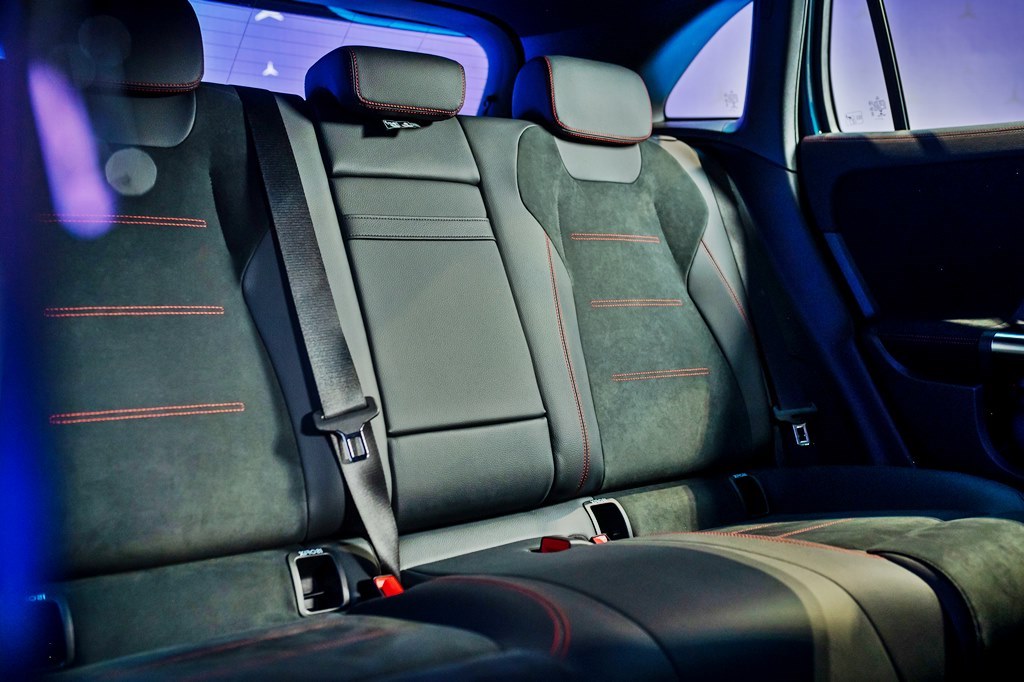
The EQA 250 may be forerunner of the future of motoring but the cabin remains recognisable as other cars of today, albeit with a lot of digital technologies in the displays, including the MBUX (Mercedes-Benz User Experience) system with extended functions. The Mercedes-EQ tile in the media display is used to call up menus relating to charging options, electrical consumption and energy flow. The individual, transparent sections of the surface are illuminated from behind with the aid of fibreoptics. The right-hand display within the instrument cluster is a wattmeter rather than a tachometer, with the upper section showing the percentage of power used and the lower section indicating the recuperation.
The left-side meter can be used to show whether the destination can be reached without an interim charging stop. The colours change according to the driving situation: During a boost process, for example, the display changes to white. Depending on mood, or to match the particular interior, the user has a choice of four different styles and 64 ambient colours. There is also a head-up display projected on the windscreen.
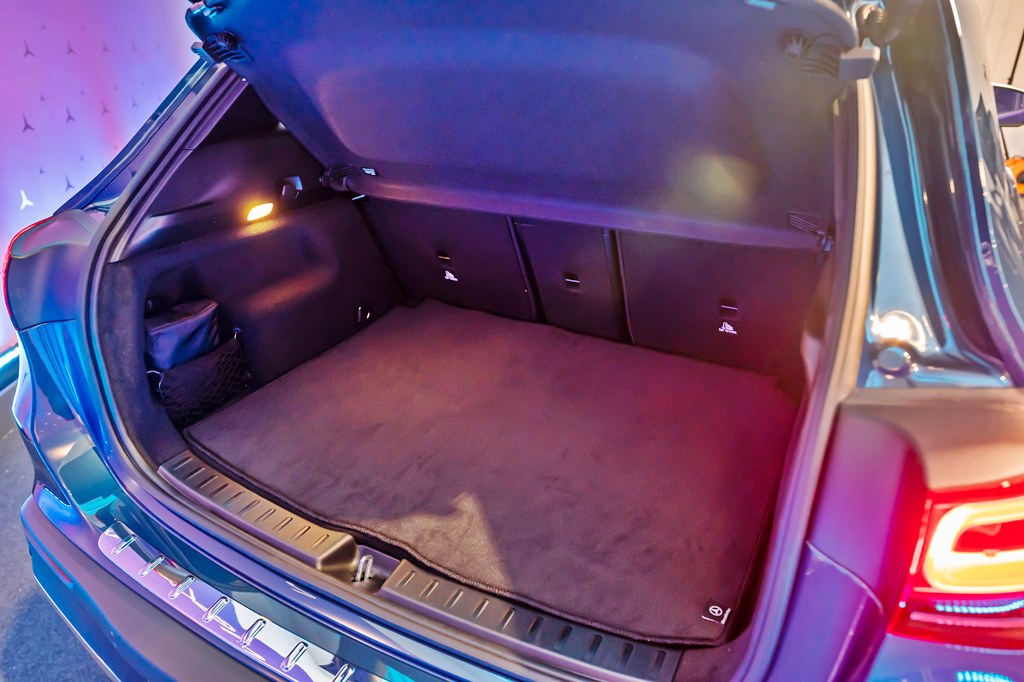
The battery pack is situated underneath the middle section of the cabin, so it does not reduce the volume of the boot area, unlike earlier electrified vehicles which had battery packs in the boot. Thus there is a usable width of 1.3 metres and depth of up to 1.4 metres, for a volume of 340 litres. The 40:20:40 division of the rear backrest allows variability in the layout to accommodate longer or more items. Incidentally, the EQA 250 comes with an EASY-PACK tailgate which is just a fancy term for electrically-operated tailgate (which would be expected of a car costing this much) but doesn’t have the handsfree feature.
Electric vehicles are no different from other road vehicles where safety for the occupants is concerned. Mercedes-Benz, a pioneer in automotive safety, has used its long experience to ensure that the occupants of the EQA 250 will be well protected if an accident occurs and has also given thought to other road-users in view of the quietness of its running. It has an acoustic ambient protection alert so pedestrians and cyclists will be aware of its presence. The acoustic presence indicator generates specific Mercedes-Benz sounds outside of the vehicle up to a speed of 20 km/h and it differentiates between driving forward and reversing.
Due to the battery pack, the EQA is heavier than a GLA and more energy needs to be absorbed in the event of a crash. The supporting structures at the front and rear were adapted to accommodate this requirement by the use of thicker materials. And as it carries a battery pack and other high-voltage equipment, more stringent safety measures have to be incorporated.
An aluminium housing as well as the body structure of the vehicle itself protect the battery pack from potentially touching the ground and against loose chippings. The housing is part of the vehicle structure and thus an integral part of the crash concept. The ground clearance of more than 200 mm is a further advantage and the lowest point of the vehicle is not the battery pack but the side skirts.
If the EQA 250 crashes, the high-voltage system can automatically switch off, reversibly or irreversibly depending on the accident severity. This is particularly important for rescuers who may have to touch the vehicle in order to help the occupants to get out. Mercedes-Benz works with rescue services to train them to safely approach an electric vehicle and the EQA is fitted with a special disconnection point which can be used by the rescuers to switch off the high-voltage system. If an impact is detected while the vehicle is hit when it is being charged, the charging process will also be stopped immediately.