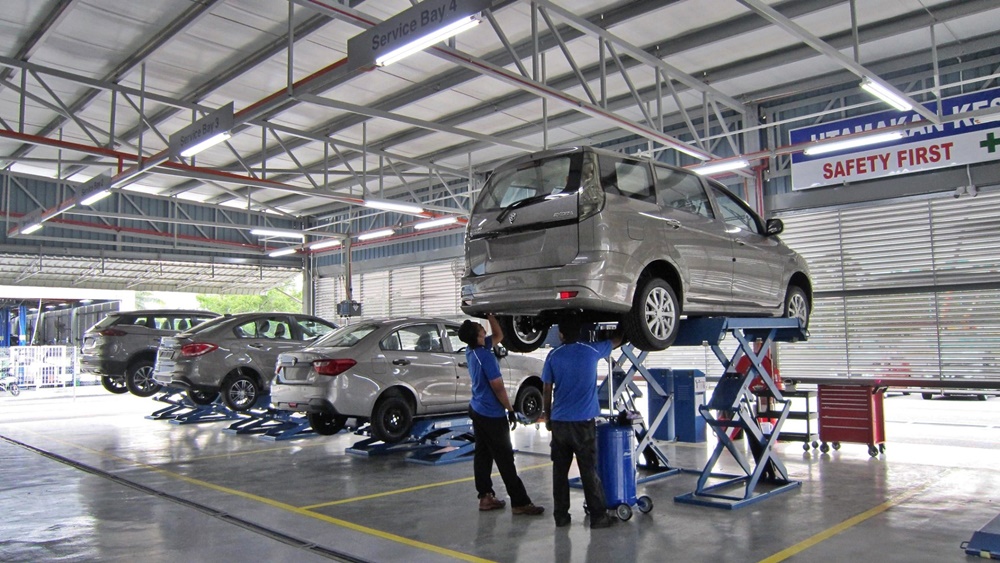
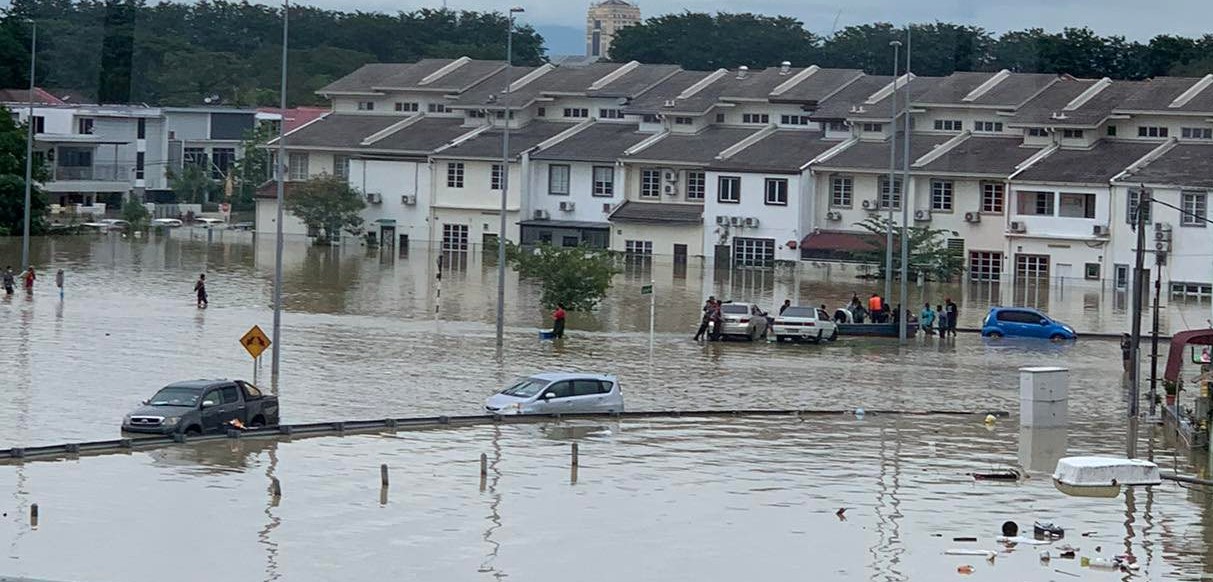
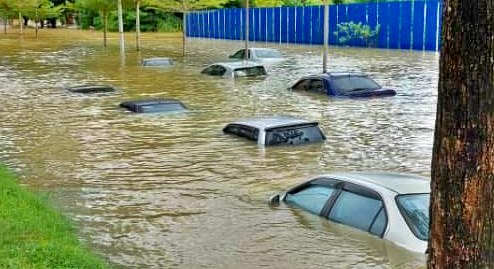
The recent flooding has had a severe impact on thousands of lives in Malaysia, and sadly, lives have been lost too. Properties have been heavily damaged and thousands of vehicles will require extensive repairs and replacement of parts, not to mention a thorough cleaning.
Many carmakers were quick to come forward and offer various forms of assistance to their customers so as to help ease the financial burden. As the scale of the damage becomes more apparent, it is clear that more help is needed and Proton has announced an enhanced assistance package for its customers whose cars were damaged in the floods.
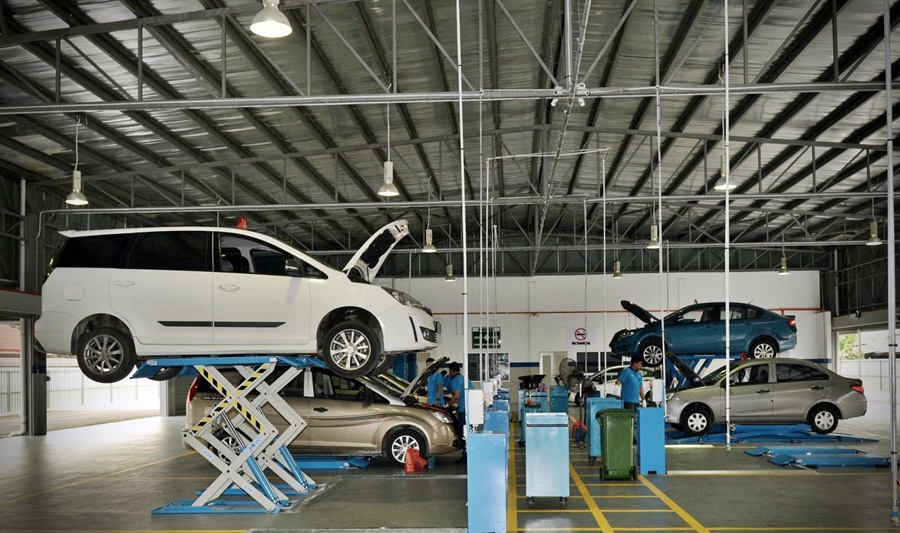
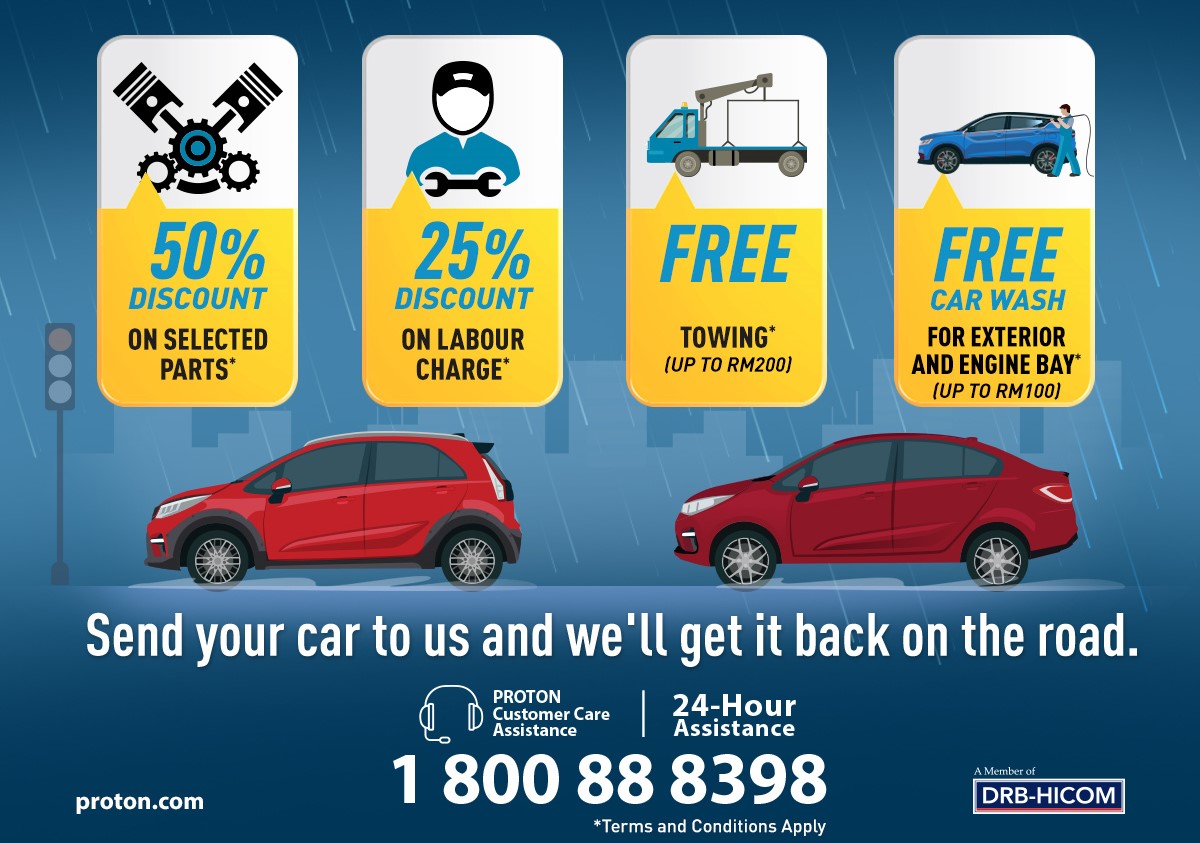
The enhanced package now offers a 50% discount on selected replacement parts for all models, except for the X50 and X70. Towing services and cleaning of vehicles (exterior and engine bay) will also be done at no charge at authorised Proton 3S/4S service centres.
“Proton is deeply sympathetic to the plight of the victims of the recent floods as many of them consist of B40 households. To date, our service centres have received approximately 600 cars and we estimate there to be many more that will arrive in the coming days and weeks. Therefore, we have enhanced our assistance package in the hope that it will provide some financial relief to these families,” said Roslan Abdullah, CEO of Proton Edar.
For owners of the X50 and X70 SUVs, the discount for selected parts has been increased to 25% from the 20% that was previously announced. The discount for labour charges has also been boosted to 25%, which is applicable to all models (terms and conditions apply).
Additionally, customers insured under the Proton Insurance Programme (PIP) can also claim RM1,000 in flood relief benefits.
“Aside from the assistance package, the company is also negotiating with the banks to allow customers to pay for their repairs via instalment using their credit cards. This will further assist their cashflow as they will neither be charged interest fees nor have to come up with a lump sum payment,” added Encik Roslan.
Click here to locate the nearest authorised Proton Service Centre or call the Customer Care hotline at 1800-888-398.
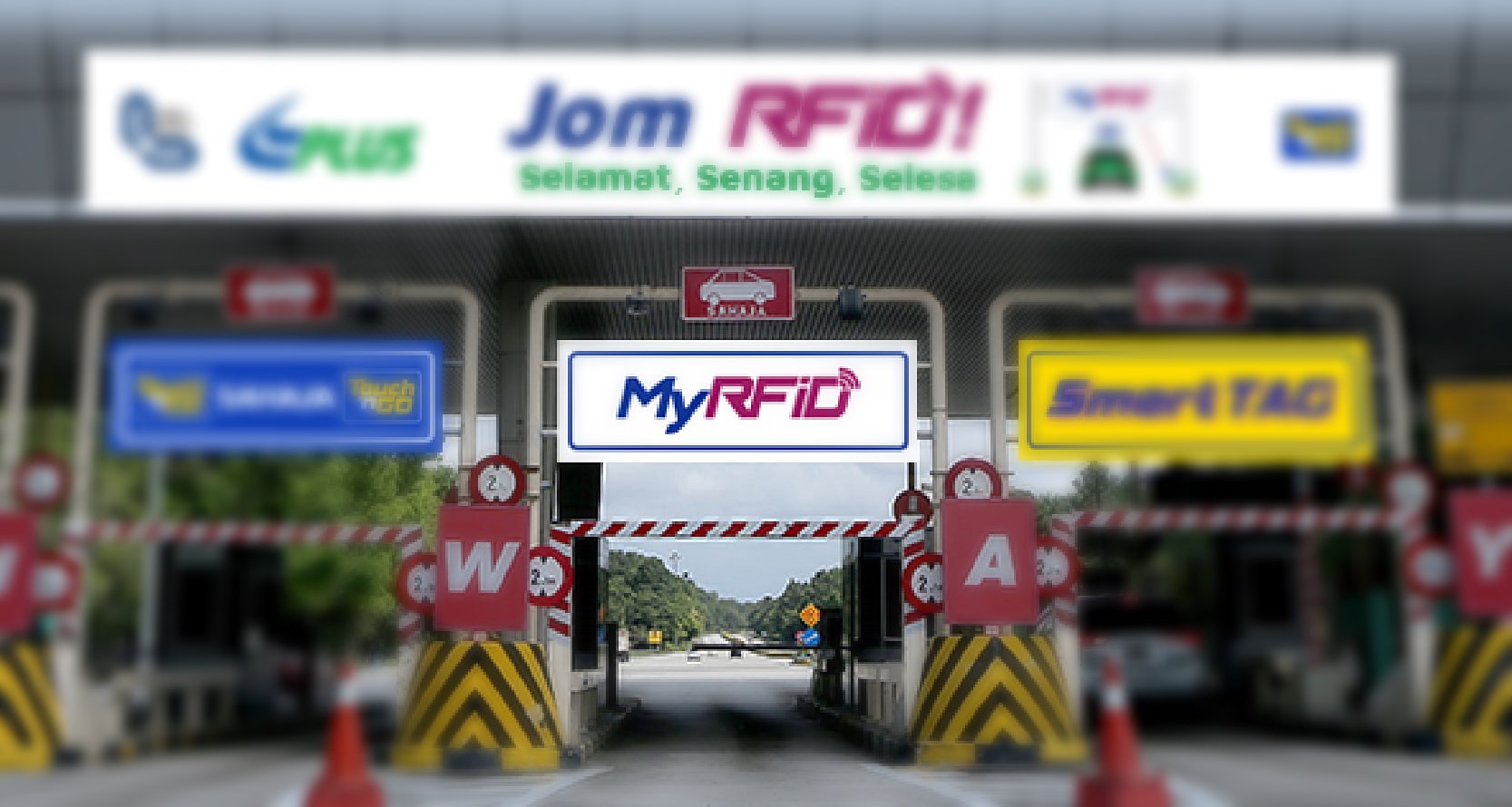
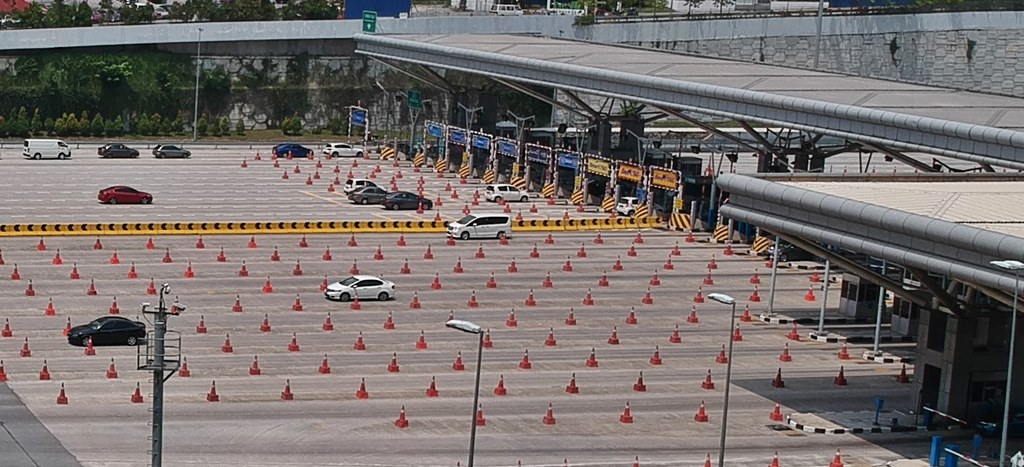
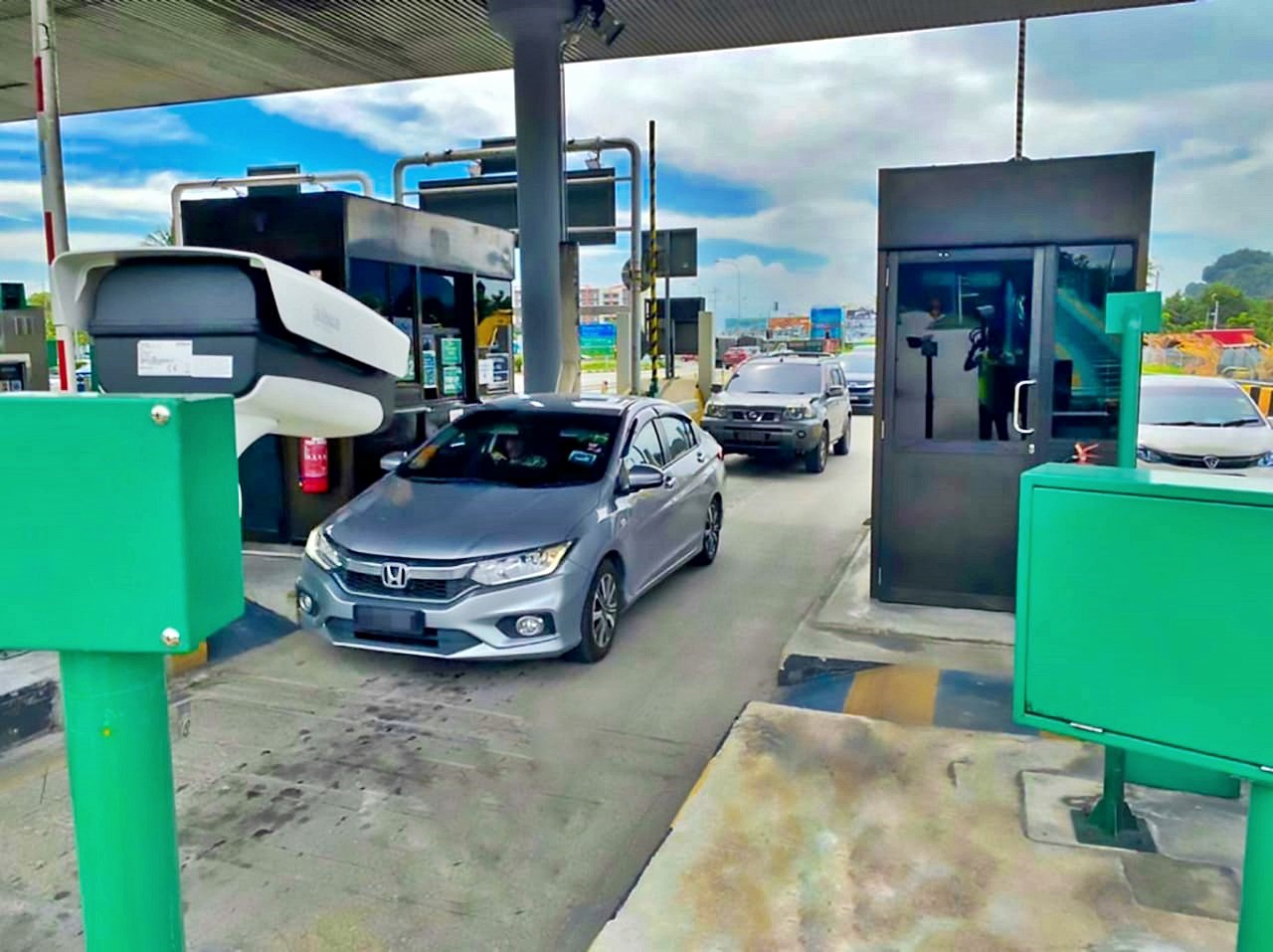
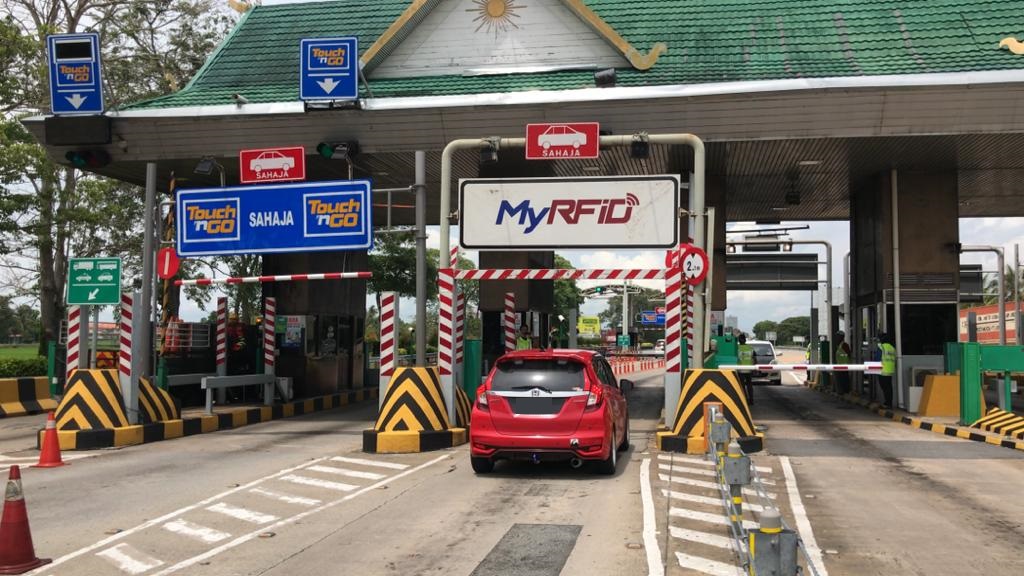
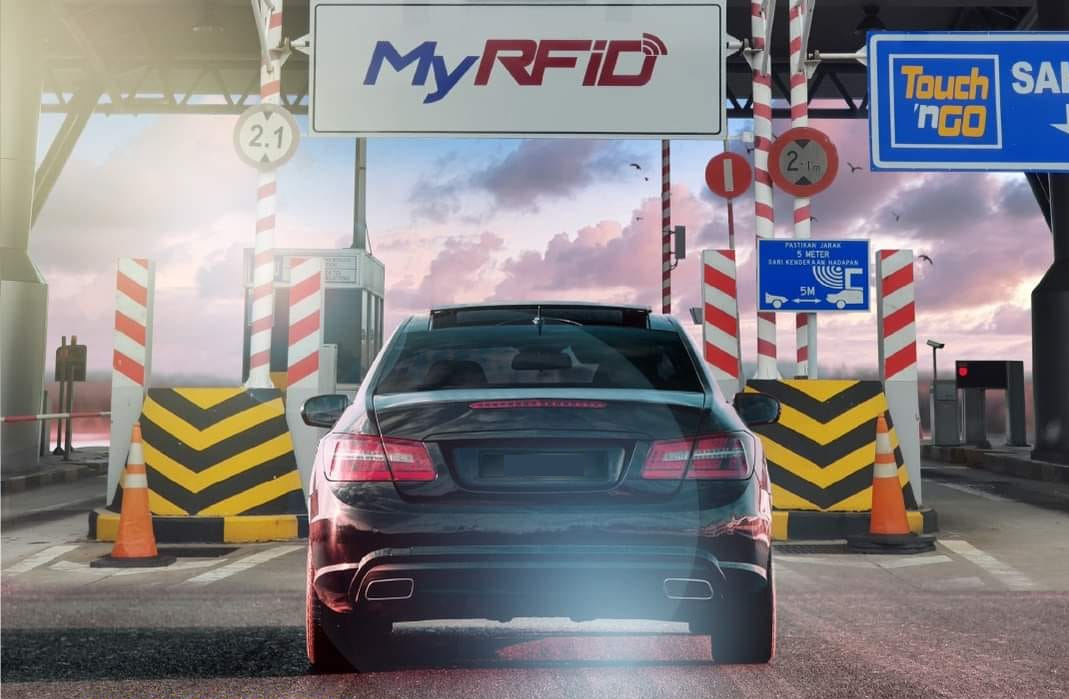
From January 15, 2022, PLUS will have at least one lane at its toll plazas from Juru in the north to Skudai in Johor using the RFID (Radio-Frequency IDentification) system for collecting toll charges electronically. RFID is not new and has been known to Malaysian motorists since 2018, with early implementation on PLUS highways starting at some toll plazas at the beginning of 2020. Things may have moved faster but the pandemic and actions taken by the government suspending business activities for an extended period probably caused delays.
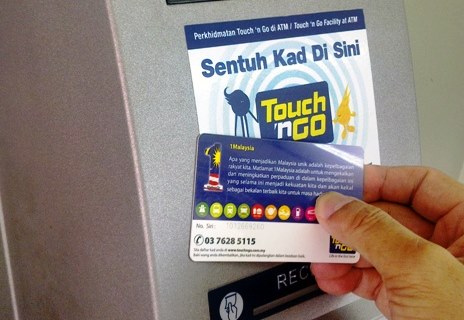
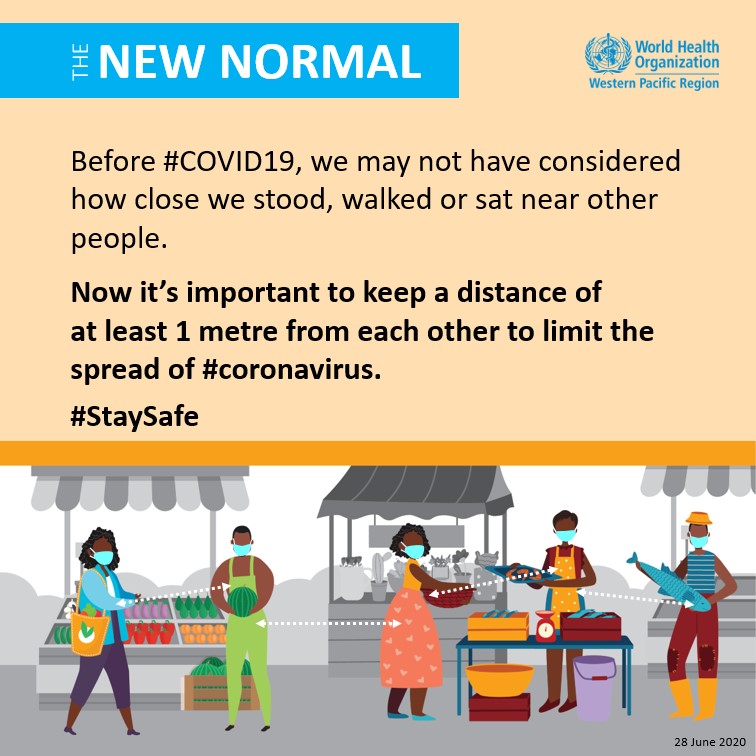
The use of RFID is the third form of Electronic Toll Payment (ETP) which began with the Touch ’n Go (TnG) tollcard in the 1990s, followed by the SmartTAG. With ETP, motorists could more easily pay their toll without having to interact with cashiers to pass over cash. The system therefore helps to speed up traffic flow through the plazas and also makes toll collection easier for the concessionaires. And in these times when social distancing is important to avoid transmission of COVID-19, ETP is obviously a better way to pay toll.
SmartTAG uses infrared system
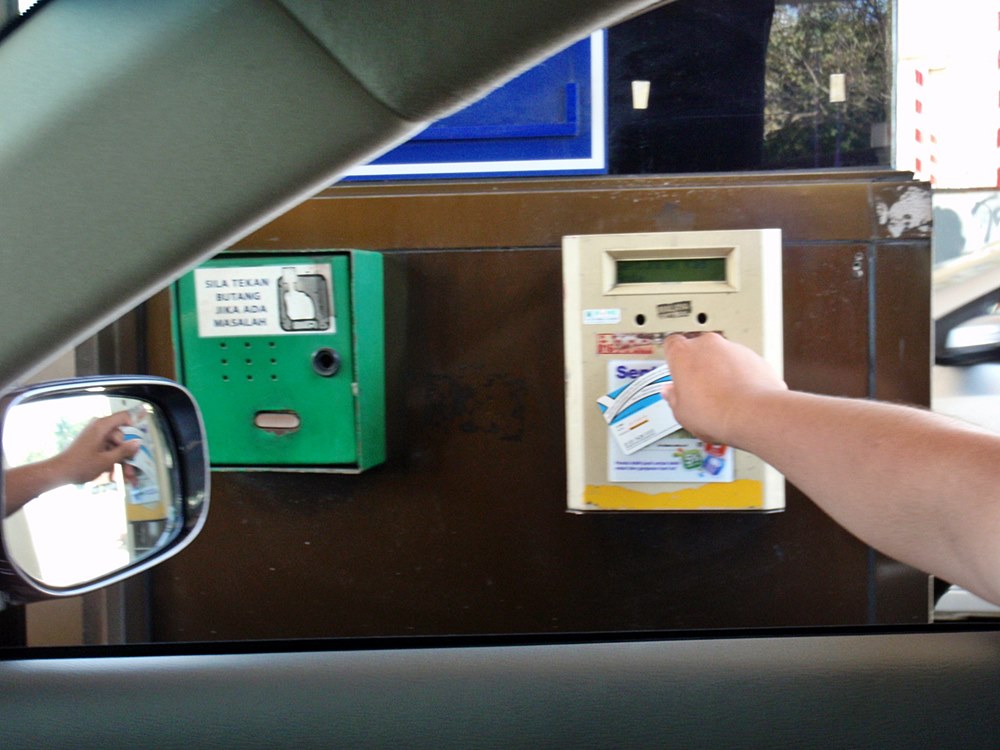
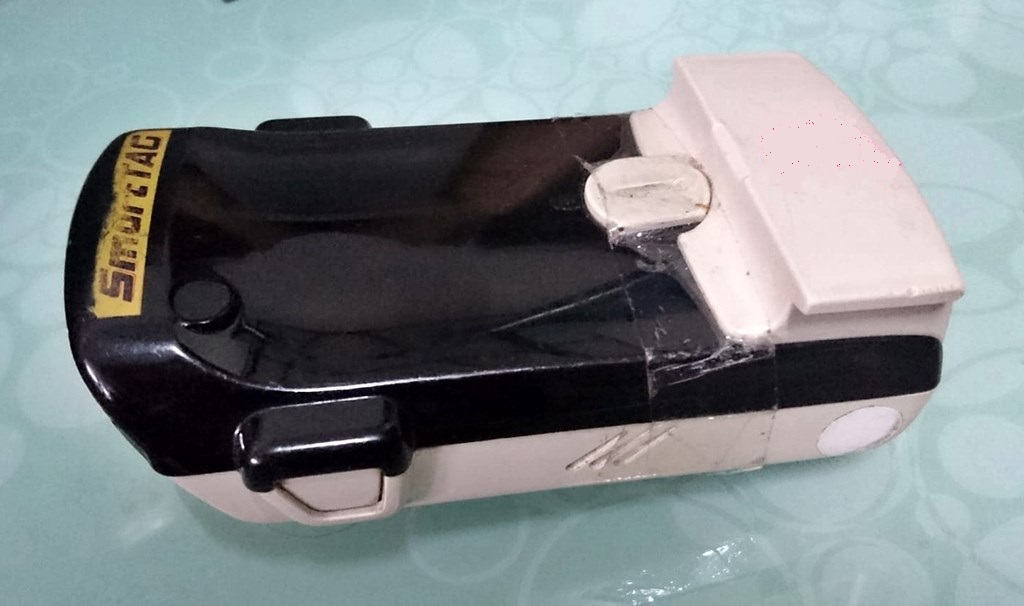
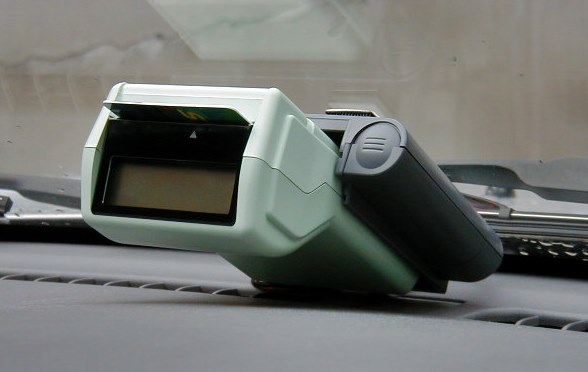
While the TnG card requires touching the card with stored value on a reader, the SmartTAG unit takes the information from the card attached to it and sends an infrared (IR) signal (which travels at almost 300 million metres a second) to a transceiver overhead to validate and deduct the amount of toll payable.
It has been in use nationwide since 2005 and although there was a period when users experienced many problems with the slim units, that fault no longer exists and our experience with it has been 100% pass rate. Only on rare occasions has the been a problem and usually it has been due to the signal not being picked up. Most motorists now know to reverse a bit and try again, or just do it the manual way by tapping the TnG card on the reader by the side of the lane.
Complementary and reliable systems
So the TnG manual system and the SmartTAG contactless system are reliable ETP systems and they are complementary, ie the TnG card works with the SmartTAG unit by simply slipping it in. There is no need for the motorist to buy a different type of card, and the TnG card can also be used in many parking areas as well. EFKON Asia, the company making the units, has improved them to be able to also be recharged with a USB cable.
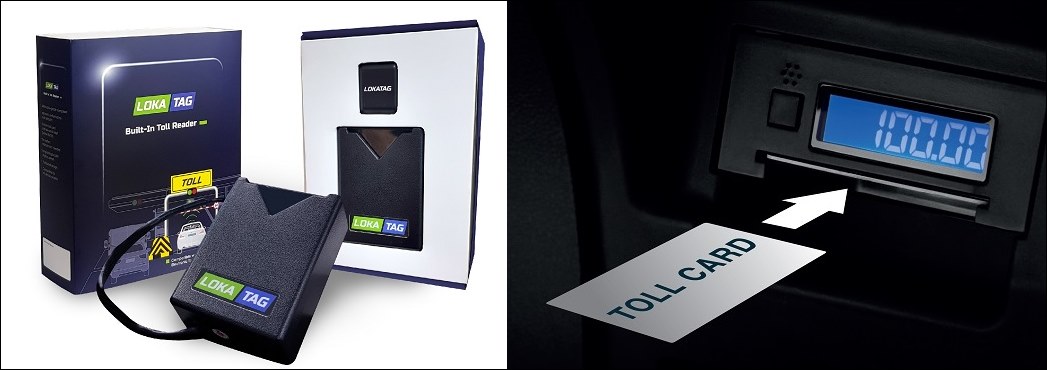
In recent years, some car companies have also installed card readers in their cars which are linked to an IR transmitter that works the same way. According to EFKON Asia, around 75% of the 270,000 new passenger cars and commercial vehicles registered in Peninsular Malaysia (until September 2021) were delivered with either a SmartTAG compatible built-in toll reader or portable device.
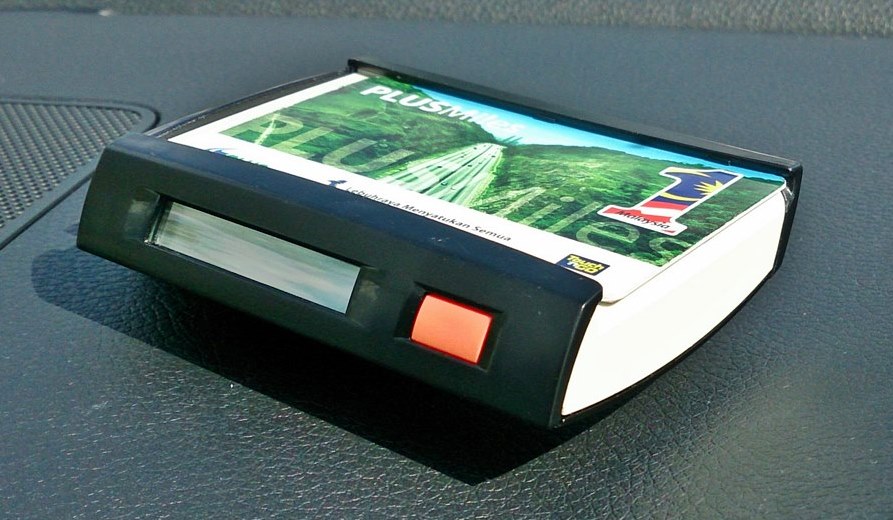
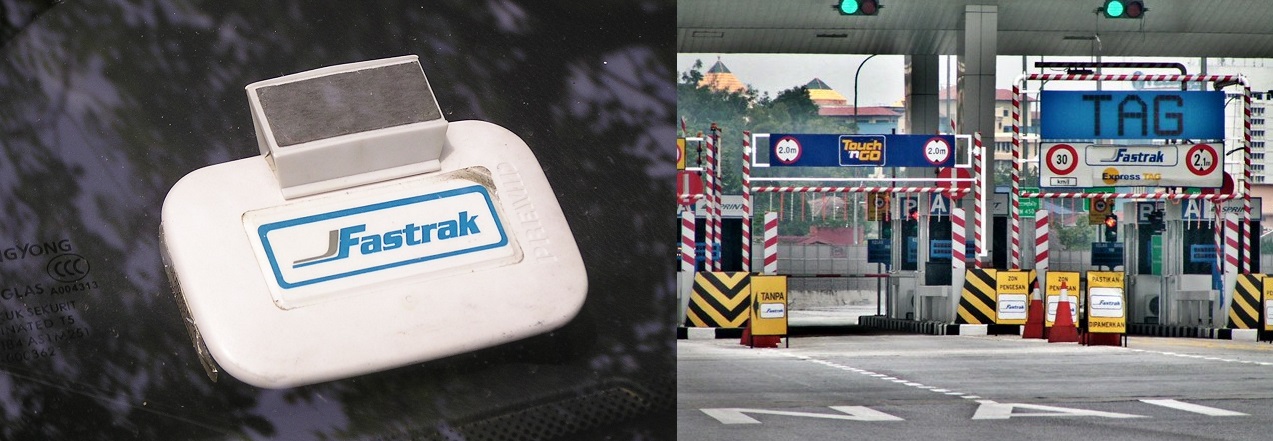
With the Touch ‘n Go card, payment of toll no longer required a cashier to collect money and all a motorist had to do was tap the card on a reader. It’s been virtually problem-free and often an alternative to use when the SmartTAG lane is having problems (the same card is used with the device).An early SmartTAG unit which brought contactless payment using infrared technology at toll plazas to communicate with he TnG card. This was a robust unit and many still have it as it was quite reliable, compared to the early slim units that were flawed.The slim unit had a lot of problems initially and it was only many years later that those problems were finally fixed. Today, the units (especially those marketed by EFKON Asia) are reliable enough. There are also devices using the TnG card that can be installed in the dashboard and some carmakers integrate these devices as standard accessories.
Why change something that is not ‘broken’?
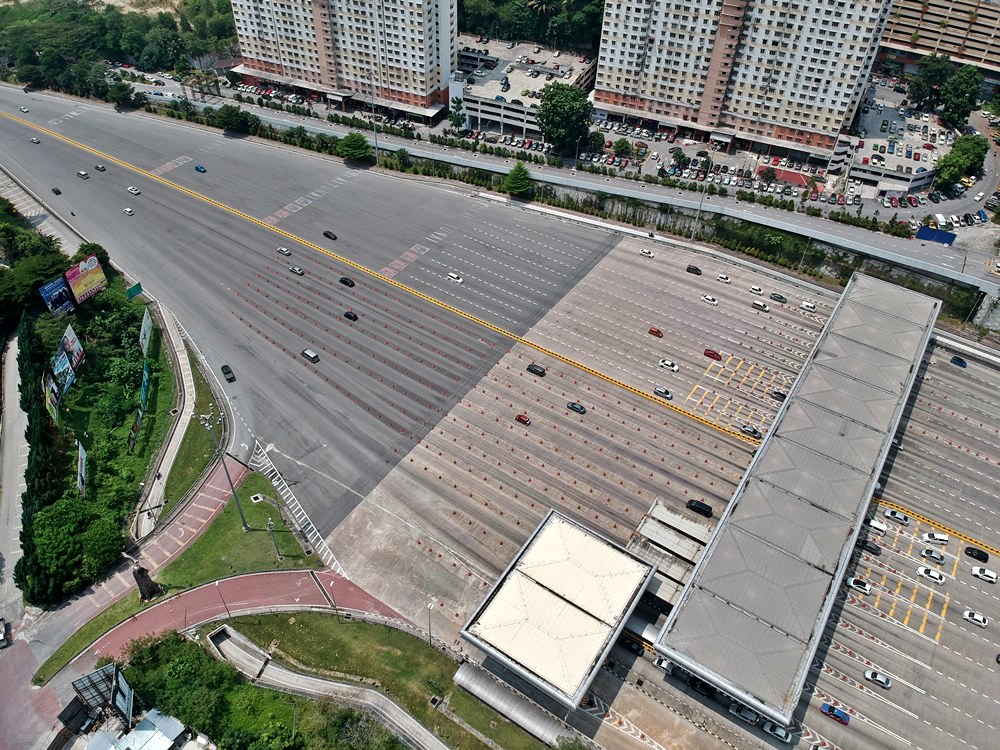
There’s a saying (or question) – ‘why fix it if it’s not broken?’ – or more correctly, why change something that works well enough for some 5 million vehicle users around the country? The answer is simply that as the volume of traffic on highways has grown, the flow rate through the toll plazas has slowed. Lines have lengthened, especially during festive seasons. It does not help that the barrier has to be there, slowing the movement since it is a mechanical system. But we’ll get back to why concessionaires still need to use a barrier, even with the SmartTAG and RFID.
According to PLUS, a SmartTAG lane can allow up to 1,000 vehicles through in an hour (550 with manual tapping). It could be faster without the barrier as in places like Germany which use the IR system, vehicles can pass through toll plazas at up to 100 km/h because they do not have to stop for the barrier to open. With RFID, PLUS says that the processing rate can be faster and they state a speed of about 1,200 vehicles an hour.
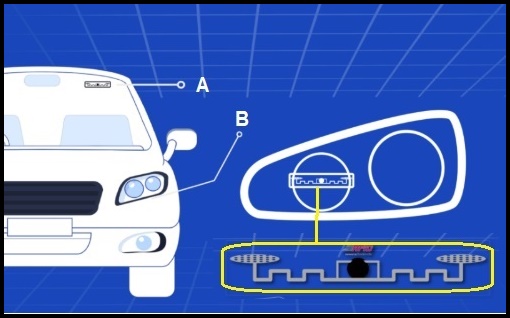
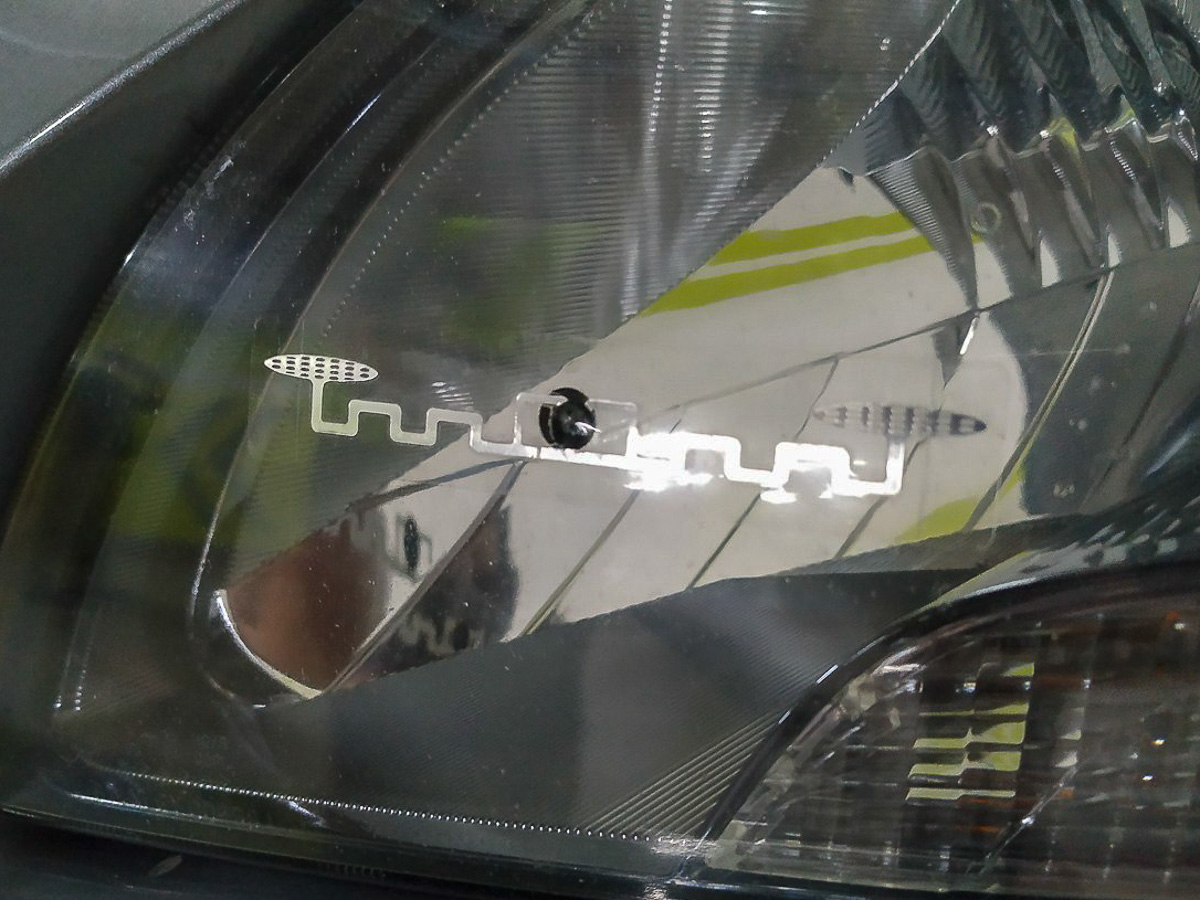
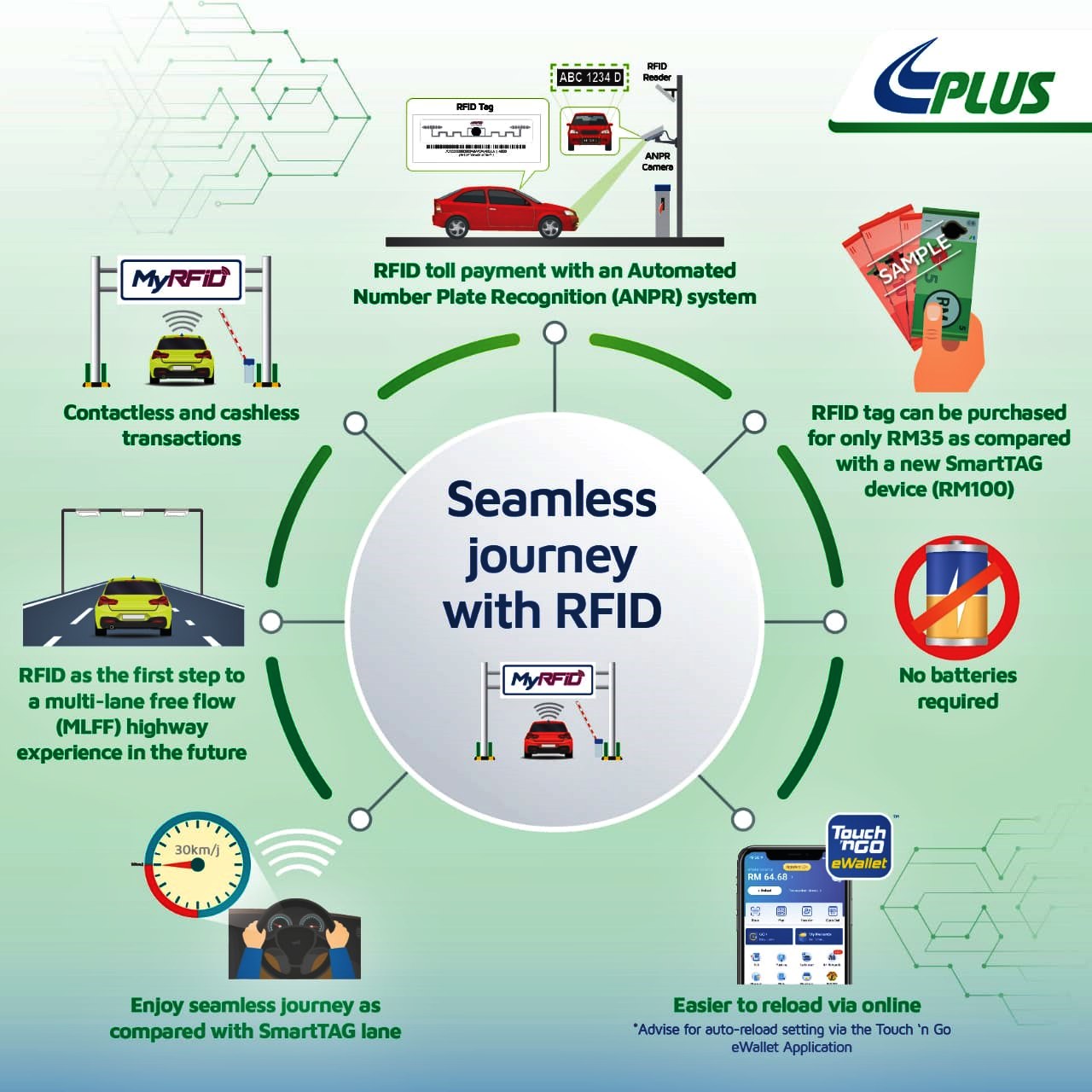
The RFID tag can be fixed to the headlight or on the top of the windscreen. It is thin enough not to affect the lighting. However, unlike the SmartTAG, it is fixed to each vehicle and cannot be used with other vehicles as each tag is registered with specific vehicle’s details.
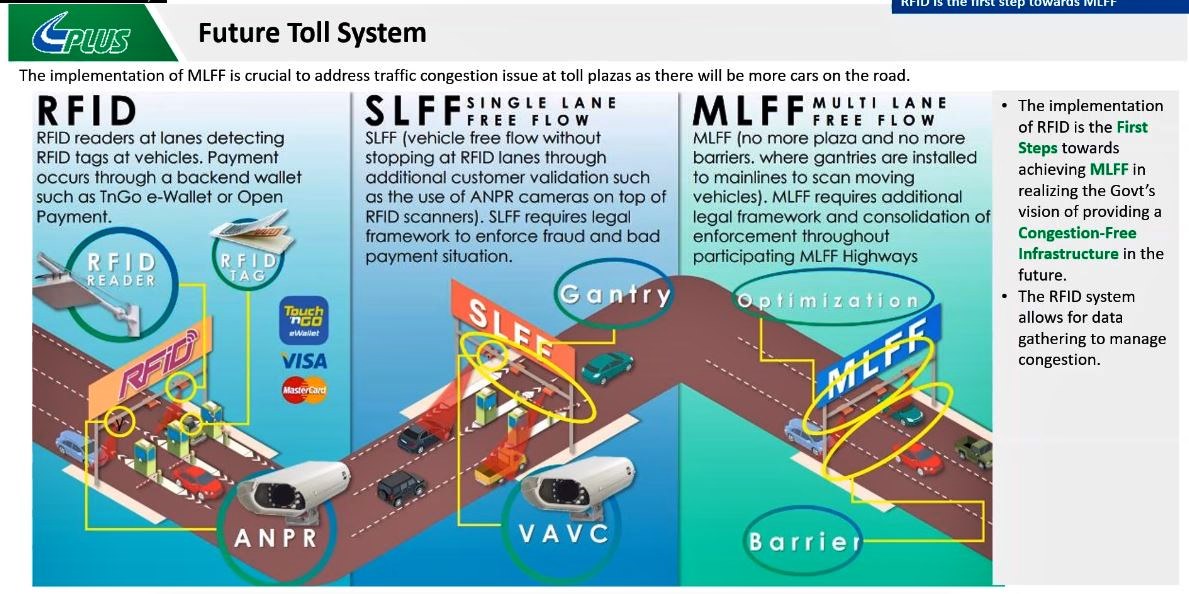
However, it is not just the speed of processing that is the reason for PLUS (and other concessionaires) moving towards RFID. In the near-term, the objective is to be able to have Single Lane Free Flow (SLFF) which allows vehicles to pass through a toll plaza without stopping – meaning no barrier to wait for. Of course, you can’t flash through at 110 km/h and will still have to slow down to a low speed not only for the signal to be picked up properly but also for safety. The longer term goal is Multi-Lane Free Flow (MLFF) which will not have a toll plaza at all, and all a motorist will see is a gantry over the highway with some RFID sensors pointing down over each lane. It is a ‘transparent’ and seamless process that will certainly mean smoother flow and, hopefully, no more congestion.
Singapore has had MLFF for some time
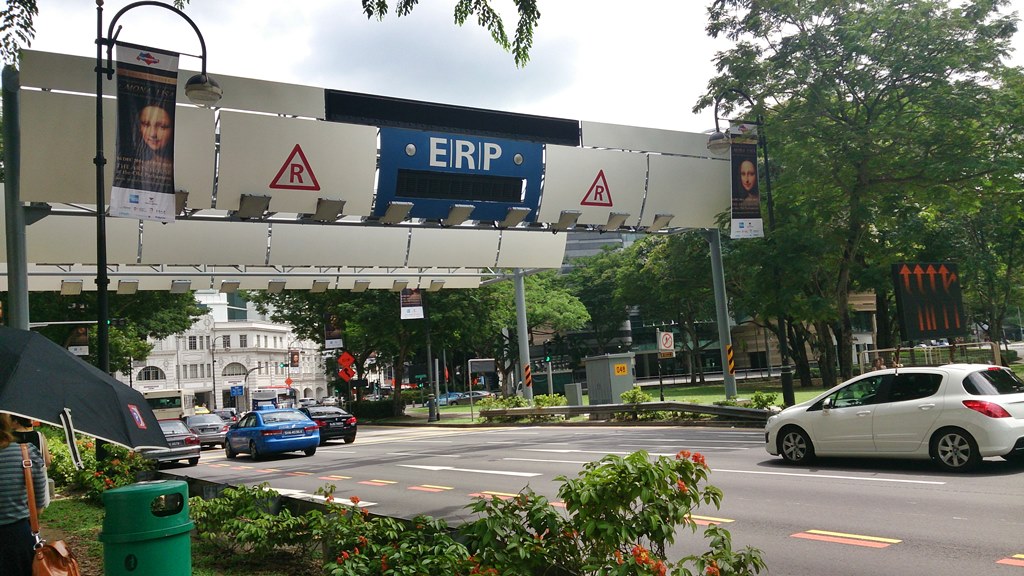
Does the MLFF scenario sound familiar? If you have driven to Singapore – as tens of thousands of Malaysians have (at least before the pandemic) over the years – you will have experienced MLFF with their ERP (Electronic Road Pricing) payment system. Besides the fact that toll rates change at different times of the day depending on conditions, there are no toll plazas and traffic just passes under the gantries and the toll is deducted on their electronic payment card attached to an IU (in-vehicle unit), something like a SmartTAG.
The system, which uses shortwave wireless signals, has been operating in Singapore for many years now. Initially, for foreign vehicles (almost all from Malaysia), the issue of how to get payment was resolved by simply making visitors rent an IU (for a S$150 deposit) and use a payment card with stored value. It was a troublesome system as you had to go to some remote place to get the unit and then go back there when you were leaving.
Singapore has had a MLFF system in operation for many years around the island where it has Electronic Road Pricing that varies at different times of the day. Vehicles flow smoothly under the gantries which are equipped with shortwave wireless sensors as well as cameras that recognise numberplates. This is the sort of situation PLUS hopes to reach later on with RFID.An In-Vehicle Unit (IU) which works with a stored value card is installed in every vehicle in Singapore, Foreign vehicles do not need to install it as their numberplate will be detected and a daily charge included with the other charges they must pay upon departure from the country.
Then they came up with a convenient system which would charge a flat rate of SS5 per day if the vehicle passed into an ERP zone at any time during the day. The amount would be added to the charges payable on leaving the country. How do they do it? By using Automatic Number Plate Recognition (ANPR) systems that immediately photograph a vehicle without an IU, and log it into the system. They already have details of the vehicle which were provided upon entry at Tuas or Woodlands.
Different countries, different conditions
As mentioned earlier, Singapore (and also some other countries) have had MLFF + ANPR for some time, so why has Malaysia been slow to adopt it? There are various answers although to be fair, each country has different conditions, priorities and situations (and governments) and in the case of Malaysia and Singapore, the island republic is a lot smaller than Peninsular Malaysia. So the pace of infrastructure development and technological advances in systems will also be different in some cases.
It’s like the development of MAS and SIA, both of which originated from the same airline in the 1970s. Both aspired to have a comprehensive international network but MAS had also to do ‘national service’ as it had to provide services for rural areas around the country as well. SIA obviously had no such requirement so it could focus entirely on building its international network from Day 1.
Why take pictures of numberplates?
Why is ANPR needed? This is for various purposes and is actually an advancement for the cameras already used in every lane. Highway concessionaires need to have some sort of record of vehicles passing through, especially if payment is somehow not made (although there is a barrier) and ANPR allows them to also identify the vehicles quickly to take action. Information on the vehicles is already available via the TnG card registration and all vehicles with RFID tags installed would also have their details in the PLUS database. Of course, the company strictly follows the Malaysian Personal Data Protection Act (PDPA) which came into force in 2013 so those details are safe.
While the incidence of people not paying toll does not seem to be high – you would have to crash through the barrier – it can still happen and so the barrier is still necessary. Each time someone doesn’t pay, the concessionaire will have to spend time and money to pursue them. It therefore has to become a traffic offence before the concessionaires will feel safe to not have a barrier and that is something that requires a legal framework to enable.
TnG and SmartTAG lanes will still be around
There was a bit of misunderstanding about the full implementation of RFID on PLUS highways next month and some people thought that they will no longer be able to use their TnG and SmartTAGs. This is not the way things are going to happen – certainly not when there are 5 million users of TnG/SmartTAG. It is still a very big number of users to convert and in typical Malaysian fashion, if use of TnG/SmartTAG were to be stopped, many would probably still wait to the second week of January to install their RFID tag!
RFID tags have been available for more than 2 years now so there’s been plenty of time for motorists to install them. PLUS, in support of the government’s objectives of congestion-free infrastructure, is trying to get more people to use RFID so that by the end of 2022, at least 60% of toll collection will be by that method. For now, they are not converting or adding RFID lanes in a hurry as there still needs to be sufficient ‘demand’ and they think that one lane is enough for the time being.
So the remaining lanes will still have the tried-and-reliable methods of payment, ie TnG and SmartTAG. Since the start of the pandemic, PLUS has discouraged interaction with its staff at toll booths as much as possible, asking people to reload their cards at kiosks and the many other places (including convenience stores) that can do it.
The RFID system, being newer, is also linked to the TnG Wallet so users can reload online at any time, an added convenience. In time, more reload options using credit cards and other means will also be available. This would be one of the big differences with the TnG card which is a stored value card and you need to manually reload it.
Remember FastTrak?
RFID is therefore the way of the future and if we want to reach MLFF faster, then more motorists will have to use it. In time TnG/SmartTAG usage may be stopped completely (could be by the end of 2023 according to a deputy minister), forcing motorists to switch over. This situation occurred at least once before with an ETP system called ‘FastTrak’ which was used on the Penchala Link in Kuala Lumpur. It was decided that in order to unify payment systems, only TnG would be used for ETP so FastTrak had to be discontinued. Fortunately, the process was done smoothly and motorists did not have difficulty getting refunds on their remaining stored value in the devices.
The FastTrak system was also used in the 1990s by the concessionaire operating the Penchala Link in Kuala Lumpur. However, it was discontinued to allow a unified payment system with TnG.
Because of the huge base of millions of motorists, it is likely to be a major exercise the day the government forces the matter and stops the use of TnG/SmartTAG. Imagine when millions have to switch and want their money back – and knowing Malaysians, many will do so in the final week!
Infrared system is not necessarily inferior
So for now, motorists can still use their TnG/SmartTAG at toll plazas so don’t worry about hassles during your outstation journeys next year. As to whether it is as obsolete and inefficient as the RFID supporters say, that is debatable. EFKON Asia, which developed the original IR system for ETP using the SmartTAG, is of the view that the present system is ‘well-positioned to help speed up implementation of MLFF and help reduce congestion at toll plazas’. Of course, they would present that view since the end of TnG/SmartTAG would also be the end of their business selling and supporting the units.
“Coupled with continuous product upgrades that has significantly improved the system’s reliability and user experience, it is the ideal and much more advanced staging point to achieve the congestion-free highway objective outlined in the Intelligent Transport System (ITS) Blueprint compared to the fledgling Radio Frequency Identification (RFID) payment system,” said EFKON Asia Director Helmuth Blasch. Mr. Blasch also believes that the authorities and highway concessionaires should look at increasing rather than reducing SmartTAG lanes if the objective was to reduce congestion at toll plazas.
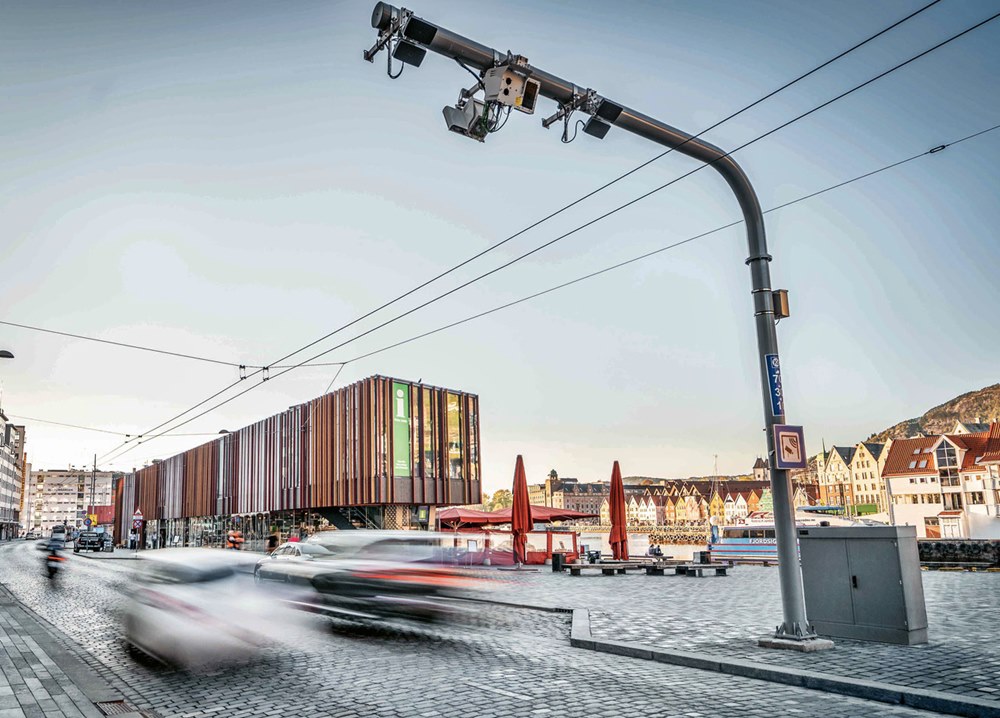
EFKON IR toll collection system installed in Norway.
“In Germany, the Nationwide Truck Tolling System installed on all highways in a Multi-Lane Free Flow (MLFF) configuration has proven to be highly effective, catering to more than two million trucks travelling at up to 100 km/h. It uses a similar IR technology like in Malaysia to validate payment. We have also successfully replicated this test in Malaysia. Our SmartTAG compatible units comply with DSRC (Dedicated Short-Range Communication) standards and are ECE R10 certified. They operate in the 400THz band and, therefore, able to transfer data 10,000 times faster than RFID. Being battery-powered, every unit is active with a wake-up time of just two milliseconds compared to the passive RFID’s 45 milliseconds,” he explained.
Motorists need to see the benefits of RFID
To appeal to motorists, whatever system used will have to show visible benefits – like no long queues. If PLUS is initially providing just one lane for RFID, and aims to push increased usage, then more traffic will flow into that single lane. Before long, there may be queues forming – after all, there is still the barrier to slow traffic – and this would present a negative picture. If motorists see a line as long as that of the SmartTAG lanes, then they may not be convinced that they need to change. After all, both systems are contactless and other than the fact that RFID is connected to an online payment system, there is not much difference in terms of the process of passing through a toll plaza – unless PLUS is willing to be brave enough and not have a barrier. That will definitely make a difference!
The IR system still seems good enough to continue to be used even in countries like Germany, which would certainly have a more advanced infrastructure than Malaysia. It seems to be working well in Malaysia too but, of course, the argument will be that the said 200 more vehicles per hour that can be processed by RFID will become important as traffic volume grows in future. But so long as the barrier is there, it will still influence processing time – who knows how much faster the IR system can be without the barrier?
RFID will dominate eventually
Anyway, it is pointless for motorists to protest against this switch to RFID since it is what PLUS wants to do, what the government supports and the investments necessary have been made or allocated. As a concessionaire, PLUS has the right to impose whatever means of ETP they want and those who want to use their highways will just have to accept it. Ideally, they should have 1 lane for cash (for unusual situations), and the remaining number of available lanes for both an IR system and RFID system (this is talking about moving towards MLFF). Lack of support for the IR system devices will eventually kill it off or the efficiency of RFID that is promised will have more motorists wanting to install it. That would be fair for the medium-term, rather than to stop the IR system within 2 years.
“To bring about MLFF with toll payment but without a toll plaza, as implemented in other countries, highway customers need to migrate to RFID first. The migration process will take a while to give the people the opportunity to adapt to this new toll payment technology,” said Datuk Azman Ismail, Managing Director of PLUS.
Floods do not discriminate, affecting lives in every community and damaging motor vehicles of every kind and brand that are unlucky to be parked where they are submerged as the waters rise. A big bill awaits owners of the vehicles when they finally get them to service centres as it is not a matter of just cleaning the mud and dirt out, but many parts will still have to be replaced.
The bill could come to tens of thousands of ringgit and with other stresses caused from being impacted by the floods, every little bit of help will be meaningful. For those who own Porsches, Sime Darby Auto Performance (SDAP) is offering a helping hand.
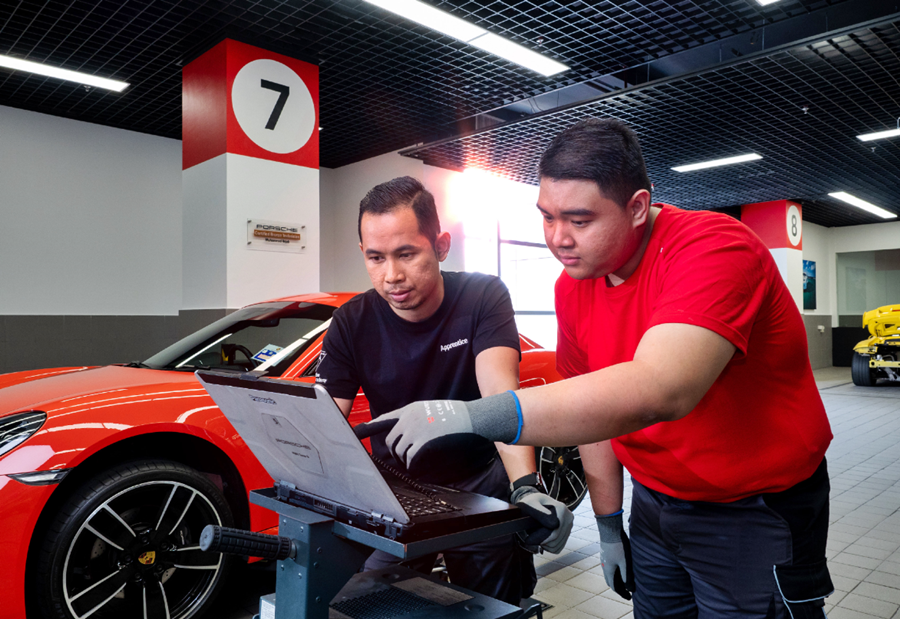
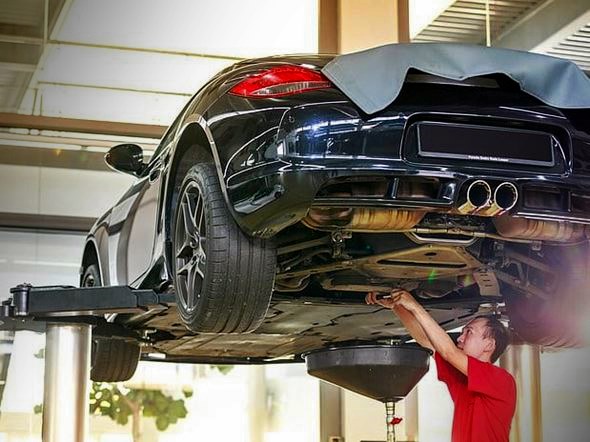
The company will assist in having the vehicles towed at no charge to to the nearest Porsche Centre in Malaysia. Porsche Roadside Assistance, which includes towing services, is available 24 hours a day, 7 days a week to provide towing and roadside assistance.
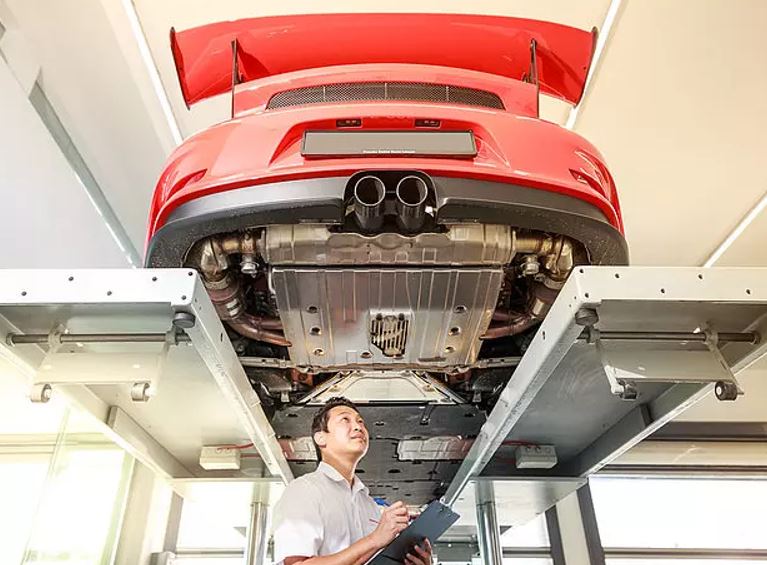
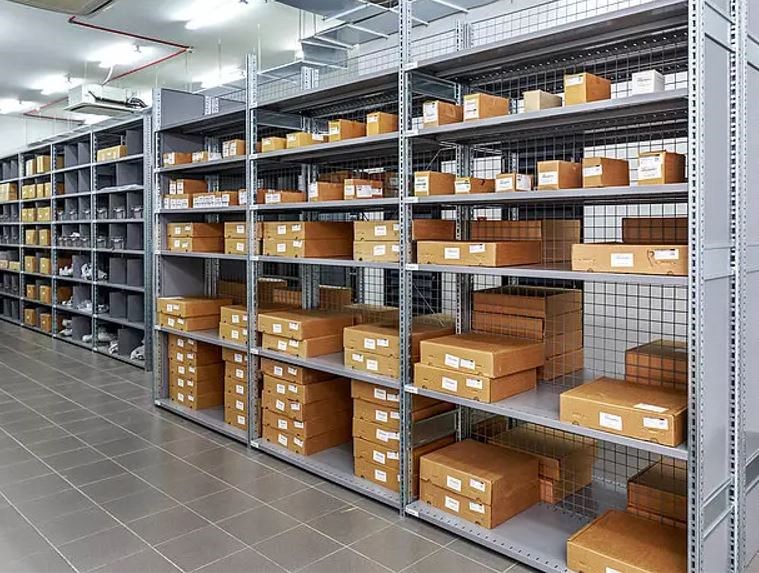
Once at the service centre, a thorough and detailed assessment will be done along with personalised consultation with certified specialists to evaluate the damages and repairs required and the cost involved. This cost will be lower than usual as SDAP is offering a 30% discount on parts and labour for flood-affected vehicles brought to the authorised service centres up till January 31, 2022. Only Porsche Genuine Parts are used in all repairs which include a 2-year parts warranty.
“We are committed to our customers by offering a thorough and detailed check of their vehicle as well as discounts on parts and labour costs to ensure all Porsche cars run at optimal performance. With this gesture, we hope to provide some consolation during these trying times,” said Christopher Hunter, CEO of Sime Darby Auto Performance.
More information on the flood relief support initiative and scheduling of service appointments can be obtained by contacting the following Porsche Centres:
If you were a child of the 1990s, you would know Sega, the company which produced some memorable video games like Sonic The Hedgehog and arcade machines like Sega Rally. The company remains a leader in the gaming industry after more than 500 games, 70 franchises, and 20 arcade system boards.
The company has strengths in virtually every aspect of the gaming industry and developed some great videogame hardware as far back as 1983. Its Dreamcast console ran until 2001 when the company decided to change focus to publishing games as Playstation2 was on the ascent.
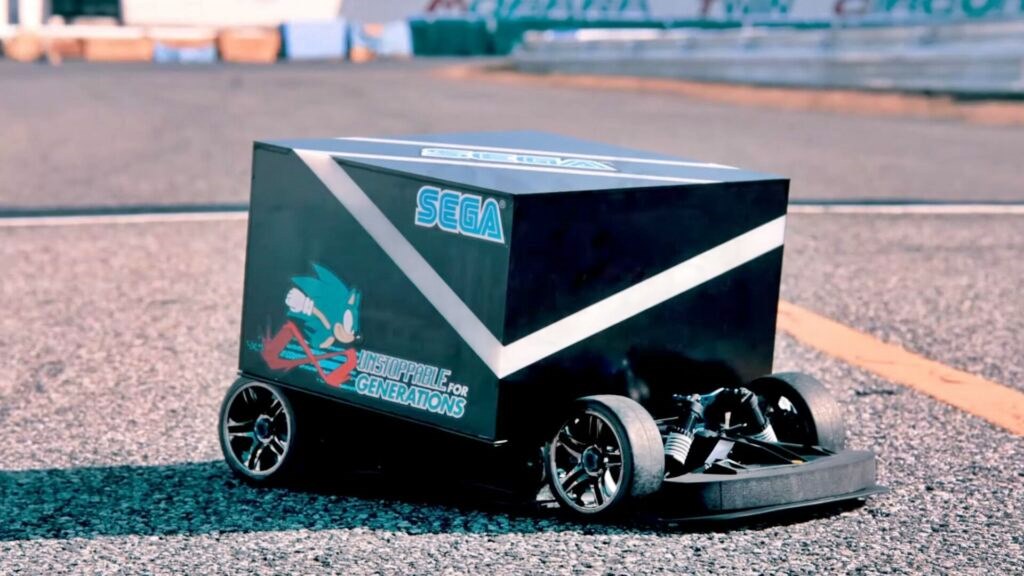
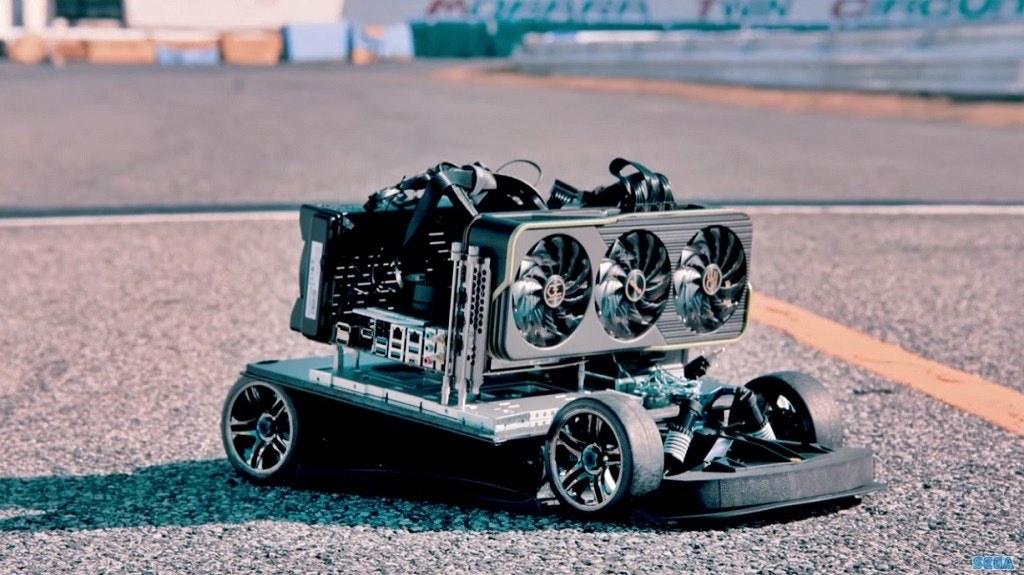
But all that knowledge of hardware development is still locked in Sega’s R&D division and recently, its engineers drew upon it to build the fastest PC in the world! The ‘fastest’ title in this case does not refer to computing speed but to actual movement of the entire computer in a horizontal line.
Developed with Intel and ASRock, the special gaming PC has a Core i9-12900K processor and ASRock Z690M-ITX/ax motherboard and 32GB of RAM. It sounds like a fairly nice set-up for a gaming machine but heroes the twist: along with an ASRock Radeon RX 6900 XT OC Formula 16GB and 2,000-gigabyte SSD, the engineers added wheels and an electric motor to it. It was thus transformed into, literally, a ‘box on wheels’ – and it would be a very fast box indeed.
To demonstrate its capabilities, Sega brought it out to the Mobara Twin Circuit, a small track for racing karts, pocket bikes, minibikes and motards located about 90 kms from Tokyo. On that circuit, 18-time world RC car racing champion, Masami Hirosaka, was passed the controller to pilot the PC.
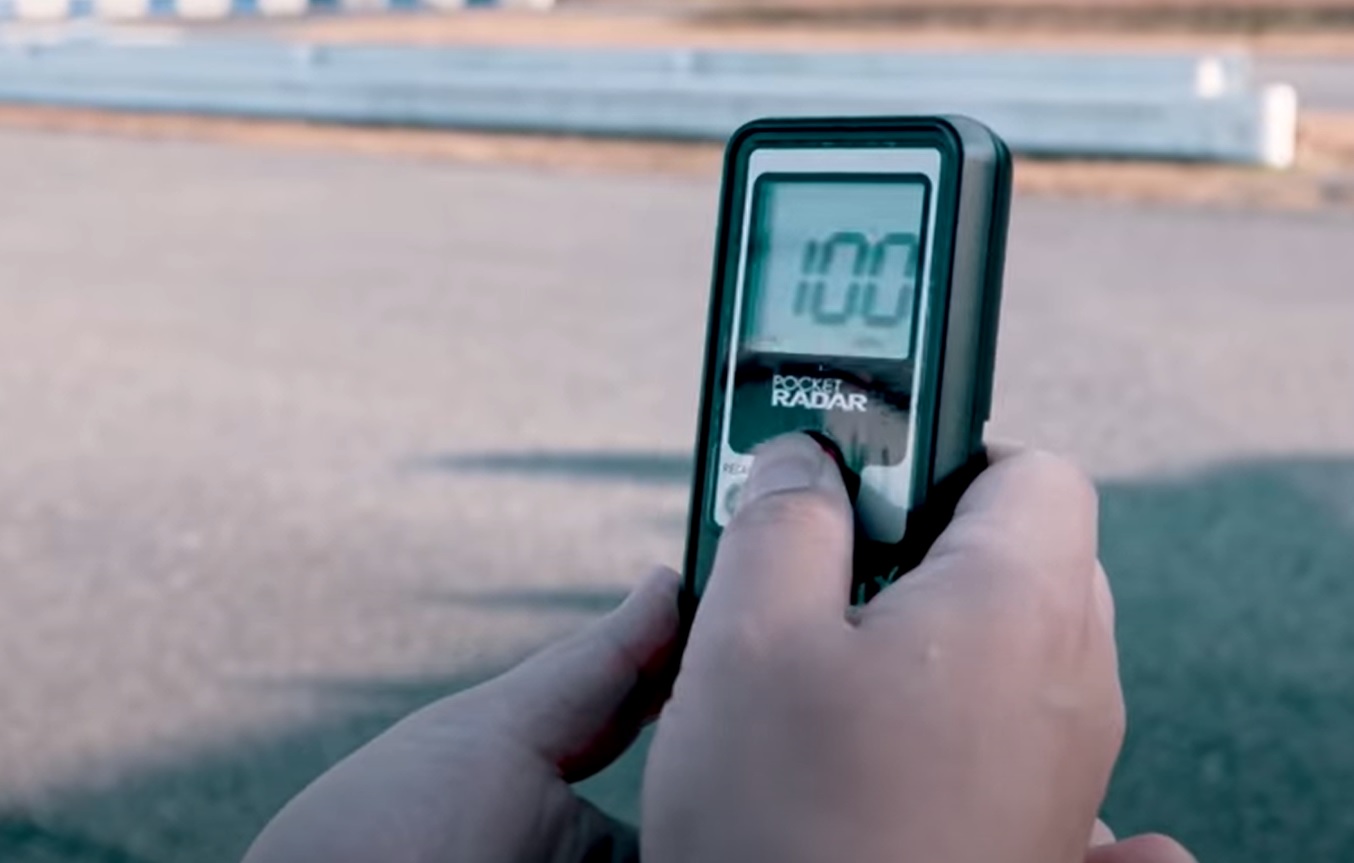
Hirosaka required a spotter up high in a tower to watch the PC racer’s movements around the course and when it started off on the final straight, it was able to reach a terminal speed of 100 km/h.
Sega could turn it into some sort of RC model car but that’s not really the intention, nor do they have plans to develop commercialise the machine for games. It was actually built as a promotional effort for Sega’s Steam Holiday Sale. The fastest PC will be given away to one lucky fan who follows the official Sega Japan Twitter account and retweets a specified by January 5. The winner will also get a bundle of Sega/Atlus Steam games, all of which can be played on that super-fast PC.
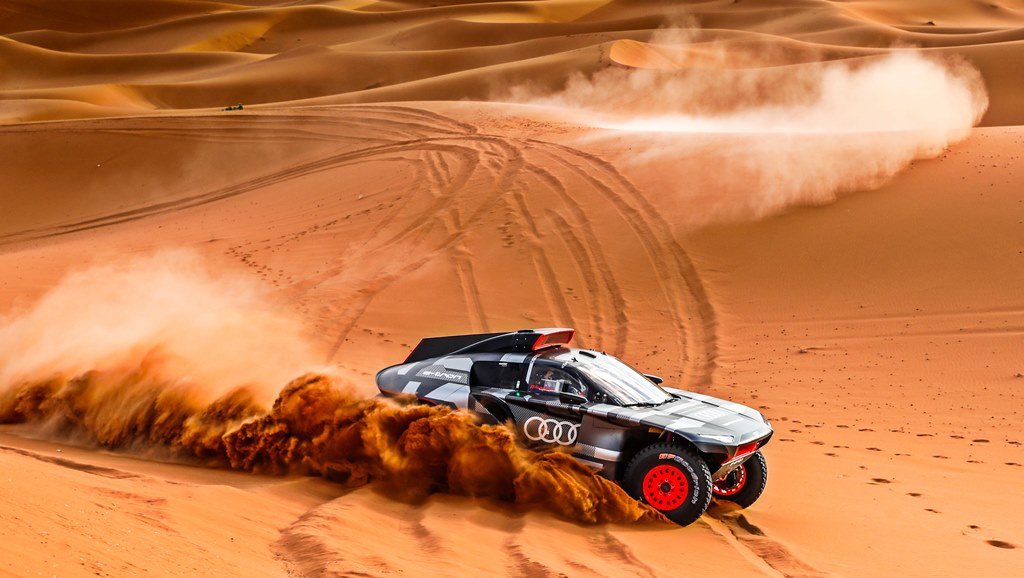
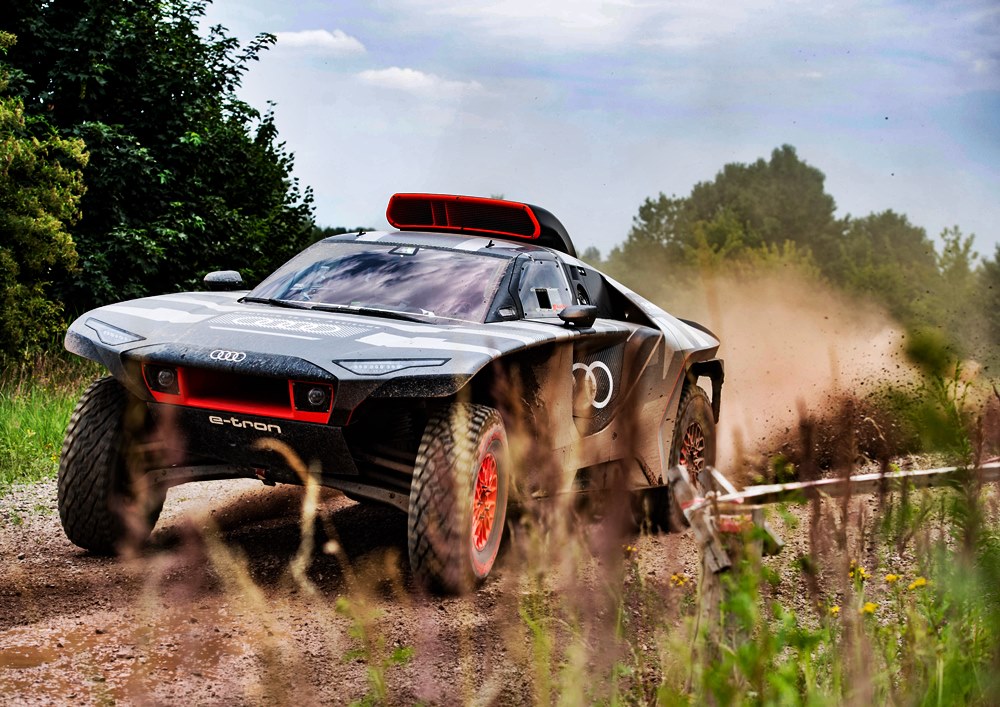
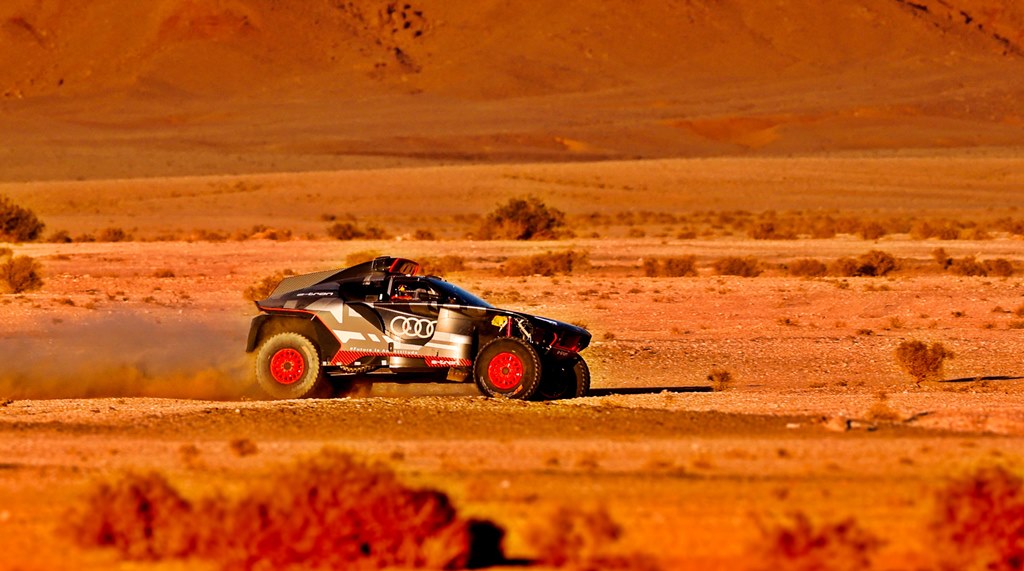
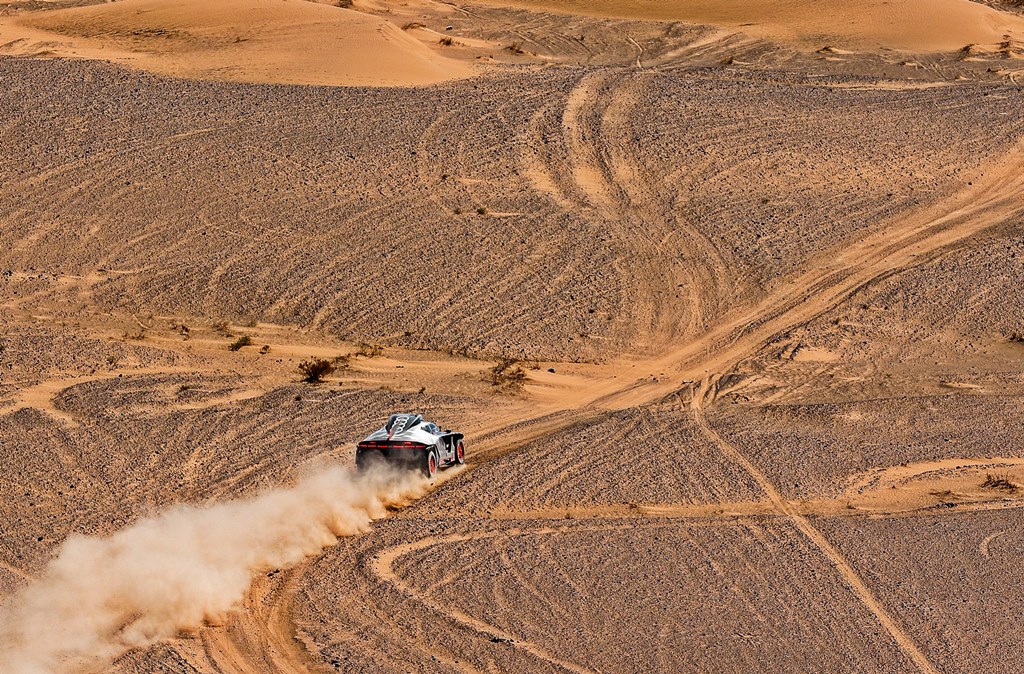
When Audi’s RS Q e-tron starts in the 2022 Dakar Rally this weekend, it will be an entirely new challenge for the engineers. While Audi Sport is no stranger to tough off-road racing, this event will be with a vehicle that runs on electricity rather than petrol – something they have not done before in off-road competition, especially one in the Saudi Arabian Desert.
“With our drive configuration in the RS Q e-tron, Audi is a pioneer in the Dakar Rally,” said Lukas Folie, a high-voltage battery engineer at Audi Sport. “Defining the challenges for this type of competition was very demanding. There are simply no empirical values in motorsport for such a concept and for this type of endurance competition.”
Designing for unknown requirements
Compared to the Formula E World Championship, which Audi last contested with a battery-electric drive, the standards at the Dakar Rally are different: daily stages of many hundreds of kilometres, the enormous driving resistance in the soft desert sand, plus high outside temperatures and a minimum vehicle weight set by the regulations at 2 tons are extremely tough in motorsport.
“It is not possible with today’s battery technology to realize a purely battery-electric off-road vehicle for the Dakar Rally under these conditions,” said Folie. The engineering team led by Axel Loffler, Chief Designer of the RS Q e-tron, therefore had to define basic benchmarks for the overall concept of the vehicle with electric drive and energy converter without any previous data.
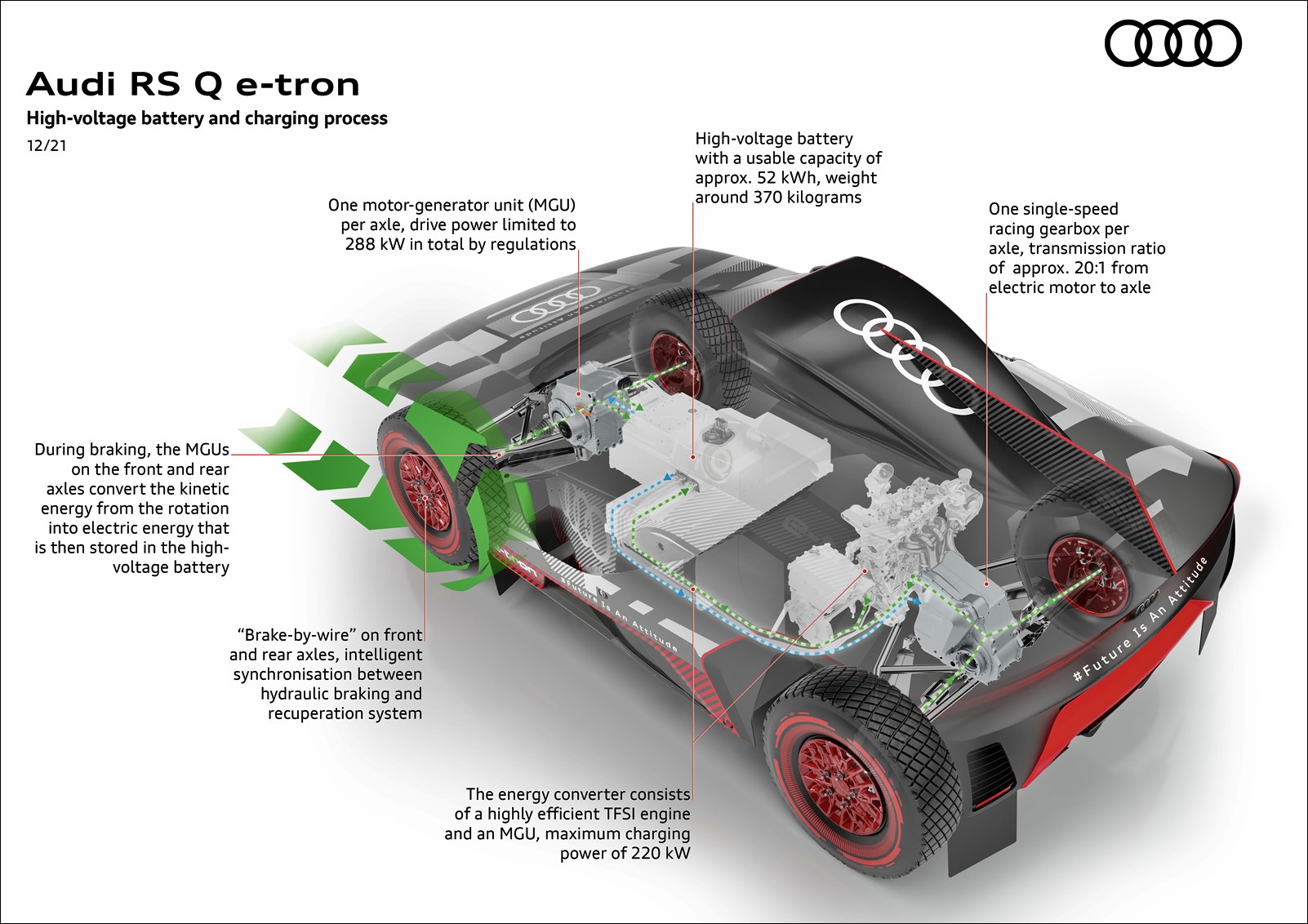
Due to the short project development time, Audi relied on proven cell technology. The capacity of the high-voltage battery is 52 kWh and is therefore sufficient for the maximum expected requirements on each leg of the rally. The weight of the high-voltage battery including the cooling medium is around 370 kgs.
The required energy capacity and performance, as well as control and safety mechanisms, made Audi resort to proven round cells as the basis of the high-voltage battery. The battery system is designed in such a way that the drivers will not feel any difference between a new and a used battery.
Demanding off-road charging
When the drivers depart in full electric drive on the morning of each stage with a fully charged battery pack, a highly complex control system begins. Only a few minutes before the start of the stage do the teams learn any details about the route at all when the roadbooks are handed out. The RS Q e-tron must therefore be prepared for all conditions in terms of distances, speeds, difficulty of the terrain and other factors.
The engineers and electronic technicians have programmed algorithms to keep the State of Charge (the charge level) within defined ranges depending on the energy demand. Energy extraction and battery recharging are always in balance over defined distances. If, for example, a difficult dune passage with high driving resistance requires maximum energy for a short time, the state of charge drops within a controlled range. The reason: the drive power of the engine-generator units on the front and rear axles is limited to a maximum of 288 kW in total under the regulations. However, the energy converter can only provide a maximum charging power of 220 kW.
In extreme cases, therefore, consumption is briefly higher than energy generation. “Something like this is possible for a limited time,” said Folie. “But over a longer distance, it always results in a zero-sum game: We then have to regulate the power consumption down so that the battery’s state of charge remains within a corridor. The absolute amount of energy available on board must be sufficient to cover the day’s leg.”
Energy recovery is an important factor
In order to realize maximum efficiency, the engineers are also relying on a principle that has already been used in the Le Mans sportscars and in Formula E – the RS Q e-tron will recover energy during braking. The MGU units on the front and rear axles can convert the rotational movement of the wheels into electrical energy. The aim is to recuperate the maximum energy.
The power flow in this reverse direction is not subject to the same power limitations as when accelerating. What sounds so simple requires a complex Intelligent Brake System. It combines the hydraulic braking function with the electric regenerative brake.
Efficient on the move
Thanks to this targeted design, the RS Q e-tron has an exceptional position in the starting field. This applies not only to the basic system topology of all assemblies, but also to the energy control system. Although it has to move a larger mass due to the regulations, the RS Q e-tron manages with less energy than the competition. The smaller tank volume for the energy converter specified in the regulations proves that the rally car with the four rings is very efficient.
The RS Q e-tron will contest its first Dakar Rally with 3 cars entered by Team Audi Sport, with support from Q Motorsport. The 2022 event, which is the third Dakar Rally in Saudi Arabia, has 12 stages with daily distances of more than 800 kms in some cases. The total length of the rally is 8,099 kms, with 4,252 kms of timed off-road stages.
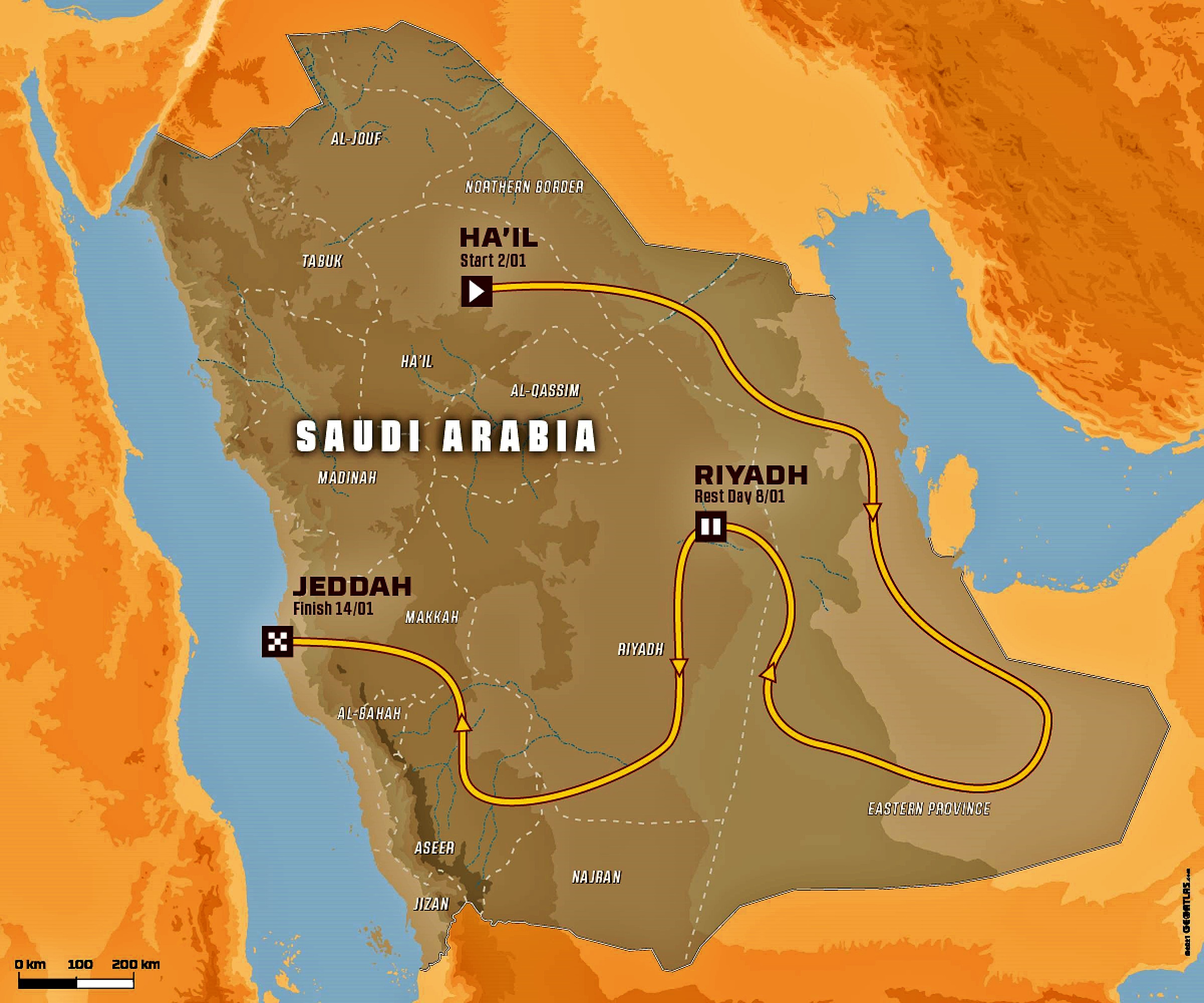
The 2022 Dakar Rally will start on the second day of January and finish on January 14. It will be run entirely on Saudi Arabian soil, as in the previous two editions. The route will go south, passing through Riyadh, and conclude back in Jeddah. There will be 12 gruelling stages, with navigation, sand and dunes featuring more heavily than in previous editions. 80% of the route will be totally new to competitors. Managing the mechanics and physical exertion are two of the most important aspects of the event, and these aspects are never as decisive as they are during a marathon stage, where the ability to be autonomous is essential, even for those used to helping each other out. In the Empty Quarter, the two marathon days will be run ‘the old-fashioned way’.
Although there have been commercial vehicles from China for some time, the first passenger cars from the country appeared around the mid-2000s. Chery was an early brand but it did not make much of an impact and the brand eventually faded away. In recent years though, perhaps encouraged by Geely’s partnership with DRB-HICOM in Proton, we are slowly seeing new brands from China coming in.
The latest is Guangzhou Automobile Group Co., Ltd. , or GAC, as it is more readily known. This is a fast-growing carmaker which began business in 1997 and has entered 25 countries, making an appearance in the USA in 2007. Last year, it sold over 2 million vehicles worldwide.
Part of the Tan Chong Group
It has now added Malaysia to its list of export markets with the appointment of WTC Automotif (WTCA) as its official distributor. Though you may have never heard of WTCA, it has a team with long experience in the auto industry as it is a subsidiary of Warisan TC Motor Holdings Bhd, a member of the Tan Chong Group of companies. Tan Chong is one of the oldest car companies in Malaysia, having been established by Malaysians in the 1950s. It is synonymous with the Nissan/Datsun brand which it continues to represent with Edaran Tan Chong Motor.
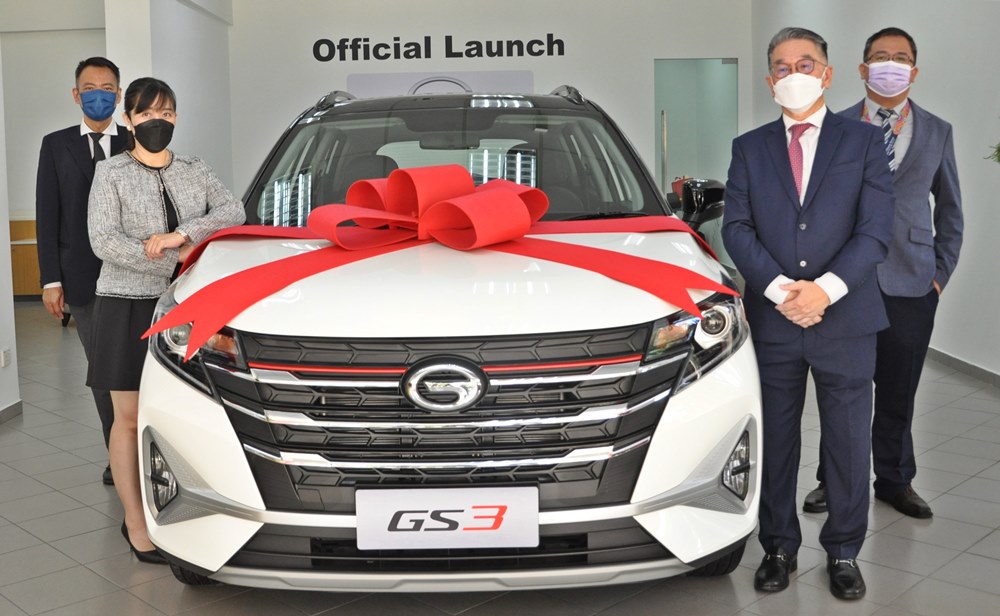
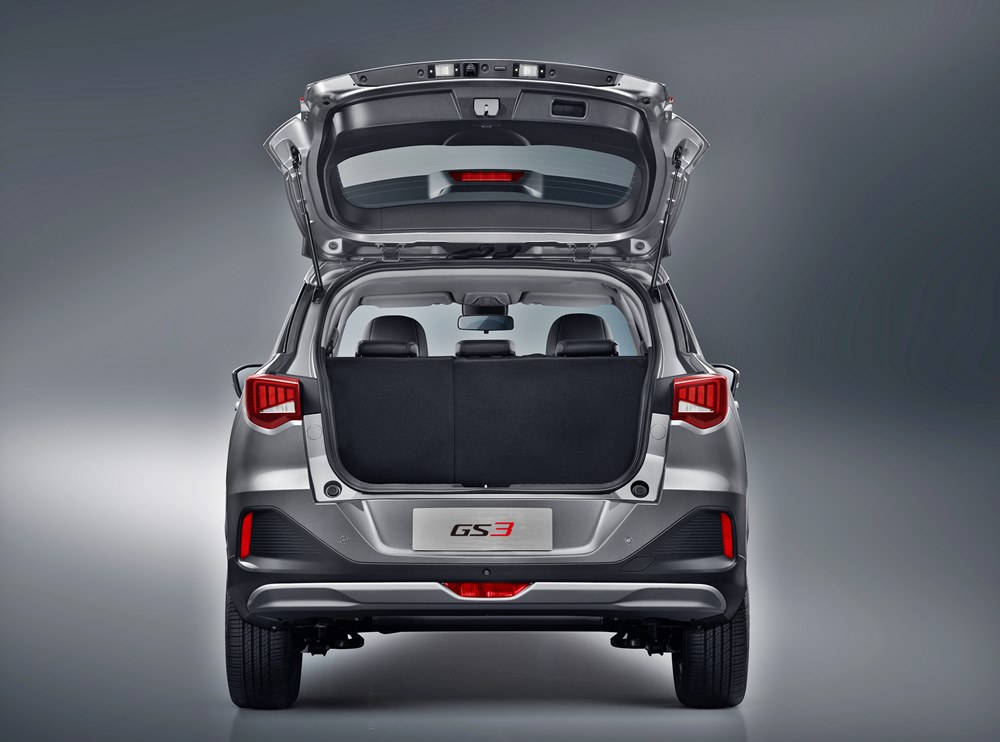
The first product from GAC in the new showrooms is the GS3, a popular compact SUV in China which has a B-segment size. At this time, the model is being imported from China but WCTA is already making plans to have it assembled locally, most likely at the Tan Chong assembly plant near Rawang in northern Selangor.
Local assembly to start in future
“The GS3 is a global model sold in 25 other countries and it arrives in Malaysia as a fully imported vehicle, with Malaysia being the first country to launch the RHD model. However, we are working closely with GAC International to start the local assembly programme for the GS3 and other models. WTCA has already set up a dedicated showroom for GAC in the heart of Kuala Lumpur and plans to expand beyond the Klang Valley region very soon,” said Tan Keng Meng, CEO of Warisan TC Holdings Bhd., the publicly-listed parent company of WTCA.
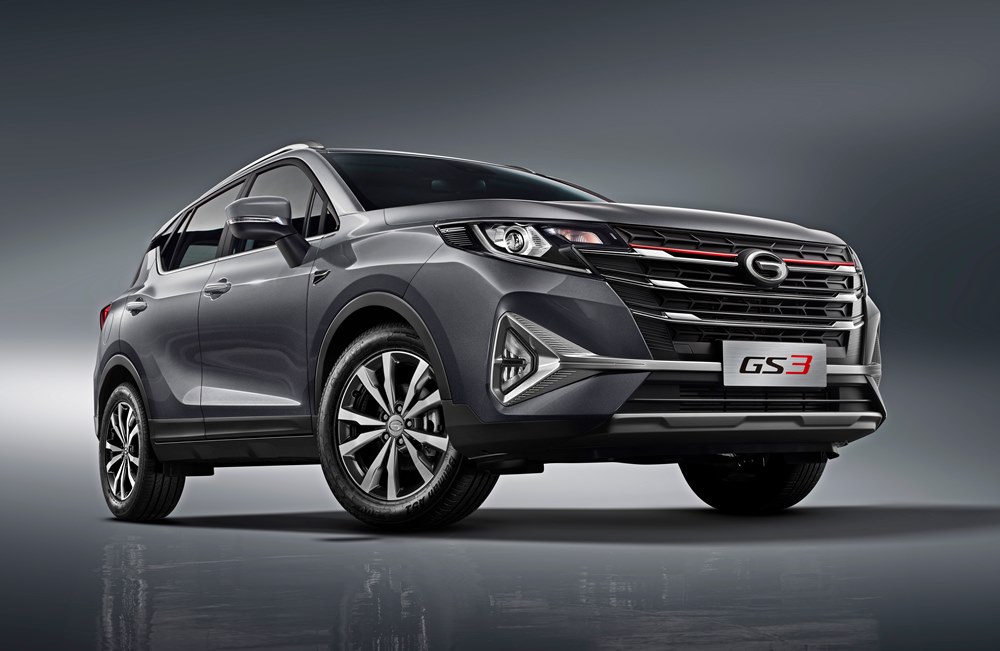
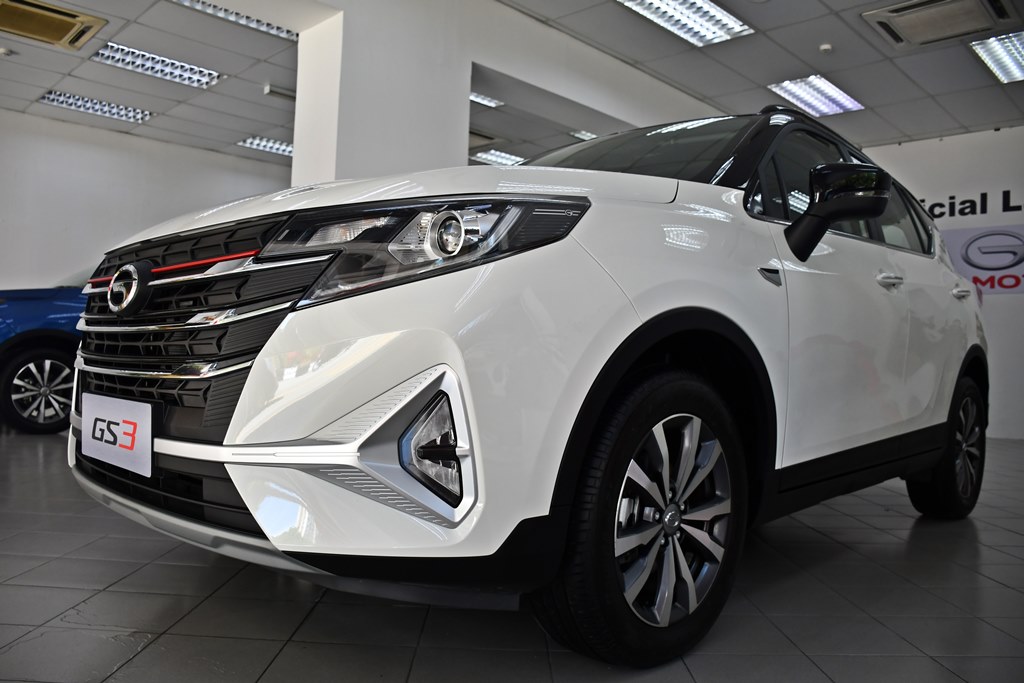
The GS3 imported to Malaysia is the latest model with GAC’s latest design language known as ‘Flying Dynamic Wing 3.0’. This has an intricately shaped front grille with subtle chrome strips that connect the projector headlamps and a lower bumper cladding linking the foglamps, both visual elements emphasizing the width and dynamism of the vehicle.
The curvature of the grille and front bumper is carried through to the sides which feature a strong shoulder line and deeply sculptured doors, while the cleverly concealed D-pillars accentuate the ‘floating’ roof design and sporty silhouette of the GS3. The sweeping roofline then tapers to a subtle rear spoiler with an integrated third brake lamp, complemented by slim LED tail-lamps that wrap around contours of the body for a noticeable presence on the road.
Large and wide interior
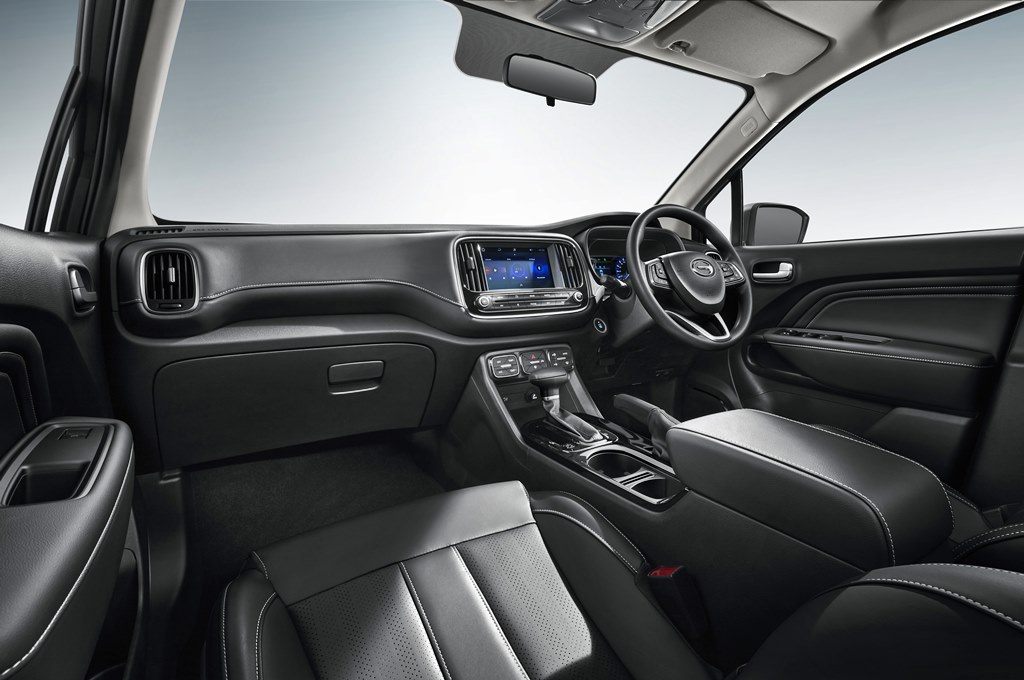
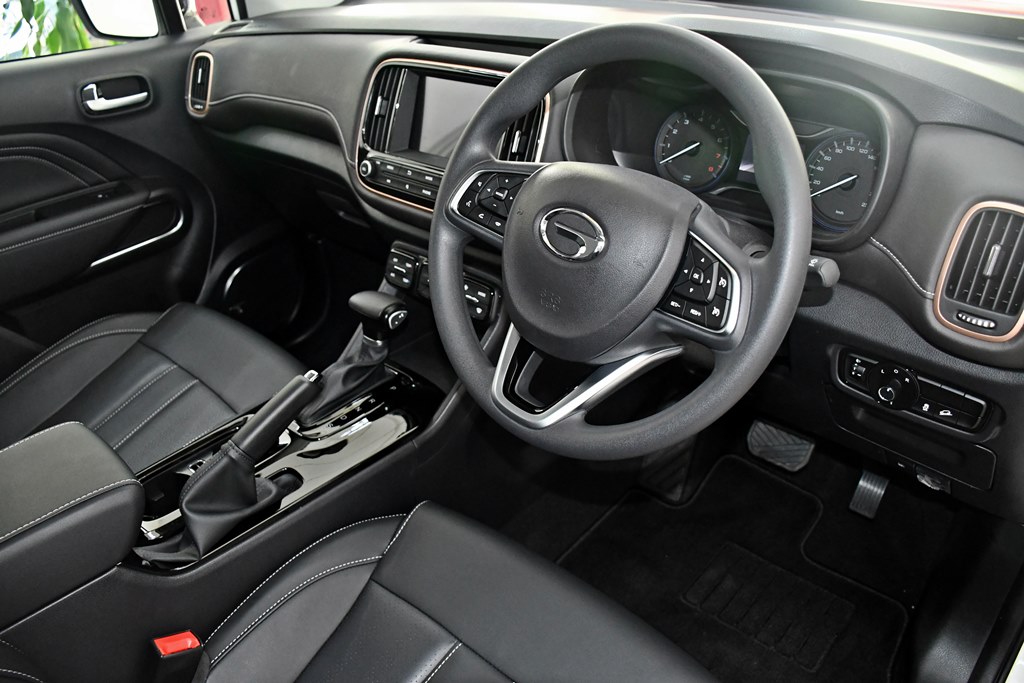
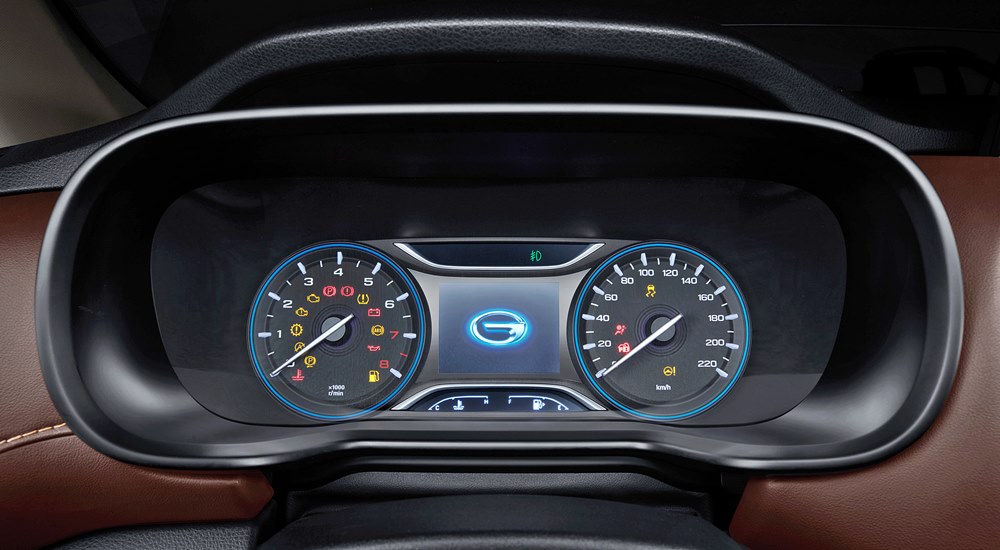
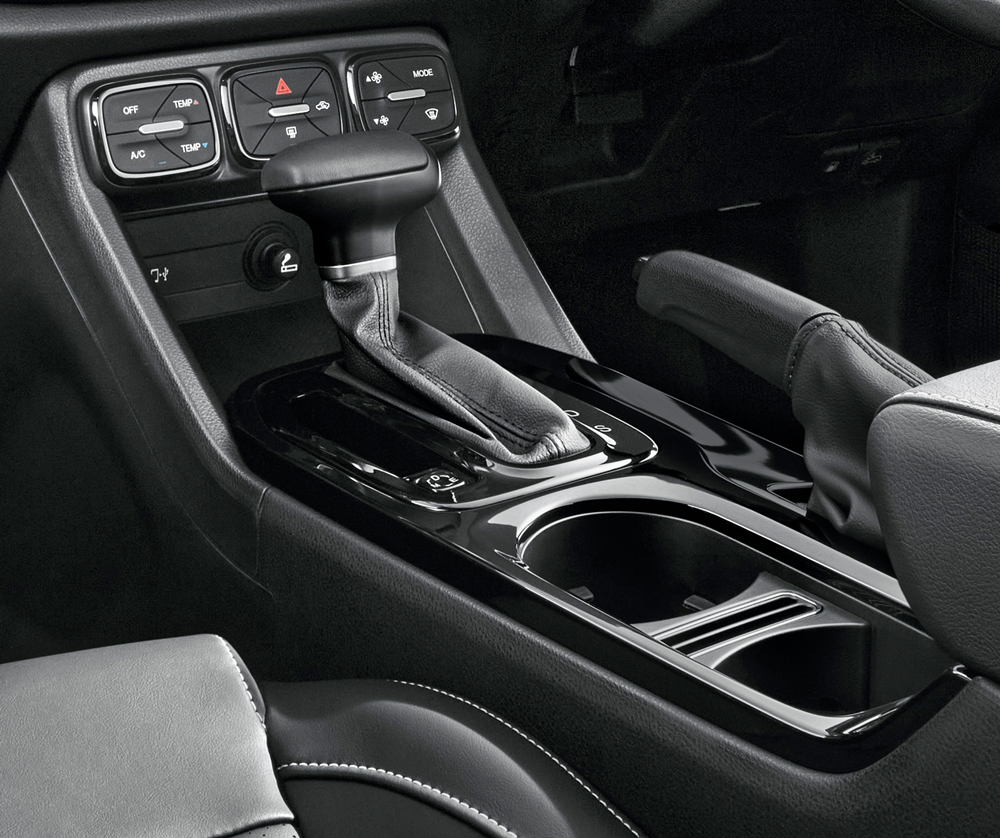
Like the exterior, the interior of the GS3 follows a similar theme with a ‘floating’ horizontal dashboard design that’s clean and classy. A large 8-inch infotainment touchscreen sits centrally with switches and controls for the climate control laid out neatly below them for ease of use. There’s also a sporty 3-spoke multifunction steering wheel that’s wrapped in leatherette and incorporates a multitude of steering controls to handle multimedia and can handle handsfree voice calls. The Climate Control System has PM2.5 particulate filtration which helps to keep the cabin air clean.
The GS3 cabin has been planned for maximum comfort, with one of the widest cabins in the compact SUV class at 1500 mm. This allows the occupants to enjoy a comfort level comparable to one class above, with generous legroom and shoulder room at the rear, even with 3 persons seated.
Attention was also given to seating comfort for the rear occupants and the seats have a good ergonomic structure, with optimal thigh support which some B-segment vehicles don’t have enough of. In addition to that, there are no less than 25 storage spaces around the cabin, plus a cargo volume of 356 litres which can be enlarged by folding down the one of both backrests.
Global safety standards
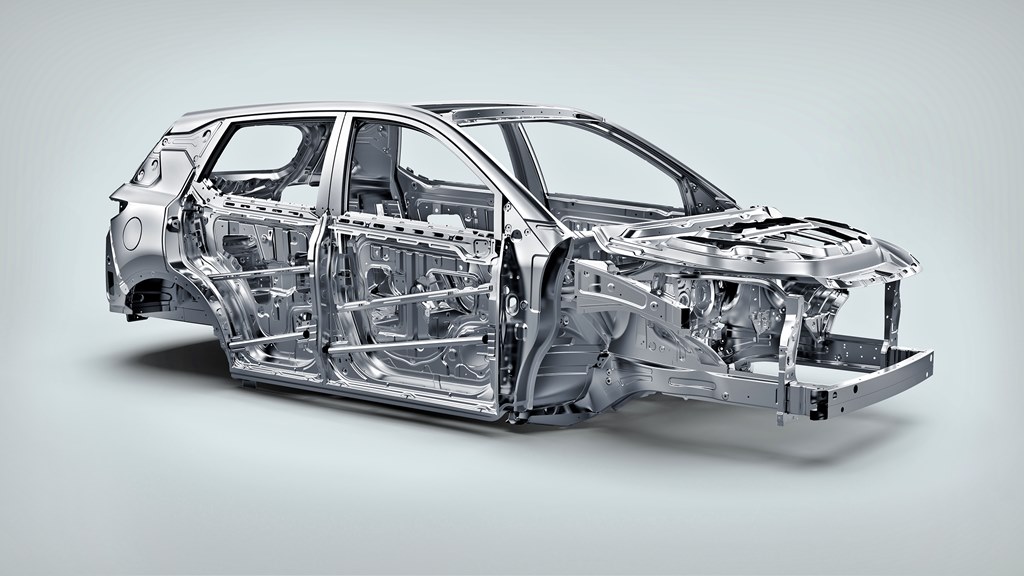
China, though having only gotten into modern automobile manufacturing in the 1980s, has caught up with the rest of the industry. Although some of the early models were known to have poor safety ratings, Chinese authorities today set global standards for safety which must be met. Thus the GS3 comes with the usual active safety systems like ABS and Electronic Stability Control as well as driver-assistance systems like Blind Spot Detection and a rearview camera. In the event of a sever collision, there are up to 6 airbags for added protection, and ISOFIX childseat mounts are also provided for easy installation of compatible childseats.
Power for the GS3 is provided by a 1.5-litre engine with continuously variable valve control at the intake and exhaust sides (Dual-CVVT). GAC engineers also developed a combustion control technology for enhanced combustion efficiency which the company has patented. With enhanced efficient, the 4-cylinder engine produces 114 ps/150 Nm which goes to the front wheels through an Aisin 6-speed automatic transmission with adaptive intelligent control. The claimed fuel consumption is 14.5 kms per litre.
Prices for the GAC SUV start from RM88,800 for the Standard variant and RM96,800 for the Premium variant (prices excluding insurance and 50% of sales tax). Test drives and static viewing are available at the first GAC showroom which is located at Lot 72, Jalan Sultan Azlan Shah, 51200 Kuala Lumpur. For more information, visit www.gacmotor.com.my.
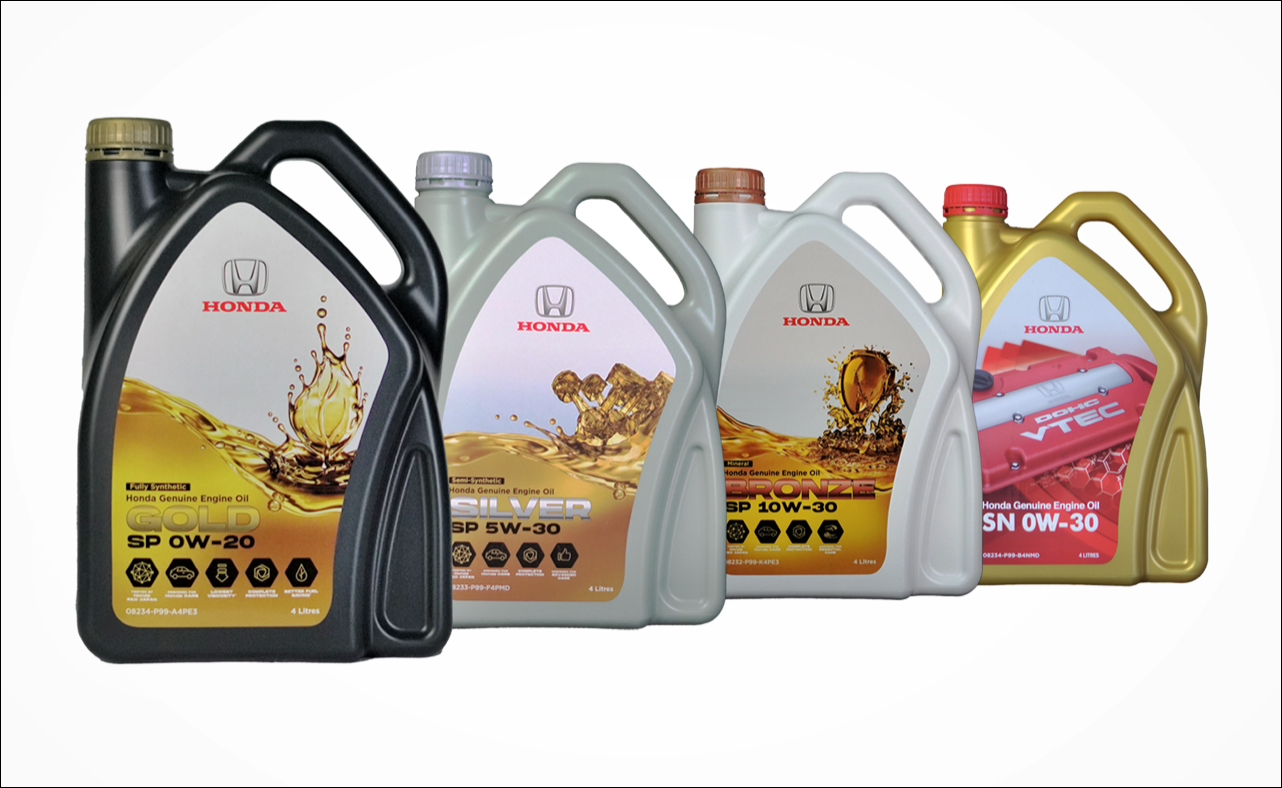
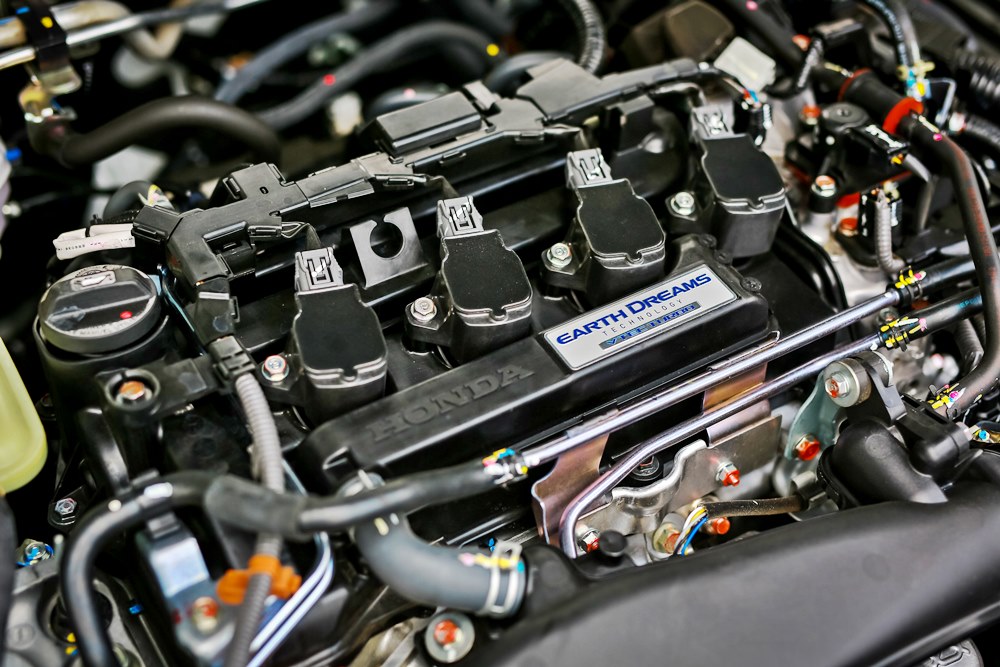
Honda Malaysia has introduced an upgraded range of Genuine Engine Oils, recommended specially for Honda vehicles, of course. The oil now has an API SP grade which provides stable performance and better fuel economy while prolonging engine lifespan as well as offers greater engine protection.
The new engine oil will replace the existing SN Grade range with mineral (Bronze), semi-synthetic (Silver) and fully synthetic (Gold) formulations. However, the SN grade 0W-30 viscosity fully-synthetic oil will still be available for cars with high performance engines such as the Civic Type R.
Suitable to be used for most petrol and turbocharged engines, the SP Grade engine oil is approved and recommended by Honda Research & Development (R&D). The new engine oil range is formulated to fulfil all operating requirements of Honda engines and also meet the latest standards issued by the American Petroleum Institute (API). It enhances protection against low-speed pre-ignition, an abnormal combustion phenomenon that can cause significant damage to the engine.
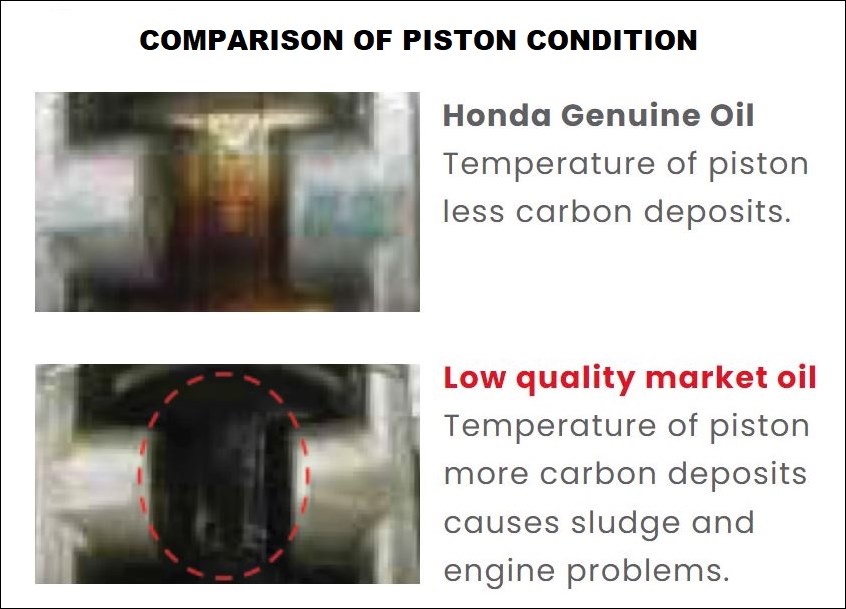
The SP Grade engine oil also comes with a timing chain wear protection to minimise timing chain elongation. In addition to improved high temperature deposit protection for pistons and turbochargers, it provides better sludge and varnish control, valve train and intake lifter wear protection, higher oxidation stability as well as emission control system protection. The lower-viscosity of 0W-20 fully-synthetic oil allows the engine to operate with maximum efficiency while very good protection for key engine components, even at extreme temperatures.
More information on the new Honda engine oil is available at any authorised Honda service centre, or at www.honda.com.my.
Why use a Genuine Oil?
There are engine oils and there are Genuine Oils but to the average motorist, it is hard to understand what can be so special about Genuine Oils sold by some car companies. It may seem like such products are created just to give the car company an extra source of revenue by using the brand name. After all, an oil is an oil, right? As long as it is from a reputable producer and meets the requirements of the carmaker (specified in the Owner’s Manual), it should be okay to use.
You won’t go wrong picking an oil produced by any of the reputable oil companies, but you may not get 100% lubricating performance with the engine in your vehicle. This is because each engine has its own characteristics and design features; some may have unique combustion chamber designs, more complex valvetrains or special oil passages. These are known to the engineers who design the engines but may not be understood by those in the oil companies who try to come up with an oil which ‘suits all engines’.
This is where the specifications for a Genuine Oil come in and they may have specific requirements to ensure proper lubrication in certain areas. In other words, the Genuine Oil will have a unique formulation which will work best with the engine for which it is recommended, and it will perform better than other oils [for that engine].
More customized for specific engines
The best analogy to this issue would be to think of clothes. You can go to a department store and buy a shirt with a famous brand name. You may get a choice of S/M/L/XL and one of the sizes will fit your body. Maybe you will be lucky and the sleeves will also be just the right length and the collar is not too tight. However, it is also possible that your arms may be just a wee bit longer and the sleeve length for size ‘M’ is not exactly matching for you.
Now you could also go to a tailor and made a shirt with a similar design but you would be able to have the sleeves just the right length to suit your arm and the collar will be comfortable instead of choke you each time you have to wear a tie. You feel comfortable wearing the shirt and its ‘specifications’ are exclusive to you.
That is basically the difference between a Genuine Oil and other oils: customization. While it may be that 99% of engine designs are similar, there may still be that 1% which is unique to each engine and only a Genuine Oil would be able to cover the lubrication needs of that 1% so you get optimum performance.
This is not to say you must use only Genuine Oil for your vehicle and that other oils are not good enough. As a consumer, you always have choices but as a Honda owner, if you want to give your vehicle the best at all times, then Honda Genuine Engine Oil would be the best to use.
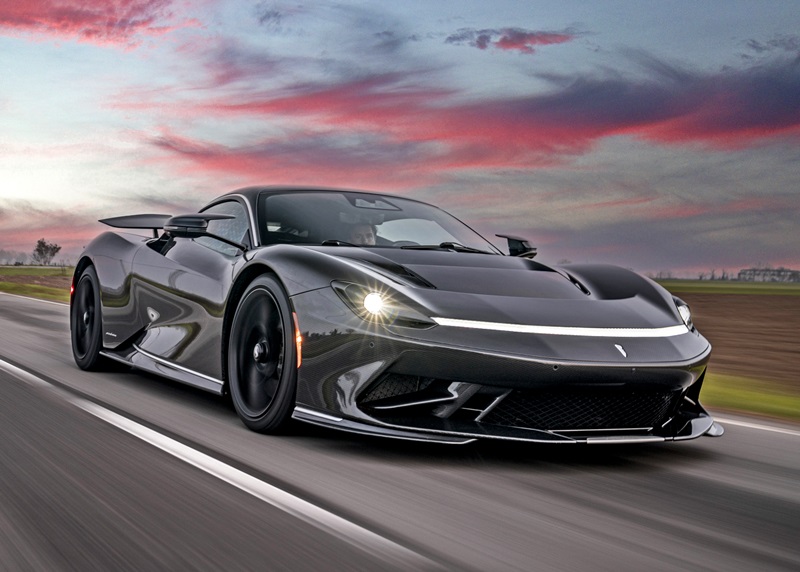
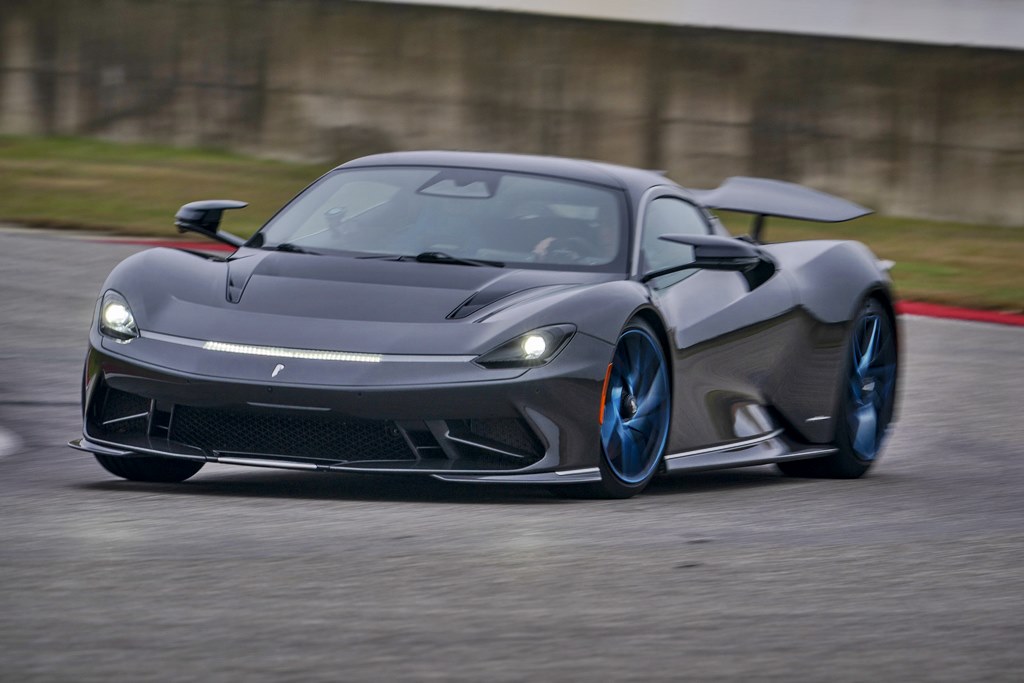
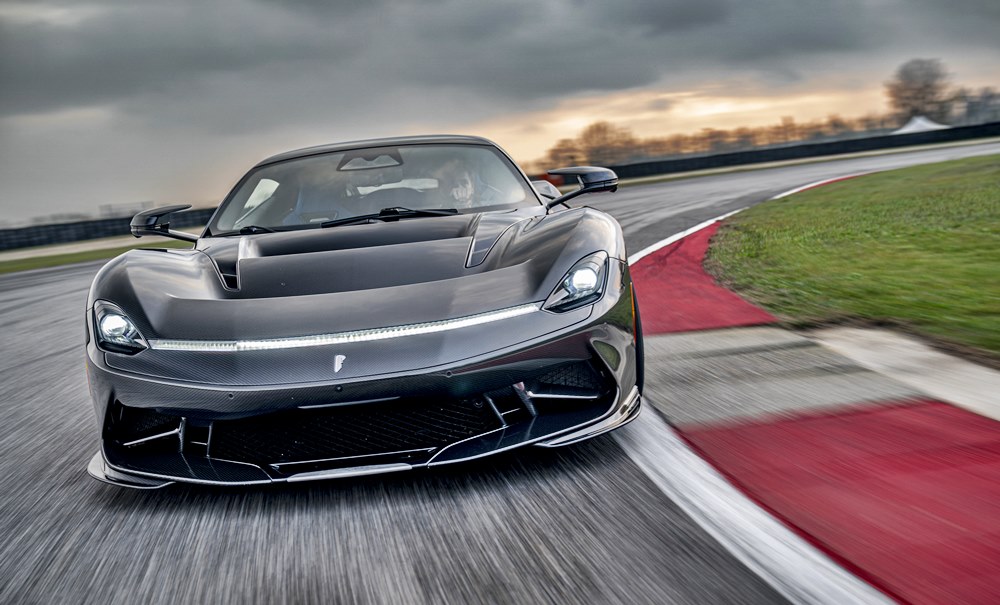
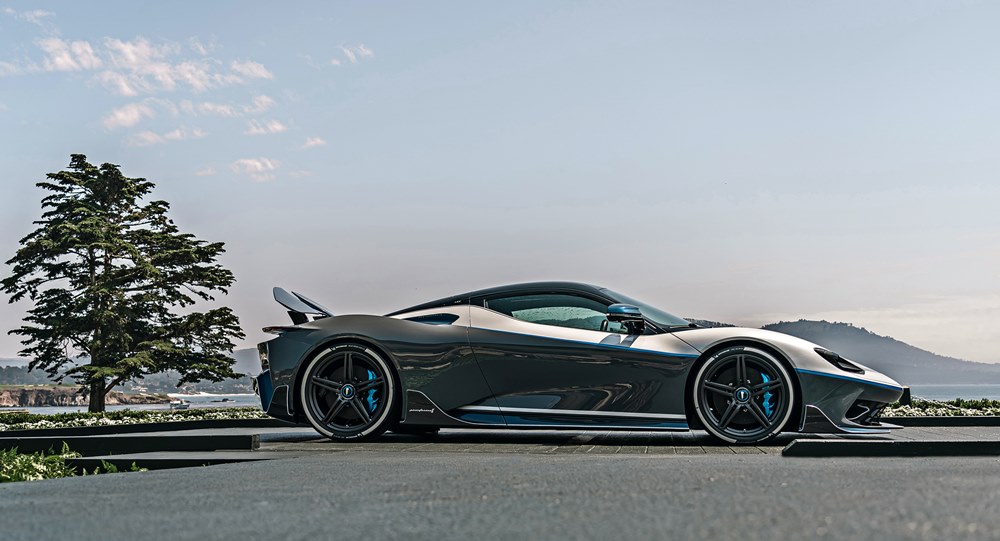
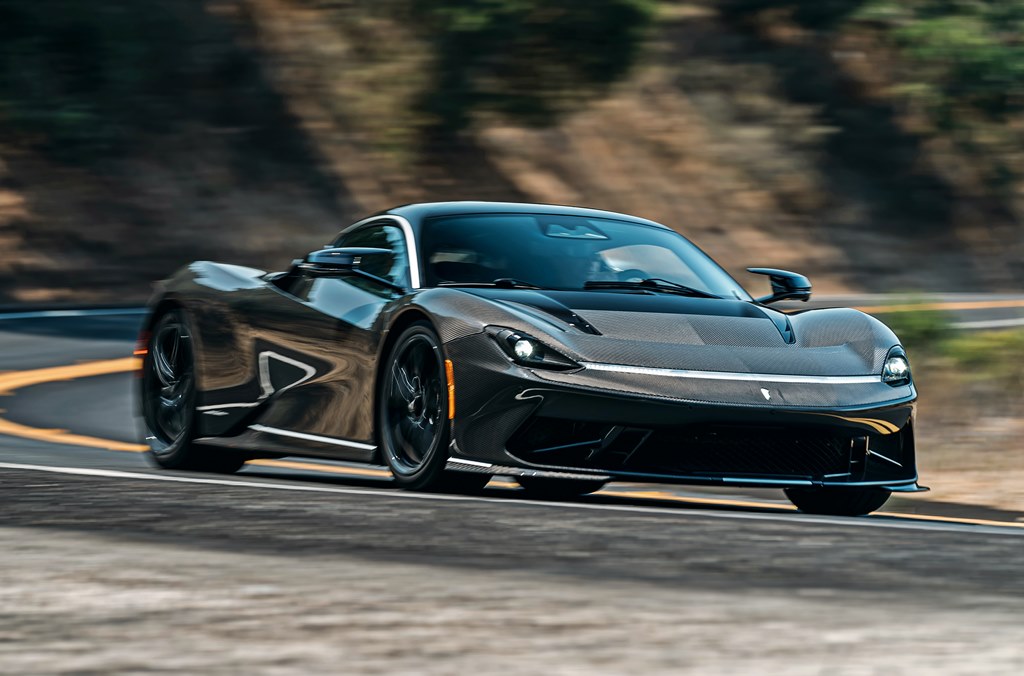
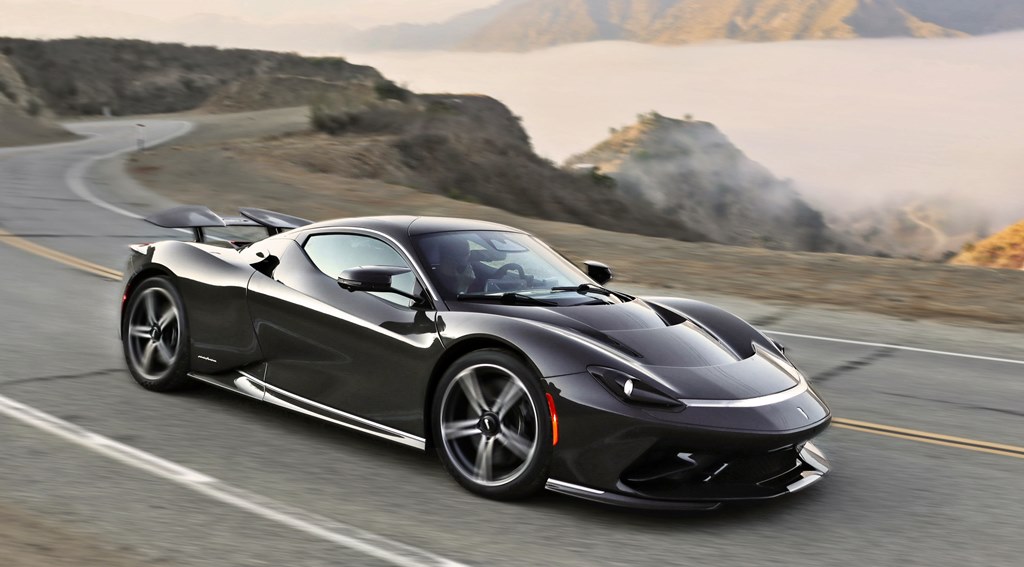
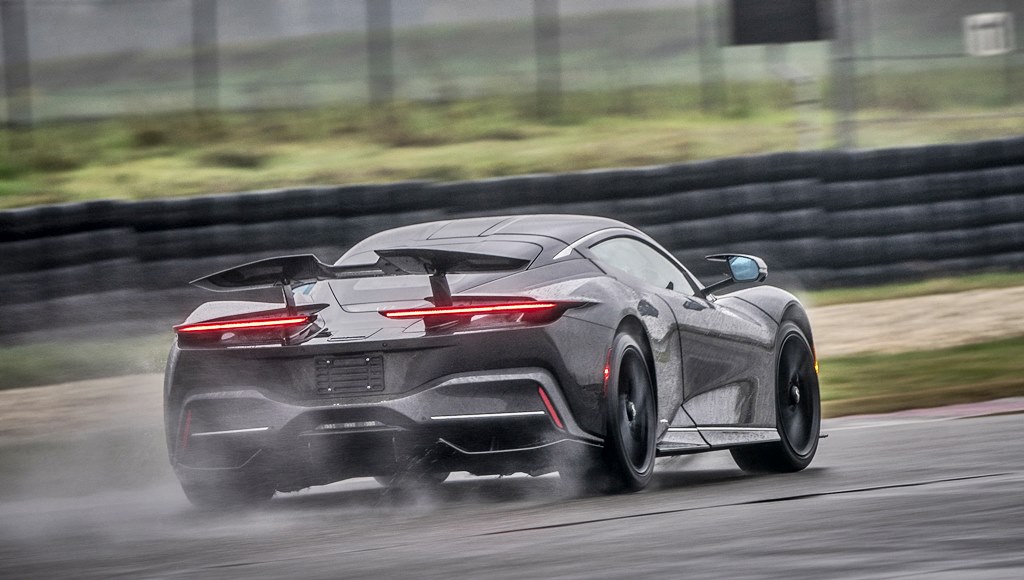
2022 looks like the year of electric hypercars as some manufacturers will either unveil their products or start deliveries. Among them is Automobili Pininfarina which has announced that its Battista hyper GT – Italy’s most powerful production car ever – will start going to customer in early 2022. Final production prototypes have been running with test-drivers completing assessments of various systems.
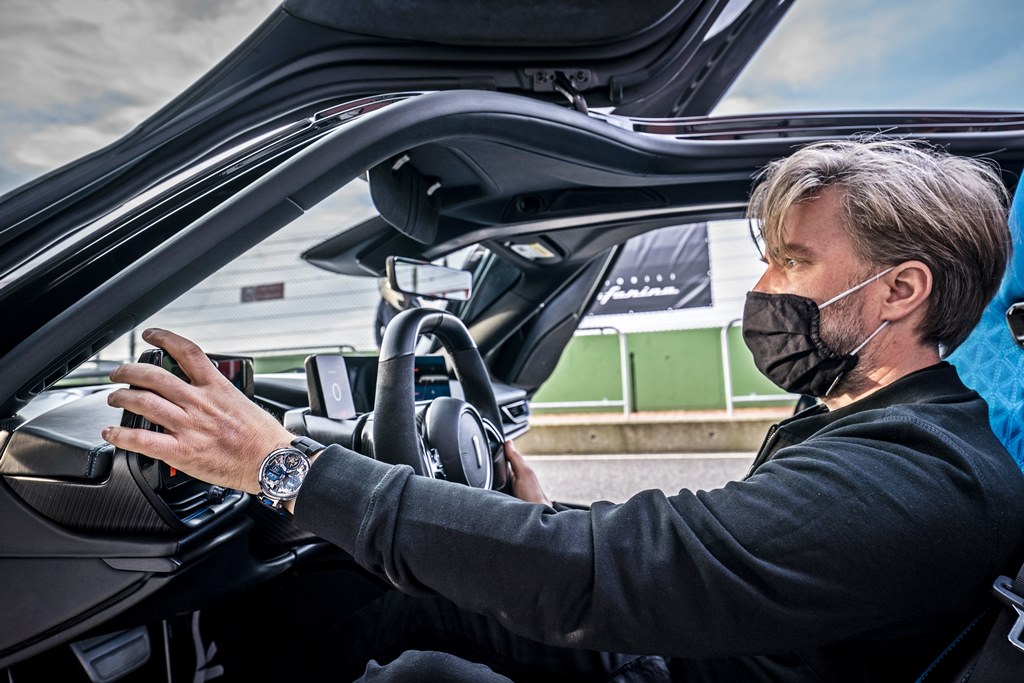
Nick Heidfeld, ex-Formula One and Formula E driver, is a Test and Development Driver for Automobili Pininfarina who has been working with the engineers for the past 2 years. “From the first time I experienced Battista’s performance in 2019 in an advanced simulator, to today on road and track, I believe the Automobili Pininfarina team has successfully developed a unique hyper GT that is enormous fun, as well as incredibly fast,” he said.
Heidfeld has experienced the Battista on the road and track in Italy in production-intent form, accompanied by its emotive soundscape for the first time. “In this test, I was able to drive Battista with full power available. The effect under acceleration is completely mind-bending – drivers will never bore of the experience, no matter how many times they feel it. This roadcar sprints faster than a Formula 1 car, and in Furiosa mode, I was left with a huge grin on my face every time. Every client that experienced Battista with me was positively overwhelmed by the experience – there is simply nothing like it!” said Heidfeld.
The Furiosa mode mentioned unleashes the full 1,900 ps, which also utilises the full torque available from the 4 independent electric motors. Originally projected to produce 2,300 Nm of torque, the Battista is now developing an increased 2,360 Nm. This comes from two 250 kW motors at the front, and two 450 kW motors at the rear, with 280 Nm of torque for each front motor and 900 Nm at each rear motor. Their combined output makes it possible to go from 0 – 100 km/h in a claimed time of less than 2 seconds and reach a top speed of 350 km/h.
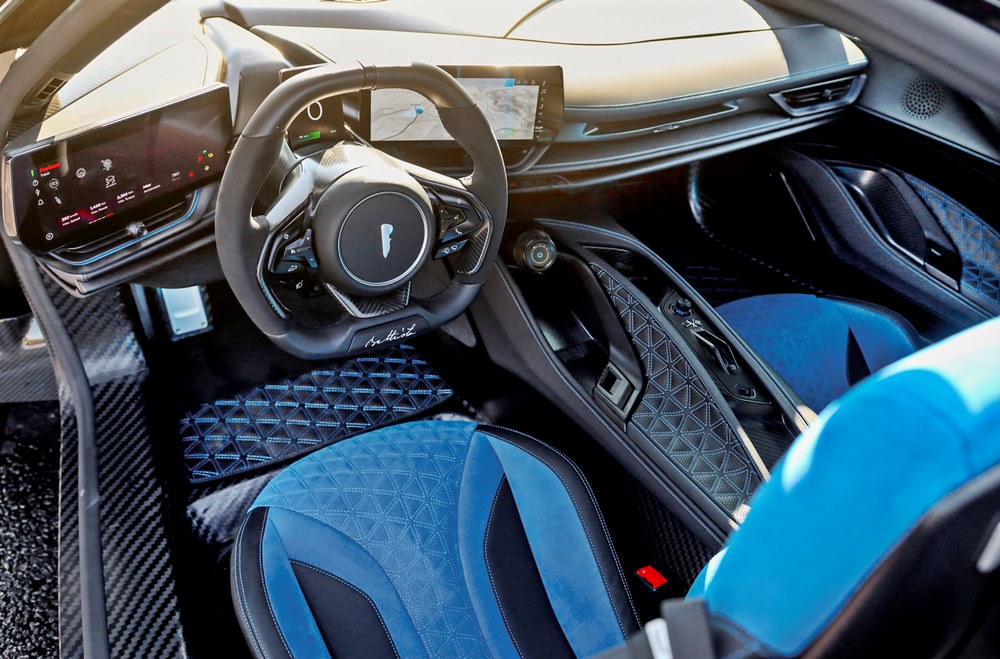
Besides the Furiosa mode, there are 4 others – Pura, Calma, Energica, and Carattere. Control of the driving experience is provided by a beautifully-milled rotary dial, ergonomically situated right next to the driver, allowing for quick changes in driving mode, each one lending a unique character to the Battista’s drive, perfectly adapted to a range of driving conditions.
Calibrated using thousands of kilometres of software simulation before being introduced to development cars, the driving modes allow the driver to fine-tune the driving experience and unlock both the full potential of the advanced torque vectoring system and honed characteristics of the Battista.
The system recuperates and transfers electrical energy without using the brakes – the active energy shifting takes place directly via the 4 electric motors, resulting in a much faster, more precise and efficient shift of torque compared with torque vectoring by braking.
The motors are powered by a powerful 120 kWh lithium-ion battery and, depending on driving style and other conditions, the range is claimed to be up to 500 kms.
“The handling on open roads – even on unpredictable surfaces – proved Battista to be beautifully balanced. Just how a hyper GT should feel. Battista’s performance on track had already surprised and impressed me after I experienced it in Nardo earlier this year, so my expectations on this occasion were set high. This test however confirmed that the team has achieved its target of creating a new type of hyper GT which is rewarding on all surfaces. The ride quality and damping both feel excellent, and the steering feels natural and the perfect fit for what we want to achieve in Battista. I am very sensitive to steering feel as a racing driver, and the sweet spot here is for it to feel light yet connected, and direct yet smooth,” explained Heidfeld.
Paolo Dellacha, Automobili Pininfarina’s Chief Product and Engineering Officer, commended Heidfeld for his input which has helped the engineers to fine-tune the car. “Nick has been a brilliant partner throughout the whole development programme, not only for his driving skills and unique experience in both Formula 1 and Formula E, but also for his ability to evaluate and improve the programme in its various stages of development by delivering the anticipated view of our customers,” he said.
The Battista in production form made its global debut at California’s Monterey Week in August this year. Potential customers had an opportunity to experience the hypercar on the scenic coastal roads and listen to its ‘tailor-made exterior soundscape’. Those who decided they must own one would have to book a unit which will cost from €1.98 million (about RM9.37 million).
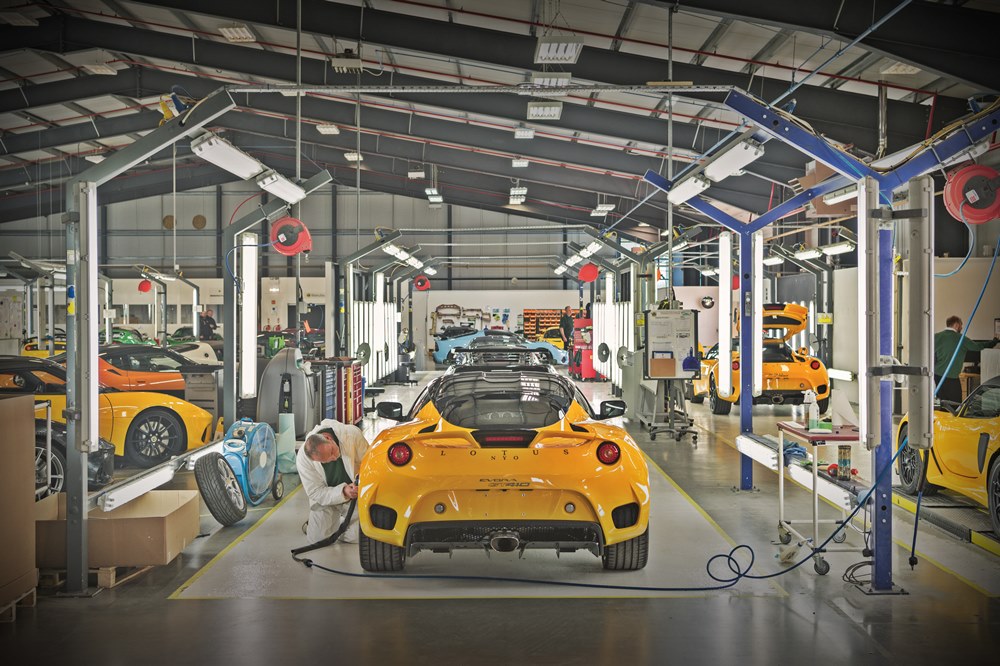
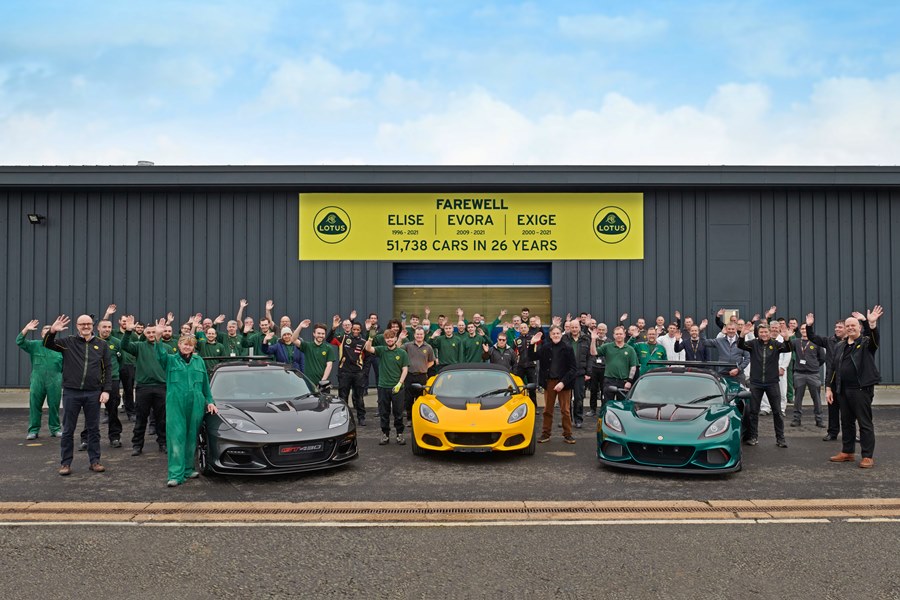
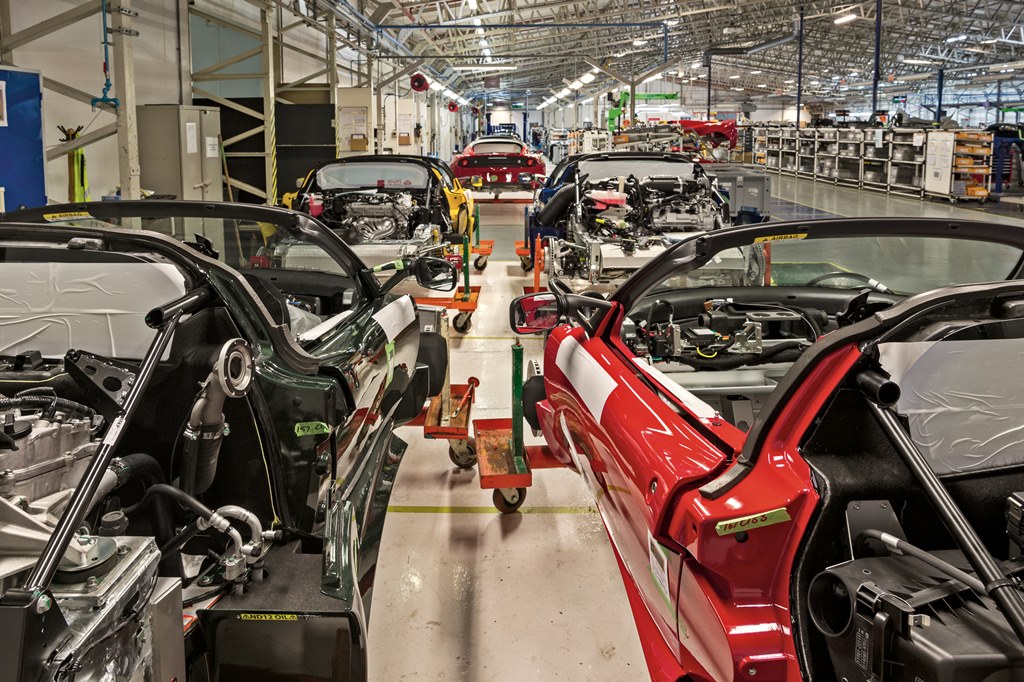
Just before Christmas, production of the Lotus Elise, Exige and Evora sportscars came to an end. Between these 3 model lines and over the course of 26 years, a total of 51,738 cars had left the factory in England. Combined, they represent almost half of the total production of Lotus in its 73-year history. In addition, 9,715 sportscars were built for Lotus’ third-party clients, including GM and Tesla.
From 1996 to 2000, the first-generation Elise and Exige were built in a small assembly hall at the factory, alongside the Lotus Esprit. The current assembly lines, which were installed in 2000, will be dismantled and replaced with all-new state-of-the-art facilities in support of the factory for the new Emira factory. Full Emira production begins in the spring, after the prototype and test phases currently underway are completed, taking Lotus production into a high-tech and semi-automated era, and increasing capacity up to 5,000 units per year on a single shift.
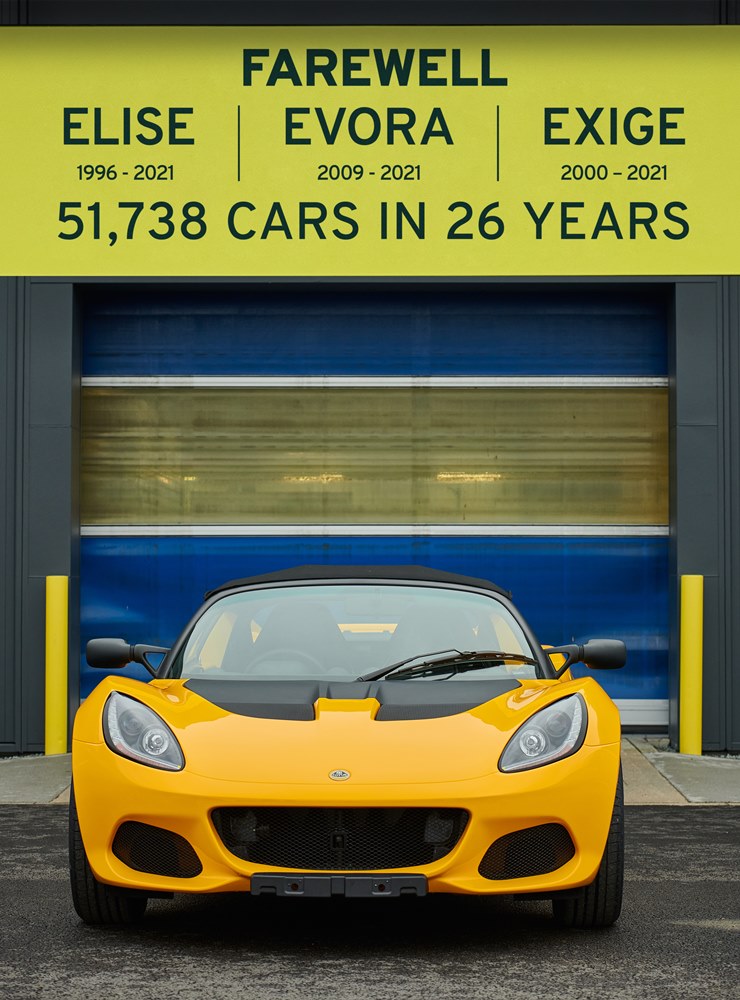
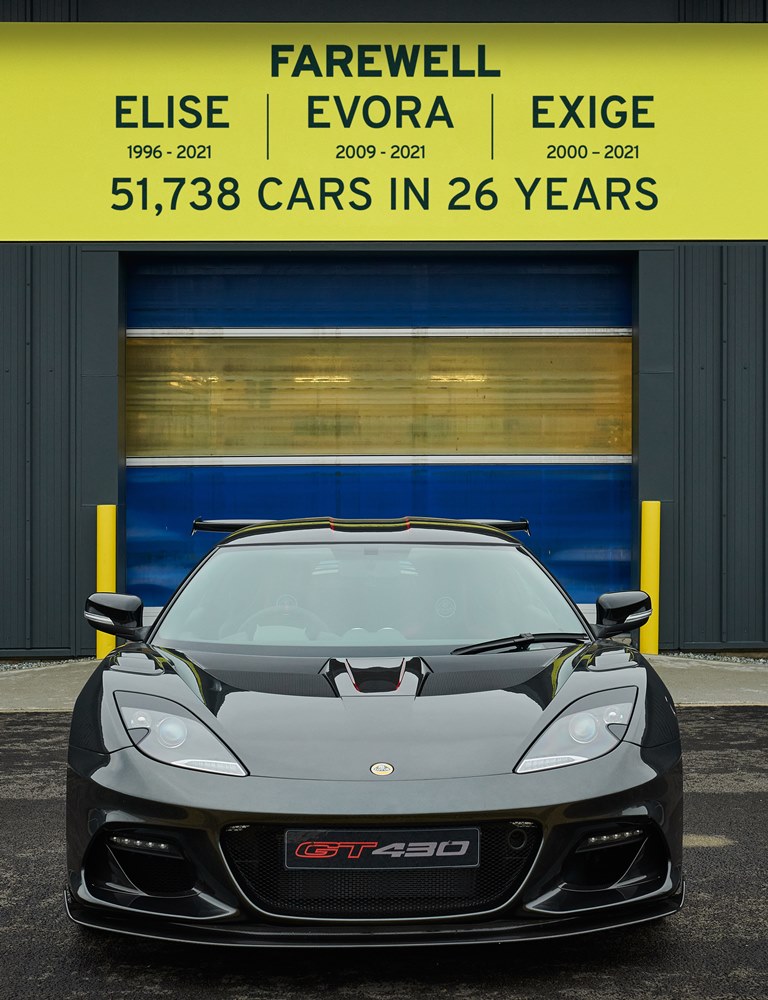
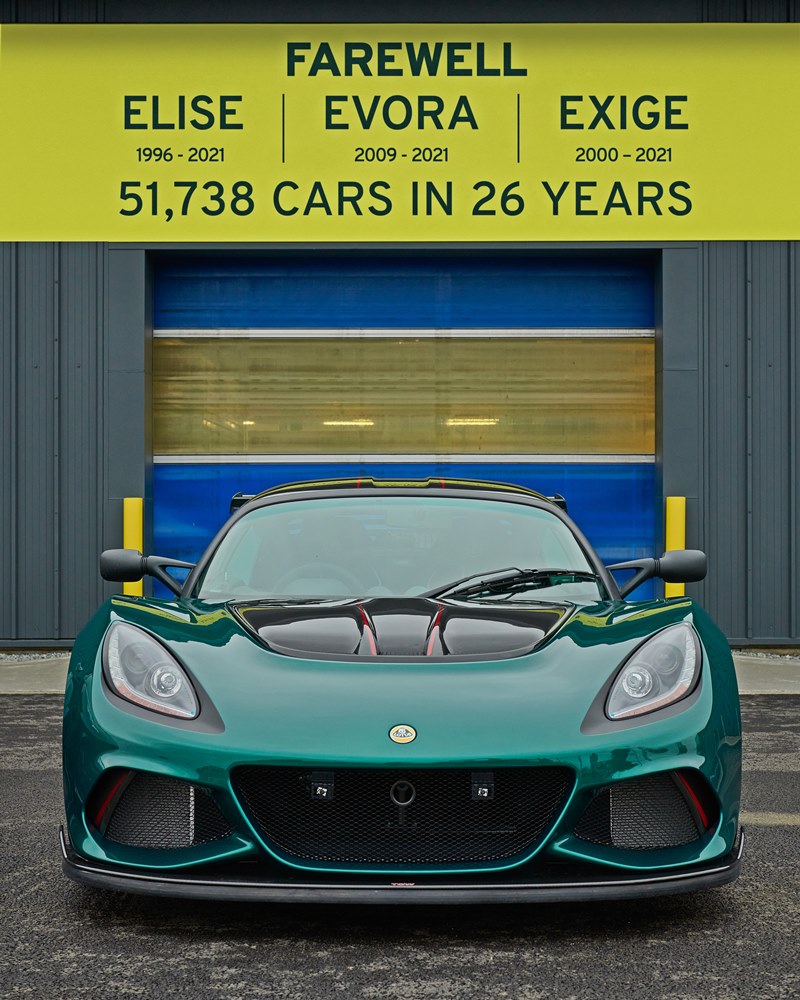
The last examples of the Elise, Exige and Evora models are reserved for Lotus’ growing heritage collection. Joining the collection will be the last Elise, a Sport 240 Final Edition finished in Yellow and the last of 35,124 cars; the last Exige, a Cup 430 Final Edition in Heritage Racing Green – number 10,497; and the last Evora – a GT430 Sport finished in Dark Metallic Grey – the last of a production run of 6,117.
“The impact of these 3 cars has been spectacular over the years, technically, structurally and dynamically. But all technologies and innovations move on and, if you had asked me of my proudest moment 4 years ago, I would have, without hesitation, said the Elise chassis. However, this has been usurped by our new Project LEVA architecture for our new range of electric sportscars, starting with the Type 135 in a few years’ time. This is now the zenith of Lotus architectures as it has moved the technology game so much further. There is a lot to look forward to,” said Richard Rackham, Head of Vehicle Concepts, who was vehicle architect on the Elise and part of the team that pioneered extruded and bonded aluminium technology in the automotive industry.
The Elise and Exige were built around the Lotus ‘small car platform’, notable for its light weight. On the same platform, and also manufactured by Lotus were the Opel Speedster/Vauxhall VX220 (7,200 cars built between 2000 and 2005) and the Tesla Roadster (2,515 cars built between 2007 and 2012). Therefore, including the Lotus 340R, Europa, 2-Eleven and 3-Eleven cars, this brings the total Lotus small car platform production volumes to 56,618 cars.
“These iconic cars have not only played a huge role in Lotus’ 73-year history but have also been ever-present in my daily life. Together with the Lotus design team, I have lived and breathed these cars for over 26 years. We will miss them, but a bit like Christmas, once it’s over, the excitement for the next one starts to build – and that’s what’s happening now at Lotus with the Evija, Emira and forthcoming Type 132. 2022 is going to be a great year as a new Lotus generation swings into action,” said Gavan Kershaw, Director of Vehicle Attributes.
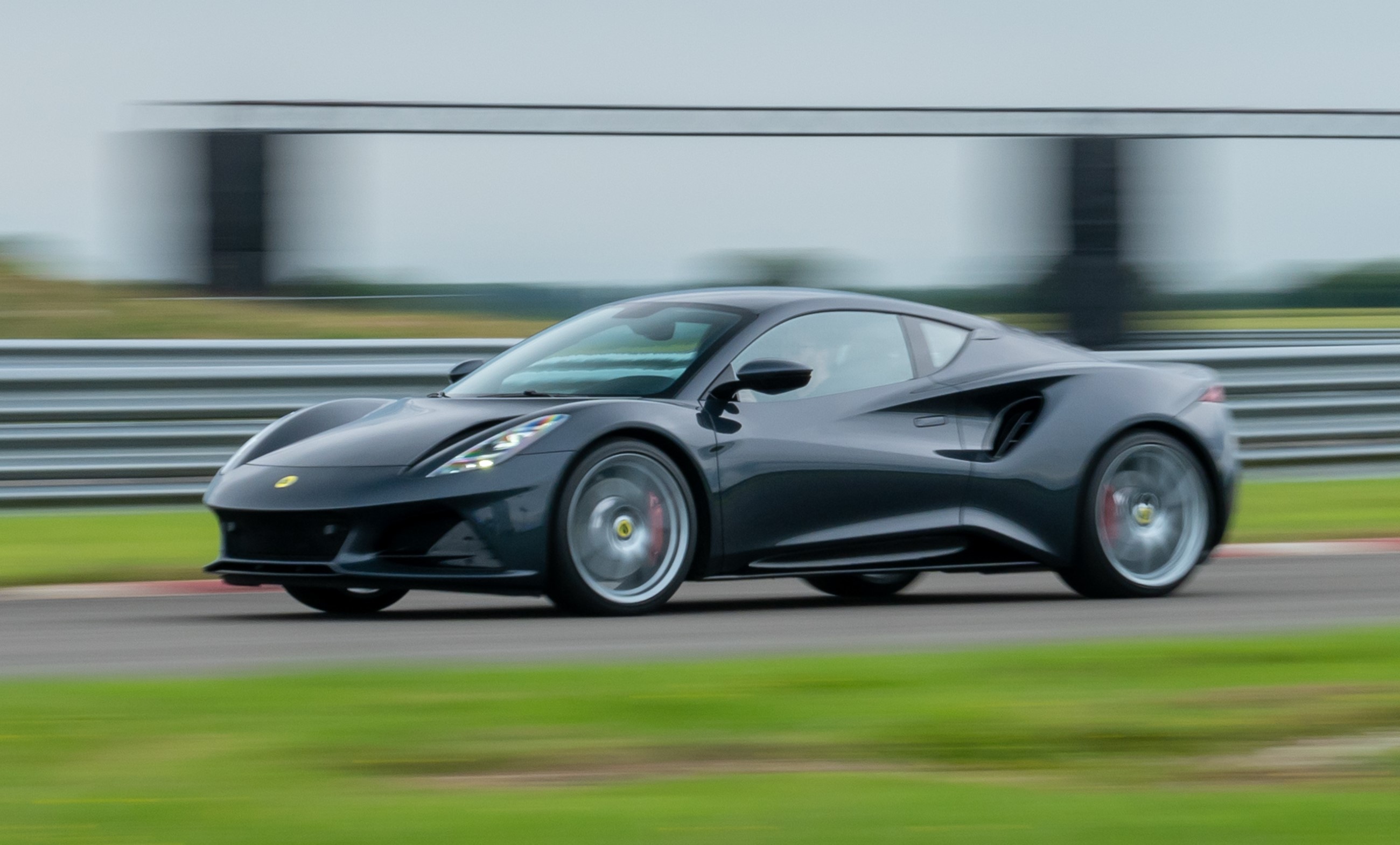
Coming in 2022 – the Emira.
Next out of the Lotus stable will be the Emira, a brand new mid-engineered sportscar. Unveiled last July and on a world tour ever since, it is confirmed to be the last petrol-powered car from the British carmaker. After the Emira will come the first electric Lotus – the Evija hypercar which will be the most powerful production car in the world – and then the all-electric Type 132, Lotus’ first SUV, which will be revealed to the world in early 2022.