The electrification of Malaysian motoring is progressing as the government and private sector are taking more initiatives to facilitate the use of electric vehicles (EVs). This is necessary to meet Malaysia’s Low Carbon Mobility Development Plan 2021-2030 to reduce greenhouse gas up to 45% by 2030, and to qualify as a carbon-neutral country by 2050.
One of the issues that those thinking of buying EVs is recharging the battery packs of their vehicles. Depending on the model and how they drive, the range on a full charge can be between 250 and 400 kms. So long-distance driving will only be possible if they are assured of place to recharge along the way, if needed.
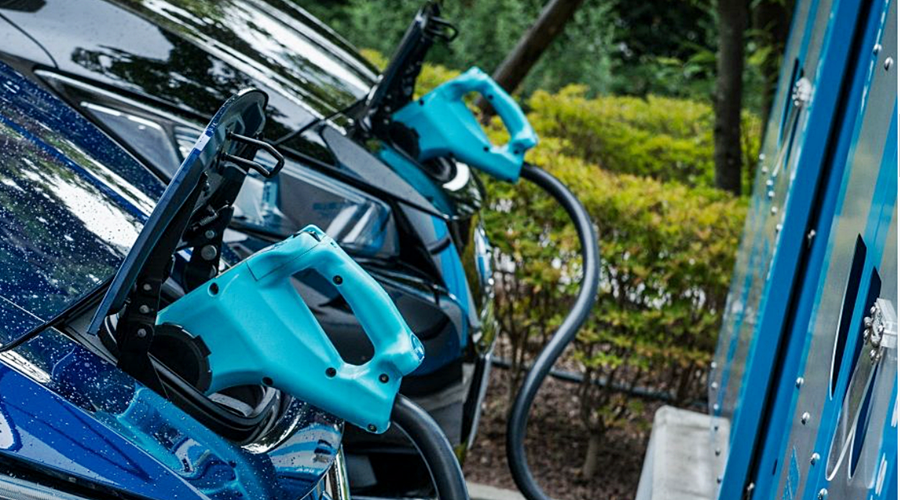
As the sale of EVs and plug-in hybrid vehicles (PHEVs) which also need recharging has only started in recent years, the network of charging stations has been small, mostly confined to urban areas. At the moment, there are only 500+ stations in the country (compared to 3,700 petrol stations) but efforts are being made to grow this number quickly.
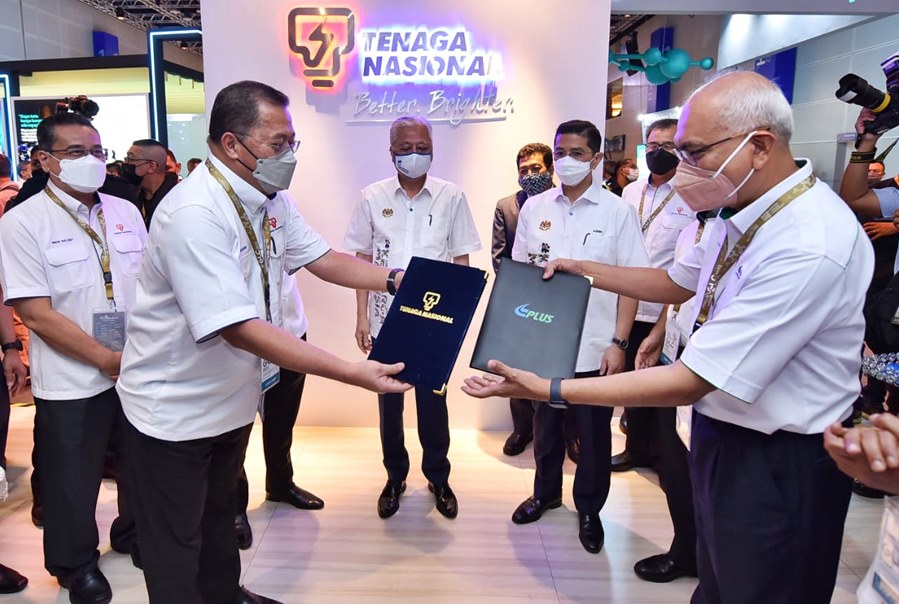
One of the private-sector initiatives in this area is a collaboration between PLUS Malaysia and Tenaga Nasional Berhad (TNB). Both parties have signed a Memorandum of Understanding (MoU) to work together to reduce carbon emissions on PLUS highways through 3 sustainability initiatives – the development of the charging station network, installation of energy efficiency monitoring, and solar photovoltaic systems at selected R&Rs along the PLUS highway network.
This collaboration will see EV charging stations being set up at selected strategic R&Rs along PLUS highway. Through TNB’s role as an enabler, PLUS is the first concessionaire to embark on a network of EV charging stations along its infrastructure. The availability of charging stations is expected to attract not only new users of EVs but also transport operators, especially multinational companies planning to switch their fleets from using vehicles with internal combustion engines to electrically-powered vehicles, in an effort to reduce carbon emissions while saving on operational costs.
According to PLUS Managing Director, Datuk Azman Ismail, the company’s other green initiatives include the use of green technology at its office premises, the use of recycled pavement to re-pave roads at the R&Rs, as well as applying more environmentally-friendly materials in its highway operations.
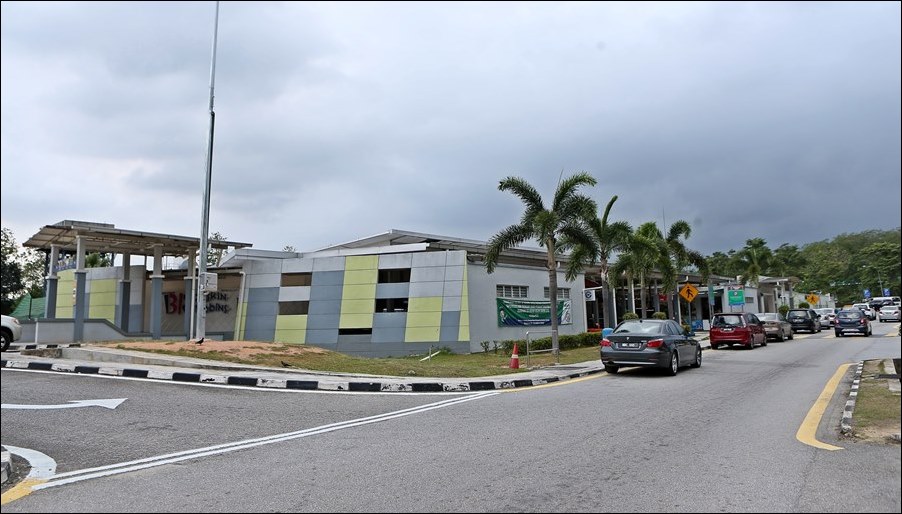
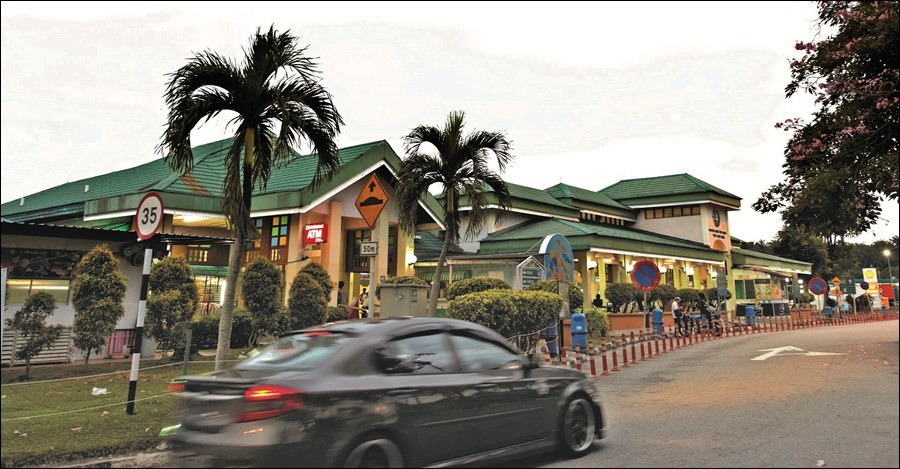
The collaboration will also see the installation of solar panels on the roofs of the Northbound Ayer Keroh (above) and Tapah (below) R&Rs which can provided over 360 kWp (kilowatt peak) of electricity from sunshine to power operations at the two locations.
“This initiative to further increase the network of charging stations will provide EV customers the convenience for a smoother, safer and more comfortable journey on PLUS highways,” he said, adding that charging stations are expected to attract not only new users of EVs but also transport operators, especially multinational companies planning to switch their fleets from using vehicles powered with internal combustion engines to electrically-powered vehicles, in an effort to reduce carbon emissions while saving on operational costs.
“TNB will provide a reliable and stable electricity supply to the EV charging ecosystem that is agreed upon by both parties. In addition, TNB also offers solutions to PLUS that can optimize electricity costs and support green and sustainable energy sources in reducing carbon emissions,” said TNB President & CEO, Datuk Ir. Baharin Din.
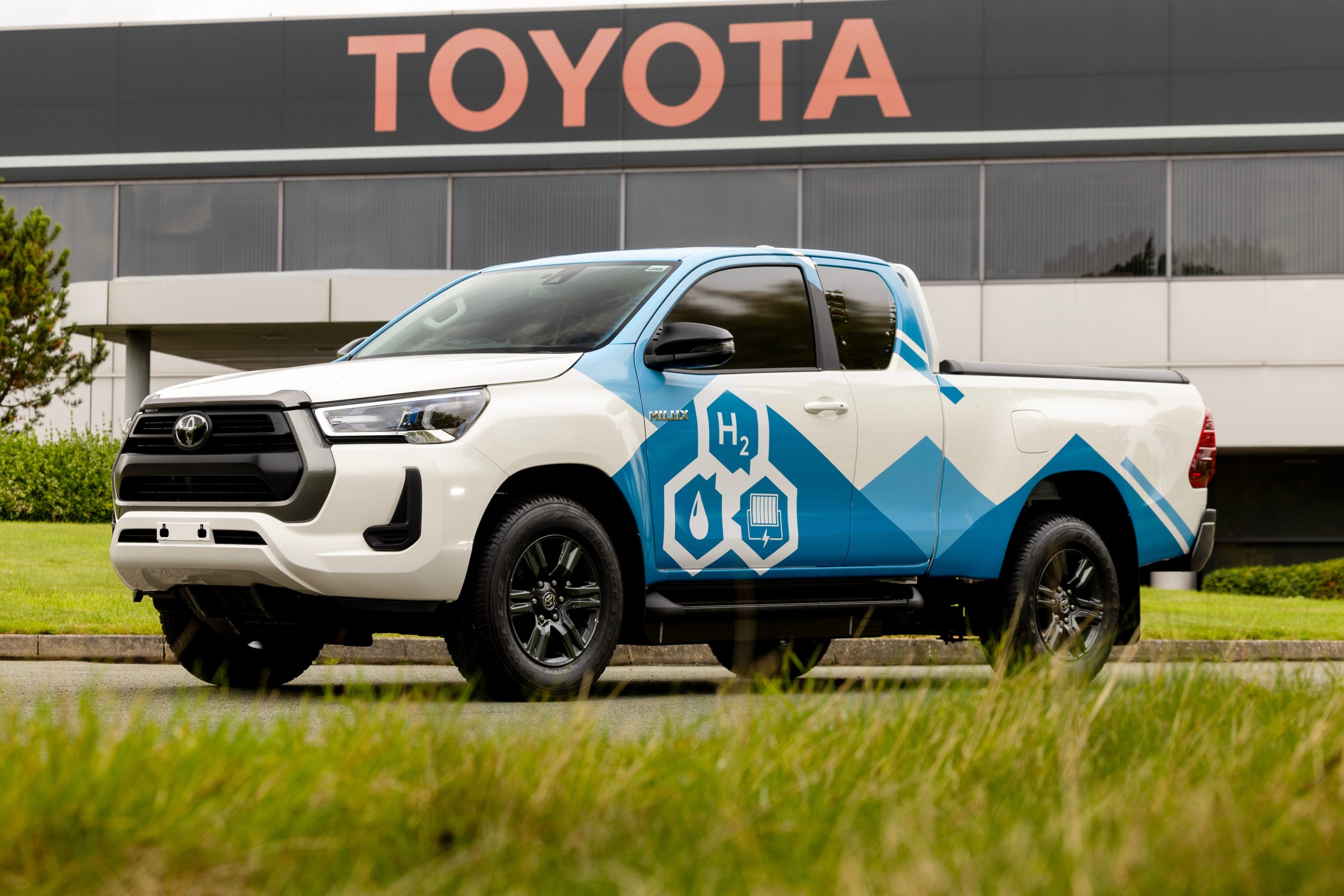
Fuel cells, originally developed for spacecraft, use hydrogen in a chemical reaction that can generate electricity that can then be sent to the battery pack. Hydrogen is chosen because it is readily available and renewable, and a Fuel Cell Electric Vehicle (FCEV), like a Battery Electric Vehicle (BEV), generates no emissions although water is formed. The FCEV approach would be more ‘green’ as it generates its own electricity rather than drawing it from power stations that themselves may generate emissions.
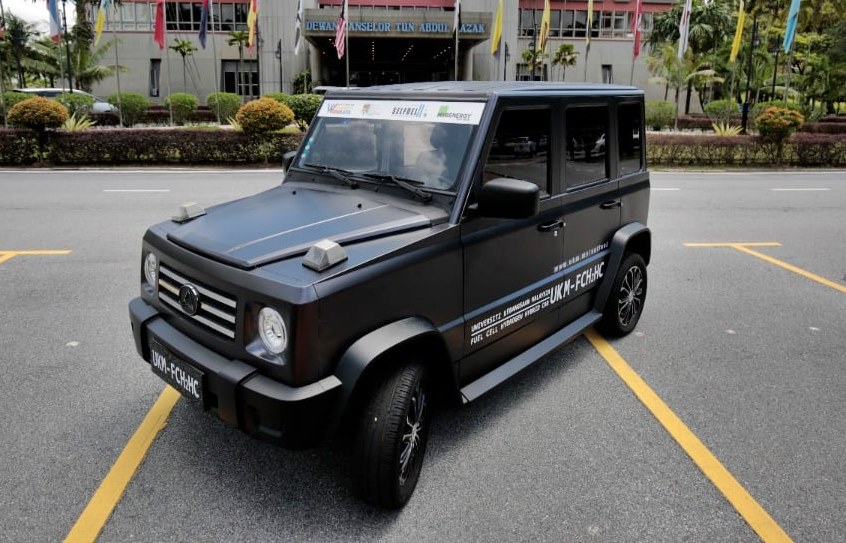
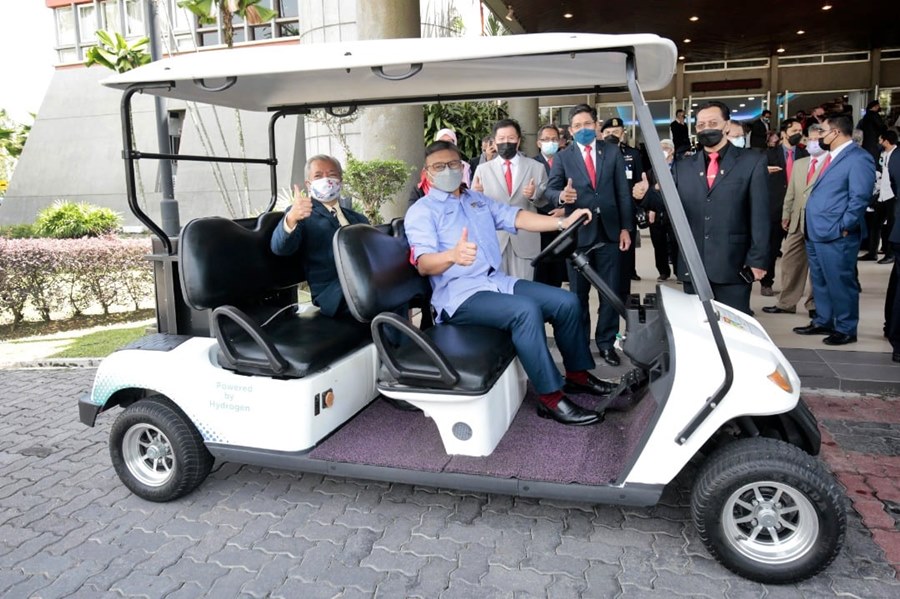
The two prototype FCEVs developed by the UKM Fuel Cell Institute (Sel Fuel) team.
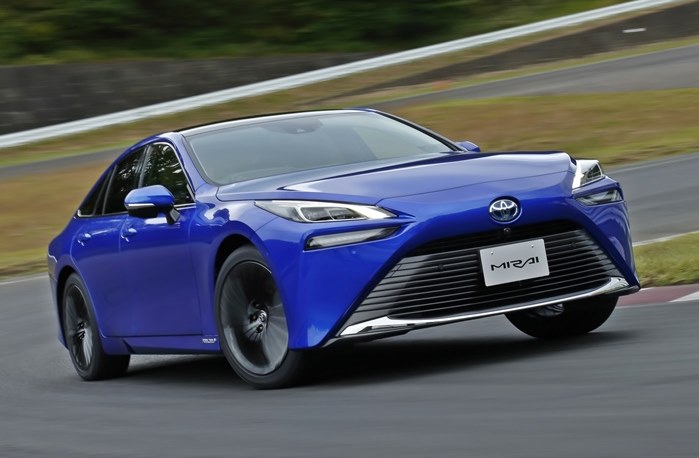
The auto industry has been developing FCEVs for some years and companies like Toyota and Honda have even sold such vehicles. Now a team from the Fuel Cell Institute (Sel Fuel) at University Kebangsaan Malaysia (UKM) has also developed hydrogen FCEVs in collaboration with industry partners through the modification of electric vehicles.
Professor Ir. Dr. Siti Kartom Kamarudin and Associate Professor Dr. Mohd Shahbuddin Mastar @ Masdar from the UKM Fuel Cell Institute, who led the R&D team, developed the UKM FCH2HC, a mini version of a hybrid SUV, and the UKM-FCH2B, a buggy.
According to Siti Kartom, the UKM-FCH2B is unique as the battery has been replaced with a fuel cell system as an electrical power source to improve the buggy’s operational efficiency, as well as a 3000W stationary power generator for electrical appliances (campers will love the idea).
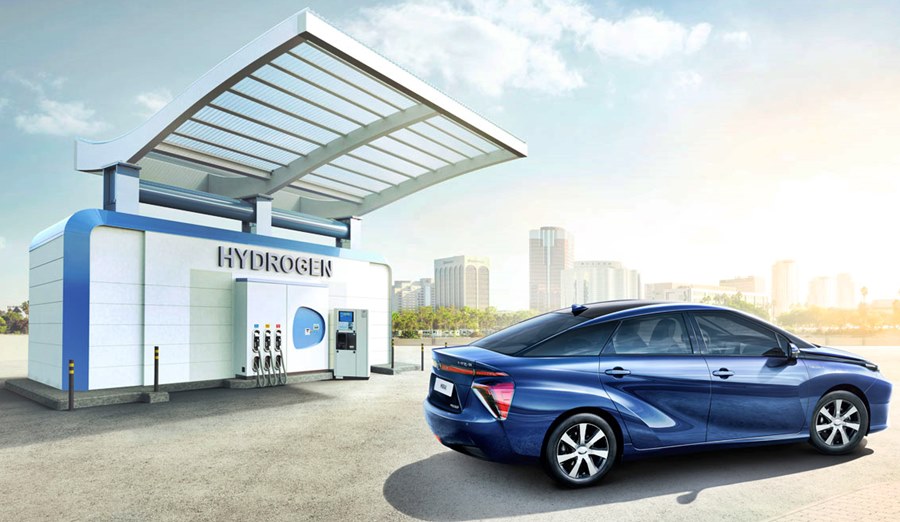
In order for FCEVs to be used, there will need to be hydrogen stations set up for them to refuel with hydrogen. Such station are only just being set up in limited numbers in more advanced countries.
“The UKM-FCH2HC is a hybrid vehicle that combines a fuel cell and a battery in a 0.5 ratio, with each power source capable of providing a capacity of up to 10 kW, allowing the vehicle to travel further. The fuel cell system is equipped with humidifiers and water coolers as supporting units to ensure optimal system performance at all times,” she said.
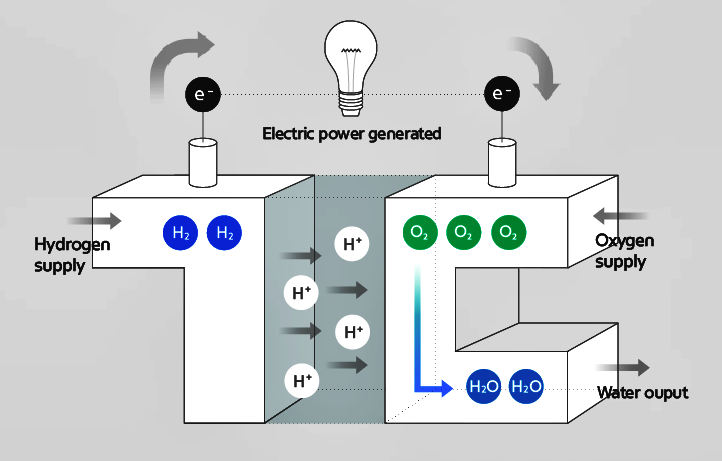
“During the chemical reaction, hydrogen and oxygen combine to produce electrical energy and harmless water vapour as a by-product, making hydrogen safe because it does not contaminate or harm the surrounding environment, unlike liquefied petroleum gas,” she explained.
How a fuel cell generates electricity from hydrogen.
Project began 15 years ago
“We began this project about 15 years ago with fundamental research to develop high-quality catalysts and membranes. Only in the last 3 years have we been able to bring together all of the fundamental components needed to develop the vehicle’s system,” she said. “As both the SUV and buggy will be used on campus, the speed is limited to 60 km/h. My team and I are looking forward to working on a second generation of the vehicles with increased capacity.”
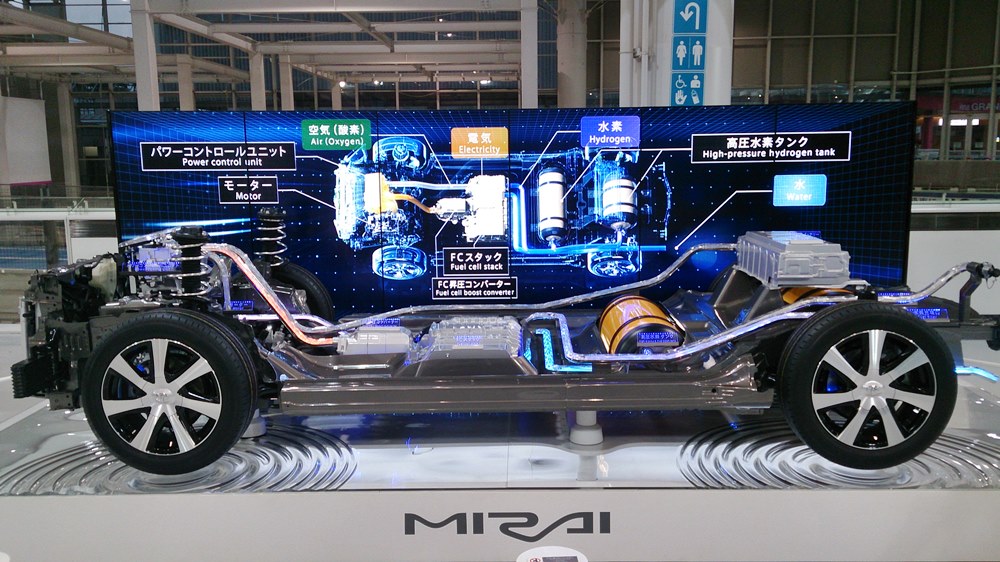
The various elements of a FCEV.
Quick refuelling time
Mohd Shabuddin added that the quick charging time of a FCEV is a significant advantage. Fully electric vehicles require 7 to 8 hours to charge, depending on the charging station and battery capacity. FCEVs, on the other hand, offer faster refuelling times that can take less than 3 minutes depending on the pressure [of the hydrogen supply],” he said.
He added that one of the most difficult aspects of developing hydrogen cell fuel vehicles is their high cost. “We believe in the country’s direction toward greener energy will result in mass production of these vehicles, lowering the cost of production. The recent 12th Malaysian Plan includes hydrogen as one of the government’s renewable energy initiatives to develop hydrogen-powered vehicles, which I believe is a good start for the future of this technology,” he said.
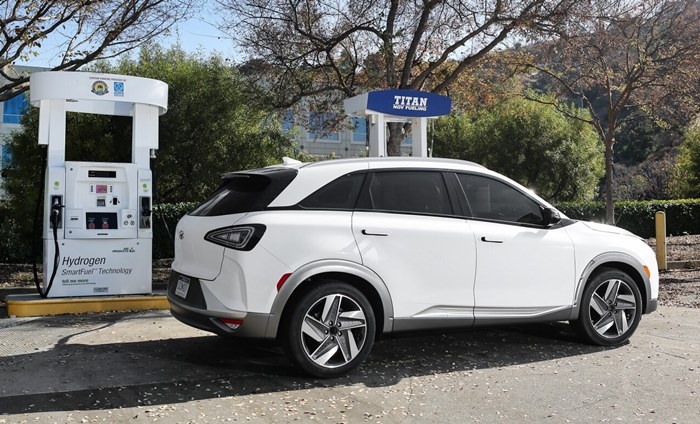
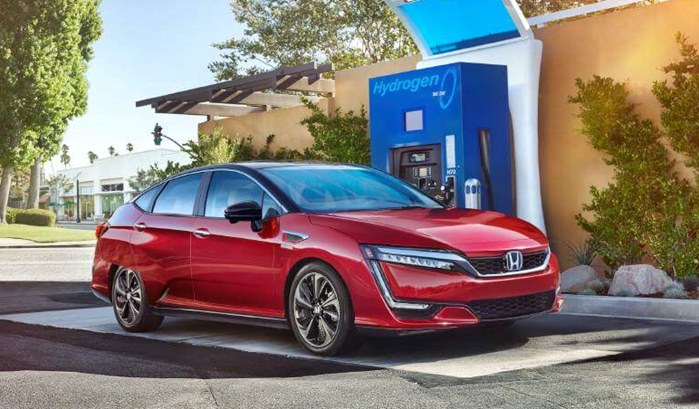
Hydrogen FCEV models have been on sale to the public from Hyundai (top), Honda (middle) and Toyota (above).
The UKM Fuel Cell Institute has also been appointed as the Head of the Research Excellence Consortium Programme in the Transportation and Mobility category by the Ministry of Higher Education. The launching of the FCEVs recently symbolises the support and commitment of UKM towards Malaysia’s Low Carbon Mobility Development Plan 2021-2030 to reduce greenhouse gas up to 45% by 2030 and to be listed as a carbon-neutral country by 2050.
The next step after BEVs
FCEVs would be the next step after BEVs but even in advanced countries like America and Japan, the hydrogen fuelling network is small. The Japanese government has a plan to expand the hydrogen network as it wants to create a ‘hydrogen society’ that can be carbon-neutral. However, the costs are still high at this time and although there are FCEVs in use, the number is relatively small to justify investment in hydrogen stations for FCEVs to refuel.
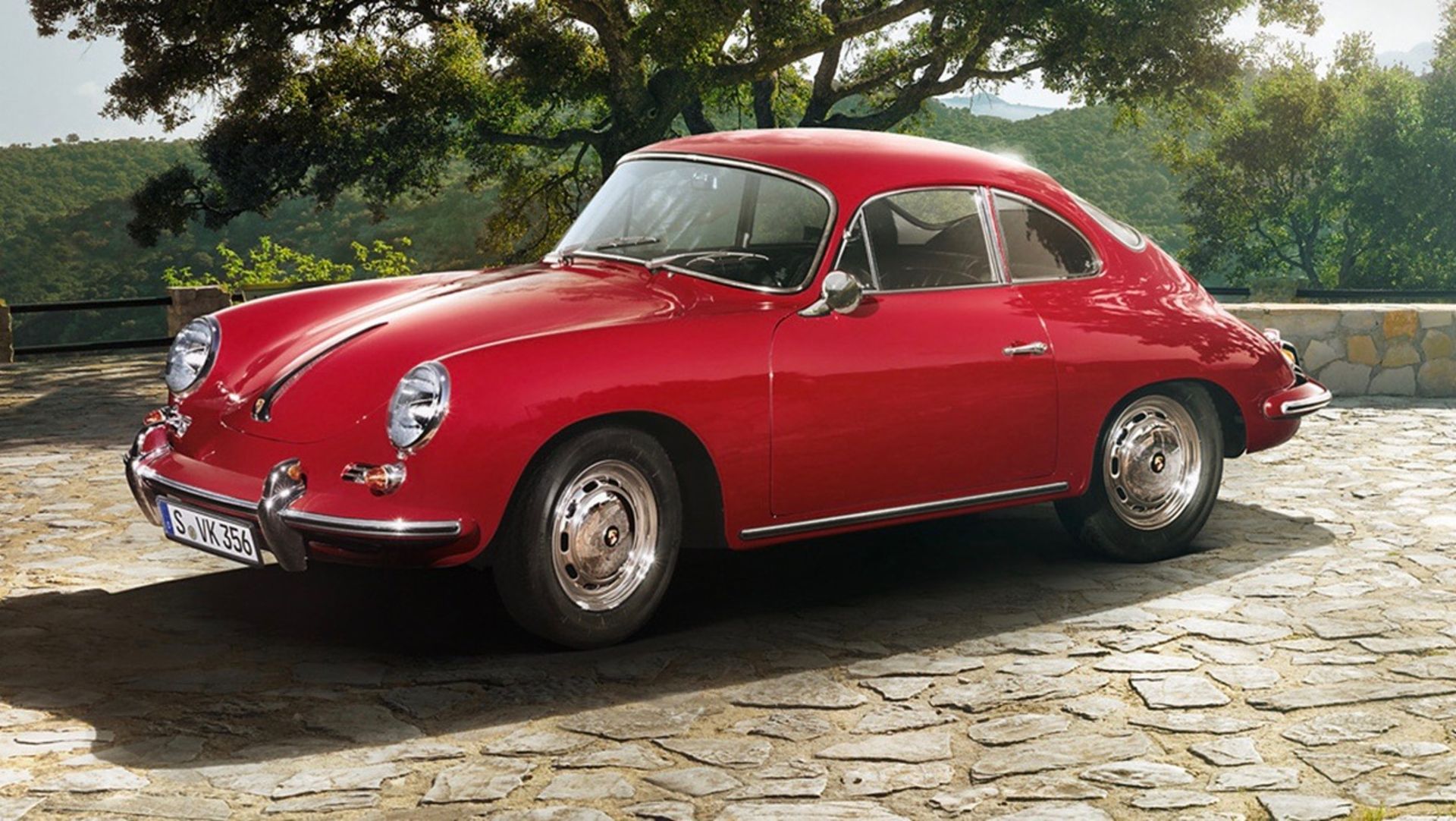
Generally, car names are easily remembered and known but those with numbers and internal model codes that are also used in the model’s ‘name’ can complicate things, especially as the years go by. Take the Porsche 356 A 1500 GS Carrera, for example. This model originated from the Porsche 356 and was part of the refined A series. It had an engine size of 1500 cc and because of its speed, it had GS (Grand Sport) and Carrera (Spanish for ‘racing’) added as well.
Those who are devoted fans of Porsche will know all this well, but the typology of Porsche can still be confusing to many. How can a car be called a 911 and a 991 at the same time? Is that a Boxster – or a 987? Or is it actually a 982? Here’s a quick overview of how Porsche’s numbering system started and has evolved.
One number for each order
In order to understand the beginnings of the in-house numbering method, it is necessary to go back to 1931. Each order (from customers) and every project of Ferdinand Porsche’s newly established engineering design office, Dr. Ing. h.c. F. Porsche GmbH, was given a consecutive number as the in-house type designation. It started with seven, which was the design of a sedan for Wanderer, a German car manufacturer. Order number 22 was for the legendary Auto Union Grand Prix racing car and the Type 60 was the Volkswagen.
The numbers therefore rose with each new order, with each engine designed, with each drawing for an axle, gearbox or tractor. On June 8, 1948, by which time the project numbers had climbed to 356, something of historical significance happened: for the first time, an automobile was to be made under the official brand name of Porsche. And it was called the Porsche 356.
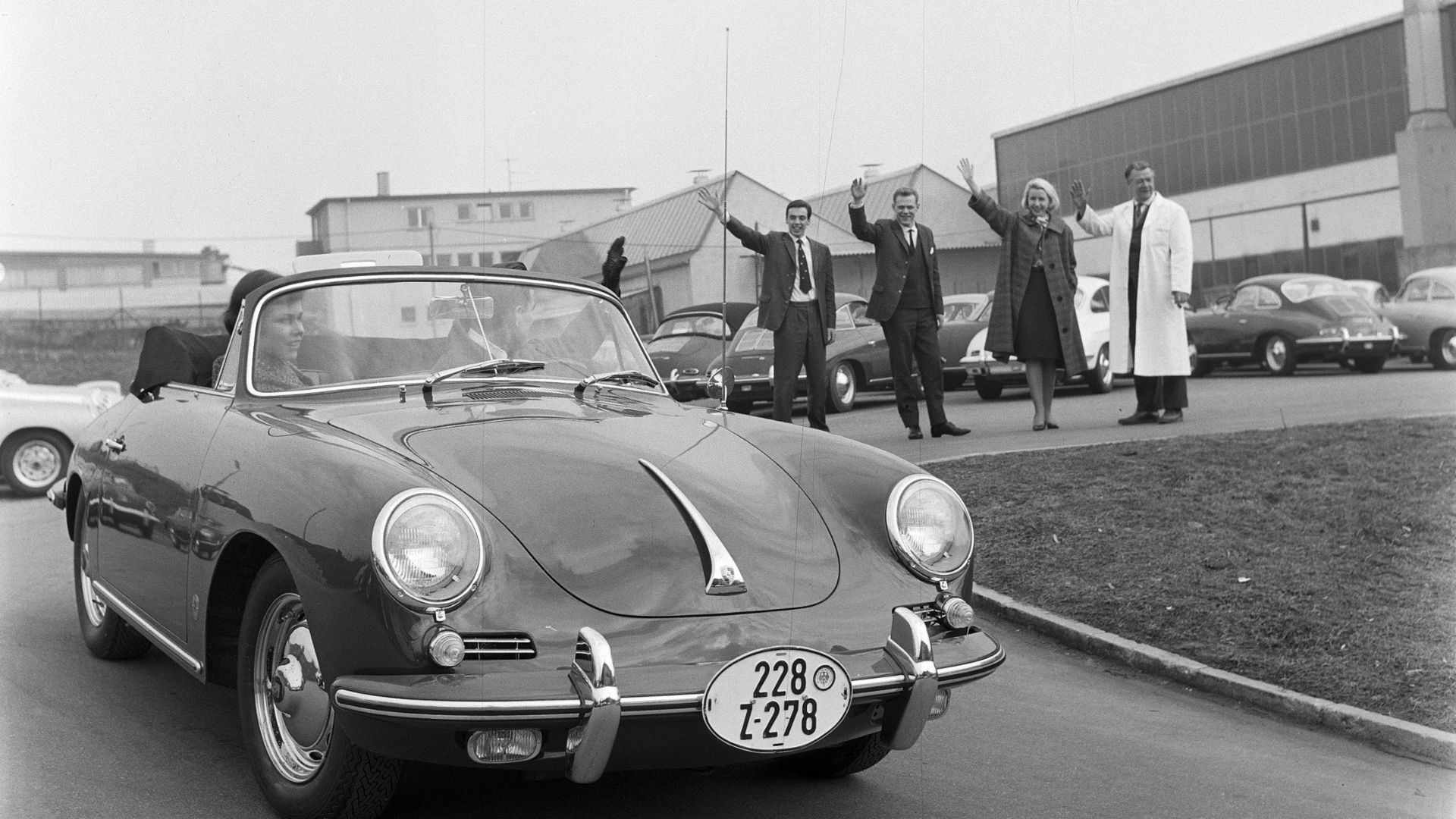
A customer collecting a 356 B from the factory in 1962.
This not only marked the birth of the legendary brand, but also an iconic model with a memorable design. The 356 underwent further development with each new model year, and substantial advances in development were indicated by adding the letters A, B and C.
901 or 911?
The engineers were fine with this system which saw internal numbers were rising faster and faster. There were orders for test engines, naturally aspirated engines, water turbines, and racing cars. For some of the new sportscar types, Porsche again used the internal plant code for the official model name, as was the case in 1953 with the mid-engined 550 Spyder.
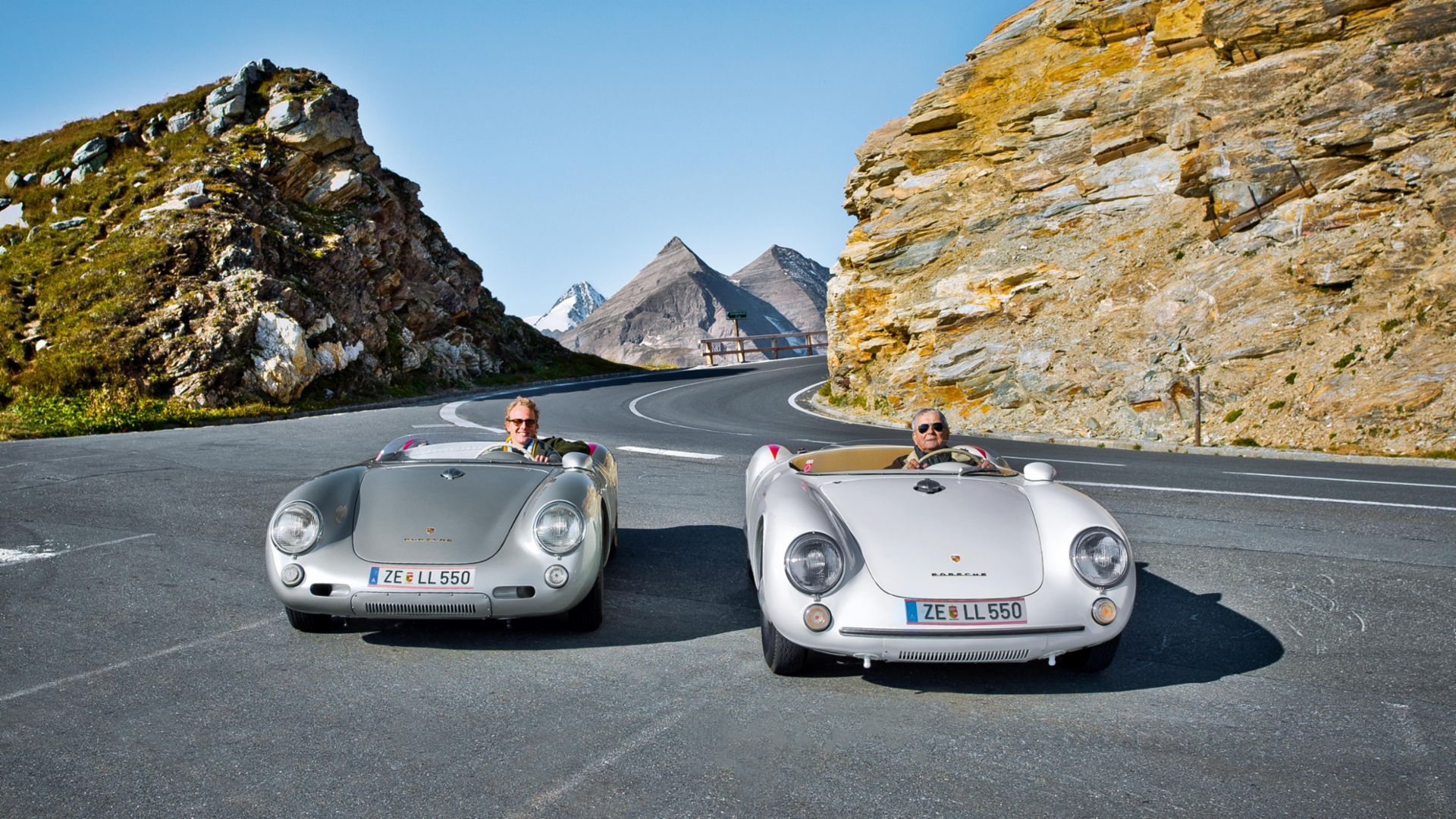
Dr. Wolfgang Porsche and his son, Ferdinand, in Porsche 550 Spyders.
Eventually, it was the successor to the 356 that led to the custom being abandoned. In view of closer collaboration with Volkswagen, future Porsche models had to be compatible with the figures used there. As the 900 numbers had not yet been allocated in Wolfsburg, the decision-makers at Porsche quickly chose 901 for the 6-cylinder version and 902 for a subsequent 4-cylinder sportscar.
When Peugeot said no to ‘0’
However, an unexpected problem arose when Peugeot declared that they had been using 3-digit numbers with a zero in the middle since 1929 and therefore owned the legal rights to all similar number sequences in France. The French carmaker was very particular about this right to having a ‘zero in the middle’ and was known to also have approached Mazda when it marketed the Familia model as an ‘808’ in the 1970s. It’s not known what the outcome of that issue was, but Mazda still sold its car as an 808 in countries like Malaysia (and by coincidence, by the same distributor that also sold Peugeots!).
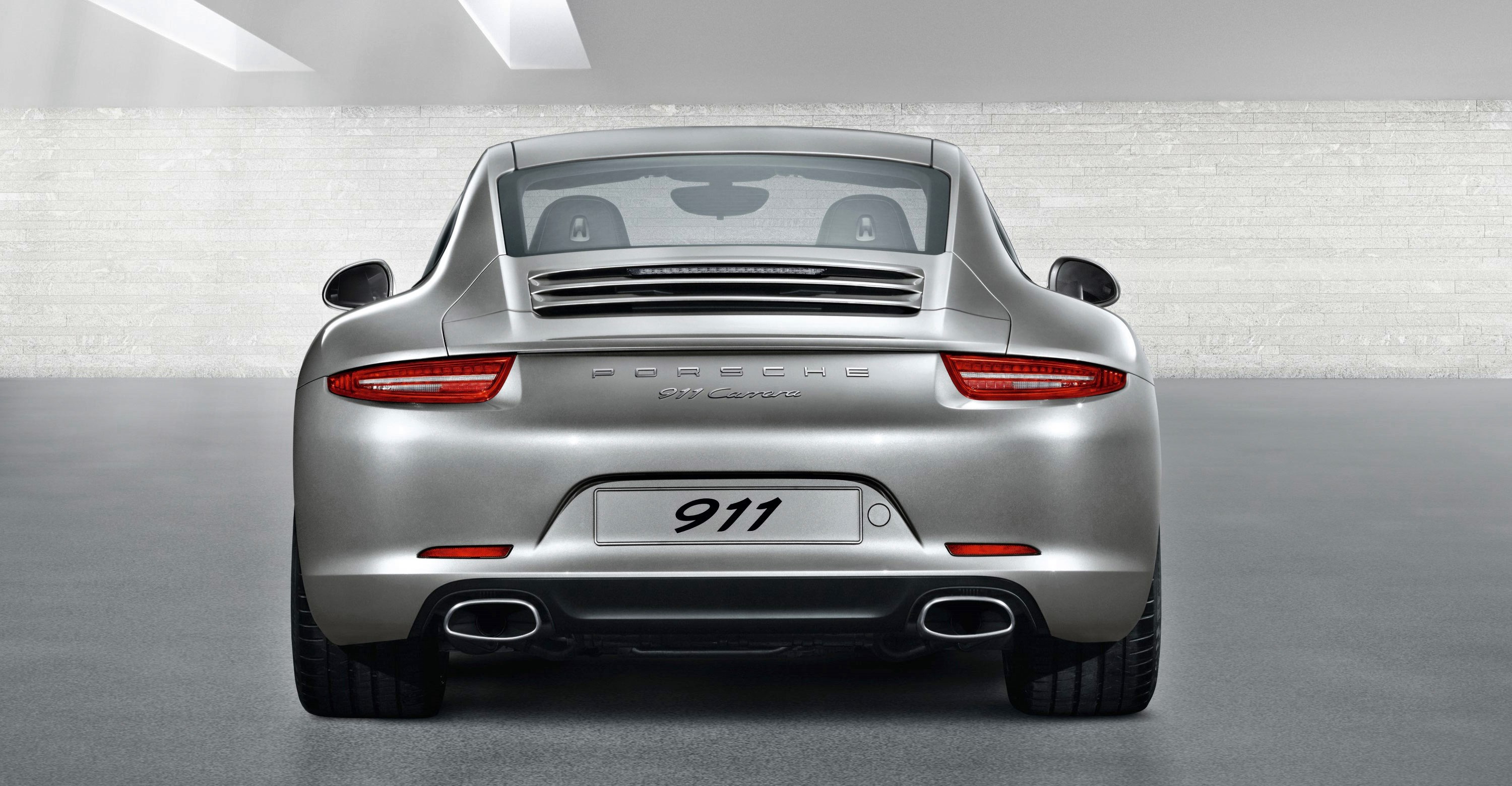
Porsche didn’t fight the matter and the zero was quickly replaced by a one, and the ‘1’ typeface, which had already been created, was simply duplicated for the brochures and type name on the rear of the car. A legend was born as the 911, which would become world-famous in the years that followed.
Expansion of the model range
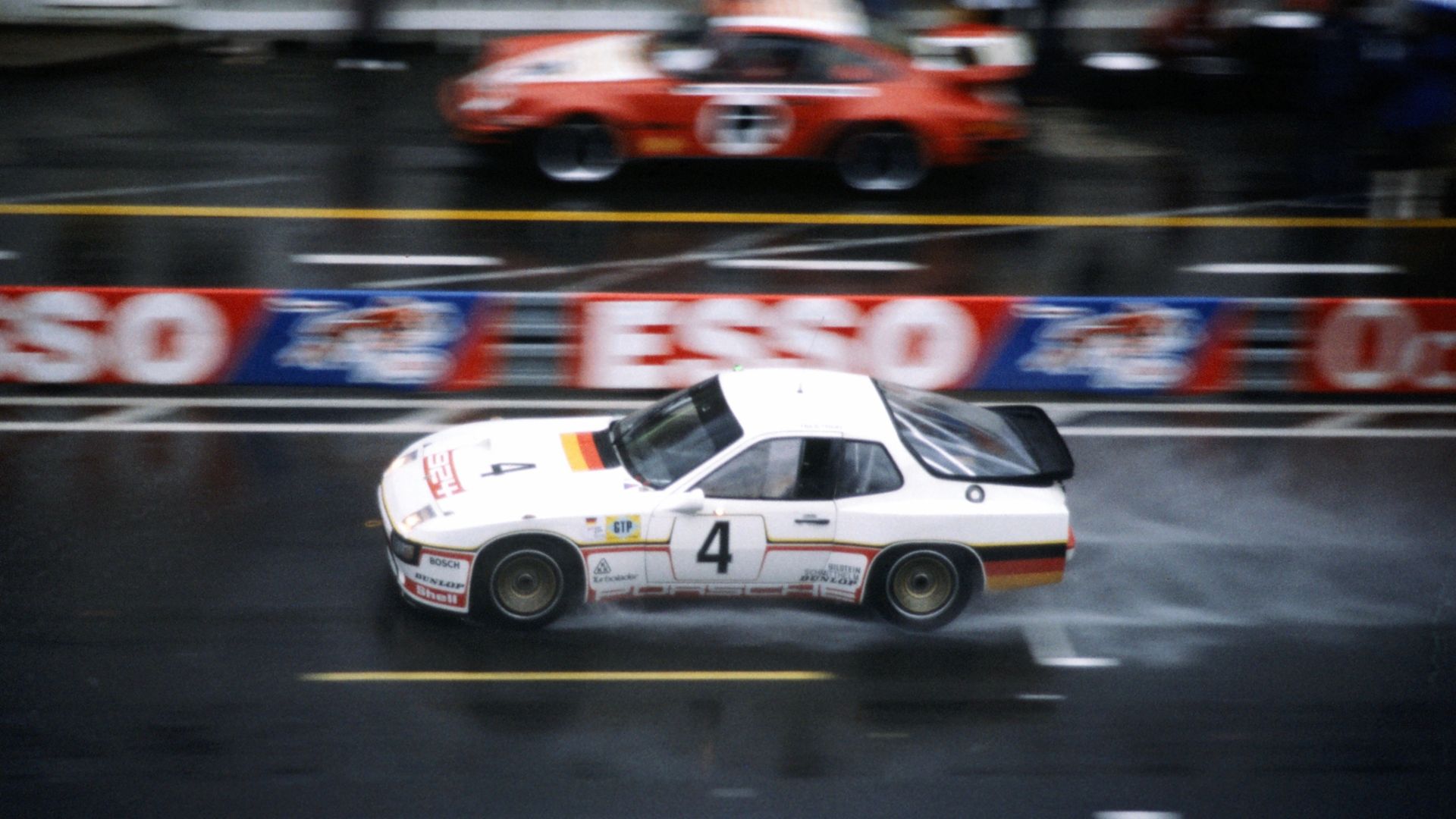
Of course, the 911 did not remain the only model line from Porsche. The 914 marked the addition of a smaller, lighter mid-engined sportscar and, over the years, models such as the 924, 928 and 944 joined their elder sibling. They also received their internal number as model names. By now, the practice of using 3 digits starting with a ‘9’ had established itself for models from Porsche.
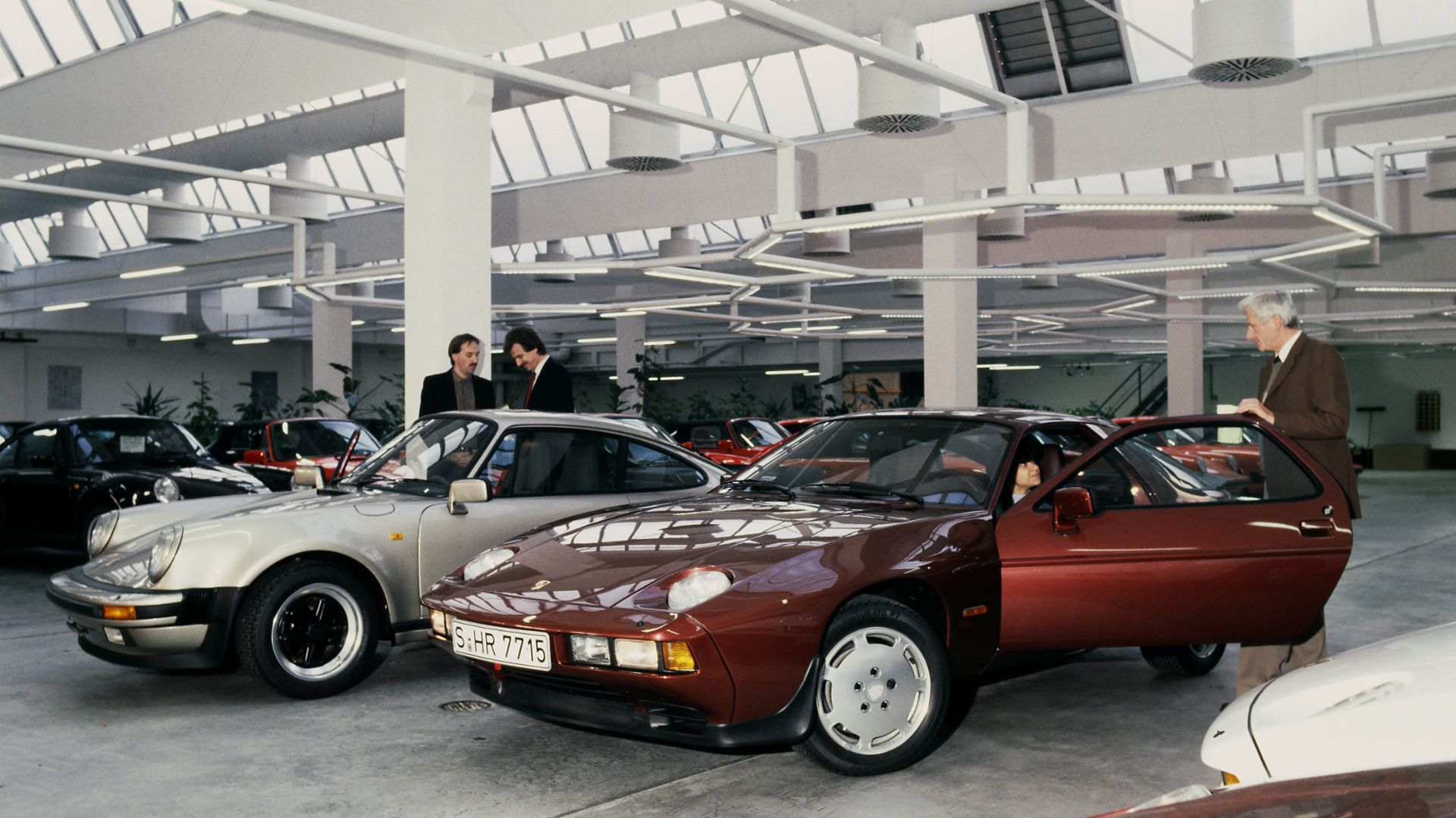
Handing over a 911 Turbo and 928 S Coupe to customers in 1981.
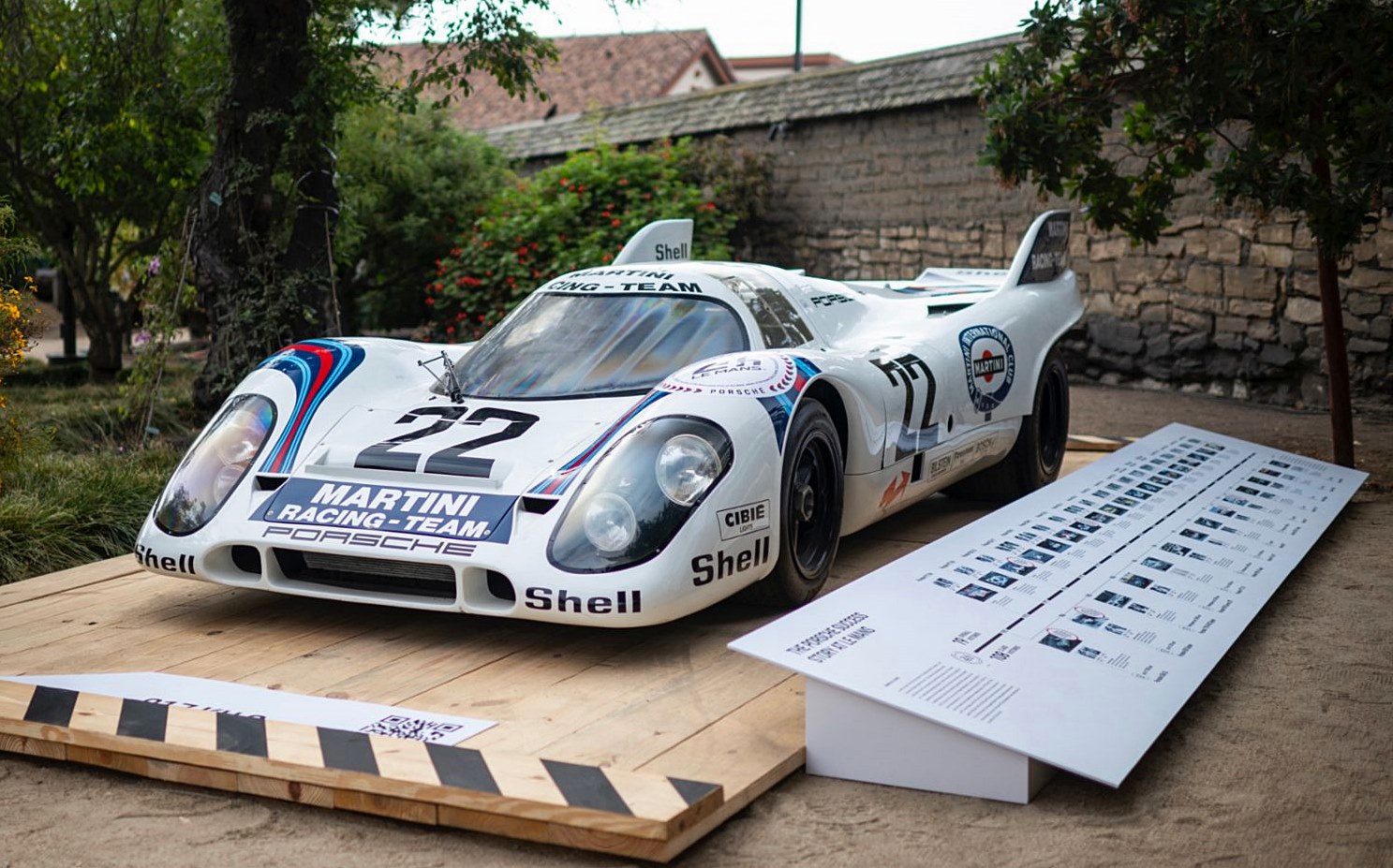
Inevitably, the 900 numbers began running out and competing with each other but the engineers stuck to their system out of tradition. In addition to the various road-legal models, pure racing cars also had to be allocated internal type numbers. One example was the legendary 917; unveiled at the Geneva International Motor Show in 1969, this racing car took overall victory at Le Mans a year later – the first of many racing successes in the first half of the 1970s under the 917 code.
Porsche 917
Flexibility in naming
Flexibility became increasingly in demand when it came to naming all the Porsche models. The 911 is a clear illustration of this when, for the 1968 model year, the series received the internal designation of ‘A Series’ for the first time. In 1969, the B Series followed, then in 1970, the C Series, up until the substantially redesigned G Series, which debuted in 1973. However, special models within the series also received their own type number from time to time, as was the case with the internal Type 930, named the 911 Turbo or the Type 954 (911 SC RS).
Porsche 924 Carrera GT on a racetrack in 1980.
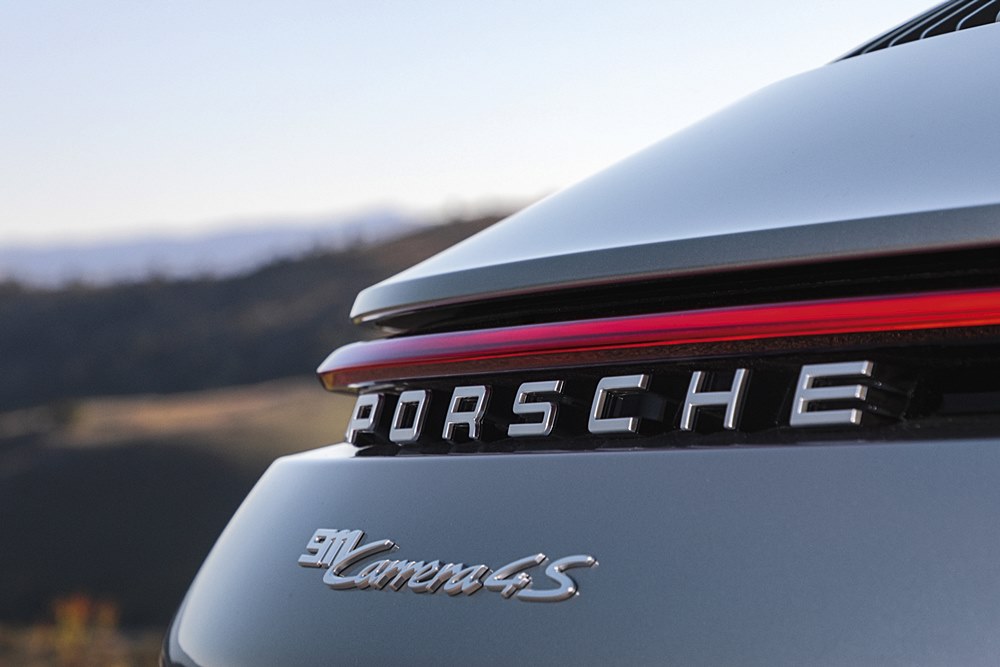
In 1988, a major break occurred in the 911 history with the introduction of the completely redesigned 964 model series. The 993 followed in 1993, then the 996, 997, a return to 991, and the current model 992. Between the internal codes of the 911, there are still further models to be found, with examples being the Carrera GT (internally known as the 980), the Boxster (the 986 being the first generation, followed by the 987 second generation, the 981 and the 982) and the Cayenne (955). The tradition of the 3-digit type codes is maintained today – albeit with a certain degree of creative freedom.
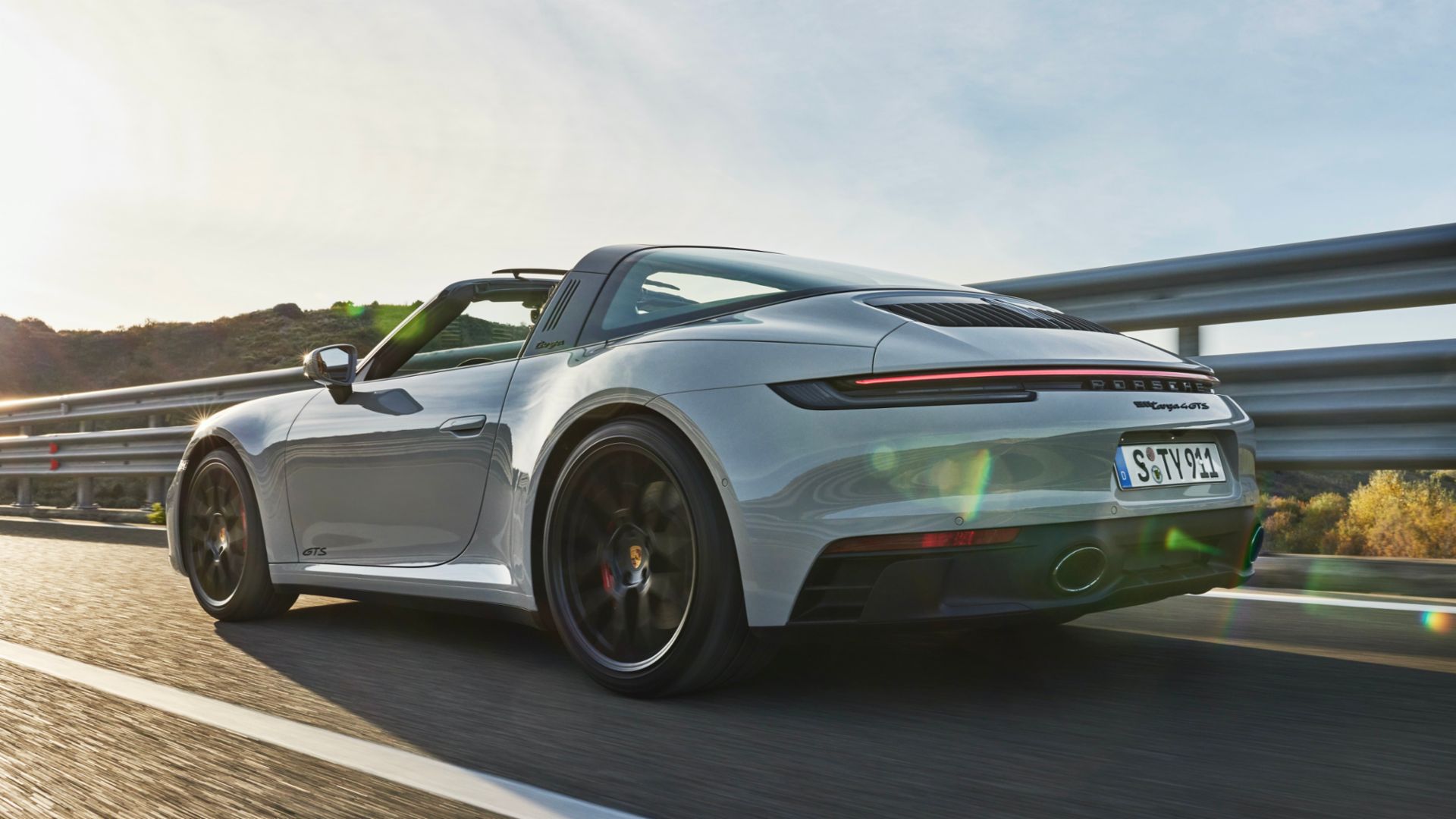
While enthusiasts refer to many of the models by their series numbers, the marketing people use names (or alphabets) to differentiate models. The current ones are Boxster (derived from boxer engine and roadster), Carrera, E-Hybrid, Executive, GTS (Gran Turismo Sport), RS (RennSport, or ‘racing sport’), RSR (RennSport Rennwagen, which translates as racing sport racing car), S (for ‘Super’ or ‘Sport’), 4 (all-wheel drive), Spyder, Targa, and of course, Turbo.
Since the introduction of a radio in the car about 100 years ago, in-car entertainment or ICE has been evolving as new technologies were developed and then miniaturised and ruggedised for use in cars. Tape-players and CD-players allowed motorists to bring their own favourite music with them, and then with connectivity to portable devices, the capability expanded.
And then came digital displays that meant movies could also be viewed, and before long, being able to connect to the internet meant that a whole new world of entertainment became available inside the car. Whatever you can enjoy in your home can now also be enjoyed while travelling.
Moving into virtual reality
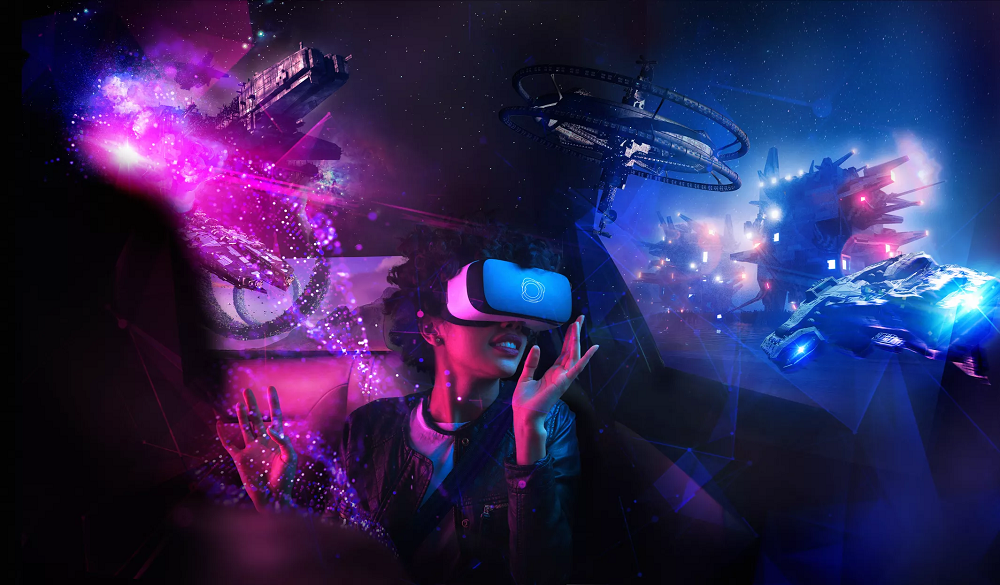
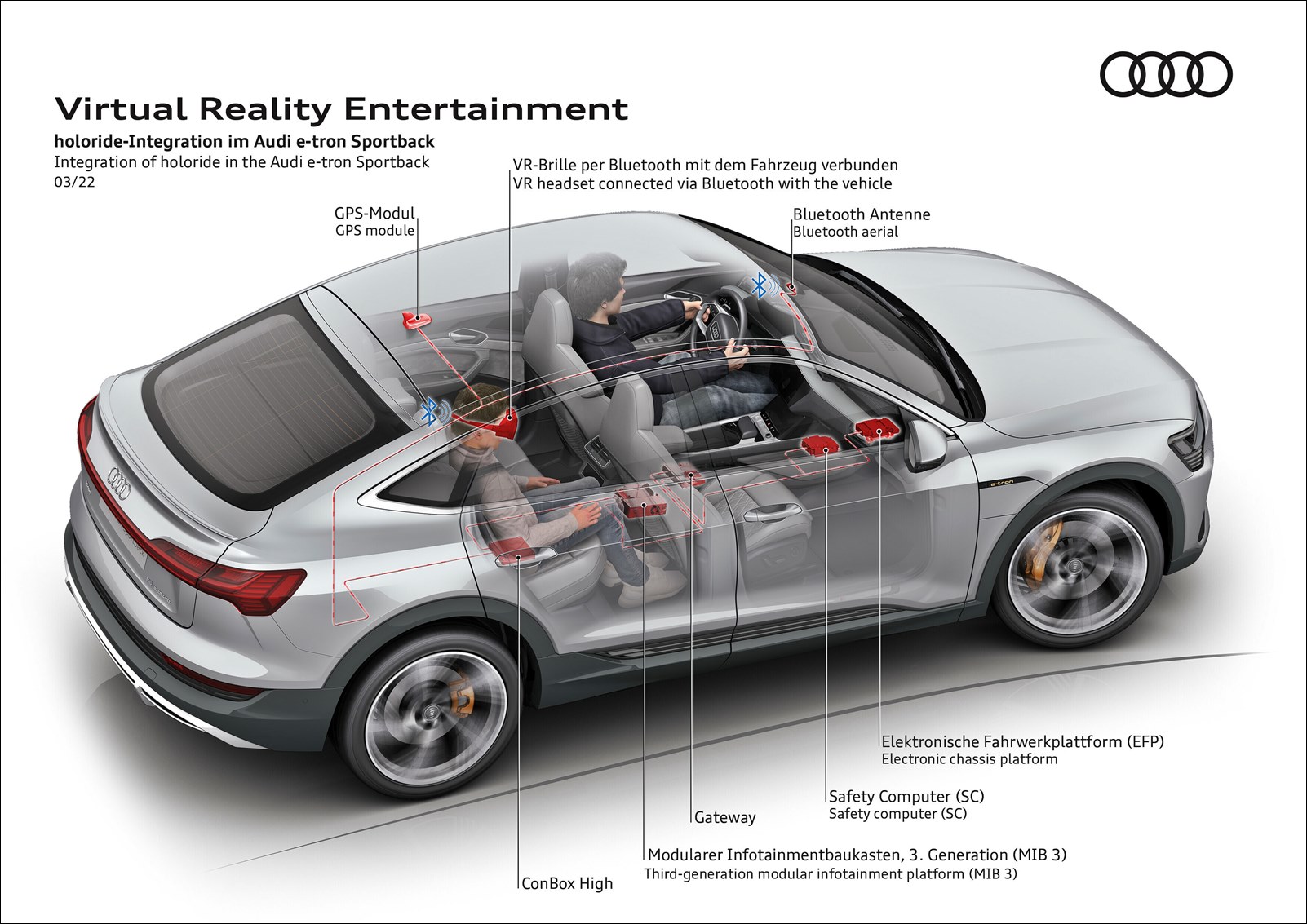
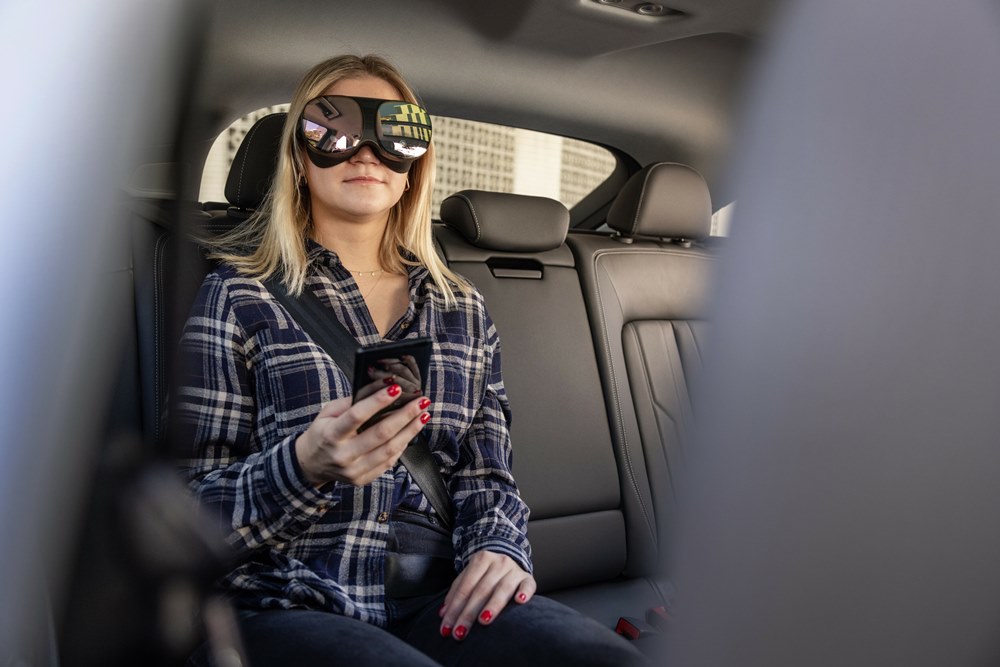
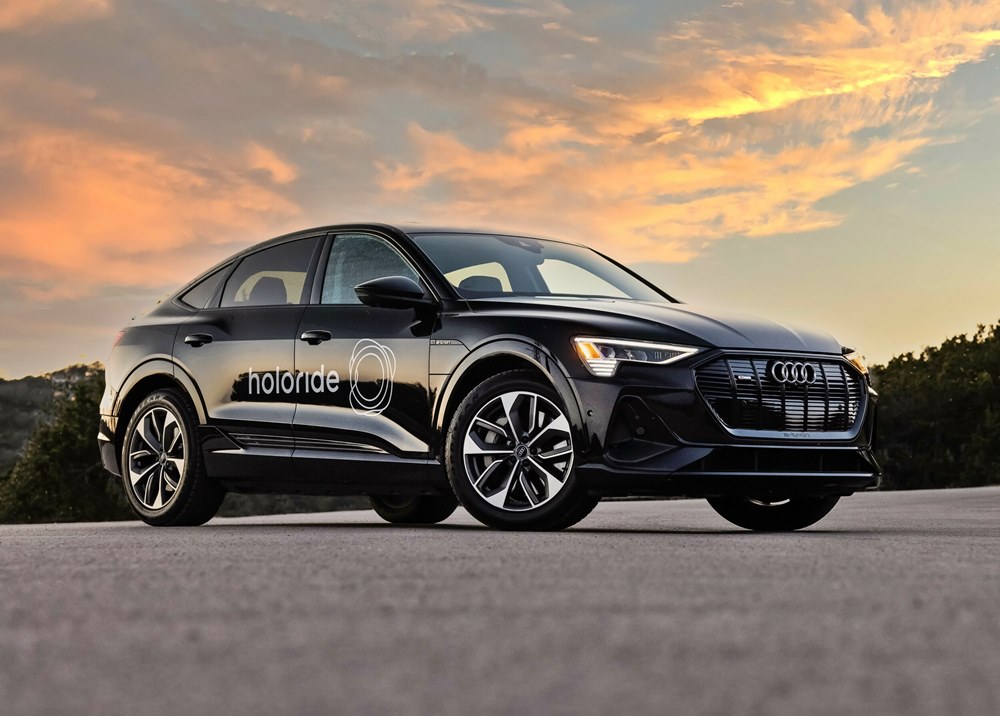
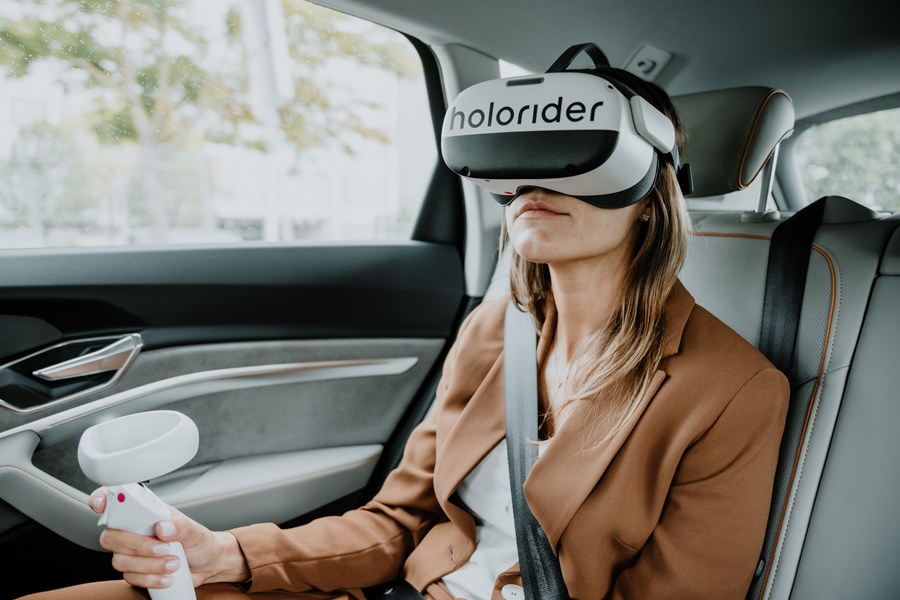
The next step in ICE is virtual-reality (VR) entertainment and Audi is the first carmaker in the world to enable passengers to immerse themselves in games, films and interactive content using holoride. They will enjoy this by using VR glasses which will make a car ride a multimodal gaming event.
The immersive experiences
The holoride technology adapts virtual content to the car’s driving movements in real-time. For example, if the car is taking a right turn, the spaceship in the imaginary world will also fly to the right. If the car accelerates, the spaceship speeds up too. Initiated by Audi, development of this innovative VR or XR (extended reality) technology is being advanced and commercialized for different manufacturers by the tech entertainment start-up.
With this approach, the 4-year old German start-up has established a completely new media category that they call ‘Elastic Content’ – content that adapts to driving movements, journey time and driving route. The result is immersive experiences with a previously unknown level of quality.
Holoride-capable Audi models
The models that will be holoride-capable with the third-generation modular infotainment toolkit (MIB 3) and the latest software cluster will be the A4, A5, A6, A7, A8, Audi Q5, Q7, Q8, e-tron and e-tron GT quattro. They will initially be available for the European and North American markets as well as Japan and China.
holoride was first presented at CES 2019 (the Consumer Electronics Show in Las Vegas), in cooperation with Disney Games and Interactive Experiences. It implemented a VR game experience from the Marvel Universe for cars. In addition to other activities and showcases, during a roadshow through California from Los Angeles to San Francisco in 2021, holoride visited other production and game studios to demonstrate the technology’s possibilities to potential partners.
In the future, the progressive automation of travel by car will not only make new forms of entertainment possible while driving but will also open up increased opportunities to learn and work on the road. When drivers also no longer have to concentrate on driving in the future, they can turn their attention to other things – work, reading, watching films, or gaming. The motion-synchronized voyage through virtual worlds with holoride also reduces the common phenomenon of motion sickness often experienced by passengers reading a book or enjoying audio-visual media on electronic devices such as tablets.
For users, the interior will become their personal free space, and for designers, it will become the new design centre. After all, the design process begins with the question: who will be sitting in a new model and what will people want to do there? In the future, designers will no longer design cars from the outside in, but from the inside out – and therefore customers will literally become the centre of attention.
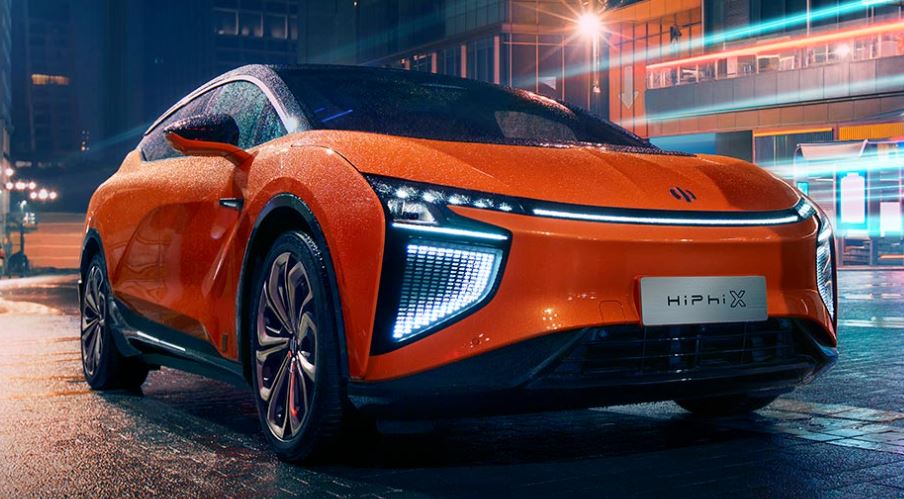
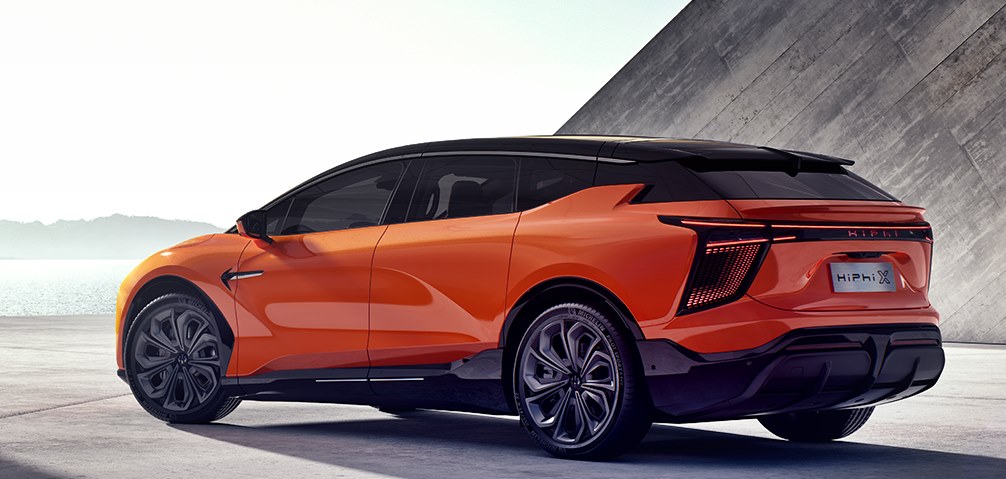
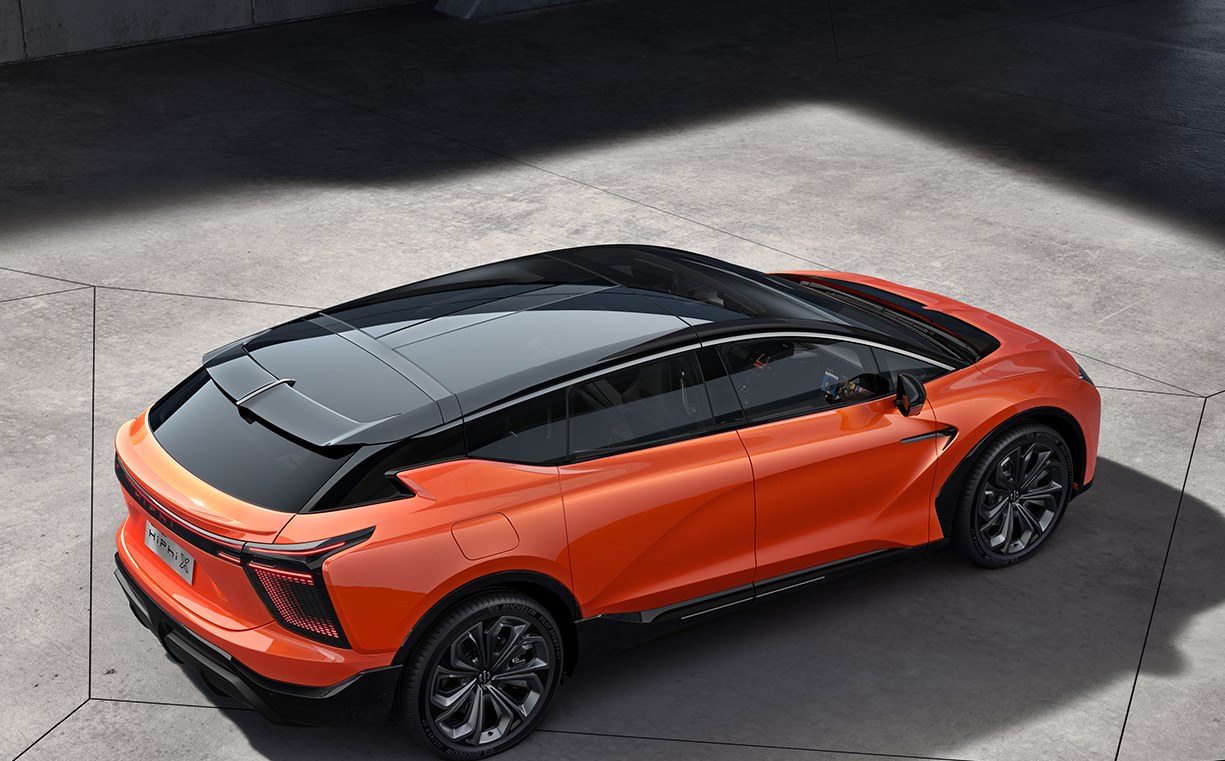
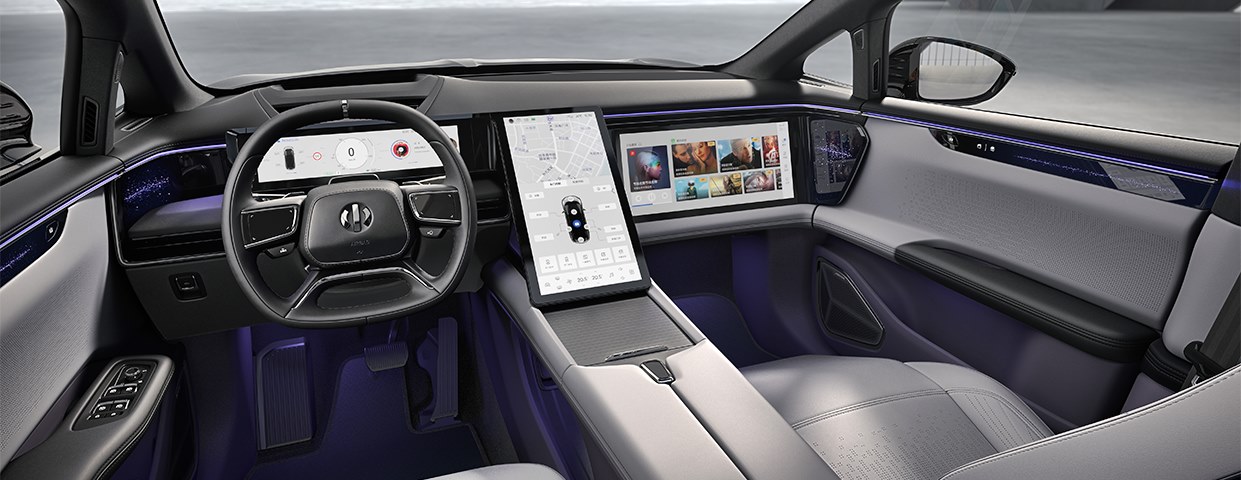
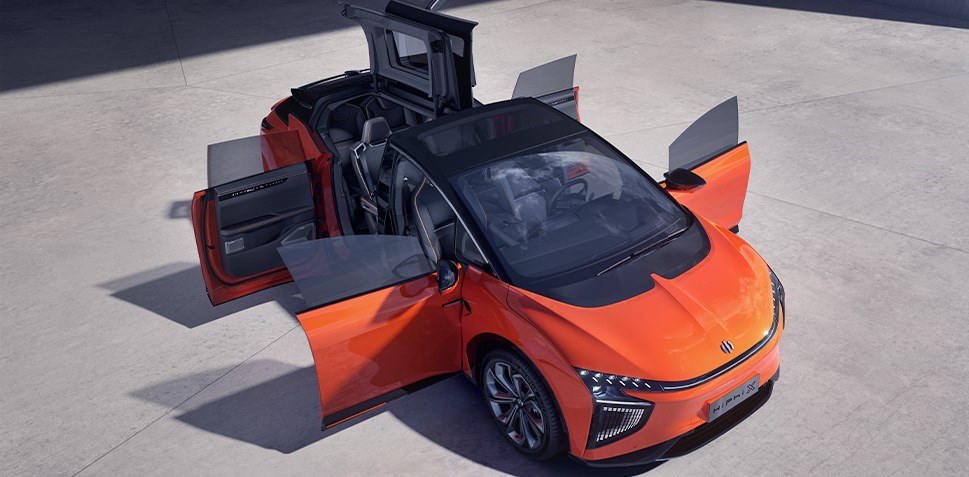
Human Horizons, the young Chinese technology company (established just 4 years ago), has released details of two more versions of its HiPhi X Super SUV range. The new versions are the 6-seater Creative Extended Range Edition and Intelligent Extended Range Edition which are said to be premium products.
Meeting more differing customer needs
Since being unveiled in mid-May 2021, the HiPhi X has been selling well across China and the development team has been looking at providing vehicles for more differing needs of consumers. Both the Creative Extended Range Edition and Intelligent Extended Range Edition are outfitted as luxury versions, with features such as a 17-speaker Meridian audio system, 19.9-inch entertainment screen for passengers, customizable smart fragrance system by Givaudan, interior light panels, a HEPA biochemical filter, and a driver physical monitoring system.
The HiPhi X has a number of world and industry firsts among mass-produced passenger vehicles, especially in the EV segment. These include smart PML programmable headlights, smart ISD interactive lamps and lighting system, and the intuitive AI-powered HiPhi Play interactive visual display.
Internet-of-Things technology
The model is also equipped with the world’s first fully-integrated open smart HiPhi service-oriented architecture (H-SOA) for use in a mass-produced vehicle. This utilizes the latest in Internet-of-Things (IoT) technology to connect, control, and monitor the operation of the vehicle. The open architecture acts as an open piece of hardware that third-party developers and regular users can program to create innovative visual displays according to their mood. For this reason, Human Horizons refers to the HiPhi X as the world’s ‘first evolvable super SUV’.
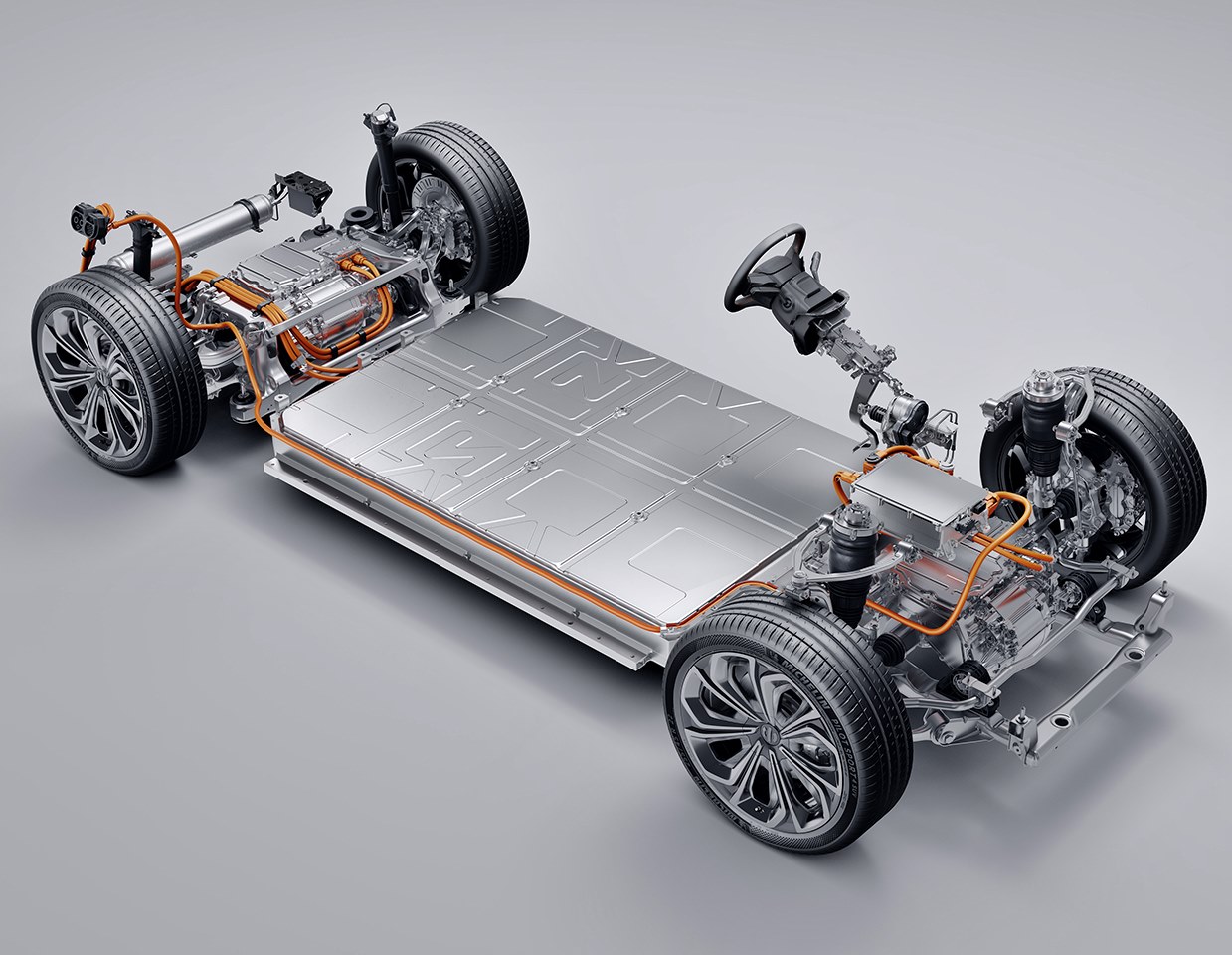
Having been conceived as an EV right from the start, the designers had no constraints as they could develop a layout fully optimised for EVs. Measuring 5.2 metres long, its lightweight hybrid aluminium construction will complement the concept of sustainability with the adoption of vegan leather and the use of recyclable materials.
There are two drivetrain versions of the HiPhi X – single motor/rear-wheel drive and dual motor/all-wheel drive. The battery pack has a 96 kWh capacity and is said to be able to provide a cruising range of up to 650 kms. It also has 4-wheel steering for easier manoeuvring, while 562 sensors feed real-time data to 4 domain controllers and 6 computing platforms to allow autonomous motoring and even parking.
Growing popularity
To date, over 5,000 HiPhi X vehicles have been delivered in China. The company claims it is the first Chinese brand to top the sales charts for premium luxury cars valued at more than 600,000 RMB (about RM398,000) for any given month. Human Horizons continues to work on expanding the charging network by supplying coverage from over 270,000 charging points across 500 cities throughout China.
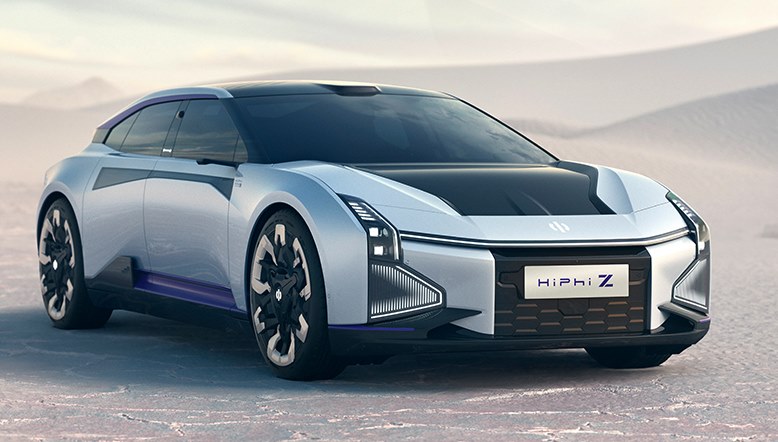
HiPhi Z, to make its debut this year, will be the second model from Human Horizons.
Since the late 1990s, hybrid powertrain systems have been developed by various manufacturers, acting as the first step in electrification of vehicles. The systems are similar in having an electric motor and a combustion engine but differ in the way they operate. The ideal operating strategy is to be able to use the electric motor as much as possible, with the engine coming in when extra power is needed.
Nissan’s e-POWER system takes a slightly different approach although it has the motor and engine as well. Part of the electrification strategy under Nissan Intelligent Mobility, e-POWER borrows from the EV technology developed for the LEAF, now the best-selling fully electric car in history.
Nissan Intelligent Mobility anchors critical company decisions around how cars are powered, how cars are driven, and how cars integrate into society. In 2006, Nissan R&D was able to achieve a breakthrough in its energy management technology by reducing the battery capacity to match its competitors’ hybrid vehicles while still delivering desirable EV qualities, such as quietness and efficient energy use. In addition, application of Nissan’s technologies, such as the integration of a power-generating engine, electric motor drive for compact car use, strengthening of the powertrain’s rigidity and improvements in NVH levels, became the foundation of e-POWER and its implementation in the compact-car segment.
Where the LEAF requires regular recharging of its battery pack, an e-POWER system does not need that as a small petrol engine is used to charge the high-output battery pack when necessary. This means that the driver will have no need to look for a charging station (or set one up in his home) and no ‘range anxiety’ (the fear of running of out electricity and being unable to recharge).
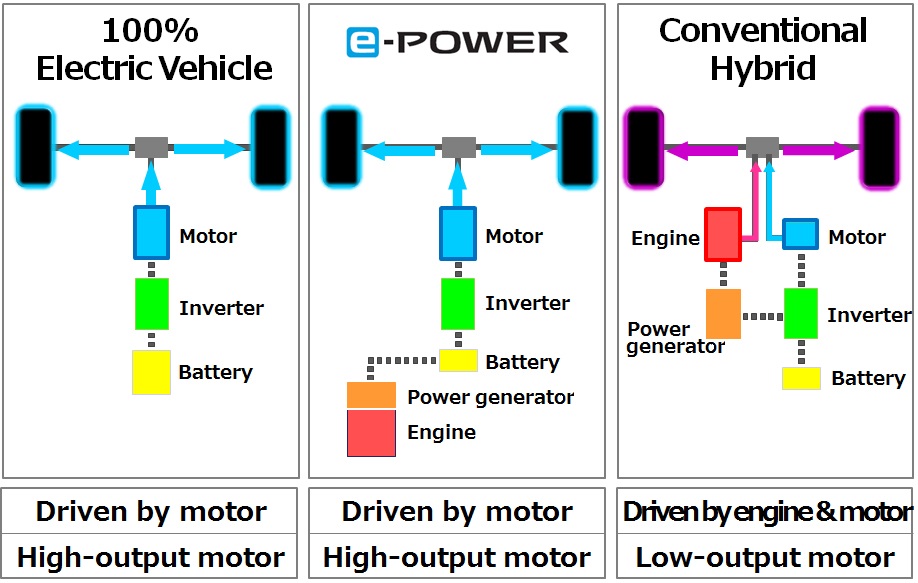
A significant difference between the e-POWER system and other hybrid systems is that the wheels are driven only by the electric motor. With other hybrid systems, the motor and engine are used to propel the vehicle, varying their amount of contribution according to driving conditions.
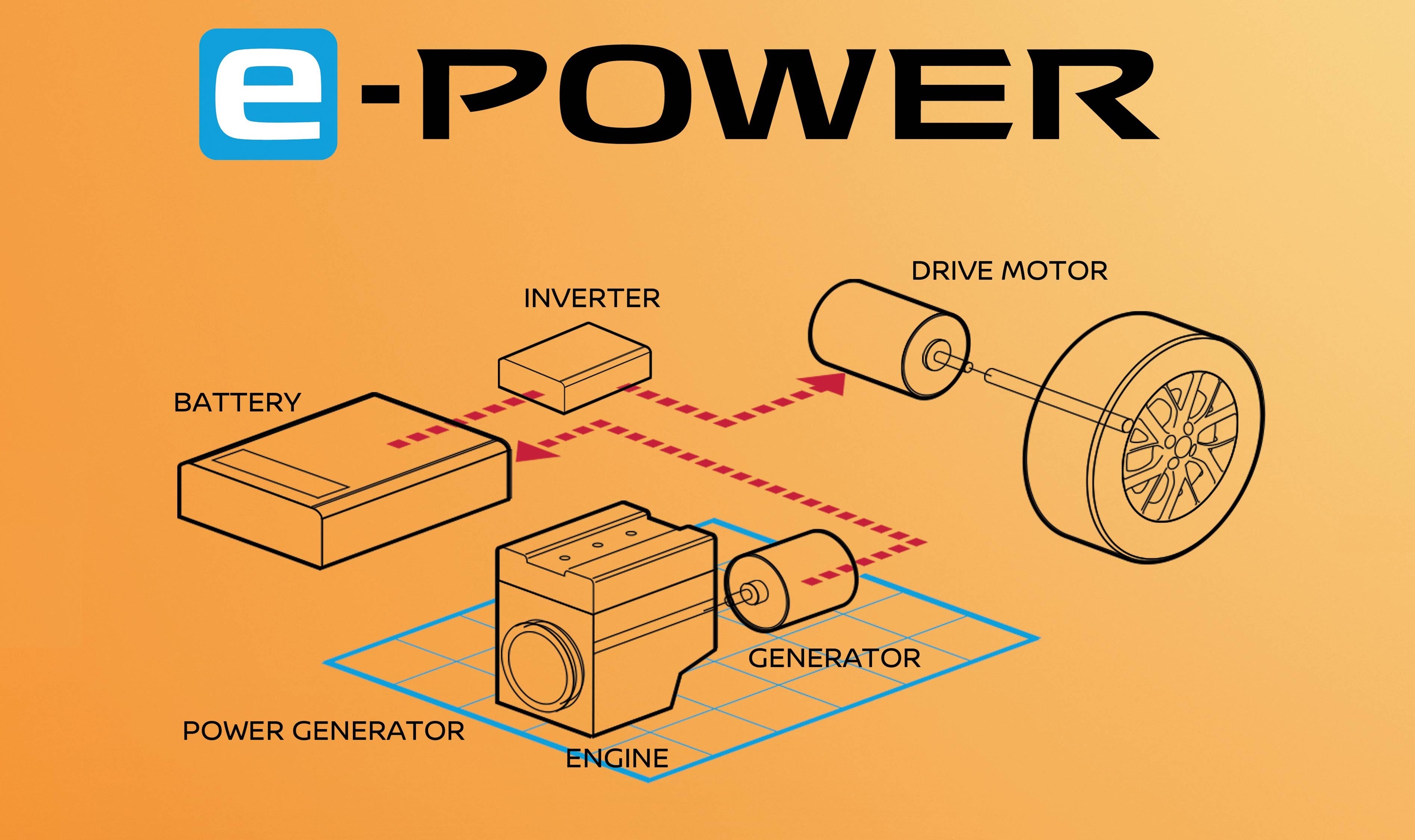
The e-POWER’s compact powertrain consists of a petrol engine, power generator, inverter, and electric motor. In conventional hybrid systems, a low-output electric motor is mated to a petrol engine to drive the wheels when the battery is low (or when traveling at higher speeds). However, in the e-POWER system, the engine is not connected to the wheels; its function is to charge the battery. Thus, the car has its own ‘charging station’ wherever it goes, recharging the battery whenever it is low.
This system structure generally requires a bigger motor and battery because the motor is the only power source to drive wheels. This has made it hard for the automotive industry to mount the system in compact cars. However, Nissan found a way to minimize and reduce weight, develop more responsive motor control methods and optimize energy management. As a result, the e-POWER system can use a smaller battery than the LEAF but delivers EV performance.
This means that there is maximum torque almost instantly – a characteristic of electric motors – , which enhances acceleration. Because the system relies on the engine less frequently, fuel efficiency is comparable to that of leading conventional hybrids, especially during daily town driving.
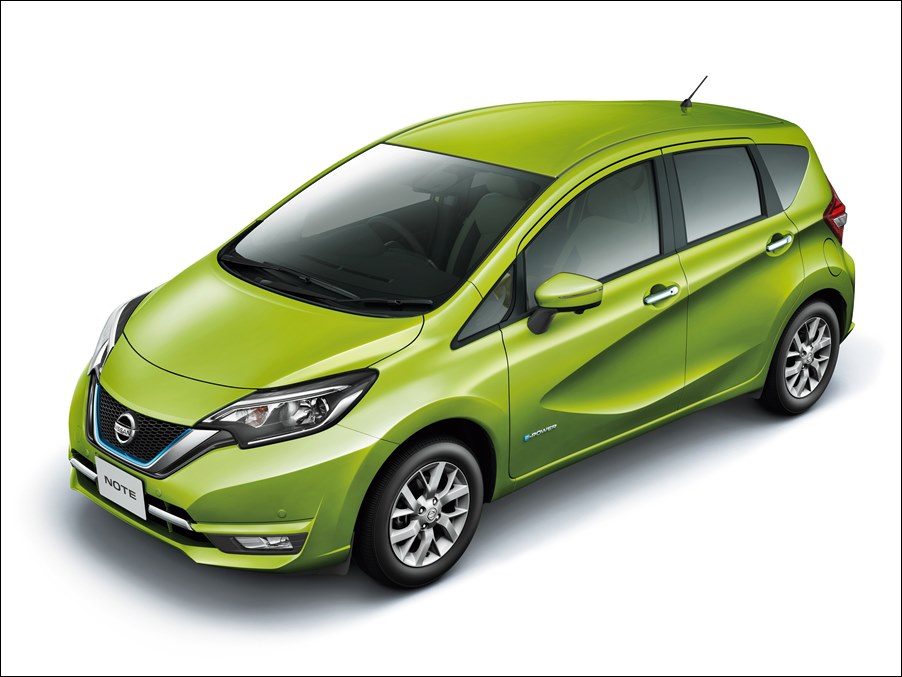
The Note sold in Japan was the first model to use the e-POWER system.
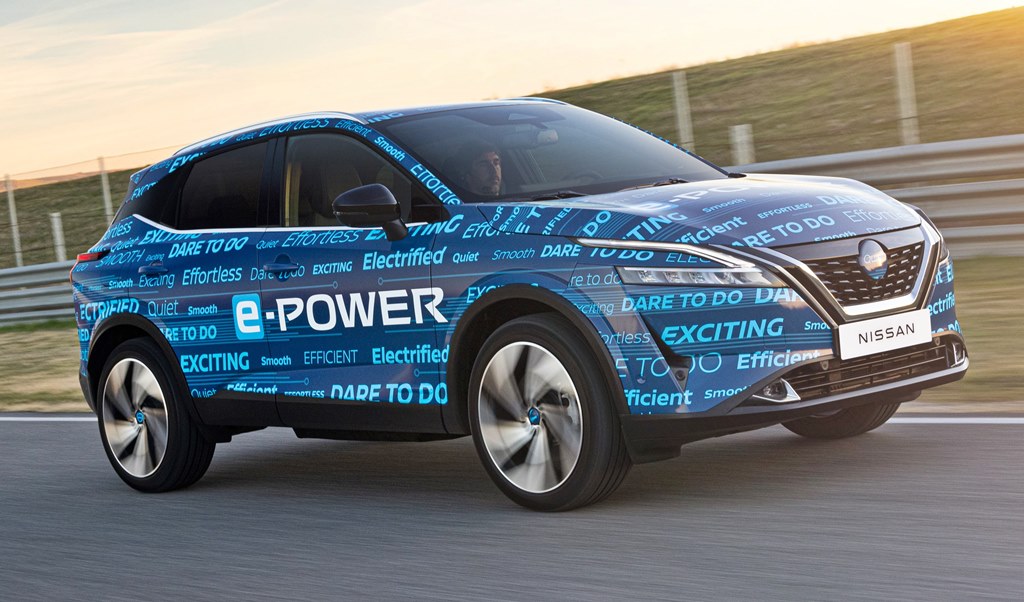
Over the years, Nissan has been improving and refining the e-POWER system while also offering it in selected models for the Japanese market. It has been progressively offered in other markets since 2020 and this year, the new Qashqai SUV will be the first model in Europe to be equipped with the system. The system was also introduced in China last year in the new Sylphy model.
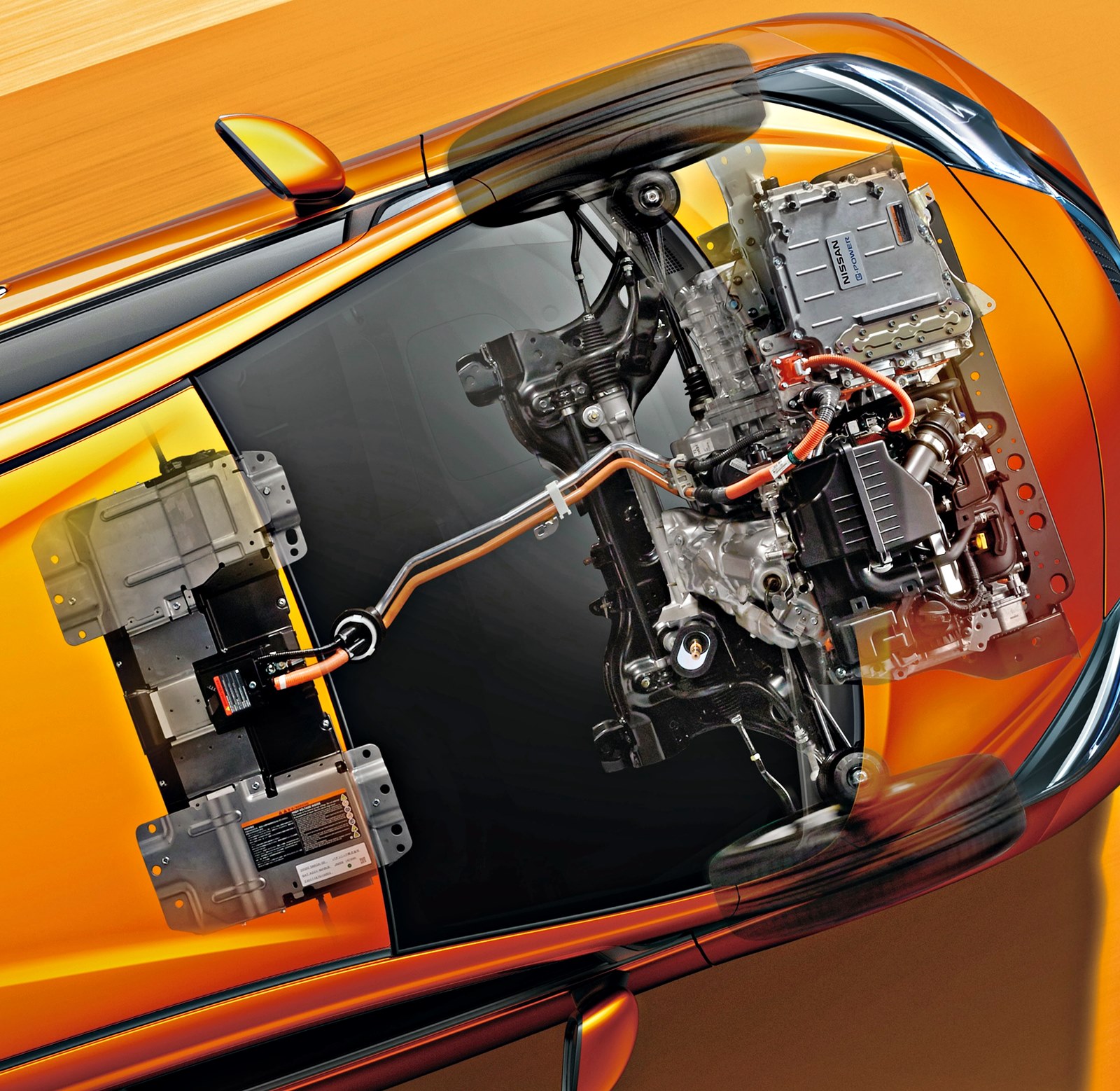
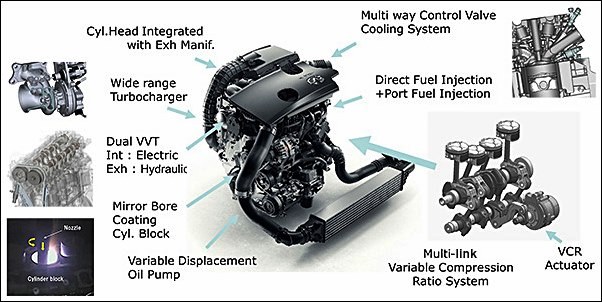
At the heart of the latest e-POWER system is a 1.5-litre 3-cylinder turbocharged variable compression 156 bhp petrol engine (pictured below) which has been developed specifically for this application. First used by Infiniti, the engine’s variable compression capability (between 8.1 and 14.1:1) is a unique feature in an internal combustion engine and allows it to adjust compression ratio, giving both optimum performance and economy depending on the engine load. The 140 kW electric motor is of a similar size and power output as found in Nissan’s EV models.
With the variable compression ratio, the engine runs within its optimal range and best compression ratio, leading to superior fuel efficiency and lower CO2 emissions compared with a traditional internal combustion engine, as well as a refined drive thanks to reduced engine noise.
To maximise performance, in high acceleration or high-speed situations, the energy management control unit within the e-POWER system can send the power generated by the engine directly to the electric motor, via the inverter, to bolster the electricity supply which is coming from the battery. Under deceleration and braking, the kinetic energy is recaptured and channelled back to the battery to optimise efficiency.
Key to the development of the e-POWER system for the Qashqai was the need to ensure the driving experience gave a ‘connected’ sensation, where the petrol engine speed remains relative to the vehicle’s road speed. Engineers at Nissan Technical Centre Europe collaborated in developing a system called ‘Linear Tune’. This feature governs the petrol engine and progressively increases the speed of the 1.5-litre engine to meet the motor’s energy demands as the car accelerates, ensuring there is no ‘disconnect’ between what the occupants experience in terms of performance and sound.
New Qashqai is first Nissan model in Europe with e-POWER.
The disparity between engine speed and road speed is a phenomenon that drivers and passengers find unsettling. For example, a sudden rise in engine revs without a commensurate increase in speed is perceived as frustrating and ‘disconnected’ by occupants – which Linear Tune addresses.
Although sales of EVs are growing rapidly, especially in Europe, Nissan understands that not everyone is ready to make the switch for various reasons. The e-POWER system therefore provides a transitional phase where the benefits of using an EV can be experienced without the present concerns that many may have regarding recharging and range.
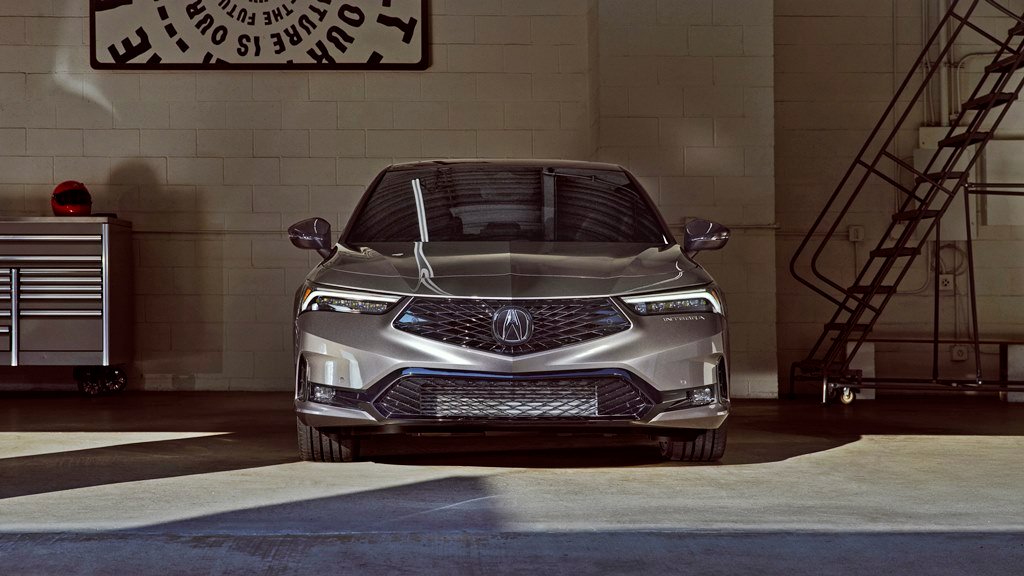
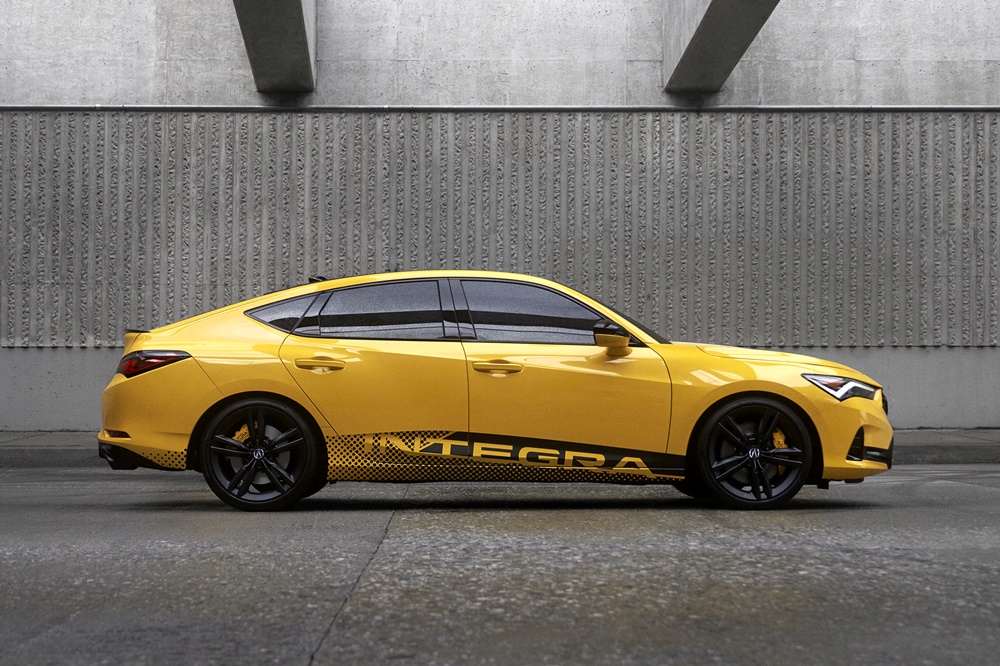
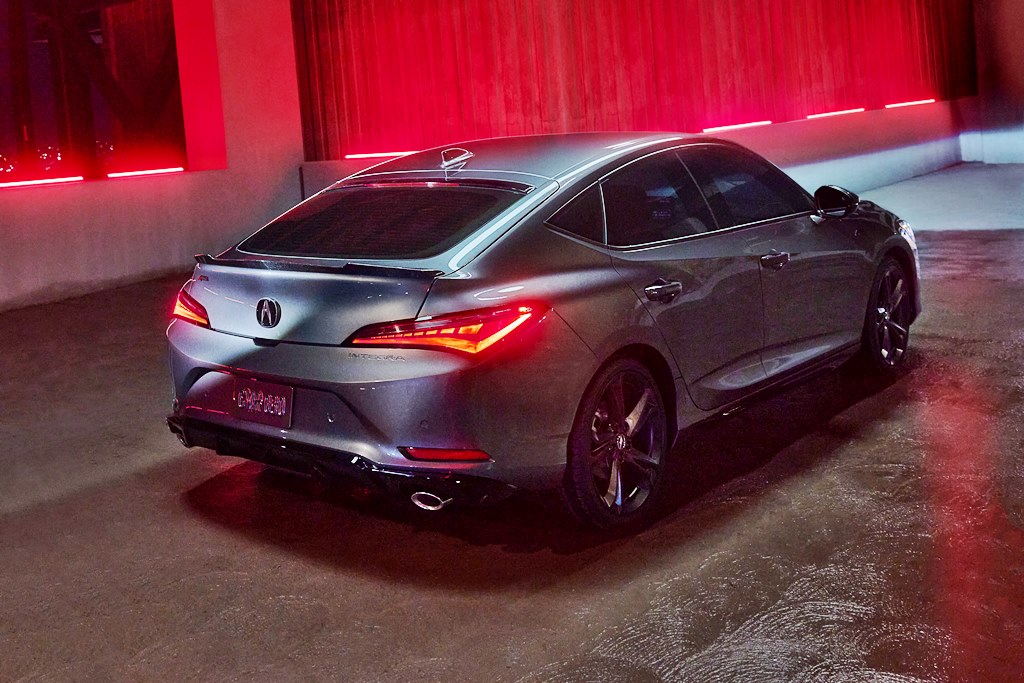
The Integra was the model that helped launch the Acura brand in America in 1986 and became a much respected model among enthusiasts. It was retired in 2001 (in America) and was thought to be destined to stay in history books and memories. But last year, Acura showed off an Integra Prototype and said that the model would be back, and it would be built in America for the first time.
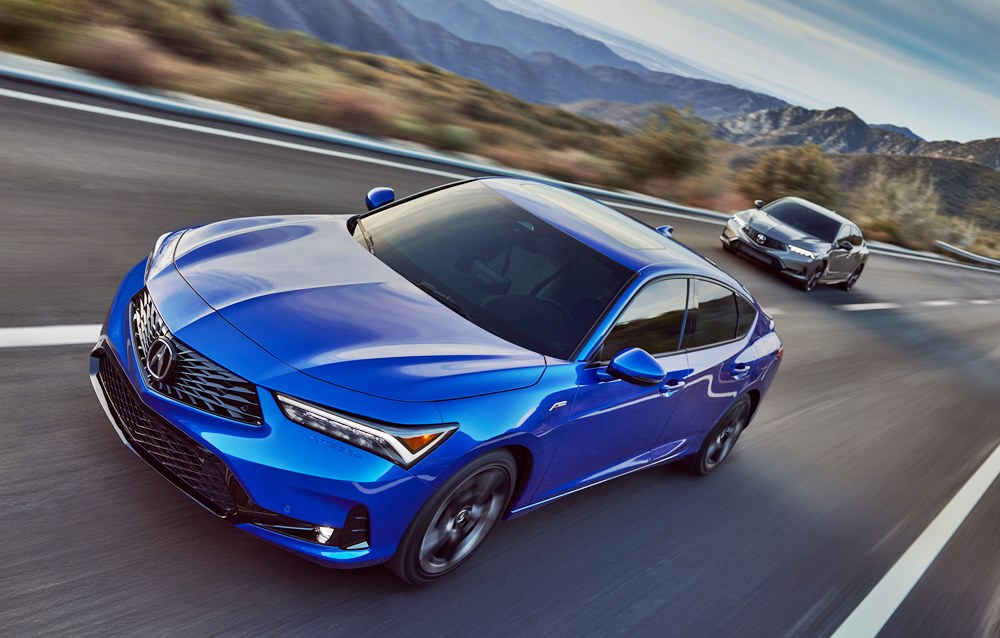
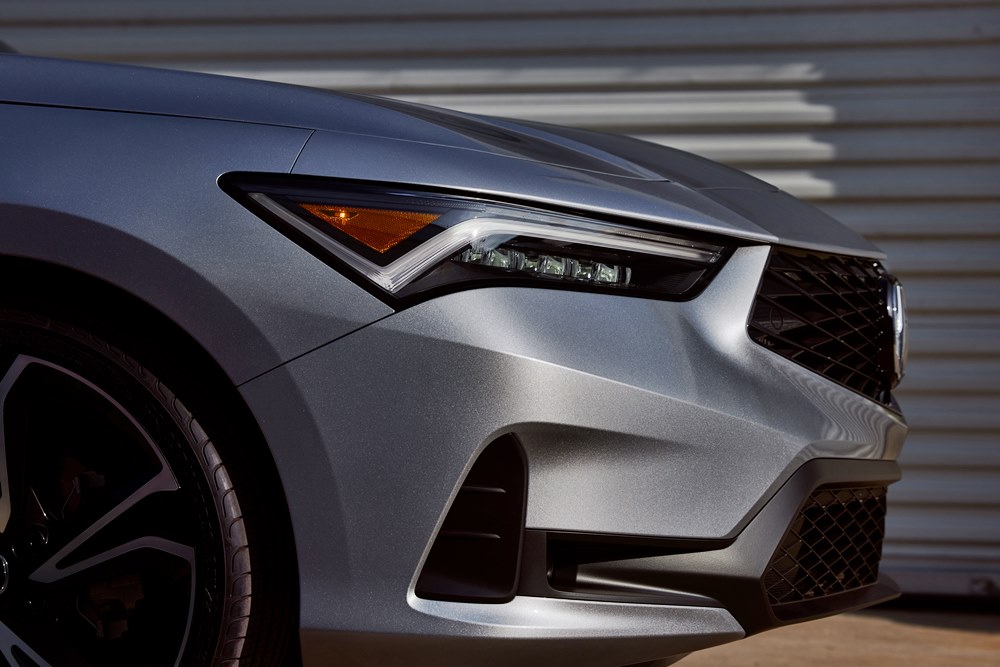
And here it is, looking very much like the prototype but without the bright yellow colour and graphics. It returns with a fresh new sporty design, coupe-like and having 4 doors plus a tailgate. The Integra uses Acura’s contrast design language, first seen on the latest RDX and features a frameless version of Acura’s Diamond Pentagon grille, framed by four JewelEye LED headlight elements and ‘Chicane’ LED daytime running lights.
Integra Prototype shown last year.
The rear end has dual exhaust finishers below and wide, single piece LED taillights above which are reminiscent of previous models. Embossed Integra logos in the front and rear fascia recall the 3rd generation car.
Customers can also select appearance packages and with the A-Spec sport-appearance package, there are gloss-black window surrounds and front and rear fascia trim, as well as a sporty lip spoiler. The package includes 18-inch alloy wheels fitted with larger 235/40R18 performance tyres.
Familiar 1.5-litre turbo engine
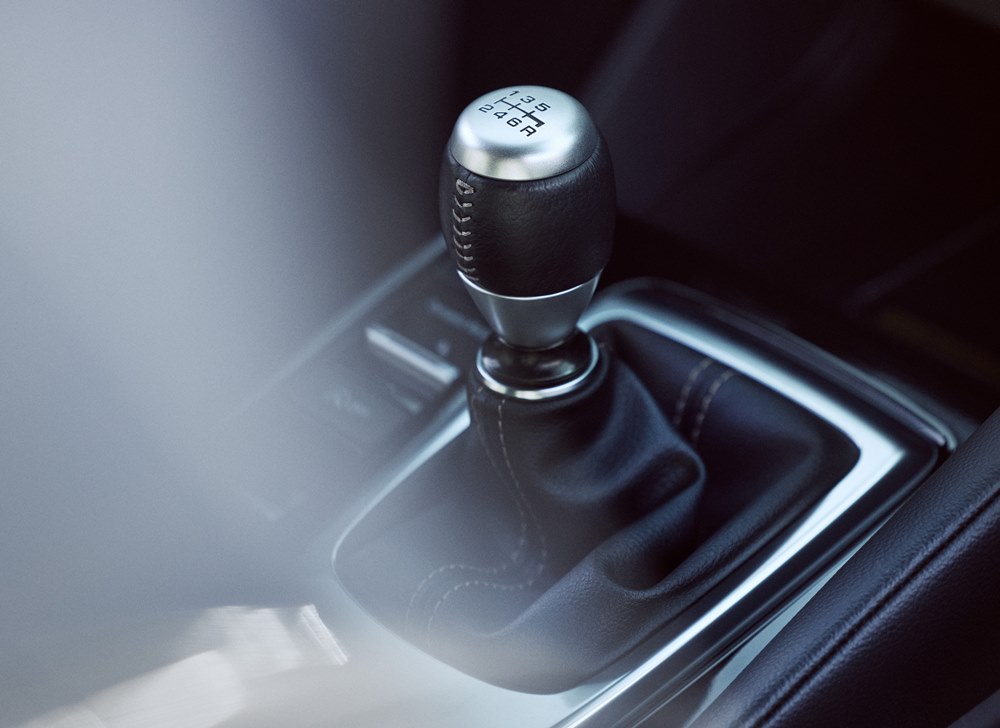
Under the aluminium bonnet is a VTEC-enhanced DOHC 1.5-litre turbocharged 4-cylinder engine producing 200 bhp/260 Nm. A new coil type exhaust system adds an emotional exhaust sound. The engine comes with a CVT but customers can also opt for a 6-speed manual transmission (with LSD included), which should please enthusiasts.
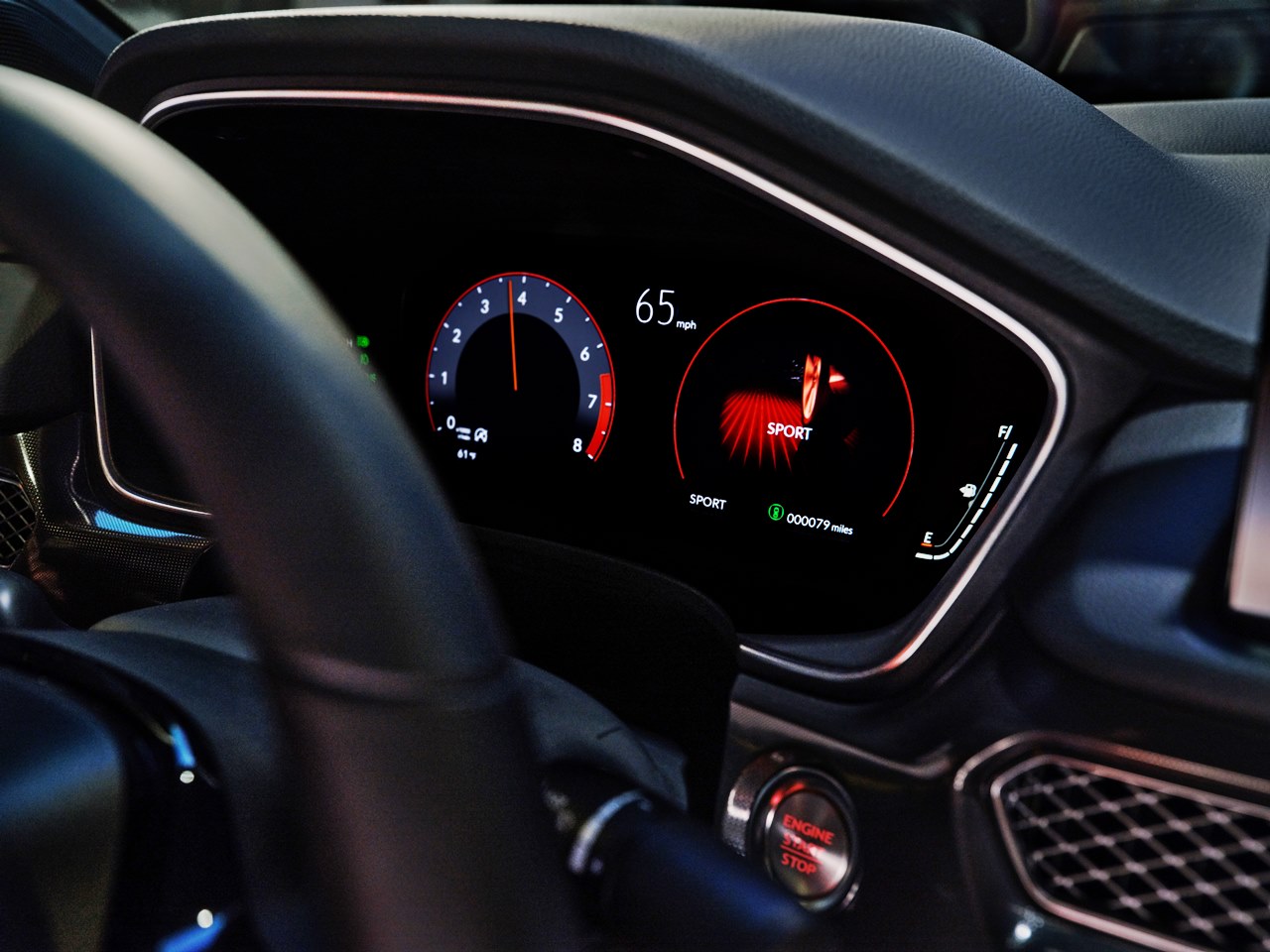
A standard Integrated Dynamics System provides3 driving modes (Comfort, Normal and Sport) that the driver can choose. Each mode has its own throttle response, automatic transmission mapping, steering feel and even gauge colouration.
Adaptive Damper System
Much is shared with the latest Civic but the engineers have also tuned the chassis of the new Integra to provide class-leading driving dynamics and engaging performance. The fully independent suspension can be upgraded with an optional Adaptive Damper System for drivers to have more precise control of the ride and handling. An Individual mode allows independent selection of steering, engine response, and suspension firmness for a more personalise driving experience at the touch of a button.
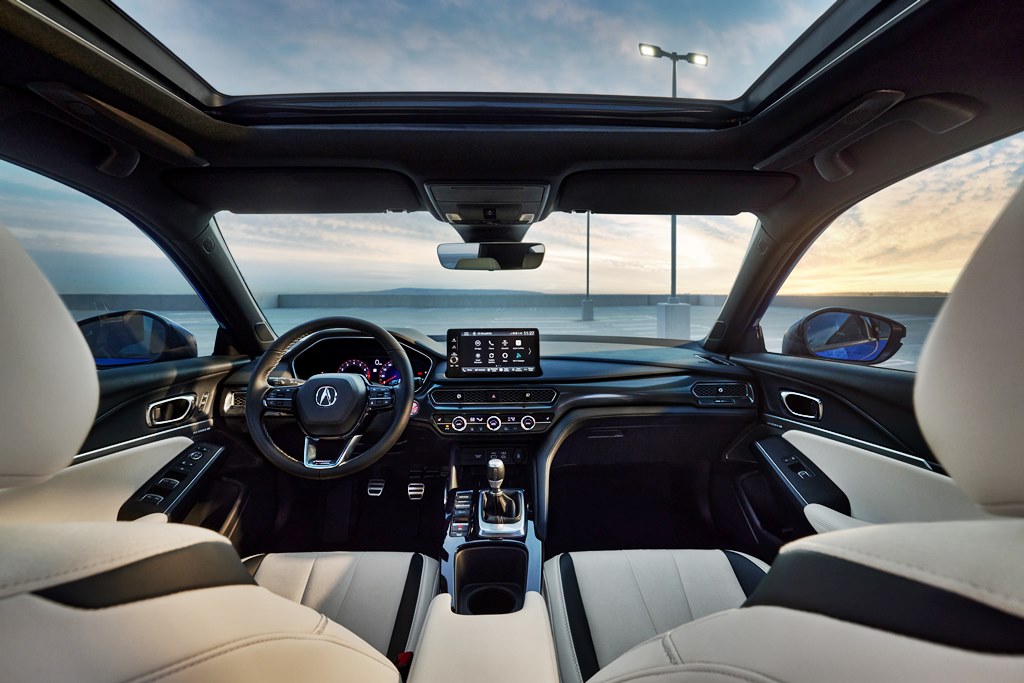
Inside, the Integra’s cabin has a low dashboard cowl, thin pillars and door-mounted mirrors which give a better field of view. Sporty cars don’t always have good rear legroom but the Integra is said to give rear passengers generous legroom and plenty of space for recreational gear.
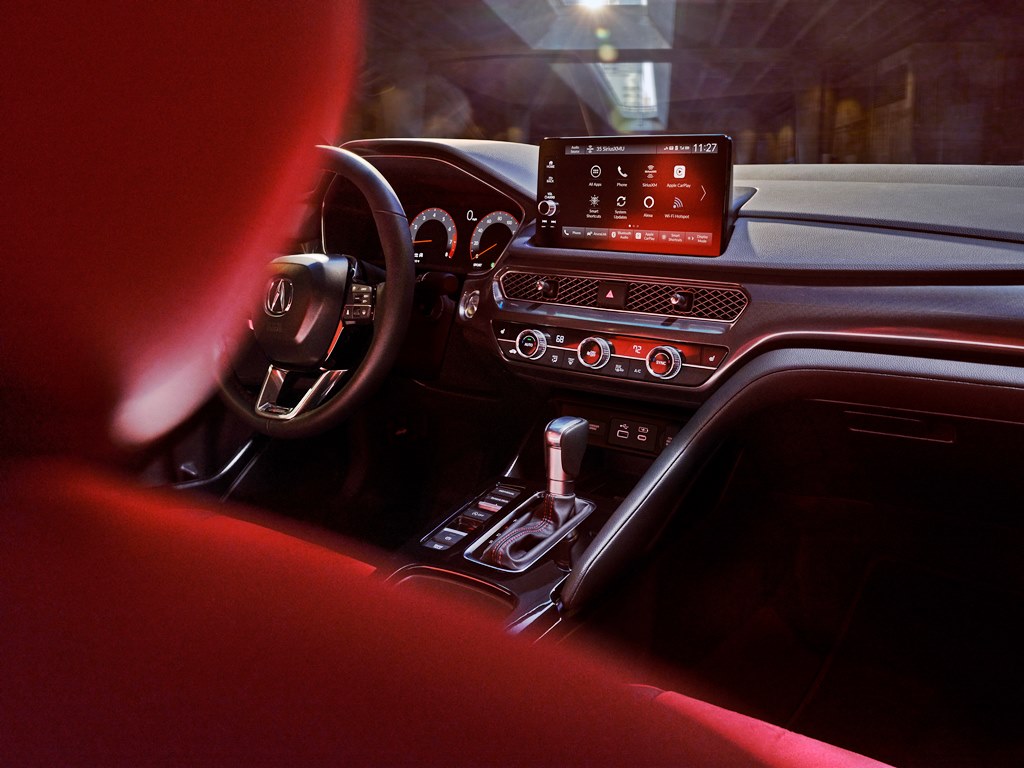
Standard are new body-stabilizing front seats wrapped in synthetic leather. They come with 8-way power adjustment for the driver which can be upgraded to 12 ways at extra cost. When equipped with the A-Spec package, the standard items are replaced by stainless steel pedals, red gauge needles, and contrast stitching on the steering wheel, seats, shifter and shift boot.
Acura Precision Cockpit
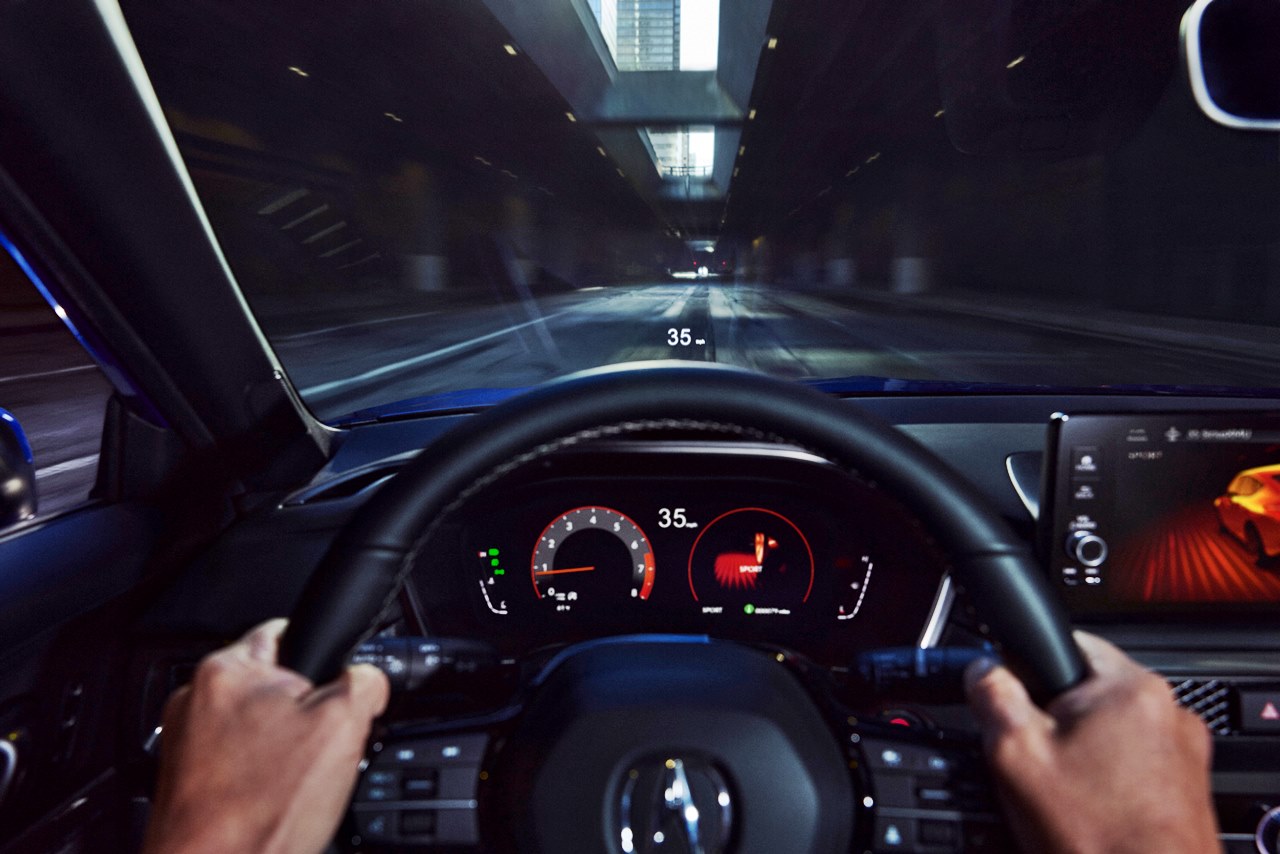
The 10.2-inch Acura Precision Cockpit digital gauge cluster with multiple display modes is complemented by a 7-inch or 9-inch digital touchscreen. Those who add the Technology Package can also get Qi-compatible wireless charging and a 5.3-inch Head-Up Display. All USB charging ports are the newer Type C ones. For music on the move, there’s an 8-speaker system with the option of a 16-speaker ELS STUDIO 3D premium audio system.
Being a sportscar with high performance, safety is naturally even more important. The Integra has many active safety systems including the integrated AcuraWatch suite of driver assistive and safety technologies that use a single camera system. It also has a segment-first new generation of driver and passenger front airbags, specifically designed to cradle the head and reduce the risk of brain injuries, especially in offset collisions. The aluminium bonnet is made with an embossed inner structure that will distribute the force of an impact with a pedestrian’s head in the event of a collision to reduce the likelihood of injury.
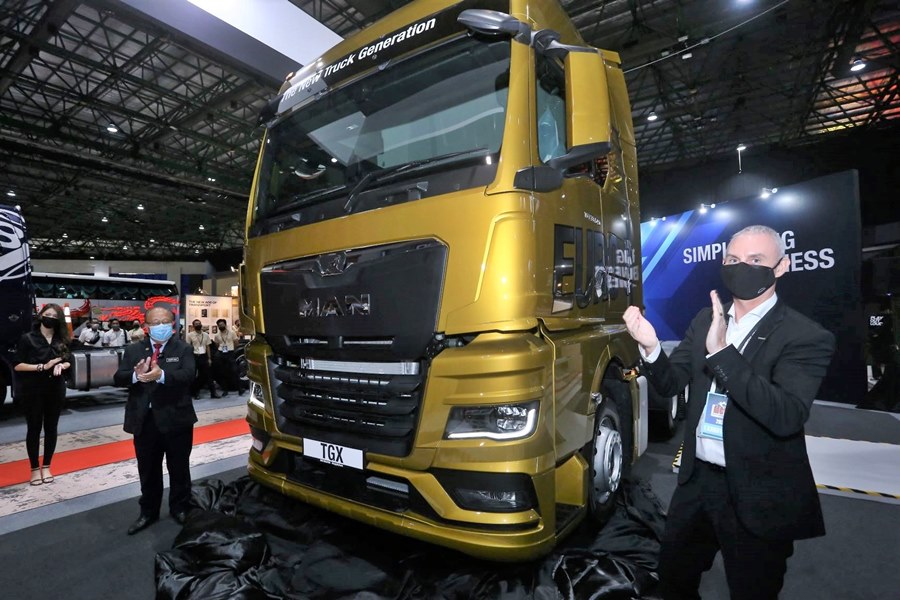
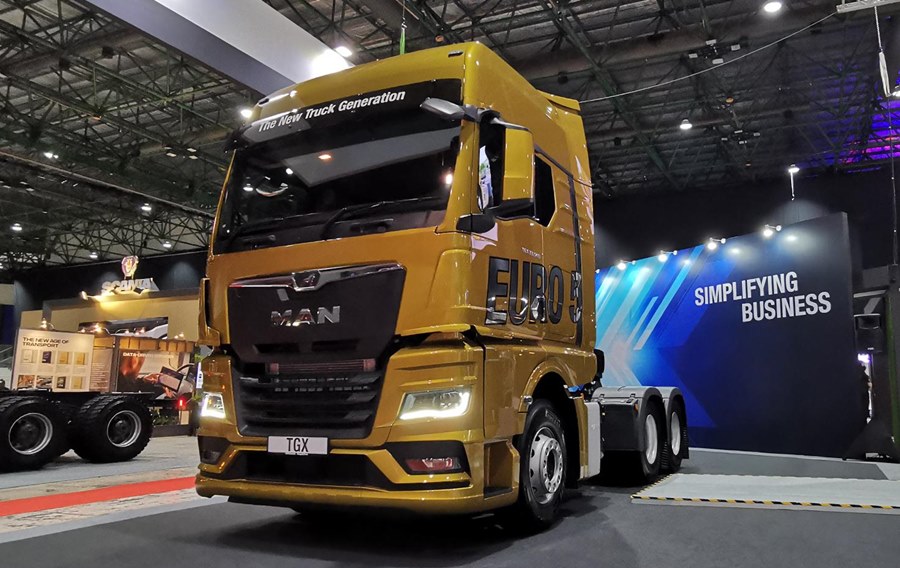
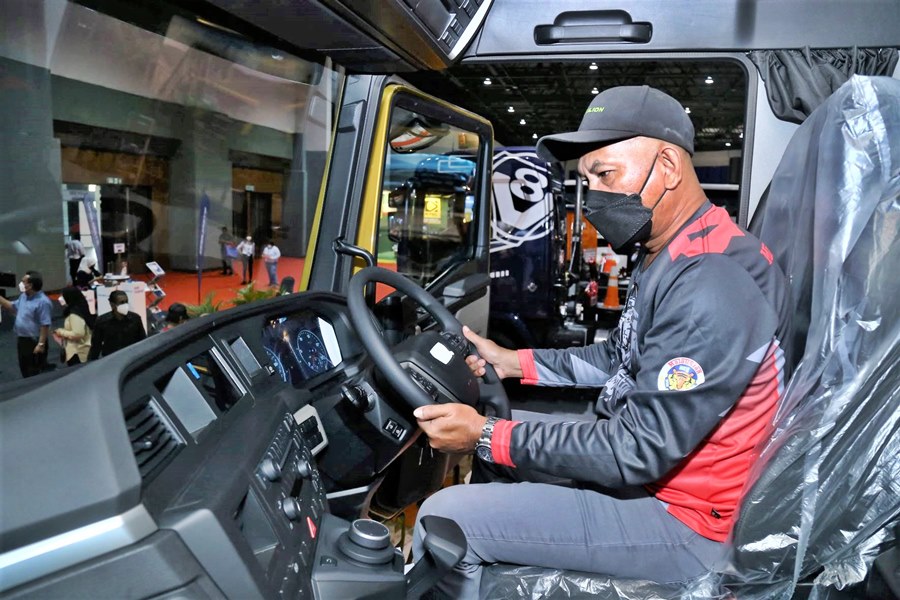
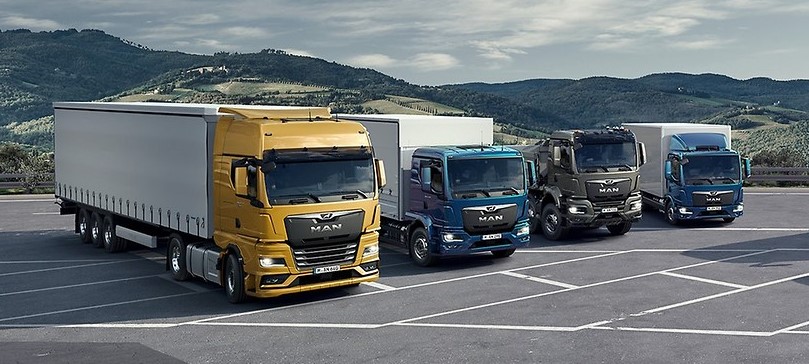
MAN Truck & Bus (M) Sdn Bhd (MAN Malaysia) has launched its flagship model of the New MAN Truck Generation line-up – the MAN TGX. The company expects that the truck, designed for long-haul and cross-border trips that typically last a few days, will find significant demand from fleet operators in the country.
More space, larger cab
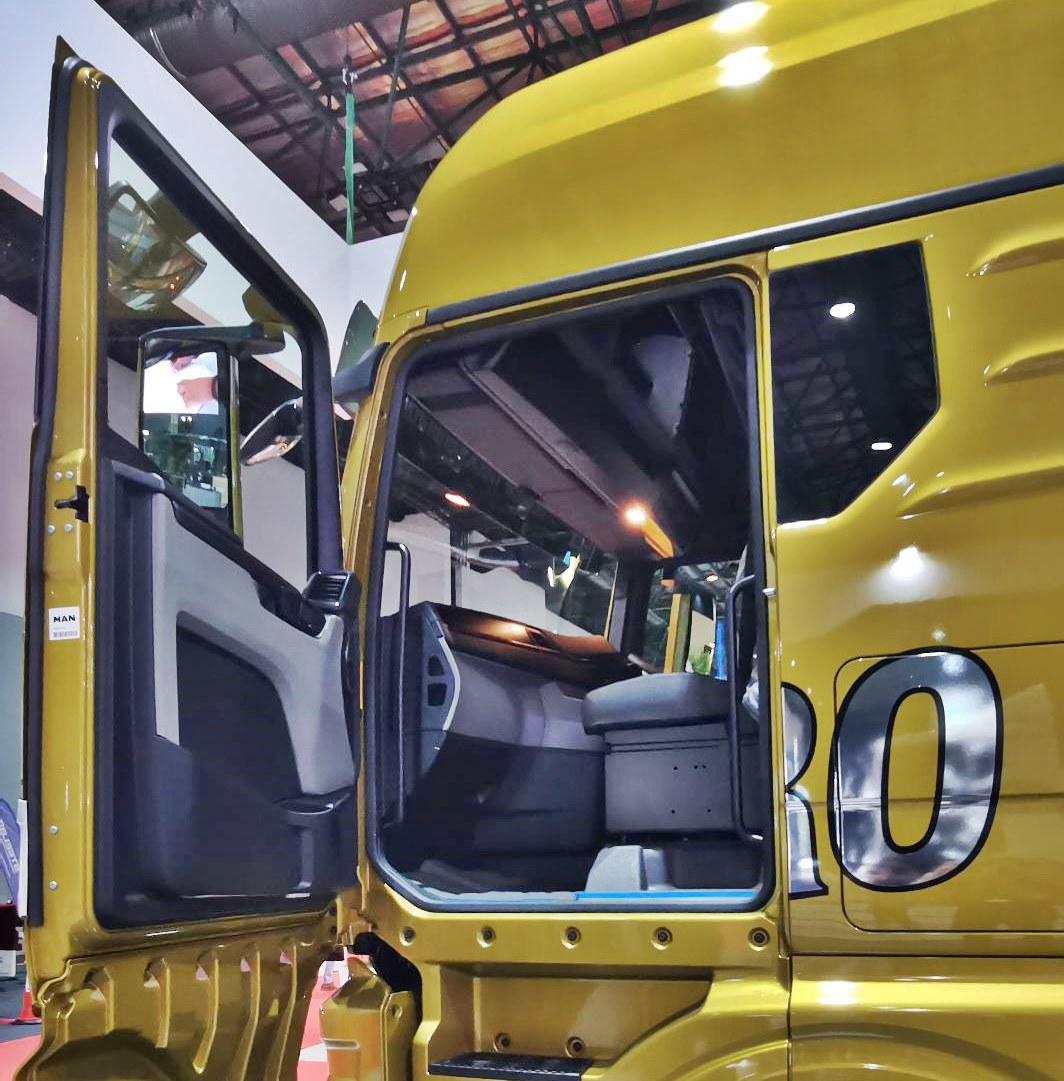
The MAN TGX is offered alongside its more familiar stablemate, the flexible and versatile MAN TGS that is typically the model of choice in this market. However, the TGX offers more spaciousness with the largest cab among all the New MAN Truck Generation models, especially with its high roof.
The spacious cabin offers more than 520 litres of combined storage space while the standing height of 2,100 mm allows easy movement for the driver and co-driver. The exterior dimensions of the cab are a width of 2,440 mm, length of 2,280 mm and height of 2,150 mm.
Euro-5 compliant engine
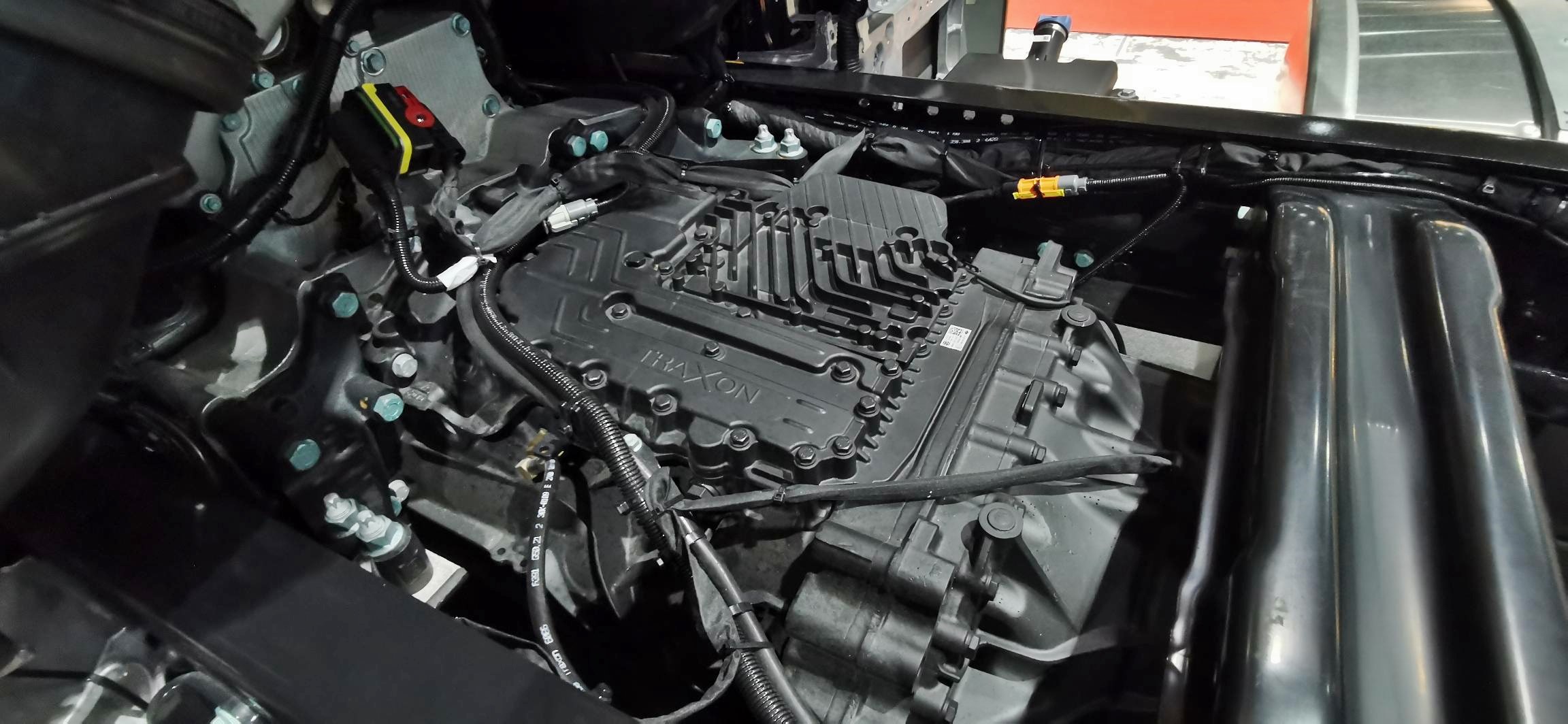
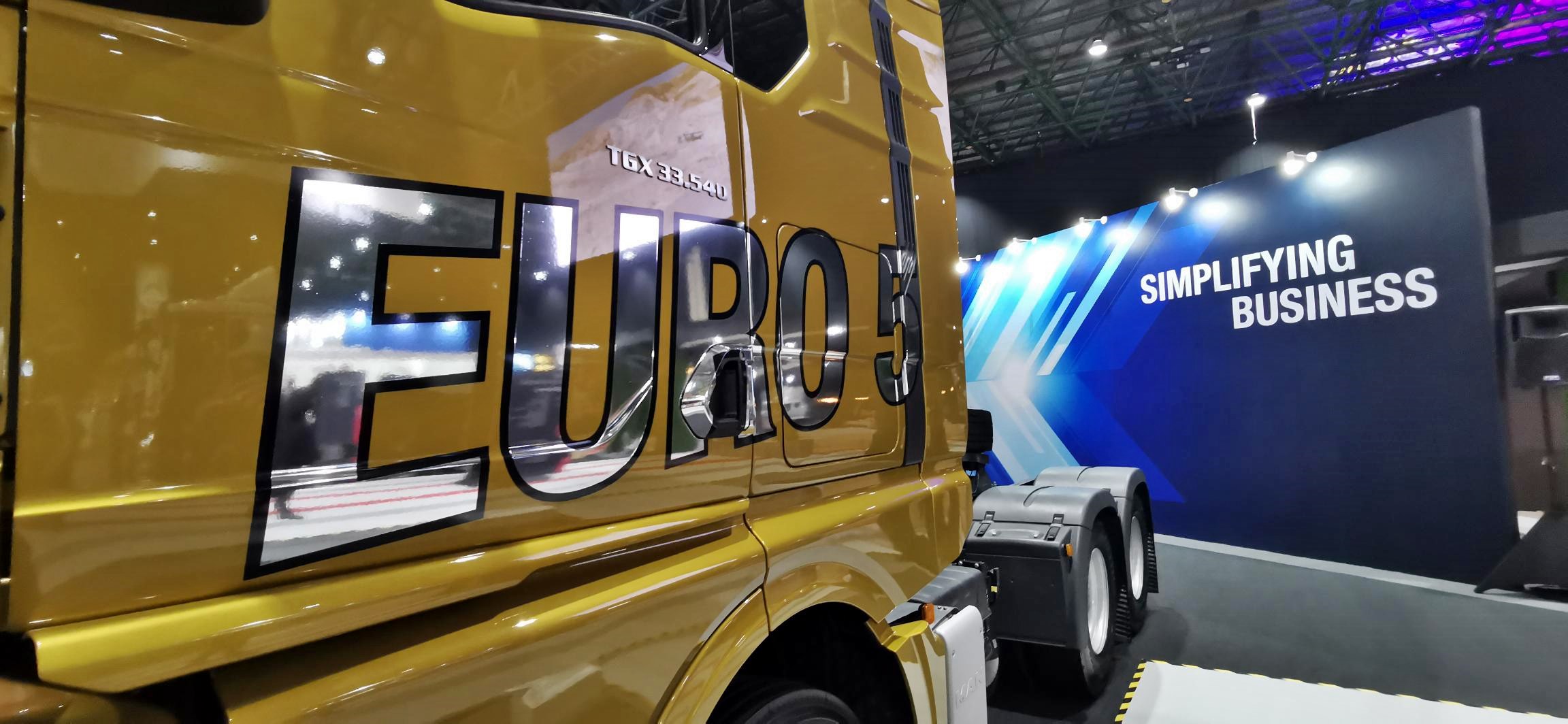
The MAN TGX is powered by the proven MAN D2676 LF08 which has maximum power output of 540 bhp/2,500 Nm and is coupled to a 12-speed MAN TipMatic gearbox. It generates lower carbon emissions to comply with stricter Environmental, Social and Governance (ESG) standards that are the norm in today’s business environment. As with all the other models MAN Malaysia has been offering since November 2021, the diesel D266 LF 08 engine is Euro 5-compliant.
The engines of all MAN trucks sold in Malaysia are Euro-5 compliant.
MAN Malaysia Managing Director Andrew O’Brooks said that the move demonstrated the company’s desire to stand-up and be counted in Malaysia’s journey towards carbon-neutral status by 2050. “We are effectively challenging the Malaysian transporters to join the journey and take the lead in reducing carbon emissions. In Europe, long-distance transport vehicles produce as much as 27% of CO2 gases. Malaysia must look and act now to reduce its carbon footprint; and the commercial vehicle industry as well as public service vehicles can do their part in this environmental challenge,” he said.
‘Industry needs to reinvest’
As a manufacturer, MAN is doing its part to offer the right solution. “The industry certainly needs to reinvest in new, future-proof trucks that meet these criteria especially in the current business environment that demands strict environmental, social and governance (ESG) compliance,” Mr. O’Brooks added.
In the late 1990s, licensing regulations for the use of pick-up trucks changed allowing them to be registered for private use like passenger cars. The development was very significant and gave Malaysians an alternative to the passenger car for personal transport. Furthermore, they were also not subject to excise duty due to the provisions of the ASEAN Free Trade Agreement, allowing their prices to be lower.
The development was significant as it saw rapid expansion of the pick-up truck segment. Tens of thousands of Malaysians switched to trucks over the years, finding them to be great for many different roles – daily transport, leisure activities and as a workhorse for those who had a small business.
Isuzu Motors, having had long experience in pick-up trucks and light commercial vehicles, took serious note of this trend and began to adapt its D-MAX truck to be more suited for personal use. Of course, all the original attributes such as go-anywhere capability, efficient and reliable powertrains and robust engineering were maintained and improved with each generation.
The best of the best
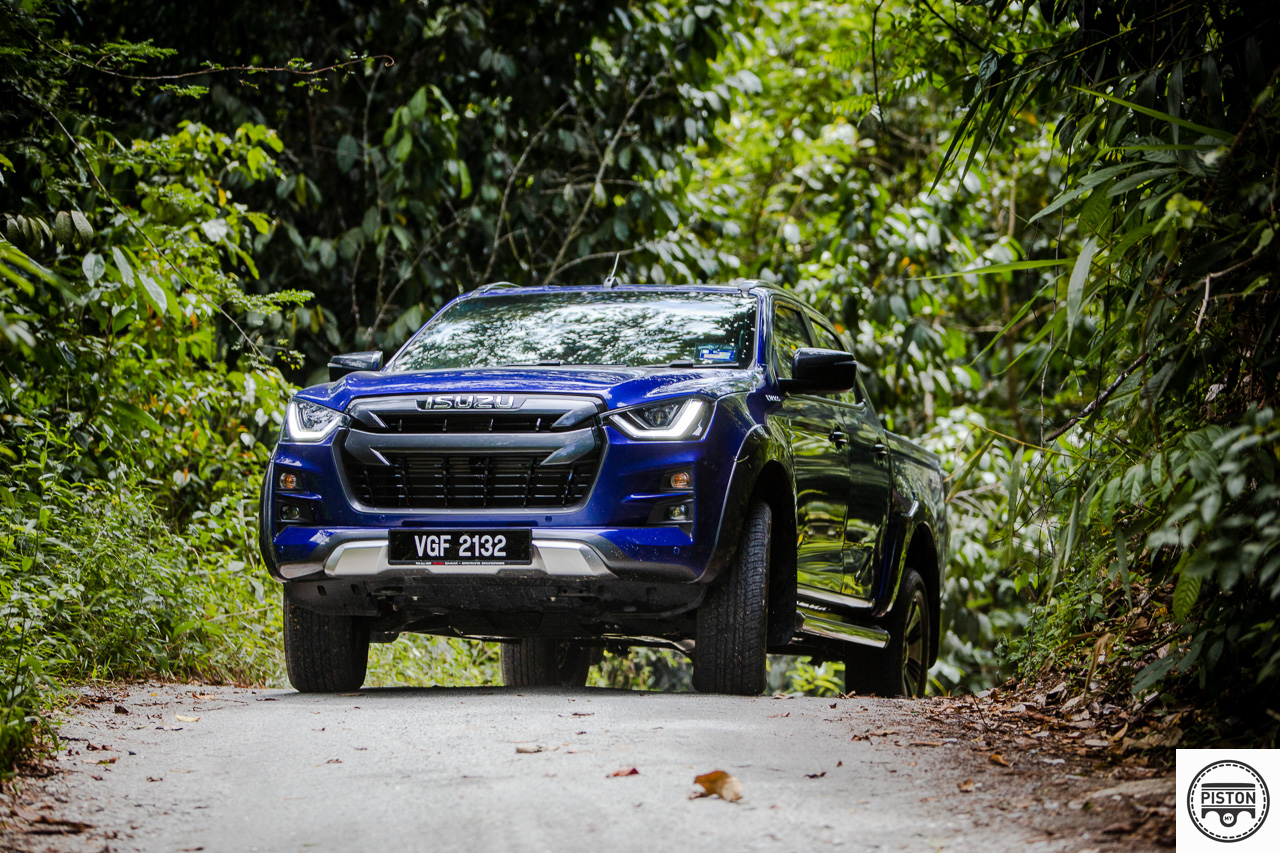
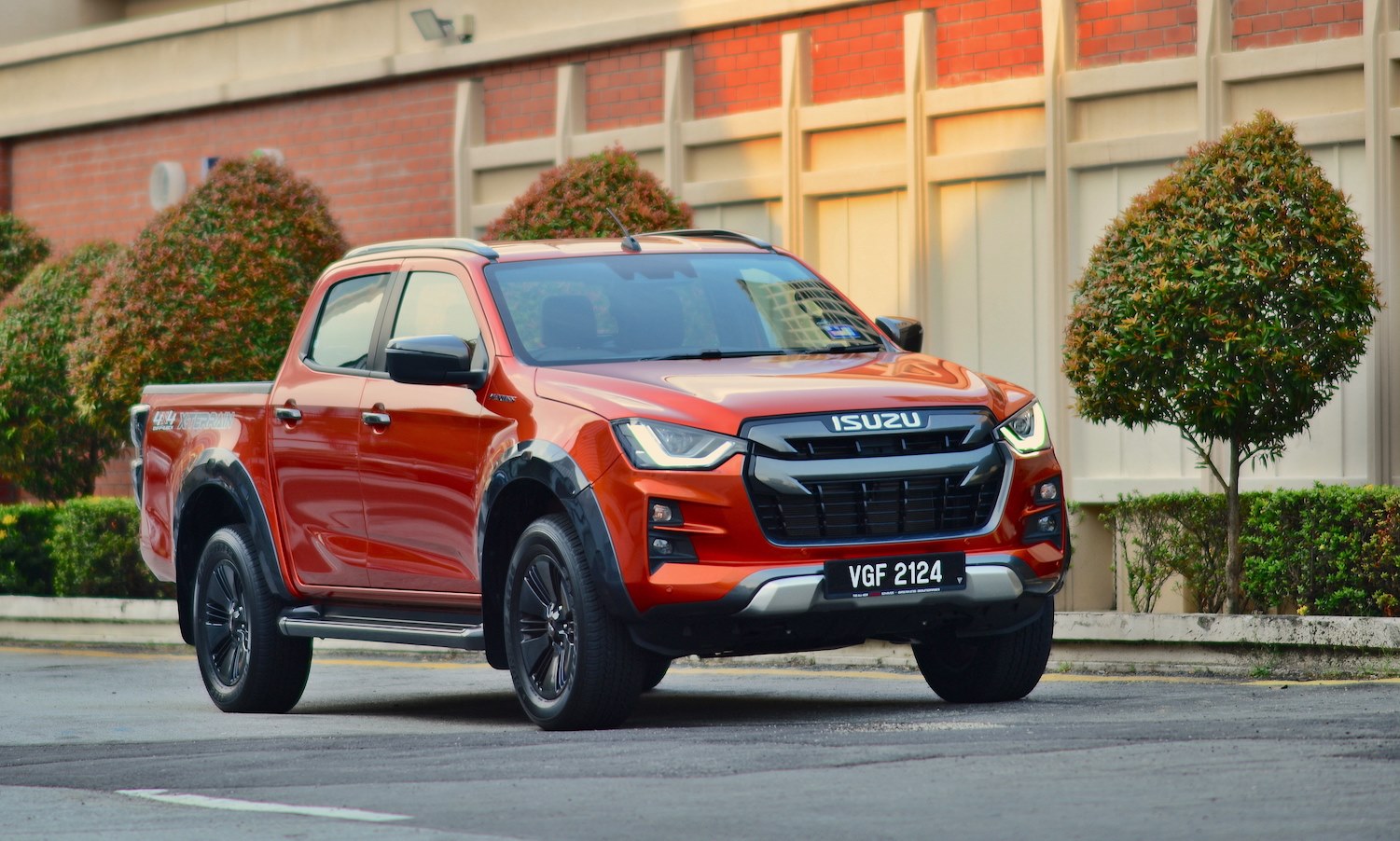
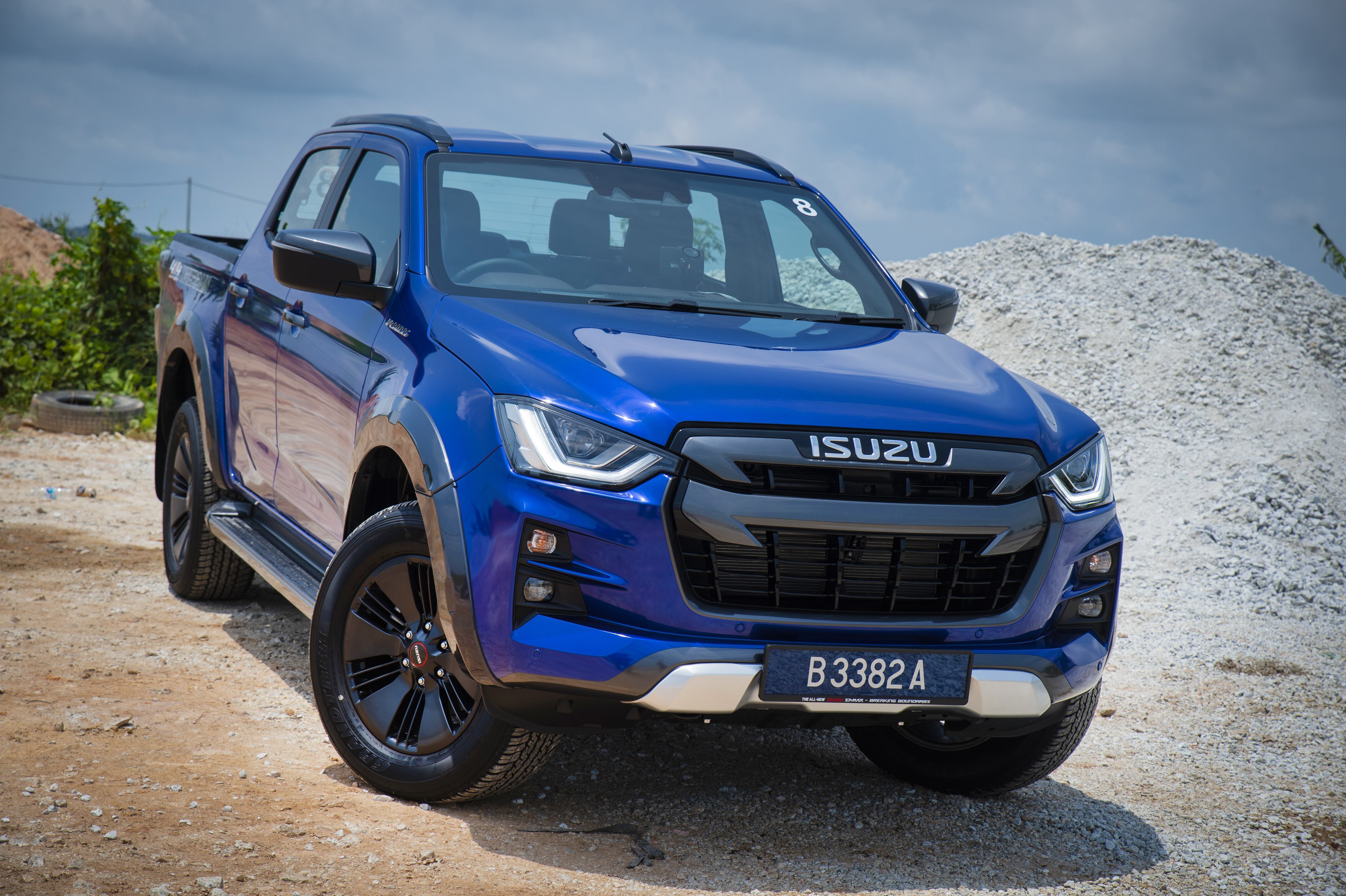
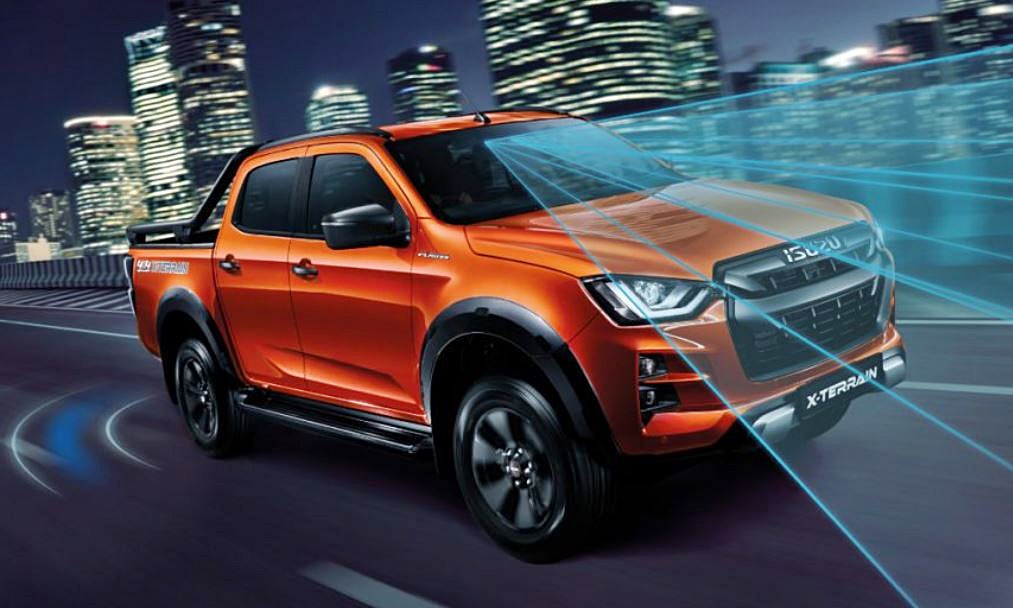
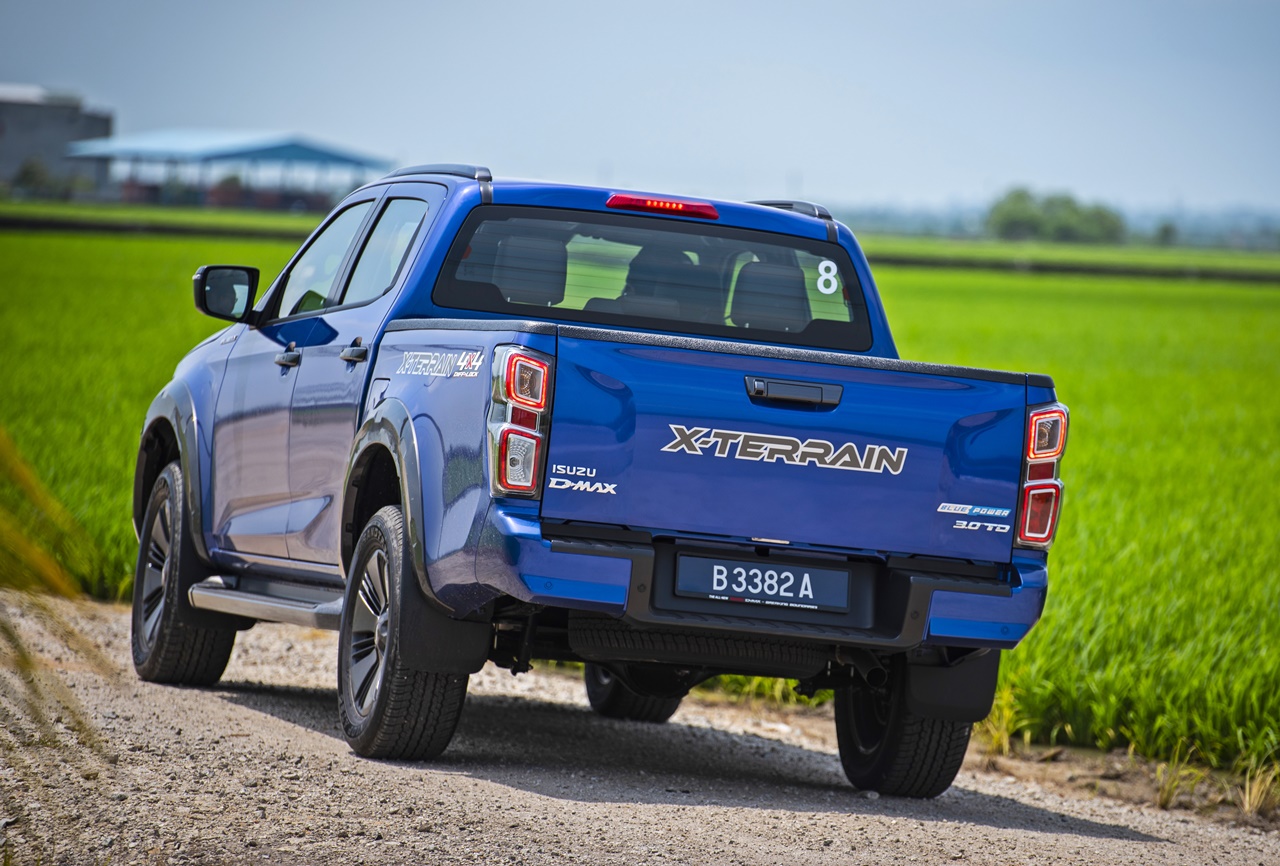
Today, the D-MAX is in its third generation which was launched in April 2021. Without a doubt, it can be considered the best D-MAX ever offered and the ‘best of the best‘ would be the X-Terrain version which is at the top of the range.
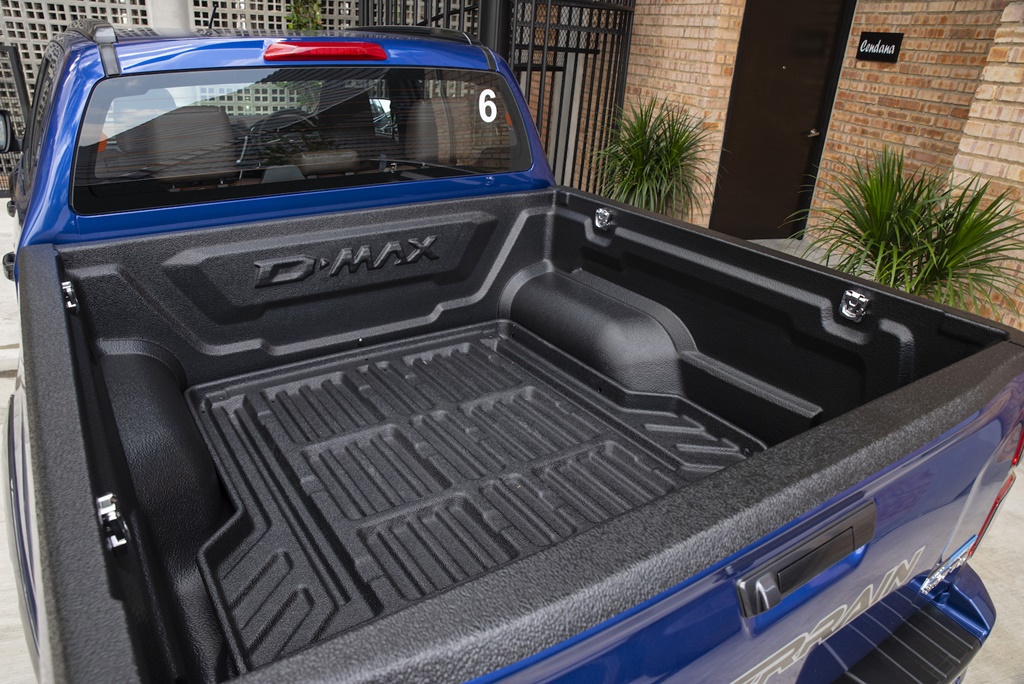
The D-MAX X-Terrain would be the ideal pick-up truck for anyone who is keen to switch to the ‘trucking lifestyle’. For starters, let’s consider the interior: back in the old days, pick-up truck interiors were pretty bare because they were used only for rough work. So there was no point putting in good materials or even providing comfort – and certainly, there was no air-conditioning. The pick-up trucks them would have been unappealing even if they could be used for personal transport.
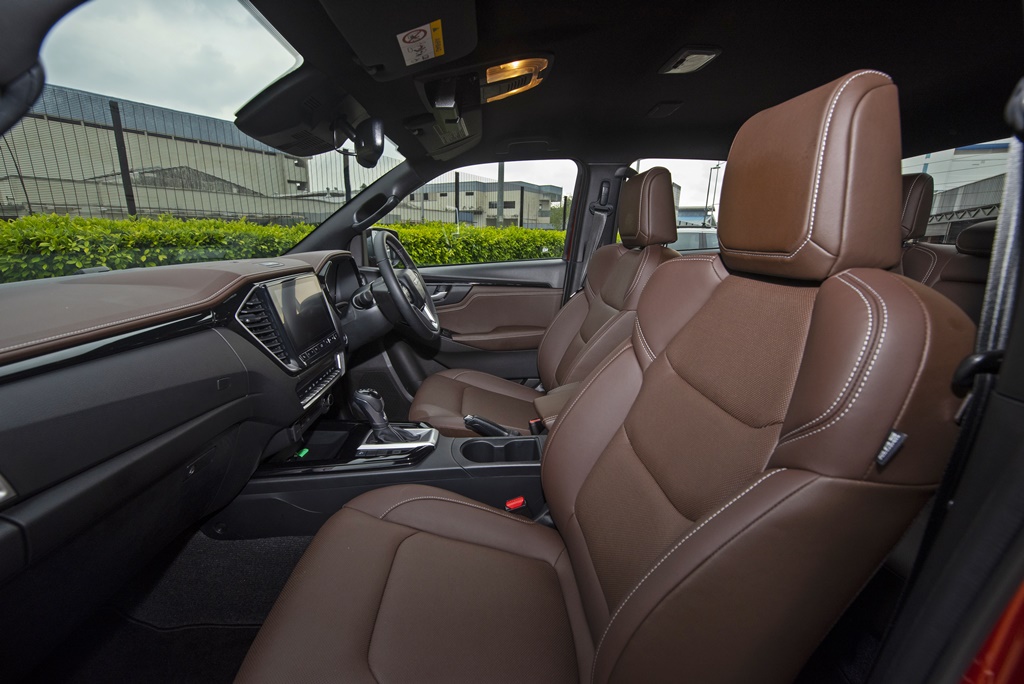
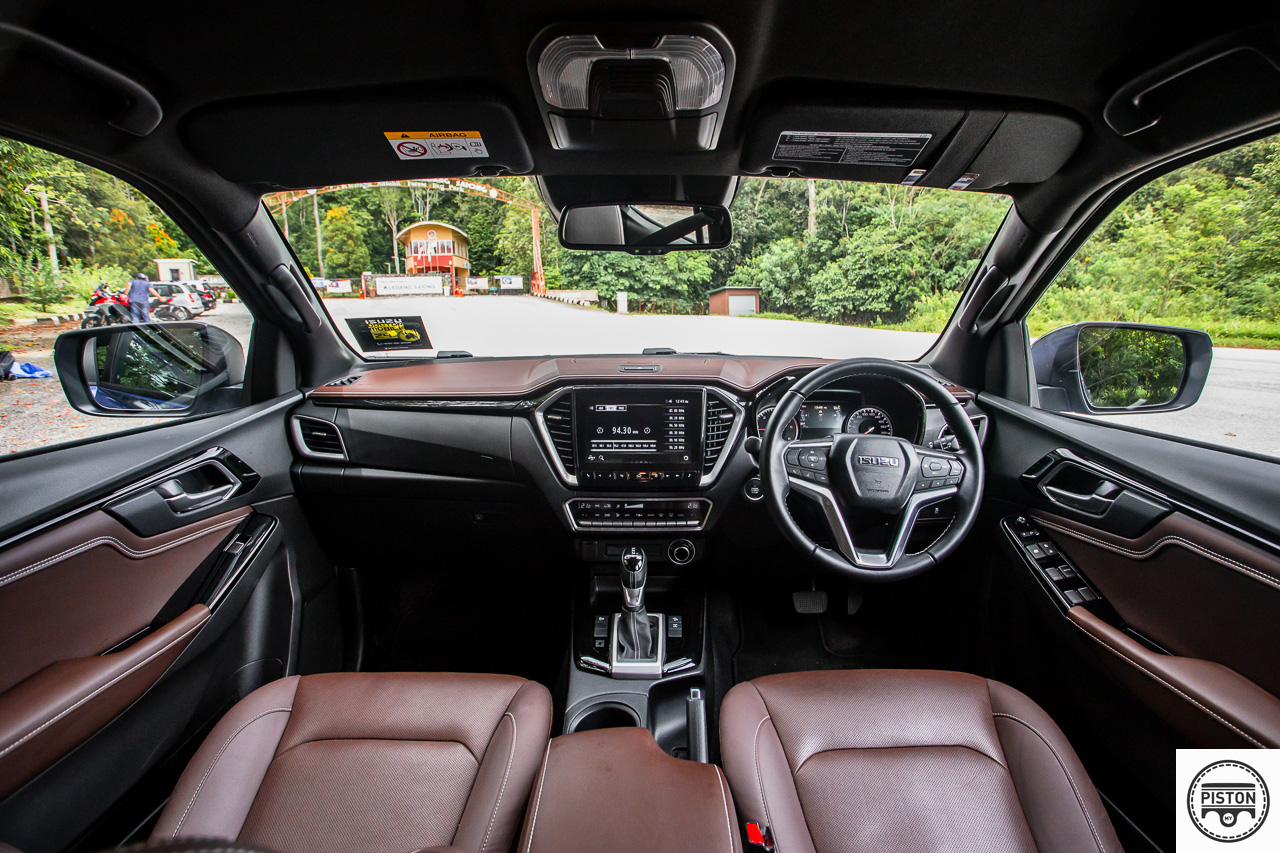
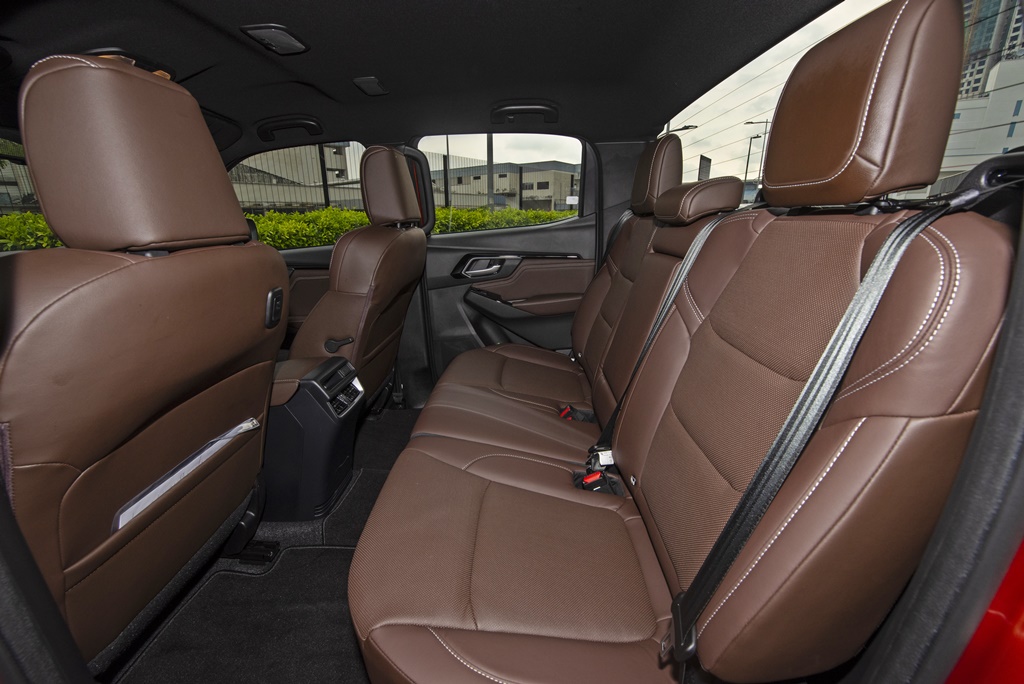
Step (or more correctly, climb) inside and you will find a cabin which would be comparable to a passenger car’s. There’s no bare metal around as all surfaces are covered with trim pieces or soft materials. The seats have been thoughtfully structured for comfort with generous padding and good support. For enhanced comfort the seat cushion pads also feature Anti Vibration Elastic Comfort foam that can absorb vibrations more quickly than conventional cushion material.
The same convenience
You won’t miss anything that you had in your car when you move to a D-MAX X-Terrain because all the same convenience and connectivity features are present. The windows open and close at the touch of a switch and 9-inch display screen serves as a control centre for the infotainment system. You can transfer your favourite apps onto the system and access them from there using Apple Carplay or Android Auto, or Bluetooth connectivity. Voice commands can also be used for handsfree operation, making driving safer.
And yes, there is air-conditioning and it’s as efficient as the one you would have had in your car. Dual-zone distributions brings cool air throughout the cabin and there are also vents for the rear passengers to stay cool. The driver and front passenger car set their own preferred temperature or the system can be left on AUTO and keep the environment cool and comfortable.
Even for those who are not drivers, the transition from passenger car to the D-MAX X-Terrain will be seamless as the rear seats are just as comfortable. There are lots of storage spaces for devices and small stuff, and there are even hidden compartments under the seats to keep an iPad or other belongings out of sight.
Smart technologies
Other smart technologies also make the ownership experience of a D-MAX X-Terrain as easy as a passenger car. For instance, you can start the engine from a distance and run the air-conditioner to cool down the interior before getting in. There’s no need to use a key to unlock or start the vehicle and it will even lock itself when you walk away. How many cars can do that?
For the driver, the experience is also not much different from driving a car. In fact, the information on the instrument panel and Advanced Driver Assistance Systems (ADAS) are more extensive than many cars in the same price range as the D-MAX X-Terrain.
But there is one thing about driving a pick-up truck which is advantageous and which a passenger car does not have – the commanding view. With the cab being higher, the seating position is also higher which gives the driver a better view of the road ahead. And for those who are intimidated by the length, a reverse camera as well as sensors in the rear bumper (also in the front bumper) makes parking easy and you’ll be able to slot into a parking bay without sweating.
ADAS makes driving safer
Just as comfort and convenience were not important in the old pick-up trucks, safety features were basic. However, with the D-MAX X-Terrain, the Advanced Driver Assistance Systems (ADAS) help the driver to avoid an accident or lessen the damaging effects of a collision. The driver’s workload is also lessened because, with Adaptive Cruise Control, the vehicle can be left to cruise at a set speed with a safe gap always maintained from the vehicle ahead. Even the headlights will switch to low beams automatically if there is a vehicle approaching.
Isuzu considers the safety of occupants equally important as those in passenger cars and has engineered the D-MAX X-Terrain to provide superior protection in the event of an accident. Apart from the tough structure, there are also various safety systems to helped the driver avoid accidents or reduce their effects. Thus, the D-MAX X-Terrain has been able to receive the maximum score of 5 stars in the ASEAN NCAP evaluation tests.
Comfortable and also powerful
The cabin may have comfortable seating but a truck is still a truck, right? It’s tall and bounces around on rough ground and the engine is noisy. That was how the old trucks were but with modern trucks like the D-MAX X-Terrain, the platform has been more carefully engineered not just for strength but also rigidity. Together with the comfort-oriented suspension, the ride quality is smooth and comfortable even when travelling over rough terrain.
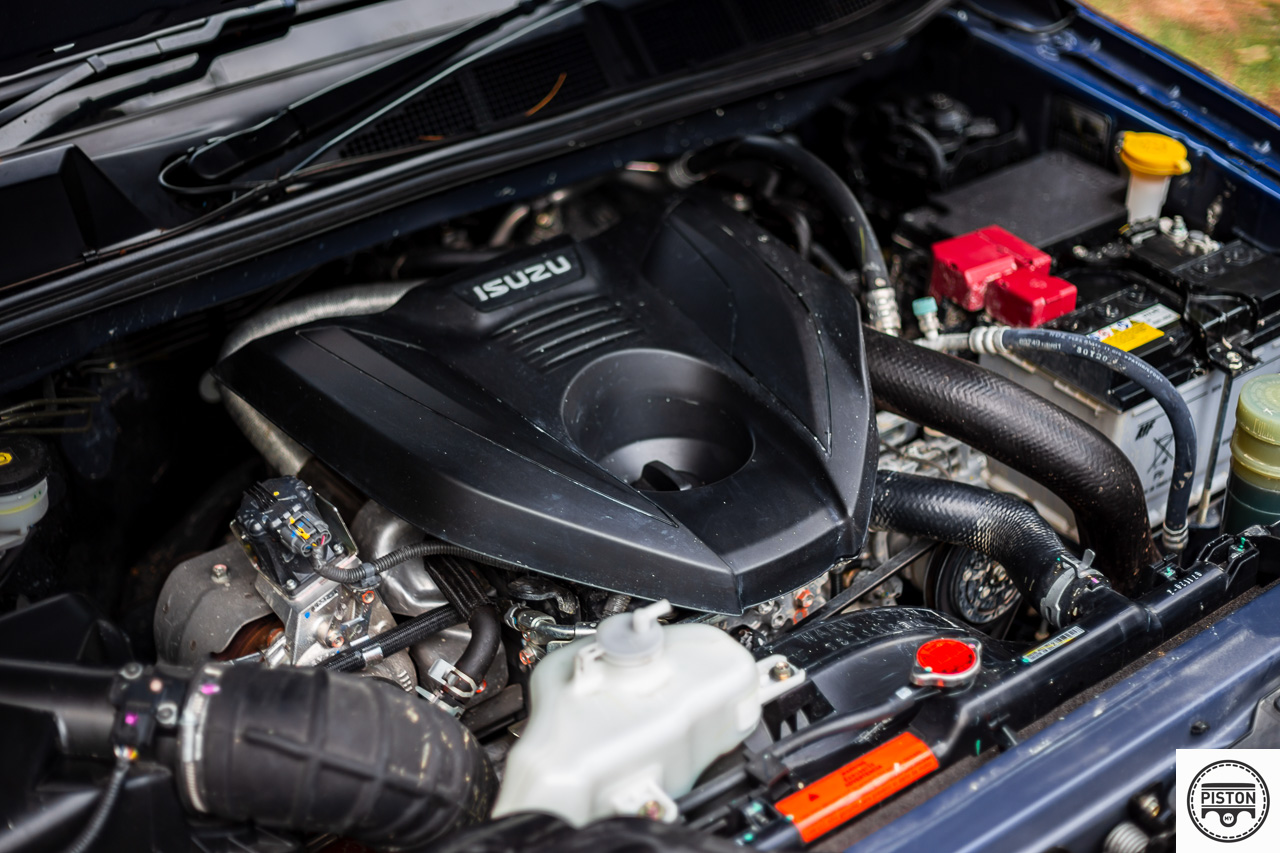
With the 3-litre turbocharged 4-cylinder engine generating up to 190 ps of power and 450 Nm of torque, the D-MAX X-Terrain can go just about anywhere – and briskly too. Apart from the tree-stump pulling power, it can also get to speeds well beyond the highest national speed limit and if you want to avoid getting a summons, Isuzu provides a speed-limiter to keep the speed at the limit.
Carries more durians than a car
Switching from a passenger car to the D-MAX X-Terrain can change your life because it will bring a whole new lifestyle for you and your friends or family. There’s a lots of space at the back to carry all kinds of recreational gear and you can certainly carry more durians or plants with a D-MAX X-Terrain than you could with any car (even a stationwagon). And because it has truck genes, the load-carrying capacity is also higher than a passenger car’s.
Reliability and durability are a given with Isuzu vehicles and to give peace of mind to owners, Isuzu Malaysia offers a 7-year warranty with no limit on mileage. This means that the owner can enjoy the full 7 years of coverage against manufacturing defects (terms and condition apply).
The best way to discover how easy it is to switch from a passenger car to the D-MAX X-Terrain is to test-drive one at an authorized Isuzu dealership. To find one in Peninsular or East Malaysia, visit www.isuzu.net.my and you can soon start your new trucking lifestyle.
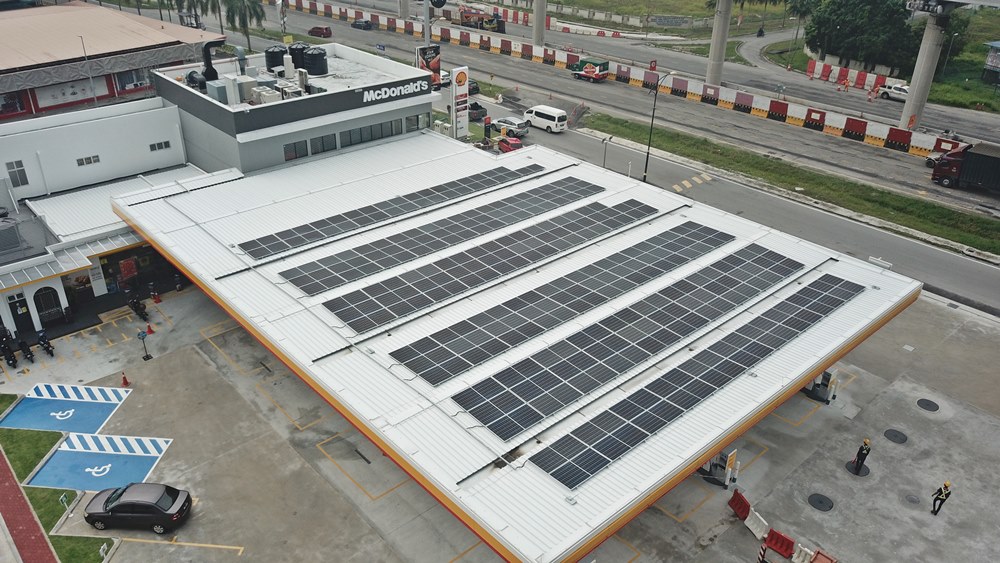
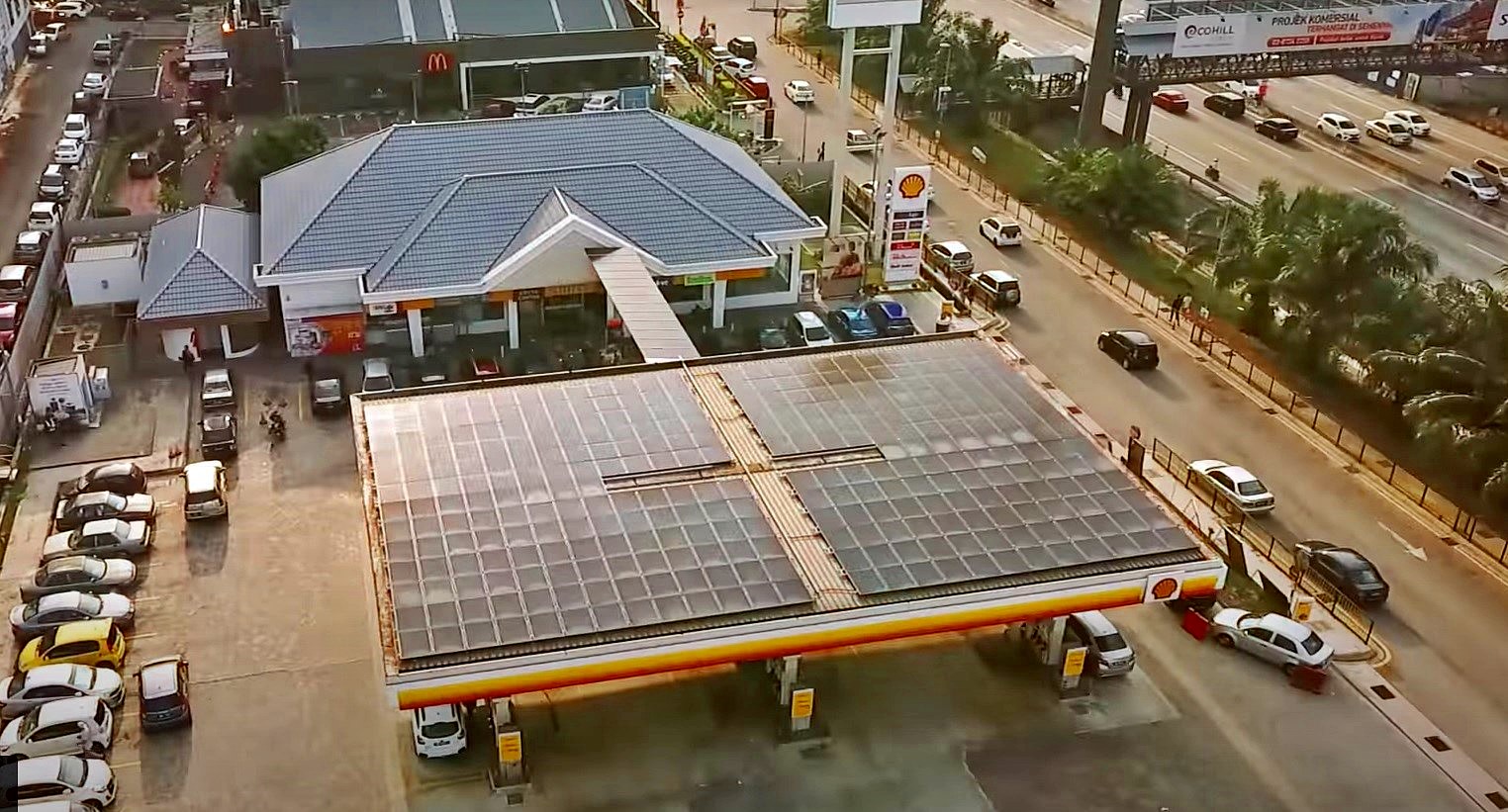
Sunshine contains energy and it’s free and abundantly available, so it makes sense that it can be used to power facilities. Modern technology had made it possible to collect sunshine and convert it into energy and Shell Malaysia is making use of this technology in efforts to lower carbon emissions.
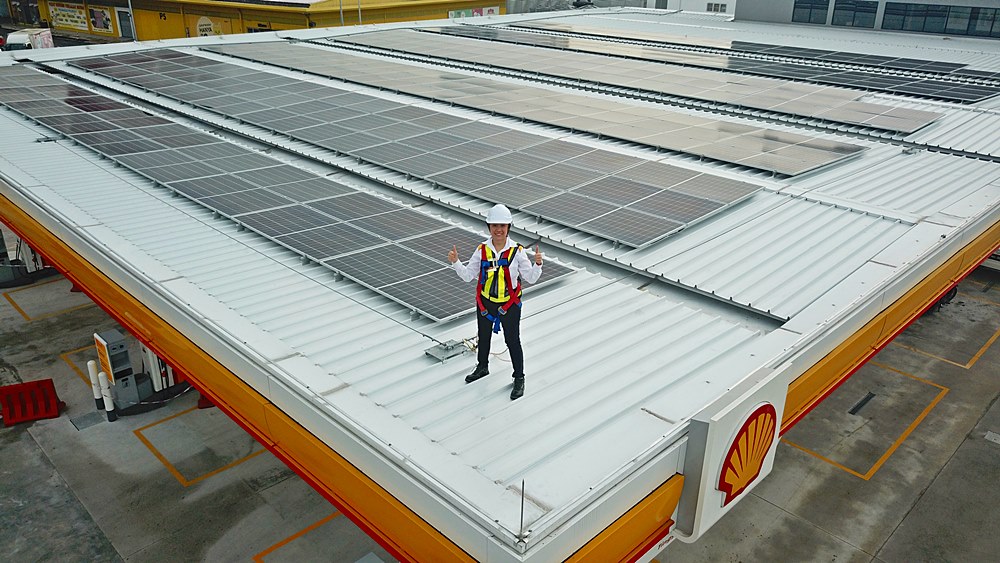
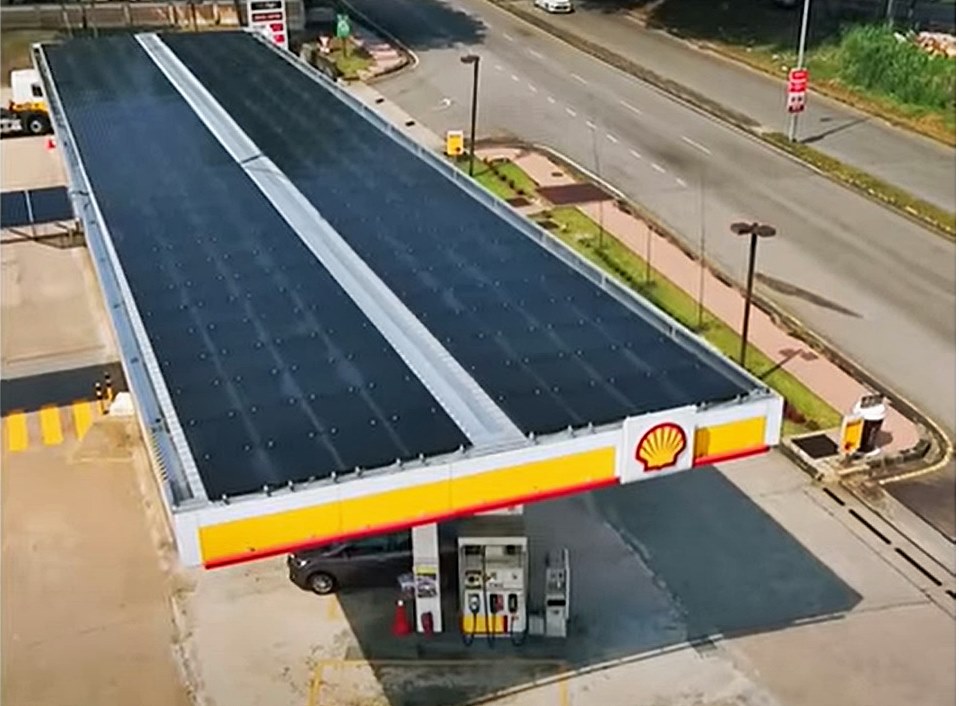
The company has installed solar panels at 216 of its retail stations around the country as is part of the drive to adopt a combination of measures to improve its energy efficiency and reduce its carbon footprint. Installation of solar panels at retail stations help supplement and reduce dependability on local utilities, resulting in increased electrical savings for the stations in the long run.
216 stations to date
Shell is working with Cleantech Solar to install the solar panels at its retail stations in Malaysia. So far, a total of 22,505 solar Photo Voltaic panels with a total capacity of 10.12 megawatt (MWp) have been installed on the roofs of 216 stations as part of the company’s commitment to run a safe, efficient, responsible, and profitable business. Exemplifying this, the current number of solar panels in the stations can generate 12,939 MWh of electrical energy, enough to power roughly 3,740 households in a year.
“At Shell, we aim to make the transition towards a low-carbon future possible for our operations and will always look out for initiatives that will enable us to provide cleaner and sustainable energy solutions for our customers. We have fitted 216 of our stations with solar panels and we will be progressing towards about 350 stations by the end of 2022,” said Seow Lee Ming, General Manager of Mobility Shell.
Green Building Index Certification
In 2019, Shell Damansara Jaya and Shell Taman Connaught were the first two retail stations in Malaysia to receive the Green Building Index (GBI) Certification. The GBI is the country’s industry-recognised green rating tool for buildings to promote sustainability in the built environment by saving energy and resources. These two Shell stations mark the first entries in the new retail fuel category introduced for the certification standard. The company is also the first in the Asia Pacific region to receive this GBI certification.
Shell also opened what is an example of ‘the station of the future’ – Shell Mint Hotel – which is Malaysia’s First Gold GBI Certified Petrol Station. Apart from being powered by solar, this station has sustainable features such as a food waste composting machine that converts food waste into fertilisers, energy-efficient air-conditioners and chillers, recycling facilities and a smart LED lighting system at the forecourt. To lessen the station’s usage of water from municipal systems, a rainwater harvesting system is utilised to collect and store rainwater to be reused in its facilities such as the toilets.
Shell has now received GBI certification for 5 of its stations in Malaysia. They are Shell Taman Connaught, Shell Damansara Jaya, Shell Mint Hotel, Shell Tangkak Lay-by and Shell Alor Pongsu.
The Shell Group has set a target to become a net-zero emissions energy business by 2050, in step with society. This is also in line with the government’s ambition towards Malaysia achieving Carbon Neutral in the same year. By powering Malaysia with cleaner energy and innovation mobility solutions, Shell hopes to mobilise the energy sector and increase its efficiency by offering products and services with lower carbon emissions.