

Piston.my

English

“The car of the future must question existing notions and inspire with radical and ground-breaking technology ideas”, was how Mercedes-Benz studio engineer and visionary Johann Tomforde saw the evolution of the automobile back in 1972. Since then, the carmaker which is associated with the world’s first car has worked on a concept of a purely urban vehicle whose powertrain needs to be not only electric, but also a solution for future urban mobility challenges.

Its smart brand, in combination with progressive design and intelligent connectivity, offers a sustainable and comprehensive concept for urban mobility today. In 2007, the brand returned to its origins with the systematic switch to emission-free, battery-electric powertrains. Since then, smart has offered an all-electric option in every generation.
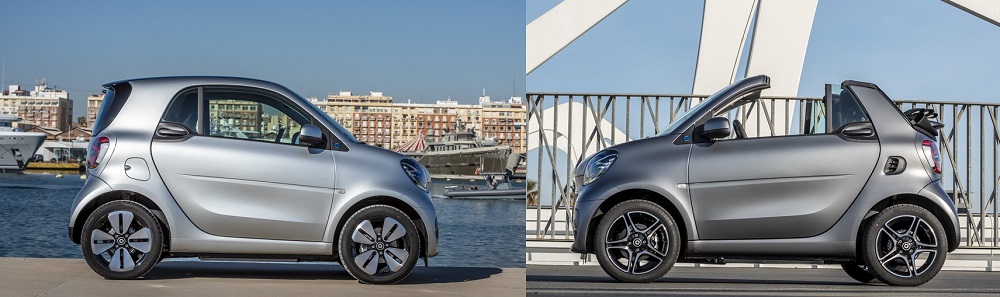
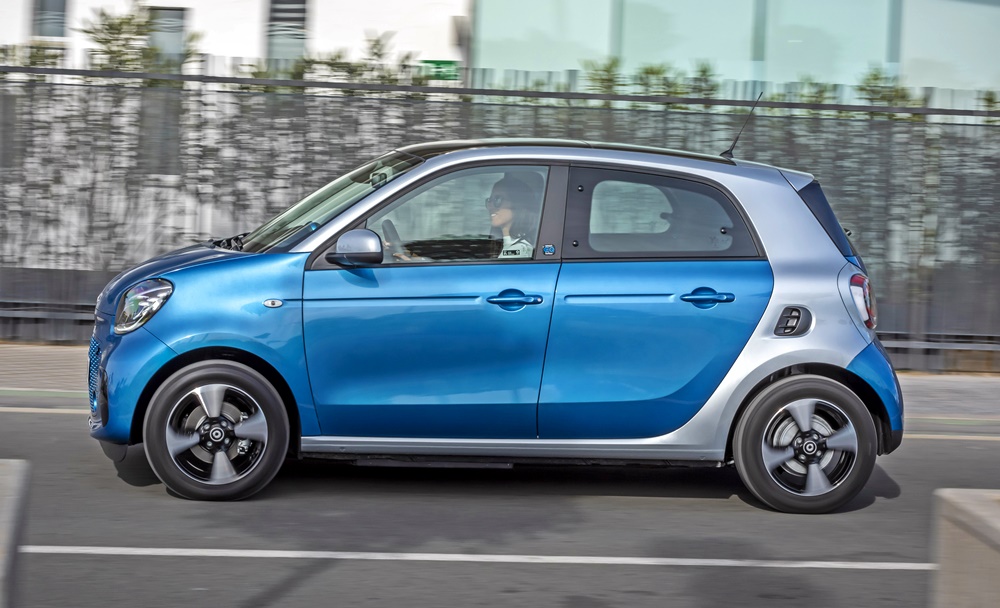
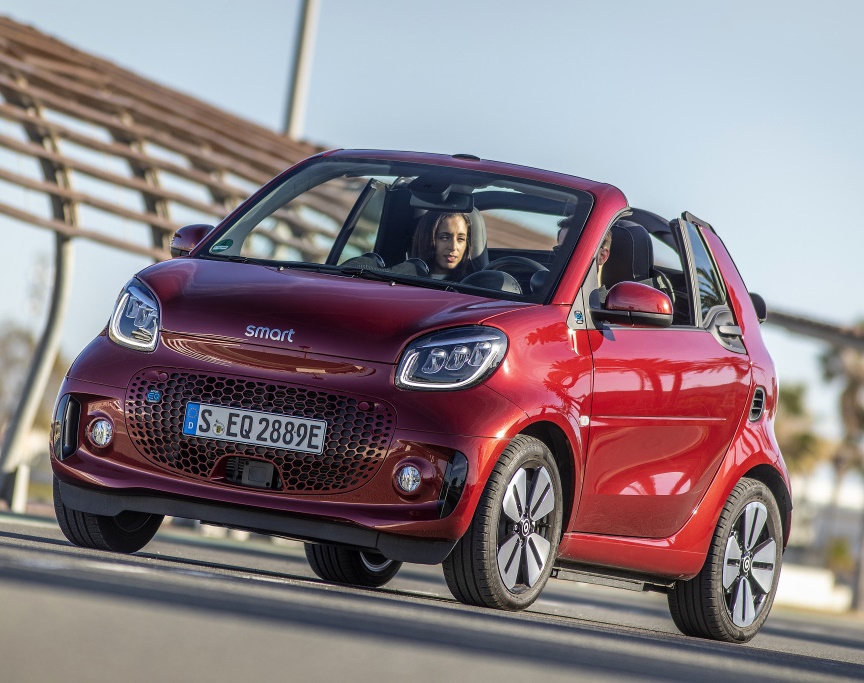
2020 smart EQ

2020 smart EQ
2020 smart fortwo and fortwo cabrio
2020 smart EQ forfour

With the new fortwo and forfour models, the time has finally come where the brand is switching to emission-free, battery-electric powertrain technology across the board. “As a pioneer of urban mobility, it has always been part of smart’s credo to rethink things. The switching of the entire product range to all-electric powertrains marks the start of a new chapter in the story of the smart brand. In concert with innovative sharing concepts and digital services, we are the first manufacturer to switch completely and systematically from combustion engines to solely electric powertrains,” said Daniel Lescow, Head of Brand and Product Management smart.
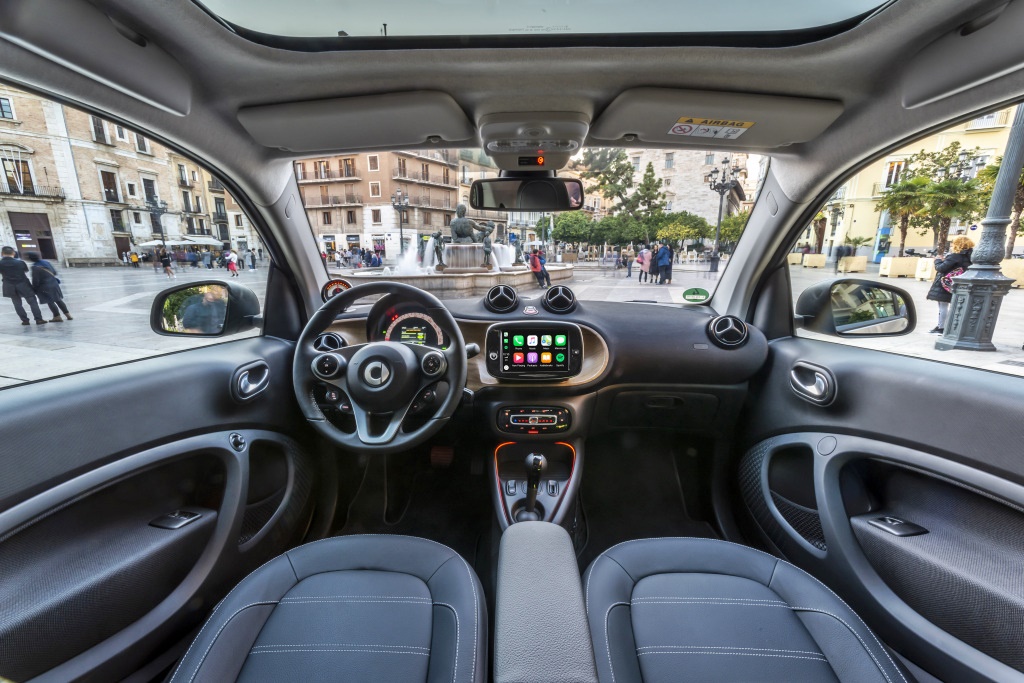
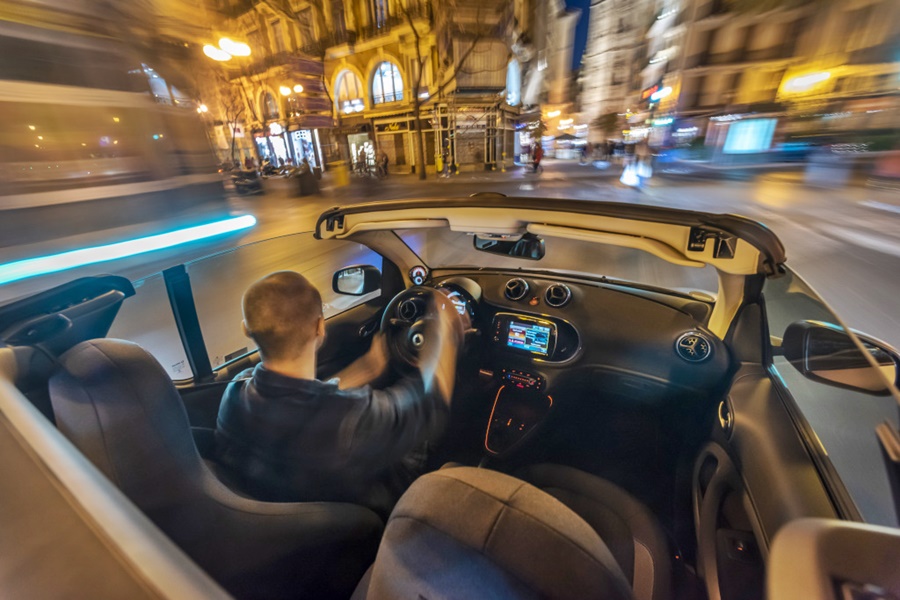
2020 smart EQ

2020 smart EQ

Already appealing for its fun-to-drive character, the all-electric driving experience offers a new dimension in driving enjoyment to smart owners. With 160 Nm of torque available instantly, the new electric models accelerate far better than the 60 kW (82 bhp) of the synchronous motor in the rear might suggest.

As the traffic lights turn green, the smart EQ fortwo coupe will certainly surprise as it zips off the line, reaching 60 km/h in just 4.8 seconds – and almost noiselessly too. Energy comes from a compact high-voltage lithium-ion battery pack which encloses three HV modules and a total of 96 HV cells. It has a capacity of 17.6 kWh when fully charged, sufficient for a range claimed to be up to 159 kms.

For daily driving, this corresponds not only to several times the average daily kilometres driven in Germany but above all, to a generous range in the metropolitan environment where energy can be recovered through recuperation. Radar-based recuperation in the city is a particularly convenient feature. It allows the smart to slow down automatically behind a vehicle ahead. Coasting and braking phases are perfectly coordinated to enable the maximum amount of kinetic energy to be returned to the battery.
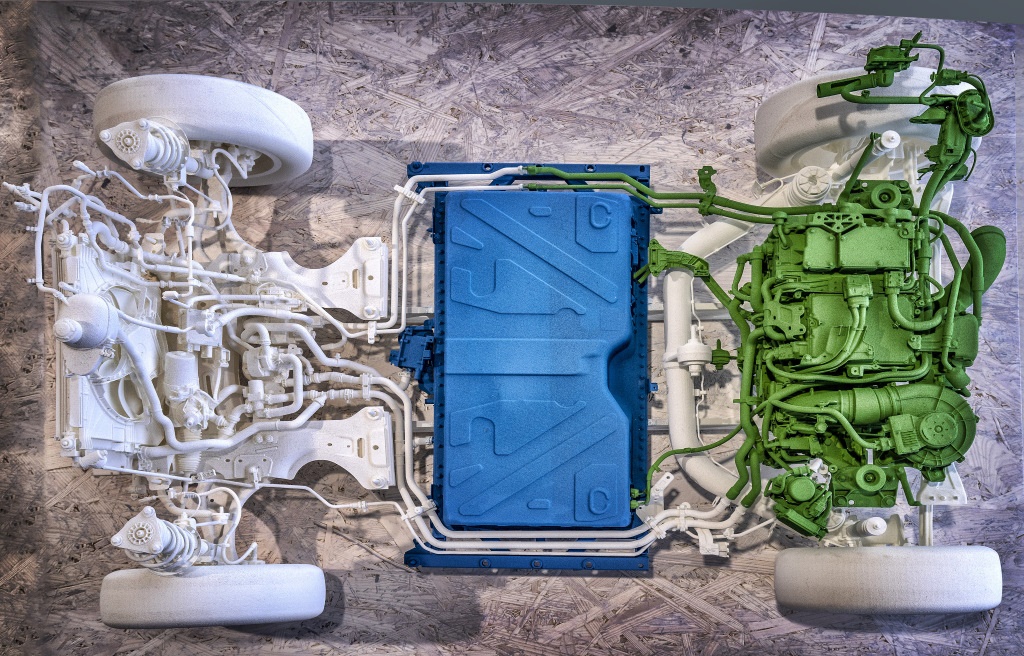
2020 smart EQ

Powertrain and battery pack temperatures are crucial in electric vehicle. Staying cool is important for optimum performance and the engineers gave special attention to temperature management. While generously sized air cooling is enough for the electric motor, its flange-mounted power electronics are liquid-cooled.

The battery pack also gets cooling. When needed, it is integrated into the cooling circuit of the powertrain to remain in the optimal temperature range under high permanent load or during fast charging, for example. The same is true when temperatures are extremely low, which is just as bad as high temperatures. A battery heater enables warming up the battery for optimal performance and efficiency.
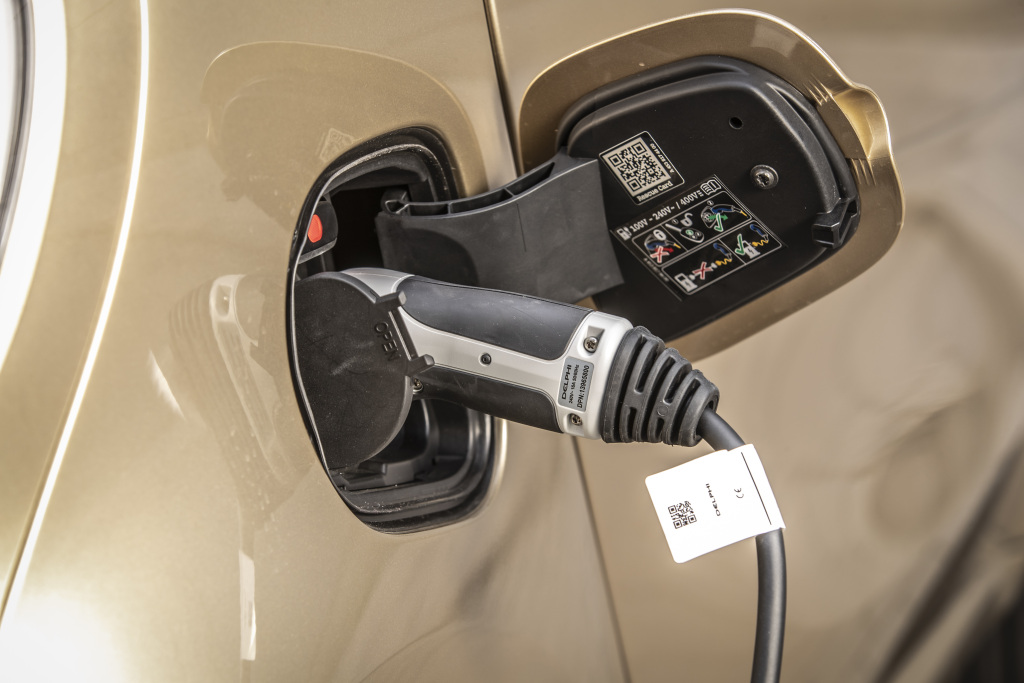
2020 smart EQ

To make recharging as easy as possible for drivers, smart offers comprehensive charging options. With the optional 22 kW on-board charger with rapid-charging function, the battery pack can be charged from the 10% to 80% range in under 40 minutes and without having to rely on rare DC charging stations if 3-phase charging is possible (depending on local conditions). Should charging be done from a conventional household socket at home, recharging for 6 hours would provide enough energy for average daily driving.

3 clicks instead of 45 pages
Simplicity was a key concept in the smart when it was conceived. With the new generation, that continues not just in the design and engineering but also the equipment level structure. With just a few clicks, instead of 45 pages of specs, the car can be easily configured. There are three equipment lines, and each line can be combined with one of three equipment packages. Once that is done, all the customer has to do is pick a colour and his or her new smart is complete.
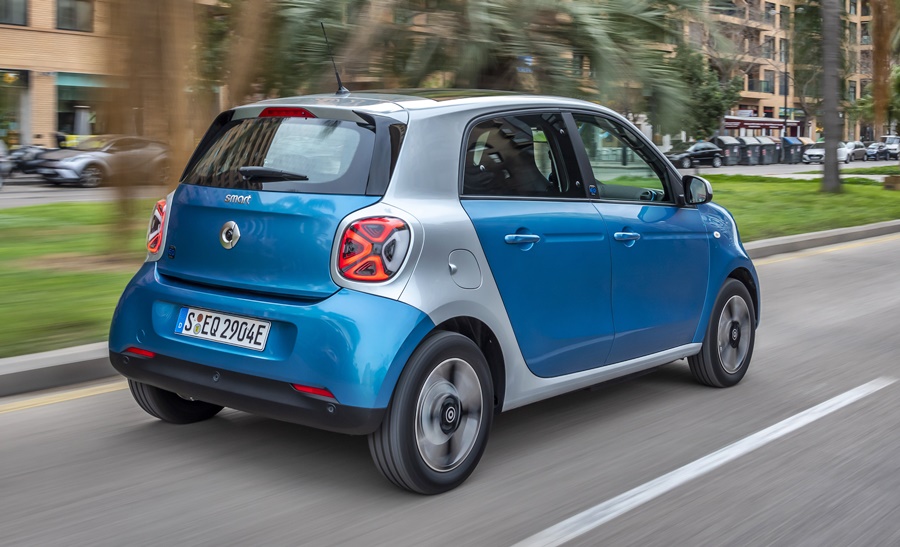
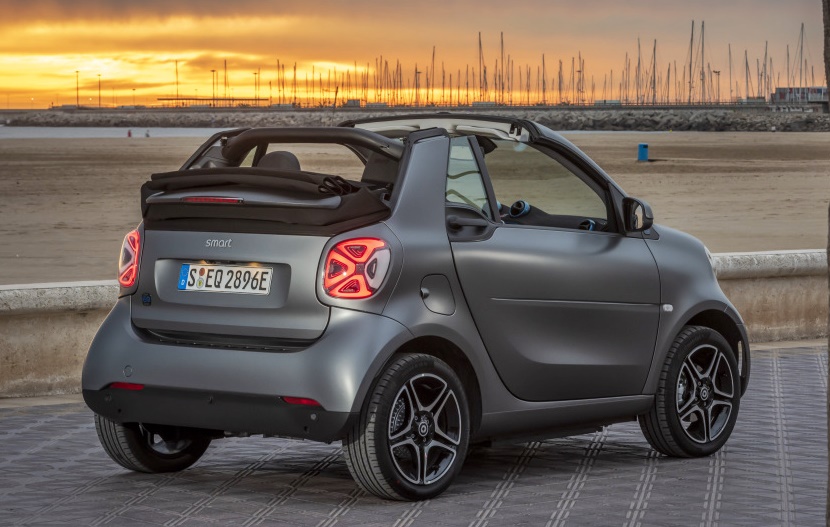
2020 smart EQ forfour

2020 smart EQ

BHPetrol RON95 Euro4M

Mercedes-Benz and Zhejiang Geely Holding Group establish new joint-venture to handle smart brand globally

PISTON.MY

BHPetrol RON95 Euro4M

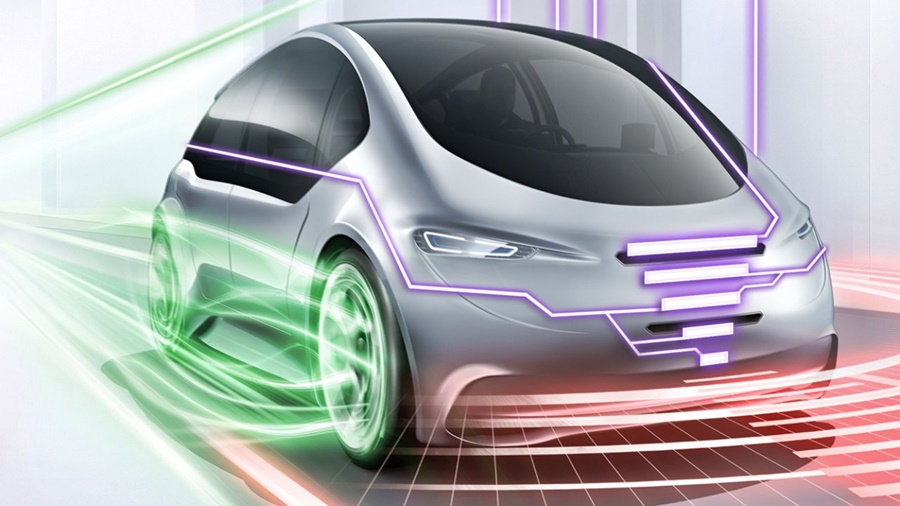
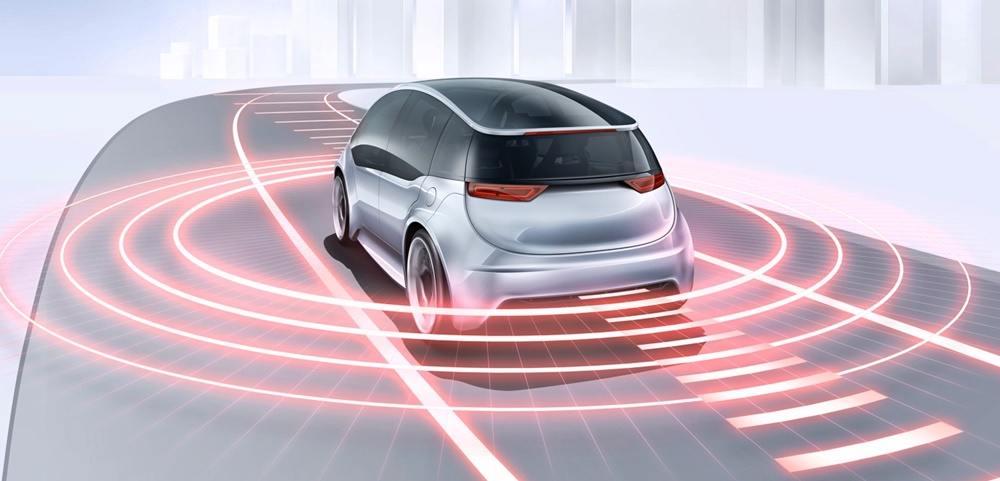
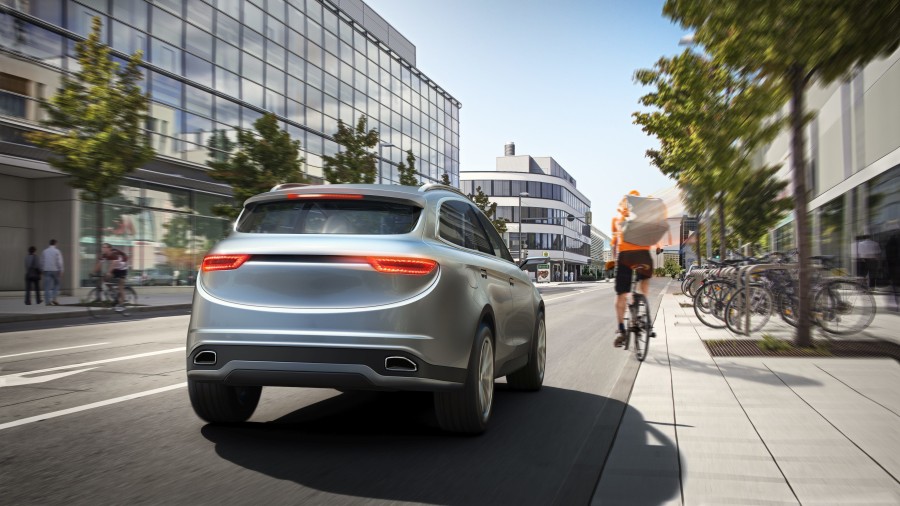
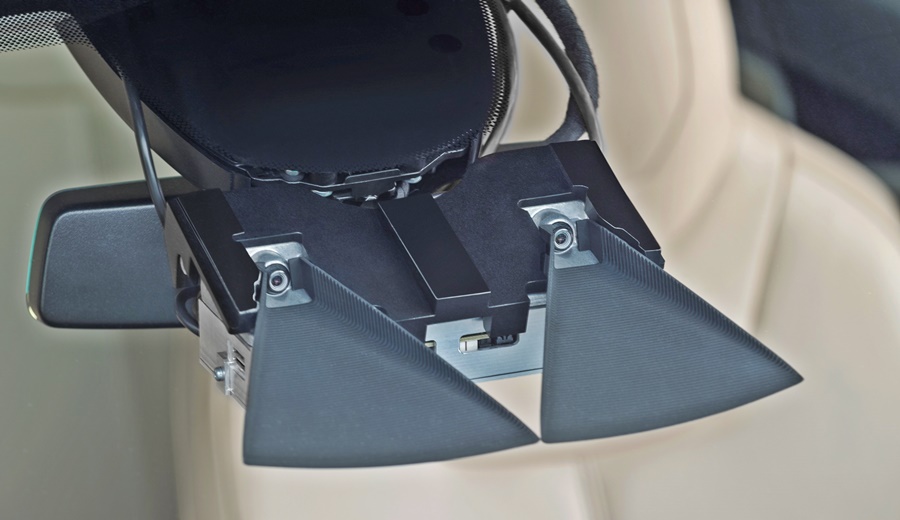
Human beings have two eyes to view their surroundings as they drive, sending images to the brain which then makes the necessary decisions to brake or avoid hazards. When an on-board computer takes over the entire job of operating an autonomous car, two ‘eyes’ are not enough and a third sensor is needed. The first two eyes – already in use – are the camera and radar and the third is a long-range lidar sensor for light detection and ranging.

Bosch has a production-ready lidar system that is suitable for automotive use. This laser-based distance measurement technology is indispensable for driving functions at SAE Levels 3 to 5 (the different levels of autonomy). The new sensor will cover both long and close ranges – on highways and in the city.
Lidar

By exploiting economies of scale, Bosch aims to reduce the price for the sophisticated technology and make it affordable for the mass market. “By filling the sensor gap, Bosch is making automated driving a viable possibility in the first place,” said Bosch Management Board Member, Harald Kroeger.

Alert to all automated driving situations
Only the parallel deployment of three sensor principles ensures that automated driving will offer maximum safety when it is available. This has been confirmed by Bosch analyses, where developers investigated all use cases of automated driving functions – from highway assist to fully automated driving in cities.

For example, if a motorcycle approaches an automated vehicle at high speed at a junction, lidar is needed in addition to camera and radar to ensure the reliable sensing of the two-wheeler. In this instance, radar can struggle to detect the bike’s narrow silhouette and plastic fairings. Moreover, a camera can always be dazzled by harsh light falling on it. As such, there is a need for radar, camera, and lidar, with the three technologies complementing each other perfectly and delivering reliable information in every driving situation.

Lidar

Lidar is an essential element
We can think of laser as a ‘third eye’: in lidar systems, the sensor emits laser pulses and captures the laser light that is scattered back. The system then calculates distances based on the measured time it takes for the light to bounce back. Lidar offers very high resolution with a long range and a wide field of vision. As a result, the laser-based distance measurement tool can reliably detect even non-metallic objects at a great distance, such as rocks on the road. This means there is plenty of time to initiate driving manoeuvres such as braking or swerving.

At the same time, using lidar in vehicles exposes the lidar system’s components, such as the detector and the laser, to many stresses – above all, with regard to temperature resistance and reliability over the vehicle’s entire lifetime. Because Bosch can draw on its sensor expertise and systems know-how in the fields of radar and camera technology when developing the lidar, the company can ensure that all three sensor technologies dovetail with each other.

Camera
Lidar will work with the cameras and radar to provide the computer with more comprehensive imagery ,

“We want to make automated driving safe, convenient, and fascinating. In this way, we will be making a decisive contribution to the mobility of the future,” said Kroeger. Bosch’s long-range lidar will fulfil all safety requirements for automated driving as well as enable automakers to efficiently integrate the technology into a very wide range of vehicle types in the future.

Artificial intelligence makes systems even safer
Recently, Bosch engineers succeeded in taking the camera technology used in cars to a new level by enhancing it with artificial intelligence. The camera technology detects objects, categorizes them into classes such as vehicles, pedestrians, or bicycles, and measures their movement. In congested urban traffic, the camera can also recognize and classify partially obscured or crossing vehicles, pedestrians, and cyclists quickly and reliably. This allows the vehicle to trigger a warning or an emergency braking manoeuvre as required.

The engineers are also continuously refining radar technology. The latest generation of Bosch radar sensors is even better at capturing the vehicle’s surroundings – even in bad weather or poor light conditions. Their greater detection range, wide aperture, and high angular separability are the basis for this improved performance.

PISTON.MY

Many good ideas have started on the back of a napkin… the first laptop, the original Mini and, on the evening of March 3, 2011, the idea for an all-electric single-seater street racing series. These ideas all started out as nothing more than scribbles on a napkin.

Written in just a few words in a restaurant in Paris were the beginnings of what would become the world’s first all-electric international single-seater championship – Formula E. Authored by FIA President Jean Todt and Spanish businessman Alejandro Agag, the two men developed the series as a means to demonstrate the potential of sustainable mobility to help create a better, cleaner world.

Formula E first season 2014
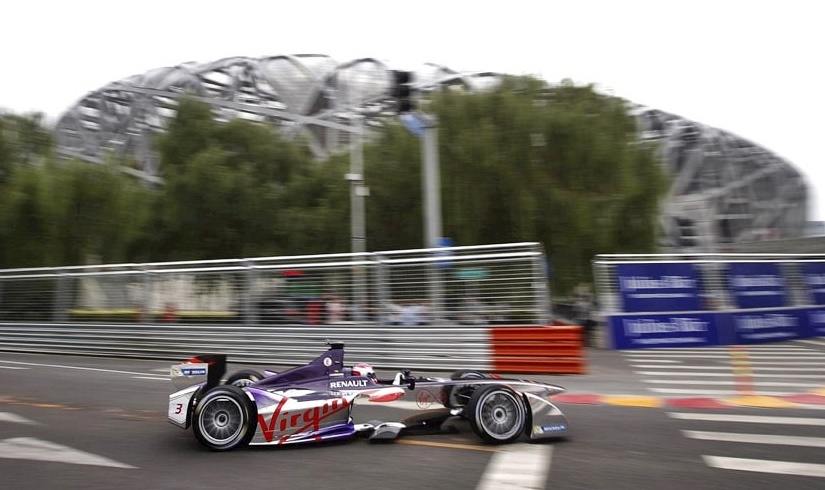
The first round of the first season was held in Beijing, China in 2014.

Since making its global debut in the grounds of the Olympic Park in Beijing in 2014, Formula E has grown into a global entertainment brand with motorsport at its heart. Now, with 11 teams and 22 drivers on the grid, the championship has attracted the world’s best motorsport teams and talent.

A new era of racing
In January 2018, Formula E welcomed global technology and robotics giant ABB as title partner of the championship, sparking a new era of all-electric street racing aided by one of the biggest names in electrification.

With a total of 9 manufacturers on board – Jaguar, Nissan, BMW, Audi, DS and Mahindra – Formula E grew in prominence and now serves as a competitive platform for global car manufacturers and mobility providers to test and develop road-relevant technologies.

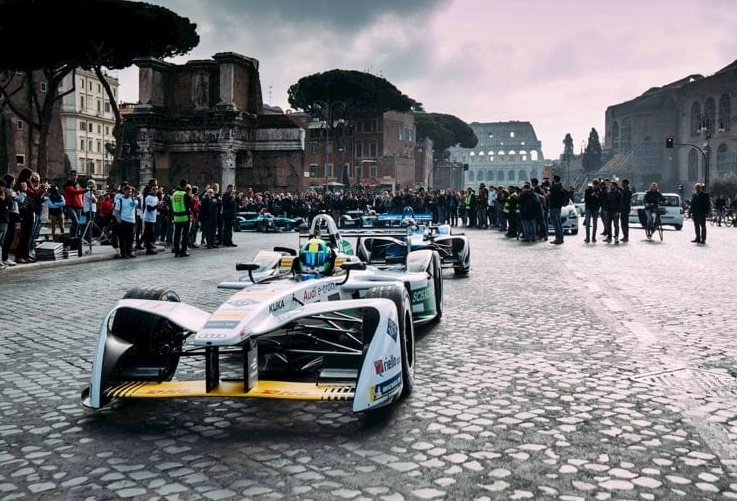
Formula E in Rome
Who would have imagined single-seater cars racing through the streets of Rome, London, Putrajaya, Jakarta and New York?

Technology transfer for EVs
By racing on the streets, the series acts as a catalyst, helping to refine the design of electric vehicles and improve the driving experience for everyday drivers of road cars. Technology developed for the racing cars can be adapted and commercialised for use in the growing number of electric vehicles that will appear in this decade.

Now, building on over 5 seasons of all-electric city street racing, the championship boasts one of the best sporting calendars in the world, with 14 races in 12 cities across 5 continents. Typically starting during the fourth quarter of the year, the current 2019/20 season sees the series being run on the streets of Seoul and Jakarta for the very first time as well as returning to London for the double-header season finale.

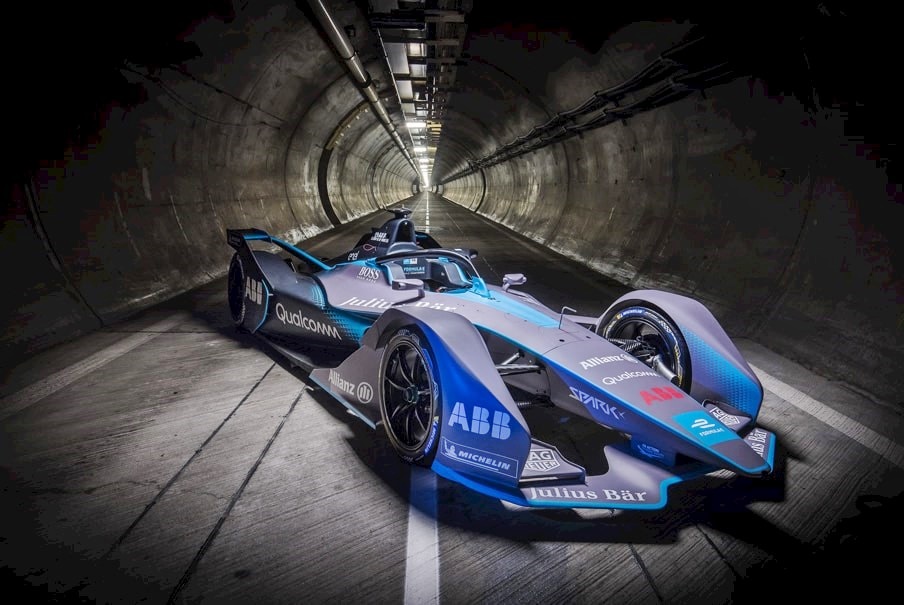
Gen 2 Formula E
The Gen 2 Formula E racing car
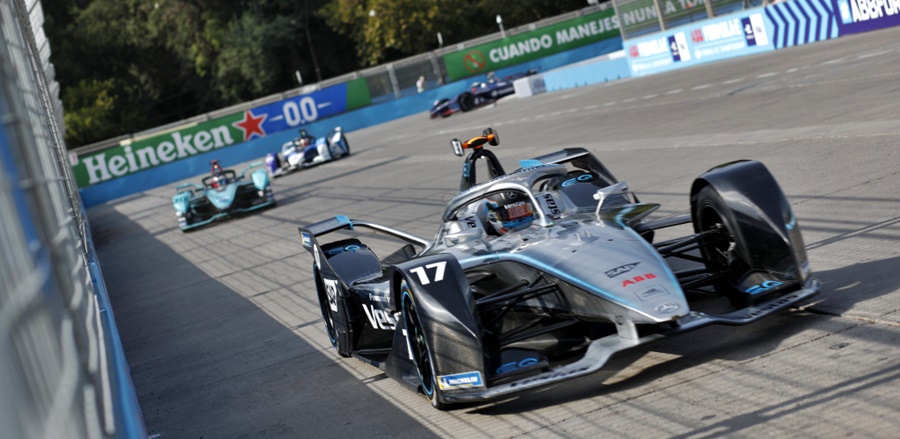
Mercedes-Benz EQ
Mercedes-Benz EQ in Formula E

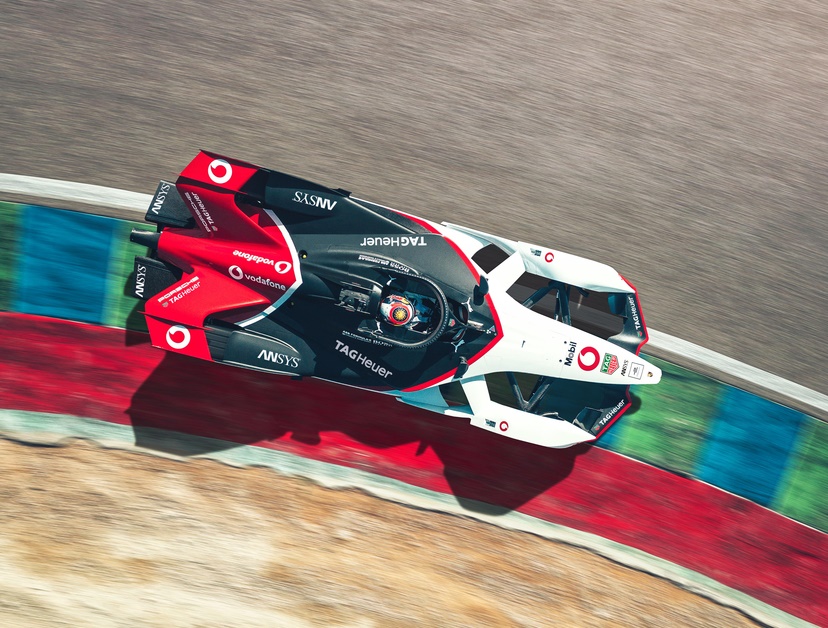
New teams Mercedes-Benz EQ and TAG Heuer Porsche have joined the grid to make the sixth season of Formula E a highly competitive one. This is the new era of racing in the 21st century that will keep growing in popularity with each new season.

PISTON.MY

The Unimog by Mercedes-Benz is a true go-anywhere all-terrain vehicle, born over 70 years ago and sold in 30 countries. At least 400,000 units have been sold to date, used for all sorts of transportation in extreme conditions.

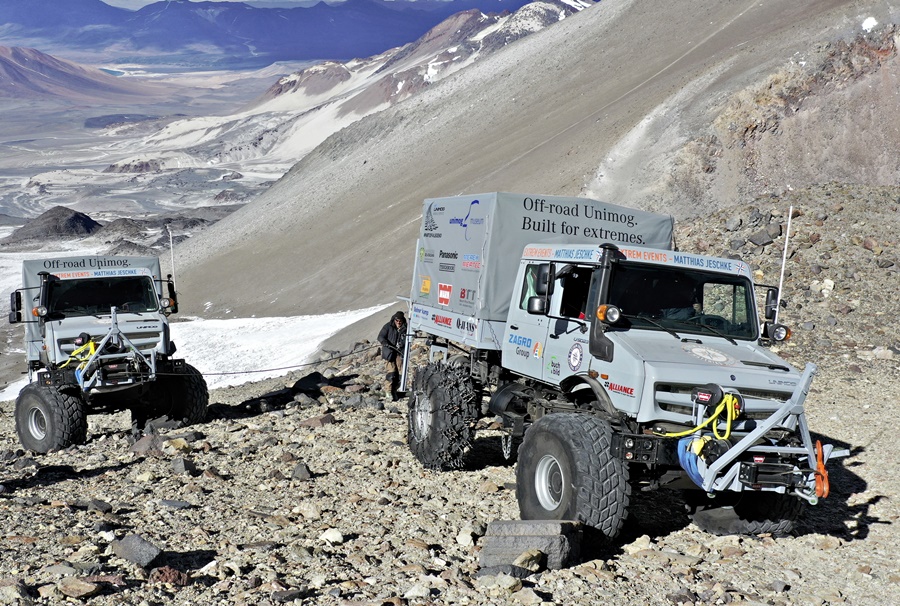
When it comes to scientific expeditions in all places and climates around our planet, the Unimog would be ideal, as an expedition team believed. The 10-strong team had a task to install 4 emergency radio units at various high-altitude camps at a volcano known as Ojos del Salado in Chile. In an emergency, each of the units can be used to create a radio connection with the 3 other base camps of the Ojos del Salado. This system will improve the safety both for mountaineers and scientific researchers.

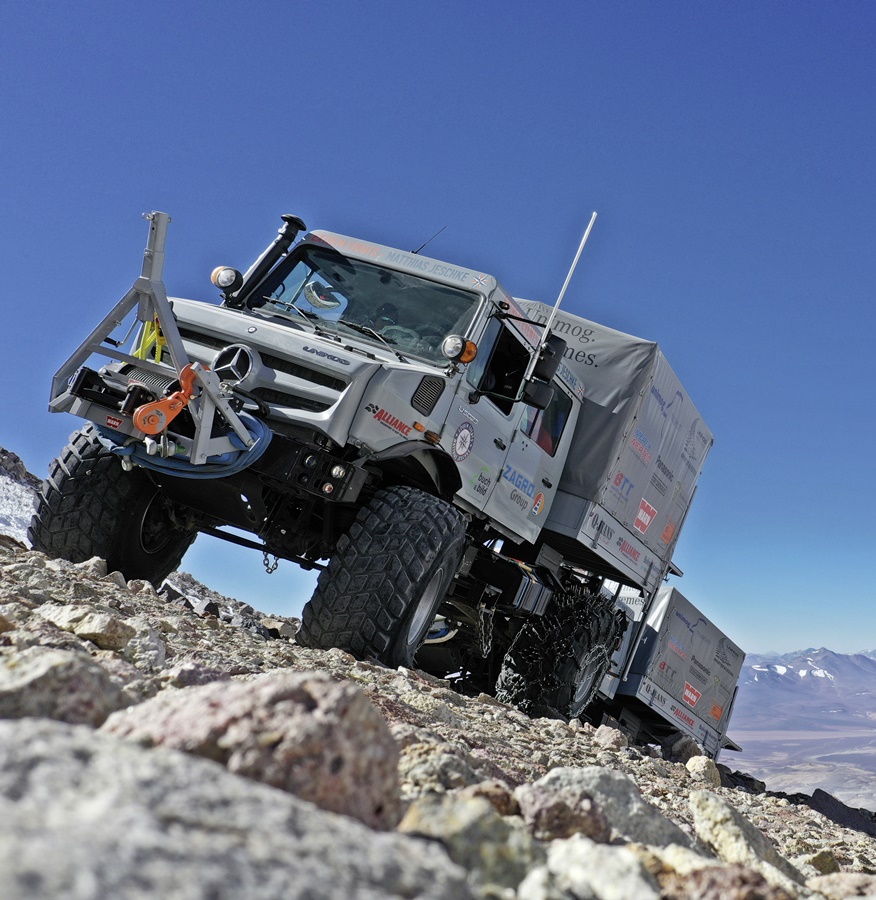
Mercedes-Benz Unimog

Ojos del Salado in Chile

The volcanic mountain measures 6893 metres and is thus the tallest active volcano on earth. It is within the Atacama Desert – one of the driest places on earth and part of the Pacific ‘Ring of Fire’ which has many active volcanos and earth movements.

Customised for the extreme conditions
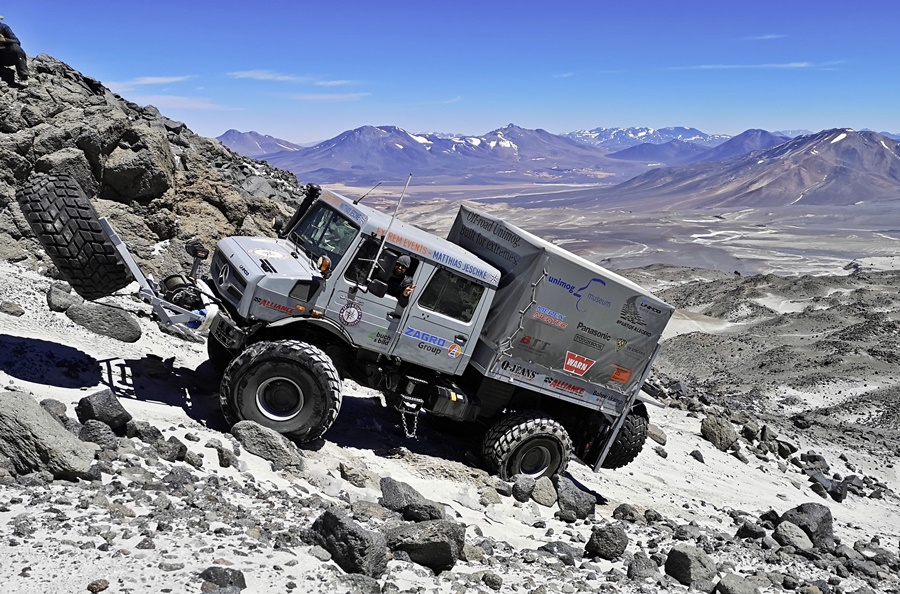
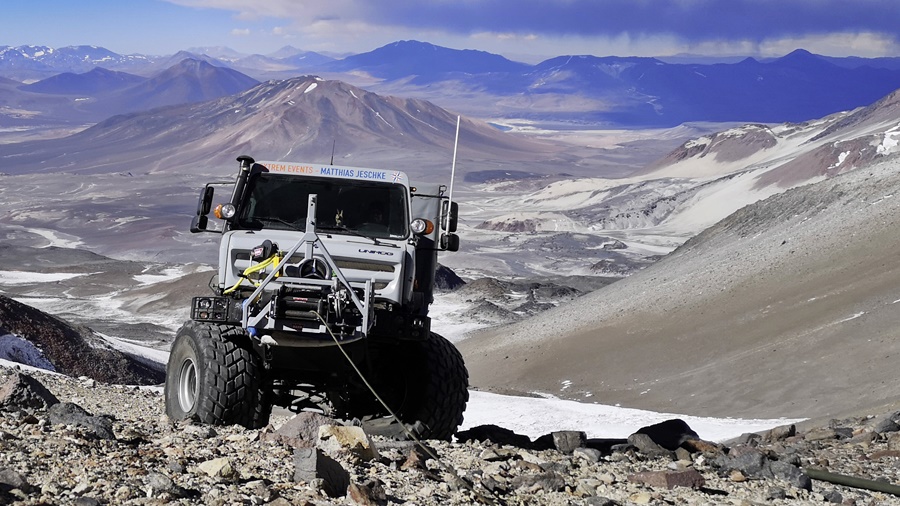
The team was supported by Mercedes-Benz Special Trucks which provided two Unimog U 5023 vehicles of the latest generation. These were configured to carry the expedition team and all of their equipment required to the extreme altitudes. To ensure that the vehicles were ready to tackle any challenges, both trucks were equipped with special tyres, strong winches and special bodies with variable centre of gravity balancing developed by the specialists at the Unimog Museum, Unimog bodybuilder AS Soder, and engineers from the Unimog development team.

Mercedes-Benz Unimog

Mercedes-Benz Unimog

Absolute world record set
After the team made it to the high-altitude camp at 6,100 metres and had completed the installation of the fourth emergency radio unit there, they set about achieving another milestone: breaking the altitude record for wheeled vehicles. This was with one of the two trucks which reached an altitude of 6,694 metres – no vehicle has climbed to such heights before anywhere around the world.

The team didn’t just beat the record set with a Mercedes-Benz Zetros in 2014 but they also set the absolute world record for a wheeled vehicle driving at altitude. According to the head of the expedition, both vehicles ‘mastered the extremely steep and rocky passages, thanks to a combination of the best, reliable technology, a balanced centre of gravity and amazing tyre technology to bring the materials and equipment to these enormous heights. At no point in time around the world have motorised altitude expeditions taken two trucks simultaneously to such an altitude’.

PISTON.MY

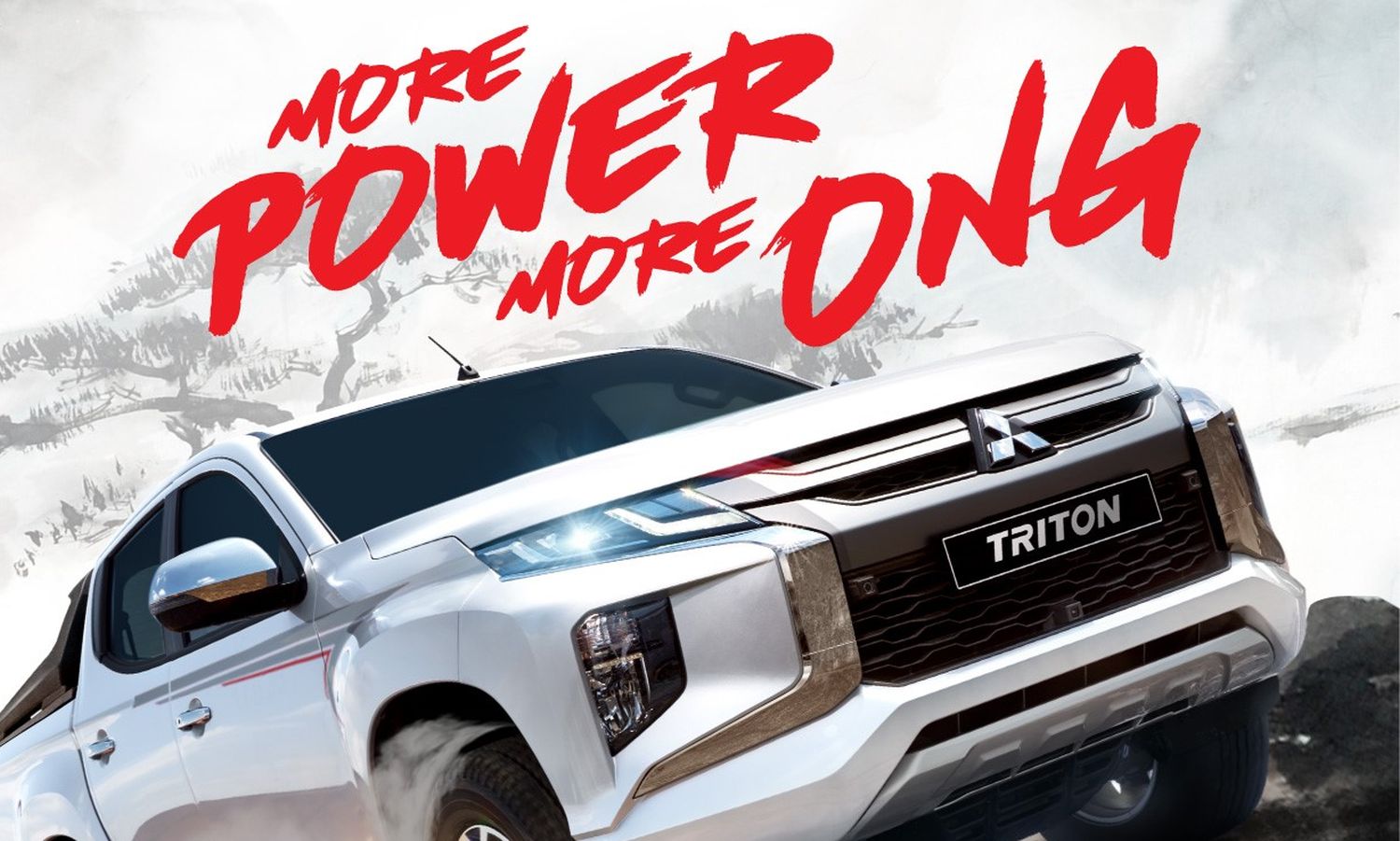
Although accounting for 65% of the commercial vehicle segment, sales of new pick-up trucks in Malaysia fell by 21% in 2019, lowering the total volume to 35,121 units from 44,443 units in 2018. Likewise, for the models assembled locally, there was also a drop of 27.1% as companies scaled back production in the light of reduced demand.

While the decline was partly due to challenging economic conditions and uncertainty of projects continuing, the shift in consumer preference to SUVs could also have been a factor. While sales of new passenger vehicles grew by 1.2%, sales of new SUVS rose by 14.9% compared to 2018.

Mitsubishi Triton

Market share rose to 16.5%
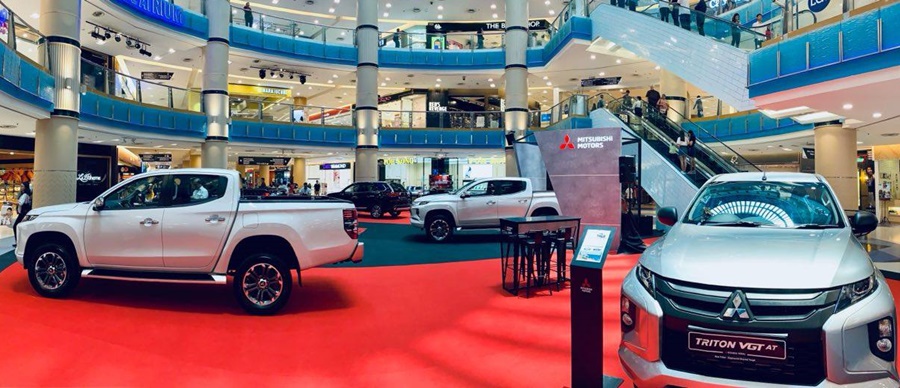
Despite the downturn in pick-up truck sales, Mitsubishi’s Triton model registered an increase of 2.4% (compared to 2018) during the year with 5,792 units sold. The higher volume also captured a market share that was 3.8% more at 16.5%.

“MMM will continue to provide the best-handling pick-up truck from our flagship model – the Triton Adventure X – to the Triton Quest 4×2 in order to meet our customers’ daily work and leisure requirements. We are confident of achieving our Triton sales target and that Mitsubishi Motors Malaysia will provide top-notch customer service to all its customers,” said Tomoyuki Shinnishi, CEO of Mitsubishi Motors Malaysia (MMM).

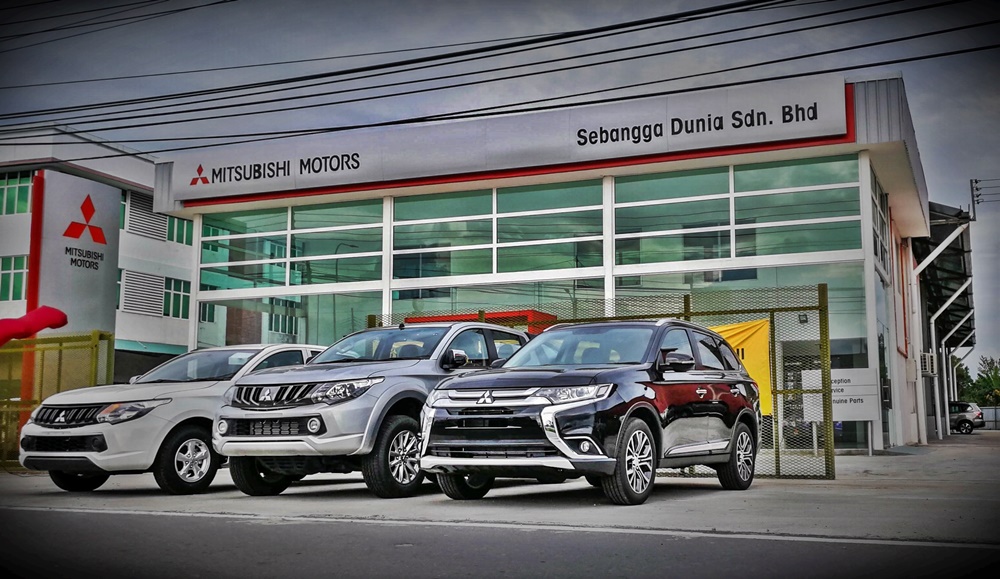
Mitsubishi Motors dealership
A Mitsubishi Motors dealership in Sabah

“Our achievement in 2019 included being ranked No. 1 in the J.D. Power 2019 Malaysia Customer Service Index (CSI) Mass Market Study. It was the second consecutive year for MMM to be ranked at Number One, while it has remained in the top three positions for 5 consecutive years,” Mr. Shinnishi said.

He added that in terms of sales, MMM was ranked among the top two in the 2019 J.D. Power Sales Satisfaction Index (SSI). “These results were a reflection of owners’ satisfaction which was experienced at the authorized service centres of the Mitsubishi Motors Malaysia network,” he explained.

Mitsubishi Triton

Boost in sales helped by new generation
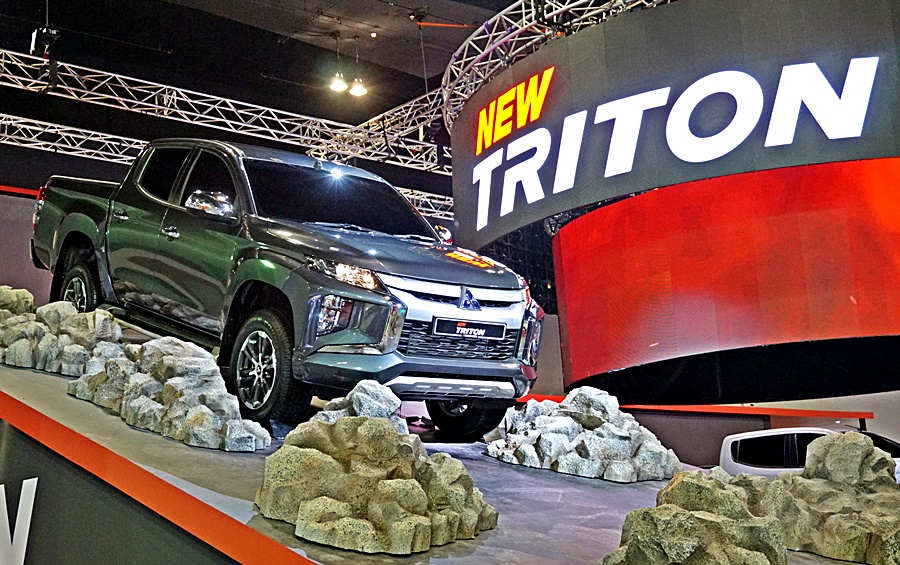
The growth in pick-up sales was attributed to the introduction of the new generation of the Triton which has contributed to 71.2% of the overall business of MMM. “We launched the new generation in January and besides the new ‘Dynamic Shield’ design concept, it has improved quality, advanced safety features and maintains the DNA of the best handling pick-up truck,” said Mr. Shinnishi.

“Subsequently, in November, we upgraded the range-topping Triton Adventure X and Triton AT Premium with more accessories. The company also launched the new Triton Quest and Limited Edition Triton Knight to complete the Triton line-up,” he added.

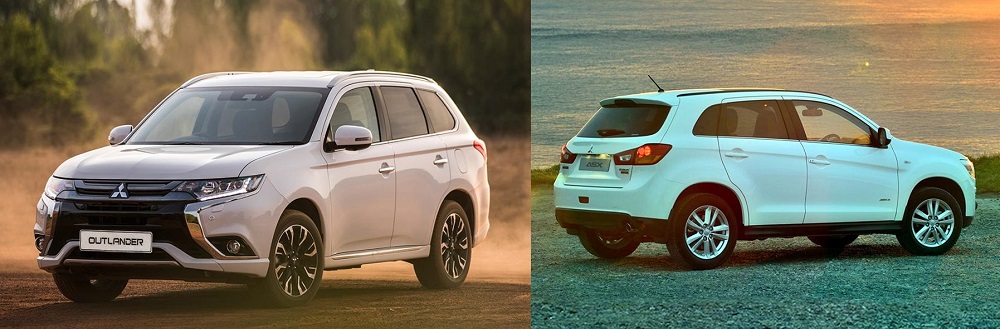
Mitsubishi Outlander and ASX
Besides, the Triton, the Mitsubishi Motors range in Malaysia also includes the Outlander and ASX.

The Triton, with prices starting from RM79,890, is the only pick-up in Malaysia with a long warranty of 200,000-km (or maximum of 5 years). It certainly reflects the confidence that MMM has in the quality and durability of the vehicles which are imported from Thailand in CBU (completely built-up) form.

Visit www.mitsubishi-motors.com.my for more information about the latest Triton and the location of authorised Mitsubishi Motors showrooms throughout Malaysia.

Limited edition Mitsubishi Triton Knight for same price as Triton Adventure X

PISTON.MY


BHPetrol RON95 Euro4M

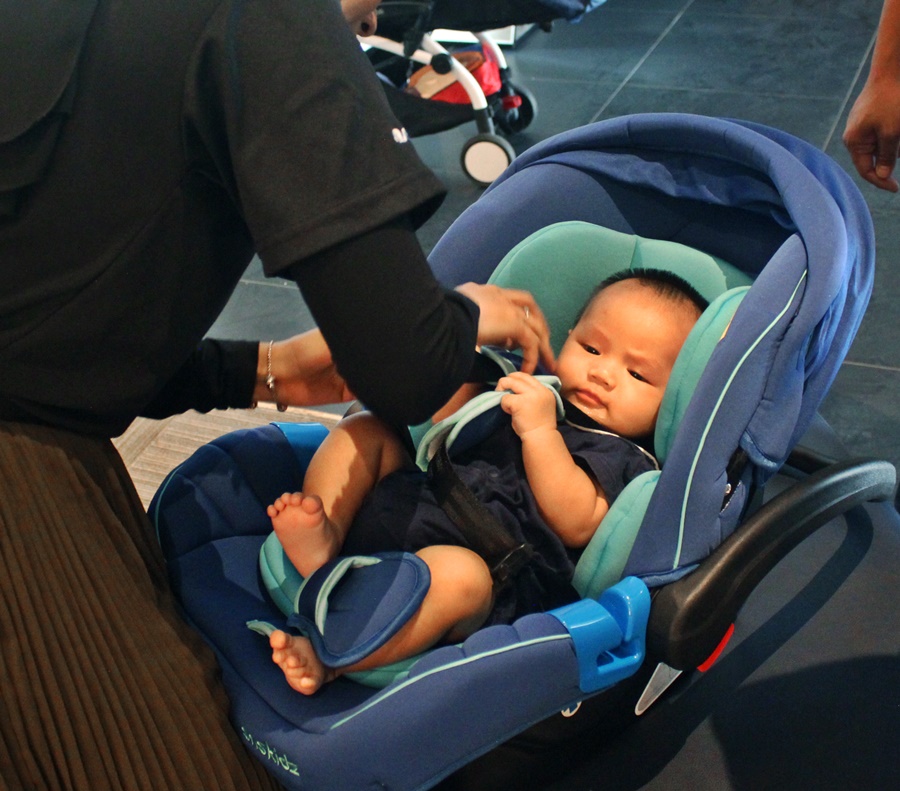
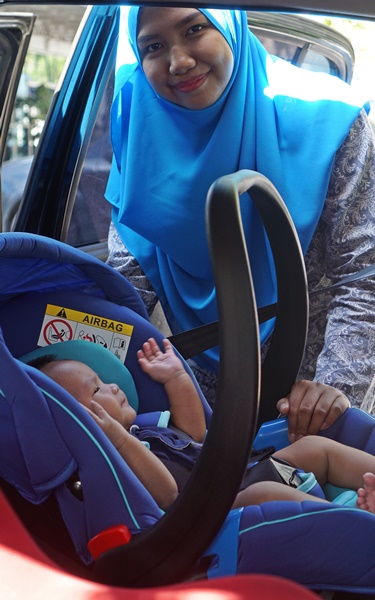
Since the year began, the law making it compulsory for small children and infants to be placed in childseats when travelling in cars has come into effect. While the Transport Minister has said that, during the first 6 months of 2020, summonses will not be issued to those who do not comply, it doesn’t mean that the matter should be ignored either.

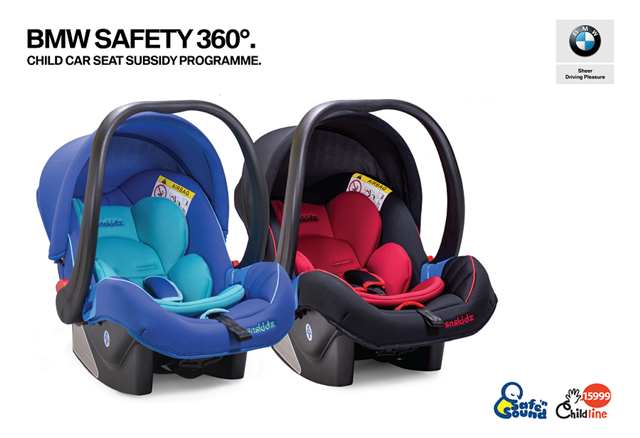
Meanwhile, one car company has taken the initiative to help in promoting the use of childseats. As reported earlier, BMW Group Malaysia has a subsidy programme as part of the BMW Safety 360° initiative. In its first phase, the car company, Childline Foundation and Safe ‘n Sound made 150 units of certified infant carrier car seats available at a subsidised price of RM100 each for parents in the B40 income group.

BMW Group Malaysia

Not unexpectedly, response was great and over 25,000 parents made applications within 2 weeks of registrations being accepted. The infant carrier seats, which retail for RM199, were recently presented to parents from the Klang Valley region, while the remaining seats will be sent to recipients across the nation.

From the big response, it is clear that parents are aware of the need to provide the seats for their little ones. However, one company alone cannot keep subsidising the cost and BMW Group Malaysia invites other companies to join in the initiative. “There is an urgent need for us to come together and take action. The overwhelming response to the first phase of the subsidy programme shows that more parents are now aware of the need for child car seats and are quick to adopt its usage given the opportunity. As such, to all partners and companies who have the means to help subsidise these infant carrier car seats, we welcome you to join in the subsidy programme to prioritise child safety in cars for all,” said Sashi Ambi, Head of Corporate Communications at BMW Group Malaysia.

BMW childseat subsidy

Interested parties can be part of the subsidy programme by writing to bmw@voxeureka.com with the name of the participating company and the amount of subsidy (in Malaysian ringgit) they would like to commit by February 13, 2020.

150 units of infant carrier carseats available at a subsidised price with BMW Malaysia’s support

PISTON.MY

BHPetrol RON95 Euro4M

There are different fluids flowing around in a car, each having a function that is important. Engine oil is perhaps the most important as it is like the blood in your body. It circulates to not only protect engine parts and reduce friction but carries away particles to the oil filter. Fluid in the cooling system is also vital as it carries away the heat generated by the temperature to the radiator where it is transferred into the air blowing through.

There’s also the fluid for the automatic transmission and we should not forget fuel, which is also a very important fluid as the engine will not run without it! But one fluid which is usually overlooked is the brake fluid and it is, from the safety point of view, especially important.

Water is the enemy of brake fluid
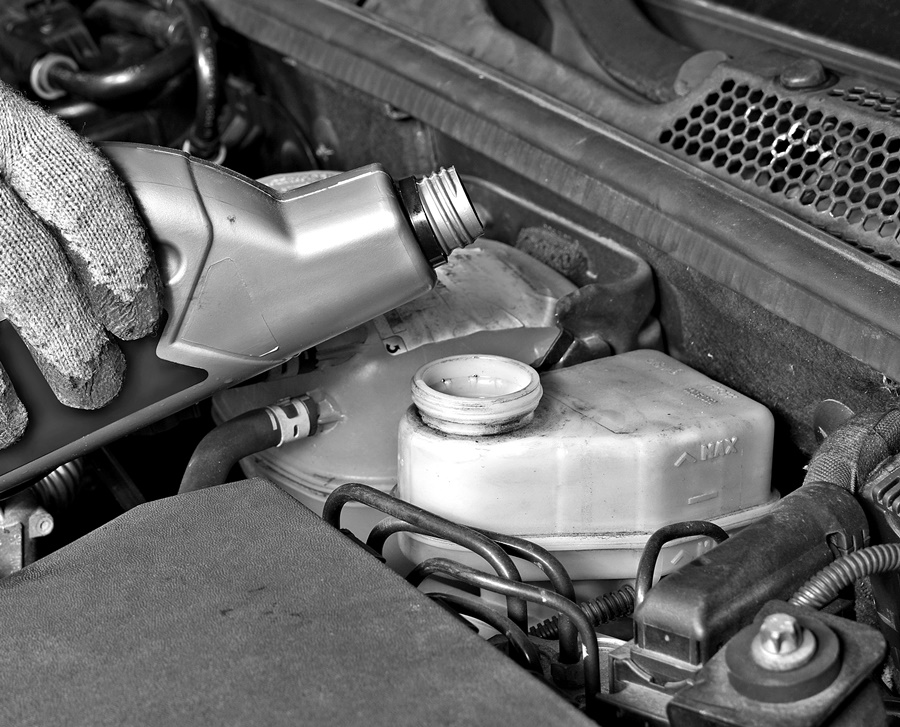
Brake fluid, as its name indicates, it ensures the brakes can function properly. Like any fluid poured into the engine, it is at its best when new. However, its properties and quality will change over time. Part of the reason is that brake fluid is hygroscopic and that means it absorbs water.

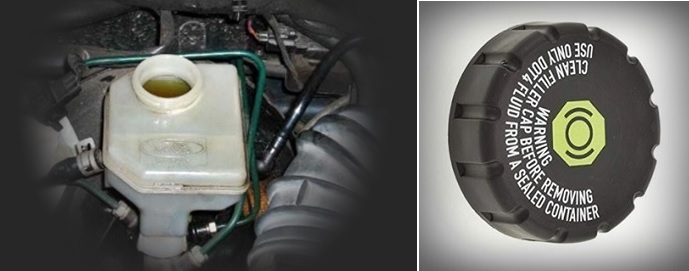
Brake Fluid Reservoir
The container holding the brake fluid is usually at one side of the engine bay and its cap may have warning messages as well. When the cap is removed, moisture in the air can be absorbed into the fluid so open it only when necessary.

The moment you open the can or bottle, it will already start absorbing moisture though not in big amounts. But over time, the fluid will draw moisture through the microscopic holes in rubber hoses and seals. There is also a ventilation hole to allow atmospheric pressure to balance fluctuating brake fluid levels and this too allows moisture to seep into the system. So don’t think that even though it is in a ‘sealed’ system, it is airtight.

As the amount of water in the brake fluid increases, it affects performance, in particular the boiling point which will become lower. The boiling point varies, depending on the designation of the fluid which is usually based on the standards established by the US Department of Transportation (DOT). There are 6 designations (DOT 1 to DOT 5.1), with the one having the bigger number able to perform in more extreme conditions where operating temperatures are higher. However, DOT 5.1 is for more specialised and high-performance vehicles as it has a different composition.

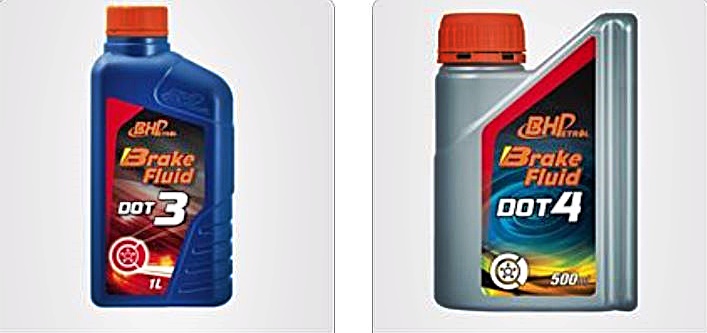
BHPetrol Brake Fluid
DOT3 and DOT4 brake fluids are commonly recommended, with DOT4 being formulated for higher performance.
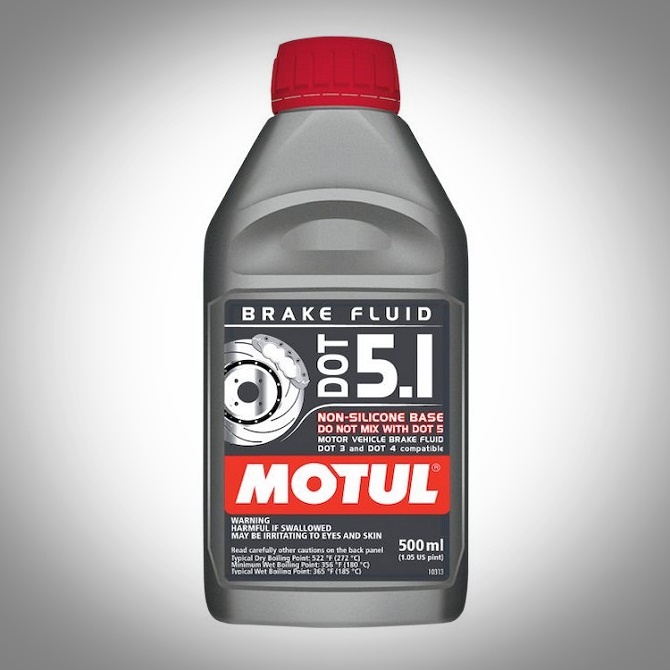
Motul DOT 5.1
DOT 5.1 has the highest performance for commercially available brake fluids. It is typically used in racing cars and military vehicles.

Which type is used for your car will be mentioned in the Owner’s Manual and it would be recommended based on the anticipated usage conditions. If you are uncertain, you can consult the service centre which should have the information or ask a reputable brake fluid manufacturer. DOT and DOT4 are usually recommended and the difference in the boiling point between the two is that dry boiling point DOT4 is 230 degrees C. and 25 degrees C. higher than DOT3 (which costs a bit less).

There is also a wet boiling point and this refers to the fluid’s boiling point when it has already absorbed water. For DOT3, it can drop to 140 degrees C. while for DOT4, it is 155 degrees C. Naturally, you want the highest boiling point so that the fluid can handle more heat which is generated whenever the brake system is used. So, where possible, using DOT4 would be best but always refer to what the car’s manufacturer recommends.

When to replace?
Like engine oil, brake fluid doesn’t last forever and needs to be replaced. The intervals will be mentioned in the Owner’s Manual but if you have an old car and no manual to refer to, it is recommended that you change the fluid every 50,000 kms. However, you might also top up as the level drops when the brake pads wear out.

Workshop

The procedure for replacing brake fluid is not complicated but it is better done by a mechanic at a workshop who will have the correct tools and equipment. The old fluid has to be flushed out of the system before the fresh new one is poured in. Handling of the fluid must be done carefully as it is corrosive and can damage paintwork.

Then there is the all-important ‘bleeding’ process to ensure that air bubbles do not form in the system. The bleeding is like a venting process and allows any bubbles to come out and then the system is sealed. If bubbles are in the system, it can be very dangerous because they create a ‘gap’ in the fluid; when you press on the brake pedal, this air gap compresses but the force is not transmitted. The result is that the pedal might suddenly feel ‘dead’ and go to the floor, and there is no braking occurring – which might cause an accident.

PISTON.MY

BHPetrol RON95 Euro4M

Ferrari has been awarded the title of the world’s strongest brand for the second consecutive year by Brand Finance, an international independent brand valuation and strategy consultancy. With a Brand Strength Index (BSI) score of 94.1 out of 100, the 80-year old Italian carmaker tops the rankings of only 12 brands to be awarded the highest AAA+ rating.

In the previous year, Ferrari claimed the title with a score of 94.8 out of 100 and an AAA+ rating as well.

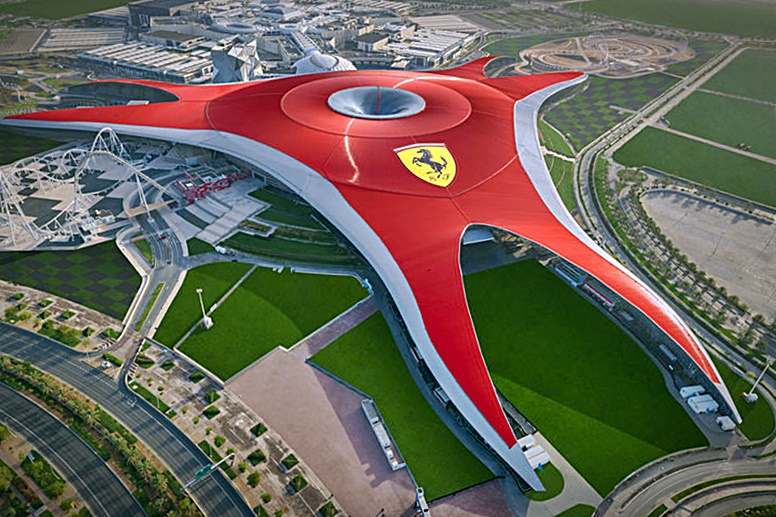
Ferrari World Abu Dhabi

The Brand Finance Global 500 2020 report calculates the value of the Ferrari brand at US$9.1 billion with year-on-year growth of 9%, boosted by positive sales and overall brand strength. The brand value is determined by estimating the net economic benefit to the brand owner of licensing the trademark on the open market. It measures brand strength on the basis of the efficacy of a brand’s performance on intangible measures compared to its competitors.

Most Admired Company – Toyota
Meanwhile, Toyota Motor Corporation was ranked as the top automaker in Fortune Magazine’s list of the ‘2020 World’s Most Admired Companies’. This is the sixth consecutive time that the Japanese carmaker has been received the recognition and it is only one of two carmakers in the top 100 rankings (the other being BMW).

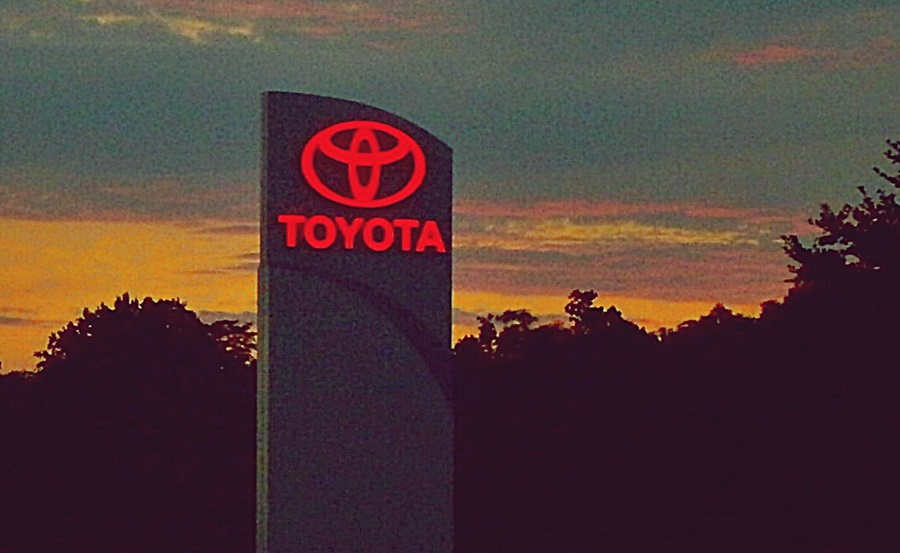
Toyota signboard

Fortune’s ‘World’s Most Admired Companies’ list is widely acknowledged as the definitive report card on corporate reputation and is based on company surveys and industry peer ratings from over 3,700 senior executives, directors and industry analysts from around the world.

TMC fORTUNE 500
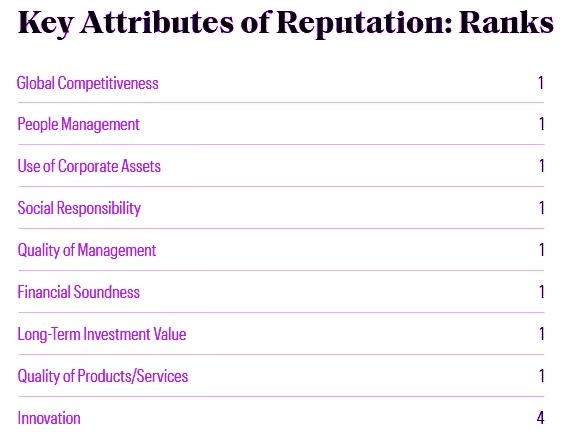
Toyota had the highest score in 8 criteria which the survey measured.

For each company, the survey measured 9 attributes considered critical to a company’s global success, including quality of products and services, social and environmental responsibility, global competitiveness, and value as an investment, among others.

PISTON.MY

BHPetrol RON95 Euro4M

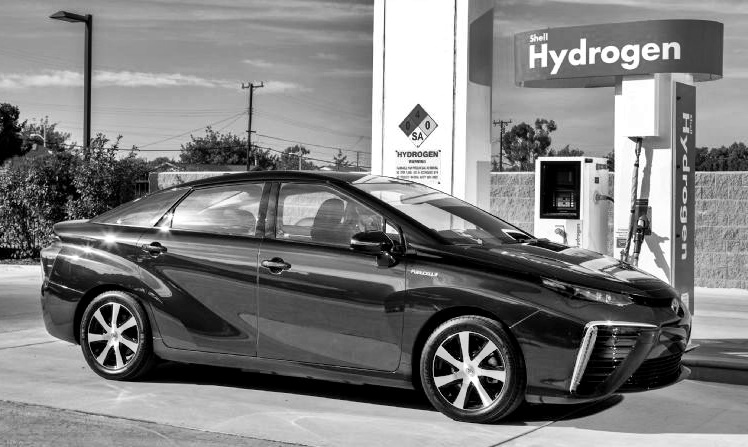
Toyota introduced its first commercially-available hydrogen-powered fuel cell vehicle (FCEV) – the Mirai – in 2014. Technically sophisticated with its advanced technology, the Mirai has served as a catalyst for increasing global awareness of how a future clean and sustainable hydrogen society might be achieved.

Now, 5 years later, after real-world usage and further developments in fuel cell technology, the second generation is due for introduction towards the end of this year. It will be available initially in Japan, North America and Europe.

At the 2019 Tokyo Motor Show, Toyota provided an early glimpse of the advances it is making across the board with the new Mirai, in terms of technical excellence, dynamic performance, and desirable design. Efficiency is still a critical area, and Toyota is targeting a 30% increase in the Mirai’s driving range (around 500 kms with the first generation model) through improvements to the fuel cell system and the use of larger on-board hydrogen tanks.

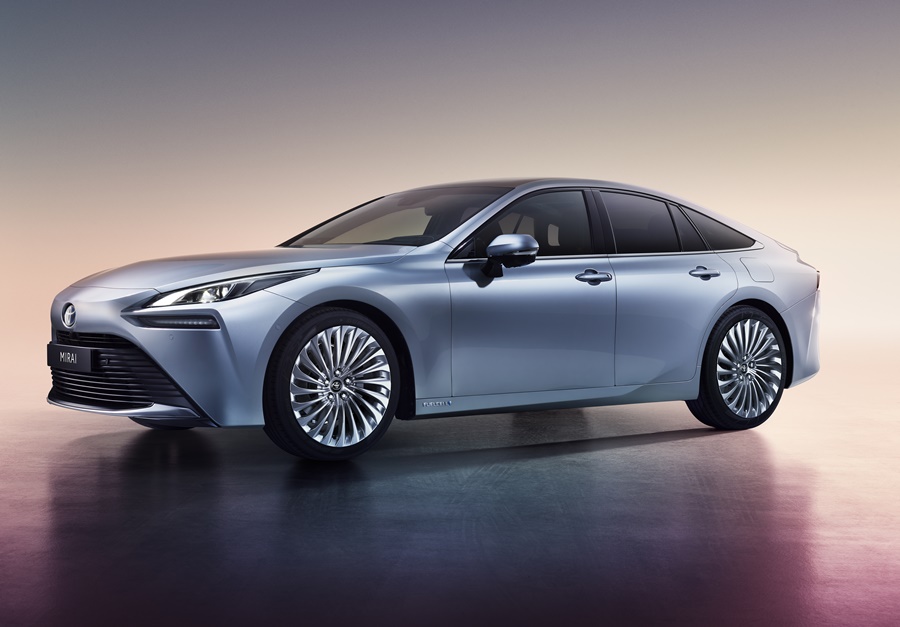
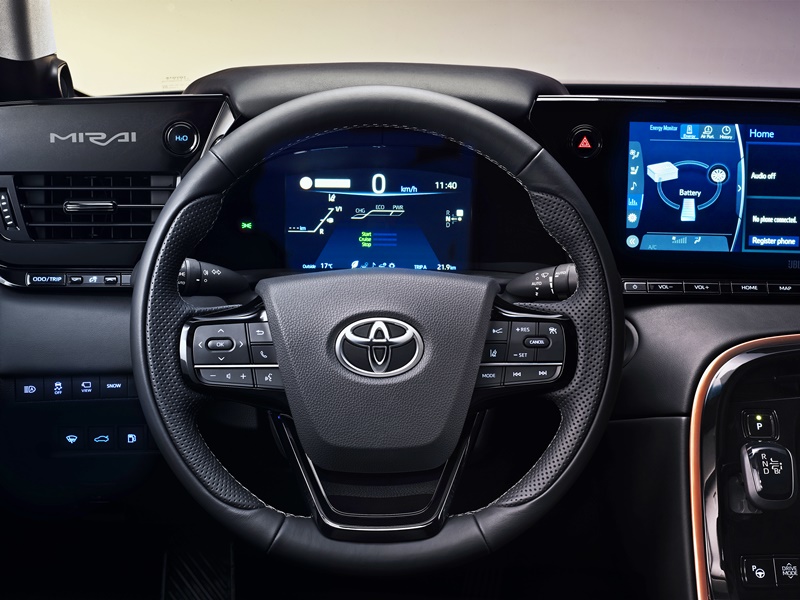
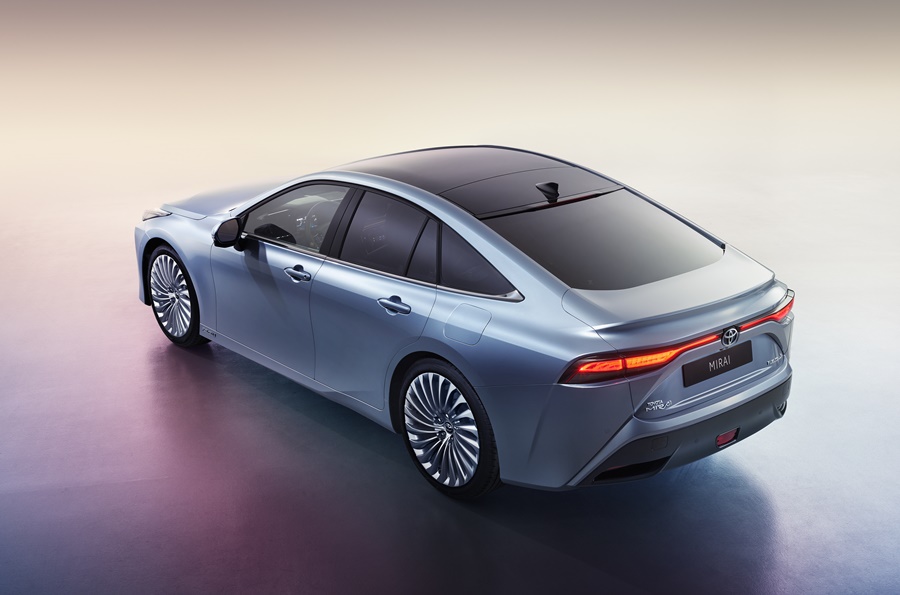
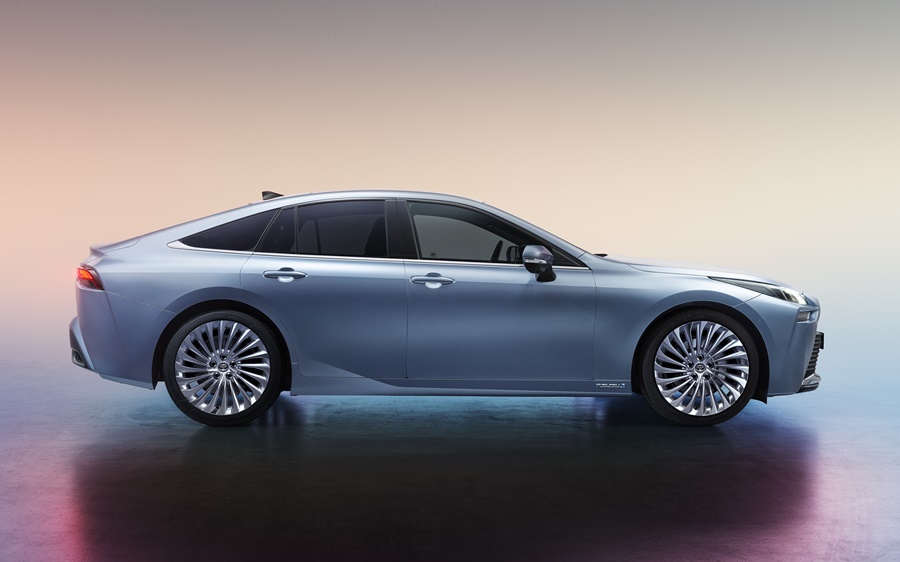
2021 Toyota Mirai FCEV

The new Mirai sits on Toyota’s latest rear wheel drive modular platform (TNGA-based) which has been engineered to accommodate different powertrains – including a hydrogen fuel cell – at the outset. It further gives the new Mirai a higher degree of body rigidity, which contributes to greater agility and responsiveness, and a lower centre of gravity, which makes for nimble, rewarding handling.

There will be three tanks – one long, two short – which together increase the fuel capacity by around one kilogram of hydrogen compared to the current model. As well as extending the potential driving range, improvements in the performance of the fuel cell system give more linear, smooth response when moving off. Handling is also said to be light and easy on winding roads.

2015 Toyota Mirai FC
First generation of the Mirai. Some 10,000 units have been sold since 2015.
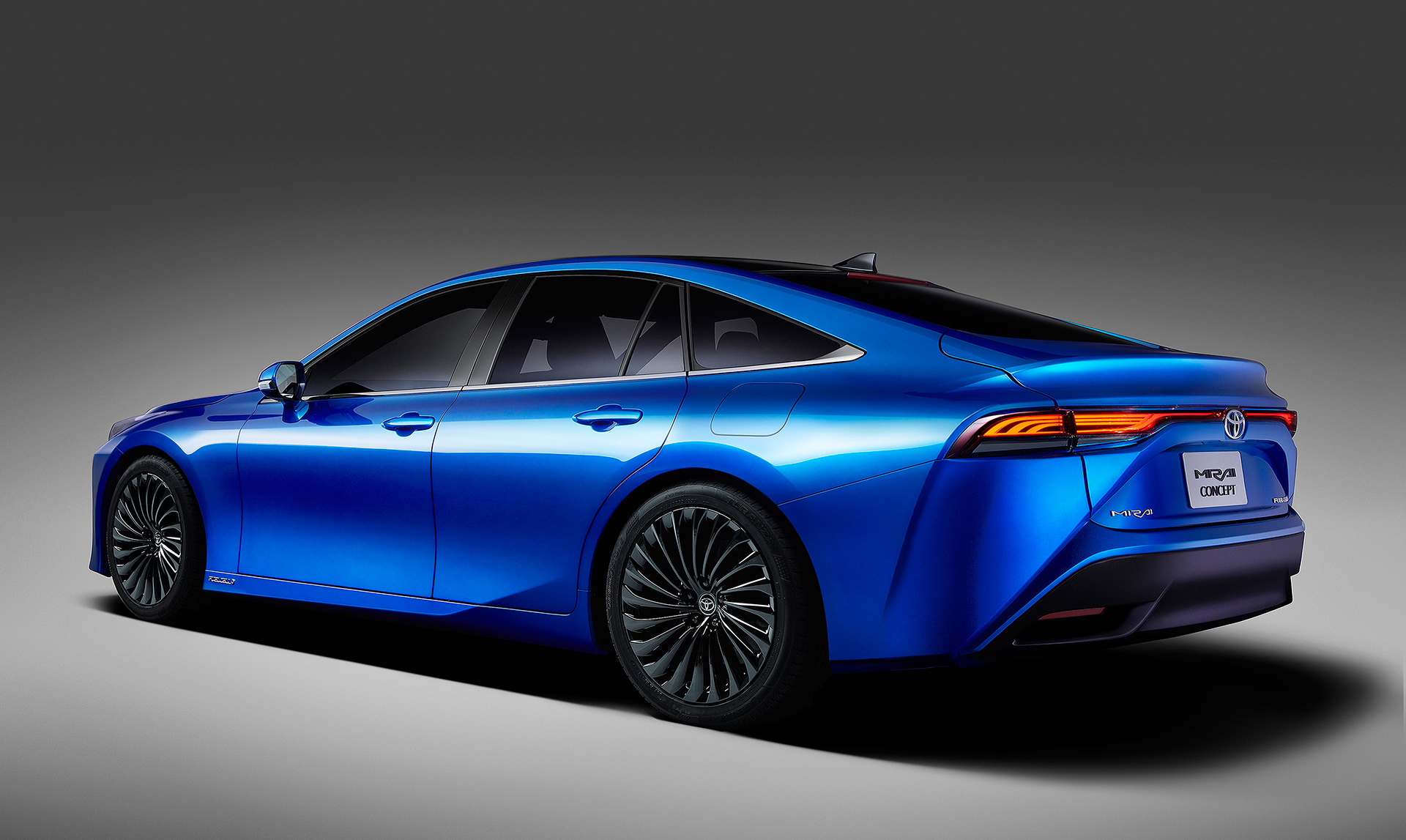
2021 Toyota Mirai FCEV
Concept model of second generation which was shown last year.

The big change for the new Mirai’s is its exterior design, with low lines and a sleek, taut bodywork with large, 20-inch diameter wheels that together generate a powerful and distinctive look.

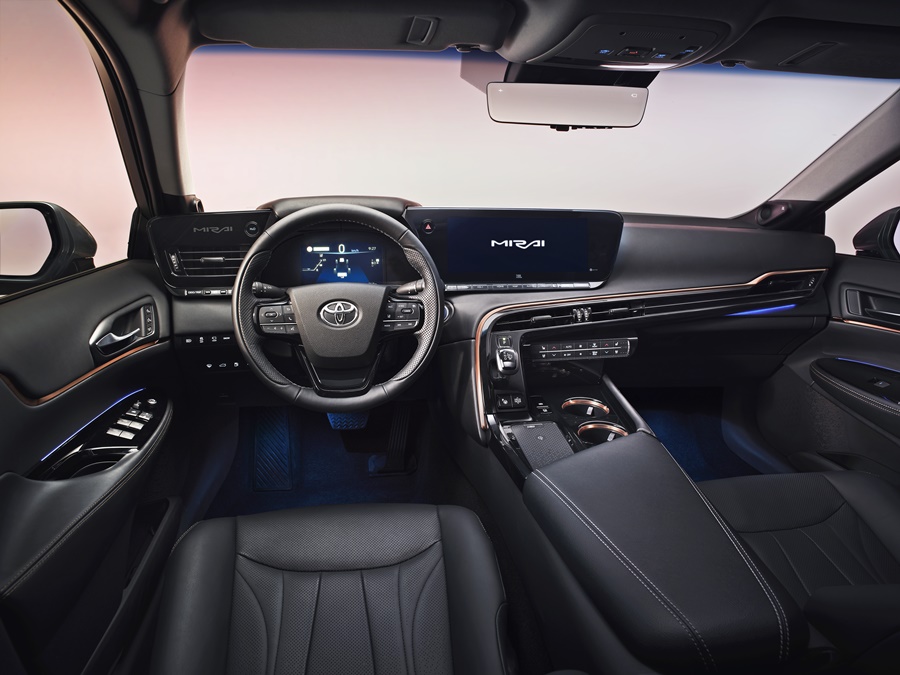
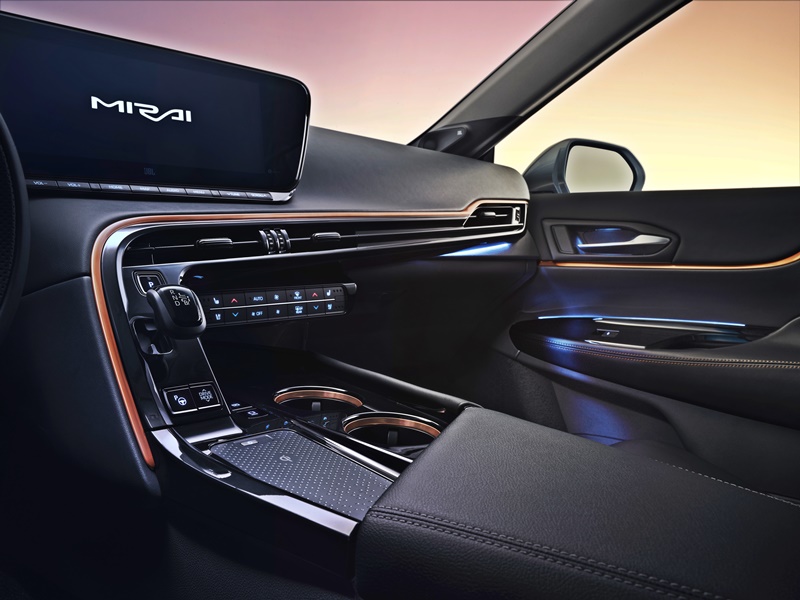
The interior has been conceived as a simple, modern space with a warm, comfortable ambience that adds to the sense this is a car that’s genuinely enjoyable to drive and travel in. Key elements include a 12.3-inch centre display and an instrument panel that wraps around the driver. The platform and intelligent packaging allow for five seats to be provided in place of the current Mirai’s four.

2021 Toyota Mirai FCEV

2021 Toyota Mirai FCEV

2021 Toyota Mirai FCEV

“We have pursued the goal of making a car that customers will feel they want to drive all time, a car that has an emotional and attractive design and the kind of dynamic and responsive performance that can bring a smile to the driver’s face,” said Yoshikazu Tanaka, the new Mirai’s Chief Engineer who also headed the team for the development of the first generation.

“I want customers to say ‘I chose the Mirai not just because it’s an FCEV, but because I simply wanted this car; it just happens to be an FCEV.’ We will continue our development work focusing on that feeling, and we hope that with the new Mirai, we will be a leader in helping realise a hydrogen energy society,” he added.

Toyota Mirai

Toyota Mirai Concept previews next generation of FCEV to be launched at the end of 2020

PISTON.MY

Archive

Follow us on Facebook

Follow us on YouTube