
Piston.my

Latest News

Race starts at 1:10 pm in Istanbul | 6:10 pm in Malaysia
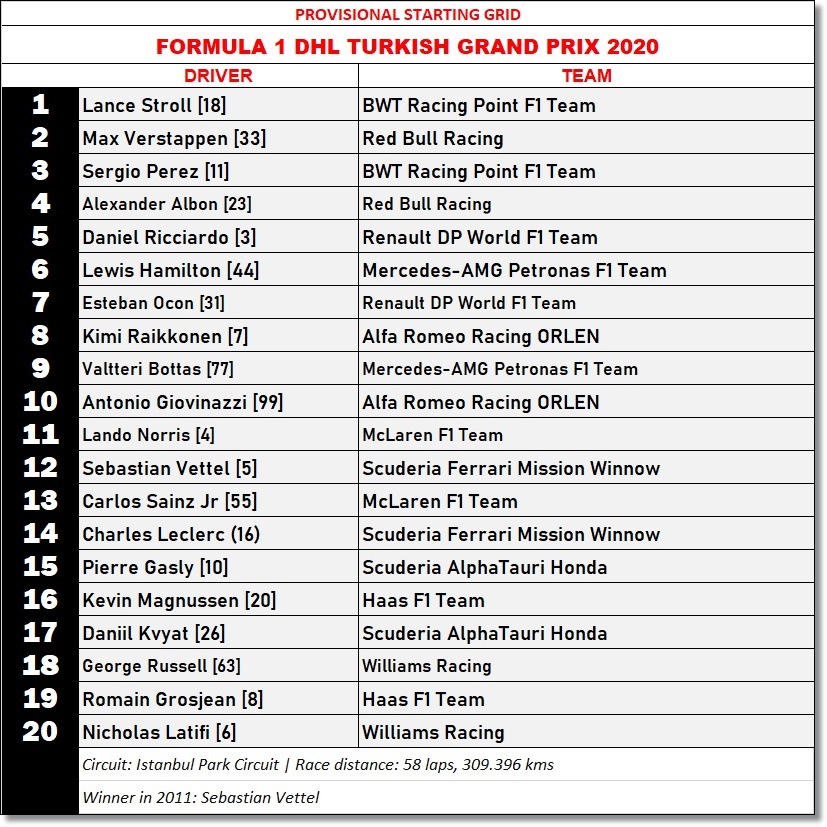
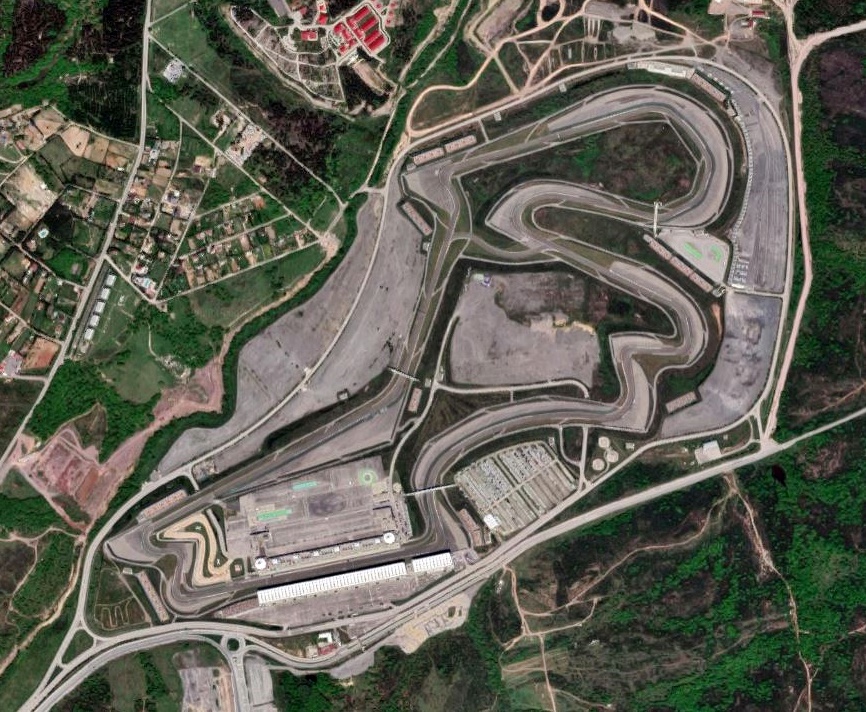
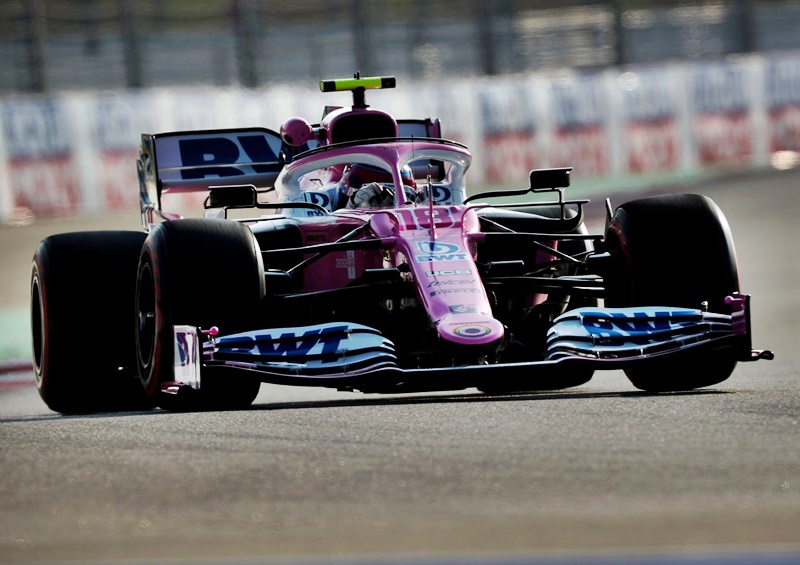
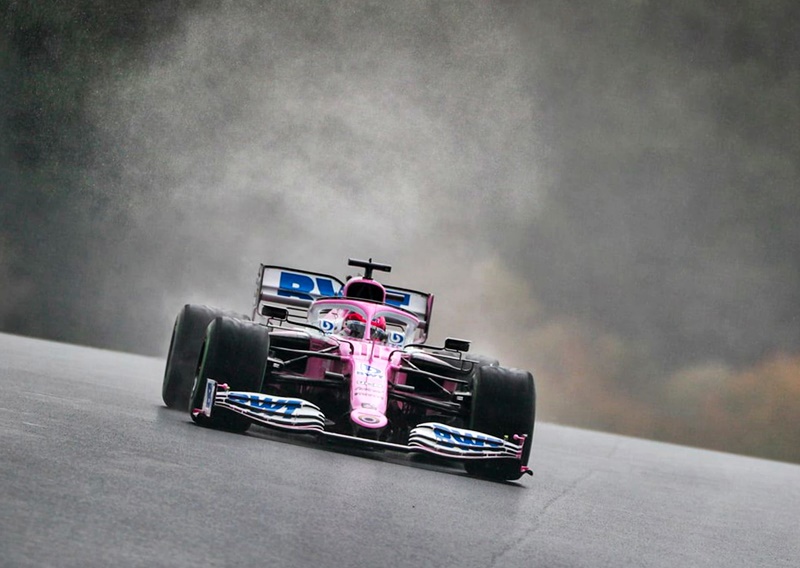
This weekend sees a Formula 1 race taking place in Turkey, the first time since 2011 when the last Turkish F1 Grand Prix was held there. The 14th round of the 2020 championship is being run at the Intercity Istanbul Park or Istanbul Racing Circuit (or initially, Istanbul Otodrom) in the country’s capital city. The track was opened in 2005 and was another project of Hermann Tilke, who has designed many of the modern F1 circuits around the world.

Financial issues are said to have been the reason for the Istanbul circuit being left out of the championship calendar after 2011. Its inclusion this year may have been because it was willing to host a round in the revised calendar that was impacted by the pandemic. Having a circuit that was already properly designed and approved for F1 racing, and presumably maintained in a good condition, would have made it an easy choice for the organisers.
One of the most challenging circuits
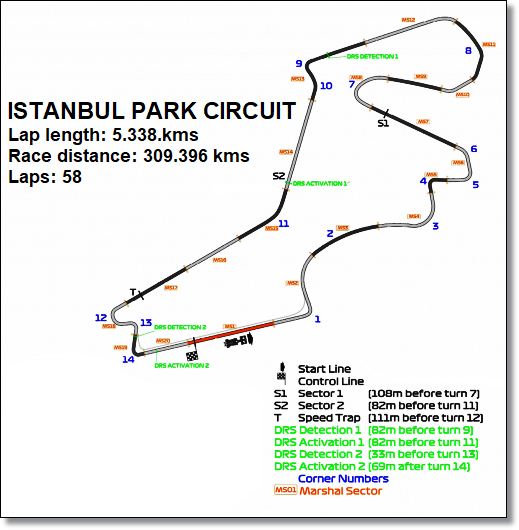
Istanbul Park has often been labelled as one of the most challenging modern circuits in F1. Of the 14 turns, Turn 8 is ‘legendary’ – a fast, high-g 640-metre left-hander with multiple apexes. Though today’s racing cars are better designed to handle the turn compared to 9 years ago, the speed (around 270 km/h) and duration in the turn will still place a lot of loads on the tyres.

“Due to the increased downforce levels, the iconic Turn 8 will be less of a focus than before. It was pretty much flat-out in the 2011 cars, but it will become even less of a challenge in these 2020 machines. So, teams don’t need to compromise the setup so much for it,” said Mercedes-AMG’s Toto Wolff.
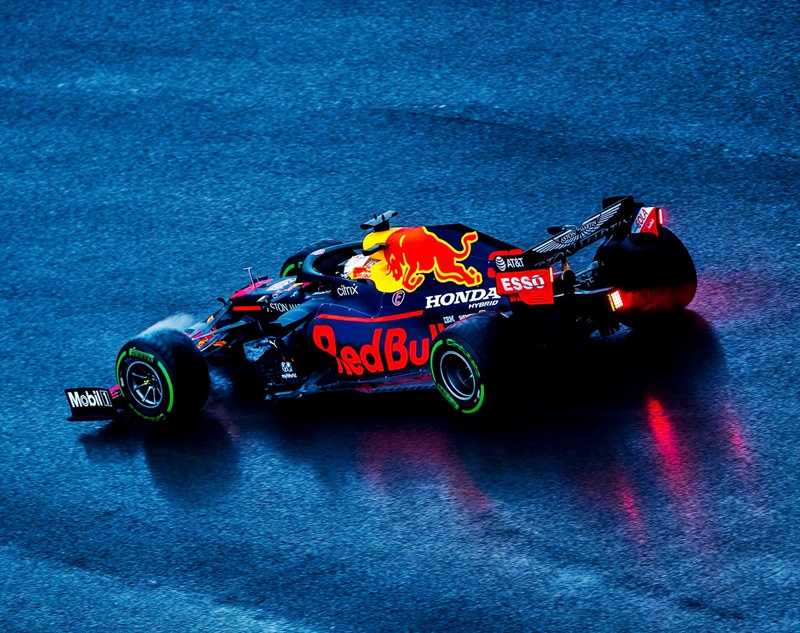
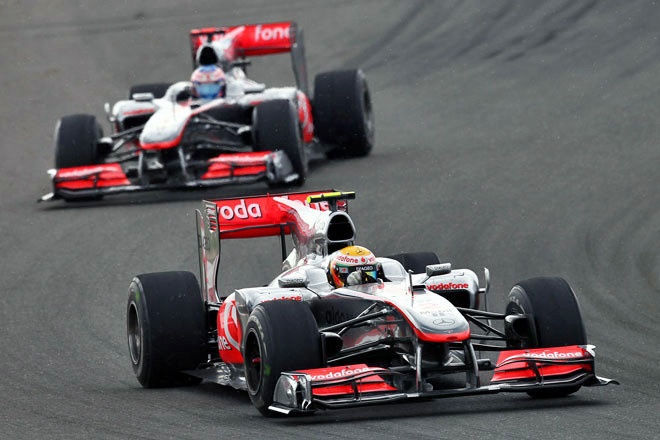
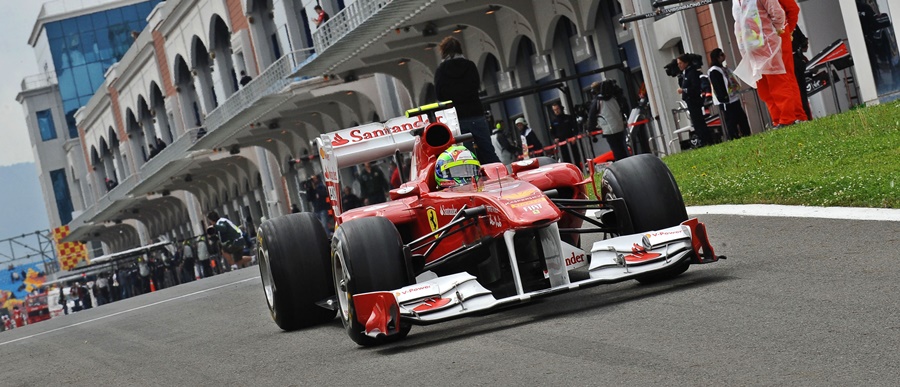
What the racing cars looked like in 2011 (above and below).

Besides Turn 8, there are also other challenges around the 5.338-km long circuit that the drivers will do 58 laps on. It will be tough and technically demanding, with the long back straight that allow DRS to enable overtaking heading into Turn 12. The end of the lap consists of a combination of three low-speed corners where braking stability on entry and traction on exit are important.

Wet conditions make things tricky
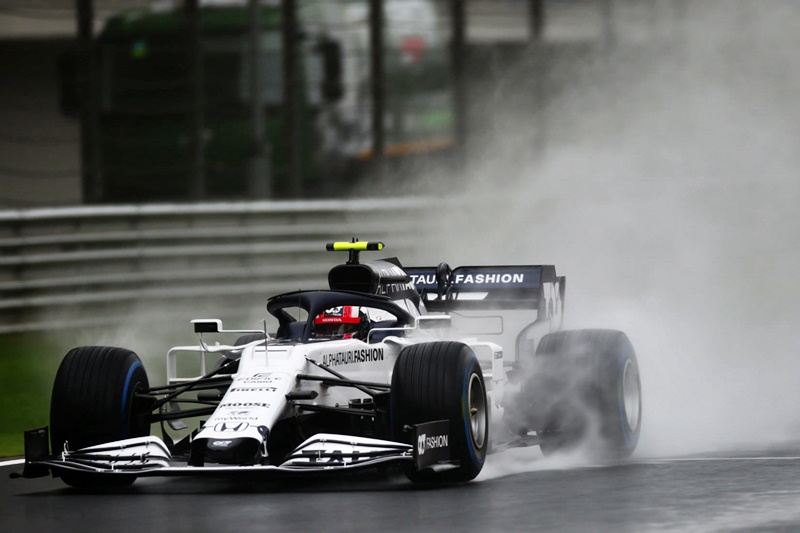
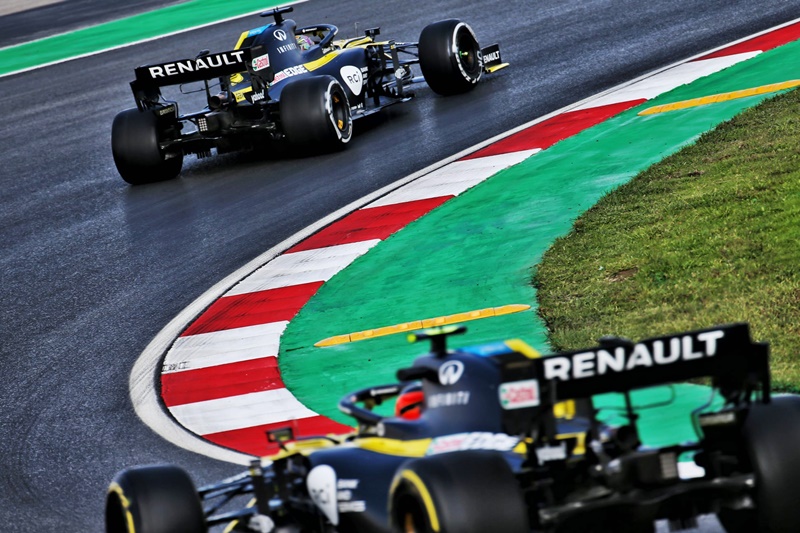
Given the wet conditions experienced lately, things are therefore going to be tricky. And what is worse is that drivers have reported the resurfaced circuit has created conditions like an ice-rink – rain will just make it much tougher. If it does rain during the race, expect dramatic moments.

BHPetrol RON95 Euro4M

Limited value in historical data
“Unlike some of the other unfamiliar races on the 2020 F1 schedule, we do actually have some historical data for the Turkish Grand Prix. However, because the cars have changed so much and the track has recently been resurfaced, the historic data is only useful as a reference,” added Wolff.

A number of the drivers on the starting grid this weekend have raced at Istanbul Park before. Kimi Raikkonen, Lewis Hamilton, Sebastian Vettel have been winners but the one who won the most times was Felipe Massa in 2006, 2007 and 2008, and Jenson Button also won the race in 2009.
BHPetrol RON95 Euro4M

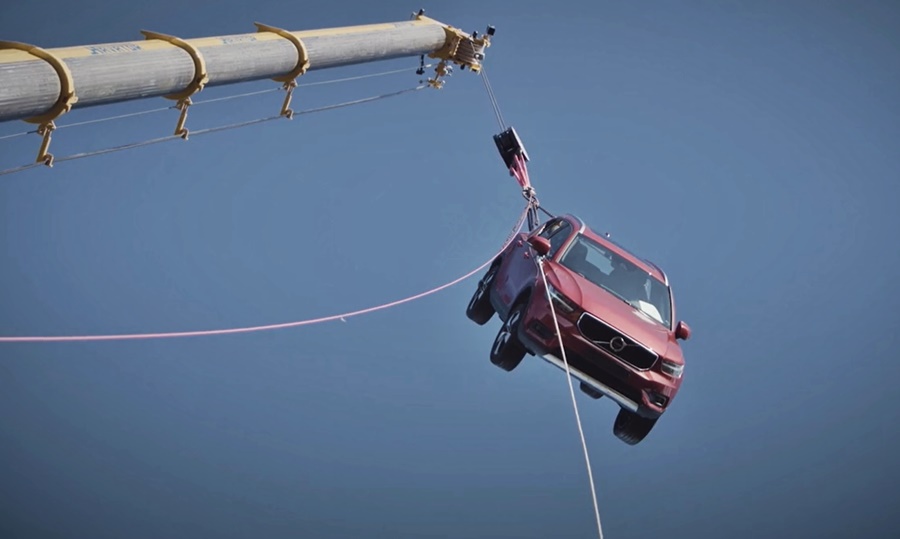
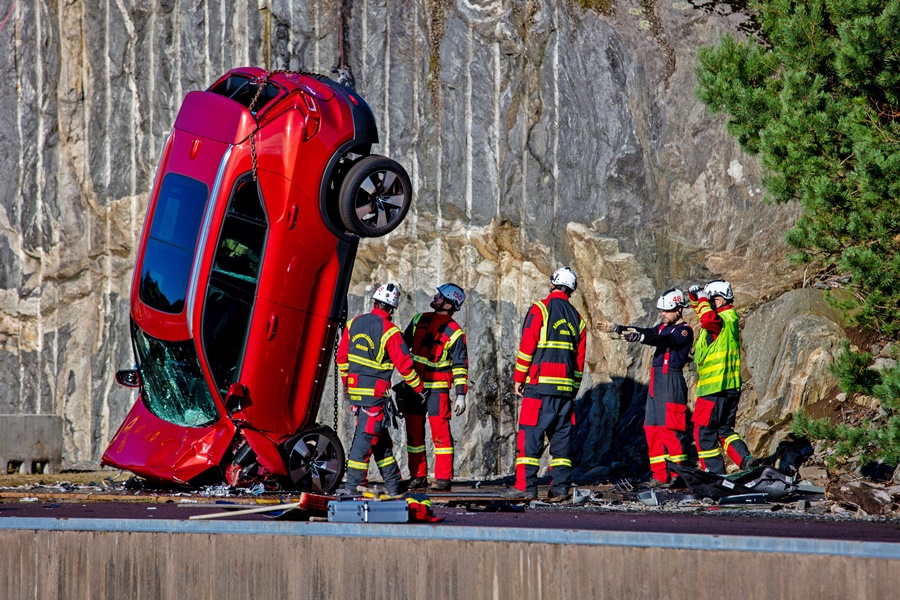
Volvo Cars recently conducted its most extreme crash test ever, and it was not within the advanced Safety Centre but outdoors – with cars dropped from a crane! Ten Volvos, of different models, were dropped several times from a height of 30 metres.

Before the drop, Volvo Cars safety engineers made exact calculations about how much pressure and force each car needed to be exposed to, in order to reach the desired level of damage.

2020 Volvo crane drop

Simulating extreme accidents
The purpose: to help rescue services to prepare for any possible crash scenario and to simulate the forces that erupt in the most extreme crashes, beyond what can be simulated with ordinary crash testing.

This unusual approach helped create enough damage to adequately simulate the damage found in the most extreme crash scenarios. All findings from the crashes and the resulting extrication work will be collected in an extensive research report. This report will be made available free of use to rescue workers elsewhere, allowing them to benefit from the findings and further develop their life-saving procedures and capabilities

Similar extreme test in 1985
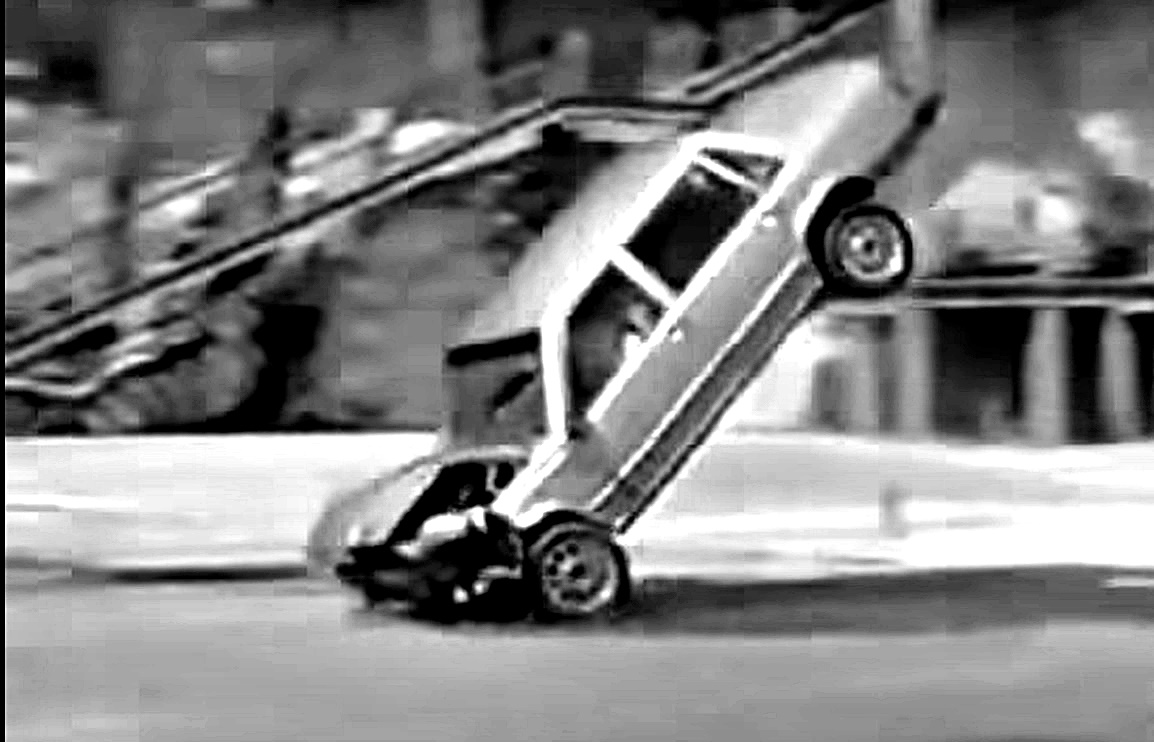
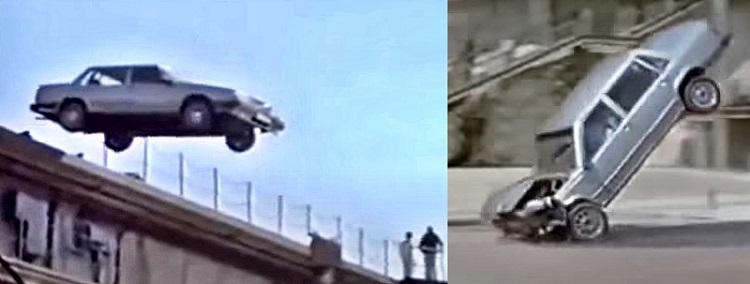
The crash test conducted recently was not really Volvo’s first extreme test: 35 years ago, its American subsidiary had a then-new 760 driven off a building and it fell 14 metres, hitting the ground nose-first. The impact was equivalent to a frontal collision at 50 km/h, the front end crumpling as it was ‘programmed’ to do so in order that the impact energy could be absorbed.

Volvo 760 demo crash test 1985

Back then, there was no GoPro and no drones for recording and conventional video equipment was used. Nevertheless, the resulting video – which was like a scene from an action movie – provided scary views from the seats through the windscreen as the ground rushed up.

At that time, the ‘crash’ was done not for helping rescue workers understand what a severely crashed car is like but more for promoting the safety of Volvos, and particularly the crucial value of using seatbelts.


Today’s cars are stronger
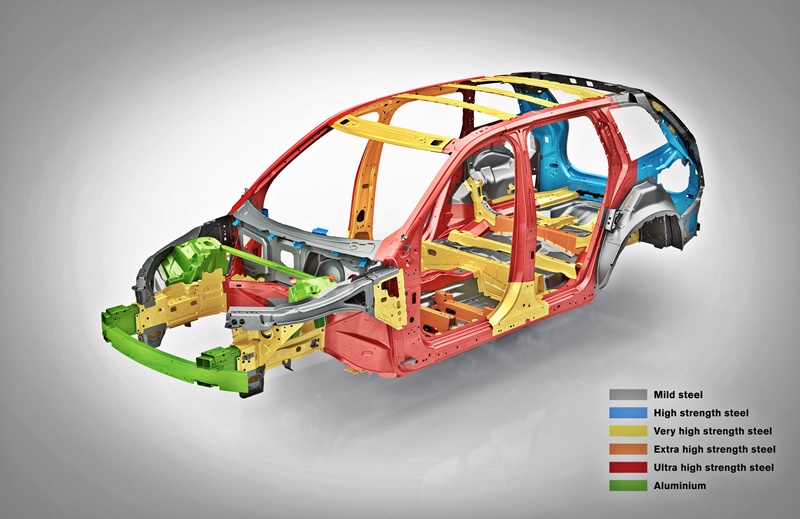
In the 1980s, the construction of most cars was fairly conventional with basically steel and plastic materials that could easily be cut. They were as safe as could be during that era, with Volvos being among the best in occupant protection. However, many of today’s cars use stronger materials, with the latest Volvos made of some of the hardest steel found in modern cars. They have more complex structural designs, and the presence of high-voltage electrical systems and battery packs in hybrid models must also be considered.

Volvo XC90 body structure
The XC90 structure has more extensive use of hot-formed boron steel, which is the strongest type of steel presently used in the car body industry.

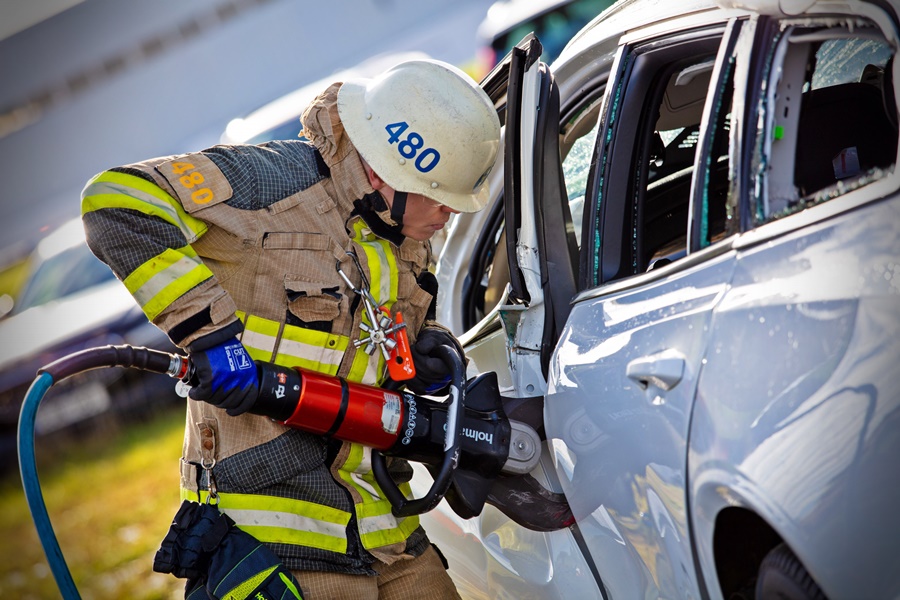
Volvo therefore continuously crashes its cars, the recent one being an example, in order to get information on how the structure deforms. This will help rescuers who may use hydraulic rescue tools known in the industry as ‘jaws of life’. Extrication specialists often talk about the golden hour: the time-span they need to get injured occupants out and to the hospital for treatment.

Usually, rescue workers get their training vehicles from scrapyards. But these cars are often up to two decades old. And in terms of steel strength, safety cage construction and overall durability, there is a vast difference between modern cars and those built 15 to 20 years ago – like the 760 in the video.

Rescue worker using ‘jaws of life’ to cut body structure if the doors cannot be opened to get the occupants out.

This makes it crucial for rescue workers to constantly update their familiarity with newer car models and review their processes, in order to develop new extrication techniques. In other words, these training sessions can mean the difference between life and death. So at the request of the rescue services, Volvo Cars decided to step things up a notch.

“Normally we only crash cars in the laboratory, but this was the first time we dropped them from a crane,” said Hakan Gustafson, a senior investigator with the Volvo Cars Traffic Accident Research Team. “We knew we would see extreme deformations after the test, and we did this to give the rescue team a real challenge to work with.”

50 years of ‘CSI’ work to make cars safer

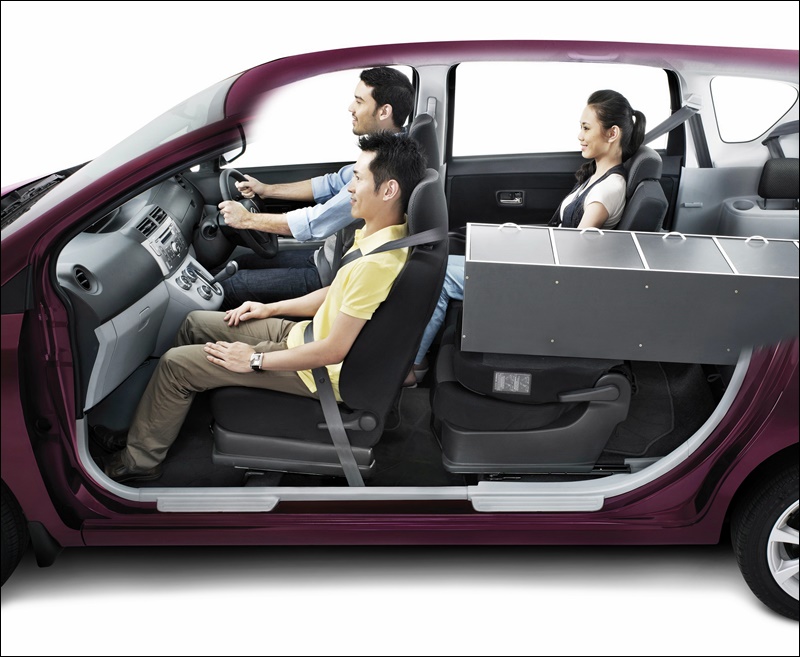
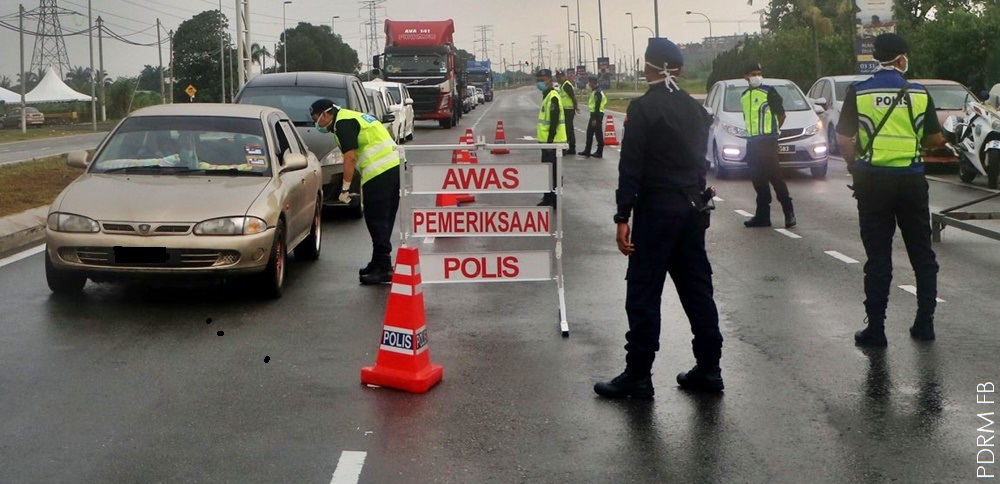
Motorists who have been unhappy about the ruling allowing only 2 persons per car – from the same household –  will be pleased to know that the allowance is now increased to 3 persons within CMCO (Conditional Movement Control Order)  areas. This was announced today by Senior Minister Datuk Seri Ismail Sabri Yaakob during the daily briefing.

The minister said that the increase was in response to requests from the public, taking into consideration various issues. These include the matter of where passengers sit, and the minister clarified that they need not sit at the back only. Also, it was confirmed earlier that use of a facemask inside the car while driving is not a must. The ruling is with immediate effect.

More possible – up to police to decide
With this revised ruling, motorists should face less issues at roadblocks and the minister added that the police still have the discretion to allow more people to travel together. It will depend on the circumstances, one example being the need for an extra person, besides the driver, accompanying to assist an aged parent who has to go to a hospital or clinic. Another example would be a wife with a small baby having to go to a clinic and she cannot drive, so the husband has to be the driver.

Same occupancy conditions as for taxis and e-hailing vehicles.

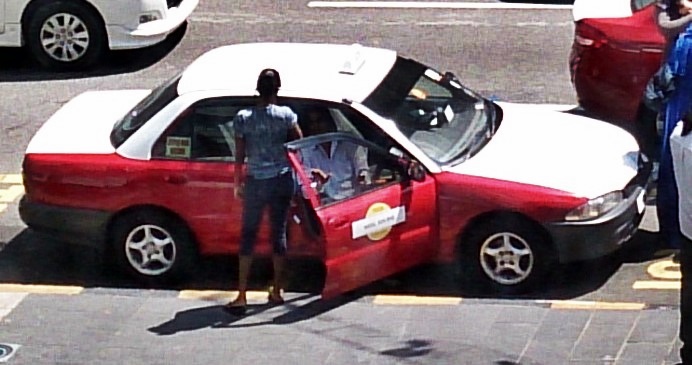
With 3 persons – including the driver – allowed in the vehicle, it would be the same as the ruling for taxis and e-hailing vehicles. Many had questioned why three persons could be allowed in these vehicles but not in private vehicles, especially when those in private vehicles had to be from the same household where they are together.

Of course, there will still be people who argue on that point – that if a big family lives together in the same house, and in close proximity, why should they not be allowed to go out together in the same vehicle (if it is rated for more than 4 or 5 persons, eg a MPV or large SUV)?

ROADBLOCK

Why is there a restriction?
The thing about the CMCO is to limit movement in public as a measure to prevent spread of COVID-19. Actually, people should not be thinking of ‘going out to eat’ and to instead collect food and bring home, or order using a food delivery service. The provision to travel is primarily to get food or other essential items, not for social outings. At least we can do that – in some other countries, the restrictions have been so severe that people were not allowed out at all.
BHPetrol Euro5 Diesel

Remember when only one was allowed
Be glad that the authorities are not as strict as when the MCO was in force in March and just one person from a household could go out. Many husbands had to learn how to shop at the supermarket and for some people like single mothers with small children, it was a difficult time. Then as the threat diminished, two persons were allowed and then more, up to the maximum permissible for the vehicle type.

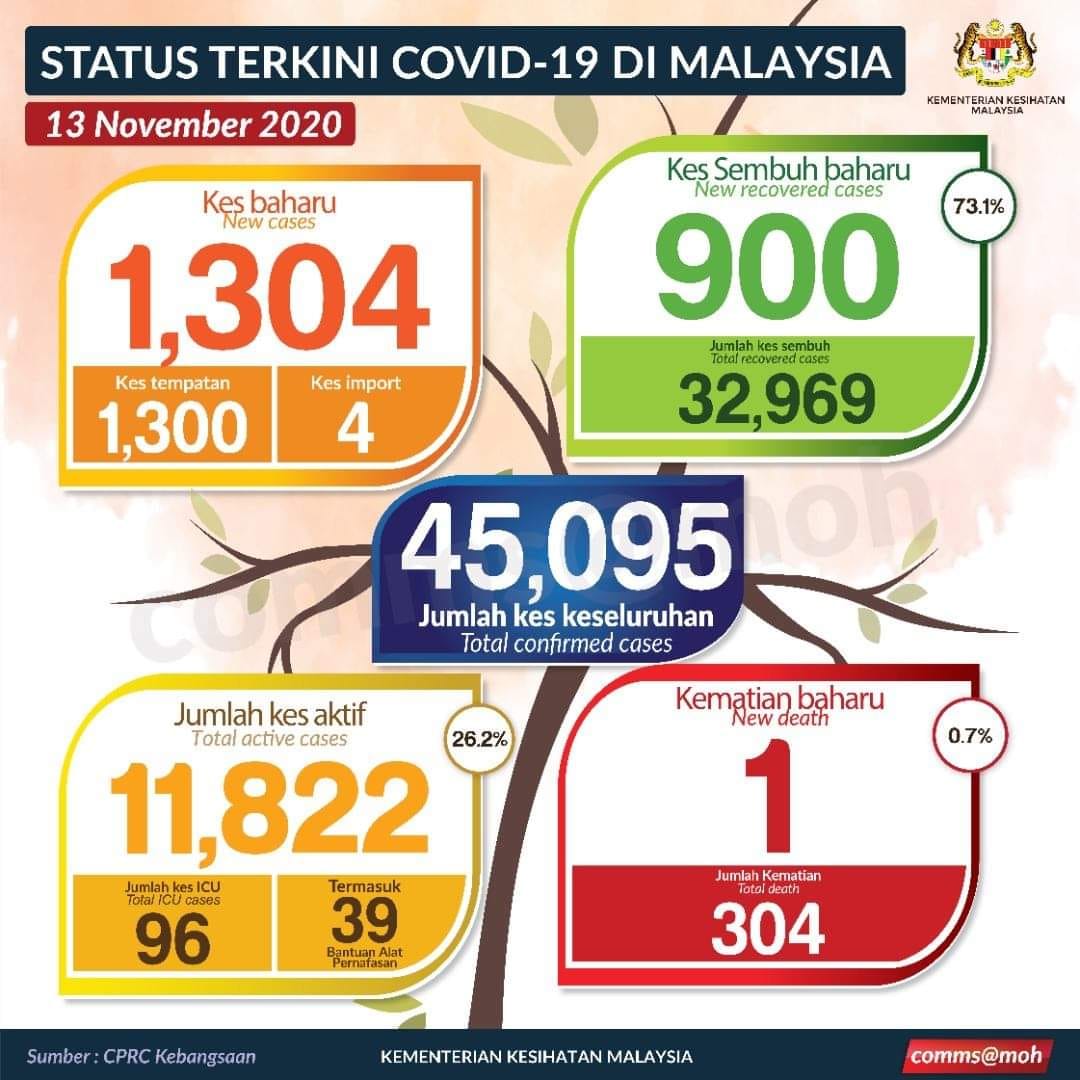
Each of us has to do our part to help to bring the number back down. Today, they are in 4 figures and if we remain indifferent to the situation, things are not going to get better and 2021 will continue to be a struggle for many individuals and businesses.

BHPetrol RON95 Euro4M

Concept cars, studies and prototypes always excite the public as they are often futuristic and contain advanced technologies that may one day be available. However, many such vehicles are kept behind closed doors, and sometimes even when they are no longer of use, they are not revealed.

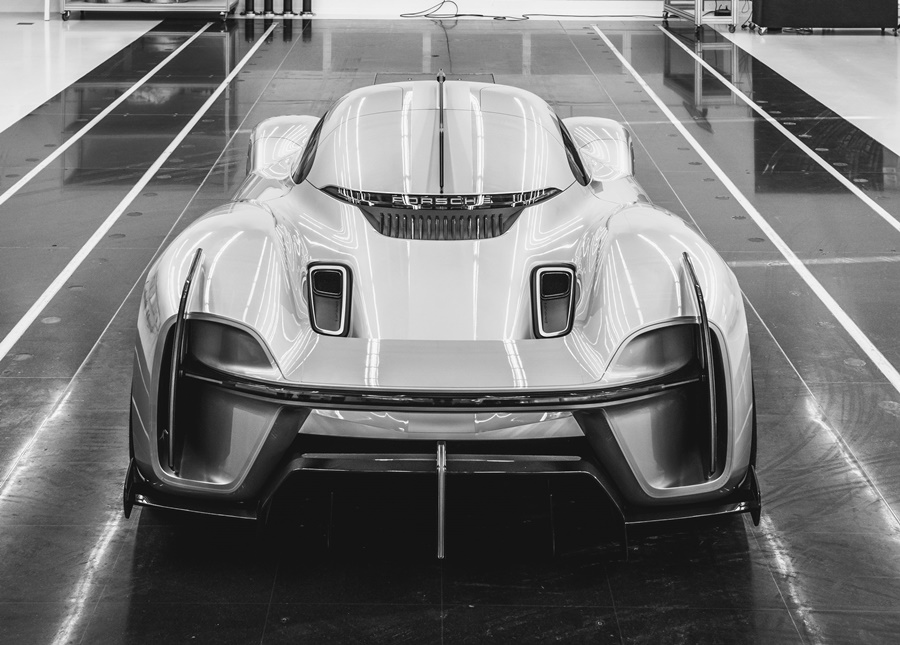
Over the decades, Porsche has obviously developed many prototypes to study new concepts for its future sportscars. These have typically been secret although some have been shown to the public. Now, for the first time, the carmaker is showing some of its secret design studies from 2005 to 2019. Besides revealing these models, Porsche also provides an insight into the design process – from the first drawing to the finished production model, if it got that far.

“The timeless and innovative design of our sportscars inspires people all over the world,” said Oliver Blume, CEO of Porsche AG. “Visionary concept studies form the basis for this success: they are the pool of ideas for the Porsche design of tomorrow and combine our strong tradition with pioneering future technologies.”

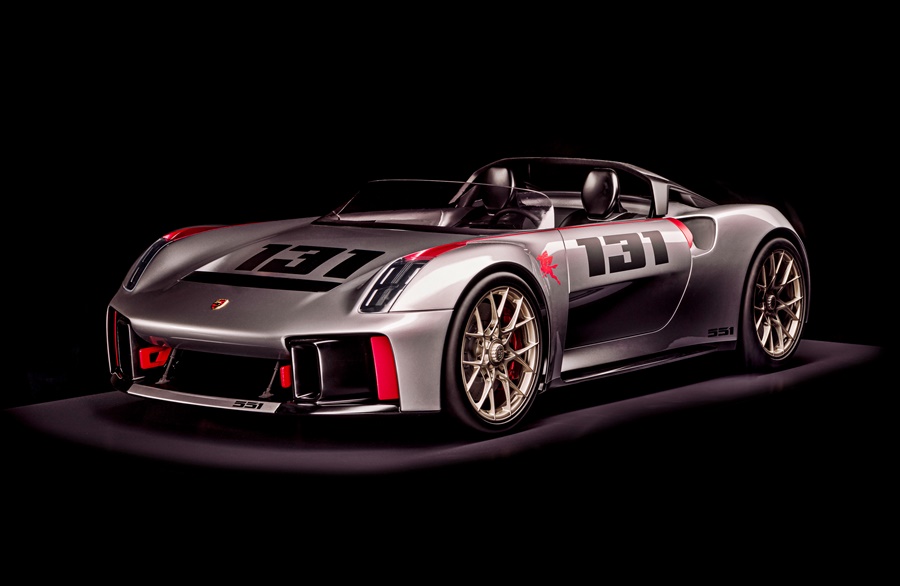
Porsche Vision Spyder (2019)
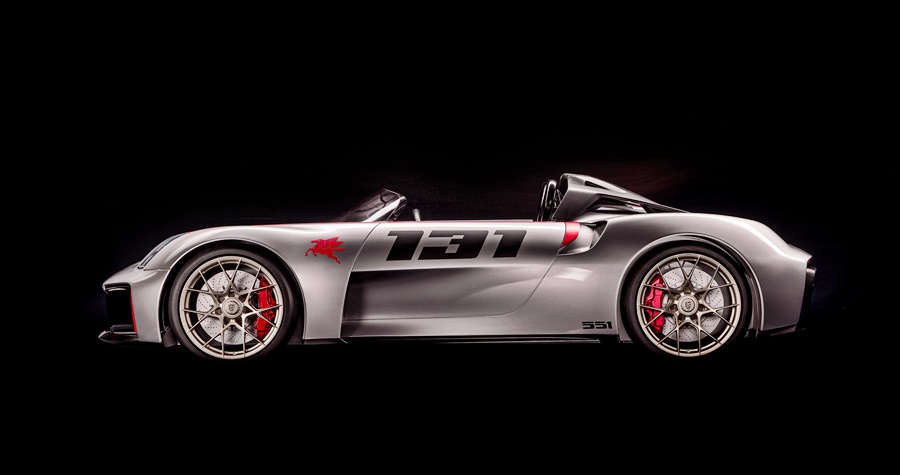
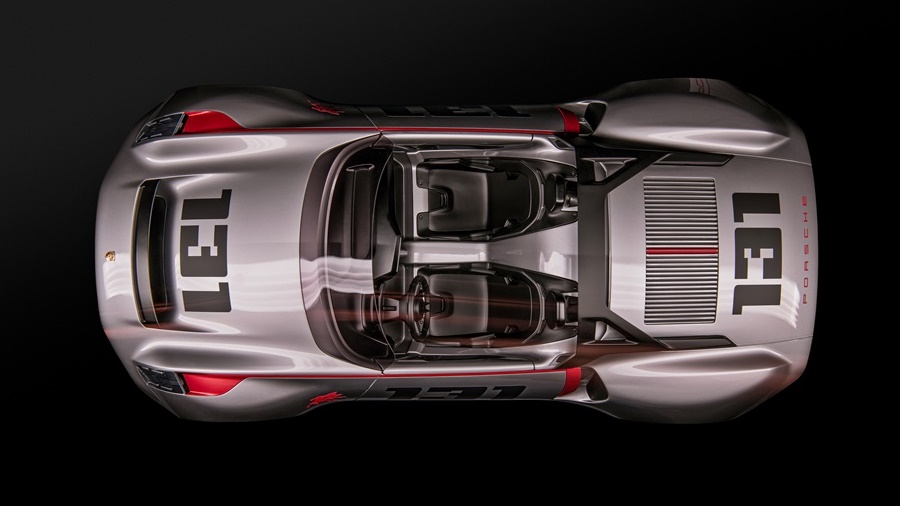
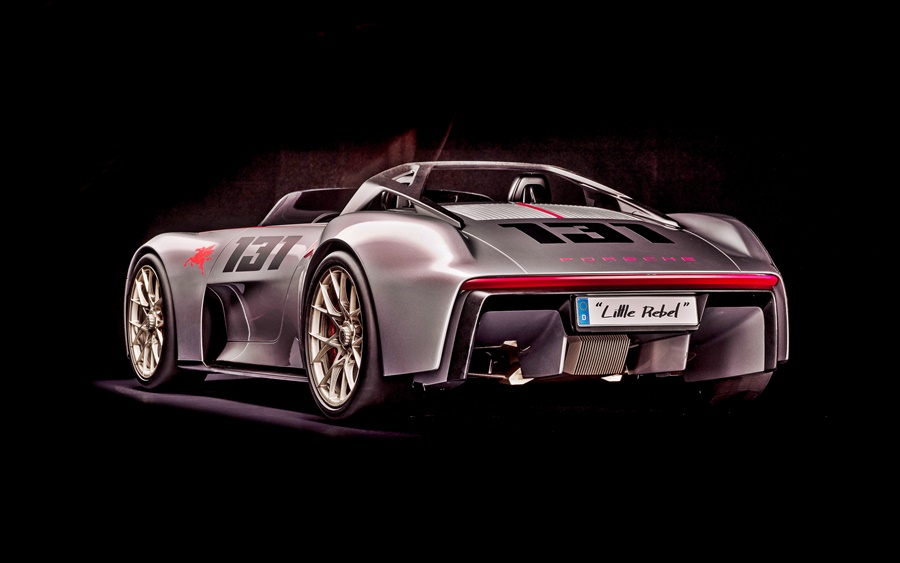
Porsche Vision Spyder (2019): With its spartan, puristic cockpit, the characteristic radiator grilles over the mid-mounted engine, red graphic elements and the suggested fins at the rear, the compact Vision Spyder clearly calls to mind the 550-1500 RS Spyder from 1954. At the same time, the study was intended to further develop the design identity of Porsche and provide a pool of ideas for future details, eg, the ultra modern roll-bar.

Porsche Vision Spyder (2019)

Porsche Vision Spyder (2019)

The design process
The design process begins with a sketch, followed by a 3D model. As soon as an idea is to be further developed, small models on a scale of 1: 3 and finally solid models on a scale of 1: 1 follow.

“The virtual world is the first step, but it is precisely the unexpected models that you have to experience in reality in order to understand how small, big or surprisingly proportioned a car is,” explained Michael Mauer, Head of Style Porsche.

In contrast to the development of a production model, in which several models with different styling themes are developed, some projects only have one vision model initially created as the protagonist of the central idea.

“Porsche intentionally has just a single design studio – located in the direct proximity of development,” said Mauer. “Weissach is our epicentre. Instead of opening advanced design studios in the distant metropolises of North America and Asia, our designers come from all over the world to Porsche in Weissach in order to create the latest production sportscars and automotive visions at the heart of the brand.

“More than 120 designers, experts for interior, exterior, colours and materials, model builders, modellers and study engineers work in the Porsche Design Studio,” he revealed.

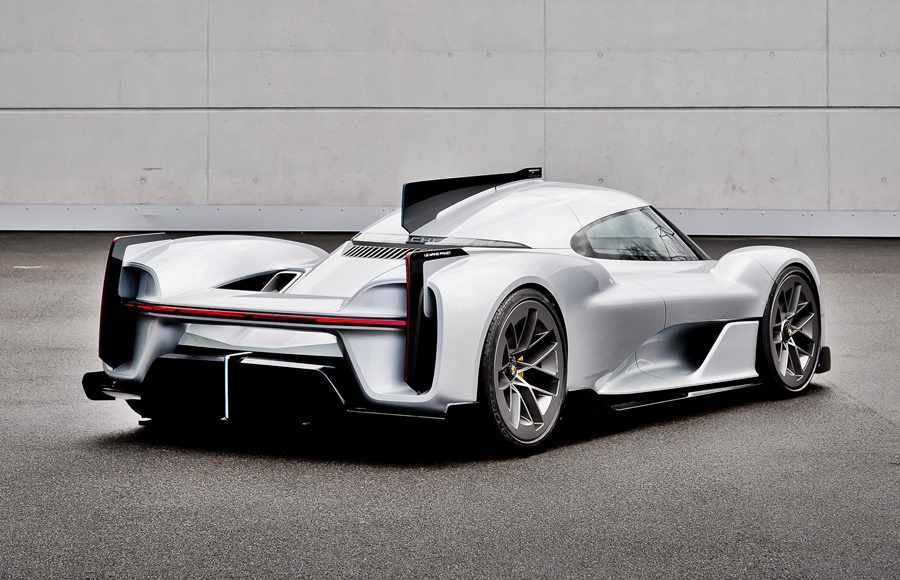
Porsche 919 Street (2017)

Porsche 919 Street (2017)

Porsche 919 Street (2017)

Porsche 919 Street (2017)
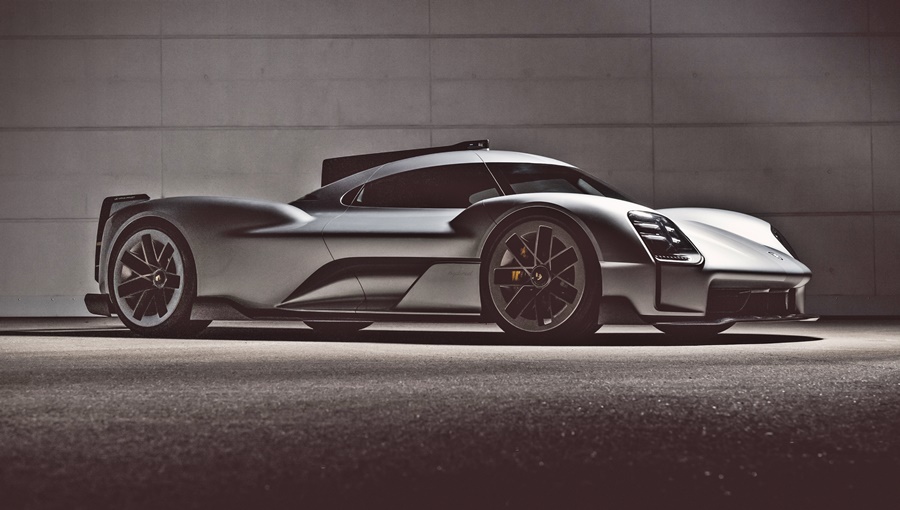
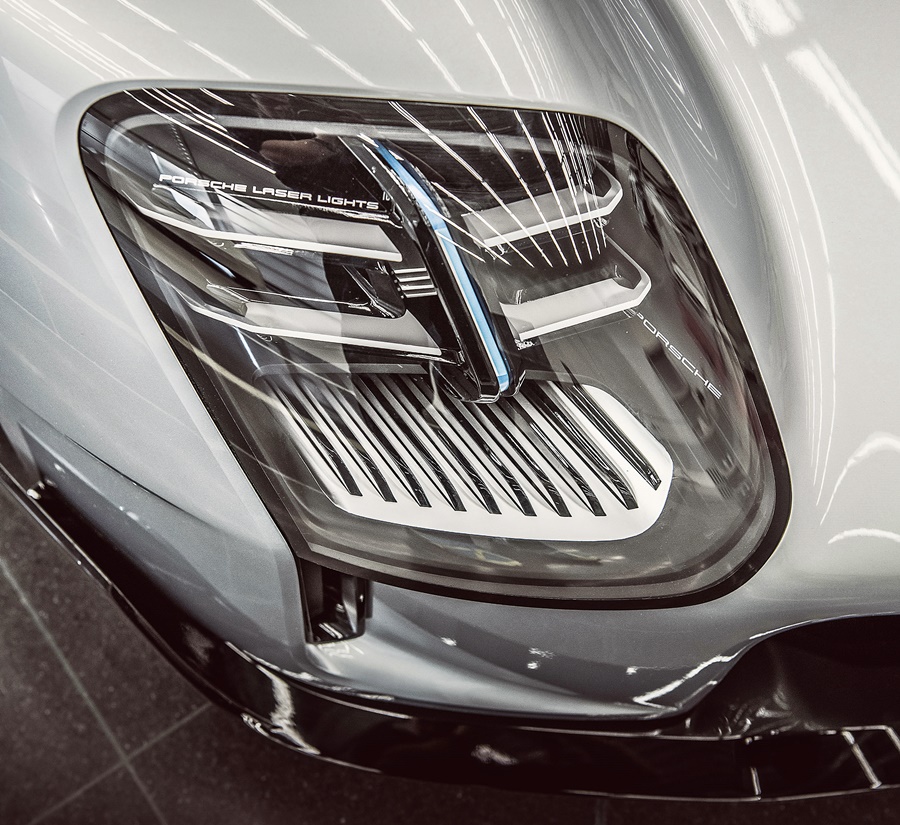
Porsche 919 Street (2017) : The 919 Street was developed on the basis of the technology used in the 919 Hybrid, promising to make the exhilarating driving experience of the LMP1 racing car available to amateur drivers. Under the outer shell are the carbonfibre monocoque and powerful 900-ps hybrid racing drivetrain that helped Porsche win numerous victories at Le Mans. The dimensions and wheelbase were also the same as on the racing car.

The design studies
“When it comes to the visions we develop, it is not about bringing every car onto the road. Instead, it is more a question of establishing creative space and a relationship with the future,” said Mauer when describing the design process. “There are two possibilities for continuing to develop as a brand: either you improve your products from the present, that is to say step-by-step. However, it is difficult to be really innovative in this process. Or you give free rein to your creativity. The idea is to let your thoughts jump to the day after tomorrow, and to then move back from there to tomorrow.”

Based on this idea, Porsche develops the product and brand identity which characterises and secures the appearance of all models in the long term. The design language for future models develops from the long-term vision.

In this process, the higher-level goal is to combine the Porsche design DNA with state-of-the-art vehicle engineering. On the one hand, this secures the innovative capability of future Porsche models and, on the other, also provides an evolutionary reference to the rich history of Porsche.

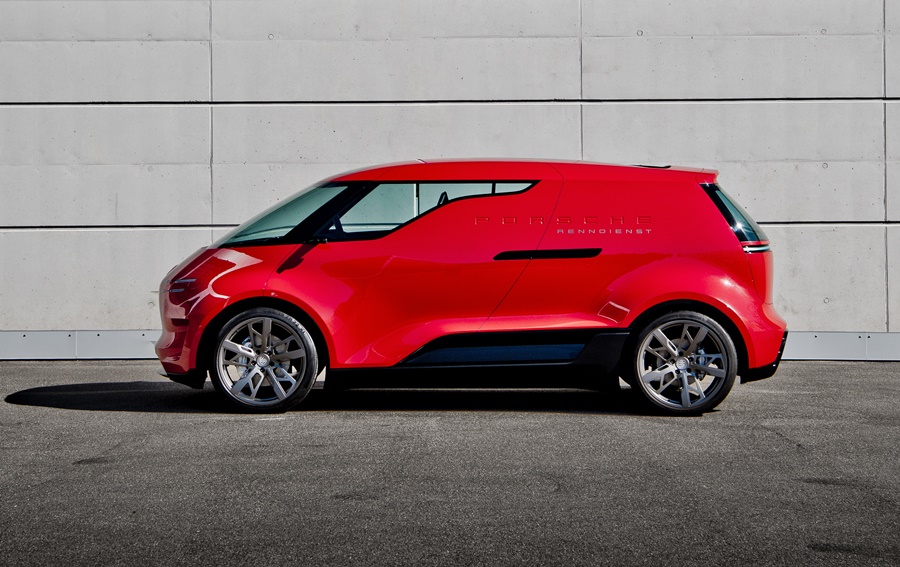
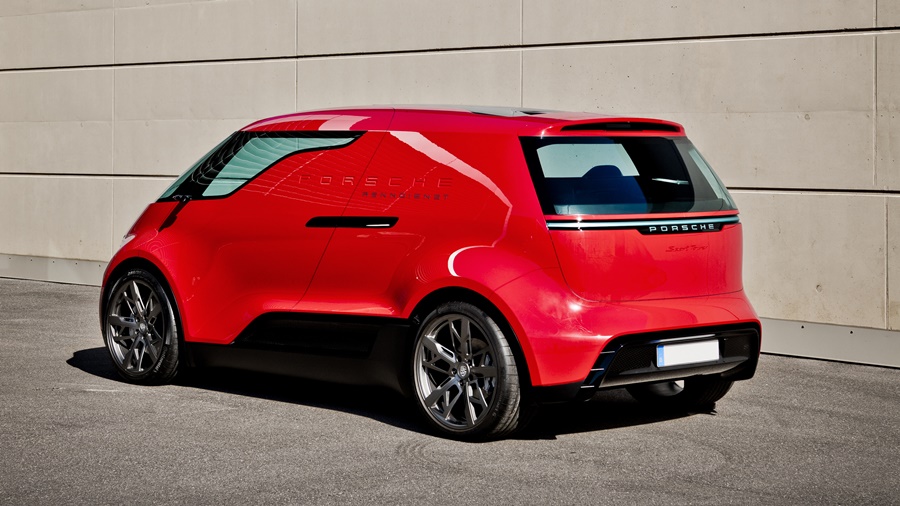
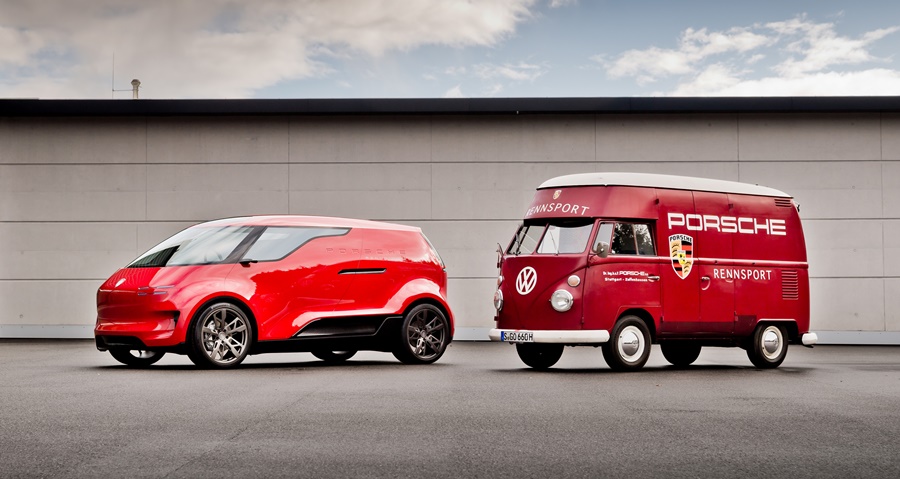
Porsche Vision ‘Renndienst’ (2018)

Porsche Vision ‘Renndienst’ (2018)

Porsche Vision ‘Renndienst’ (2018)
Porsche Vision ‘Renndienst’ (2018): The Porsche vision ‘Renndienst’ is the free interpretation of a family-friendly space concept for up to 6 persons. The design team designed a futuristic ‘space shuttle’ with exciting proportions. The study shows how the Porsche design DNA with its characteristic surface modelling can be transferred to an unknown vehicle segment for the brand.

Visit Porsche Malaysia to know more about the models available that you can buy

Porsche developing a starship for the time when its business expands to galaxies far, far away

BHPetrol RON95 Euro4M

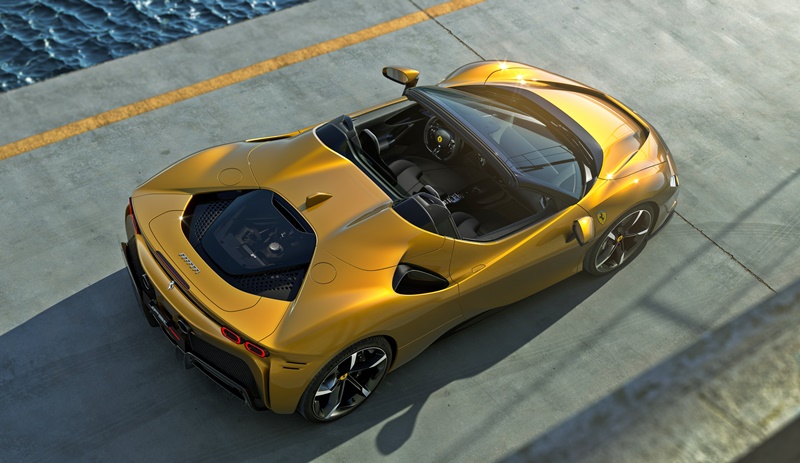
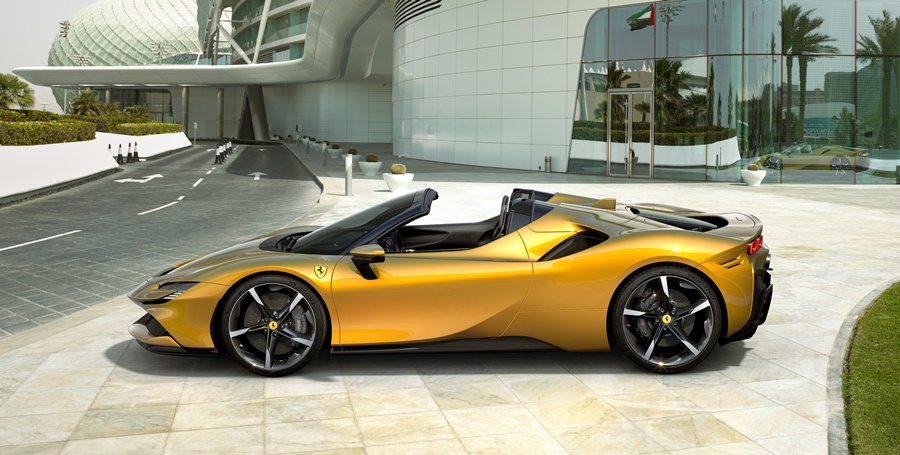
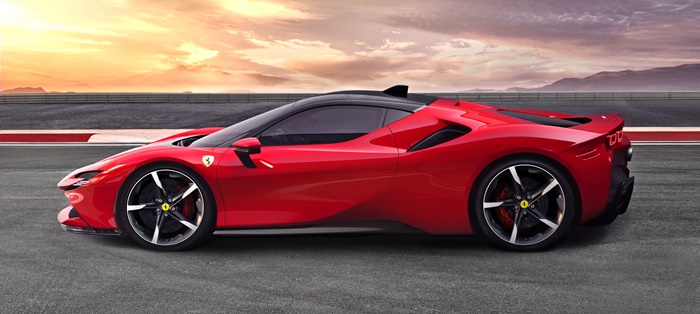
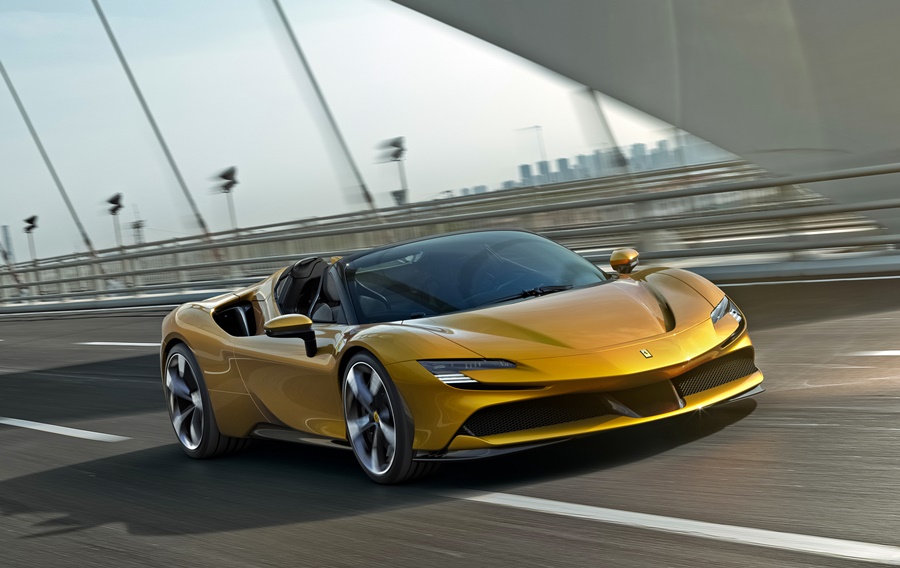
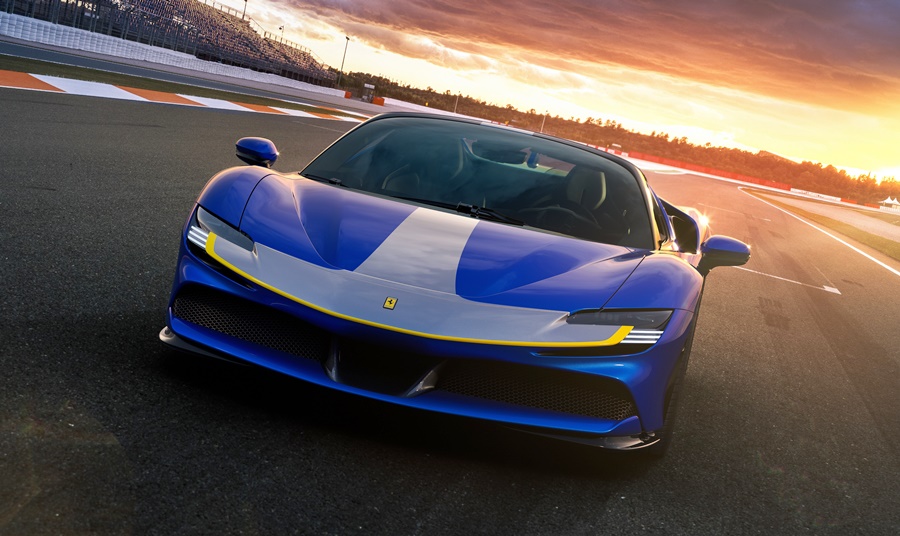
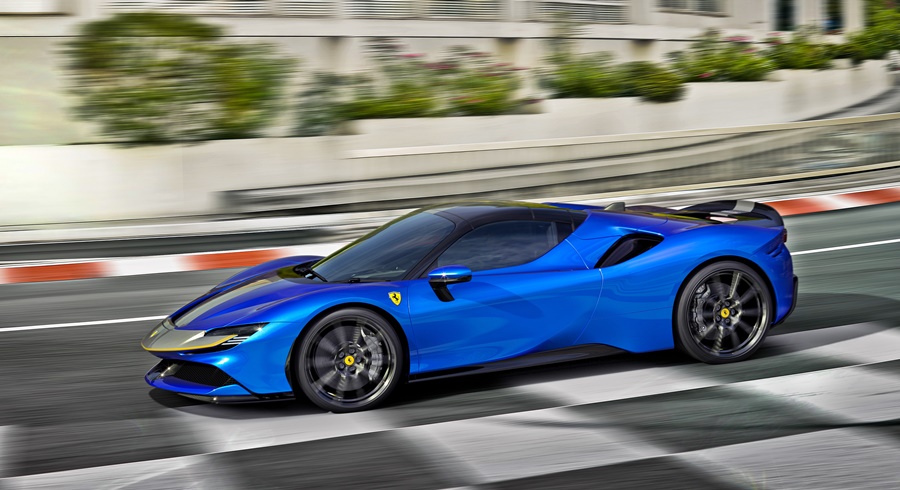
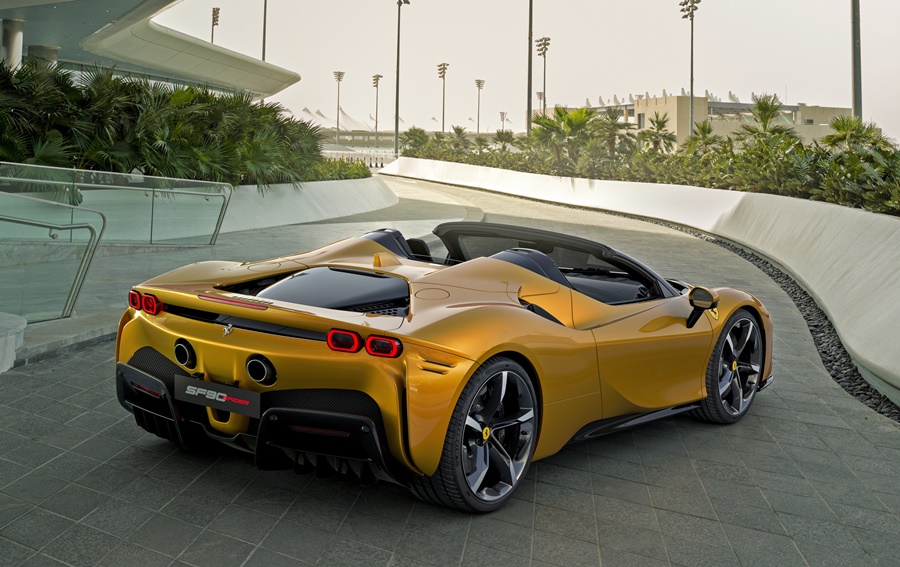
The SF90 Stradale, Ferrari’s hybrid plug-in electric vehicle (PHEV), has been joined by a topless version – the new SF90 Spider. Just as the SF90 Stradale was the brand’s first PHEV, the SF90 spider is its first production PHEV spider.

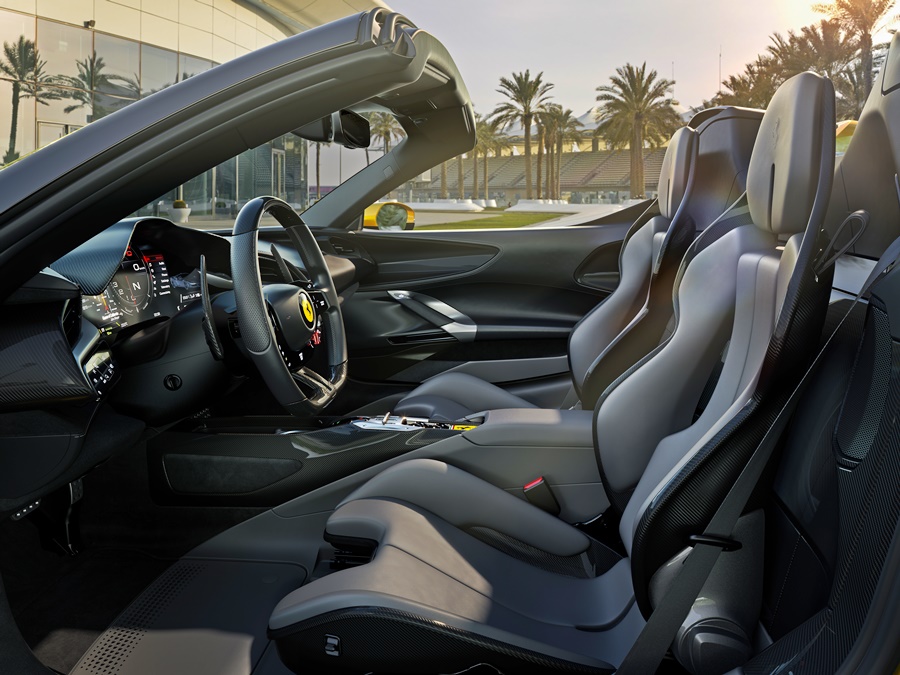
Though it loses its roof (when desired), the SF90 Spider’s performance is not compromised and it has the same extreme supercar specification. The retractable hard top (RHT) is the latest version of Ferrari’s signature retractable hardtop architecture.

2021 Ferrari SF90 Stradale Spider (2)

2020 Ferrari SF90 Stradale
SF90 Stradale, available in Malaysia priced from RM1.91 million.

14-second operation
The RHT is so simple that it can open or close within 14 seconds, with operation possible even when the car is on the move. The use of aluminium in its construction also means that it is around 40 kgs lighter than a conventional retractable hardtop. Its compactness requires just 100 litres of space, rather than the 150 – 200 litres required by a traditional system.

Ferrari guarantees optimal noise insulation and protection from the elements when the RHT is raised and it will not deform at high speeds. An adjustable electric rear window also enhances occupant comfort, even when the RHT is lowered at higher speeds.

2021 Ferrari SF90 Stradale Spider

The hybrid architecture proved a challenge in terms of weight management. While the extra 270 kgs of the hybrid system was amply compensated for by the extra power delivered, extensive optimisation and weight reduction work was also required on the rest of the car to keep overall weight down to 1,670 kgs.

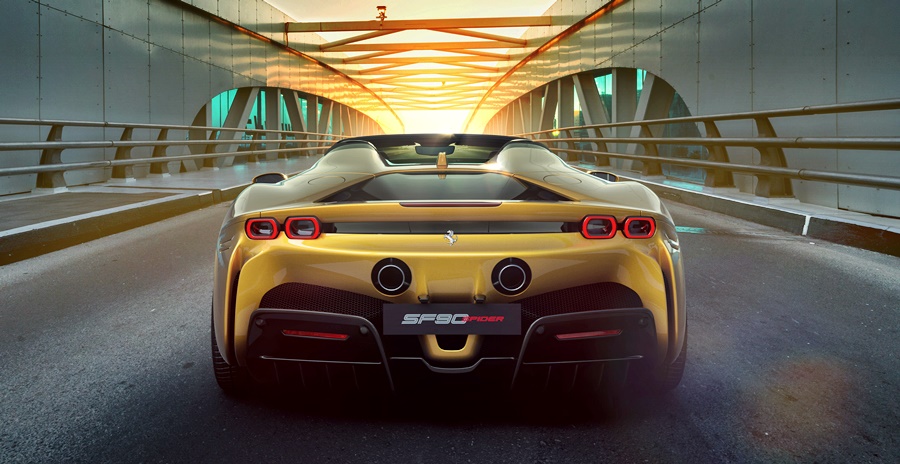
Just as the SF90 Stradale redefined the aerodynamic performance levels of the Ferrari range, the SF90 Spider is pushing the limits of the results delivered still further. The goals that drove the aerodynamic development of the car from the very earliest stages were maintaining the SF90 Stradale’s performance levels with the RHT deployed, minimising aerodynamic turbulence and noise with the RHT retracted, and optimising power flows.

2021 Ferrari SF90 Stradale Spider

Unmatched downforce and aerodynamic efficiency
The downforce and efficiency figures are said to be unmatched by any other car in the category. The main features in the SF90 Spider’s aero design include the shut-off Gurney at the rear, an active control system that varies downforce over the rear axle, the front underbody with vortex generator strakes, and forged wheels with wing profiles. The results: a massive 390 kgs of downforce generated in cornering at 250 km/h (with the special Assetto Fiorano specification).

In a first for a Ferrari production spider, the SF90 Spider has plug-in hybrid architecture in which the internal combustion engine is integrated with two electric motors at the front and one at the rear derived from and named after the MGUK (Motor Generator Unit, Kinetic) used in Ferrari’s F1 cars.

2021 Ferrari SF90 Stradale Spider

Most powerful Ferrari production V8
The synergy between the turbocharged V8 petrol engine and the electric motors generates a maximum of 1,000 ps/900 Nm, with 60 ps more than any other V8 turbo engine ever built by Ferrari. The 8-speed, oil-bath, dual-clutch gearbox used in the SF90 Stradale has been redesigned for the spider version.

Much attention was given to sound quality when redesigning the exhaust system as the soundtrack is one of the pivotal factors in the exhilarating pleasure of driving a Ferrari. The introduction of a ‘hot tube system’, which transfers sound more directly to the cockpit, has produced fuller, richer harmonics across the entire frequency range, improving both in-car sound quality and intensity as revs rise compared to previous Ferrari V8s.

2021 Ferrari SF90 Stradale Spider

To make full use of the powertrain’s output, the engineers improved the vehicle dynamics systems to allow the driver to enjoy the maximum potential, and not just in terms of pure performance and lap times. The new hybrid architecture required extensive integration work on the car’s many different control logics, which  led to the development of the new eSSC (electronic Side Slip Control) vehicle dynamics control system.

2021 Ferrari SF90 Stradale Spider

2021 Ferrari SF90 Stradale Spider

Digital instrumentation with HUD
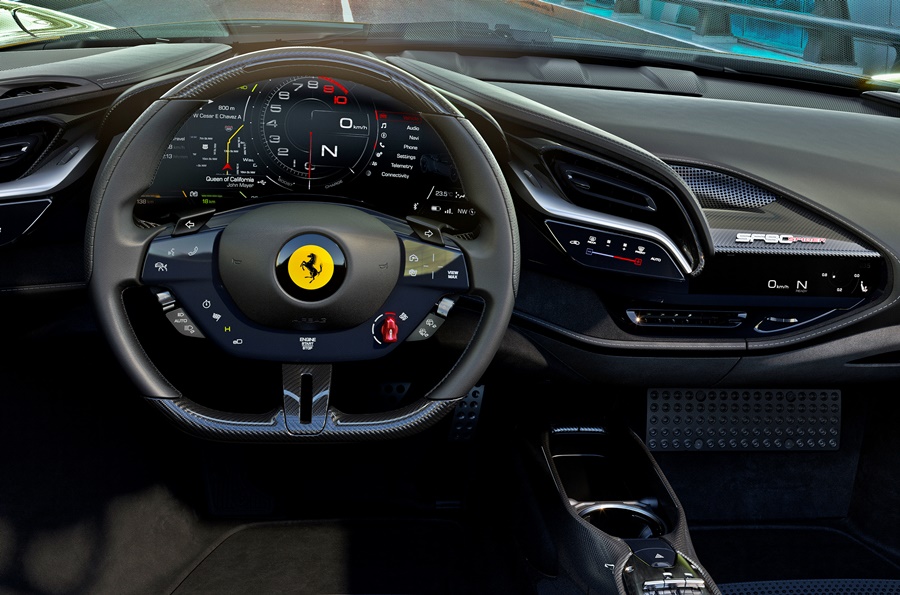
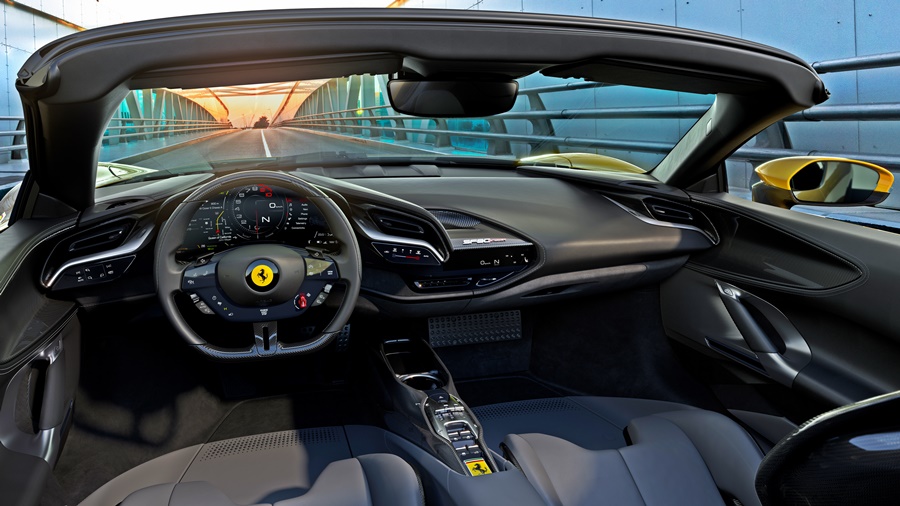
The look and feel of the cabin was driven in large part by the complete redesign of the HMI (Human-Machine Interface). The instrumentation is now predominantly digital with all the screens going completely black when the car is not running. The central instrument cluster comprises a single 16-inch HD screen, complemented by a head-up display.

The steering wheel completes that transfer process from the competition world and also ushers in a new era by introducing a series of touch commands that allow the driver to control virtually every aspect of the car without ever taking the hands off the wheel.

2021 Ferrari SF90 Stradale Spider

2021 Ferrari SF90 Stradale Spider

The F1 bridge, a signature on the previous models, has now disappeared from the central tunnel and been replaced by a modern take on the gearshift gate, an iconic feature of Ferrari’s manual gearboxes. In the new gate, however, the gearshift grille is digital as befits an automatic transmission.

Going to the limits
As is the case with the SF90 Stradale, the SF90 Spider is also available with an option for owners who want to go right to the edge of the performance envelope. They can specify the Assetto Fiorano pack with upgrades such as Multimatic shock absorbers. Others include the adoption of high-performance materials (such as carbonfibre and titanium), a carbonfibre rear spoiler and road-homologated Michelin Pilot Sport Cup 2 tyres designed to improve track performance in the dry.

2021 Ferrari SF90 Stradale Spider

The first customers of the SF90 Spider can expect to get their cars during the second quarter of 2021. Each of them will pay prices that start from €473,000 (around RM2.3 million) in Italy.

Ferrari SF90 Stradale PHEV starts new era for The Prancing Horse, priced from RM1.91 million

COVID-19

Archive

Follow us on Facebook

Follow us on YouTube