
Piston.my

BMW

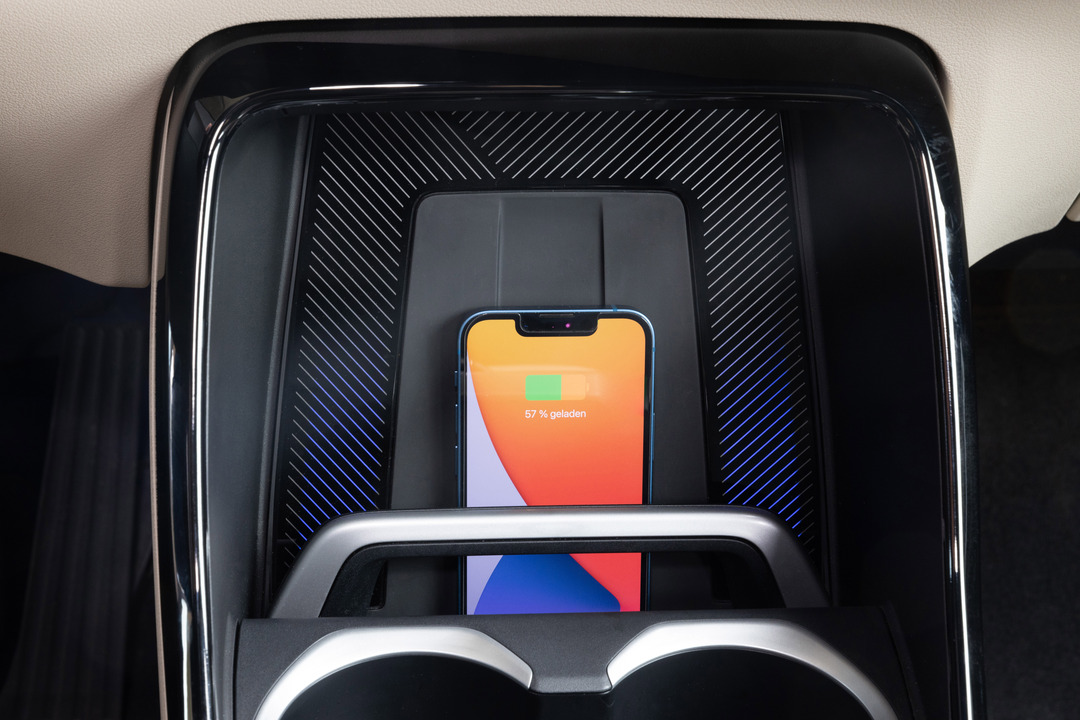
Apple iPhone 15 users are encountering issues with wireless charging in BMW cars, causing NFC (Near Field Communication) chip failures. Users affected by this problem have reported losing the ability to use Apple Pay. The only available solution, according to users, is to replace the iPhone entirely. Apple has now acknowledged the issue in both BMW models and one Toyota model.
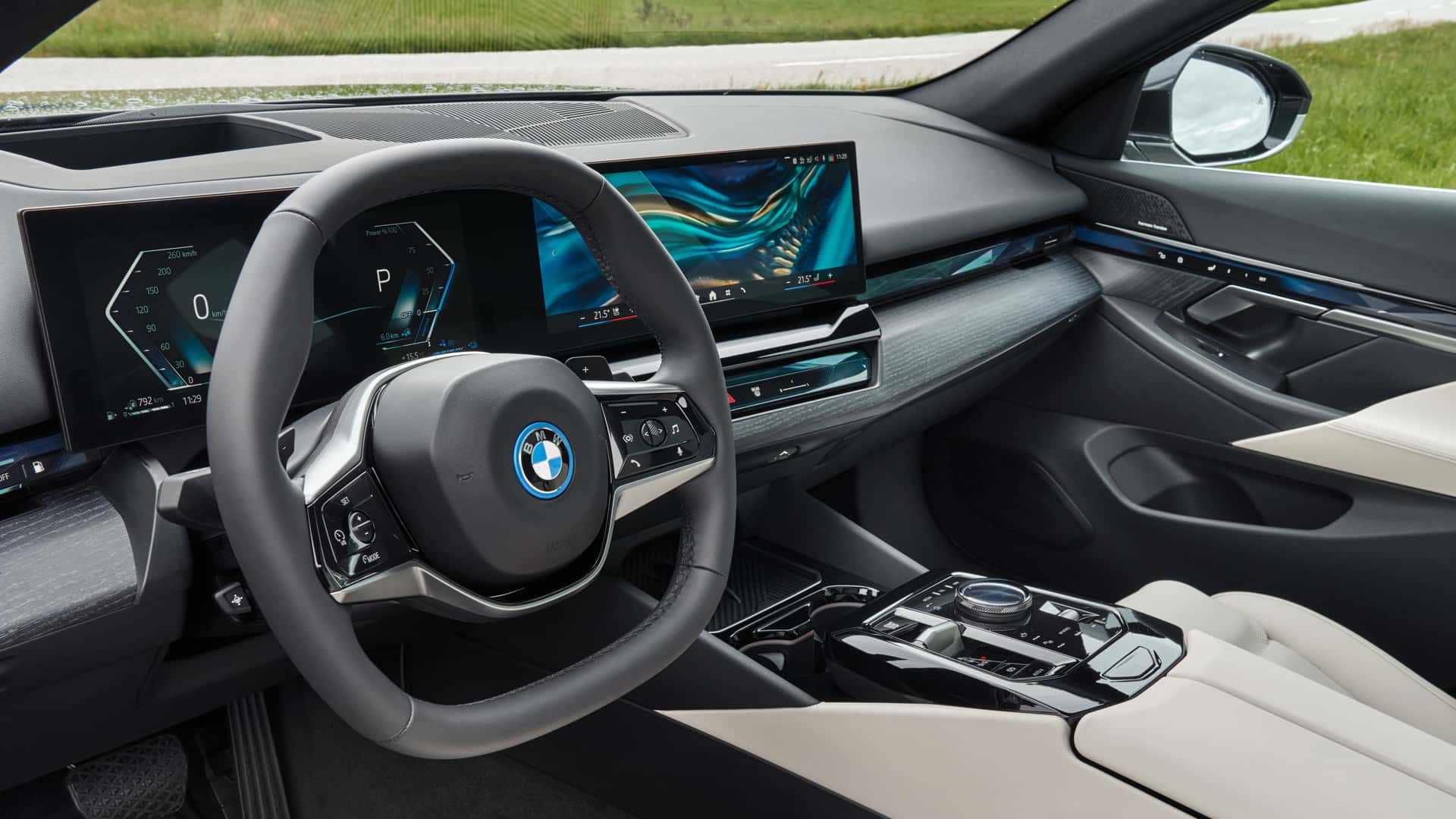
Apple has sent an internal memo to authorised service providers, confirming that all versions of the iPhone 15 are susceptible to this issue. However, the company has not provided a detailed explanation of why the error occurs or the specific steps it will take to resolve the problem. Apple plans to release a software update later this year to address the issue.

Reports suggest that even brief periods of wireless charging in a BMW could lead to NFC chip damage in the iPhone 15. While it initially appeared to be an issue with BMW models, further investigation suggests that the problem is related to the iPhone 15 itself, not the cars. Android users have not reported similar issues, and users with previous-generation iPhones appear to be unaffected.
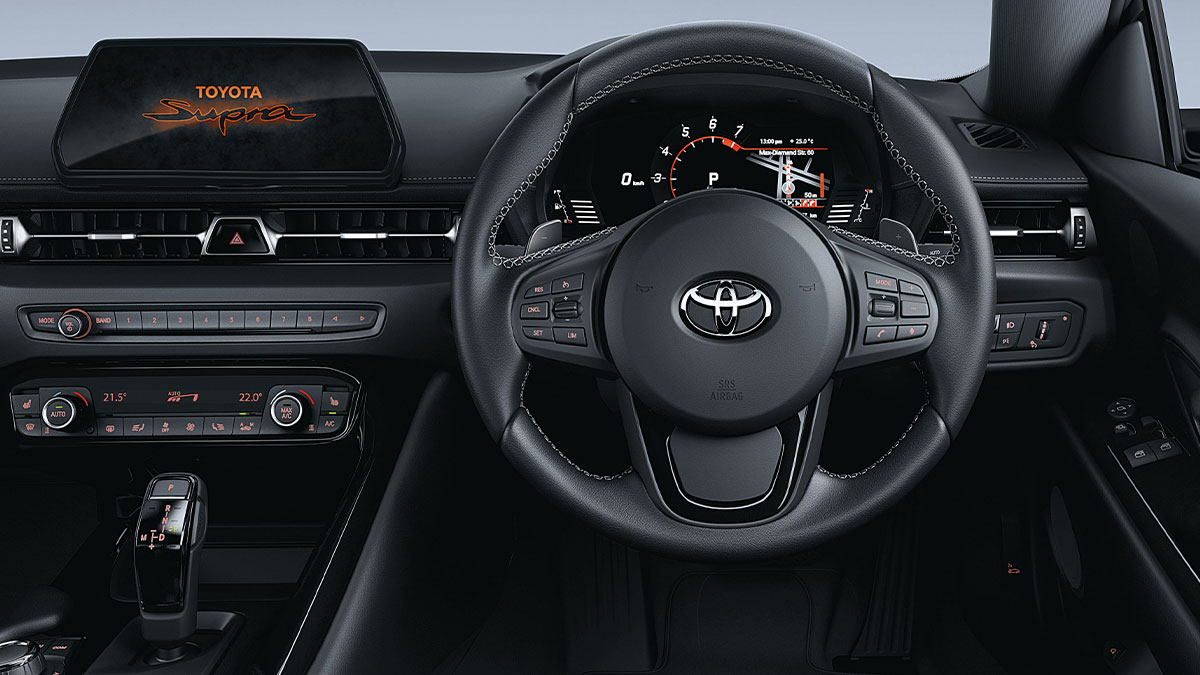
Owners of Toyota MKV Supra models, which are built in partnership with BMW and share the same type of wireless charger, may also encounter this issue, according to the Apple memo.

Apple has not yet provided a comprehensive explanation for the NFC chip failure associated with wireless charging in BMW cars, leaving users awaiting the forthcoming software update to address the problem.
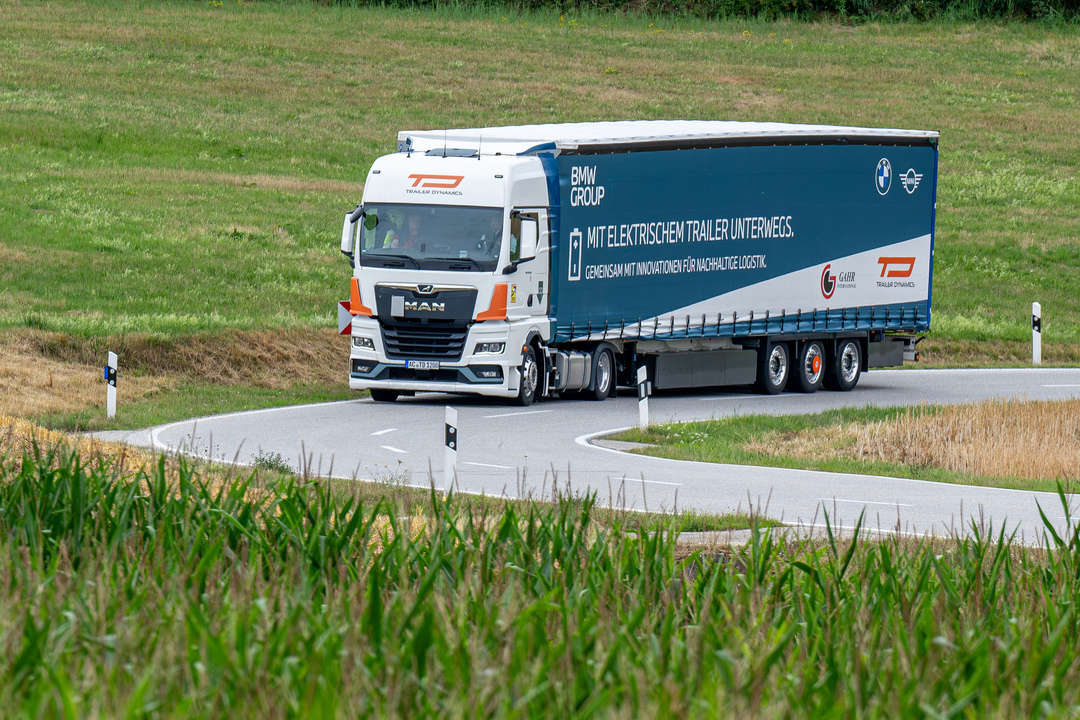
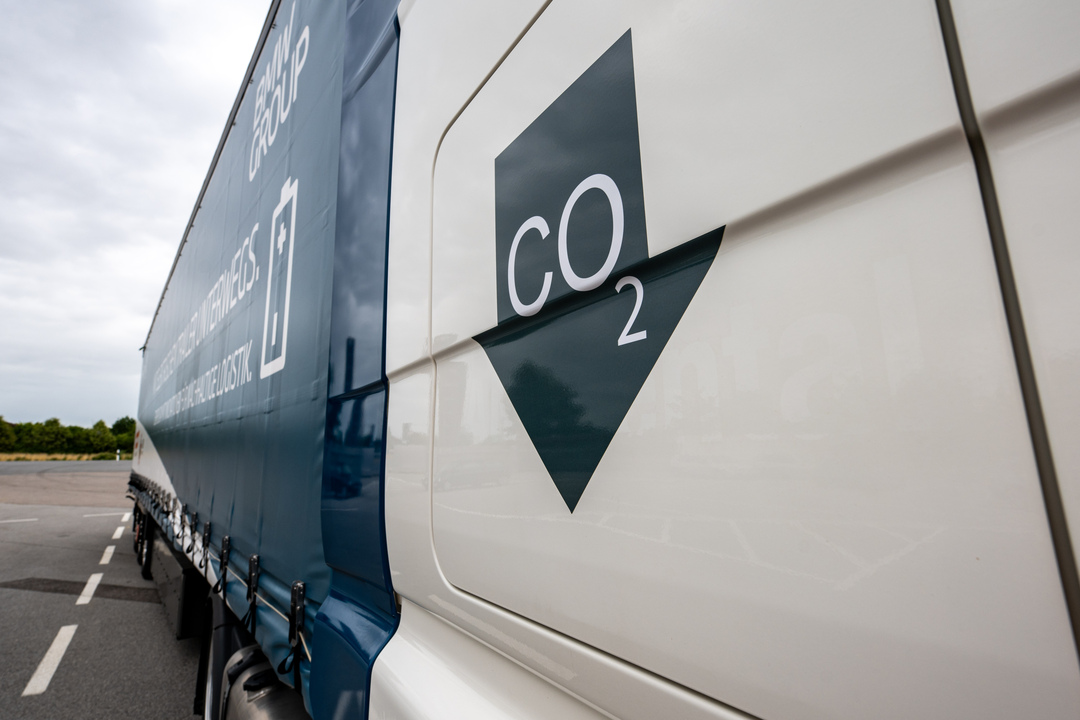
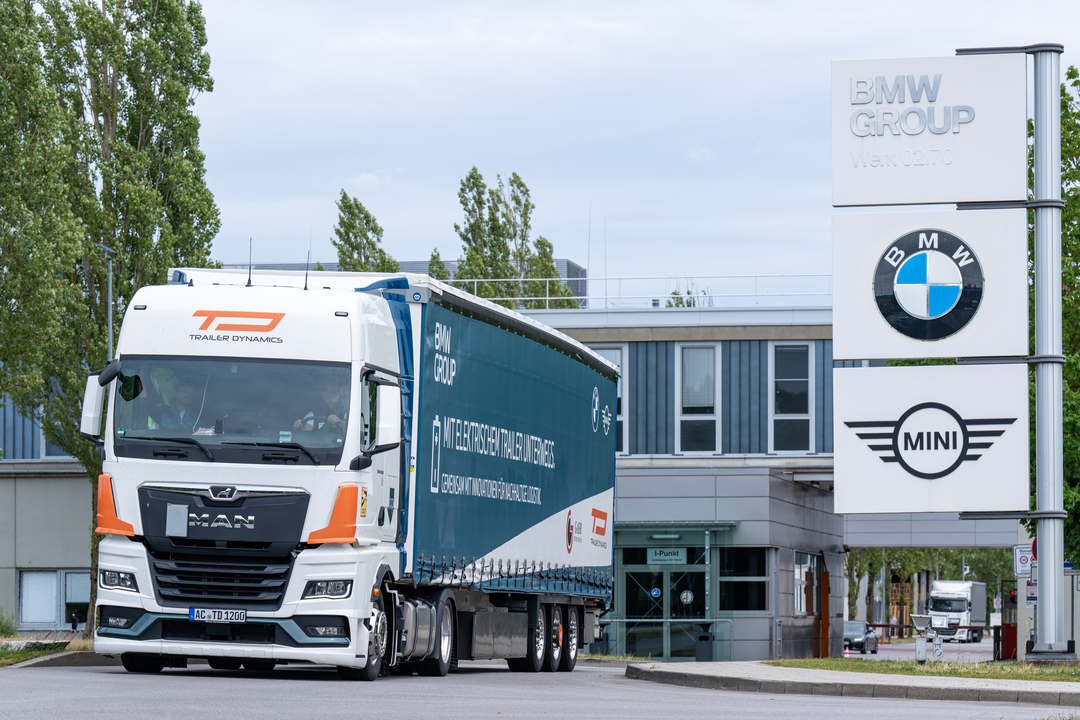
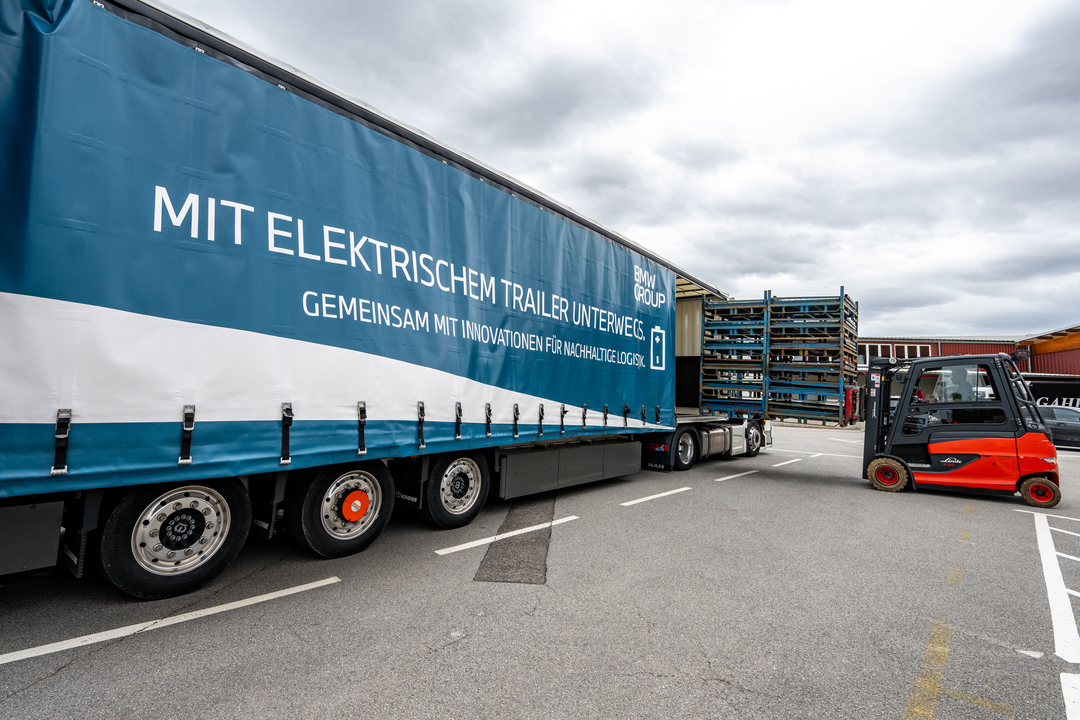
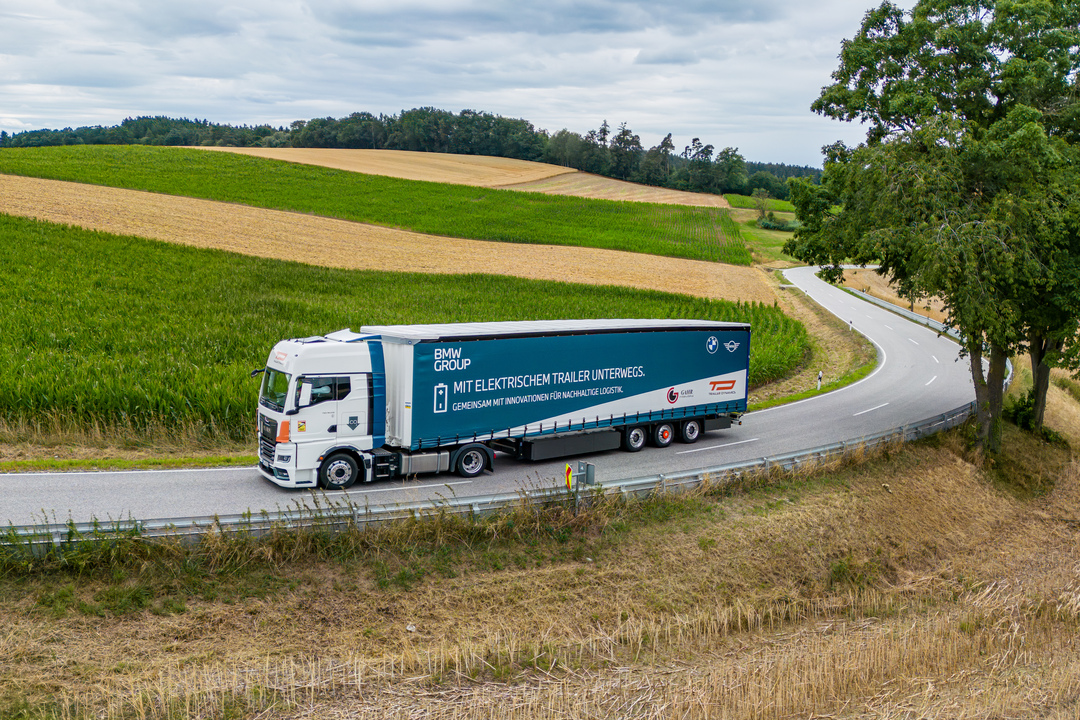
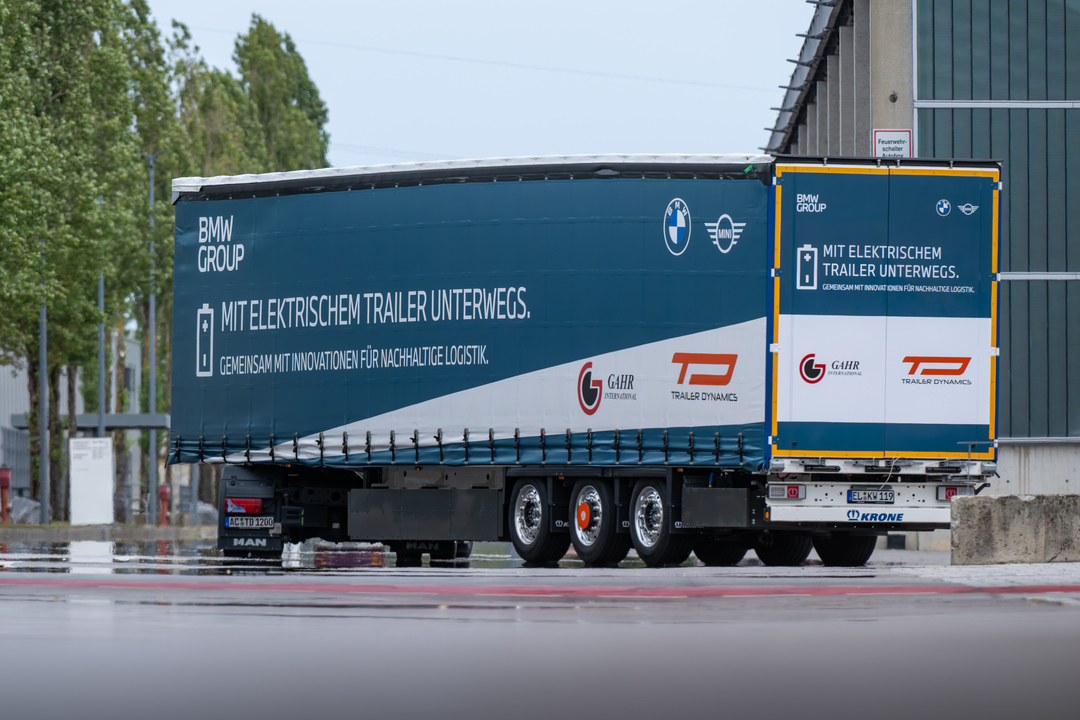
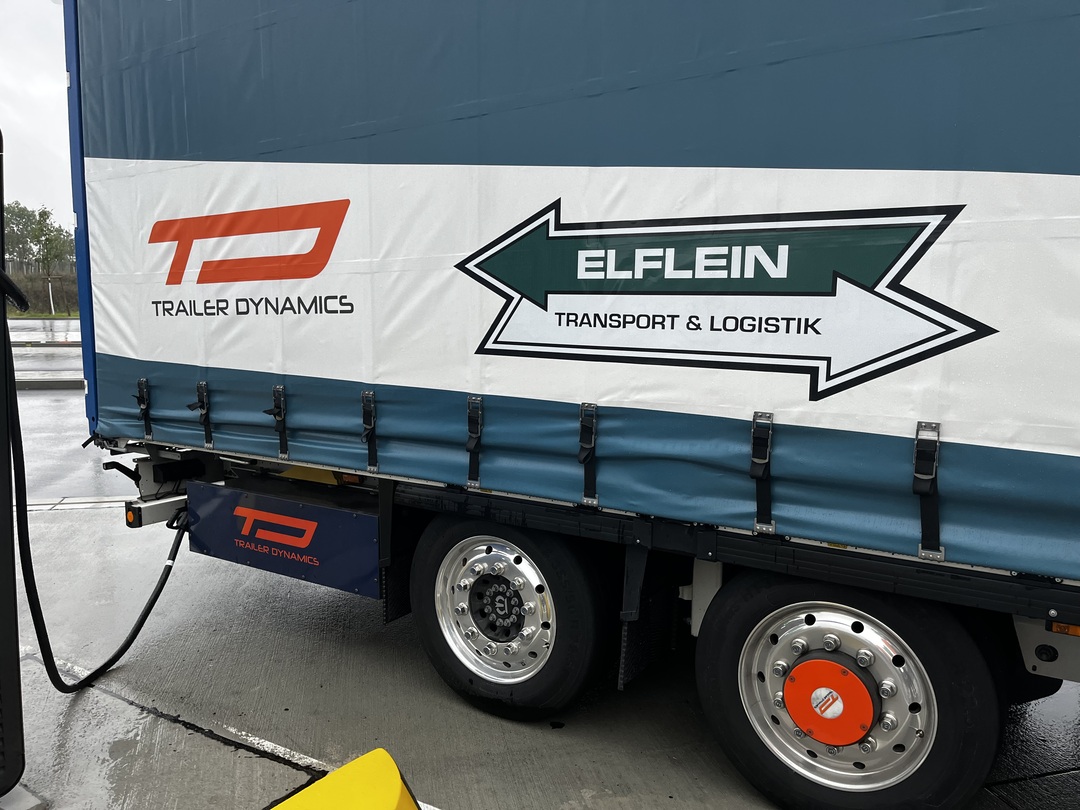
BMW Group Logistik, in collaboration with Trailer Dynamics, has successfully tested an electrically powered semi-trailer in real-world logistics operations. This innovative e-trailer concept achieved remarkable fuel savings when paired with a diesel truck. The testing occurred over various distances and routes, and the results were promising.

  • Short and Medium Distances: The e-trailer, when combined with a diesel truck, achieved average fuel savings of over 46% for short and medium distances.
  • Long Distances: For long-distance routes, the fuel savings exceeded 48% compared to conventional trailers.

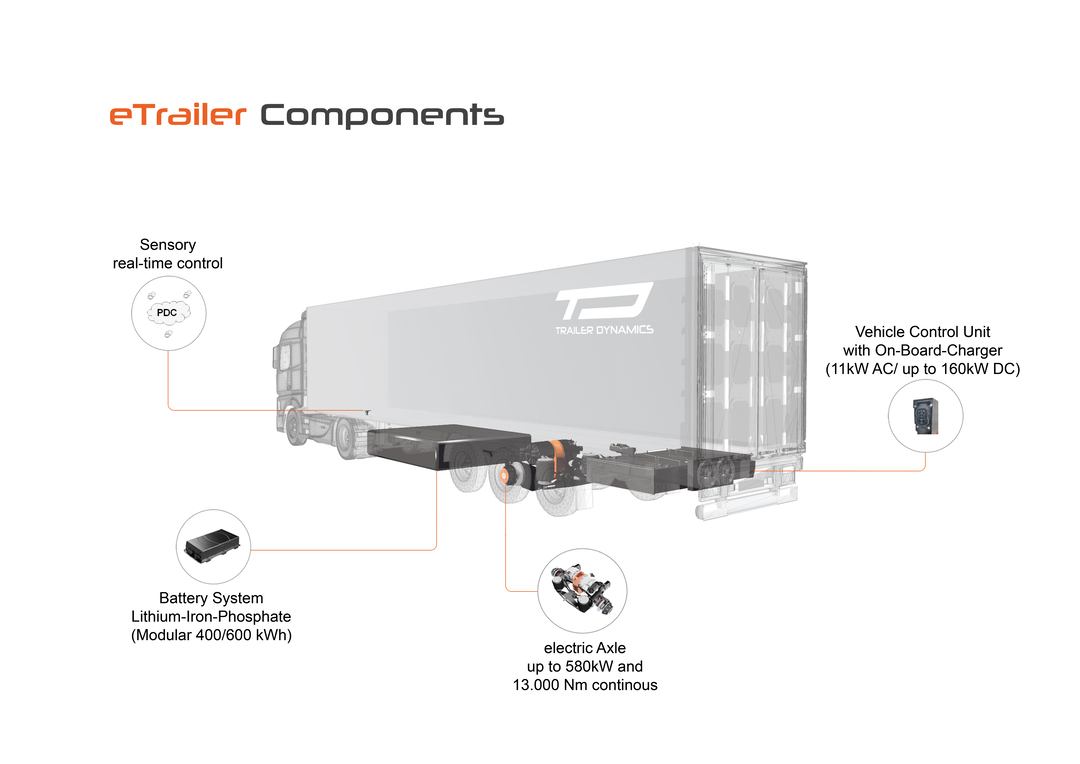
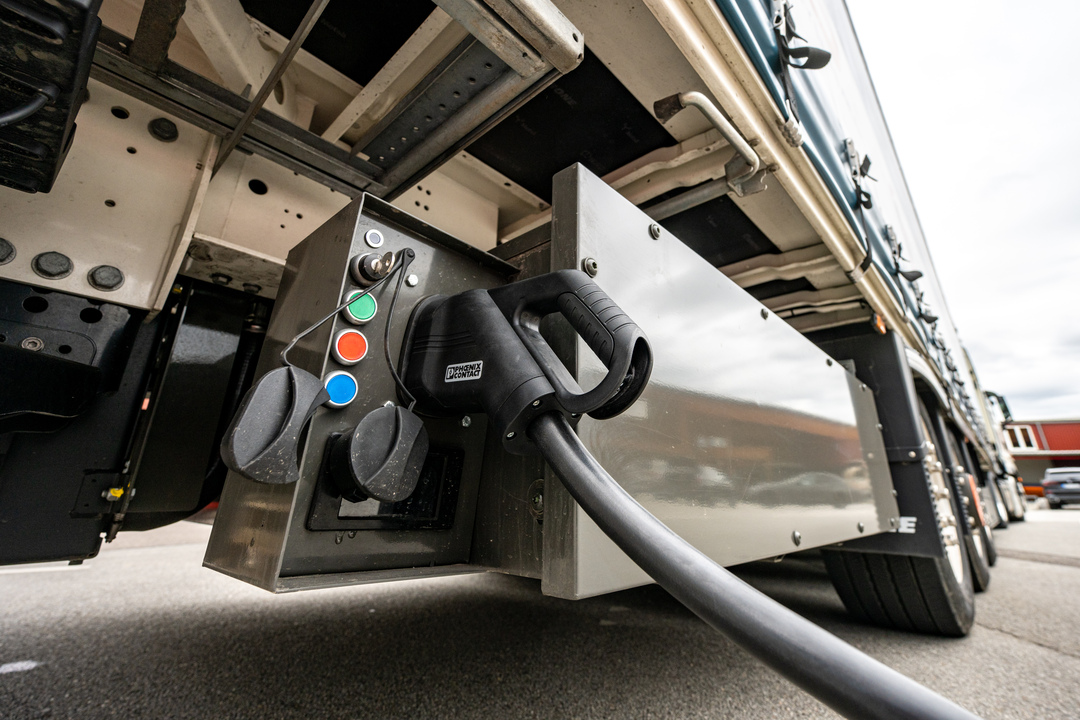
The e-trailer is unique in that it features its own battery and electric drive axle, which assists the semi-truck’s engine. Integrated sensors optimize the load ratio, further improving fuel economy. The e-trailer’s powered axle not only reduces the tractor’s energy consumption but also provides additional power during acceleration and on inclines.

The tests were conducted over both medium and long distances, with up to 250km per day on motorways and main roads. The e-trailer data was collected automatically during these journeys. Over long distances, energy modules for BMW electric cars were transported over 450km, resulting in significant diesel savings. The e-tailer’s battery was charged with 100% green energy, further contributing to its environmental benefits.

A remarkable achievement was demonstrated on the final day of testing, where an electric Volvo tractor was used in combination with an e-trailer. This combination achieved a driving distance of more than 600km without recharging and, therefore, a 100% CO2 reduction when using an e-truck and e-trailer together.

While e-trailers come with a higher initial weight that affects payload capacity, the increased total weight for trailers allowed in the EU helps offset this concern. The higher acquisition costs are balanced by lower operating costs, especially over long distances.

The BMW Group is committed to reducing its environmental footprint and supports the development of innovative technologies in transport logistics to achieve these goals. These e-trailer pilot projects are a significant step in realising their “Green Transport Logistics” strategy.

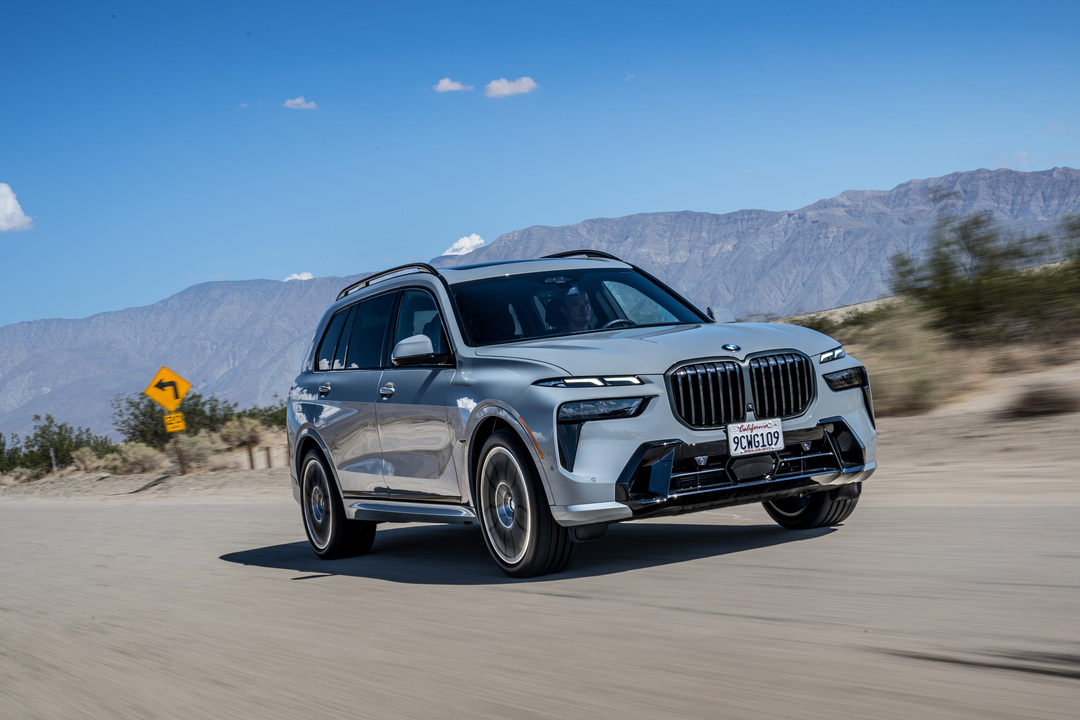
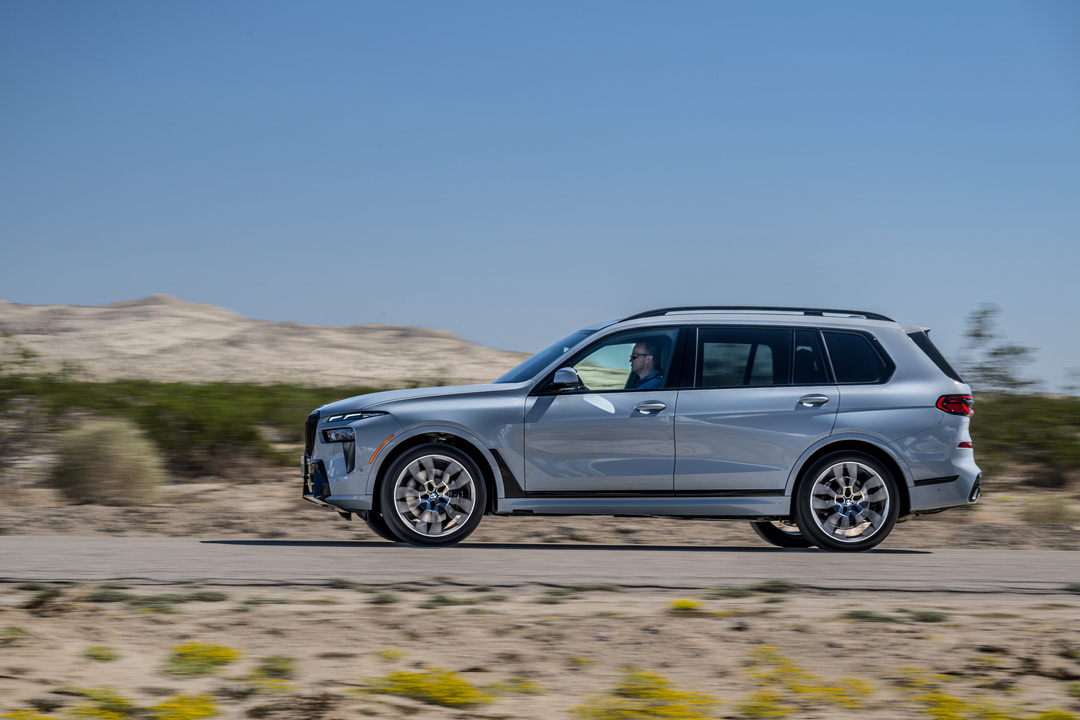
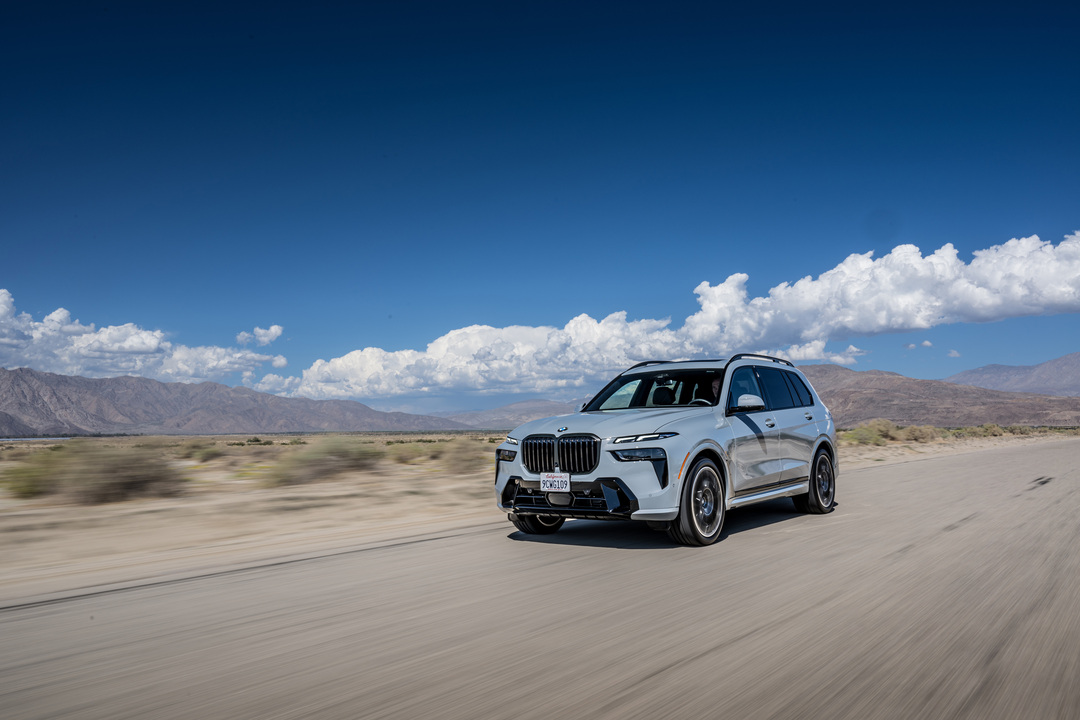
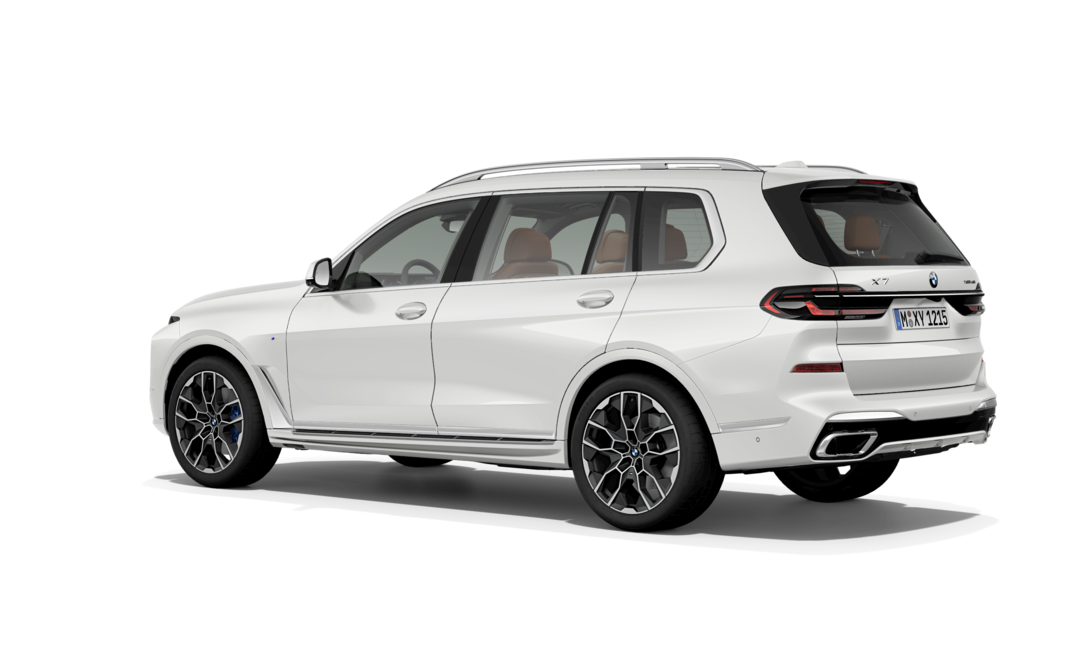
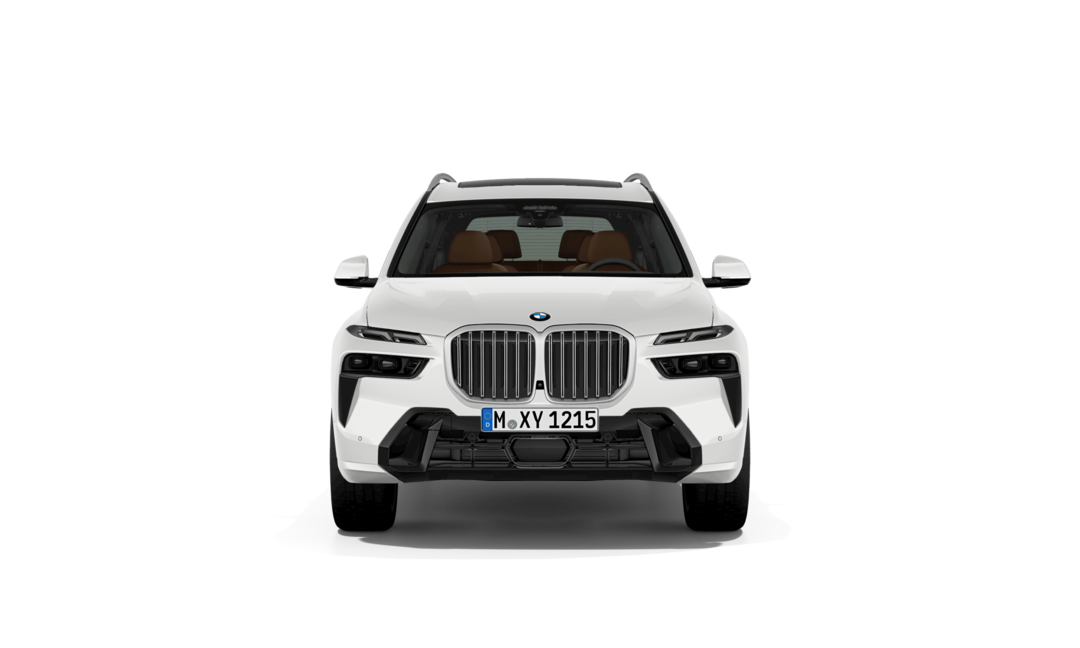
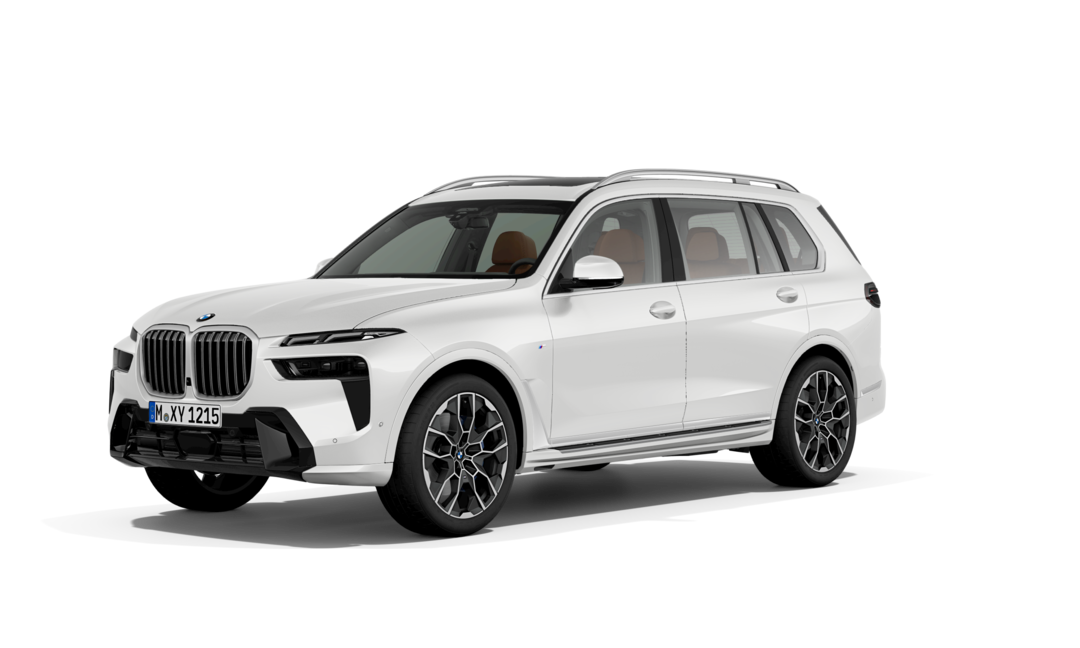
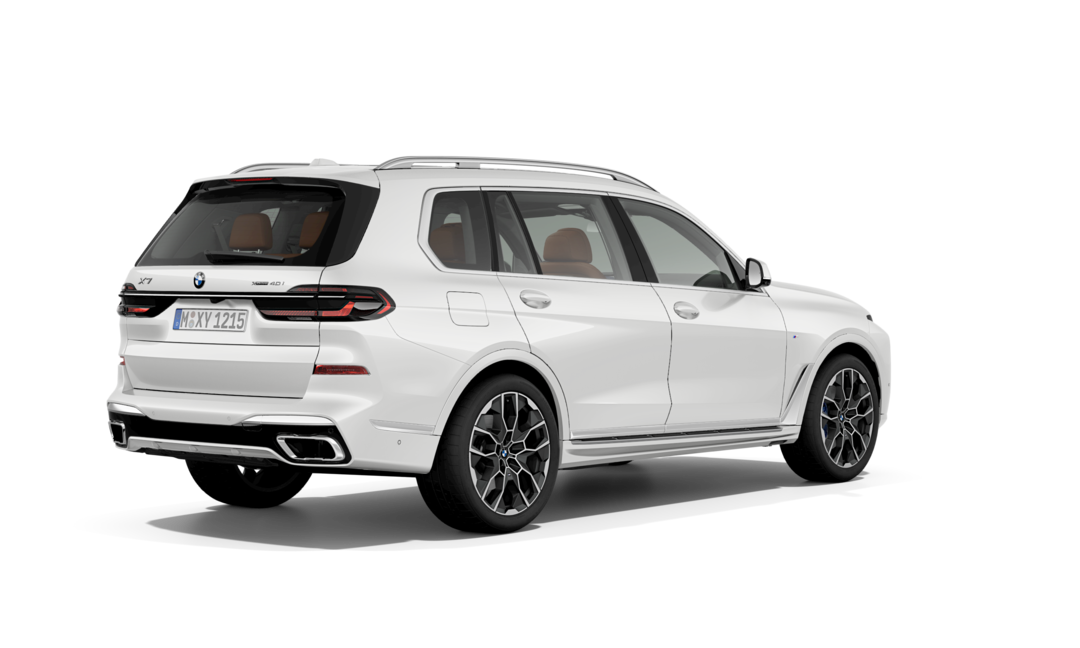
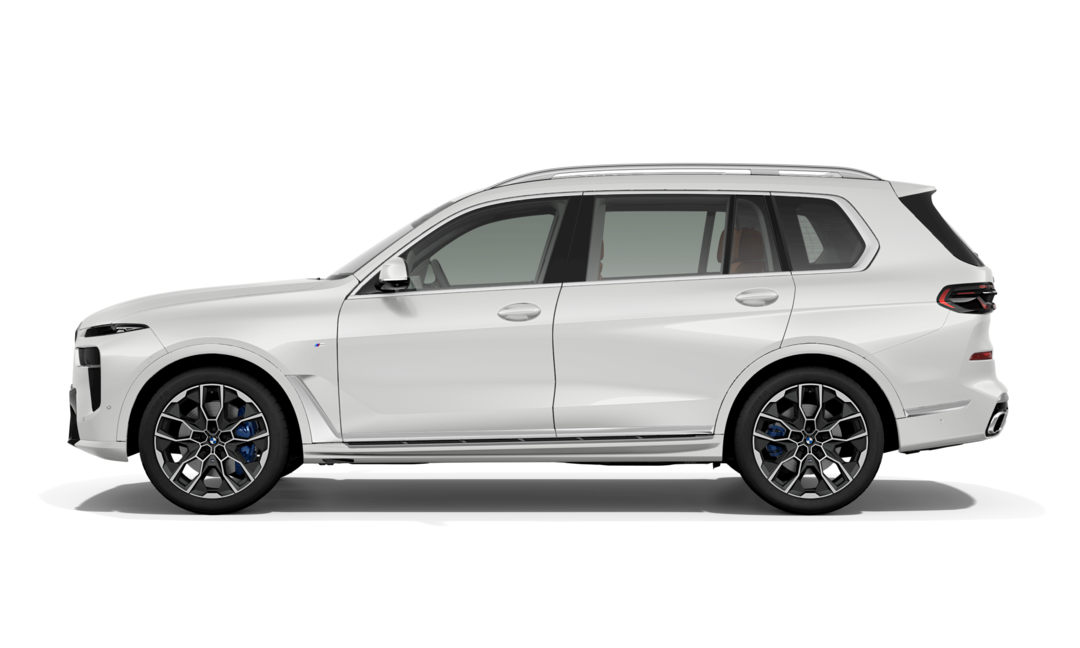
BMW Malaysia has introduced the New BMW X7 xDrive40i M Sport, an enhanced version of its powerful and luxurious Sports Activity Vehicle (SAV). This model complements the previously unveiled Pure Excellence variant and will be assembled at the BMW Assembly Plant in Kulim, expanding the premium automaker’s assembly lineup in Malaysia.

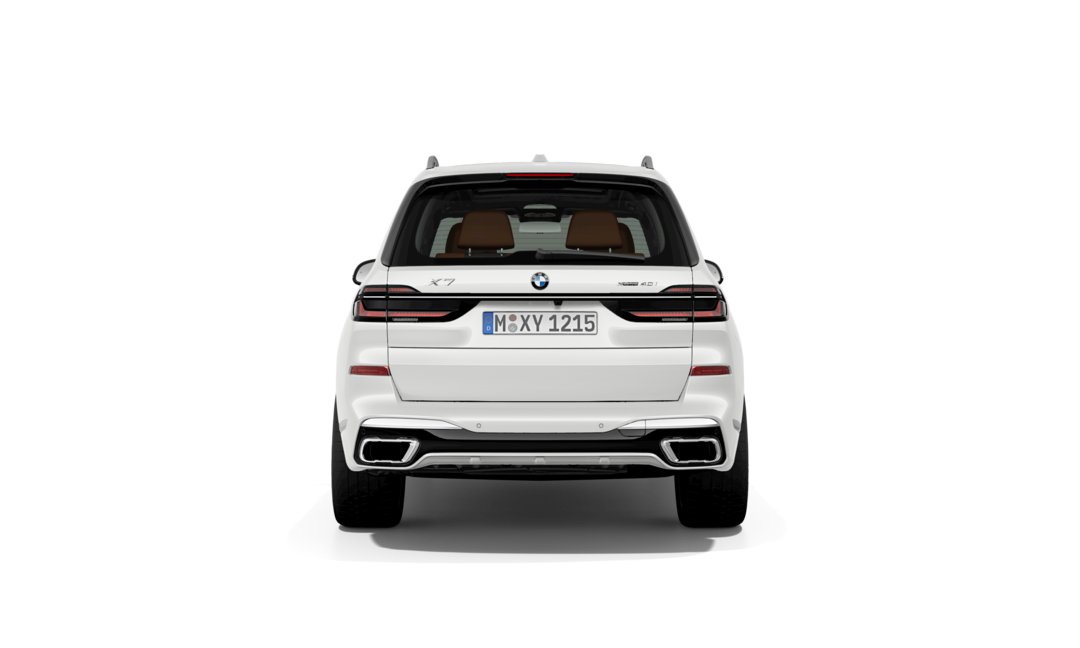
The new BMW X7 xDrive40i M Sport boasts various sports-oriented enhancements, including a new M Specific front and rear design thanks to the M Aerodynamics Package. It features door entry sills inscribed with the iconic M logo, emphasizing its sporty character. The SAV’s visual highlights include the BMW Iconic Glow kidney grille illuminated by LED fiber optics and new 22-inch M Sport light alloy wheels with a double-spoke design.

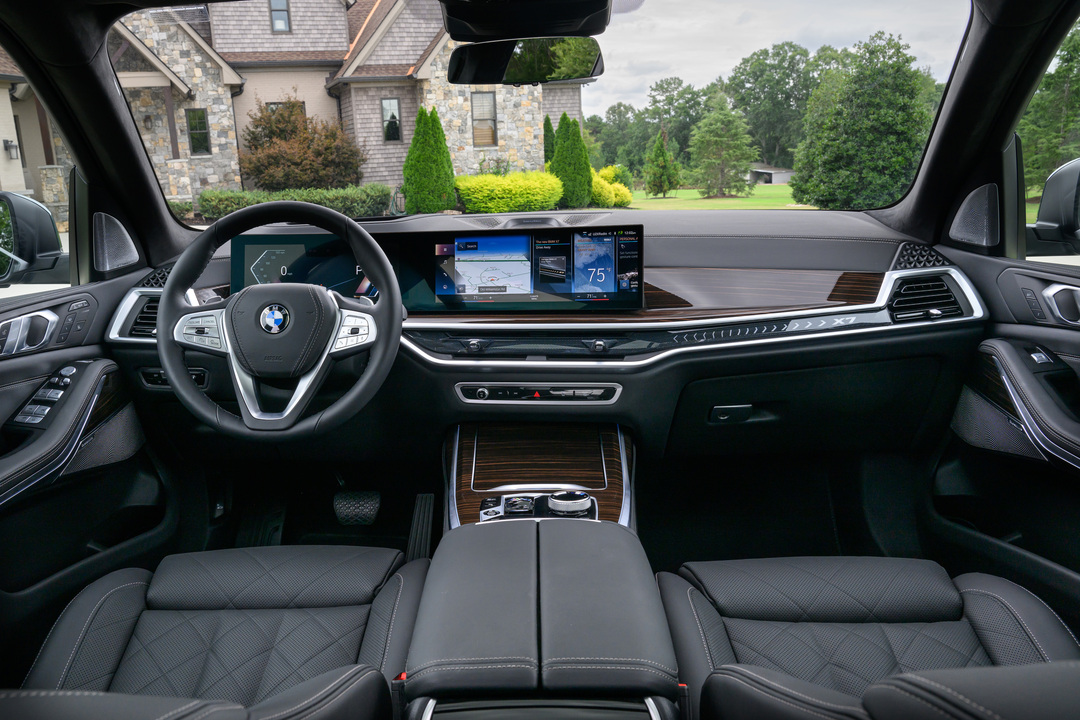
Inside, it showcases the ‘Fineline Black’ fine wood trim with high-gloss metal accents and an M leather steering wheel. It features BMW Individual extended Merino leather upholstery in Black or Tartufo. The SAV’s driving assistance package includes the Driving Assistant Professional with features such as Distance Control with Stop & Go and Steering and Lane Control Assistants, enabling Level 2 Autonomous Driving capabilities for enhanced safety and comfort.

It is powered by a six-cylinder mild hybrid engine with 380hp and 540Nm of torque. Equipped with BMW xDrive all-wheel drive and an 8-speed Steptronic Sport transmission, the SAV can accelerate from 0 to 100 km/h in just 5.8 seconds. It features mild-hybrid technology with a 48-volt starter generator for improved efficiency and dynamics.

In addition to the existing Mineral White Metallic and Black Sapphire Metallic colour options, the variant-exclusive M Brooklyn Grey Metallic will be available.

BMW Group Financial Services Malaysia offers the Straight Line Financing Plan, enabling ownership of the new BMW X7 xDrive40i M Sport with monthly installment plans starting from RM8,322.00 (based on estimates of an 80% loan on a seven-year tenure).

Owners of the BMW X7 xDrive40i M Sport will receive the complete BMW Group Malaysia Premium Ownership experience, which includes a 5-Year Unlimited Mileage Warranty with a free scheduled service programme, BMW Roadside Assistance and Accident Hotline, and BMW Service Online.

The retail pricing for the BMW X7 xDrive40i M Sport with a 5-Year Extended Warranty and Service Package, along with Sales and Service Tax (on the road, without insurance), is RM 718,800.00.

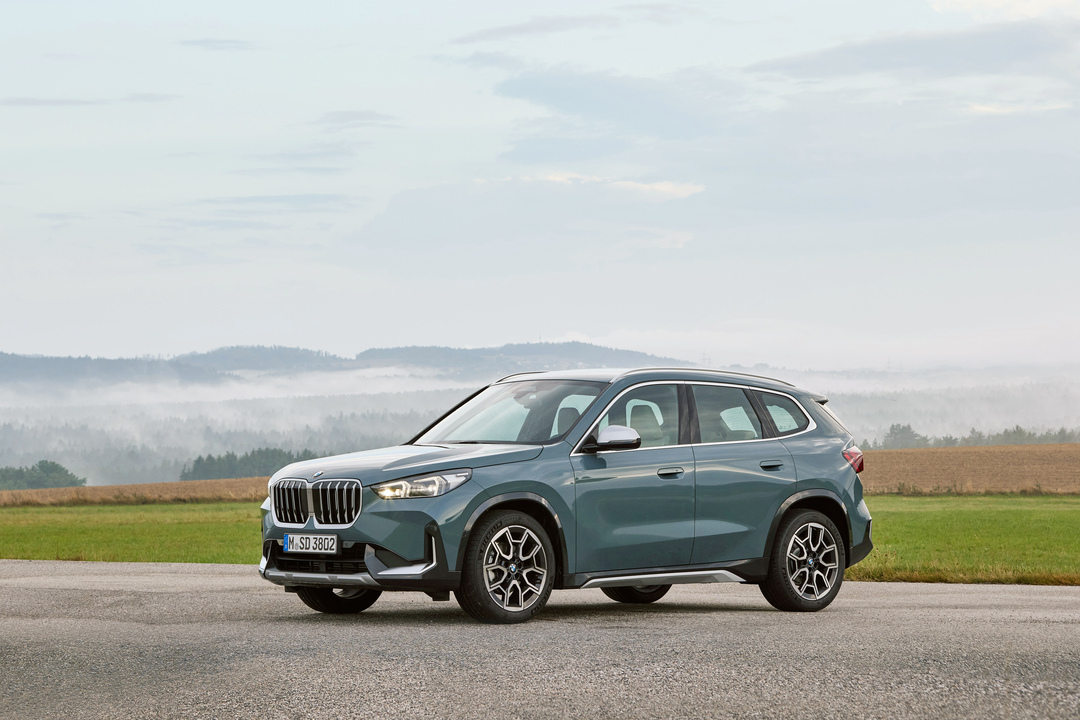
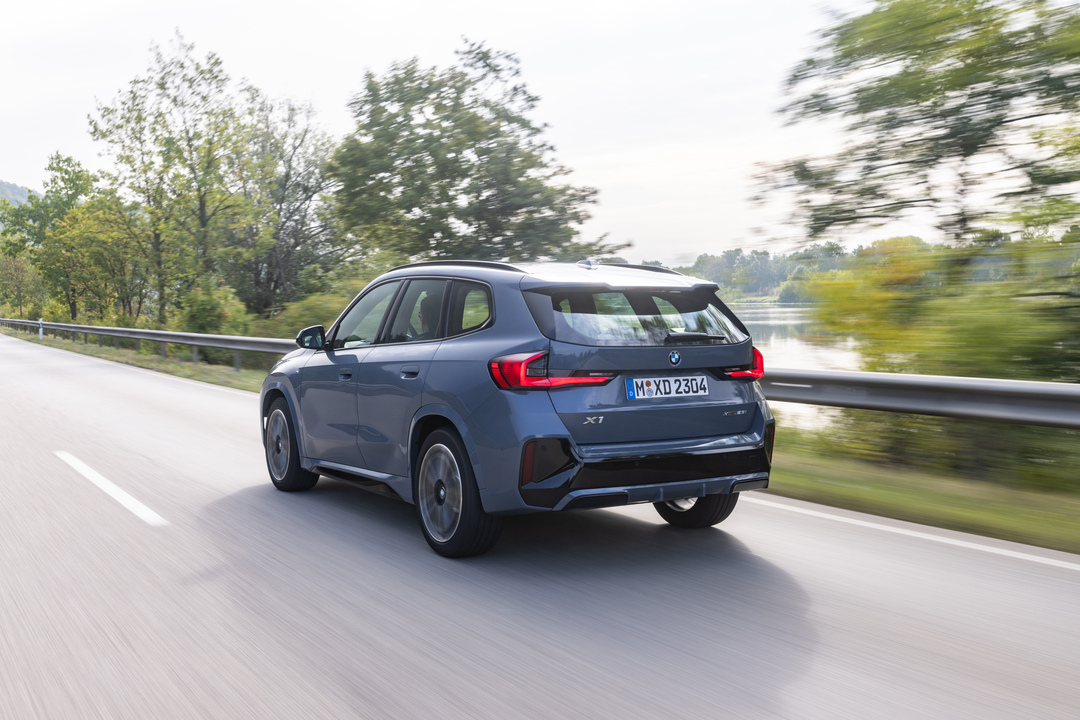
BMW Malaysia has introduced the new BMW X1 sDrive20i xLine, expanding its esteemed lineup of compact Sports Activity Vehicles (SAVs) assembled within Malaysia. This latest variant marks the third generation of the BMW X1 series, boasting larger dimensions and a commanding presence on the road.

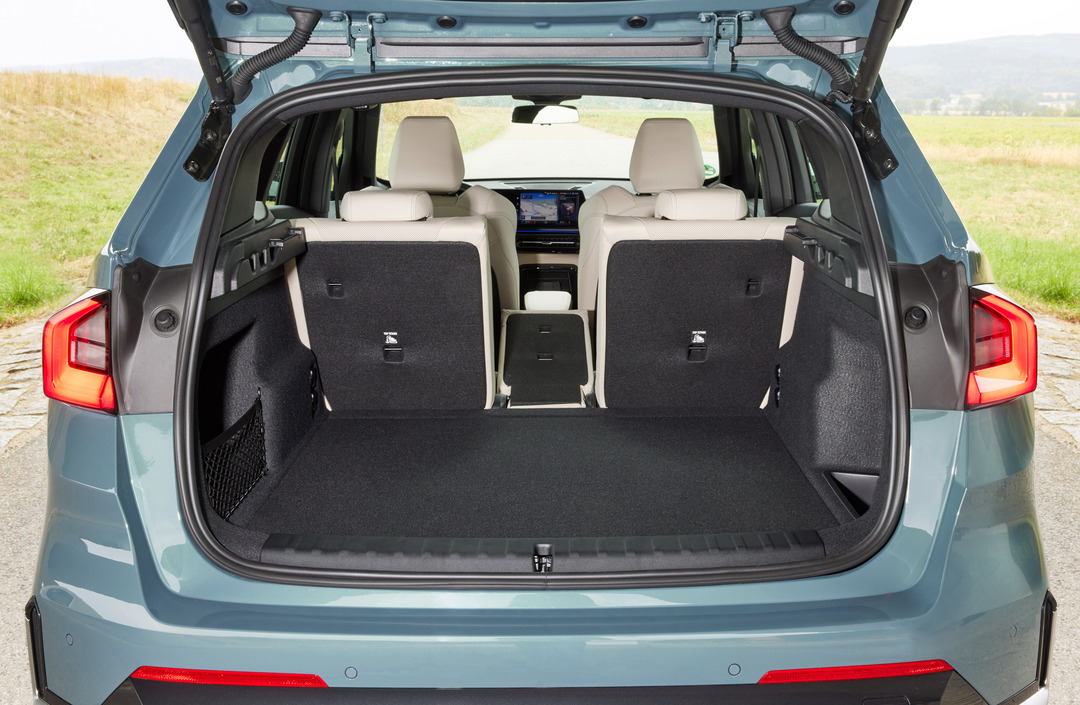
In terms of design, the X1 showcases a bold road presence with a prominent kidney grille, adaptive LED headlights, and distinctive lines. The wheel arches and 19-inch light alloy wheels underscore the characteristic BMW X look. It has larger dimensions, measuring 4,500mm in length, 1,845mm in width, 1,616mm in height, and featuring a wheelbase of 2,692mm. For reference sake, the Honda HR-V is 4,385mm long and 1,790mm wide with a wheelbase of 2,610mm. The luggage compartment offers an impressive maximum capacity of 1,527 litres.

(more…)

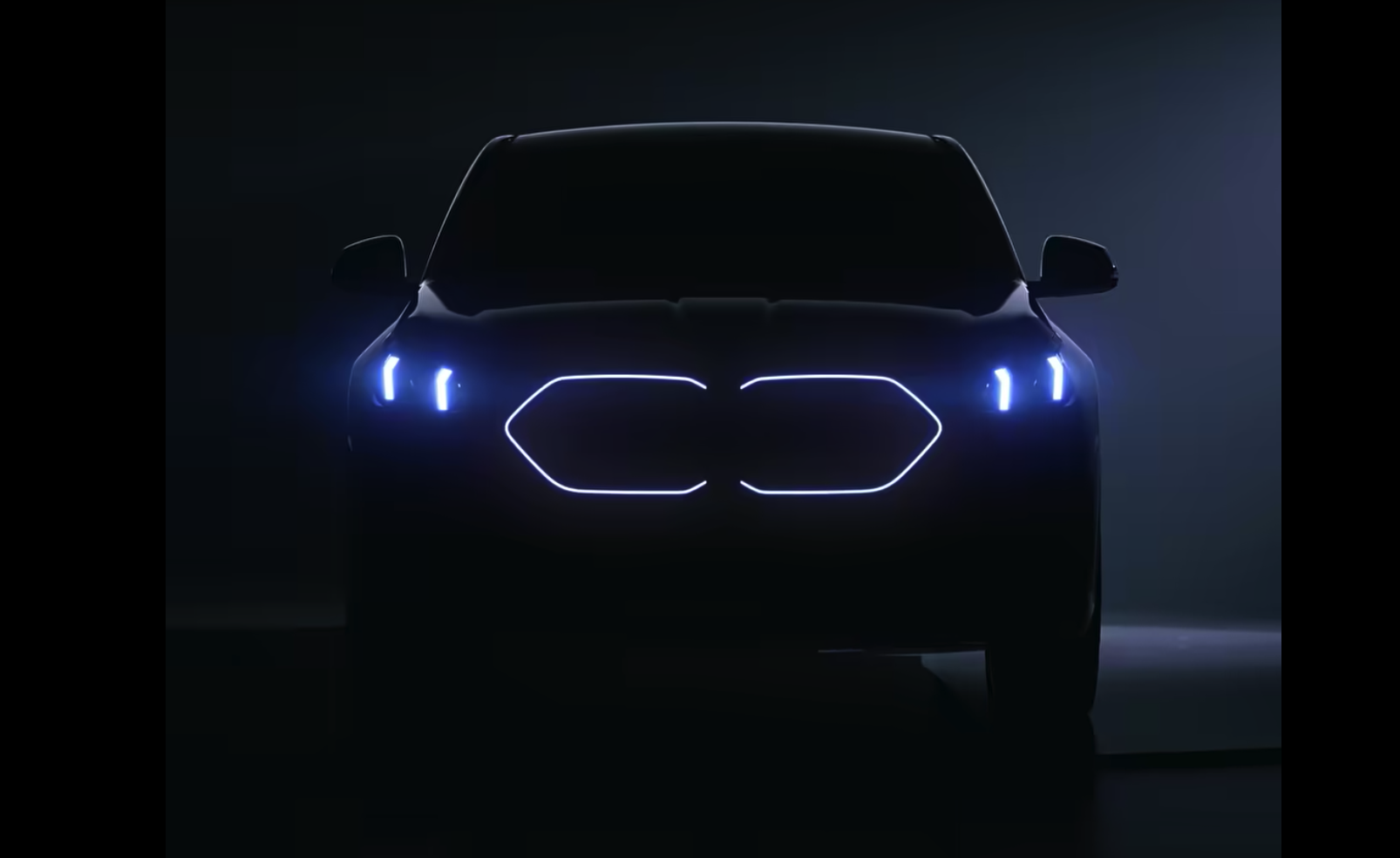
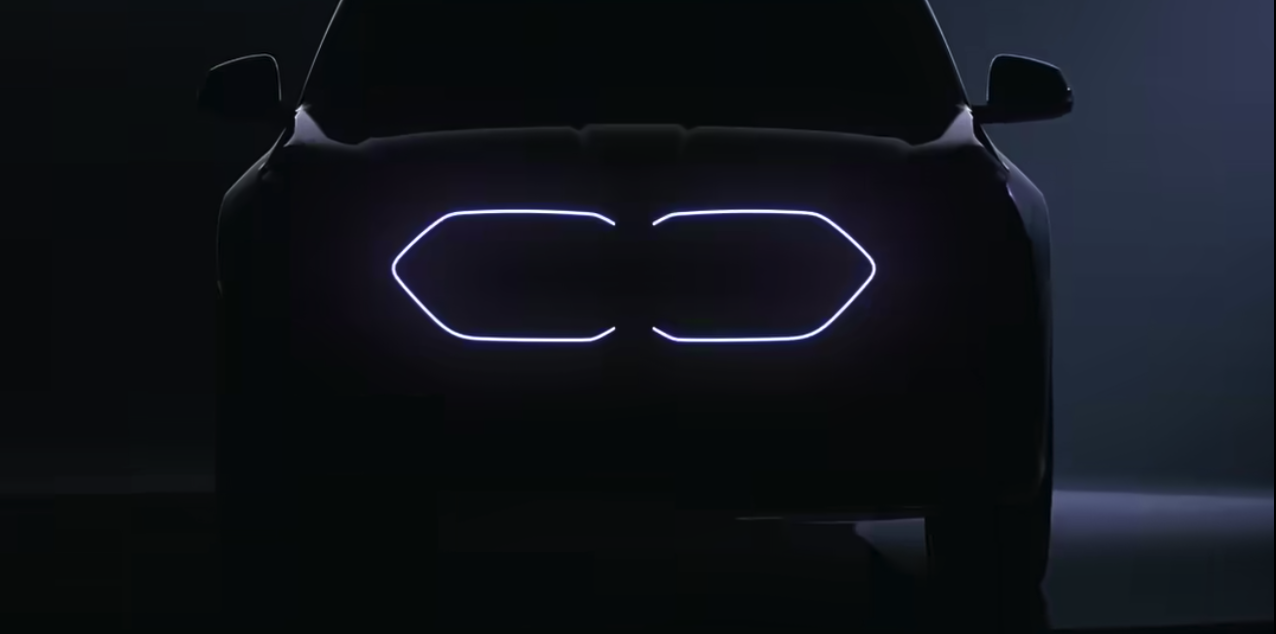
BMW created a buzz in March by announcing the commencement of production for the second-generation X2 by year-end. Recently, a teaser video has offered the first official glimpse of this crossover coupe, internally known as “U10,” displaying its sleek and unique design compared to the X1.

The video highlights the X2’s elegant profile, underscoring its prominently sloped roofline, a distinctive characteristic of this model. The upcoming X2 is noticeably larger than its forerunner, aligning with the size growth seen in the latest X1. Given the new X1’s length of 177.2 inches, a similar dimension can be anticipated for the X2.

(more…)

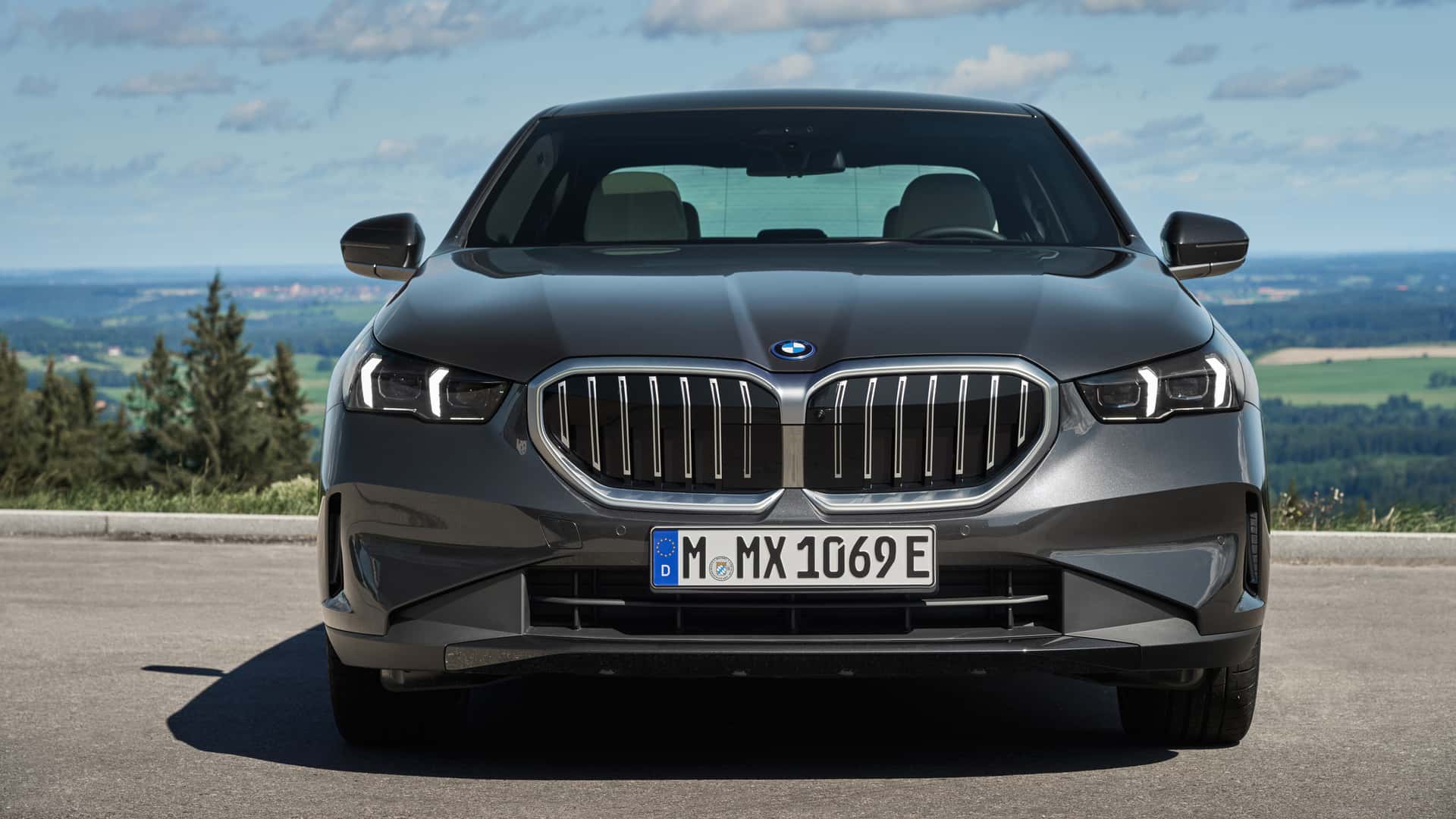
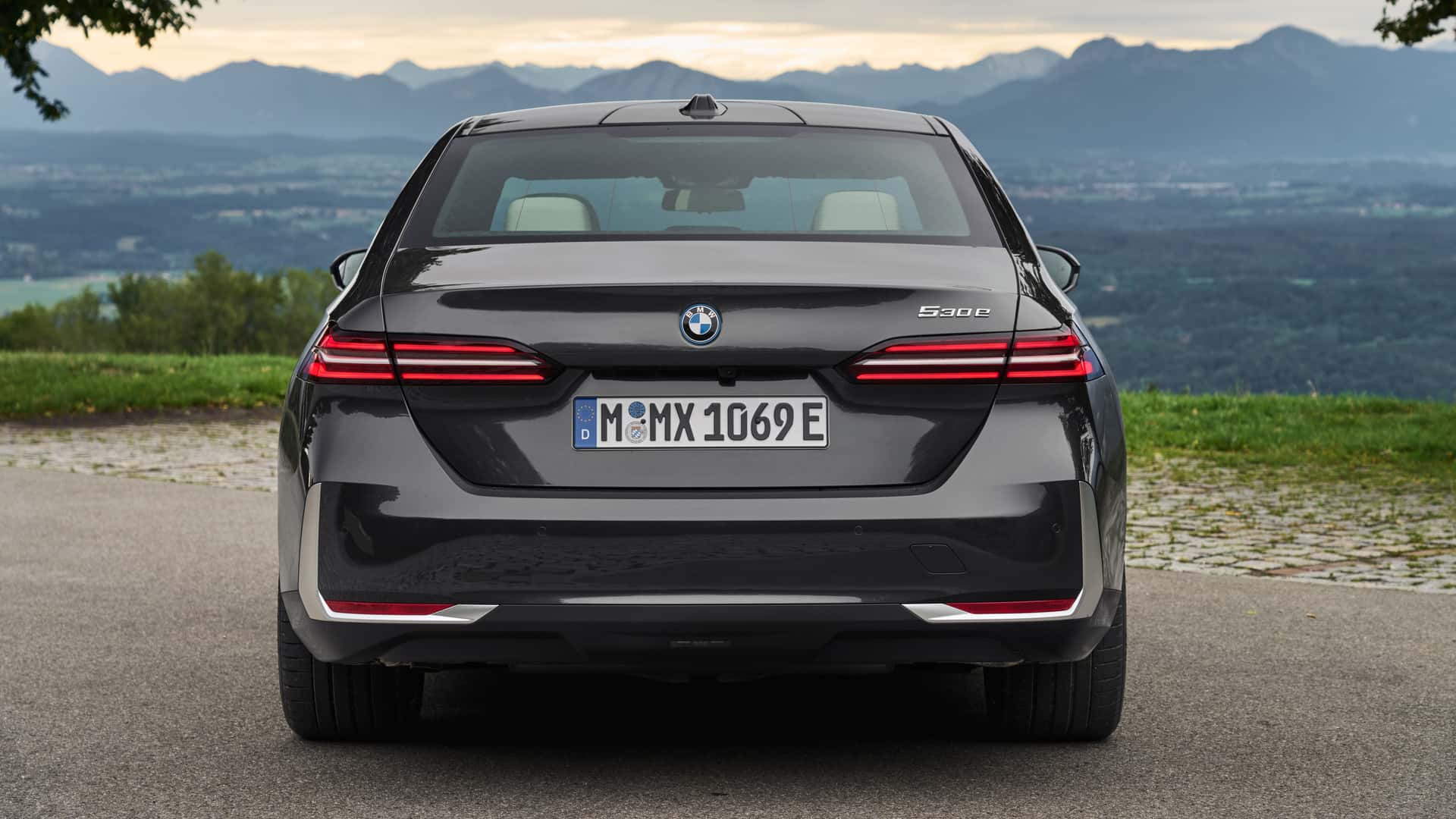
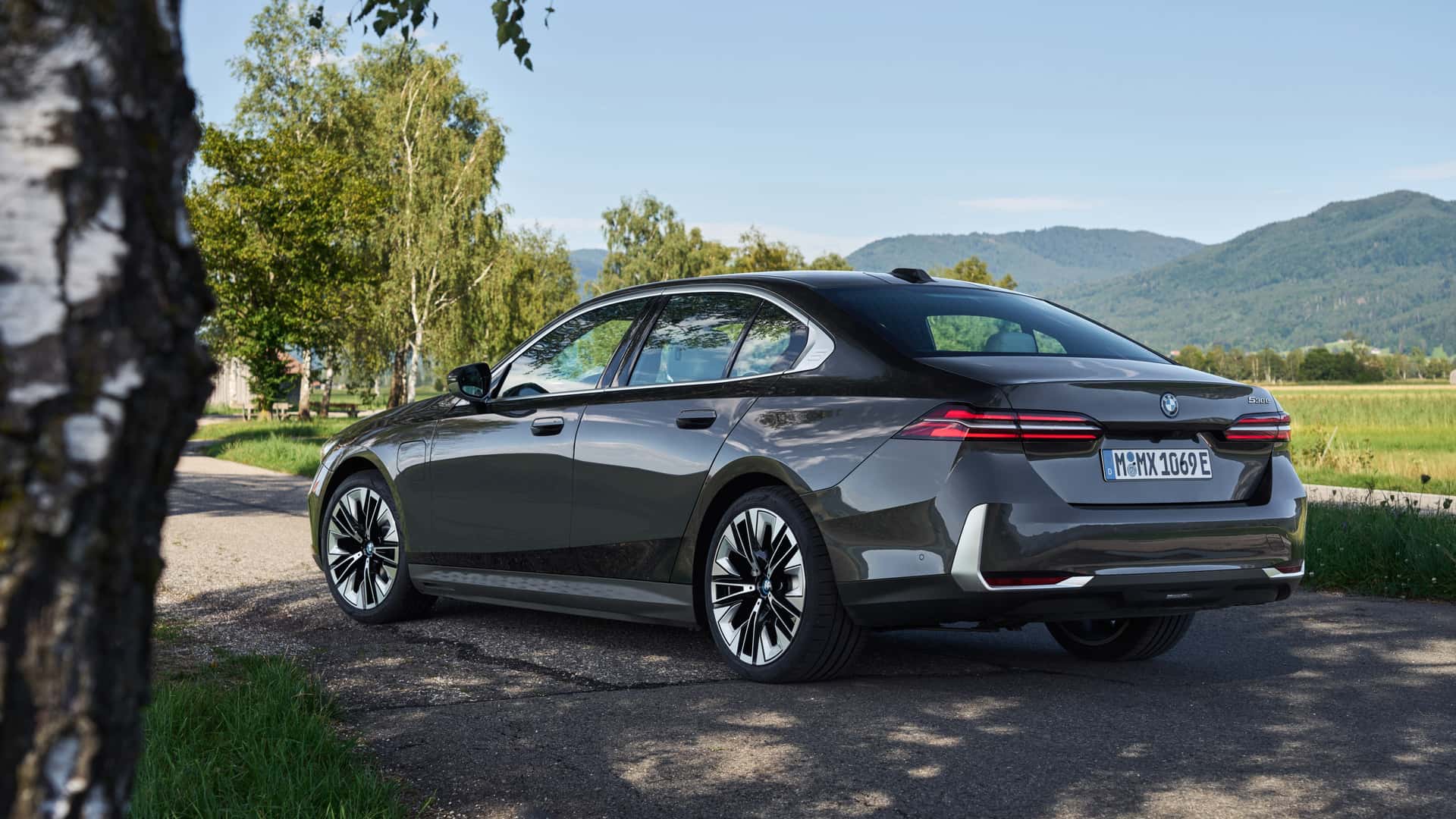
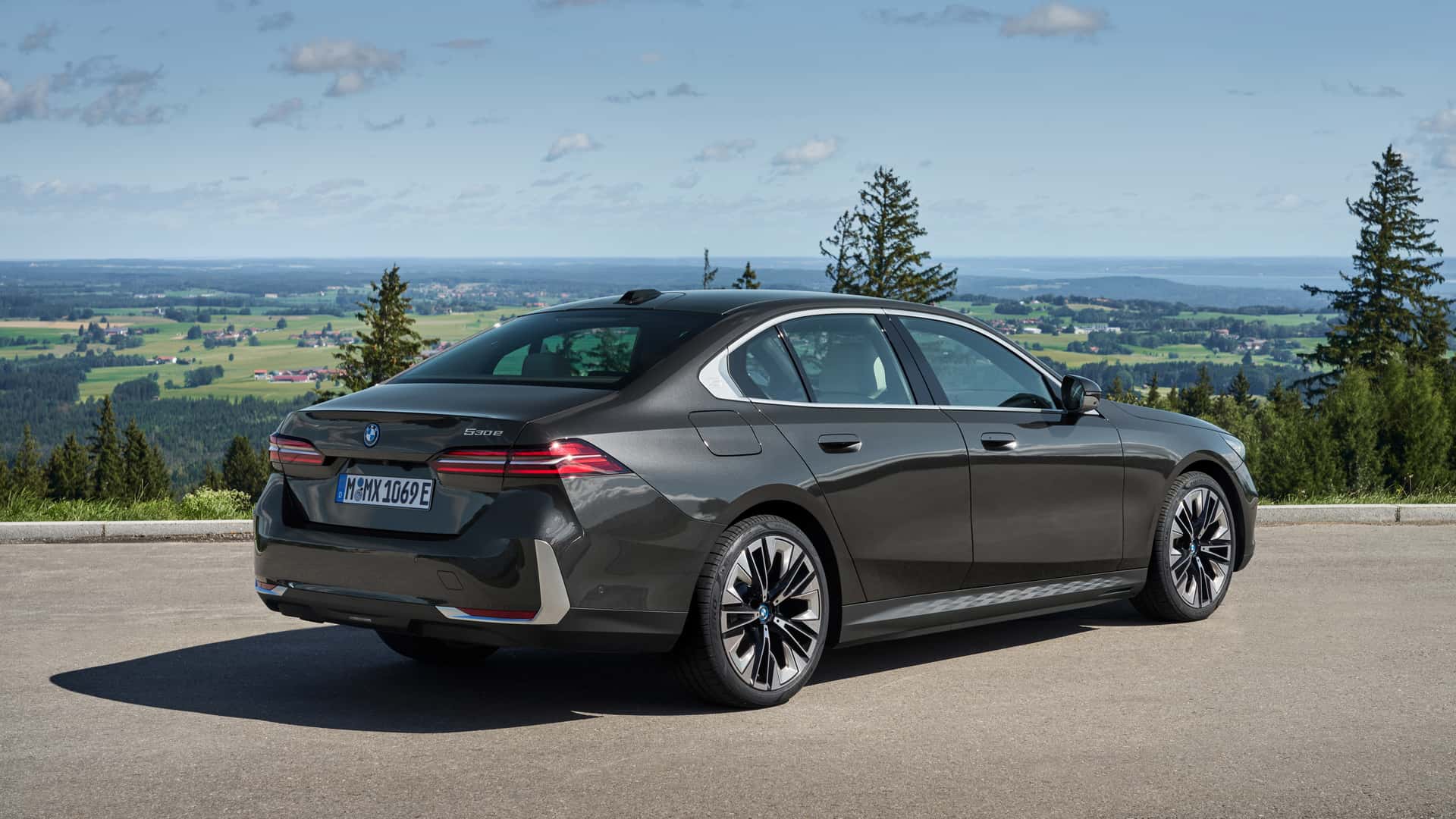
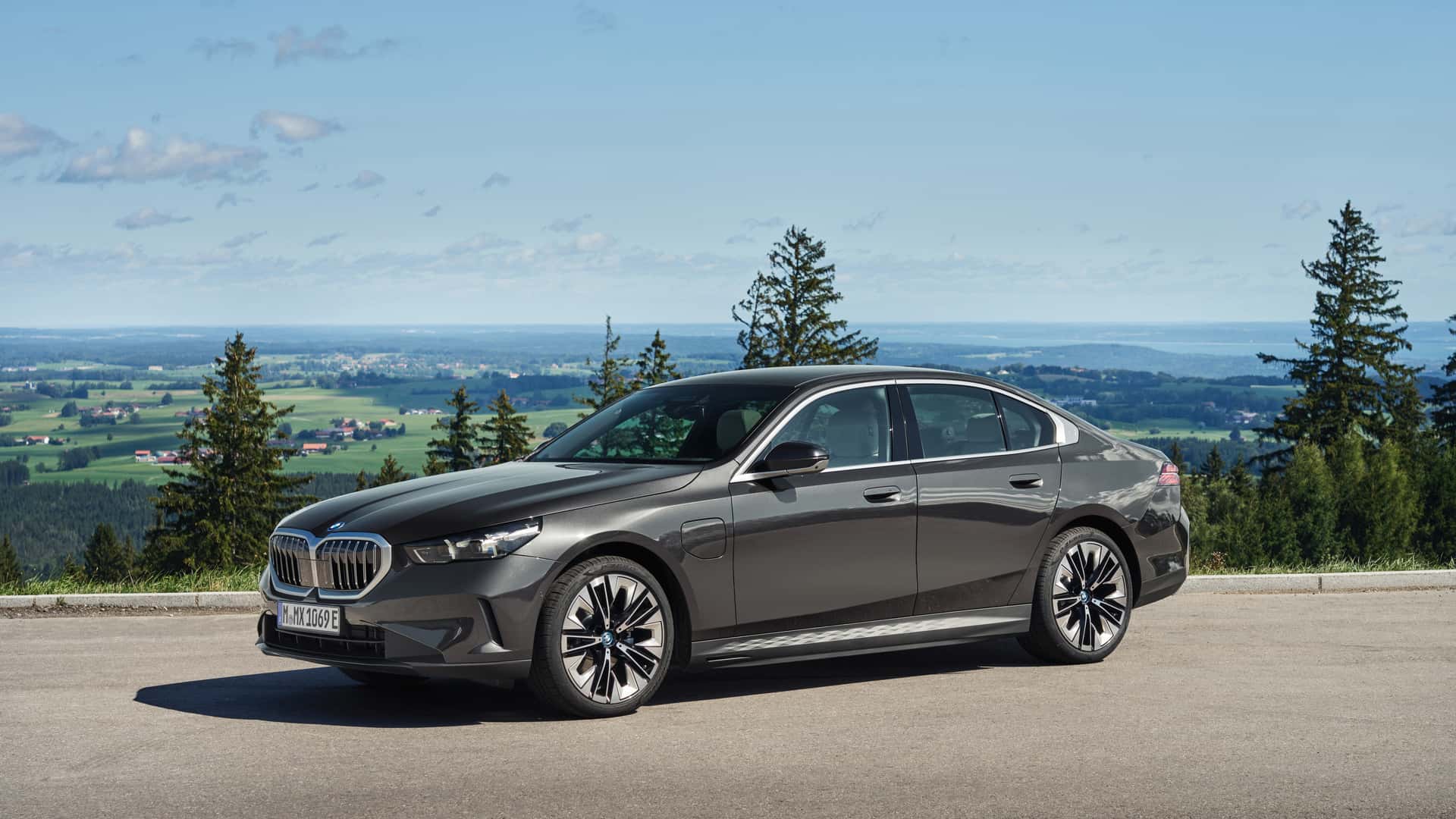
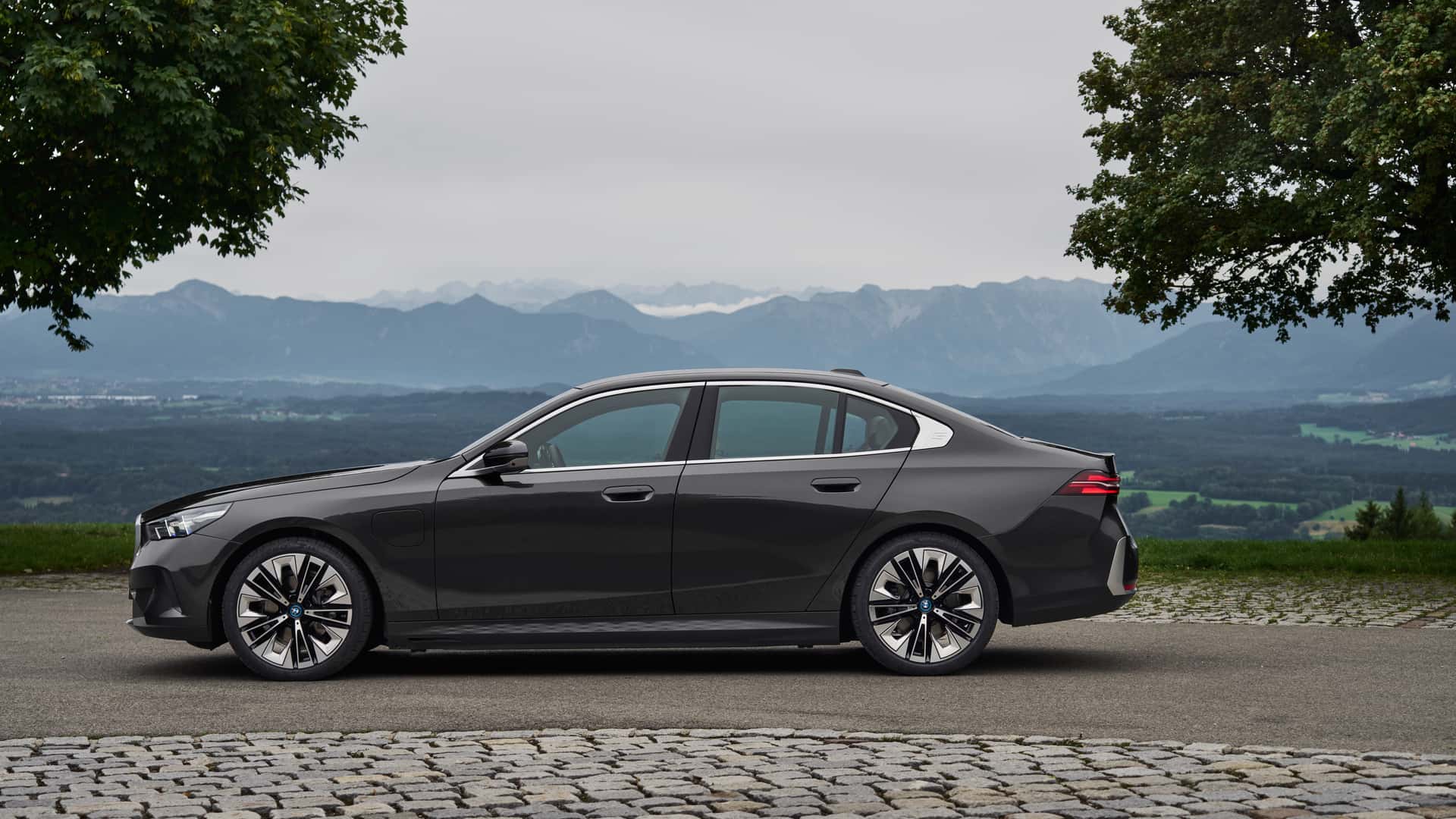
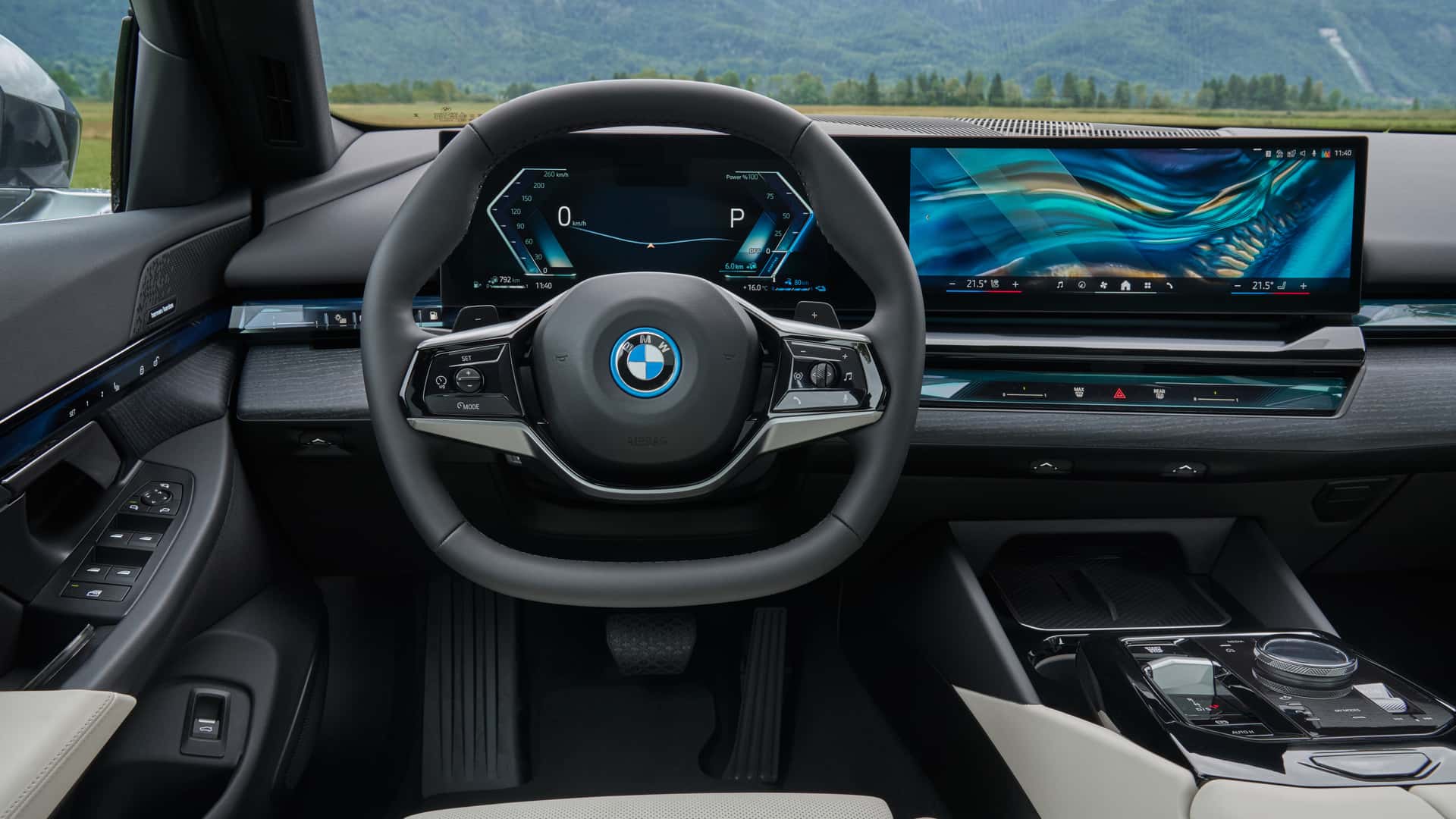
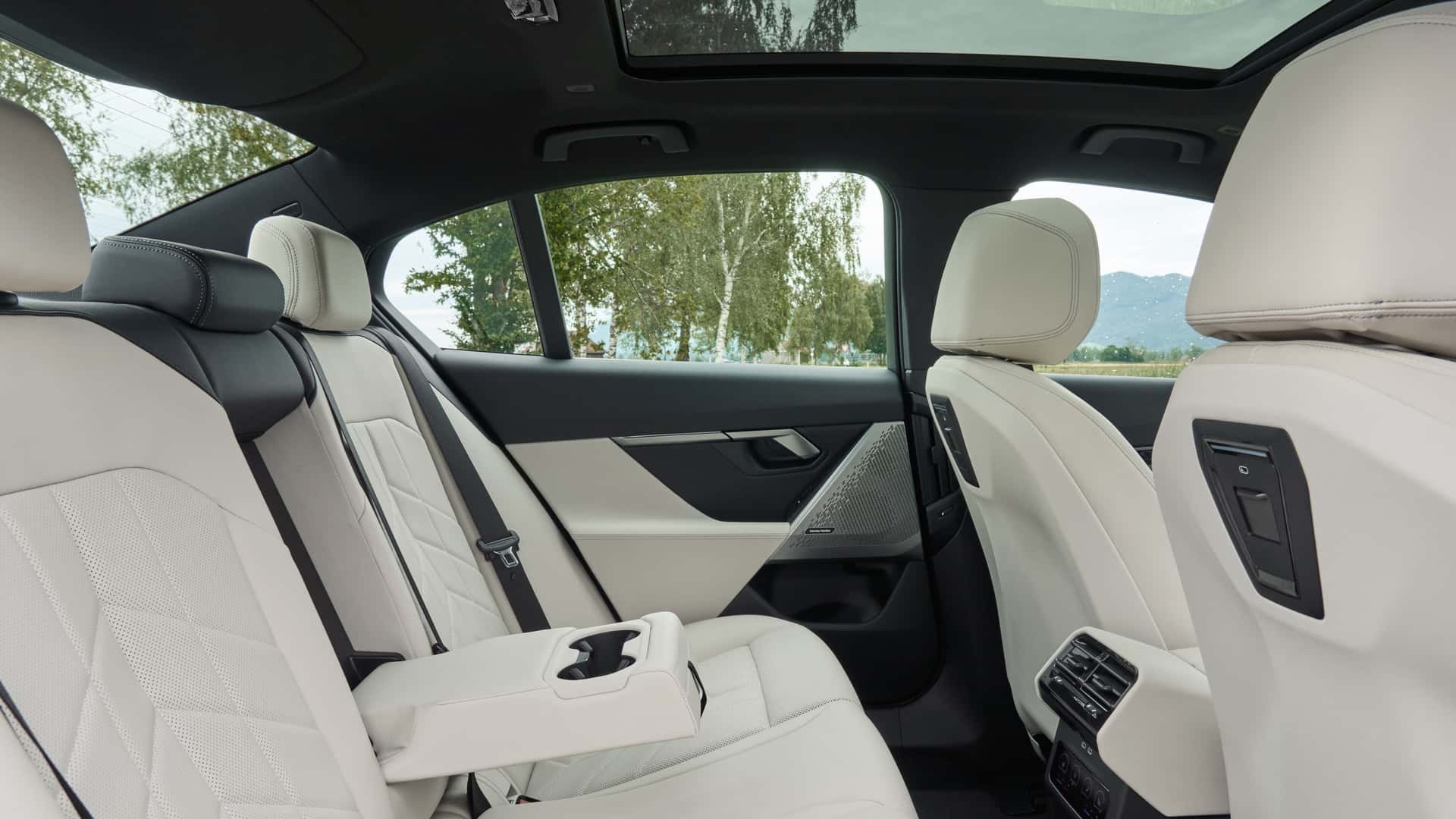
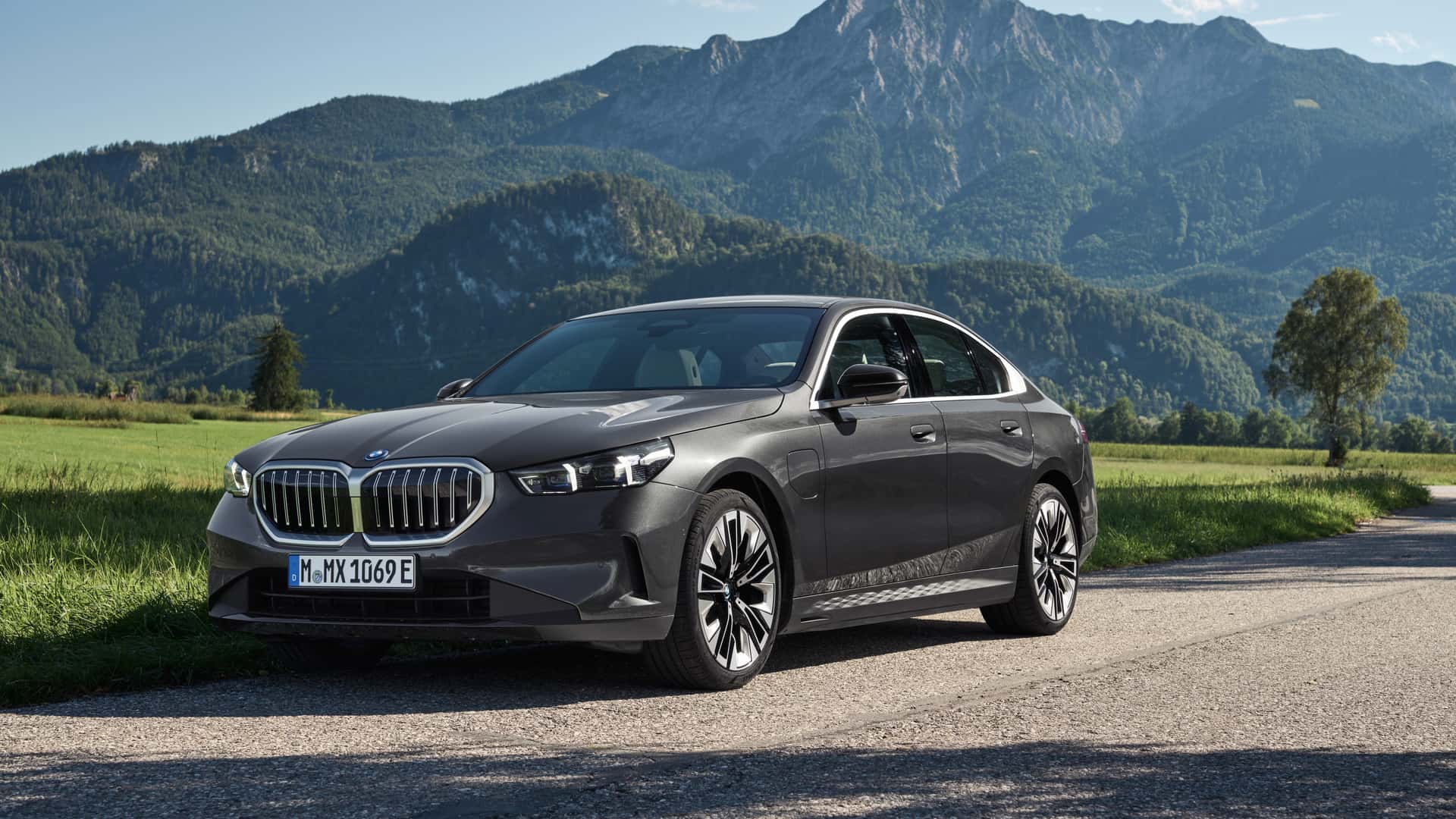
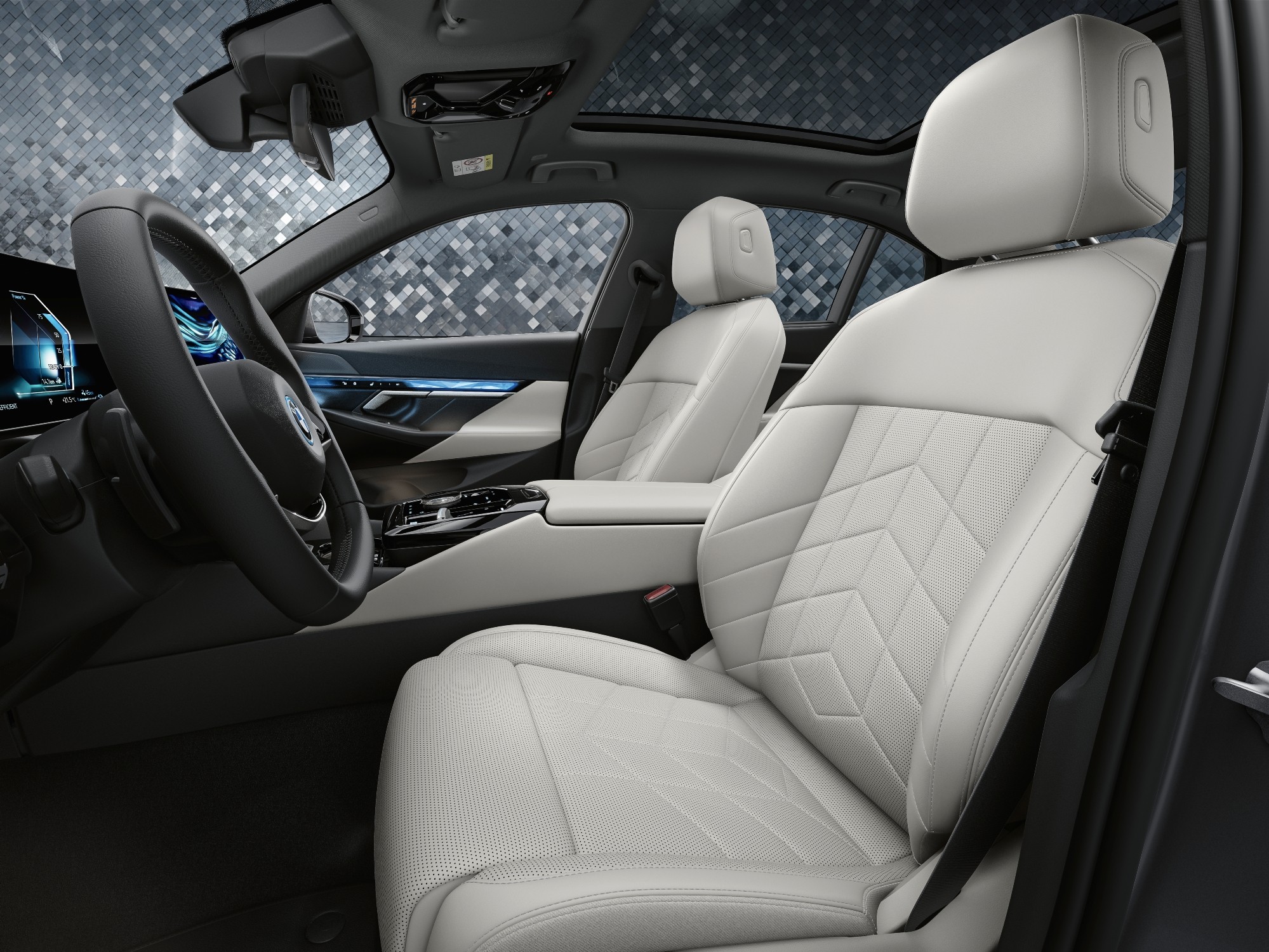
BMW’s expansion into the electric vehicle realm has seen the introduction of two new combustion engine variants integrated with eDrive 48-volt mild hybrid technology: the 530e and 550e xDrive. These variants mark a strategic fusion of traditional combustion engines with BMW’s cutting-edge eDrive technology.

In the case of the 530e sedan, a potent combination of a four-cylinder petrol engine and BMW’s eDrive technology delivers a robust 299hp. Impressively, this amalgamation provides an electric range extending up to 103km, demonstrating the brand’s commitment to eco-friendly options without compromising power.

On the other hand, the 550e xDrive sedan boasts a formidable in-line six-cylinder engine, generating a substantial 489hp. Even in its electric-only mode, this model can achieve an impressive range of up to 90km, showcasing BMW’s dedication to providing diverse options within the hybrid spectrum.

Integral to these plug-in hybrids is the eDrive system, integrating an electric motor within an eight-speed Steptronic Sport transmission. This innovative setup enables exceptional fuel efficiency, aligning with BMW’s dedication to sustainability and reduced emissions.

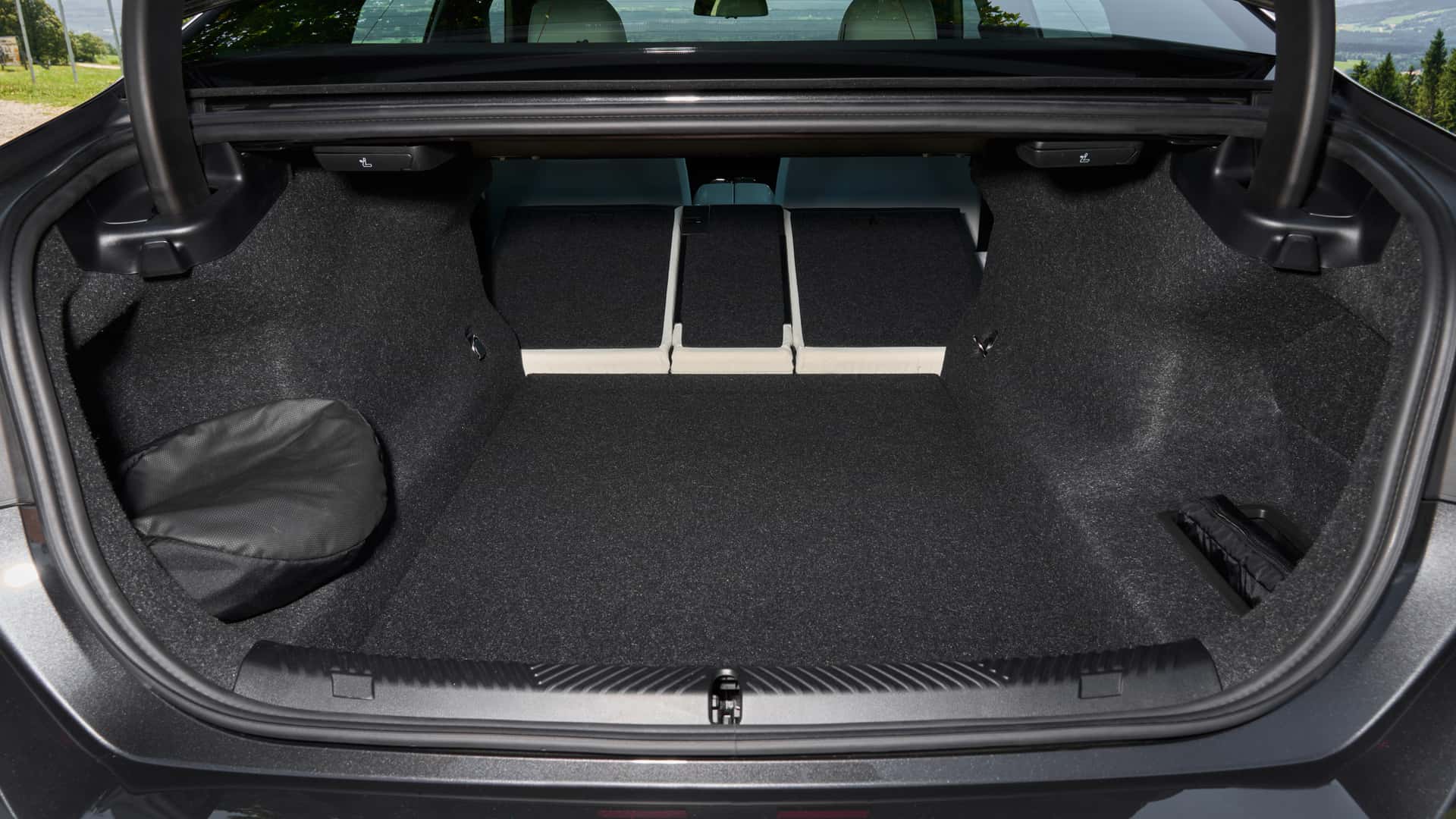
To enhance the overall balance and storage capacity of the 5 Series, the lithium-ion battery, with an impressive usable energy content of up to 19.4 kWh, is strategically positioned within the car’s underbody. This placement optimises weight distribution and enhances the driving experience.

Moreover, the battery’s convenience is further emphasised by its rapid charging capability, allowing a full charge in approximately 3 hours and 15 minutes. Additionally, adaptive recuperation technology enables the recovery of energy while driving, enhancing overall efficiency.

Both the 530e and 550e xDrive models boast a range of standard equipment, including distinctive 19-inch light alloy wheels and BMW’s IconicSounds Electric. The latter feature adds an acoustic dimension to the electric driving experience, providing feedback matching accelerator pedal movements and elevating the overall driving experience.

These models are part of BMW’s eighth-generation 5 Series platform, reflecting the brand’s holistic approach to mobility solutions that encompass both traditional combustion engines and a dynamic shift towards electrification, as evidenced by the all-electric i5 introduced earlier this year.

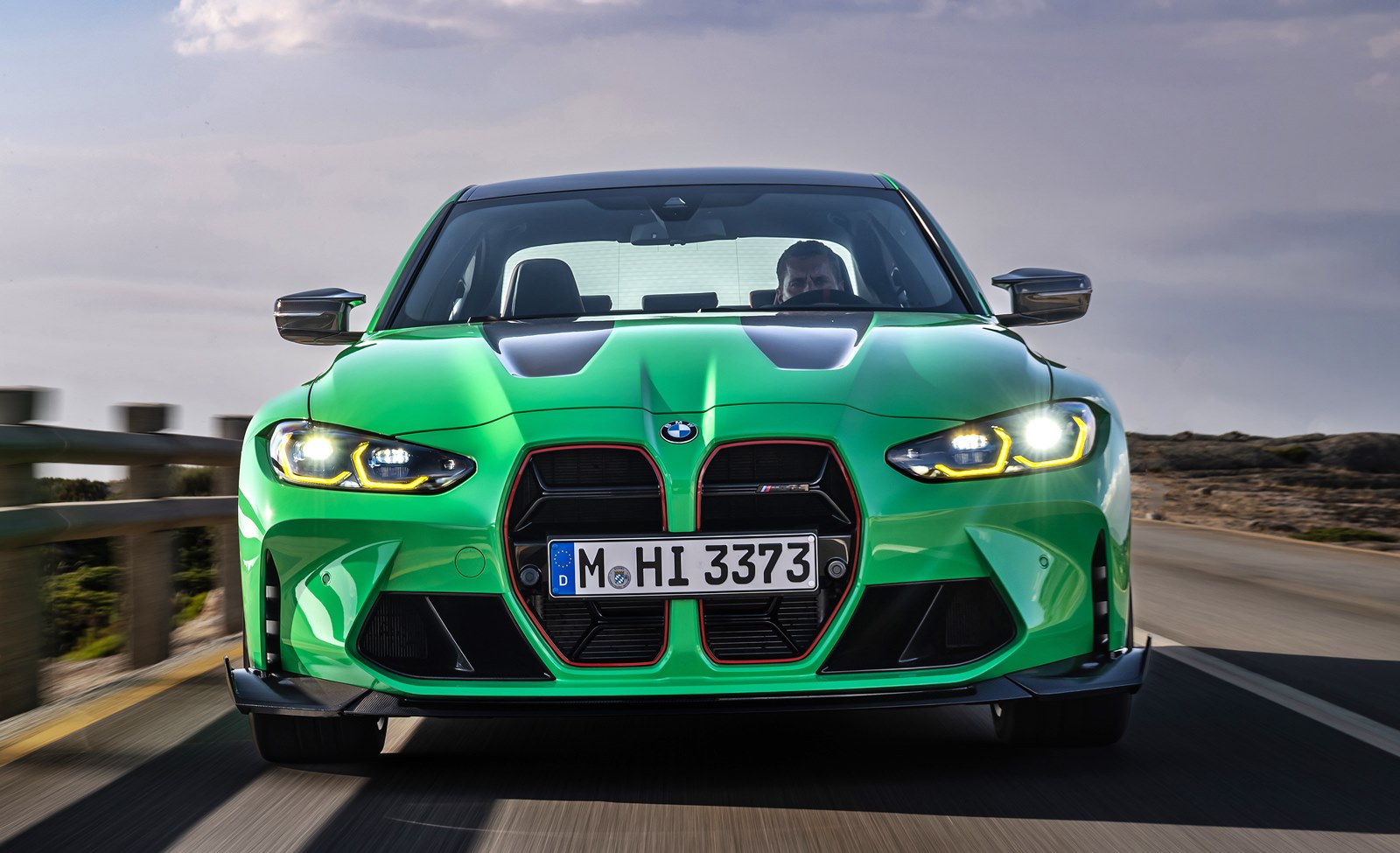
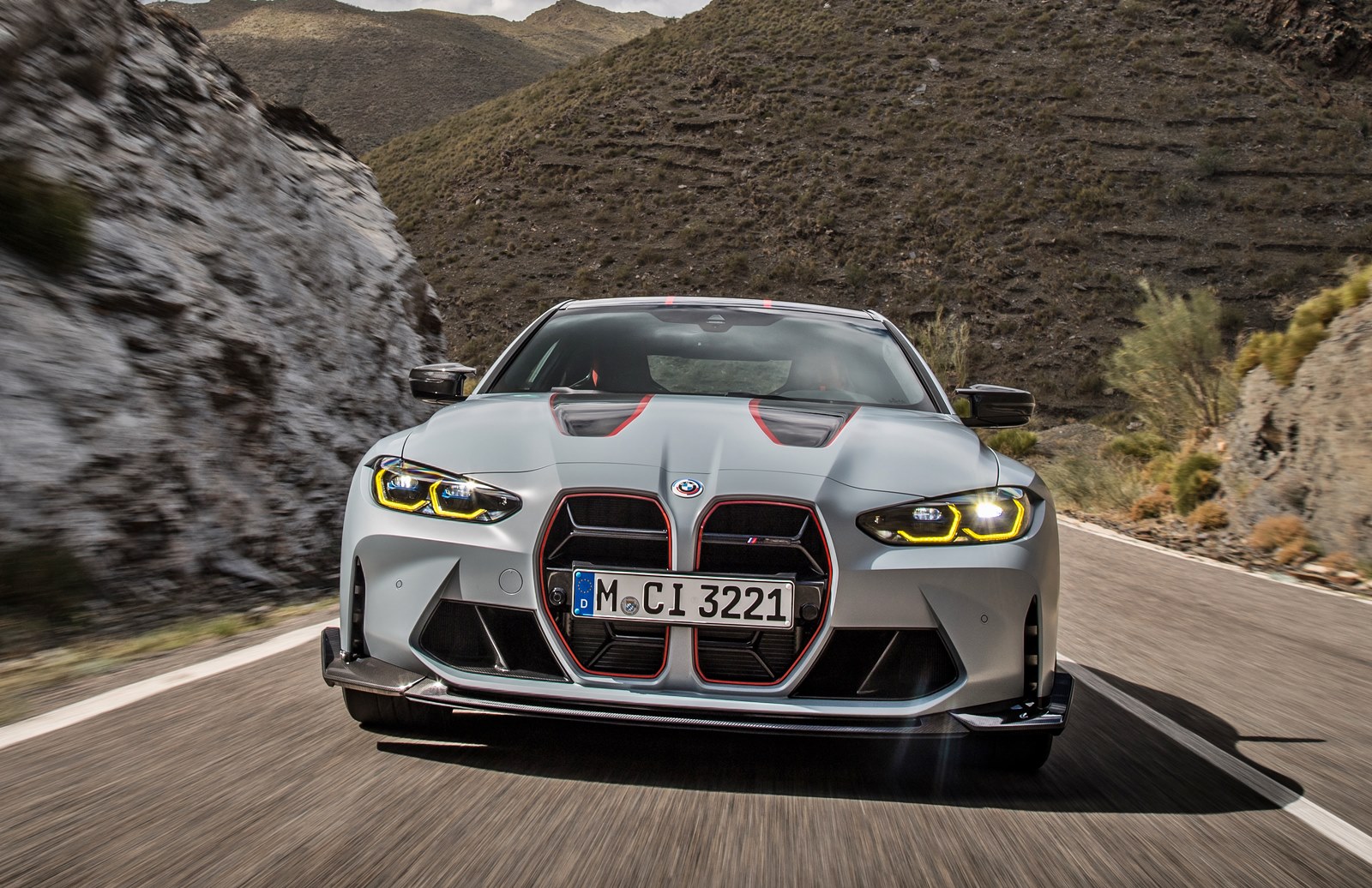
In recent times, BMW has shifted its focus towards the Competition models for the X5 M and X6 M, indicating a strategic move to make them the starting point for full-fledged M models. This shift is part of BMW’s plan to revamp the M lineup, reimagining its trajectory for the future. The intention is to eliminate the standard M model entirely, with the M440i and similar lower-performance models bridging the gap between the regular BMW vehicles and the high-performance M models.

Frank van Meel, the CEO of BMW M, highlighted that the M brand has adopted the Competition layer as the new standard. The plan is to phase out the standard M model, making Competition the norm. Consequently, there will no longer be a distinct differentiation between M and M Competition; instead, all M models will bear the Competition badge in the future.

(more…)

BMW’s decision to eliminate the monthly fee for heated seat activation in their models highlights the intricate challenges automakers face as they navigate the shifting automotive landscape and changing consumer expectations.

The concept behind BMW’s subscription model was to provide software-based services that could be remotely activated or deactivated, giving customers the flexibility to tailor their vehicles to their preferences without requiring a new vehicle purchase. This approach, often referred to as over-the-air updates, aligns with the growing trend of making cars more digitally versatile.

However, the heated seats subscription became a focal point of customer discontent. Many BMW owners found it unreasonable to pay an additional monthly fee for a feature that was physically present in their vehicles. The sentiment among consumers was that they were essentially being charged twice for something they already owned.

(more…)

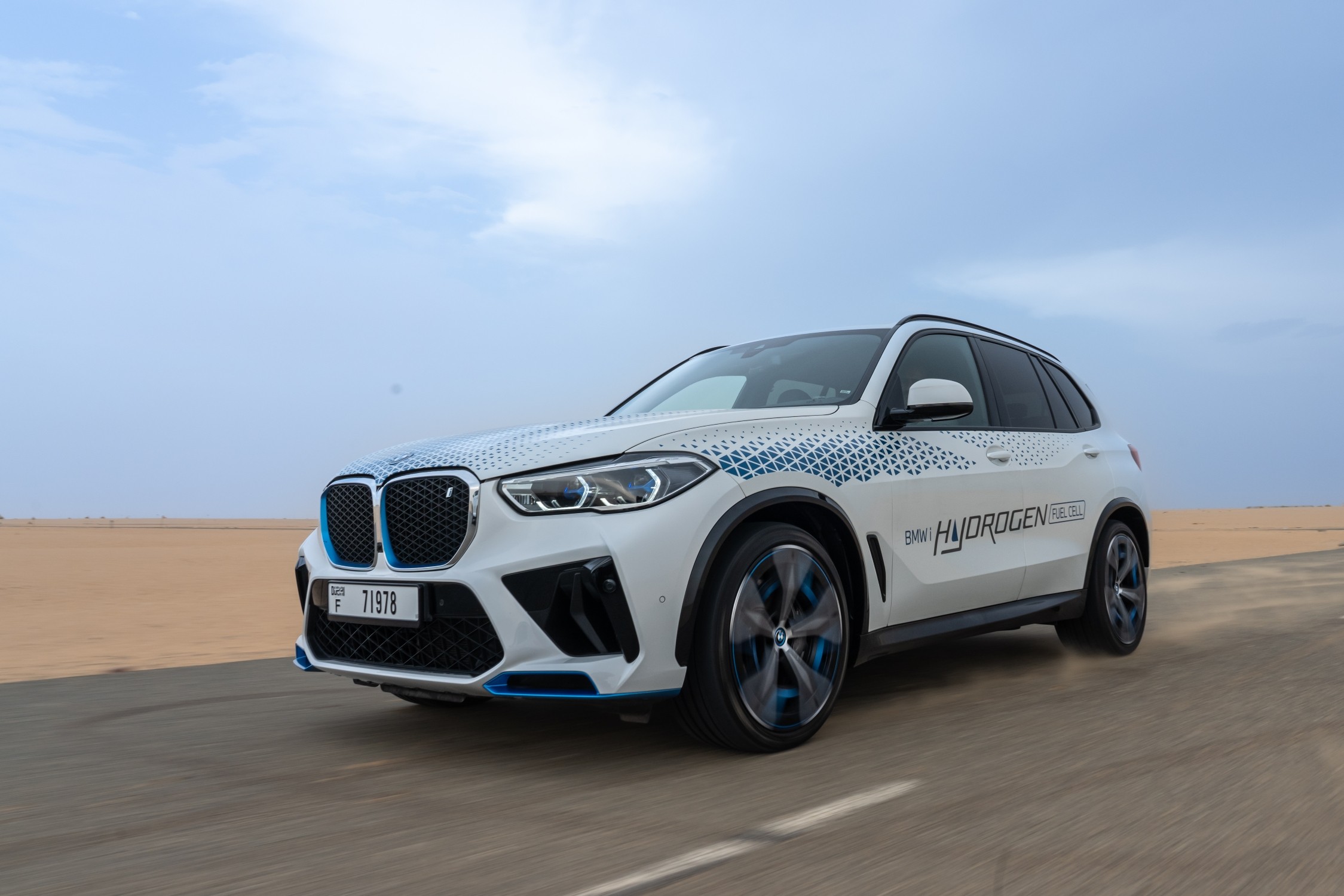
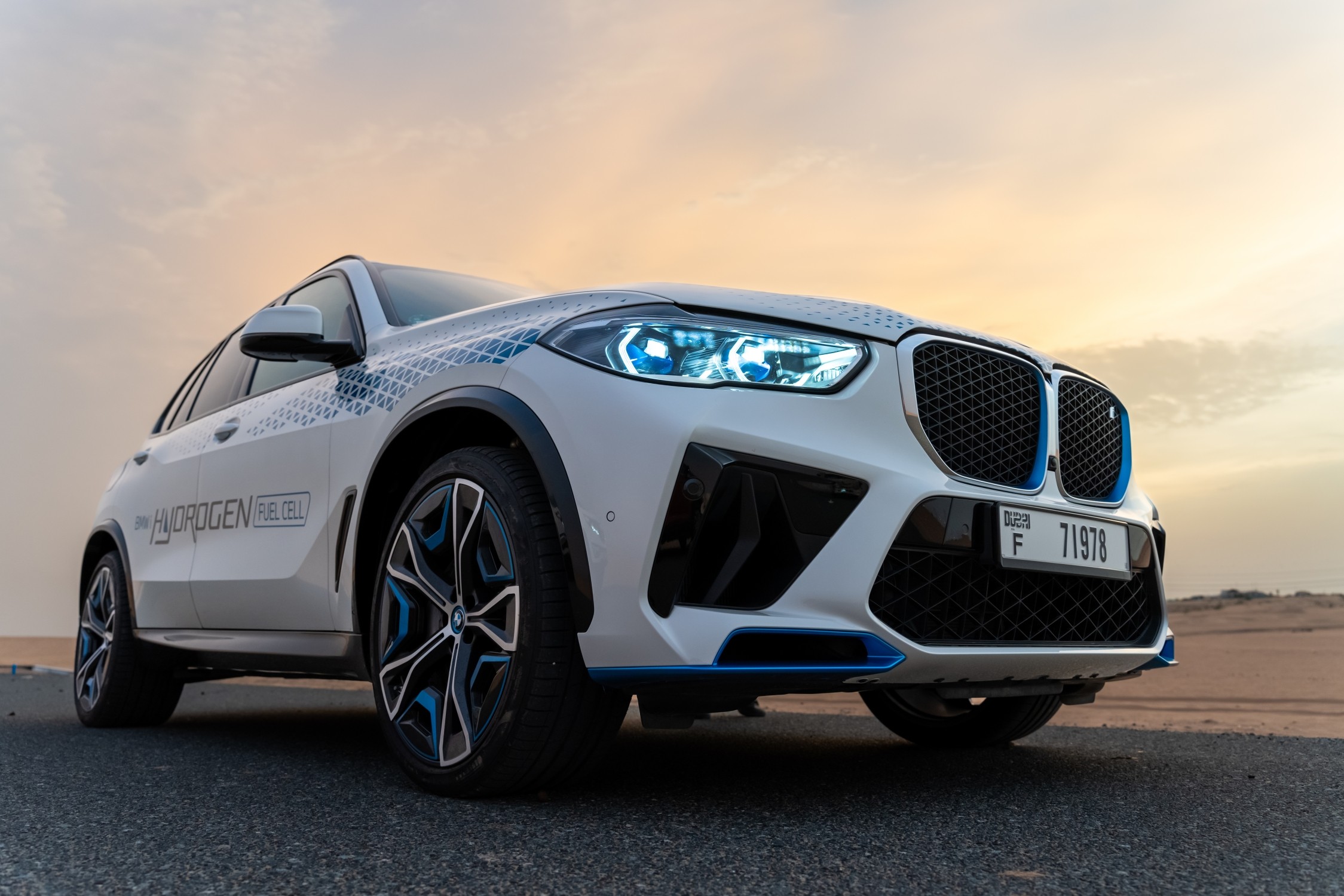
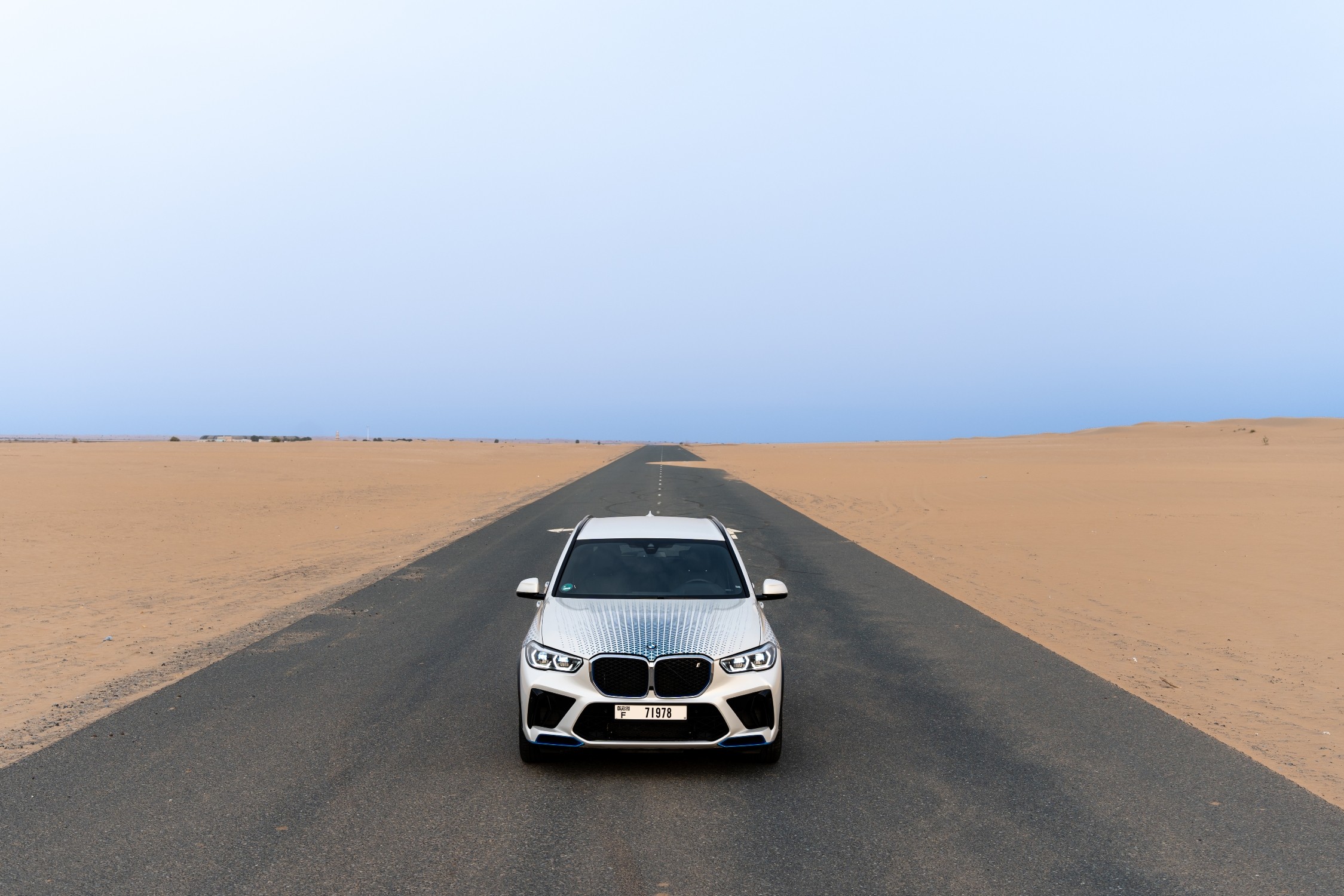
In February of this year, the BMW iX5 Hydrogen pilot fleet embarked on a significant hot-weather testing endeavour in the United Arab Emirates, marking its first foray into such extreme conditions. Despite temperatures soaring to 45°C, challenging encounters with sand, dust, varying gradients, and fluctuating humidity levels, the car’s fuel cell drive system performed remarkably well.

The efficiency of the fuel cell system, two hydrogen tanks, electric motor, and power battery, alongside the central vehicle control unit, demonstrated exceptional performance. BMW’s development team in Munich rigorously evaluated the functionality of all electric systems under these extreme conditions and assessed the cooling power necessary to maintain peak vehicle performance. The fleet maintained the renowned BMW driving dynamics even under these challenging circumstances.

Units from the pilot fleet are currently operating in diverse regions worldwide, including Europe, Japan, Korea, China, the USA, and the Middle East. The primary objective is to underscore the practicality of hydrogen-powered vehicles in everyday use while gaining crucial insights for the potential development of a production model. The BMW Group is leveraging this pilot fleet to support the regional development of a refueling infrastructure compatible with 700-bar refueling technology, catering to various vehicle categories from passenger cars to heavy-duty commercial vehicles. Exploring synergies across applications is also crucial for establishing a robust hydrogen technology supplier network and cost reduction.

(more…)

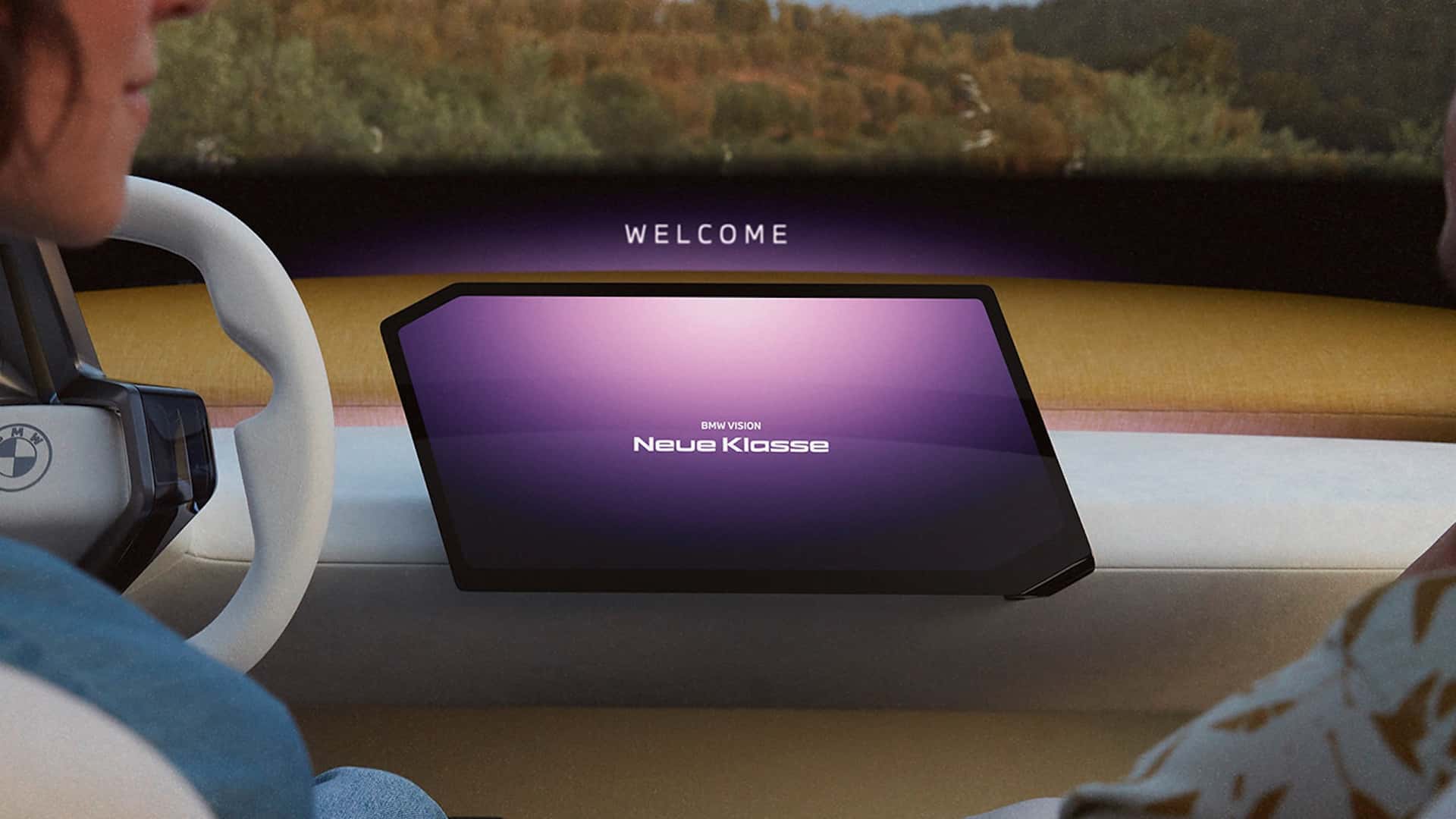
BMW has announced a partnership with Amazon to utilise their cloud computing technology for the development of their semi-autonomous driver assistance system. This advanced driver assistance system (ADAS) will be integrated into BMW’s upcoming Neue Klasse electric cars, set to debut in 2025. This move underscores a broader trend among traditional automakers aiming to enhance their vehicle technology, especially ADAS, to remain competitive with Tesla.
ADAS encompasses software systems designed to assist drivers with tasks like lane changes and parking, and automakers are progressively introducing more such features as they progress toward autonomous driving. Tesla’s ADAS, known as Autopilot, serves as an example of this trend.

The effective functioning of ADAS relies heavily on data processing, given the essential hardware components like cameras and semiconductors. Artificial intelligence plays a pivotal role in these assisted driving systems.

(more…)

Archive

Follow us on Facebook

Follow us on YouTube