

Piston.my

EV

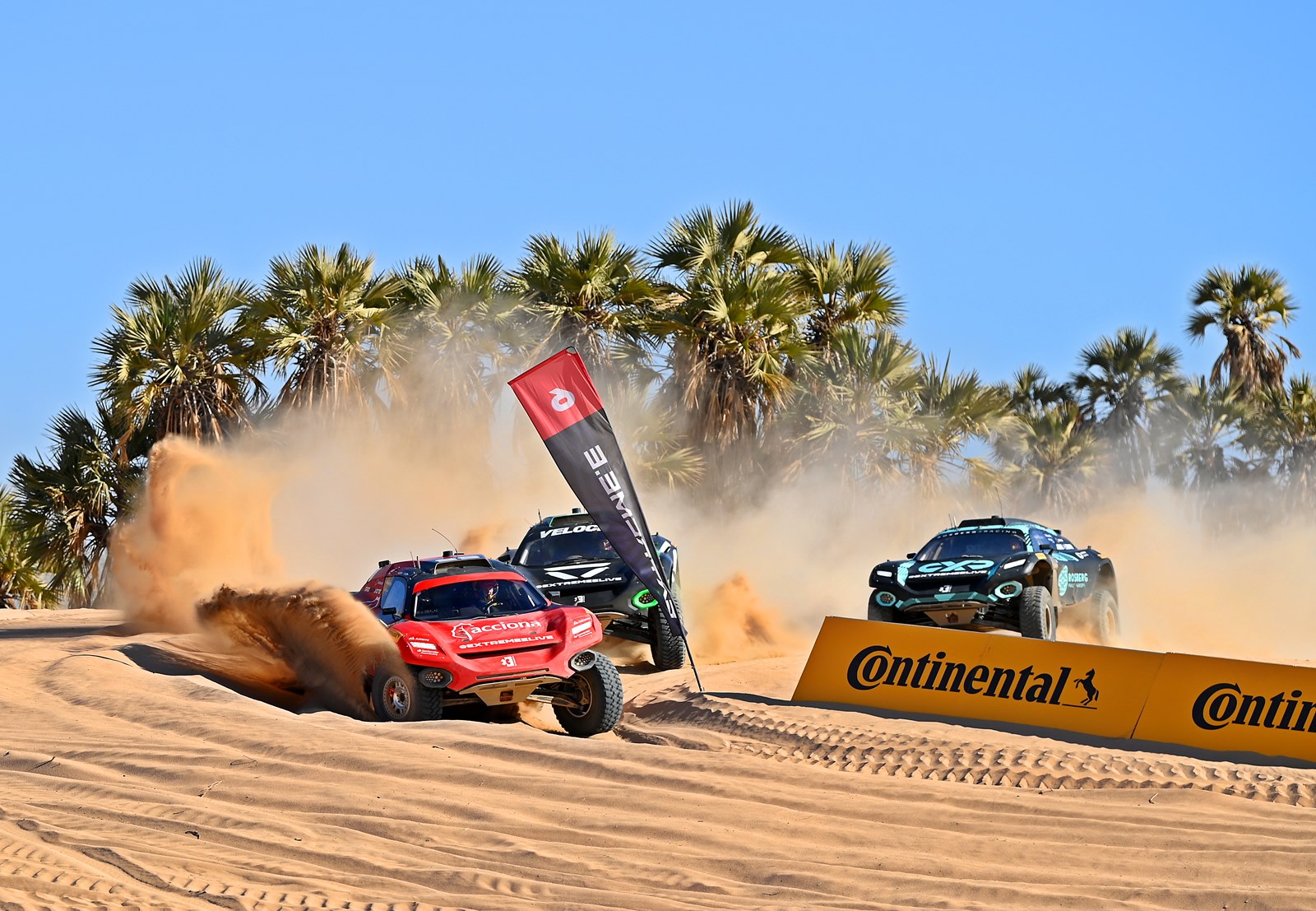
The Sainz family may have been a bit disappointed that Carlos Sainz Junior missed out on the podium at the Bahrain F1 GP last weekend, having been overtaken by BWT Alpine’s Fernando Alonso in the last quarter of the race. But they can still celebrate with Sainz Senior’s team taking their first ever win in the Extreme E all-electric off-road series over the weekend.

The ACCIONA | SAINZ XE Team finished ahead of Veloce Racing and Rosberg X Racing (RXR) after a battle over the sands of NEOM in Saudi Arabia during the Desert X-Prix. The crew of Laia Sanz and Mattias Ekstrom dominated the race from start to finish, establishing a comfortable lead as Veloce Racing and RXR fought over the runners-up spot.

(more…)
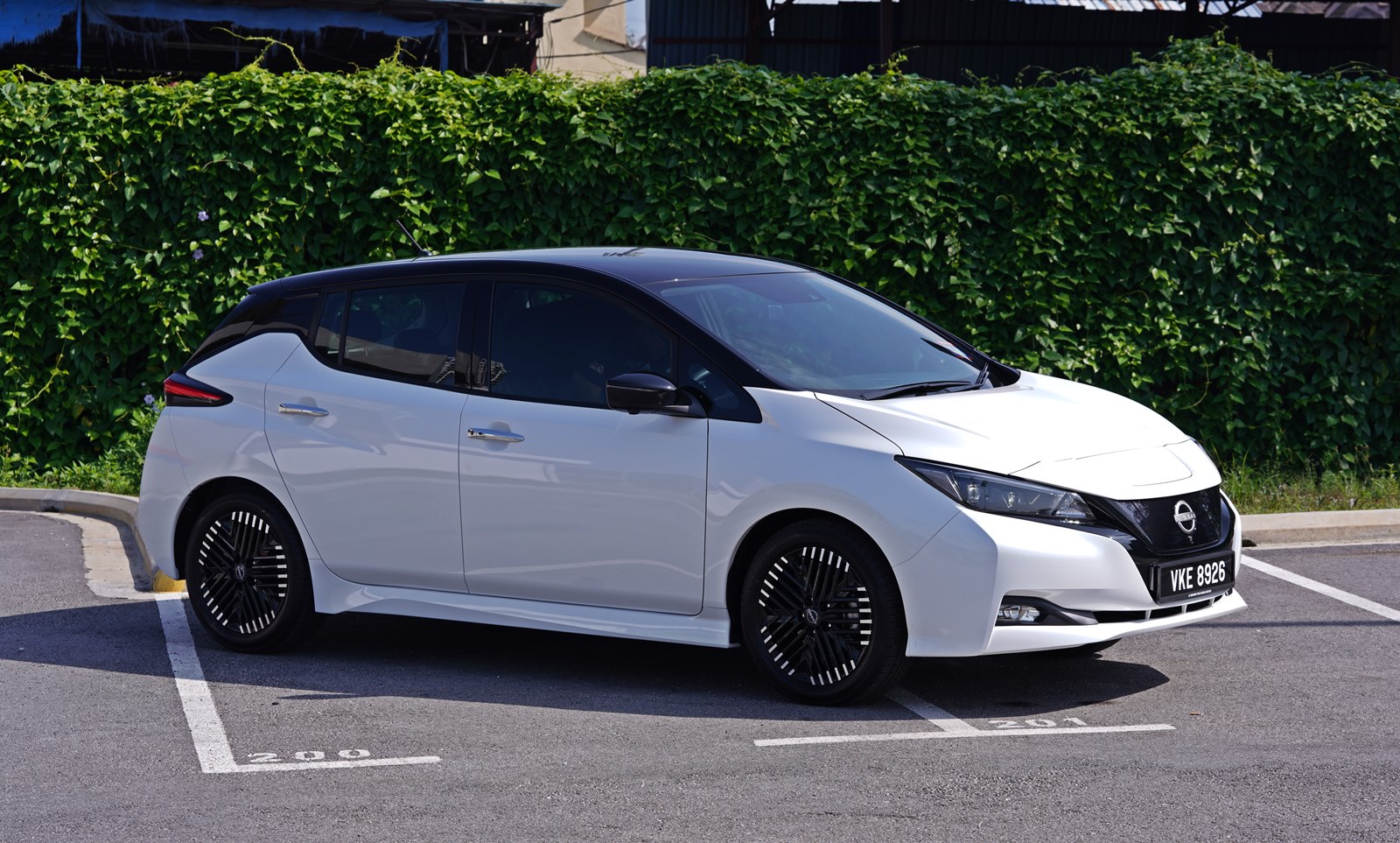
Although activity in the electric vehicle (EV) market in Malaysia has increased substantially in the last year due to the government allowing duty-free importation and sale, with many brands (even new ones) introducing their EV models, we have not heard from Edaran Tan Chong Motor (ETCM) which began marketing the world first mass-produced EV – the LEAF – twelve years ago.

Using its own funding, ETCM had taken the initiative to provide information to the public about EVs and the benefit of their zero emissions to the future of the planet. However, the government then was not proactive in addressing climate change until it signed the Paris Agreement in 2015 and made the commitment to become carbon-neutral by 2050. This meant taking various actions, including promoting the use of EVs.

ETCM continued to offer the LEAF, and when it went into the second generation in mid-2019, it began importing the model for sale in Malaysia. However, without the government incentives, its price was high and interest was therefore limited.

The LEAF is still in its second generation and received improvements not so long ago, so ETCM was probably waiting for the updated and better model to be available and it is now ready for sale. With the tax exemption, it is now priced at RM168,888 which is RM20,000 lower than when it was launched in 2019. This would be as low as it can get unless it is assembled locally and would then get additional incentives.

(more…)

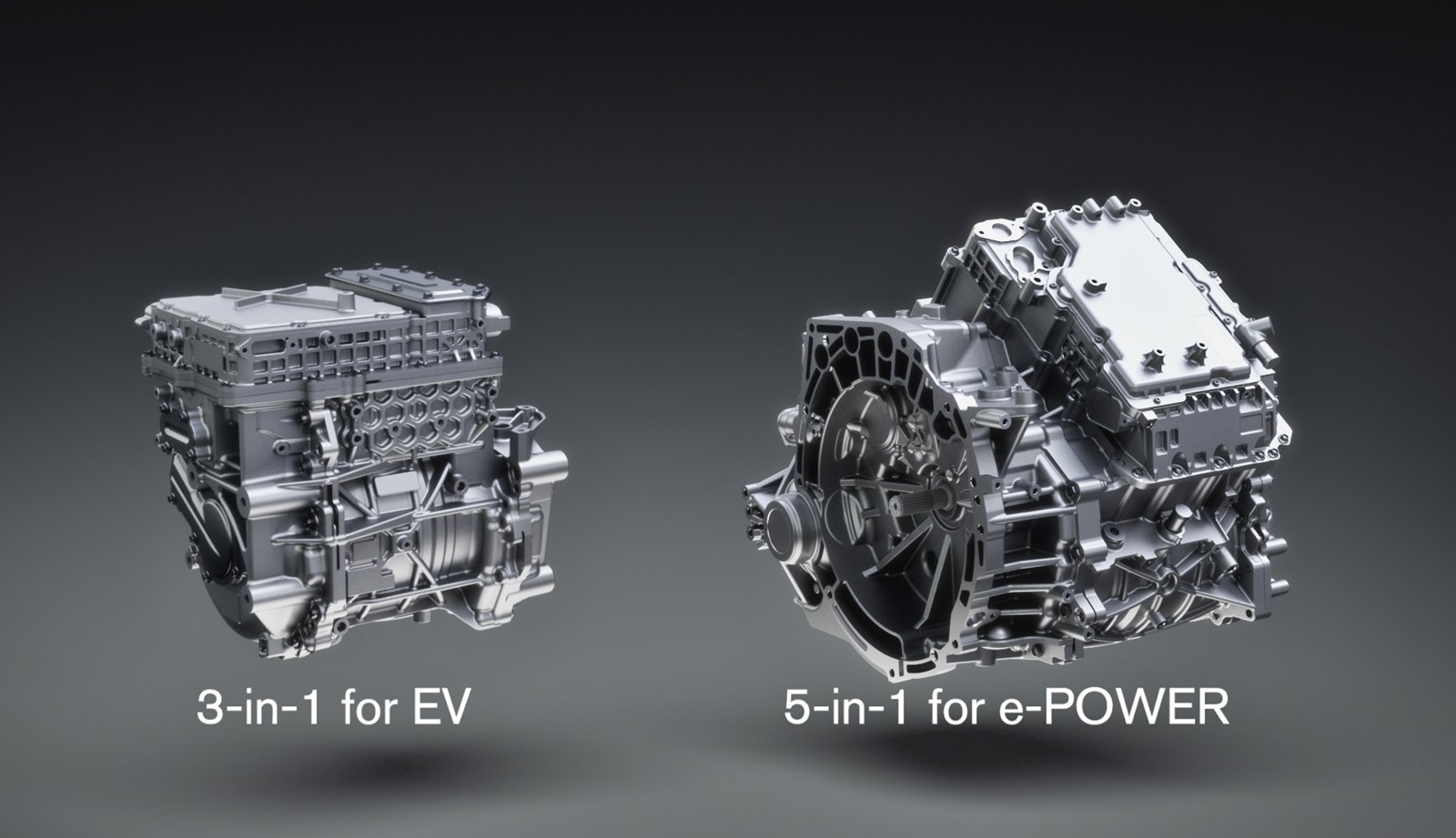
The basic idea of an electrified powertrain is that there is one electric motor (or more) powering the wheels which receives electricity from a battery pack. Besides these two main elements, there are also ancillary systems which support their operation. In most cases, each is a separate component in the drivetrain.

Nissan has announced a new approach which it will take to electrified powertrain development, which it calls ‘X-in-1’. Under the approach, core EV and e-POWER powertrain components will be shared and modularized. This can bring about a 30% reduction (compared to 2019) in development and manufacturing costs by 2026.

(more…)

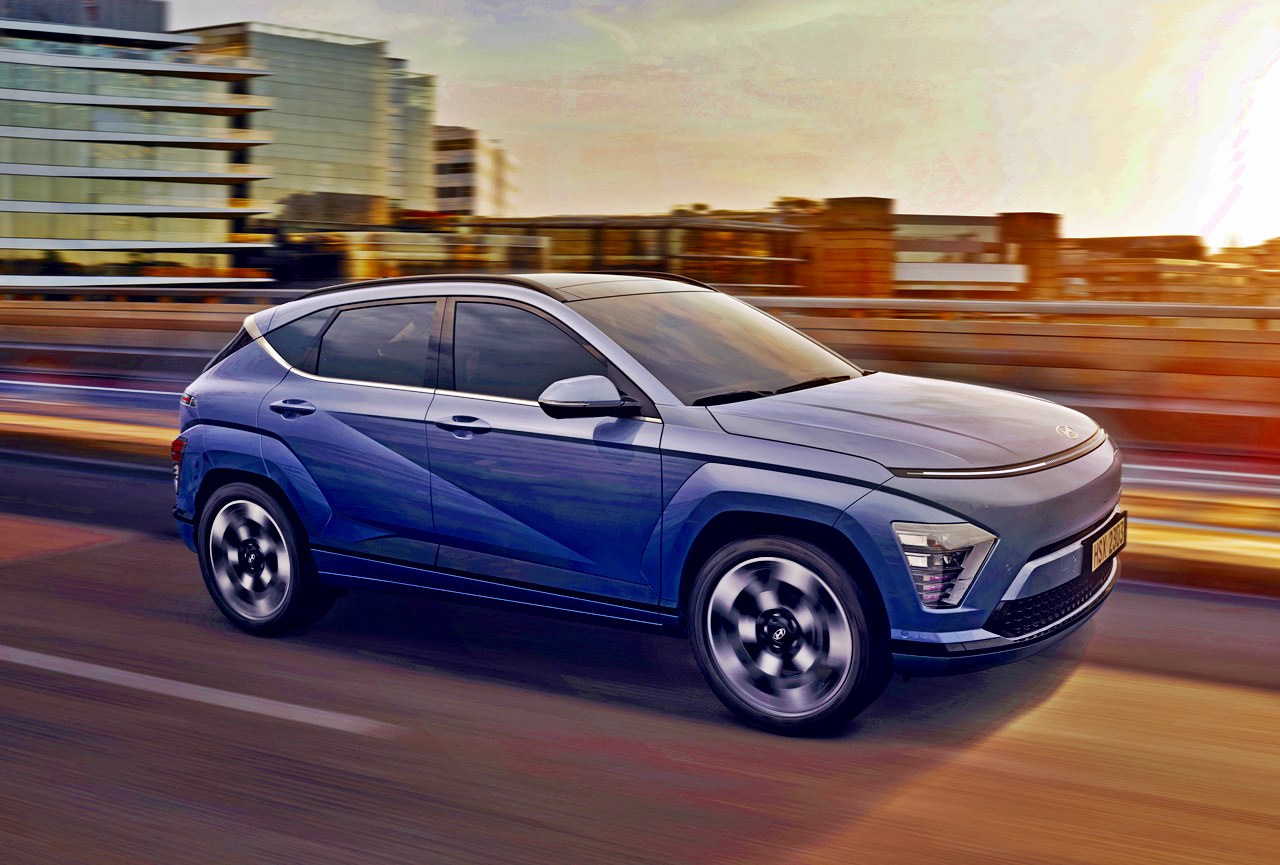
After a 6-year production run in its first generation, the Hyundai Kona starts its second generation today with a global world premiere. The Korean carmaker presents it as an ‘upscaled multiplayer in the B-SUV segment’, with the claim of offering one of the most comprehensive product packages in the segment, including the widest range of powertrains.

As before and like the original IONIQ, the Kona is available with three different types of powertrains – combustion engine one, hybrid and battery electric (BEV). This will allow it to be marketed in more regions around the world, including those where the pace of electrification is slower.

Nevertheless, for this new generation, Hyundai Motor started development as a battery electric vehicle (BEV) first. It signifies the company’s accelerated electrification strategy that aims to bring 11 new Hyundai EVs to market by 2030.

(more…)

Though EVs were around over 100 years ago, they faded away as technology then wasn’t advanced enough to provide performance as good as cars with internal combustion engines (ICE). So ICE cars were more popular and have grown to dominance over today. However, the combustion process gives off gases that are toxic and also cause global warming, so using ICE as a propulsion system has been considered detrimental to the future of the planet, hence the switch to EVs which have zero emissions. Of course, there is the other side of the matter concerning power-generating plants which use mainly coal to provide the electricity, but that’s a debate for another time.

It’s a good time to buy an electric vehicle (EV) in Malaysia as these few years will be one of the rare occasions when cars can be purchased duty-free throughout the country and not just in Langkawi and Labuan. It’s the government’s way of encouraging the switch to EVs as one way of achieving the goal of carbon neutrality by 2050. Malaysia has set this goal as one of the 195 signatories of the Paris Agreement in 2015 which has a target that must be met cooperatively in order to limit global warming to 1.5°C. If the temperature rise cannot be limited, climate change is predicted to have a very serious effect on the planet.

You may be considering doing your part to save the planet by switching to an EV. Or you may just be interested in the electric lifestyle which can also save you money. You don’t have to buy liquid fuel any longer and though there is still the cost of electricity, it should lower running costs. EVs are the future so you may like the idea of being among the pioneers.

(more…)

Going by normal industry time-frames, a model generation lasts around 5 years or sometimes a bit longer, after which a new generation is launched. Before that time, there are the usual updates to freshen the product against newer rivals. These are usually termed ‘facelifts’ which actually relates to cosmetic changes but there are occasions when there are also technical changes.

But then again, this is a new era of electric vehicles (EVs) and who’s to say that carmakers can’t revise the product cycle time. This is especially so since EV technology is moving at such a fast pace with advancements occurring even within 12 months. The battery packs of today, for instance, are better than two years ago and will likely be even more so in another two years.

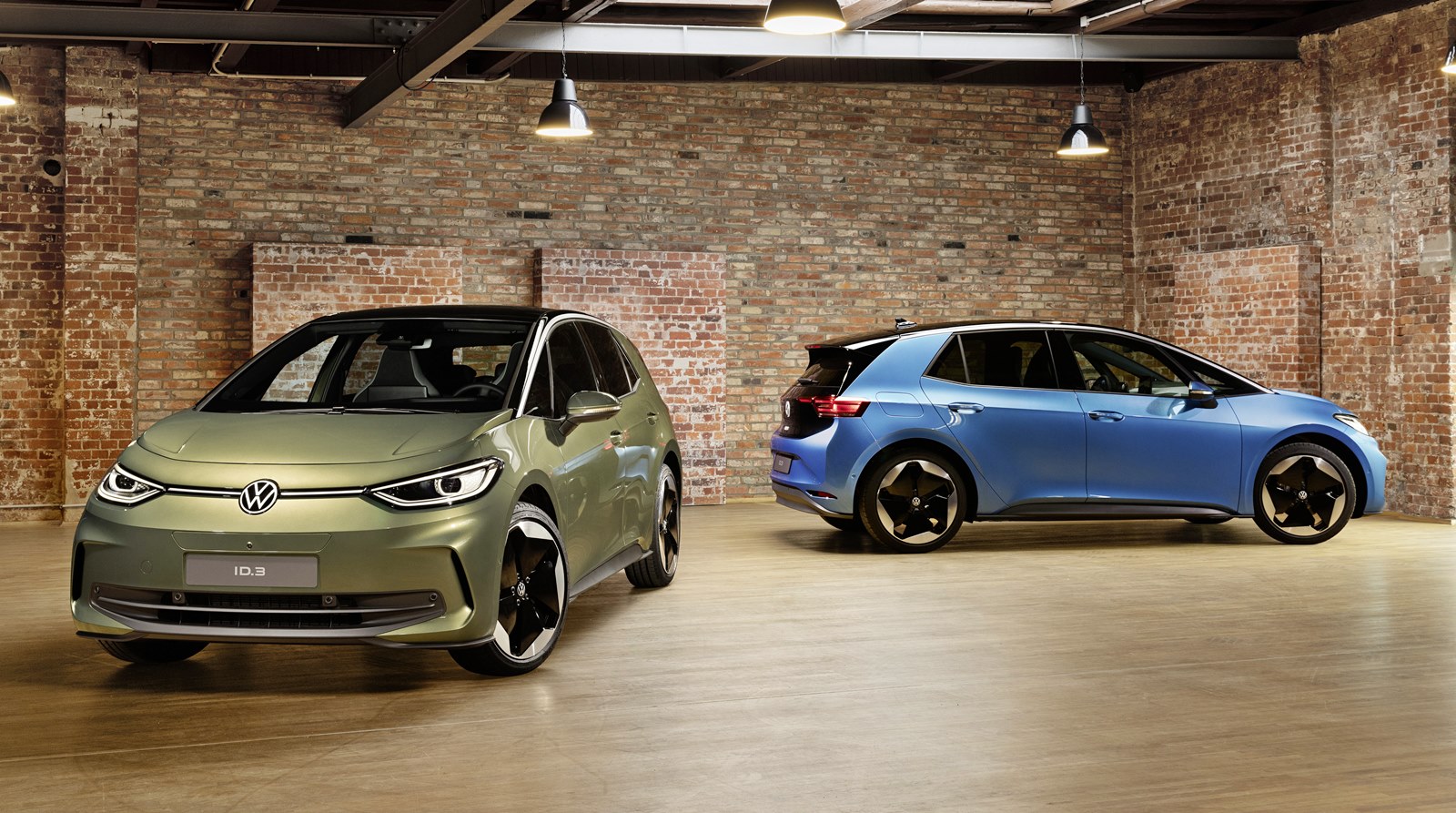
Volkswagen today unveiled the latest ID.3, a battery electric vehicle (BEV) which it launched just two and half years ago. Normally, we would be reading about a ‘facelift’ but the carmaker avoids the term and says it is the ‘new ID.3’ – even going as far as to call it the second generation. It’s not unusual though to see ‘new’ since in one respect, it is new compared to the 2022 model.

(more…)

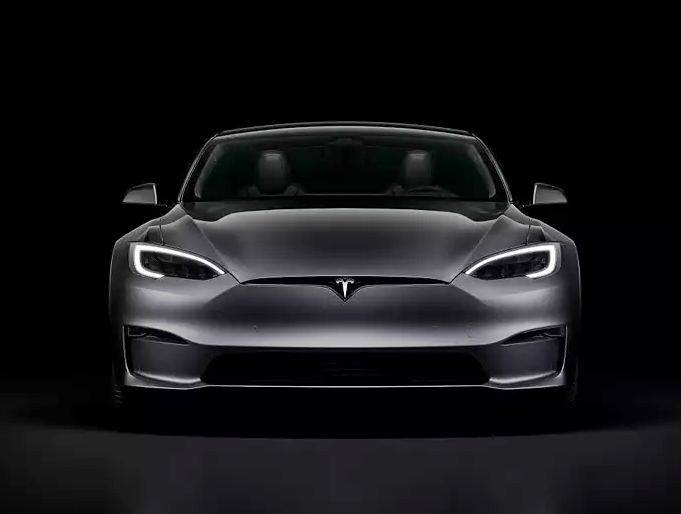
As speculated in our earlier report, Tesla – the leading BEV company in the world – is coming to Malaysia officially. A statement from the Ministry of Trade & Industry (MITI) today has confirmed that approval has been given for the carmaker, owned by Elon Musk who is one of the richest men in the world, to import Tesla vehicles.

Tesla’s application was considered under MITI’s program to attract Battery Electric Vehicle Global Leaders to invest in Malaysia and develop the EV industry and ecosystem. It is the first company to be given approval under this program and has been allocated APs (Approved Permits) for the importation of its vehicles although the number has not been mentioned, nor if there is a local partner involved. As mentioned earlier, Tesla has a subsidiary company registered in Malaysia which it has 100% ownership of.

(more…)

It seemed surprising that when the Prime Minister/Finance Minister presented Budget 2023 yesterday, there was no mention of any matters related to the auto industry. In particular, the auto industry was waiting to hear about the extension of the tax-exemption for electric vehicles (EVs) which had been proposed in October. Back then, the proposed Budget 2023 by the previous government had extended the exemption for CBU (completely-built-up) EVs for one more year, ie till the end of 2024. However, as the Budget was not tabled in Parliament, it was not confirmed which is why we had the new one presented yesterday.

The Finance Ministry, through its website, had also posted information regarding this matter as part of the revised Budget 2023 Touchpoints and it’s good news. The exemption of excise and import duties for EVs imported in CBU form will continue till the end of 2025. For companies that assemble EVs locally, the exemptions will be provided till the end of 2027, along with full import duty exemption for components used in the assembly of the EV models. Incidentally, EVs in this case refers only to battery electric vehicles and fuel-cell electric vehicles and not electrified vehicles such as hybrid (HEV) or plug-in hybrid vehicles (PHEVs), for which there are other incentives given.

(more…)

Budget 2023, the first one presented by Prime Minister and Finance Minister Datuk Seri Anwar Ibrahim, seems to have contained nothing on auto industry matters this time round. Unlike the last one which sparked off a rush to introduce EVs (electric vehicles) with full tax exemption for a few years, this Budget did not offer anything new.

Nor was there confirmation of what had been mentioned in the Budget last October (which was not tabled in Parliament) – the extension of the tax-exemption for CBU (completely built-up) vehicles beyond December 31, 2023. While the exemption is until the end of 2025 for locally-assembled EVs, the car companies are hopeful that there can be a longer period CBU models to encourage more widespread adoption in the country.

(more…)

Thirteen years ago, the government removed all taxes on hybrids and electric vehicles (EVs) as part of an effort to reduce Malaysia’s carbon footprint and also to try to attract carmakers to make Malaysia the ‘hybrid/EV hub’ of the region. That didn’t work as all it really did was to give a limited group of car-buyers a chance to get duty-free cars.

One company – Honda Malaysia – did follow up and assemble a hybrid model locally, receiving continued incentives for its initiative. However, the removal of the tax-free incentives after a few years saw interest in electrified vehicles lost as their prices became expensive again. Nevertheless, hybrids did start to appear though this was more to do with carmakers themselves switching to hybrid powertrains.

Last year, the government removed all taxes again – but only for battery electric vehicles (BEVs) and not hybrid models (assemblers still get incentives in other ways). The incentives have encouraged importation of many different BEV models, with new brands coming from China. Though the prices remain around RM150,000 (with the exception of the ORA Good Cat), there’s been good demand and for now, there are no units sitting in the stockyard waiting to be sold.

(more…)

Archive

Follow us on Facebook

Follow us on YouTube