
Piston.my

EV

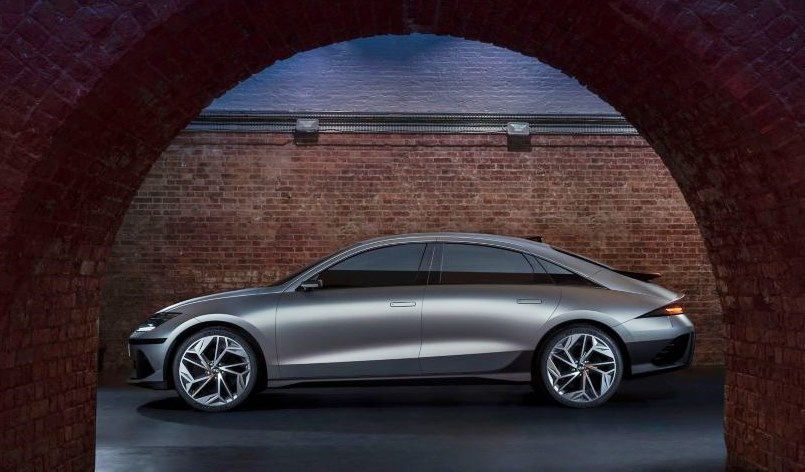
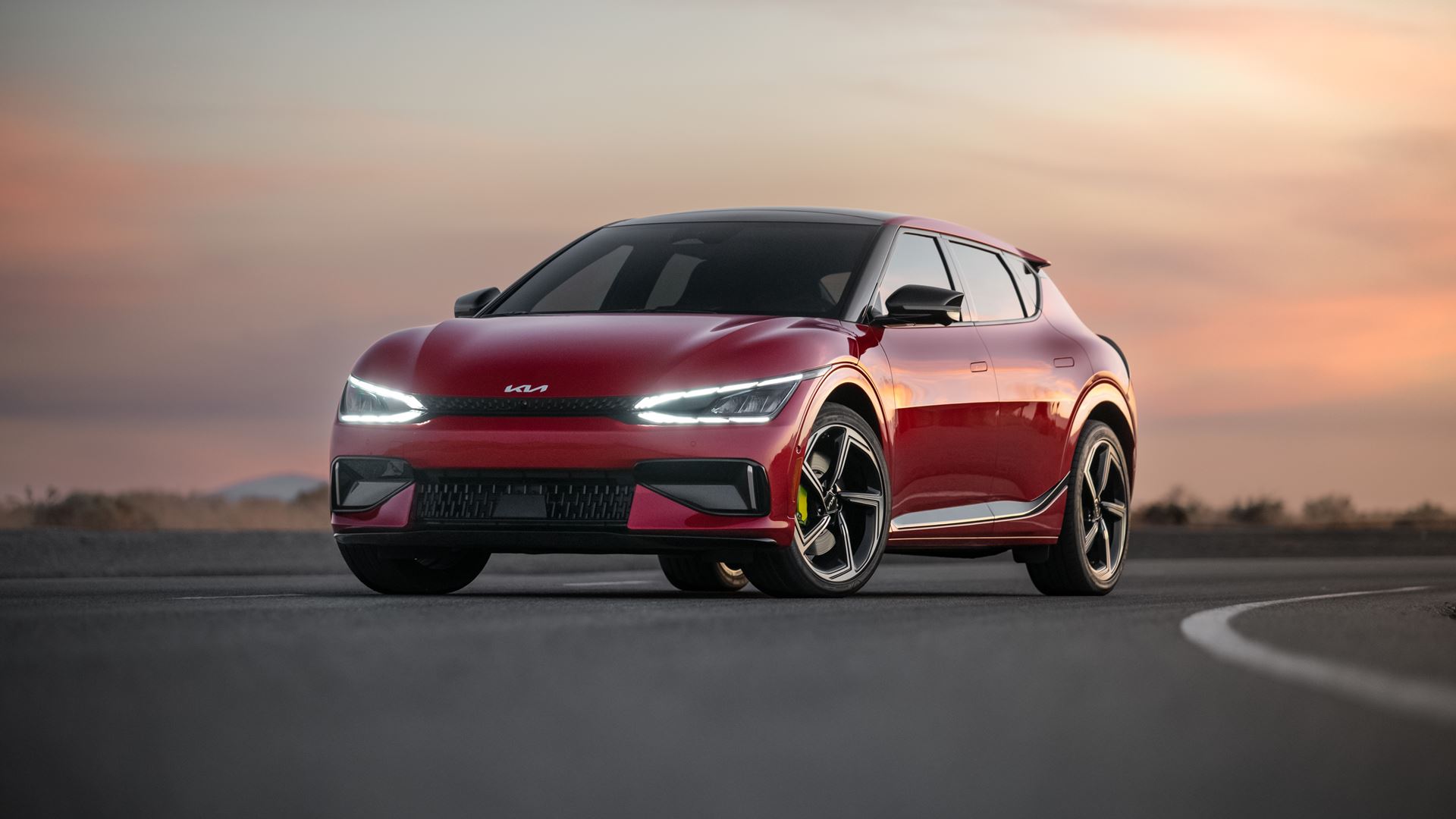
Hyundai Motor’s IONIQ 6 has won the 2023 World Car of the Year (WCOTY) title, as well as the World Car Design of the Year and World Electric Vehicle awards. The Hyundai Motor Group also collected another award for the Kia EV6 GT which won the World Performance Car title.

The IONIQ 6 – also known as the ‘Electric Streamliner’ – beat the other finalists which included the BMW X1/iX1 and the Kia Niro for the overall title. The IONIQ 6 was one of 21 original vehicles that were in contention for the 2023 WCOTY awards in the 19th year of the event.

This is the second consecutive triple win for the Hyundai Motor Group as the IONIQ 5 was last year’s winner in the same three categories.

(more…)
Kia Corporation to cross the 4-million mark in global sales by 2026, with 25% of the volume made up of electric vehicles (EVs) as its long-term strategy focusses on electrification. By the end of the decade, the Korean carmaker which is part of the Hyundai Motor Group, aims to achieve an annual sales target of 4.3 million units.

It also plans to become a leading EV brand by raising the proportion of electrified car sales to 55% (2.38 million units) in 2030. This is a 7.5% (300,000 units) increase from the 2030 target announced last year, while the global sales target for electrified vehicles has increased by 15.5% (320,000 units).

(more…)

At one time, when mention was made of an ‘electric vehicle’, the perception was that it was going to be boring to drive. This was because decades ago, EV technology was still not developed enough and performance was not a priority. There were many other issues to overcome – like range anxiety – in order to make EVs more widely accepted.

But over the past 10 years, perceptions have changed and many carmakers have developed – and even started selling – EVs with sportscar performance. With the inherent peak torque generated almost from standstill, an EV can accelerate a lot quicker than a car with a combustion engine, and sportscar makers have exploited this character.

(more…)

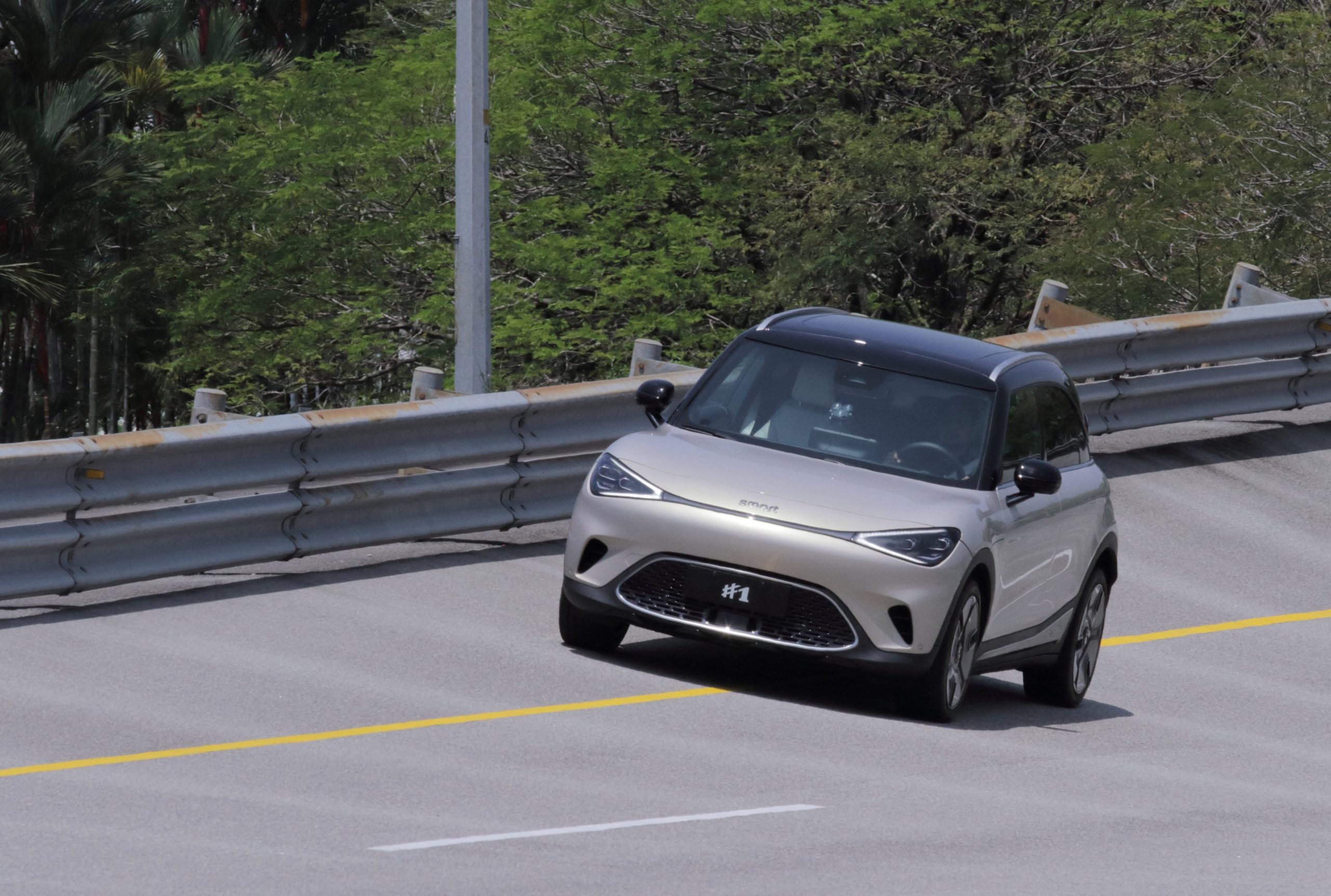
The smart brand was once in Malaysia, around 20 years ago, when DaimlerChrysler Malaysia (now Mercedes-Benz Malaysia) marketed it, but it was poorly received. Though its small size – which could only take two – was appreciated in European cities, it was too small for Malaysians who could get more seats and more space – for less money.

So smart faded away from the market and a decade later, declining sales in other markets also saw Mercedes-Benz, which owned the company, rethink its strategy for the brand. With the auto industry rushing towards electrification, it was logical for smart to also go in that direction. In fact, it had already started electrification earlier but needed a new generation of models developed from scratch as electric vehicles (EVs).

This led the German carmaker to team up with the Zhejiang Geely Holding Group in a new joint venture company which would use the smart brand, which still retained its trendiness. It looked like a smart (no pun intended) move as Mercedes-Benz would offer the design expertise while Geely would provide its Sustainable Experience Architecture (SEA) modular platform engineered specifically for EVs. Thus smart gained a ‘second wind’ and has been quick to roll out its first product, the smart #1.

(more…)

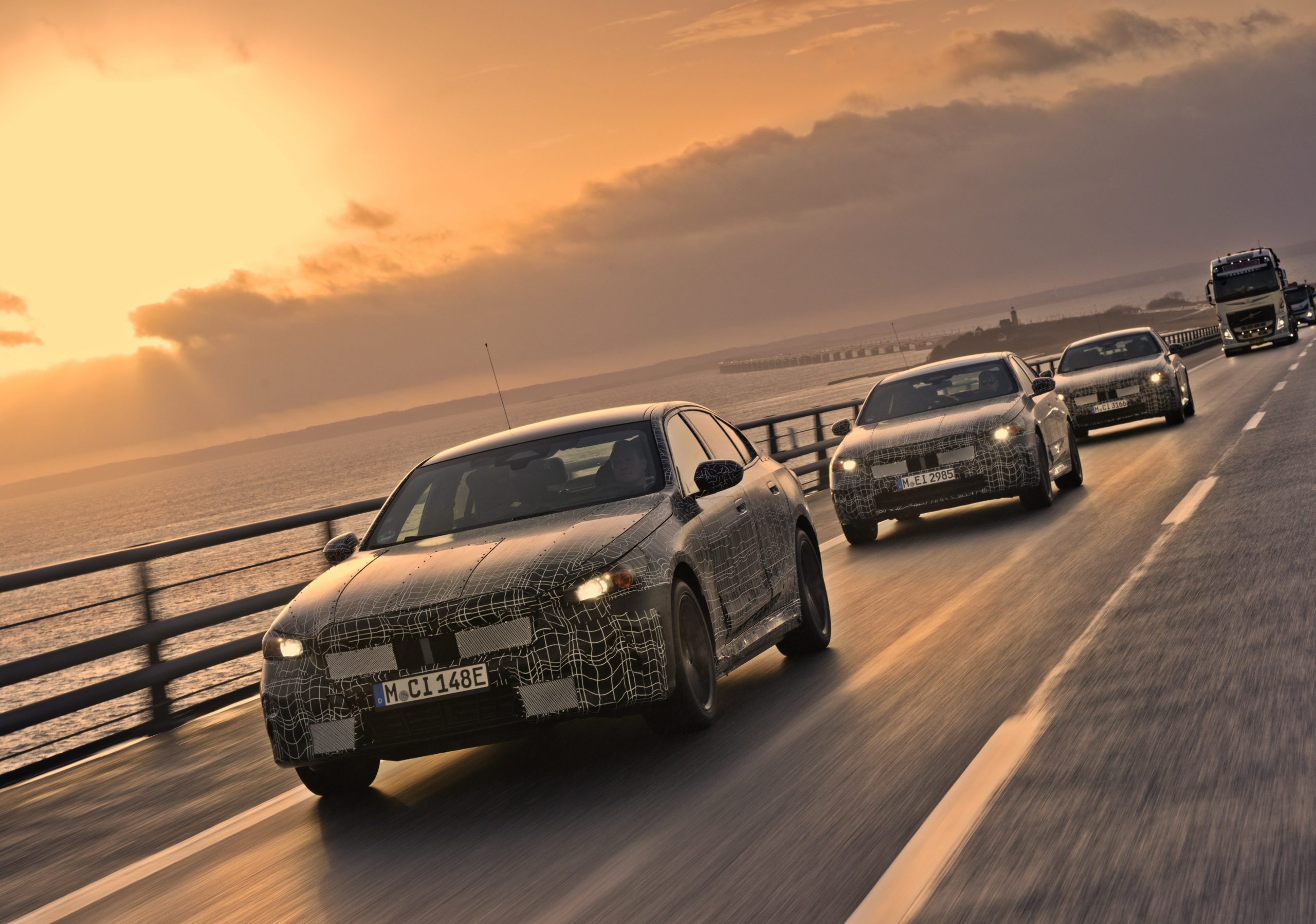
There was a time when carmakers tried very hard to prevent their prototypes from being seen and photographed. Back then, it was mainly professionals who hunted for the prototypes undergoing testing in remote places like the Arctic Circle, Death Valley (in America) and Africa. People like the Hans Lehmann, Brenda Priddy and the late Bob Dunne made a lot of money selling their pictures to magazines.

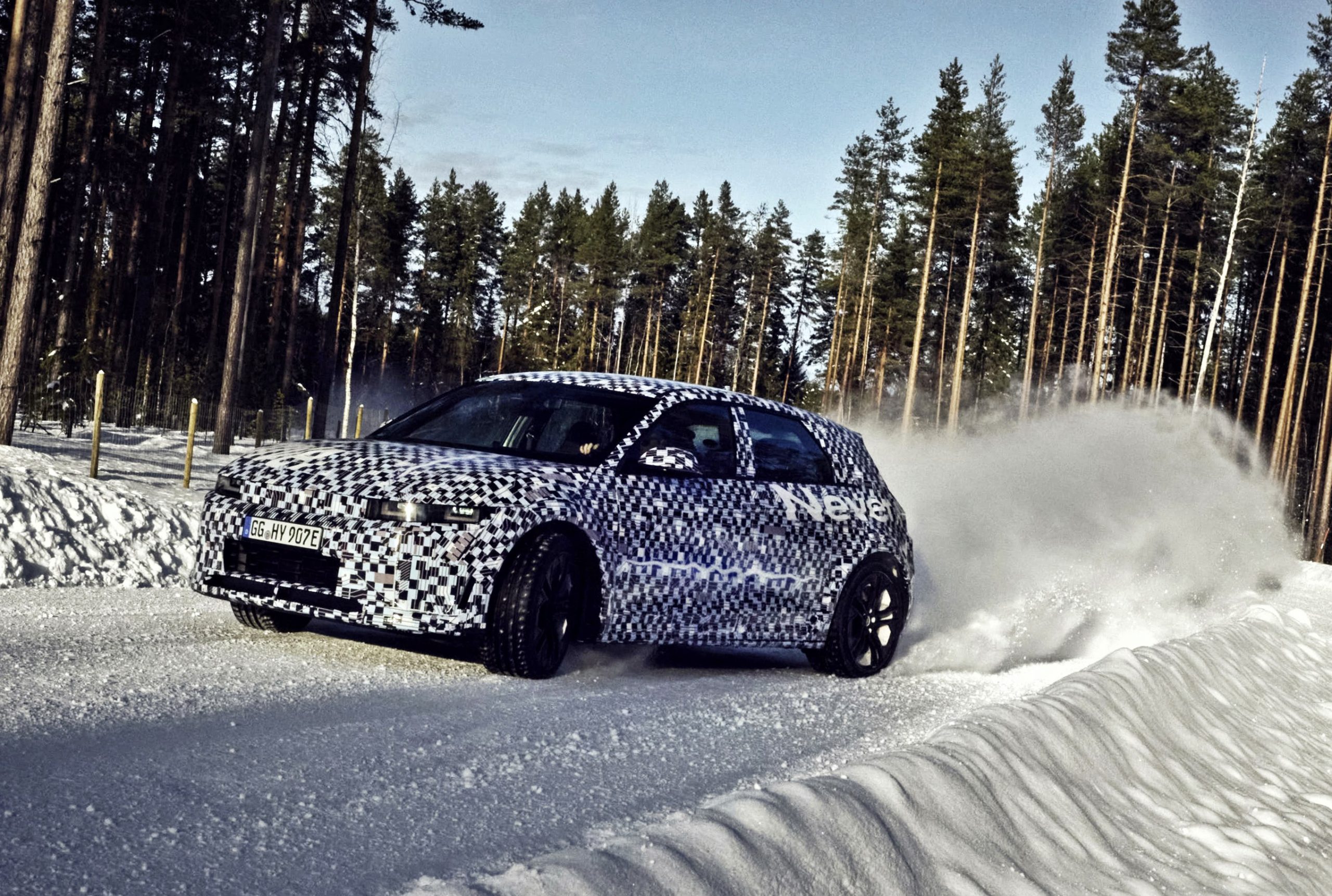
But with the advent of cameraphones and the possibility of anyone standing by the roadside taking a picture and then putting it on the internet where the whole world would see it, the thinking changed. And rather than let those people make money, the companies decided to exploit the attention by teasing the public with their own ‘spy shots’ of camouflaged cars.

(more…)

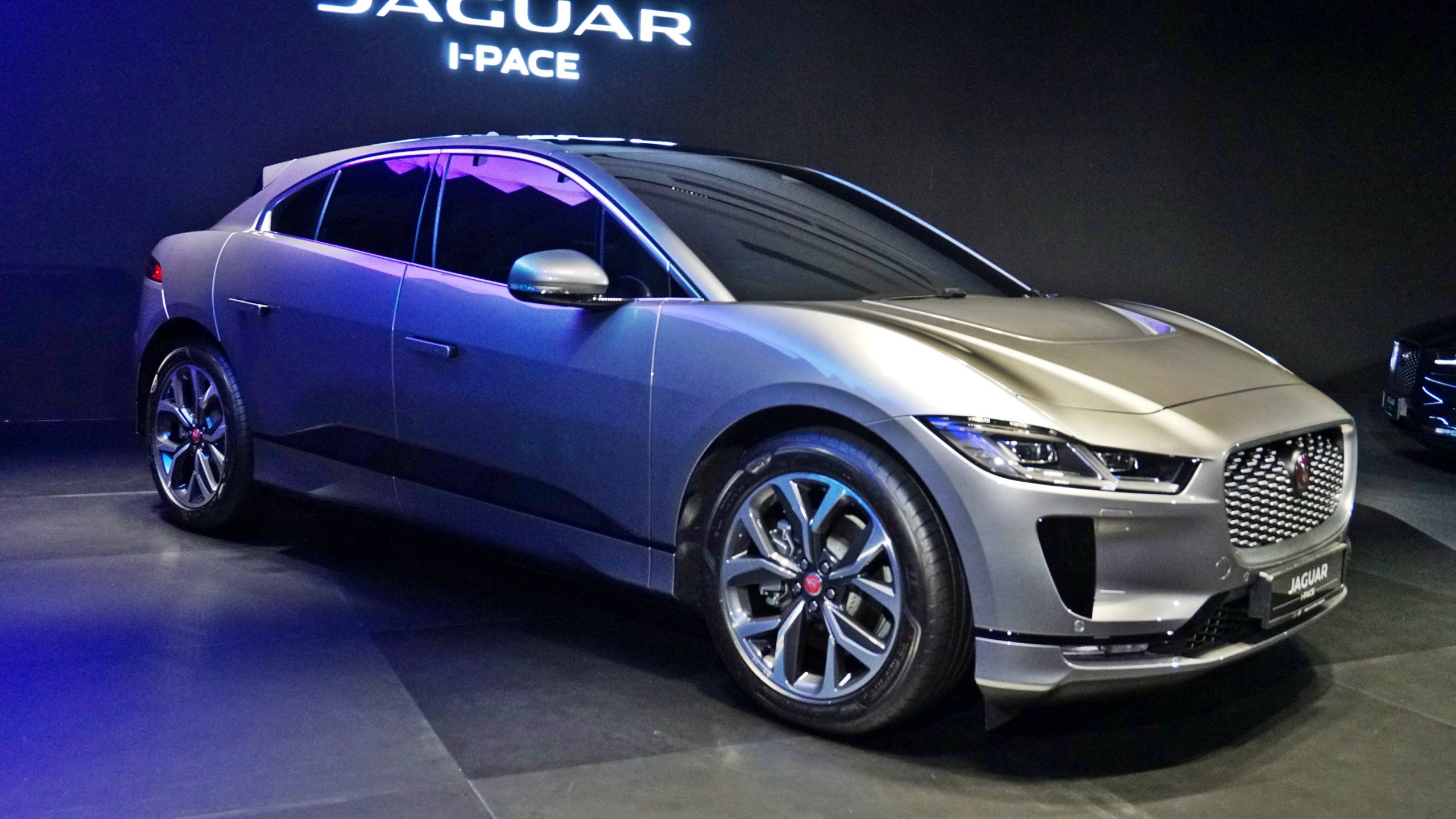
The Jaguar I-PACE has been on sale since 2018, during which time it has done remarkably well and has been awarded titles like World Car of the Year as well as European Car of the Year, among many others. It has only just gone on sale in Malaysia today and Jaguar Land Rover Malaysia (JLRM) can offer it at under RM500,000, thanks to the government exempting battery electric vehicles (BEVs) from duties.

Priced at RM460,800 (without insurance) for the Black LE and RM498,800 for the HSE, the I-PACE is Jaguar’s first BEV and has been designed and developed almost entirely in the UK. Ralf Speth, the CEO of Jaguar Land Rover when the I-PACE was launched, said that the development team had ‘torn up the rulebook to create the newest member of the PACE family’.

(more…)

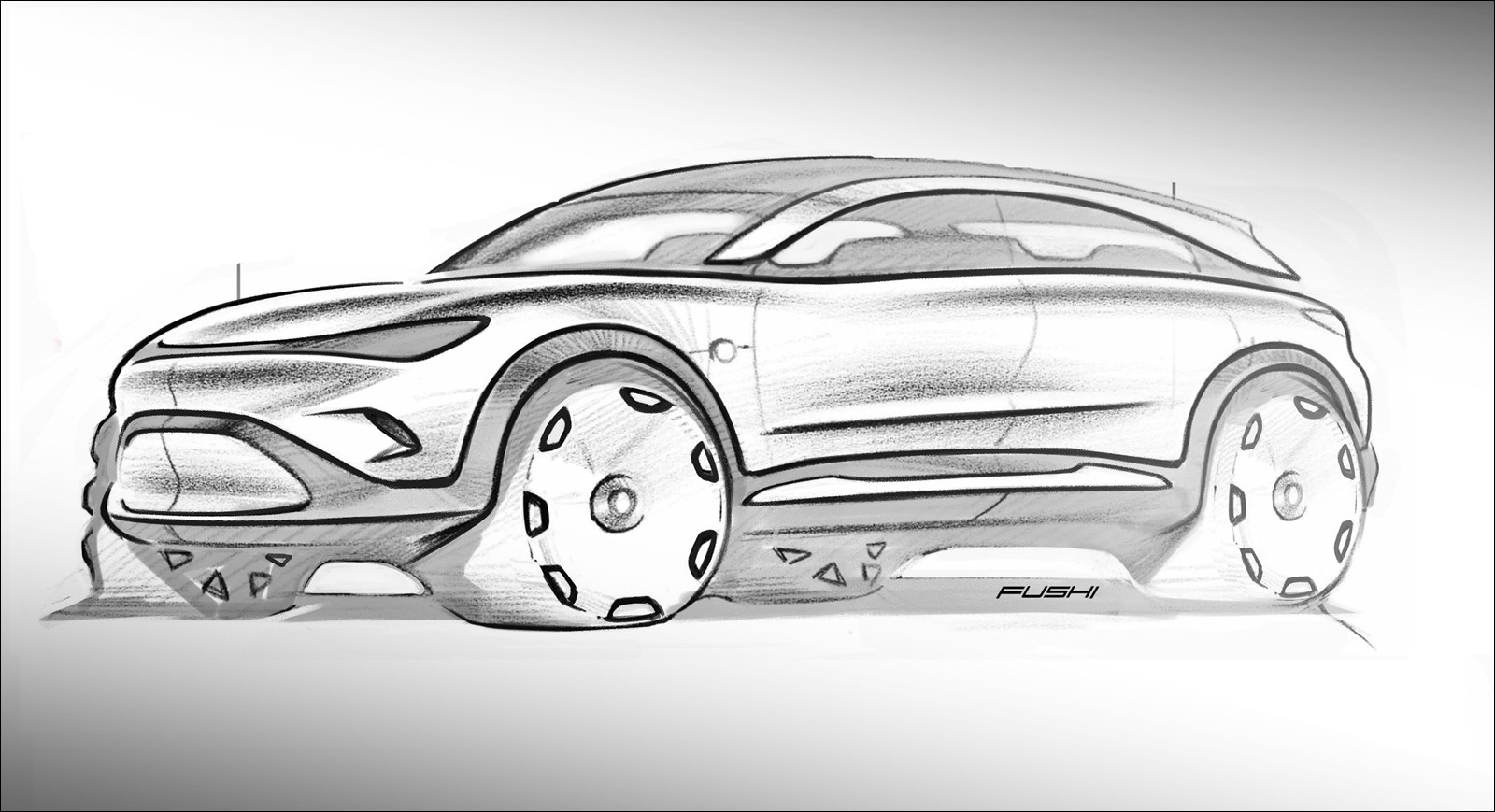
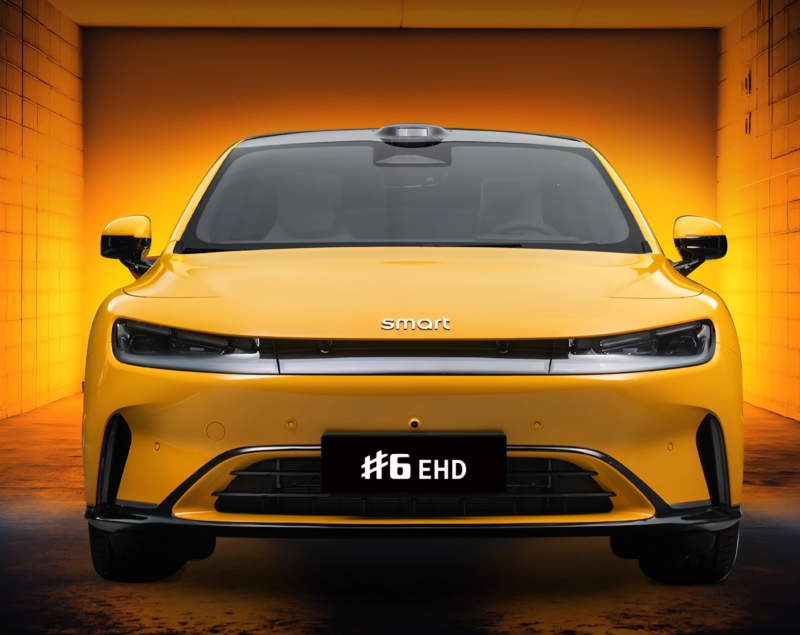
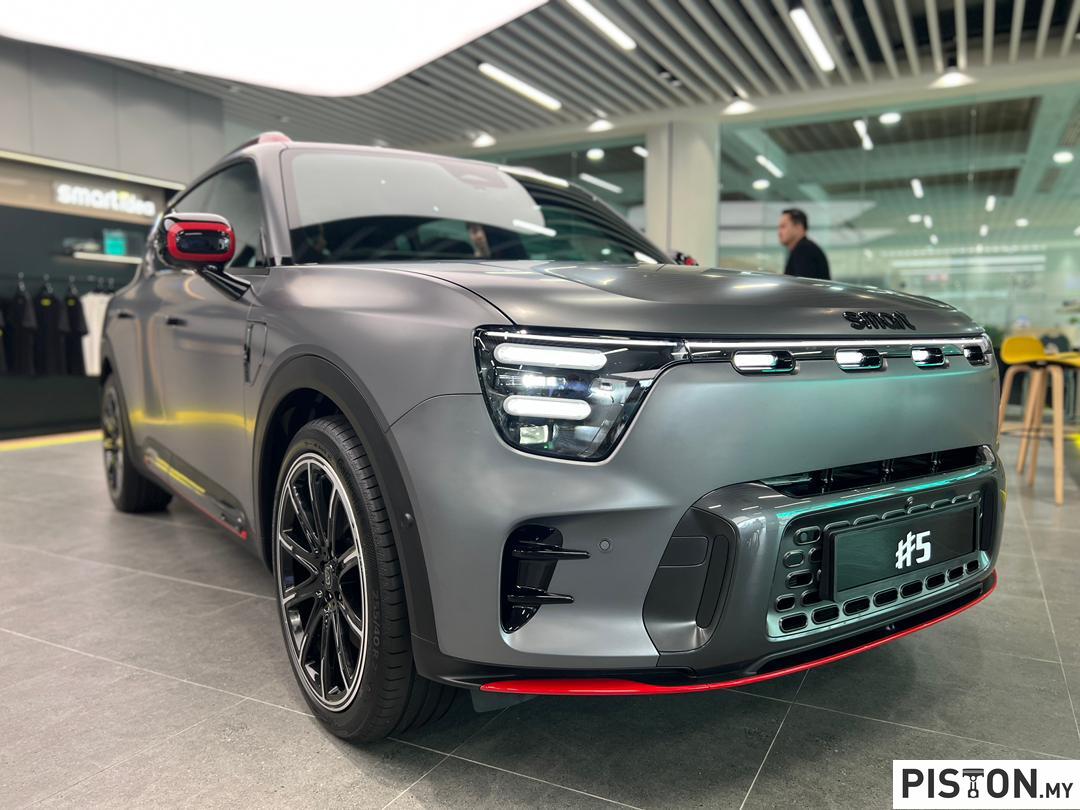
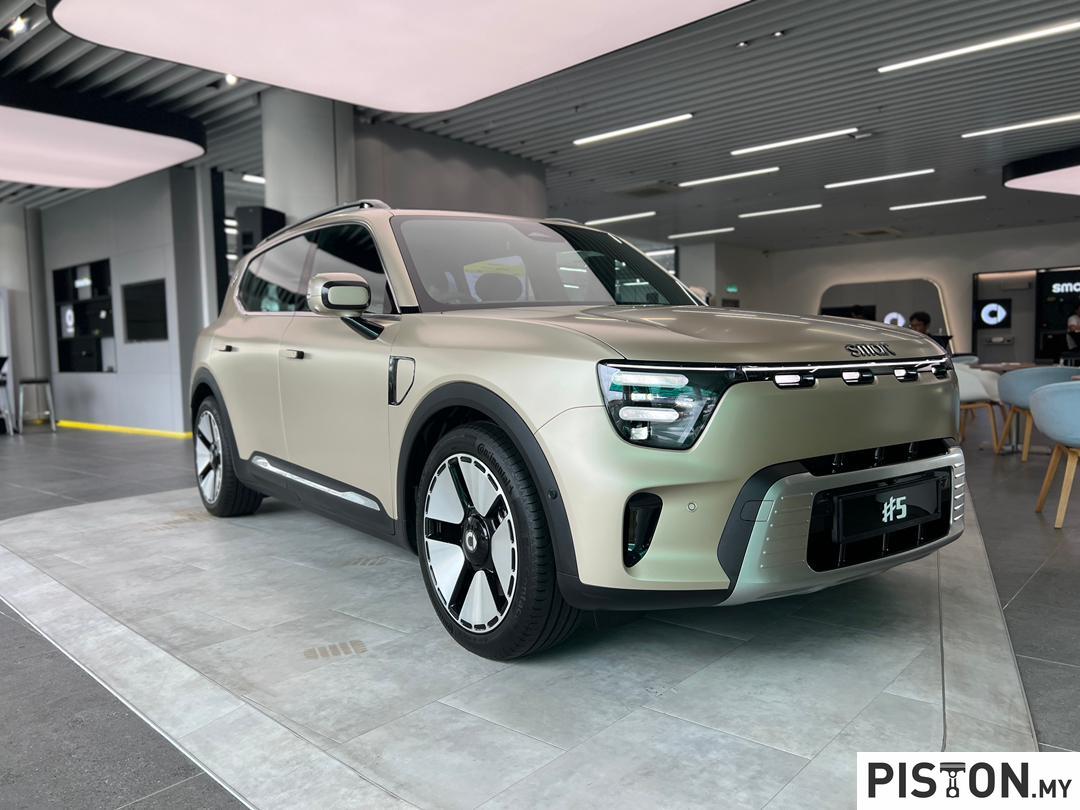
A year after beginning a new model era with the smart #1, smart has now released preliminary design details of its next model, a SUV coupe which will be called smart #3. Like the smart #1, this new model has also been designed by Mercedes-Benz Design, the German carmaker being a partner in the company together with Geely.

To be displayed at Auto Shanghai 2023 next month, the smart #3 (hashtag 3) has another interpretation of the brand’s visual identity, this one being even sportier. The exterior form is defined by athletic curves and shaped by organically connected lines like the smart #1.

(more…)

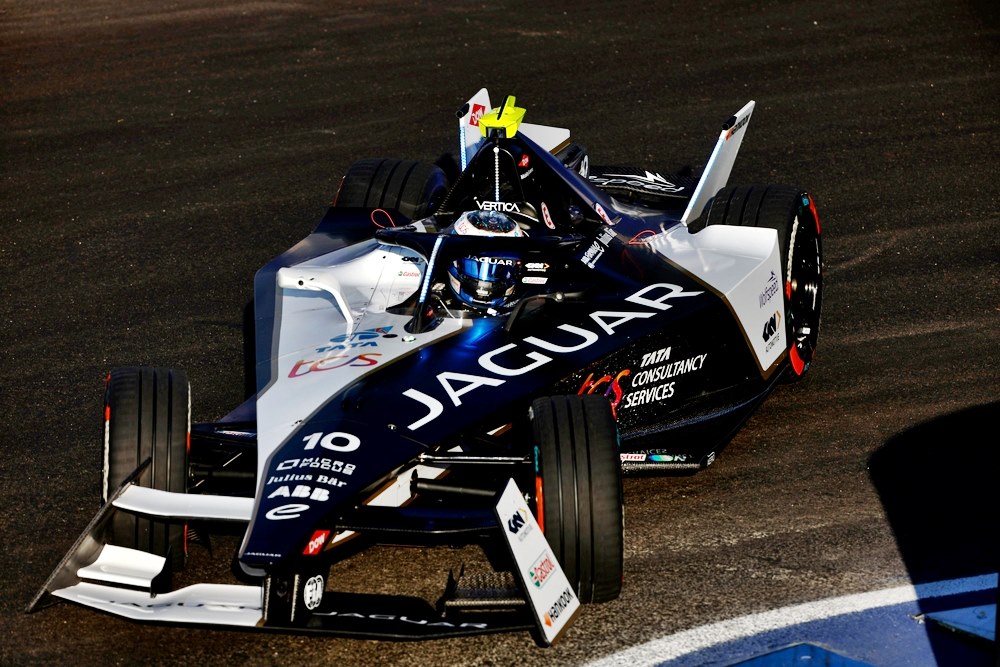
Formula E is a truly world championship: in just 6 rounds, the event has been held at venues in 5 different regions of the world – Central America, the Middle East, Africa, Asia and this weekend, South America for the Sao Paulo e-Prix.

The Brazilian city hosted a round of the all-electric single-seater championship for the first time this year. Like the other venues, the event ran on a street circuit and this 2.96-km one was challenging with the high speeds possible. The drivers raced their Gen3 cars along roads with long straights normally reserved for carnival floats and revelry

(more…)

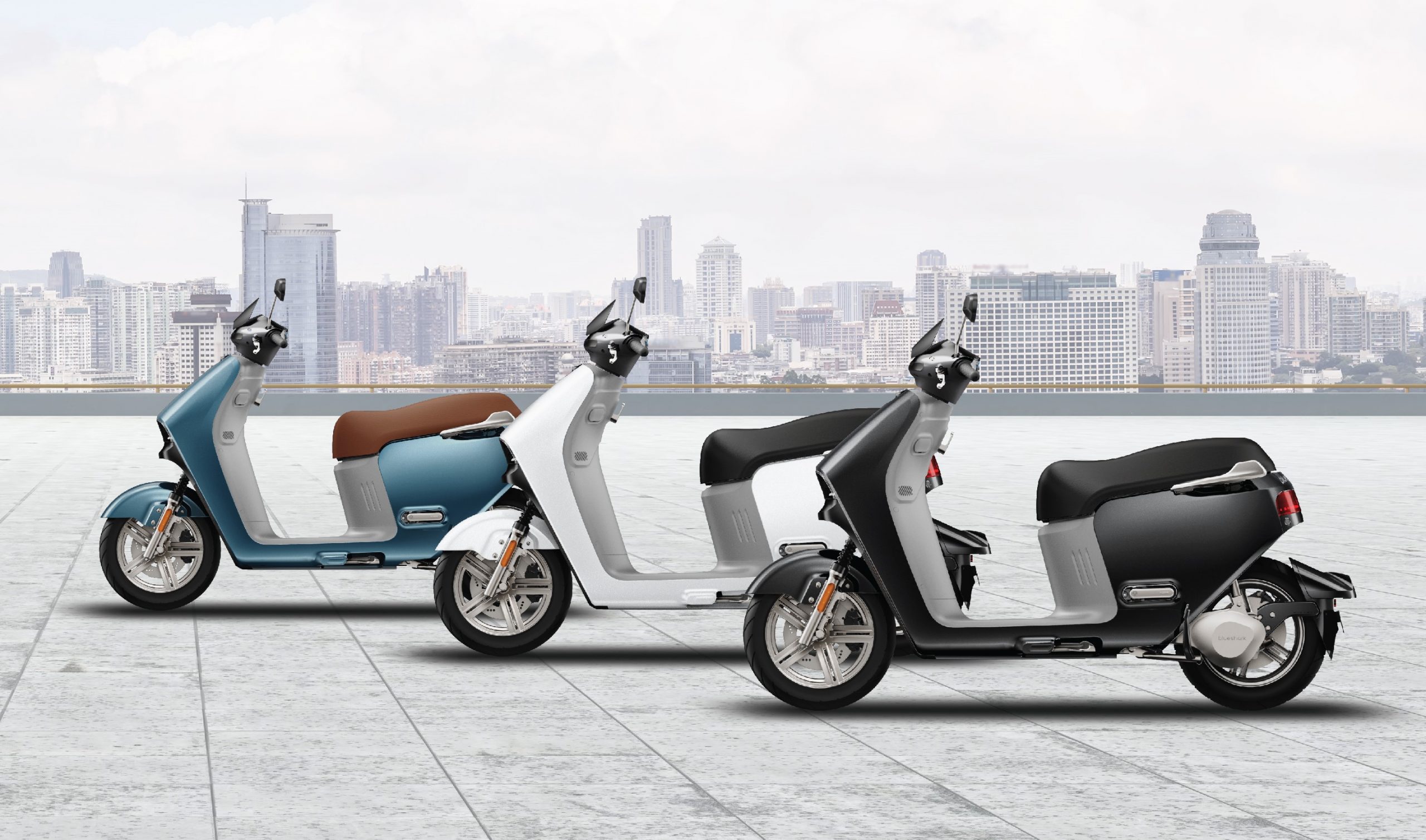
While public transport is a popular means of commuting in many countries, it is, unfortunately, less appealing to Malaysians. This is partly due to the various issues that affect punctuality as well as accessibility, discouraging many from using public transport systems more. We often read of delays and disruptions on rail lines and buses seem to be unpredictable in their frequencies.

Thus personal mobility, where one has better control of travelling, is preferred even if it means putting up with congestion and then looking for parking spaces. For many, it may be better than standing on a platform waiting for a train to come – and then find that some technical problem has suspended services and an alternative way to get to office has to be found.

Using a car does mean enduring congestion daily and parking charges can also be high. An alternative to a car would be a two-wheeler which cuts through jams and is generally easy to park almost anywhere. It’s also cheap to maintain and the only thing you have to accept is that when it rains, then your journey will be interrupted.

(more…)

As the auto industry transitions towards electric vehicles (EVs), there is increasing use of common platforms which have been developed and engineered specifically to integrate electric motors, related systems and battery packs. These are flexible platforms which can be used for different  vehicle types by varying the platform dimensions.

However, most of such platforms are suited for passenger vehicles which have limited payload demands. They may not necessarily be suitable for pick-up trucks which have greater load-carrying requirements, hence the continued use of the chassis frame instead of a monocoque structure.

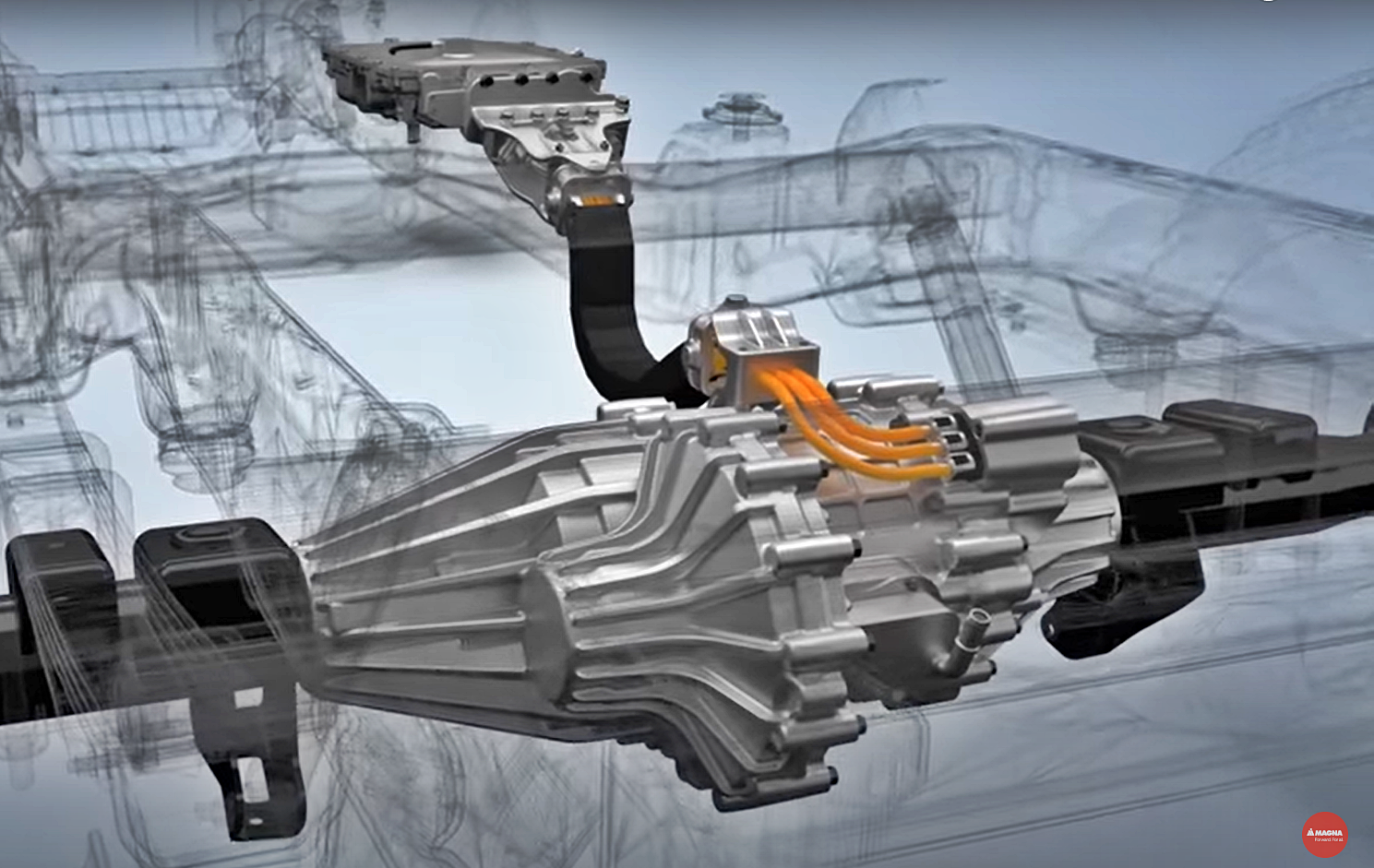
Magna International, the Canadian automotive systems and parts manufacturer, has come up with new technology which provides a simple way to electrify a pick-up truck without losing truck capabilities. Known as eBeam technology, it is the first significant change to solid beam rear axle in trucks in more than 100 years.

(more…)

Archive

Follow us on Facebook

Follow us on YouTube