

Piston.my

EV

Although CUPRA is today established as the high-performance brand of SEAT, it began as the Special Vehicles department of the Spanish carmaker in 1971. Its main function was to develop and support SEAT’s participation in rallies and touring championships.

In 2018, the name was used as an independent brand with its own line of models focussed on performance and having a more specialised nature, besides individual styling. Its models share technical elements with SEAT models which are also shared within the Volkswagen Group that SEAT is part of.

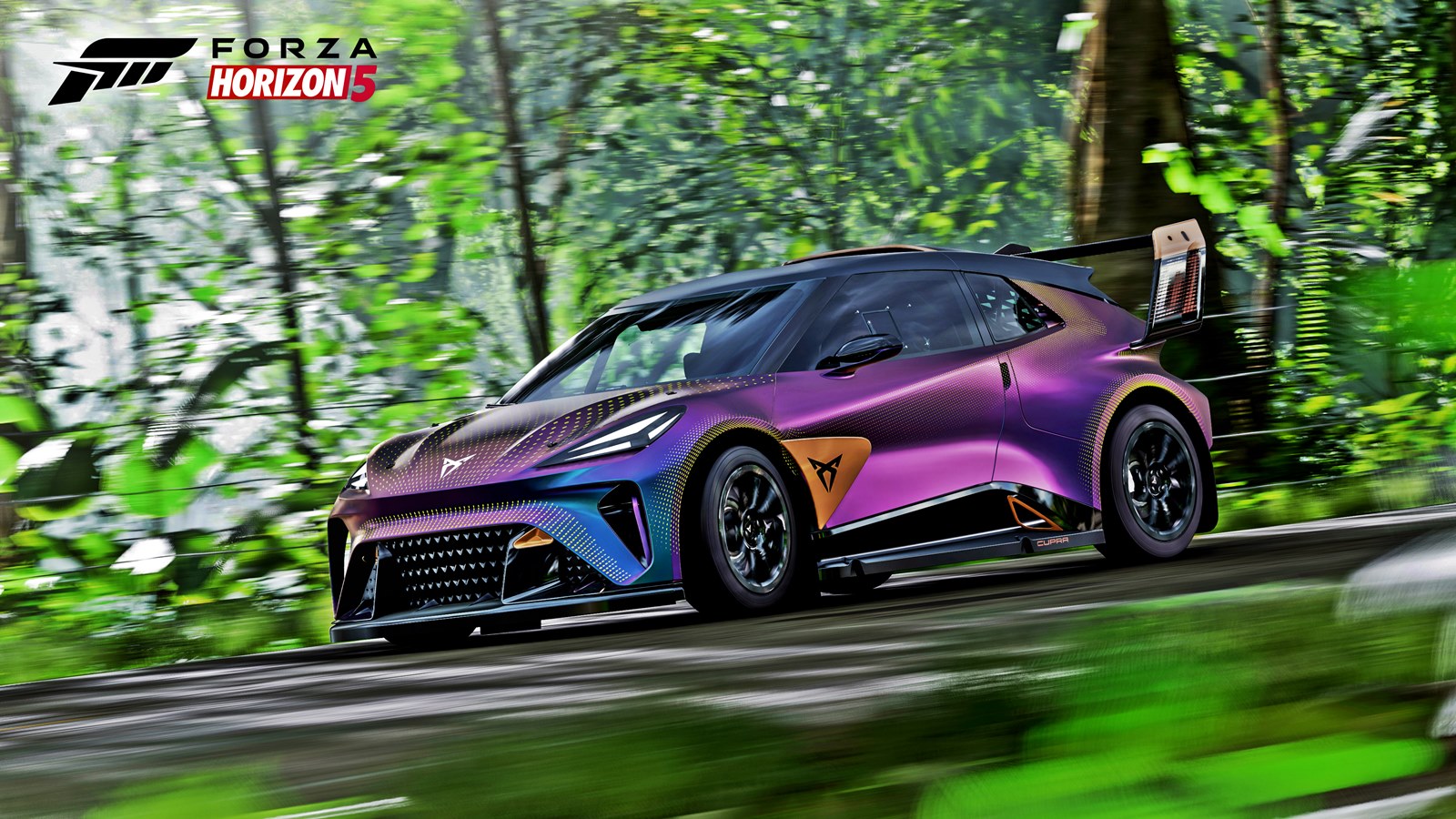
With its high-performance DNA, CUPRA is naturally a candidate for the virtual world of simulator racing as well. Apart from having its own sim racing series, it is now also on Xbox Game Studios’ and Playground Games’ Forza Horizon 5 with a new all-electric concept racing car.

(more…)
Anyone wanting to drive from Singapore to Bangkok can do so on nice highways through Malaysia and Thailand. Like other highways around the world, there are petrol stations all along the way so refuelling is not a concern.

The situation is a bit different for those with electric vehicles (EVs) as they need electricity rather than liquid fuel. It is only in the past couple of years that EV sales have started and the need for recharging stations has taken on an urgency. Unless there is a comprehensive network of stations around the country, EV owners will be unable to travel far and this will discourage buying such vehicles.

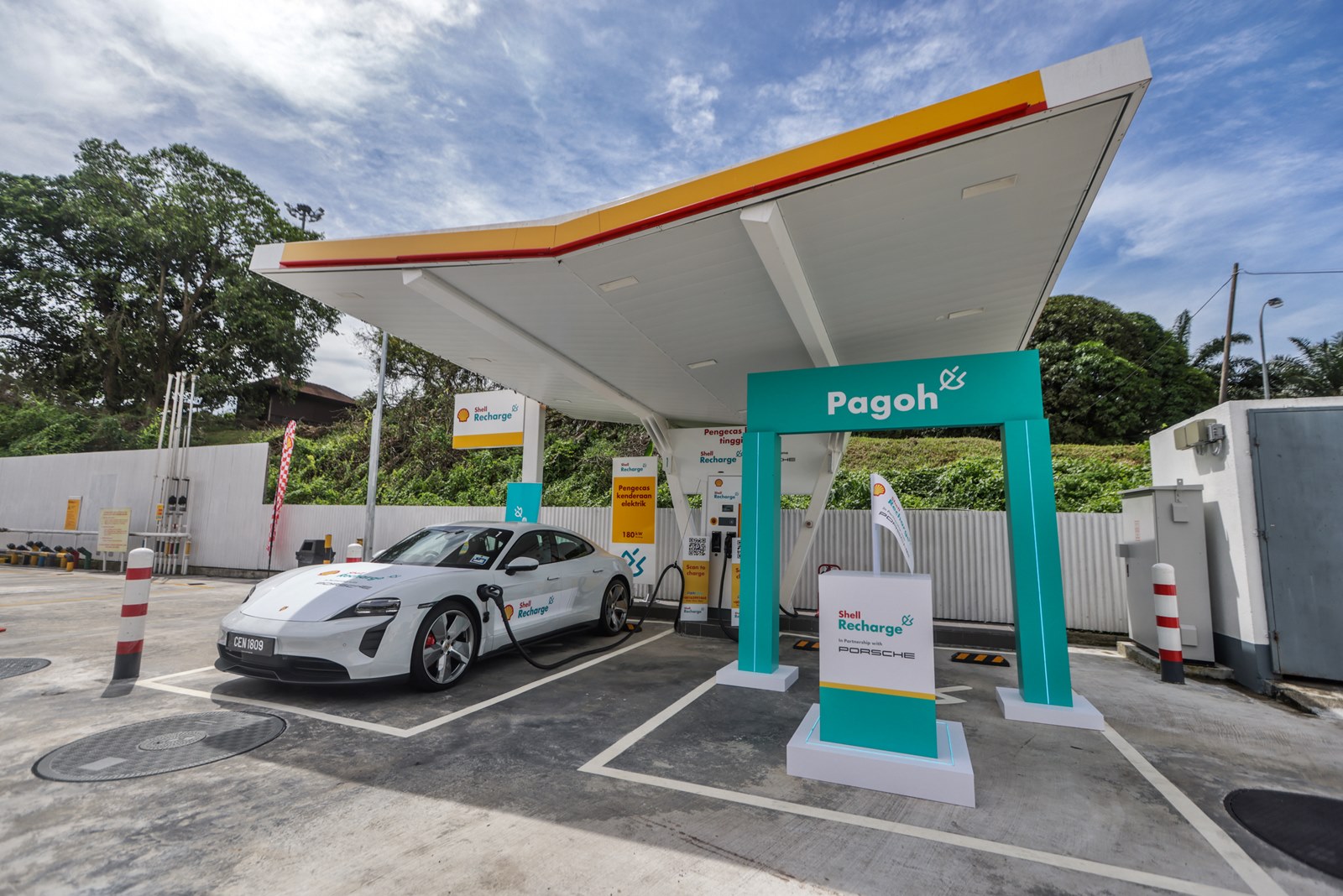
The private sector has been giving its support to the government’s call to establish this network and Shell Malaysia has collaborated with Porsche Asia Pacific to set up stations not just in Malaysia but also in Singapore and Thailand. The network is along the North-South Expressway in Malaysia and then highways in Thailand, the longest cross-country high-performance charging (HPC) infrastructure EV network in Southeast Asia.

(more…)

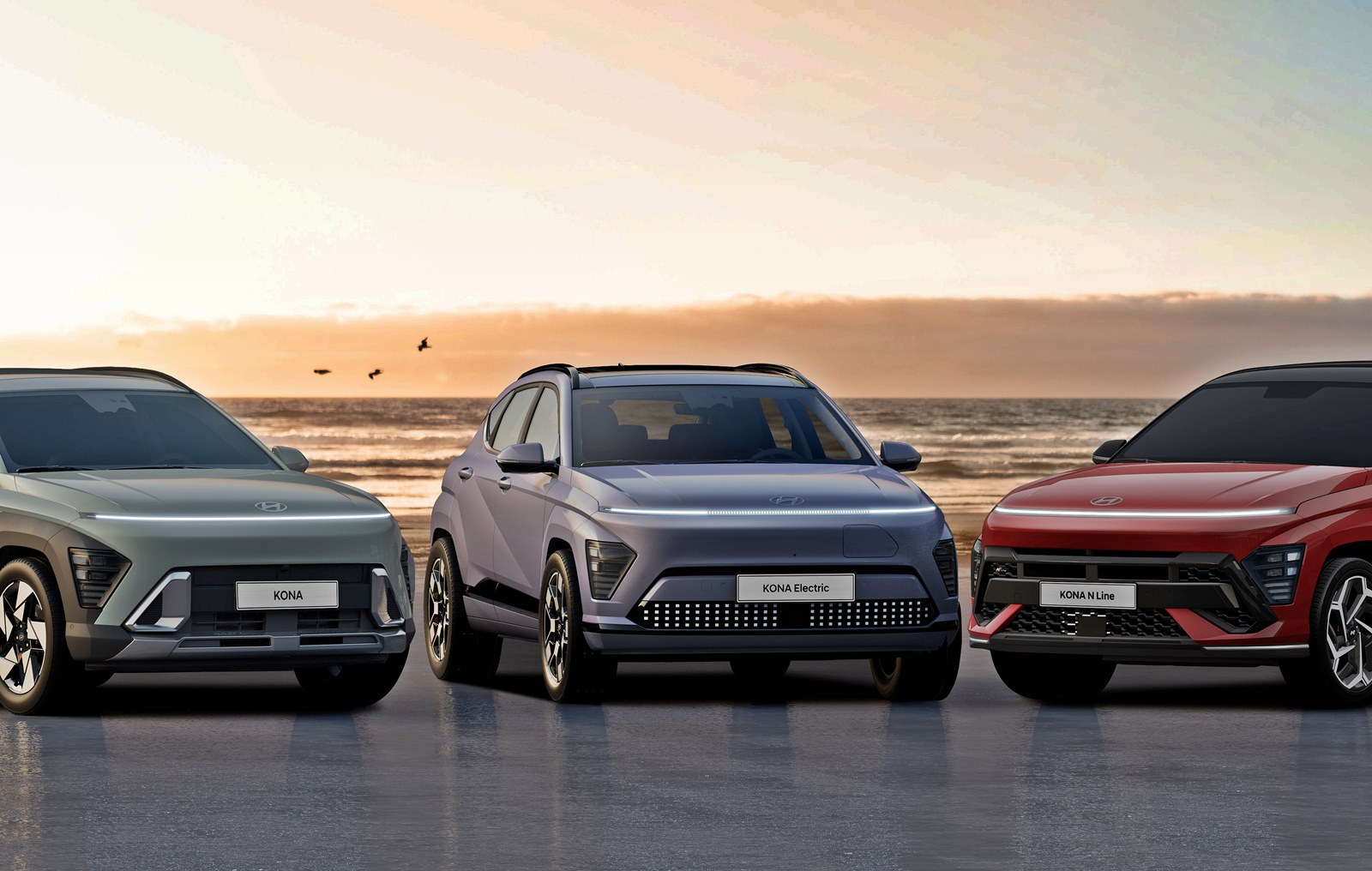
Hyundai Motor has released the first pictures of the new generation of its KONA sub-compact SUV, and like the original IONIQ, there will be a choice of battery electric (BEV), hybrid electric (HEV) or just an internal combustion engine (ICE). A fourth choice will be the sporty N line.

While sharing the same architecture, each version will have unique styling to differentiate it. The overall size has increased a bit with 150 mm addition to the length, 25 mm more width and a wheelbase that is 60 mm longer.

(more…)

Are you thinking of buying an electric vehicle (EV) soon? The government is offering full tax exemption of battery electric vehicles (not hybrids) until the end of 2023, which means that there are considerable savings on the retail price.

However, unlike a hybrid where you do not have to worry about running out of electricity and being unable to recharge the battery pack to continue, EVs will require a new mindset and perhaps even a change in your driving habits. If you do not have a charging point at home, then you will have to get used to going to public charging stations regularly and make a note of where they are.

For some, such issues may be a hassle while others will adapt to them. Some may find that when they want to go outstation, they have to think about where the recharge along the way and they might not be able to detour far.

(more…)

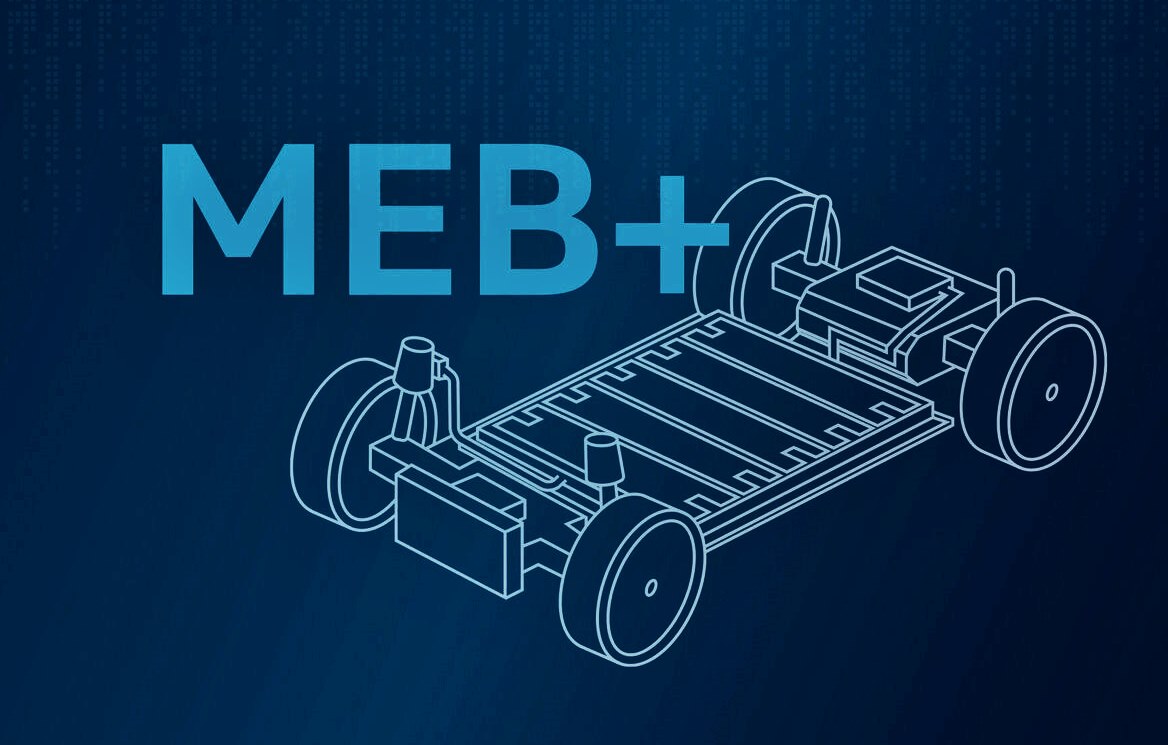
Ford will use Volkswagen’s MEB platform for EVs to produce new battery electric vehicle (BEV) for the European market. This follows on from the alliance formed between the two carmakers which has so far seen Ford providing the latest Ranger truck for Volkswagen to adapt as its second generation Amarok.

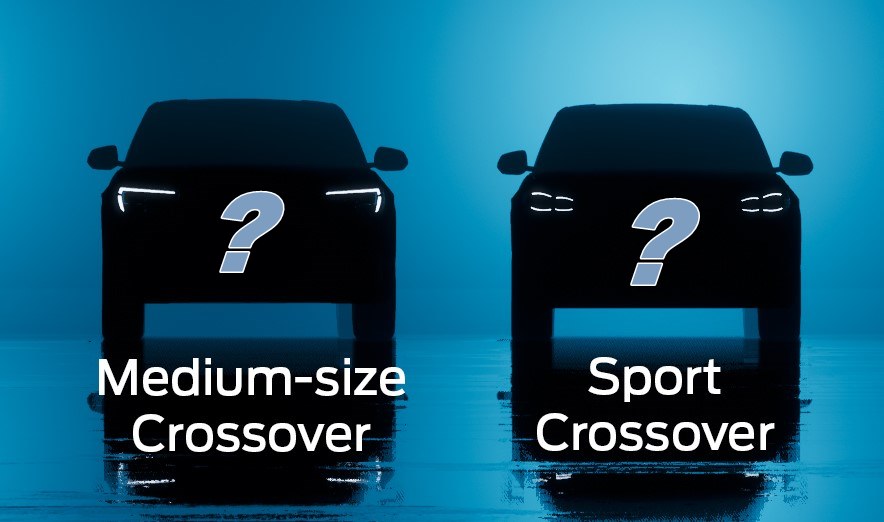
The first Ford model to use the MEB will be a BEV crossover and production is expected to be underway at the Ford Electrification Centre in Cologne, Germany from 2023. Ford has confirmed one model with a total volume of around 600,000 units but a second one is expected, also likely to be a crossover based on what was shown of the BEV range in March this year.

(more…)

Like other types of motor vehicles, trucks too are electrifying. Some companies like Ford and GM have already begun selling fully electric trucks and eventually, the bestselling truck outside North America will also go electric. This is the Toyota Hilux, a popular model in many countries for decades, which has built up a strong reputation for durability and reliability.

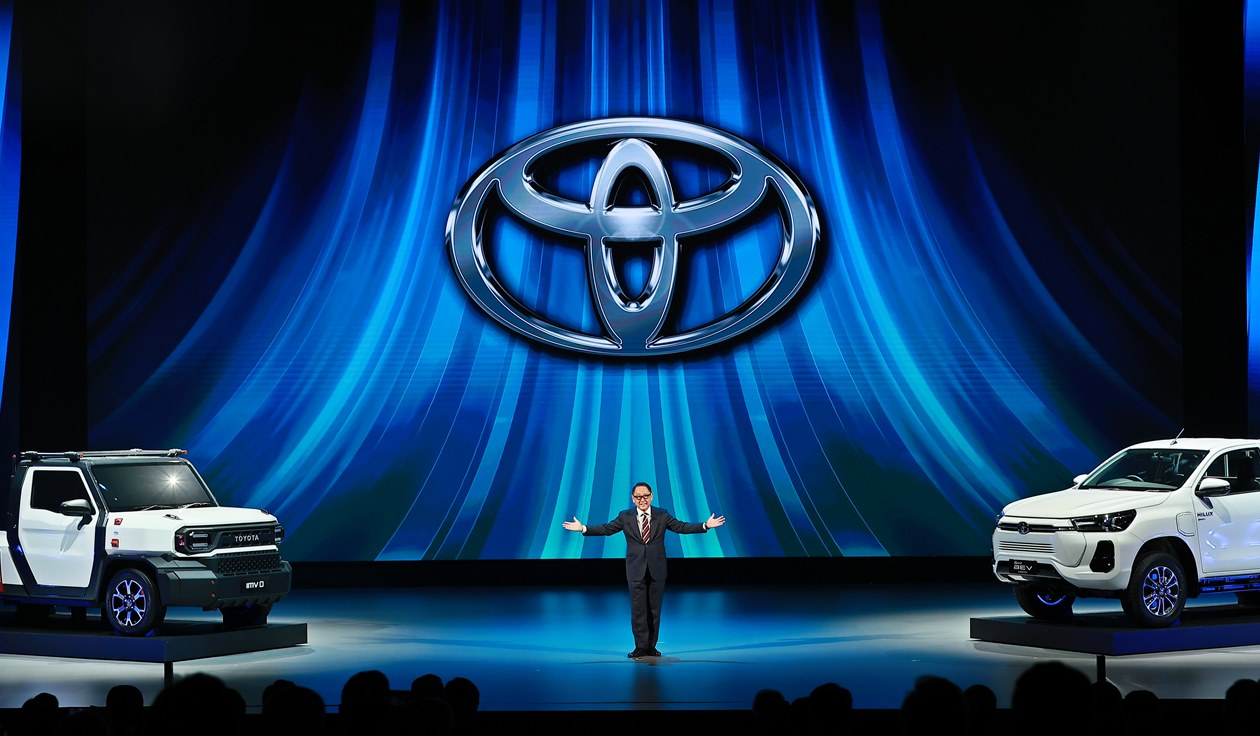
Toyota already has a development program ongoing for an electric Hilux as evident by a prototype shown in Thailand recently. On the occasion of the 60th anniversary of Toyota Thailand, Toyota President Akio Toyoda personally presented the Hilux Revo BEV to give a preview of a future Hilux with electric power.

(more…)

It was just 8 months ago that Volvo Car Malaysia (VCM) launched its first battery electric vehicle (BEV), the XC40 Recharge, and in doing so, it was also the first company to assemble a BEV locally. At that time, VCM said that it will launch one new Recharge model (the name given to BEVs) each year during the coming 5 years.

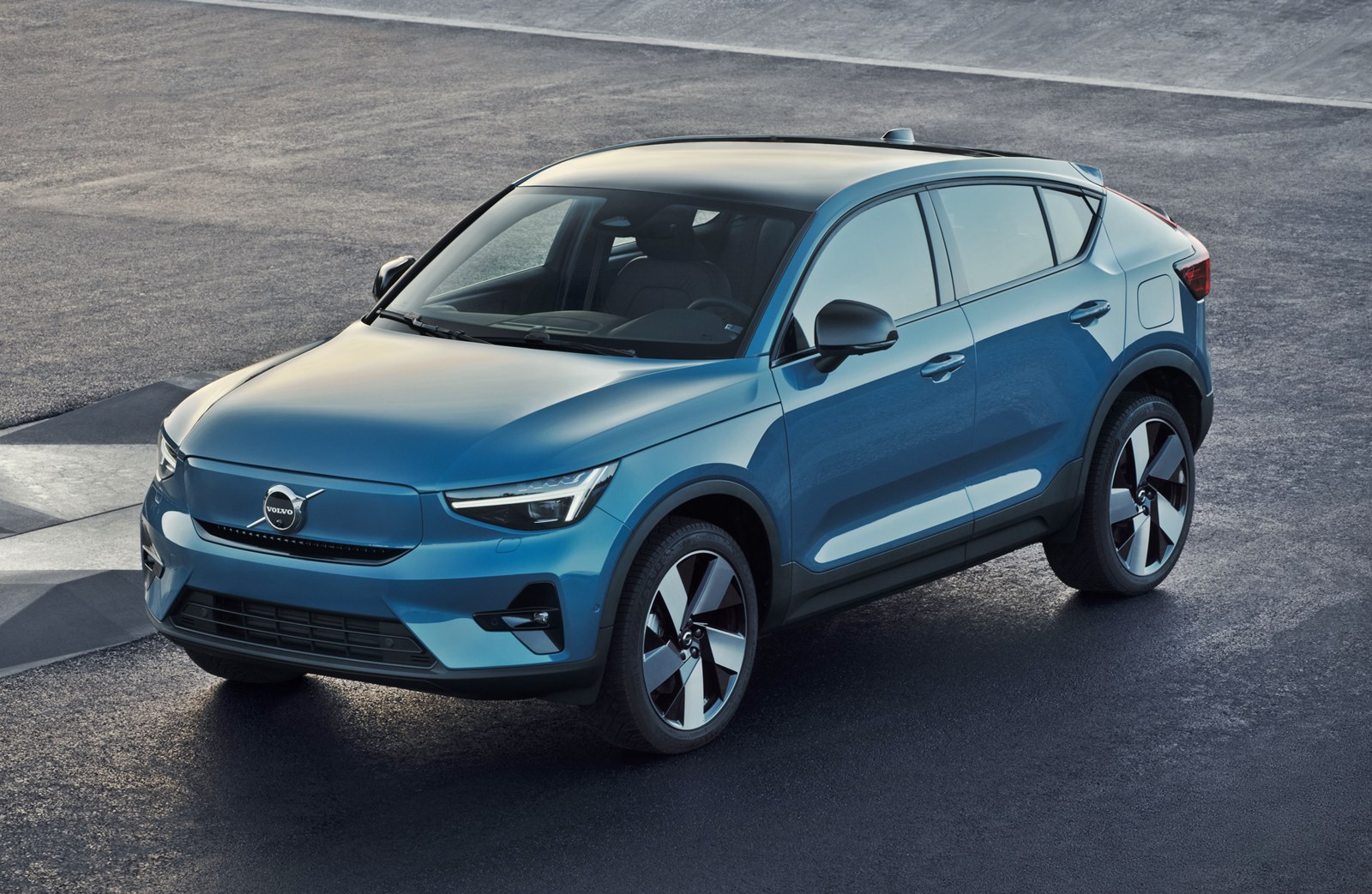
However, even before 2022 has ended, it has already launched the second Recharge model – or perhaps this is considered the one for 2023 (so there won’t be a new model next year). It’s the C40 Recharge Pure Electric and like the XC40 Recharge, it is also assembled locally at the oldest vehicle assembly plant in Malaysia, located in Shah Alam, Selangor. The plant is a regional production hub for Volvo, from which it exports various models around ASEAN.

Only one version of the C40 Recharge is currently assembled and even with tax exemption, it is priced at RM288,888 (without insurance), RM10,000 more than the XC40 Recharge. Still not mass market pricing but then again, this is a premium brand and the technology is expensive too.

(more…)

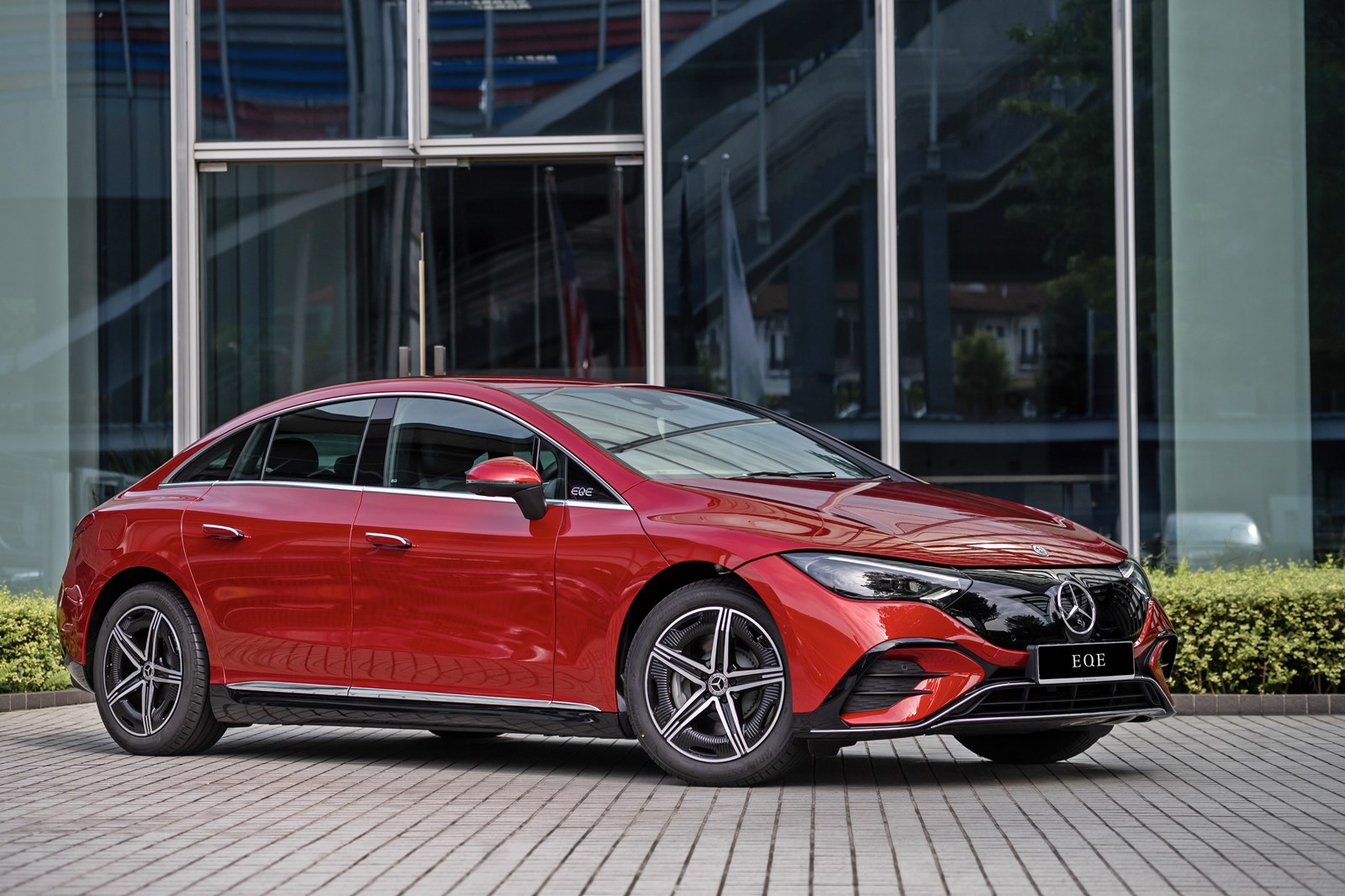
Mercedes-Benz Malaysia today launched the Mercedes-Benz EQE, which joins the EQA, EQB, EQC and EQS in the all-electric Mercedes-EQ range in Malaysia. Priced from RM419,888 with tax exemption, the EQE sedan looks like a scaled-down version of the EQS and is essentially the ‘E-Class’ of the Mercedes-EQ range. It is thus positioned as the business sedan of the future.

As with the carmaker’s other EV models, the EQE 350+ uses EVA2 architecture which is the first of two platforms for its EV models (the other being the Mercedes-Benz Modular Architecture to be used later on).

(more…)

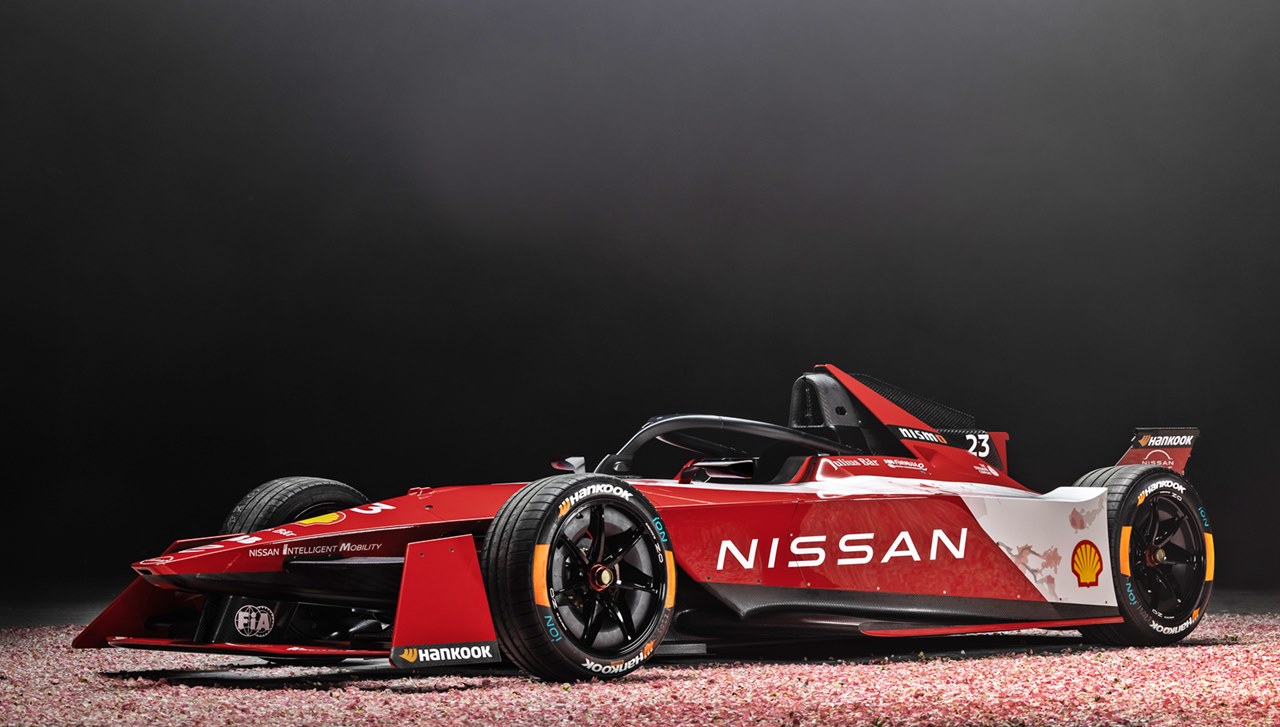
It was not surprising that Nissan was the first Japanese carmaker to enter Formula E, the all-electric single-seater championship series. After all, the carmaker could be considered the pioneer in starting mass production of electric vehicles (EVs) with its LEAF. However, when it first participated in 2018, the fifth season of the series, it did so with the e.dams team.

Following its entry that year, the team was a regular each season and in March 2021, Nissan confirmed further commitment to Formula E until the end of Season 12 (2025/26). Earlier this year, Nissan decided it was ready to take on a direct involvement in the team and acquired it in April. It finished off the season with the Gen2 racing car as the all-new Gen3 version was being developed for 2023.

(more…)

Although electrically-powered cars were in existence over 100 years ago and were common in the early 20th century, they faded away as the combustion engine became more favoured for vehicle propulsion. The technologies available at that time prevented improvements being made to batteries – the ‘fuel tank’ for electric vehicles (EVs) – as well as related systems such as the motors. As combustion engined vehicles improved in performance, the limited performance of EVs saw them losing popularity.

Since the beginning of the 21st century, though, there has been a revival of the EV as concerns about the environment have grown. With emissions from the combustion engine affecting not only air quality but also causing climate change, governments have demanded that the auto industry find alternative propulsion systems and EVs, with zero emissions, are seen to be the quickest solution.

Huge sums have this been allocated for R&D to rapidly switch over to EVs as fast as possible. As such, the pace of technology evolution has accelerated and improvements are taking place within shorter time-frames. Each year, batteries are having greater storage capacity without growing in size and, together with other efficiency improvements, the range is extending. From less than 100 kms for the few EVs sold in the 1990s, 400 to 500 kms is now a common figure for new models.

(more…)

Archive

Follow us on Facebook

Follow us on YouTube