
Piston.my

EV

Akio Toyoda, the head of Toyota, the world’s largest automaker, has once again expressed scepticism about a complete transition to exclusively electric vehicles (EVs). While promoting a potential role for hydrogen and biofuels, Toyoda emphasized the need for more diversity in future automotive fuels.

“Frankly, (electric vehicles) are not the only way to achieve the world’s carbon neutrality goals,” remarked Mr. Toyoda, who believes there is a silent majority of consumers and carmakers who share these doubts but are hesitant to voice them due to the prevailing trend in favour of EVs.
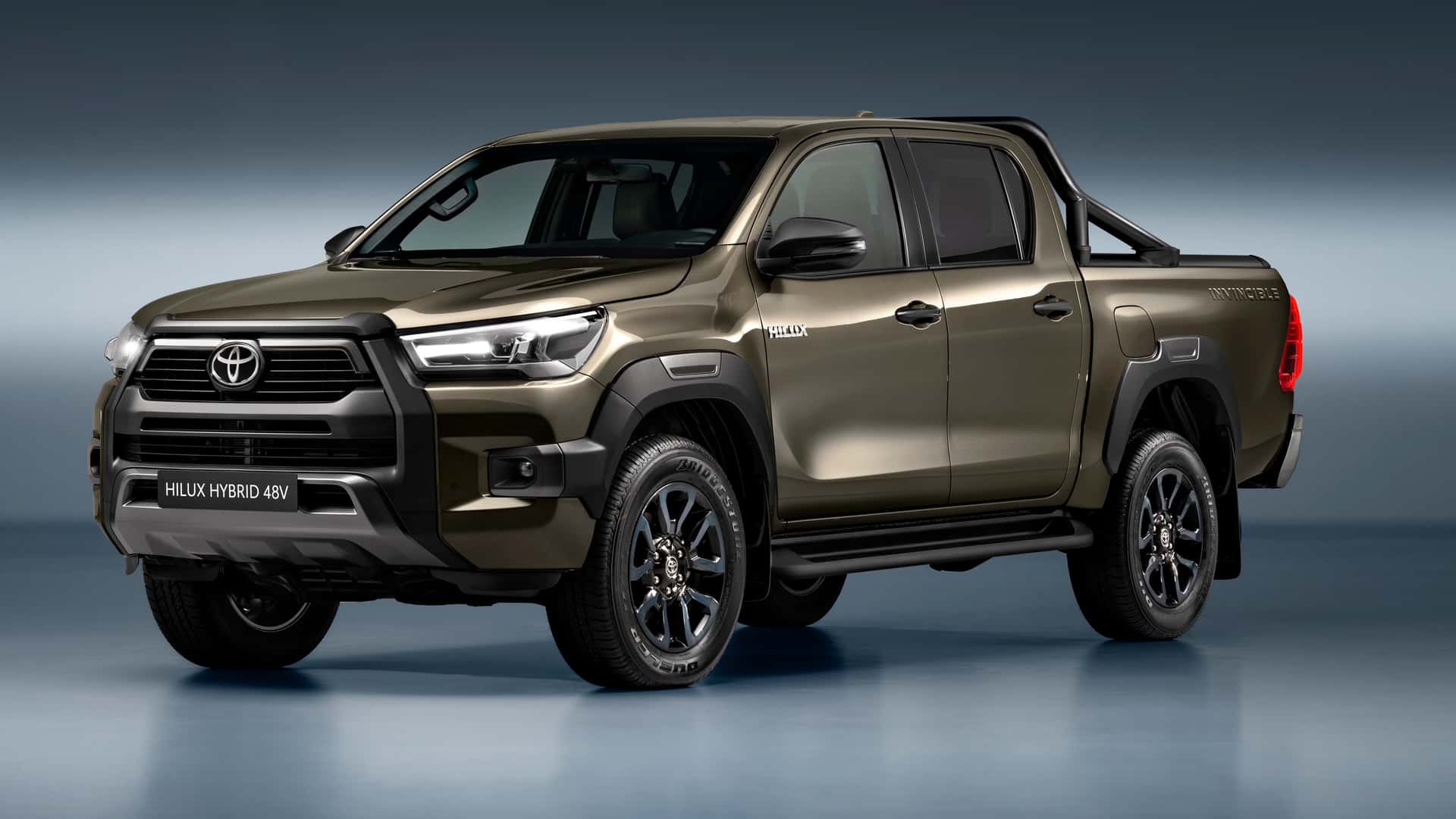
Speaking at the unveiling of a battery-electric Hilux ute in Thailand, Toyoda stressed his preference for exploring multiple options, including emission-free synthetic fuels and hydrogen. He sees hydrogen as a promising technology for the future, alongside battery electric vehicles.

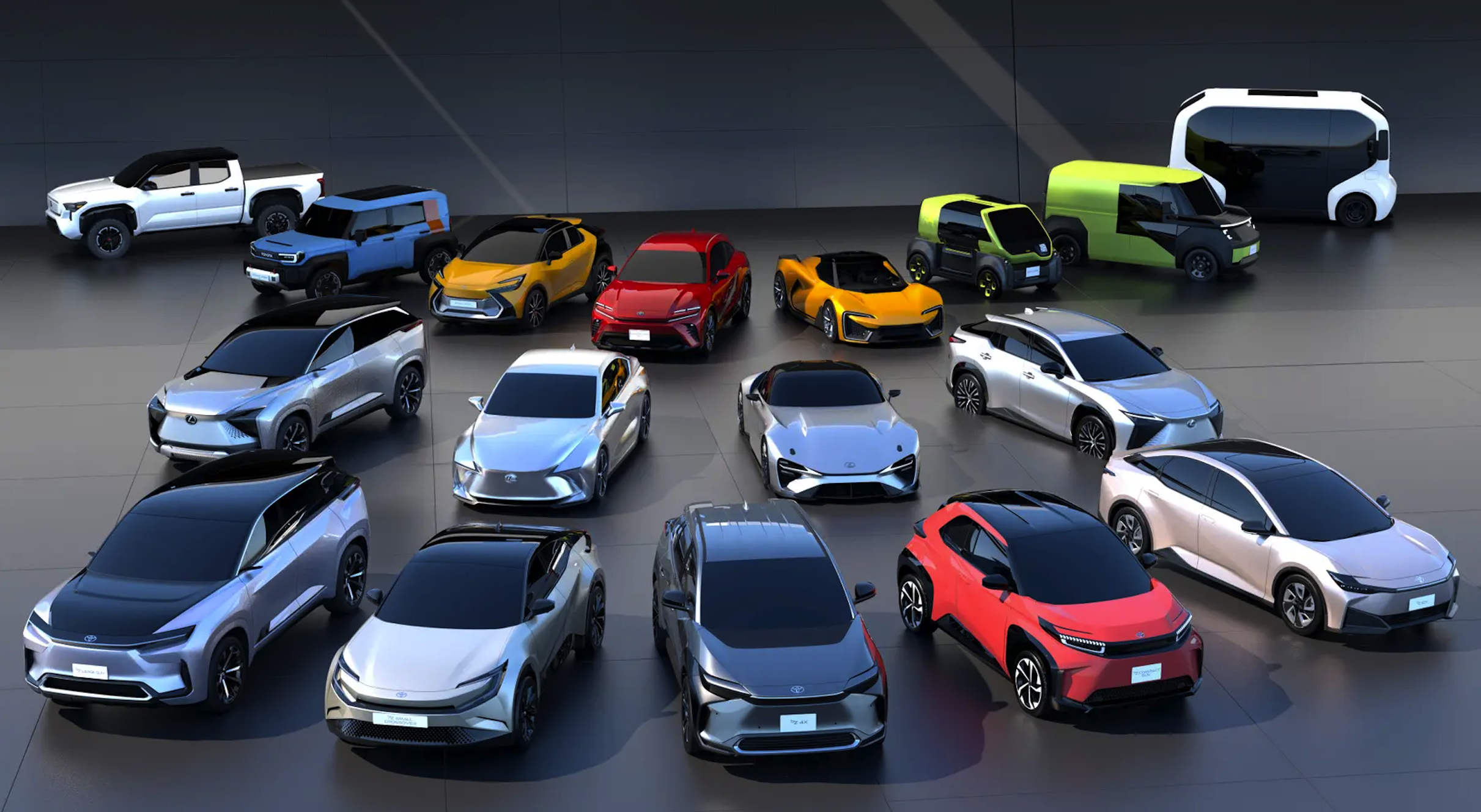
“Let me correctly explain Toyota’s position. I would like you to think of Toyota as a department store offering every available powertrain,” Toyoda stated. He argued that customer preferences are diverse, ranging from EV owners to those without access to charging facilities and limiting options to a single product would diminish the overall value of the automotive market.

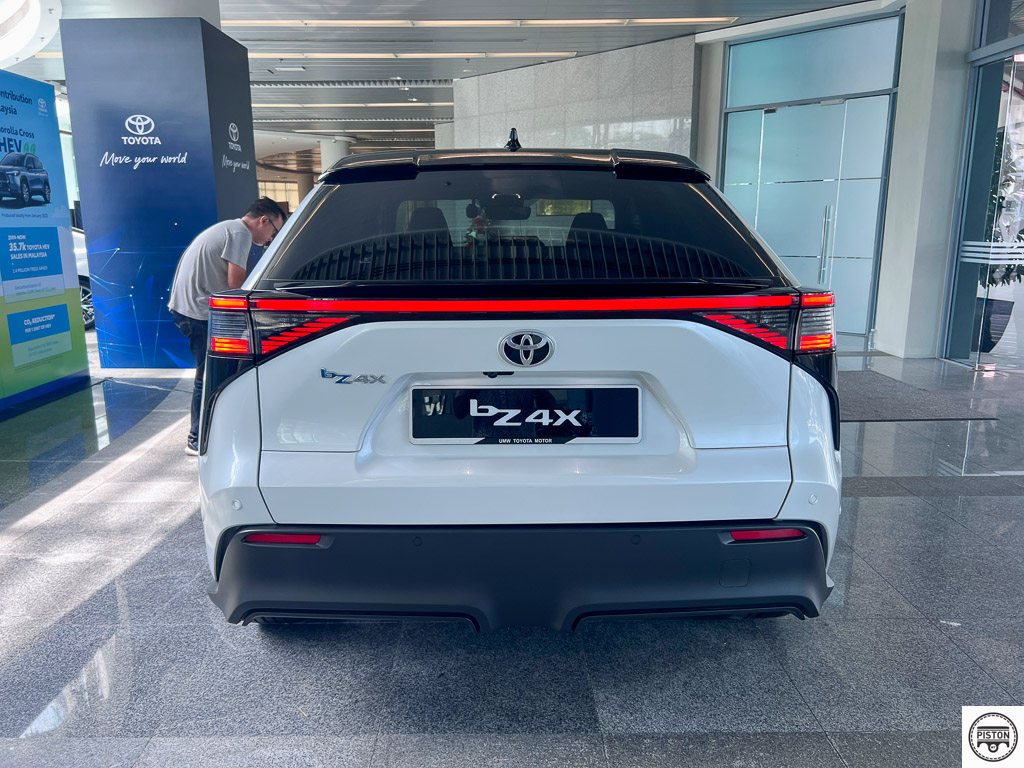
While Toyota has been a pioneer in hybrid technology with models like the Prius and the Mirai, which run on hydrogen fuel cells, the company recently introduced its first battery-electric model, the bZ4X, in 2022.
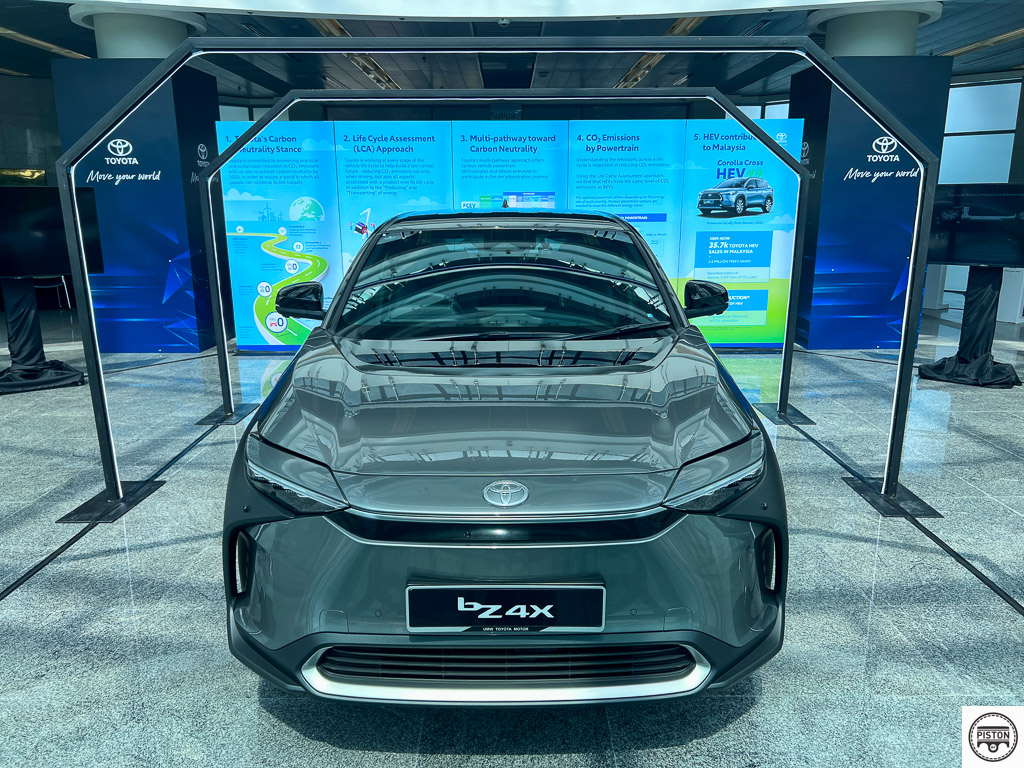
Toyoda also defended Toyota’s commitment to electrification, outlining the company’s goal to achieve sales of 3.5 million electric vehicles by 2030. He underscored Toyota’s global reach and vision of providing mobility for all, stating, “Our philosophy is that we want to leave no one behind.”

Expressing skepticism about the timelines set for the full electrification of the automotive industry, Toyoda urged a realistic approach considering societal readiness and infrastructure development. He emphasised that the transition to electric vehicles might take longer than portrayed by the media and drew parallels with the delayed realisation of fully autonomous cars.

In a landscape dominated by the push towards EVs, Toyota, under Toyoda’s leadership, continues to champion a diversified approach to fuel technologies, maintaining a commitment to various options beyond electric vehicles.
Akio Toyoda, ketua Toyota, pengeluar automotif terbesar di dunia, sekali lagi menyatakan keraguan beliau mengenai peralihan sepenuhnya kepada kenderaan elektrik (EV).

Walaupun mengakui trend semasa yang menyokong EV, Toyoda menekankan keperluan untuk lebih banyak kepelbagaian dalam bahan bakar automotif pada masa depan. Beliau menyuarakan keraguan bahawa EV adalah satu-satunya penyelesaian untuk mencapai matlamat ketelusan karbon dan menyokong penerokaan pelbagai pilihan, termasuk bahan bakar sintetik bebas pelepasan dan hidrogen.

(more…)

Rimac, pengeluar supercar, sedang berusaha mencapai pendekatan berbeza terhadap teknologi kenderaan elektrik (EV) dengan meneroka penjanaan elektrik dari bahan bakar cecair.

Pengasas Mate Rimac membayangkan masa depan di mana drivetrain elektrik akan mendapatkan kuasa dari sumber tidak konvensional seperti diesel, menggunakan tiub nano untuk memanaskan bahan bakar cecair. Kaedah inovatif ini dijangka mencapai kecekapan sebanyak 80%, peningkatan besar berbanding purata 30% yang dikaitkan dengan enjin pembakaran dalam.

Selain peningkatan kecekapan, teknologi ini berpotensi mengurangkan secara signifikan pelepasan CO2, sejajar dengan usaha global untuk memerangi perubahan iklim. Pendekatan Rimac ini menghapuskan keperluan untuk bateri yang berat, memberikan kelebihan dalam berat dan pakej untuk reka bentuk yang lebih teratur dan cekap.

Teknologi yang revolusi ini tidak hanya mengubah impak alam sekitar EV, tetapi juga menentukan semula garis panduan reka bentuk dan prestasi untuk kereta sukan, mencerminkan komitmen Rimac terhadap inovasi dalam industri EV.

In a bold departure from conventional electric vehicle (EV) technology, Rimac, the renowned supercar manufacturer, is spearheading a groundbreaking exploration into the untapped potential of harnessing electricity from liquid fuels. Founder Mate Rimac is at the forefront of this paradigm shift, envisioning a future where electric drivetrains draw power from unconventional sources like diesel.

Rimac’s avant-garde strategy hinges on the application of nanotubes to superheat a variety of liquid fuels, heralding a new era in electricity generation that could potentially replace traditional batteries in EV drivetrains. Preliminary projections for this revolutionary method point towards an anticipated efficiency of 80%, a notable leap from the 30% average associated with internal combustion engines. Beyond efficiency gains, the technology stands to significantly reduce CO2 emissions, aligning with global initiatives to combat climate change.
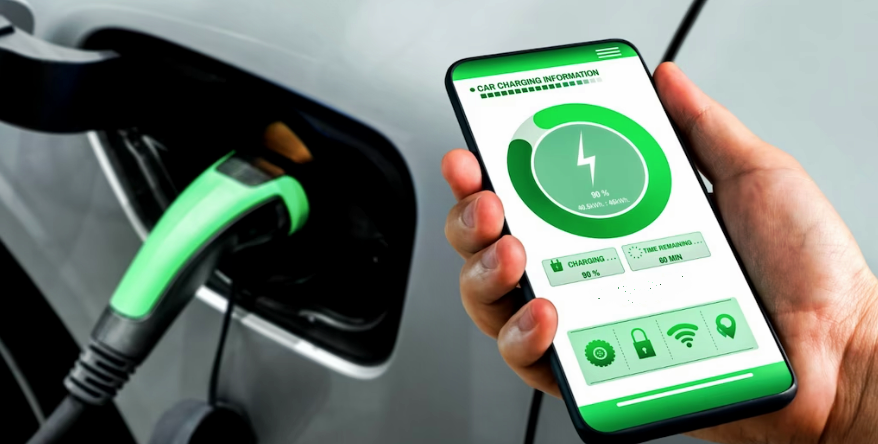
The transformative impact of Rimac’s technology extends beyond its environmental implications, promising to redefine the design and performance benchmarks of sports cars. By eliminating the need for heavy batteries, Rimac’s approach brings substantial benefits in terms of weight and packaging, facilitating a more streamlined and efficient design. Founder Mate Rimac envisions this technology as a transformative element for sports cars, poised to elevate performance standards while seamlessly aligning with sustainability goals.
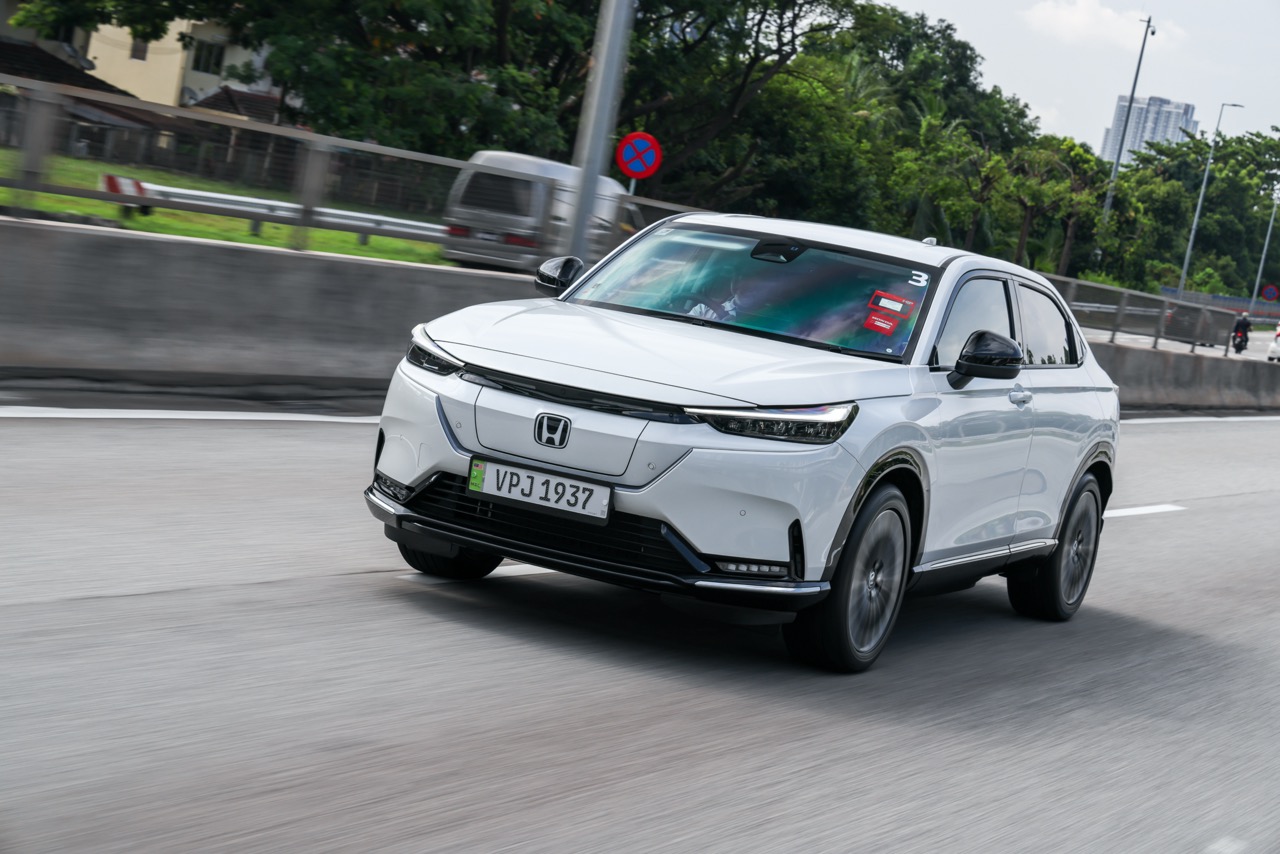
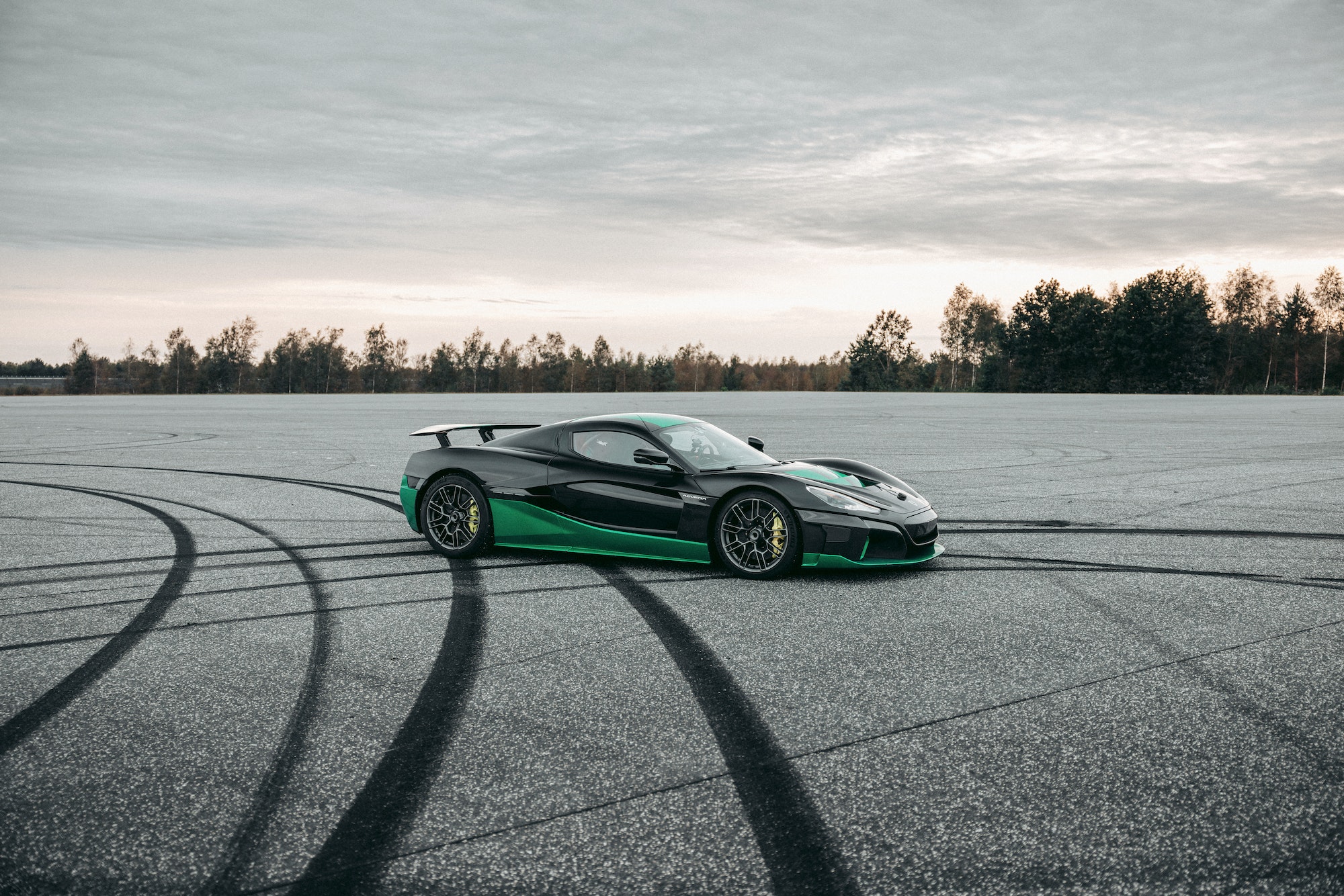
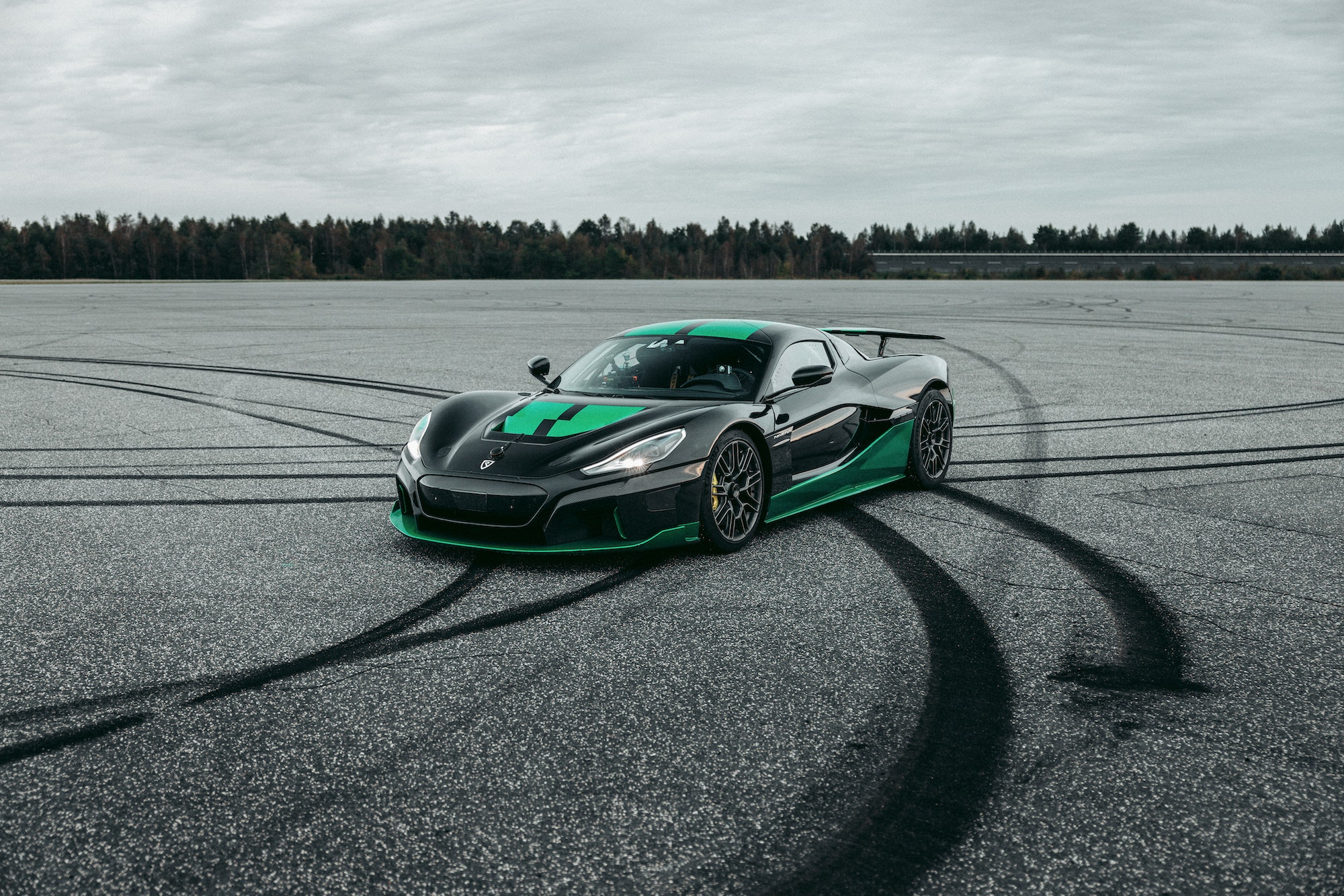
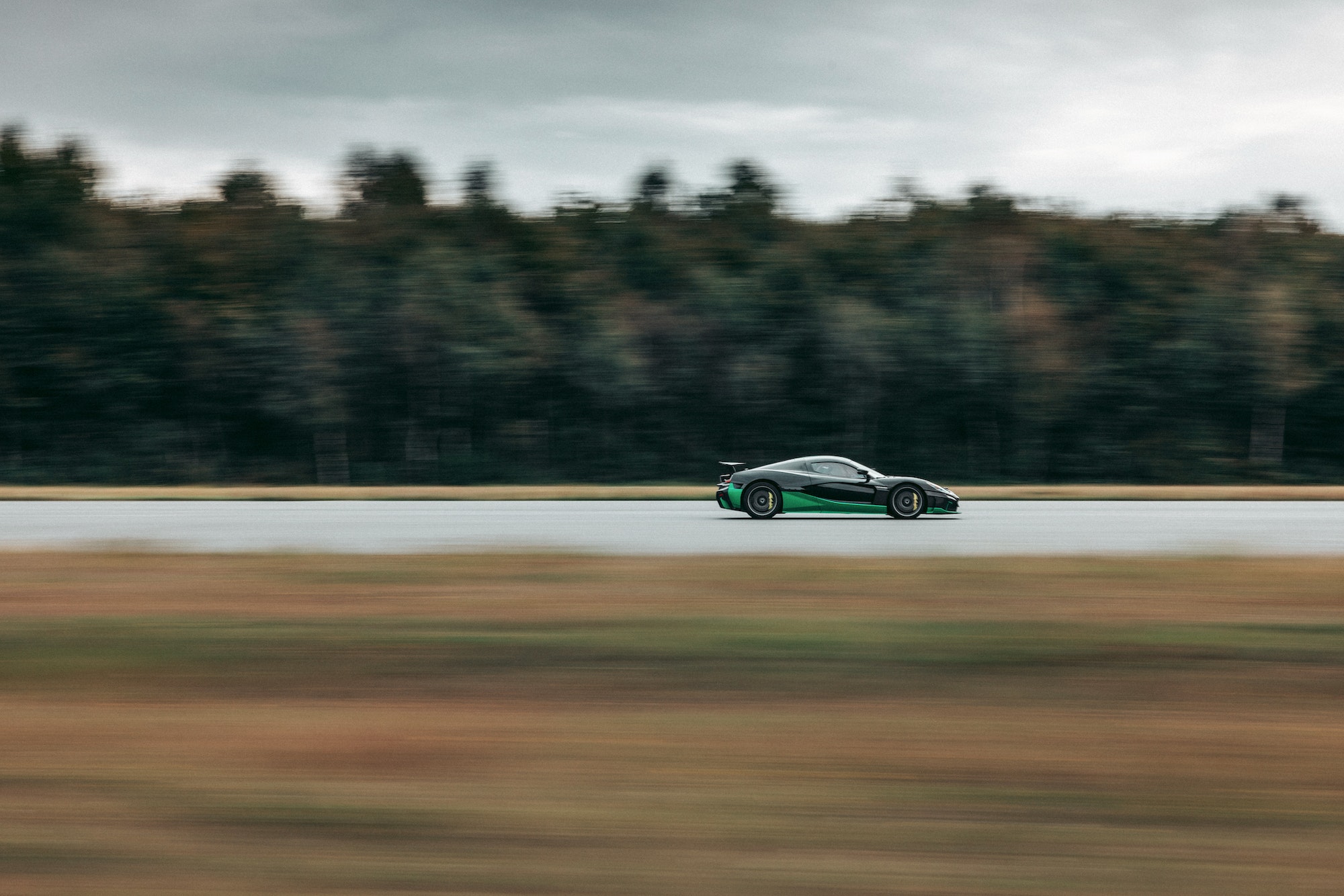
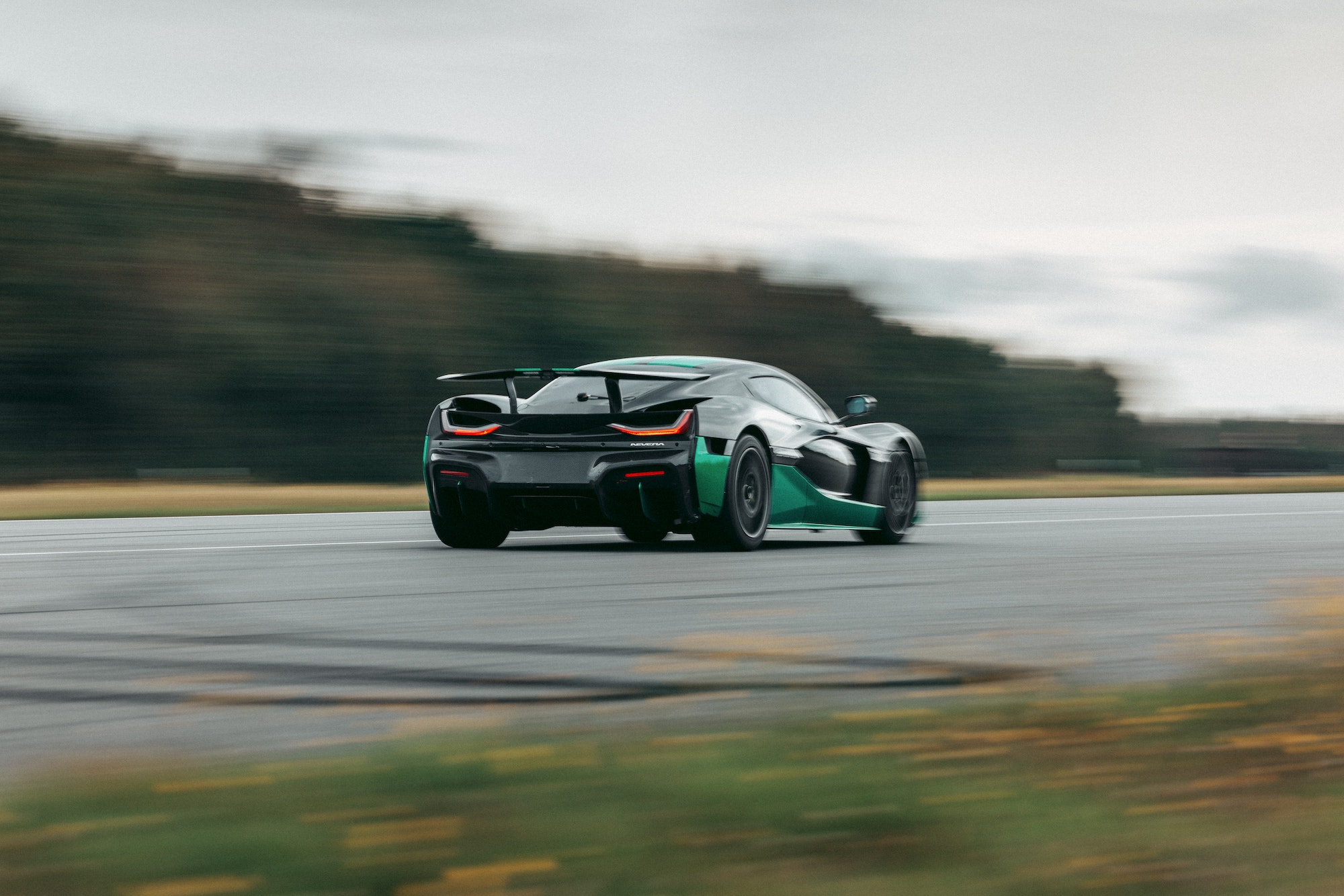
Despite the recent triumph of Rimac’s flagship model, the Nevera EV, which secured a Guinness World Record for the fastest reverse speed, the company remains steadfast in its commitment to pushing the boundaries of EV technology.

Rimac’s foray into harnessing electricity from liquid fuels not only showcases their commitment to innovation but also sets the stage for a paradigm shift in the EV industry. As the automotive landscape continues to evolve, Rimac stands as a trailblazer, redefining what is possible in the realm of electric mobility.

Pada 25 Disember 2023 di Australia, semasa berlakunya pemadaman kuasa disebabkan ribut dan banjir kilat, seorang pemilik kenderaan elektrik (EV) di Gold Coast menggunakan sistem kuasa kecemasan keretanya untuk menjalankan mesin dialisis yang menyelamatkan nyawa bagi anak lelakinya yang berusia 11 tahun.

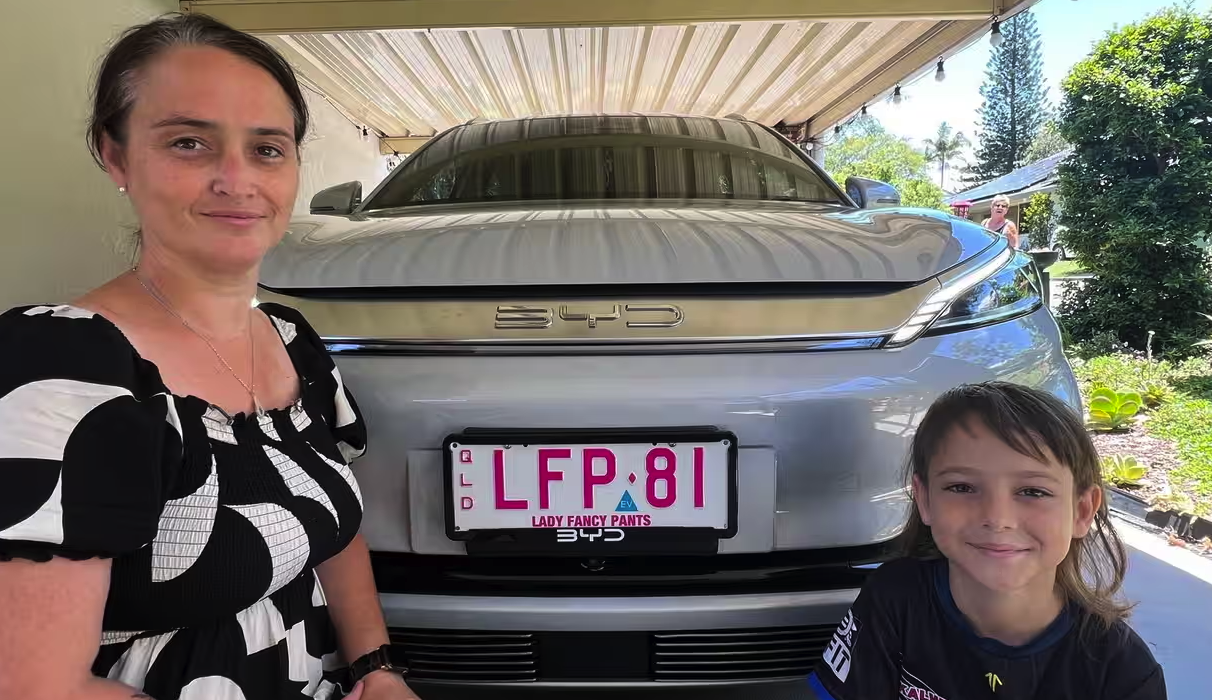
Kristy Holmes, seorang penduduk Gold Coast, menggunakan kereta elektrik BYD-nya, dilengkapi dengan sistem “Vehicle to Load,” membolehkan EV tersebut berfungsi sebagai sumber kuasa kecemasan untuk pelbagai alat.

Pemadaman kuasa yang tidak dijangka mendorong Holmes pada awalnya membantu jiran-jirannya dengan menghubungkan peti sejuk mereka ke EV-nya. Walau bagaimanapun, apabila pemadaman kuasa berterusan, dia sedar bahawa BYD Atto 3 miliknya, yang dibeli pada bulan Februari, mungkin dapat memberi kuasa kepada mesin dialisis yang menyelamatkan nyawa anak lelakinya, Levi, yang berusia 11 tahun. Dengan pemikiran ini, Holmes berjaya menjalankan mesin dialisis dari kuasa kereta, memastikan bahawa Levi, yang hampir ditambah ke senarai ‘transplant’, menerima rawatan penting.

Penggunaan luar biasa EV ini tidak hanya memperlihatkan kebolehgunaan EV tetapi juga potensi mereka untuk bertindak sebagai aset penting semasa kecemasan. Holmes, yang meluahkan rasa syukurnya, menyebut contoh sebelumnya di mana beliau secara kreatif menggunakan sistem elektrik EV-nya, seperti membuat minuman panas.

Insiden ini menekankan kepentingan yang lebih luas mengenai kenderaan elektrik, memperlihatkannya bukan sahaja sebagai alat pengangkutan tetapi juga sebagai alat berharga yang mampu memberikan sokongan penting semasa cabaran dan kecemasan yang tidak dijangka. Dengan kemajuan teknologi yang berterusan, kisah-kisah seperti ini menunjukkan potensi EV untuk memainkan peranan yang lebih luas dalam ketahanan dan persediaan kecemasan komuniti.

Amidst power outages caused by storms and flash flooding on 25th December 2023 in Australia, an electric vehicle (EV) owner on the Gold Coast utilised her car’s emergency power system to run her 11-year-old son’s life-saving dialysis machine.

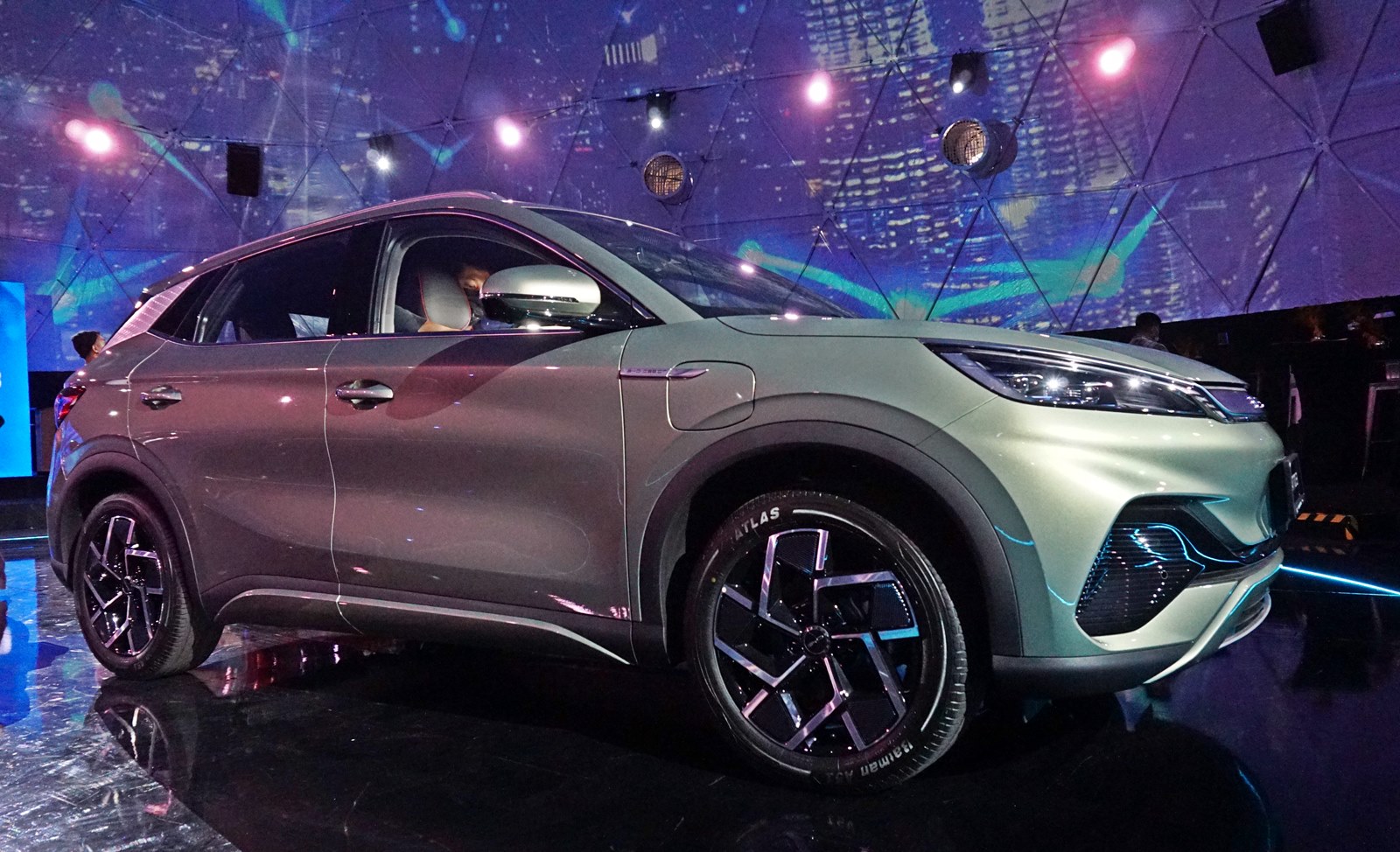
Kristy Holmes, a resident of the Gold Coast, utilised her BYD electric car, equipped with a “vehicle to load” system, allowing the EV to function as an emergency power source for various devices.

The unexpected blackout prompted Holmes to initially assist her neighbours by connecting their refrigerators to her EV. However, as the power outage persisted, she realised that her BYD Atto 3, purchased in February, could potentially power her 11-year-old son Levi’s life-saving dialysis machine. Taking a decisive step, Holmes successfully ran the dialysis machine off the car’s power, ensuring that Levi, who is on the verge of joining a transplant list, received critical treatment despite the adverse weather conditions.

(more…)

Peminat-peminat BMW di Malaysia menantikan kemungkinan kedatangan BMW iX2, sebuah coupe elektrik, sebagaimana diisyaratkan oleh siluet misteri di laman web BMW Malaysia.

iX2, yang diperkenalkan secara global pada Oktober 2023, menjanjikan reka bentuk yang elegan dan jangkamasa elektrik yang mengagumkan sehingga 449km dengan sekali cas. Pengenalan iX2 mencerminkan permintaan yang semakin meningkat untuk kenderaan elektrik (EV) lestari dan berprestasi tinggi di pasaran Malaysia.

Dilengkapi dengan konfigurasi penggerak semua roda dua-motor, iX2 memberikan kuasa sebanyak 313hp dan tork 494Nm, memecut dari 0 hingga 100km/j dalam masa 5.6 saat. Bateri 64.7 kWh-nya menyediakan jangkamasa WLTP yang mencolok, menunjukkan komitmen BMW terhadap EV yang cekap.

Pilihan cas termasuk cas AC 11kW atau peningkatan kepada sistem 22kW untuk cas yang lebih cepat. iX2 berkongsi reka bentuk dalaman dengan iX1, menampilkan skrin terapung berganda, konsole tengah yang luas dengan pengecas telefon tanpa wayar menegak, dan Sistem Pengendalian BMW 9.

Dengan BMW berpotensi memperluaskan rangkaian EV-nya di Malaysia, iX2 melambangkan pergeseran dinamik ke arah pengangkutan lestari di negara ini.

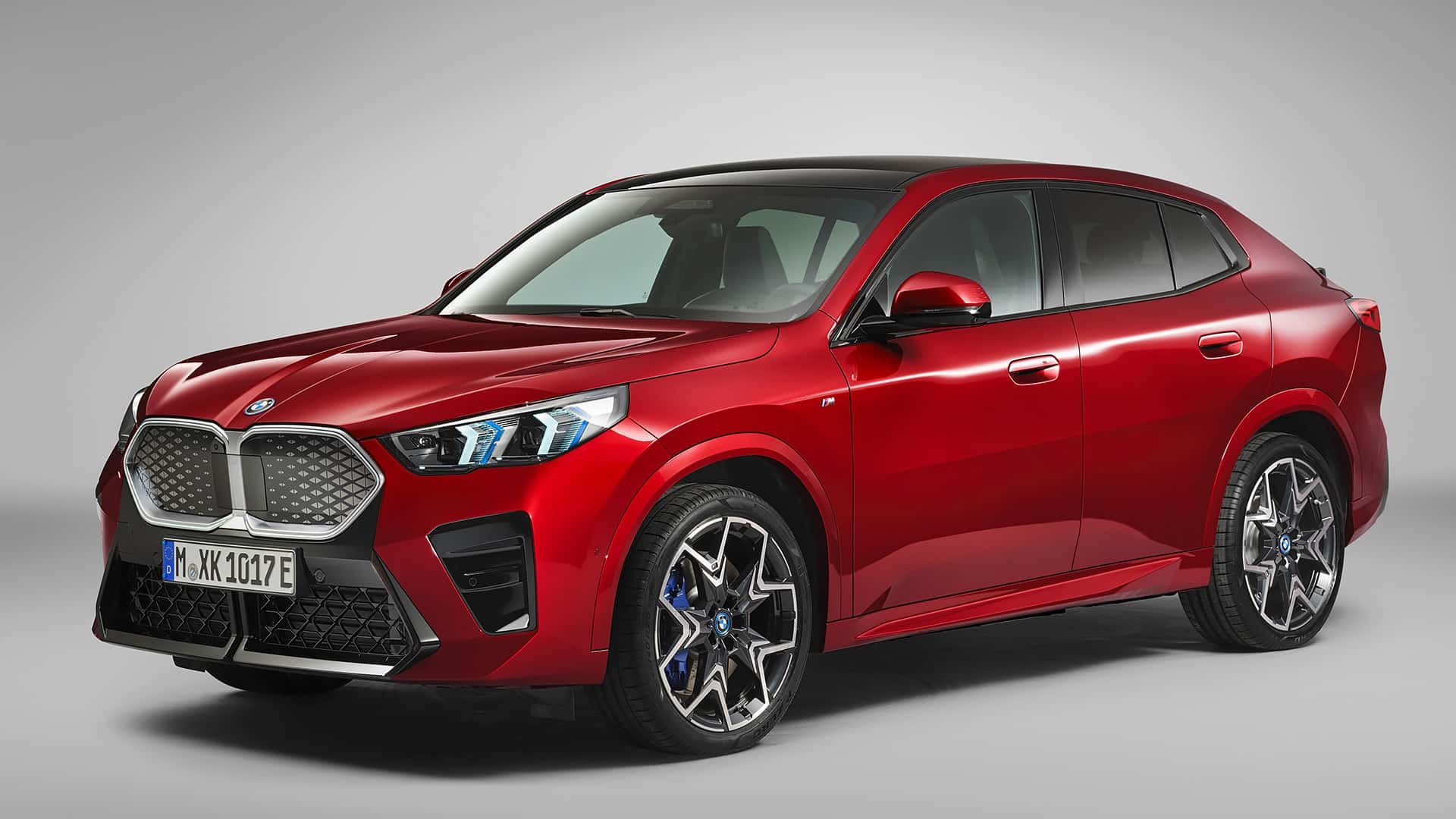
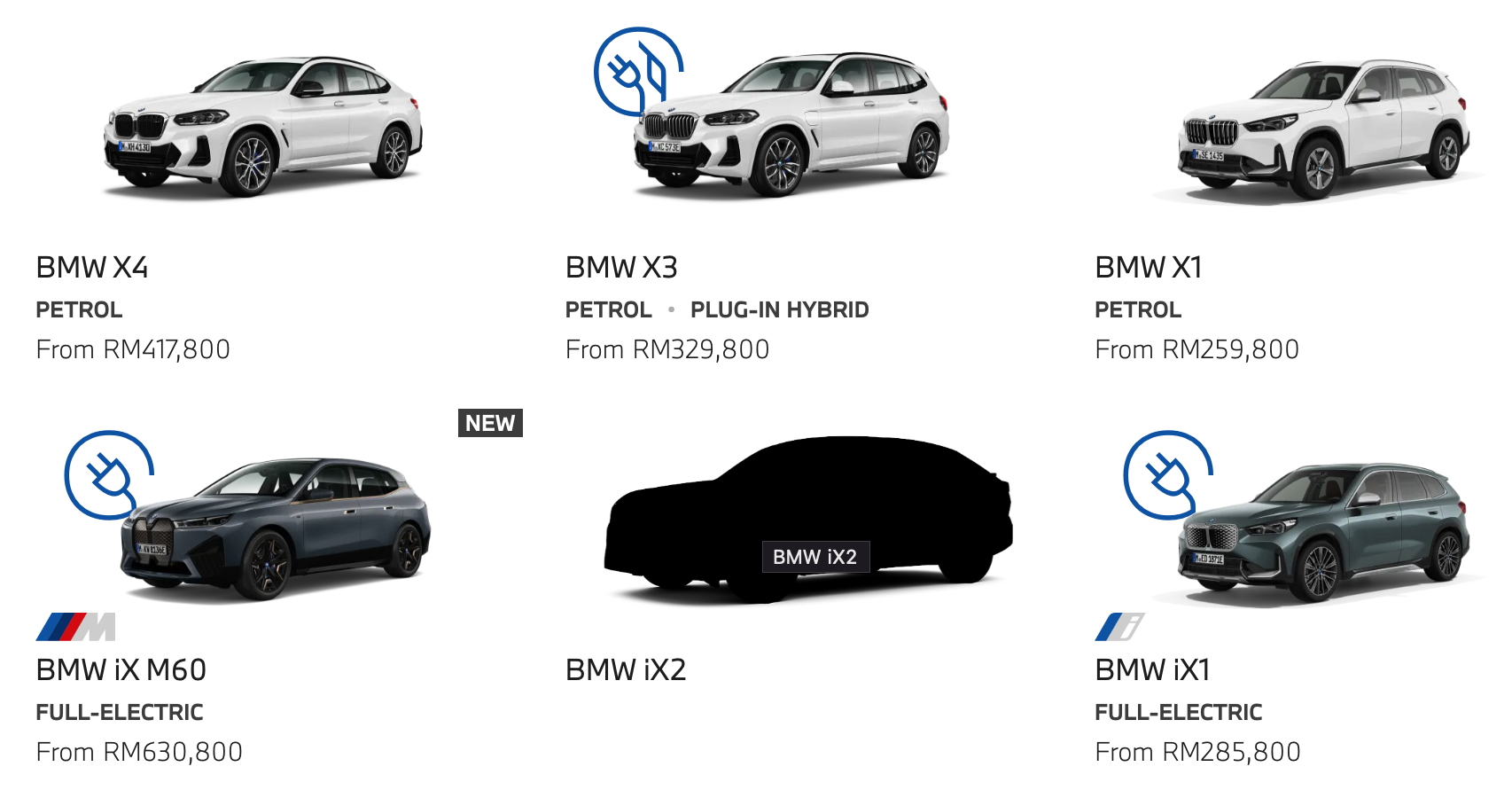
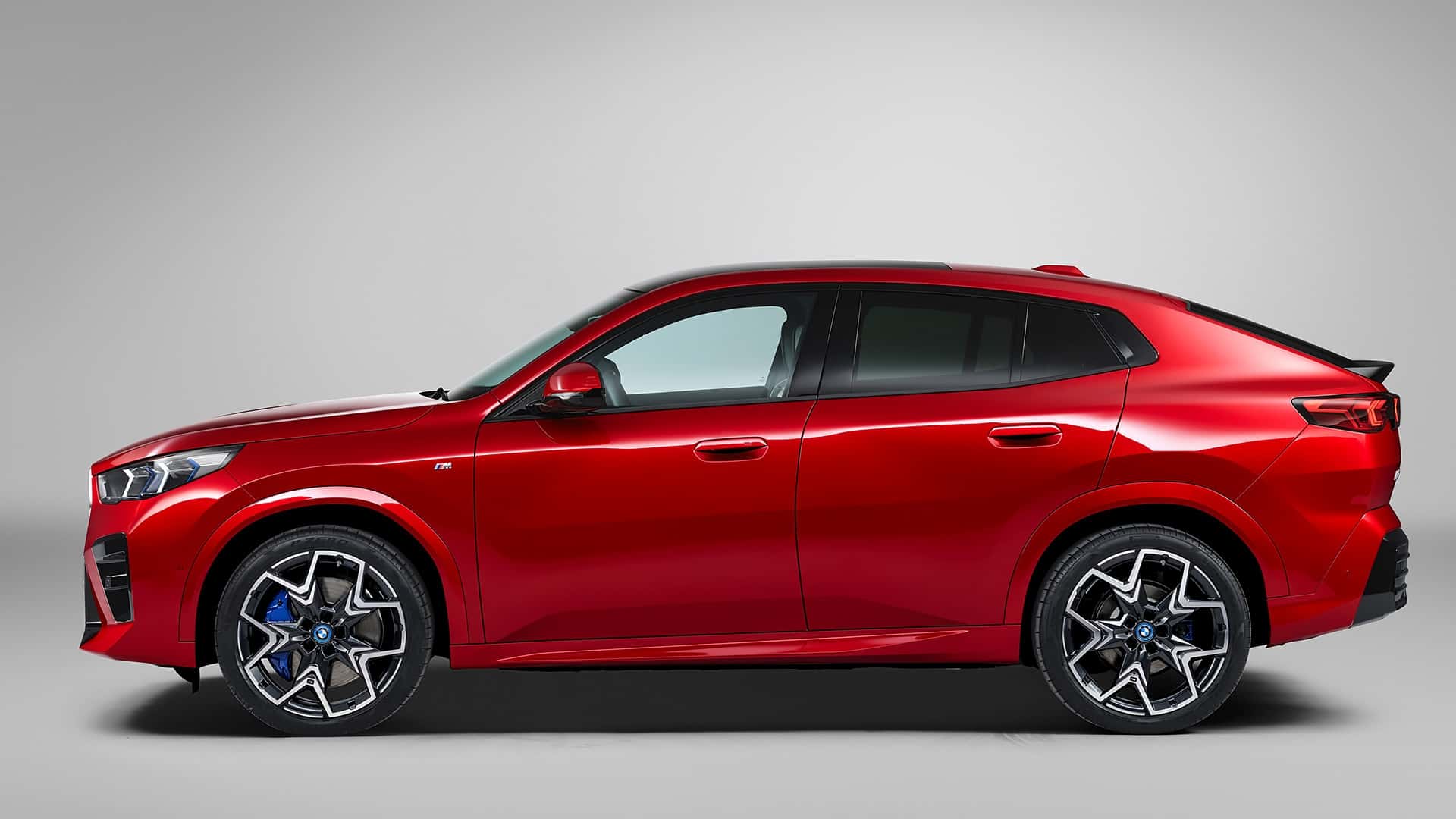
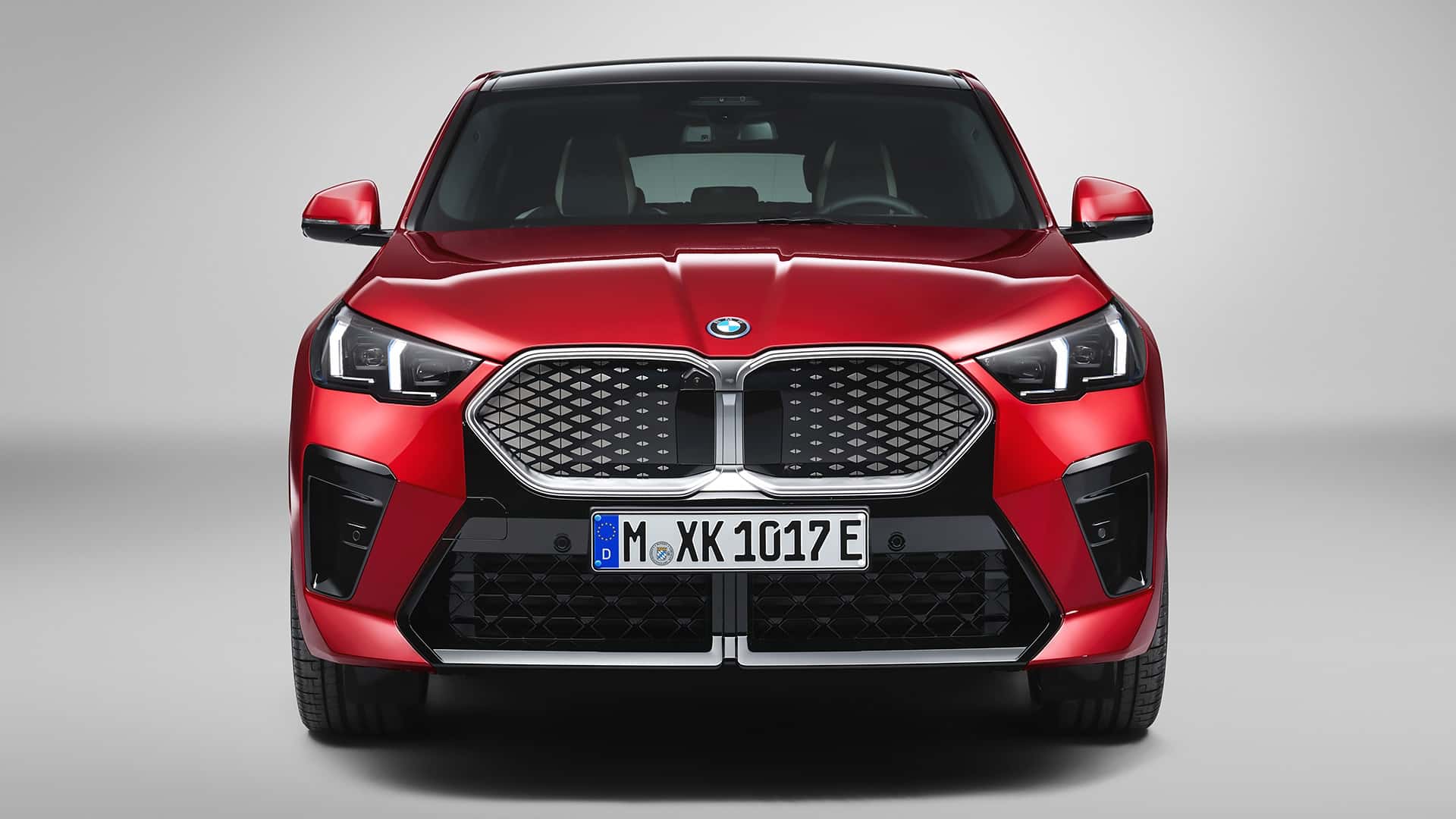
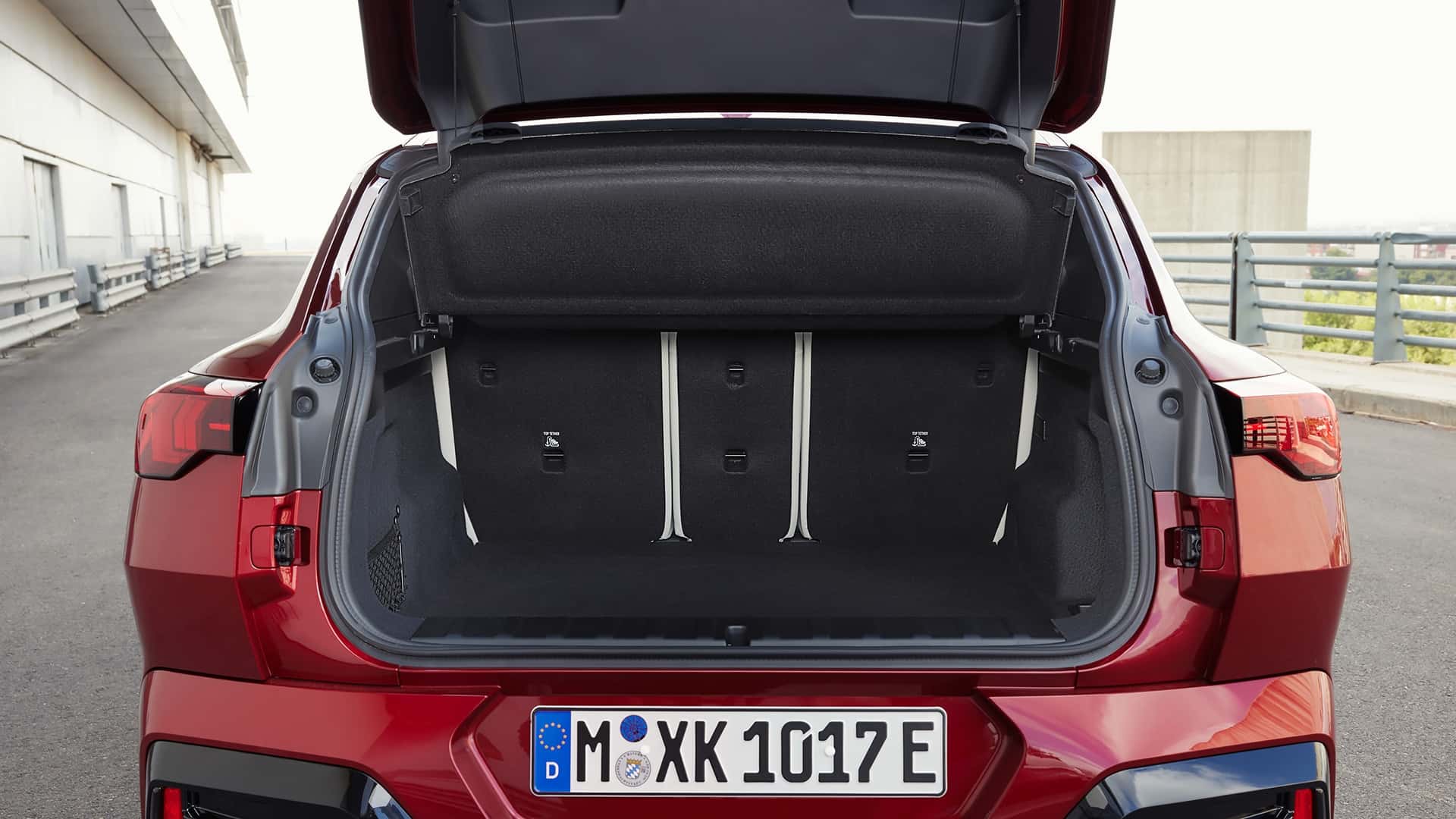
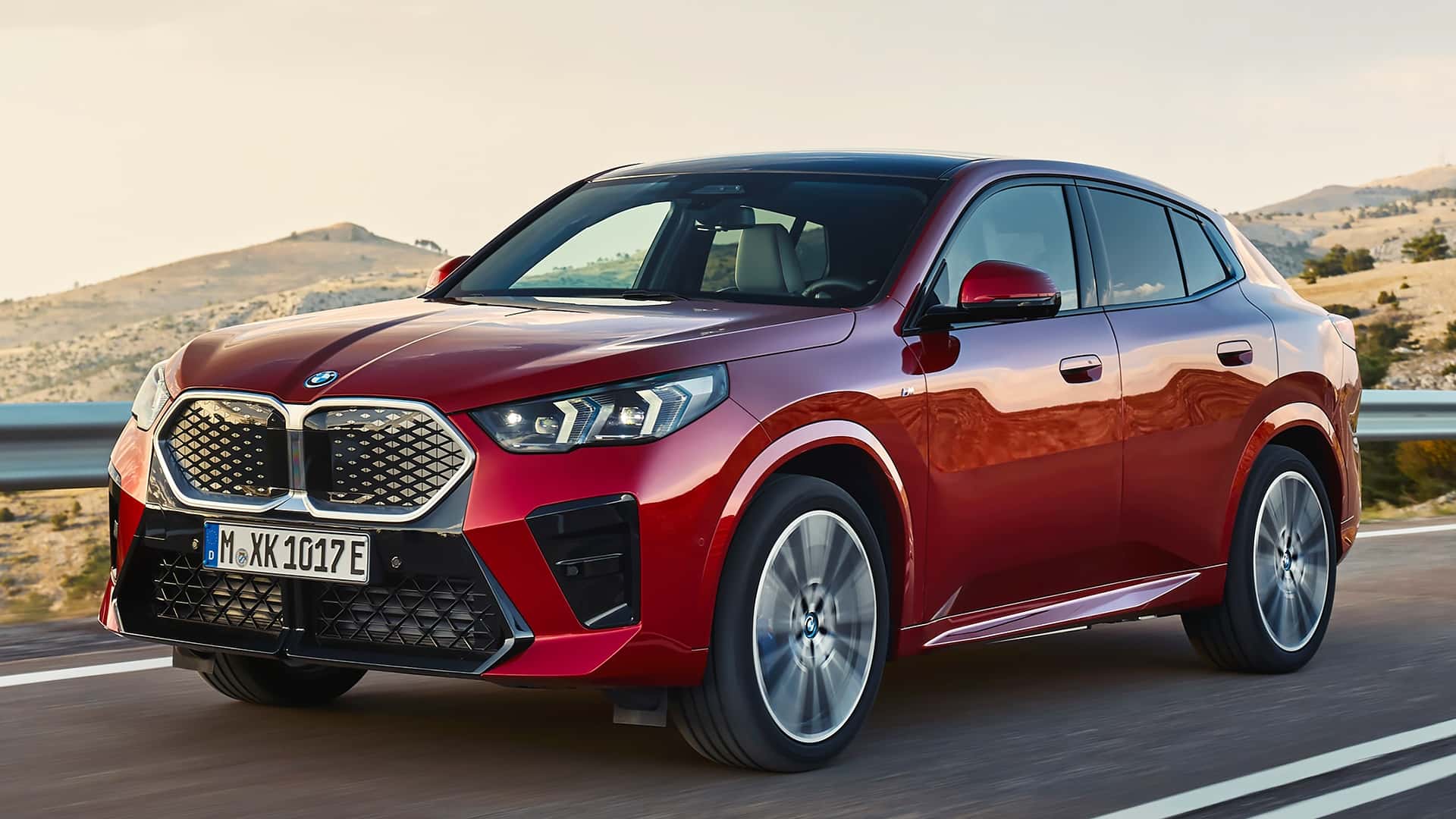
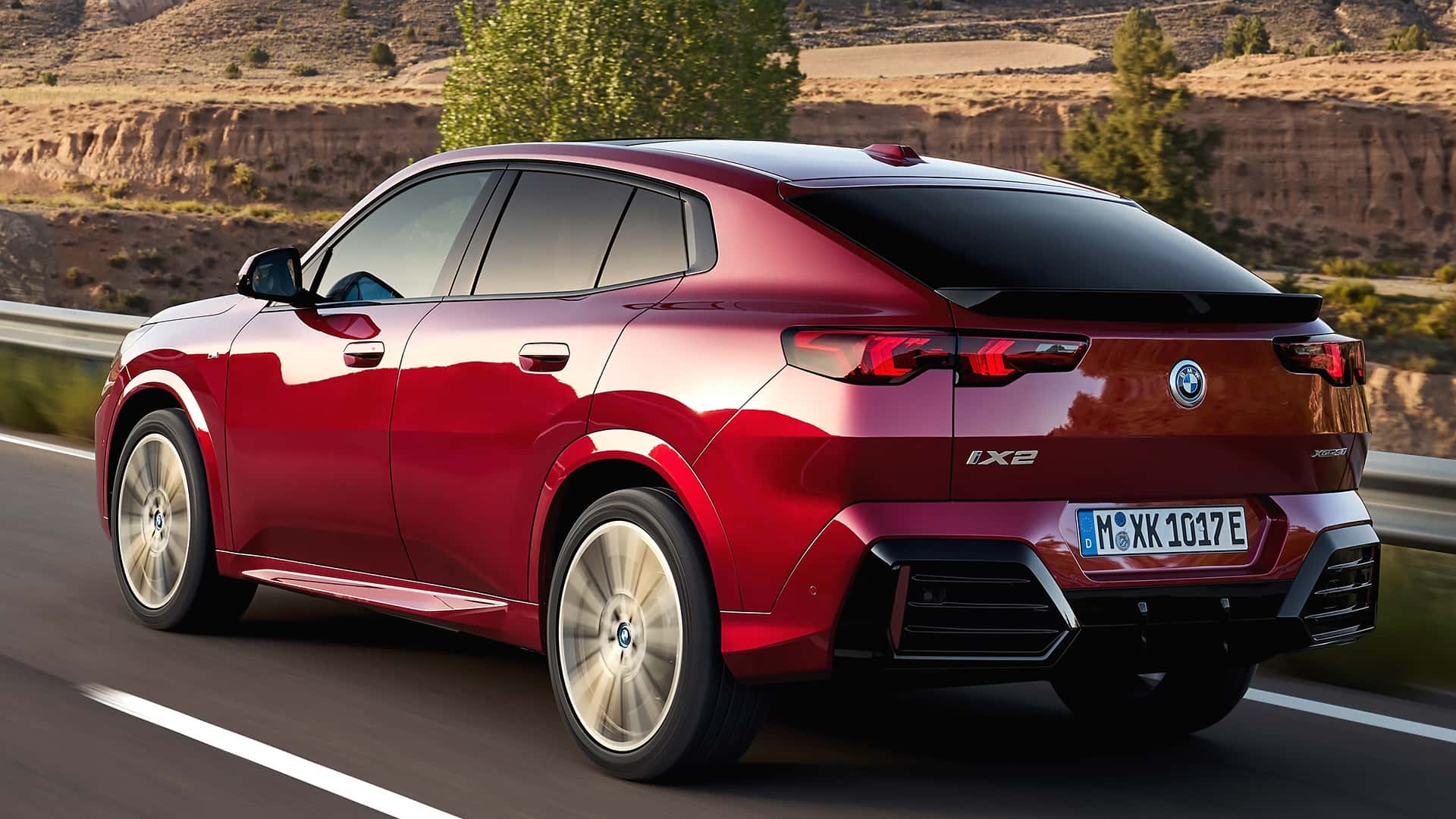
BMW enthusiasts in Malaysia may have reason to be excited as the BMW iX2 hints at its potential arrival on our shores. A cursory glance at BMW Malaysia’s website reveals a mysterious blacked-out silhouette, teasing the imminent introduction of this electric coupe. Unveiled globally in October 2023, the iX2 promises to be a sleek and powerful addition to BMW’s electric vehicle (EV) lineup.

While no booking or registration links are available yet, clicking on the enigmatic silhouette leads to a brief overview of the iX2. Among the key details shared is its impressive electric range, potentially reaching up to 449 km on a single charge.

The gradual expansion of BMW’s EV offerings in Malaysia reflects the growing demand for sustainable and high-performance vehicles in the market. The iX2, with its enticing features, is likely to find a receptive audience among Malaysian car enthusiasts.

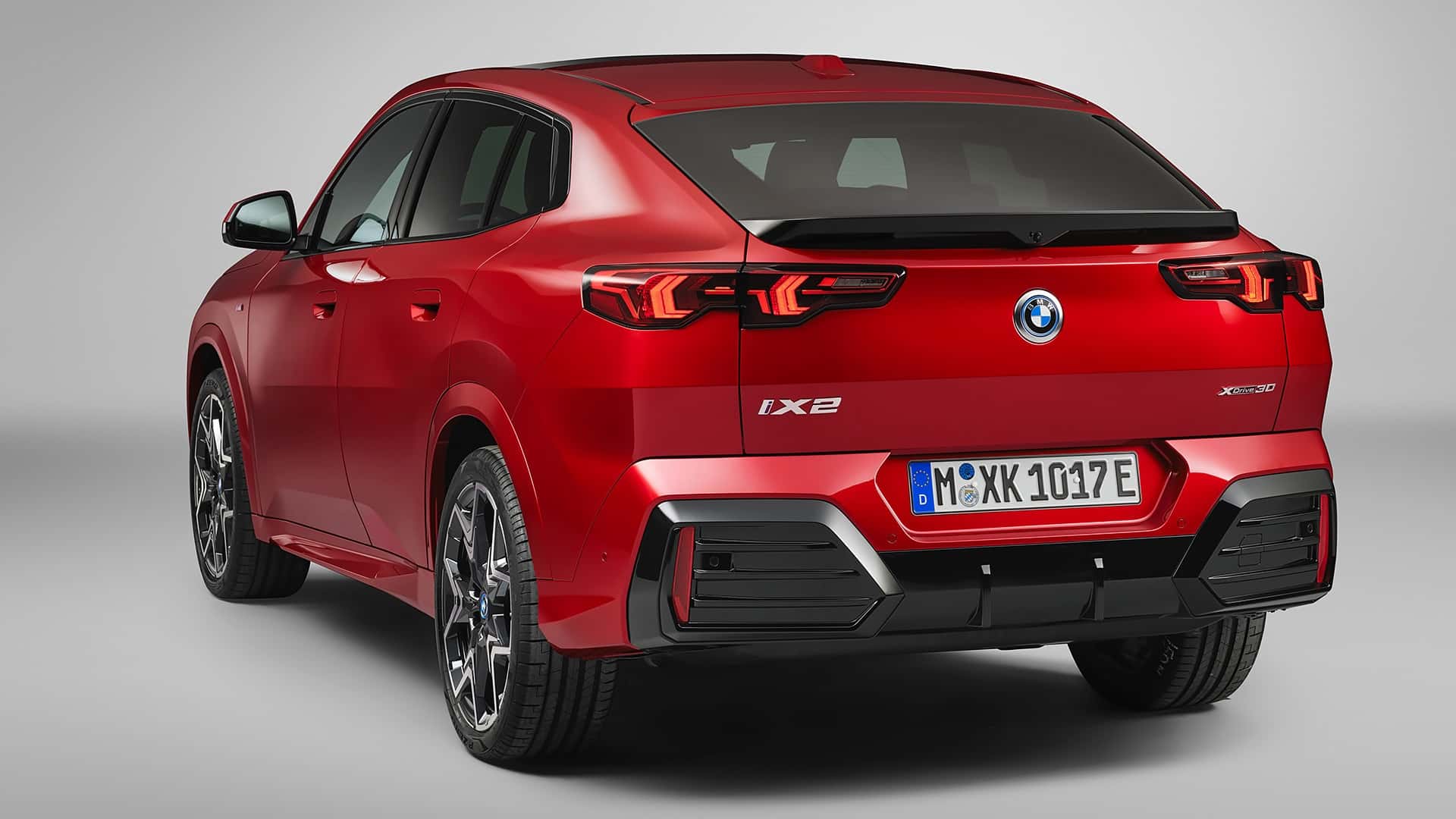
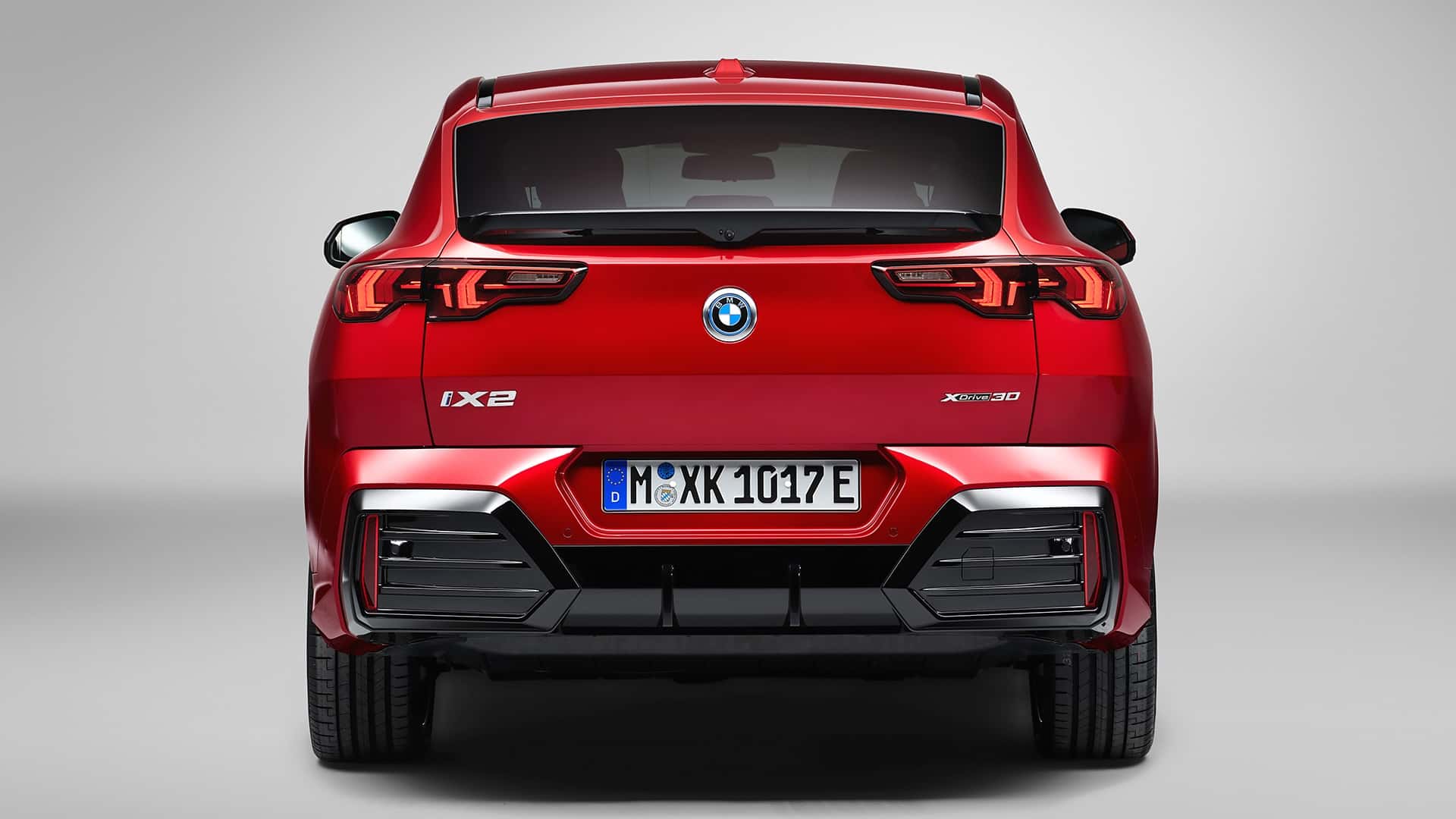
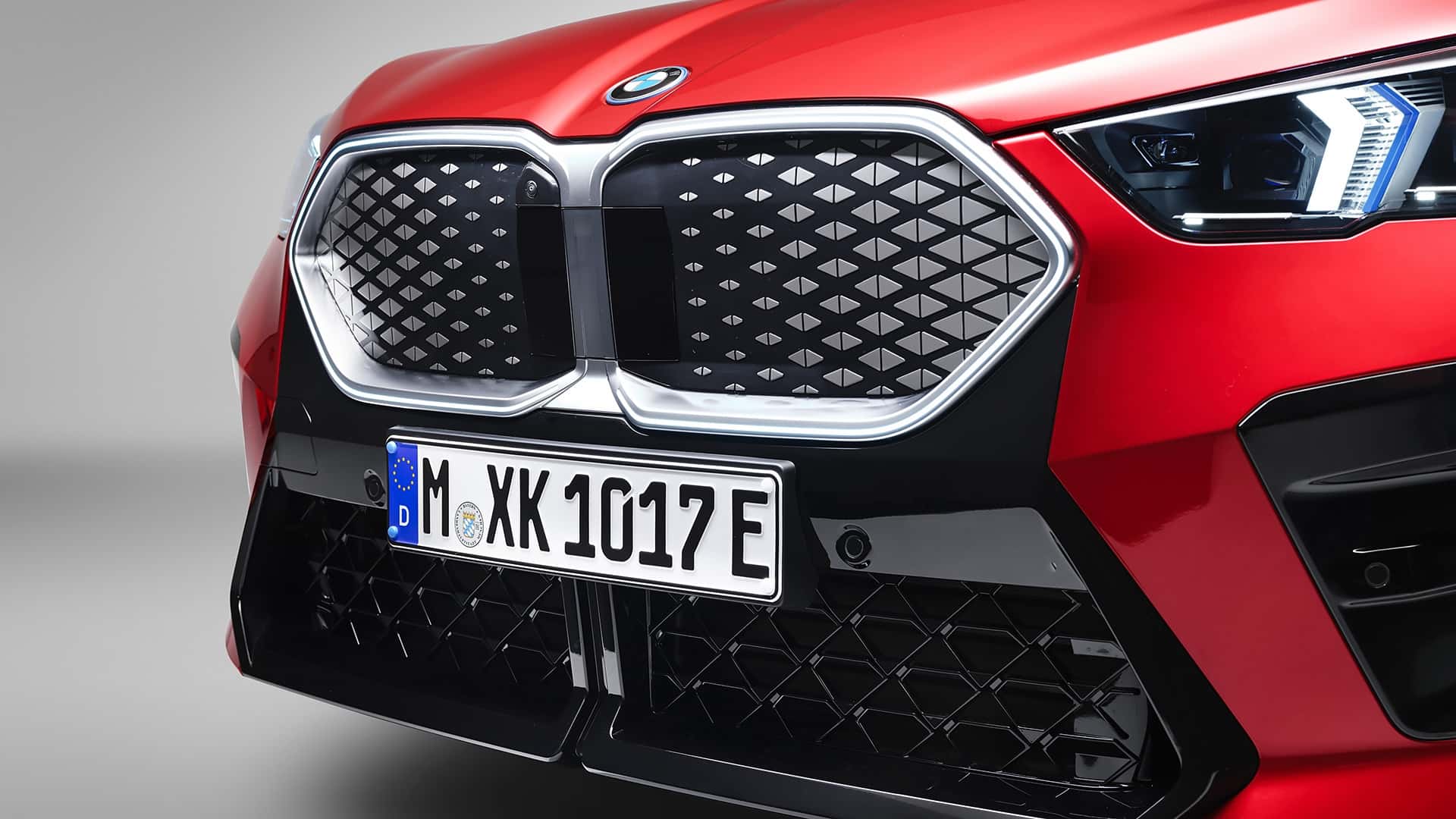
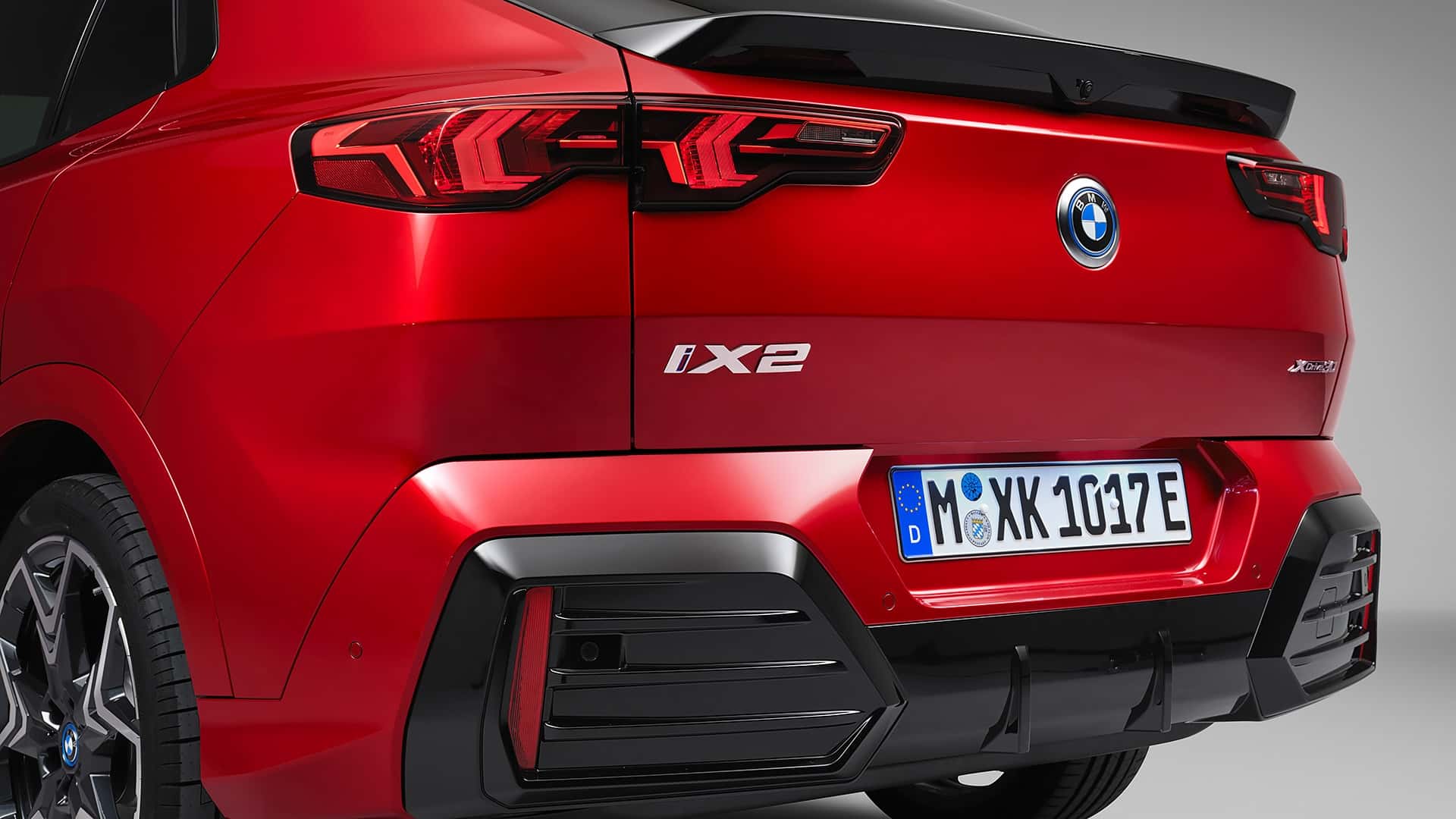
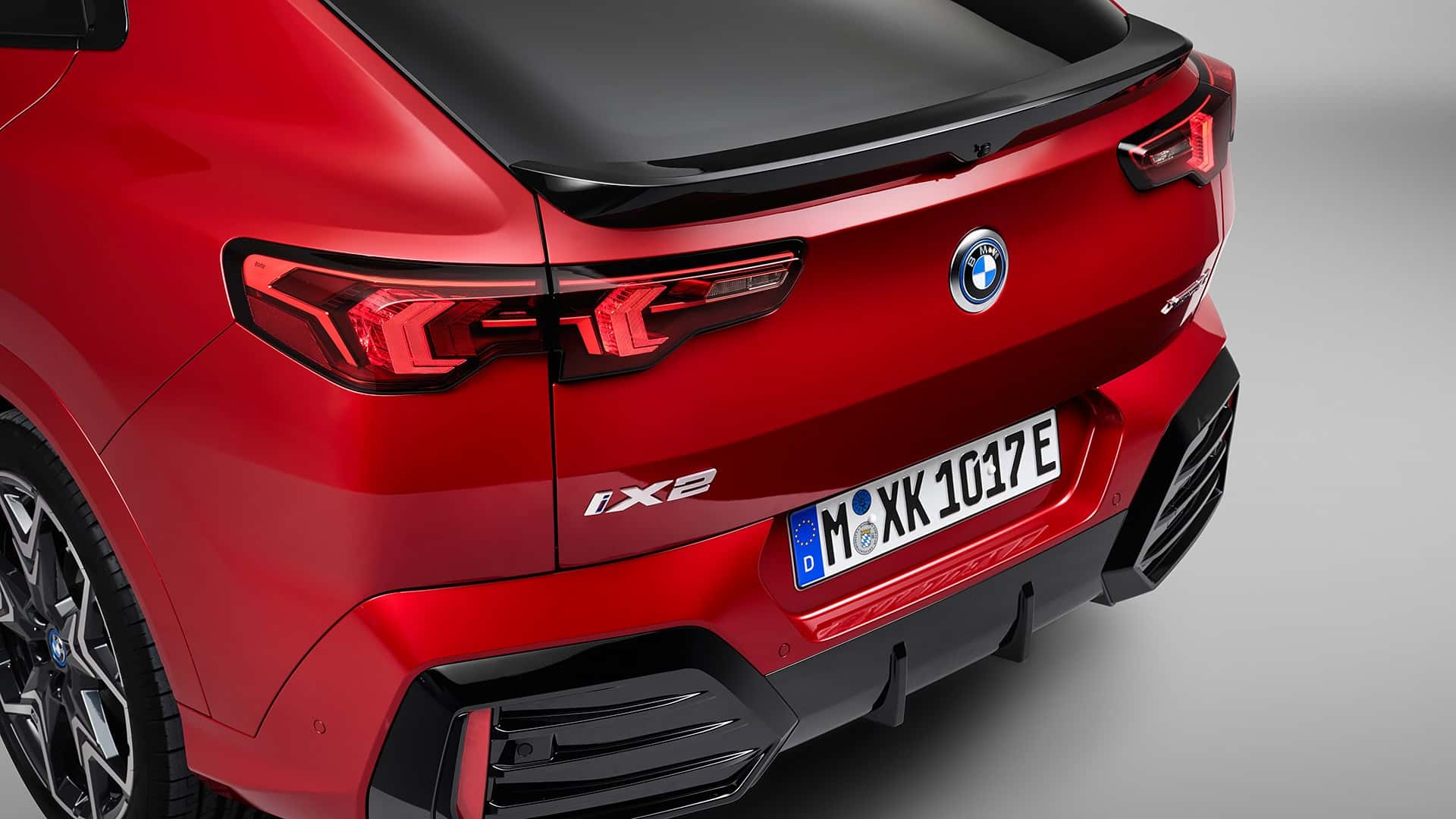
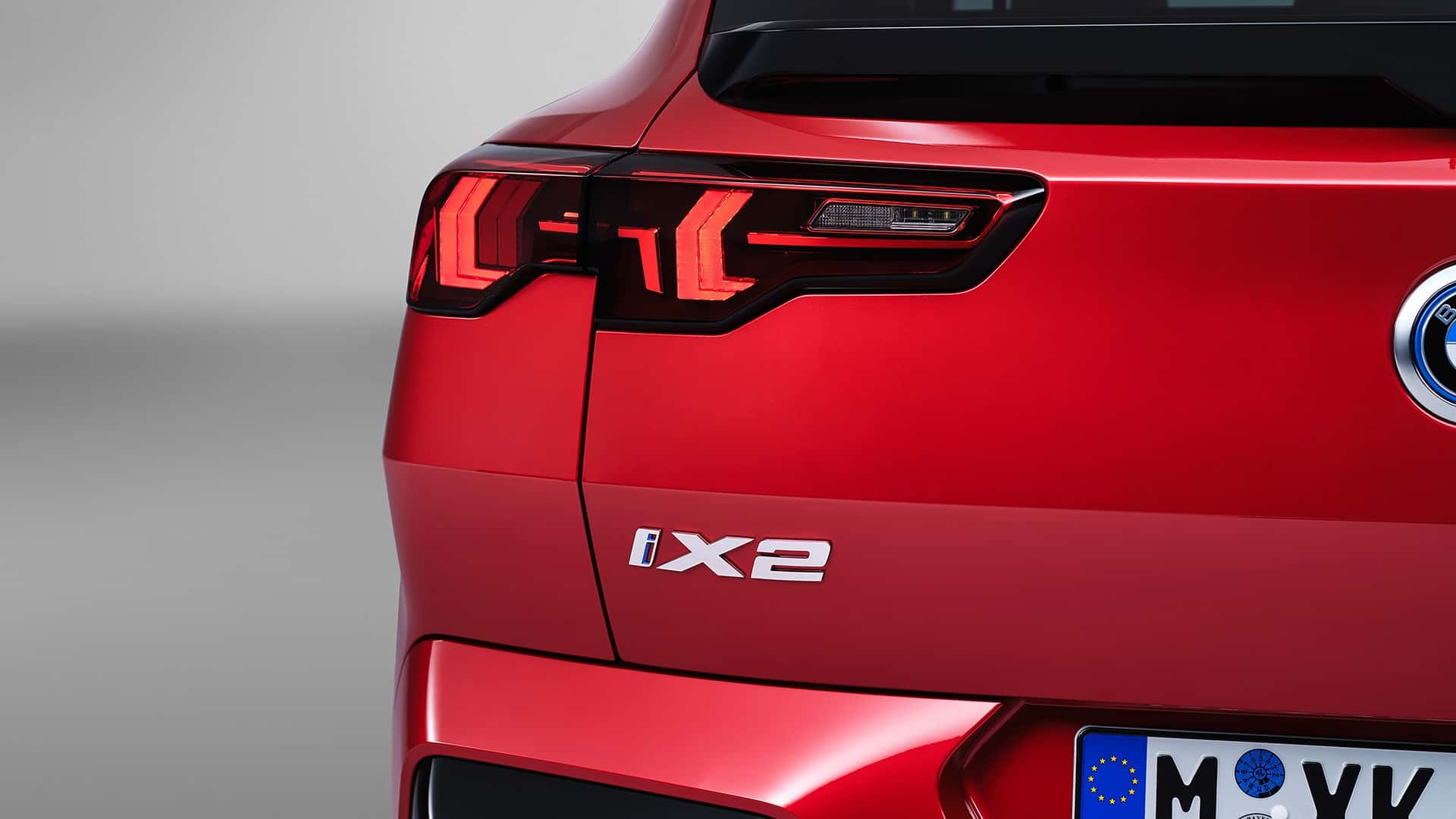
The iX2 is essentially a coupe version of the iX1, boasting a more aggressive styling approach and a distinctive sloping roof. Its taillight design, though divisive, showcases BMW’s commitment to exploring new aesthetic directions.

Under the hood, the iX2 xDrive30 is equipped with a dual-motor all-wheel-drive (AWD) setup, delivering 313hp and 494Nm of torque. With a single-speed transmission, the iX2 accelerates from 0 to 100km/h in a swift 5.6 seconds, showcasing the electric powertrain’s prowess. The 64.7-kWh battery provides a noteworthy WLTP range of 449km, positioning the iX2 as a formidable contender in the EV market.

The performance figures and range of the iX2 underscore BMW’s commitment to delivering an electric driving experience that combines power, efficiency, and range—an essential trio for widespread EV adoption.

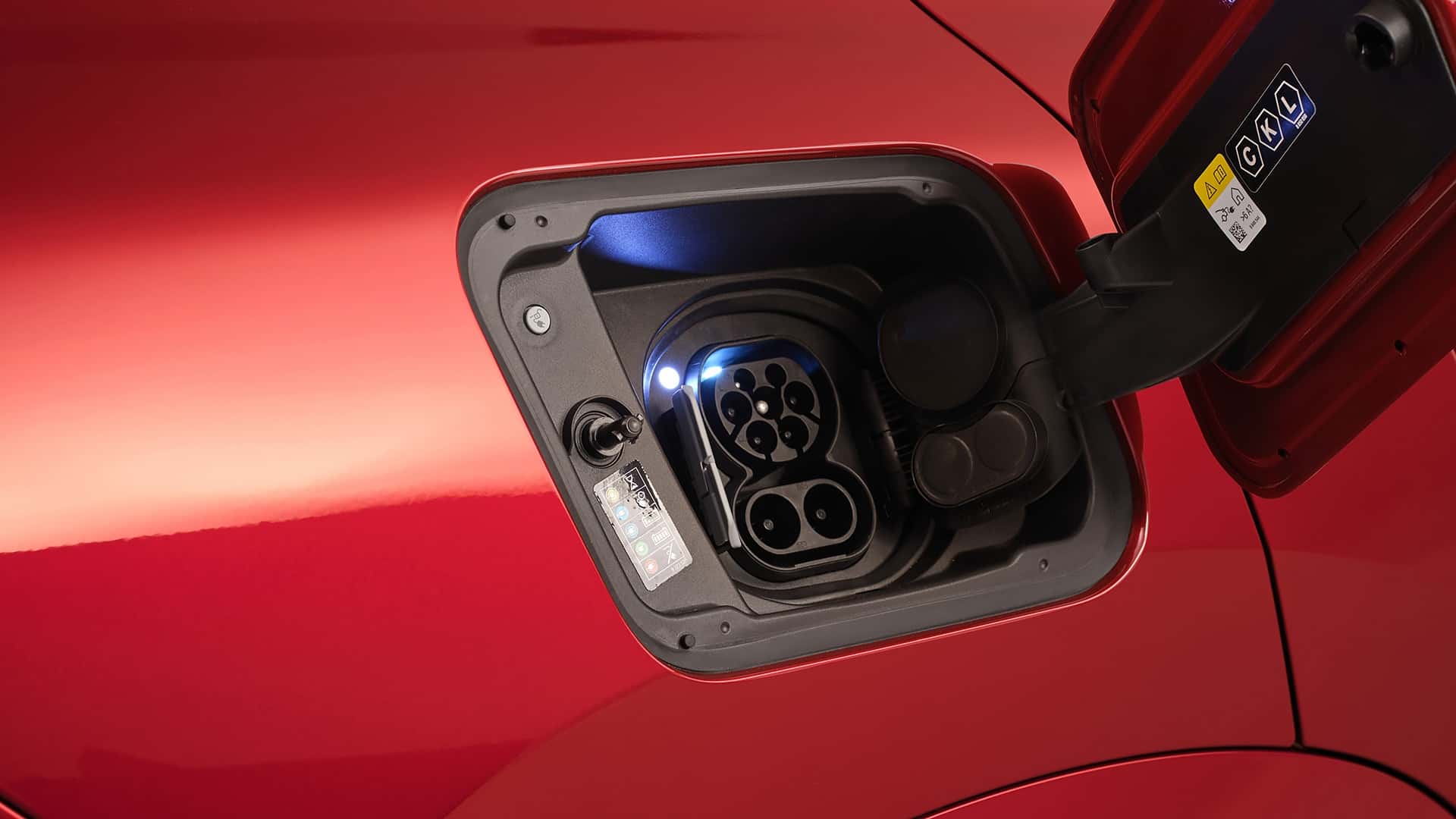
Charging capabilities further enhance the appeal of the iX2, with options for 11kW AC charging or an upgrade to a 22 kW system. The latter allows for faster charging, exemplifying BMW’s dedication to providing convenient and efficient charging solutions.

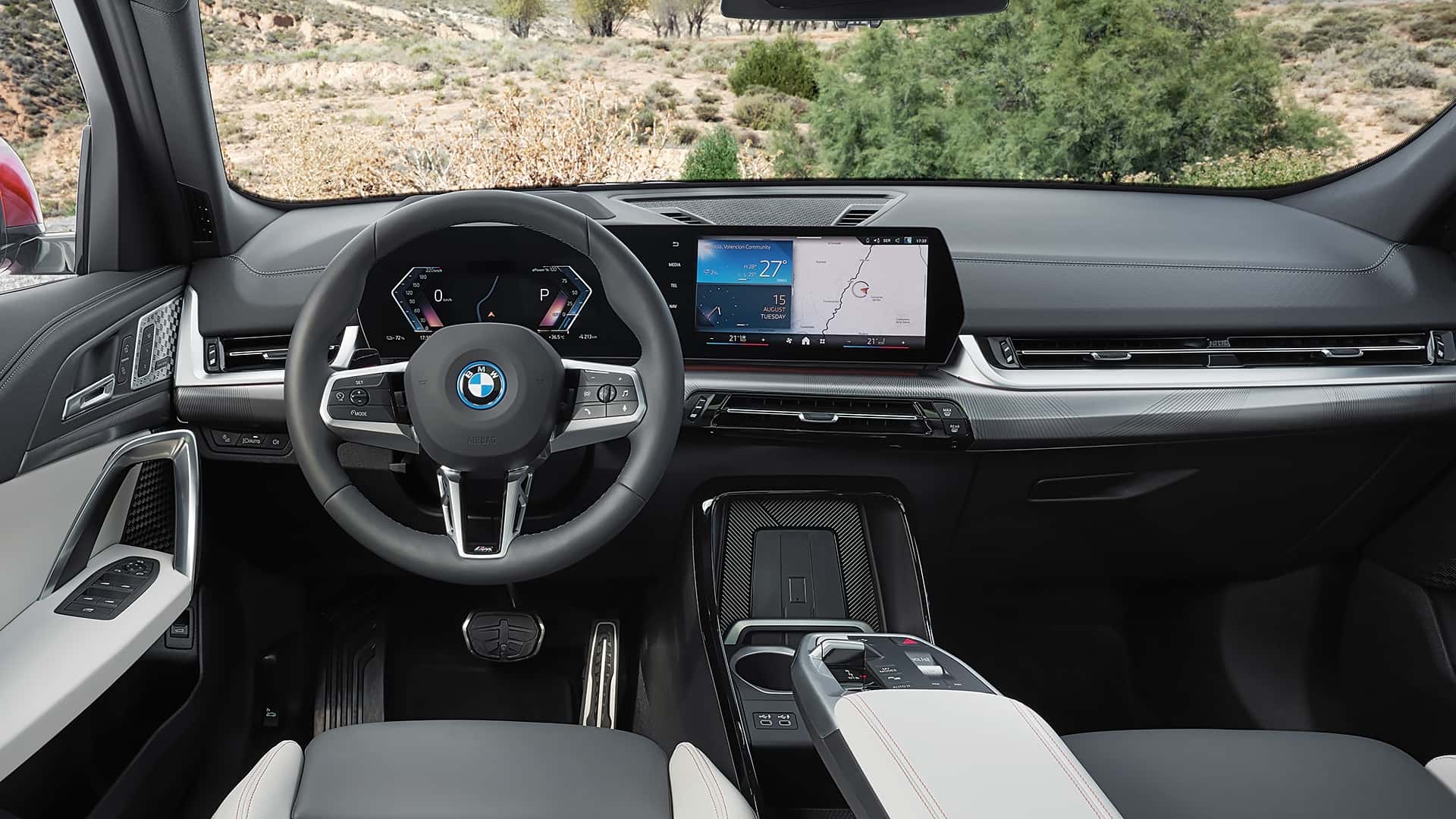
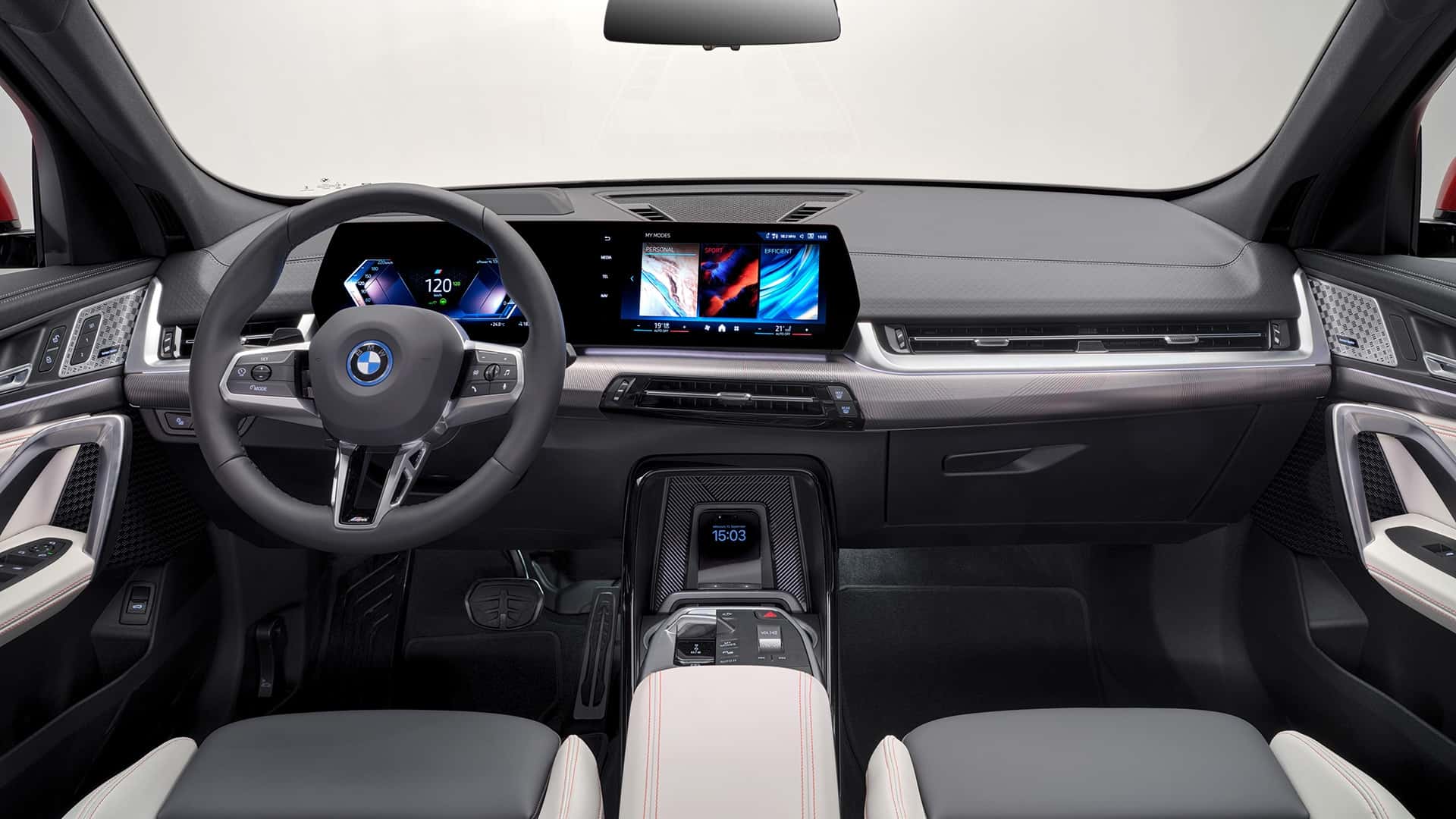
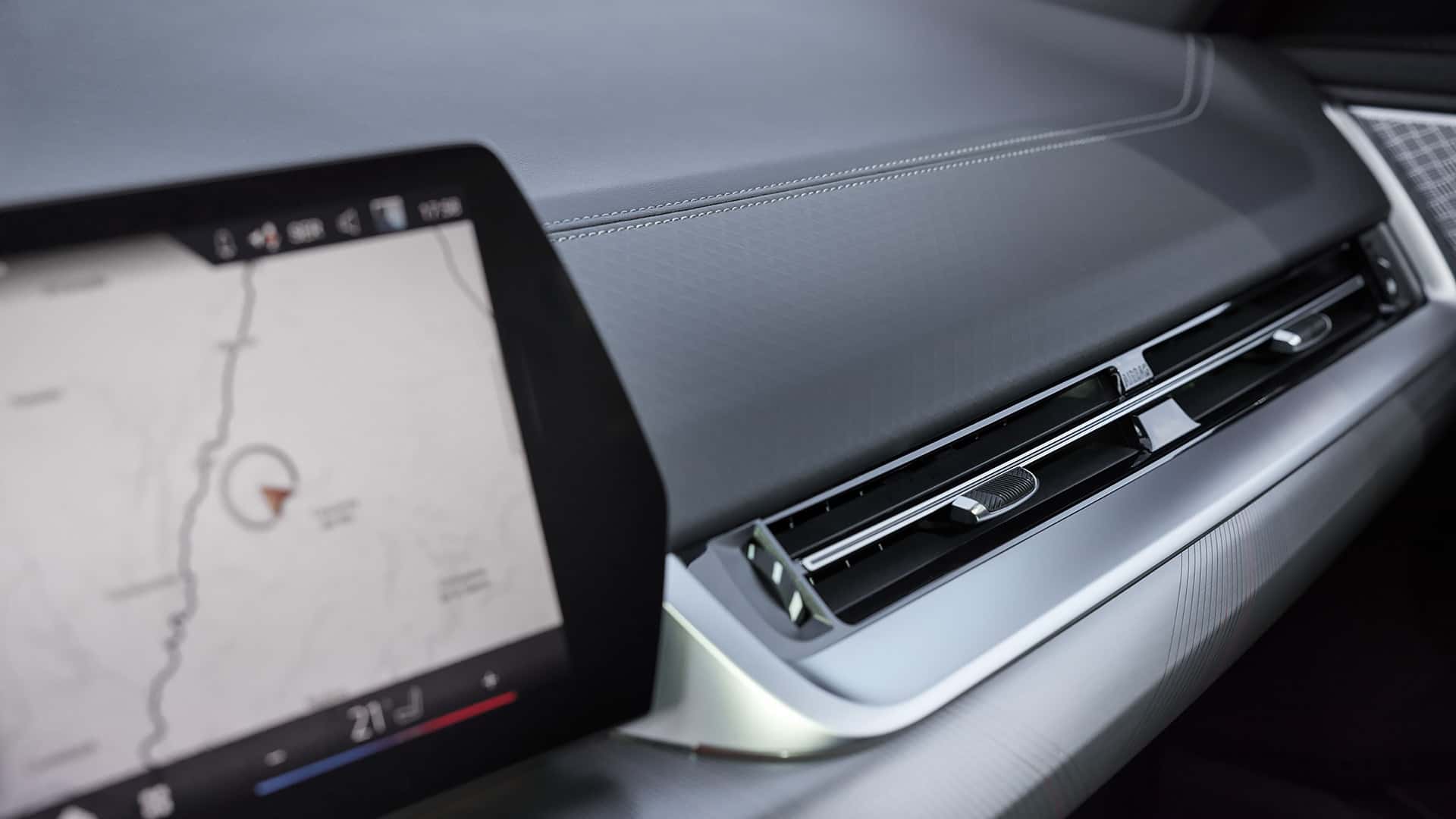
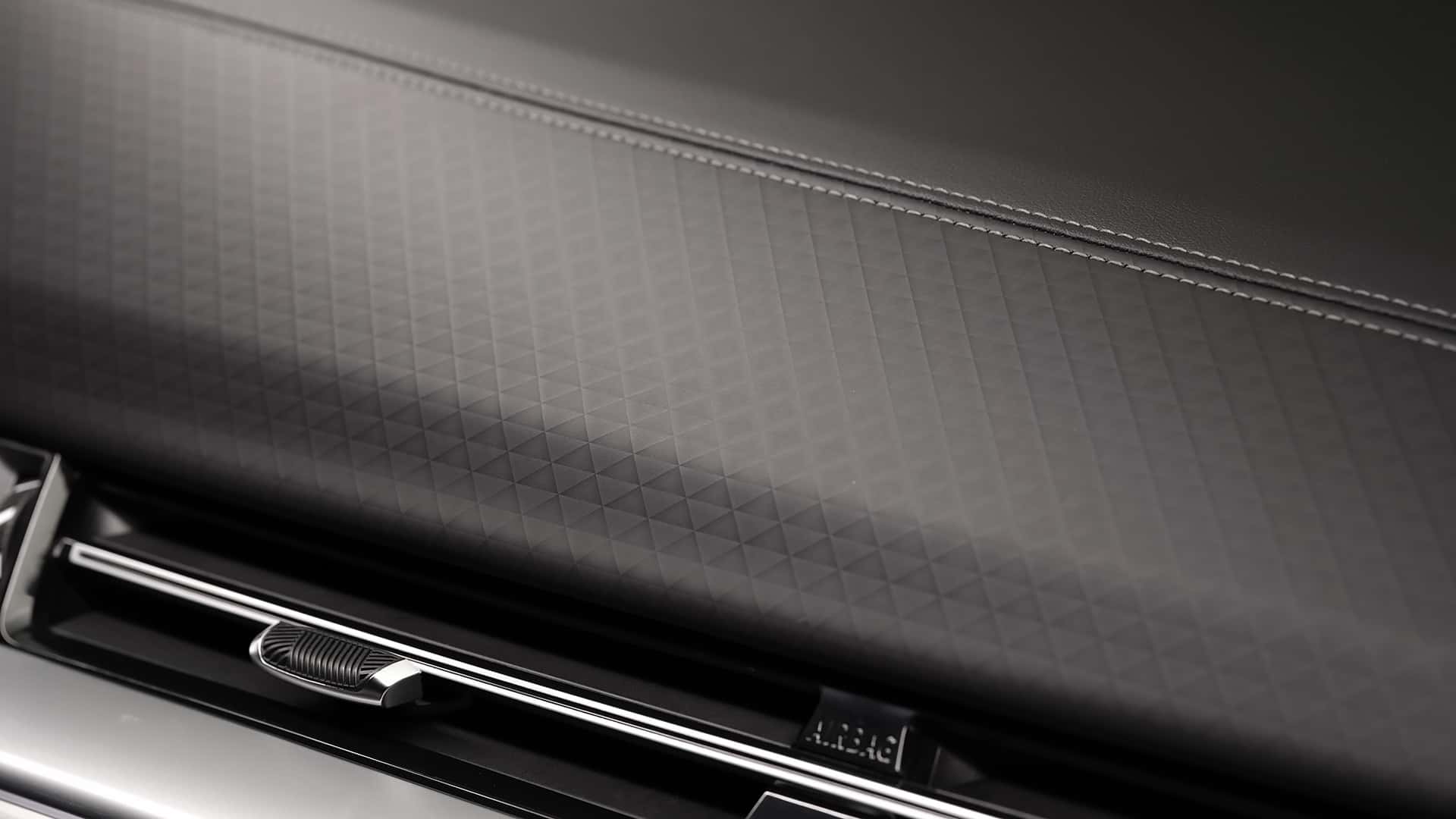
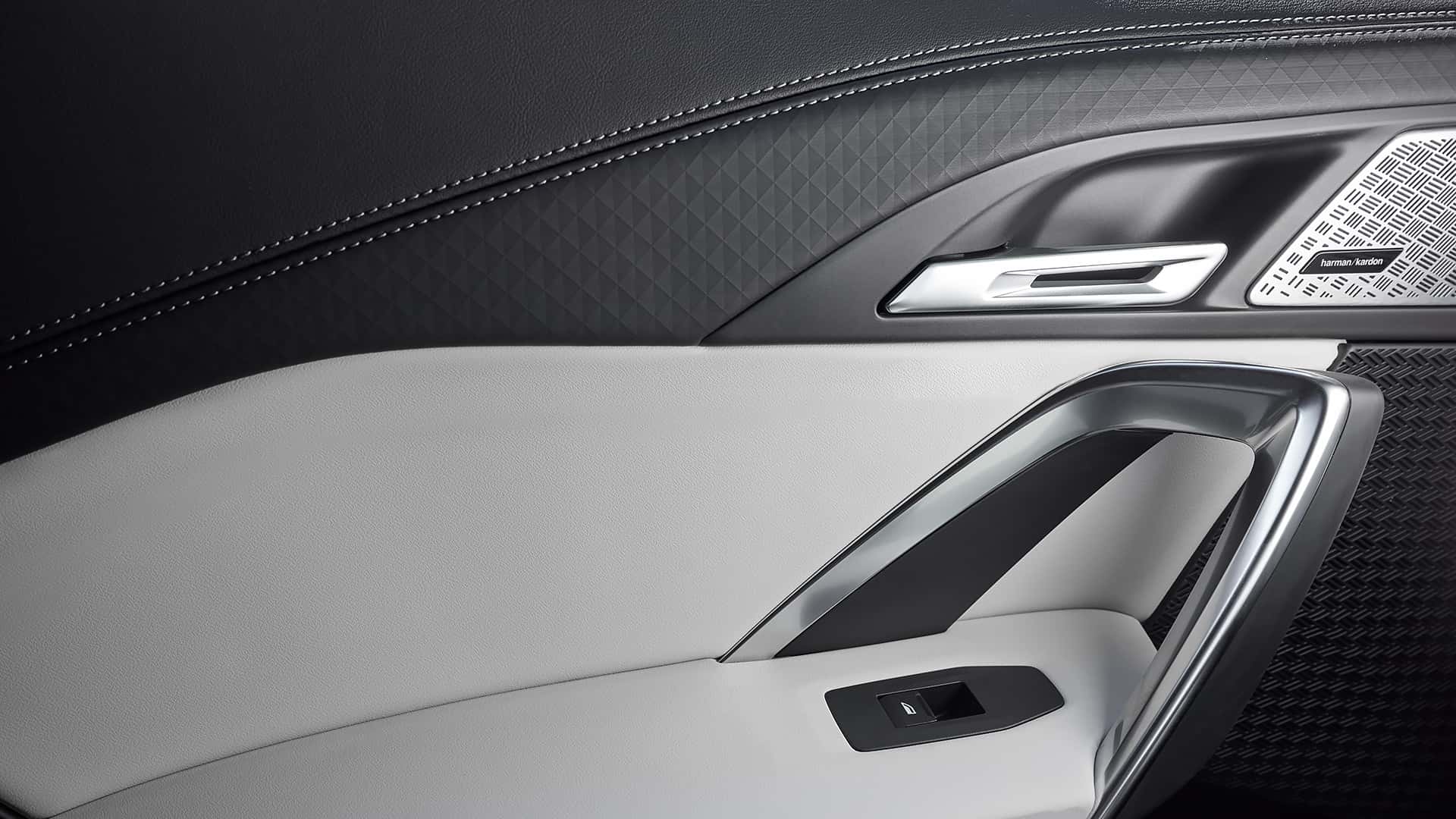
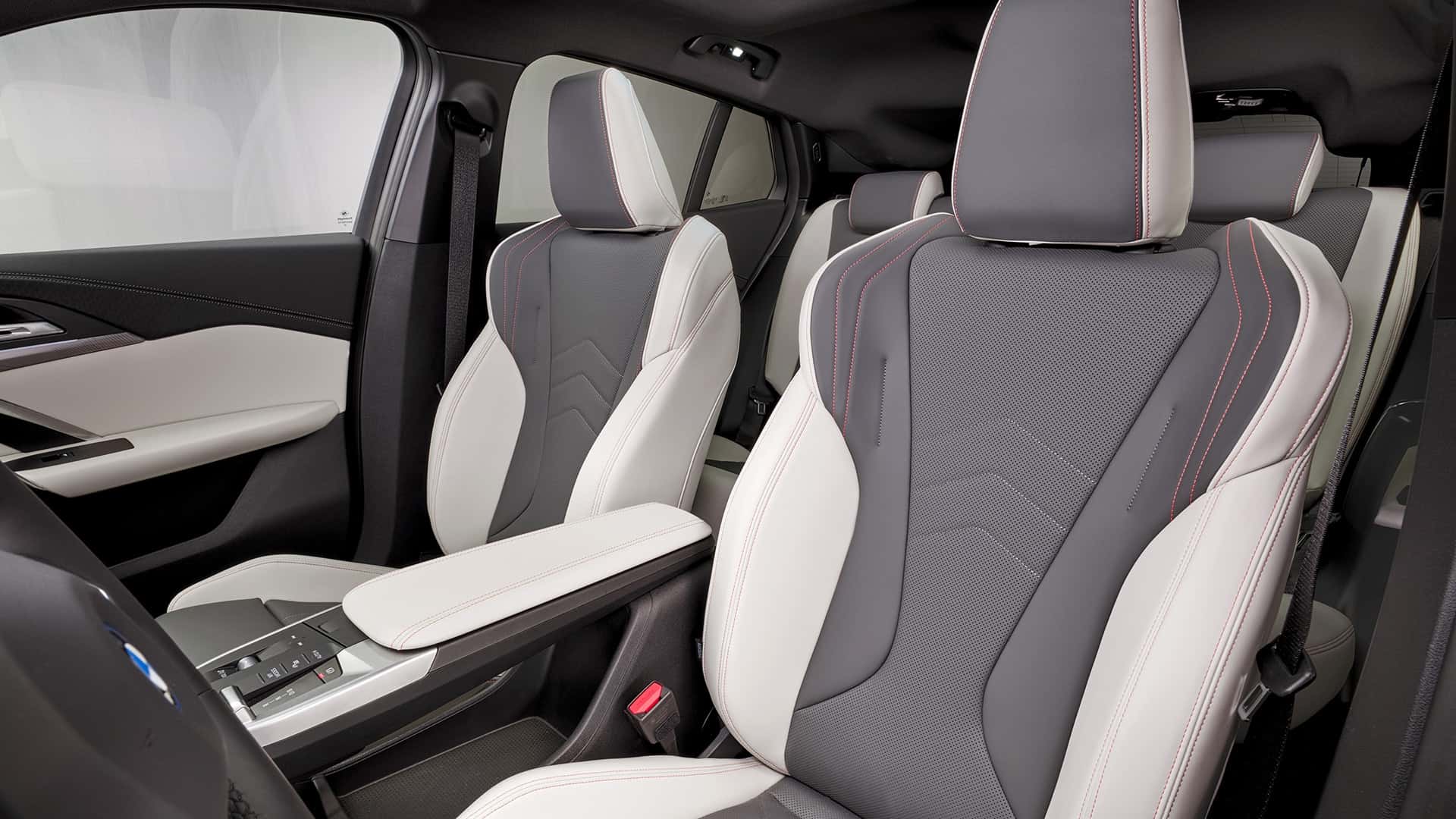
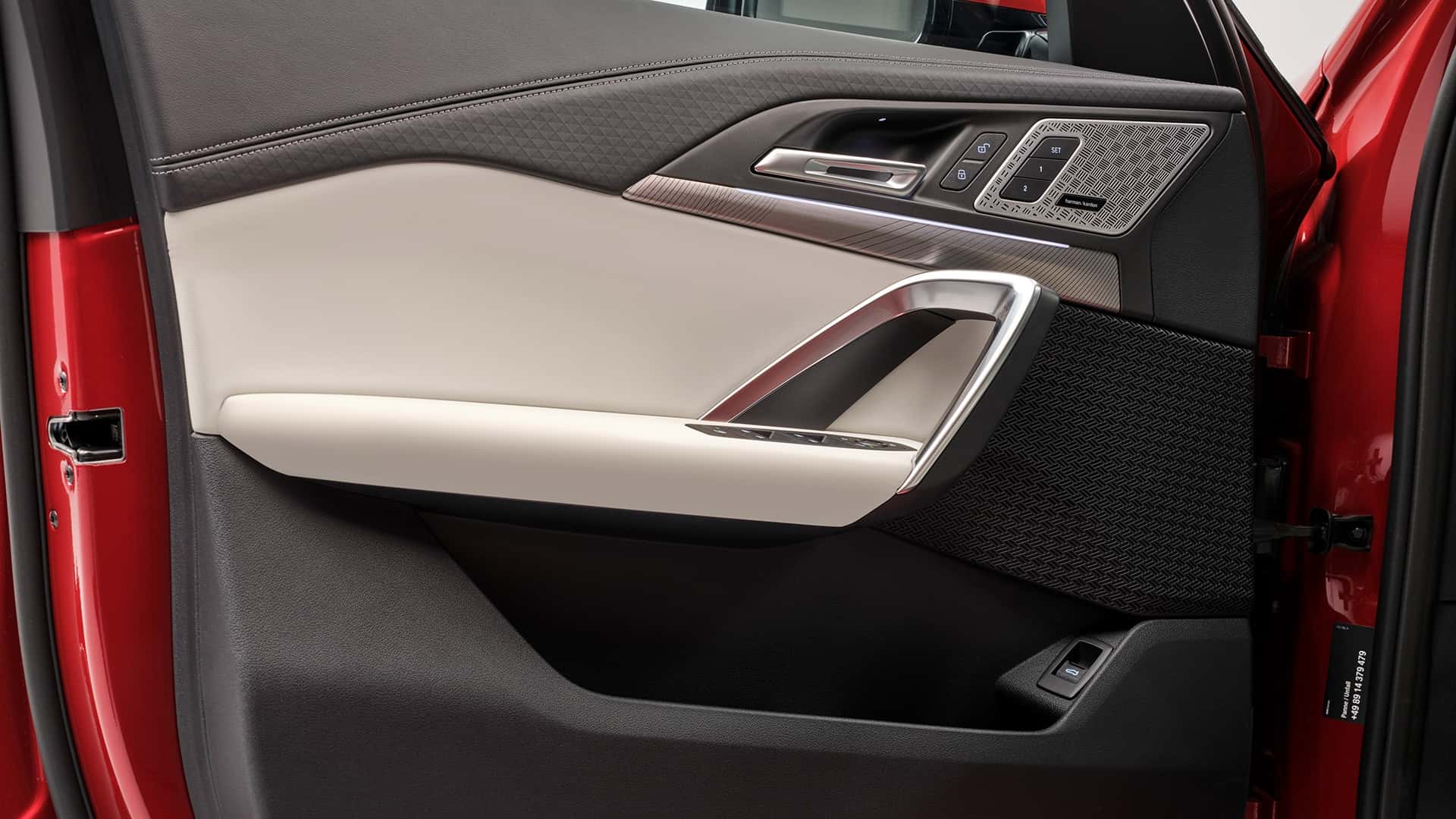
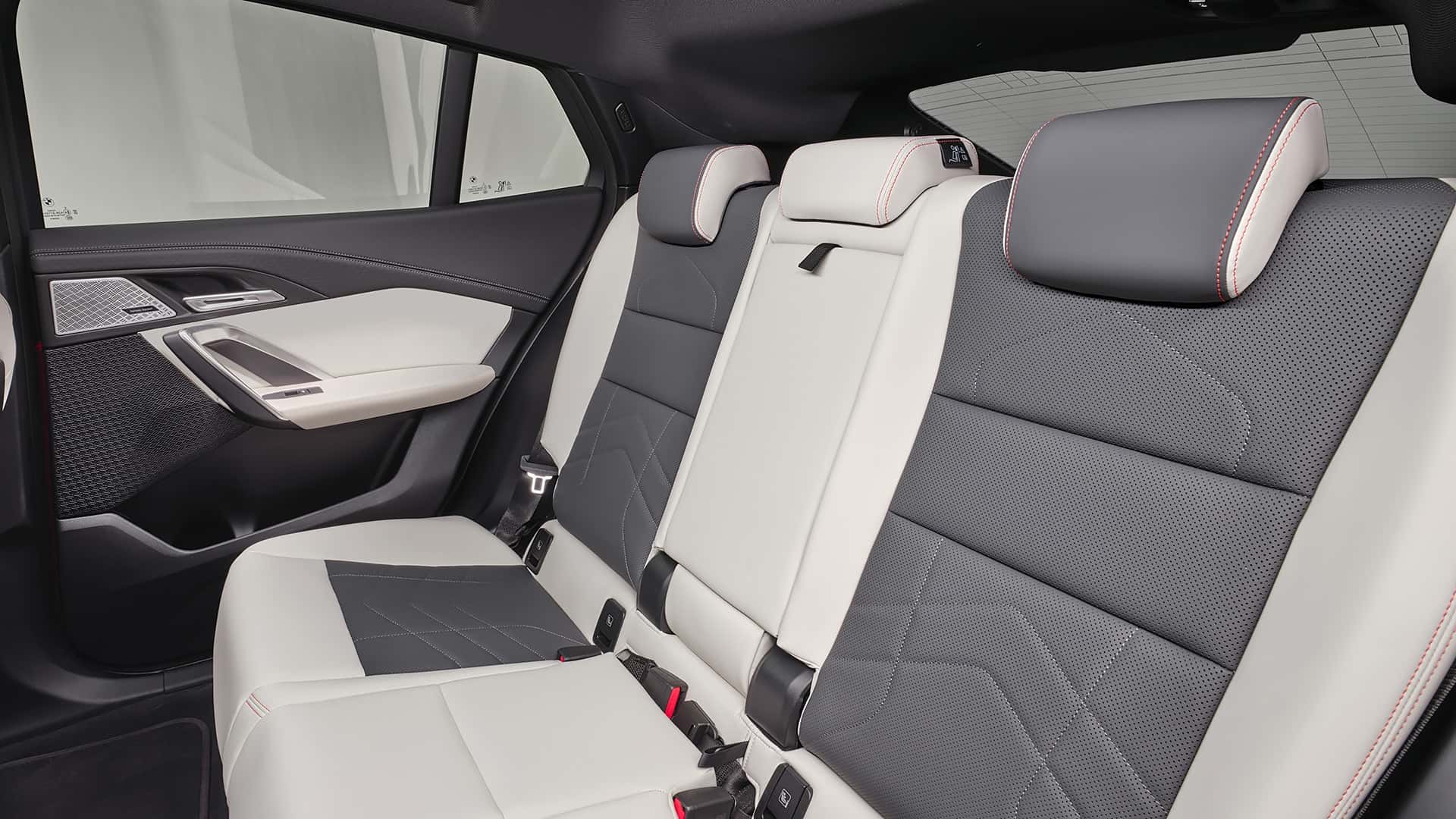
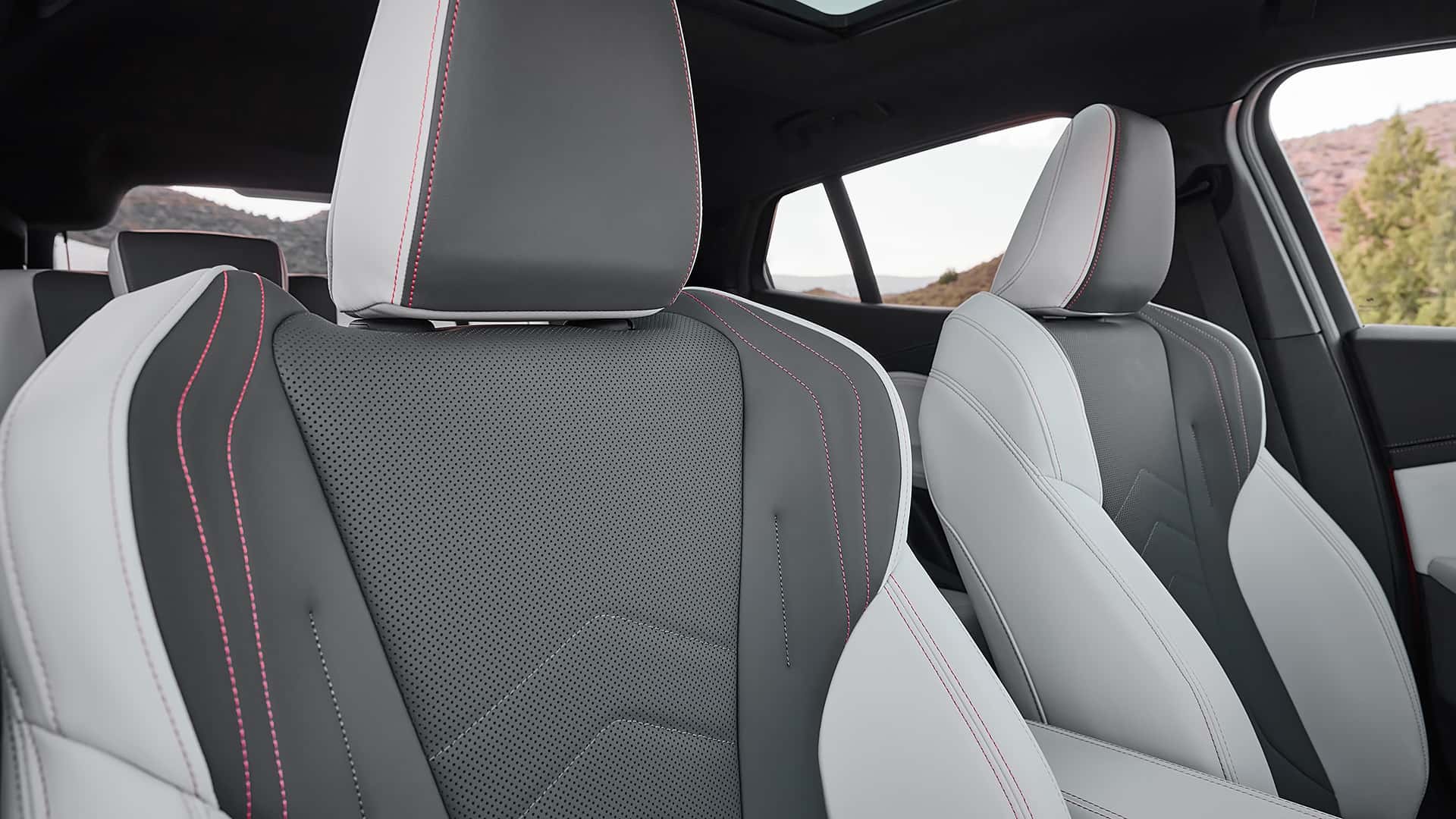
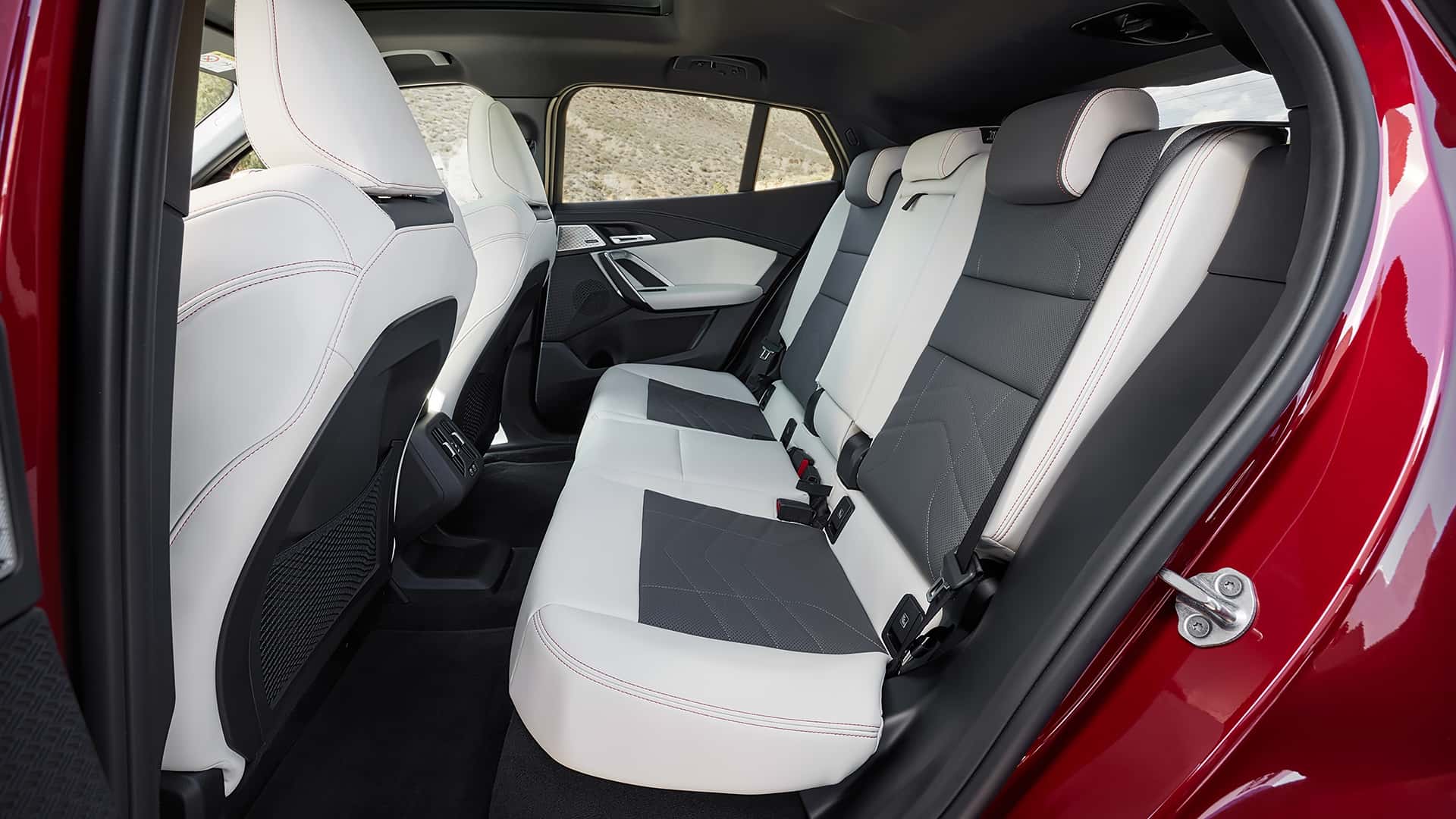
Inside the iX2, familiarity reigns as it shares its interior design with the iX1. The twin floating screens and a spacious center console with a vertical wireless phone charger create a modern and user-friendly cockpit. The incorporation of BMW Operating System 9 and specially designed seats optimized for long-distance comfort elevate the driving experience.

The consistency in design and features across BMW’s EV lineup ensures a seamless transition for drivers embracing electric mobility, fostering brand loyalty and confidence in the evolving technology.

As BMW’s EV family in Malaysia potentially welcomes the iX2, the automotive landscape is poised for a dynamic shift towards sustainable and cutting-edge transportation. The iX2, with its blend of style, performance, and advanced technology, symbolises the next chapter in BMW’s electric journey and sets the stage for an electrifying future on Malaysian roads.

Peningkatan penggunaan kenderaan elektrik (EV) semakin menarik perhatian terhadap keselamatan stesen cas EV. Pakar telah menyuarakan kebimbangan mengenai kebahayaan yang berkaitan dengan penggunaan bahagian yang murah di stesen-stesen ini, membandingkannya dengan isu keselamatan yang dilihat dalam industri telefon bimbit.

Dalam laporan yang ditulis dalam The Star oleh Ragananthini Vethasalam, Wong Shaw Voon, pengerusi Institut Penyelidikan Keselamatan Jalan Raya Malaysia, menekankan keperluan berhati-hati. Sementara letupan telefon telah membawa kepada kematian, risikonya lebih tinggi dengan EV kerana jumlah tenaga yang lebih besar yang mereka pindahkan dan simpan.

Wong memberi amaran terhadap penggunaan bahagian yang lebih murah, menyatakan kebimbangan bahawa dengan meningkatnya penggunaan EV, mungkin akan terdapat peningkatan penggunaan komponen yang tidak memenuhi standard dalam infrastruktur cas.

(more…)

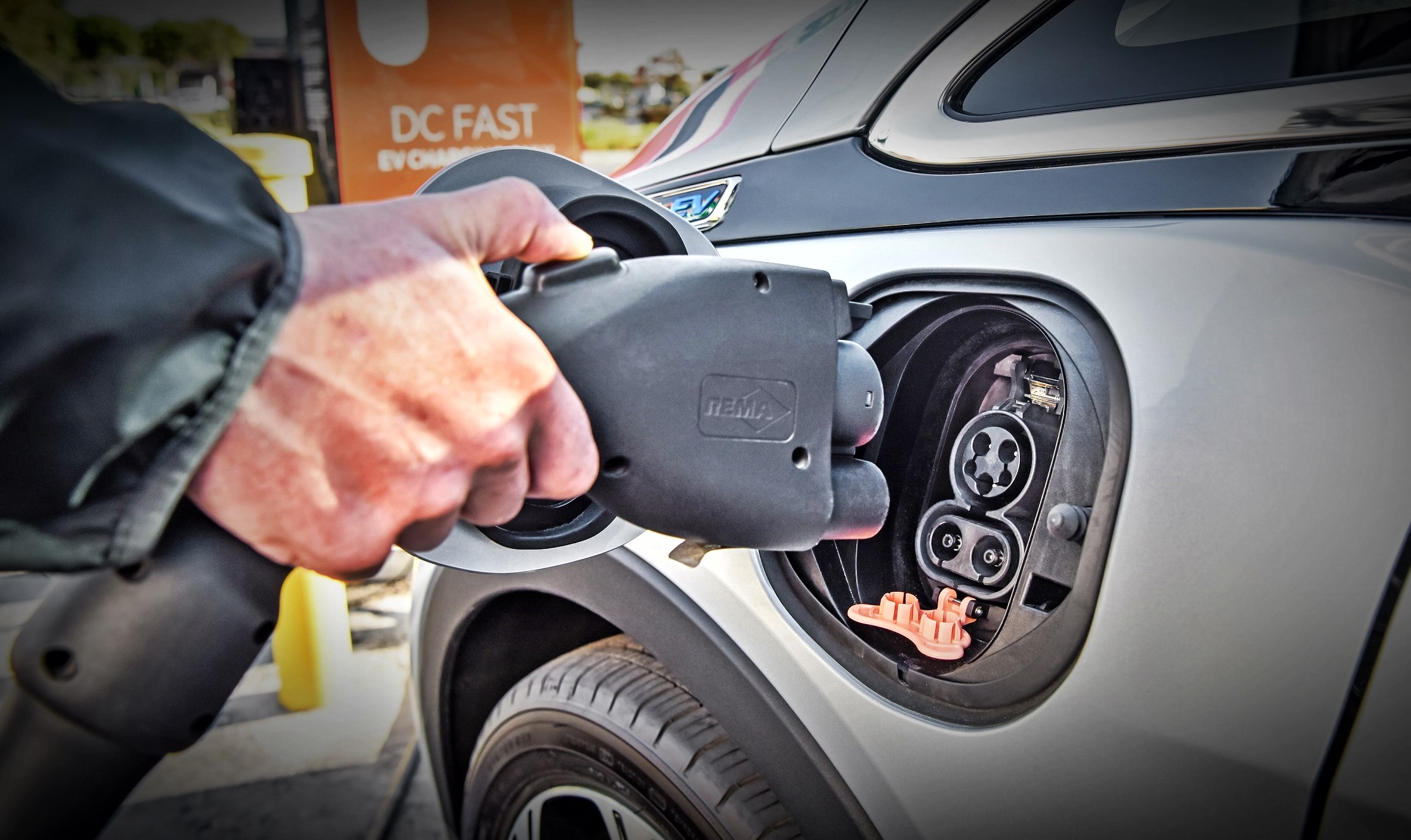
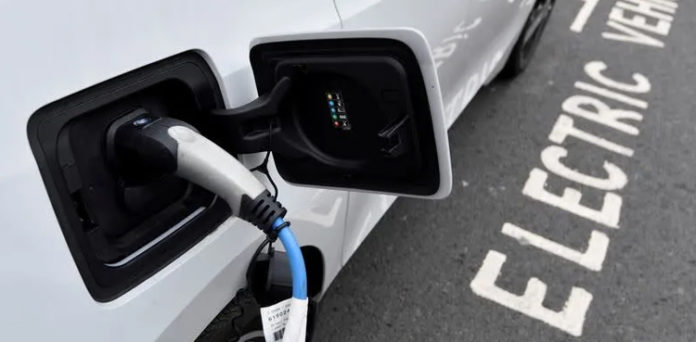
In the era of electric vehicles (EVs), the act of charging them may seem as routine as charging our mobile phones. However, recent concerns raised by experts highlight the potential dangers associated with generic or faulty parts used in EV charging stations, drawing parallels with the risks we’ve seen in the mobile phone industry.

In a report written in The Star by Ragananthini Vethasalam, Malaysian Institute of Road Safety Research chairman Wong Shaw Voon has emphasised the need for caution, pointing out that while phone explosions have led to fatalities, the stakes are higher with EVs due to the larger amounts of energy they transfer and store.

The comparison serves as a stark reminder that as EV adoption grows, the responsibility to ensure the safety of charging facilities lies not only with manufacturers but also with EV owners and charging station operators.

Wong warns against the use of generic and cheaper parts, echoing concerns that as EVs become more prevalent, there may be a surge in the use of substandard components in charging infrastructure.

It is crucial for stakeholders in the EV ecosystem to prioritise quality over cost, as the potential risks associated with compromised charging stations could escalate with the increasing popularity of EVs.

(more…)

Archive

Follow us on Facebook

Follow us on YouTube