Piston.my

EV

An SUV, or Sport Utility Vehicle, is basically the all-rounder of the car world. What makes an SUV an SUV comes down to a mix of size, style, powertrain and practicality. 

Stating the obvious here, but they sit higher off the ground than regular cars, which not only makes them look tougher but also gives drivers a better view of the road. Which is why SUV’s have become so popular.

Inside, you’ll find more space, whether it’s for passengers, luggage, or that last-minute IKEA run, making them a favourite for families and road-trippers alike.
Another big part of the modern SUV appeal is adaptability. Some come with different drive modes which allow them to handle everything from rainy highways to the occasional dirt trail. Even if most owners stick to city streets, it’s nice knowing the car could take more.

Honda has built a strong reputation worldwide for making cars that are reliable, practical, and efficient, and their SUV lineup is no exception. The brand started out producing small, economical vehicles, but as customer needs shifted toward bigger and more versatile cars, Honda quickly adapted. 
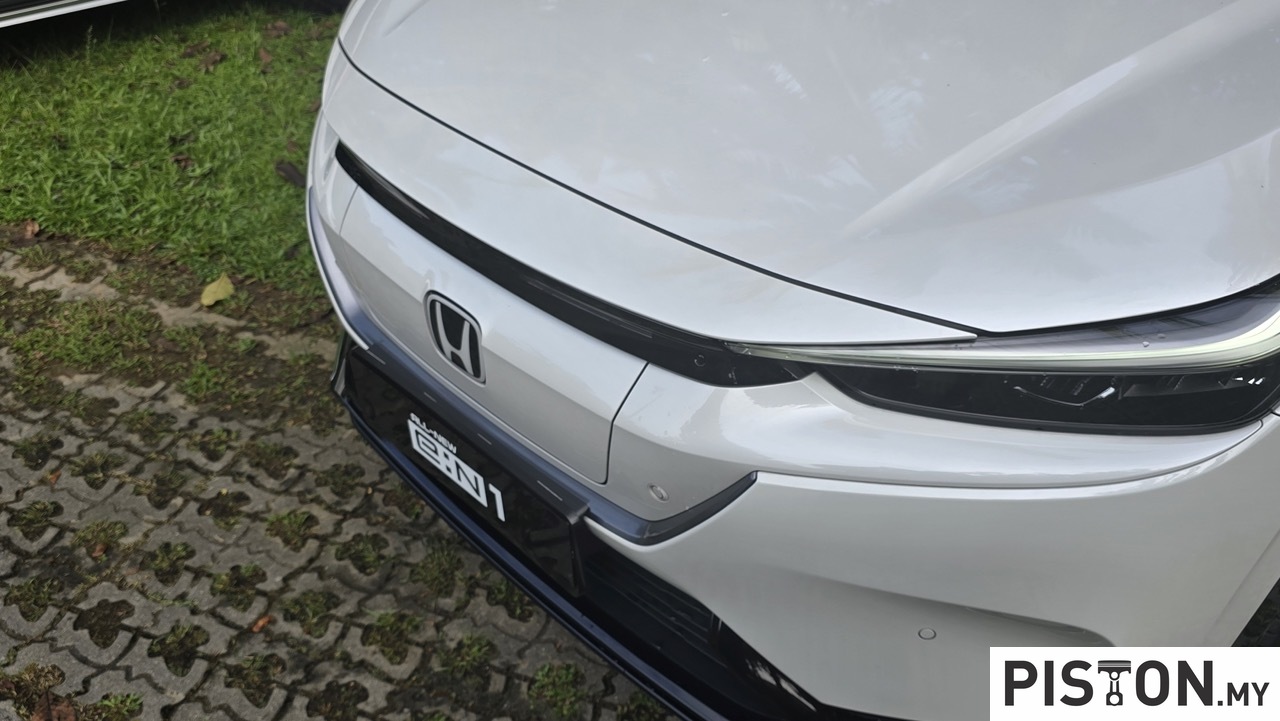
Their SUVs are designed to combine everyday usability with comfort and style, while still carrying Honda’s trademark dependability.

Models like the CR-V have become global best-sellers, striking the right balance between size, fuel efficiency, and family-friendly practicality. In markets like Malaysia, the HR-V has also gained a huge following thanks to its compact footprint paired with surprisingly spacious interiors.
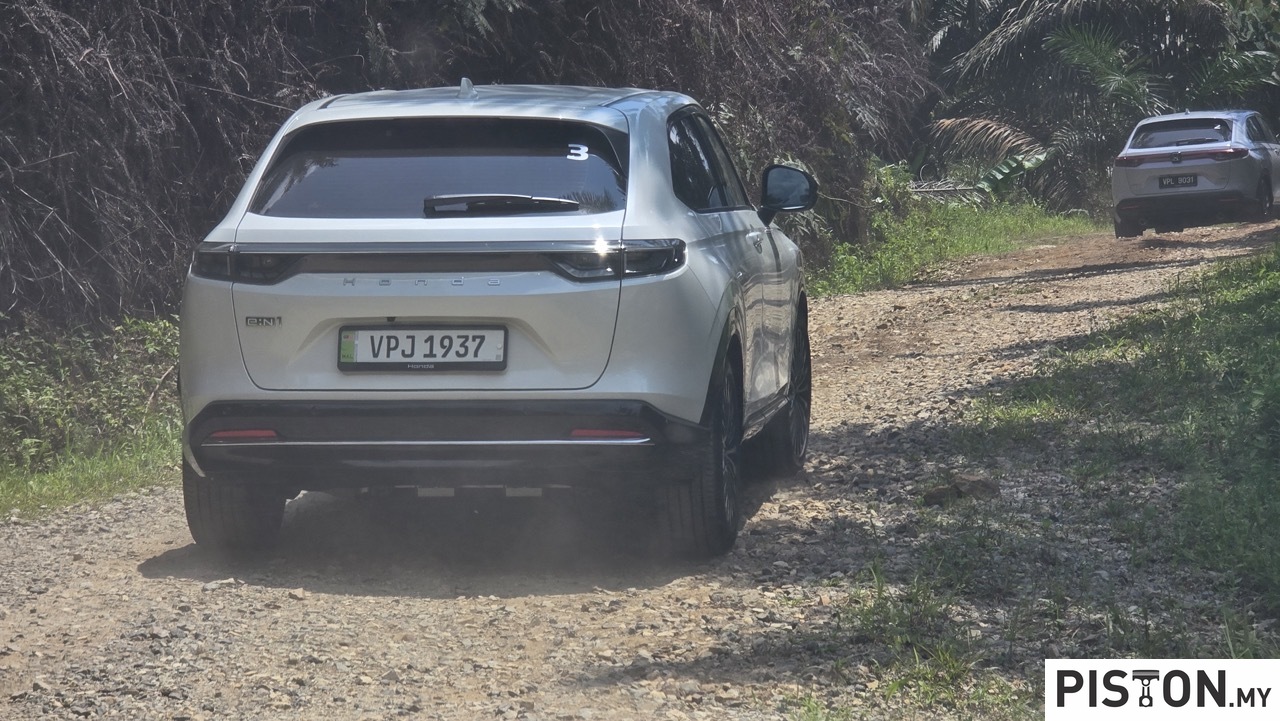
But of course, these come with an internal combustion engine. How about an electric powertrain? The first major leap came with the Honda Prologue, introduced in 2024 for North America. 

Built on General Motors’ Ultium platform, it provided Honda with a quick and competitive entry into the electric SUV segment.
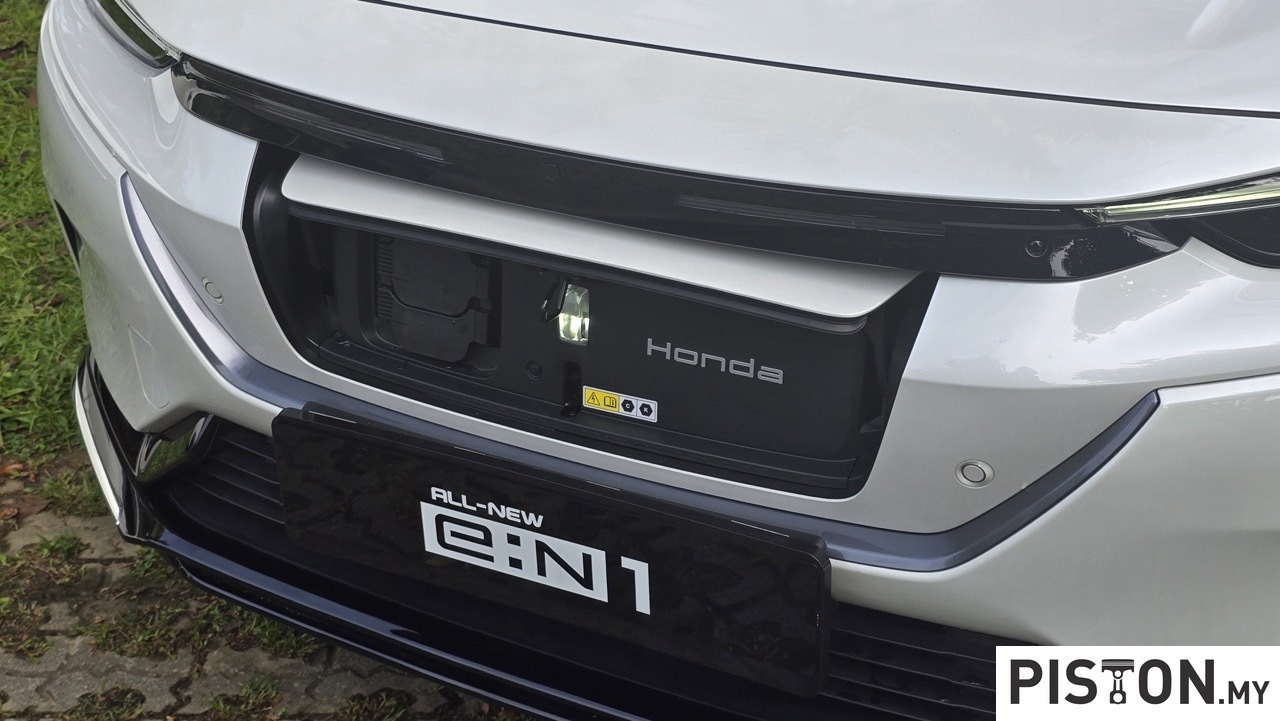
In Asia, Honda has launched its e:N series, starting with models like the e:NP2, e:NS2, and e:N1. These compact electric SUVs are designed for urban buyers, combining sleek styling with practical range figures up to about 545km in China and 412km (WLTP) for the e:N1. 

What is the e:N1?

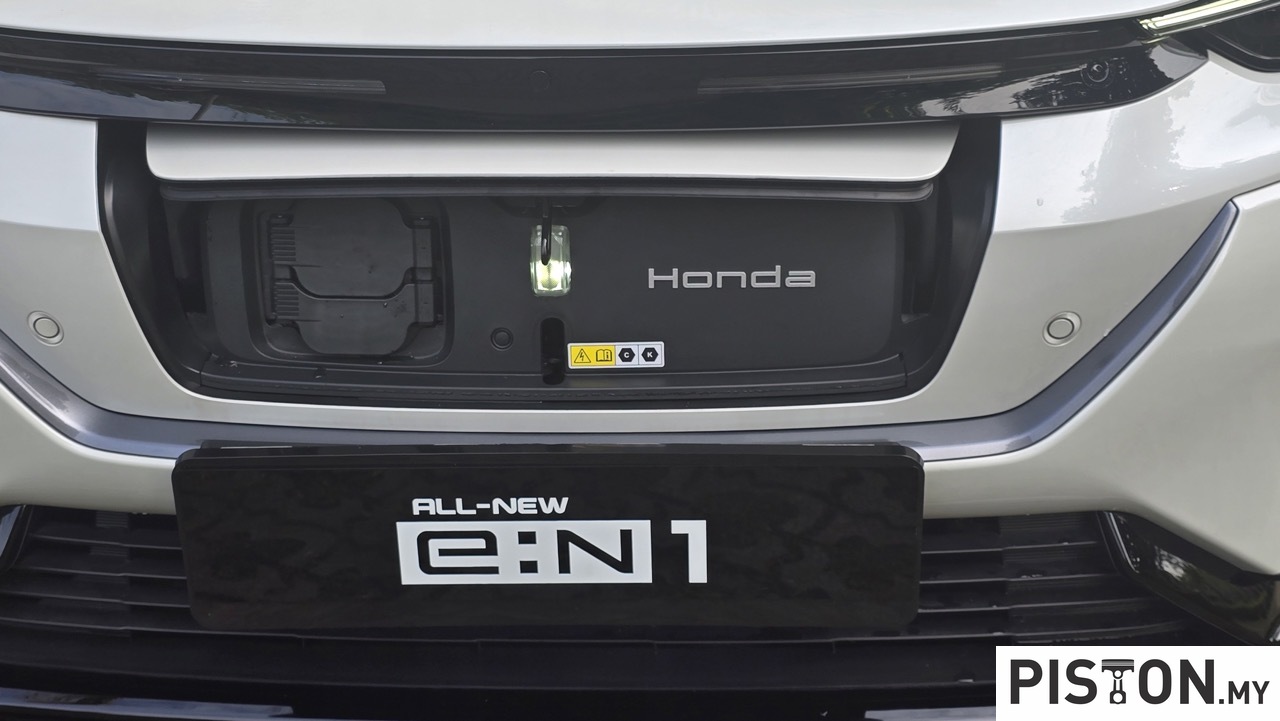
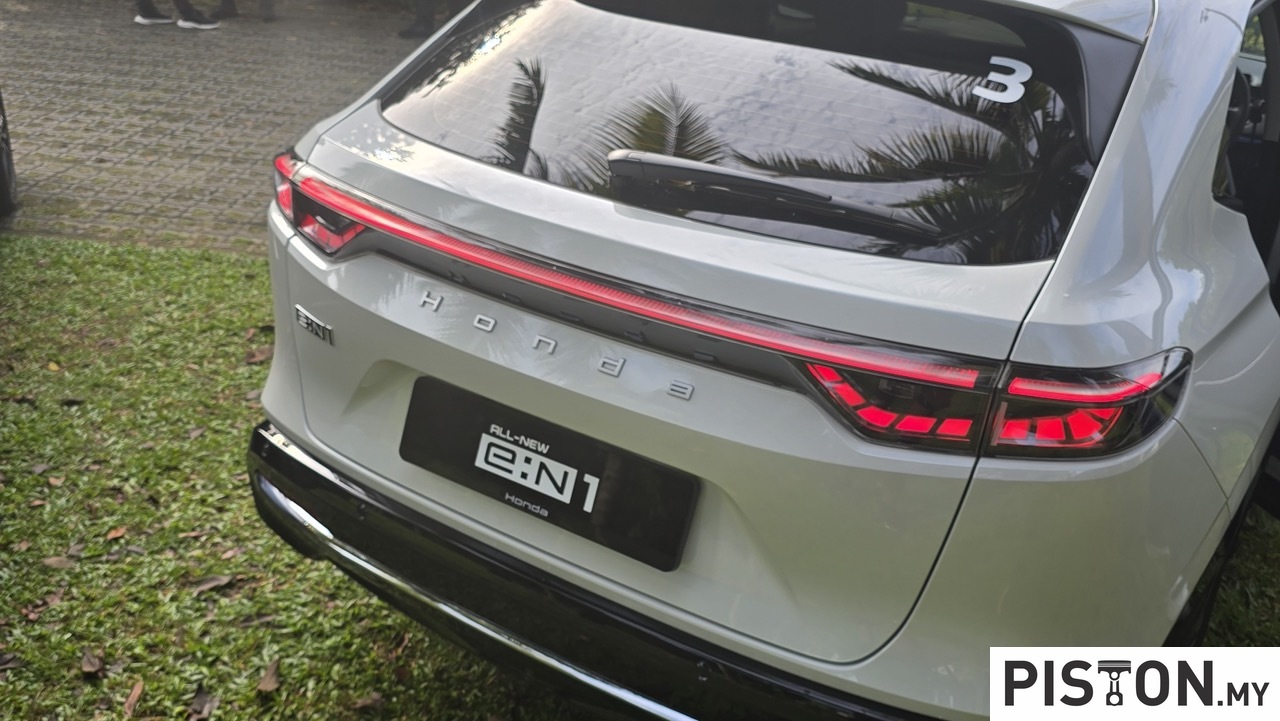
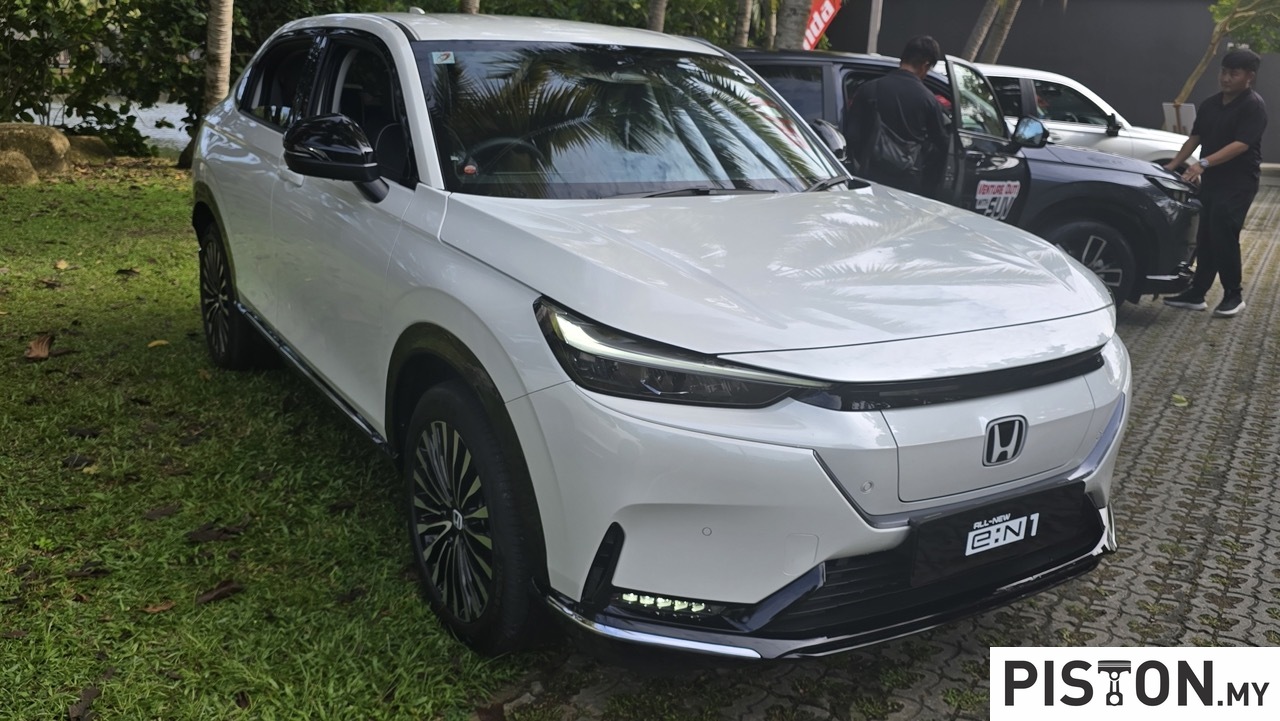
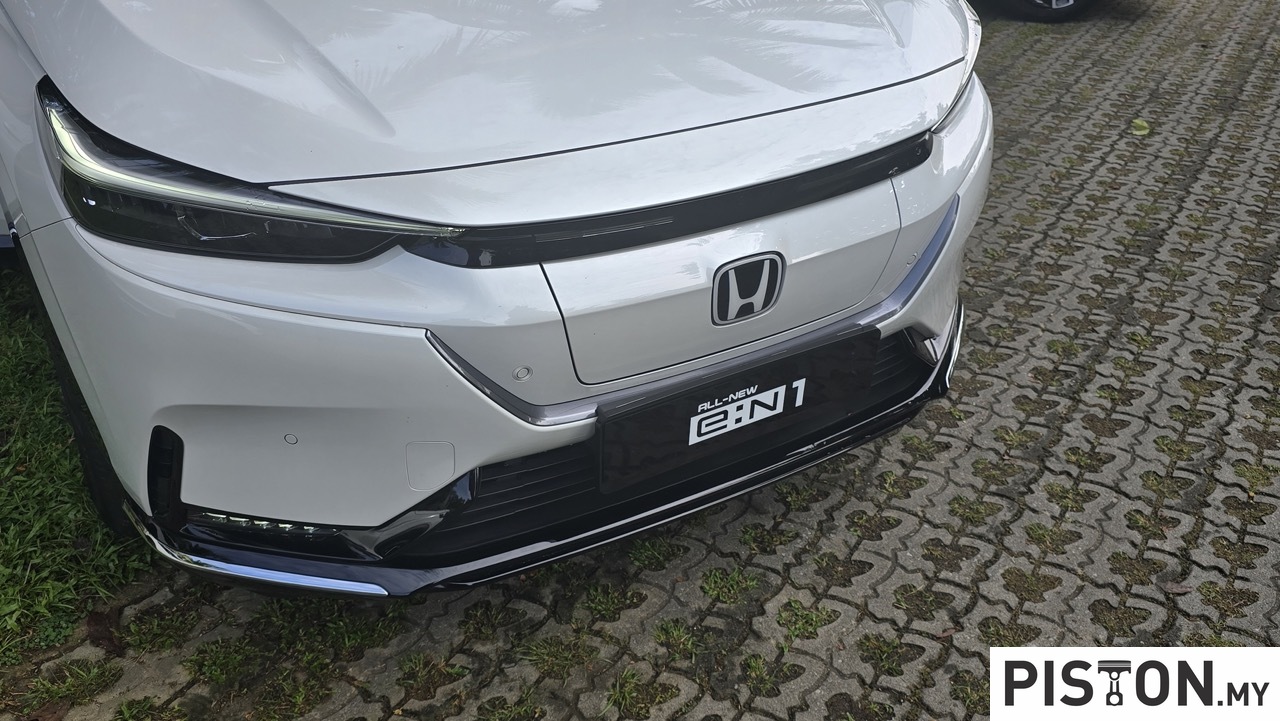
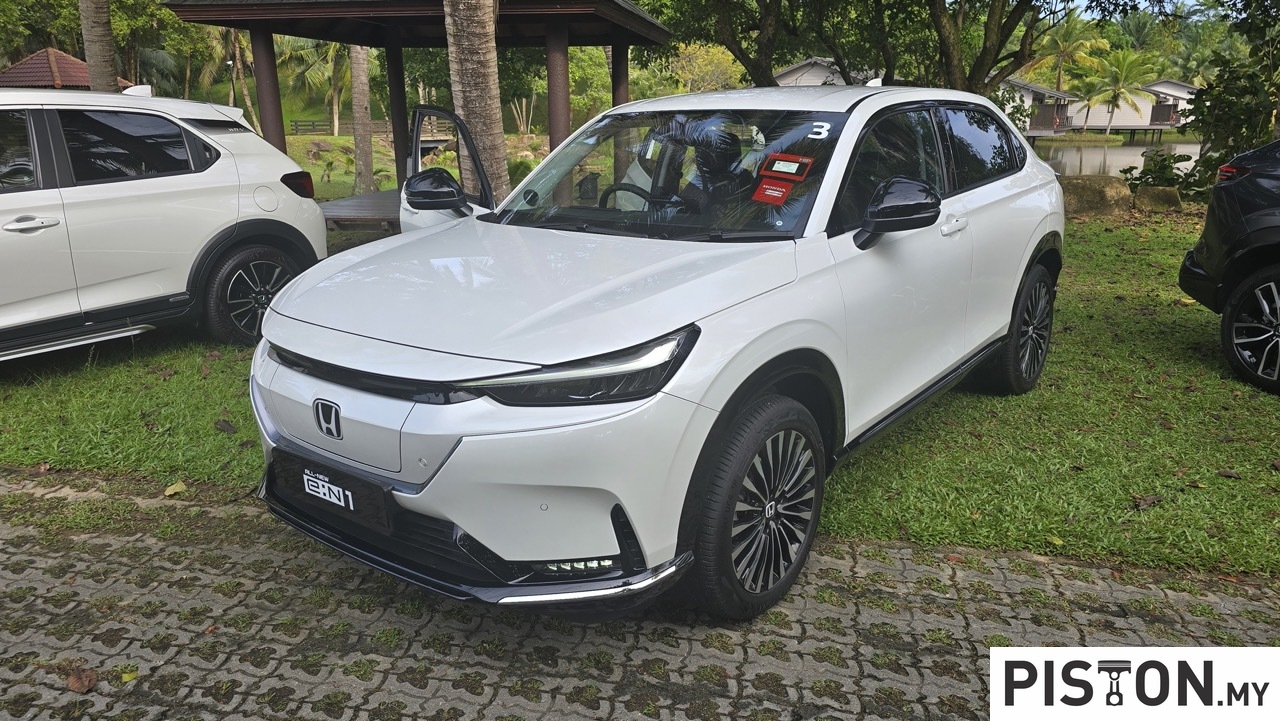
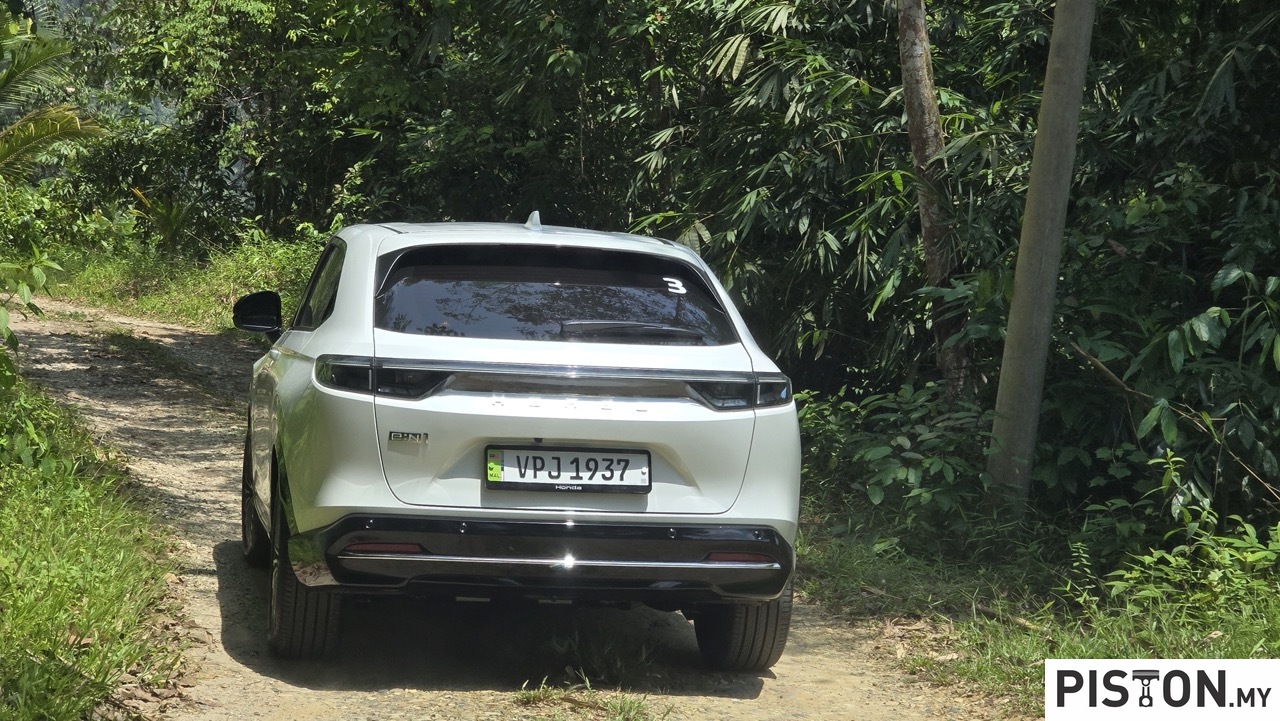
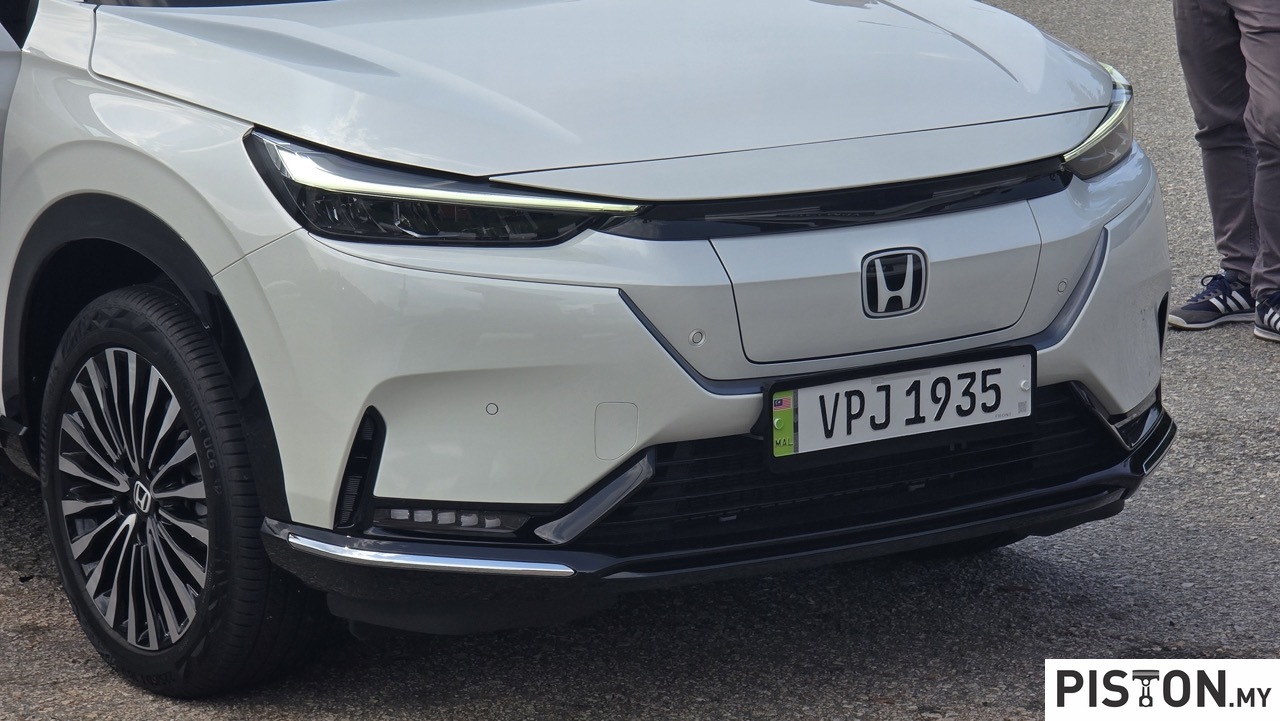
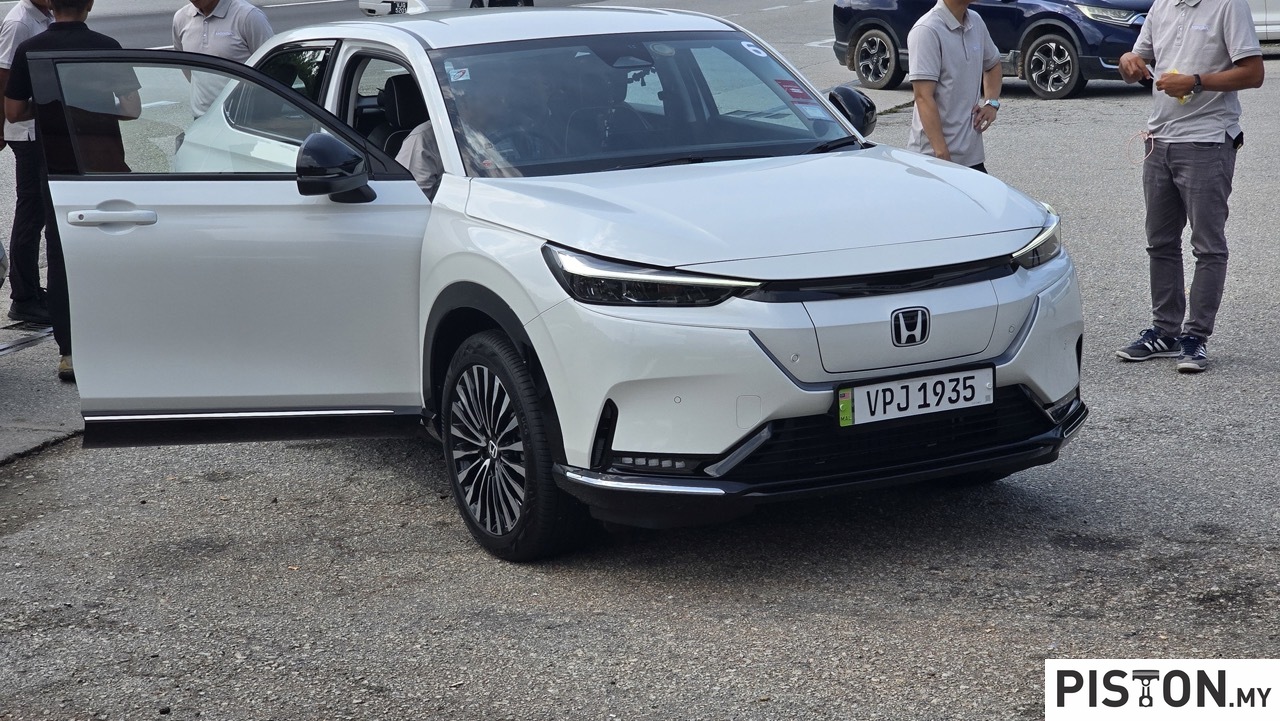
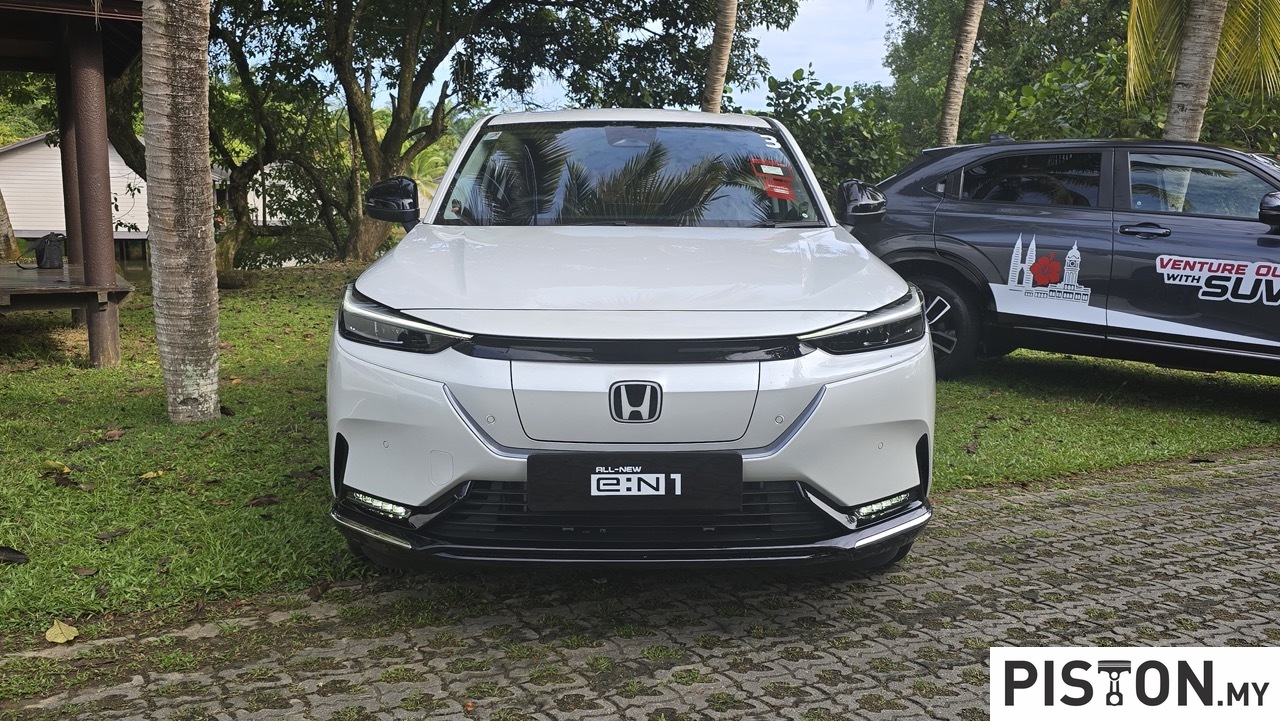
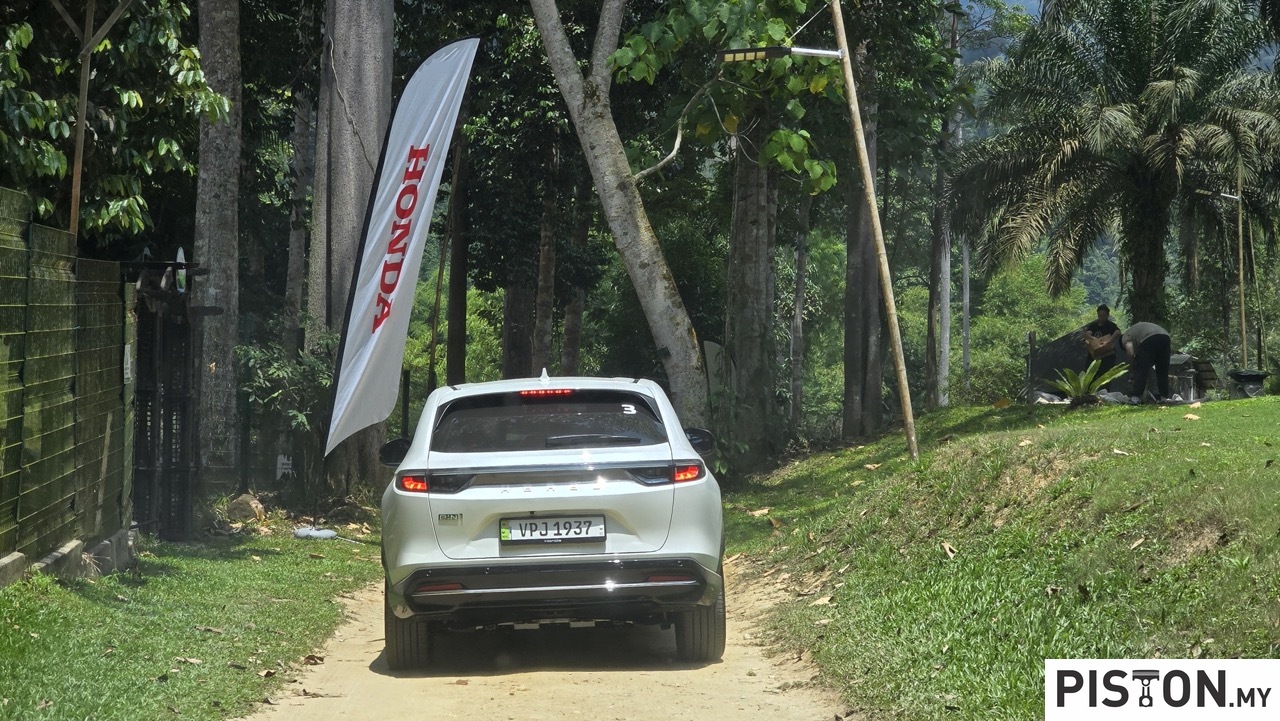
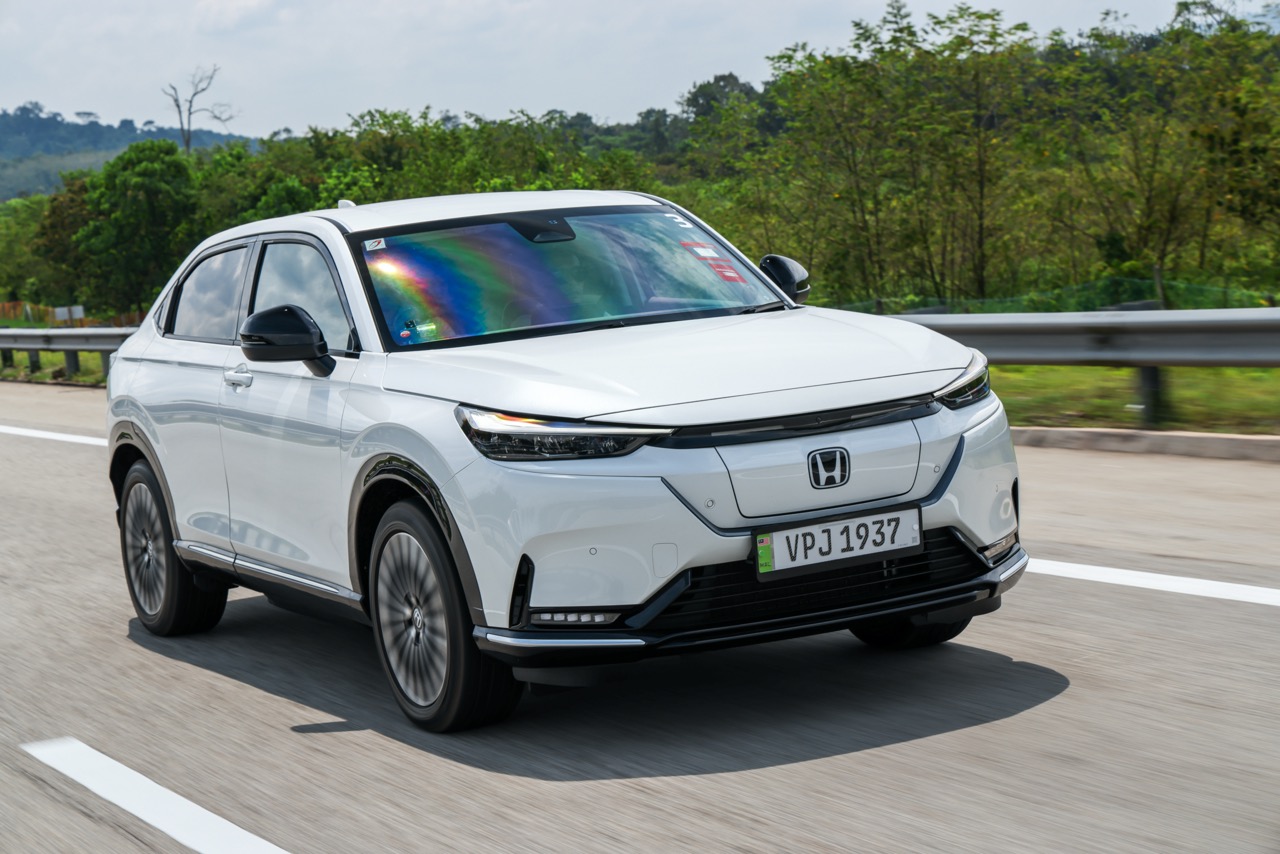
The Honda e:N1 is Honda’s first all-electric SUV that entered the Malaysian market, marking the brand’s serious step into the EV space. Built on Honda’s global e:N Architecture, the e:N1 blends modern styling with practicality, offering a familiar SUV shape while being powered purely by electricity. 
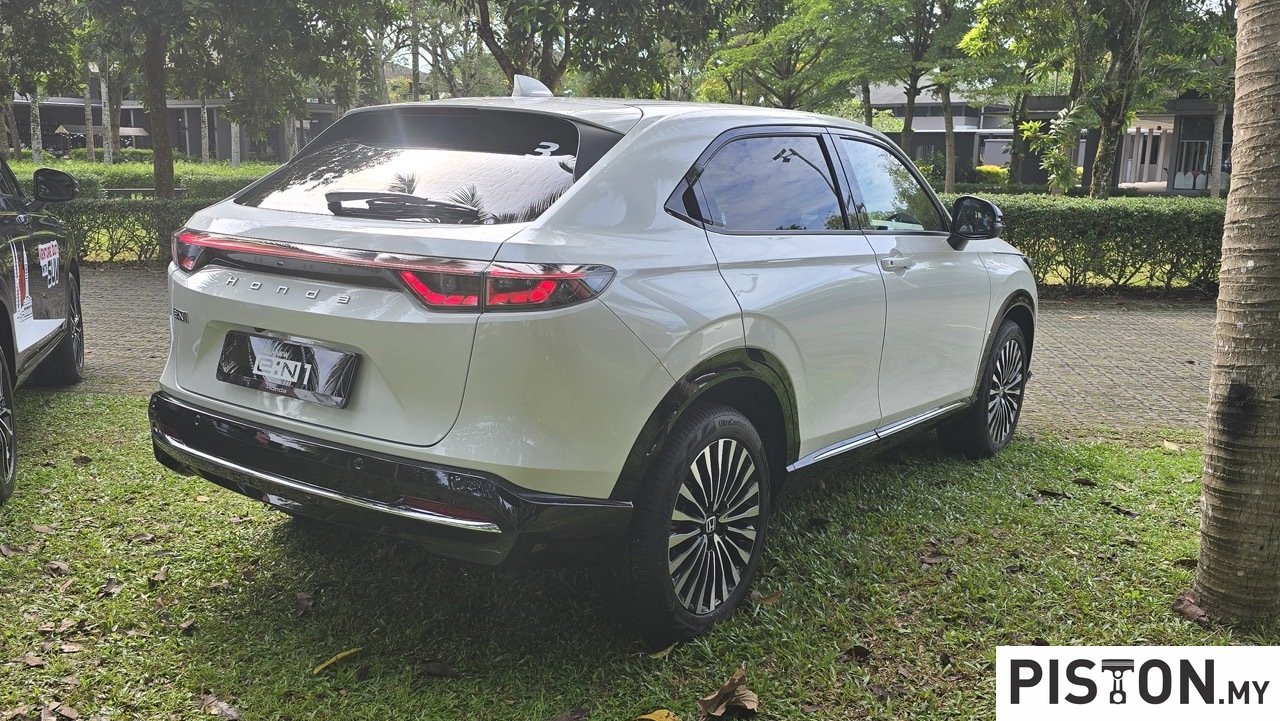
Positioned as an accessible yet premium entry into the EV segment, it delivers a smooth, quiet driving experience with instant torque, all wrapped in a package that feels unmistakably Honda. 

The e:N1 is designed not only to appeal to eco-conscious buyers but also to those who want an easy transition from traditional petrol-powered SUVs into the world of electric mobility.
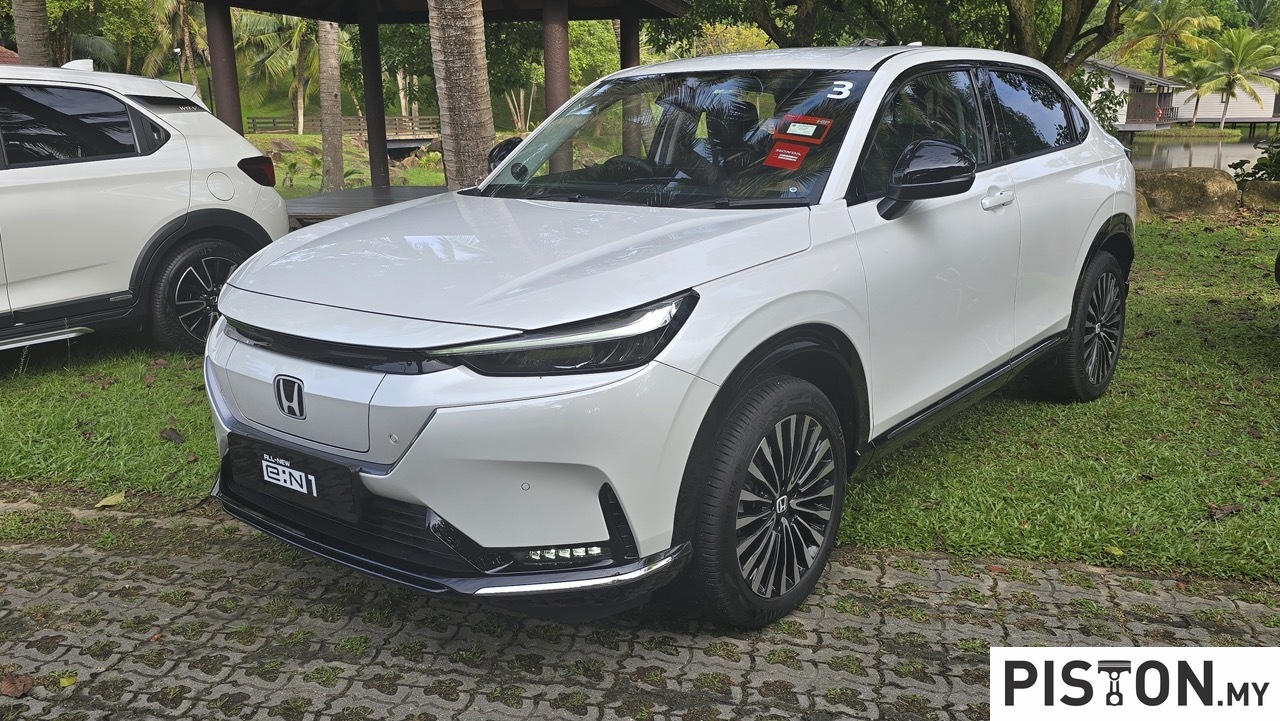
But of course, on paper, any car will look good. So, we put it to the test. 

Difference between the e:N1 and HR-V

At first glance, the Honda e:N1 and the current HR-V in Malaysia look very similar, but underneath, they’re built quite differently. The e:N1 sits on Honda’s dedicated e:N Architecture F platform, which is purpose-built for EVs. This setup gives it a lower centre of gravity and better aerodynamics.
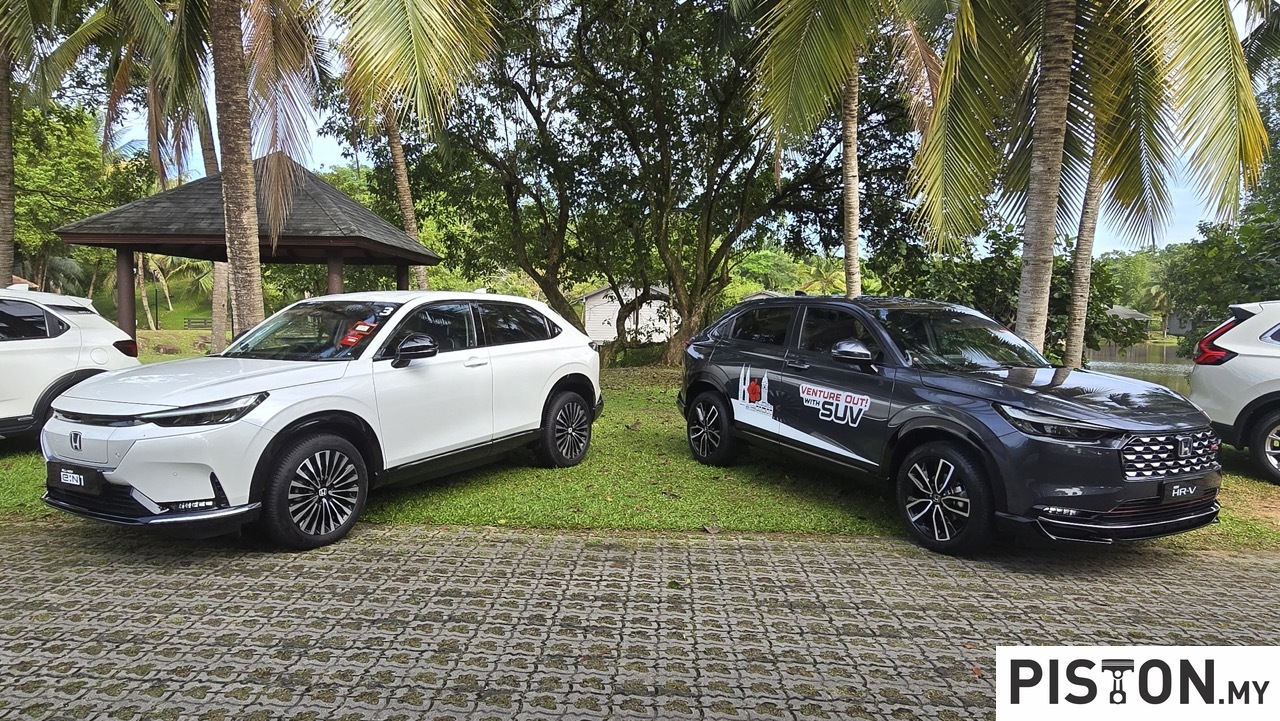
Power comes from a front-mounted electric motor pushing out 204PS and 310Nm, allowing it to hit 100 km/h in just 7.7 seconds. 

Dimension-wise, both SUVs are nearly identical in size, with the same 2,610 mm wheelbase. But because of its underfloor battery pack, the e:N1 rides much lower with just 142 mm of ground clearance compared to the HR-V’s 196 mm (RS) or 183 mm (non-RS). 
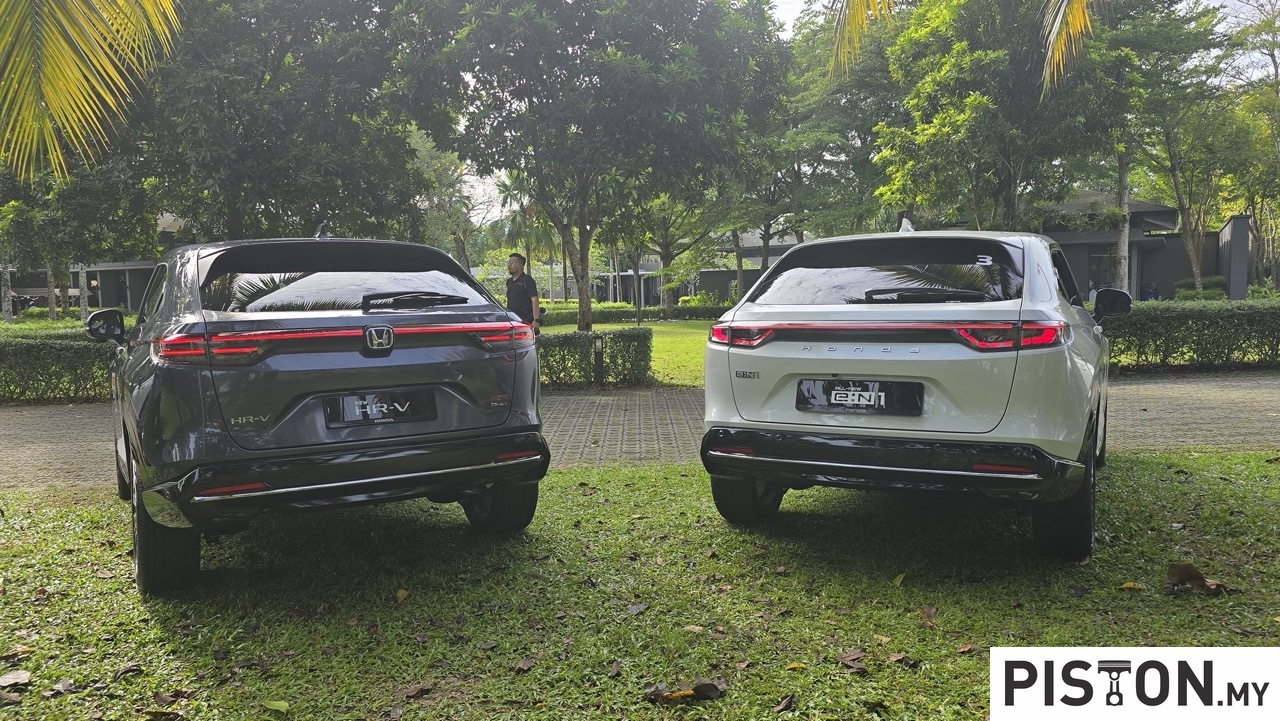
This lower stance improves stability but sacrifices some of the HR-V’s SUV-like ride height. The e:N1 also has a slightly wider turning radius at 5.7 m versus the HR-V’s 5.5 m.

Sufficient driving range for short getaways

Range anxiety is something we all fear when buying an electric vehicle (EV). Does it have enough range for my daily routine? Can I balik kampung with this range? Are there enough charging stations on the way? These are questions that run through our heads when considering buying an EV. 
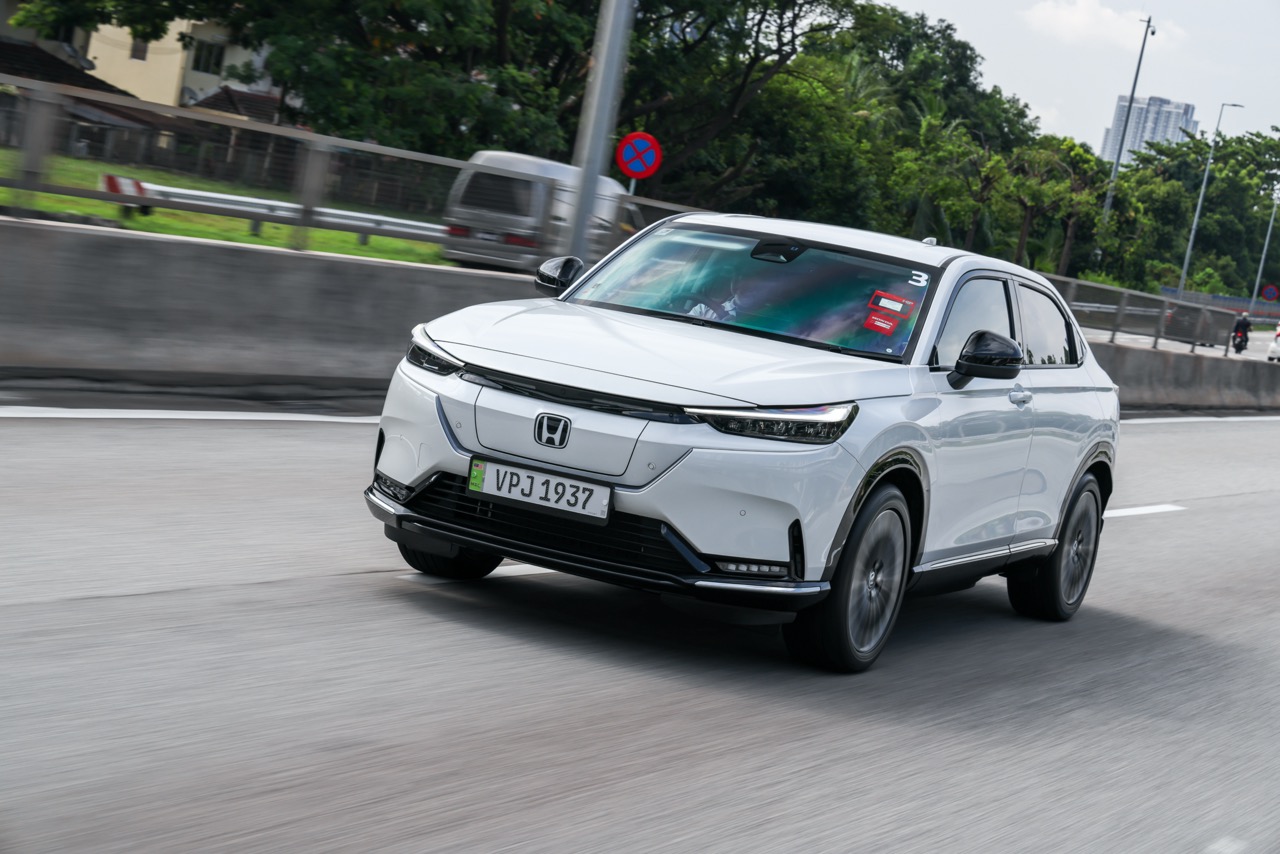
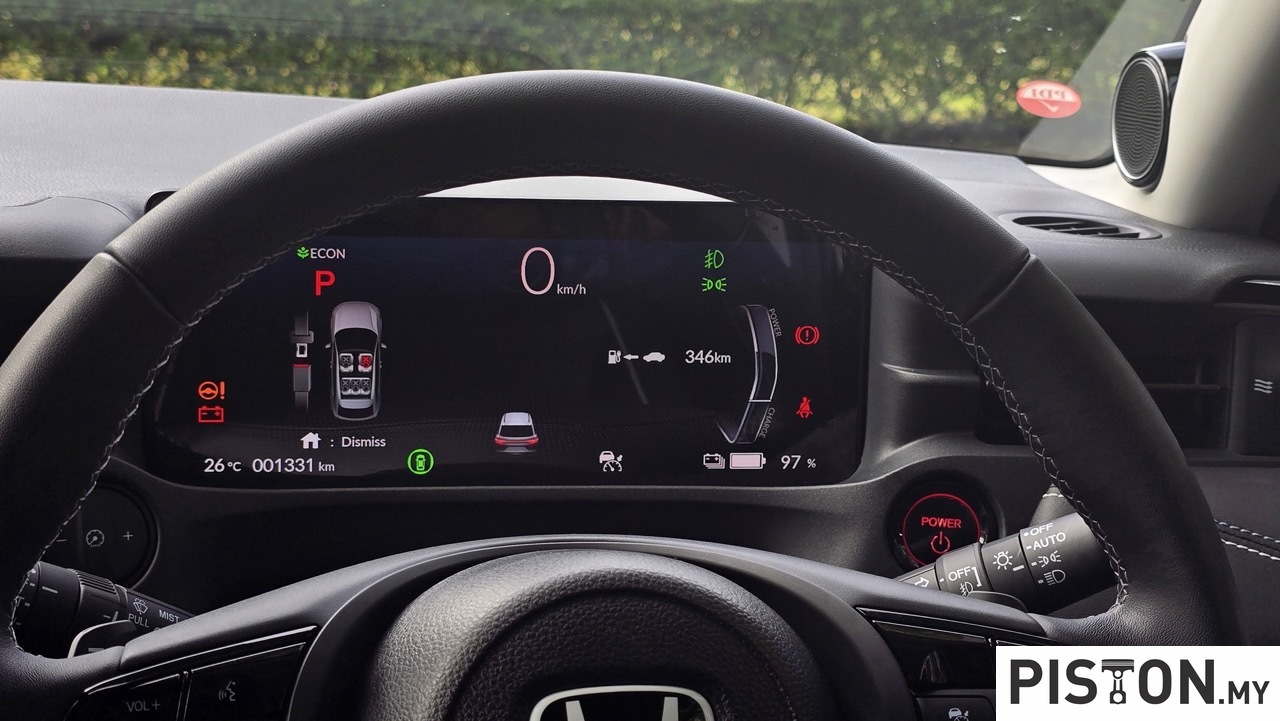
To be honest, when we got into the e:N1, we had around 297km of range with 94% of battery. We were heading from Mangala Estate Boutique Resort, Pahang, to Pineyard, Bentong, for a quick bite, then back to Honda Malaysia, Petaling Jaya. 

The total travel distance was around 226km, according to the GPS, but we still had to take into consideration our driving style and be prepared for unwanted situations. 
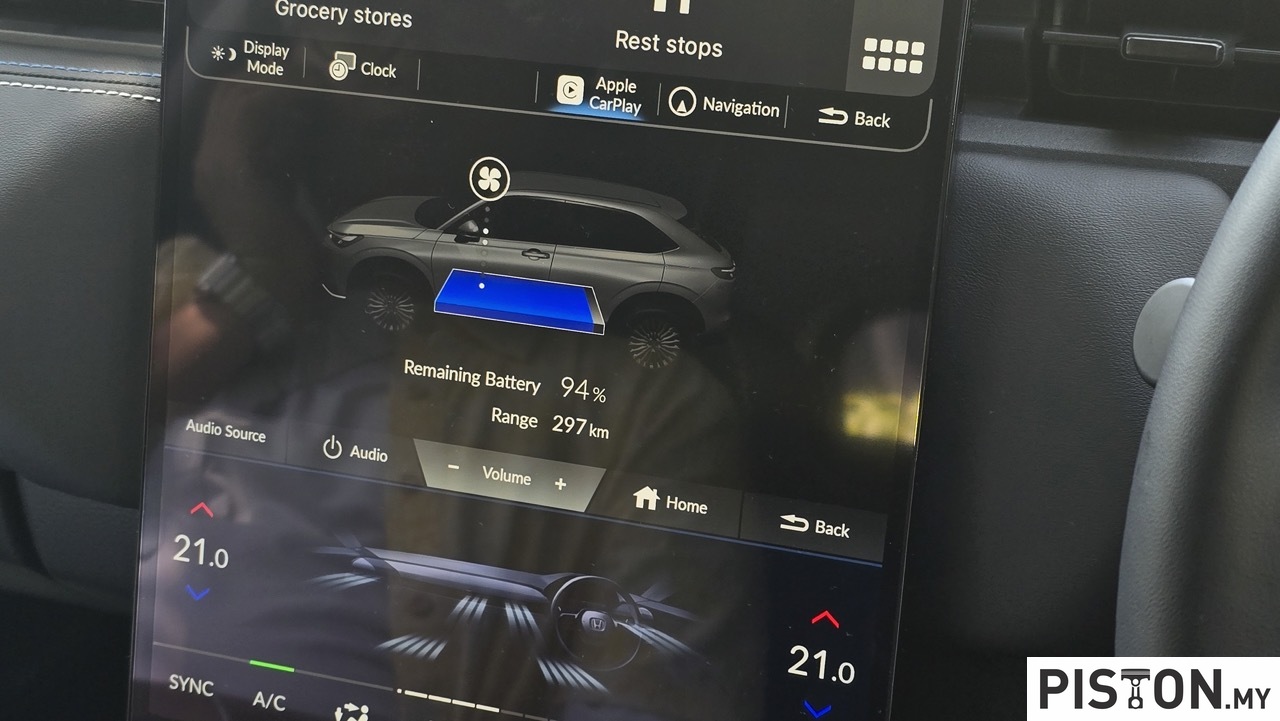
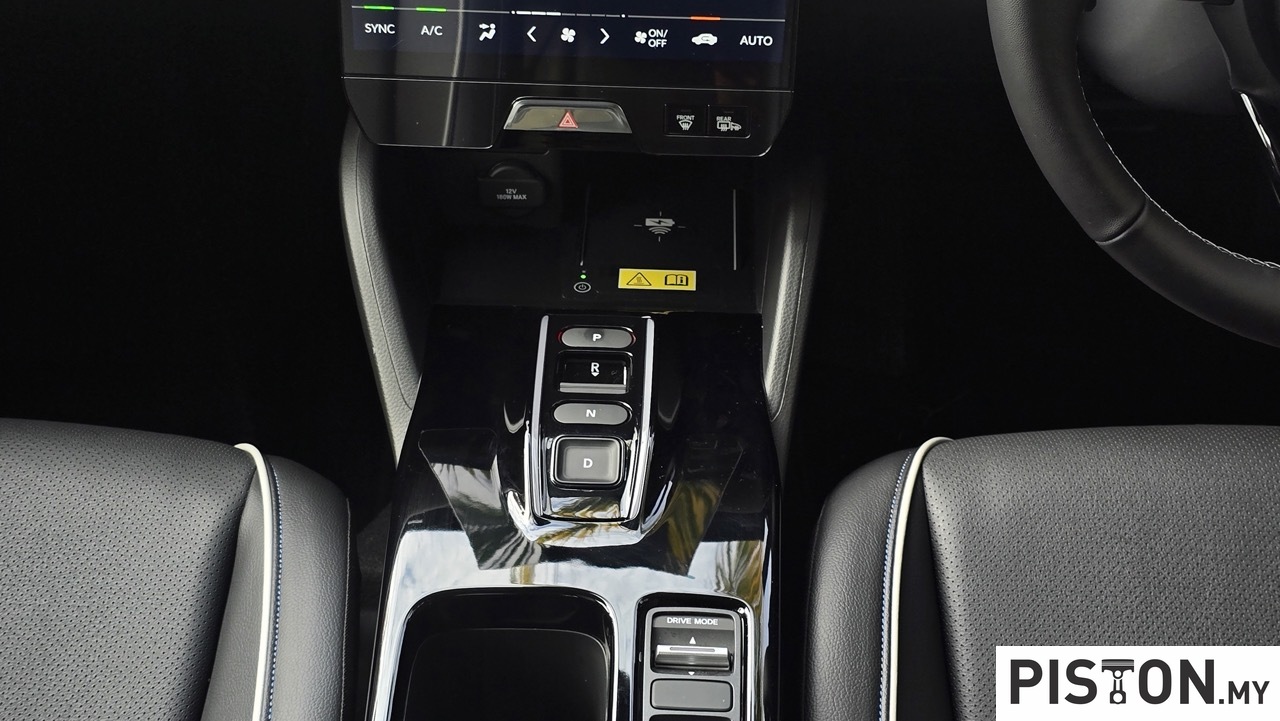
But at the same time, we had to put it to the test. So we drove like our fellow Malaysians and tried out the different drive modes (Normal, Eco and Sport). There were three drivers, so three different driving styles. 

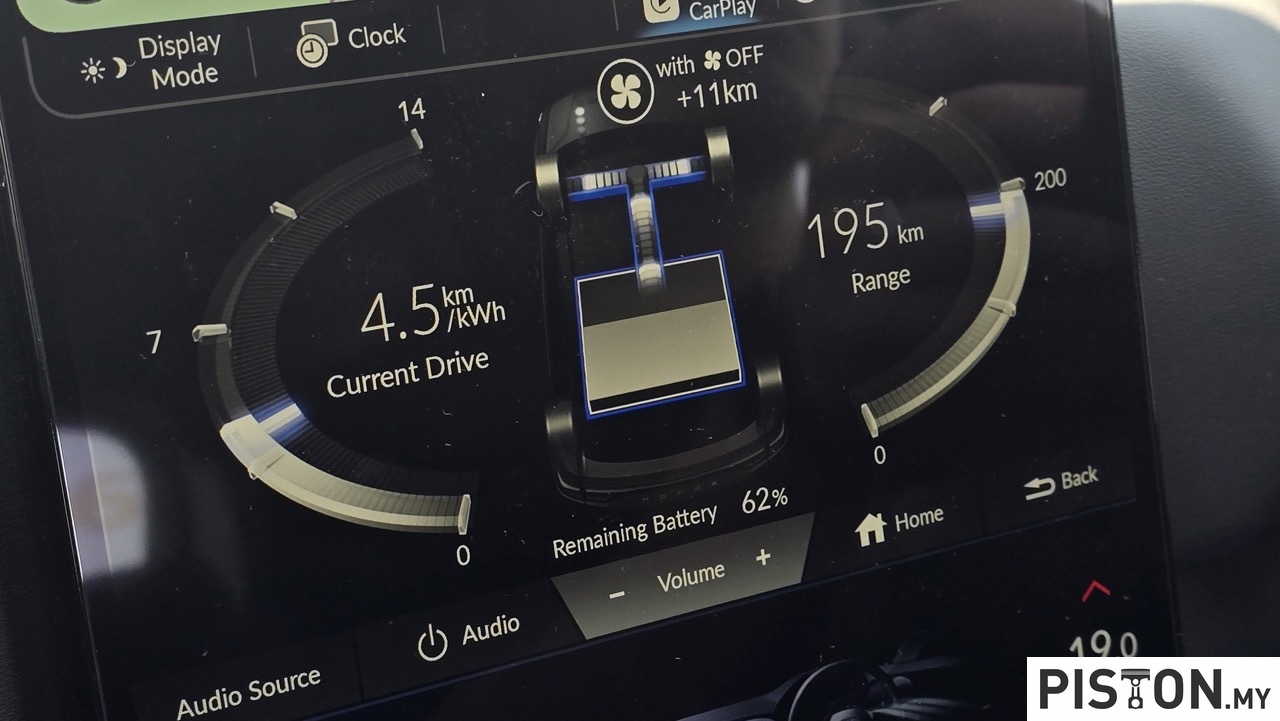
We went through highways, small town roads and winding back roads. So, were we able to make it back without stopping to juice up? Yes, yes, we did. When we parked at Honda Malaysia in Petaling Jaya, we still had 68km of driving range and 21% of battery! This is with an average speed of 125km/h and 7.6km/kWh. 
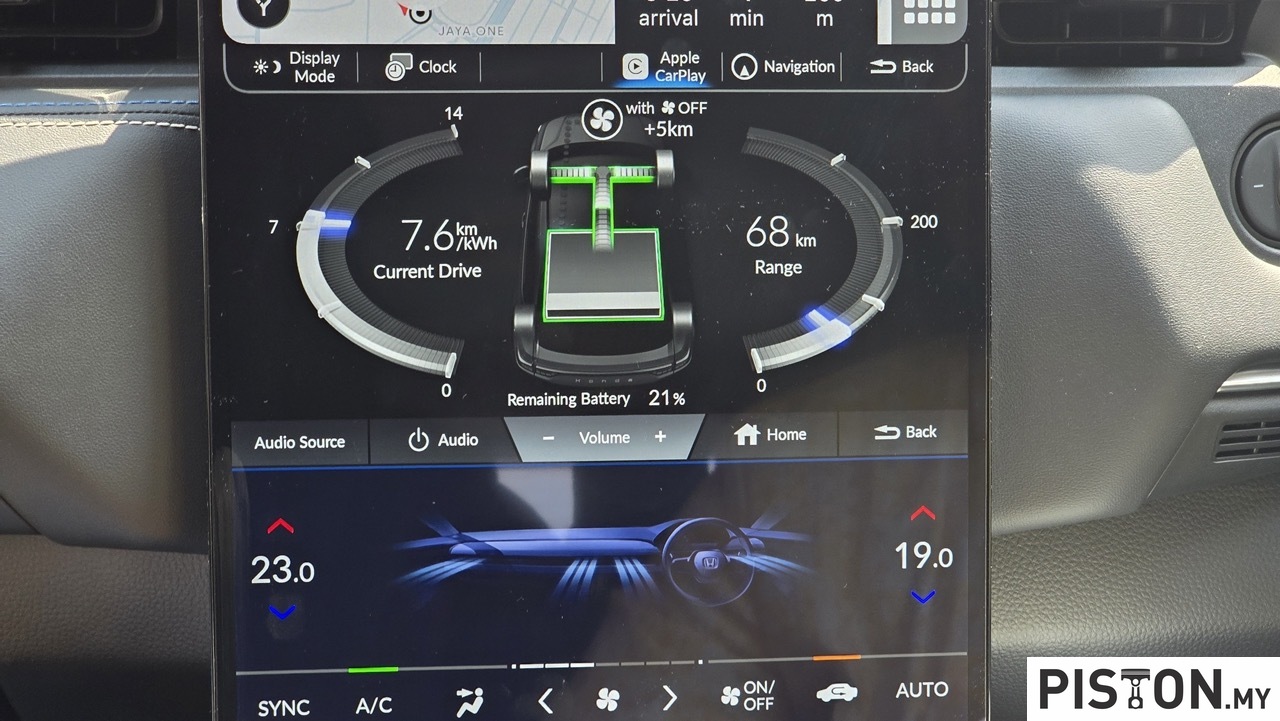
In Honda we trusted, and it did not let us down. But of course, if you are planning to drive longer distances, you will have to dedicate some time to charging it up. Which is why owning an EV means changing your lifestyle. You will have to properly plan your routes and drive accordingly to the percentage of your battery. 

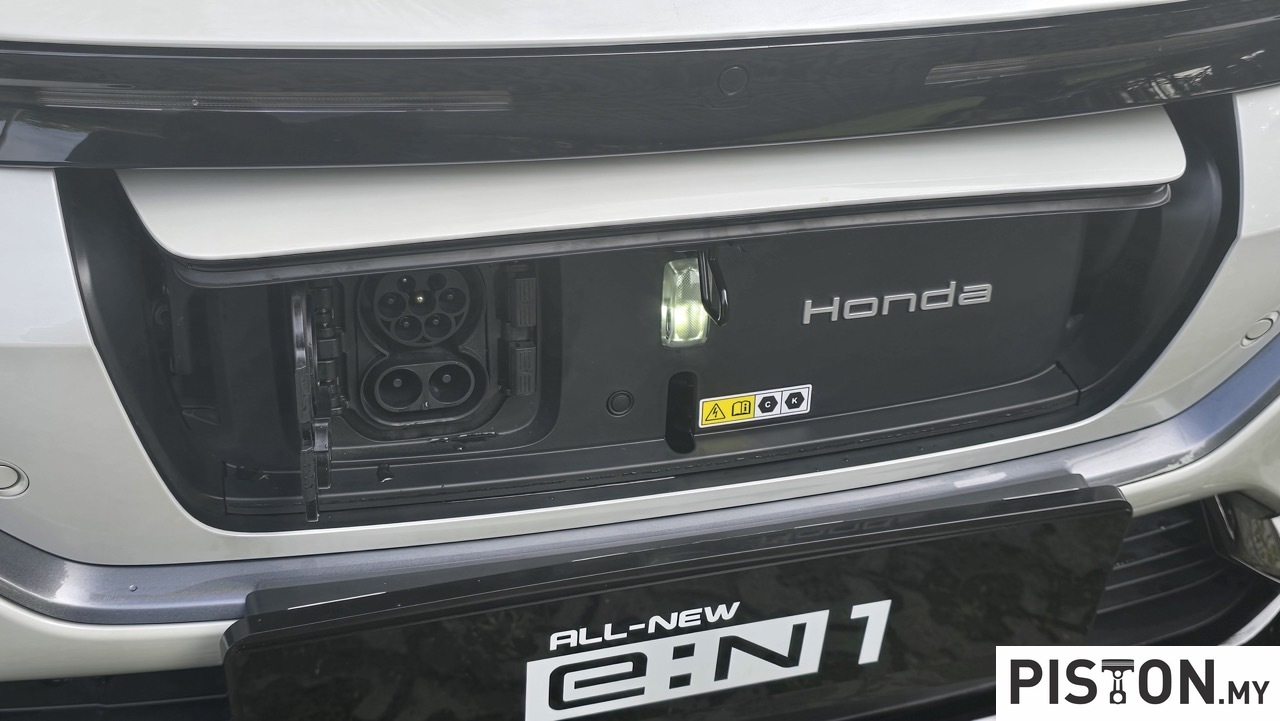
The e:N1 can be fast-charged from 10% to 80% battery in about 45 minutes using a DC CCS2 charger with a 78kW output.
Honda with no LaneWatch and a huge touchscreen?

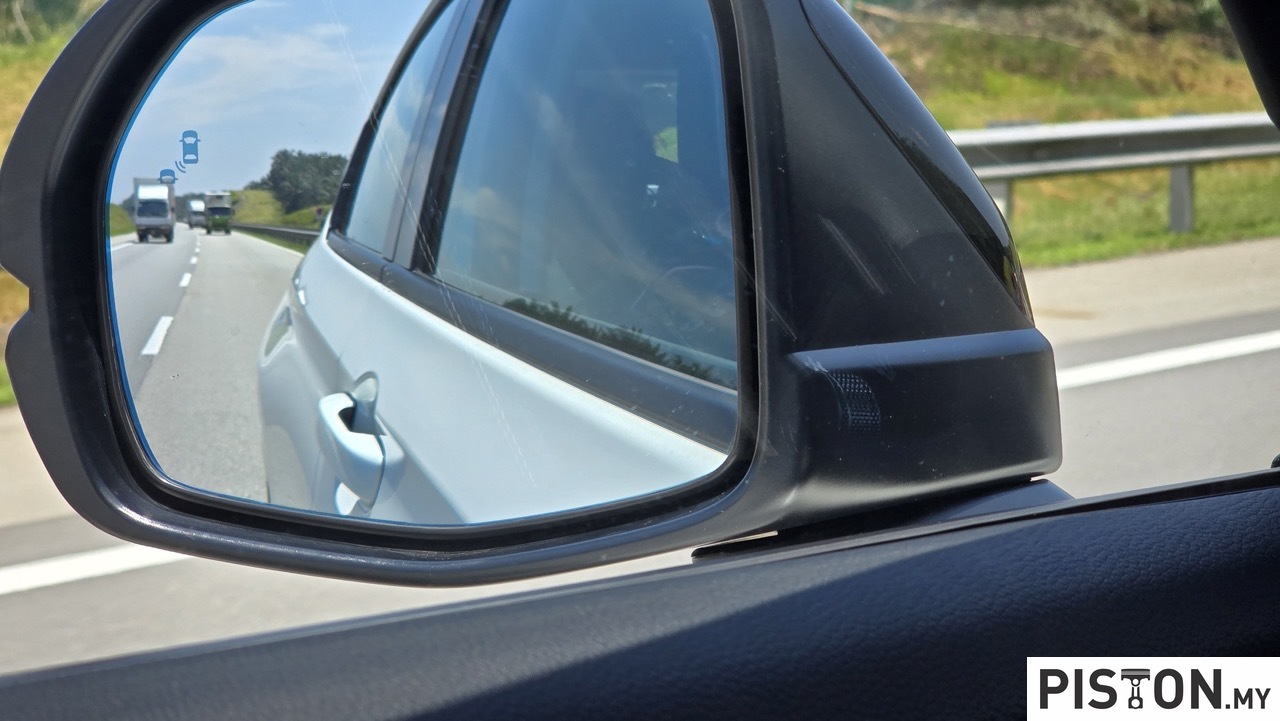
If you have read our previous reviews on Honda models, you will know that we had a love-hate relationship with Honda’s Lane Watch, but eventually got used to it. So, driving the e:N1 that does not have the LaneWatch felt a little weird. Instead of Lane Watch, Honda has replaced it with a Blind Spot Monitor. 

Why do we say it feels weird? Because if you are familiar with the Lane Watch system, you know that it will override your screen, which means you will not be able to see your navigation screen. Of course, you can override it via the signal lever, but that takes some getting used to.
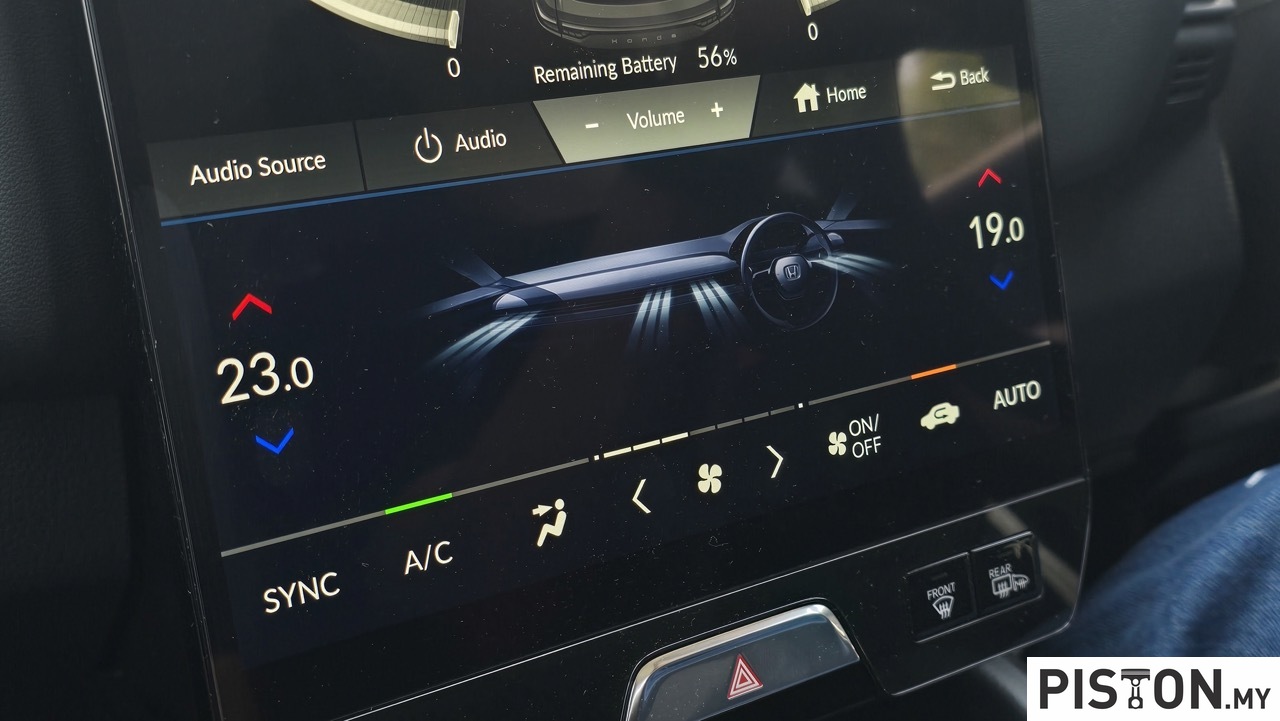
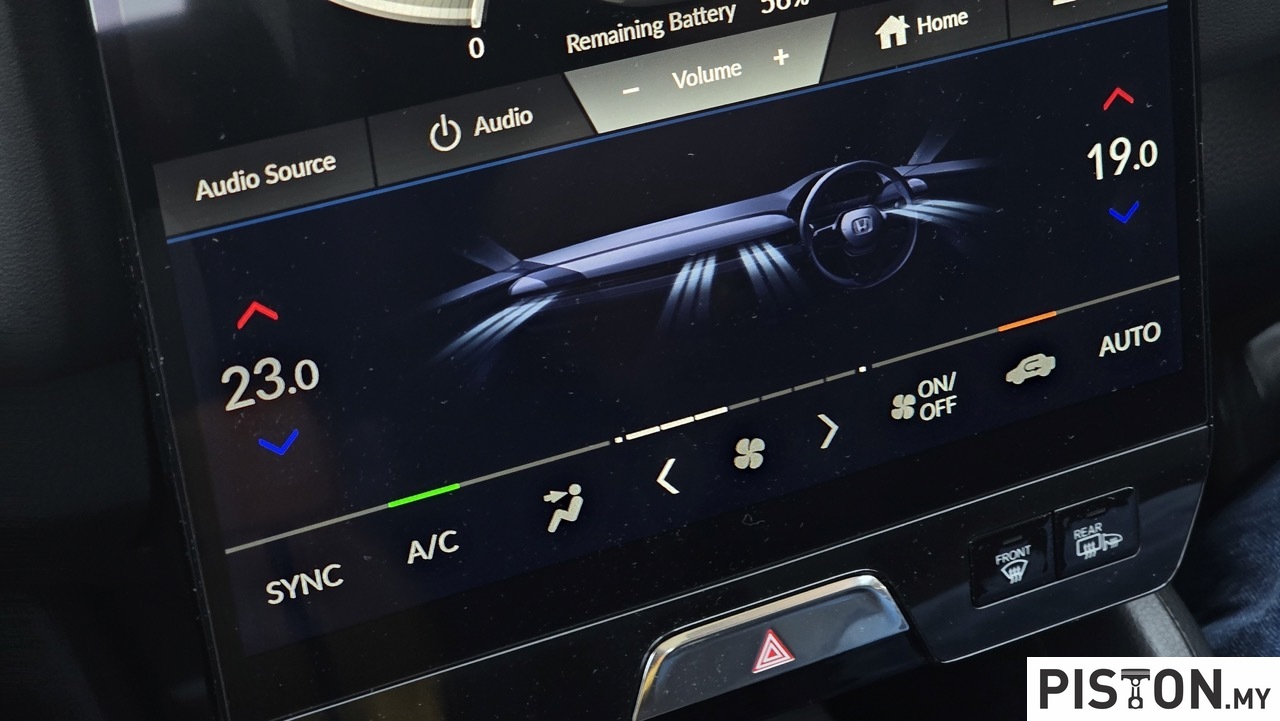
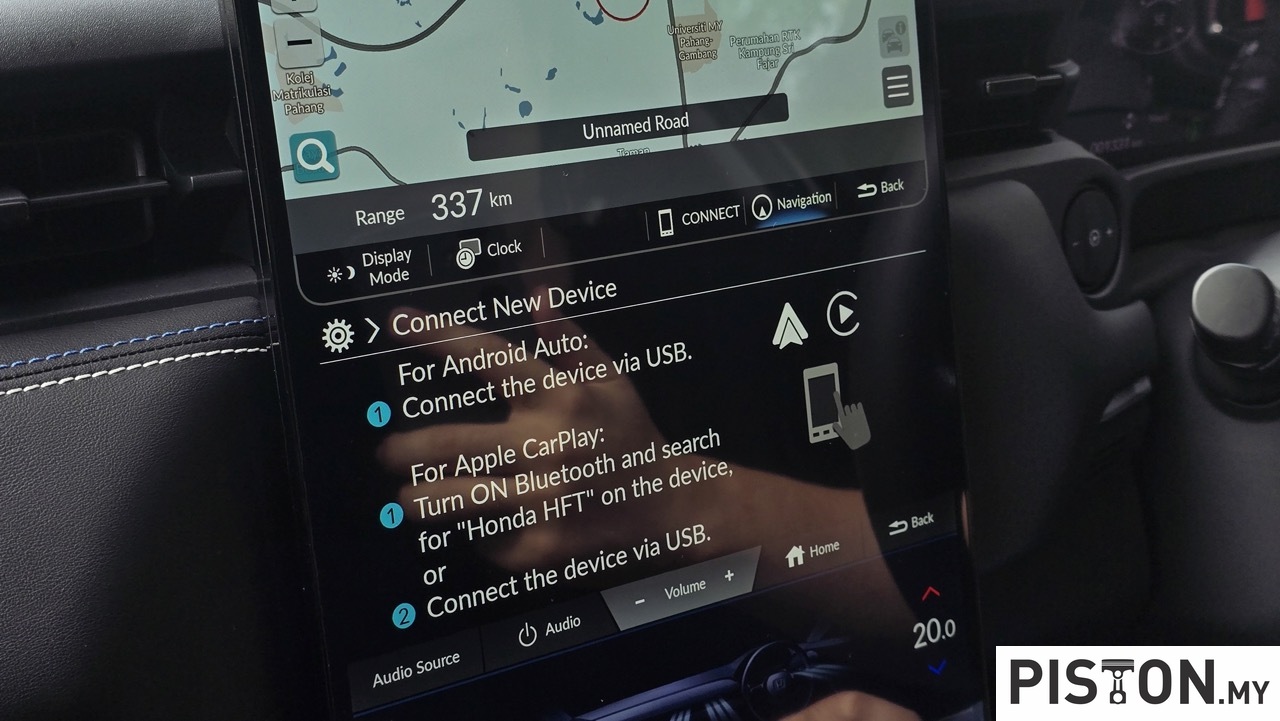
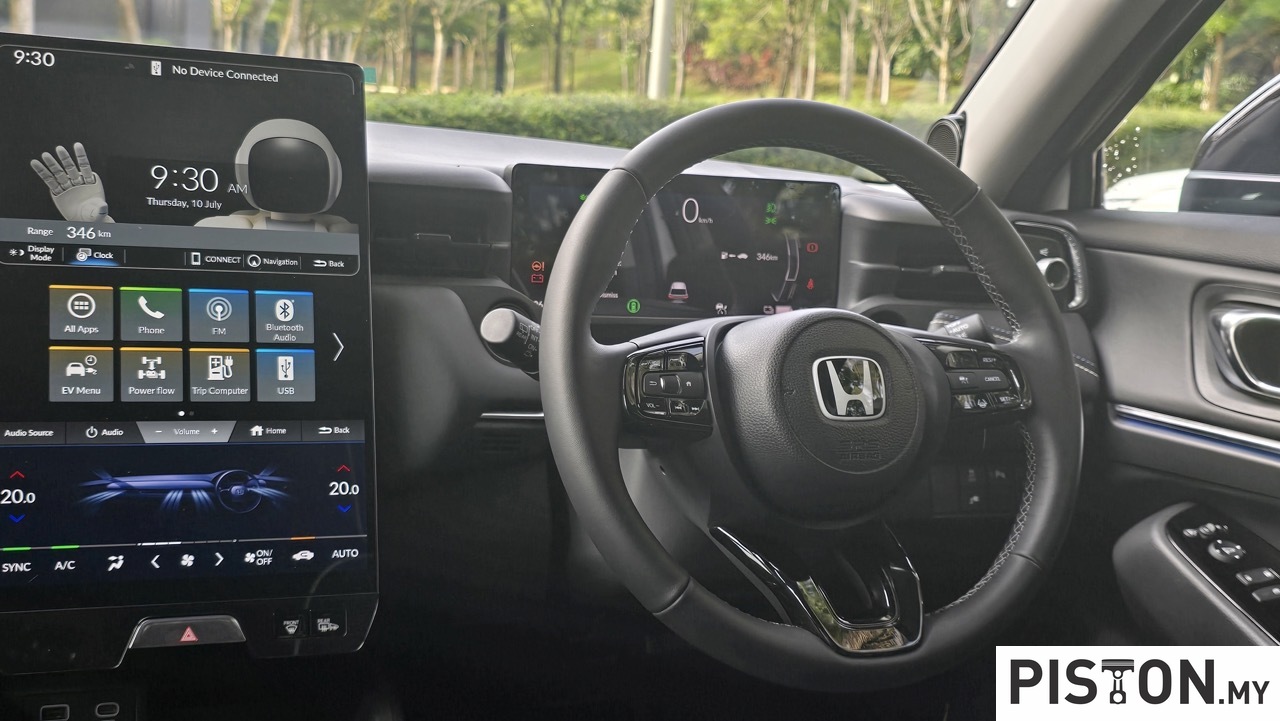
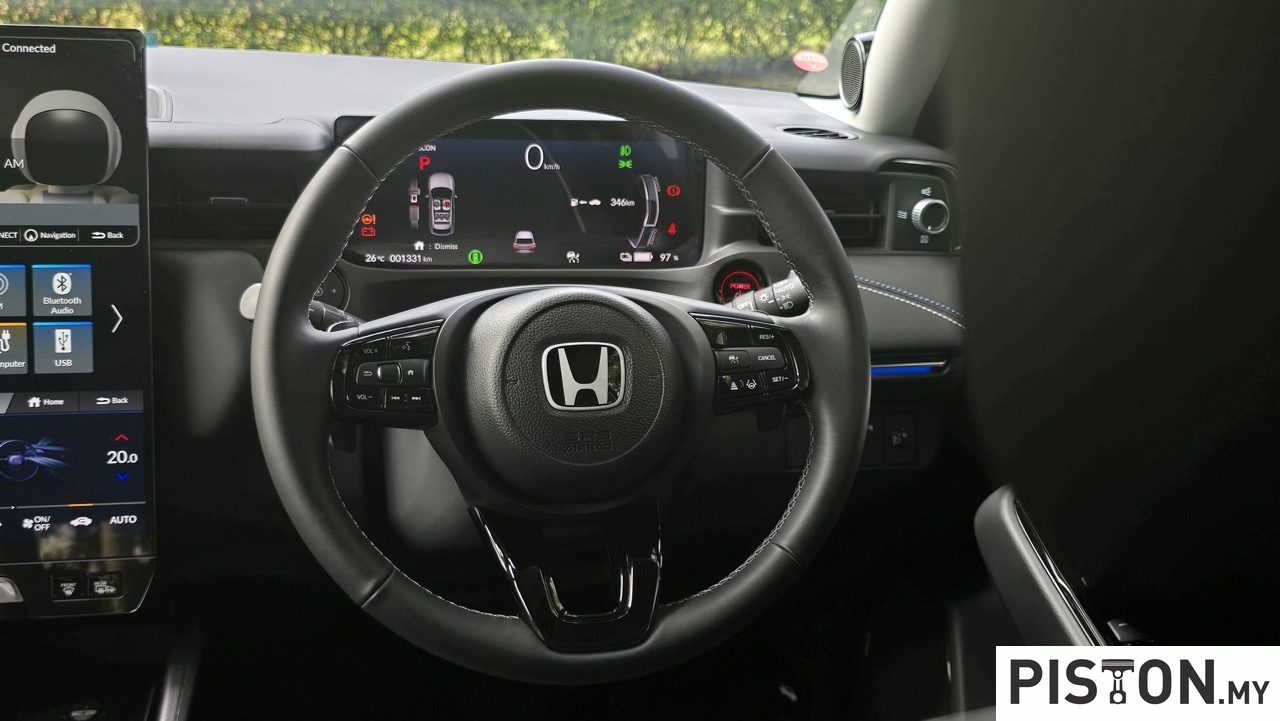
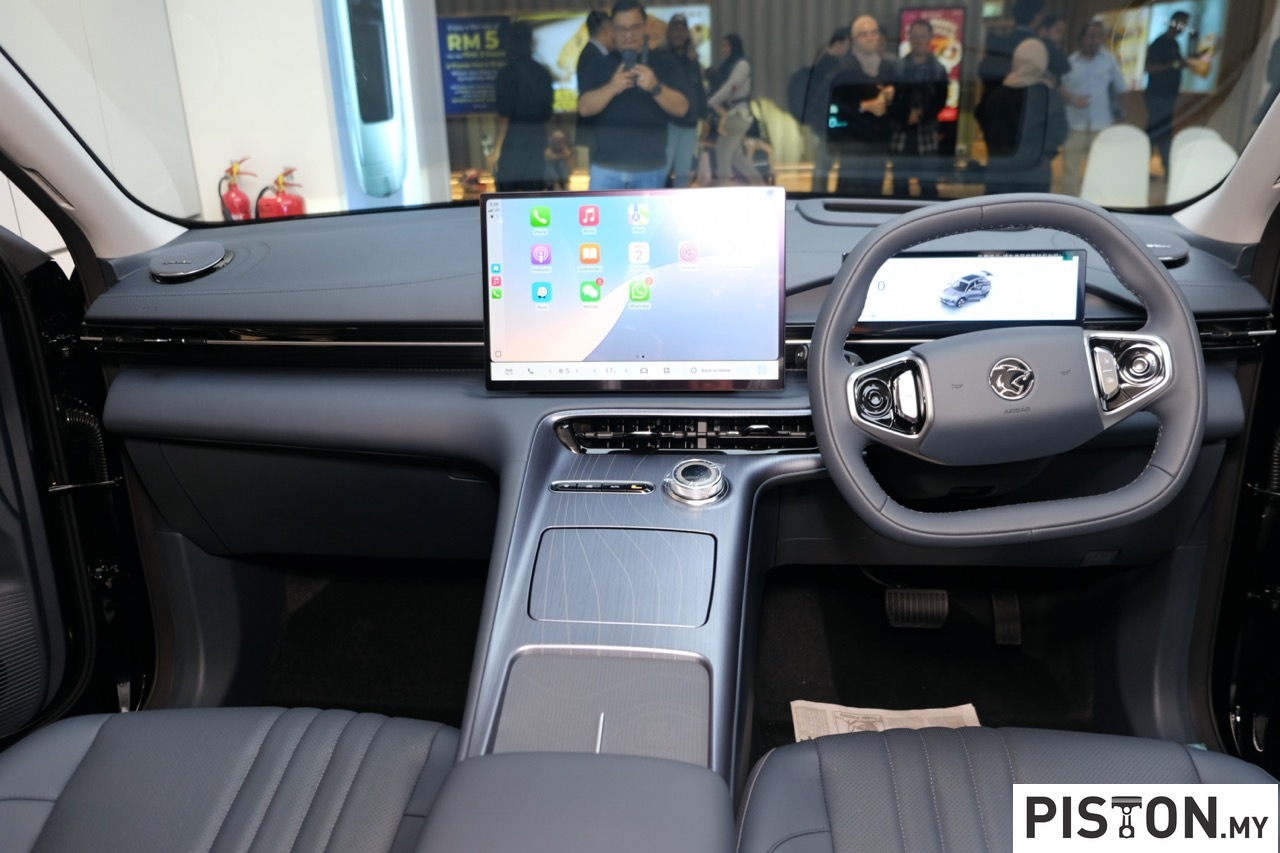
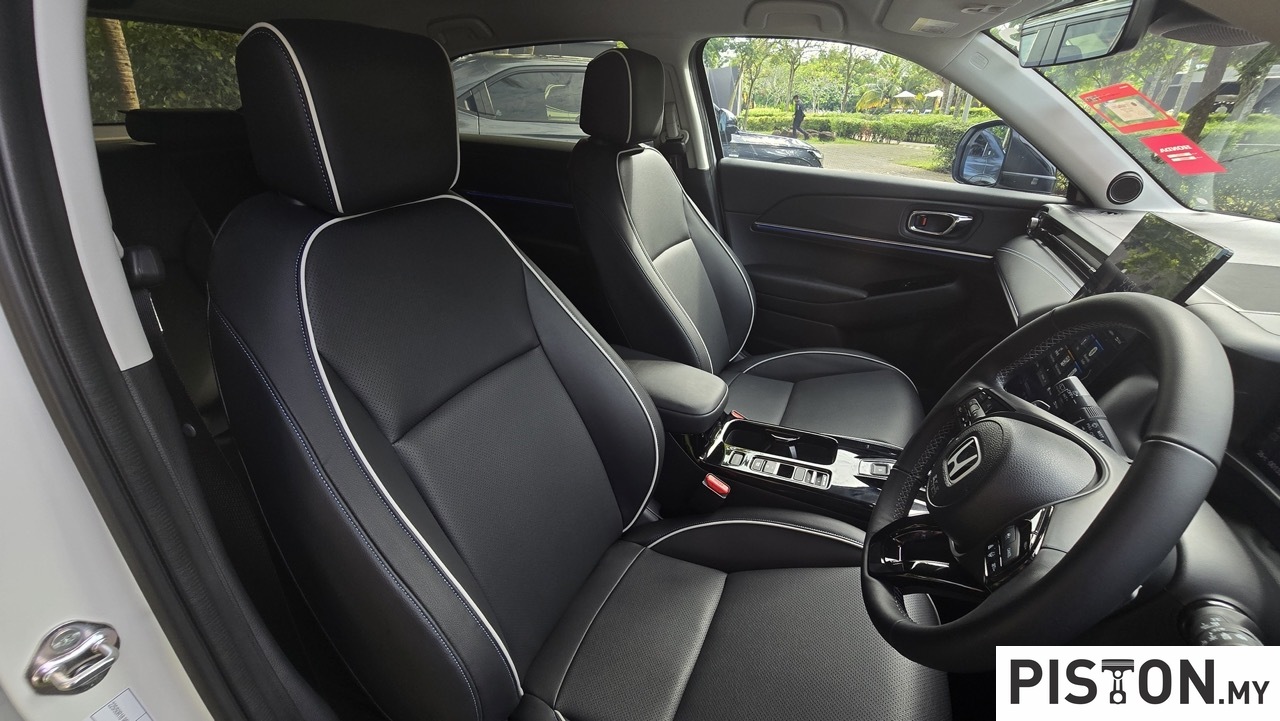
The e:N1, however, has a huge 15.1-inch Advanced Touch Display Audio touchscreen panel! This is brilliantly done because it splits into three different sections. At the top, you have your CarPlay details, which include Spotify and navigation controls. In the middle, you have the information section, which allows you to enter the settings menu, power flow and EV menu.

Finally, at the bottom part of the screen are your air conditioning controls. Which means, you will not have to navigate through menus to get to the controls! 
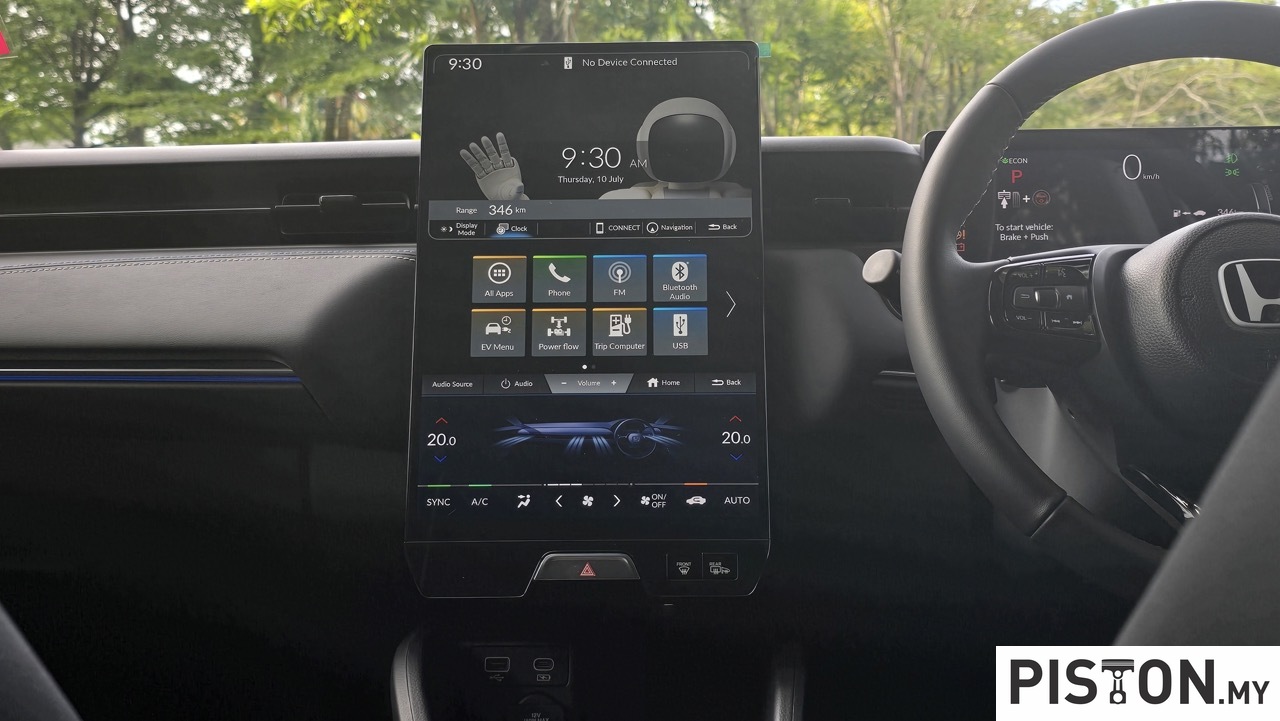
So, we were thinking that Lane Watch would have been perfect for this layout because it would not have to override your navigation screen. But of course, a high-definiton camera compared to the ones in the market now would be a nice touch. 

And a note from the editor also pointed out that having Lane Watch on the right of the car instead of only on the left would be welcomed as well. 
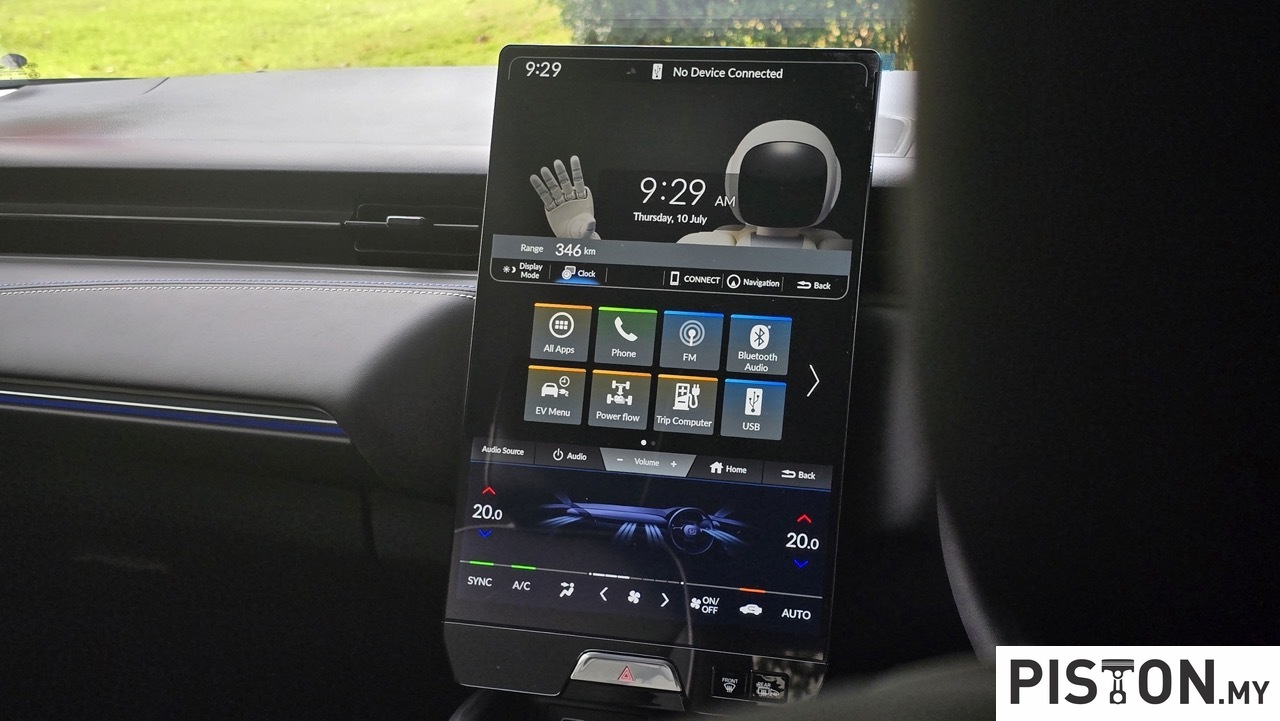
Honda has always made its tech very accessible and user-friendly, even with the smaller screens that you get in other models. So, take that, add a high-def camera on the left and right of the car and incorporate it into this massive screen, and you have the perfect marriage.

Of course, you still get ​​Honda Sensing, which features Adaptive Cruise Control with Low-Speed Follow, Lane Keeping Assist, Collision Mitigation Braking, Auto High-Beam, and a Lead Car Departure Notification system.
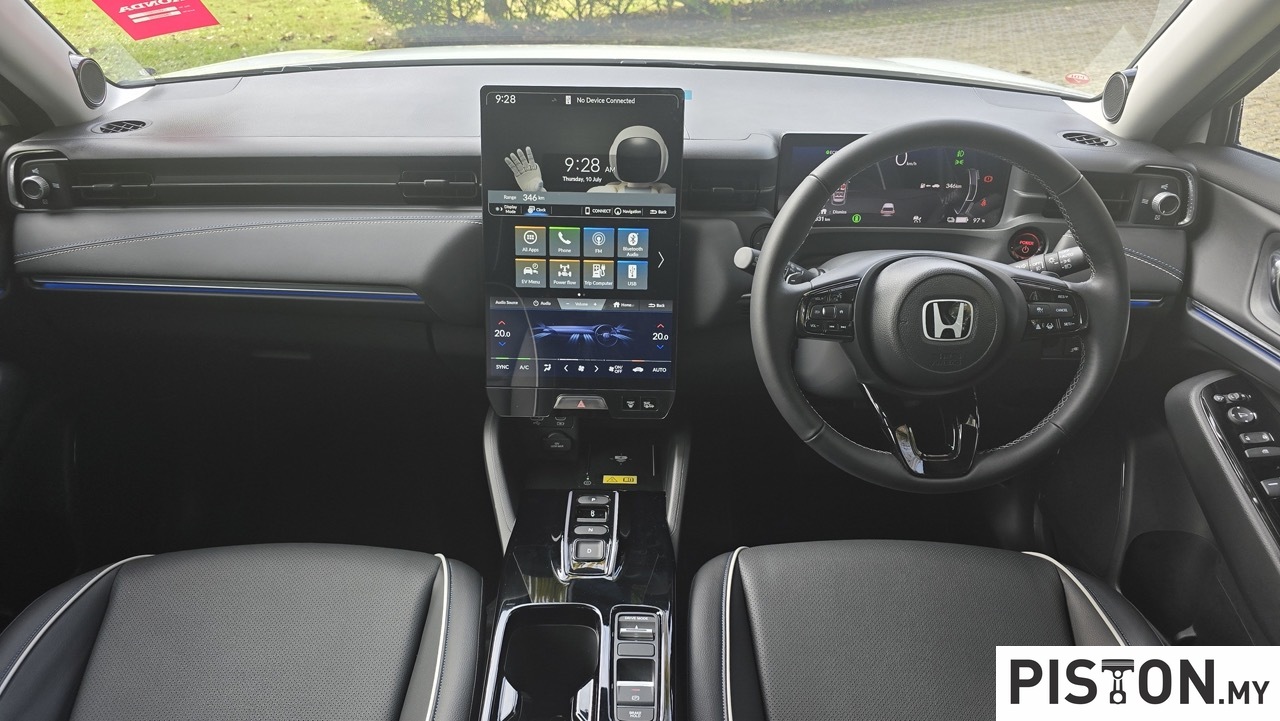
The powertrain is completely at home

We have driven countless numbers of SUVs; some feel overpowered, some underpowered, and some just feel like they’re missing something. However, when we got behind the wheel of the e:N1, pushed it through corners at low speed and high speed, flying on highways, cruising through towns, we felt like this SUV has the perfect powertrain. 

There is power when you need it; 204PS on tap with 310Nm of torque. This is not overpowered because it does not want to break your neck as soon as you floor it, as most electric vehicles nowadays do. It has the perfect launch power to get you out of tricky situations. 
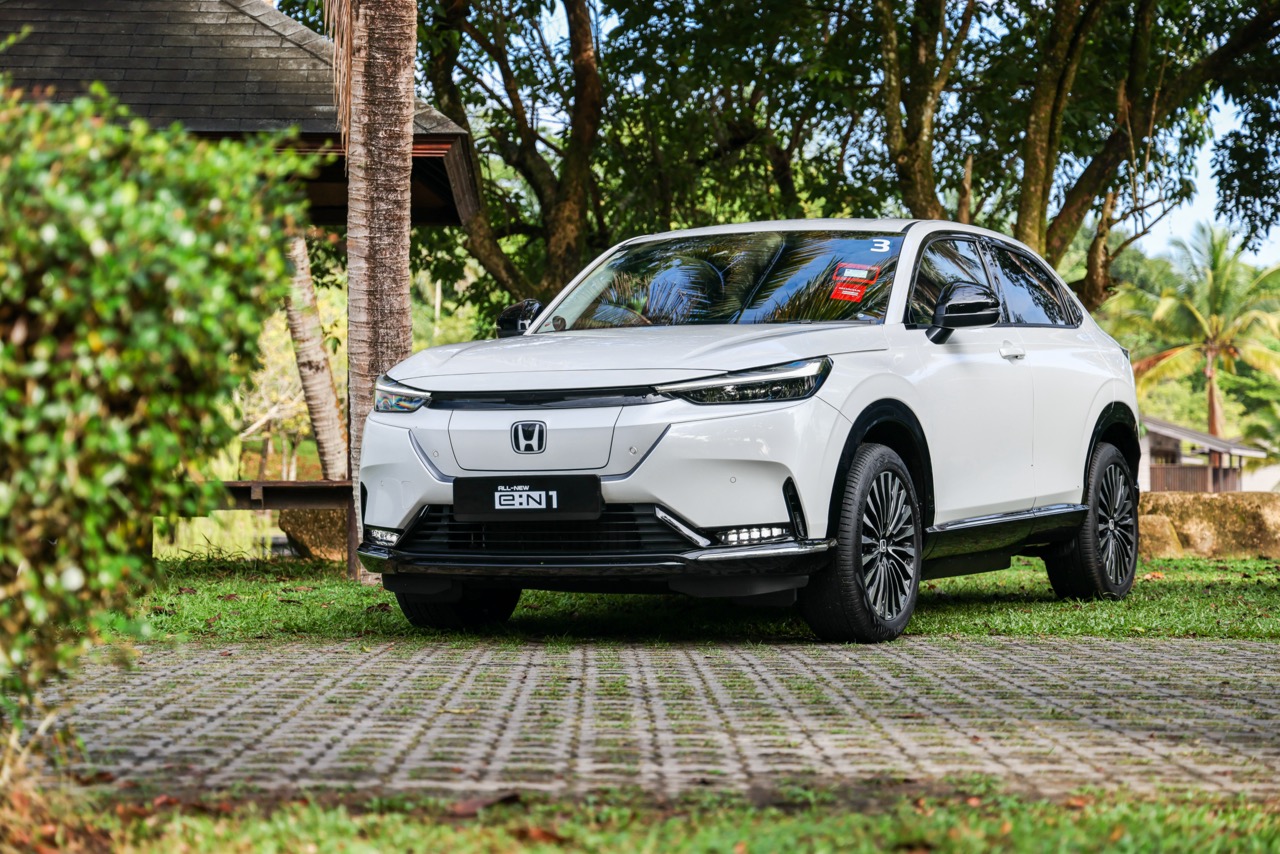
Switching it to sport mode when climbing up winding roads never felt more satisfying in an SUV. There were times when we forgot that we were driving an SUV! At high-speed corners, we were leaning a little, but that’s normal as the seats were not specifically designed for that. However, you do not get that weird body roll that can make you carsick.

It feels stable at corners and high speeds because it has a 1,662 kg kerb weight, which balances the power-to-weight ratio, coupled with a perfectly tuned suspension. 
Final thoughts

For an EV, it drives differently compared to the Stormtroopers you get from China. The e:N1 speaks to the driver; it tells you everything that is going on. The suspension is so well-tuned that it does not feel like you are in a spaceship. This car has a soul and character, so kudos to Honda for making it feel and drive the way it does.

For everything that this SUV offers, we do not mind paying a premium price of RM149,900 for quality. 
Specifications

Motor: Single, front-mounted

Power: 204PS

Torque: 310Nm

0-100km/h: 7.7 seconds

Top speed: 160km/h

Charging: 45 minutes with 78kW DC / 6 hours with 11kW AC

We like: Infotainment layout and driving experience

We don’t like: Not parked in our garage
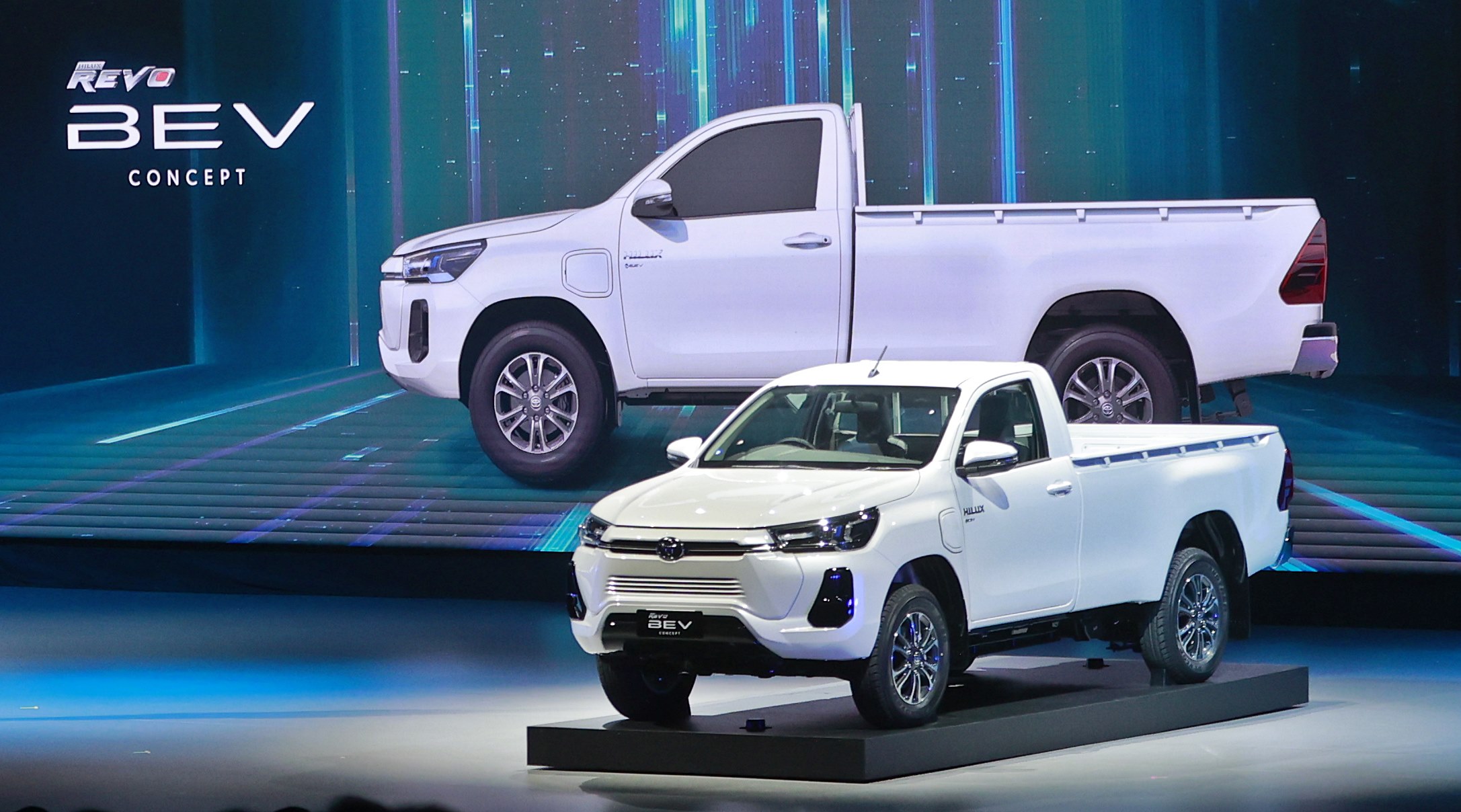
As the global shift towards electrification accelerates, one of the most pressing challenges for the automotive industry is deciding what to do with retired electric vehicle batteries. With no single definitive solution, various start-ups and carmakers are developing their own approaches. Toyota’s answer is the Sweep Energy Storage System, a project that has now entered field testing at Mazda’s Hiroshima facility.

The Sweep system takes high-voltage batteries salvaged from electrified vehicles, whether hybrids or fully electric, and integrates them into a large-scale factory energy storage solution. What sets the system apart is its ability to work with batteries of varying chemistries and levels of degradation. An advanced energy management logic developed by Toyota continuously monitors performance, directing power through the strongest units while bypassing weaker ones in real time.
Adding to its cost efficiency, the system also reuses inverters from the donor vehicles, removing the need for expensive power conditioners. Horizon, a science and technology publication, highlights this as a key factor in lowering operational costs and making the system more scalable for wider adoption.

(more…)

Anak syarikat Geely, Livan Auto, telah melancarkan model terbarunya, Livan Smurf, sebuah kereta bandar elektrik kompak yang disasarkan untuk pemandu bandar yang mahukan kenderaan kecil, bergaya dan berpatutan.

Smurf sebenarnya ialah versi berlencana semula daripada Geely Panda Mini EV, yang terbukti berjaya di pasaran China dengan lebih 101,000 unit terjual antara Januari hingga Julai 2025. Dengan pengenalan Smurf, Livan menyasarkan golongan pembeli muda serta mereka yang mencari pintu masuk mudah ke dalam dunia mikro-EV yang semakin berkembang pesat.

Dari segi reka bentuk, Smurf tampil dengan rupa comel dan mesra bandar. Lampu depan “Forest Spirit Eye” yang diinspirasikan kartun memberi watak ceria, dipadankan dengan bampar berkemasan perak. Port pengecasan pula disembunyikan kemas di bahagian hadapan. Pelanggan boleh memilih warna satu tona atau dwi tona, dengan padanan rim aloi “Pin Wheel” 14 inci yang unik.

(more…)

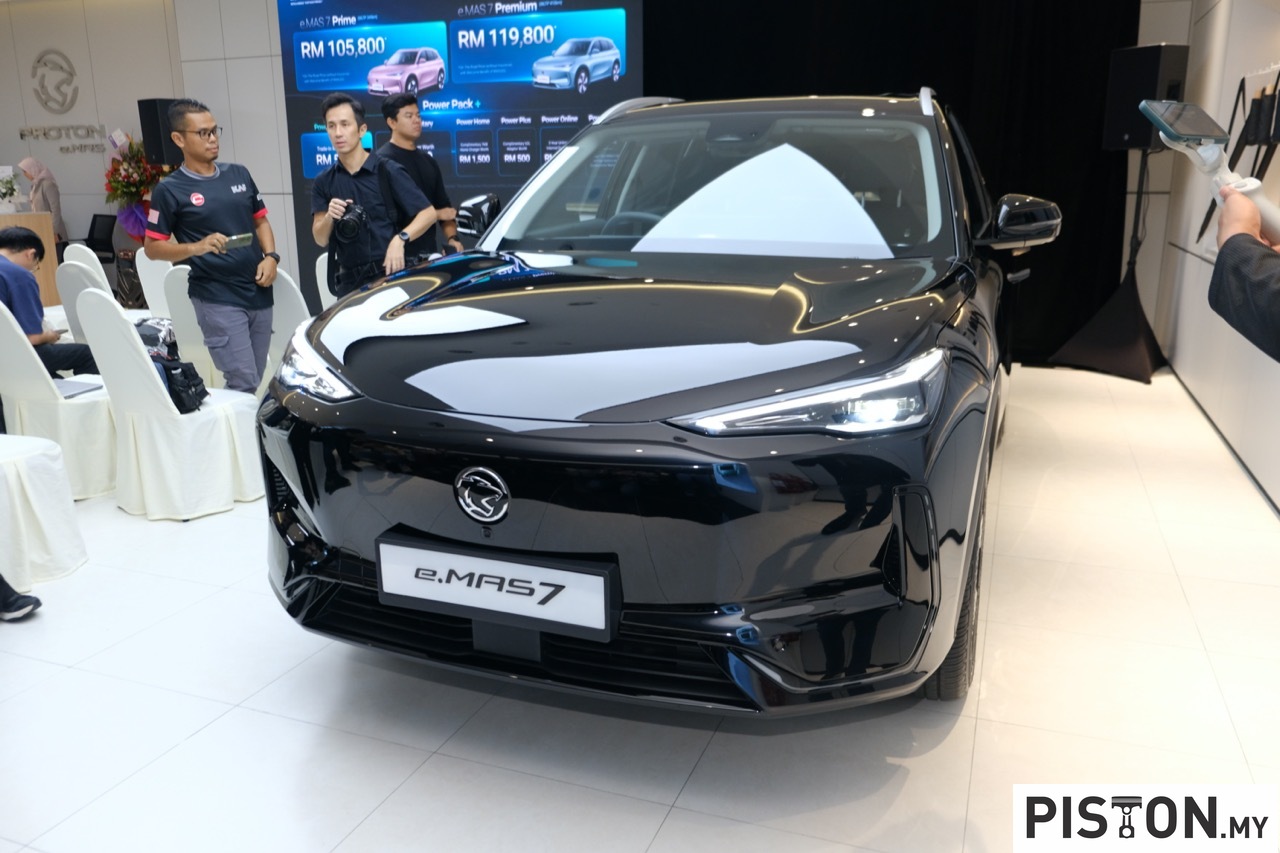
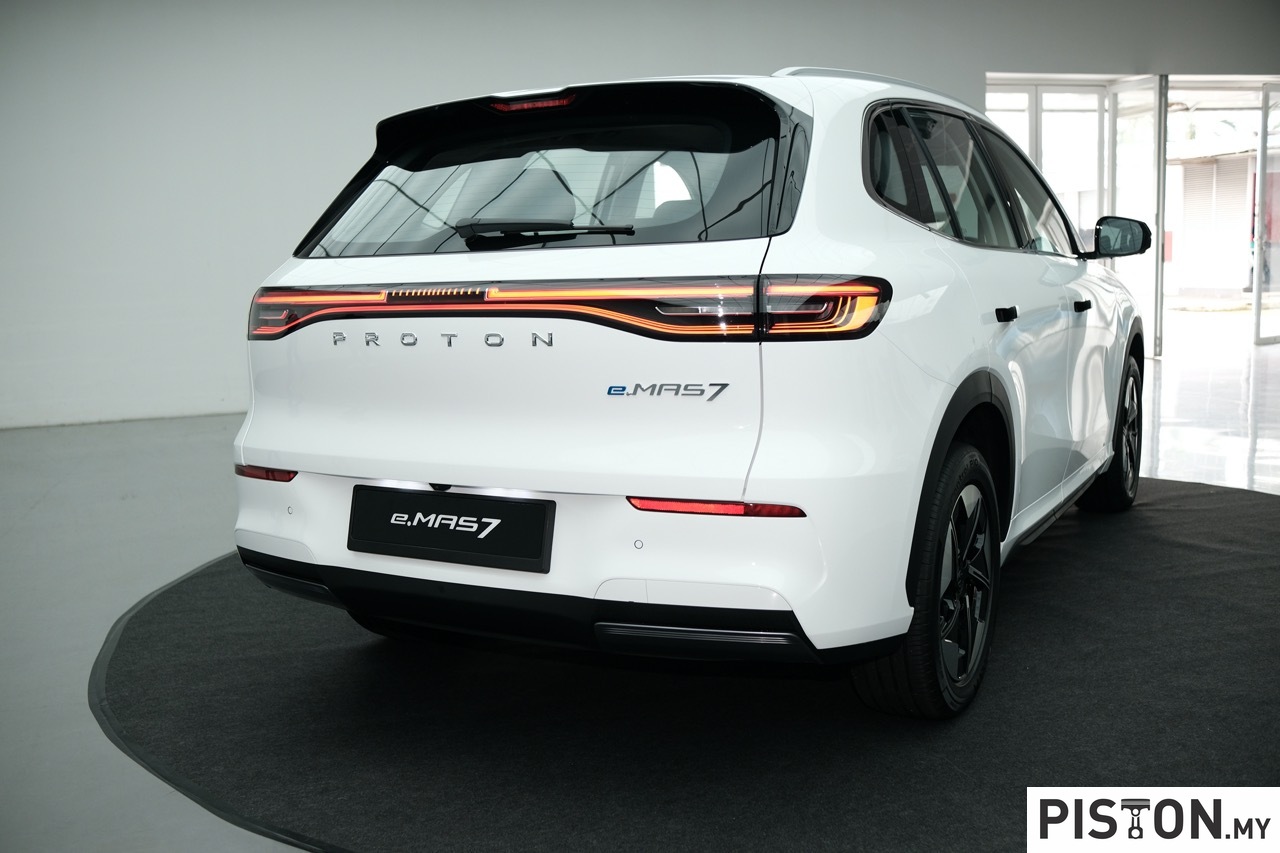
Proton New Energy Technology Sdn Bhd (PRO-NET), anak syarikat Proton, mengumumkan bahawa Proton e.MAS 7 terus mengukuhkan kedudukannya sebagai Model EV Nombor 1 di Malaysia selama tujuh bulan berturut-turut, dengan mencatatkan jualan dan tempahan kukuh sepanjang tahun pelancarannya.

Sehingga 31 Julai 2025, sebanyak 4,959 unit Proton e.MAS 7 telah diserahkan, merangkumi 4,689 unit di Malaysia dan 270 unit dieksport ke pasaran antarabangsa. Bulan Julai turut mencatatkan pencapaian baharu dengan 1,365 tempahan, iaitu angka bulanan tertinggi sejak pelancaran model ini, sekali gus mengukuhkan lagi populariti berterusan e.MAS 7 dalam kalangan pembeli EV.

“Sejak hari pertama, matlamat kami adalah untuk menawarkan kepada rakyat Malaysia sebuah EV yang memberikan keselesaan luar biasa, prestasi seimbang dan ciri-ciri canggih pada harga yang berpatutan,” kata Zhang Qiang, Ketua Pegawai Eksekutif PRO-NET. “Permintaan berterusan yang kami lihat hari ini adalah hasil daripada komitmen tersebut. Kami amat berterima kasih kepada para pelanggan kerana menaruh kepercayaan kepada Proton dan jenama e.MAS, serta menjadikan e.MAS 7 sebagai pilihan nombor satu mereka.”

(more…)

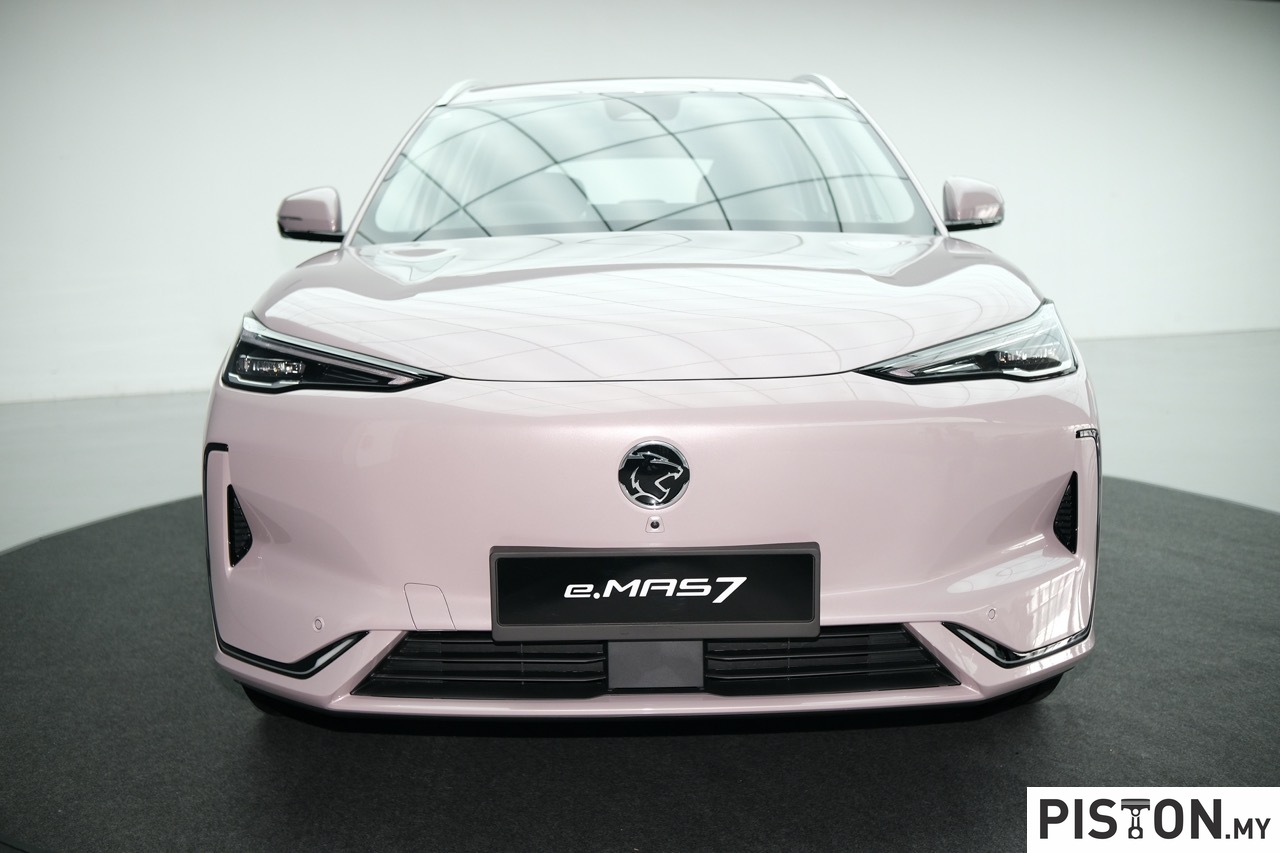
Proton’s electric ambitions continue to pay off, with the Proton e.MAS 7 is extending its reign as Malaysia’s best-selling EV for a seventh consecutive month. The milestone comes as the model records strong sales both at home and abroad, reinforcing its position as a key player in the nation’s transition to electric mobility.

As of 31 July 2025, PRO-NET — Proton’s New Energy Technology division — confirmed that 4,959 units have been delivered since launch. Of these, 4,689 were registered in Malaysia, while 270 found homes in international markets. July also proved to be a record-setting month, with 1,365 bookings logged — the highest monthly total since the e.MAS 7 made its debut.

PRO-NET Chief Executive Officer Zhang Qiang said the continued success reflects the brand’s original goal of offering a well-balanced EV that combines comfort, performance, and advanced features at a competitive price. He credited the strong demand to customer trust in Proton and the e.MAS brand, noting that the model has become the first choice for many EV buyers in the country.

The e.MAS 7’s appeal spans a wide range of customers, with the Premium variant dominating at 86% of total deliveries, while the Prime variant — making up 14% — remains a popular choice among urban drivers for its ease of use and comfort. Buyers frequently cite the EV’s value for money, spacious interior, safety equipment, ride comfort, handling, and innovative technology as decisive factors.

(more…)

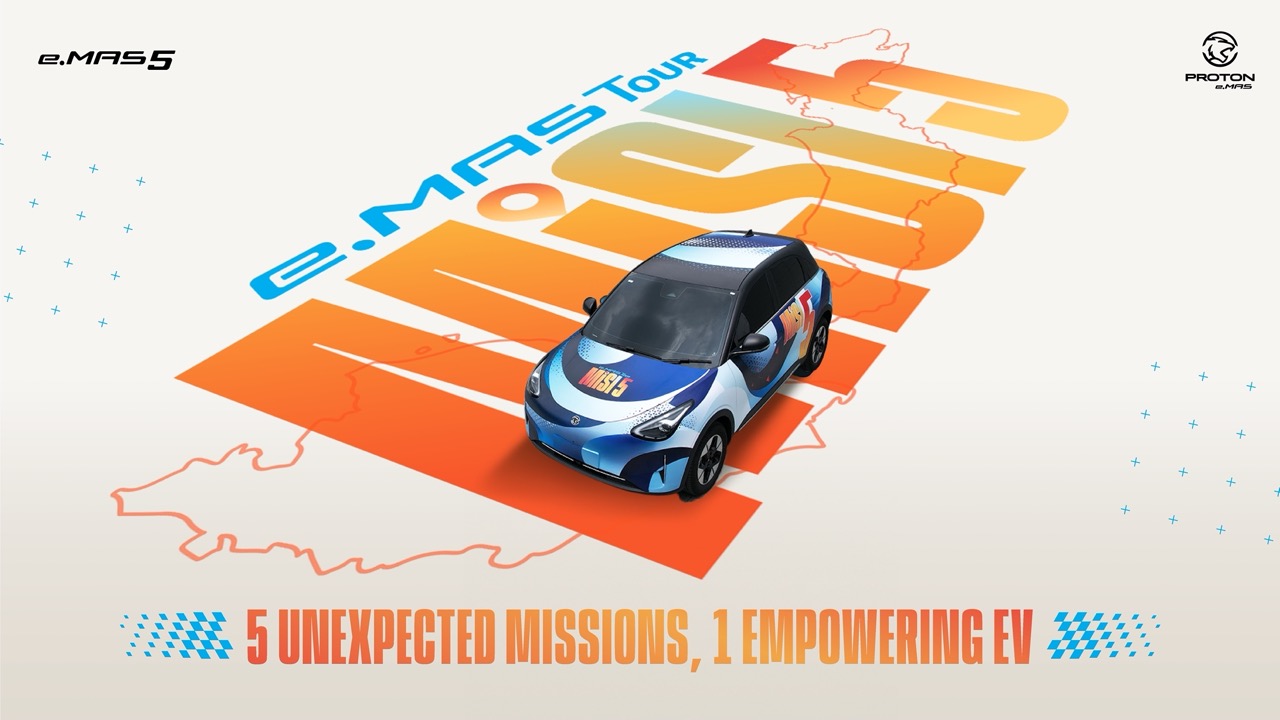
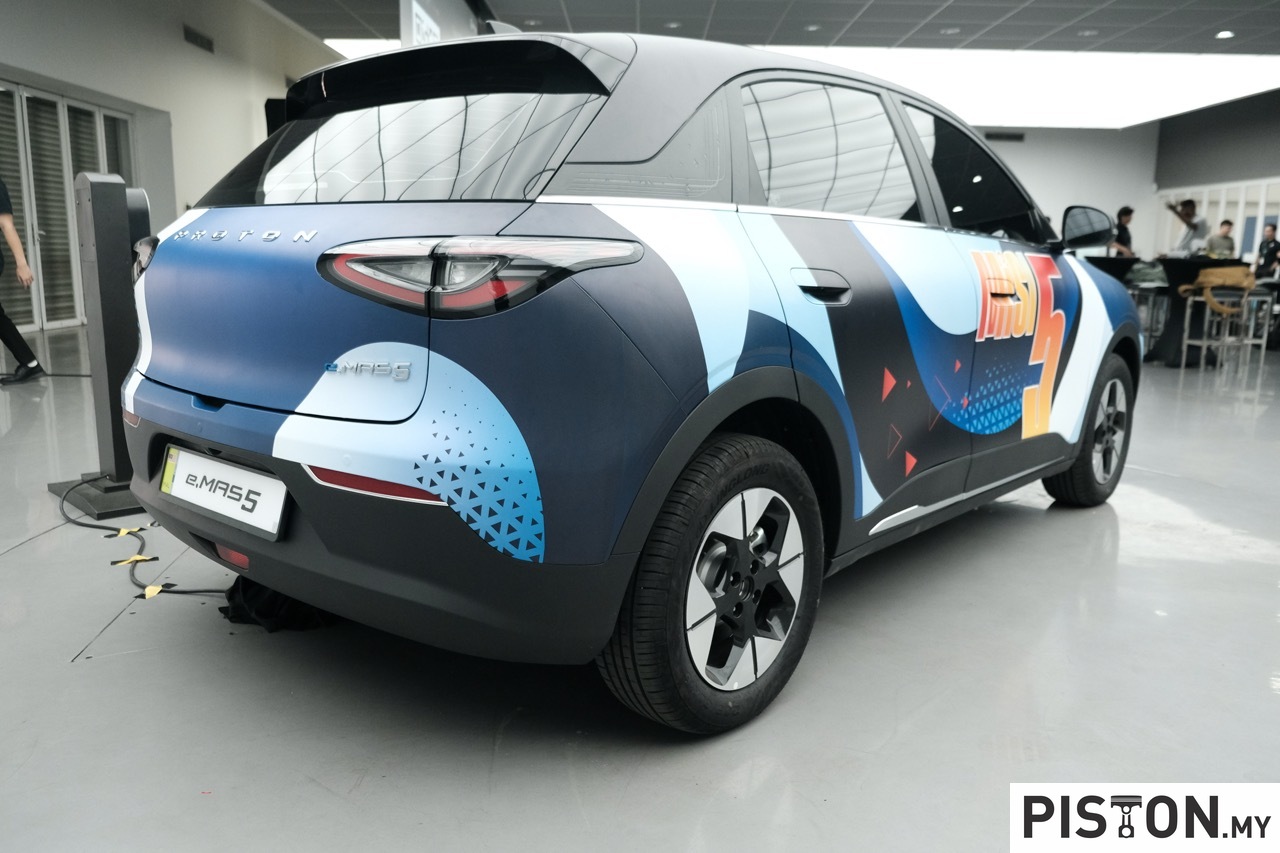
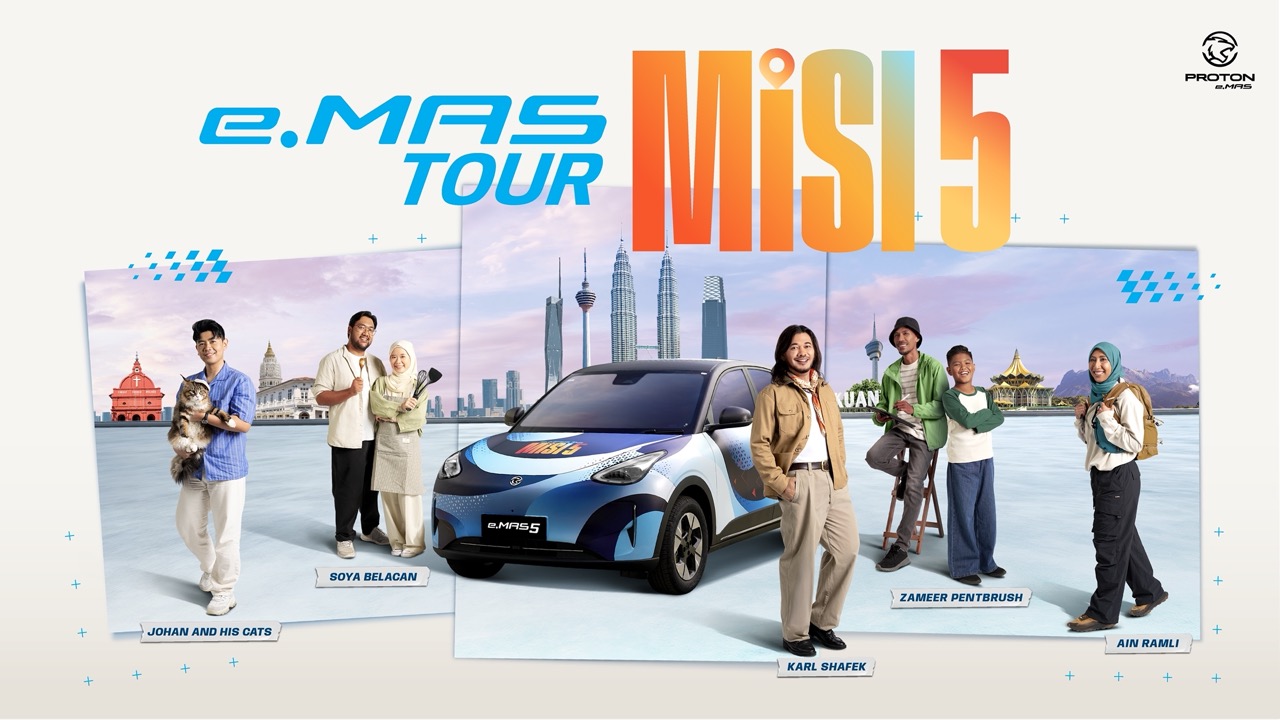
In a move to introduce its latest electric vehicle (EV) to the Malaysian public, Proton New Energy Technology Sdn Bhd (PRO-NET), a subsidiary of Proton, has launched the MISI 5 Tour — a nationwide preview campaign for the upcoming Proton e.MAS 5. Spanning five regions and 13 states, the tour will reach 29 towns across Malaysia from August to October 2025, giving Malaysians early access to the brand’s entry-level EV before its official release.

The Proton e.MAS 5, positioned as the most accessible electric vehicle in the country, is the second model in the e.MAS line-up. Building on the success of the Proton e.MAS 7 — currently the best-selling EV in Malaysia — the new model is aimed at urban youth, families, and first-time EV owners, and is designed to integrate seamlessly into the daily lives of a broad demographic.

Zhang Qiang, Chief Executive Officer of PRO-NET, explained that this nationwide initiative is rooted in engagement and experience. He said Proton is confident that allowing the public to interact directly with the e.MAS 5, supported by insights from product experts and local influencers, will foster trust and enthusiasm ahead of the car’s commercial debut. He further noted that the tour was crafted to connect with Malaysians at a grassroots level, bringing the future of mobility to familiar environments and vibrant community spaces.

(more…)

Proton New Energy Technology Sdn Bhd (PRO-NET), the electric mobility arm of national carmaker Proton, has launched a nationwide roadshow to introduce the highly anticipated Proton e.MAS 5, the second model in the brand’s e.MAS electric vehicle (EV) series. The initiative, branded as the MISI 5 Tour, will run from August to October 2025, covering five key regions across Malaysia, including both Peninsular and East Malaysia.

The Proton e.MAS 5, aimed at urban first-time EV users, young professionals, and families, is expected to offer Malaysians an affordable entry point into sustainable mobility. Designed with real-world utility in mind, the e.MAS 5 promises practicality, efficiency, and advanced technology, characteristics PRO-NET intends to highlight through this public engagement campaign.

PRO-NET Chief Executive Officer Zhang Qiang noted that while the Proton e.MAS 7 has already become Malaysia’s top-selling EV, the best way to generate confidence and excitement around the upcoming e.MAS 5 is through direct public interaction. He explained that the roadshow will allow Malaysians to inspect the vehicle, interact with product specialists, and experience how the car fits into everyday life scenarios.

(more…)

Toyota Motor is reshaping its supply strategy in Southeast Asia, turning to Chinese component manufacturers in Thailand as part of a broader cost-reduction initiative for its upcoming electrified vehicle set for launch in 2028. This strategic realignment, which involves substantial procurement from Chinese firms, marks a notable shift in Toyota’s traditional sourcing model and signals a broader transformation of the automotive landscape in the region.

Thailand, Toyota’s largest production hub in Southeast Asia, is at the centre of this shift. The Japanese automaker has begun to diversify its supplier base by incorporating parts from Chinese companies, a move that includes a partnership between Summit Group and China’s Wuhu Yuefei to establish a new components factory. This collaboration marks the first formal entry of a Chinese parts manufacturer into the Southeast Asian supply chain of a Japanese automotive firm.

The decision reflects growing pressure on Japanese carmakers in the Thai market, where their dominance is waning. Japanese brands now account for 71% of the market share, a drop that coincides with the steady rise of Chinese automakers, whose share has climbed to 16%. The increasing presence of Chinese manufacturers has not only altered market dynamics but also brought more competitive pricing and production advantages.

(more…)

Mitsubishi Motors Corporation secara rasmi telah menamatkan penglibatannya dalam sektor pembuatan automotif di China selepas lebih dua dekad beroperasi, dengan pembubaran usaha samanya bersama Shenyang Aerospace Mit. Engine Mfg. Ltd. Langkah ini menandakan titik noktah kepada kehadiran jenama Jepun itu dalam industri automotif China, susulan pemberhentian pengeluaran kenderaan tempatan Mitsubishi sejak tahun 2023. Keputusan ini juga mencerminkan tindak balas strategik syarikat terhadap perubahan drastik dalam landskap industri automotif China, yang kini semakin didominasi oleh kenderaan elektrik (EV).

Usaha sama yang dikenali sebagai Shenyang Aerospace Mitsubishi, ditubuhkan pada Ogos 1997, pernah menjadi tunjang utama operasi Mitsubishi di China. Kilang enjin yang beroperasi sejak 1998 itu menghasilkan rangkaian kuasa bukan sahaja untuk model Mitsubishi, malah turut membekalkan kepada pelbagai pengeluar kenderaan tempatan. Namun, pada 2 Julai 2025, entiti tersebut secara rasminya dijenamakan semula sebagai Shenyang Guoqing Power Technology Co., Ltd., selepas Mitsubishi Motors dan Mitsubishi Corporation menarik diri sebagai pemegang saham.

Menurut kenyataan rasmi, Mitsubishi menjelaskan bahawa keputusan untuk berundur ini dibuat susulan peralihan pantas pasaran automotif China ke arah elektrifikasi. Transformasi menyeluruh ini memaksa syarikat untuk menilai semula hala tuju serantau dan menyusun semula fokus perniagaannya.

(more…)

Mitsubishi Motors Corporation has formally ended its decades-long manufacturing involvement in China by dissolving its joint venture with Shenyang Aerospace Mit. Engine Mfg. Ltd., marking the final step in its withdrawal from the Chinese automotive sector. The move follows the cessation of Mitsubishi’s local vehicle production in 2023 and is being seen as a strategic response to the sweeping transformation of China’s car industry, now heavily dominated by electric vehicles (EVs).

The joint venture, Shenyang Aerospace Mitsubishi, was established in August 1997 and had played a central role in Mitsubishi’s operations in China. The engine plant, which began production in 1998, manufactured powertrains for both Mitsubishi’s own models and a wide range of vehicles from Chinese manufacturers. However, on 2 July 2025, the entity was officially rebranded as Shenyang Guoqing Power Technology Co., Ltd., following the exit of Mitsubishi Motors and Mitsubishi Corporation as shareholders.

In announcing its exit, Mitsubishi Motors cited the accelerated transformation of China’s automotive landscape, particularly its rapid adoption of electrified vehicles, as the key reason for its strategic pullout. The company signalled that this decision was part of a broader reassessment of its regional business focus.

(more…)

Archive

Follow us on Facebook

Follow us on YouTube