Piston.my

EV

For decades, engineers have worked hard to bring down noise levels in cars because noise can cause fatigue and if a car is quiet, it is considered as being refined. They still have to work at lowering noise as well as vibrations and harshness (NVH in industry-speak) but with the advent of electrically-powered vehicles, ‘sound’ will be viewed differently.

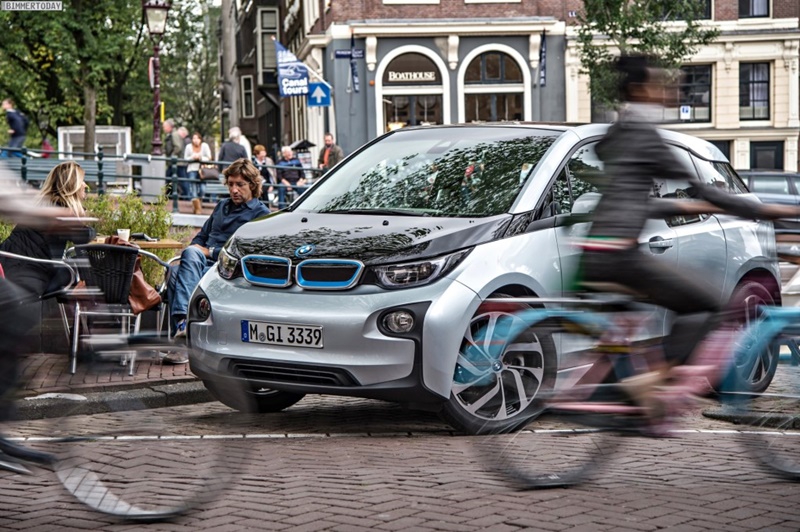
On the one hand, for safety reasons, governments are asking manufacturers to install devices which can emit sounds to warn pedestrians and other road-users of the electric vehicles approaching them. Since 2009, with the introduction of the MINI E test fleet, acoustic engineers from the BMW Group were already working on artificially generated sound, which was intended to contribute to the better perceptibility of vehicles with much quieter drivetrains. Since the launch of the BMW i3, customers have been able to choose acoustic pedestrian protection as optional equipment.

BMW i3
In crowded urban areas with a lot of pedestrians, the quientness of electric cars means that some warning sound is needed as they move around.

Continued development of warning sounds
The sound of the acoustic pedestrian protection has since been further developed in line with new legislative requirements and is now gradually being rolled out as standard in all plug-in hybrids and all-electric vehicles from BMW (where required by law). The aim in the development has been to provide the important warning function without disturbing pedestrians.

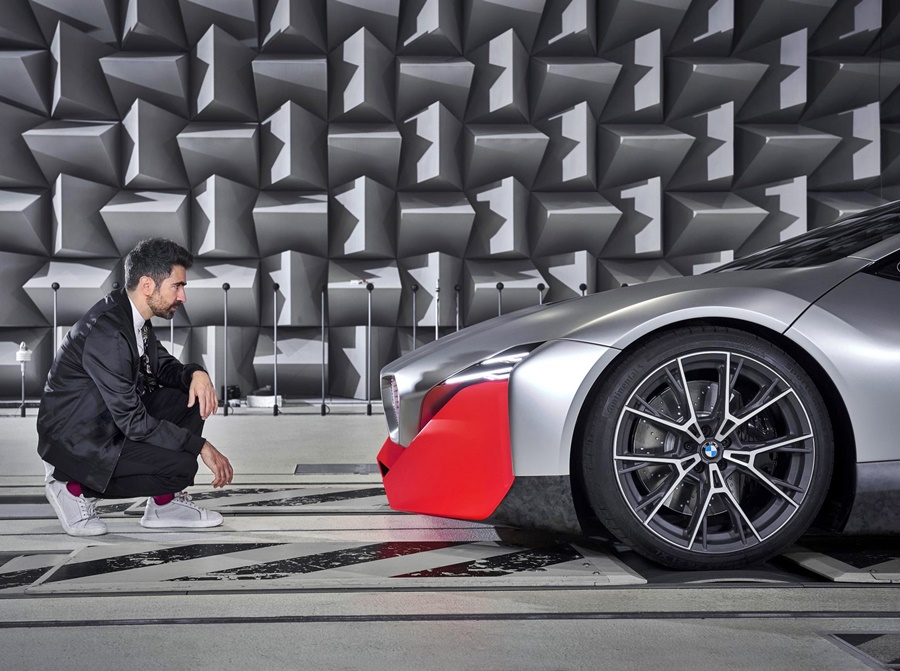
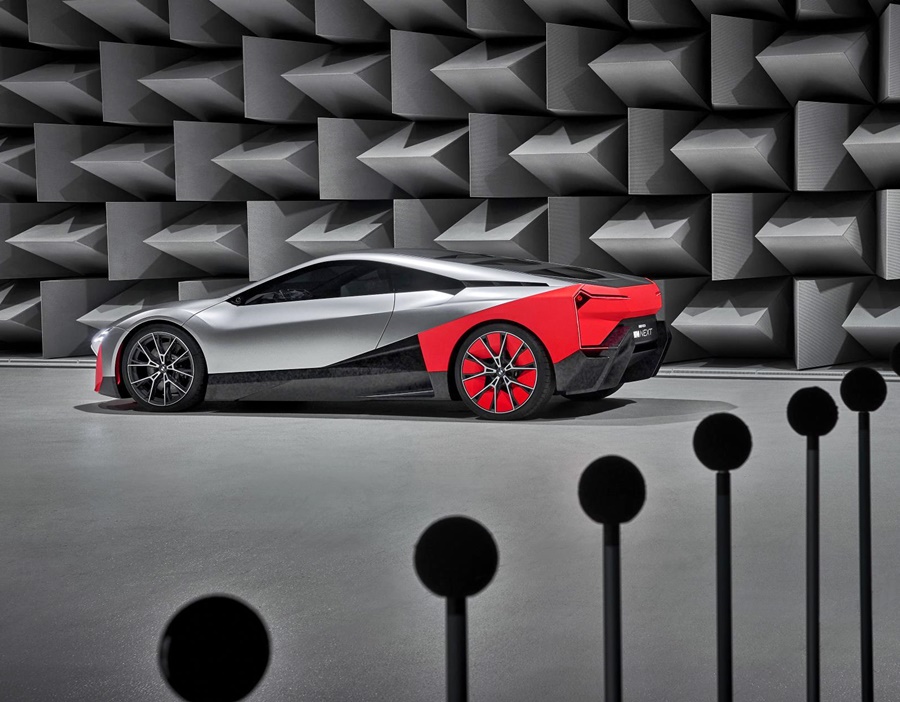
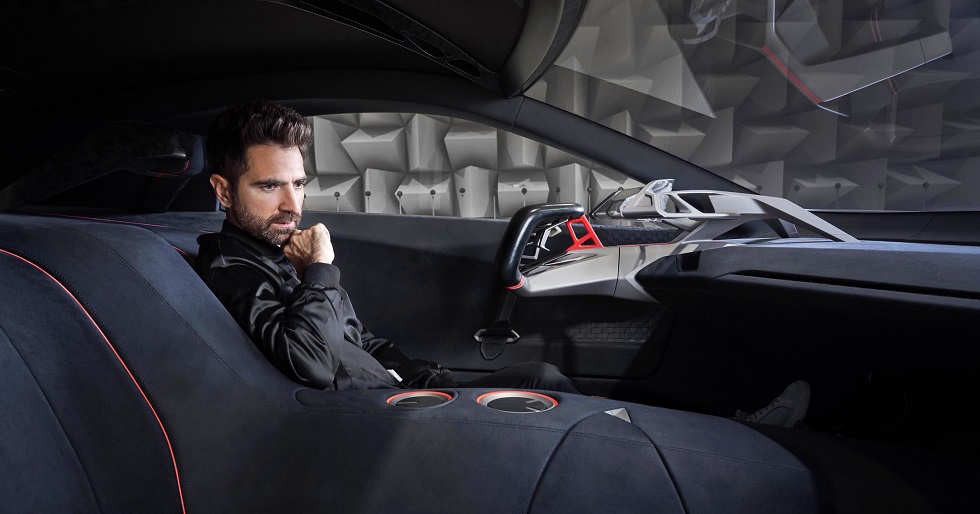
Now the BMW Group is looking at e-sound for its future electric vehicles and have partnered Hans Zimmer, a noted composer for Hollywood movies, to further develop BMW IconicSounds Electric. The move follows an earlier collaboration which saw Zimmer and BMW Sound Designer Renzo Vitale present their jointly developed e-sound for the BMW Vision M NEXT.

“We have the unique opportunity to turn electric driving in a BMW into a magnificent experience with outstanding sonority. I am really looking forward to the challenge of shaping the sound for future electric BMW’s. Developing the sounds for the BMW Vision M NEXT together with Renzo Vitale was already an inspiring, new experience for me,” said Zimmer.

In production models from 2020
The most recent co-creation is the sound signalling readiness for driving in purely electric and plug-in hybrid vehicles. This unique sound will be heard in production models of the BMW brand next year. “Sound Design gives us the opportunity to evoke positive emotions in our vehicles. This new start-sound triggers joyful anticipation of the electric drive, when the customer enters his vehicle and presses the Start/Stop button,” explained Vitale.

BMW

The silence of driving electrically is often cited as a major advantage of electric mobility. However, as the range of electrified models increases, a gap in the emotionality of the driving experience arises for the driver. Under the brand name “BMW IconicSounds Electric”, a visionary sound offer will be created for future electrified vehicles from BMW.

Enhancement to driving pleasure
“Over the years, the sound of our vehicles has enthused and accompanied millions of people. We are very excited about the exceptional chance of creating the sounds for BMW’s electric mobility together with Hans Zimmer. Thereby we can charge future emotions of our customers worldwide anew and redefine sheer driving pleasure,” said Stefan Ponikva, Vice-President BMW Brand Experience.

Hans Zimmer

As composer and curator of BMW IconicSounds Electric, Zimmer will contribute his expertise to various projects for sound creation for electrified BMW vehicles worldwide. The variety of projects may include sounds for vision vehicles and concepts, production models, composition of sound signs, as well as sound creation for communicative occasions focusing on the acoustic-emotional character of electric mobility.

PISTON.MY

Although the model will only appear in showrooms in 2 years’ time, BMW is telling the world about the fourth model in its I sub-brand range – the i4. This will be the first purely electrically-powered model for the premium mid-range with the functionality of a 4-door Gran Coupe and emissions-free mobility.

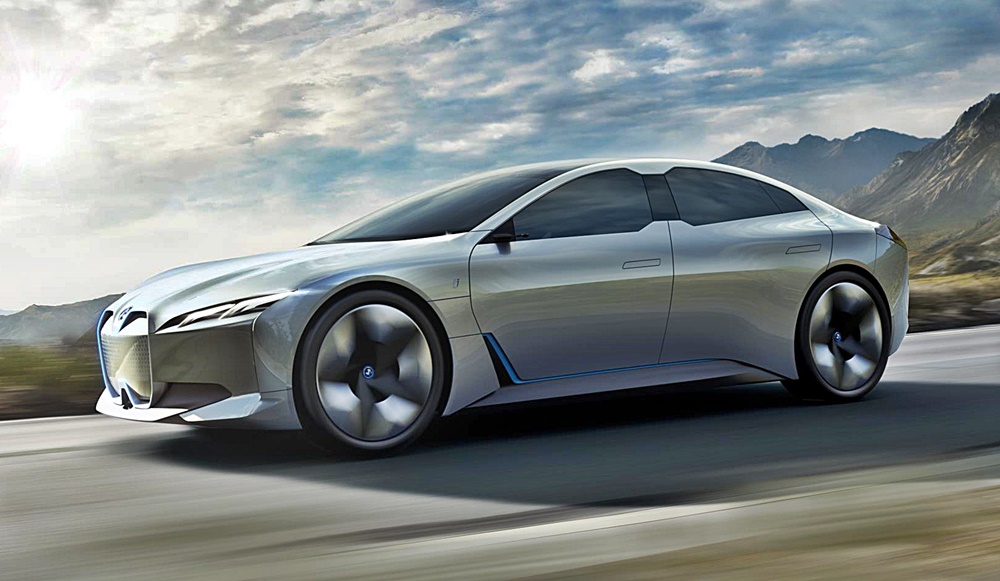
More importantly, BMW promises to transfer the brand’s characteristic core features to the age of electric mobility, particularly the qualities of the 3-Series. Design-wise, it will be based on the i Vision Dynamics concept car (pictured below) shown in 2017 and sit on the CLAR platform.

2017 BMW i Vision Dynamics concept
The i Vision Dynamics concept

The development of the i4 is part of a comprehensive product offensive by the BMW Group in the field of models with electrified drive. The company currently has the biggest range of all-electric and plug-in hybrid models within the competitive field. By 2023, the BMW Group will have 25 models with electrified drive in its program.

Fifth-generation BMW eDrive technology
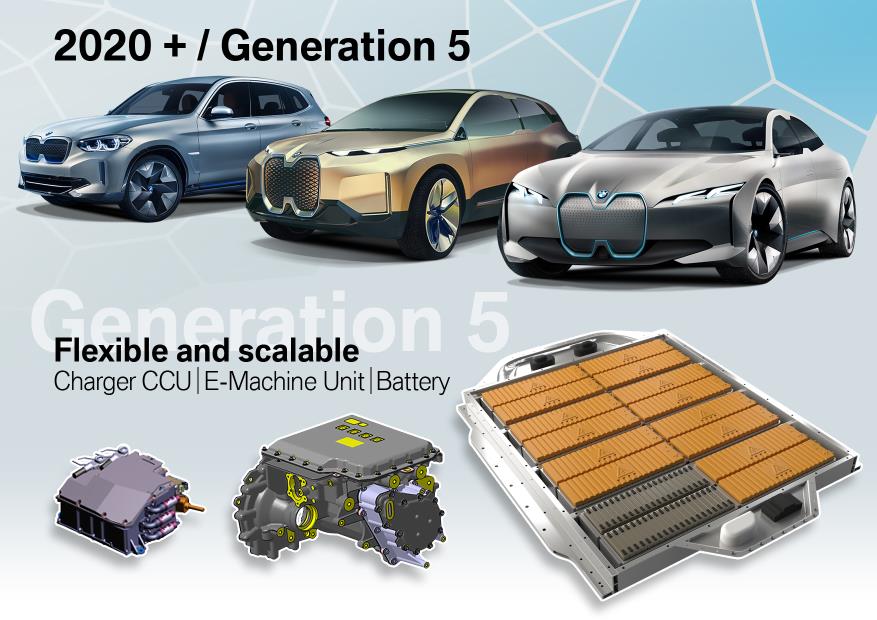
The drive technology of the i4 will set new standards in terms of power density, efficiency and range in locally emissions-free driving. The electric motor, power electronics, charging unit and high-voltage battery are entirely new. Together, they form the BMW eDrive technology of the fifth generation, with which the BMW Group has made further significant advancements in the field of electrified drive.

BMW

From 2020 onwards, the fifth- generation BMW eDrive technology will be introduced first in the iX3 and then in the iNEXT and i4. The electric motor developed for the i4 delivers a maximum output of around 390 kW/530 bhp, reaching the level of a V8 engine in current BMW models fitted with a combustion engine. 0 to 100 km/h acceleration is expected to be around 4 seconds, with a top speed of more than 200 km/h.

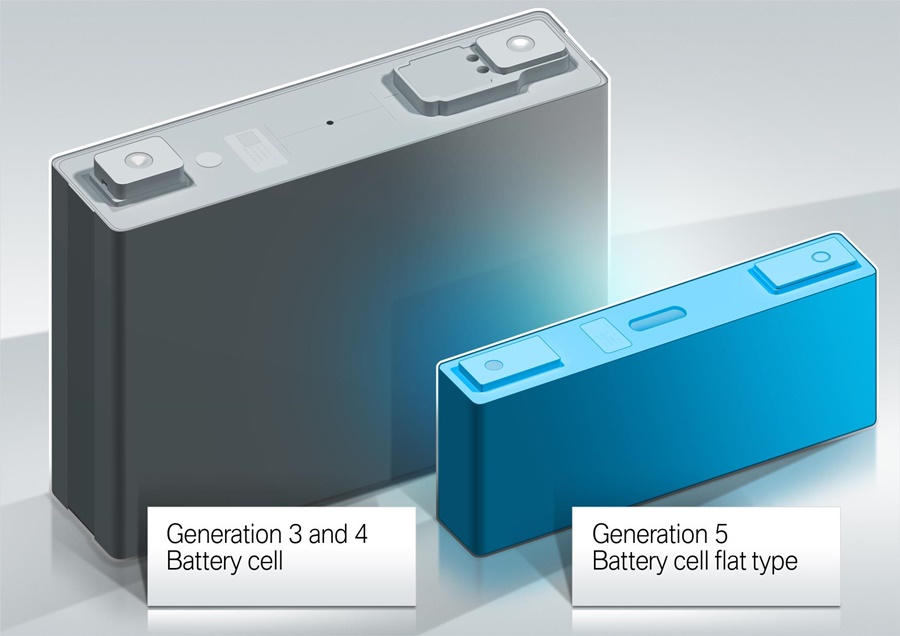
The fifth generation of BMW eDrive also includes a newly designed high-voltage battery featuring the latest battery cell technology. The design of the high-voltage battery developed for the i4 is characterised by its extremely flat design and optimised energy density. With a weight of some 550 kgs, it has an energy content of around 80 kWh. This gives a claimed range of approximately 600 kms.

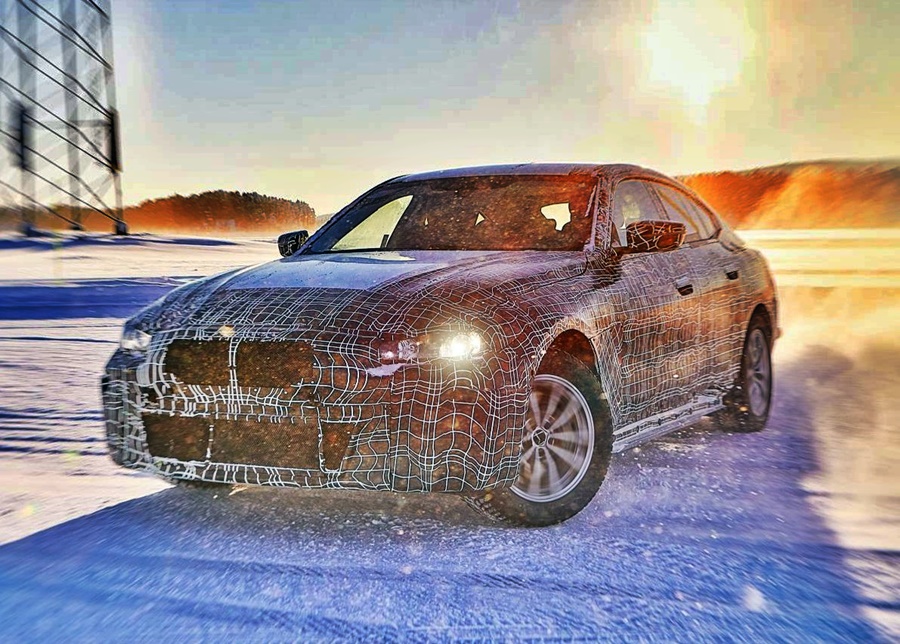
2021 BMW i4
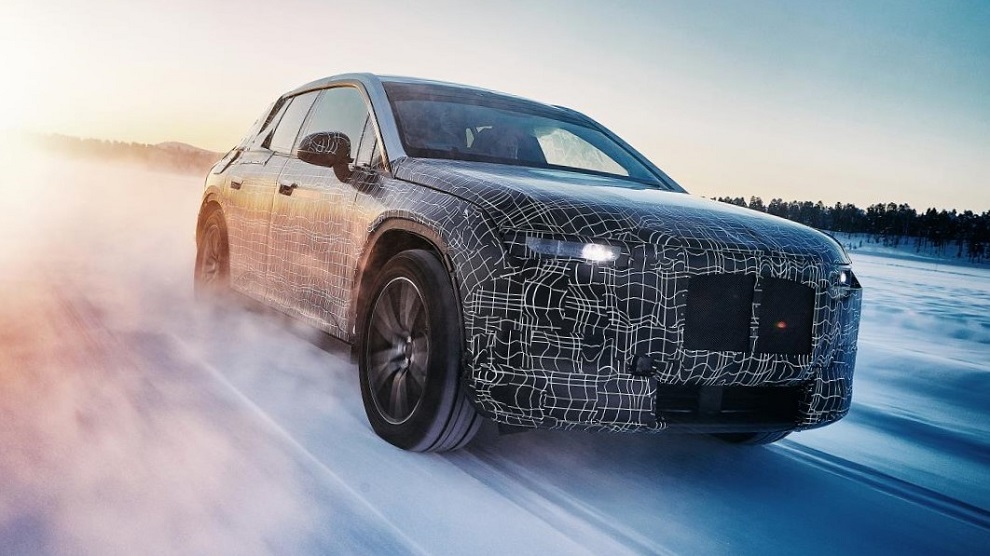
Prototype of the i4 undergoing cold-weather testing.

Modular, flexible drive and battery storage technology
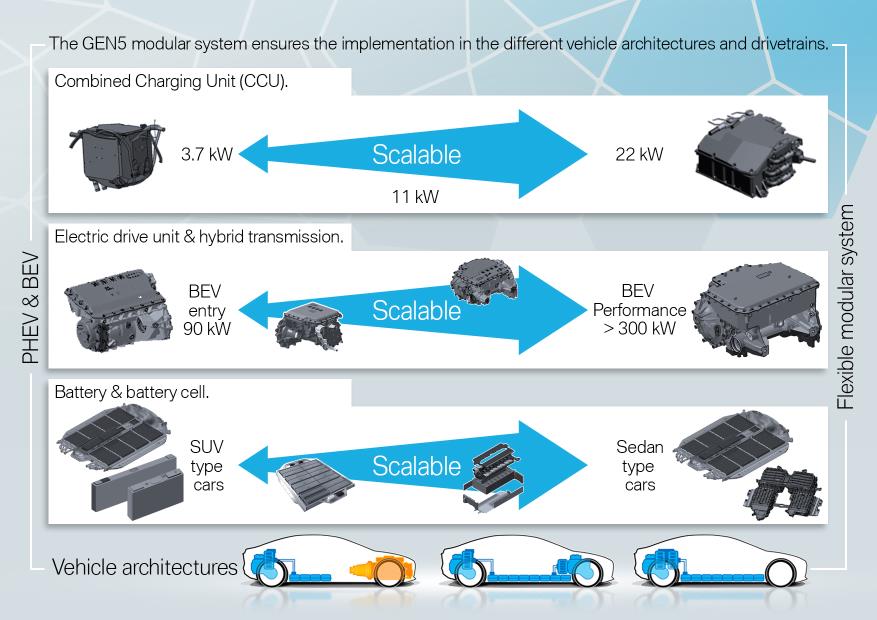
A flexible vehicle architecture, the flat, low-positioned high-voltage battery and the compact drive technology create a high degree of freedom in realising a model- specific design. The electric drive component, its charging unit and high-voltage battery are all developed and produced in-house by the BMW Group.

This drive system is compatible with all vehicle concepts and will be available for different models in a range of output levels. The highly integrated design of the system allows a significant increase in power density as well as a reduction in weight and manufacturing effort. Production of future-generation electric motors will no longer require materials categorised as rare earths.

Battery packs

2021 BMW i4

The next generation charging unit is characterised by a uniform package suitable for all future vehicle architectures. It can be used in plug-in hybrid models as well as in purely electrically powered vehicles and is designed for a charging capacity of up to 150 kW. This allows the high-voltage battery pack to be charged to around 80% of its full energy content in around 35 minutes. This results in a charging time of around 6 minutes for a range of 100 kms.

(more…)

Ford Mustang Mach-E logo

Mustang. Mention of the name brings to mind a musclecar, a legendary sportscar that has tyres smoking and subjects your body to high g-forces. An icon that Steve McQueen used to rocket through the streets of San Francisco in ‘Bullitt’ in 1968. Times may have changed since the Mustang was born in 1965 but it has always remained the epitome of the American sportscar – and it is today also the bestselling sports coupe in the world.

As a musclecar, the Mustang has always had big and powerful engines although, in response to the fuel crisis era, the second and third generations had a 2.3-litre 4-cylinder engine and for the current generation, a 2.3-litre EcoBoost engine. Nevertheless, big displacement was synonymous with a Mustang.
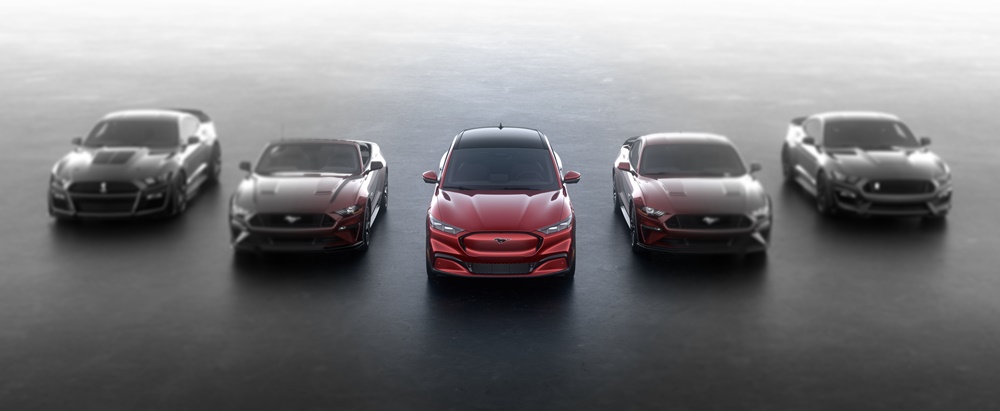
Mustang Family Photo

2020 Ford Mustang Mach-E

So the idea of a new Mustang which did not require petrol and instead ran on electricity; a crossover SUV design instead of a sleek coupe style; and two more doors must have had Ford’s engineers wondering what top management was thinking (or drinking). Yes, SUVs are a growing segment and manufacturers need to offer more environment-friendly vehicles but to change an iconic model so radically?

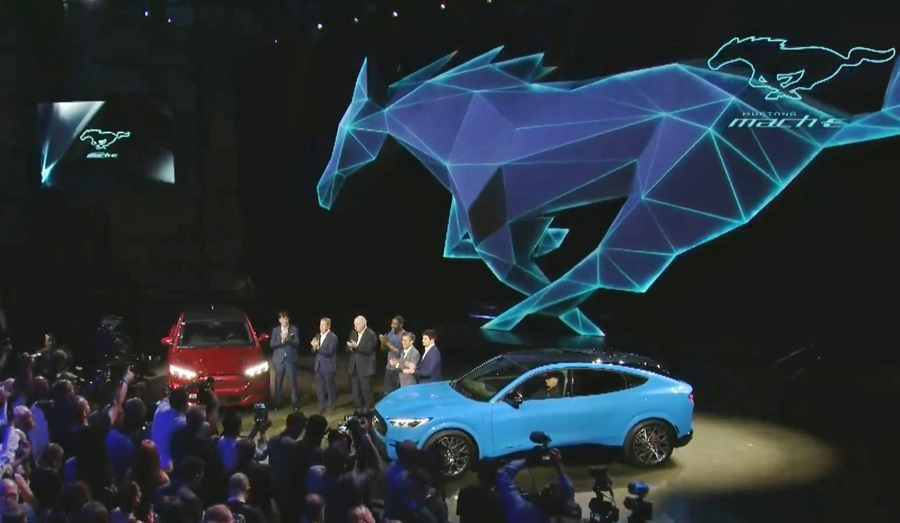
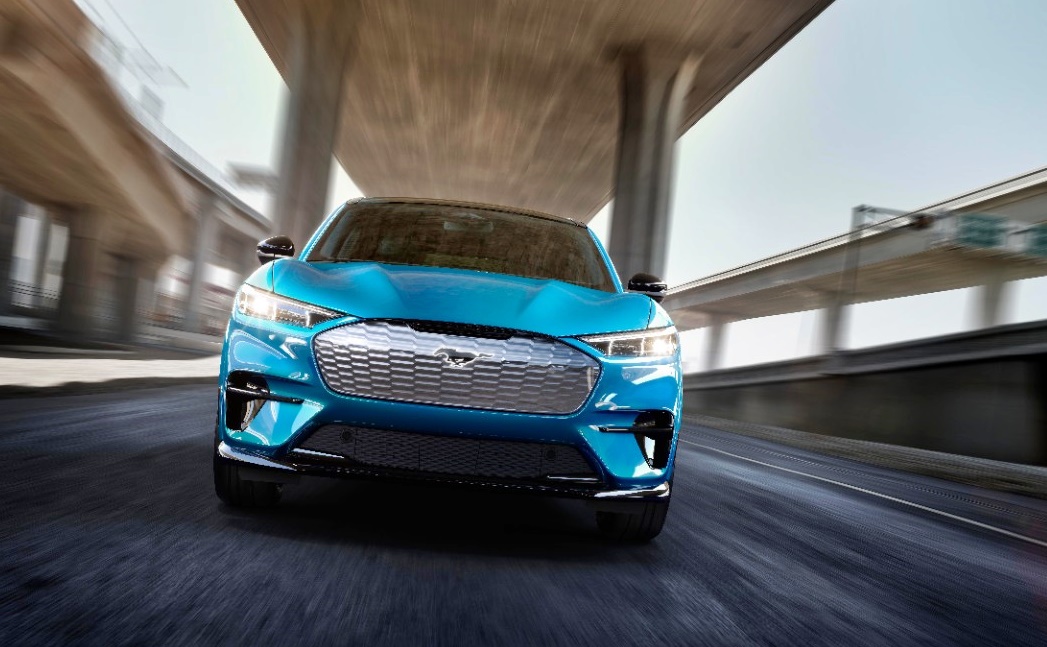
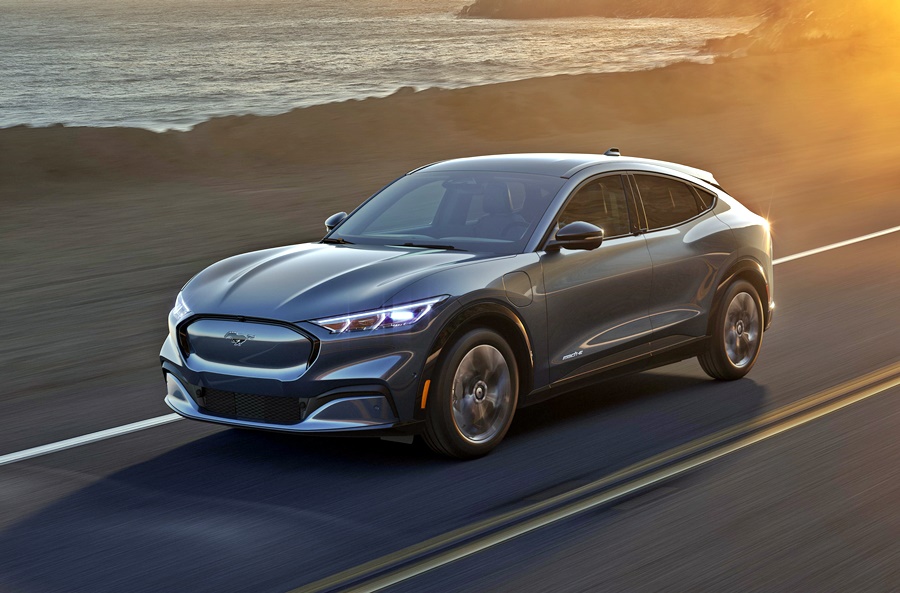
But the engineers took up the challenge and today, in Los Angeles, Ford Motor Company presented the first ever all-electric Mustang, called the Mach-E (pronounced ‘mark’-E). Bill Ford, the company’s Executive Chairman, says that the Mustang Mach-E will still give ‘the freedom, progress and fast performance it has been known for – with a touch of rebellion too’. In fact, he insisted that if it was to be a member of the Mustang family, those attributes were a must.
2020 Ford Mustang Mach-E

For a new generation of Mustang owners
“At the first-ever Detroit auto show, Henry Ford said he was working on something that would strike like forked lightning,” said the great-grandson of the man who founded the company. “That was the Model T. Today, the Ford Motor Company is proud to unveil a car that strikes like forked lightning all over again. The all-new, all-electric Mustang Mach-E. It’s fast. It’s fun. It’s freedom. For a new generation of Mustang owners.”

Developed in a century-old brick building a few blocks away from Henry Ford’s first factory in Detroit, Ford brought the Mustang Mach-E to life through a development process concentrated entirely on customer needs and desires. “People want a car that’s thrilling to drive, that looks gorgeous and that can easily adapt to their lifestyle – and the Mustang Mach-E delivers all of this in unmatched style,” said Hau Thai-Tang, Ford’s Chief Product Development and Purchasing Officer.“ 51-year old Thai-Tang, of Vietnamese descent, has served as the chief engineer for the Mustang program, leading the design, development, and launch of the 2005 model year Mustang.
2020 Ford Mustang Mach-E

When it arrives in showrooms in late 2020, the Mustang Mach-E will be available with standard and extended-range battery options with either rear-wheel drive or all-wheel drive powered by permanent magnet motors. Equipped with an extended-range battery and rear-wheel drive, the Mach-E has a targeted EPA-estimated range of at least 480 kms.

In extended-range all-wheel-drive configurations, the Mach-E is expected to produce 332 bhp/565 Nm of torque – with the standard all-wheel-drive variation having claimed times to 60 mph (96 km/h) quicker than the base Porsche Macan. Ford will also offer two special GT performance versions which can deliver up to 459 bhp and 830 Nm of torque.
2020 Ford Mustang Mach-E

In addition to blistering acceleration, the Mustang Mach-E will be available with Brembo’s all-new performance Flexira aluminium calipers, which maintain the functionality of a fixed caliper while being designed with the dimensions of a floating caliper. The GT Performance Edition is equipped with a MagneRide damping system, adaptive suspension technology that lets drivers hug the road while delivering an exciting, comfortable ride.

Hassle-free charging solutions
The Mustang Mach-E will be available with two battery pack options – standard-range (75.7 kWh lithium-ion battery) and extended-range (98.8 kWh battery). Designed for ease of manufacturing, the battery pack is located on the floor between the vehicle’s two axles – and tested at temperatures as extreme as -40 degrees F. The batteries are secured inside a waterproof battery case surrounded by crash-absorption protection. They are liquid-cooled to optimize performance in extreme weather and to improve charging times.
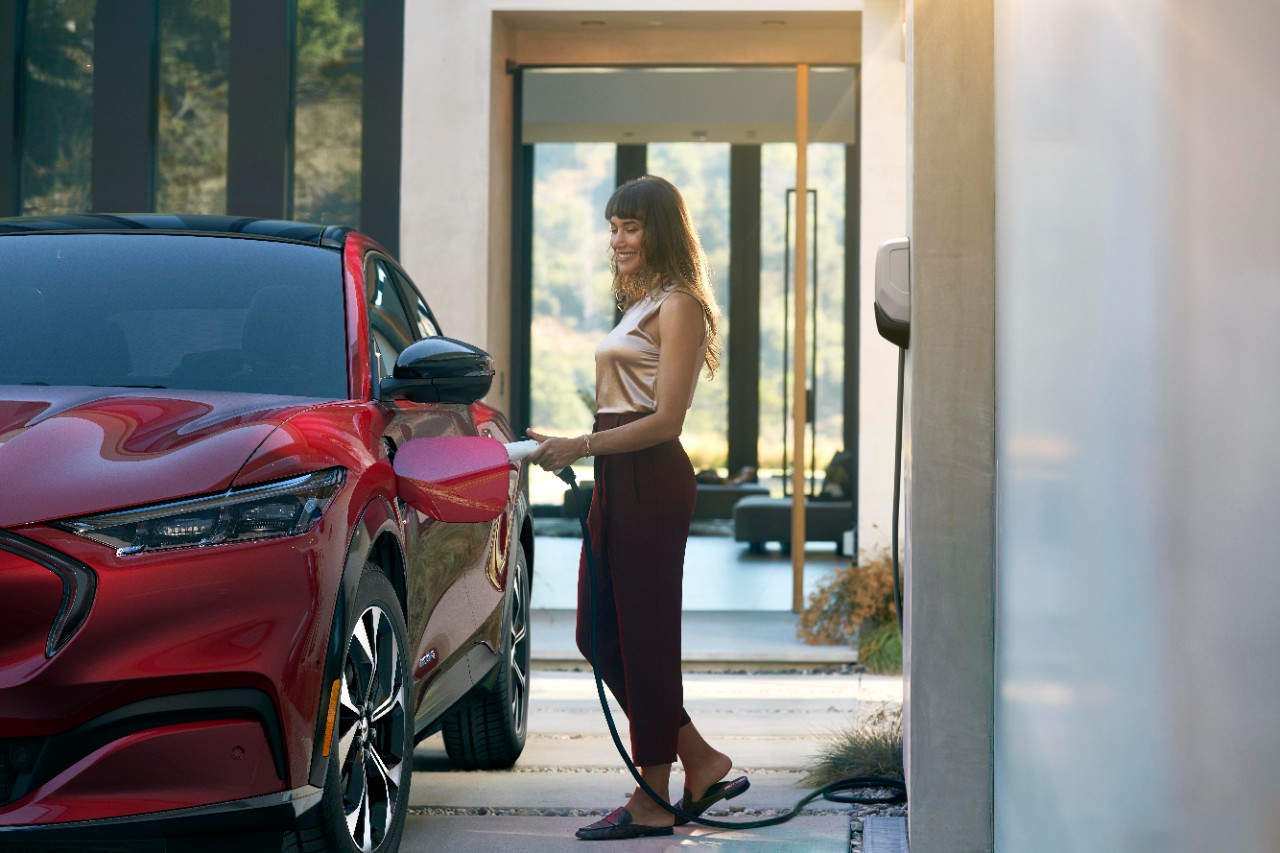
2020 Ford Mustang Mach-E

As electric vehicle owners have been found to do 80% of their charging at home, Ford offers a Ford Connected Charging station that can add an estimated average range of 50 kms per charging hour on a 240V outlet, based on extended-range, rear-wheel-drive configuration. The Ford mobile charger, included with the vehicle, can add an estimated average range of 35 kms per charging hour on a 240V outlet, the same used for a conventional oven.

The connected navigation system will provide the latest list of public charging locations during trips and prompt owners to charge at the most convenient points on each drive – all to help ensure they don’t have to be anxious about how much range they have. The FordPass Charging Network – the largest public charging network in the USA – has more than 12,500 charging stations (and more than 35,000 charge plugs) and growing, including DC fast chargers.
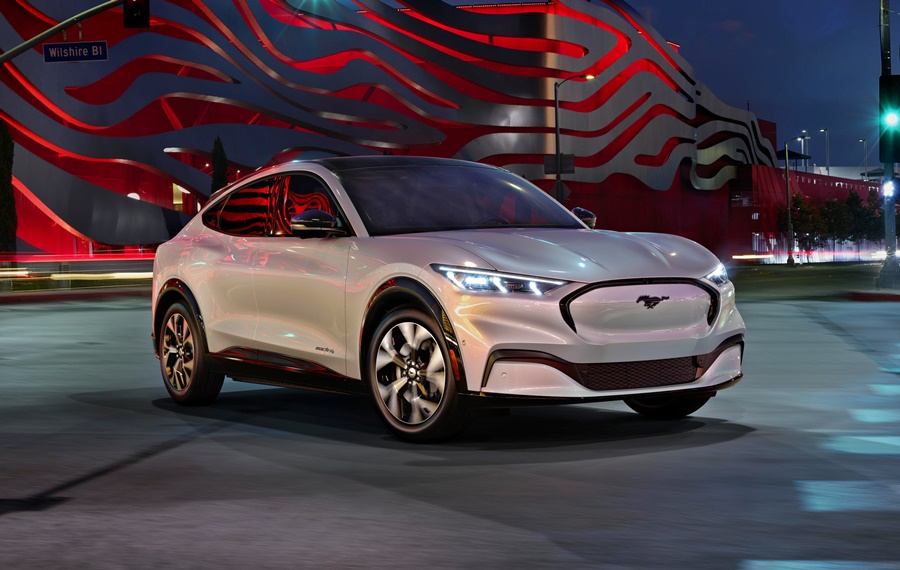
2020 Ford Mustang Mach-E

New meaning to ‘electrifying’
The Mustang Mach-E delivers three unique drive experiences – Whisper, Engage and Unbridled – with each offering finely tuned driving dynamics packaged with a distinct sensory experience. Features include custom-designed vehicle responsiveness such as sportier steering controls, ambient lighting, sounds tuned for an authentic all-electric experience, and dynamic cluster animations that are tied to driving behaviour.

On take-off, a new all-wheel drive system will be available that can apply torque independently to the front and rear axles to deliver impressive acceleration and improved handling over the rear-wheel drive model. Ford tuned this system to provide excellent traction on the road, rigorously testing the vehicle in wet and snowy terrain to help control for slippery conditions.

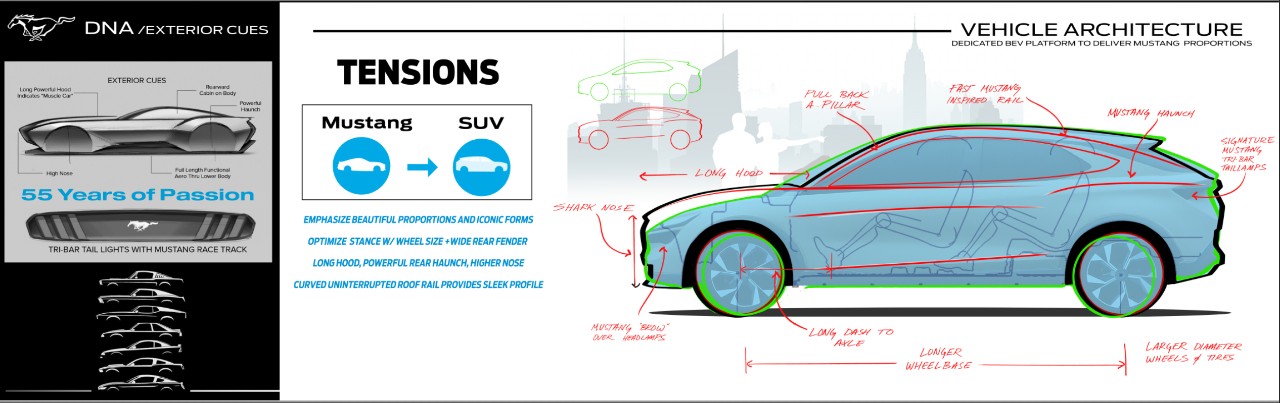
Recognisable as a Mustang
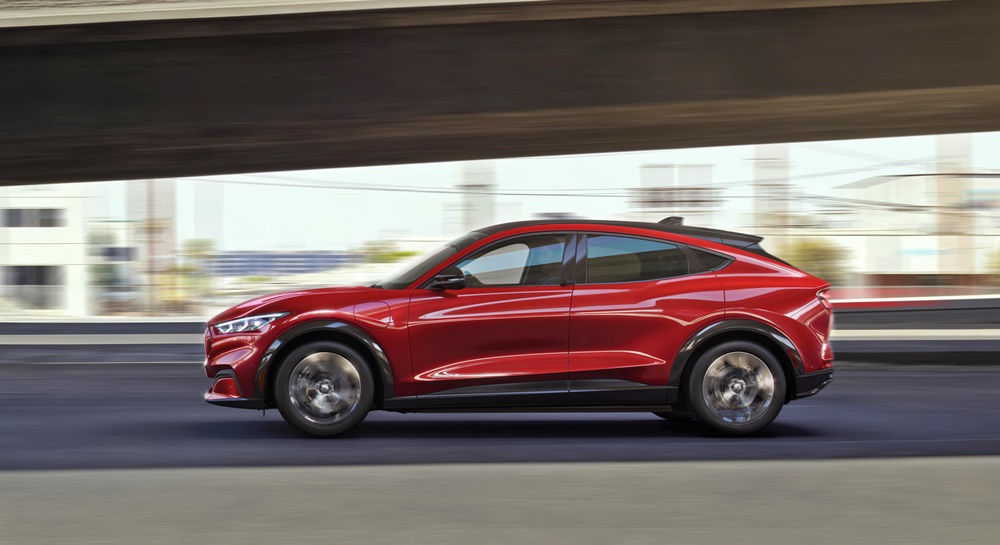
The Mach-E is instantly recognizable as a Mustang, thanks to signature elements such as its long, powerful bonnet, rear haunch design, aggressive headlights and trademark tri-bar taillamps. Clever design and engineering delivers surprising rear seat roominess and ample cargo space.

Using Ford’s new all-electric architecture that places batteries inside the underbody, Ford engineers and designers were able to create a car that’s not only true to Mustang but also maximizes SUV space for passengers and cargo.
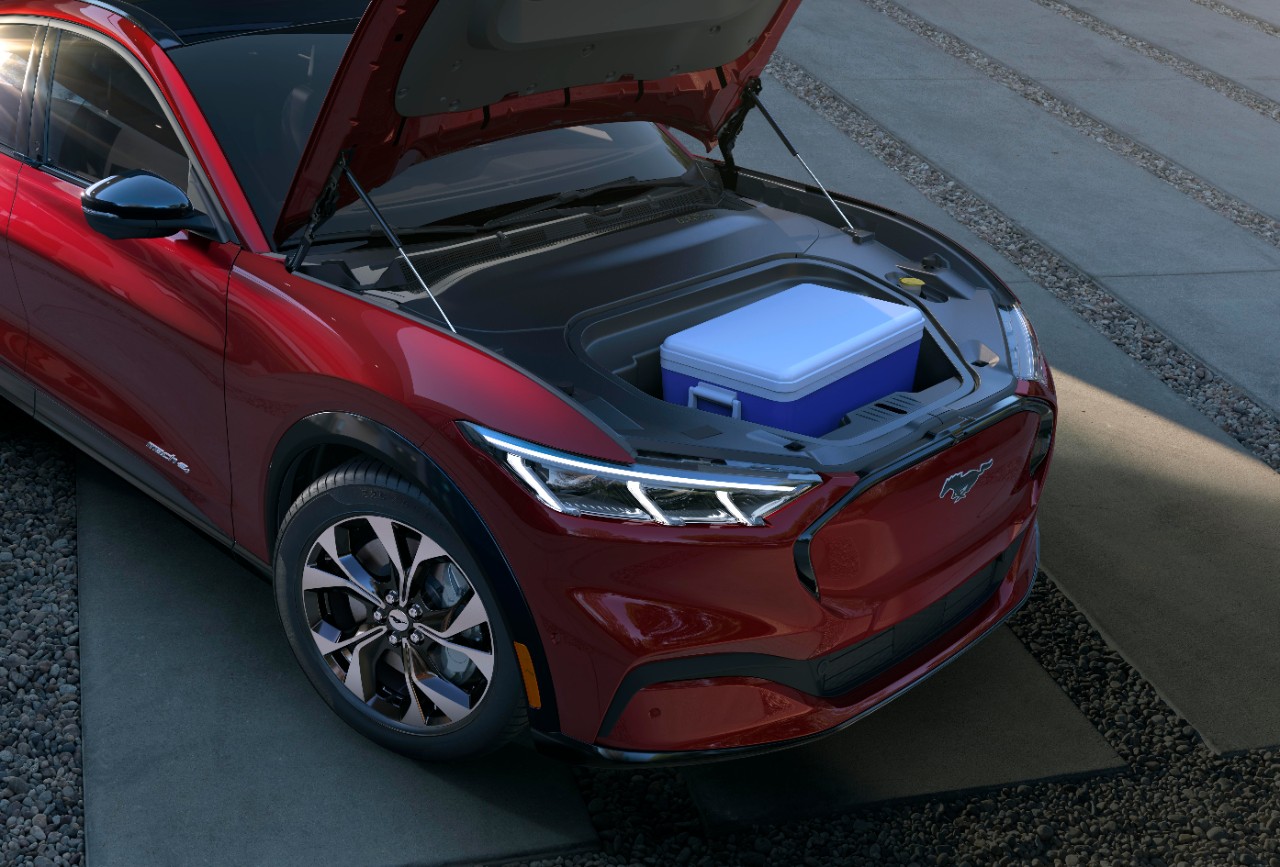
2020 Ford Mustang Mach-E

Along with its all-new propulsion system, the Mach-E holds another surprise under its bonnet – a drainable front storage unit. Providing 136 litres of storage space, the front storage compartment is large enough to comfortably store the equivalent of a carry-on luggage bag. And because it’s drainable, customers can easily pack it full of ice and keep their favourite drinks cold.

Inside the Mach-E
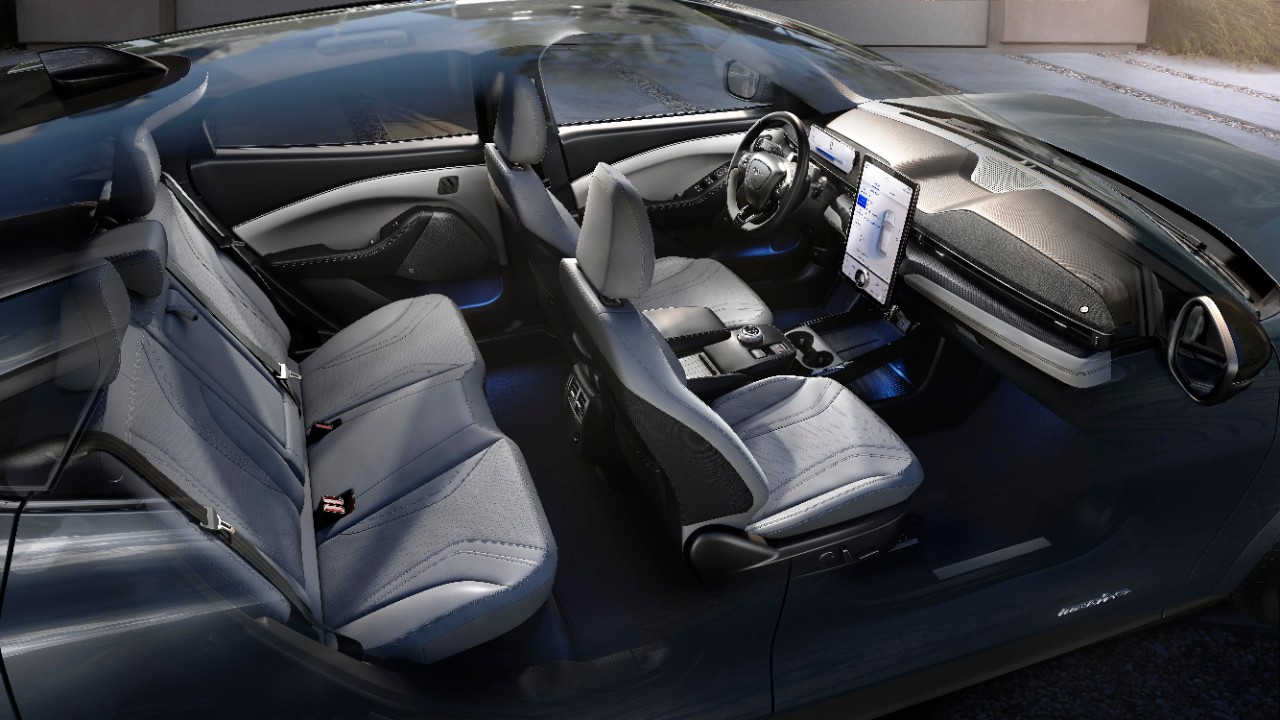
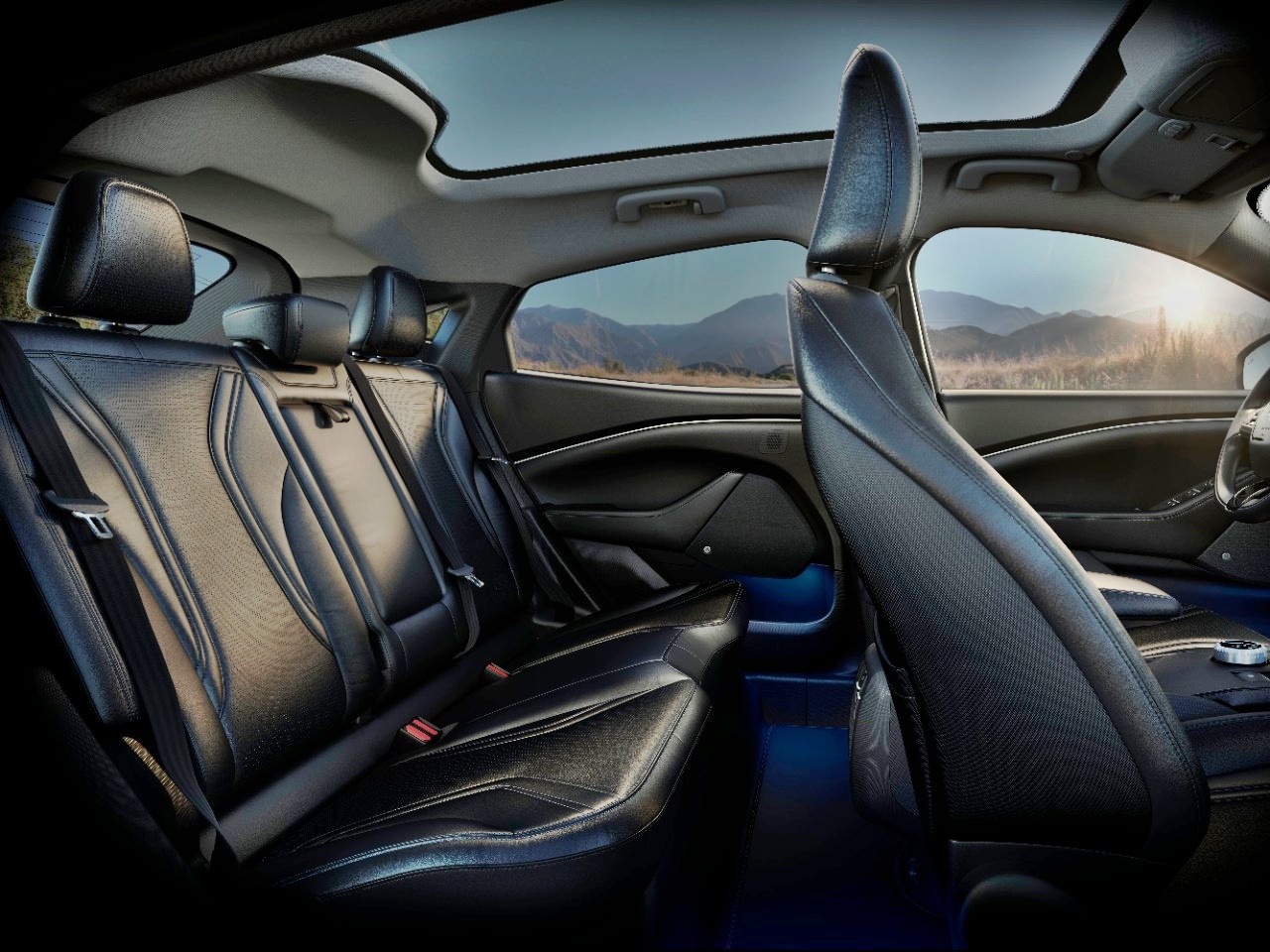
To truly take advantage of the extra space provided by electrification, Ford designers worked extensively with customers to understand how they would prefer to use the interior of their vehicles. Designed with SUV-size proportions to seat 5 adults comfortably, there’s certainly plenty of space for friends, kids and cargo. In addition to the exterior front storage area, the rear cargo space offers 821 litres of space. With the rear seats down, this volume can increase to almost 1,700 litres.
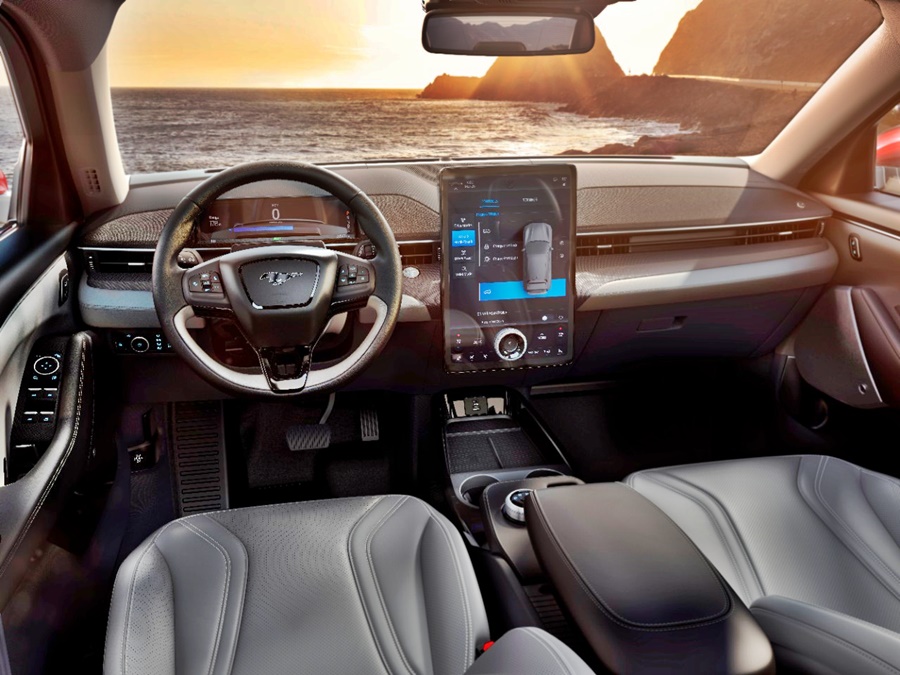
2020 Ford Mustang Mach-E

2020 Ford Mustang Mach-E

2020 Ford Mustang Mach-E

Everywhere inside, the Mach-E represents a fusion of sleek, modern design and smart functionality. Premium available Bang & Olufsen speakers are seamlessly integrated across the front, floating above the air vents like a sound bar. A floating flip-up armrest doubles as a place to store purses or bags.

Even the available panoramic fixed-glass roof has a secret – a special glass coating with infrared protection helps the interior stay cooler in the summer and warmer in the winter. In addition, an inner layer between the glass helps protect against UV rays.
2020 Ford Mustang Mach-E

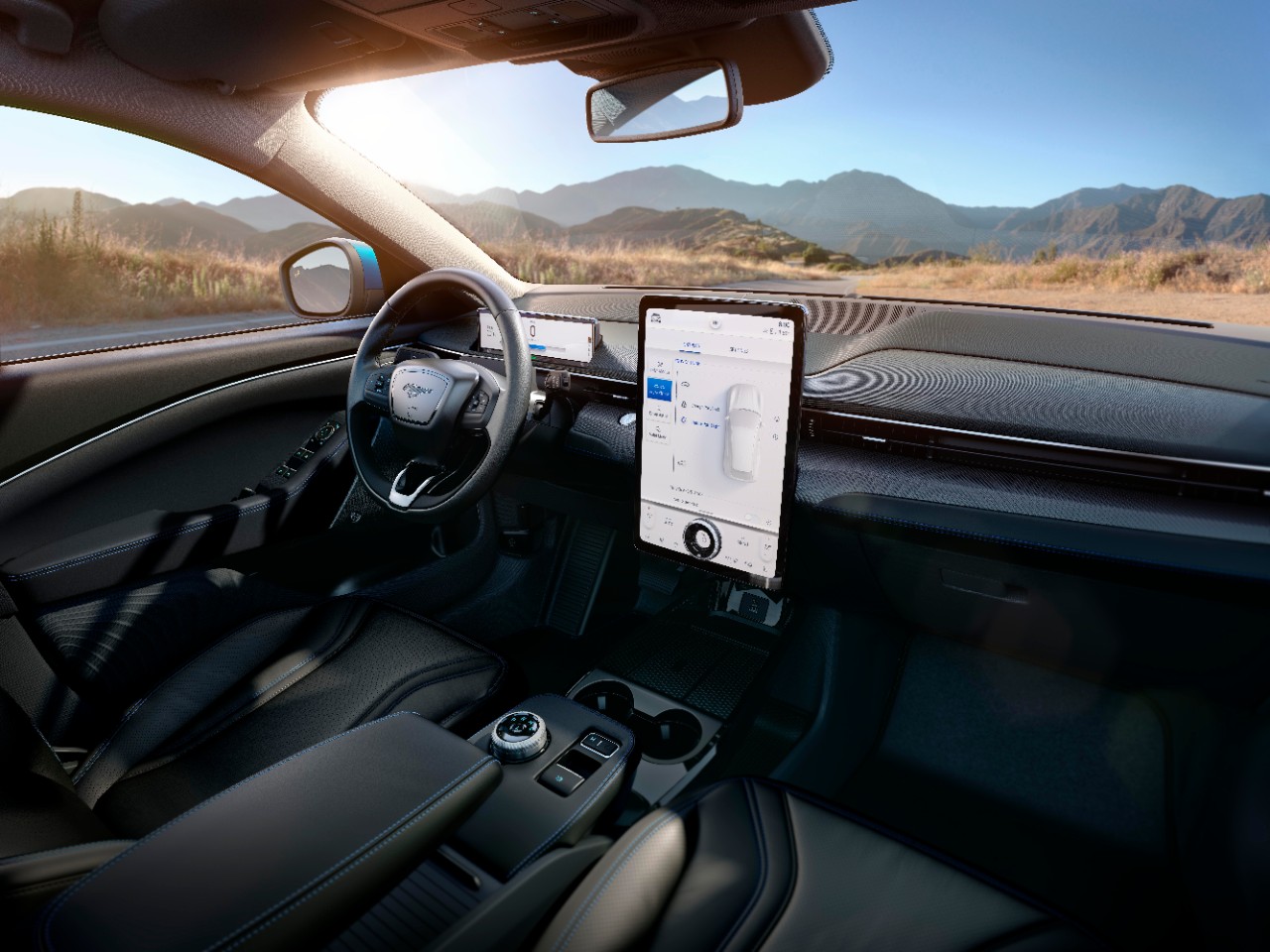
Finally, getting in and starting the vehicle is easy and effortless with Phone As A Key technology, which makes its debut in the Ford brand line-up in this latest Mustang. Using Bluetooth, the system can detect customers’ smartphones as they approach, unlocking the Mach-E and allowing them to start driving without getting their phones out of their pockets or using a key fob. A back-up code can be entered on the centre touchscreen to start and drive the vehicle in the event a phone battery dies.

New-generation SYNC system
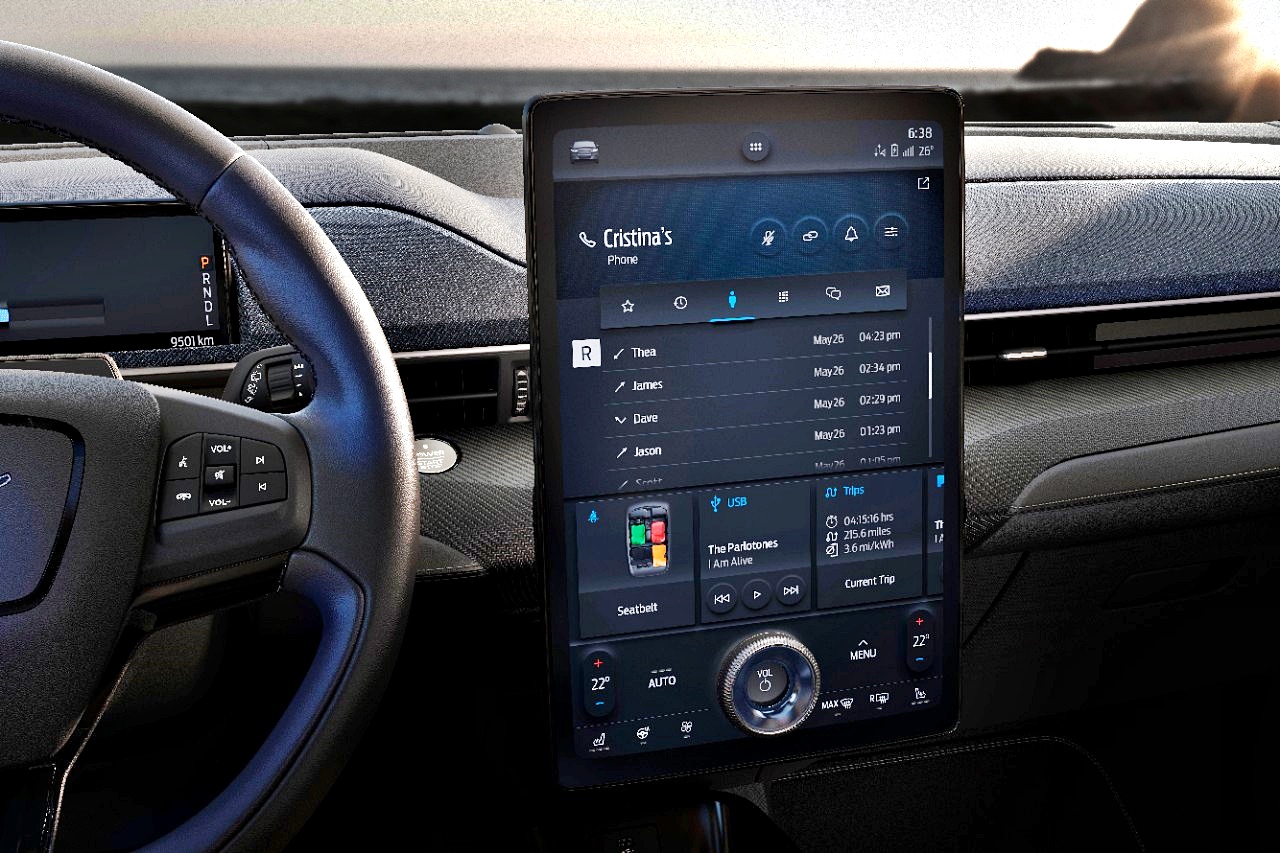
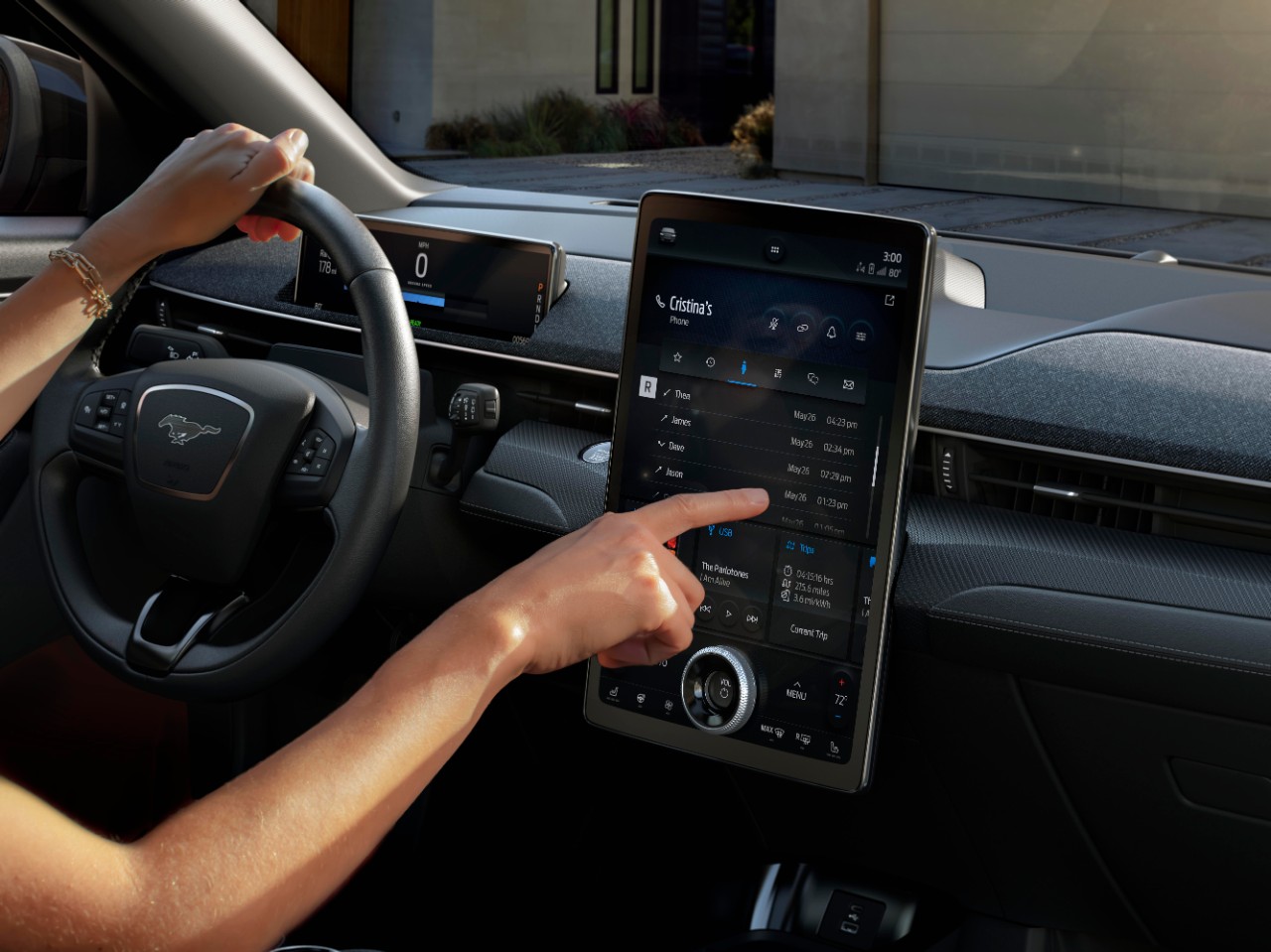
Making its debut in the Mach-E is the next-generation SYNC communications and entertainment system, a sleek and modern interface that uses machine learning to quickly learn drivers’ preferences, and gets even better over time, thanks to advanced over-the-air updates. Its 15.5-inch screen and simple interface ditches complicated menus, making it easier to access features with touch, swipe and pinch controls that every smartphone owner will be comfortable using.
2020 Ford Mustang Mach-E

2020 Ford Mustang Mach-E

2020 Ford Mustang Mach-E

As next-generation SYNC evolves to serve customers better over time, Ford has outfitted the Mach-E with the ability to continuously improve through the delivery of secure over-the-air updates that are capable of enhancing vehicle performance, offering maintenance updates and even adding entirely new features. Like your smartphone, your Mach-E will be able to get updated software even without going into the service centre.
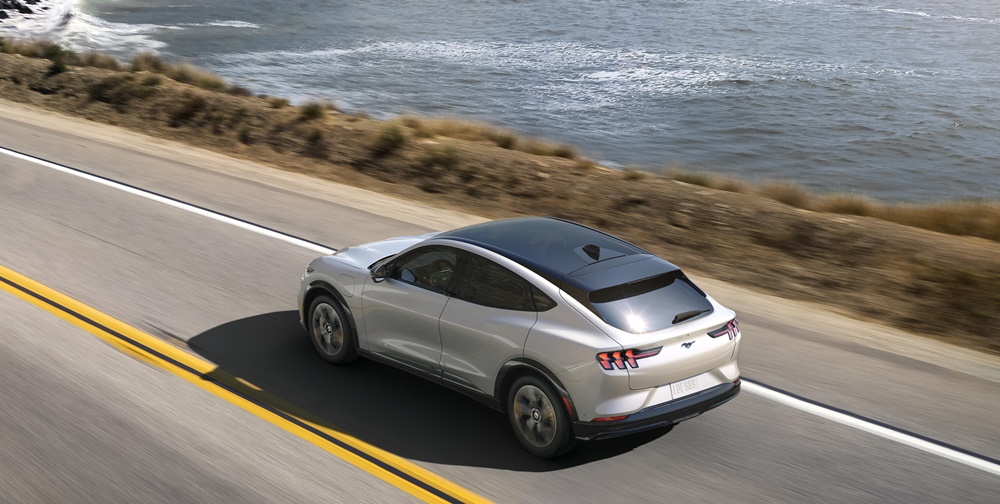
2020 Ford Mustang Mach-E

Online booking starts
In the US market, the Mustang Mach-E will have prices ranging from around US$43,895 to US$60,500 (about RM182,360 to RM250,350). Buyers will also be able to get tax incentives from the government of up to US$7,500 (RM31,160).

Customers can reserve their spot in line for the Mustang Mach-E by making a US$500 refundable reservation deposit. Those in the USA and Europe who wish to reserve a vehicle can select their desired specification, create a Ford account, select their preferred Ford dealer, and enter their credit/debit card details and address. When the ordering process commences next year, they will be able to finalize their configuration.

Want to buy a traditional Mustang to keep as a collector’s item? Sime Darby Auto ConneXion has some units for sale. Visit www.sdacford.com.my for more information.

(more…)

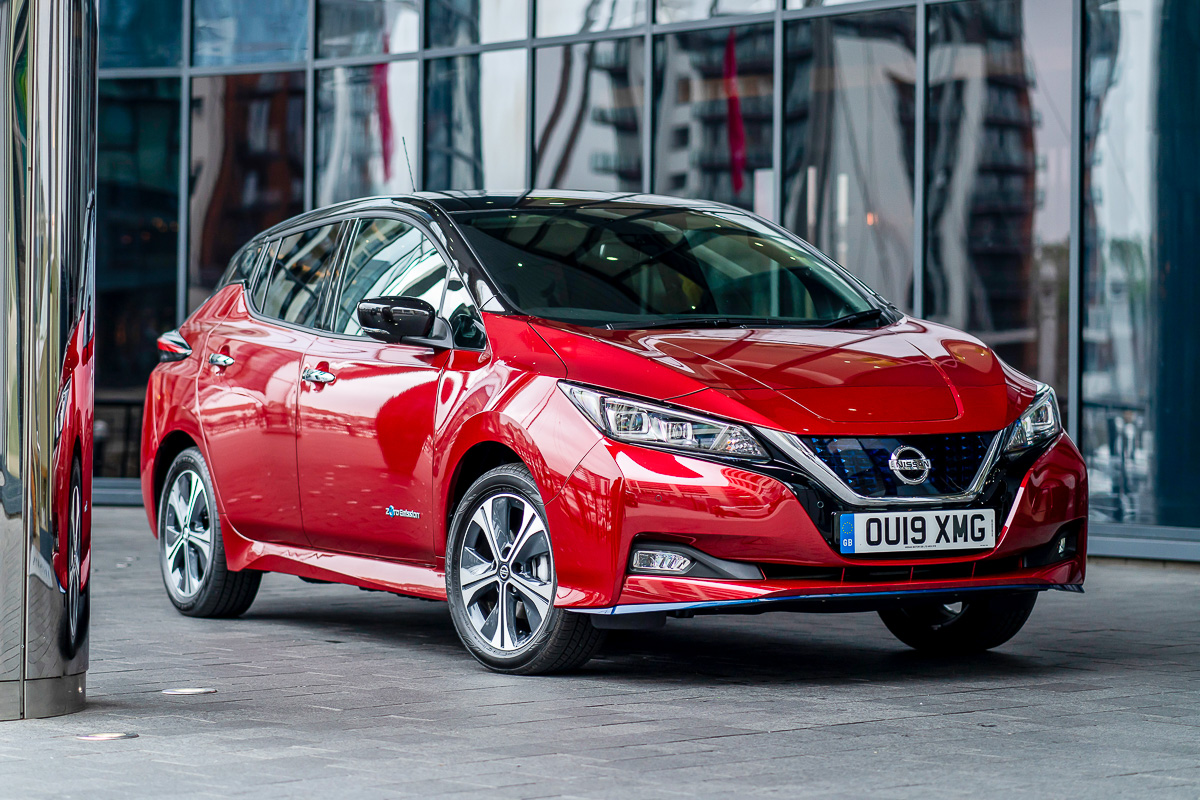
The recent EE Pocket-lint Awards 2019 saw the Nissan LEAF e+ being crowned with the ‘Product of the Year’ award as well as ‘Best Car’ in a single night. Voted by the major players of the industry as well as the general public, the award ceremony celebrates the best of technologies, gadgets, and games that were released in the past 12 months. (more…)
In just two days, at an event in Los Angeles, Ford will unveil the much-anticipated Mustang Mach-E. It carries the name of the iconic sportscar but will be entirely different under the bonnet – an all-electric powertrain instead of a petrol engine.

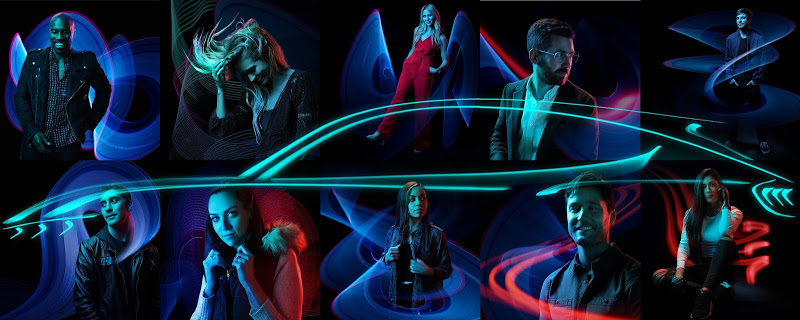
The event will be streamed on YouTube, Facebook, and Twitter, with actor Idris Elba helping to introduce the latest addition to the Mustang family. Aiming to build up its order bank early, the company will accept bookings immediately after the broadcast (which would be around 10:30 am in Malaysia on Monday morning) at Ford.com.

Customers can pre-order the Mustang Mach-E by placing a refundable deposit (subject to terms and conditions). Ford says that timing will be critical, especially for a limited First Edition. Those who wish to pre-order a car can select their desired specification of the Mustang Mach-E, create a Ford account, select their preferred Ford dealer, and enter their credit/debit card details and address. The pre-ordering is available to customers in the USA and certain other regions.

2020 Ford Mustang Mach-E

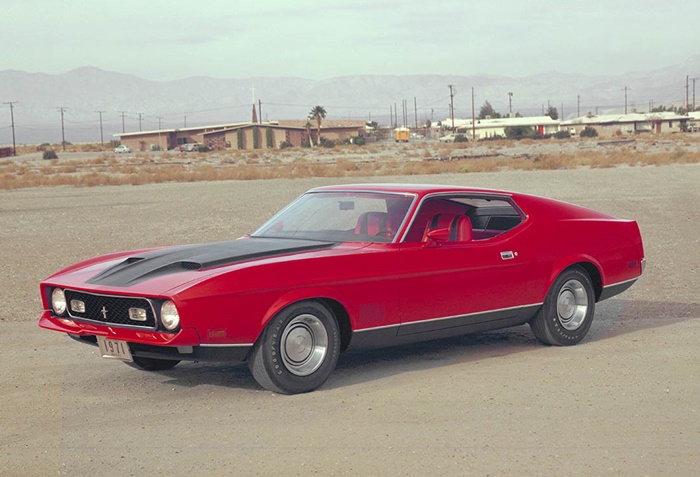
1971 Ford Mustang Mach 1
The ‘Mach’ name was used for fastback variants of the early Mustangs and were the biggest Mustangs ever .

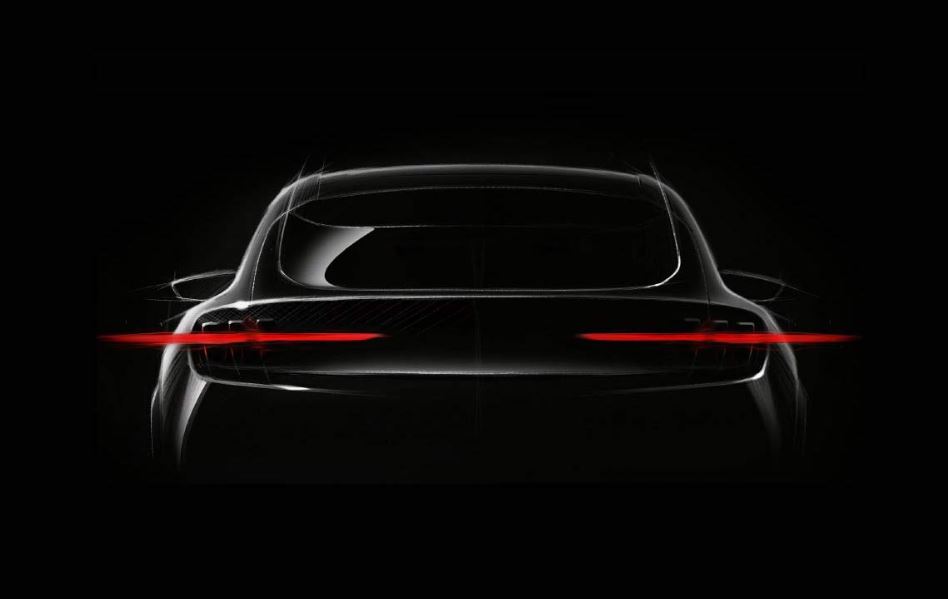
Little is known about the Mustang Mach-E but it is said to have crossover SUV genes as well. ‘Mach’, which refers to the speed of sound, was used for fastback variants in the earlier generations. Recently, at the SEMA show, Ford unveiled a fully electric Mustang Lithium with over 900 bhp and 1,356 Nm of torque. But that was an ‘edge-of-the-envelope’ project and the Mustang Mach-E won’t reach such output levels.

Mustang Lithium 2019
Mustang Lithium prototype displayed at the 2019 SEMA show recently.

However, from one Ford microsite, we learnt that the car is claimed to have a range of 480 kms and scheduled maintenance costs are estimated to be 38% lower costs versus comparable vehicles. Using a 150kW DC fast charger, a 10-minute charge is claimed to be able to give a range of 75 kms.

2020 Ford Mustang Mach-E

Drop by PISTON.MY for more details when we have them on Sunday night.

Want to buy a traditional Mustang to keep as a collector’s item? Sime Darby Auto ConneXion has some units for sale. Visit www.sdacford.com.my for more information.

PISTON.MY

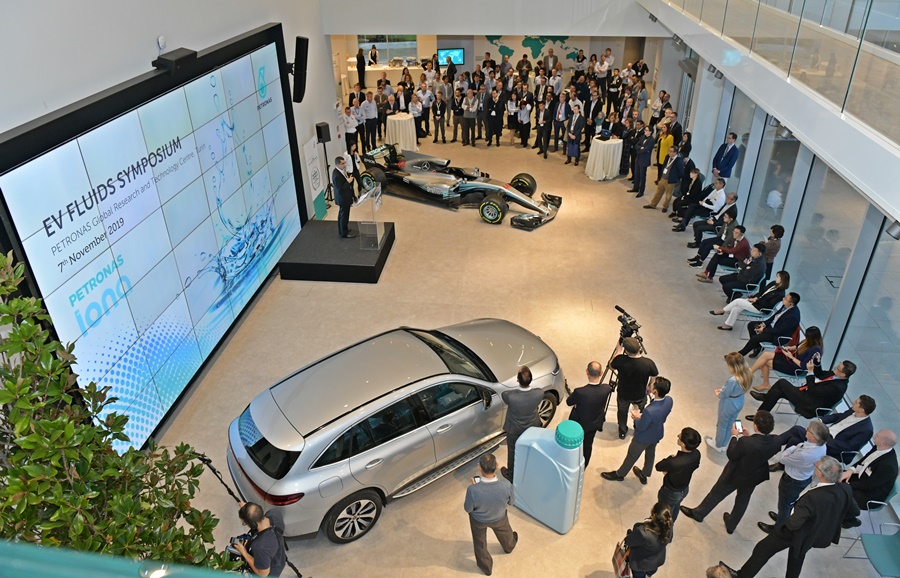
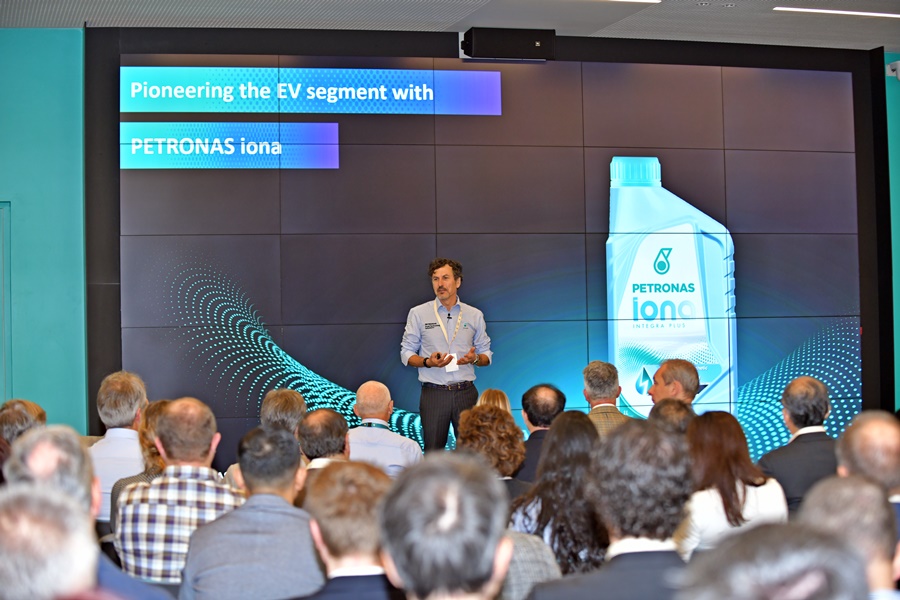
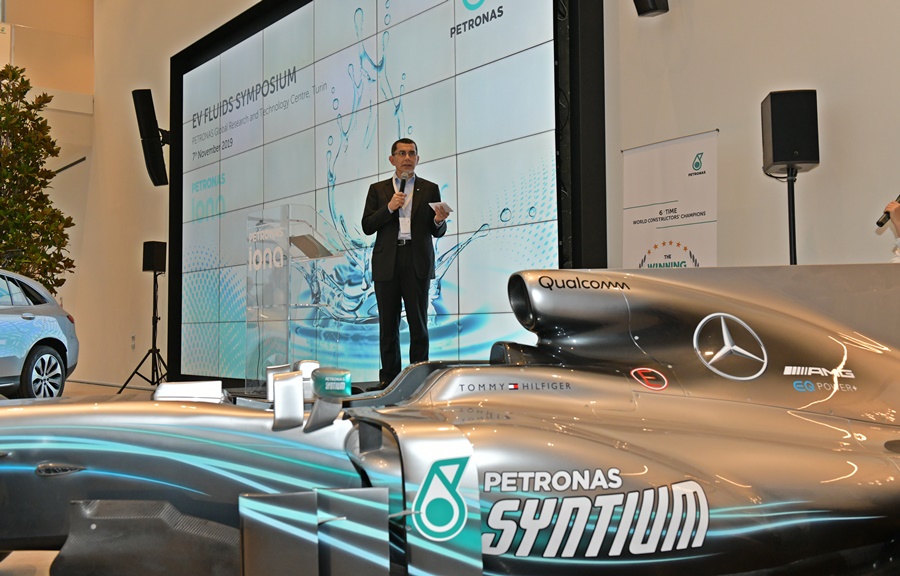
PETRONAS Lubricants International (PLI), the global lubricants manufacturing and marketing arm of PETRONAS, recently organized the inaugural Electric Vehicle (EV) Fluids Symposium at its Global Research and Technology (R&T) Centre in Turin, Italy.

“The EV Fluids Symposium is our next initiative to work together, deliberate possibilities
and set a shared agenda towards a cleaner future.”
PLI Managing Director and Group CEO, Giuseppe D’Arrigo.

Giuseppe D'Arrigo, PLI CEO
Giuseppe D’Arrigo, PLI Managing Director & Group CEO

Attended by more than 120 participants, the one-day event drew industry-leading experts from across the world to discuss and feature EV innovations that support a cleaner, energy-efficient and more sustainable e-mobility future. It provides a platform for these experts to share future EV technology trends, their market relevance and the role of fluids in the evolution of e-transmission and battery technologies.

In addition, the EV Fluids Symposium aimed to encourage discussions on managing the climate challenge by harnessing EV technological developments and operational discipline.

Datò Sri Syed Zainal
Datò Sri Syed Zainal, Vice-President Downstream Marketing PETRONAS and Chairman of PLI, also spoke at the symposium.

“At PLI, we’ve pledged to double our investments and dedicate 75% of our R&T expenditure in projects that contribute to reducing CO2 emissions. PLI’s venture into the EV market that was announced earlier this year through PETRONAS iona range of e-fluids reinforces our commitment to the development and deployment of fluid technology. The EV Fluids Symposium is our next initiative to work together, deliberate possibilities and set a shared agenda towards a cleaner future,” said PLI Managing Director and Group CEO, Giuseppe D’Arrigo.

During the symposium, PLI also shared the findings of the industry’s first global study in EV Technology and Fluids focusing on Electric Drive Units and Batteries. The study, carried out in collaboration with FEV Consulting, concluded that innovation is crucial in advancing EV performance and durability, and continued improvement is needed to promote increased adoption rates of electric transportation by consumers.

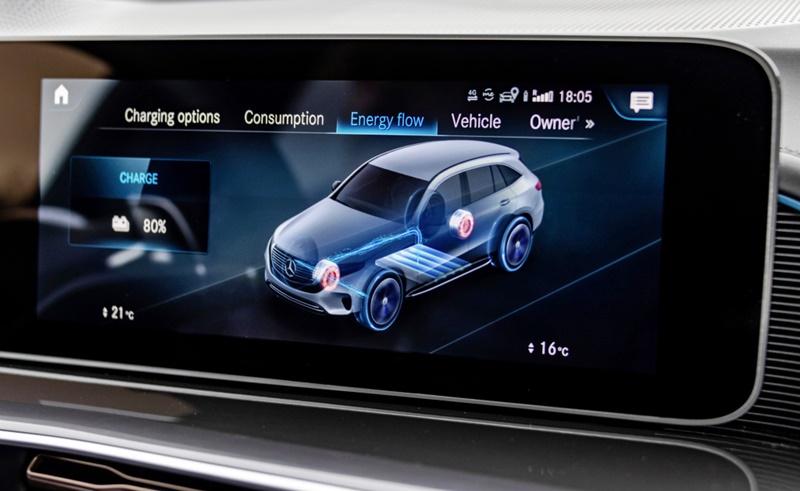
Mercedes-Benz EQC
Although EVs may not have internal combustion engines requiring lubrication and protection, the electric powertrains still require various fluids to optimise performance and efficiency. For this reason, PETRONAS has developed a new generation of e-fluids for electric vehicles.

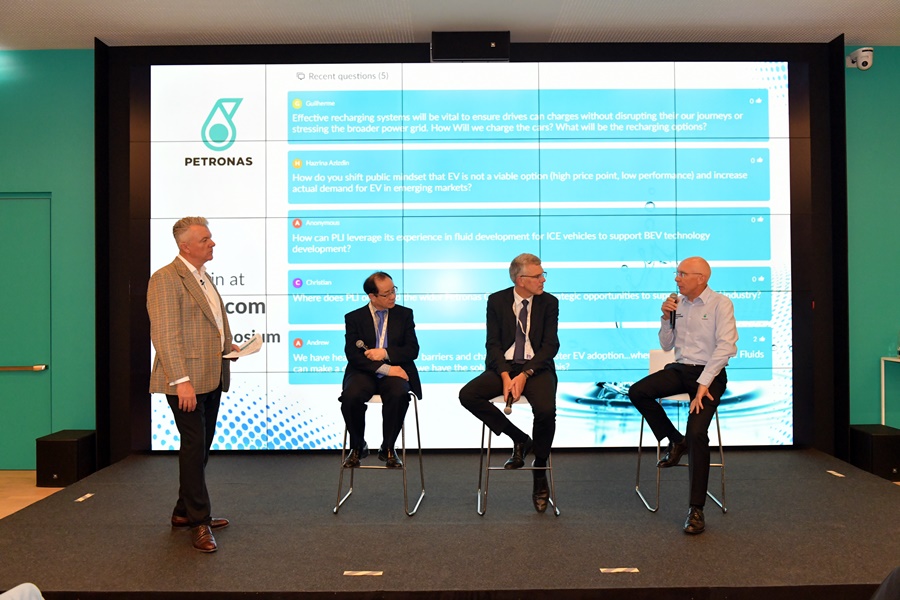
PETRONAS EV Fluids Symposium panel

Commenting on the state of the industry, Electric Vehicle Outlook Founder & Event Host, Roger Atkins said: “Change is a challenge, and with the rapid integration of electric vehicles into the global mobility eco-system, that challenge is being met with unprecedented and active collaboration between manufacturers, academia, and the world’s smartest engineering teams. I am encouraged to see the focus and ambition here at the EV Fluids Symposium. The twin imperatives of climate change and air quality can only be tackled by truly maximizing the efficiency of our planet’s mobility machines, amongst others.”

At the PETRONAS Global R&T Centre, attendees had the opportunity to tour the product development laboratory and mechanical testing facilities to understand the experimental work that goes into developing PETRONAS e-fluids.

PETRONAS Global R&T Centre lab tour_2
Attendees touring the PETRONAS Global R&T Central lab.

Since the introduction of PETRONAS Carbon Commitments in 2012, the company has decreased its monitored carbon footprint by 13% from 2017, which is a cumulative 12 million tonnes of greenhouse gas emissions reduction. PETRONAS is also collaborating with Daimler Automotive in green projects towards low-carbon fuel and vehicle emissions control.

More recently, the efforts of Malaysian national oil corporation towards a sustainable future included the establishment of PETRONAS Carbon Commitments Guidelines and a New Energy unit to enhance capabilities in the renewables sphere.

Click here to read other news and articles on PETRONAS products and activities.

Visit www.mymesra.com.my to know more about PETRONAS products and services in Malaysia.

PISTON.MY

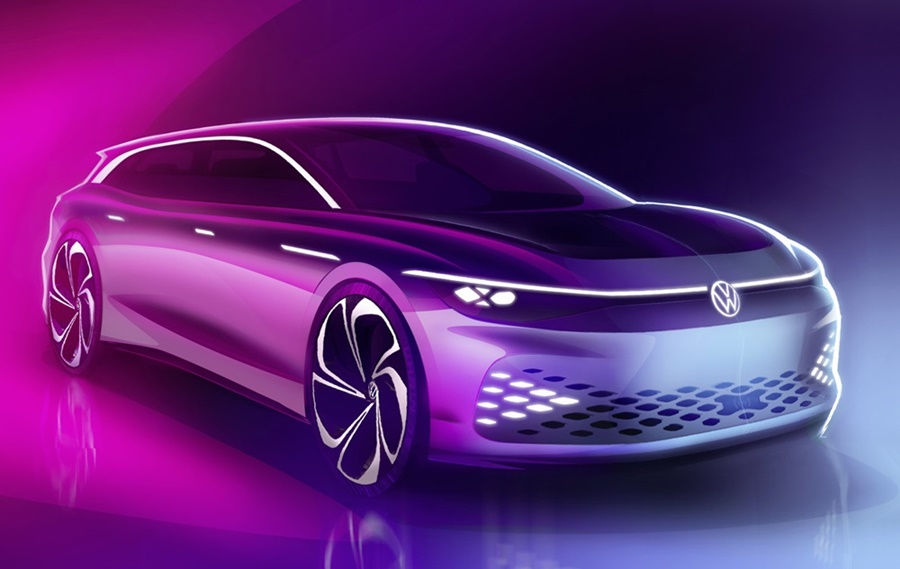
It’s been 3 years since Volkswagen announced its ID. family of all-electric models which will begin entering various markets and segments from 2020. As a group (including other brand such as Audi and Skoda), Volkswagen will forge ahead with the fundamental change of system in individual mobility and systematically aligning with electric drives.

The ID.3 will be the first model to go on sale from next year, assembled on the modular electric-car production platform known as ‘MEB’. At least 70 new electric models will be available by 2028 – instead of the 50 previously planned. As a result, the projected number of vehicles to be built on the Group’s electric platforms in the next decade will increase from 15 million to 22 million.

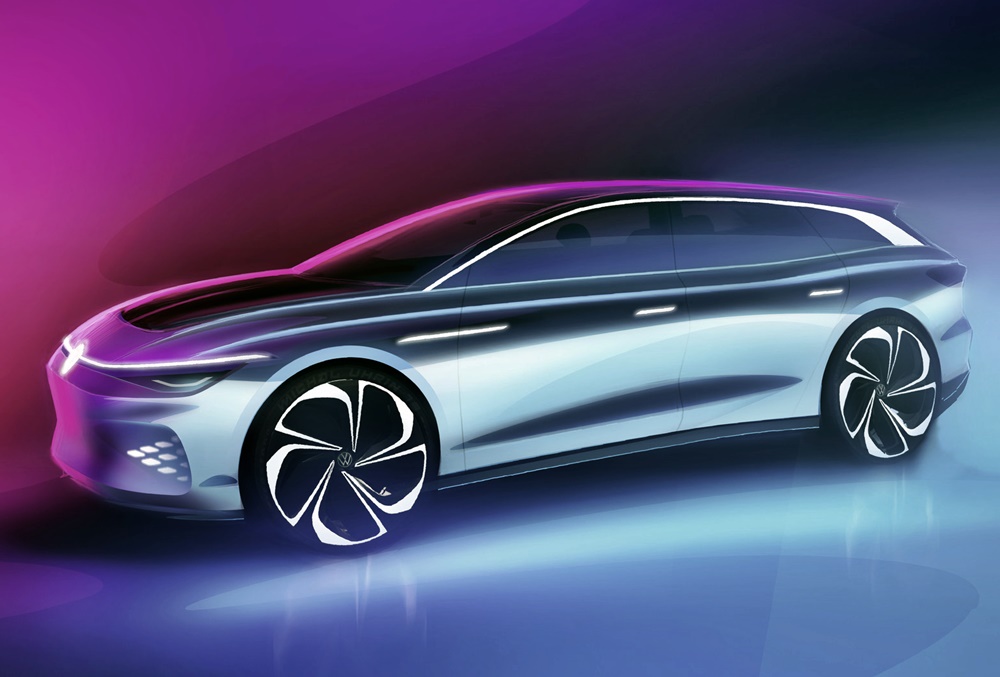
2019 VOLKSWAGEN ID. SPACE VIZZION CONCEPT

Production version in 2021
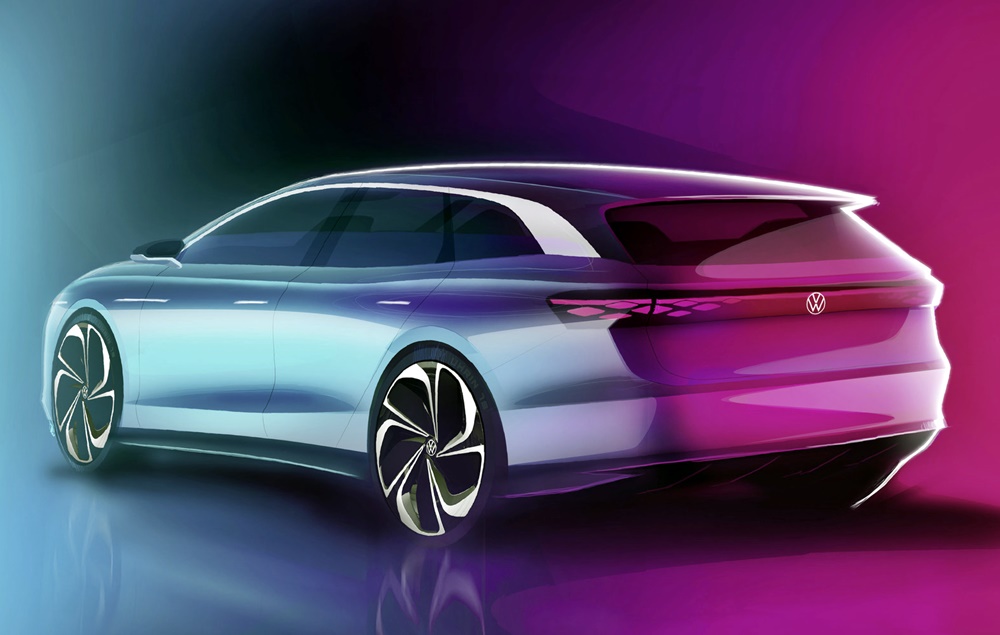
Besides the ID3, a compact model, other models have already been confirmed for production within the next 3 years. A fourth one has just been added and this will be based on the ID. SPACE VIZZION wagon concept revealed today. The study will be displayed at the 2019 Los Angeles Auto Show later this month but the production version will only be released in late 2021. Different versions are planned for North America, Europe and China.

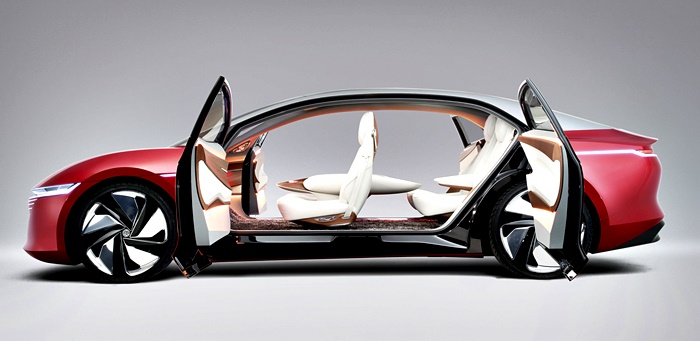
Volkswagen describes the ID. SPACE VIZZION as ‘a wagon of tomorrow’ and we can presume it will be a stationwagon variant of the ID. VIZZION concept which was shown last year. But given the entirely ‘clean sheet’ that the engineers and designers can start from, the vehicle will likely be more functional that today’s stationwagons.

2018 VOLKSWAGEN ID. VIZZION CONCEPT
The ID. VIZZION SEDAN concept shown in 2018

A new ’crossover wagon’ segment?
Volkswagen says it will have a ‘completely independent and progressive character’ that combines the aerodynamic characteristics of a Gran Turismo with the spaciousness of an SUV. So we could see the birth of a segment called the ‘crossover wagon’ in future.

In fact,  Klaus Bischoff, Head of Volkswagen Design, suggests that there will indeed be a new segment: “So far, with our ID. family, we have shown what is possible with electric vehicles in each known car category. With the ID. SPACE VIZZION, we create a new, fully electric segment.”

2019 VOLKSWAGEN ID. SPACE VIZZION CONCEPT

2019 VOLKSWAGEN ID. SPACE VIZZION CONCEPT

590-km range targeted
As for the design, the front and roof sections are particularly precise, with openings for the airstream for optimal aerodynamics. Powertrain details are not given but a range of 590 kms is targeted with the high-efficiency drive system.

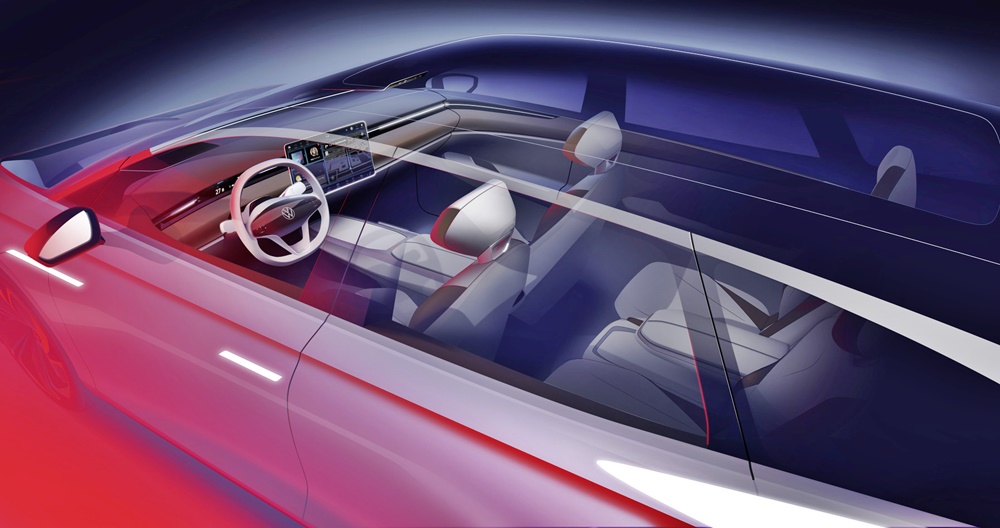
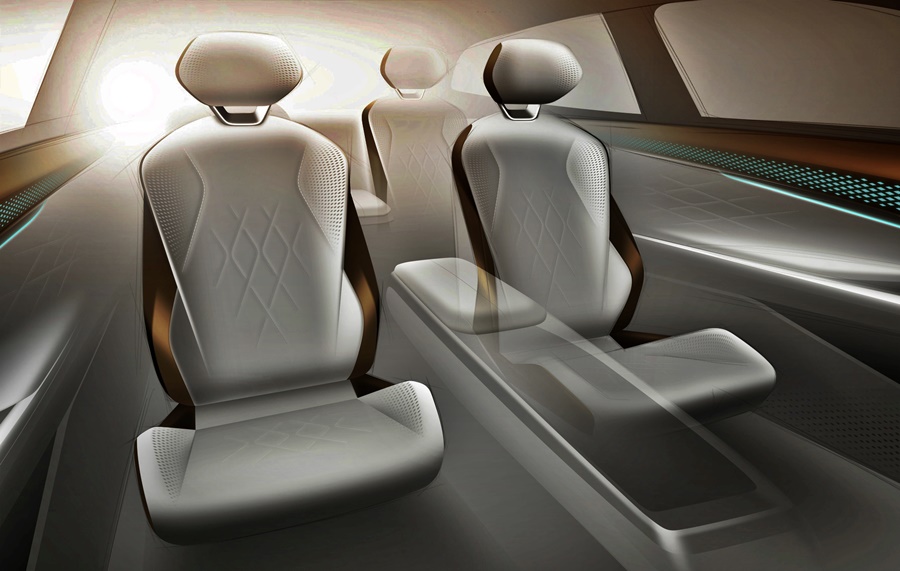
Inside, the concept model defines a completely new paradigm of intuitive usability with its completely digitized cockpit. The materials are consistently made from sustainable raw materials, such as the new AppleSkin, an artificial leather with a proportion of residual matter from apple juice production.

2019 VOLKSWAGEN ID. SPACE VIZZION CONCEPT

Visit www.volkswagen.com.my to know more about models available in Malaysia today

PISTON.MY

It used to be when the talk was of electric vehicles, the perception was that such vehicles would be slow and boring to drive. Apart from some exotic prototypes, most were small and with battery technology being what it was, they couldn’t go very fast or very far. But that’s been changing quickly as carmakers realize that their survival requires ‘electrification’ of their vehicles to meet tighter emission and fuel consumption regulations.

In order to persuade motorists to switch over, they need to develop electric vehicles (EVs) which can offer comparable performance and space as today’s cars with internal combustion engines. Hybrids have been a good transition but ultimately, the aim is to go fully electric when costs can be lowered enough.

Mustang Lithium 2019

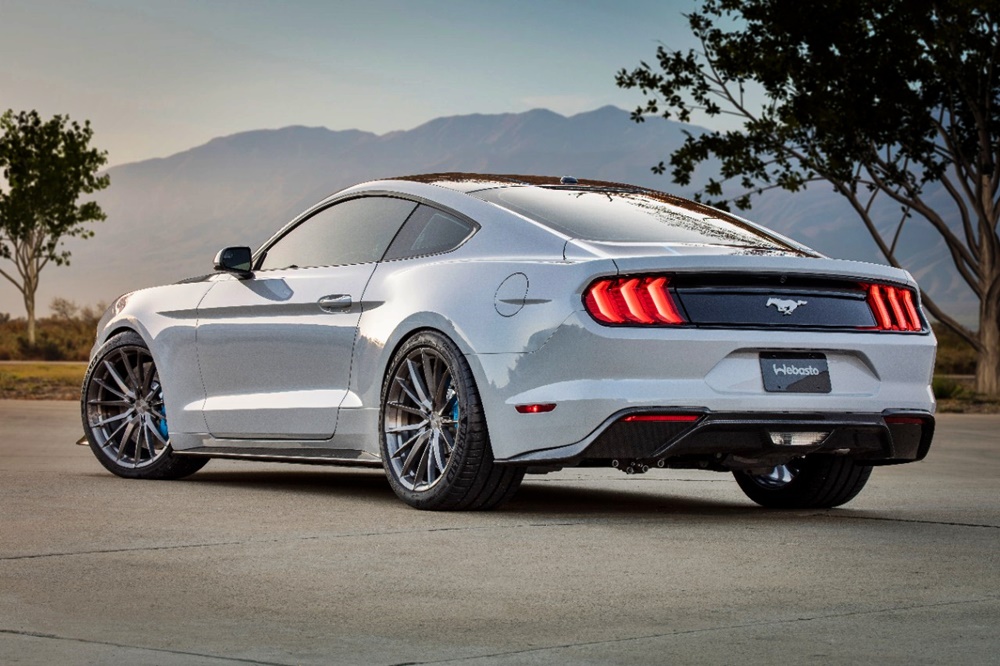
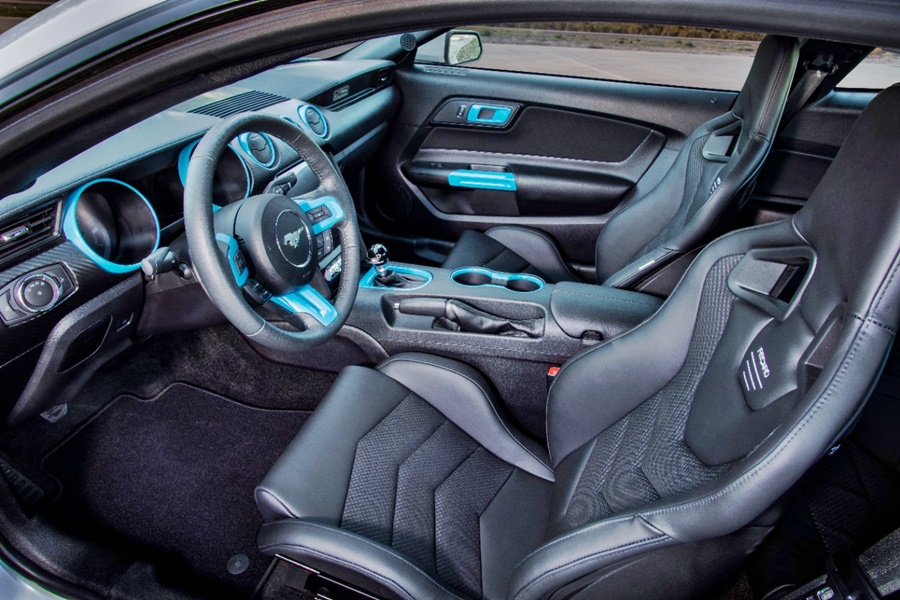
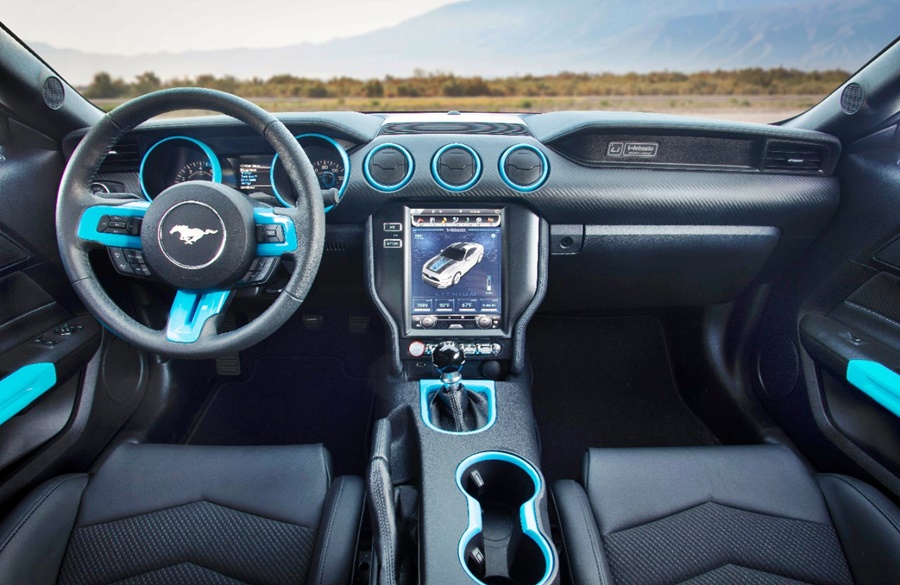
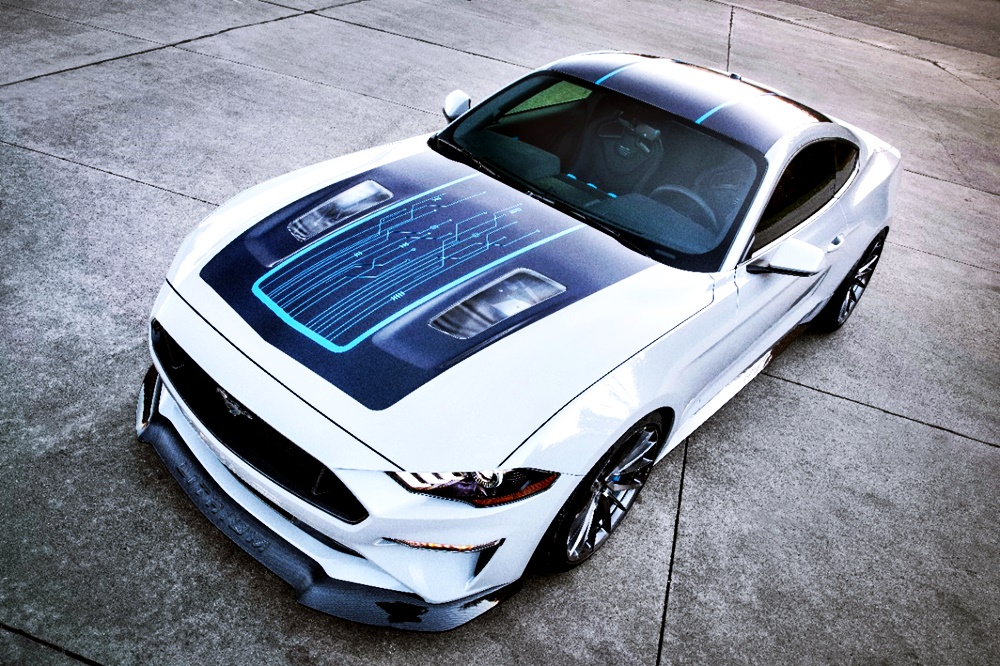
Meanwhile, for those who worry that high performance as we know it today will be gone, Ford and Webasto have revealed the Mustang Lithium, an ultra-high-performance battery electric Mustang fastback prototype. With more than 1,356 Nm of torque and more than 900 bhp instantaneously available, this Mustang ups musclecar performance to a new level.

The Mustang Lithium is not only a one-off prototype to showcase electrification on the world’s best-selling sportscar but also a testbed for battery and thermal management technologies Webasto and Ford are creating for the growing e-mobility automotive segment.

“Ford has made no secret of the fact that we are electrifying our most popular nameplates,” said Hau Thai-Tang, Ford’s Chief Product Development and Purchasing Officer. “This one-off Mustang prototype is a great opportunity for us, together with Webasto, to showcase to our customers what a new electrified powertrain can do for performance in a car they already know and love.”

Mustang Lithium 2019

Mustang Lithium 2019

Mustang Lithium 2019

The low and sleek Mustang Lithium is not merely a production Mustang with the powertrain substituted by electric motors. It has custom carbonfibre body components, Brembo 6-piston front brakes from the Shelby GT350R, Sankuer Composite Technologies side splitters and rear diffuser, plus a Webasto bonnet with see-through polycarbonate windows. It is also fitted with Ford Performance’s Track Handling Pack and strut tower brace.

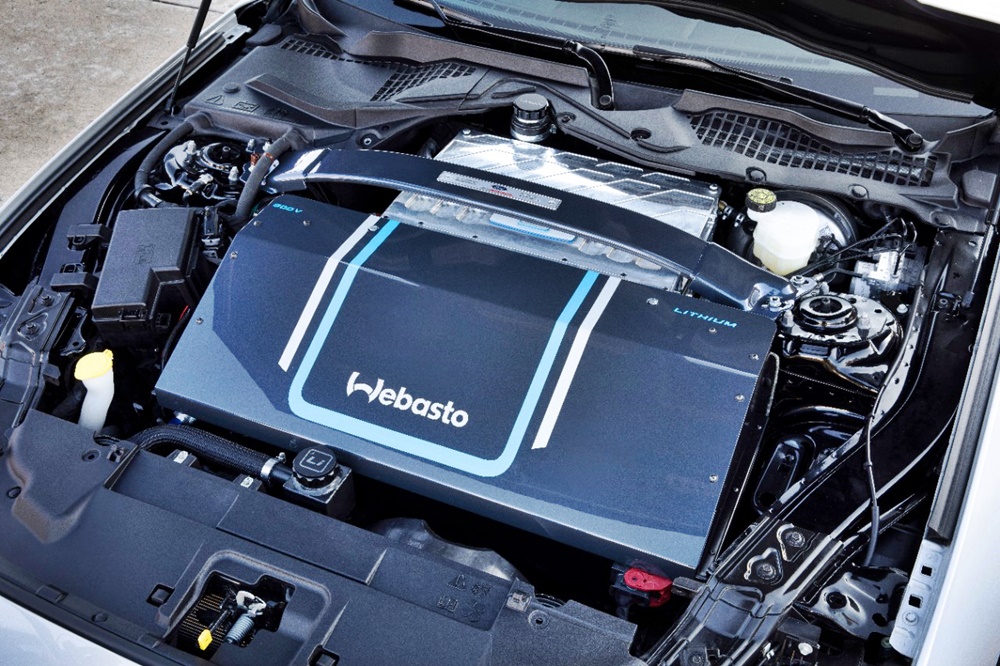
A Phi-Power dual-core electric motor and dual power inverters – all powered by an 800-volt Webasto battery system with EVDrive Technology – can discharge a mega-watt of electrical energy. At 800 volts, that’s twice the voltage of most electric cars on the road today. This allows the system to be lighter, more powerful and generate less heat, and more electric force than most battery-electric systems on the road today.

Mustang Lithium 2019

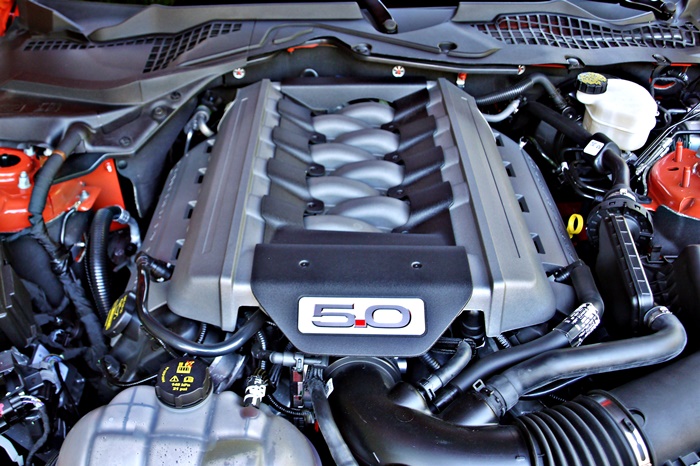
Ford Mustang 5.0
The 5-litre V8 that is under the bonnet of Mustangs which the public can buy. Certainly looks more interesting that the ‘box’ which houses the 900+ bhp electric powerplant (top)!

In a unique twist, the Mustang Lithium features a manual transmission and uses a dragstrip-proven Calimer-version of the Getrag MT82 6-speed transmission with billet internals to handle the huge amount of torque delivered along the driveline. To enable the driver to use all that torque optimally, there is a unique set of drive modes that apply a controlled amount of torque for different driving scenarios: Valet, Sport, Track and Beast.

Ford Performance half-shafts and a Super 8.8 Torsen differential help supply power to the road via lightweight Forgeline wheels wearing Michelin Pilot Sport 4S tyres.

“Very similar to Ford’s push for vehicle electrification, this is an innovative way to further the technologies we’re developing to enable vehicle electrification while creating a vision of how cool the future of electric performance will be,” said Mark Denny, Webasto Customized Solutions North America President and CEO.

Webasto, which has a 100-year history, is among the top 100 suppliers to the automotive worldwide. While its core business areas are sunroofs and panorama roofs, convertible roofs and parking heaters, they have also diversified into electric heating systems, charging solutions and battery systems we are also addressing the growth market of electromobility.

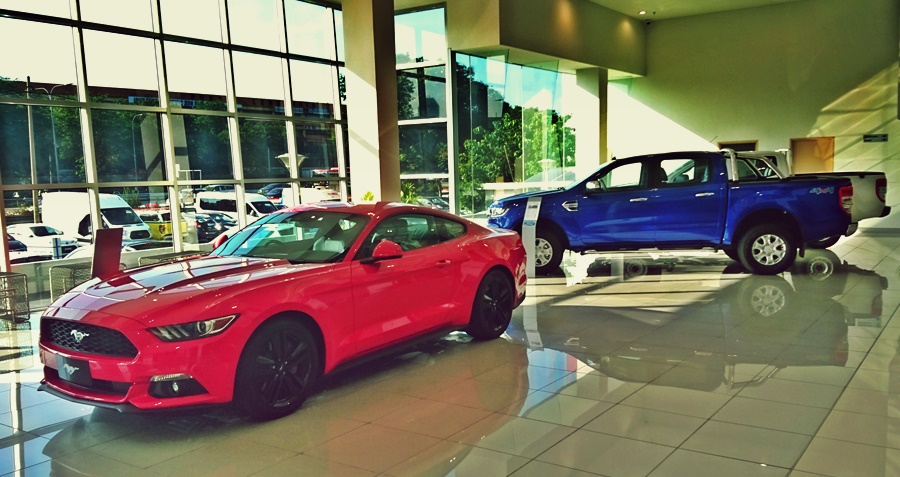
Ford Mustang
The latest Mustang is available in Malaysia from Sime Darby Auto ConneXion with full warranty and aftersales support. This is the first generation of the model which has a factory-built righthand drive variant.

(more…)
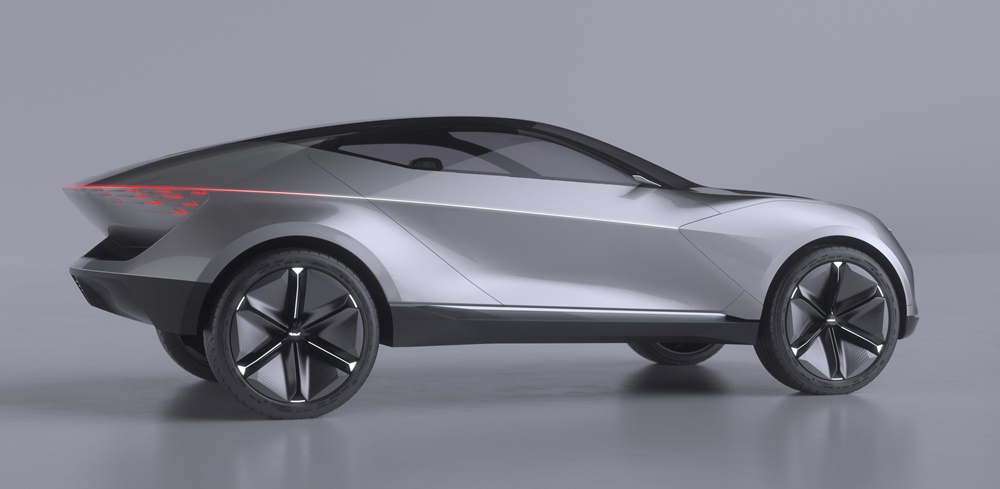
Given the pressure to reduce costs all the time, many carmakers now prefer to show off concept cars that are ‘near-production’, rather than futuristic showcars that cost a lot to build. But once in a while, we get some extreme designs intended to show what could come. Like the Futuron concept by Kia which the company says has some of its design elements  inspired by UFOs and flying saucers!

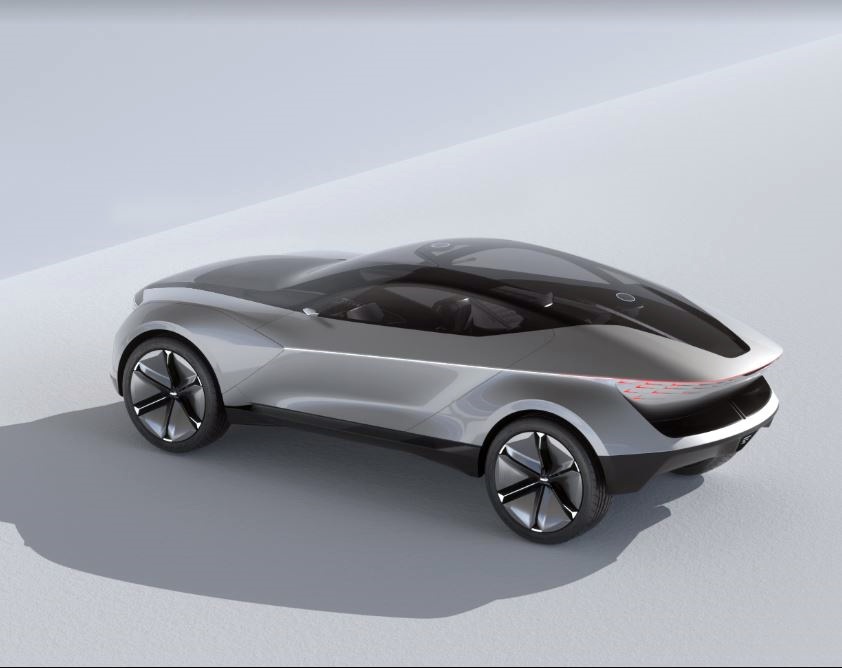
The Futuron Concept is an all-wheel drive SUV coupe which proposes new designs for future electric vehicles, specifically a SUV coupe. With a design based around the notion of dynamic purity, the Futuron Concept merges elegant proportions with pure shapes and surfaces.

‘360-degree core’
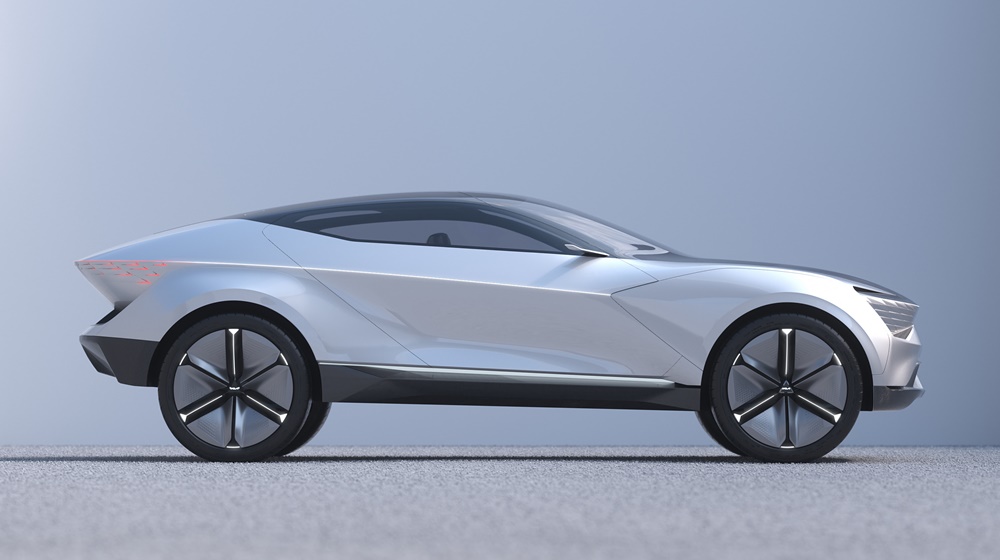
The Kia Futuron Concept is built around a single, strong ‘360-degree’ design notable for its pure, smooth form devoid of ornament. The delicate diffusion of the body’s surfaces creates a series of taut, flowing shapes which twist, expand and contract around the body. The result is a sleek and streamlined shape, creating an aero-efficient profile.

The novel proportions of the car are immediately striking. Its low-profile SUV coupe body is sporty and modern, yet also elegant. At 4850 mm in length, 1550 mm tall and with a 3000 mm-long wheelbase, the Futuron’s elevated ground clearance is matched with a low, lean body to create a dynamic, confident posture.

The fully-electric powertrain makes such a fluid shape possible. A high-capacity battery is mounted low in the vehicle’s body, beneath the cabin floor, providing electrical energy to 4 powerful in-wheel electric motors. The elevated stance of the car is therefore matched with a low centre of gravity and an e-AWD system which delivers lightning-fast responses to driver inputs.

Kia Futuron concept

Sportscar on an SUV platform
Combined with comfortable, lean-back seats, the Futuron offers drivers a new type of interactive driving experience suitable for urban city environments. Various elements of the vehicle’s structure and design foster the important connection and interaction between car and driver.

The front fender flows backwards from the front of the bonnet before plunging into the cabin itself, establishing a connection between the driving seat and the road ahead. The concept’s roof is a diamond-shaped panoramic glasshouse which sits atop the 360-degree core, in the best traditions of UFO and flying saucer design.

Kia Futuron concept

While flooding the cabin with natural light, it also extends down the bonnet to give drivers an unparalleled view ahead. The glasshouse also incorporates a network of LiDAR (light detection and ranging) sensors capable of providing Level 4 autonomous driving features, enabling hands-off and eyes-off driving in most conditions.

Furthermore, the 360-degree theme is evident in the lighting that illuminates a sharp character line encircling the Futuron’s body. A playful and interactive new feature, this lighting responds to physical gestures and movements made outside the car, eliciting a close connection between car  and driver before they even set foot in the cabin.

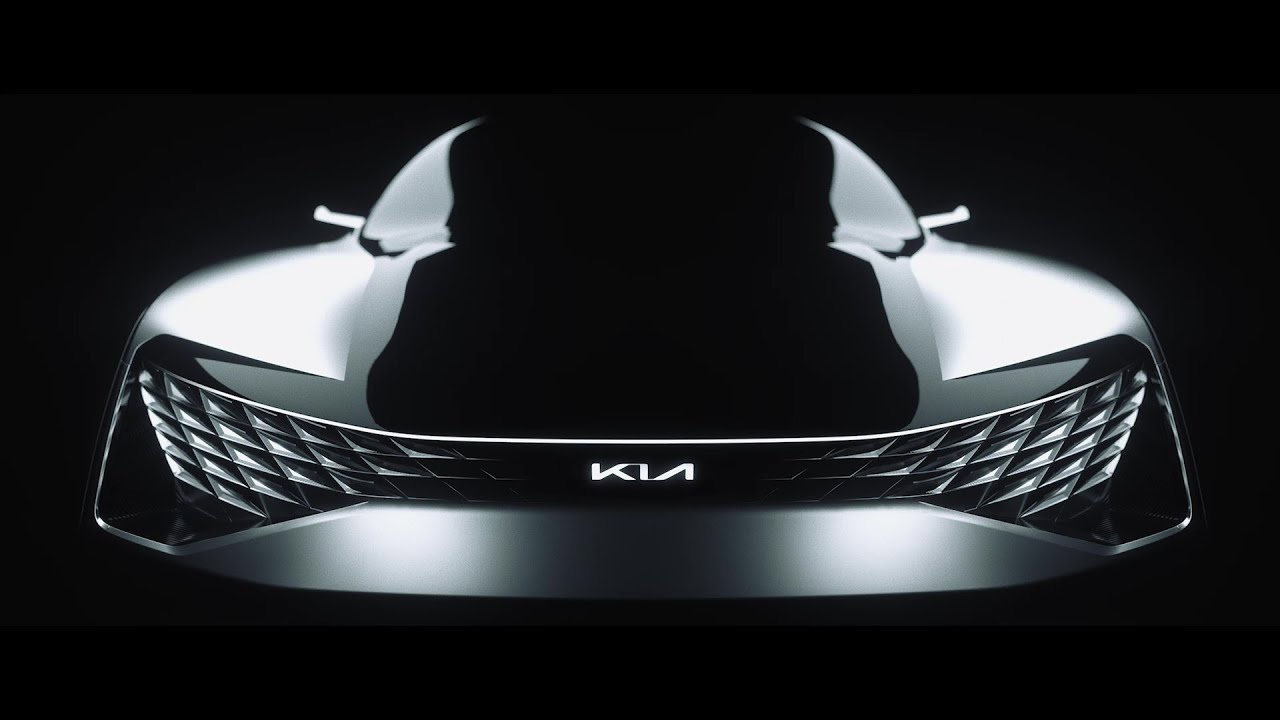
The new Kia ‘tiger face’
The front of the Futuron features a new reinterpretation of Kia’s ‘tiger nose’ grille, a signature for Kia design now for over a decade. While maintaining the basic principle of the design – a clear outline with tabs in the middle – Kia’s designers have expanded the boundaries, widening the shape across the front of the car to create a restrained, yet elegant ‘tiger face’.

Kia Tiger Face future

With a wider ‘tiger face’ shape, the grille incorporates the Futuron’s headlamps, an innovative ‘Star Cloud’ design which gives the car a dazzling new night-time identity. The concept’s Star Cloud lighting not only highlights a new design form for the front of the car, but also embodies a new lighting concept for Kia, taking inspiration from nebulae in the night sky to create a geometric patchwork of matrix LED lighting. The Star Cloud is also incorporated into the rear of the car, displaying a distinct light signature to anyone following the Futuron.

Revealed for the first time in Shanghai, the Futuron also incorporates Chinese legend in the design and form of its new Star Cloud lighting. The Dragon Skin surface which covers the lighting area emulates the scaled armour that adorns Chinese dragons, both in mythology and modern-day cultural celebrations. The Star Cloud lighting incorporates a kinetic surface, enabling the car to alternate between daytime running lights and full-beam headlamps as the scales open and close.

Seamless interior
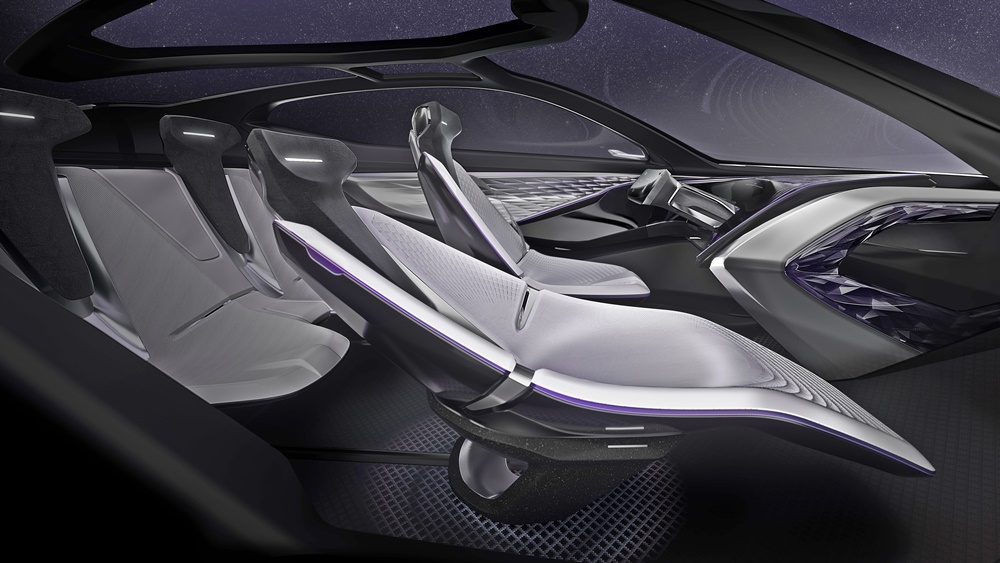
The Futuron’s seamless interior also reflects its autonomous driving nature, with surfaces flowing uninterrupted from the dashboard and through the door panels. The doors feature the same Star Cloud lighting and scaled Dragon Skin motif found on the outside of the car, creating a glittering interactive ambient lighting system. The ventilation system is also housed behind Dragon Skin scales, which open and close to allow fresh air to circulate throughout the cabin.

Kia Futuron concept

One of the most prominent features of the cabin is the ‘cockpit’ area surrounding the driver. The graphical user interface (GUI) of the cockpit flows out of the driver-side door and wraps around the steering wheel in a seamless arc. This merges the instrument cluster directly with the audio-visual display at the centre of the dashboard and is linked to the display integrated within the surface of the steering wheel itself.

The GUI is operated by artificial intelligence technologies, displaying useful information about the car various autonomous driving, powertrain and navigation features to create a unique user experience. The apex of the cockpit arc sees the GUI lunge forward towards the road, creating an interactive Star Cloud light display at the very front of the cabin.

Click here for other news and articles about Kia on PISTON.MY

PISTON.MY

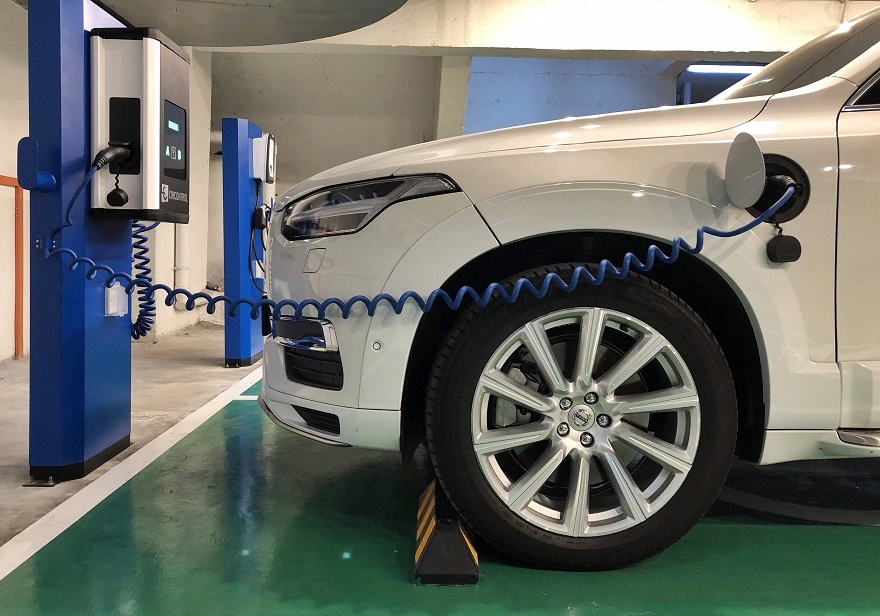
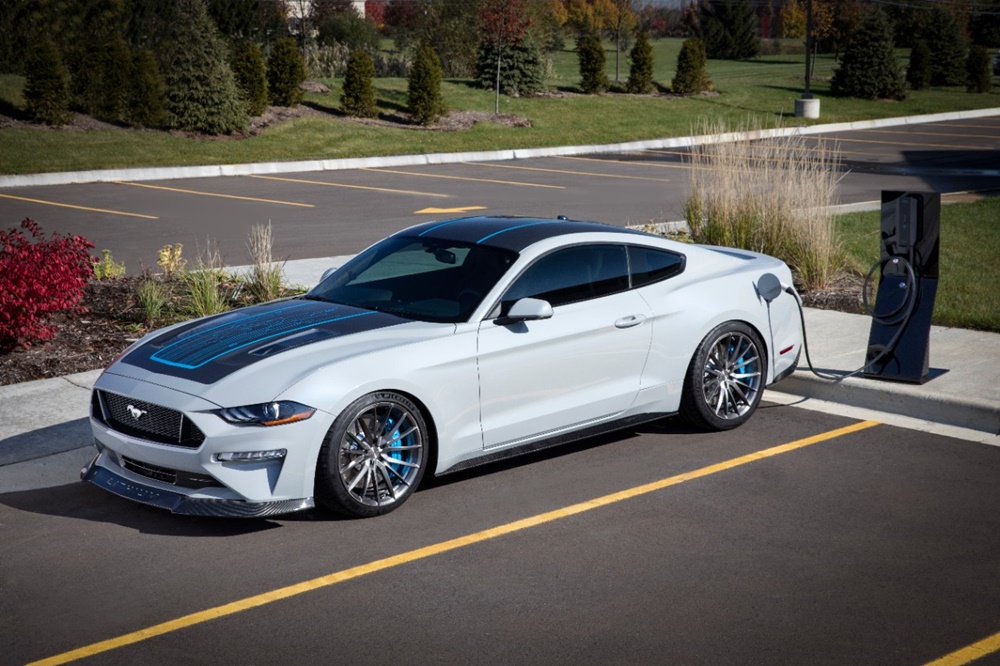
With the introduction of more plug-in hybrid electric vehicles (PHEVs) in Malaysia in coming years, along with a few all-electric models, it’s clear that there will be a market for recharging facilities. For now, such units are being offered by the companies selling the PHEVs or EVs, usually as part of a package with the purchase of the car.

No company will be allowed to have a monopoly of the sale of such recharging facilities otherwise the powerful Competition Commission will take action. This means that there are opportunities for companies specialising in such products to start offering them in Malaysia.

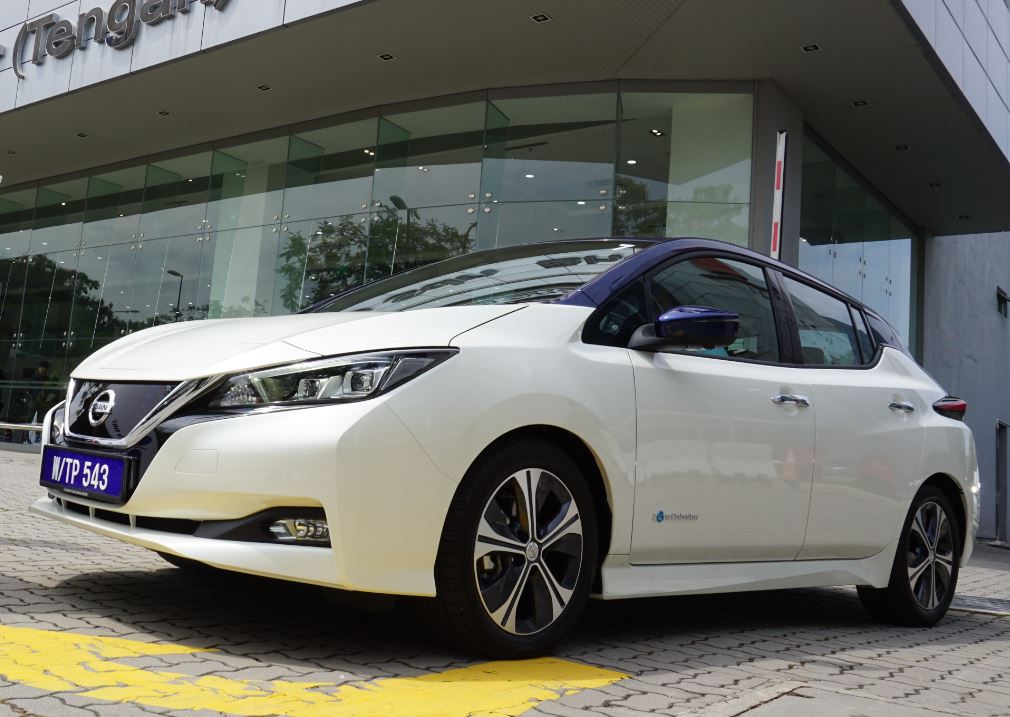
Nissan LEAF
Nissan LEAF – one of the EVs available in Malaysia

One of them is Circontrol, a 22-year old Spanish company which has a range of chargers for private and commercial application. The company has deployed over 55,000 charging points across 60 countries since they’ve started and also work with brands like Nissan, Audi and Volkswagen on providing Original Equipment for their PHEVs and EVs.

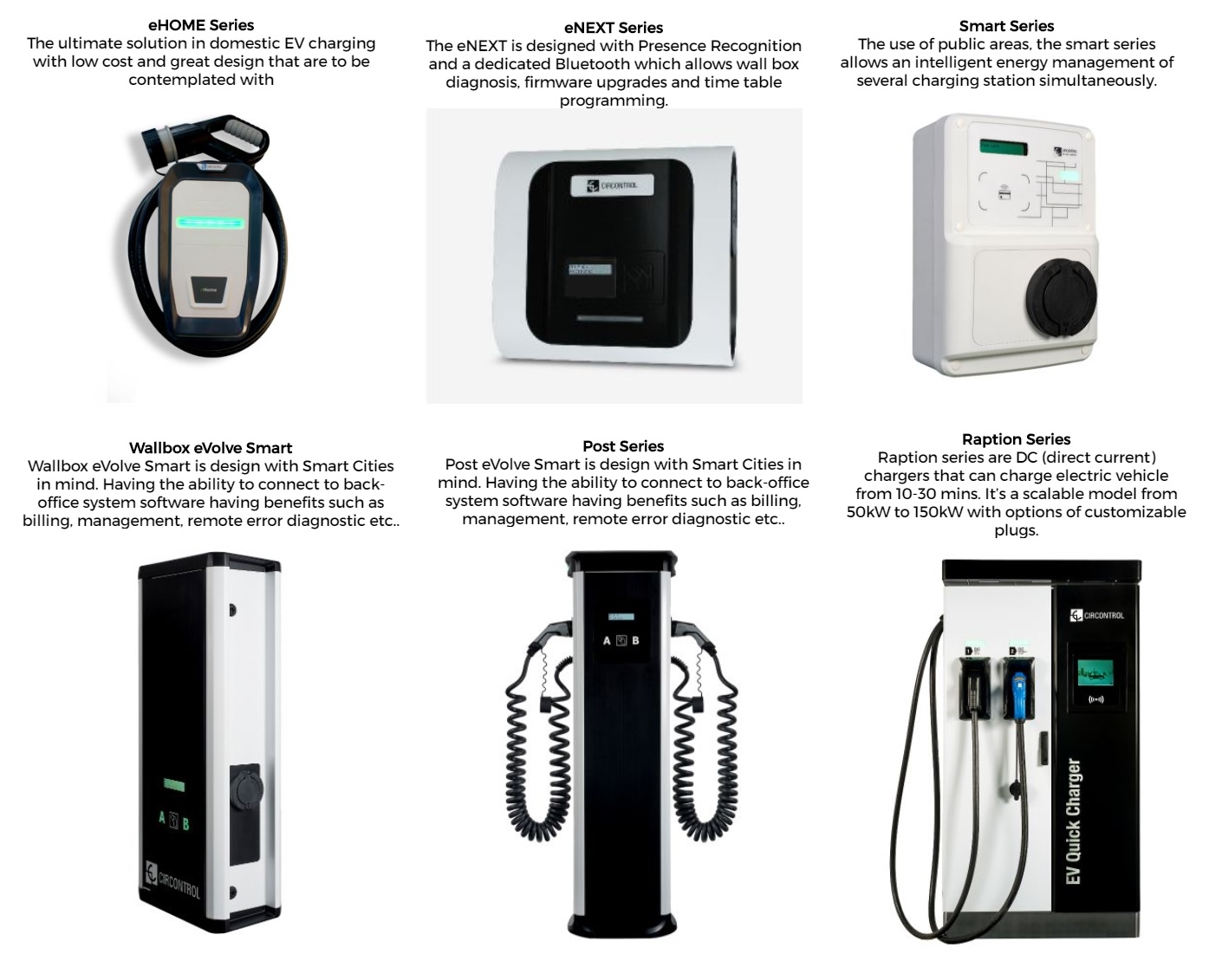
For homes, Circontrol offers their Wallbox eHome and Wallbox eNext. Protected by an ABS plastic housing that’s UV-resistant for longevity. The unit re also IP54-protected, meaning they are partially protected from dust and sprays or splashes of water.

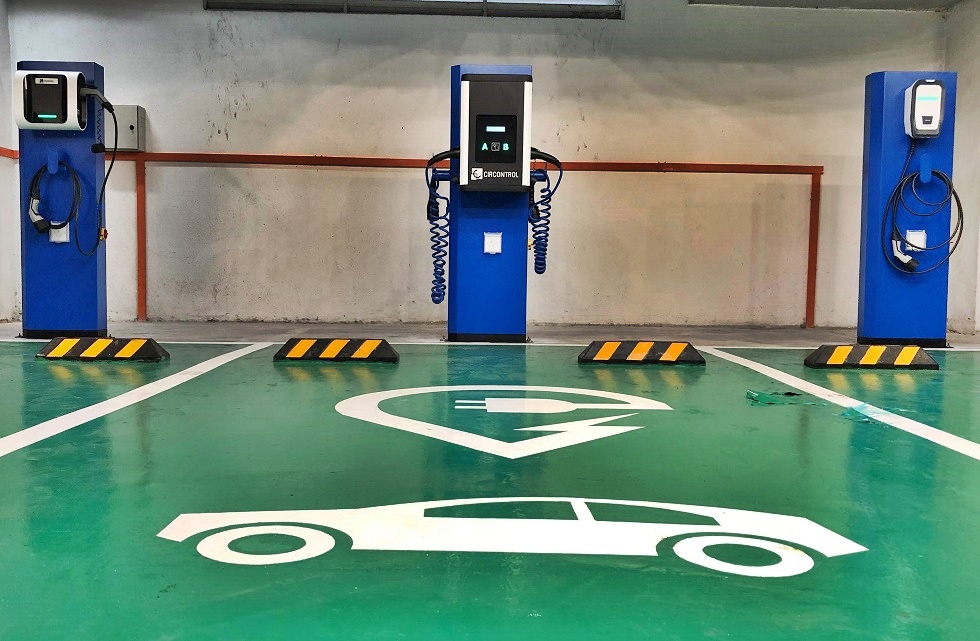
Circontrol
The range of Circontrol recharging facilities available for different applications from homes to R&R areas and companies with large PHEV/EV fleets.

Some of their charging stations like the eVolve Smart and eNext Elite can be connected via ethernet port or 3G/GPRS to make management much easier. They have 7.4kw power supply and are priced at RM5,300 (including installation with additional charges if the location is outside the Klang Valley).

Circontrol

For those who need quick charging solutions, there are DC Chargers like the Raption 50 which can ‘refill’ battery packs within half an hour, it is claimed. These Fast Charging stations feature modular power technology and power scalability to keep them cost-effective and relevant to future advances in EV battery technology.

Designed to be installed in both public access environments (urban spaces, shopping centres, hotels, airports, R&R areas, etc) or company properties where vehicles need to be ready to continue their journey, the Raption 50 is designed to meet the most important market demands. With its state-of-the-art modular power technology allows a bigger uptime, increases availability and flexibility. Another key attribute is its sophisticated, slim and robust design that makes Raption 50 and ideal EV charger for any type of location, from stylish urban areas to industrial sites.

(more…)
Archive

Follow us on Facebook

Follow us on YouTube