Piston.my

Mazda

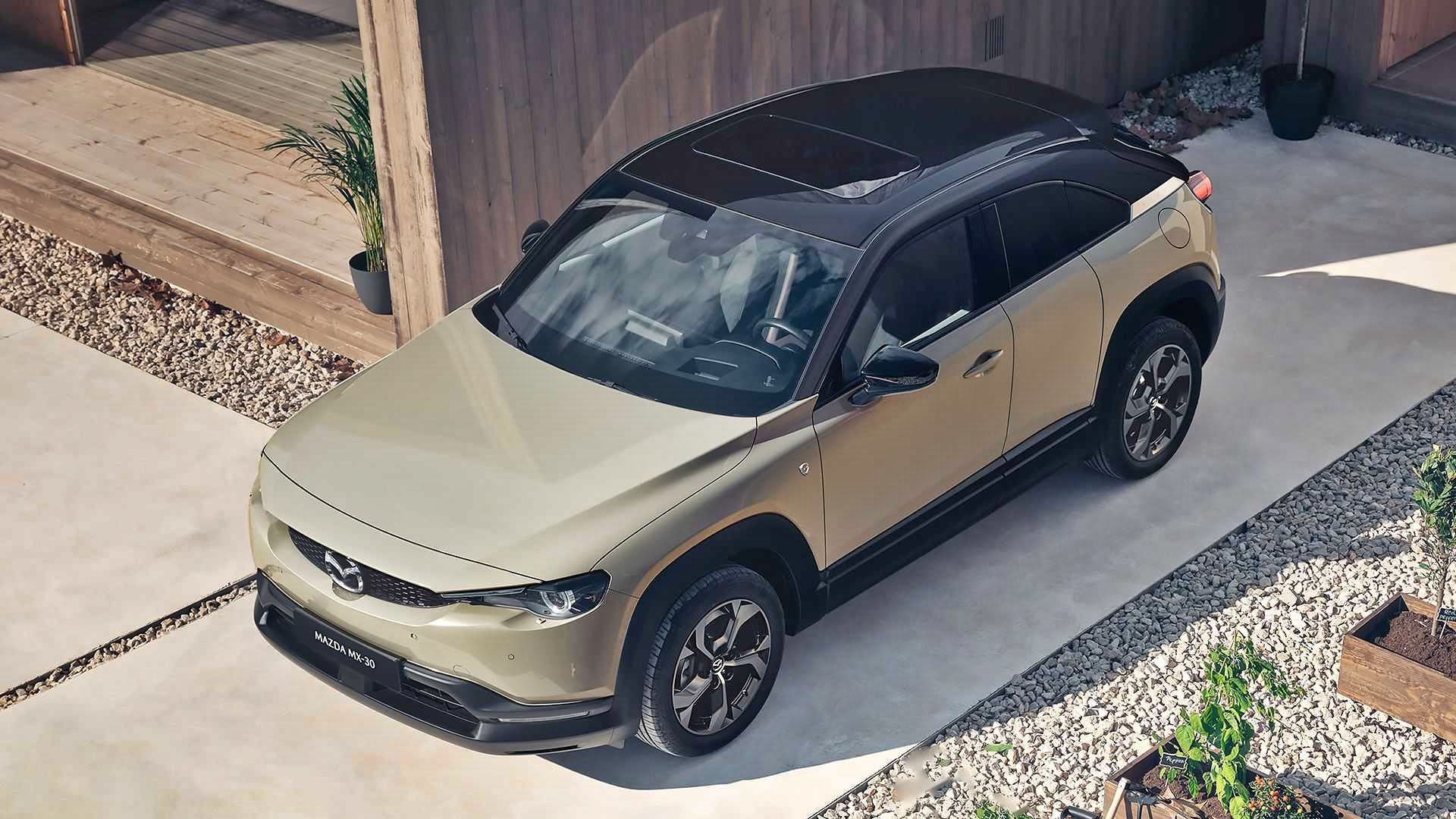
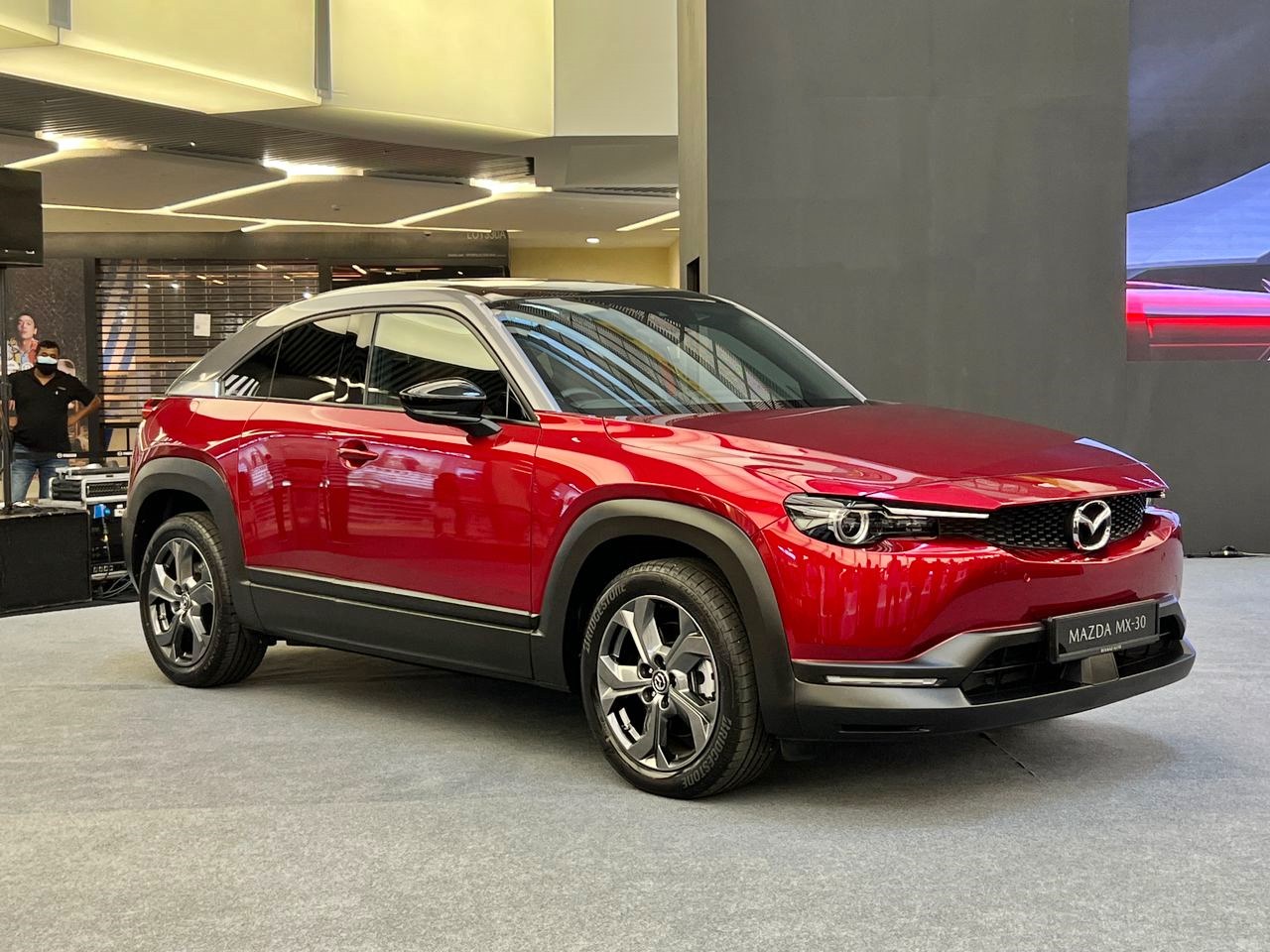
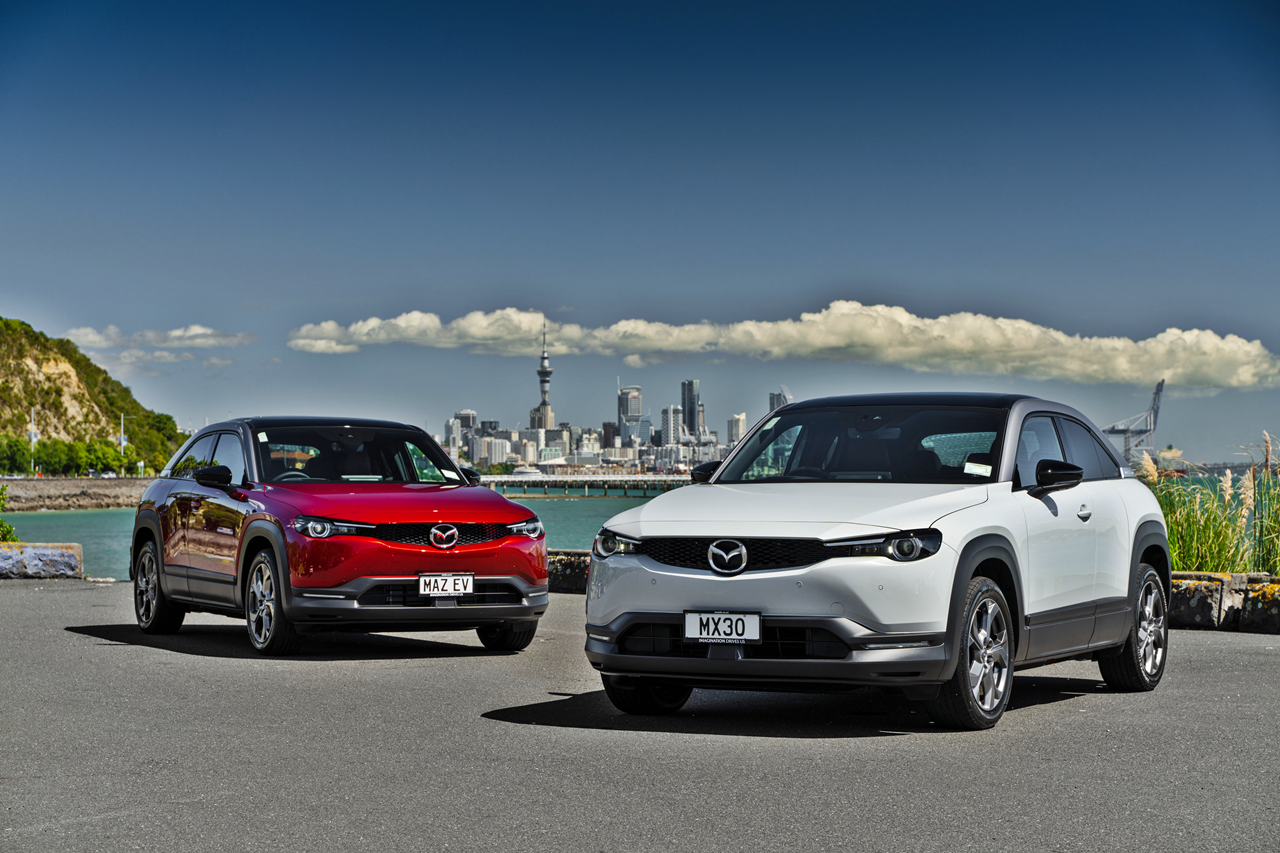
The MX-30, Mazda’s first electric car in the American market, will no longer be offered in the United States after 2023 but will still be available in Japan and Europe and is also available in Malaysia with two variants.
2022 Mazda MX-30 EV

Although the MX-30 offers a chic exterior and eco-friendly interior components, its low 160km EPA-estimated range meant that the quirky EV was essentially doomed from the start. The MX-30’s modest 32.0 kWh battery and 143hp single front-mounted motor resulted in an 8.7-second crawl to 100km/h from a stop.

(more…)
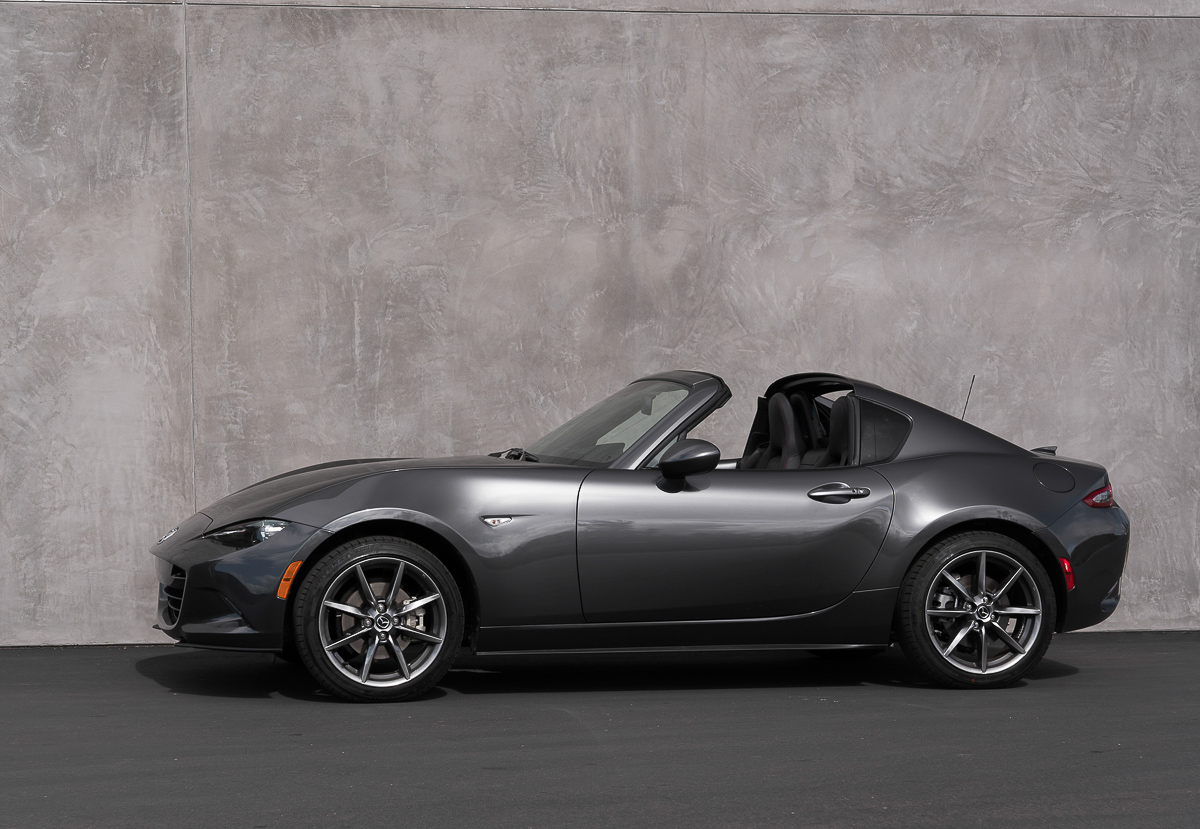
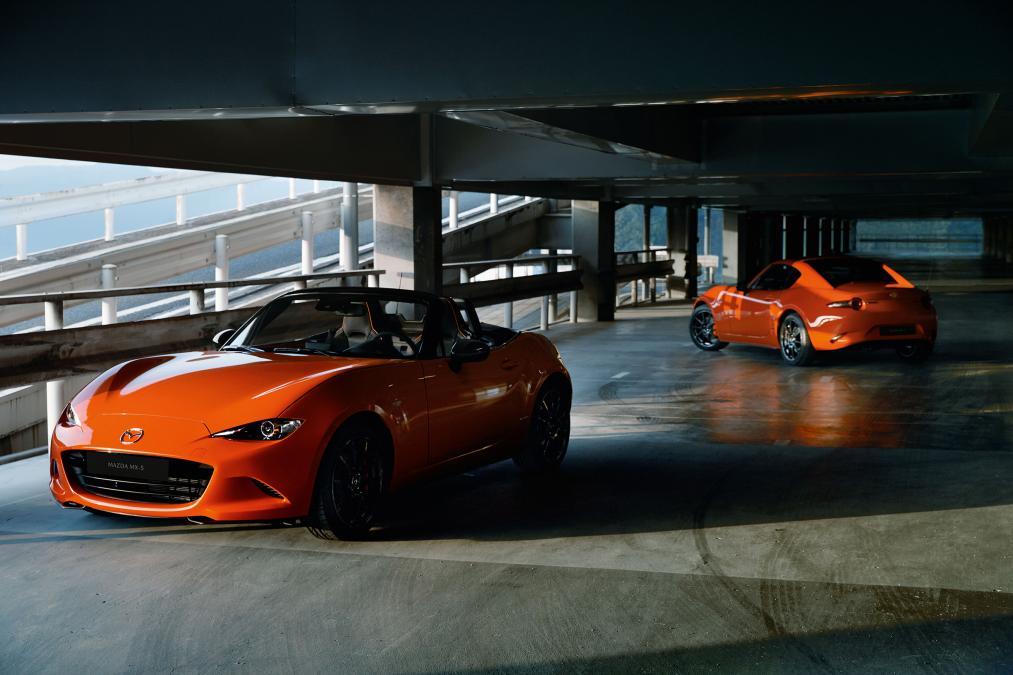
According to Mazda, the 2026 MX-5 Miata will ditch internal combustion in favour of electric power. However, the carmaker chose not to specify whether electrification will be entirely electric, hybrid, or plug-in hybrid. The next-generation Miata must take this step in order for it to survive through 2030 when Mazda’s entire lineup is expected to be mostly electric.

The Mazda Miata has a long-standing, well-deserved reputation as a fun, inexpensive roadster with excellent driving dynamics, and an electric version would ensure its continued viability in the years to come. The Japanese automaker will probably release a hybrid or plug-in hybrid Miata before creating an all-electric model because Mazda is taking its time to develop EVs.

(more…)

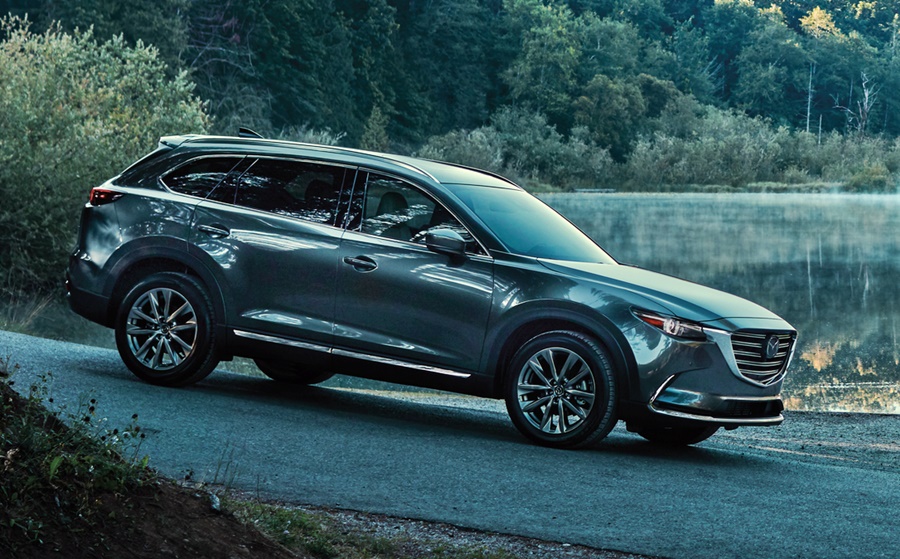
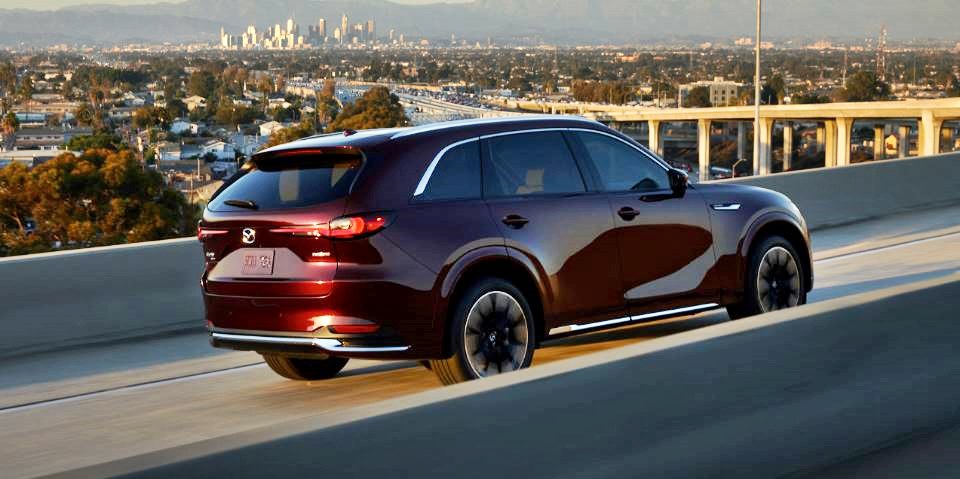
The destiny of the beloved CX-9 has been sealed since we first saw the 2024 Mazda CX-90. Mazda has already stated that the CX-9 and CX-90 would not be able to coexist like the CX-5 and CX-50. According to Mazda, the CX-9 will be phased out at the end of the 2023 model year.

This is due to a more significant transition occurring within Mazda’s lineup of crossover models. While the CX-90 is built on Mazda’s new longitudinal-engine platform and comes with either a turbocharged inline-six engine or a plug-in hybrid powertrain, the CX-9 is based on the company’s transverse-engine architecture and employs a turbocharged four-cylinder engine.

(more…)

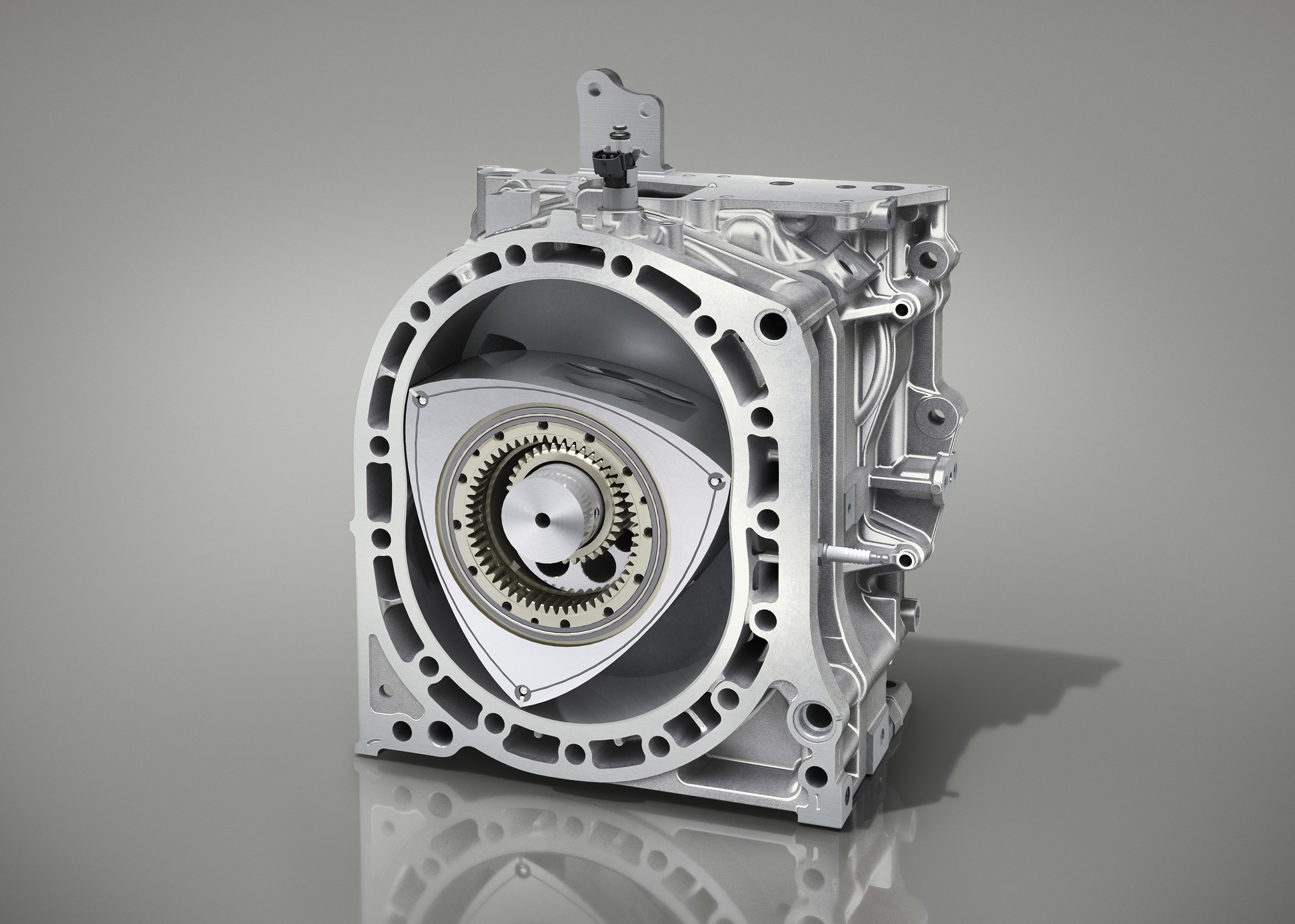
Before Mazda officially confirmed the return of the rotary engine in January, there had been years of Internet rumours about the rotary engine’s comeback since the production of the RX-8 came to an end 11 years ago.

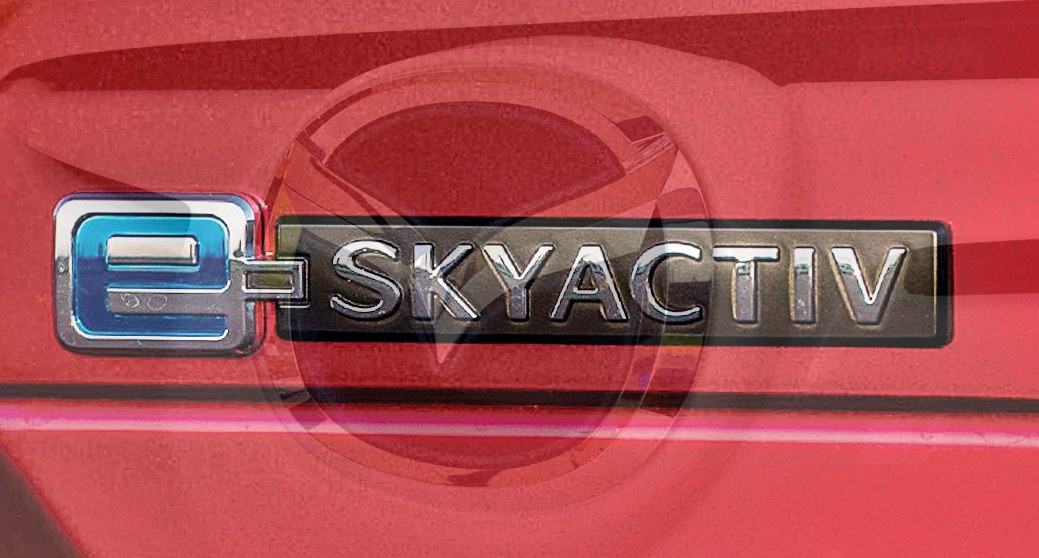
When we hear the mention of the rotary engine, we immediately think of the RX-7 or RX-8. Sadly, that was not the case here. Mazda officially confirmed the return of the rotary engine in January, but to our disappointment, it presented the MX-30 e-Skyactiv R-EV, a tiny crossover with a plug-in hybrid powertrain.

On June 22, the company’s Ujina Plant No. 1 in Hiroshima, Japan, began mass manufacturing of the unconventional petrol engine acting as a range extender.

(more…)

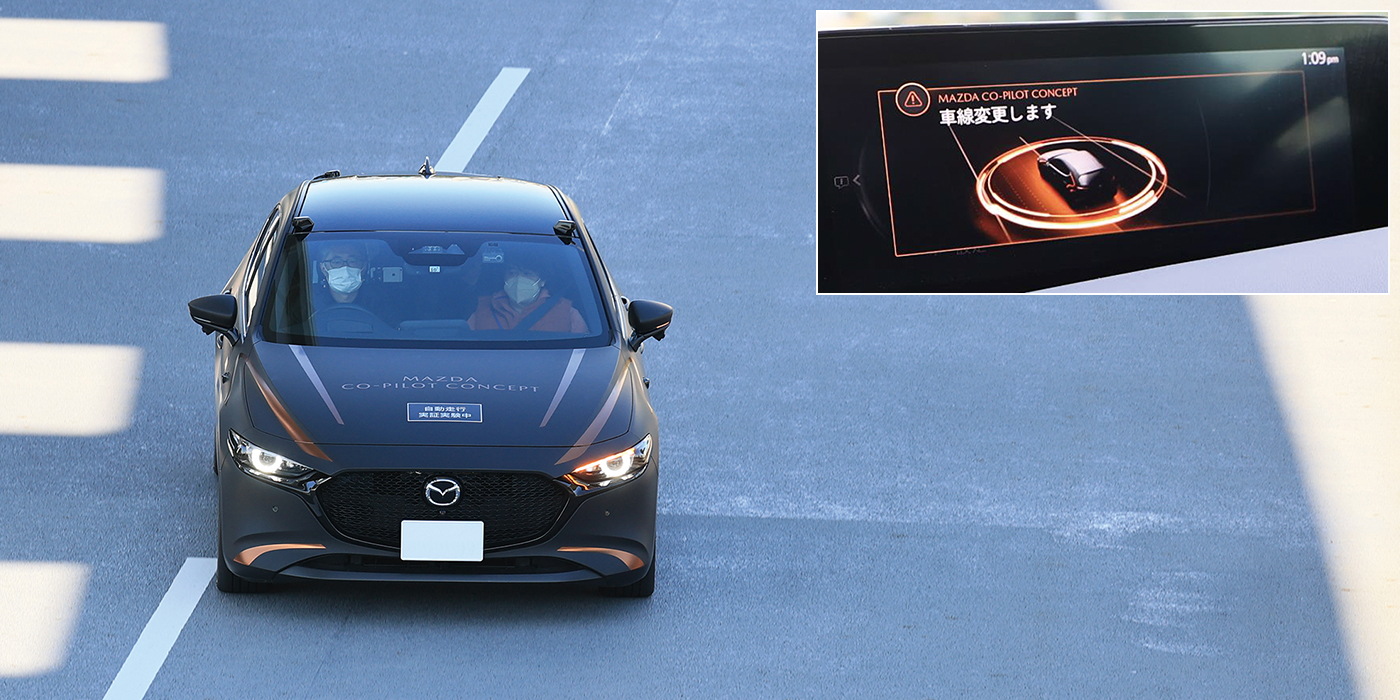
During the 1970s, as vehicle safety became a more important topic, the US Department of Transport initiated the Experimental Safety Vehicle (ESV) Program. The objective of the program was to encourage carmakers to develop safer vehicles by 1981.

Many carmakers took part in the program which offered an opportunity to share as well as test new safety technologies and ideas. Companies which sold cars in America, in particular, developed prototypes which met the more stringent US safety regulations.

The program saw over 20 ESVs being developed, with many new technologies and features that would eventually find their way into production models in the years that followed. After 1981, the companies continued their work on safety, sharing new developments at conferences. These conferences, generally held every two years, have been entitled the International Technical Conference on the Enhanced Safety of Vehicles (‘Experimental’ was changed to ‘Enhanced‘ in 1991).

(more…)

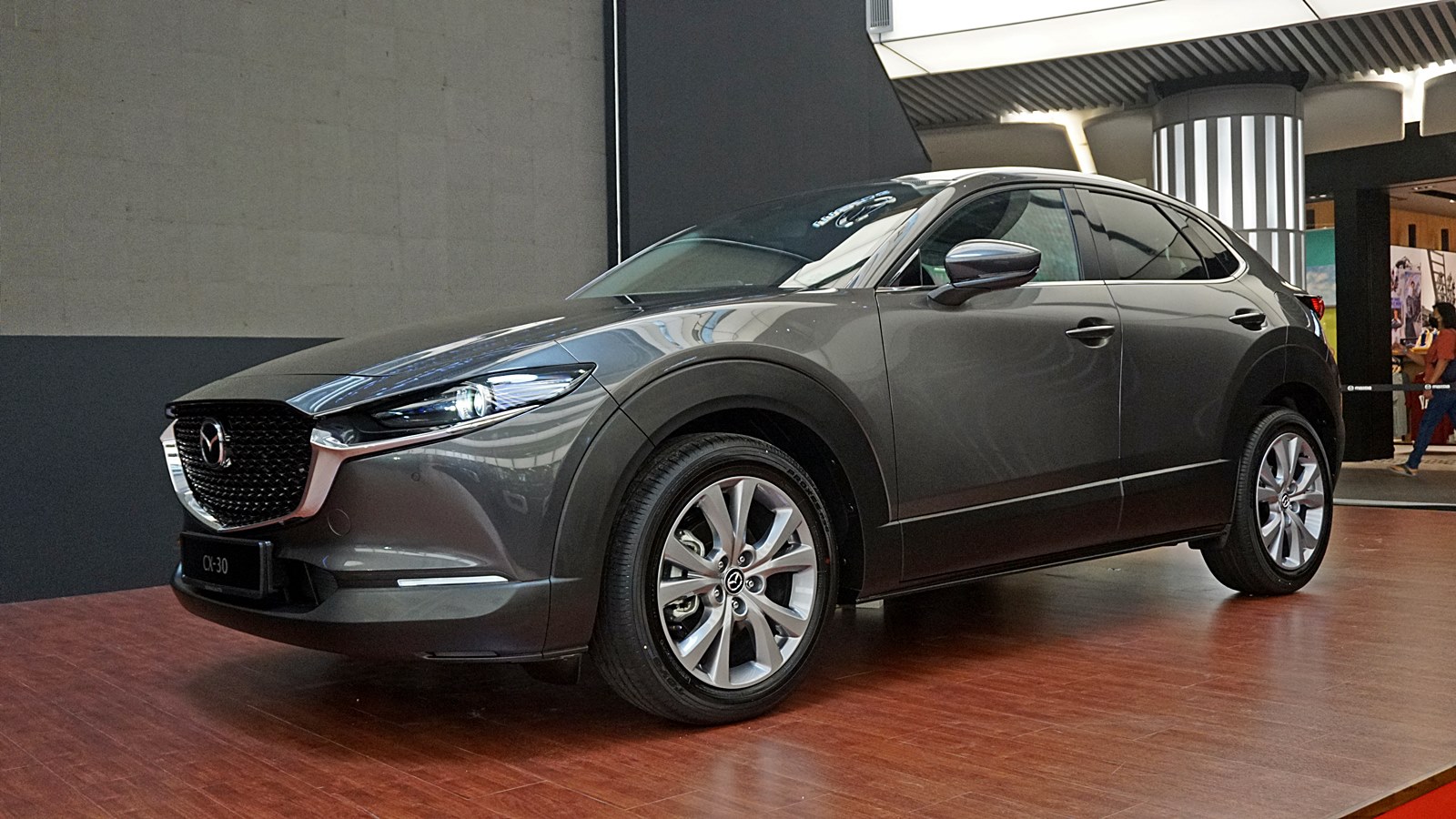
Bermaz Motor has launched the Mazda CX-30, its third locally assembled model after the CX-5 and CX-8. The CX-30 is the final model that was in the plan announced four years ago relating to new investments and local assembly by the company as it moved forward. It was the next step for Mazda Malaysia, the joint venture between Mazda and Bermaz formed in 2012 to oversee local production, distribution and exports to other ASEAN countries.

In 2019, Mazda upgraded the ‘plant within a plant’ at Inokom in Kedah with an investment of RM200 million, which raised production capacity from 30,000 to 50,000 units. Mazda production at Inokom shares some of the facilities but also has a dedicated area (including its own paintshop) for assembly of its own products, hence the ‘plant within a plant’ description.

The roll-out of the CX-30 was actually scheduled a bit earlier but the global COVID-19 pandemic impacted all industries and time-frames had to be revised due to extended periods of lockdown. However, the CBU (completely built-up) version was already being sold since 2020.

(more…)

Since 2022, Mazda has expanded its line-up of CX crossover SUVs with a greater focus on electrification with a complementary range that has a double-digit designations, with a ‘0’ added. While  the popular CX-5 will remain one of the core models globally, alongside with models such as the compact CX-30, the company has additional models in the Large Product Group.

These models are the CX-50, CX-60 and CX-80 – primarily for the European and American markets, together with the wide-bodied CX-70 and CX-90. Most of the models have been launched in the past year or will be launched this year, with the first in 2023 being the CX-90. This new model, largest in the range, will take over from the CX-9 as the flagship of the brand.

(more…)

The Wankel rotary engine was first used in a car in 1964 and it seemed like a revolutionary concept that many carmakers licensed it to use for their models. However, virtually all found it to have issues which they didn’t want to waste time and money trying to address and gave up. Only Mazda worked hard to commercialize the rotary engine and succeeded in doing so from 1967.

Unfortunately, some of the characteristics of the rotary engine – high emissions and consumption – were unacceptable as the world grew more environment conscious. By 2012, Mazda had no choice but to stop using the rotary engine and it seemed that it was gone forever. From time to time, there would be rumours of its return and Mazda insiders would say ‘we are working on it but still need time…’. The last time the rumour was strong was with the Vision Study Coupe concept.

Today, the rotary engine returns but not in the way enthusiasts would expect it. It is not used as a primary propulsion system but is instead adapted for use more as a power generator in the plug-in hybrid (PHEV) powertrain of the new MX-30 e-Skyactiv R-EV model.

(more…)

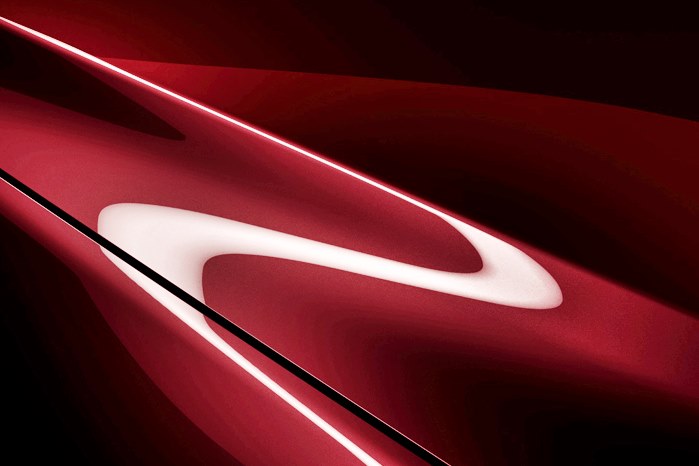
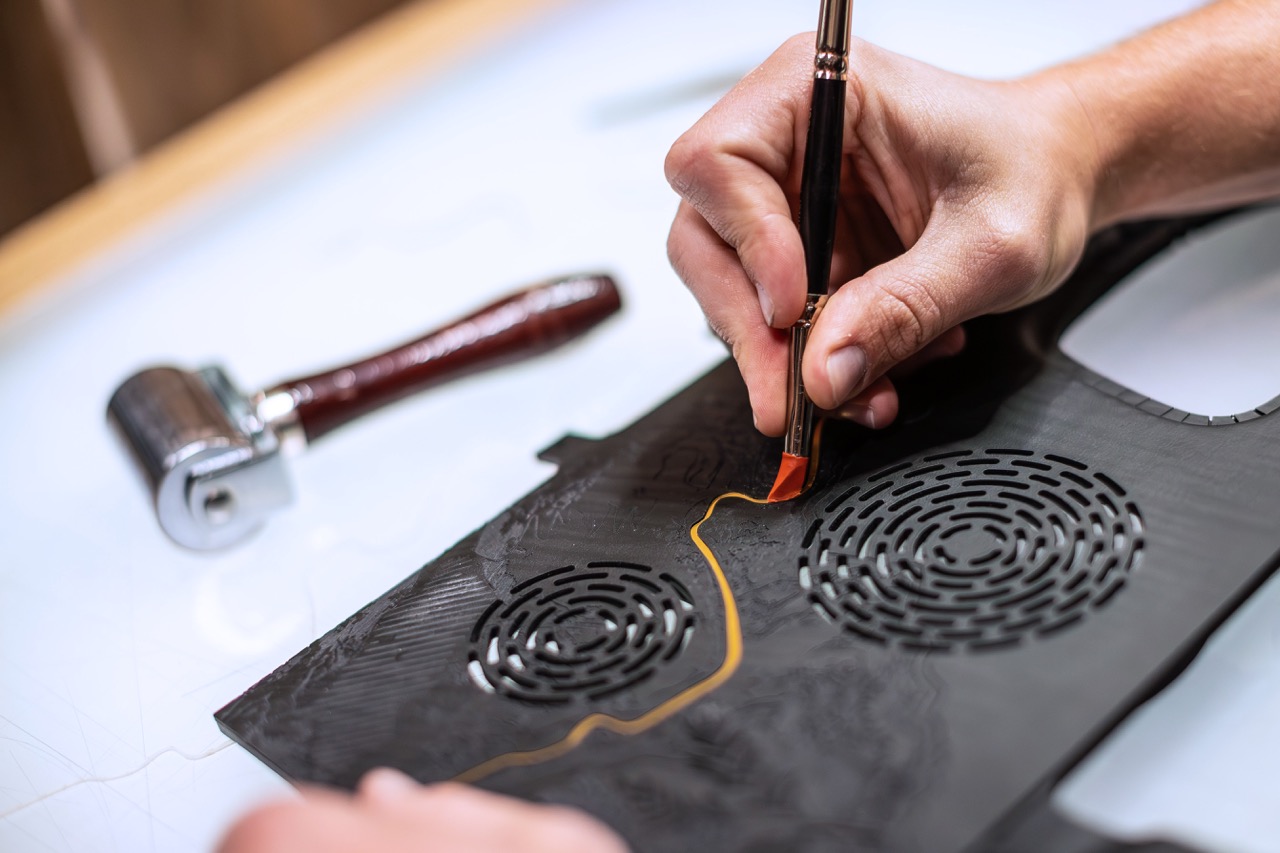
For Mazda, design is one of their strongest selling points and they have use design to elevate the image of their products to more premium levels. Their designers also use contrasts of light and shade to create a sense of fluid movement even if the vehicle is not moving. Colour, like red, too plays an important role in accentuating a dynamic and delicate expression in line with the Kodo – Soul of Motion – design theme.

Mazda’s designers believe colour to be a crucial element of what gives form to a vehicle. Over the past 10 years, they have been focussing efforts on developing colours with advanced robotic paint technology called Takuminuri. Red, one of the colours symbolizing Mazda, has received special attention with the first colour known as Soul Red Premium.

Now, joining the three colours is Artisan Red Premium which has been developed to extend the range of how the world views red. This colour will be introduced as a premium highlight for models in Mazda’s current line-up as well as forthcoming releases in its Large Product group.

(more…)

As Mazda Motor Corporation continues its progress after the challenging COVID-19 pandemic years, it has updated its mid-term management plan and management policy up to 2030. And despite the highly uncertain business environment, the carmaker is renewing its commitment to achieving carbon neutrality in all its operations by 2050.

In recent years, the environment in which the auto industry operates has changed dramatically, particularly in Europe, with the growth of electrified products and the associated regulatory demands. To be able to flexibly respond to these future changes, Mazda has a 3-phase plan which will see it spending up to 1.5 trillion yen (around RM48,600,000,000) during this decade.

(more…)

Archive

Follow us on Facebook

Follow us on YouTube