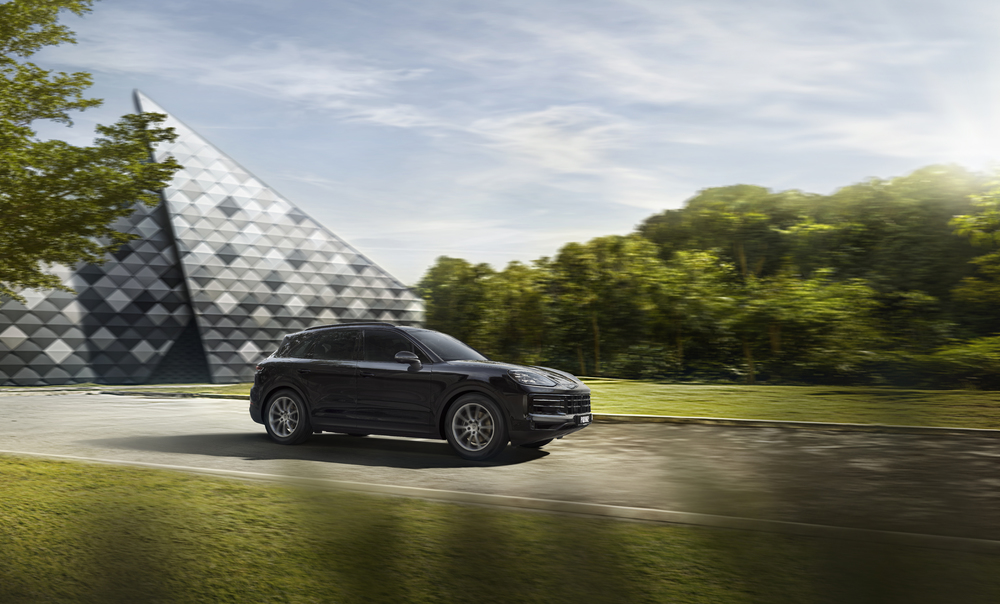
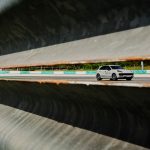
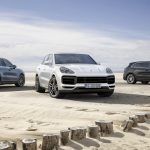
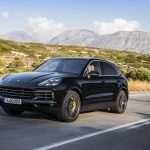
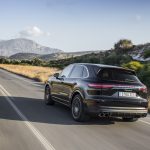
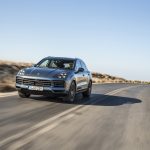
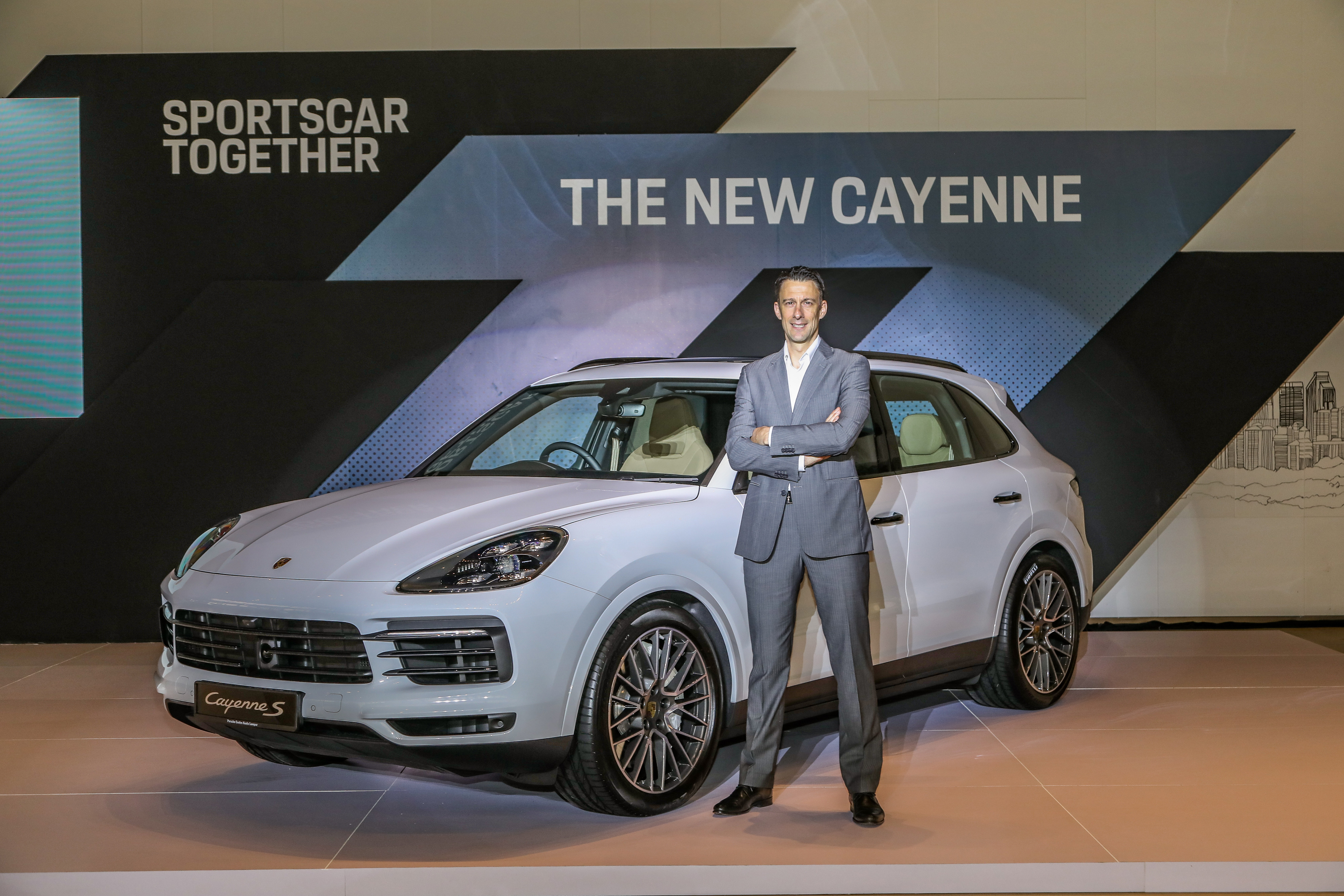
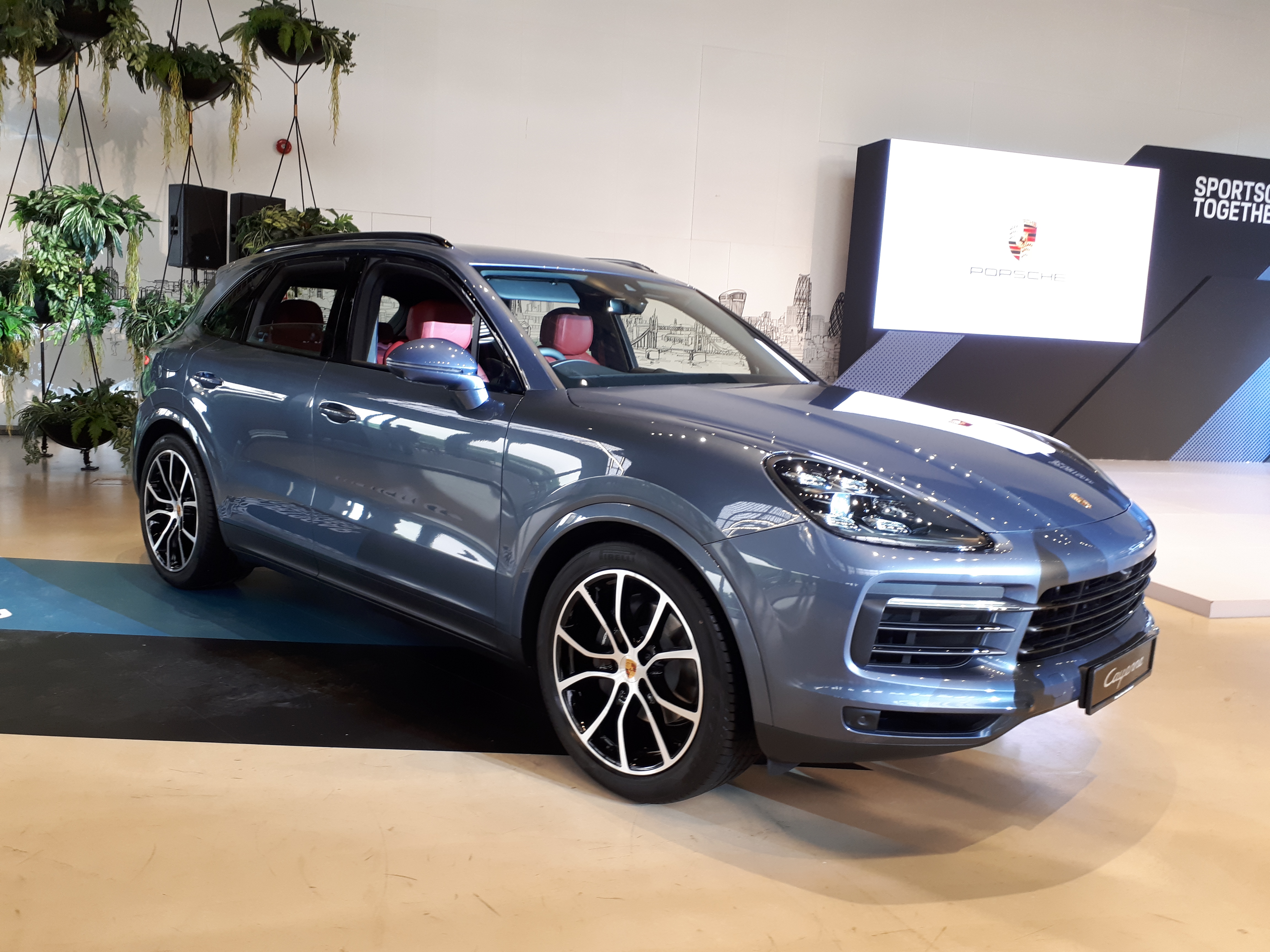
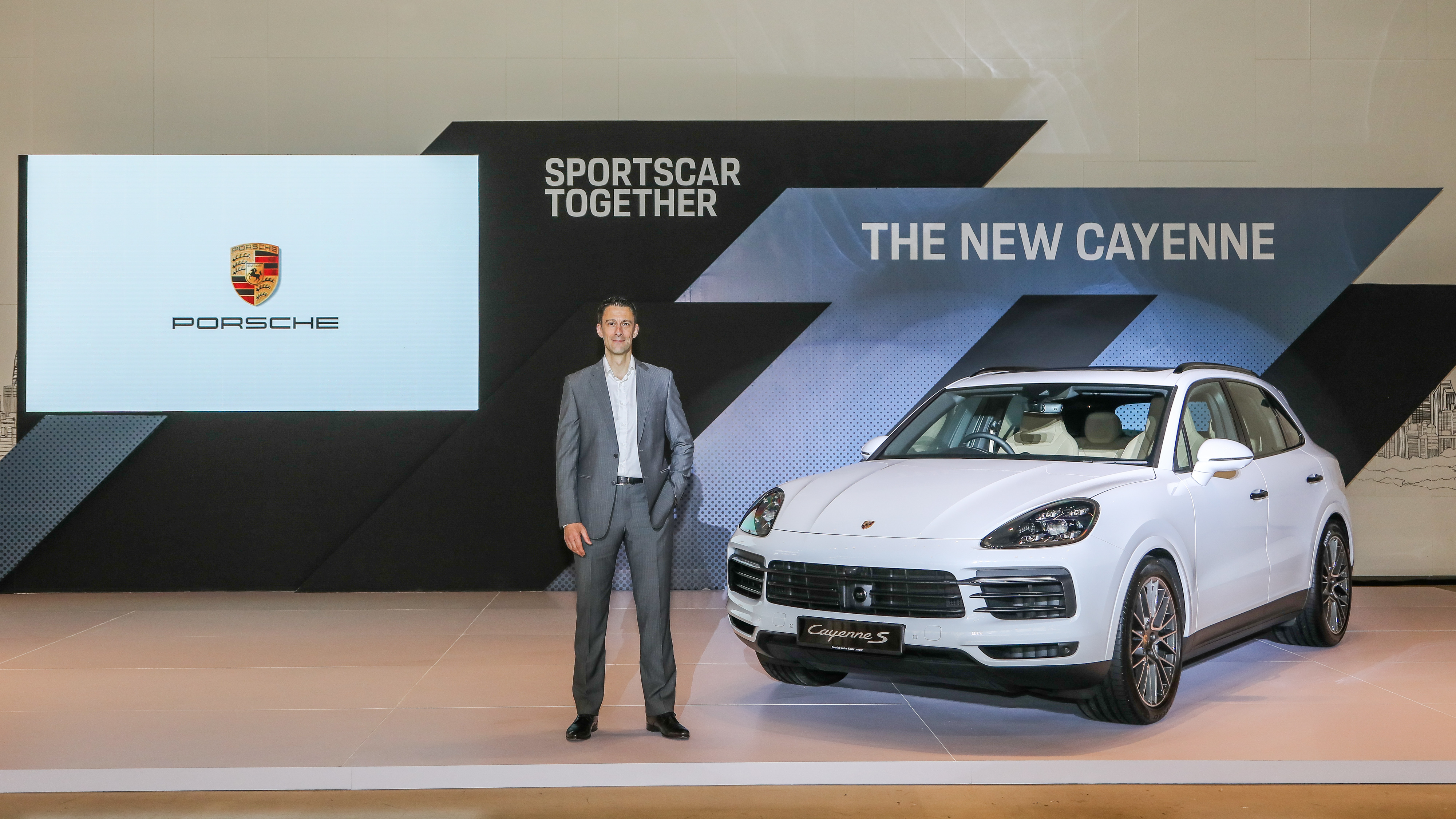
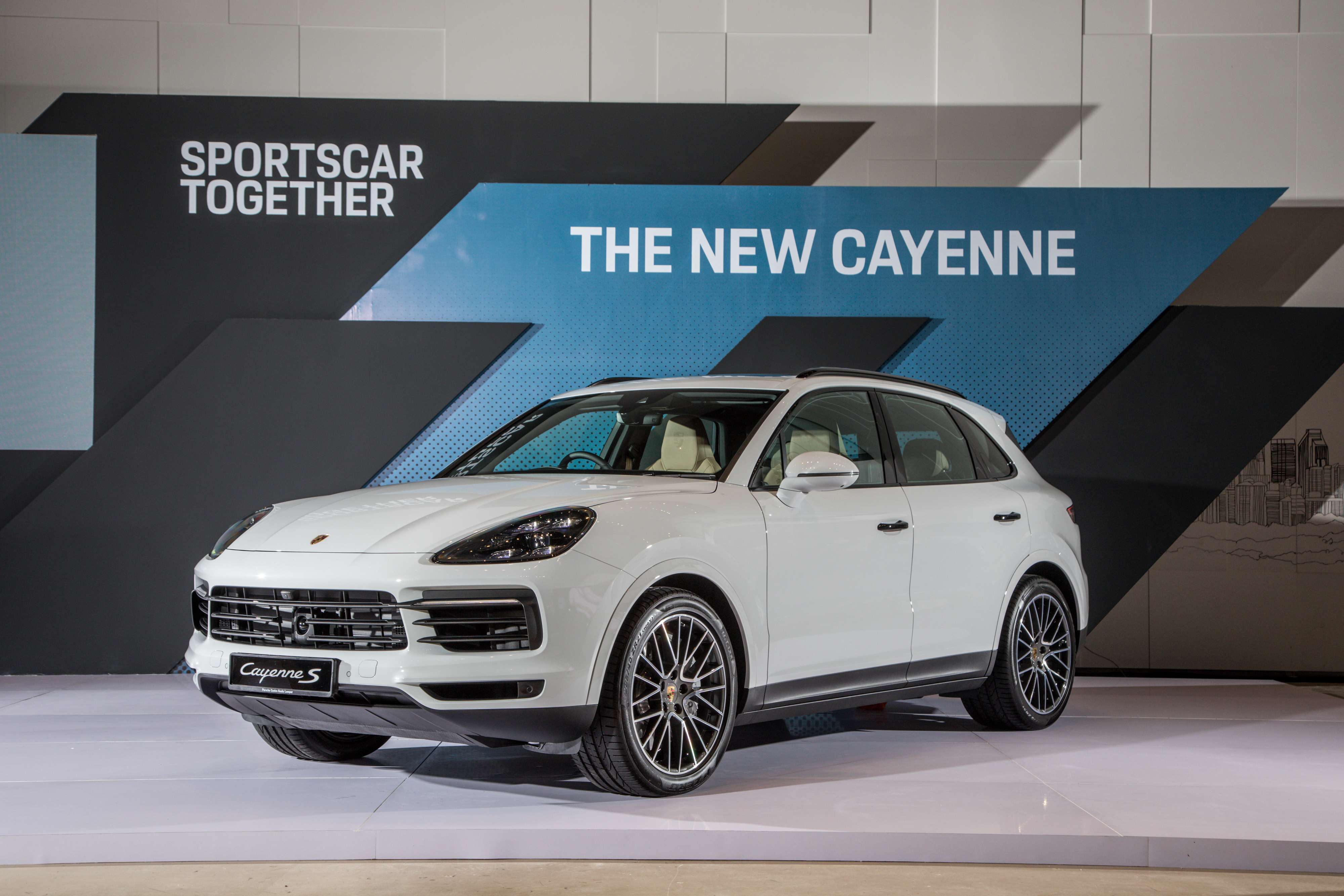
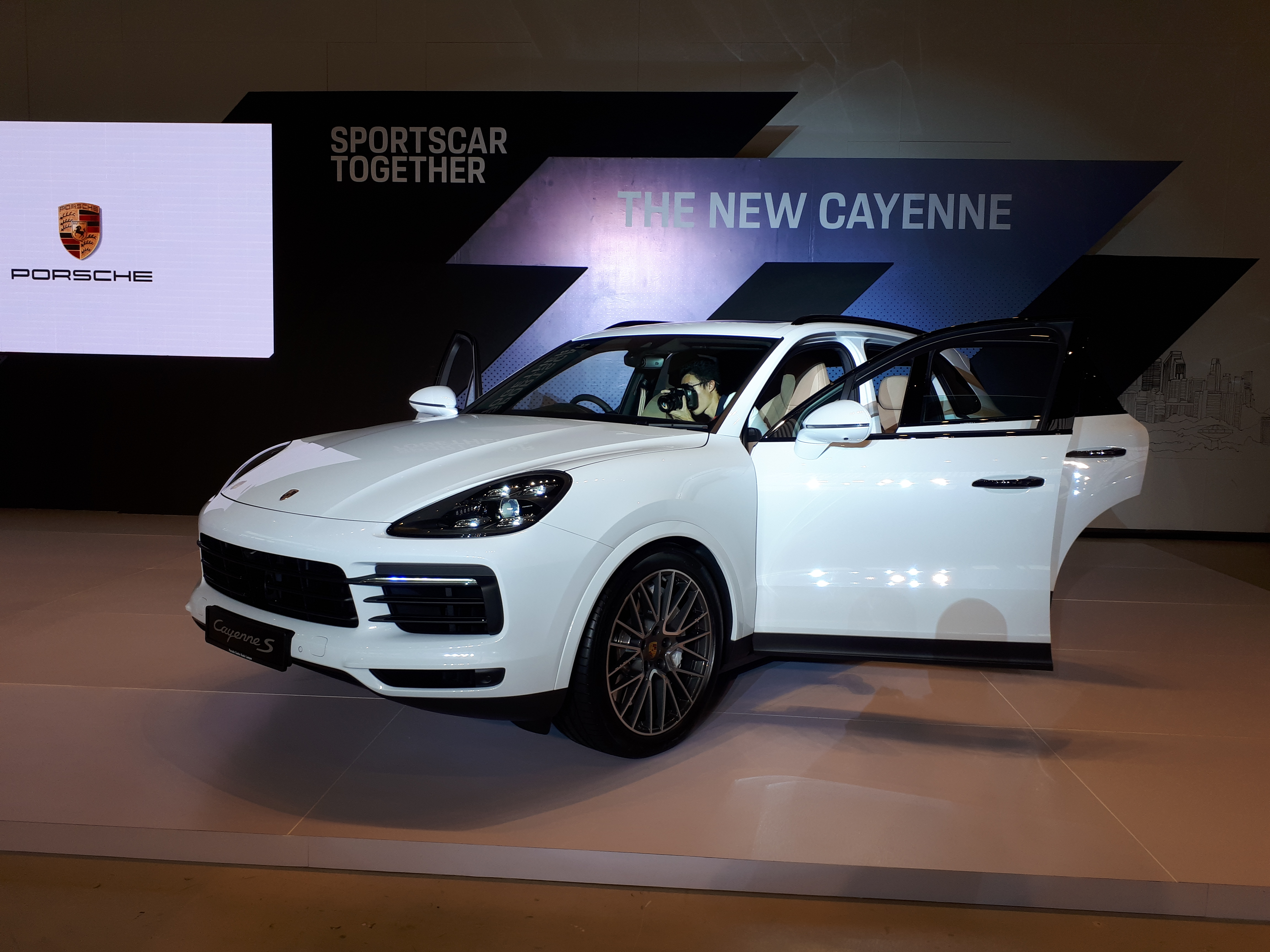
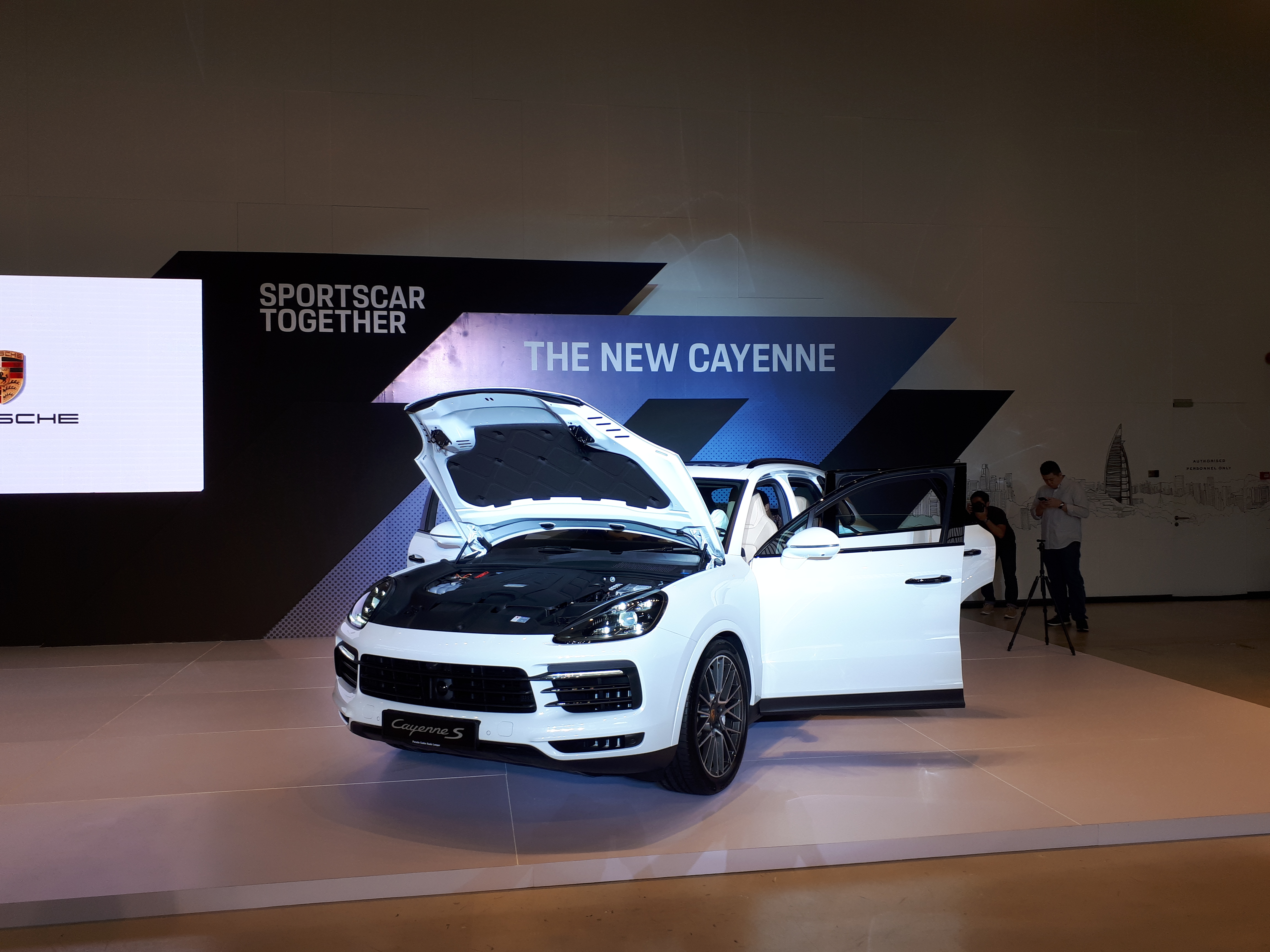
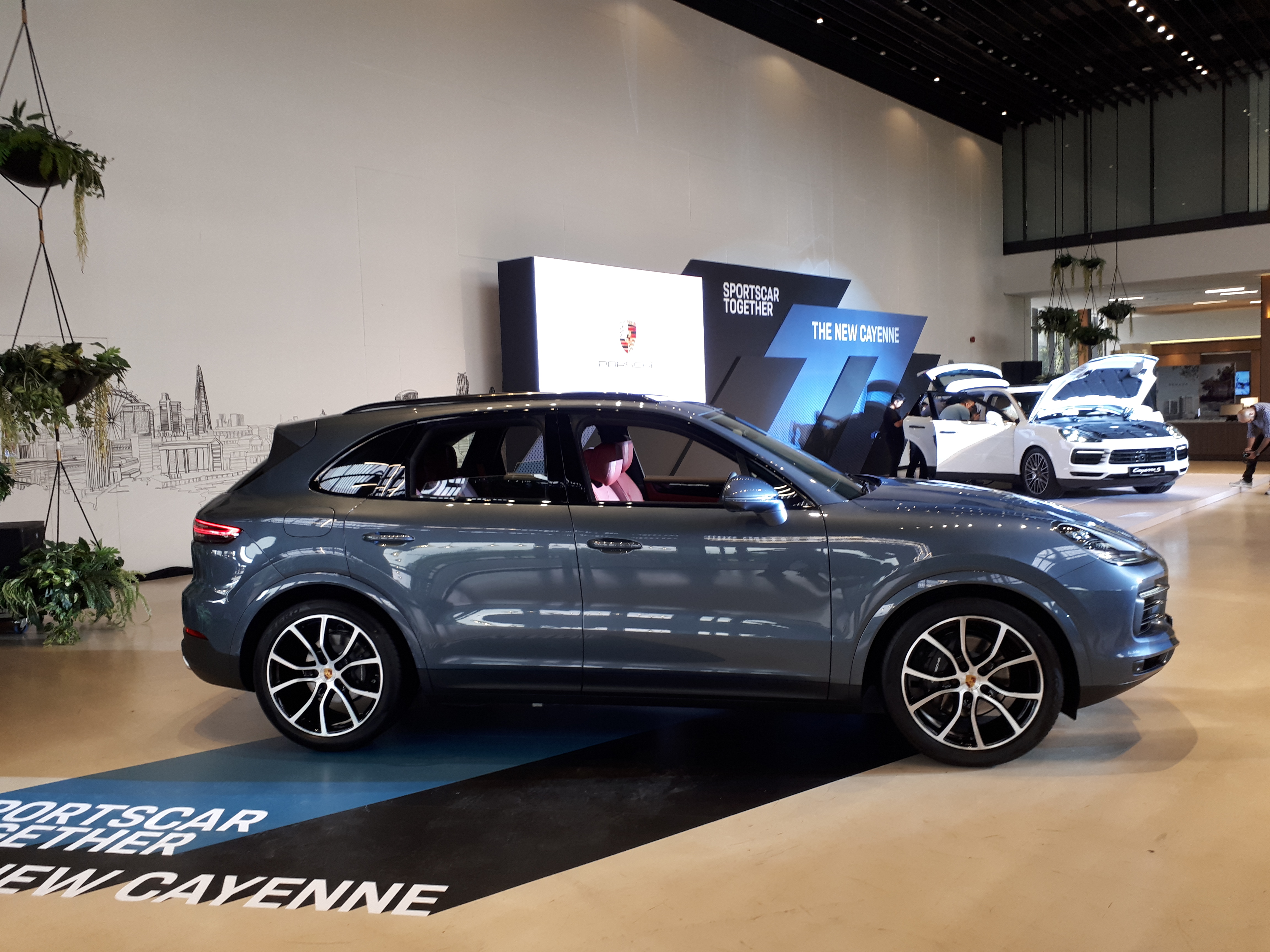
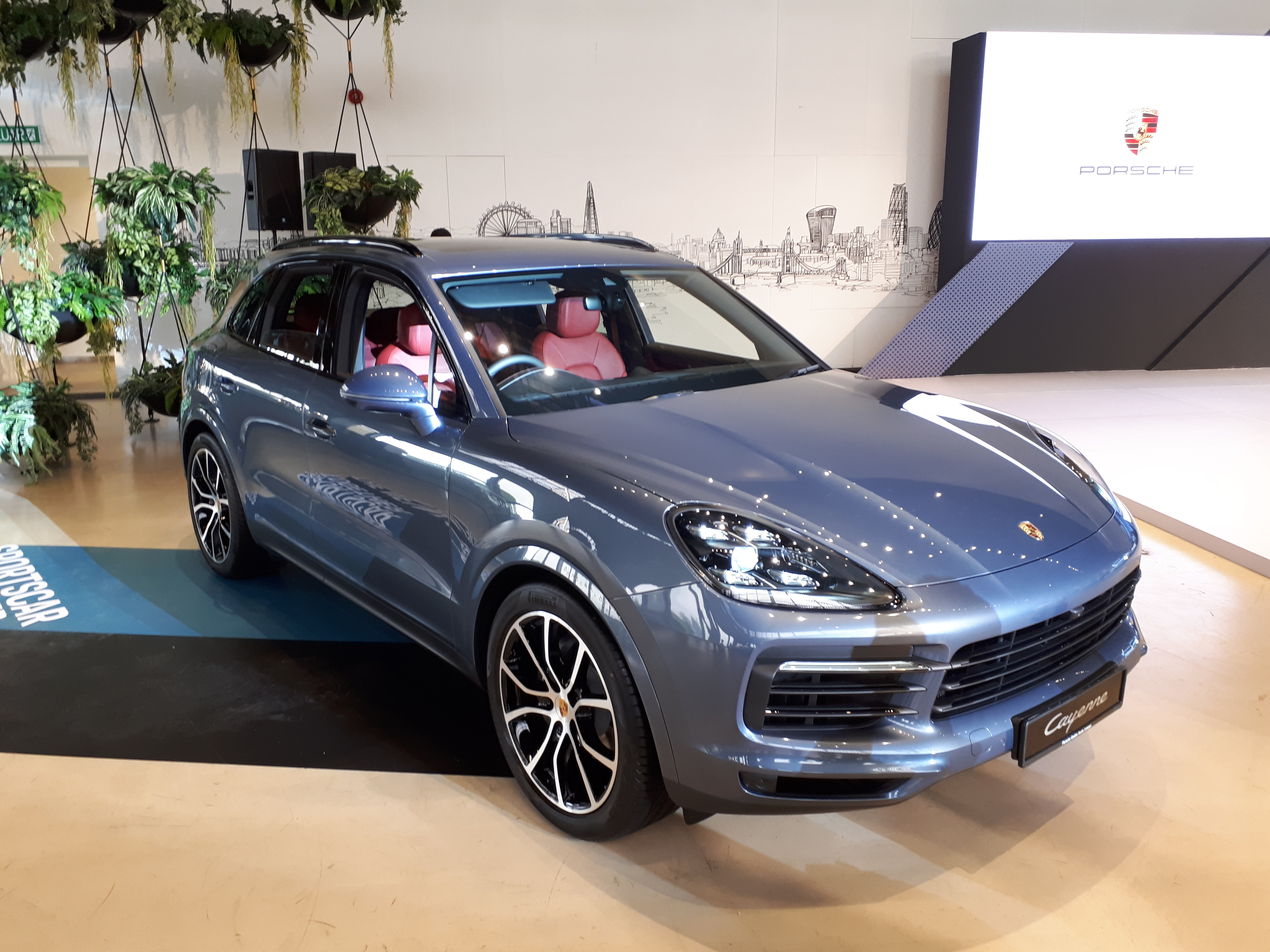
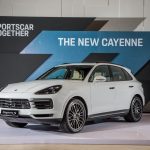
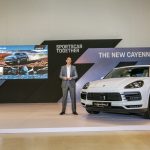
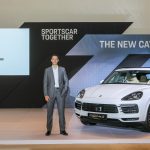
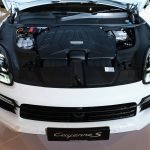
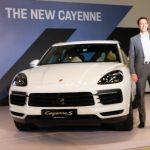
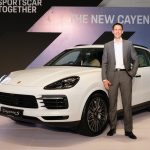
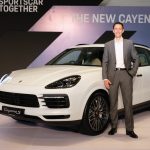
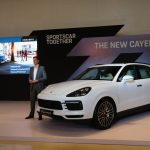
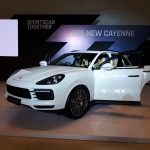
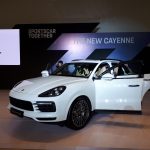
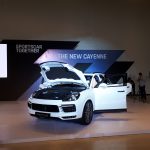
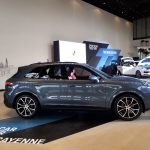
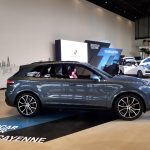
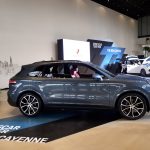
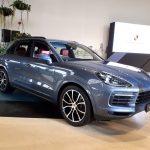
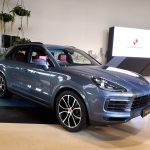
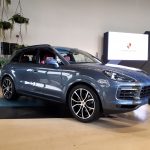
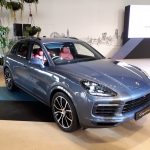
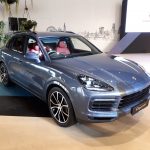
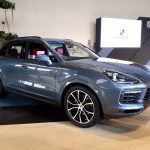
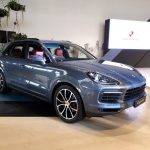
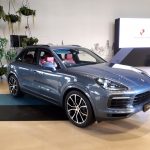
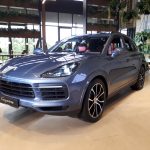
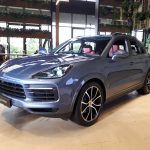
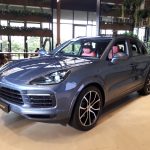
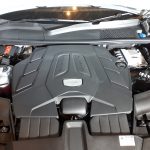
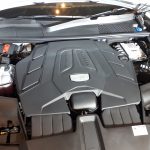
Porsche Malaysia, represented by Sime Darby Auto Performance, has announced that the new Porsche Cayenne, designed exclusively for the Malaysian market, is now available for online ordering through a streamlined digital platform.
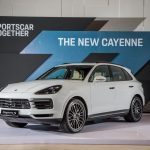
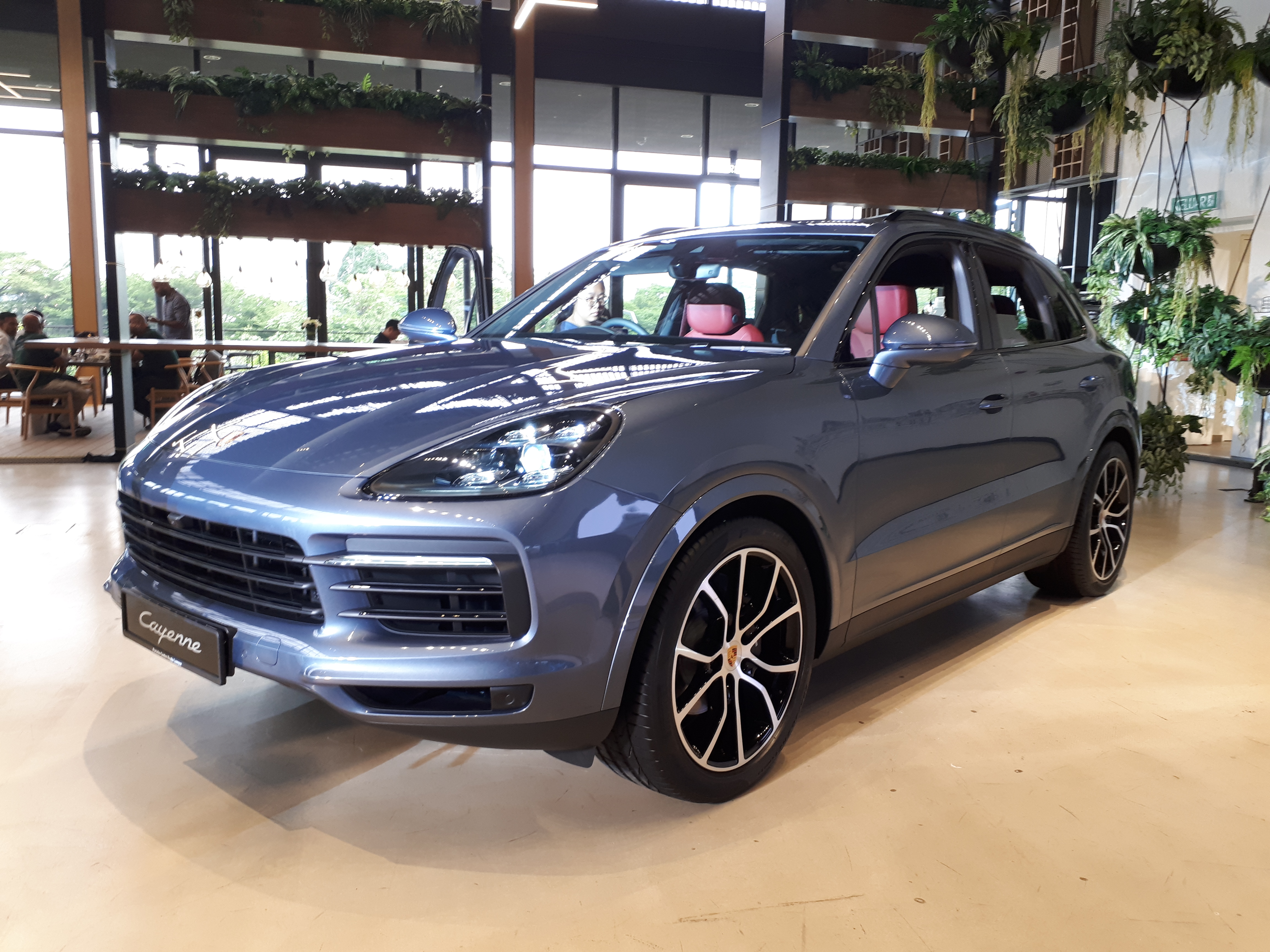
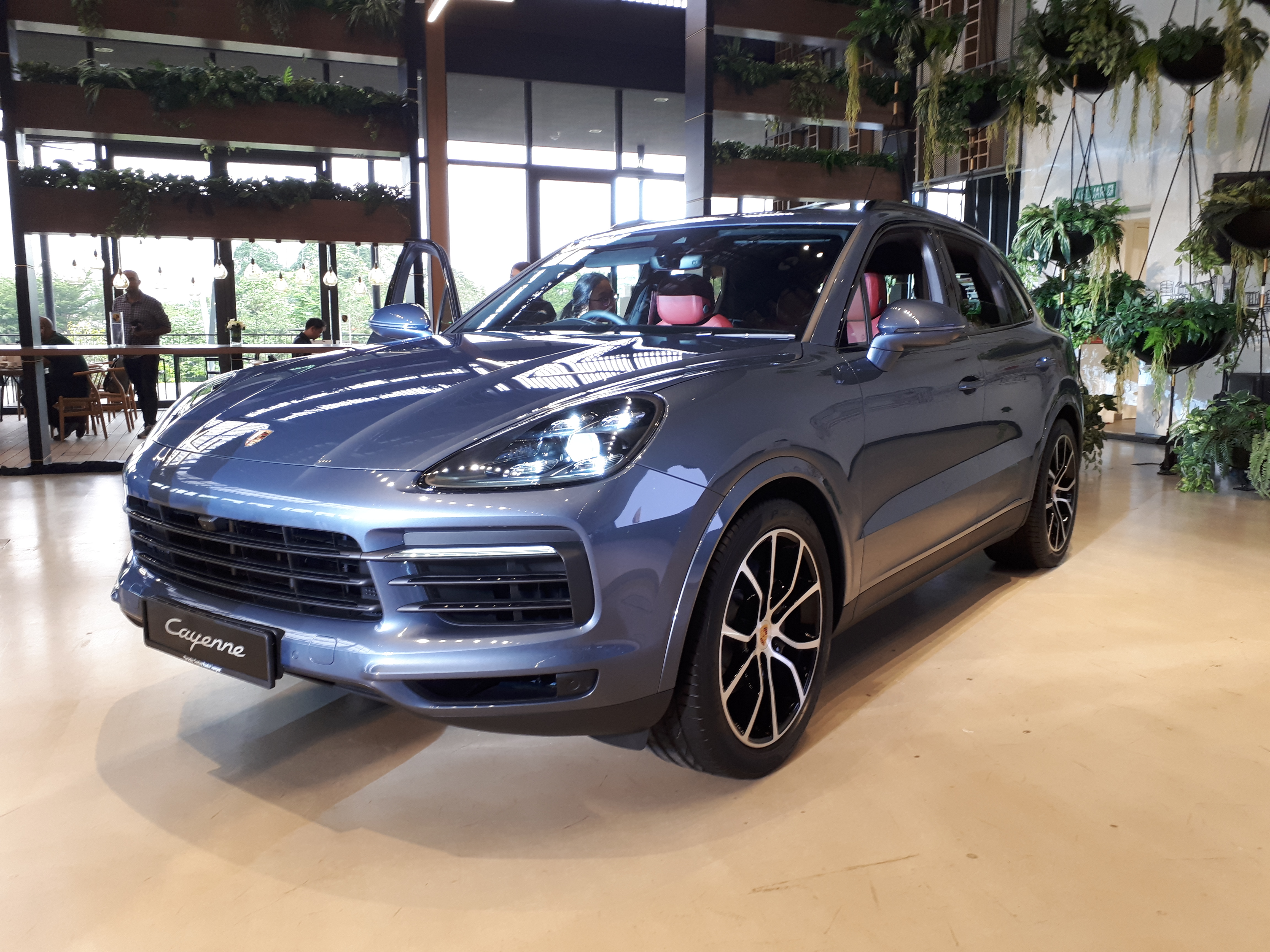
The new Porsche Cayenne has undergone significant design and technology enhancements, resulting in a more expressive appearance and advanced features.
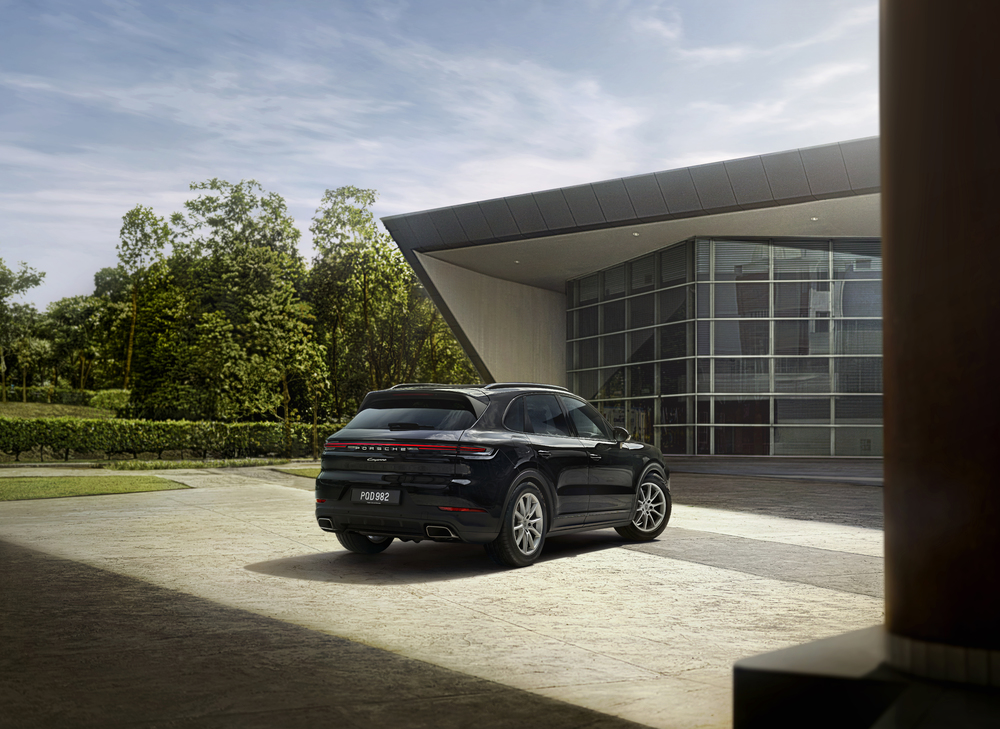
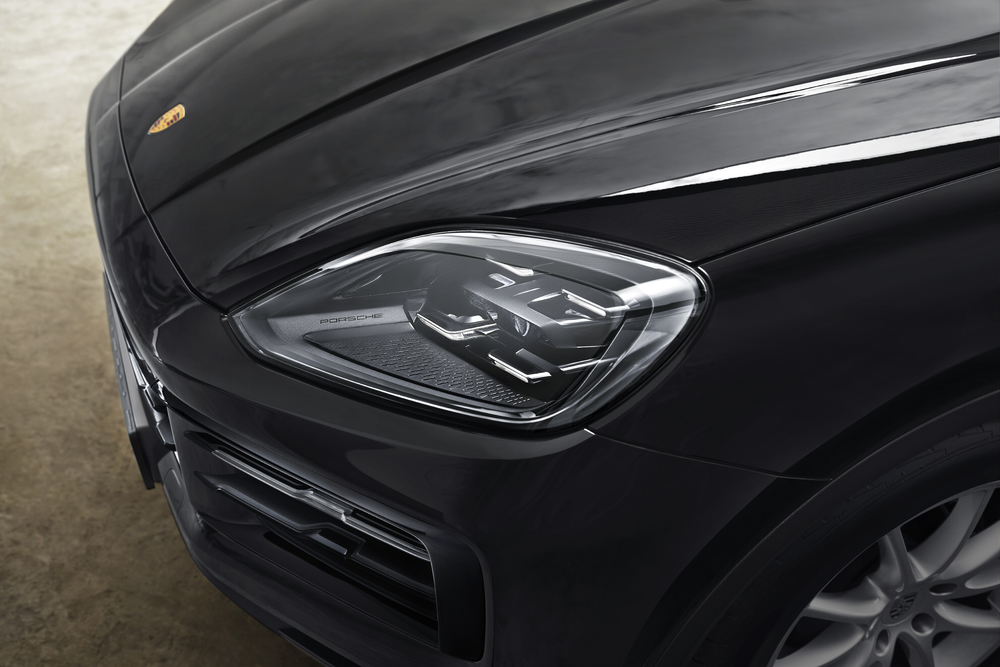
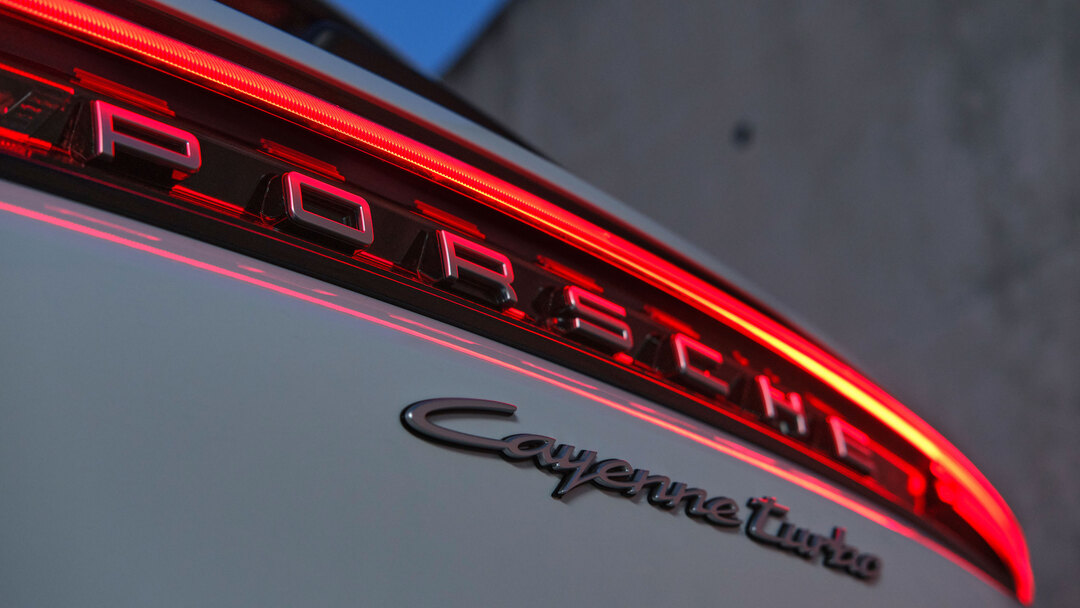
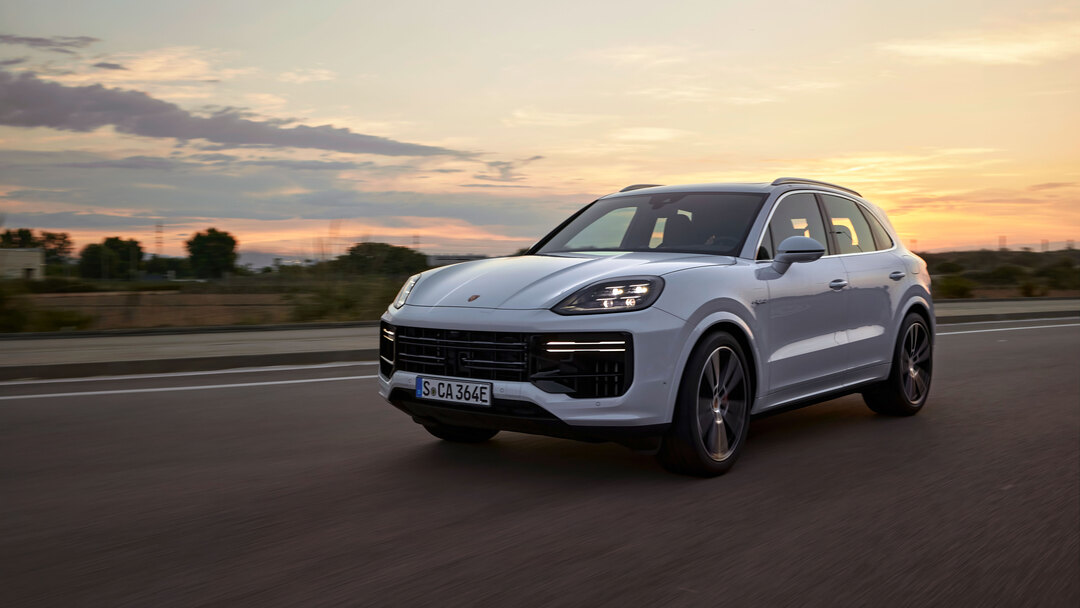
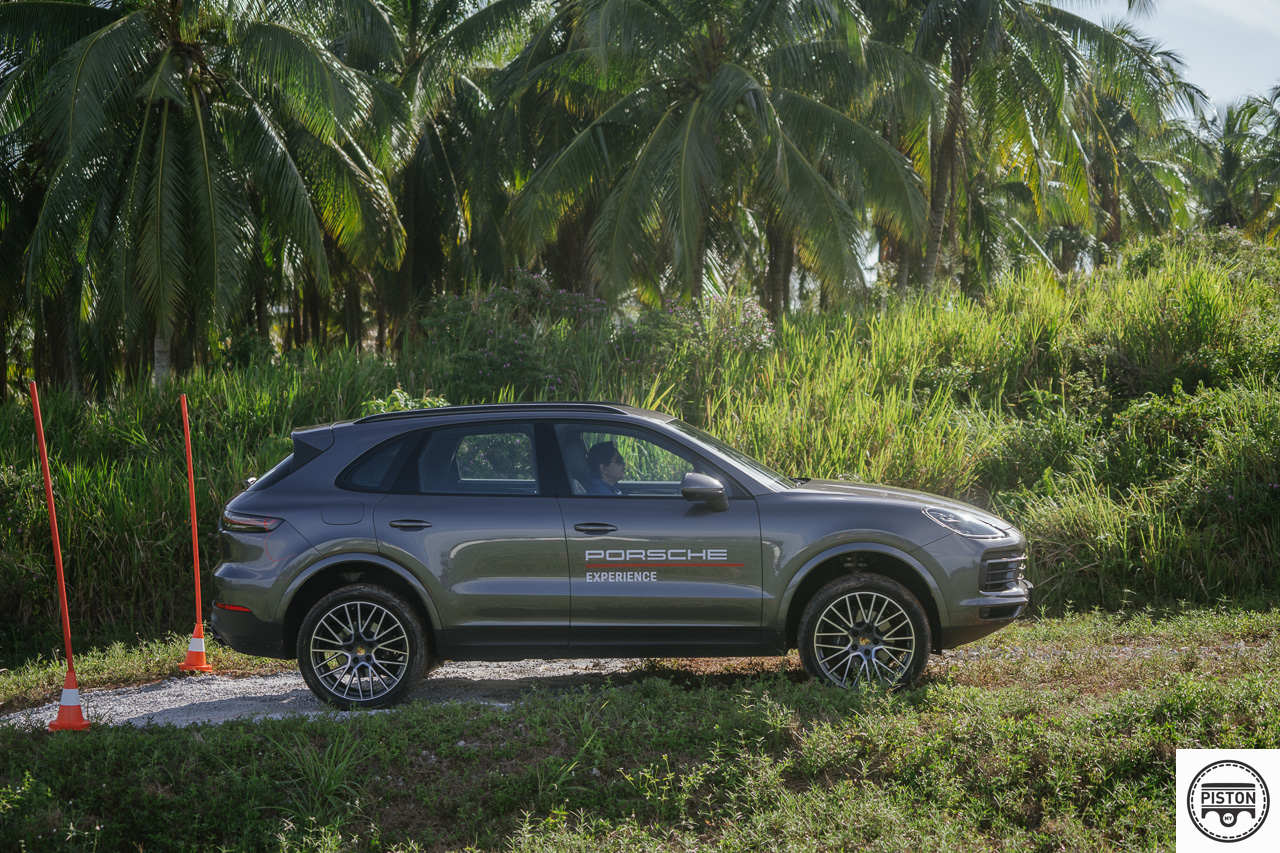
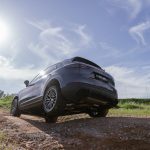
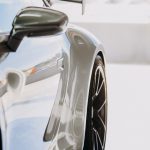
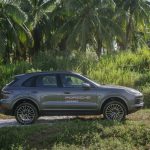
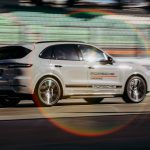
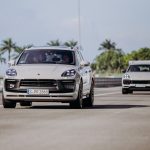
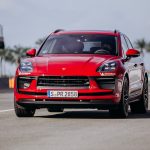
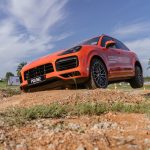
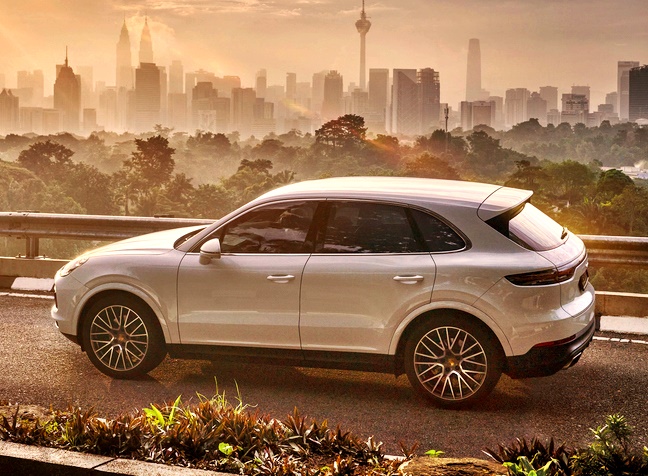
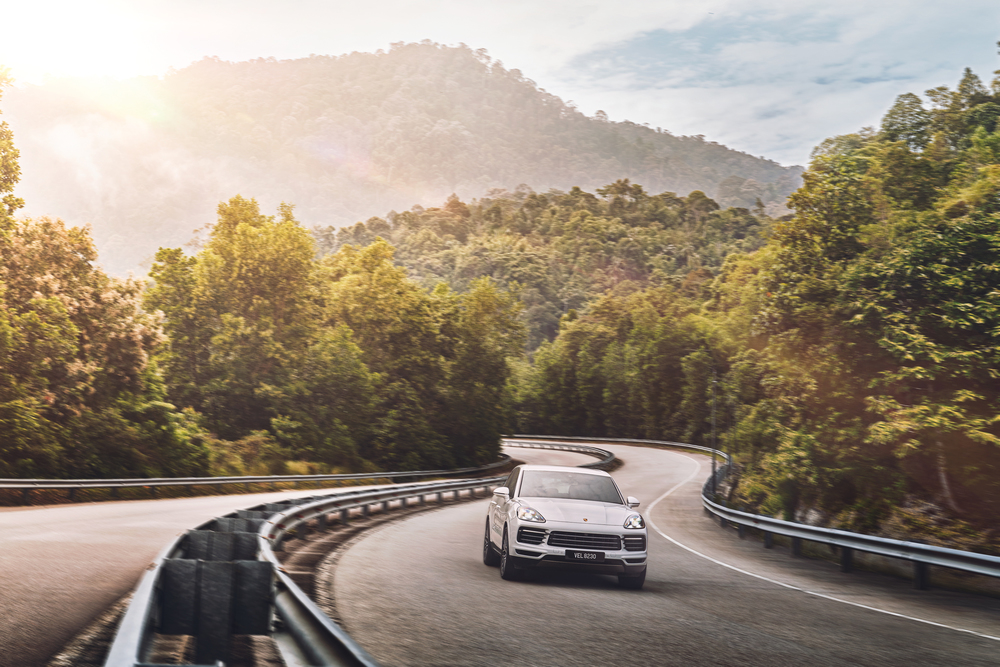
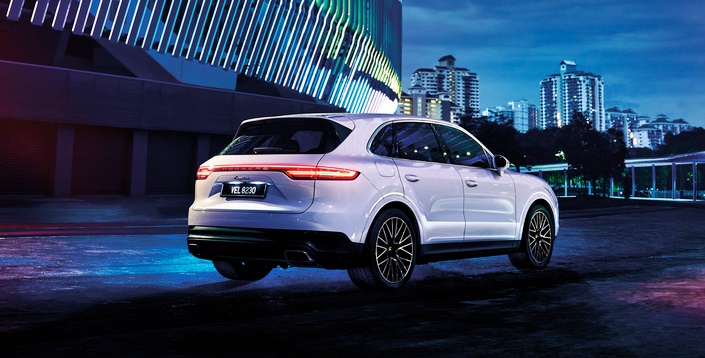
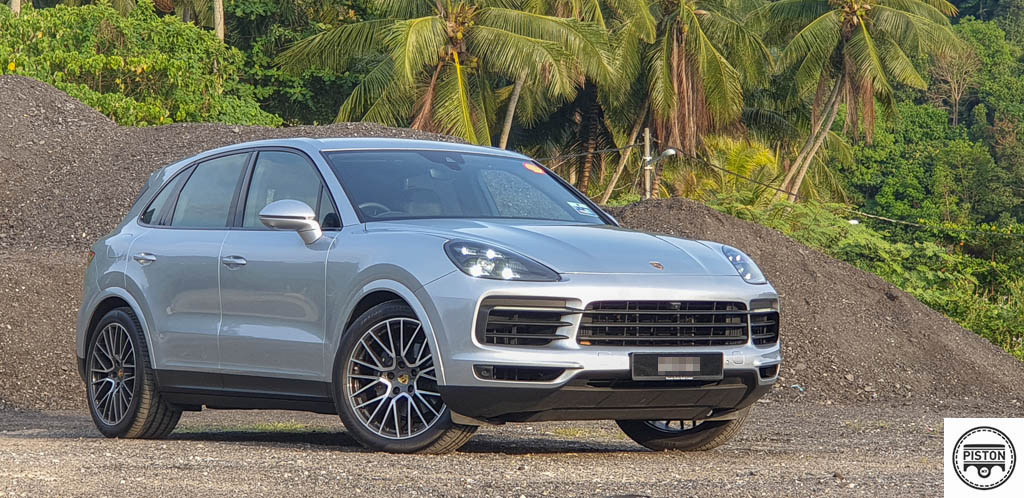
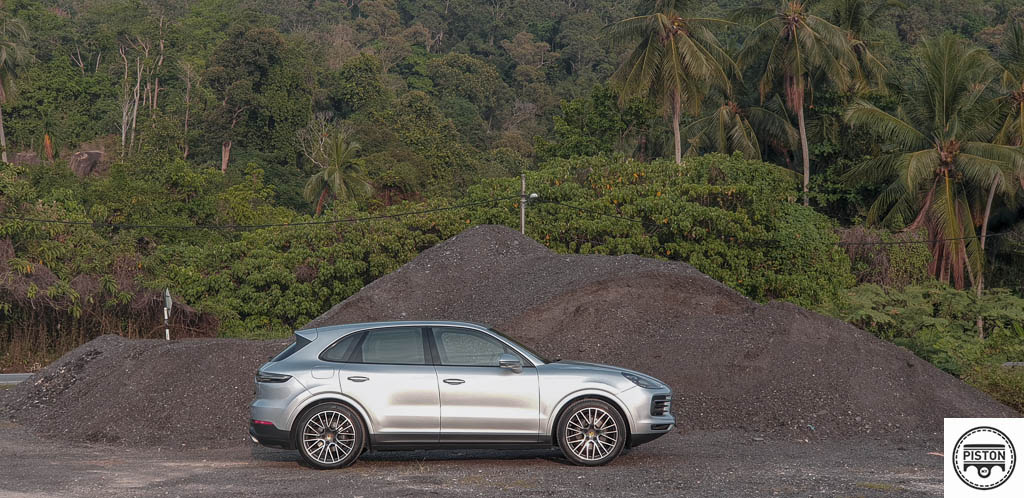
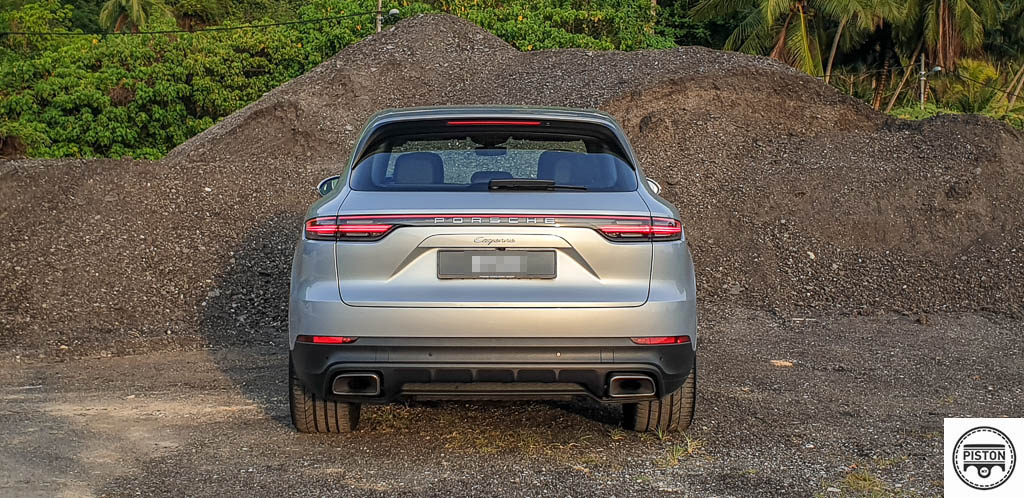
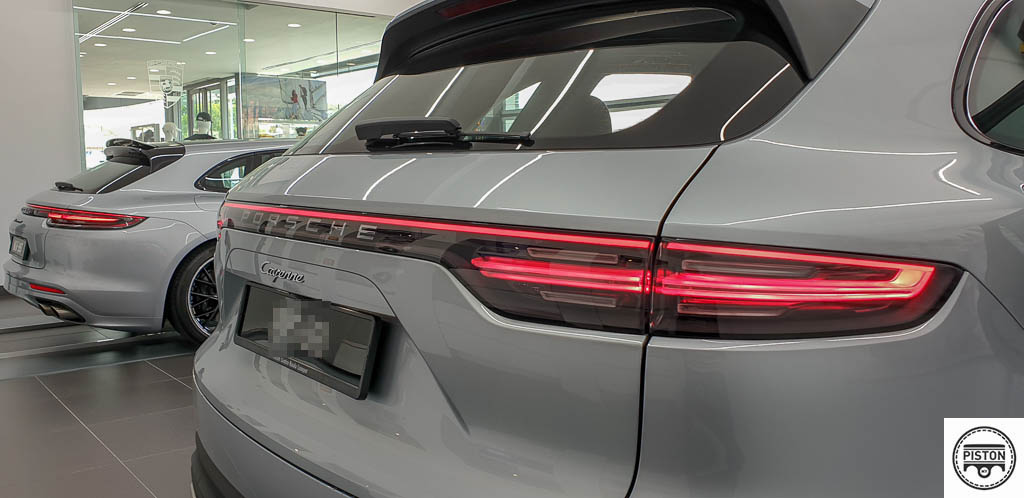
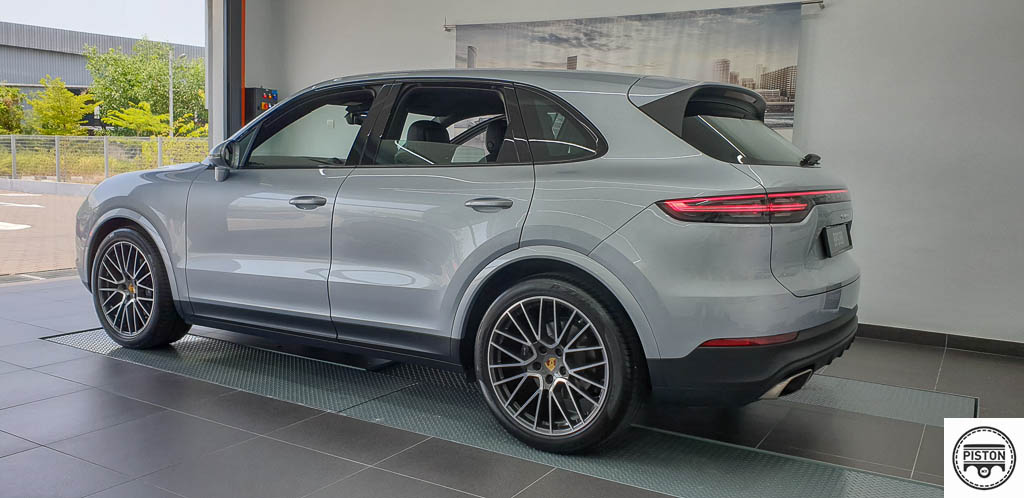
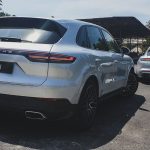
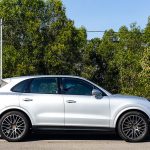
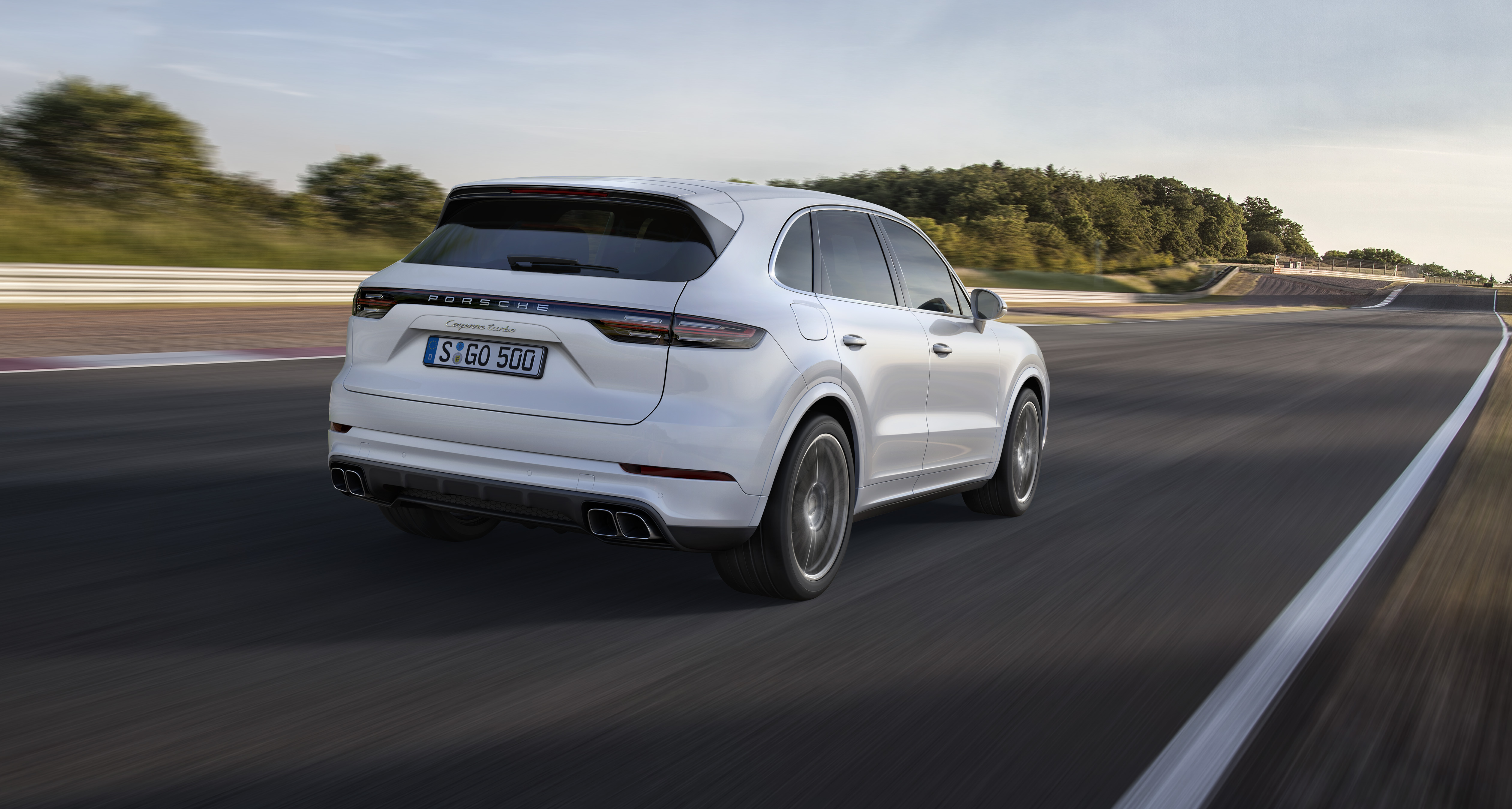
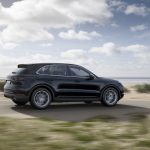
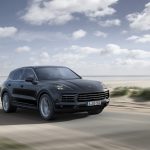
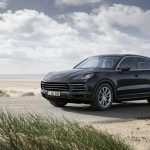
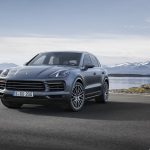
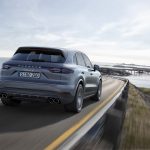
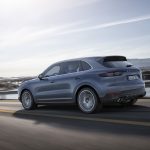
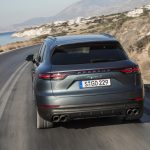
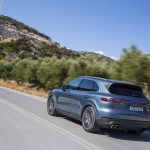
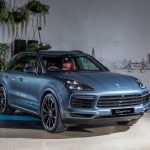
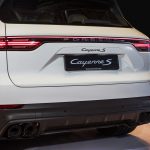
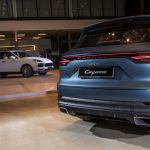
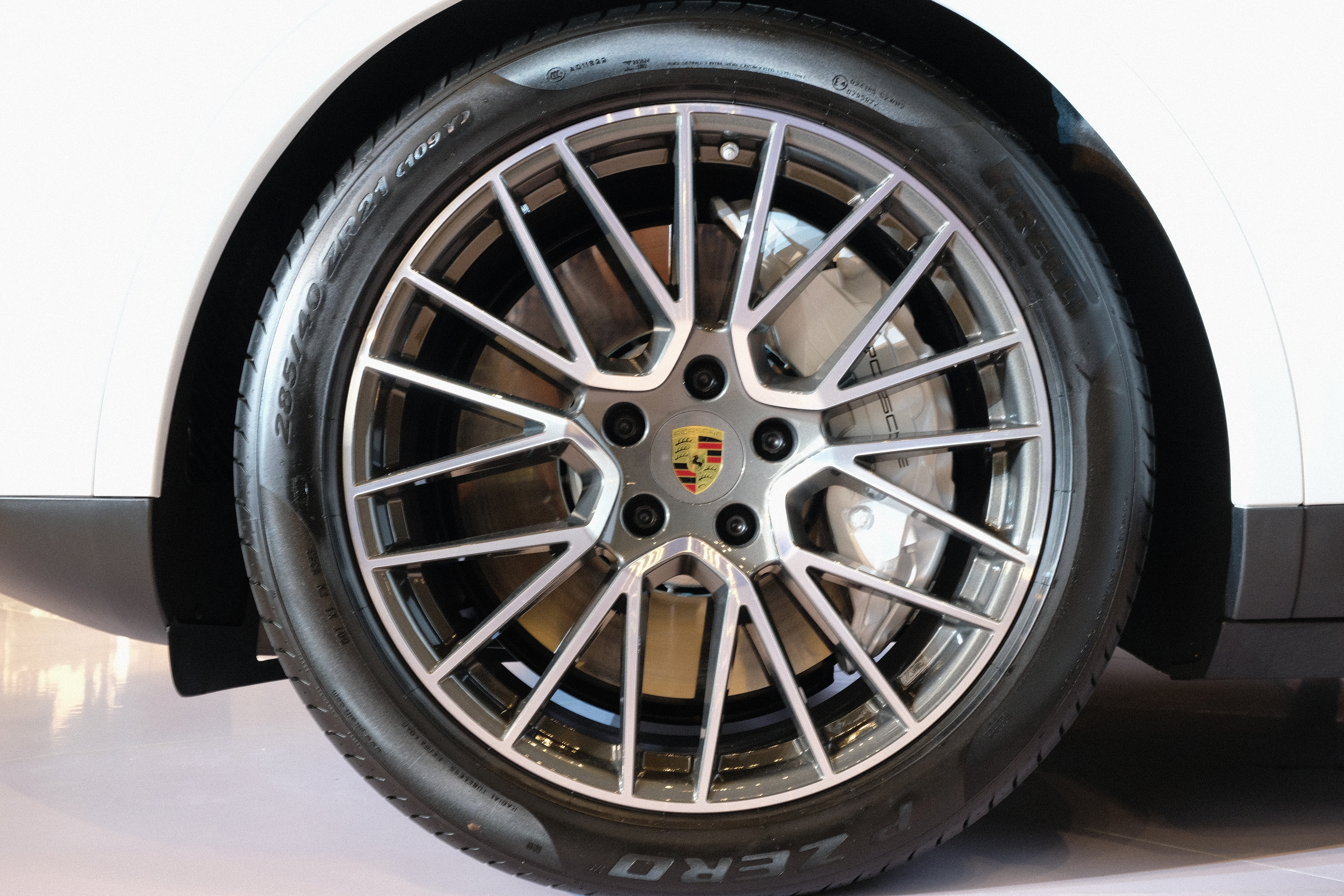
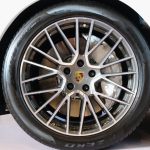
The front end has been redesigned, featuring more pronounced and muscular wings, a refreshed hood, and technically appealing headlights that accentuate the SUV’s width. The rear end is characterised by three-dimensionally designed taillights, clean and uncluttered surfaces, and a new rear apron with an integrated number plate holder, contributing to a distinct and modern rear design. Plus, it comes with 20-inch Cayenne Design wheels.
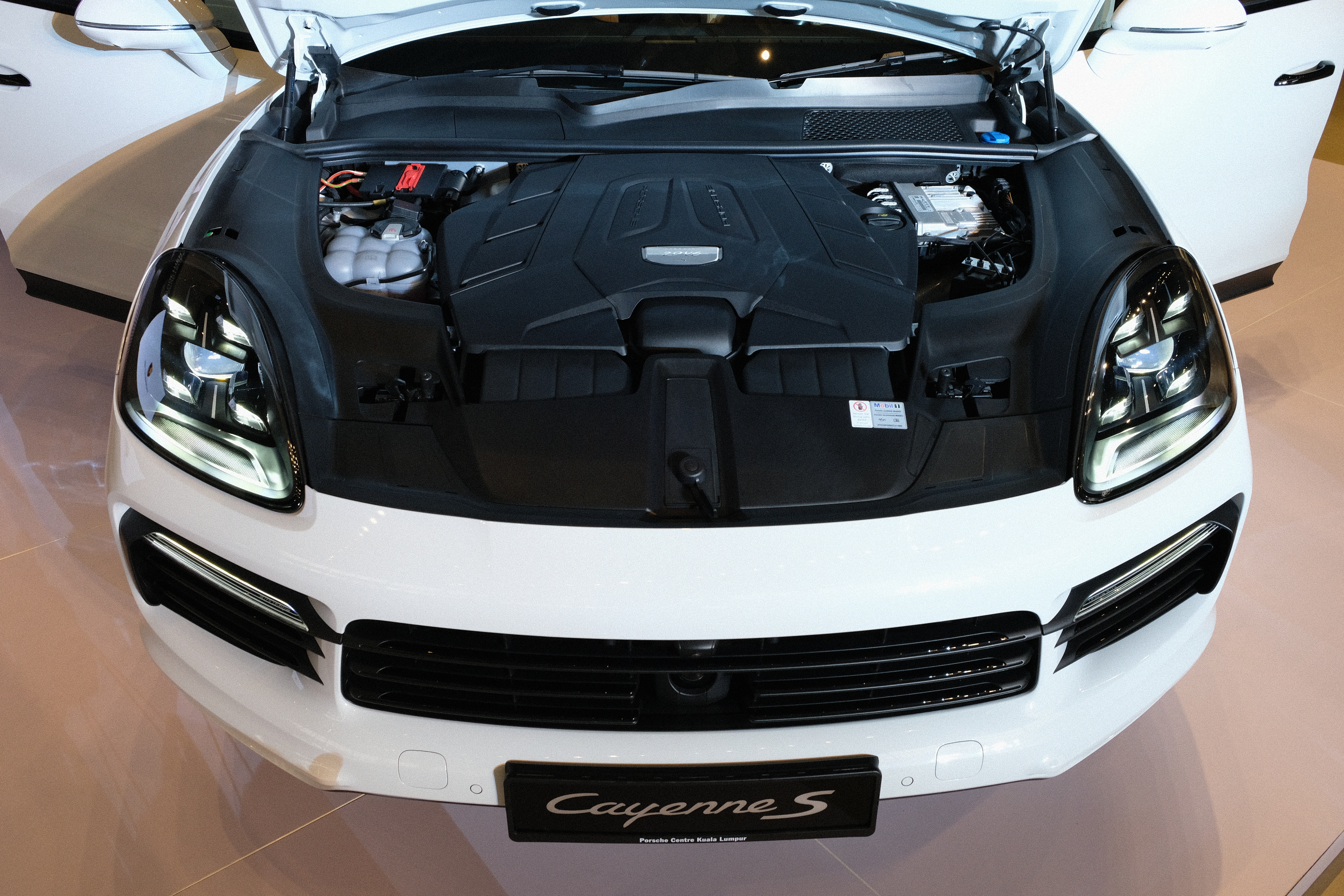
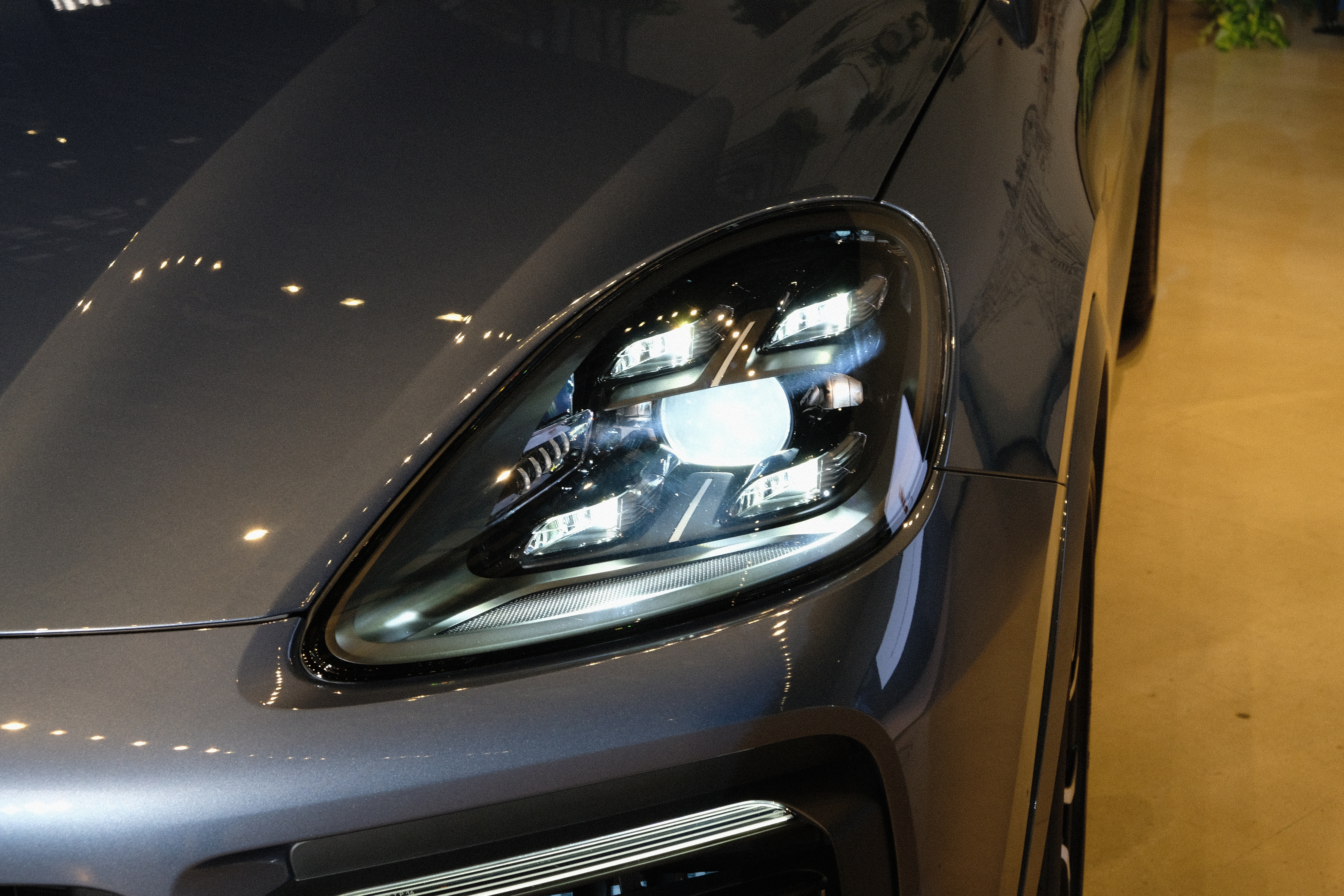
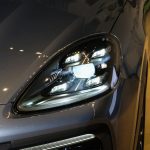
Matrix LED Headlights are now standard, representing a significant lighting upgrade. These headlights utilise data from the SUV’s speed, camera, and navigation systems to provide optimal illumination. The high beam area is divided into 11 segments, allowing precise control of the lighting to avoid dazzling vehicles ahead or oncoming traffic, a technology known as matrix beam.
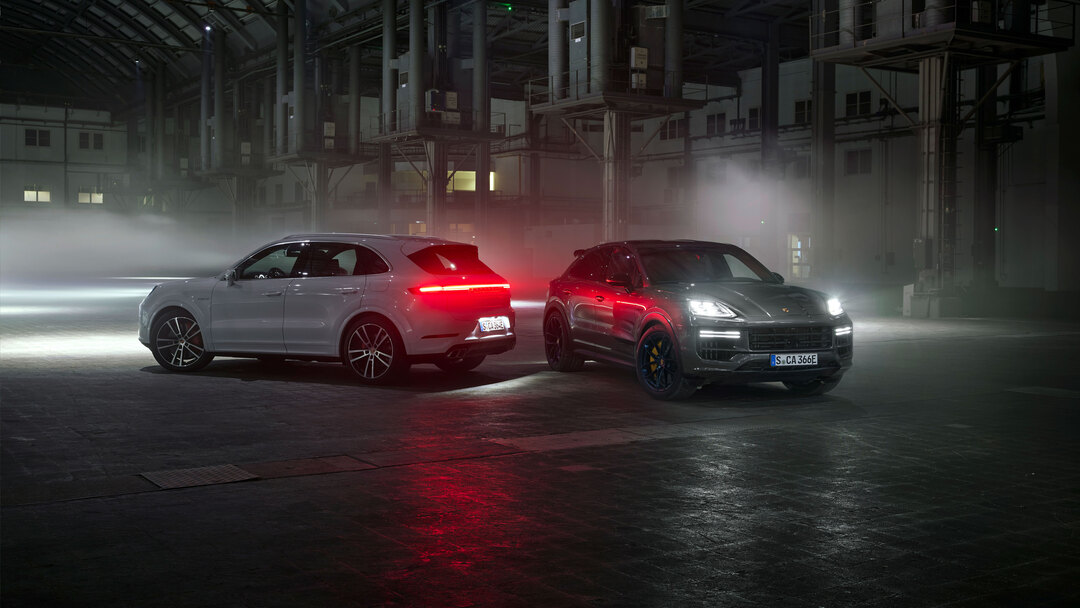
Following the successful debut of the new Cayenne in early 2023, Porsche is culminating the extensively revamped third generation of this renowned SUV with an exciting addition: a fresh flagship model. In line with tradition, the most potent iteration of the Cayenne continues to be a plug-in hybrid. Porsche has undertaken substantial enhancements in the technology of this successor to the Cayenne Turbo S E-Hybrid, resulting in noteworthy improvements, particularly in electric range and performance.
Distinguishing itself, the Turbo E-Hybrid boasts a distinctive front fascia, characterised by its enlarged air intakes that exude a sporty and aggressive aesthetic. Porsche’s attention to detail extends to the wheel arches and the lower rear fascia, both of which are elegantly painted in the vehicle’s body colour. Further enhancing its dynamic appearance, the E-Hybrid model showcases vibrant red brake callipers that add a dash of flair. The visual enhancements are rounded off with the inclusion of two dual exhaust outlets, a design element that not only exudes sophistication but also contributes to the SUV’s overall sporty presence.
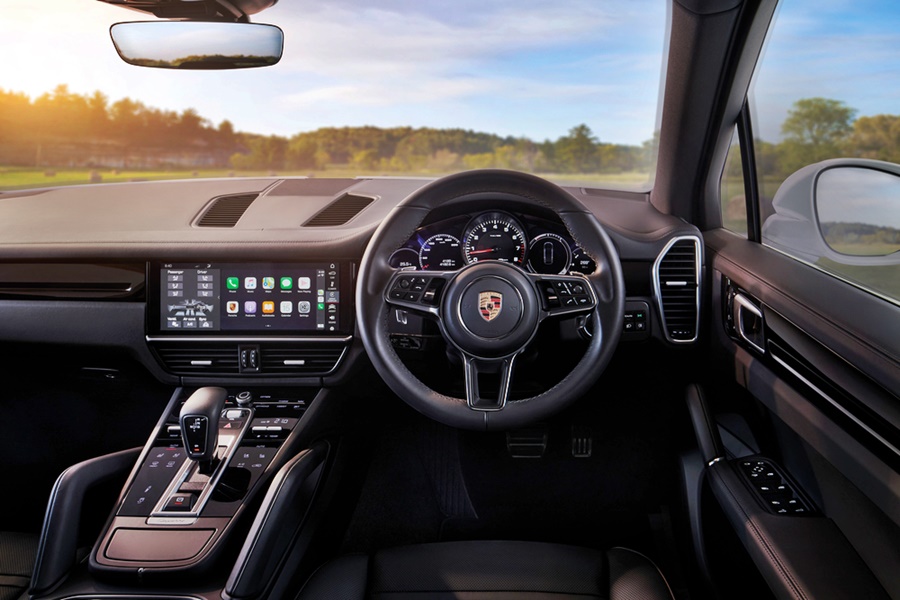
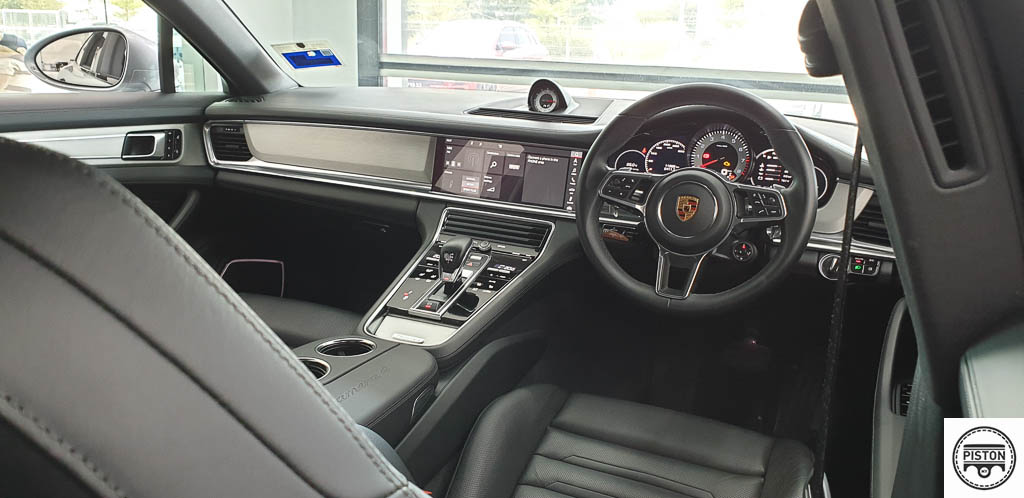
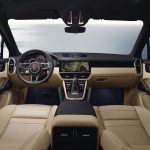
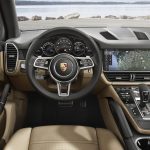
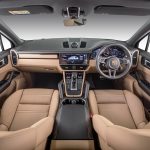
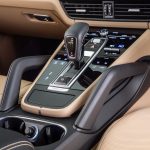
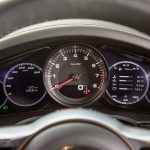
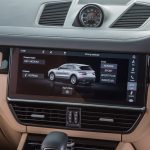
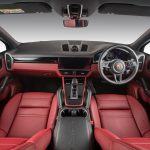
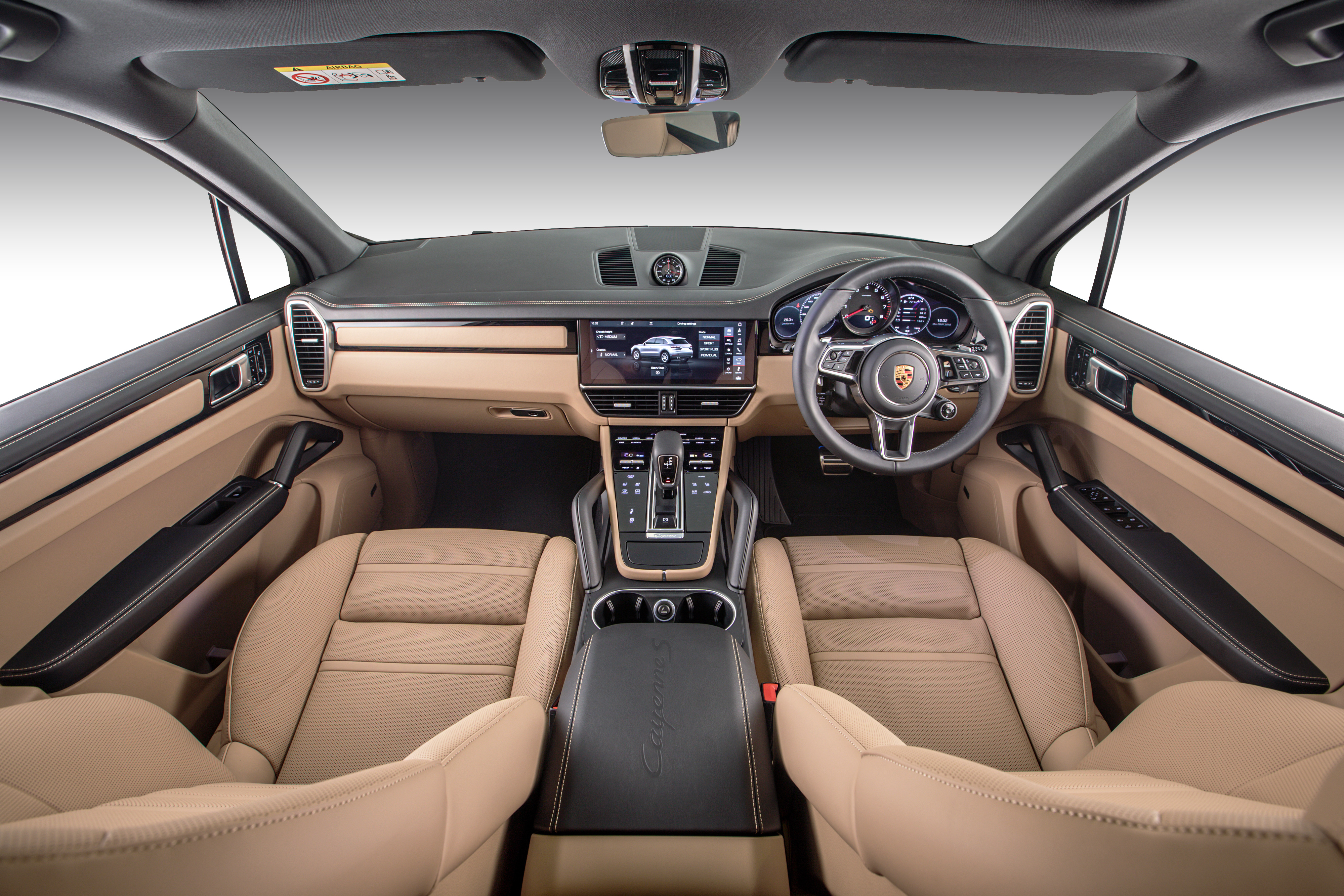
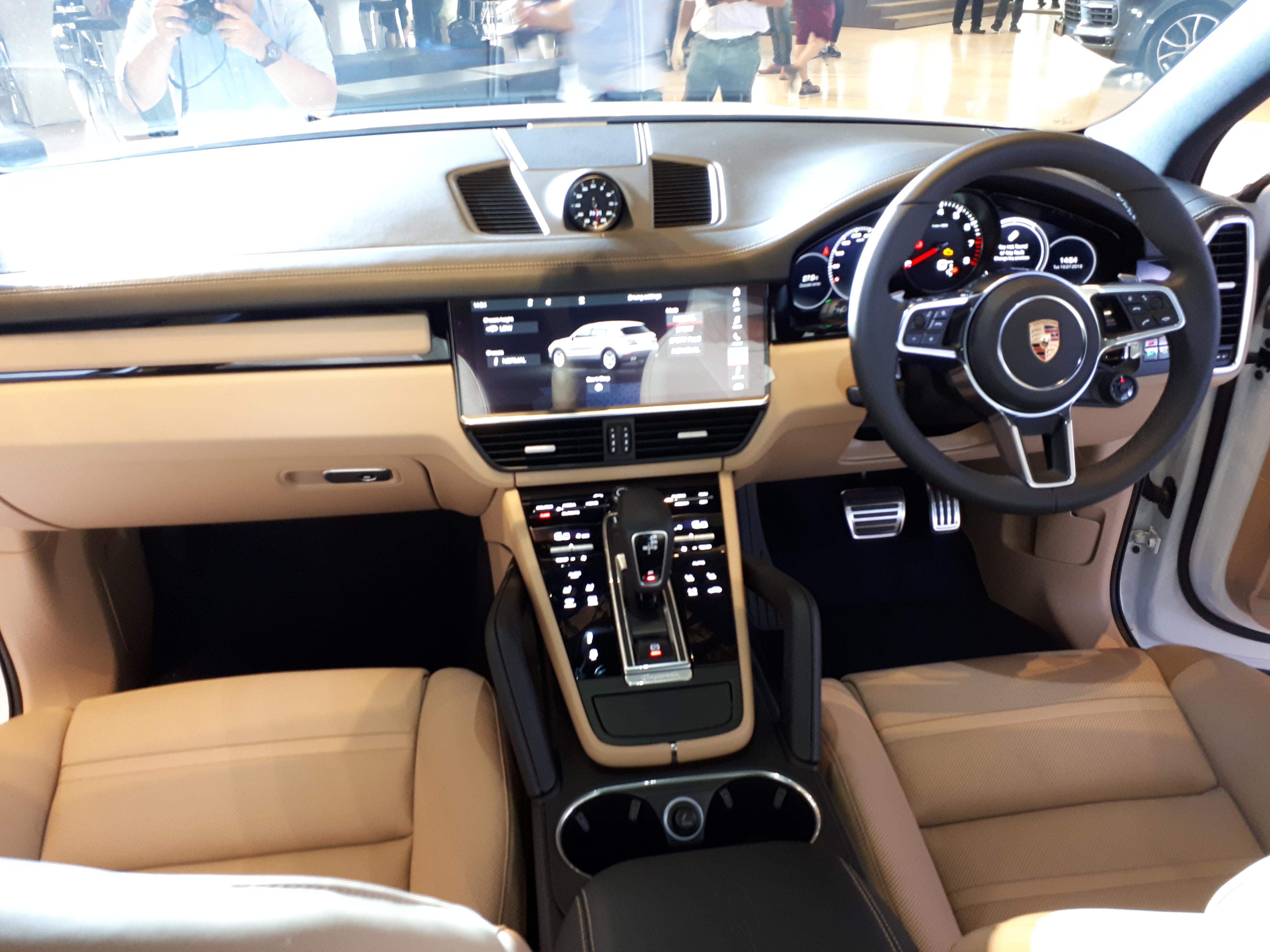
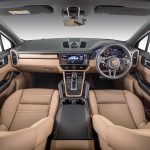
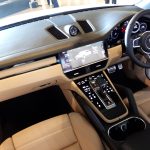
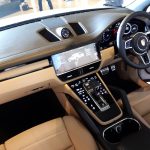
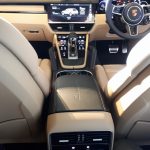
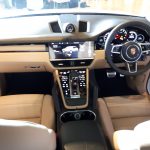
Taking a page out of the playbook of the all-electric Taycan sedan, the new Cayenne Turbo E-Hybrid introduces an impressive 12.7-inch gauge cluster. This includes a toggle-style gear selector that draws clear inspiration from its electric counterpart. Meanwhile, the heart of the cabin’s entertainment and navigation functions lies within a central 12.3-inch infotainment touchscreen. Notably, Porsche retains its digital display aesthetic, while wisely incorporating a physical volume knob—an element appreciated by many.
Although the development of a future all-electric Cayenne is already well underway, Porsche has still put together a thorough upgrade for the current combustion-powered vehicle. Porsche presented its third generation of the Cayenne at the Shanghai Motor Show.
The Exterior
Although clearly updated, the new Porsche Cayenne resembles the previous model in terms of appearance. This is to be expected after a makeover, but there are many small adjustments that keep it looking new.
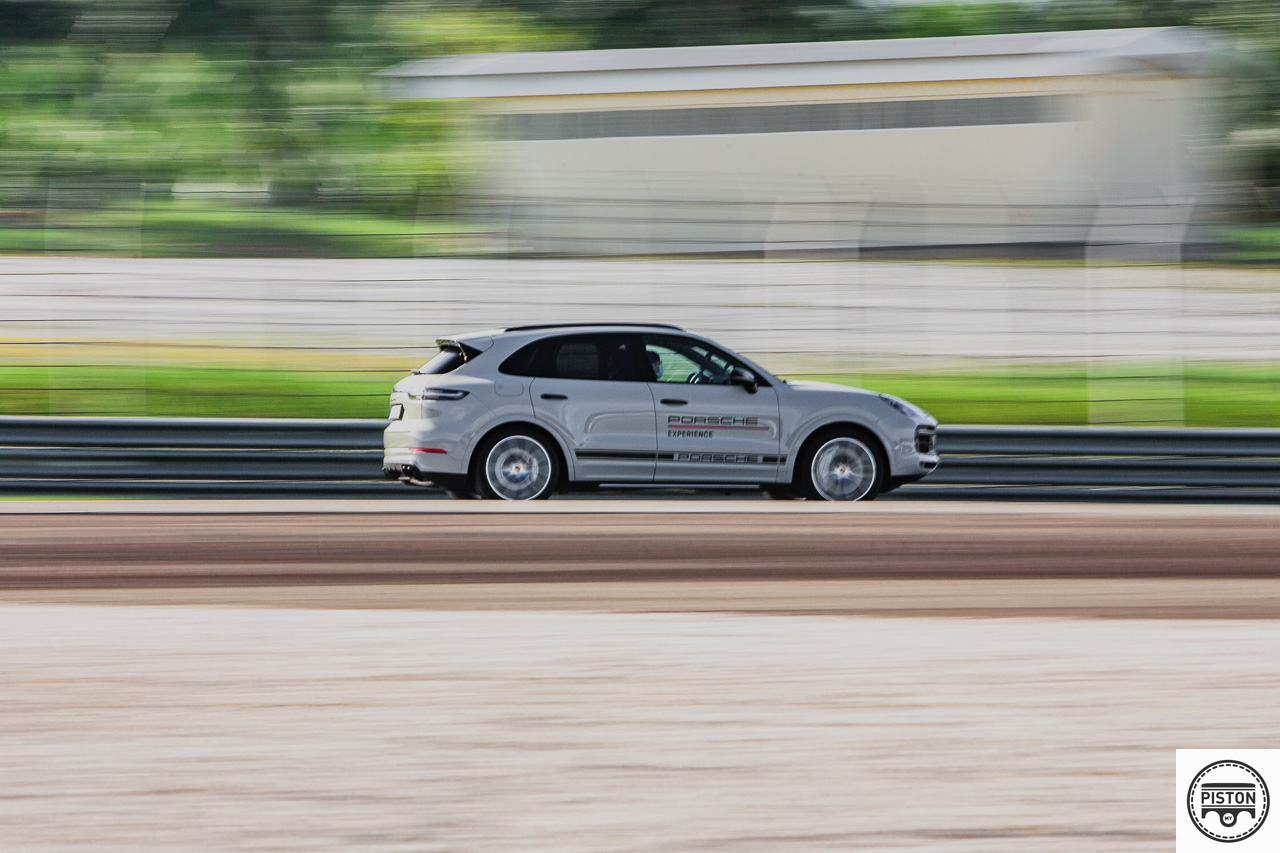
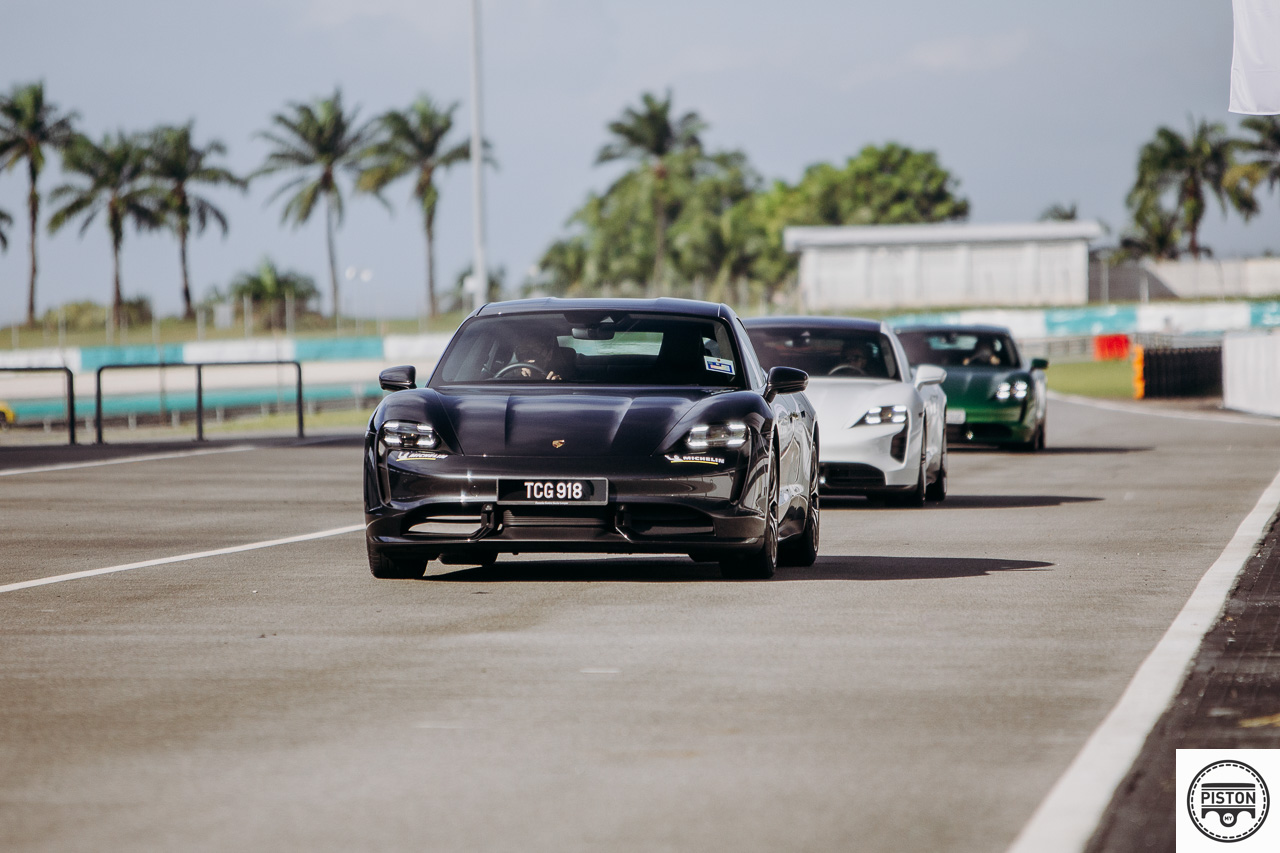
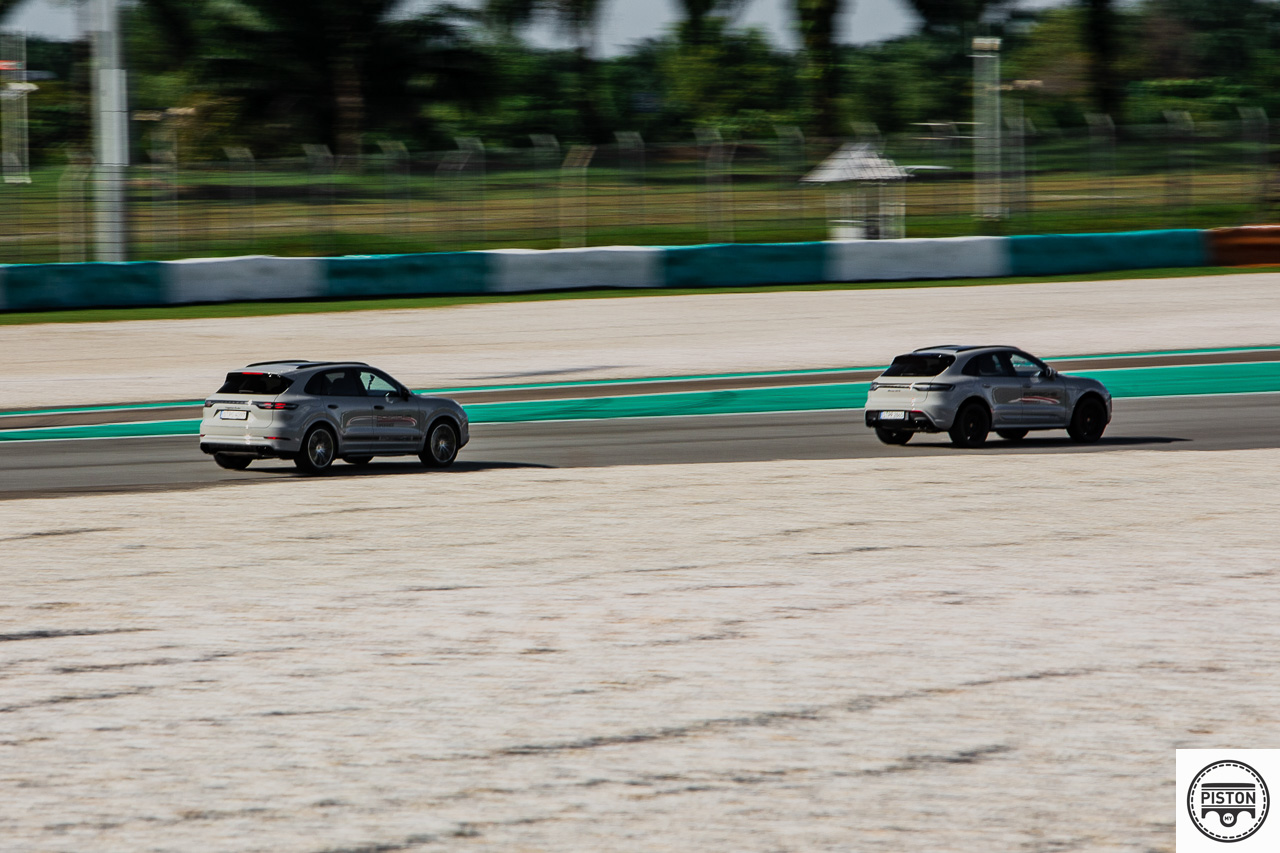
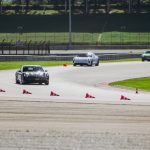
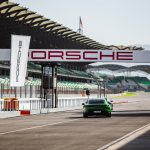
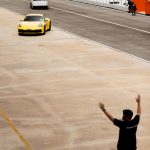
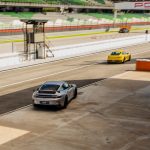
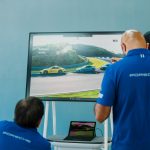
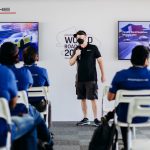
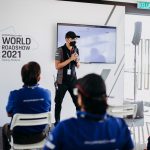
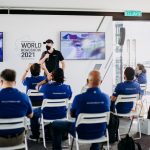
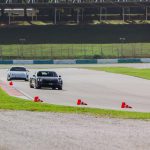
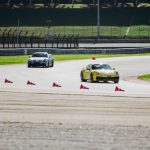
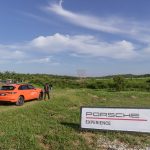
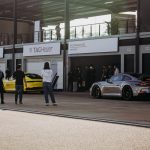
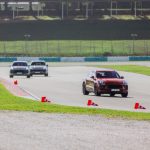
The Porsche World Road Show is a unique event that takes place the world over.
It is held at circuits that allow a driver to fully exploit a Porsche’s potential.
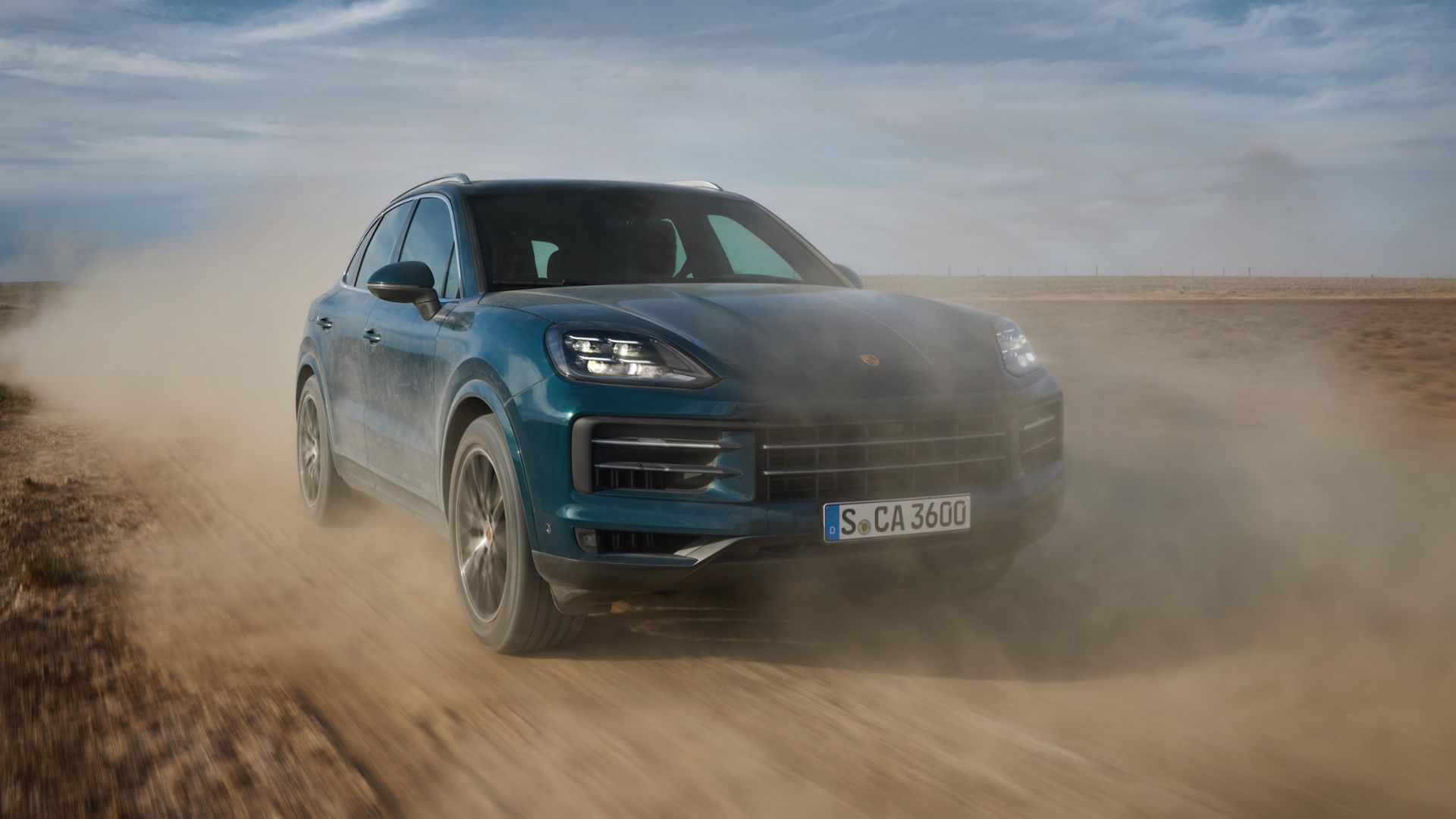
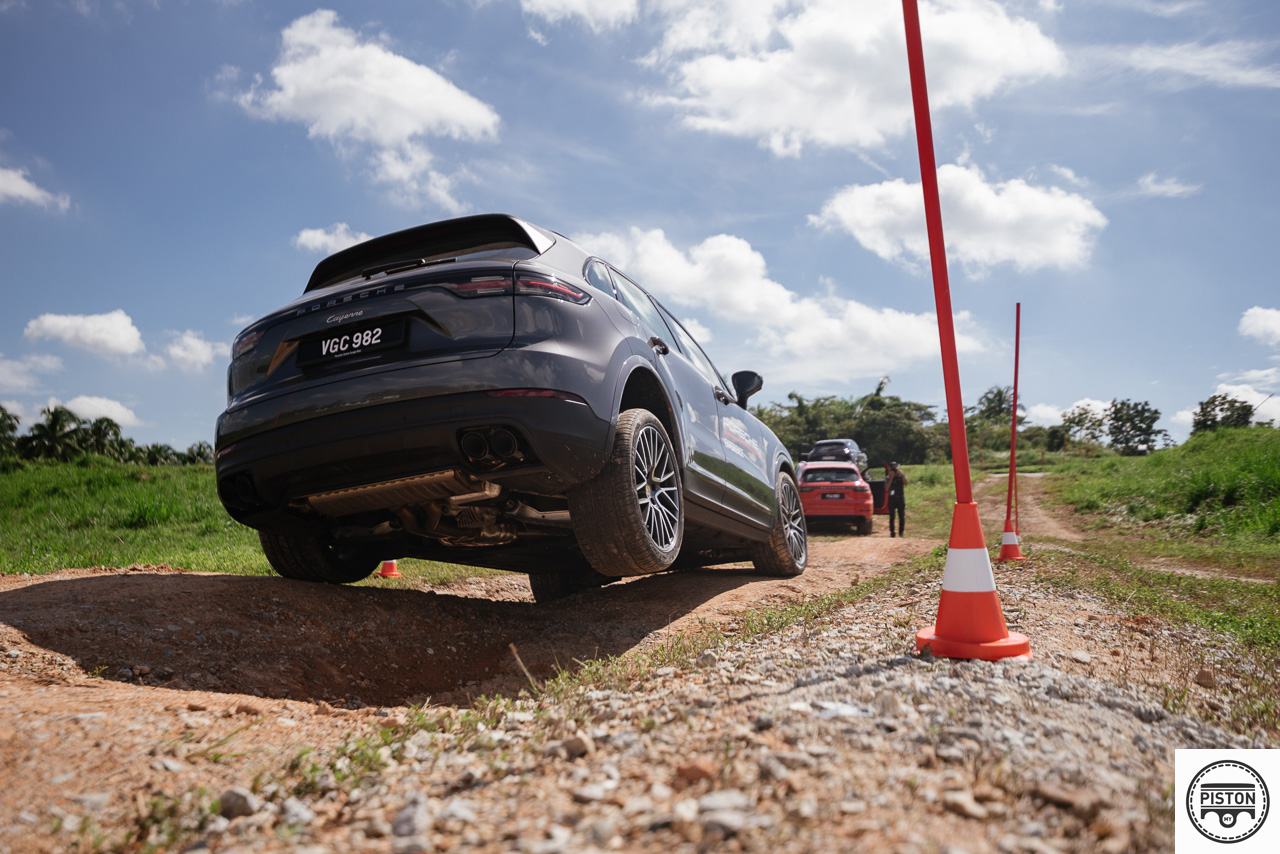
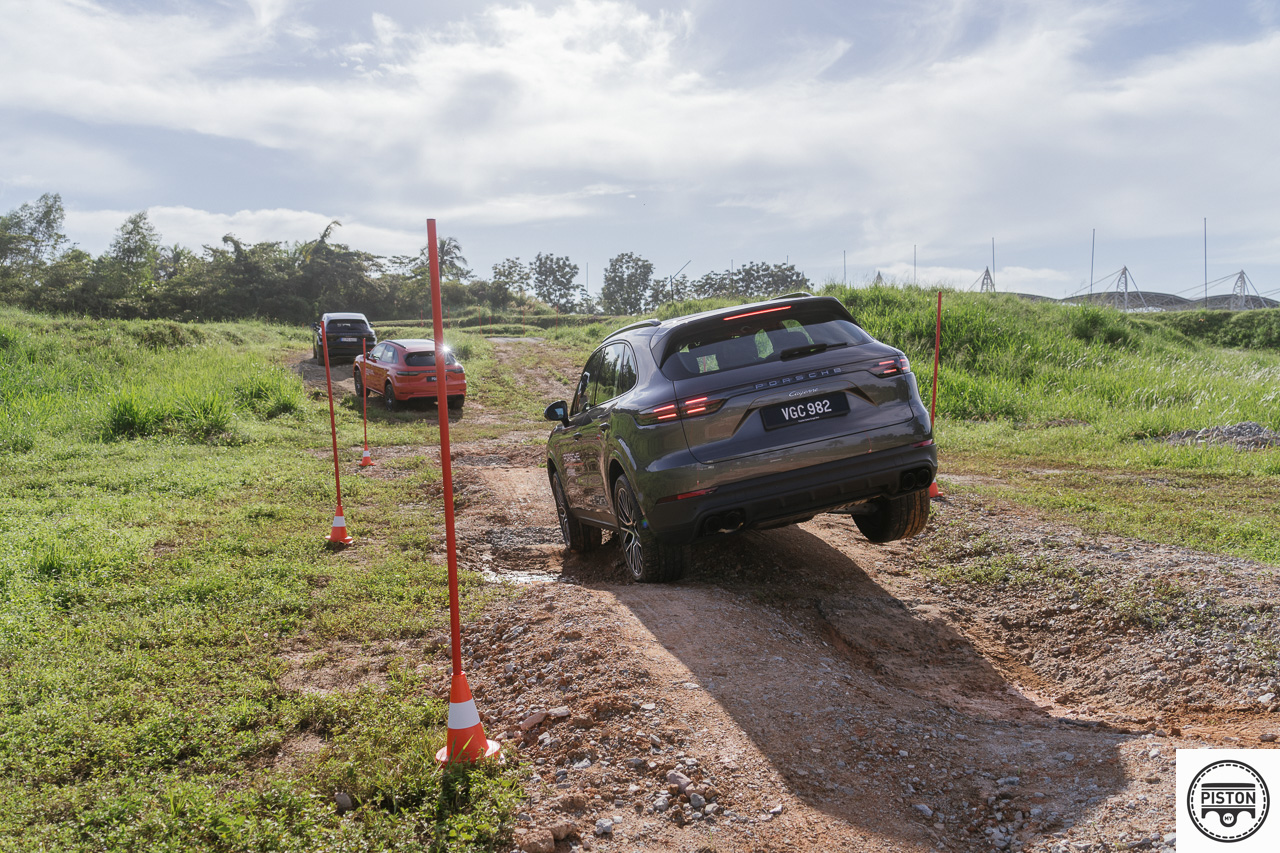
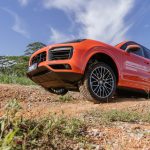
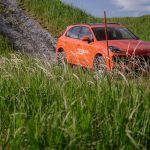
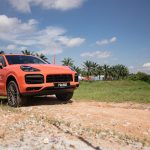
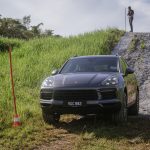
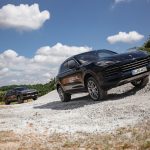
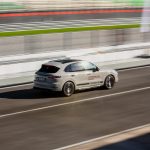
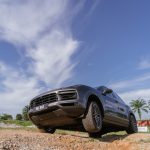
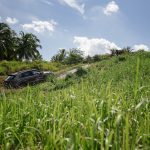
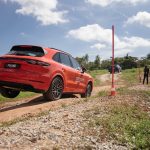
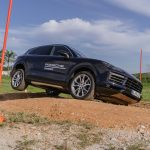
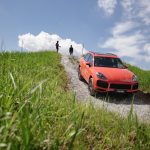
And when it comes to the Cayenne, rather than on-circuit driving, the now iconic SUV is driven on dirt tracks to show off its off-roading capabilities.
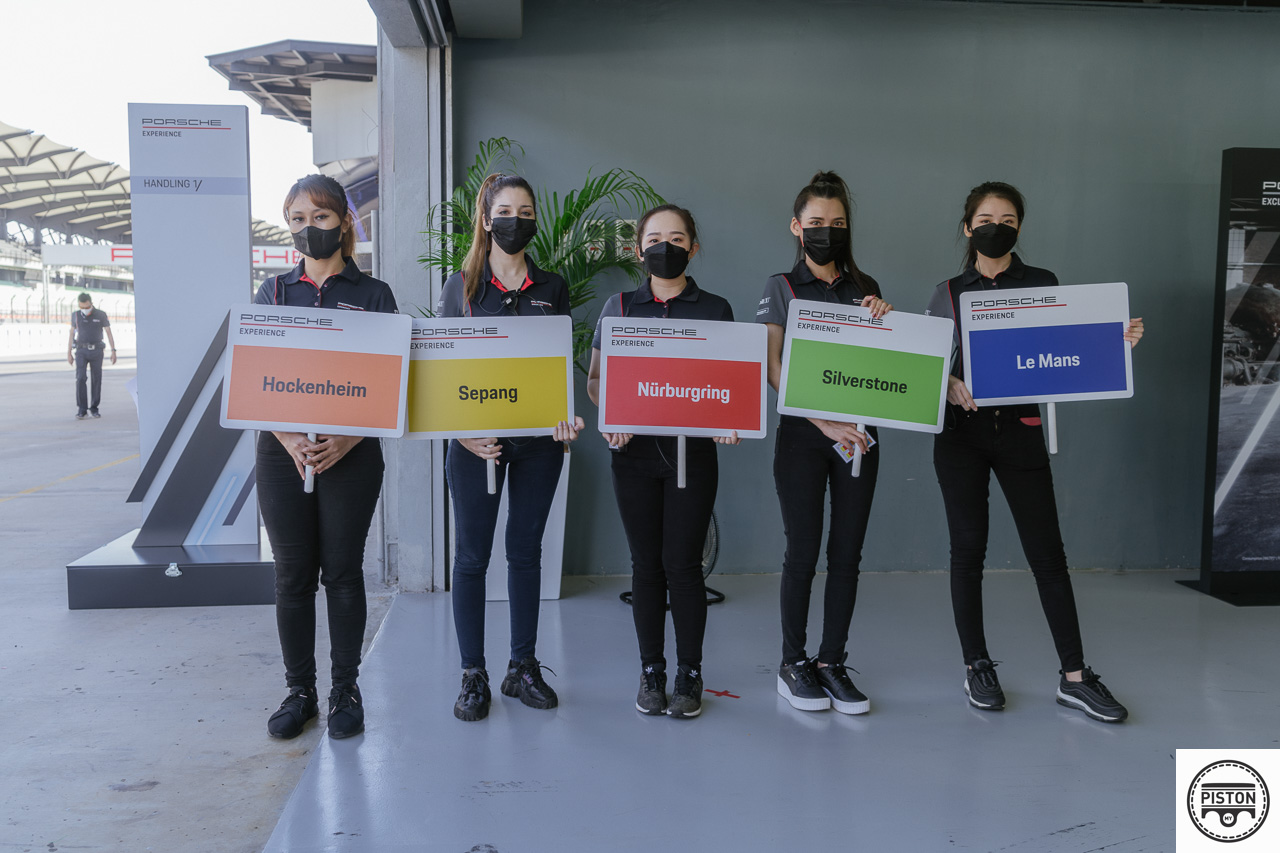
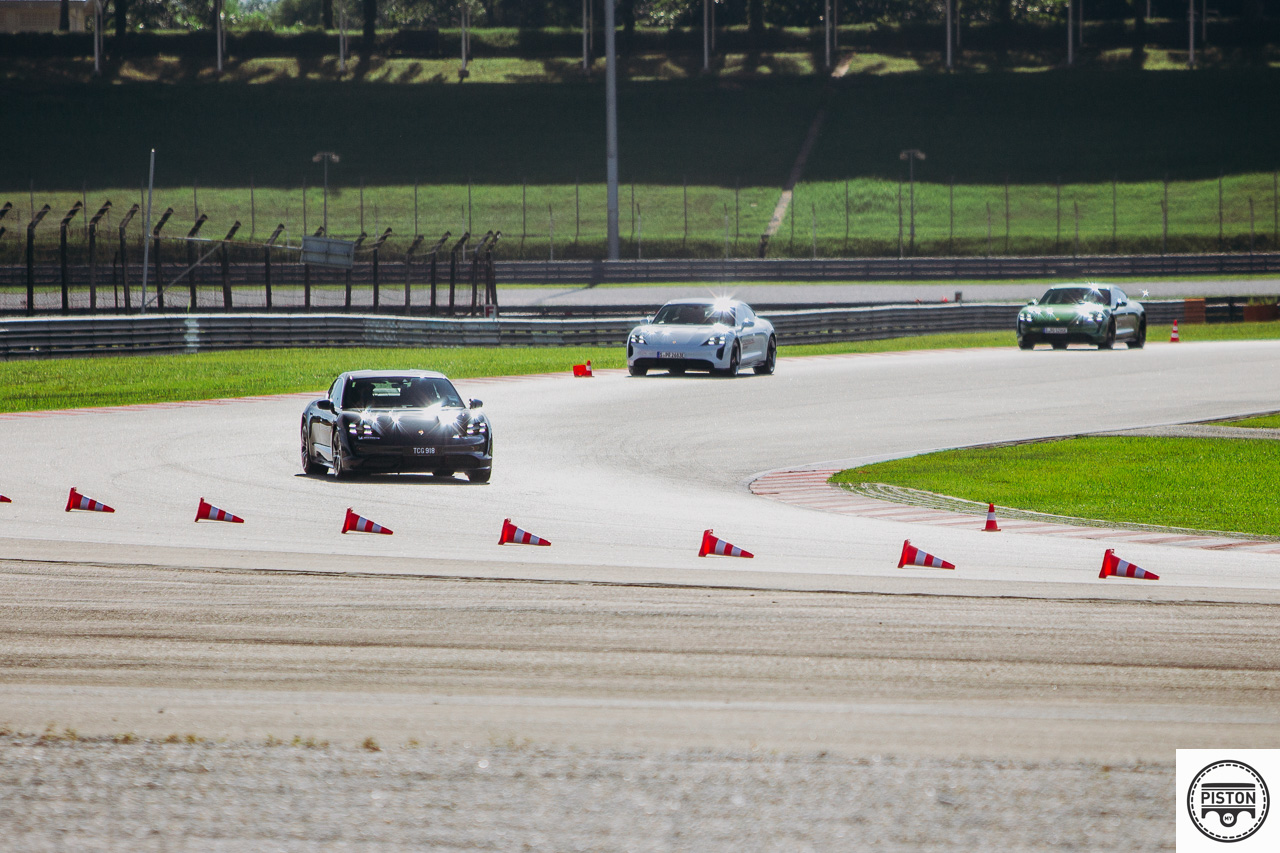
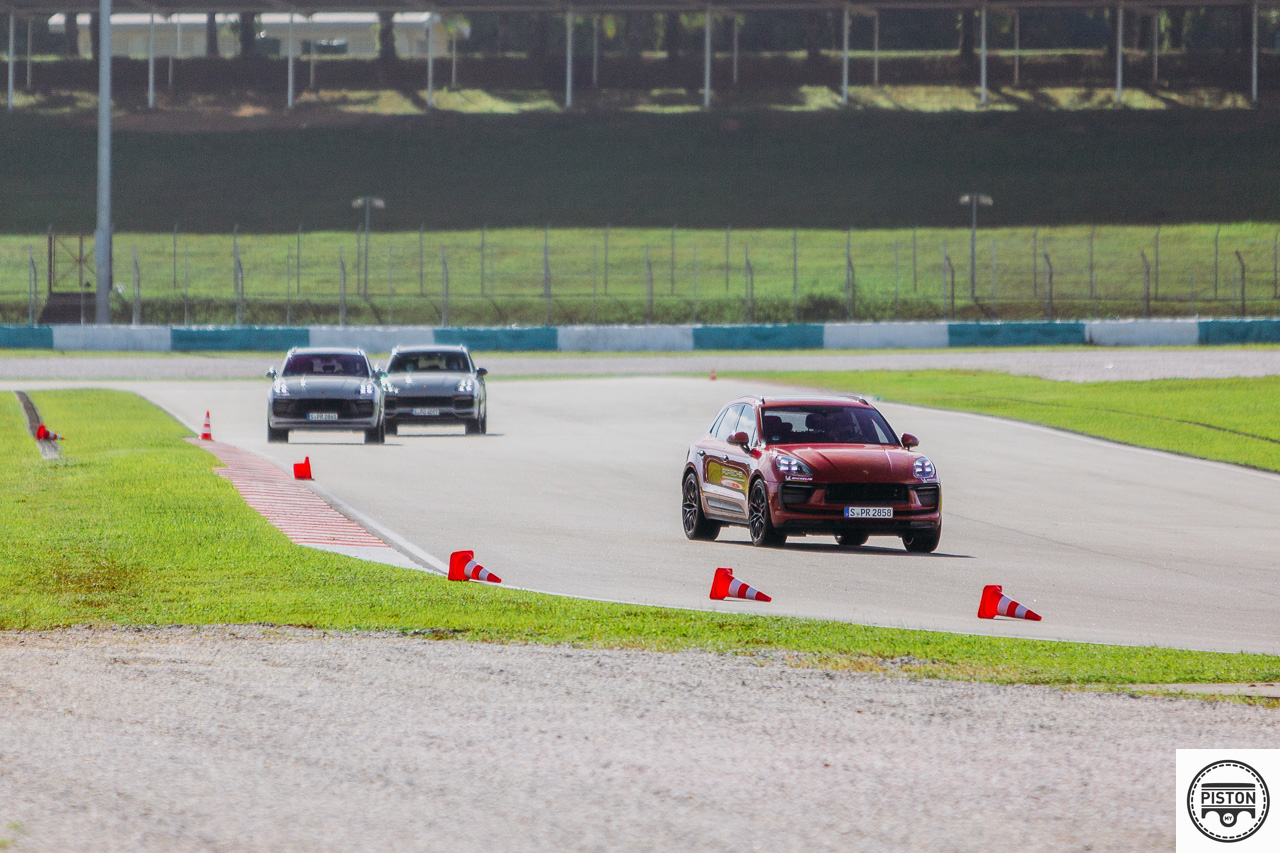
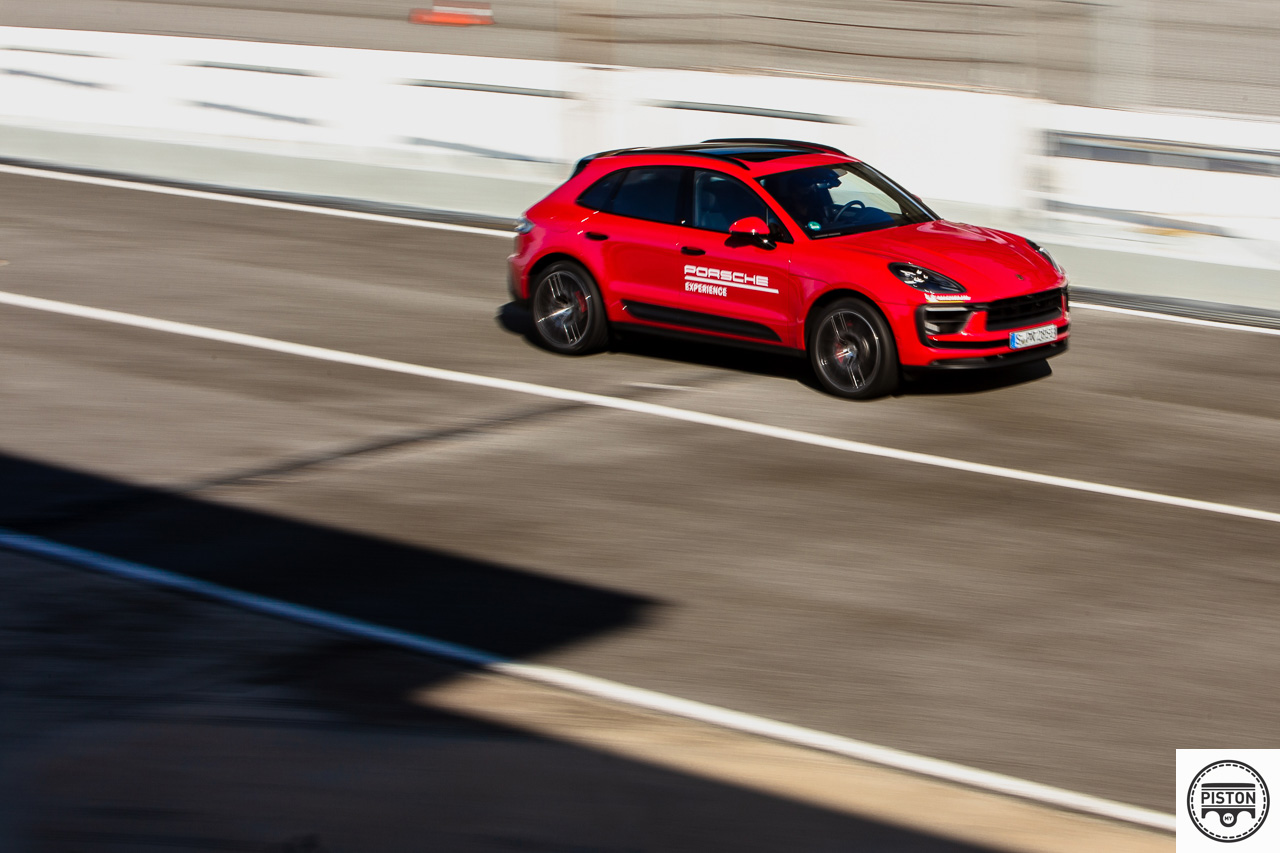
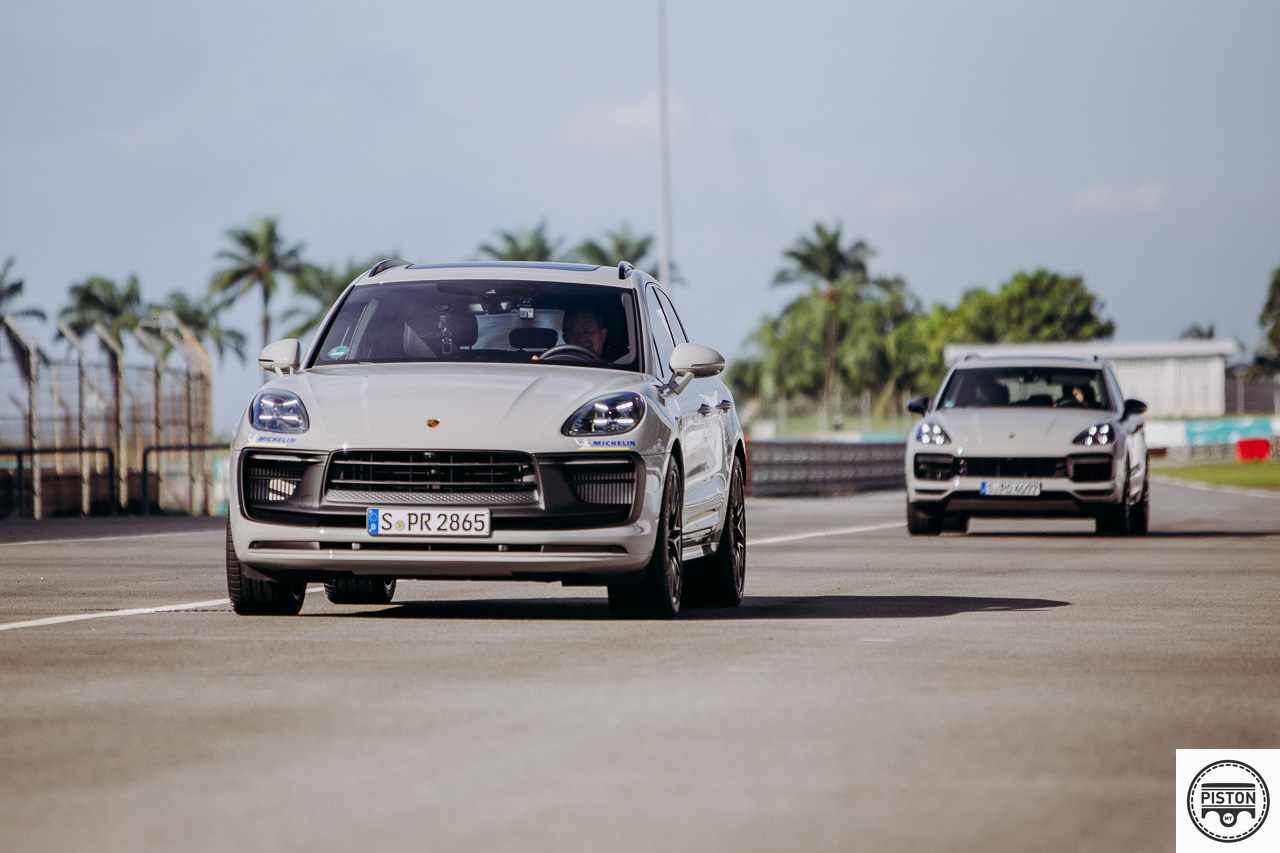
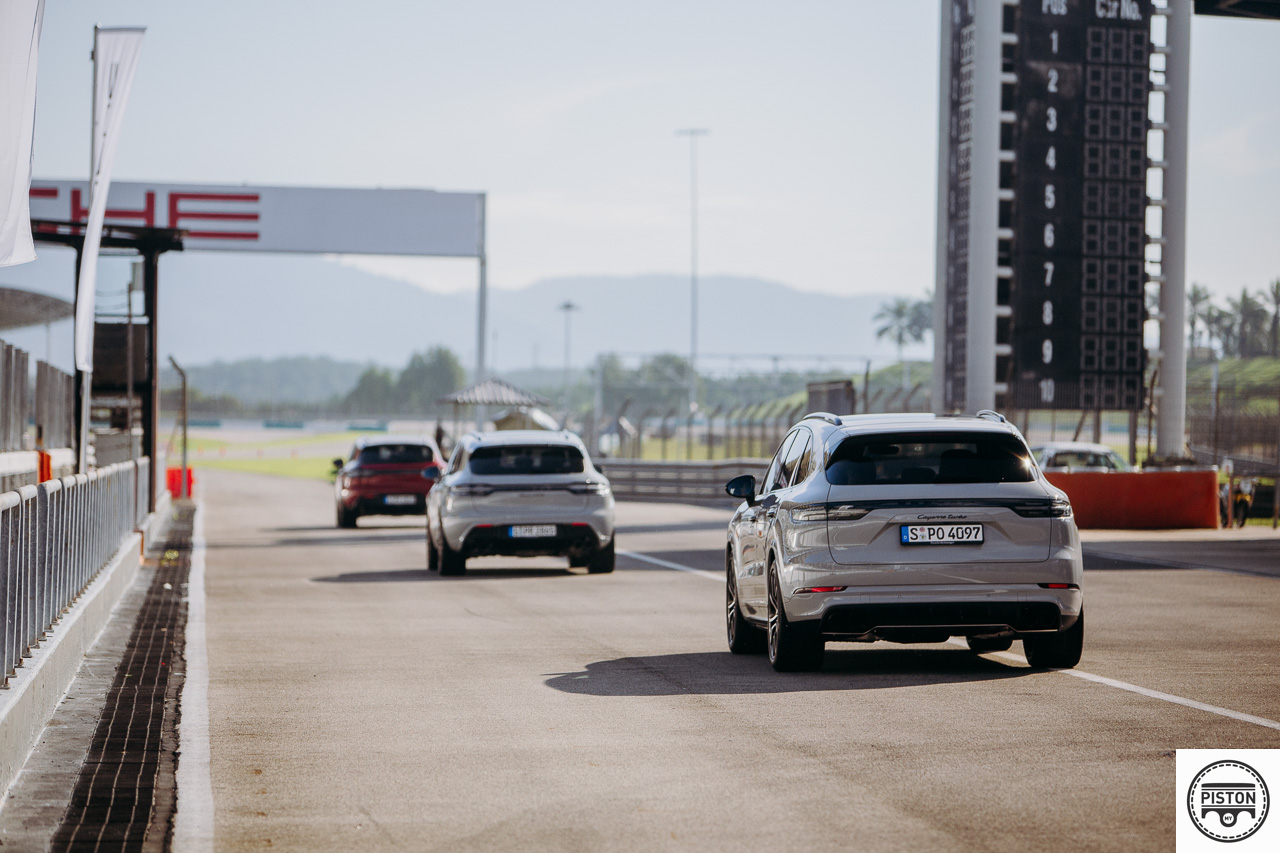
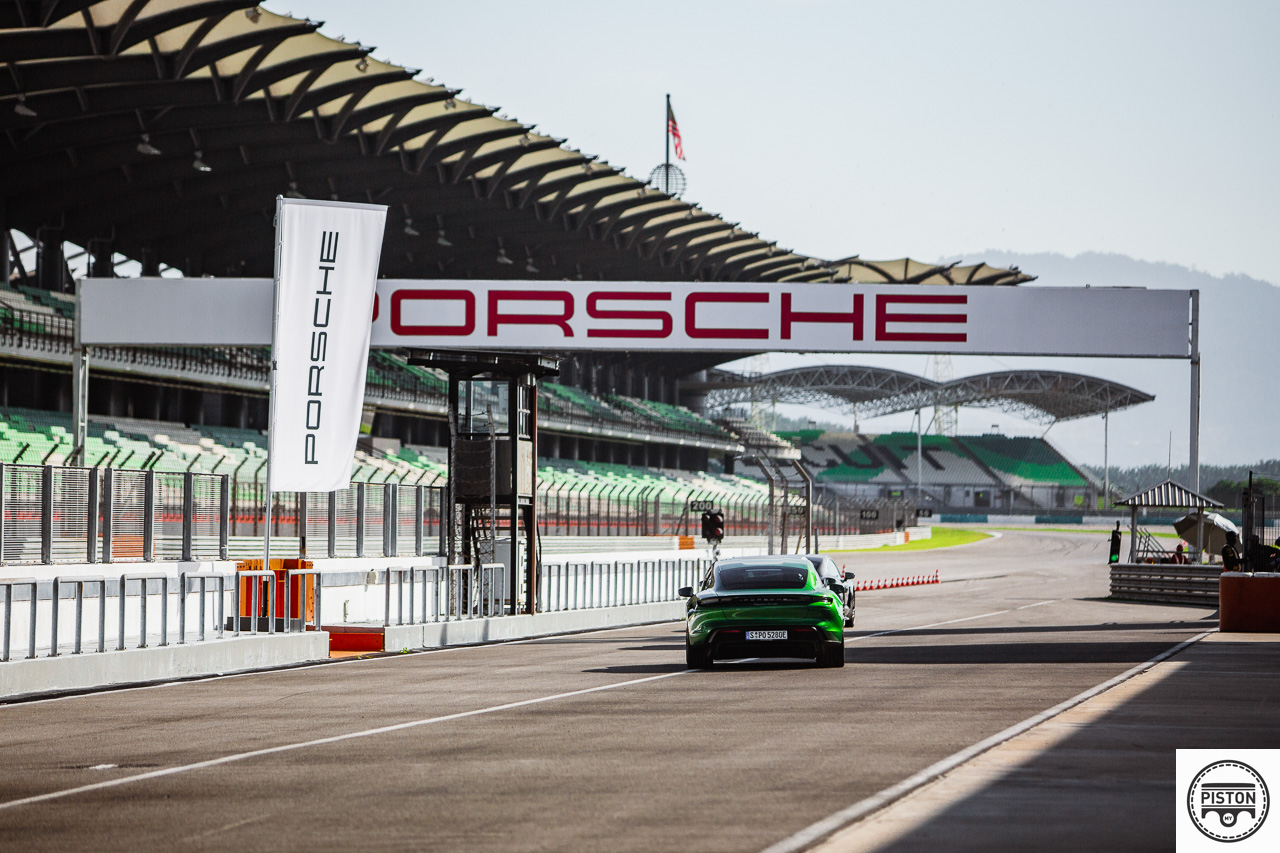
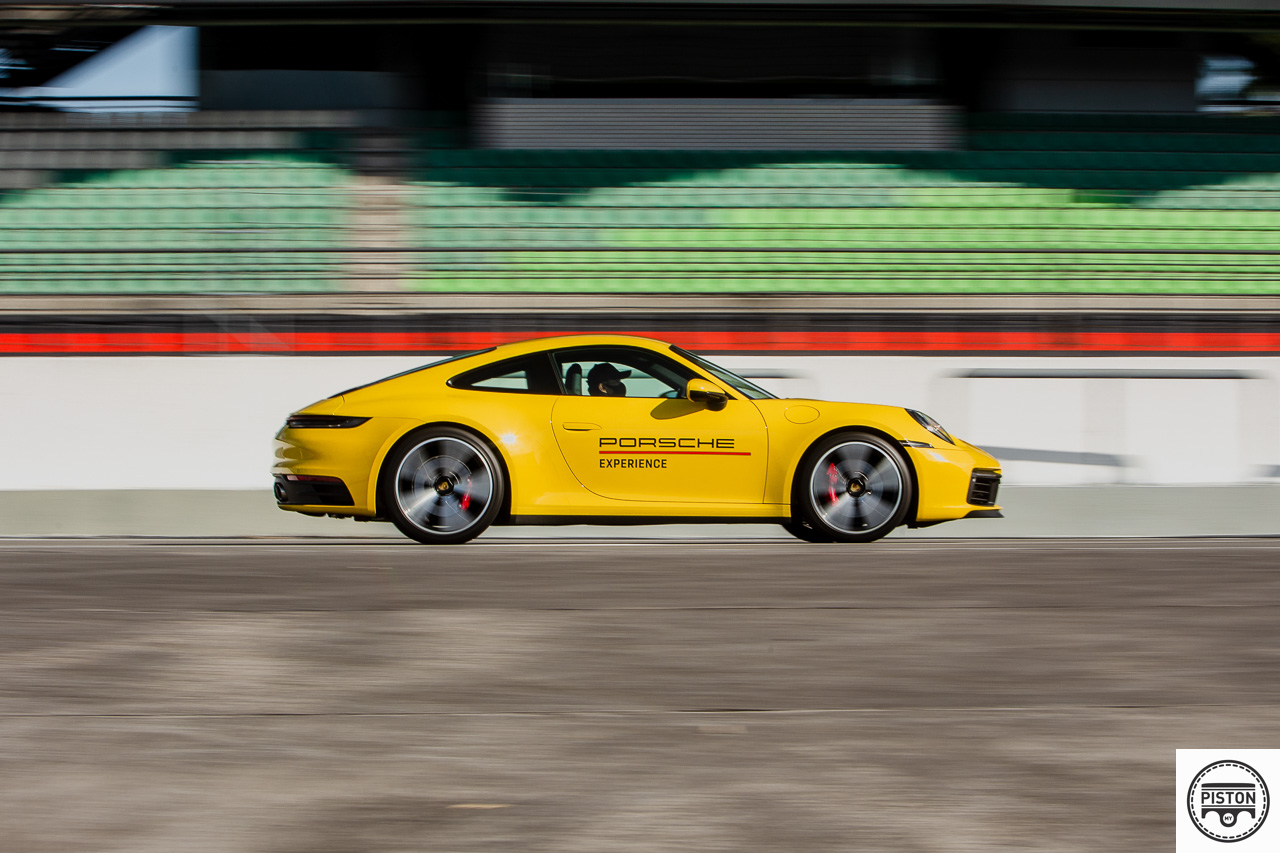
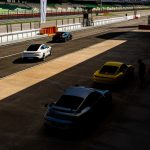
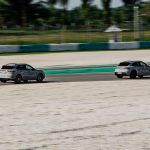
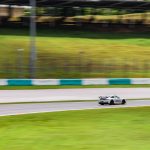
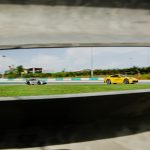
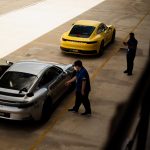
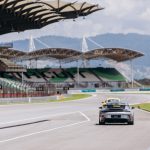
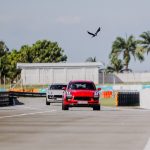
The PWRS in short, was recently held at the Sepang International Circuit.
And the entire circuit was booked, because half-track driving in a Porsche is borderline nonsense.
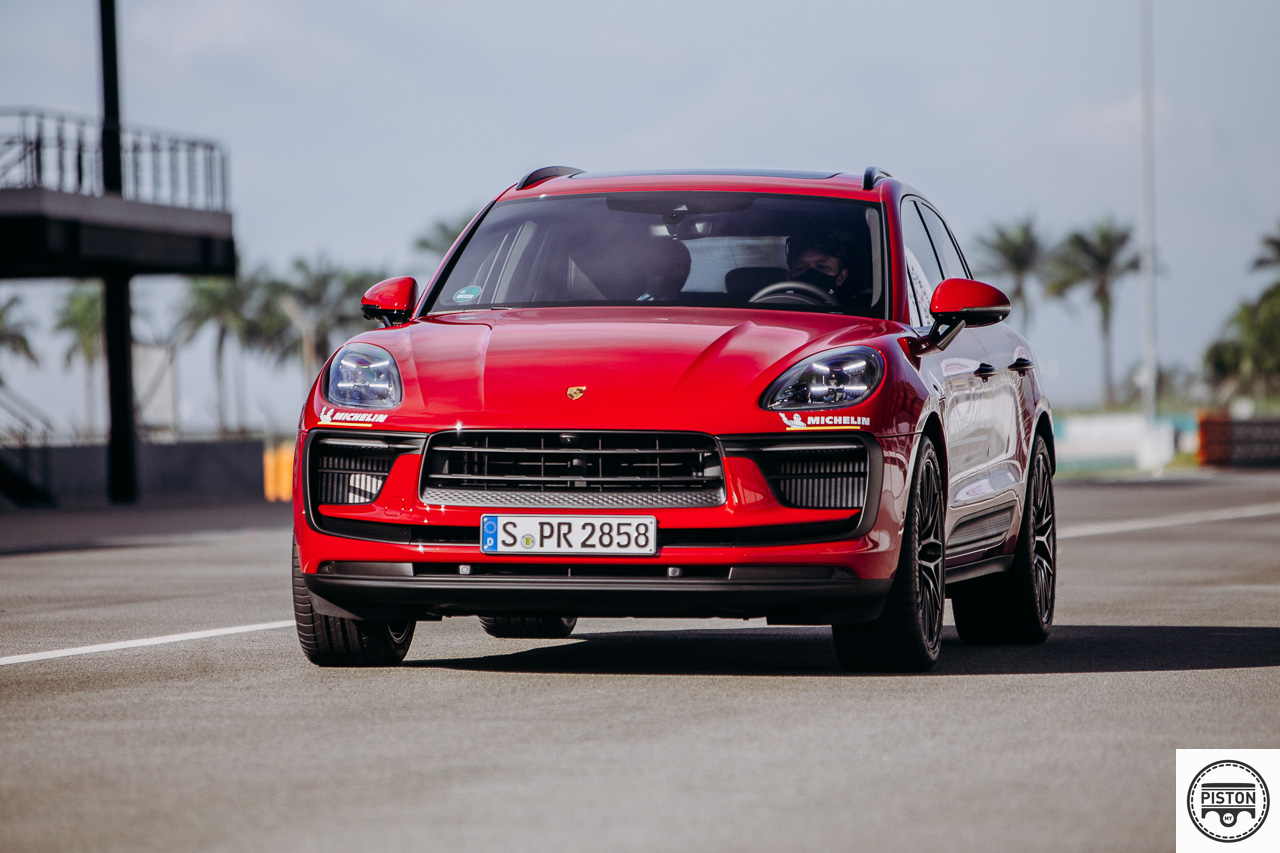
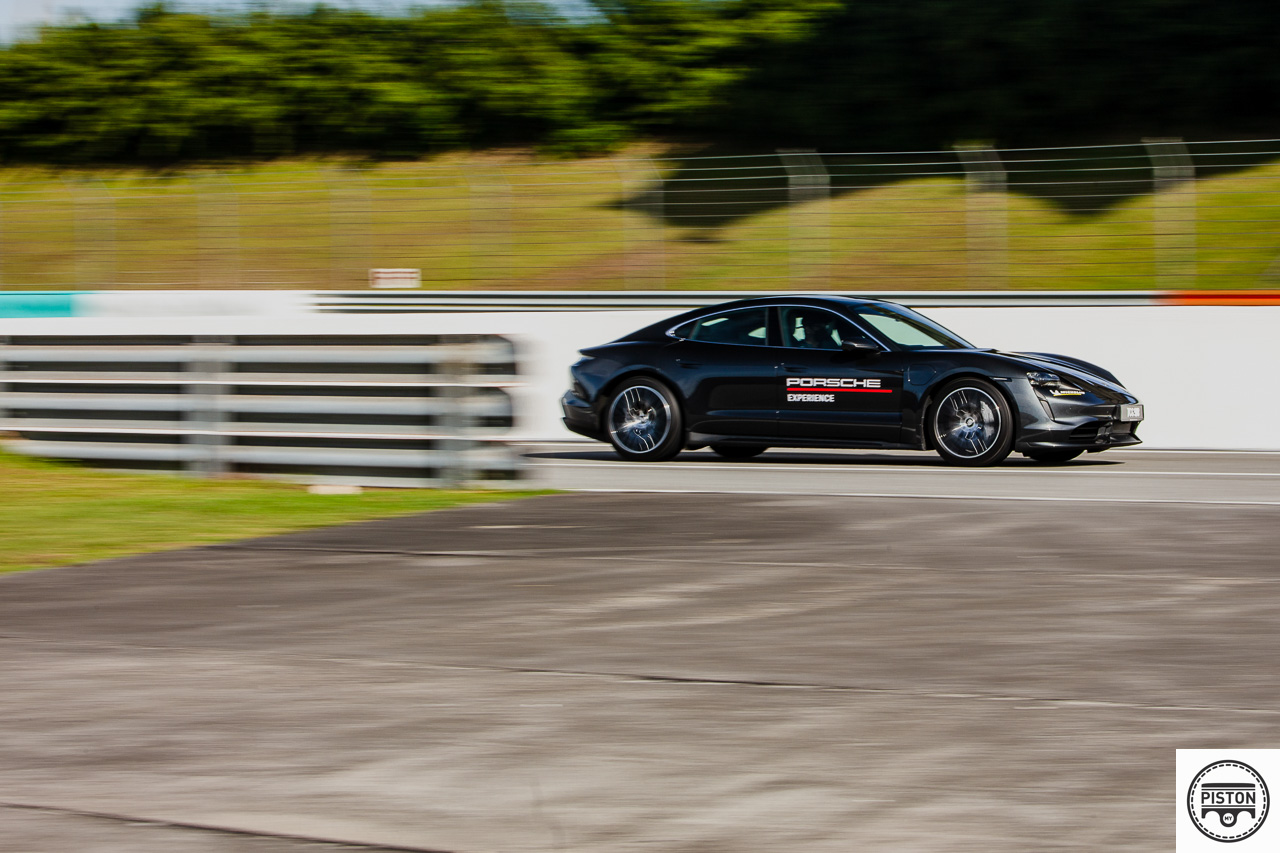
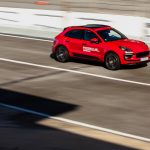
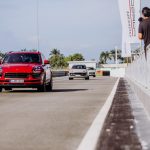
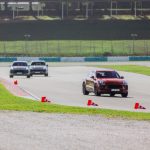
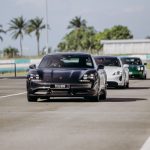
The cars were pretty amazing too – we got to spend time behind the wheel of the Cayenne, Macan GTS, Macan Turbo, Taycan Turbo and the Taycan Turbo S.
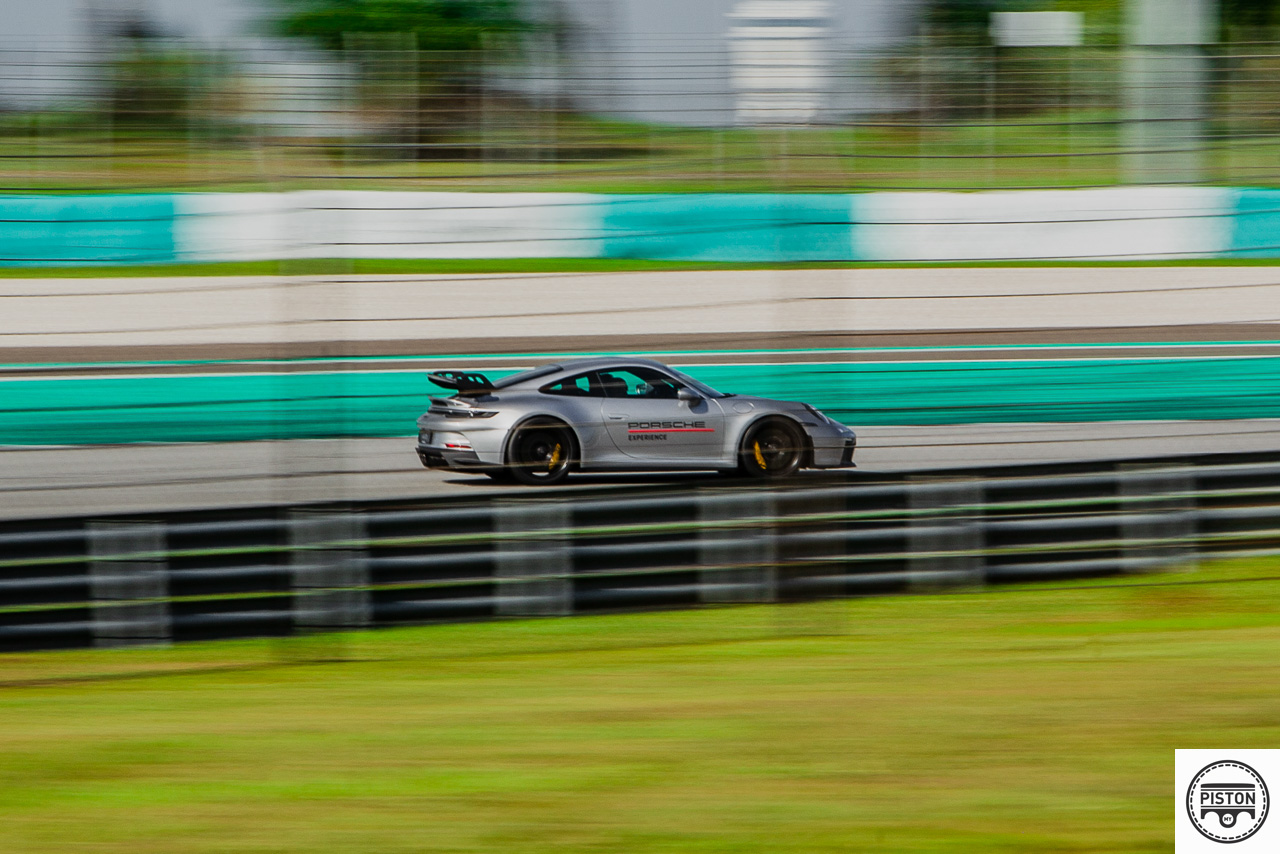
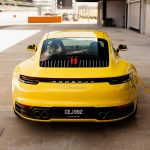
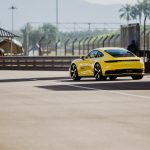
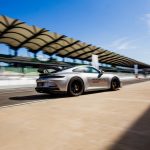
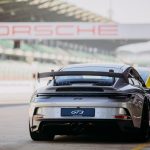
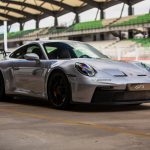
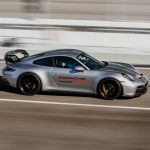
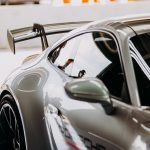
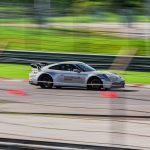
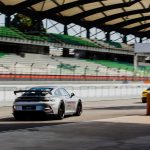
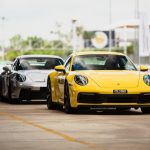
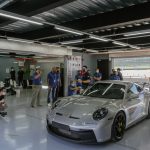
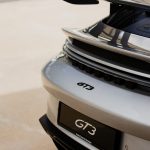
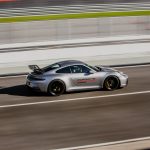
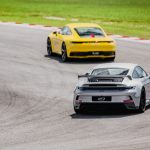
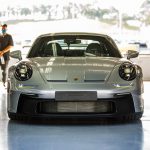
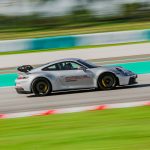
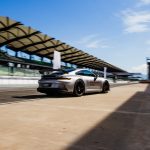
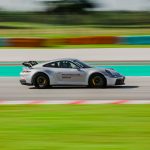
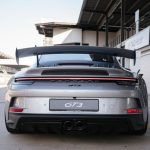
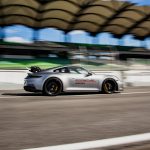
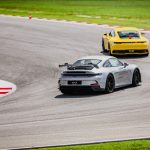
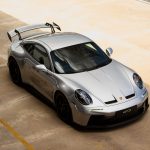
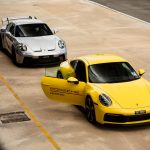
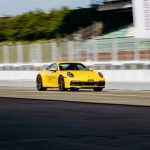
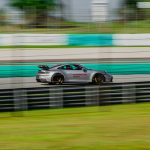
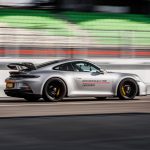
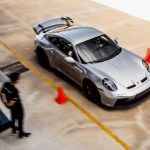
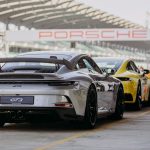
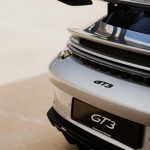
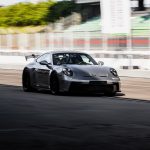
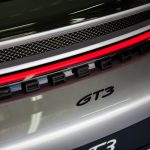
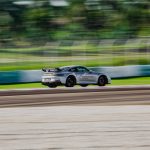
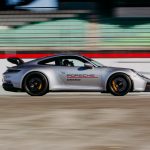
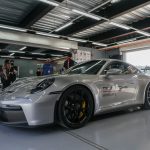
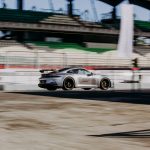
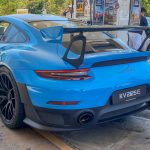
The star of the show though was the new 992 Porsche GT3. A car so brilliant that it deserved an article of its own, which you can read here.
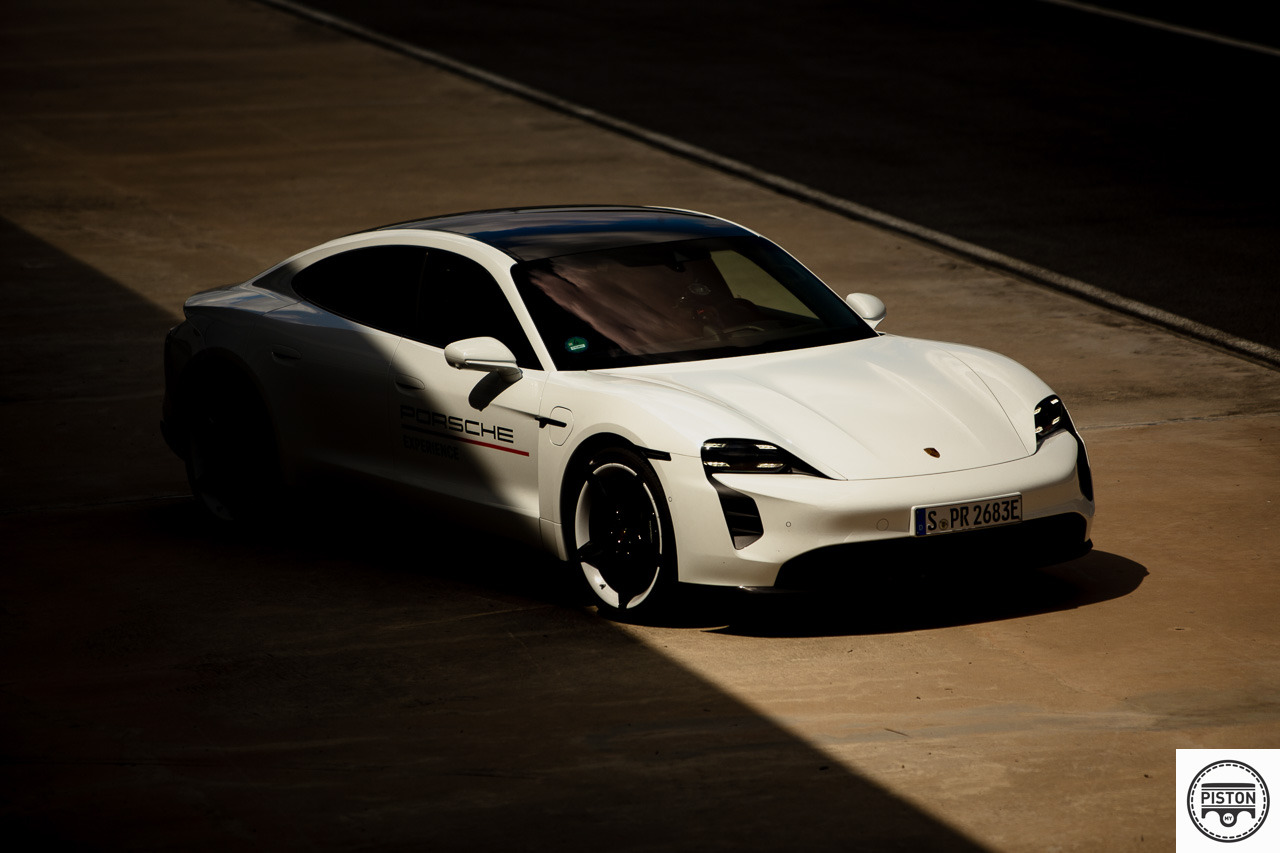
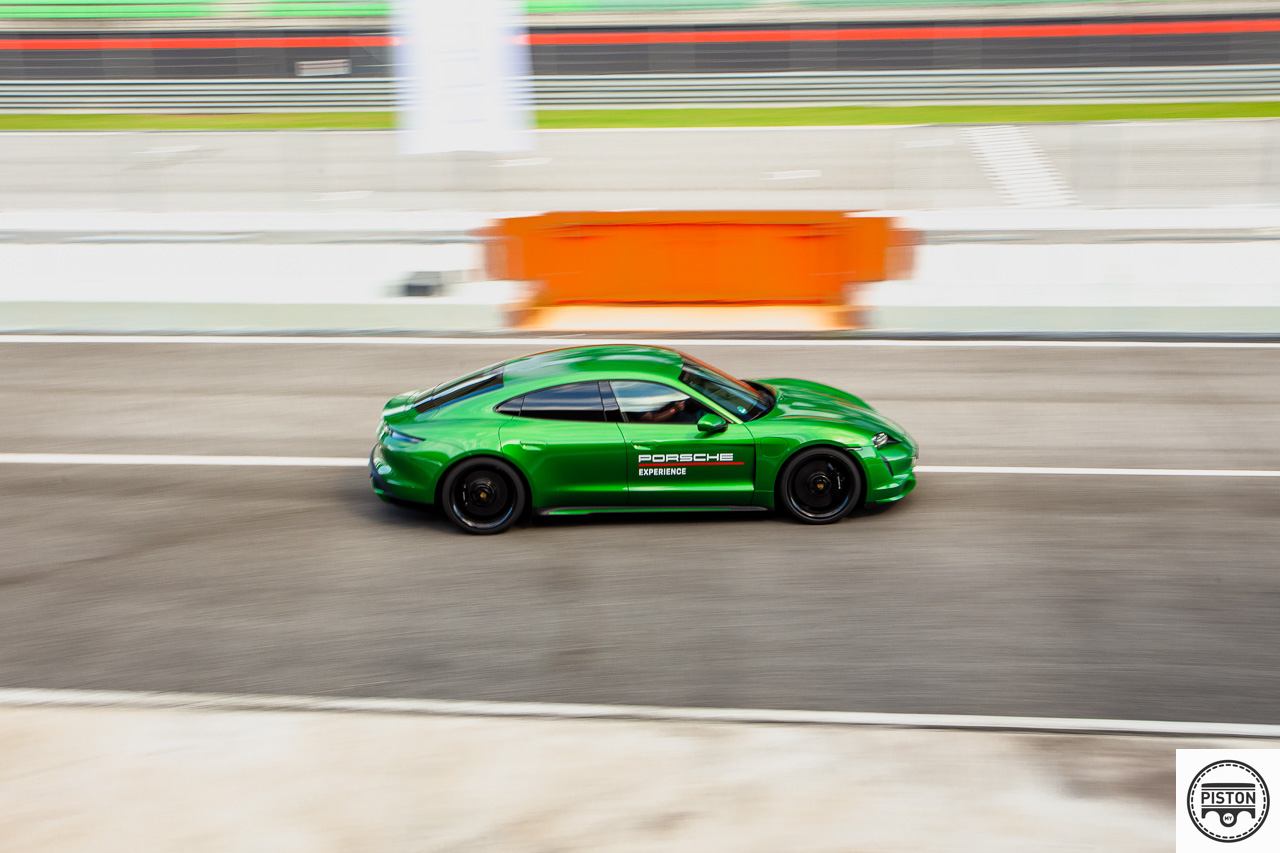
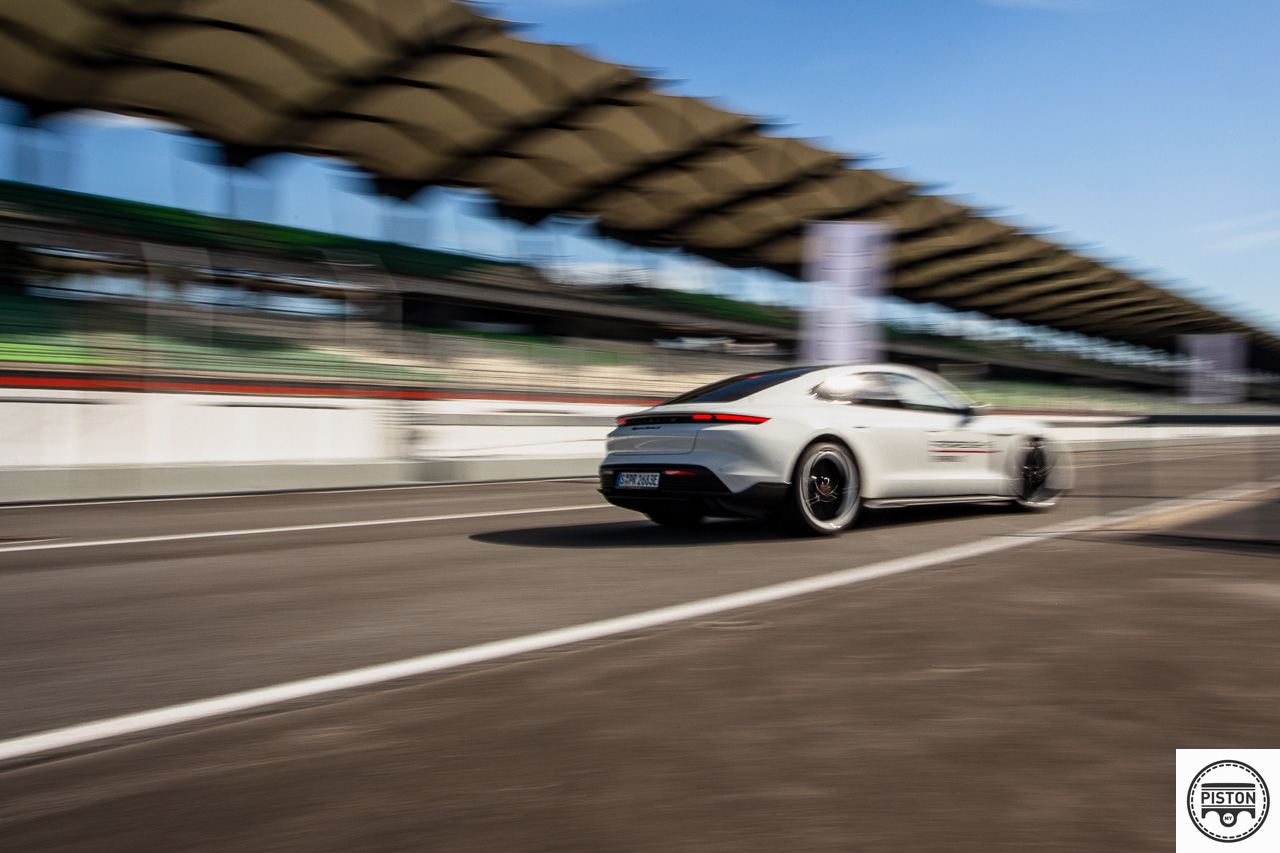
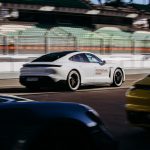
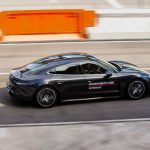
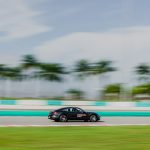
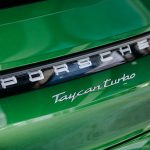
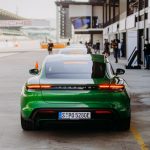
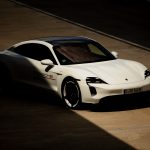
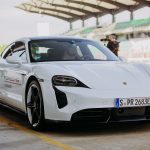
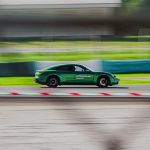
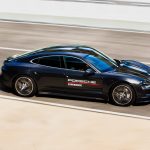
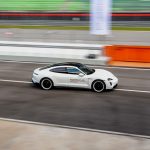
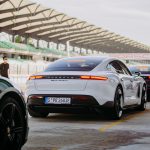
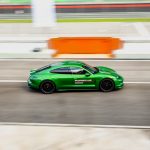
Our day started in the Taycan Turbo S – a car deemed as the hardest accelerating electric car ever built.
It does the 0-100km/h in just 2.8 seconds, and reaches a top speed of 260km/h.
The electric motors that power the car are also some of, if not the best in the industry.
The motors give the car 622hp and 1050Nm of torque.
But with the overboost function selected, the car puts out a staggering 750hp!
Of course, such amazing capabilities doesn’t come cheap – the Taycan Turbo S costs an eye watering RM1.15 million!
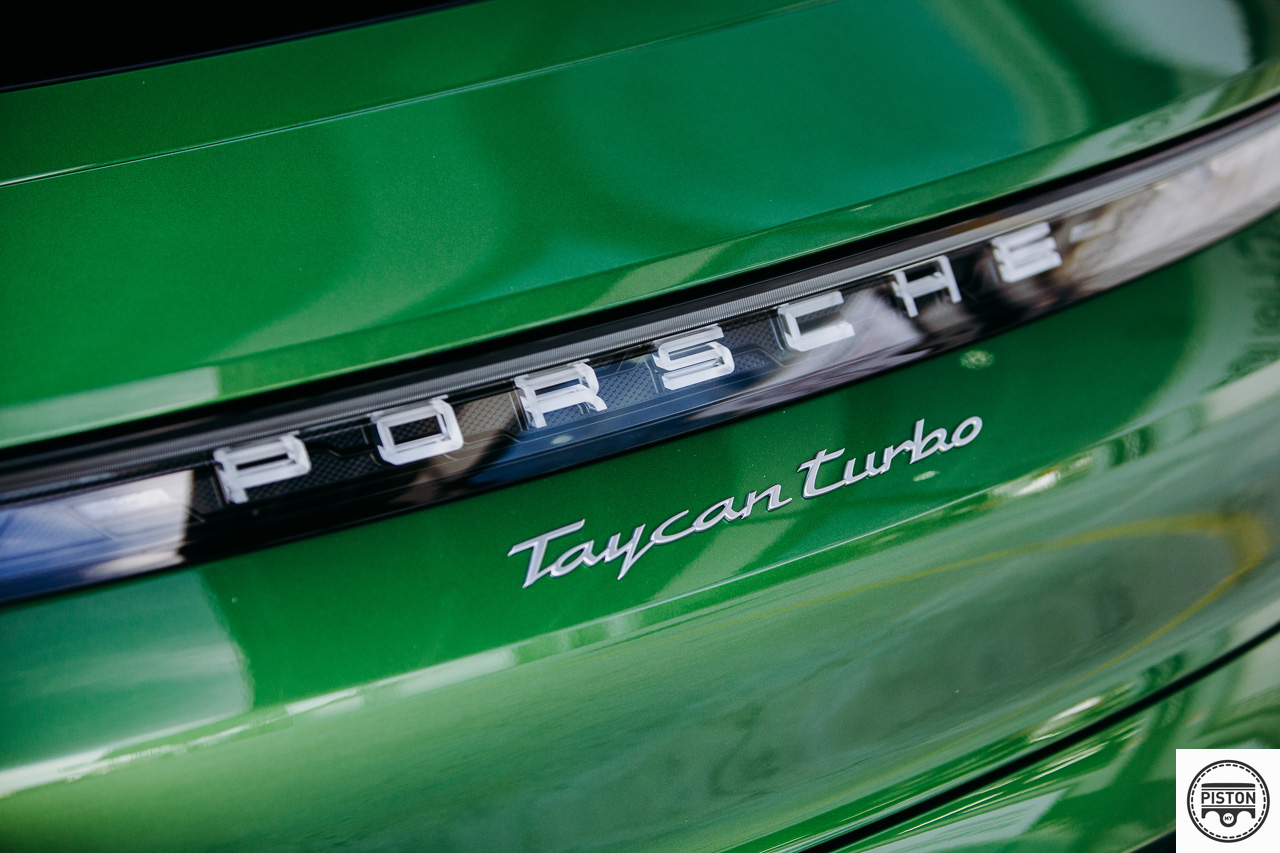
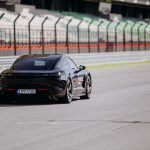
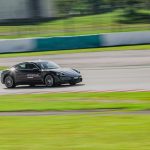
Then we hopped into the Taycan Turbo.
I do wish we would have done it the other way around though.
Because after the brutality of the Turbo S – the Taycan felt subdued. Like a hungover horse being asked to gallop.
But despite that, it too puts out some unworldly numbers.
It too offers 622hp but torque stands lower at 850Nm.
However, unlike the Turbo S, the Turbo puts out 670hp when you select the overboost function.
The Turbo though is slightly more affordable than the Turbo S, with prices starting from a little over RM963,000.
This was the first time I got to drive both Taycans.
There was a similar drive event held at SIC when Porsche introduced the Taycan to the Malaysian market earlier this year.
But back then, we had passed our seat to legendary Malaysian rally driver Karamjit Singh to get his thoughts on a car the world was raving about.
You can watch that video below.
As a first timer behind the wheel of the Taycan, it was the acceleration that really blew me away, especially in the Turbo S.
Handling too was sharp but that is to be expected of a Porsche.
But you really do feel the weight of the car because the Taycan weighs over two tons.
You feel this going into corners, but then the acceleration more than makes up for it.
The brakes too felt spongy, but that is a typical character of electric and hybrid cars as the brake pedal also regenerates the batteries.
So you don’t really feel the initial bite of the brakes, and if you get caught out by it, you could end up with an expensive repair bill.
But once you learn to trust the brakes though, you realise that behind all that sponginess is the same iconic Porsche anchors that the German marque is so well known for.
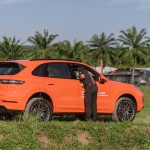
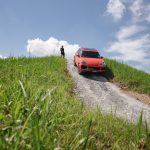
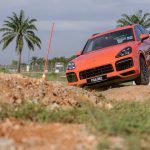
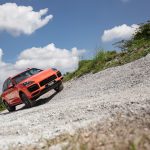
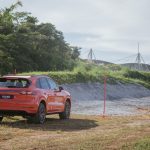
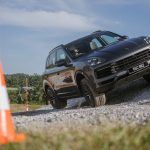
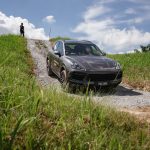
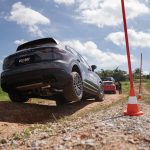
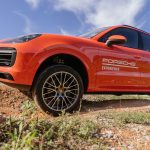
We later jumped into the Cayenne for a spot of off-roading.
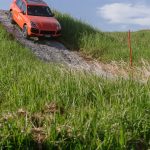
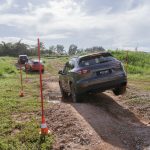
The off-road section was a purpose built course on the outskirt of the SIC.
The course was initially designed for dirt bikes.
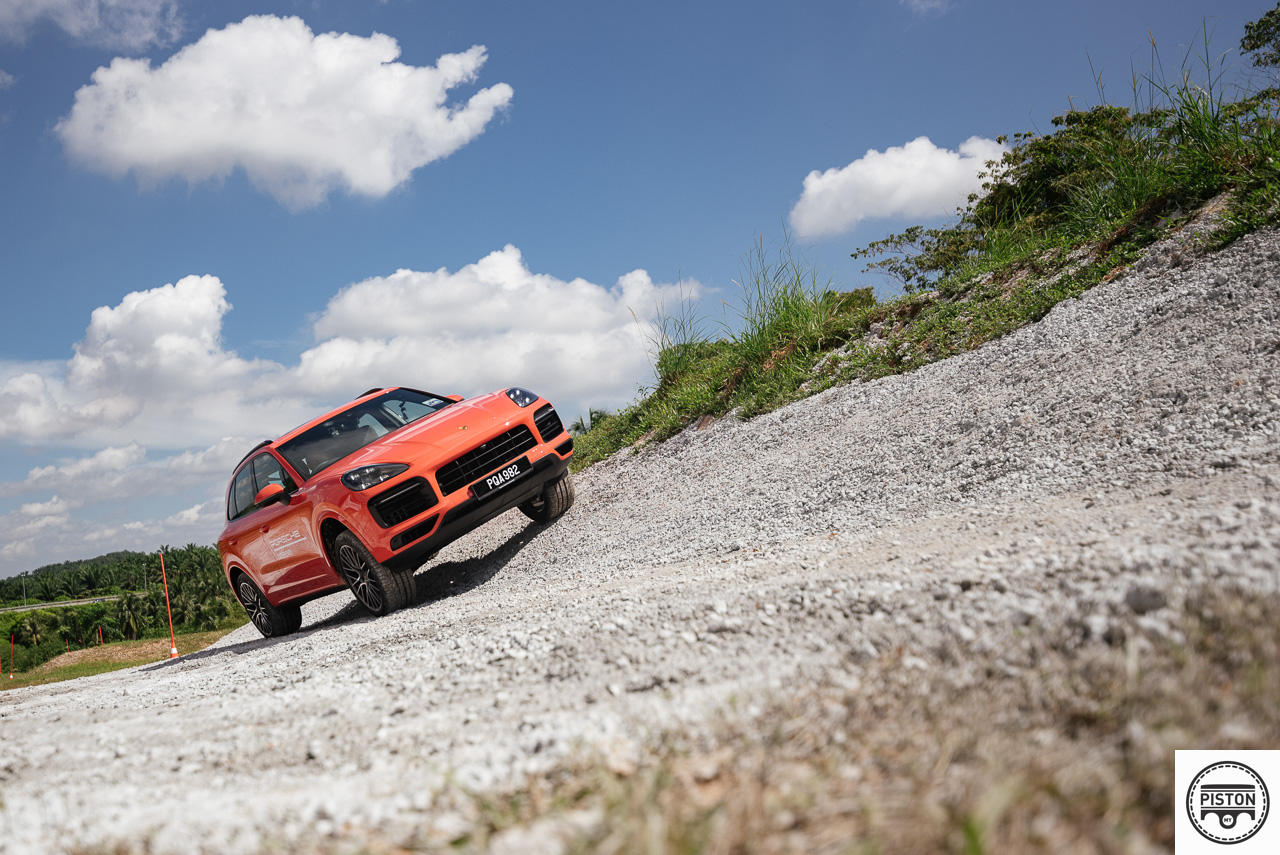
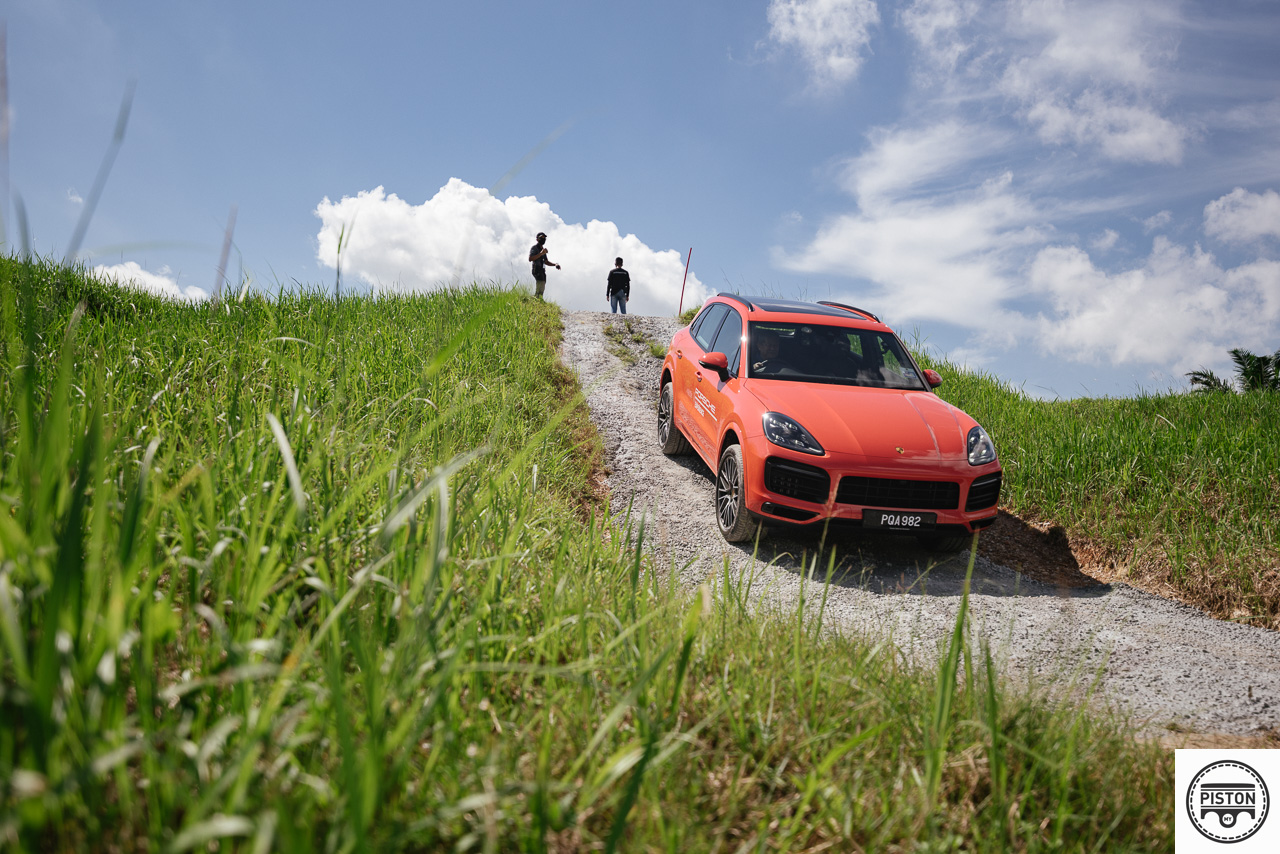
But it was also a perfect place to display the Cayenne’s off-roading abilities.
In just about 300-500 metres, we found out that the Cayenne could hold its own in gravel, some loose mud, and some very uneven surfaces.
This involved some dabbing on the massive touch screen at the centre to raise the ride height of the Cayenne.
And some further dabbing was needed to tell the Cayenne that you were about to take it off-road.
And then you drive.
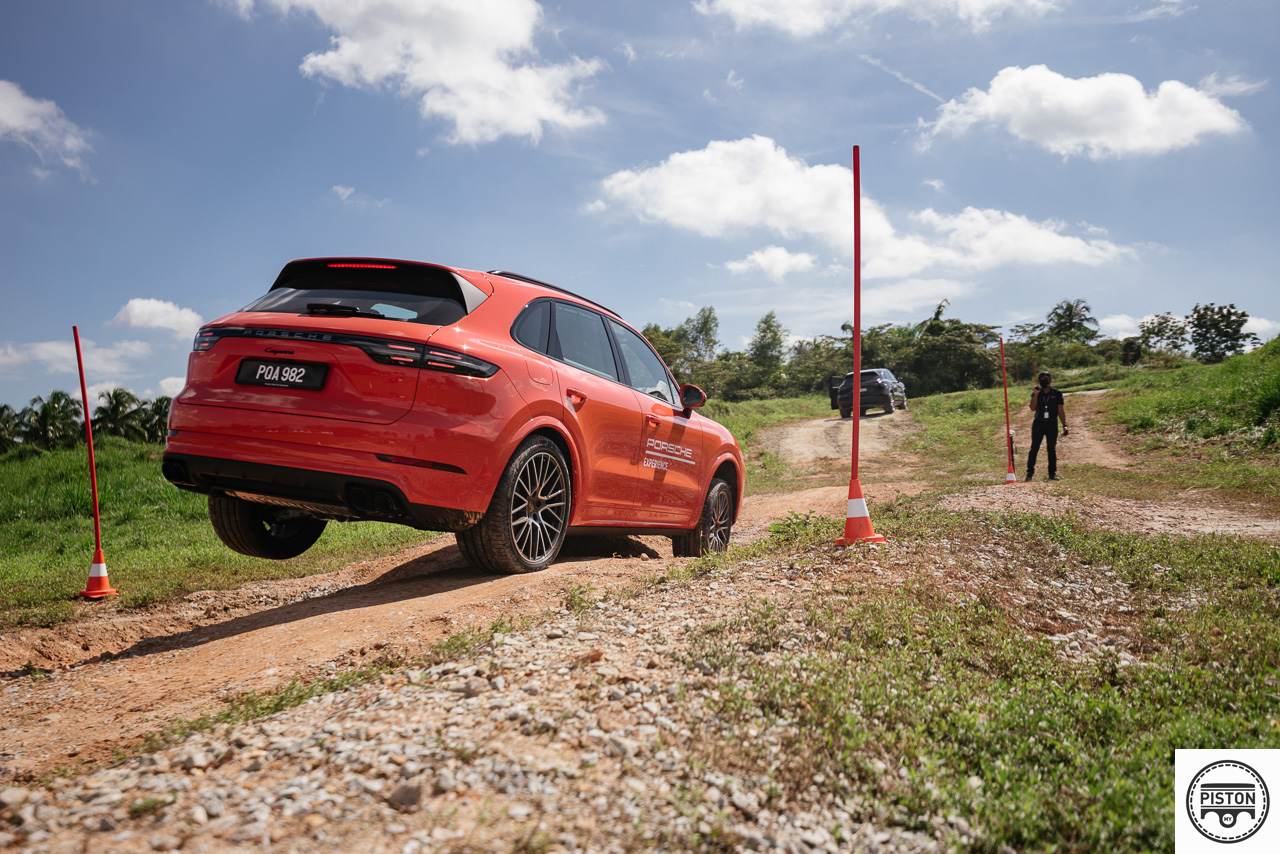
The off-road section is where the Cayenne truly put on a show as it sent power to wheels that were planted on the ground.
And sent zero power to wheels that were hanging in the air.
Intelligent is an understatement.
But I wasn’t too surprised here, because the Cayenne has already been proven to be a very capable off-roader plenty of times before.
If you didn’t already know, a couple of years ago, a few rally teams had contested the Cayenne in the gruesome Trans-Siberian rally that takes place in Russia, Siberia and Mongolia every spring.
It is a hardcore 4,400km rally where only road-legal cars with a few modifications are allowed.
The Porsche Cayenne won that race three years in a row.
There’s even a special edition Cayenne to commemorate that feat.
So there really is no better testament to the Cayenne’s off-roading capabilities than that.
But the Cayenne is unlikely to be used in such a manner, but just in case you needed to drive your Cayenne to the end of the world, know that you could.
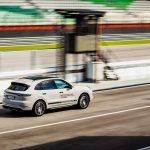
After spending time with the Cayenne, we jumped into the Macan – a baby-SUV named after a Tiger.
This is another SUV that does not need any introduction, but it was a refreshment of sorts to show what it is really capable of doing when the road opens up.
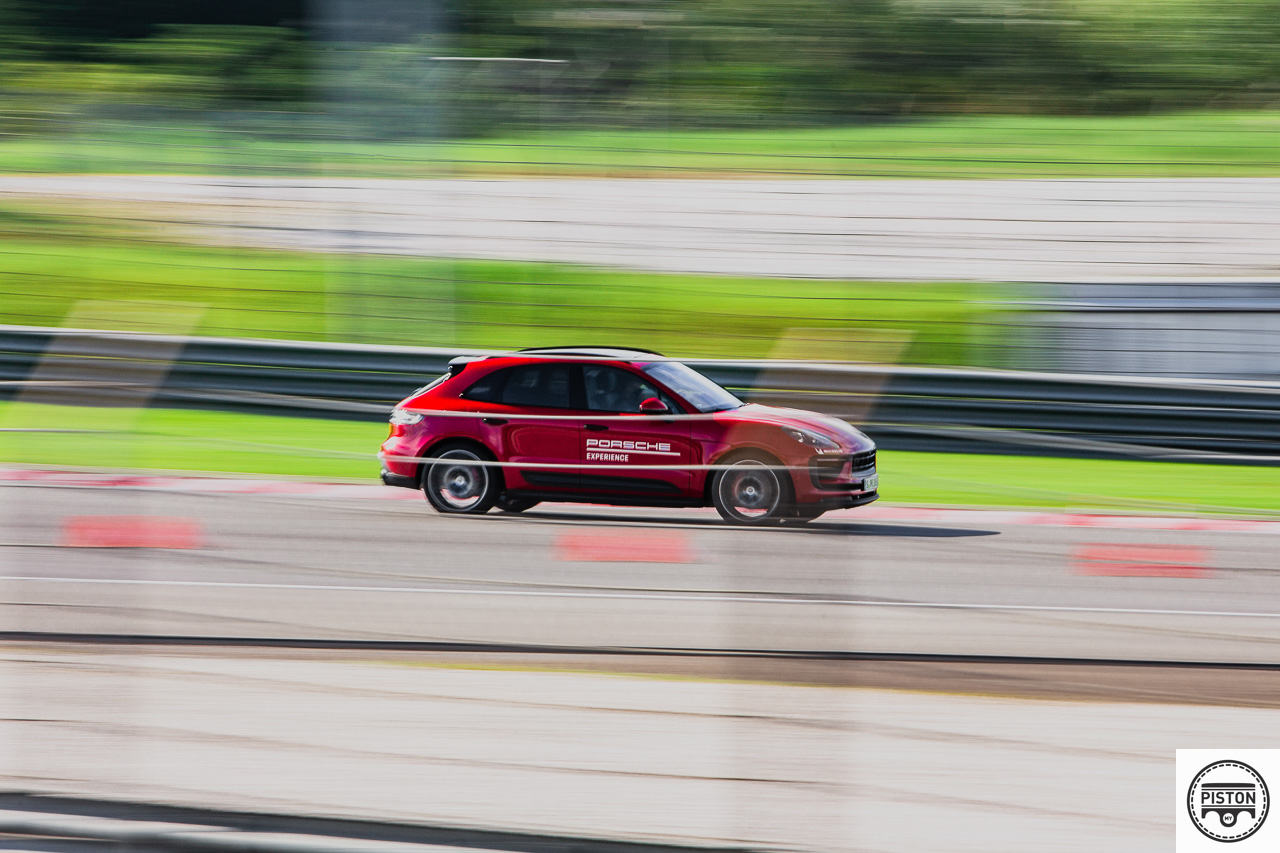
First the Macan GTS.
I love Porsche’s GTS models because it’s a nod to what cars were like in the past.
Fun beasts that make you miss the old times when men drank their whisky (or whiskey if you’re so inclined) without worrying about it being fake, and chased girls without their antics being posted on social media.
There was a time when the GTS models were pure naturally-aspirated models.
But times have changed and the Macan GTS is now a twin-turbo’d V6 model with a 2.9-litre engine putting out 437hp and 550Nm of torque.
It’s still capable of some brutal numbers though with the 0-100km/h sprint seen off in a little over four seconds with a top speed rated at 272km/h.
These are numbers that were once associated with the top of the line Macan Turbo.
Of course, we were not given a chance to fully exploit its potential.
Just enough to tell you that acceleration was fantastic, and that it makes some encouraging sounds along the way, and that for an SUV that weighs a little under two tons, it actually handles quite well.
I was quite surprised by the brakes though because they lacked that initial bite.
Porsche didn’t give us the spec sheet of all the cars we drove but I suspect the Macan GTS had regular brakes fitted rather than the optional Porsche Surface Coated Brakes or the Ceramic Brakes. Both optional of course.
The Macan Turbo though was a whole different ball game, and that’s the car we got to drive next.
The Macan Turbo is the big dog of the Macan line-up. The Macan you want to have.
It offers the same performance figures as the Macan GTS, and that’s because the updated Turbo model is yet to be introduced.
Despite that, the driving experience between the two is vastly different.
Both cars have twin-turbo engines.
But the engine note in the Turbo is deeper while the GTS has a screaming engine note that mimics a naturally-aspirated engine.
It almost sounds like the sound has been artificially induced and piped into the cabin through the speakers, similar to what Porsche has done with the Taycan.
Artificially induced sounds are not new to the industry, but it is a bit of a let down because there’s nothing better than a raw engine note. Not what a car maker thinks an engine should sound like.
But it is what it is.
And that is quickly overlooked as you put your foot down and the car lurches forward before your brain even registers what is going on.
Jumping from the GTS into the Turbo, we really didn’t think the difference will be all that big. But it is truly vast.
Perhaps it is the way that power is delivered, or how the sound is generated. But the performance in the Macan Turbo is how a Porsche should ideally perform.
Brakes too are much more confidence inspiring in the Turbo model we drove.
We found ourselves braking later and turning in deeper into a corner. A true performance machine the Macan Turbo definitely was.
And that is no surprise considering the Turbo is the flagship model of the Macan line up.
Our experience at the Porsche World Road Show at SIC ended with the Macans.
And though it was similar to the one we attended in 2018/2019, it was still perfectly laid out for us to experience Porsches at their finest.
And if there is one thing we can say about modern Porsches, it is that they are a complete paradox.
On one side you have a race car for the road with the GT3.
And on another side you have a tree-hugging electric supercar in the Taycan Turbo S.
Then you have the ultra-capable go anywhere Cayenne.
And the Macans are the cute in betweens if you don’t want something too big but with fun performance.
If there is one car maker that is completely future-proof to whatever may come in the next 10 years, it would be Porsche.
And there are rumours that Porsche may make an entry into the wonderful world of Formula 1.
Either as an engine supplier or as a works team remains to be seen.
Whatever comes, it is an awesome time to be a Porsche owner.
Sime Darby Auto Performance (SDAP) has enhanced its Porsche Cayenne offering with a new Premium Package which provides additional options as standard. These include options that enhance performance and also comfort and motoring enjoyment.
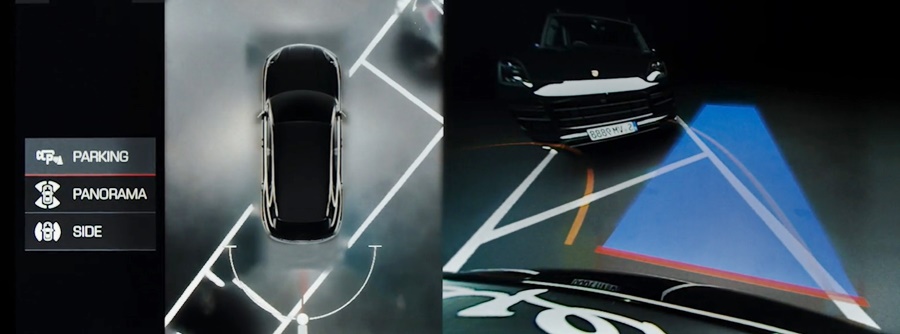
On the technical side is air suspension with Porsche Active Suspension Management for dynamic handling and driving comfort as well as 21-inch RS Spyder wheels. The driver will also be able to get the car into a parking bay more easily with ParkAssist with Surround View.
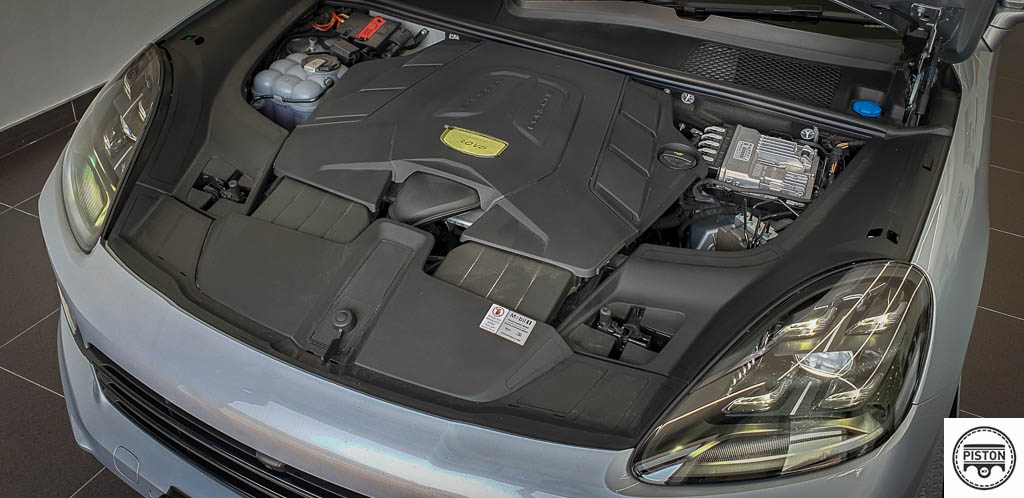
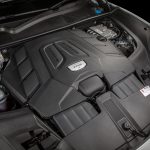
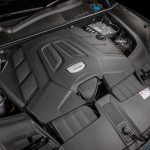
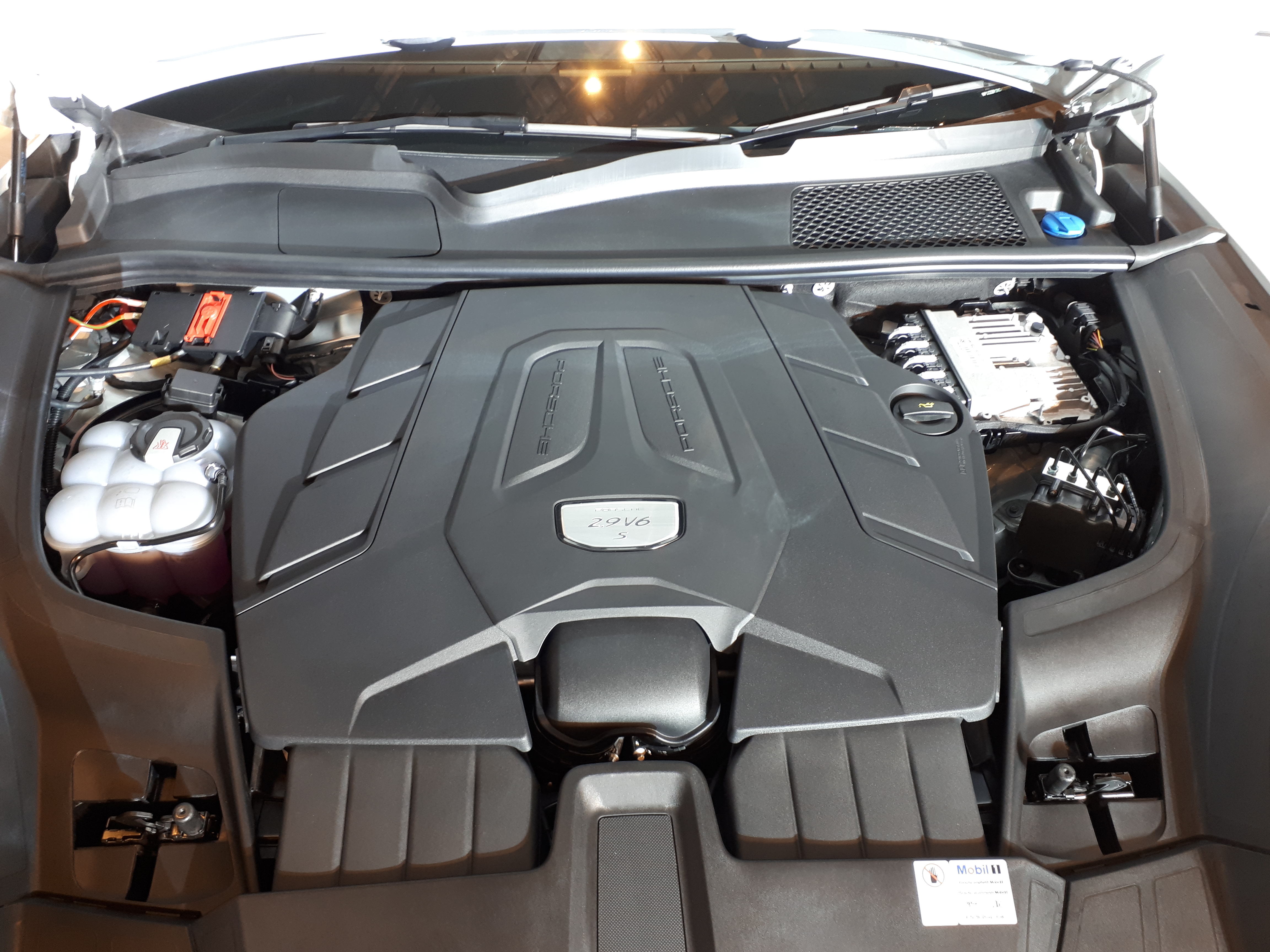
The powertrain available for the Malaysian market is the 3-litre turbocharged V6 engine with a twin-scroll turbocharger. The 340 ps/450 Nm output is delivered to the wheels through an 8-speed Tiptronic S transmission.
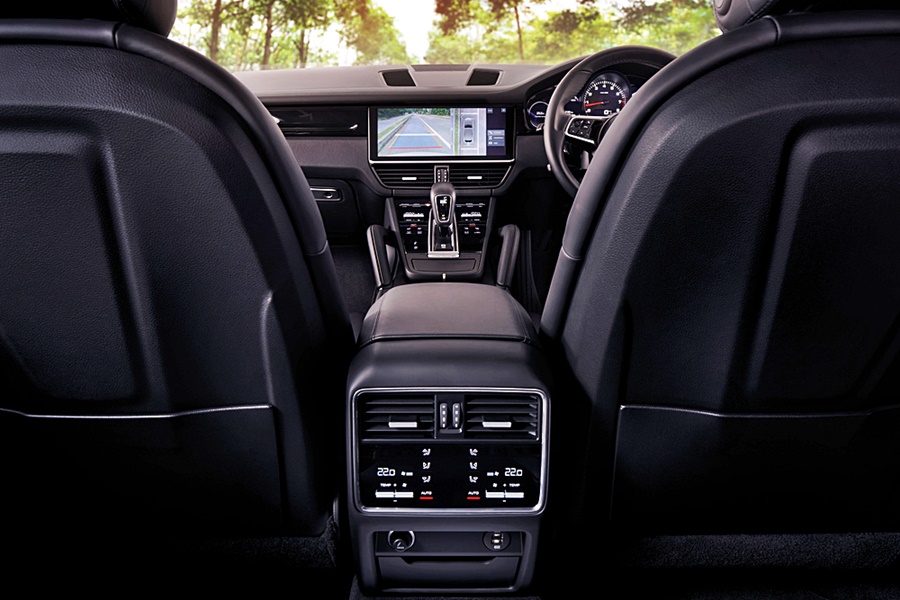
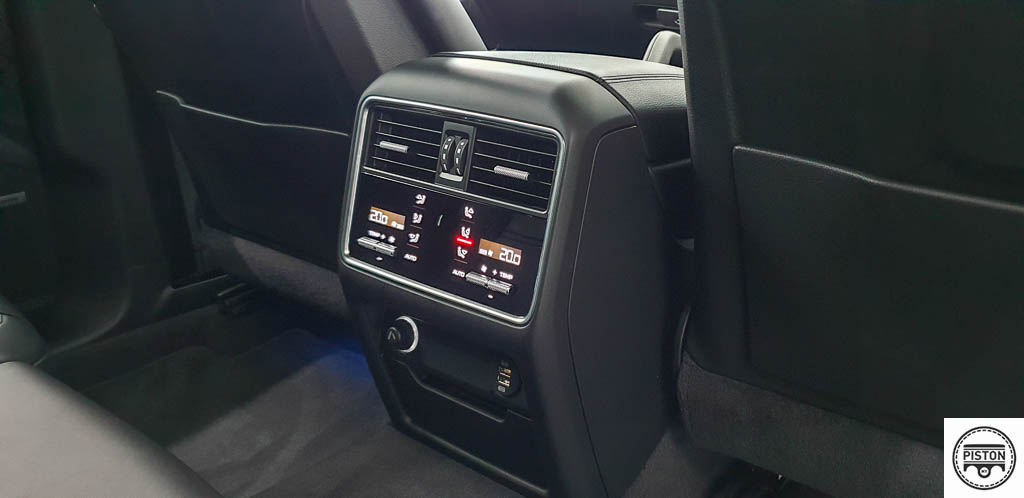
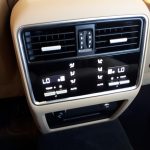
Inside, the enhancements now include 4-zone climate control and a BOSE Surround Sound System. The high-powered 710W audio system comes with 14 speakers, including a separate subwoofer, and uses BOSE SoundTrue Enhancement Technology to enhance the quality of sound reproduction.
“There’s nothing quite like a ride in a sportscar, be it for the driver or the passenger, and it’s our goal to share ‘that sportscar feeling’ with more Porsche enthusiasts in Malaysia. The introduction of the new Cayenne Premium Package has enabled us to do that, and we stay committed to finding new ways of bringing fans closer to realising their dreams of owning a Porsche,” said Christopher Hunter, CEO of Sime Darby Auto Performance.
The Cayenne comes with a 4-year unlimited mileage warranty as well as 4 years of free scheduled service and maintenance. SDAP is now accepting orders for the model which has a base price of RM680,000. Deliveries will begin in 2021.
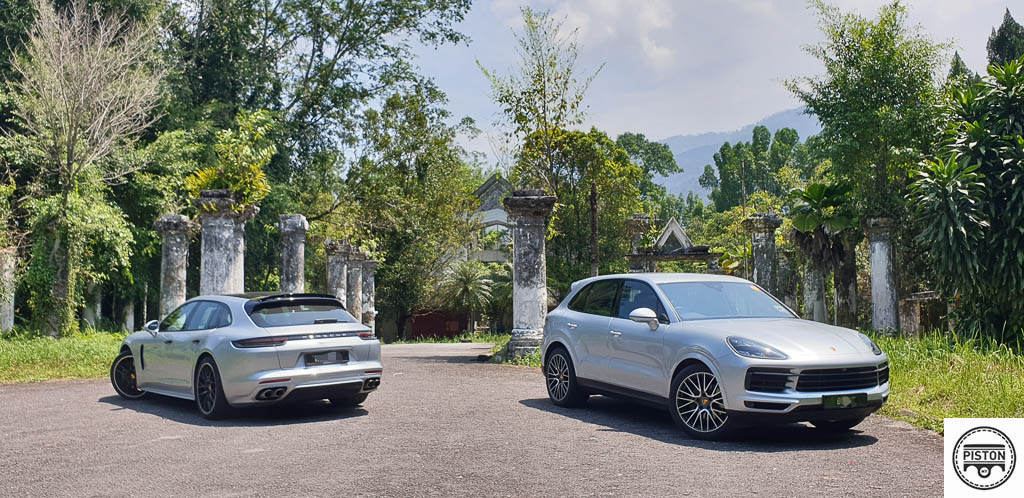
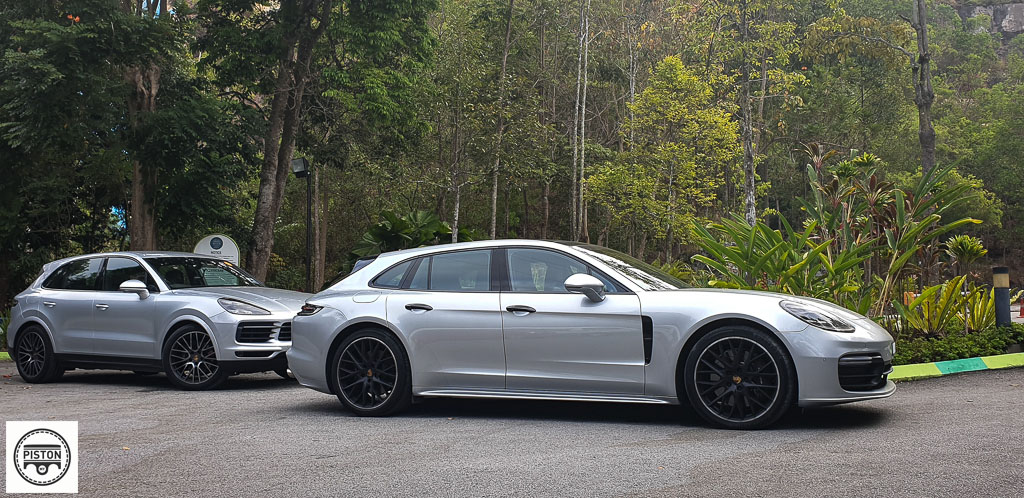
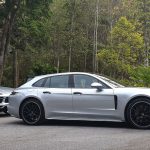
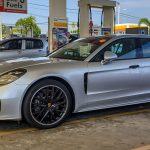
“Would you like to join us on a week long drive around Peninsular Malaysia? You get to drive the new Cayenne and Panamera Sport Turismo. Aaand you get to hang out with other models like the GT2RS and GT3RS,” said the voice over the phone.
“Of course I would,” was my immediate answer, trying to sound as cool and collected as one possibly could.
Called the Porsche Drive of the Year, the event was organised by the Porsche Club of Malaysia as part of the 70 plus annual events which it organises each year (click here to read the story on the drive).
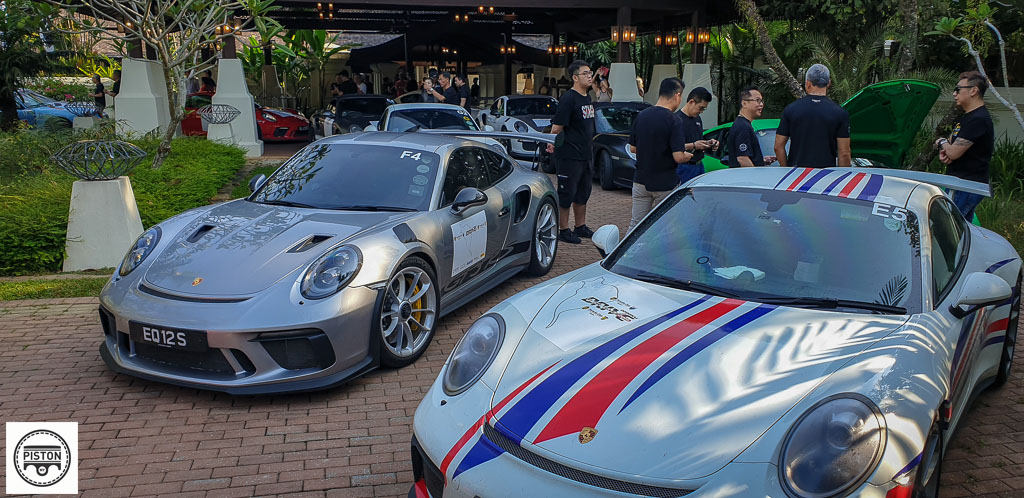
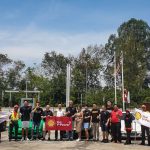
About 40 Porsches took part in the drive, including some from the Porsche Club of Singapore.
As with most club drives, we met on a Sunday morning at the Porsche Centre in Sungai Best.
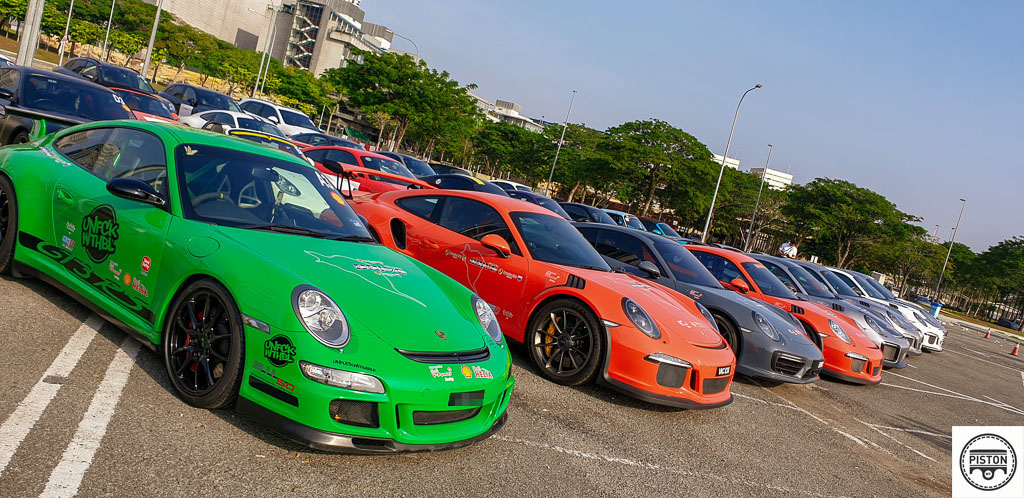
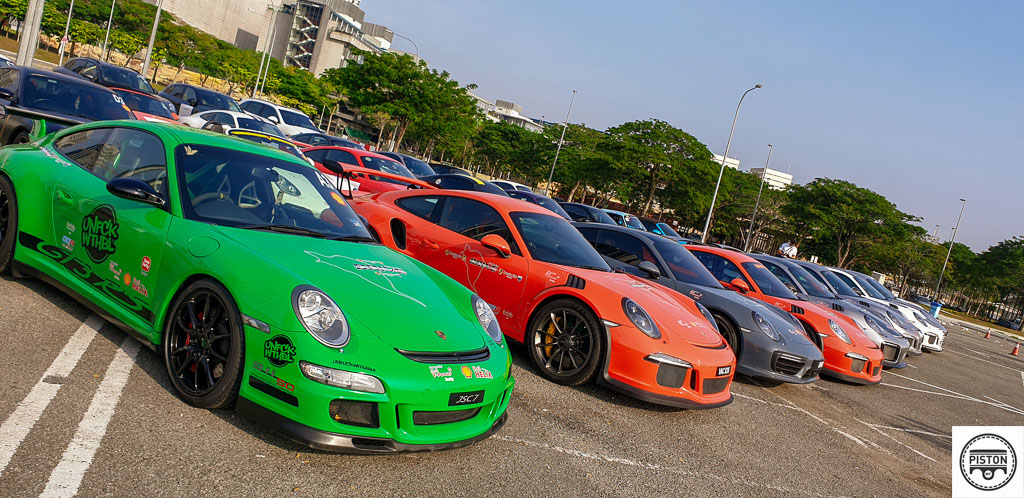
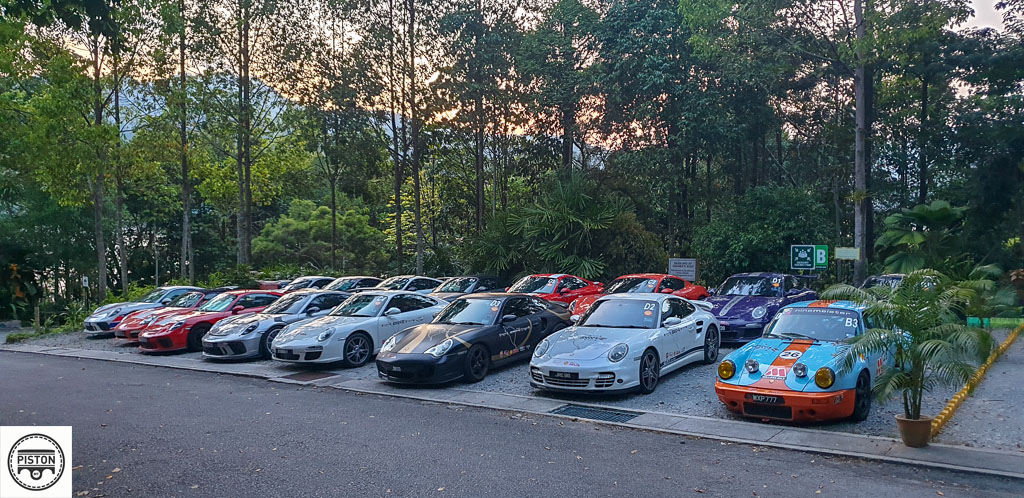
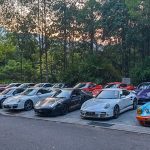
It was quite a sight to see Porsches of all sorts, old and new, hardcore performance machines and classic cars as well.
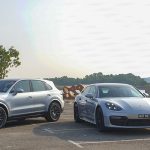
We began the 2200km journey in the new Cayenne – the third generation model of a super successful car. Sleeker, smarter, faster, and generally much better than before, the Cayenne proved to be the perfect partner for such a journey. And for obvious reasons too.
The Cayenne has dual personalities – it can be often sighted on luxury boulevards and in the parking lots of some of the world’s wealthiest people. But on the flip side, it is also often sighted plying muddy roads as they transport timber tycoons to their destinations.
However, you don’t spot a Cayenne on a racetrack very often, but being a Porsche, it is quite capable of holding its own on any track anywhere. Porsche has equipped the Cayenne with all the wizardry needed to move a two tonne giant as quickly as possible with as little drama as possible.
And that same wizardry has been applied to provide you with a beautiful ride as well – soft and plush or rigid and responsive – all at the push of a button. This was perfect for the duration of the ride since we were driving mostly on badly patched trunk roads.
Called the Porsche Active Suspension Management, and judging by the state of our roads these days this technology is almost a must have in today’s cars. And even though it is an option in Porsche vehicles worldwide, it is offered as standard in the Malaysian spec Cayenne as part of the Porsche Premium Package offered on both the Cayenne and the Panamera Sport Turismo.
Handling is of course accurate when you want it, and dull and relaxed when you want it as well. All that the simple push of a button of course. But this is not contributed by the suspension alone, but also because the Cayenne we drove came equipped with the now infamous rear-axle steering system. This makes short work of making tight u-turns, and gives the car a level of handling other SUVs can’t match.
The system was first introduced back in 2016 and is fitted as standard on the GT3 and as an option on all other models. It will set you back by RM9,522, but if accurate handling is your thing, then it will be worth every ringgit.
So the Cayenne proved to the perfect steed for the drive. There were moments where we saw the GT2RS and GT3RS quite literally hopping and skipping over the uneven roads while the Cayenne simply glided over them. Absorbing and transferring every imperfection away from the cabin.
The Cayenne we drove was the base model, and costs RM894,683 with close to RM100,000 worth of options fitted. But the car is already impressive as it is.
The cabin is high-tech with touch activated everything on a piano black finished centre console. The piano black centre panel is something I personally cannot appreciate as I have sweaty palms. So after a day of driving, the controls were ruined by the smudges of my finger prints.
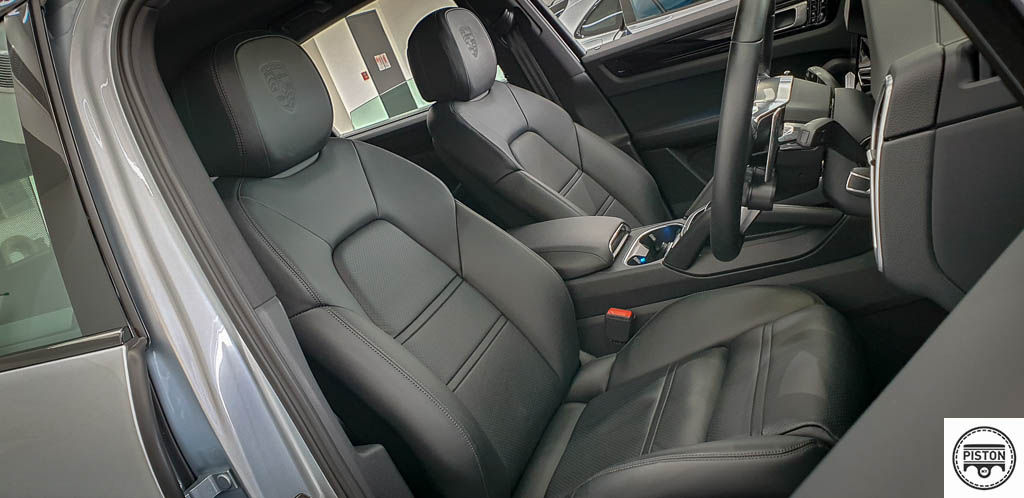
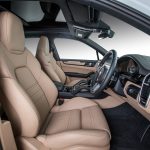
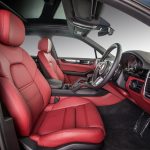
But that is made up for by a luxurious comfortable interior with ventilated seats, a four-zone air-conditioning system that lets each occupant control their own temperature setting, and a super crisp Bose surround sound system. As far as the drive is concerned, I believe the Cayenne was the best car to be in.
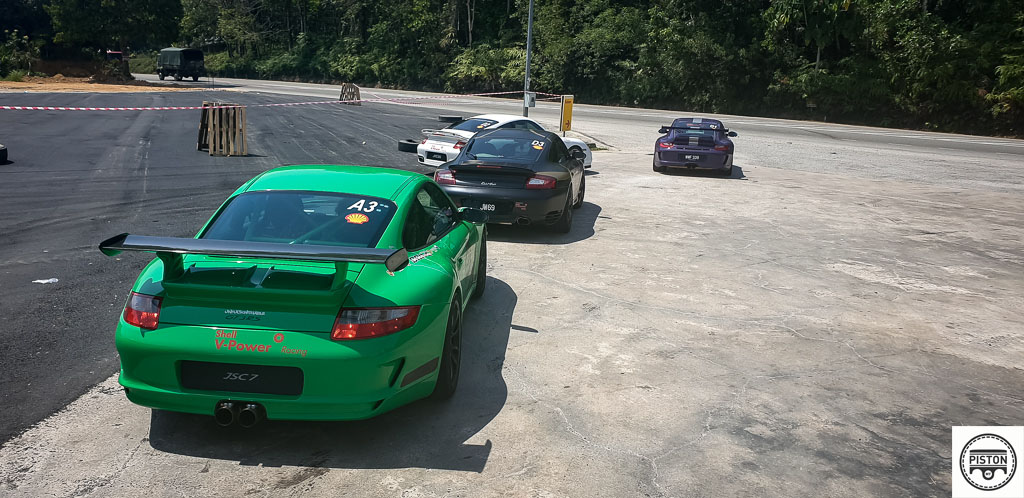
Of course, the faster 911s and GT cars were way ahead of us by at least an hour. But those cars were meant to be driven fast and tackle corners as if they were on rails. But we were not doing too bad ourselves.
The Cayenne is powered by a 3.0-litre turbocharged six-cylinder engine, which may not seem like much, but it produces 340hp and 450Nm of torque. And even though the Cayenne is heavy, the engine is able to help it accelerate to 100km/h in just 6.2 seconds (5.9 if you opt for the sport chronology package) and maxes out at 245km/h.
This was good to ensure that the Caymans and the Boxsters were always within sight.
Ever since it was introduced in 2002, the Cayenne has been regarded as one of the best, if not the best SUV in the business. This is because of its versatility on and off-road and how it balances that with luxury and performance. And now even the base Cayenne is amazing already.
Next week, we will tell you about the other car we drove, the Panamera Sport Turismo. It too has four-doors though it may not be as practical as the Cayenne, but it definately performs better. We will tell you more next week!
Porsche Premium Package – What is it?
According to Christopher Hunter, Chief Executive Officer of Sime Darby Auto Performance (official dealer and distributor of Porsche cars in Malaysia), it is an initiative to enrich the product substance to elevate a customer’s ownership experience even further. It offers additional comfort and luxury features that include 14-way power seats including memory function for both driver and front passenger, four-zone automatic climate control, automatic dimming mirrors, electrical sun blinds, ambient lighting, and BOSE Surround Sound System.
The first Porsche I ever laid eyes on was a black 964 around the hills of Bangsar. I was probably about four years old; I don’t remember much else except that it completely took my breath away and that it was love at first sight.
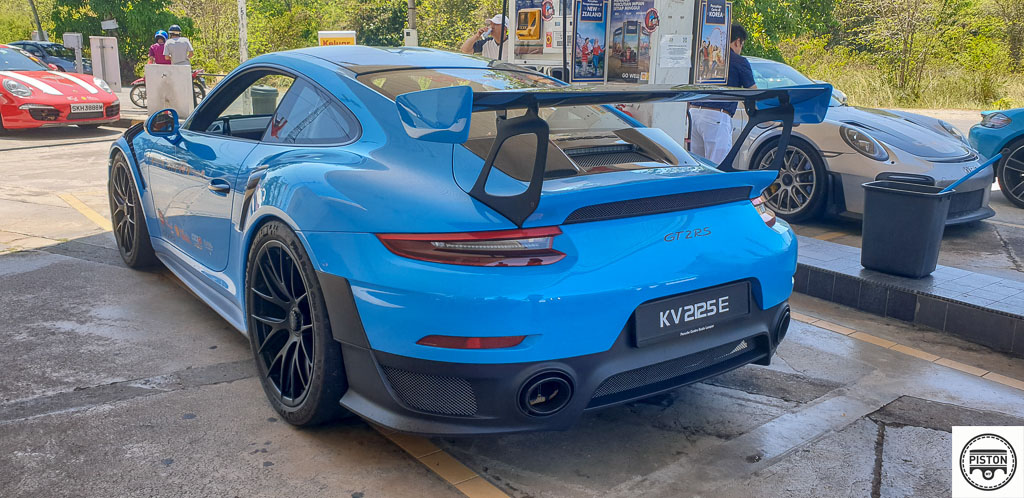
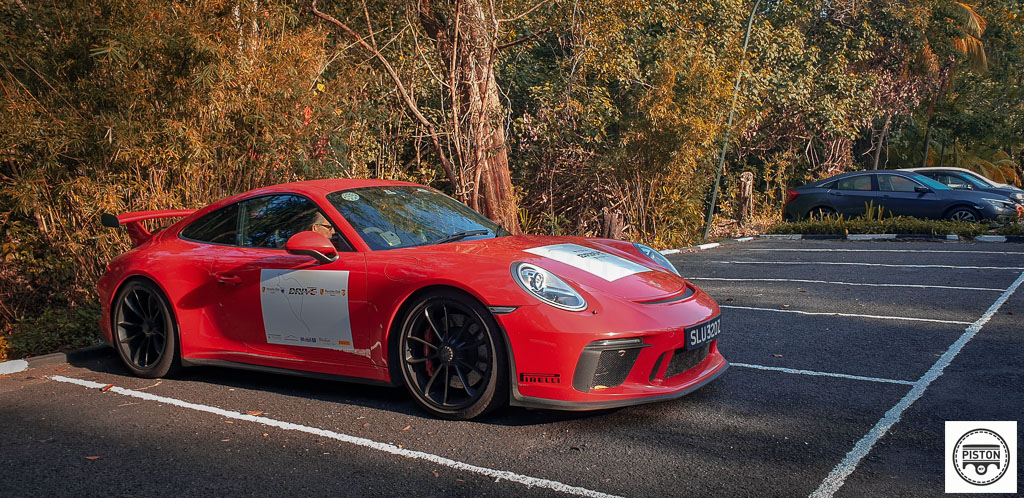
Since then, the 911 has been the ultimate everyday supercar for me. A Porsche fan boy, you can imagine what was running through my head when I got a phone call asking if I would like to join the Porsche Club Malaysia for a week long drive around Malaysia. It was going to be a 2200km and I could drive the Cayenne and the Panamera Sport Turismo and mingle with people who buy the GT2RS, GT3RS and the Turbo. And sometimes, that one person would have all three models in his garage.
Naturally I would have preferred a 911 for the road trip, but I was not about to say no, and so I had a few days to prepare for a week of driving.
It has been about 10 years since I last joined the Porsche Club Malaysia for a drive. The last one was a road trip to Rompin for a spot of charity and drag racing on a landing strip. This time however, it was an entirely different trip.
Called the Drive of the Year 2019, PCM Malaysia and PCM Singapore put in a joint effort to organise its first major drive of the year with fuel provided by Shell V-Power Racing. Beginning at the Porsche Centre in Sungai Besi and ending at Puteri Harbour on the first day, the convoy of about 40 Porsches of all models then headed to Tanjung Jara in Terengganu, followed by Belum in Perak, onto Penang Island via Kuala Perlis and back to KL from there.
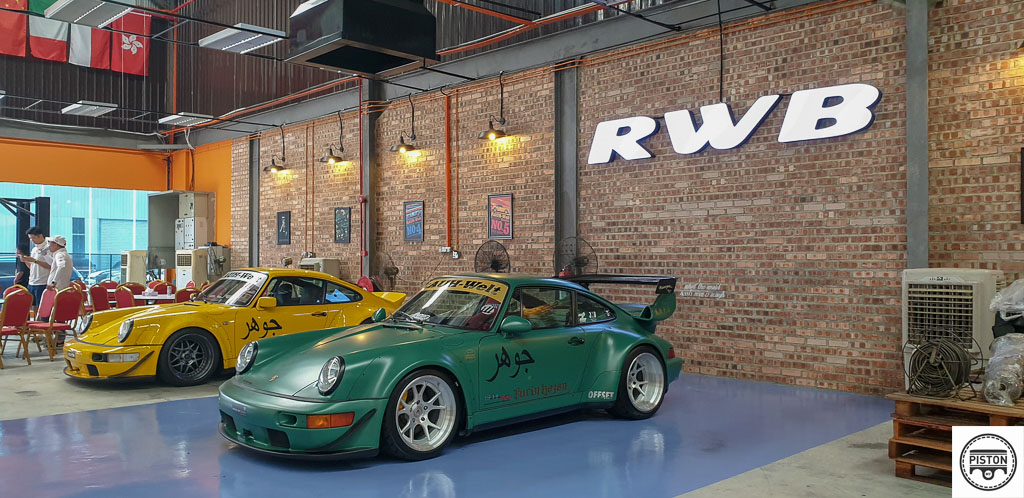
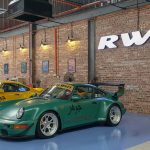
Some of our rest stops were quite unique, and even included a stop over at the hugely popular RWB Museum in Johor. RWB – Rauh-Welt Begriff – the Japanese customiser who specialises in turning beautiful 964s into wider, lower, and depending on who you ask and dare I say it, rather handsome interpretation of the donor Porsche.
And when we weren’t eating at popular restaurant’s sometimes frequented by royalty, we were turbo-ing down the coastal roads of our country at speeds best kept secret.
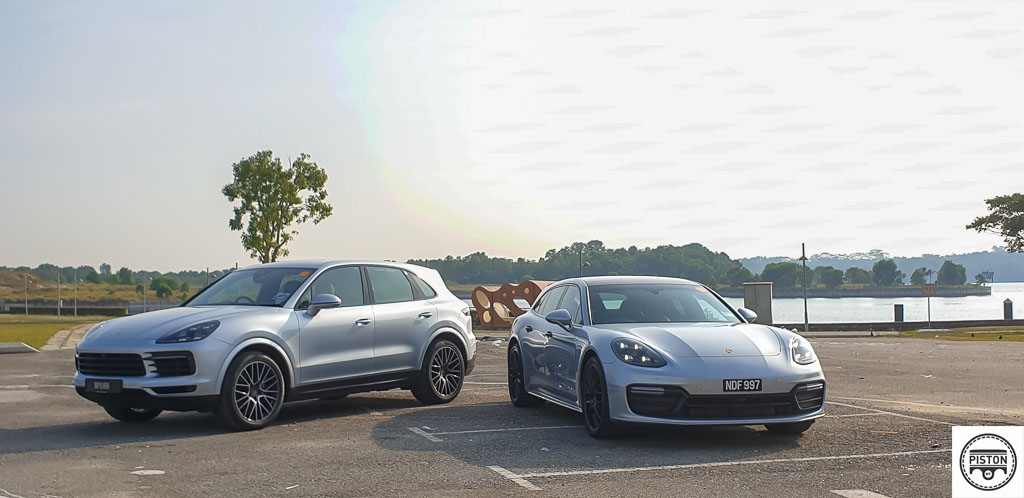
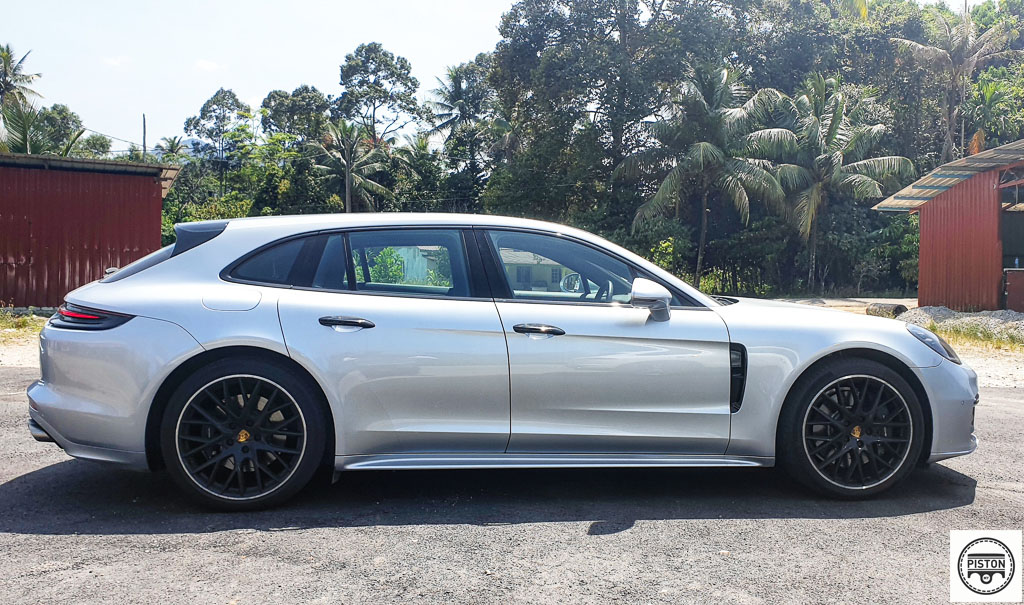
We were in the new Cayenne and the Sport Turismo though, so we really were in the most comfortable cars in the convoy. But far from being the most underpowered or slowest with both cars offering 330hp and eye watering acceleration, I really wouldn’t say that keeping up was all that tough. Though the lead group would often reach the destination a good 45 minutes to an hour ahead of us. But driving both cars on highways and by-ways was an experience I won’t soon forget.
Why?
Imagine cars weighing about two tons barrelling down the “kampung” roads with badly patched roads throwing the balance of the car all over the place. The onboard sensors looking out for any obstacle or any dangerous situation that may arise, immediately alerting you to a potentially dangerous situation. And if you do not react fast enough, the Cayenne and Sport Turismo would even apply the brakes for you. But it never got to that, of course ; )
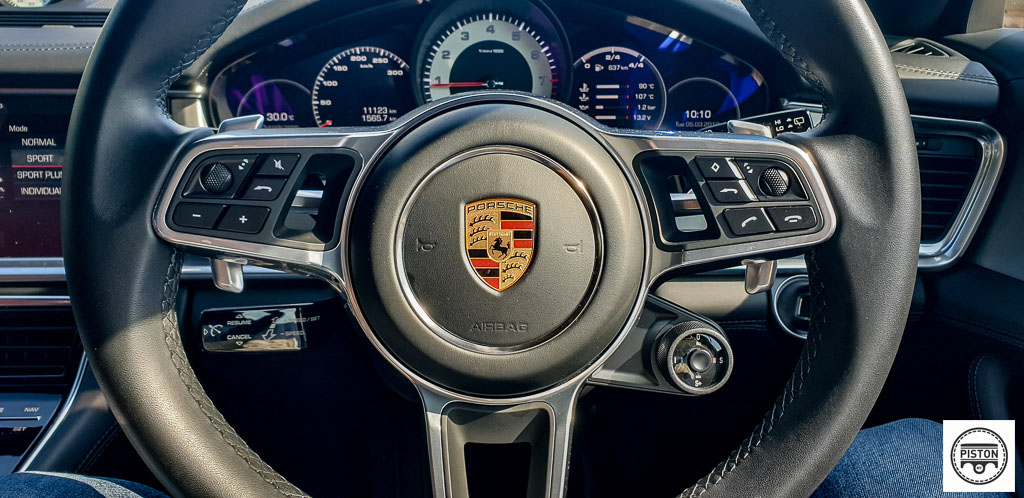
Such bad roads put the suspension to the ultimate test – will the car glide, or will it hop and skip all over the place? The suspension in both the Panamera and the Sport Turismo is of course adjustable. In Sport and Sport Plus mode, selected via a knob on the steering wheel the same size as a old 20 cent coin, the suspension stiffens up, giving you more control of the car, but also shakes things up to a noticeable level in the cockpit as it transfers all the irregularities on the road directly to you instead of soaking it up, which is what it does in normal mode.
Back to the drive.
Tagging along with a group of hardcore Porsche enthusiasts for an entire week is one of those experiences that will stick with you for a while, up there with skydiving even. The cars are almost always the topic of conversation, besides the logistics and itinerary of the drive that is, and in club drives like this it is awesome to mingle with car enthusiasts who are as humble and down to earth as your best friend. Just don’t ask to take the GT2RS out for a drive though.
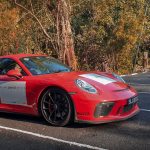
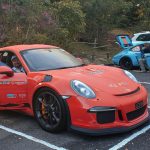
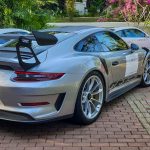
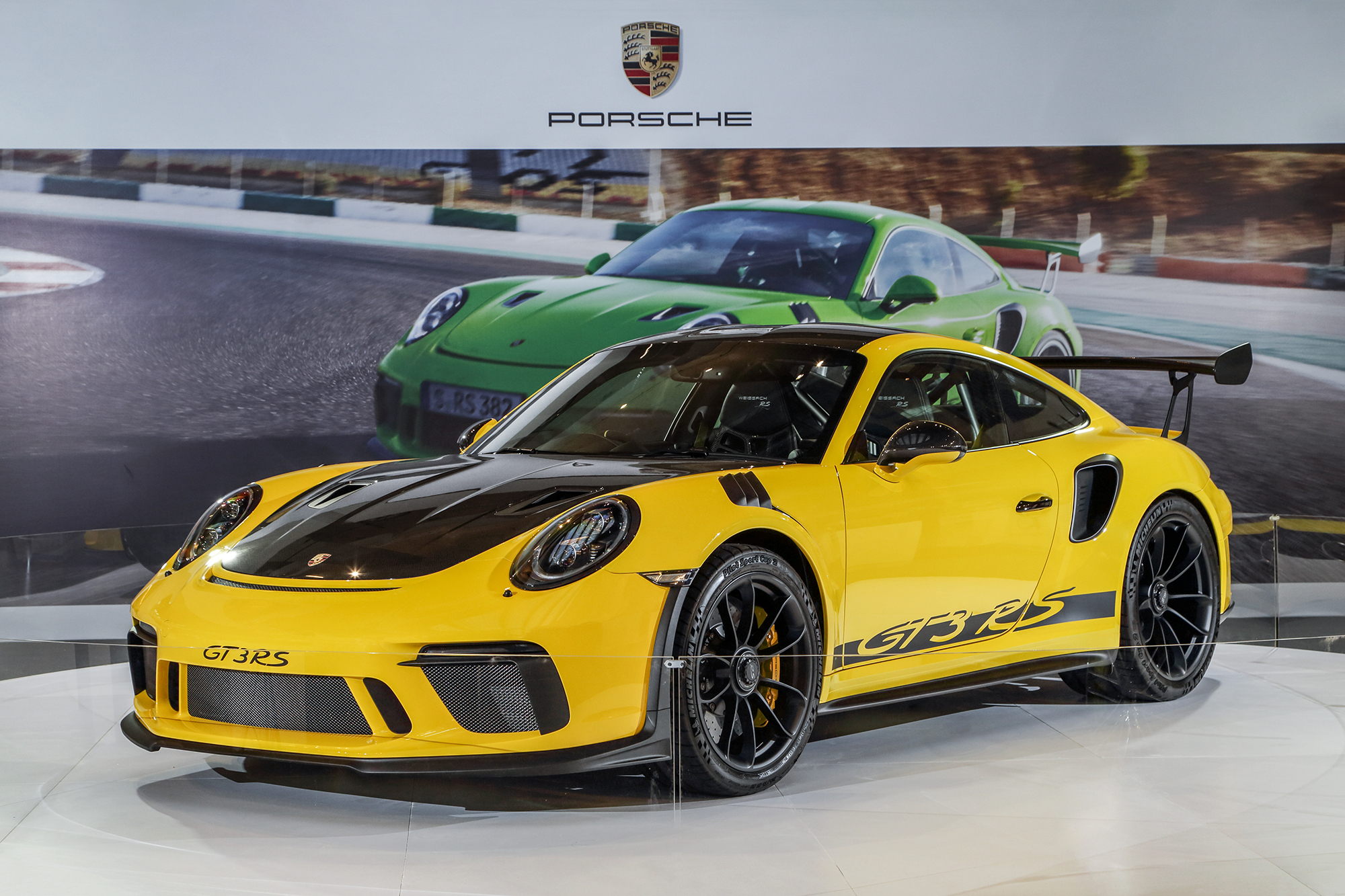
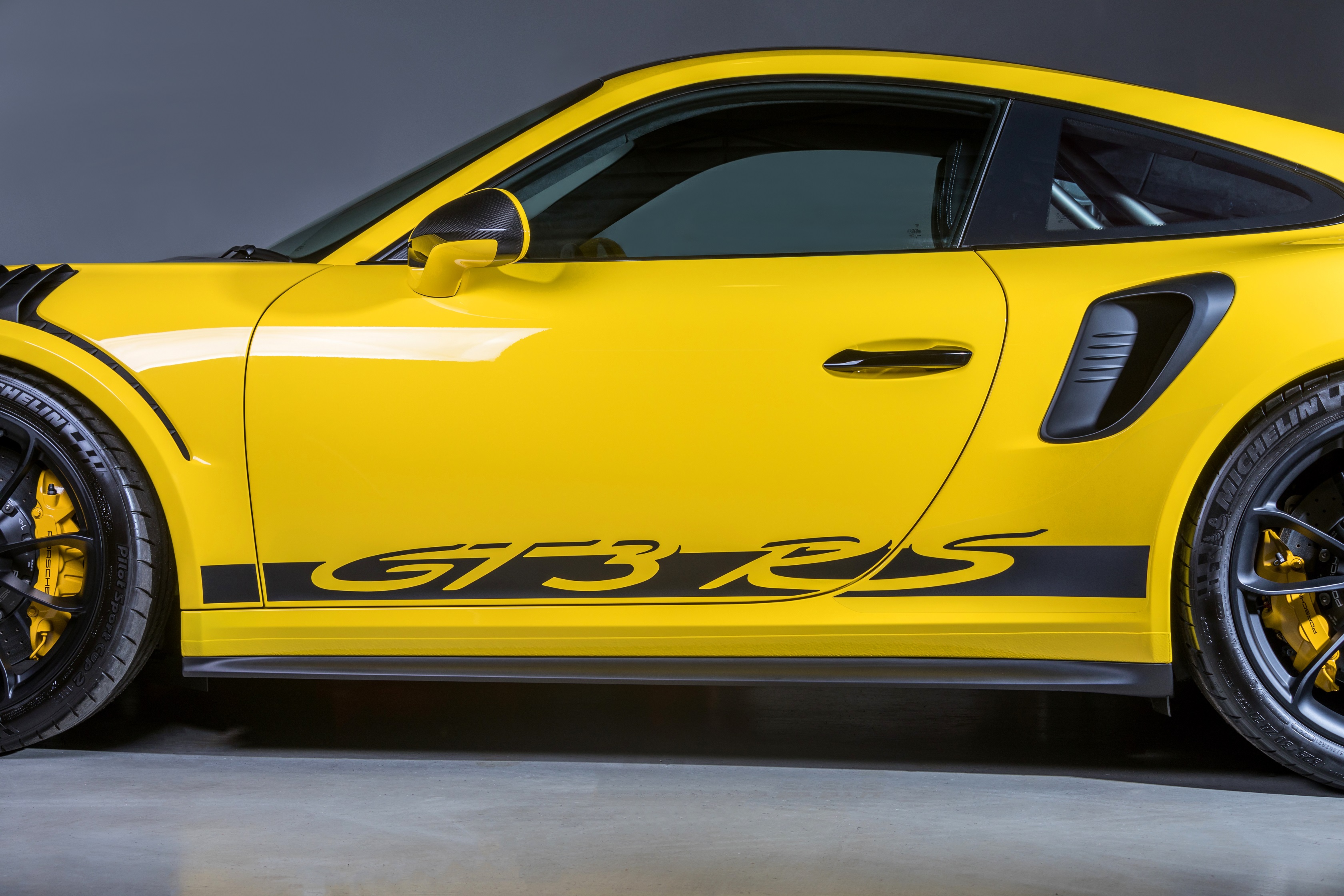
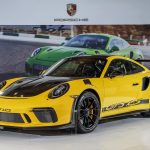
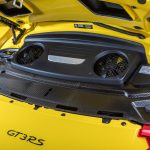
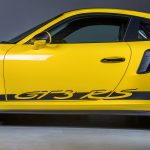
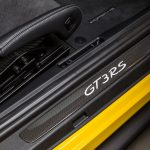
Sime Darby Auto Performance (SDAP), the importer of Porsche vehicles in Malaysia, has introduced the new 911 GT3 RS. The new 911 GT3 RS is synonymous with hard core performance, and is hailed as the perfect bridge between the track and the road. At the heart the new 911 GT3 RS is a 383 kW (520 hp), four-litre, high-performance naturally-aspirated engine. It accelerates from 0 to 100 km/h in 3.2 seconds, reaching a top speed of 312 km/h. Following the launch of the 911 GT2 RS, this latest release will see SDAP present its second GT road-approved sports car within the same year.
“With a lap time of 6 minutes and 56.4 seconds, the new 911 GT3 RS sets a time of just nine seconds below the most powerful Porsche 911, the GT2 RS. Motorsport is an essential driving force behind the Porsche development team, a force that makes motorsport derived technology perfectly adapted for the road,” said Christopher Hunter, Chief Executive Officer of Sime Darby Auto Performance. “The new 911 GT3 RS promises an unadulterated sound, pure performance, and a challenge that a sports car enthusiast cannot resist,” he added.
Aerodynamics and interior based on the race trim
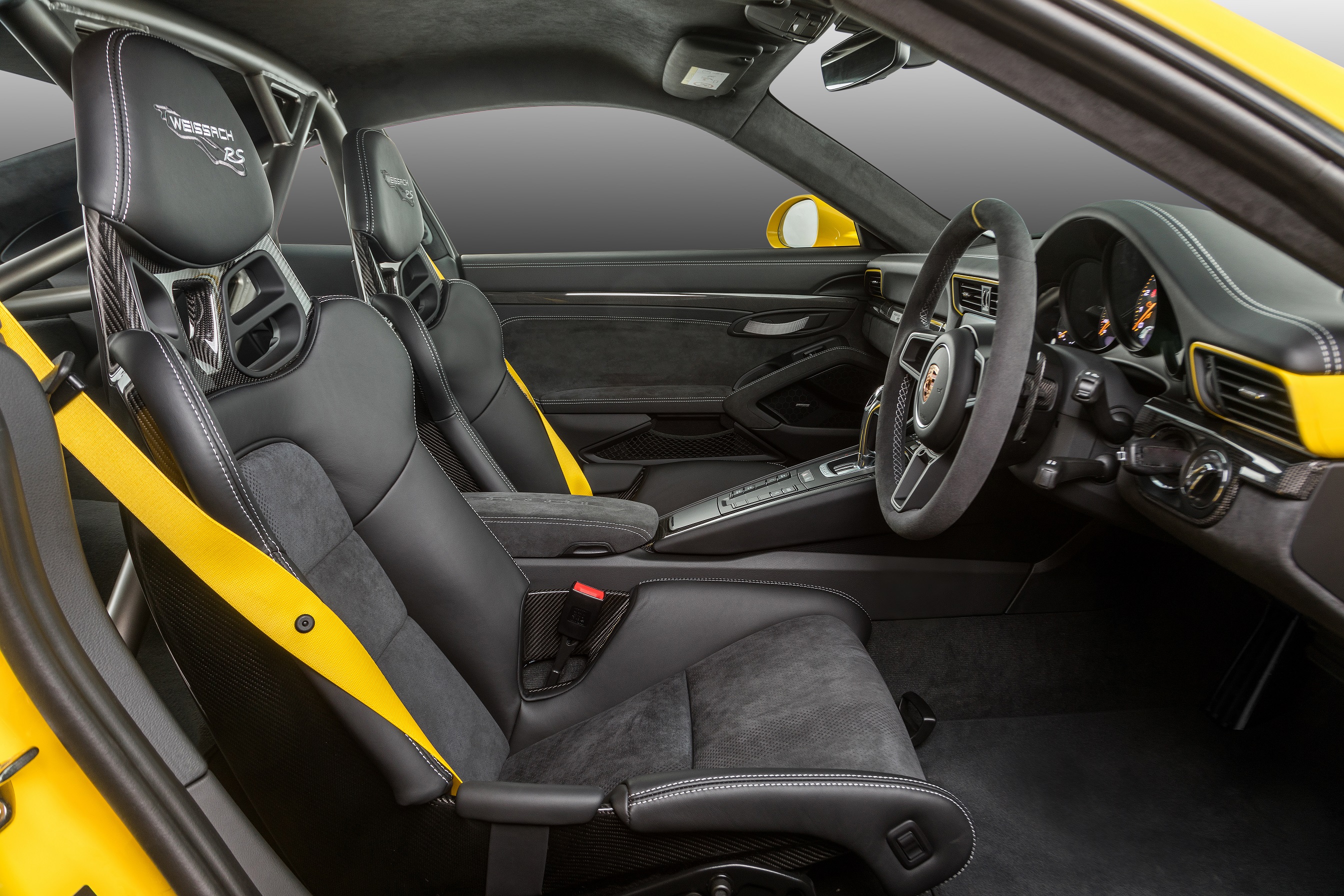
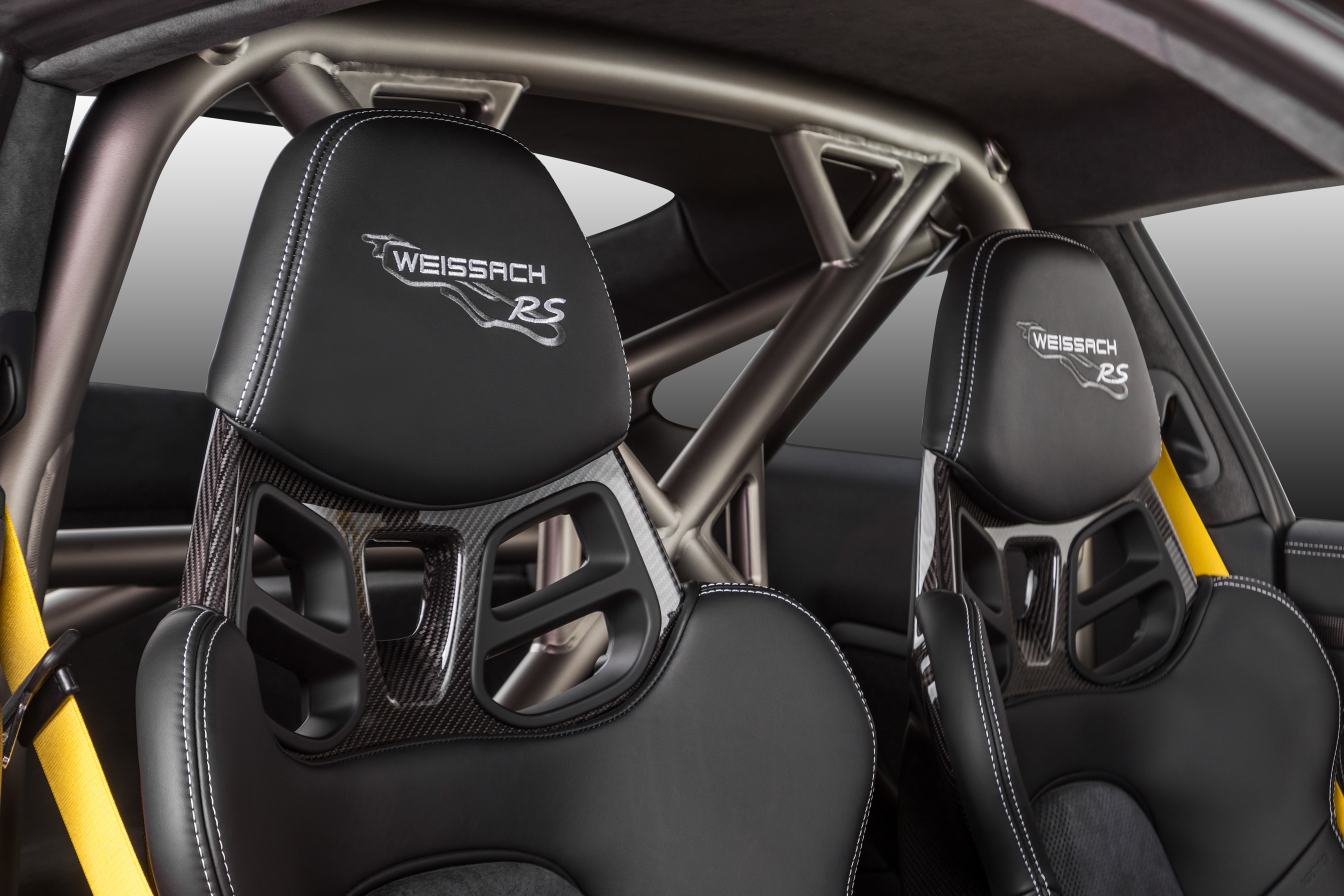
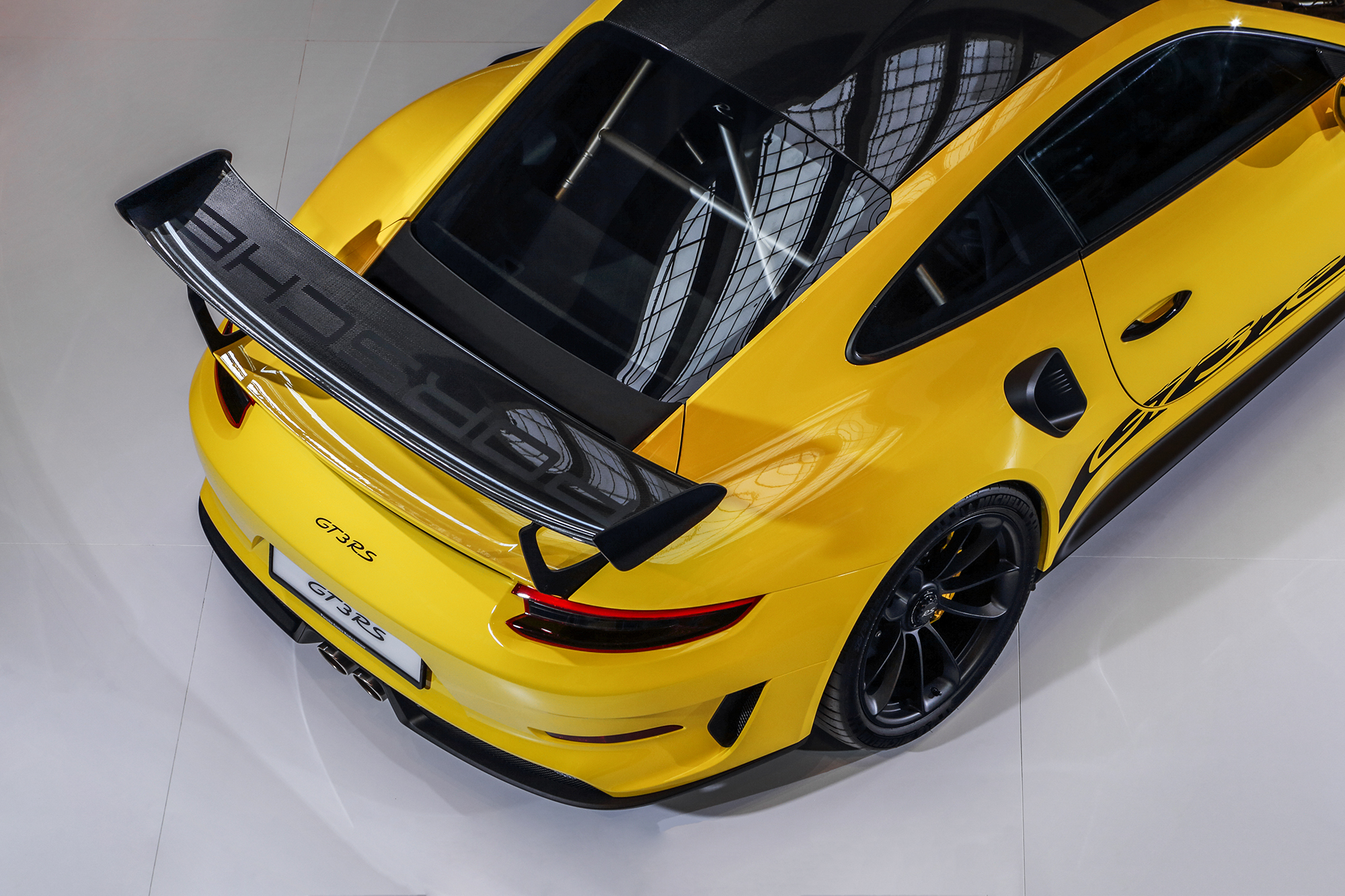
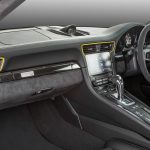
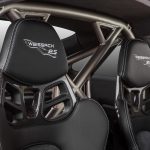
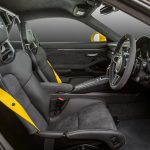
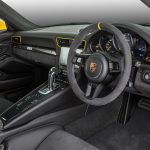
Aerodynamics have determined the design of the wide, weight-optimised body with its classic rigid rear wing. The racing look continues into the interior with full bucket seats made of carbon to provide secure lateral support in response to high-level driving dynamics. Lightweight door panels with storage nets and opening loops, reduced sound absorption and the new lightweight rear lid further emphasise the consistency of the material choices.
The most powerful naturally aspirated engine at 520 hp
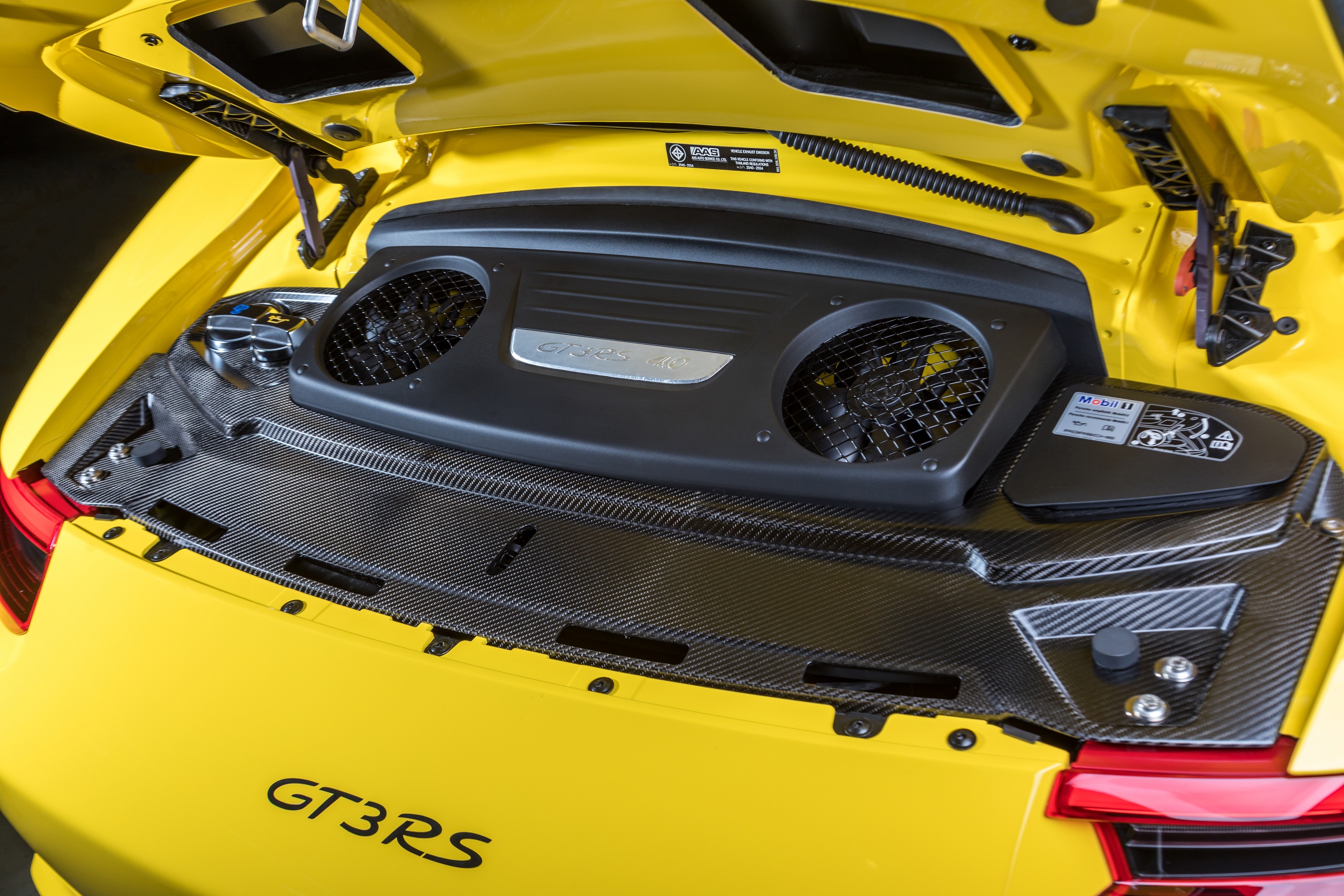
The four-litre, six-cylinder naturally-aspirated engine from Porsche in the new 911 GT3 RS pushes the sports car to new limits: The flat engine delivers 15 kW (20 hp) more than the engine in the previous model and the 911 GT3. Together with a speed range of up to 9,000 rpm, it was the ideal choice as a thoroughbred sports engine. Combined with the specially calibrated seven-speed PDK, the high-performance engine guarantees an outstanding driving performance.
Motorsport-inspired chassis and Clubsport package
Motorsport technology ensures that the chassis offers exceptional driving dynamics. Ball joints on all arms provide even greater precision than conventional elastokinematic bearings. 20-inch lightweight wheels with newly developed 265/35 sports tyres on the front axle enhance agility and steering behaviour, while 21 inch wheels with 325/30 tyres at the rear axle improve traction. As with all current GT sports cars, the Clubsport package is also available for the 911 GT3 RS at no extra cost. The package includes a rollover bar, a manual fire extinguisher, preparation for a battery disconnect switch and a six-point belt for a sporty driving experience.
Weissach package for additional weight savings
For particularly ambitious drivers, the Porsche motorsport department has created an optional Weissach package for a further weight reduction. The package features additional carbon components for the chassis, interior and exterior. In its lightest configuration, this package reduces the weight of the 911 GT3 RS by approximately 17kg.
The retail base price for the new 911 GT3 RS starts from RM 2,230,000, which includes a four-year warranty. The stated price includes all applicable duties, except registration fee, road tax and insurance. Specifications and prices are subject to change without prior notice.
The new Porsche Cayenne Turbo!
Making its Malaysian premiere, the new Porsche Cayenne Turbo takes its place at the top of the Cayenne model line. The completely new top-of-the-range model from the third generation of the Cayenne once again raises the bar for sporty performance in its segment. The increased driving dynamics are based on the combination of innovative technologies such as active aerodynamics including a roof spoiler, controlled three-chamber air suspension, mixed tyres and the new high-performance brake, achieving the driving characteristics of a true sports car. As yet the MY pricing for the new Cayenne Turbo has not been finalised.
The new 911 GT3 RS and Cayenne Turbo will be at Pavilion Kuala Lumpur from today October 10 to October 14, 2018.
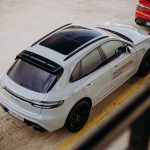
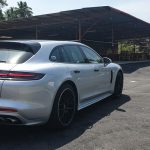
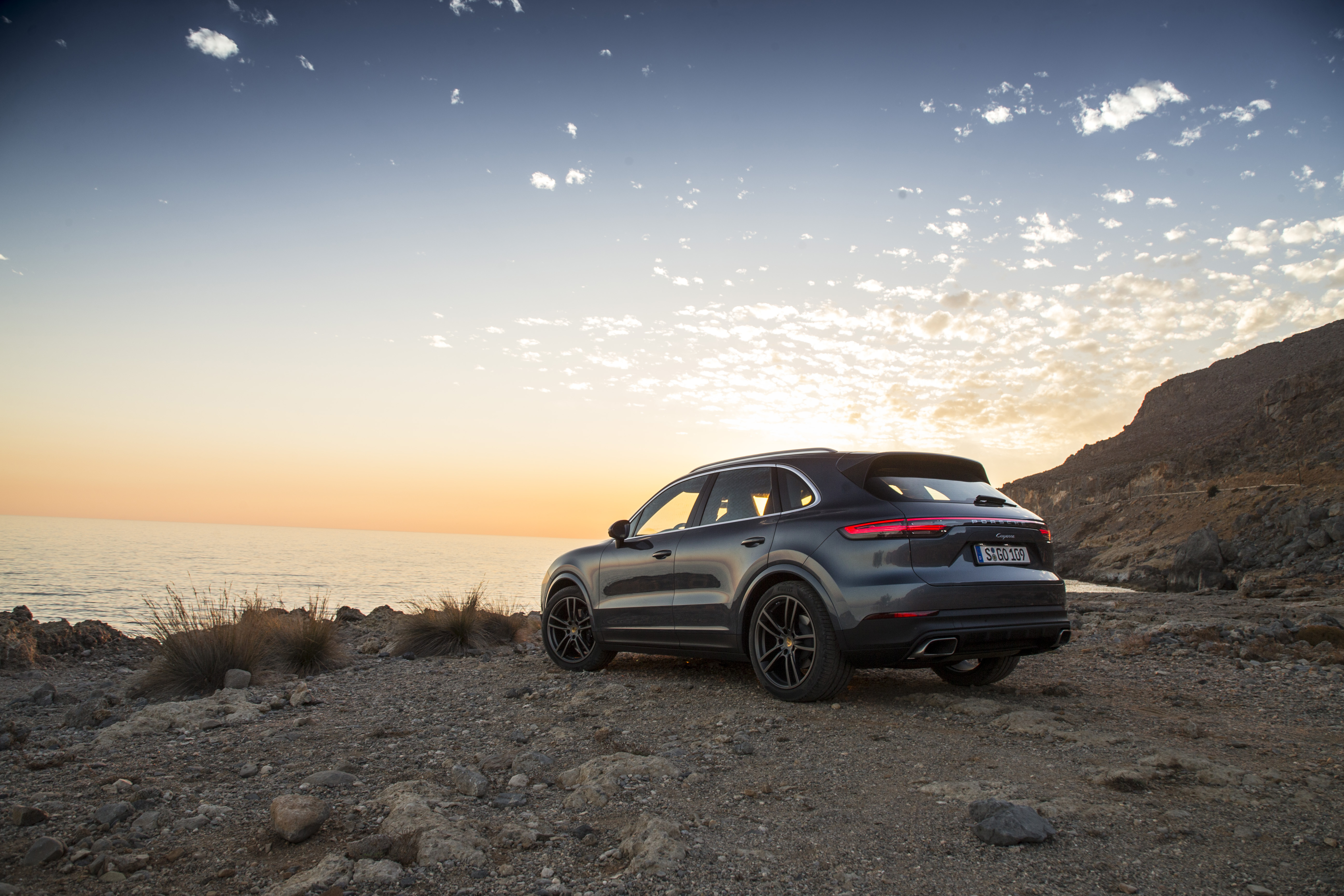
We just realised that we didn’t actually show the rear of the new 3rd generation Porsche Cayenne earlier, so here you go! Featured image of its backside, just for you. Also, we just opened up a whole bunch of really nice photos of the new 2019 Porsche Cayenne on a thumb-drive that somehow fell into another interstellar dimension of space and time for the past 24-hours, and just had to share them with you! Feast your eyes on these! Videos after the jump…
Also if you’d like to know ALL about the new 3rd Gen Cayenne, you can download this PDF, sharing is caring: The new Cayenne press information
Here’s the new Porsche Cayenne in action during its launch in Greece recently…
Sime Darby Auto Performance (SDAP) has just launched the third generation of the Porsche Cayenne – a completely new development. It combines even more of the typical Porsche performance with excellent everyday practicality. Comfort and sportiness is taken to another level with its powerful turbo engines, new eight-speed Tiptronic S gearbox, new chassis systems and excellent connectivity.
The new Cayenne is launched in two variants: the Cayenne, with a 3.0 litre V6 turbochargedengine, delivers 250 kW (340 hp) and develops 450 Nm of torque. It accelerates from zero to 100 km/h in 6.2 seconds (5.9 seconds with the Sport Chrono Package) with a maximum speed of 245 km/h. This is followed by the Cayenne S. It is powered by a 2.9-litre V6 twin-turbocharged engine, delivering 324 kW (440 hp) and 550 Nm of torque. The new Cayenne S accelerates from zero to 100 km/h in just 5.2 seconds (with Sport Chrono Package: 4.9 seconds). Up to a maximum speed of 265 km/h.
“The new Cayenne promises to be more Porsche and more Cayenne than ever. Our primary objective was to further highlight the character of the vehicle. It is now more precise, elegant, athletic and expressive. The Cayenne has also been digitalised and networked throughout by providing another level of digital connectivity to the cockpit. This is how the Cayenne makes the Porsche experience even more fascinating but remains as a genuine sports car for five,” said Arnt Bayer, Chief Executive Officer of Sime Darby Auto Performance (below).
The new Cayenne is based heavily on the iconic 911 sports car: For the first time, the third generation Cayenne, which has also been enhanced visually, now has mixed tyres and rear-axle steering. In addition to these typical sports car features, the on-road capabilities are further improved by active all-wheel drive as standard, Porsche 4D Chassis Control, three-chamber air suspension and the Porsche Dynamic Chassis Control (PDCC) electronic roll stabilisation system. Despite its significantly extended standard equipment, the Cayenne weighs up to 65 kilograms less than its predecessor and remains perfectly suited to off-road use.
Here’s the official video from Porsche, with more details after it…
https://www.youtube.com/watch?v=2NRqySRKvcs
Full details on the new Porsche Cayenne…
Dynamic design language: firmer design and larger wheels
Sporty and precise with a clear design – new and yet familiar: The appearance of the Cayenne has been enhanced in the style that runs through the Porsche Design DNA. The enlarged air intakes at the front are clear indicators of the increased performance. The new horizontal light edges mean that the SUV now appears wider and more athletic, even when stationary. With an exterior length increased by 63 millimetres without any change to the wheelbase (2,895 millimetres) and a roof height reduced by nine millimetres compared with its predecessor, the elegant, streamlined impression of the Cayenne, which is 4,918 millimetres long and 1,983 millimetres wide (excluding mirrors), has been noticeably enhanced. The luggage compartment volume is now 770 litres – an increase of 100 litres. The wheels are one inch larger in diameter, with larger wheels and tyres on the rear axle for the first time, emphasising the enhanced driving dynamics. The distinctive, three-dimensional Porsche logo spans the redesigned rear lights with three-dimensional light design and end-to-end narrow strip of LEDs.
Porsche is offering a new three-stage lighting concept for the headlights: Every Cayenne is fitted with LED headlights as standard. In the next upgrade, the Porsche Dynamic Light System (PDLS) can be selected as an option, offering a variety of light modes such as cornering light and motorway light. The new LED main headlights with matrix beam including PDLS Plus are the best system available. Fully variable light distribution and intensity are enabled by 84 individually activated light-emitting diodes. This means that the Cayenne can offer new functions such as high beam that does not glare opposing traffic, as well as adaptive sign glare control.
Faster on the road, even more impressive on rough terrain: Tiptronic S and PTM
The Cayenne’s expanded performance range, improving both sportiness and comfort, is due in no small part to the new eight-speed Tiptronic S gearbox. Shorter response times and sportier ratios in the lower gears enhance both on-road performance and off-road capability. At the other end of the expanded spread between comfort and sportiness, the long-transmission eighth gear ensures low torques, optimised fuel consumption and relaxed driving.
Even on rough terrain, the Cayenne provides straightforward driving pleasure. Programmed off-road modes make it easy for the driver to select the right setup for their drive. The default setting is the Onroad programme. Four other modes activate the conditioning for mild off-road terrain: Mud, Gravel, Sand or Rocks. The drive, chassis and differential locks can be selected to adapt to the relevant scenario. For power distribution, Porsche utilises the active all-wheel drive in all Cayenne models. The intelligent, fully variable Porsche Traction Management (PTM) distributes the driving force between the drive axles. Its hang-on concept is a key principle for the excellent sporting performance of the Cayenne. At the same time, it fulfils all requirements for extensive traction on rough terrain.
Following the 911: lightweight chassis with mixed tyres
The new Cayenne combines three chassis concepts in one new design: sports car, off-roader and touring car. This involved developing a new lightweight chassis base with a front axle featuring a separated link design and a multi-link rear axle. A typical sports car feature is the new mixed tyres, which are now on wheels of at least 19 inches. The mixed tyres improve stability and driving dynamics on bends. Porsche offers wheel sizes up to 21 inches as an option for the Cayenne.
New developments: rear-axle steering, air suspension, roll stabilisation
This format provides the optimal basis for the active chassis systems, which are analysed and synchronised by the integrated Porsche 4D Chassis Control system. The system works in real time, optimising handling even further. With the exception of the active PASM damper system (as standard with the Cayenne S), all other chassis systems are new developments. For the first time, the Cayenne is available with electric rear-axle steering. The system, tried and tested both in the 911 and the Panamera, improves agility on bends and stability when changing lanes at high speeds. The reduced turning circle also makes everyday handling of the SUV easier.
The optional adaptive air suspension with new three-chamber technology significantly increases the spread between a sporty, firm connection and the driving comfort expected of a touring car. Just as before, the system enables adjustments to the ground clearance on rough terrain. With the optional Porsche Dynamic Chassis Control (PDCC) roll stabilisation, sporty drivers benefit by changing from a hydraulic to an electric system. This switch is made possible by a powerful 48-volt vehicle electrical system. Shorter response times enable even more precision in the driving dynamics – and even more comfort on moderate drives.
Porsche Surface Coated Brake with tungsten-carbide layer
With the innovative Porsche Surface Coated Brake (PSCB), the sports car manufacturer is once again assuming a pioneering role in the development of high-performance brakes. This world first is available as an option for all Cayenne models and consists of a cast iron disc with a tungsten-carbide coating. This finish increases the friction values and wear and brake dust are reduced. The brake, exclusive to Porsche, is also visually impressive: The brake callipers are painted white, while the surface of the discs develops a unique gloss level after bedding-in. The PSCB is only available in combination with the 20-inch or 21-inch wheels. The PCCB ceramic brakes remain the top system in the range.
New Sport Chrono Package with PSM Sport
The new Cayenne offers even more potential when it comes to sporty performance. Porsche has redeveloped the Sport Chrono Package based on the model of the sports car. The MODE switch button on the steering wheel is one clear indicator of this approach. As well as the Normal, Sport and Sport Plus driving modes, the driver can select an individually configurable mode. Pressing the Sport Response button in the centre activates the engine and transmission maps, which are calibrated for maximum performance. The Sport Chrono Package also includes a separate PSM Sport mode, in which the driver can utilise the new Cayenne’s full driving dynamics.
Reduced weight means lower fuel consumption and even more driving pleasure
Sports cars need a lightweight construction. Following the 911 and the Panamera, the new body of the Cayenne also uses an intelligent combination of alloy and steel. The exterior is made entirely of aluminium. The floorpan assembly, front section and virtually all the chassis components are also manufactured from alloy. One particular technical highlight is the innovative lithiumion polymer starter battery, which alone accounts for a weight saving of 10 kg over the predecessor model. In total, the weight of the Cayenne when empty has been reduced from 2,040 to 1,985 kilograms – even in spite of the significantly extended standard equipment, which now includes LED main headlights, larger wheels, ParkAssist (front and rear).
Digital evolution: Porsche Advanced Cockpit and new PCM
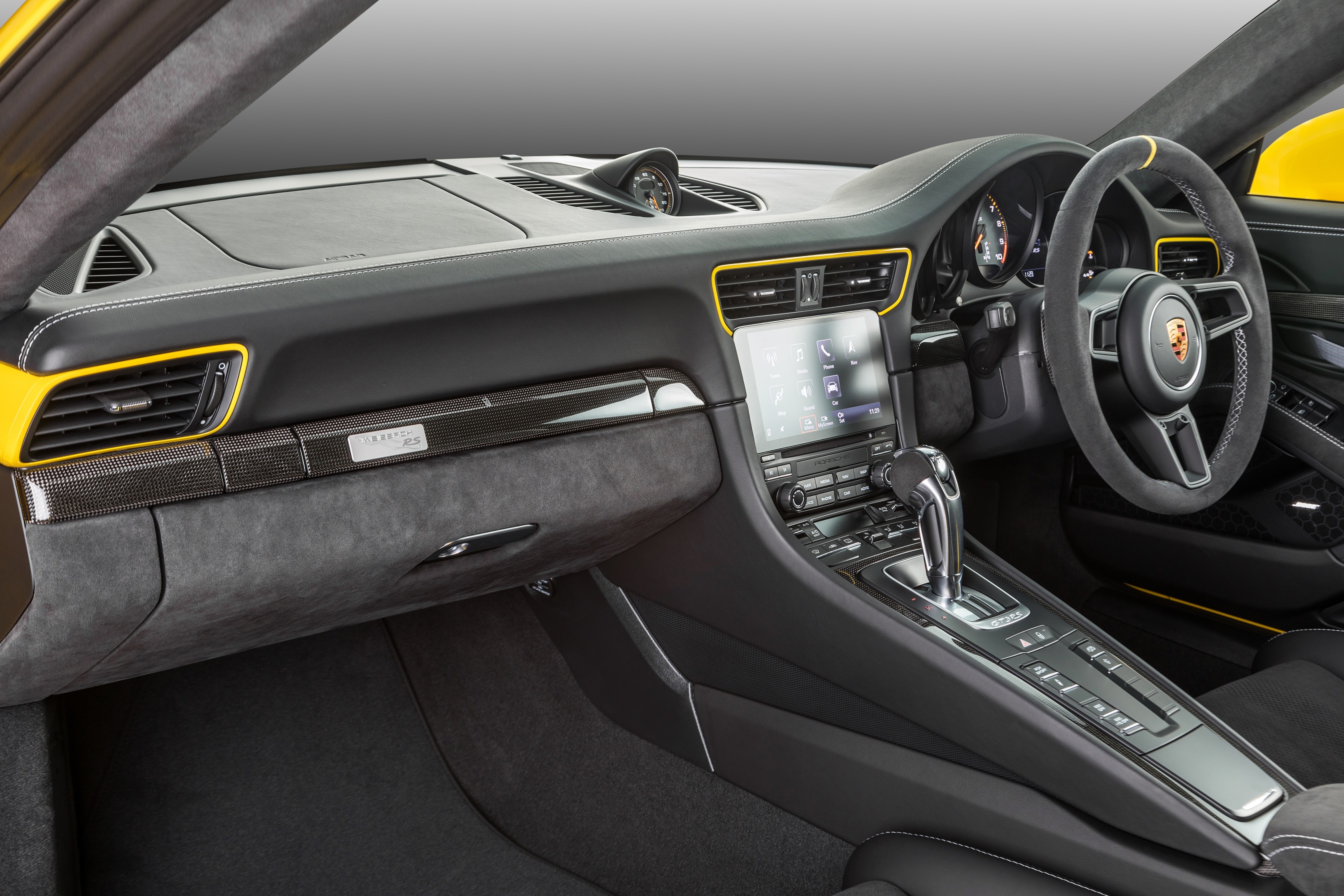
With this new generation, the Cayenne is writing a new chapter in the relationship between driver and vehicle: The Porsche Advanced Cockpit is fully integrated into the sporty, luxurious atmosphere. At the heart of the new display and control concept from Porsche is the 12.3-inch full-HD touchscreen from the latest generation of Porsche Communication Management (PCM), launched last year with the new Panamera. A range of digital functions can be operated intuitively – including by voice control. The analogue controls on the new centre console are focused on the main functions of the vehicle. Other buttons are harmoniously integrated into the smartphone-like, glass-look touch surface, giving acoustic and haptic feedback when operated. In typical Porsche style, the driver has a central analogue tachometer to view. This is flanked by two 7-inch full-HD displays, which display all other relevant driving data plus additional information selected using the multi-function steering wheel.
Your personal Cayenne with more customisation
At the same time, the new PCM brings the next level of customisation. It is not only the start screen and main menu that can be adjusted to the driver’s needs. Up to six individual profiles can also be configured. As well as a large number of interior settings, a profile is used to store specifications for lights, driving programmes and assistance systems. Depending on the equipment, the driver can also apply their own settings to the new sound systems from Bose® and Burmester®.
The retail base price with zero-rated GST for the new Cayenne and Cayenne S starts from RM745,000 and RM887,000 respectively. All Porsche cars sold by SDAP come with a four-year warranty and free maintenance package which includes complimentary service, parts and labour. The stated price includes all applicable duties, except registration fee, road tax and insurance. Specifications and prices are subject to change without prior notice. The zero-rated pricing will only be applicable for models delivered before 31 August 2018.