
Piston.my

Proton

Exports are vital for the business of any carmaker if it is to keep growing. Unless it is the gigantic market in China, every carmaker cannot rely on its domestic market alone for long unless it receives protection and preferential treatment by the government.

For Proton, which did receive such protection for a long time, its focus on the domestic market enabled it to grow without the heavy cost of competing in other markets where it was just another brand. However, with the increasing liberalisation, Proton’s share of the Malaysian market began to erode and although it did export its vehicles, its overseas business was not significant.

While sales leadership in the domestic market will always be a main priority, the company  recognises that in order to grow for the future, it needs to expand its customer base and search for sales in other  countries. The export market is therefore of great importance to Proton’s long-term goal to be the third best-selling automotive brand in  ASEAN by 2027.
Proton

Doubling export sales in 2021
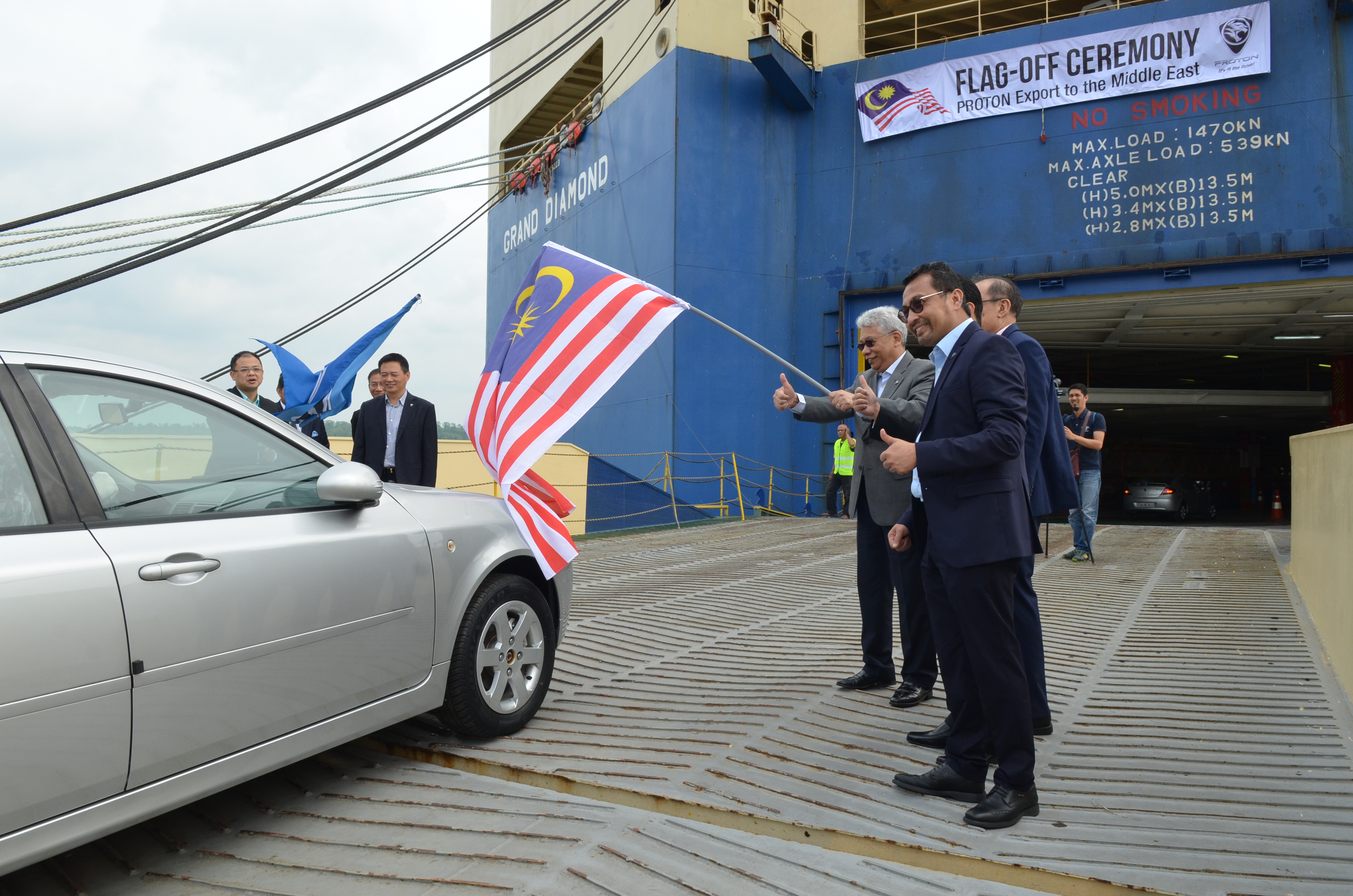
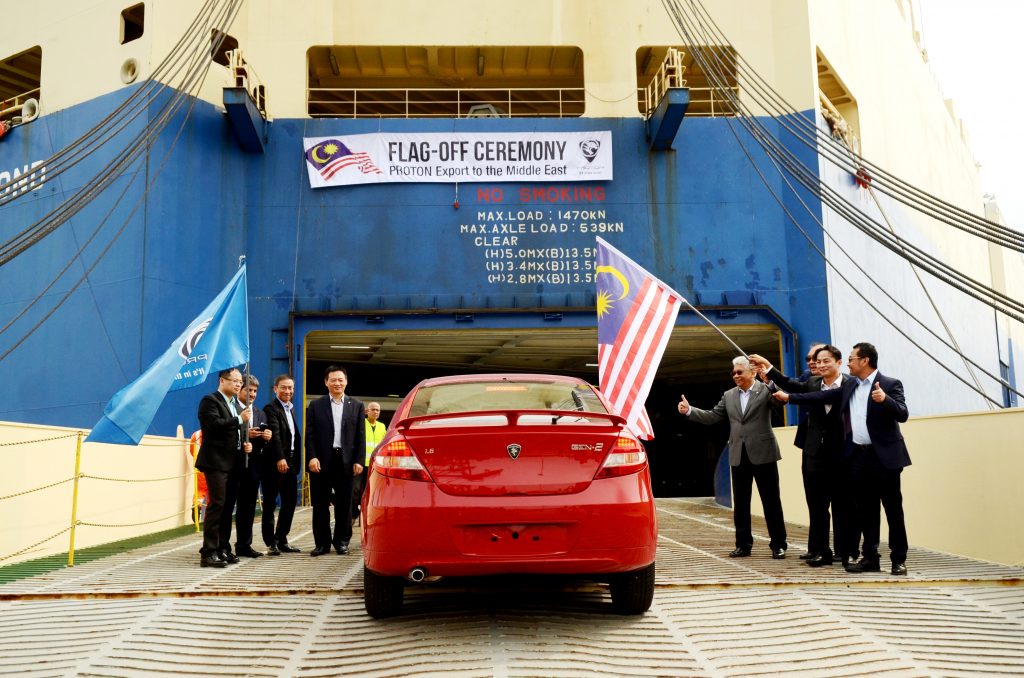
The carmaker is therefore giving much more attention to its export business and has set itself the challenging target of doubling export sales in 2021 compared to what was achieved in 2020. It is setting this target on the assumption that export activities are not overly hampered by restrictions due to the global pandemic.

“Over the last two years, Proton’s international sales division has been aggressively pursuing export sales in numerous markets. We have deployed multiple strategies to achieve our goals, from shipping CBU vehicles built in Malaysia to inking agreements with local conglomerates to assemble CKD cars to benefit from local tax  incentives,” said Steven Xu, the company’s Director of International Sales.

“We targeted to see significant gains in 2020 but those plans were affected by COVID-19. Still, we managed to  grow our export volume, enter new markets such as Kenya and even launch the Proton X50 in Brunei barely 2 months after its Malaysian debut, so there are many positives to take into the new calendar year,” he said.

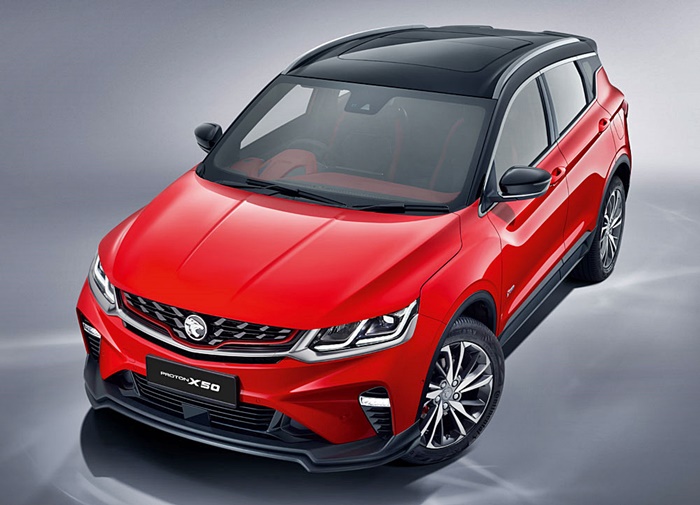
Spearheading the export activities will be Proton’s most popular model, the Saga. The X70  and X50 SUVS will also be gradually introduced to more overseas markets. At the same time, setting up local assembly operations in some foreign markets will also boost exports.
Tailoring products to local needs
One of the keys to growing exports is having products that not only appeal to a number of different markets but more importantly, meet the needs of the market. Global players take this seriously and many years ago, Honda developed a 1599 cc engine for its Accord model just for the Singapore market when virtually all other markets used a 1602 cc engine.

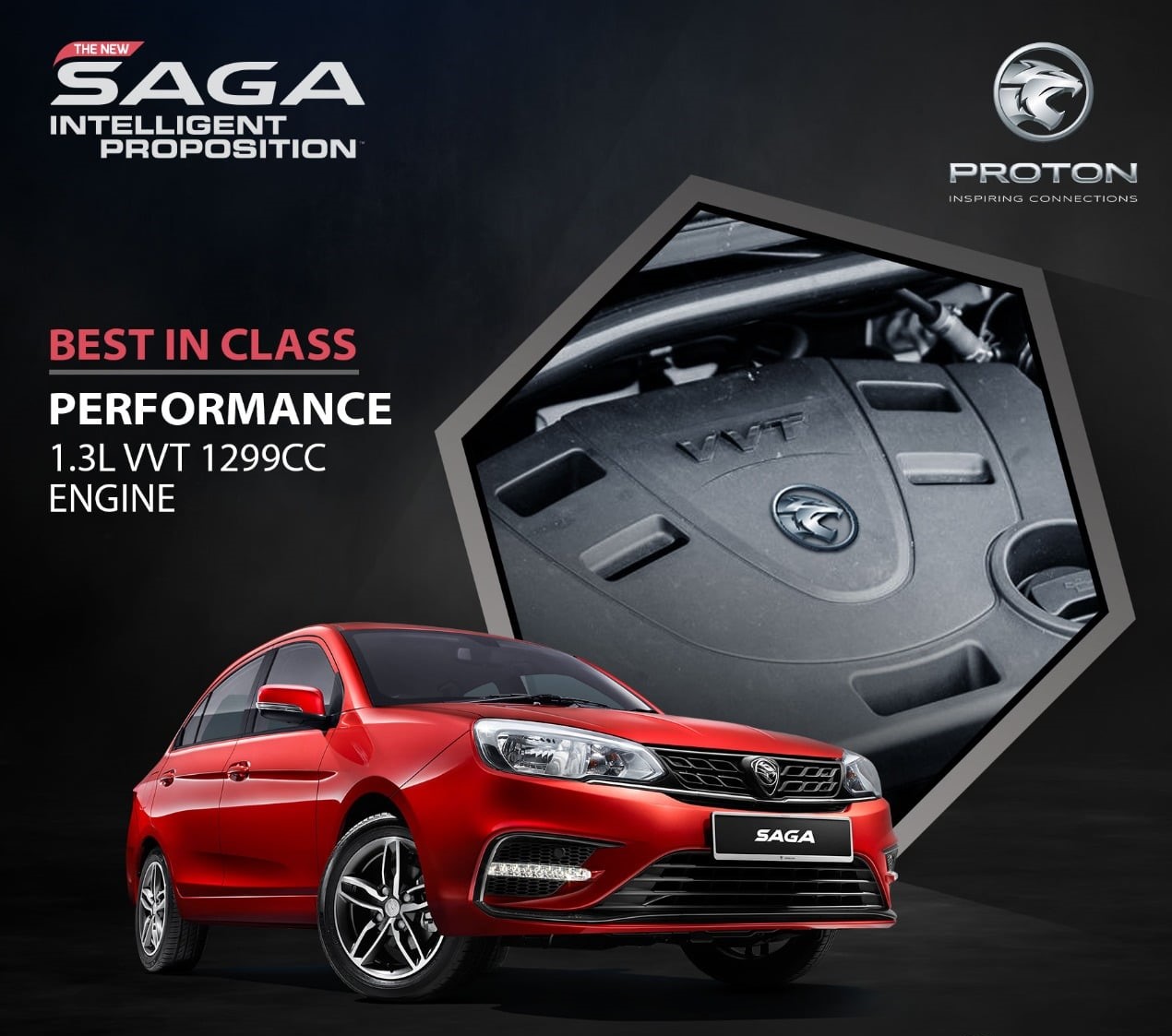
Likewise, Proton has fitted a 1299 cc engine to the Saga it exports to Pakistan, instead of the 1332 cc unit commonly used, because customers there prefer cars with smaller engines. The same model is also sold in Nepal and comes with a heater, a vital component for markets with cold winter months but not installed in models sold in the ASEAN region.
“The Proton Saga remains a popular model in many countries due to its hardiness, practicality and value-for-money proposition but in order to lift our brand image, it is important for our newer models such as the Proton X70 and Proton X50 to also be exported. This will show car buyers what the company is capable of and help  pave the way for us to sell other models in the future to fill up the range,” added Mr. Xu.

While Proton’s distributors and importers in its export markets are owned by local entities, it works closely with them to ensure there is a cohesive market introduction, promotion and product launch plan to suit local  market conditions. By building a consistent brand image, the company is taking steps towards being a global  entity and paving the way towards penetration in other regions in the future.

Working closely with foreign partners
“By working closely with our foreign partners, we aim to present a consistent message in all our export markets and ultimately, this will make it easier for the Proton brand name to establish itself in even more countries. This  is in line with our aim to promote Malaysia and its vendors on a regional and global level and ultimately, this will  raise their competitiveness and benefit the economy as a whole,” said the CEO of Proton Edar, Roslan Abdullah, who is not only responsible for Proton’s sales volume but also for the marketing and promotion of the brand.

“Our products have not been available in many parts of the world for a variety of reasons. Our new range of updated and jointly developed products with Geely presents an opportunity to change the narrative by opening up ownership to more countries and we are optimistic they will find a ready market in many countries,” he added.

History of Proton exports
In the early years of Proton’s existence, its focus was on the domestic market which took virtually every car it made. Export markets, though established, were not given great attention and even Mitsubishi Motors, its partner, suggested that it concentrate on developing its skills in making cars and about the business before embarking on overseas sales.

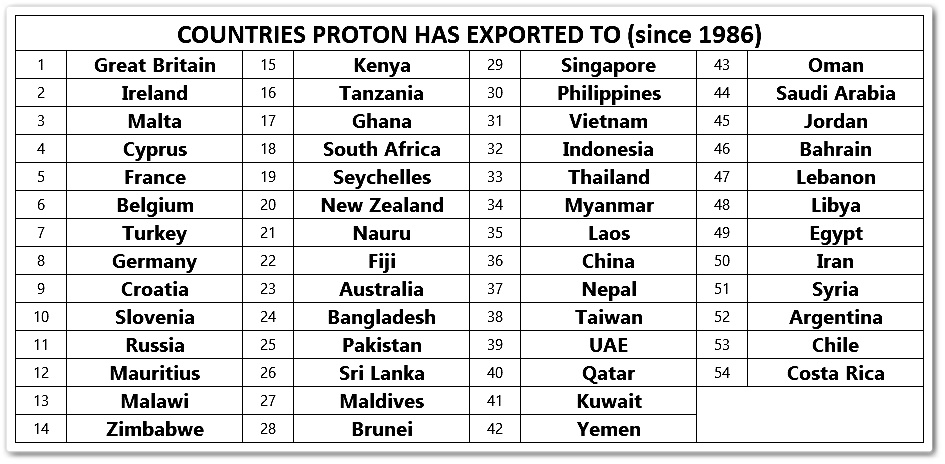
Nevertheless, Proton began exporting just one year after the first Saga went on sale in Malaysia. Its early targets were those which were ex-British colonies, like Malaysia, and where traffic went on the left side of the road like us. This would make it unnecessary to develop a lefthand drive variant so soon.
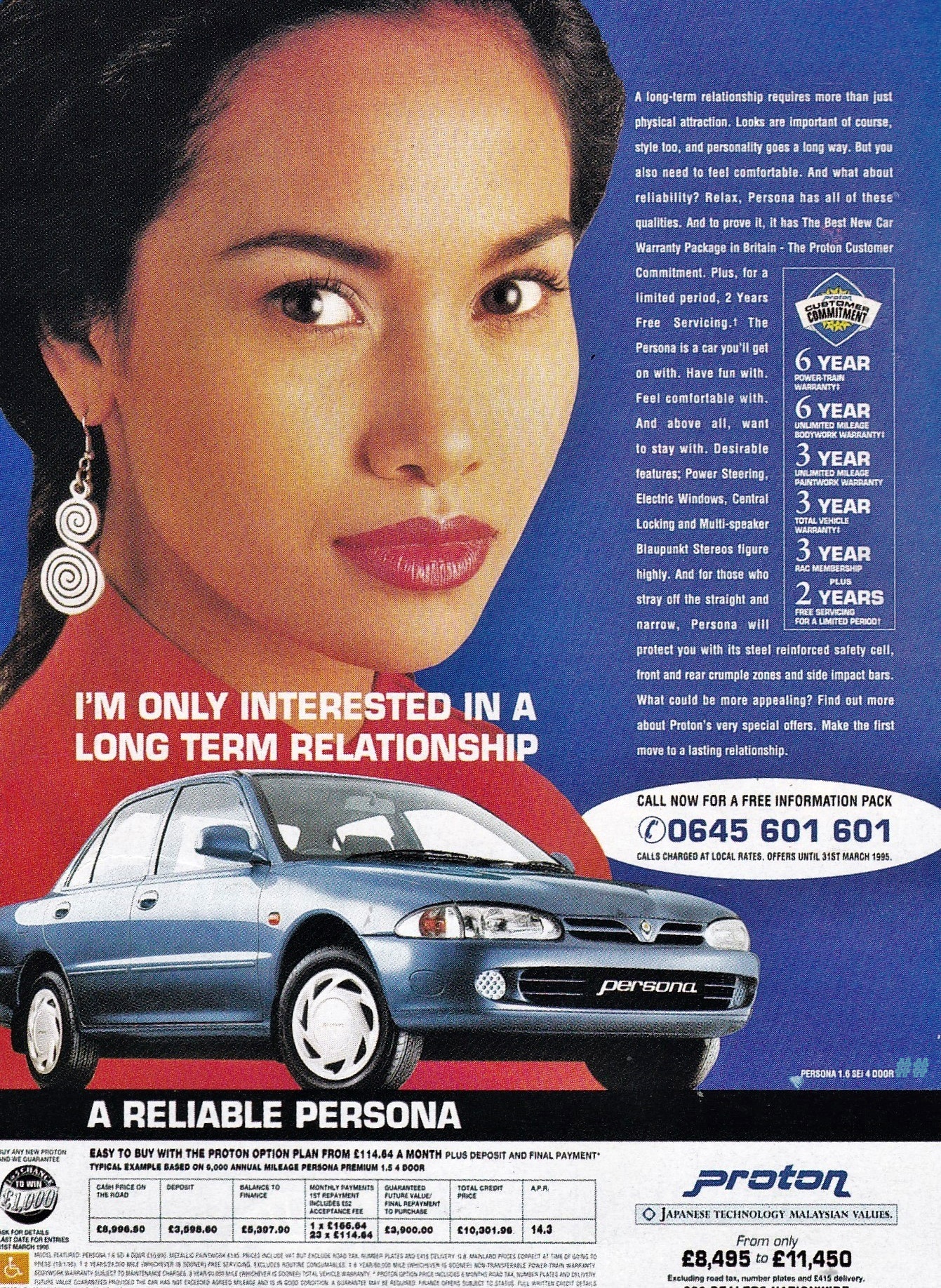
A Proton advertisement in the UK in the 1990s.

The UK market was considered a market with great potential then, and it was hoped that the Malaysian origins of the Saga would appeal to the British who had lived in Malaysia in the pre-Merdeka period. The first model was introduced at the Birmingham Motorshow in 1988 and initially, Proton received some preferential taxation as it was a small volume brand entering the market. This allowed it to sell at attractive prices and it was well received. The growth in sales in the UK led to a subsidiary being established to handle import and marketing activities, and that market was at one stage, Proton’s biggest export market.

As the only Muslim country in the world to develop its own car and have an automotive brand, Protons from Malaysia were expected to be popular in other Muslim countries. In fact, the first export market was Bangladesh where the Saga first went on sale in 1986. Egypt has also been a strong market for Proton since it entered in 2004.

By 2001, Proton had a presence in over 50 countries, some in significant numbers and some just a handful. It had tried to enter the US market in the late 1980s, appointing a business partner called Global Motors which created a unit known as  ‘Proton America’ to get the necessary approvals. Two units of the Saga modified to lefthand drive and with 1.8-litre engines were sent to a motorshow in Las Vegas in 1988. The plan was to export as many as 30,000 cars to the USA for sale within a year. However, things didn’t work out as expected and no further attempts were made to enter the biggest car market in the world at that time.
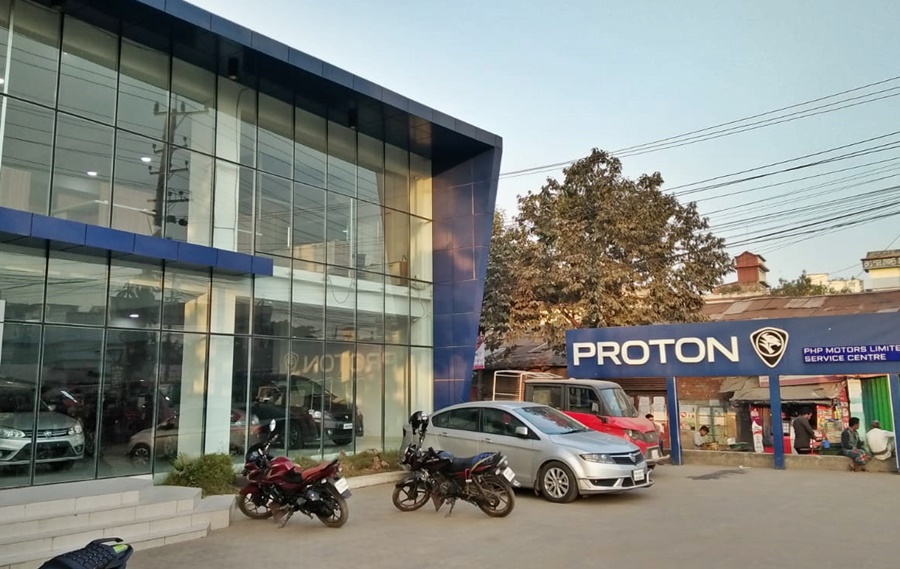
Bangladesh is Proton’s oldest export market, the brand having entered in 1986.

Like many manufacturers, Proton also considered local assembly in some markets and it did so for a while in the Philippines and had a project going for Iran. It also had a joint venture company with Mitsubishi Motors in Vietnam and the deal was that for models above 1600 cc, Mitsubishi’s models would be used, and Proton would provide models below 1600 cc. But things didn’t proceed as planned and Proton never got to assemble any model.

From 2001 onwards, Proton had a new range of models and hoped to grow its exports, especially as the domestic market would become more challenging as it was supposed to be ‘opening up’ with the realisation of the ASEAN Free Trade Area (AFTA). It even built a new factory in Tanjung Malim, Perak, with a capacity of up to 500,000 units in anticipation of an export offensive regionally.

However, for various reasons, export activities diminished and in Europe, as the emission and safety regulations got tougher, Proton’s aging platforms and engines became unacceptable. By 2010, even the ‘father of Proton’, Tun Mahathir Mohamed, acknowledged that perhaps Proton had not given sufficient thought to the need to make its cars suitable for global markets and only focussed on the domestic market because it was big enough. Dealerships in many of the 50 markets slowly stopped selling Proton which was not so helpful at a time when the company was also facing a decline in domestic sales.
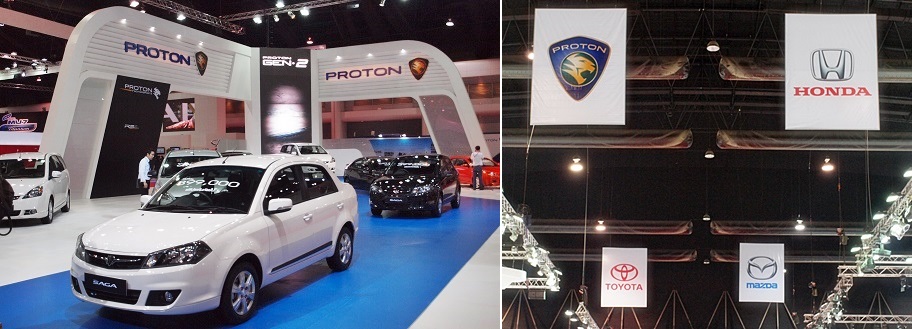
Proton at the Bangkok International Motor Show in 2011. The carmaker is aiming to become No.3 in the ASEAN region by 2027.

“We are exploring all opportunities to grow export volumes for Proton,” said Dr Li Chunrong, CEO of Proton. “We are also leveraging on Geely’s extensive overseas network operations to increase the cost-effectiveness of Proton’s operations. Geely can support us in these initiatives and there is a lot of experience within the Group so we hope to leverage on it to enable us to sell more cars outside of Malaysia.”


Brunei first export market for Proton X70

COVID-19

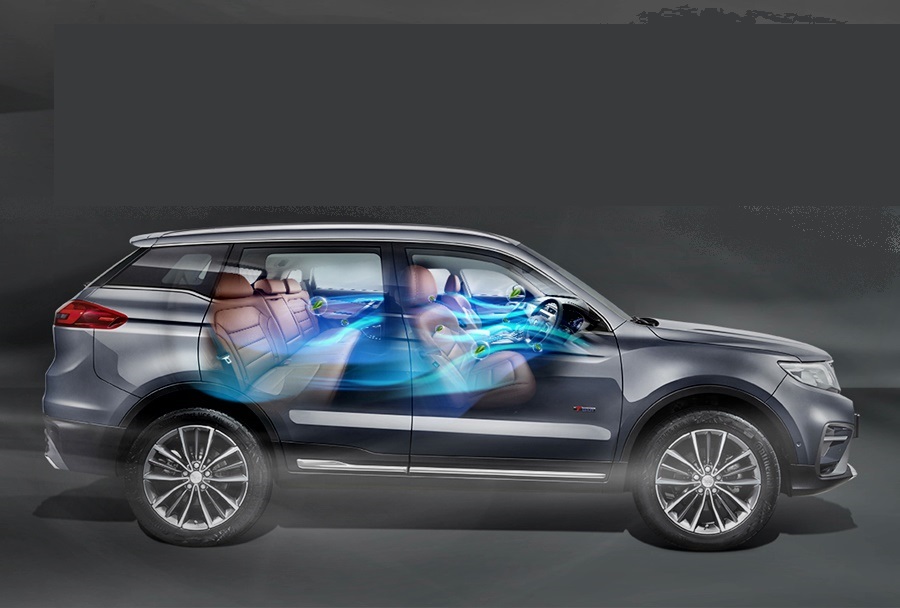
Air quality inside the car’s cabin never used to be an issue; after all, windows used to be down much of the time so fresh air could flow in and out. As air-conditioners became more common, windows stayed shut most of the time and this is when the air quality inside could become unhealthy. Fresh air ventilation modes have been available to allow outside air to enter, but many may not use it as it also means bringing in smells.

While smells and dust are unpleasant, the more serious issue in these times of COVID-19 is the need to ensure that the cabin air is hygienically clean. After all, we spend long periods inside the car and we obviously breathe constantly. Ensuring good air quality with maximum possible removal of germs is therefore a requirement today.

Proton, like many other carmakers, quickly began to look into how filtration systems could be enhanced to not just remove dust and other particles but also germs. Working with Geely, which has also been developing air filtration systems that can effectively remove germs from cabin air, Proton has developed cabin filters for its entire range of cars, including the latest X50.

Proton X70 N95 filter

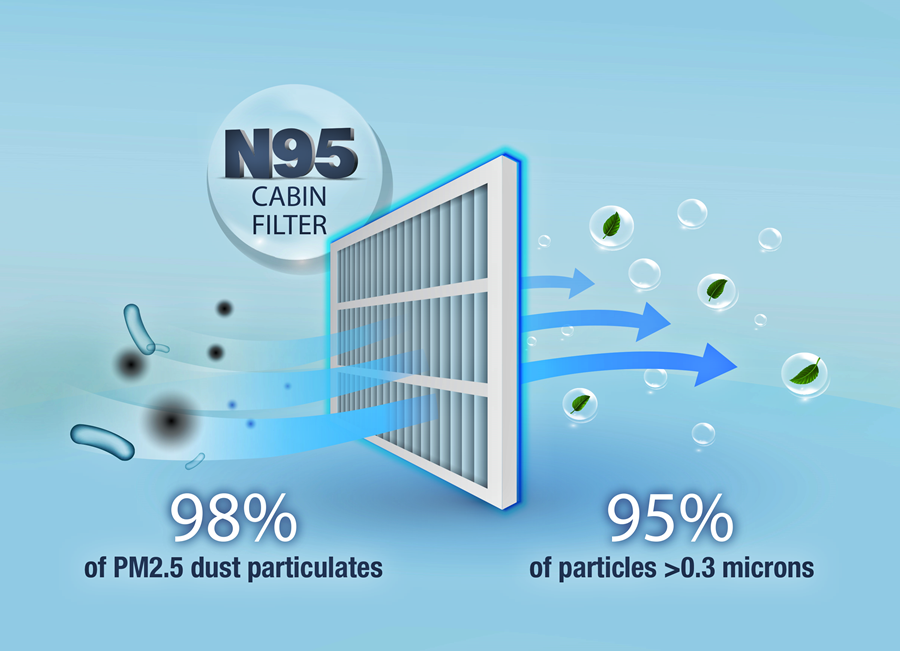
The difference between Proton’s filters and most others – which typically trap dust and pollen – is that its filters have N95 capability. This means that they can remove 95% of particles and contaminants that are larger than 0.3µm (microns) and 98% of PM2.5 dust particulates. Removing PM2.5 particles is particularly important for respiratory health. PM2.5 particles are very tiny – about 3% the diameter of human hair – so it requires a very fine filter to stop them from entering the cabin. Apart from effectively filtering smoke particulates, dust and bacteria; the N95 filter can provide an allergy-free environment by reducing allergens from pets, aphids and pollen.

The P-IAPS in the X70
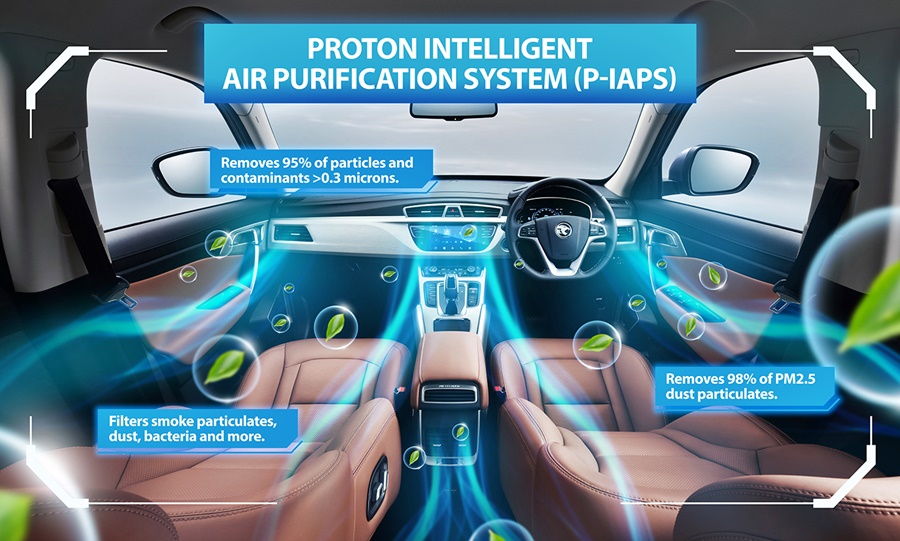
More interesting is the P-IAPS which is a superior air filtration system in the Proton X70. P-IAPS stands for PROTON Intelligent Air Purification System (P-IAPS) and it combines the benefits of an air purifier system and an N95 Cabin Filter. The IAPS uses a High Efficiency Particulate Air (HEPA) filter that removes up to 99.97% of particles larger than 0.3 microns while its activated carbon removes odours, formaldehyde and adsorbs and purifies smoke particulates.

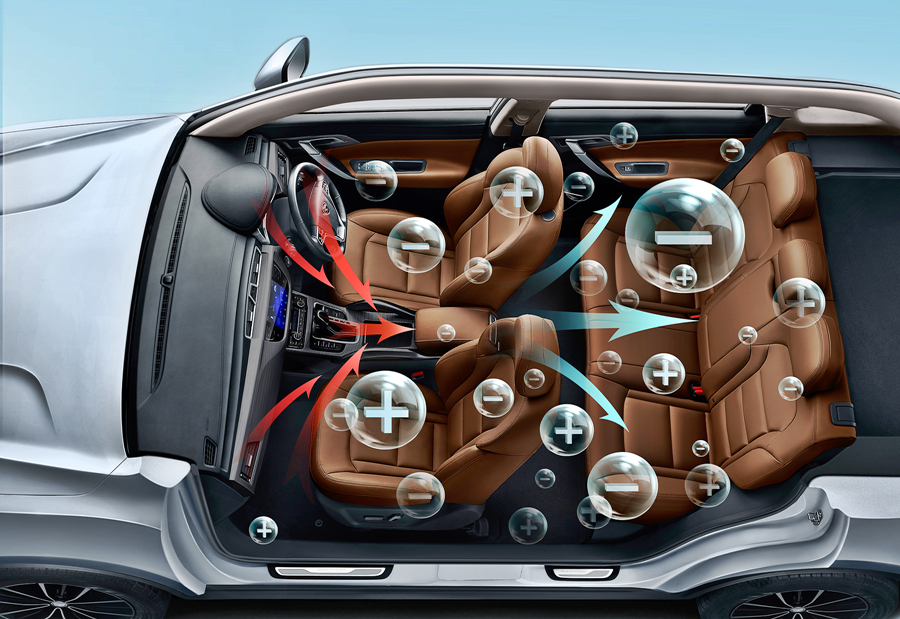
Additionally, there is an ioniser which discharges negative ions to cleanse the air by ‘deactivating’ the viruses. The ionised air is often said to be like mountain air which is usually fresh and of course, clean.

N95 filter also available as replacement
The N95 Cabin Filter is now a standard item in all new Protons so the occupants are assured of clean, healthy air all the time. For those who already have the Saga, Persona, Iriz and Exora, it is also possible to replace the existing filters with N95 filters available at any authorised Proton service centre. It’s worth the extra investment, especially in these times when we must take greater precautions to protect ourselves from viruses in the air.

For more information on Proton’s products, services and accessories, visit www.proton.com.

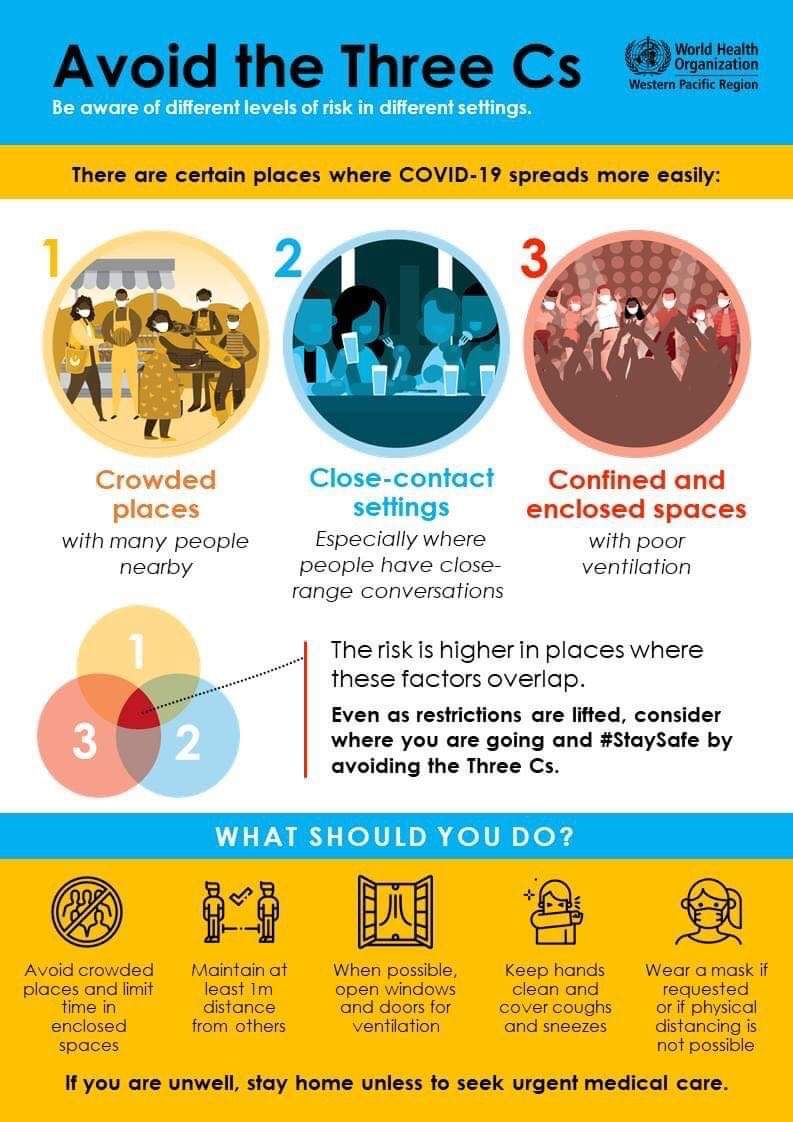
How motorists can help to prevent the spread of COVID-19

To know more, visit www.bhpetrol.com.my.

The Total Industry Volume (TIV) for 2020 was expected to be lower than the 604,281 units recorded in 2019 and in the first half of the year, many would have expected it to be significantly lower. However, with the consistently high numbers in the second half of the year, the TIV closed at 529,434 units, 12% lower than 2019 but well past the forecast of 470,000 made by the Malaysian Automotive Association (MAA).

When the year had started, the MAA had actually forecast 607,000 units for the year, but revised it substantially downwards by 23% as the seriousness of the pandemic and its impact on the industry became clear. The nationwide shutdown naturally resulted in lost sales, with April seeing the most dramatic drop to virtually zero as no business could be conducted.

Proton sales rose in 2020 and its overall market share went above 20% for the first time since 2013.

When the commercial sector was progressively allowed to resume, there was some consumer hesitance but then the government came out with its PENJANA program to help the economy recover and  for the auto industry, the help was in the form of sales tax exemption for 6 months (extended a further 6 months until June 2021). This would lower retail prices and Malaysians always love it when they can escape paying tax, of course. The exemption applied to both locally-assembled and CBU models, except that the exemption for the latter was half and not the full 10%. Still, it made a difference, especially for the expensive models that are mostly CBU anyway.

Proton sales increased
It was expected that the sales volumes would be lower in 2020 but Proton didn’t suffer such a decline. The carmaker already had a healthy order bank and during the year, total vehicle deliveries were 8,524 units higher than in 2019, finishing off at 108,524 units. The volume was an increase of 8.8% over the 100,821 units sold in 2019.

Perodua, in spite of a big backlog of orders, still saw a reduction in volume of 20,178 units, 8.4% lower than the 240,341 units delivered in 2019. But it still retained the No. 1 position which it has had since 2006.

Among the non-national brands, Honda was in the lead but sold almost 25,000 fewer vehicles. Next was Toyota which sold 58,501 vehicles, while Nissan reported 14,160 vehicles. For the rest of the brands, the reduction in sales volume amounted to 20,451 units.

Malaysian makes gain in market share
In terms of market share, both Malaysian makes gained at the expense of the main rivals. Reflecting its higher sales, Proton’s share rose to 20.5%, an increase of 3.9%. The last time the carmaker had a share of 20% or more was in 2013 and the years before. Perodua, in spite of less deliveries, saw a 1.8% increase in its share to just above 41%. In most years, its share has been around 30%+.

#StayAtHome

Optimistic forecast for 2021
For 2021, the MAA is forecasting 570,000 units – an increase of 100,000 units from its 2020 forecast, which is 8% higher than the actual TIV achieved. Strong growth (18%) is expected in the commercial vehicle segment which will continue to require vehicles for the various projects underway around the country. If the pandemic doesn’t worsen, the association and its members expect the high demand to continue into 2022 before settling down to a 3% rate of increase annually.

New vehicle sales in 2020 declined by 12% but exceeded 470,000-unit forecast

After a year of unprecedented challenges, Proton closed 2020 on a high with another increase in sales, following a previous landmark performance in 2019. Despite losing over 2 months of vehicle production as well as sales due to the MCO (Movement Control Order), the company was still able to sell 109,716 vehicles for the whole of 2020 after a final month of 13,306 units.

The 2020 volume represented an increase of 8.8% over the 100,821 units sold in 2019, and Proton says it is the only major automotive company to record growth in Malaysia. Its market share for the year also increased to an estimated 21.1%, a significant 4.4% increase.

Main drivers of volume growth
The main drivers of volume growth were the extensively updated Persona, Iriz, Exora and Saga, which all posted higher numbers in 2020. The X50 surpassed expectations despite its later than planned arrival. The sales performance, combined with a 49.8% increase in export volume, allowed Proton to buck the trend of the Malaysian automotive industry which is expected to contract by an estimated 13%.

In terms of individual performance, each Proton model ended the  year near the top of their respective segments. The Saga remains as the company’s bestseller for 2020, while the launch of the X50 and continued strong sales for the X70 combined to make Proton the leading SUV brand in the country.

Sales of X50 and continued high demand for X70 makes Proton to leading SUV brand in Malaysia.

“We are grateful to have achieved this level of performance against the backdrop of 2020. To describe it as challenging would be an understatement but we persevered. Our results were backed by many factors, trust from our customers, support from the government, commitment from vendors, resilience of our dealers and also the diligence of our staff,” said Dr. Li Chunrong, CEO of  Proton.

Strategic management and decision-making
COVID-19 brought economic activity to a complete halt and its adverse effects required quick, prudent and tough management decisions. Fortunately, with the last few years of vigilant cost control and improved efficiencies, the company was able to react quickly to the crisis. This meant that despite the shutdown, there were no layoffs or salary cuts. More importantly, constant monitoring and agility allowed the company to ramp up production very quickly after the lockdown.

Post-lockdown, Proton was rigorous about safety for both customers and employees. Stringent protocols were deployed and are still being followed to ensure that all customers, partners and employees can interact with peace of mind.

Still, like all other industries dependent on a global supply chain for components, the company was affected by the availability of parts for producing new cars and replenishing its spares. This caused delays that, in some instances, severely increased waiting times for both sales and service customers. However, steps have been taken to address these issues and a marked improvement in the coming year is promised though, in the short term, some delays will persist.

Continued push in manufacturing and quality
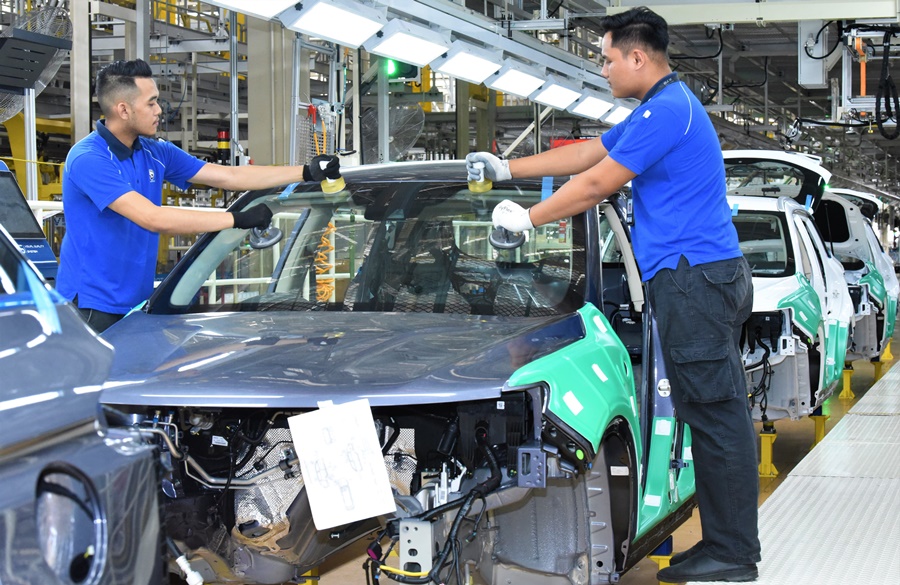
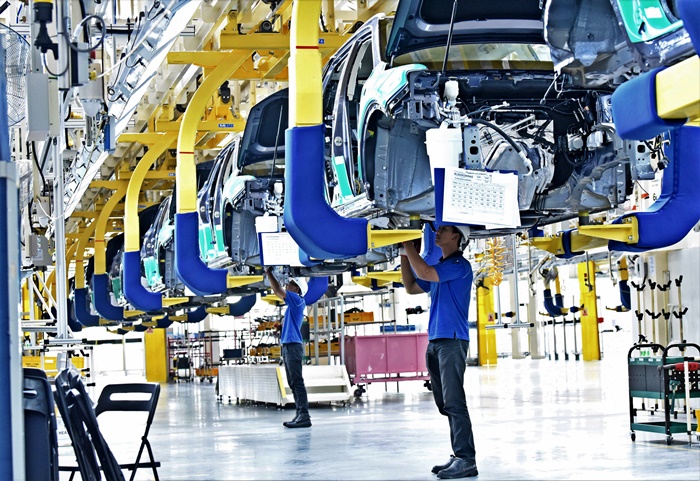
A key component in Proton’s performance for 2020 was the results of its investments in manufacturing and quality. This was both in the areas of hardware and software. Aside from technology, new processes and systems were introduced to drive an increase in capacity and precision. This was exemplified not only with the increased volume but with the smooth introduction of the X50 at the company’s new production line at the Tanjung Malim factory in Perak, which also makes the Persona, Iris and X70.

Proton Tg Malim 2019

Proton also reports that it markedly improved its Global Customer Product Audit (GCPA) score demonstrating that its quality initiatives are coming to fruition. The company was able to do this despite manufacturing being the most severely impacted by the pandemic.

Export growth in trying times
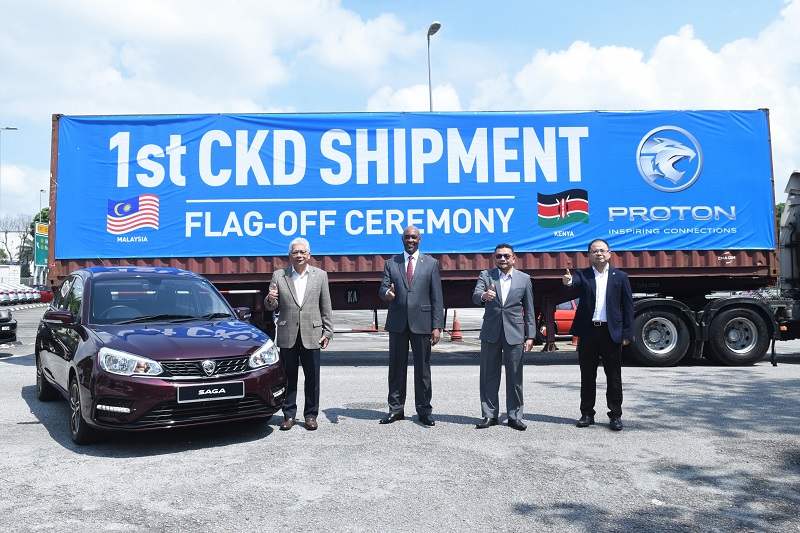
Despite the restrictions placed on the global movement of goods, 2020 saw a strong year for the company’s export division, with a bumper month in December. The first locally assembled Saga roll-off the assembly line in Kenya and the model also made its debut alongside the X70 in Pakistan. Both models are currently imported in CBU form from Malaysia but will soon be assembled in Karachi when the new assembly plant is completed later this year.

Proton CKD Saga exports to Kenya

The X50 meanwhile entered its first export market when it made its international debut in Brunei last month. It is the fourth Proton model to be launched in the kingdom in 2020 after the latest Persona, Iriz and Saga.

Raising the retail game
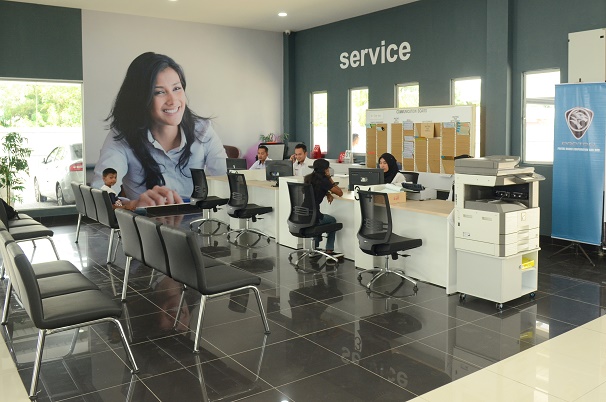
Proton increased its footprint nationwide with another 20 3S/4S outlets, bringing its network size to 140 by the end of 2020. The company continued its programme of upgrading to make a difference in the entire customer value-chain. In striving to deliver a premium brand experience, it paid special focus to revamping the back-end of the business, especially in the areas of after-sales and parts.

While already showing results, these efforts are part of Proton’s plan for the long-term evolution of its business. As such, 2020 also saw Proton change from a retail sales model to a wholesale one with the transfer of ownership of 49 of its branches. This allows the company to focus more on product development, product quality, after sales service and exports while opening the door for dealers to expand the envelope of customer service.

Proton also did its part in helping in the war against COVID-19, providing frontliners with protective equipment made at Proton’s factory, and also vehicles for government agencies to use.

“2020 was a real test of Proton’s mettle as we had only just begun our new trajectory. The nature of this pandemic for an organization like ours, which depends on global supply chains, put great strain on the business. However, a combination of good strategy and hard work has left us not only with an increase in sales against a decreasing market but a renewed belief in our product strategy, quality and commitment to our customers,” Dr.Li said.

“At the same time, we also saw to it that we did our part for the country, which all of us at Proton are especially proud of. We will continue to put the pedal to the metal in 2021 and strive to improve all aspects of the business,” he added,

Proton sales and export volumes higher in 2020 in spite of pandemic

Car-buyers all over the world are always concerned about the safety standards of the car they are interested in getting. After all, they will be using it daily and while no one wants to have an accident, it can happen unexpectedly and when it does, that’s when the protective systems and engineering become vital in minimising injuries.

Today, buyers can be better informed about how safe a model is, thanks to the New Car Assessment Programme (NCAP) which started in the European car industry 24 years ago. The program, conducted by the independent Euro NCAP organisation, involved crash tests and other assessments of new vehicles which were analysed and star ratings would be awarded, depending on the performance in the tests.

NCAP for ASEAN region
Since then, as awareness grew in other parts of the world, including Malaysia, regional NCAPs were established. This was an important move as there would be some models which might be sold or developed for specific regions. In ASEAN, the Malaysian Institute of Road Safety Research (MIROS), an agency under the Transport Ministry, was instrumental in starting a NCAP for the region. The ASEAN NCAP is recognised and part of the Global NCAP organisation which shares information and discusses matters relating to motor vehicle safety standards.

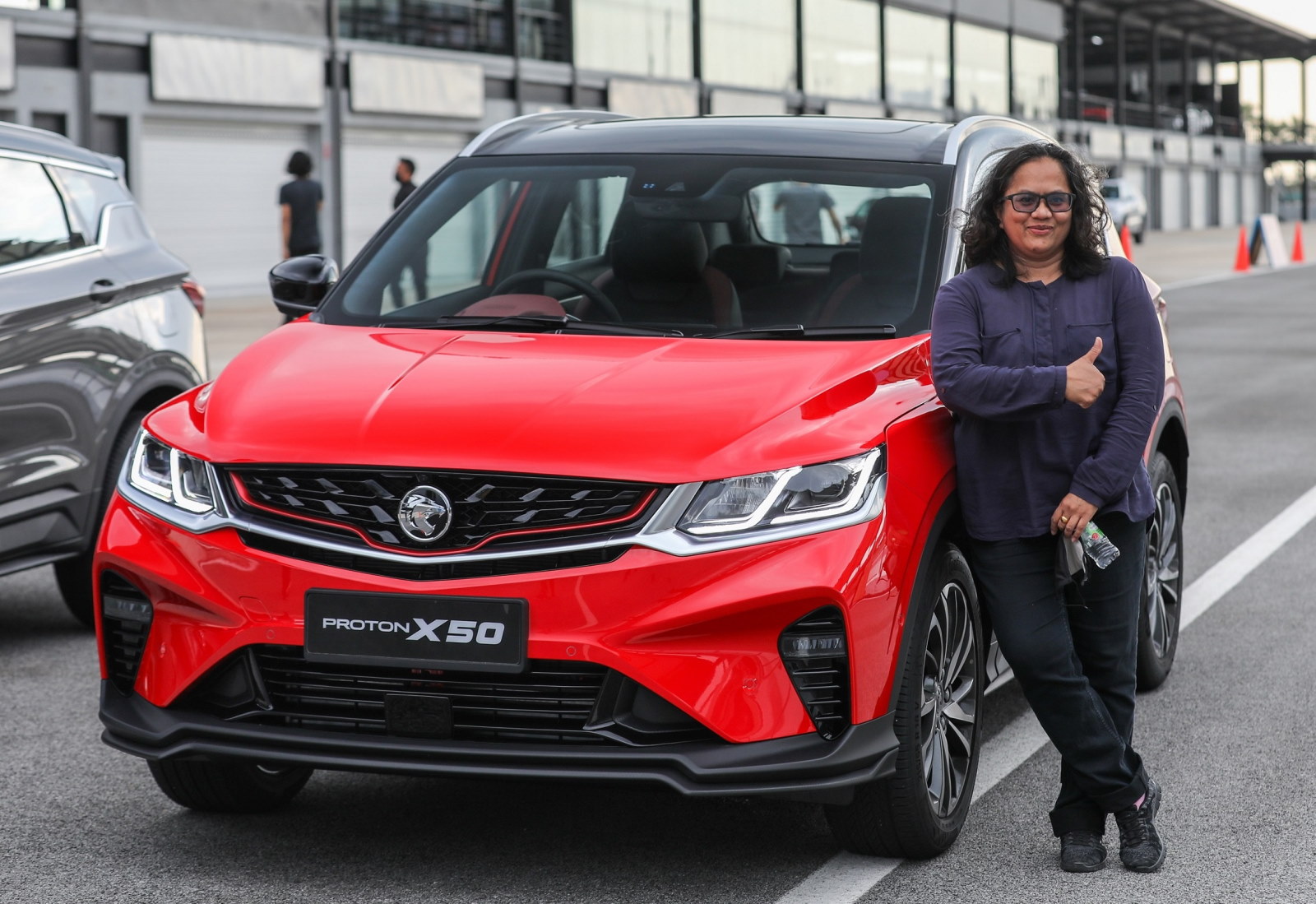
Zanita Zaunuddin, Head of the Safety and Intelligent Drive team at Proton which engineered the X50 to score 5 stars.

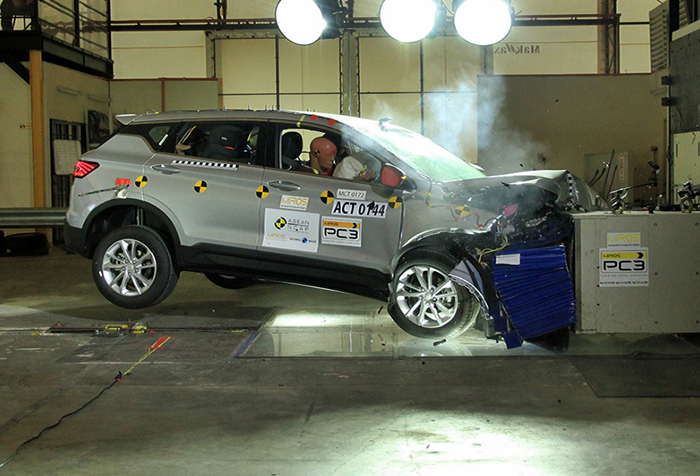
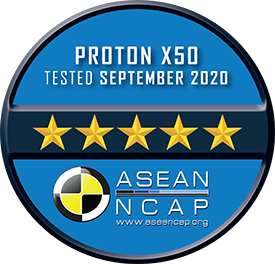
While consumers have come to know about ASEAN NCAP ratings as they are publicised in articles as well as advertisements, the ratings are not mandatory for Type Approval of a vehicle to be permitted for sale in Malaysia. Nevertheless, because NCAP ratings are easy to understand and provide consumers with useful information on how safe a model is, manufacturers strive to achieve the best results and get a 5-star rating, the maximum currently awarded.

Adapted from Geely Binyue
For this reason, when the Proton X50 began development, its performance in the ASEAN NCAP was targeted to be no less than 5 stars. The X50, being adapted from Geely’s Binyue SUV model, already had sound engineering but it was not as straightforward as simply changing the badge and making styling changes here and there. To become a Proton model required a new engineering programme which included meeting the highest ASEAN NCAP standards.

The task fell to the Safety and Intelligent Drive team at Proton, headed by Zanita Zainuddin. To ensure a 5-star rating, crucial, yet subtle changes had to be made, involving performance tuning, material replacement and parts repositioning. One crucial change made was on the bodyshell of the X50. In initial frontal collision tests during development, the front floorboard often experienced tearing, certainly unacceptable by any standard. To overcome this, the engineers had to reinforce the area with ultra-high-strength steel, thereby shifting the force of impact to other areas that do not present any threat to occupant safety. Overall, 40% of the body, including the front, side and back, was made using a combination of high-strength steel variants.

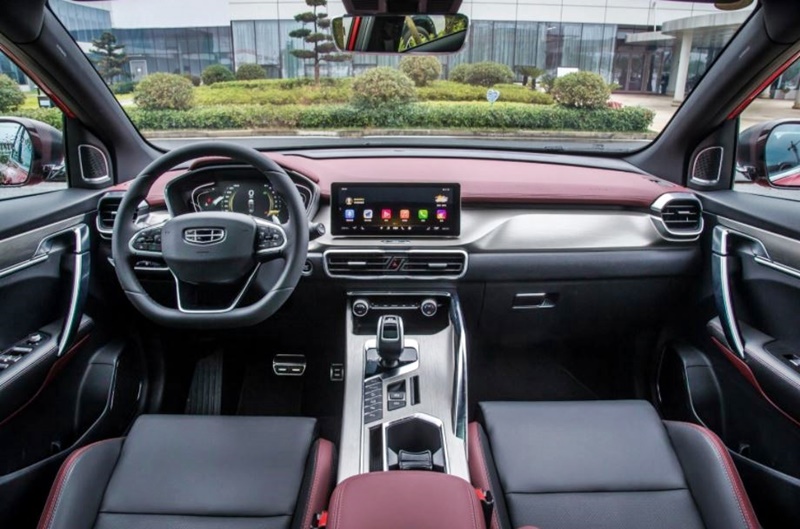
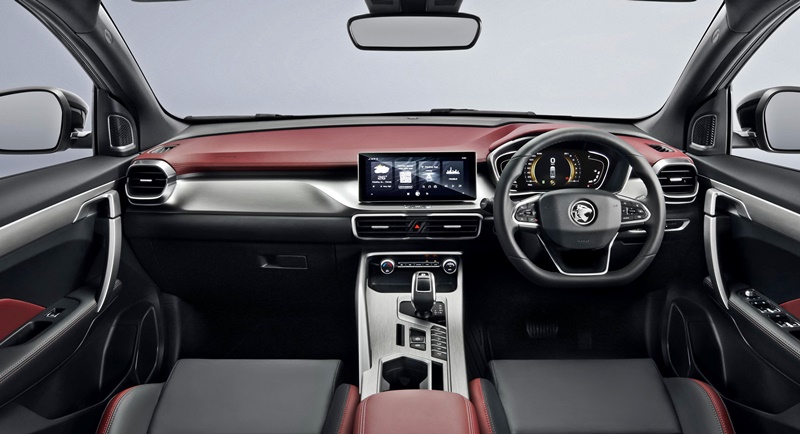
It’s not a straightforward matter to convert from the lefthand drive Geely Binyue (above) to the righthand drive Proton X50 (below).

Another change was on the driver’s footrest, next to the accelerator and brake pedals. It was not a simple matter converting from the lefthand drive of the Binyue to the righthand drive for the X50. In fact, Geely had not developed a righthand drive variant so Proton would have to re-engineer certain areas for the conversion.

The engine is always placed under the bonnet towards the right side of the vehicle, regardless of the driving side. Therefore, during a collision, the driver of a righthand-drive Proton X50 would be more vulnerable to foot injury as compared to the driver of a lefthand drive Geely Binyue. To safeguard the driver’s resting foot from such harm, the footrest for the X50 had to be modified to ensure that the foot remains on the footrest by reducing slippage.

Improving for ASEAN NCAP from C-NCAP
Being a model primarily for the China market, the Binyue was developed to meet the requirements of C-NCAP, which is the NCAP for that country. Although there are common criteria among all the NCAPs, there are also some differences with ASEAN NCAP.

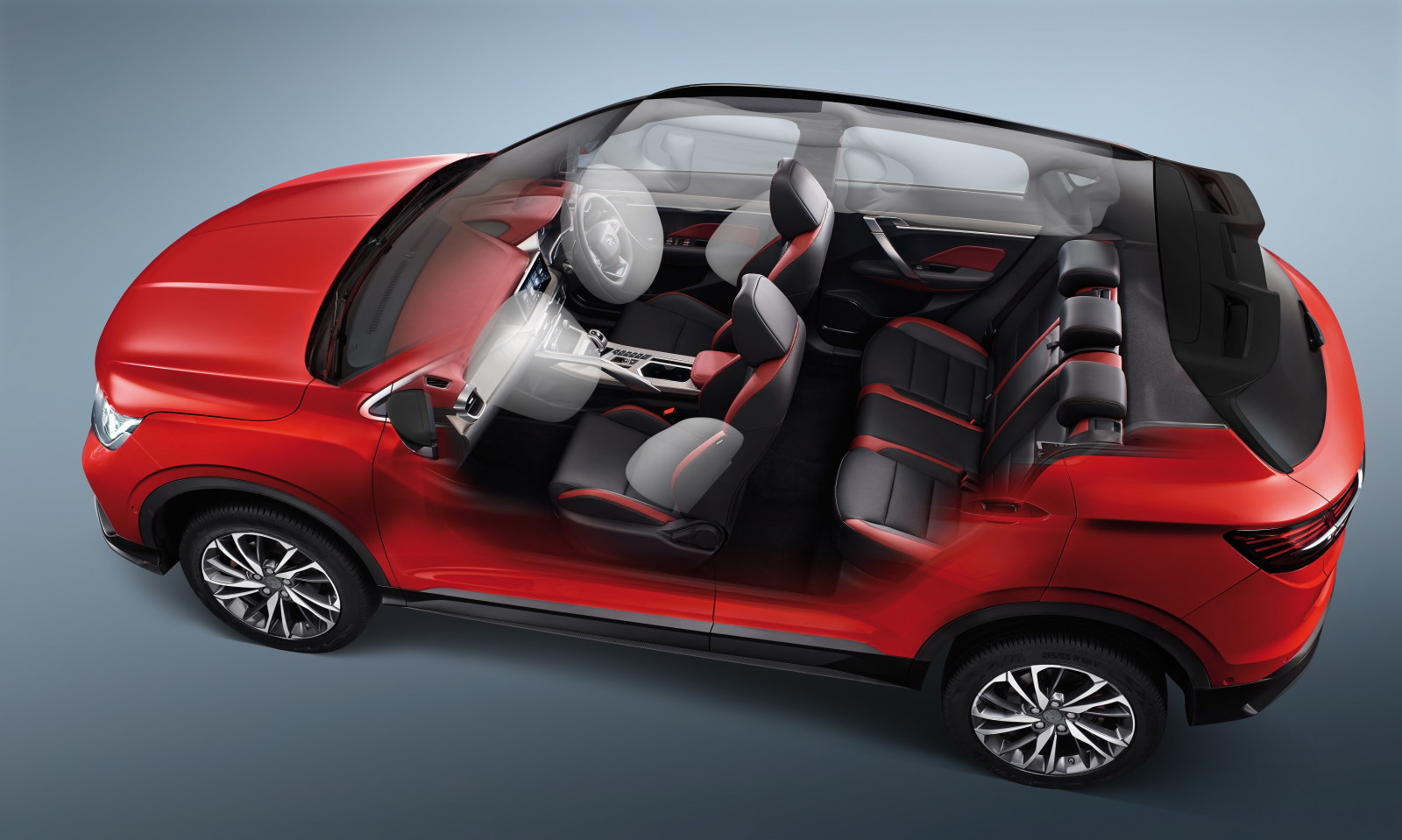
One example is the curtain airbags. ASEAN NCAP emphasizes that the static deployment of curtain airbags covers a range of body types for the different people that may be in the vehicle. Therefore, the curtain airbags for the X50 had to be adjusted to provide additional cushioning to the head area during impact, primarily during side collisions. Since this greatly improves occupants’ safety, it was highly recommended that the additional provision be incorporated in future Geely models.

Child Occupant Protection
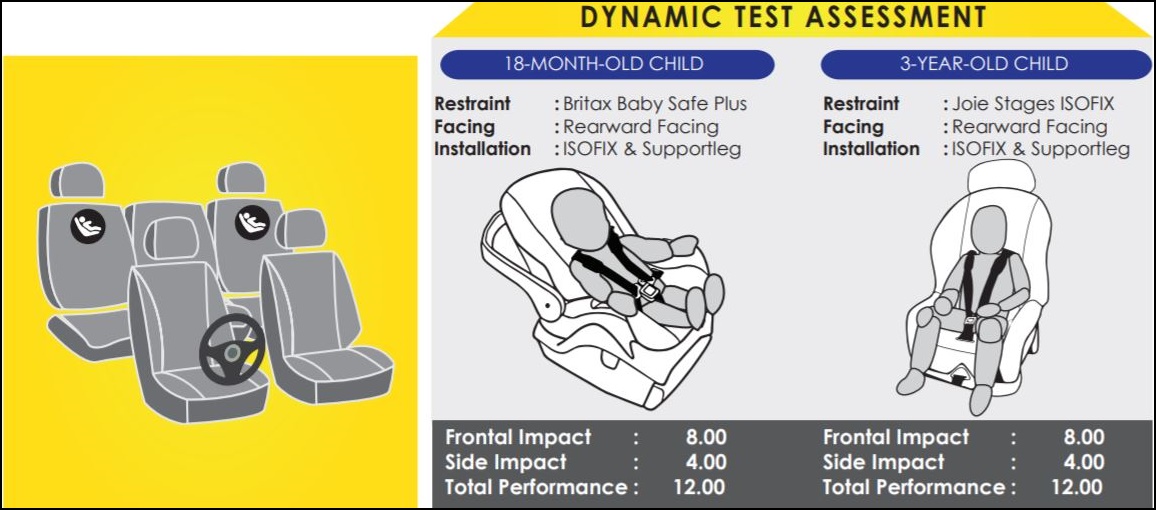
C-NAP is also less focussed on the issue of compatible seats for child occupants, which is an important area in ASEAN NCAP referred to as Child Occupant Protection (COP) and contributory to the overall assessment. Zanita’s team made a changes which included lengthening the hook on the ISOFIX attachment point for compatible childseats. This not only made it easier to install the seat but also to readjust its angle to ensure secure positioning. The work done by Proton in such areas has been shared with Geely and will help it to be ready for such requirements if introduced by C-NAP in 2021.

Results of ASEAN NCAP’s assessment of Child Occupant Protection for the X50.

Related: Full ASEAN NCAP Report for Proton X50


Benefits of being in the Geely Group
Geely and Proton have both benefited from each brand being subjected to different safety and market standards. The best practices are being gathered and shared, ultimately benefitting consumers who get to enjoy not only a comfortable ride but also a very safe one. Additionally, having Volvo – widely acknowledged as the world leader in automotive safety – as part of the group means being able to get assistance in advancing safety technologies.

“Proton has always emphasized safety as one of its unique selling points, unbiased to any country or platform. It is not surprising then that we continue to challenge ourselves so that this DNA is inherent throughout our range of models, be it our locally produced car or the current joint development with our partner Geely,” said Zanita.

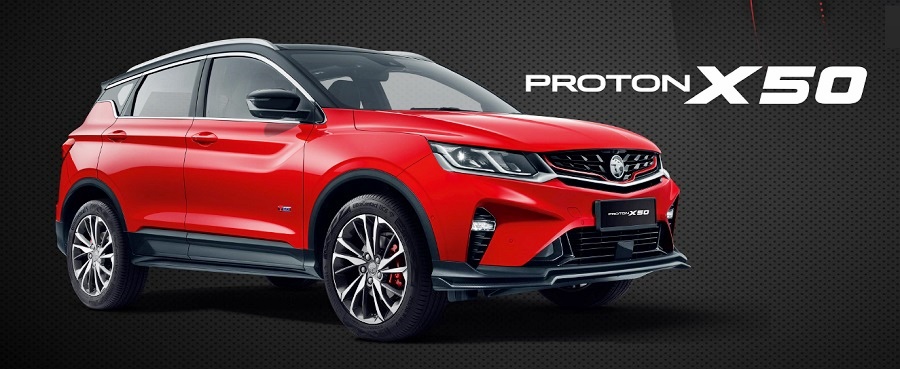
All-new Proton X50 launched – priced from RM79,200

While Proton has continued to buck the local industry trend with steady growth in 2020, its export activities have also seen some momentum upwards. This is in spite of the extremely challenging conditions brought on by the COVID-19 pandemic that have impacted the auto industry. The carmaker’s exports have grown 10.6% so far this year and it is looking forward to selling even more vehicles outside Malaysia in 2021.

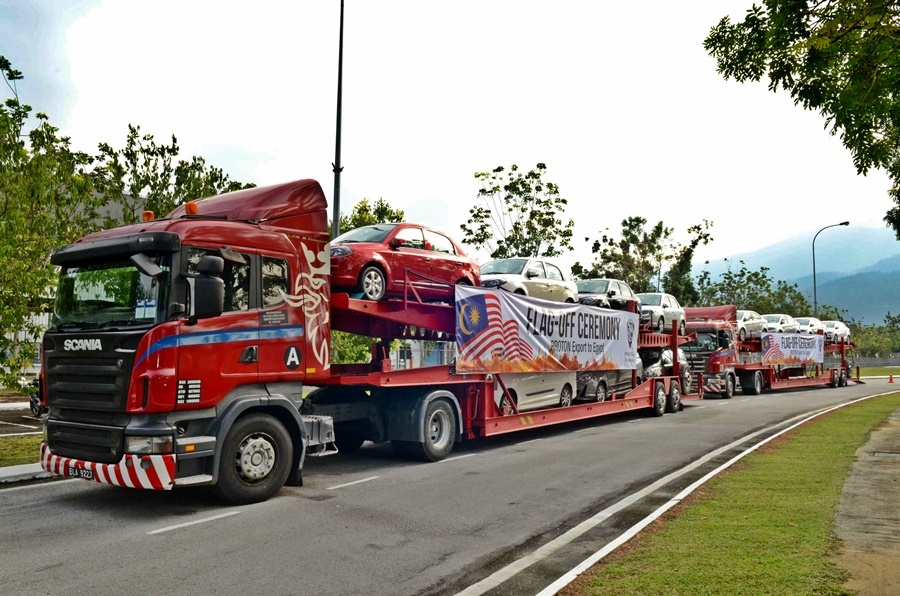
An unprecedented launch schedule has been planned with as many as 5 market introductions to take place in the coming weeks. One of these events will be the export market debut of the Proton X50 in Brunei, and another two will see the start of local assembly and sales of Proton vehicles in Kenya.

Proton CKD Saga exports to Kenya
Proton began exports of CKD packs to Kenya in August this year and the first cars will roll out of the assembly plant this month. Brunei will be the first overseas market to start selling the X50 SUV (below).
nbn

“While local market leadership is one of our targets, it is equally vital for the Proton brand to build up its presence internationally, representing both the company and Malaysia. This was part of the 10-year plan that was devised at the beginning of our strategic partnership with Geely,” said Dato’ Sri Syed Faisal Albar, Chairman of Proton Holdings Berhad.

“However, parts of the export plans were affected by the COVID-19 pandemic as each country had different responses and restrictions. Still, thanks to our diligent work and the strong support of various government agencies, we are finally getting back on track,” he added.

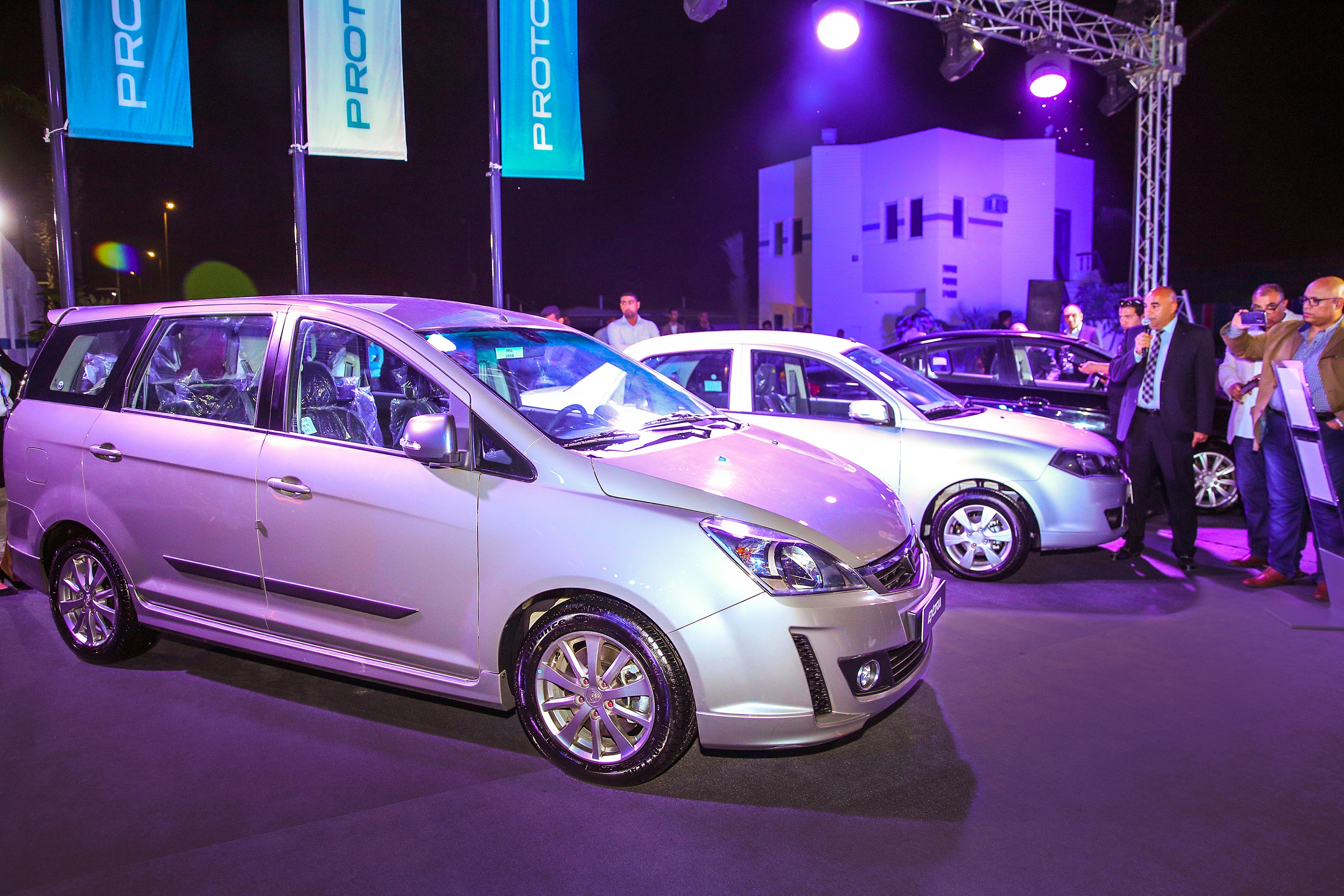
Introduction of Exora and Saga in Egypt at the end of 2018.

Additionally, Proton importers in Bangladesh and Egypt will also be hosting virtual product launches for the latest Saga before 2020 ends. This will be followed by a similar launch in Nepal just as the year draws to a close.

History of Proton exports
In the early years of Proton’s existence, its focus was on the domestic market which took virtually every car it made. Export markets, though established, were not given great attention and even Mitsubishi Motors, its partner, suggested that it concentrate on developing its skills in making cars and about the business before embarking on overseas sales.

Nevertheless, Proton began exporting just one year after the first Saga went on sale in Malaysia. Its early targets were those which were ex-British colonies, like Malaysia, and where traffic went on the left side of the road like us. This would make it unnecessary to develop a lefthand drive variant so soon.

Proton Wiras have also been spotted in North Korea though there is no official mention of exports to North or South Korea, so they may have been brought in by a private importer.
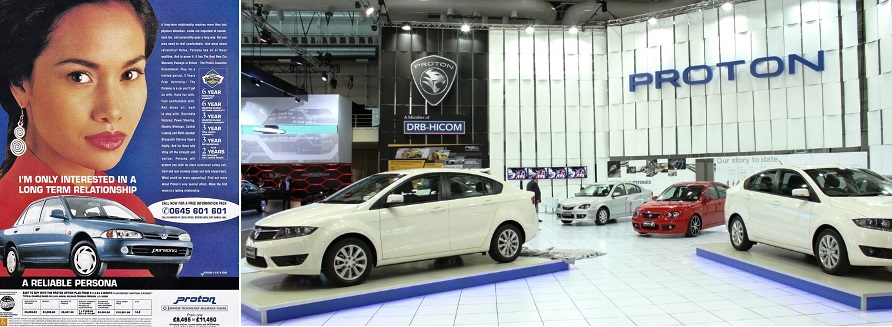
A Proton advertisement for the UK market in 1994 (left) and a display at the Sydney Motorshow in Australia in 2012.

The UK market was considered a market with great potential then, and it was hoped that the Malaysian origins of the Saga would appeal to the British who had lived in Malaysia in the pre-Merdeka period. The first model was introduced at the Birmingham Motorshow in 1988 and initially, Proton received some preferential taxation as it was a small volume brand entering the market. This allowed it to sell at attractive prices and it was well received. The growth in sales in the UK led to a subsidiary being established to handle import and marketing activities, and that market was at one stage, Proton’s biggest export market.

As the only Muslim country in the world to develop its own car and have an automotive brand, Protons from Malaysia were expected to be popular in other Muslim countries. In fact, the first export market was Bangladesh where the Saga first went on sale in 1986. Egypt has also been a strong market for Proton since it entered in 2004.

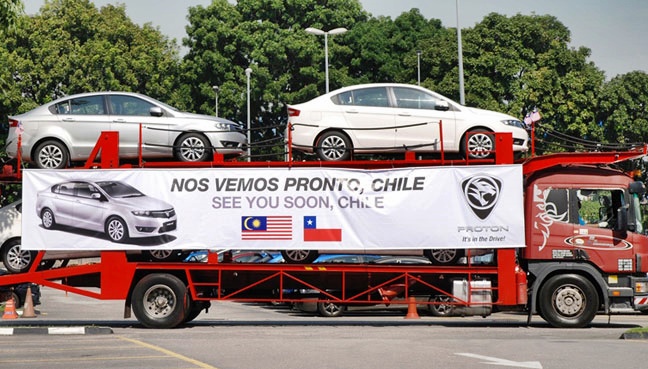
Chile was one of the early markets that Proton entered but stopped for 20 years before returning in 2016.

By 2001, Proton had appeared  in over 50 countries around the world, some in significant numbers and some just a handful. It had tried to enter the US market in the late 1980s, appointing a business partner called Global Motors which created a unit known as  ‘Proton America’ to get the necessary approvals. Two units of the Saga modified to lefthand drive and with 1.8-litre engines were sent to a motorshow in Las Vegas in 1988 in what was meant to be a prelude to exporting the first batch of 30,000 cars to the USA for sale. However, things didn’t work out as expected and no further attempts were made to enter the biggest car market in the world at that time.

Like many manufacturers, Proton also considered local assembly in some markets and it did so for a while in the Philippines and had a project going for Iran. It also had a joint venture company with Mitsubishi Motors in Vietnam and the deal was that for models above 1600 cc, Mitsubishi’s models would be used, and Proton would provide models below 1600 cc. But things didn’t proceed as planned and Proton never got to assemble any model.

Proton’s distributor in Turkey, Ulu Motor, has been selling the Exora, Preve, Saga FLX and Persona.

From 2001 onwards, Proton had a new range of models and hoped to grow its exports, especially as the domestic  market was supposed to be ‘opening up’ and competition would become more challenging. It even built a new factory in Tanjung Malim, Perak, with a capacity of up to 500,000 units in anticipation of an export offensive regionally.

However, for various reasons, export activities diminished and in Europe, as the emission and safety regulations got tougher, Proton’s aging platforms and engines became unacceptable. By 2010, even the ‘father of Proton’, Tun Mahathir Mohamed, acknowledged that perhaps Proton had not given sufficient thought to the need to make its cars suitable for global markets and only focussed on the domestic market because it was big enough. Dealerships in many of the 50 markets slowly stopped selling Proton which was not so helpful at a time when the company was also facing a decline in domestic sales.

The low export volumes since 1986 – around 406,000 units in total – are obviously not acceptable and exports are vital if the carmaker is to grow further. While being a significant global player would be too ambitious and unrealistic, the aim is to become No. 3 in ASEAN besides becoming No. 1 in Malaysia in due course.

“We are exploring all opportunities to grow export volumes for Proton,” said Dr Li Chunrong, CEO of Proton. “We are also leveraging on Geely’s extensive overseas network operations to increase the cost-effectiveness of Proton’s operations. Geely can support us in these initiatives and there is a lot of experience within the Group so we hope to leverage on it to enable us to sell more cars outside of Malaysia.”
Click here for other news and articles about Proton.

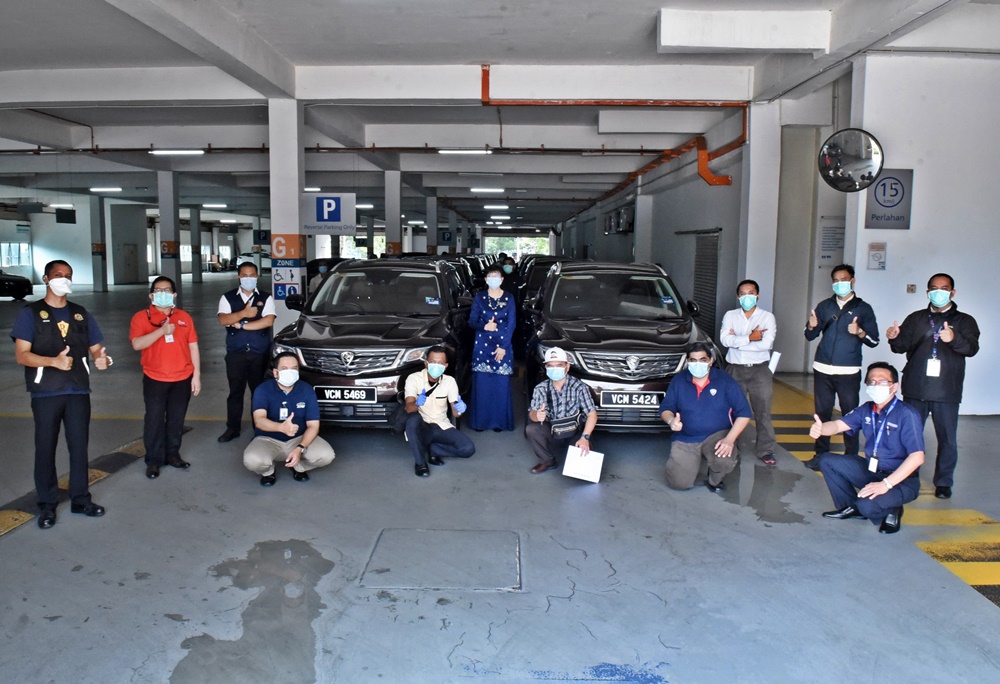
Back in March this year, as the COVID-19 pandemic began to surge across the country (and world), Proton quickly arranged to provide the Ministry of Health (MoH) with 50 vehicles to help their frontliners move around to any hotspots in need of urgent attention.

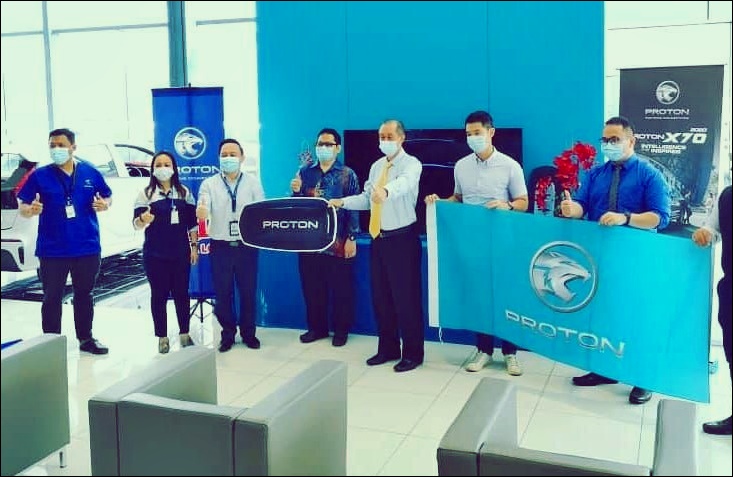
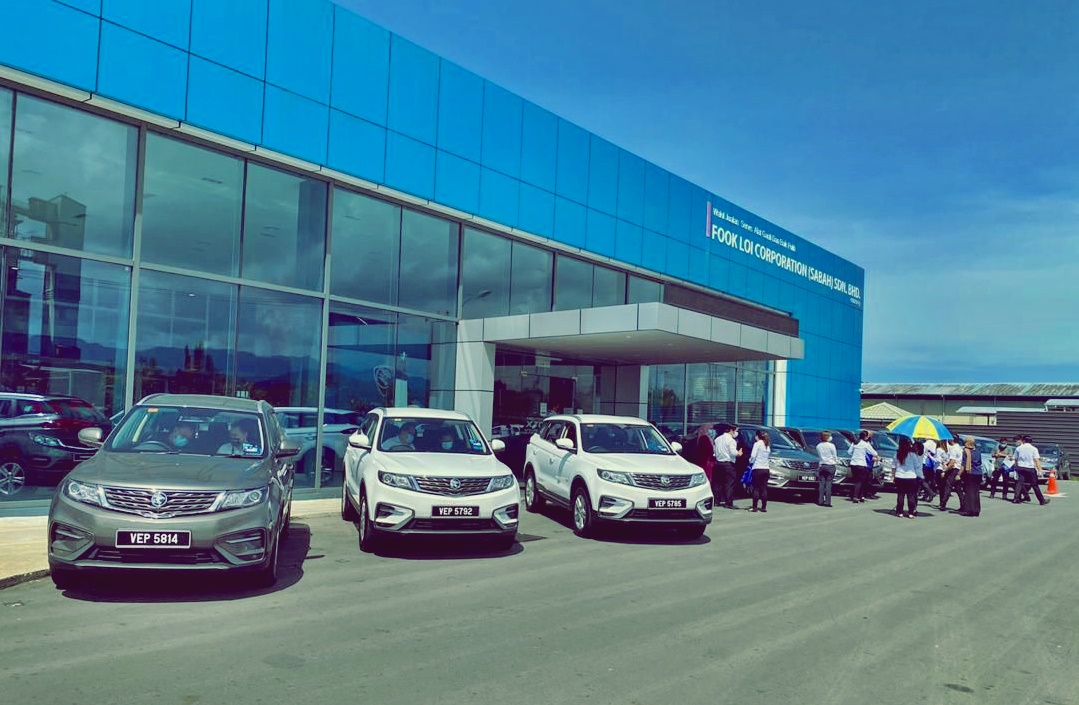
The fight against COVID-19 has not ended and throughout the year, Proton has been actively supporting the MoH in various ways. Recently, it also loaned 8 units of the Proton X70 to the ministry for use in Sabah.

Help in logistics and surveillance efforts
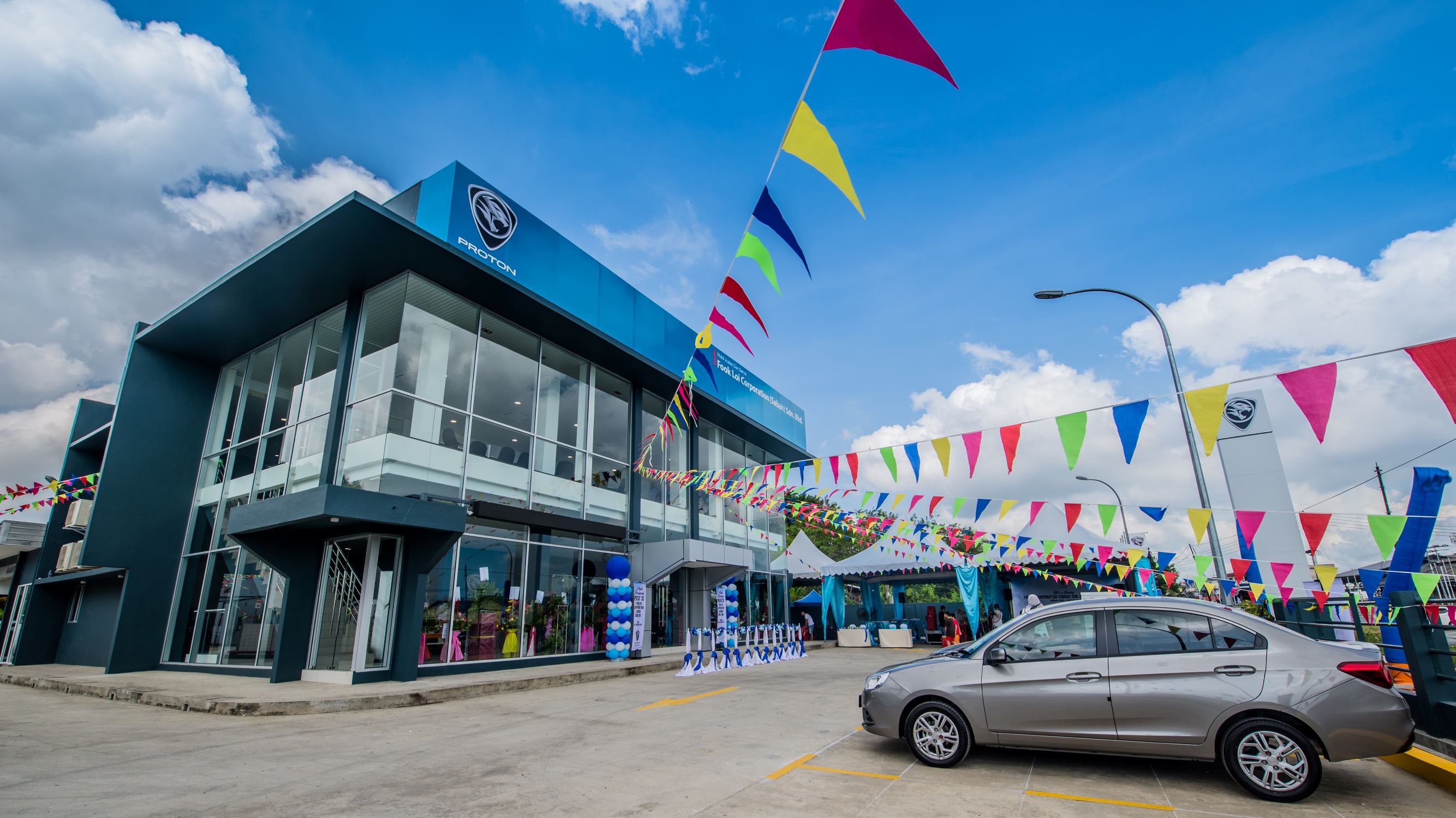
The SUVs will be used to assist in the ministry’s logistics and surveillance efforts in the ongoing COVID-19 fight. The hand-over was carried out at Fook Loi Corporation, a Proton dealership in Kota Kinabalu.

“The Covid-19 pandemic is probably one of the most challenging times we have faced as a nation. As  a Malaysian brand, Proton feels that it is our duty to step up, and we have been supporting the government’s efforts from the outset. Logistics in Sabah is far more challenging than in the peninsular. This next batch of X70s will act as ferry vehicles for doctors, nurses and MoH officials as and when needed. We hope our contribution will help to ease the logistical needs of medical frontliners in Sabah,” said Roslan Abdullah, CEO of Proton Edar.
Besides providing vehicles, Proton also produced 60,000 units of face shields in April at their Shah Alam factory in Selangor. The face shields, essential items in the Personal Protection Equipment (PPE), were distributed to government hospitals in the country, as well as other frontliners such as members of the police and armed forces.

Cleaner cabin environment in Proton X70 with use of N95 filter

BHPetrol RON95 Euro4M

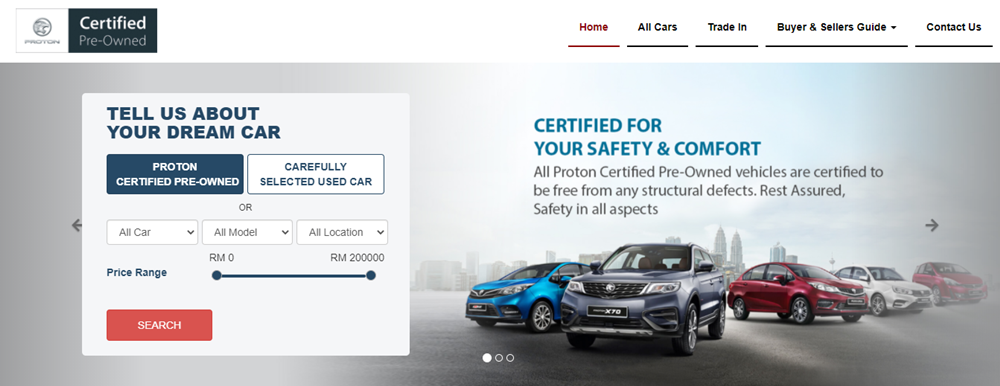
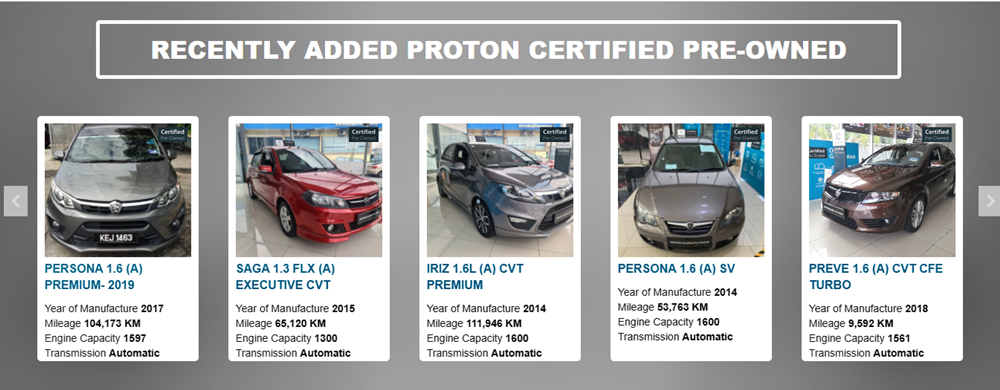
Proton now has a used car website, providing car-buyers a convenient way to shop for used Proton vehicles. The Proton Certified Pre-Owned (PCPO) website provides a listing of current  stocks available at 36 dealers nationwide.

PCPO is a further extension of Proton’s used car business which began with the establishment of established a Used Car Management (UCM) division in 2019. Its task was to grow a network of dealers to sell used cars alongside new ones.

Dealers must meet qualifying criteria
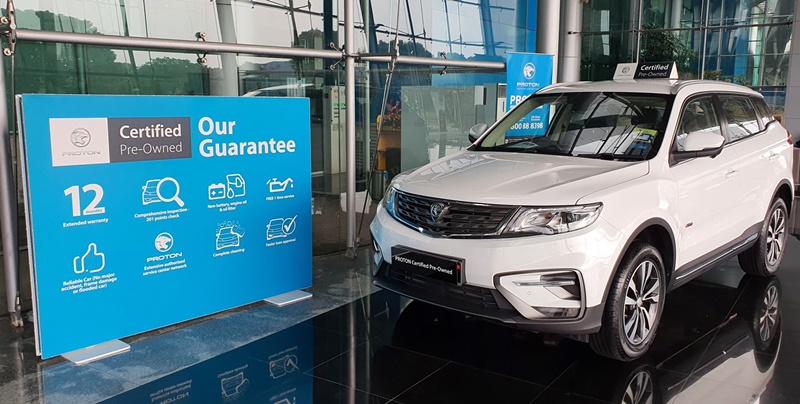
From an initial pilot project comprising just 8 Proton outlets, there are now 36 in the PCPO programme. All of them have met several qualifying criteria, both financial and physical, and agree to perform the necessary steps to prepare their trade-in stock for sale. For instance, each car undergoes a comprehensive 201-point inspection and is given a new battery, fresh engine oil and an oil filter.

Other requirements for PCPO vehicles include being less than 7 years old with less than 130,000 kms covered at the  time of trade-in. They must also not have any flood or major accident damage that may affect their structural integrity.

“Proton’s PCPO is the next step for the company to build a holistic ecosystem. As we continue to offer new and  improved products, we also want to attract those interested in purchasing a used car and offer a quick and easy way  for customers to trade-in their current vehicles. All our PCPO cars get an extended one-year warranty for the engine  and transmission as well as a free service, redeemable up to 6 months after the date of registration,” said Roslan  Abdullah, CEO of Proton Edar.

Cars of other brands too
Proton will also sell cars from other brands that have been traded-in via its PCPO website. In this instance, the vehicles do not receive an extended warranty from the company but will still be thoroughly inspected and repaired if necessary prior to being put up for sale.

“Aside from helping to drive new car sales, the aim of Proton’s UCM division is to help stabilise and gradually build  the residual value of Proton vehicles. By offering high quality used cars, we hope to see a general lifting of prices for all our models, making it easier for customers to obtain competitive financing rates and raising trade-in values when they want to buy a new car,” added Encik Roslan.

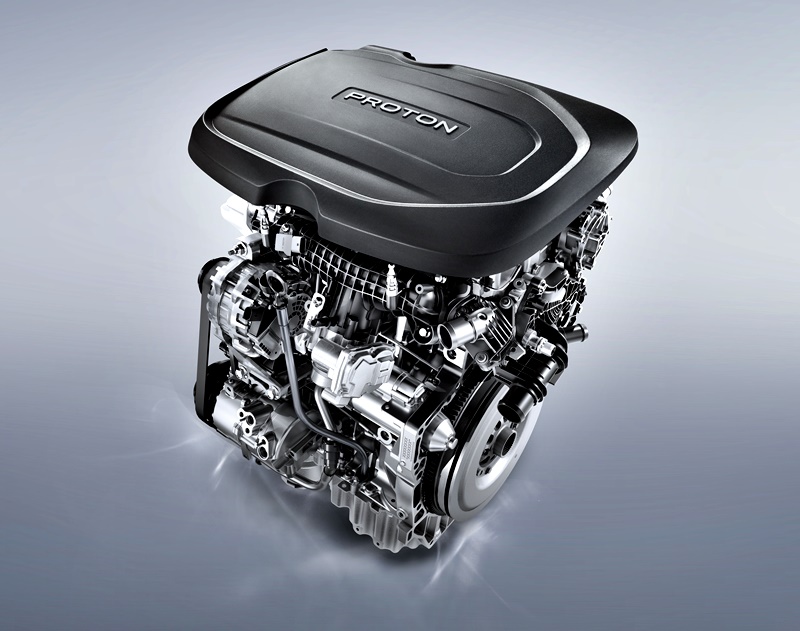
1.5-litre Powertrain in Proton X50 TGDi Flagship wins China auto industry’s ‘Nobel Prize’.

The auto industry’s move towards engines that are smaller in displacement began about 10 years ago as a practical and cost-effective way to reduce fuel consumption as well as emissions. Unlike the older small engines, the modern powerplants did reduce performance or driving pleasure. On the contrary, with modern technology, they could generate as much or even more power and torque than even larger engines.

There are other advantages from this downsizing of engines too. They are more compact, especially if a 3-cylinder configuration is adopted which, in turn, means lower weight that again helps with fuel economy. Not so obvious to most is also the lower engine weight at the front improves the front-rear weight balance of the vehicle so the handling is better.

Joint development with Volvo
Geely took note of the trend over 10 years ago and as part of its forward-looking strategies, it began a  joint development project with Volvo to develop a new powertrain family. The project, which would utilise part of the R&D investment of 20.73 billion yuan (RM 13 billion) during the decade, was carried out at Volvo’s R&D centre and the China Euro Vehicle Technology (CEVT) in Gothenburg, Sweden, as well as the  Geely Automotive Research Institute in Hangzhou, China.

A ‘Nobel Prize’ winner
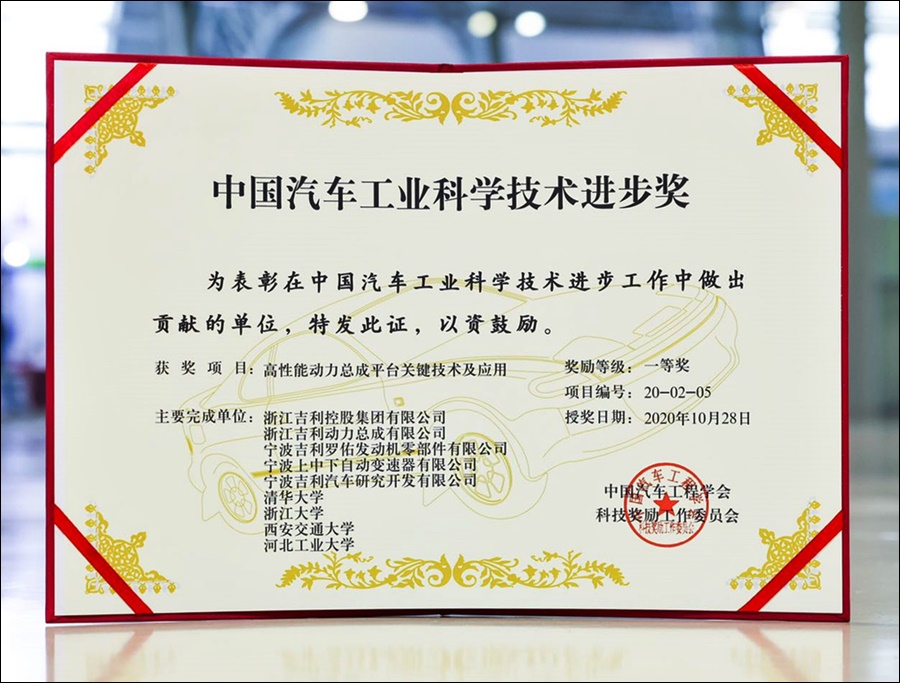
One of the engines that was co-developed was the 1.5-litre TGDi engine (1.5TD). The advanced engineering of this new engine as well as the 7DCT transmission won the Geely Holding Group the first prize in the China Automotive Industry Awards for Science and Technology on October 28, 2020.

The highest honour from China’s Society of Automotive Engineers in this year’s China Automotive Industry Awards for Science and Technology.

This highest honour from China’s Society of Automotive Engineers (SAE-China) is the most prestigious and influential technological award for the China automotive industry, considered as the industry’s ‘Nobel Prize’.

The award joins the ‘China Heart’ awards won by Geely for powertrain development earlier. These are the awards given to the Top Ten engines in China each year and are regarded as the ‘Oscars’ of the auto industry.

Small and compact – but powerful
The 1.5TD engine ticks all the boxes that a modern powertrain must have: powerful performance, lightweight structure, high reliability, good fuel economy and high fuel efficiency. Adopting advanced and innovative technologies, this small, efficient engine can develop up to 177 ps of power with up to 255 Nm of torque.

These are numbers which would be seen for engines with larger displacements but the 1.5TD engine achieves them with just 1477 cc. Helping to boost the output are a low-inertia turbocharger, direct fuel injection and continuous variable timing for both the intake and exhaust valves (Dual VVT).

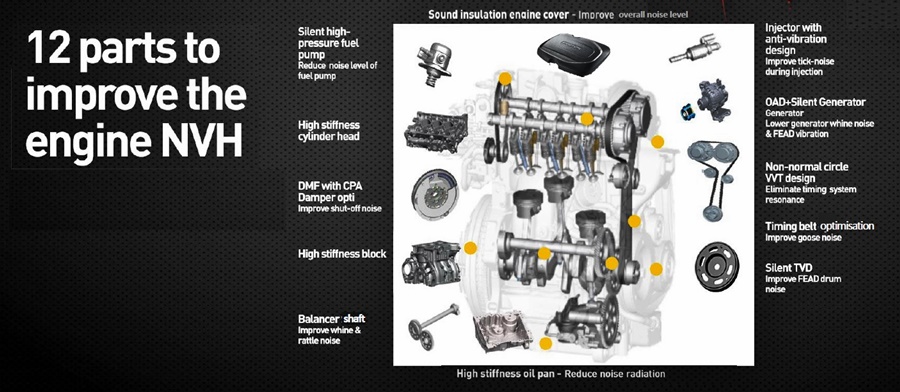
Engines with three cylinders can be less smooth than the 4-cylinder units. To address consumer concerns about this issue, the engineers worked hard at reducing the noise, vibration and harshness (NVH) levels to that of 4-cylinder engines. No less than 120 NVH optimisation exercises were done as well as the dedicated design of 12 key parts such as counterweighted crankshafts, a vibration damping balancer shaft and dual mass flywheel with centrifugal pendulum absorber damper. Additionally, a low noise timing belt, high stiffness oil pan, asymmetric oil pump impeller, and engine compartment and vibration dampener also effectively eliminated perceivable engine vibrations for the occupants.

The 7DCT with a new standard
The 1.5TD is typically paired with Geely’s world-class 7-speed dual-clutch automatic transmission (7DCT). Developed based on Volvo’s high standards, this transmission sets a new standard for transmissions in the industry.

Weighing less than a conventional 6-speed automatic transmission, the 7DCT offers fast and accurate shift response along with high efficiency. It has a maximum efficiency of 97.2% and 0.2 second shift response time. For the driver, the 7DCT provides more enjoyable driving with the advantages of manual and automatic transmissions as there is the option of selecting gears manually too.

An international powertrain
Accepted and recognised at an international level, the 1.5TD engine powers more than 600,000 vehicles worldwide and the 7DCT transmission is estimated to be used in over one million vehicles by the end of 2020.

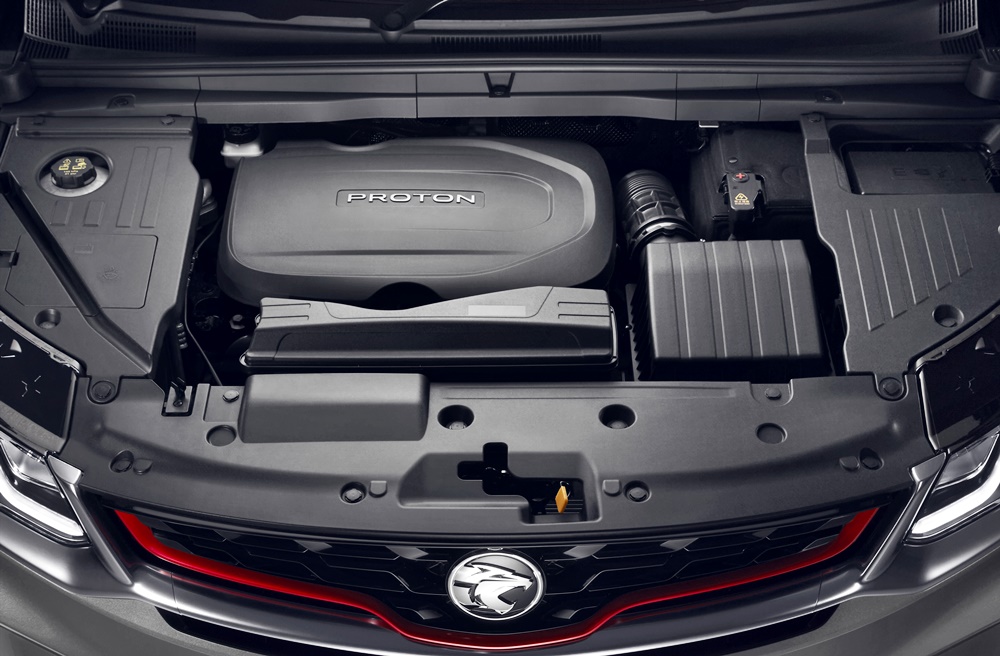
The 1.5TD + 7DCT powertrain is also found in the latest Proton X50 1.5 TGDi Flagship, endowing it with powerful and responsive driving performance, coupled with fuel efficiency and proven reliability.

Visit any Proton showroom to experience the performance of the 1.5TD + 7DCT. To locate a showroom near you, visit www.proton.com.

BHPetrol RON95 Euro4M

With the government providing the incentive of exempting sales tax (10% for locally-assembled models, 5% for CBU models), it seems that there is strong interest in buying new cars despite the gloomy situation we are experiencing.

Companies selling new as well as used cars are reporting strong sales and for Proton, the volume in October was reported to be 11,392 units (including exports), which it estimates to be a 21.3% share of the market’s Total Industry Volume (TIV).

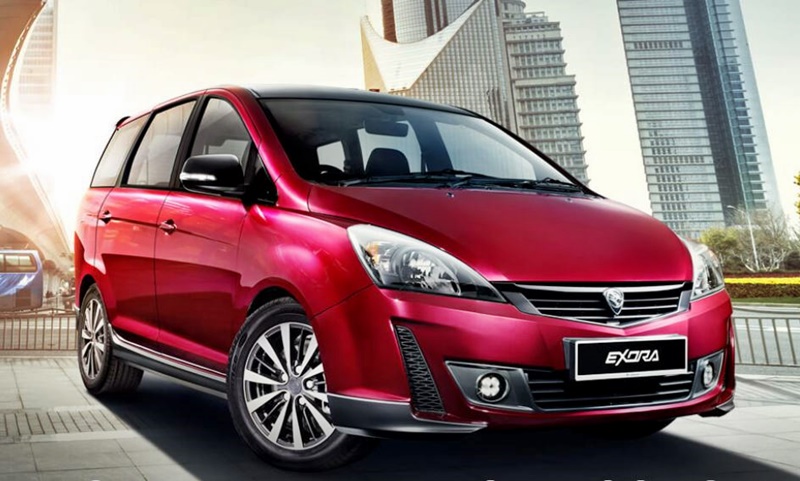
The volume was a 20% increase over the same month in 2019 although it was 4.6% lower than September’s. However, according to Proton, three of its models were leaders in their respective market segment – in the B-segment with the Persona (2,360 units); SUV segment with the X70 (2,216 units); and the Exora which retains its customary position as the best-selling C-segment MPV.

The Exora remains the most popular model in its segment despite being around for many years now.

Strong H2 performance overall
“The recovery of Malaysia’s automotive market is continuing to gather pace judging by the number of new model launches and total sales in October. We estimate the Total Industry Volume to be the second highest in 2020 with over 57,000 units sold, proof that the car industry is rebounding strongly,” said Roslan Abdullah, CEO of Proton Edar, adding that the numbers could have been better for Proton.

“Looking at the numbers, we noticed a significant drop in East Malaysia sales while the Central region was static compared to September. Part of this was due to the implementation of the Conditional Movement Control Order (CMCO) to limit the movement of people, thus affecting retailers. But there was also a sense of customers holding back before the launch of our newest model, the Proton X50. Regardless, PROTON is confident of ending the year well and using the results as a base to aim even higher in 2021,” he explained.

The X50 has made a strong impact on the market which has responded with over 27,400 bookings to date.

Bookings for Proton X50
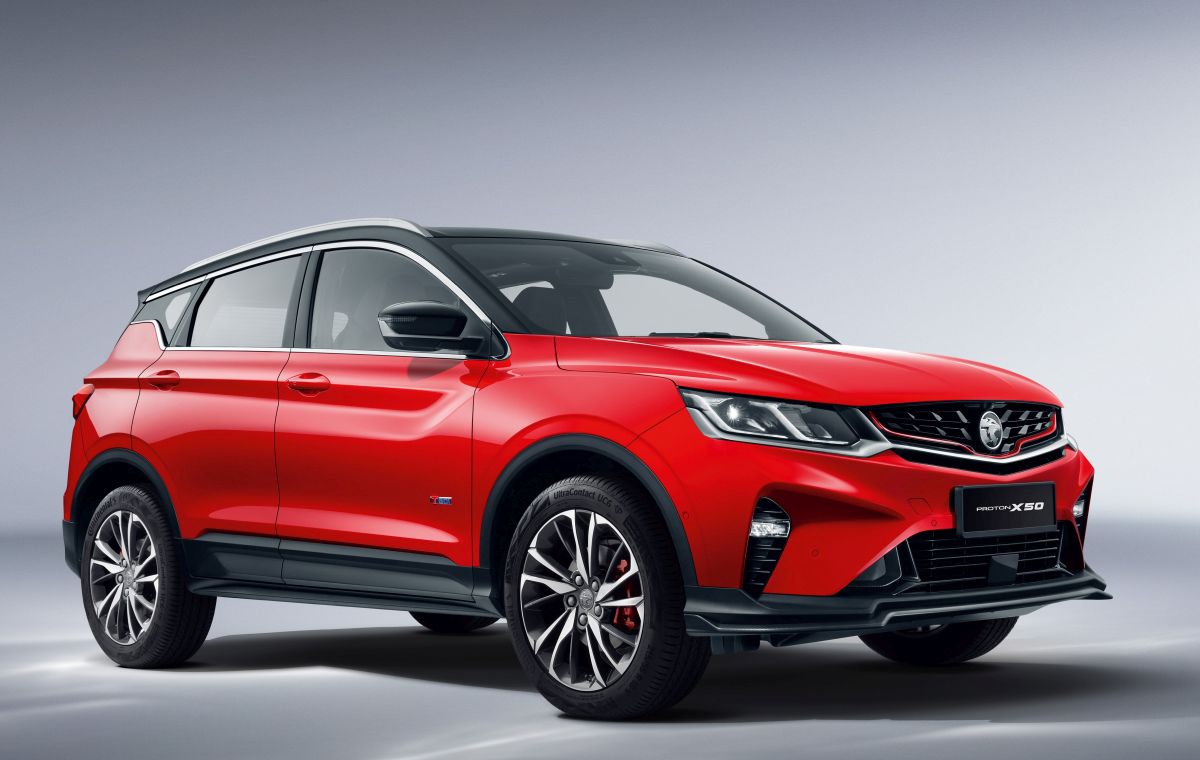
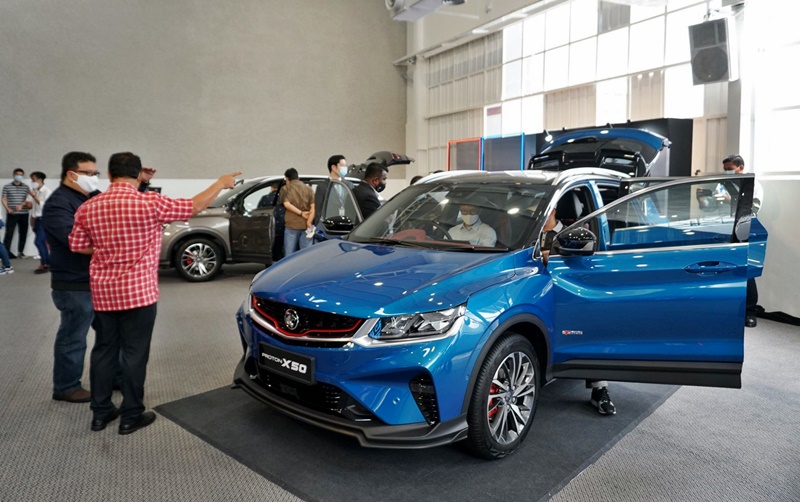
The long-awaited X50 SUV was officially launched towards the end of October and over 27,400 bookings have already been received nationwide. The first 447 units have already been delivered to customers and further deliveries are ongoing.

We are pushing to ensure fulfilment over the last three months of 2020, while continuing to emphasise product quality,” Encik Roslan assured.

How fast & powerful is the 2020 Proton X50?

Archive

Follow us on Facebook

Follow us on YouTube