
Piston.my

Volkswagen

BHPetrol RON95 Euro4M

Motorists spend a lot of time in their vehicles, commuting to work or heading out of the city on road trips. On such journeys, especially if alone, entertainment is from the audio system, either with music from radio stations or from their personal devices. If they are used to high-quality sound from their systems at home, then they would also appreciate the same quality when listening to their favourite tunes while on the road.

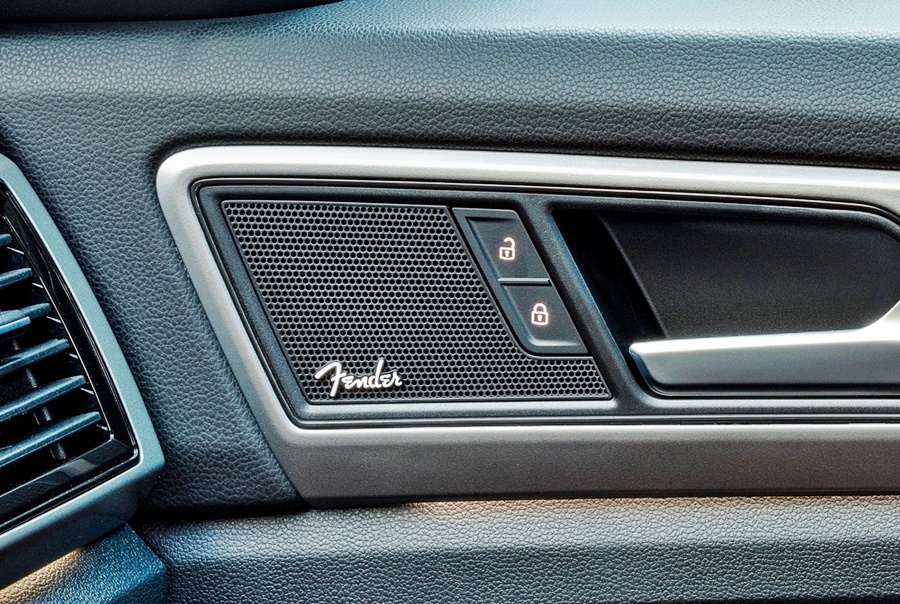
For this reason, many carmakers give extra attention to audio systems and try to provide the best possible with reproduction that is close to what can be enjoyed with home systems. Over the past 9 years, Volkswagen has worked with Fender Musical Instruments Corporation and Panasonic to bring music to life on the road with the Fender Premium Audio System to provide the highest level of in-car performance.
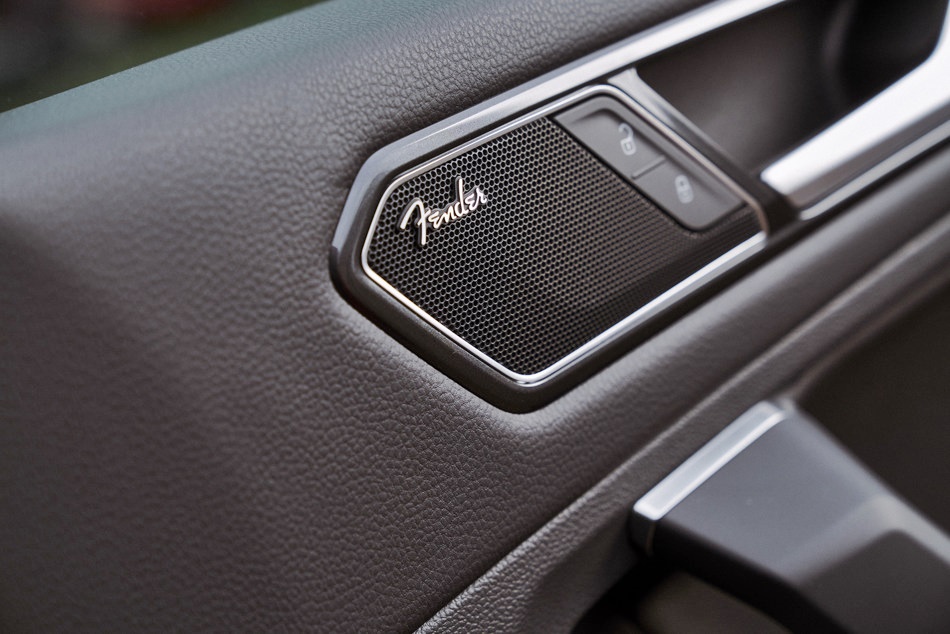
Fender VW Panasonic

Fender, founded in Southern California, is a specialist company which makes some of the best musical instruments, amps and gear. It has established a worldwide influence that extends from the studio to the stage – and beyond. Nearly 7 decades since founder Leo Fender built his first electric guitar, Fender’s reach transcends instruments and accessories, encompassing a range of innovative digital experiences that make add ‘superlative’ to sound systems for Volkswagens.

Panasonic has worked with Fender on the sound systems for the German carmaker, with a team of engineers and music experts having spent hundreds of hours refining the optimal spatial performance, dynamics and frequency balance for a variety of musical genres, from classical to blues to pop.

The team’s goal is that the driver (or whoever’s in charge of the music) won’t need to tune further unless they are looking for a specific sound element. “We want to make sure we can strike a balance that’s really going to sound great for any genre you can throw at it,” said Dave Ernst, Senior Acoustics Engineer at Panasonic.
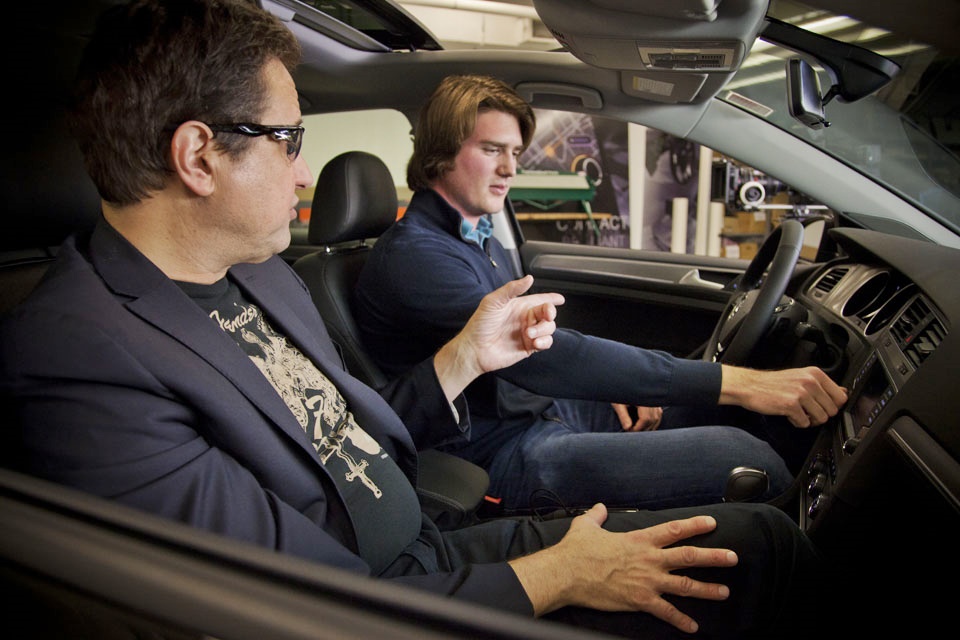
Fender VW Panasonic
Engineers tuning the Fender Premium Audio in a Volkswagen.

The Panasonic and Fender teams work closely to uphold the sound and ‘emotion of a live performance’ that makes the guitar brand so renowned, tailored to the specific Volkswagen model. They select the optimal speaker and amplifier components and fit them for the interior, managing the design trade-offs such as component dimensions, weight, and performance.

Advanced digital signal processing technology is used to reduce peaks and dips in frequency responses, account for asymmetry within the vehicle and manage sound that may reflect off areas like the windshield and door panels.
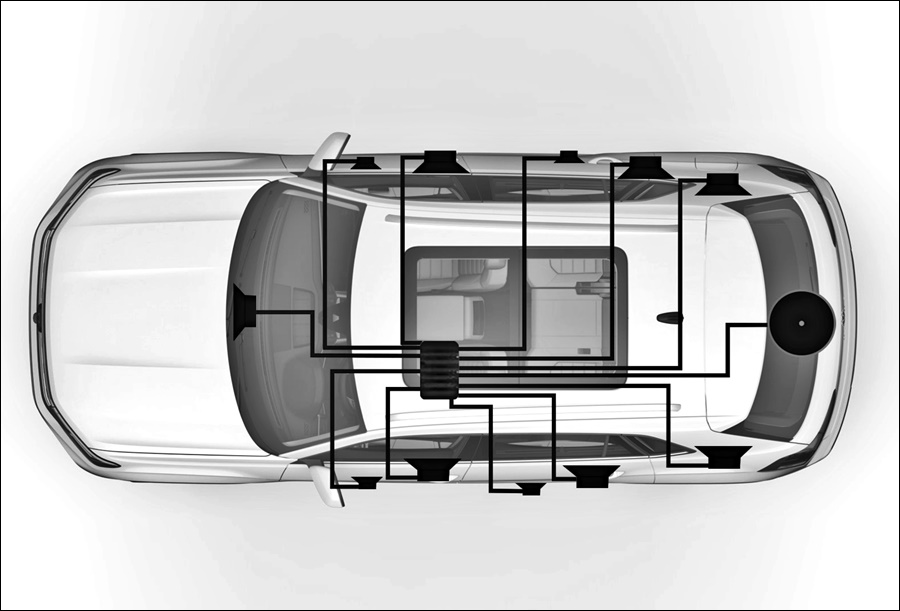
Fender Audio system
Speaker placement is optimised for each model depending on the cabin environment and size.

“We spend weeks listening to the system with different genres at different volumes in different settings,” said Ernst. A bass guitarist himself, he pays special attention to the role of the guitar when tuning the system. “We have to make sure we’re enhancing the character of the guitar without sounding too harsh. It’s about finding the right balance of energy.”

Following that, the team spends extensive time on the road, making sure roadway noises do not ruin the sound once the vehicle’s in motion. “That’s where you want to make sure you have enough bass that it really still sounds as good as possible,” he said.

Once it is complete, Ernst brings in musical artists to listen to their own work inside a Volkswagen. “That’s the most rewarding thing,” Ernst said. “These musicians have heard their music played back to them a hundred times, but not quite like this. I love watching them react to hearing their work.”
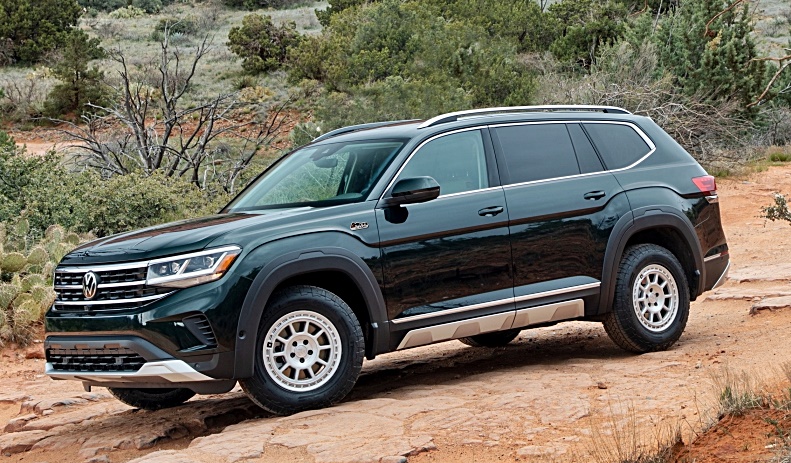
Volkswagen Atlas
Fender audio systems are offered by Volkswagen in certain markets like North America.

Most artists do not expect such a high calibre of sound from inside a vehicle. But as Ernst notes, most drivers listen to music, podcasts or audiobooks during their commutes or on occasional road trips, so it’s logical to put such emphasis on sound for this space.

Despite the many months spent engineering, Ernst says the process is more of an art than a science. “It’s a feeling,” he explained. “It’s when you get in a Volkswagen and think, ‘I could listen to music in this car for hours.’ That’s when you know you have made a quality system.”

Visit www.volkswagen.com.my to know more about Volkswagen models in Malaysia.

Volkswagen Tiguan has crossed 6-million mark and remains VW’s bestseller

COVID-19

PISTON.MY

BHPetrol RON95 Euro4M

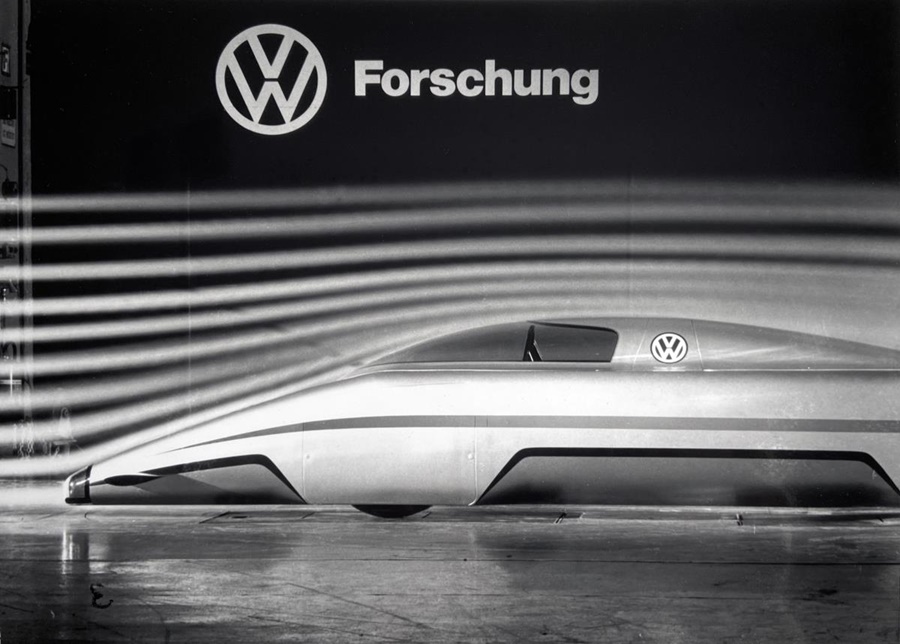
For decades, car designers have understood that aerodynamics play a key role in a vehicle’s performance in more ways than one. The better the aerodynamics – usually referencing its coefficient of drag or Cd – the less wind resistance it has. This, in turn, can benefit fuel economy as less power is needed to achieve a desired speed, reduce wind noise and also enhance stability.

Over the years, various shapes have been conceived with the aim of lowering the Cd number as much as possible. The vehicles have looked strange in some examples but usually had typical features such as a sleek bodywork and sharp nose to ‘pierce’ through the air.

ARVW

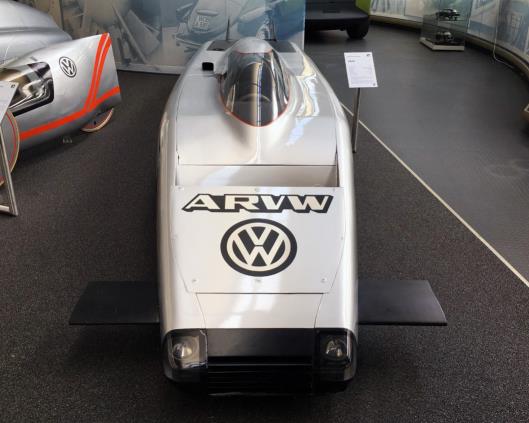
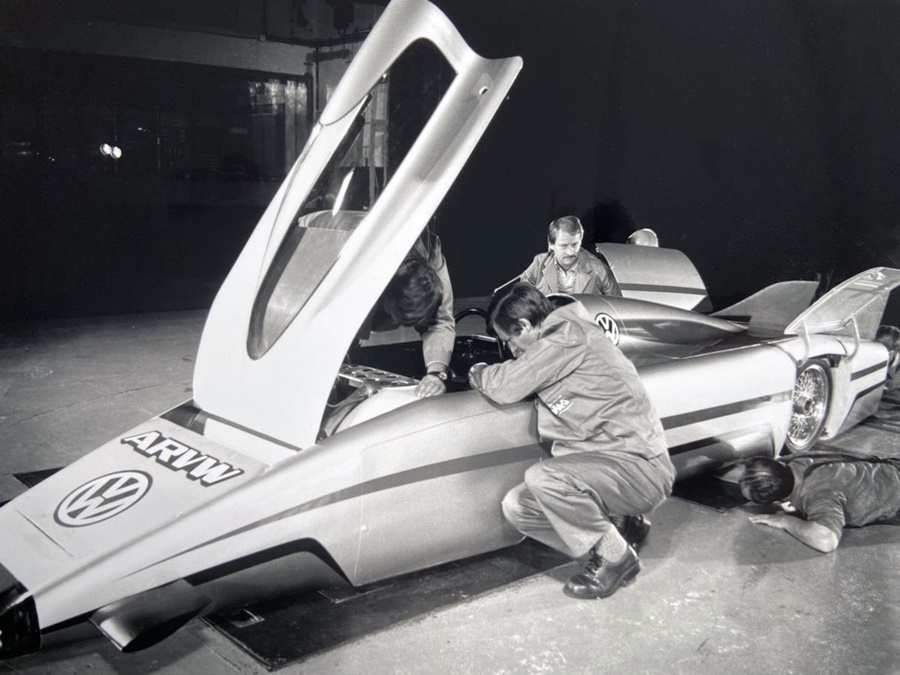
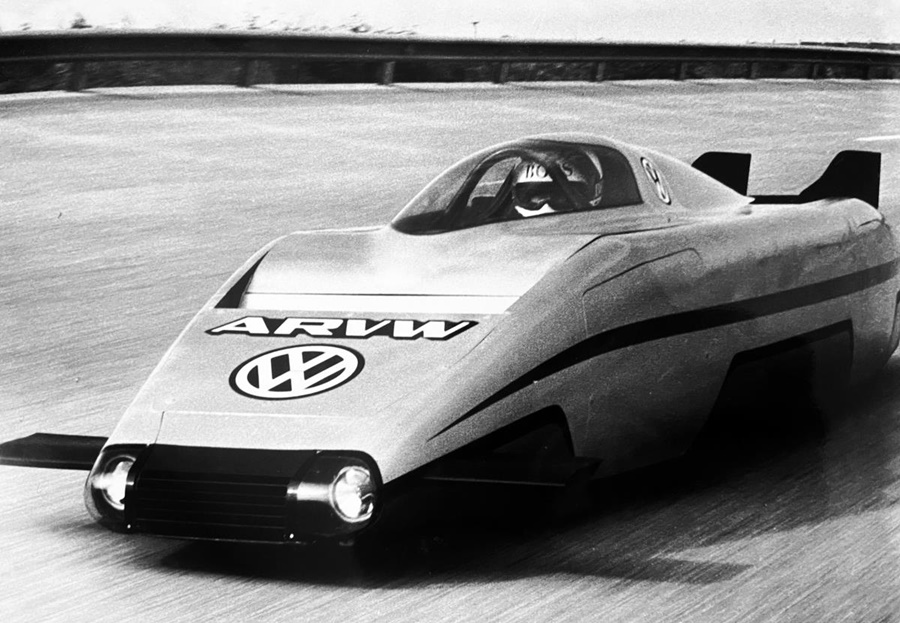
Few have been more radical than the Aerodynamic Research Volkswagen (ARVW) of 1980, a single-seat arrow that remains the most aerodynamic vehicle ever built with a VW badge. Sparked by the oil crises of the 1970s, the ARVW was meant to demonstrate how aerodynamics and lightweight vehicle construction could generate massive speeds from everyday power.

The first challenge was squeezing a driver, powertrain and four wheels into a body that could have the smallest profile possible. At just 84 cm tall and 110 cm wide, the ARVW’s shape was optimised for aerodynamic smoothness. Its wheels were hidden wheels and a smooth underbody allowed air to pass under the vehicle without turbulence. There were even moveable fins that helped keep it stable at high speeds.

ARVW

The ARVW was built from an aluminium frame under a fibreglass-and-carbon body. Power came from a 2.4-litre turbocharged, inline-six engine which produced 177 bhp. Set right behind the driver, it powered the rear wheels via a chain drive. By using an onboard water tank that injected water into the turbocharger’s intake, the engine needed few cooling vents. The main cooling vent was positioned in the nose to let air flow smoothly over its radiator and exit on top of the vehicle.

The ARVW’s Cd was 0.15, a number that remains far sleeker than any production vehicle. In October 1980, a small team of Volkswagen engineers and a skilled driver went to the Nardo test track in Italy to demonstrate what the ARVW was capable of. In the first hour, the ARVW hit 355 km/h., eventually reaching 362 km/h, setting two world speed records in the process.

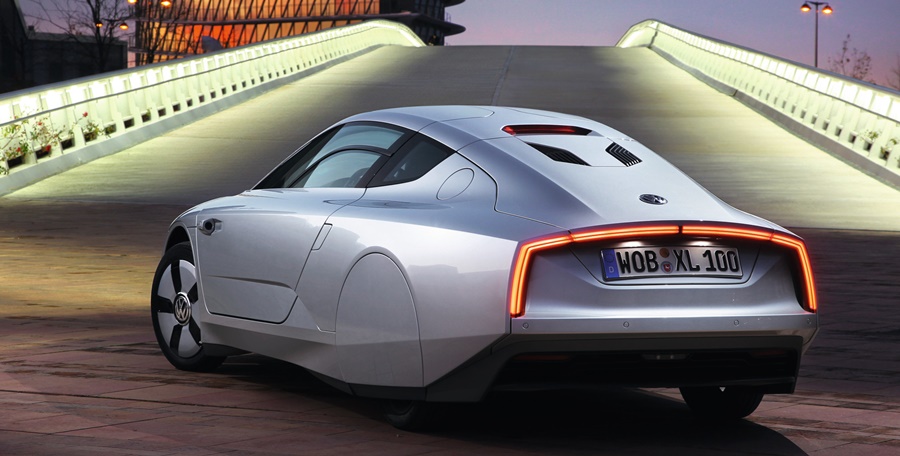
Volkswagen XL1
Volkswagen built 200 units of the XL1 for sale between 2013 and 2016.

The shape of the ARVW would later be referred to in the radical XL1. And as low drag coefficients provide sizable benefits to an electric vehicle’s range, advanced aerodynamics will play an essential role in Volkswagen’s the upcoming ID. electric vehicle family.

Volkswagen’s electric vehicles will use a 1-speed gearbox!

COVID-19

PISTON.MY

Volkswagen owners in Malaysia who have been waiting to send their vehicles to the service centres for required maintenance, deferred during the Movement Control Period (MCO), can now do so. – Following the recent announcement by the Ministry of International Trade and Industry (MITI), automotive service centres can resume operations at full capacity.

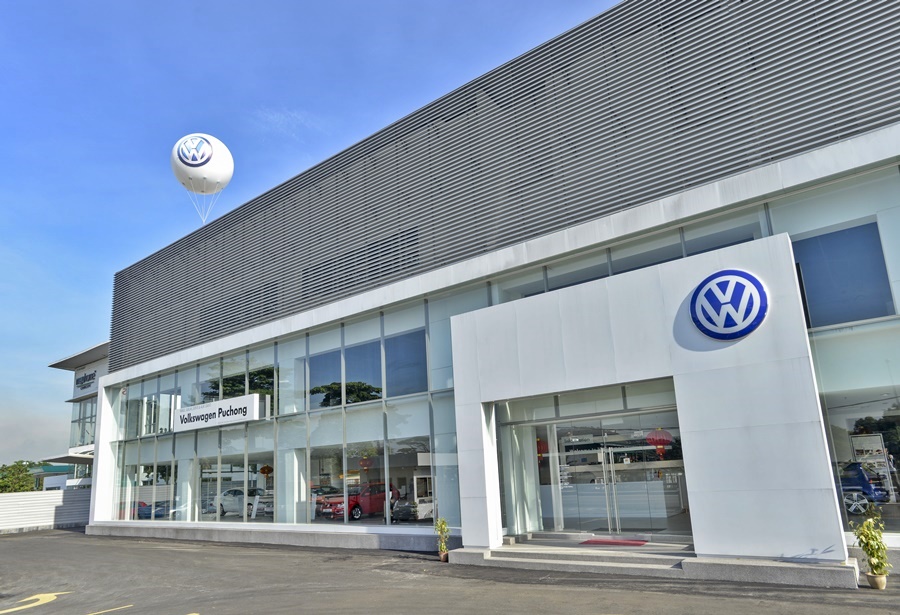
As such, all authorised Volkswagen service centres in the country will now resume their operations. Showrooms will, however, remain closed for the time being while the MCO is in effect.

Volkswagen Passenger Cars Malaysia (VPCM) said that its service dealers will adhered to the strict guidelines and Standard Operating Procedures (SOP) required by MITI. In connection with this, a ‘Safe Hands’ campaign is adopted taking customers’ and employees’ health into consideration.

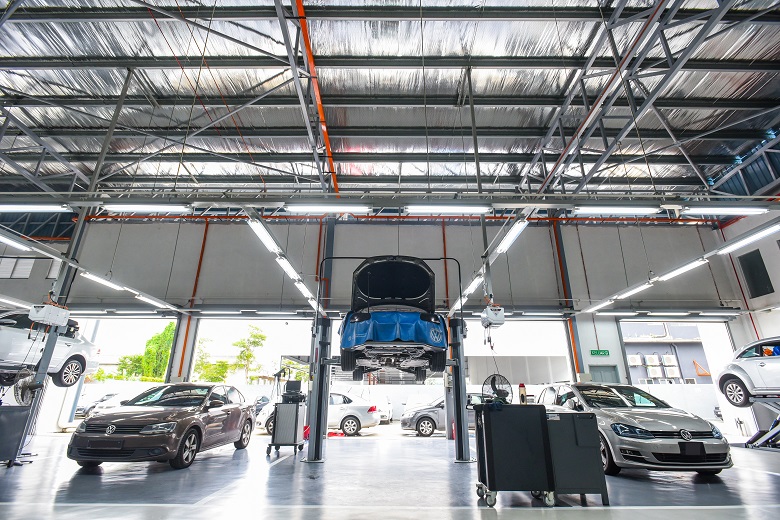
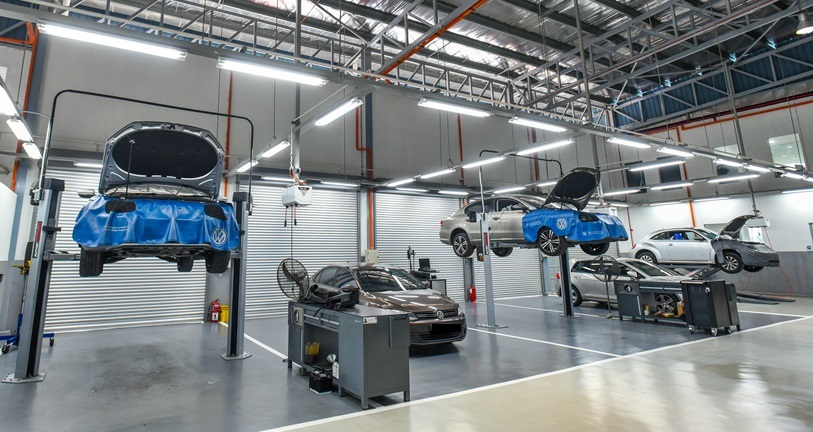
Volkswagen service centre

The new standard operating procedure includes contactless vehicle acceptance, video walk-throughs, sanitization before and after repair, and cashless payments with e-invoicing during the contactless car pick-up. Additionally, selected dealers will offer vehicle pick-up and drop-off arrangements.

Customers need to make an appointment in advance and are advised to contact their respective service centres for this. Those Volkswagen owners and frontliners who had previously booked their appointments via the Welcome Back campaign will receive priority slots, depending on availability.

Related: Volkswagen prepares to welcome back owners in Malaysia after MCO ends

“As we prepare to attend to the aftersales needs of our customers, we do this keeping in mind that social distancing is the new normal, and that hygiene and sanitization is now an essential part of daily precautionary measures. I am pleased to say that our ‘Safe Hands‘ SOP adheres to these new standards and will apply to all aspects of our business operations, and not just at our service centres,“ said Erik Winter, Managing Director of VPCM.

Mr. Winter added that other safety precautions implemented at service centres will include regular sanitization of the premises and regular temperature screenings on all staff and customers.

For further information or contact information for authorised service centres, visit www.volkswagen.com.my.

Volkswagen Passenger Cars Malaysia shows appreciation for efforts of frontliners

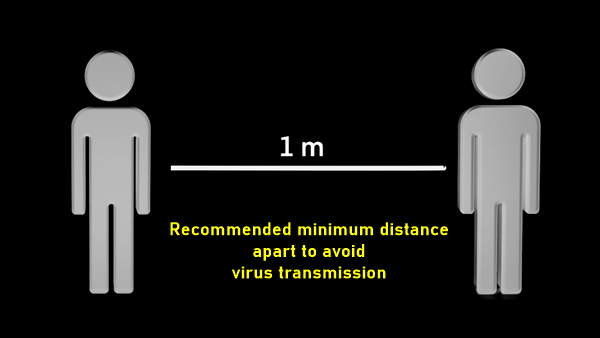
Social distance

Social distancing

PISTON.MY

BHPetrol RON95 Euro4M

To show appreciation to the nation’s frontliners in the War against COVID-19, Volkswagen Passengers Cars Malaysia (VPCM) has updated its ‘Welcome Back’ aftersales campaign announced earlier. The frontliners refer to the government hospitals doctors, nurses and administrators, personnel of the Royal Malaysia Police (PDRM) and Malaysian Armed Forces as well as RELA and Malaysia Civil Defense (Angkatan Pertahanan Awam).

For this brave and dedicated group of Malaysians, there are additional benefits if they are Volkswagen owners. The benefits are a small token of appreciation to ease their burden and offer peace of mind.

Welcome Back for Frontliners

The additional benefits include priority booking, complimentary car sanitization and a 10% discount off the total bill (terms and conditions apply). Volkswagen owners who are frontliners are required to indicate their respective occupational areas when registering online, and a Volkswagen representative will be in touch for verification.

Once verified, the additional benefits will be credited into their Volkswagen Cares App wallet and will be ready to be used for their pre-booked appointment. The appointment must be made within 30 days after the Movement Control Order is lifted.

The ‘Welcome Back’ campaign, announced earlier, offer Volkswagen owners a gift and an additional RM50 engine oil voucher (for owners not redeeming their free maintenance service and non-Volkswagen Cares Plus members).

To register and book an appointment, visit www.volkswagen.com.my where the Volkswagen Cares mobile app can be downloaded to enjoy the benefits.

Volkswagen prepares to welcome back owners in Malaysia after MCO ends

COVID-19

PISTON.MY

BHPetrol RON95 Euro4M

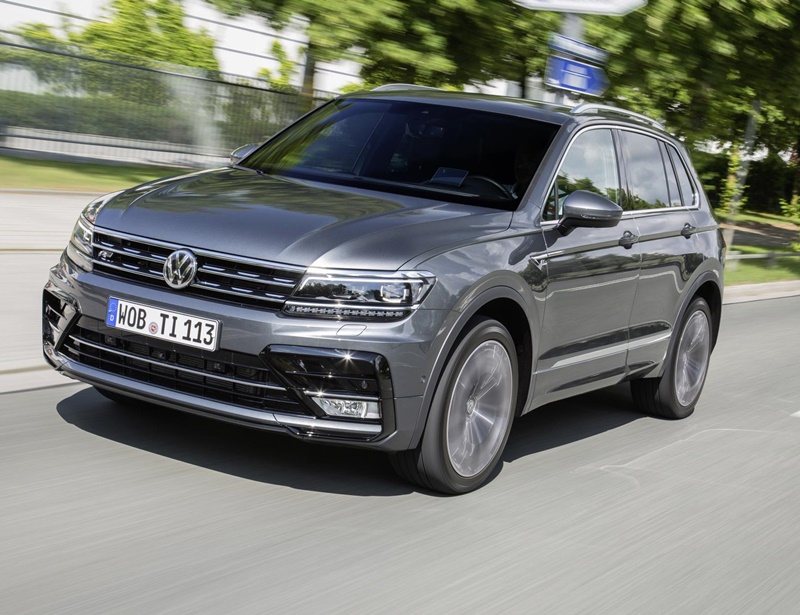
It took some 14 years for the original Volkswagen Beetle to reach a cumulative production volume of 500,000 units, becoming the German carmaker’s bestseller for many years. Today, the bestselling model in the Volkswagen Group is the Tiguan and it reached the first 500,000 units within 8 years after being launched.
Thereafter, as its popularity grew, the cumulative volume rose very quickly and 13 years after launch, it crossed the 6 million mark last month. In fact, just last year alone, total Tiguan production was 910,926 units. On average, a brand new unit left the production line every 35 seconds in one of the company’s Tiguan factories in 2019.

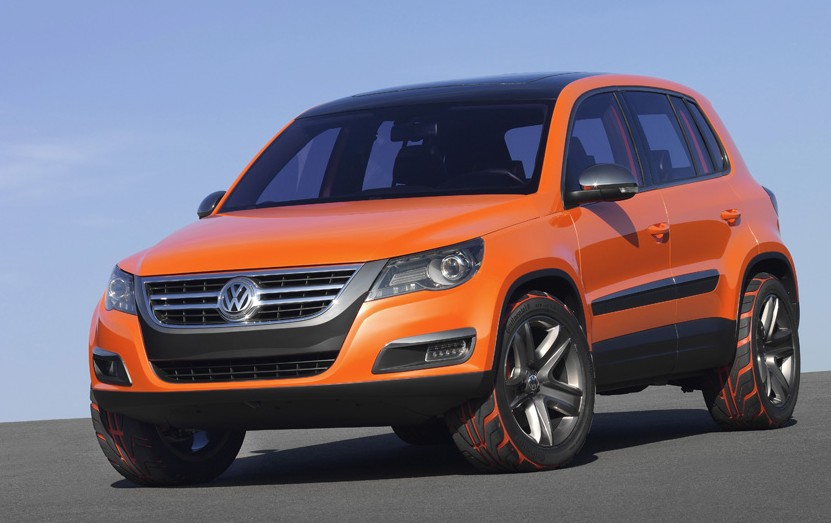
VW Concept Tiguan
Concept Tiguan displayed in 2006 was a preview of the Tiguan a year before it was launched.

Right timing for SUV boom
The Tiguan arrived in the market at the right time when the SUV boom was accelerating. Sold in 80% of countries in the world (including Malaysia), it is the most successful SUV on the market in Europe.

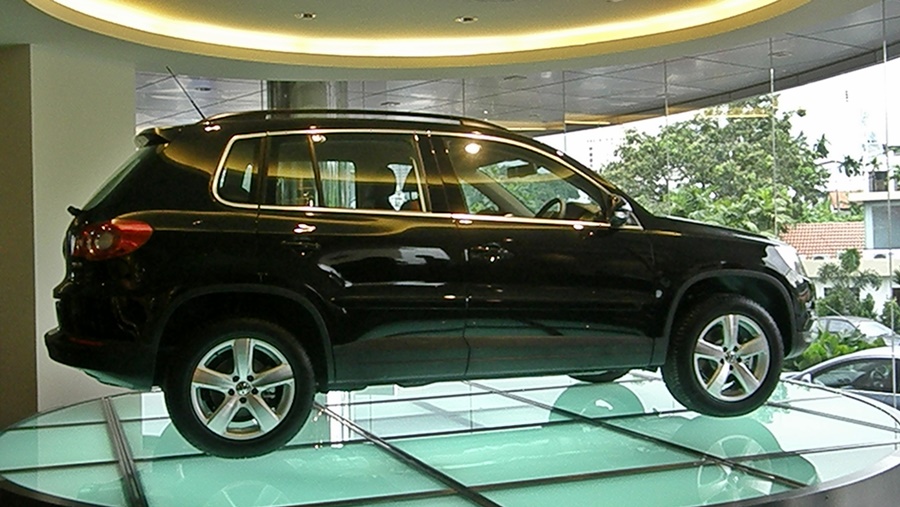
2008 VW Tiguan
The SUV arrived in Malaysia in 2008.

It was launched at the 2007 Frankfurt International Motor Show, a year after Volkswagen had previewed the compact new model at the Los Angeles Auto Show as the Concept Tiguan. With demand for SUVs growing – especially smaller SUVs – the Tiguan was a popular choice for many buyers.
The second generation
The second-generation arrived on the market in April 2016. Where the first generation had sat on the PQ46 platform of the Passat (B6), the new one adopted the Modular Transverse Toolkit (MQB). This more versatile platform allowed the designers to develop a more authentic and muscular SUV with a considerably roomier cabin owing to the longer wheelbase.
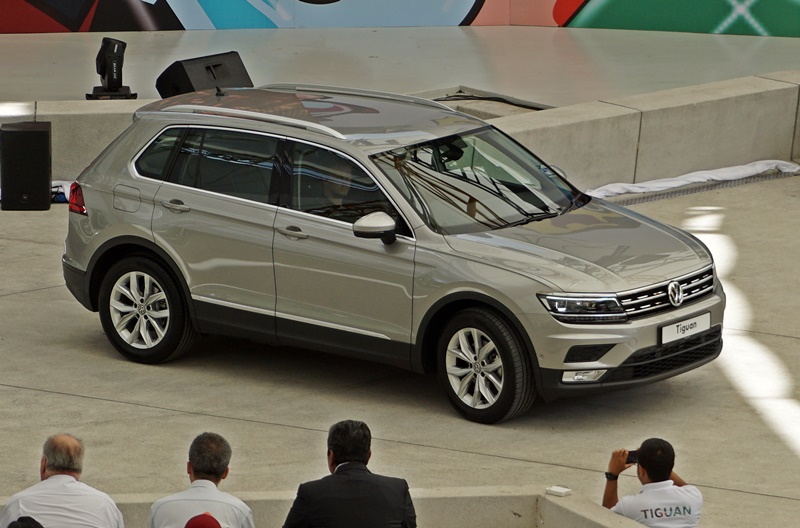
VW Tiguan 2
Launch of the second generation in Malaysia in 2017.

The model line was expanded in 2017 with the debut of a second Tiguan variant for some markets. It was an XL version with a wheelbase extended by 110 mm and could include a third row of seats.

This variant was sold in North America, Europe and China. Since being added to the line-up, the long-wheelbase Tiguan accounts for 55% of the sales. The powertrains are common to the standard model but in China, a plug-in hybrid powertrain was made available last year.

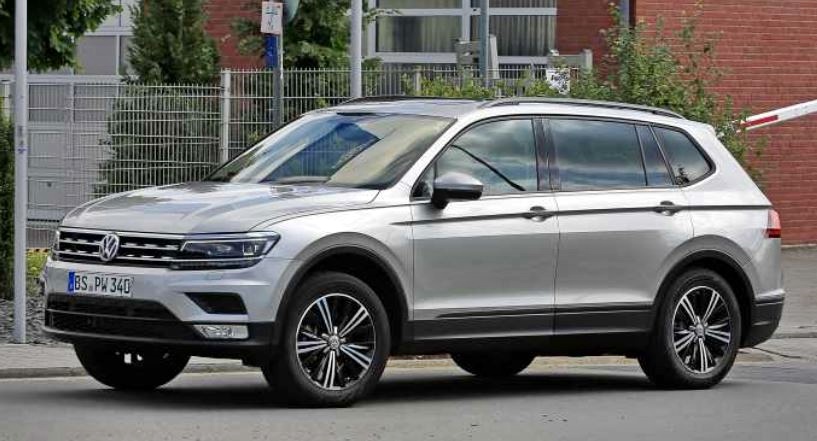
VW Tiguan XL
Long-wheelbase XL variant.

The Tiguan is currently manufactured at four Volkswagen plants spread across four time zones. The normal wheelbase (NWB) version is manufactured at Volkswagen’s main plant in Wolfsburg, Germany, for markets in Europe, Africa, Asia and Oceania. The plant in Russia produces the NWB vehicles for the Russian market and for neighbouring Central Asian countries. In Shanghai, Volkswagen manufactures the LWB Tiguan L for the Chinese market while the plant in Mexico supplies to North and South America and for markets in Europe, Africa, Asia and Oceania.

It is also assembled in Malaysia at the HICOM Automotive Manufacturers (Malaysia) complex in Pekan, Pahang.

REVIEW: 2019 Volkswagen Tiguan 1.4TSI Highline

StayAtHome

PISTON.MY

BHPetrol RON95 Euro4M

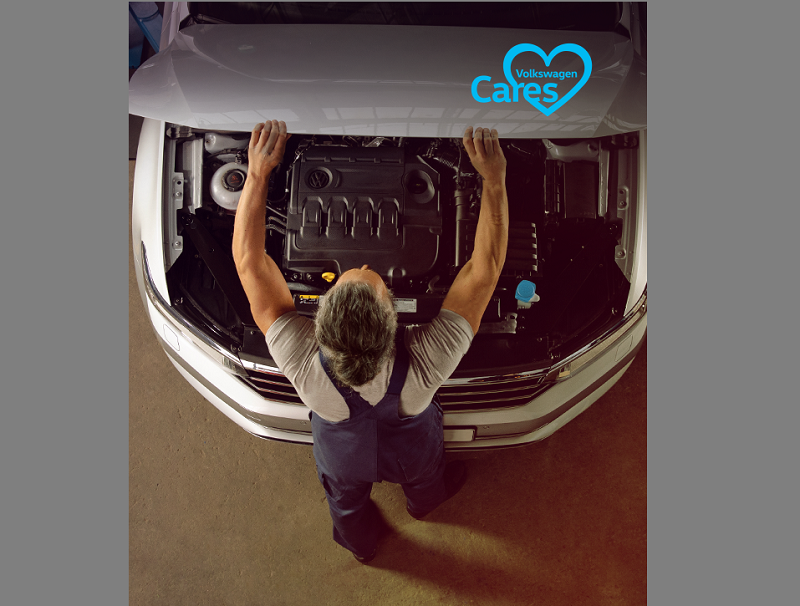
Due to the Movement Control Order (MCO) being in effect, a significant number of Volkswagen owners have had to put their vehicle’s aftersales needs on hold as all service centres nationwide are closed. Although workshops can operate, they are only allowed to perform emergency services and not regular maintenance work.

Looking ahead to the time when the MCO ends, Volkswagen Passenger Cars Malaysia (VPCM) has prepared a ‘Welcome Back’ campaign for owners under the Volkswagen Cares initiative.

Volkswagen

Keeping customer’s convenience in mind, VPCM invites owners to register and book their appointments on the Volkswagen website and upon submission of interest, a representative from an authorised Volkswagen dealership will be in touch to make the necessary arrangements. The appointment must be made within 30 days after the Movement Control Order ends.

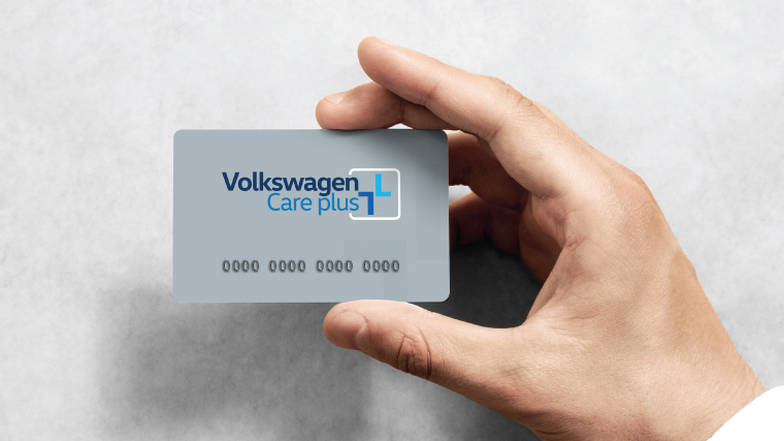
All Volkswagen owners who register during this period will receive free Volkswagen merchandise. Additionally, owners who are not redeeming their free maintenance service and are not Volkswagen Care Plus (VCP) members are entitled to an additional RM50 engine oil voucher. Those entering their fifth year of vehicle ownership are encouraged to sign up for the Volkswagen Care Plus programme to enjoy its benefits.

VW Care Plus

As mentioned in an earlier report, Volkswagen Malaysia will continue to honour the warranty of vehicles that were not able to meet the scheduled service maintenance due to the restrictions of the Movement Control Order.

All Volkswagen owners are required to download the Volkswagen Cares mobile app to enjoy the benefits. To register and book an appointment, visit the Volkswagen website.

Volkswagen has an online showroom

COVID-19

WHO

BHPetrol RON95 Euro4M

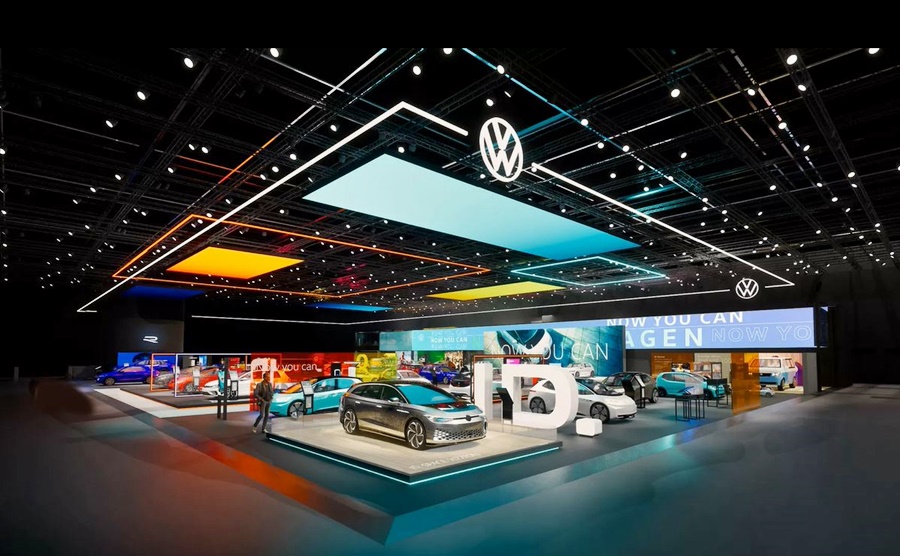
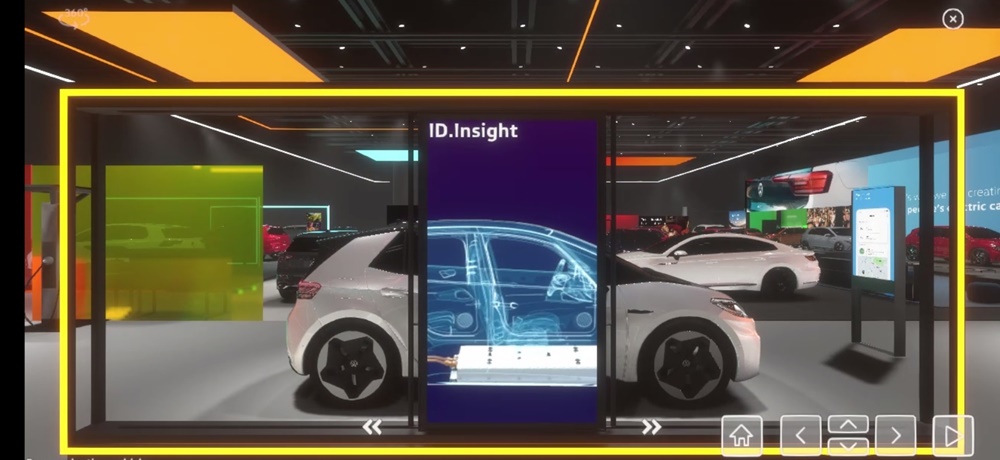
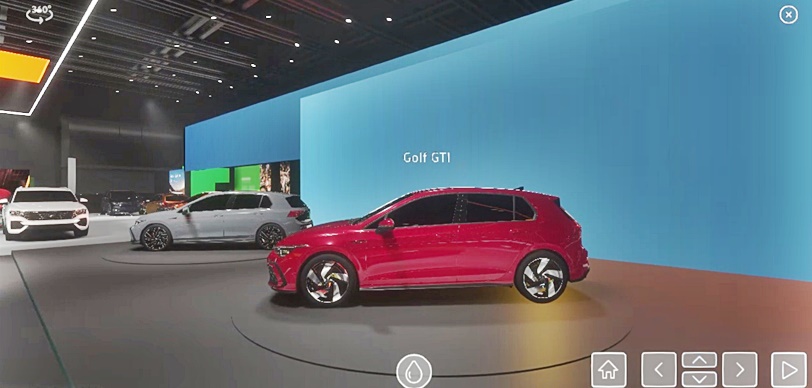
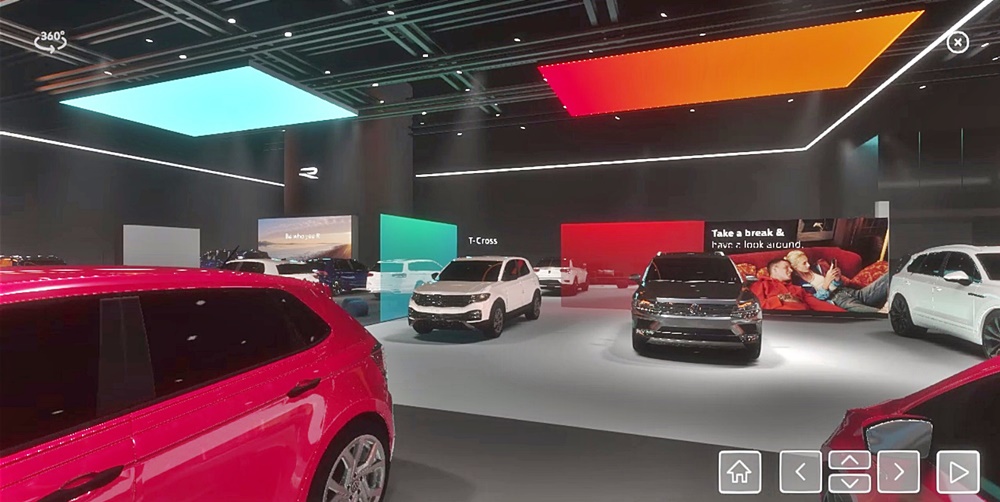
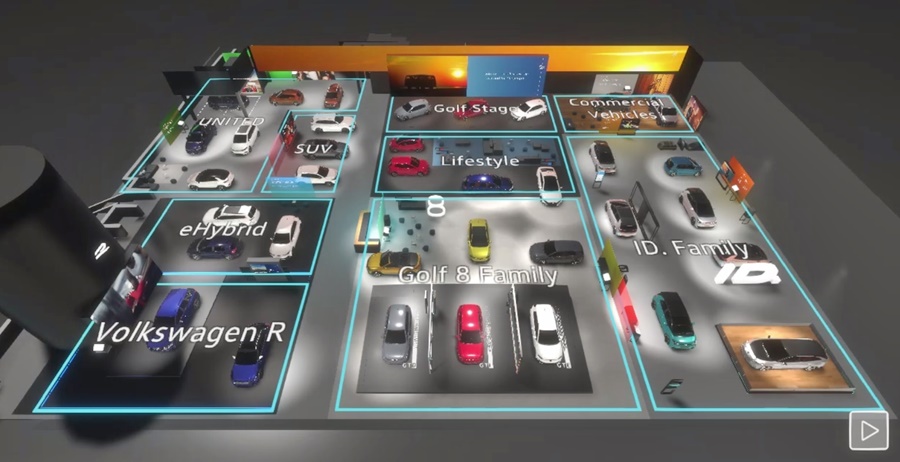
Following the cancellation of this year’s Geneva International Motor Show (which was to have been held last month), the Volkswagen brand show stand can now be visited online. Starting from today, visitors can ‘experience’ all the new models of the brand for 2 weeks.

Furthermore, they can do so at any time of the day, from their homes anywhere in the world. This would be welcome by people in the increasing number of countries where there is a lockdown or restricted movement.

VW Virtual Motorshow 2020

Click here to go to the Volkswagen Virtual Motor Show

The 360° tour offers an interactive digital experience allowing visitors to be immersed in the motorshow. They can ‘stroll’ across the booth, view vehicles from all sides and also change colours and wheel rim configurations with the easy-to-use functions. This may well be the beginning of a new trend in the industry of presenting new models, given that social distancing will be emphasised in future.

“I am pleased that our marketing team has succeeded in making our booth available to all visitors despite the cancellation of the Geneva Motor Show. Virtually, they can experience our team’s attention to detail in the presentation of this show and our product highlights. Once again, this demonstrates that special situations call for special solutions,” said Jurgen Stackmann, Member of the Volkswagen brand Board of Management responsible for Sales, Marketing and After-Sales .

“We are convinced that we will be able to reach even more people in future through virtual show visits in addition to the real presentation of vehicles,” he added.

VW Virtual Motorshow 2020

All the vehicles and the booth planned for Geneva have been digitally processed for the 360° experience and give visitors a 3-dimensional experience of being at the show. The main focus is on the new products of 2020 which range from the future electric vehicle ID.3 to the new R2 with plug-in hybrid technology. There is also the latest generation of the iconic sports versions of the Golf, the GTI, GTD and GTE.

VW Virtual Motorshow 2020

Users take part in a guided tour of the booth but can control their visit individually. By clicking integrated additional features and interactive exhibits which allow vehicles to be displayed with different colours or wheel rims, users are encouraged to interact with the presentation.

VW Virtual Motorshow 2020

“Our first digital booth is only the opening chapter in our new sustainable concept for future innovative online experiences,” said Jochen Sengpiehl, Chief Marketing Officer of the Volkswagen Passenger Cars brand. “Exploiting the opportunities offered by virtual reality is part of our digitalization strategy. It will become an integral component of our experience marketing, the entire external presentation of the brand and interaction with customers and fans.”

Volkswagen has an online showroom

PISTON.MY

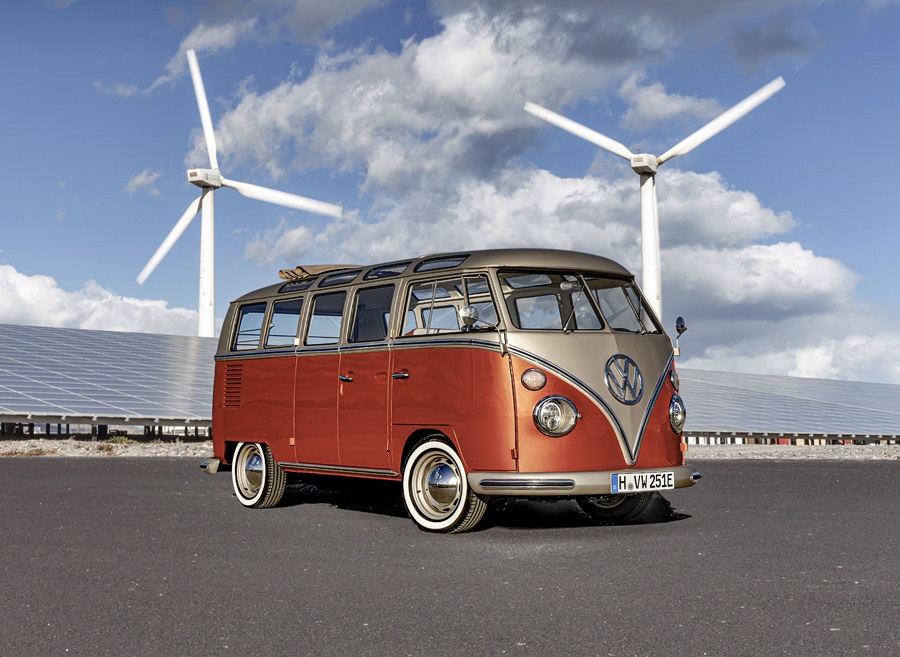
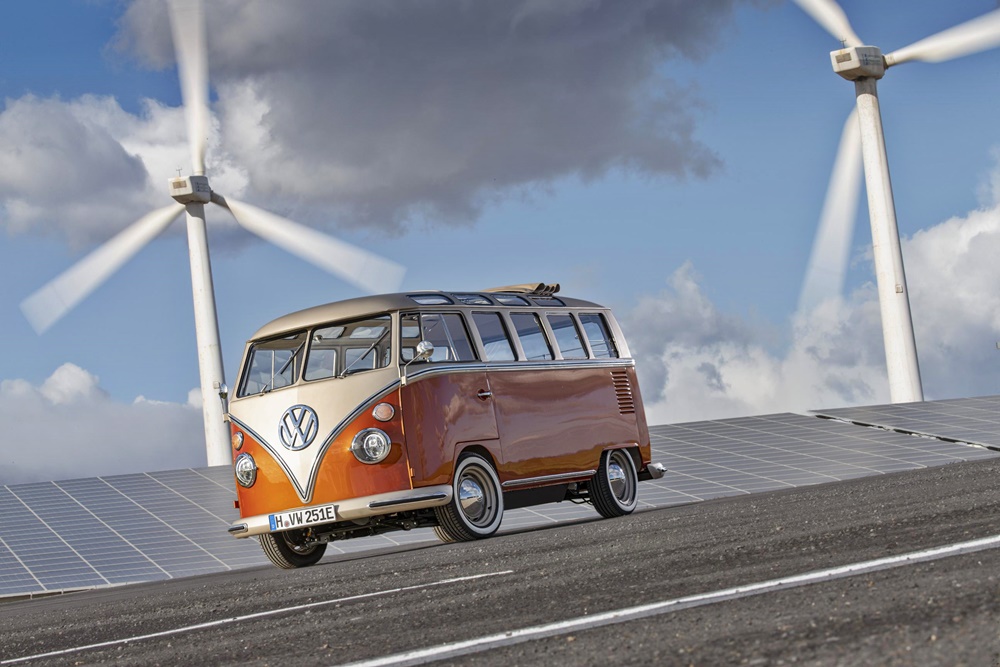
In due course, it will be possible for owners of the original Volkswagen T1 to make a conversion of the powertrain to a zero emissions electric drive system. Volkswagen Commercia Vehicles (VWCV), collaborating with eClassics, has developed a conversion package which is demonstrated in the e-BULLI all-electric concept vehicle.

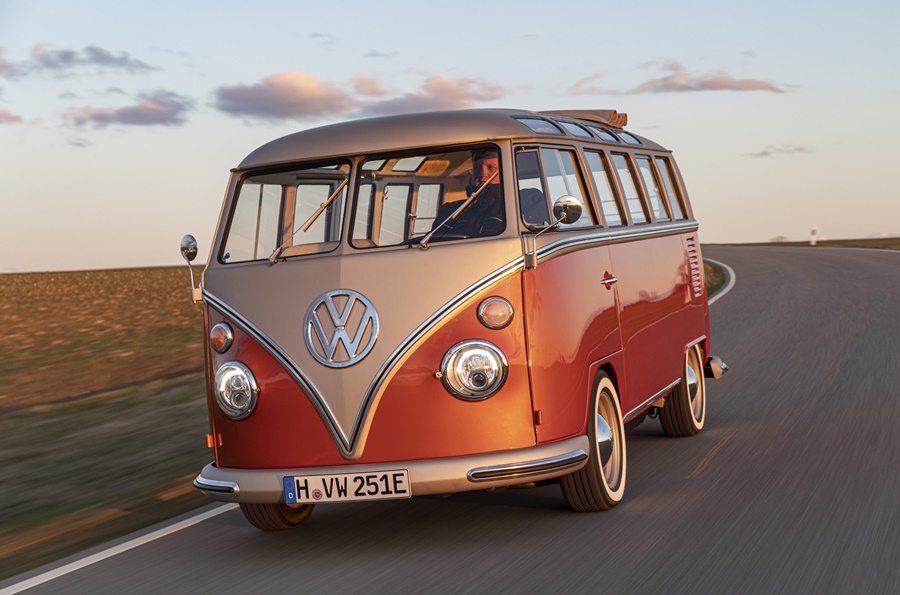
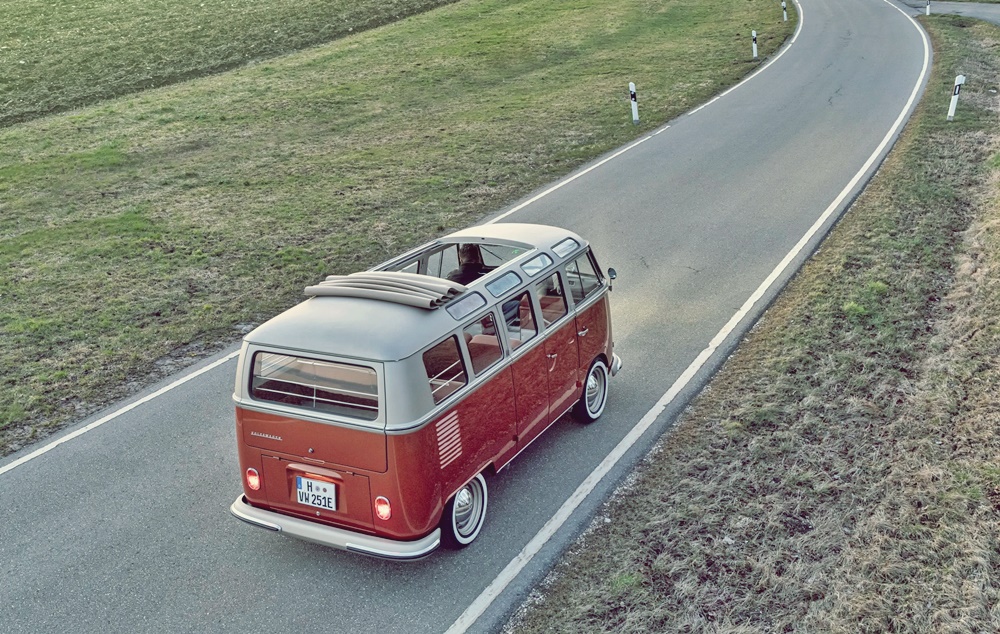
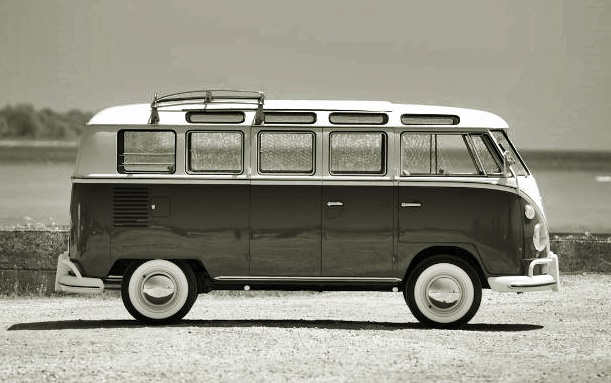
VWCV engineers and designers formed a team along with drive system experts from Volkswagen Group Components and eClassics (a company which specialises in electric car conversions) to develop the e-BULLI. For the concept model, they chose a T1 Samba Bus produced in 1966 which, prior to its conversion, spent half a century on the roads of California.

2020 VW e-BULLI

New electric drive system components
The original 44 ps 4-cylinder boxer engine is replaced by a silent Volkswagen electric motor generating 61 kW (83 ps) and 212 Nm, the torque being more than double that from the engine before. The comparison of the engines’ power output alone makes it very evident that the concept vehicle will have completely new drive characteristics with performance unattainable using the original combustion engine.

Power transmission is by means of a 1-speed gearbox. The automatic transmission has 5 positions (P, R, N, D, B) and in position B, the driver can vary the degree of recuperation, ie of energy recovery when braking. The e-BULLI is claimed to have top speed of 130 km/h (electronically limited), 25 km/h more than the original T1.

1966 VW T1
The original T1 Samba Bus

Just like the powertrain of the 1966 T1, the combination of gearbox and electric motor integrated in the back of the 2020 e-BULLI drives the rear axle. A 45 kWh lithium-ion battery pack provides energy for the electric motor while a DC/DC converter provides 12V power for on-board electronics.

As in the new ID.3 and future ID.BUZZ, the battery pack is housed centrally in the vehicle floor. This layout lowers the e-BULLI’s centre of gravity and thus improves its driving characteristics.

2020 VW e-BULLI

80% recharge in 40 minutes
The battery pack is charged via a combined charging system (CCS) socket. It enables charging with AC or DC electrical supply. Thanks to the CCS charging socket, the battery pack can also be charged at DC fast-charging points with up to 50 kW of charging power. In this case, recharging up to 80% energy levels can be done within 40 minutes. The range with a fully charged battery packs is claimed to be more than 200 kms.

Redesigned chassis
Compared to the T1, riding in the e-BULLI will feel completely different. This is due to the redesigned chassis which consists of multi-link front and rear axles with adjustable shock absorbers and coil-over struts. There is also a new rack-and-pinion steering system and 4 internally-ventilated disc brakes.


Click here to know more about the Volkswagen models available in Malaysia

New looks
In parallel with the new electric drive system, an interior concept has been created for the e-BULLI that is both stylish and avant-garde. The new look and corresponding technical solutions were developed by the VCVW design centre together with a team from VWCV Vintage Vehicles and the Communications department.

The designers modernised the exterior of the iconic vehicle with great sensitivity and finesse, including giving it a two-tone paintwork finish in Energetic Orange Metallic and Golden Sand Metallic MATTE.

Details such as the new round LED headlamps with daytime running lights modernise the looks. On the outside at the rear, there are also LED charge indicators. They signal to a driver walking up to the e-BULLI how much charge the lithium-ion battery still has.

2020 VW e-BULLI

Original interior concept modernised
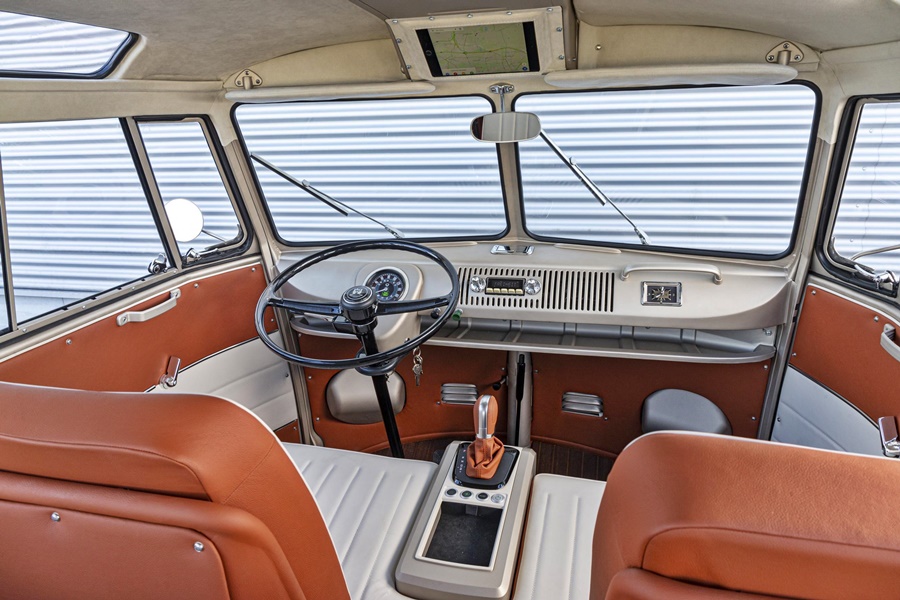
The 8-seat interior has a few things not expected to be in a T1. While the designers have re-imagined a lot of the interior, they did not forget the original concept and the seating is one of the new features. In keeping with the external paintwork, it is also in two colours. Solid wood looking like that of a ship’s deck is used for the floor throughout and, with the nice bright leather tones, the electrified Samba Bus takes on a maritime feel. This impression is strengthened by the large panoramic folding roof.

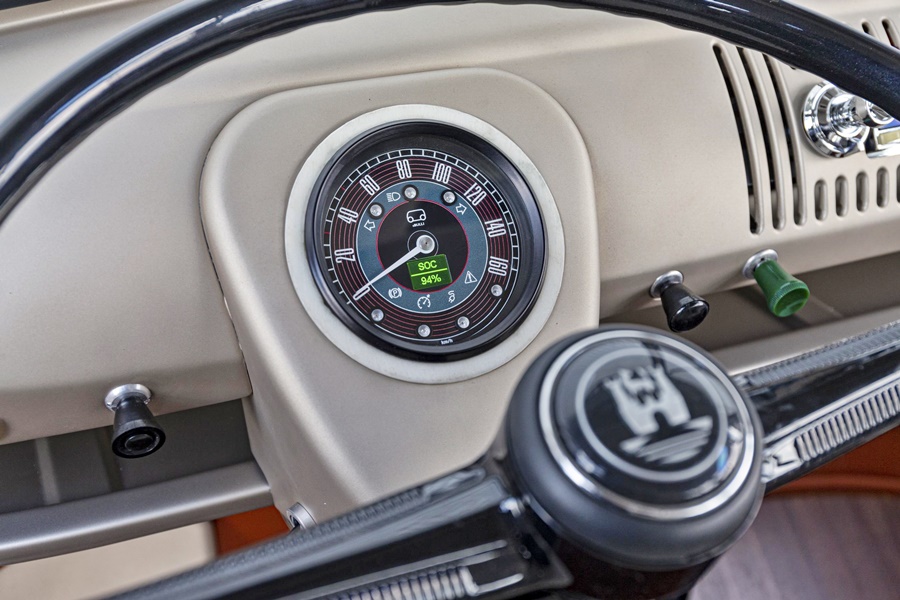
The new speedometer is based on the original while a two-digit display within it creates a link to the modern era. There is a small detail in the centre of the speedometer: a stylised Bulli symbol. A multitude of further information is shown via a tablet integrated into the roof console.

2020 VW e-BULLI

Music on board comes from an authentic-looking retro-style radio which is equipped with cutting edge technology such as DAB+, Bluetooth and USB. The radio is linked to a sound system with high quality components, including an active subwoofer.

2020 VW e-BULLI

The e-BULLI will be available at prices starting from 64,900 euros (about RM307,000) for the T1 conversion (complete with redesigned front and rear axles), with T2 and T3 conversions also being offered by eClassics in Europe.

StayAtHome

Volkswagen’s electric vehicles will use a 1-speed gearbox!

PISTON.MY

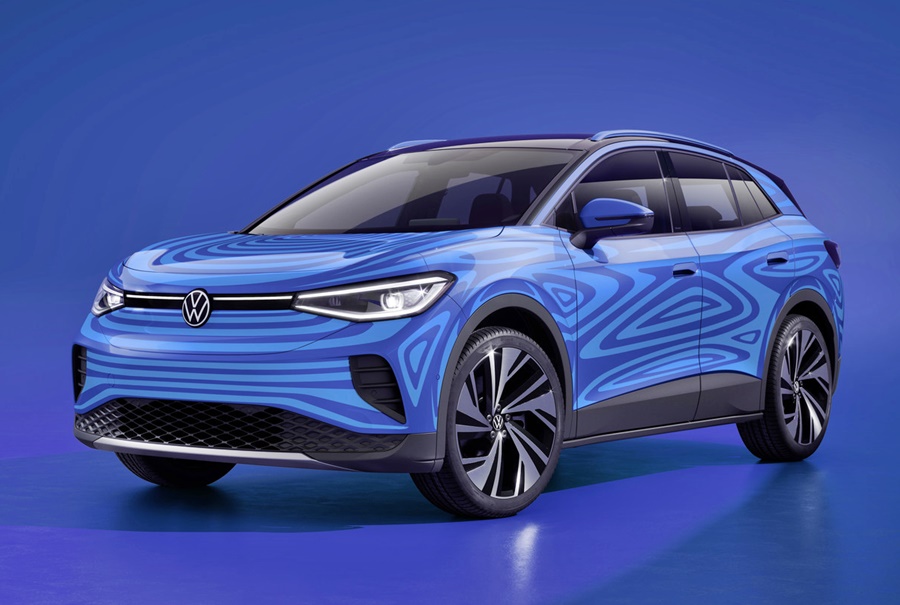
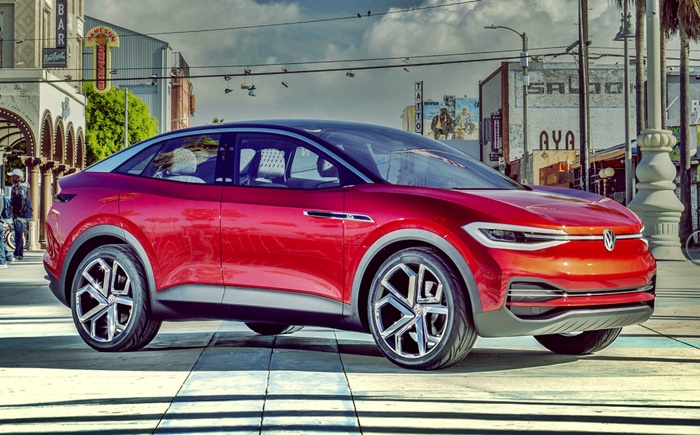
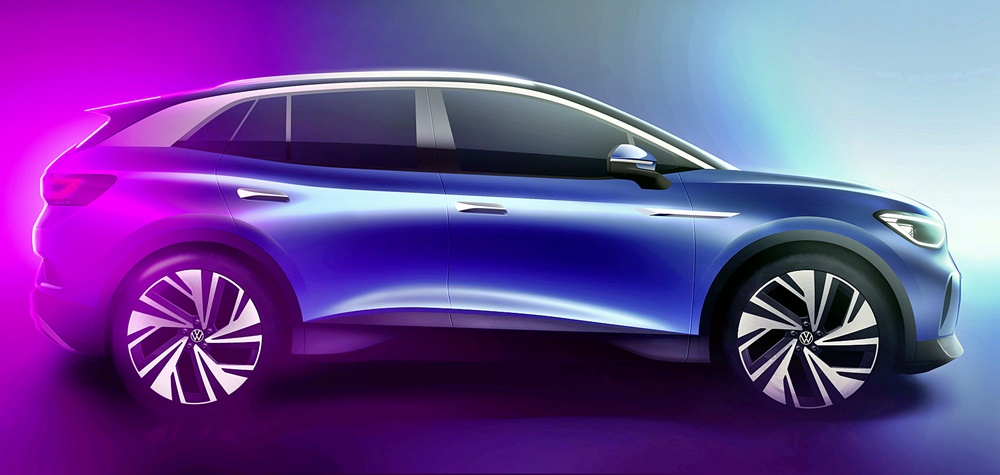
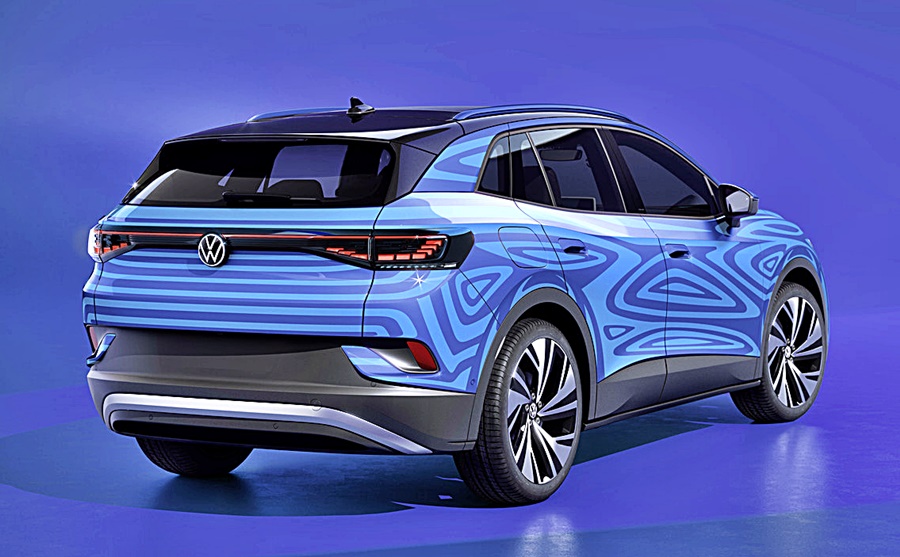
What was presented as the ID. CROZZ showcar by Volkswagen earlier will become a production model known as the ID.4. The two letters, ‘ID’, indicate it as being part of the ID family that will use all-electric powertrains.

The ID range is part of the carmaker’s electric mobility strategy and following in the tracks of the ID.3, the countdown has already begun for this second model based on the new modular electric drive matrix (MEB). The new ID.4 will also be launched this year, possibly after the ID.3 which is scheduled to be in showrooms from mid-2020.

Volkswagen ID.4

Volkswagen ID.CROZZ concept
The ID.CROZZ concept displayed in 2017.

“Just like the ID.3, the ID.4 will also come onto the market as a carbon-neutral vehicle,” said Ralf Brandstätter, Chief Operating Officer of the Volkswagen brand. “We will produce and sell the ID.4 in Europe, China and the U.S.”

The design of this zero-emission SUV is particularly aerodynamic. This is especially necessary for EVs that need every advantage to maximise energy use. More efficient aerodynamics will reduce drag and the electric motor won’t have to work so hard to achieve a desired speed. This can help boost the ID.4’s range to up to 500 kilometres, depending on the drive package.

 Volkswagen ID.4

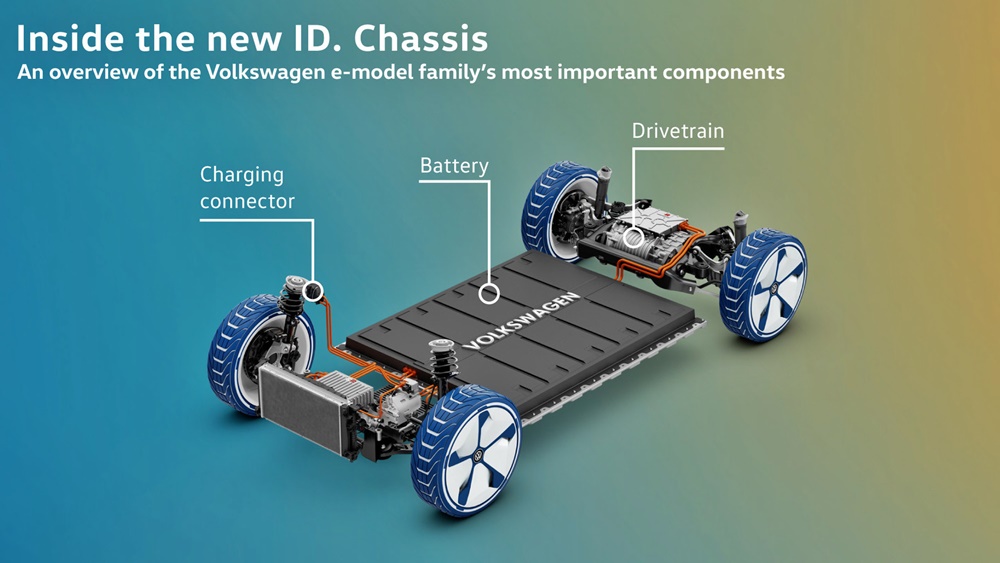
The ID.4 will initially be launched with rear-wheel drive, while an electric all-wheel drive version will be added at a later date. The high-voltage battery is positioned near the centre of the underbody to create a low centre of gravity and optimise driving dynamics, along with an extremely well-balanced axle load distribution.

Related story: Volkswagen’s electric vehicles will use a 1-speed gearbox!

VW MEB platform

Just like all other MEB models, the ID.4 will offer plenty of interior space as its electric drive technology is compactly packaged. The fully digital cockpit of the SUV has been clearly structured and is operated primarily using touch surfaces and intelligent, intuitive voice control.

Volkswagen ID.4

For Volkswagen, the ID.4 and ID.3 represent important milestones in the brand’s bid to become entirely carbon-neutral by 2050 – in line with the Paris climate agreement. Plans have been put in place to reduce the Volkswagen fleet’s CO2-emissions by a third by as early as 2025.

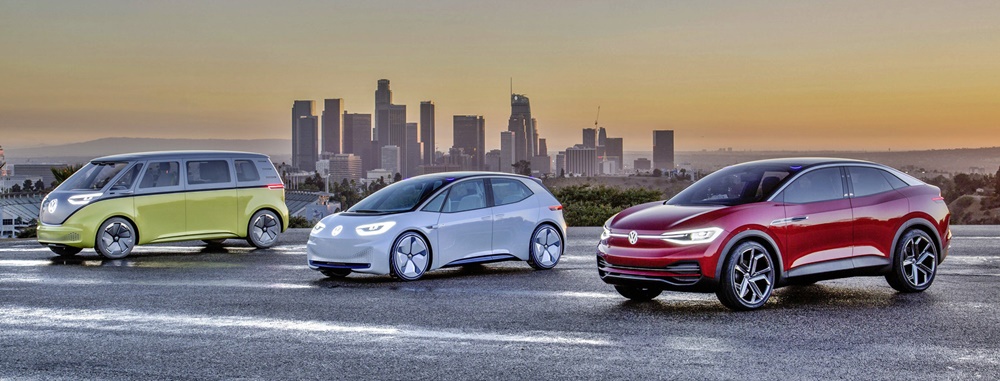
Volkswagen ID
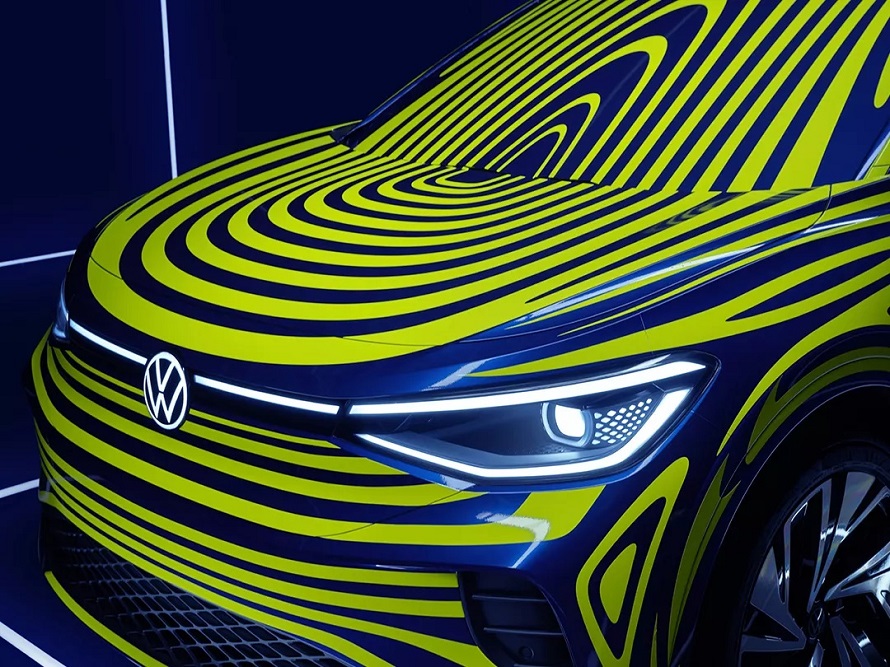
Prototypes of the initial ID family

Volkswagen is currently investing one billion euros to electrify its model range while also offering an increasing number of hybrid vehicles. This is based on the fact that, just like electric powertrains, new mild and plug-in hybrid drives in high-volume product lines such as the Golf will significantly help to reduce fleet exhaust emissions in the future.

BHPetrol RON95 Euro4M

2020 Volkswagen ID.3 makes global debut

PISTON.MY

Archive

Follow us on Facebook

Follow us on YouTube