With the COVID-19 pandemic very much affecting our lives and the need to protect ourselves, much is being done by the corporate and commercial sector to help in various ways. In the local auto industry, some carmakers have used their production facilities to make Personal Protective Equipment (PPE) for frontliners, which is much needed as it is one-time use equipment.
Volvo Car Malaysia (VCM) has also been doing its part and last year, it rewarded Malaysians who pledged to practice social distancing, an important measure to reduce transmission of the virus. This year, it has collaborated with NanoTextile Sdn Bhd to produce an anti-microbial reusable facemask. The project was initiated to help single mothers while engaging with trained vocational graduates from GIATMARA and local artisans to help them earn a sustainable living during the pandemic.
A sustainability program
Commenting on the collaboration, Nalin Jain, MD of Volvo Car Malaysia, SAID: “The project helps the environment as many surgical masks are being disposed every day that leads to environmental pollution. With sustainability programs like this, we ensure the fabrics are always re-energized by using advanced technology.”
A study was conducted when designing the facemasks, providing insights into the concerns people have when wearing a surgical facemask. These are cost, waste, allergic reaction and sizing. NanoTextile has addressed these concerns with its facemasks which are made of 100% cotton, are soft and washable, and water-repellent. They have self-cleaning features on the inside and outside layer, allowing use after up to 100 gentle washes.
99.9% anti-bacterial efficacy
NanoTextile’s award-winning technology has anti-bacterial efficacy of more than 99.9% that is laboratory-tested. This prevents contamination of the fabric by viruses and bacteria and decreases the penetration of droplets in contact. The facemask has 5 more layers of protection using a PM 2.5 filter, tested to be 90% effective in viral particle filtration.
Consumers can purchase the facemask from all Volvo dealerships throughout Malaysia. They are available in Medium and Large sizes and with a choice of 3 colours as well as a Batik Tekap pattern. “Batik has always been a pride of our country and we at Volvo Car Malaysia do recognize and embrace local arts and culture, and sustaining our Batik heritage,” said Mr. Nalin.
Volvos have long been known for their durability and even in the 1960s, when some cars were ‘rust-buckets’ and Japanese cars were perceived to have ‘milo tin’ panels, Volvo was claiming over 10 years of reliable service life which kept on extending to over 20 years.
Of course, that is about the car being able to run reliably for that length of time. There is also the possibility of manufacturing defects occasionally, for which owners expect rectification or replacement at no charge. This is typically covered by a warranty from the manufacturer, and it used to for the first year and 20,000 kms. Volvo naturally provided such a warranty even though its cars were very durable.
Volvos have long been known for their longevity and reliability.
Standard 3 years + 2 more
Like other companies, Volvo’s warranty periods have progressively extended, and in 2021, owners of their new vehicles in Malaysia will enjoy a longer coverage period of 5 years, with no limit on mileage. Prior to this, new Volvos came with a standard 3-year or 100,000 km factory warranty with a combined 2-year or 20,000 km Extended Warranty Programme provided by an external insurance partner.
“This new offering is part of our dedication to quality, particularly in relation to our vehicles and customer relationship. At Volvo Car Malaysia, every decision we make is designed around the customer’s needs and more so to solidify their trust in Volvo. We want our customers to feel supported throughout the ownership of their vehicle and we believe that the new extended factory warranty is a step in the right direction as a premium car brand that is rooted in safety,” said Nalin Jain, MD of Volvo Car Malaysia (VCM).
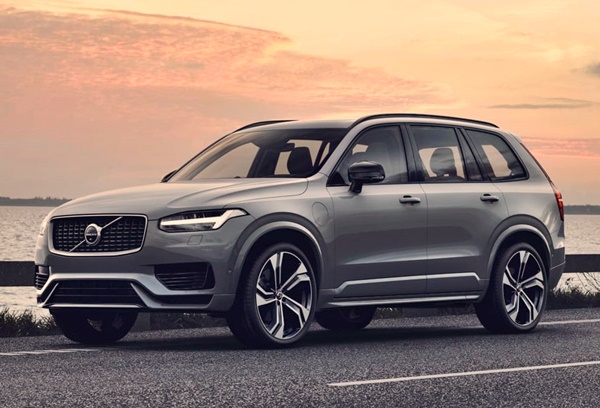
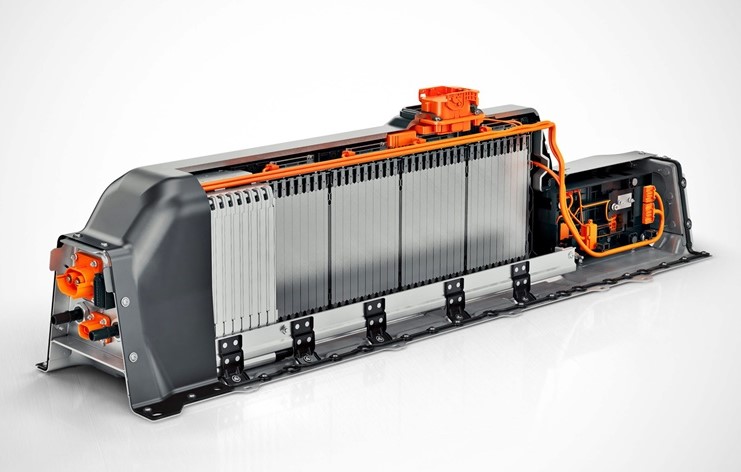
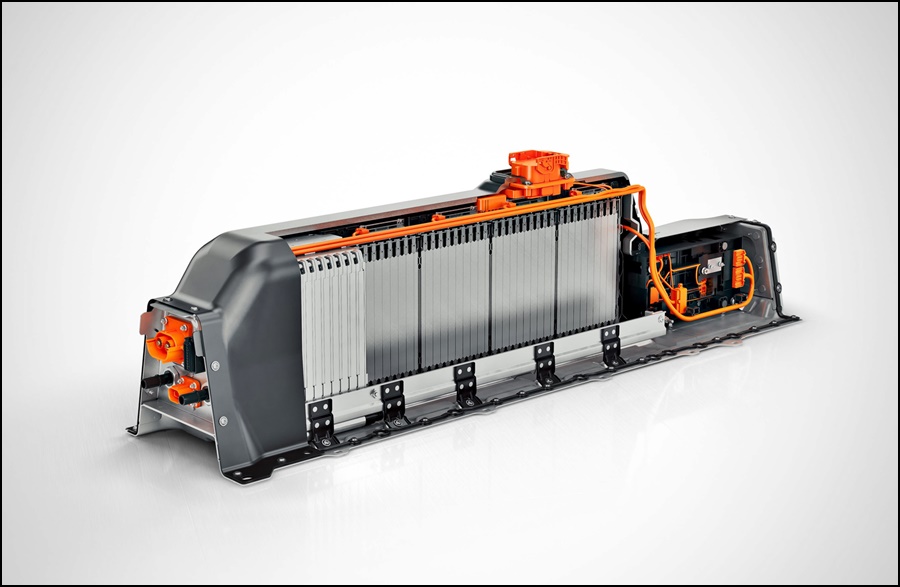
Models like the XC90 PHEV have an additional longer warranty period specifically for the lithium-ion battery pack (below) to give owners peace of mind as the cost of replacement is expensive.
8 years for PHEV battery pack
In December 2020, VCM also announced that the battery pack in Volvo’s Plug-in Hybrid Vehicle (PHEV) models would have an extended warranty period of up to 8 years or a maximum of 160,000 kms. The long warranty has been offered by other manufacturers in view of the high replacement cost of a battery pack.
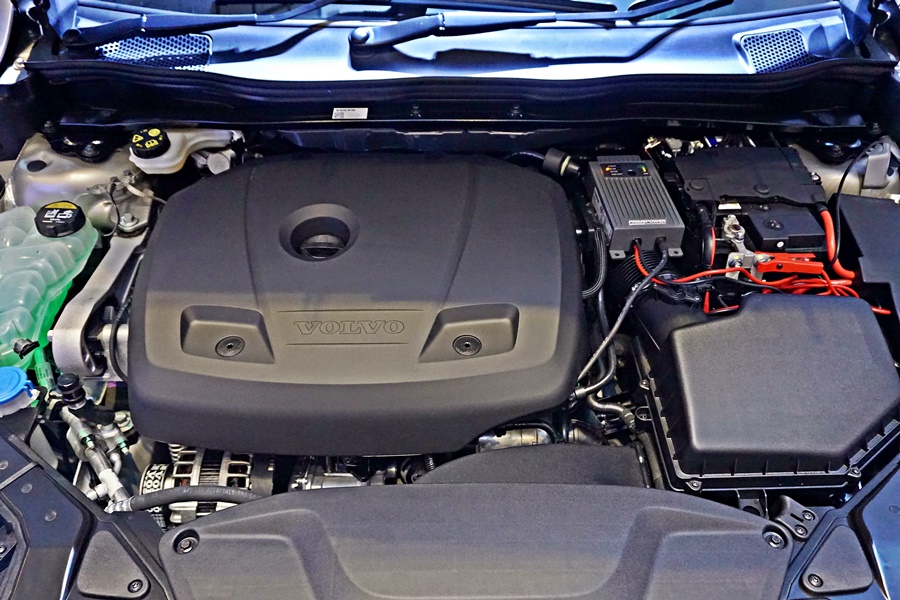
Like the small 12V battery that has been present in the engine bay for decades, the high-voltage battery pack has a certain service lifespan but it cannot be certain. Its life depends on usage conditions, manufacturing quality and other factors and it may be short or it may surprise by being very long. But unlike the 12V battery, a battery pack for t hybrid vehicles is many thousands of ringgit.
“Our end goal of this initiative is to allow our valued customers to feel the utmost comfort when driving a Volvo car, free of worries. We allow them to fully experience the innovation and technology that goes into each one of our cars, and by doing so we are able to provide our customers with the freedom to move in a personal, sustainable and safe way,” said Mr. Nalin, adding that the extended factory warranty is vehicles that are registered for private use and not applicable to vehicles registered or used for commercial purposes.
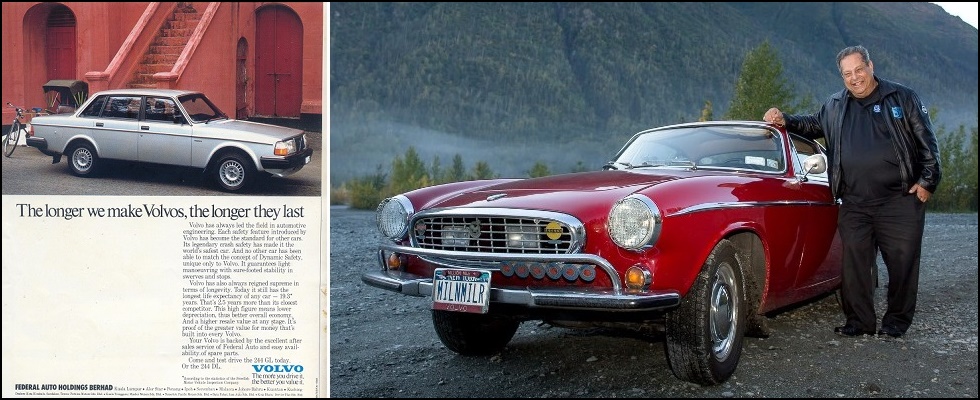
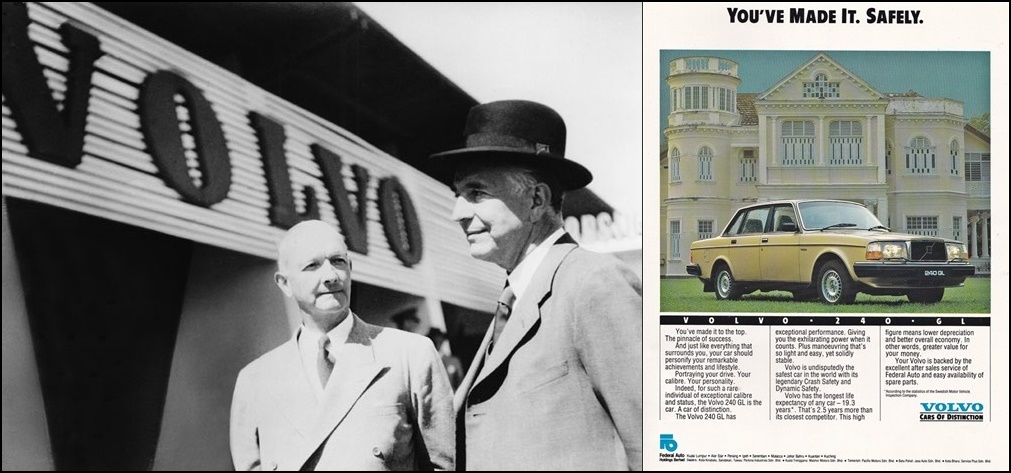
An advertisement in Malaysia in the 1980s (left) promoting the long life of the Volvo 244. Irv Gordon proved the point by putting 5.15 million kms on his P1800 between the time he bought it in 1966 and 2013. It’s a record no one else is likely to ever beat.
Pros and cons of longer warranties
Long warranties may please car-buyers as it means they have coverage for a longer period, which is good for those who plan to keep their cars for many years. Furthermore, the warranty is usually transferable (if still in effect), which can add a bit more to resale value.
However, warranty conditions typically require the owner to adhere to the specified service intervals, and to use only an authorised service centre of the brand (and of course, genuine replacement parts). Some companies can be strict about this and if an owner misses a scheduled service or even does it well past the due time, the warranty could be terminated.
In fact, this issue of ensuring scheduled service on time to avoid voiding the warranty worried owners last year when the first Movement Control Order (MCO) was introduced. As they could not get to their service centres (which were also closed), there was the fear that they might lose their warranty. The car companies were quick to assure their customers that the warranty would not be cancelled if they were unable to send their vehicles in for servicing, but they had to do so within 30 days after the MCO was lifted.
A longer warranty which forces an owner to keep using an authorised service centre may not be welcome by all customers. While we recommend using authorised service centres for their expertise with a specific brand, we can understand that there may be owners who prefer to use independent workshops which may charge less. For such owners, the warranty conditions that require them to use only an authorised service centre may not be good.
It should be noted too that there are two types of warranties. Different manufacturers will have different approaches and some may offer a long factory warranty which has broad coverage from the first day to the last day.
Then there are companies which offer a longer warranty that is coupled to the original one that covers the first few years. The additional years are, however, covered by another party like an insurance policy. However, the fine print may reveal that for the extra years, the coverage is slightly different and certain items may not be covered when they had been covered before by the original warranty.
Customers should therefore ask for clarification about this at the time of purchase. Some companies may have a deal with the external party to provide identical coverage terms, and some may not. Many years ago, owners of a certain European brand found, to their surprise, that warranty claims were not entertained for certain items (even though the warranty was still in effect). This came to light when the brand changed franchise holders and the new franchise holder attempted to get warranty compensation for existing customers.
As for mileage, European brands have long offered unlimited mileage after original registration. Asian brands were more conservative and set a maximum mileage which would apply if it was reached before the number of years ended. Generally, it was a reasonable figure though high-mileage motorists would certainly have preferred an unlimited condition.
With the restriction on movements and interstate travel over the past year, many owners may find that they will get to enjoy the full number of years of warranty coverage, even if there is a mileage limit. They would be travelling less, especially those who are instructed to ‘WFH’ (work from home).
It is well known that a Swedish engineer, Nils Ivar Bohlin, who joined Volvo from the aircraft industry developed the 3-point safety belt that is common in every car today. And, though patented, Volvo generously allowed everyone else to follow the same design without any charge. It was a ‘gift to the world’ as Volvo hoped such a move would get the seatbelt adopted widely and quickly. And it was, saving hundreds of thousands of lives worldwide. Bohlin’s invention appeared in the late 1950s and of course, Volvo led the way by installing it in its cars as standard.
An idea from aircraft
However, the seatbelt was around for some time before Bohlin’s invention. The idea came from aircraft and early automotive inventors considered it to provide a form of restraint in the event the driver was thrown forward. In France, for example, Gustave-Desire Leveau registered a concept in 1903, which was for a complex 4-point seatbelt for the driver as well as the passengers.
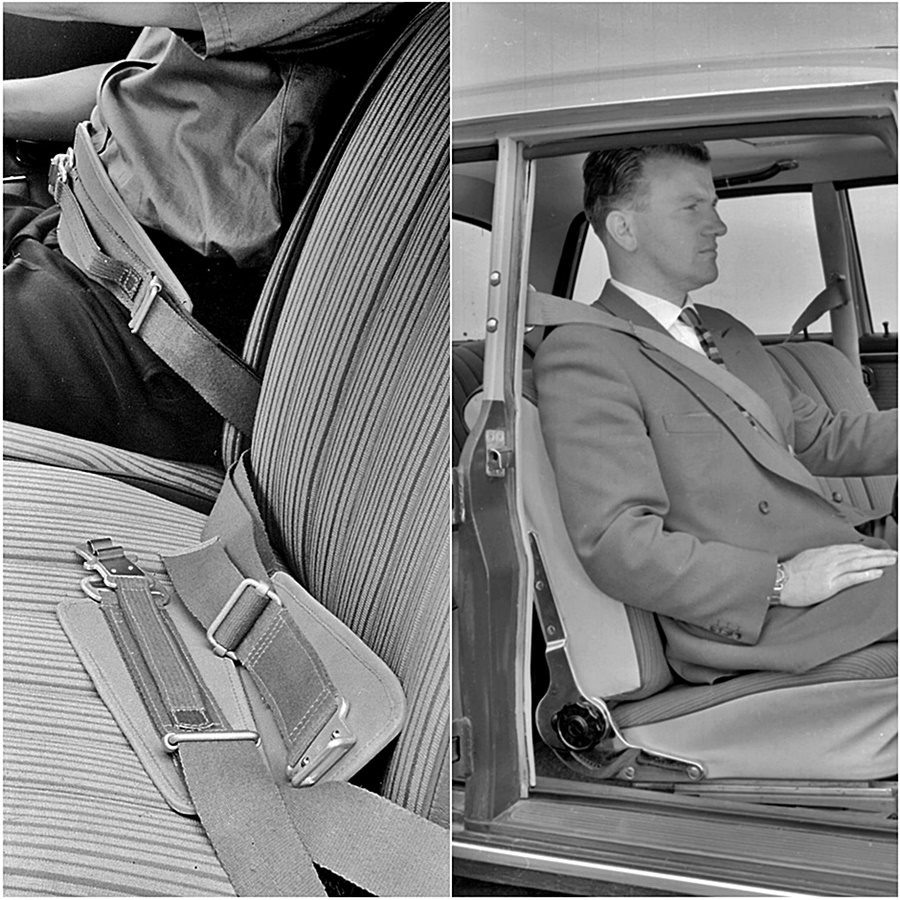
Before the 1960s, seatbelts that were provided were the 2-point lap type that went only around the waist (left). Nils Bohlin’s invention added a third strap coming down from the top across the chest (right).
In Germany, Daimler Benz introduced a seatbelt in its Mercedes-Benz 300 SL Roadster (W 198) in 1957. The 2-point seatbelt, essentially like what was found in commercial aircraft, was an option in the open-top supersports car and the owner could have it installed on one or both seats.
Racing cars get seatbelts
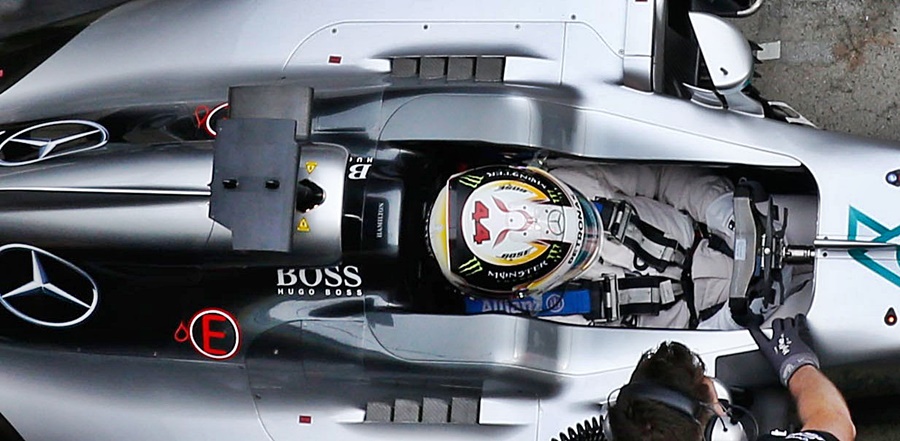
From the 1950s onwards, an increasing number of cars racing in motorsport were also fitted with a seatbelt. It was a logical thing to do as speeds rose, and drivers could be flung out or hit the steering wheel in a crash. Over time, safety systems in racing cars have advanced and those used by drivers in Formula 1 cars are extremely sophisticated, providing head-and-neck support to reduce the dangerous acceleration of the head during a collision.
The most advanced seatbelt systems are probably the ones in F1 racing cars which must restrain the drivers who can crash at very high speeds.
In 1958, Mercedes-Benz started to offer the 2-point seatbelt as optional equipment for the entire range of passenger cars with individual seats in the front. By the end of the same year, lap belts in the rear seats were also optionally available. Konrad Adenauer, the first Chancellor of the Federal Republic of Germany, was convinced by the system and his official car was equipped with a lap belt in the rear.
Enhanced operation for convenience
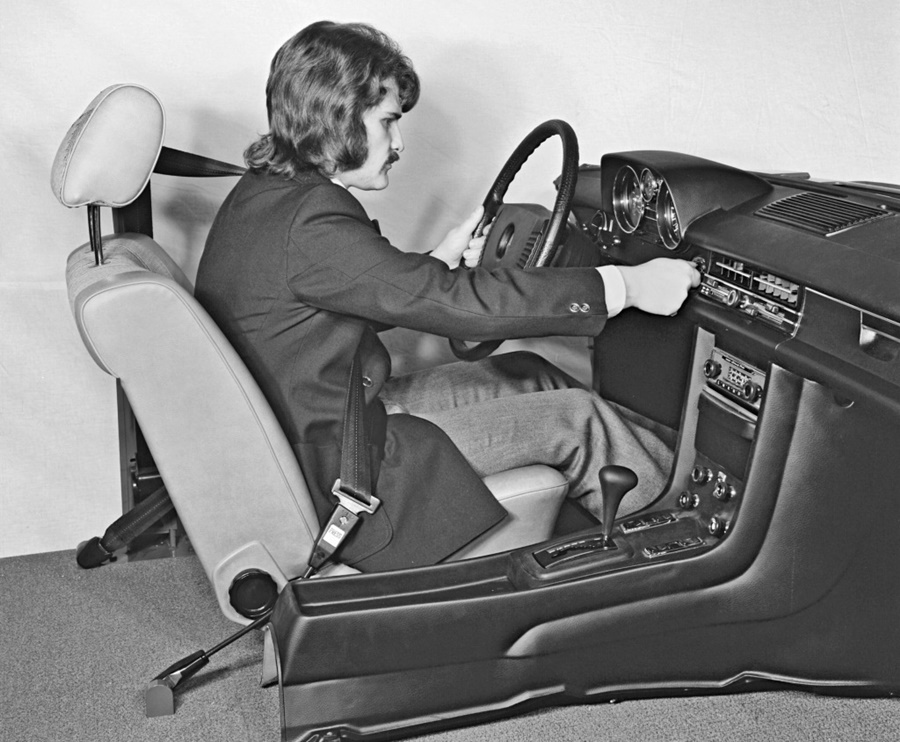
As mentioned earlier, Volvo made the 3-point seatbelt concept freely available to the industry and Mercedes-Benz adopted the idea in the 1960s. It combined the benefits of a lap belt and shoulder belt – just like Bohlin had described it in 1958 – and included a reeling mechanism, which was initially like a ‘luxury’ feature. Mercedes-Benz introduced the seatbelt with the automatic reeling mechanism as standard equipment in front seats in 1973, and later as standard equipment in rear seats.
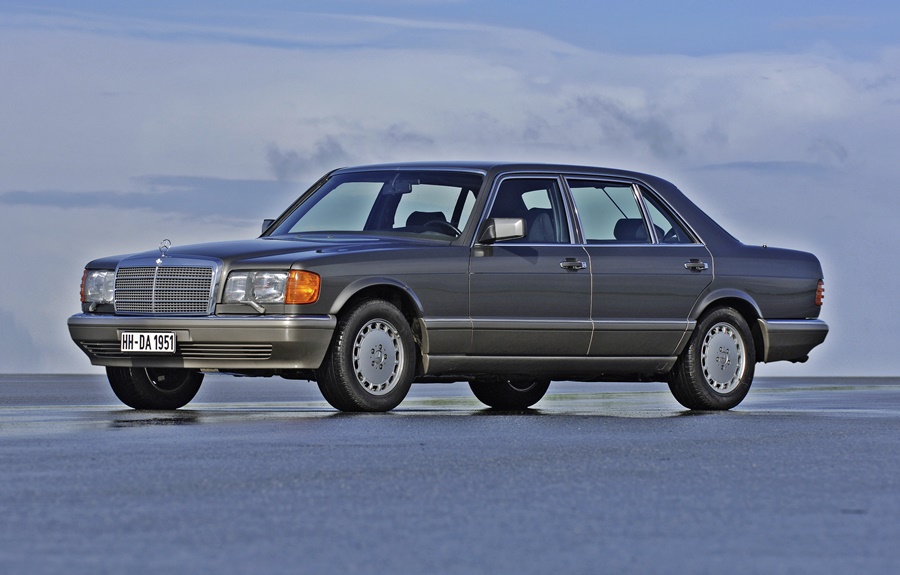
The W 126 Mercedes-Benz S-Class came with a seatbelt and tensioner for more effective restraint, as well as an airbag for the driver.
It is not just the way the seatbelt wraps around the body which is critical, but also how it is attached. The company delivered the R 107 model series SL (in 1971) with a seatbelt anchored to the bottom of the seat as standard equipment.
Seatbelt becomes compulsory
The value of seatbelts was very quickly noted by safety authorities, supported by accident research data. Manufacturers were asked to provide them as standard, at least for the front occupants, but not everyone wanted to use them. So laws were introduced to make usage compulsory, at least for the front occupants. Later on, the laws would be revised to include rear passengers as well.
Such laws initially met with plenty of resistance as they seemed to cause inconvenience and imagined discomfort. In Switzerland, for example, the protests were strong enough that the requirement was suspended some time and a referendum carried out before the law was accepted in 1981.
Mercedes-Benz continuously did R&D on all types of passive safety systems, which included seatbelts. As part of the Experimental Safety Vehicle (ESV) programme, automatically engaging seatbelts for the front seats were tested back in 1972 in the ESV 13 experimental safety vehicle. ESV 22, developed in 1973, served as a platform to test 3-point seatbelts featuring 3 seatbelt force-limiters and seatbelt tensioners as well as the driver airbag. By 1981, the driver airbag in conjunction with a seatbelt with a tensioner system was ready for introduction in the S-Class (W 126), providing the driver with even better protection during frontal collisions.
The quest to give better protection to the occupants of a motor vehicle continues, with various systems working together to provide the best protection when a car is involved in an accident. Advances are being made in the structure and new types of restraint systems are being developed although the primary one will still be the seatbelt.
Volvo, once the leading European brand in the Malaysian market, saw its position change after the 1980s. While the products always delivered on the promise of safety, quality and reliability, a pricing strategy that raised prices didn’t work out well and it took a decade to recover. At the time, a senior Volvo executive acknowledged that the idea that it costs Volvo as much to make a car as Mercedes-Benz or BMW meant it could charge almost the same was not necessarily the case.
Nevertheless, the brand slowly rebuilt itself and with a progressive line of products replacing dated models, it has found a niche on which it can grow. Like all companies, Volvo Car Malaysia (VCM) was hit by the effects of the pandemic on the economy and recorded a 56.1% decrease in sales compared to the previous year.
However, things rapidly changed in the second half of 2020 as the numbers surged, thanks to the incentive offered by the government in the form of exemption of sales tax. With Volvo models being assembled locally in Selangor, the exemption was 100%, meaning that customers saved on the 10% sales tax normally imposed.
Highest volume since 1999
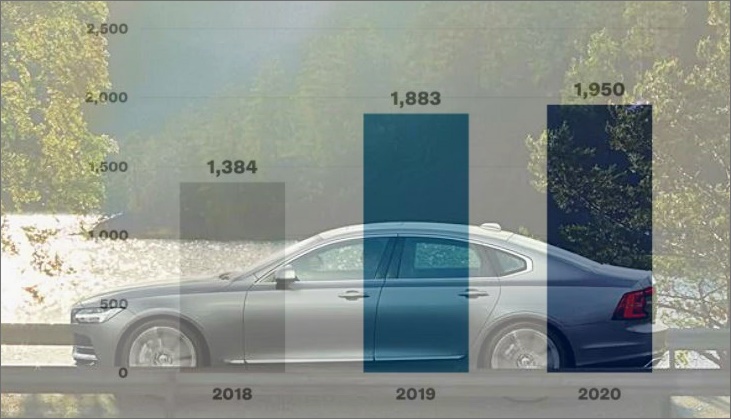
This allowed pricing to be attractive and along with other companies, VCM saw a boost in sales to finish the year with 1,950 units delivered nationwide. This was a 3.6% increase in volume, surpassing the previous year’s sales figure of 1,883 units and it was also the highest number since the establishment of VCM in 1999.
“We are very proud of what Volvo Car Malaysia has achieved despite this turbulent time and challenges that we faced. Through the collective efforts of our dealers and staff, as well as the opportune timing of the government’s sales tax holiday, we were able to finish a challenging year strongly. For us, seeing the results of our efforts has further recharged our drive to bring more premium, safe and sustainable cars to Malaysians,” said Nalin Jain, MD of Volvo Car Malaysia.
High demand for luxury cars
During 2020, VCM recorded its second-highest sales of the year in July, after the tax exemption incentive under the PENJANA program began (it will continue until the end of June 2021). Mr. Nalin said this was an indication that the demand for luxury cars remains high as the car market began to normalise and the country headed towards recovery.
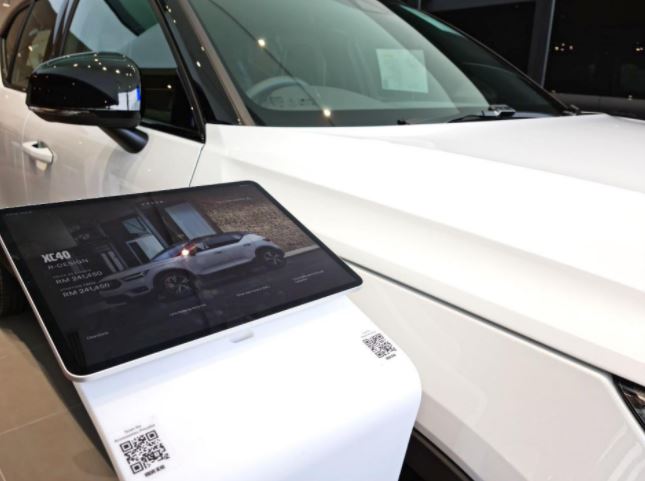
With the renewed interest, VCM reinforced its customer service channels and adopted new digital practices. It introduced a new Online Ordering System for customers to make bookings from their homes or offices, and implemented the Digital Silent Salesman 2.0. This is a platform that digitally displays all necessary details about the cars available in Malaysia.
The new digital practices are part of the company’s push for digital transformation across the entire value chain of its business and reflect its commitment towards its sustainability goals by eliminating printed brochures.
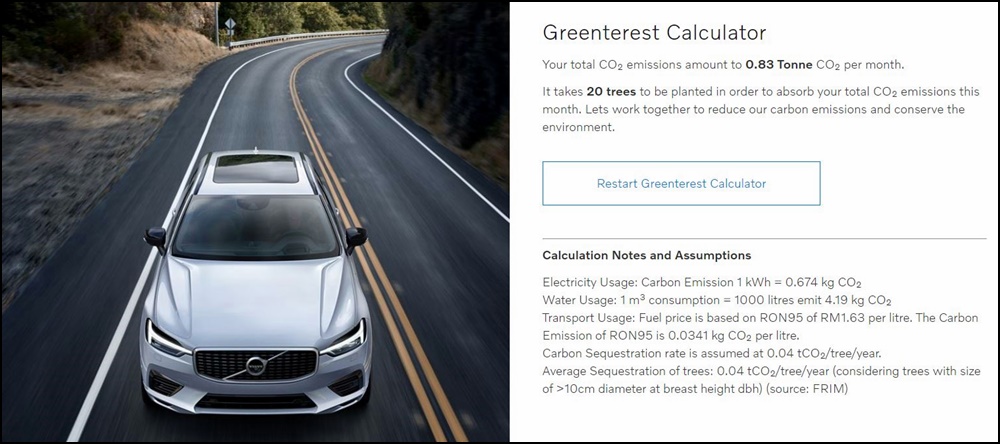
Greenterest Calculator
With sustainability as the forefront of its goals in the coming years, VCM kicked off the ‘Volvo Green Planet’ in the third quarter of 2020. This campaign is aimed at driving awareness about the impact of high carbon footprint, which can be calculated via a Greenterest Calculator. It will bring the conversation to its customers with fully-electric test drives of their cars in a program known as ‘Green Drive’ and dispensing Green Seeds as a token to champion cleaner air.
Recharged 2021 ahead
Based on the past year’s performance, VCM aims to ride on the momentum from 2020, entering 2021 with renewed purpose and recharging all areas of its business. “2021 will be a big year for Volvo Car Malaysia as we look to switch all aspects of our business to incorporate more sustainable solutions and also bring in more products offerings to suit the different needs of Malaysians while helping them make more sustainable choices,” said Mr. Nalin.
Besides range anxiety – the concern about how far you can go on a fully charged battery pack – has been on the minds of people who consider hybrids or electric vehicles, the other issue has also been the cost of the battery pack itself. In the early years, when the technology was still young, battery packs were very expensive and discouraged many people. But there has been constant advancement of the technologies, along with prices coming down, although they still are much more expensive than the small batteries that you see in the engine bay.
The battery packs have generally been reliable and how long they last has depended on many factors, both environmental as well as driving. It’s like batteries in laptops or mobilephones – some people enjoy a long service life while others may have to replace them within a couple of years when they cannot hold their charge properly.
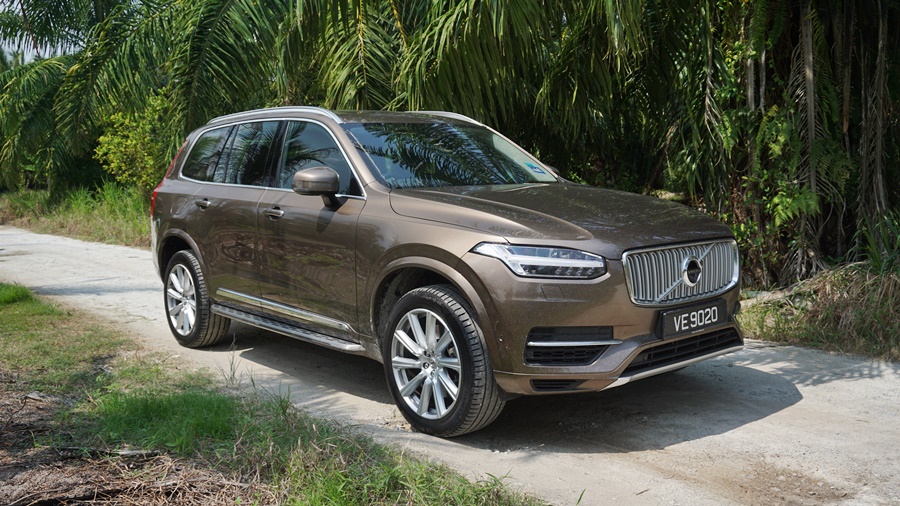
A Volvo lithium-ion battery pack.XC90 – first Volvo PHEV in Malaysia
PHEVs sold since December 2015 are covered
To give customers peace of mind, many companies have offered longer warranties on the battery packs. Volvo Car Malaysia announced its extended warranty in March 2020 but the coverage was only for models in its Plug-in Hybrid Electric Vehicle (PHEV) range registered from January 1, 2020.
Now the company has extended the coverage to all Volvo PHEVs purchased since December 3, 2015 when the XC90 T8 PHEV was launched in Malaysia. The company says that this has been prompted by ‘the enthusiastic response from customers and realising the positive impact that long-term electrification can bring to the environment’.
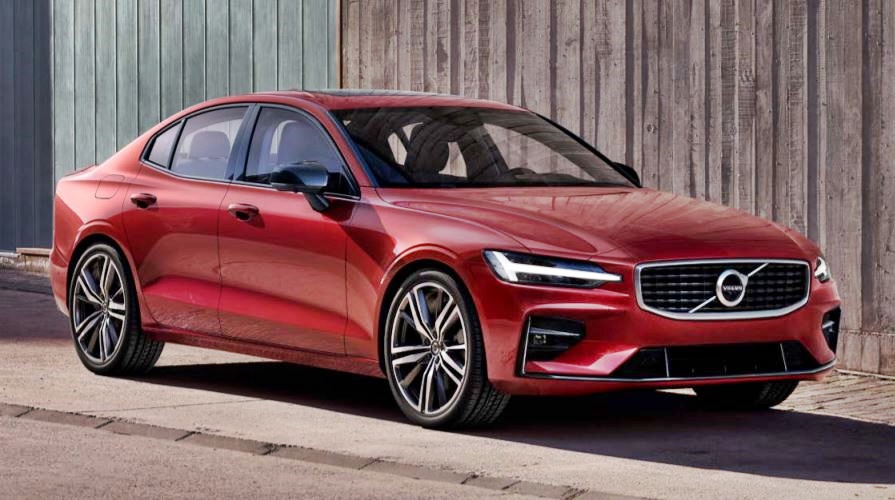
The S60 T8 is one of the models in Volvo’s PHEV range.
“As we continue our journey into sustainability, we are happy to announce this new, extended warranty coverage for our customers who have purchased any Volvo PHEVs since the launch of our first XC90 PHEV in Malaysia. This is our way of showing gratitude to the early adopters and also for those who are striving to make a more sustainable decision,” said Nalin Jain, MD of Volvo Car Malaysia.
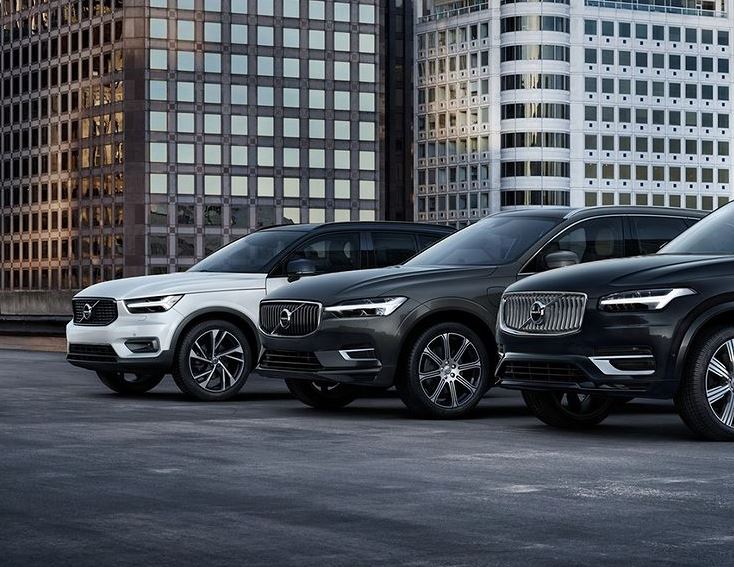
The Volvo range of PHEVs for the Malaysian market consists of the S60 T8, XC60 T8, XC90 T8, and S90 T8. Prices range from RM295,888 to RM409,888 (excluding insurance).
“Cars are driven by people. The guiding principle behind everything we make at Volvo, therefore, is and must remain, safety.” This was laid down by Assar Gabrielsson and Gustav Larson, the founders of the Swedish company, in 1927 and the principle has been upheld to this day. Whenever Volvo is mentioned, most people will think of ‘safety’ and indeed, its vehicles are among the safest in the world.
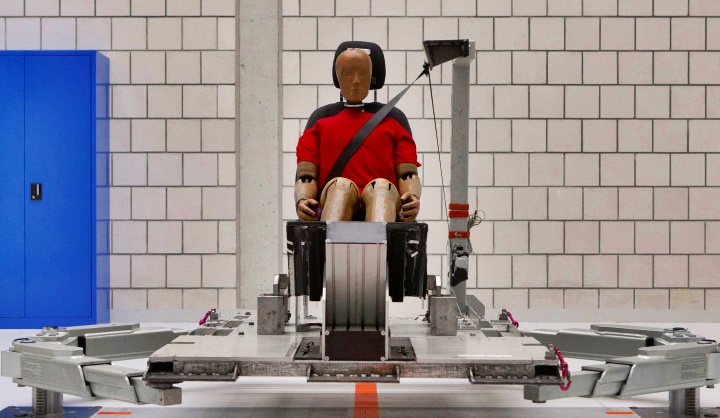
The company has pioneered many safety features and on average, it crashes at least one brand new Volvo a day. In earlier years, the facilities were outdoors and fairly basic – vehicles were basically driven against each other or into solid barriers to study the effects of such impacts.
The two founders of Volvo made safety the guiding principle of the company and that principle is upheld up to today.
Advanced crash laboratory
Eventually, crash test laboratories were built and allowed more detailed assessments with sophisticated instruments for recording and measuring. Virtually every carmaker had one and in 2000, Volvo opened its brand new Safety Centre which was one of the most advanced crash labs in the world and in many ways it still is today.
This facility helps engineers at Volvo Cars push the envelope in safety and to learn from real-life traffic accidents, as the company aims for a future in which no one is killed or seriously injured in a new Volvo.
“Being committed to safety is not about passing a test or getting a safety rating,” said Thomas Broberg, one of Volvo Cars’ leading safety engineers and a two-decade company veteran. “Our commitment to safety is about finding out how and why accidents and injuries occur and then developing the technology to help prevent them. We hope our pioneering work will inspire others to follow, our ambition to reduce road traffic casualties worldwide.”
Testing beyond regulatory requirements
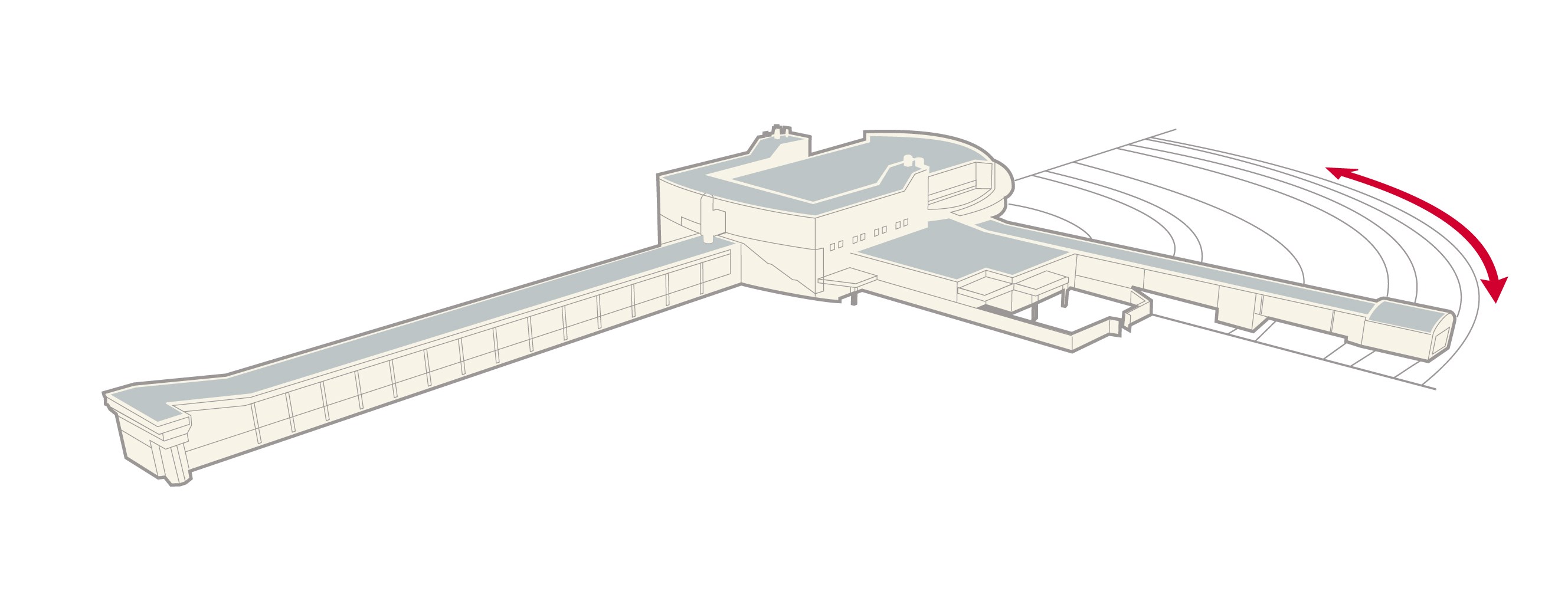
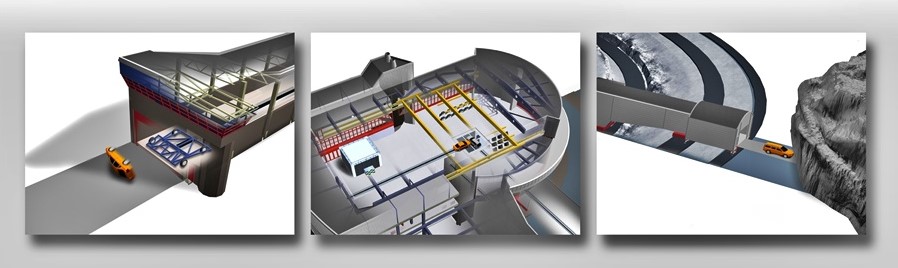
The Volvo Cars Safety Centre crash lab is a multifunctional facility that allows Volvo Cars safety engineers to recreate countless traffic situations and accidents, and perform tests that go beyond regulatory requirements.
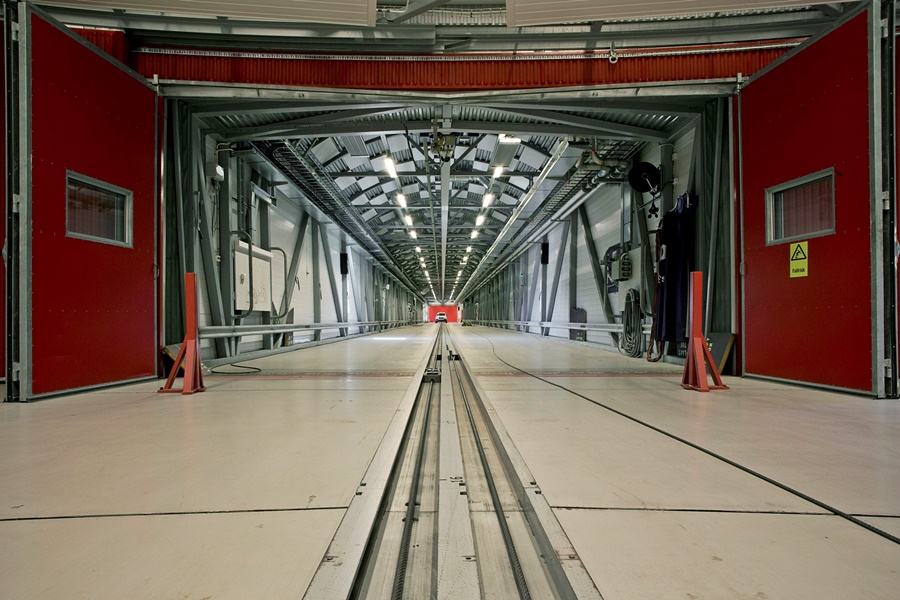
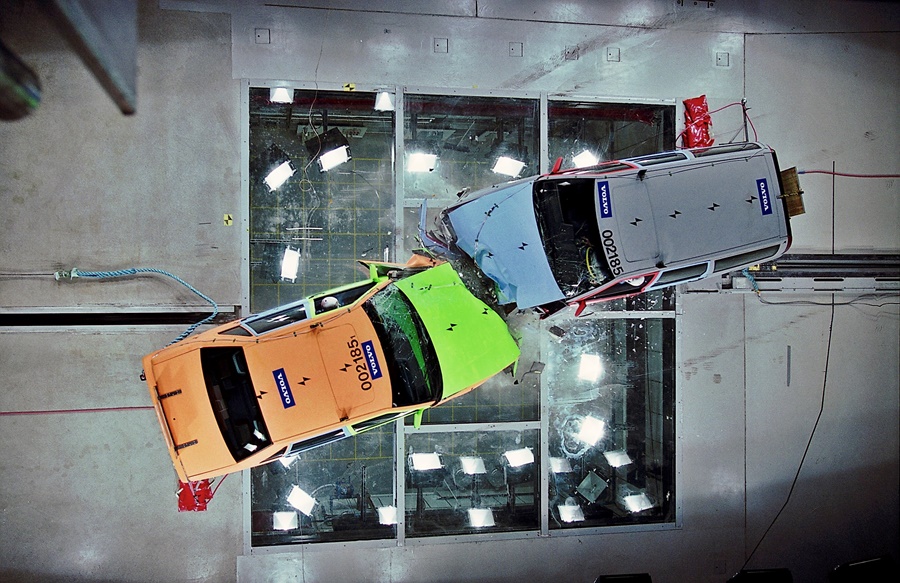
The lab contains two test tracks of 108 and 154 metres long. The shorter of the two is moveable and can be positioned at an angle between 0 and 90 degrees, allowing for crash test at different angles and speeds, or to simulate a crash between two moving cars. Cars can be crashed at speeds up to 120 km/h.
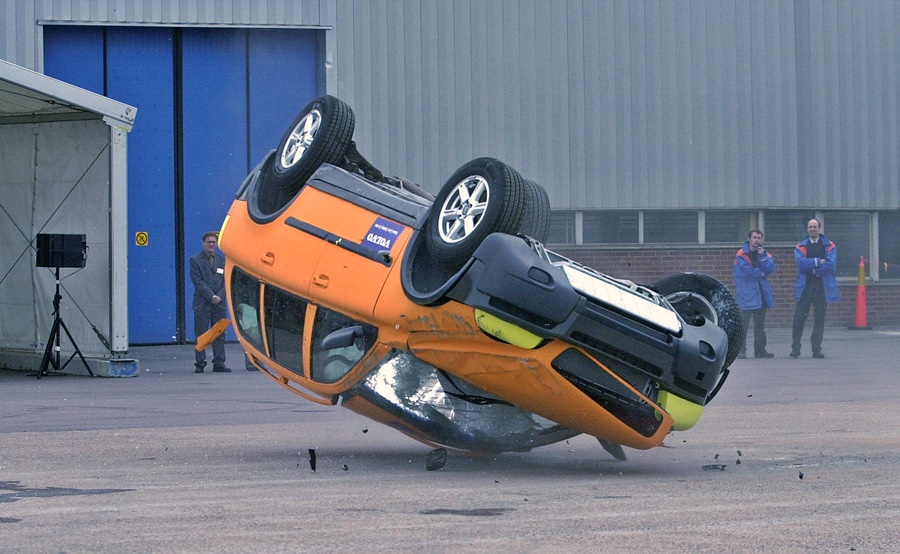
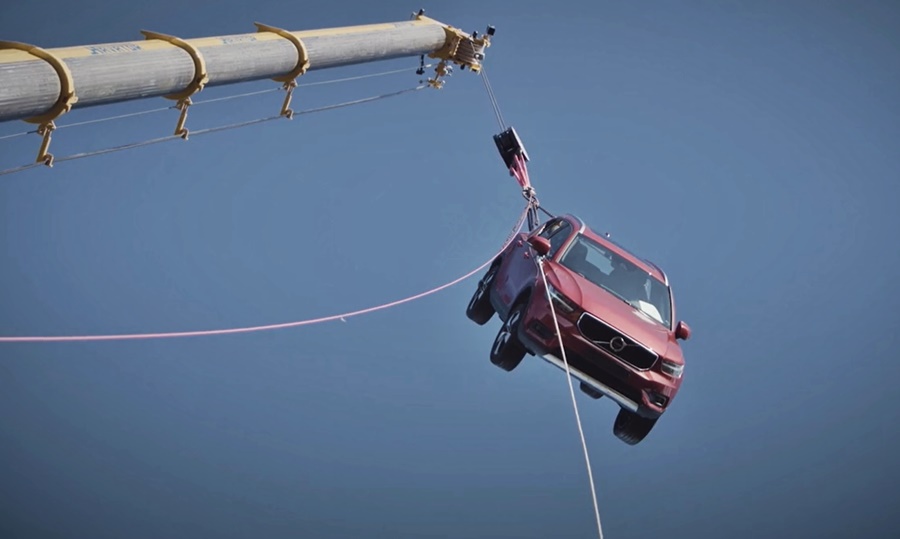
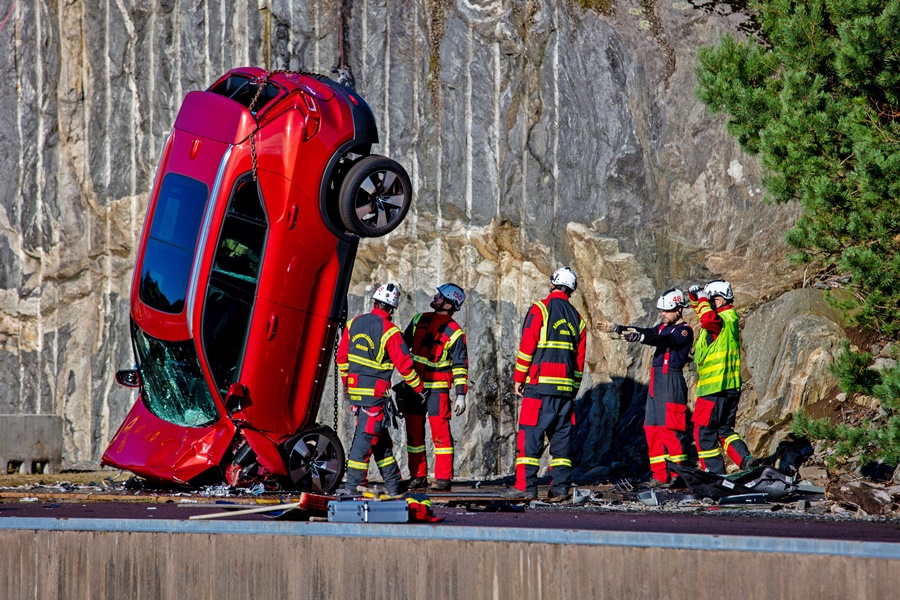
Outside, there is room for performing tests like roll-over crashes and run-off road scenarios, whereby cars are launched into a ditch at high speeds. Here, Volvo Cars also offers rescue services opportunities to practice and develop their life-saving skills, as it did earlier this year when it dropped new Volvos from a height of 30 metres to simulate the heavy damage found in extreme crash scenarios.
Inside the main hall, an enormous crash barrier is used for testing various frontal, rear and side impacts. Weighing an astonishing 850 tonnes, it can be moved around if needed with the help of air cushions.
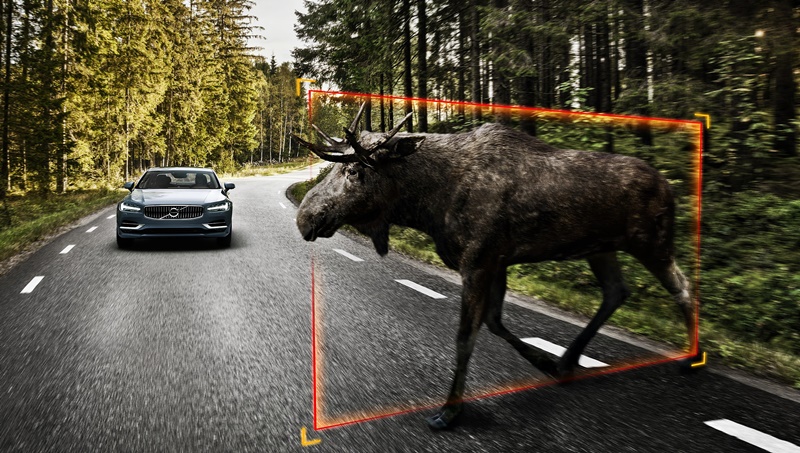
Additionally, there are around two dozen other fixed and movable barriers that are used in crash testing, including a moose-like structure to simulate crashes involving these animals.
Recording what happens in an accident
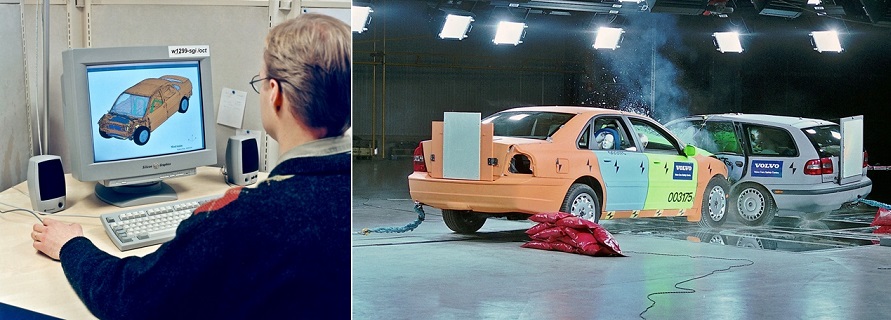
During crashes, the car, the crash test dummies and the barriers are fitted with sensors that allow engineers to register the entire chain of events in detail. Dozens of ultra-high definition and ultra high-speed cameras also film the crash test from every angle.
Before a physical crash test, the new model under development has already gone through thousands of crash tests – in computer simulations. All the data generated by these simulations, along with the physical crash tests, is then used by Volvo’s engineers as they design the cars to the highest levels of safety and protection for the occupants.
“No matter what the scenario, we can recreate it here at the Volvo Cars Safety Centre and analyse it in detail,” said Broberg. “For me, it is very inspiring to realise that for every hour of testing and analysis we put in, we get closer and closer to our ambition that no one should be killed or seriously injured in a new Volvo.”
Volvo Cars recently conducted its most extreme crash test ever, and it was not within the advanced Safety Centre but outdoors – with cars dropped from a crane! Ten Volvos, of different models, were dropped several times from a height of 30 metres.
Before the drop, Volvo Cars safety engineers made exact calculations about how much pressure and force each car needed to be exposed to, in order to reach the desired level of damage.
Simulating extreme accidents
The purpose: to help rescue services to prepare for any possible crash scenario and to simulate the forces that erupt in the most extreme crashes, beyond what can be simulated with ordinary crash testing.
This unusual approach helped create enough damage to adequately simulate the damage found in the most extreme crash scenarios. All findings from the crashes and the resulting extrication work will be collected in an extensive research report. This report will be made available free of use to rescue workers elsewhere, allowing them to benefit from the findings and further develop their life-saving procedures and capabilities
Similar extreme test in 1985
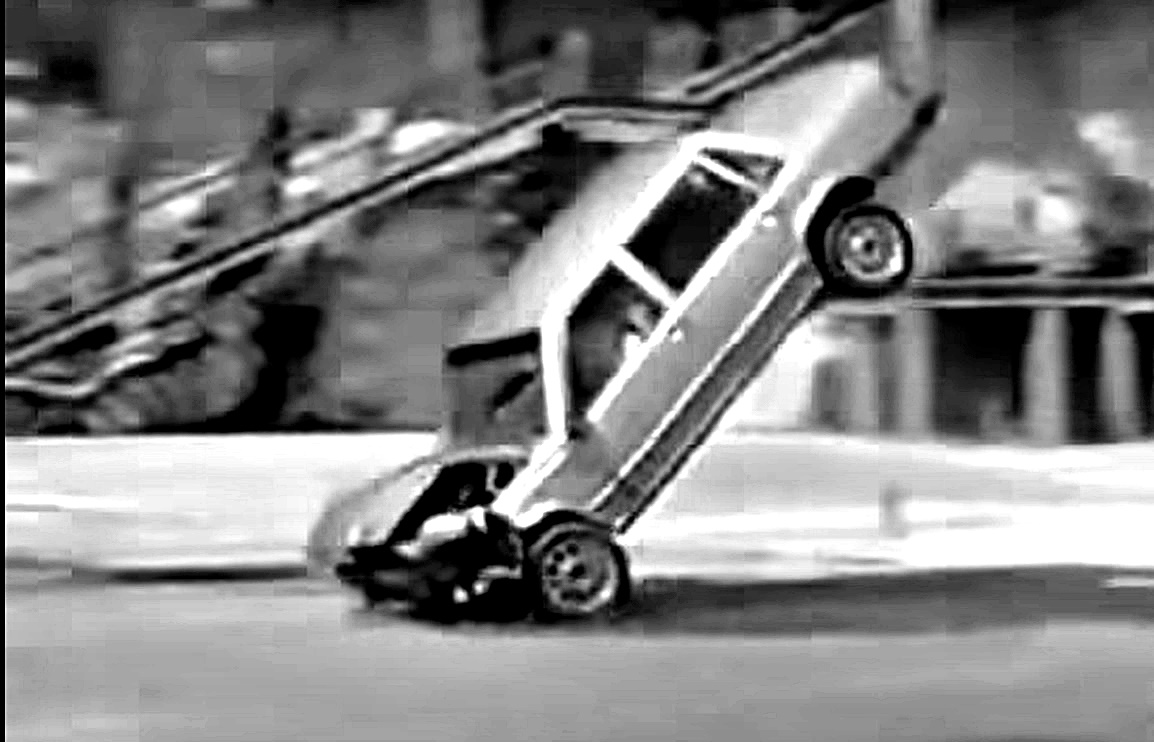
The crash test conducted recently was not really Volvo’s first extreme test: 35 years ago, its American subsidiary had a then-new 760 driven off a building and it fell 14 metres, hitting the ground nose-first. The impact was equivalent to a frontal collision at 50 km/h, the front end crumpling as it was ‘programmed’ to do so in order that the impact energy could be absorbed.
Back then, there was no GoPro and no drones for recording and conventional video equipment was used. Nevertheless, the resulting video – which was like a scene from an action movie – provided scary views from the seats through the windscreen as the ground rushed up.
At that time, the ‘crash’ was done not for helping rescue workers understand what a severely crashed car is like but more for promoting the safety of Volvos, and particularly the crucial value of using seatbelts.
Today’s cars are stronger
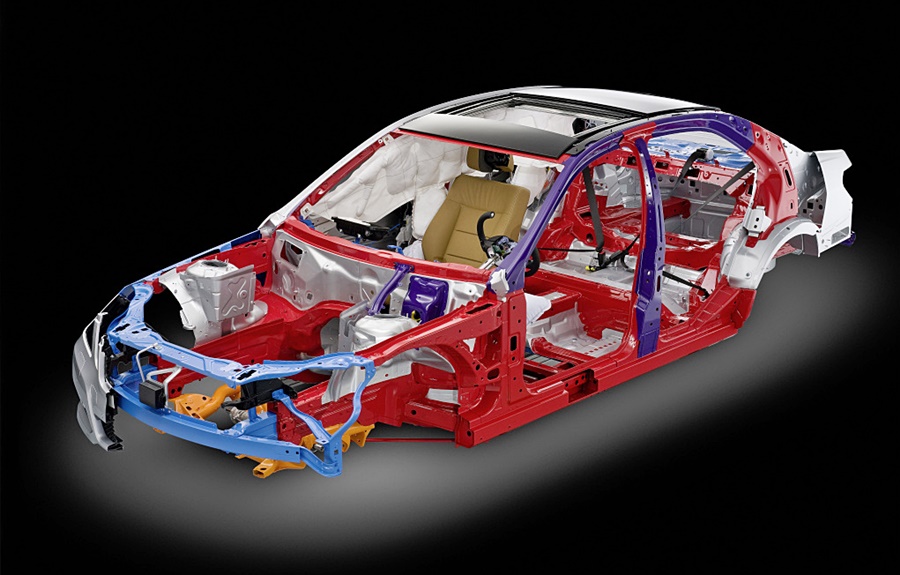
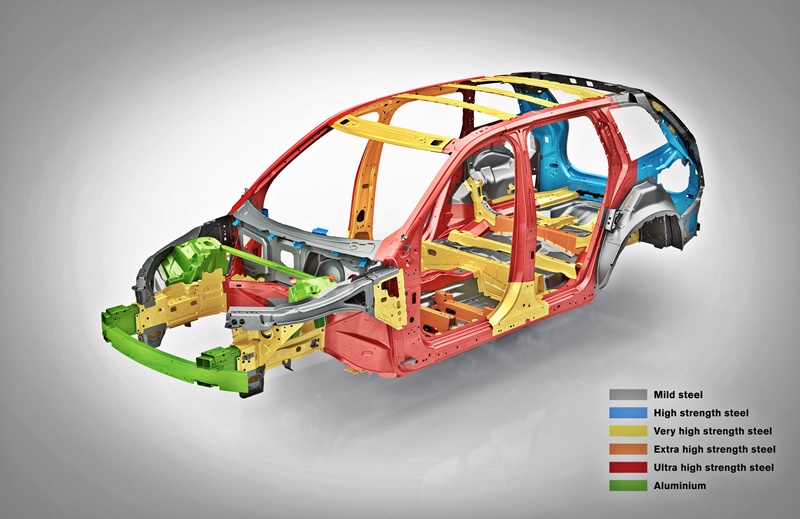
In the 1980s, the construction of most cars was fairly conventional with basically steel and plastic materials that could easily be cut. They were as safe as could be during that era, with Volvos being among the best in occupant protection. However, many of today’s cars use stronger materials, with the latest Volvos made of some of the hardest steel found in modern cars. They have more complex structural designs, and the presence of high-voltage electrical systems and battery packs in hybrid models must also be considered.
The XC90 structure has more extensive use of hot-formed boron steel, which is the strongest type of steel presently used in the car body industry.
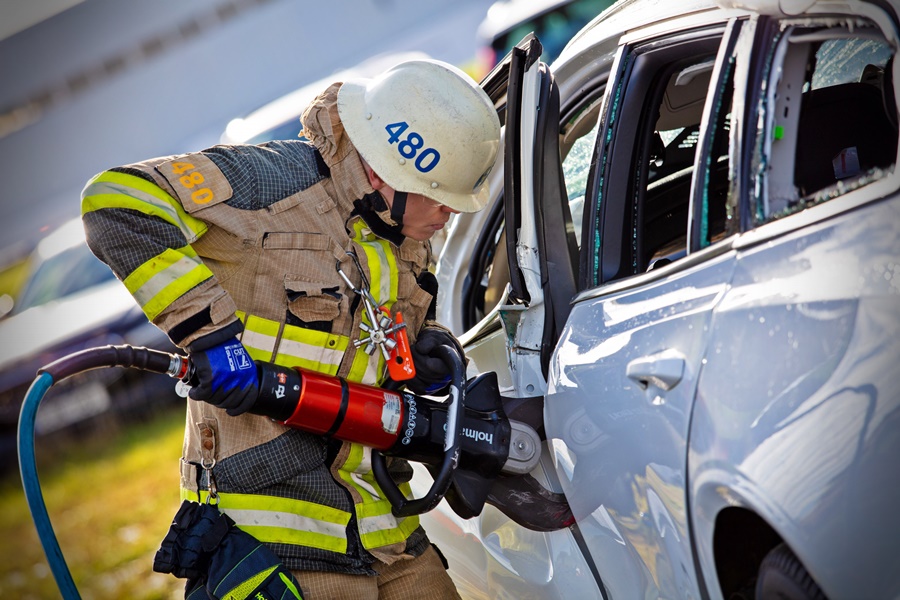
Volvo therefore continuously crashes its cars, the recent one being an example, in order to get information on how the structure deforms. This will help rescuers who may use hydraulic rescue tools known in the industry as ‘jaws of life’. Extrication specialists often talk about the golden hour: the time-span they need to get injured occupants out and to the hospital for treatment.
Usually, rescue workers get their training vehicles from scrapyards. But these cars are often up to two decades old. And in terms of steel strength, safety cage construction and overall durability, there is a vast difference between modern cars and those built 15 to 20 years ago – like the 760 in the video.
Rescue worker using ‘jaws of life’ to cut body structure if the doors cannot be opened to get the occupants out.
This makes it crucial for rescue workers to constantly update their familiarity with newer car models and review their processes, in order to develop new extrication techniques. In other words, these training sessions can mean the difference between life and death. So at the request of the rescue services, Volvo Cars decided to step things up a notch.
“Normally we only crash cars in the laboratory, but this was the first time we dropped them from a crane,” said Hakan Gustafson, a senior investigator with the Volvo Cars Traffic Accident Research Team. “We knew we would see extreme deformations after the test, and we did this to give the rescue team a real challenge to work with.”
As a leader in automotive safety, Volvo has obviously stayed abreast of all developments which affect drivers and driving. Understanding that maintaining concentration on driving and on the road ahead are vital for safety, the focus has always been to minimise distractions.
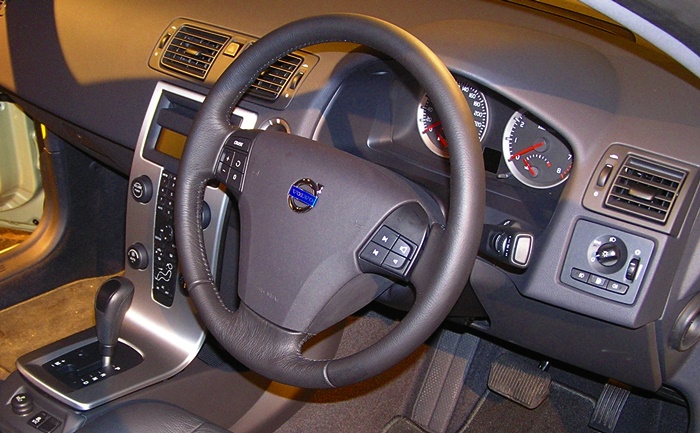
In the early 2000s, for example, the company introduced IDIS (Intelligent Driver Information System), an innovative feature in the S40. IDIS helped the driver prioritise the information and services in the car depending on the current driving situation. If necessary, the system would delay incoming phone calls and other information during times when the driver was in a situation of higher ‘workload’.
2nd generation of the S40 had IDIS (Intelligent Driver Information System) to reduce distractions during times when the driver was in a situation of higher ‘workload’.
More distractions today
In more recent times, with the increased use of smartphones and touchscreens inside cars, there has been a growing debate around the dangers of distraction behind the wheel. There are laws that restrict use of mobilephones during driving, and to address this, manufacturers installed handsfree systems to manage calls.
However, the safety experts at Volvo Cars see the issue n a different light. They say that distraction is ‘a fact of life’, and that technology should be used to support people in their daily commute. The company’s own safety research and behavioural science work suggests that when used correctly, modern technology inside the car can actively reduce distraction, boost road safety and help people to be better and more focused drivers.
“It is easy to think that phones and screens are the only scourge of the modern driver, but life as a whole is distracting,” said Malin Ekholm, Head of the Volvo Cars Safety Centre. “We know people do not get distracted on purpose, but it happens. You could be late for an appointment and somewhat stressed, or you get behind the wheel after a bad day at work – all this affects you as a driver.”
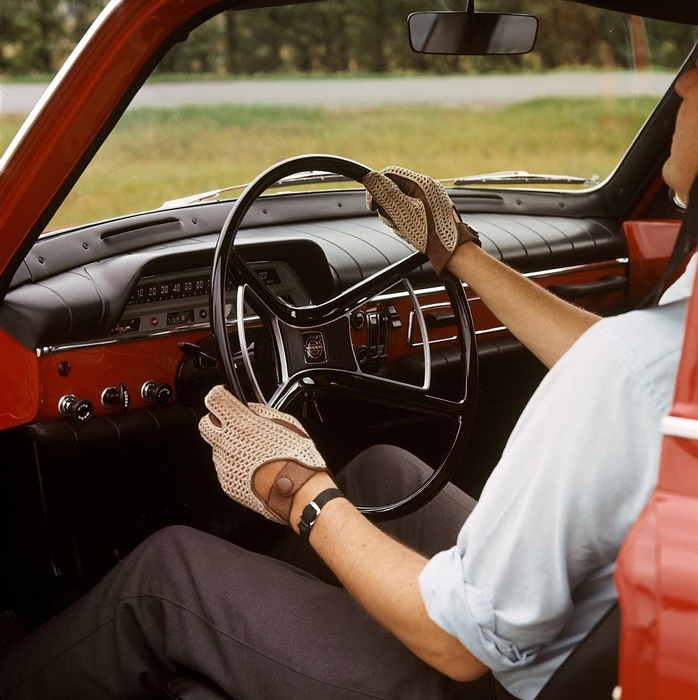
Perhaps older cars were ‘safer’ because the driver had less devices on-board to distract him?
How drivers and society really operate
Some would say that from a distraction point of view, a car from the 1940s is safer than today’s cars – after all, it does not contain a screen, phone connectivity or even a radio. But that is not how today’s drivers and society operate.
“The reality is that people want to engage with friends, family, work and entertainment, and everyone responds differently to distraction,” said Ekholm. “So we want to meet our customers where they are, not where we want them to be. That is why our focus is on using technology in the right way, so we can use it to help you stay safe behind the wheel.”
Volvo Cars actively uses technology to combat the dangers of distraction, so as to offer some of the safest cars on the road. For example, its Active Safety systems with autobrake and steer assist are designed to be on guard to help drivers if they lose concentration or are distracted for a split-second.
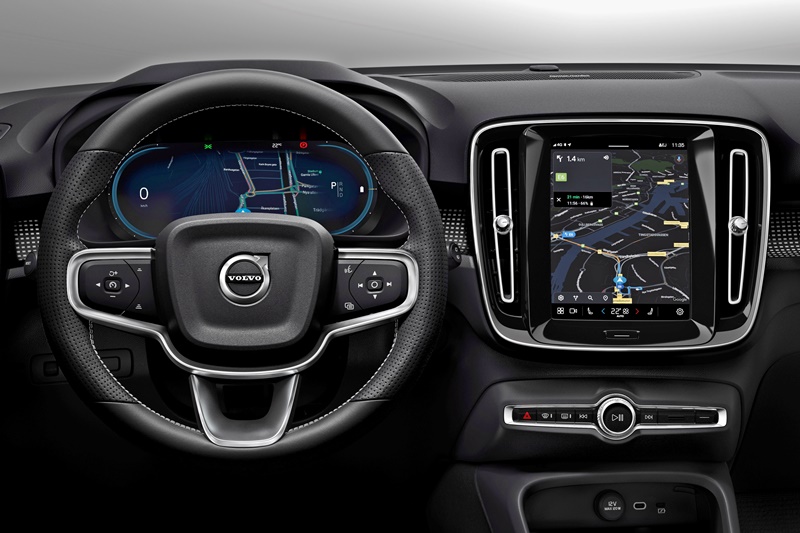
All-electric XC40 Recharge has a new Android-powered infotainment system that can help reduce distractions.
Andorid-powered infotainment system
In the new XC40 Recharge Pure Electric, an advanced voice control on Volvo Cars’ new Android-powered infotainment system allows drivers to control the temperature, set a destination, play their favourite music and podcasts or call their mum on her birthday – all while keeping their hands on the wheel and eyes on the road ahead.
“Being able to control key features on your Volvo by voice allows you to keep your hands on the wheel and your eyes on the road,” said Ekholm. “Active Safety systems such as City Safety, Run-off Road Mitigation and Oncoming Lane Mitigation with Steer Assist can act as an extra pair of eyes watching over you.”
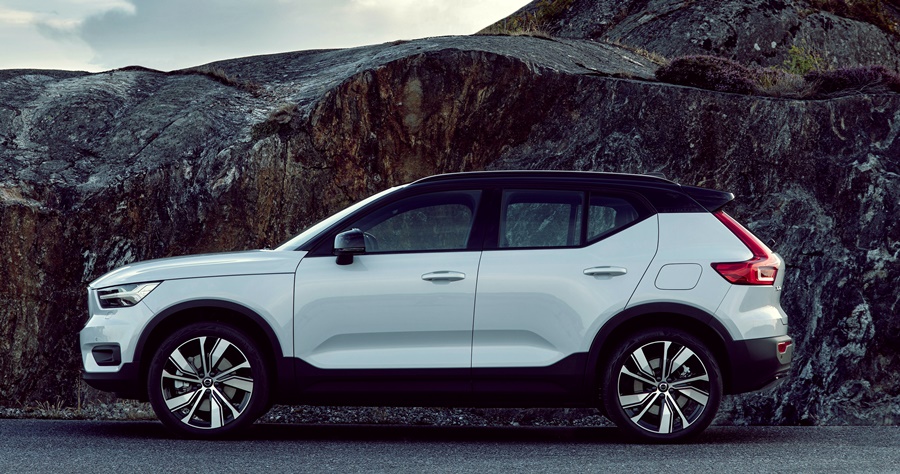
New XC40 Recharge
Volvo Cars believes that distraction should also be addressed via in-car cameras and other sensors that monitor the driver. With such technologies, if a clearly distracted (or drunk) driver does not respond to warning signals and risks a serious, potentially lethal accident, the car could intervene.
That intervention could involve limiting the car’s speed, alerting the Volvo on Call assistance service and, as a last resort, actively slowing down and safely parking the car. Volvo Cars plans to start introducing these cameras on the next generation of Volvo’s scalable SPA2 vehicle platform.
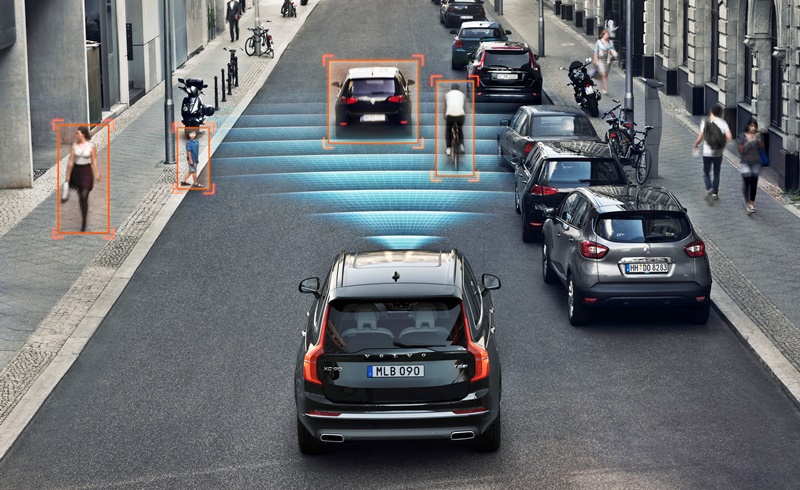
Volvo has already installed Active Safety Systems that can spot pedestrians and animals on the road and stop the car if the driver does not take the right action.
Humans have not changed much during a couple of thousand years. It’s a huge challenge to educate a human being into the perfect driver so Volvo designs its vehcles instead to help prevent the driver from having an accident – and to protect everyone in the car as well as possible if a crash is unavoidable.
The Volvo 240 was the Swedish carmaker’s first model to be a production ‘multi-millionaire’ and it was a major revenue-earner for the company in the 1970s. It was part of the 200 series which sold very well in America, a market that at one point accounted for over 50% of Volvo’s export sales.
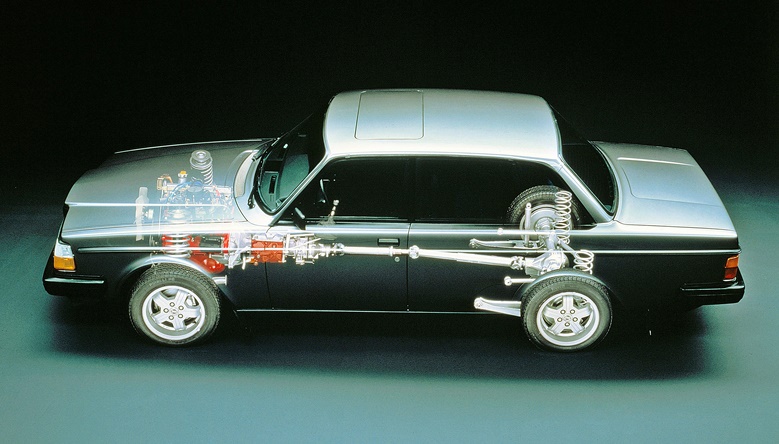
Most people remember that 240 as a solid and safe car. However, it was not only in safety that this model gained a reputation as it was also one of the cars which was on the starting line of the age of powerful and efficient turbocharged engines 40 years ago. As the 245, It was also the first stationwagon with a turbocharged petrol engine.
Volvo’s engineers used their expertise with turbocharged engines, which was accumulated from 1954 when the brand’s L395 Titan truck went into mass production. Today, modular turbocharging forms the basis for all Volvo Drive-E engines in order to generate different power levels with the same cubic capacity.
The Volvo Turbo
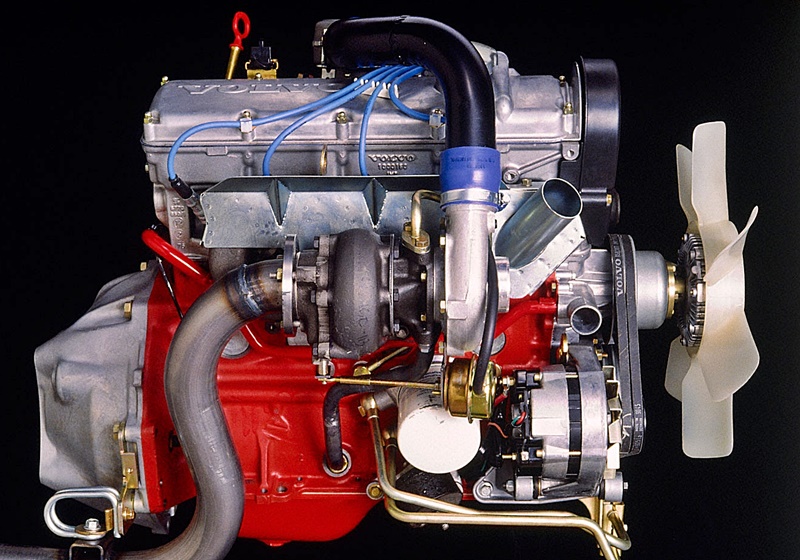
40 years ago, there were some sportscars with turbocharged engines and such engines were also used in Formula 1 cars. But the 240 with a turbocharged petrol engine marked the beginning of a new era with the Volvo B21ET 4-cylinder petrol engine. It had a turbine that could spin at 110,000 rpm and produced up to 155 bhp from a displacement of 2.1 litres.
While a higher output usually meant higher fuel consumption, the 4-cylinder engine consumed less fuel than the bigger V6 engine in the 264. Performance-wise, a 0 to 100 km/h time of just under 9 seconds put the 245 Stationwagon briefly in pole position among the world’s fastest stationwagons.
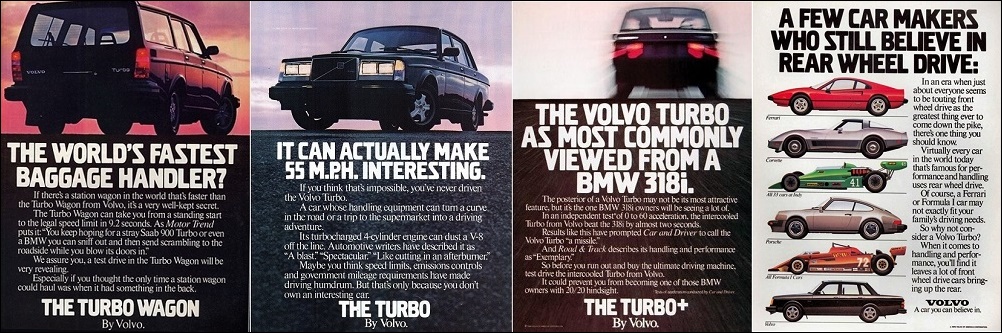
In the USA, Volvo advertising even compared ‘The Turbo By Volvo’ with Italian supercars. What was important to Volvo was the acceleration and not the maximum speed. After all, the speed limit on US highways during that period was 55 mph (88 km/h) due to the energy crisis so Volvo did not highlight any top speed capability in its advertisements.
Advertisements for the 240 Turbo in America in the late 1970s.
Innovative technology
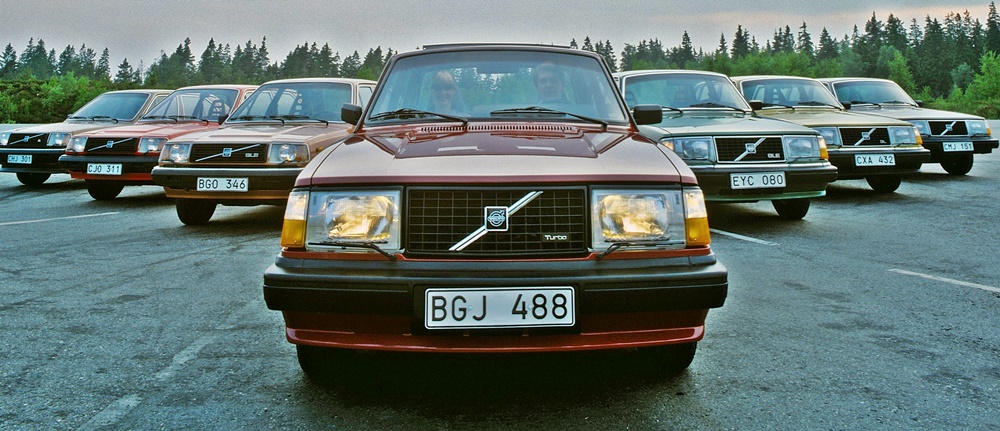
With around 2.7 million units sold in almost 20 years of production, the 240, introduced in 1974, became an icon of Volvo cars. Its design gave the car a recognisable identity with the massive safety bumpers.
The 240 Turbo made its debut in 1977 and the 3-year lapse was because the engine was subjected to a stress test in everyday work by Swedish police authorities. The result was so convincing that the later production version of the 240 Turbo was used by police authorities in many countries. Even Pehr Gyllenhammar, then CEO and President of Volvo, personally tested the model with its higher performance before approving start of production.
The mode of operation of the somewhat small turbocharger (for that time) was revolutionary. Because it was already boosting the charge at 1,400 rpm (just above idling speed) the turbo in the B21ET engine reached maximum boost at a low 2,600 rpm, then the wastegate valve opened at a pressure of 0.72 bar.
The idea of downsizing engines in favour of maximized efficiency was also accelerated by the 240 Turbo. There was a 1.9-litre turbo 4-cylinder unit (B19ET) available for certain markets where a capacity below 2 litres was advantageous tax-wise.
Engine construction with racing expertise
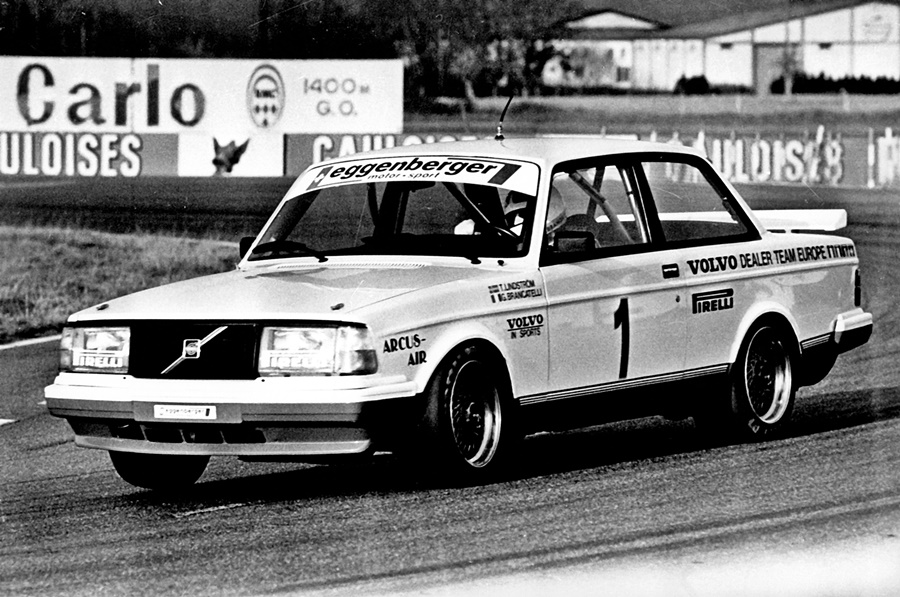
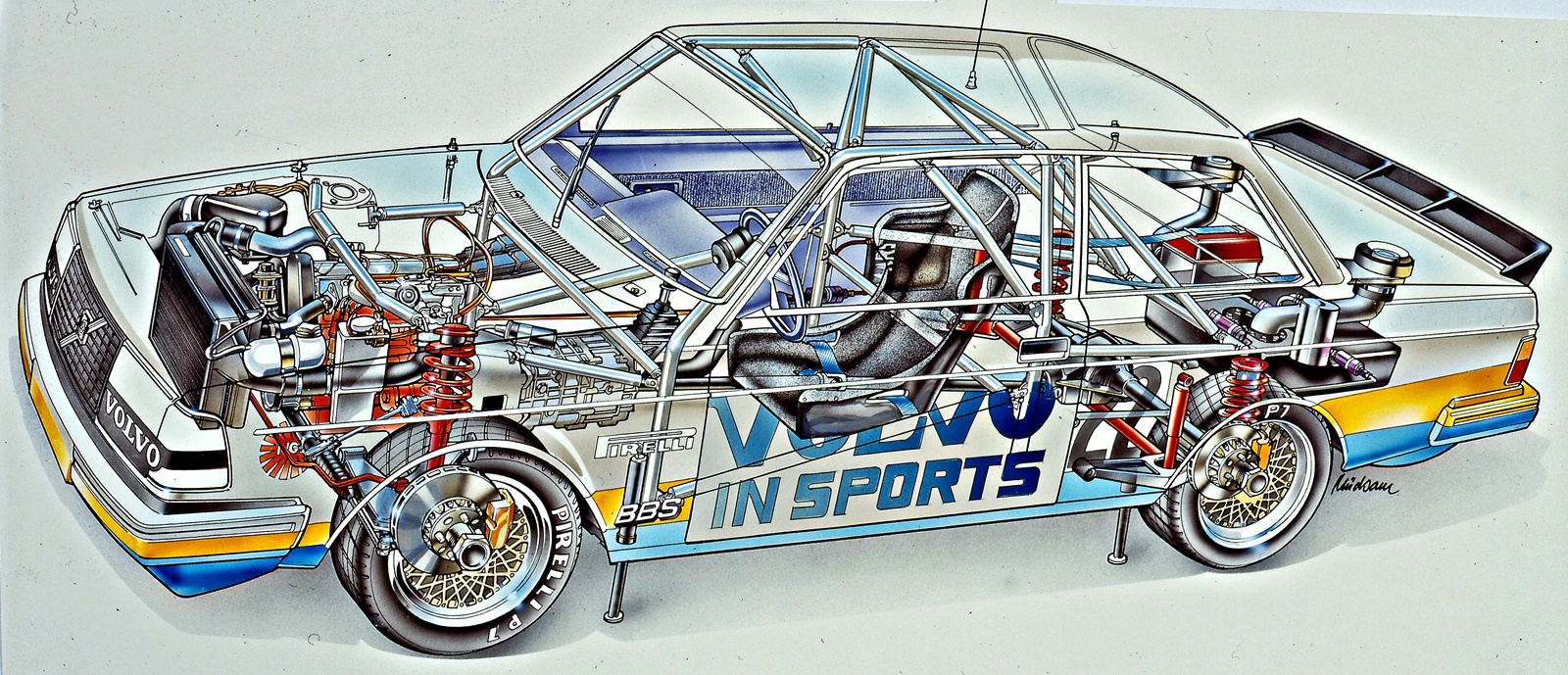
Motorsport often drives technical developments and Volvo developed a R-Sport turbo kit for those who wanted to participate in the one-make series Volvo Turbo Cup in 1982. In the same year, the FIA introduced new regulations that made it possible for the car to be entered in the Group A touring car categories.
The specially developed 240 Turbo Evolution, produced in the required 500 units, had a larger turbocharger, a modified engine control system and water injection, an invention patented by Volvo. At the opening race of the new German Touring Car Championship (DTM) in 1984, the 330 ps racing car that became famous as ‘The Flying Brick’ took overall victory. A year later, a 240 Turbo dominated the racing series in Europe and not only secured the title in the DTM, but also in the European Touring Car Championship.
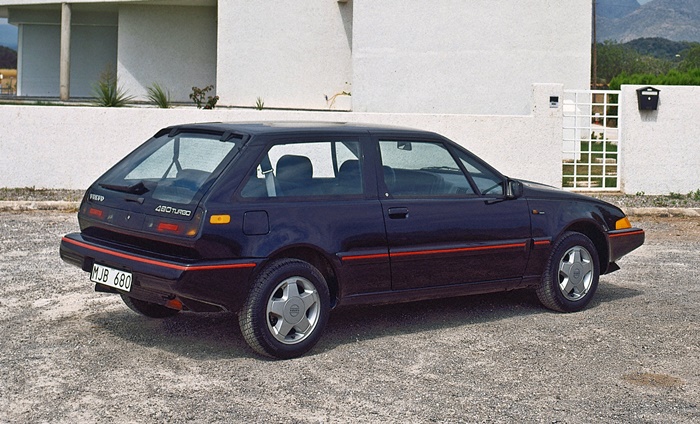
New milestones in Volvo Turbo engine development followed. The 760, launched in 1982, made its debut as the world’s most dynamic 6-cylinder turbodiesel, and the 480 which appeared 3 years later combined front-wheel drive with turbocharging.
Then came the 850 in the early 1990s and this combined 4-wheel drive with high-torque turbo power, while the 1.6-litre GTDi engines which were introduced in 2010 in the S60/V60 offered direct injection with turbocharging.
480 Turbo
Future-oriented advantages
With all current Volvo Drive powertrains, modular charging offers different power levels with the same displacement, because the compact design of the highly efficient Volvo motors allows the installation of one or more turbochargers. The fully integrated turbo system developed by Volvo is a globally unique innovation and has been patented by the company.
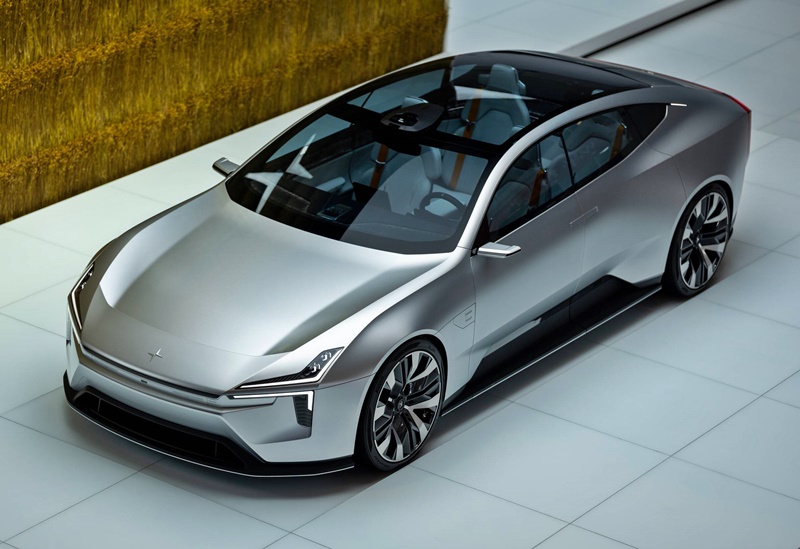
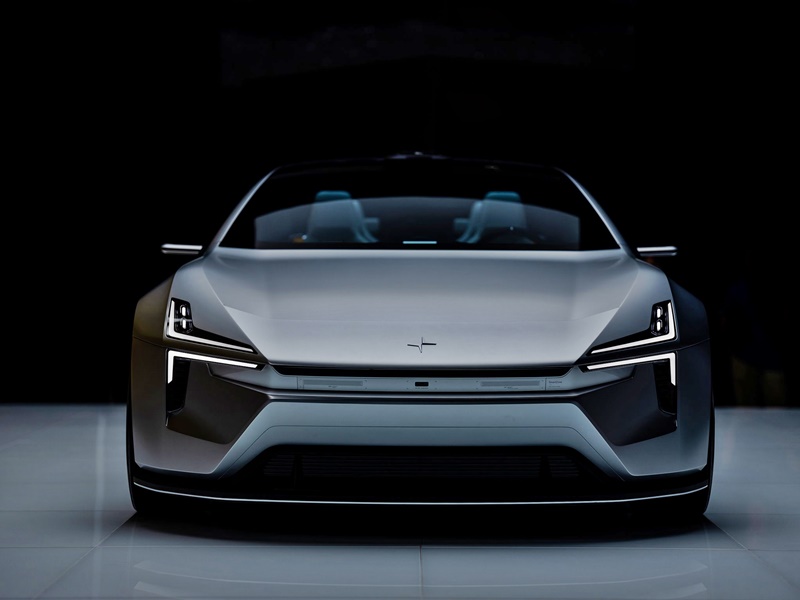
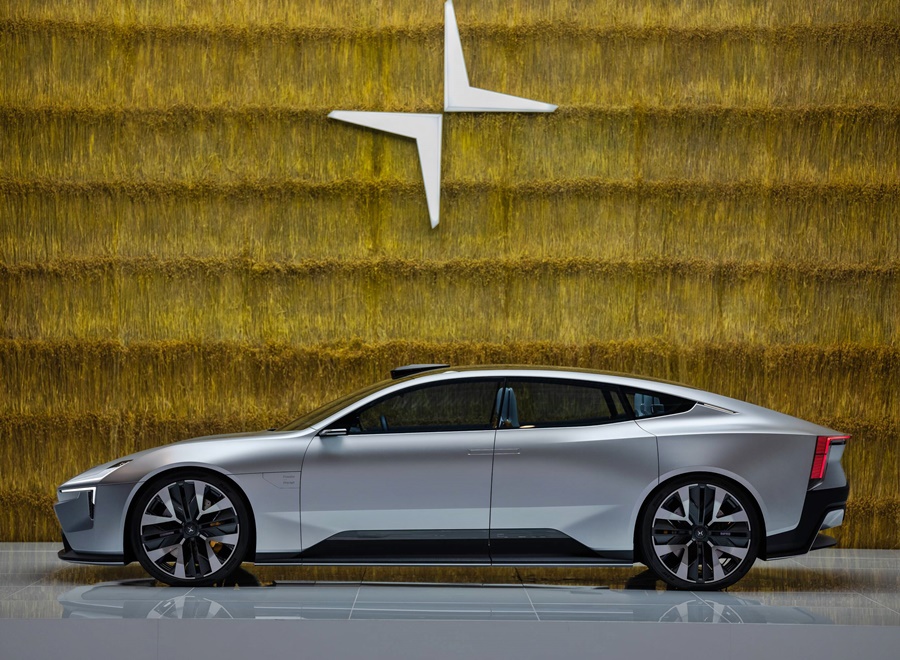
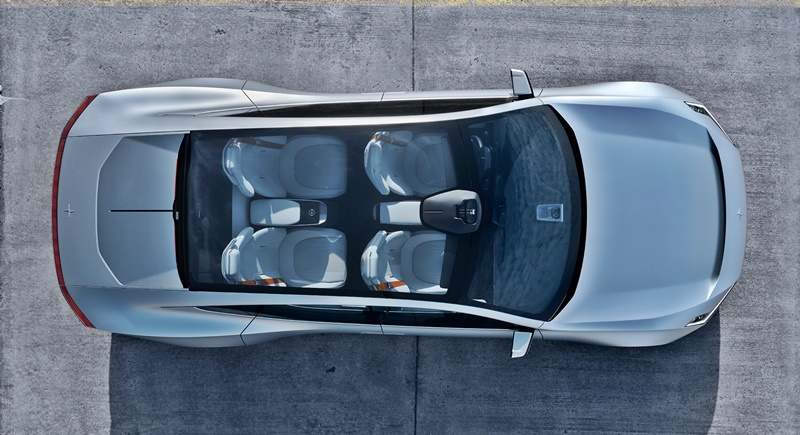
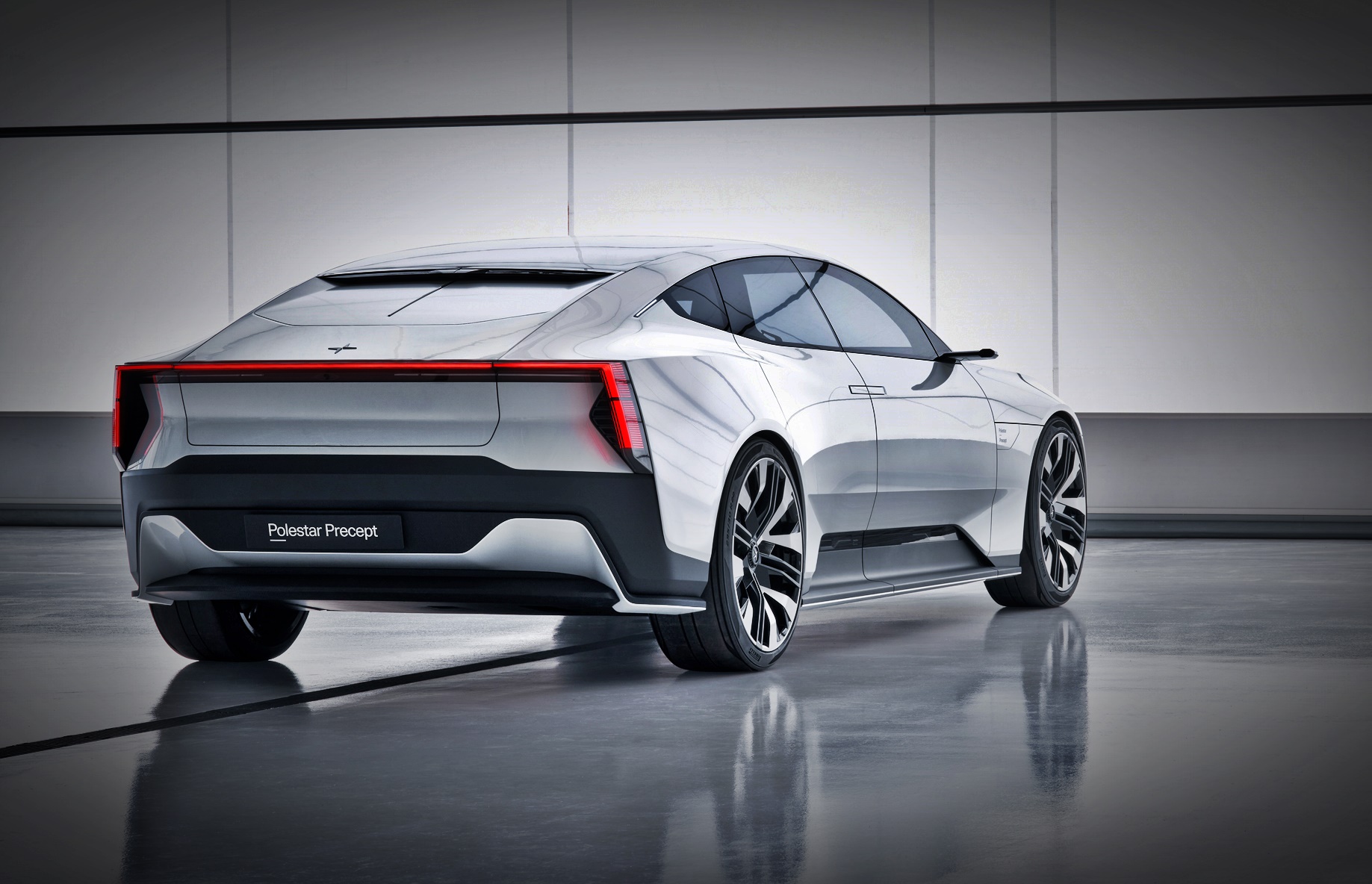
Polestar, the joint-venture company owned by the Volvo Car Group and Geely, has confirmed it will put the Precept into production. Revealed earlier this year, the Precept started life as a manifesto to illustrate the brand’s future vision and was described as a ‘commitment car’, not a concept car.
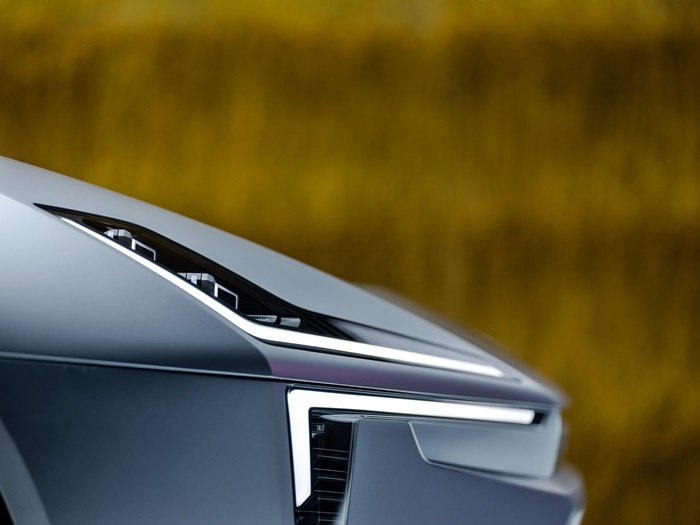
Besides showcasing the electric performance brand’s future design direction, the Precept also highlights Polestar’s path for digital technology and the use of innovative sustainable materials, inside and out.
Encouraged by positive feedback
Polestar was encouraged to turn it into a production model after encouraging response from the public.”’We’d like to see it on the road!’ – this is what the press wrote about Precept and the public said, ‘We want it’, so we decided to build it,” said Thomas Ingenlath, Polestar’s CEO.
“Consumers want to see change from this industry – not just dreams. Now, Precept becomes an even stronger statement. We are committed to reducing the environmental impact of our cars and our business. The aim has to be climate neutrality, even though I recognize that is a long-term goal,” he explained.
Advanced and sustainable
The interior of the Precept features a mix of sustainable materials including recycled PET bottles, reclaimed fishing nets and recycled cork vinyl. A flax-based composite, developed by external partner Bcomp Ltd., is featured in many interior and some exterior parts. Polestar’s ambition is to bring much of this sustainability into production.
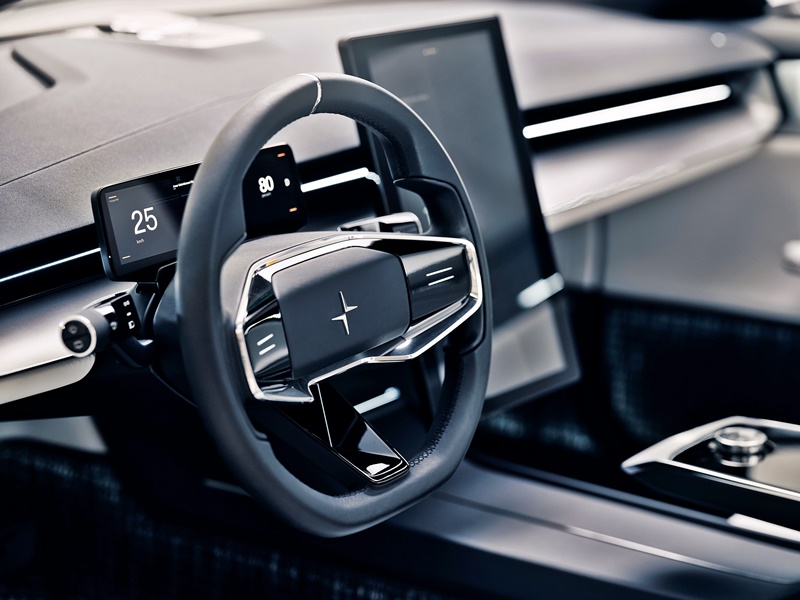
In the model shown earlier this year, the next generation HMI (Human-Machine Interface), powered by Android, was demonstrated. Developed in close collaboration with Google, it features an enlarged, portrait-oriented 15-inch centre touchscreen that complements a 12.5-inch driver display. The two are linked by an illuminated blade that encompasses the entire interior.
Supporting the advancement of a personalised and dynamic digital interface, the instrument panel also hosts an array of smart sensors. Eye tracking will allow the car to monitor the driver’s gaze and adjust the content of the various screens accordingly. Proximity sensors also enhance the usability of the centre display when driving.
The name ‘Precept’ was chosen to emphasise the car’s role in setting out Polestar’s intent as the contemporary electric performance brand. A precept is a manifesto of things to come; a declaration. The car signifies an important milestone for Polestar as a standalone brand, describing a unique design philosophy that remains firmly embedded in Polestar’s brand values: pure, progressive and performance.
To be made in China
With product development underway, Polestar says it will produce Precept in China, where a new production facility will be established. The aim is to ensure the facility will be carbon-neutral and one of the most intelligent and connected automotive production facilities in the world.
The climate-positive narrative was started by a facility in Chengdu. Inaugurated in 2019, the Polestar Production Centre became the first LEED Gold-rated automotive production facility in China and runs on 100% renewable energy. It is producing the Polestar 1 – an exclusive, carbonfibre-bodied Electric Performance Hybrid – for both China and global markets.