
Piston.my

Latest News

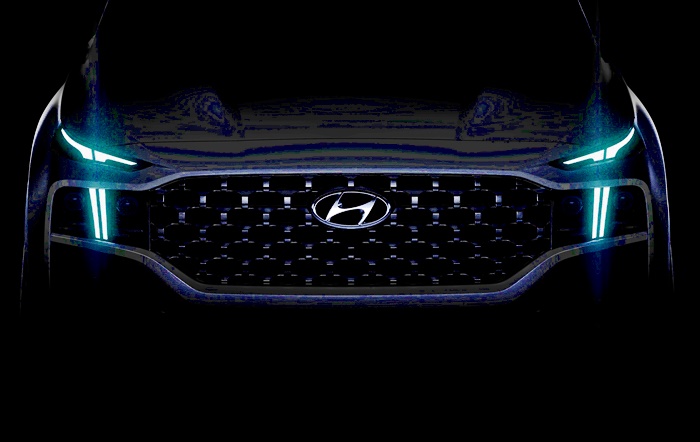
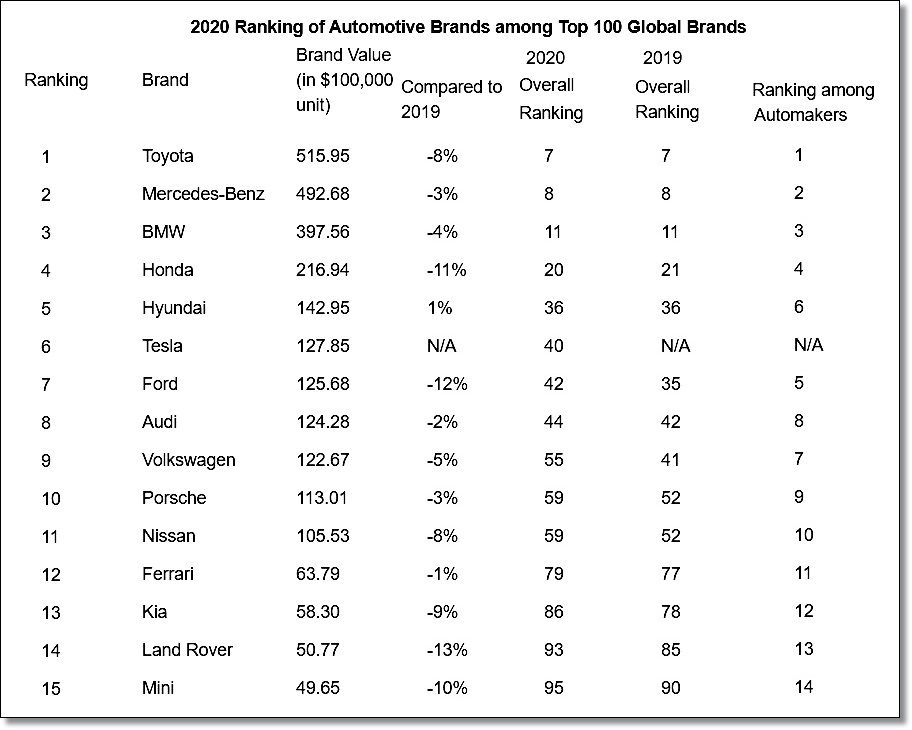
Despite very challenging market conditions, Hyundai Motor Company continues to grow its global brand value and, according to Interbrand’s Best Global Brands 2020 survey, the Korean carmaker’s brand value has reached US$14.3 billion. This places it fifth among global automotive brands and 36th overall. Hyundai Motor is, in fact, the only automotive company on the list to see its brand value rise this year.

6th year in Top 40
This is the sixth consecutive year that Hyundai Motor has been listed within Interbrand’s top 40 global companies. Since entering the ranks of the top 100 companies in terms of brand value in 2005, the carmaker has remained in the top 100 for 15 consecutive years.
“Hyundai Motor Company’s brand value rise can be attributed to its substantial expansion of future mobility business and continuous investments in its brand, such as the announcement of its dedicated electric vehicle brand IONIQ,” said Mike Rocha, Interbrand Brand Valuation Global Director.

“We have positively valued the company’s active and proactive approach to the market changes as a sustainable brand, encompassing its expansion of online sales channels, rapid response to social contribution activities and actual increase in sales of battery electric and fuel-cell electric vehicles,” he explained.
Electrification a key objective
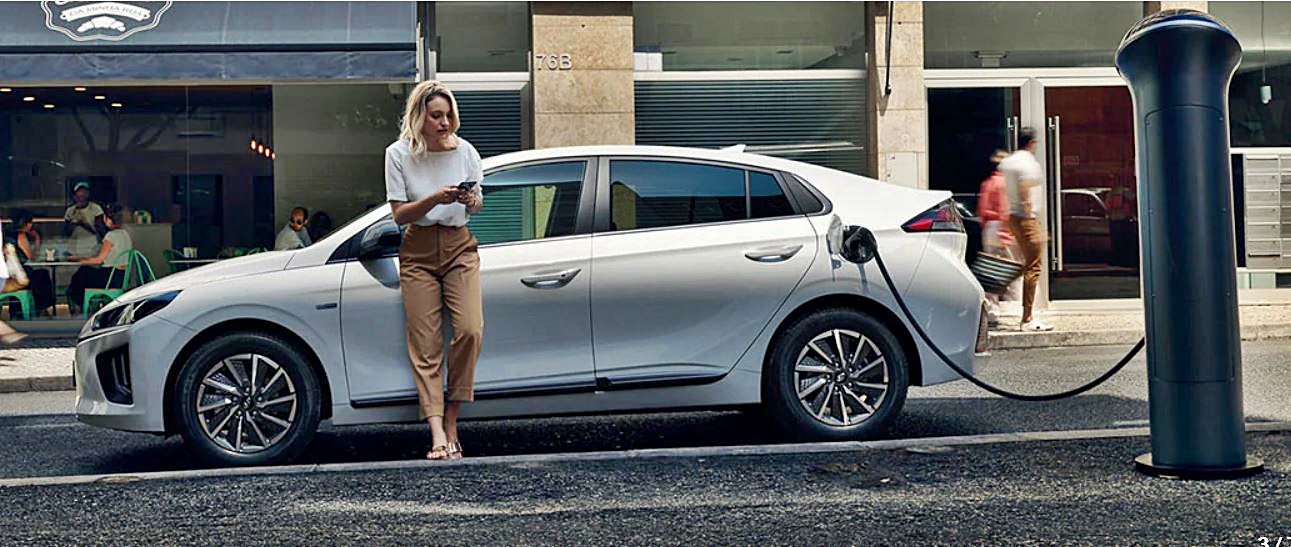
Hyundai Motor’s commitment to mobility electrification was most recently demonstrated with the launch of its dedicated EV brand, IONIQ. Under IONIQ, the company will leverage its industry-leading manufacturing know-how in EVs to introduce three new dedicated models over the next 4 years. The creation of IONIQ line-up brand is in response to fast-growing market demand and accelerates Hyundai’s plan to lead the global EV market.

Hyundai Motor’s investment in hydrogen fuel cell technology has also bolstered its position in the rapidly changing transportation sector. The company recently delivered the first 7 units of the world’s first mass-produced fuel cell electric heavy-duty truck to customers in Switzerland, with a total of 50 hitting the roads there this year.
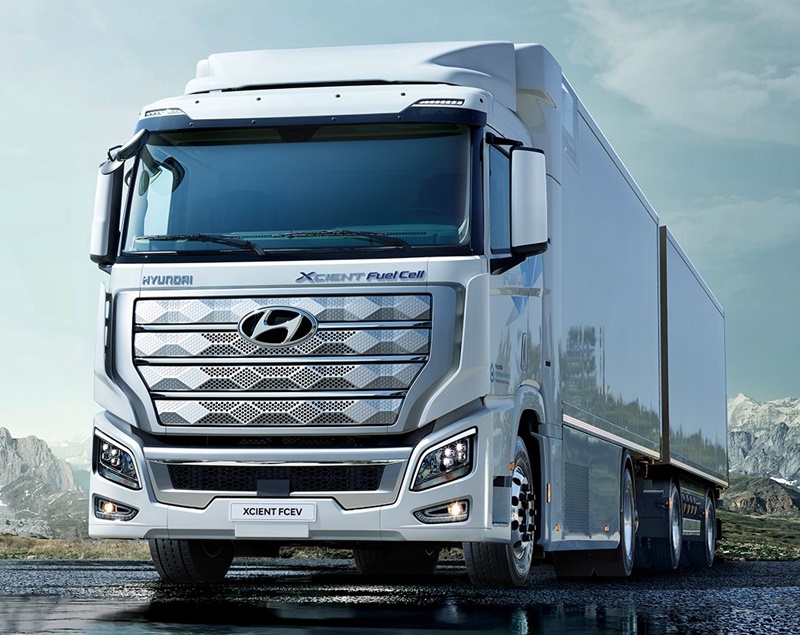
Hyundai Xcient – world’s first mass-produced fuel cell electric heavy-duty truck.

The company is striving to solve urban traffic challenges and highlighting an innovative new mobility paradigm via its urban air mobility business. To strengthen its competitiveness in robotics, autonomous driving technologies and other future mobility business areas, and to establish itself as a pioneer of future mobility industry, it is signing R&D collaboration schemes with diverse open innovation labs around the world.

“We’ve adapted to rapidly evolving market conditions to become a leader in future mobility and we’ve also been agile in responding to unexpected factors, such as those caused by the pandemic,” said Wonhong Cho, Global Chief Marketing Officer of Hyundai Motor Company.

Hyundai Motor has adapted to the COVID-19 pandemic by strengthening its online sales channels worldwide. In particular, in the USA and India, this approach is showing great sales results, and the company is developing a similar online sales platform for Europe.

Click here for other news and articles about Hyundai.

COVID-19 Facemask

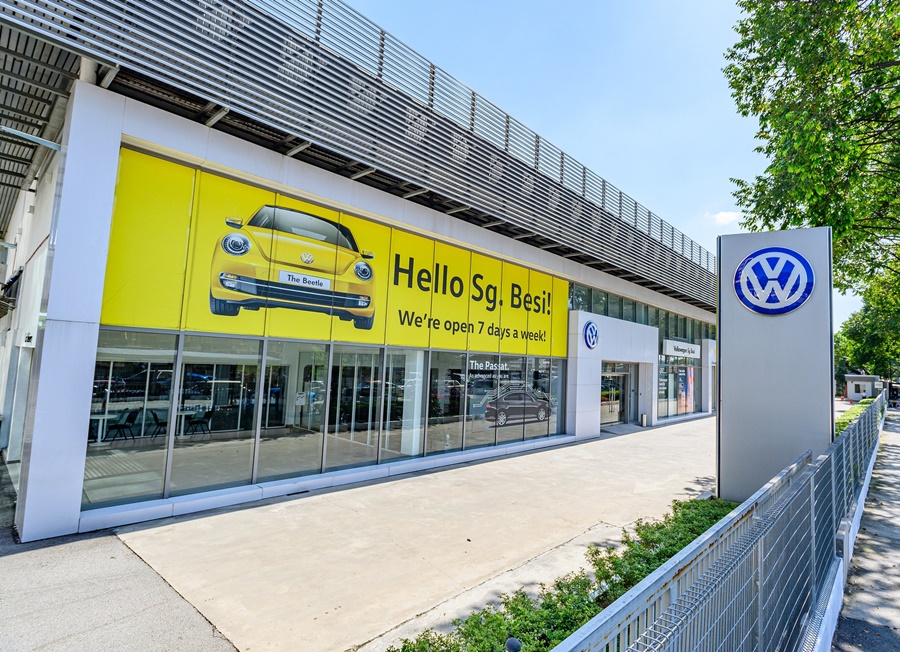
Volkswagen Passenger Cars Malaysia (VPCM) has taken further steps to ‘digitalise’ its aftersales services with Online Service Booking and Service Cam services.
Owners can now book their service appointments from their homes with Online Service Booking. Available on both desktop and mobile, the process is easy and convenient as customers only just need to select their preferred dealership, preferred date and time and provide their vehicle details. An Aftersales advisor will then be in touch to confirm the appointment.

Service Cam
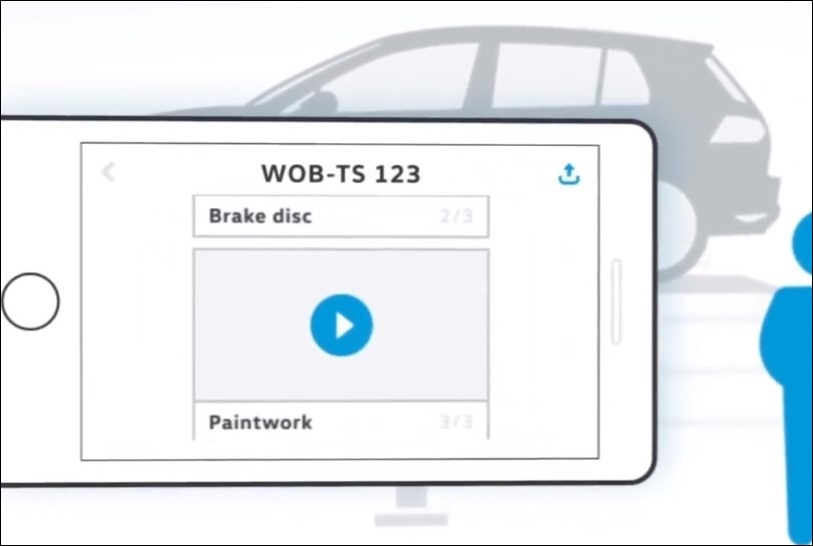
Another first from VPCM is Service Cam, which complements the next service step to offer convenience to Volkswagen owners. Owners now have more flexibility with their time after sending their vehicle in, while still being able to make informed decisions without having to physically be at the service centre.

With Service Cam, their respective Service Advisors will share a detailed walkthrough video of the vehicle along with recommendations on parts replacements, if required.

This service only highlights parts that are not covered within the scheduled service maintenance, after which the customer can review these parts to decide whether to accept or decline the job.

#Safehands initiative
The two services are part of the Volkswagen #Safehands initiative which is especially important in these days of social distancing and the need to help prevent the spread of COVID-19. The #Safehands initiative offers Volkswagen owners safety and peace of mind of Volkswagen customers.

The move towards digitalizing aftersales work provides even more assurance to customers to ‘return’ to Volkswagen dealerships in the ‘New Normal’, especially those who may not feel comfortable waiting at the service centre or being out of their homes.

Current service promotions
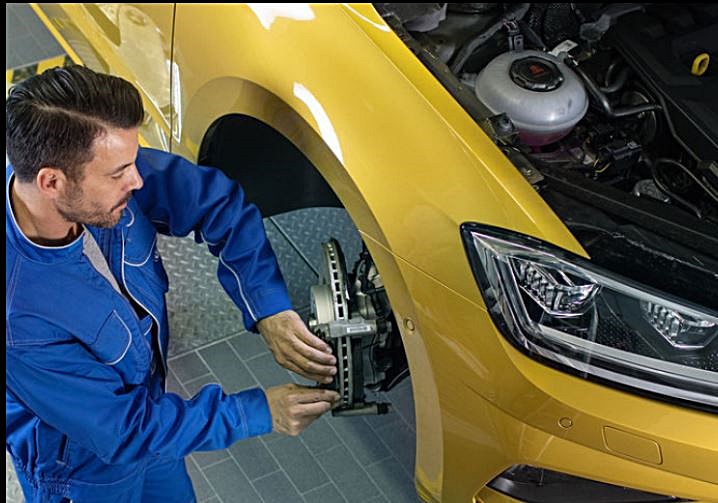
Volkswagen owners can make use of the services for the current aftersales promotions, which include Repair Packages for vehicles older than five years. The Repair Package offers owners up to RM1,394 savings on shock absorbers and up to RM992 savings on brakes. Besides professional and complete replacements, there is also a 2-year warranty for the genuine parts supplied.

Trade-Up campaign from Volkswagen Das WeltAuto

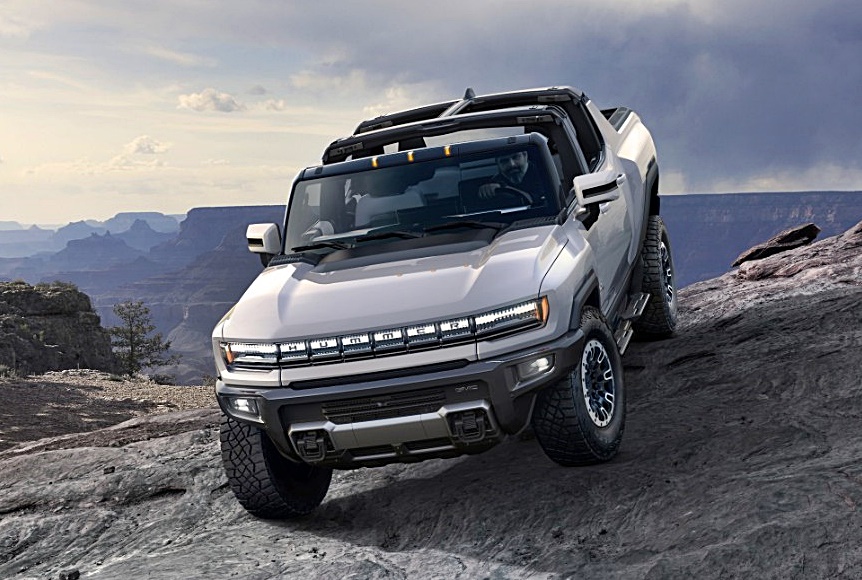
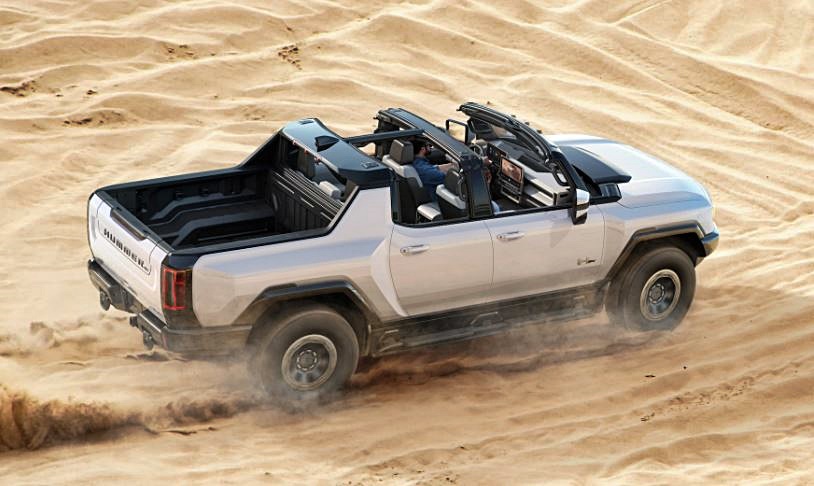
Hummer – that’s a name which immediately brings to mind a huge vehicle that served the military (mainly the American one) as well as the civilian version which had a niche of its own. ‘Hummer’ was actually the civilian name used by General Motors but the model was discontinued after 2009 when its sales diminished so much that the business was no longer viable.

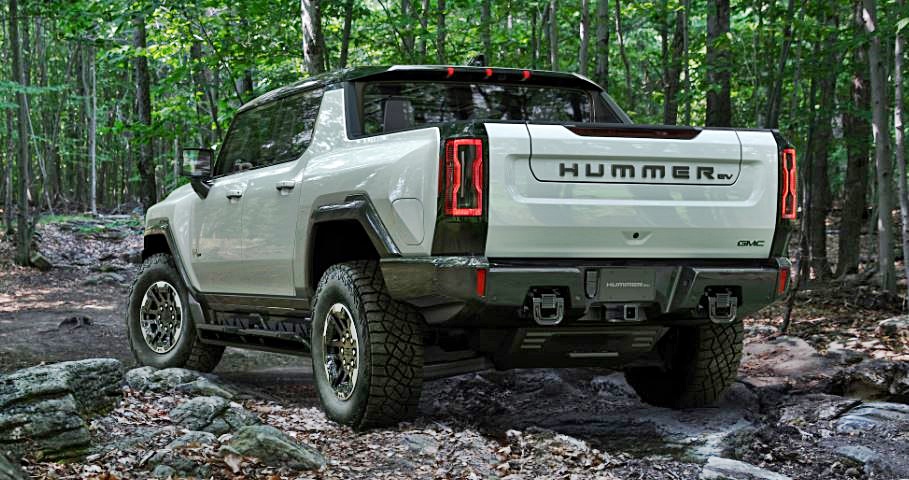
Although GM tried to sell off the business, it did not succeed and just kept it in the ‘drawer’. Now, that name has been revived with a completely new model from its GMC subsidiary. However, unlike the original fuel-guzzling monster, the new Hummer not only doesn’t require conventional fuel at all but it is also a zero emissions vehicle.

The original Hummer

Electric supertruck
GMC engineers have developed it as an electric supertruck with the company’s Ultium Drive and batteries. An estimated best-in-class 1,000 horsepower and estimated 15,592 Nm of torque are generated by three separate motors within two Ultium drive units that provide 4WD capability. 0 to 60 mph (96 km/h) acceleration is claimed to be around 3 seconds which is pretty quick for a pick-up though that can be expected of a super EV truck.

800V DC fast-charging compatibility of up to 350 kilowatts enables nearly 160 kms of range to be available after recharging for 10 minutes. A full battery back is said to be good for up to 550 kms.

Superior off-road capabilities
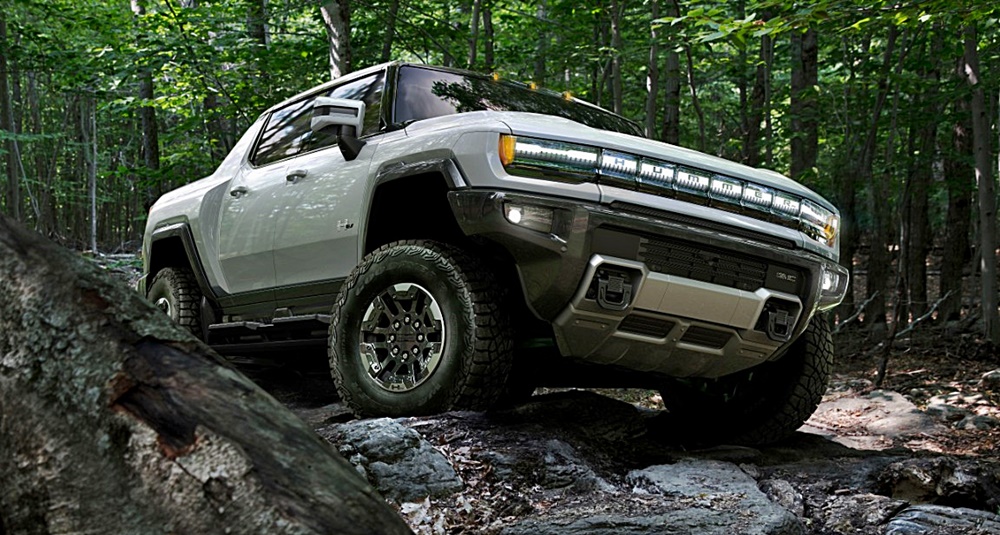
Aiming to out-do other electric trucks that are also appearing lately, the Hummer has 4-Wheel Steering, Adaptive Air Suspension with 149 mm of variation, and underbody armour. The 4-Wheel Steering system has CrabWalk which allows the rear wheels and front wheels to steer at the same angle at low speeds. This enables diagonal movement of the vehicle for greater manoeuvrability on difficult terrain.

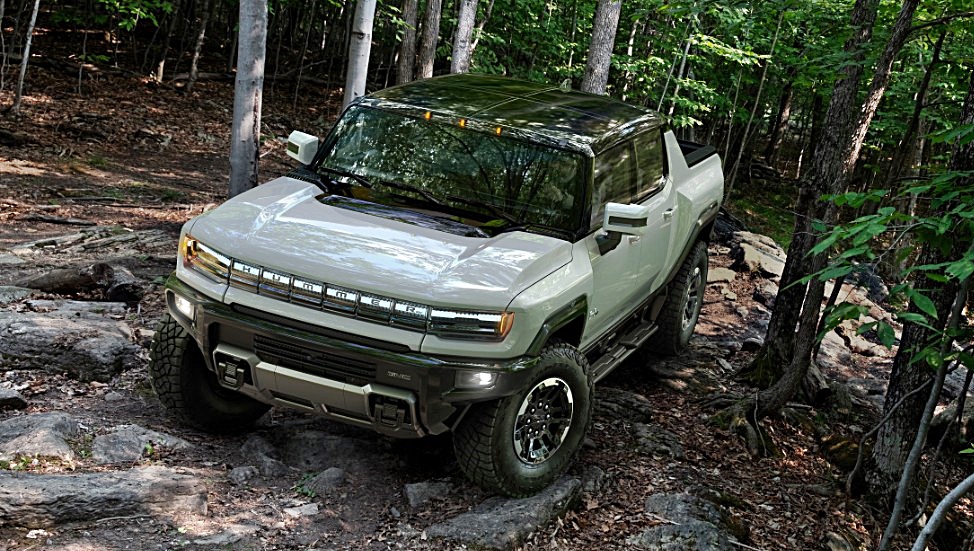
As standard, the Hummer comes with 35-inch MT tyres  and customers can specify up to 37 inches. The tyres complement the vehicle’s off-road capability which includes climbing vertical obstacles 455 mm high and driving through water more than 600 mm deep.

For crossing difficult and unknown terrain, the Hummer has UltraVision, a system of front and rear underbody cameras with live ‘virtual spotter’ views to help drivers spot obstacles and place wheels on and off the trail. There are up to 18 camera views available from the vehicle.

Prepared for autonomous motoring, the Hummer will have optional Super Cruise, a driver assistance feature that can support hands-free driving on more than 322,000 kms of enabled roads. There will also be a new automatic lane-changing feature where the system can determine when a lane change is optimal and initiate the manoeuvre, while following signalling protocols.

Minimal original design elements
GMC’s designers drawn minimally on the original model’s monolithic appearance, instead aiming for something that looks futuristic and bold with a pick-up profile. “Its design visually communicates extreme capability, which is reinforced with rugged architectural details,” said Phil Zak, Design Executive Director.

Emphasis on technology
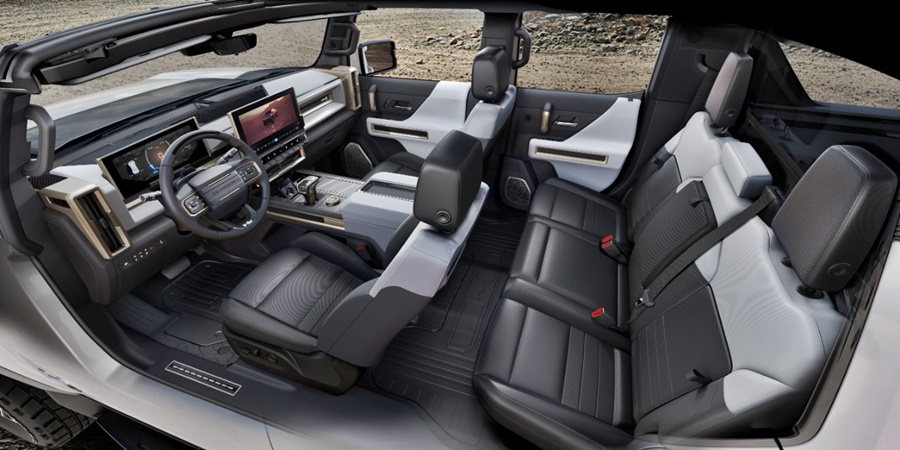
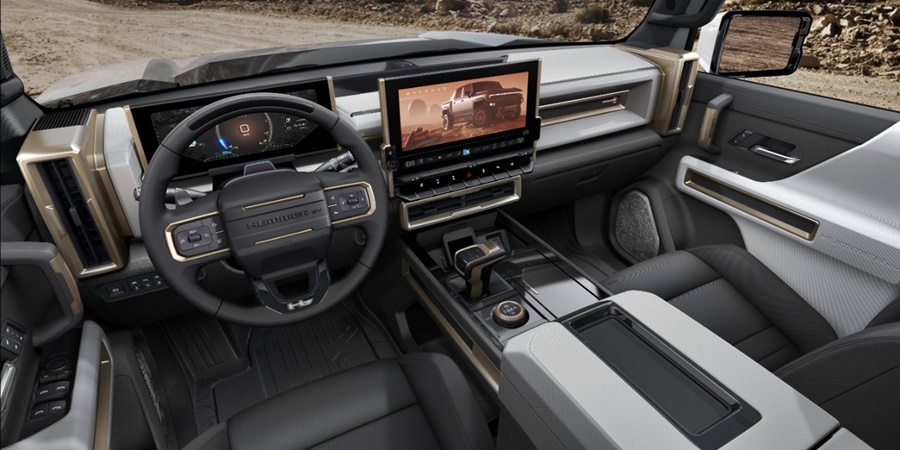
The interior is also given premium appointments and as expected, technology is emphasised. For example, off-road widgets display vehicle functions and terrain status through the infotainment and driver information screens. The driver can be informed of torque output, differential locker engagement, tyre pressures, pitch and roll angles, friction circle, torque vectoring and more.

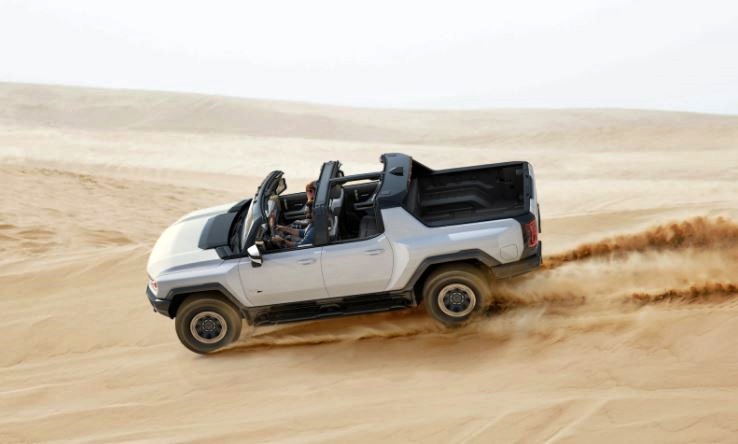
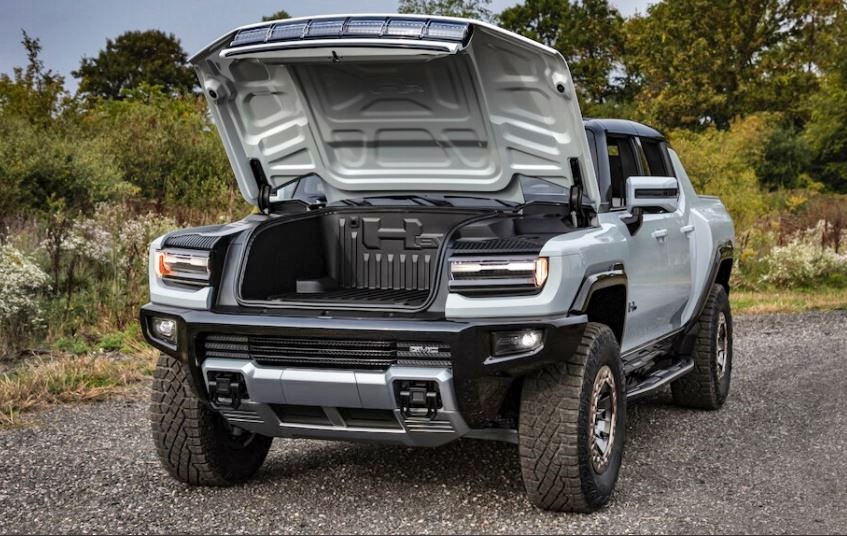
Open-air driving is an option, made possible by the Infinity Roof and removable transparent Sky Panels that can be stowed in the storage compartment at the front of the vehicle. The MultiPro Tailgate opens with 6 functional positions, while the glass panel at the rear of the cabin and the tonneau cover can be opened at the touch of a switch as both are powered.

4 versions, starting from late 2021
There will be at least 4 versions of the Hummer with the first one known as Edition 1 going on sale in the fourth quarter of 2021. This will be the most expensive version at US$112,595 (about RM467,000) and will be the only one available for at least 12 months. Another version will be launched in late 2022 which is currently projected to cost less than US$100,000 (RM414,000).

In early 2023, the third version will be available, and then a fourth version will be in showrooms a year later, in 2024. The fourth version will have two motors and be priced at under US$80,000 (RM332,000).

GM looking forward to all-electric future with Ultium batteries

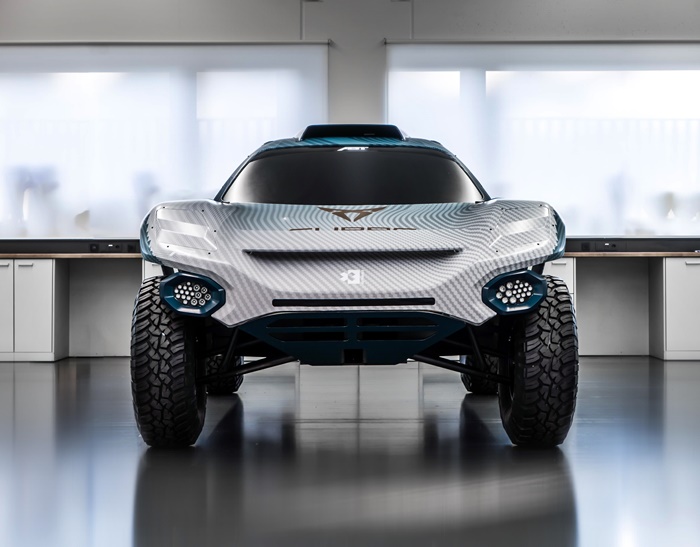
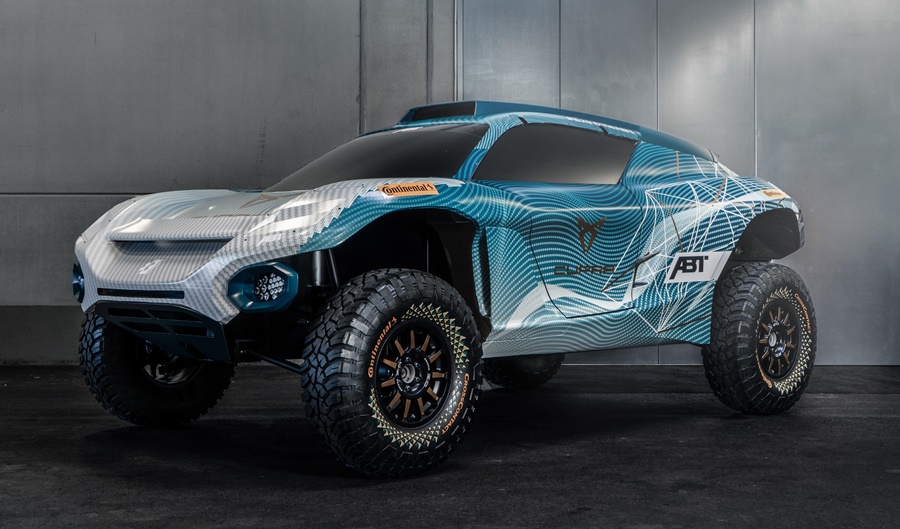
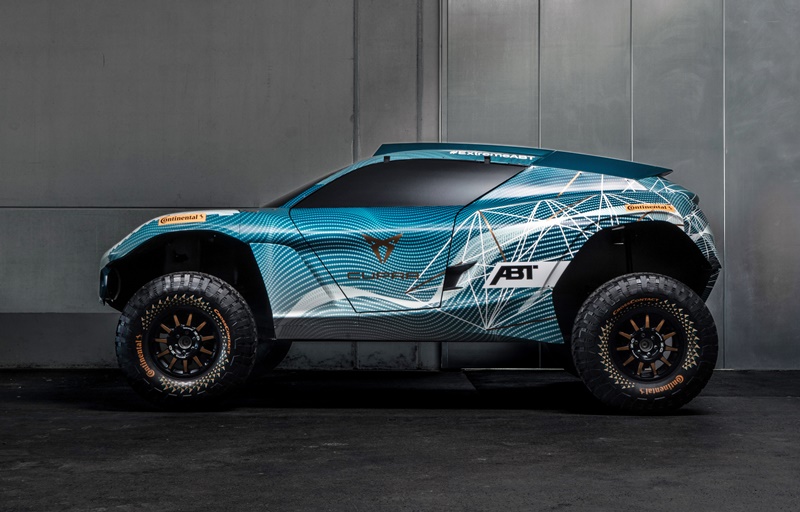
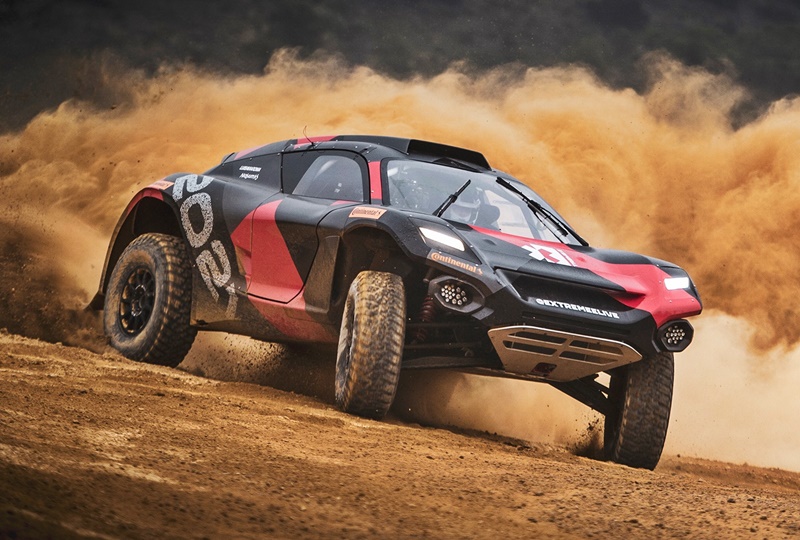
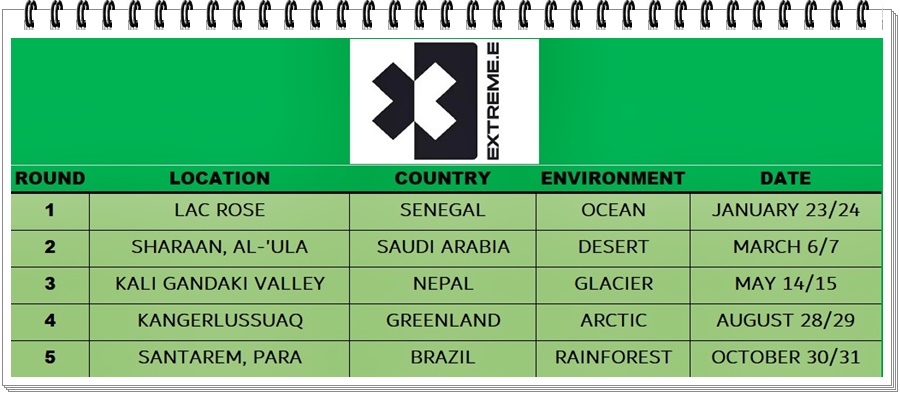
Extreme E is a new off-road series which, like Formula E, will be for all-electric vehicles. Set to start off in January 2021, the series will have 5 rounds in places which have been damaged or affected by climate change. The environments will be Arctic, Desert, Rainforest, Glacier and even Ocean.

While some companies have expressed interest in participating, CUPRA, the high-performance brand of Spanish carmaker SEAT, has confirmed its commitment to the event. CUPRA will collaborate with ABT Sportsline as the racing team’s main partner, and will contribute a team of engineers and drivers.

Electrification and sportiness
“CUPRA and the Extreme E competition hold an identical challenger attitude to prove that electrification and sportiness can be a perfect match. Such partnerships boost our path towards electrification as we will have 2 plug-in hybrid models by the beginning of 2021 and our first all-electric vehicle, the CUPRA el-Born, that will be ready by the second half of next year,.” said President of SEAT & CUPRA, Wayne Griffiths.

CUPRA’s enthusiasm should be a surprise as the brand has already been involved in electrically-powered racing cars. It developed the CUPRA e-Racer which is the world’s first all-electric racing touring car, powered by 4 electric motors that deliver a combined 680 ps/ 960 Nm.

That project helped the brand develop its knowledge base as it continues along the road towards electrification of its passenger vehicle line-up. Now it has the CUPRA Leon plug-in hybrid, which will be followed at the beginning of 2021 by the CUPRA Formentor plug-in hybrid, and then the CUPRA el-Born in the second half of next year.

Crews must have one male, one female
The Extreme E has a gender equal sporting format whereby teams must field one male and one female driver. The first of these is CUPRA e-ambassador, Rally Cross and DTM Champion, Mattias Ekstrom.

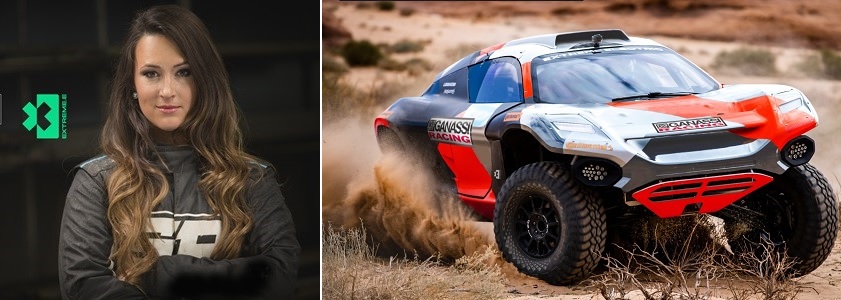
Sara Price is one of the drivers in the event, and she will be with the American Chip Ganassi Team.

“Extreme E is a mix of Raid and Rally Cross, racing through very different environments with tracks marked using GPS,” said Ekstrom. “But it holds a lot of promise for developing electric vehicles; collecting data to feedback into cars in areas such as software and regeneration.”

There are a great many areas where know-how can be transferred, that should bring huge developments to future vehicles in areas including driveability, power delivery, chassis setup and steering. Additionally, participating in Extreme E will boost the visibility of the brand.

Where and when
The championship, managed by the same organisation that does Formula E,  is recognised as an FIA International Series. At the time of writing, there are 8 teams on the list of participants, with CUPRA being the first carmaker to join.

Extreme E’s will see the participants and their vehicles and equipment going around the world. To provide transport to remote locations, a floating paddock and base has been developed. This is the RMS St. Helena, which will be used to transport the championship’s freight and infrastructure, including vehicles, to the nearest port to each of the 5 locations. This will also minimise Extreme E’s emissions profile as well as facilitating scientific research through an on-board laboratory.

After Formula E, Extreme E will take electric cars into off-road competition

Euro NCAP, the independent organization which evaluates the safety levels of vehicles sold in Europe, has developed a dedicated test and assessment protocol, as well as a grading system for its Highway Assist tests. These tests are aimed at ensuring the safe adoption of assisted driving technologies and to provide consumers information to make their buying decisions.

Increasingly, vehicle manufacturers have been making use of the sensor-sets fitted to their vehicles to provide more extensive support to the driver. This is a prelude to greater autonomous motoring that will come in future.

Highway Assist
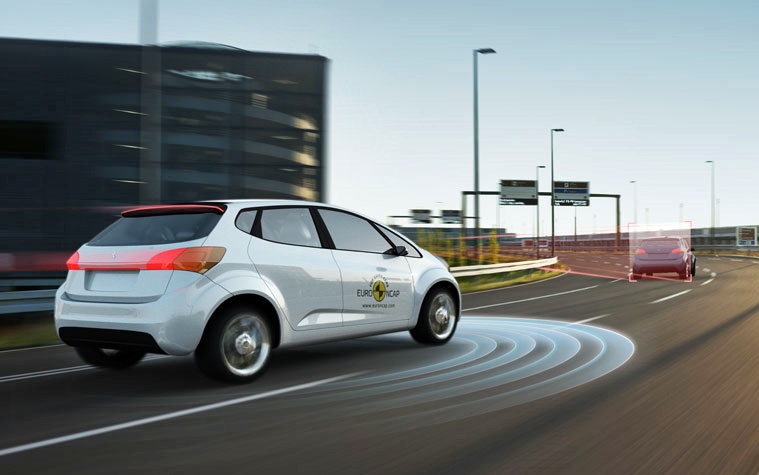
Highway Assist, the general name for a technology designed to make highway driving safer, helps by reducing fatigue. The system can help the driver to maintain a steady cruising speed, and to keep a safe distance from the vehicle in front. Such systems are generally known as Adaptive Cruise Control and can be found on an increasing number of models.

Adaptive Cruise Control can adjust the set cruising speed to maintain a safe gap with a vehicle ahead.

There is also a system to help keep the vehicle within its lane, with sensors monitoring lines on the road for guidance. If the vehicle is found to be departing from the lane, the driver will be alerted and some systems can also exert force to guide the vehicle back into the correct position in the lane.

However, the driver always needs to be responsible and engaged behind the wheel – the assisted system is there to do just that – assist. The systems are not flawless and should not lead or have full control, at least not at this stage in semi-autonomous motoring.

A camera monitors road lines to determine the position of the car in the lane, and the system will alert the driver if the car deviates from the lane.

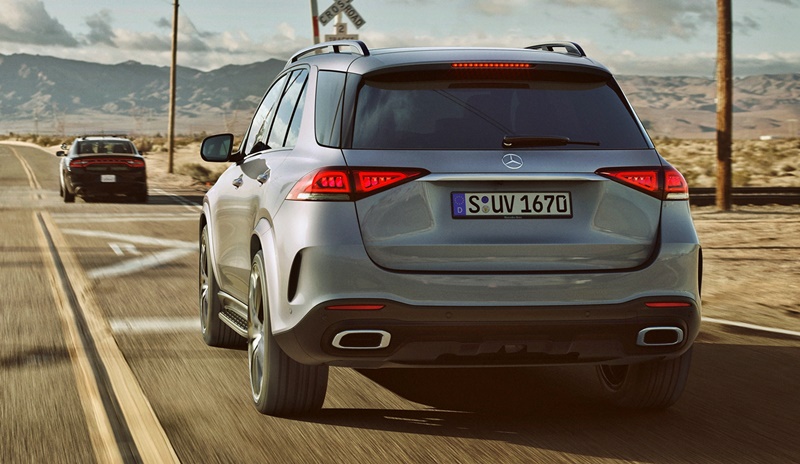
The test series has so far covered 10 models that offer Highway Assist – the Audi Q8, BMW 3-Series, Ford Kuga, Mercedes GLE, Nissan Juke, Peugeot 2008, Renault Clio, Tesla Model 3, Volkswagen Passat and Volvo V60.

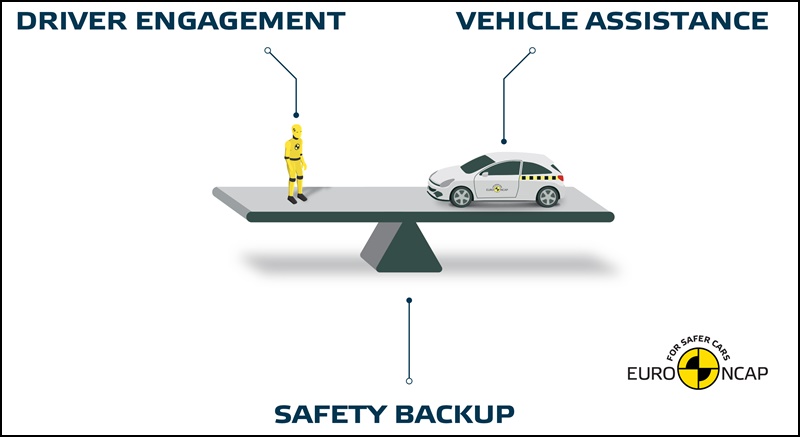
Euro NCAP’s new assessment protocols focus on two main areas: Assistance Competence – a balance between the technical competencies of the system (Vehicle Assistance) and the extent to which it keeps the driver alert and engaged (Driver Engagement) – and Safety Back-up, the car’s safety net in critical situations.

A unique grading system – similar to the 5-star safety rating – helps consumers understand the conclusions of the tests and compare assistance performance at the highest level. Each model falls into one of 4 categories: Entry, Moderate, Good and Very Good.

The findings
Three models in the premium segment – the Mercedes-Benz GLE, the BMW 3-Series and Audi Q8 – were graded Very Good, achieving a good balance between offering a high level of driving assistance but keeping the driver engaged and in control of the driving task. They also provide a good crash avoidance back-up system and respond appropriately if the driver becomes incapacitated while the car is in assistance mode.

BHPetrol RON95 Euro4M

High volume sellers Renault Clio and Peugeot 2008 were both given an Entry grade. Lacking the sophistication of the more advanced systems tested, they provide a relatively modest level of assistance, ensuring that the driver is not disengaged from the driving task.

Tesla’s pioneering role in self-driving technology is reflected in its top scores for Vehicle Assistance and Safety Back-up. However, its Autopilot system was found to do little to keep the driver engaged. Its distinct steering strategy gives the impression that either the car is driving itself or the driver has full control, and the system is more ‘authoritarian’ than cooperative. Grading-wise, the car is badly let down by its performance in Driver Engagement and ended up ranked ‘Moderate’.

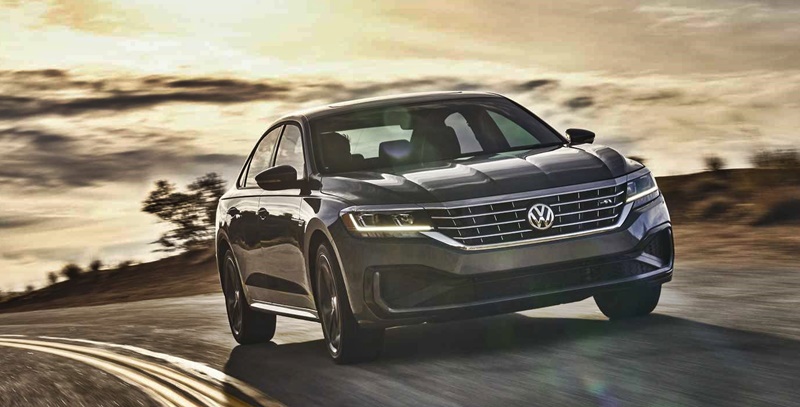
The Volkswagen Passat, Nissan Juke and Volvo V60 were also graded as Moderate. In particular, the Volvo, already on the market for a few years, shows that rapid advancements made in driving assistance technology require more frequent updates to keep up with premium cars. Finally, Ford’s latest Kuga achieved a Good grading, demonstrating that well-balanced, advanced systems are also available on mainstream mid-class vehicles.

Improved driver monitoring necessary
“Assisted driving technologies offer enormous benefits by reducing fatigue and encouraging safe driving. However, manufacturers must ensure that assisted driving technology does not increase the amount of harm incurred by drivers or other road-users compared to conventional driving. The best systems offer a balance between the amount of assistance they provide and the level of driver engagement – and should be supported by an effective safety back-up,” noted Dr. Michiel van Ratingen, Euro NCAP Secretary General.

“The results of this round of tests demonstrate that driving assistance is fast becoming better and more readily available, but until driver monitoring is significantly improved, the driver needs to remain responsible at all times.”

Euro NCAP assessments become tougher in 2020 with new protocols

BHPetrol Euro5 Diesel

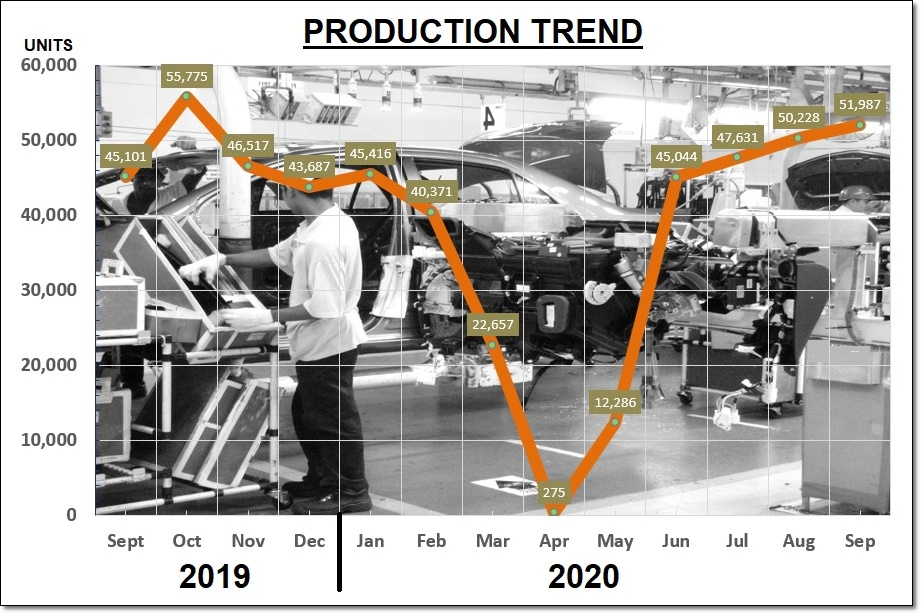
Source: Monthly reports of Malaysian Automotive Association

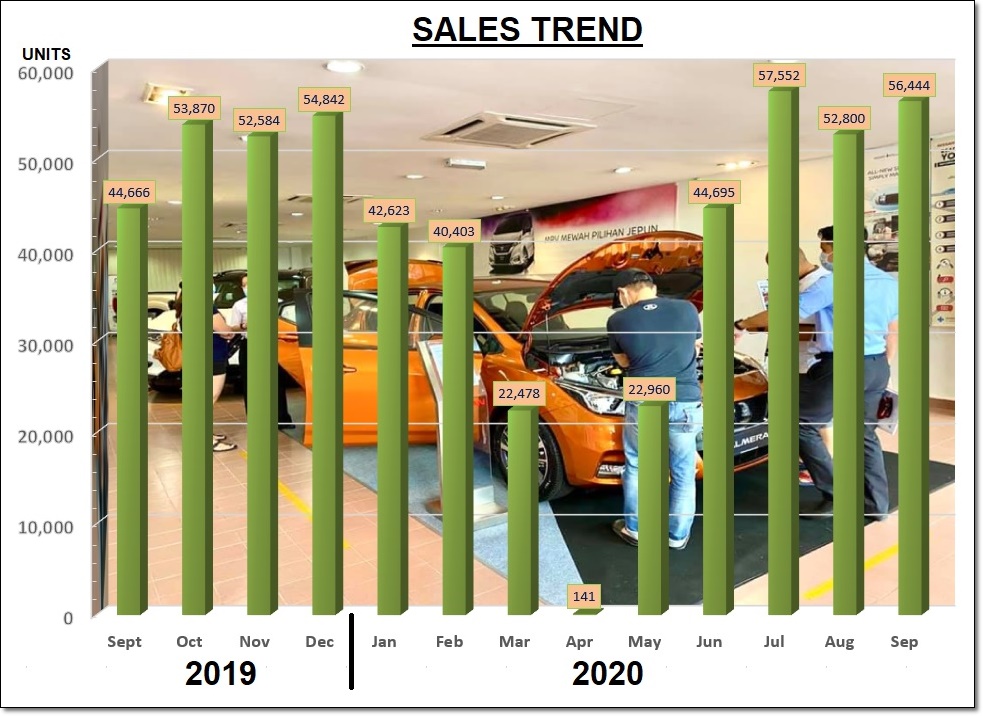
♦ The government’s Sales Tax exemption incentive continued to encourage many to buy new vehicles in September, pushing the Total Industry Volume past 56,000 units. In fact, it was 26% higher than the same month in 2019.

♦ Of the 56,444 units registered, 9.7% were commercial vehicles which includes pick-up trucks.

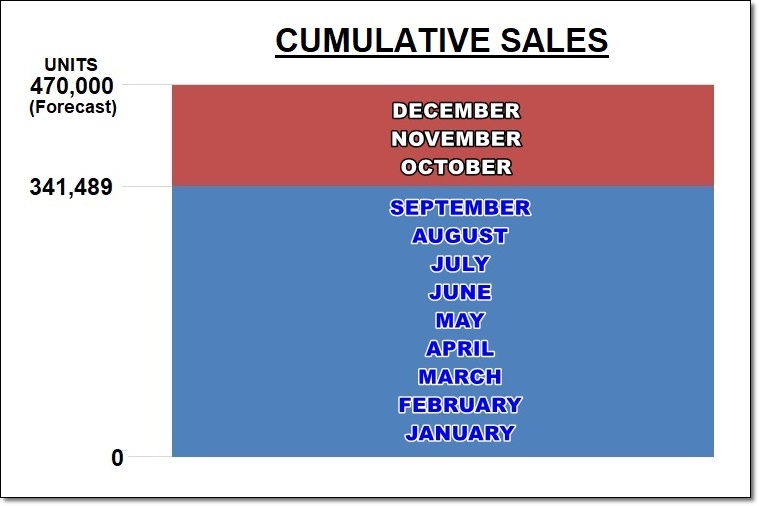
♦ Cumulative sales after 9 months have reached 341,489 units, To achieve the MAA’s 470,000-unit forecast for 2020, the industry must sell an average of 42,837 units in the remaining 3 months. Since July, the monthly sales have been over 50,000 units so the question will be whether this level can be sustained until the end of the year?

♦ Production rose slightly as most plants assembled as many units as possible to meet the higher demand. The output rose of 51,987 units was 15% higher than the same month in 2019, but output of commercial vehicles was lower by 26%.

♦ October numbers could be lower as the burden of making monthly instalments has resumed with the cessation of the loan moratorium that was provided by the banks as a form of assistance during this pandemic period. Furthermore, the imposition of the CMCO for two weeks in the month (if not longer) in the region with the most new vehicle sales may have an effect too. However, unlike the situation in March when all car companies had to suspend all activities, businesses can presently continue operating and relevant government agencies also process new vehicle registrations.

Source: Monthly reports of Malaysian Automotive Association

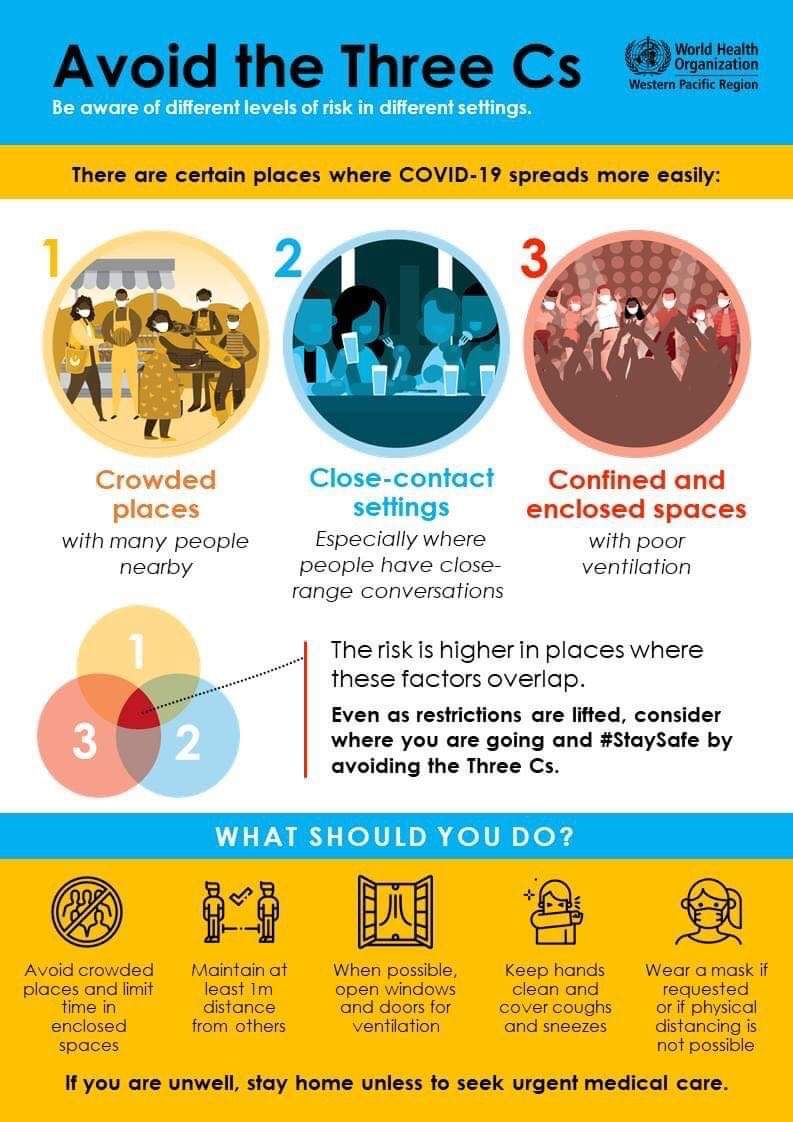
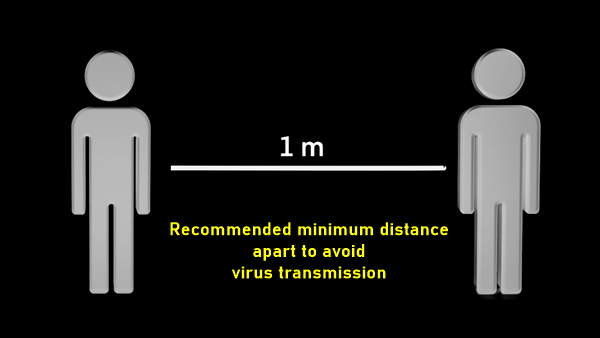
Social distancing

Social distance

Archive

Follow us on Facebook

Follow us on YouTube