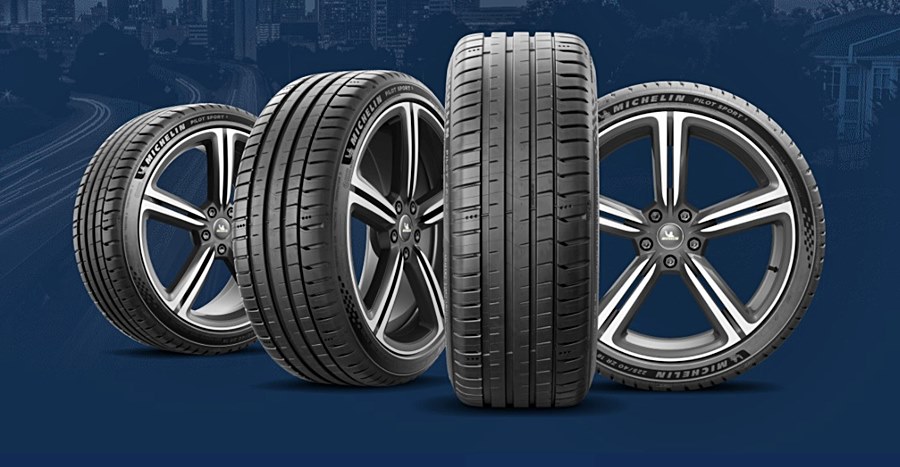
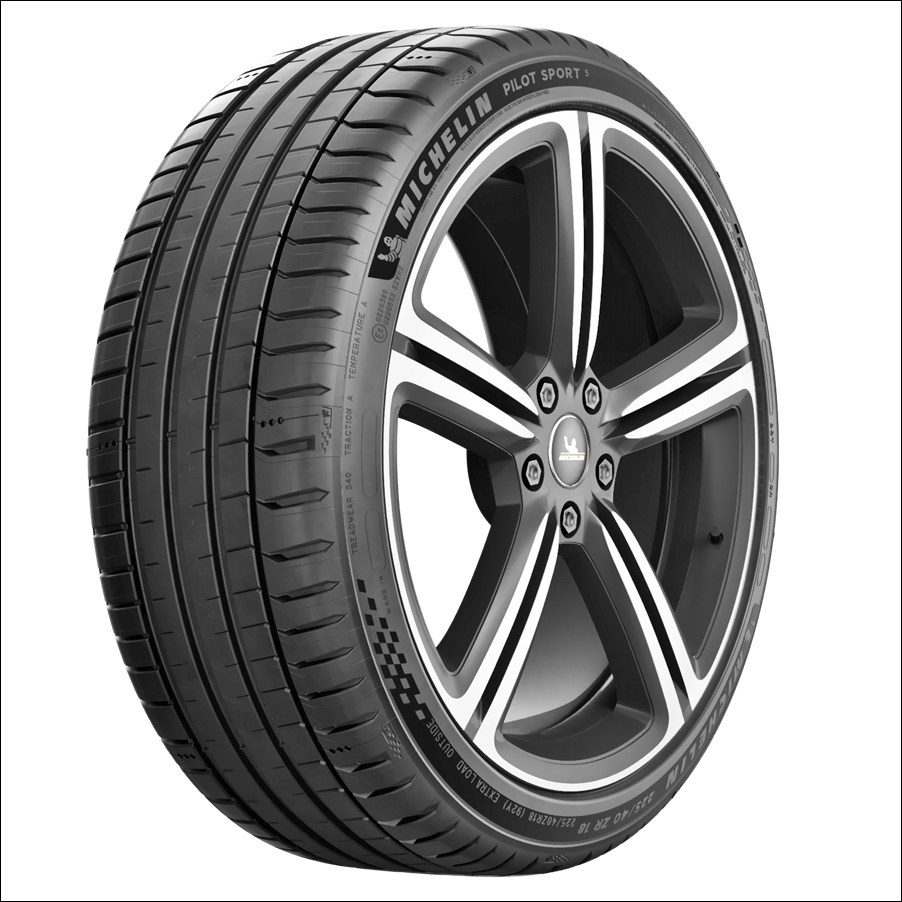
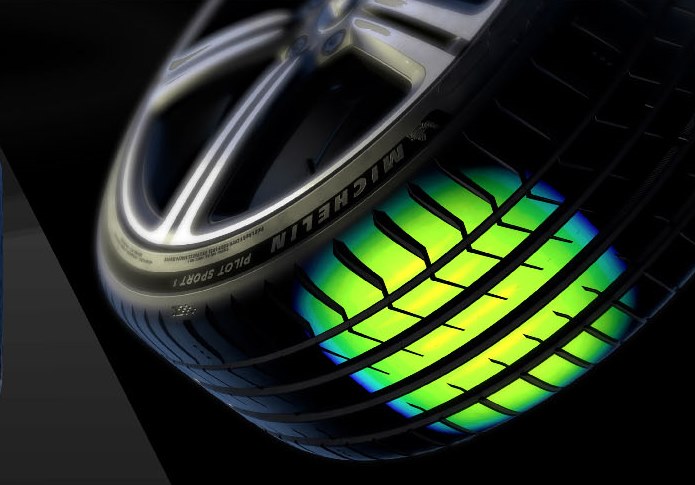
Building on the successful Pilot Sport 4 tyre, Michelin today launched the new Pilot Sport 5 in Asia and Australia today. For markets in Asia, the fifth generation of the popular high-performance tyres will be offered in up to 43 sizes for 17-inch to 21-inch wheels. The Malaysian market will have 26 sizes from 17 to 19 inches, with 21 more sizes from 17 to 21 inches to be made available by the end of this year. The recommended retail prices of the new tyres range from RM700 to RM1,900.
Sophisticated features
Targets at sportscar and high-performance sedan drivers, the new Pilot Sport 5 has a range of sophisticated features and is, of course, improved in performance over its predecessor. The key features include Dual Sport Tread Design technology, Groove Clear, Dynamic Response technology, MaxTouch Construction, and Premium Touch Sidewall Design.
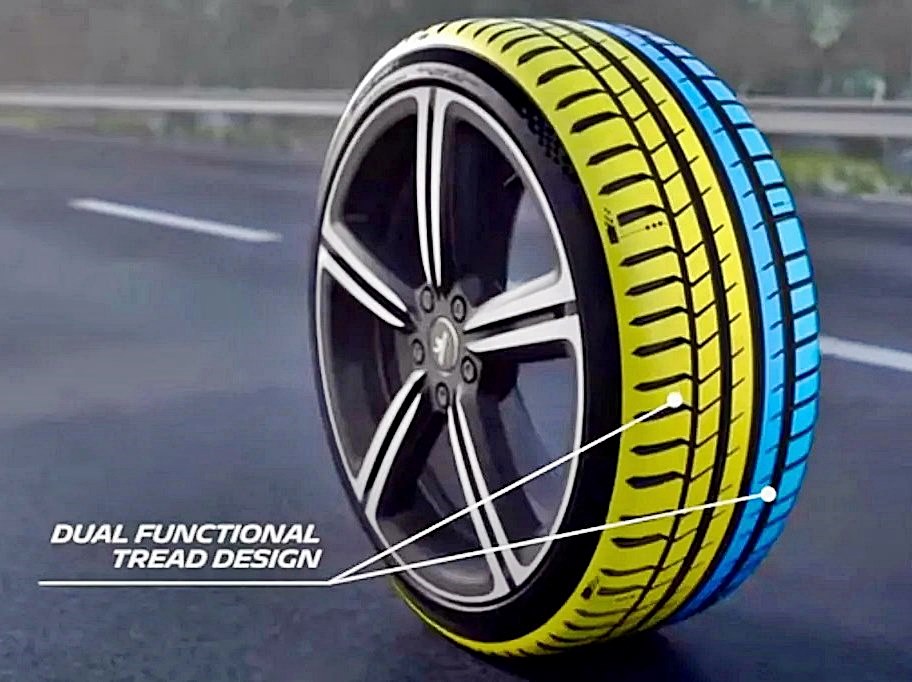
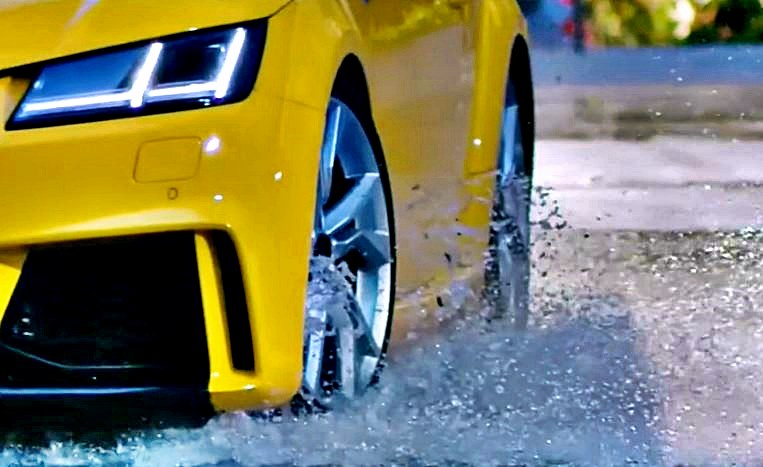
Dual Sport Tread Design technology is like having two tyres in one as there is a two-sided functionalized tread design inspired by Michelin’s motorsport experience. On the inner side of the tyre is a tread pattern with large grooves and high void ratio for enhanced wet road traction, while the outer has rigid blocks for better grip on dry roads. Groove Clear is the association of large longitudinal grooves that guide water under the tyre into wide transversal channels from which the water is ejected to keep the contact patch as dry as possible.
Shorter stopping distances
Independent testing showed that on a wet road, the Pilot Sport 5 stopped 1.4 metres (new tyres) and 4 metres (worn tyres) shorter than other premium brands. On a dry road, the stopping distance was 1.3 metres shorter. Other testing also showed that the Pilot Sport 5 lasted 33.5% longer than tyres from other premium brands. This longevity is due to the MaxTouch Construction that maximizes the tyre’s contact with the road and evenly distributes the forces of acceleration, braking, and cornering without sacrificing performance.
Lasting performance
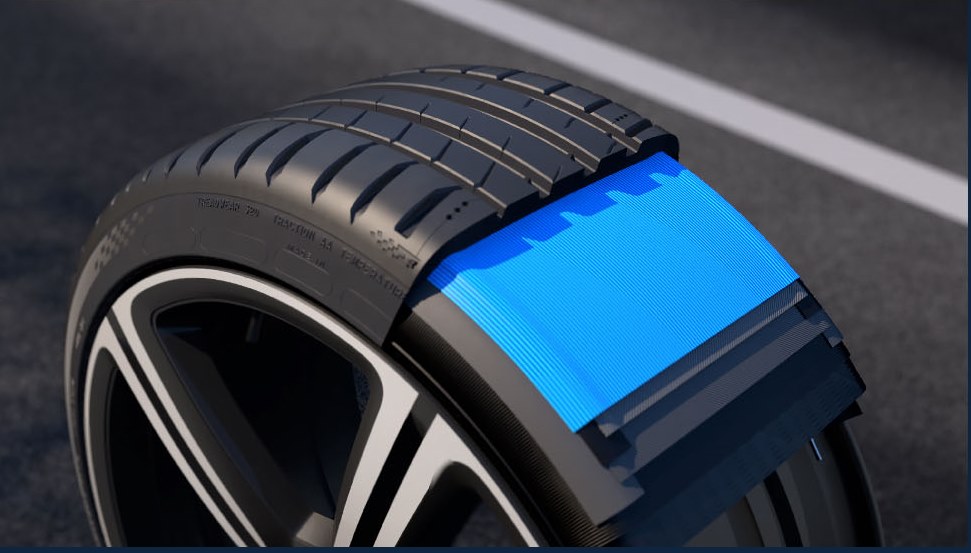
Michelin also makes sure that its tyres provide lasting performance throughout the lifespan. This is made possible by Dynamic Response technology that uses a high-density aramid and nylon hybrid belt which promotes driving precision for optimum transmission of steering instructions onto the road. This belt, which is located just below the tread, is both very resistant and light. Thus, at equivalent weight, the associated nylon and aramid are 5 times more resistant than steel.
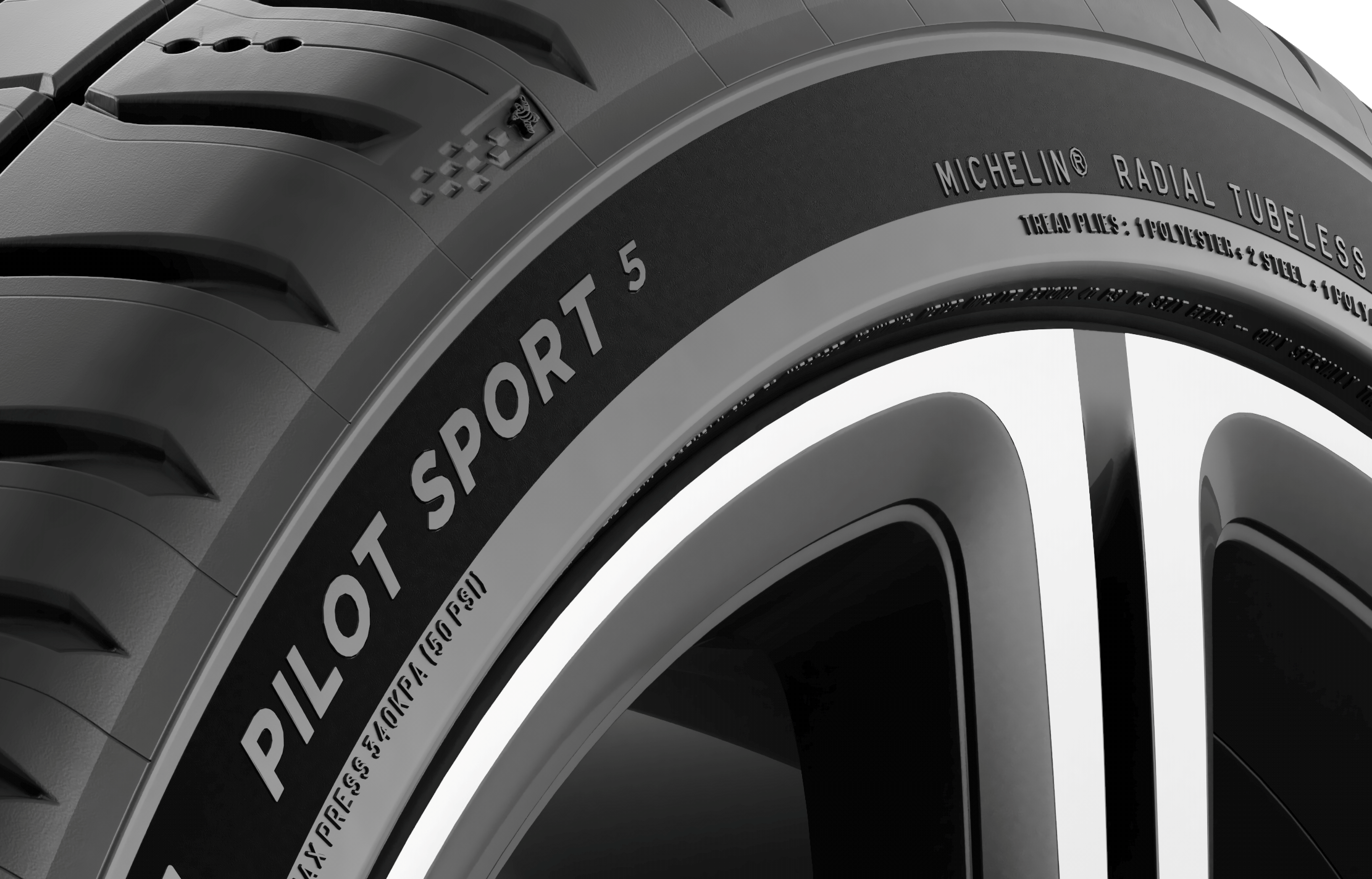
The tread pattern usually gives character to a tyre but for the Pilot Sport 5, the sidewall too has been given sporty and appealing aesthetics. Michelin’s patented velvet sidewall branding, called Premium Touch Design has a matte-black velvet-like micro texture which gives a premium look and feel.
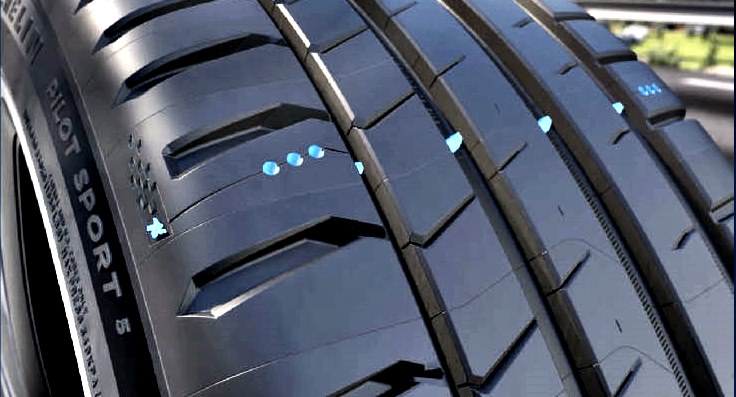
Drivers who care for their tyres and for safety will regularly check on the tread wear (besides the pressures). To make it easier, Michelin has added Wear2Check, an easy-to-find and easy-to-read tread wear indicator (TWI) on each tyre. This is visible by three tiny holes on certain tread blocks, indicating the area where the TWI is running across.
“With the Michelin Pilot Sport 5, Michelin further strengthens our complete and best overall high-performance Pilot Sport range, with ‘Performance Made to Last’ being our key differentiator. Inspired by motorsports, the tyre is perfect for drivers who demand sporty driving performance and expect nothing but the best. What’s more, the Michelin Pilot Sport 5 goes one step further in aesthetics, as evidenced by its 2021 Contemporary Good Design Award – one of the world’s most prestigious international design awards,” said Michelin Malaysia’s Managing Director, Oliver Biggart.
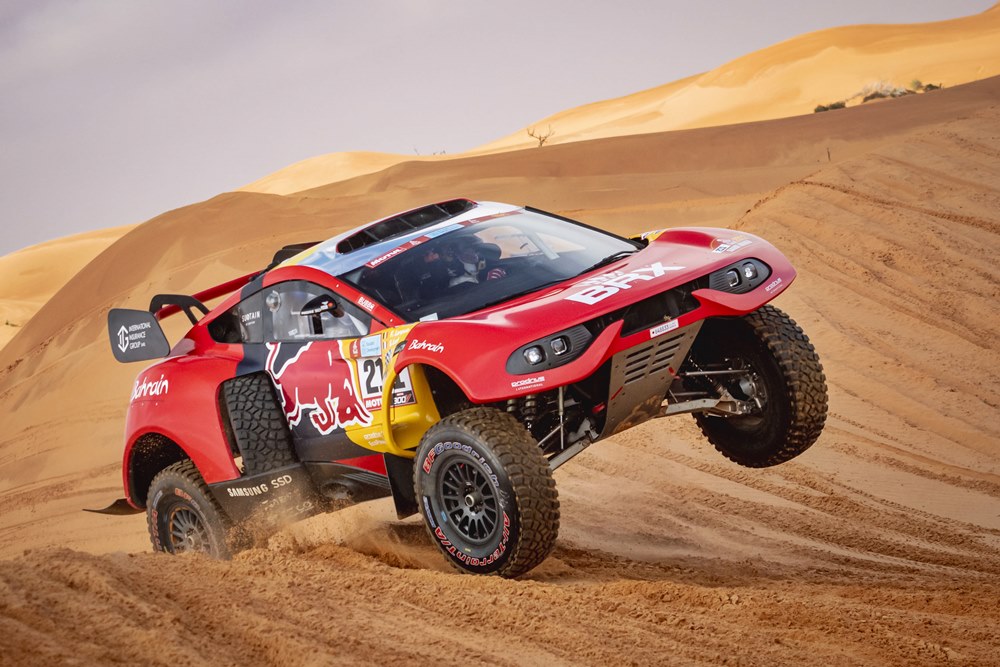
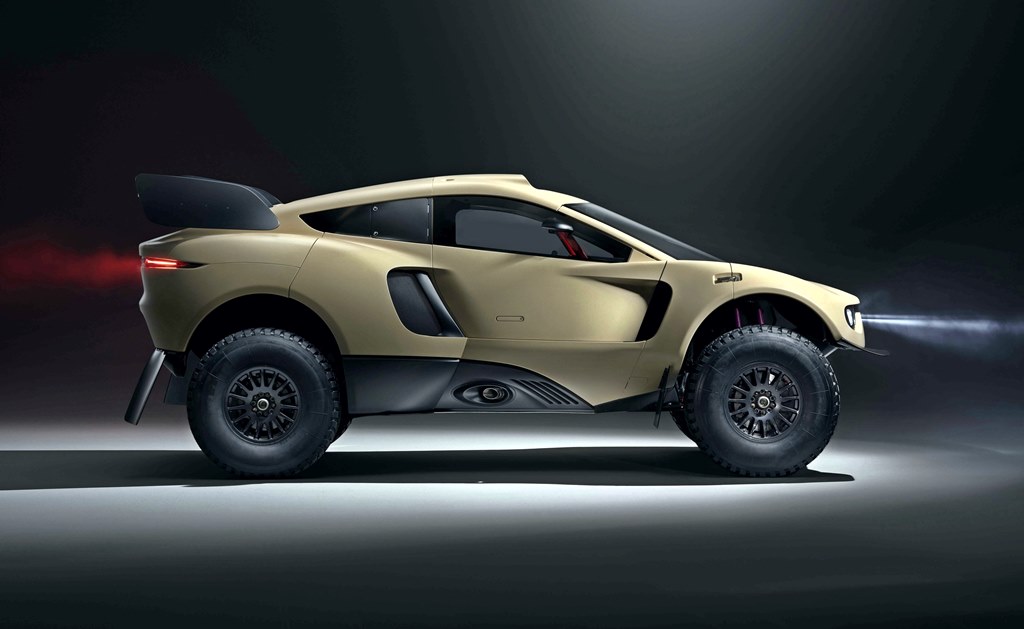
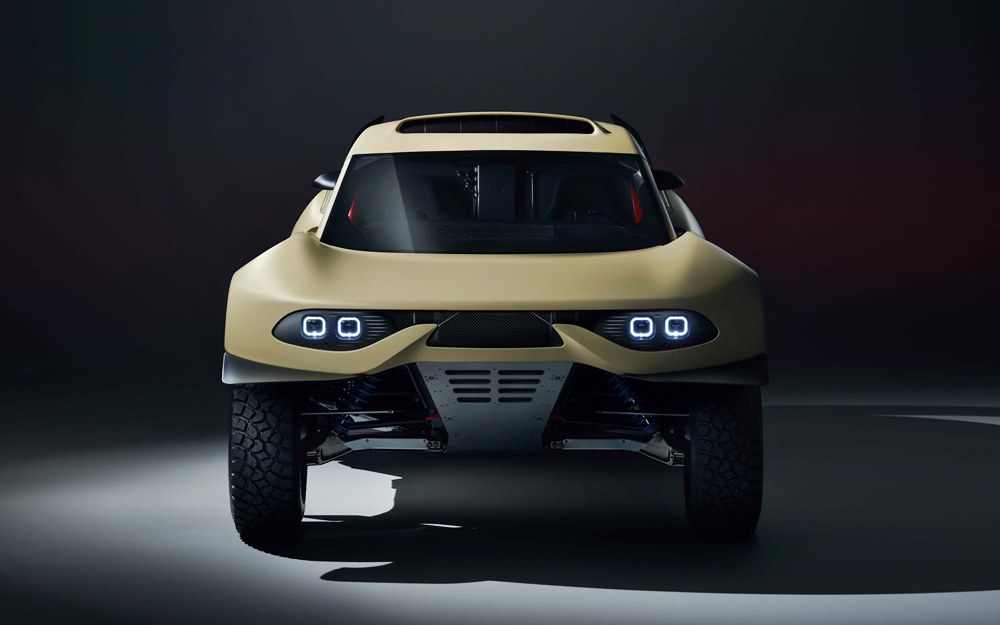
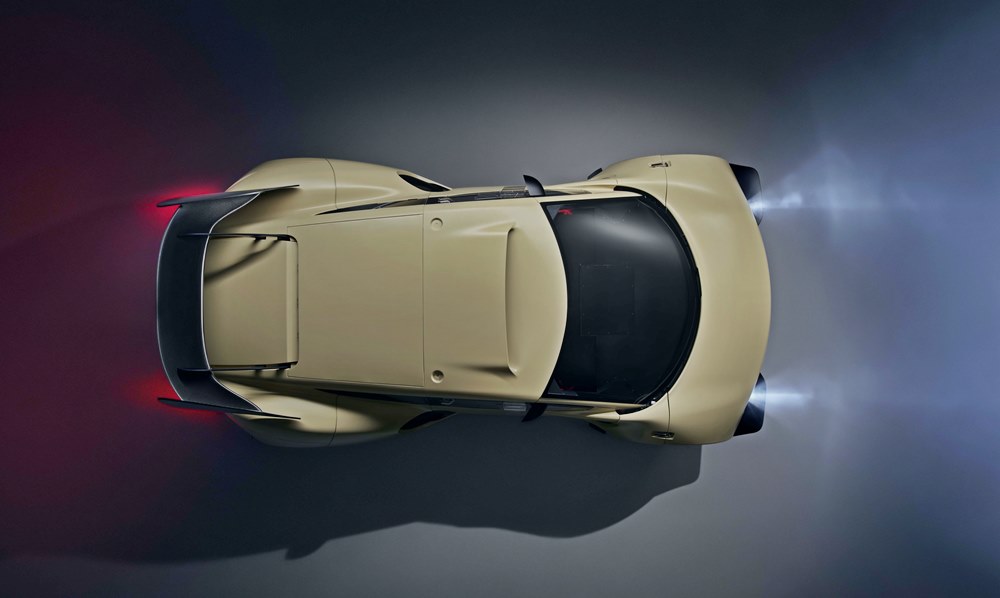
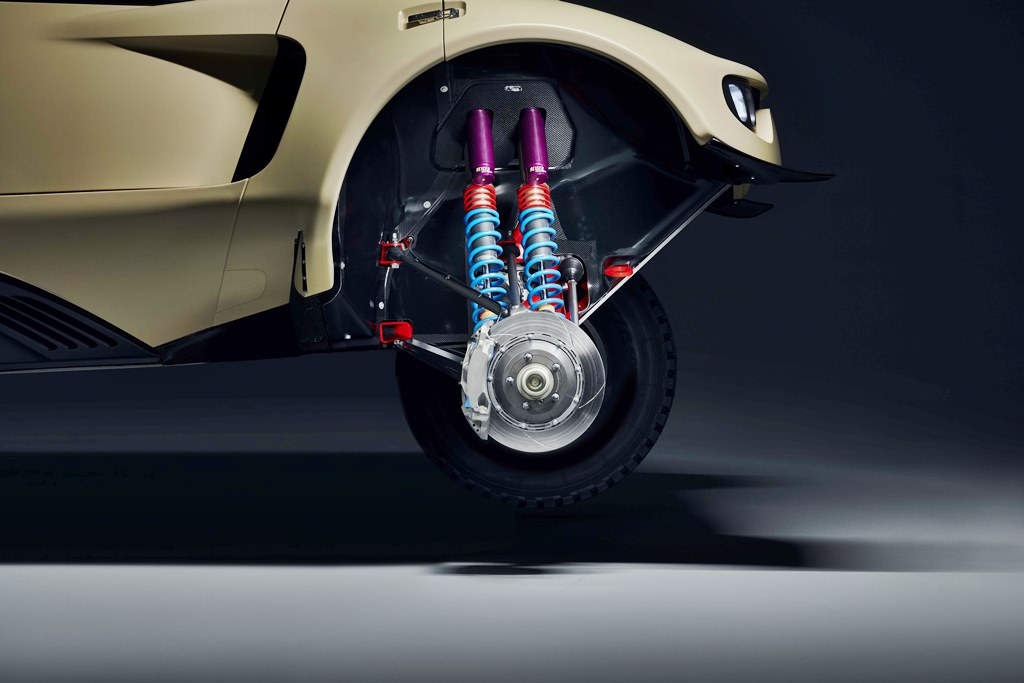
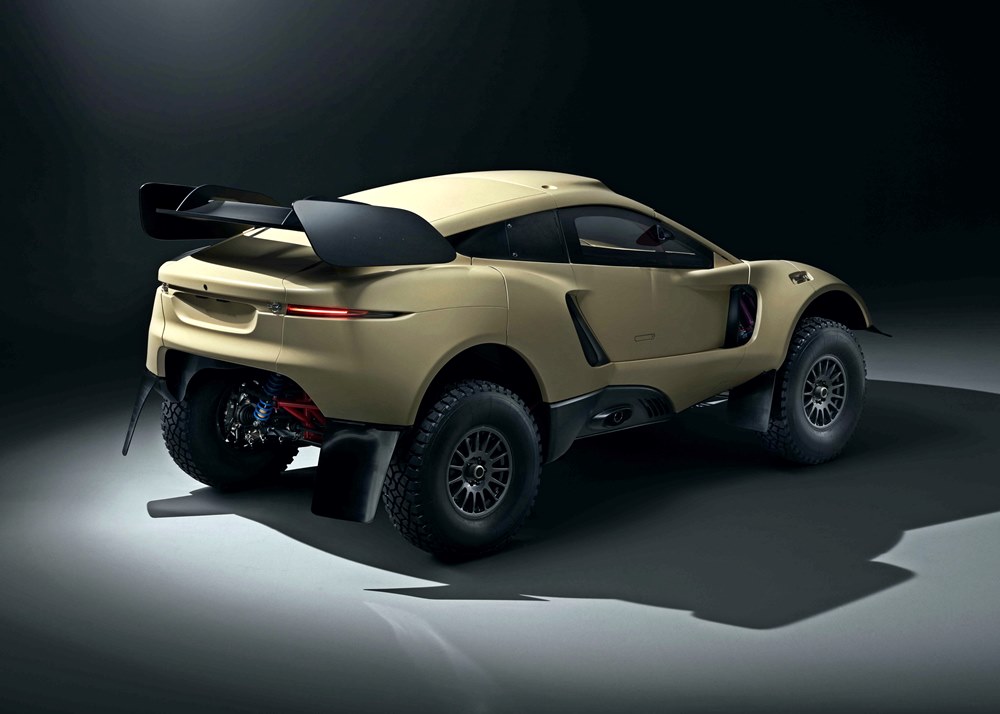
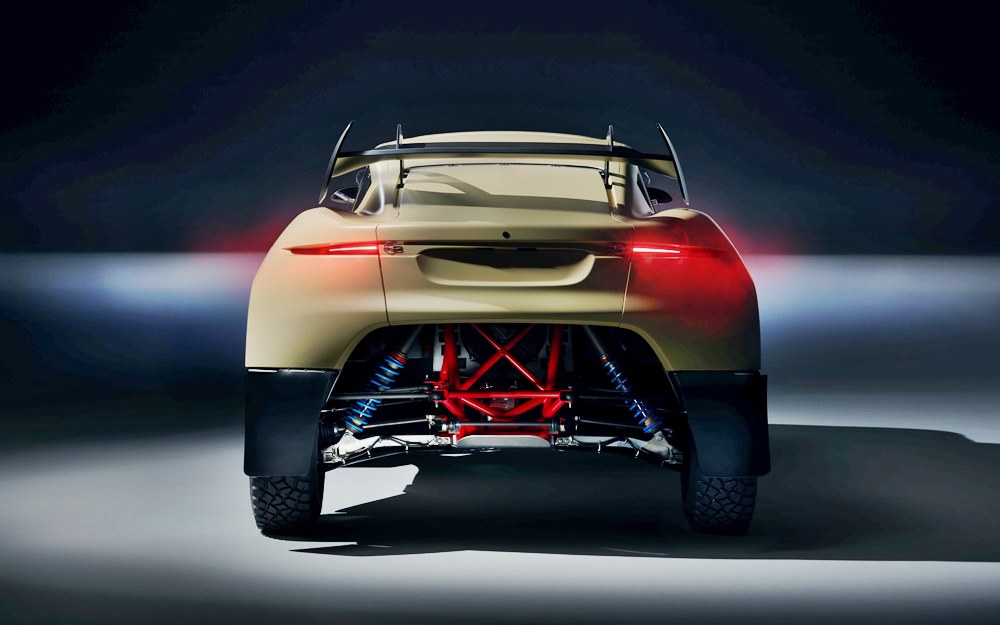
Prodrive, founded by former WRC co-driver David Richards, has lots of experience developing high-performance machines, especially for off-road use. A recent project was the Bahrain Raid Xtreme competition car driven by 9-time World Champion, Sebastien Loeb, in the Dakar Rally. Now using all its expertise and 40 years of successful off-road competition, it has developed the Hunter, a 600 bhp, 4-wheel drive all-terrain adventure vehicle with performance and capability to cross any landscape.
The rallycar used by Sebastien Loeb of the Bahrain Raid Xtreme team in the 2022 Dakar Rally.
Designed and intended for desert sand, dunes and rough mountain tracks, the Hunter is even more extreme than that driven by Loeb, with a 50% increase in power from the V6 engine and more suspension travel to absorb the harshest of terrain.
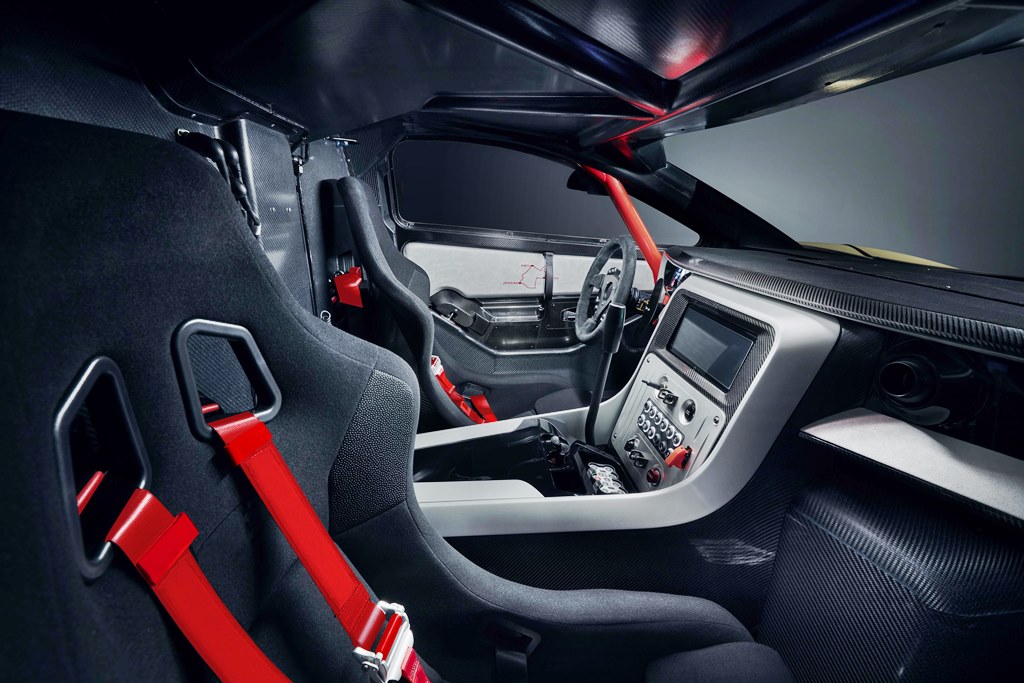
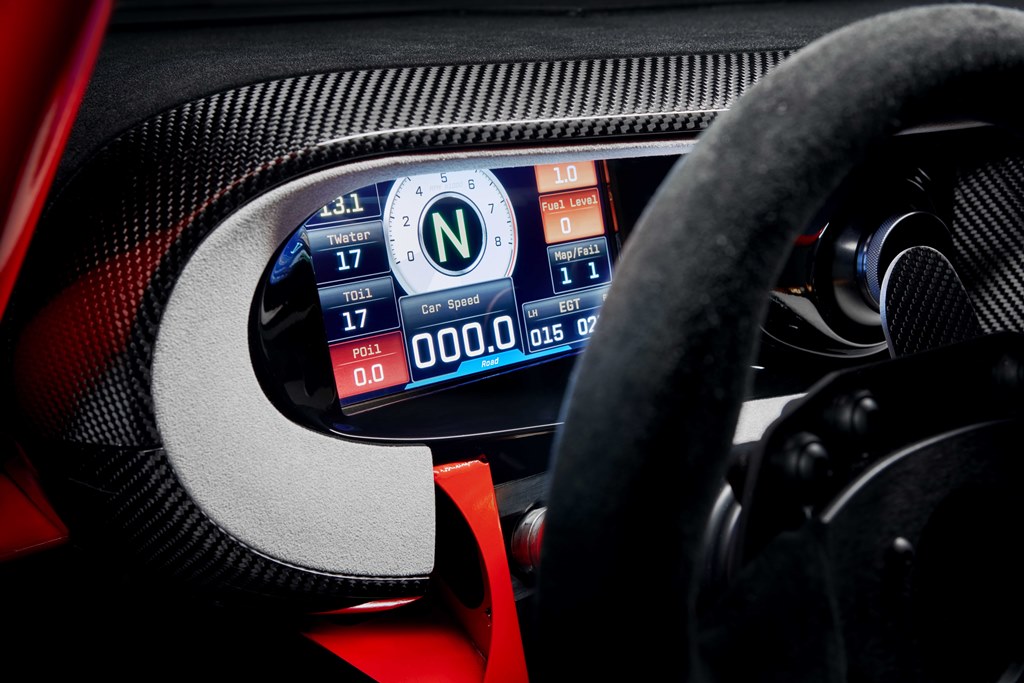
But while the car is even faster and more capable than the rallycar, it is also more refined. Ian Callum, who styled the exterior of the original competition car, returned to the project to create a new interior more in keeping with everyday use than rallying.
Aiming for Middle East markets
“There are numerous hypercars on the market; however, they all need good roads or even racetracks to show their performance. We identified that, in certain parts of the world, particularly the Middle East, there are vast expanses still to be explored that go way beyond the access provided by asphalt roads. Therefore, why not create a vehicle that gives the opportunity to explore these regions with performance way beyond that offered by any off-road vehicle before?” explained Richards.
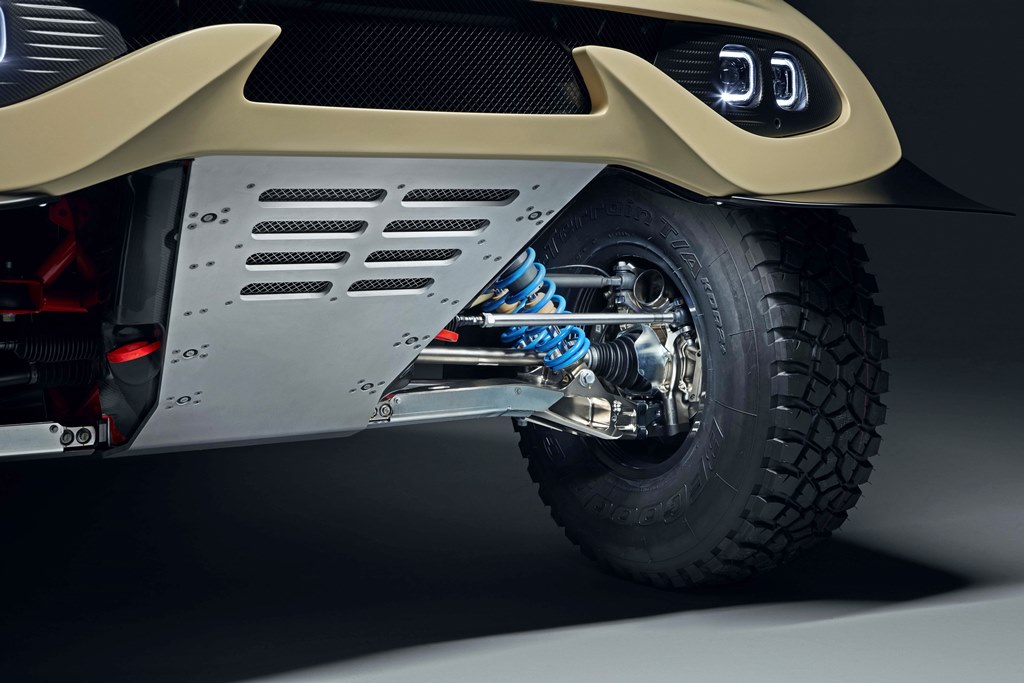
The Hunter retains the Dakar competition car’s engine, drivetrain and suspension. To improve driveability, the manual sequential gearbox has been replaced by a 6-speeder with paddle shift, giving a smooth gear change in just milliseconds.
Higher power output
As the hypercar does not have to comply with strict competition regulations, the power output has been increased by more than 50%. The 3.5-litre twin turbo V6 has been refined and retuned to produce over 600 bhp and 700 Nm of torque while making its power delivery smoother and easier to drive.
Prodrive estimates that this would give it a 0 – 100 km/h time of less than 4 seconds and a top speed of nearly 300 km/h. The vehicle is fitted with bespoke 35-inch off-road tyres designed to optimise grip over rough terrain and sand, rather than on tarmac.
Hyper rallycar for the road
“We took the deliberate decision to keep the Hunter Hypercar as close to the original as possible. It’s about giving owners the opportunity to experience what it is like to drive Loeb’s Dakar car across the desert, but with all the comforts of a road car and the ability to drive it from your home, through a city, to any destination of your choice,” said Richards.
The whole car is built around a high-tensile steel spaceframe chassis, giving both a rigid platform to optimise the suspension geometry and performance and an FIA standard safety cage to protect the occupants. The all-round double wishbone suspension with twin adjustable dampers on each corner has 400 mm of travel – an increase from 350 mm on the competition car – to give a smoother ride and even greater ability to cross the roughest terrain at speeds unimaginable in any other vehicle.
The whole vehicle has been designed to minimise overall weight and optimise the weight distribution and centre of gravity. All the bodywork is made from lightweight carbon composite, which includes recycled materials produced by Prodrive Composites.
The first development Hunter is already going around the Middle East where potential customers are being offered the opportunity of driving it and confirming their personal specification for production vehicles, each priced from £1.25 million (about RM7.05 million) to be delivered later this year.
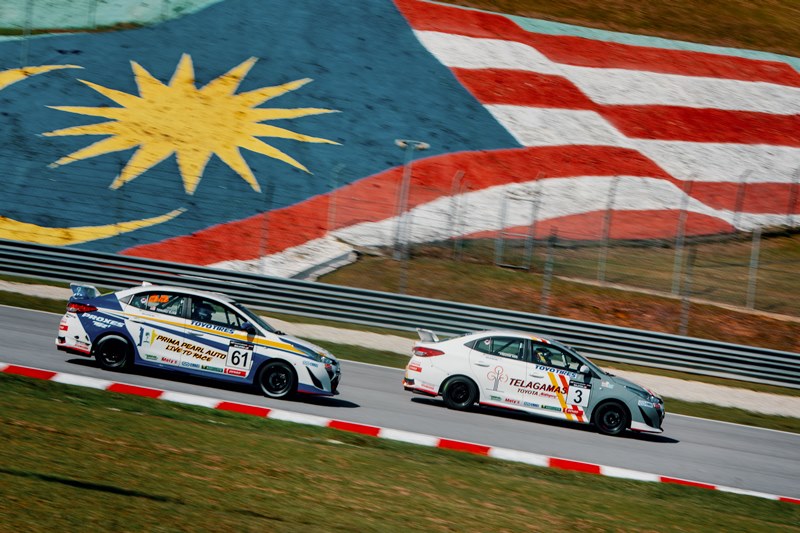
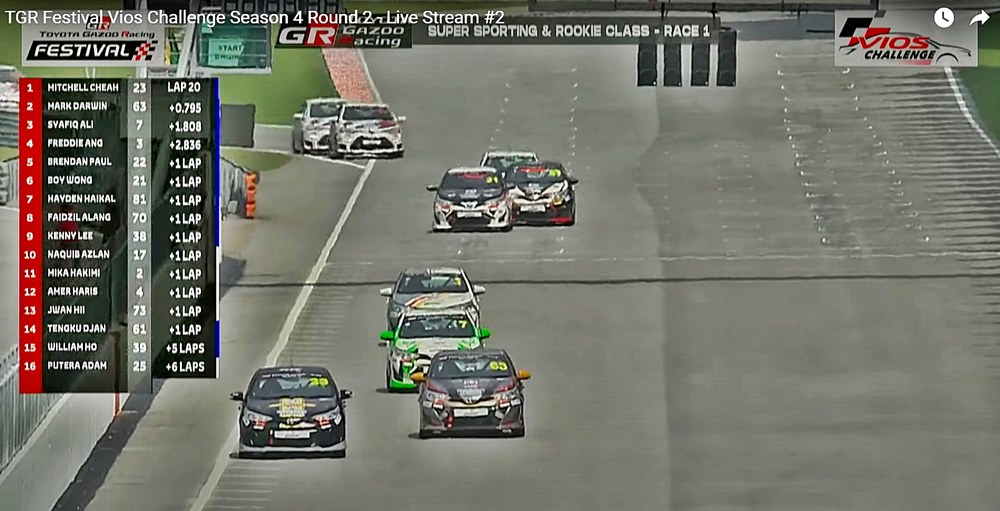
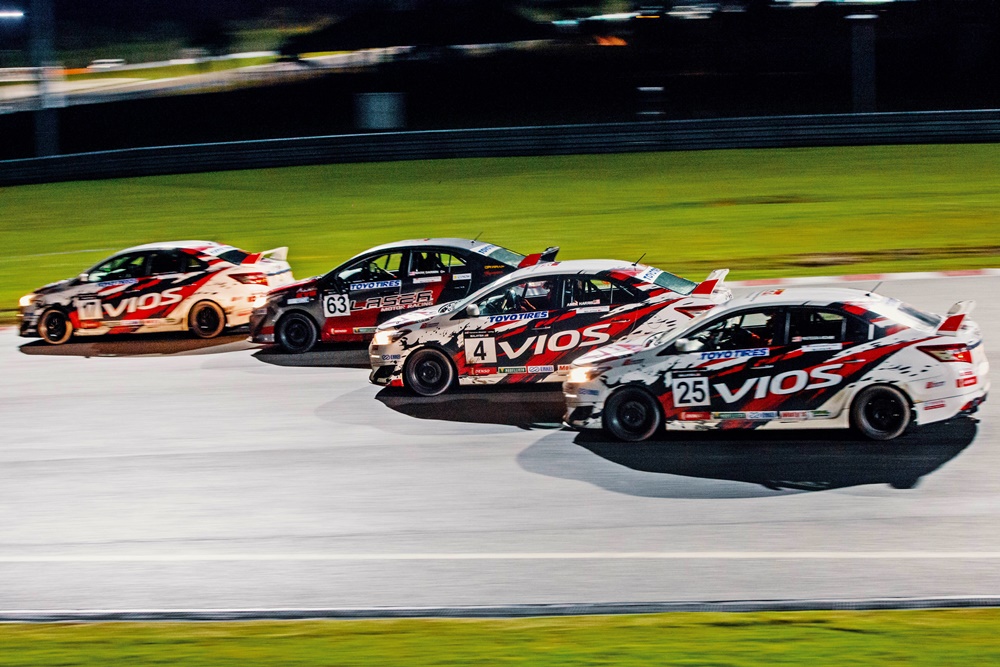
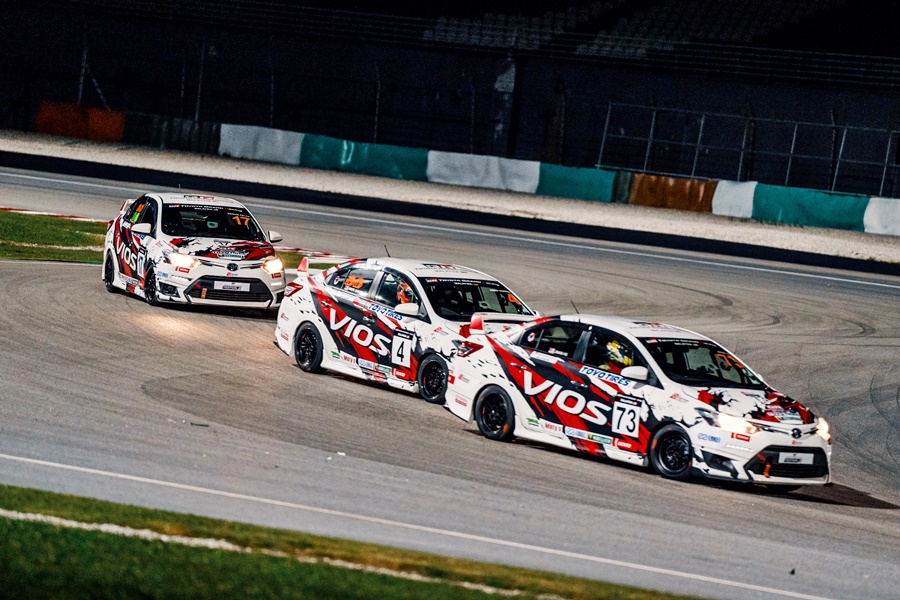
This weekend, besides the start of the 2022 Formula 1 World Championship, there will also be the start of the Vios Challenge one-make series in Malaysia, going into Season 5 in 2022. Now a firmly established event on the country’s motorsports calendar, the event, which originated as part of the TOYOTA GAZOO Racing Festival (TGR Festival), is the most lucrative motorsports event in the country. In total, more than a half a million ringgit in prize money is offered by organisers UMW Toyota Motor and GAZOO Racing Malaysia, with RM70,000 and RM50,000 to the overall champions of the Super Sporting and Sporting Classes, respectively.
“The Vios Challenge and TGR Festival continue to evolve in line with our aspirations to contribute to the development of Malaysian motorsports. From a series that attracts professionals, gentlemen drivers and local celebrities, it has today grown into one of the most ideal, accessible and affordable platforms to hone the skills and experience of young drivers coming up the ranks in motorsports. And this year, we want enthusiasts and fans to become even more invested in the series by introducing a fantasy game that will enable them to better relate to their favourite drivers on the track,” said UMW Toyota Motor President, Ravindran K.
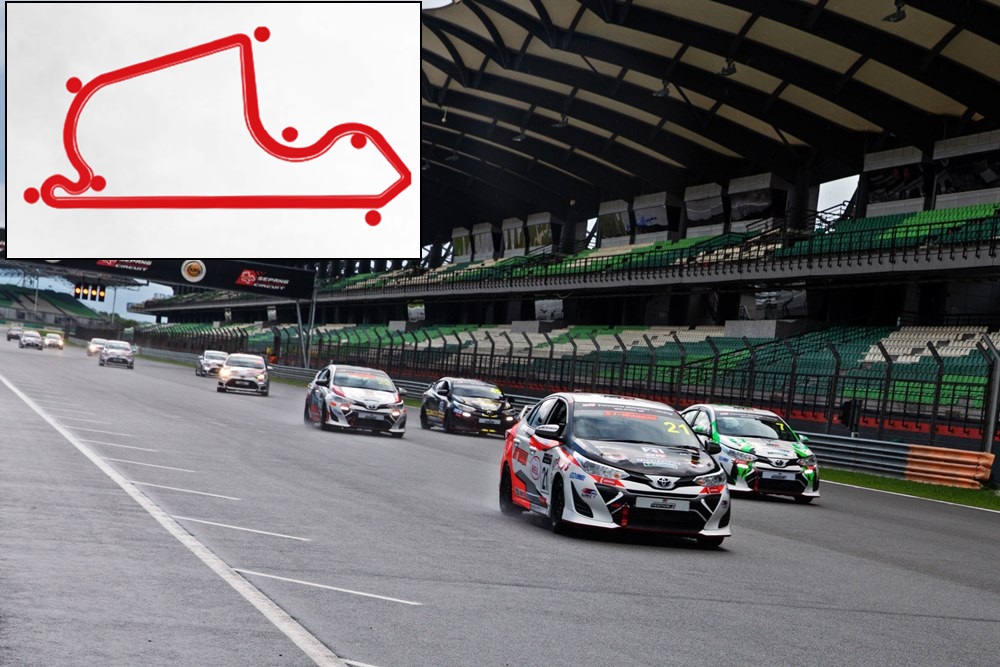
The first round will be held at the Sepang International Circuit using the North Track which is 2.706 kms per laps and has 5 straights with 9 turns.
“The Vios Challenge, in more ways than one, is growing into what we would like to call ‘the people’s race’ and, in 4 seasons, we have kept to this objective by not only promoting motorsports to the masses both on ground and online, but maintaining a one-make race format that makes the event attractive to all levels of racers,” he added.
3 rounds, 6 races up till September
Season 5 will have 3 rounds with a total of 6 races. After the first round at the Sepang International Circuit this weekend, Rounds 2 and 3 will be held in June and September, respectively. Over the past 4 seasons, the event has attracted more than 8 million spectators and online viewers, garnering a social media reach exceeding 19 million, making it one of the most viewed domestic motor-racing events.
Due to the ongoing pandemic and the need for safety of everyone, spectators will not be able to watch from the stands. As in previous years, the races will be streamed live throughout the two days so wherever you are, you will still be able to catch the action.
There are 4 classes as before: the popular Promotional Class; the Super Sporting Class; the Sporting Class; and the Rookie Class. For the Promotional Class, there will be 9 personalities competing against each other. Returning to defend his title is Season 4 champion and actor Shukri Yahaya; last year’s runner-up and actor Zizan Razak; television host Nabil Ahmad; actress Janna Nick; singers Wany Hasrita, Nabila Razali and Khai Bahar; TV personality Ahirine Ahiruddin; and actress and presenter Ain Edruce who is making her return to the Vios Challenge from a break last year after welcoming her first child.
Ain Edruce took part in the Promotional Races during Season 3 in 2019/2020 but was absent after that. The 28-year old actress and presenter returns after having given birth to her first child and is ready for the challenge in Season 5. Reigning and triple-crowned Super Sporting Class champion Tengku Djan Ley will be looking to add another crown to his Vios Challenge collection.
Veterans to duel again
The Super Sporting Class will see an epic battle with a field of former champions, veteran drivers, talented young drivers and several former internationals. Reigning and triple-crowned Super Sporting Class champion Tengku Djan Ley returns with the Prima Pearl Auto team this season but instead of a solo entry, he will be partnering international touring car Mitchell Cheah in a 2-car assault for the team.
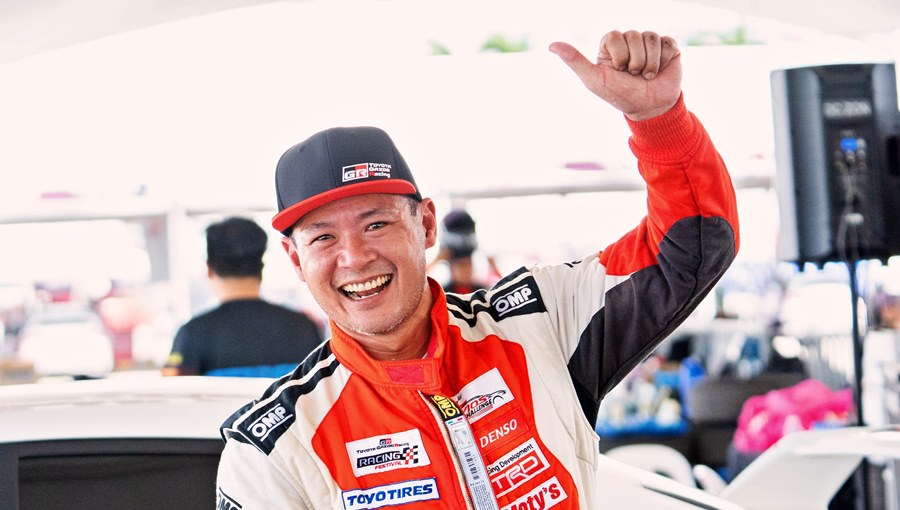
Also fielding two-car teams are Laser Motor Racing’s Mark Darwin who will be alongside veteran racer Eddie Liew; and M7 Japan Project Team who will take to the grid with international touring and GT car driver Mohamed Fariqe Hairuman and young gun Amer Harris who moves up the ladder after graduating from the very first Vios Challenge Rookie Class last season.
Amer joins two other young drivers who are under the age of 20 competing in the Super Sporting Class. They are teenage prodigy and former Sporting Class champion Hayden Haikal and international single-seater driver Alister Yoong who is also the son of ex-F1 driver Alex Yoong. Both will drive for the Axle Motorsports team which was established by Alex. Driving a third entry for Axle Motorsports will be former Super Sporting Class champion Boy Wong.
“The TGR Festival and the Vios Challenge is by far the best platform for racing in Malaysia at the moment. It is professionally run, the cars are great and why wouldn’t we want to seize the opportunity to be part of it,” said Alex. “Boy is one of the most underrated senior drivers in the country. He is, and has been very quick throughout his racing career. In the academy that I run, we have brought in close to 1,500 new young drivers into the sports via our simulator competition and races but only tens have successfully made the transition to driving real race cars. This, however, doesn’t mean we are going to ignore senior drivers. I hope to see Boy Wong, Naquib, Hayden and Alister being very competitive this season.”
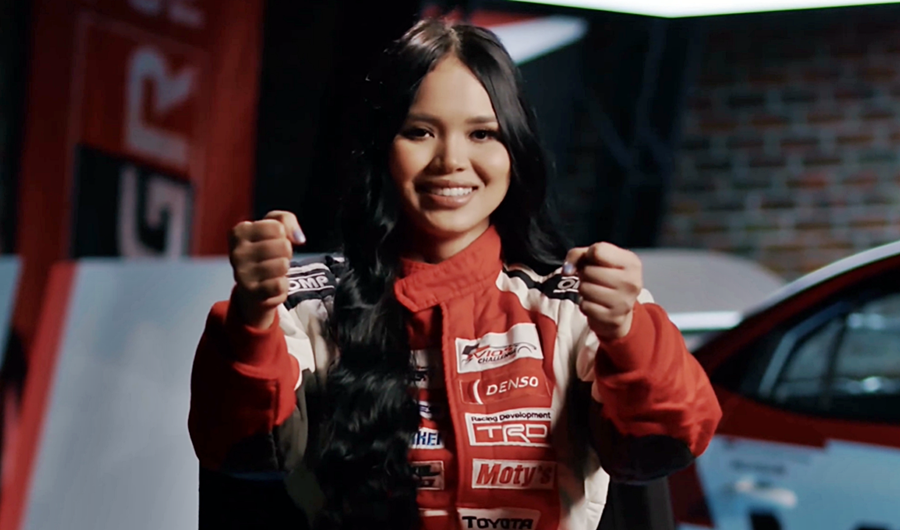
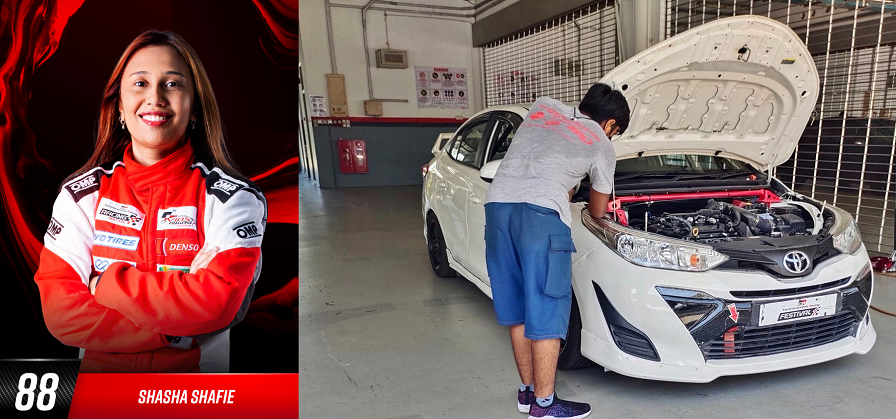
Although she is not the first female to race in the Vios Challenge, Shasha Shafie will be the first woman to compete in a category outside of the Promotional Class. As with every participant, her Vios will have to meet strict regulations for the one-make race where the performance of every car is virtually identical and it will be driver skill that makes the difference.
In the Sporting Class – one of the most fiercely contested with a field of 20 drivers – there will also be a female among the drivers on the starting grid. She is R&R Sport Speed Garage’s Shasha Shafie, one of three new drivers to the class who also include Super Evergreen Motorsports’ Muhamad Roni Risman and 23 Motors’ Abdul Miqail.
Two racing families
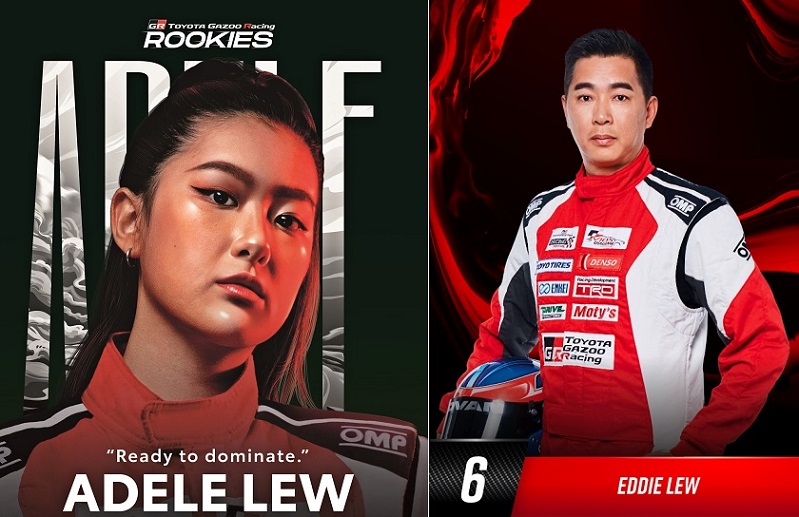
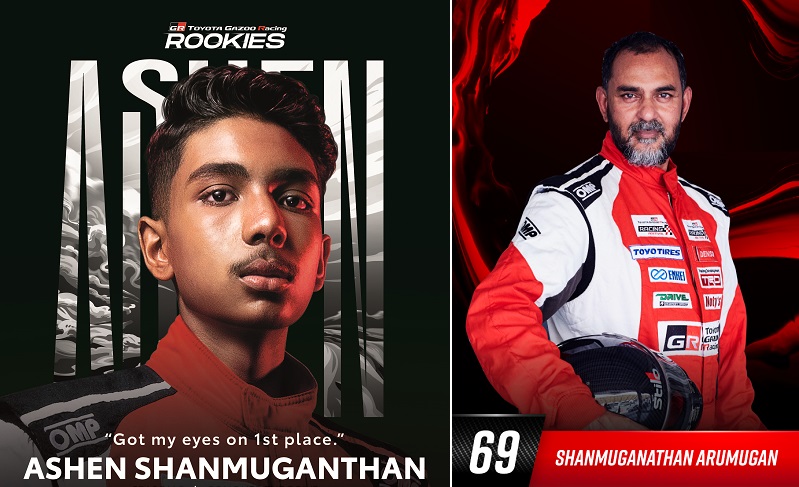
The Rookie Class will see a fresh group of newcomers who have received training to develop their skills. The 6 new faces are Adele Liew, Ashen Shanmuganathan, Muhammad Hamdany Abdul Hamid; Nabil Azlan, Sharique Zulqarnain; and Muizz Musyaffa. The parents of Adele and Ashen, Eddie Liew and Shanmuganathan Arumugan, are also taking part in the Super Sporting and Sporting Classes, respectively, while Nabil is the brother of last year’s Rookie Class champion, Naquib Azlan. Like his brother, he has developed skills through sim racing and now get to use them in real-world racing.
Adele Lew and Ashen Shanmuganathan, both newcomers to the Vios Challenge, have been inspired by their fathers who will also be racing in other categories.
“This is a very special moment for the both of us,” said Adele, 20, who has had limited experience in fun karts. “In order for me to be able to race with my father means that he has been in motorsports for a very long time. And to my knowledge, there has never been a father-daughter racing in the same event and on the same weekend in Malaysia! This is going to be a whole new experience for the both of us and my father is equally very excited. He is definitely the best mentor I could have ever hoped for to prepare me for my first race weekend.
”
GAZOO Racing Dream Team TGR Fantasy
While the event remains closed to the public as a safeguard against the pandemic, the action will be live streamed during each day. This year, a new feature that gives the public a chance to be more involved is the GAZOO Racing Dream Team TGR Fantasy. This is a racing platform where players sign up and compete against each other by creating their very own TGR Dream Team of racers they think will perform best throughout the season. Participants will have to select 3 drivers from each of the 4 classes of racing, and their team will accumulate or lose points based on the real racing results throughout the 3 rounds in Season 5. The player with the most number of points will be declared the winner at the end of each round and prizes will be given out at the end of the season.
Racing fans and enthusiasts can catch the weekend’s action and stage performances by local celebrities streamed live on the UMW Toyota Motor website at www.toyota.com.my and on the Toyota Malaysia and TOYOTA GAZOO Racing Malaysia Facebook pages.
For fleet operators who have many vehicles to maintain and run, manage operating costs is of great importance. They constantly need to ensure their vehicles are in good order, operational costs are minimized and goods are delivered on time. If savings can be achieved for one vehicle, they can also be replicated for other vehicles in the fleet and reduce costs, especially for fuel.
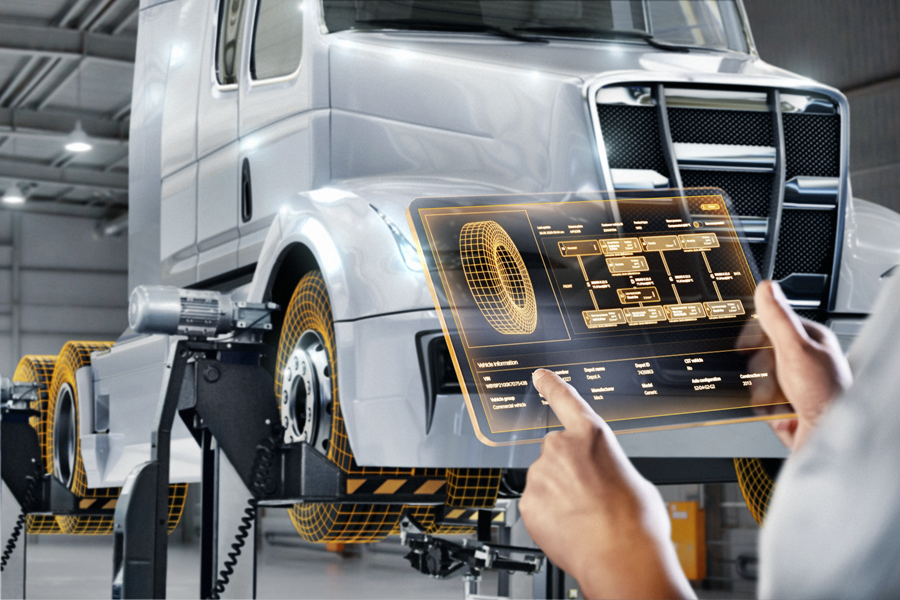
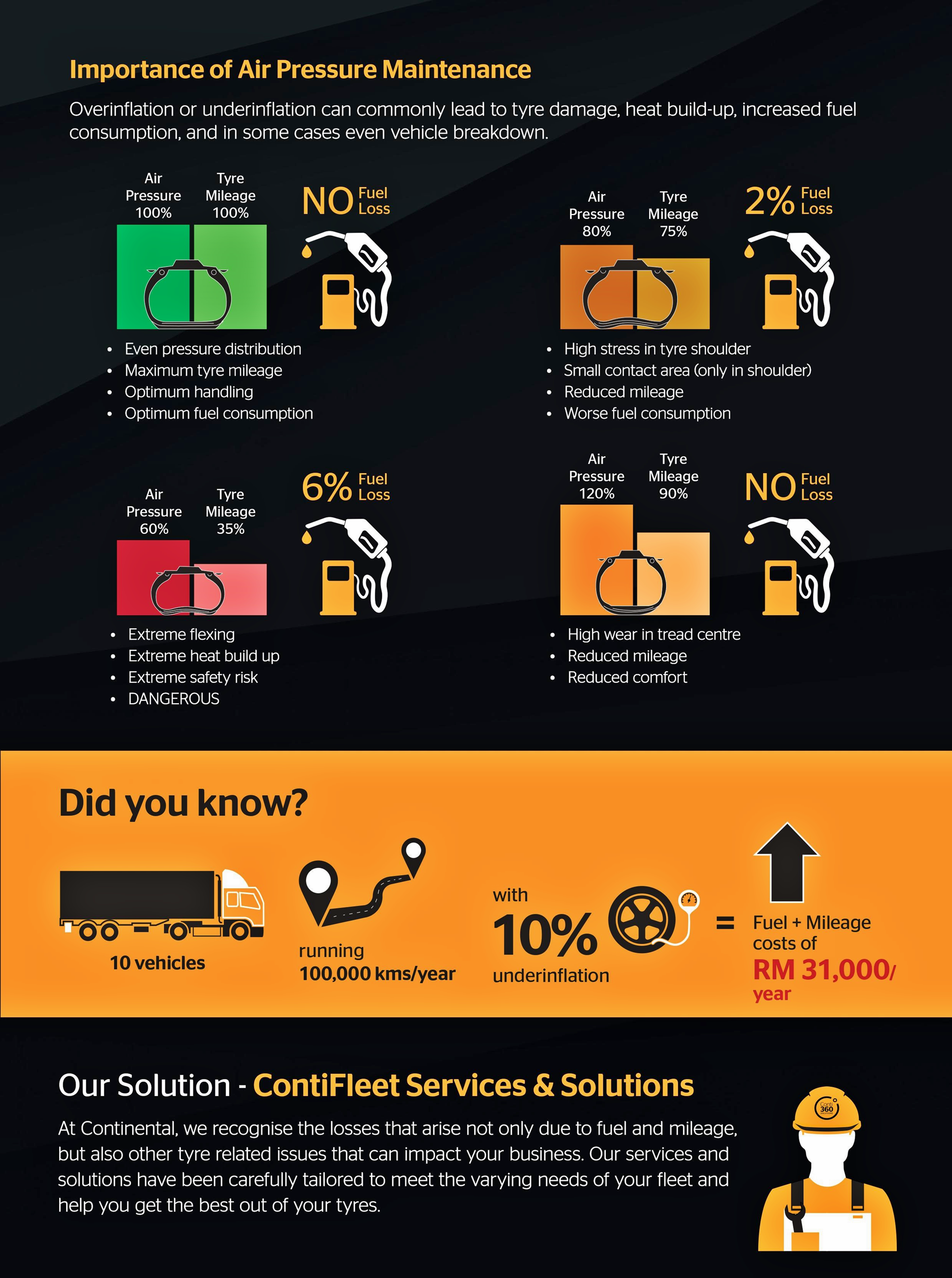
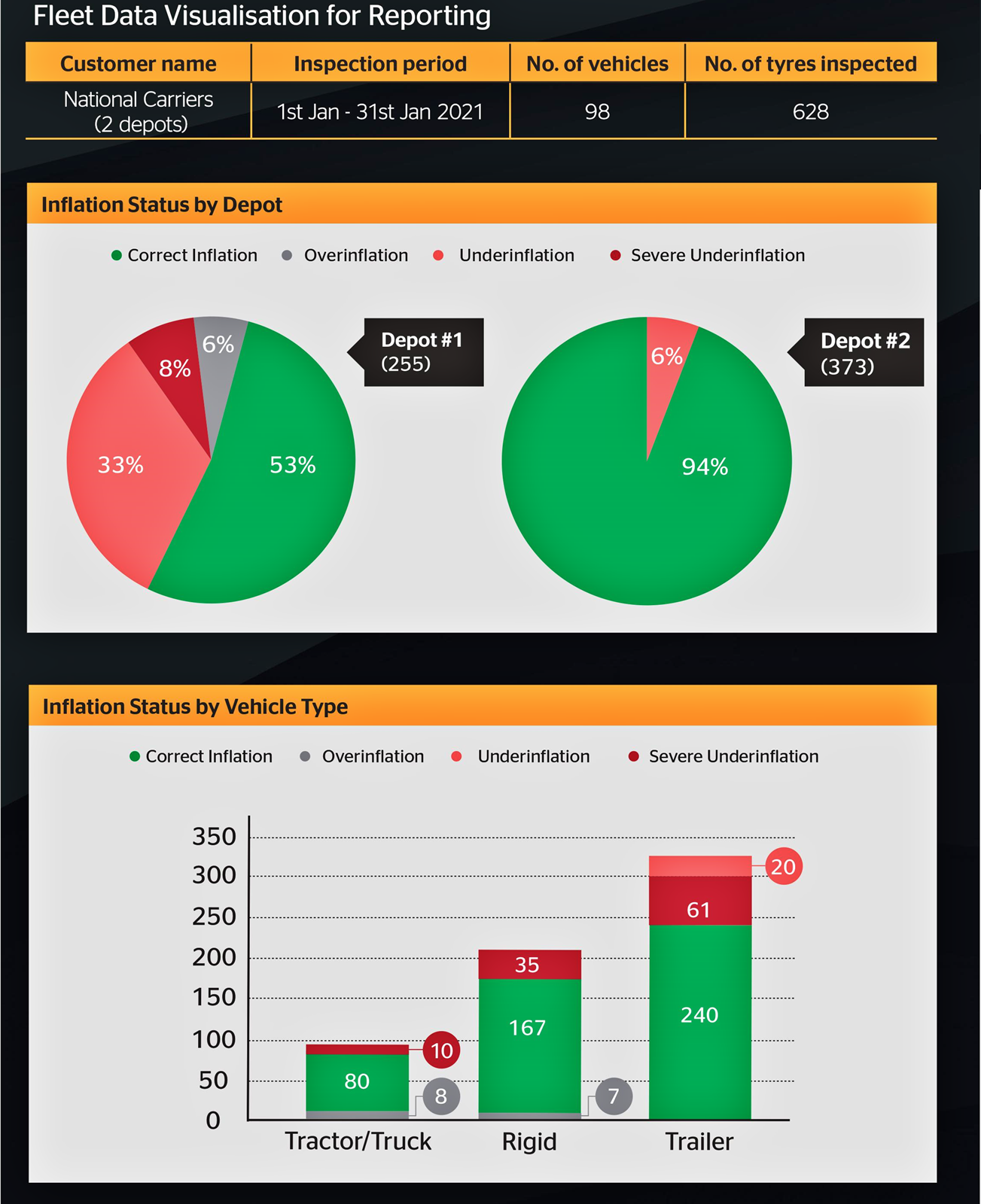
Continental Tyres has developed Conti360º solutions that can help commercial vehicle operators who face multiple challenges in managing large sized fleets. Being a tyre company, the area where they can help most is the tyres which play an important role in a vehicle’s running efficiency. With tyres specifically, proper tyre inflation will result in the optimum fuel consumption, optimum mileage and better tyre casing value for operators. Continental estimates that a vehicle which travels 100,000 kms with the tyres just 10% under-inflated could increase fuel and mileage costs alone by up to RM3,100 annually.
A survey conducted by Continental in Malaysia showed that 20% of fleet tyres are severely under-inflated while 38% were moderately under-inflated. This could lead to tyre damage, worse fuel consumption, reduced tyre life and an increased risk of tyre breakdowns while on the road. The latter would, of course, affect delivery schedules and upset customers. According to the Malaysian Institute of Road Safety Research (MIROS), one of top 5 reasons in crash occurrence in heavy commercial vehicles were tyre-related issues.
Conti360º offers 3 services and solutions for fleet operators to address these challenges and the complexity of tyre management so they can focus on their core business. The three offerings – Core Services, Advanced Services and Digital Solutions – cover a variety of services and solutions including training, on-site support, and real-time tyre monitoring to help fleet managers operate more efficiently.
With Conti360º Core Services, the Continental technical team conducts an analysis on operators’ fleet tyres to provide feedback on tyre performance, sharing industry-best tyre maintenance practices on efficient tyre handling and assisting in specialized driver training. The training modules for drivers focus on the importance of driver behaviour, good tyre usage and maintenance practices, and the significance of good pressure maintenance.
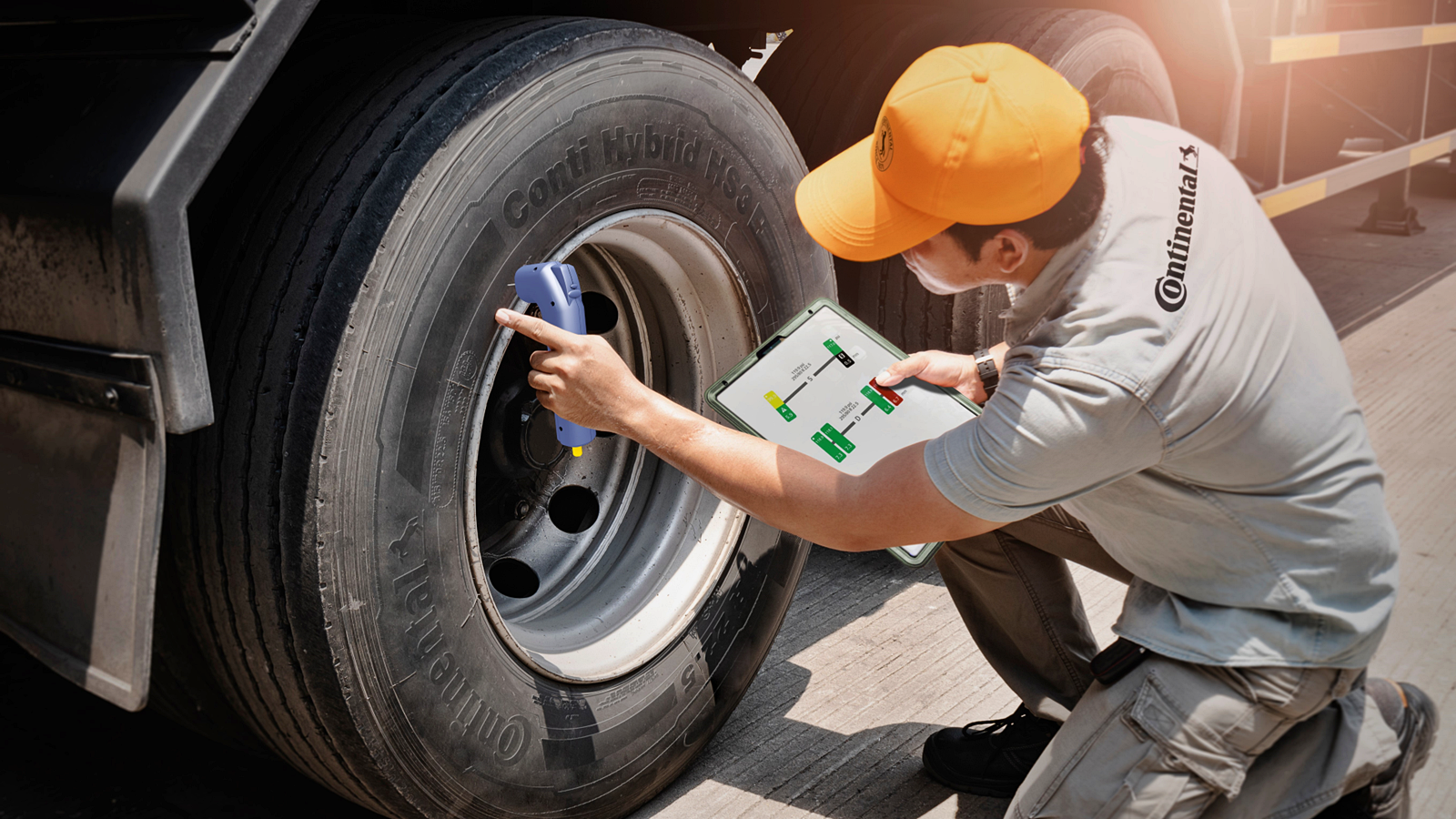
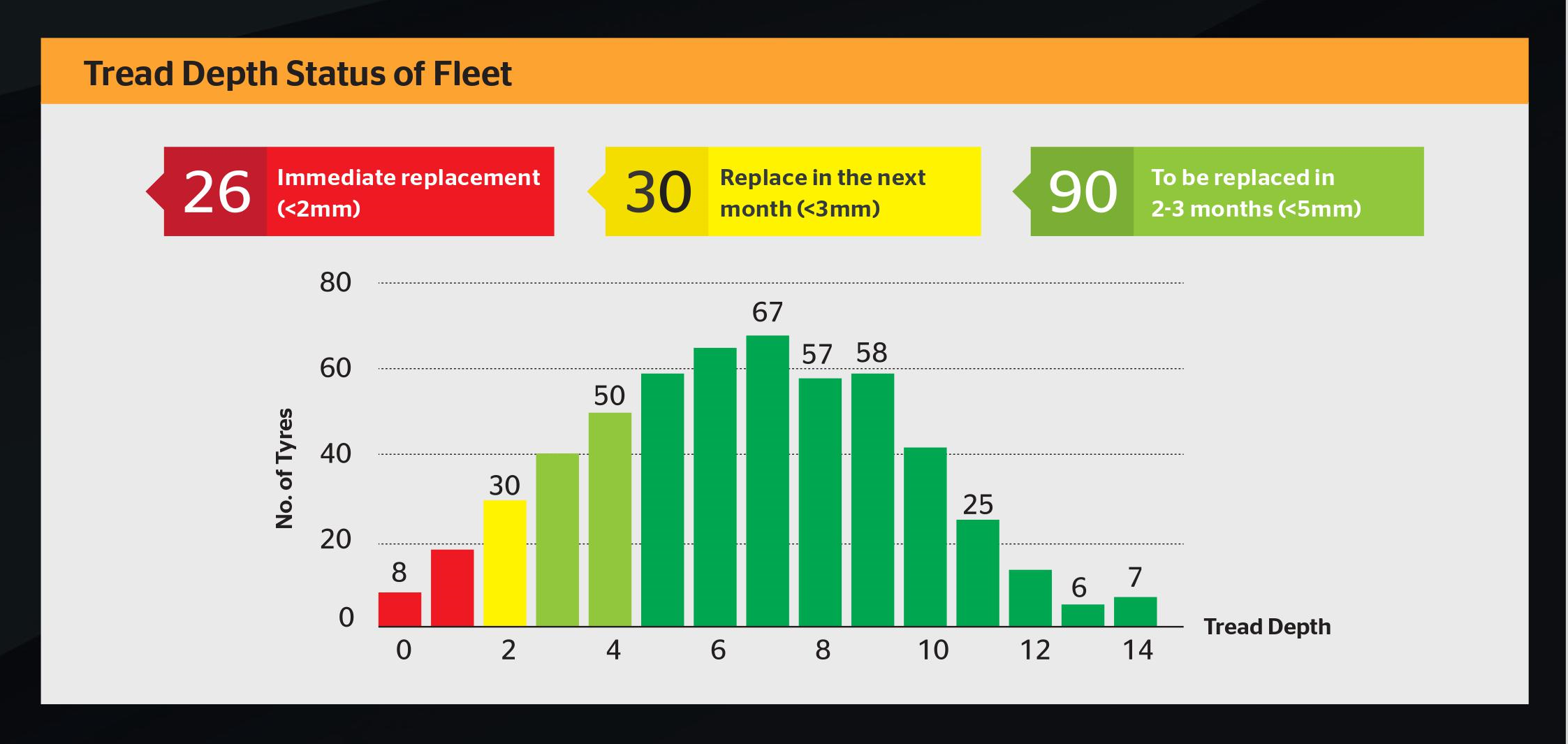
Conti360º Advanced Services provides fleets with ContiFleetCheck, a comprehensive health-check solution where the Continental technical team will perform routine inspections using advanced digital tools which relay data to proprietary systems for in-depth analysis of tyre conditions including pressure and tread depth. This active engagement provides managers with an overview of their fleet’s tyre efficiency, identifies trends and patterns of common causes of failures observed in the tyres, identifies areas for cost reductions and provides recommendations to be taken to further increase tyre life.
Finally, Conti360º Digital Solutions is an end-to-end completely automated offering with sensors that enable 24/7 monitoring of tyres on the road. Fleet managers are then kept abreast and alerted via an online portal and analytics dashboards on potential punctures, pressure loss, tread depth and so on, to help them manage tyres, prolong tyre life and increase vehicle safety on the road.
“Though tyres contribute only 5% to a fleet’s costs, they do influence around 50% of the fleet’s operational costs through fuel consumption, repairs and maintenance, and administration. Conti360º is designed specifically to minimize these costs and caters to the diverse needs of our customers depending on their fleet size and operating conditions,” said Winson Khoo Han Kee, National Sales Manager of Trucks & Tyres at Continental Tyre Malaysia.
“Customers who implemented Conti360º solutions have realised savings in the form of reduced fuel expenses by up to 3%, and increased tyre mileage by 20% while seeing significant increase in vehicle and driver safety,” he added.
According to Andrea Somorova, Managing Director of Continental Tyre Malaysia, the aim of Continental is to move beyond the transactional relationship so often associated with commercial tyres, and transcend into a technology-backed, value-added services and functional partnership with our commercial fleet customers.
“The technology within Conti360º will help our customers maximise their investments on tyres while deriving benefit from long-term after sales technical support and performance monitoring. Conti360º solutions is the next step in fleet management operations. Our investment in the development of these technologies, is our continuous commitment to our commercial and fleet customers to address real challenges so they can better meet their business goals,” she said.
Transporting new vehicles around the country has evolved greatly since the early days when they were driven by ferry-drivers to their destinations. This method had drawbacks in that the vehicle might be driven for some distance before the customer received it, so it wasn’t ‘brand new’, and there was a risk of damage along the way. In some cases, ferry drivers were known to speed too, potentially causing damage to the engine.
By the 1990s, the volume of new vehicles had grown significantly and the use of ferry-drivers was stopped except for special cases. Instead, specially built car-carriers appeared and each could carry a number of cars on it. The cars were secured properly and apart from rain and dust (and perhaps flying stones), were relatively safe from damage as they were sent from port to stockyard, or assembly plant to showrooms.
European-designed car carriers
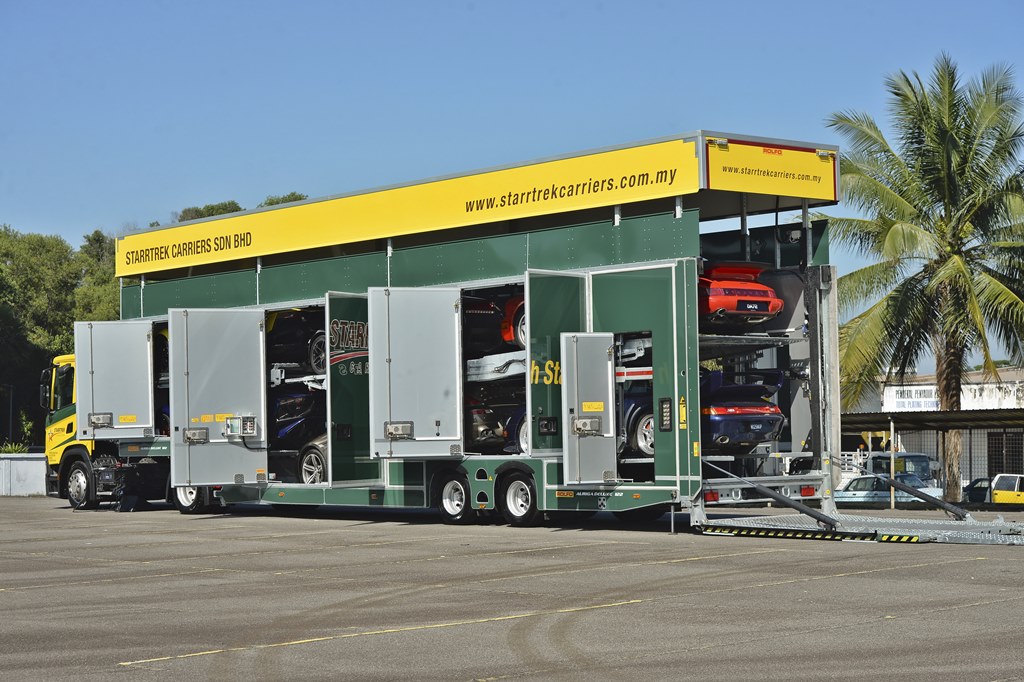
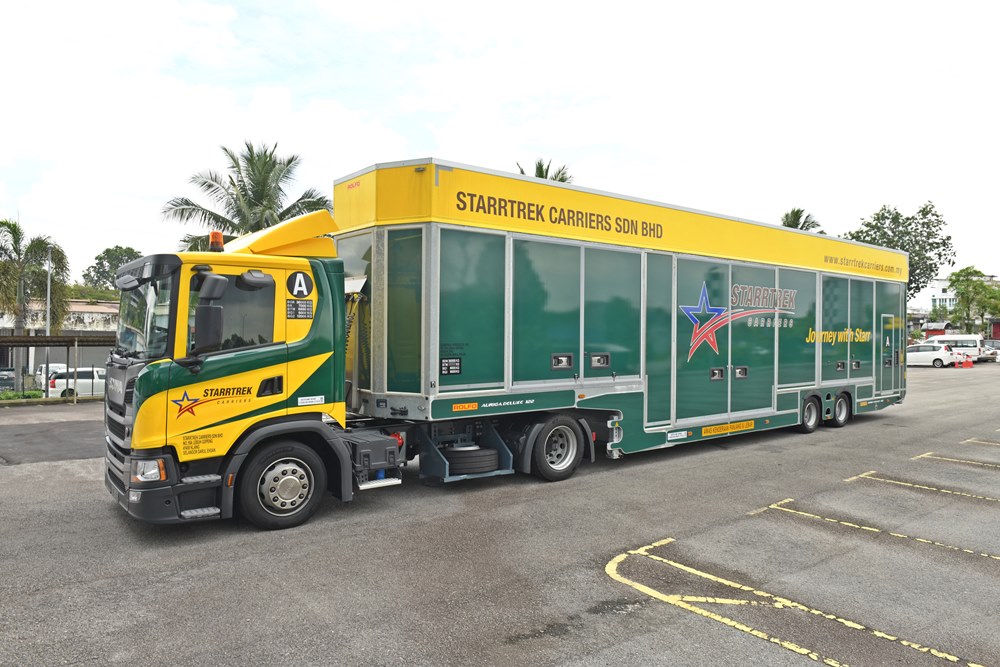
With more than 30 years of experience in the Malaysian automotive logistics industry, Datuk Kumar Prabakaran obviously knows this history well and has seen how the needs of customer have changed over the years. He now offers a brand-new state-of-the-art vehicle carrier service, Starrtrek Carriers Sdn Bhd, using the best-in-class European-designed car carriers.
The car-carriers are the Confidential Auriga Deluxe 122 and Blizzard semi-trailers which are expected to be game-changers for Malaysia’s automotive logistics market. Thanks to the combination of high-quality craftsmanship and build quality, the Auriga Deluxe will move vehicles without being subjected to the harsh Malaysian weather, road gravel and stone chips along the way. This is because the trailer is enclosed by panels on all side
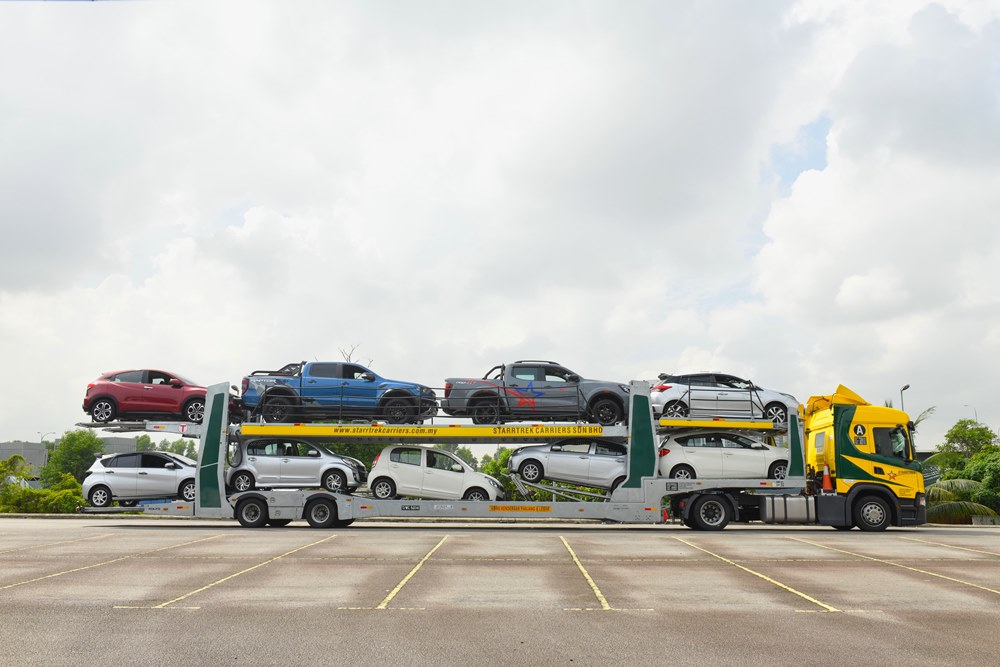
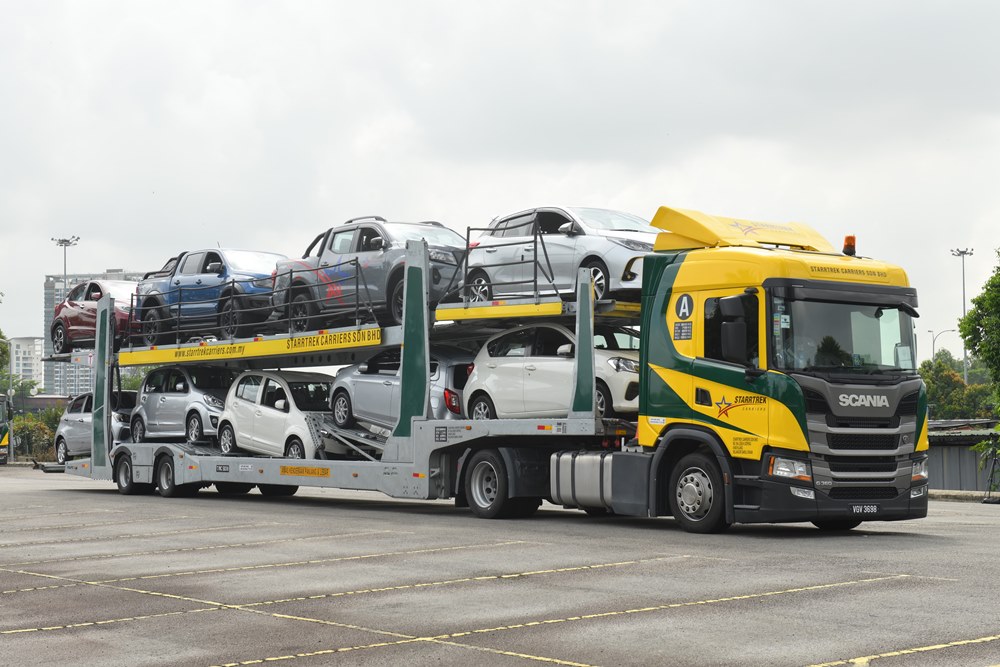
The Blizzard does not have the enclosure but is still built of high quality and can load more units per trip than the norm in Malaysia. GPS trackers and surveillance cameras are installed for safety and compliance.
Scania prime movers
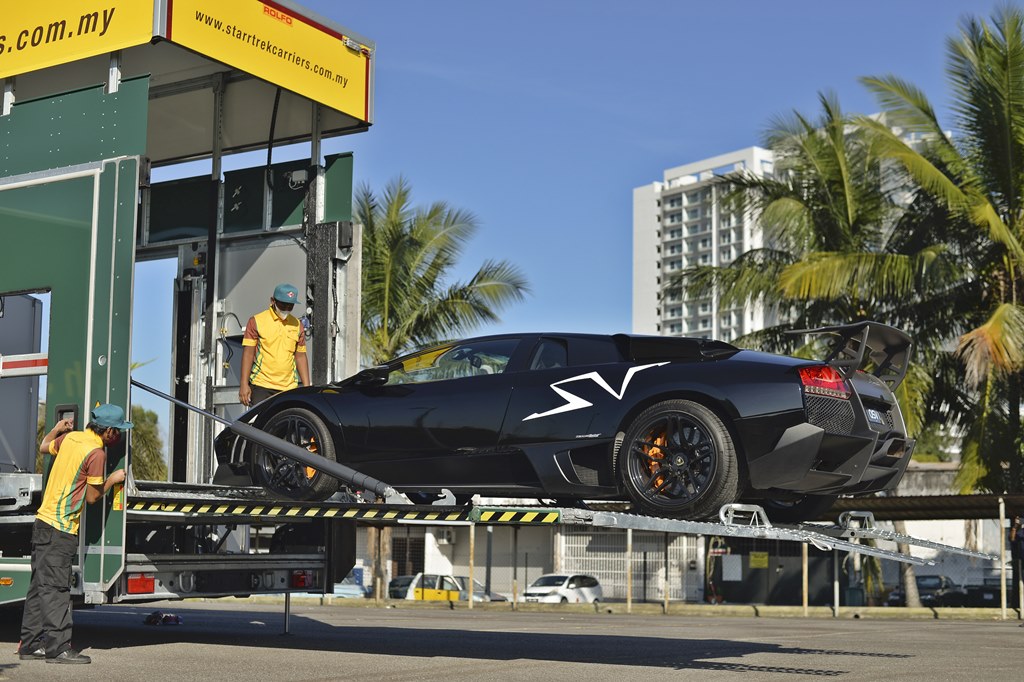
Both the car-carriers, which use Scania prime movers, are equipped with advanced hydraulic systems for safe and easy vehicle loading and unloading with minimal handling. The use of lightweight high-yield steel combined with new technology and innovation enables multiple high loading capacities.
The Confidential Auriga Deluxe can accommodate a maximum of 6 passenger vehicles or up to 4 SUVs per trip, while the Blizzard can transport a maximum of 10 units of cars (depending on the dimension and kerb weight).
“With this state-of-the-art car carrier, we are setting another benchmark for higher quality and no compromise vehicle logistics service. We are proud to be a pioneer in this field and to be able to offer our customers even higher quality door-to-door services,” said Datuk Kumar Prabakaran, who is Managing Director of Starrtrek Carriers.
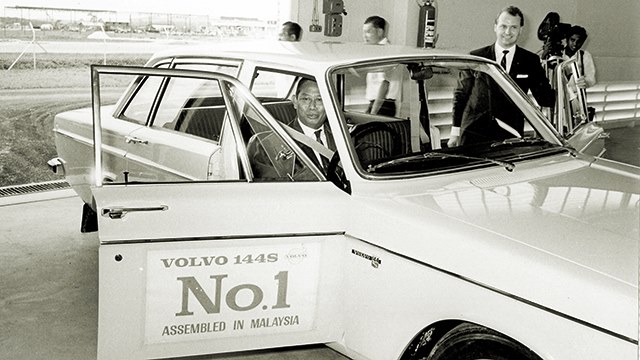
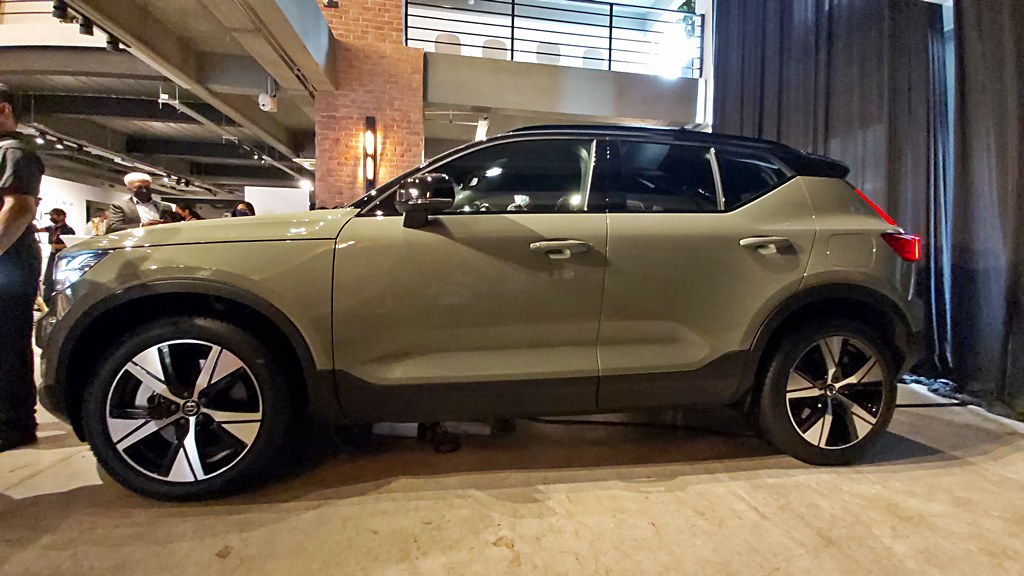
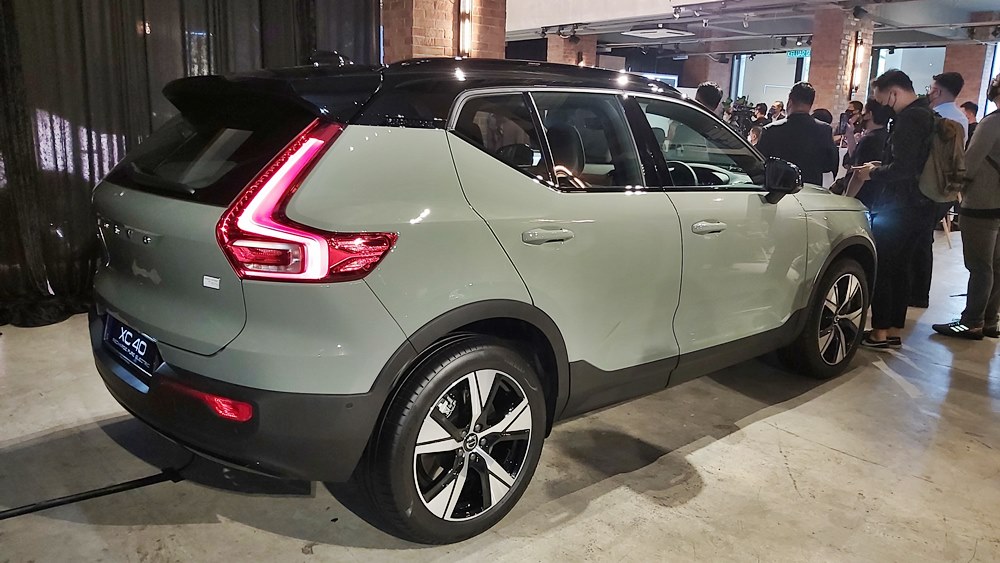
Volvo was the first company to assemble its cars in Malaysia in 1967 when the government began its localisation policy to accelerate industrialisation. 55 years later, the Swedish carmaker (part of China’s Zhejiang Geely Holding Group like Proton) is again a pioneer by being the first company to assemble a pure electric vehicle or battery electric vehicle (BEV) in Malaysia at the same plant in Shah Alam, Selangor.
The first car assembled in Malaysia in 1967 was a Volvo (above), and 55 years later, the first electric vehicle assembled in the country is also a Volvo (below).
Although it may seem like this move has come about because the government is allowing duty-free import and sale of BEVs now (and for the next few years), it is not the case. To plan for local assembly takes many years and it’s not as if Volvo Car Malaysia could send a message to Sweden to ask for CKD (completely knocked down) kits for assembly in 2022 when they can be imported duty-free. Furthermore, the plant would also have to be set up, especially with safety measures to handle the high-voltage systems of BEVs. Of course, Volvo Cars Manufacturing Malaysia (originally known as Swedish Motor Assemblies) already has experience with electrified vehicles since it has been assembling plug-in hybrid (PHEV) models for some time.
Regional production hub
In line with Volvo’s plan to have 50% of its global sales volume to be made up of BEVs by 2025, it has been quickly switching focus to BEVs around the world. Malaysia, being its production hub in ASEAN, is naturally a part of this plan which will see the brand being fully electric by 2030. From the plant in Selangor, BEVs will be exported to other countries in the region and because they are assembled in Malaysia, they can also be imported duty-free (provided they have a minimum of 40% ASEAN-sourced content) as part of the provisions of the ASEAN Free Trade Area (AFTA) agreement.
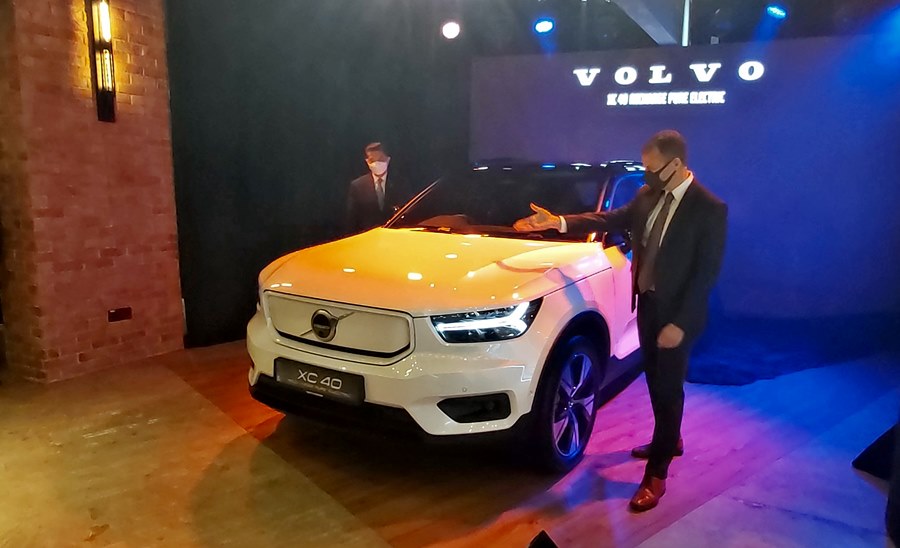
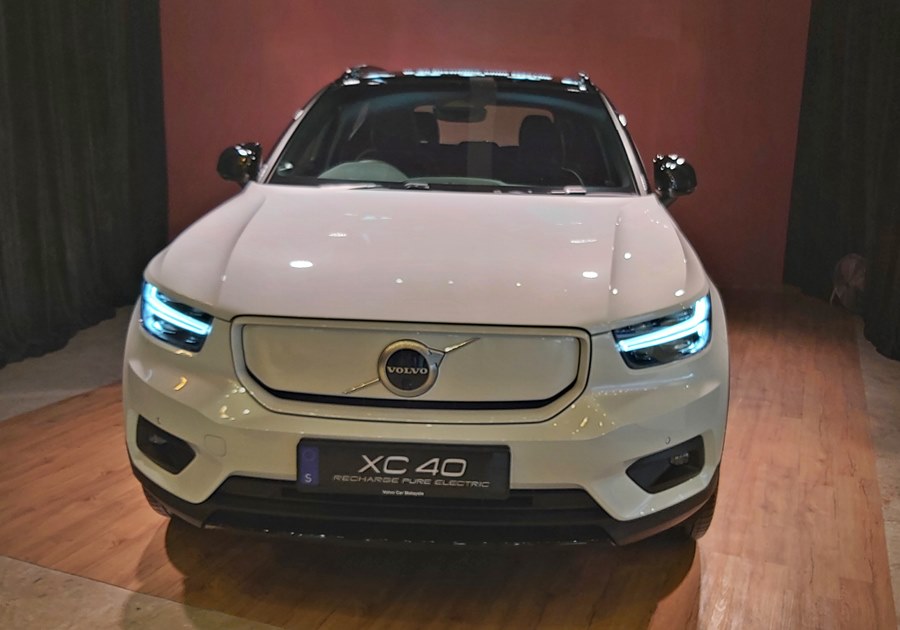
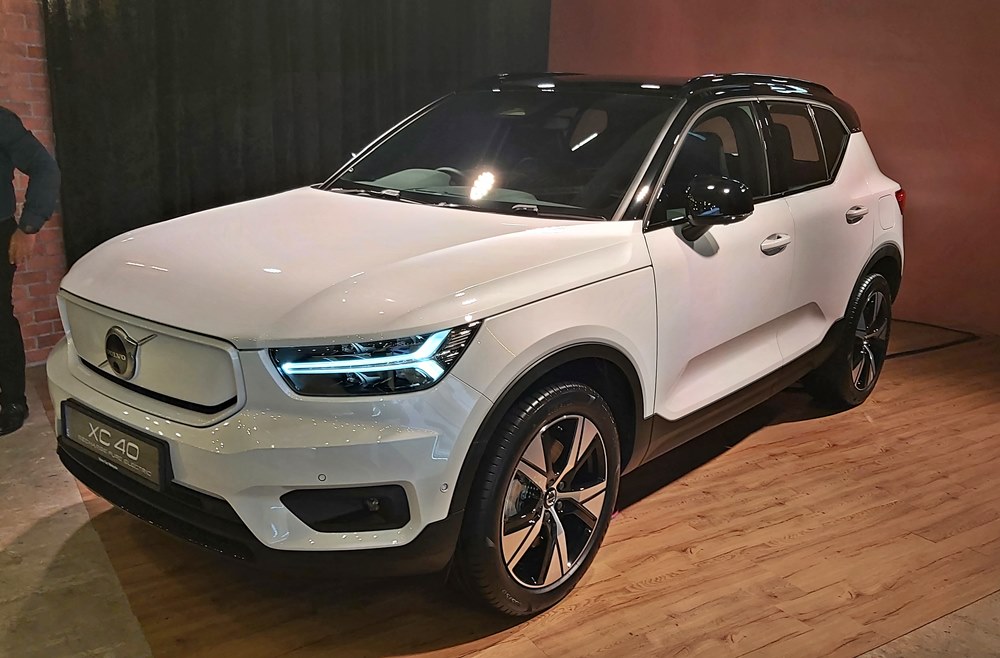
The first model, which will be officially launched on April 4, is the XC40 Recharge which was also the first Volvo BEV when it made its debut in 2019. Recharge is the umbrella name given to models which are electrified and in the coming 5 years, Volvo Car Malaysia will be launching one new BEV each year.
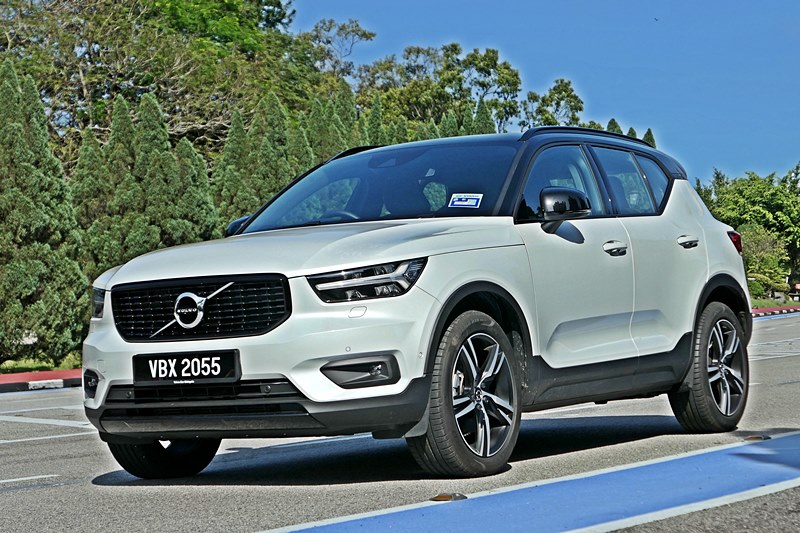
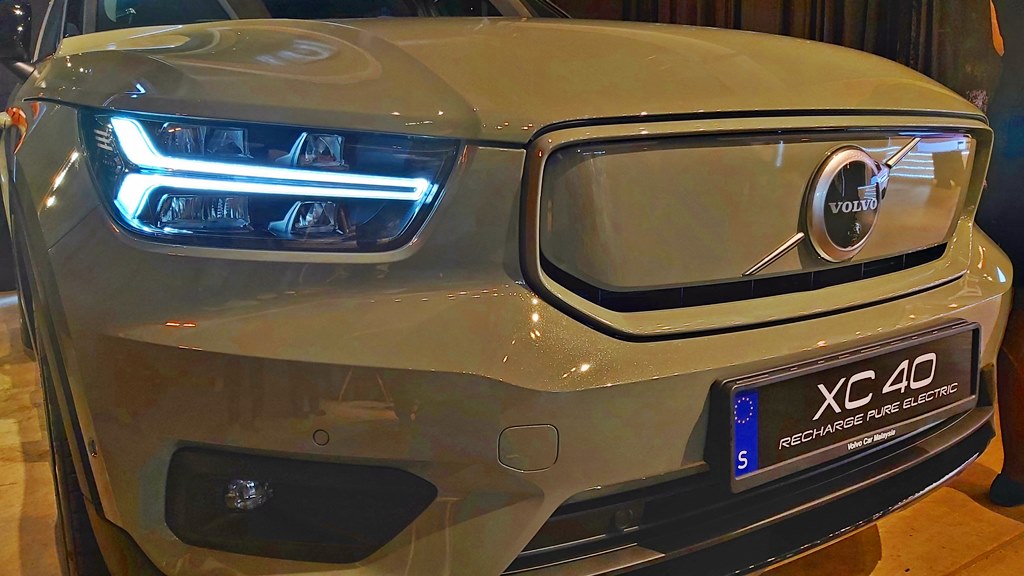
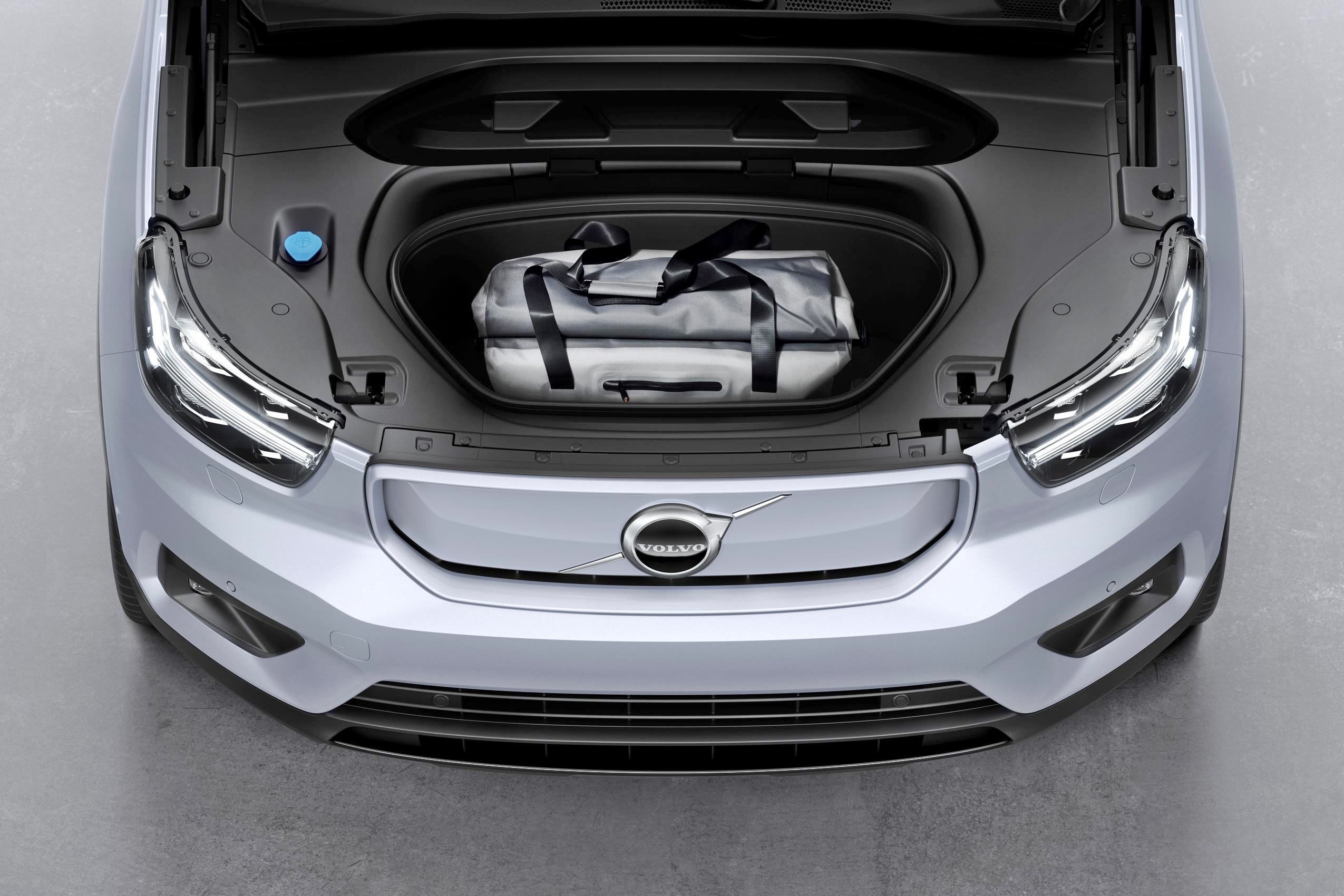
The XC40 Recharge has a similar appearance as the XC40 with a combustion engine (below) but the grille is different. With no need for radiator cooling, the space can be closed off.
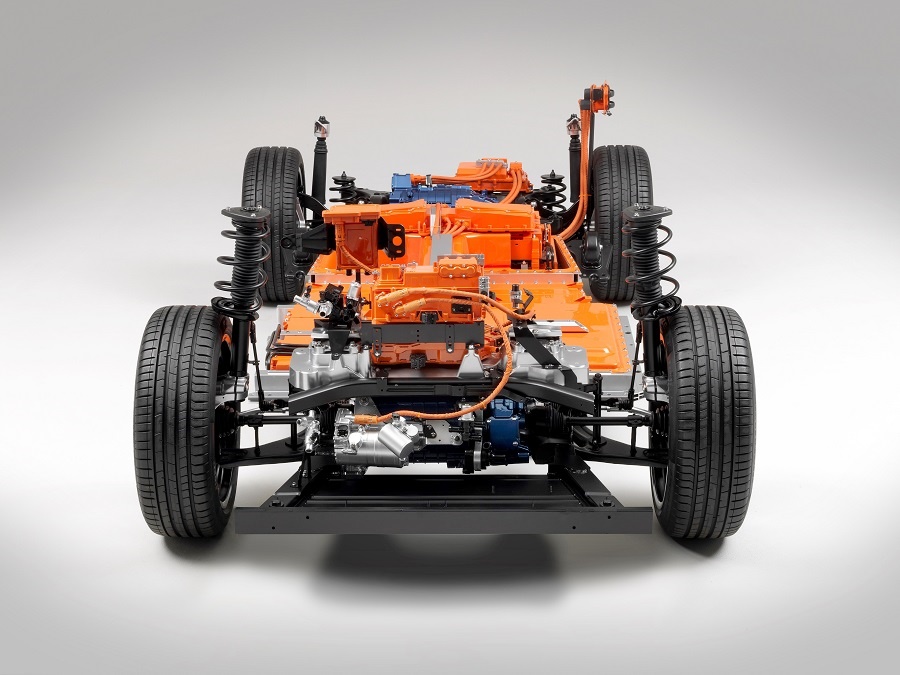
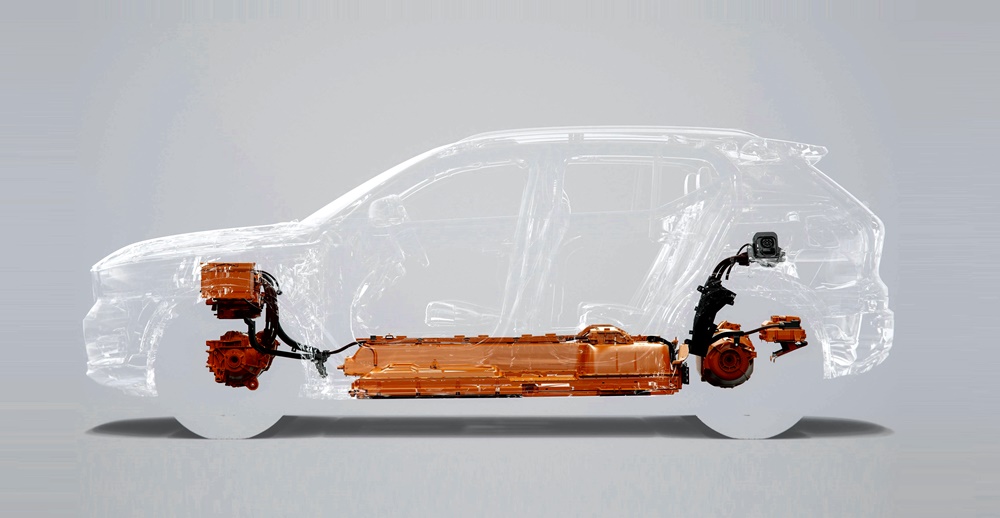
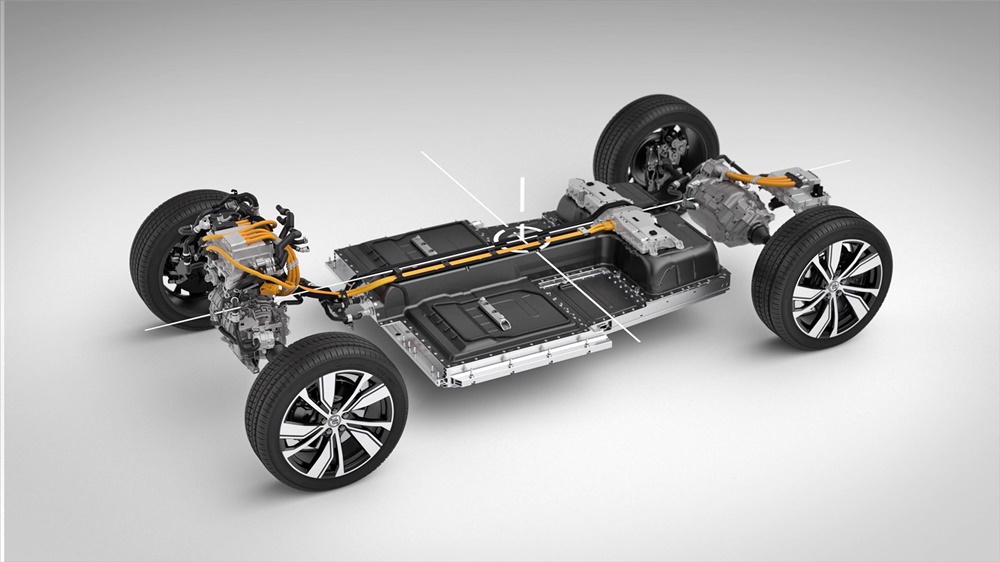
While the price has not been announced yet, the technical details are already known since it would be the same model as sold elsewhere. It has two electric motors that draw power from a 75 kWh lithium-ion battery pack positioned between the front and rear axles. The system output is 300 kW (equivalent to 408 ps) with 660 Nm of torque, which gives a claimed 0 to 100 km/h capability of 4.9 seconds and a top speed of 180 km/h. A maximum range of 418 kms is claimed for a fully charged battery pack.
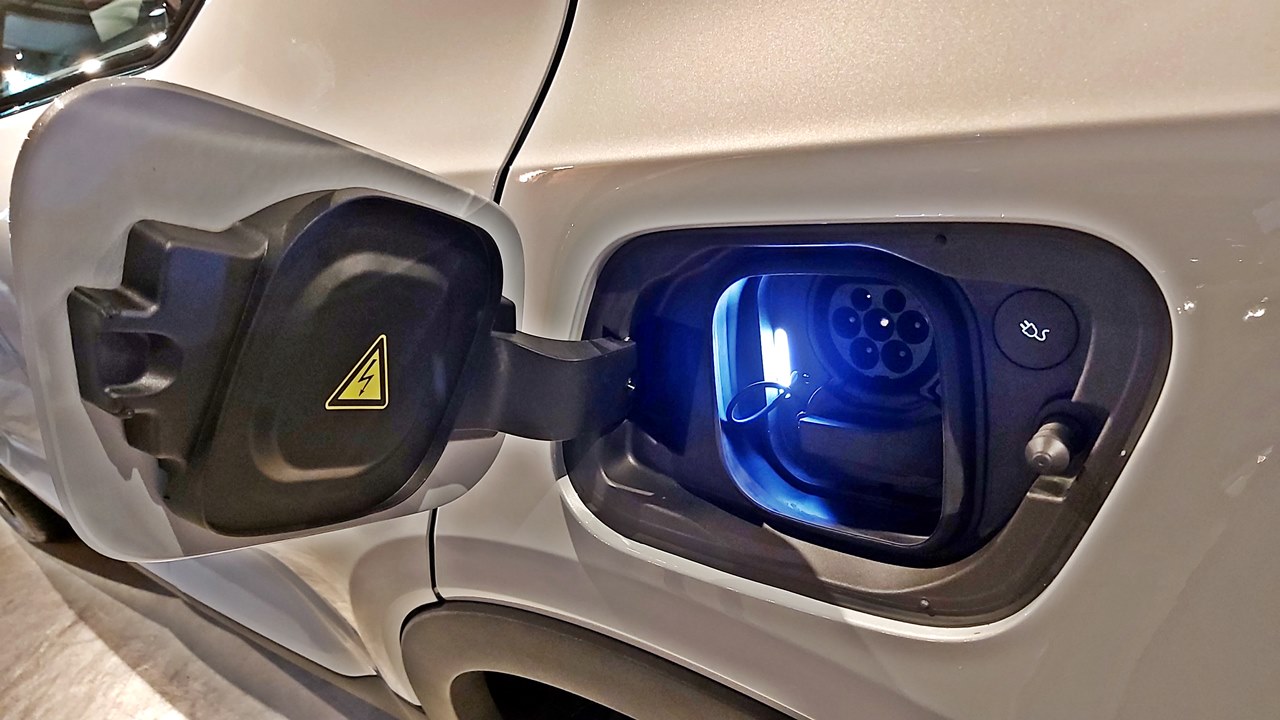
As with other BEVs, the XC40 Recharge can be recharged in various ways although DC fast-charging would have the shortest time. From one report we have read, the battery pack can be recharged to 80% of its capacity within 33 minutes when a fast-charger is used. Of course, this assumes that the level is very low and in practice, it may be that people recharge whenever they can and ‘top up’ so the time spent charging might not be as long.
Similar appearance to XC40
The external appearance of the XC40 Recharge is similar to that of the XC40 SUV but you can immediately tell that the model is the BEV version from the front end. With no need to cool a radiator, there is no real need for the traditional grille so that space is closed off. That’s better for aerodynamics too, which need to be as efficient as possible to minimise wind resistance.
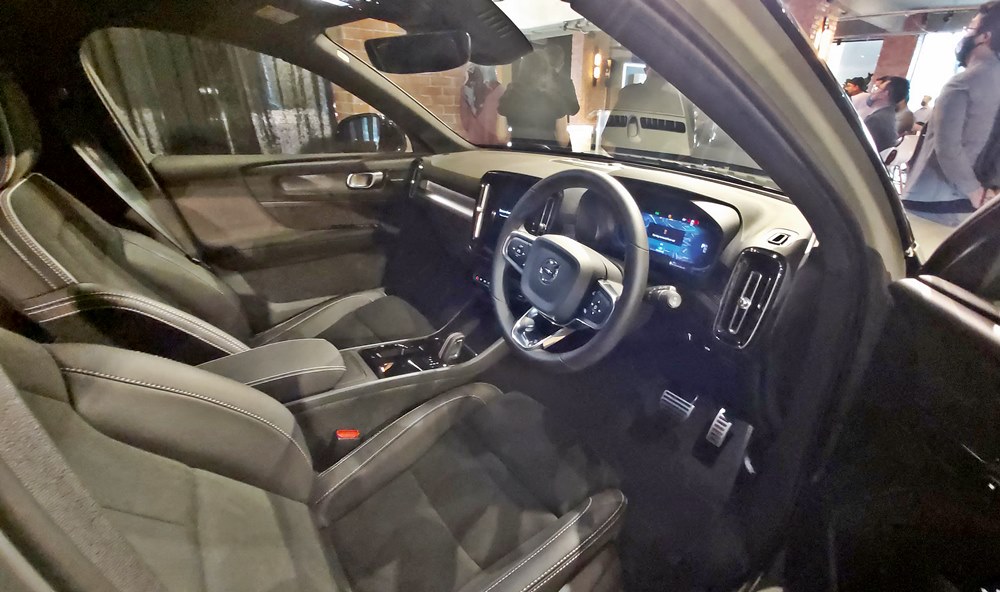
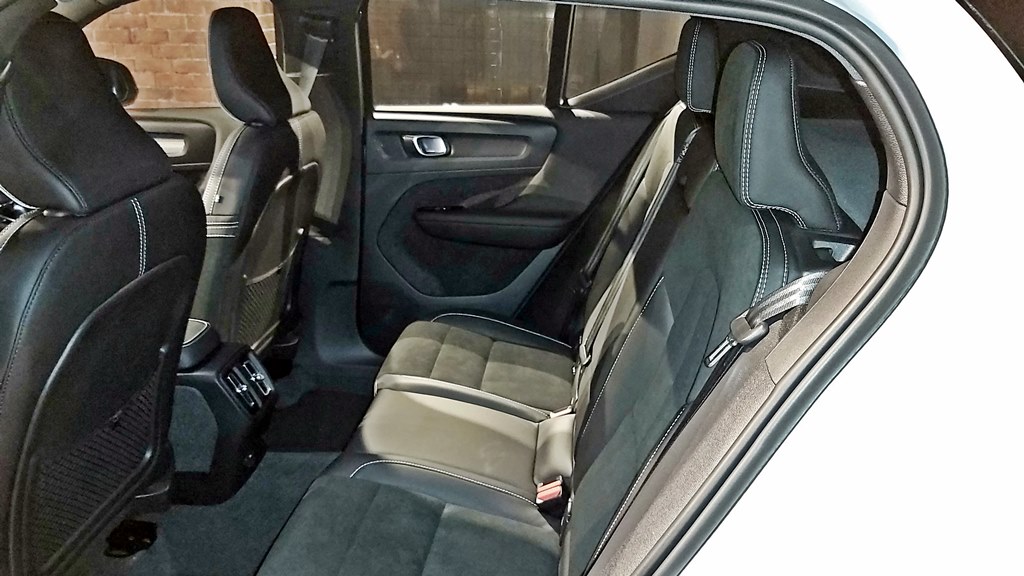
The equipment for the locally-assembled model may differ a bit from those sold in other countries but would still be high as Volvo wants to position itself as a premium luxury brand. With the emphasis on sustainability and recycling, a large percentage of materials would also be eco-friendly.
Android-powered?
The Volvo Car Group is the first company to team up with Google on integrating an infotainment system powered by Android so it is likely that this will be available. The infotainment system is fully integrated with Volvo On Call, the company’s digital connected services platform, and includes Google Assistant, Google Maps and the Google Play Store built-in. The new system also offers full integration of Android Automotive OS, Google’s open-source Android platform, with real-time updates to services and automotive apps created by the global developer community.
New Advanced Driver Assistance Systems
This being a Volvo, it does without saying that safety has a very high priority in every area. In terms of active safety systems, the XC40 Recharge has an Advanced Driver Assistance System (ADAS) platform with an array of radar, cameras and ultrasonic sensors. This gives it a broad range of capabilities to scan its surroundings and identify potential hazards, enabling a degree of autonomous motoring.
To help keep passengers safe and the battery intact in the event of a collision, there is a new and unique safety structure for passengers and battery alike in the XC40 Recharge. The battery is protected by a safety cage which consists of a frame of extruded aluminium and is embedded in the middle of the car’s body structure, creating a built-in crumple zone around the battery. The battery’s placement in the floor of the car also has the benefit of lowering the centre of gravity of the car, for better protection against roll-overs.
Additionally, the car’s body structure has not just been reinforced in the front but also at the rear. Here, the electric powertrain has been integrated in the body structure for better distribution of collision forces away from the cabin and reduce the strain on people inside the car.
First deliveries will start towards the end of April and buyers will get a charging cable, service package, 5-year/unlimited mileage vehicle warranty, 8-year battery pack warranty and 5 years of complimentary Roadside assistance.
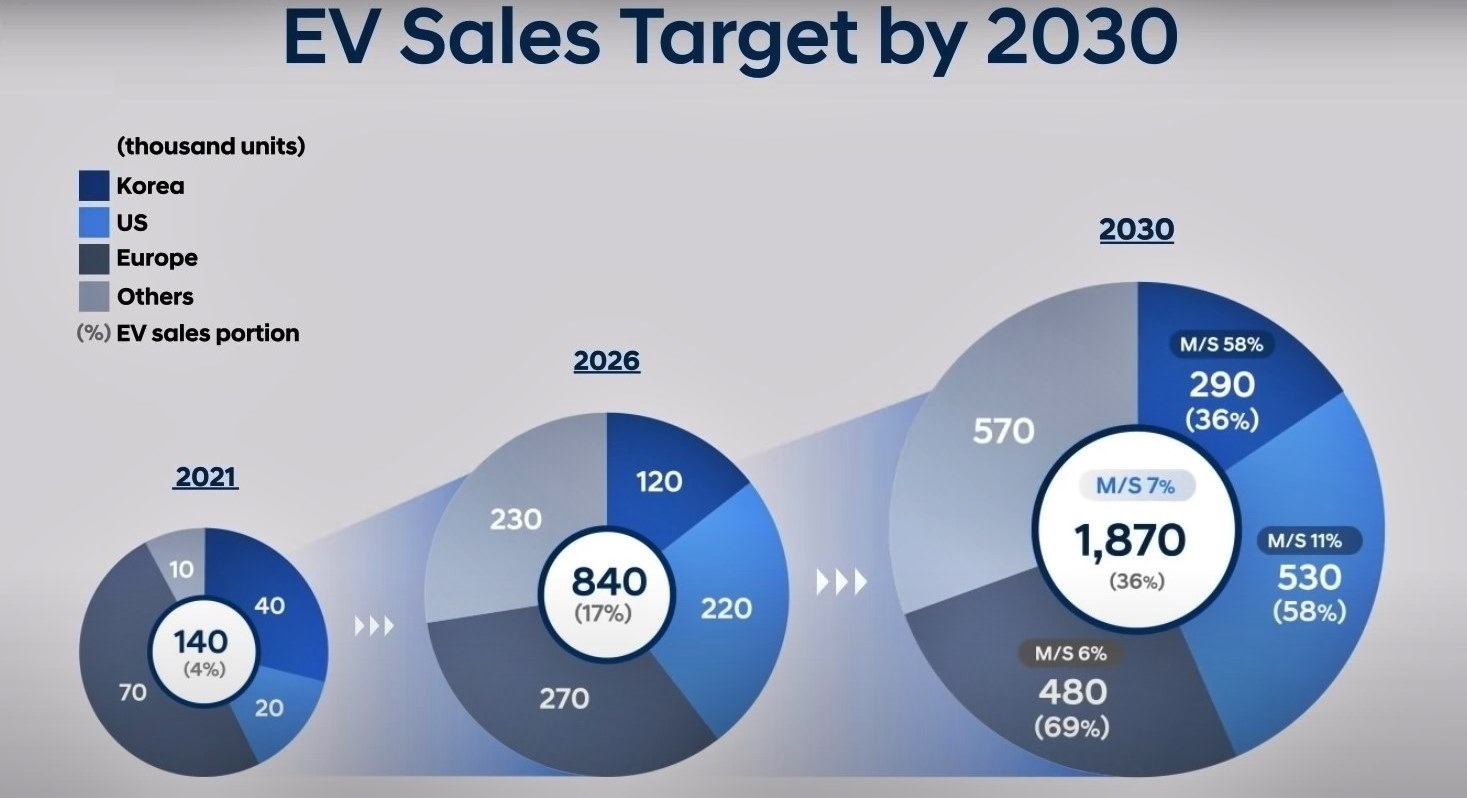
By the end of this decade, Hyundai Motor, like other major carmakers, aims to capture a sizable share of the global market for battery electric vehicles (BEVs). Of the 9.5 trillion Korean won it plans to spend during the decade, 20% will be spent on R&D in electrification of its products and related facilities.
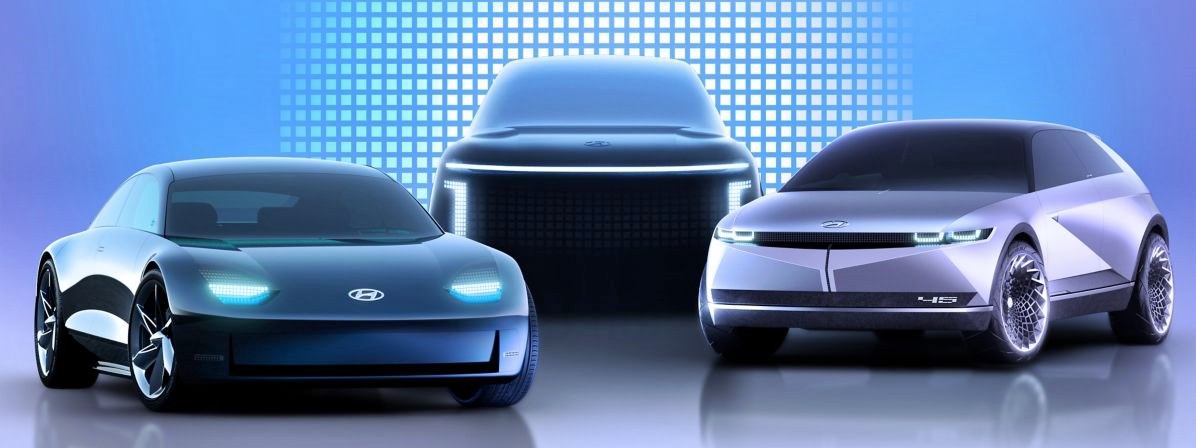
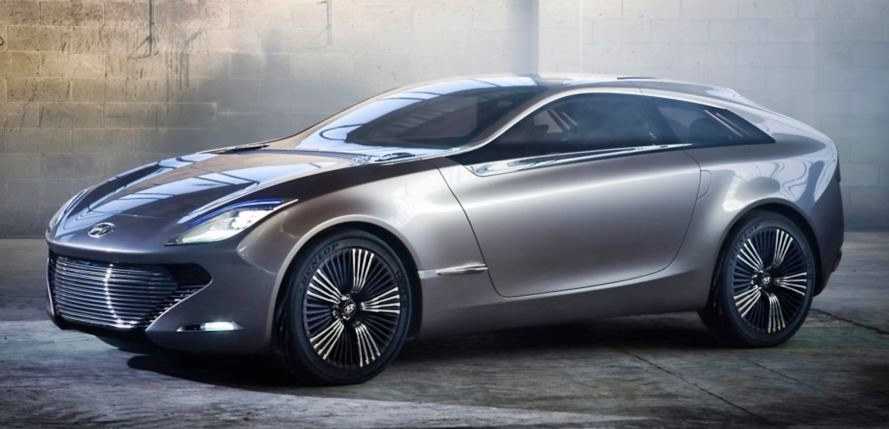
It has set a target of selling 1.87 million BEVs annually by 2030 and to do this, it will offer a broad line-up that will consist of 17 new models (11 for the Hyundai brand and 6 for the Genesis brand). The new Hyundai BEV models will include 3 sedan models, 6 SUVs, a light commercial vehicle as well as a model of a new type. Genesis, its luxury brand, will get 2 new passenger cars and 4 SUVs; from 2025, all newly launched models from Genesis will be electrified.
Integrated Modular Architecture
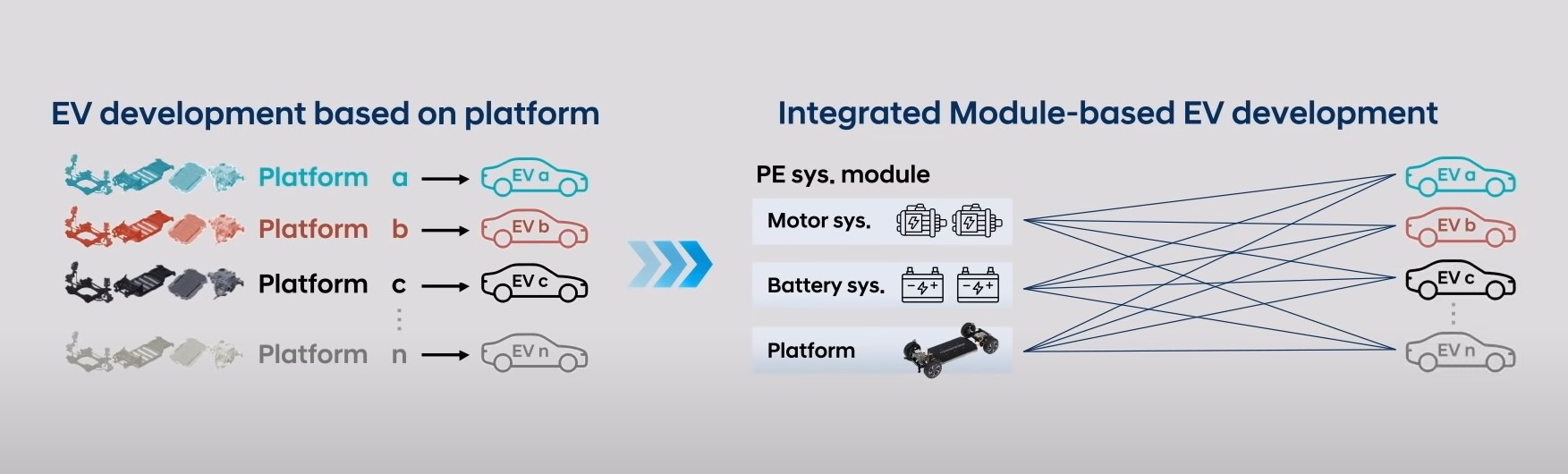
In order to achieve the sales targets, the products will have to be priced competitively, which means that production costs will have to be brought down as much as possible. Key to this will be the Integrated Modular Architecture (IMA), a new platform evolved from the electric global modular platform (E-GMP) that is currently used for models such as the IONIQ 5 and GV60.
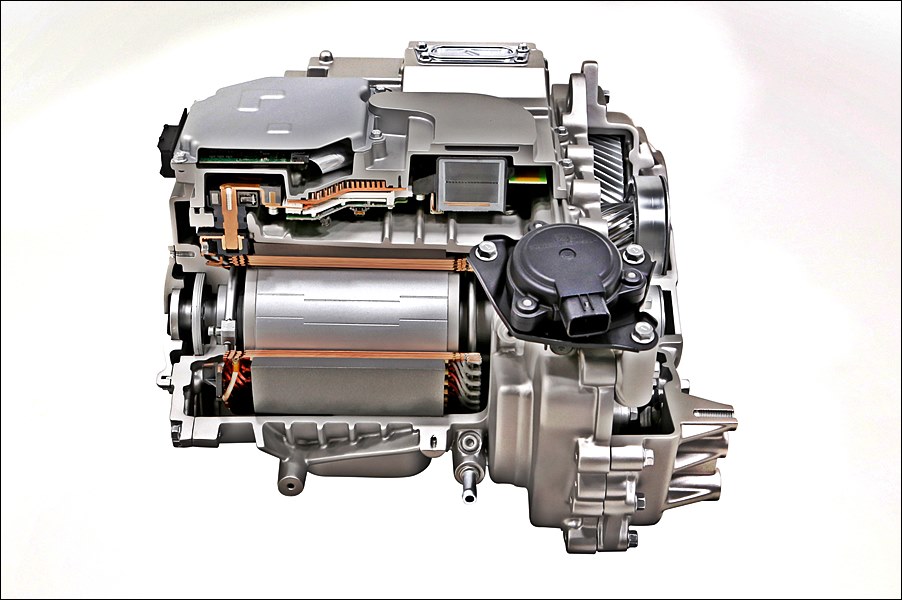
The IMA, revealed recently, will be utilized not only to as Hyundai’s passenger BEV platform but also as its exclusive purpose-built vehicle (PBV) platform, helping to streamline production processes and reduce cost. It will standardize not only the chassis but also the battery system and motor. In this way, economies of scale can be higher with many parts being shared by a larger volume of models.
Standardisation of battery packs
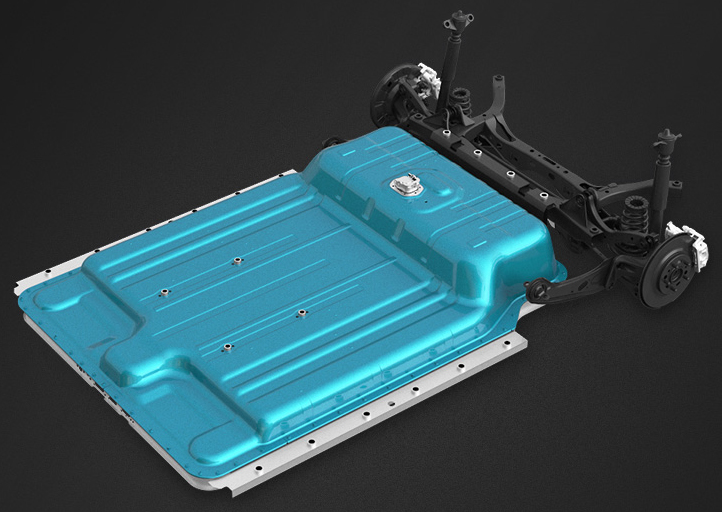
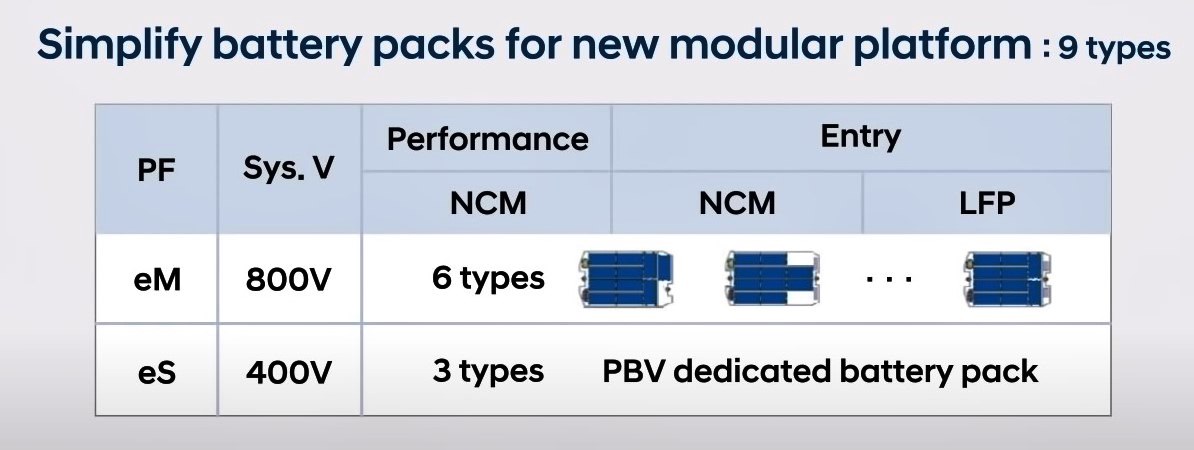
Hyundai also aims to standardize battery packs which can be attached to any models, also improving cost efficiency. This differs from the existing BEV development system which has different types of battery packs for each model. Through the cell-to-pack system, the new architecture can secure sufficient energy density and shorten charging time.
5 types of electric motors
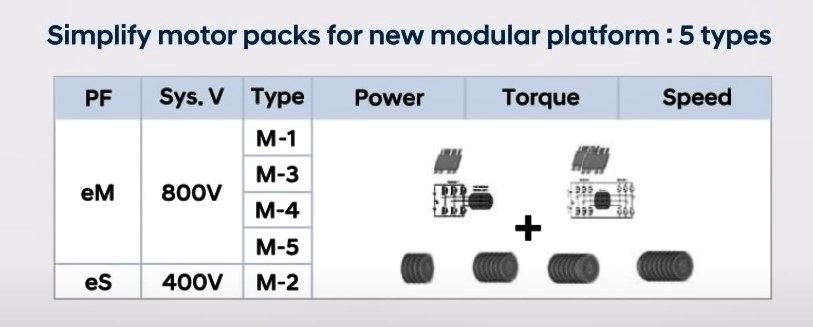
The same approach of standardisation will be applied to electric motors, with no more than 5 types being used, depending on the model. This modular motor system will help achieve competitiveness in terms of cost and weight as well as motor efficiency.
Details of the powertrains shown in a presentation indicate that four of them will have 800V systems with a fifth one having 400V system, possibly for use in more specialised vehicles operating in demanding conditions (perhaps light commercial vehicles).
Comprehensive battery strategy
Batteries are, of course, a vital part of BEVs and as more BEVs are sold, demand will increase rapidly. In anticipation of this, Hyundai is trying to increase the local procurement rate of batteries through strategic alliances with battery companies in major regions to ensure sufficient battery supply. Through these alliances, the company expects to obtain more than 50% of its next-generation lithium-ion batteries for BEVs starting in 2025.
In addition, Hyundai will also diversify battery sourcing to consolidate the competitiveness of future BEVs. The company has secured sufficient battery supply to meet its sales targets by 2023. With a comprehensive battery strategy, Hyundai plans to continue cooperation with various battery companies with an aim of securing 170 GWh of batteries for its models. For the next-generation batteries, such as solid-state types, Hyundai is cooperating with various global partners to improve energy density and cost efficiency
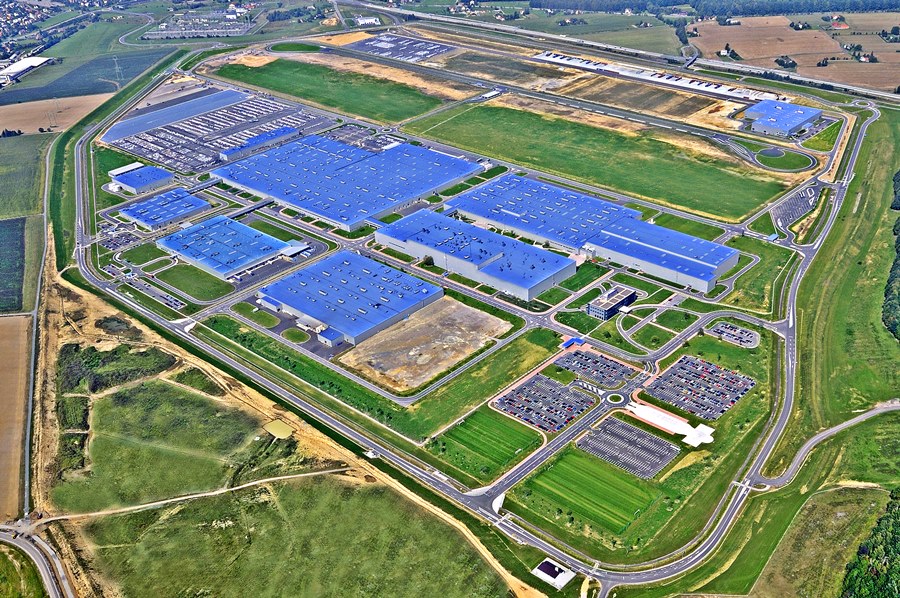
Hyundai factory in the Czech Republic.
Expanding manufacturing footprint
To meet the growing demand for BEVs, Hyundai aims to establish a high efficiency manufacturing process to accelerate its transition into electrification. A human-centered manufacturing innovation platform is expected to bring dramatic innovation in production efficiency through a flexible production system, advanced level automation and digital twin technology. The innovation will be expanded to global plants in the future.
The existing BEV production facilities in Korea and the Czech Republic will be complemented by additional factories in other locations. One of them is in Indonesia which will start BEV production and contribute to the global volume.
The electrification of Malaysian motoring is progressing as the government and private sector are taking more initiatives to facilitate the use of electric vehicles (EVs). This is necessary to meet Malaysia’s Low Carbon Mobility Development Plan 2021-2030 to reduce greenhouse gas up to 45% by 2030, and to qualify as a carbon-neutral country by 2050.
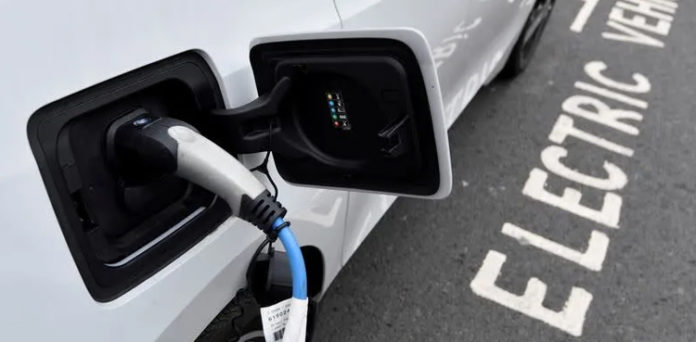
One of the issues that those thinking of buying EVs is recharging the battery packs of their vehicles. Depending on the model and how they drive, the range on a full charge can be between 250 and 400 kms. So long-distance driving will only be possible if they are assured of place to recharge along the way, if needed.
As the sale of EVs and plug-in hybrid vehicles (PHEVs) which also need recharging has only started in recent years, the network of charging stations has been small, mostly confined to urban areas. At the moment, there are only 500+ stations in the country (compared to 3,700 petrol stations) but efforts are being made to grow this number quickly.
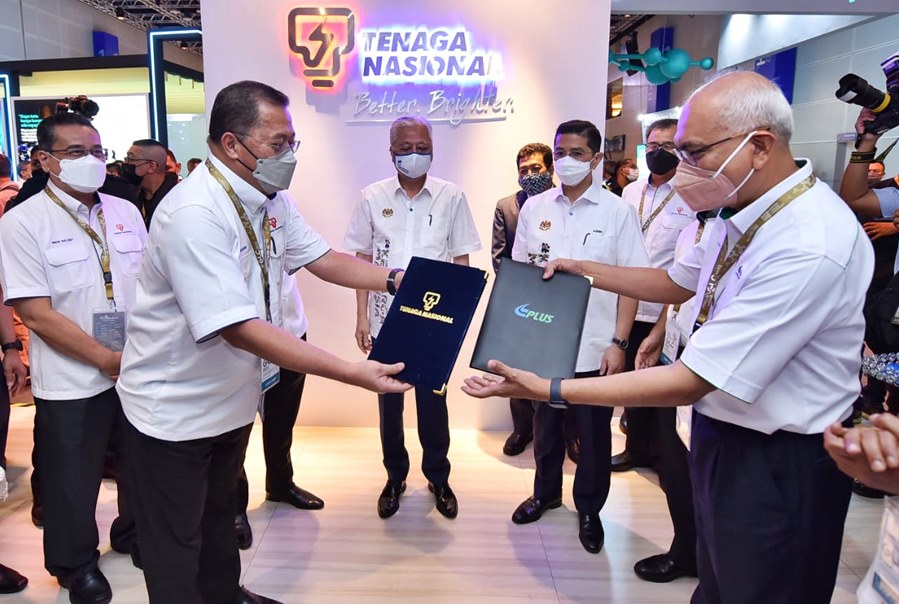
One of the private-sector initiatives in this area is a collaboration between PLUS Malaysia and Tenaga Nasional Berhad (TNB). Both parties have signed a Memorandum of Understanding (MoU) to work together to reduce carbon emissions on PLUS highways through 3 sustainability initiatives – the development of the charging station network, installation of energy efficiency monitoring, and solar photovoltaic systems at selected R&Rs along the PLUS highway network.
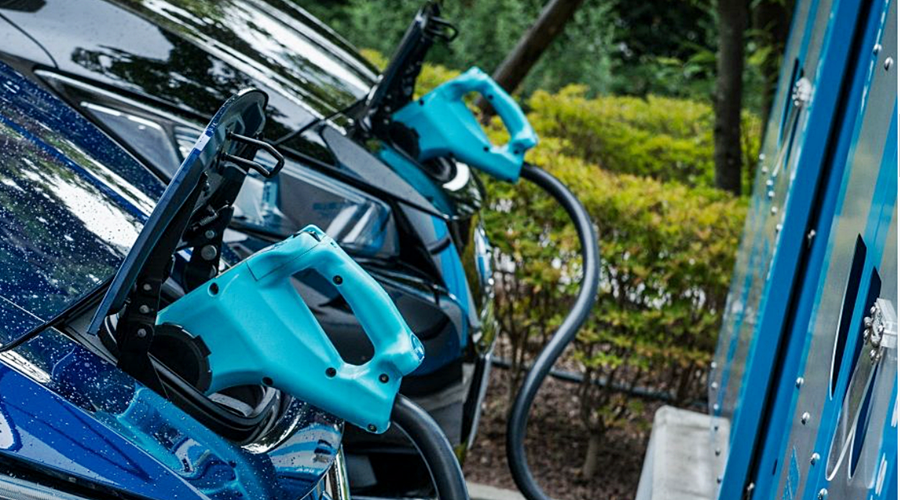
This collaboration will see EV charging stations being set up at selected strategic R&Rs along PLUS highway. Through TNB’s role as an enabler, PLUS is the first concessionaire to embark on a network of EV charging stations along its infrastructure. The availability of charging stations is expected to attract not only new users of EVs but also transport operators, especially multinational companies planning to switch their fleets from using vehicles with internal combustion engines to electrically-powered vehicles, in an effort to reduce carbon emissions while saving on operational costs.
According to PLUS Managing Director, Datuk Azman Ismail, the company’s other green initiatives include the use of green technology at its office premises, the use of recycled pavement to re-pave roads at the R&Rs, as well as applying more environmentally-friendly materials in its highway operations.
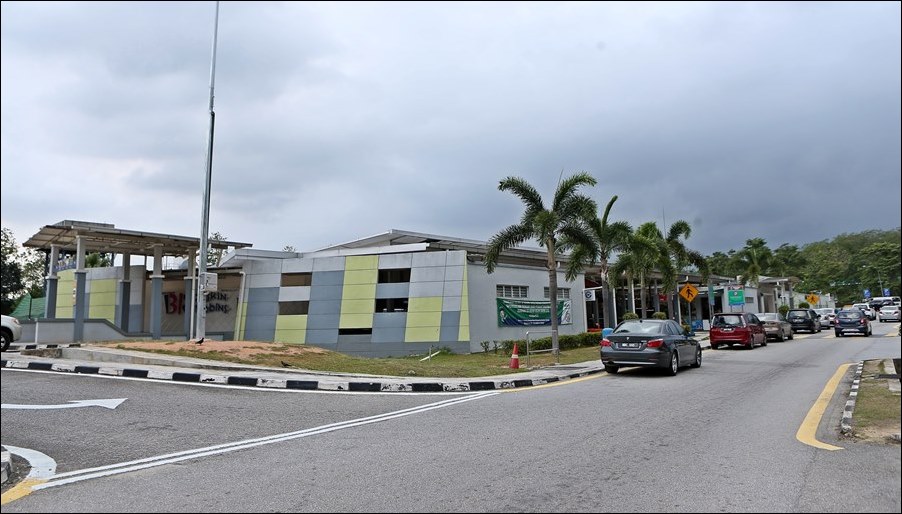
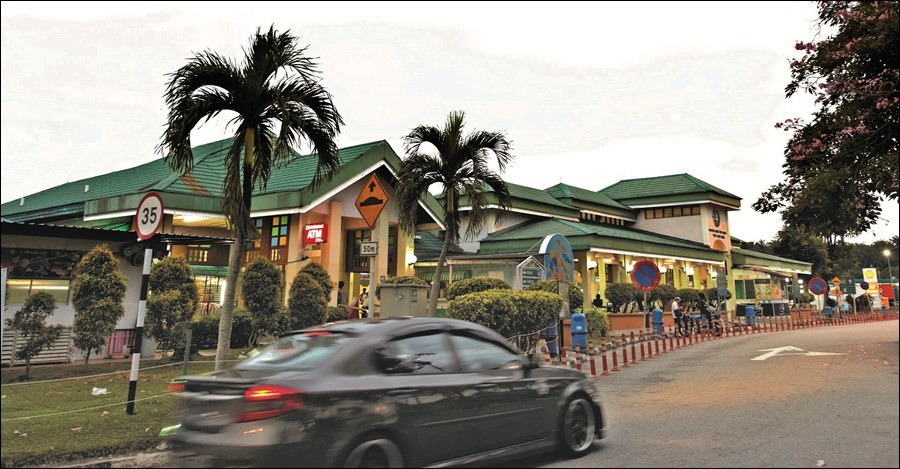
The collaboration will also see the installation of solar panels on the roofs of the Northbound Ayer Keroh (above) and Tapah (below) R&Rs which can provided over 360 kWp (kilowatt peak) of electricity from sunshine to power operations at the two locations.
“This initiative to further increase the network of charging stations will provide EV customers the convenience for a smoother, safer and more comfortable journey on PLUS highways,” he said, adding that charging stations are expected to attract not only new users of EVs but also transport operators, especially multinational companies planning to switch their fleets from using vehicles powered with internal combustion engines to electrically-powered vehicles, in an effort to reduce carbon emissions while saving on operational costs.
“TNB will provide a reliable and stable electricity supply to the EV charging ecosystem that is agreed upon by both parties. In addition, TNB also offers solutions to PLUS that can optimize electricity costs and support green and sustainable energy sources in reducing carbon emissions,” said TNB President & CEO, Datuk Ir. Baharin Din.
Fuel cells, originally developed for spacecraft, use hydrogen in a chemical reaction that can generate electricity that can then be sent to the battery pack. Hydrogen is chosen because it is readily available and renewable, and a Fuel Cell Electric Vehicle (FCEV), like a Battery Electric Vehicle (BEV), generates no emissions although water is formed. The FCEV approach would be more ‘green’ as it generates its own electricity rather than drawing it from power stations that themselves may generate emissions.
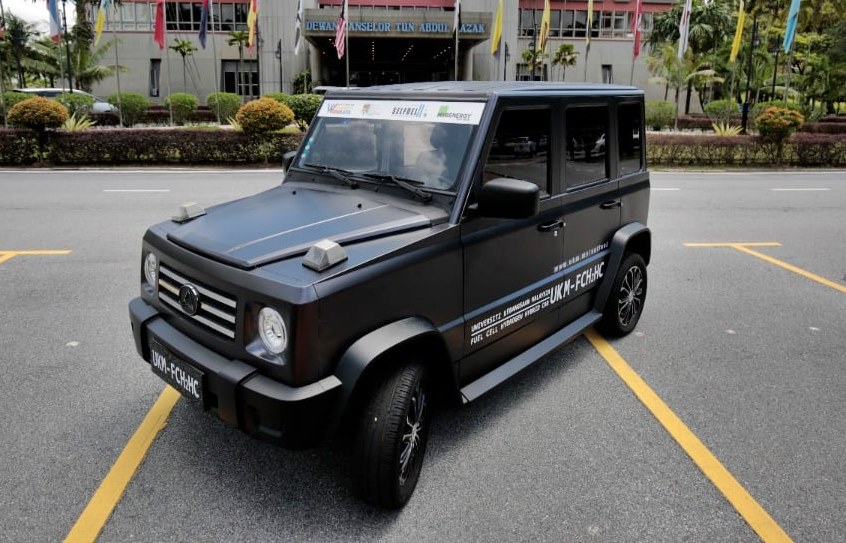
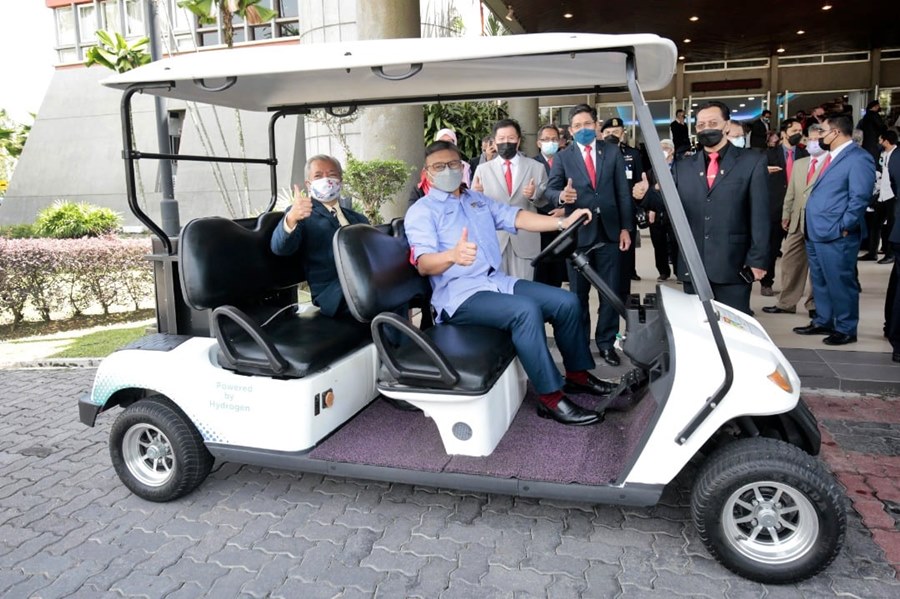
The two prototype FCEVs developed by the UKM Fuel Cell Institute (Sel Fuel) team.
The auto industry has been developing FCEVs for some years and companies like Toyota and Honda have even sold such vehicles. Now a team from the Fuel Cell Institute (Sel Fuel) at University Kebangsaan Malaysia (UKM) has also developed hydrogen FCEVs in collaboration with industry partners through the modification of electric vehicles.
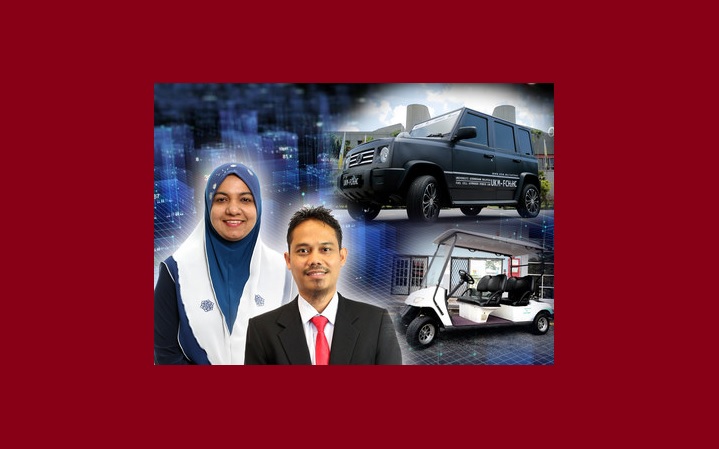
Professor Ir. Dr. Siti Kartom Kamarudin and Associate Professor Dr. Mohd Shahbuddin Mastar @ Masdar from the UKM Fuel Cell Institute, who led the R&D team, developed the UKM FCH2HC, a mini version of a hybrid SUV, and the UKM-FCH2B, a buggy.
According to Siti Kartom, the UKM-FCH2B is unique as the battery has been replaced with a fuel cell system as an electrical power source to improve the buggy’s operational efficiency, as well as a 3000W stationary power generator for electrical appliances (campers will love the idea).
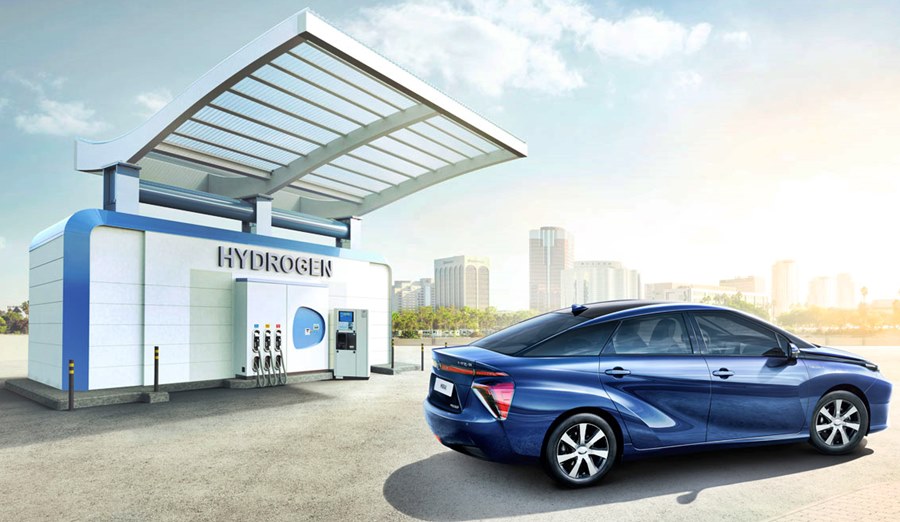
In order for FCEVs to be used, there will need to be hydrogen stations set up for them to refuel with hydrogen. Such station are only just being set up in limited numbers in more advanced countries.
“The UKM-FCH2HC is a hybrid vehicle that combines a fuel cell and a battery in a 0.5 ratio, with each power source capable of providing a capacity of up to 10 kW, allowing the vehicle to travel further. The fuel cell system is equipped with humidifiers and water coolers as supporting units to ensure optimal system performance at all times,” she said.
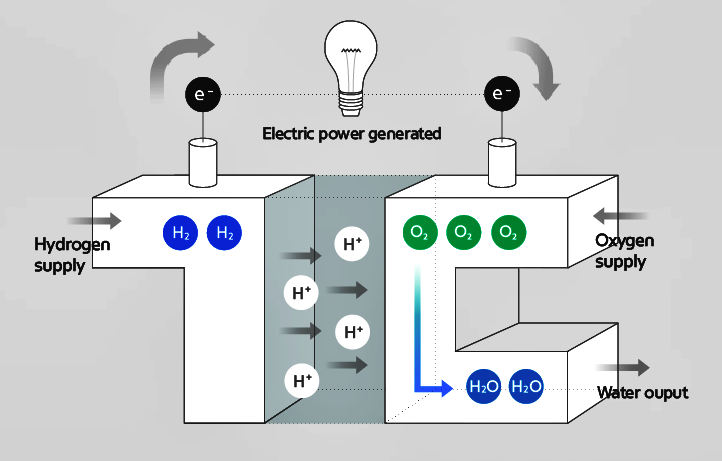
“During the chemical reaction, hydrogen and oxygen combine to produce electrical energy and harmless water vapour as a by-product, making hydrogen safe because it does not contaminate or harm the surrounding environment, unlike liquefied petroleum gas,” she explained.
How a fuel cell generates electricity from hydrogen.
Project began 15 years ago
“We began this project about 15 years ago with fundamental research to develop high-quality catalysts and membranes. Only in the last 3 years have we been able to bring together all of the fundamental components needed to develop the vehicle’s system,” she said. “As both the SUV and buggy will be used on campus, the speed is limited to 60 km/h. My team and I are looking forward to working on a second generation of the vehicles with increased capacity.”
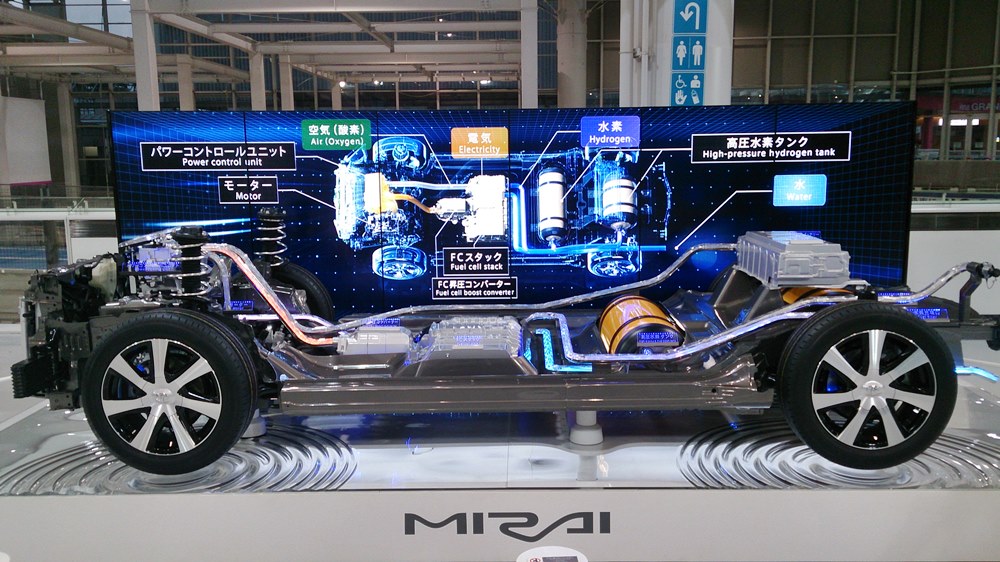
The various elements of a FCEV.
Quick refuelling time
Mohd Shabuddin added that the quick charging time of a FCEV is a significant advantage. Fully electric vehicles require 7 to 8 hours to charge, depending on the charging station and battery capacity. FCEVs, on the other hand, offer faster refuelling times that can take less than 3 minutes depending on the pressure [of the hydrogen supply],” he said.
He added that one of the most difficult aspects of developing hydrogen cell fuel vehicles is their high cost. “We believe in the country’s direction toward greener energy will result in mass production of these vehicles, lowering the cost of production. The recent 12th Malaysian Plan includes hydrogen as one of the government’s renewable energy initiatives to develop hydrogen-powered vehicles, which I believe is a good start for the future of this technology,” he said.
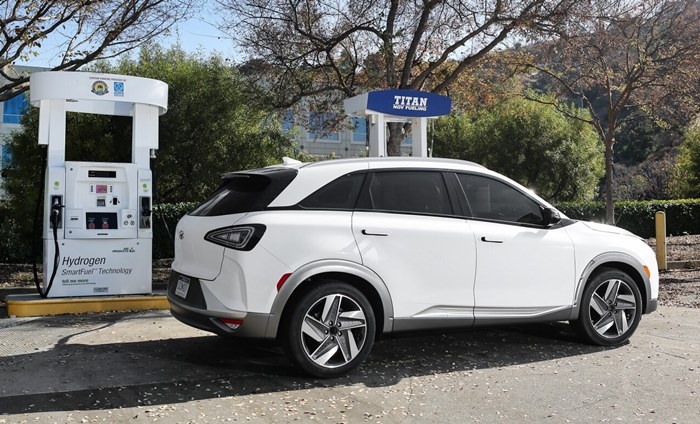
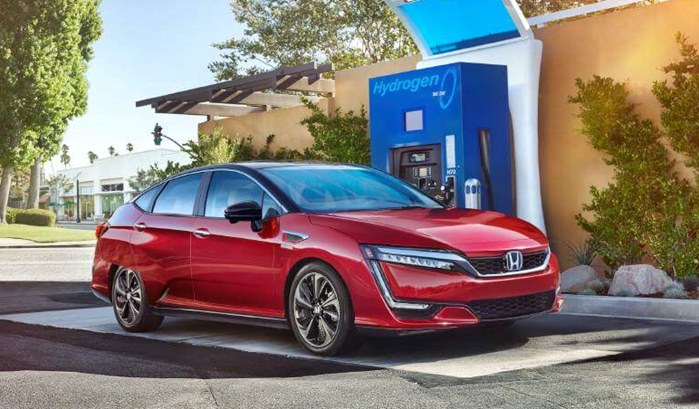
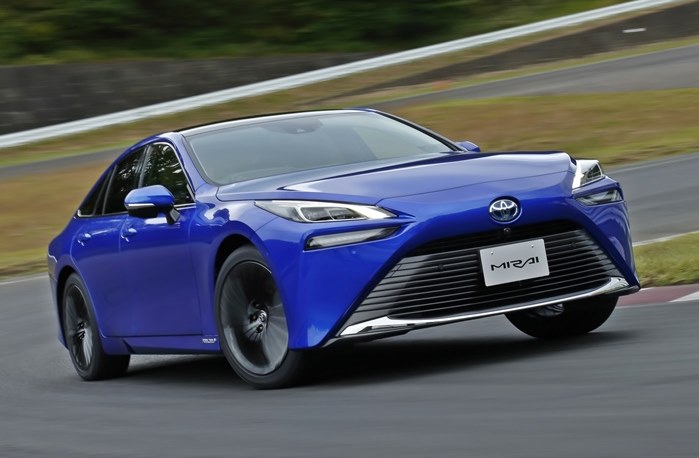
Hydrogen FCEV models have been on sale to the public from Hyundai (top), Honda (middle) and Toyota (above).
The UKM Fuel Cell Institute has also been appointed as the Head of the Research Excellence Consortium Programme in the Transportation and Mobility category by the Ministry of Higher Education. The launching of the FCEVs recently symbolises the support and commitment of UKM towards Malaysia’s Low Carbon Mobility Development Plan 2021-2030 to reduce greenhouse gas up to 45% by 2030 and to be listed as a carbon-neutral country by 2050.
The next step after BEVs
FCEVs would be the next step after BEVs but even in advanced countries like America and Japan, the hydrogen fuelling network is small. The Japanese government has a plan to expand the hydrogen network as it wants to create a ‘hydrogen society’ that can be carbon-neutral. However, the costs are still high at this time and although there are FCEVs in use, the number is relatively small to justify investment in hydrogen stations for FCEVs to refuel.