Piston.my

English

For the auto industry, this decade is one which will require a major decision to be made on the type of vehicles to produce in future. It is clear that, besides going back to horse carriages, electrification of motorcars is the quickest solution to addressing one of the contributors to climate change. While there are ongoing debates about the actual benefits of electric vehicles (EVs) from a total perspective (including generating the lectricity), it cannot be denied that EVs generate no emissions and that can make a difference to air quality.

The industry has already begun its path to electrification and many have announced targets that will see 100% or almost 100% of the vehicles they produce and sell being fully electric by the end of this decade. But can this full-scale transformation take place globally? Can every country on the planet do away with combustion-engined vehicles and use only electrically-powered ones?

This is something the carmakers are grappling with and as Toyota has said, they do not want to leave any customer behind [by offering only EVs). Other carmakers have also said that they will introduce EVs in markets where conditions are acceptable and offer other solutions for those which cannot afford EVs in the immediate future. This can mean offering hybrid electric vehicles (HEVs) which are a bit less costly or try to cleanse the emissions of the combustion engine as much as possible.
Ford’s approach
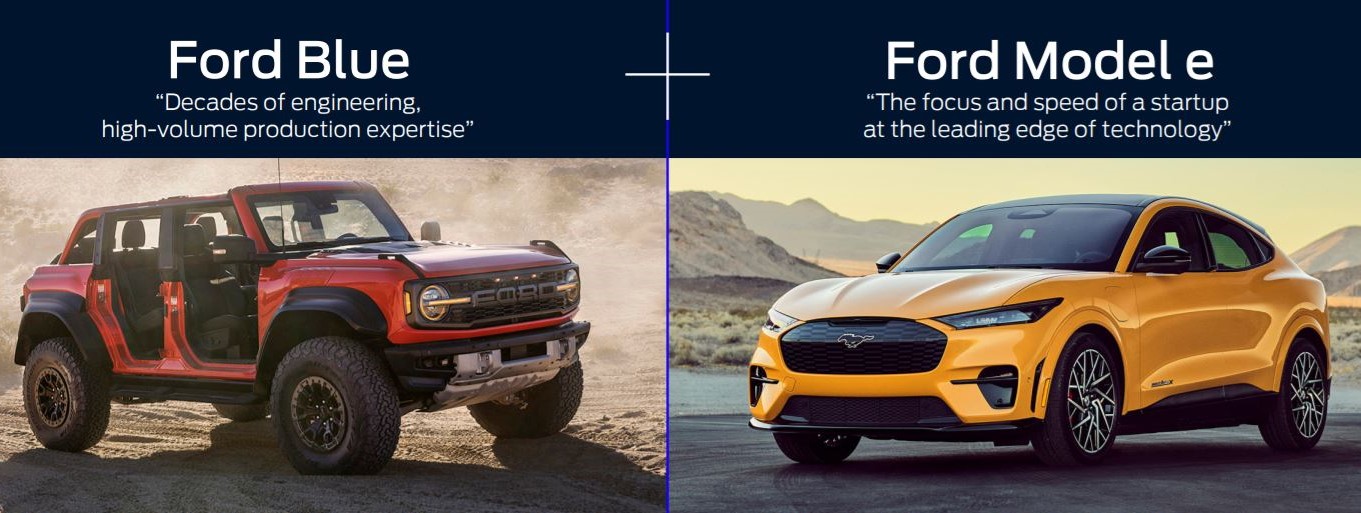
Ford has announced its approach which will be to cover both the EV segment and the ‘old’ segment where combustion-engined vehicles will still be in demand. It will have two business units in its company as part of the Ford+ plan introduced last May. There will be two distinct, but strategically interdependent, businesses – Ford Blue and Ford Model e – the former focussing on products with combustion engines and the latter to be fully focussed on EVs and have the agility of a start-up.

Driving the change was recognition that different approaches, talents and, ultimately, organizations are required to develop and deliver of electric and digitally connected vehicles and services, while also fully capitalize on the company’s iconic family of internal combustion engine (ICE) vehicles.
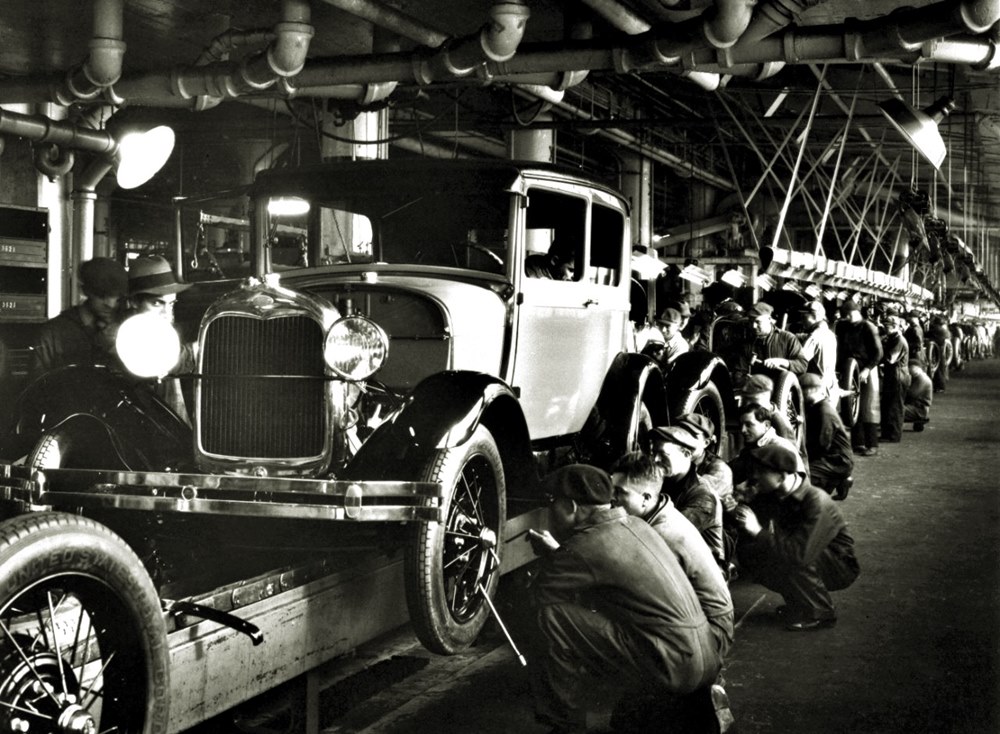
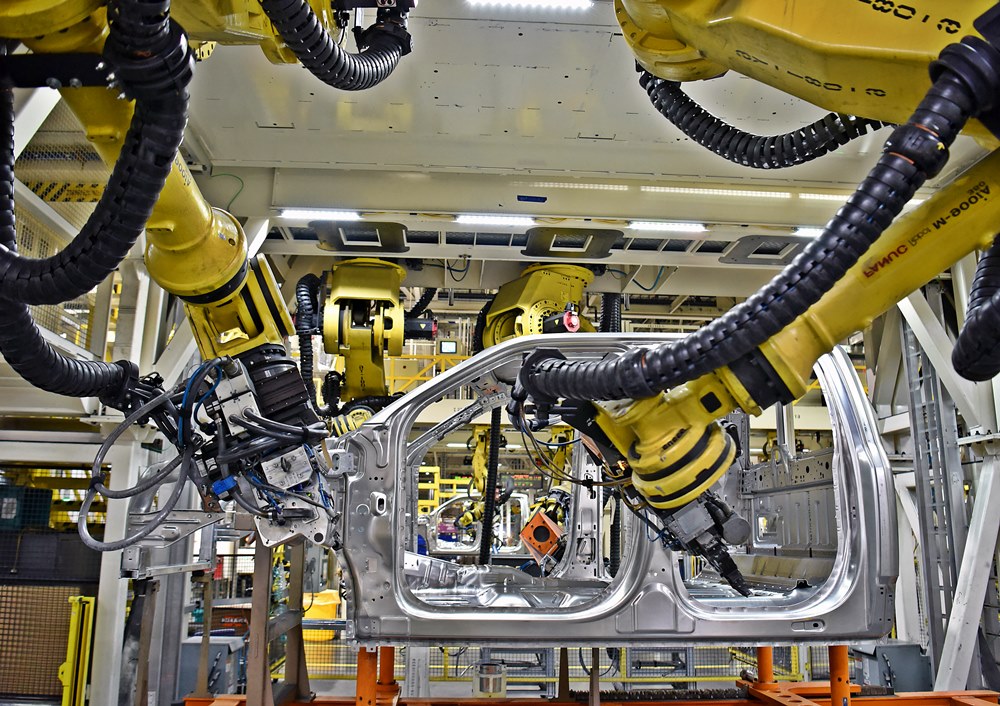
Ford has over 100 years of experience in manufacturing motor vehicles and it will draw on this vast experience to continue making conventional combustion engine vehicles as well as the new generation of EVs.

“This isn’t the first time Ford has reimagined the future and taken our own path,” said Ford Executive Chairman, Bill Ford. “We have an extraordinary opportunity to lead this thrilling new era of connected and electric vehicles, give our customers the very best of Ford, and help make a real difference for the health of the planet.”

Dedicated EV division in China
The creation of Ford Model e was encouraged by the success of small, mission-driven Ford teams that developed the Ford GT, Mustang Mach-E SUV and F-150 Lightning pickup as well as Ford’s dedicated EV division in China.
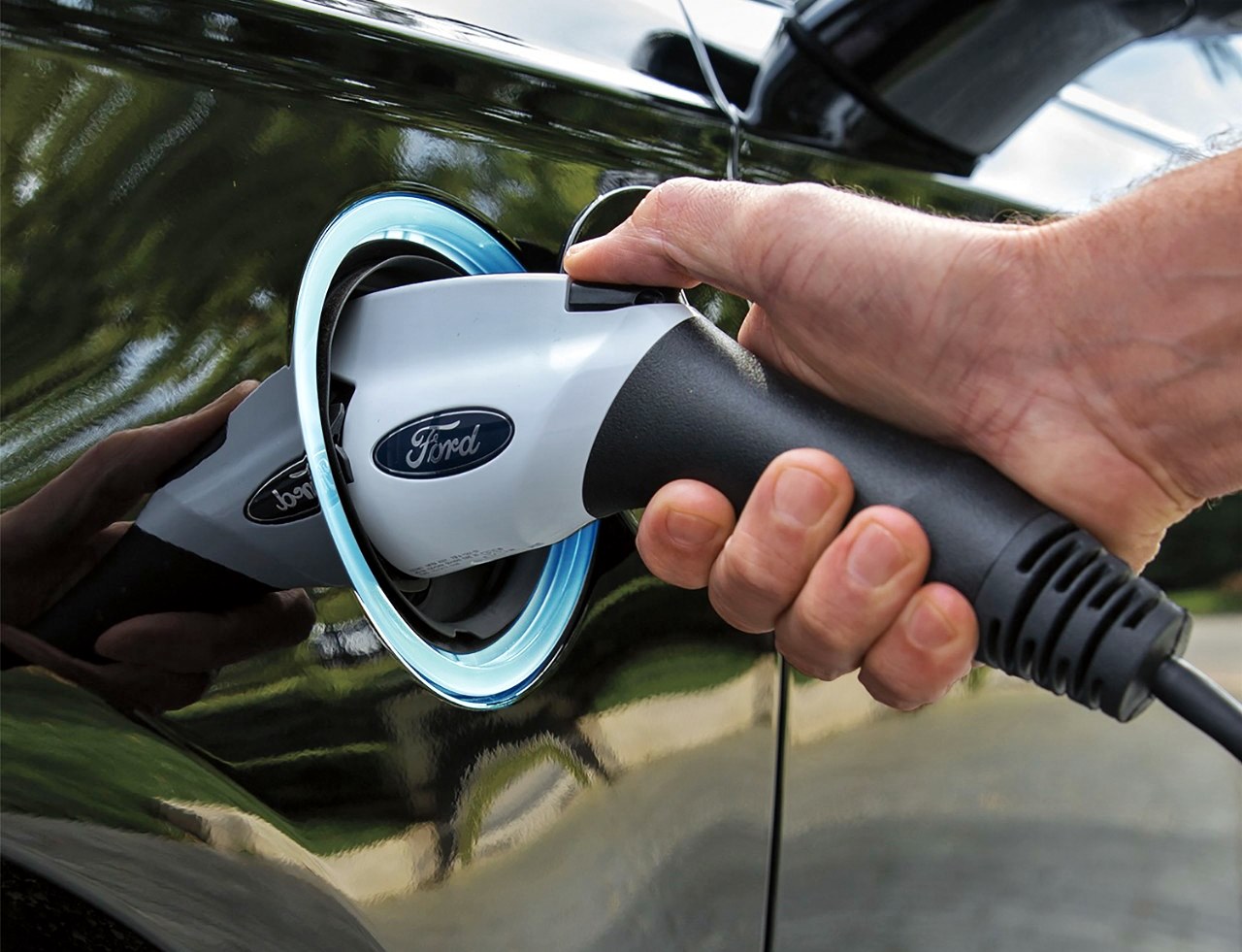
“Ford Model e will be Ford’s centre of innovation and growth, a team of the world’s best software, electrical and automotive talent turned loose to create truly incredible electric vehicles and digital experiences for new generations of Ford customers,” explained Ford President & CEO, Jim Farley.

Continuing with iconic models
“Ford Blue’s mission is to deliver a more profitable and vibrant ICE business, strengthen our successful and iconic vehicle families and earn greater loyalty by delivering incredible service and experiences. It’s about harnessing a century of hardware mastery to help build the future. This team will be hellbent on delivering leading quality, attacking waste in every corner of the business, maximizing cashflow and optimizing our industrial footprint,” he said, adding that the company will continue to invest in combustion engines.
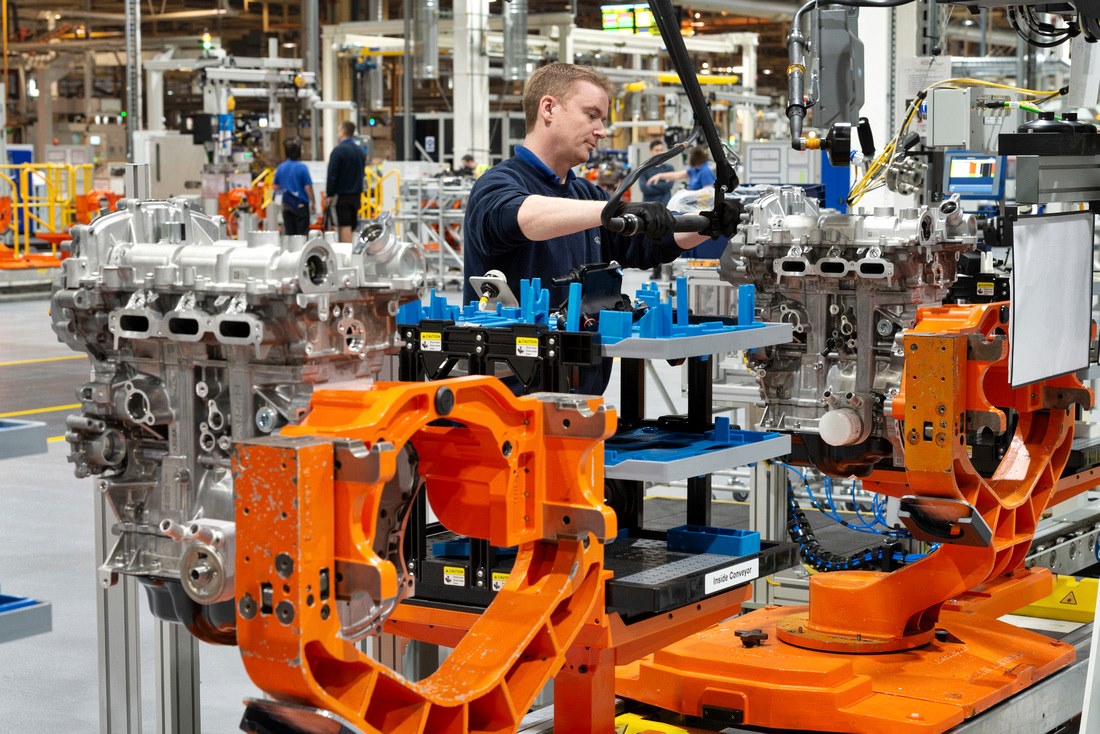
Ford’s President stressed that company will continue to invest in internal combustion engines and offer them in some models under the Ford Blue brand.

Ford Model e and Ford Blue will be run as distinct businesses, but also support each other – as well as Ford Pro, which is dedicated to delivering a one-stop shop for commercial and government customers with a range of conventional and electric vehicles and a full suite of software, charging, financing, services and support.

Making ownership experiences better
Back in the ‘dotcom era’ over 20 years ago, Ford was an early promoter of online media for its business. In this decade, Ford Model e also will lead on creating a new shopping, buying and ownership experience for its future EV customers that includes simple, intuitive e-commerce platforms, transparent pricing and personalized customer support from Ford ambassadors. Ford Blue will adapt these best practices to enhance the experience of its ICE customers and deliver new levels of customer connectivity and satisfaction.
The carmaker expects to spend US$5 billion on EVs this year, a two-fold increase over 2021. By 2026, Ford aims to produce more than 2 million EVs annually, which will represent about one-third of the company’s global volume. This is expected to rise to half by 2030, capturing with EVs the same, or even greater, market shares in vehicle segments where Ford already leads.

“This new structure will enhance our capacity to generate industry-leading growth, profitability and liquidity in this new era of transportation,” said John Lawler, Ford’s Chief Financial Officer. “It will sharpen our effectiveness in allocating capital to both the ICE and EV businesses and the returns we expect from them – by making the most of existing capabilities, adding new skills wherever they’re needed, simplifying processes and lowering costs. Most importantly, we believe it will deliver growth and significant value for our stakeholders.”

Ford spends another US$900 million in Thailand to upgrade two factories
Alfa Romeo is one of the older names in Formula 1, having been in Grand Prix races even before the championship began in 1950. Unlike Ferrari, its presence has not been constant although whenever it has been present, it has been enthusiastically supported by fans. Its longest presence as a team was in the 1980s when it participated for 6 years and ceased after the 1950 season. Then in 2019, the name returned when Sauber was rebranded as Alfa Romeo marking the factory’s return to the sport as a constructor. They contracted Kimi Raikkonen and Antonio Giovinazzi as drivers until 2021.

In 2022, they will have 10-times race winner, Valtteri Bottas, coming from the successful Mercedes-AMG PETRONAS team as well as GuanYu Zhou, the first F1 driver from China and the only rookie on the grid this year. Robert Kubica will be the reserve driver for the team.

The drivers for 2022 will be Valtteri Bottas (centre) and newcomer Zhou Guanyu (left), with Robert Kubica as reserve driver (right).

The team has maintained the Sauber convention for its racing car designations, starting with C38 in 2019 car so for 2022, three years later, the new car is designated the C42. The official team name will be the same as before – Alfa Romeo F1 Team ORLEN – with the title sponsor again being the Polish petroleum company.

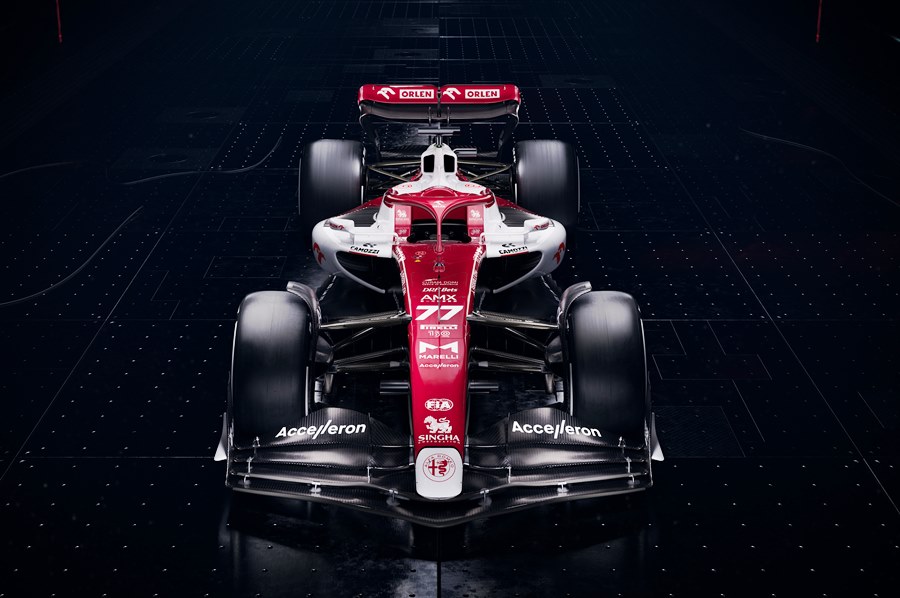
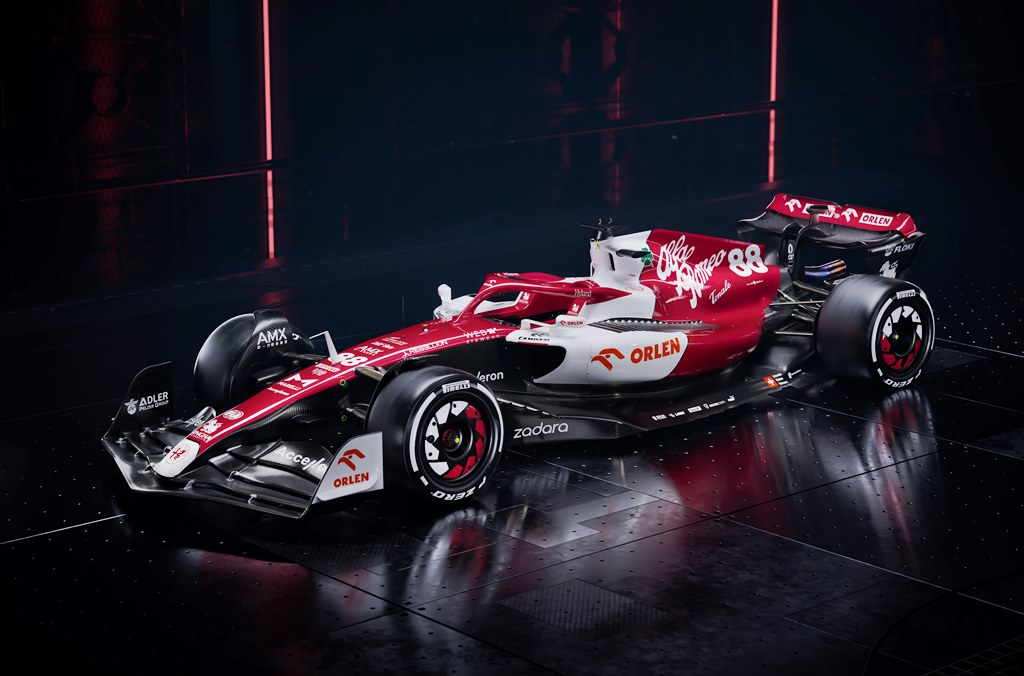
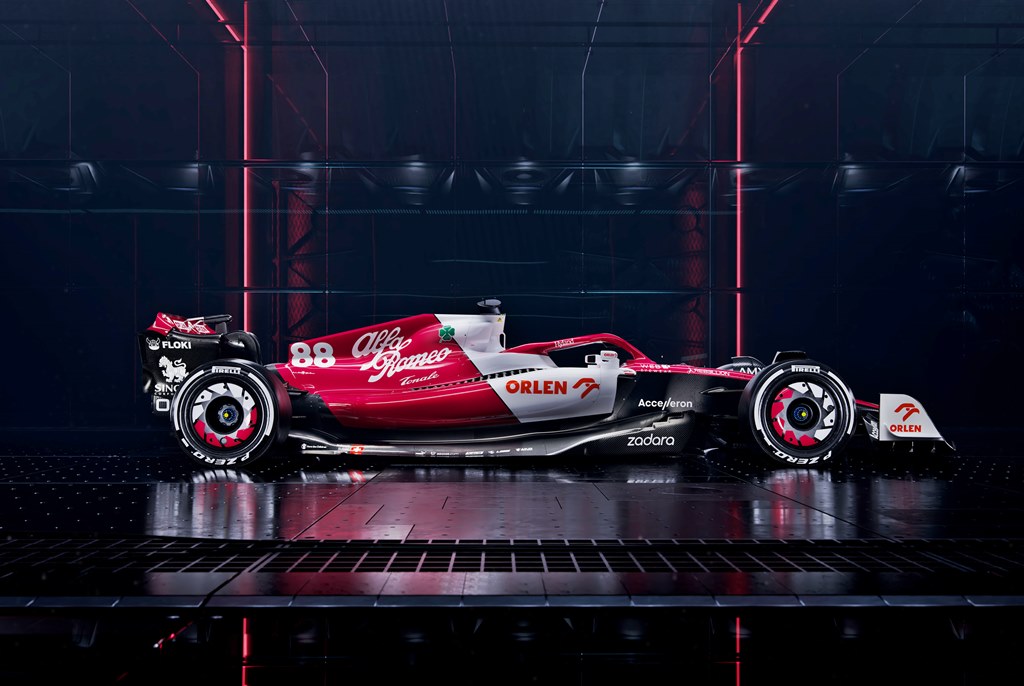
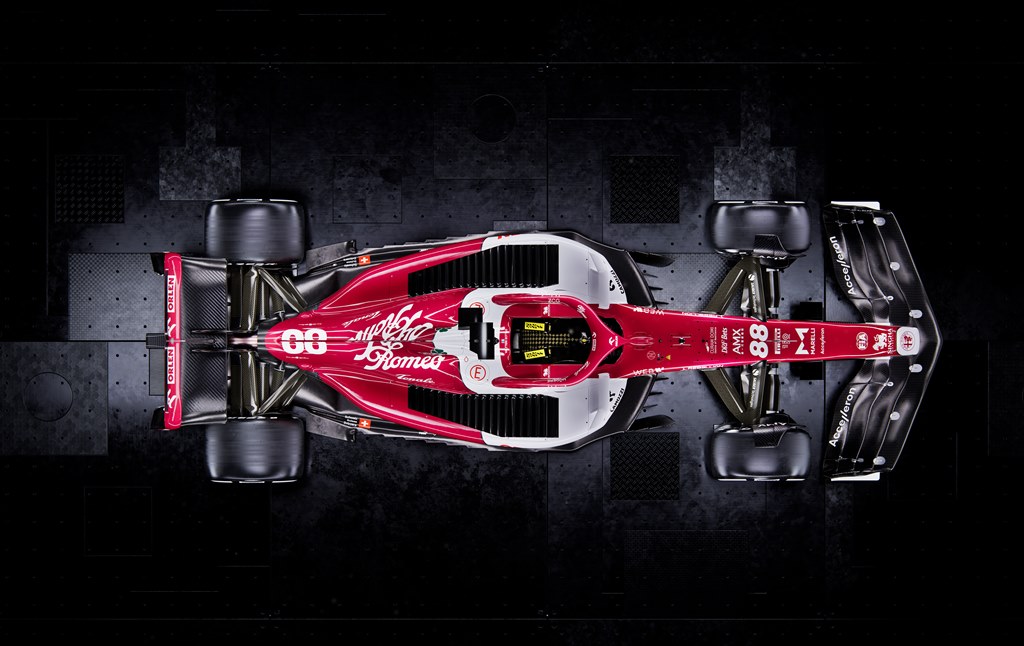
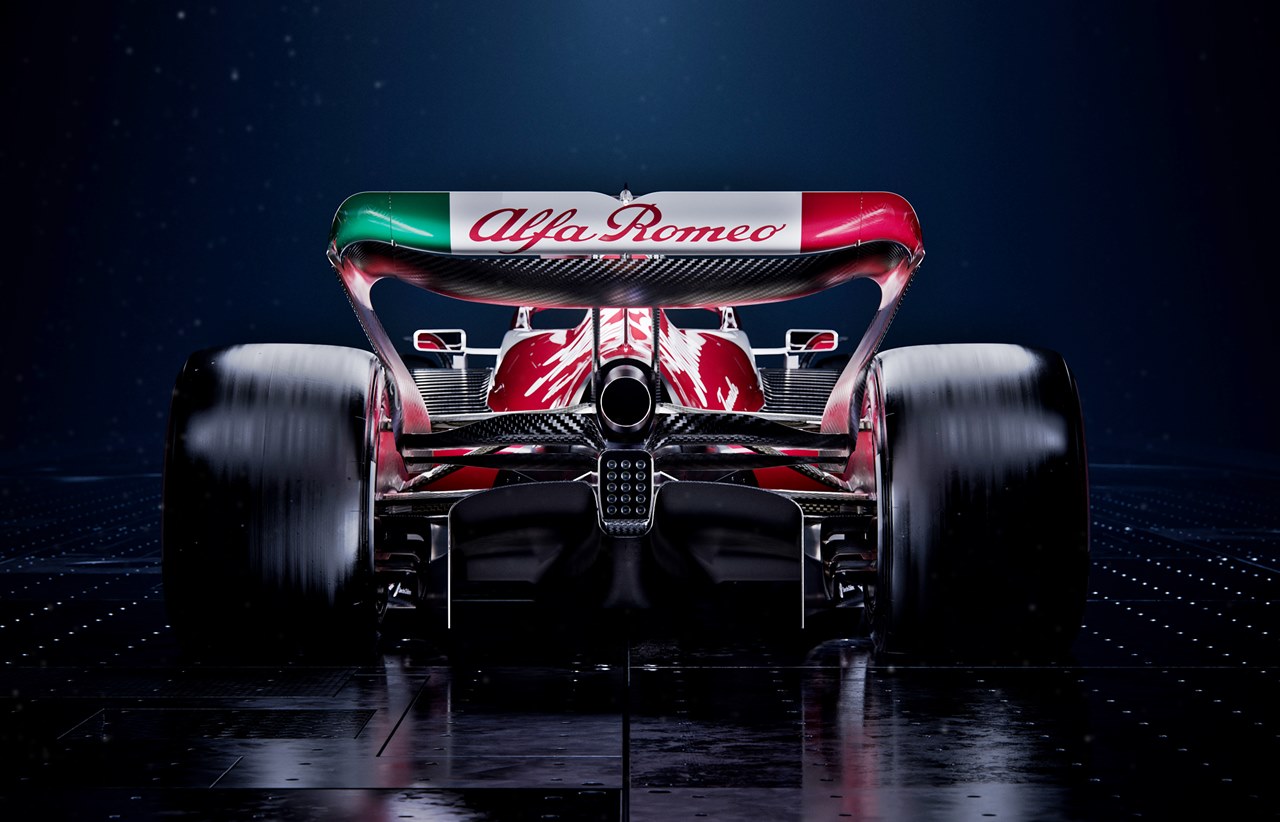
The C42 has eye-catching livery, a stunning yet subtle nod to the past, recalling historical designs of years past and the heritage of Alfa Romeo and Sauber Motorsport. It is the 30th year of F1 for the Sauber Motorsport team which is based in Hinwil, Switzerland.

2022 Alfa Romeo F1 ORLEN

Created by the Centro Stile Alfa Romeo, the new livery gives the car a powerful, recognisable identity. The paintwork is a perfect blend of the two dominant colours, red and white. The engine area is painted red, with a diagonal cross-section that conveys the dynamism of the car’s body. The historic Alfa Romeo lettering fits into the diagonal as a reference to the early 20th century, having made its debut on the brand’s racing cars in the 1920s.

Tonale’ can be seen below, the name of a new SUV model that has recently been unveiled. The Quadrifoglio symbol of sportiness can be found in the upper section, alongside the diagonal dividing line between red and white. The Italian flag is included on the back of the spoiler, proudly featuring the wording ‘Alfa Romeo’.

As with all the other F1 cars for 2022, the C42 has been developed and built under the budget cap regulations and for the new era of F1 which sees significantly new technical regulations. These regulations, which cover aerodynamic aspects, have required the design to be a radical departure from the past.

2022 Alfa Romeo F1 ORLEN

2022 Alfa Romeo F1 ORLEN

It embraces the possibilities dictated by the new ground-effect floor, updated aerodynamic package and larger 18-inch, low profile tyres. The C42 is powered by a new and improved Ferrari engine, and has been designed for the closer racing and competitive fighting which the new regulations are expected to create.

“The 2022 championship promises to be the most compelling one in recent years. The new regulations, the new driver line-up and a brand-new car represent a veritable revolution for F1 and especially for the team. At Alfa Romeo, we are intent on grasping all the opportunities that will arise. Also for Alfa Romeo, 2022 represents a year of ‘metamorfosi’. With Tonale, the brand looks ahead into the era of electrification and connectivity, remaining true to its DNA of noble Italian sportsmanship dating back to 1910. That’s why we were clear about putting the ‘Tonale’ name on the single-seater. We can’t wait to see the red light go out to kick off an exciting F1 championship,” said Jean Philippe Imparato, CEO of Alfa Romeo.

2022 Alfa Romeo F1 ORLEN

Guanyu Zhou – first Chinese driver in F1, to race with Alfa Romeo Racing ORLEN team in 2022

Like all carmakers, Kia Corporation has formulated strategic plans for the rest of this decade, not just with respect to electrification but also for the bigger picture of mobility. The company aims to be more than just a car manufacturer and be a Sustainable Mobility Solutions Provider. To achieve this vision, its roadmap builds on the successful ‘Plan S’ strategy first announced in 2020. This corporate vision is supported by three key pillars – people, planet and profit.

The company has set 4 key business targets to reach by 2030. These core business aims are: accelerating electrification and achieving annual sales of 1.2 million battery electric vehicles (BEVs) by the end of the decade; reaching 4 million annual vehicle sales by 2030s; expanding the application of connected car features and autonomous driving technologies to all new vehicles; and of course, become the No. 1 brand in the global purpose-built vehicle (PBV) market.

During a recent CEO Investor Day event, Ho Sung Song, President & CEO of Kia Corporation, said: “Kia has been undergoing a full-scale transformation which has included changes in corporate vision, logo, product and design, and strategy. To achieve the company’s vision of becoming a Sustainable Mobility Solutions Provider, we will focus on accelerating the transition to future business models. We will become even more customer-centric in our approach and pursue a dynamic transformation while maintaining sound business operations.”

During the 2 years since first revealing its Plan S strategy, Kia has recorded its highest ever gross revenue and operating profit (in 2021). It aims to continue this positive momentum to create further value in both qualitative and quantitative aspects from 2022 onwards.

How to reach 4 million units?
Starting with an annual global sales goal of 3.15 million units in 2022, Kia will progressively increase annual volumes to 4 million units, which will be a 27% increase from its target for 2022. As part of this quantitative growth, the company will also expand sales of eco-friendly vehicles such as BEVs, plug-in hybrid electric vehicles (PHEVs) and hybrid electric vehicles (HEVs). In coming years, the proportion of eco-friendly cars will go from 17% of global sales in 2022 to 52 per cent in 2030.

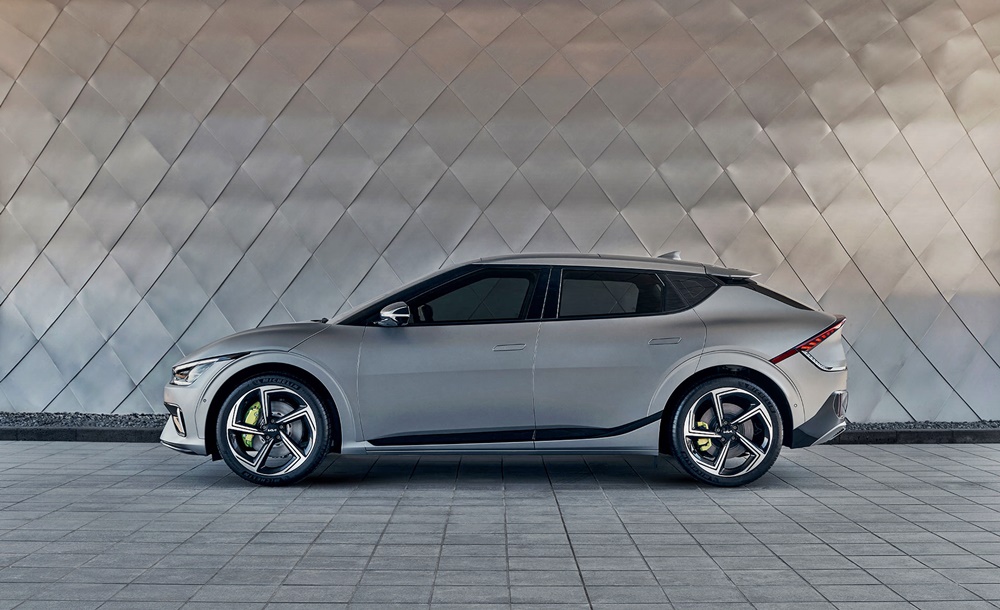
2021 Kia EV6
The EV6, launched last year and voted 2022 European Car of the Year, is just the beginning of Kia’s EV offensive.

The increase in proportion will be more evident in major markets with strong environmental regulations and a growing demand for EVs. These are markets such as Korea, North America, Europe and China, and the proportion will go up to 78% by 2030.

14 BEV models by 2027
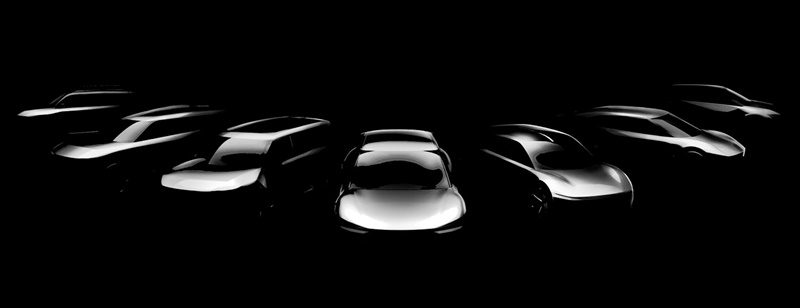
Kia aims to solidify its position as the world’s leading EV maker and to achieve this, it will expand its BEV product line-up. The present line-up is limited but from next year, there will be at least 2 BEVs per year, with a full line-up of 14 BEVs by 2027. Compared to its previous plan to release 11 models by 2026, Kia will also add 2 electric pick-up trucks – a dedicated electric pickup truck and a strategic model for emerging markets – and an entry-level BEV model.

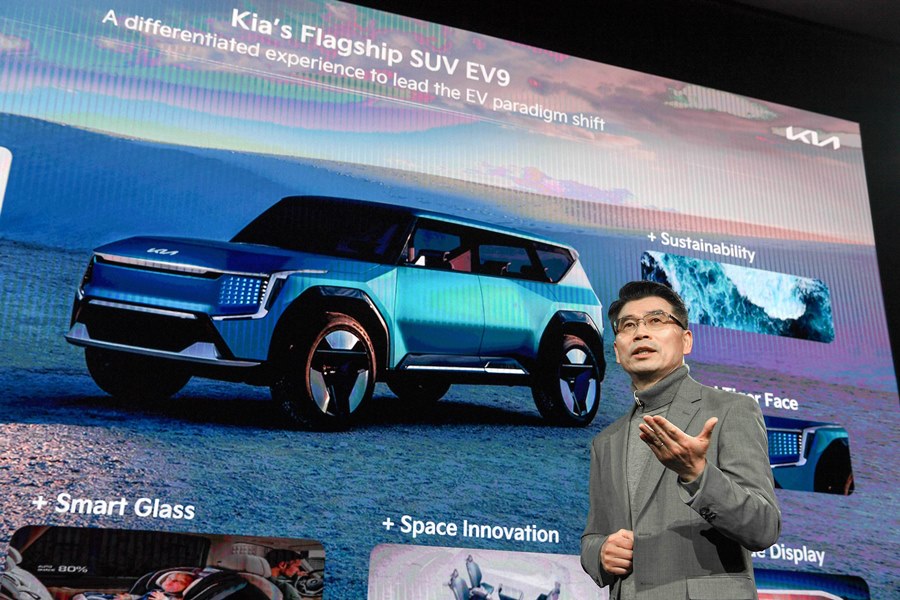
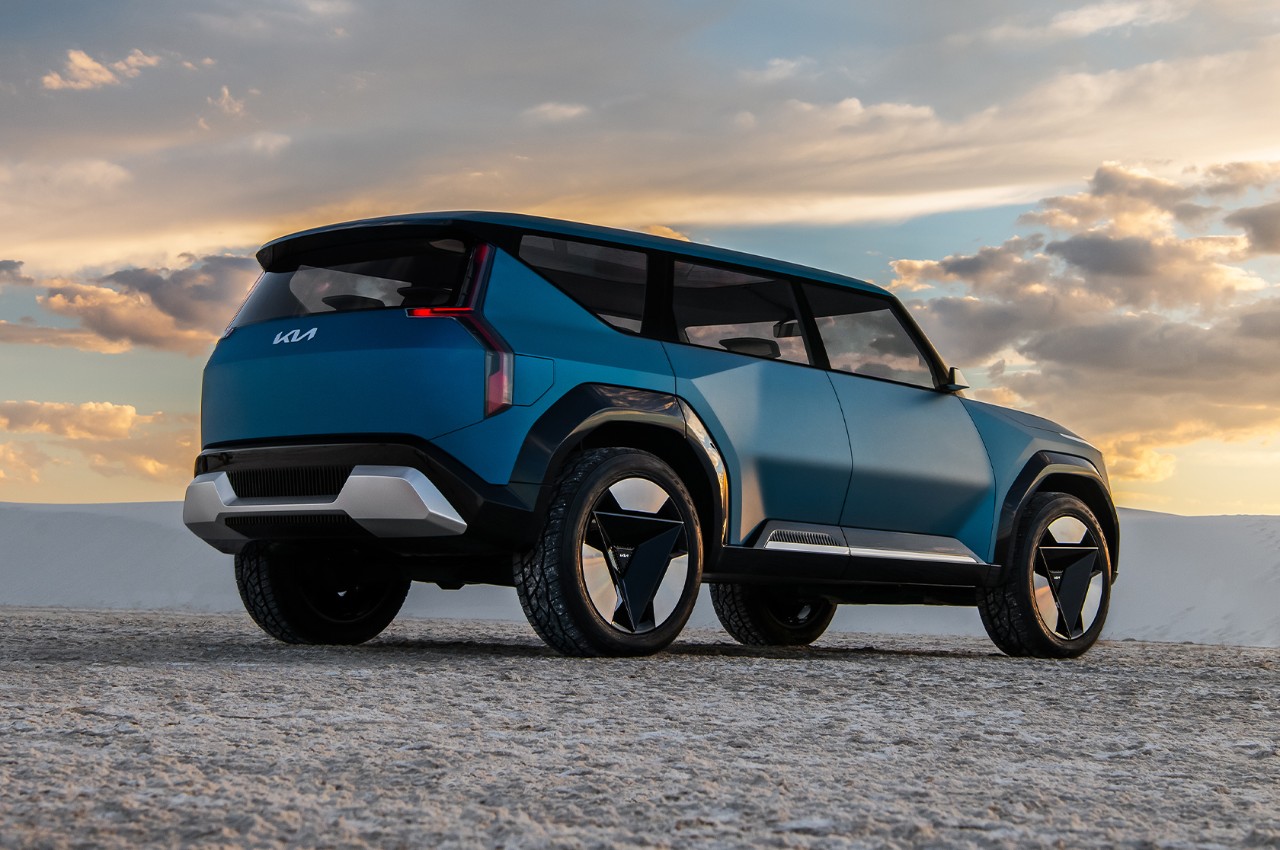
Its EV range will be topped by a flagship model, the EV9, set for launch in 2023. Although the EV9 will be a large SUV with a total length of around 5 metres, it will have a claimed acceleration of 0 – 100 km/h of 5 seconds, and range of approximately 540 kms. Advanced technologies will allow for 100 kms of driving range on just a 6-minute charge.

A first for Kia, the EV9 will also feature OTA (Over the Air) and FoD (Feature on Demand) services that will allow customers to selectively purchase software functions. In addition, it will be the first model to be equipped with Kia’s advanced AutoMode autonomous driving technology.

Prototype of the EV9 which will be the flagship of Kia’s EV range when it is launched next year.

1.2 million BEV sales in 2030
New models like the EV9 will help Kia increase sales of its BEVs from the 160,000 units planned for this year to 807,000 units in 2026, and 1.2 million in 2030. That’s a 36% increase from the 2030 EV target announced during last year’s CEO Investor Day, indicating that the company is going to take a more aggressive approach. Kia projects that over 80% of its BEV sales in 2030 will come from Korea, North America, Europe and China, and a 45 per cent share of total Kia sales will come from these major markets.

A Kia factory in Slovakia.

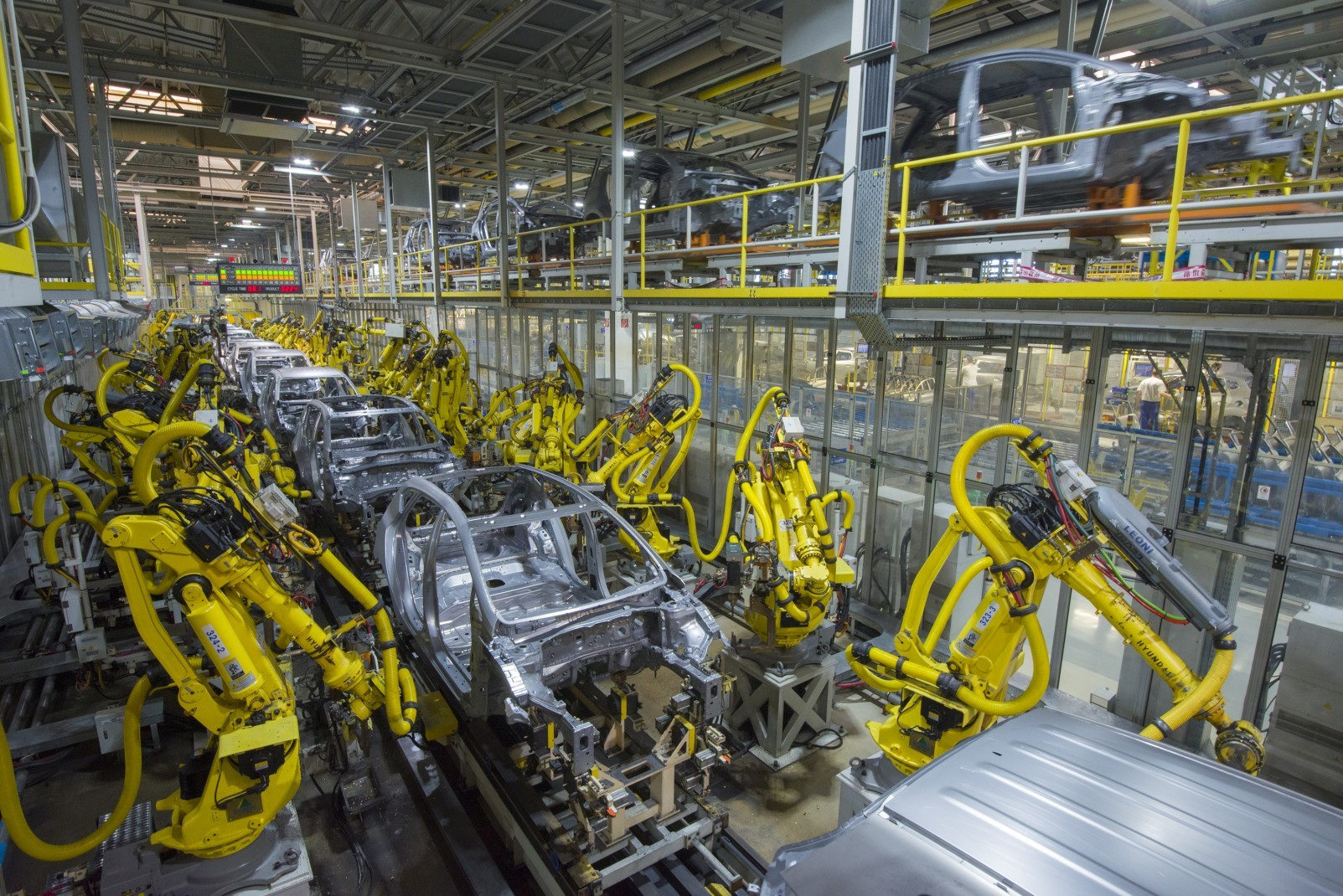
To meet the demands of the expanding volume of EVs each year, the roles of individual production sites will evolve. Korea will serve as a global hub for R&D, production and supply of EVs, while other global production sites will produce strategic EVs for each market.

In Europe, for example, small and medium-sized EVs will be produced starting from 2025. In the USA, where mid-sized SUVs and pick-ups are popular, electric versions of these models will be produced locally from 2024. In China, Kia plans to introduce mid-size EV models from next year, and for India, there will be entry and mid-size EV models from 2025 produced there.

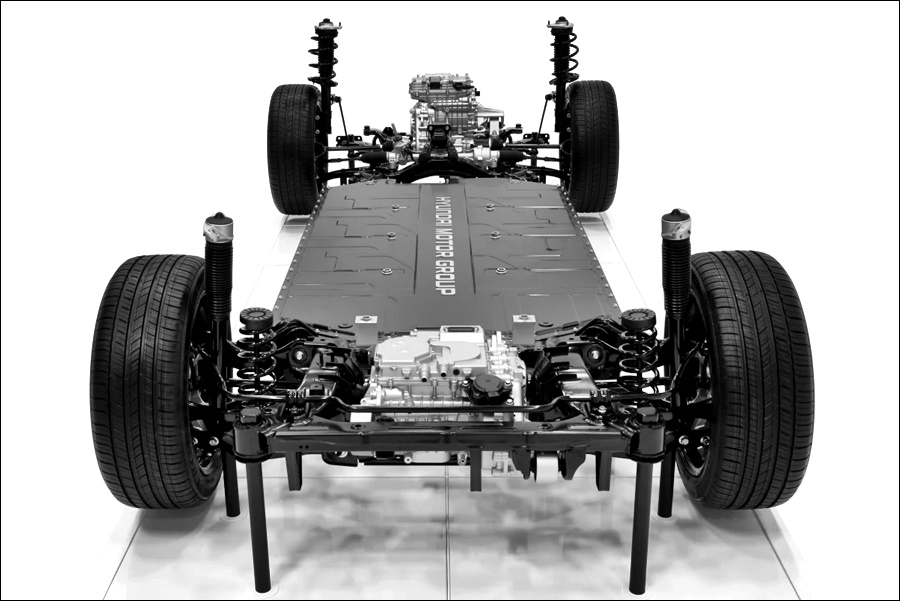
Kia EVs will use the Hyundai Group E-GMP specially developed for Battery Electric Vehicles.

Batteries are a crucial item for BEVs as they supply energy to power the motors so Kia is planning to upgrade its battery technology, and establish a battery supply and demand strategy. While establishing a stable battery supply and demand system by outsourcing to global battery companies, Kia also plans to get batteries from the Indonesian battery cell joint venture. As crucial a factor as supply will also be cost, and Kia is working towards reducing system costs by 40%t, thereby enhancing price competitiveness.

Autonomous driving technology
Autonomous vehicles will come in future and Kia is actively developing the technologies which will be branded ‘AutoMode’. This will include a Highway Driving Pilot feature which would enable driving without driver intervention on highway sections. It will make its first appearance in the EV9 next year, and by 2026, all new models launched in major markets will be available with AutoMode. The adoption rate is expected to surpass 80% and in the long term, the company plans to further upgrade AutoMode technology and implement fully autonomous driving technology.

Kia Malaysia reveals 5-year plan with 61% of local production to be exported

Since being established 73 years ago, Honda Motor has been able to remain independent instead of becoming part of a bigger group. On its own, it has been able to successfully manage its business and endure even the most challenging periods without having to surrender its independence. However, the 21st century sees the auto industry changing and with the move towards electric vehicles (EVs), the cost of developing entirely new technologies is very high. In April, Honda became the first Japanese automaker to declare its intention will stop selling combustion-engines vehicles by 2040.

So even though Honda has preferred to be a ‘lone ranger’, it has been forming strategic alliances with some companies in the area of EVs because it is crucial to remain competitive in the new field, and sharing resources is more realistic. Honda has already agreed with General Motors to jointly develop two all-new EVs for Honda’s range, based on GM’s global EV platform. The EVs will be manufactured at GM plants in North America with sales expected to begin in 2024 for that market.

New joint-venture company
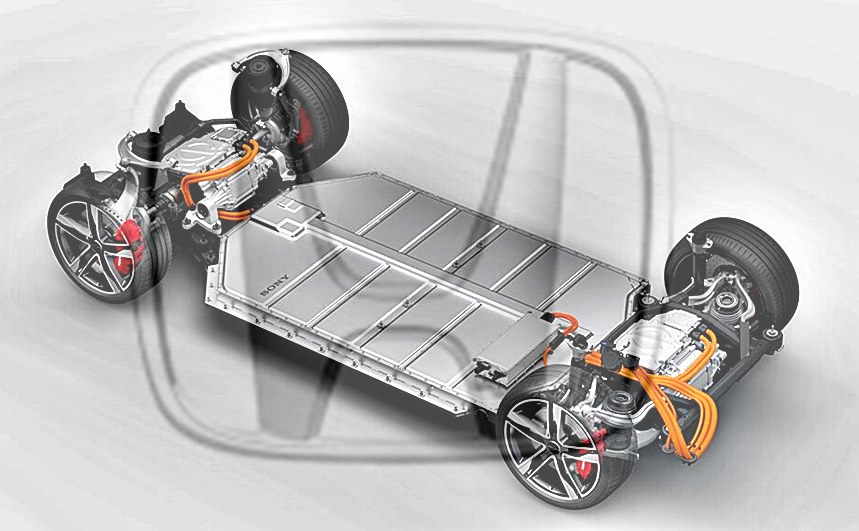
On another front, Honda will be working with Sony Group Corporation to develop EVs as well. The two companies have signed a Memorandum of Understanding (MoU) that outlines their intent to form a joint venture company through which they plan to engage in the joint development and sales of high value-added battery electric vehicles (BEVs) and commercialize them in conjunction with providing mobility services. The new company is expected to be established before the end of this year.

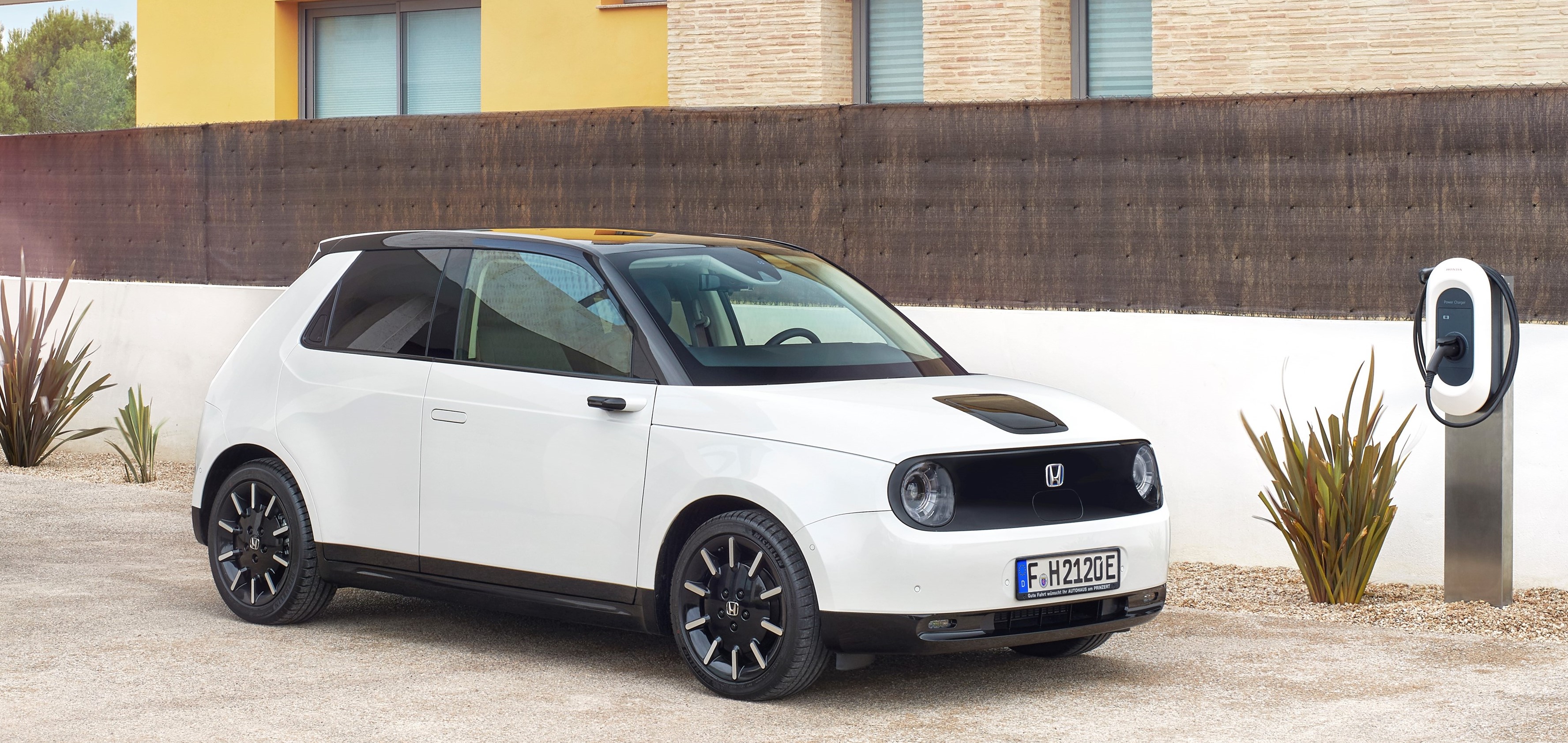
The Honda e, a fully electric EV model, is already on sale in Europe.

This alliance aims to bring together Honda’s mobility development capabilities, vehicle body manufacturing technology and aftersales service management experience, while Sony has expertise in the development and application of imaging, sensing, telecommunication, network, and entertainment technologies.

Sony has already developed EVs
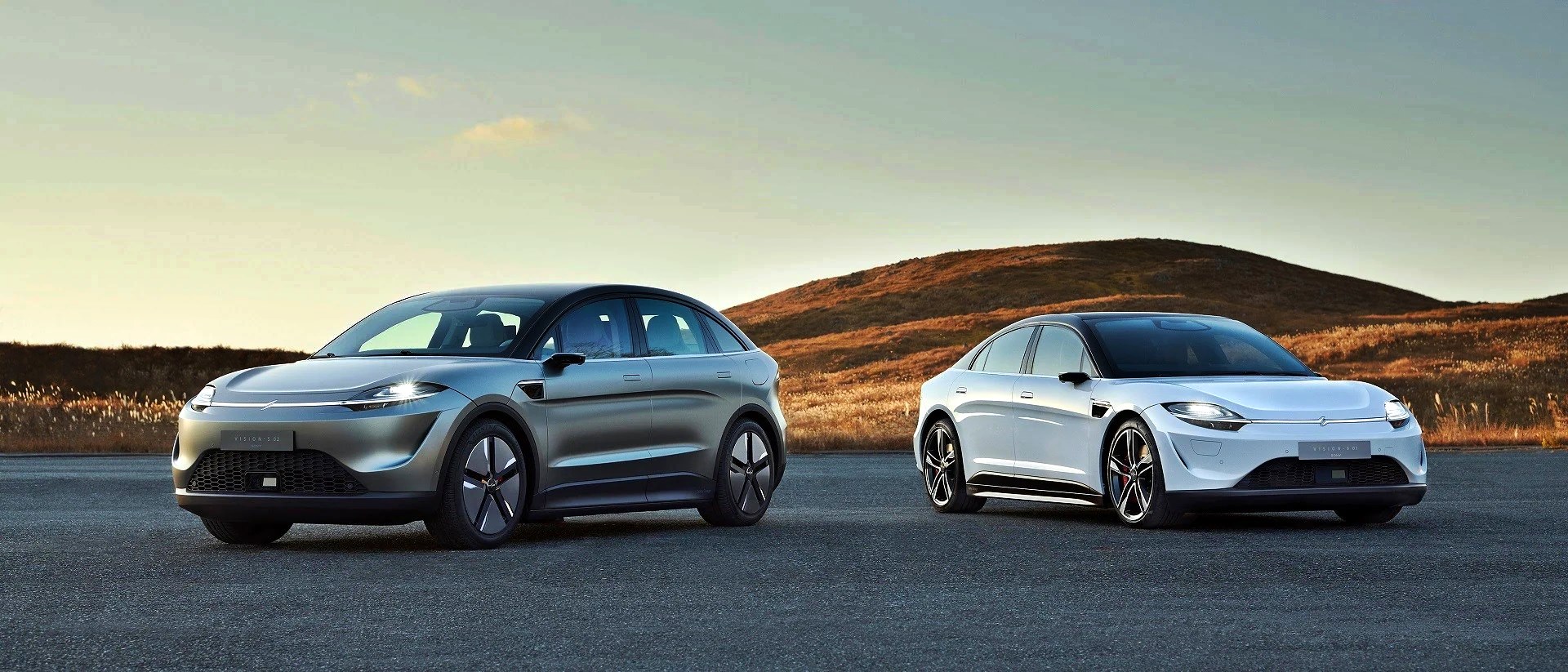
Honda has already developed a few EV models for sale, with the Honda e having received a good response in Europe. Sony has also been developing its own EVs, with two prototypes displayed earlier this year at CES 2022 in Las Vegas. The prototypes appear to have reached quite an advanced stage and have been shown in real-world road-testing.

Sony’s two EVs which were shown at CES 2022 earlier this year.

While Sony announced in January that it would start a new unit called Sony Mobility which would handle commercialization of EVs, this move may well have been too challenging for the company which does not have experience in making cars. Honda, on the other hand, has been producing many fine cars with its decades of experience. As Sony would have vast experience in electronics, which are dominant in EVs, its expertise will be very useful.

So it remains to be seen whether Honda will adopt Sony’s concepts – called VISION-S – or come out with a new design. If they want to do a new design, they have less than 3 years to do so as the plan is to start sales of the first model from the new company in 2025.

A new brand name?
There is also a possibility that the new EVs will have separate branding rather than be sold as Honda or Sony products. This is because the agreement is for the new company ‘to plan, design, develop, and sell the EVs’. It is agreed that Honda will be responsible for manufacturing the first EV model at its own factory.

Honda has had many decades of experience manufacturing cars. not only in Japan but also in other countries.

“The New Company will aim to stand at the forefront of innovation, evolution, and expansion of mobility around the world, by taking a broad and ambitious approach to creating value that exceeds the expectations and imagination of customers. We will do so by leveraging Honda’s cutting-edge technology and know-how in relation to the environment and safety, while aligning the technological assets of both companies. Although Sony and Honda are companies that share many historical and cultural similarities, our areas of technological expertise are very different. Therefore, I believe this alliance which brings together the strengths of our two companies offers great possibilities for the future of mobility,” said Toshihiro Mibe, Director, President, Representative Executive Officer & CEO of Honda Motor.

The actions of Russia in the conflict in Ukraine have been condemned by much of the world community and where, in the past, military actions by other countries would have been initiated – making the conflict even worse – the approach today is to use other non-military means to ‘persuade’ Russia to stop. Economic sanctions are one powerful approach which has had an effect on Russia and various organisations have also taken actions to alienate the country.

The motorsports community has also taken a stand, which started with many of the drivers in Formula 1 expressing an unwillingness to take part in the Russian Grand Prix scheduled as Round 17 in September. The Formula 1 organisation has gone further and terminated the contract with the organisers of the Russian Grand Prix – and not just for this year. The official position is that there will no longer be a F1 event held in Russia although that can well change in future.

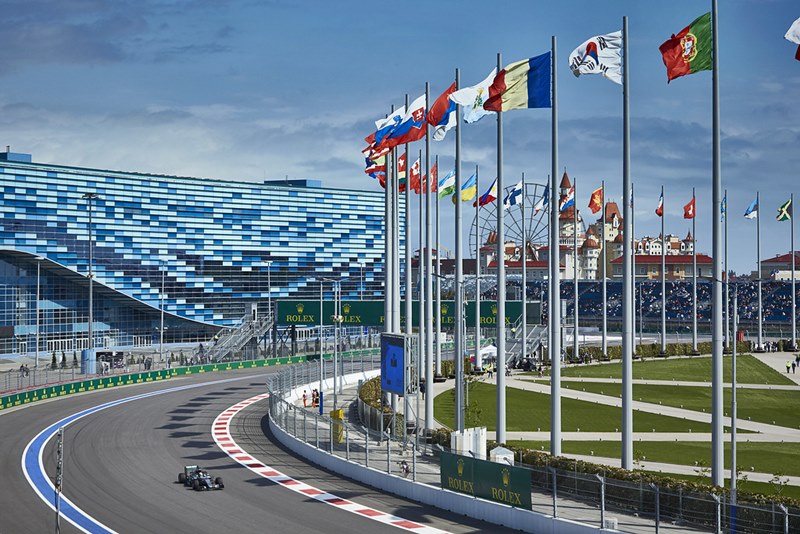
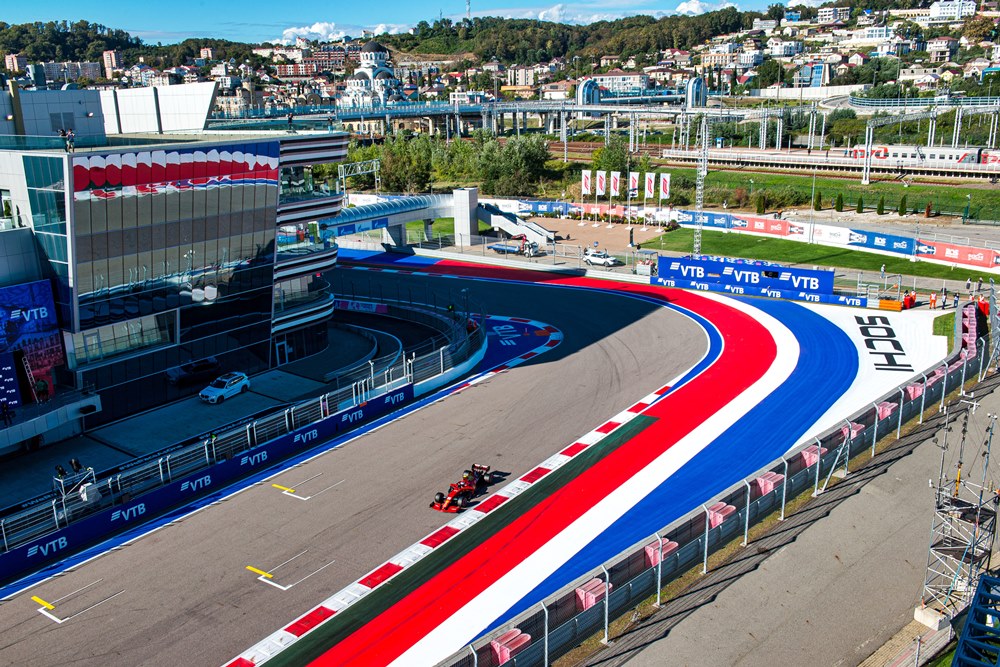
The Russian Grand Prix was first run in 2014 and held for 8 years until 2021. The races have been run on a street circuit in Sochi, the host city of the 2014 Winter Olympics. The Mercedes-AMG team has won every year, with Lewis Hamilton winning 5 times, Valtteri Bottas twice and Nico Rosberg once.

Will there be a replacement?
The slot for the cancelled Russian Grand Prix could either be left empty, which means a 2-week gap betwee the Italian GP in Monza and the Singapore Grand Prix. If the organisers must have their 23 rounds, then they would either look for another venue in Europe or even consider one in Asia. Vietnam was preparing for its first-ever F1 race but the COVID-19 pandemic prevented it and it may well try again to be a host. And don’t forget Malaysia also has a F1-ready track…

FIA’s decisions
The FIA – the governing body of international motorsport – has also announced a number of decisions made in relation to the Ukraine conflict. In accordance with the International Olympic Committee recommendations, motorsport events will not be allowed (until further notice) to take place in Russia and Belarus, and no flag/symbol or anthem of Russia/Belarus is to be used in international/zone competitions.

Drivers, competitors and officials are also affected by the same decisions as no Russian/Belarusian national teams can participate in international/zone competitions (eg FIA Motorsport Games). However, Russian/Belarusian drivers, individual competitors and officials are still allowed to participate in international/zone competitions only in their neutral capacity and under the ‘FIA flag’, subject to specific commitment and adherence to the FIA’s principles of peace and political neutrality. The FIA also forbids any display of Russian/Belarusian national symbols, colours, flags (uniform, equipment and car) or the playing of associated anthems at events.

Additionally, representatives from Russian/Belarusian FIA Members are to step aside temporarily from their roles and responsibilities of elected officers/commissions’ members. No FIA grant will be awarded to the Russian/Belarusian FIA Members, and no existing FIA grant funding will be paid to them as well.

“I want to thank the Council members for their prompt action in deciding these measures in the interests of sport and peace. We stand in solidarity with Leonid Kostyuchenko, the President of the Federation Automobile d’Ukraine (FAU) and the wider FIA family in the country. The measures taken today recognise the authority of the FAU in Ukraine and are also aligned with the recommendations recently made by the International Olympic Committee. We are in active discussions with our members as we continue to extend our compassion and support in their time of need. We sincerely hope for a peaceful resolution to their intolerable hardship,” said the new FIA President, Mohammed Ben Sulayem, after chairing an extraordinary meeting of the World Motor Sport Council.

URAKALI and Nikita Mazepin
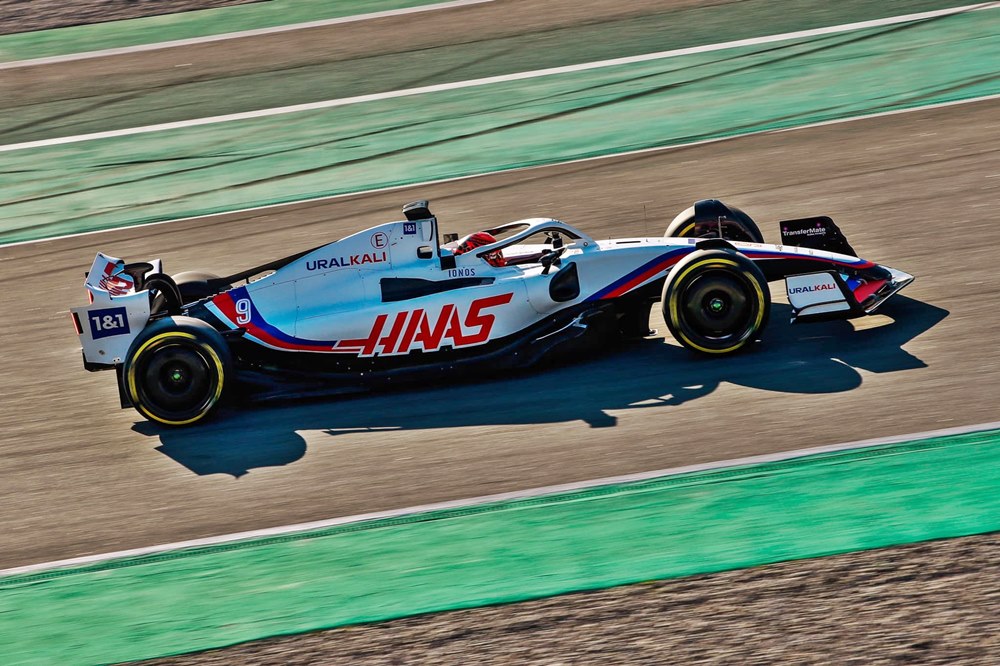
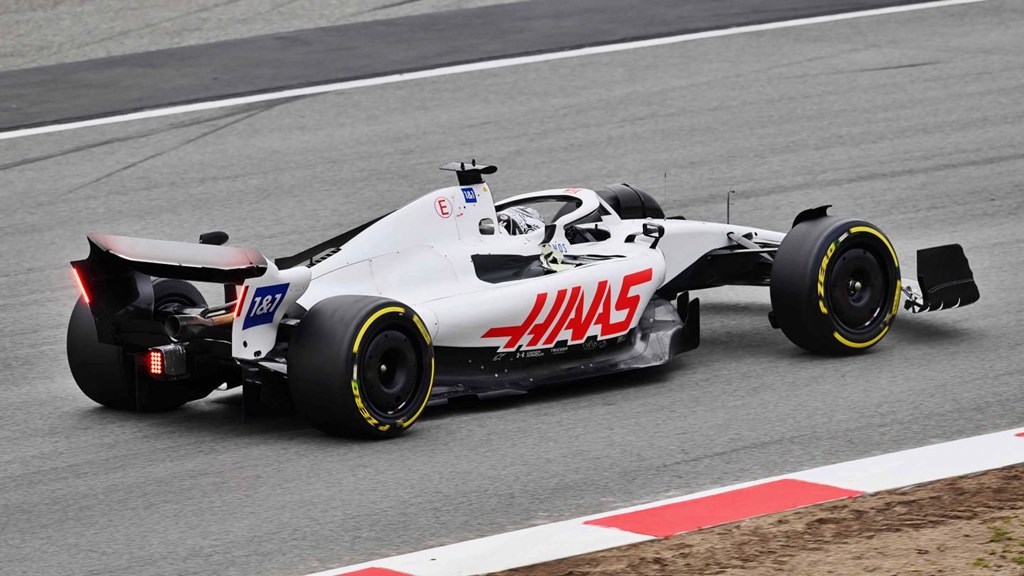
Among the current teams taking part in Formula 1, there is one Russian driver and one major sponsor – Nikita Mazepin and Urakali, which is a major sponsor of his American-owned team, Haas F1. Understanding the sensitivity of association with anything Russian, Haas removed Urakali’s name from its racing cars before the final day of testing in Spain. Incidentally, Urakali, a fertilizer company in Russia, is owned by Mazepin’s father.

The URAKALI name disappeared (below) from the Haas F1 racing car on the final day of testing in Spain. URAKALI is a Russian fertilizer company owned by Nikita Mazepin’s father.

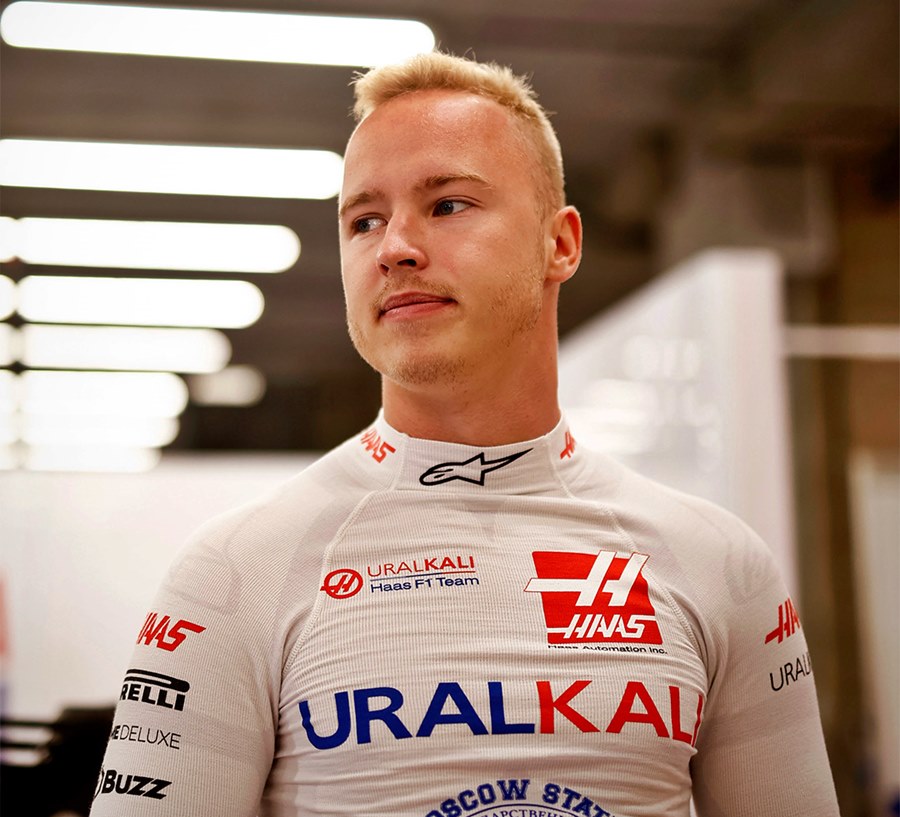
Nikita Mazein, 23, may not get a chance to continue racing in F1 after having started last year.

Mazepin’s future with the team has also been uncertain. There are rumours that the 23-year old driver who began driving in F1 last year will likely be dropped by the team although the FIA has stated that it is possible for him to race as a ‘neutral’ party. If he is removed, his place alongside Mick Schumacher could be taken by Pietro Fittipaldi, the team’s reserve driver.


This March, purchasers of new Nissan vehicles from an authorized Nissan showroom can become millionaires… BoostStar millionaires. For a new campaign, ‘March Deal Boosters’, by Edaran Tan Chong Motor (ETCM), up to 20 million Boost Stars are to be given out during the campaign period from March 1 to 31, 2022.

The Boost Stars, normally accumulated through transactions using the Boost app, can be redeemed for many different rewards from the BoostUP catalogue so customers have a wider choice of rewards to choose from.

Applicable to all new Nissan models
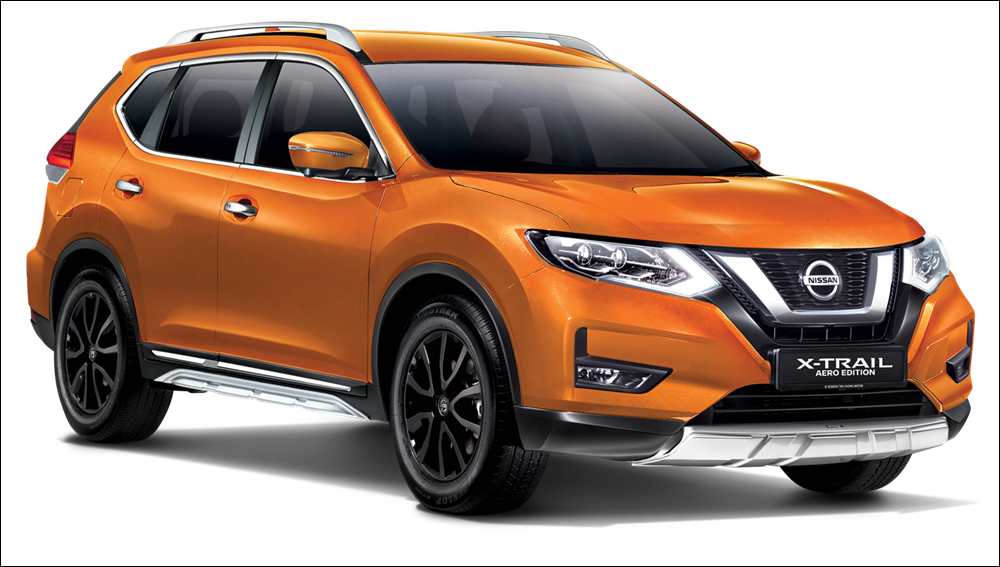
All new Nissan models will qualify customers for the BoostStars, including the Almera 1.0L Turbo, Navara 2.5L Turbo 4WD, X-Trail and Serena S-Hybrid. Additionally, free accessories packages and free maintenance service are also offered for even better value for money. And apart from the pick-up truck models, exemption of sales tax is available so there are additional savings.

RM30 voucher for test-drive
Also during the month of March 2022, visitors to Nissan showrooms who test-drive the latest Almera Turbo will receive a Watsons Voucher worth RM30 in appreciation of their interest. They can make use of the test-drive opportunity to experience the performance of the turbocharged engine as well as its fuel efficiency. In a charity event organized by ETCM last year, one owner was able to get fuel consumption of up to 18.4 kms a litre which would give a range of up to 650 kms on a full tank.

The Almera also comes with Nissan Intelligent Mobility and Nissan Safety Shield 360 to provide pro-active action in avoiding accidents or reducing the damage if an accident occurs. Up to 6 airbags are present and to assist the driver are active safety systems such as Blind Spot warning Rear Cross Traffic Alert and an Intelligent Around View Monitor 360o camera.

The dominating Navara PRO-4X comes with a proven 2.5-litre turbodiesel engine with 7-speed transmission and robust 4×4 system can tackle any terrain, while Nissan Intelligent Mobility Technologies provide a 360-degree Safety Shield for the vehicle and occupants.

All new Nissan vehicles come with a 5-year warranty covering manufacturing defects and other than the Navara, there is no limit on mileage travelled after registration. For the Navara, the mileage limit is 150,000 kms or 5 years, whichever comes first.

24-hour Nissan showroom
For customers who are not able to visit Nissan showroom, information is also available at the 24-hour  Nissan Online Showroom and test-drives can even be arranged at their premises if they wish. And if a purchase decision is made. a low-booking fee payment online (via the Lazada Nissan Flagship store) is now available and a Sales Representative will be in touch to assist in completing the purchase process.

For more information, www.nissan.com.my, or contact the Nissan Customer Care Centre hotline at 1800-88-3838.

FEATURE: A closer look at the Nissan Almera Turbo engine

The year started on a low note for the Malaysian car companies as supply issues and the after-effects of the severe floods pushed new vehicle sales down. However, February – normally a low month due to the short working days – proved to be better in spite of the Chinese New Year holidays.

Proton was among the companies that saw sales rebounding, with a 107% increase in sales. The company sold 9,225 units (domestic + export) during the month, which would put it back in second position on the sales chart for 2022. The company estimates that it captured 20.2% in February although for the first two months of the year, the cumulative market share is estimated to be 15.9%.

Top-seller was the X50
The model with the largest sales volume was the X50 with 3,002 units delivered, bringing the total over the first two months of 2022 to 5,603 units. This SUV has been exceptionally popular and Proton reports that over 100,000 bookings have been received in 16 months.

Next was the evergreen Saga, with 2,951 units delivered; while this is less than its usual monthly average, the numbers are expected to return to their previous level in the coming months. The Persona, with 1,675 units delivered, was third on Proton’s chart. The Exora, though having been in the market for quite some time, remains the best buy for anyone wanting a C-segment MPV.

While domestic sales still trail last year’s volumes, export sales are trending upwards and have grown by 72.8% in 2022. For the first two months of the year, 323 units have exported, compared to just 187 units in 2021.

All production lines in operation
With all production lines in operation at the factories in Shah Alam, Selangor and Tanjung Malim, Perak, February’s rebound in sales was a direct result of being able to produce more cars. “This was only made possible by the outstanding joint efforts of our vendors and Proton staff, who worked and continue to work ceaselessly to get us back on track. Thankfully, our order bank remains healthy, and we remain hopeful of catching up to our targets for this year,” said Roslan Abdullah, CEO of Proton Edar.

“As for the Malaysian automotive industry, the first two months of the year has seen strong demand as evidenced by the growth in TIV compared to 2021. This is good news for both car companies and the vendor community and is also testament to the effectiveness of policies set by the government,” he added.

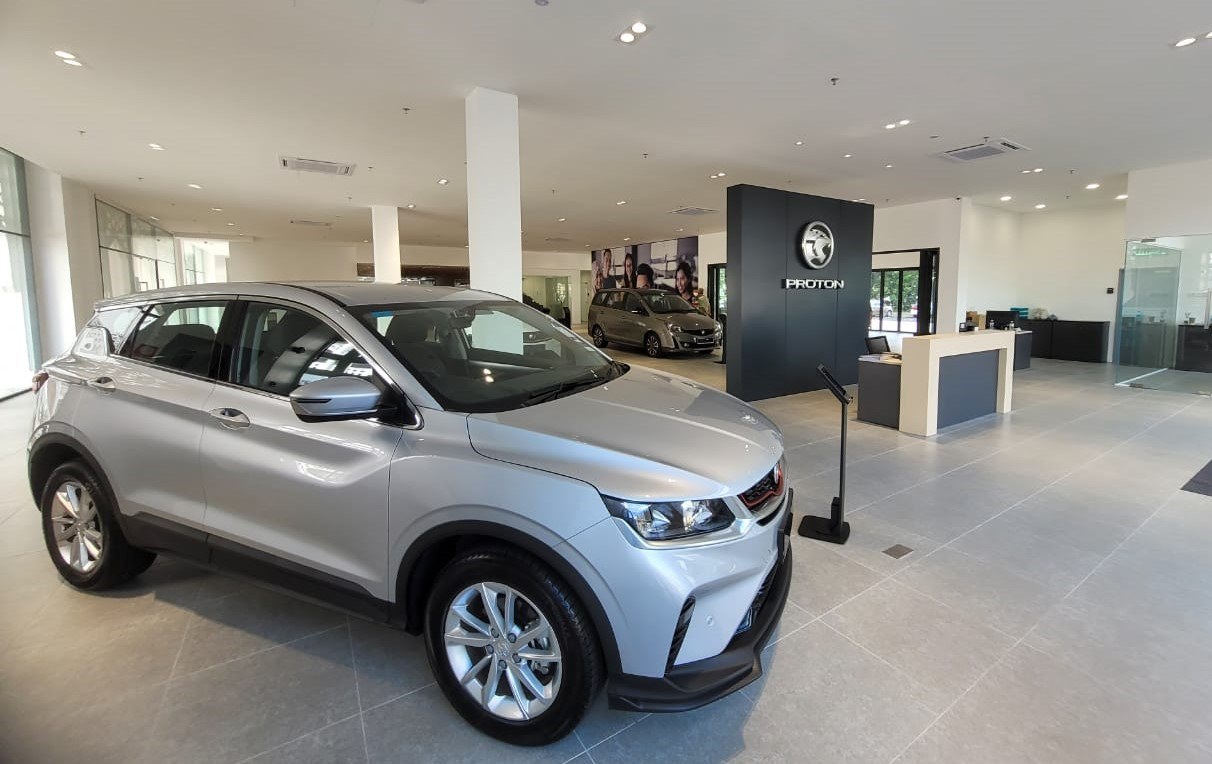
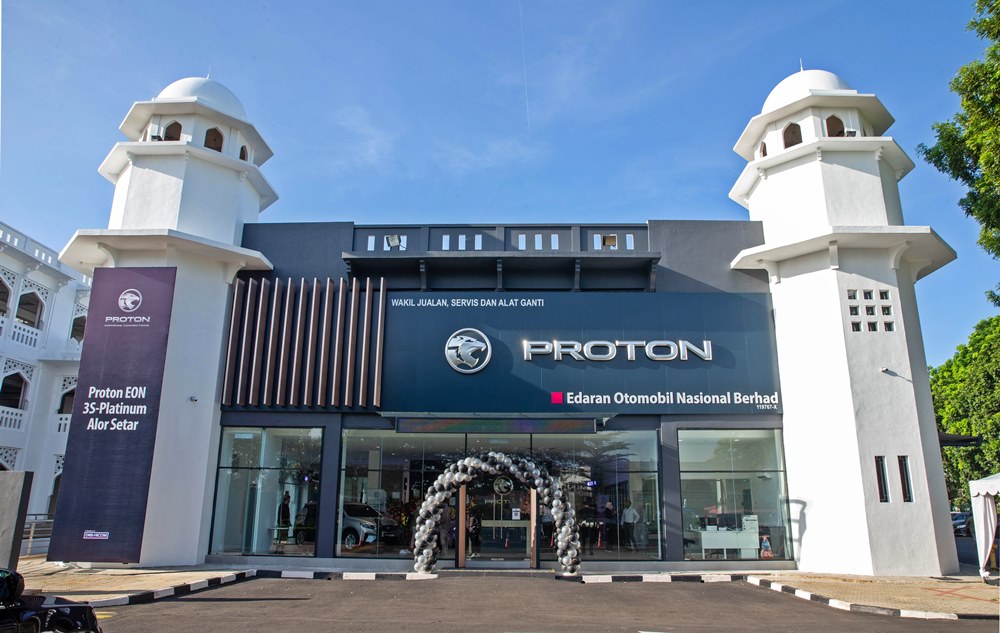
To better serve its customers and enhance sales growth, Proton continues to grow its sales and service network. The 147th 3S/4S outlet was officially opened in Alor Setar today and is the tenth outlet for EON, a leading dealership. It is also the fifth Proton Platinum Showroom in the country.

A new Proton Platinum outlet operated by EON in Alor Setar.

Addressing customer complaints
“Proton is aware of the issues it faces regarding after sales and parts availability. Our customers have reached out to us, and we deeply regret any inconvenience caused. I would like to reassure them we take every complaint seriously and senior management has identified several bottlenecks and operational issues that require fixing,” Encik Roslan said.

He said that the first step taken to address the availability of parts has been implementation of a mandatory requirement where all dealers are required to have 3 months holding stock of 22 fast-moving parts. “Our central parts centre is also subject to the same requirement, and we hope this will ease waiting times for customers. We are also strengthening the capability and knowledge of our dealers to provide excellent aftersales service to all Proton customers. There is still a lot left to do, but we will give updates on our progress throughout the year,” he added.

Proton Edar to distribute smart New Energy Vehicles from China

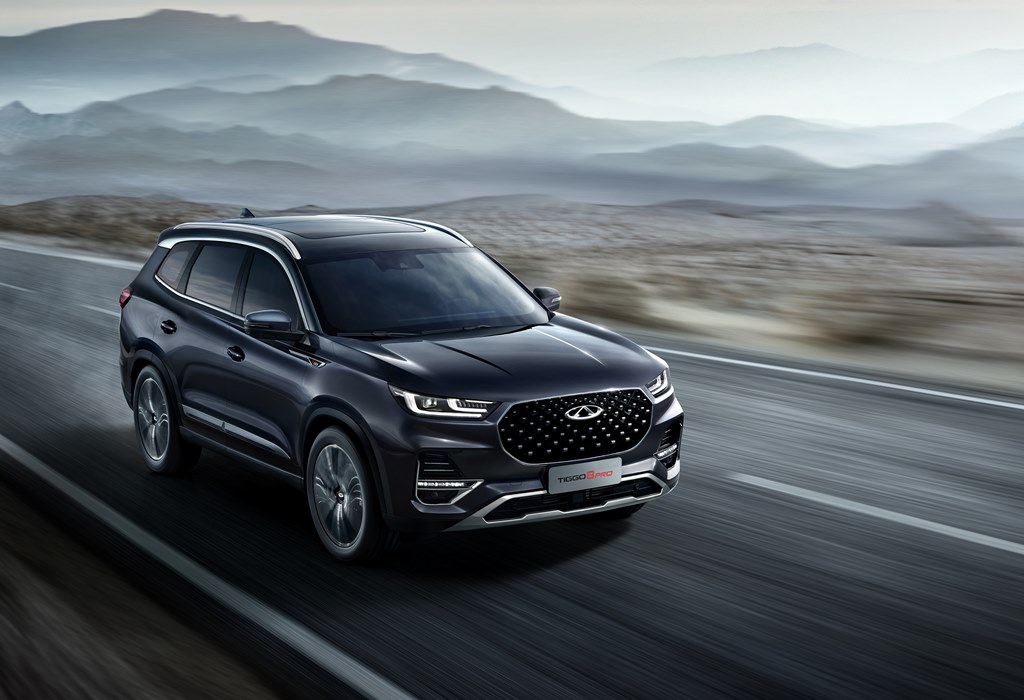
Chery was the first carmaker to begin exporting passenger vehicles from China and not surprisingly, it has remained the country’s top passenger car exporter for 19 consecutive years. Its vehicles are now sold in more than 80 countries and regions, and it has also set up 10 factories outside China.
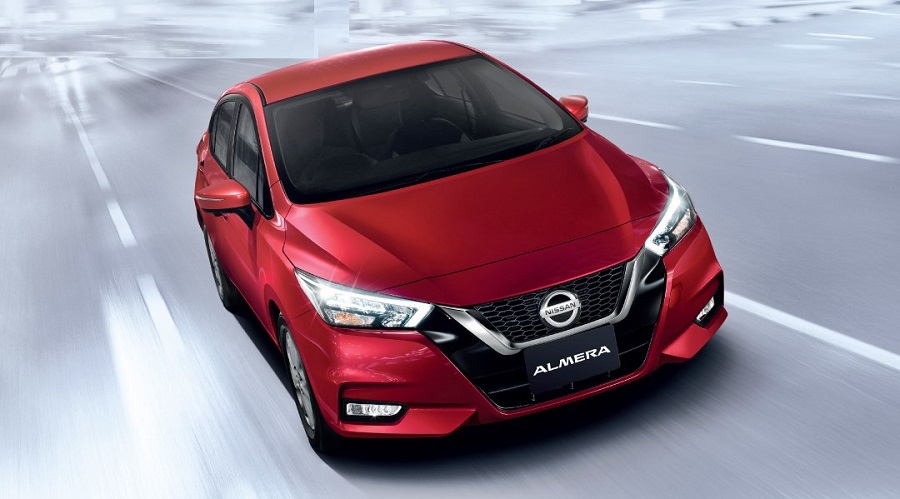
Like the early years of the Japanese brands venturing overseas, the quality and reliability of cars from China has also been raised by customers. There’s certainly no doubt that since the auto industry in China began accelerating its activities and development from the 1980s, the products have constantly improved with new technologies and more advanced manufacturing processes.

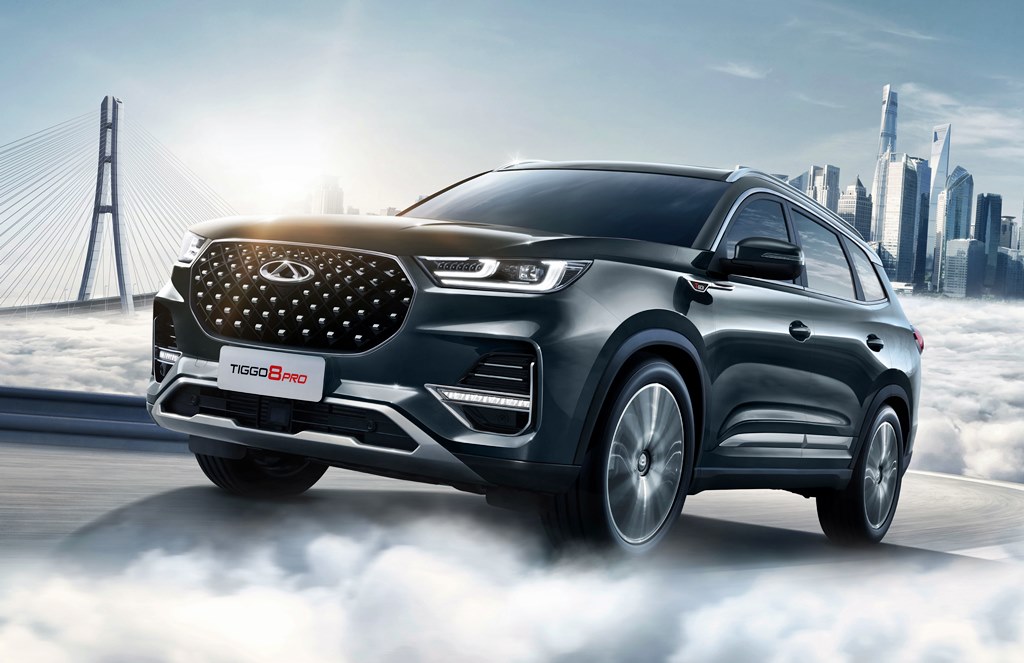
2022 Chery Tiggo 8 Pro

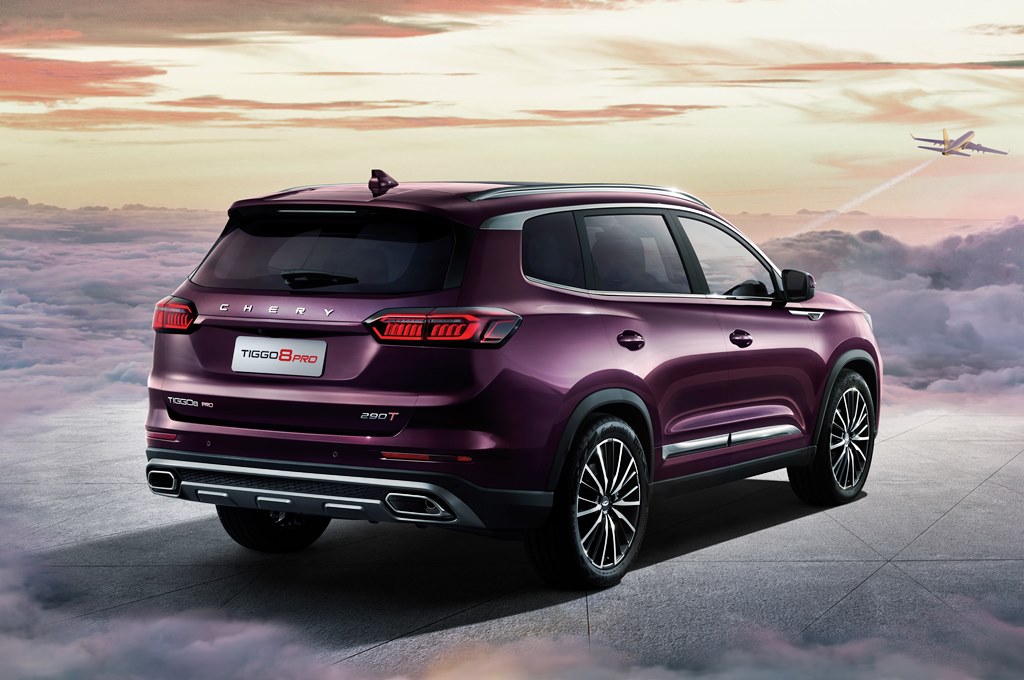
To show its confidence in the reliability of its latest products, Chery has launched the new Tiggo 8 Pro in South Africa with an engine warranty that is 10 years long or up to 1 million kms (whichever comes first). This warranty complements the vehicle warranty which is 5 years or a maximum of 150,000 kms and this warranty is transferable (if still valid when the vehicle is sold to another person).

The 1 million km engine warranty is impressive but not new as Hyundai has been offering a warranty of a million miles (1.6 million kms) in America for some time. Like Chery’s warranty, it is only for the powertrain but is for up to 20 years.

Long warranties are reassuring for owners and may seem to be a long-term risk for carmakers that offer them. However, it should be noted that such warranties usually apply only to the first owner and subsequent owners will not enjoy the same length coverage. In markets like the USA, ownership of a car is for a few years and then the owner gets a new one, so in reality, the risk to the carmaker is not much different from that of warranties of 5 years.

Anyway, it’s still a good way to convince customers who wonder about quality, which was one of the reasons why Hyundai offered it in America. Back in the 1980s, when the brand first entered the market, its products had poor quality and damaged the image. The Koreans worked hard to improve quality and when they were confident they could offer better products, they backed up their claims with longer warranties.

The engine is a 1.6-litre turbocharged direct-injection petrol unit, one of Chery’s powerplants which has won awards in China for its high efficiency. The TGDI engine produces 197 ps/290 Nm.

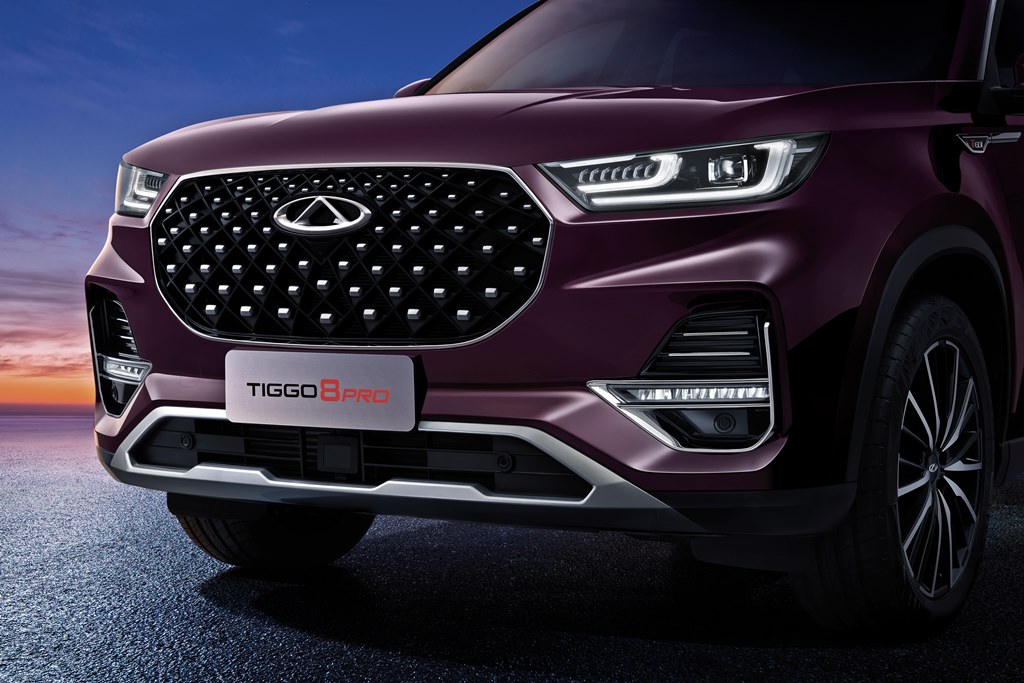
2022 Chery Tiggo 8 Pro

2022 Chery Tiggo 8 Pro

The new Tiggo 8 Pro is a flagship of the range and South Africa is the first country on the continent to get it. It uses ‘Movement Design’, Chery’s next-generation design language which has a galaxy-inspired 3-dimensional grille flanked by automatic matrix-LED headlamps with dual daytime running lamps, establishing a strong visual signature. Satin chrome is used for the lower air intake (which doubles as a skidplate), foglamps, grille, window frames and lower doors.

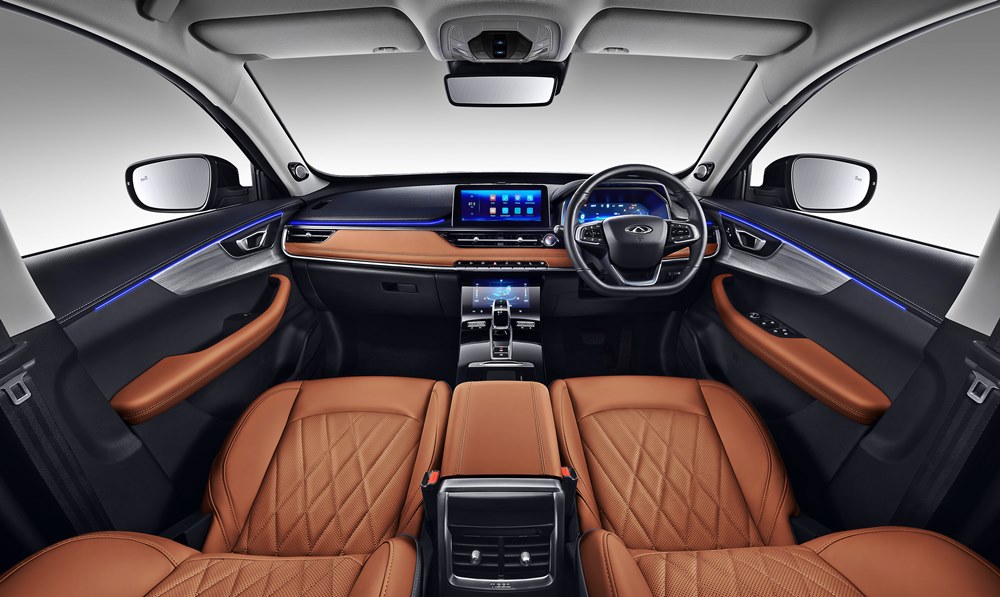
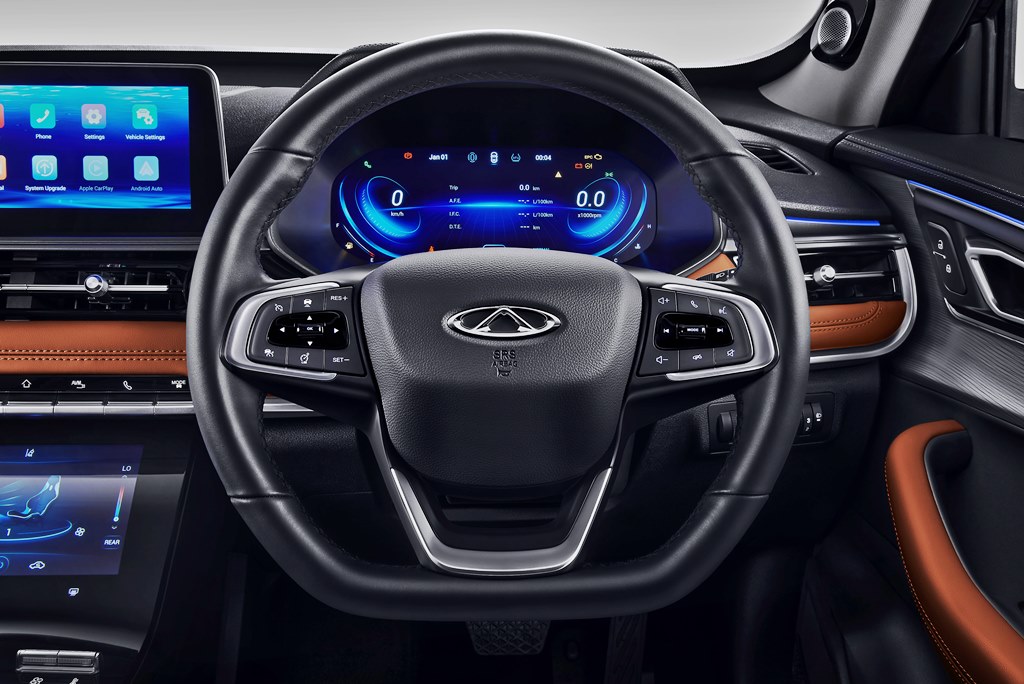
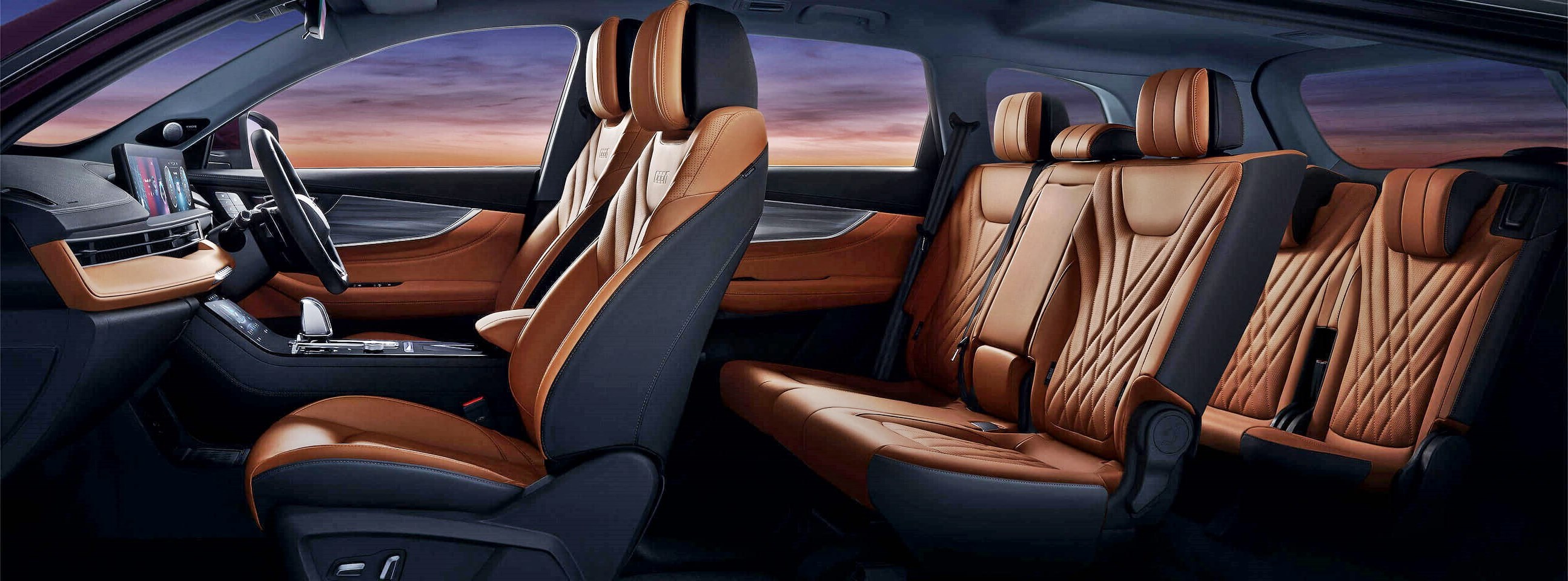
Inside, all major controls have been digitised in 3 separate screens – a horizontal 12.3-inch instrument panel, an 8-inch climate control screen, and a 10.25-inch infotainment screen ‘floating’ in the centre of the dashboard. The centre screen, which also displays the rearview image from a camera, operates the infotainment system which is Apple CarPlay/Android Auto ready.

2022 Chery Tiggo 8 Pro

The fully automatic climate control system has dual-zone circulation and, in consideration of increased concerns about air quality today, there is an N95-grade air purifying system as standard. For the Executive variant, rear occupants receive more cool air with an additional air-conditioning system for the rearmost seats. All variants offer wireless charging, intelligent voice control and eight surround speakers by Sony. Leather upholstery is standard, with the driver’s seat having 6-way power-adjustment.

2022 Chery Tiggo 8 Pro

2022 Chery Tiggo 8 Pro

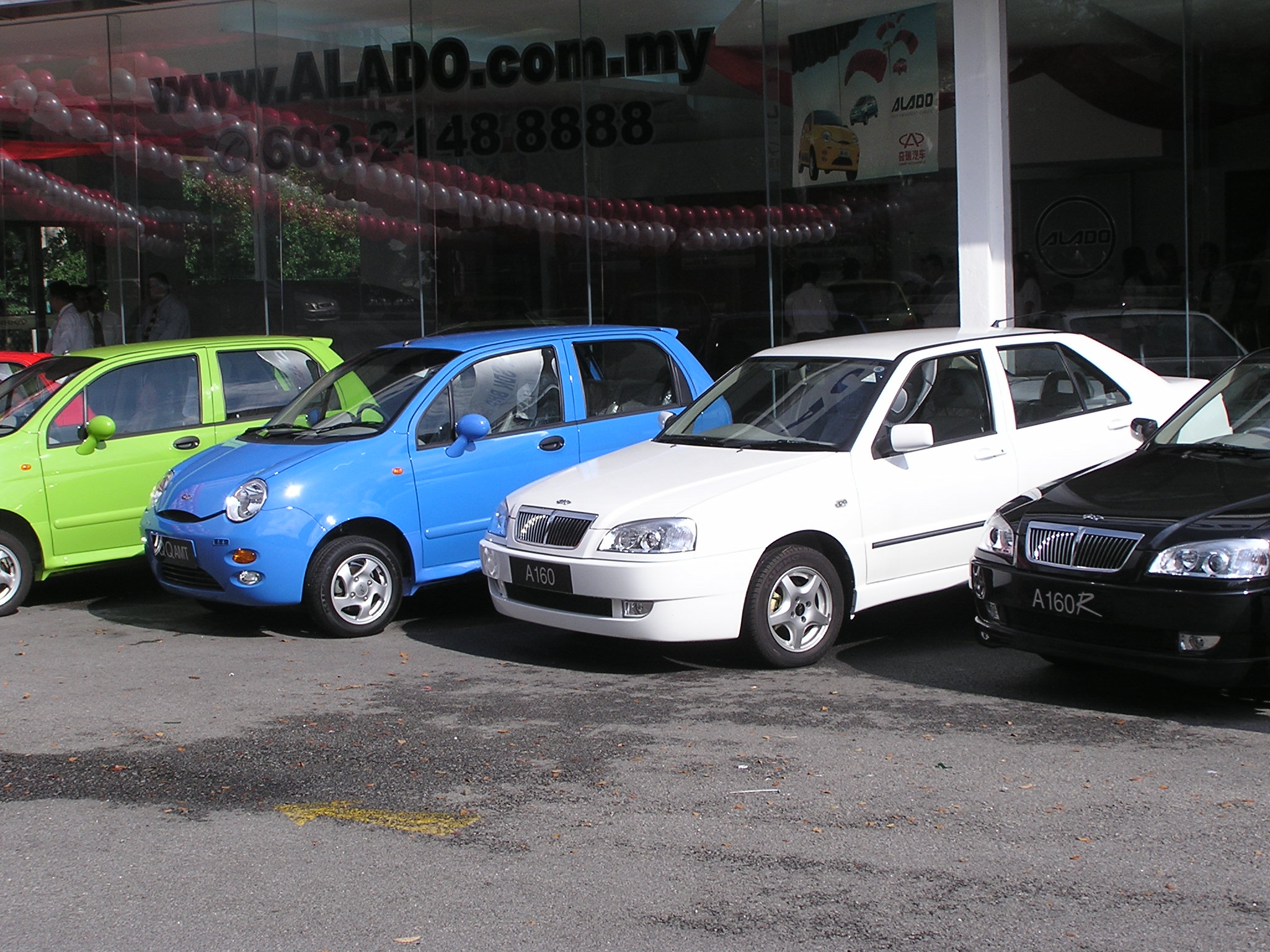
According to Chery Malaysia, the Tiggo range will be offered in Malaysia soon. There are also plans to do local assembly with a partner that has not been revealed. Chery first appeared in Malaysia in the early 2000s with the QQ minicar and then assembled a few models at the former Oriental Assemblers plant in Johor (now owned by Berjaya).

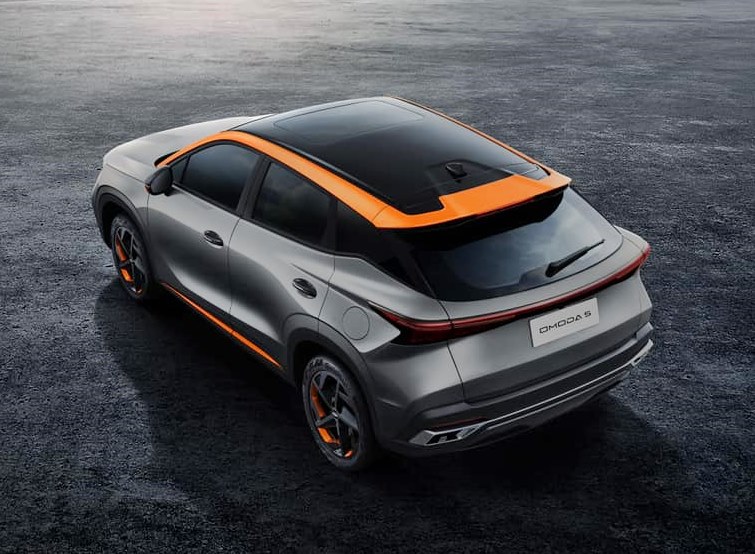
When Chery first came to Malaysia in the early 2000s, it offered models such as the QQ minicar (blue and green cars) and the A160, as well as the first generation of the Tiggo. 20 years later, the carmaker has greatly advanced its design and engineering capabilities and now offers models like the new OMODA 5 (below) which will soon be available in Malaysia along with the new Tiggo.

Chery Automobile to enter US market using newly-created VANTAS brand name


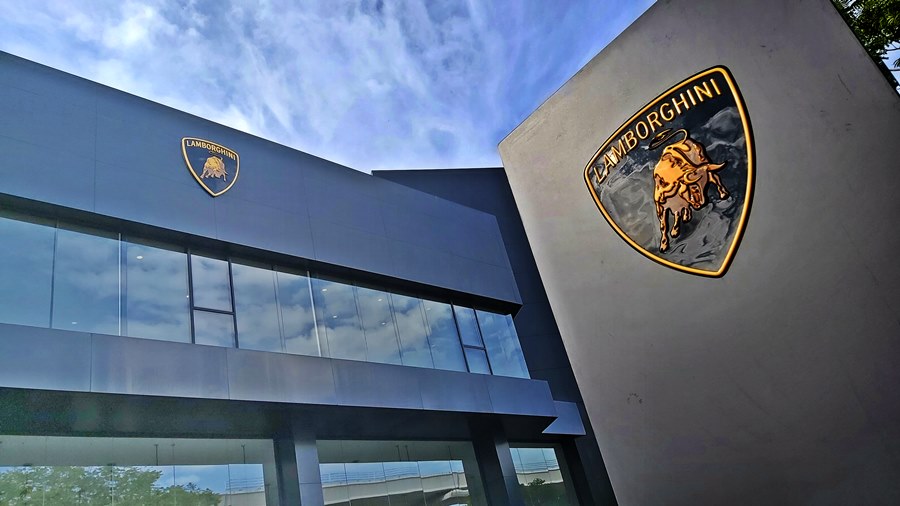
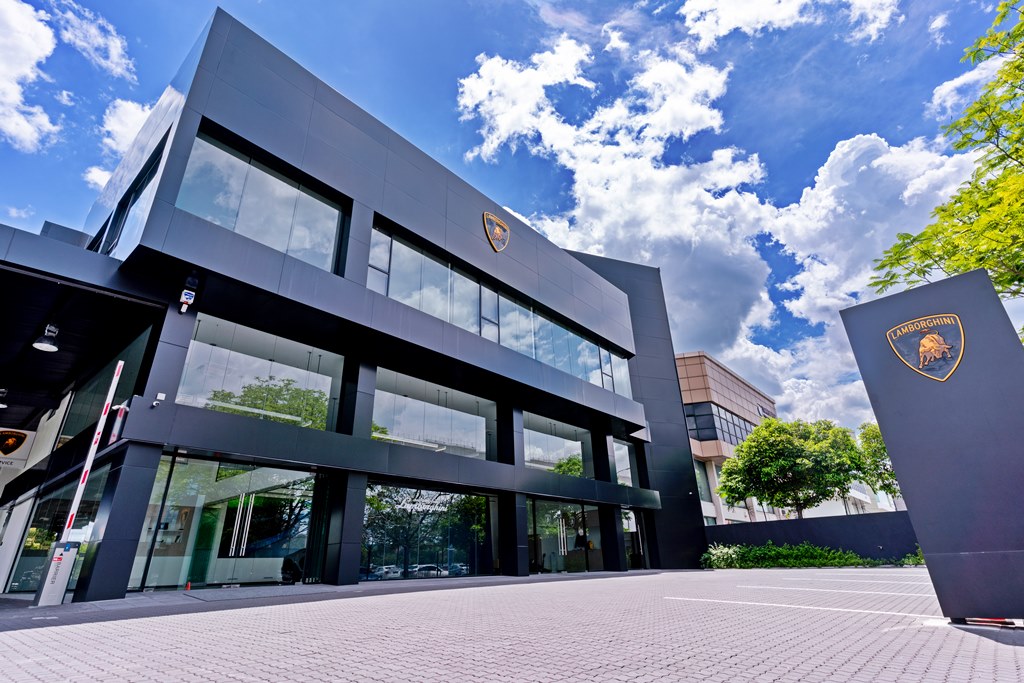
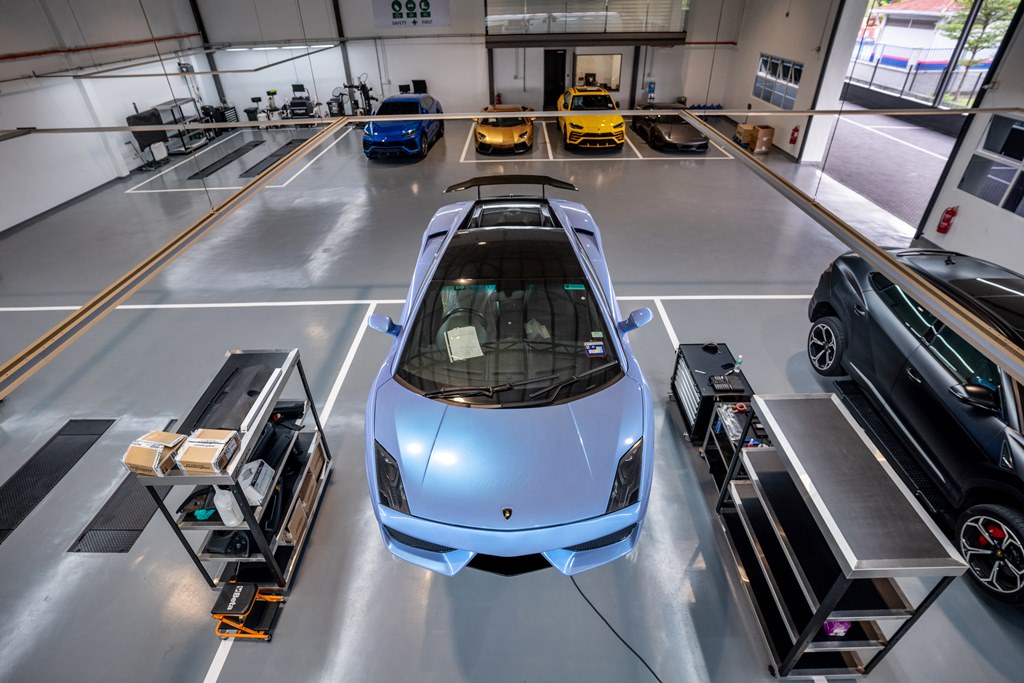
SunAgata Supercars Sdn Bhd today officially opened Lamborghini Kuala Lumpur, its showroom and service centre to provide sales and aftersales services for the Italian brand in Malaysia. SunAgata Supercars was appointed as Lamborghini’s sole authorized dealer and aftersales provider in January last year and has been operating from the Audi Centre in Glenmarie, Selangor.

Its new facility is also in the same area but located along the main road through the district. The styling of the premises follows Lamborghini themes which are characterized by polygons, clean lines and modern architecture.

Lamborghini Kuala Lumpur 2022

Lamborghini Kuala Lumpur 2022

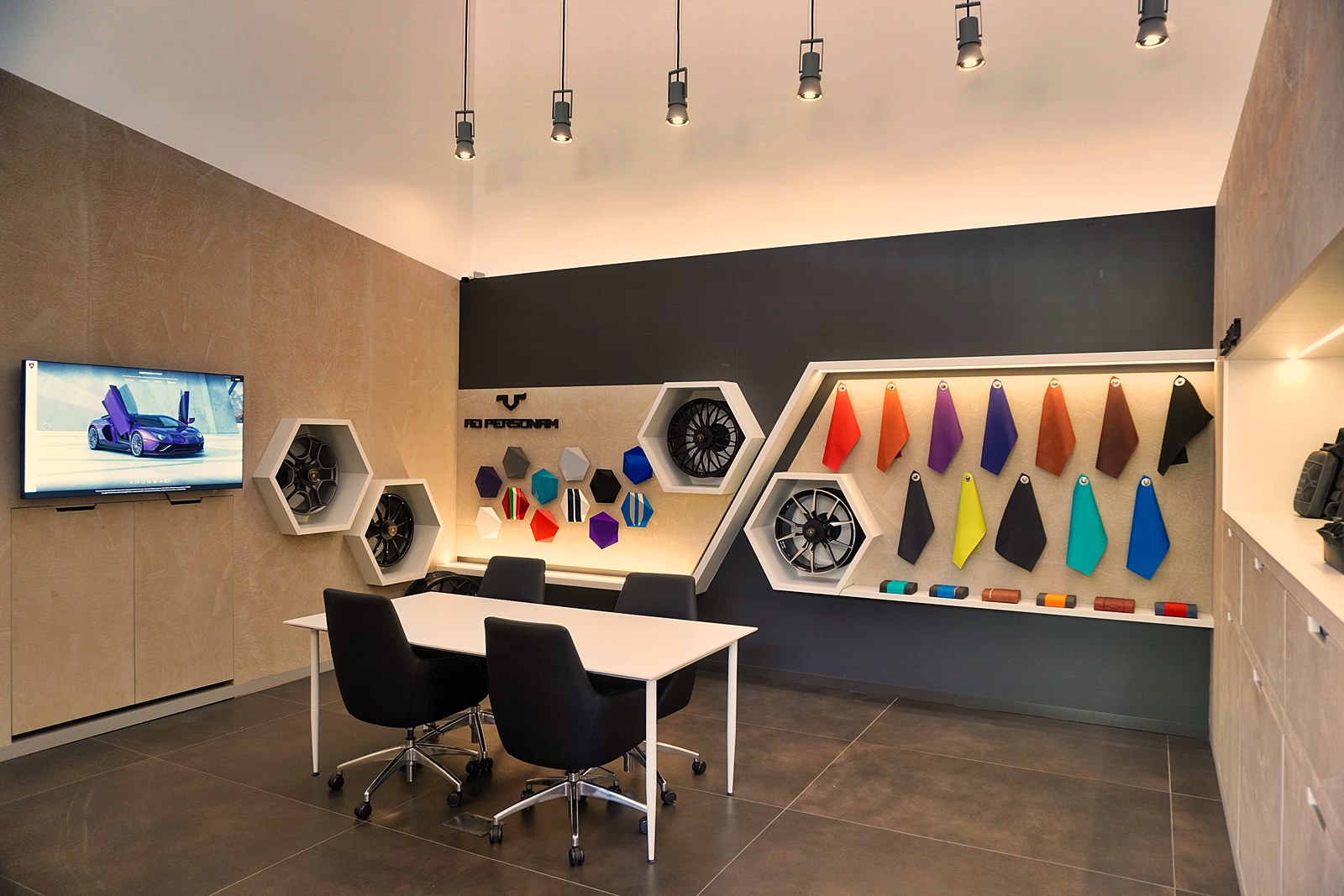
A special area of the showroom has been set up as an Ad Personam room where customers can personalize their car with the wide range of options. There are samples of various materials for them to feel so they can decide exactly what they want. From the colours and materials to the seat’s logo and embroidered initials inside the cabin, virtually every wish can be given form by choosing from infinite combinations, and fitment will be to the high standards of quality Lamborghini prides itself in.

Lamborghini is a strong and highly acclaimed brand worldwide and our new dealership environment is a tangible demonstration of this. We believe that the strong partnership between Lamborghini and SunAgata Supercars will effectively communicate our brand values as well as deliver an unparalleled customer ownership experience,” said Francesco Scardaoni, Region Director of Automobile Lamborghini Asia Pacific, at the opening ceremony this morning.

Lamborghini Kuala Lumpur 2022

Lamborghini Kuala Lumpur 2022

Lamborghini Kuala Lumpur 2022

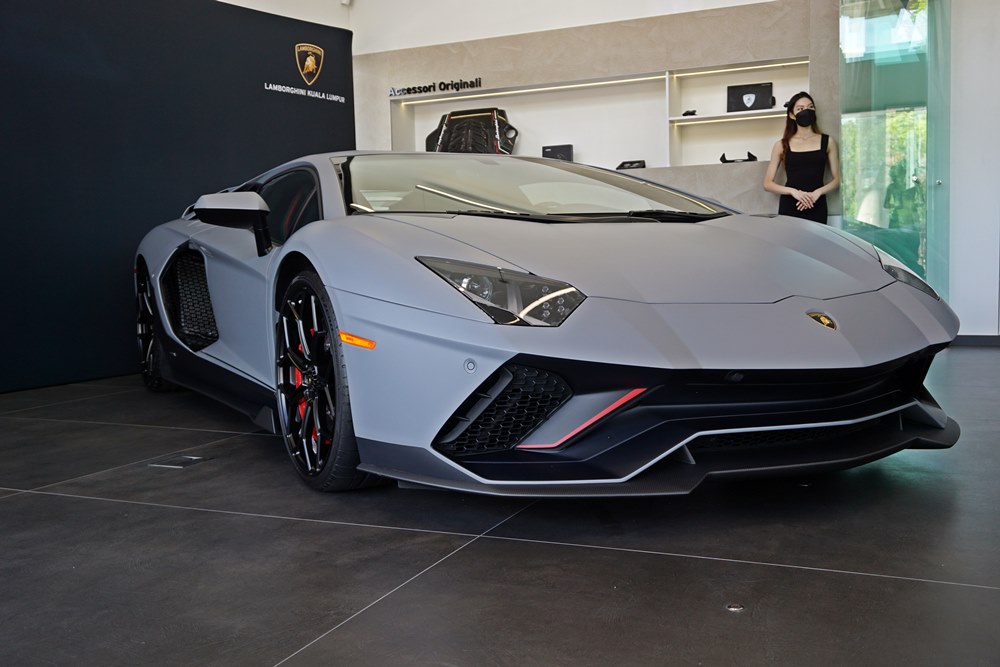
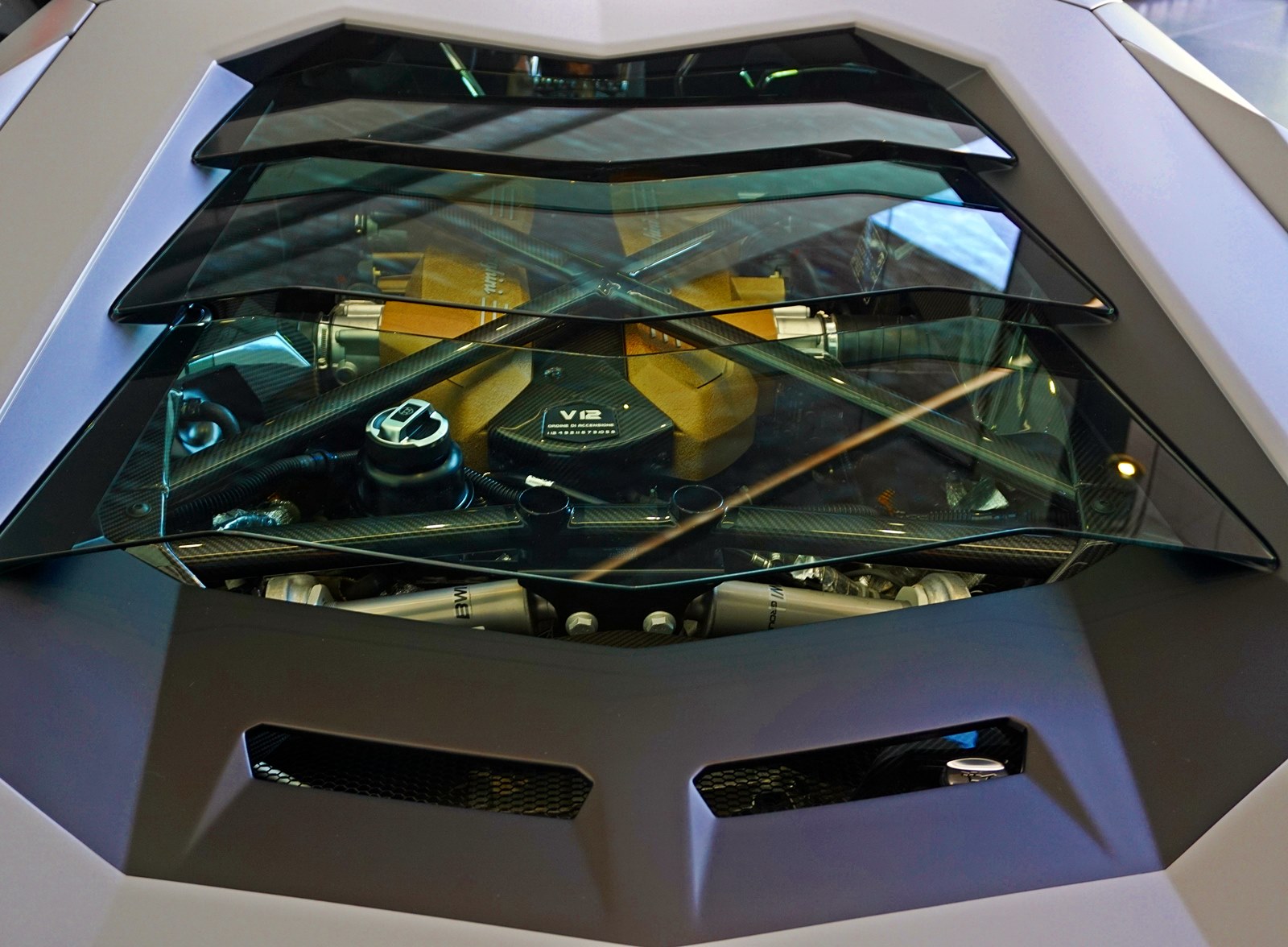
To celebrate the occasion, the first Aventador LP780-4 Ultimae in Malaysia was unveiled. The Ultimae edition is the final production model of the V12 supercar. 600 cars will be available – 350 in coupe form and 250 roadsters, with pricing starting from around RM1.9 million. There are a few orders from Malaysians, but all 600 units have already been sold and there are customers hoping that some of the orders will be cancelled and the cars re-allocated.

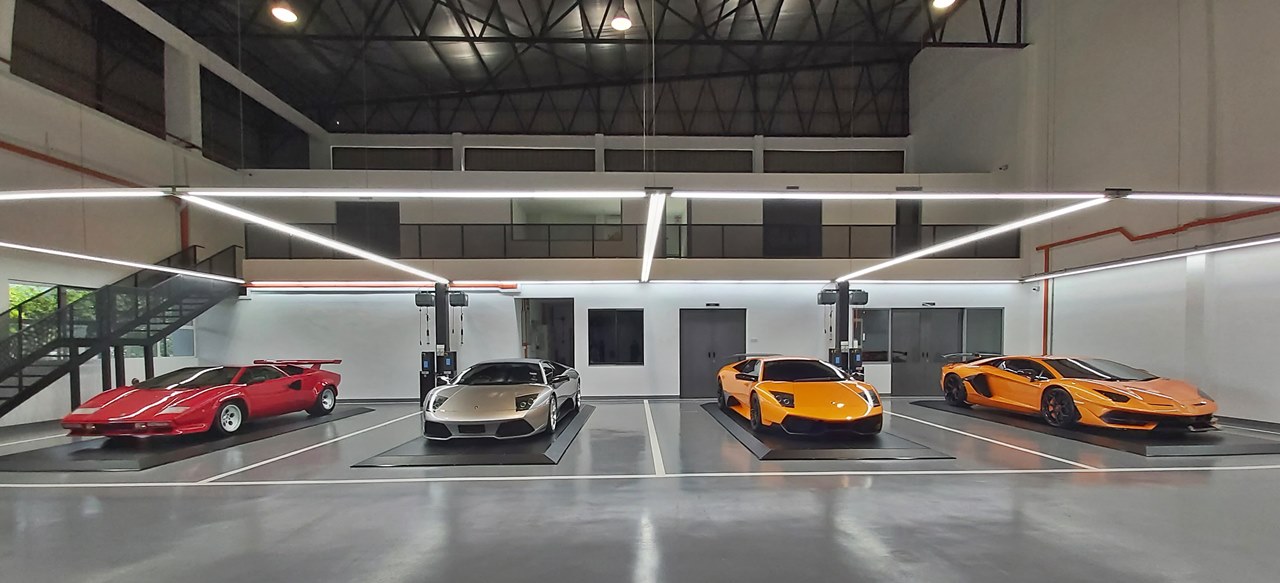
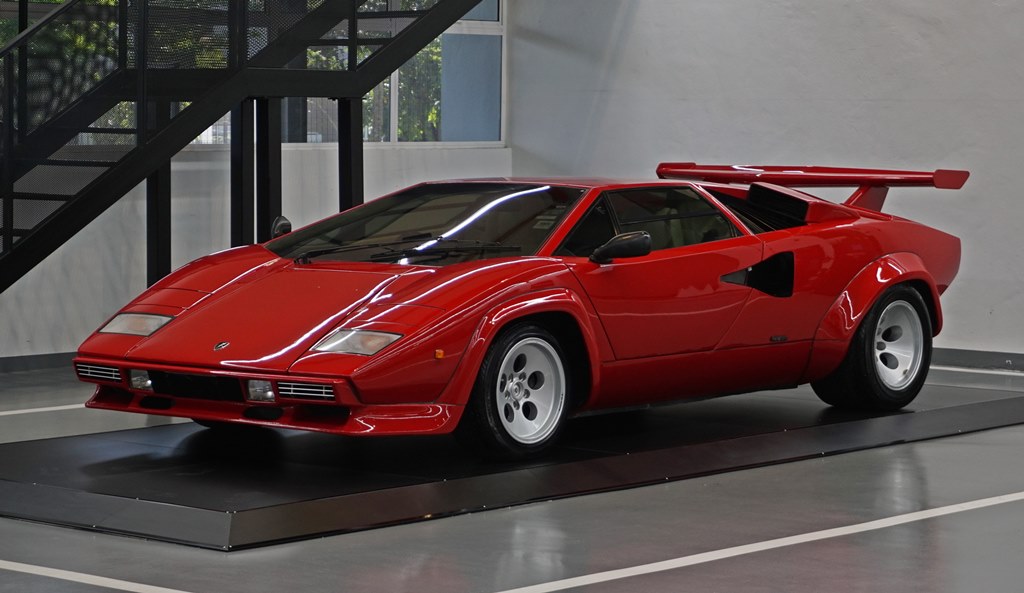
Lamborghini Kuala Lumpur also displayed a selection of iconic models owned by Malaysians. The red Countach on the left was originally owned by the Bee Gees Sir Barry Gibb who purchased it in 1983.

It’s not known how many new Lamborghinis were sold in Malaysia last year but for the Asia-Pacific area, the carmaker reported that 2,249 units were sold in 2021. The 14% increase from the year before contributed to Lamborghini’s best sales results ever, with 8,405 cars delivered worldwide.

Lamborghini’s other records that you may not know about

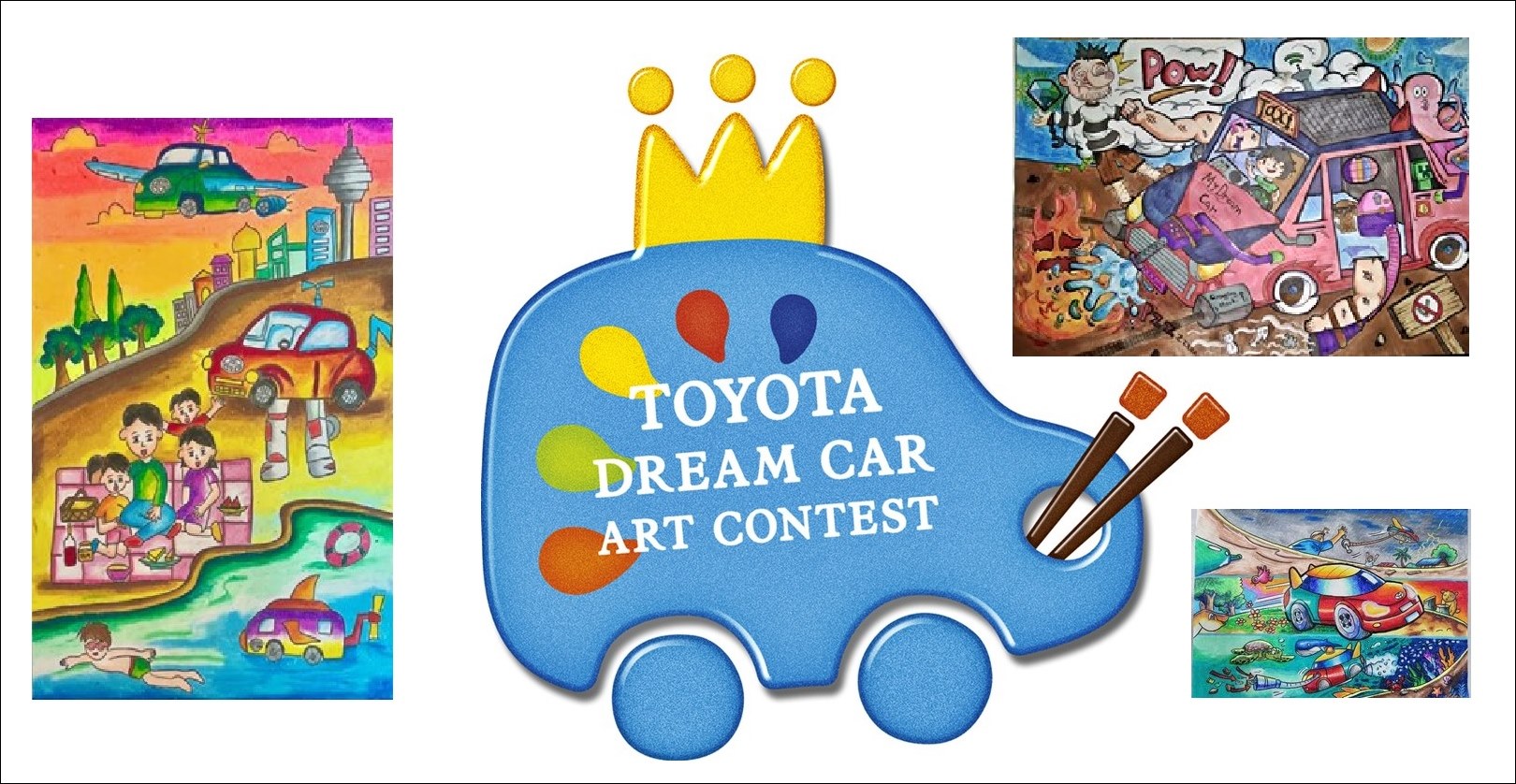
Toyota’s Dream Car Art Contest has been ongoing since 2004 and has seen participation from over 6.2 million children from some 100 countries and regions. It’s an event that invites children to show what their dream car looks like and their idea of the future of mobility through drawings. The best and most creative entries are recognized with awards from the carmaker.
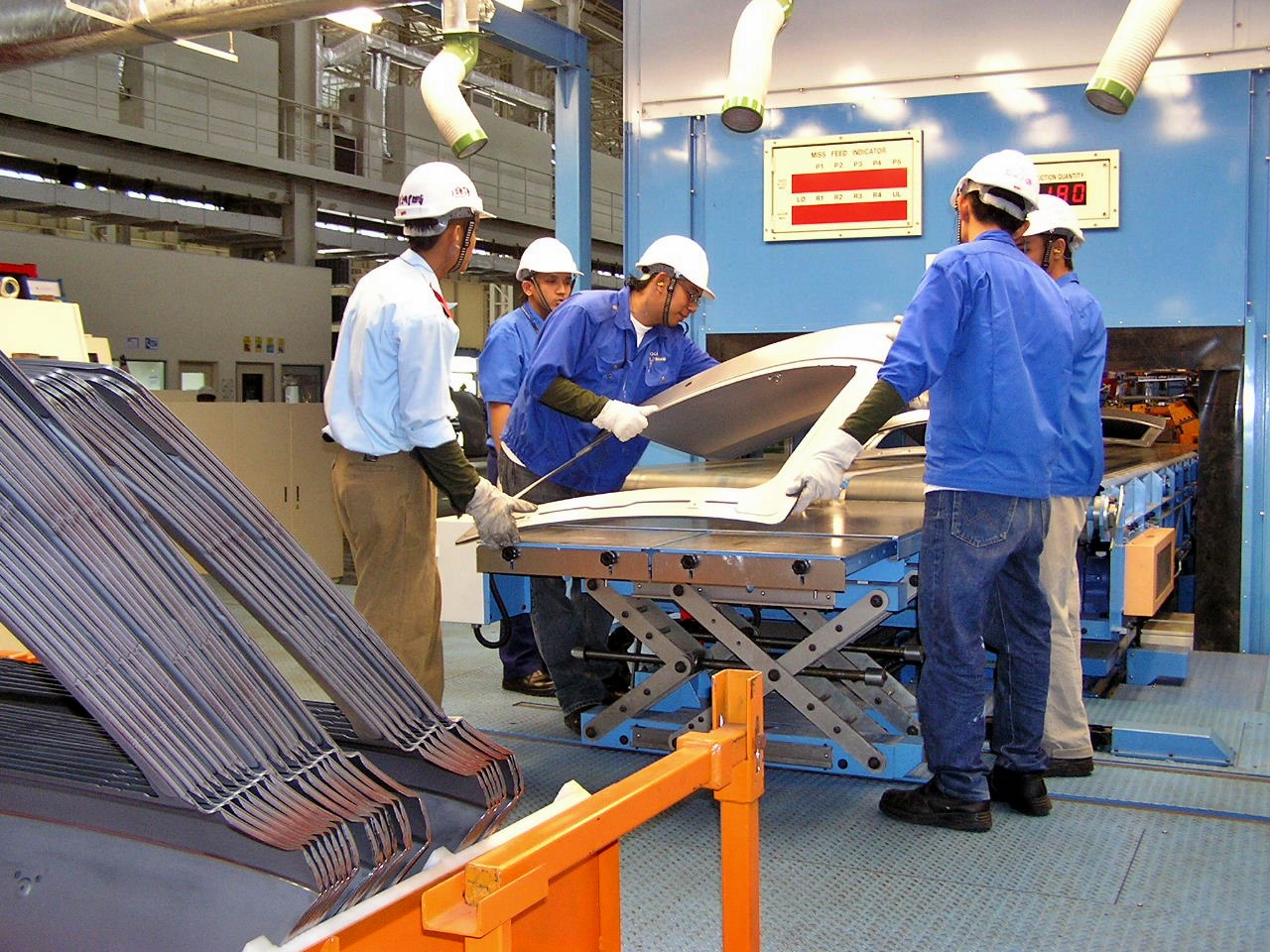
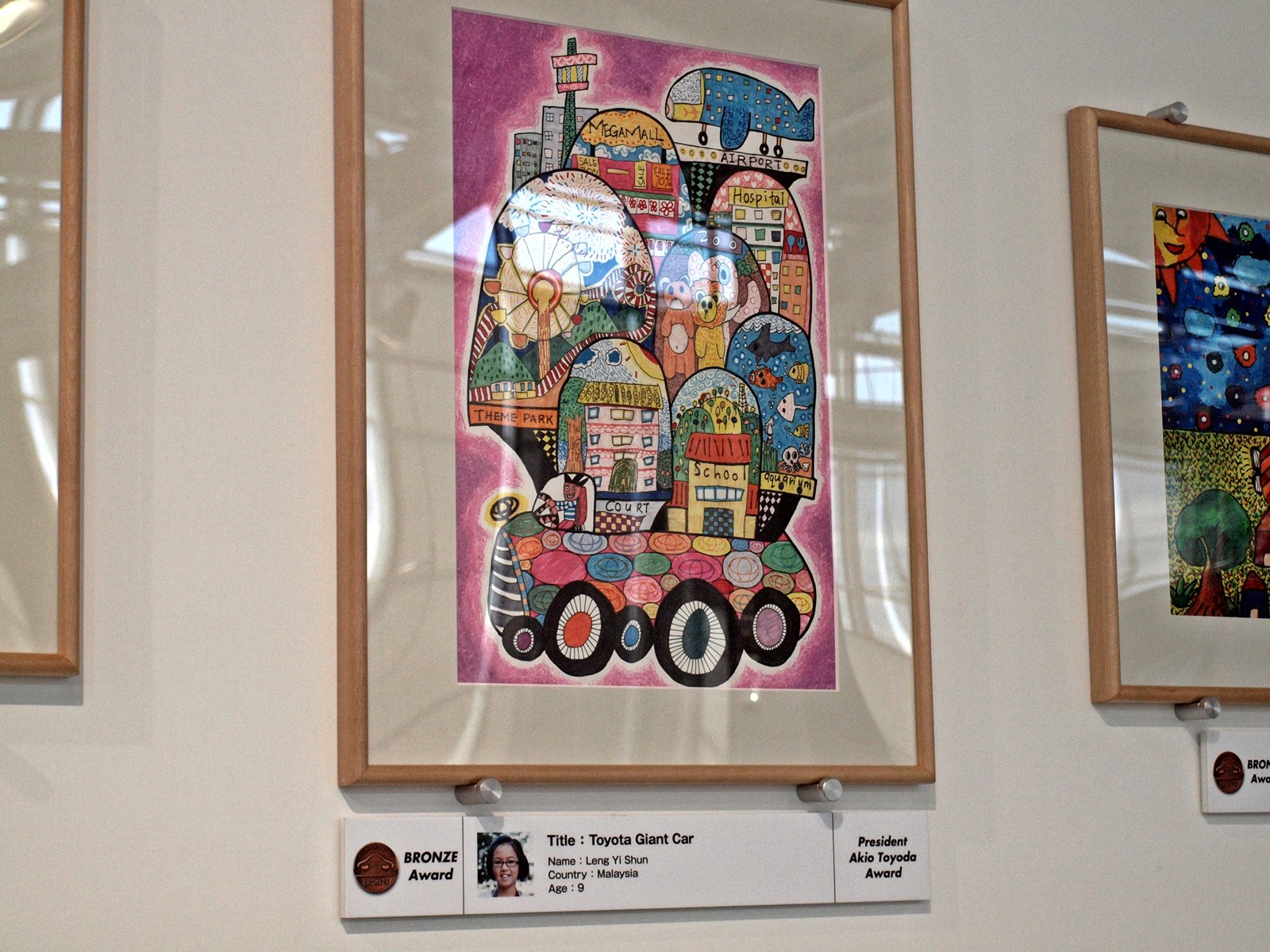
Malaysian children have participated in the contest for over 10 years and in some years, their submissions have won awards. In fact, one of them even won the President Akio Toyoda Award, a special award from the President of Toyota Motor Corporation, in the seventh edition of the contest in 2013.

A chance to attend the World Contest
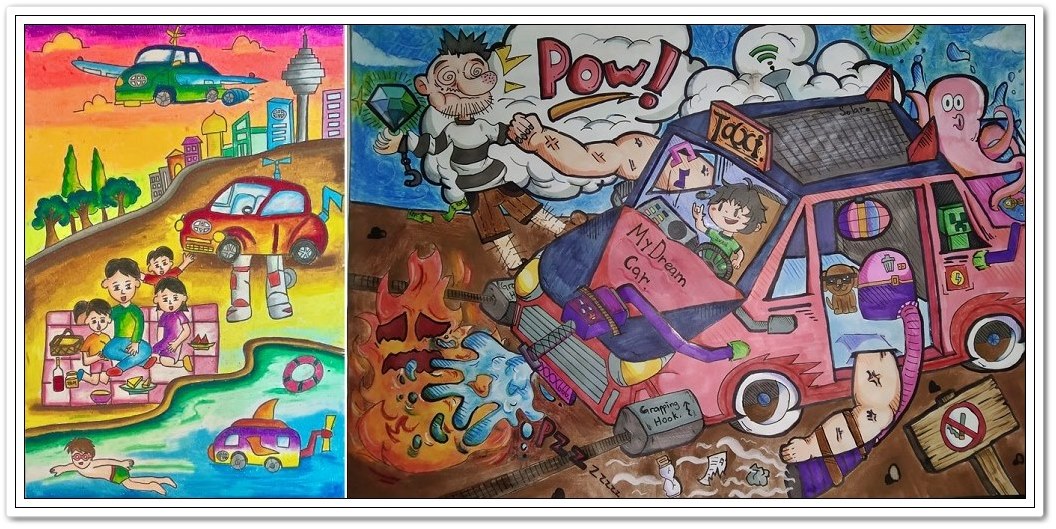
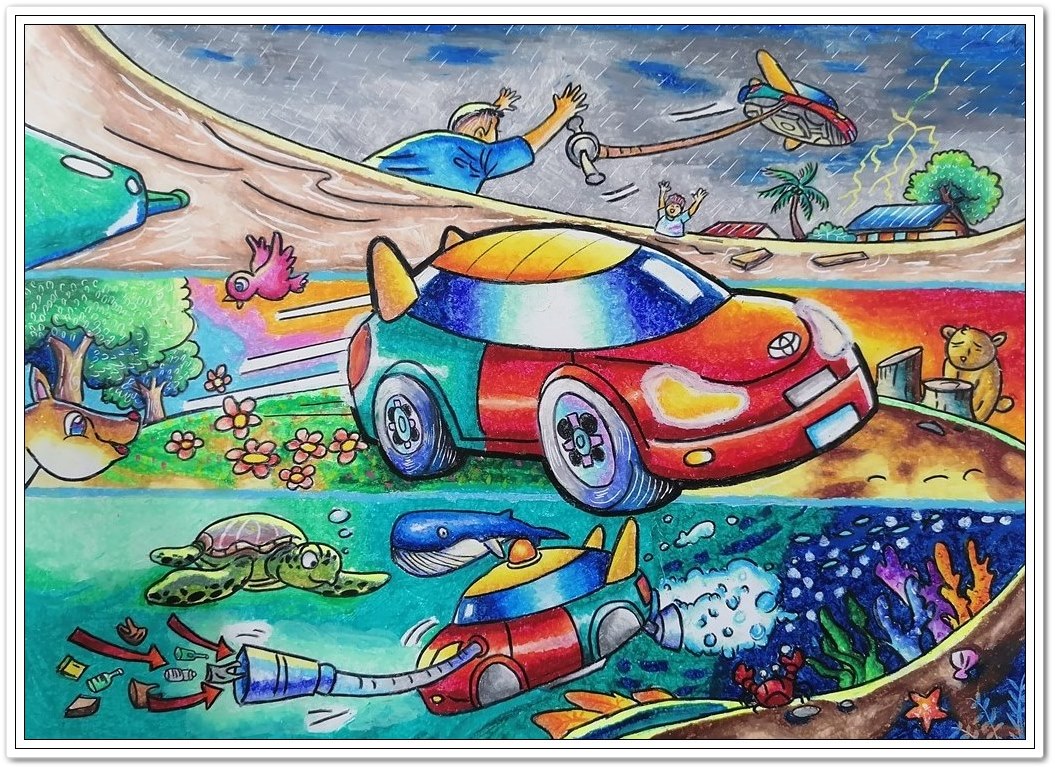
Each year, national contests are held first to pick winners who will represent their country and these winners will have a chance to attend the World Contest in Japan. For the 2022 Toyota Dream Car Art Contest, the Malaysian winners are Chong Xia Juan in Category 1 (7 years old and under), Choo Yi Zhe in Category 2 (8 – 11 years old) and Liew Jia Xin in Category 3 (12 – 15 years old).

For their efforts, the winners also received special category prizes such as an Apple iPad, Apple Watch and Electric Scooter, as well as vouchers worth RM400 for the other winners.
Future of mobility through children’s perspective
“Despite the pandemic, I am pleased to announce that we received over 2,280 entries. I would like to thank the participants, their parents and everyone involved for making this year’s Toyota Dream Car Art Contest a success! We are very inspired by the imagination and ideas of these children, and I enjoyed looking at the future of mobility through their perspectives. As a leader in mobility, we will continue innovating with a focus on sustainability to pave the pathway to our future of Electrification in Malaysia,” said President of UMW Toyota Motor, Ravindran. K.

At the virtual Toyota Dream Car Art Contest Closing Ceremony, Mohd Shamsor Mohd Zain, UMW Toyota Motor’s Executive Director of Sales, noted that every submission was invigorating and stimulating, brimming with the passion and dreams of the young artists, with those of the three winners having stood out the most. He also applauded the creativity of the participants and hopes that the next generation of great inventors, thinkers and dreamers can be nurtured from this contest.

Leng Yi Shun, who was a Bronze Award winner, won the President Akio Toyoda Award in the 7th Toyota Dream Car Art Contest in 2013.

The three winners, together with the two runners-up of each category, will be accompanied by a parent or guardian to attend the World Contest and Awards Ceremony in August this year.

Click here to know more about the Toyota Dream Car Art Contest (Malaysian event).

Toyota Mobility Foundation’s CATCH offers two solutions to address Kuala Lumpur’s mobility and city planning challenges


Archive

Follow us on Facebook

Follow us on YouTube