Piston.my

English

Race starts at 3 pm in Australia/1 pm in Malaysia
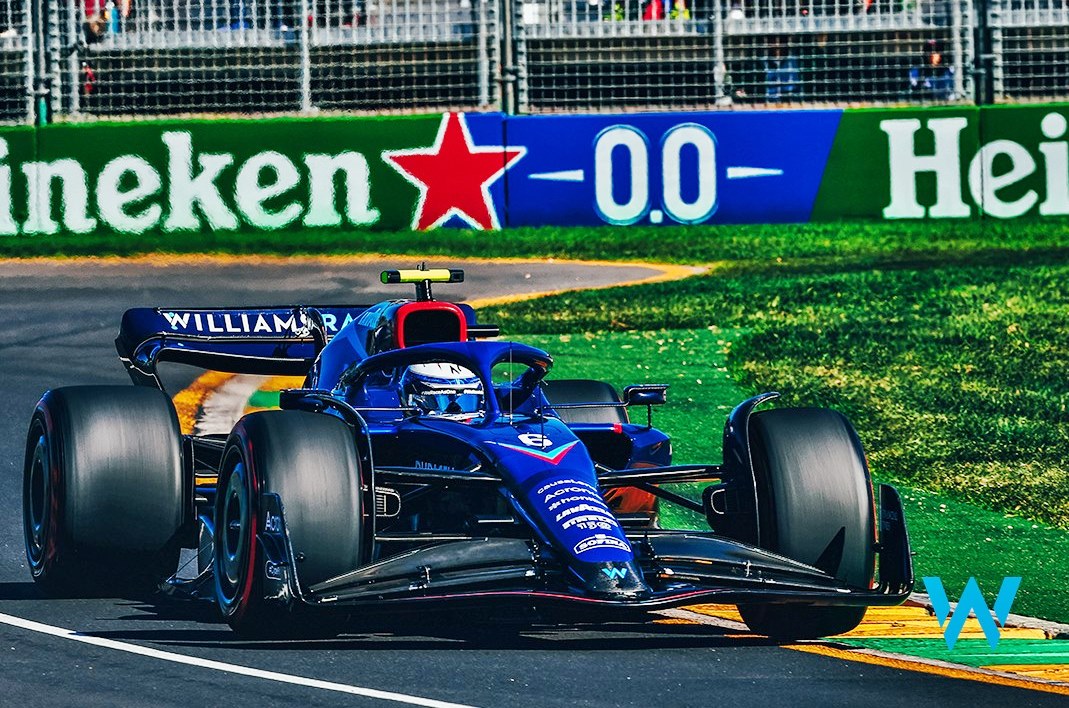
The Australian Grand Prix of 2020 was the first Formula 1 event to be cancelled as a result of the COVID-19 pandemic, and it was a sudden cancellation, literally at the ‘eleventh hour’. The state government has forced its cancellation as the pandemic worsened and it started the ball rolling for other organizers to also cancel.

The Australian round has traditionally been the opening round of the season for many years so for the 2021 calendar, it was again placed at the start. However, the strict entry conditions at the start of 2021 made it difficult and uncertain for teams, so the organizers asked for their round to be postponed towards the end of the year when, hopefully, conditions would ease. But they did not (and would not till this year) and so the event had to be cancelled altogether.
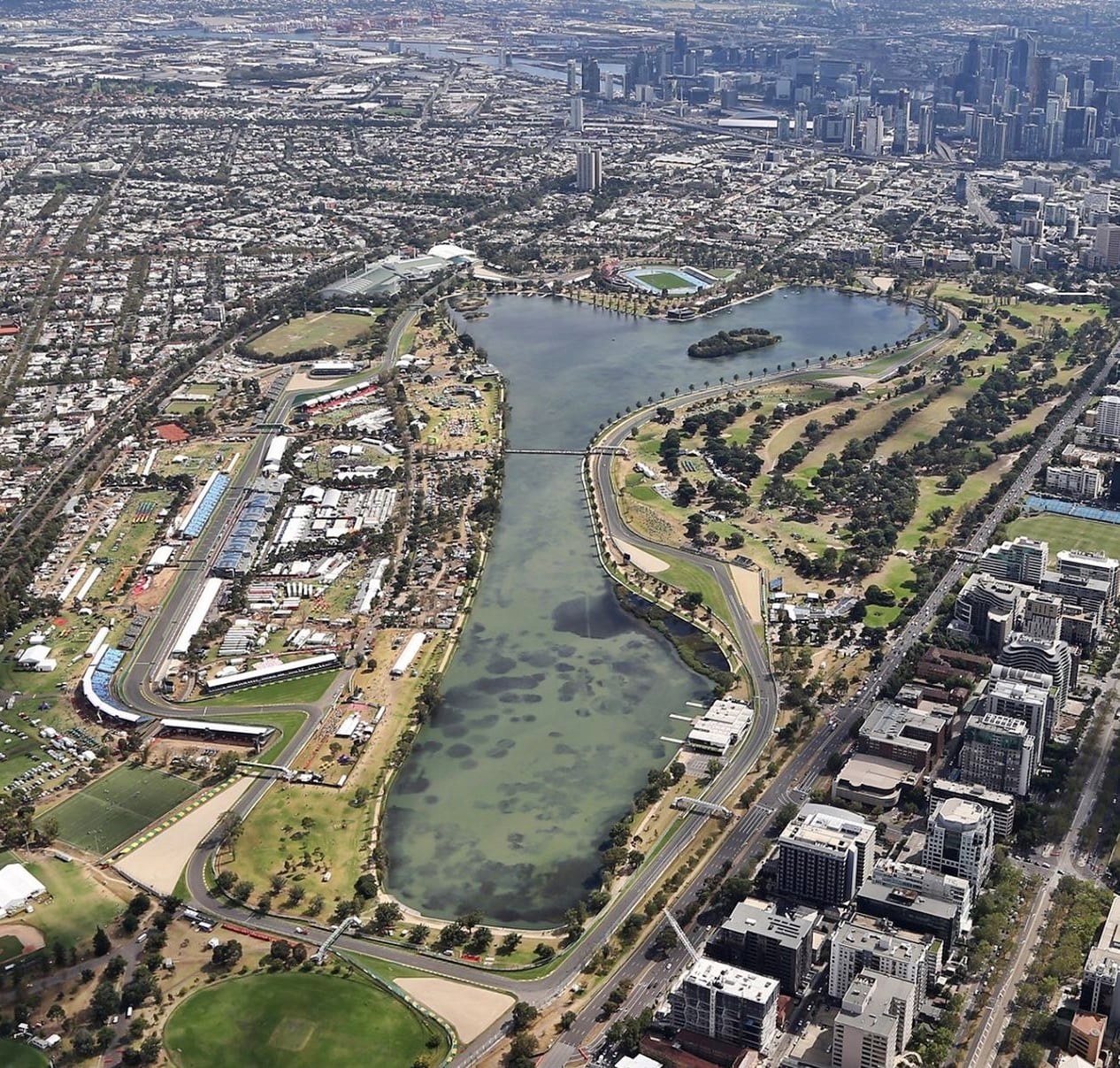
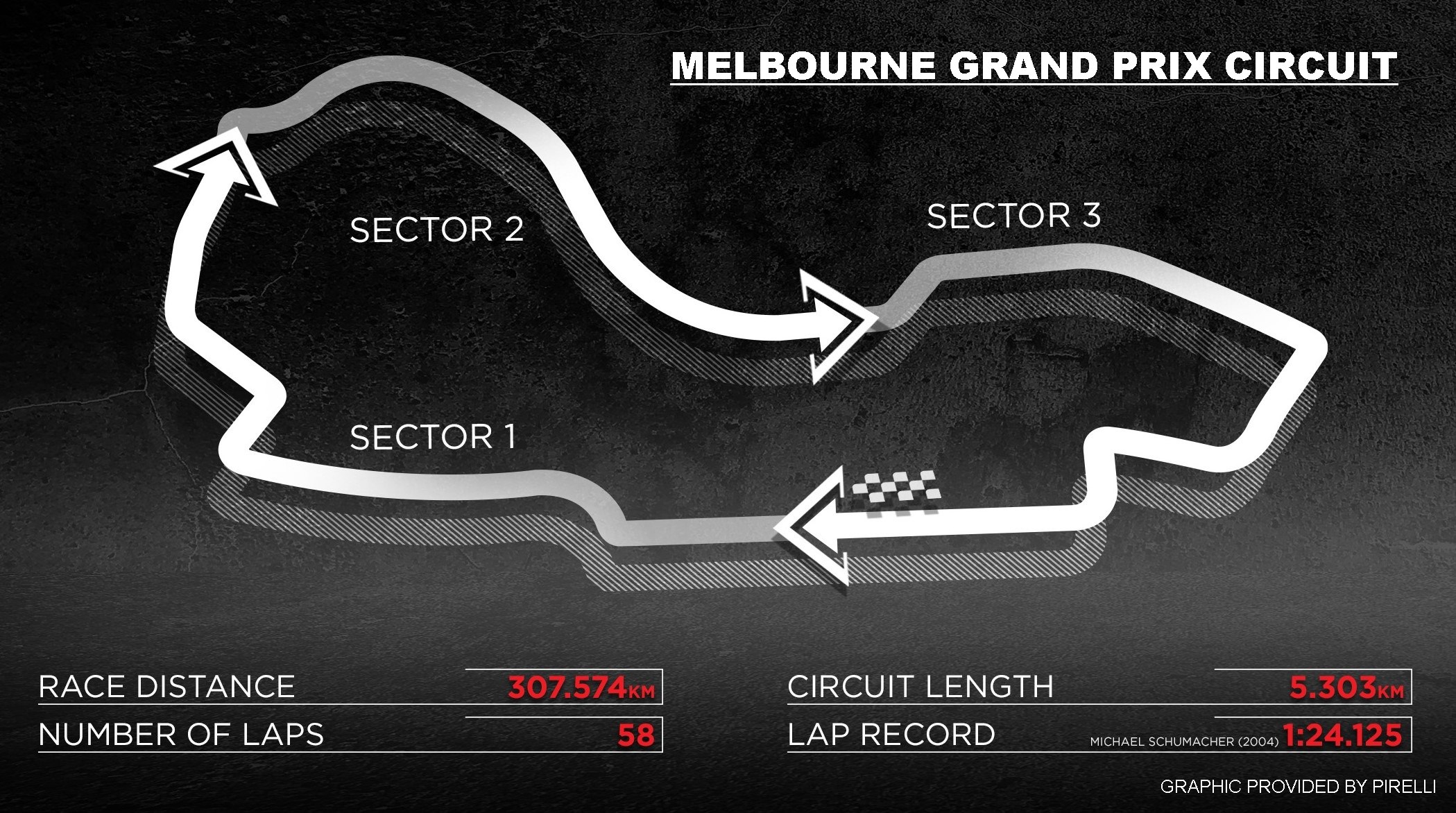
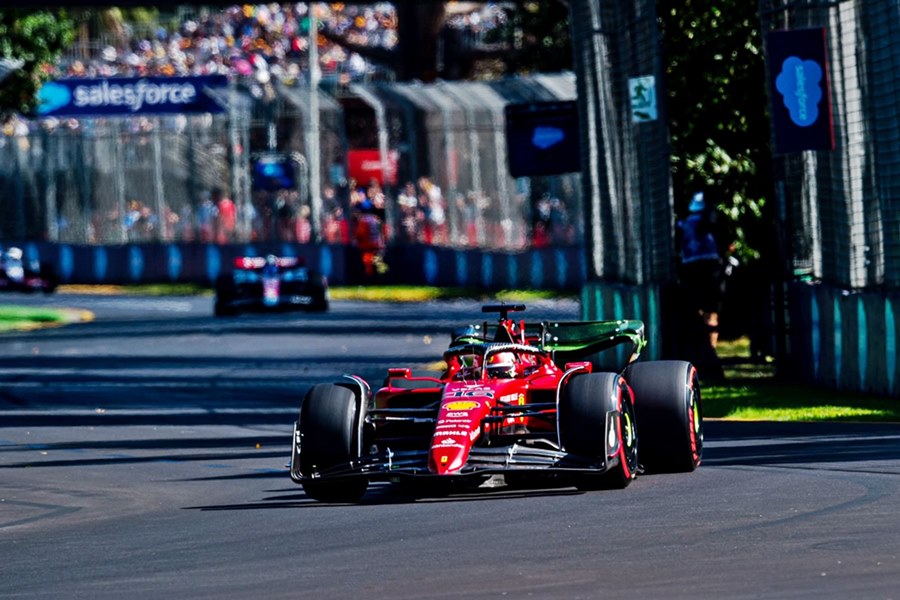
This year, the Australian Grand Prix can finally be run although it could not regain its season-opening position and was scheduled as Round 3 of the 2022 Formula 1 World Championship. The circuit at Albert Park in Melbourne has changed and the entire track has been resurfaced. Some of the turns have been widened and a chicane has also been removed. The latter change is intended to provide a good overtaking spot, something which gives spectators the excitement to watch.

According to Brembo, the brake suppliers for all teams, it is one of those tracks with a medium level of difficulty for brakes. Since it is usually used for daily traffic, the track is slippery on Friday but, session by session, the asphalt is increasingly rubberized, also improving braking performance. This also translates into greater pad and disc wear, as they reach extremely high temperatures due to the increase in grip. ​
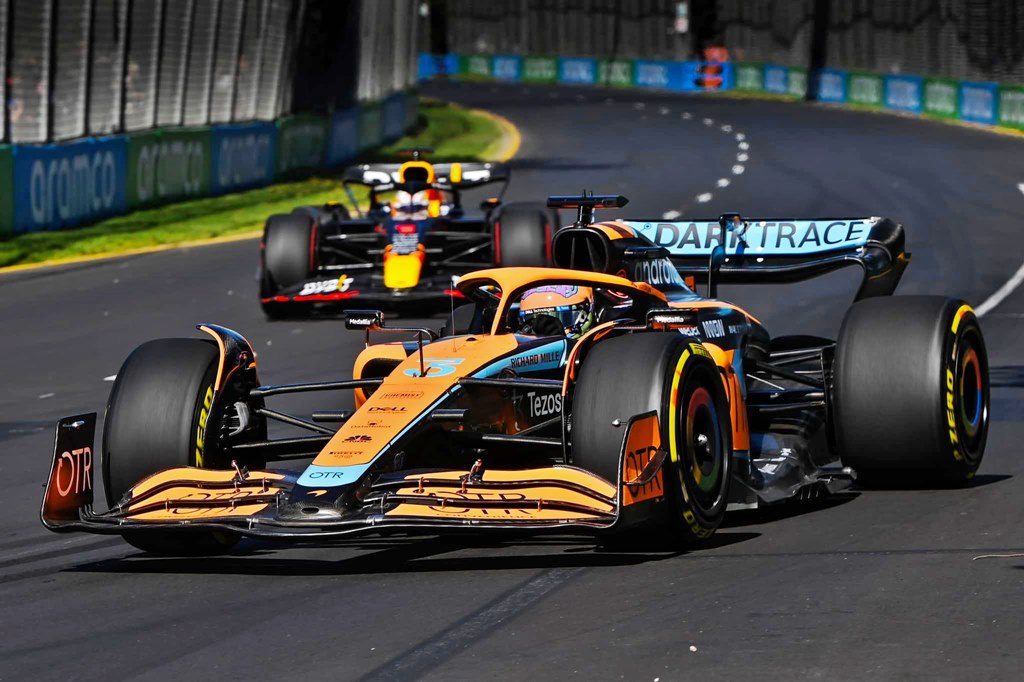
With the long experience Brembo has accumulated in Formula 1 since 1975 when they supplied to Ferrari, they have a range of solutions for the calipers that contribute to the heat dissipation of the entire braking system. One of these solutions is the Brembo pads with ventilation holes, something that is anything but simple to achieve because of their small dimensions and the materials the pads are made of, starting with carbon. Thanks to these holes, air circulation is greater and this staves off the overheating of the pads and the calipers themselves.

In 2022, the technical regulations ban having these holes in the pads in order to limit the cost of the component, but the teams are already on the hunt for cooling features that will improve this aspect without breaking any rules, such as fins or other processes to at least increase the exchange surface.
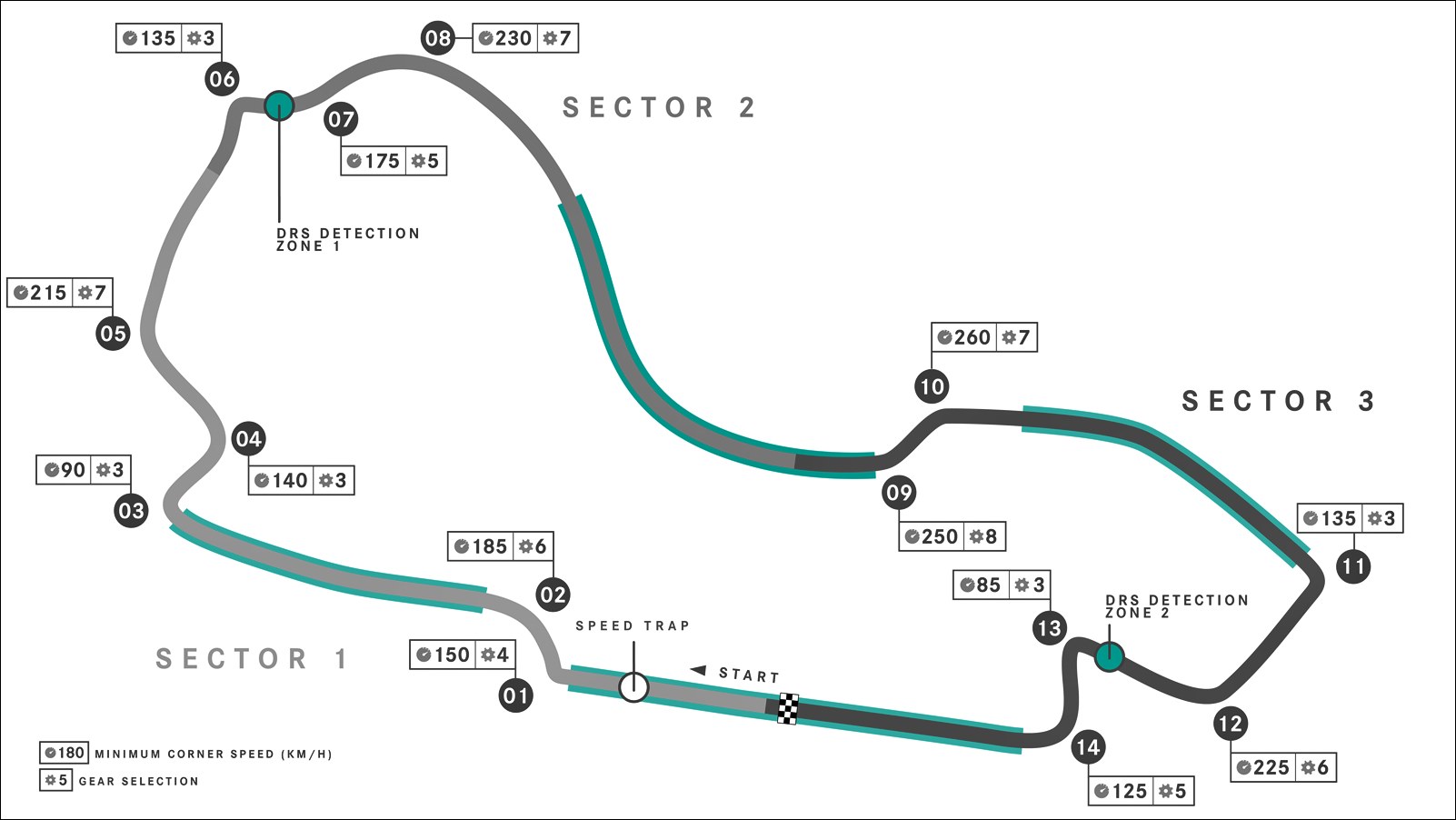
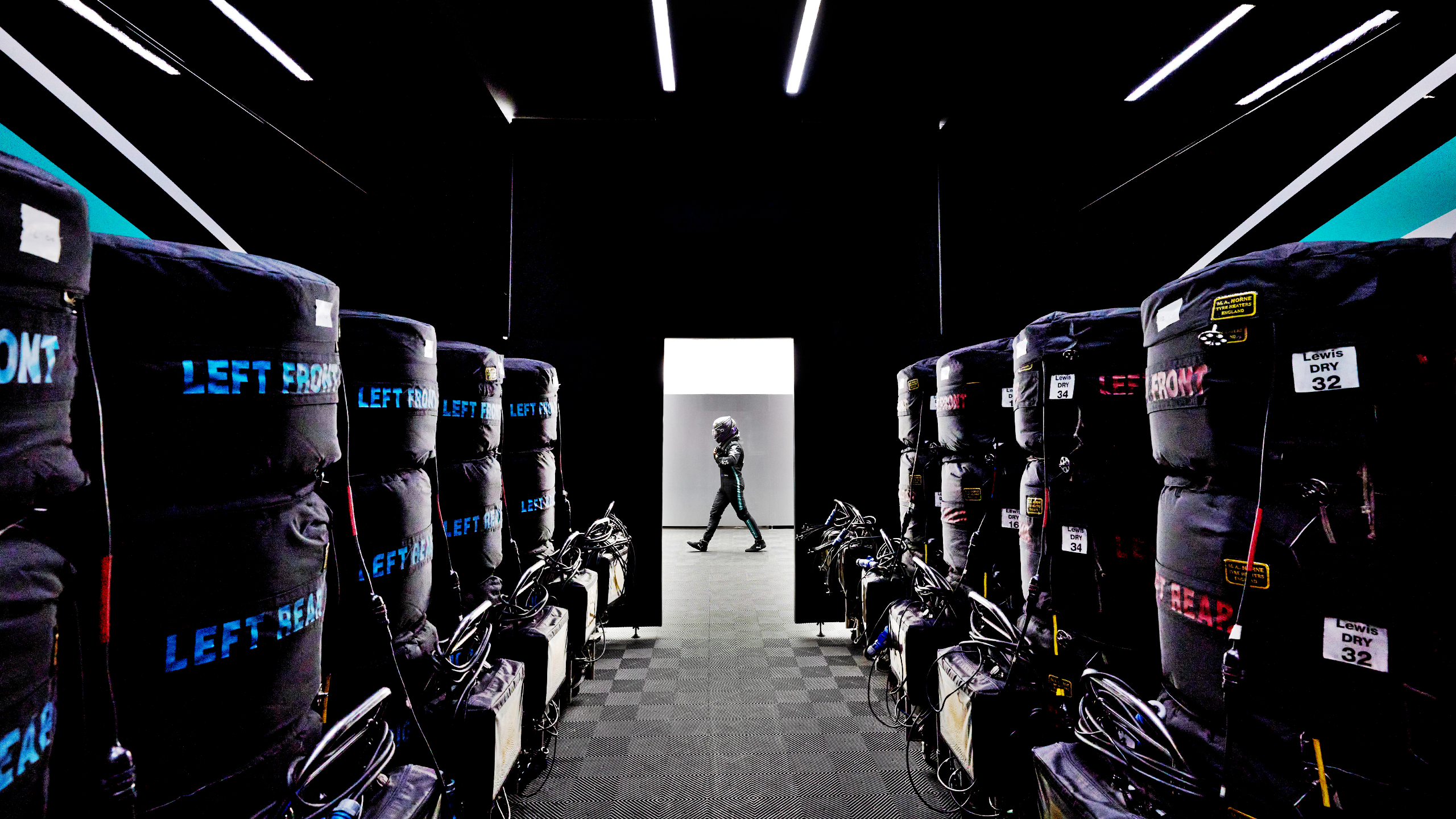
The minimum cornering speeds and gears used by the Mercedes-AMG drivers at Albert Park.

For Pirelli, the tyre people, there are a few unknowns because of the new track surface and changes, so past data cannot be entirely referred to. “There is a completely new generation of cars and tyres that the drivers are still trying to learn about. All these factors mean that there will be a lot of work to do for teams and drivers in the free practice sessions. We decided to opt for the step in the compound nominations because we noticed that there was a relatively small performance gap between the C3 and C4 compounds during development testing, and we believe that Albert Park – with its new asphalt and layout – is a good place to try out this option,” said Mario Isola, Pirellis’ Motorsport Director.

“We had to deal with a lot of new things compared to the last time that we raced here. The track is completely different from what it used to be: it’s definitely faster and the new tarmac feels totally different in terms of grip as far as I can remember,” said Ferrari’s Carlos Sainz.
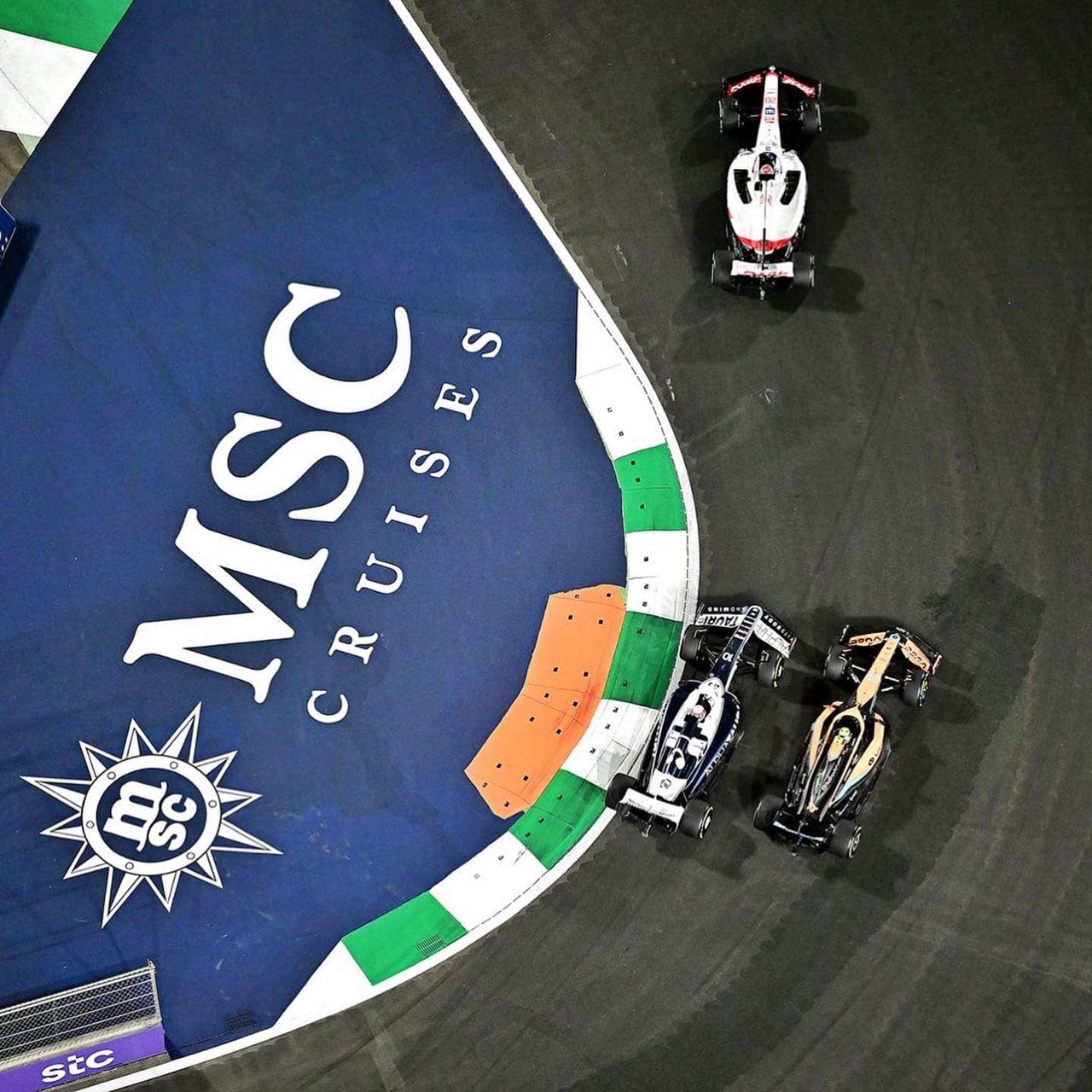
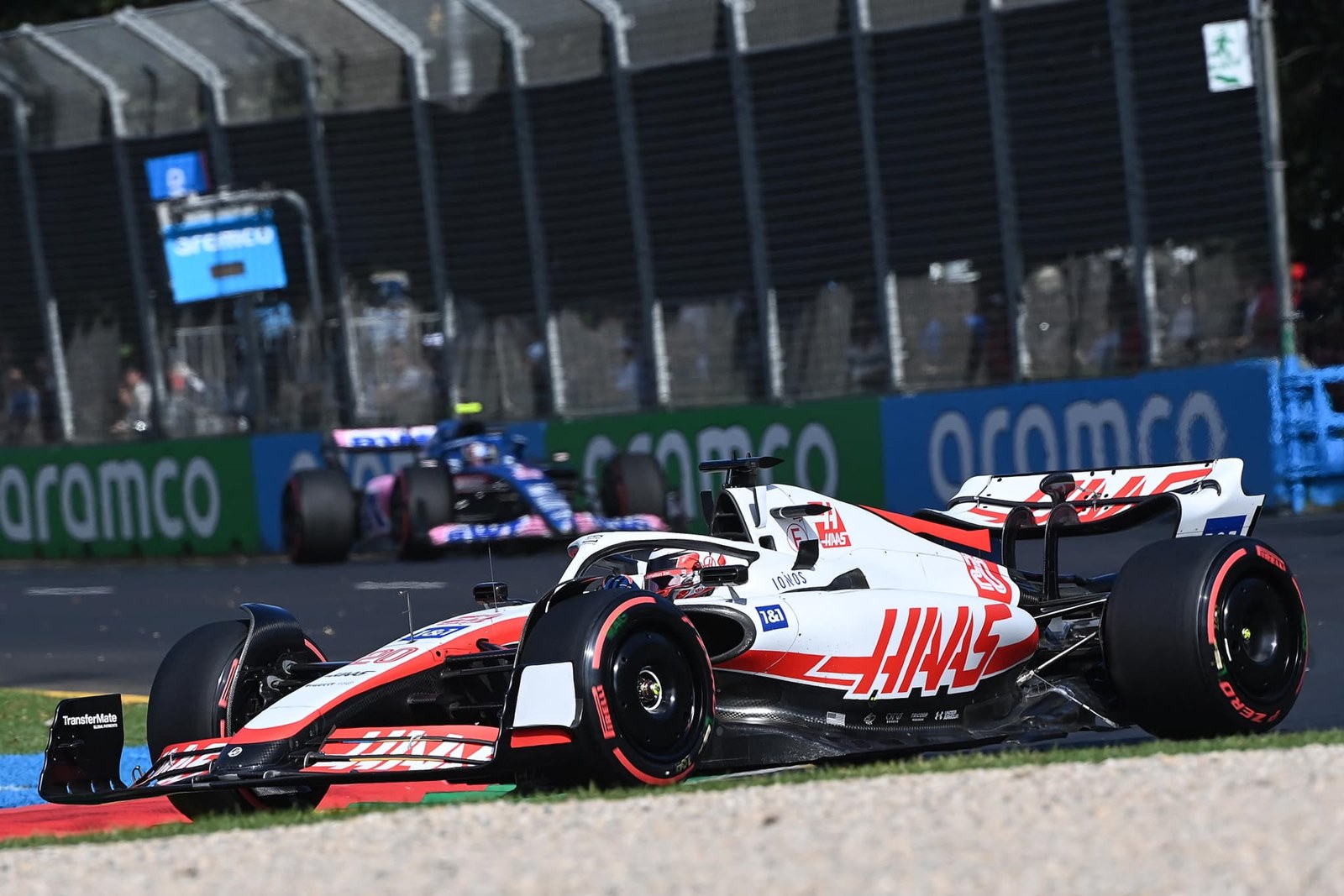
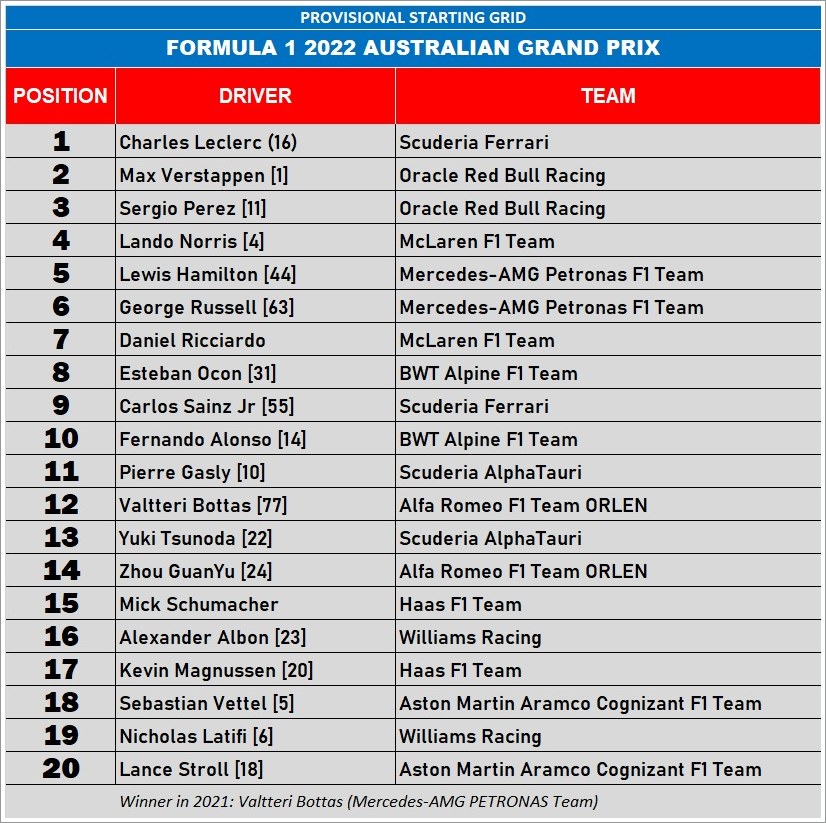
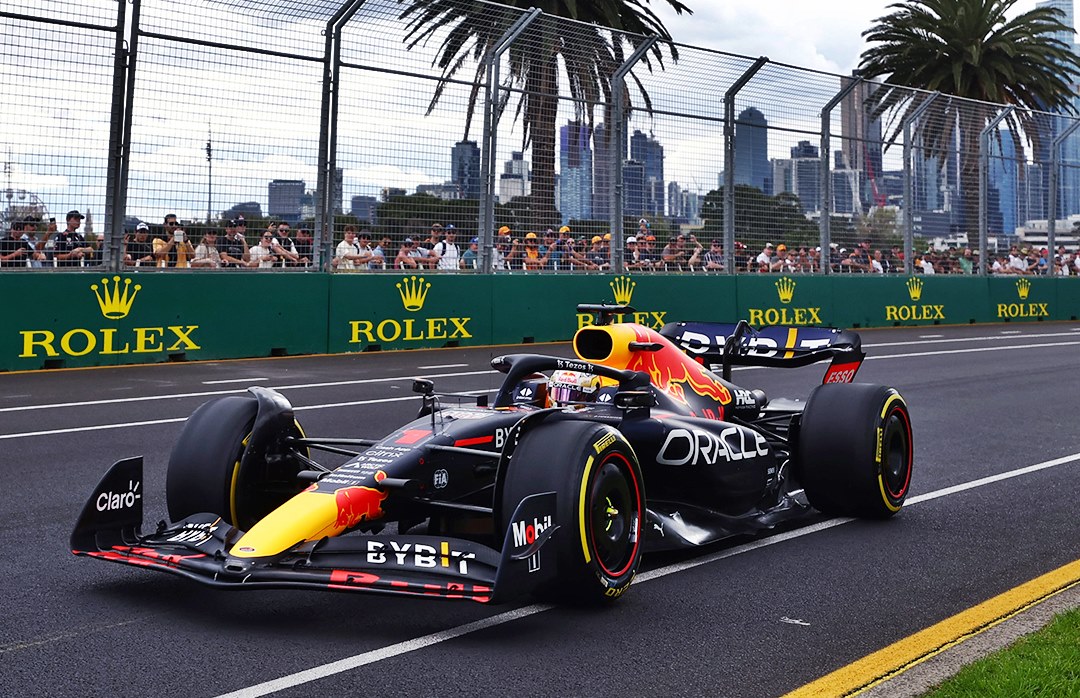
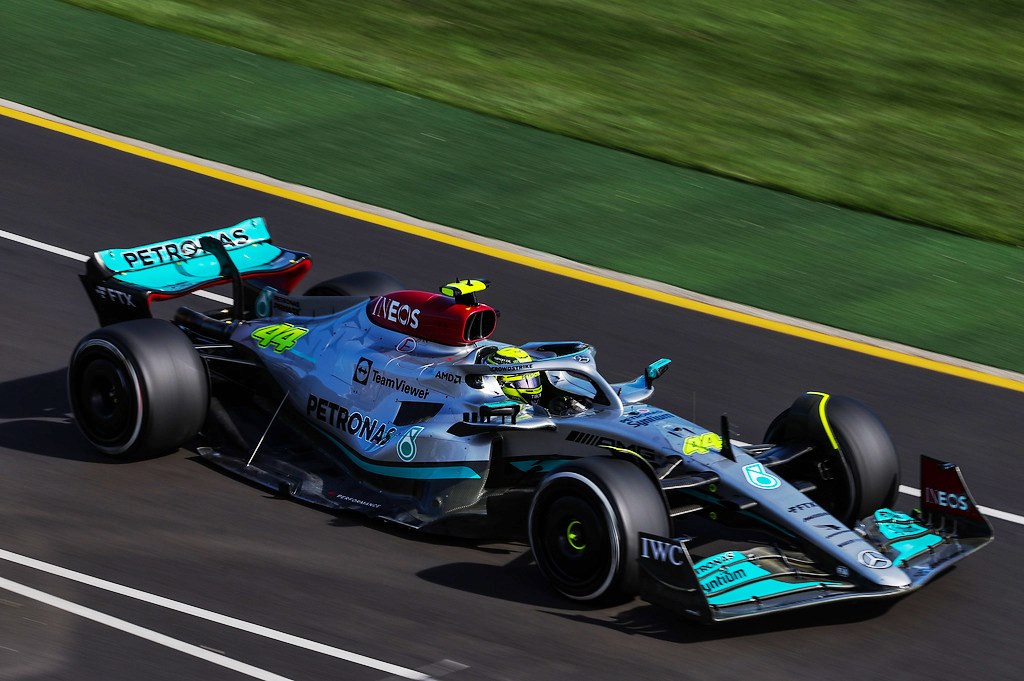
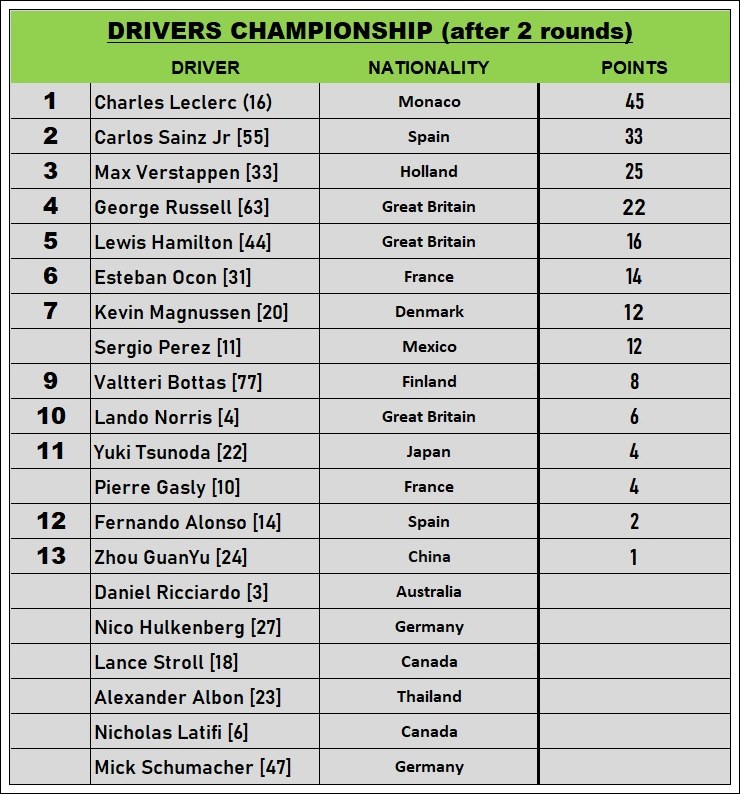
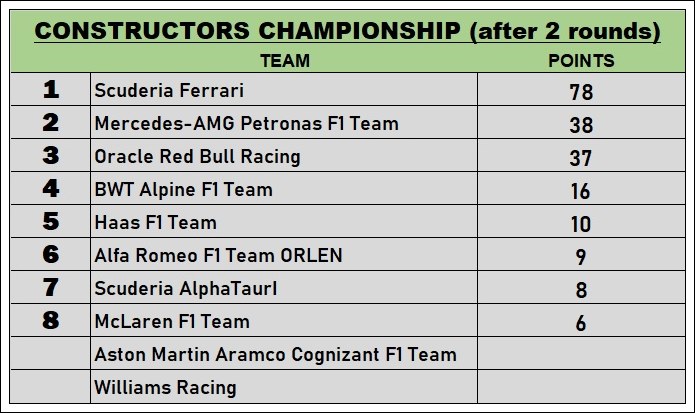
The first two rounds of the championship have seen Ferrari and Red Bull Racing outpacing the Mercedes-AMG team. It’s still early days and the reigning champions are trying hard to address issues with set-up but still some way to go to match the pace of the frontrunners.

The Albert Park circuit is one of those where Lewis Hamilton has not had a notable record of wins (only two) even though he started from pole position a record 8 times. It is Michael Schumacher who has had the most wins with 4 wins, followed by Sebastian Vettel who has won 3 times. The McLaren team has had the most victories in Australia with eleven to date, with Ferrari having two less.
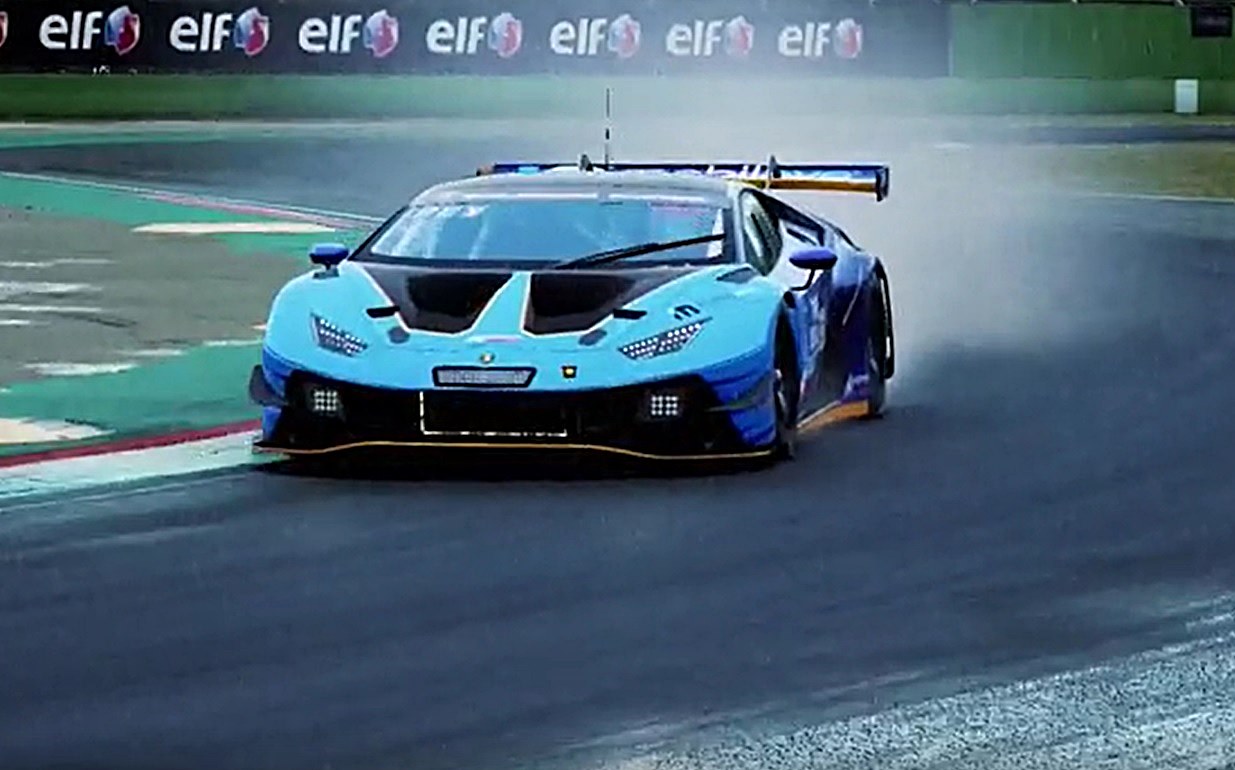
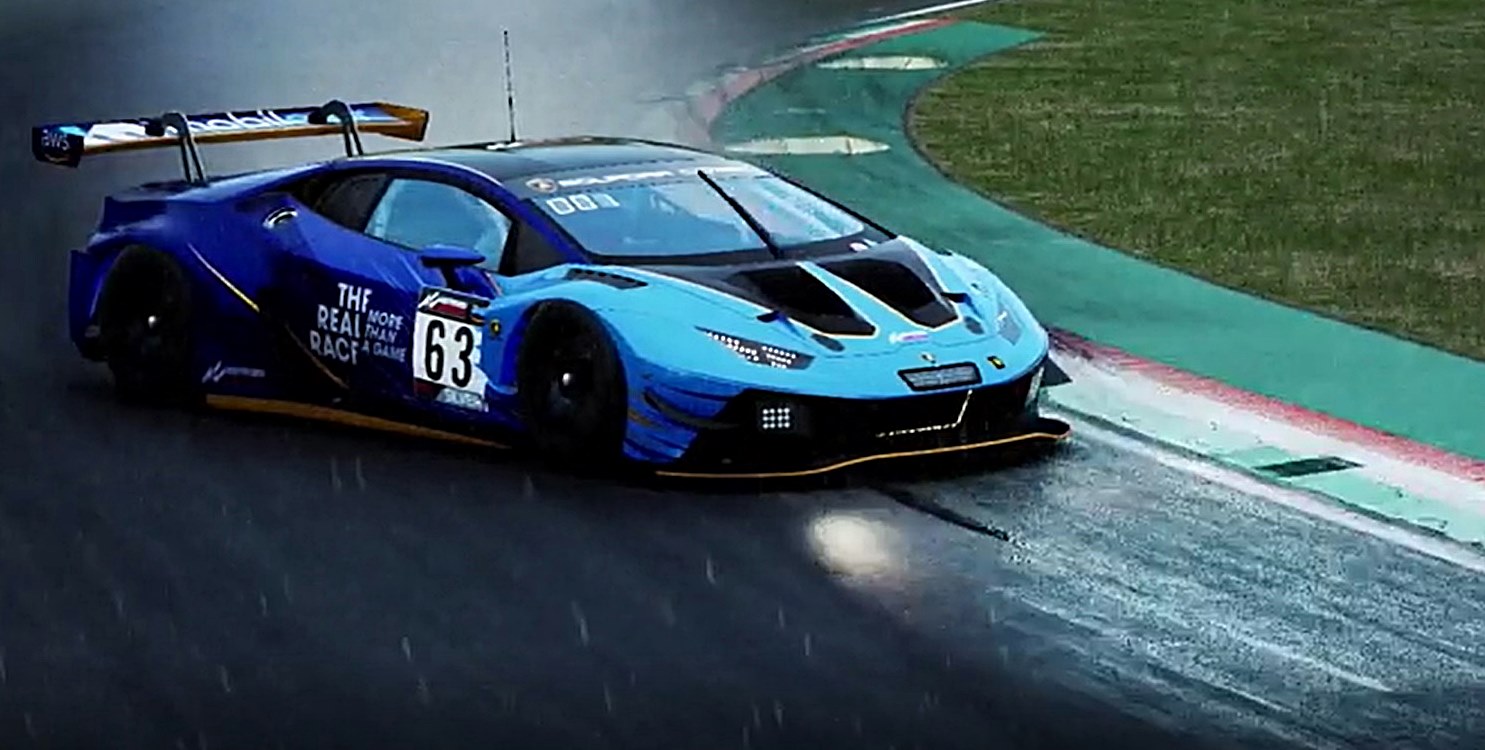
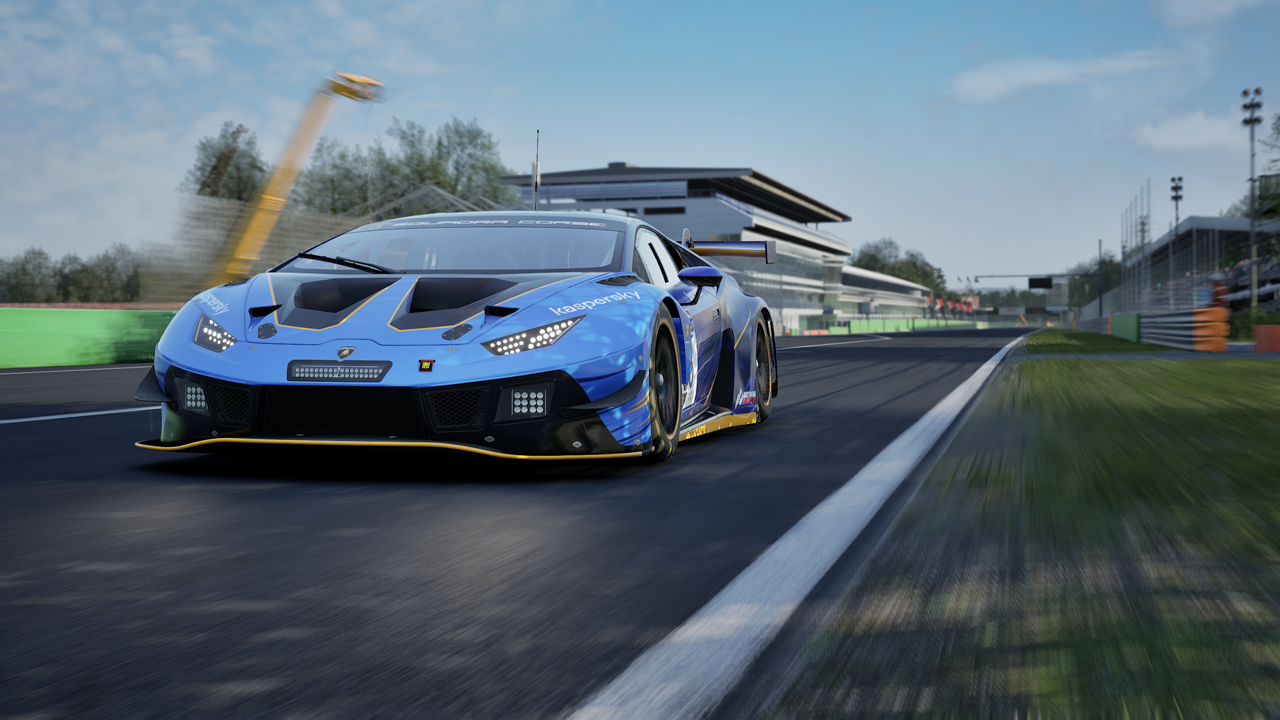
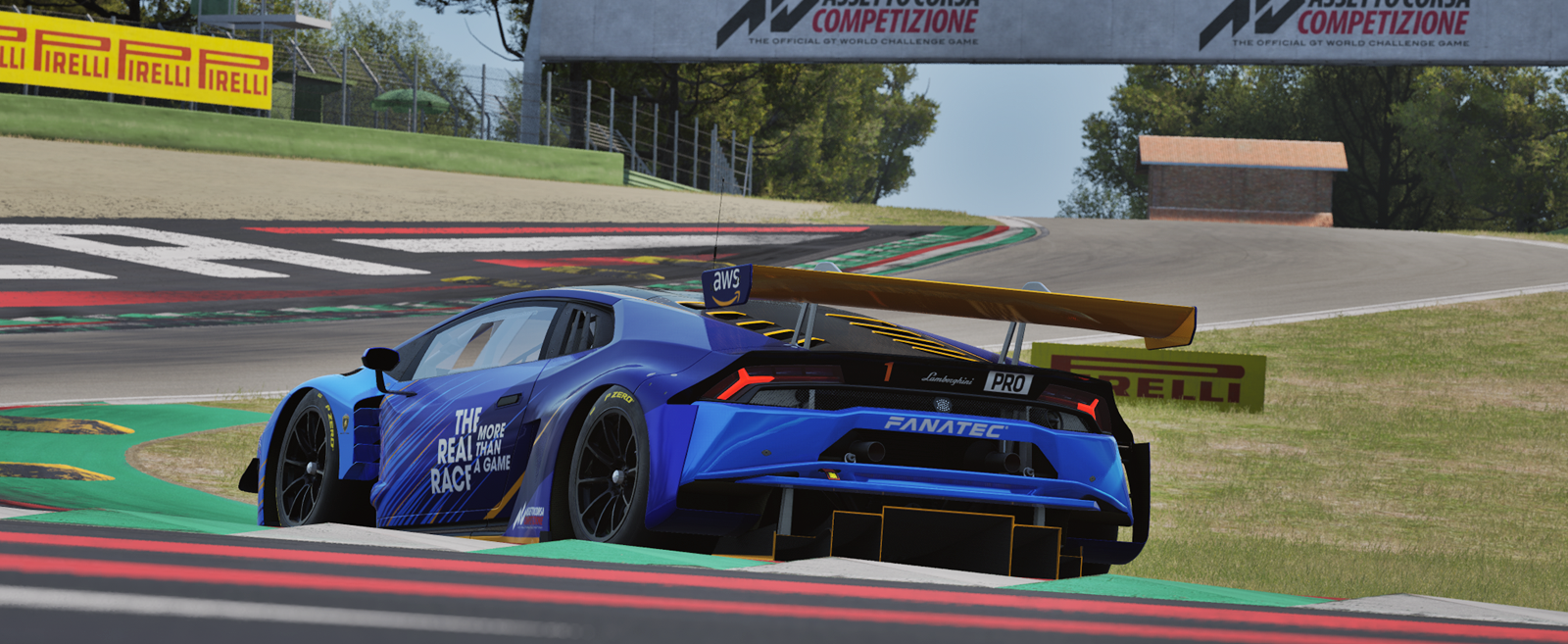
In 2020, as the COVID-19 pandemic kept people in their homes and racing activities came to a standstill, Lamborghini started a one-make championship online. Not surprisingly, the event known as ‘The Real Race’ was a success as driving enthusiasts took to racing virtually. More than 2,500 drivers from 109 countries participated in the first edition of the Lamborghini eSports championship.

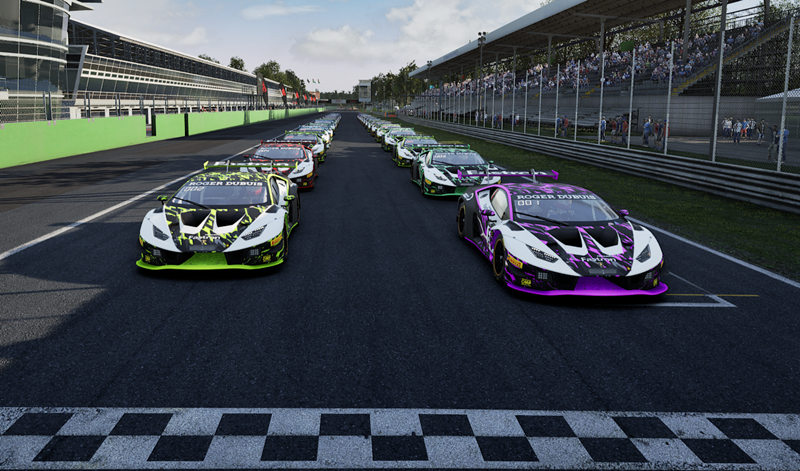
Huracan GT3 EVO for all participants
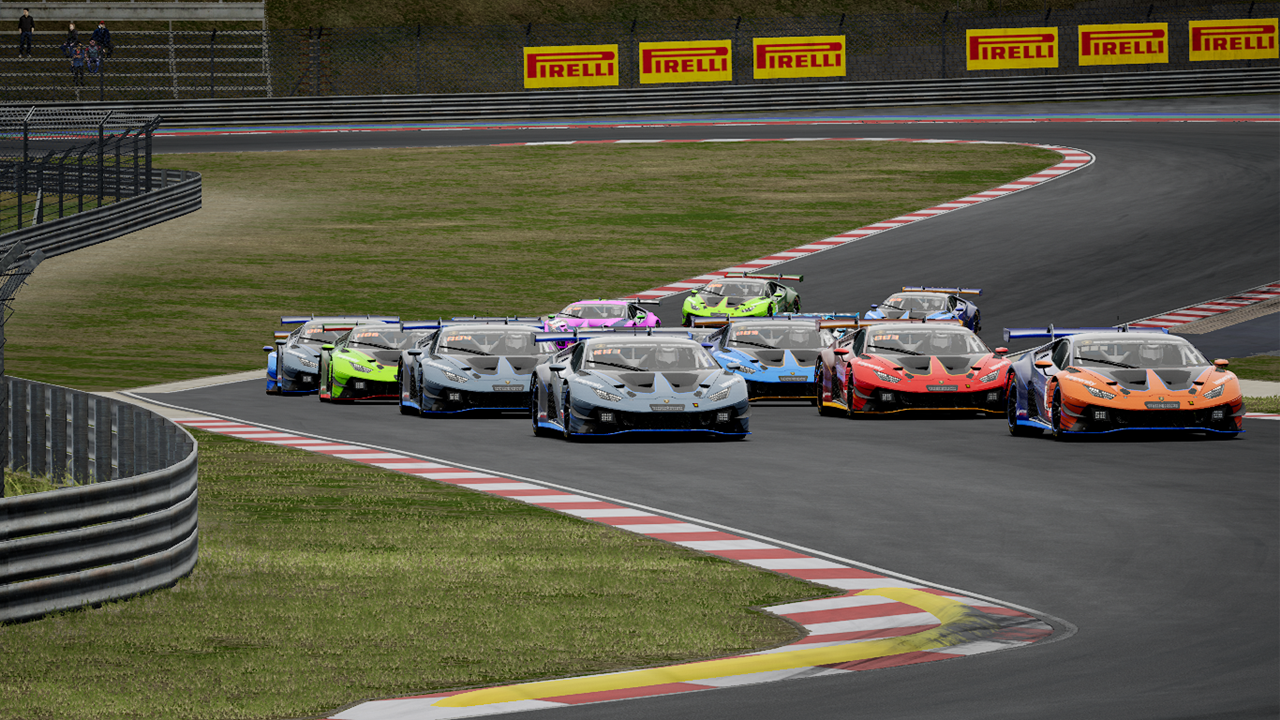
The immersive competition had the Huracan GT3 EVO for use by all participants. Each car had  exclusive race livery created by Centro Stile, Lamborghini’s in-house design department. Participants could customize the looks in 12 different versions, with each car displaying the trademark logos of long-standing Lamborghini Squadra Corse partners – Pertamina, Pirelli and Roger Dubuis.

The competition returned in 2021 with 10 races and a new and upgraded regional format. The new format had a more global approach as racers competed both in traditional Grand Prix and in three Endurance races to earn points within their regional tournaments in Europe, America and Asia. As in 2020, they all drove a Huracan GT3 EVO in Assetto Corsa Competizione, the advanced racing simulation game.

Assetto Corsa Competizione was developed alongside car manufacturers and provides a dynamic platform for Lamborghini’s latest racing series. It has photorealistic weather conditions and graphics, night races, motion capture animations, reaching a new standard in terms of driving realism and immersion. The game is also used by official Lamborghini Squadra Corse test and race drivers in their real-world preparations.

The winners of the 6-month long championship enjoyed a track experience with the Lamborghini Squadra Corse and a VIP experience at Lamborghini Headquarters. Additionally, the top-ranked  player of each regional series would be invited to become a Lamborghini Official Sim driver.

Creation of a ‘factory team’
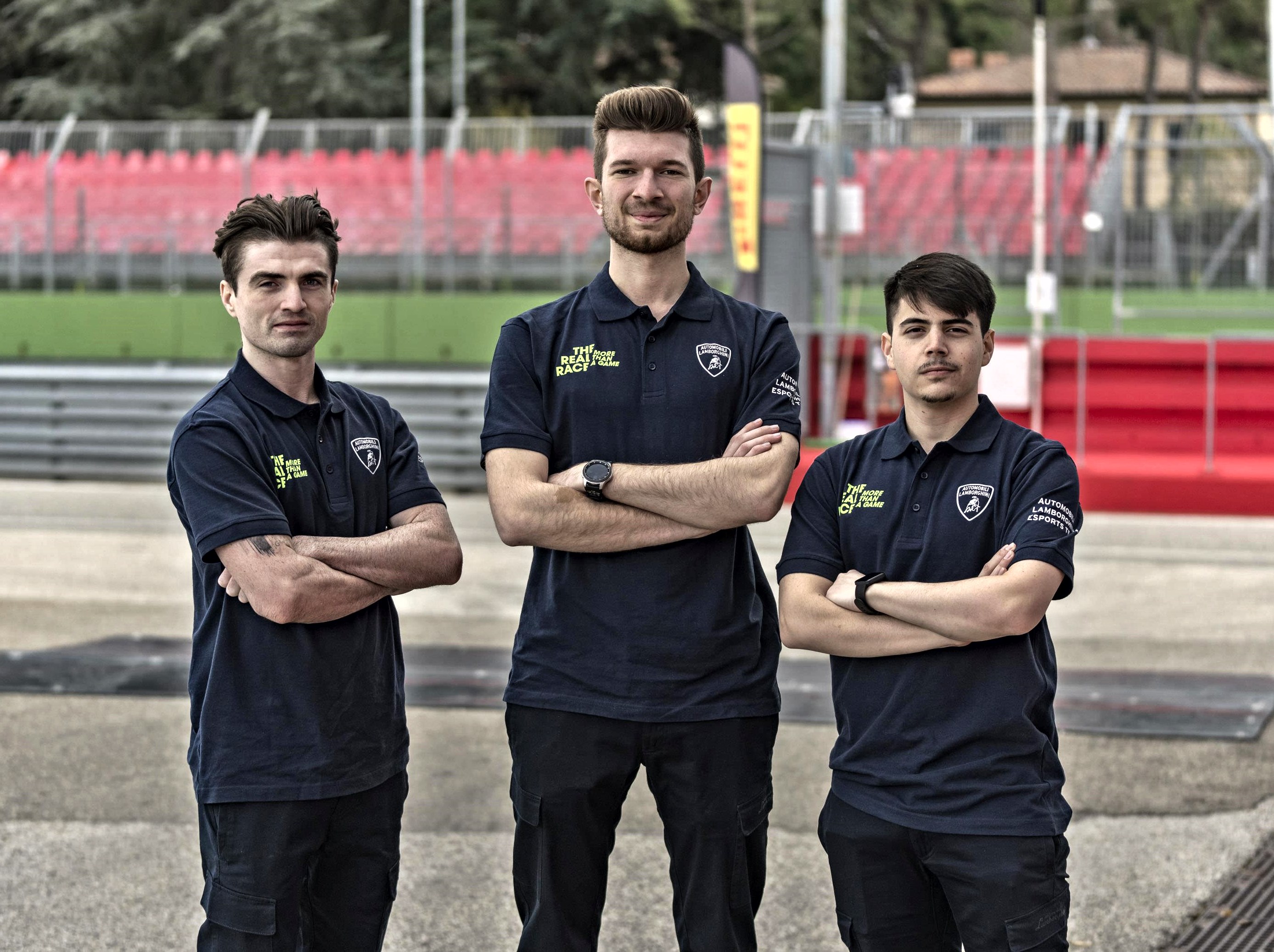
Lamborghini decided to create its own official team – a ‘factory team’, just as in real life competition – to build on the valuable experience gained with The Real Race. The eSports Team represents a further opportunity to expand the brand’s presence in a sector that is constantly developing, highly competitive, and also strengthen its commitment to the eSports scene.

The three sim drivers chosen to represent the brand in the major international eSports competitions are Jordan Sherratt, Gianfranco Giglioli and Giorgio Simonini. Sherratt (South African, 23) and Giglioli (Italian-Venezuelan, 24) will compete together in the GT World Challenge Esports Sprint Series Europe, and Simonini (Italian, 22) will join the pair to form the crew for the 2022 Intercontinental GT Challenge Esports Endurance Championship.

The Sprint calendar consists of 5 races and started last weekend with the Misano race. The last round is set for August 3, with the grand finale scheduled in the virtual version of the Autodromo Nazionale di Monza.

Lamborghini eSports

The Intercontinental GT Challenge Esports series starts next weekend (April 16) with the 12 Hours of Bathurst, the famous Australian endurance race. Here too, there are 5 rounds on the calendar, with the competition concluding on August 27 with the 9 Hours of Kyalami at the famous circuit in South Africa.

Support from Squadra Corse
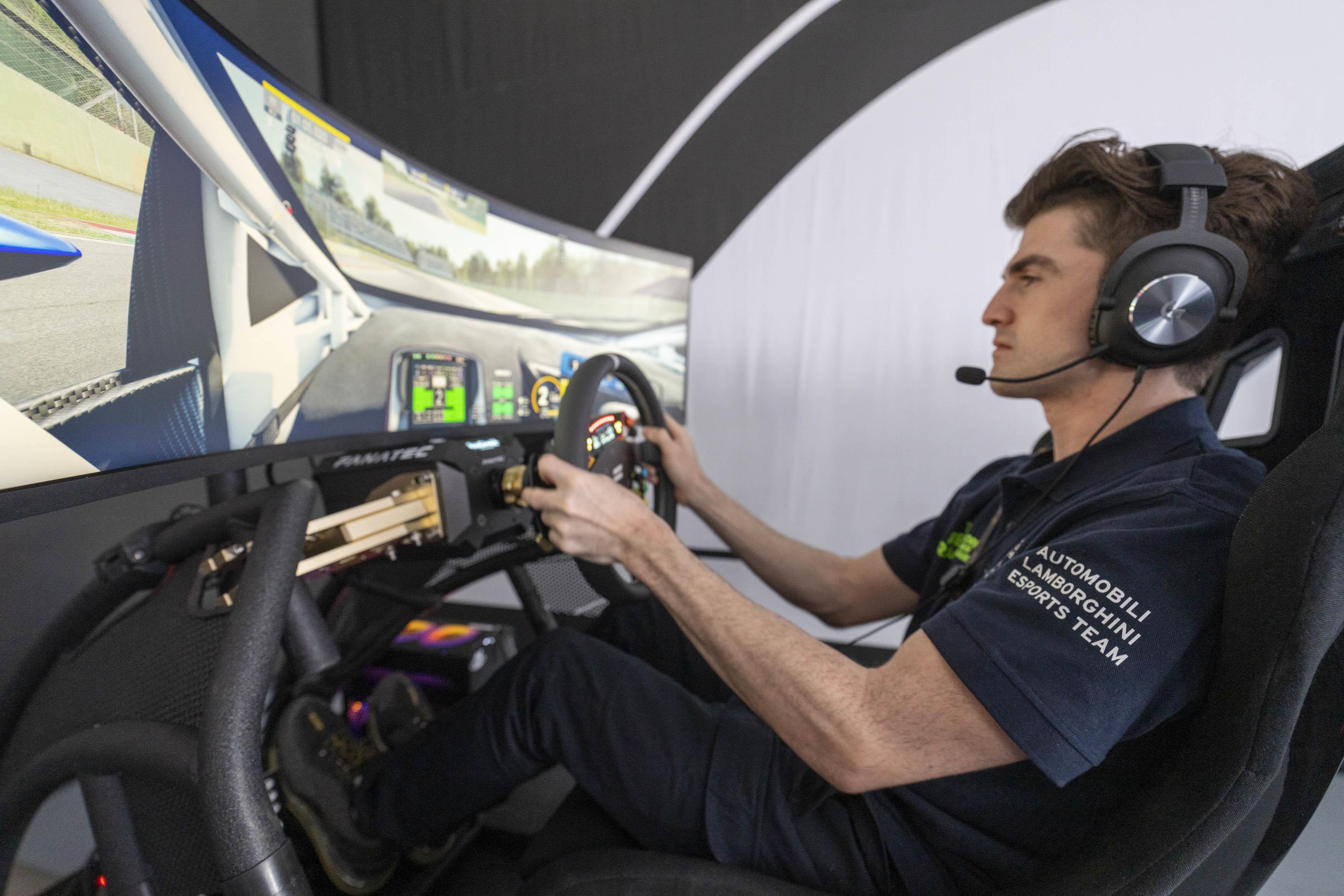
The three sim racers have been training hard, sharing important information on driving and set-up. They will be supported during the season by the Squadra Corse staff who are dedicating a team principal, driver coach and engineers to offer their expertise in the development and analysis of telemetry data, from the track to the virtual simulation.

“Sim racing is an important platform in today’s motorsport scene. Videogames were born to allow those who didn’t have opportunities for real-life racing to be like the professional drivers. Now, after several decades of development in the industry, sim racing is getting closer and closer to its real-life counterpart. Moreover, sim racing is an additional tool for us to develop some of the fundamental aspects of real racing, such as car set-ups and software applications that will play an important role in the future of our brand,” said Automobili Lamborghini’s Head of Motorsport, Giorgio Sanna.

The expanding universe of eSports

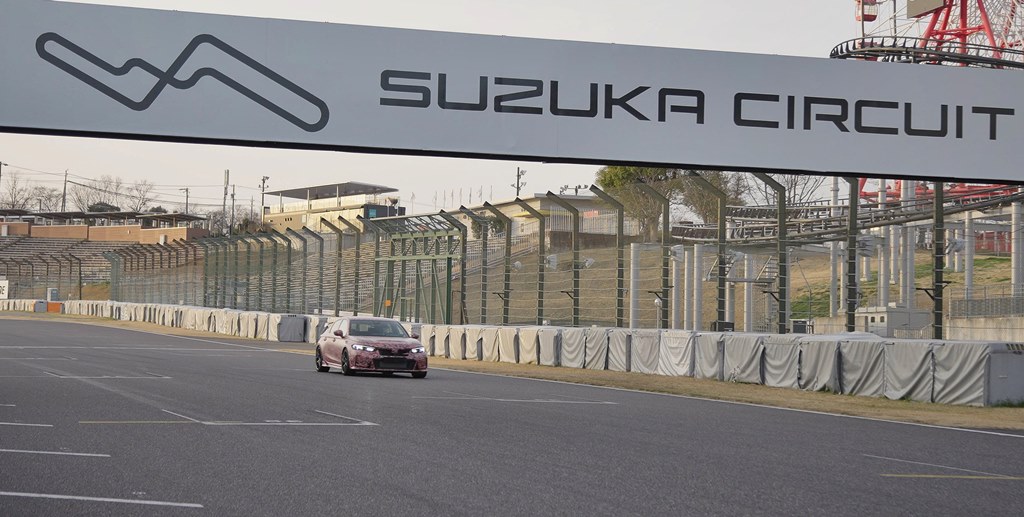
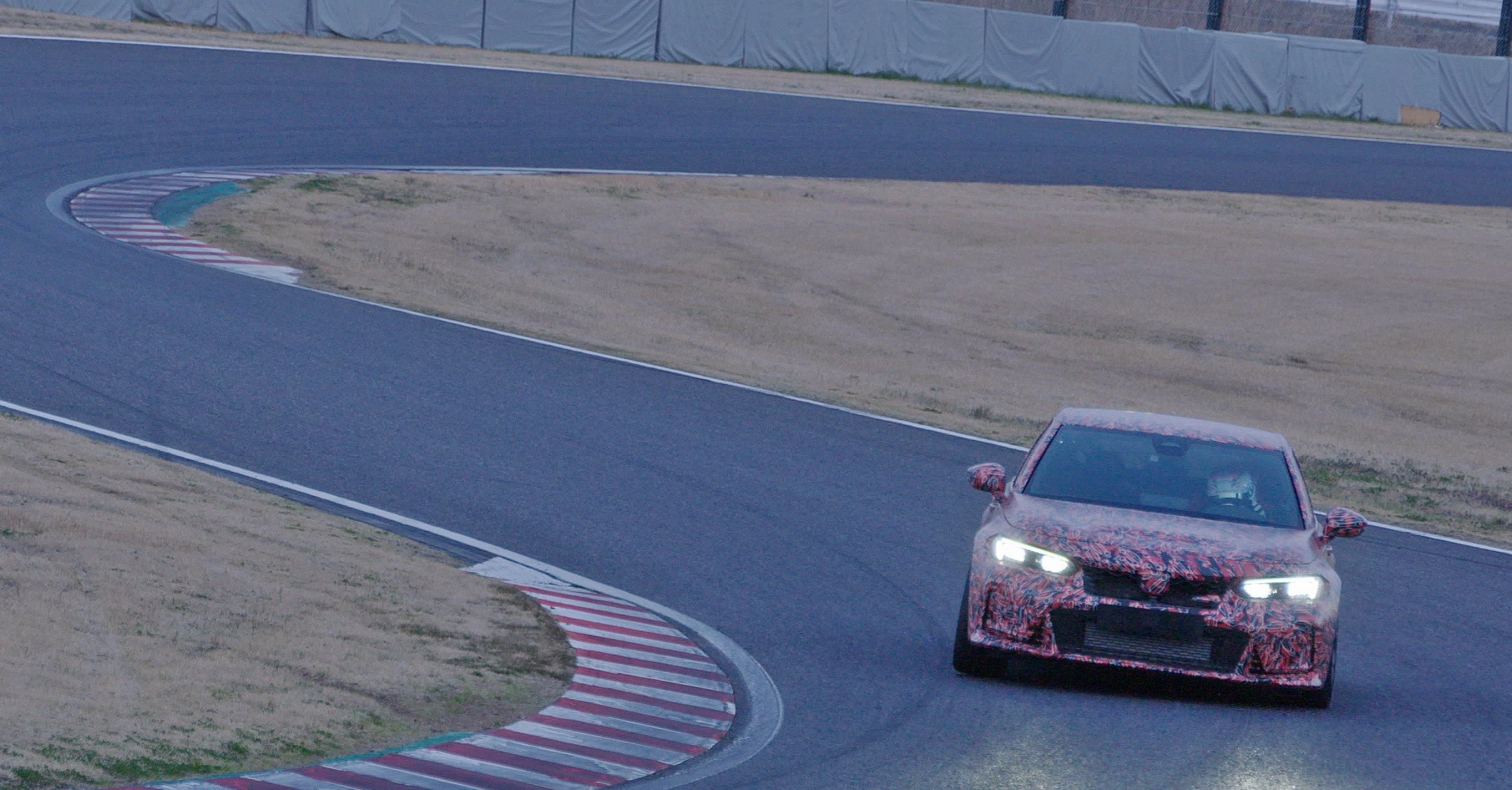
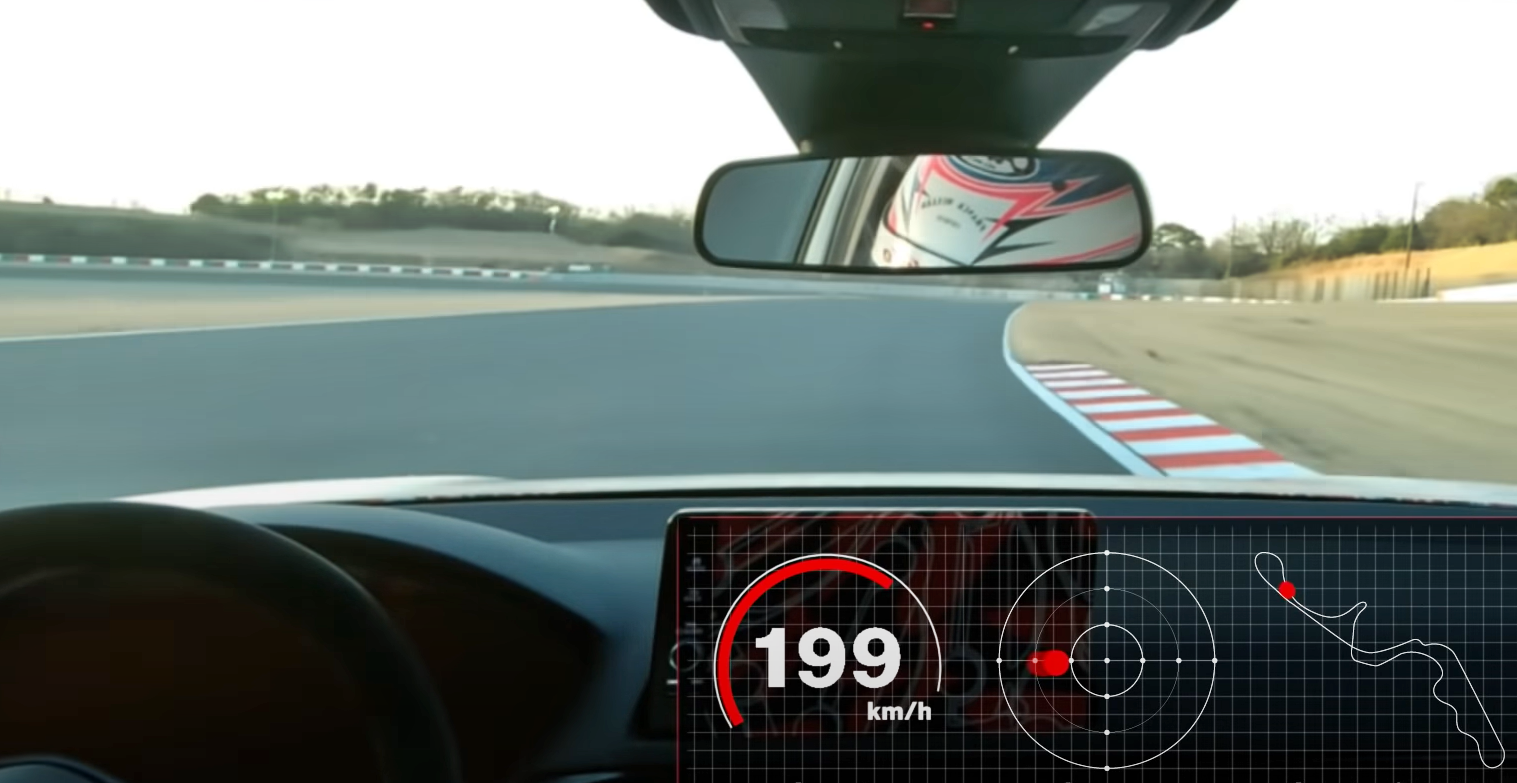
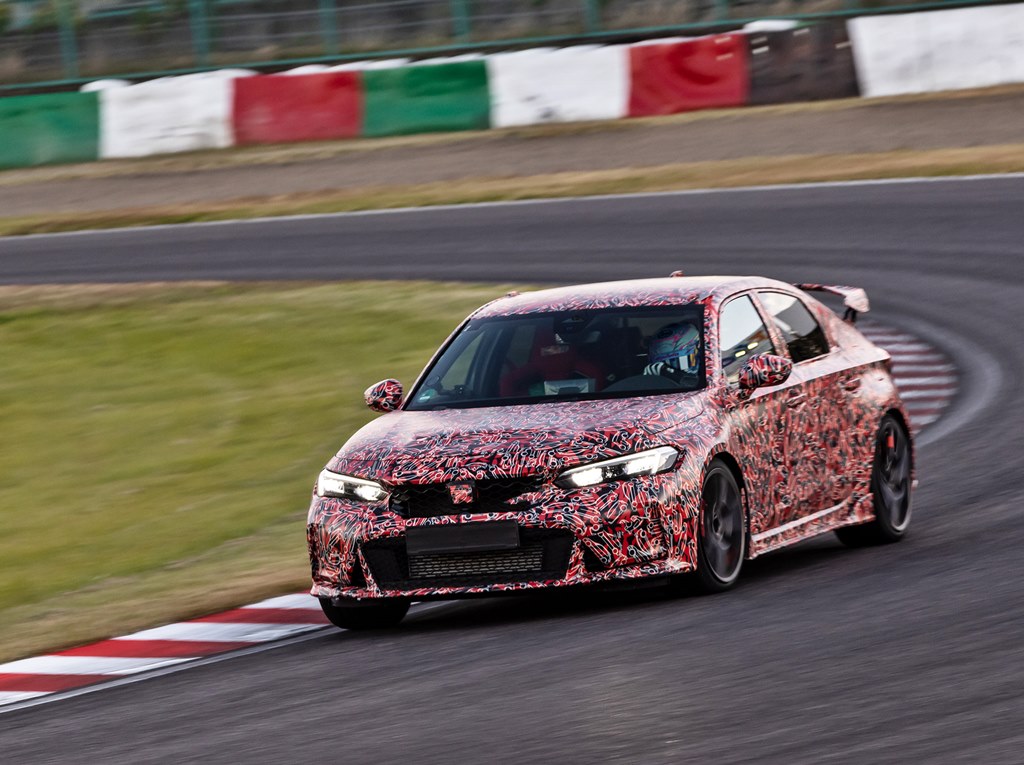
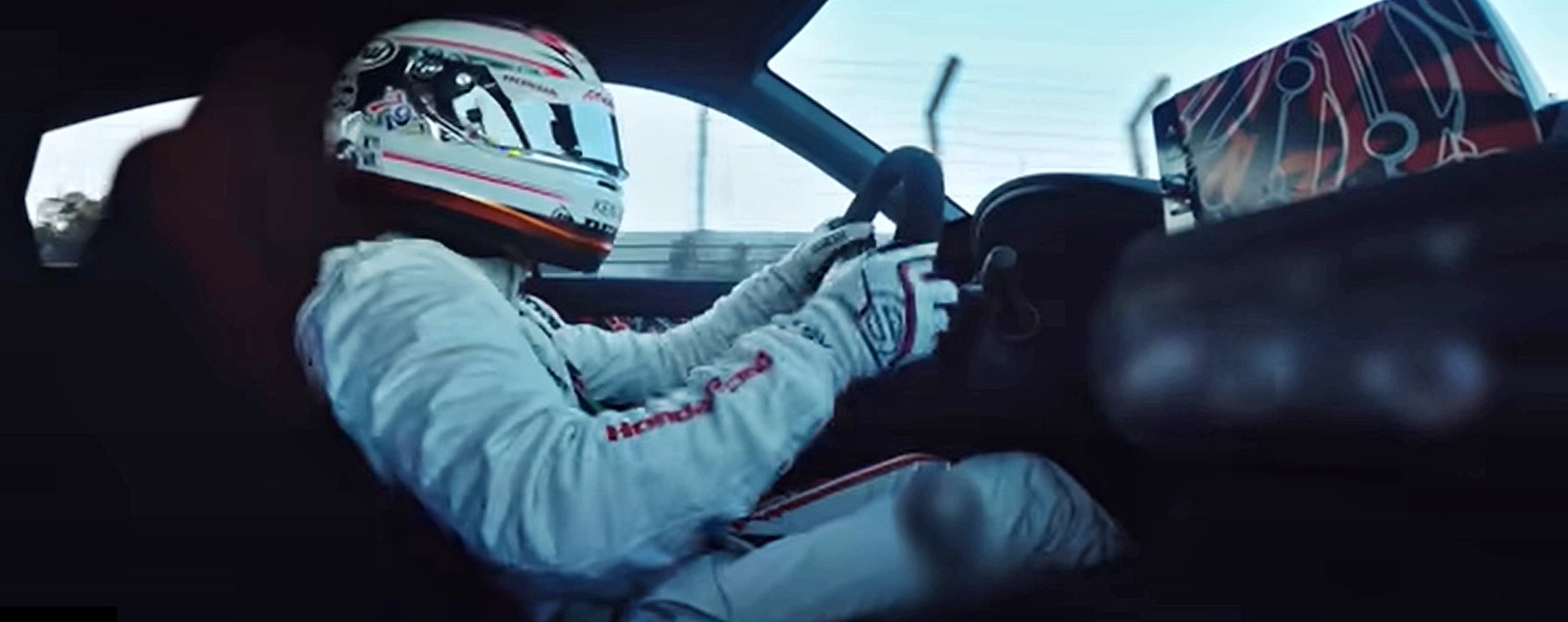
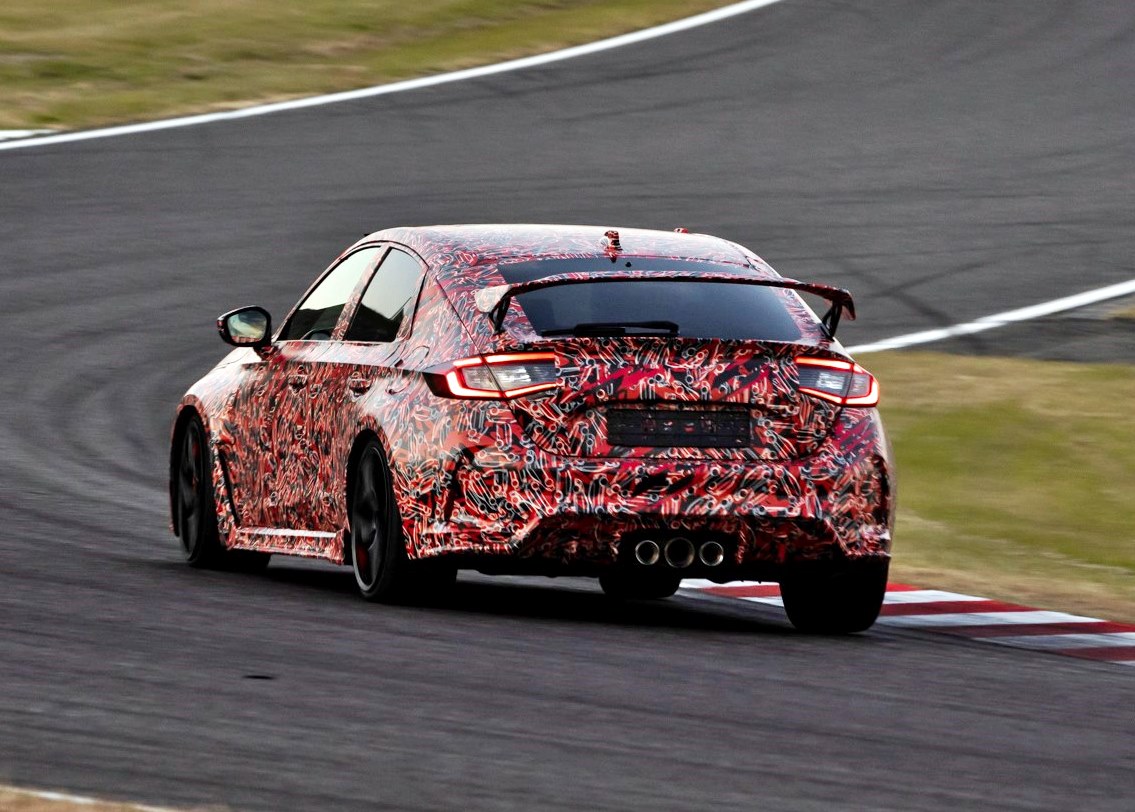
Even before its official launch (around the middle of this year), the next generation of Honda’s Civic Type R has started to collect records. As it goes through final development evaluation, test-drivers have been pushing it to the limits and in the course of one run recently, a new lap record for a front-wheel drive car was set at the Suzuka Circuit in Japan.

It lapped the 5.8-km track in 2 minutes 23.120 seconds, which was 0.873 of a second faster than the time achieved by its predecessor, a 2021 Civic Type R Limited Edition which was a development car.

The Suzuka Circuit, opened in 1962, is famous for its high-speed chicanes and challenging corners. It has hosted the Japanese Formula 1 Grand Prix for all but two years since 1987. Racing drivers regard it as one of the world’s greatest circuits and it has been a popular course for testing high performance Honda models.

Before the previous front-wheel drive lap record at Suzuka, Honda’s tenth generation Civic Type R GT broke the front-wheel drive lap record at the Nurburgring Nordschleife in 2017 with a lap time of 7 minutes 43.8 seconds. A production specification Civic Type R GT went on to break front-wheel drive production car records at 5 legendary European racetracks.

Honda Malaysia gifts a Civic Type R to King for use as escort car

Though seemingly a good idea at the start in the 1990s, the original low-cost concept of Nicolas Hayek, creator of the Smart watches, never worked once Mercedes-Benz took over. The engineering costs bumped up the price and it became a niche product that had difficulty meeting ambitious sales targets.

After trying various approaches in the USA, a market it hoped would take to the little car, Mercedes-Benz ended sales there in 2019. It continued to sell the car in Europe and then Geely came into the picture to form a joint-venture and the brand gained a ‘second wind’.

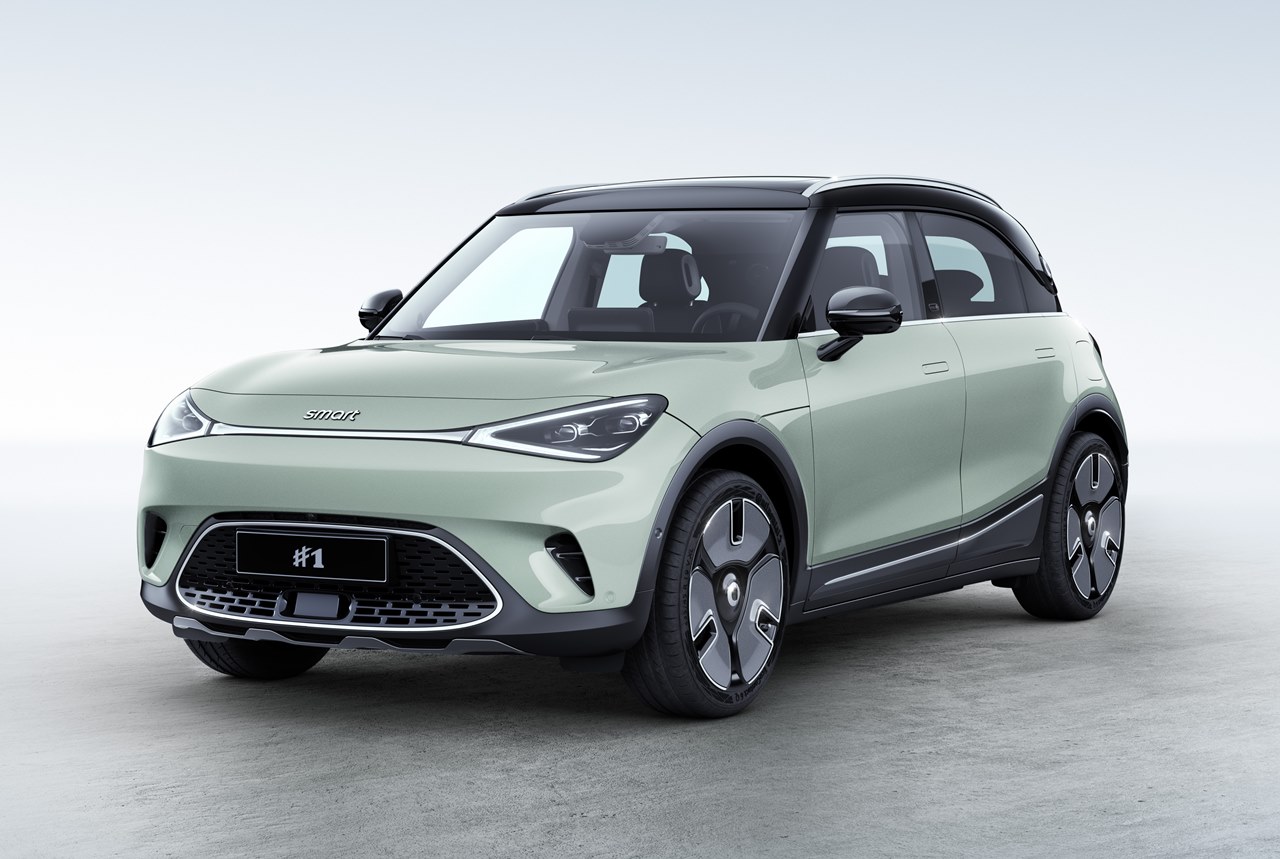
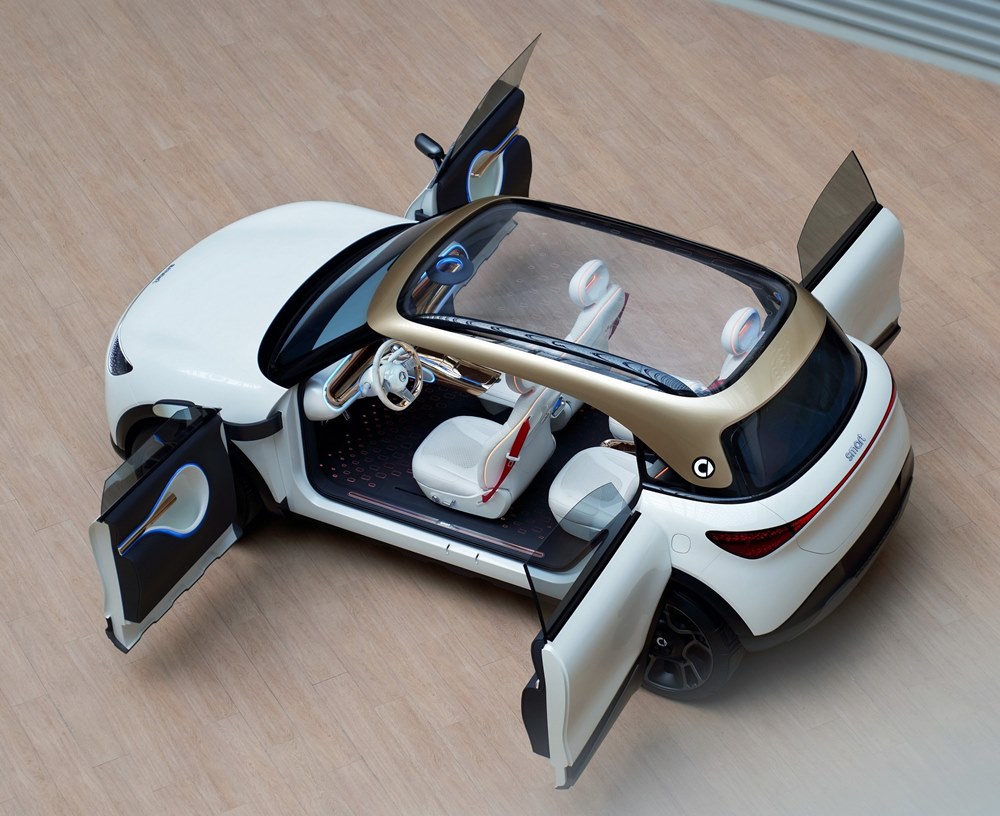
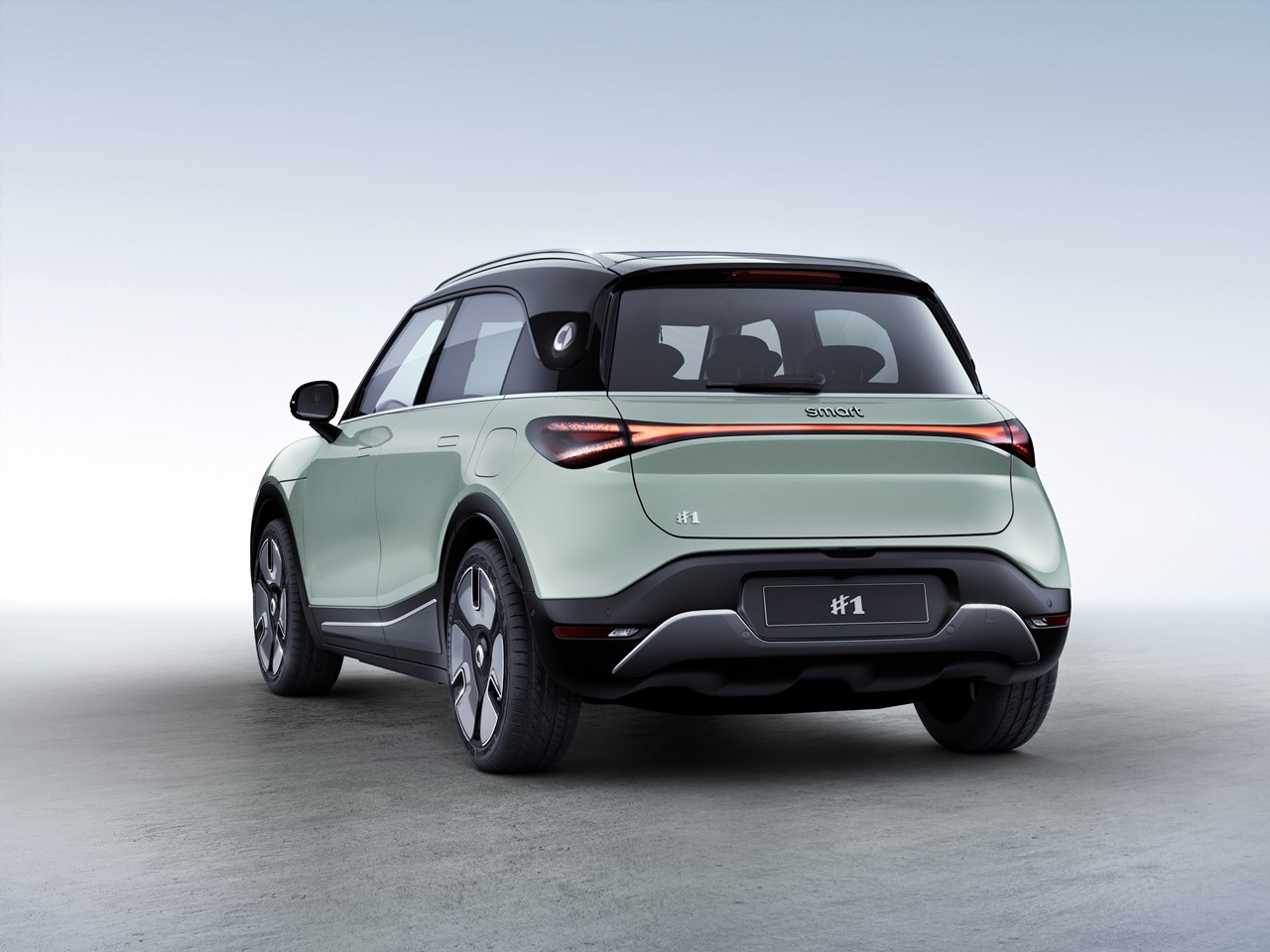
Very quickly, a brand new product was developed with the involvement of Mercedes-Benz design teams who used the Geely’s SEA architecture dedicated to electric vehicles. By 2020, a concept car called the Concept #1 was revealed and this week, the production model has been presented to the world.

2023 smart #1

smart concept #1

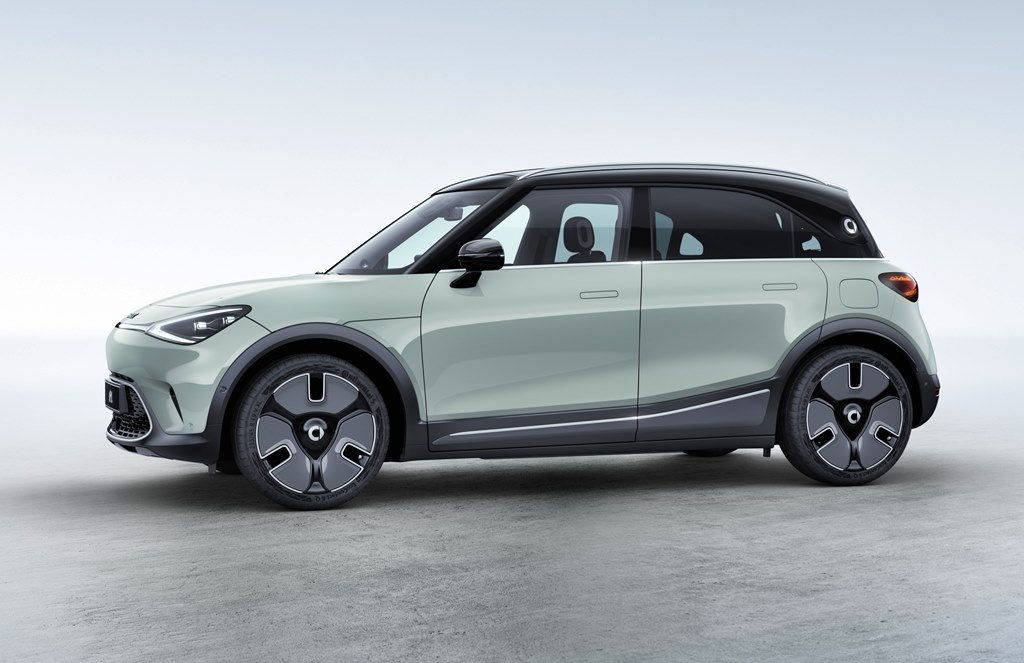
This isn’t smart’s first EV as the brand went fully electric after 2019 but it is an entirely new product, simply called smart #1. While the crossover has blurred the lines between a hatchback and SUV, the smart #1 is presented as a SUV with an overall length of 4270 mm and a width of 1822 mm with a wheelbase that is 2750 mm. That makes it larger than the Proton Iriz and almost the same length as a Saga.

Although there have been smart concept cars that proposed a SUV design, the brand has never sold one so this would be its first SUV. It is, however, considered a city car as well because of its proportions although its weight of 1,820 kgs is certainly much more than city cars of the same size.

The weight largely comes from the NCM (nickel-cobalt-manganese) battery pack which also uses lithium-ion chemistries to store electricity up to a maximum capacity of 66 kWh. The charging system can accept fast-charging up to 150 kW and if that is used, charging time can be 30 minutes (from 10% to 80%), it is claimed. With a more common 22 kW supply, the time needed would be around 3 hours.

The battery pack powers a single rear-mounted electric motor with an output of 200 kW (272 ps) and maximum torque of 343 Nm, available almost from the moment the car moves off. The top speed is claimed to be 180 km/h, pretty fast for a car in this class.

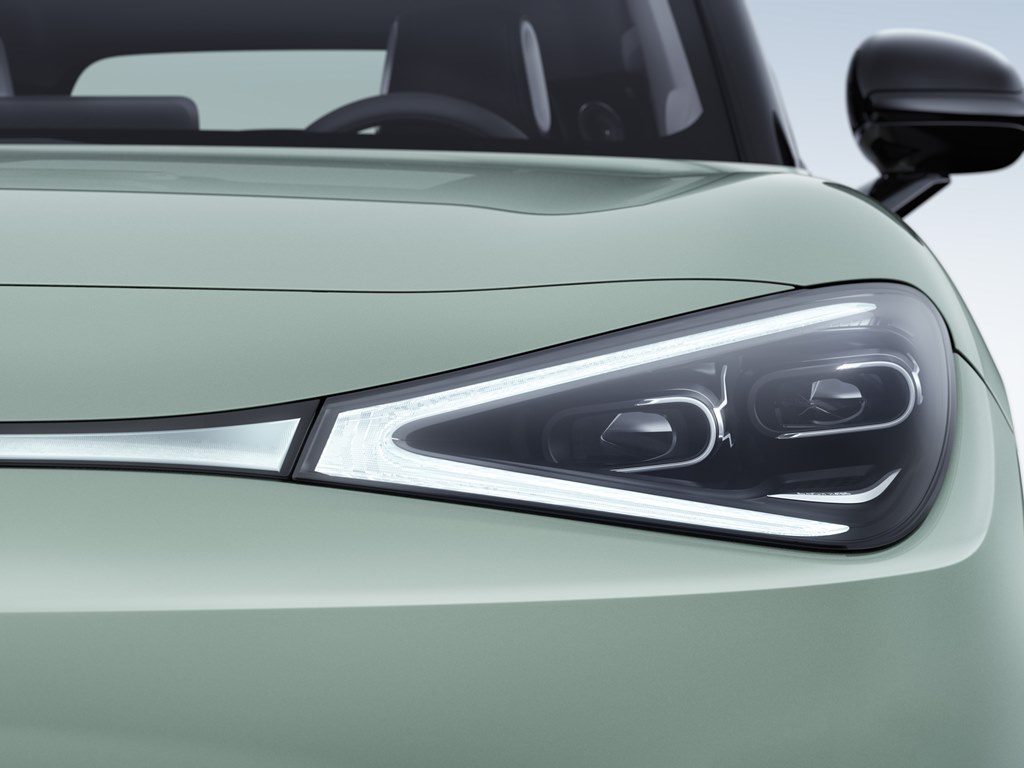
The styling of the #1 is pretty much like that of the concept car with Matrix LEDs under the triangular shapes of each headlight. The headlights form a unique visual signature at the front which stretches right across, and the same feature is also present at the back.

2023 smart #1

To remove that tiny bit of drag-inducing turbulence that door handles cause, those on the #1 are flush when the car is on the move, extending only when needed to open the doors. It’s a feature usually found in higher-end cars, reflecting the premium positioning of the #1.

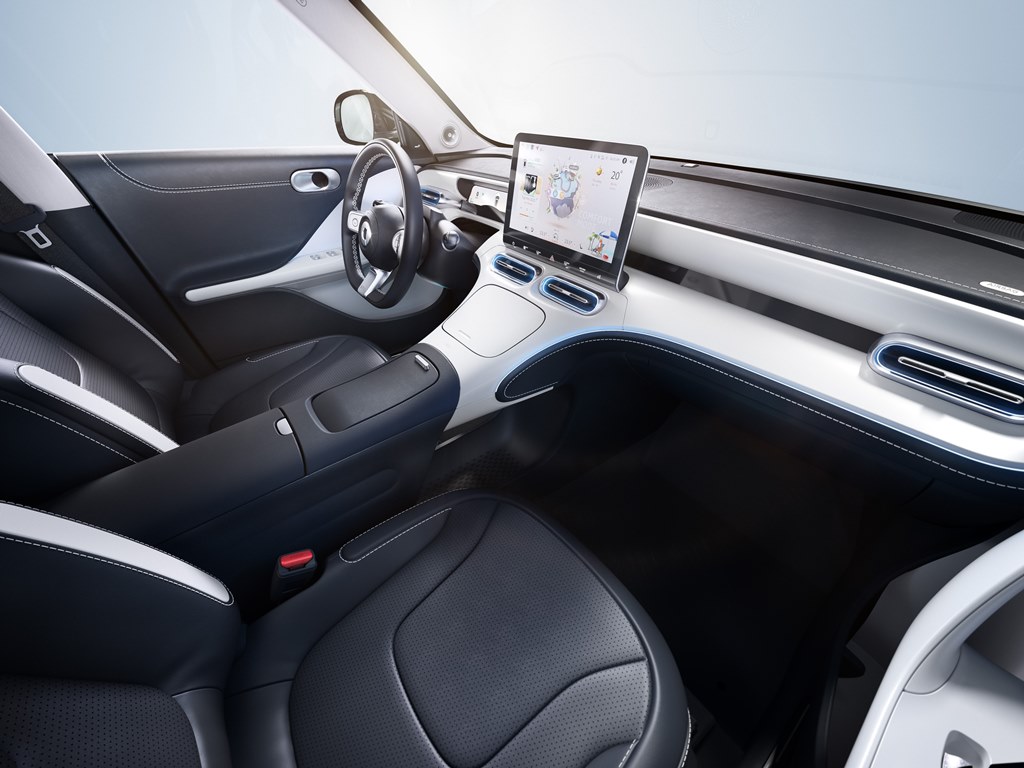
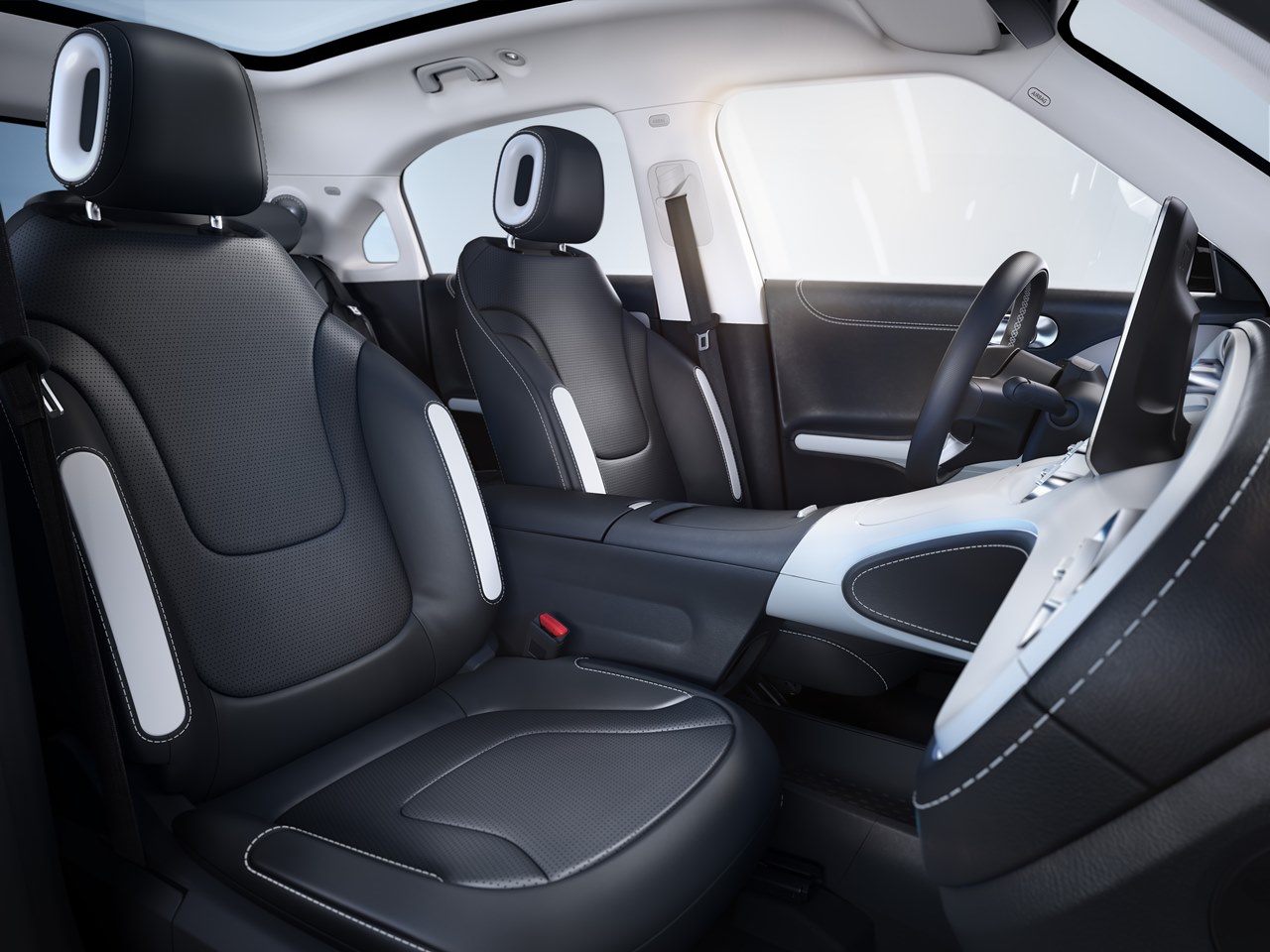
Thanks to a high footprint-to-space ratio with the long wheelbase, the interior is more spacious than would be expected with the compact exterior. The floating centre console provides better space efficiency with a reduction of elements creating a more open environment. To enhance this sense of spaciousness is a panoramic halo glass roof, one of the features on the concept car. The rear seats have a variable position over 13 cm and behind them is a variable boot space.

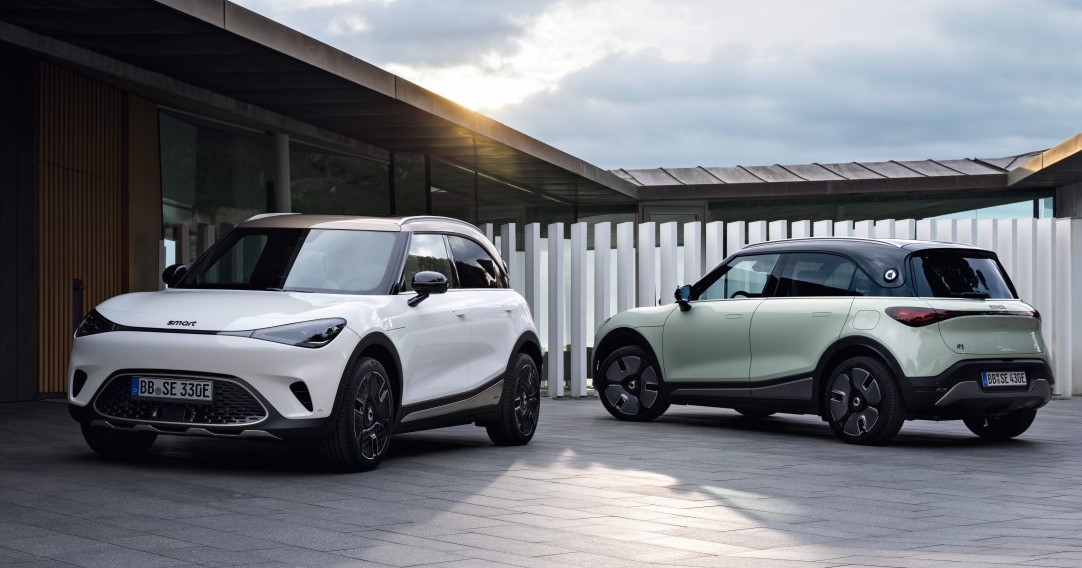
2023 smart #1

2023 smart #1

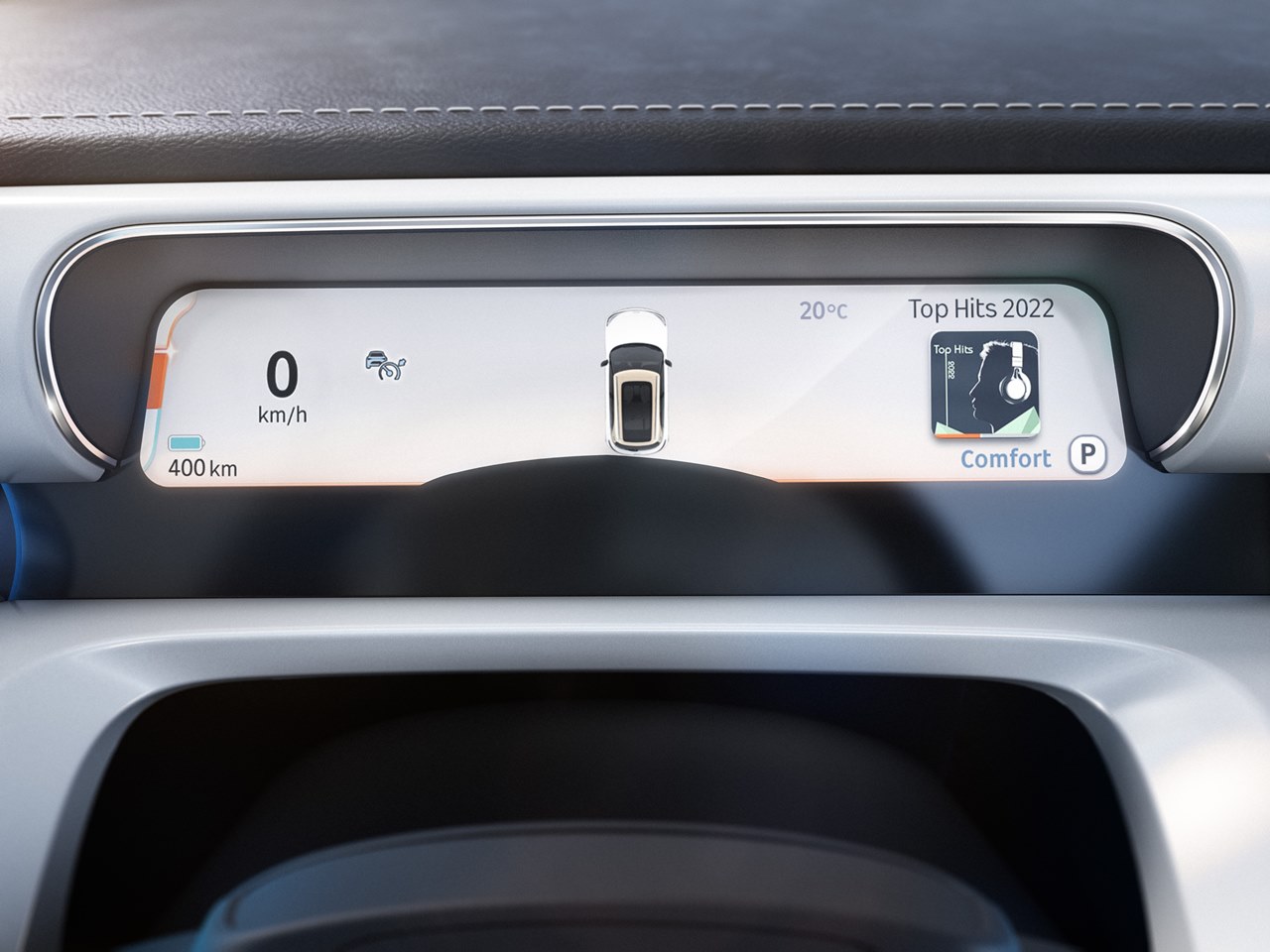
As with many of the latest cars, the displays are digi-graphic with a 9.2-inch panel in front of the driver (supplemented by a head-up display), and a 12.8-inch touchscreen on the dashboard. The ambient lighting can be customized with mix of 64 colours and 20 illumination levels, setting just the right mood for a drive.

2023 smart #1

The premium audio system has Beats high-end sound technology and consists of an amplifier module and 13 speakers (including a sub-woofer). The driver can  enable digital key sharing through the smart app which also allows for remote engine starting.

There will be a ‘Launch Edition’ of the car with exclusive trim. Production will be at a joint-venture factory in China, starting in the second half of 2022. Exports are expected to start towards the end of the year so Proton Edar, which has been appointed distributor for Malaysia and Thailand, should be launching the car in early 2023. As it is a joint development between Geely and Mercedes-Benz, it is unlikely that it will become a Proton-badged model but by selling it, Proton would gain insights and experience into EVs which it will be producing and selling towards the end of this decade.

2023 smart #1

Mercedes-Benz and Zhejiang Geely Holding Group establish new joint-venture to handle smart brand globally

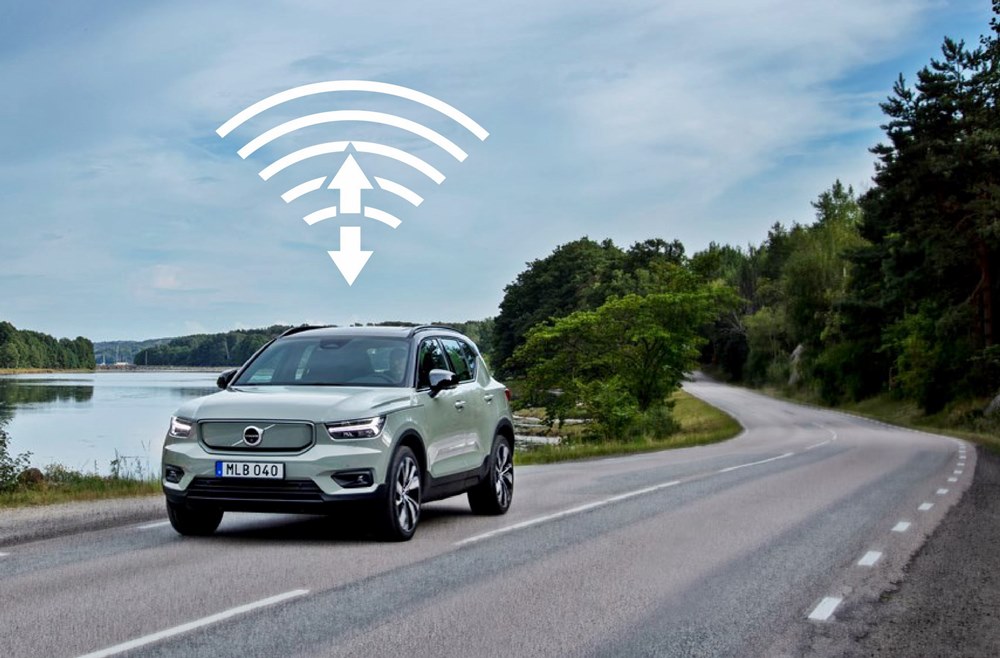
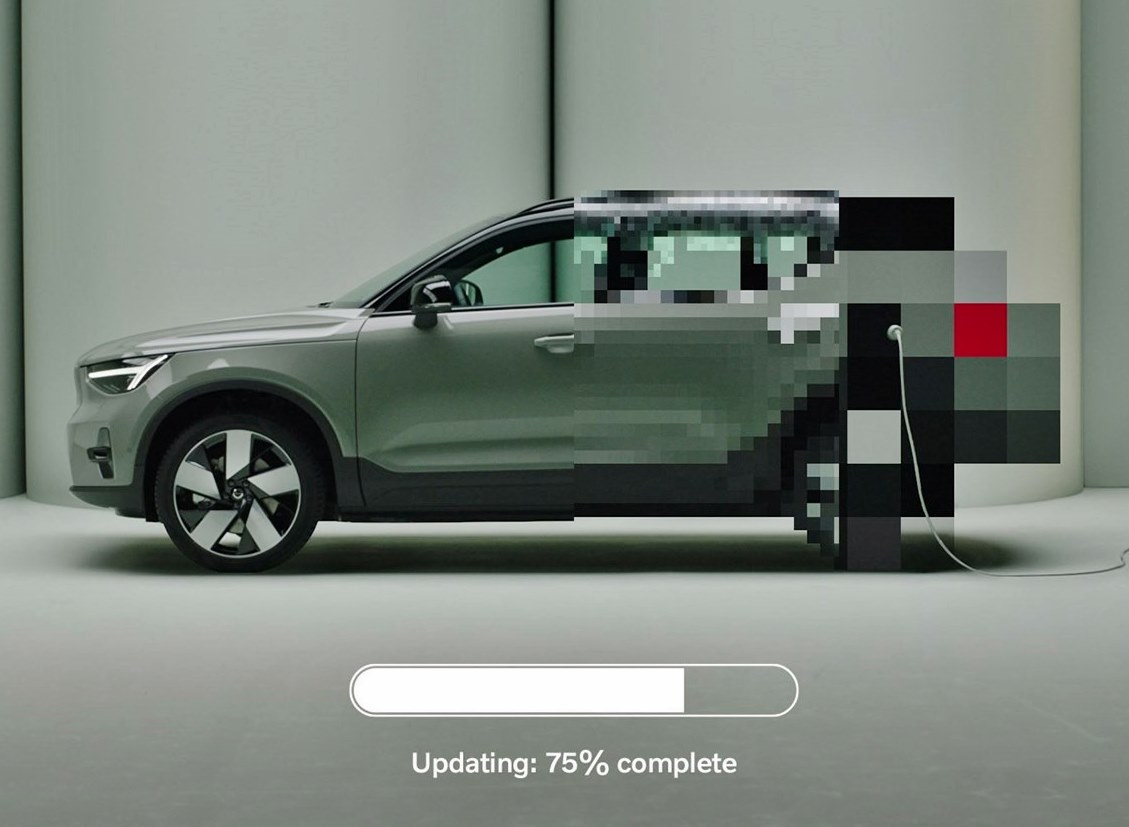
Over-the-air (OTA) updates are a convenience we’ve been enjoying with smartphone systems and apps for years, as well as on our computer systems. Periodically, you’ll be informed that an update for an app is available and just a click to allow it to come to your phone is all it takes, and you get an improved app (or a bug is fixed).

It’s something that the auto industry has also been using for at least 10 years now, making it unnecessary for owners to send the vehicles to a service centre to update software for the many systems that today’s cars have. The ability to have the update carried out not only saves time for the aftersales providers but also keeps the vehicle’s systems up to date and running optimally. Through in-house development of software and OTA updates, the carmakers continuously adds new features and improves existing functionalities.

Volvo Cars initiated its first OTA update in 2015 for the XC90 and with effect from model year 2023, all new models from the Swedish carmaker will have OTA update capability. The OTA updates – free of charge, of course – can bring feature improvements, ranging from better energy management through improved climate timers and updates to mobile app functionality and in-car applications. Energy management improvements are of particular importance to the electrified models, helping to maintain appropriate battery levels during both cold and warm days to maximise driving range. The company believes that OTA updates will make a Volvo better over time.

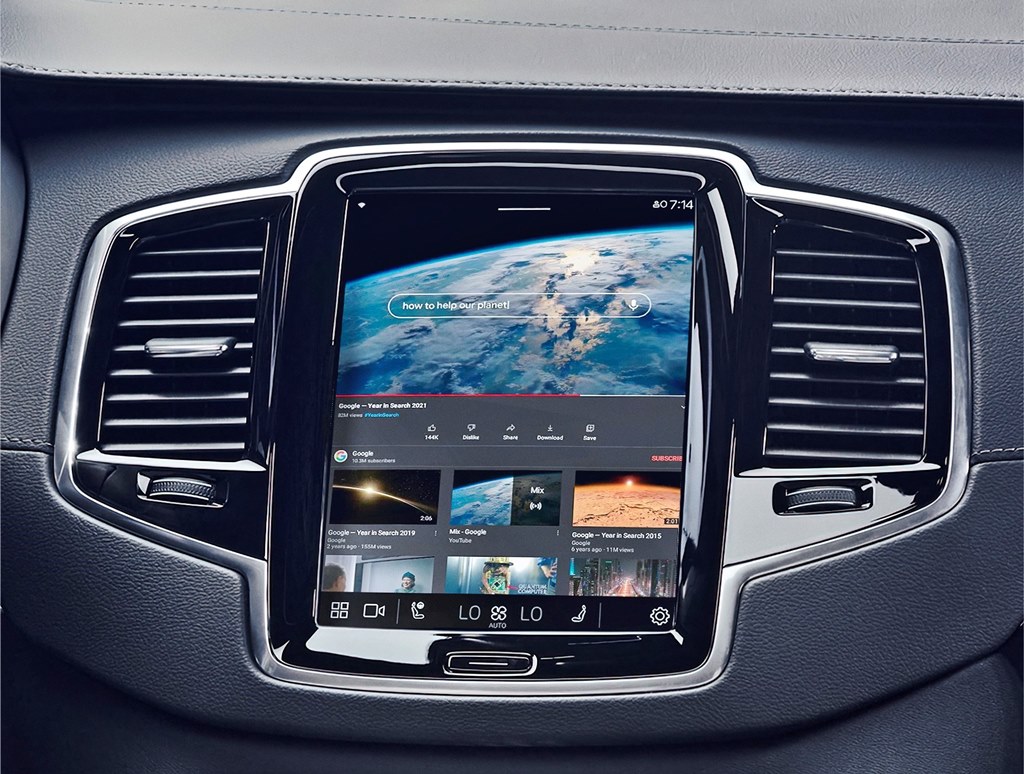
A recent OTA update, the company’s eighth complete car update, reached more than 190,000 Volvo vehicles across the planet. Volvo owners enjoy an upgraded infotainment system with the latest version of Android Automotive OS, Android 11. They will also get access to new app categories on the Google Play, including navigation, charging and parking, while video streaming is expected to be added later in the year.

XC90 was the first Volvo model to receive OTA updates for its infotainment system in 2015, and the XC40 Recharge was the first Volvo fully electric model to receive an OTA update in February 2021.The OTA update for the XC40 Recharge provided new features, bug fixes and stability improvements.

The company also said today that it will offer its infotainment system with Google apps and services such as Google Assistant and Google Maps built-in across all new models, continuing the rollout of one of the best in-car infotainment platforms on the market. The Volvo Cars’ infotainment system is jointly developed with Google and brings to owners a user-friendly interface with access to well-known apps and services.

OTA updating removes the need for owners to bring their vehicles to the service centre just to perform updates as the new software can be sent ‘over the air’ to wherever their vehicle is, virtually anywhere in the world.

“The benefits of over-the-air updates are obvious,” said Henrik Green, Chief Product Officer at Volvo Cars. “Yesterday you still had to drive to the workshop in order to get the latest updates to your car. Today you simply click OK and your Volvo takes care of the rest. It couldn’t be easier.”

“By making all Volvo models able to receive over-the-air updates, we make important progress towards our ambition of making our customers’ cars better every day,” he added. “This is a significant milestone: we’re now updating cars of all models in a majority of our markets, bringing the benefits of remote continuous updates to an ever increasing number of customers.”

While OTA updates are useful, the industry is still With OTA updates provided periodically, the vehicle’s systems can perform optimally, even better than when the vehicle first left the factory.cautious about the type of updates they send over the air. For now, most OTA updates are confined to infotainment and navigation systems, and those systems which are not safety-related or involving changes to the powertrain. With a total of over 100 million lines of code in a vehicle’s systems, critical updates must be very carefully prepared and installed safely and securely.

Nevertheless, the use of OTA updates can also help reduce background recalls for software updating. According to the US National Highway Traffic Safety Administration (NHTSA), 62% of vehicle owners in America respond to recall notices so OTA updates can ensure at least 100% of the vehicles affected get the relevant updates without their owners having to go to a service centre.

Volvo tests wireless charging for EVs in Sweden (w/VIDEO)

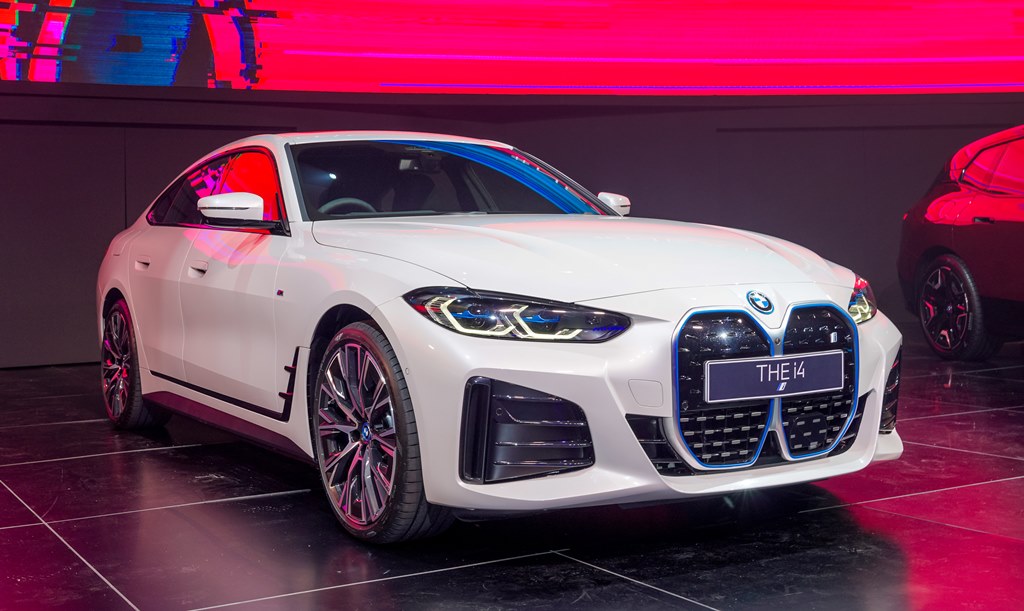
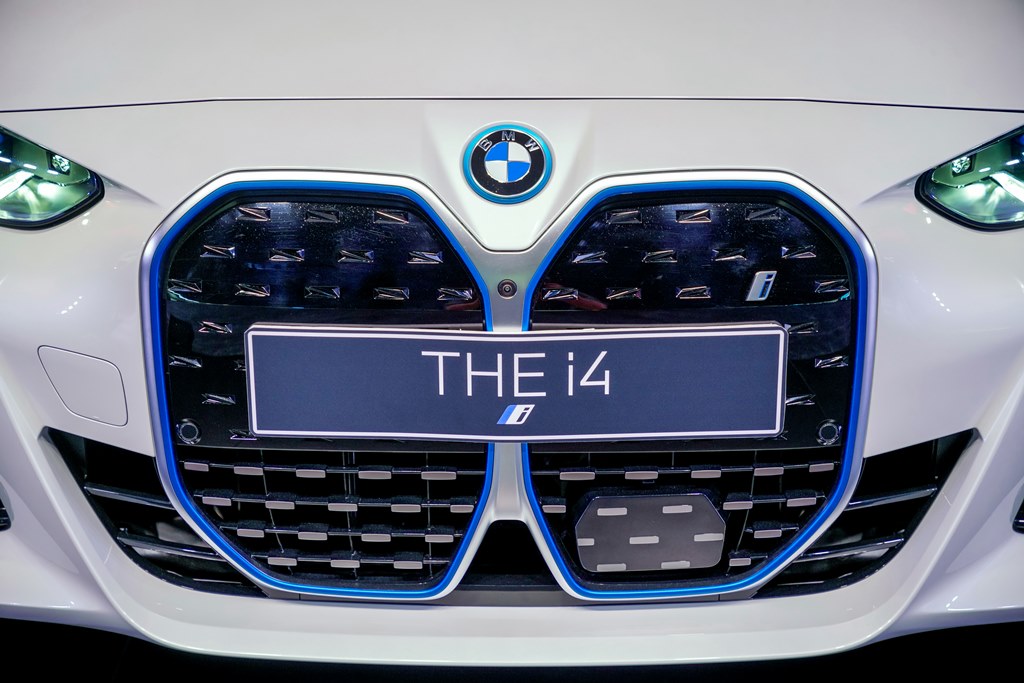
The BMW i4, fourth model in the German carmaker’s electric BMW i sub-brand, can now be pre-booked in Malaysia. It was first shown in the country at NEXTGen Malaysia in January this year. The retail price starts from RM389,800 (without insurance) with an Extended Warranty & Service Package included. For those who use BMW Group Financial Services Malaysia’s financing plan, monthly instalments can start from RM4,306 (terms and conditions apply).

Customers can choose from Black Sapphire, Mineral White and Dravit Grey for exterior colours which will be supplemented with Sanremo Green, M Portimao Blue and M Brooklyn Grey later in the year. Interior upholstering is available in Black, Mocha and Tacora Red Leather Vernasca.

2022 BMW i4 eDrive40 M Sport

The new i4, which went on sale in Europe in late 2021, is part of a comprehensive product offensive by the BMW Group in the field of models with electrified drive. The company currently has the biggest range of battery electric vehicles (BEVs) and plug-in hybrid (PHEV) models and by next year, it expects to have 25 models with electrified drive on sale.

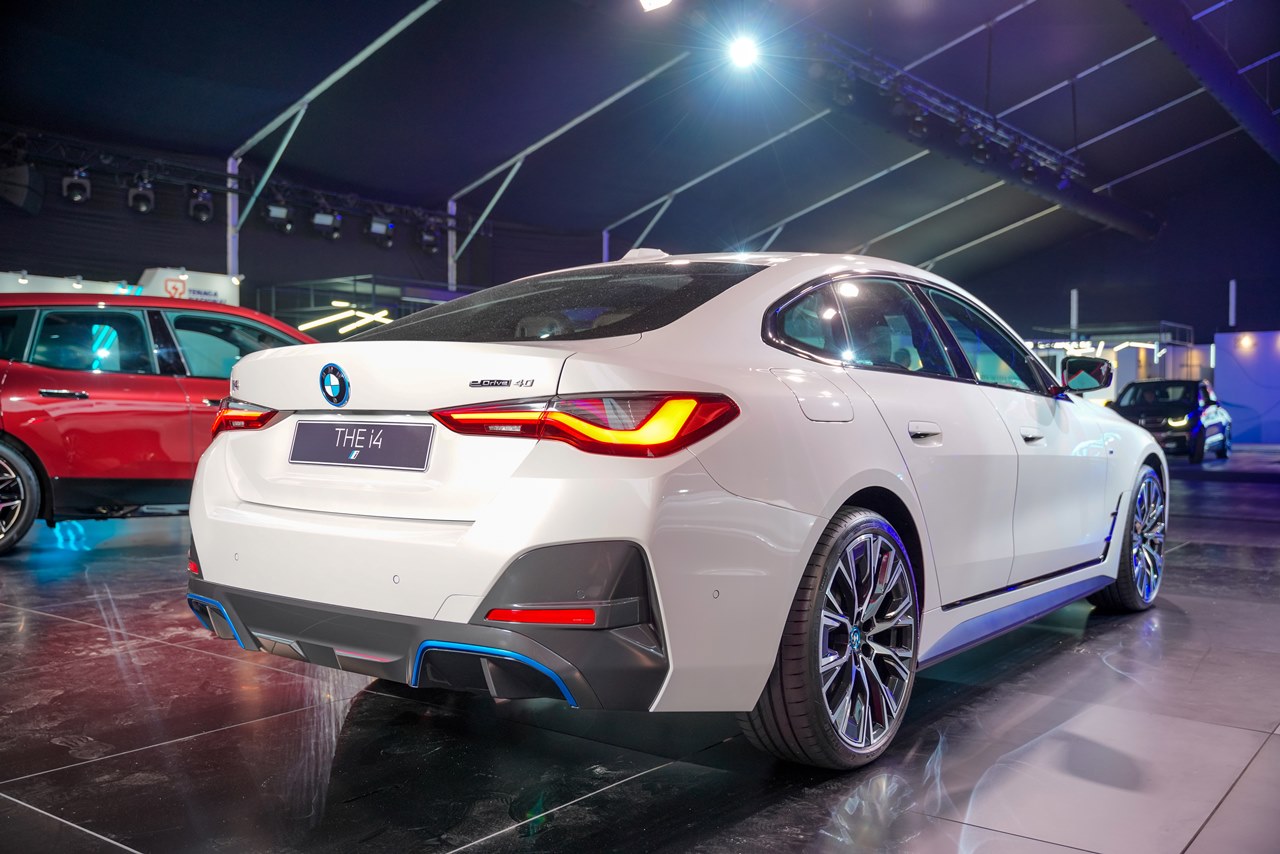
Designed by a team led by Kai Langer, Head of BMW i Design, the i4 is the brand’s first Gran Coupe with electric drive in the classic rear-wheel drive layout. The smoothly contoured panels with a clear surfacing language incorporate aerodynamic details that are vital to keeping wind resistance low, particularly for a BEV.

2022 BMW i4 eDrive40 M Sport

The powertrain is a 5th generation BMW eDrive system which has an electric motor that can generate a maximum output of 250 kW (340 ps) with peak torque of 430 Nm. This gives it a capability of 0 to 100 km/h within a claimed 5.7 seconds.

The eDrive system has a Combined Charging Unit (CCU) with a built-in 4 kW voltage transformer for flexible battery charging. Recharging can be done a domestic power socket, a BMW i Wallbox or DC fast chargers. Depending on the power source, charging time can be 31 minutes (from 10% to 80%) or up to 8.25 hours. A fully charged lithium-ion battery pack will provide up to 590 kms of range, depending on driving conditions.

2022 BMW i4 eDrive40 M Sport

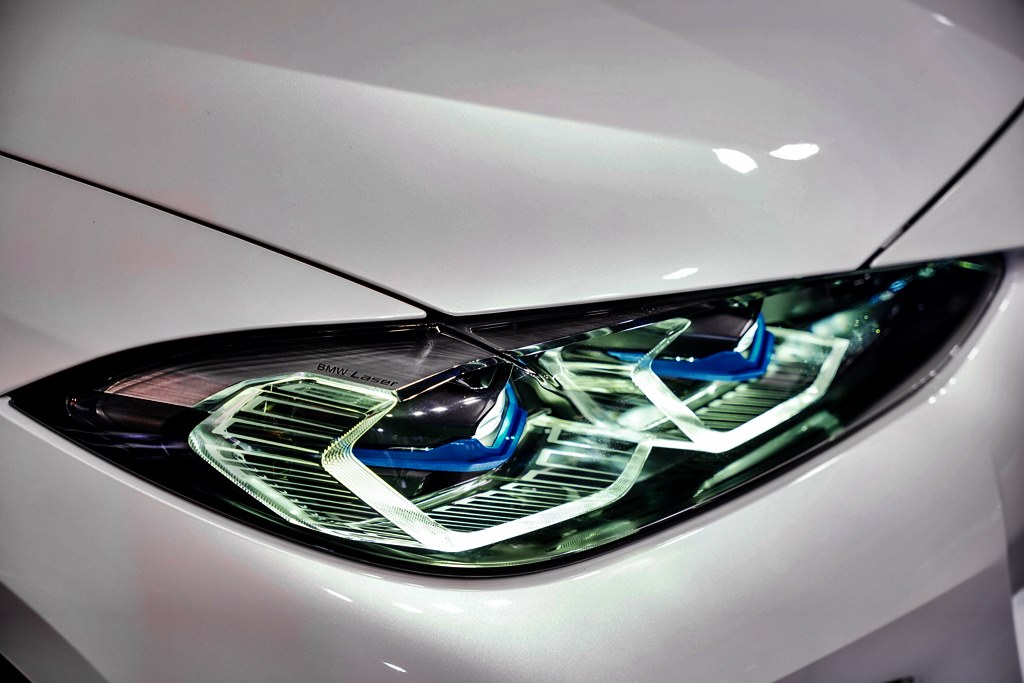
The version officially imported by BMW Group Malaysia is the i4 eDrive40 M Sport which is equipped with the M Sport package. This has the M Aerodynamics exterior with M High-gloss Shadow Line, 19-inch M Aerodynamic Wheels 860 M Bicolour with staggered widths, and M Sport brakes. Standard on the i4 are BMW Laserlights with Automatic High-beam Control.

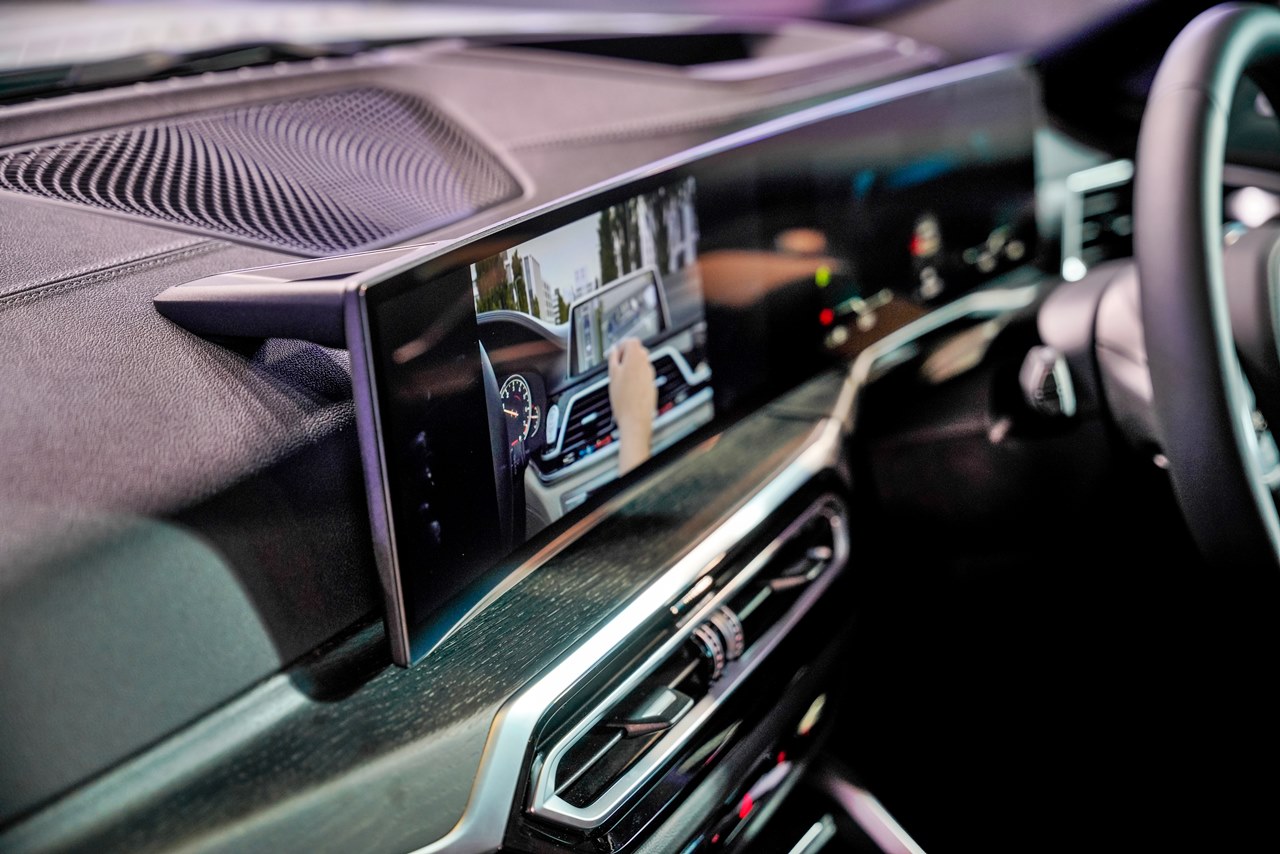
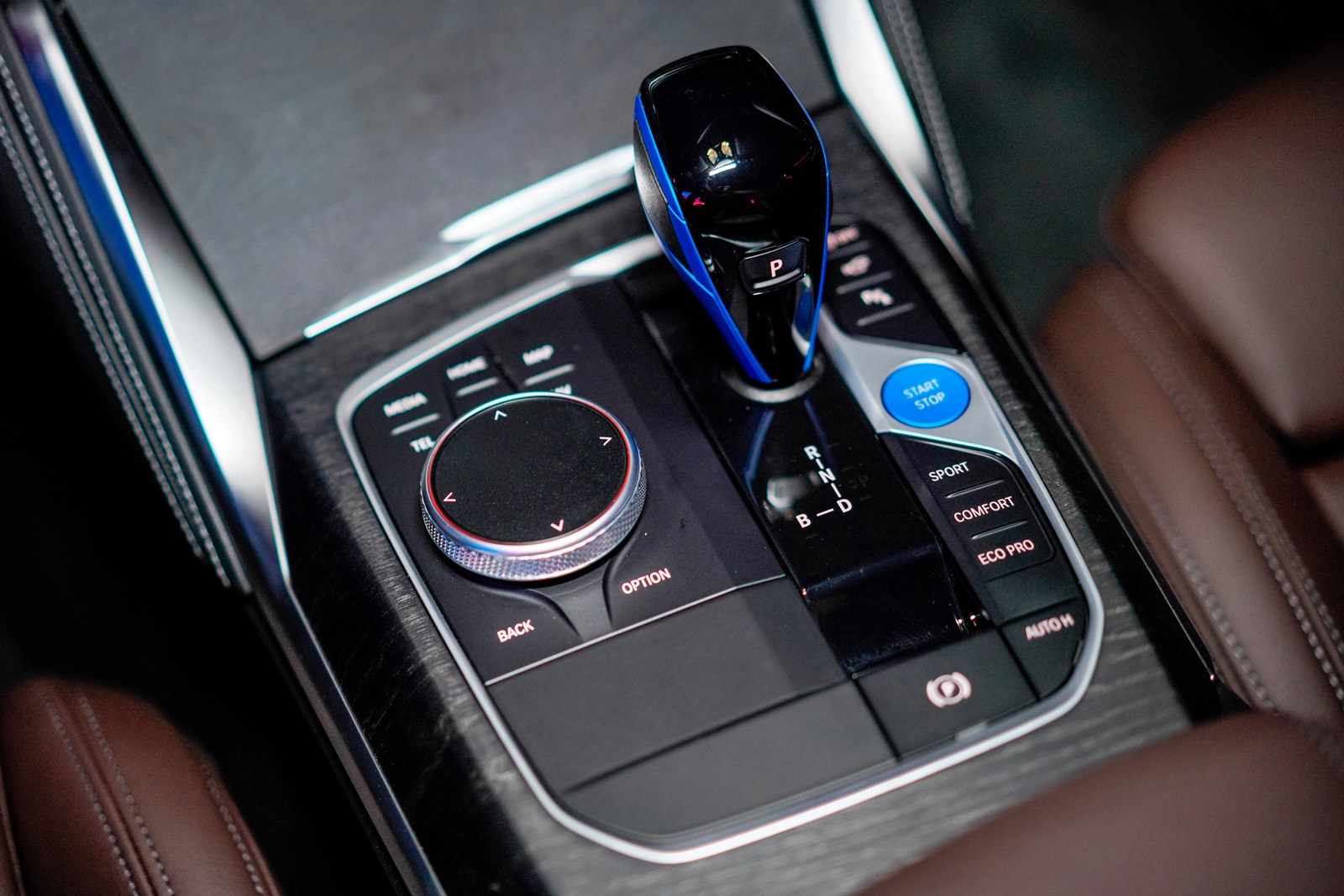
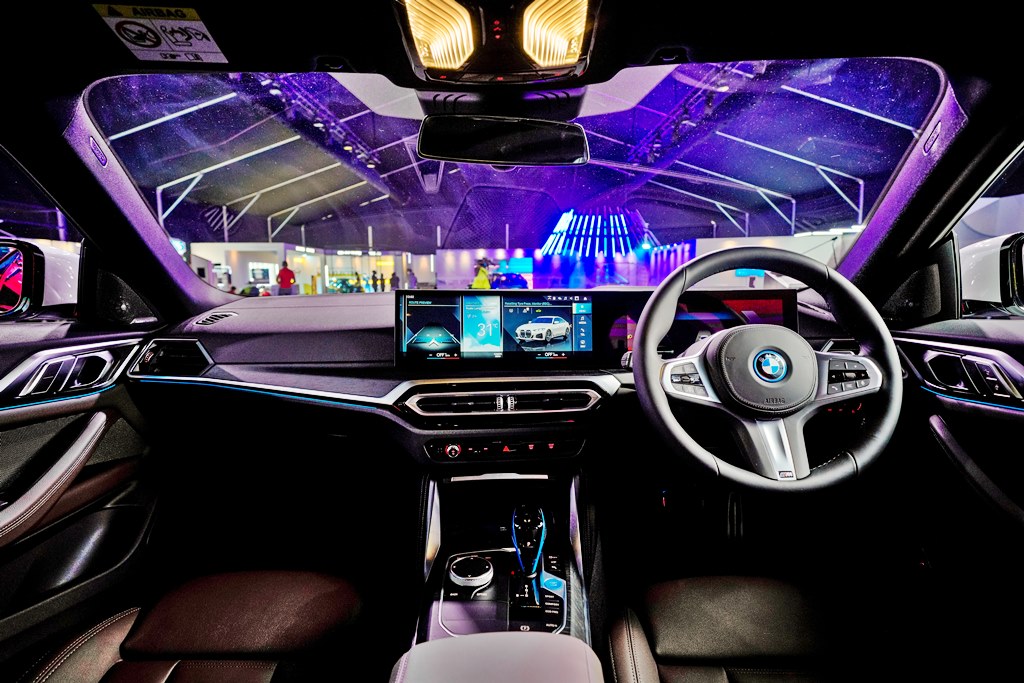
The cabin, appointed with Aluminium Rhombicle Anthracite Interior Trim, also has the BMW M treatment with the M Anthracite Headliner, M Leather-wrapped Steering Wheel, while the instrument panel is in Sensatec. Functional features include variable sports steering, electric seat adjuster with memory function, Interior and Exterior Mirror Package, as well as automatic air conditioning.

2022 BMW i4 eDrive40 M Sport

2022 BMW i4 eDrive40 M Sport

2022 BMW i4 eDrive40 M Sport

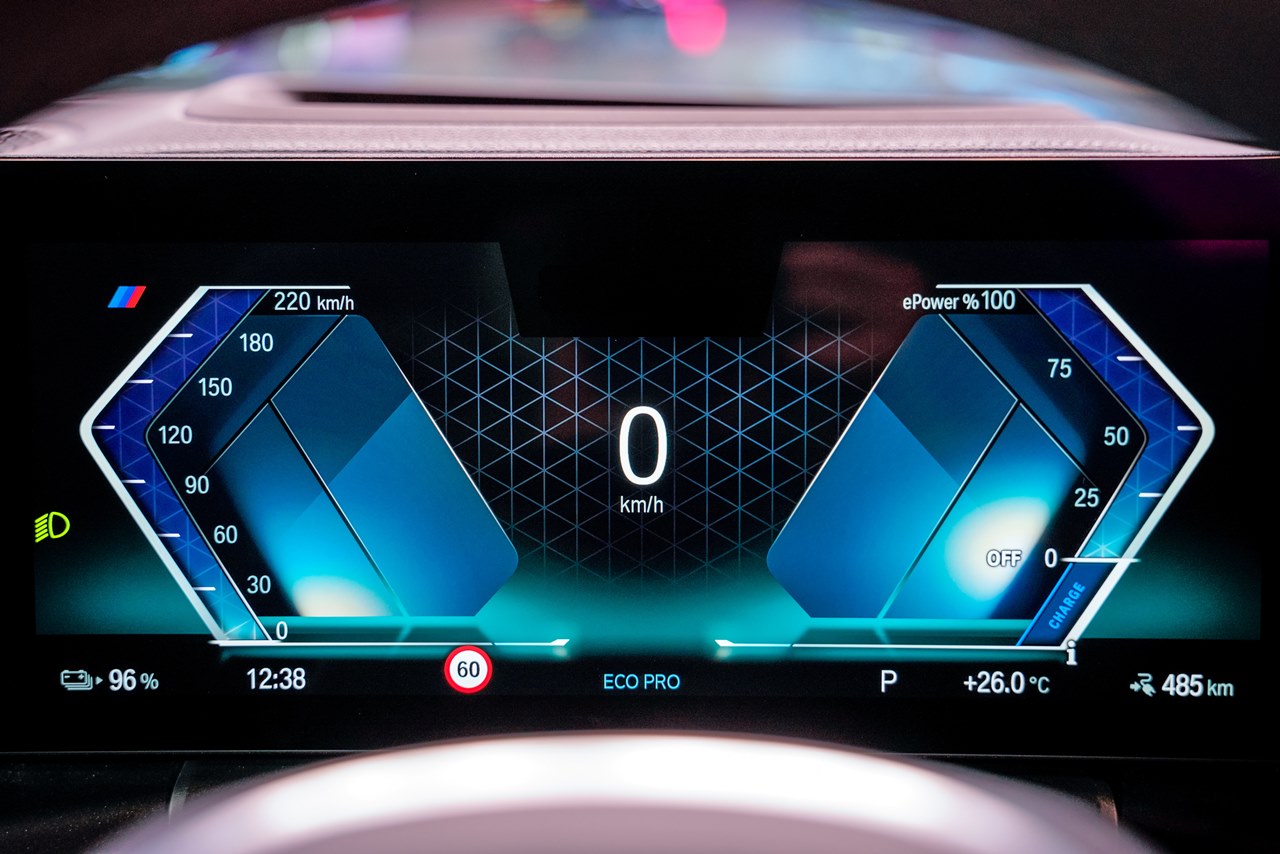
For entertainment, information and connectivity, the i4 eDrive40 M Sport has the BMW Live Cockpit Professional and BMW ConnectedDrive Services as standard. Additionally, there’s also BMW Connected Package Professional, Intelligent Emergency Call, Teleservices, Smartphone Integration, and a 17-speaker Harman Kardon surround system.

“Sheer Electric Driving Pleasure with a modern, striking yet elegant silhouette – we are thrilled to bring to Malaysia the First-Ever BMW i4 eDrive40 M Sport that retains the hallmark design characteristics of a contemporary four-door BMW Gran Coupe, while also exemplifying the exceptional sporting prowess and efficiency that the fifth-generation BMW eDrive is capable of delivering,” said Hans de Visser, Managing Director of BMW Group Malaysia.

2022 BMW i4 eDrive40 M Sport

Malaysians understand merits of EVs but misconceptions remain, BMW survey finds

SUVs makes up the largest market segment today and this is the case in every market in the world, even in India where foreign brands have been introducing new SUV models in recent years. The Indian carmakers also have their own SUVs although most are still the more ‘traditional’ type designed more for ruggedness than style.

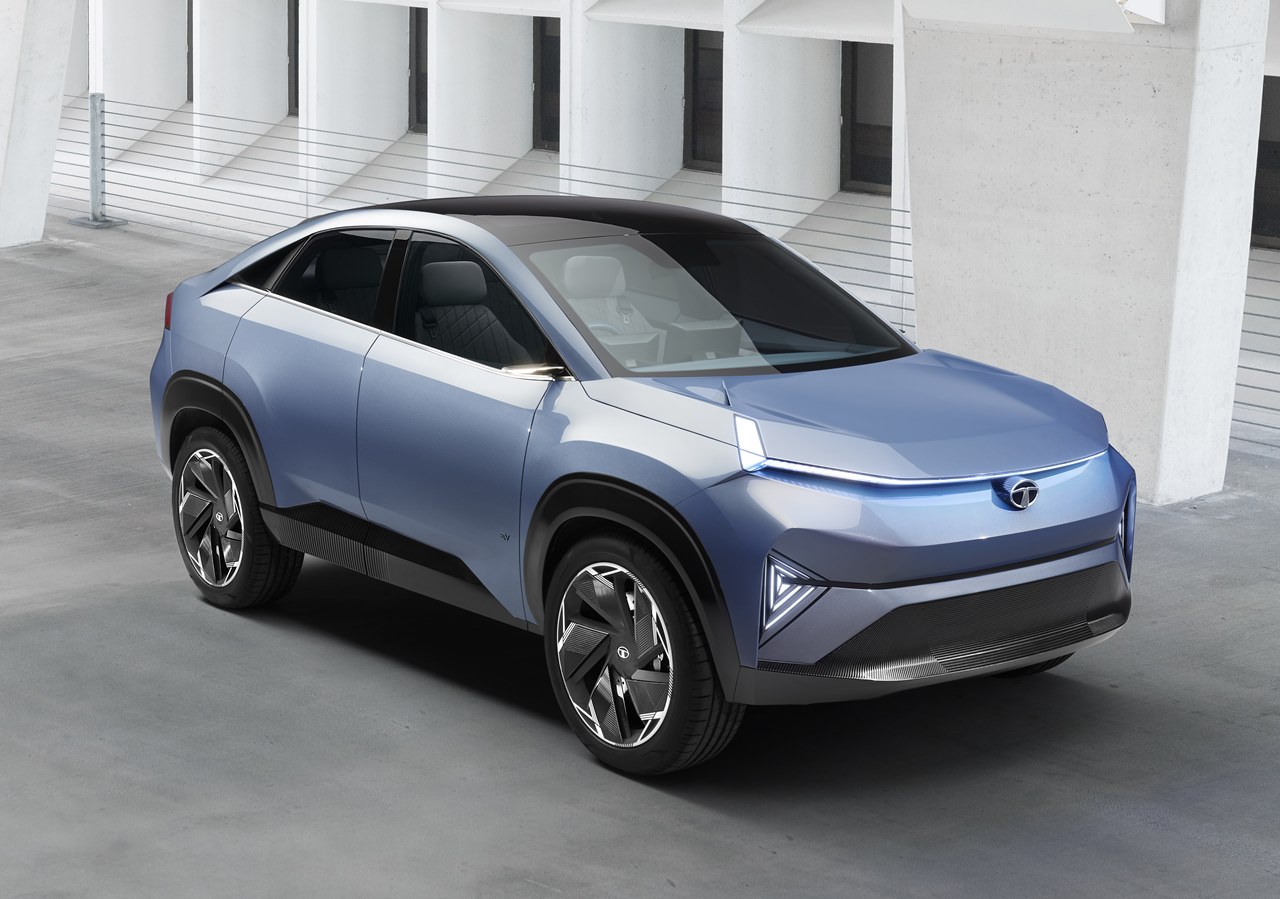
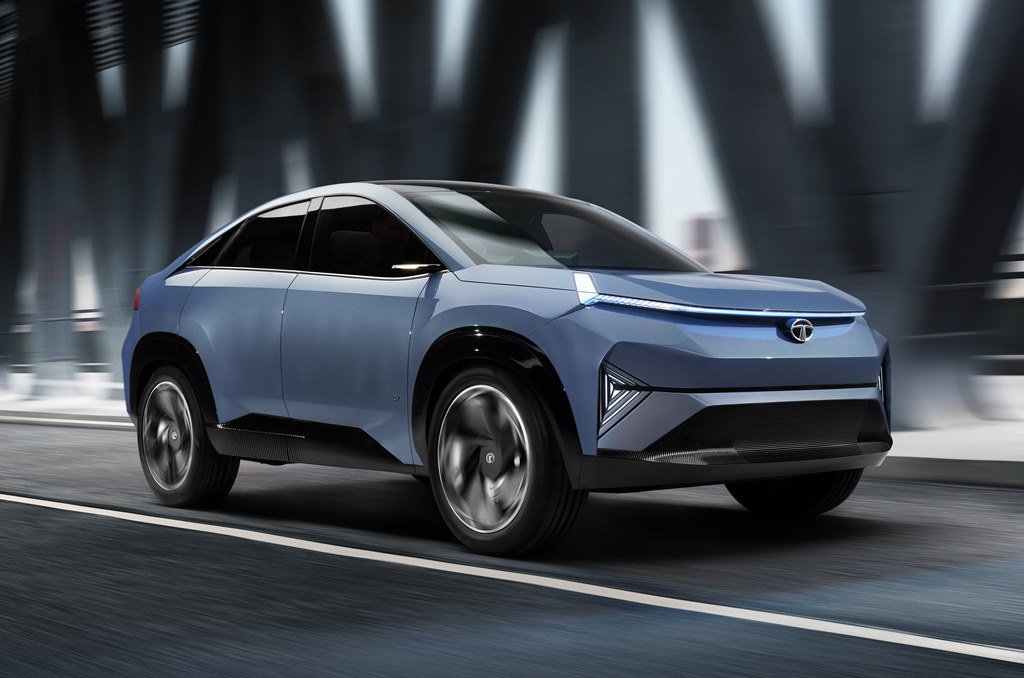
But that will soon change if a new SUV concept by Tata Motors is any indication. The concept, called CURVV, has a design more like the crossover SUVs of today. It’s an edgy sporty look with a coupe profile that is typical of modern SUV typology. Presumably, the design has been done in-house and is proposed with an electric powertrain as well as a combustion engine powertrain.

In keeping with its SUV image, there is extra ground clearance so it stands tall, with a large offset for the front and rear ends. Cladding with a grooved pattern below the sills give a a visual sense of ruggedness. At the lower front and rear, the protective panels also have a similar pattern.
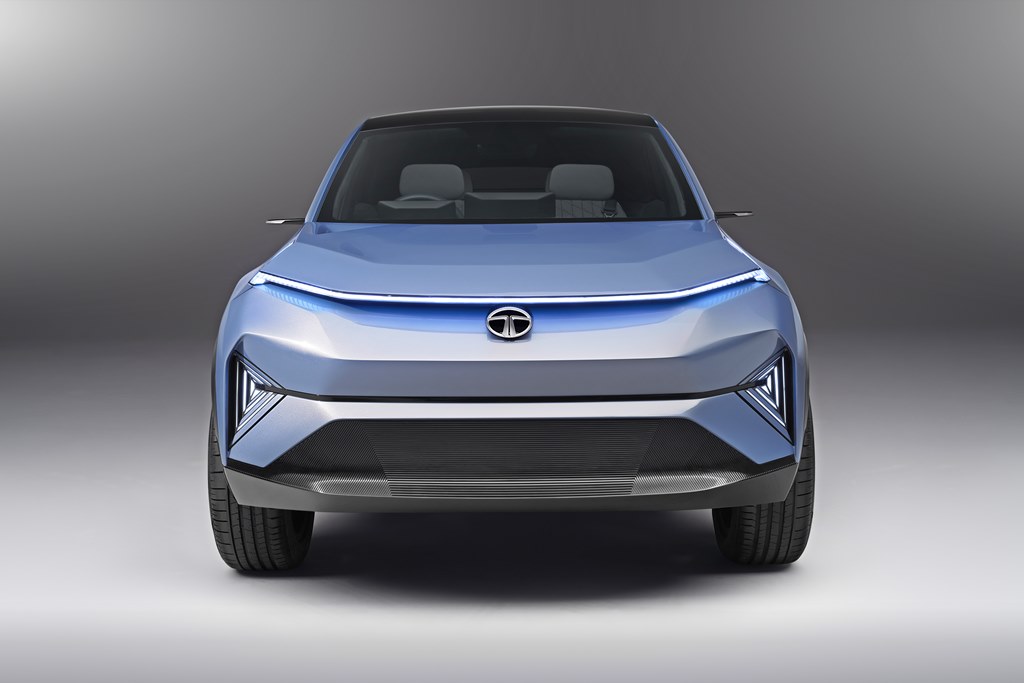
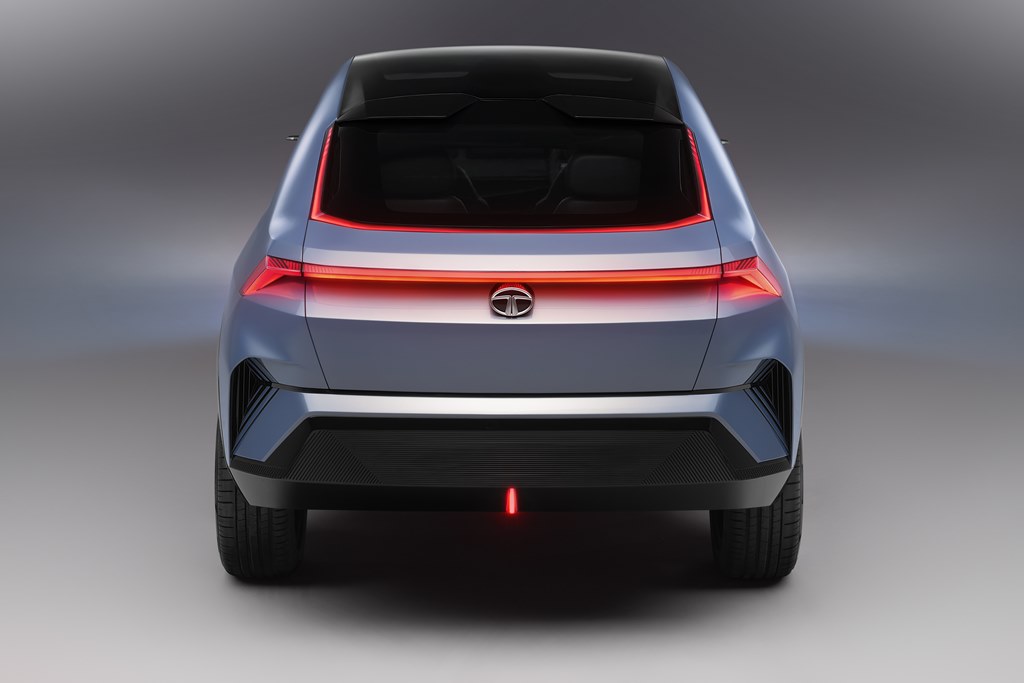
The lighting concept at the front is unique and whether it will actually be in the production model remains to be seen. There is a thin line that runs across the edge of the bonnet and is illuminated with ultra slim LEDs. Together with triangular shaped headlamps, there is a visual signature for the model. The same full-width LED feature is used at the rear as well, with the LEDs illuminating in red.
Much thought has gone into aerodynamic efficiency and airflow around the pillars has been made as smooth as possible. The wheels also have ‘aeroblade’ inserts to close off the openings which can cause micro turbulence.

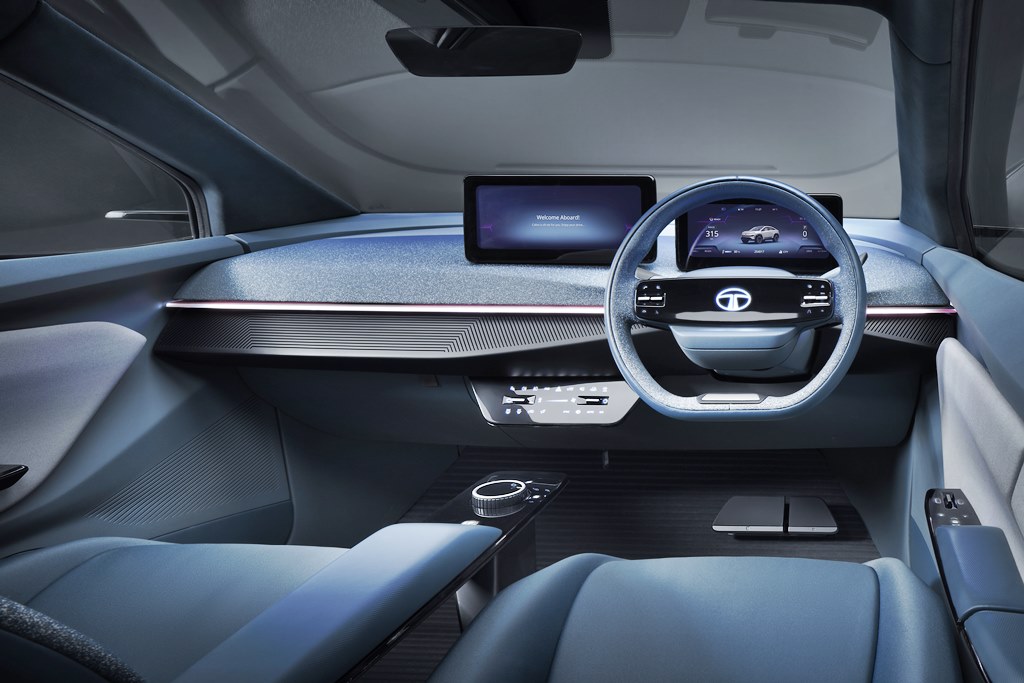
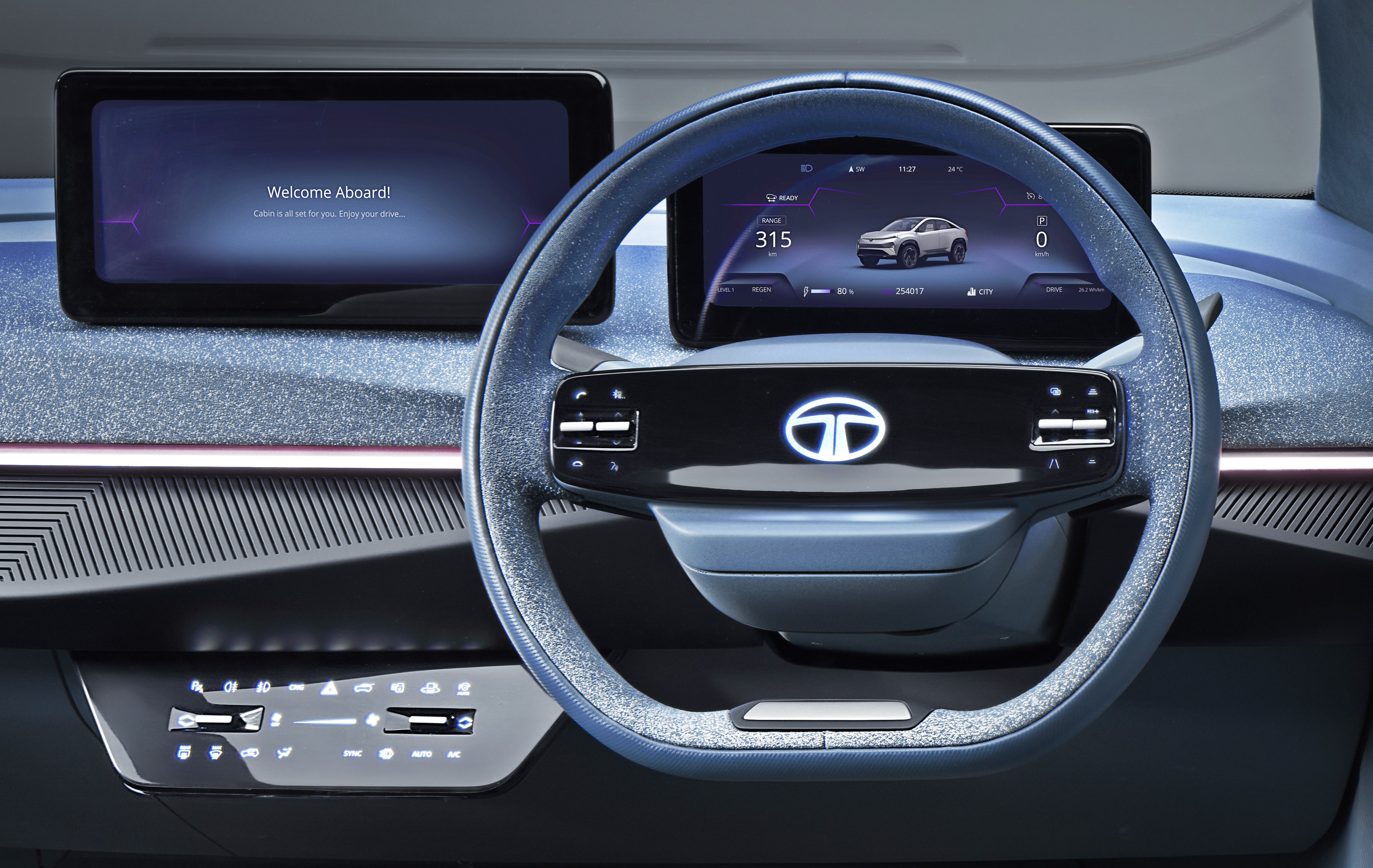
The interior has been kept simple with a clean dashboard although the production model might not be as clean when equipment like the audio system and air-conditioning is added. But what is important, according to Tata, has been the integration of new technologies and the Human-Machine Interface (HMI). Apart from more efficient interior packaging, the designers have also aimed for a more premium feel through the use of high quality materials and finishes. To brighten up the interior, there’s a panoramic sunroof which covers much of the roof.

From statements by senior Tata executives, the concept model seems very much like a preview rather than just a showcar. In fact, it is expected to become a production model within the next two years.

“With this magnificent Electric SUV Concept – CURVV, our focus has been to enable customers with a product option that is the perfect amalgamation of modern functionality and design.  With a robust SUV DNA at its core, and a plethora of new age materials, features and interfaces, we are confident that this concept will redefine mainstream SUV design,” said Shailesh Chandra, Managing Director, Tata Motors Passenger Vehicles Ltd., and Tata Passenger Electric Mobility Ltd.

“Furthermore, with the concept CURVV, we now enter the Generation 2 EV architecture which will further enhance the adoption of EVs in India by overcoming the current barriers. With this new architecture, we will strengthen the key pillars of range, performance and technology, while retaining safety and reliability,” he added.

Tata Motors to launch EV models with ZIPTRON technology developed in-house

While most carmakers have formed alliances and even merged to face the new challenges of the 21st century, Honda has often chosen to proceed alone with its own resources. It has collaborated with other carmakers from time to time in specific areas, and often, it has been other manufacturers wanting to have access to Honda’s technology or products.

However, with the electrification of the industry which has a degree of urgency (with targets set for the end of this decade), even independent-minded Honda has seen it more practical to have closer working relationships with other carmakers. Other Japanese companies have already formed their own collaborative groups – Nissan and Mitsubishi in the alliance with Renault, and Toyota having joint programs with Mazda, Subaru, Suzuki and of course, Daihatsu and Hino which are within its own group.

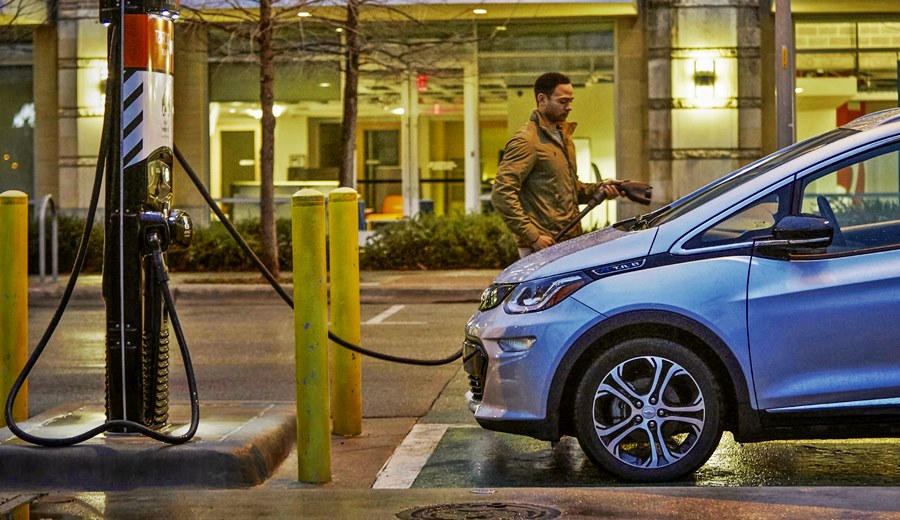
With an eye on the US market, Honda has chosen to expand its relationship with General Motors to co-develop a series of affordable electric vehicles. This follows on from the 2020 announcement to jointly develop two all-new electric vehicles for Honda, based on GM’s flexible global EV platform powered by proprietary Ultium batteries. The EVs will be manufactured at GM plants in North America with sales expected to begin in the 2024 model year in North America.

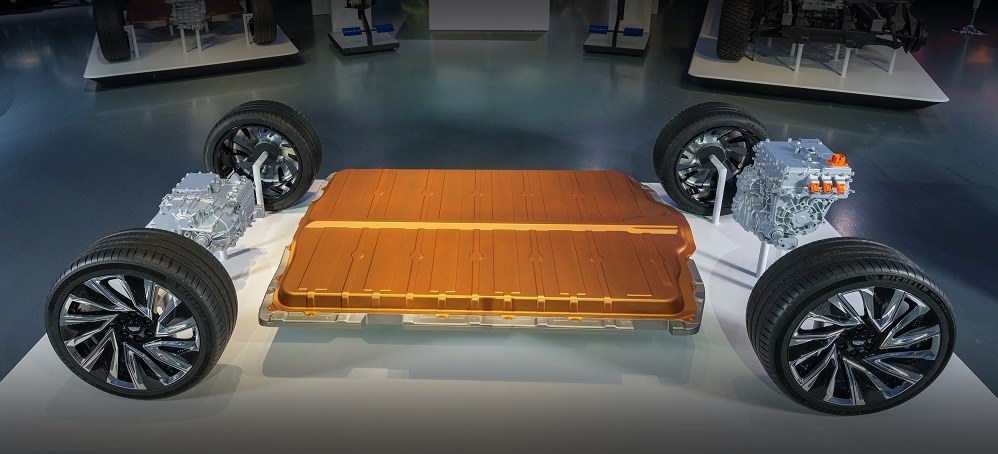
For this new joint venture, the EVs will be based on a new global architecture using GM’s next-generation Ultium battery technology. GM’s Ultium batteries are unique in the industry because the large-format, pouch-style cells can be stacked vertically or horizontally inside the battery pack. This allows engineers to optimize battery energy storage and layout for each vehicle design. The cells use a proprietary low cobalt chemistry and ongoing technological and manufacturing breakthroughs will drive costs even lower.

GM’s Ultium battery pack.

Ultium energy options range from 50 to 200 kWh, which could enable a GM-estimated range up to 640 kms or more on a full. Motors designed in-house will support front-wheel drive, rear-wheel drive, all-wheel drive and even performance all-wheel drive applications.

A joint statement says that there will be ‘global production of millions of EVs starting in 2027’ and these will include compact crossover vehicles which today account for the largest segment in the world, with annual volumes of more than 13 million vehicles.

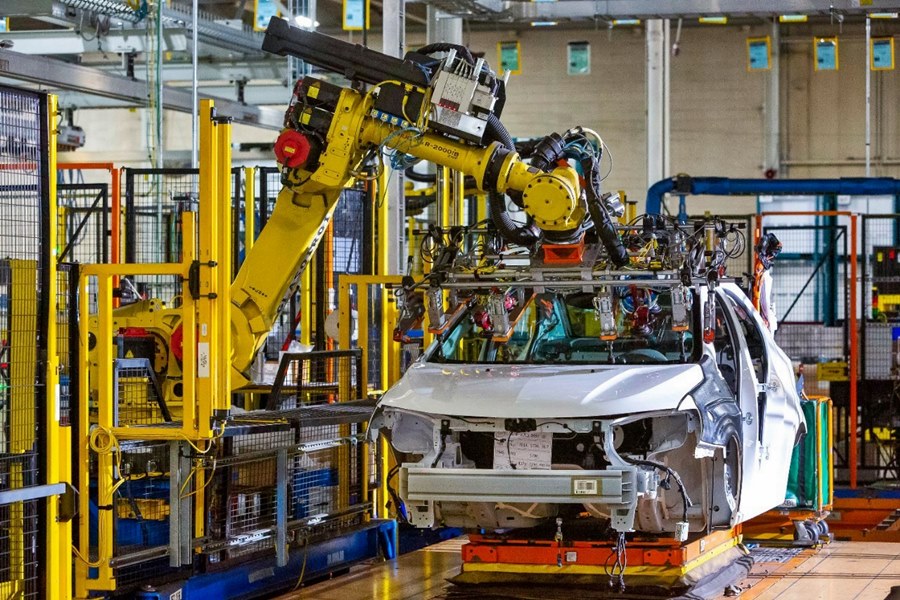
Honda will use GM’s factories in America to build the new EVs, which will also be built in other markets as well.

Both companies will contribute their technology and design expertise as well as sourcing strategies. By standardizing equipment, it is expected that world-class quality, higher throughput and greater affordability can be achieved. A flexible, modular approach to EV development is expected to enable  significant economies of scale for lower production costs.

“Honda is committed to reaching our goal of carbon neutrality on a global basis by 2050, which requires driving down the cost of electric vehicles to make EV ownership possible for the greatest number of customers,” said Toshihiro Mibe, Honda’s President & CEO. “Honda and GM will build on our successful technology collaboration to help achieve a dramatic expansion in the sales of electric vehicles.”

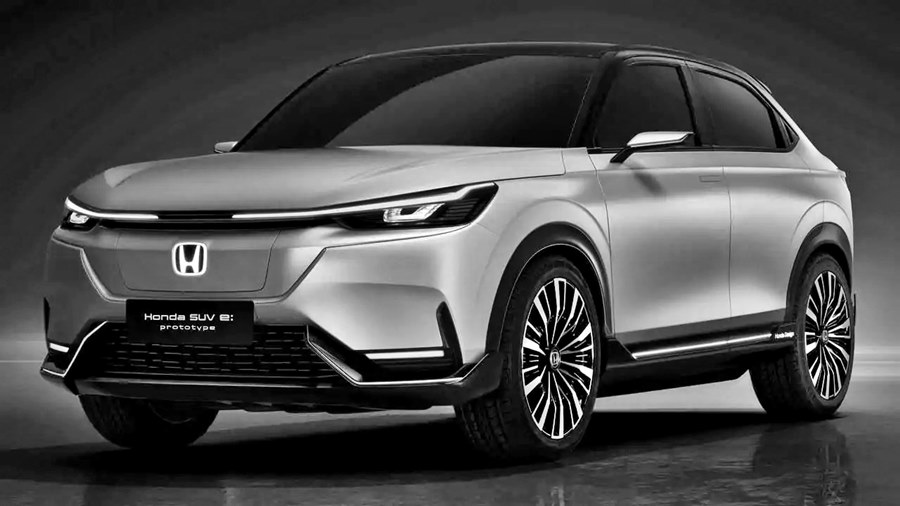
Prototype of Prologue SUV BEV.

“The progress we have made with GM since we announced the EV battery development collaboration in 2018, followed by co-development of electric vehicles including the Honda Prologue, has demonstrated the win-win relationship that can create new value for our customers,” added Shinji Aoyama, Senior Managing Executive Officer at Honda. “This new series of affordable EVs will build on this relationship by leveraging our strength in the development and production of high quality, compact class vehicles.”

Earlier projects involving the two carmakers have focused on electric and autonomous vehicle technologies. In 2013, the two companies began working together on the co-development of a next-generation fuel cell system and hydrogen storage technologies. In 2018, Honda joined GM’s EV battery module development efforts.

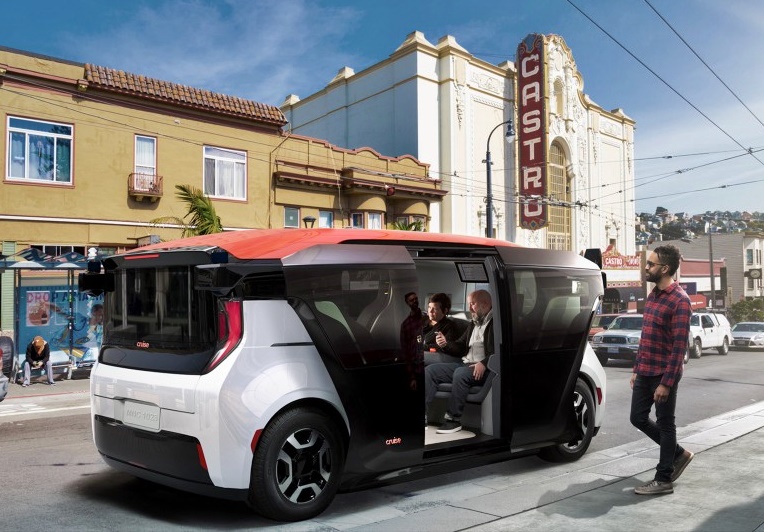
They also have an ongoing relationship with Cruise and are working together on the development of the Cruise Origin, one of the first purpose-built fully autonomous vehicles designed for driverless ride-hail and delivery. The Cruise project, which involves Microsoft, is part of Honda’s new mobility business in Japan.

Cruise Origin autonomous vehicle.

GM and Honda will also discuss future EV battery technology collaboration opportunities, to further drive down the cost of electrification, improve performance and drive sustainability for future vehicles. GM is already working to accelerate new technologies like lithium-metal, silicon and solid-state batteries, along with production methods that can quickly be used to improve and update battery cell manufacturing processes. Honda is making progress on its all-solid-state battery technology which the company sees as the core element of future EVs.

“GM and Honda will share our best technology, design and manufacturing strategies to deliver affordable and desirable EVs on a global scale, including our key markets in North America, South America and China,” said Mary Barra, GM Chair & CEO. “This is a key step to deliver on our commitment to achieve carbon neutrality in our global products and operations by 2040 and eliminate tailpipe emissions from light duty vehicles in the USA by 2035. By working together, we’ll put people all over the world into EVs faster than either company could achieve on its own.”

Honda will stop selling models with combustion engines from 2040, range to be fully electric

COVID-19

electric exhaust gas turbochargerThe trend of downsizing engines which has been going on for the past 20 years has been apparent in all segments and even sportscars now see engines with smaller displacements, but still able to generate high outputs to maintain high performance. New technologies have helped in this respect, and for companies like Mercedes-AMG, technologies developed for Formula 1 cars are being adapted for road cars.

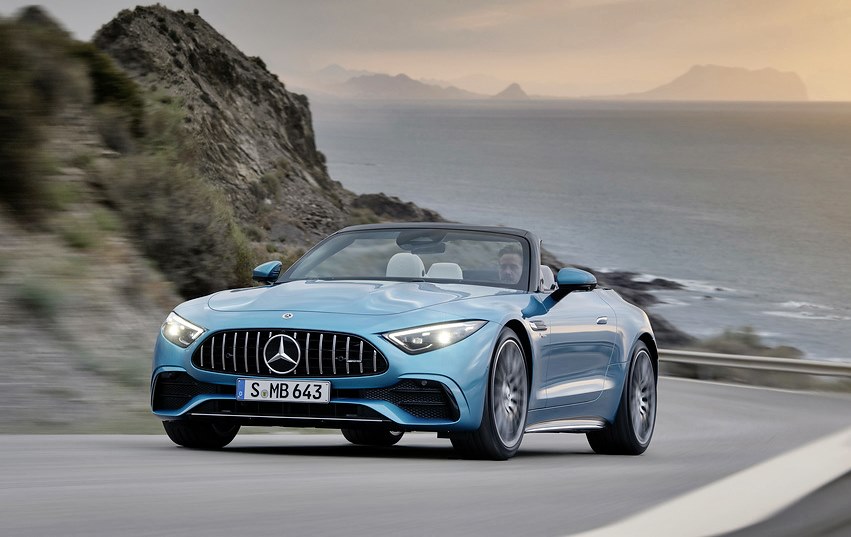
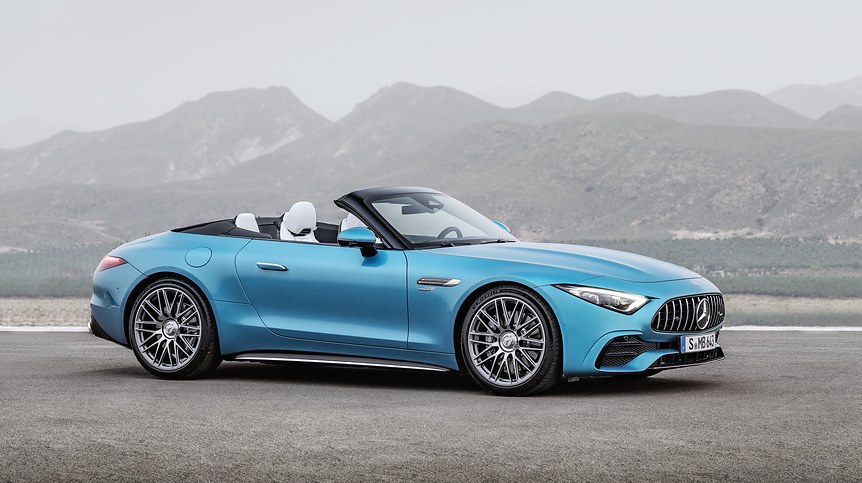
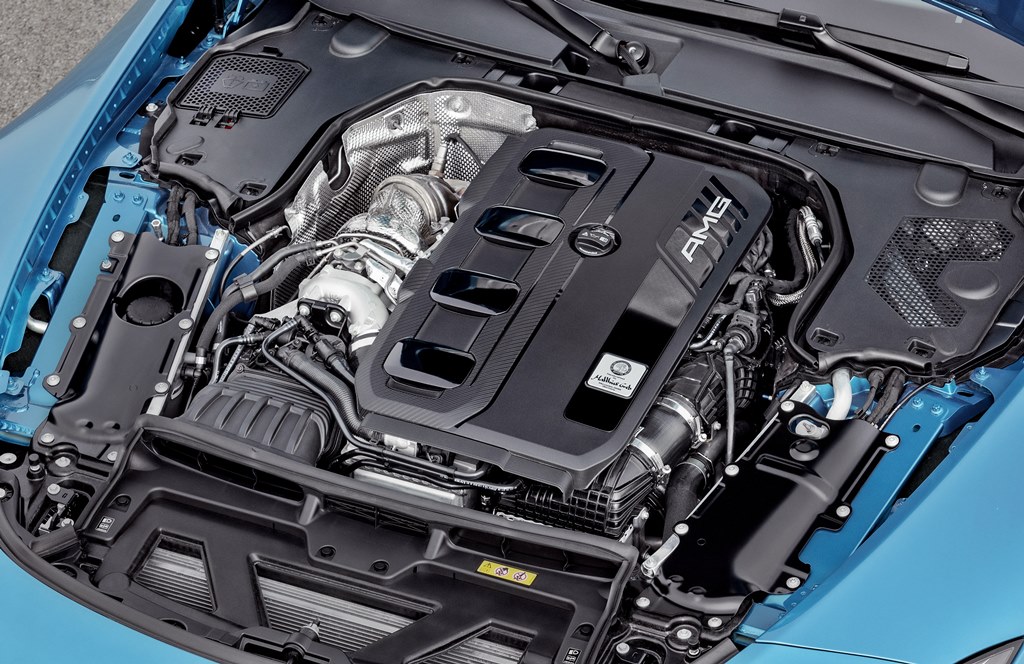
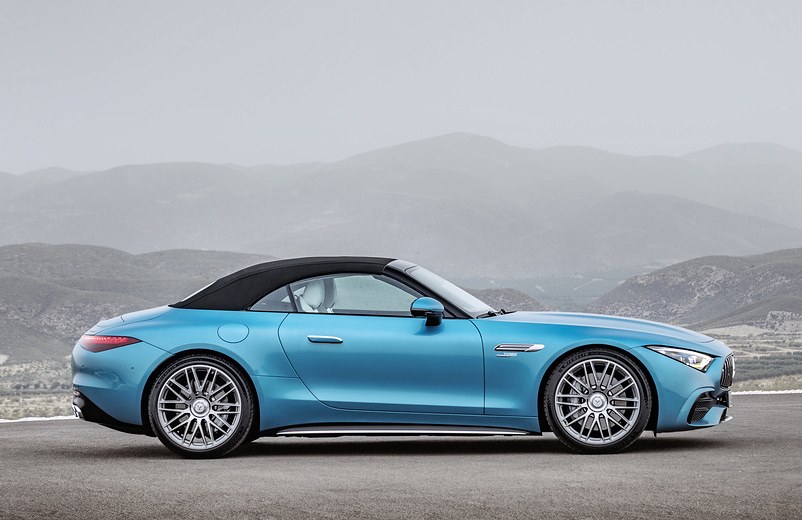
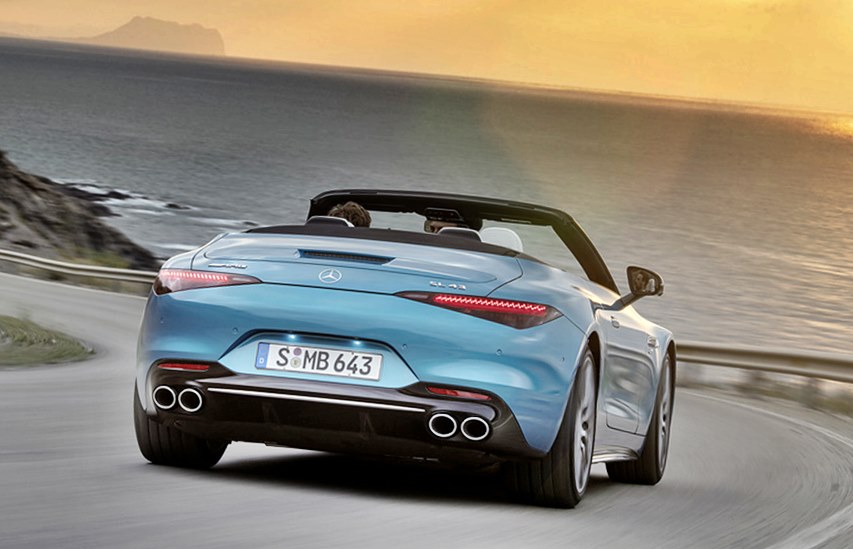
This is the case with the SL 43, a new entry-level version of the roadster range. In the 70 years of its development history, the SL has evolved from a thoroughbred racing car to an open-top luxury sportscar – and it has typically had large and powerful engines. For this new model, there is a 2-litre 4-cylinder engine which may depart from the norm of V8s but is not new to the SL either. In the 1950s and 1960s, there were also SL models with 1.9-litre engines with 4 cylinders too.

2022 Mercedes-AMG SL 43

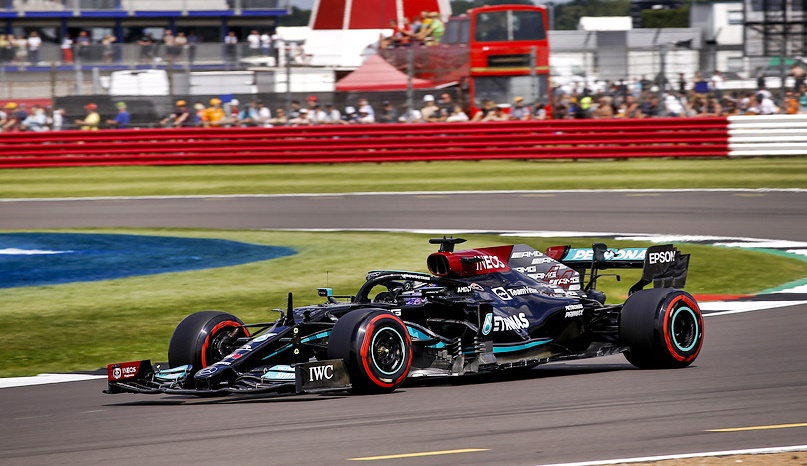
The 2-litre engine in the new SL 43 is a M139 unit and lays claim to being the first in the world with an electric exhaust gas turbocharger for a production model. This technology comes from Formula 1, having been used in the multiple championship-winning racing cars of the Mercedes-AMG Petronas F1 Team for many years.

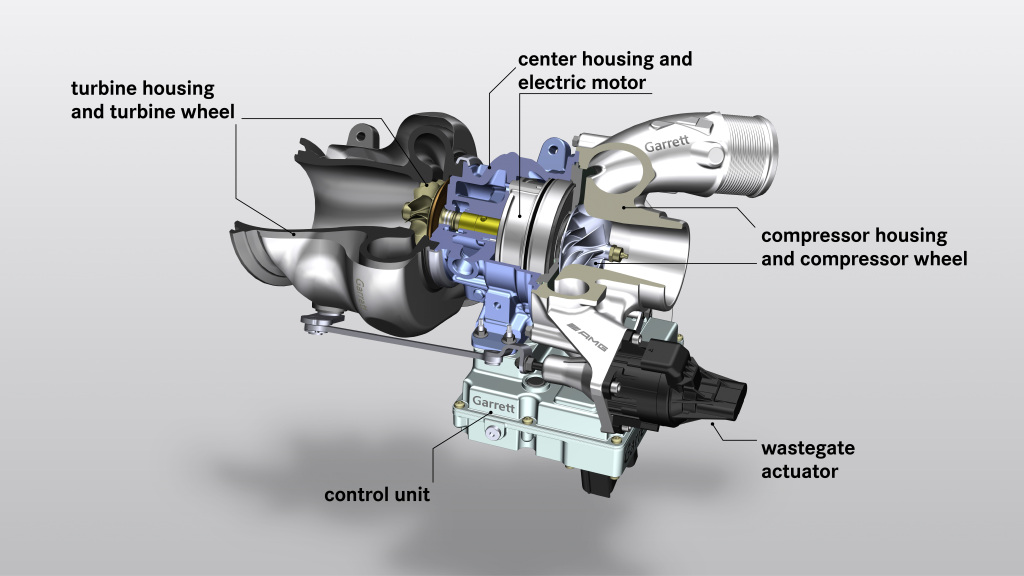
Electric exhaust gas turbocharger
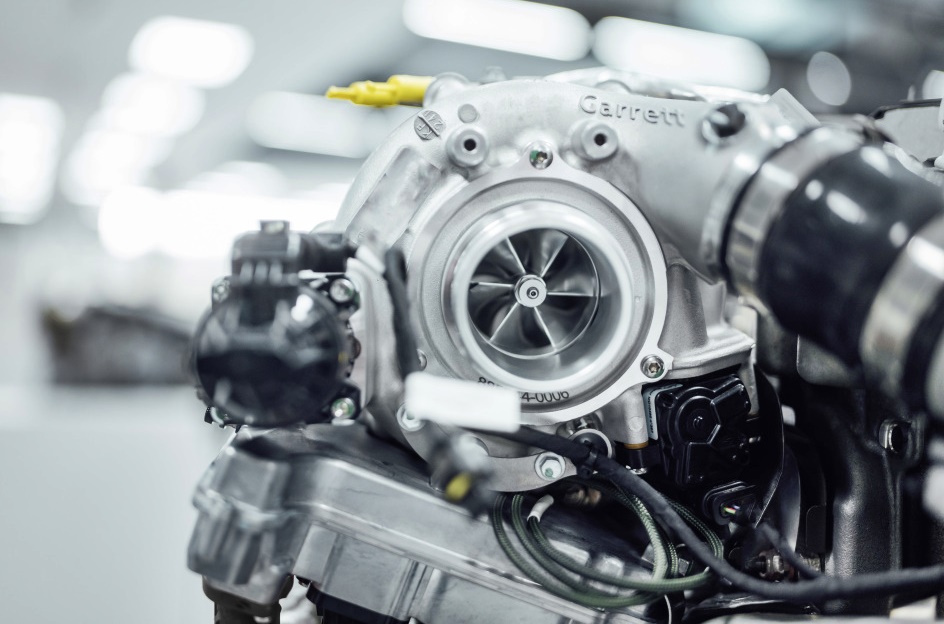
The electric exhaust gas turbocharger employs an electric motor around 4 cm thin integrated directly on the turbocharger shaft between the turbine wheel on the exhaust side and the compressor wheel on the intake side. Electronically controlled, this drives the shaft of the turbocharger directly and thus accelerates the compressor wheel before the exhaust gas stream starts to drive it conventionally. It works at speeds of up to 170,000 rpm, which enables a very high airflow rate.

2022 Mercedes-AMG SL 43

The advantage of having this little motor is significantly improved and immediate response from idle and across the entire engine speed range. The combustion engine (similar to the ones used in models like the C-Class) responds even more spontaneously to accelerator pedal input, while the electrification of the turbocharger enables higher torque at low revs. Even when the driver takes their foot off the accelerator or applies the brakes, the technology of the electric turbocharger is able to maintain the boost pressure at all times enhancing response.

Mercedes-AMG

Mercedes-AMG

The motor, powered via the 48V on-board electrical system, along with the turbocharger and power electronics are connected to the engine’s cooling circuit to ensure an optimal temperature environment at all times. Maximum output is 381 bhp at 6,750 rpm, with 480 Nm of torque available between 3,250 rpm and 5,000 rpm. Depending on the situation, the system can also provide a  boost of 14 bhp briefly from the belt-driven starter generator (RSG). The second-generation RSG, in addition to the temporary power boost. enables functions such as gliding mode and energy recovery for greater efficiency.

The electric exhaust gas turbocharger technology comes from the Formula 1 racing cars of the Mercedes-AMG F1 team.

AMG SPEEDSHIFT MCT 9G transmission
Drive to the rear wheels is through the AMG SPEEDSHIFT MCT 9G transmission (MCT = Multi-Clutch Transmission) which is used for the first time. A wet start-off clutch replaces the torque converter, its advantage being reduced weight and, thanks to its lower inertia, optimised response to accelerator pedal input, especially during spurts and load changes. There is also the RACE START function for quicker departures from standstill.

2022 Mercedes-AMG SL 43

Performance claims show that this entry-level version is no less worthy of the SL badge, wit its ability to go from 0 to 100 km/h in 4.9 seconds and reach a top speed of 275 km/h. Fuel consumption, depending on the driver’s behaviour, can be up to 11.2 kms/litre, it is claimed.

Aluminium composite structure
The latest R232 series SL has a completely new architecture developed by Mercedes‑AMG. The new dimensional concept allows a 2+2 seating configuration for the first time since 1989. Constructed from lightweight aluminium composite, the chassis consists of an aluminium space frame with a self-supporting structure for maximum rigidity. The bodyshell architecture focusses on lateral and longitudinal dynamics while offering comfort and ensuring safety.

In the new SL, the intelligent material mix enables the highest possible rigidity at a low weight. The materials used include aluminium, magnesium, fibre composites and steel, from which the windscreen frame is made, for example. This serves as roll-over protection in conjunction with the roll-bar system behind the rear seats which pops up at lightning speed when needed.

Entry-level model features
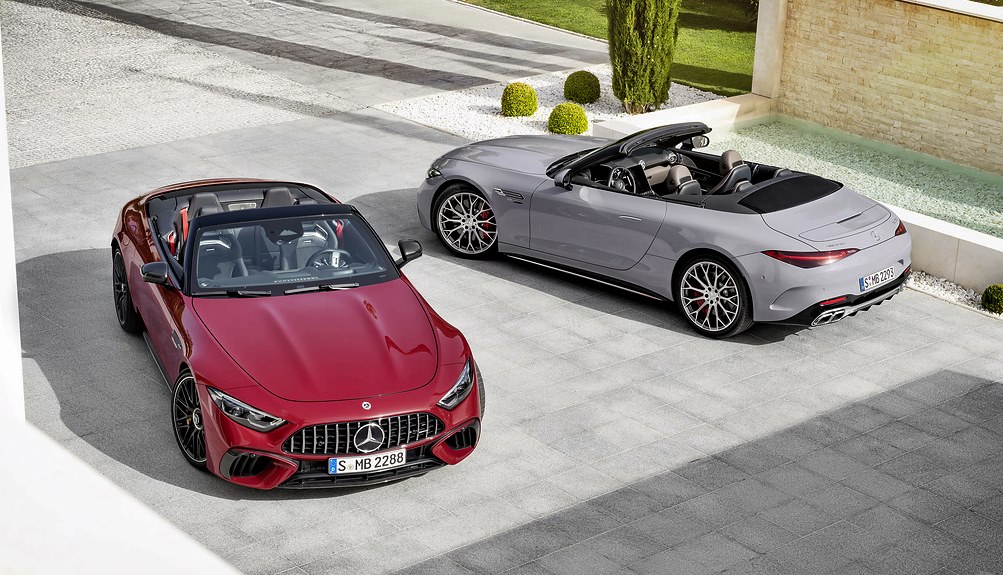
While the overall form and SL proportions are similar, the exterior of the SL 43 has some details which differ from the two 8-cylinder models. For example, it has differentiated front and rear aprons as well as round instead of angular double tailpipe trim. 19-inch light-alloy wheels as standard but customers can also opt for aerodynamically optimised light-alloy wheels with diameters of 20 or 21 inches. The 20-inch wheels come with plastic aero rings that save additional weight.

Active aerodynamics
A technical highlight for improving aerodynamics is the AIRPANEL active air control system. The horizontal louvres behind the upper air intake are electronically controlled and can be opened and closed with actuator motors. In this way, the airflow is directed according to demand, thus improving aerodynamic performance.

Normally the louvres are closed to reduce air resistance. Should certain operating temperature levels be exceeded, the louvres will open and allow cooling air to flow to the heat exchangers. This calls for highly intelligent and fast control. When the temperature drops below the defined level, the louvres will automatically close again.

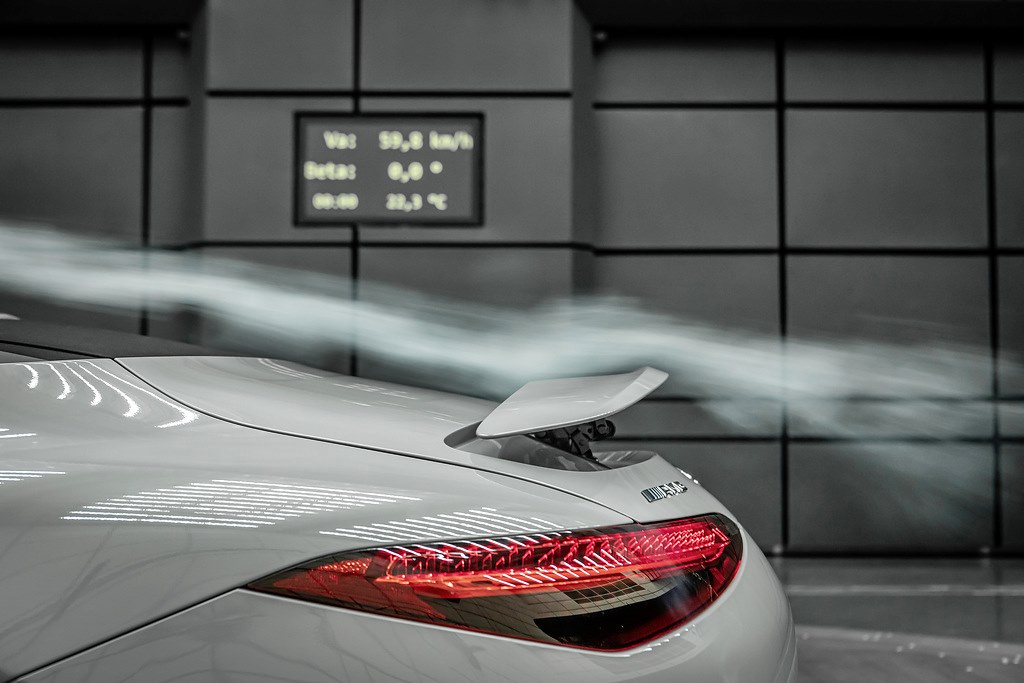
The same applies to another active aerodynamic component – the retractable rear spoiler integrated into the car’s profile. It changes its position depending on driving conditions. Numerous parameters are considered to determine the position – driving speed, the longitudinal and lateral acceleration and steering speed are among the factors. The spoiler can assume 5 different angles when speeds are more than 80 km/h to either optimise handling stability or reduce drag.

Lightweight fabric soft top
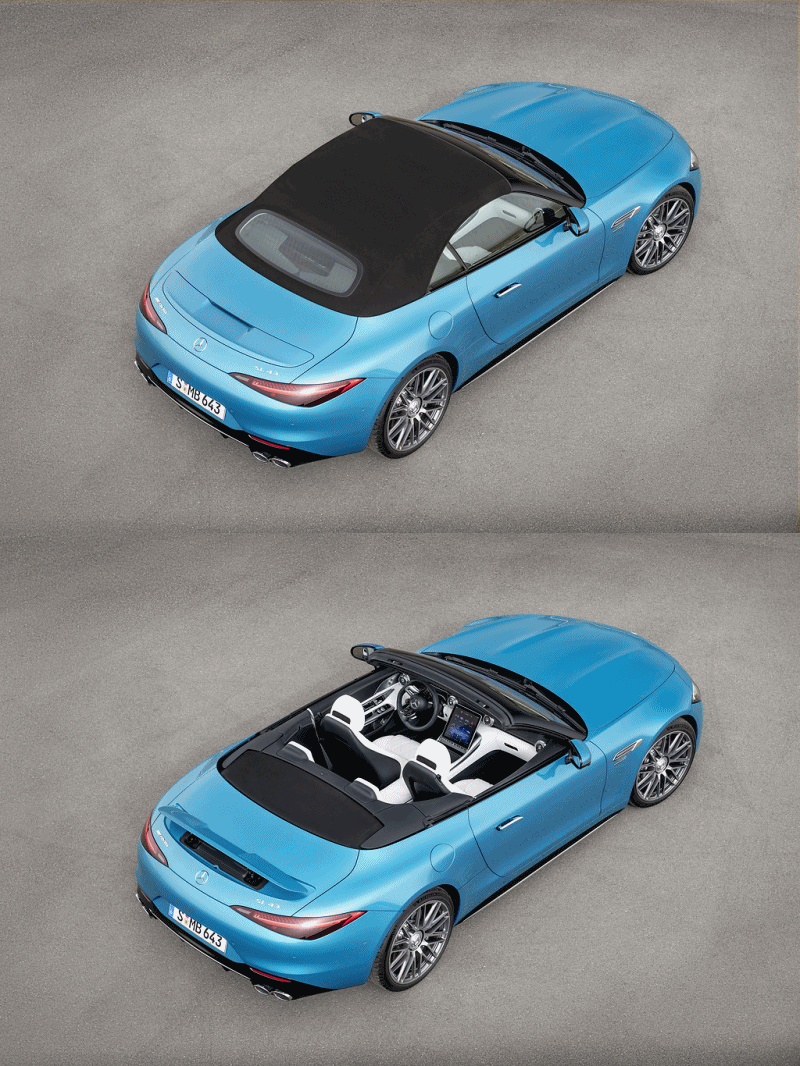
The latest SL uses a soft top instead of the previous metal vario-roof, removing 21 kgs of weight. The Z-fold saves space and weight, and makes it possible to dispense with a conventional soft-top compartment cover. For convenience, an electric motor opens and closes (at speeds up to 60 km/h) the soft top within 15 seconds. Switching to a soft top also lowers the centre of gravity, benefitting driving dynamics and handling.

‘Hyperanalogue’ cockpit
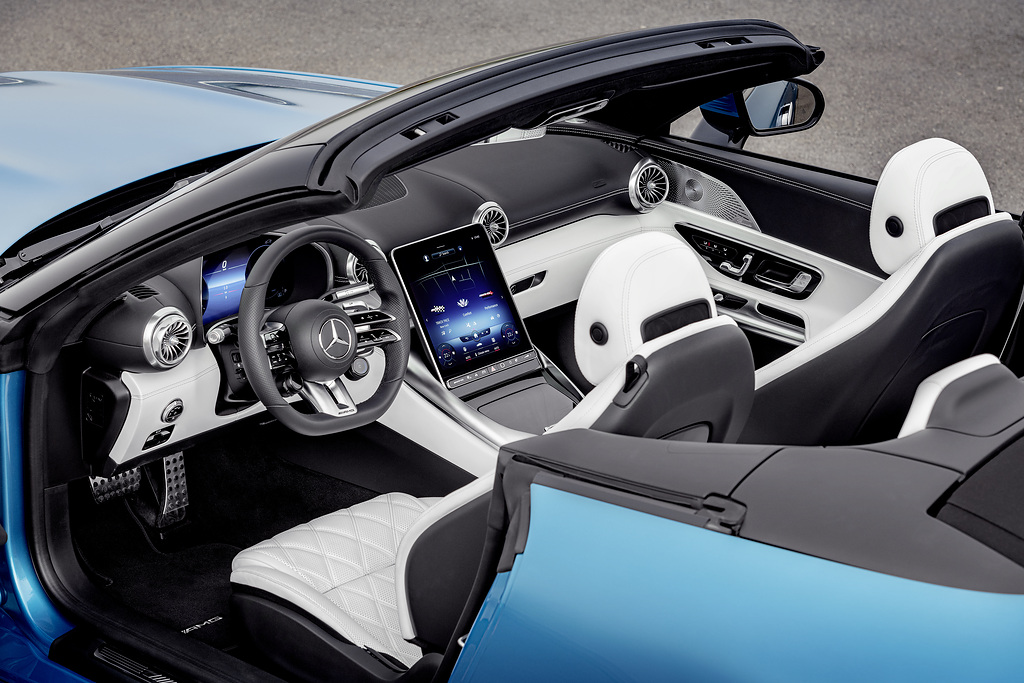
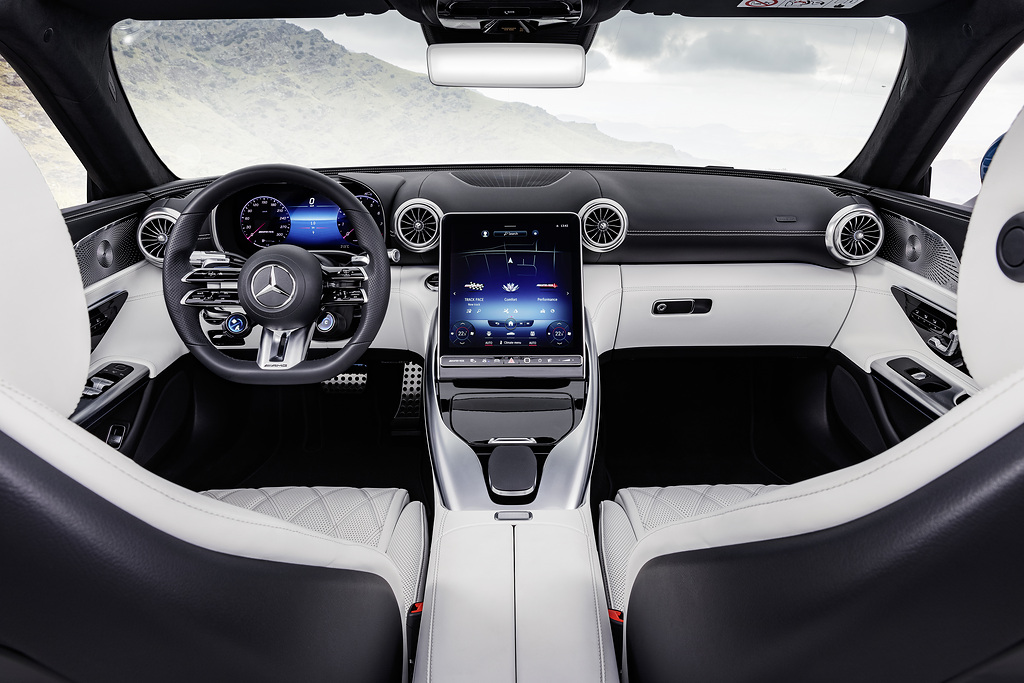
The interior of the SL 43 has a combination of analogue geometry and the digital world which the designers refer to as ‘hyperanalogue’. This is exemplified by the fully digital instrument cluster which is integrated into a three-dimensional visor. The symmetrical instrument panel is designed as a powerful wing and structured into an upper and lower section. The highlight on the dashboard are the 4 galvanised turbine nozzles which surfaces merge into the instrument panel in the form of powerful power domes. Despite symmetry, the cockpit design creates a clear focus on the driver.

2022 Mercedes-AMG SL 43

2022 Mercedes-AMG SL 43

“In its long history, the SL has repeatedly set technological milestones. For example, while the legendary 300 SL Gullwing in 1954 was the world’s first series-produced passenger car with direct petrol injection, the new Mercedes-AMG SL 43 is now the very first series-produced vehicle with an electric exhaust gas turbocharger. With this technology, the SL also has an outstanding performance range in its entry-level version. This means that our seemingly smallest SL combines the typical AMG Driving Performance with luxury and comfort at the absolute top level. What’s more, with this innovative engine we are undoubtedly also appealing to a wider clientele,” said Philipp Schiemer, Chairman of the Board of Management of Mercedes‑AMG GmbH.

The latest Mercedes-AMG SL 55 and SL 63.


Archive

Follow us on Facebook

Follow us on YouTube