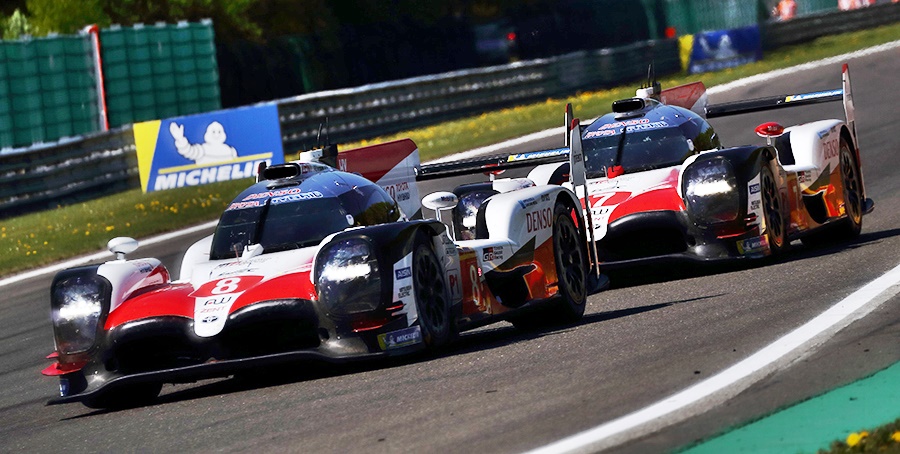
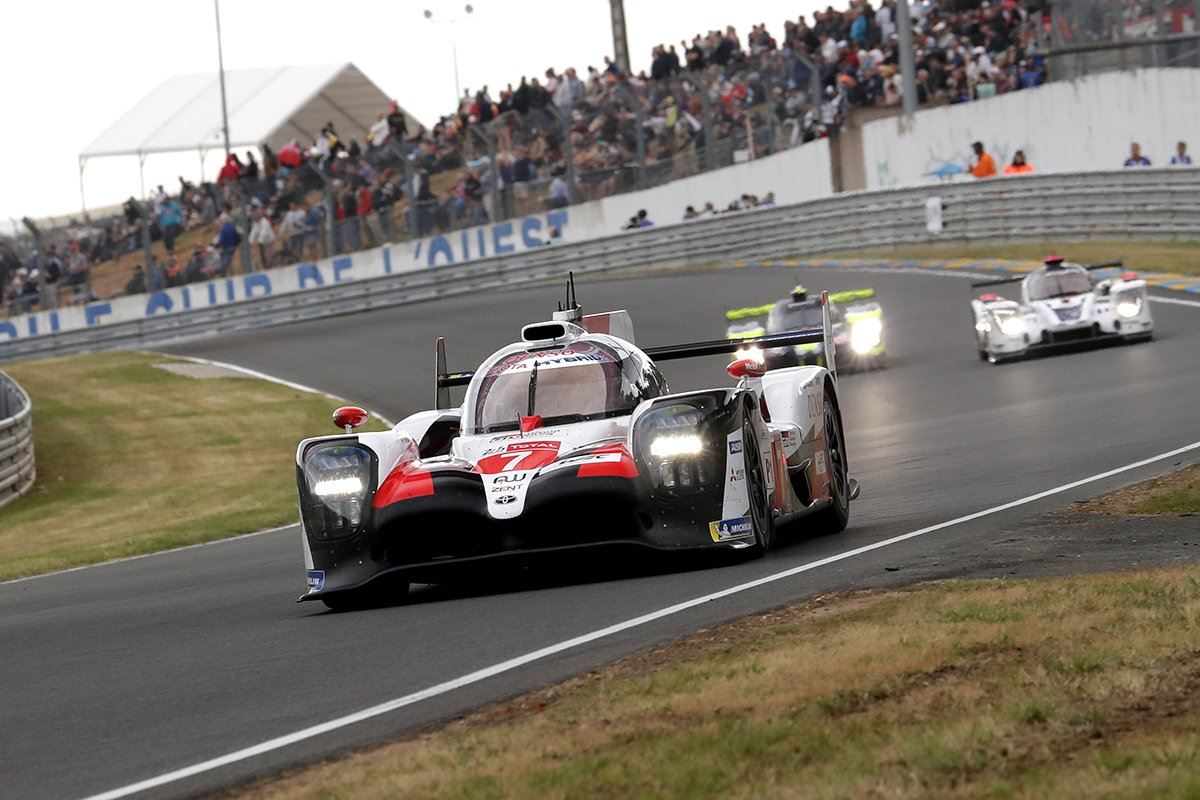
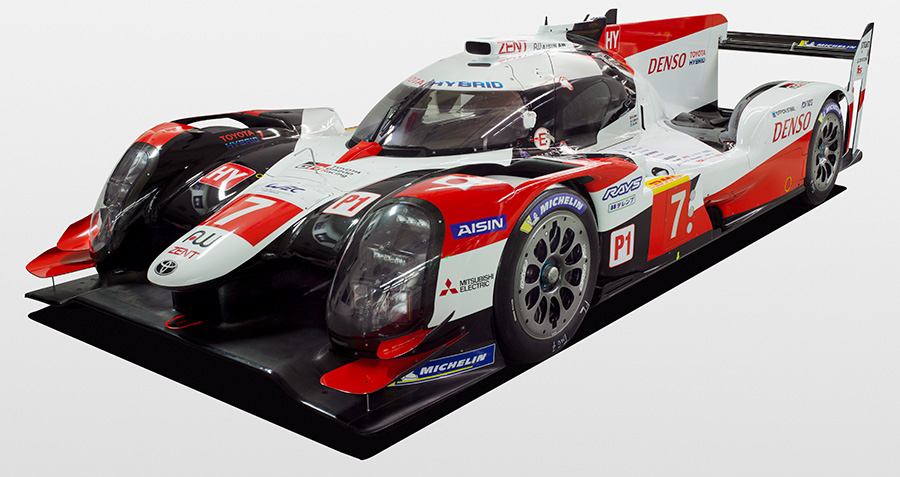
TOYOTA GAZOO Racing’s history-making TS050 HYBRID has been further optimised ahead of the 2019-2020 FIA World Endurance Championship (WEC) season as the team prepares to defend its World Championship and Le Mans 24 Hours titles.
The 8-race season, which kicks off this week with the annual Prologue test in Barcelona, Spain, represents the final competitive entry for the TS050 HYBRID. The racing car made its debut in 2016 and has been at the centre of memorable moments in endurance racing history ever since.
Its Le Mans debut almost ended with victory before the unprecedented drama of a technical issue on the penultimate lap. In 2017, Kamui Kobayashi piloted the TS050 HYBRID to the fastest-ever Le Mans lap on his way to pole position, while Mike Conway set a new race record this year.
TS050 HYBRID gave Toyota first-ever Le Mans win
The 2018-2019 WEC season saw the TS050 HYBRID go down in history in 2018 as the first Toyota to win Le Mans, while a repeat 1-2 victory a year later capped an extraordinary season which saw TOYOTA GAZOO Racing win both the Teams’ and Drivers’ World Championships.
For the upcoming season, a 1,000 ps 4-wheel drive hybrid prototype has been modified with revised aerodynamics and further fine-tuning of mechanical parts to strengthen reliability.
“As a team. we have grown stronger and more resilient during the TS050 HYBRID era and we need to demonstrate this again as we challenge to defend our titles and, in parallel, prepare for the new hypercar regulations.”
Hisatake Murata, Team President
Veteran drivers plus newcomers
Behind the wheel of the #7 TS050 HYBRID will continue to be the trio of Mike Conway, Kamui Kobayashi and Jose María Lopez. Brendon Hartley, a former Le Mans winner and WEC champion, joins World Champions Sebastien Buemi and Kazuki Nakajima in the #8 car. Thomas Laurent will combine his new role as test and reserve driver with an LMP2 race seat with Signatech Alpine in order to enhance his development.
The farewell tour for the TS050 HYBRID begins in September with the 4 Hours of Silverstone, the first of 8 races on 4 continents. In total, the car will cover 66 hours of racing on historic tracks such as Sebring, Spa-Francorchamps and Fuji Speedway, ending at Le Mans in mid-June 2020.
Active suspension, as opposed to passive suspension, differs in that the latter – found in the majority of vehicles – is not constantly adjusted to optimise performance on varying surfaces. Passive suspension can be tuned but the settings remain fixed so the engineers often have to find a compromise between handling and comfort.
Active suspension does tuning in real time, with adjustments made as surface conditions change. One could say the hydro-pneumatic concept in Citroen suspension systems from the 1950s onwards was the earliest form of active suspension. Sensors kept track of the road conditions and compression rates of the suspension were varied for comfort and it was also possible to raise and lower the ride height for enhanced stability at higher speeds.
With the electronic age and use of solenoids providing quick actuation, active suspension advanced more quickly in performance. Toyota’s Electronic Modulated Suspension (TEMS) in the Soarer of 1983 is considered the first production example of active suspension using electronics. In the years to follow, more powerful computer processors would alter damping rates in milliseconds as the car moved along at high speed.
Audi’s innovation advances active suspension
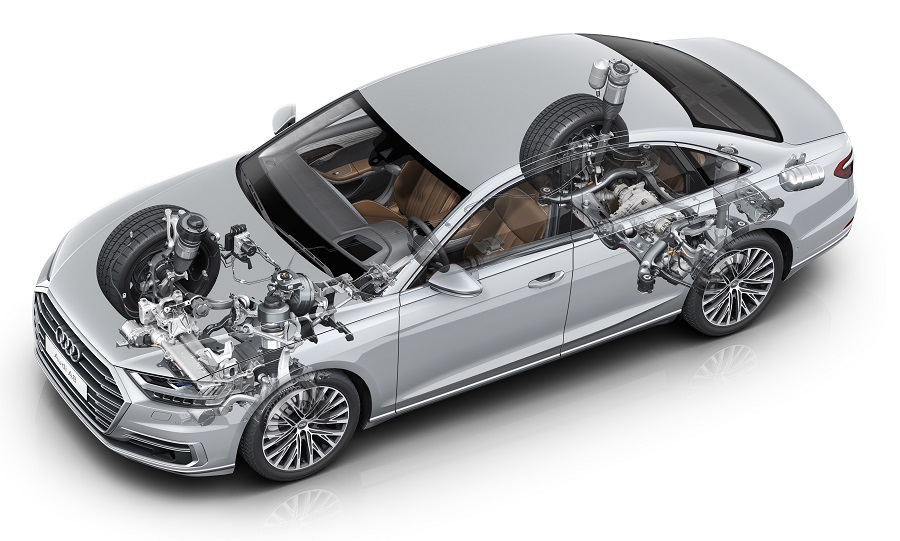
Now Audi is offering predictive active suspension for its latest A8 sedan. Depending on the chosen settings, it gives the brand’s flagship model the supreme ride comfort of a chauffeur-driven limousine or the firm handling of a sportscar – no need for compromises. In Germany, this option is priced at 5,450 euros (equivalent to about RM25,000).
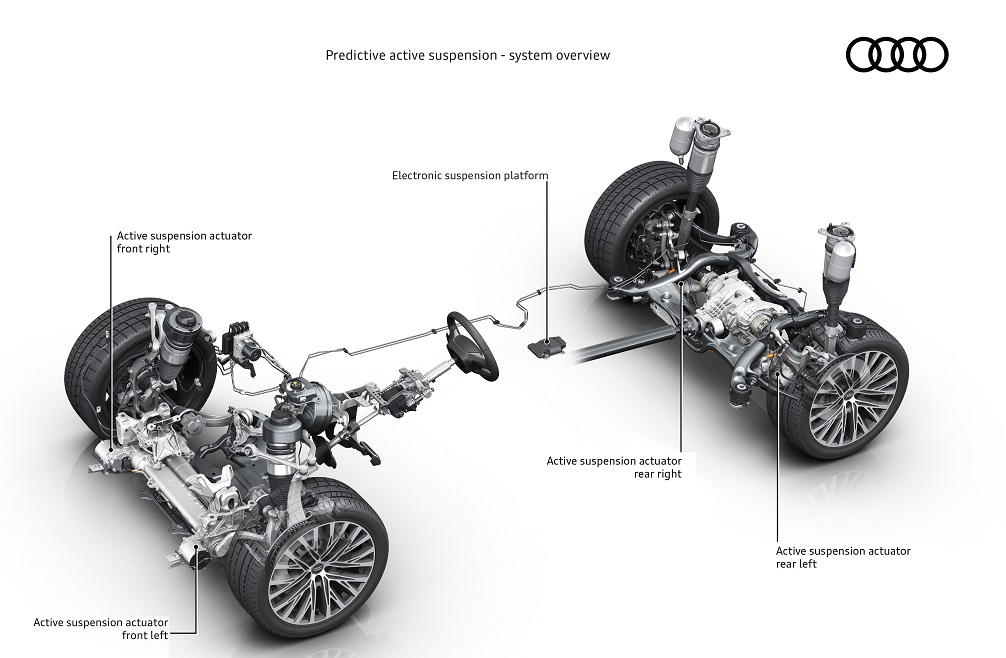
A fully active suspension system, it uses electromechanical actuators to adjust the suspension. They can lift up or force down each of the luxury sedan’s wheels individually, to actively manage the body’s ride height in every situation. The active suspension can lift or lower the body by up to 85 mm from its central position at all four corners within 5/10ths of a second.
Compact electric motors are located close to each of the wheels, running off the car’s 48V primary electrical system and governed by power electronics. A belt drive and a compact harmonic drive step up the electric motor’s torque almost 200 times to 1,100 Nm and apply it to a steel rotary tube.
The latter is permanently attached to a preloaded titanium rod located inside it and capable of turning through more than 20 degrees. From the end of the rotary tube, the force is transmitted to the suspension via a lever and coupling rod – at the front suspension, it acts on the spring strut, and at the rear suspension on the transverse link.
Predictive active suspension operates very efficiently. Its average power consumption is in the range of just 10 to 200 watts – much less than that of comparable hydraulic systems. Whenever the driving physics try to force the body down on the wheel (eg on poorly surfaced roads), predictive active suspension counteracts this effect. An extremely sharp impulse – as encountered on the racetrack, for example – will produce a very short but high energy demand of potentially up to 6 kW. Depending on the driving situation, up to 3 kW can also be fed into the 48-volt battery.
In conjunction with the air suspension and Audi drive select dynamic handling system, predictive active suspension in the A8 enables an unprecedented spectrum for driving. In the DYNAMIC profile, the sedan acquires the handling of a sports car. It turns in firmly and when cornering fast with 1g lateral acceleration, the body roll angle is just 2 degrees – as opposed to more than 5 degrees with standard suspension. In every driving situation, the rolling moment is optimally distributed and dive when accelerating or braking is reduced to a minimum. The result is a sporty quality of self-steering in the neutral to slightly oversteering range.
Looking ahead to predict
With the COMFORT PLUS profile selected, bumps in the surface are effectively ‘flattened’. The predictive active suspension works together with a front camera to identify uneven surfaces before they are reached and predictively regulates the active suspension. Even before the car hits a bump, the predictive function developed in-house at Audi signals the correct positioning travel to the actuators and actively adjusts the suspension. This reduces body movement and compensates almost entirely for long road undulation or similar unevenness.
This complex process takes just a few milliseconds: the camera generates information about the surface properties 18 times a second. The electronic chassis platform processes the road surface data and precisely actuates all suspension components almost in real time.
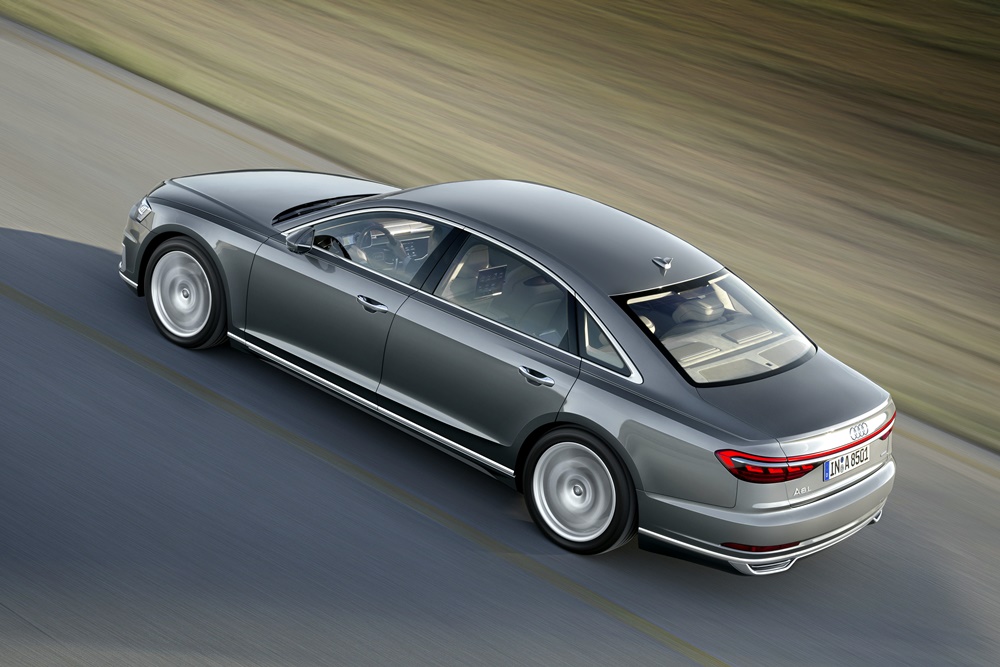
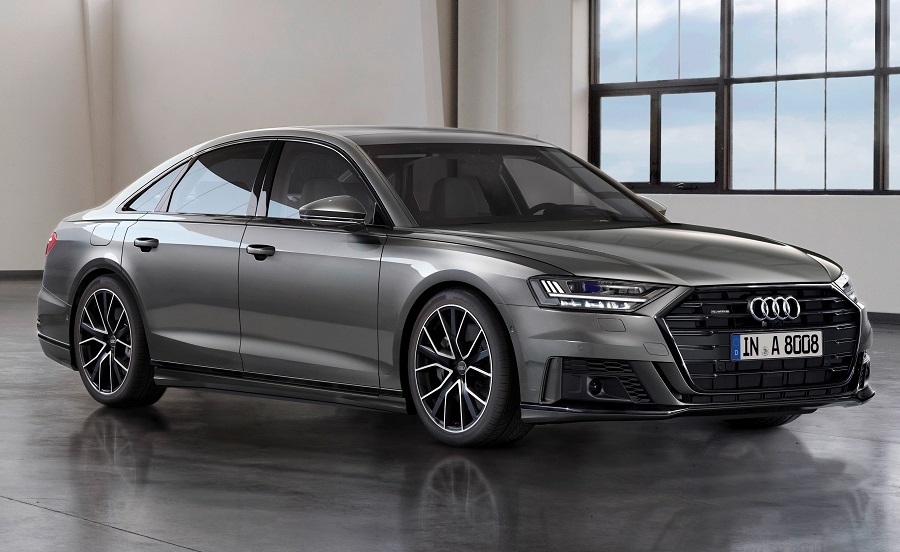
Latest Audi A8 which can be fitted with predicate active suspension
Enhanced safety too
Predictive active suspension also increases passive safety in combination with the ‘pre sense 360°’ safety system. It operates in conjunction with the central driver assistance system which uses the merged sensor data to identify hazardous situations around the car.
In an impending side impact at more than 25 km/h, the active suspension raises the body by up to 80 mm on the side of the impact. This brings the sill into a better position to absorb the impact energy. Deformation of the cabin and the loads acting on the occupants, above all in the chest and abdominal areas, can thus be reduced by up to 50% compared with a lateral collision in which the suspension is not raised.
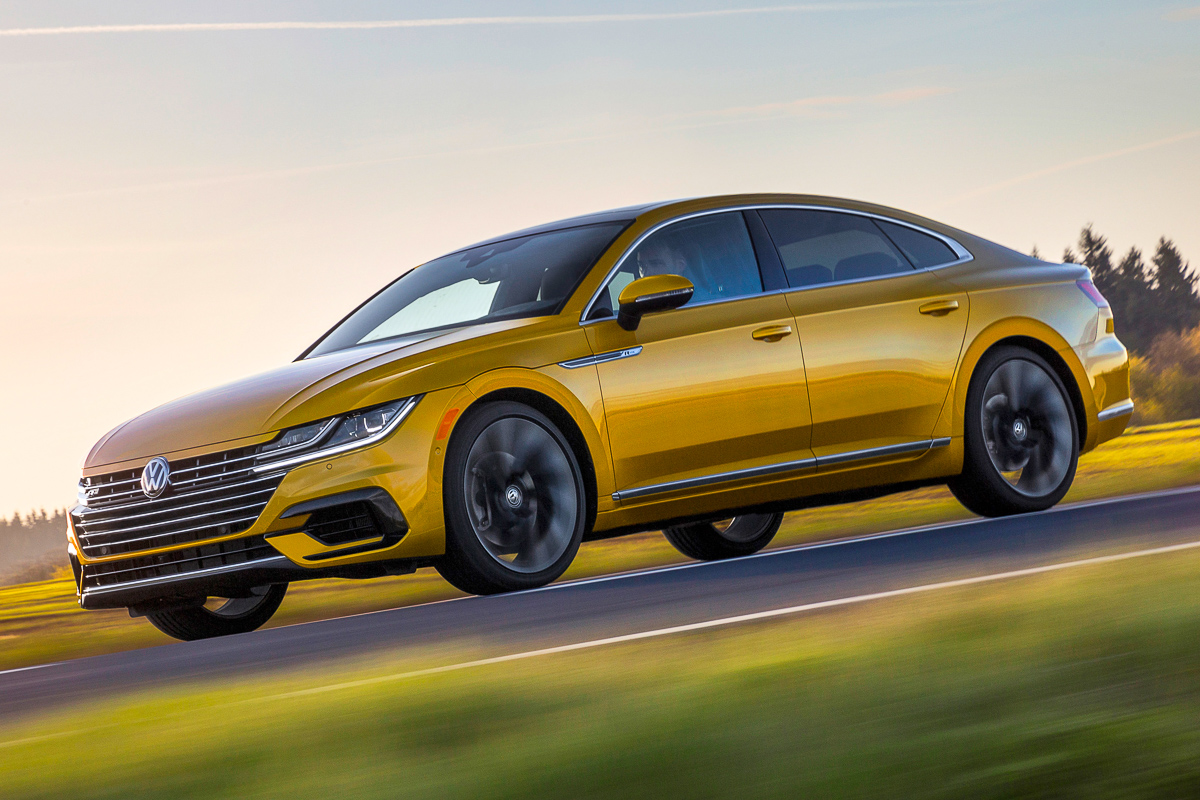
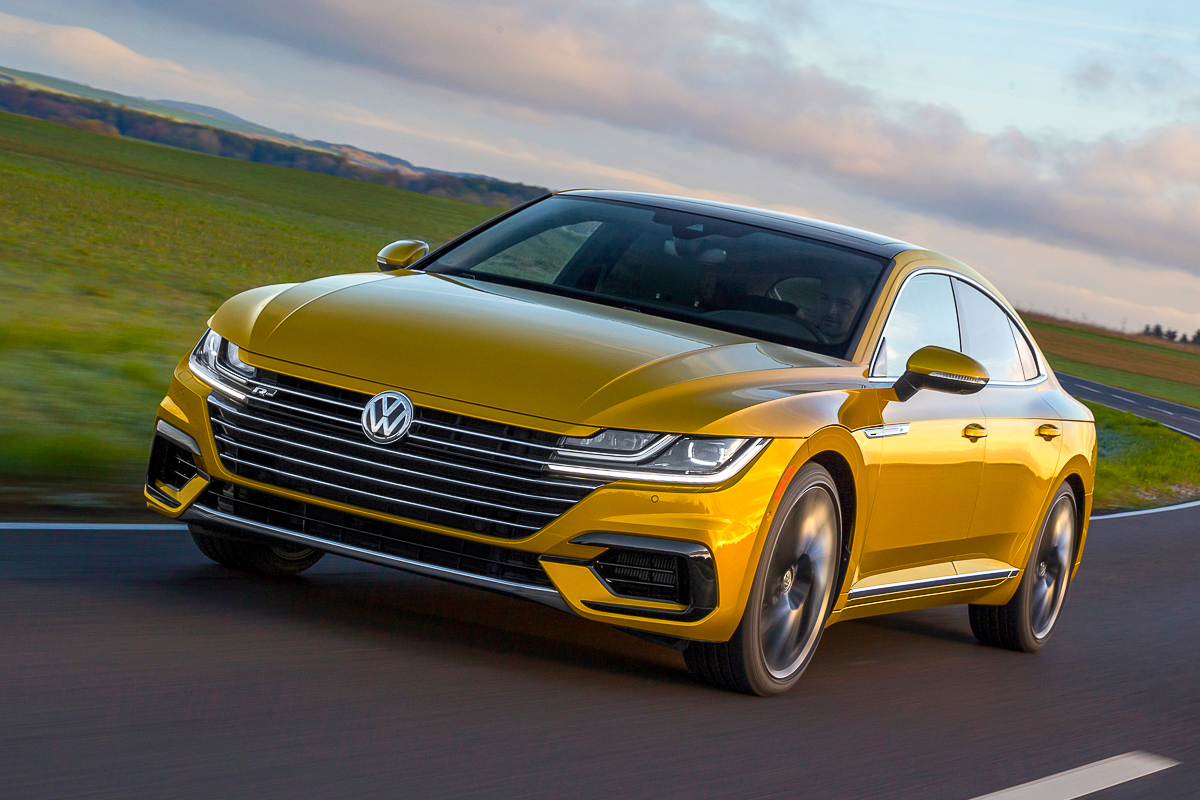
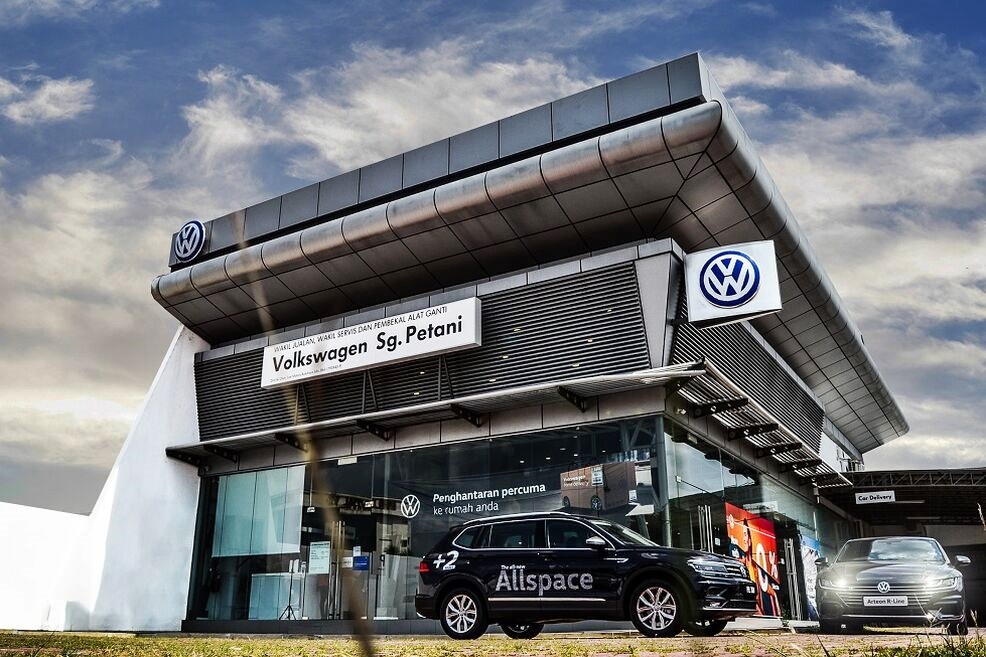
Volkswagen Passenger Cars Malaysia (VPCM) is proud to announce that their latest all-new Volkswagen Arteon is now available for booking and the price is expected to range between RM290,000 and RM310,000.
The fully CBU Volkswagen Arteon R-Line will be making its official debut here in Malaysia in a few months so to those who would like to own the very first few models here in the country should definitely place your bookings at any of the Volkswagen authorised showrooms located nationwide. (more…)
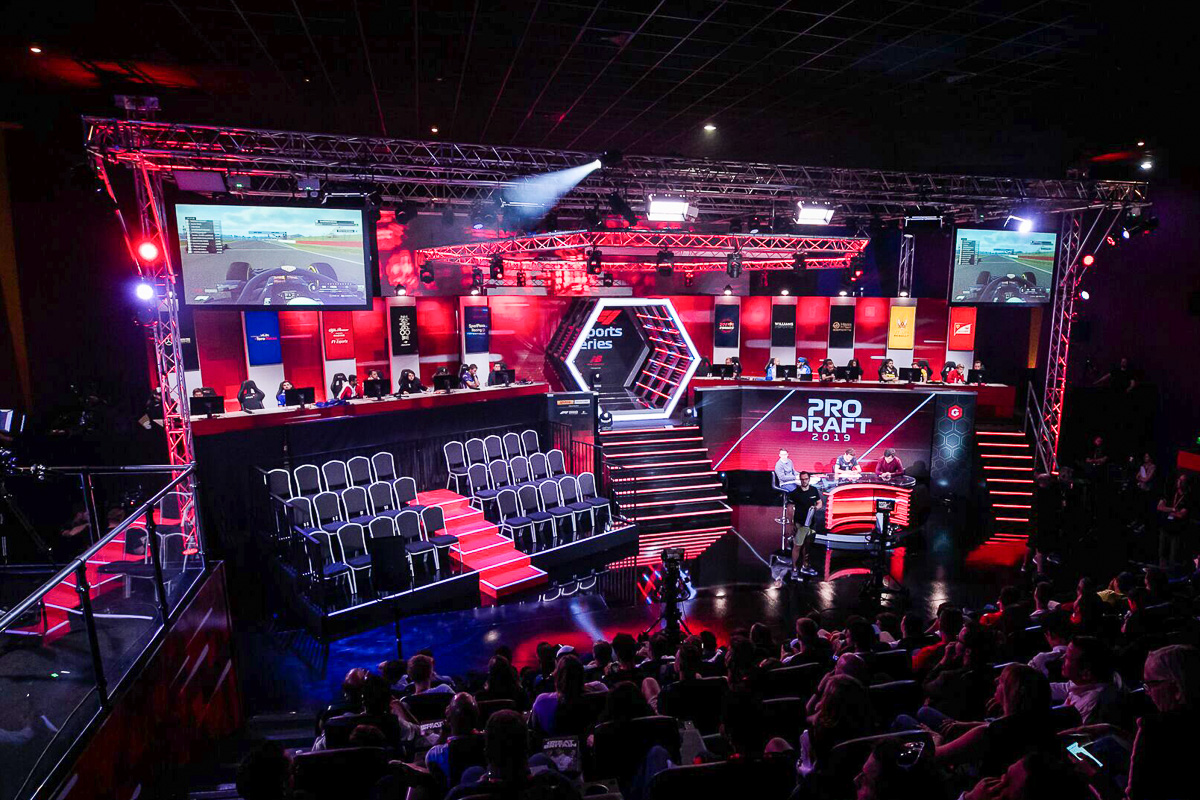
One of the many bright prospects for the future of racing in e-sports and Ferrari has drawn the first blood with the launch of the world’s first team of Sim Racing, the FDA eSports Team. The two drivers that will be racing in the electronic championship are Amos Laurito and David Tonizza. (more…)
Concept vehicles are built by carmakers for various purposes; some are intended to test certain styling ideas while others are a preview of a production model that is just around the corner. Sometimes, especially if targeting owners who are enthusiasts, a concept vehicle may show what more can be done or added to make a model more visually exciting or more capable.
Capable SUV made more capable
With the Lexus GXOR concept, Lexus worked with a company called XOverland to create a one-of-a-kind LX460 SUV that has accessories which enhance its looks and performance off-road. As it is, the LX460 is a very capable SUV since it rides on the same platform as the current Toyota land Cruiser Prado.
The customized vehicle starts off with a matte metallic gray and exclusive GXOR graphics. Incidentally, ‘GXOR’ refers to ‘GX Off Road’, which is the name of a group of owners. Lexus surprised them with this special vehicle during one of their recent events.
Accessories fitted
Some of the accessories installed include Lexus F Sport Wheels fitted with General 275/70×18 X3 tyres, Icon Vehicle Dynamics 2.5 CDC with remote reservoirs and billet control arms featuring Delta Joints, CBI Custom Stealth Winch Bumper, Frame Sliders and skidplates, Warn 9.5XPS Winch, and Maxtrax MKII Recovery Boards. All these items are available in the market for owners to install themselves.
On its part, Lexus will also have its own off-road package although, being a factory offering, it is more focused on comfort and reliability aspects rather than providing more off-road performance.
Visit www.lexus.com.my to know more about the range of SUVs available in Malaysia.
UPDATE: It appears that Volvo has revised the number to 507,000 units worldwide.
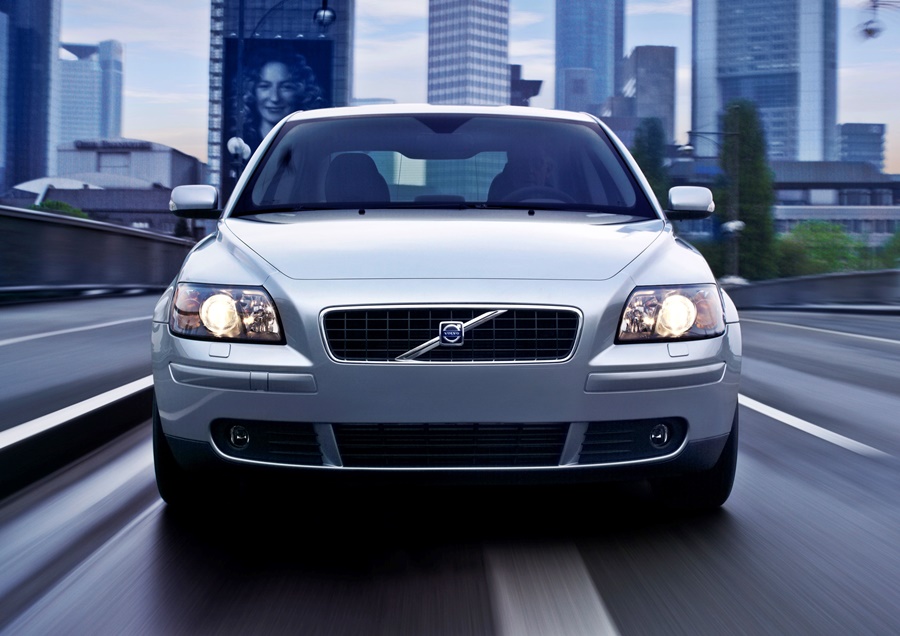
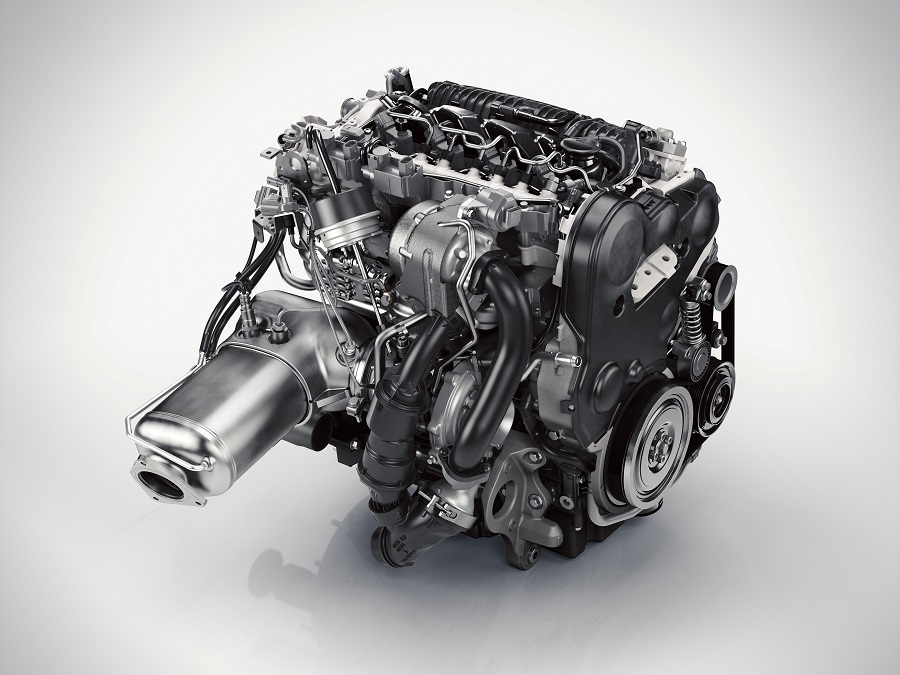
It has been learnt that Volvo Cars is issuing a safety recall for over one million of its cars worldwide manufactured between 2014 and 2019. The cars are all equipped with 4-cylinder diesel engines and include the V40, V60, V70, S80, XC60 and XC90.
According to a BVT, a news broadcaster in Sweden, the recall was confirmed by a spokesperson of the company. The problem relates to the possibility of a component or components inside the engine melting and in an extreme case, starting a fire. So far, there are said to be no accidents or injuries due to this being reported.
Volvo diesel engine
Normal procedures by carmakers in such cases where there are dangers to owners will be to notify owners of the recall. They would be given an explanation of why there is a recall (and the urgency to respond) and to bring their vehicle to an authorised service centre for the necessary inspection and rectification work to be done. All costs related to the recall would be borne by the manufacturer.
Volvo Cars Malaysia has not sold diesel models for some time so there would not be an action needed in this market. The last diesel model sold was the XC90 D5 in 2009 but the company found that due to uncertainty of the upgrading of the fuel, it was hard to plan for the introduction of new models which would require even cleaner diesel. Euro-5 diesel is now available, though, but there is also the impending issue of the government pressing for B10 biodiesel to be introduced soon.
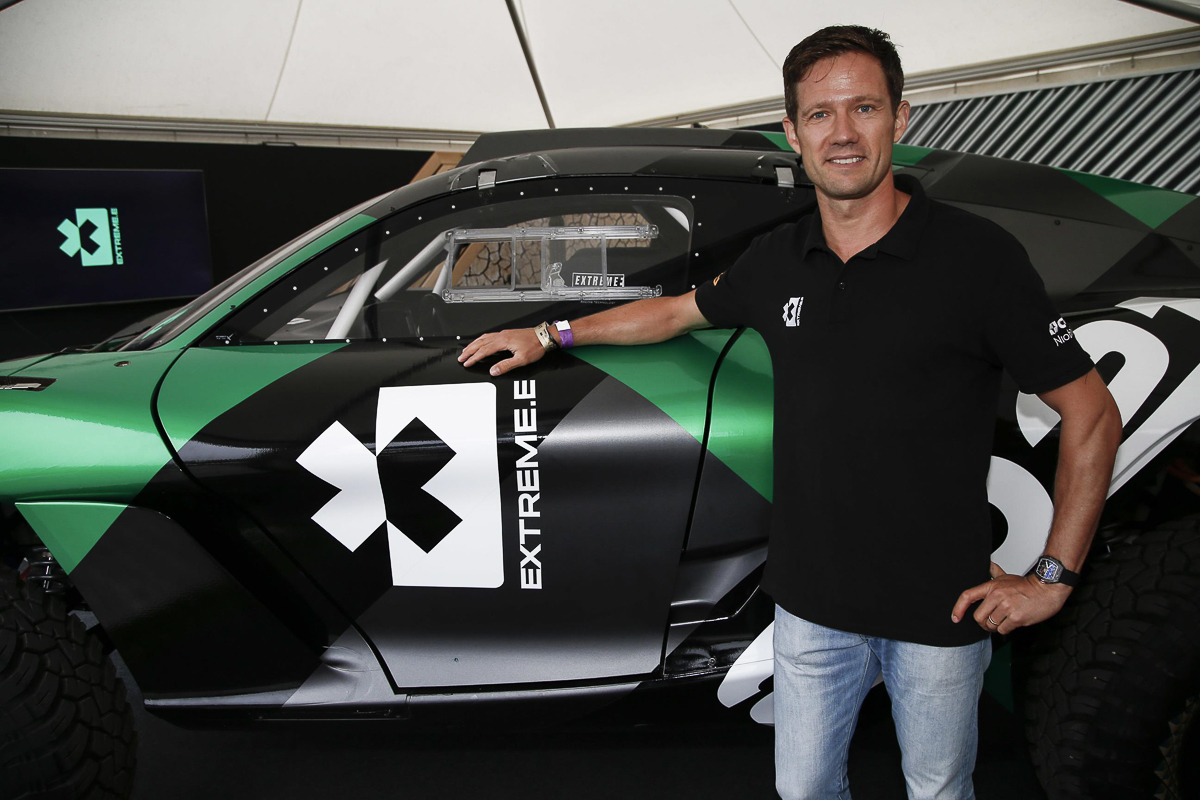
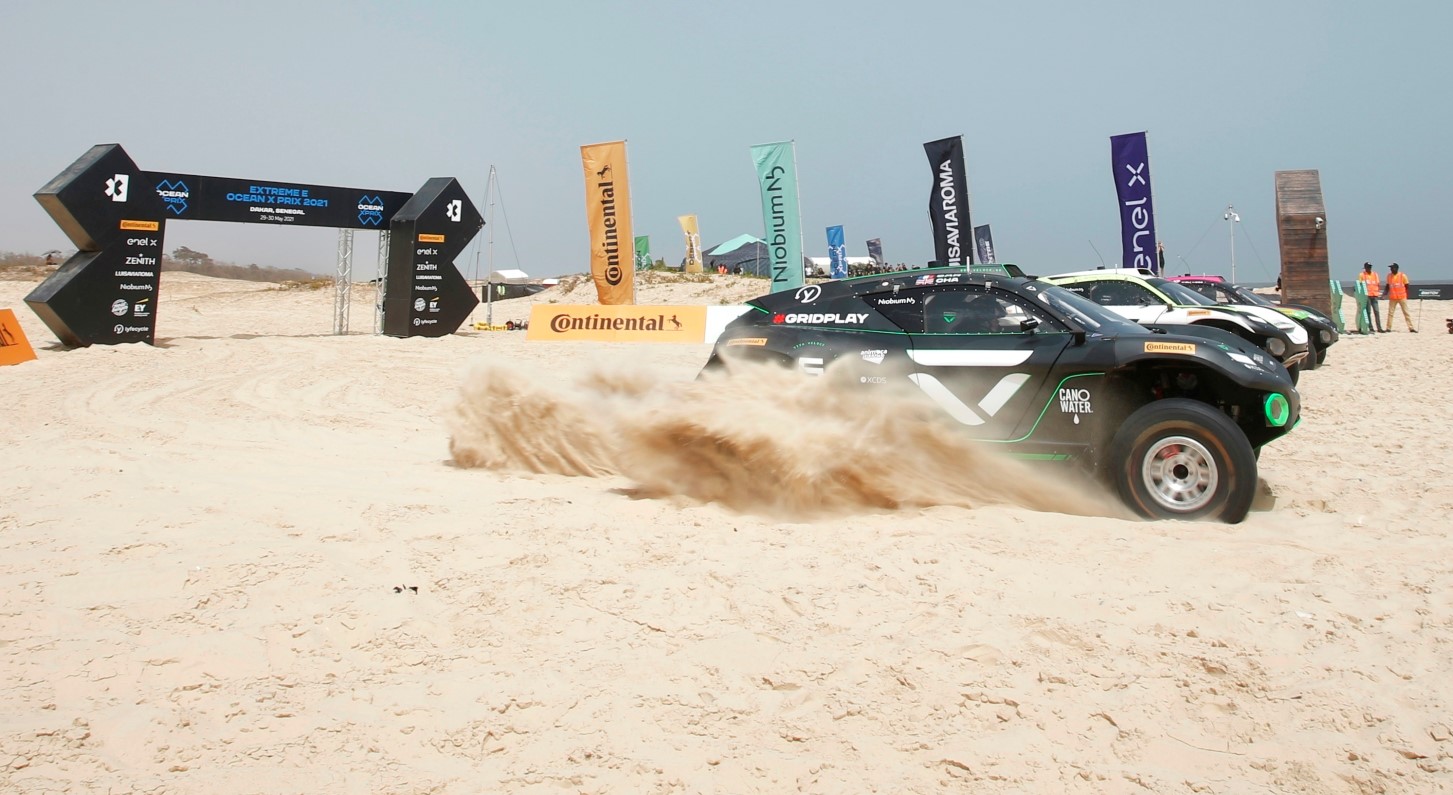
Extreme E, the latest and probably most radical racing series where electric SUVs will compete in super tough race conditions, has announced their official ambassador for the sport and it is none other than the legendary French rally driver and six-time World Champion, Sébastien Ogier. (more…)
Having a mid-engine layout was always part of Corvette’s destiny.
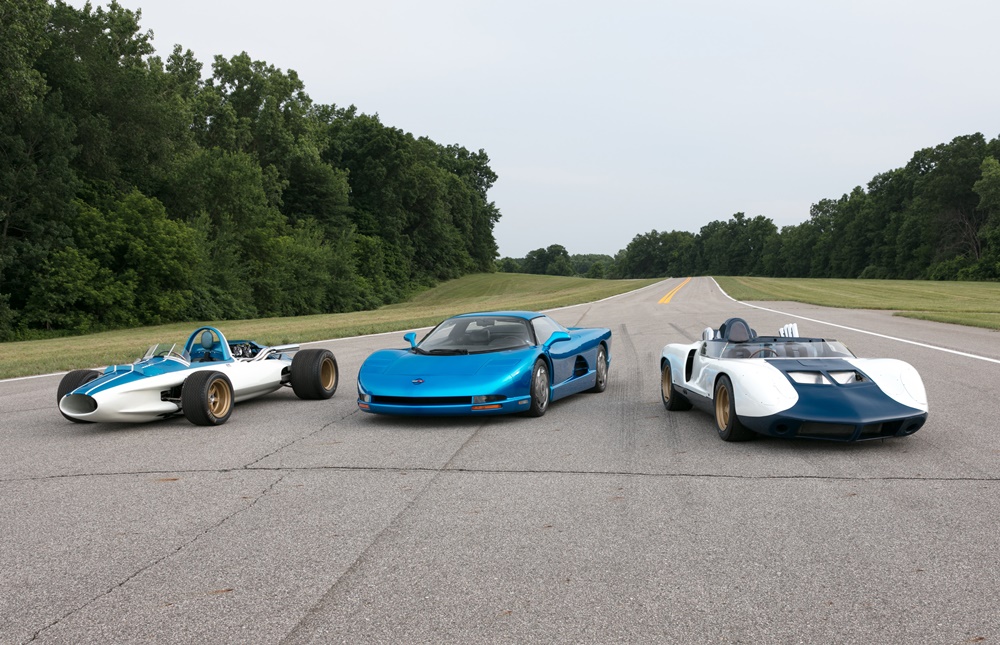
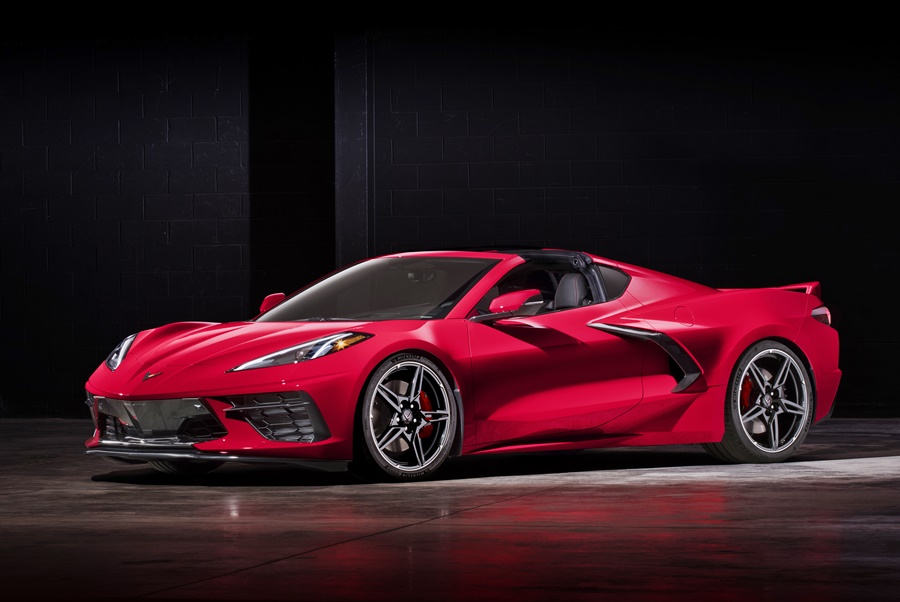
The all-new 2020 Chevrolet Corvette Stingray unveiled recently is the culmination of 60 years of mid-engine experimentation. While the eighth generation of the iconic sportscar marks a radical leap forward in terms of capability from the seventh generation, it also incorporates lessons learned from past engineering exercises such as the Chevrolet Experimental Research Vehicles (CERVs) I-III, the Aerovette and others.
Zora Arkus-Duntov, considered the ‘father of the Corvette’, first encountered early mid-engine vehicles in his youth, including the Auto Union Types C and D Grand Prix racing vehicles. Duntov had a wealth of propulsion knowledge and thrived as an auto racer and engineering consultant in automotive and aeronautics. He was attracted to GM by the original Corvette concept, which he saw at the 1953 Motorama in New York City.
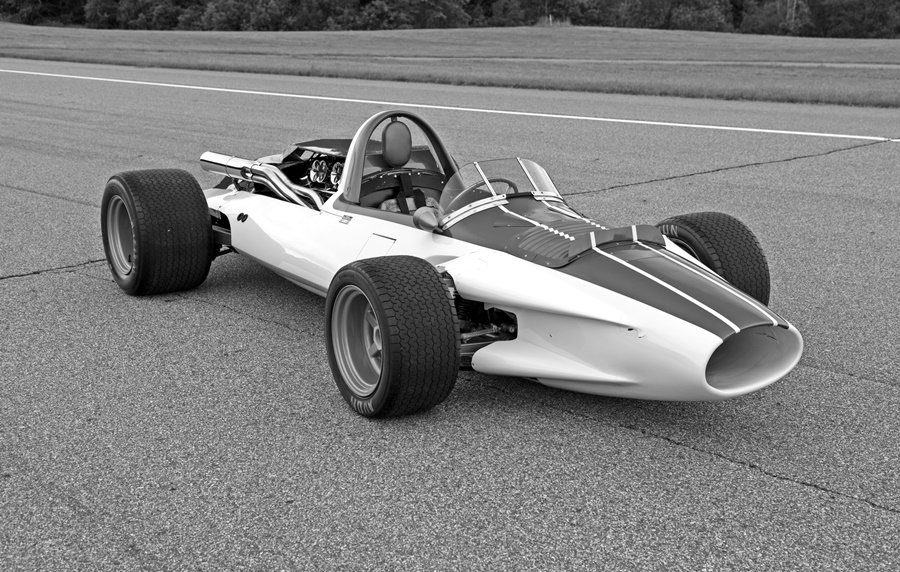
CERV I
Pursuit of mid-engine from the start
Duntov started working at GM in May 1953 and helped Chevrolet chief engineer Ed Cole turn his proposed Small Block V8 into a viable technology for Corvette later that decade. He became Corvette’s first true chief engineer and pursued the mid-engine layout through various concepts, including the CERV I, which debuted in 1960.
CERV I was outfitted with seven different engine combinations in its working lifespan, but its original engine, a Chevrolet Small Block V8, and its lightweight aluminium core are both modernized on the latest Corvette Stingray. Duntov described it as ‘a design without limit’ and an ‘admirable tool’ to instruct Chevy on ‘what to put in Corvette’.
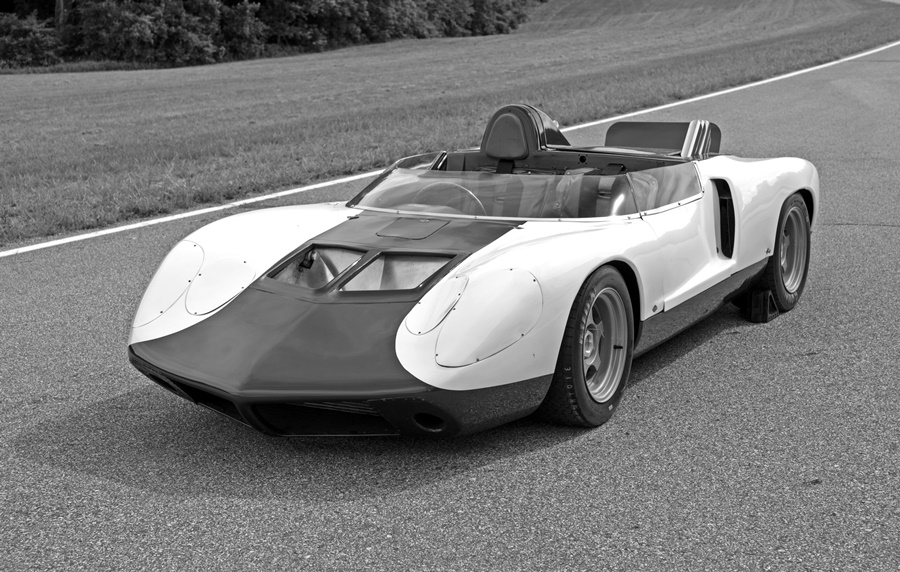
In 1964, Duntov’s team debuted CERV II, which was envisioned as a challenger at Sebring, Le Mans and other races. With torque converters in the front and rear, CERV II employed the first-ever mid-engine 4WD system, for which Duntov held the patent.
CERV II
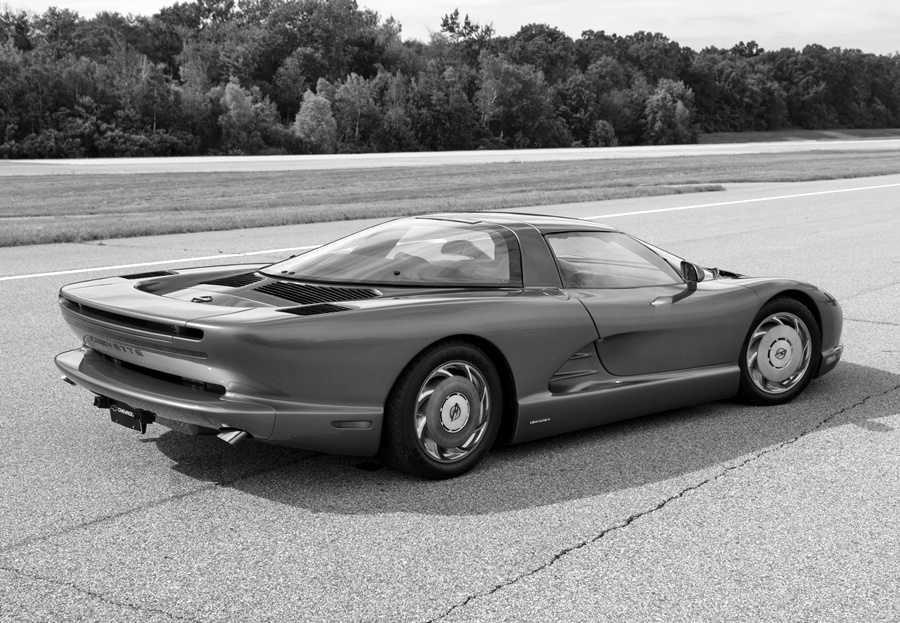
The most recent attempt at a mid-engine vehicle was the 1990 CERV III concept, built in conjunction with Lotus Engineering to explore future levels of performance. CERV III, more of a road car than a track performer, was intended as a development vehicle to evaluate mid-engine structures. CERV III was powered by a 5.7-litre, 32-valve dual overhead cam Small Block V8 with twin turbochargers. It produced 650 bhp and 888 Nm of torque.
CERV III
Drawbacks of a mid-engine layout
Duntov, who retired from GM in 1975, saw the mid-engine layout with the engine located ahead of the rear axle as the optimal configuration for weight distribution, excellent handling and forward visibility. Despite the layout’s innate performance benefits, its implementation in the scheme of mass manufacturing proved problematic.
The previous mid-engine Corvettes were relegated to concept status by issues including engine cooling difficulties, limited passenger and luggage space, loudness and the inability to produce a convertible variant.
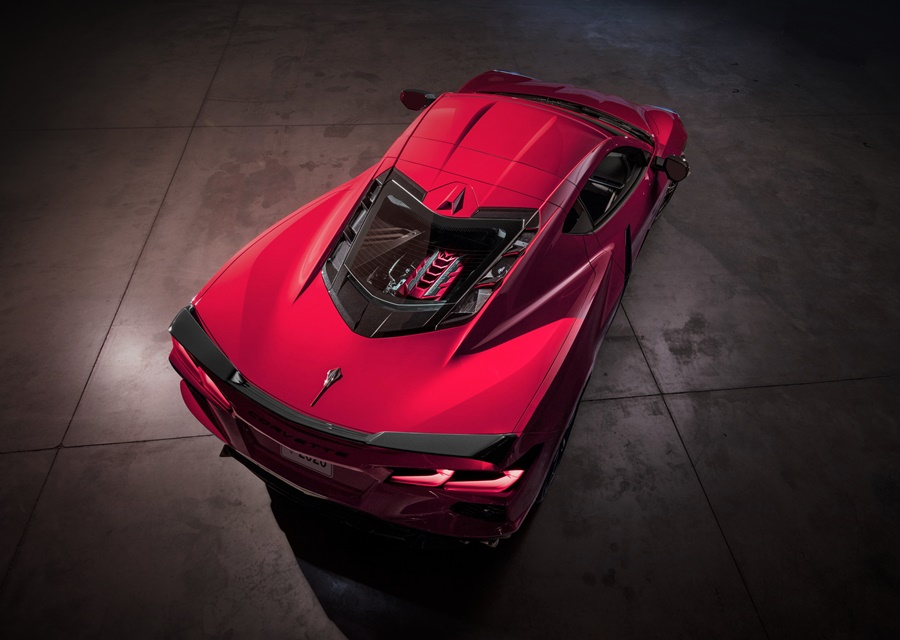
The 2020 Chevrolet Corvette Stingray finally has a mid-engine layout.
Advances in development, aided by computer-assisted engineering and virtual reality, helped the current Corvette team carefully plot out the 2020 Chevrolet Corvette Stingray’s architecture. The engineers worked closely with designers to ensure that the vehicle’s form met all of the necessary performance benchmarks, while preserving the Corvette legacy. Having a mid-engine layout was always part of Corvette’s destiny.
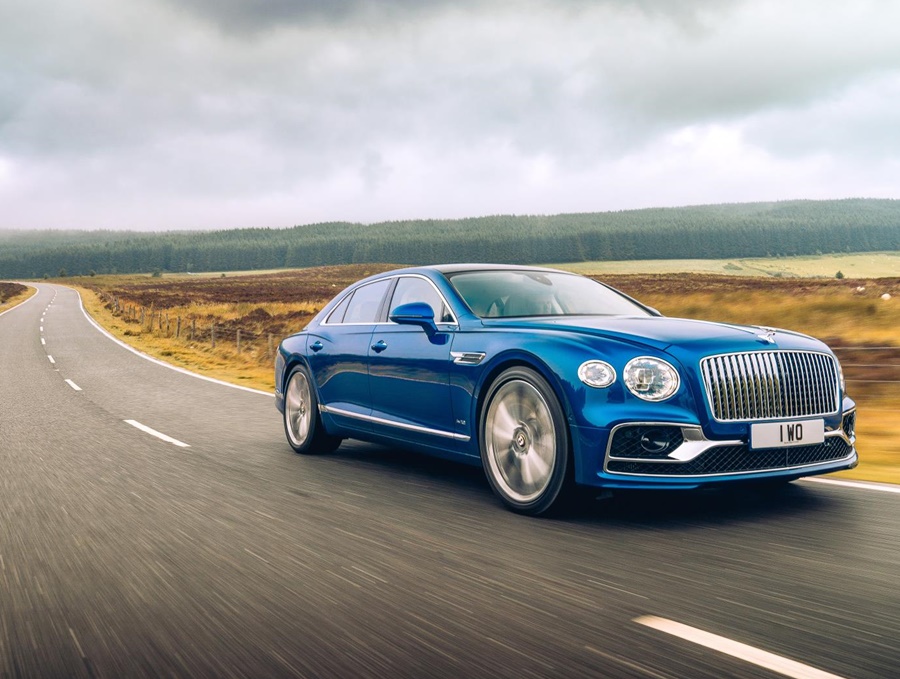
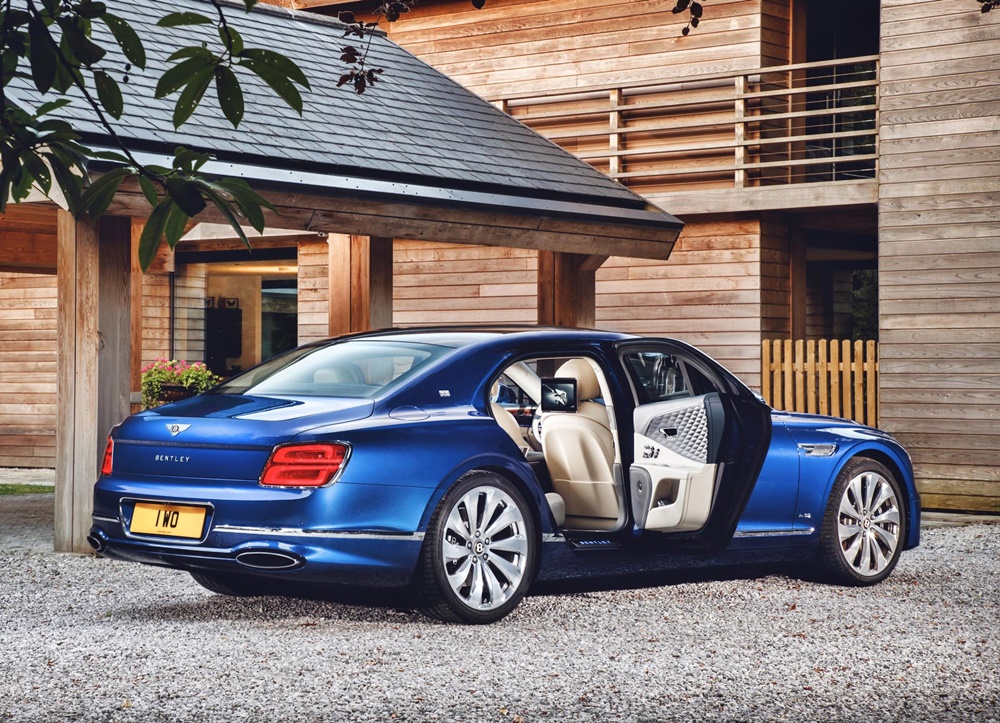
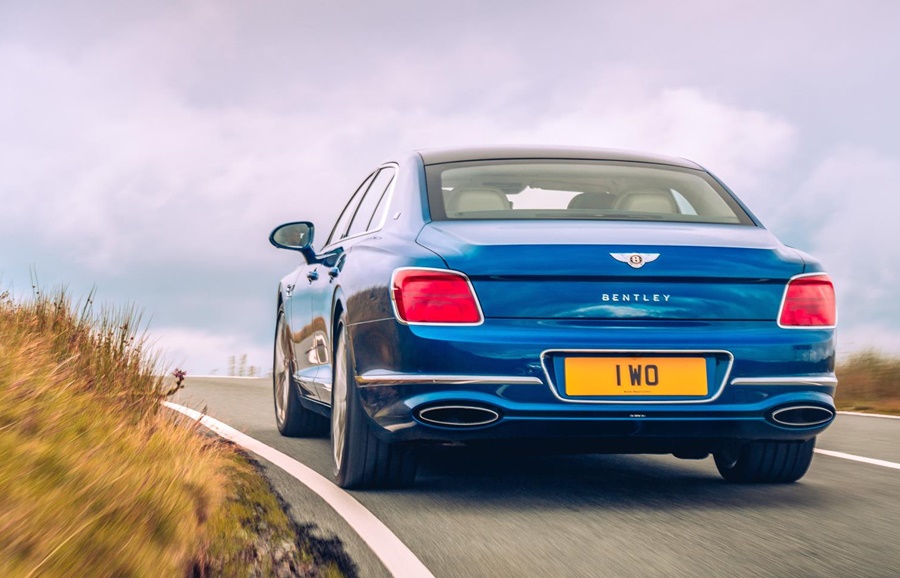
Bentley Motors has revealed the Flying Spur First Edition at the Elton John AIDS Foundation Gala, where it will be auctioned in support of the fund-raising charity at the inaugural Midsummer Party, Picozzi’s Villa Dorane on France’s Cap d’Antibes on July 24th.
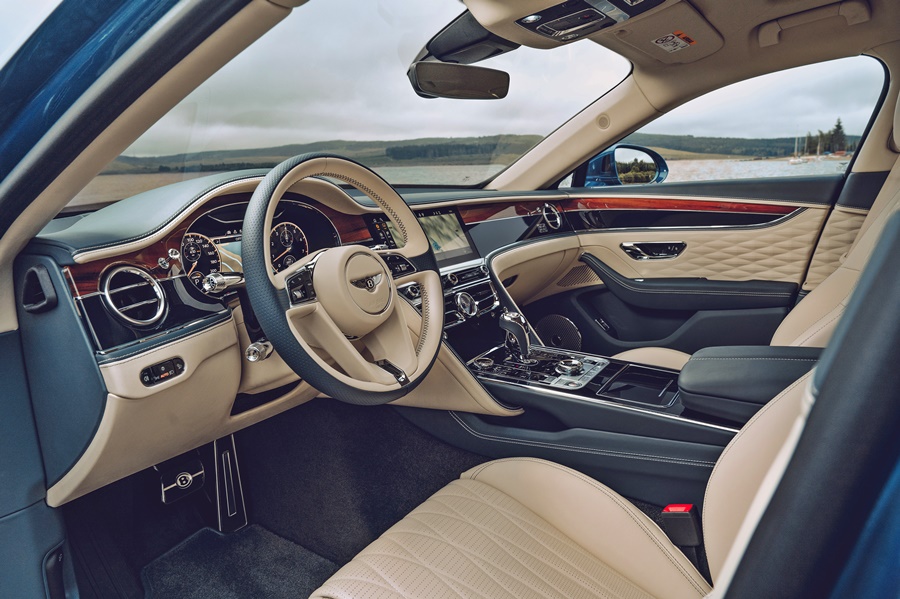
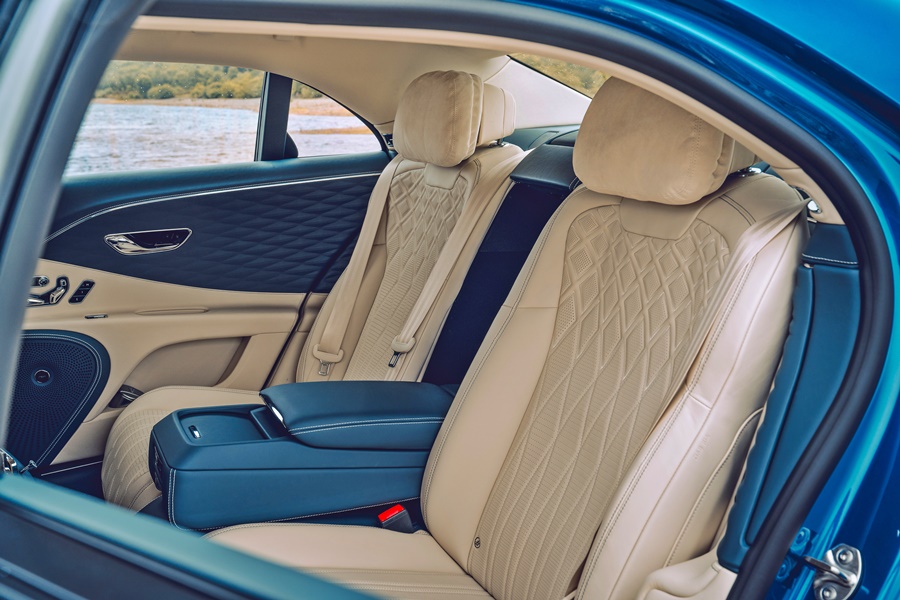
The Flying Spur First Edition, limited to just 12 months of production, is rare, collectable and incredibly luxurious. A range of totally exclusive features includes a First Edition exterior badge and a First Edition Fascia badge – a Union Jack flag with the numeral 1 in the centre; a choice of First Edition Bentley Winged Emblems embroidered into the headrests; and First Edition treadplates – presenting the Union Jack flag with First Edition written through the centre.
The very best – with virtually limitless choices
The very best of design, technology and craftsmanship, the Flying Spur First Edition includes as standard some of the most luxurious interior and exterior features that are usually optional, and has been impressively thought through to take Bentley through the century. For the new owner of a Flying Spur, the choices are virtually limitless – from exterior paint colours to interior leather and trim combinations and personalised seat stitching.
The electronic Flying B mascot, undoubtedly one of the most iconic elements of the new model, has been exquisitely redesigned and is featured for the first time since 1959. The wings illuminate and the mascot deploys electronically when the owner approaches and unlocks the car.
One truly distinctive feature is the Bentley Rotating Display, which enables switching between technology and classic design, allowing you to choose either. A technologically progressive touchscreen display, controlling apps, media and vehicle systems; a clean and beautifully veneered fascia; or three classic analogue dials – one for temperature, one which is a compass, and one which is a journey timer (chronograph).
Mood lighting is configurable so the cabin can be personalised, with a choice of 7 different colours in two variations – vibrant or muted. These mean the driver or passengers can set the colour of the highlighted ring around the interior to suit their mood and separately adjust the ambient lighting as well as the light intensity. The mood lighting also follows the wing shapes found throughout the interior.
Finally, a panoramic sunroof, where the front panel tilts and slides rearwards over the top of the fixed panel to open, is another sumptuous element of the cabin which demonstrates Bentley’s craft and creativity, keeping the customer always in mind. Colour-matched Alcantara blinds can be deployed electrically when the sun is at its highest and keeping cool is a priority.
0 to 60 mph in 3.7 seconds
When required, the Flying Spur’s W12 engine can rocket the car from standstill to 60 mph (96 km/h) in just 3.7 seconds, it is claimed. An 8-speed ZF dual-clutch transmission maximises smooth acceleration and quick gearshifts, delivering improved fuel economy and efficiency. Additionally, Active All-Wheel Drive System and All Wheel steering ensures maximum sure-footedness and an engaging driving experience on demand.
The third generation of the Flying Spur was launched last month and orders will be accepted during the fourth quarter of this year. Deliveries will commence in 2020.
The beginning of the computer age in the 1980s saw the rapid development of electronic systems for management of many different functions in cars. This led to significant leaps in performance and efficiency as computers could calculate at thousands of times a second, making adjustments to match operating conditions precisely.
One area where such lightning-fast management was valuable was in the automatic transmission. The transmission control unit (TCU) worked with the Engine Control Unit (ECU) to coordinate gearshifts and as technology advanced, to eliminate the parasitic power losses.
Optimizing transmission efficiency
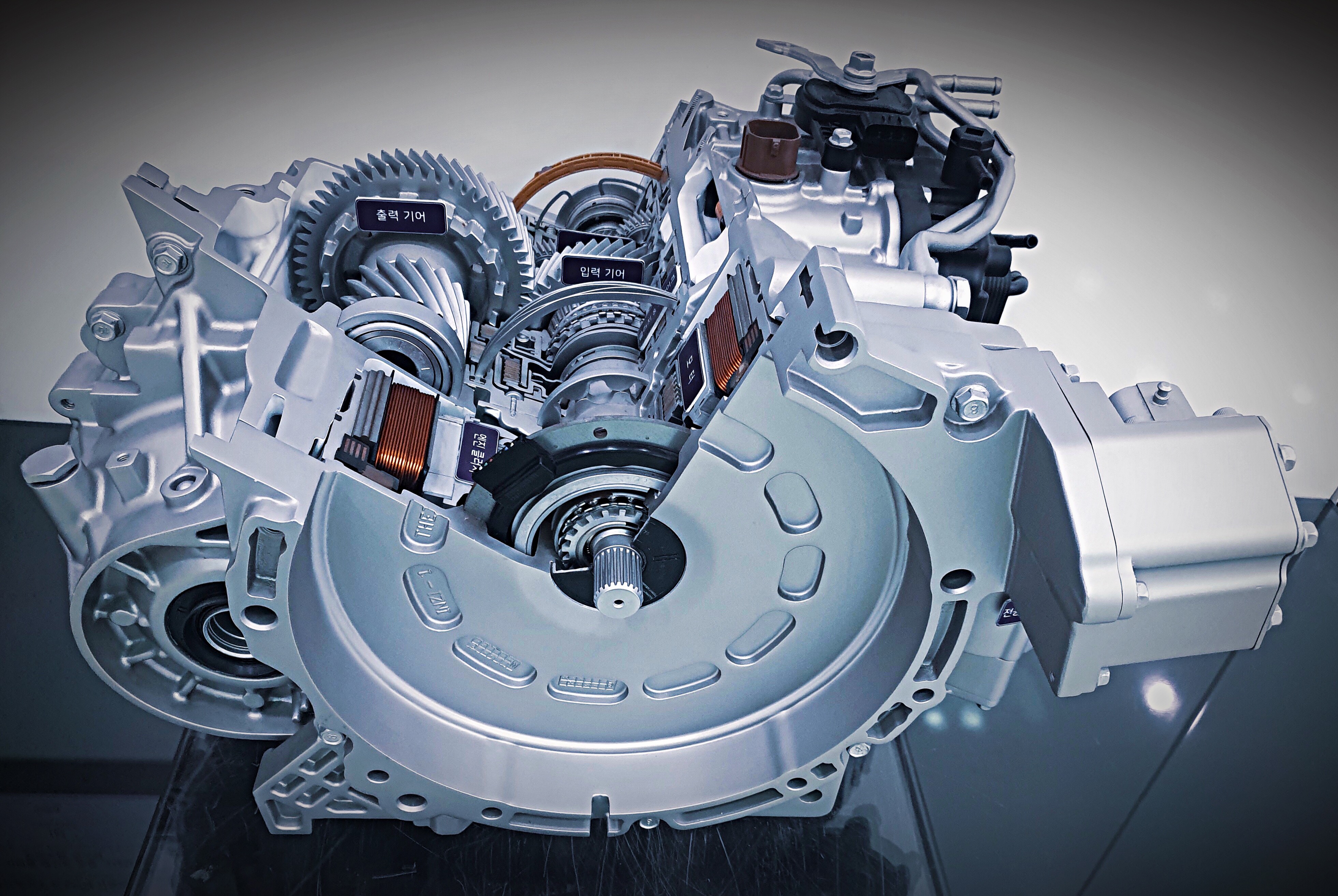
Now the Hyundai Motor Group has developed the world’s first Active Shift Control (ASC) transmission technology for future Kia and Hyundai hybrid models. The innovation optimizes transmission efficiency by monitoring the rotational speed of transmission with a sensor installed inside the electric motor at 500 times per second to quickly synchronize the rotational speed with that of engine.
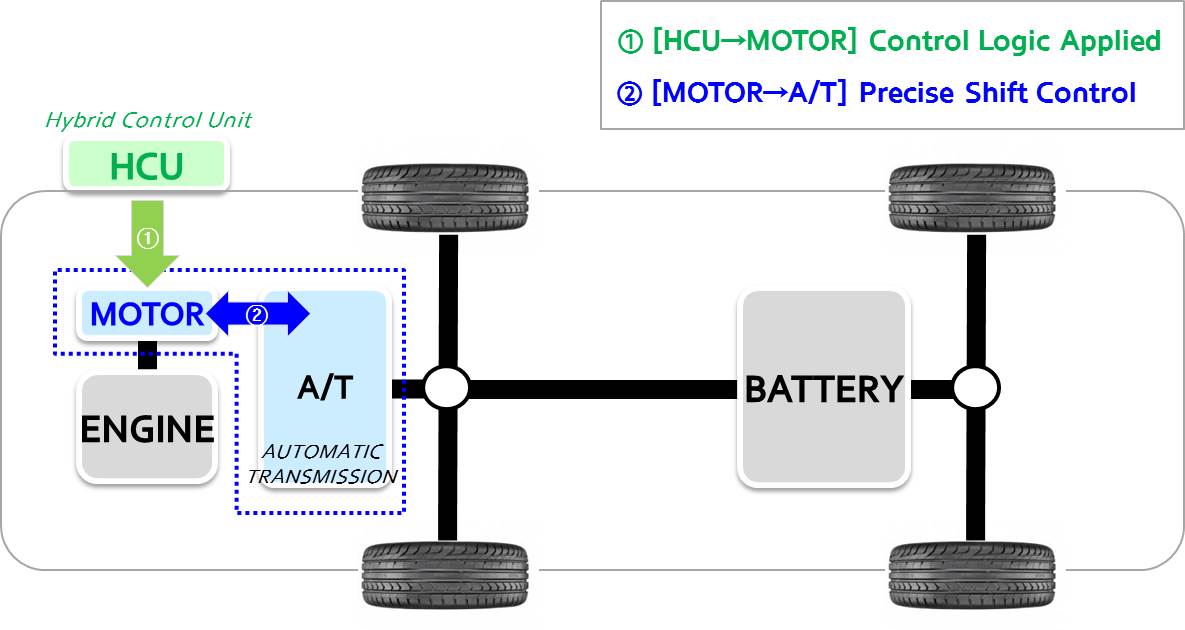
ASC applies new control logic software to the Hybrid Control Unit (HCU), which then controls the electric motor to align the rotational speeds of the engine and transmission to reduce gearshift time by 30%. With the synchronization, shift time is reduced from 500 ms to 350 ms, increasing smoothness.
“The development of world’s first ASC technology is a remarkable innovation which incorporates precise motor control to automatic transmission,” said KyoungJoon Chang, Vice-President and Head of Powertrain Control System Group of Hyundai Motor Group, “It will not only save fuel but also provide a more fun driving experience for our customers.”
Development of the ASC technology is completed and is ready to be used in future Kia and Hyundai hybrid models.
Independently developed control logic software
Conventional hybrid vehicles do not have torque converters to further improve fuel economy as torque converters lose energy during the process of transmission. Although fuel efficient, such a system also requires longer shift times to ensure smoother gear changes.
ASC technology allows the hybrid’s electric motor to also take control of gearshifts by applying new software logic to the Hybrid Control Unit (HCU) to mitigate issues with slower shift time. This not only improves a hybrid vehicle’s acceleration performance and fuel economy, but also durability of the transmission by minimising friction during gearshift.