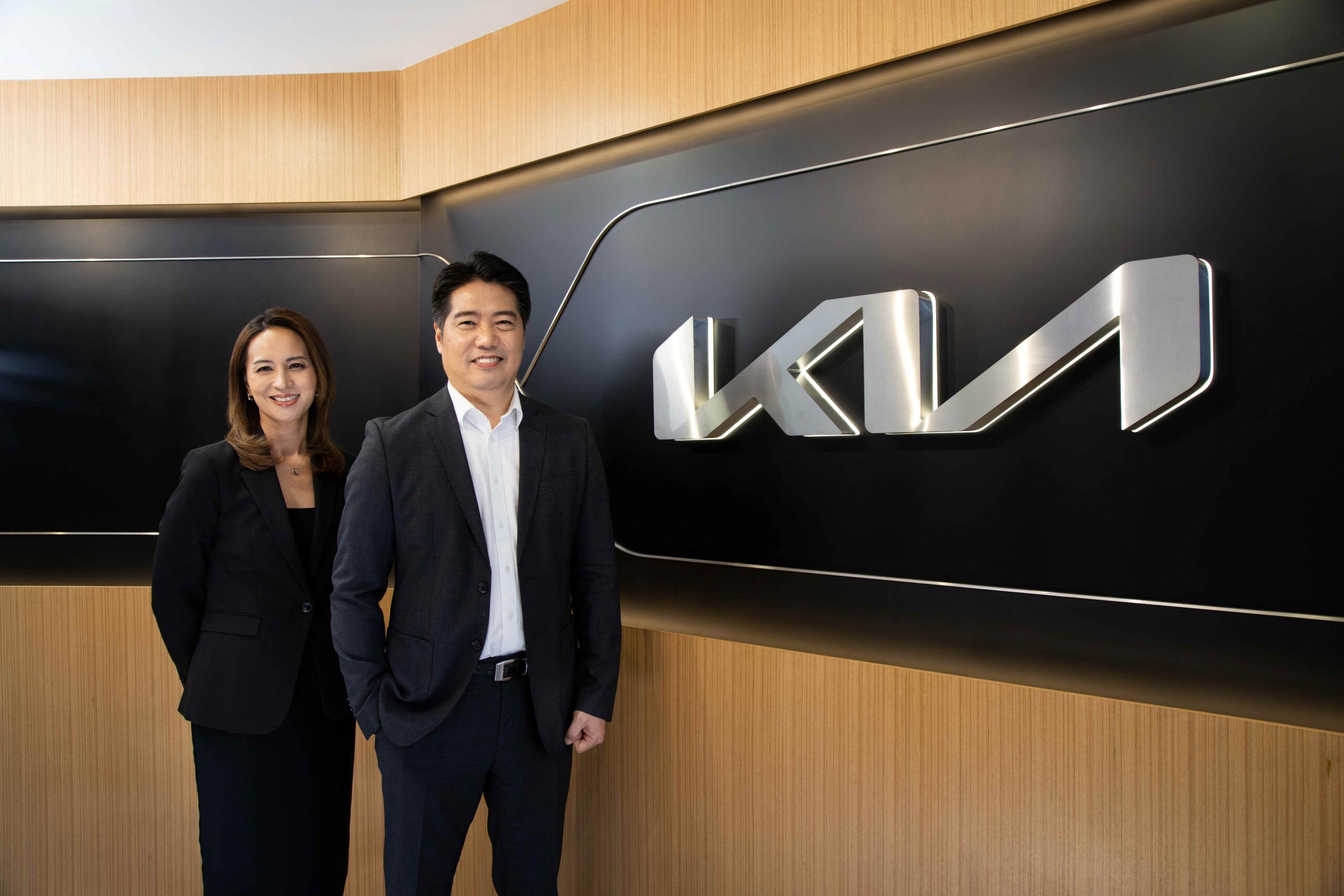
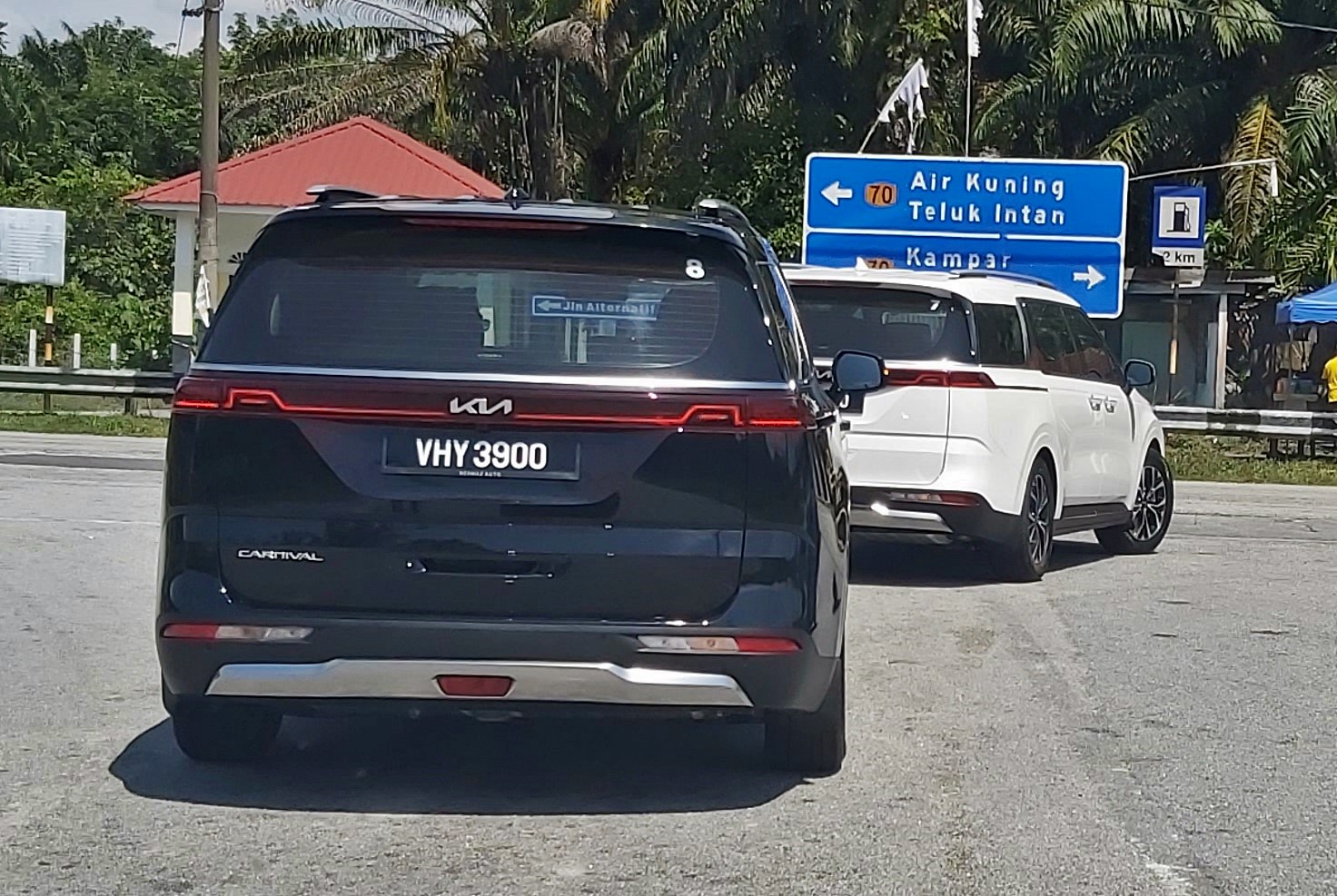
Kia Corporation dan Bermaz Auto secara rasmi menamatkan kerjasama yang telah berlangsung sejak empat tahun lalu. Sepanjang tempoh itu, Dinamikjaya Motors — anak syarikat Bermaz — bertanggungjawab sepenuhnya ke atas pengedaran kenderaan, alat ganti dan perkhidmatan berkaitan Kia di Malaysia. Dengan berakhirnya perjanjian tersebut, Kia kini bersedia mengambil kembali kawalan penuh dan menguruskan operasinya sendiri di negara ini.
Presiden Asia Pasifik Kia, Ki Seok Ahn, menjelaskan bahawa keputusan ini dibuat sebagai langkah untuk mengukuhkan semula kehadiran jenama tersebut di Malaysia. Beliau berkata Kia mahu memberi tumpuan kepada inovasi, kepuasan pelanggan dan hala tuju global syarikat di bawah slogan “Movement That Inspires”, termasuk komitmen terhadap mobiliti lebih bersih serta pengalaman jenama yang lebih konsisten.
Mulai 1 Januari 2026, Kia akan beroperasi di Malaysia melalui model perniagaan yang dipimpin secara langsung oleh prinsipal. Ini bermaksud semua aspek operasi — pemasaran, jualan, perkhidmatan pelanggan dan latihan — akan dikendalikan sepenuhnya oleh pihak Kia sendiri. Syarikat percaya kaedah ini akan membantunya membina semula jenama dengan lebih kukuh di Malaysia dan menyokong rancangan pengembangan di pasaran ASEAN.
There are a few cars from Japan that represent the joy of driving. I am not talking about sports cars because we all know there are plenty of those from the land of the rising sun.
But before going down this path for this article, I must acknowledge the greatness of the Honda Civic Type R, Nissan GT-R, Mazda MX-5, Toyota Supra and GR86. Even the Lexus LC and its glorious V8 deserves to be mentioned. Among many others of course.
Not acknowledging them would be tantamount to blasphemy.
I am instead talking about SUVs. When was the last time anyone spoke about SUVs from Japan that were fun to drive? There are many that are built well, have space age technology with immaculate craftsmanship and generally do what SUV’s do really well.
But a Japanese SUV that is fun to drive? That can only be a Mazda. (more…)
The advent of Chinese cars has claimed many victims, most of them from legacy brands. But that is not necessarily a bad thing because every once in a while, the market needs a real shake-up and more often than not, it is the buyer that wins.
While there was a time when Korean cars did most of the market shake ups with their bold designs, futuristic interiors and technologies, now it is the Chinese that are doing the shaking.
But while the Chinese variants do have their strengths, particularly in terms of specifications and pricing, the Koreans have their own as well.
I remember a time when car buyers were skeptical about Korean cars. They had everything you would want in a car, and arguably drove pretty well, but the market sentiments were against them particularly the used value and reliability.
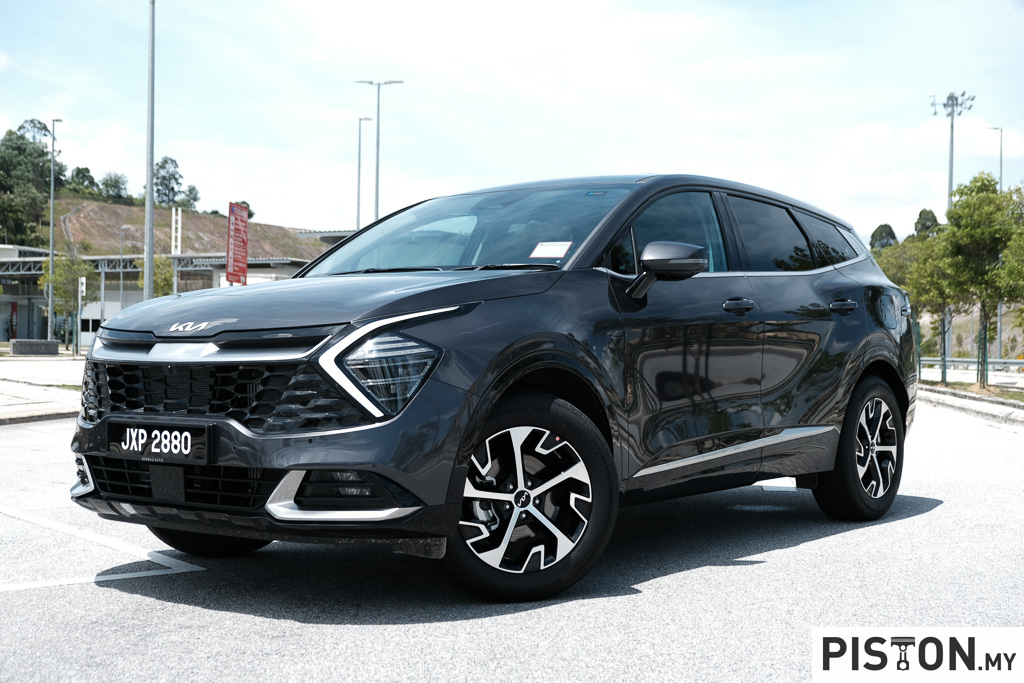
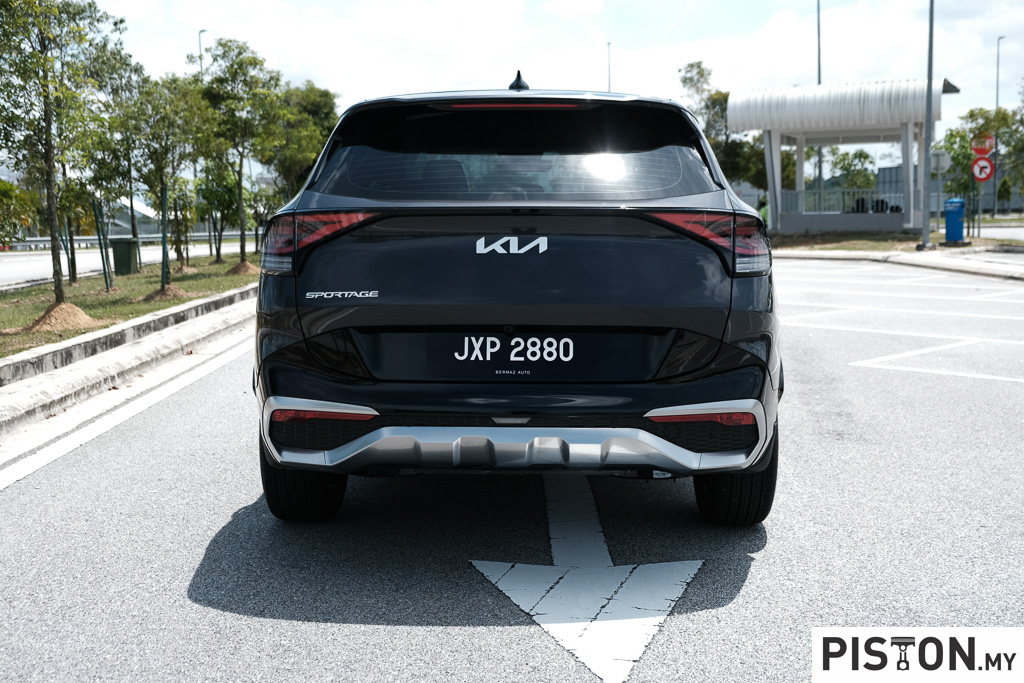
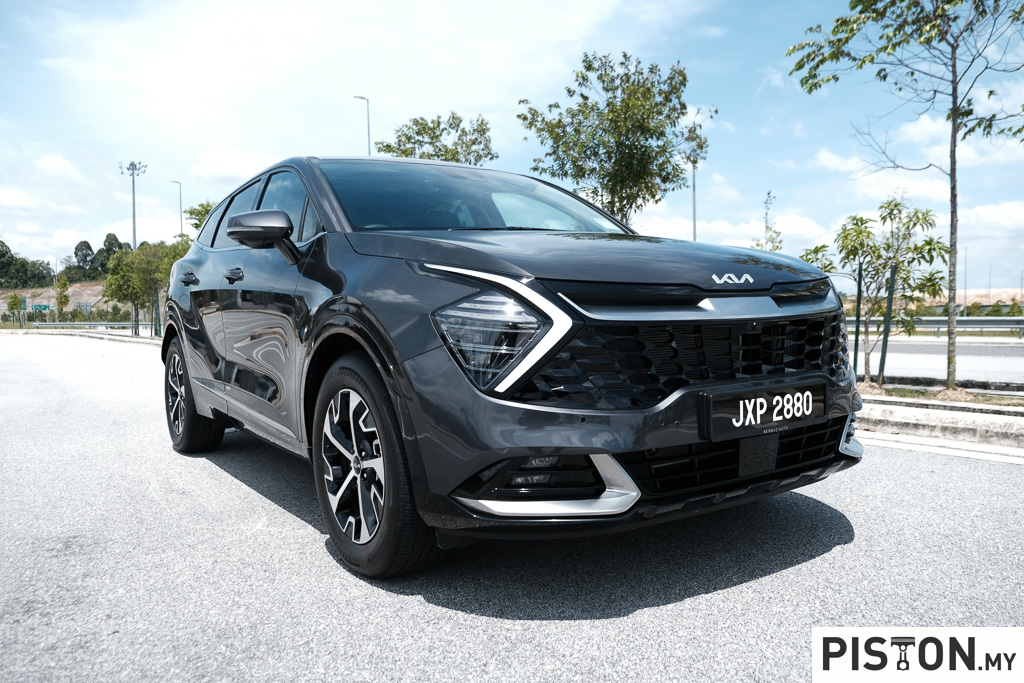
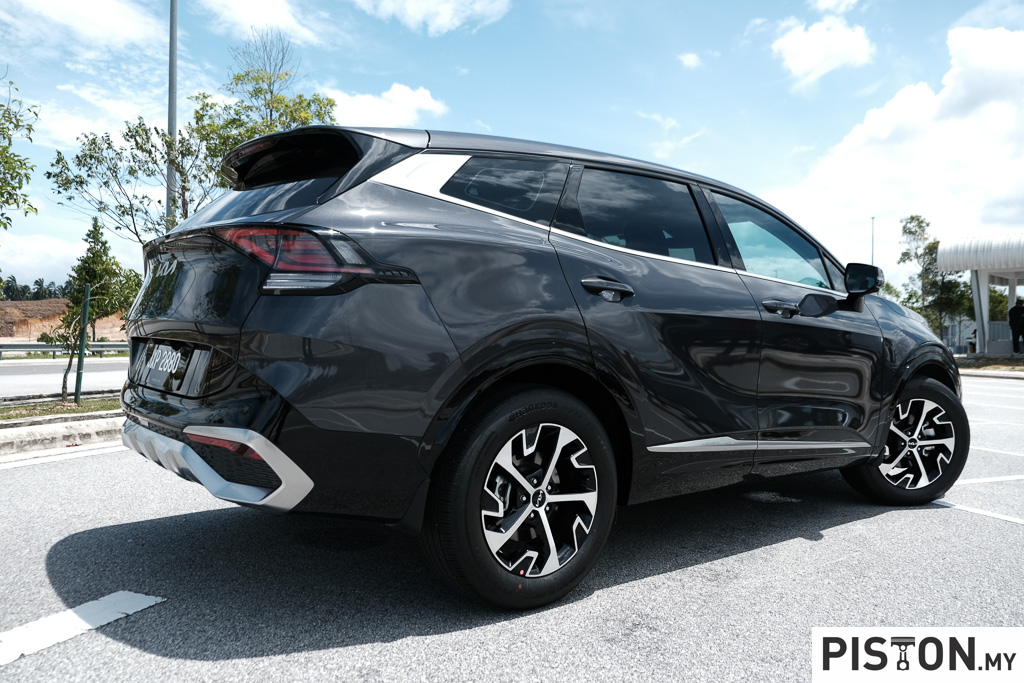
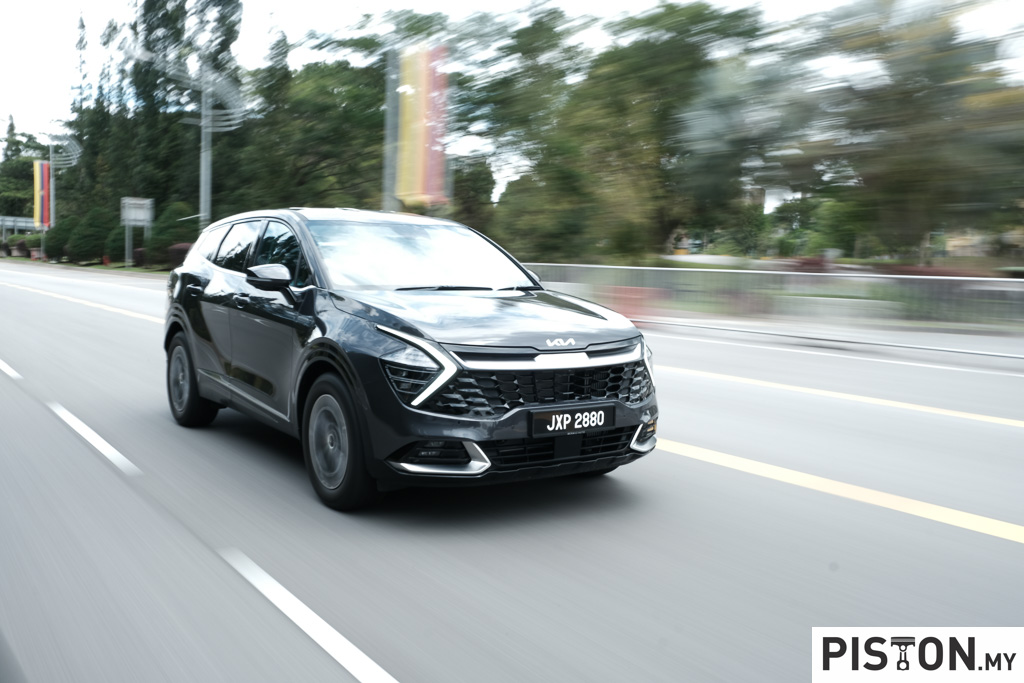
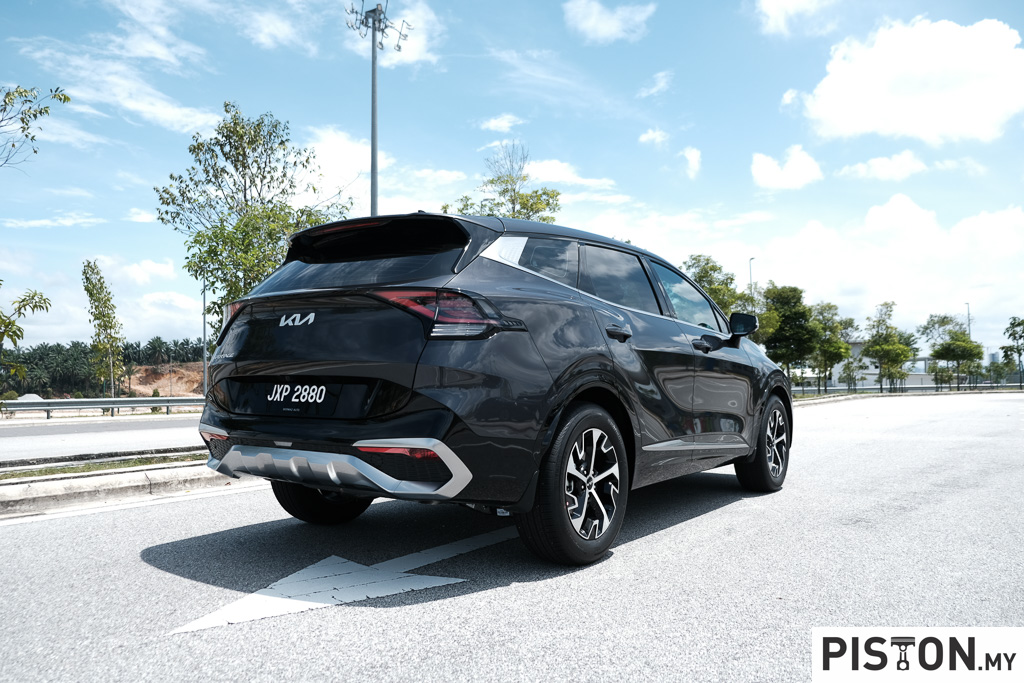
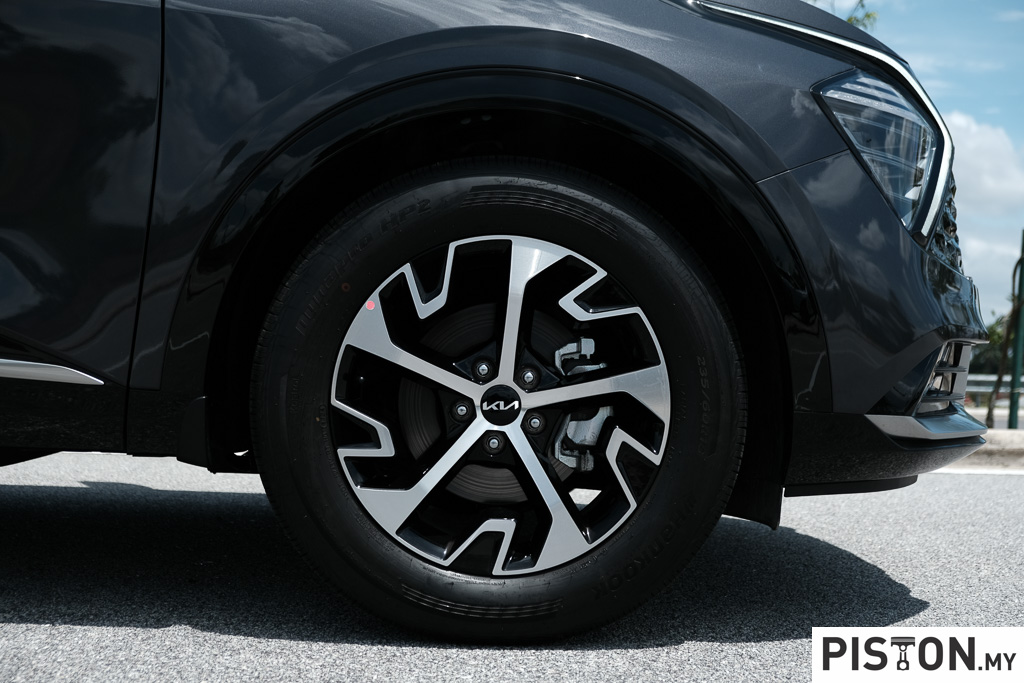
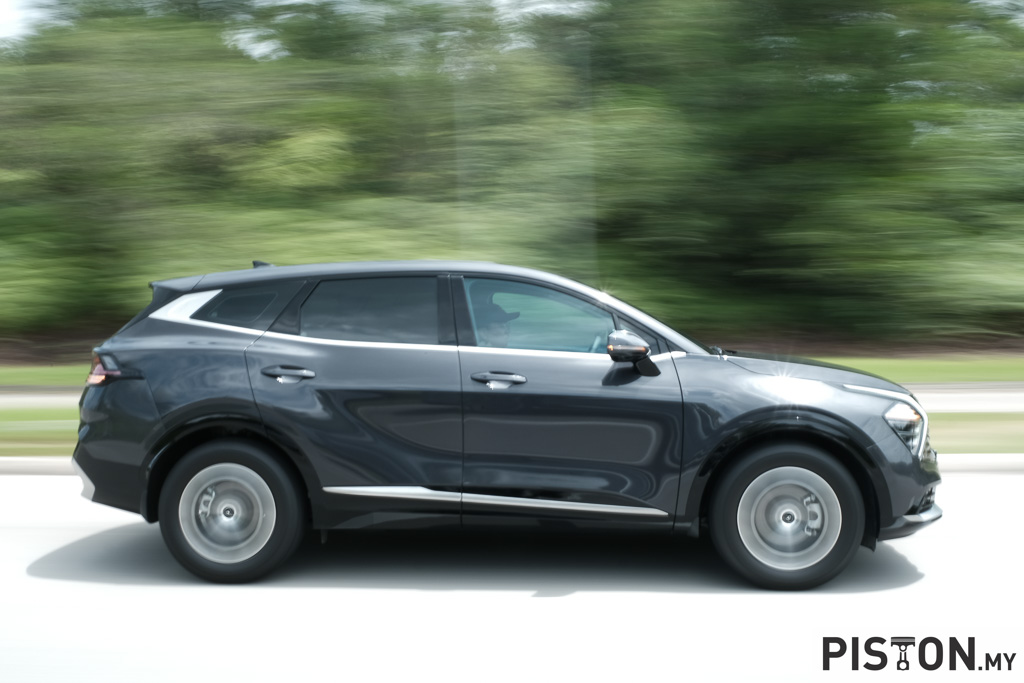
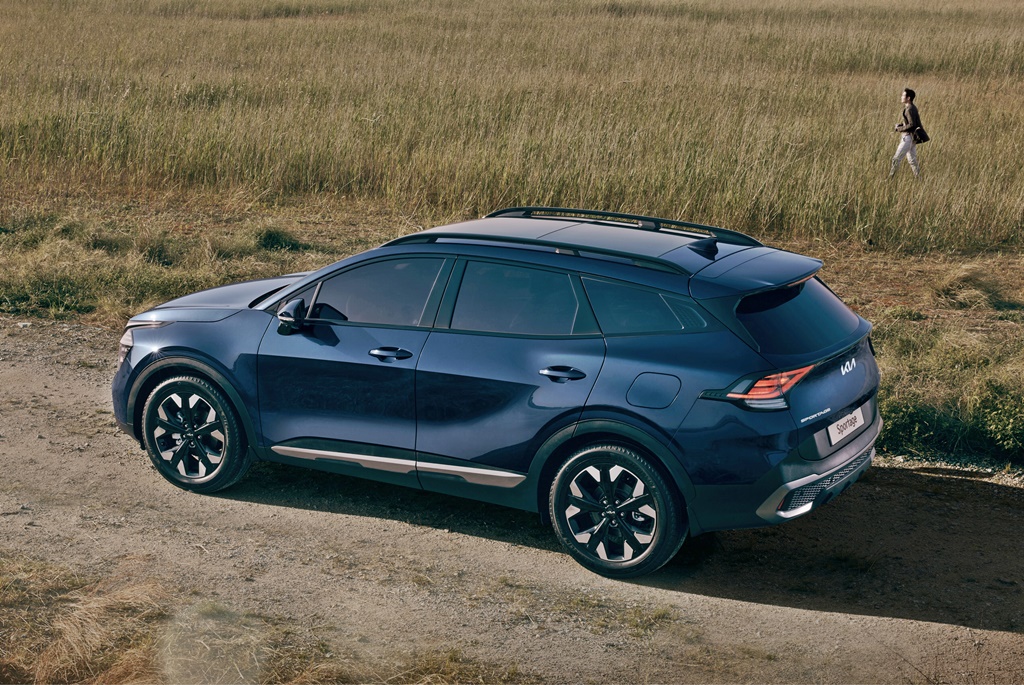
But times have changed, and though it is the Chinese that are dominating the headlines these days, cars like the latest generation Kia Sportage which you see here remind us of how far Kia has some, and what it has achieved over the years.
First, a little perspective
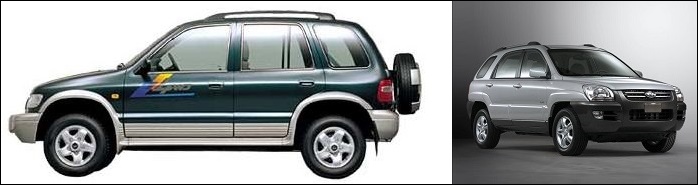
The Sportage was first introduced to the Malaysian market around 1998. It went up against the establishment, particularly the Honda CRV, Suzuki Vitara and the Toyota RAV4.
As you could probably imagine, the competition was fierce, but Kia and its local distributor stood by its guns.
The Sportage held its own with its spaciousness, ease of driving and creature comforts. While the competition was tough and the early years was undoubtedly tough, the Sportage found a fanbase.
Fast forward a couple of years and the Kia Sportage is a staple model in its segment. Having survived global economic meltdowns, the Asian financial crisis and other turmoil’s, the Sportage is now one of the “regulars”.
The newcomers though have it squarely in its sights.
The game changer
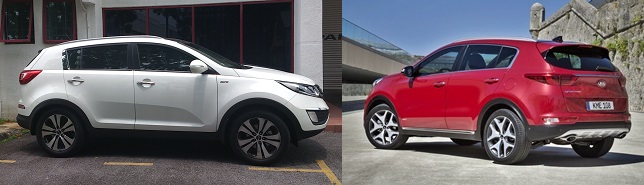
The Kia Sportage that arguably cemented Kia’s reputation as a serious contender is the third-generation model.
This was the model designed by Peter Schreyer; a legendary automotive designer who moved from Audi to Kia in 2006, and who has been credited for creating the car that some say changed automotive design forever with the original Audi TT.
The third-generation Sportage made people stand up and take notice. It had everything that more expensive cars had but at a fraction of the price. Sound familiar?
The Sportage changed the SUV C-segment and made life difficult for the established players. In fact, one would argue that the third-generation Sportage marked Kia’s arrival as an also-ran to a force to be reckoned with. In Malaysia, at least.
Enter the latest Sportage
Dinamikjaya Motors Sdn Bhd introduced the fifth-generation Sportage in December of 2024. At the Kuala Lumpur International Mobility Show, to be exact.
The new Sportage is available in four variants, all of which are locally assembled in Kulim.
The prices of the new Sportage range from RM147,218.60 for the entry level 2.0G 2WD variant to RM186,899 for the top of the line 1.6T AWD High.
We received the pre-facelift model, which is what all of our neighboring countries received as well. The newer facelifted model is only available in South Korea for now and will take time to reach all other markets.
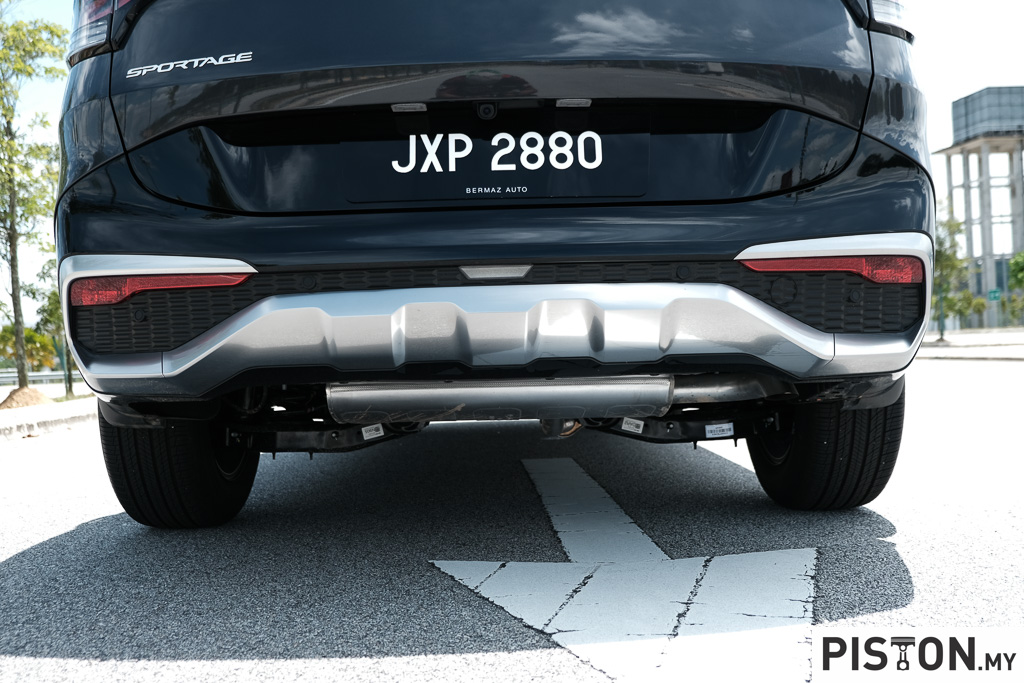
We recently drove the top-of-the-line variant, and in typical Sportage fashion, it checks all the boxes.
So, how is it like?
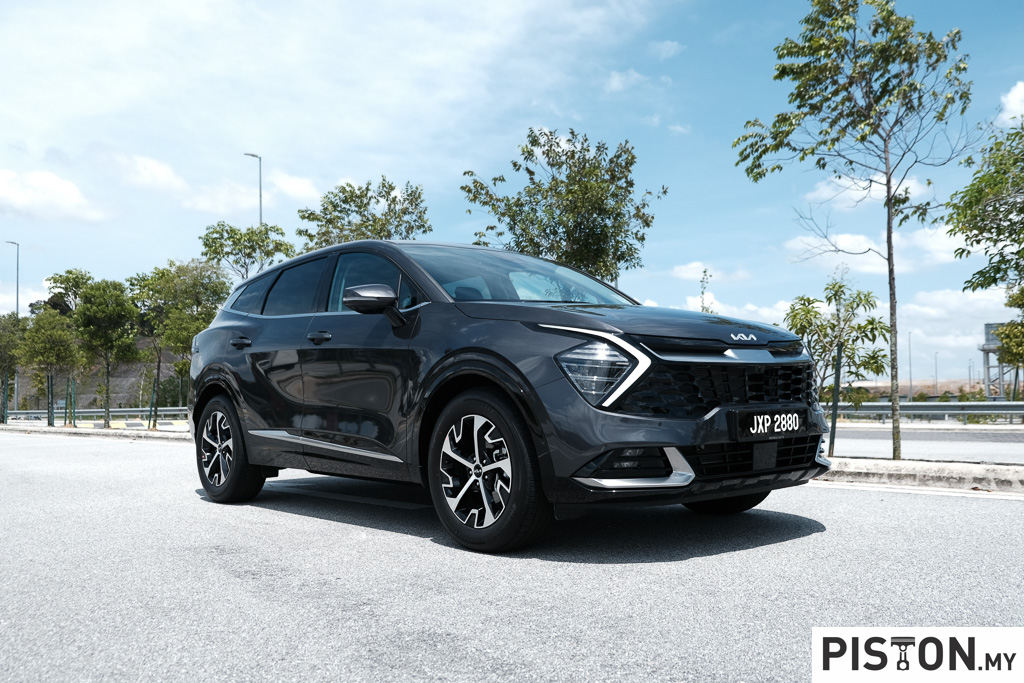
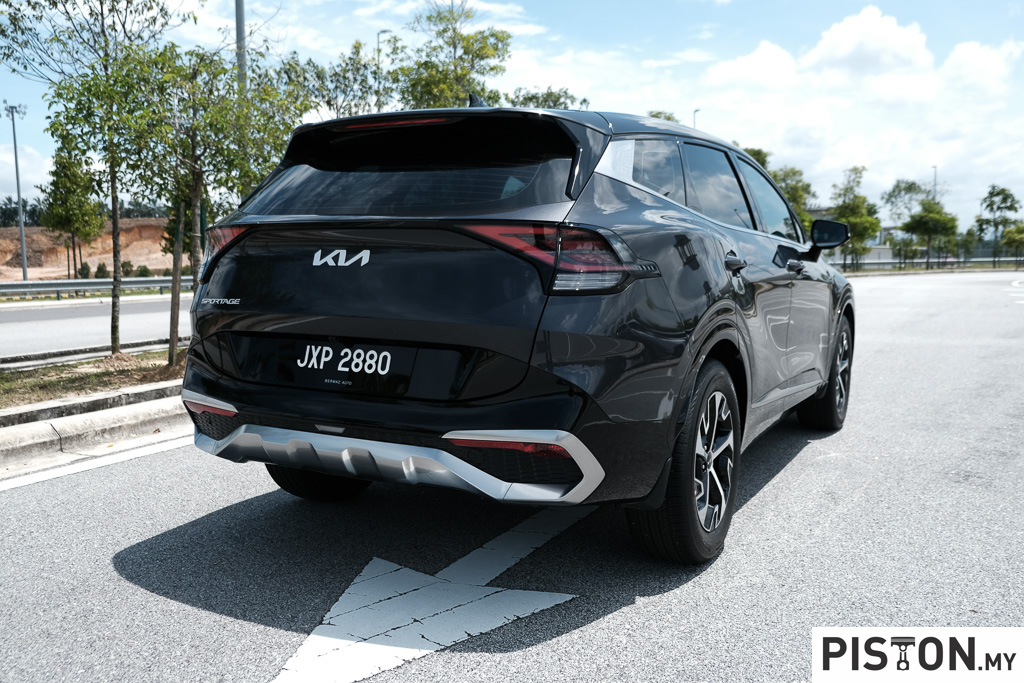
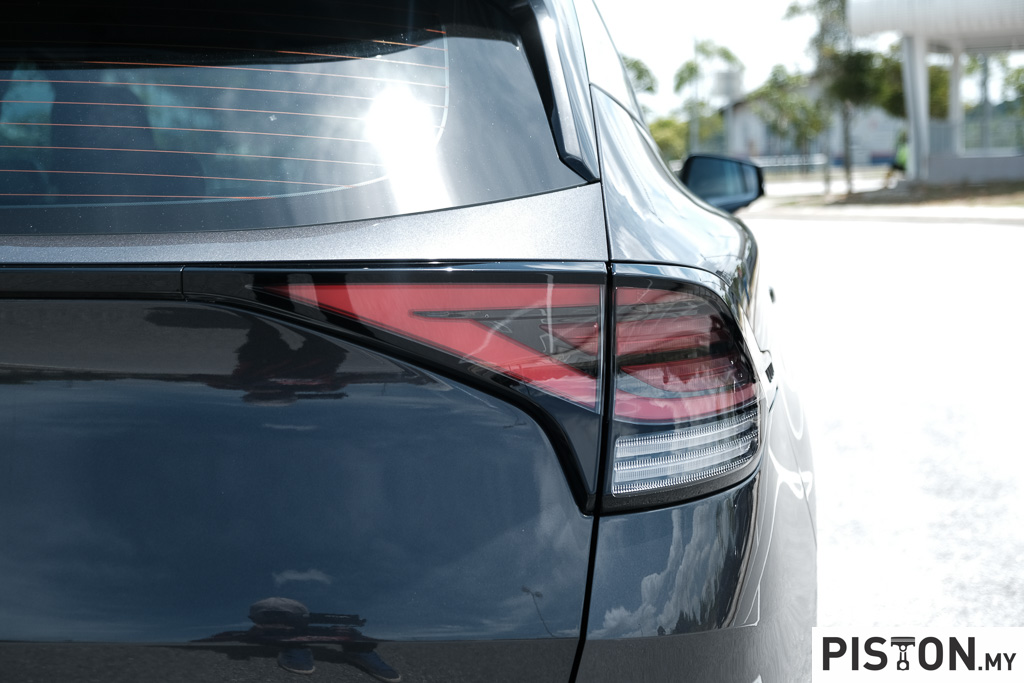
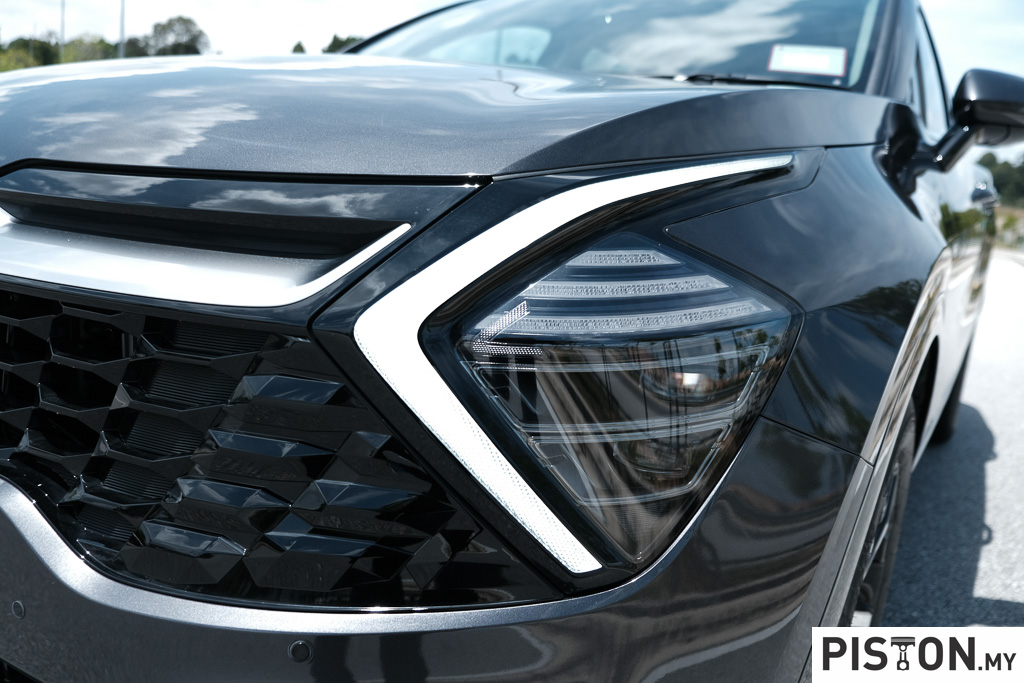
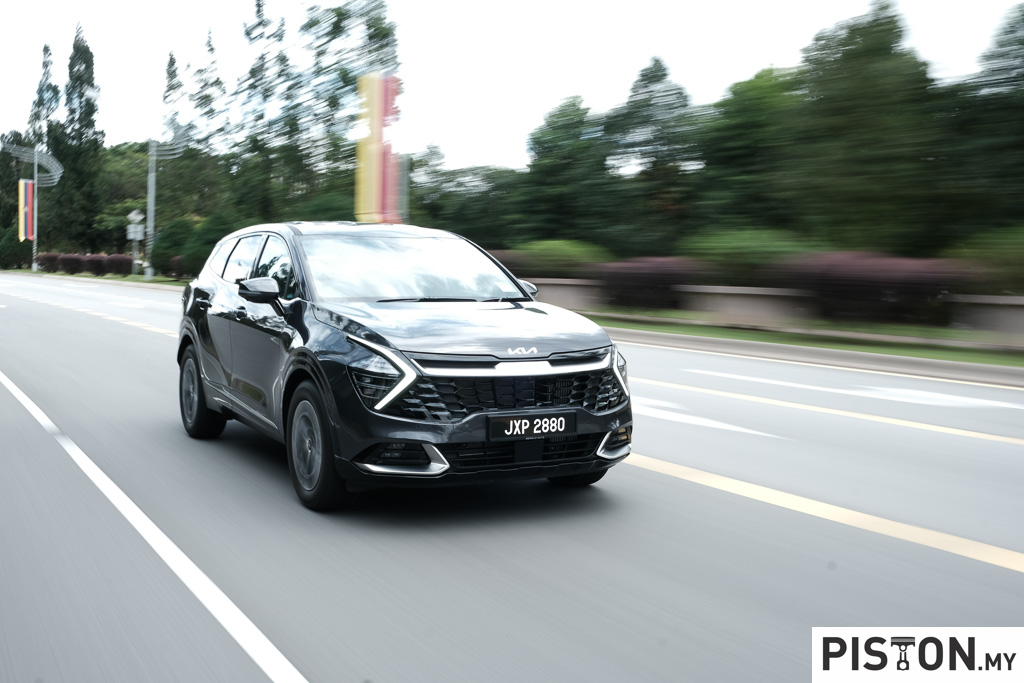
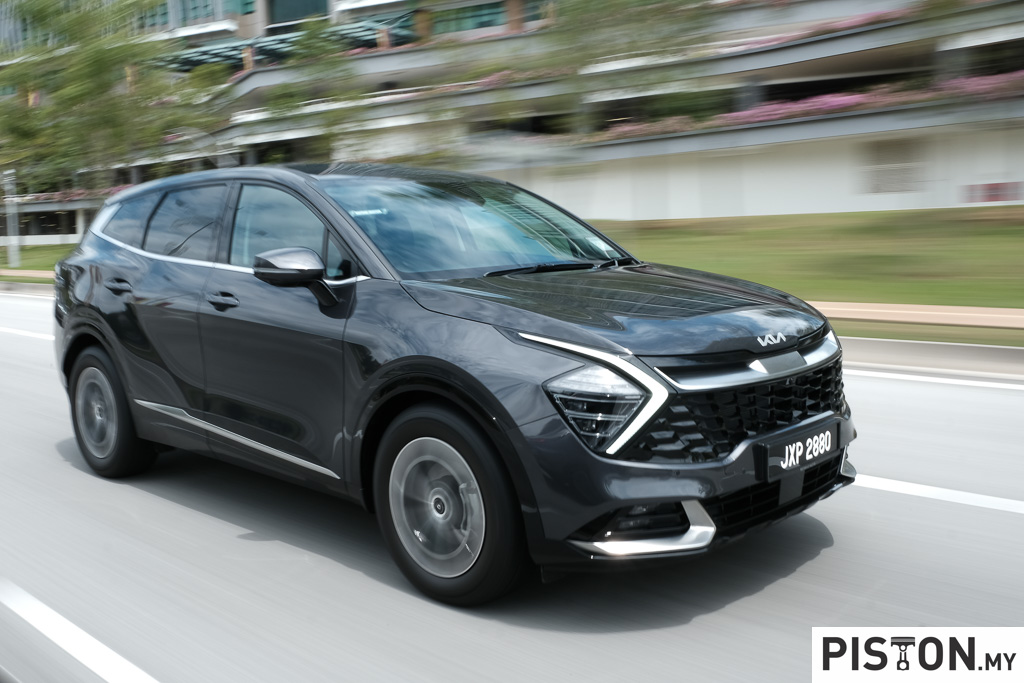
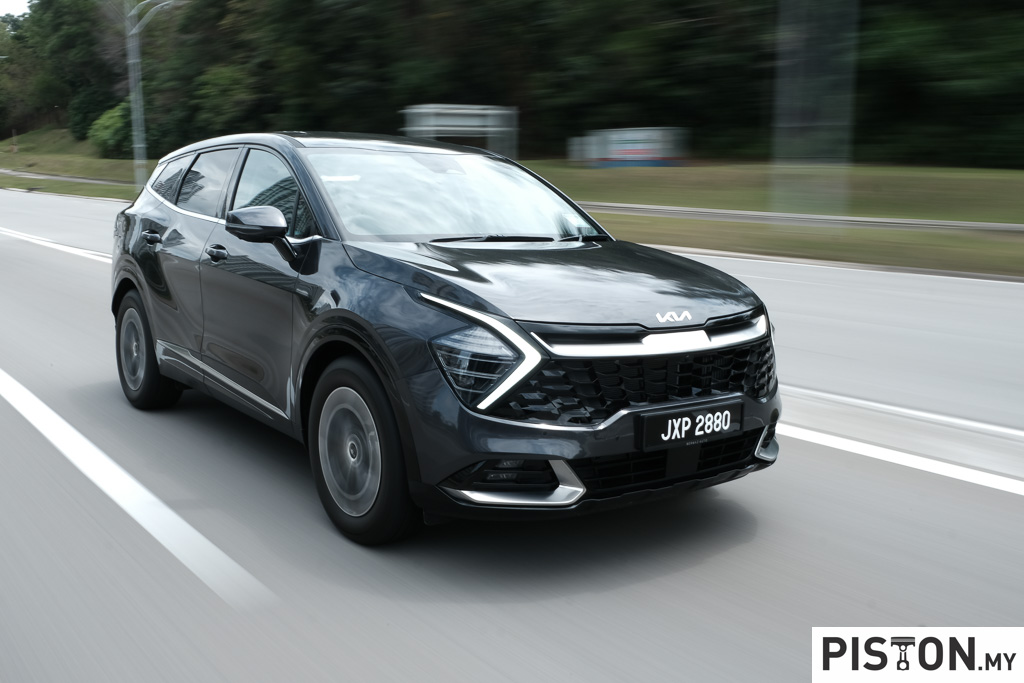
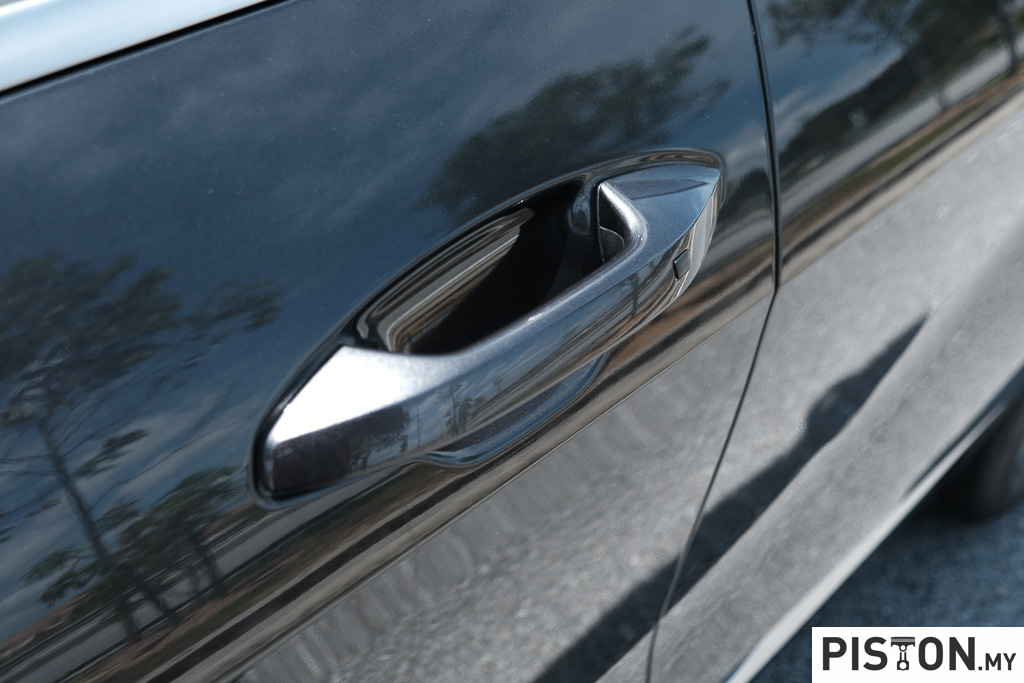
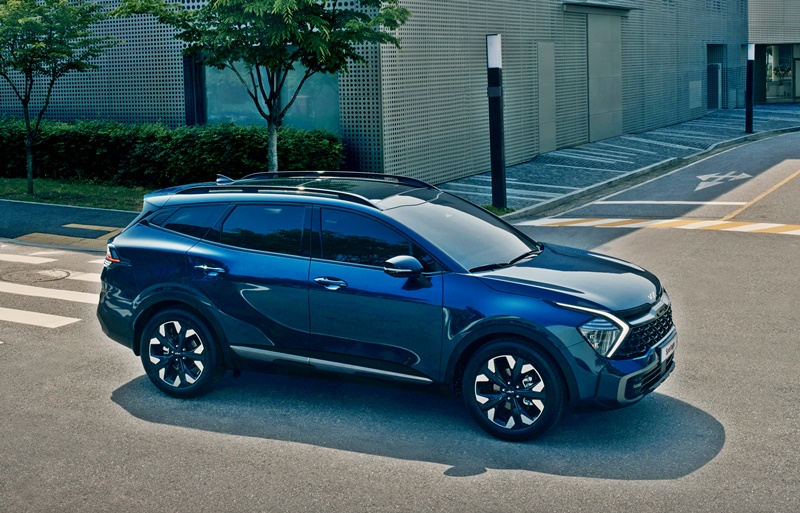
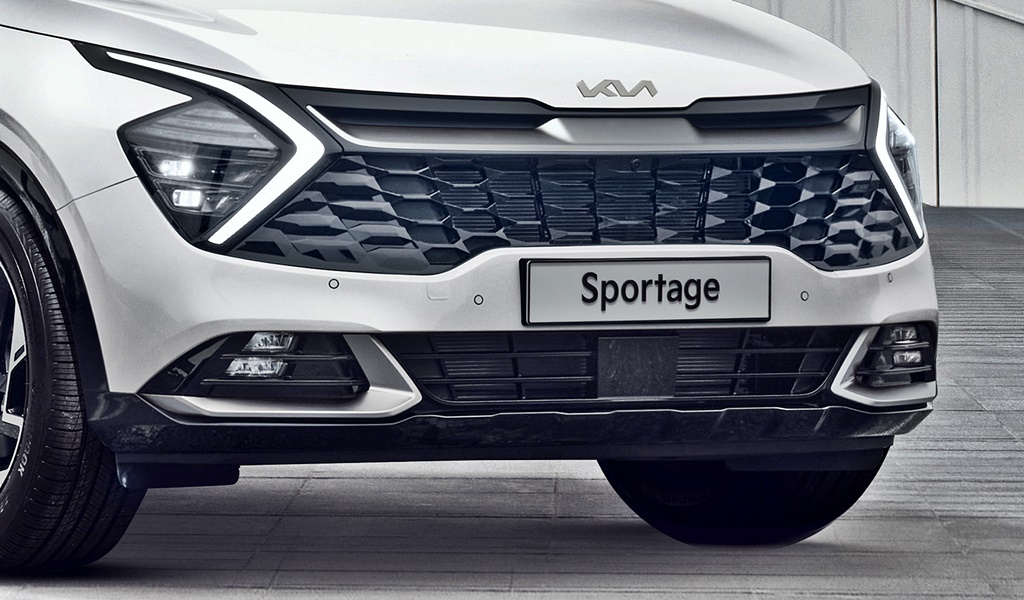
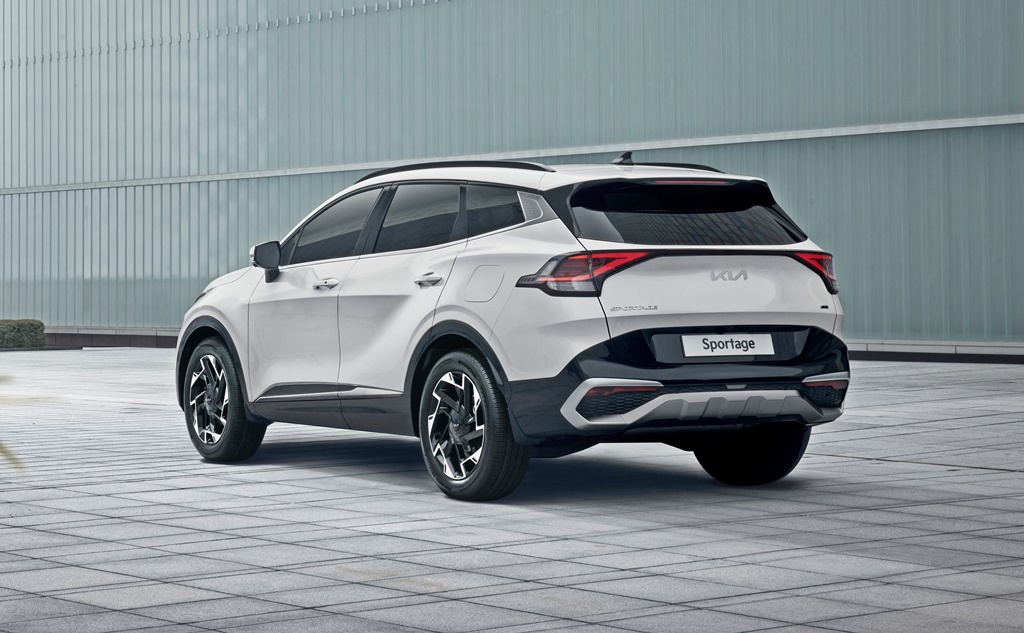
Let’s start this by addressing the elephant in the room first, its design. Kia is known for its outlandish designs, and it delivered once again.
It is my personal belief that a design is always subjective, a personal matter. But I think we can all agree that the design of the Sportage is bound to turn heads, for good or for bad. For me, it is for good as I quite like how it looks.
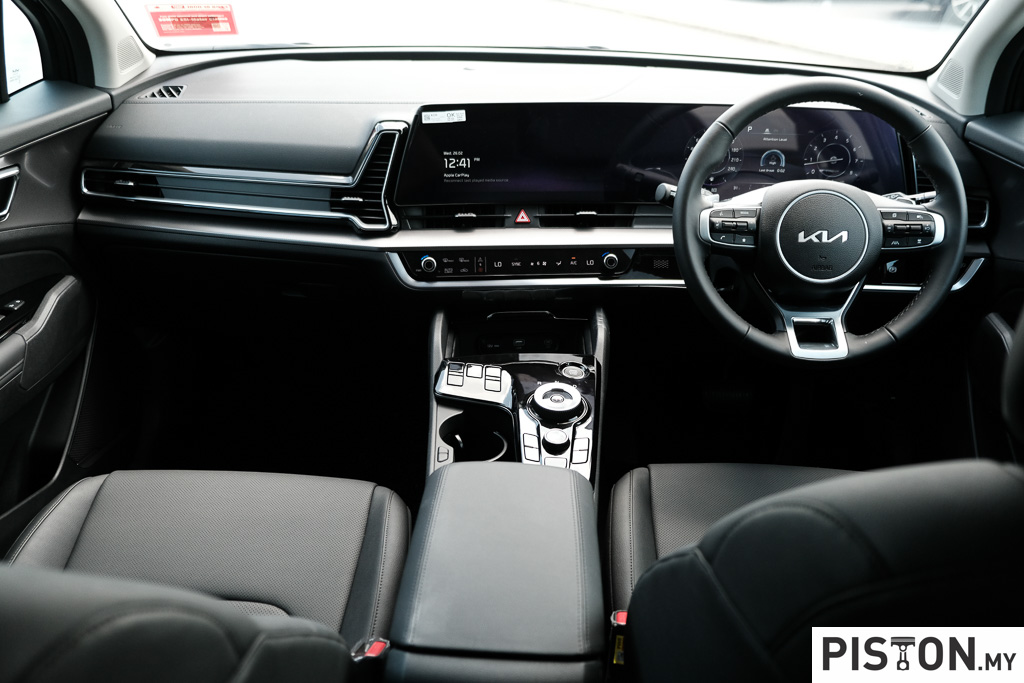
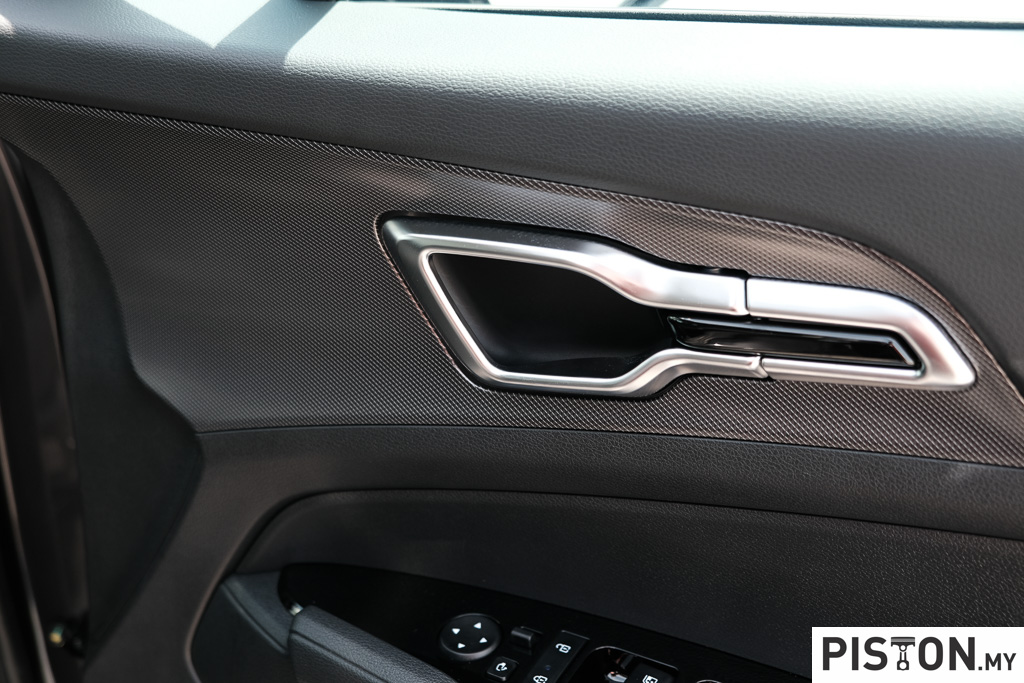
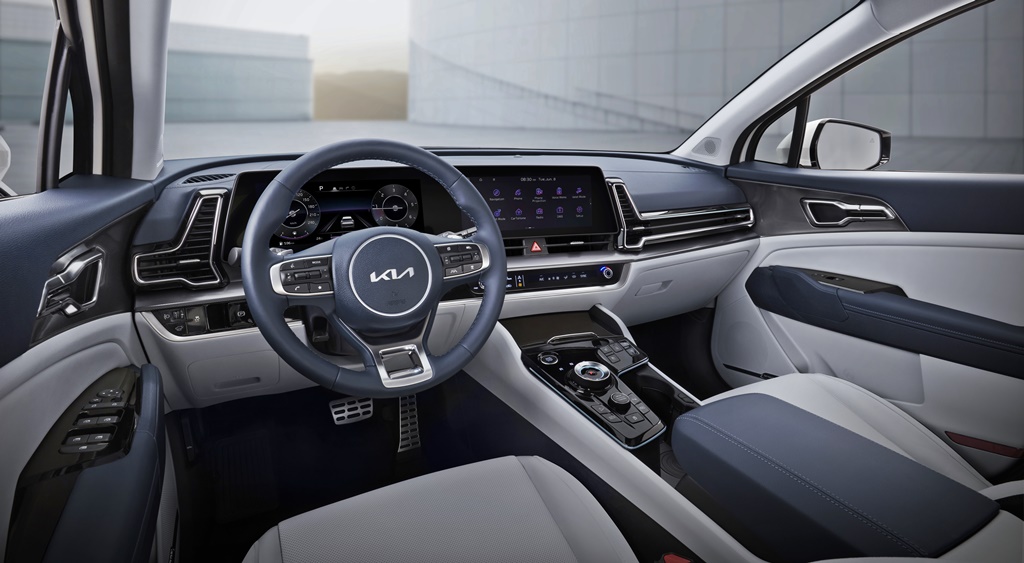
The interior on the other hand is up for debate. There is nothing particularly wrong with it, I don’t mind it. In fact, I think the interior has everything you need in a modern SUV.
But the reason why it is up for debate is because of Chinese cars, and to a degree, Tesla. You see, cars from Chinese makers as well as Tesla have normalised gigantic infotainment screens.
You may argue that big screens are distracting and inconvenient and such, but the fact is the gargantuan screens sell. And that is what buyers want these days.
So, any infotainment screen smaller than 10-inches puts the car at the shorter end of the stick.
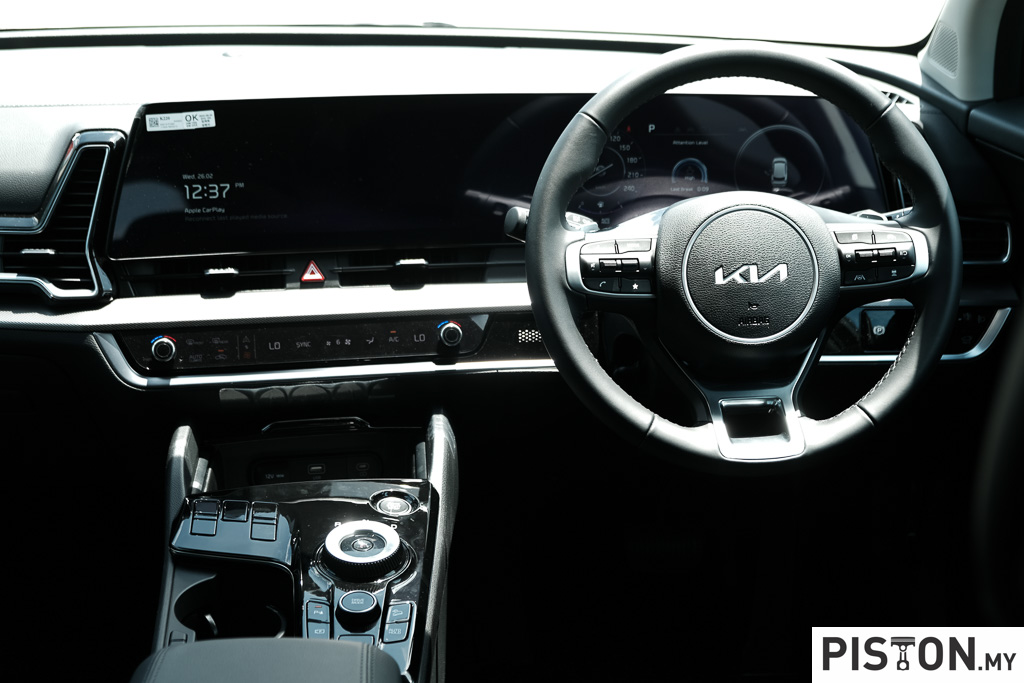
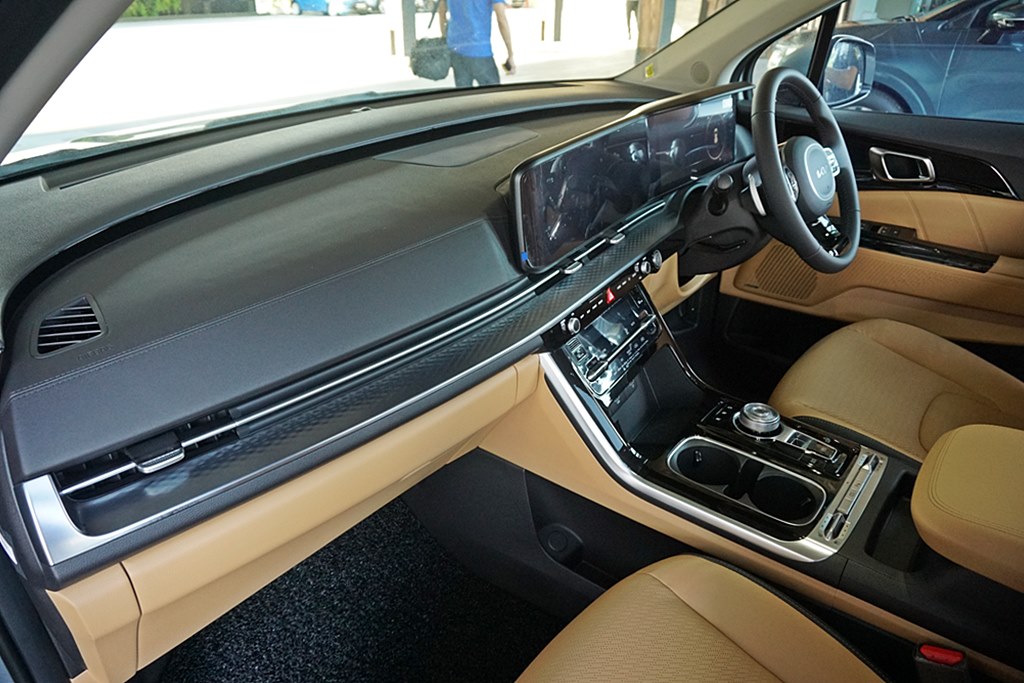
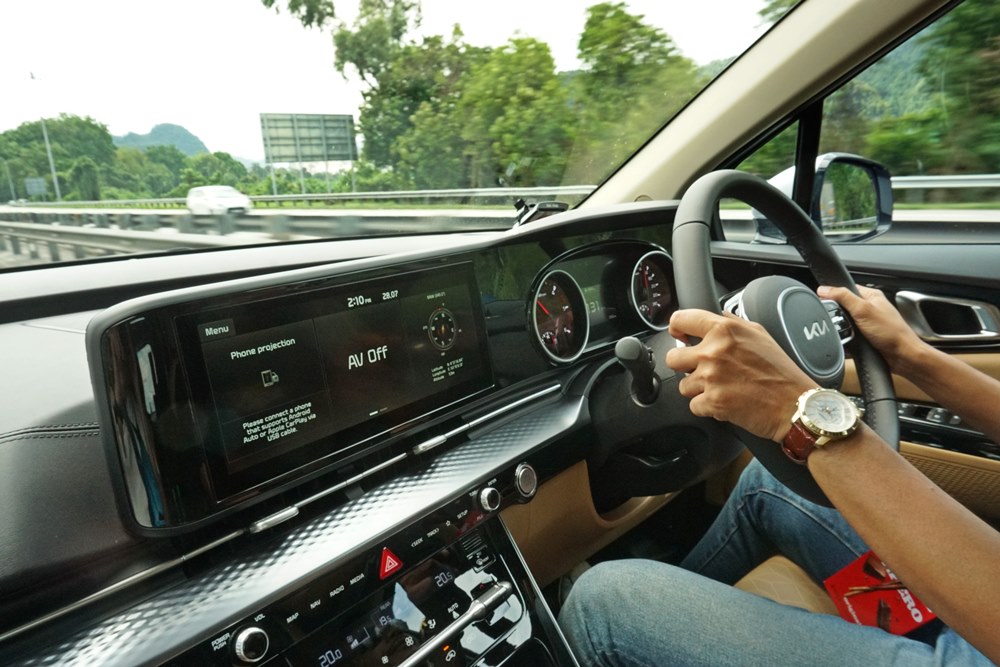
Thankfully then, the Turbo variants of the Sportage (those powered by the 1.6-litre engine), come with massive 12.3-inch infotainment screen and another 12.3-inch instrument cluster. This combined 24.6-inch curved screen is huge, and it is horizontally mounted rather than vertically.
And the icing on this cake is that it comes with user friendly software (including Carplay and Android Auto), and this is something that a number of its competitors mentioned above are still grappling with.
In fact, it also has unique family-friendly features such as a Quiet Mode which turns off the speakers at the rear of the car so passengers can take a nap without music blaring. This can be handy considering you get a premium eight-speaker Harmon Kardon sound system which can be quite fun on the road.
This is something you can expect from car makers who have been building cars for decades, they seem to understand human ergonomics a lot better than the newer ones.
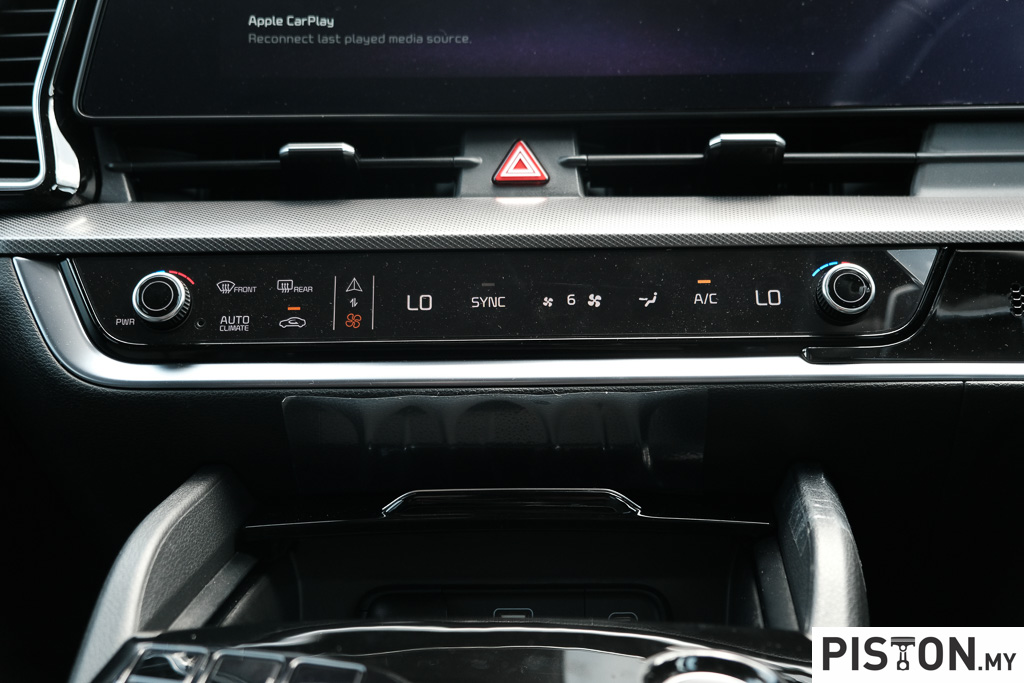
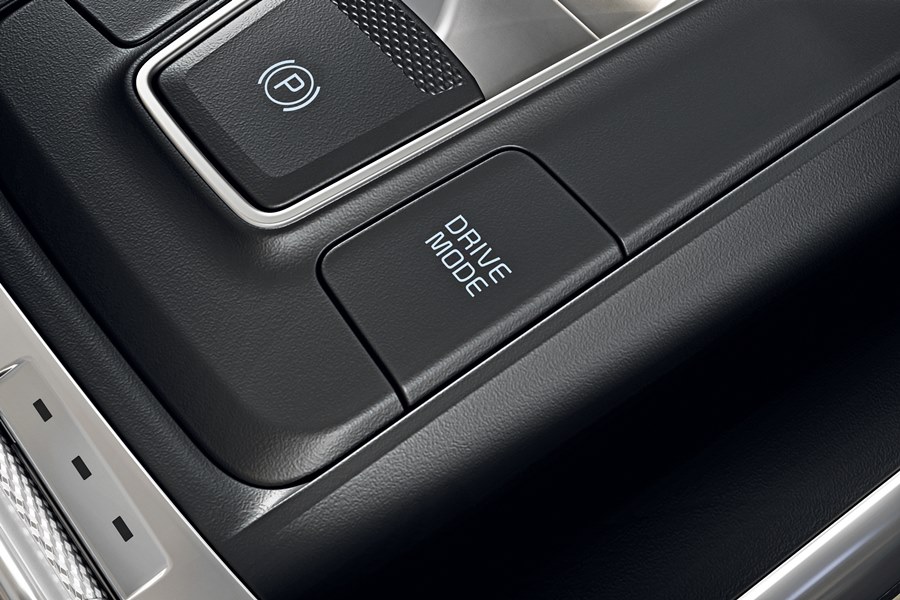
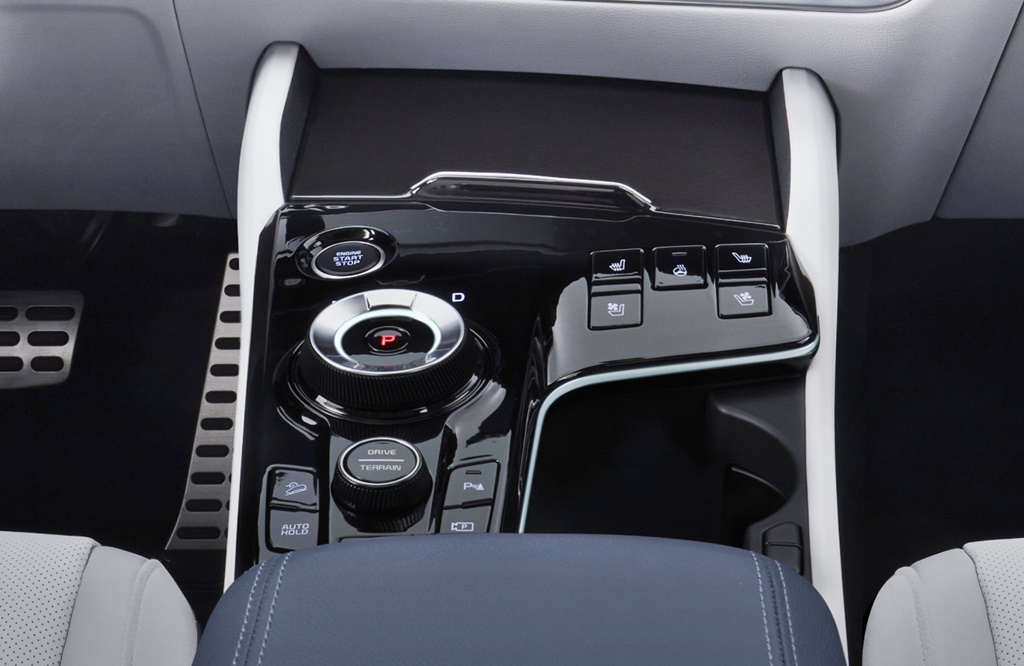
I also really appreciate the fact that it comes with physical buttons for all the important controls such as air-conditioning, audio volume and drive mode selector. It is a little sad that we have come to a time where we glorify simple buttons, but these are important to have as they enhance safety by reducing distractions.
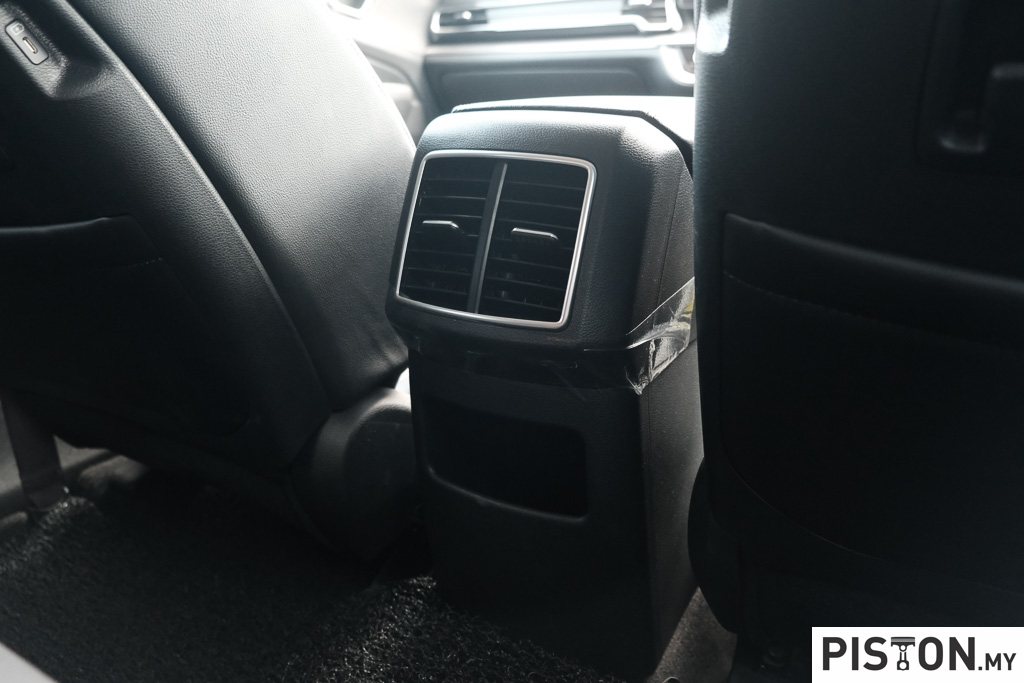
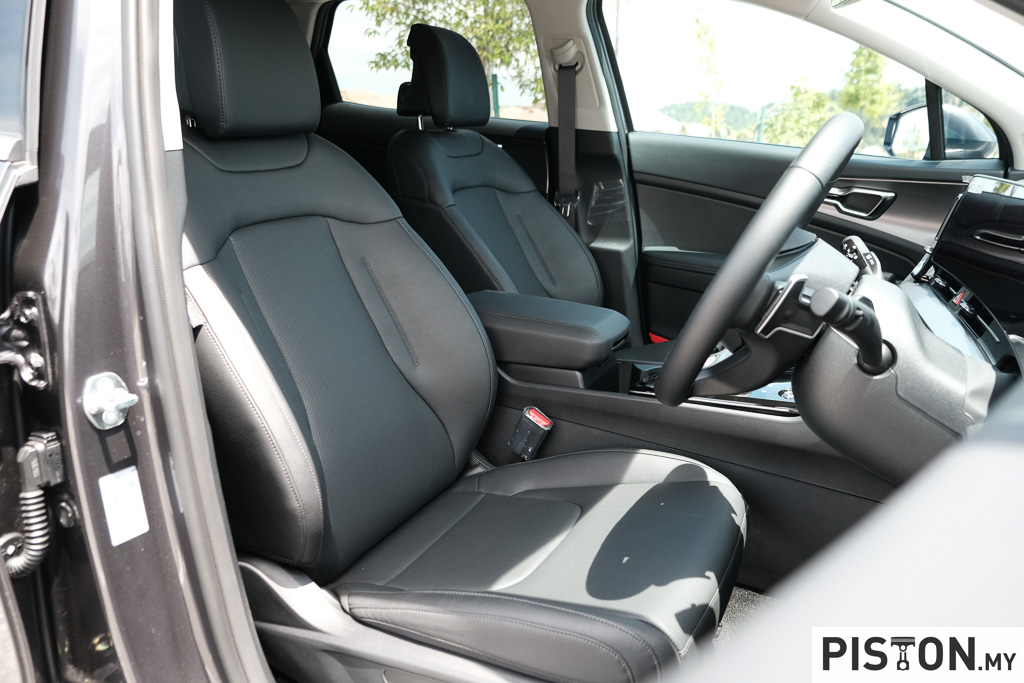
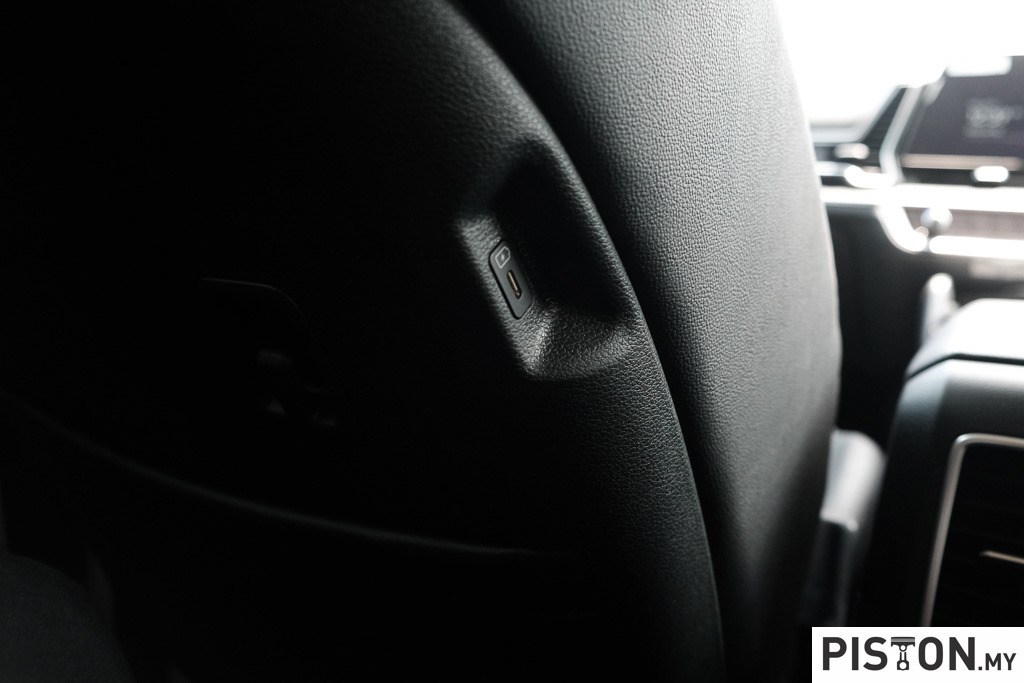
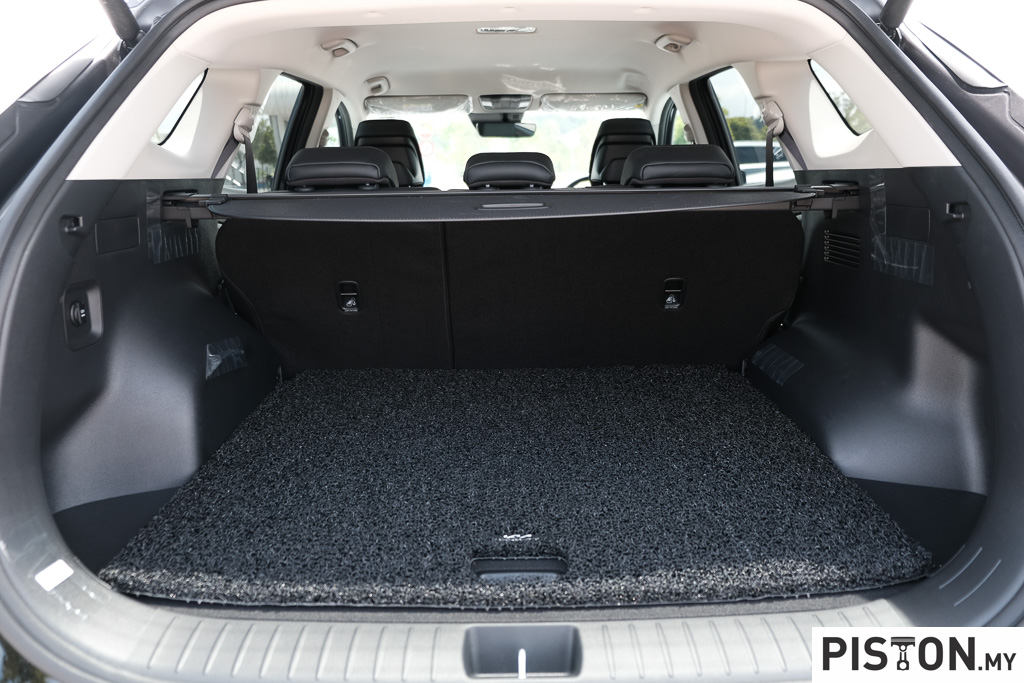
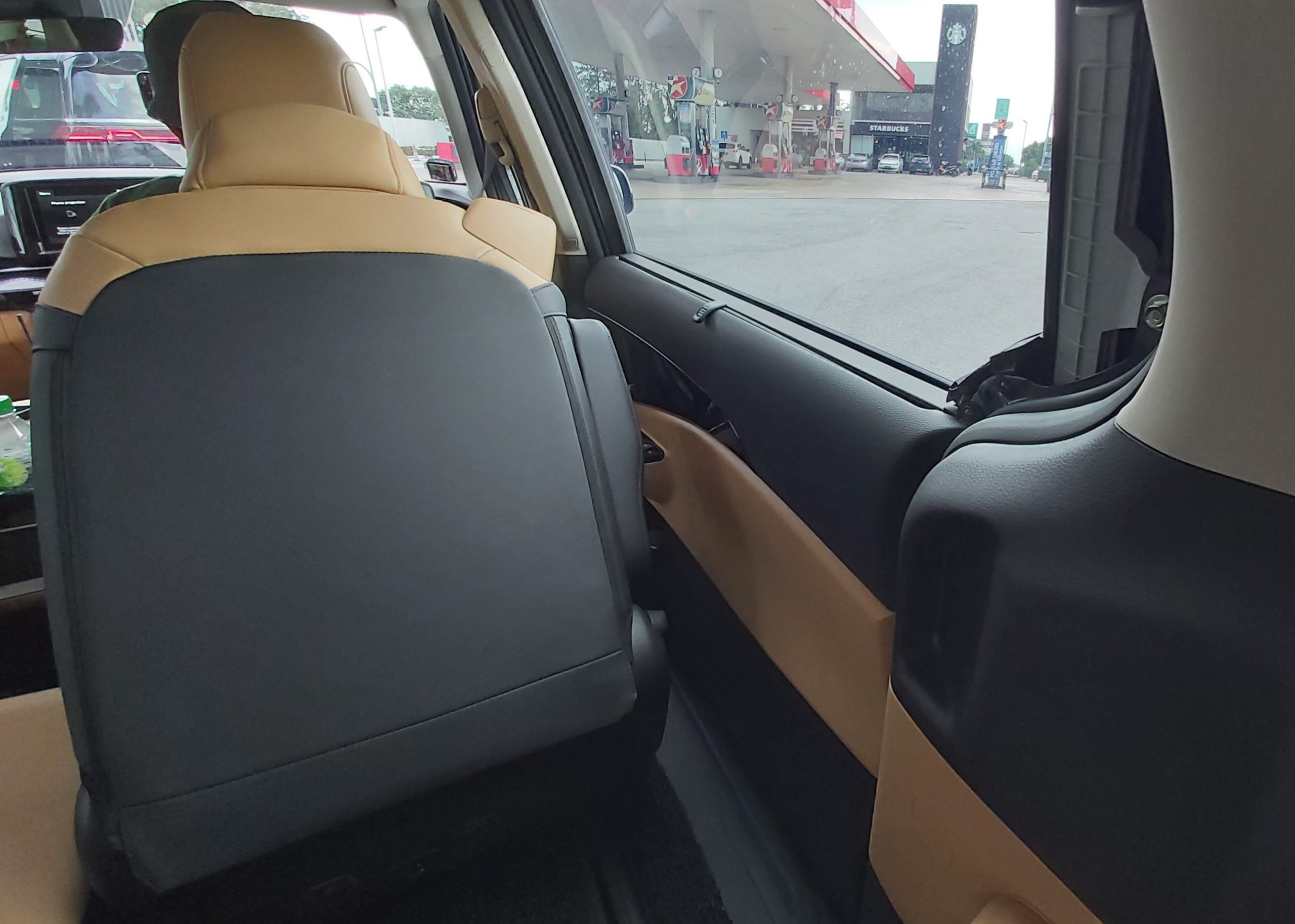
Interior spaciousness is great as well, typical of a SUV of this segment. And the other thing that I really appreciate about the Sportage is that they have louvres at the back of the headrests of the front seats.
This may not seem like a big deal, but if you have kids, these louvres are perfect to slot a iPad into, making long distance trips more manageable. It is these simple things that make a world of difference, and that is what makes the new Sportage quite special.
How does it drive?
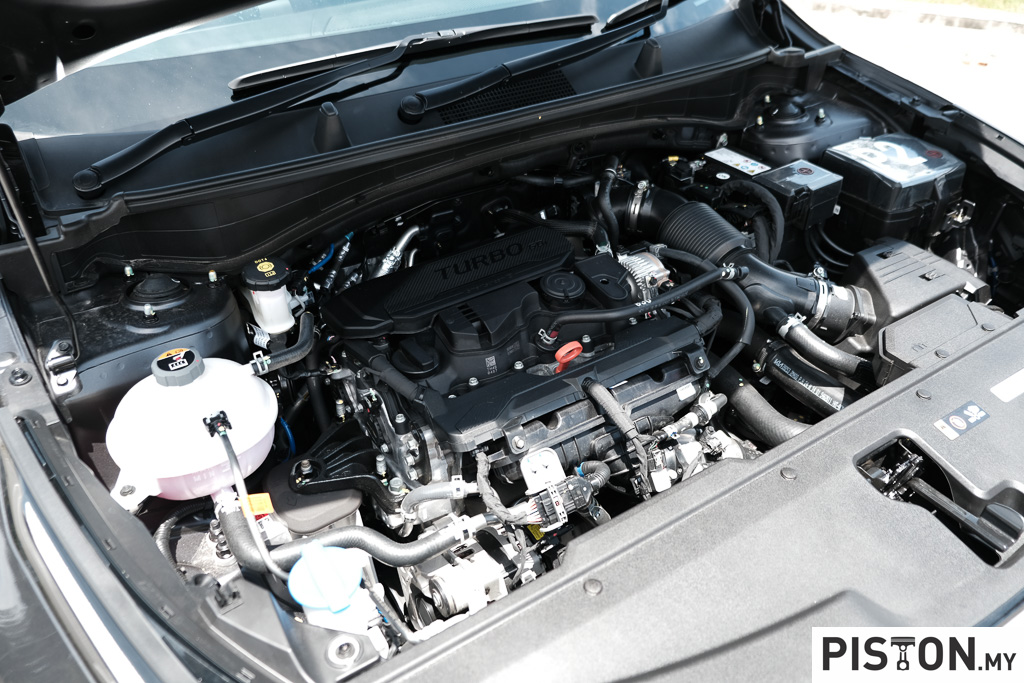
We drove the top of the line 1.6 Turbo High spec model. This variant is powered by a 1.6-litre, four-cylinder, turbocharged model which sends its power to all four wheels through a seven-speed dual-clutch transmission.
Power on the other hand is rated at 177hp @ 5,500rpm and 265Nm @ 1,500rpm.
And while this isn’t exactly on par with some of the competition, it is good enough to get you well past cruising speed on the highway.
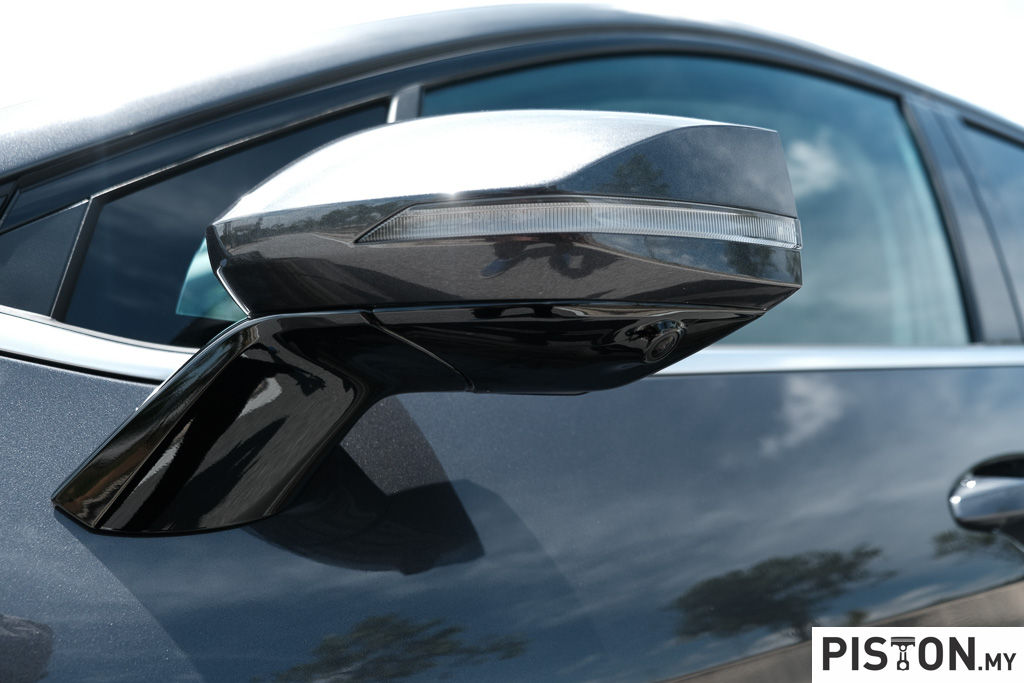
It is also worth noting right now that the instrument cluster also doubles up as a blind spot display. This is a technology that has been in the market for a while, but it is only available in Kias and Hyundais for now.
This is where the rpm dial on the digital cluster shows you what’s on either the right or the left of the car when you turn on the indicator. It corresponds to the direction of the signal, i.e., it shows you what’s on the right when you indicate right and vice versa.
This works in conjunction with the blind spot monitoring and is a fantastic little detail that makes life simpler and safer behind the wheel. And no, no other car maker has managed to replicate it, though that may just be a matter of time.
The other thing that is worth mentioning is the refinement of the Sportage. The interior is a good place to be if you want to just sit in silence and gather your thoughts. It is quiet and remains so up until 120km/h.
Suspension is great as well, with the MacPherson struts and multi-links soaking up everything yet providing you with good control of the car at high speed. In fact, there is little to complain about at all.
The verdict?
As good as the Sportage is, buyers will naturally compare it against the competition, and the price of the flagship variant is quite steep when you compare it against the Chinese offerings.
But the Sportage can hold its own if you can look past the skin-deep features of the competition. It looks good, drives well, has tech that is relevant in the real world, and is spacious as well as refined too.
And the best part is the five-year warranty and five-year service package that actually lasts as long as they say it will, with nothing hidden away in the fine print.
For that alone, it should be up there in your consideration list.
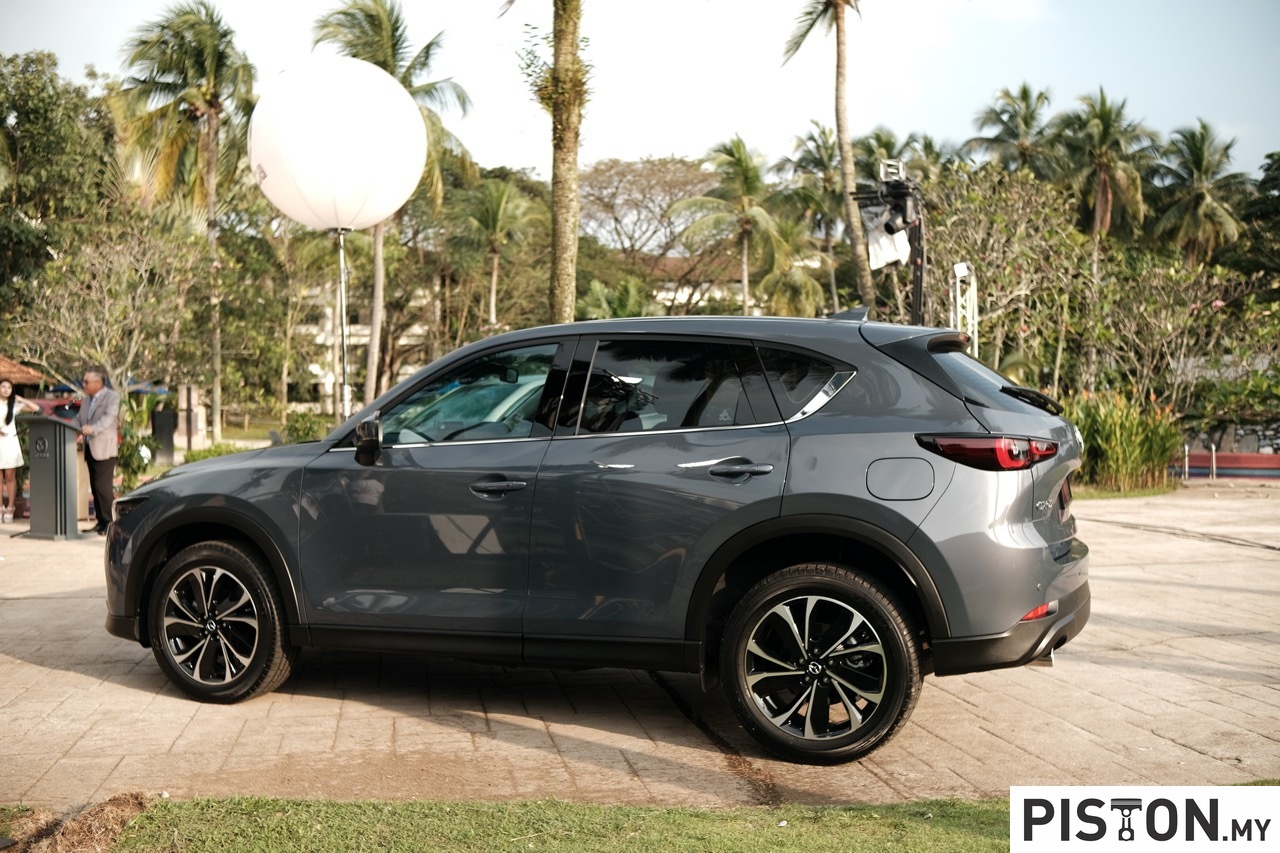
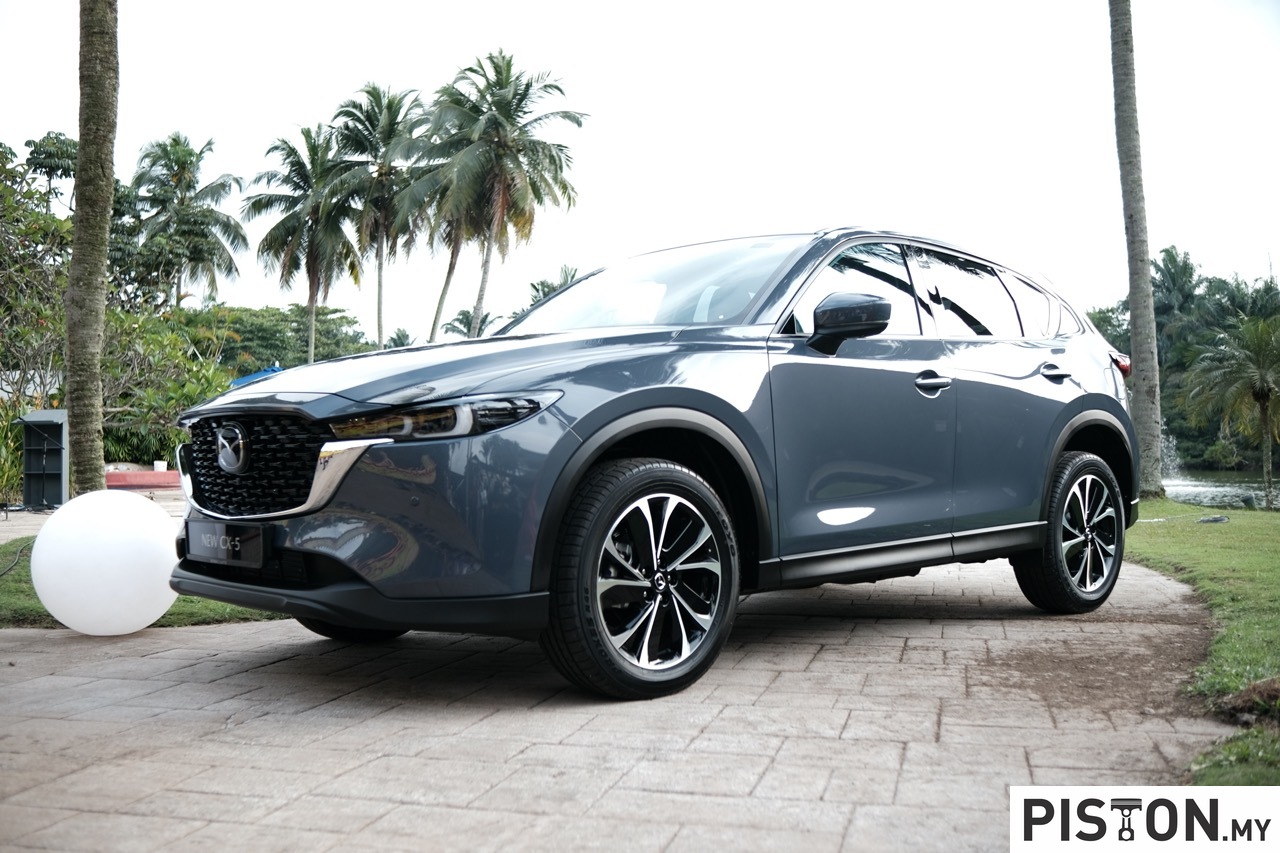
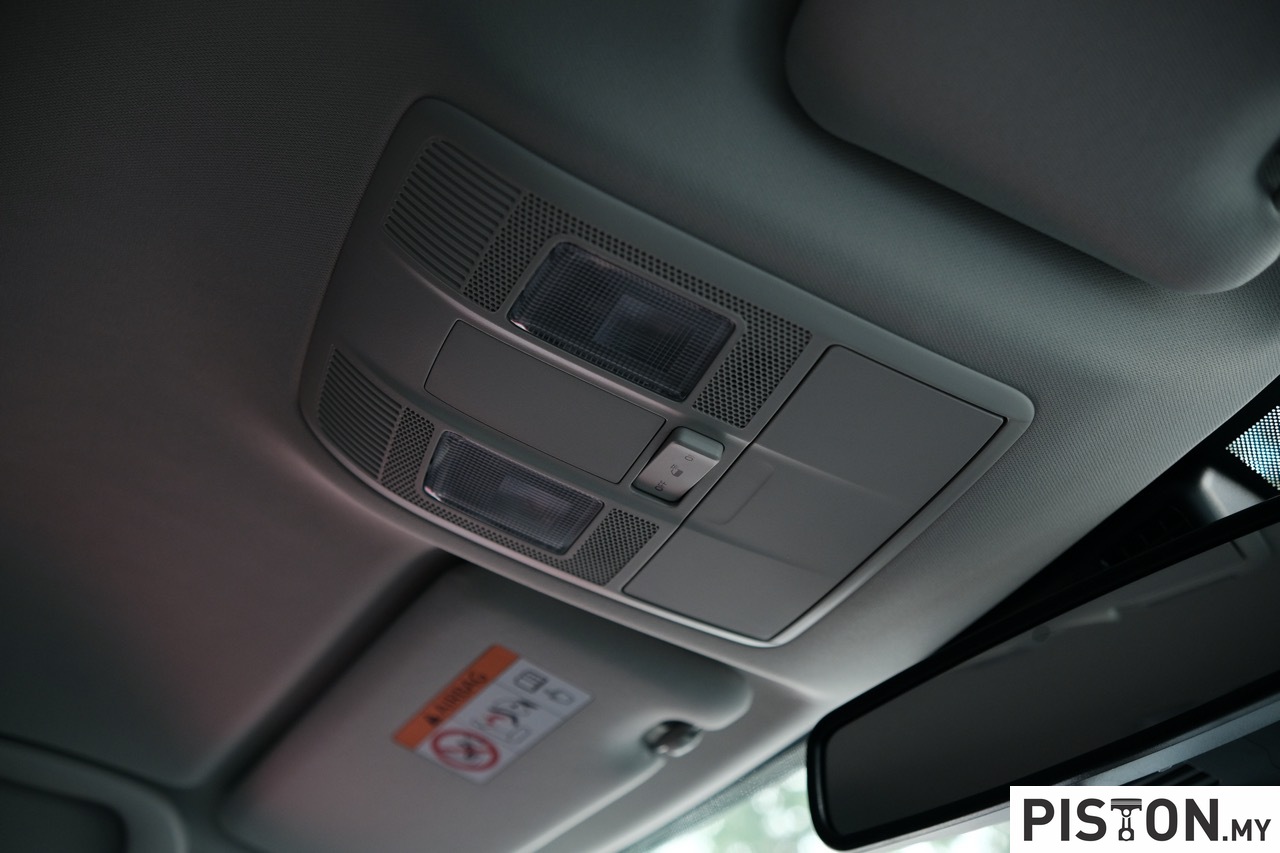
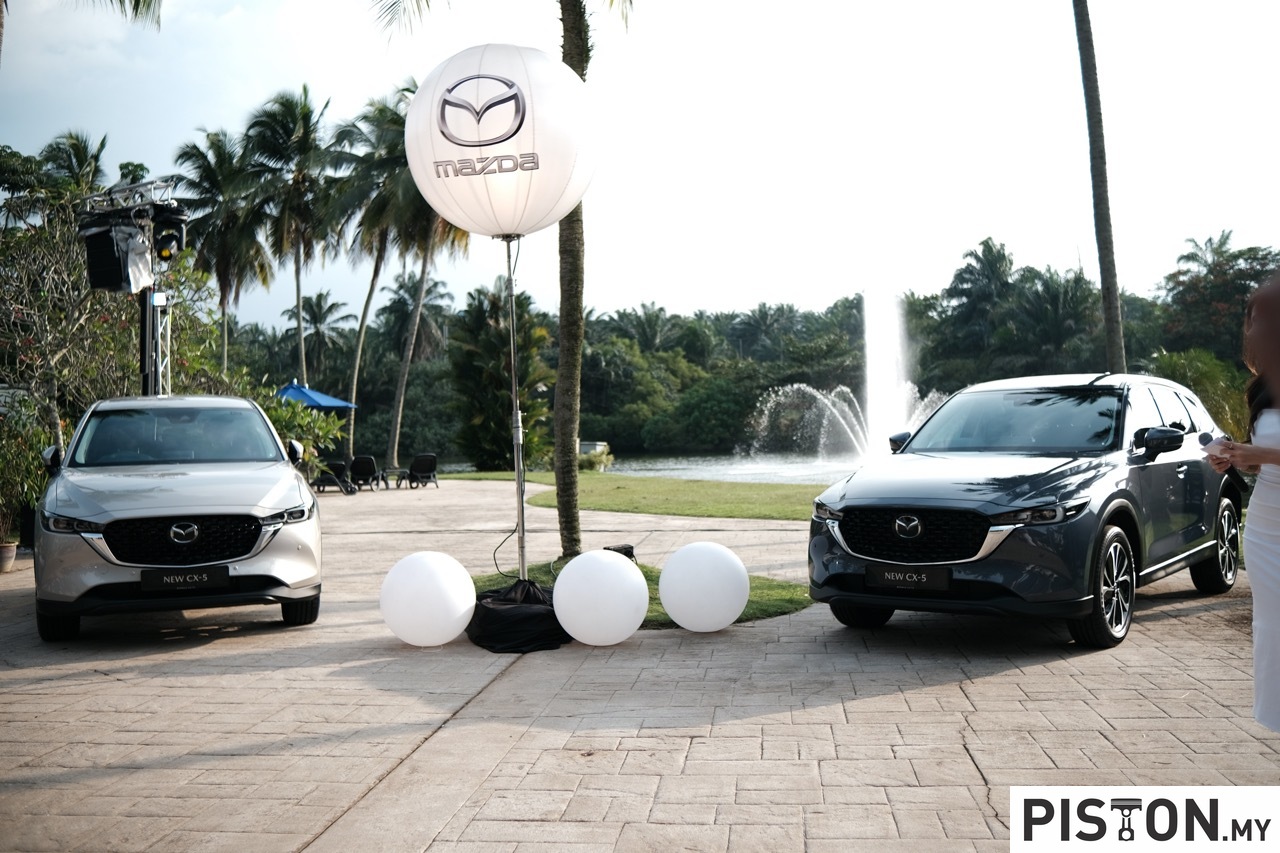
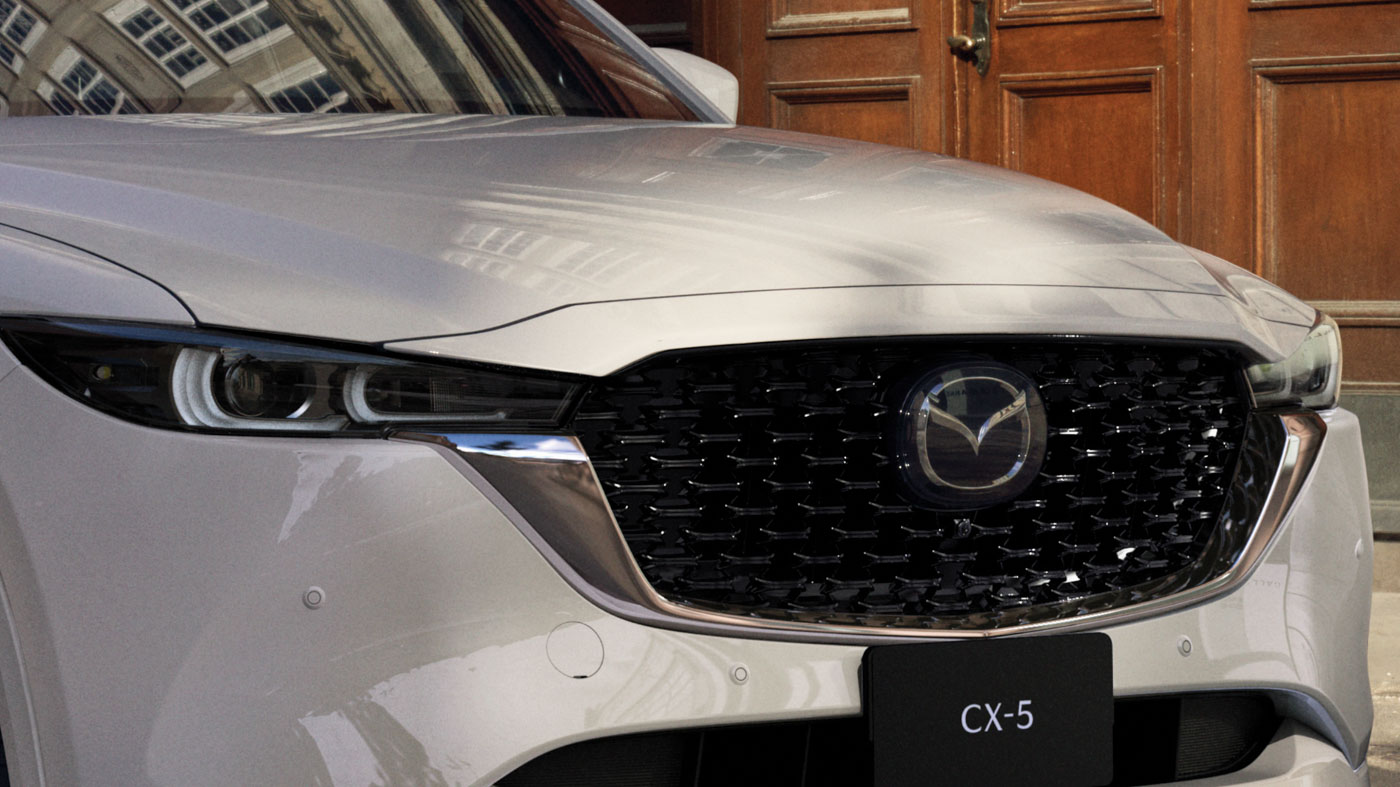
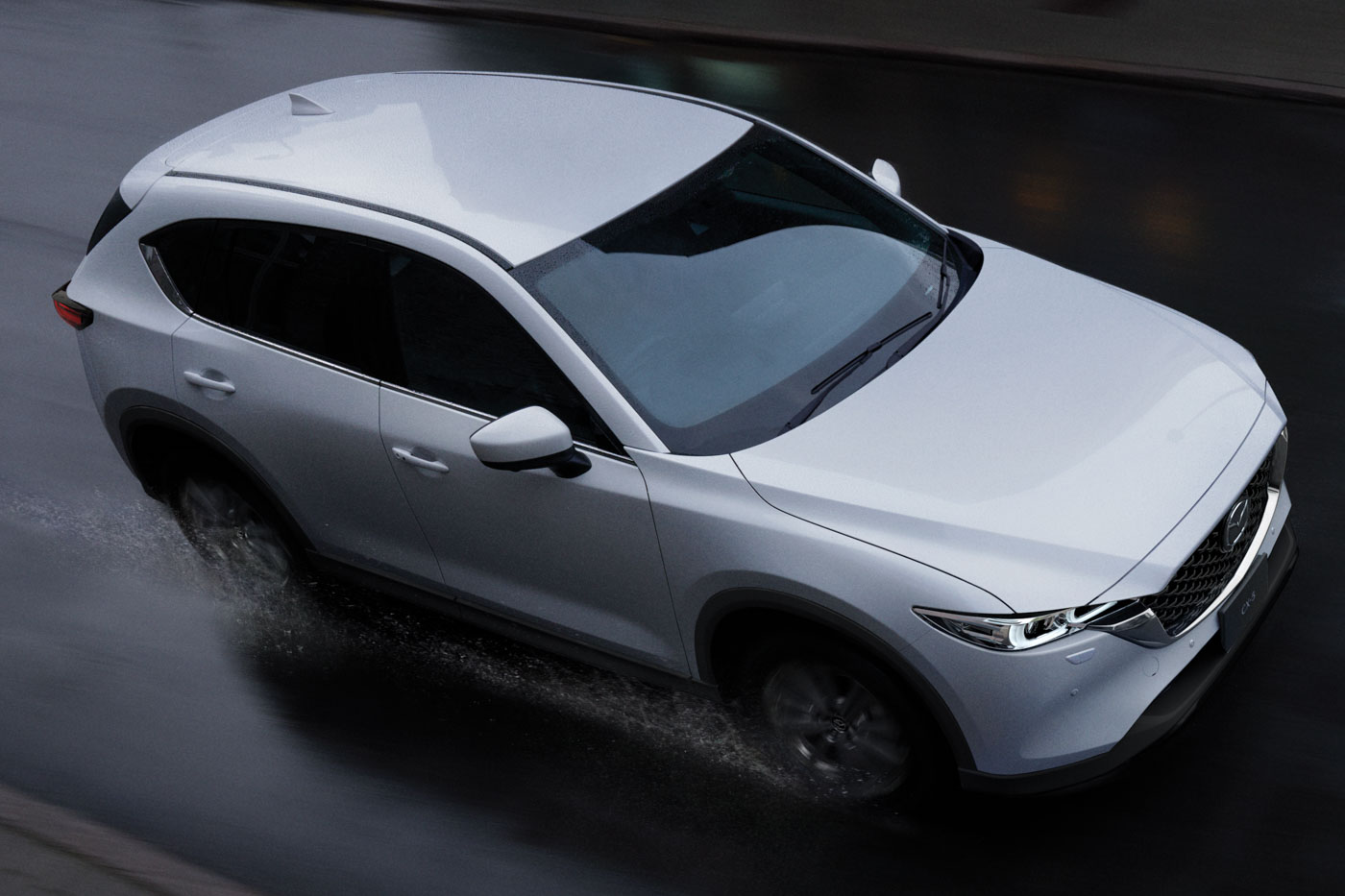
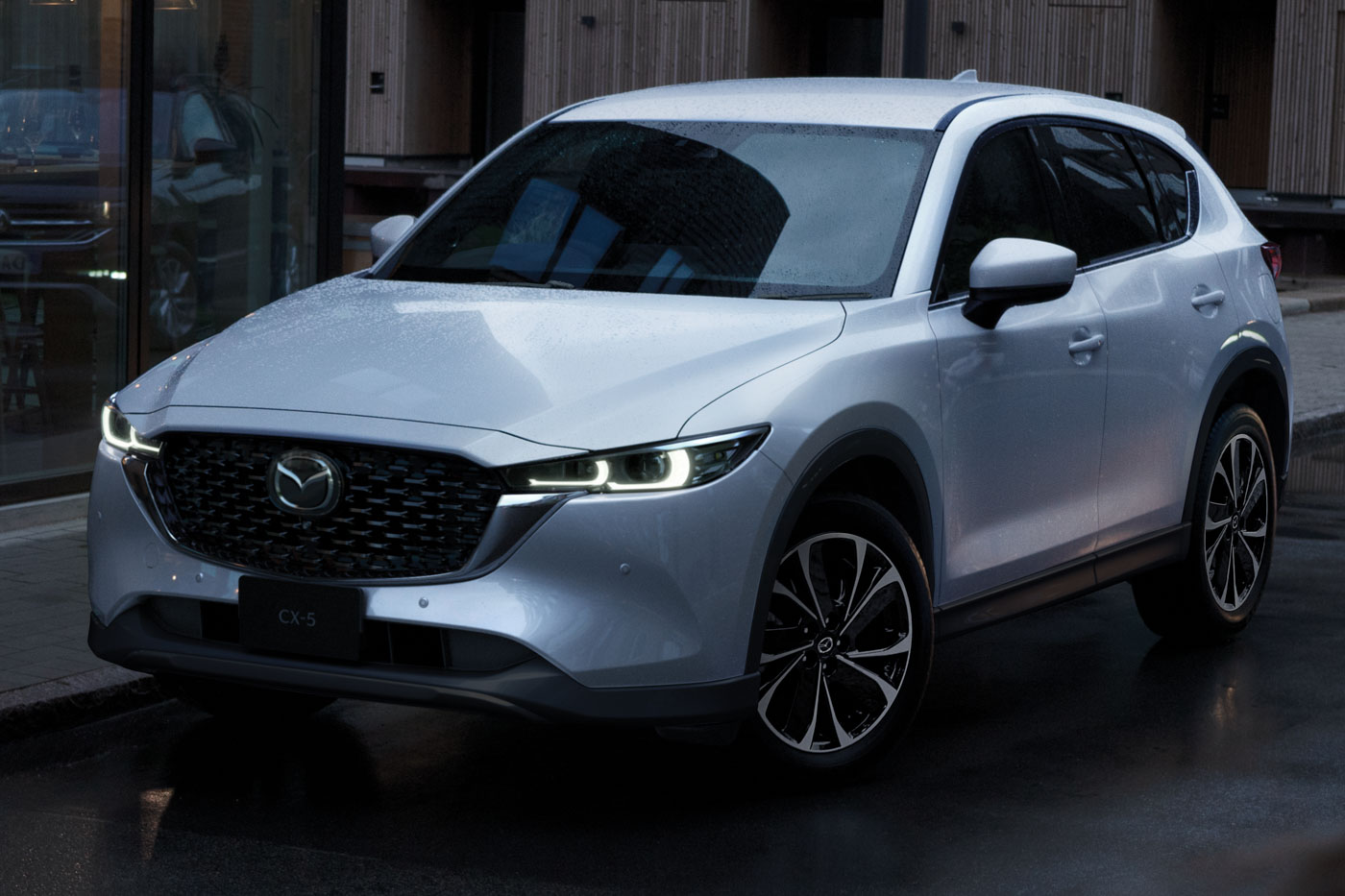
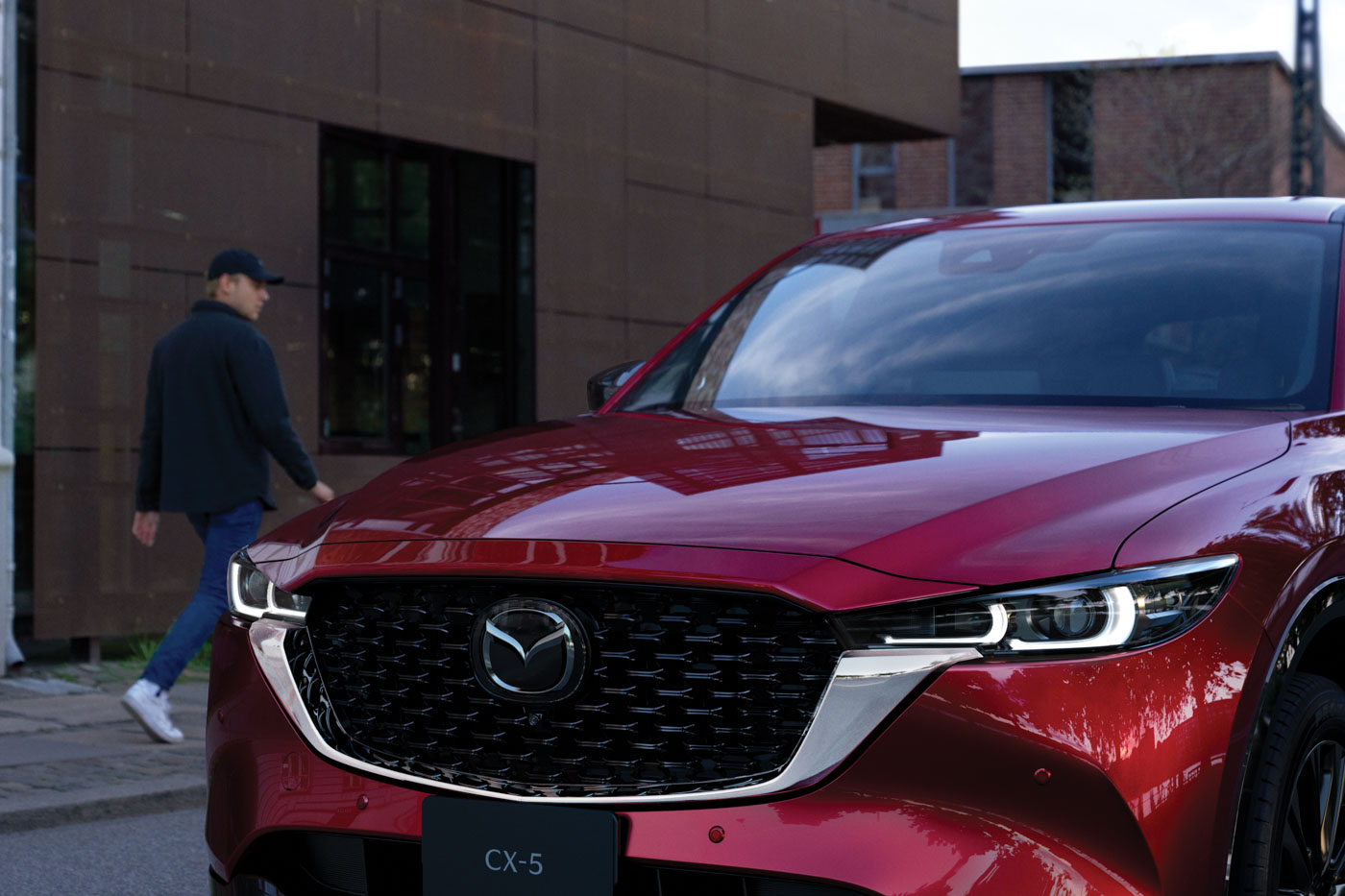
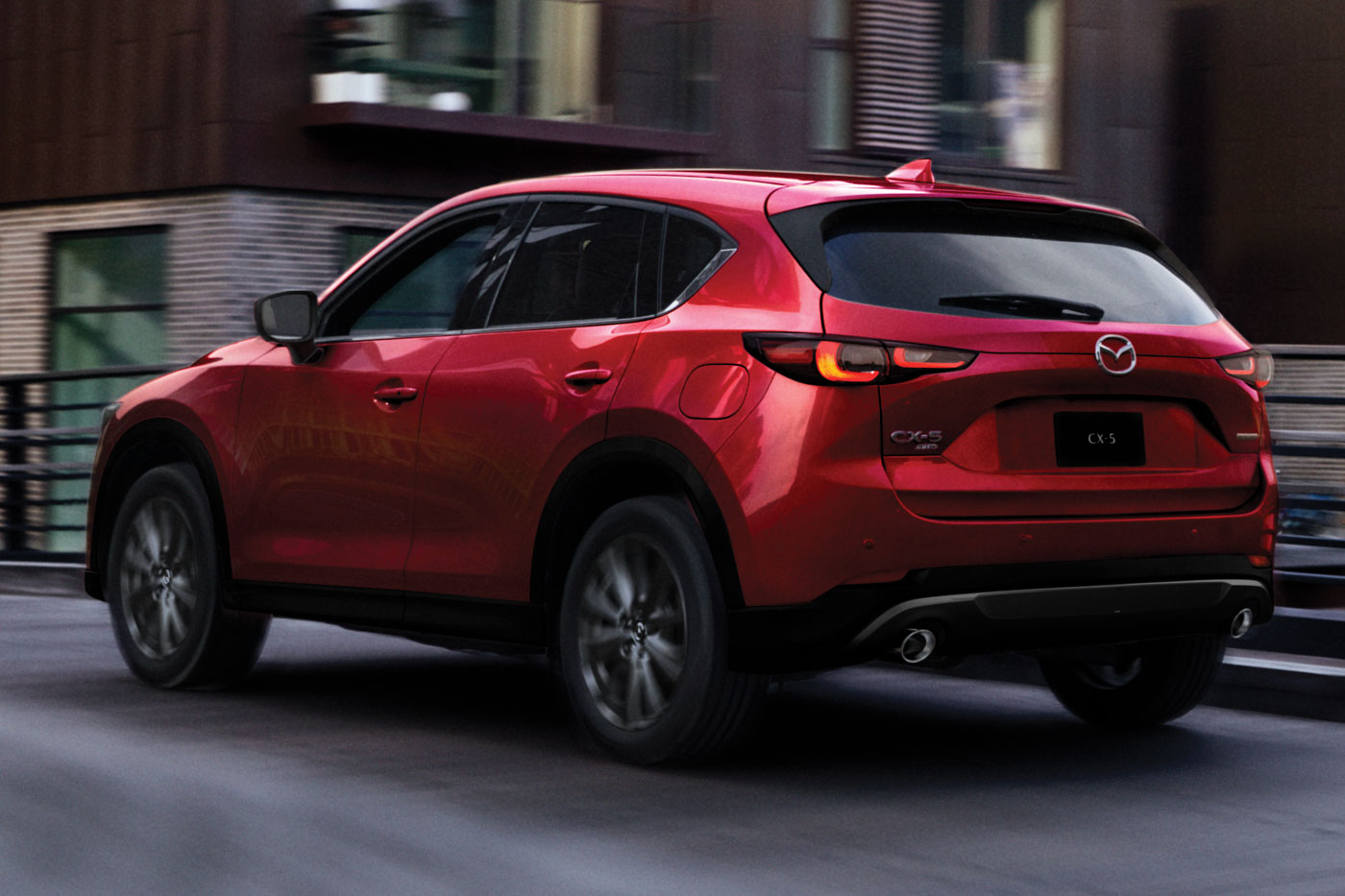
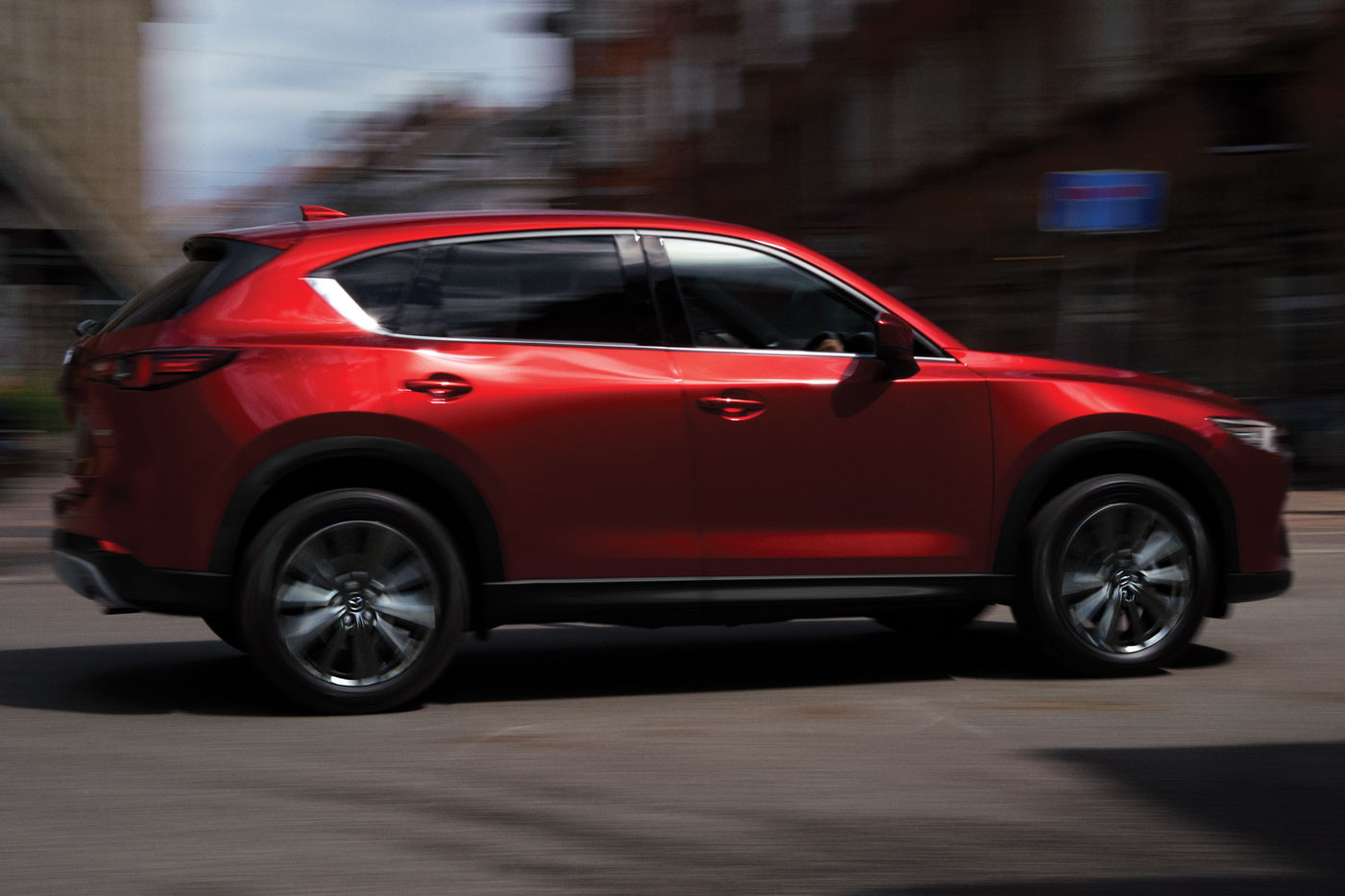
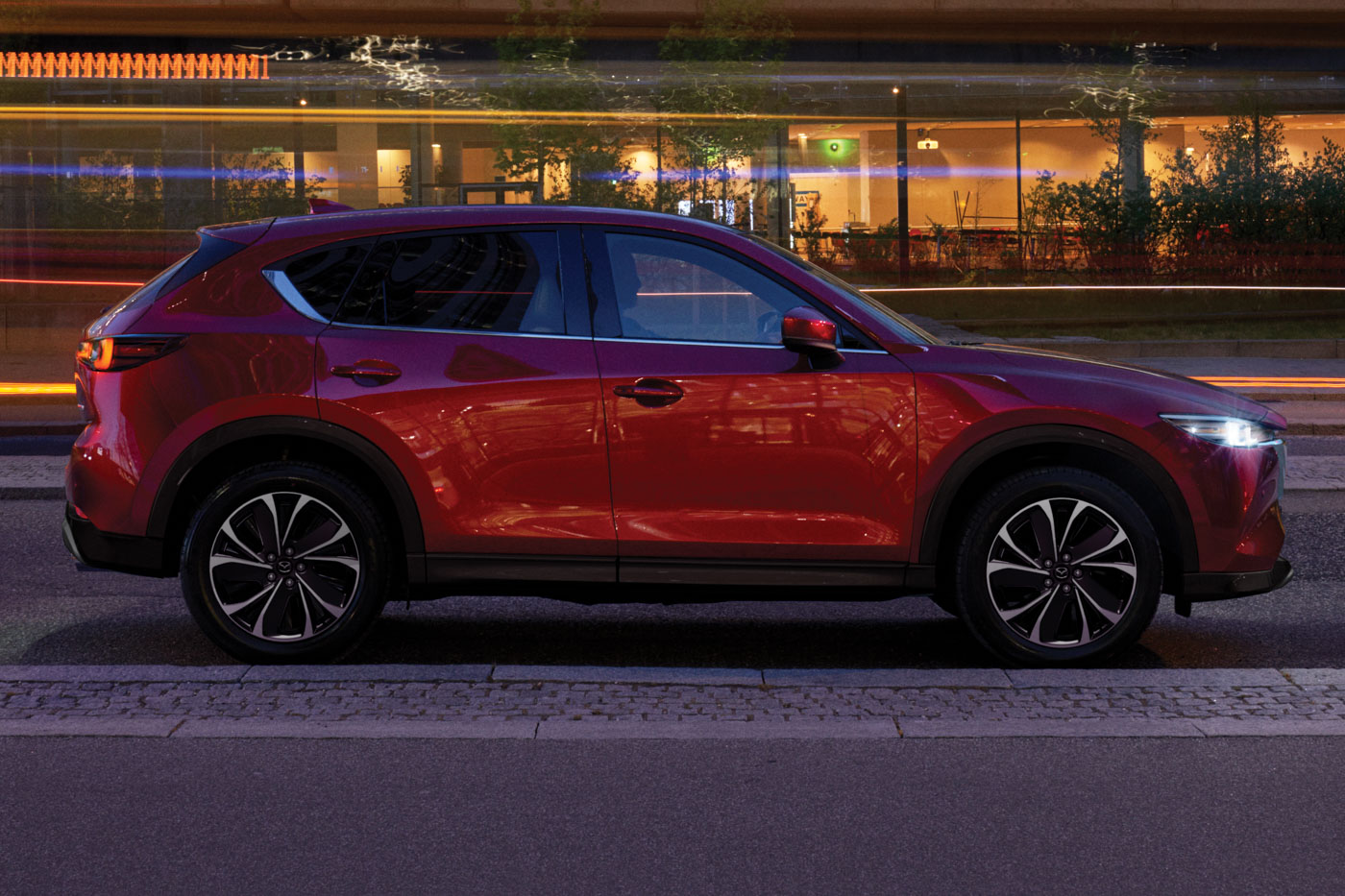
Bermaz Auto telah memperkenalkan facelift Mazda CX-5 2024 yang dinanti-nantikan ke pasaran Malaysia. Model terkini CX-5 ini menggabungkan prestasi, gaya, dan ciri-ciri canggih, meneguhkan reputasi Mazda untuk memberikan keunggulan dalam alam automotif.
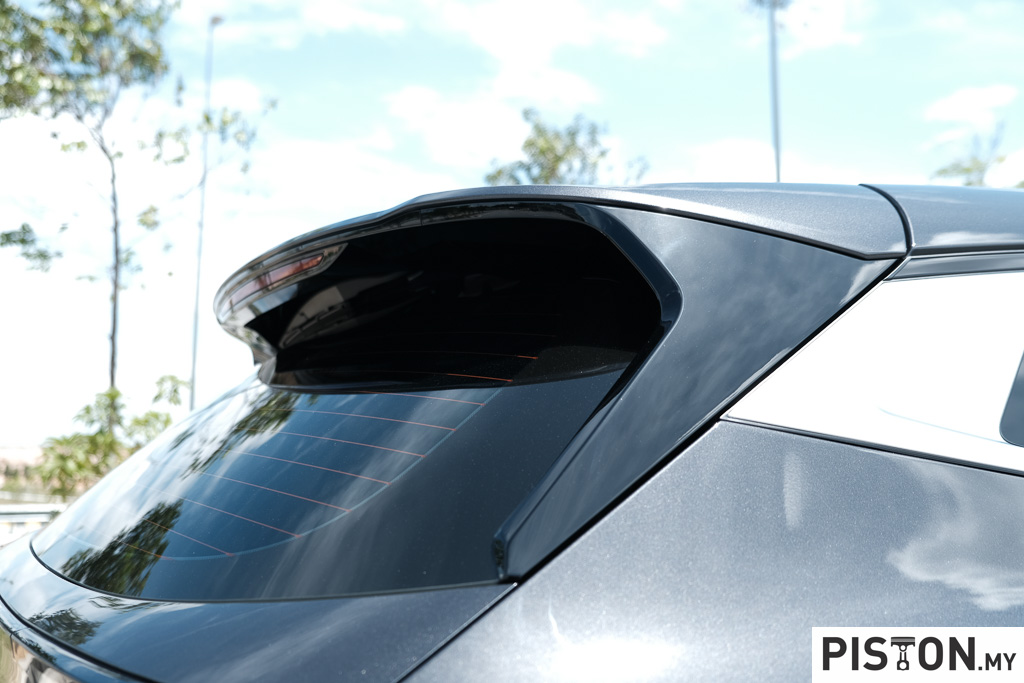
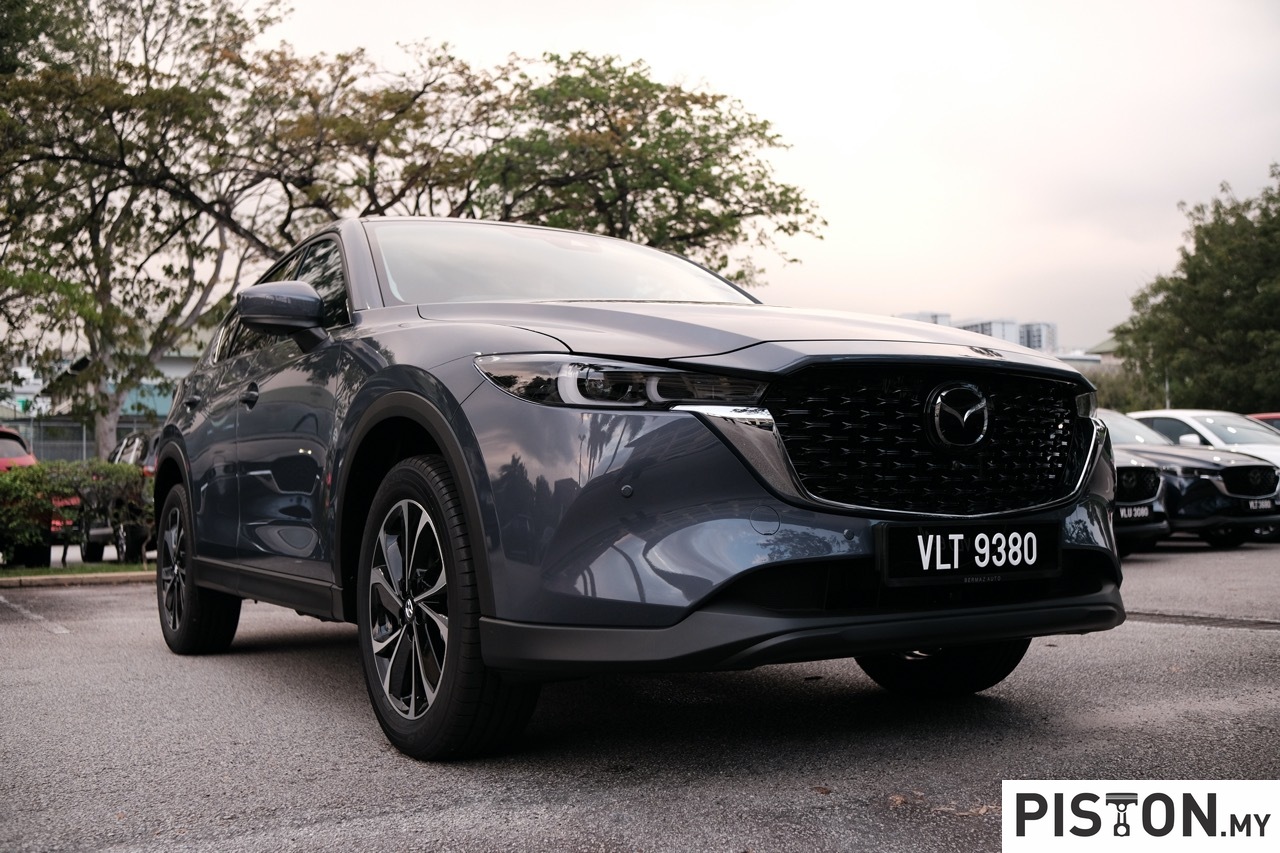
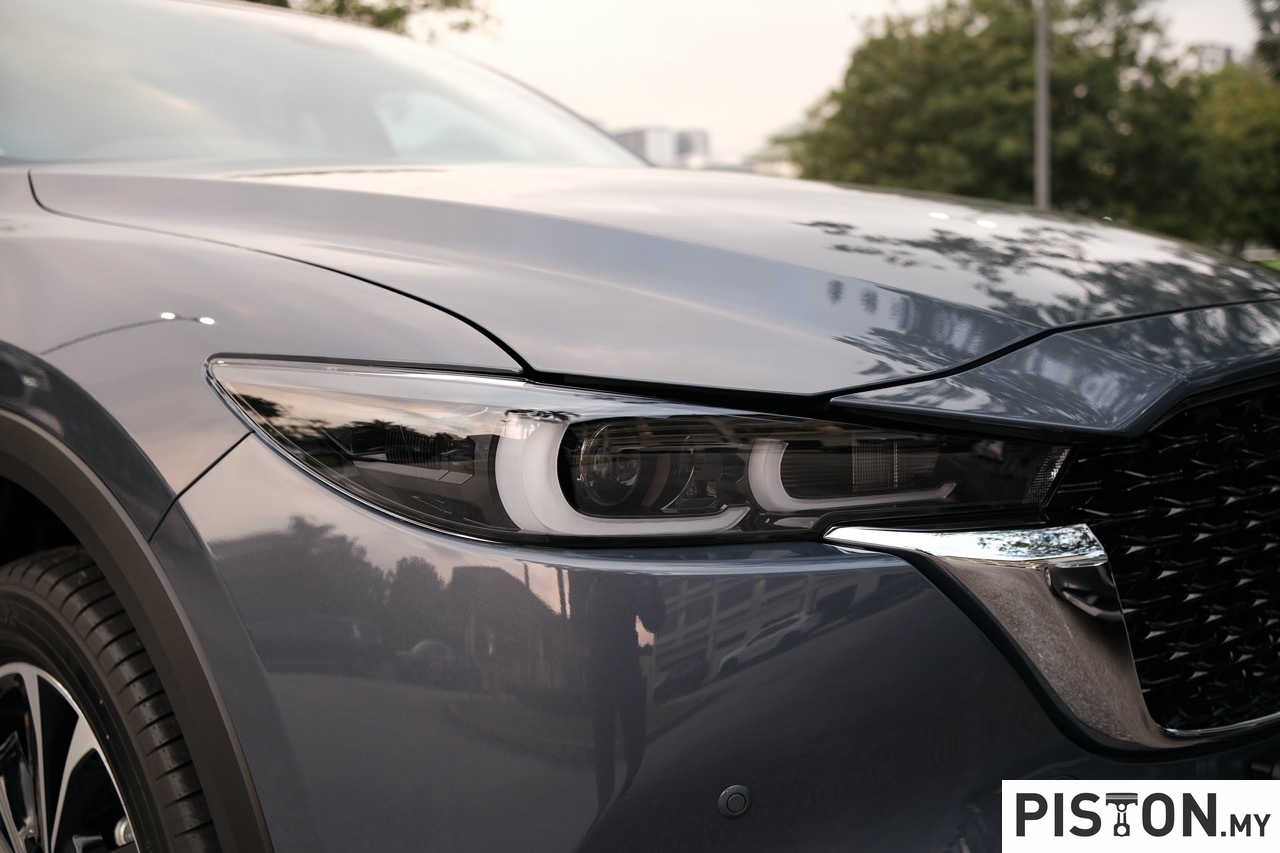
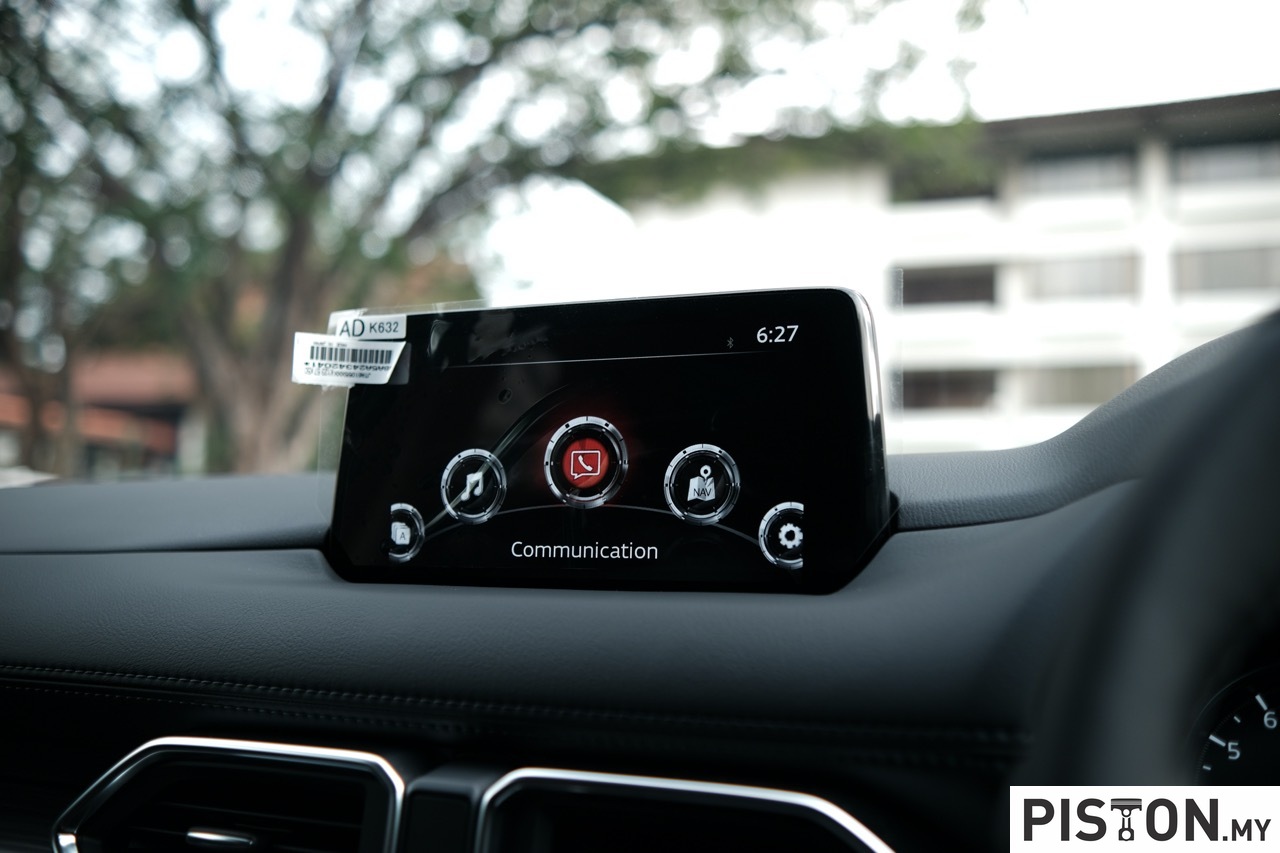
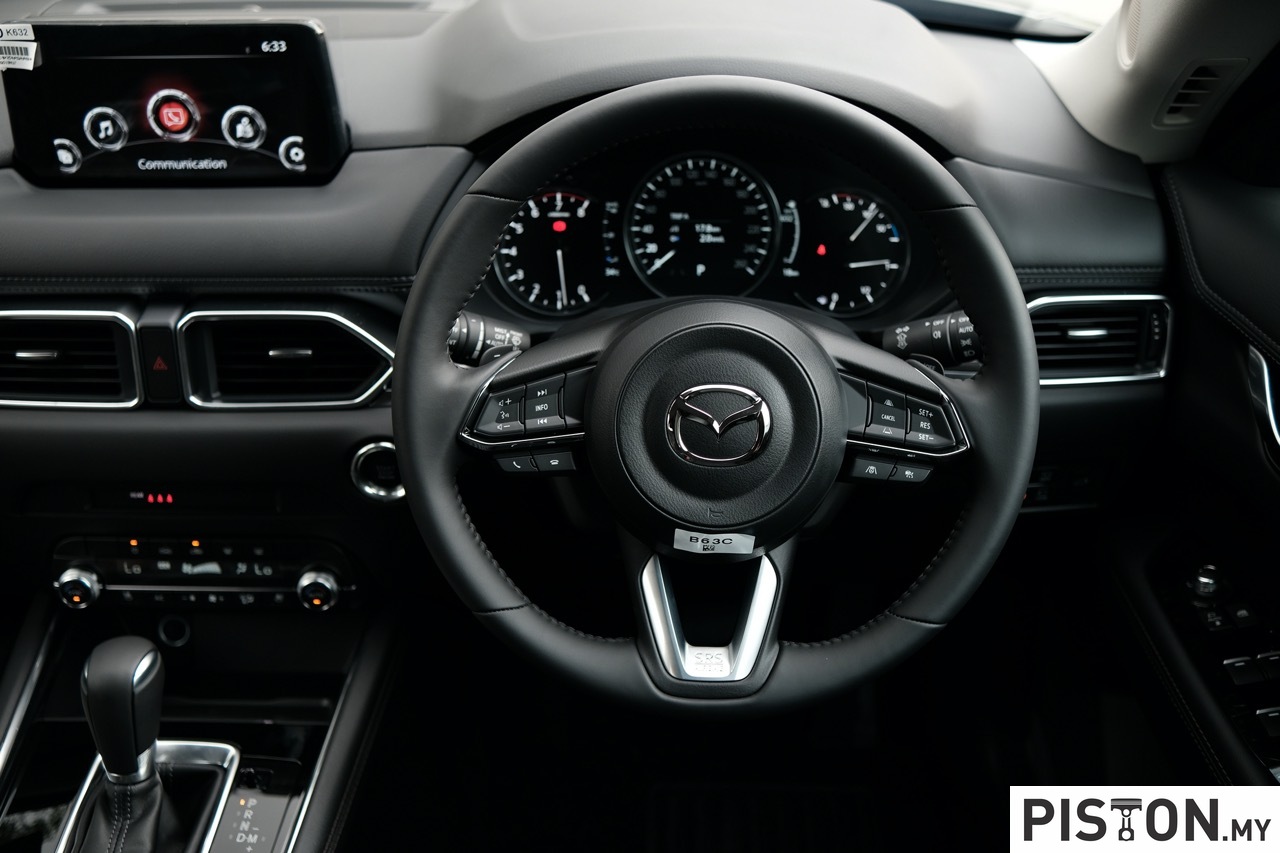
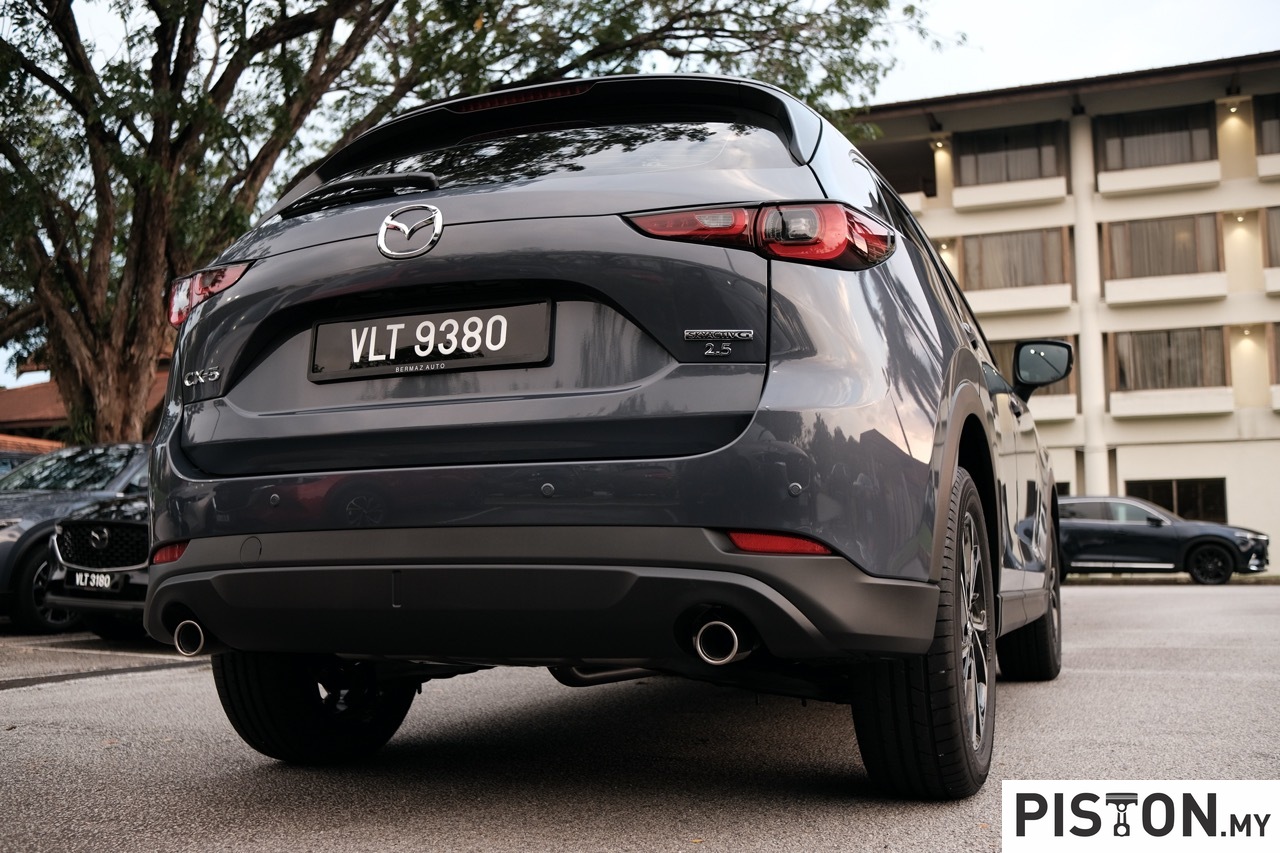
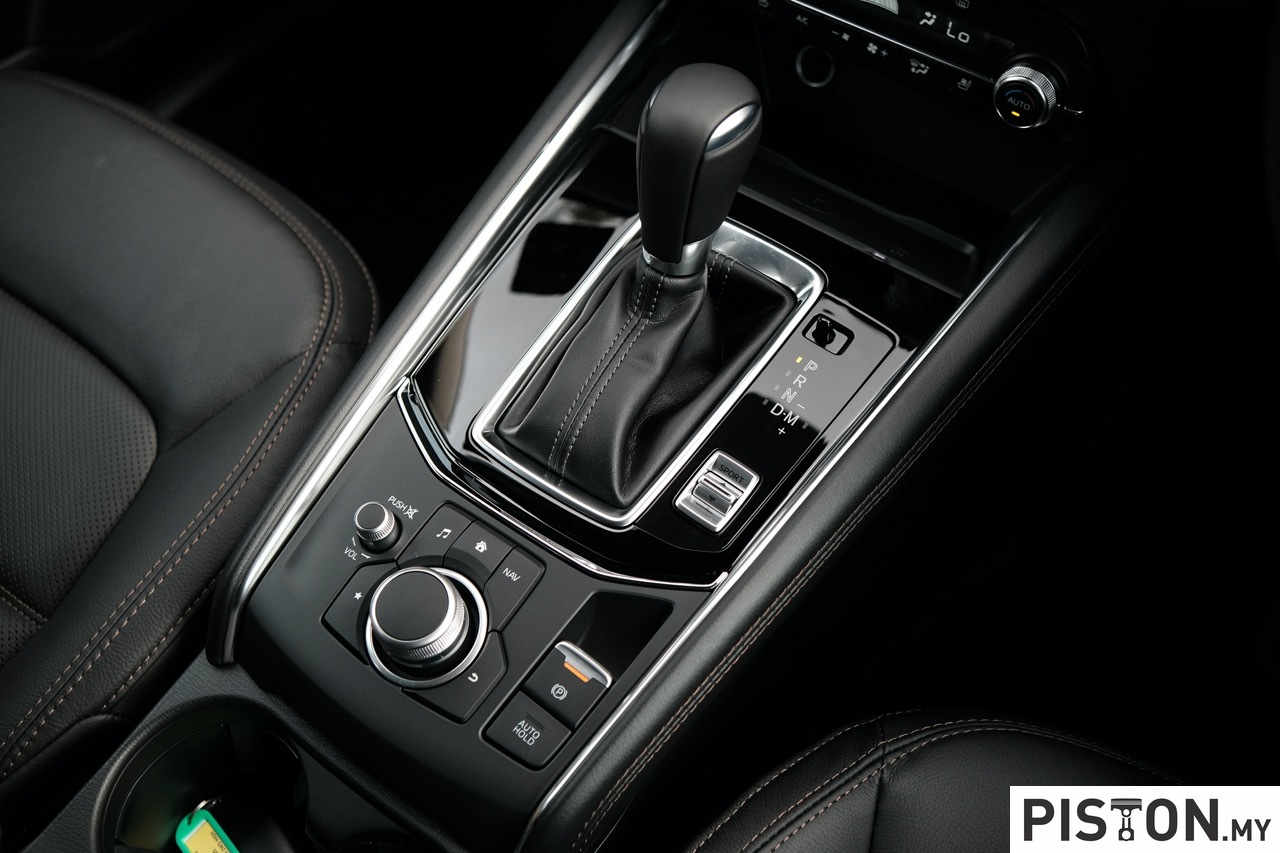
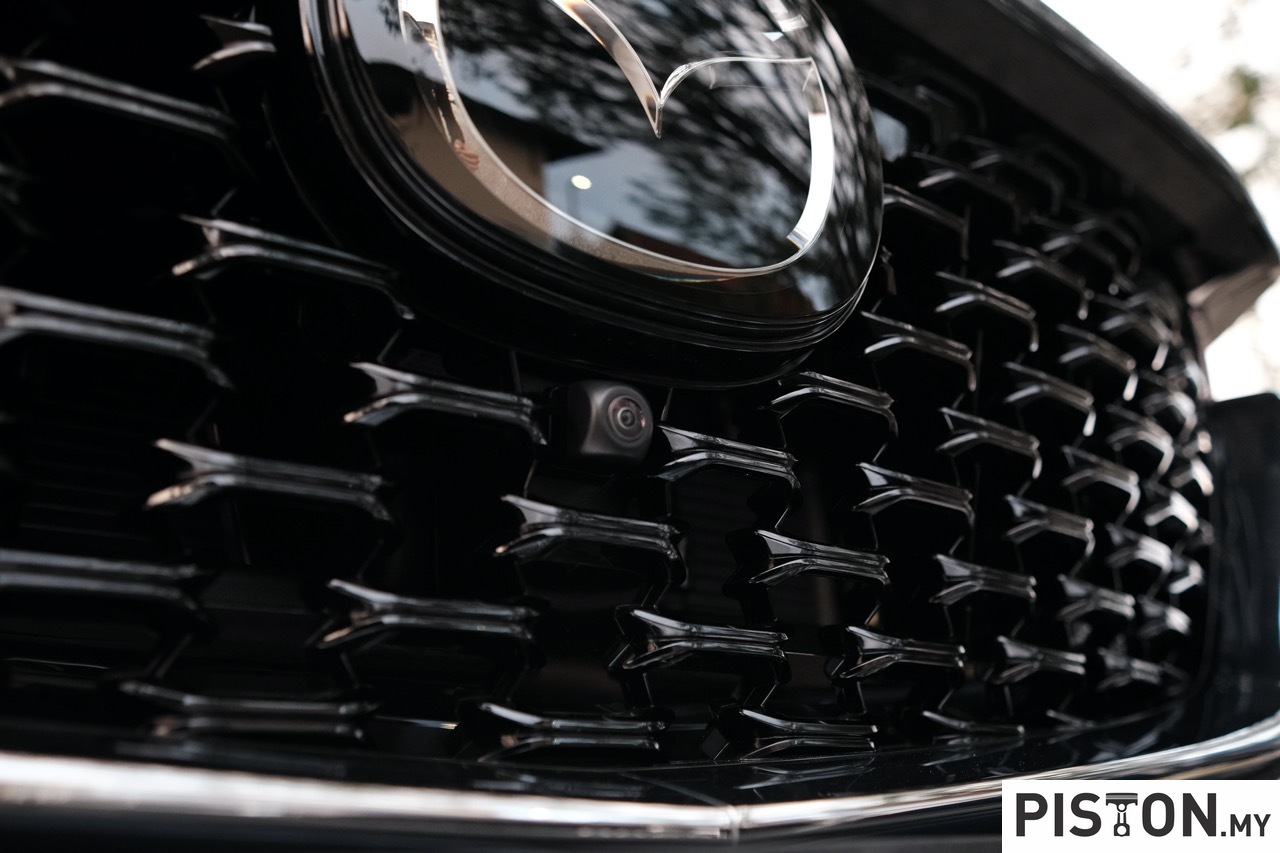
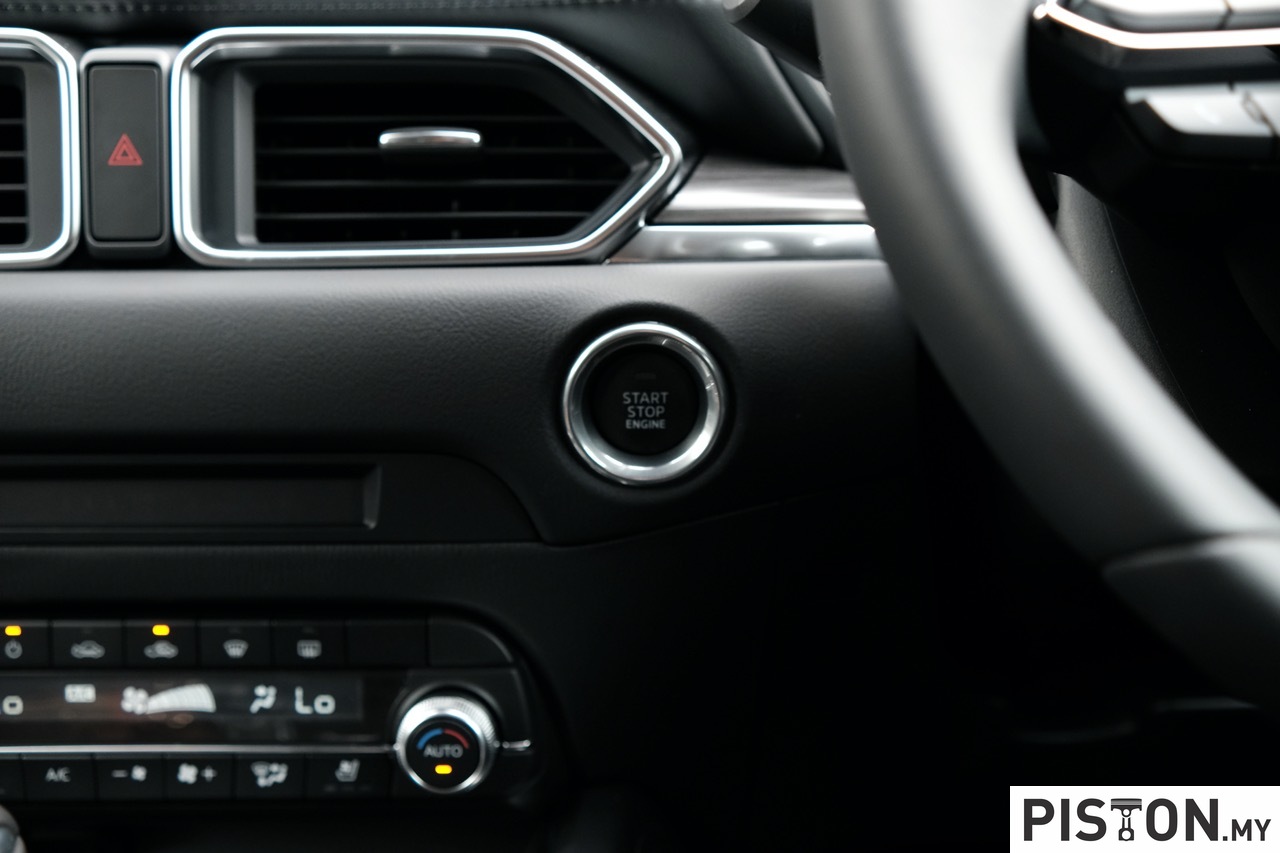
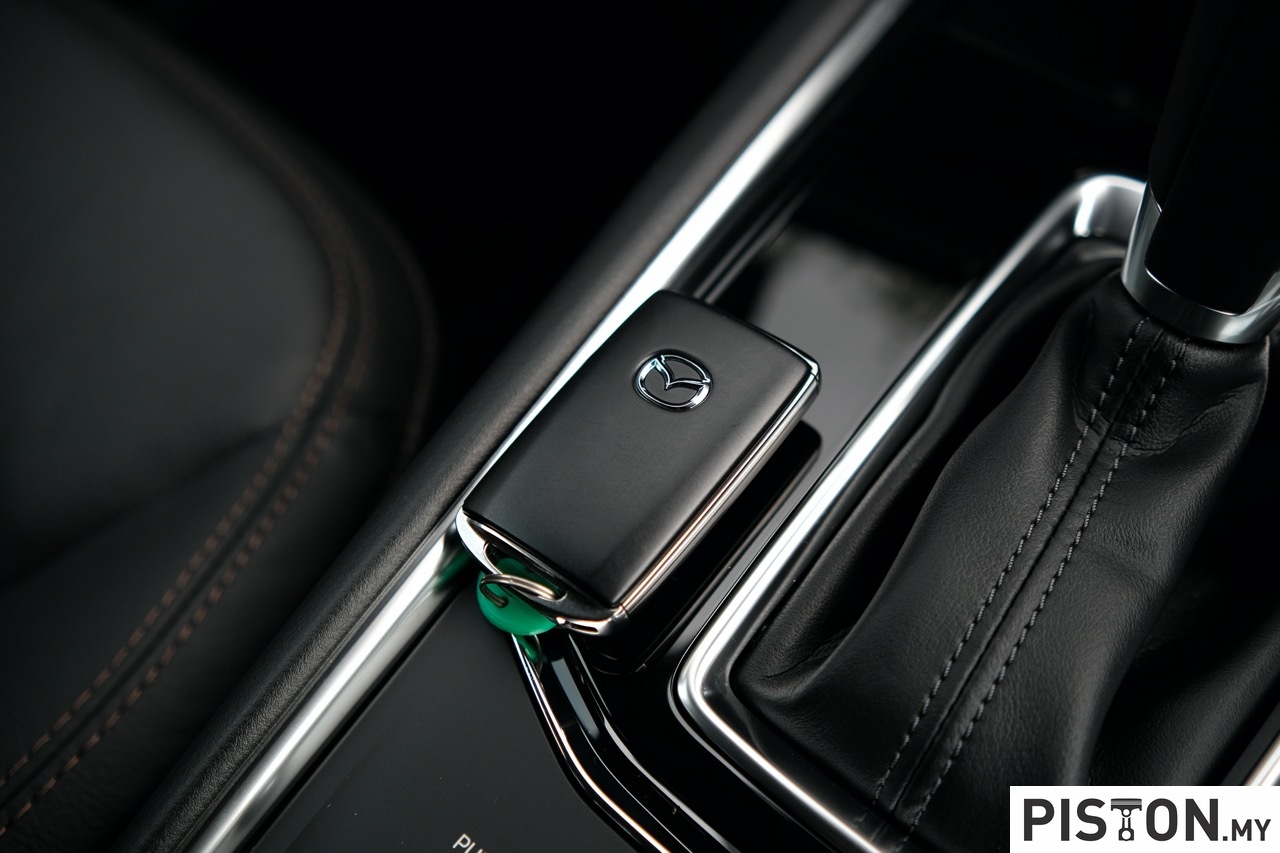
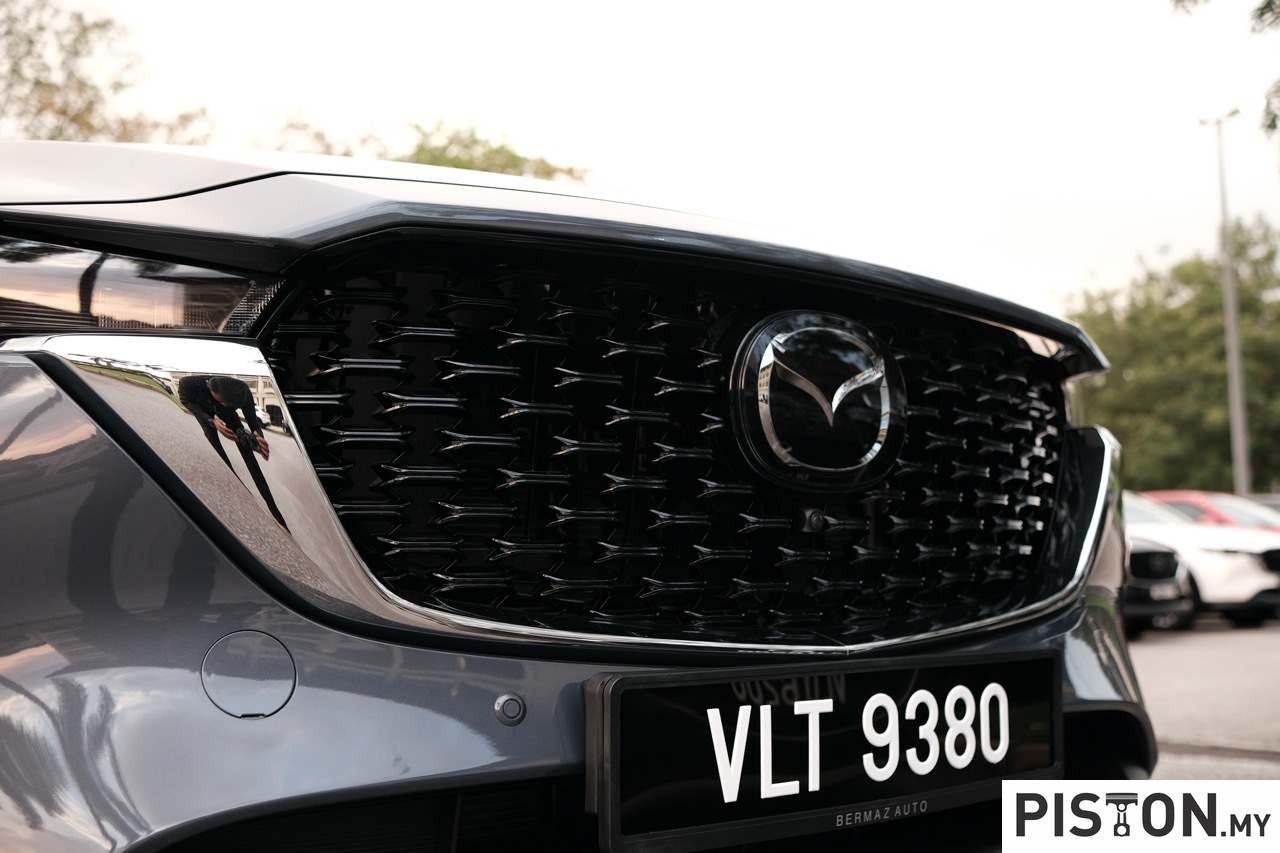
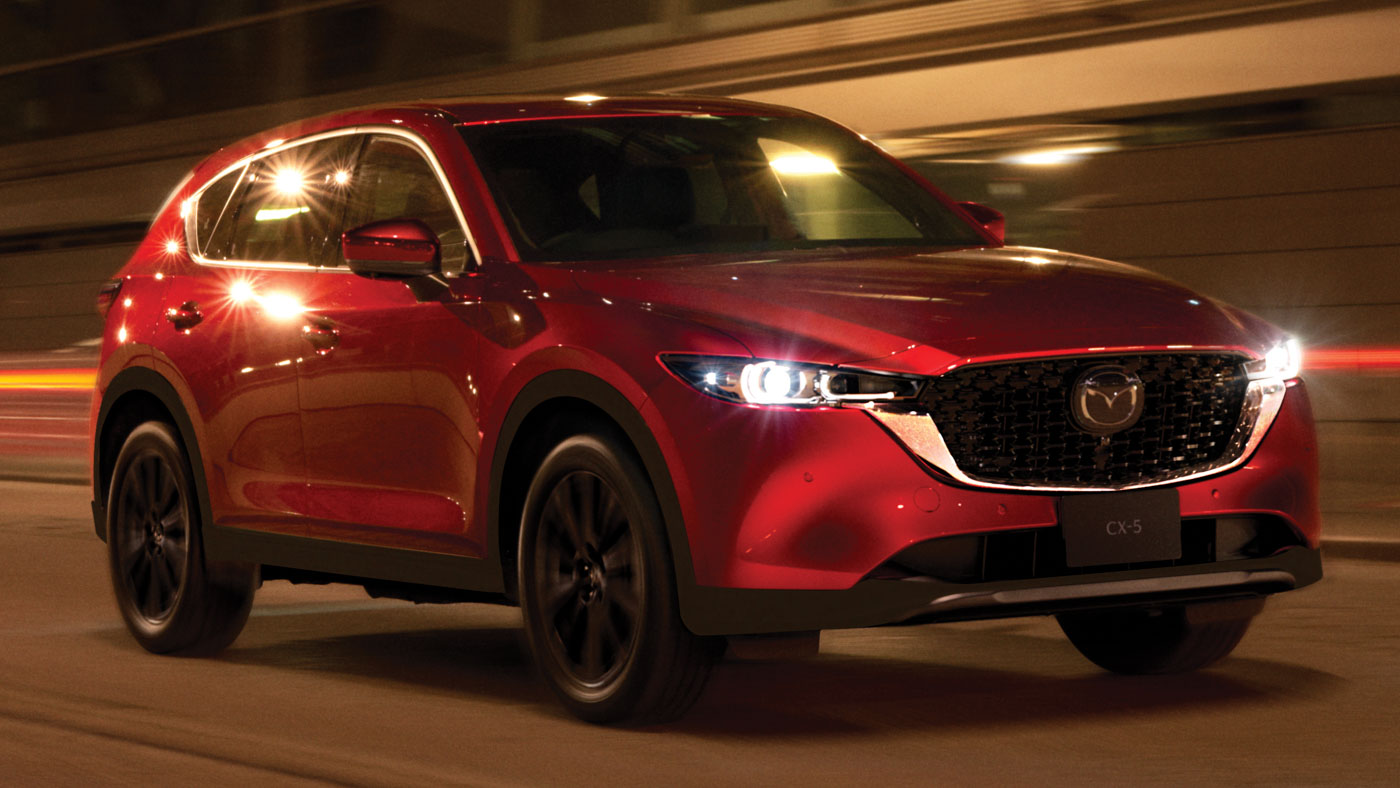
Facelift CX-5 2024 menampilkan fascia hadapan tiga dimensi yang direka semula, termasuk grille yang dikemas kini dan penapis udara pusat yang lebih padat pada bumper hadapan. Antara peningkatan yang mencolok, 2.0G 2WD Mid kini dilengkapi dengan advanced keyless entry. Tambahan pula, model dari 2.0G 2WD High dan yang lebih tinggi dilengkapi dengan paddle shift yang mudah diakses di belakang stereng dan lampu hadapan LED tanda dagangan.
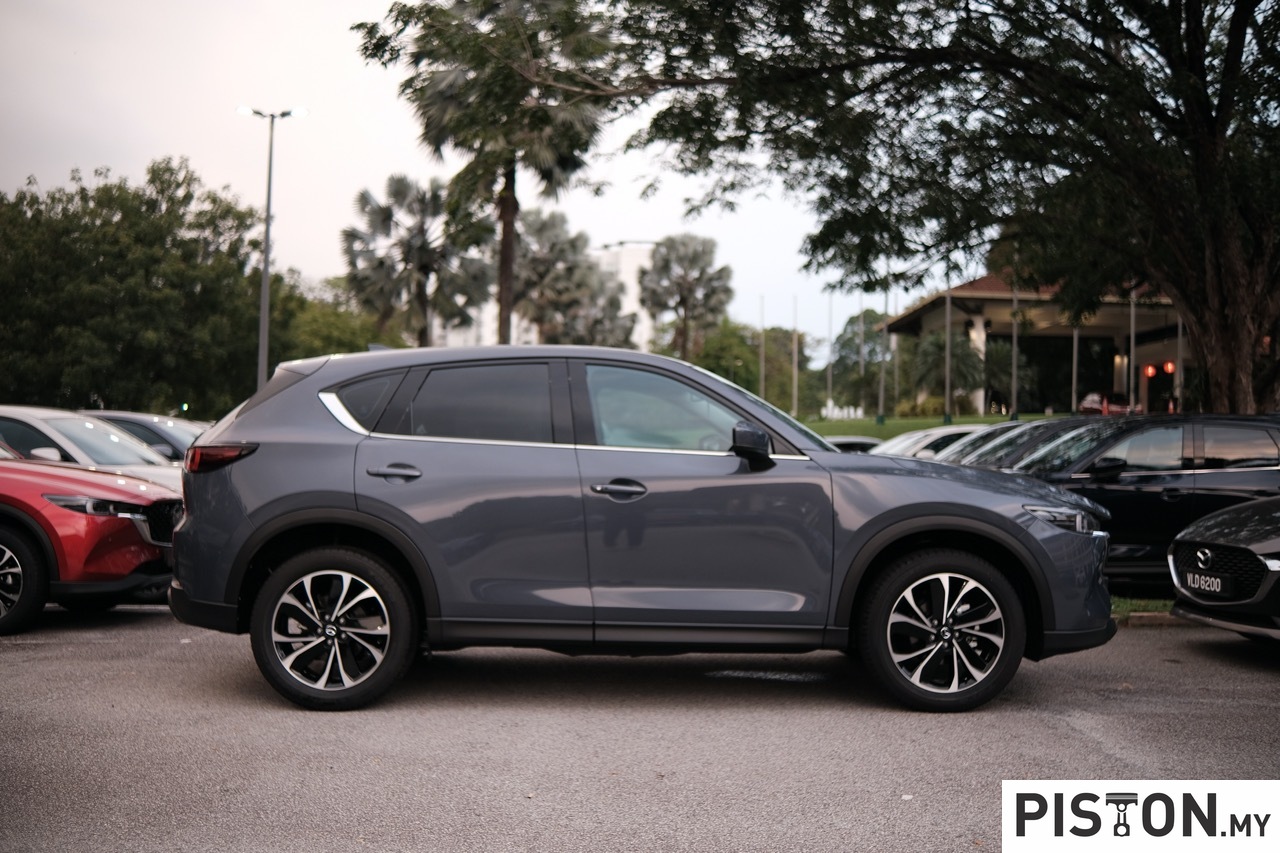
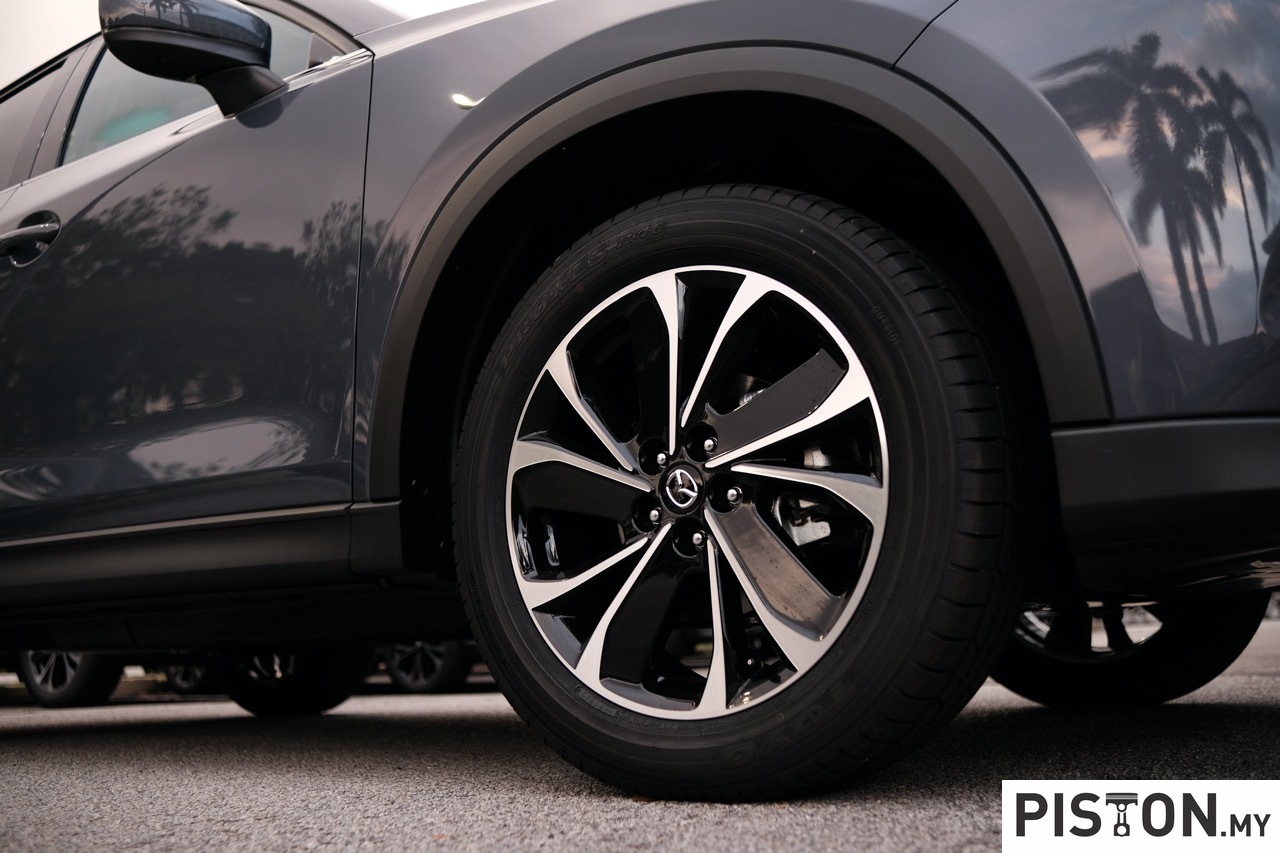
Saiz roda pada CX-5 2024 berkisar dari roda aloi 17 inci pada varian 2.0G 2WD Mid dan High ke roda 19 inci yang lebih besar pada versi 2.5G 2WD High, 2.2D 2WD High, dan 2.5T 4WD High.
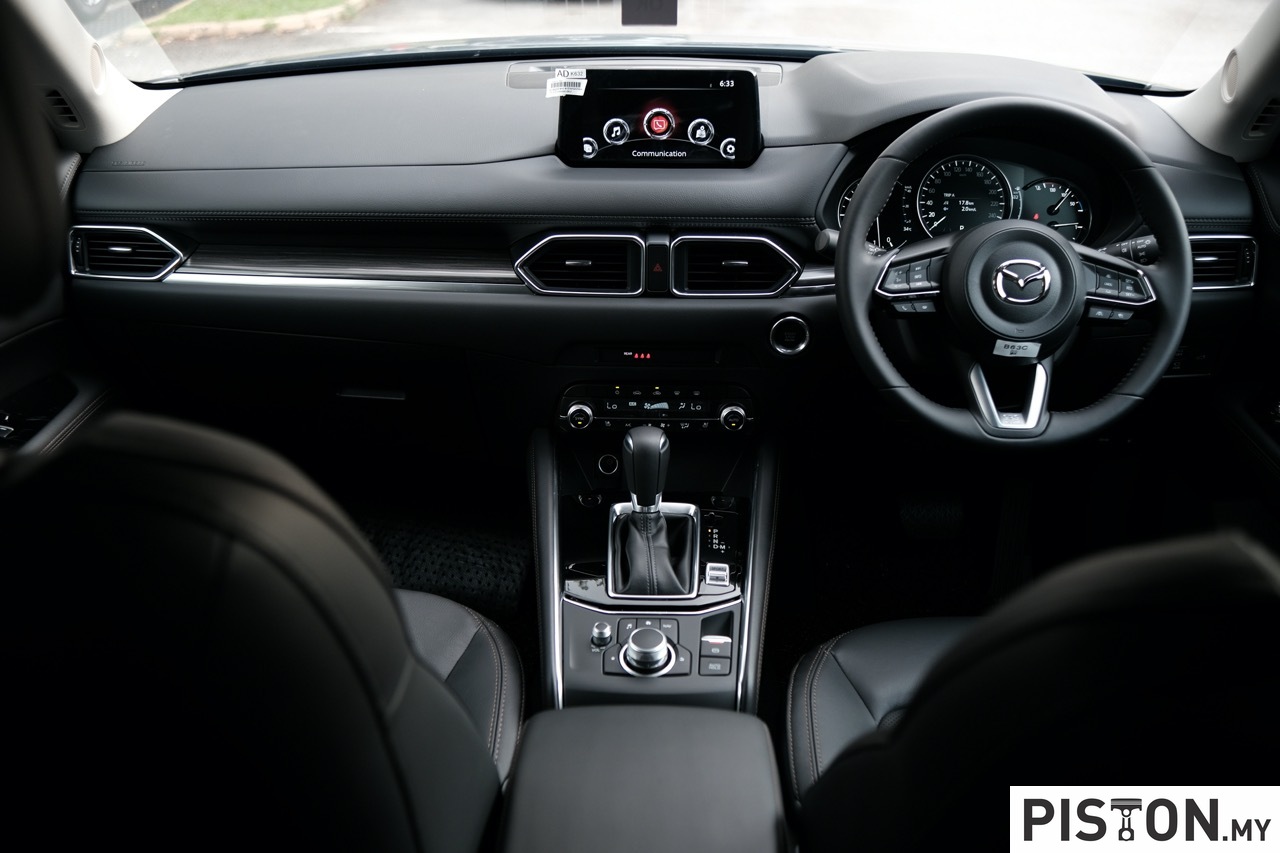
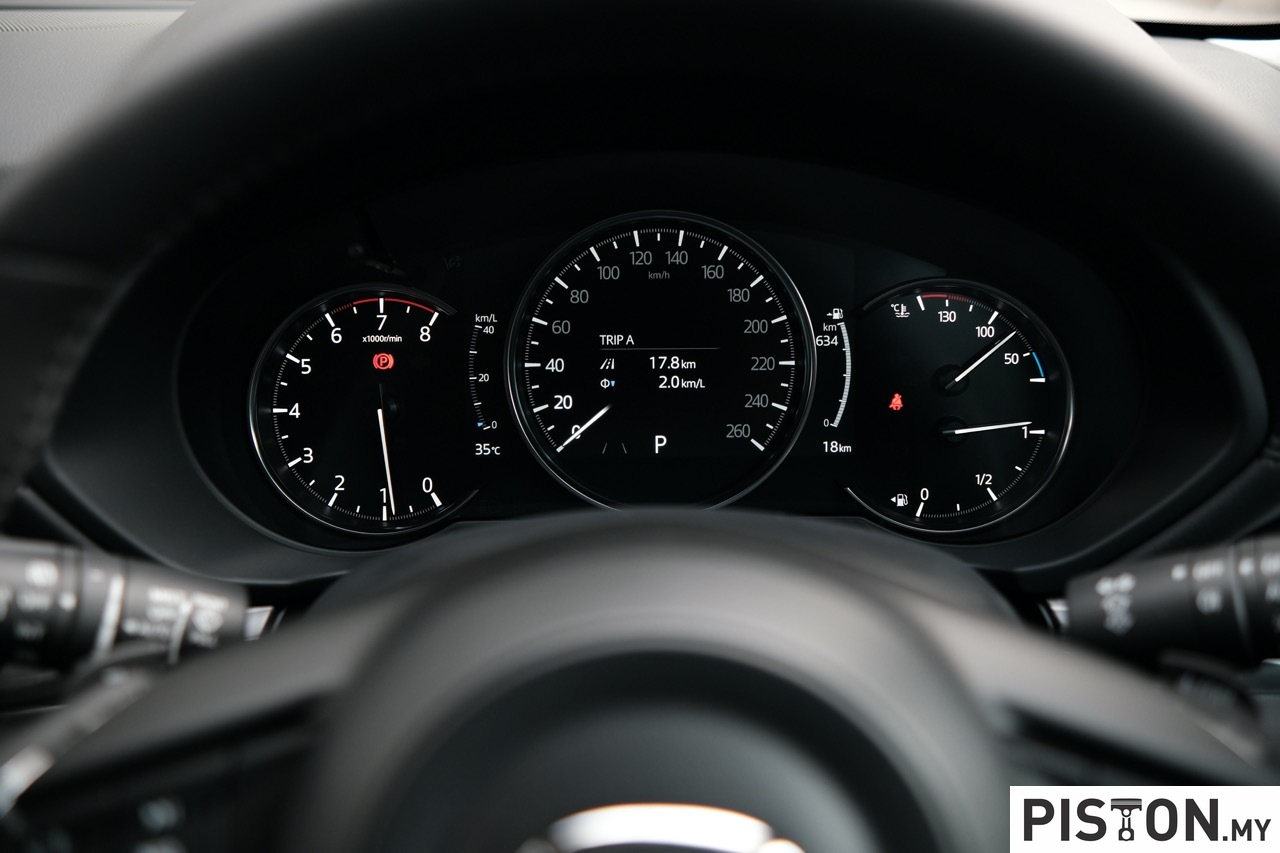
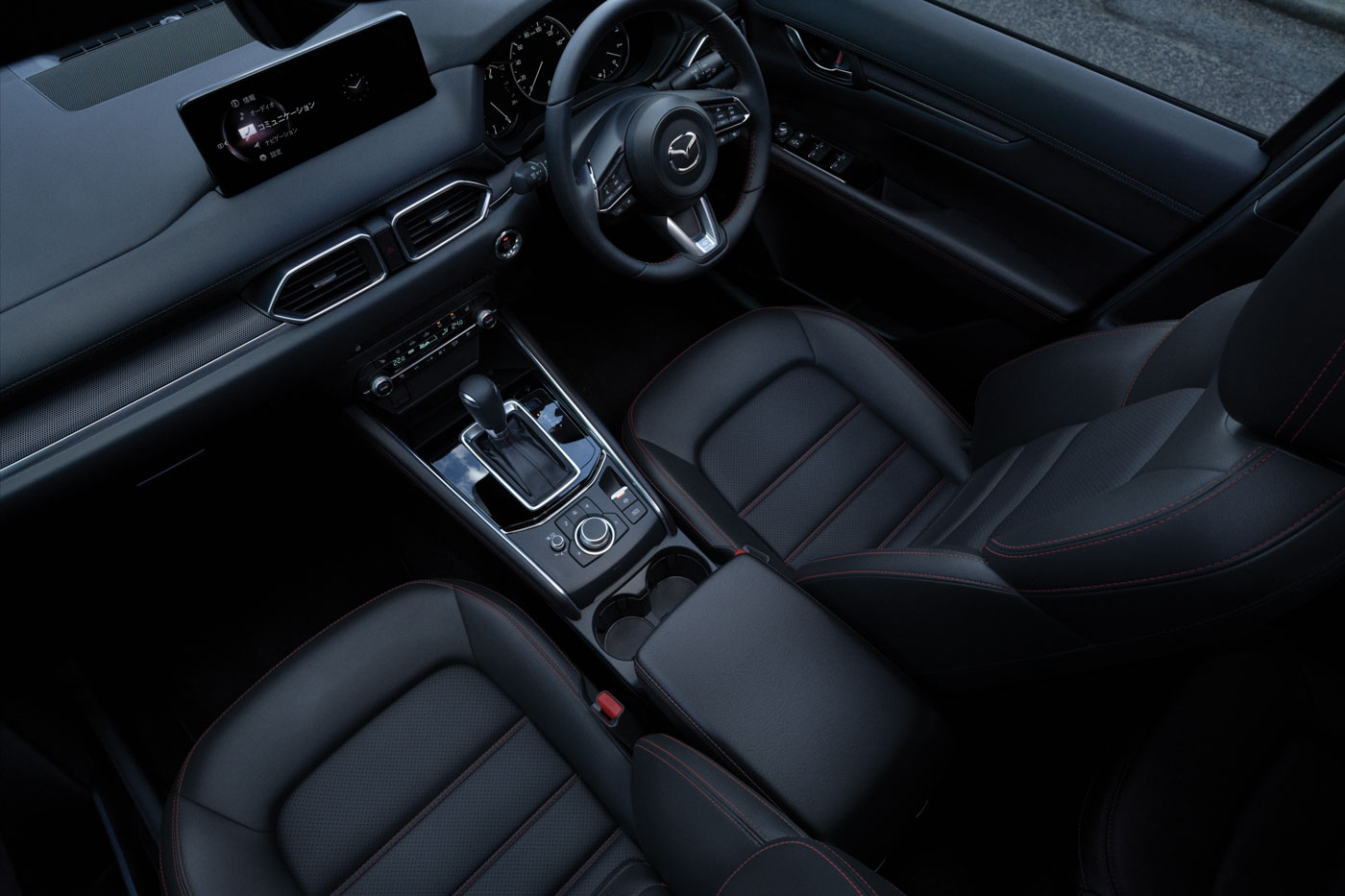
Dari segi ciri dalaman, model 2.5G 2WD High dan yang lebih tinggi memperkenalkan penyamanan tempat duduk untuk pemandu dan penumpang hadapan. Selain itu, tahap varian ini memasukkan paparan instrumen multi-info LCD TFT tujuh inci, membezakannya dari dua varian 2.0G dengan paparan 4.6 inci. Varian 2.0G 2WD Mid dilengkapi dengan paparan standard, manakala varian High dilengkapi dengan paparan multi-info berukuran sama.
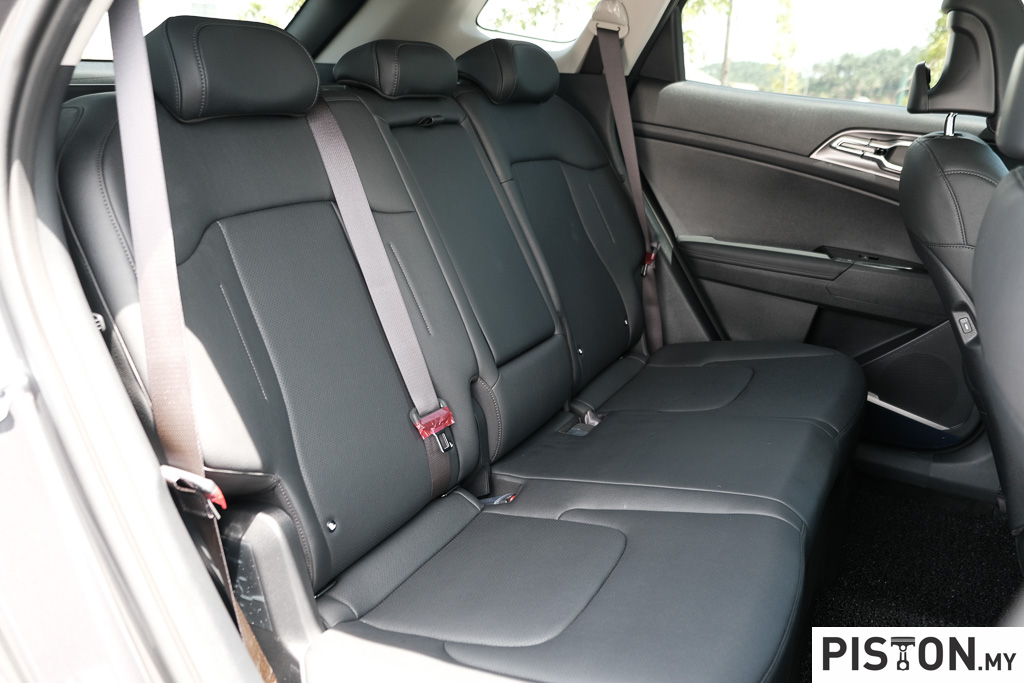
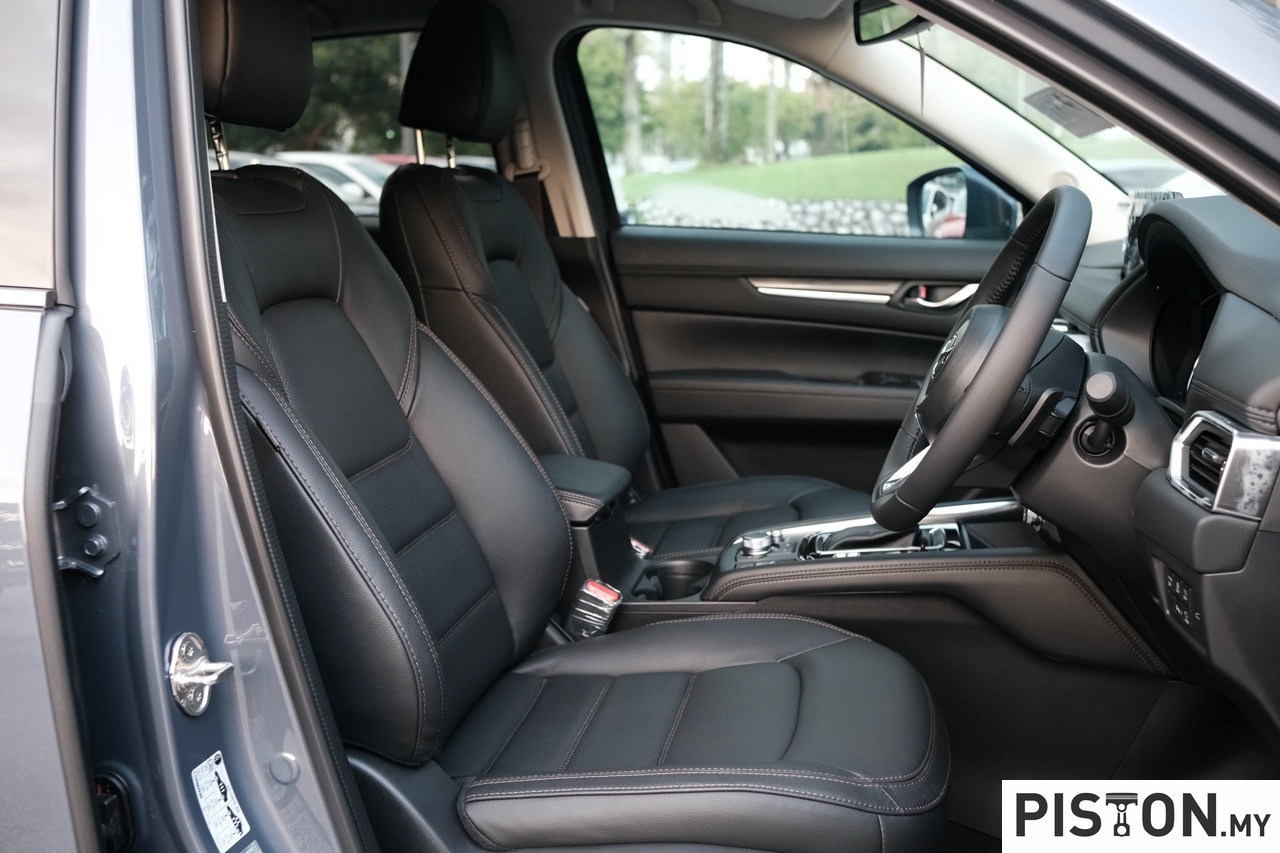
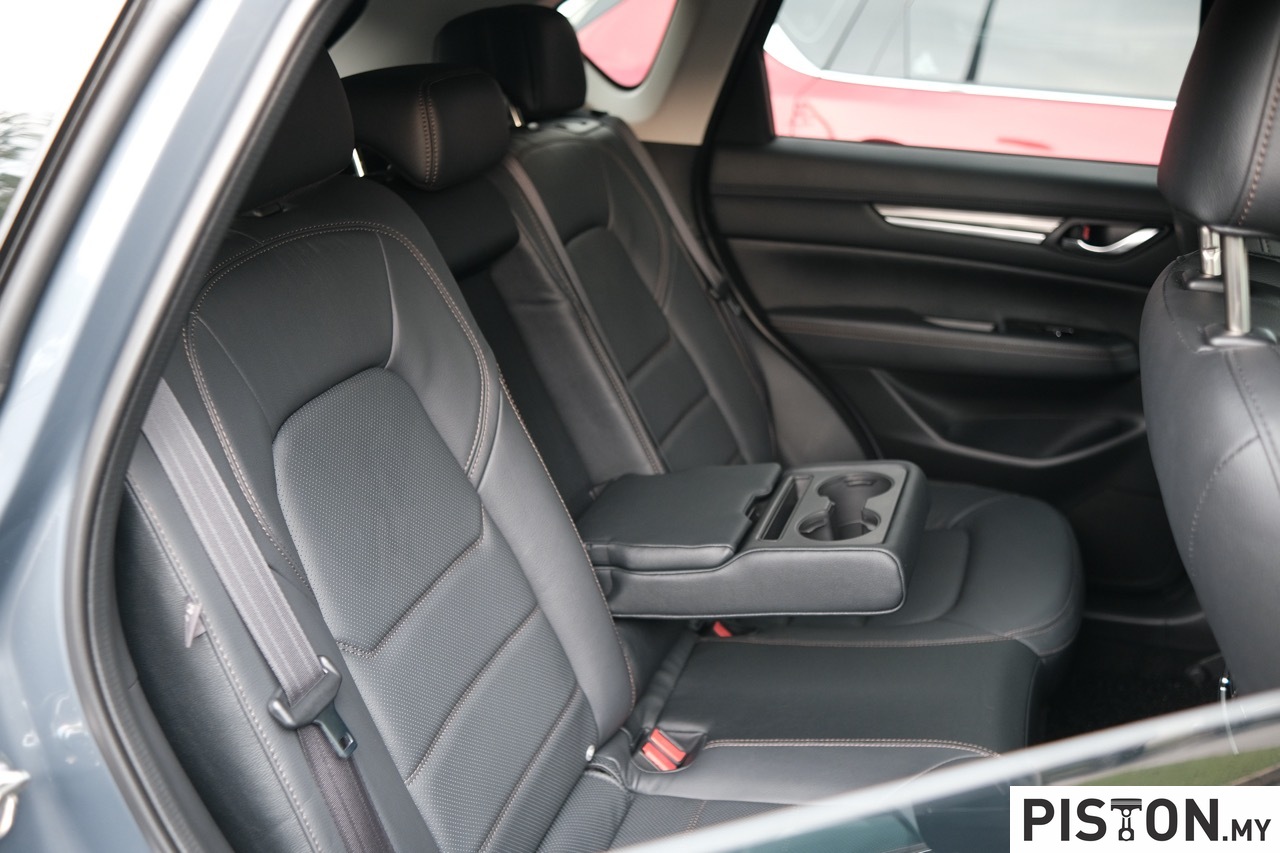
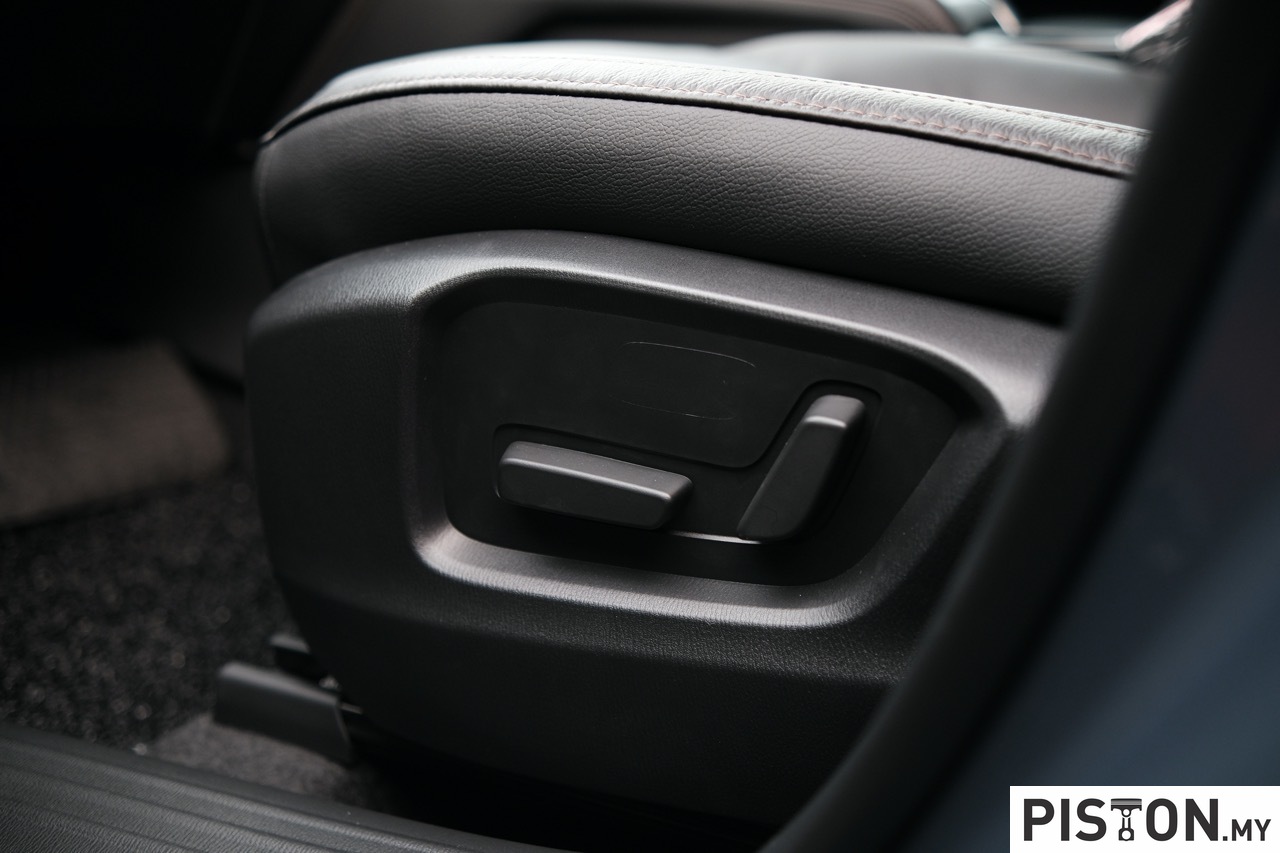
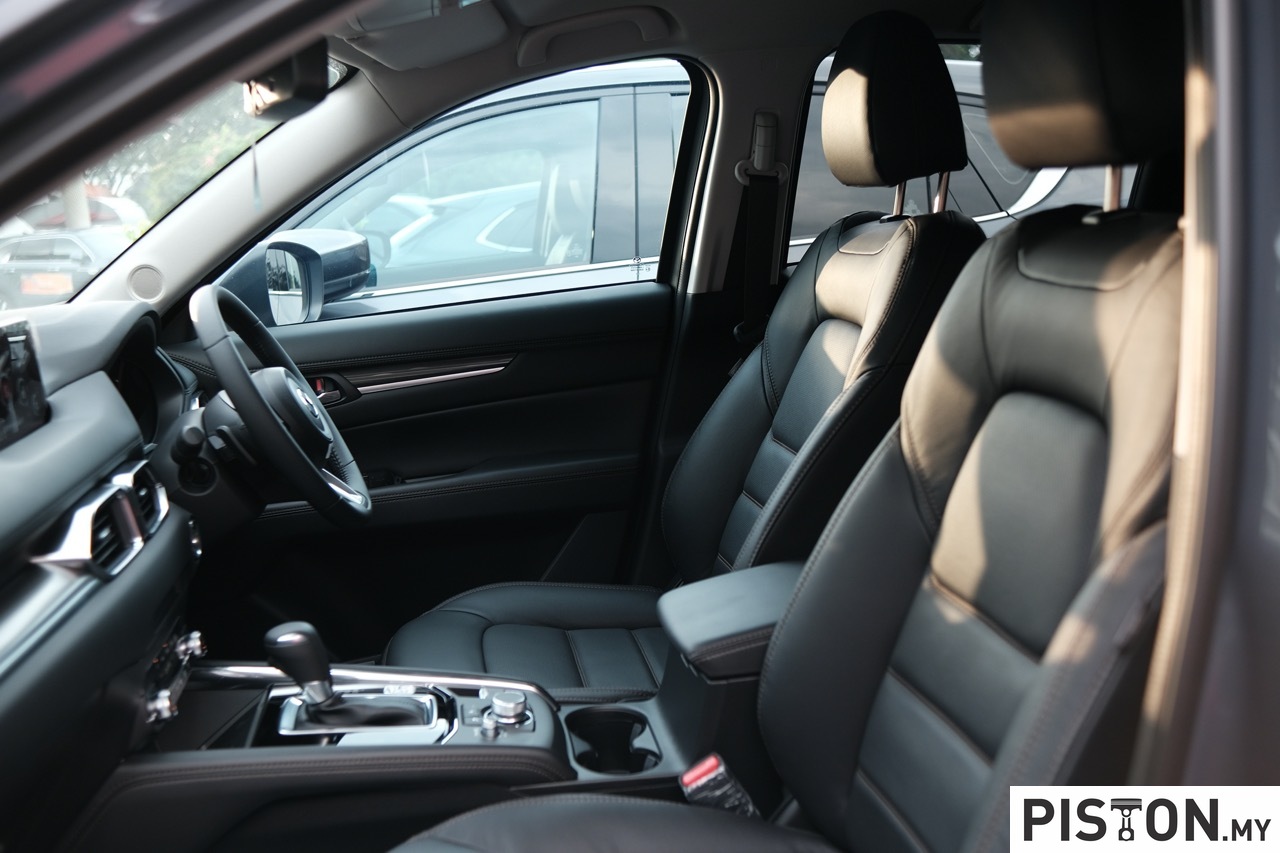
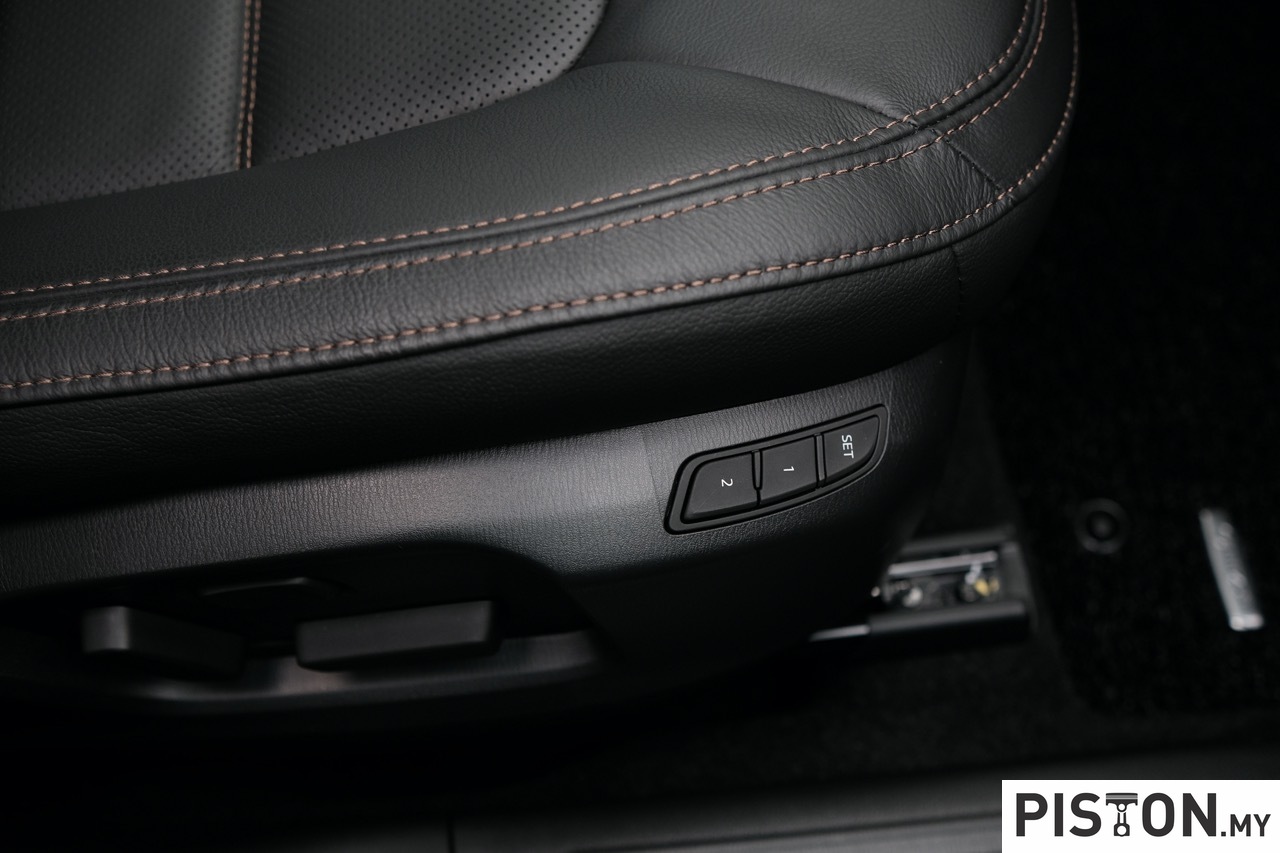
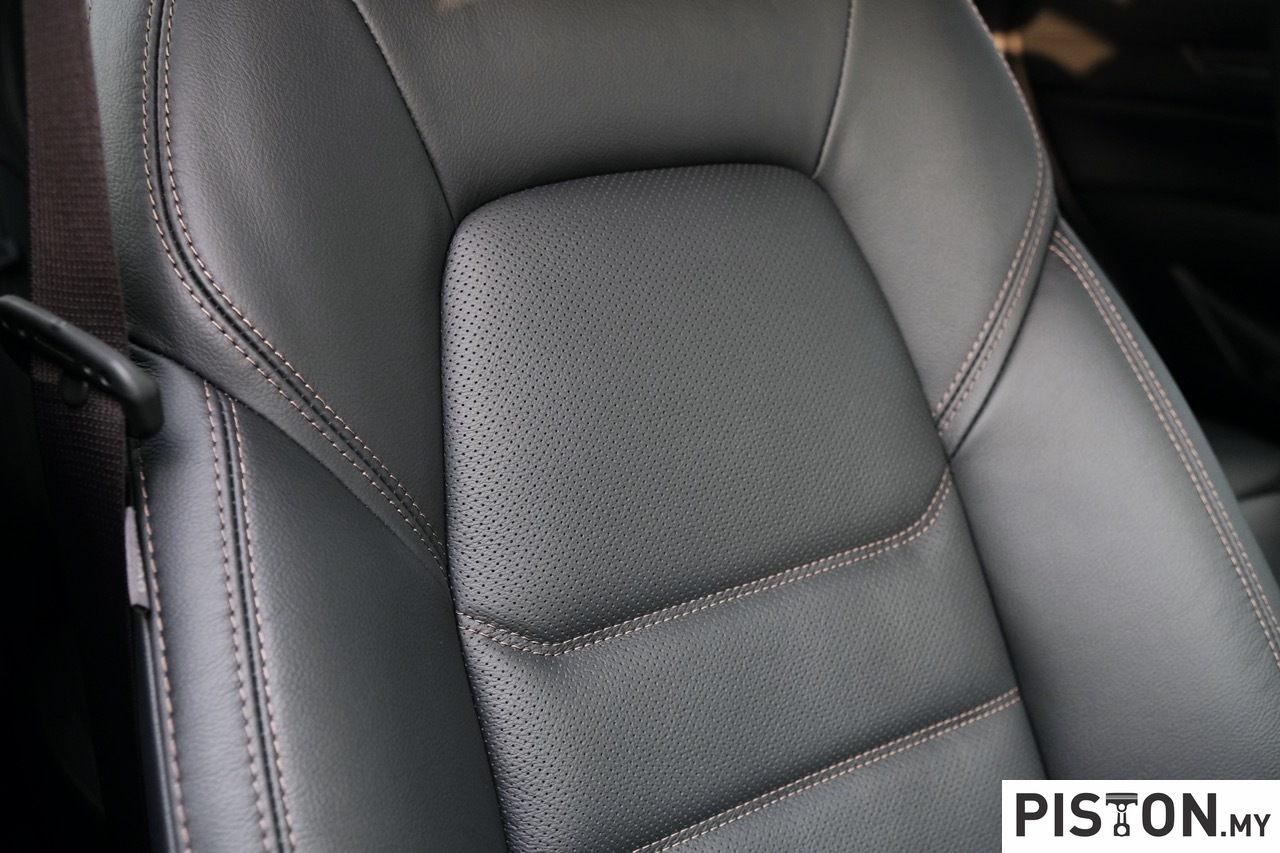
Pilihan tempat duduk termasuk fabrik, tempat duduk yang diatur secara manual dalam 2.0G 2WD Mid, sementara 2.0G High dan yang lebih tinggi menaik taraf ke tempat duduk kulit dengan penyesuaian kuasa 10 hala untuk pemandu, bersama dengan memorinya yang boleh diprogramkan dalam dua kedudukan. Tempat duduk penumpang hadapan boleh diatur kuasa enam hala.
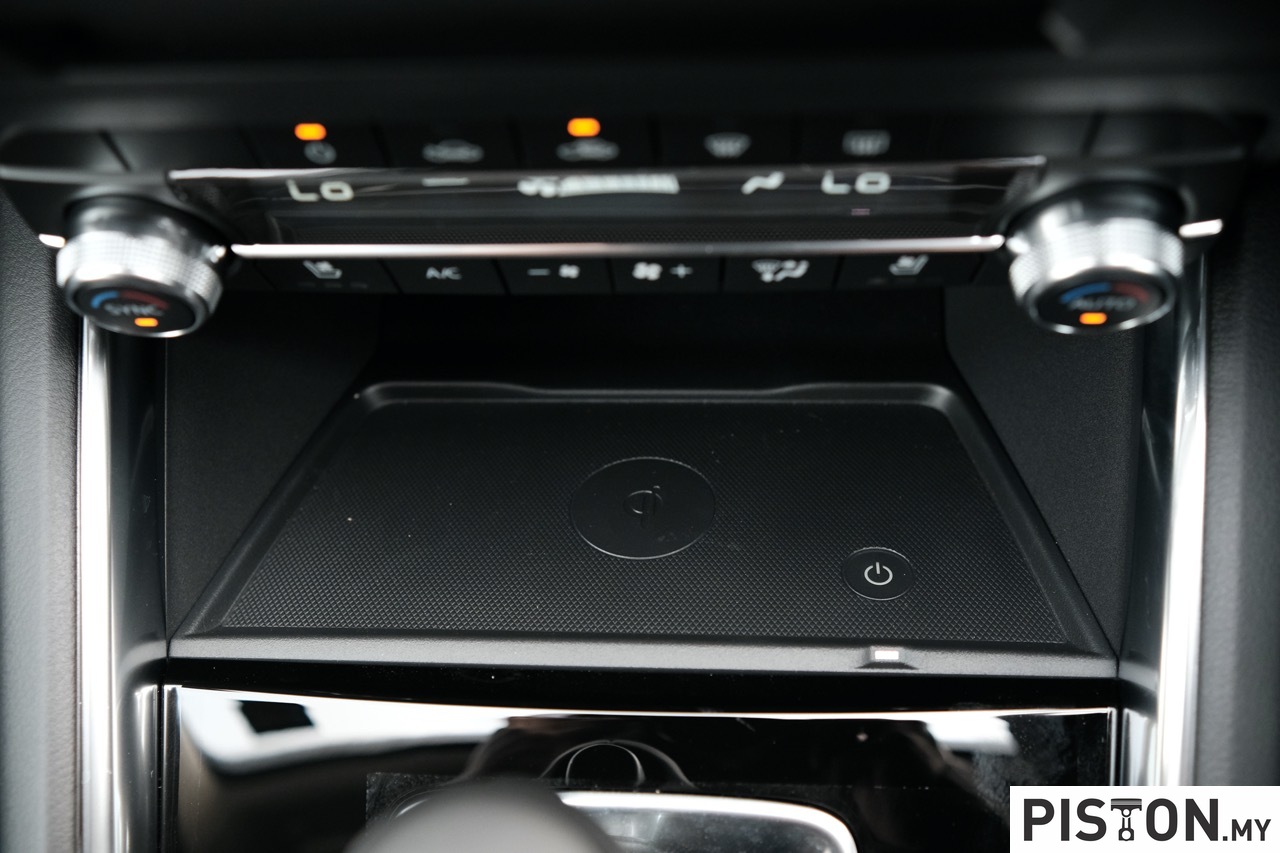
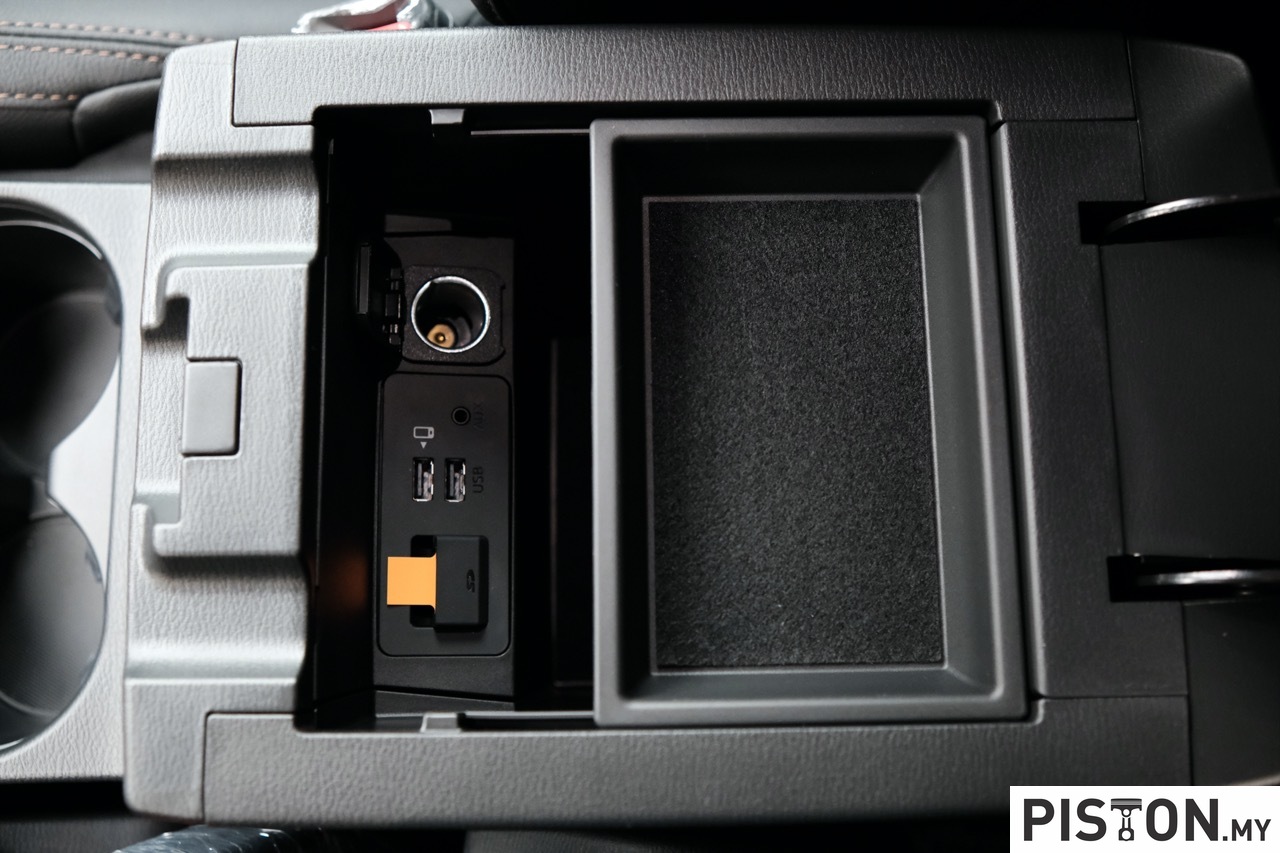
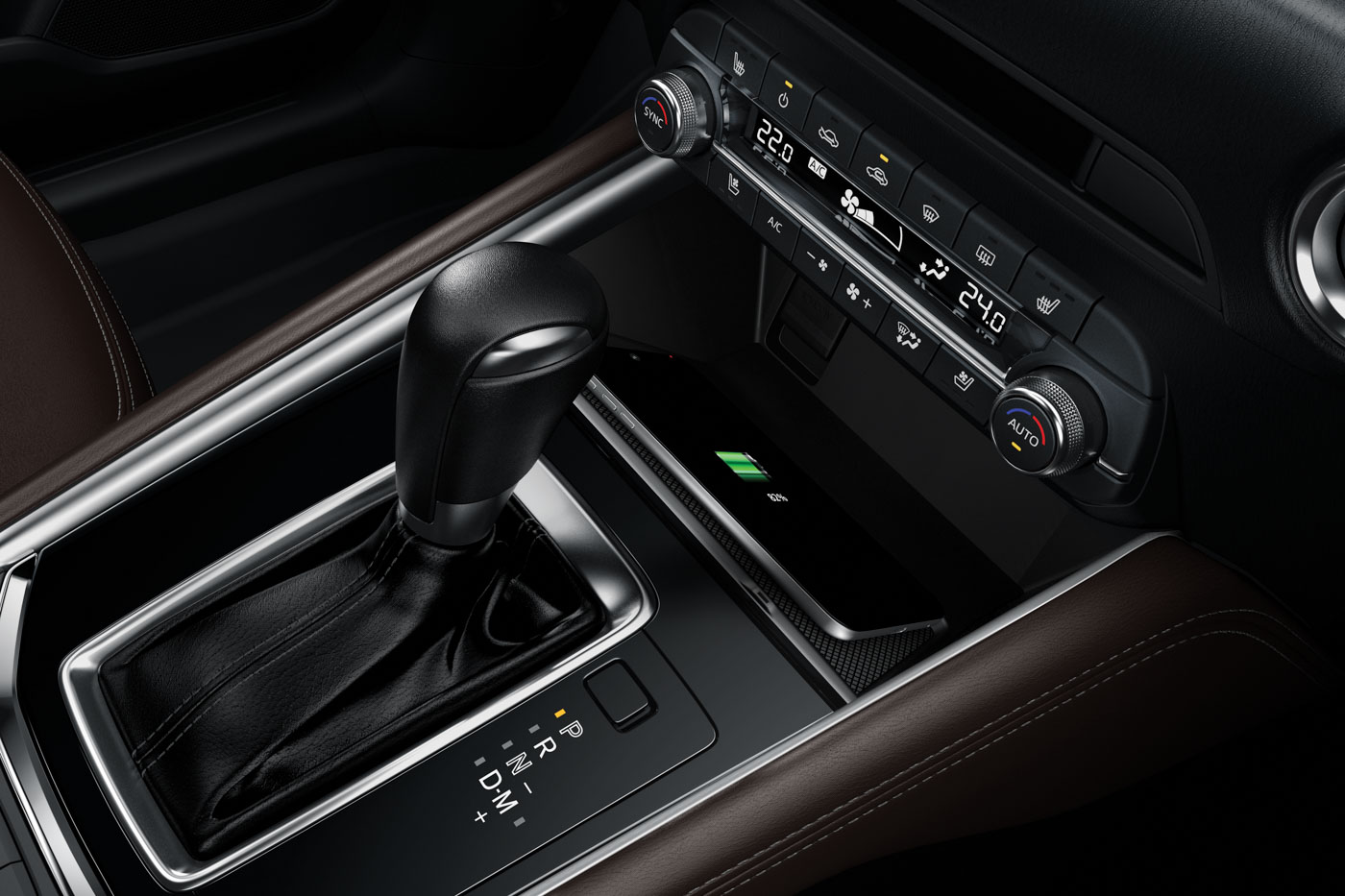
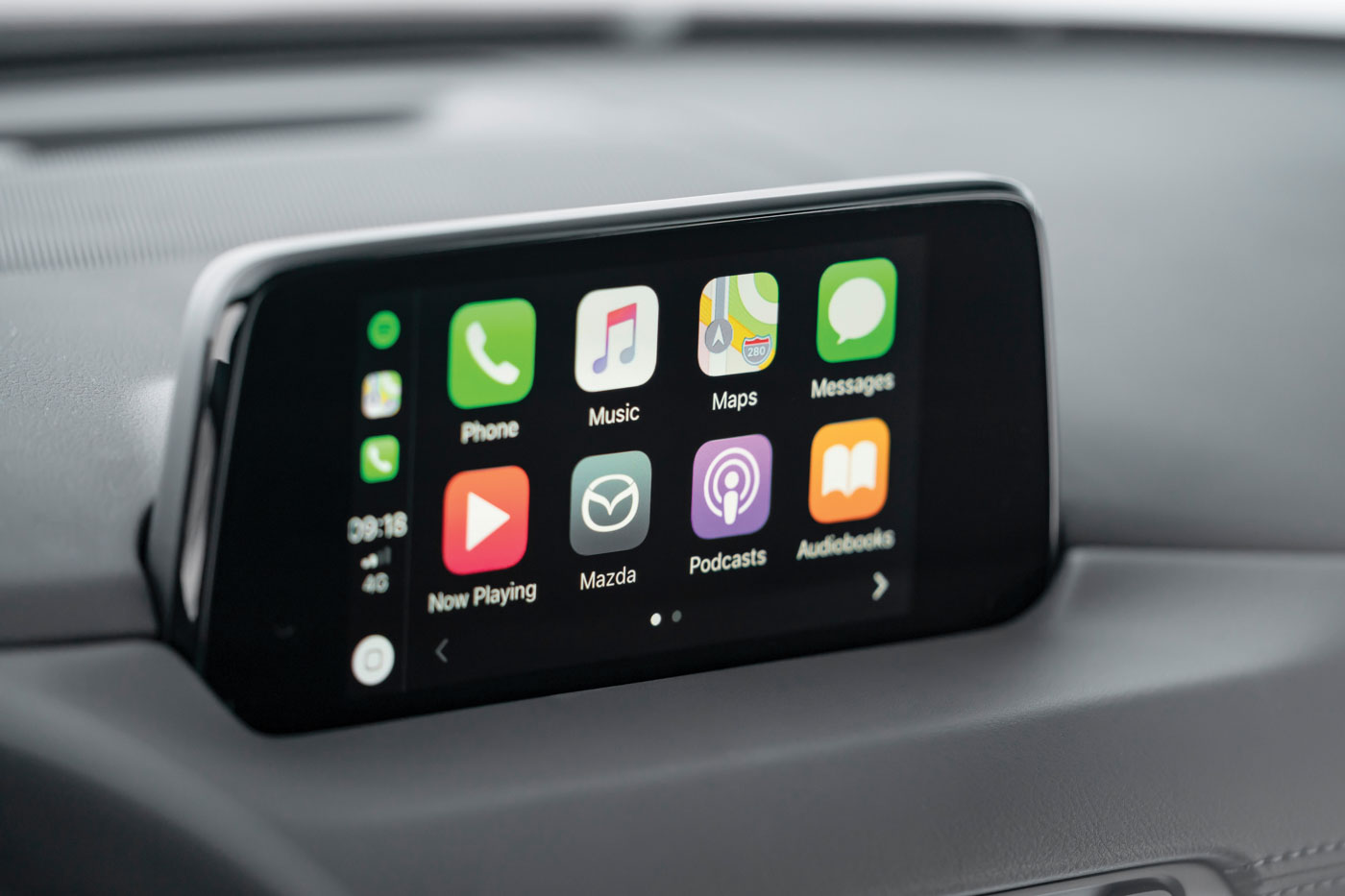
Ciri-ciri infotainment adalah konsisten di semua varian, menawarkan skrin sentuh kapasitif lapan inci, Android Auto, CarPlay Apple tanpa wayar, enam pembesar suara, empat port USB, dan pengecas tanpa wayar. Versi 2.0G 2WD High dan yang lebih tinggi diperkaya dengan sistem kamera 360 darjah, manakala varian dasar 2.0G 2WD Mid termasuk kamera belakang.
Dari 2.0G 2WD High ke atas, sistem bantuan pemandu canggih dimasukkan, menampilkan pencahayaan hadapan boleh disesuaikan, kawalan lampu tinggi, pemantauan blind spot, peringatan rentas belakang, peringatan keluar lorong, bantuan kekal lorong, peringatan keletihan pemandu, sokongan brek smart city, sokongan brek pintar, kawalan pelayaran dan trafik, dan sokongan pemanduan dan trafik.
Facelift Mazda CX-5 2024 menawarkan pelbagai warna luaran, termasuk Jet Black, Snowflake White Pearl, Machine Gray, Deep Crystal Blue, Soul Red Crystal, Polymetal Gray, dan Platinum Quartz. Model ini dilengkapi dengan jaminan pengeluar lima tahun atau 100,000km, bersama dengan pakej penyelenggaraan percuma untuk tempoh dan jarak yang sama.
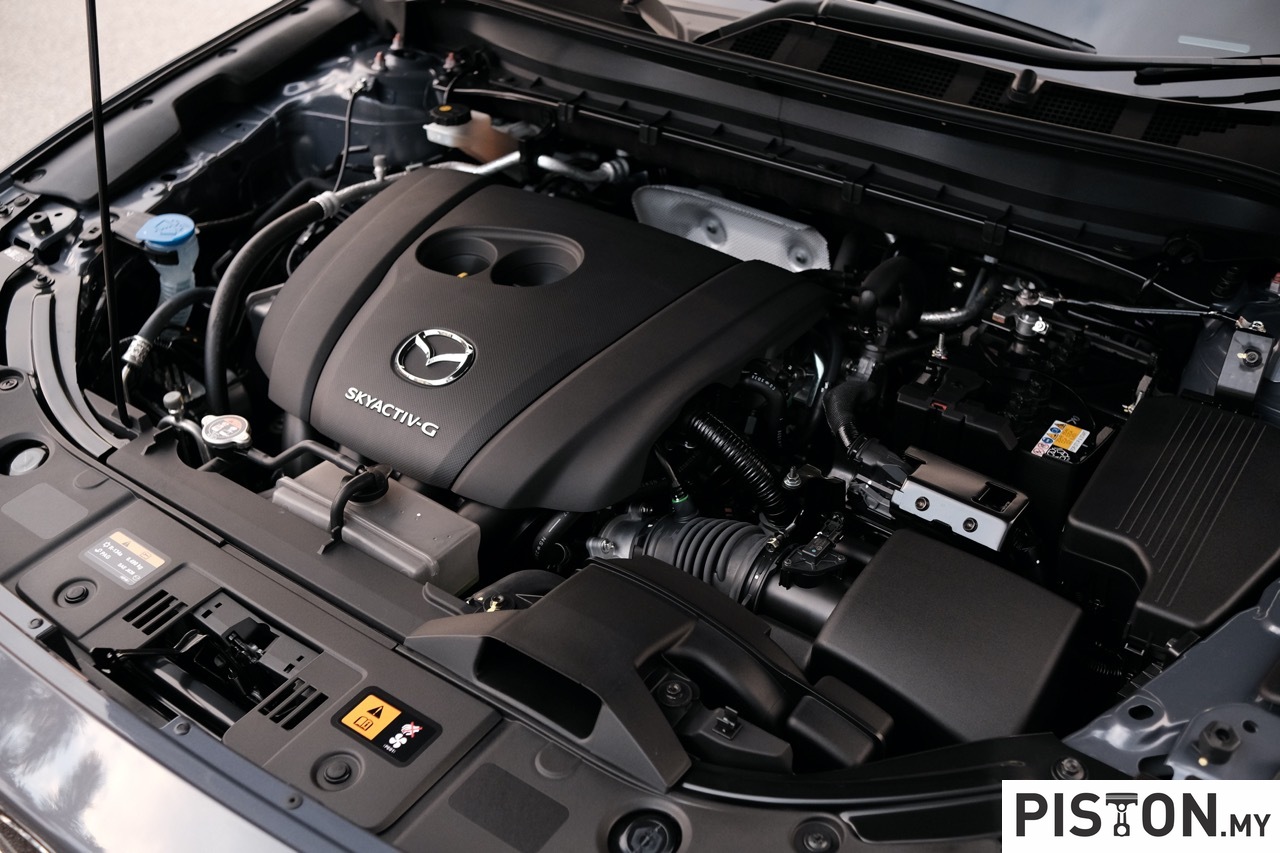
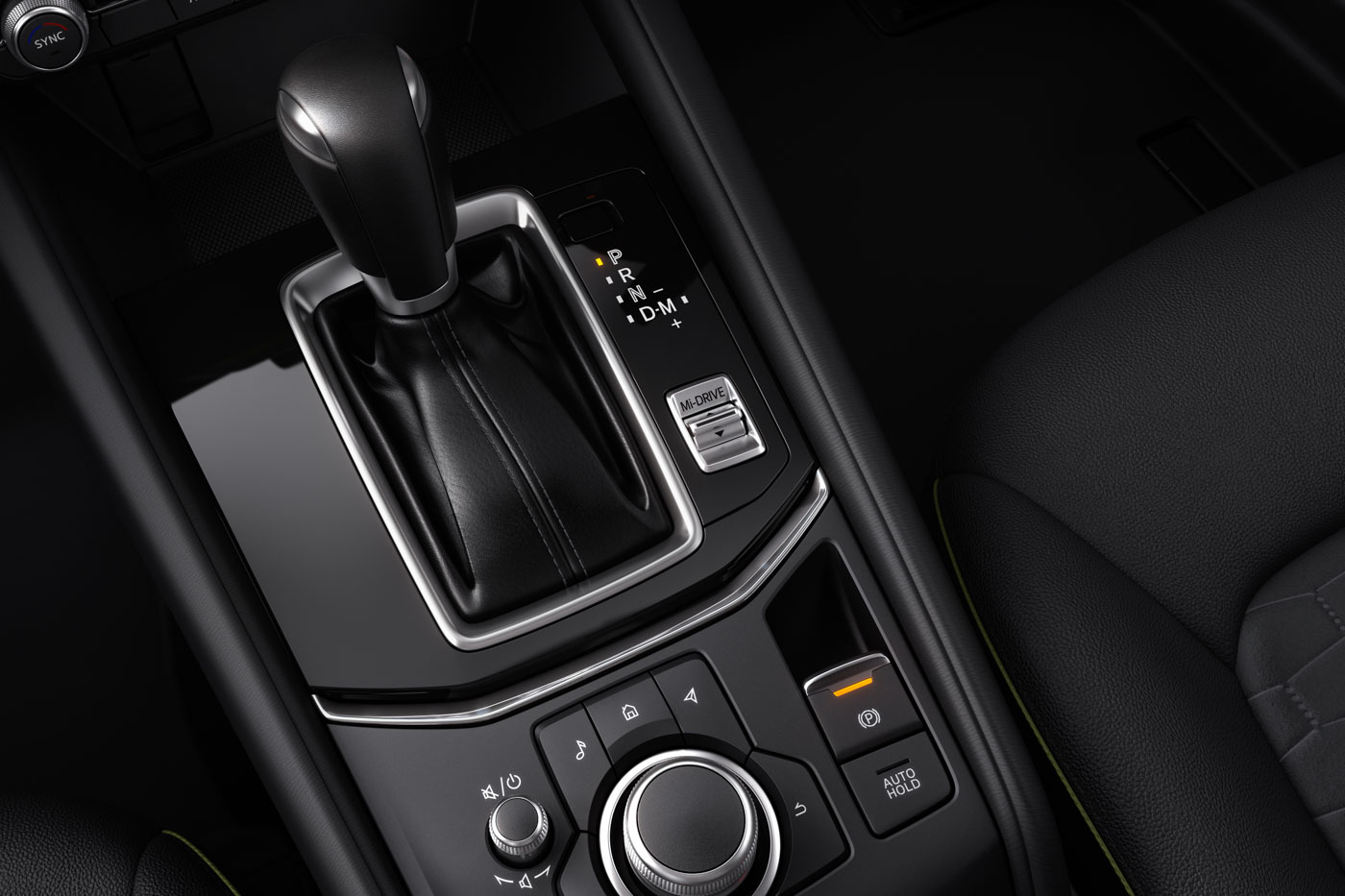
Mazda CX-5 2.0G Mid dan 2.0G High dilengkapi dengan enjin SkyActiv 4-silinder 2.0 liter naturally-aspirated, dipasangkan dengan transmisi automatik Skyactiv 6-kelajuan. Menghasilkan kuasa maksimum 162hp dan tork 213Nm, model ini berfungsi dengan sistem penggerak roda hadapan. Sistem suspensi terdiri daripada MacPherson Struts di bahagian hadapan dan susunan Multi-Link di bahagian belakang. Mod pemanduan termasuk Normal dan Sport.
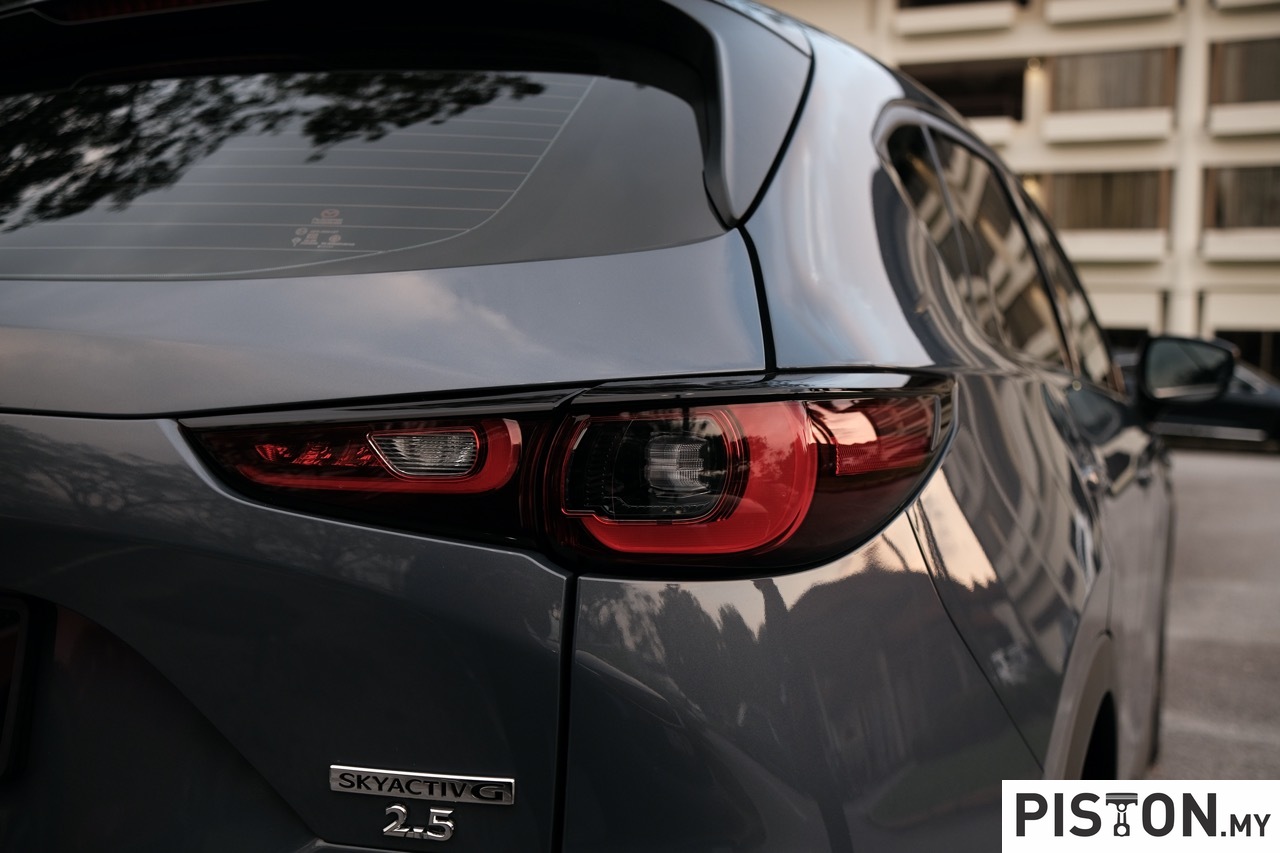
Dengan enjin SkyActiv 4-silinder 2.5 liter naturally-aspirated, Mazda CX-5 2.5G High 2WD menggunakan transmisi automatik Skyactiv 6-kelajuan. Dengan kuasa maksimum sebanyak 192hp dan tork 258Nm, varian ini beroperasi dengan penggerak roda hadapan. Ia merangkumi MacPherson Struts untuk suspensi depan dan sistem Multi-Link untuk bahagian belakang. Mod pemanduan yang ada adalah Normal dan Sport.
Dilengkapi dengan enjin turbodiesel SkyActiv 4-silinder 2.2 liter, Mazda CX-5 2.2D High 2WD menggunakan transmisi automatik Skyactiv 6-kelajuan. Dengan kuasa maksimum sebanyak 188hp dan tork yang mengagumkan sebanyak 450Nm, model ini beroperasi dengan penggerak roda hadapan. Susunan suspensi merangkumi MacPherson Struts di bahagian hadapan dan sistem Multi-Link di bahagian belakang. Sama seperti varian lain, ia menawarkan mod pemanduan Normal dan Sport.
Mazda CX-5 2.5G High AWD didorong oleh enjin turbo 4-silinder SkyActiv 2.5 liter, dipadankan dengan transmisi automatik Skyactiv 6-kelajuan. Dengan konfigurasi penggerak semua roda, varian ini memberikan prestasi yang kuat dengan kuasa maksimum sebanyak 228hp dan tork 420Nm. Sistem suspensi terdiri daripada MacPherson Struts di bahagian hadapan dan susunan Multi-Link di bahagian belakang. Ia menawarkan beberapa mod pemanduan, termasuk Normal, Sport, dan Off-Road.
Harga untuk barisan CX-5 2024 bermula dengan 2.0G 2WD Mid pada RM144,469.20, diikuti oleh 2.0G 2WD High pada RM161,169.20. Pilihan enjin yang lebih besar tanpa penurunan, 2.5G 2WD High, berharga bermula dari RM174,960.40. Menuju ke varian turbodiesel, 2.2D 2WD High boleh didapati dari RM180,322.80, dengan varian petrol berkuasa turbo 2.5G AWD High menjulang pada jangkauan RM188,760.40.
Semua harga adalah termasuk cukai jalan tanpa insurans untuk penyelesaian cat logam dan tidak termasuk aksesori. Aksesori tambahan, termasuk filem tingkap Activ-e dan plat sel sill bercahaya LED, boleh diperoleh dengan harga RM2,410, manakala tempat duduk kulit dihargai RM2,900. Pilihan cat premium boleh didapati dengan tambahan RM3,300.
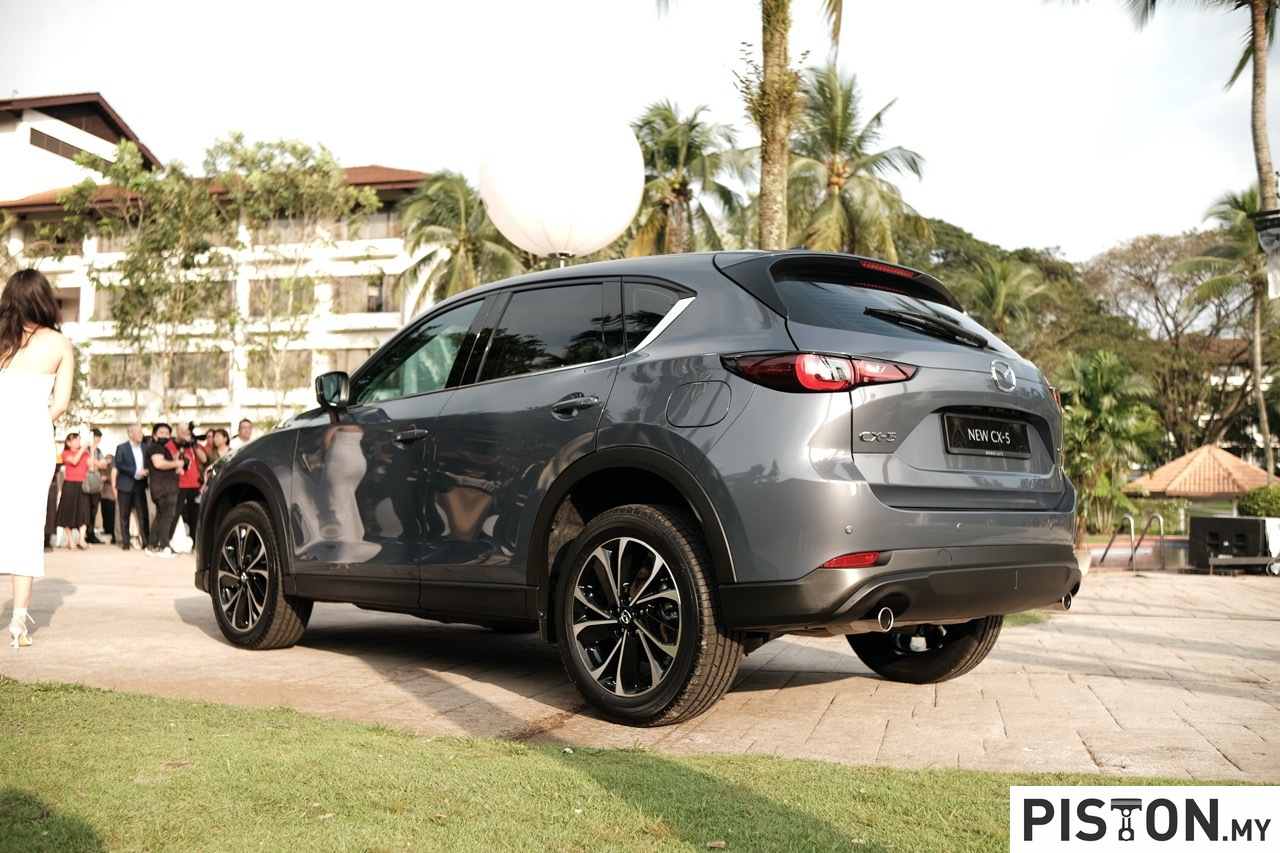
Bermaz Auto has introduced the highly anticipated 2024 Mazda CX-5 facelift to the discerning Malaysian market. This latest iteration of the CX-5 combines performance, style, and advanced features, cementing Mazda’s reputation for delivering excellence in the automotive realm.
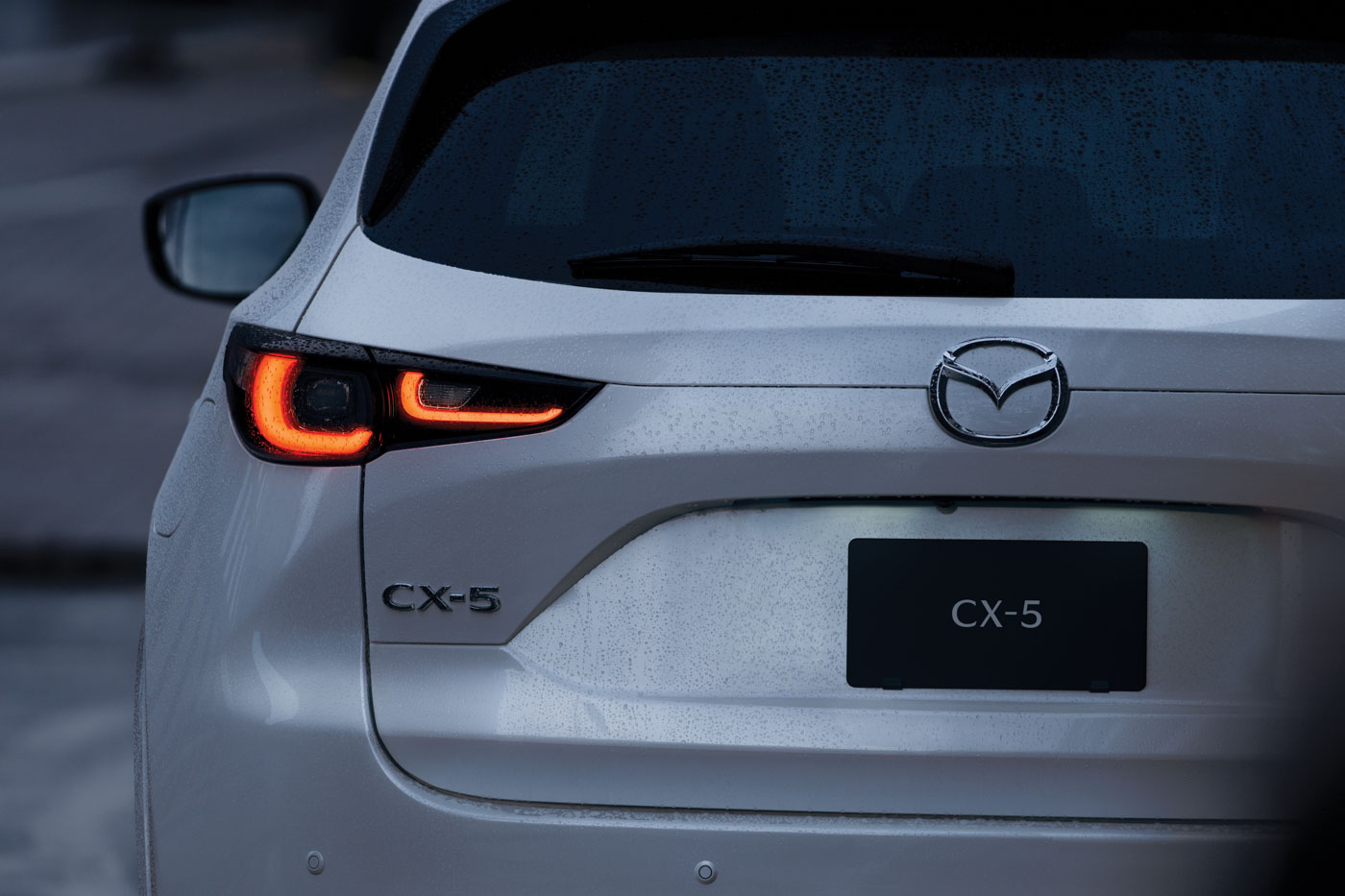
The facelifted 2024 CX-5 boasts a redesigned three-dimensional front fascia, including an updated grille and a more compact central air intake on the front bumper. Among the notable upgrades, the 2.0G 2WD Mid now includes advanced keyless entry. Additionally, models from 2.0G 2WD High and above are equipped with convenient shift paddles behind the steering wheel and signature LED headlamps.
The wheel sizes on the 2024 CX-5 range from 17-inch alloy wheels on the 2.0G 2WD Mid and High variants to larger 19-inch wheels on the 2.5G 2WD High, 2.2D 2WD High, and the 2.5T 4WD High versions.
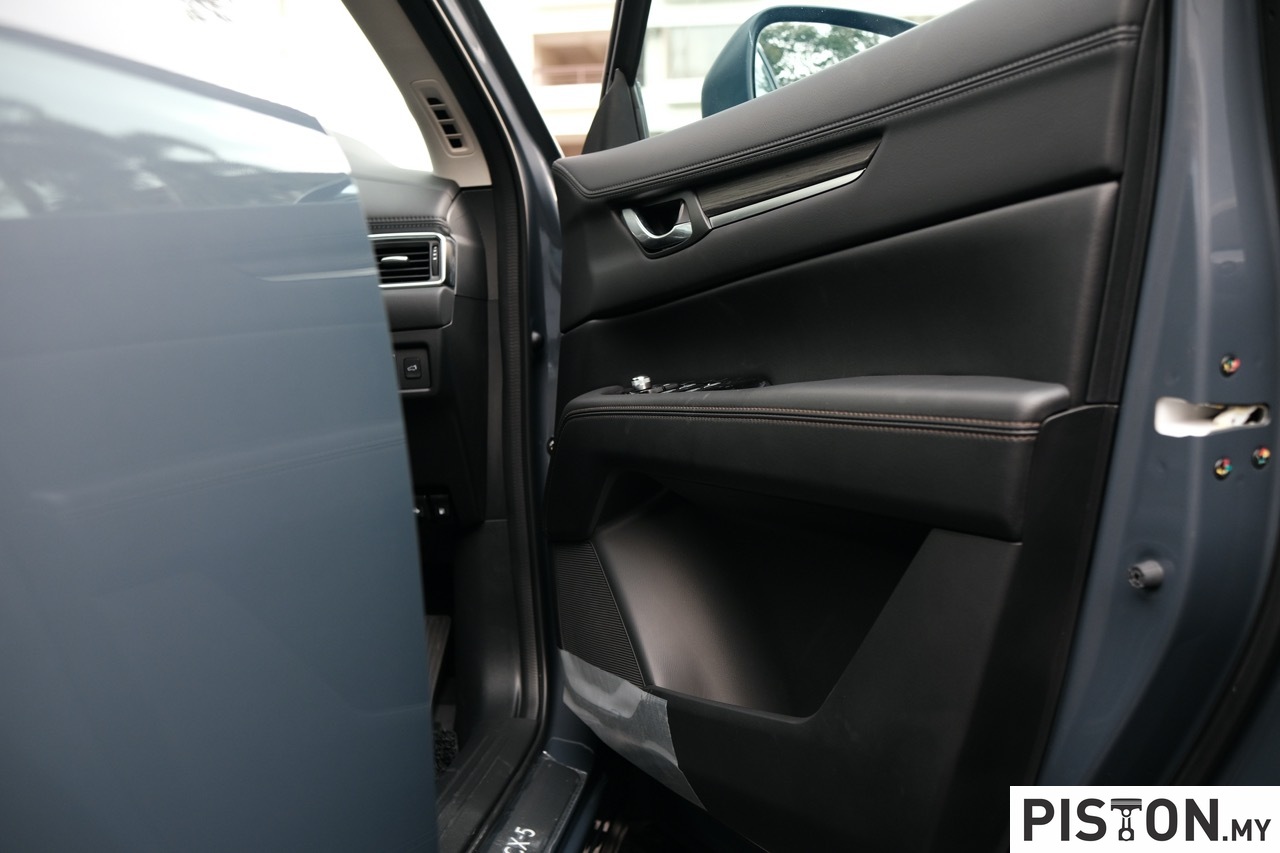
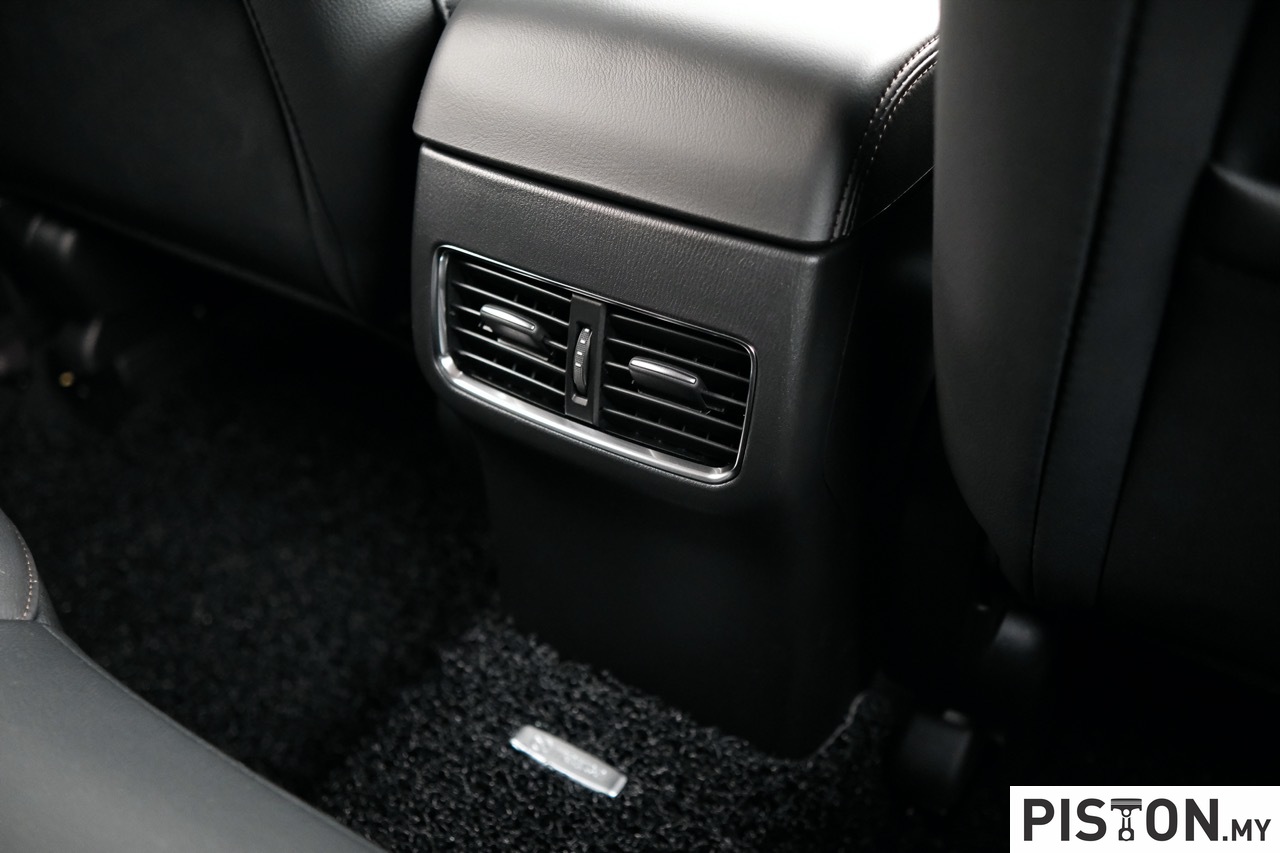
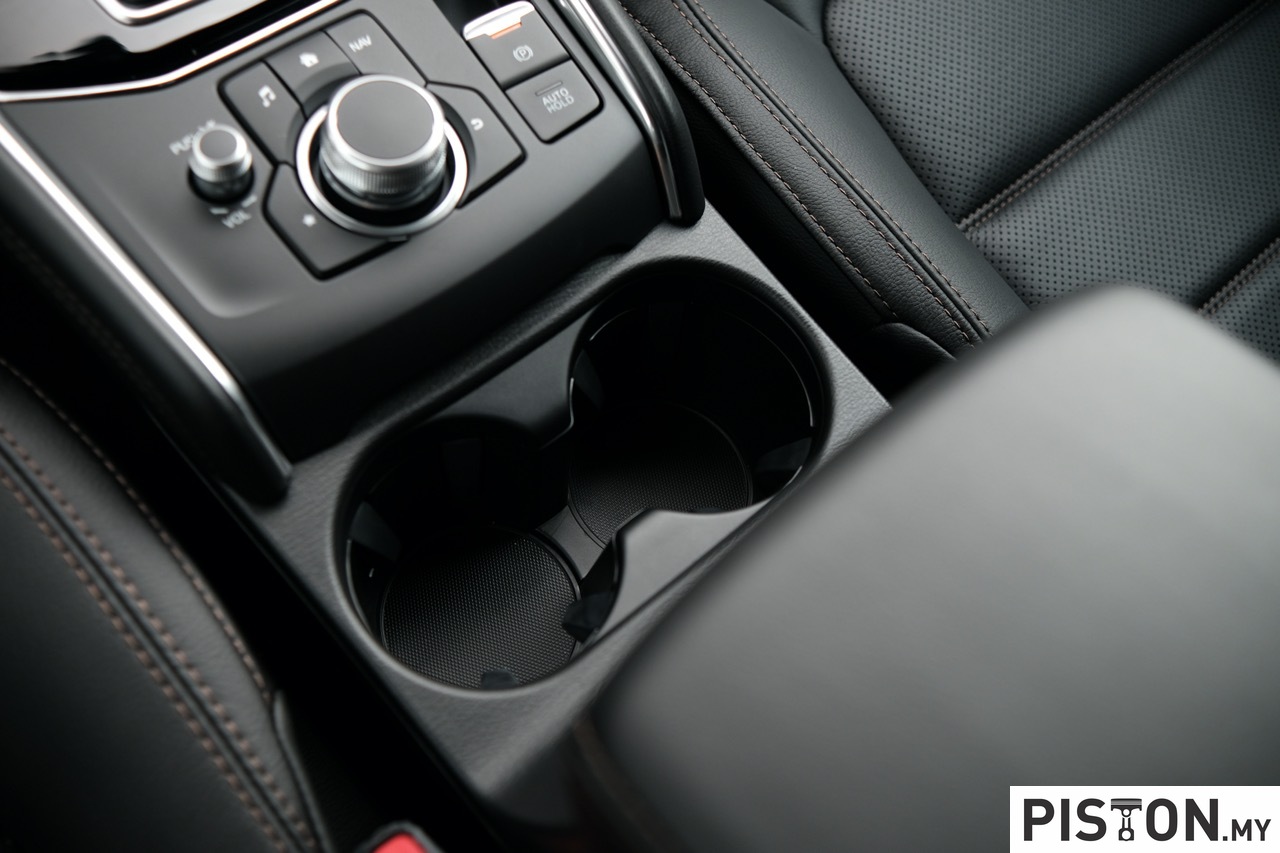
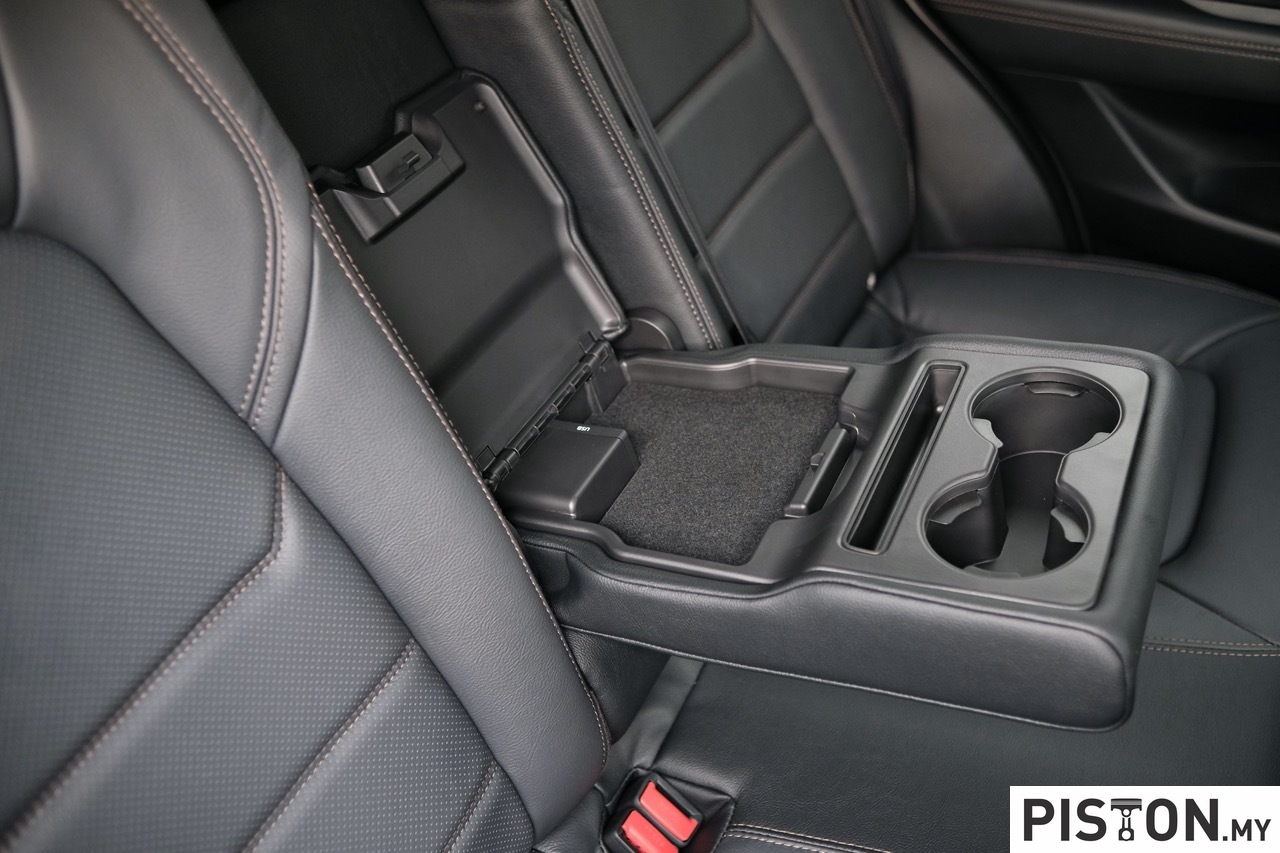
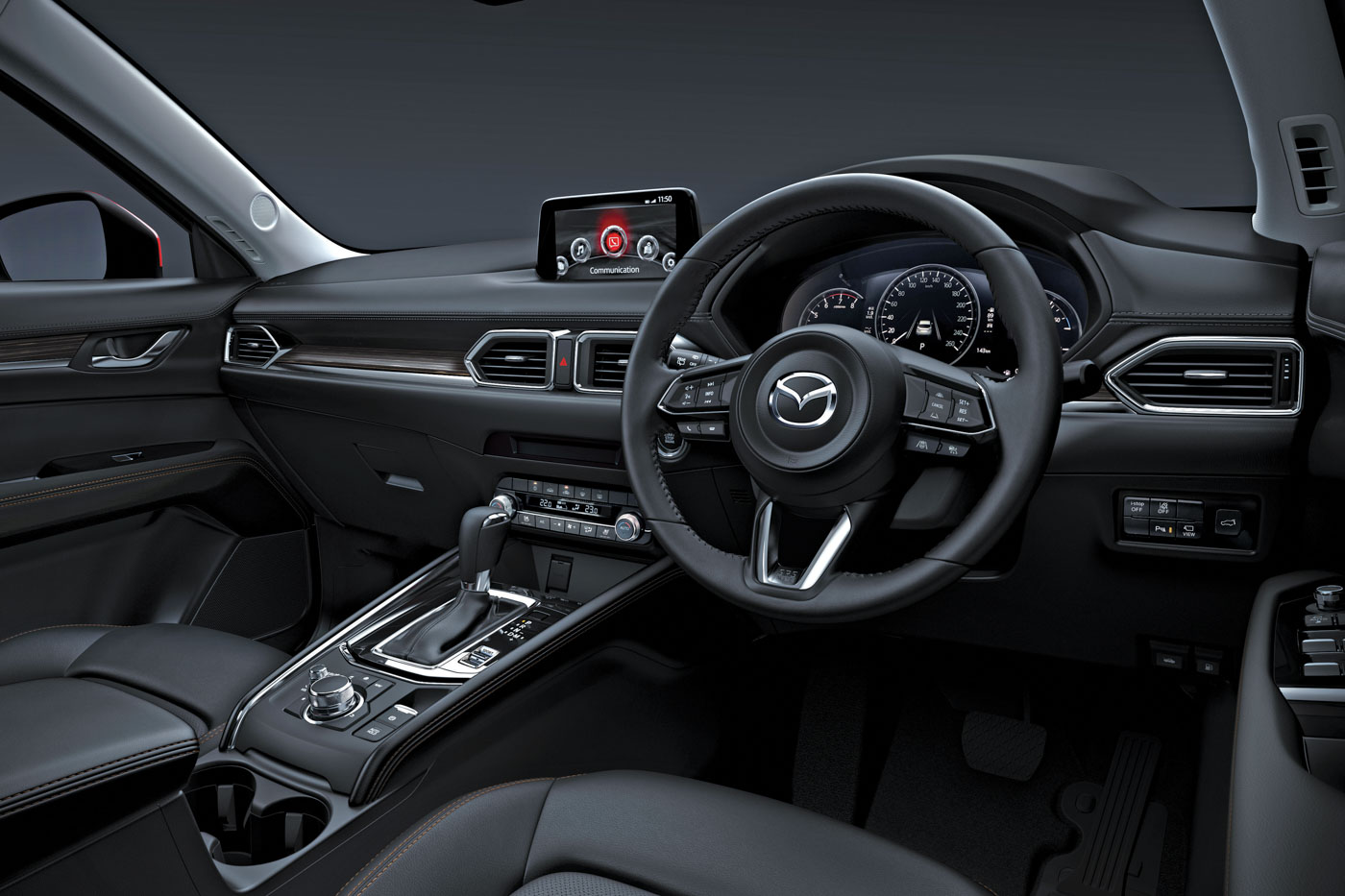
In terms of interior features, the 2.5G 2WD High and above models introduce seat ventilation for the driver and front passenger. Additionally, this variant level incorporates a seven-inch TFT LCD multi-info instrument display, distinguishing it from the two 2.0G variants with a 4.6-inch display. The 2.0G 2WD Mid comes with a standard display, while the High variant is equipped with a multi-info display of the same size.
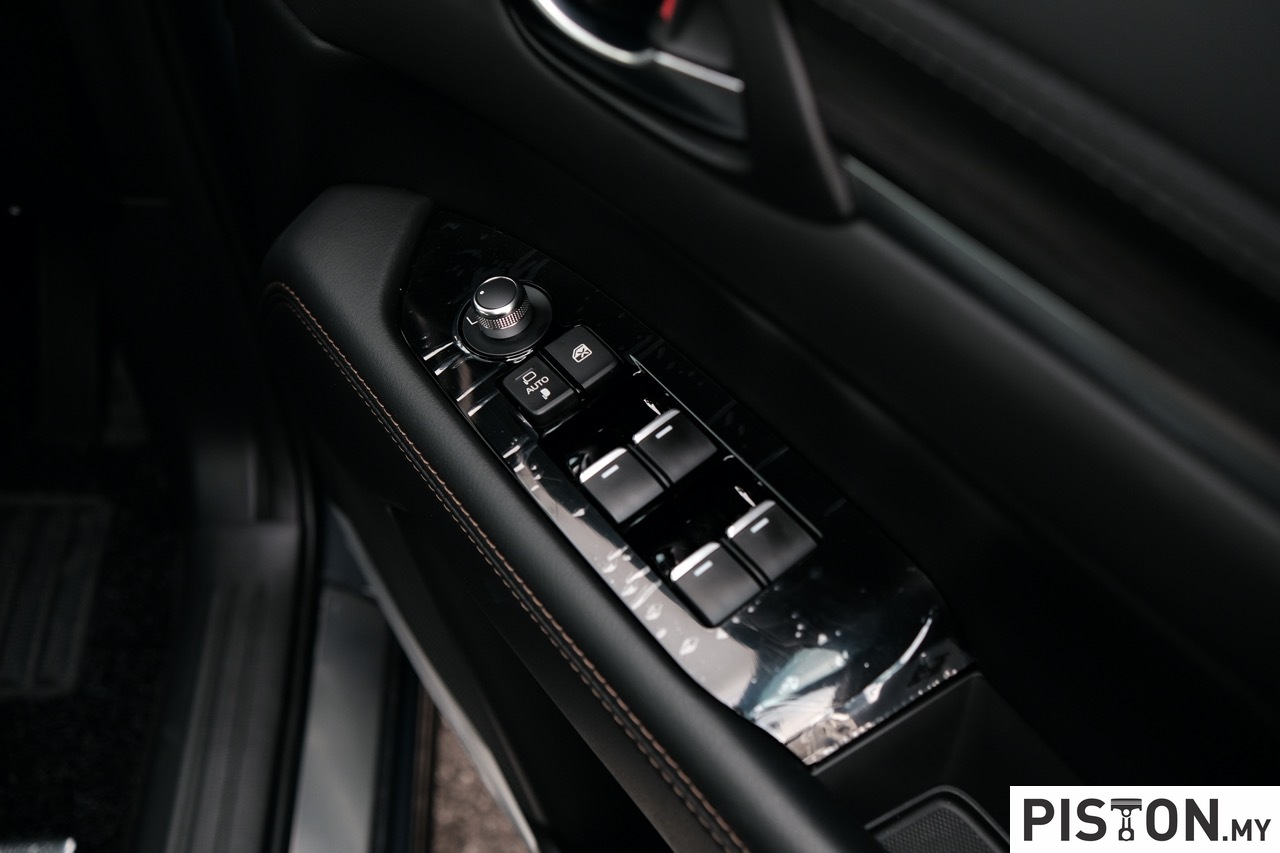
Seating variations include fabric, manually adjusted seats in the 2.0G 2WD Mid, while the 2.0G High and above upgrade to leather seats with a 10-way power adjustment for the driver, along with a two-position memory. The front passenger seat is six-way power-adjustable.
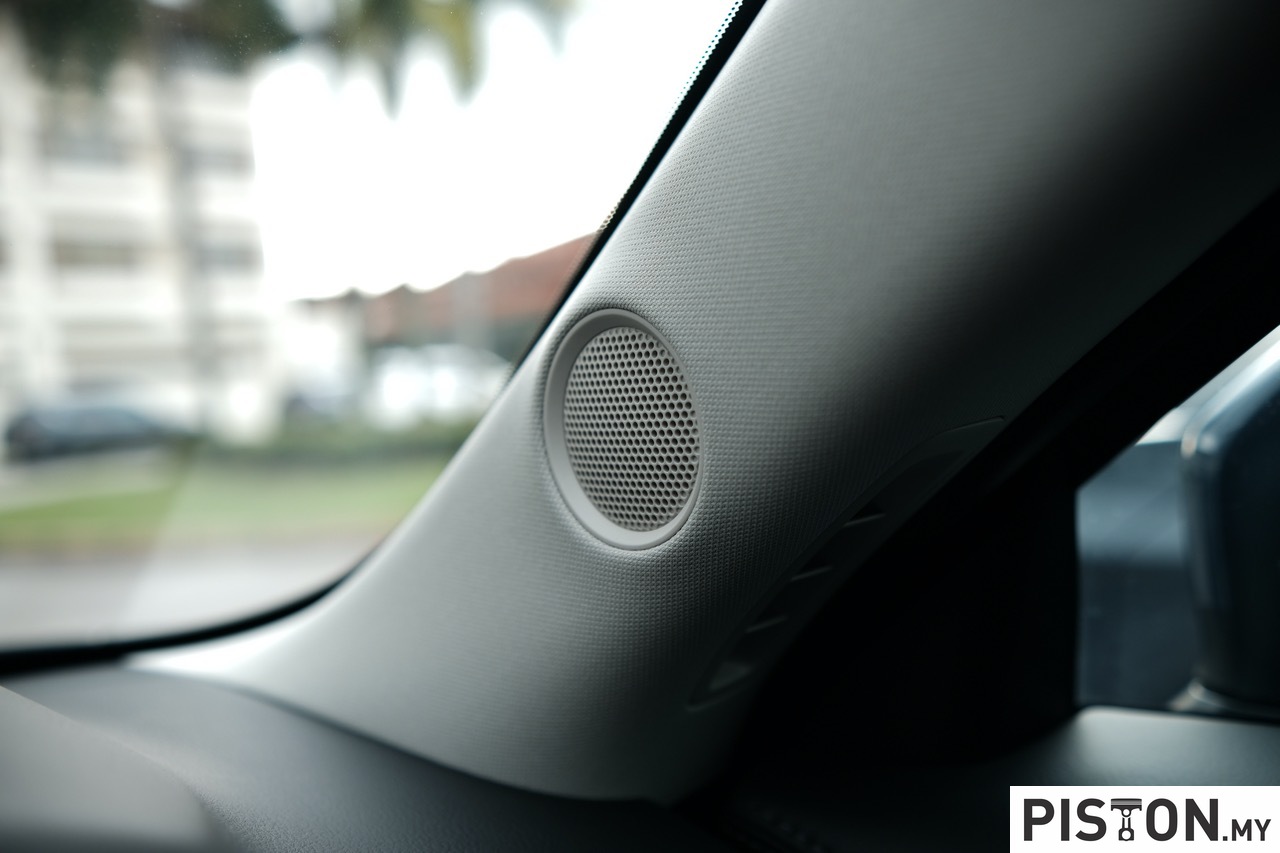
Infotainment features are consistent across all variants, offering an eight-inch capacitive touchscreen, Android Auto, wireless Apple CarPlay, six speakers, four USB ports, and a wireless device charger. The 2.0G 2WD High and above versions are enriched with a 360-degree camera system, while the base 2.0G 2WD Mid includes a reversing camera.
From the 2.0G 2WD High onwards, advanced driver assistance systems are included, featuring adaptive front lighting, high beam control, blind spot monitoring, rear cross-traffic alert, lane departure warning, lane-keeping assist, driver attention alert, smart city brake support, smart brake support, radar cruise control, and cruising and traffic support.
The 2024 Mazda CX-5 facelift offers a range of exterior colors, including Jet Black, Snowflake White Pearl, Machine Gray, Deep Crystal Blue, Soul Red Crystal, Polymetal Gray, and Platinum Quartz. The model comes with a five-year, 100,000 km manufacturer’s warranty, along with a complimentary maintenance package for the same duration and mileage.
The Mazda CX-5 2.0G Mid and 2.0G High are equipped with a 2.0-litre naturally-aspirated 4-cylinder SkyActiv engine, paired with a 6-speed Skyactiv automatic transmission. Delivering a maximum power of 162hp and a torque of 213Nm, these models feature front-wheel drive. The suspension system consists of MacPherson Struts at the front and a Multi-Link setup at the rear. The drive modes include Normal and Sport.
Featuring a 2.5-litre naturally-aspirated 4-cylinder SkyActiv engine, the Mazda CX-5 2.5G High 2WD employs a 6-speed Skyactiv automatic transmission. With a maximum power output of 192hp and a torque of 258Nm, this variant operates on front-wheel drive. It incorporates MacPherson Struts for the front suspension and a Multi-Link system for the rear. The available drive modes are Normal and Sport.
Equipped with a 2.2-litre 4-cylinder SkyActiv turbodiesel engine, the Mazda CX-5 2.2D High 2WD utilises a 6-speed Skyactiv automatic transmission. Boasting a maximum power of 188hp and an impressive torque of 450Nm, this model operates on front-wheel drive. The suspension setup includes MacPherson Struts at the front and a Multi-Link system at the rear. Similar to other variants, it offers Normal and Sport drive modes.
The Mazda CX-5 2.5G High AWD is driven by a 2.5-litre turbo 4-cylinder SkyActiv engine, coupled with a 6-speed Skyactiv automatic transmission. With an all-wheel-drive configuration, this variant delivers a powerful performance with a maximum power of 228hp and a torque of 420Nm. The suspension system comprises MacPherson Struts at the front and a Multi-Link setup at the rear. It offers multiple drive modes, including Normal, Sport, and Off-Road.
The pricing for the 2024 CX-5 lineup starts with the 2.0G 2WD Mid at RM144,469.20, followed by the 2.0G 2WD High at RM161,169.20. The larger naturally aspirated engine option, the 2.5G 2WD High, is priced from RM174,960.40. Moving to the turbodiesel variant, the 2.2D 2WD High is available from RM180,322.80, with the turbocharged petrol 2.5G AWD High topping the range at RM188,760.40.
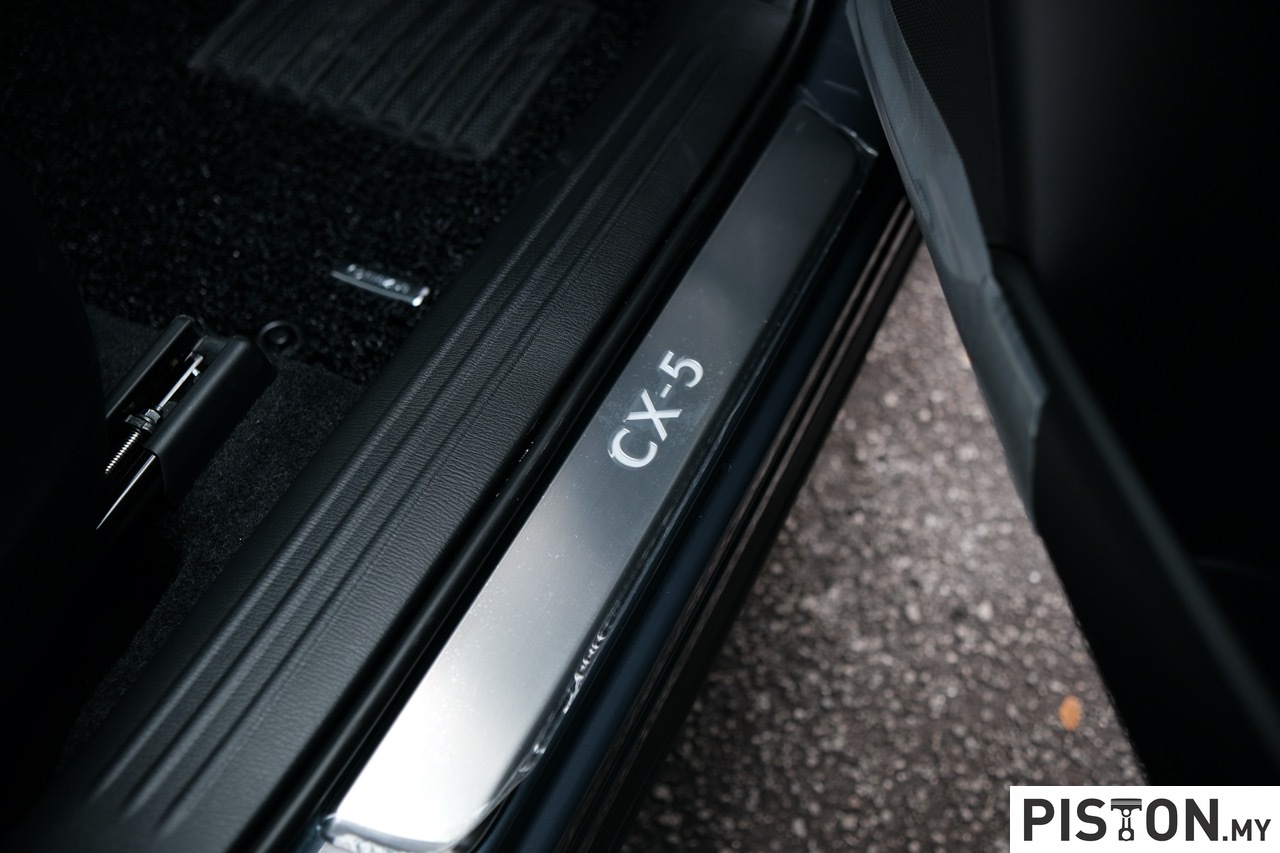
All prices are on-the-road without insurance for metallic paint finishes and exclude accessories. Additional accessories, including the Activ-e window film and LED-illuminated sill plates, can be acquired for RM2,410, while leather seats are priced at RM2,900. Premium paint options are available for an extra RM3,300.
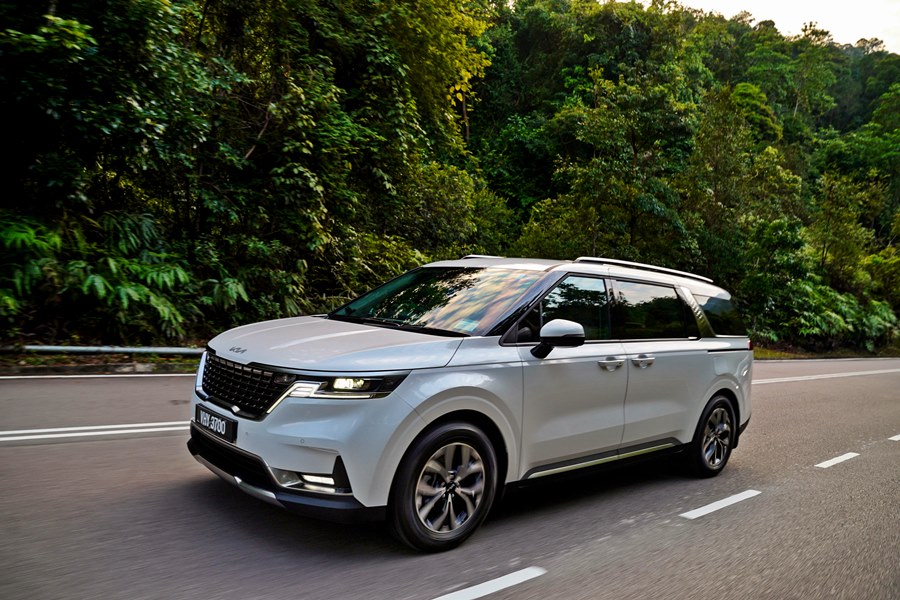
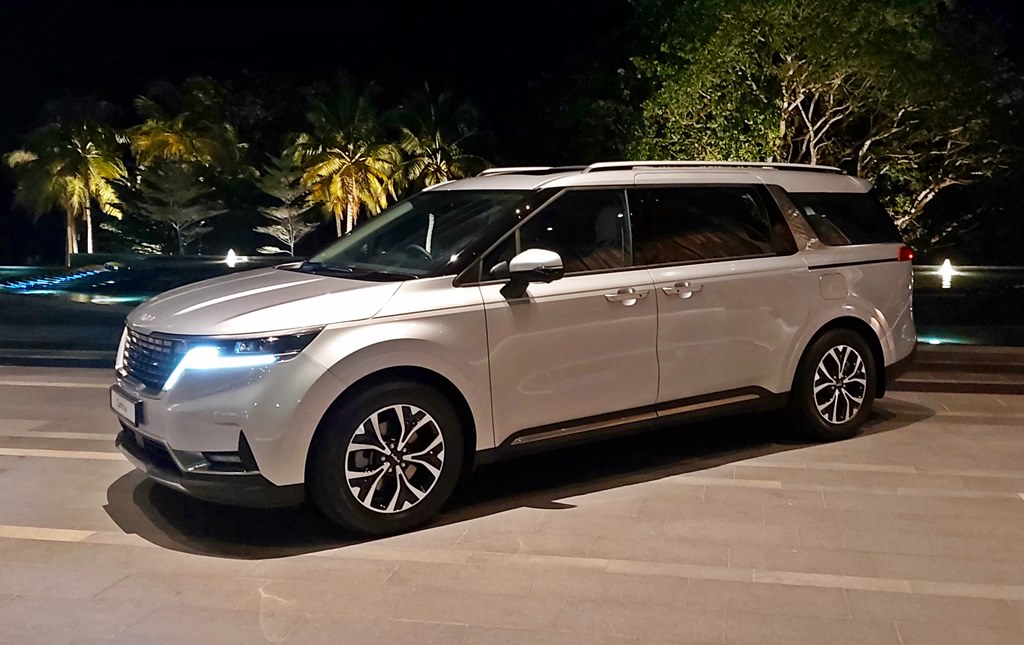
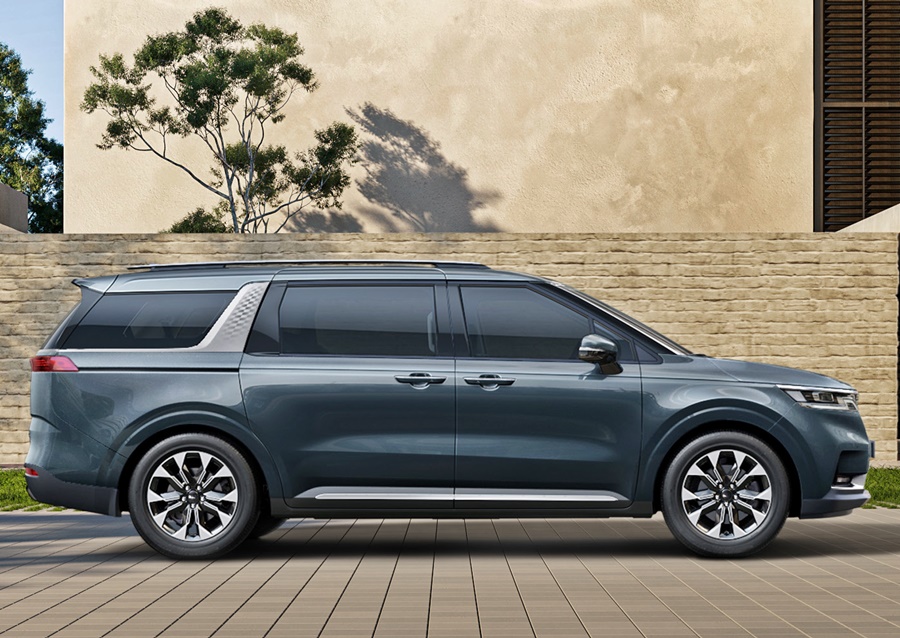
The new locally-assembled Kia Carnival shows how Korean design has come a long way in 50 years, having started with adapting foreign models (under licence) and then trying to design their own cars. They tried to be different, seemingly for the sake of being different and there were strange forms and shapes which were unnecessary. After realizing there was no need to ‘reinvent the wheel’, they began to get experienced foreign designers – the best known being Peter Schreyer who gave Kia a recognizable identity.
From having foreign designers, they also opened design studios in Europe and America where their designers could be immersed in the markets that they were developing products for. As a result, the designs today are original and appealing, without the oddities of trying to be different.
New design approach In the case of the new Carnival, the design originated from Kia’s studio in California which has been in existence since 2008. It’s therefore not surprising that the design is polished, of high quality and has a unique combination of MPV and SUV. In fact, Kia designers have coined the term ‘GUV’ – for Grand Utility Vehicle – to reflect a slightly different class of MPV.
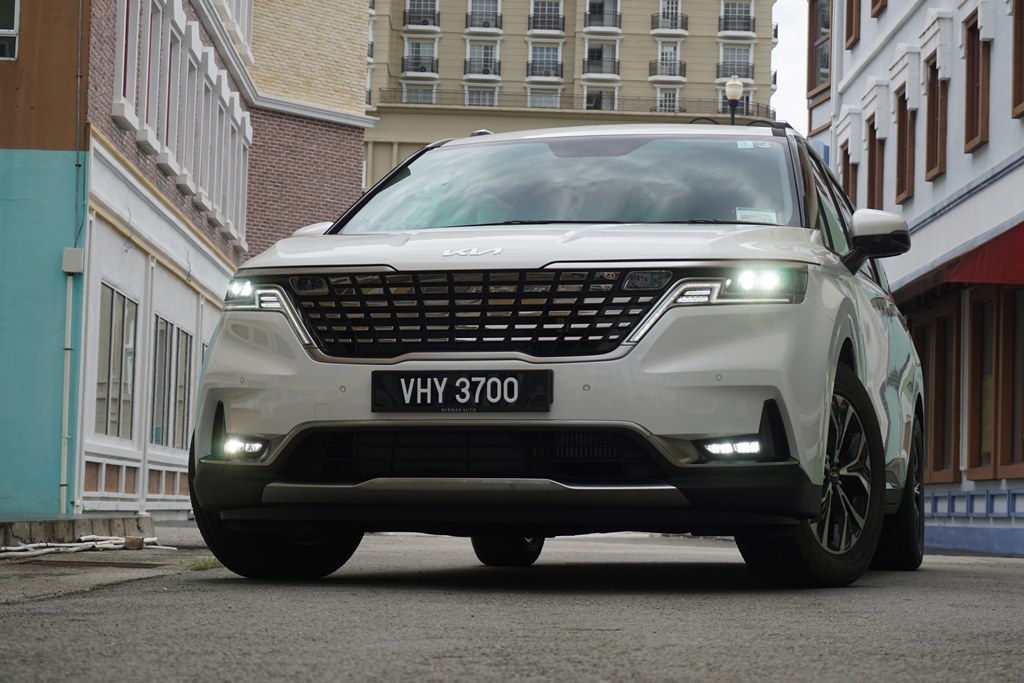
While it has the long monoform of a people-carrier, it doesn’t have the bulkiness and has styling elements that make it look like a long SUV. Besides the lifted front top of the bonnet to give the feel of a large SUV, a skidplate on the bottom edge of the front and rear bumpers are elements which give the SUV-like impression.
The headlamps don’t have conventional covers, with each of the DRLs and lighting elements being separate. The appearance is a bit futuristic, which also gives originality to the Carnival’s design. The grille, sized proportionately to the vehicle, is quite a simple execution which looks like the ‘Tiger Nose’ has finally evolved away from its familiar look.
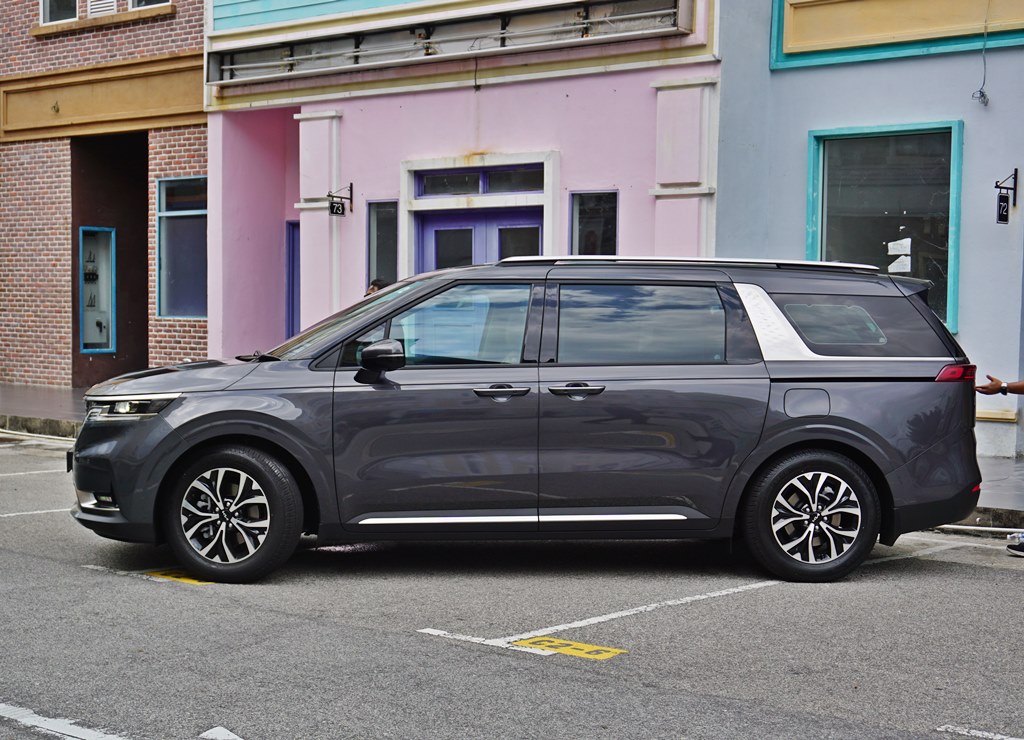
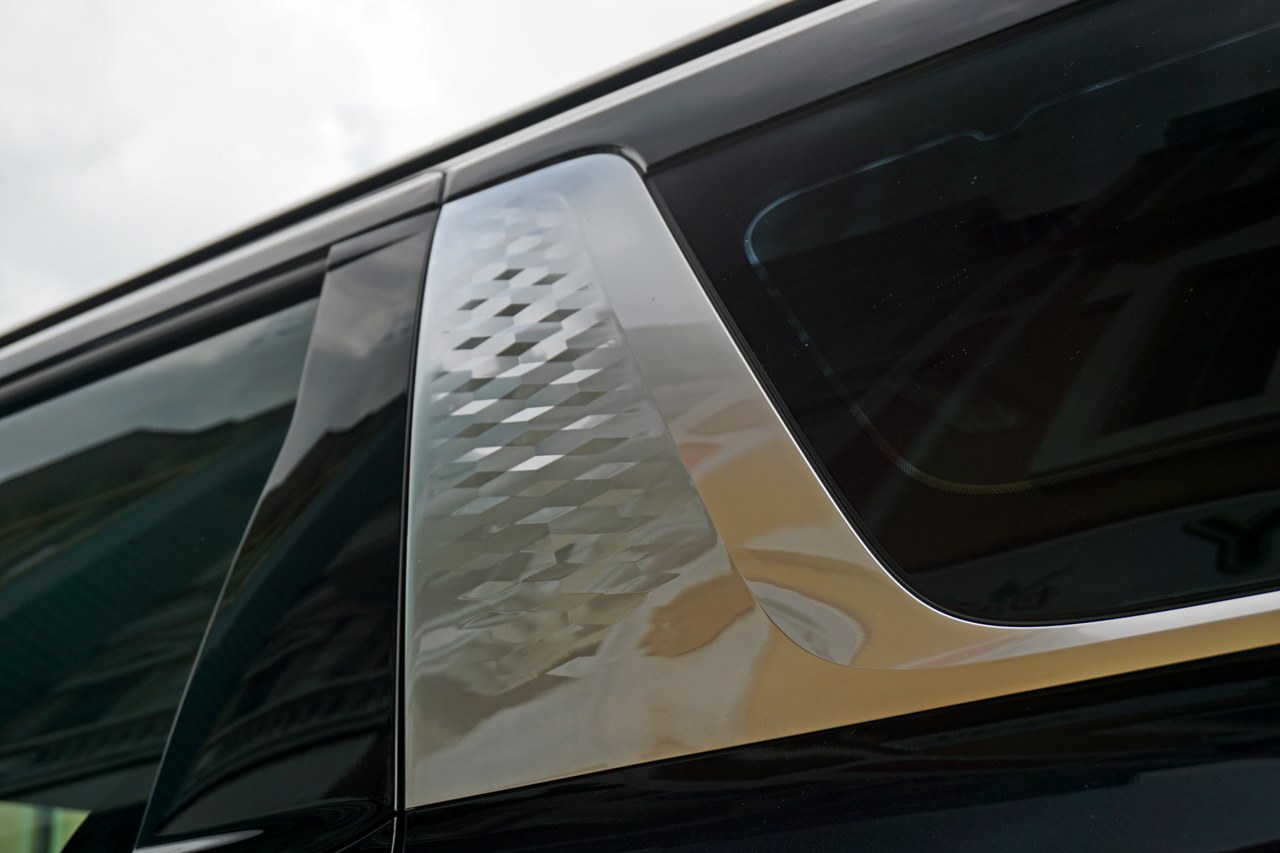
Most MPVs have a pretty dull side view but the Kia designers have given the Carnival a more eye-catching and sporty appearance here. Apart from the ‘floating roof’, the tapered and angled C-pillar provides a unique look, and the texture garnish adds a touch of class too. The texture is also found on the dashboard trim, contributing to the premium image that Kia is aiming for.
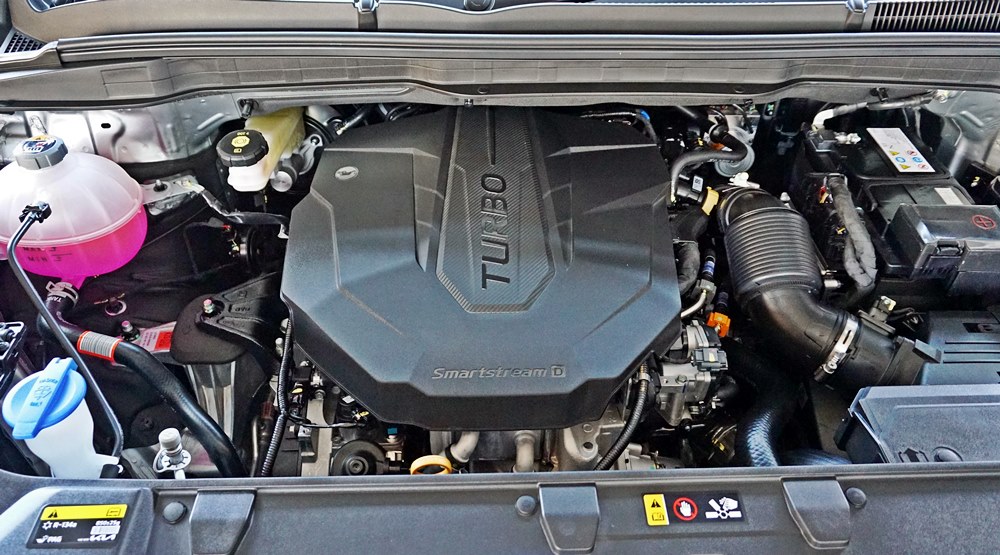
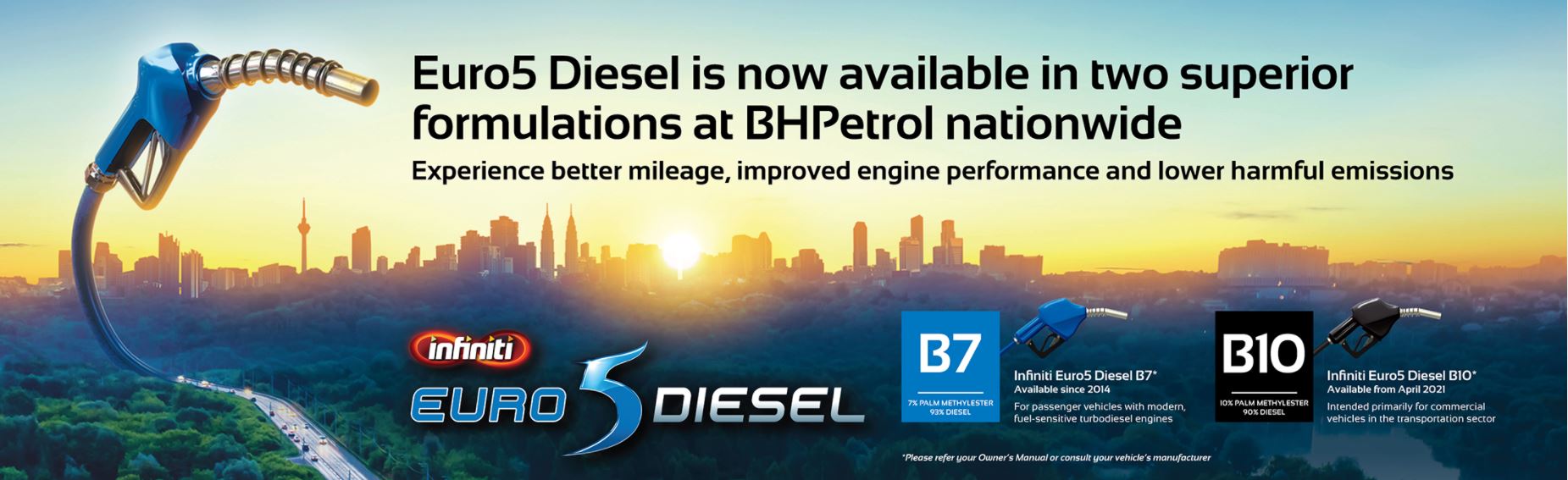
2.2-litre Smartstream turbodiesel Like the imported version we drove earlier, the locally assembled Carnival also has a turbodiesel engine and it is the same all-aluminium 2.2-litre Smartstream 4-cylinder unit. With high-pressure commonrail fuel delivery (Euro5 B7 biodiesel), it develops 199 bhp/440 Nm, with the strong torque available from 1,750 rpm.
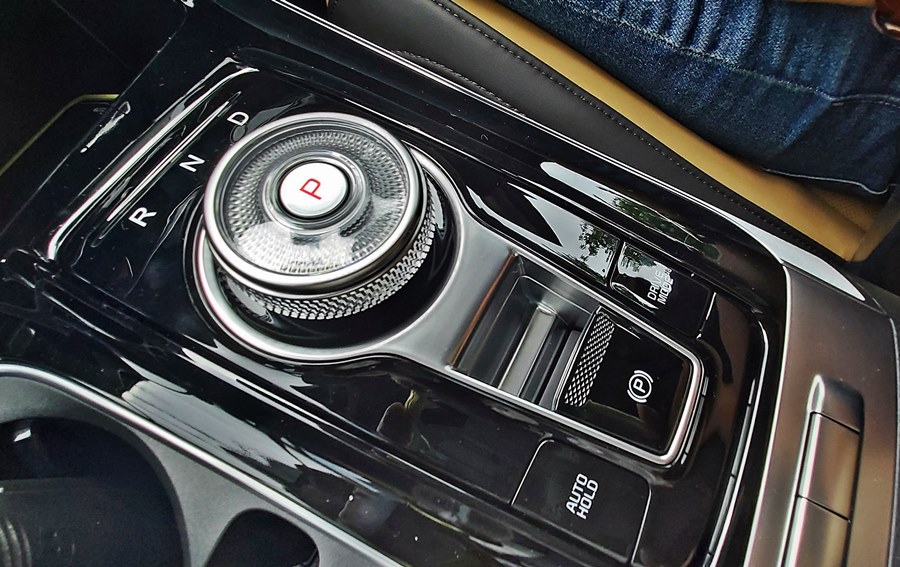
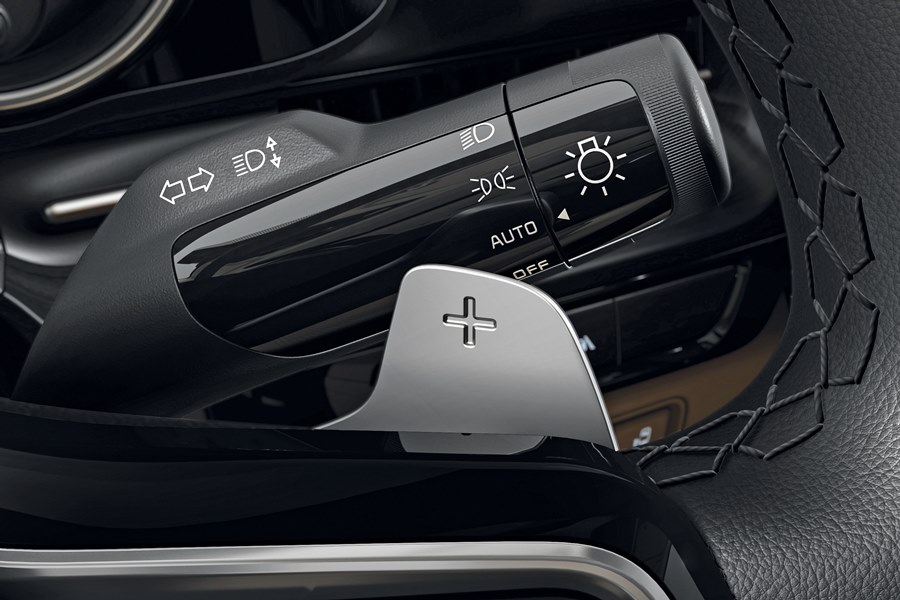
The engine is mated to a conventional torque converter automatic transmission with 8 speeds. There’s no conventional lever for selecting transmission positions; instead, a large E-Shift knob (with a high quality finish) on the centre console is rotated to select the R, N and D positions. Manual selection of gear can still be done using paddle shifters on the steering wheel. The PARK position is easily selected by just pressing the button in the middle of the knob. It’s probably the way transmission control will be in future but for now, some might still miss a lever.
There are also drive modes for quicker acceleration or better economy as well as a SMART mode which is adaptive. It learns the behaviour of the driver and gradually adjusts the characteristics to suit the driving style. Over time, the driver will find the transmission operating smoothly and almost predictably. However, a different driver who takes over may not necessarily like that character and if this new driver uses the vehicle for a long period, then it will gradually change to his or her style. Perhaps then there should be a ‘memory’ function to store preferred characteristics, just like seat positions.
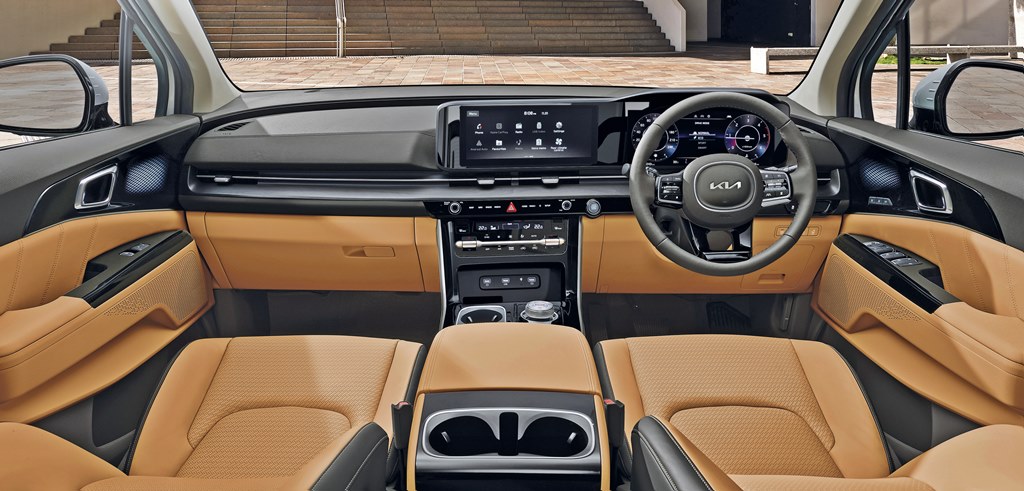
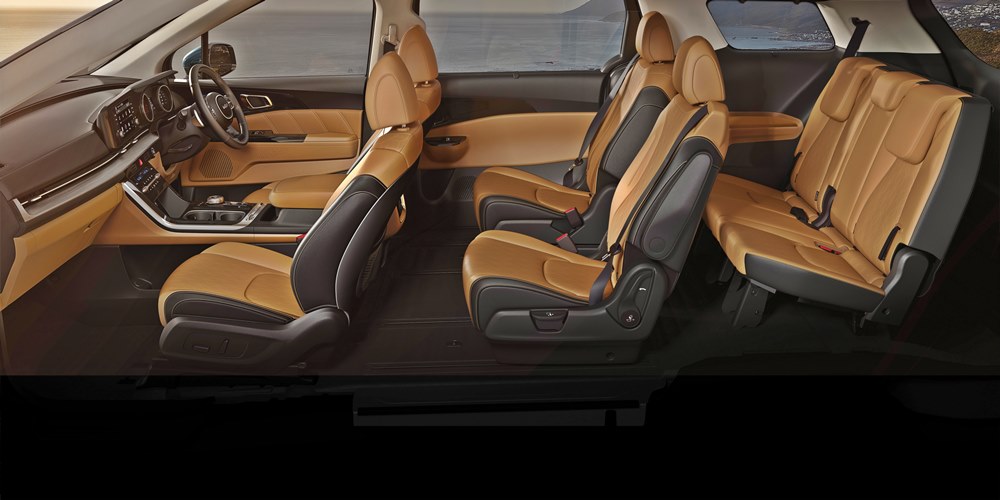
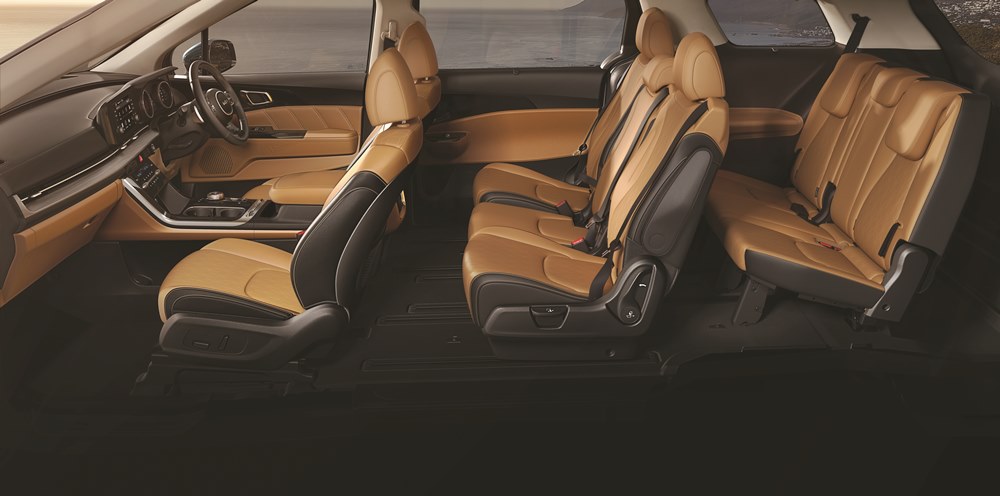
Spaceship-inspired interior The interior is where the new Carnival impresses, and not just with spaciousness that would be expected from its exterior dimensions. The designers have created a more premium image and feel to the cabin with convenience features for everyone on the three rows. The interior designers were inspired by the minimalist yet elegant spaceship interior in the classic 1968 movie ‘2001: A Space Odyssey’ so their initial idea was a family vehicle for going on space travels! Even the dashboard panoramic display that stretches across the driver’s side is intended to give the feeling of being in the cockpit of a high-tech spaceship.
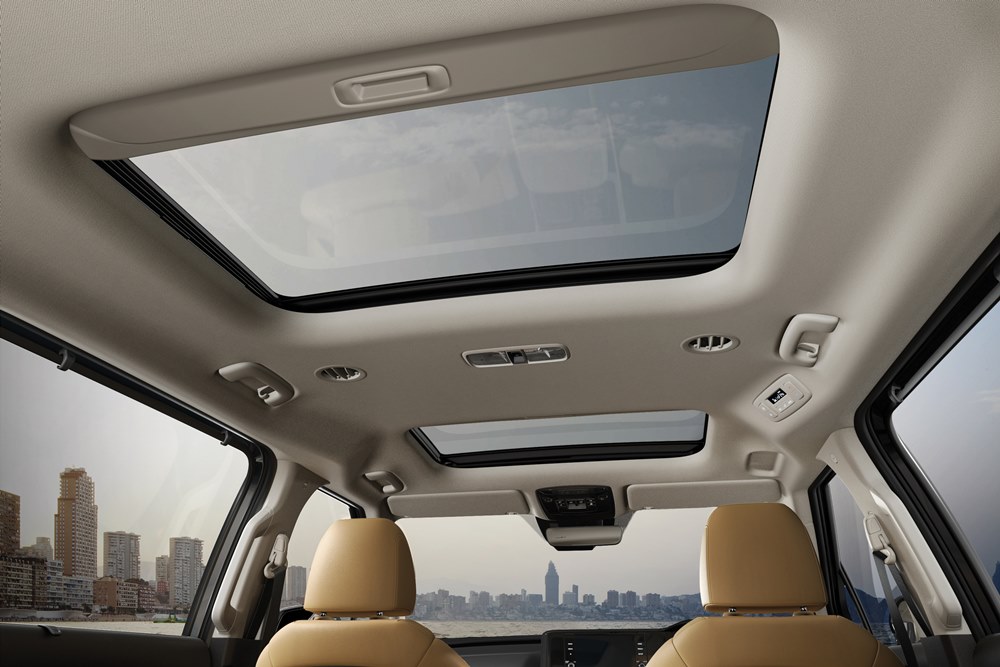
The spaciousness is enhanced by the large windows, especially on both sides of the second row. There’s a panoramic view of the world passing by and with the High version, there are also dual sunroofs overhead to make things feel even more airy.
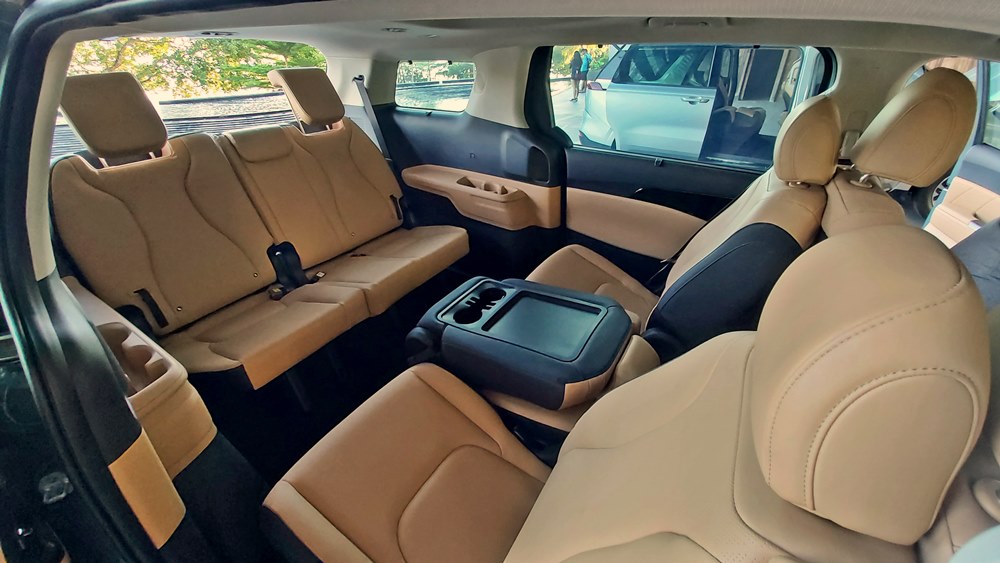
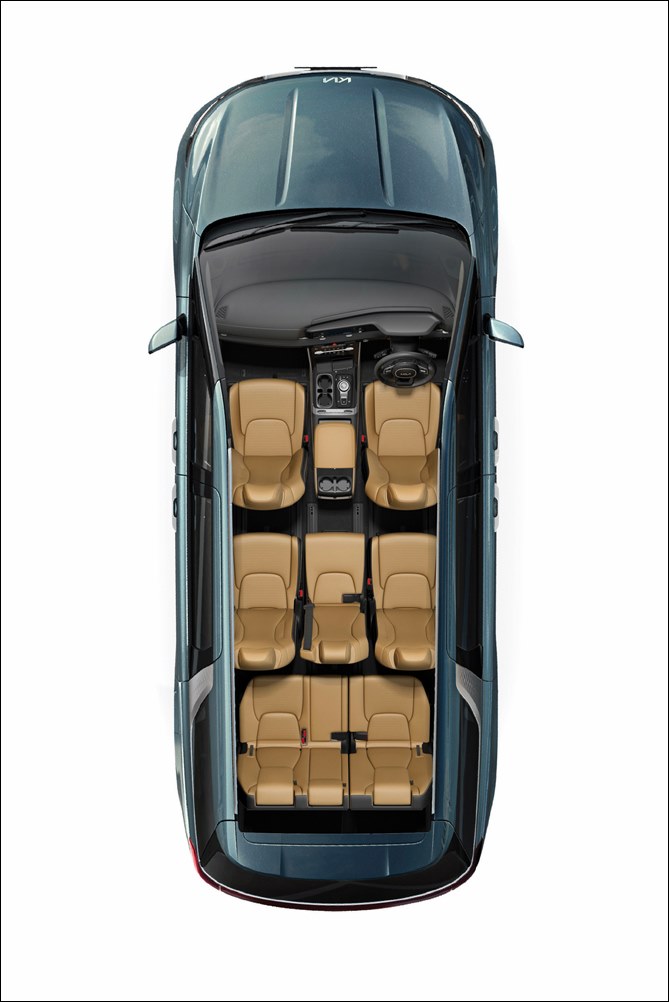
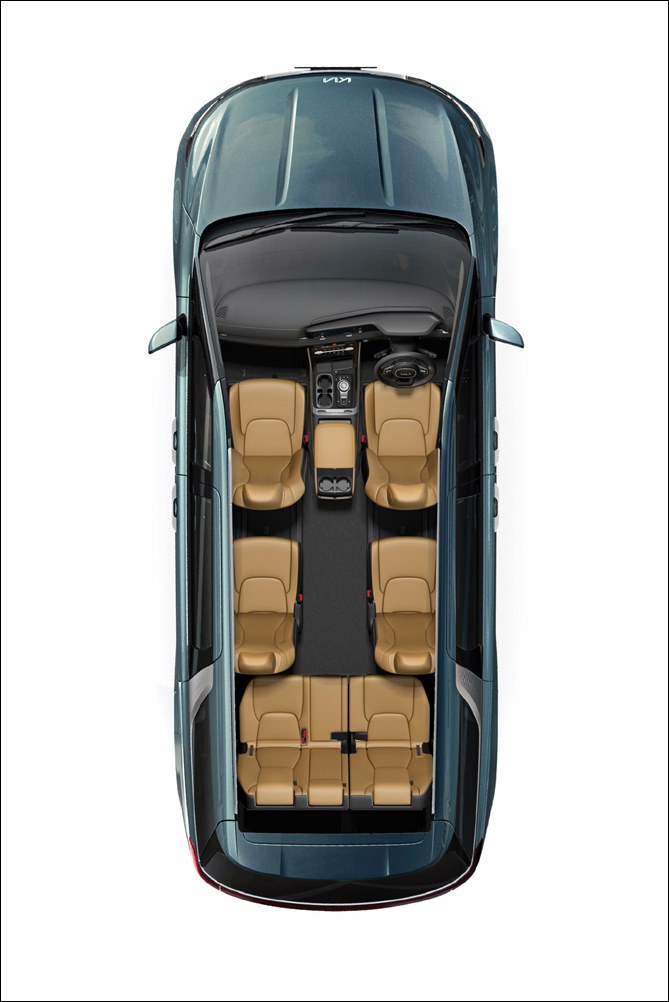
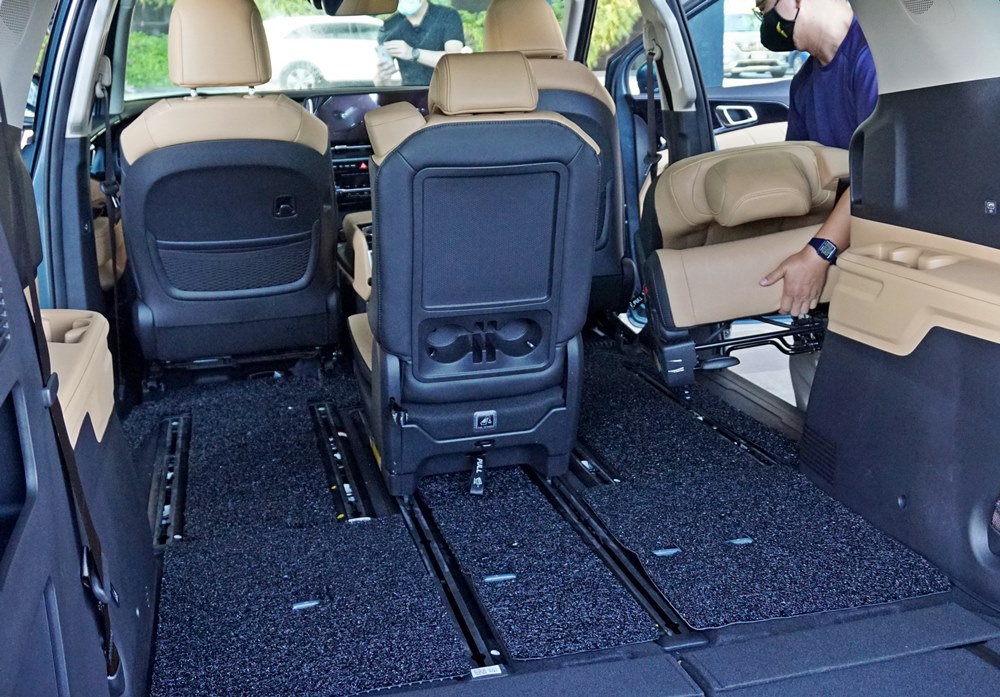
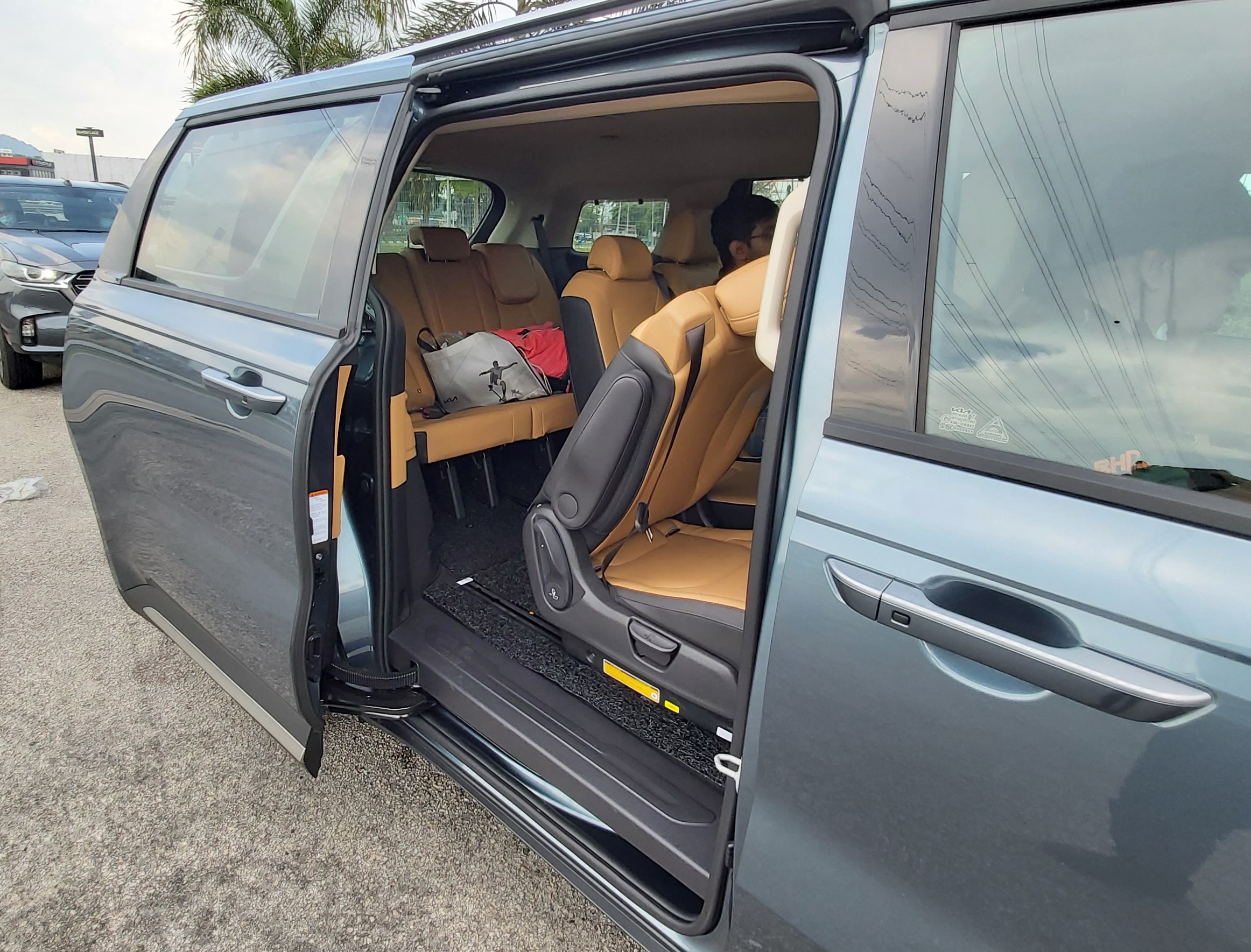
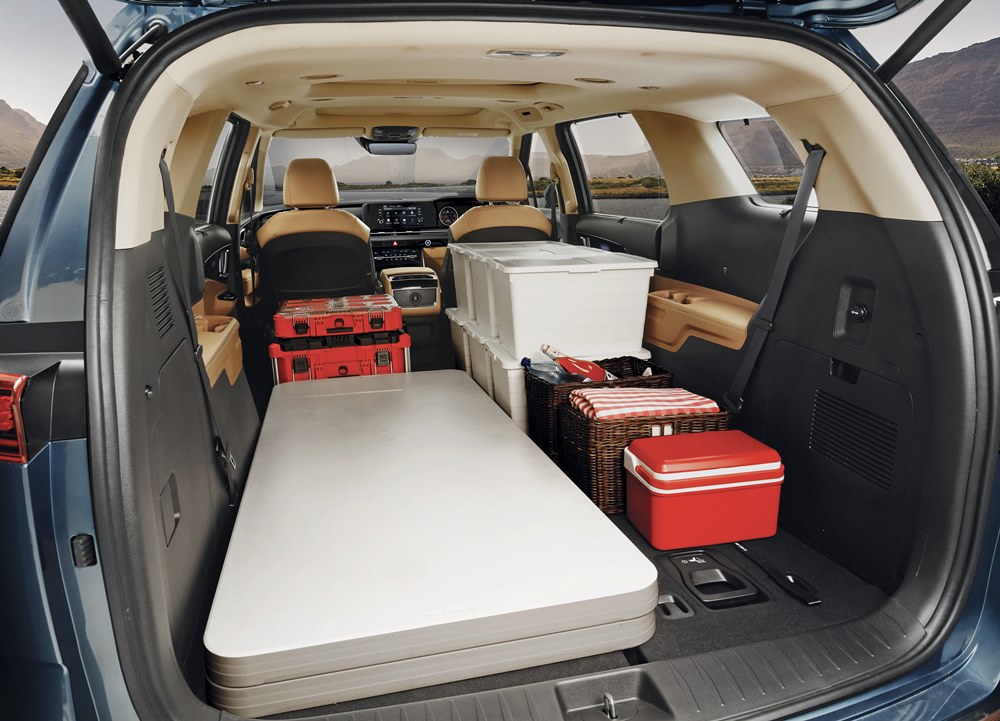
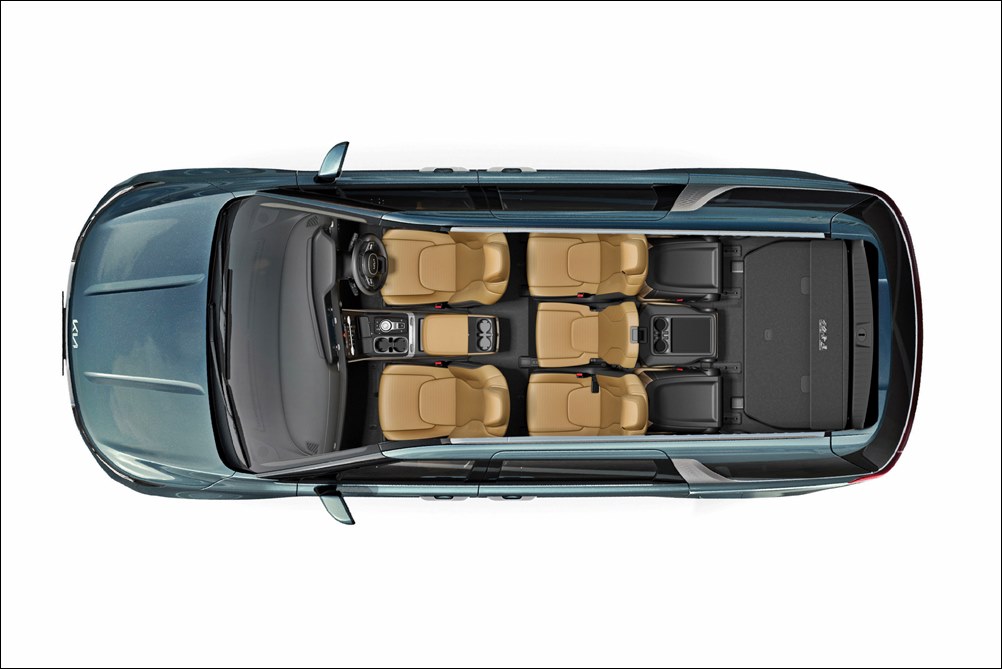
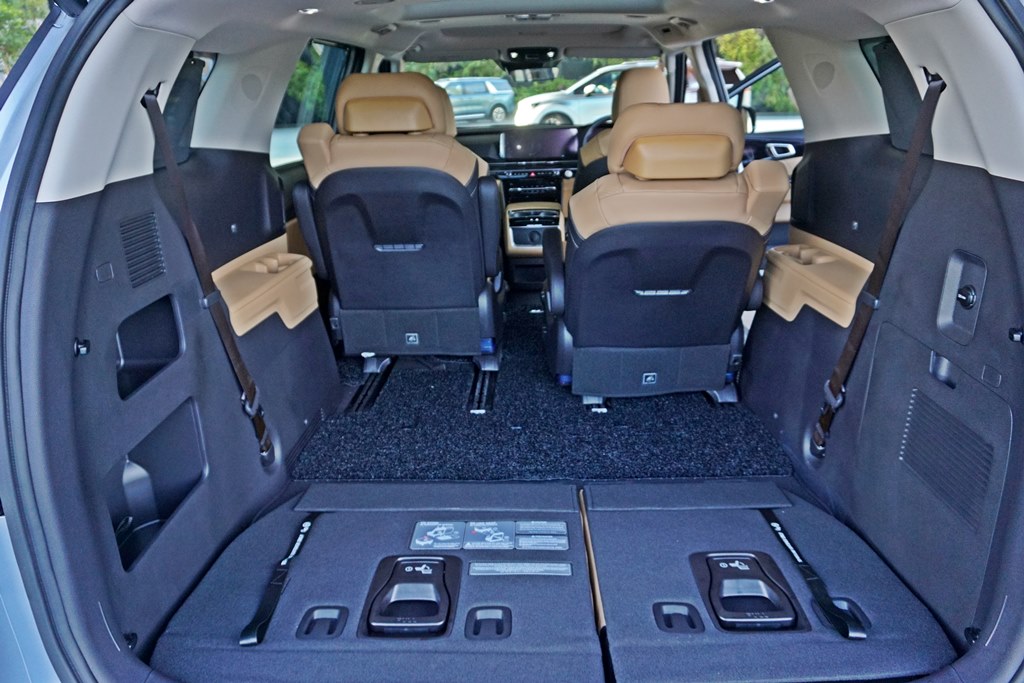
Versatile seating a strong point By far, it was the seating that attracted a lot of attention with its variability. As mentioned before, the locally-assembled model is available as a 7-seater or 8-seater, whereas the CBU version we tested in February was an 11-seater. The layout, with maximum people capacity, would be 2-2-3 or 2-3-3. In both versions, the third row folds flat into the floor but for the second row, the seats are fixed in the 7-seater due to the many electrical systems in them. For the 8-seater, they can be adjusted in various ways, turned around the face backwards and even removed completely.
Turning the seats to face backwards requires a bit of work as the left and right side seats have to exchange positions. They are not that difficult to remove and there are security features to ensure that they are locked in place when installed. Most people should be able to handle the task but it’s not something that might be done frequently either.
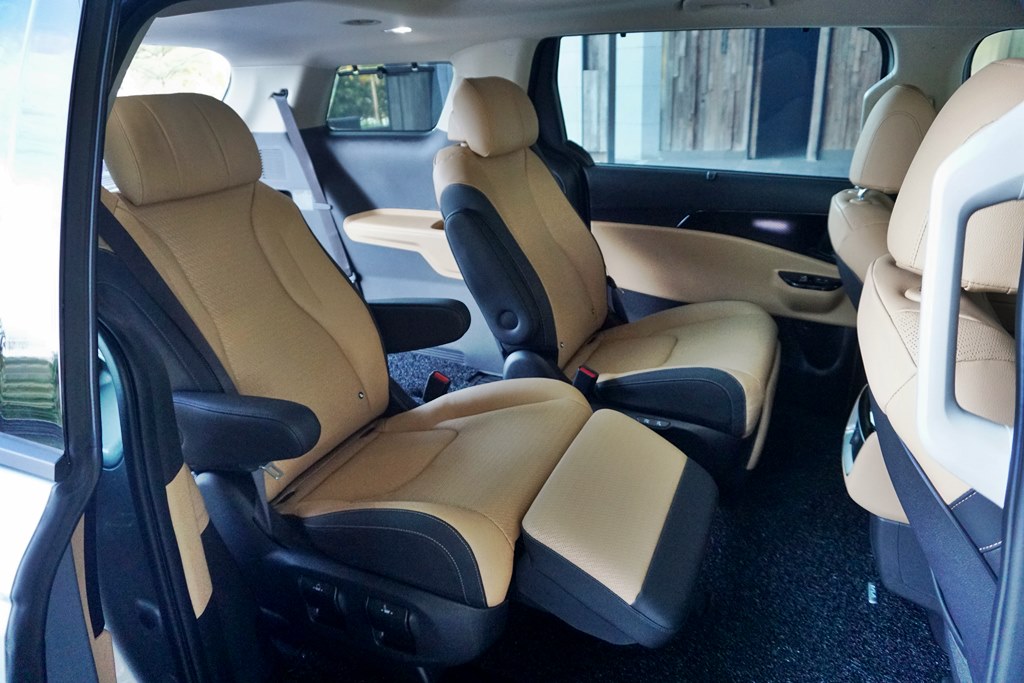
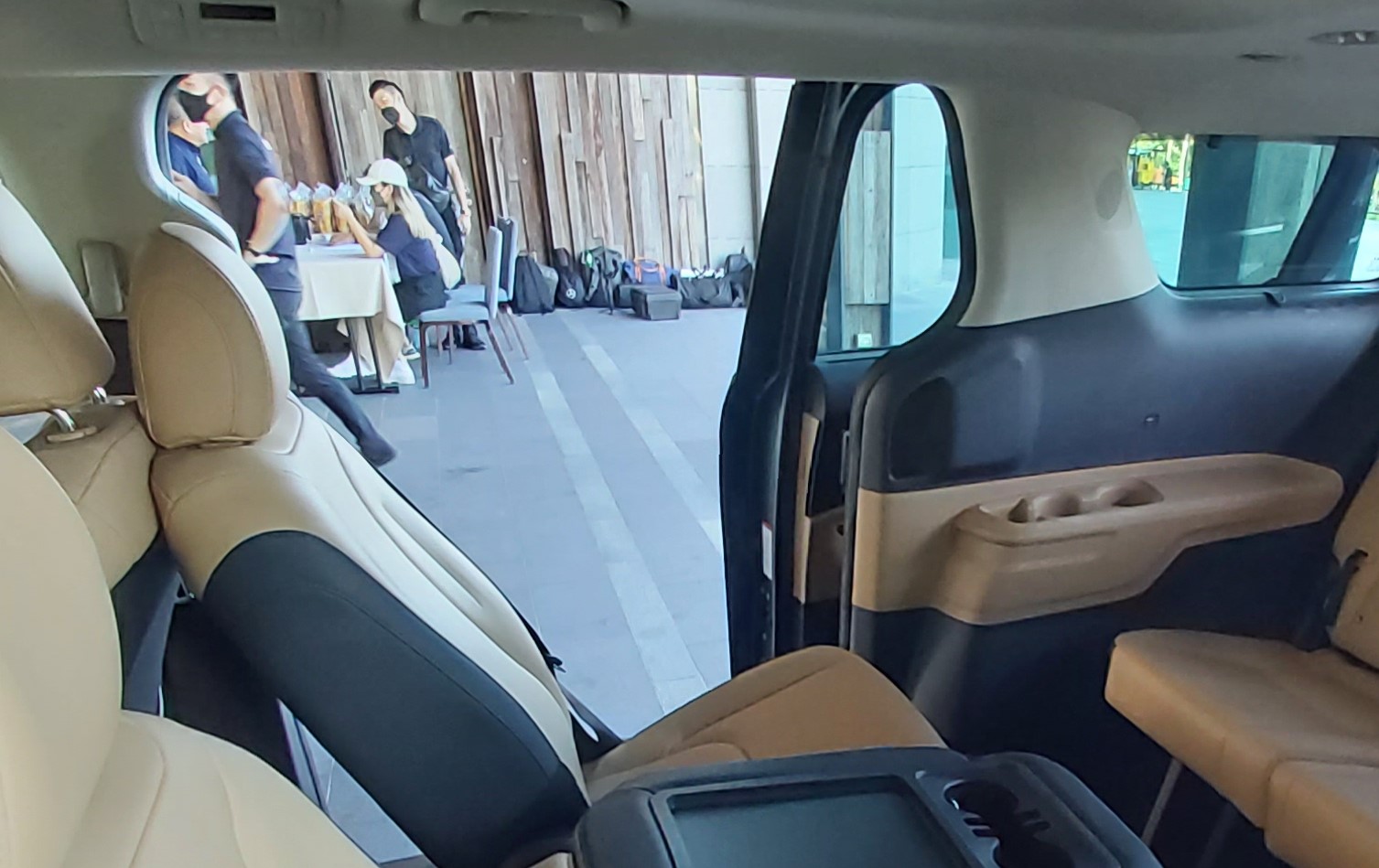
For the ultimate in comfort, the 7-seater comes with two Premium Relaxion (not a spelling error) seats for the second row. These are wide and when reclined, there is an additional pad that extends forward and up to provide support for the lower part of the legs. Pivoting armrests on the outer side of each seat provide a place to rest the arm while being out of the way when getting in and out.
The seats (which are made locally) have heating and ventilation within and for keeping the entire cabin cool, there are air-conditioning vents on the ceiling over the middle and rear sections. The fan speed and temperature can be controlled separately from the front system but because the panel is situated just behind the driver’s seat (on the ceiling), it can be difficult to reach for most passengers.
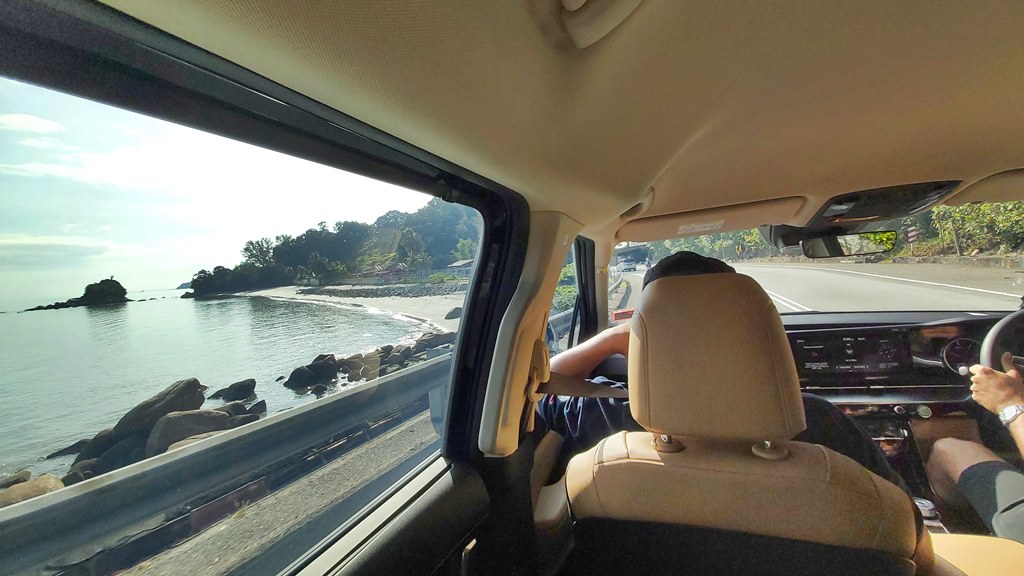
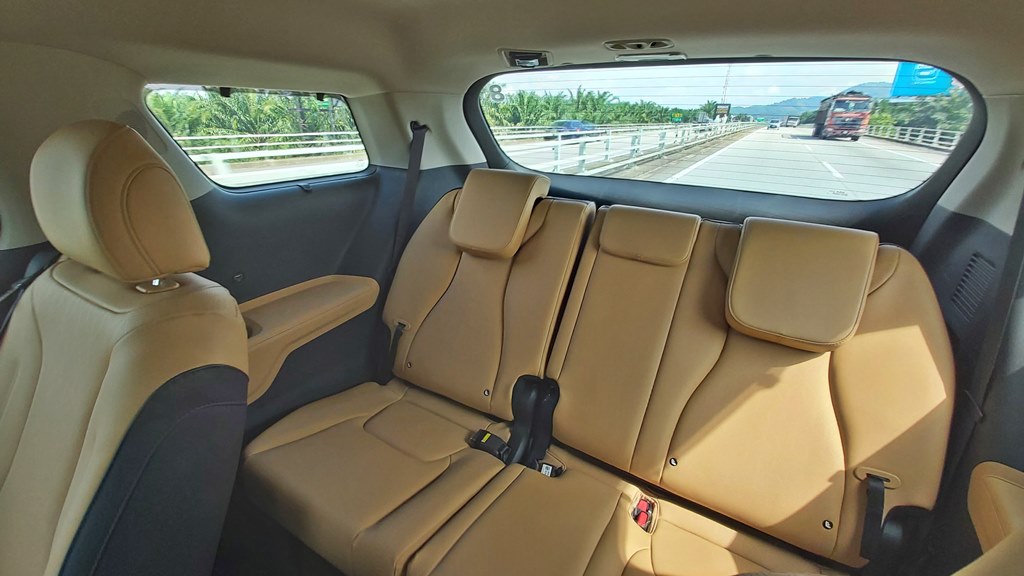
The third row, for 3 persons, is quite comfortable, as we found from sitting in the section for about a third of the journey to Penang. You can’t say that of all MPVs but with the Carnival, there won’t be reluctance to go to the back. Legroom is also pretty good and more importantly, even though the seats are over the rear end, there’s no bumpiness.
The powered sliding doors on both sides are a nice luxury feature but to be expected considering the price. Getting into the third row is easy as the second row seats tumble forward, but when getting out, the passenger in the third row might need help as the release handle is right at the B-pillar. Presumably, there will be a driver to help, or someone in the second row will also be getting out.
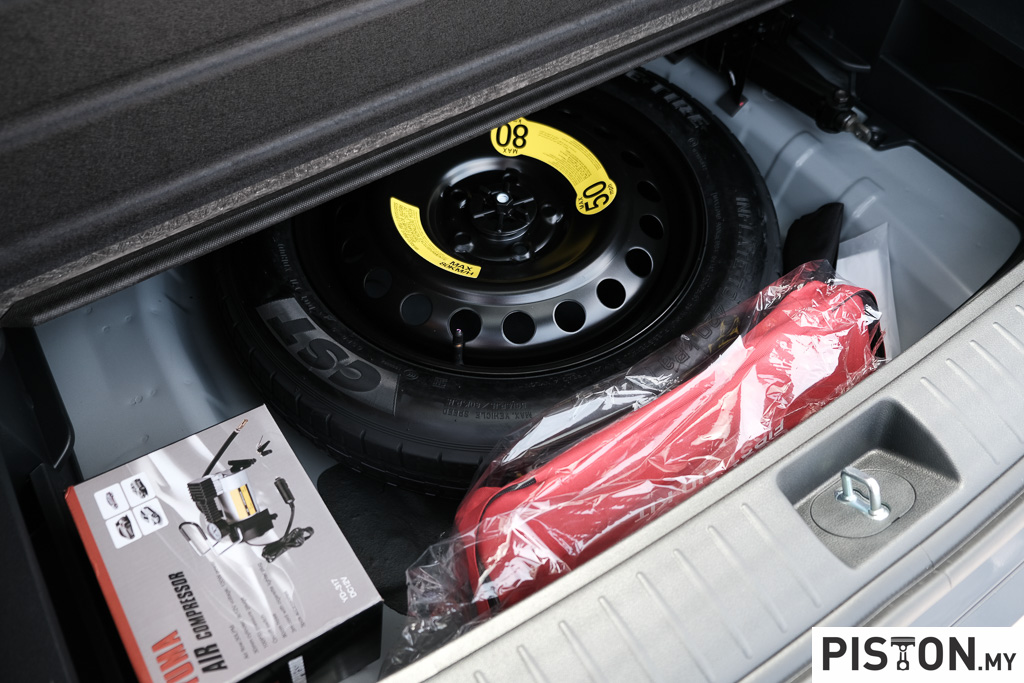
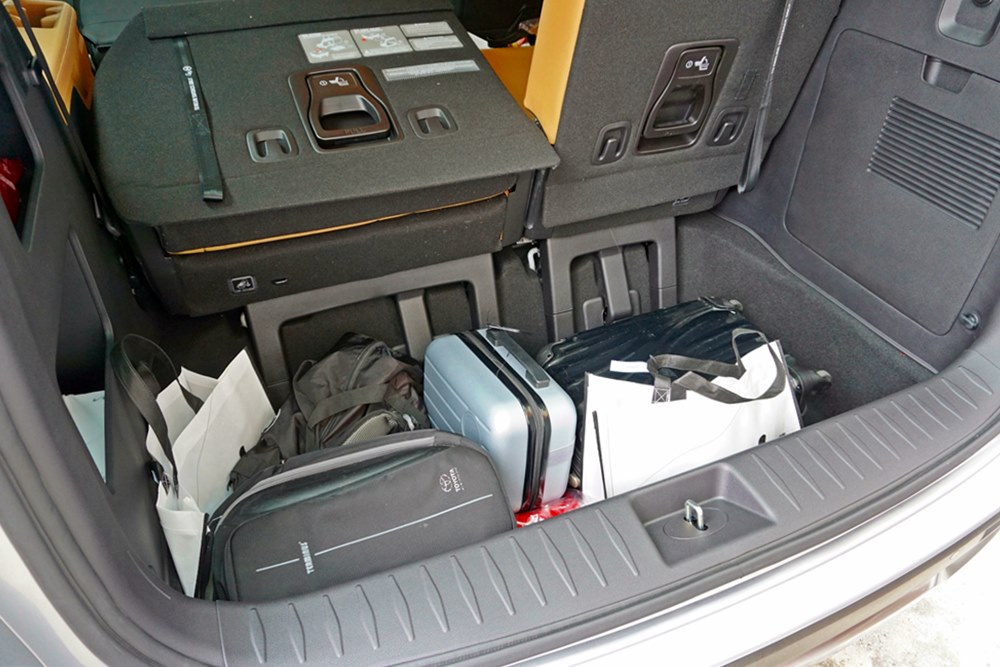
Enough cargo space for moving house The standard boot space when the third row is in use is limited but there’s a deep compartment below it for storing items. This, however, means that only a temporary spare wheel can be carried. This is the skinny tyre for emergencies which is lighter and saves space too.
The cargo volume is variable so it depends on what you want to carry. For maximum volume, the third row can be folded into the floor and the second row seats removed. This gives a space that would rival a pick-up truck – and it’s enclosed. So that adds another dimension to the term ‘multi purpose’ as you could probably do house-moving with just the Carnival alone.
Most features are common to all three versions and the extras that the High versions have are the dual sunroof, memory function for the front seats, larger digital instrument panel and a comprehensive suite of Advanced Driver Assistance Systems. There won’t be fighting for USB recharging ports as up to 7 are provided plus a wireless charging pad. The sound system is from Bose and has 12 speakers placed around the cabin. The only thing missing for a family-type vehicle would be a cooler box but that’s something that can be purchased as an accessory anyway.
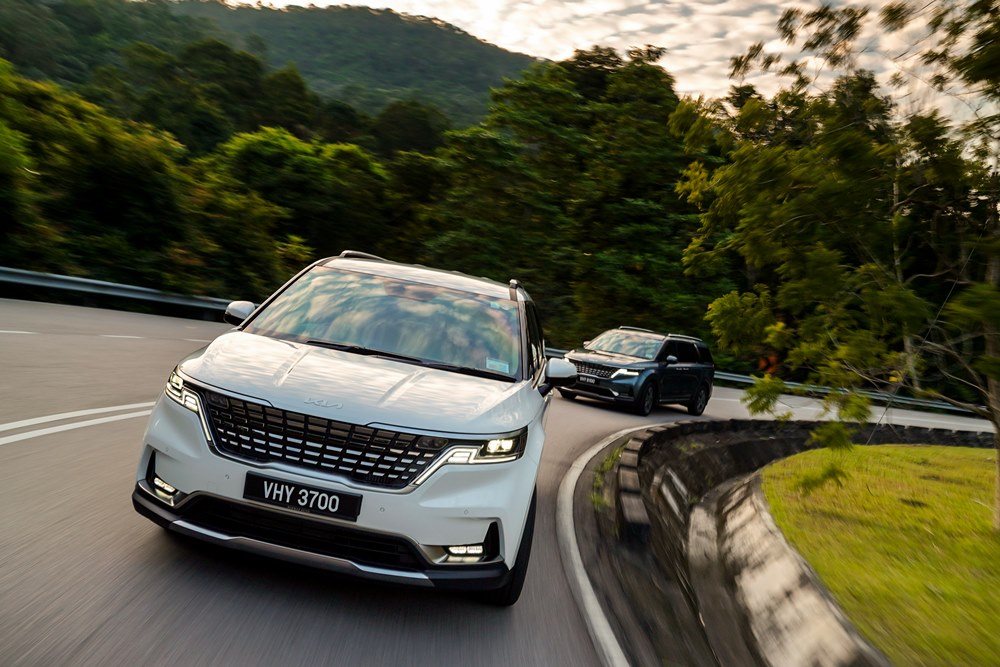
Driving impressions At 5 metres long and almost 2 metres wide, the Carnival is an imposing vehicle and for some, it may be intimidating. It would fit right into the landscape in America but in Malaysia, with our narrower roads and tighter congestion, a large vehicle might seem impractical. However, as we discovered back in January when we drove the 11-seater, the size does not mean it is difficult to drive. In fact, when on the move, it doesn’t feel much different from a smaller MPV and there is the added stability of being 2,100+ kgs.
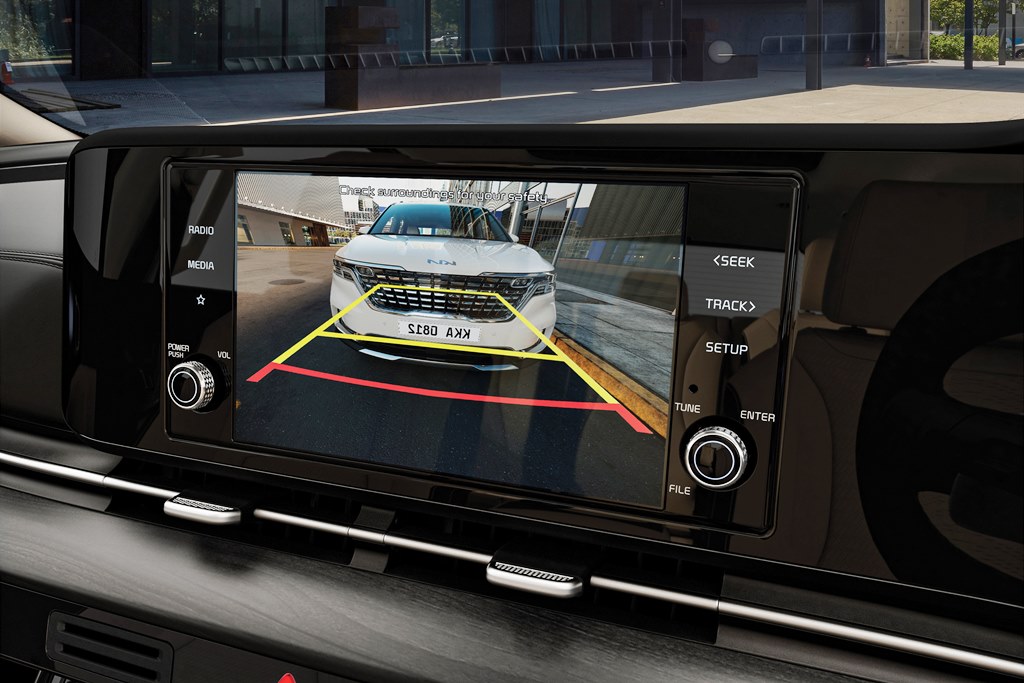
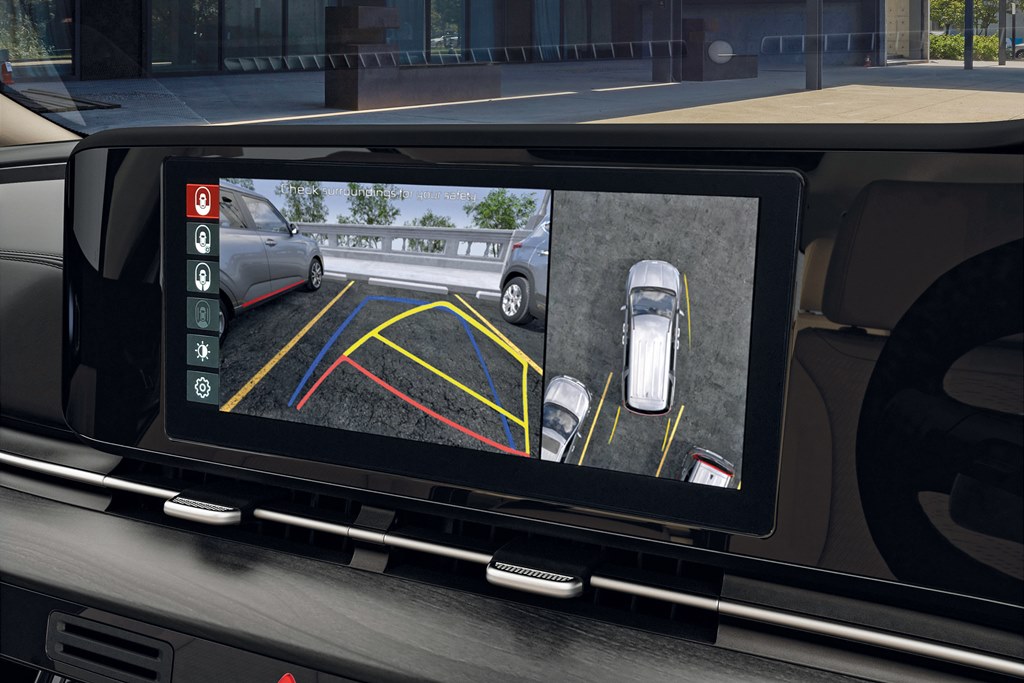
Where you become aware of its bulk is in tight situations, like parking, but even then, it is not as cumbersome as a pick-up truck. The Surround View Monitor is a great help here and we found that parking was a ‘no-sweat’ exercise and the vehicle could be positioned properly within a bay.
Even more surprising is the way the vehicle behaves on winding roads. Apart from the competent chassis design, the low ride height also helps keep the Carnival stable and hardly any lean could be felt. With motor-assisted power steering these days, big vehicles like the Carnival are no harder to drive than small sedans. The feedback is good and assistance is progressive. The body control is certainly light years from what we remember of the original Carnival (the one that was also sold as a Naza Ria) which wallowed when pushed too hard in turns.
The 2.2-litre Smartstream engine provided enough power for brisk motoring but it has also to be said that our two drives did not have the maximum number of passengers aboard and the load was fairly light. With all 7 or 8 seats occupied, perhaps the performance might feel different but as we kept hearing from our convoy leader ‘Enjoy the drive’, and unless you are in a rush, the engine should be able to provide decent performance.
The weight also helps with ride comfort although the pressures were on the high side as the vehicles had come straight from the plant with pressures meant for maximum load. It’s not super quiet in the cabin but the ambient noise level seemed to be consistent. Conversations with people next to you are fine but because the seat rows are far apart, you sometimes have to raise your voice to talk to the drive (certainly if the person right at the back is talking).
Priced (excluding insurance) from RM231,228 – RM261,228, the Carnival is a breath of fresh air in the MPV segment, with smart styling and it has not just a premium image but also the feel to go with it. We would go as far as to say it sets a new benchmark for the MPV class and even those who have not had a liking for MPVs will find the Carnival appealing.
After a period of obscurity, Kia is ready to move forward with great determination and has formulated a plan to grow its volume in the ASEAN region. Having established a new business operation in April this year, the Korean carmaker has a partner – Bermaz Auto – which took over the brand from Naza (along with Peugeot as well). Bermaz Auto and Kia have formed a joint-venture company called Kia Malaysia which will manage the brand’s activities in the country. Distribution and retail operations will be handled by Dinamikjaya Sdn Bhd, a subsidiary of Bermaz Auto.
Kia Malaysia’s operations will include local assembly, the first time the carmaker is making a direct investment for assembly operations. It considers this to be a key factor for growth as it will enable Kia vehicles to be sold around the ASEAN region at competitive prices. This is because they can be assembled in Malaysia and exported to other markets without import duties imposed by those countries, a privilege accorded by the ASEAN Free Trade Area (AFTA) agreement.
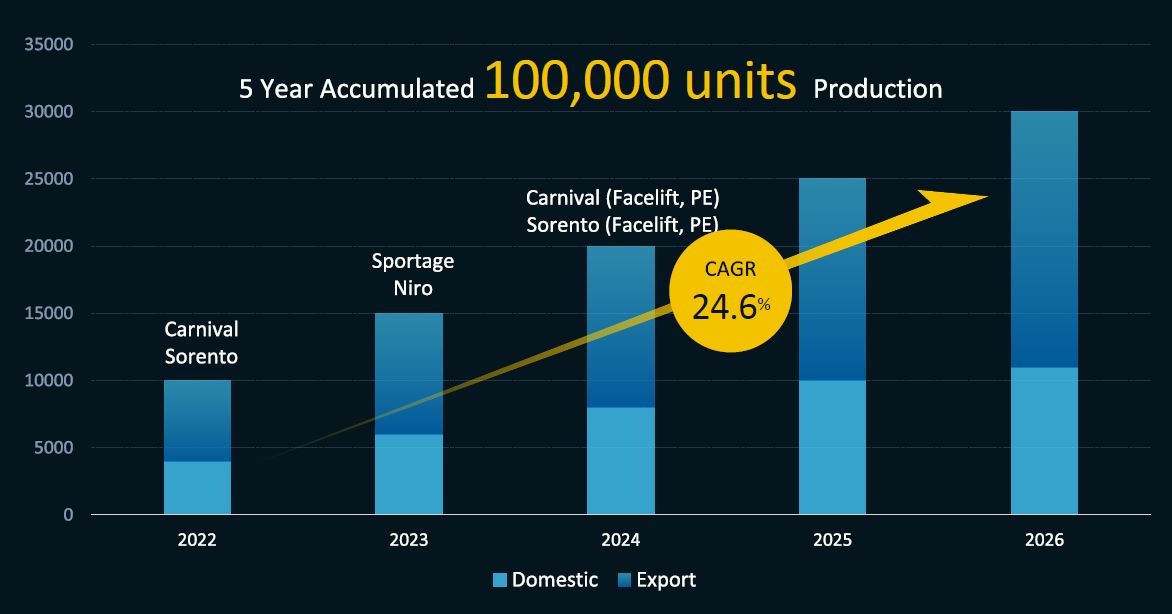
Previously, there were some Kia models assembled locally but the volume was small and therefore not efficient. Now, Kia has set a target of 100,000 units in total from 2022 to 2026. The vehicles will be for the Malaysian market as well as export. The export plans are ambitious and will account for more than 50% of annual production each year. By 2026, the company expects to export up to 19,000 units from the 30,000 units targeted for that year.
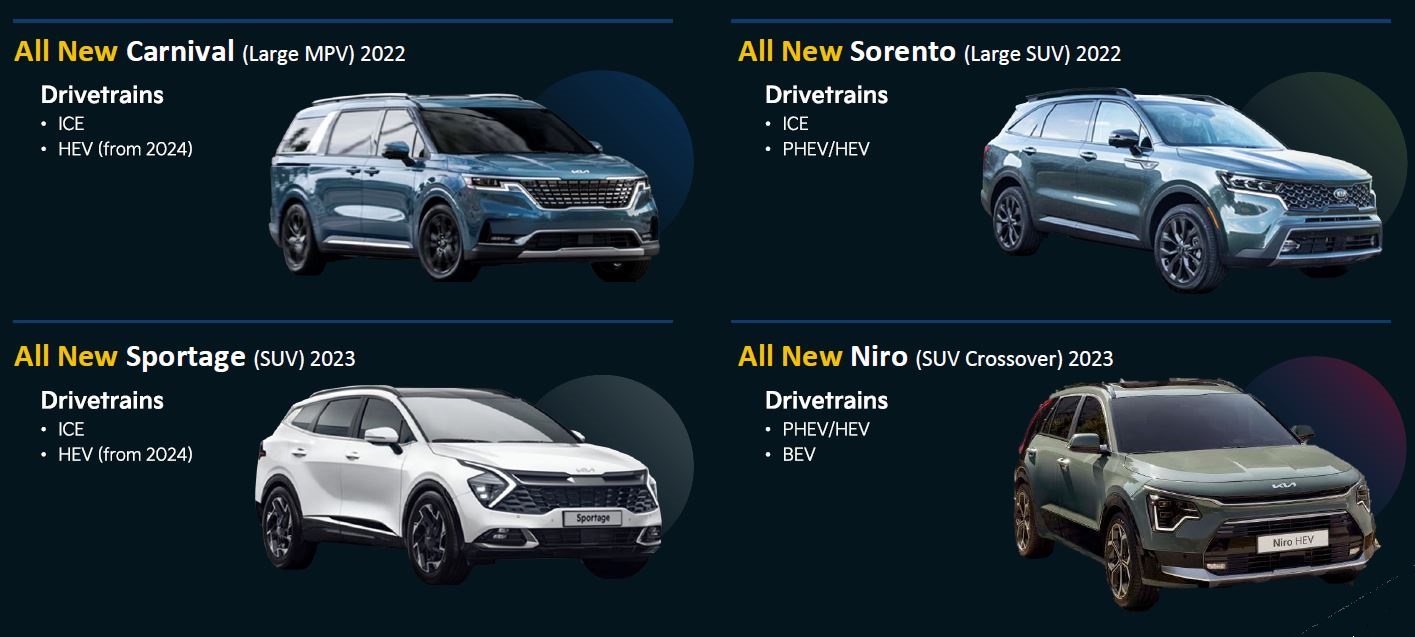
The vehicles – comprising new generations of the Carnival, Sorento, Sportage and Niro – will be assembled at the Inokom plant in Kedah. This plant, which began operations in the 1990s, assembles for brands such as Mazda, BMW and MINI. Incidentally, among the plant’s shareholder’s is Hyundai Motor Company, which is affiliated with Kia in the Hyundai Motor Group. Hyundai’s share is 15% and it has been a shareholder since the plant started in 1997.
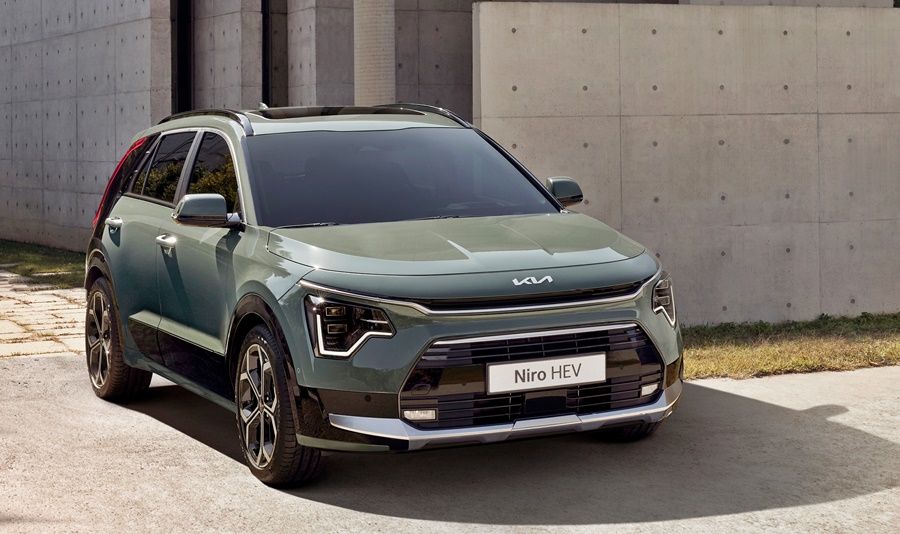
From what Kia Malaysia has revealed of the coming products, all four models will be produced with combustion engines as well as electrified powertrains. The Carnival and Sportage will be hybrid electric while the Sorento and Niro will also have plug-in hybrid (PHEV) powertrains. A fully-electric version of the Niro will also be produced, and this would enjoy attractive incentives offered by the government for battery-electric vehicles.
ICE: Internal Combustion Engine | HEV: Hybrid Electric Vehicle | PHEV: Plug-In Hybrid Electric Vehicle | BEV: Battery Electric Vehicle
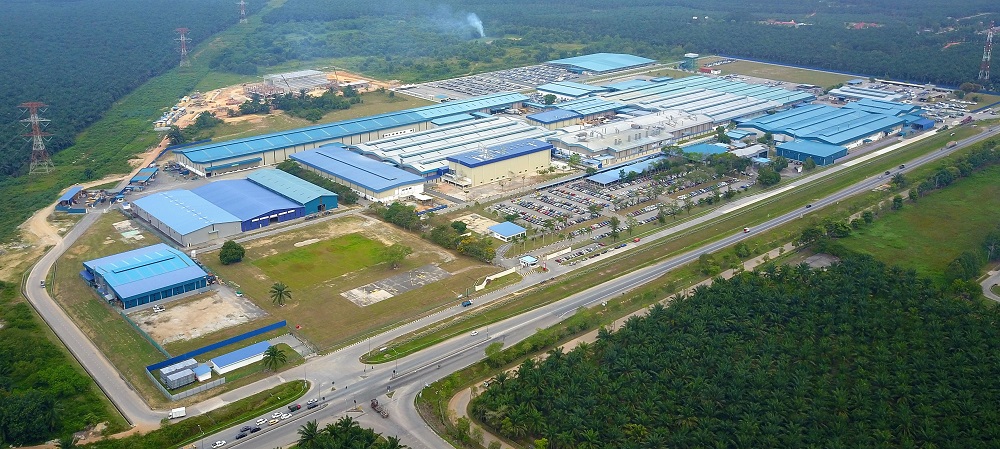
The Inokom factory in Kedah which will assemble Kia vehicles. It began operations in 1997 assembling Hyundai and Renault vehicles.
Omitting passenger cars may not be a disadvantage as Kia’s past models have enjoyed limited success. Their SUVs have met with good response and the new Carnival is also a big leap from the previous generation. Now the task for Dinamikjaya will be to assure customers that it will offer the best aftersales support to those who buy a Kia. The company will examine all past promises to customers and see how to best move forward with existing owners.
Teaming up with Bermaz Auto is advantageous for Kia as the team in this company have long experience in all aspects of the auto industry. They are led by Dato’ Seri Ben Yeoh, whose career spans 5 decades, during which time he has been involved in brands like Mercedes-Benz, Toyota, Daihatsu, Proton, Mazda, Skoda and Hyundai. Senior members of his team were even involved in setting up and running the Inokom factory before it was acquired by Sime Darby Motors.
Although demand for SUVs has surged over the past decade, European motorists have still had a love for the stationwagon. In fact, the C-segment stationwagon segment has remained constant since 2010. To Europeans, the stationwagon is considered a more ‘environment-friendly’ dual-use vehicle than a heavy and bulky SUV (though that argument no longer applies).
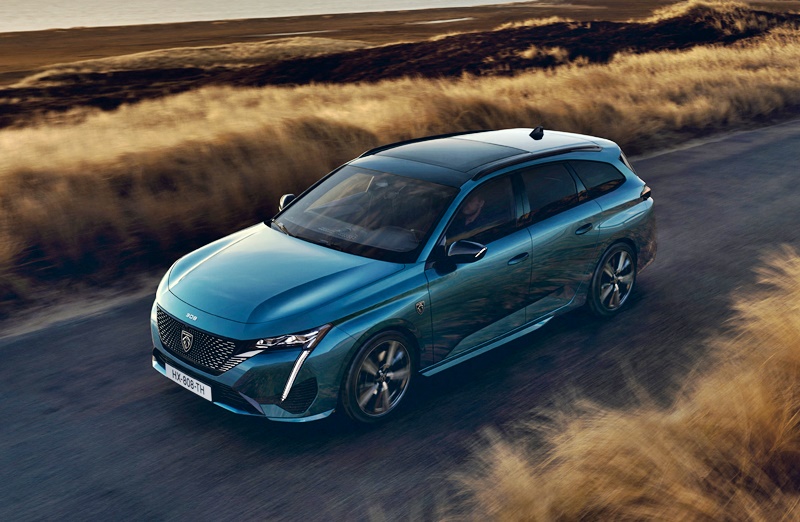
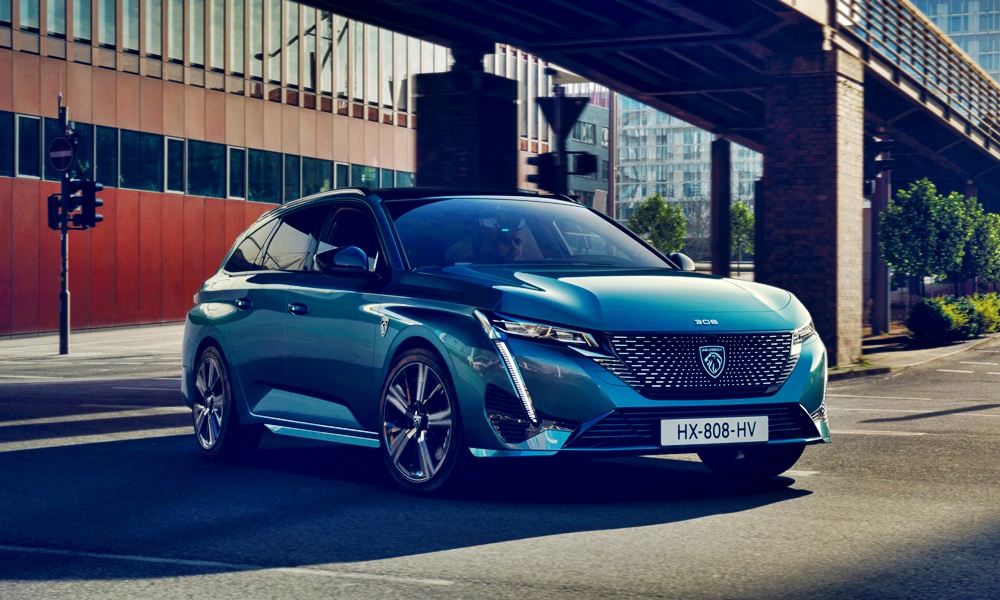
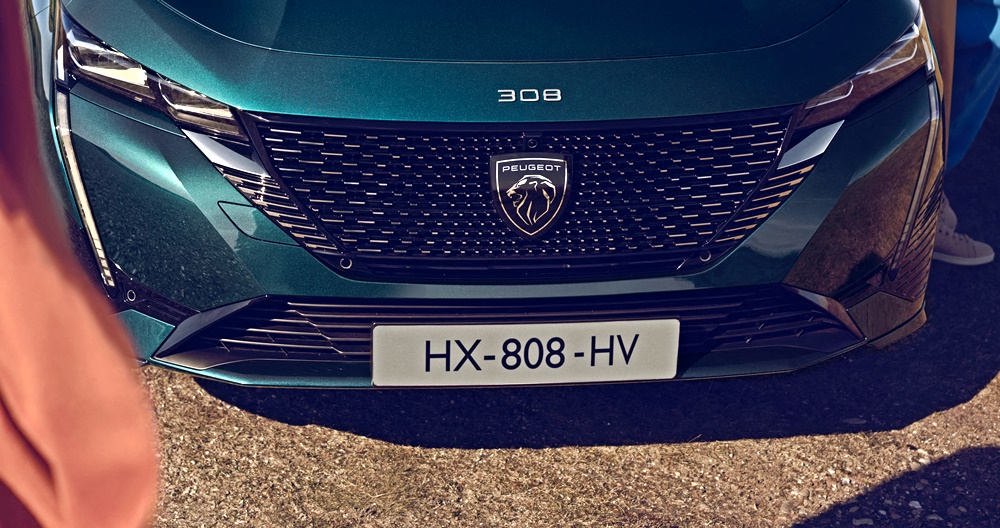
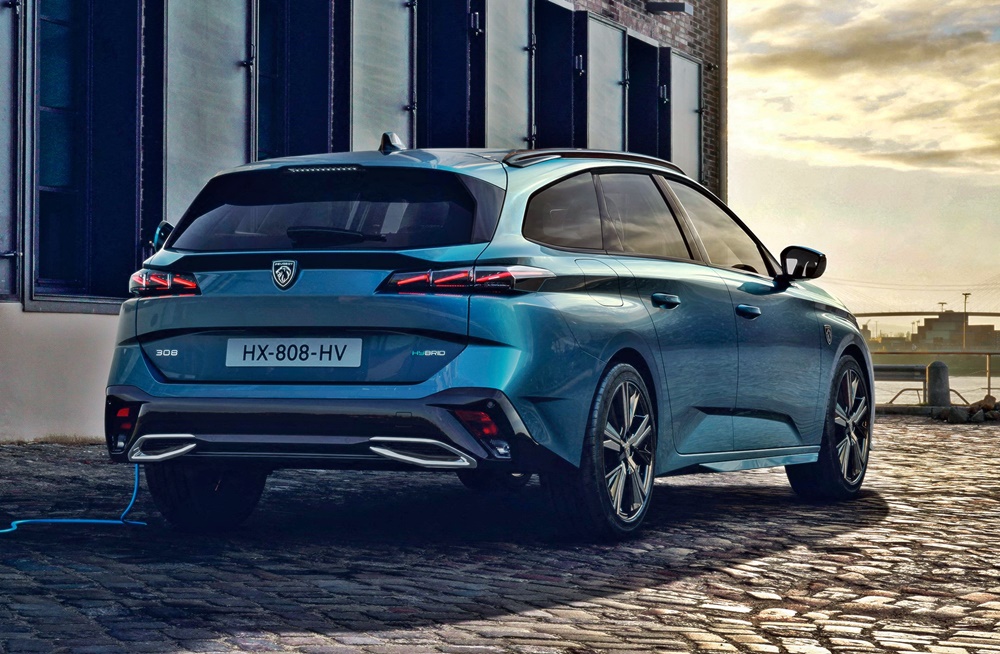
Joining the stationwagon offerings from the beginning of 2022 will be the new Peugeot 308 SW, a variant of the new 308 hatchback that was revealed in March this year. The 308 SW has the same new design language elements of the hatchback but isn’t just a 308 with more length. From the rear door line, everything is different with the rear lights deeper in the body. Like most stationwagons, the longer body helps in aerodynamic efficiency which, in the case of the 308 SW, is 0.277 Cd.
LED lighting across the range
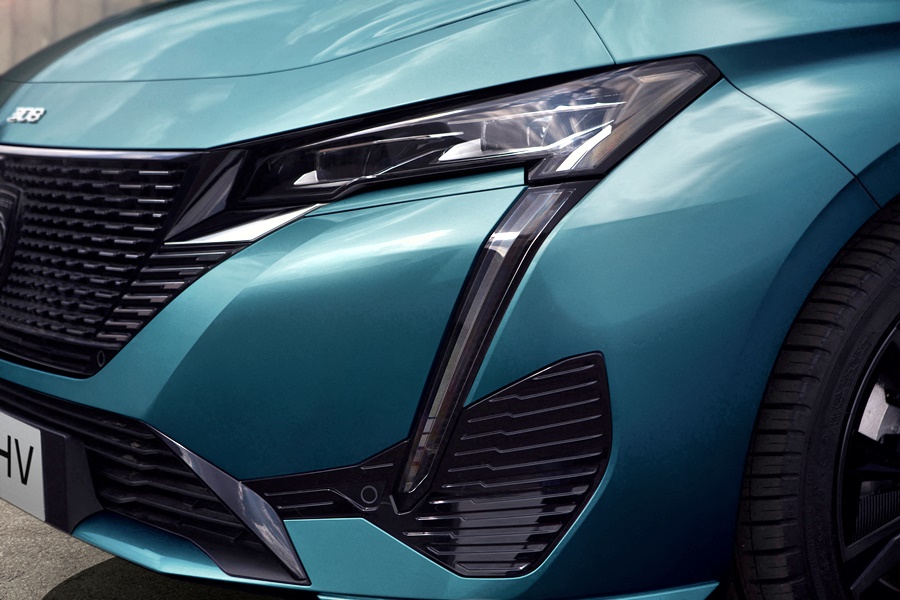
Peugeot draws attention to the lighting units which, at the front, use LED technology across the range. They are supplemented by daytime running lights (DRLs) in the shape of fangs on the front bumper. On the GT/GT Pack levels, the Full LED headlights are even slimmer and have PEUGEOT Matrix LED Technology for greater efficiency and safety. At the rear, the lights have full LED technology displaying the 3 claws that identify the brand.
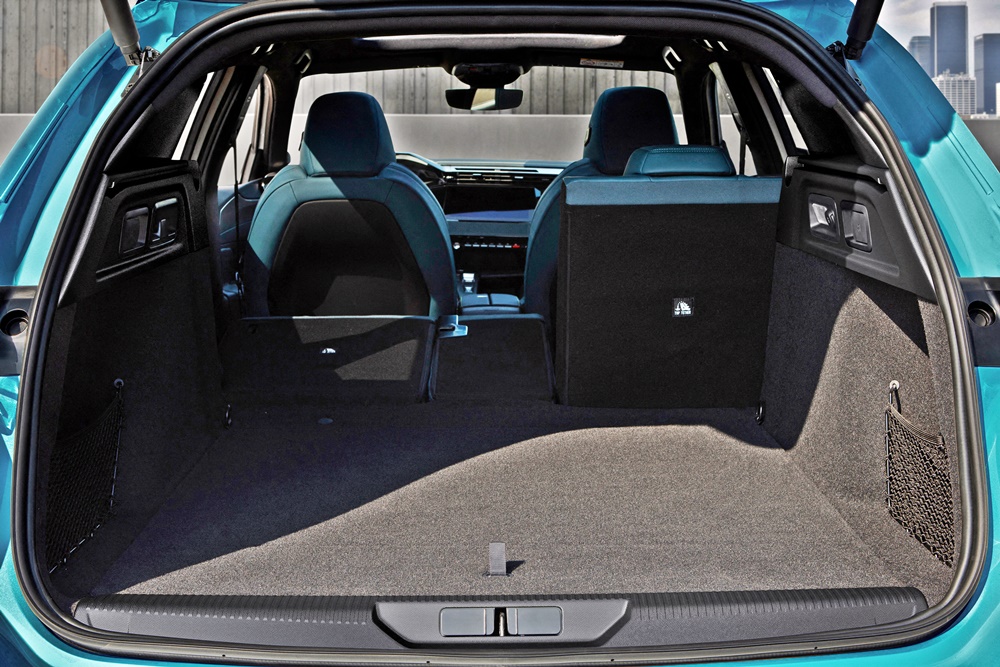
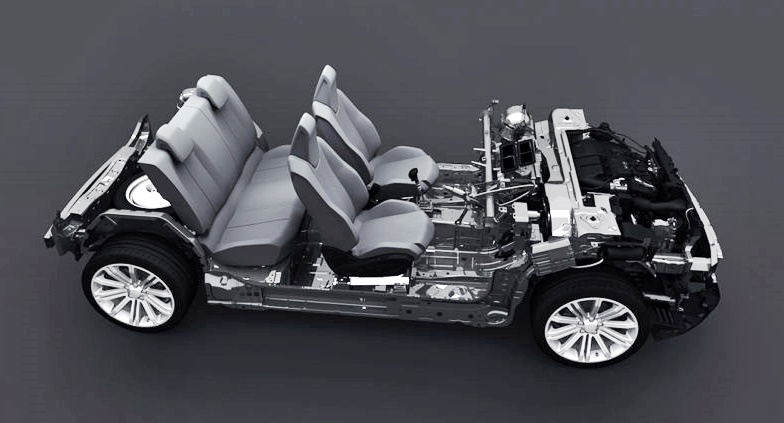
The EMP2 platform has been adapted for the longer 308 SW with an extra 55 mm of wheelbase. Apart from increasing legroom for the rear passengers, the boot capacity is also more generous, as would be expected. However, the maximum volume (with rear seats in use) of 608 litres is available only in models with combustion engines as the battery pack for the plug-in hybrid electric vehicle (PHEV) variant takes away 60 litres. Of course, the rear backrests can be folded down as well, allowing items of up to 1.85 mm to be loaded and extending maximum volume to 1,534 litres (1,574 litres for PHEV).
Peugeot Enhanced Modular Platform (EMP2).
Combustion engines and manual gearboxes still available
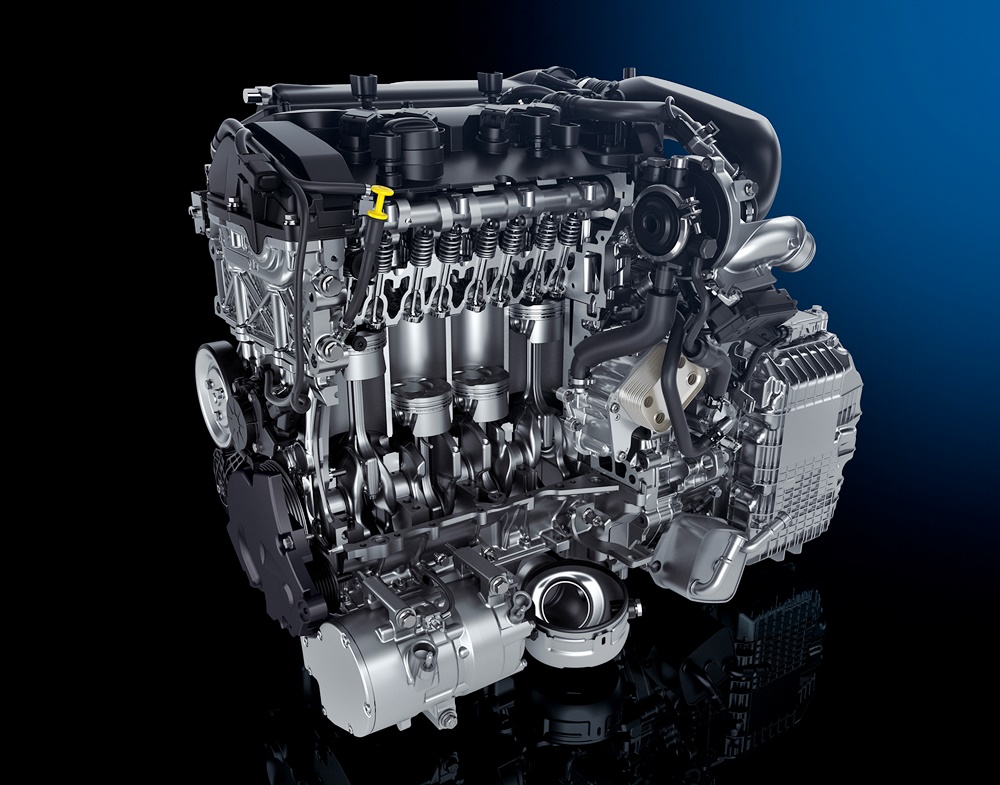
While it is steadily electrifying its range, Peugeot is not leaving out combustion engines yet – at least not for this generation. There are petrol and turbodiesel engines available, the former a BlueTech 1.2-litre 3-cylinder unit with 110 or 130 bhp and the latter a BlueHDi 4-cylinder with 1.5 litre displacement and 130 bhp output. 6-speed manual transmissions will still be available, along with automatic transmissions with up to 8 speeds.
One of the two PHEV powertrains for the new 308 SW. Both use PureTech petrol engines and e-EAT8 transmissions.
The most powerful engine in the new 308 SW range is the PHEV powertrain with an e-EAT8 transmission. This is offered in two versions – 180 and 225 bhp. The claimed range on a fully-charged 12.4 kWh battery pack is around 60 kms. Peugeot says that the battery pack can be fully recharged in just under 2 hours on a 32A wallbox but just a bit more than 7 hours with an 8A outlet.
Evolved Peugeot i-Cockpit
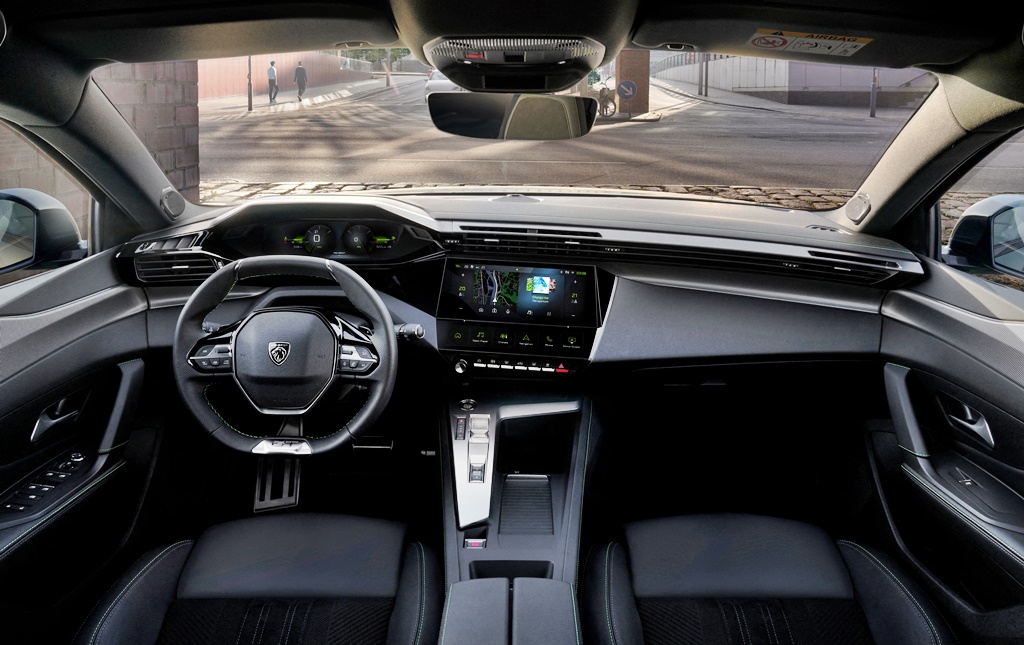
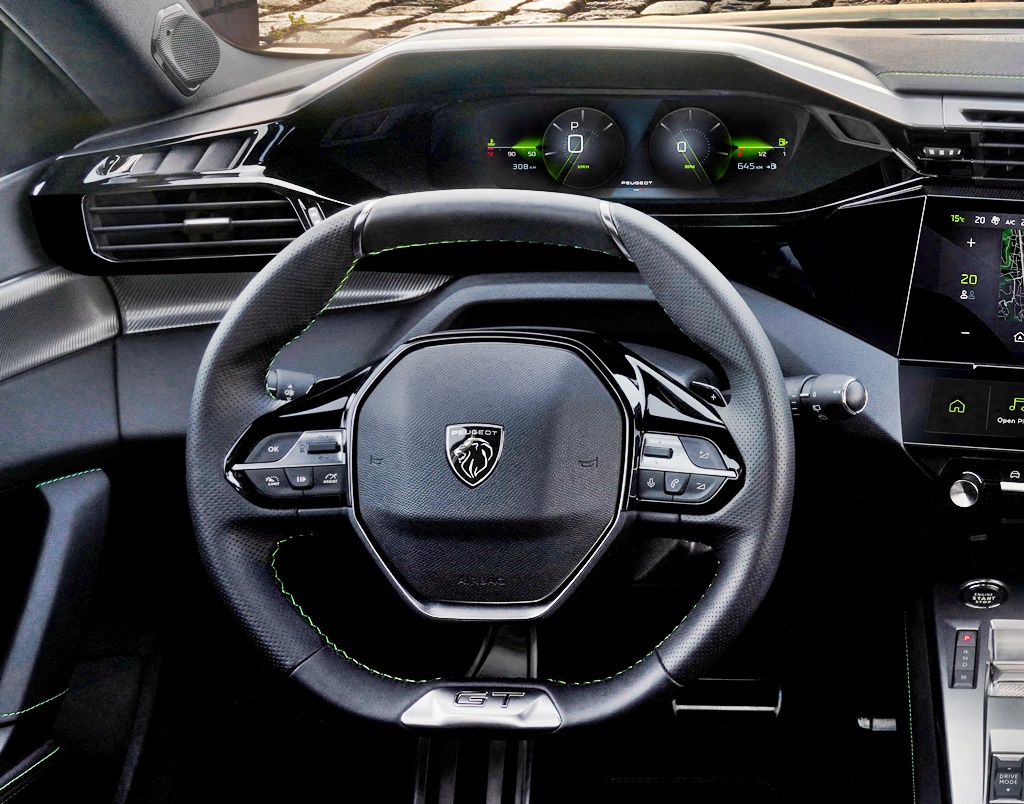
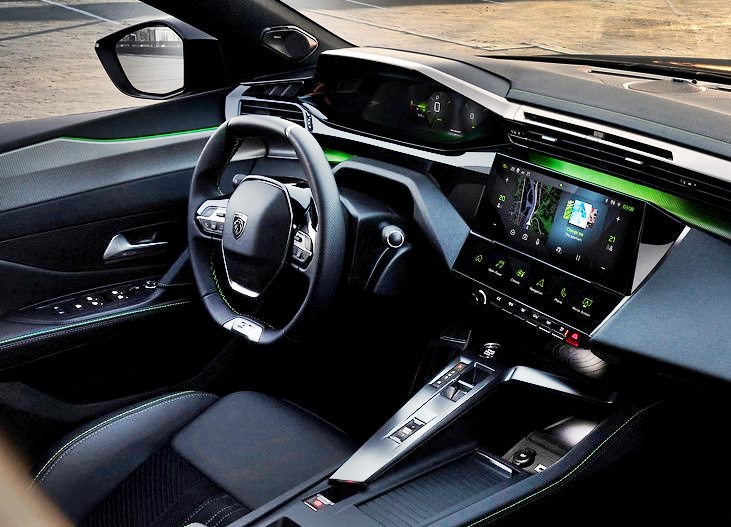
Like the new 308, the 308 SW also introduces an updated Peugeot i-Cockpit, with a new multifunction double-flattened steering wheel. The i-Cockpit is a centrepiece of the new Peugeots and has extensive levels of digitisation. With each generation, it has become more refined in terms of ergonomics, quality, design and technology and includes the PEUGEOT i-Connect infotainment system. The i-Connect Advanced option has an ‘OK PEUGEOT’ command system using natural language voice recognition to provide access to all requests related to the infotainment functions.
The 10-inch 3D display is positioned for comfortable viewing and can be fully customised with several display modes. The central infotainment HD display is a colour touchscreem, also 10 inches, with i-toggles. These are fully configurable to provide one-click access to the main functions of the infotainment system. Comprehensive connectivity options include 4 USB Type-C sockets, screen mirroring for smartphones and Bluetooth, with the possibility of connecting two devices at the same time.
The construction of the dashboard is based on a ‘high wind’ architecture which places the air vents directly in front of the occupants’ heads and provide optimal comfort. Other interior design highlights show a diversity and richness of the materials used. The LED mood lighting is hidden behind the central screen and glows over the main décor right up to the door panels which can be foamed, in fabric, in Alcantara, or made of real pressed aluminium parts.
The technology will also include the Drive Assist 2.0 pack, with driver assistance systems that are capable of semi-autonomous motoring. In addition to adaptive cruise control with Stop and Go and lane-keeping assistance, there is semi-automatic lane change (between 70 and 180 km/h), advance speed recommendation and automatic speed adjustment in curves.
Another one for BAASB?
Although the stationwagon market in Malaysia is small and most brands don’t bother with it, it has not discouraged Bermaz Auto (BAuto) from selling the attractive Mazda6 stationwagon. As BAuto now also handles Peugeot – via Berjaya Auto Alliance Sdn Bhd (BAASB) – it might well offer the 308 SW as well. And if the government can get together a coherent EV policy which gives incentives to hybrids to bring their prices down, we might see the PHEV too. Incidentally, BAuto has acquired an additional 35% stake in BAASB from Berjaya Corporation which its total stake is 55% and BAASB thus becomes a BAuto subsidiary.
Kia Corporation’s popular Sportage model enters its fifth generation with a new design philosophy called ‘Opposites United’. The first official images released show a departure from previous designs with the SUV gaining a more dynamic image.
According to Karim Habib, Kia’s Senior Vice-President and Head of Global Design Centre, the new Sportage isn’t just one step forward but instead moves on to a different level in the SUV class. It’s the result of a collaborative effort between Kia’s global design network which has studios in Korea, Germany, the USA, and China.
“When you see the all-new Sportage in person, with its sleek but powerfully dynamic stance, and when you sit inside the detailed-oriented cabin with its beautifully detailed interior and first-class materials, you’ll see we have achieved those goals and set new benchmarks. In the all-new Sportage, we believe you can see the future of our brand and our products,” he said.
New design philosophy
Revealed earlier this year, ‘Opposites United’ influenced every aspect of its appearance and character of the new Sportage., The principles of this new design philosophy will also guide all future Kia designs, giving them the same basic DNA, strengthening the connection with Kia’s new brand direction, ‘Movement that inspires’.
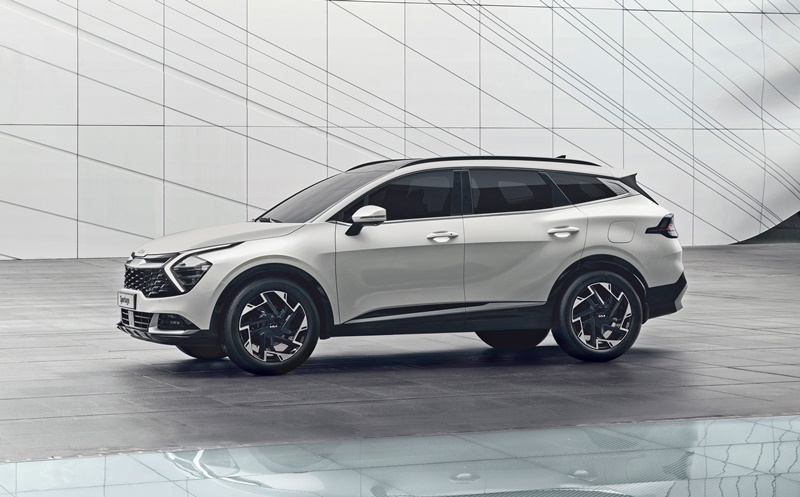
The front of the new SUV features a detailed-orientated black grille graphic stretching across the width. Like an intricate web, the technical graphic pulls together the main frontal, crafting an imposing front volume. The elongated grille links Kia’s modern signature ‘Tiger Nose’ grille –the visual focal point of the car – to the distinctive futuristic-styled boomerang-shaped daytime running lamps adjacent to the headlamps.
The side profile shows clean and refined body surfaces that blend the contrasting volumes together. A first for the Sportage range is a black roof, contrasting to the body colour, to accentuate the sporting profile and highlight the architecturally dynamic C-pillar that encompasses a deconstructed look.
At the rear, broad shoulders give a strong road presence as the muscular swooping fastback flows into the rear lamps. They appear as if they cut into the body with fine precision, forming the outline of the rear lamp graphic and the main section of the tailgate.
Sculpted curved display
Inside, there is a sculpted integrated curved display with a slim touchscreen pad which sweeps almost across the cabin. Finely detailed 3-dimensonal air vents mimic the air flowing from them. Further enhancing passenger convenience, at the rear of the driver and front passenger seats are integrated hanger-type designs within the slim headrests, allowing clothing and handbags to be easily and conveniently hooked into place.
The high-tech touchscreen pad along with the advanced integrated controller act as the nerve centre for driver and passenger connectivity, functionality and usability needs. Both systems have been created to be easy-to-use, highly intuitive and soft to touch while a shift-by-wire transmission dial makes operation easier.
To be assembled in Malaysia too?
The global market launch will take place later this year with progressive introductions in various markets. This new model could well be among those that the new representative of Kia in Malaysia – Bermaz Auto (BAuto) – will assemble locally next year. A subsidiary of BAuto, Dinamikjaya Motors Sdn Bhd (DMSB), will act as the sole distributor of the Korean vehicles. Newly-formed Kia Malaysia Sdn Bhd, a subsidiary of Kia Motors, will manage the assembly operations which will be at the Inokom plant in Kedah.
In the meantime, Kia owners are urged to provide their contact details to DMSB so that they can be contacted in future. This is especially important for those who have vehicles that still have warranties in effect (which will continue to be honoured). To register contact information, click here.
First and second generation of Sportage (above), and the third and fourth generation (below).
After Naza’s swift termination of its involvement with the Kia and Peugeot brands during the last quarter of 2020, the market was curious to see who would take over the brands. By December, one part of the question was answered when Berjaya Auto Alliance Sdn Bhd (BAASB) was announced as the new distributor for the French brand. BAASB is a joint venture between Berjaya Corporation and Bermaz Auto, the latter already established as the distributor of Mazda vehicles.
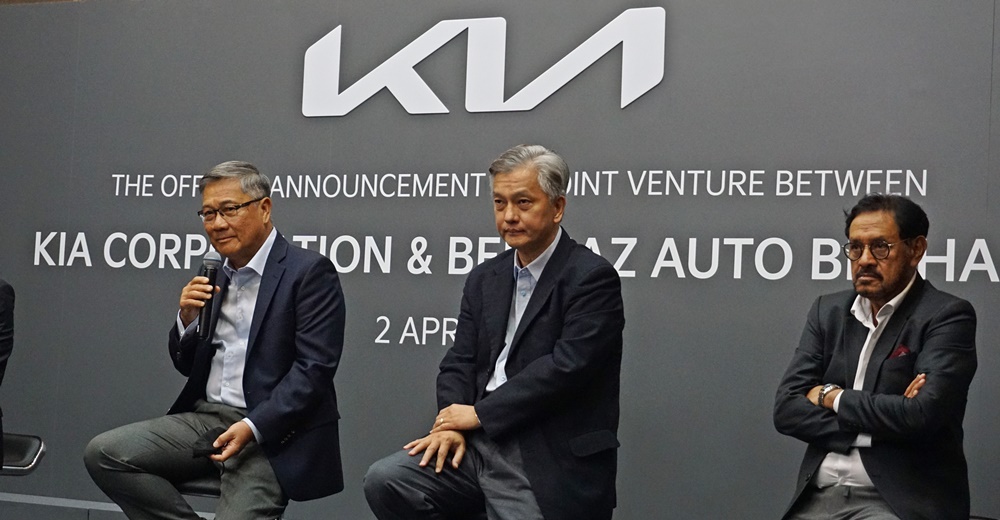
Kia took a bit longer but Bermaz Auto (or BAuto) was a strong candidate and today, that has been officially confirmed with the full details announced at a press conference. A subsidiary of BAuto, Dinamikjaya Motors Sdn Bhd (DMSB), will be the sole distributor while another company – Kia Malaysia Sdn Bhd – has also been formed to manage the assembly of Kia vehicles locally and Kia Motors has majority share in this company.
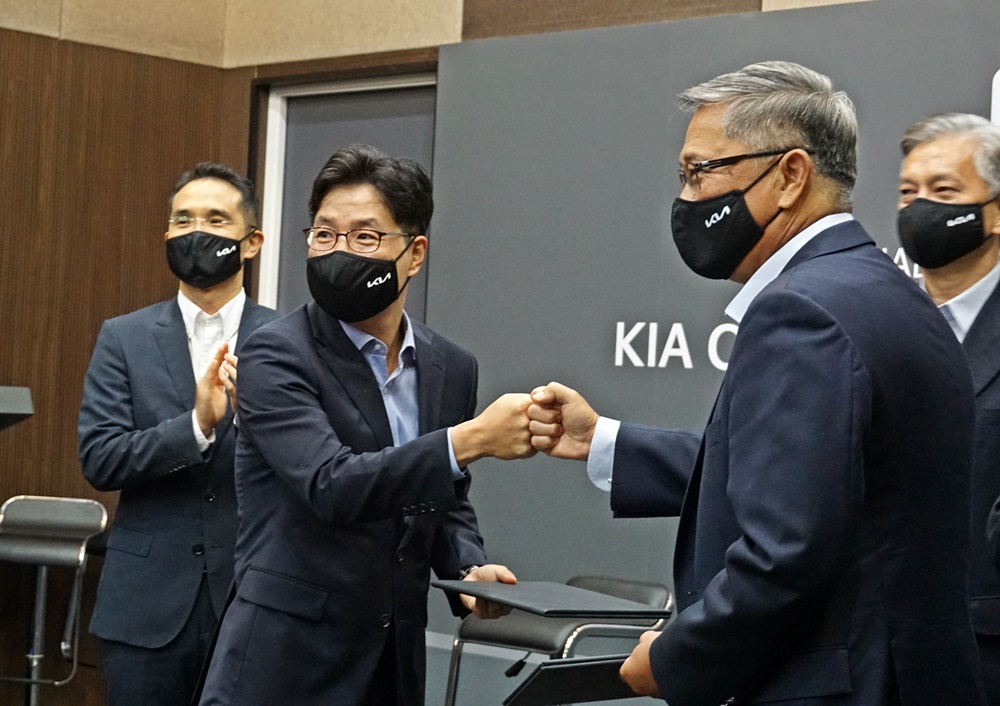
A fist-bump between Tae-Hun Lee, President & CEO of Kia Asia-Pacific (left) and Dato’ Seri Ben Yeoh, Executive Chairman of Bermaz Auto, after exchanging documents to start off the new relationship between the two companies.
Joint-Venture and Distributorship agreements
Commenting on this development, Tae-Hun Lee, President & CEO of Kia Asia-Pacific, said: “After months of searching for the right partner, Kia is delighted to enter into the Kia JV and Kia Distributorship with Bermaz Auto. With BAuto’s proven capability in successfully building up automotive marques in Malaysia and the Philippines, as well as their automotive manufacturing experience, we believe we have placed the Kia brand in good hands under the capable leadership of its Executive Chairman, Dato’ Seri Ben Yeoh.”
While the matter of continuing its presence in the Malaysian market is settled, Kia is also looking at making its assembly operations Malaysia a hub for supplying vehicles around the region and possibly beyond. In as far as ASEAN is concerned, the Free Trade Area (AFTA) agreement provides for duty free import of vehicles by an ASEAN country of the vehicle is produced within the region. However, the level of ASEAN-sourced content must be at least 40%.
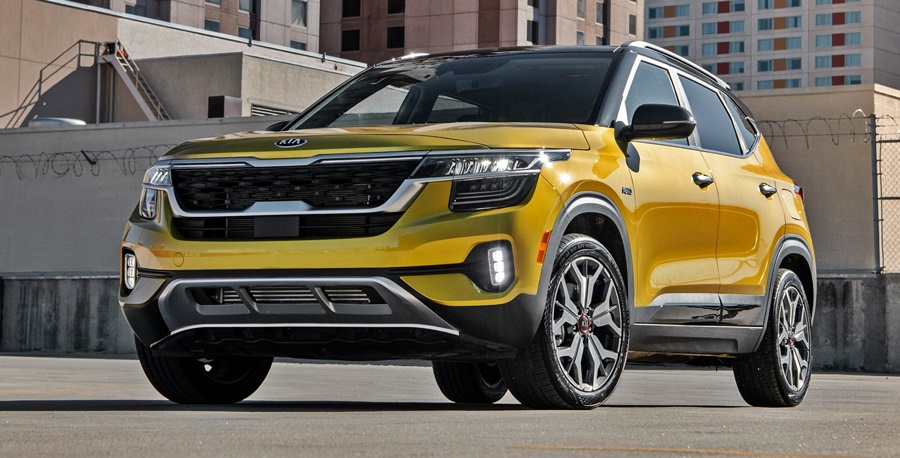
The first two models to be assembled in Malaysia will be the Seltos (above) and the 4th generation of the Carnival MPV which was launched in Korea in August 2020.
Due to current government policies and incentives, vehicles assembled in Malaysia can be sold at more attractive prices in the local market, enabling growth of volumes. However, Dato’ Seri Yeoh said that the locally-assembled models won’t be available for at least 12 to 18 months as that is the time that will be needed to prepare the plant and get suppliers of certain parts.
Local assembly to be at Inokom plant
The plant to be used is Inokom Corporation in Kulim, Kedah which is majority owned by Sime Darby Berhad. The other shareholders are Bermaz Auto and, interestingly, Hyundai Motor Company (15%). The Korean carmaker was actually an original investor in the plant when it began operations in 1997 and in those early years, Renault also had a share. Both Hyundai and Renault assembled some products that were sold under the Inokom brand then.
In the meantime, DMSB will distribute models that are imported CBU (completely built-up) from Korea. There are some stocks remaining from Naza’s inventory which will be taken over and sold through the Kia network which has 30+ dealers presently.
The Inokom factory in Kedah where vehicles from the BMW, Hyundai, MINI and Mazda brands are currently assembled, with Kia to be added next year.
Three models to be assembled
At least three models will be assembled locally and the first two have already been identified. They will be the Seltos, a small SUV, and the new generation of the Carnival. The third model will be decided later. When exports do begin, possibly in 2023, the first market is likely to be the Philippines as BAuto already has its own subsidiary there handling the Mazda business. Of course, a new operating unit will be set up for Kia, and the same will apply in Malaysia although some of the key figures at the top will be the same for all the brands.
The most notable is Dato’ Seri Ben Yeoh who has decades of experience in the auto industry. He started off in the 1970s at Cycle & Carriage Bintang and was involved in Mercedes-Benz vehicles, and then spent time over the following decades involved in brands such as Toyota, Daihatsu, Proton, Hyundai, Skoda and Mazda. He is therefore familiar with Japanese, European and Korean products and is helping develop the next generation for the auto business.
Dato’ Seri Ben Yeoh (left) and some of the members of his team who have set a good track record of building up the Hyundai and Mazda brands.
He is aware of the legacy issues relating to Kia vehicles and said that DMSB will examine all past promises to customers and see how to best move forward with existing owners. Given the track record shown in building up the Mazda brand in Malaysia, many expect that he will put a shine on the Kia brand in due course. He said that he is also pleased that Kia Motors has a share in the joint-venture as this demonstrates that strong commitment and support for the business.
Dato’ Wong Kin Foo, who will head the Kia business, has previously been in a company that also handled Mazda, Peugeot and Kia. This was during the 1990s when Cycle & Carriage Bintang was the distributor for the brands. He will also be heading the team at BAASB which handles Peugeot and is a director of Bermaz Motor which handles Mazda.
The Inokom plant is very familiar to the BAuto leadership, some of whom were in its management in its earliest days. They also began local assembly of Hyundai models during the days when Hyumal was the distributor and 10 years ago, they returned to being involved at the plant when local assembled of Mazda vehicles began again. Soon, they will be planning for the assembly of the Seltos and Carnival.
At the beginning of this year, Kia introduced its new brand logo and also announced a bold transformation strategy.
Kia’s bold transformation underway
The timing for BAuto to associate itself with Kia is also good, as it was when the company took over the Mazda franchise in 2008 from Cycle & Carriage Bintang. At that time, Mazda was starting with to introduce a completely refreshed range of models, all of which would prove highly appealing to customers and boost sales quickly. Likewise, Kia started this year with the unveiling of a new corporate logo which also marked the start of a bold transformation which will see the revamping of nearly all facets of its business to establish a leadership position in the future mobility industry.
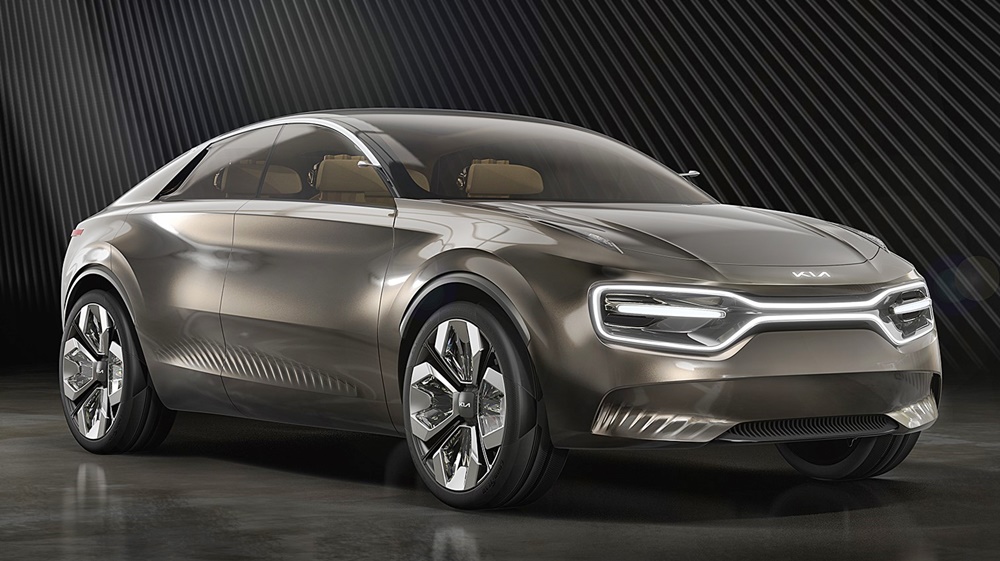
The Korean carmaker’s long-term business strategy, which has the ambition to take a leading position in the global car market, will include popularizing electric vehicles. A global EV business strategy aims to put the brand in a leadership position and to achieve this, Kia will launch a diverse range of dedicated BEVs (Battery Electric Vehicles). “The next generation products are sustainable, focusing on high electrification, active safety, connectivity with many autonomous features and are highly human-centric,” observed Dato’ Seri Yeoh.
Kia will be focussing more and more on electrically-powered vehicles and aims to become a global leader in the field.
Dato’ Seri Yeoh said that while it is evident that Kia is strongly focusing on EVs, such vehicles may not be offered so soon in Malaysia. He has always been pragmatic in his approach to business and he believes that consumer acceptance needs to be stronger. That is the same sentiment that other companies have as the government is not pro-active in the area of electric vehicles. While governments in neighbouring countries have announced and even implemented sound policies and incentives that are attractive and give carmakers confidence to invest, Malaysia is still not doing the same.
Calling existing Kia owners
In the meantime, DMSB, as the new distributors, would like all existing owners of Kia vehicles in Malaysia to provide their details so that they can be registered in the database. This is especially important for those whose vehicles are still under warranty. It is almost certain that as a responsible manufacturer, Kia will honour whatever warranties have been given with their vehicles sold previously but DMSB will need owners to provide information. Furthermore, being registered in DMSB’s database means that any recalls or other notifications will be communicated to them. To register details, visit this website: Kia Customers’ Information Update.