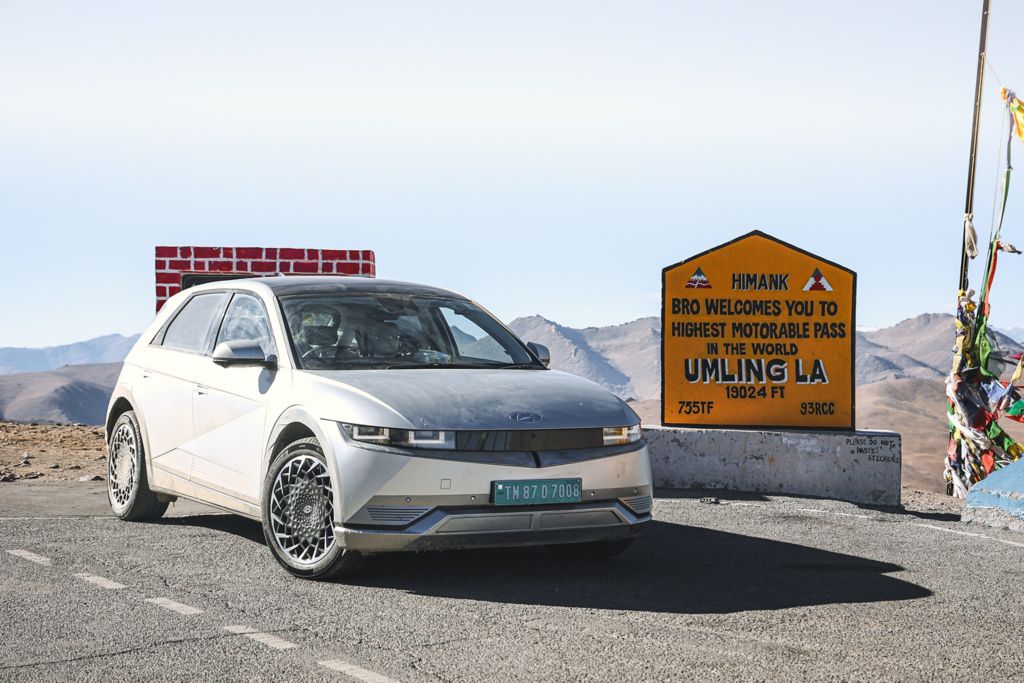
Hyundai Motor Company’s revolutionary Hyundai Ioniq 5 has achieved a remarkable feat by setting a Guinness World Records title for the Greatest Altitude Change by an Electric Car. The record-setting journey, organised by Hyundai Motor India Limited (HMIL), showcased the electric vehicle’s capabilities over a gruelling 14-day adventure.
From the Heights of the Himalayas to the Depths of Kerala
The Hyundai Ioniq 5 recorded an altitude change of 5,802 meters, starting at Umling La, India’s highest drivable point located 5,799 meters above sea level in Leh Ladakh, and concluding in Kuttanad, Kerala, which lies three meters below sea level. Spanning over 4,900km, the journey tested the vehicle against extreme terrains and climatic conditions, ranging from the freezing Himalayan passes to Kerala’s humid coastal plains.
Demonstrating Resilience and Advanced Technology
Throughout the expedition, the Hyundai Ioniq 5 highlighted its position as a leader in electric mobility, overcoming challenging environments while delivering exceptional performance. Designed on Hyundai’s Electric-Global Modular Platform (E-GMP), the Ioniq 5 combines futuristic design inspired by Hyundai’s iconic PONY with cutting-edge technology and sustainability.
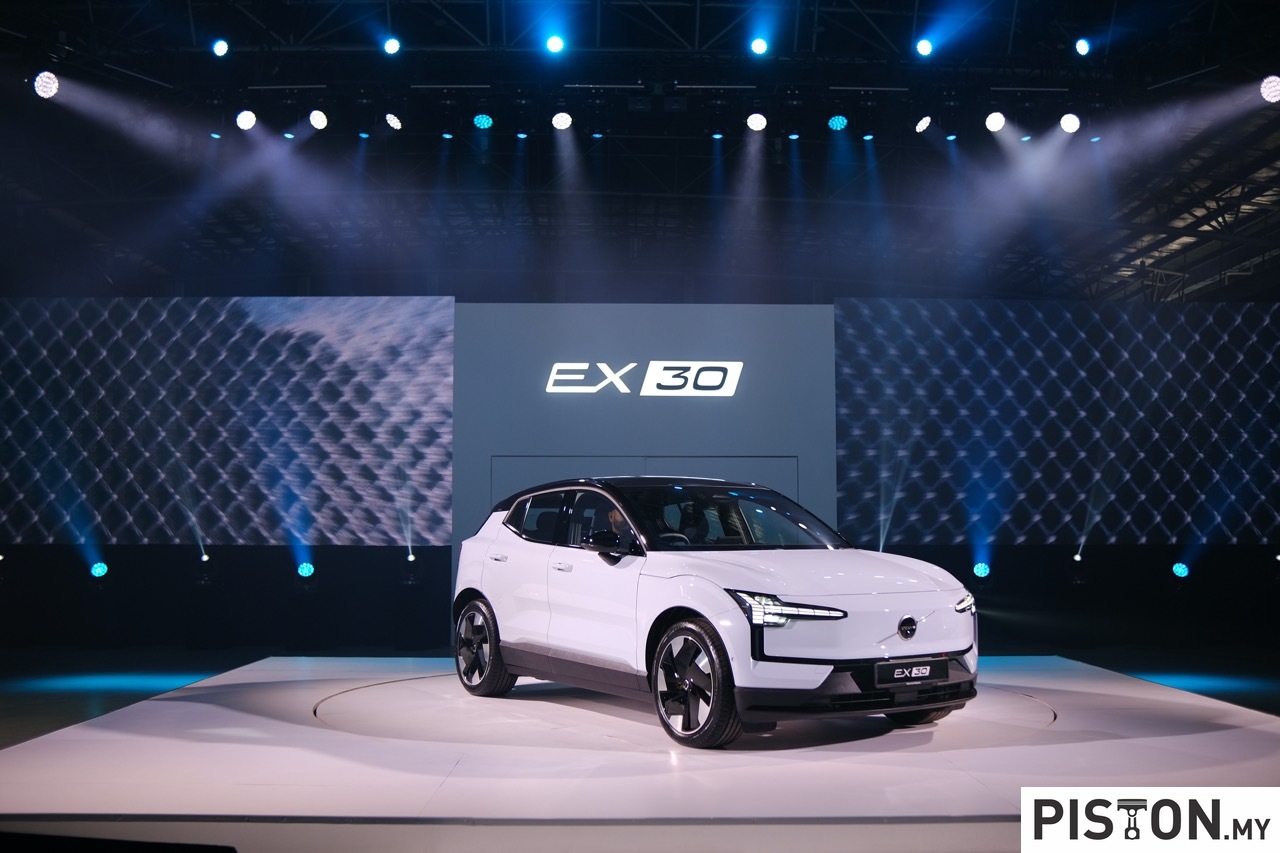
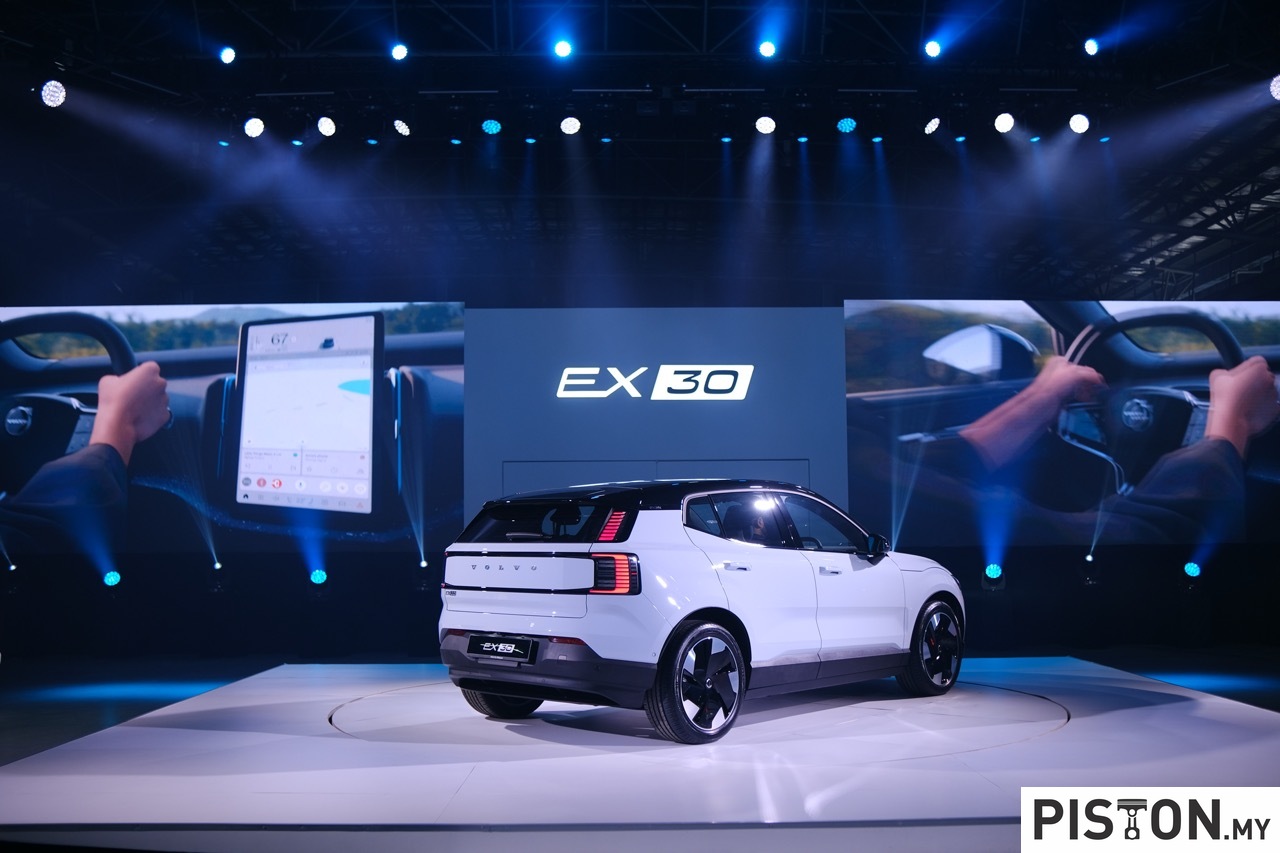
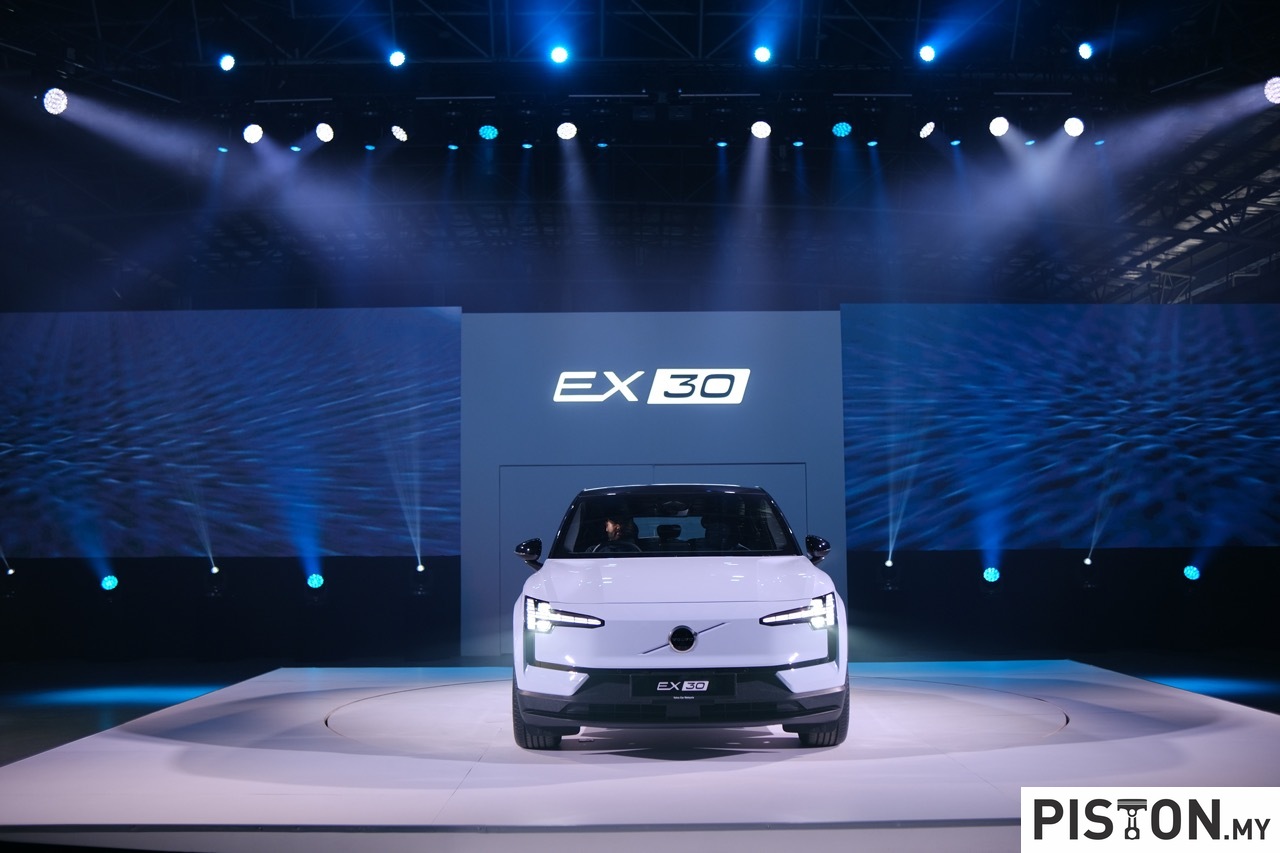
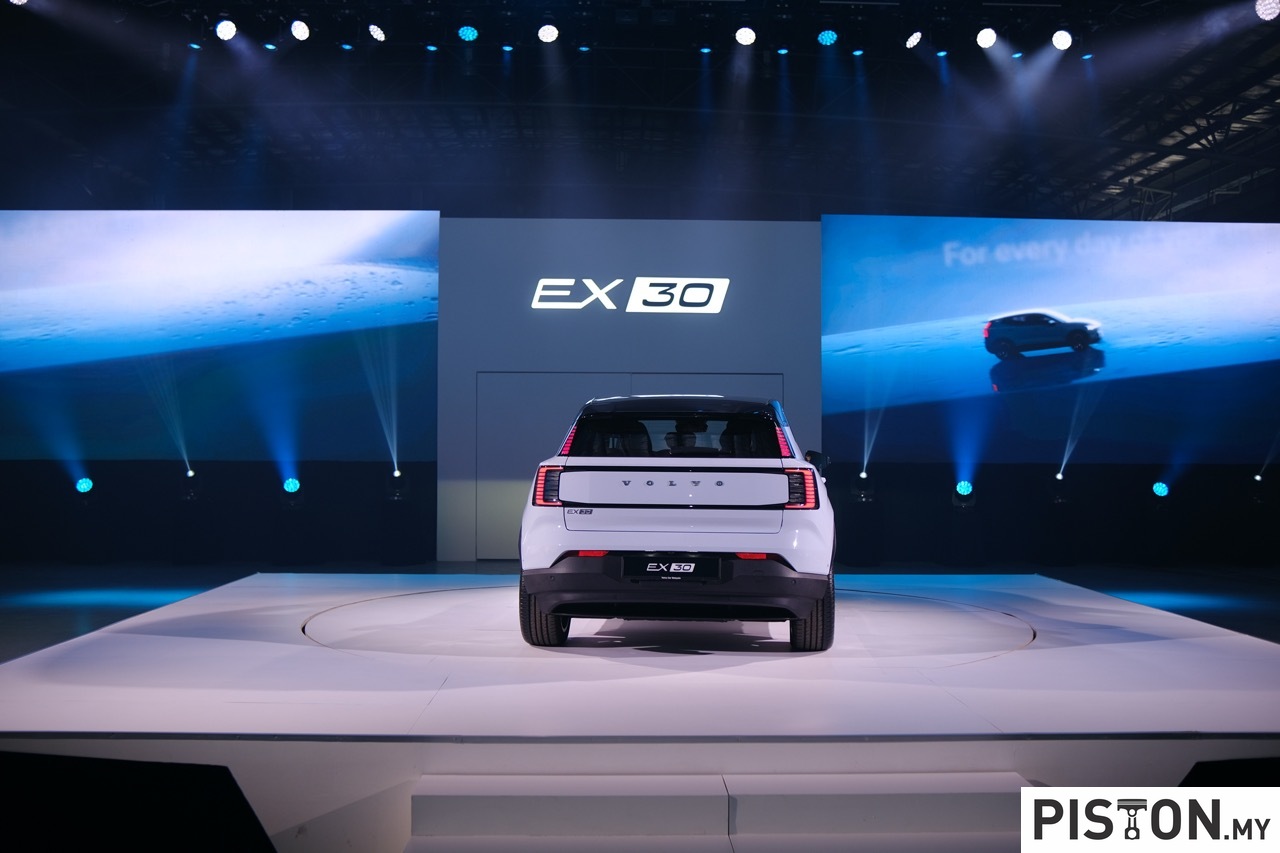
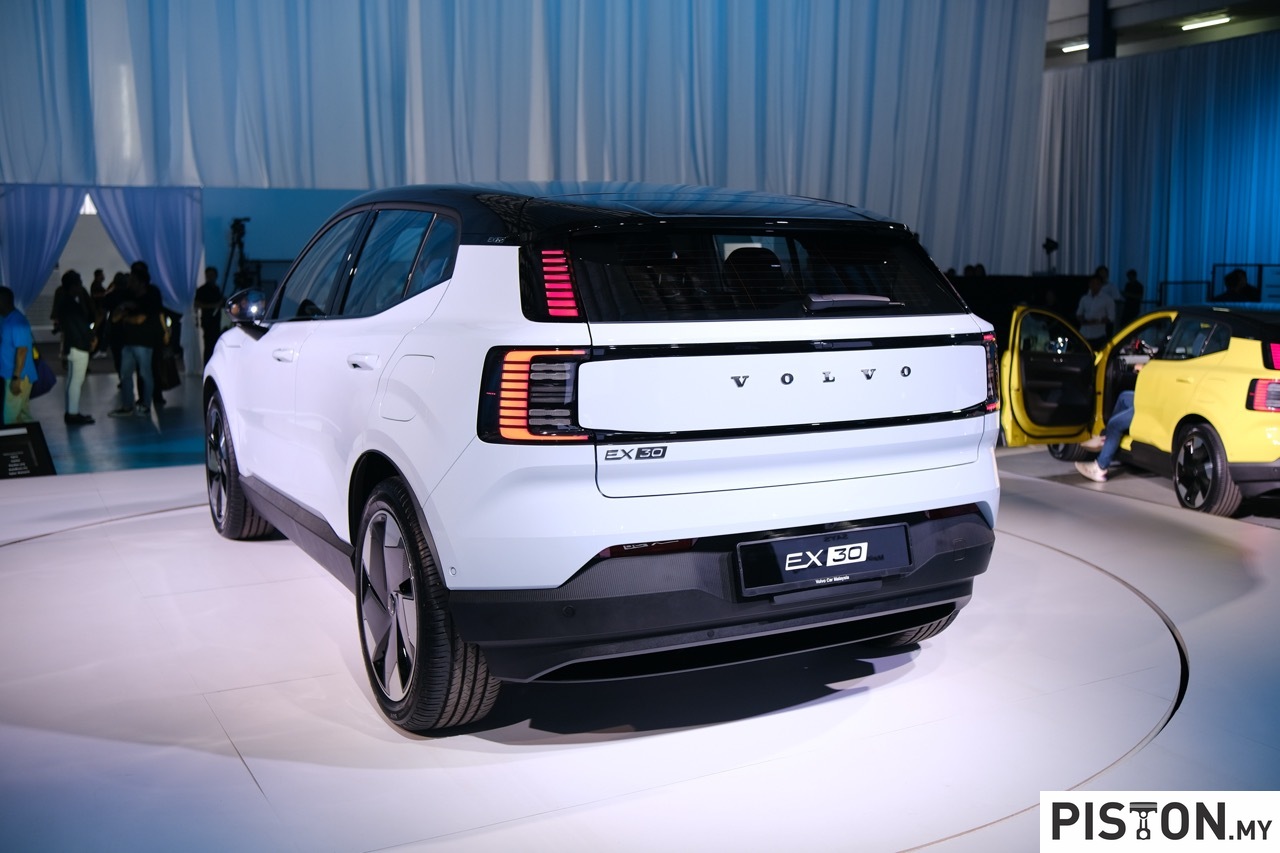
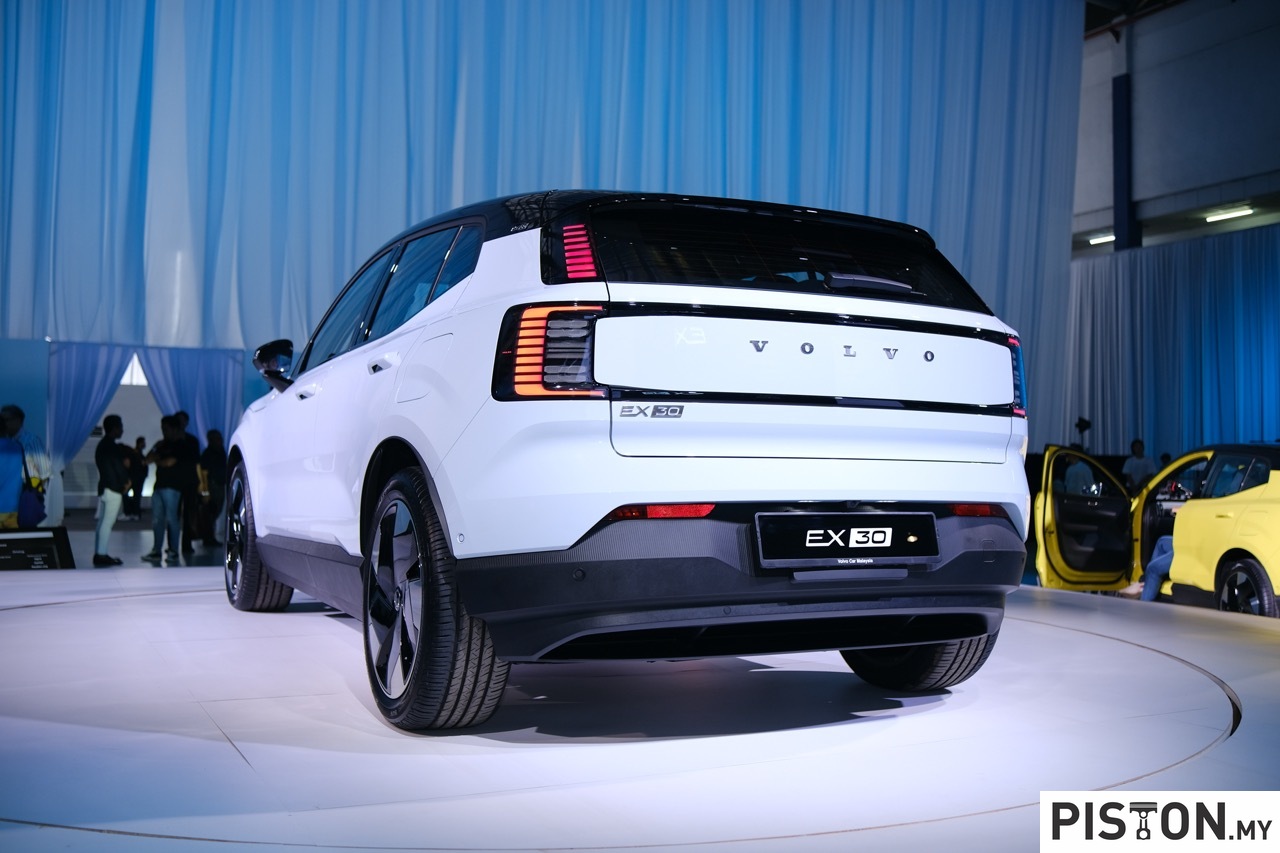
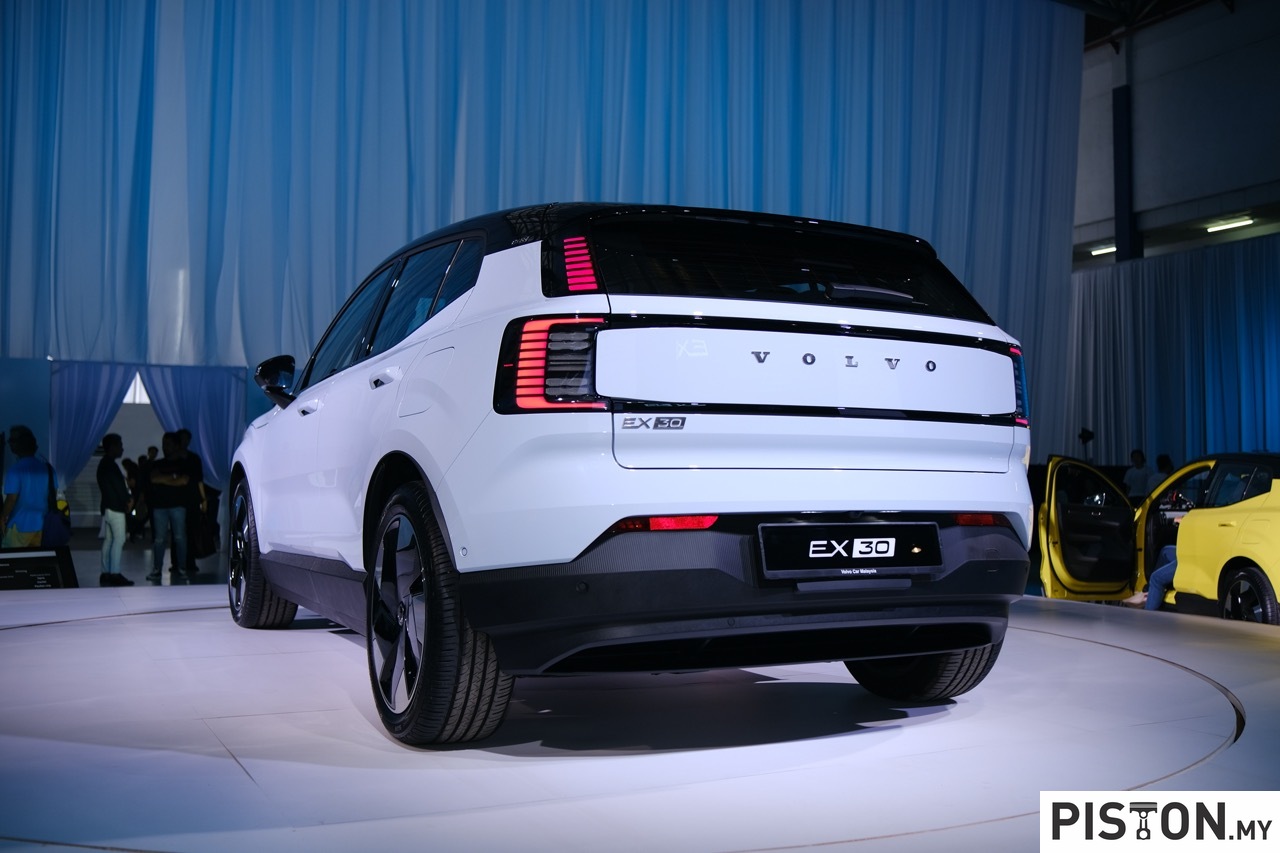
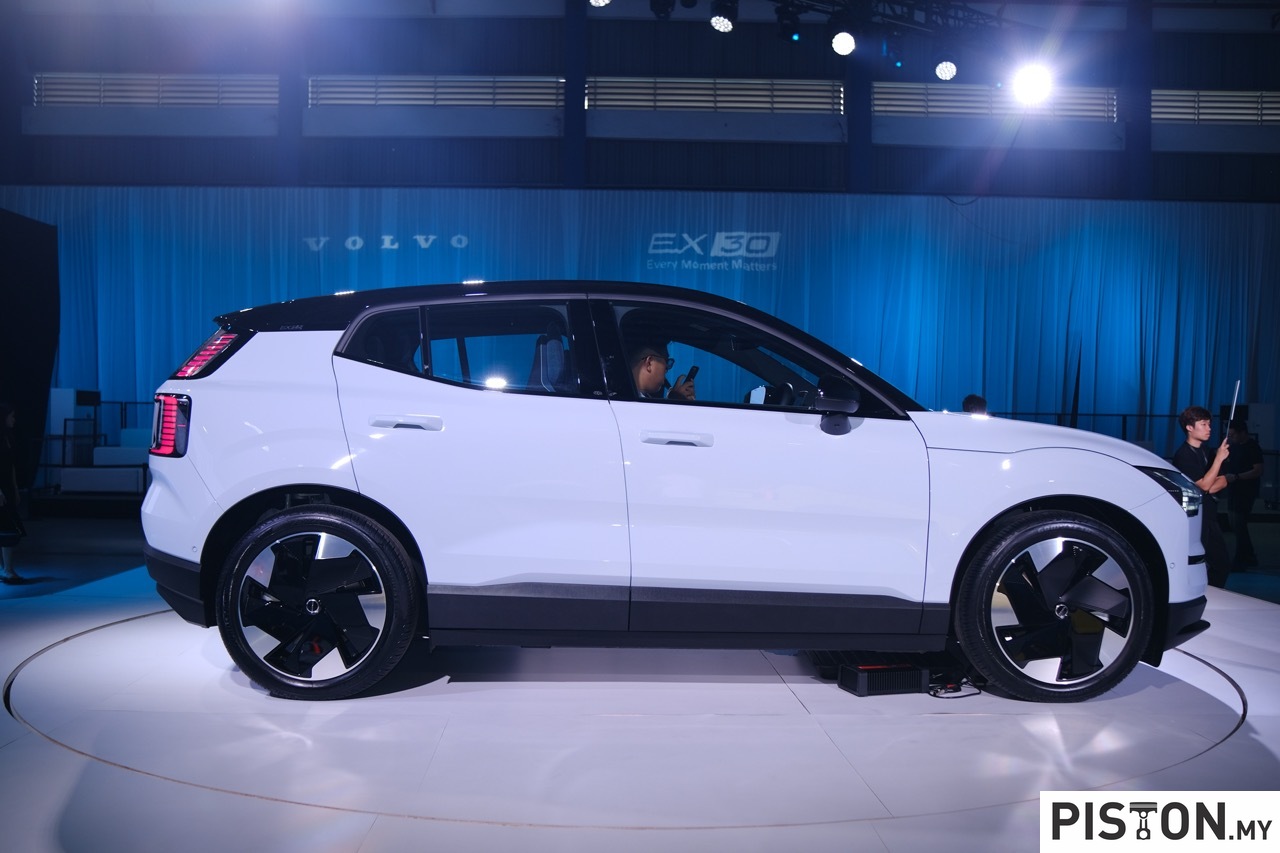
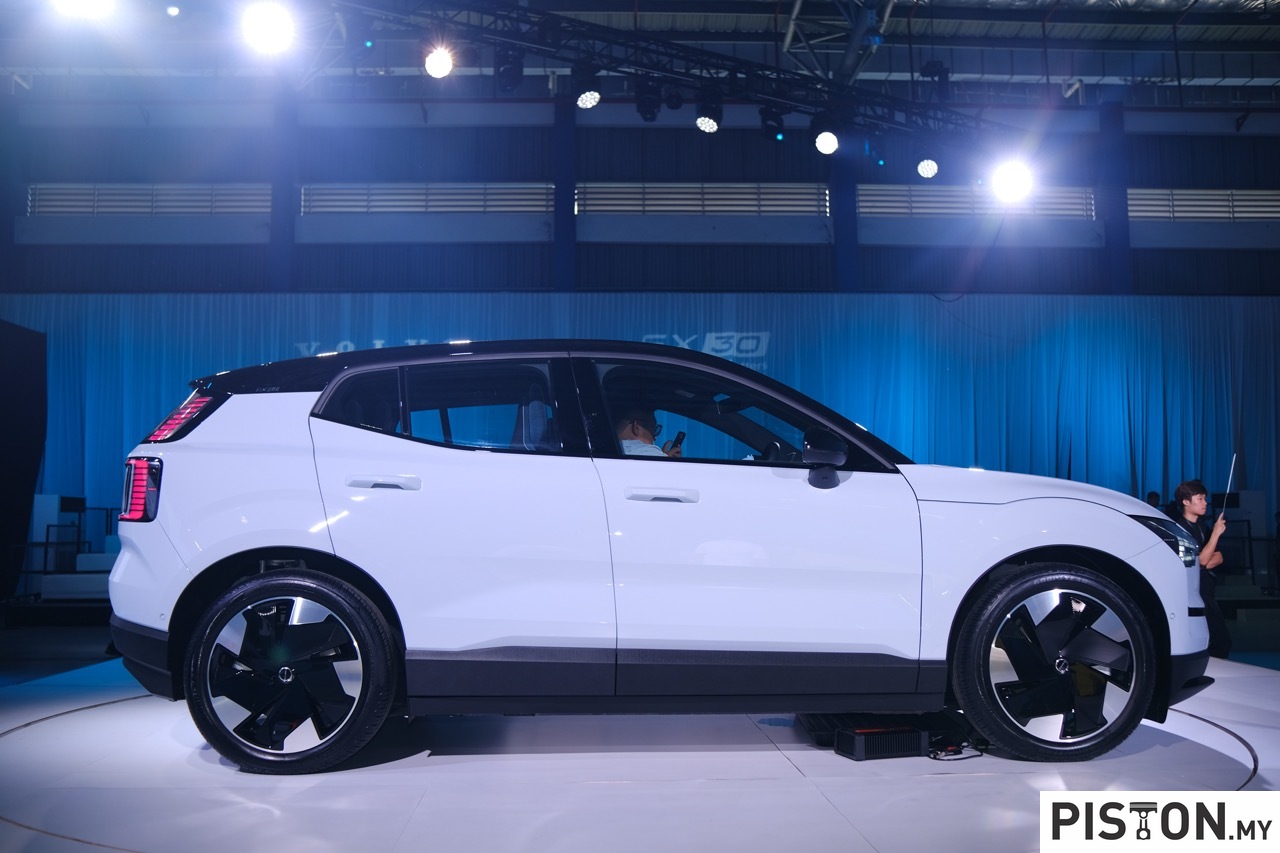
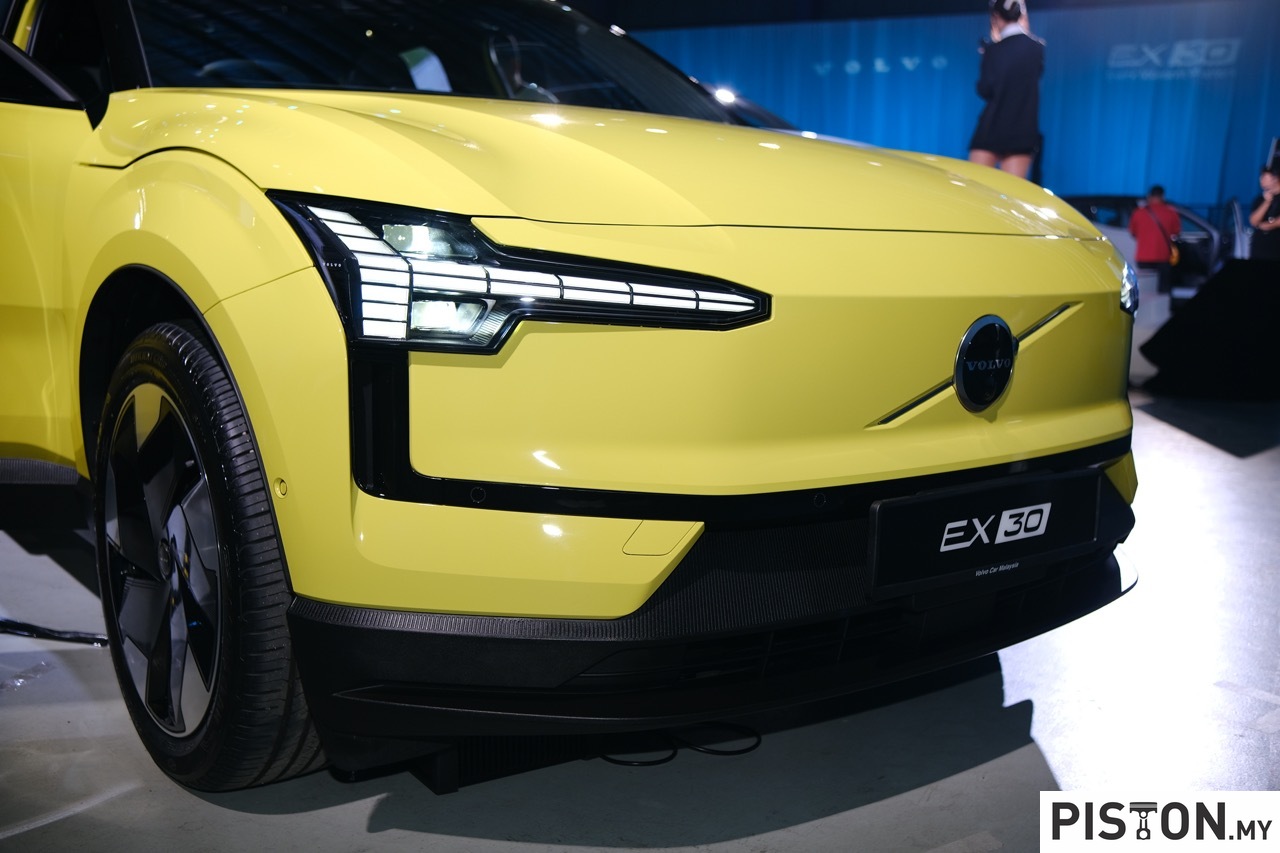
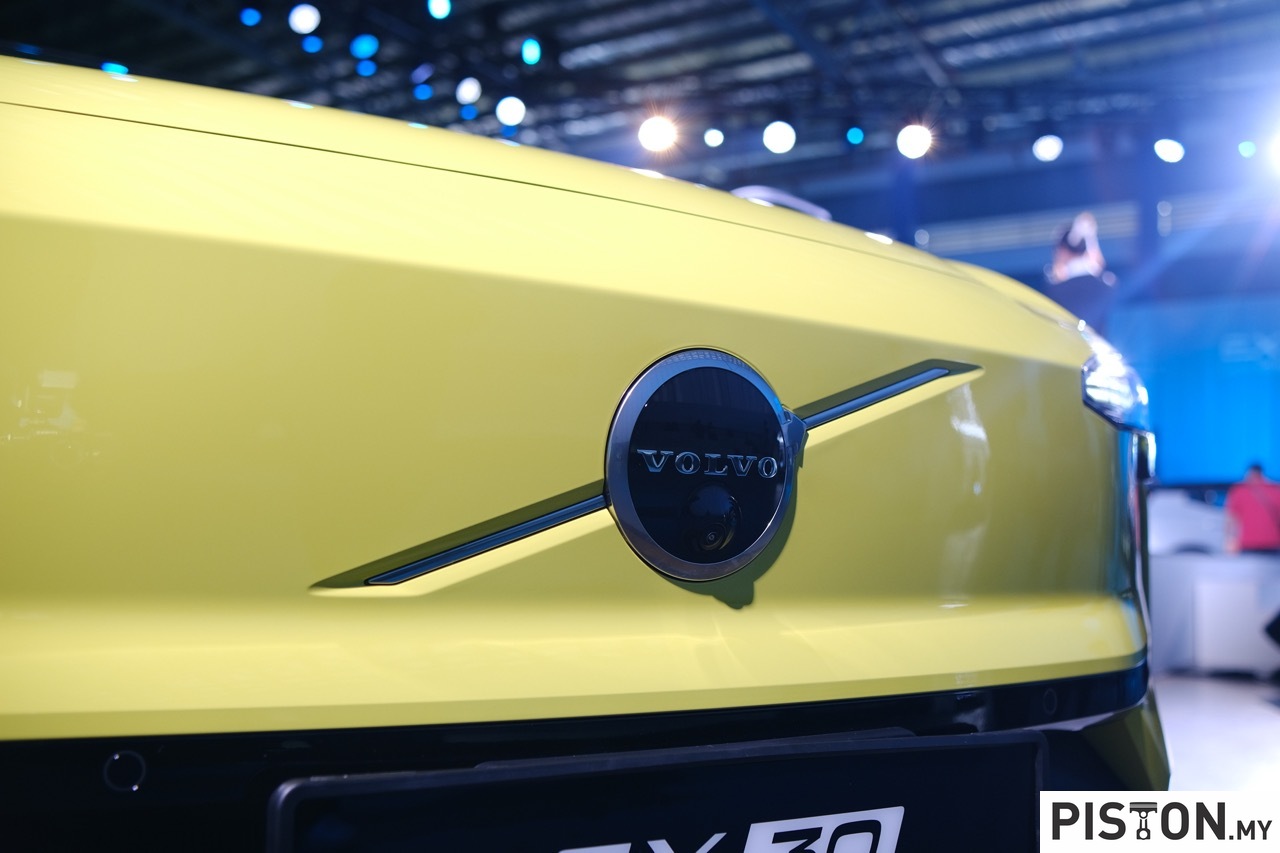
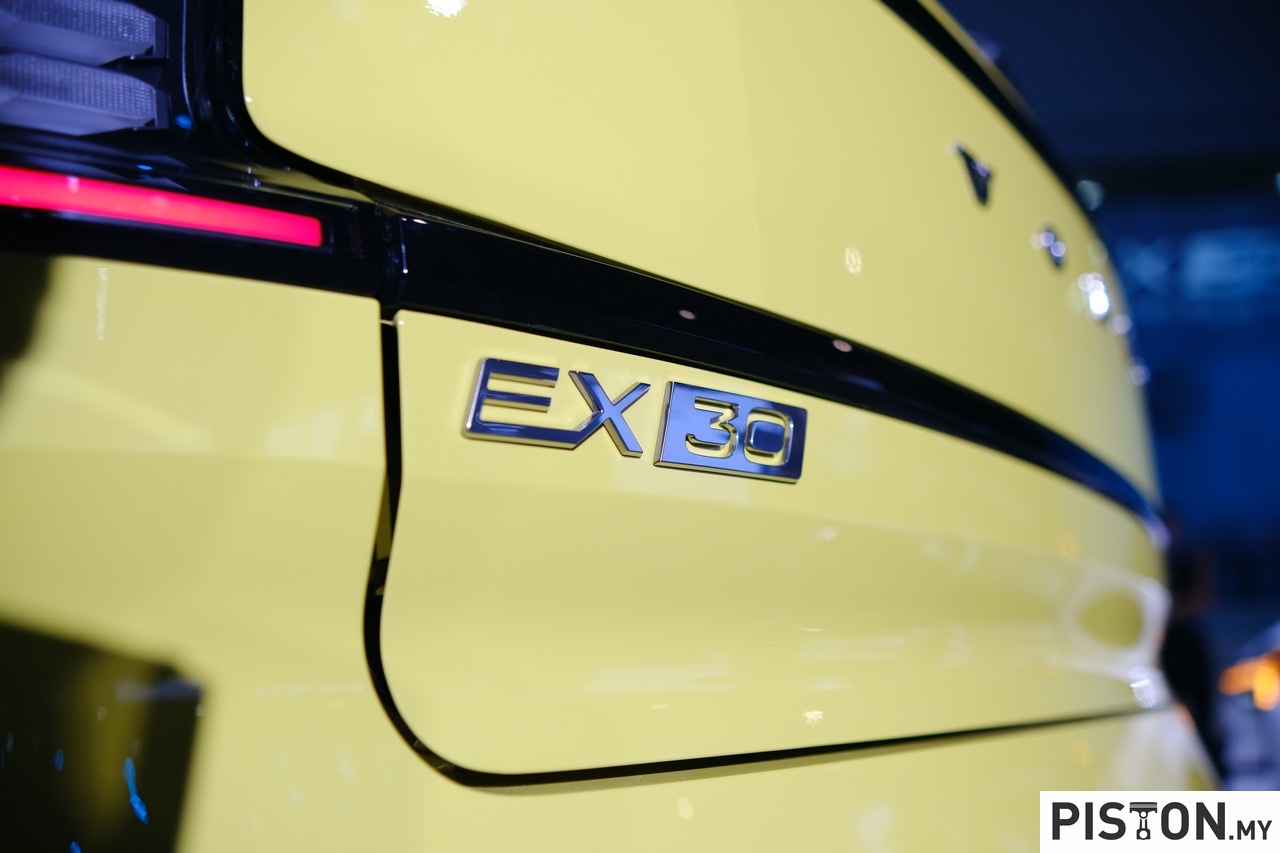
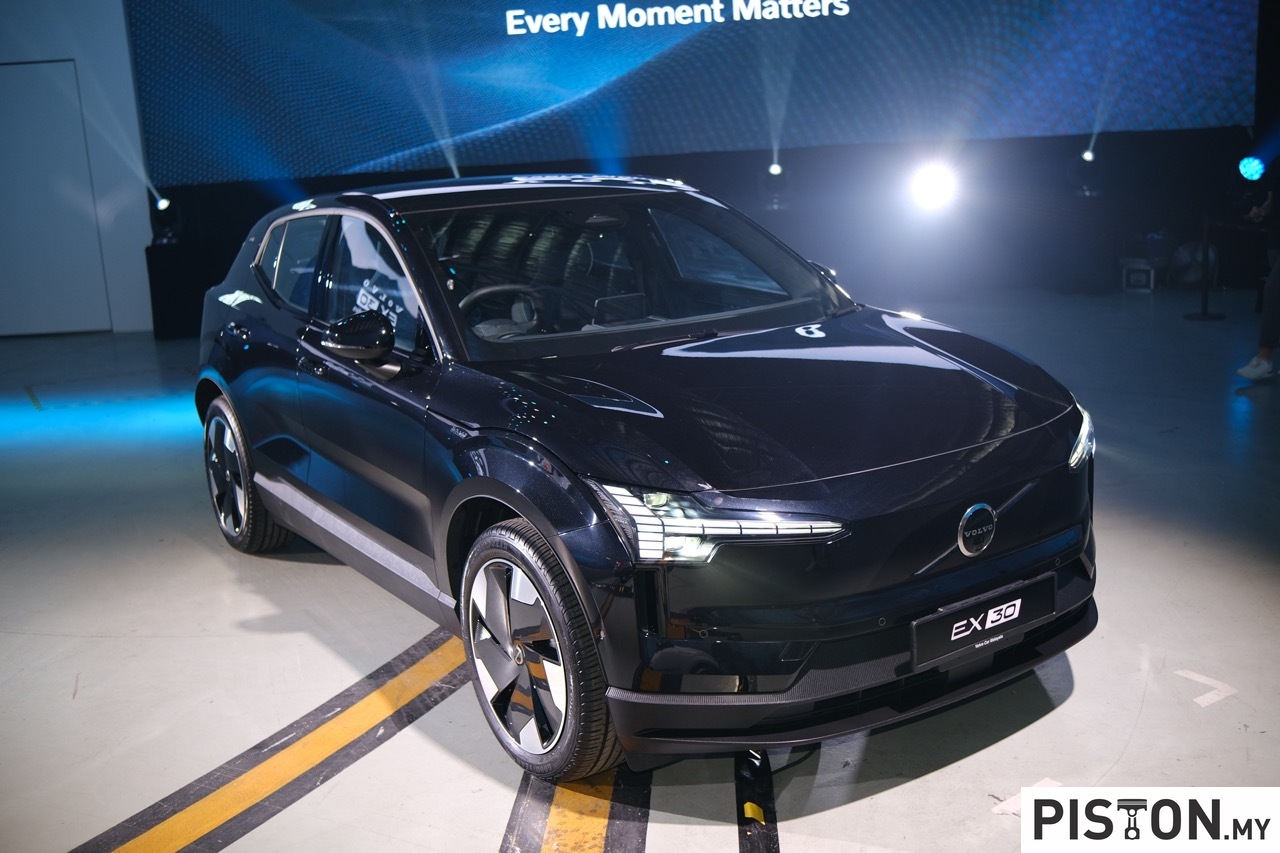
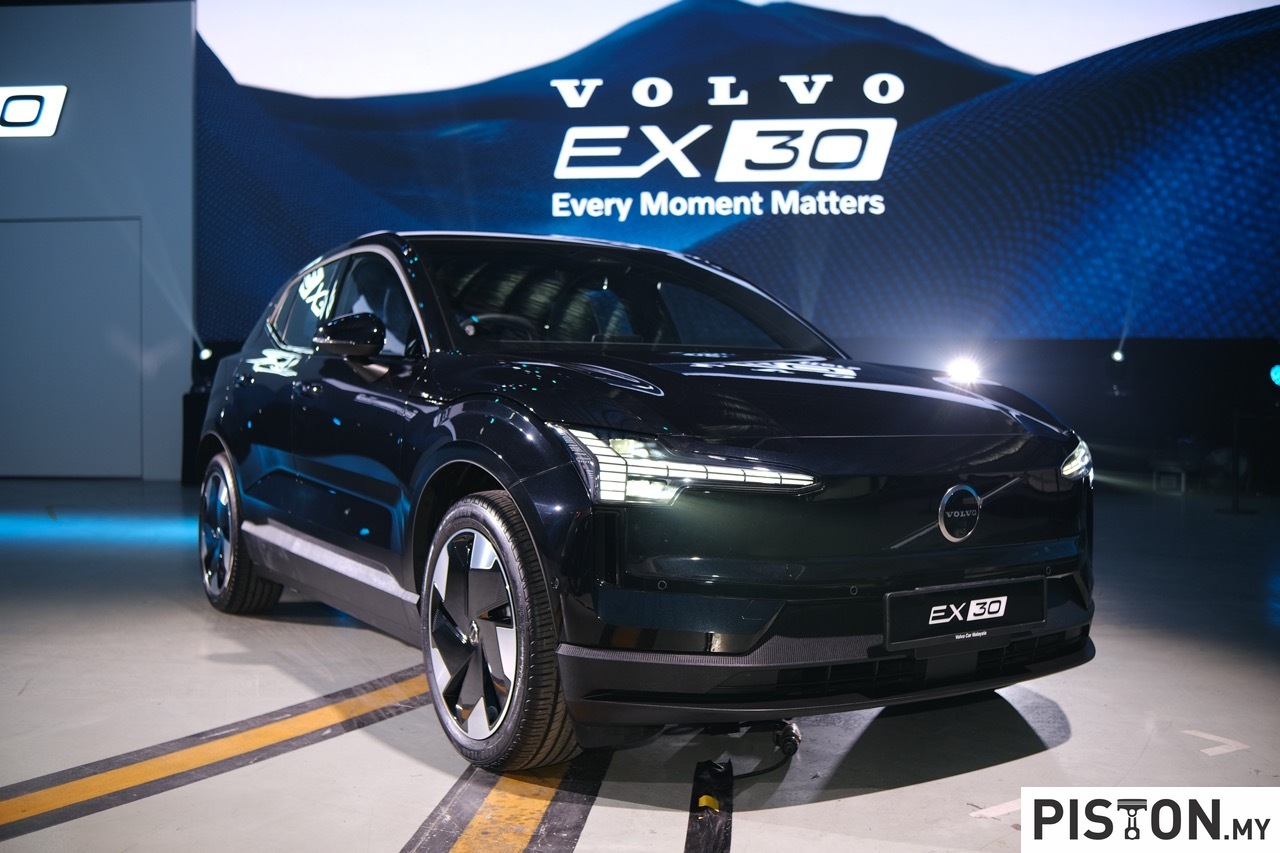
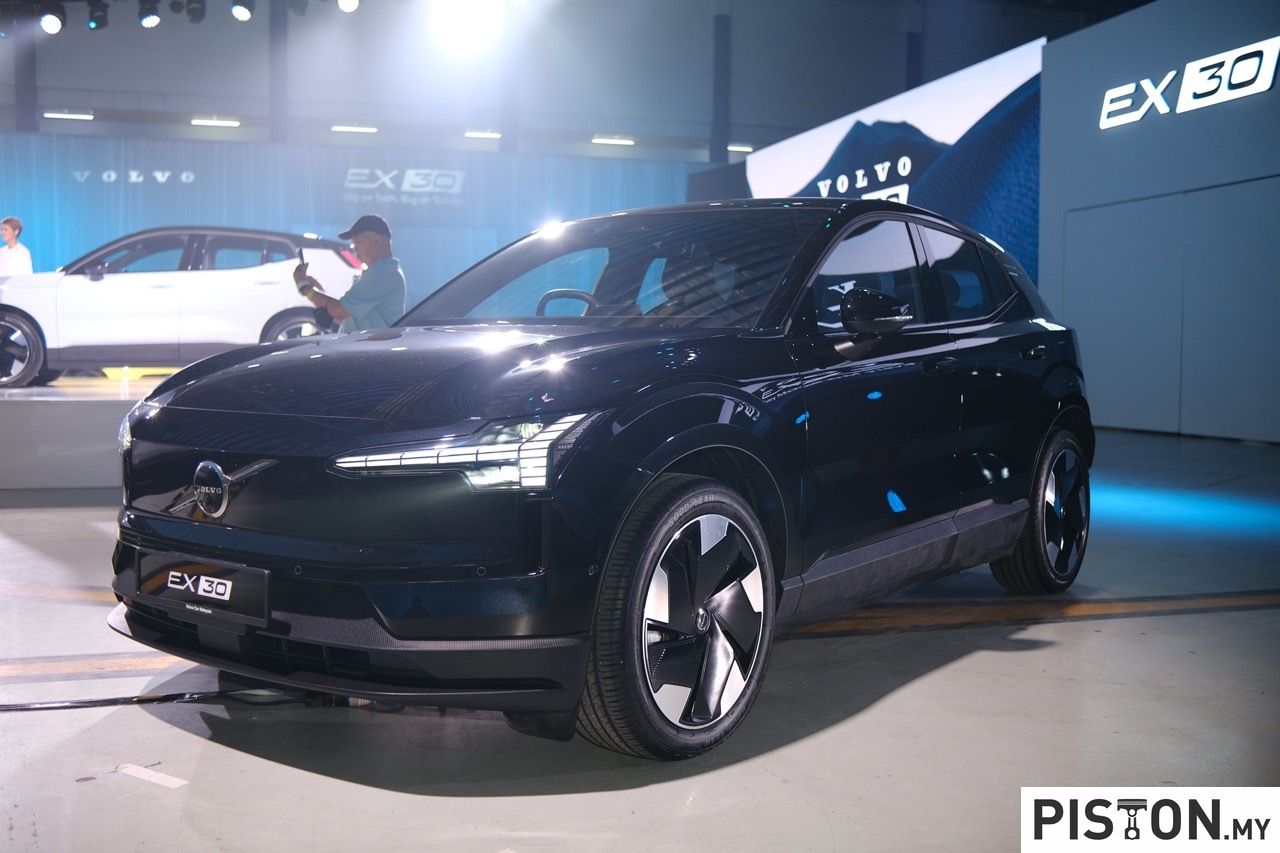
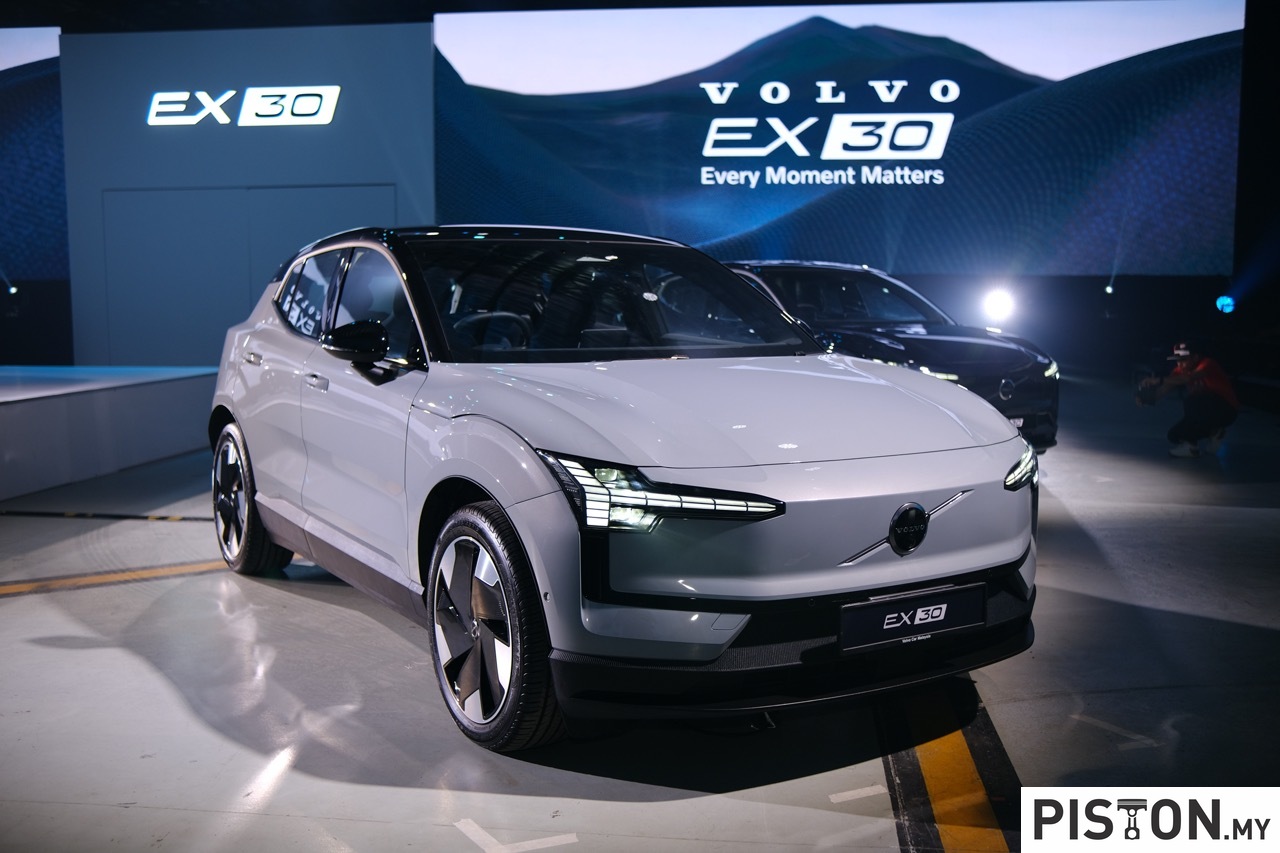
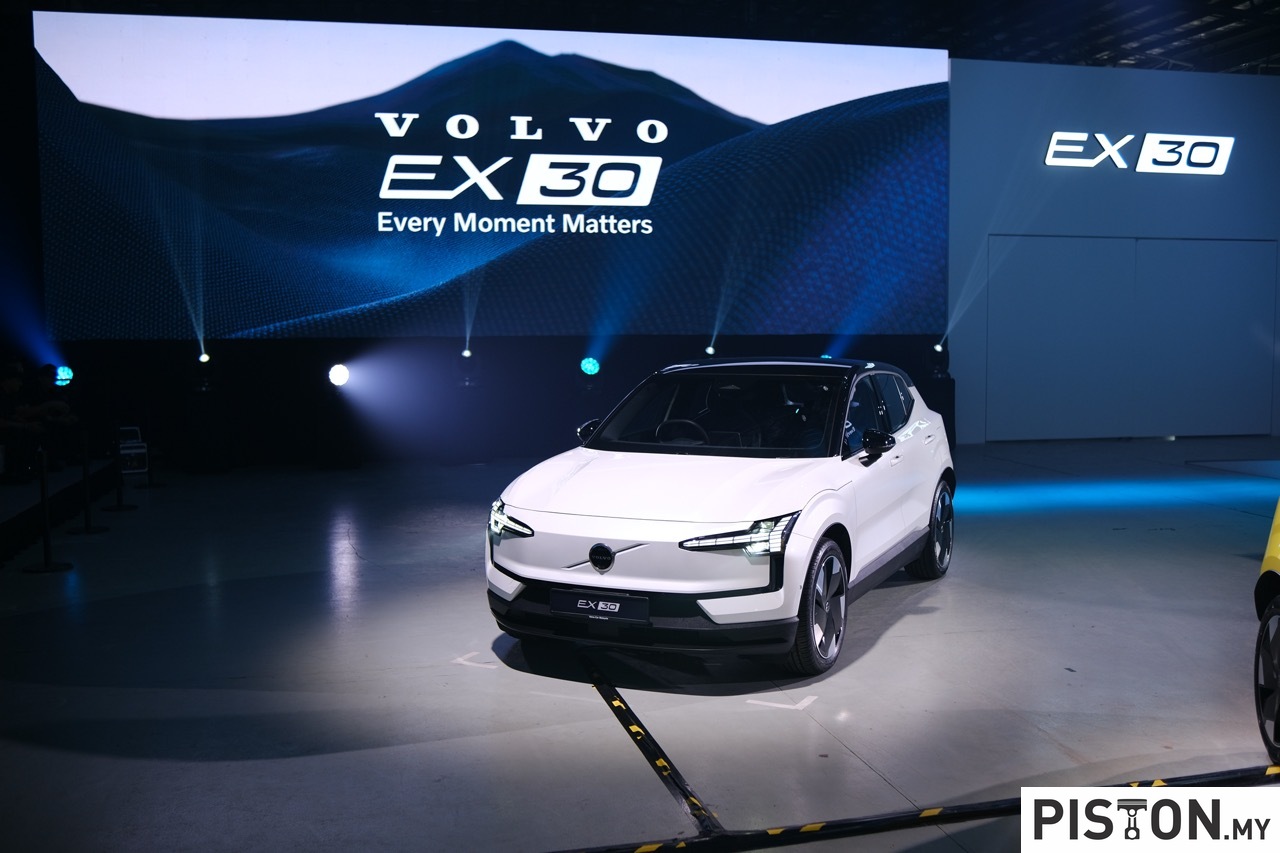
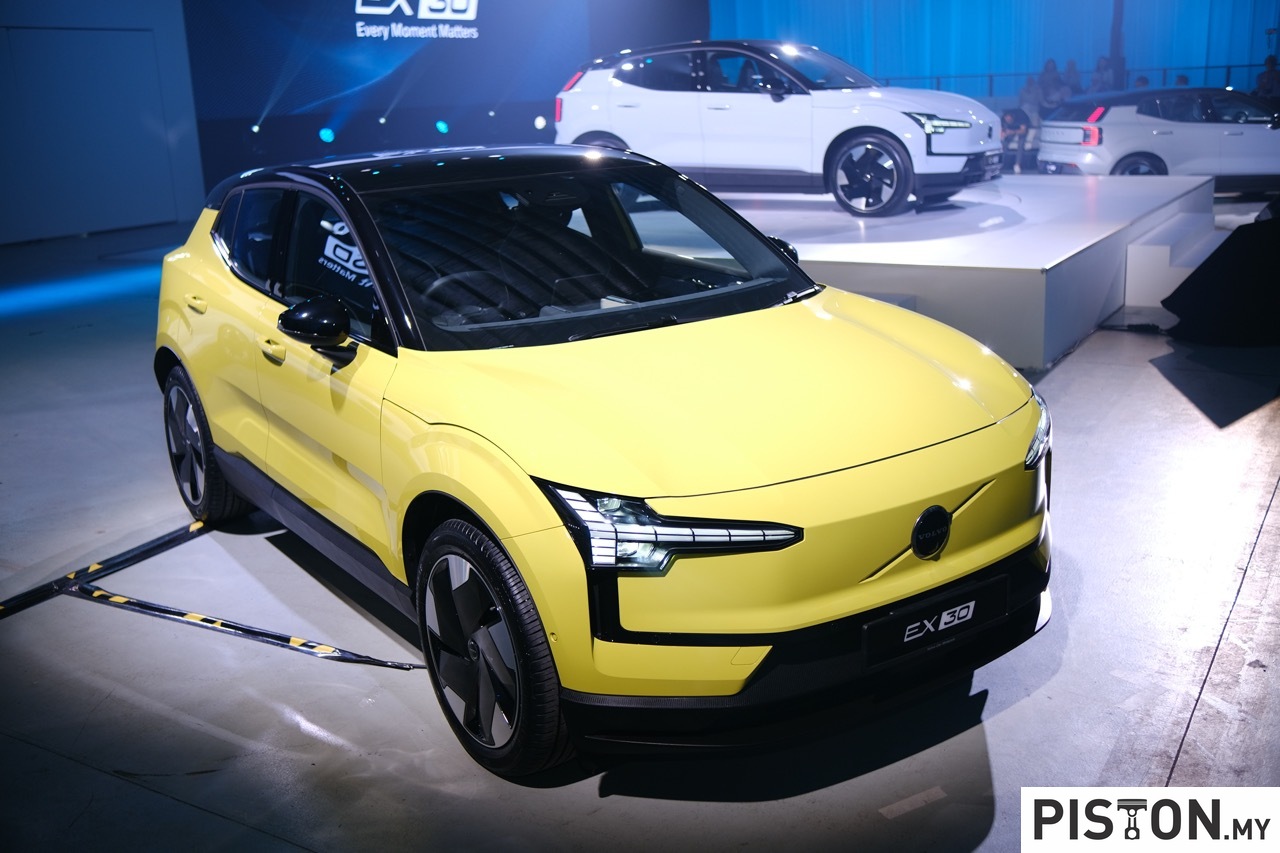
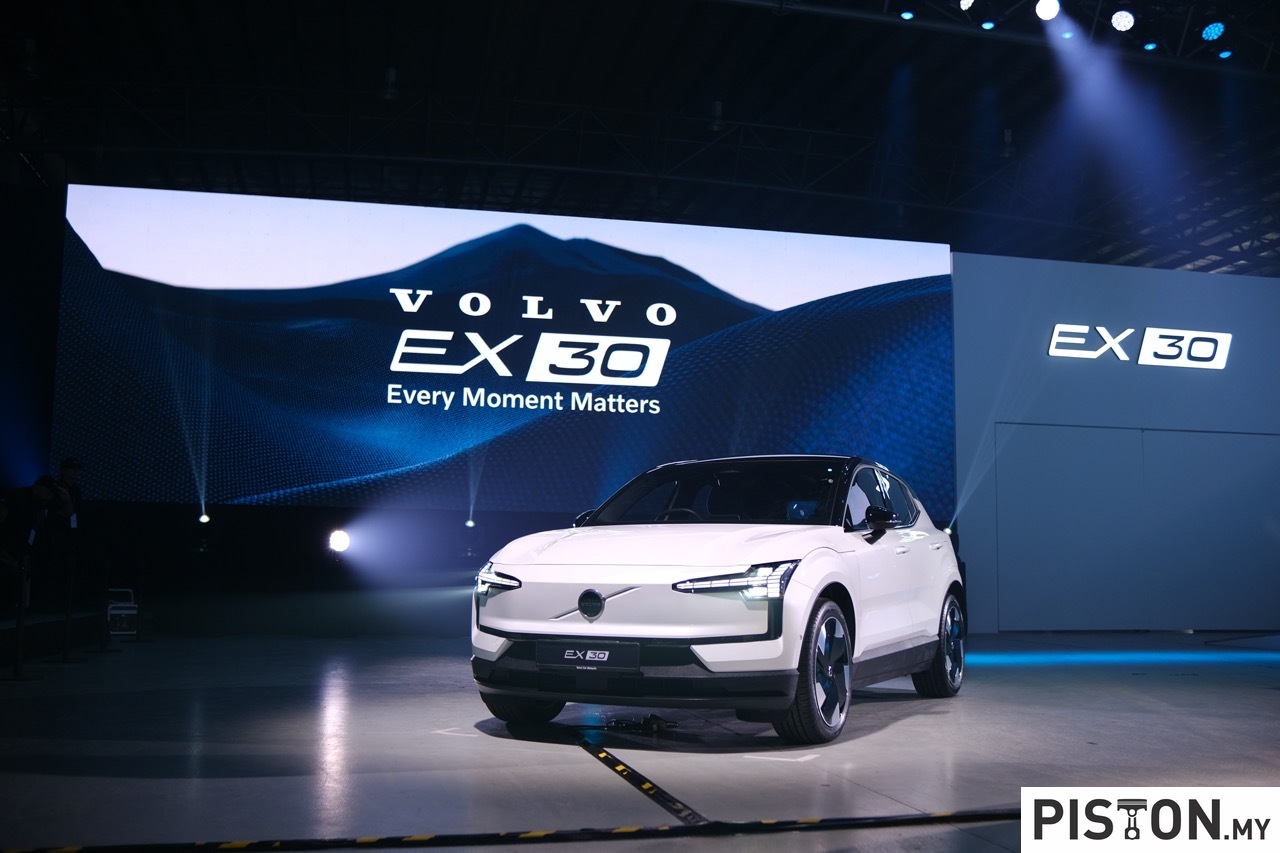
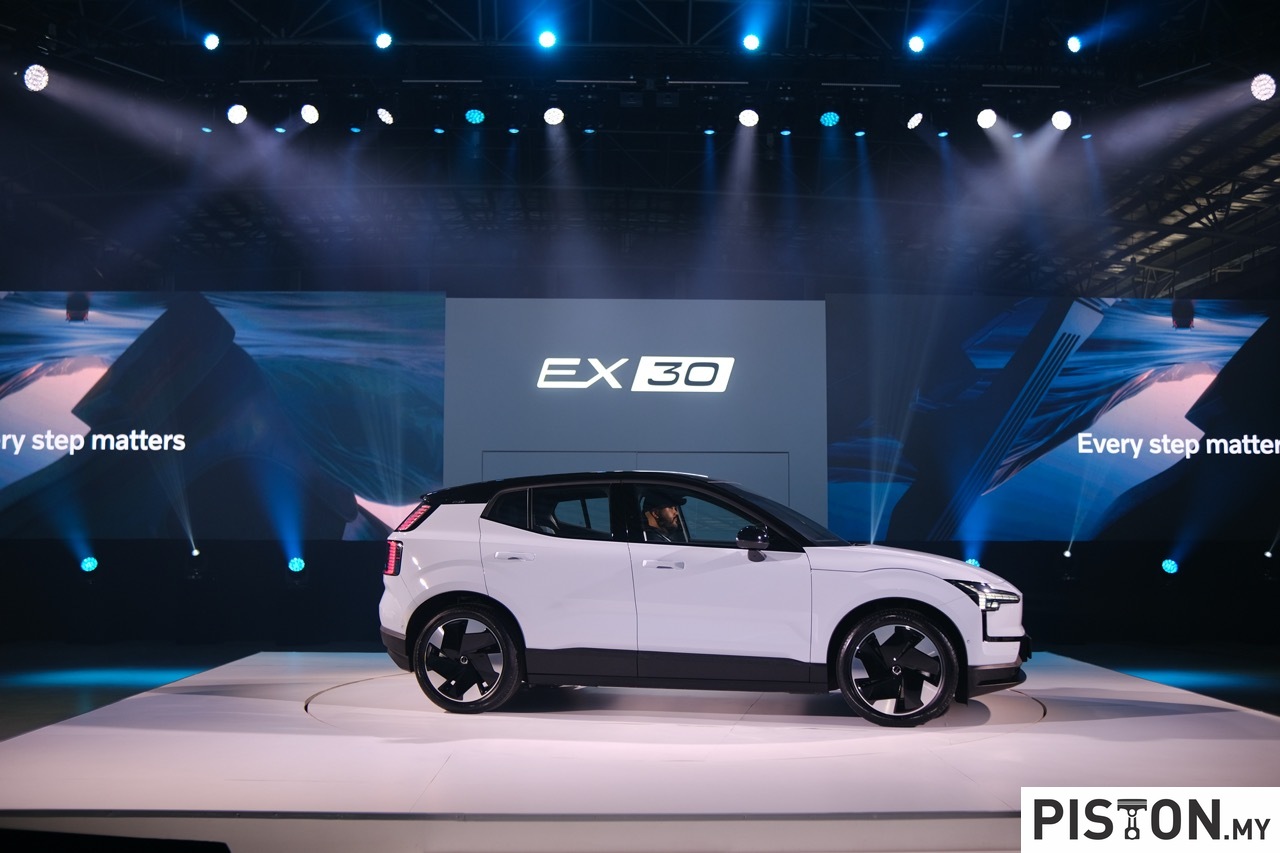
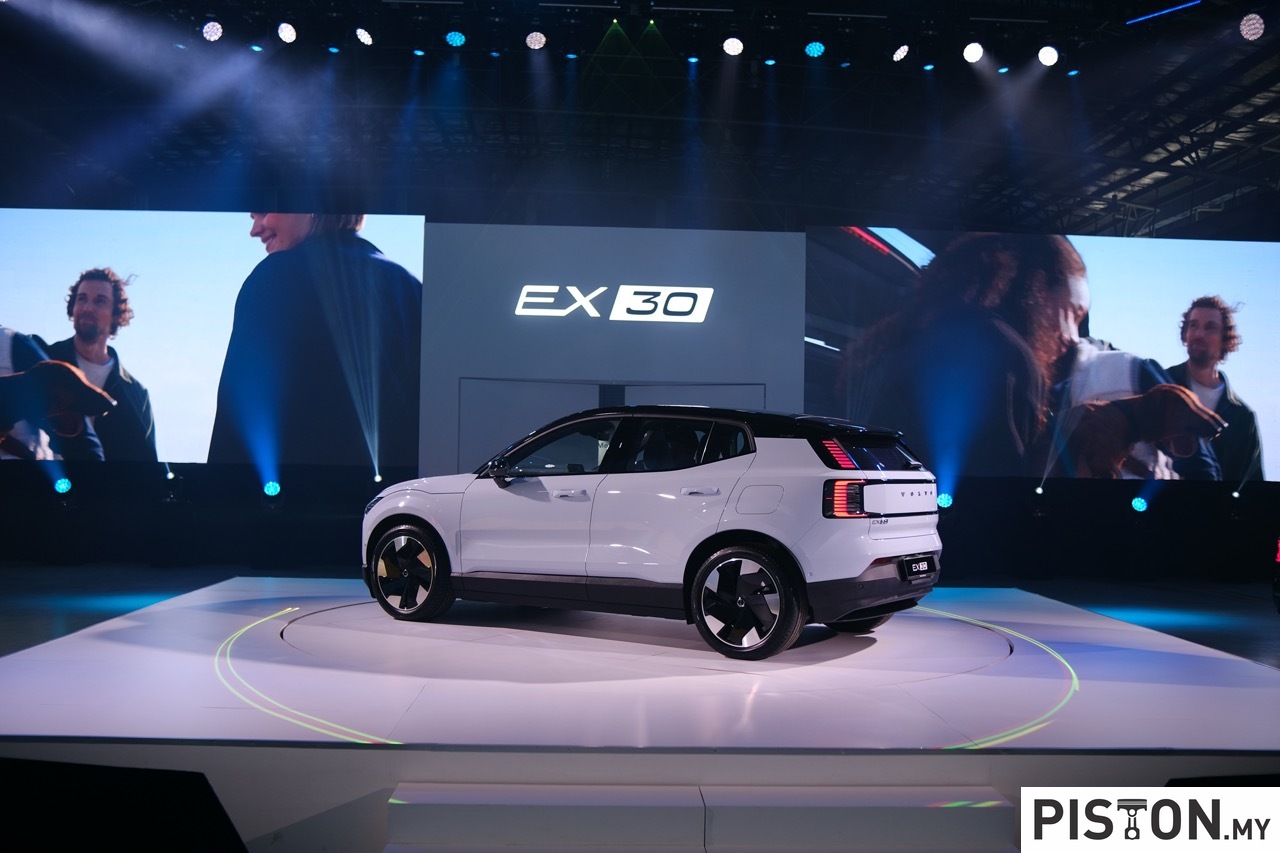
Volvo Car Malaysia launched its most anticipated and exciting model, the EX30. This is by far one of the smallest models Volvo has in its lineup and the quickest. We tested it out and did the 0-100km/h sprint in 3.6 seconds, which you can read about here.
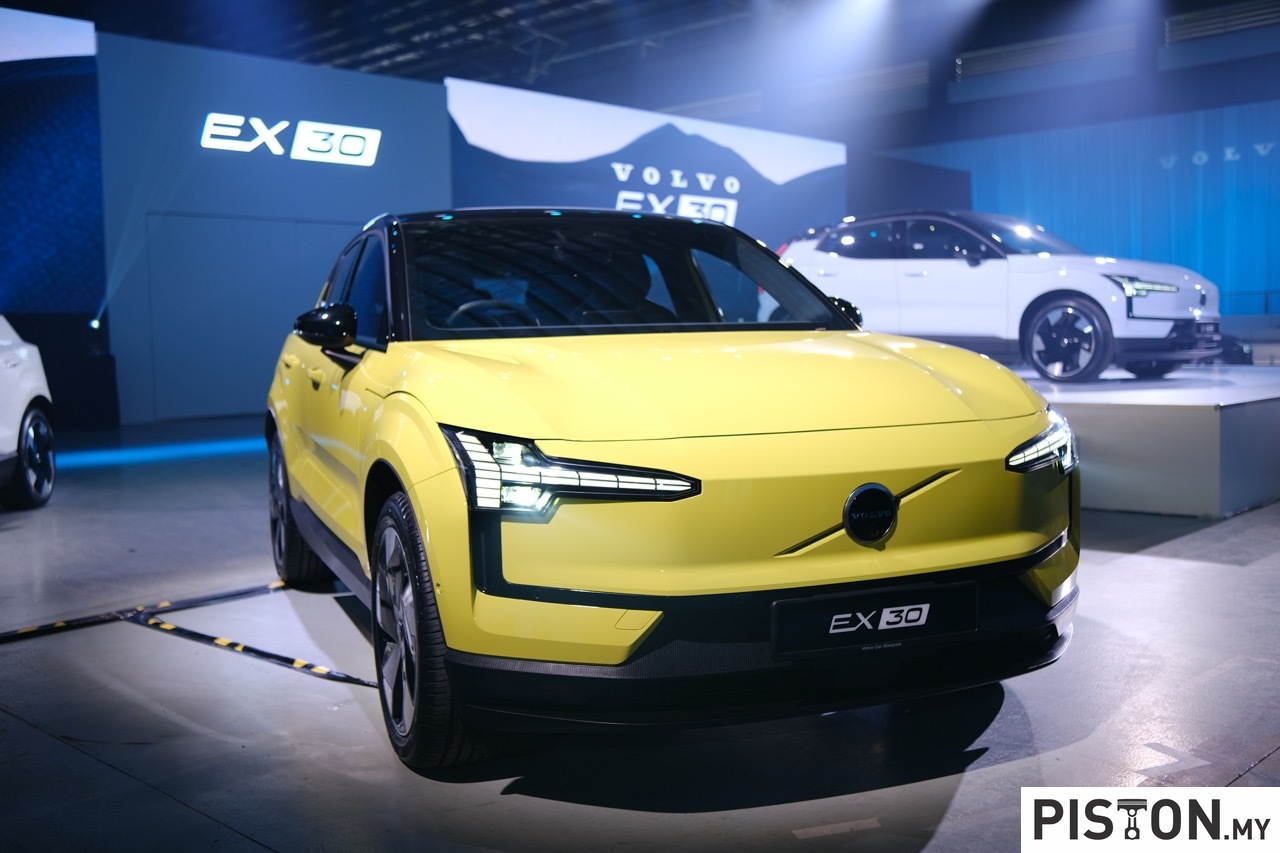
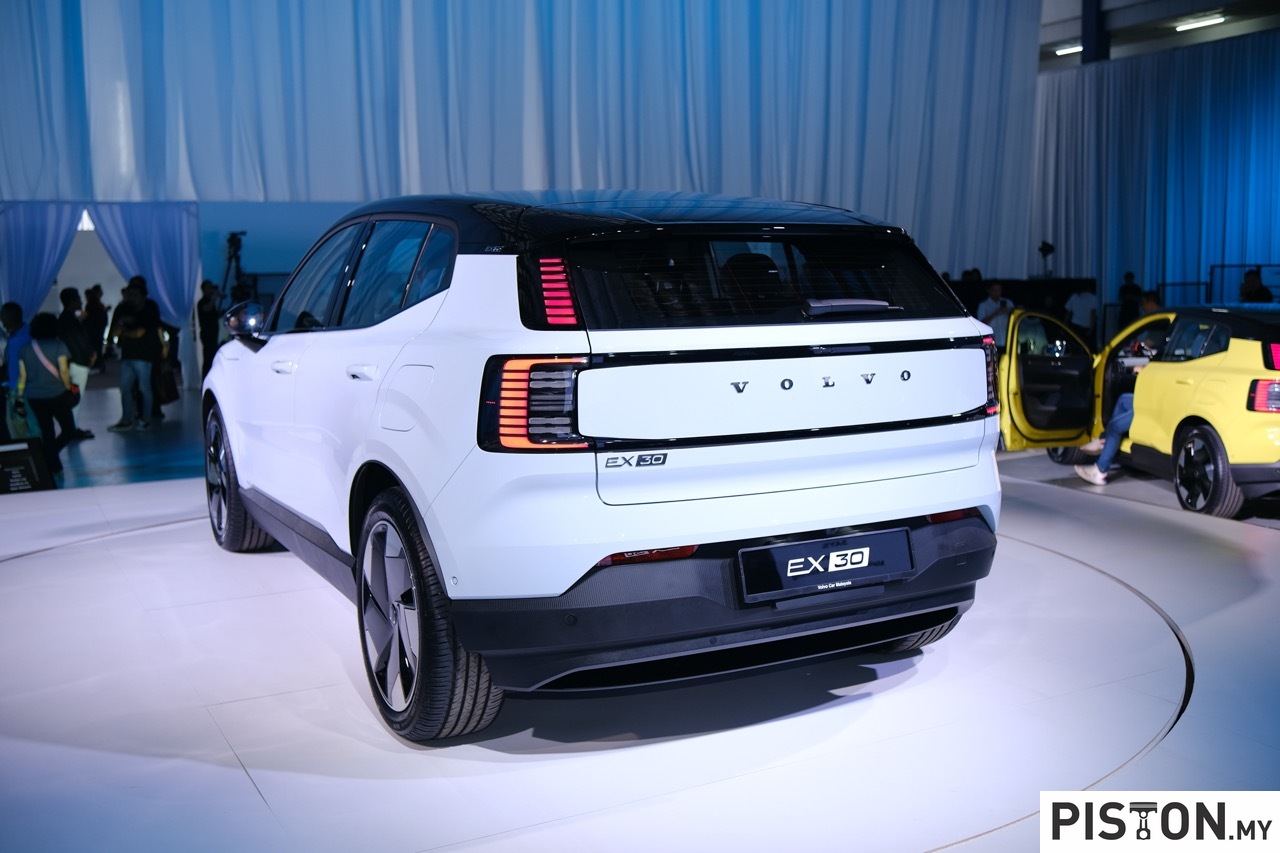
The Volvo EX30, is now available for purchase in Malaysia, offering a combination of cutting-edge technology, safety features, and sustainable design. Aimed at providing drivers with a personal and eco-friendly driving experience, the EX30 is designed for everyday moments and city life, while delivering impressive performance and style.
The EX30 sets a new standard for Volvo, boasting the fastest acceleration in the brand’s history. With three variants available in Malaysia – the EX30 Plus, EX30 Ultra, and the high-performance EX30 Ultra Twin – the car caters to a range of driving preferences. The top-of-the-line Ultra Twin variant delivers an impressive 428PS of power and 543Nm of torque, propelling the car from 0 to 100 km/h in just 3.6 seconds. Meanwhile, the single-motor Plus and Ultra models offer 272PS and 343Nm of torque, achieving 0-100 km/h in a respectable 5.3 seconds.
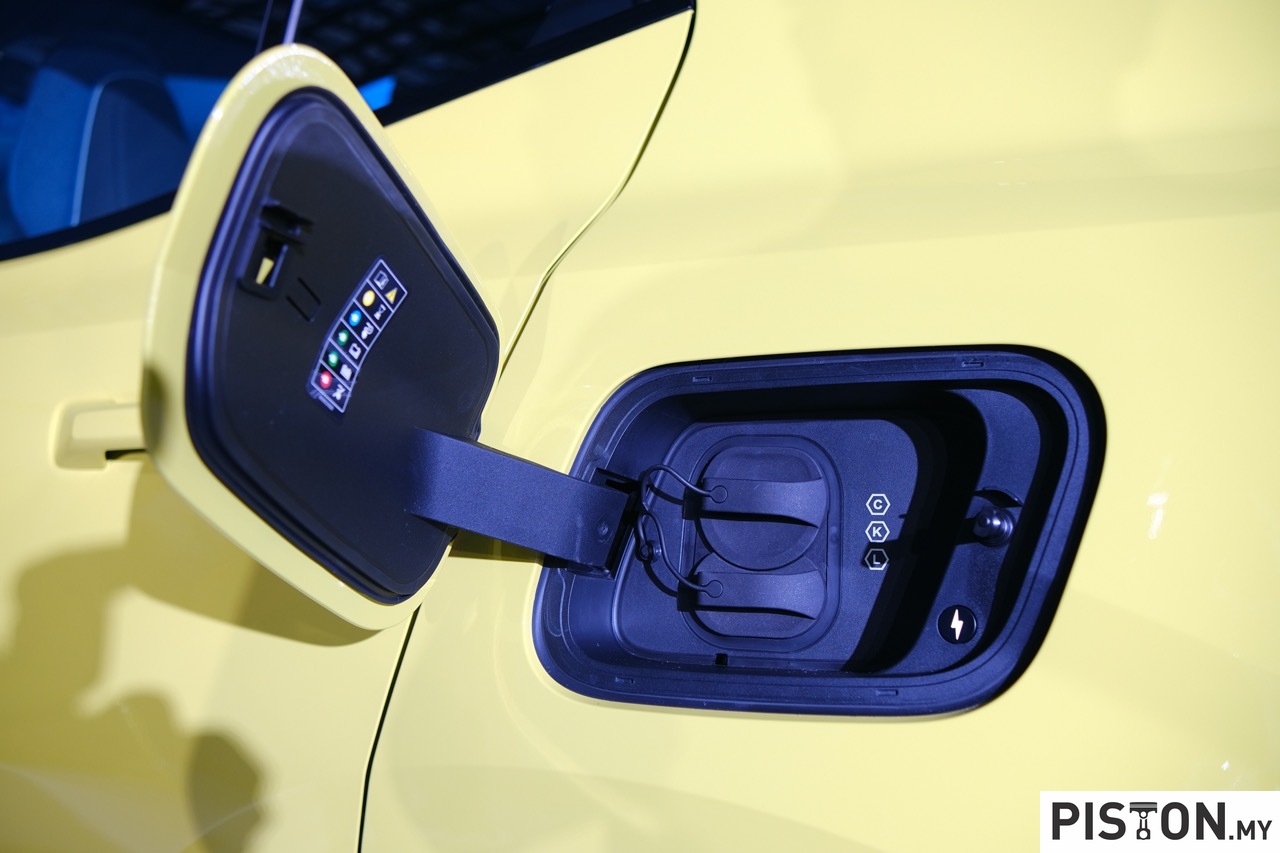
All variants feature a 69 kWh NMC battery, providing a range of up to 476km for the single-motor versions and 450km for the dual-motor Ultra Twin. With 175 kW DC fast charging, the battery can be charged from 10% to 80% in just 28 minutes, ensuring minimal downtime.
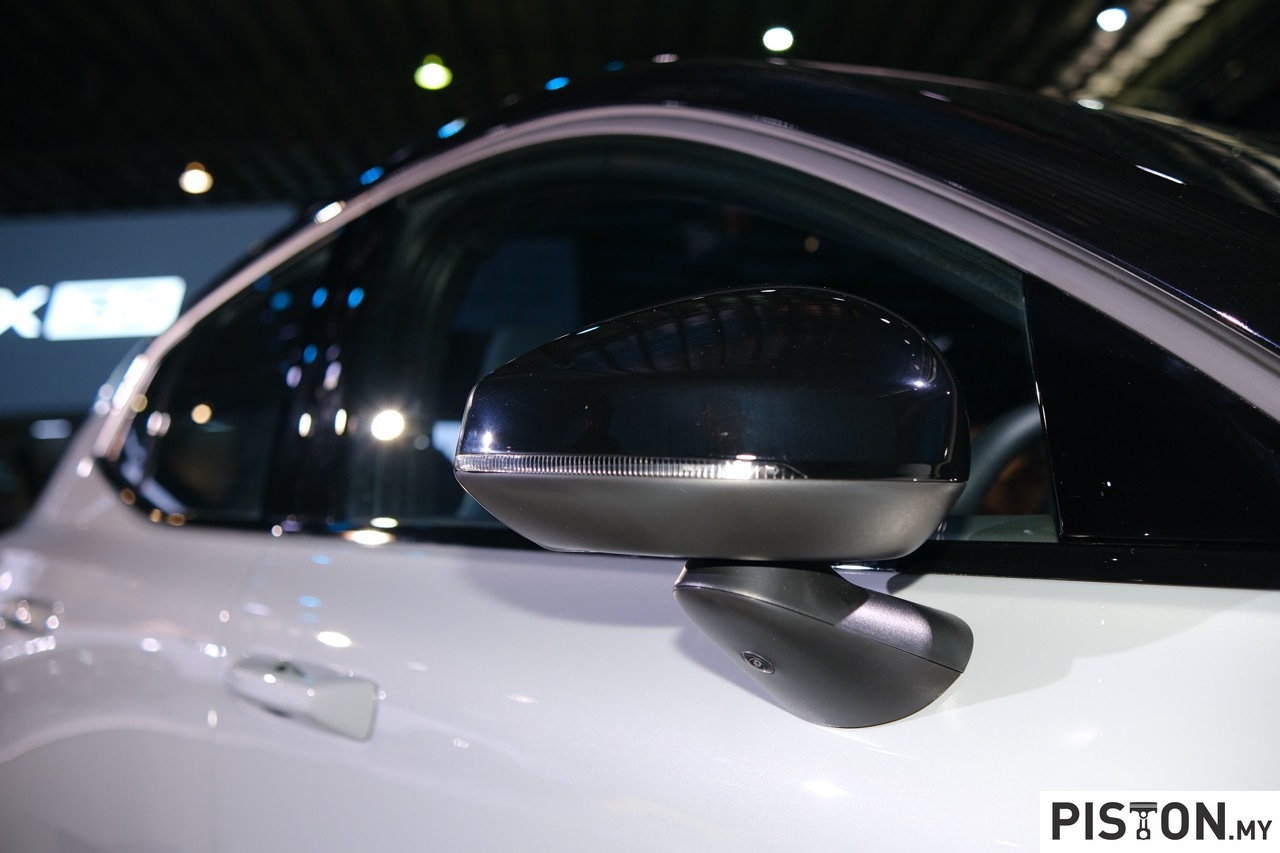
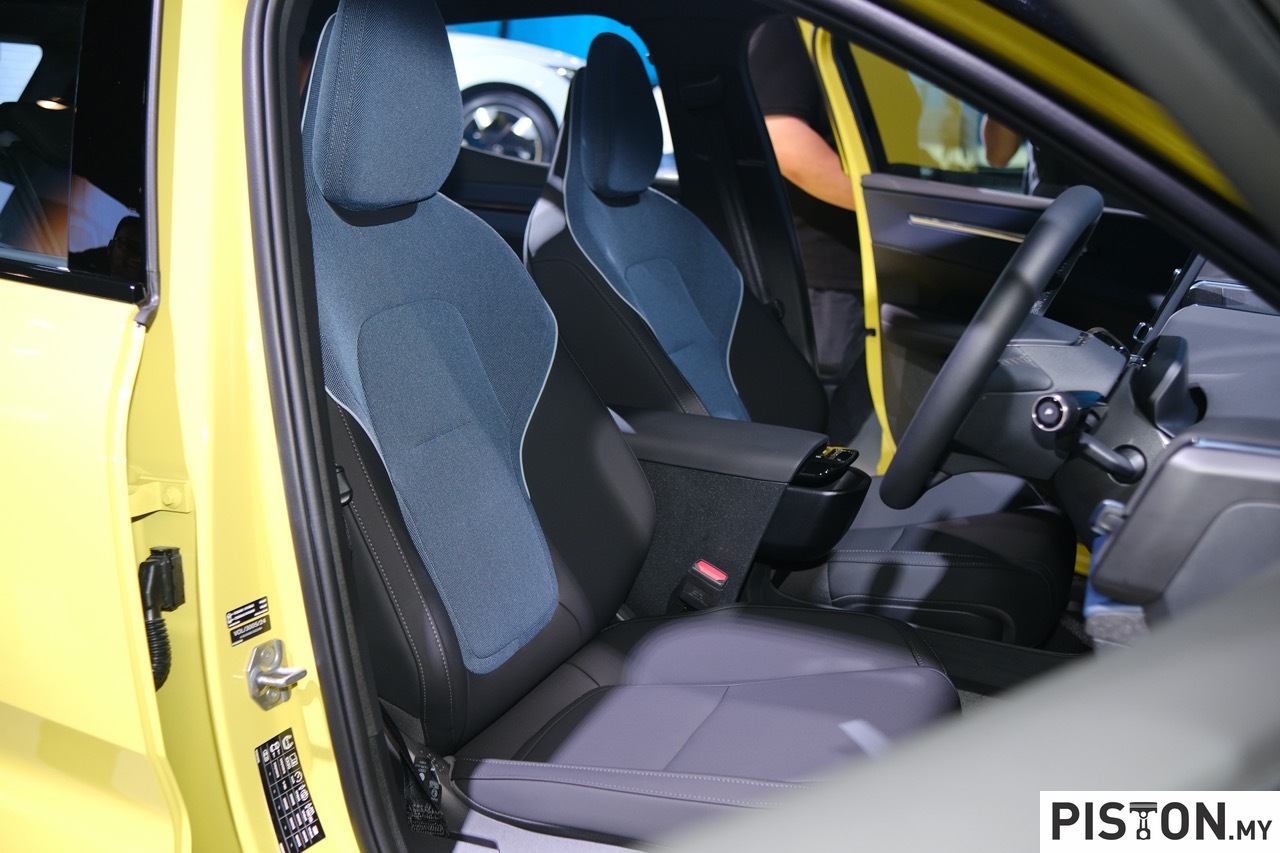
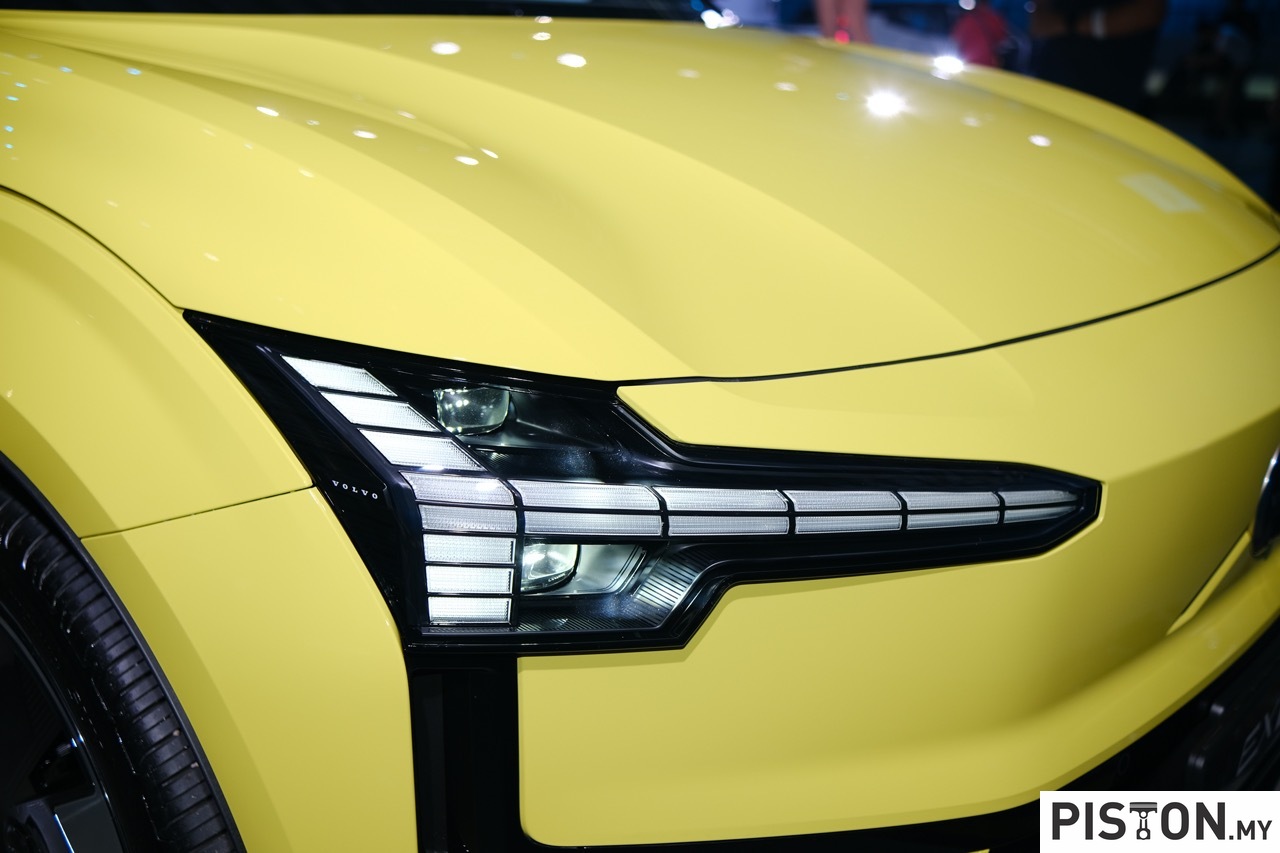
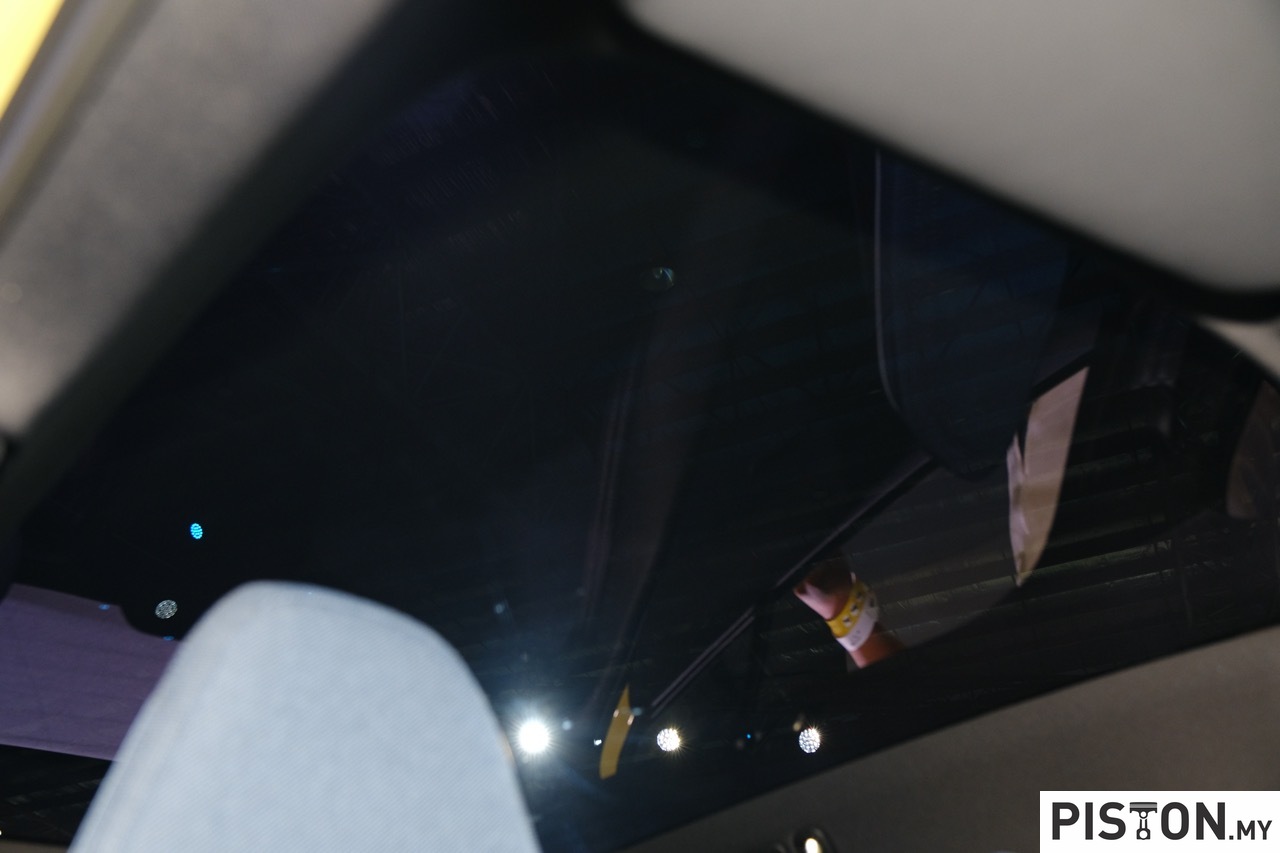
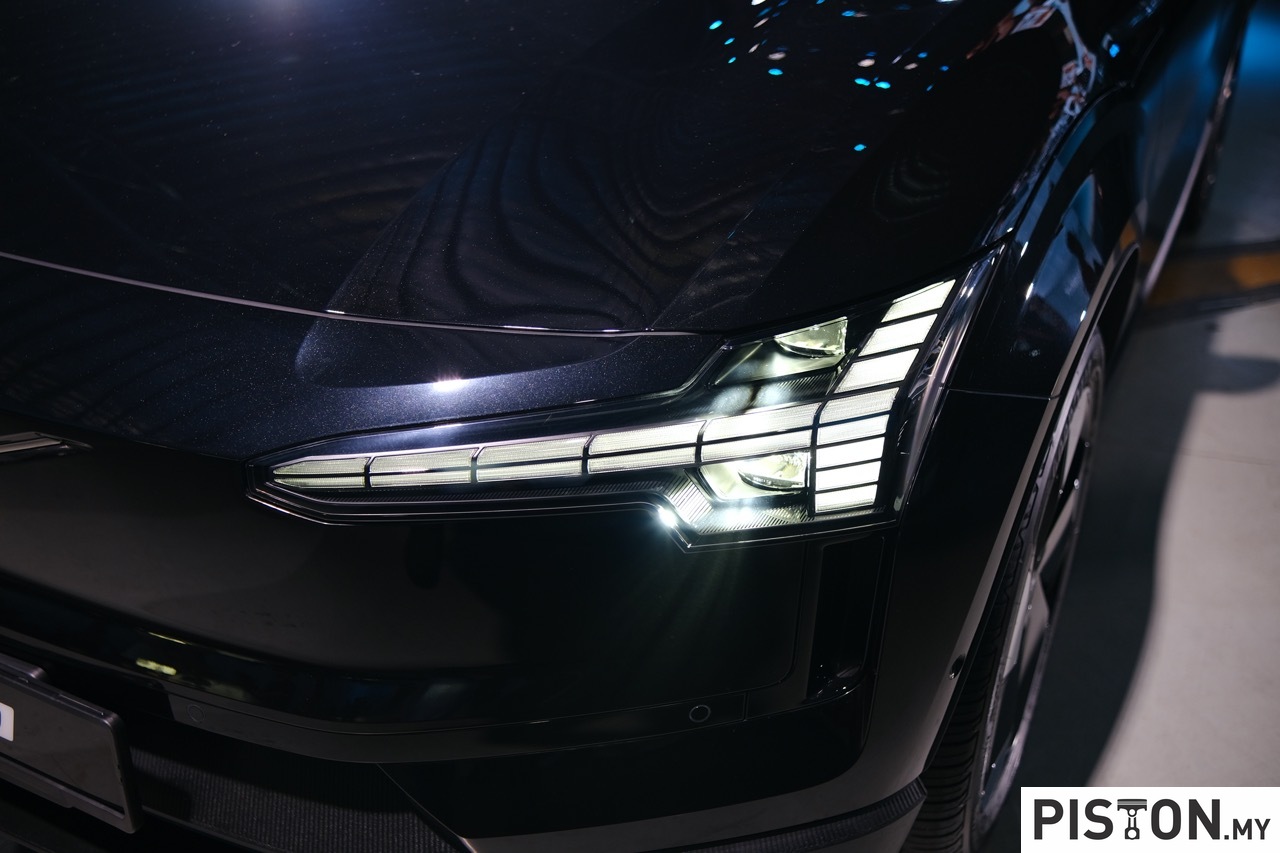
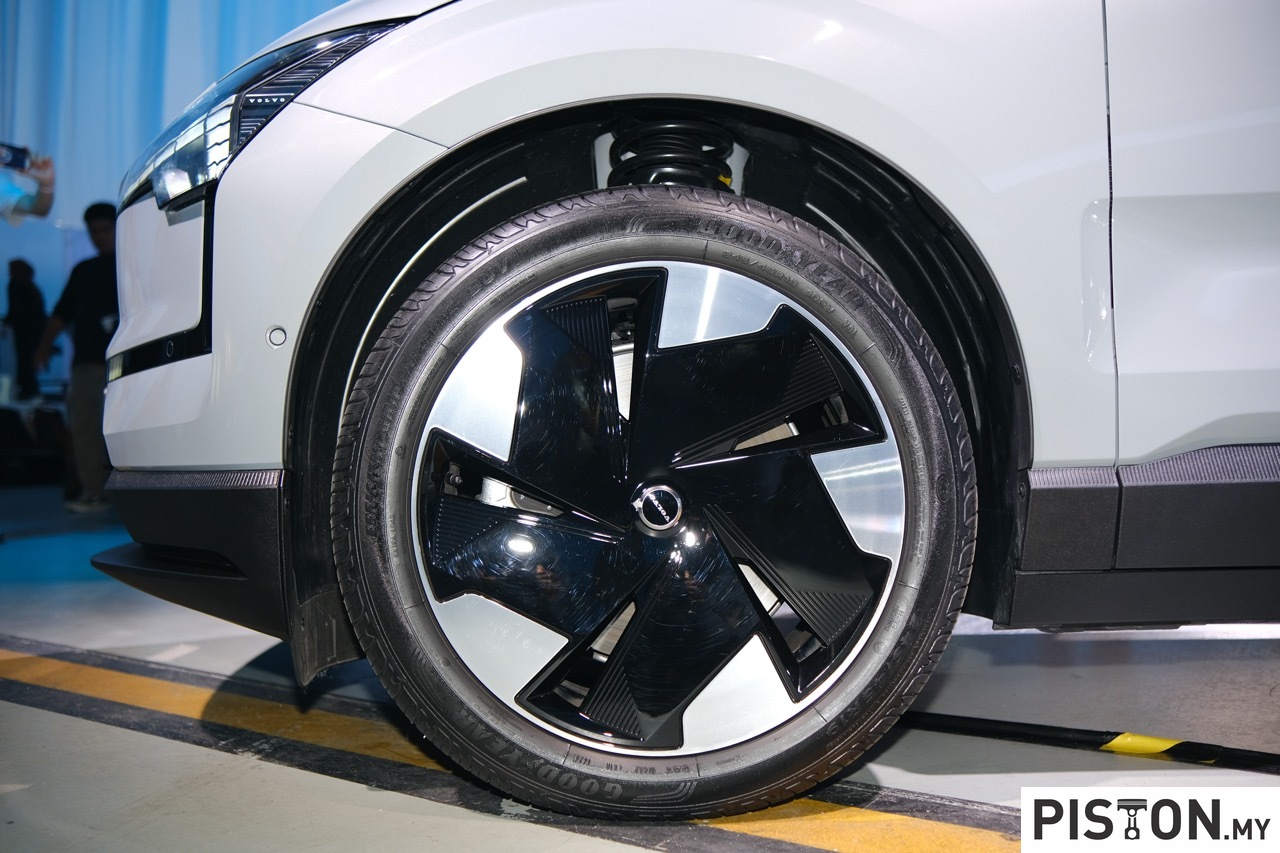
Standard features across all models include LED headlights, 19-inch Diamond Cut alloy wheels, Pilot Assist, a Harman Kardon Premium Sound system, and a full suite of advanced driver assistance technologies. The Ultra variants further enhance the package with Park Pilot Assist, a 360° camera, powered front seats, and a panoramic sunroof.
As with all Volvo vehicles, safety is paramount. The EX30 comes equipped with the Safe Space Technology suite, which includes radars, ultrasonic sensors, and cameras to monitor the environment. New safety innovations, such as a door opening alert to prevent collisions with cyclists, automatic braking for front cross-traffic and intersection turns, and automatic steering avoidance for vulnerable road users, are also included.
Volvo has also introduced the Park Pilot Assist, capable of handling complex parking situations, including parallel, perpendicular, and diagonal spaces, making parking easier and more convenient.
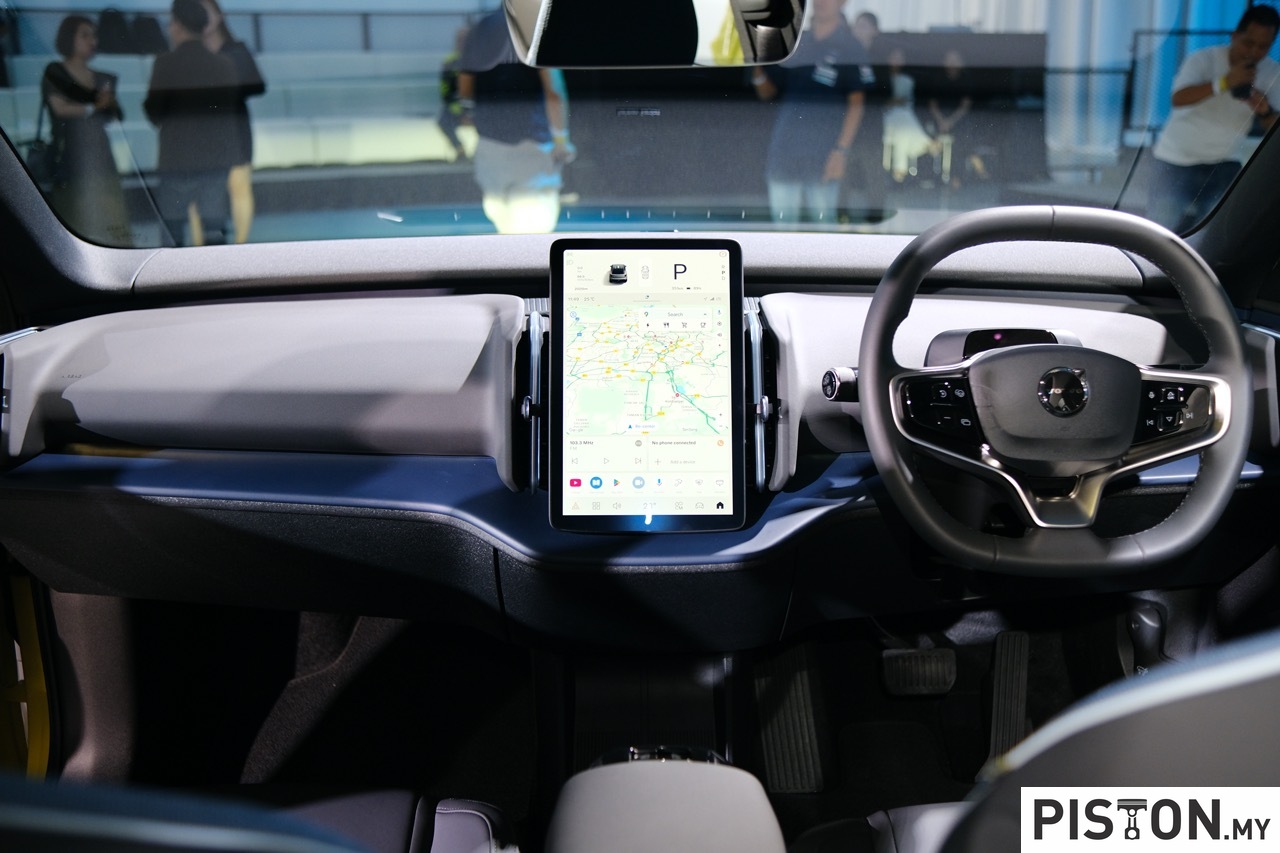
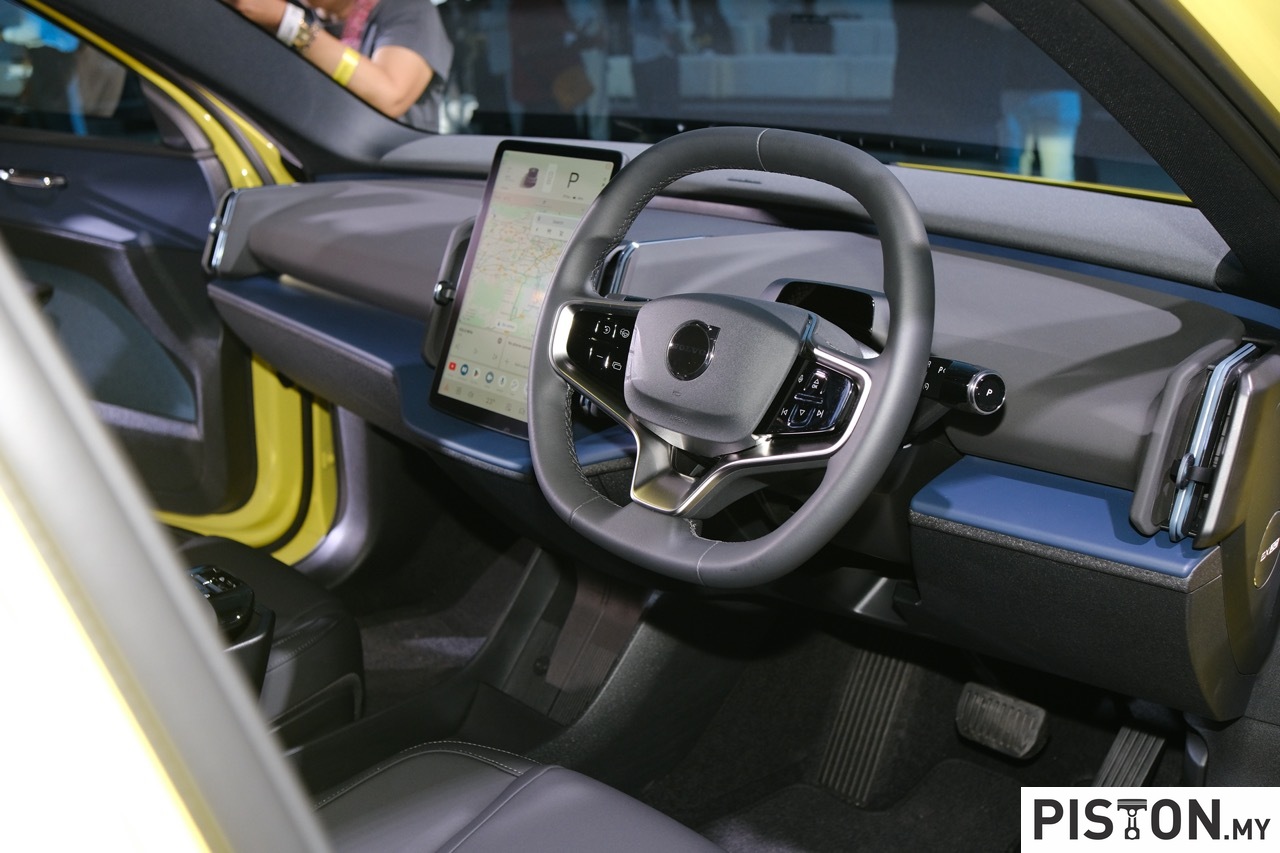
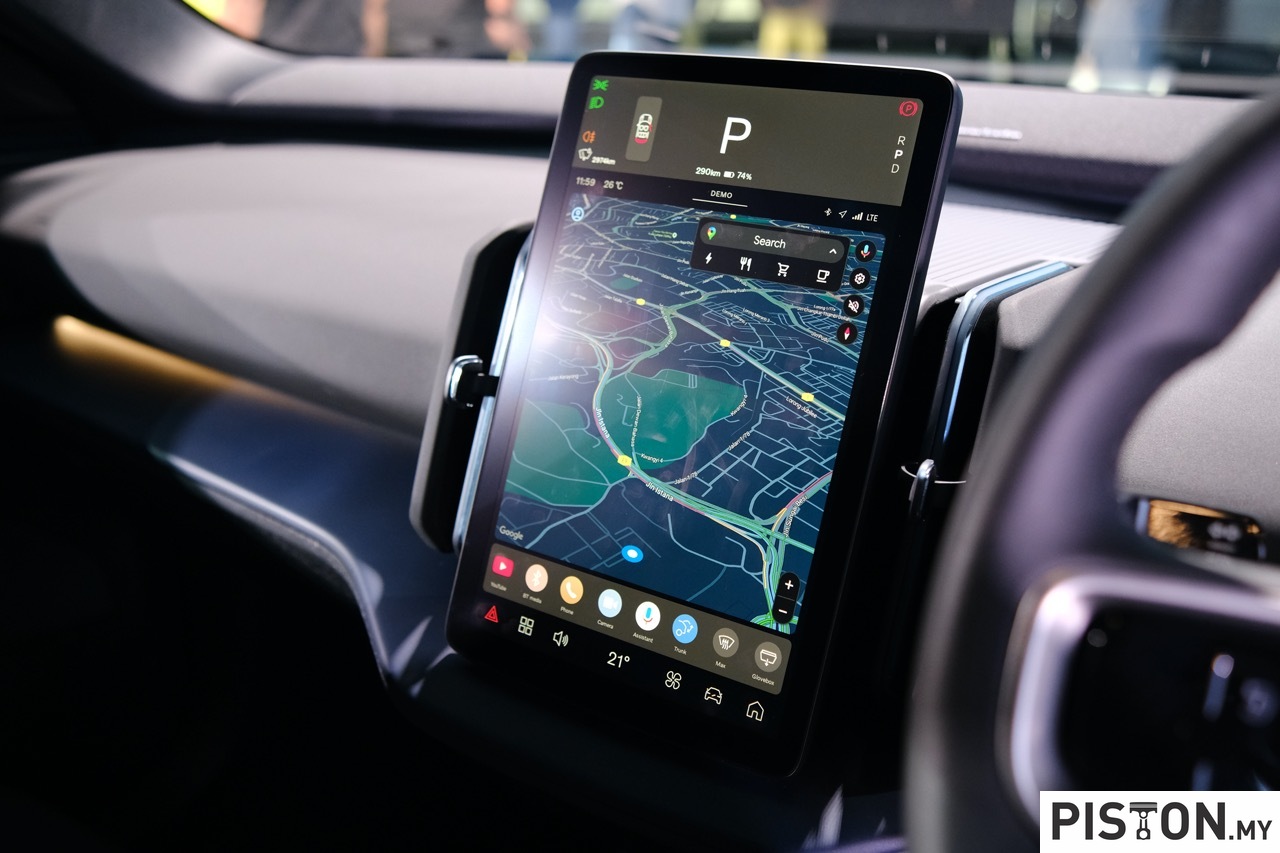
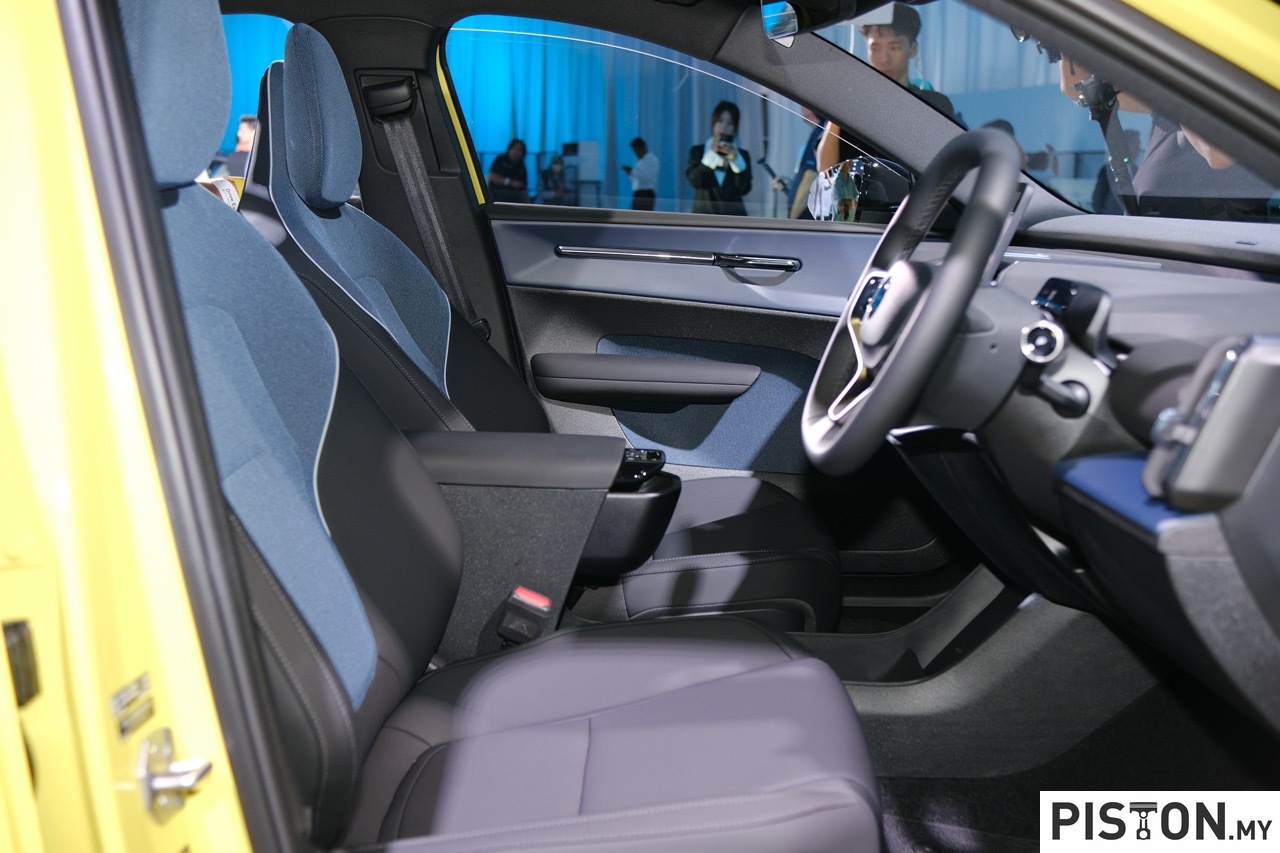
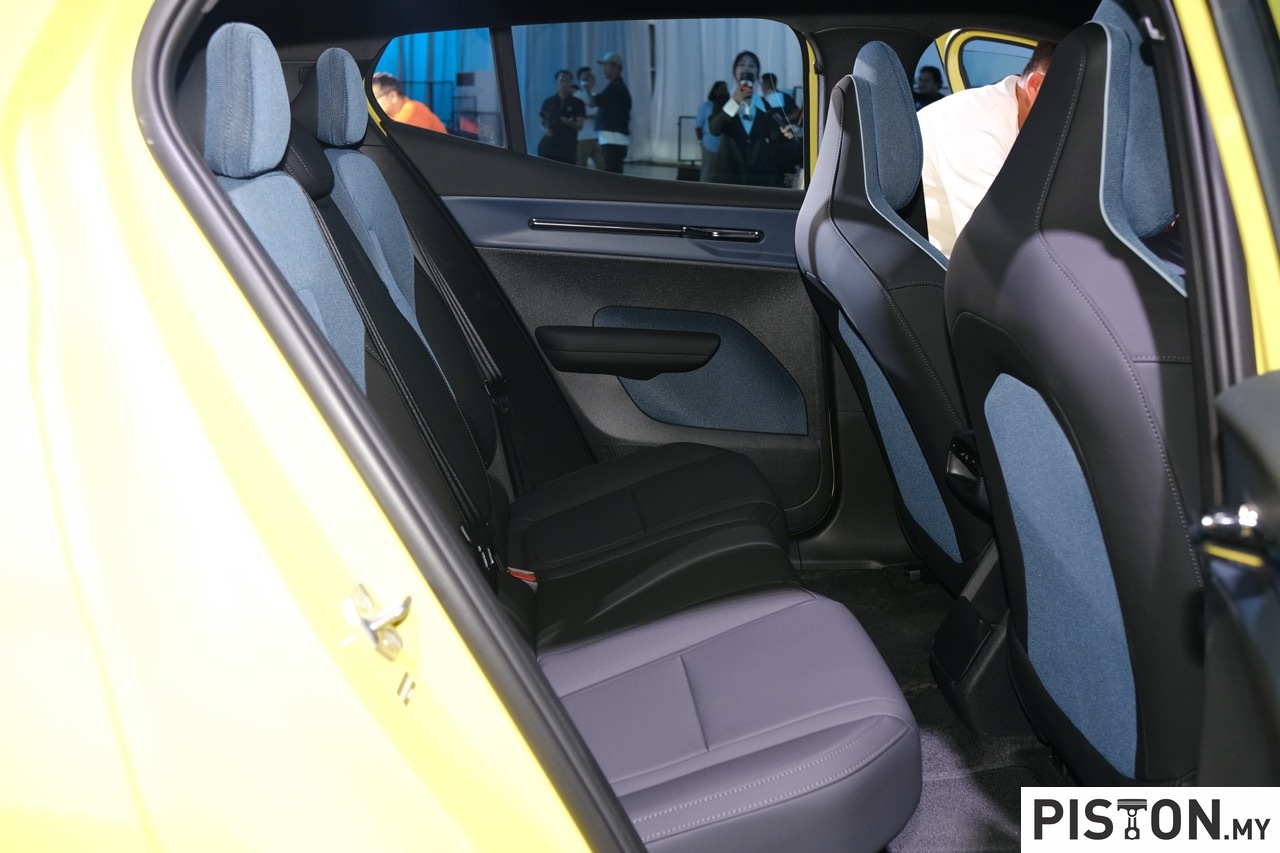
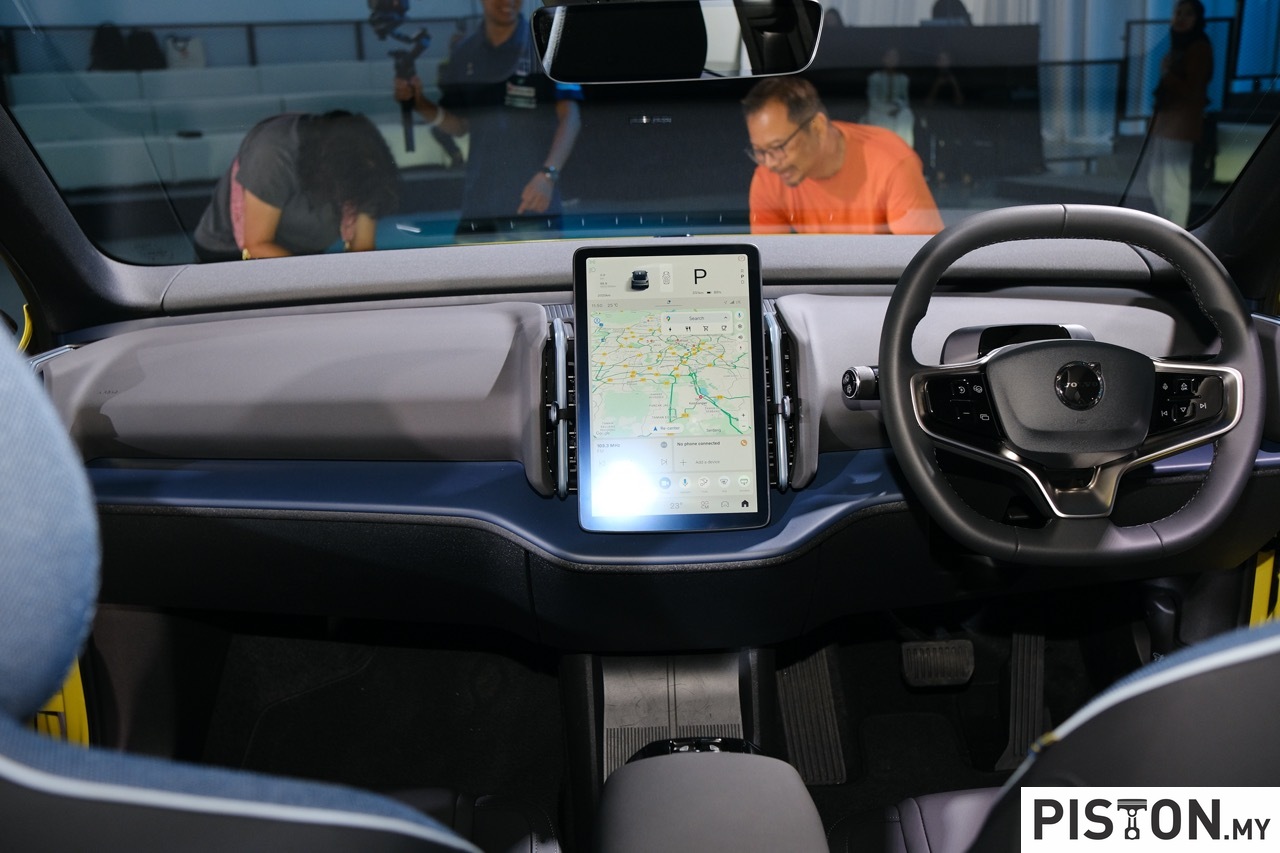
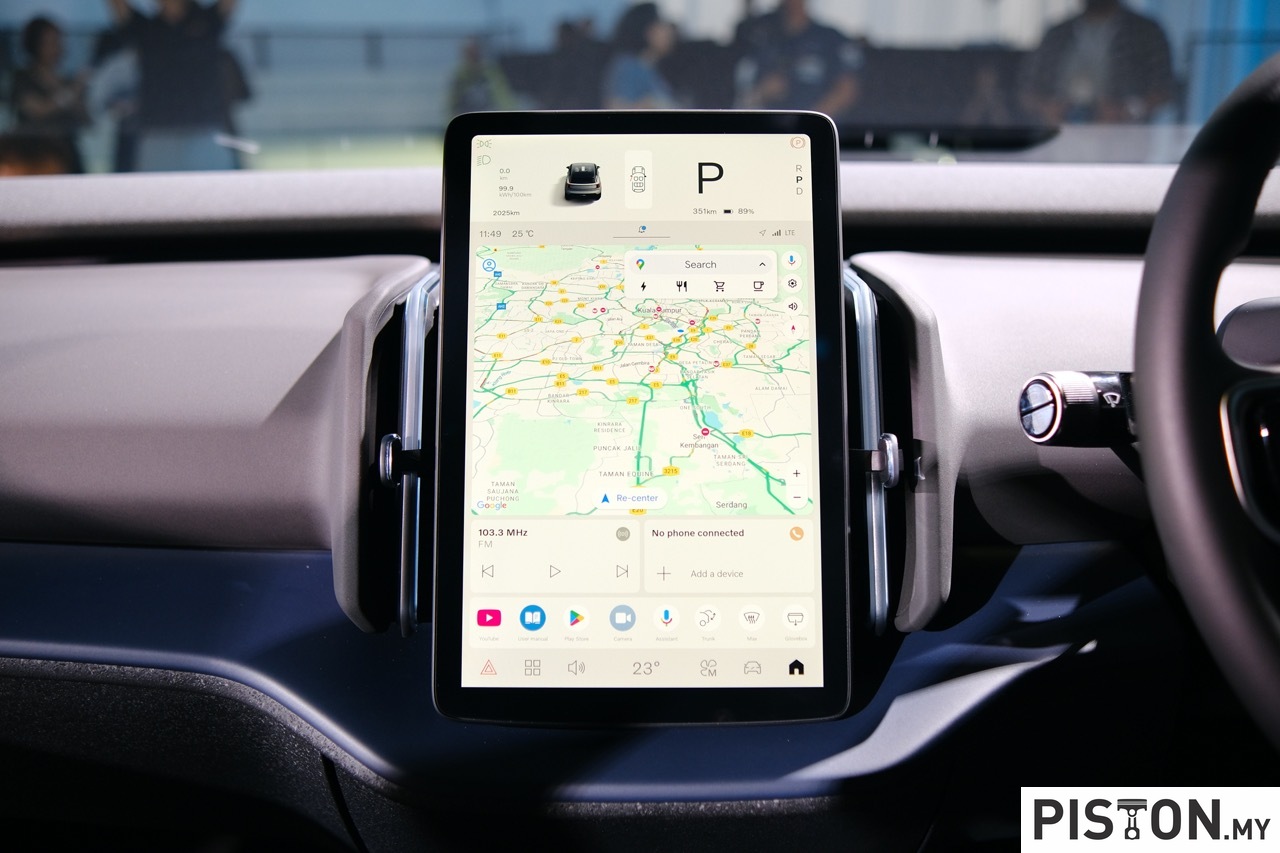
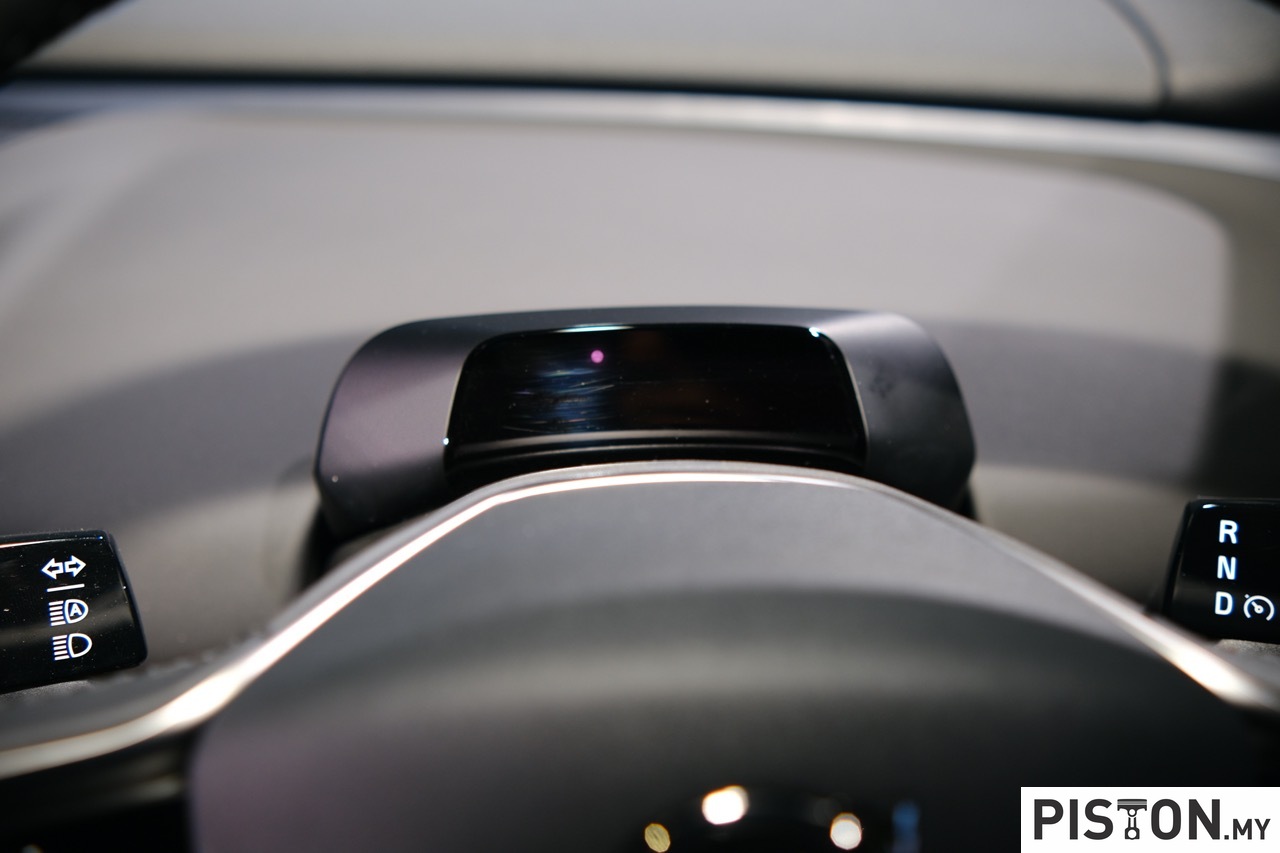
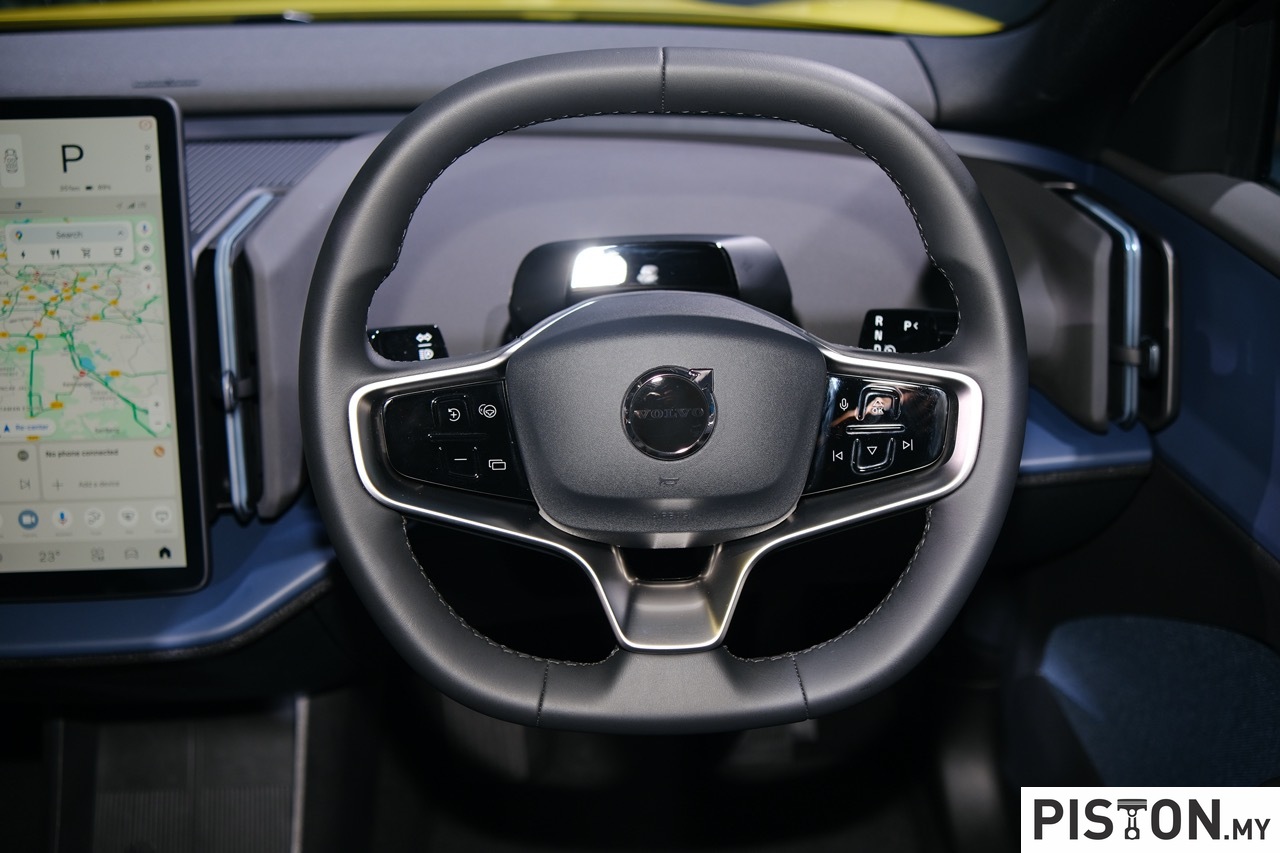
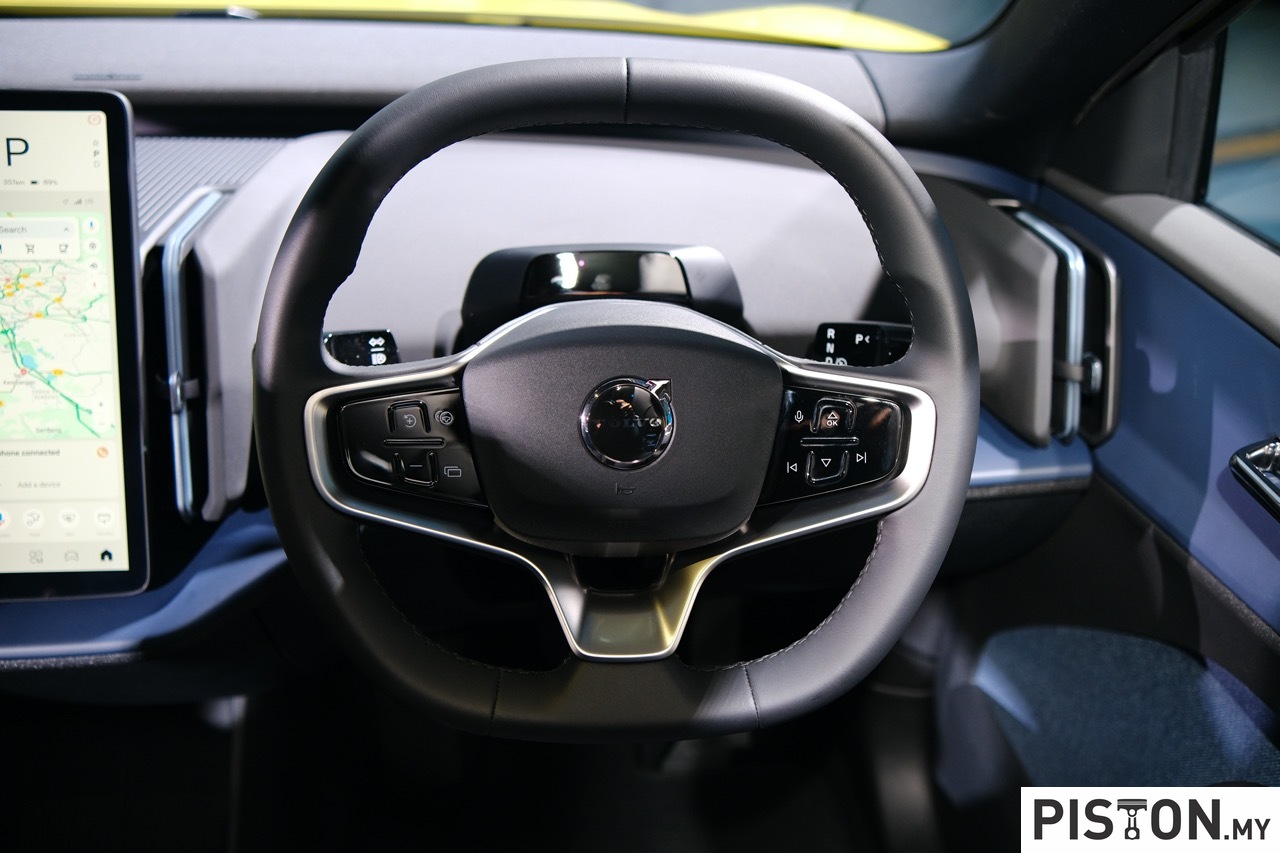
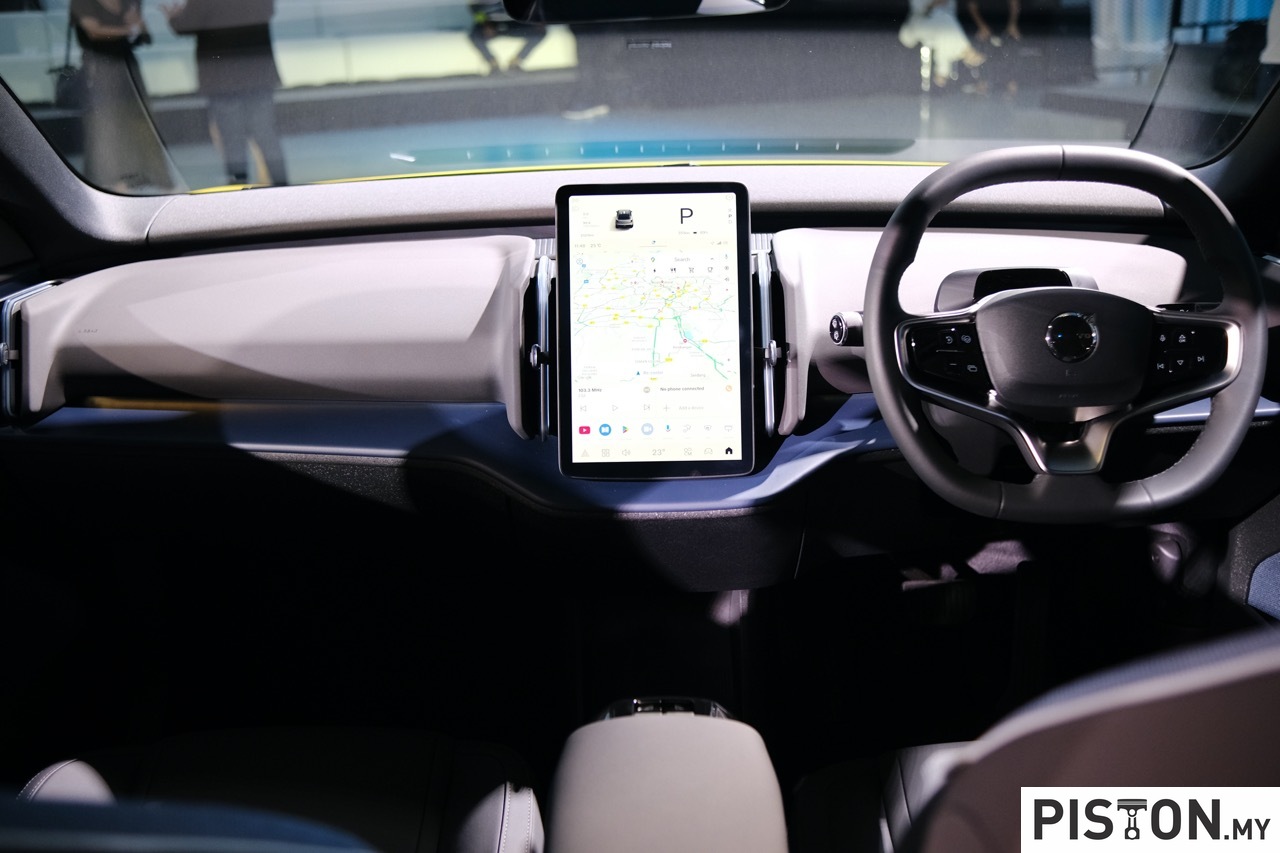
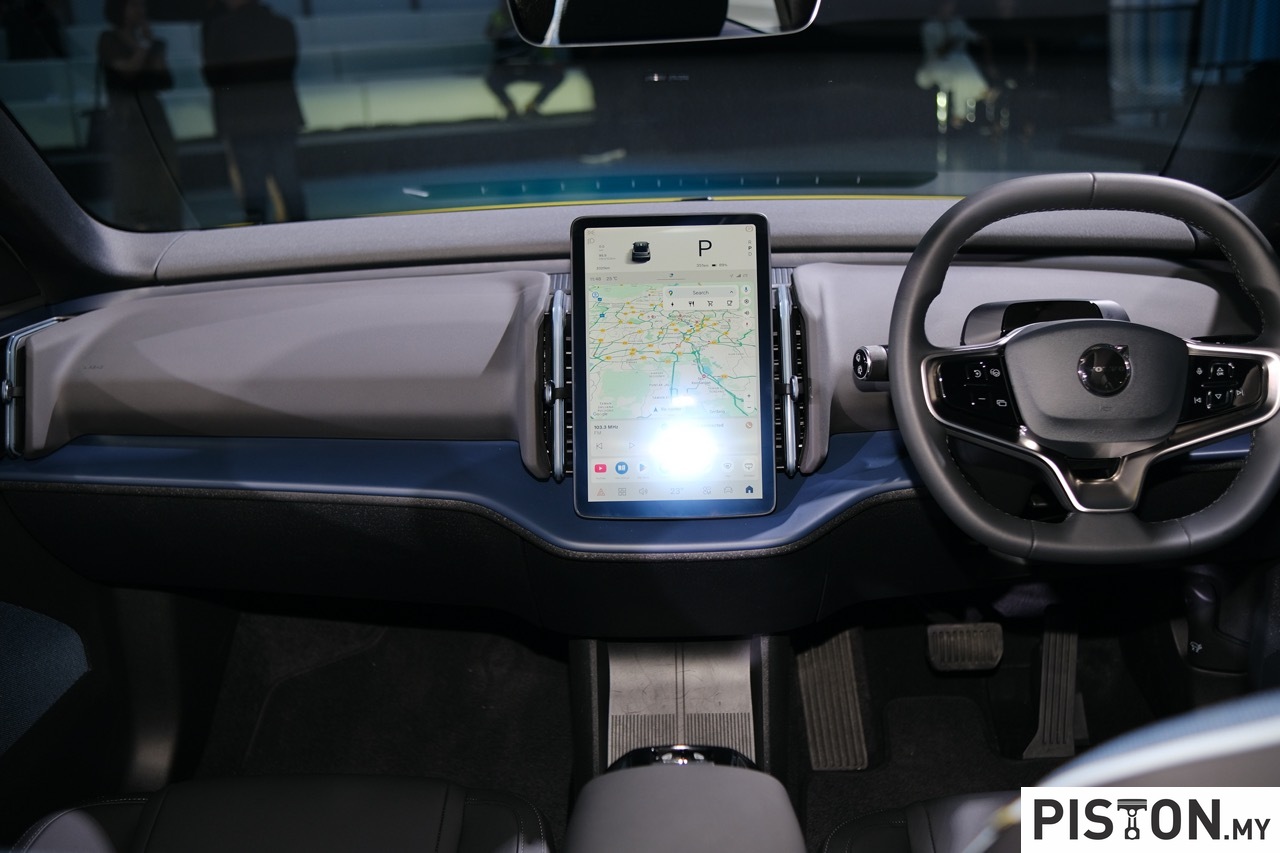
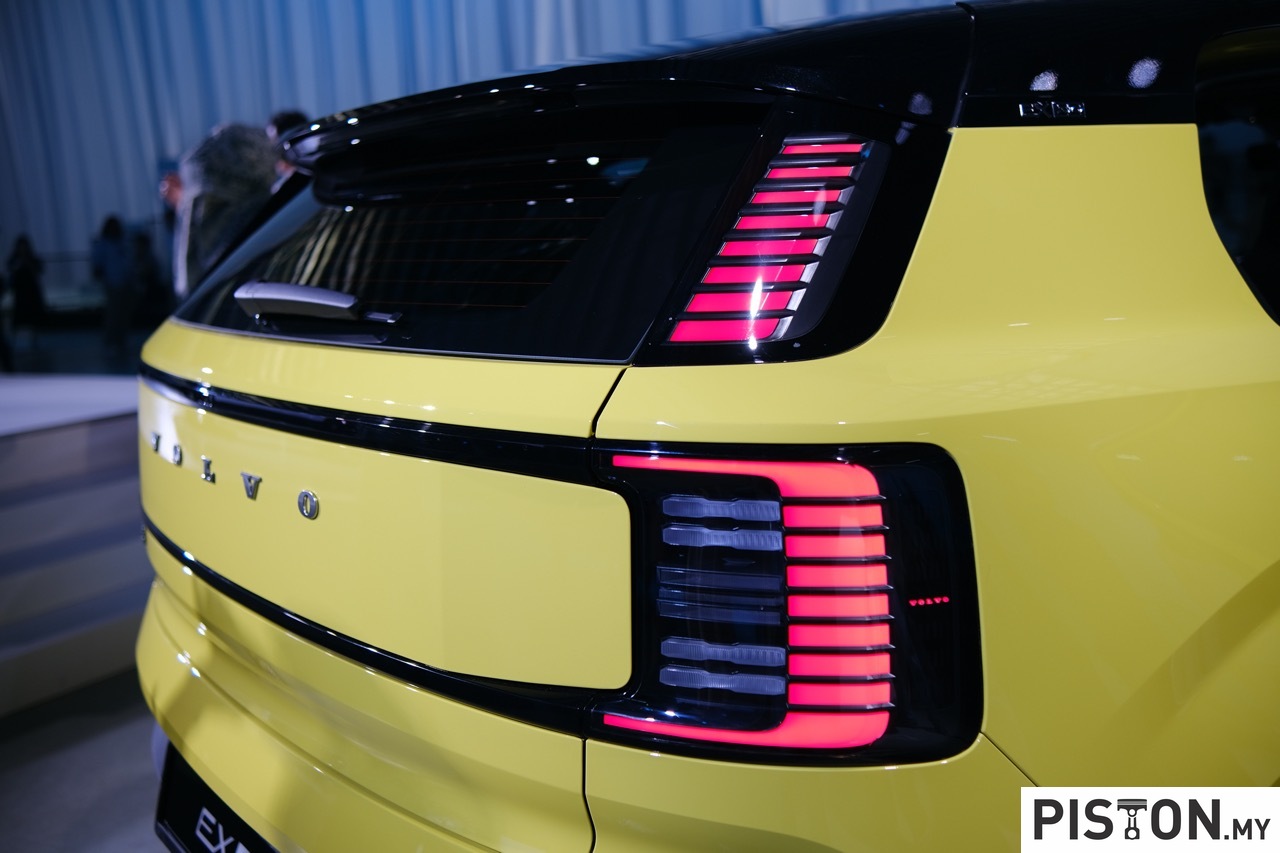
The EX30’s compact size and agile design make it perfect for navigating busy city streets. Its urban-friendly dimensions, combined with bold styling, such as wide headlights and fenders, give it a confident, modern look. Inside, the minimalist cabin features five interior ambient light themes inspired by Swedish nature, offering a relaxing and immersive environment.
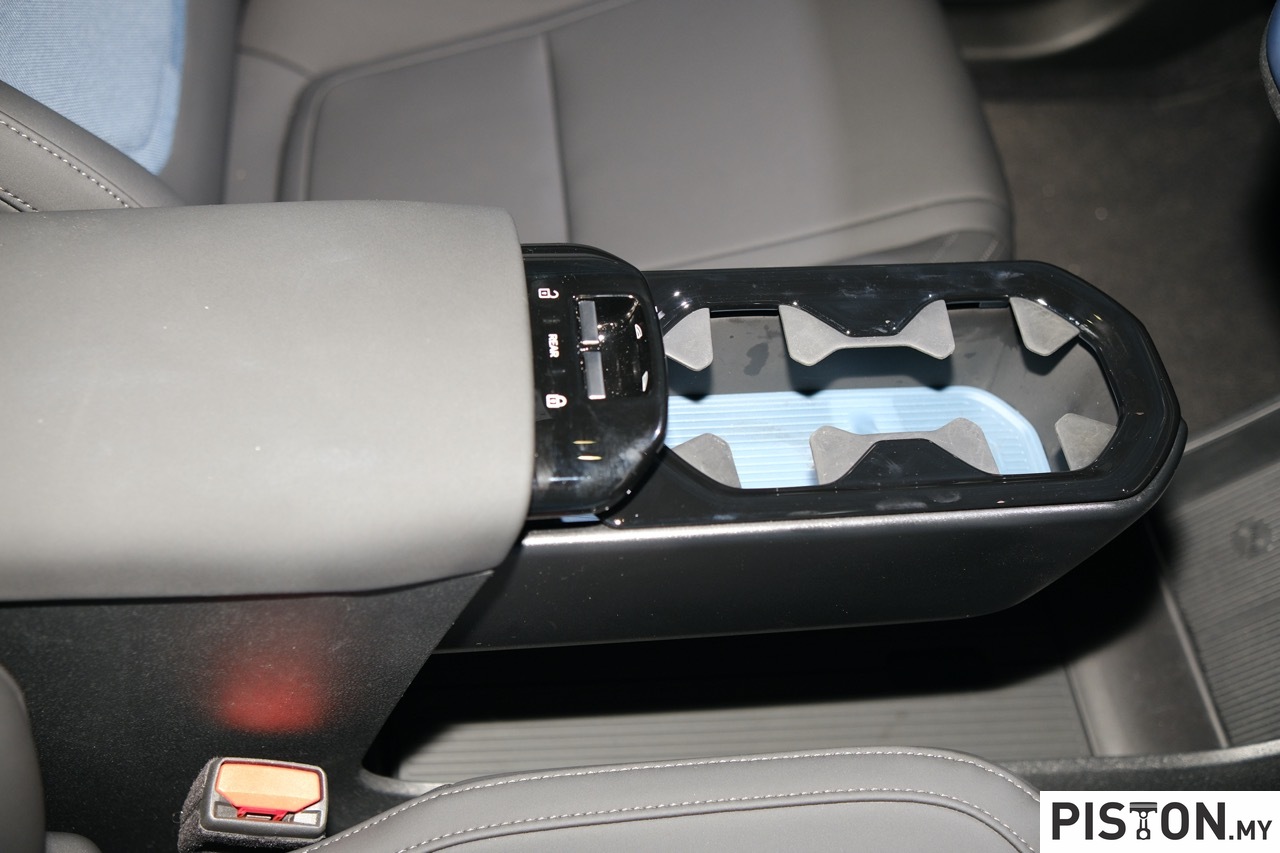
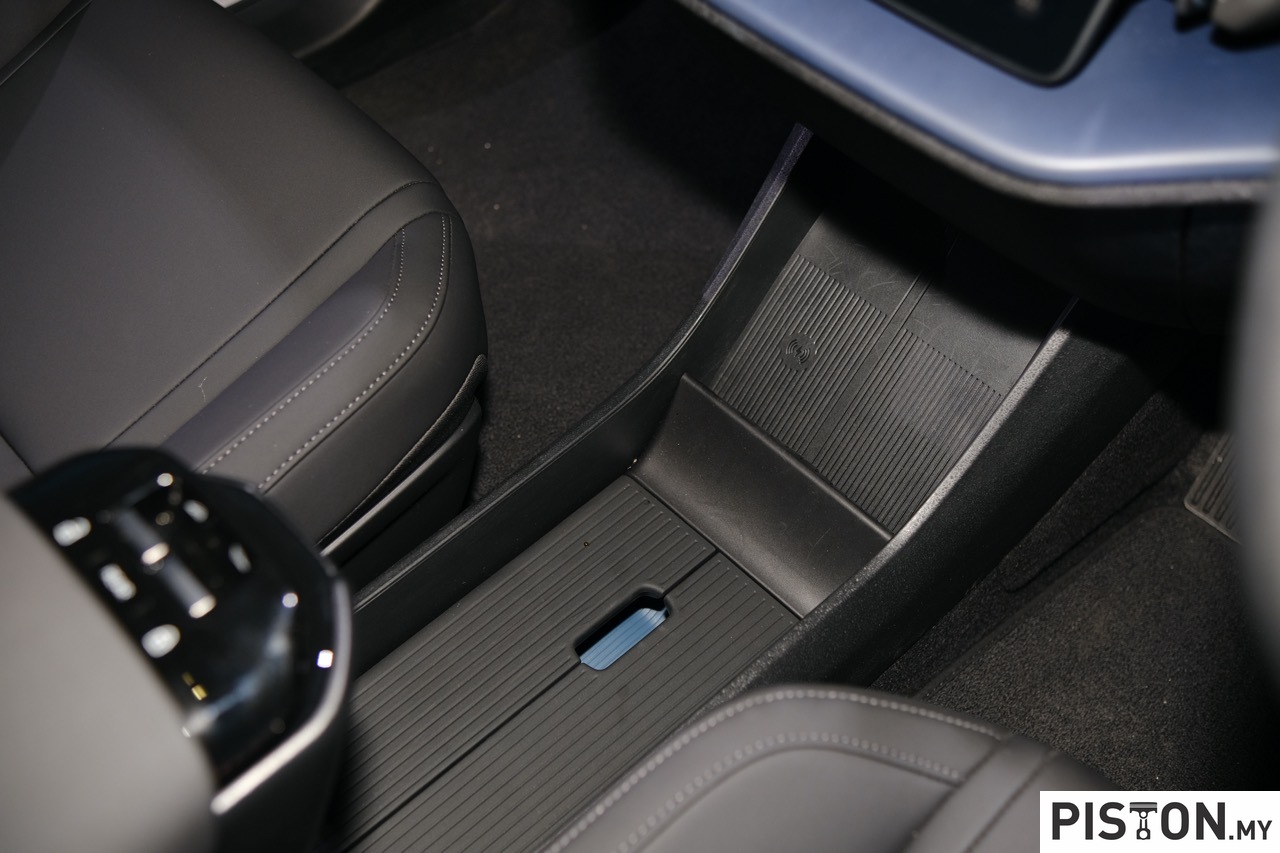
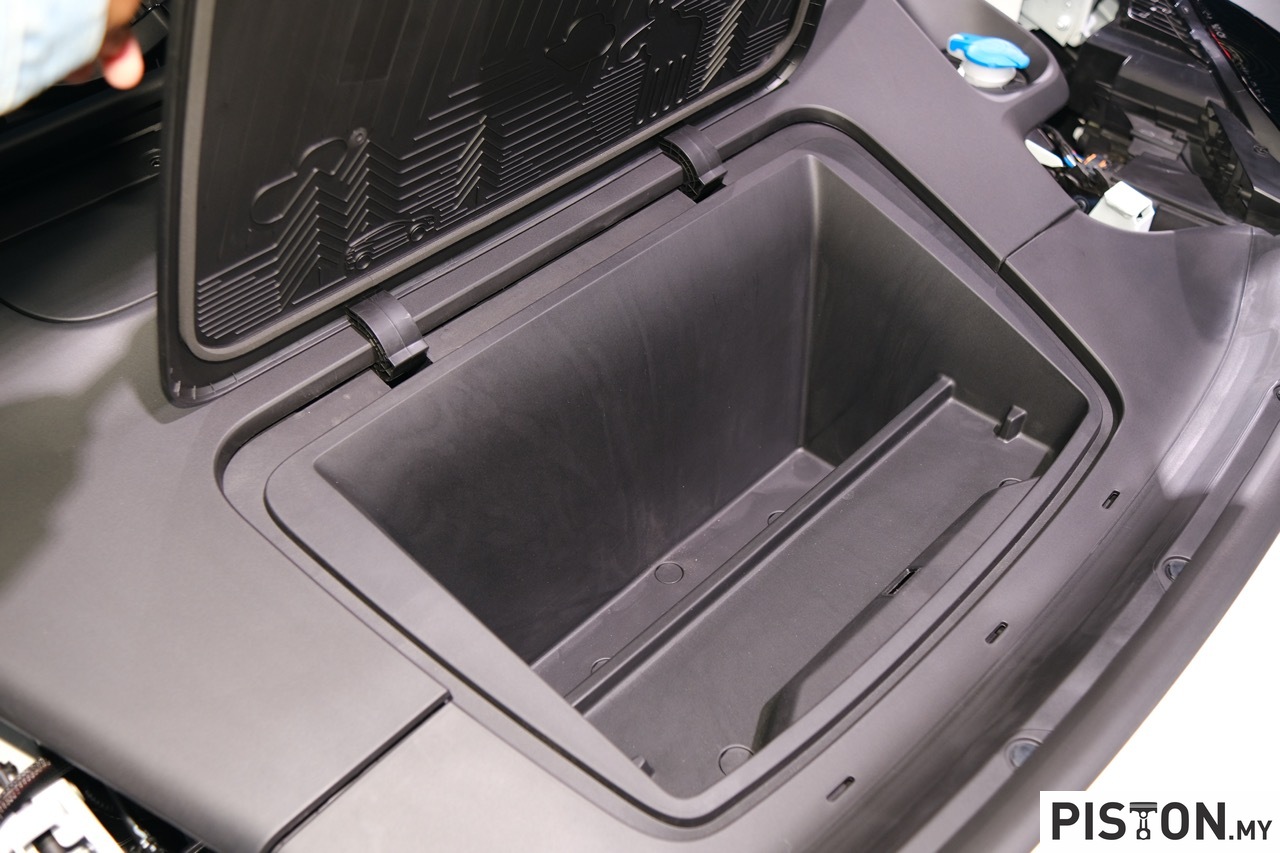
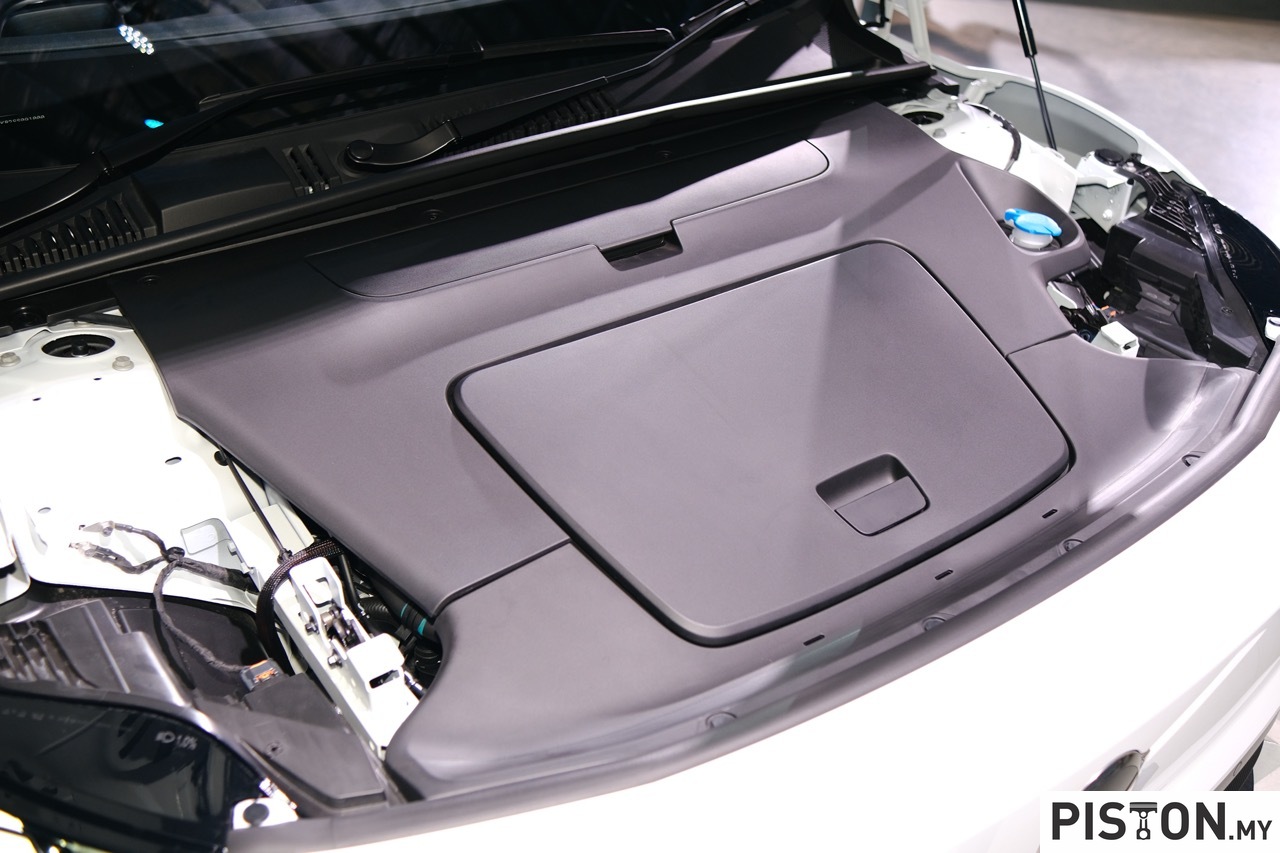
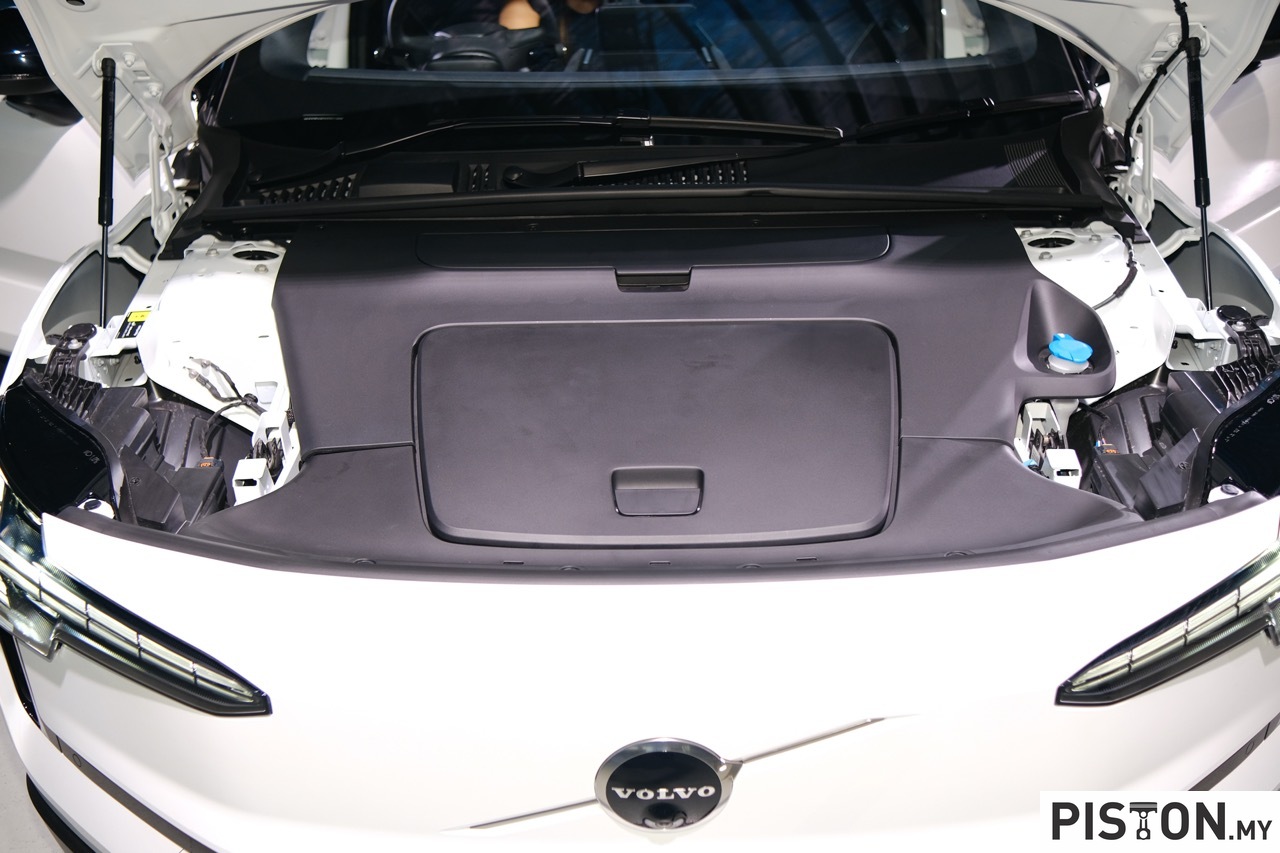
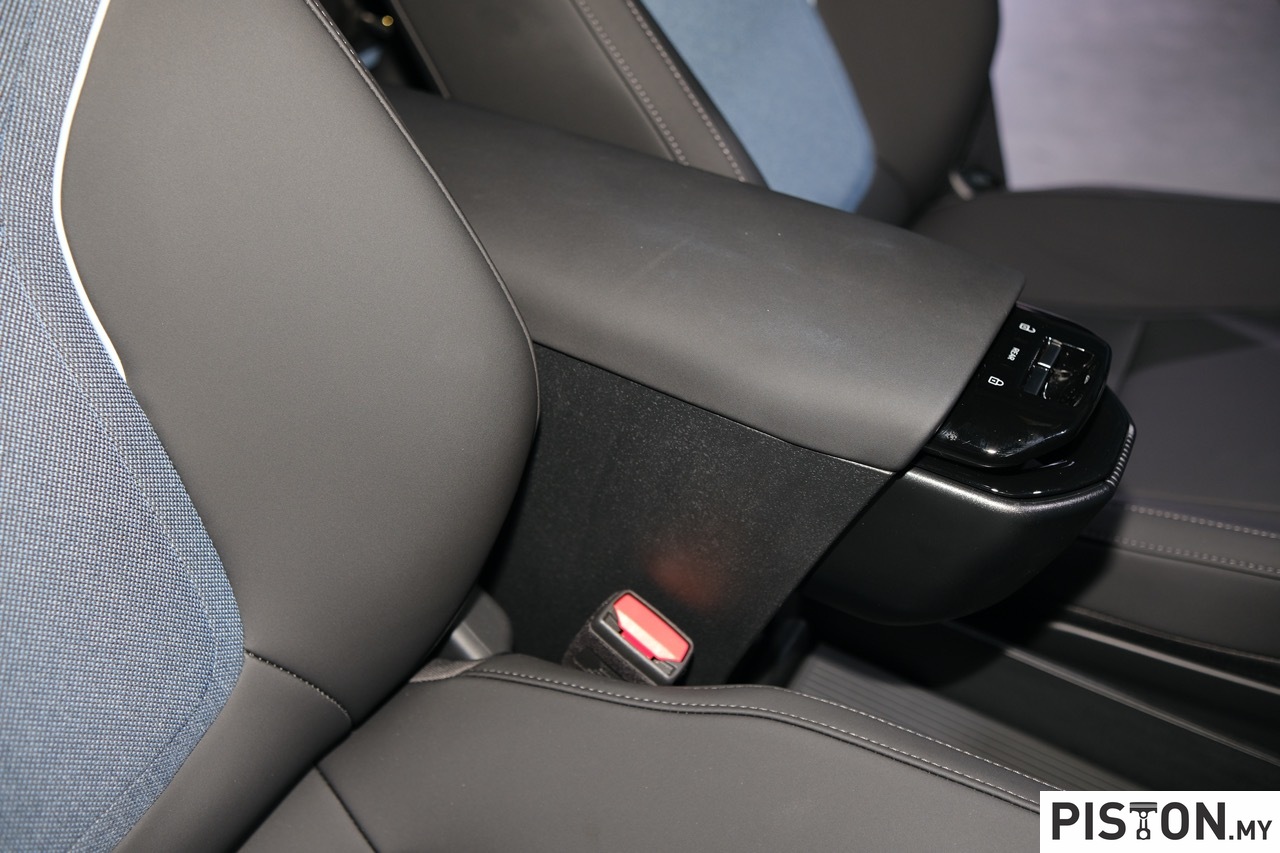
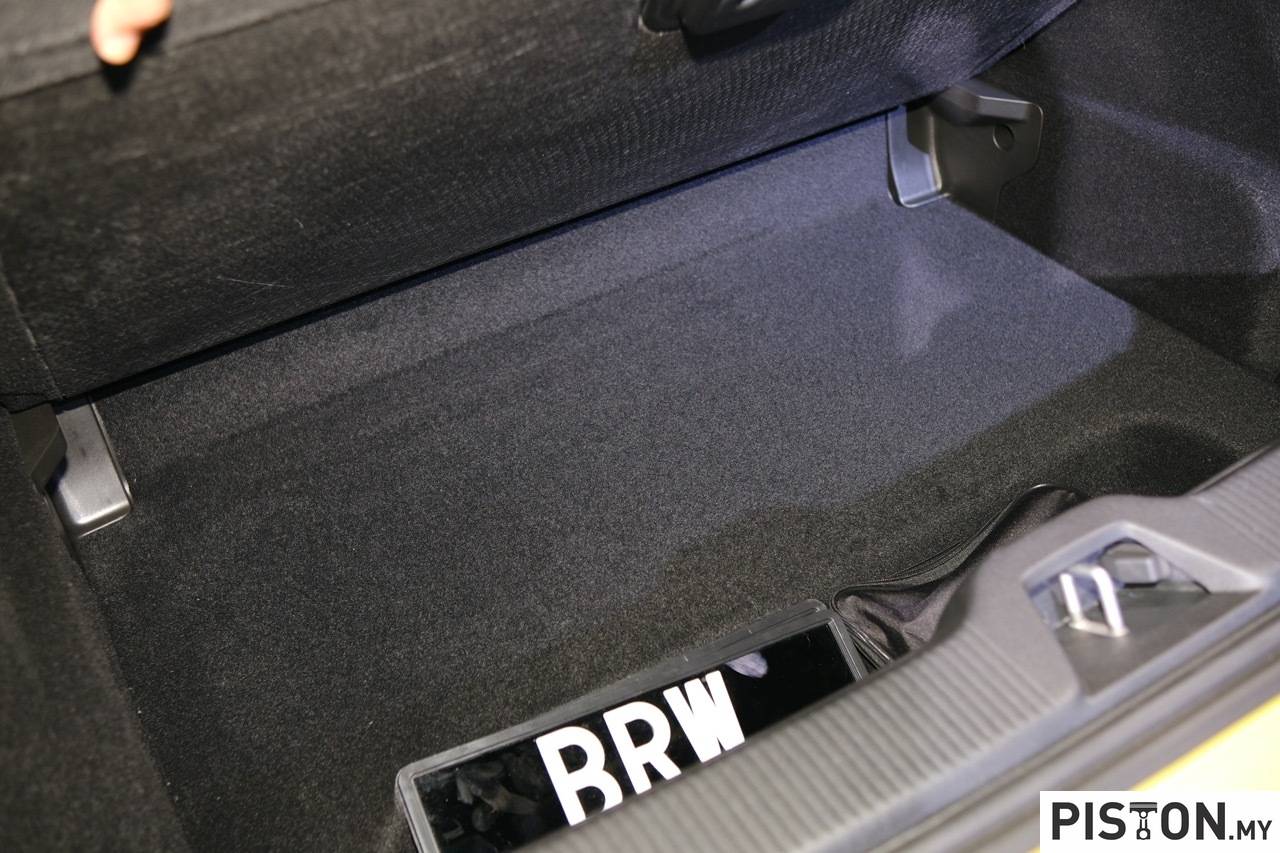
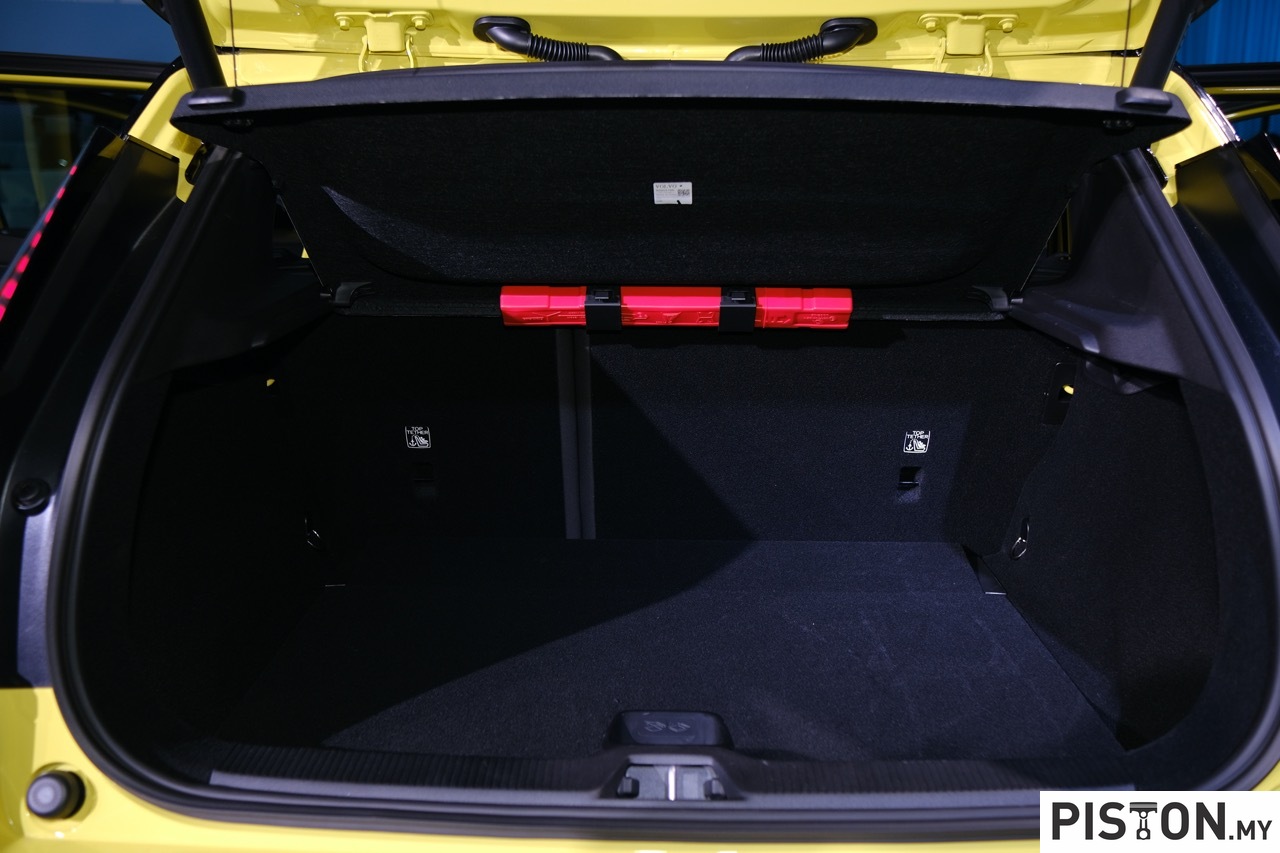
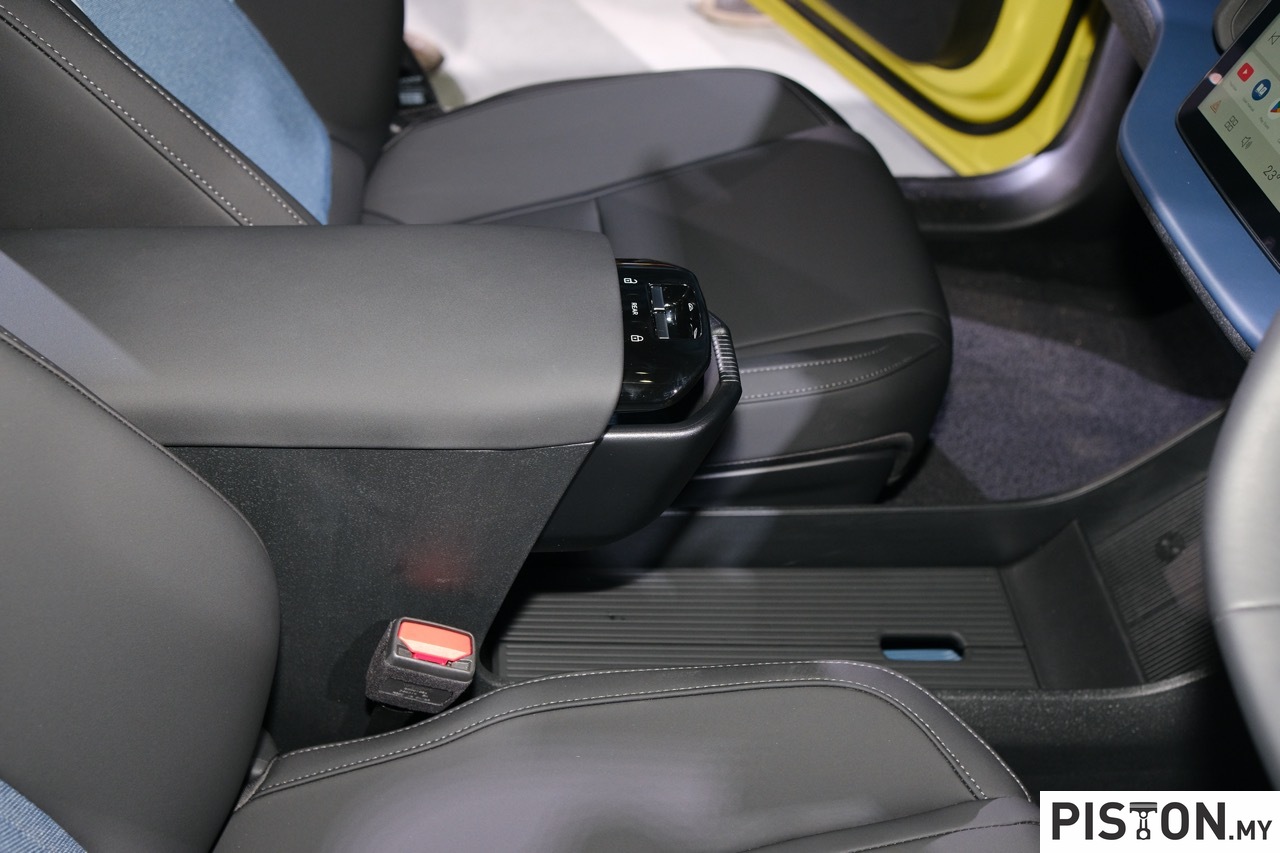
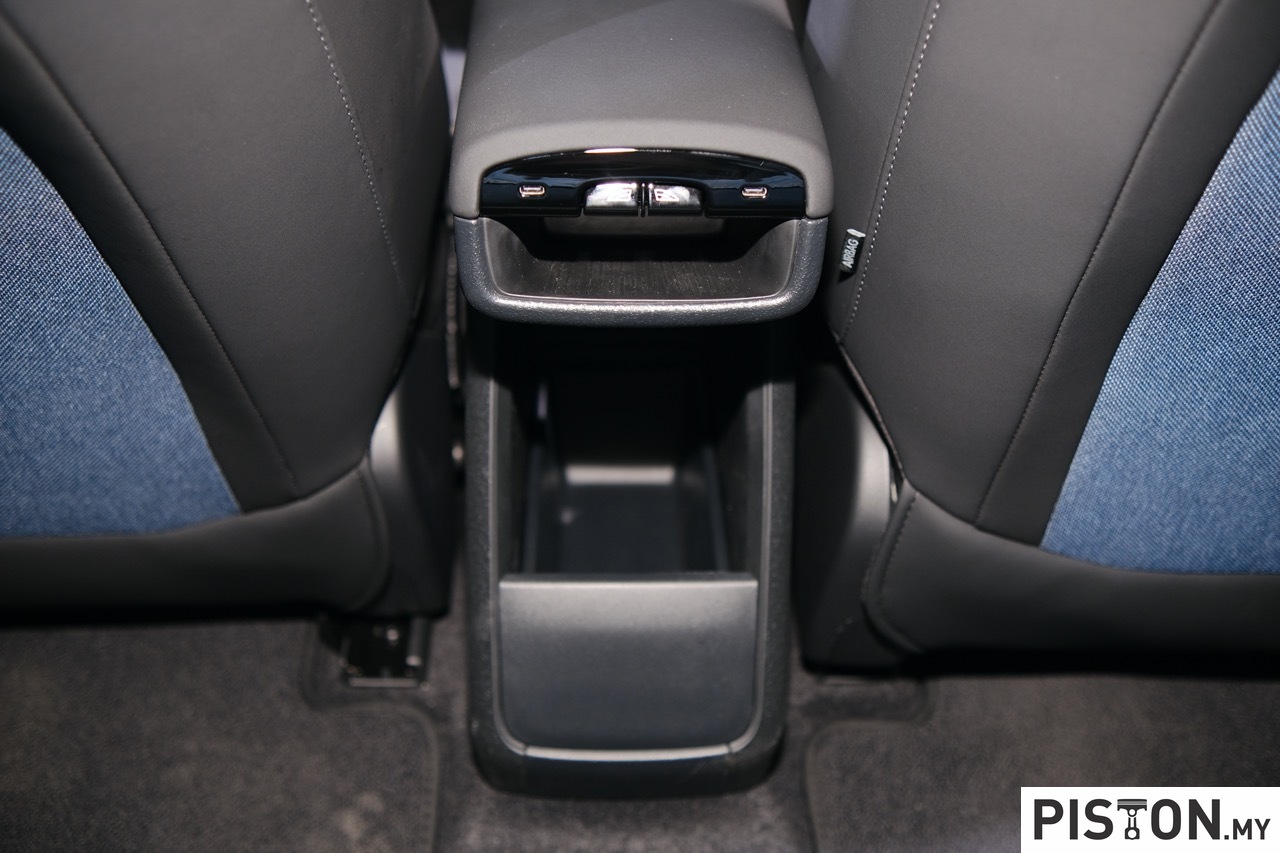
Unique storage solutions, including a wireless phone charging slot, sliding cupholder, and removable rear storage box, maximise space, while a large 318-litre rear luggage space provides ample room for daily essentials. A hidden 61-litre storage compartment adds an extra layer of practicality.
The EX30 is the first Volvo to feature a Harman Kardon soundbar, inspired by home audio systems, for high-quality sound without taking up valuable space.
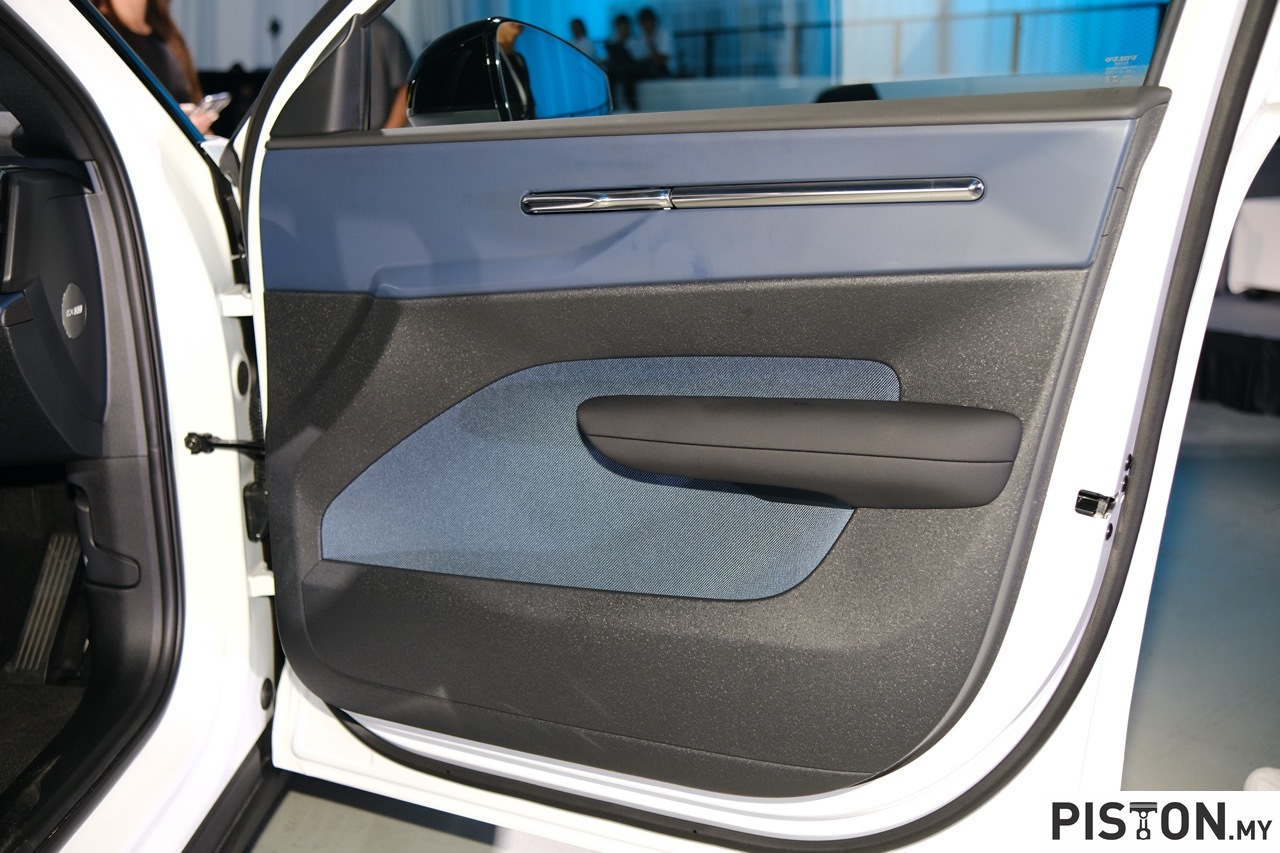
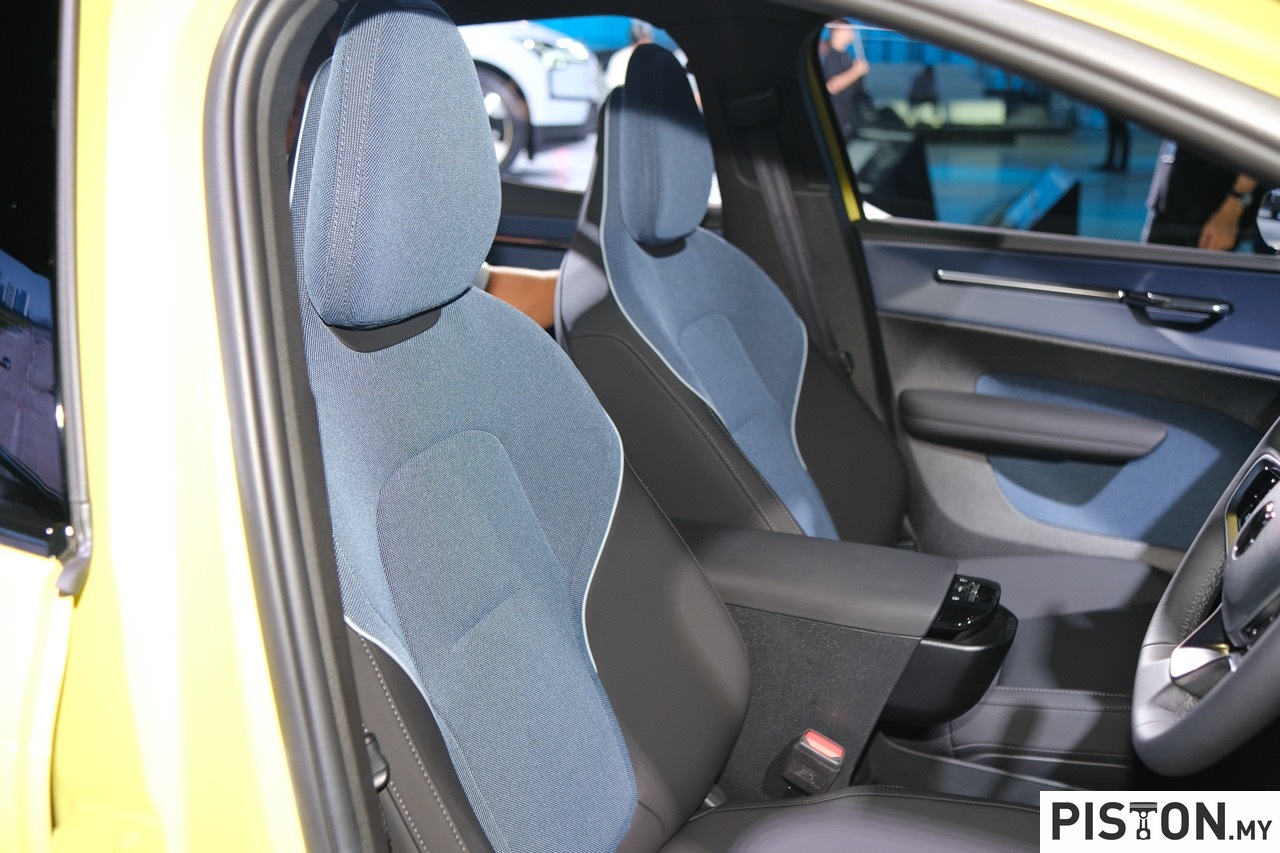
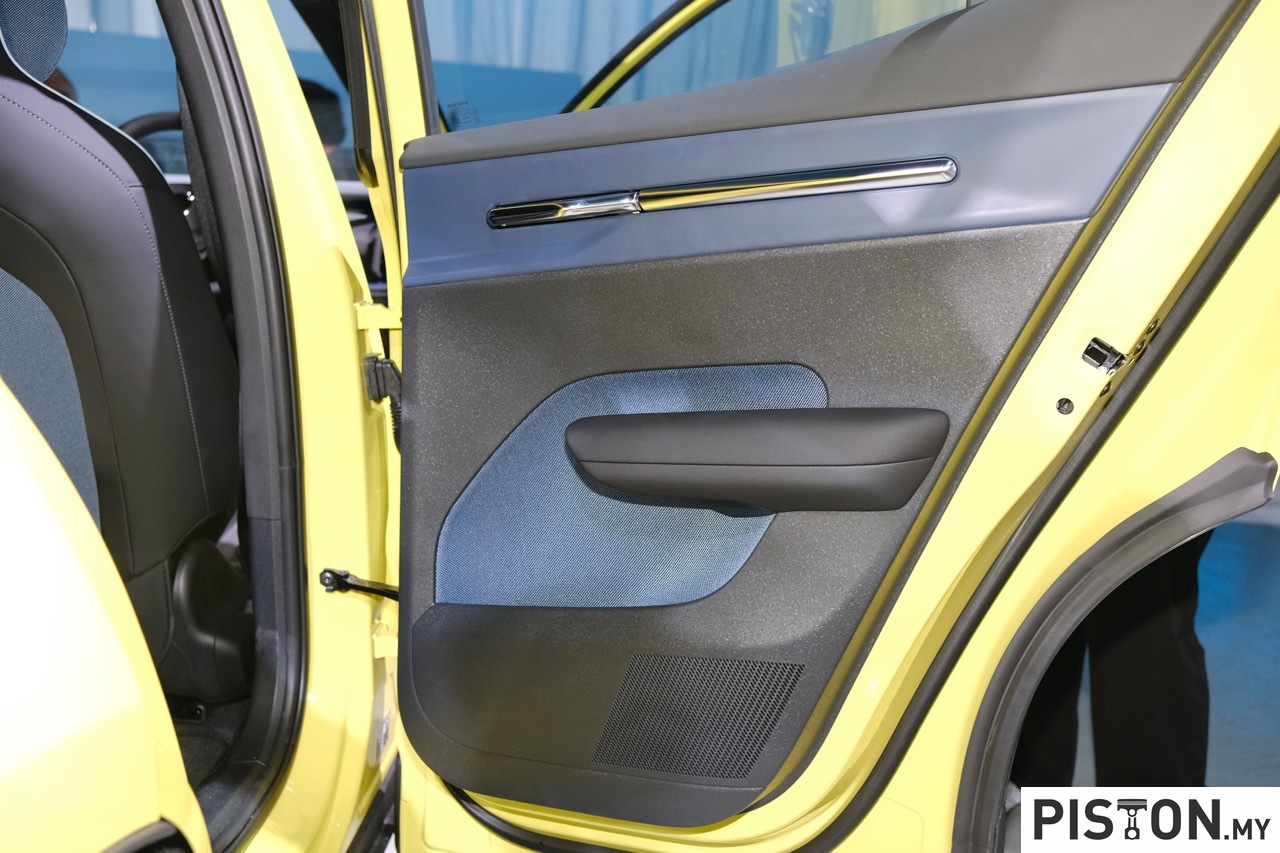
Volvo’s commitment to sustainability is evident in the EX30. Built with recycled and renewable materials, including upcycled denim textiles and recycled PET content, the car has the lowest carbon footprint of any Volvo vehicle to date. The EX30 is a testament to Volvo’s ambition to reduce emissions and lead the way in sustainable electric mobility.
The Volvo EX30 starts at RM188,888 for the Plus variant, while the Ultra is priced at RM208,888, and the Ultra Twin Performance at RM228,888. For customers in Sabah and Sarawak, the pricing is slightly lower. Each purchase includes a five-year complimentary Volvo Service Plan (VSP), 24-hour roadside assistance, and an eight-year warranty on the battery pack.
To learn more or to place an order, visit Volvo’s official website or your nearest dealership. Attractive financing options are available, with monthly payments starting at RM1,588 and exclusive rates for the first 100 orders.
With its sleek design, powerful performance, and innovative features, the Volvo EX30 is set to redefine urban electric mobility in Malaysia.
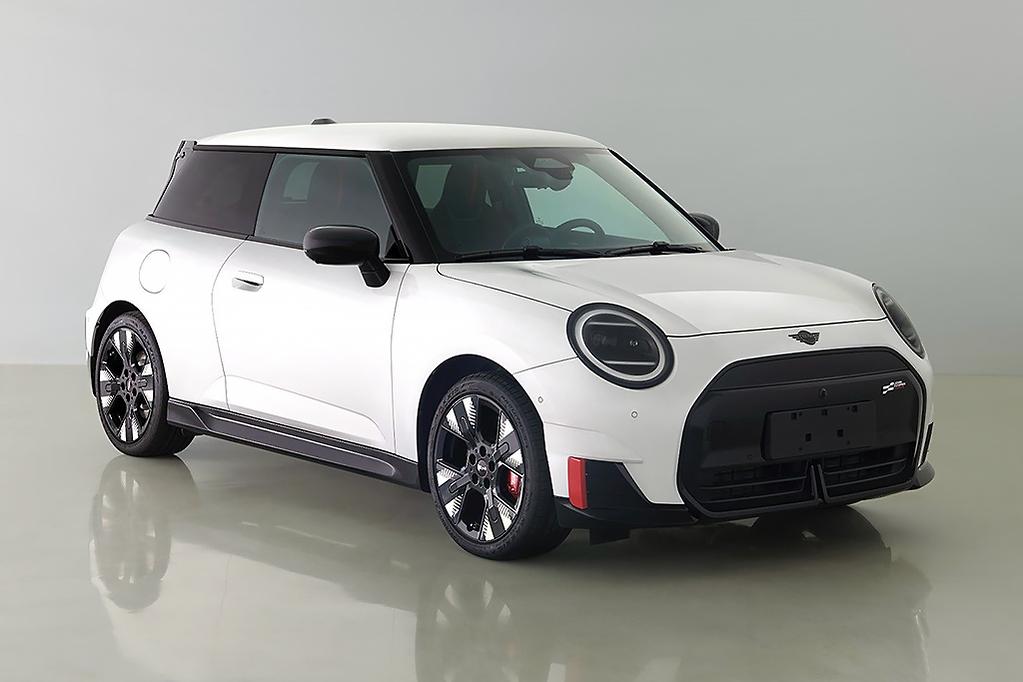
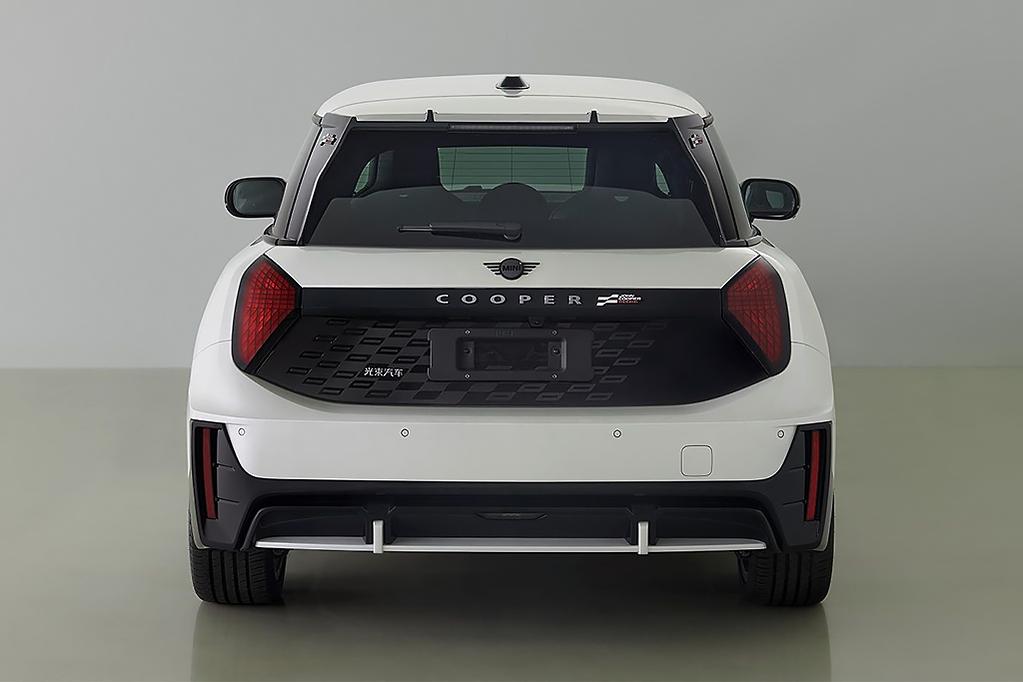
The 2025 Mini Cooper JCW E has been revealed through a leak by China’s Ministry of Industry and Information Technology ahead of its anticipated debut later this year. This all-electric performance hatchback, previewed by the John Cooper Works E prototype at the Goodwood Festival of Speed in July, promises significant upgrades in both design and performance.
The JCW E sports a bold and aggressive design, highlighted by a large blacked-out grille that mimics a massive air intake, though a closer inspection reveals a more functional two-bar horizontal opening in the lower bumper. Vertical intakes along the sides are thought to vent the front wheel arches, contributing to both aerodynamics and cooling. To improve stability at high speeds, the car features new side skirts and specially designed 18-inch aerodynamic alloy wheels.
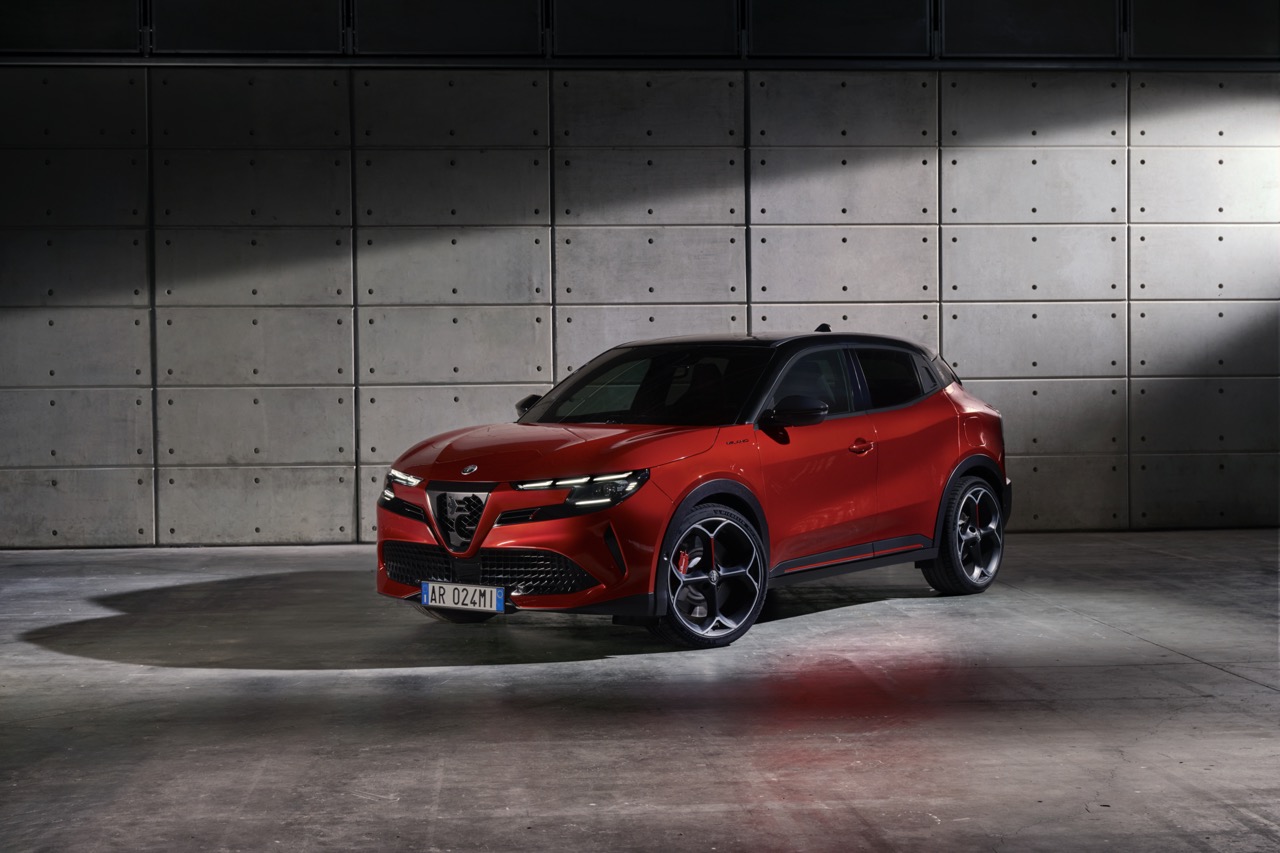
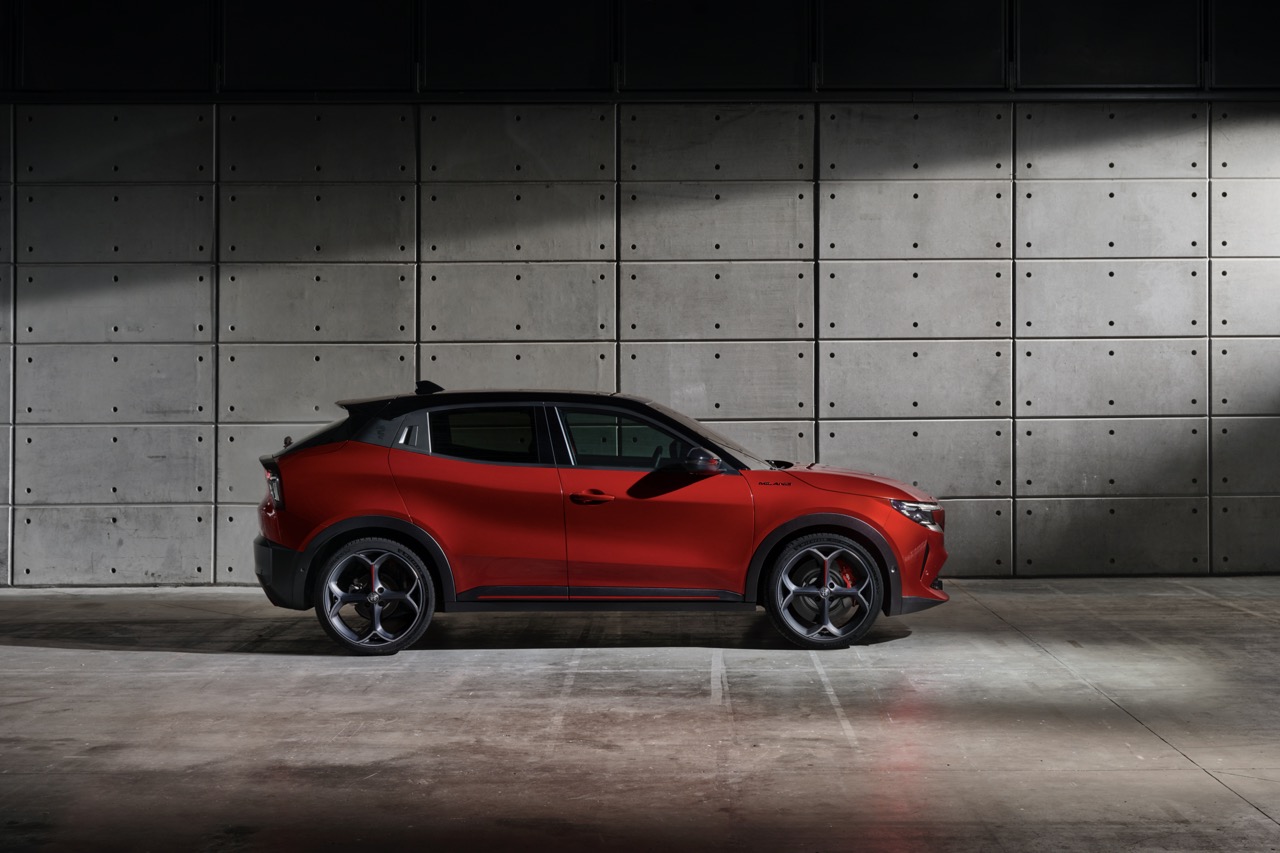
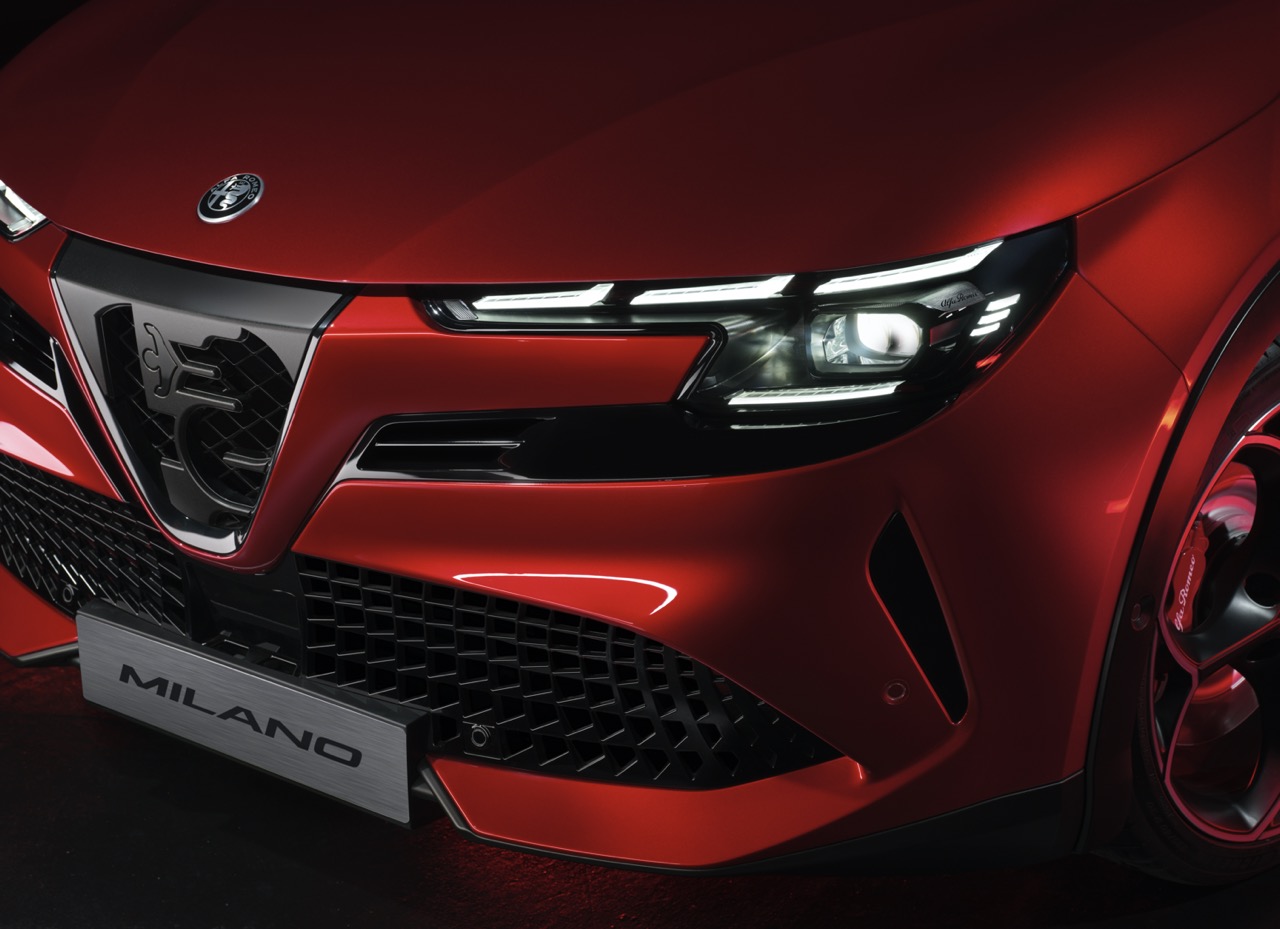
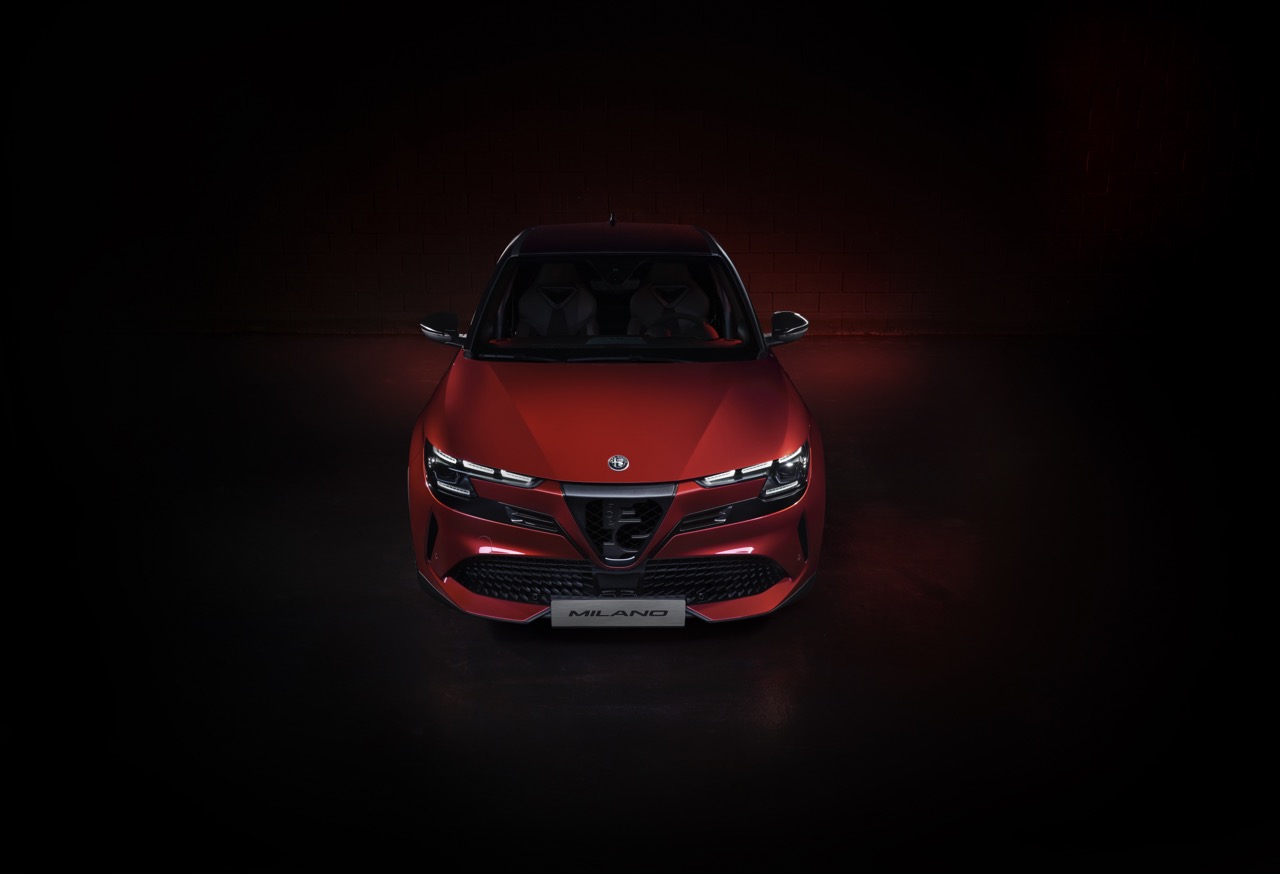
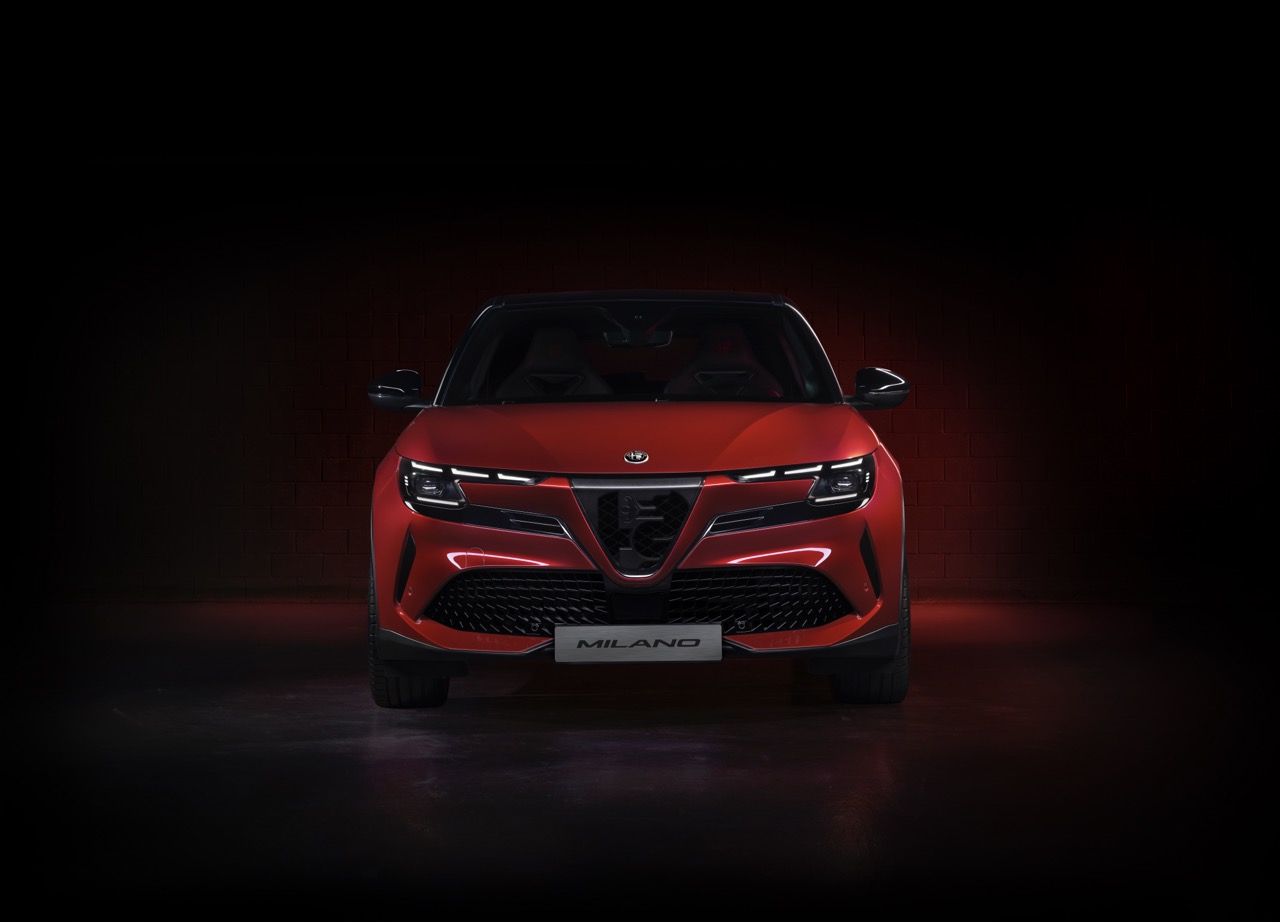
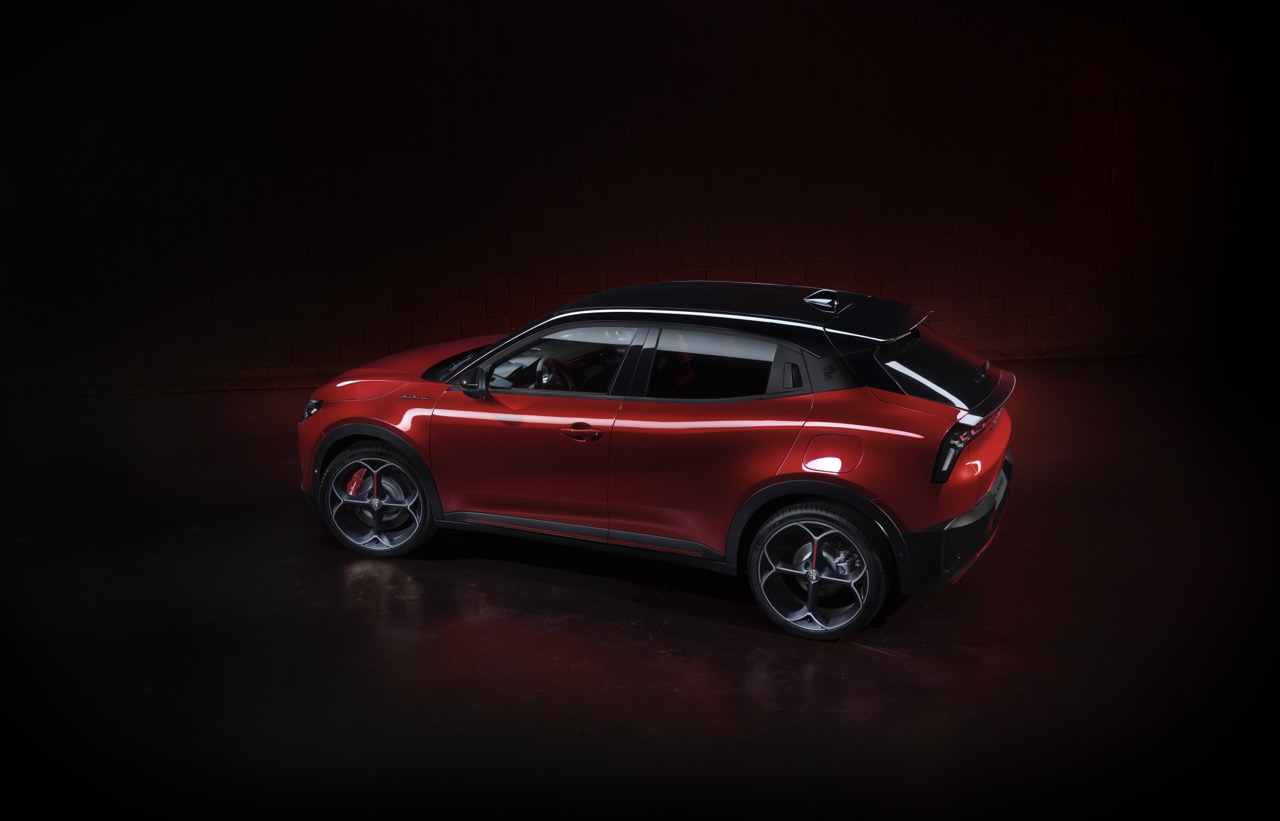
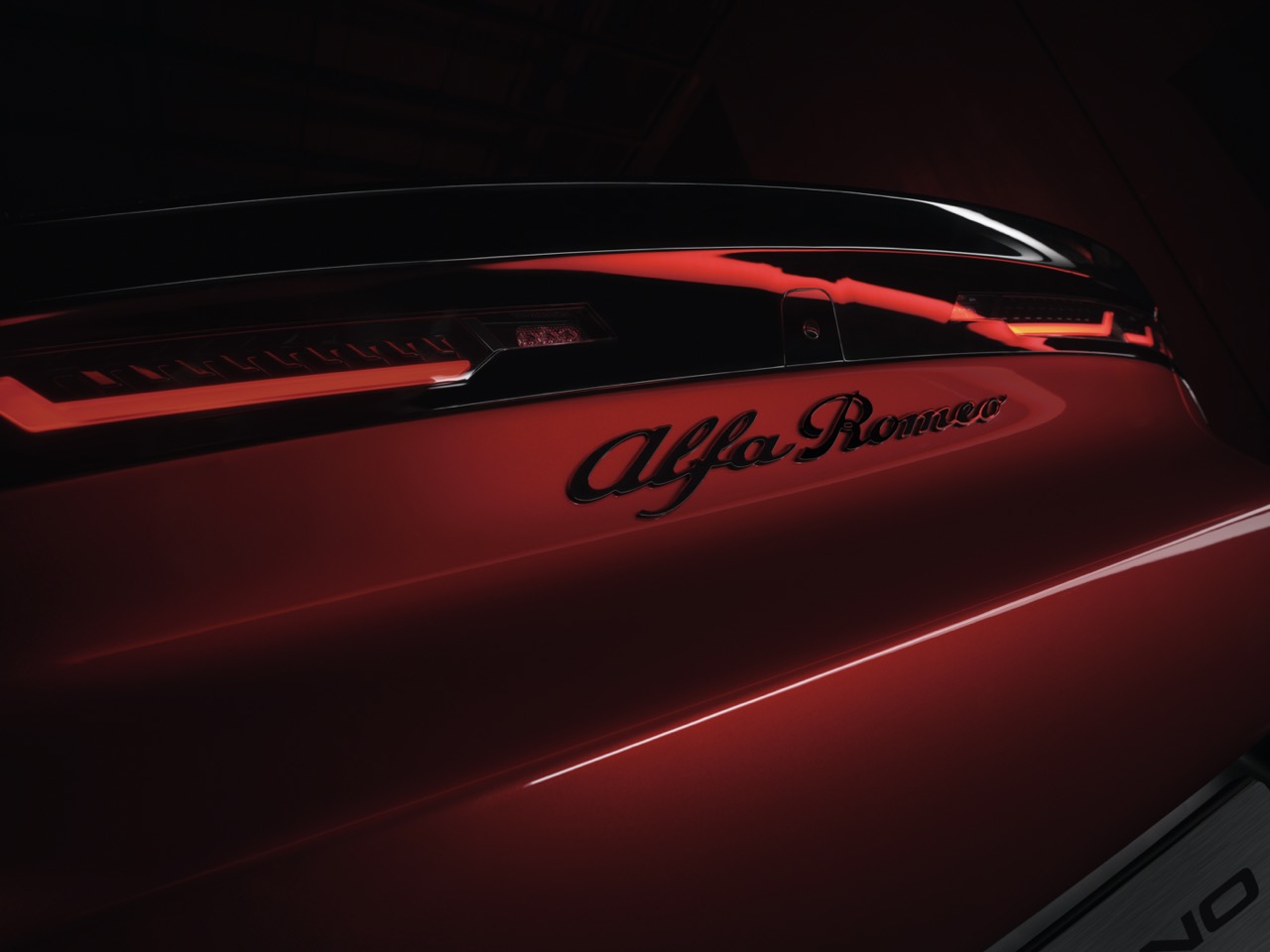
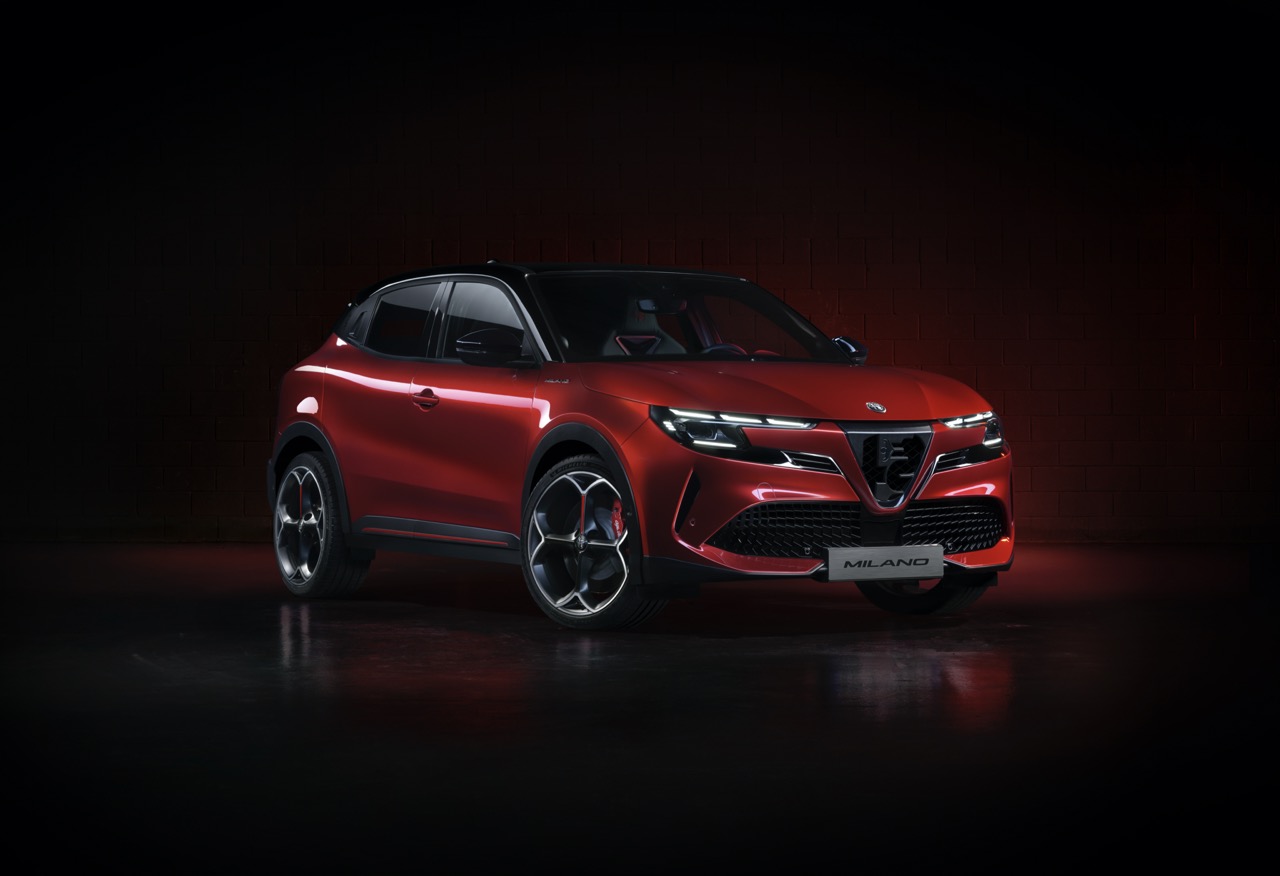
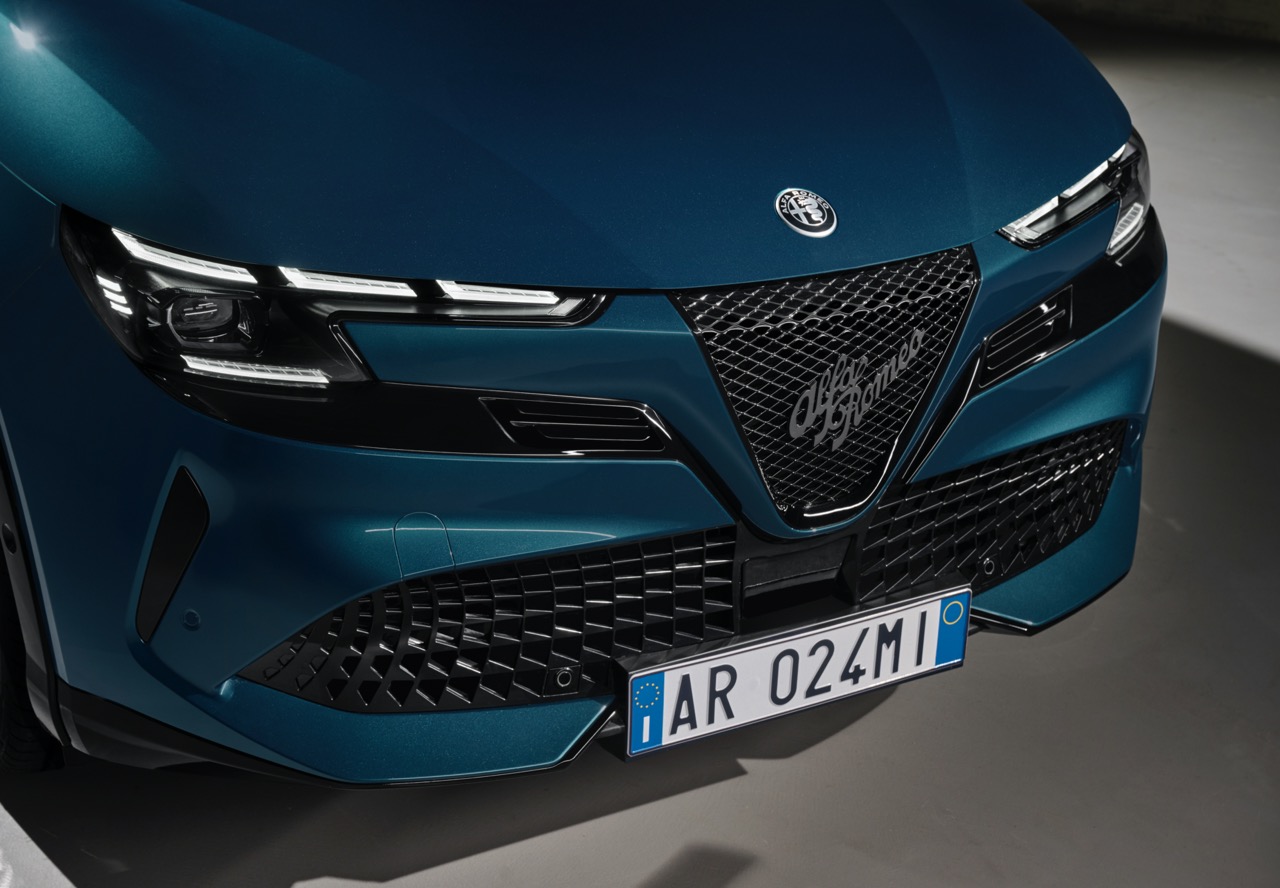
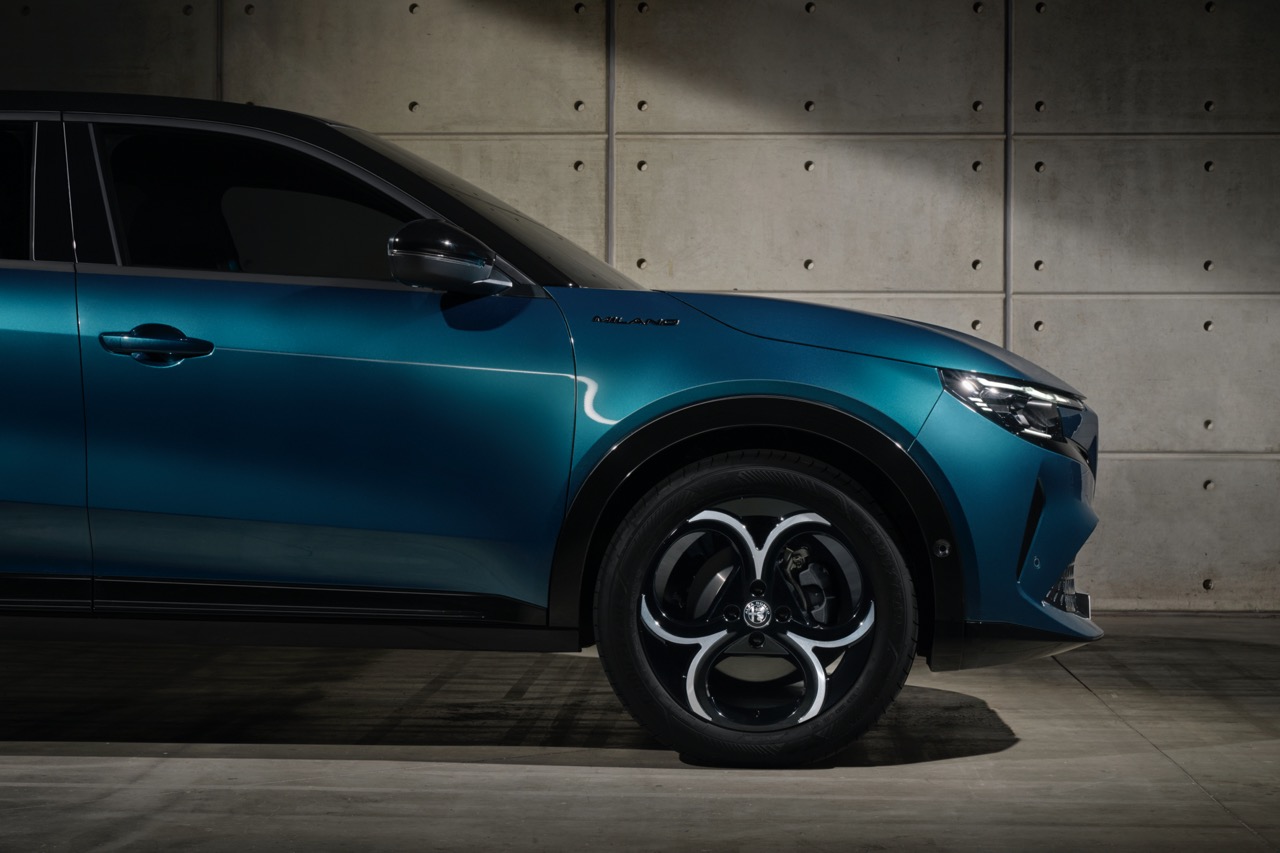
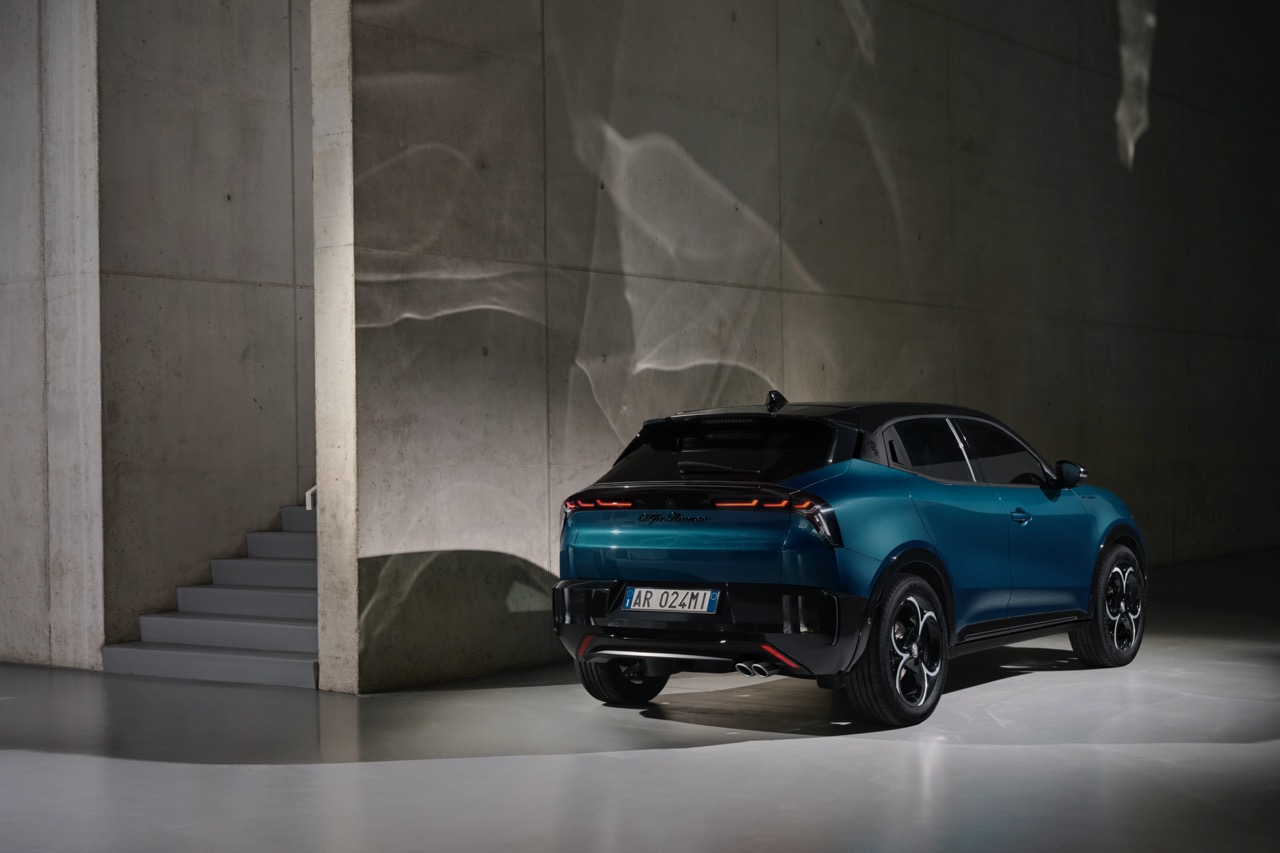
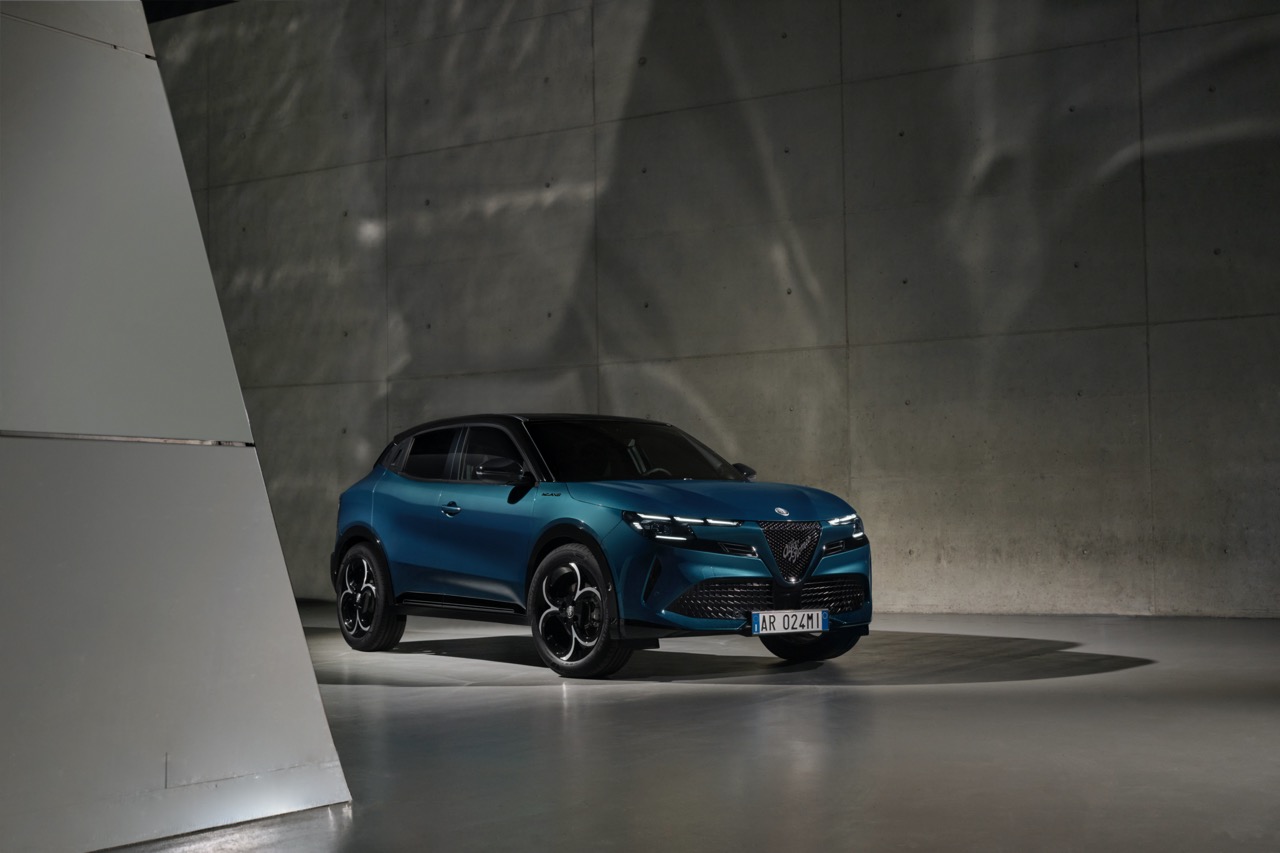
Alfa Romeo has unveiled the Milano as its latest addition to the SUV lineup and its first-ever series-production electric car.
Named after the brand’s hometown, the Milano is an urban-focused crossover that aims to capture the essence of the Giulietta and Mito hatchbacks while offering premium appeal and engaging driving dynamics to attract a new generation of Alfisti.
Jean-Philippe Imparato, Alfa Romeo boss, stated that the Milano is designed to transition the brand “from exclusive to inclusive,” emphasising its position alongside the ultra-exclusive 33 Stradale. He noted, “Alfa is the only brand that is able to sell a car at €2 million and €30,000.”
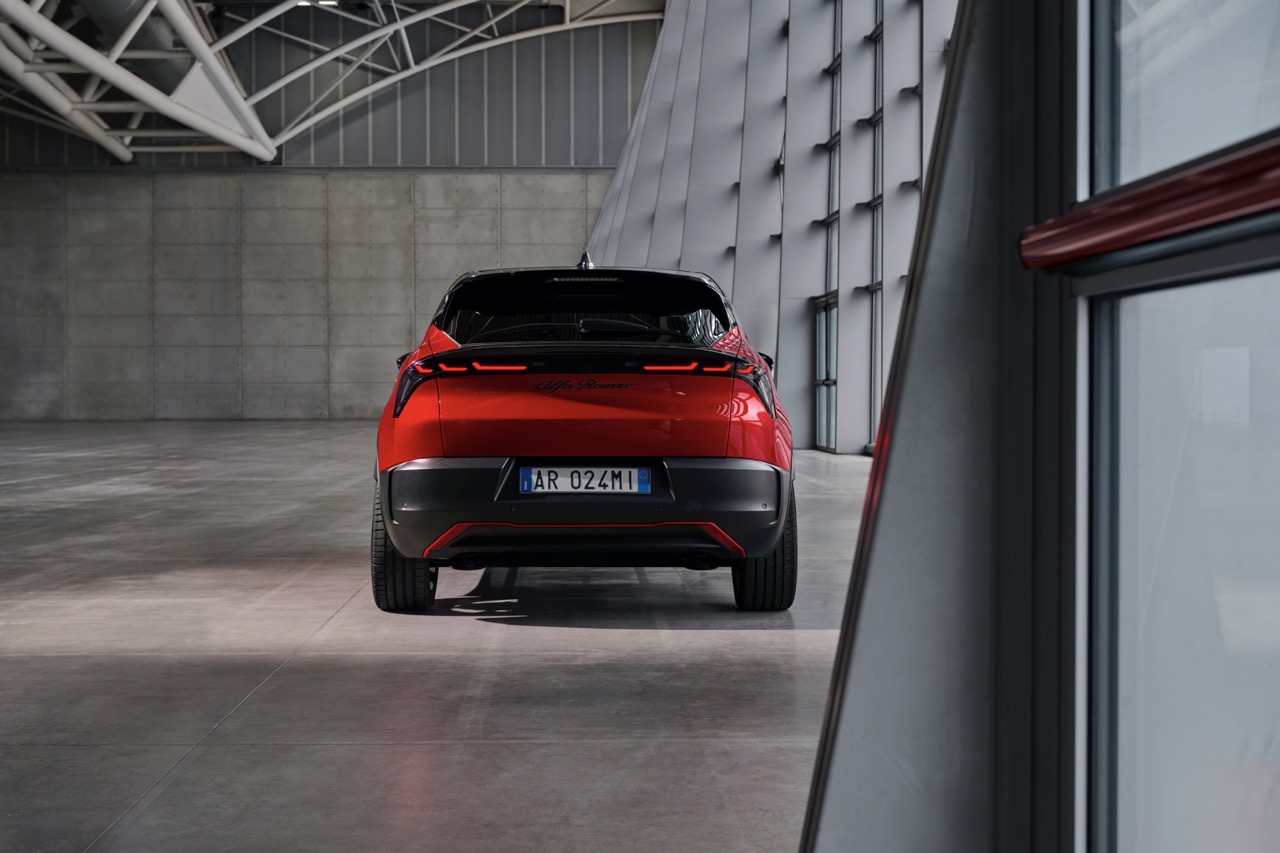
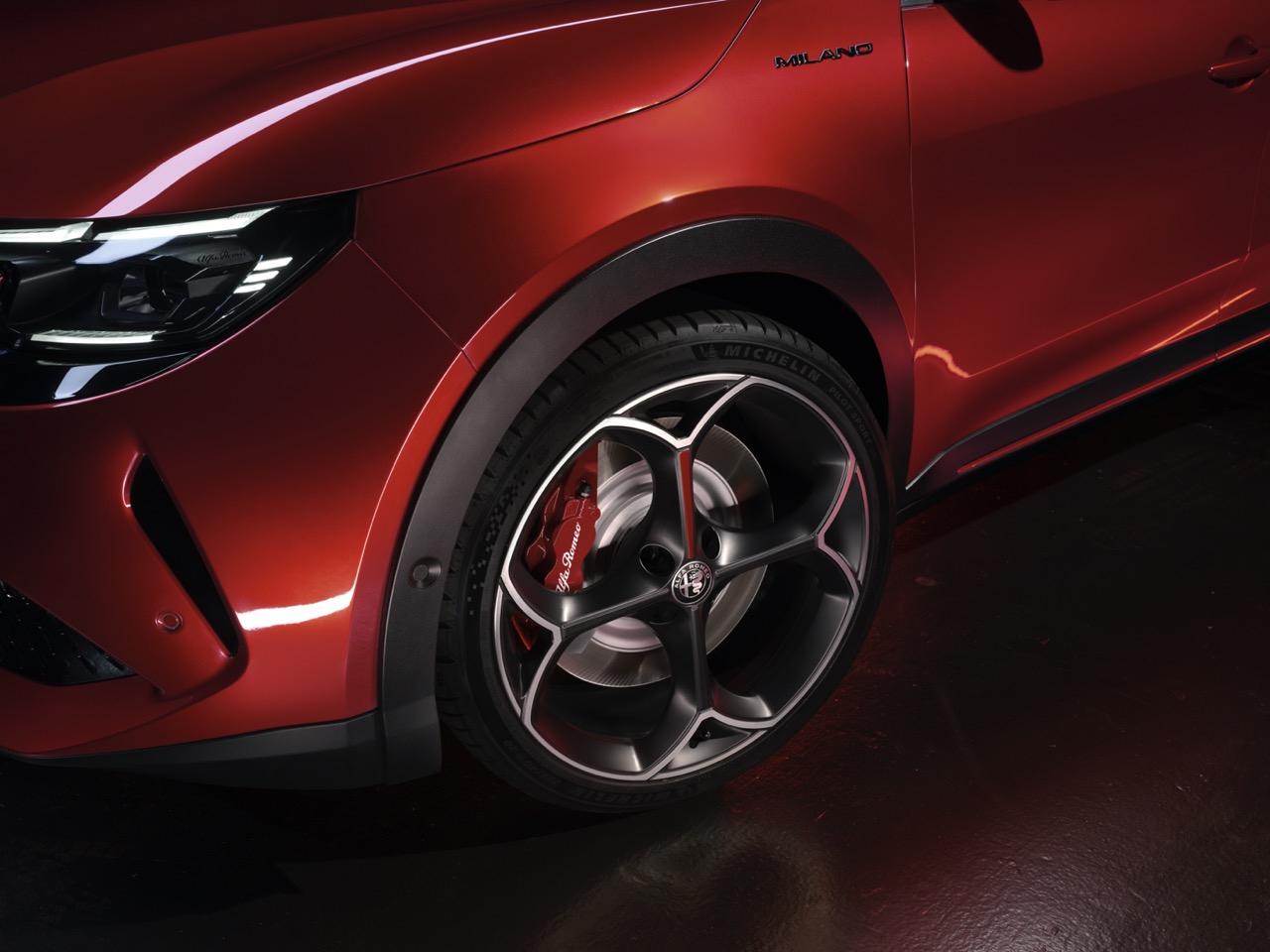
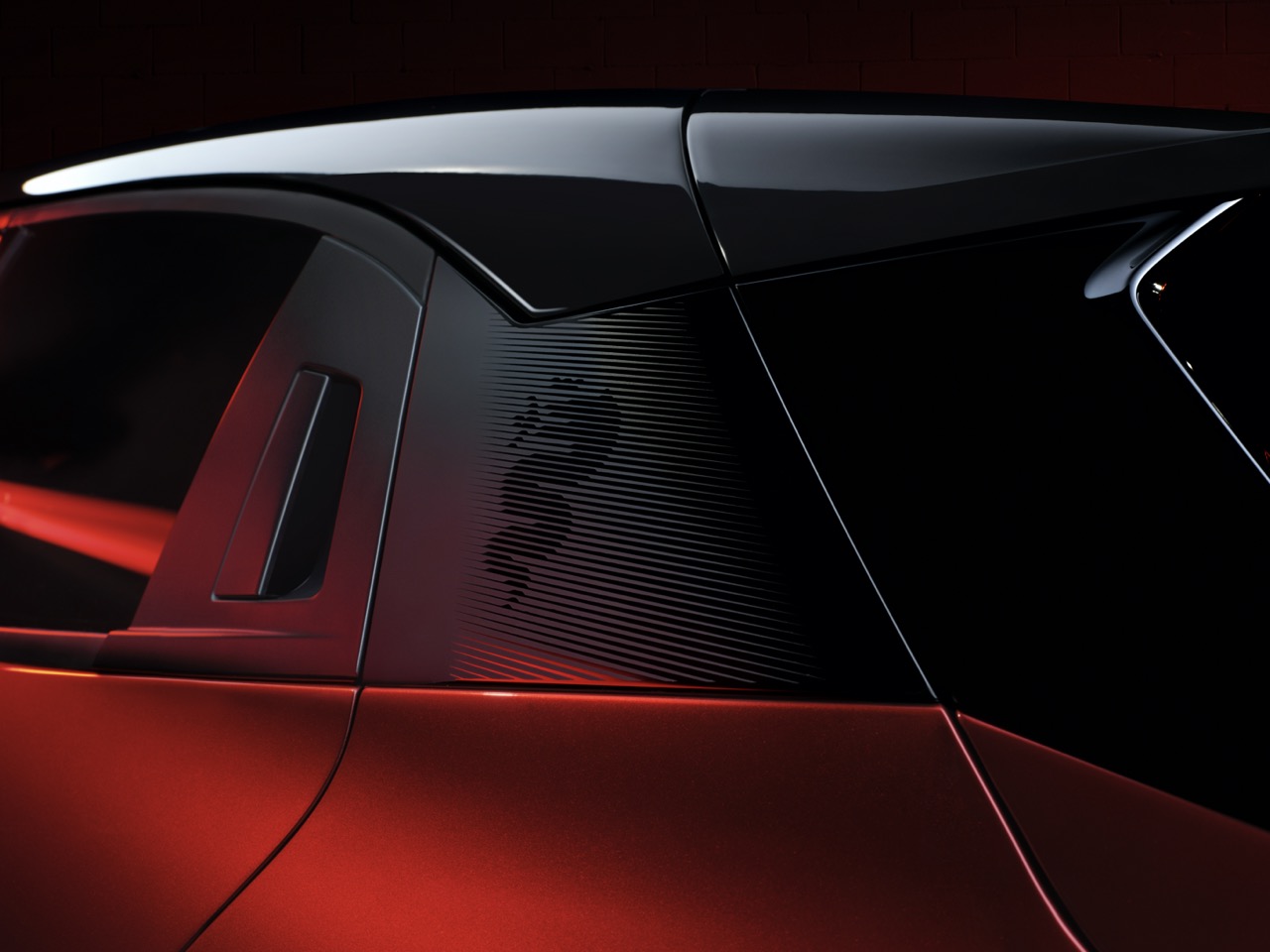
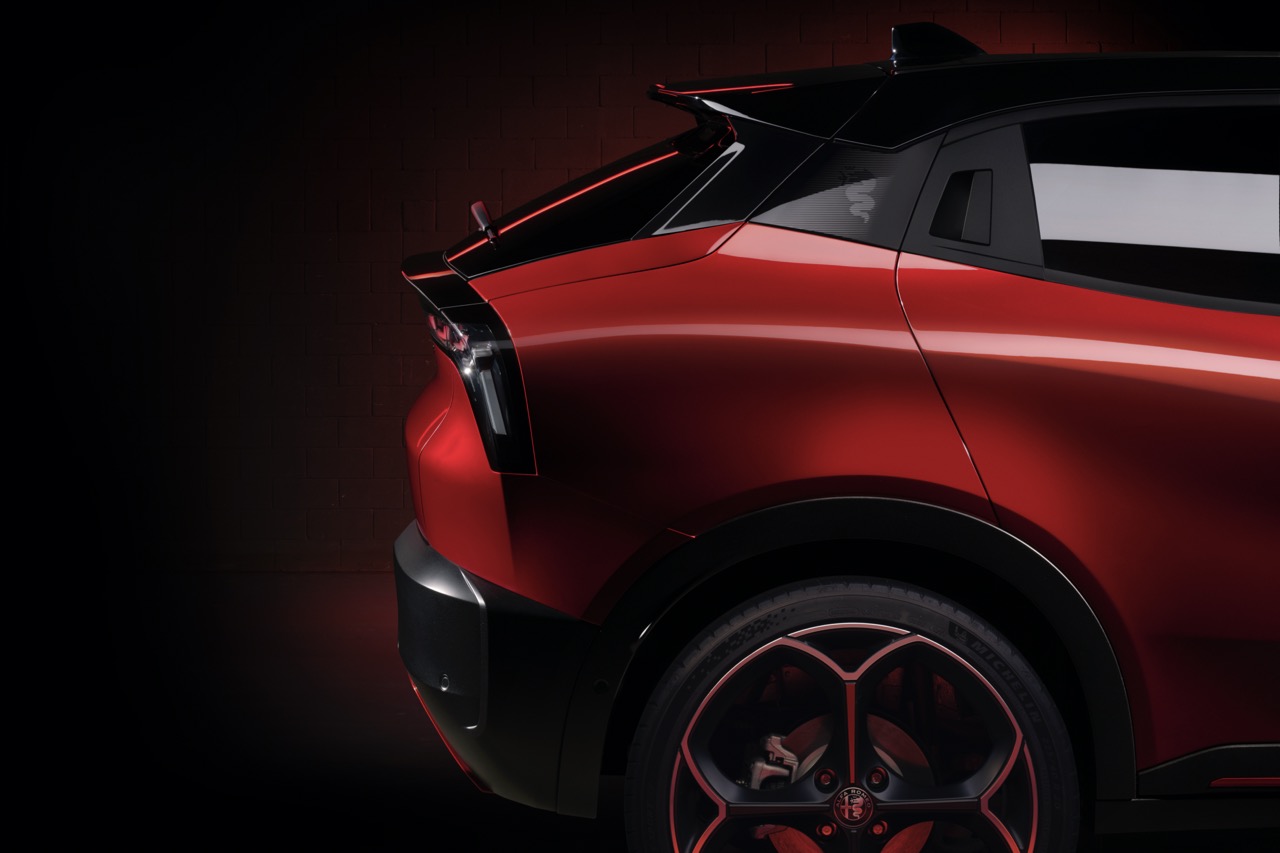
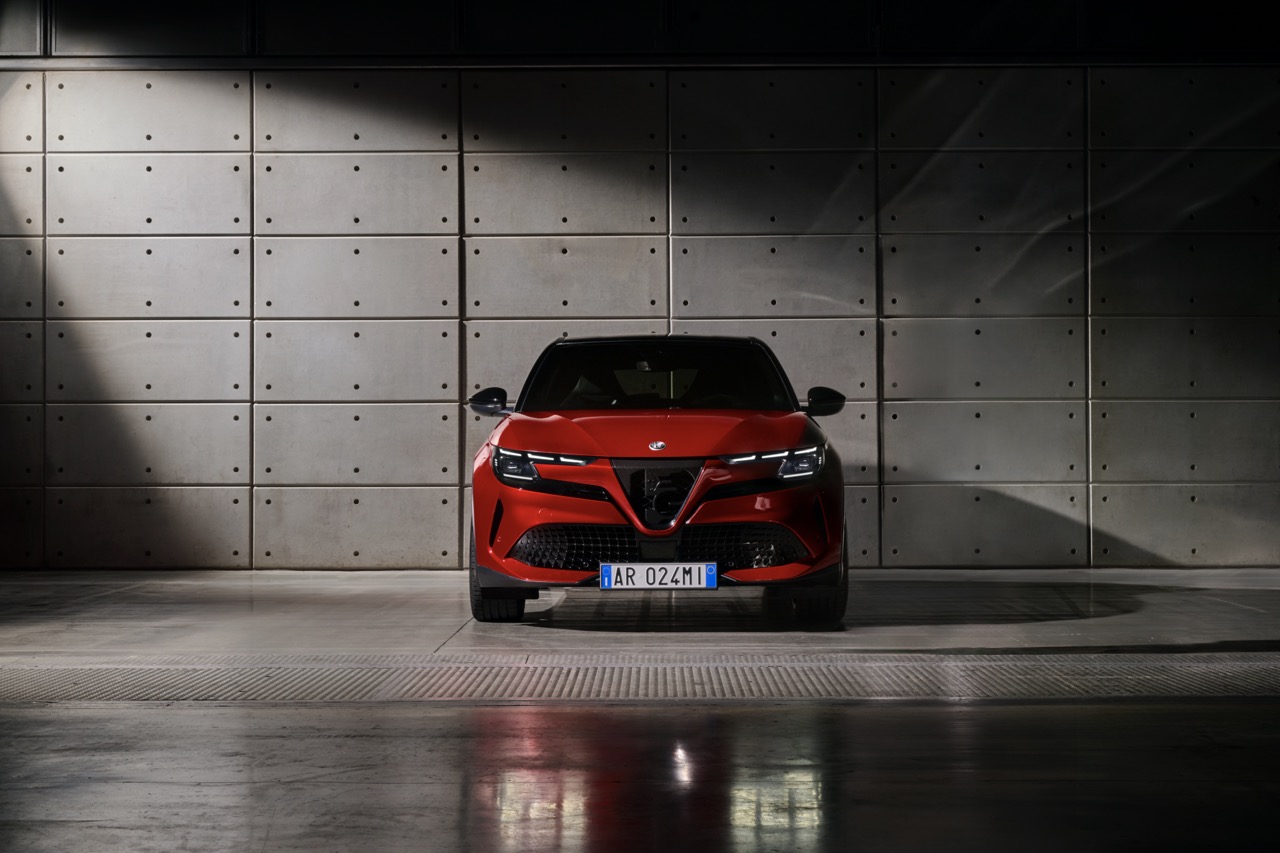
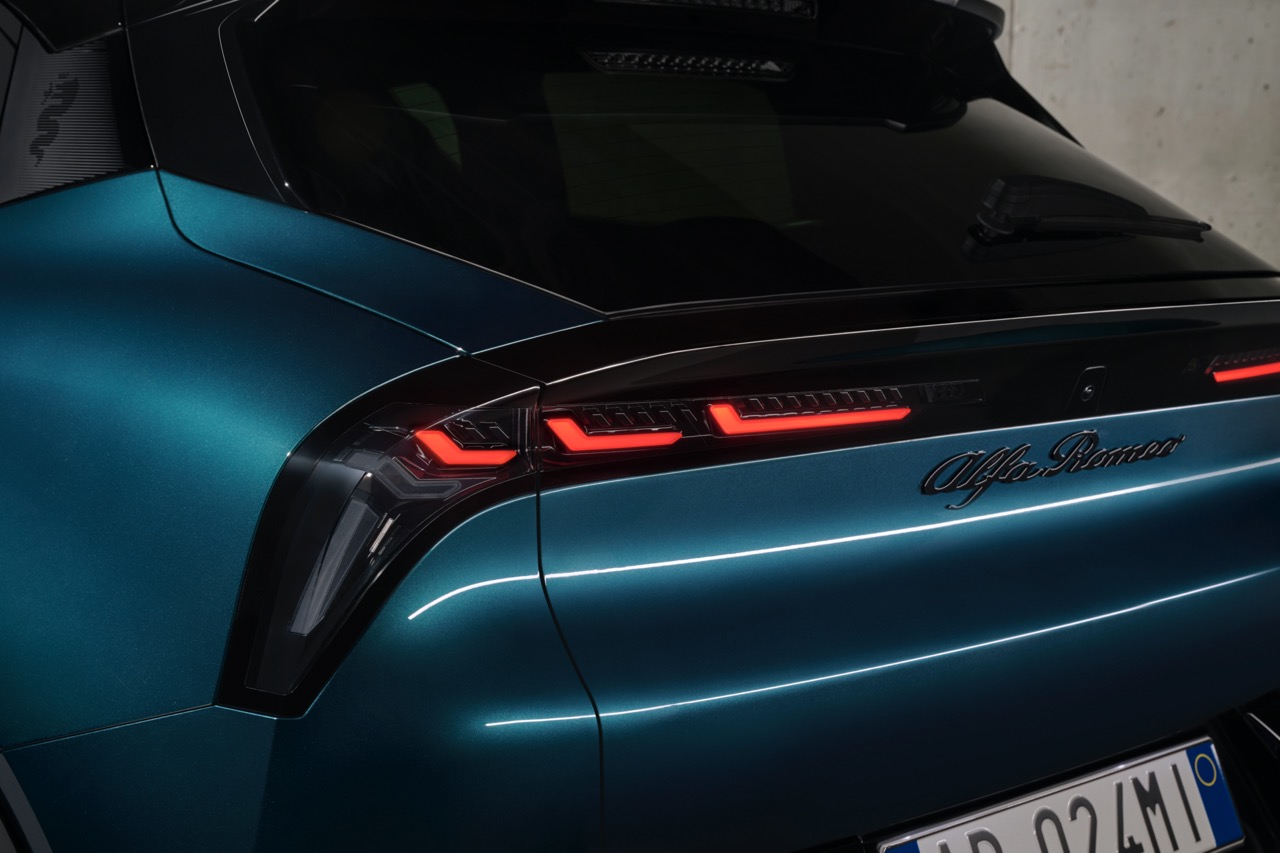
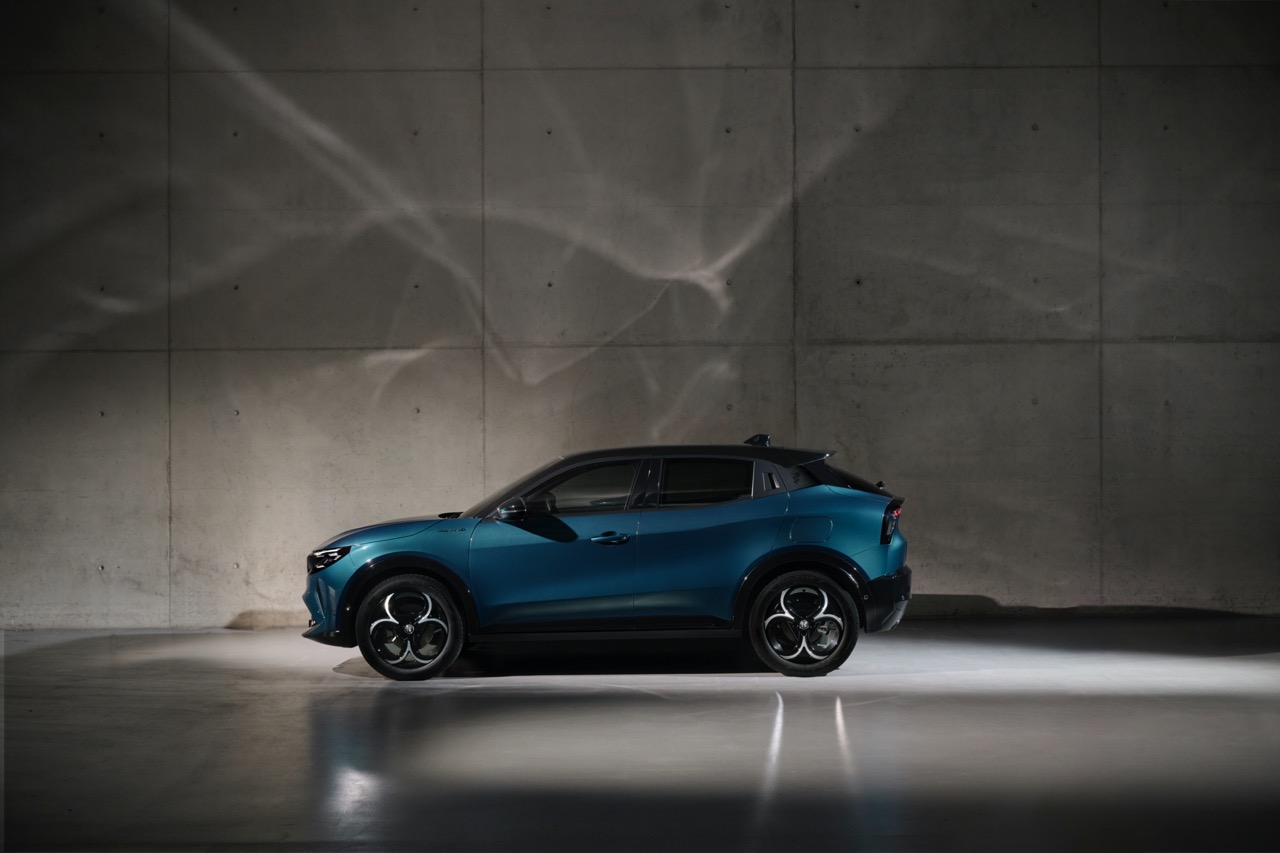
With dimensions of 4170mm length, 1780mm width, and 1500mm height, the Milano incorporates bold new design elements while paying homage to Alfa’s heritage with features like swollen wheel arches, a ‘coda tronca’ bluff rear end, and SZ-inspired headlights. Its distinctive front-end grille features stylised elements from the brand’s logo in electric versions. For reference, the smart #1 measures 4270mm in length, 1636mm in height, and 1822mm in width.
The Milano is available with either electric or mild-hybrid petrol power, sharing a platform with models like the Citroën C4, Fiat 600, Jeep Avenger, and Peugeot 2008. The Milano Ibrida combines a 1.2-litre three-cylinder petrol engine with a 48V starter-generator and a 28bhp electric motor for 134bhp and the option of short-distance EV driving. The Milano Elettrica features a 54kWh battery, offering a range of 410km and a front-mounted 154bhp motor for engaging performance.
Alfa emphasises the Milano’s driving dynamics, boasting optimal mass distribution and best-in-class handling tuned by the same team responsible for the Giulia GTA super-saloon. The top-tier Veloce variant offers the most driver-focused experience with a 237bhp motor, Torsen limited-slip differential, and agile chassis upgrades.
Technological features include LED matrix lights, a virtual assistant, and hands-free boot lid, while premium trims offer massaging seats and ambient lighting.
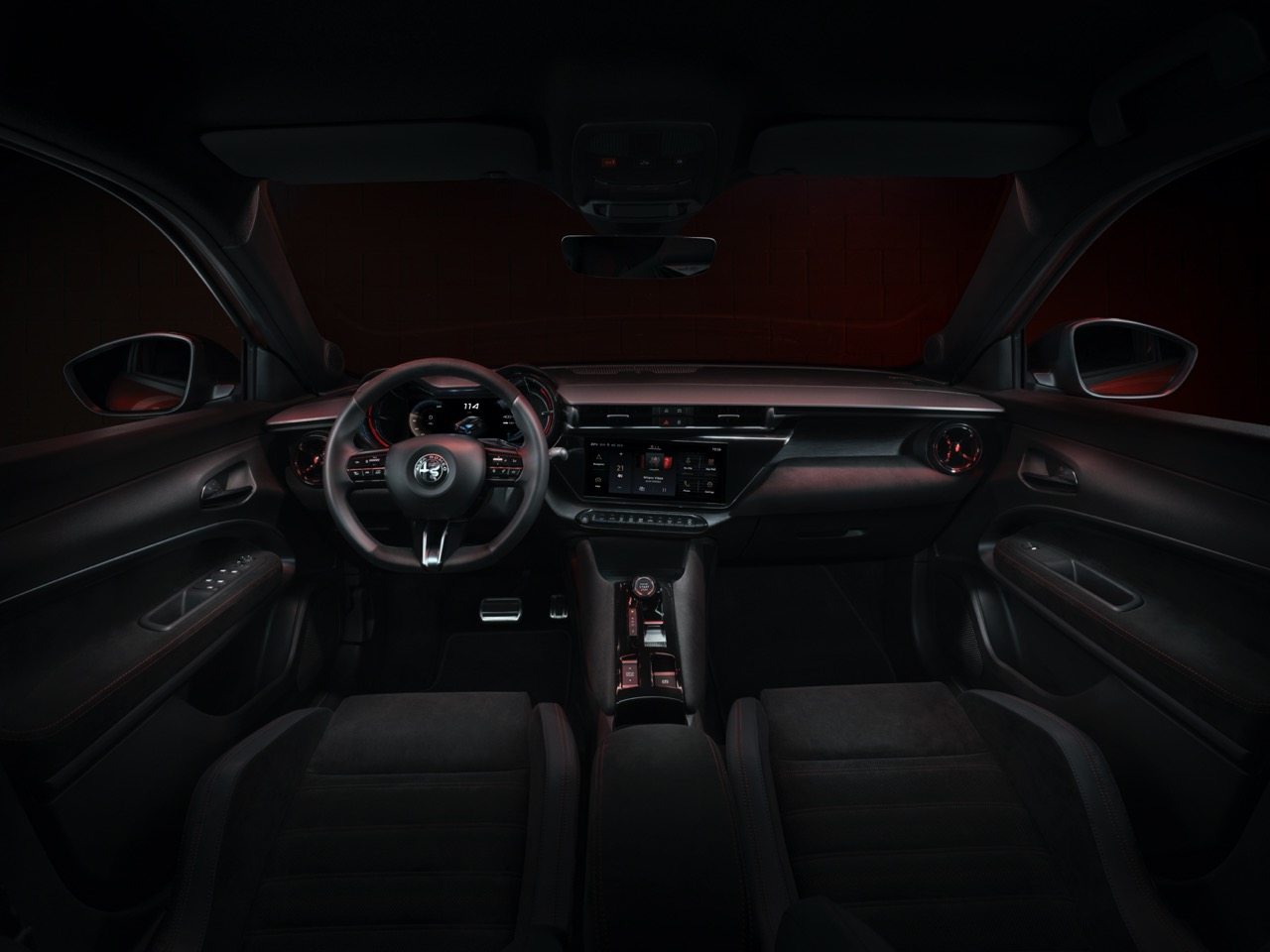
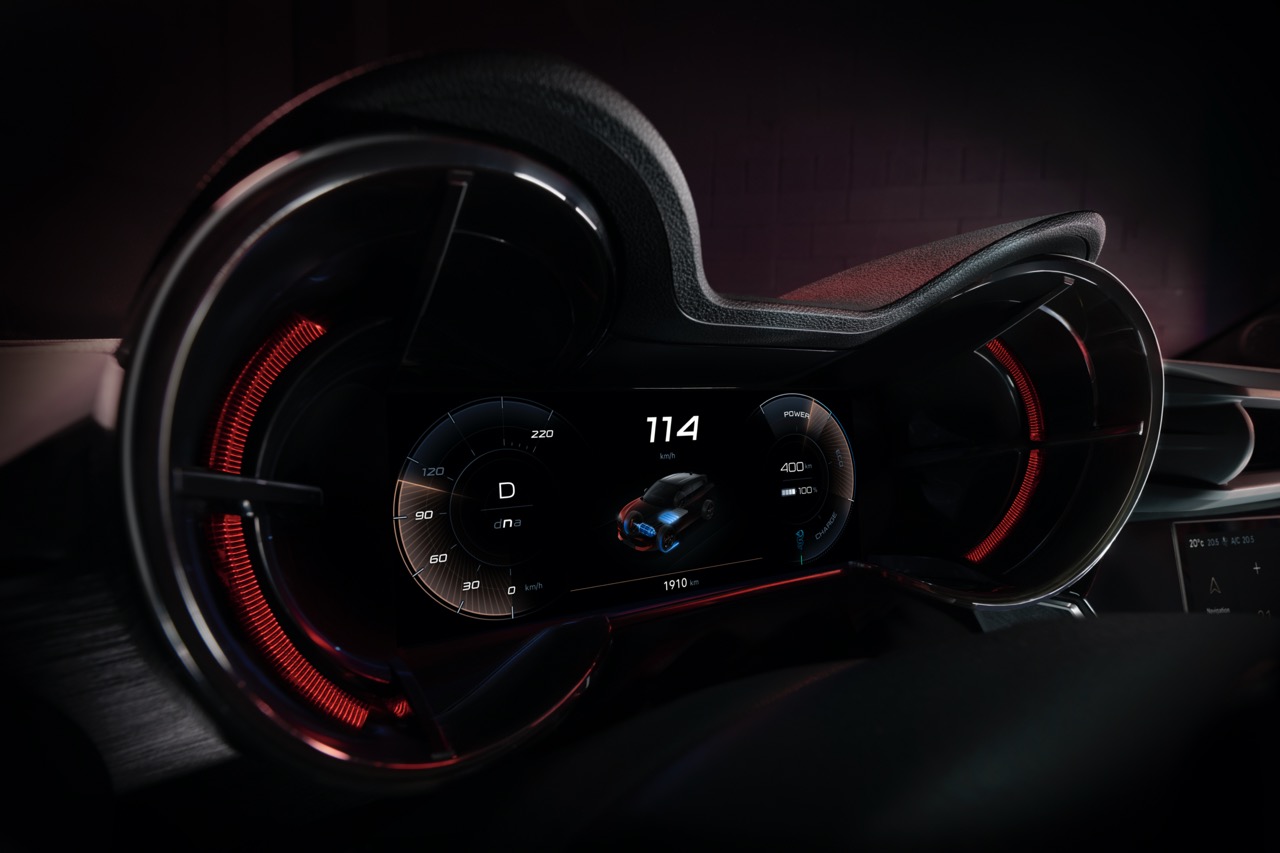
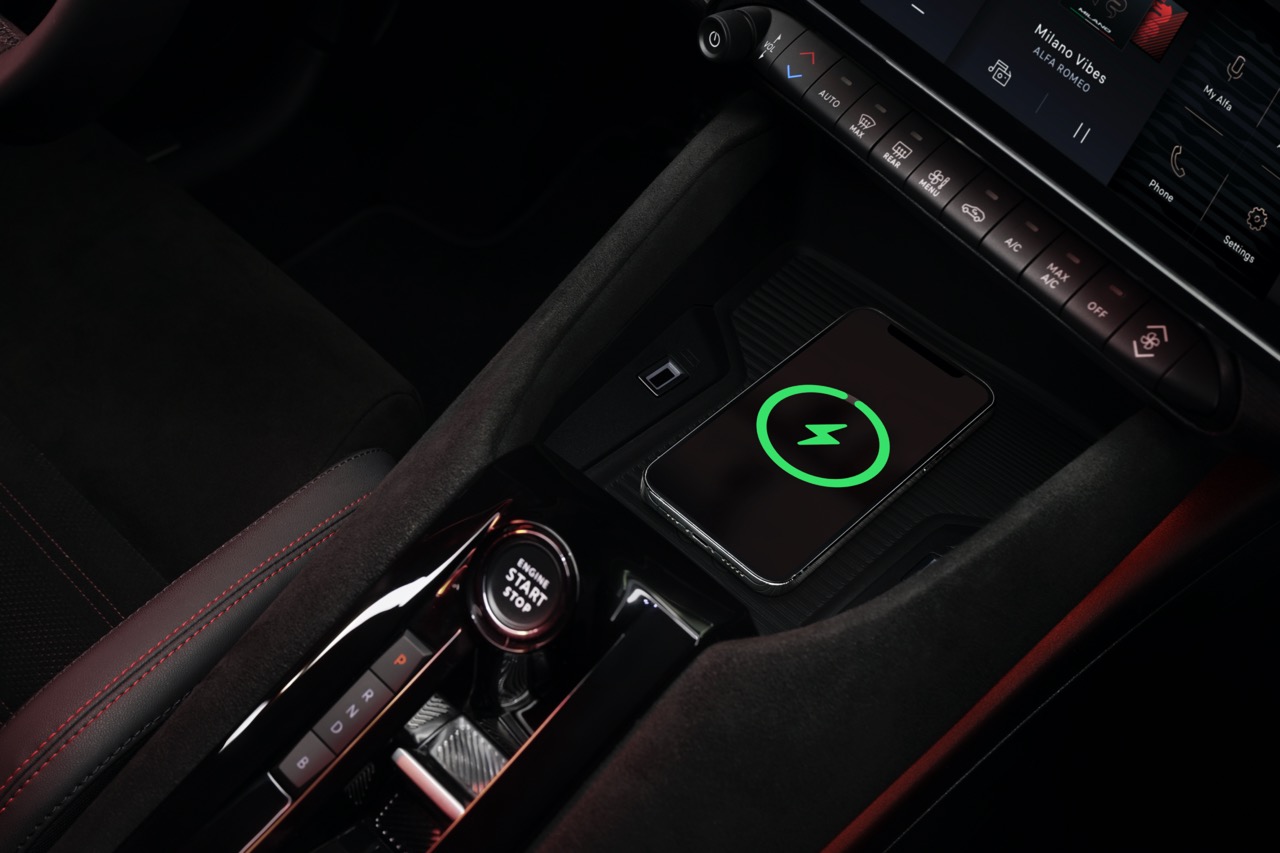
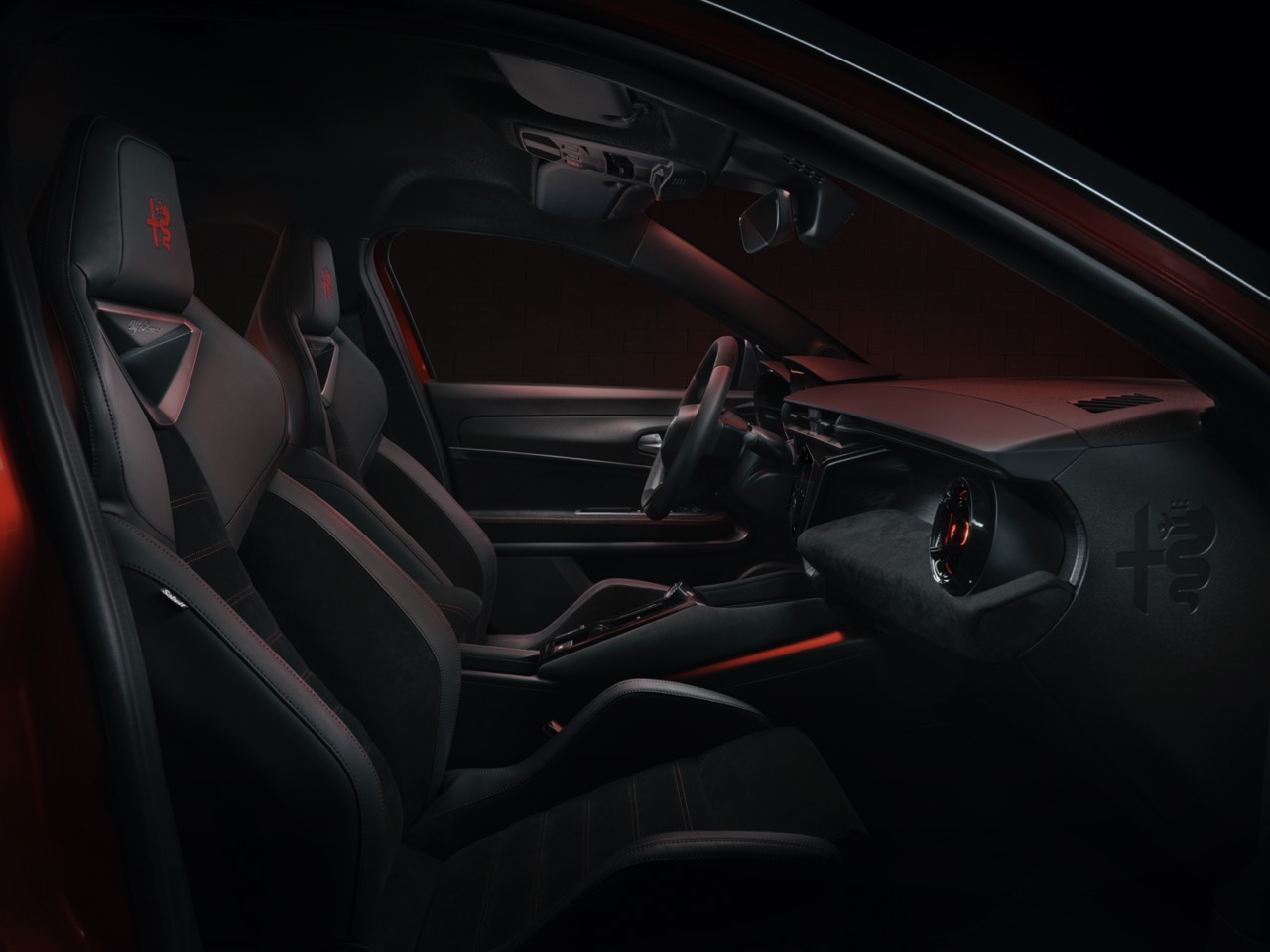
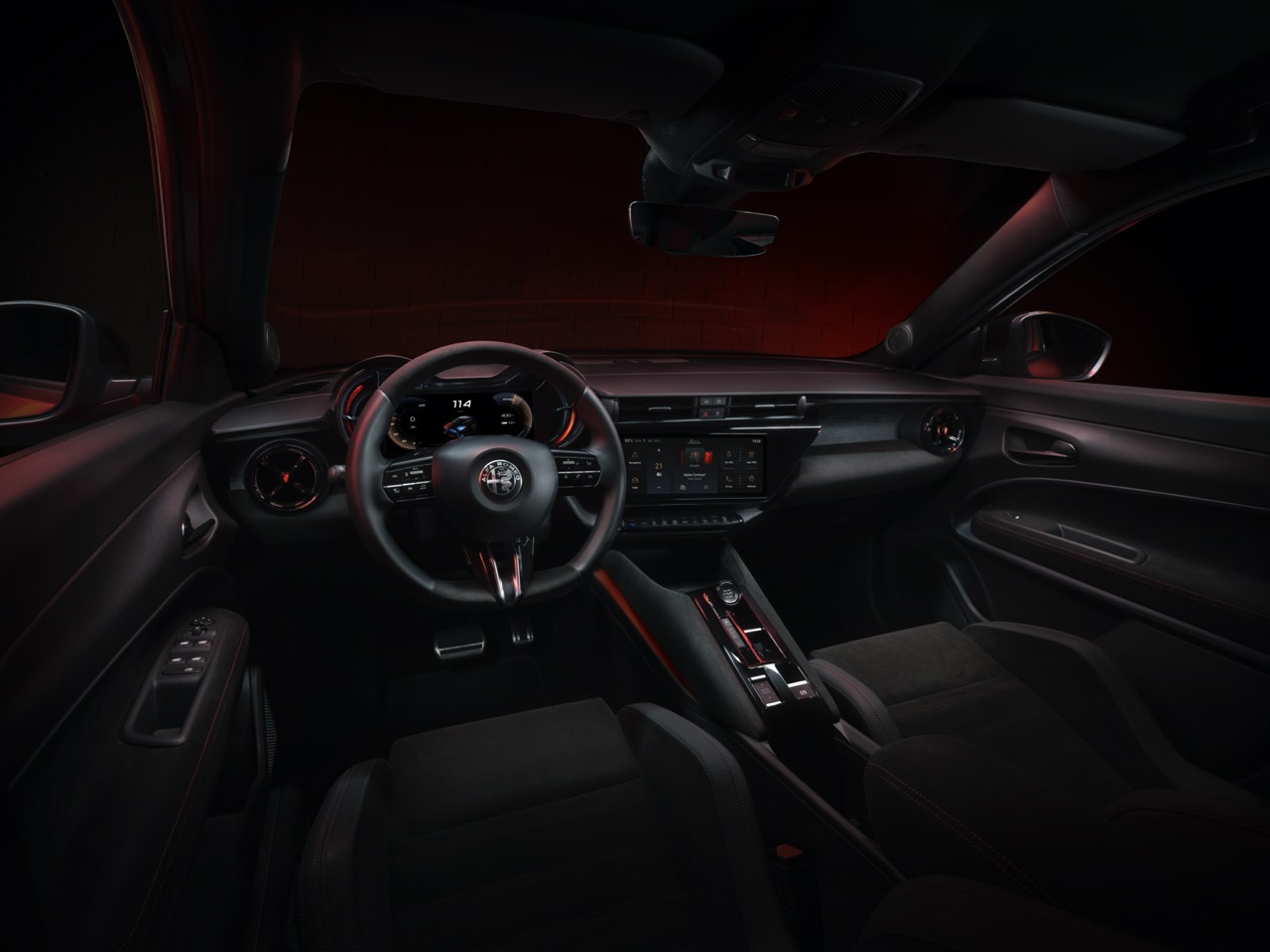
The same inspiration of pure sportiness can be found inside the car, where the standout features are the Italian attention to every detail, the use of the finest materials and the placement of all the controls within the driver’s reach. The instrument panel and its historical ‘Cannocchiale’ design creates that direct visual connection and persuades you to wrap your hands around the steering wheel, start the engine, and make the best of a unique driving experience.
In the middle of the cluster, the standout feature is a fully digital 10.25-inch TFT screen, to access the car’s data and the settings for the driving technologies. In the middle of the dashboard and oriented towards the driver, a 10.25-inch touchscreen system developed to work with widgets, graphic components designed for intuitive interaction with all the features, which can be customised via quick and easy drag and drop. Every user can create their own homepage, where each of the car’s features is an app in itself.
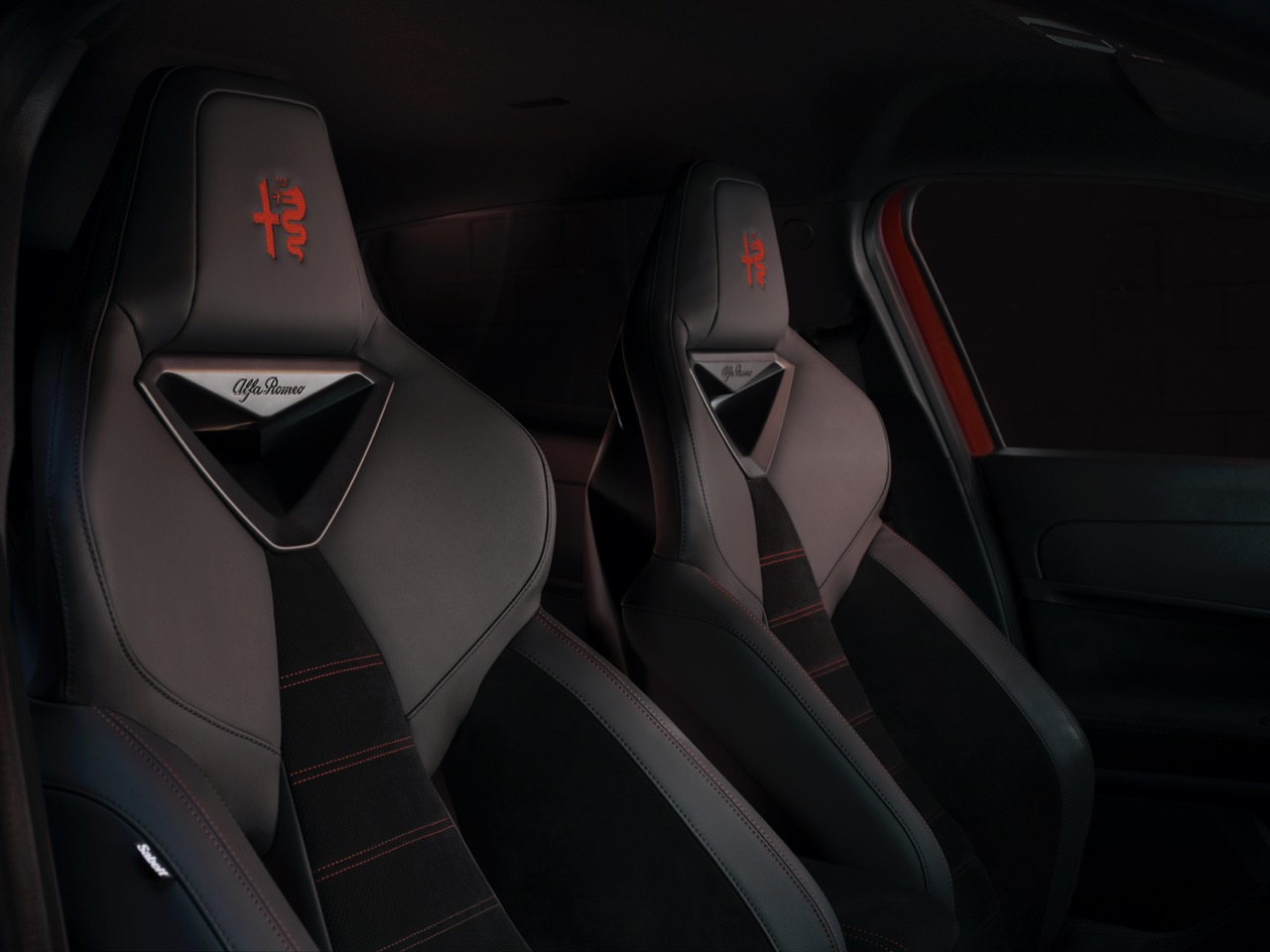
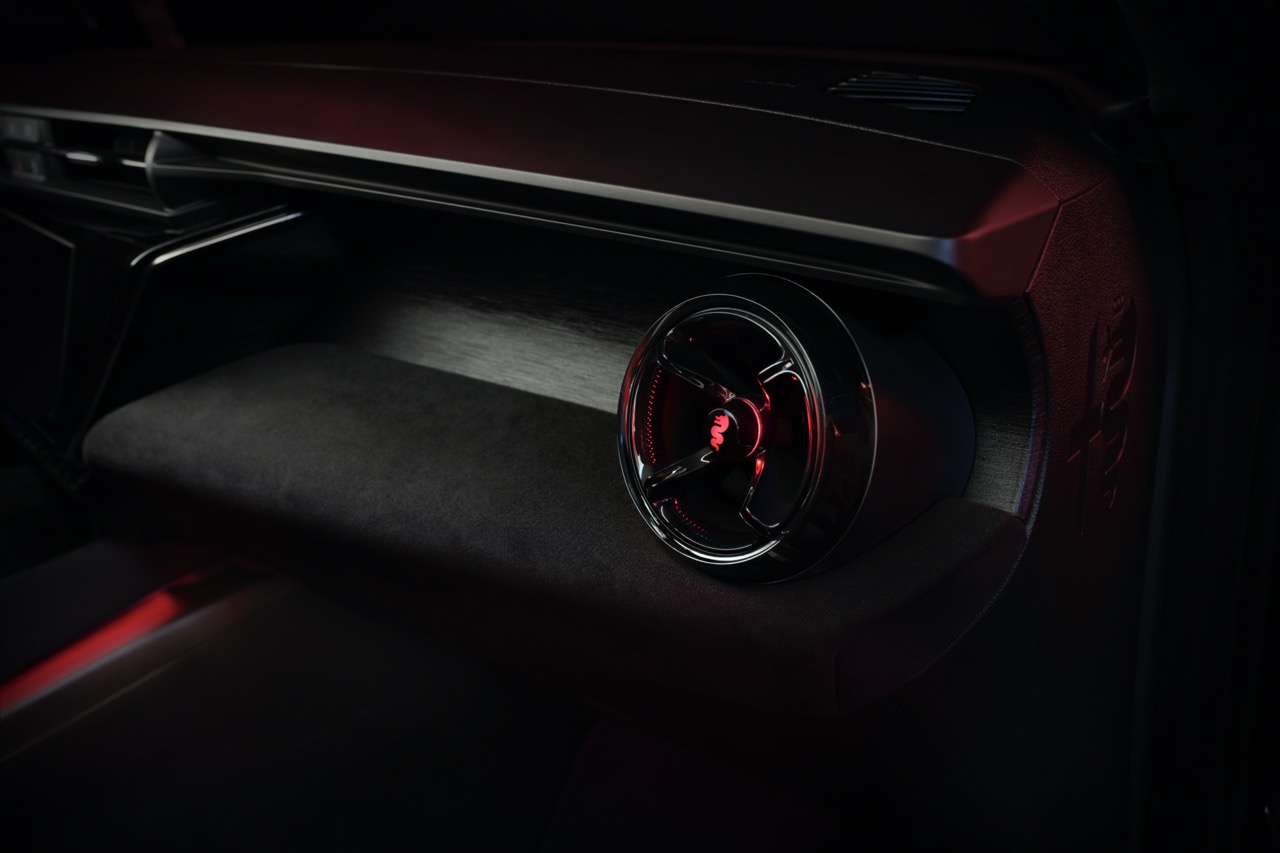
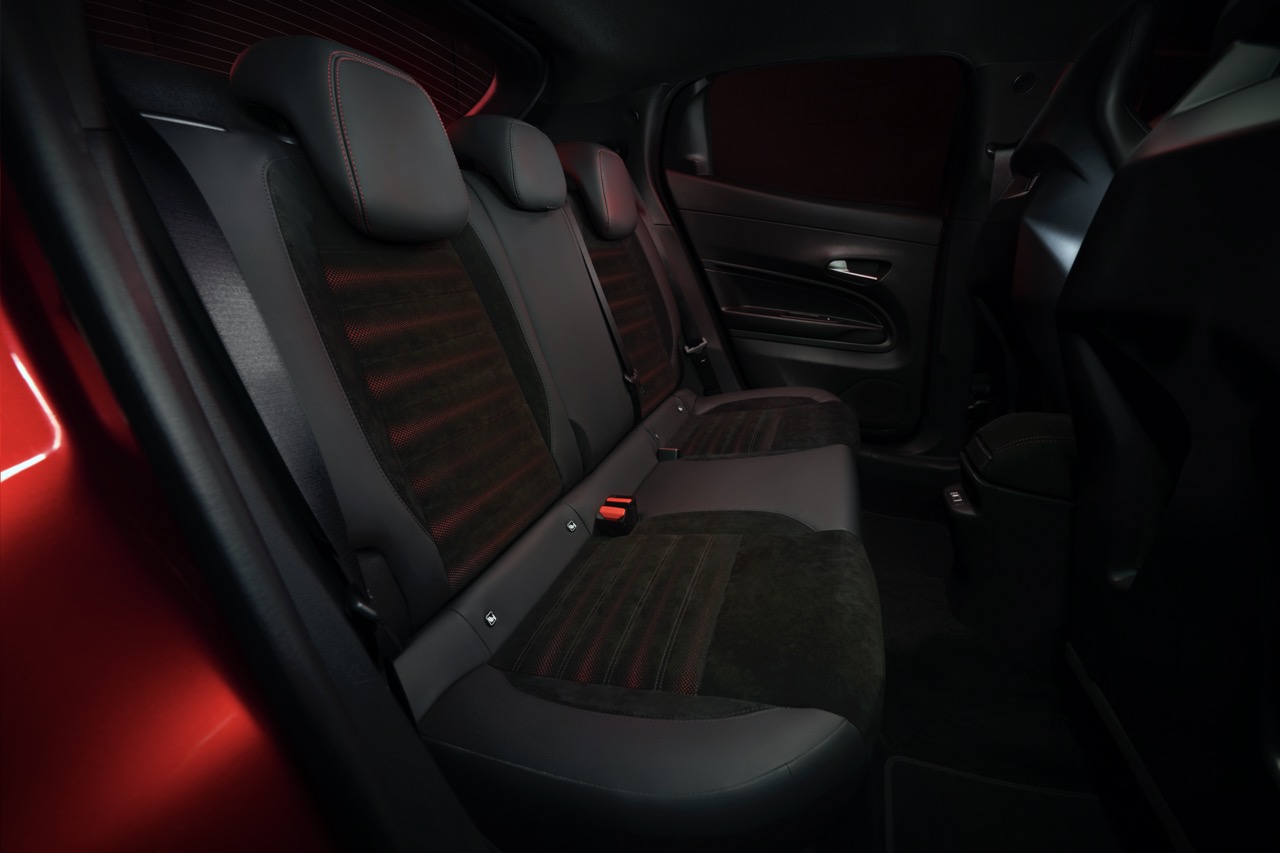
To further embellish the interior, the air conditioning vents in the shape of a quadrifoglio (four-leaf clover), the symbol par excellence of Alfa Romeo sportiness. To catch the eye and welcome the driver, optional Sabelt sports seats are available featuring an enveloping backrest that combines high mechanical resistance, perfect ergonomics and structural lightness.
The Milano is available for order in Italy and will launch in 28 markets over the next six months.
‘Electrification’ is the probably the most heavily-used word in the auto industry today. Increasingly stringent emission regulations as well as commitments to become carbon-neutral to address climate change have forced carmakers to accelerate development and production of electric vehicles. Ford is even creating a specific business unit just for electric vehicles. The aim is to fully electrify their product lines by the end of the decade and for some, sales of vehicles with internal combustion engines will cease.
In tandem with this trend, there is also a growing industry where old models are being ‘electrified’. Classic models are having ‘heart transplants’ with their original engines being replaced by electric powertrains. It’s a slowly growing industry which will help preserve classic models of special value and allow them to be driven even in the new era of electrification.
We’ve already written about companies like Everrati and Lunaz carrying out such conversions and another British company called Charge Cars is also getting into the business. The company has an experienced engineering team with members who have contributed to various projects for McLaren Automotive, Jaguar Land Rover and F1 racing teams.
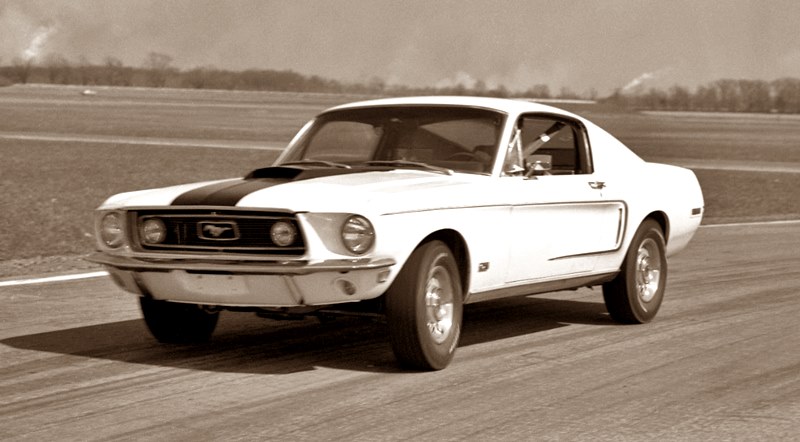
The original Ford Mustang in 1967.
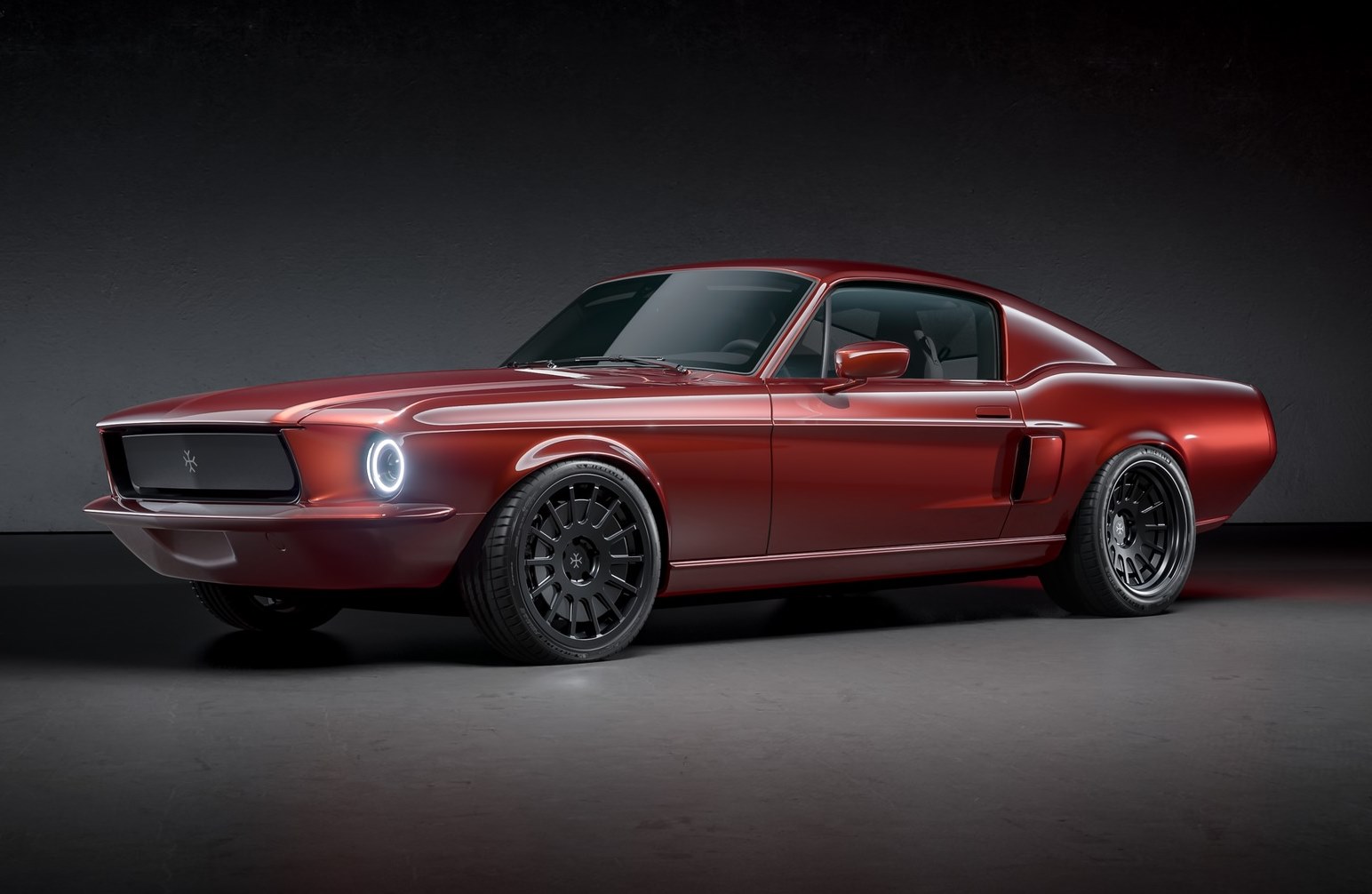
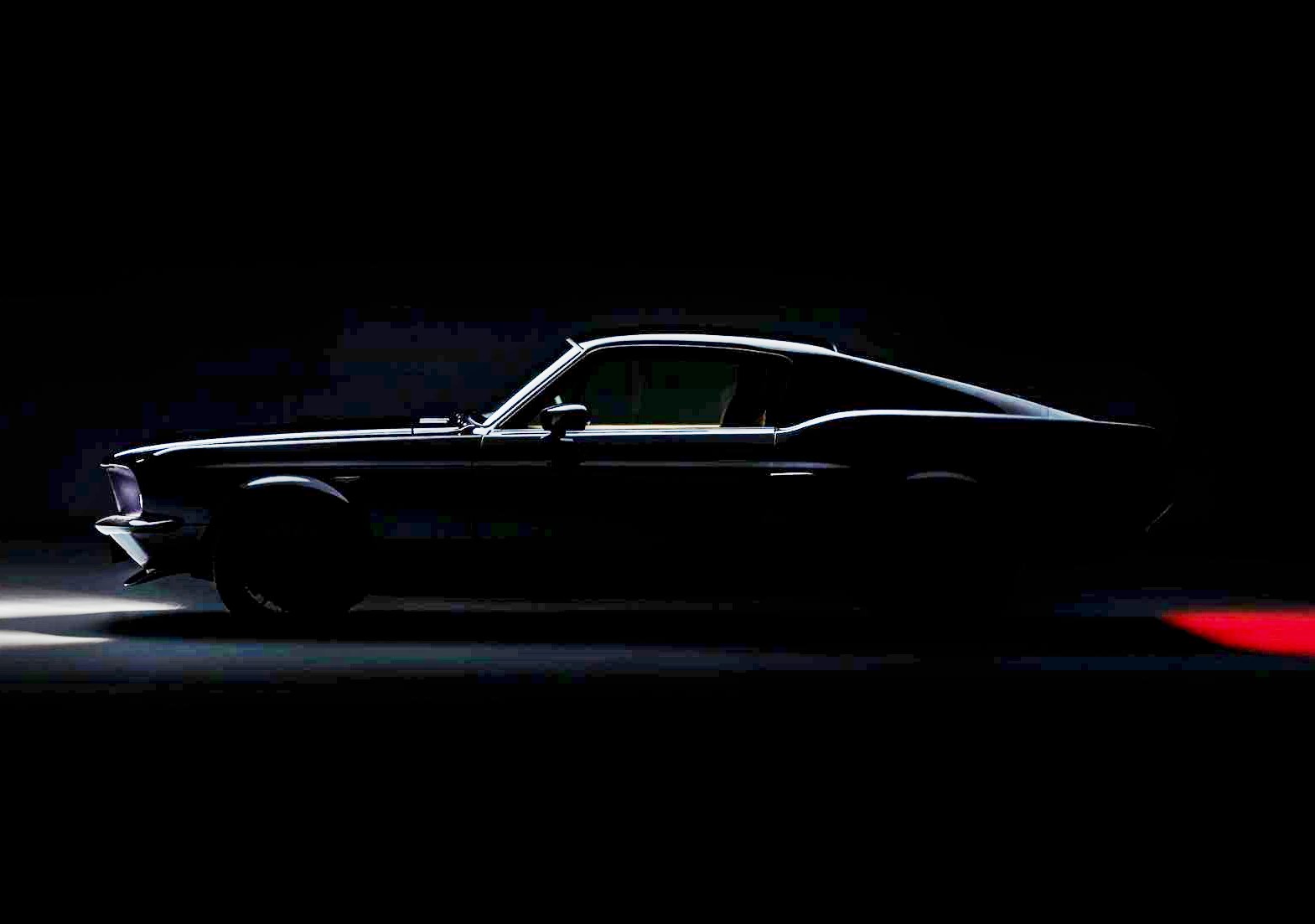
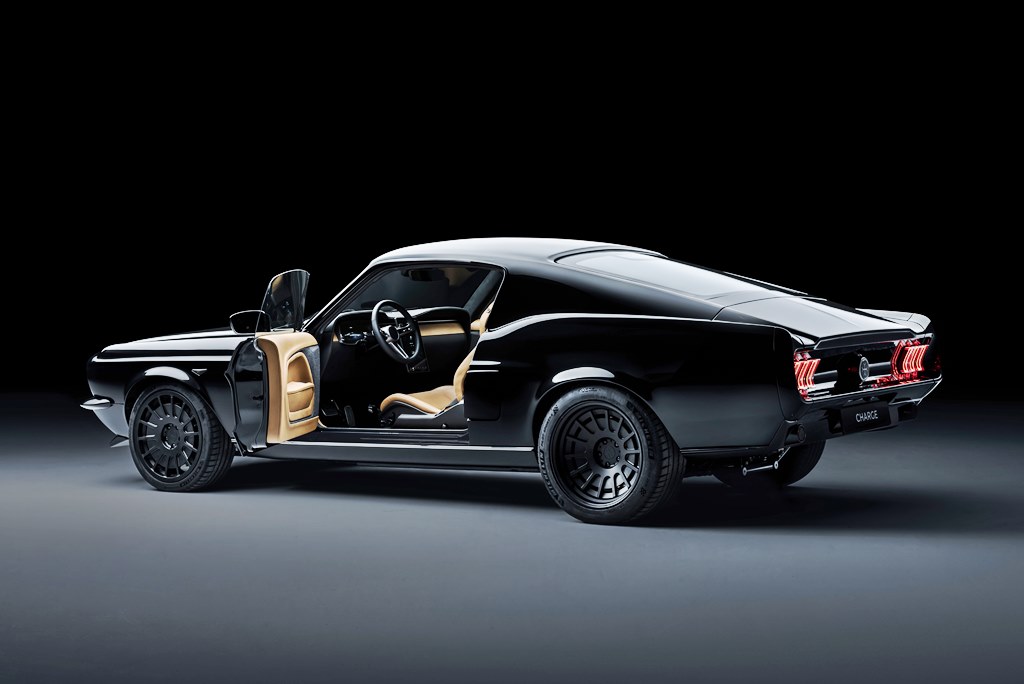
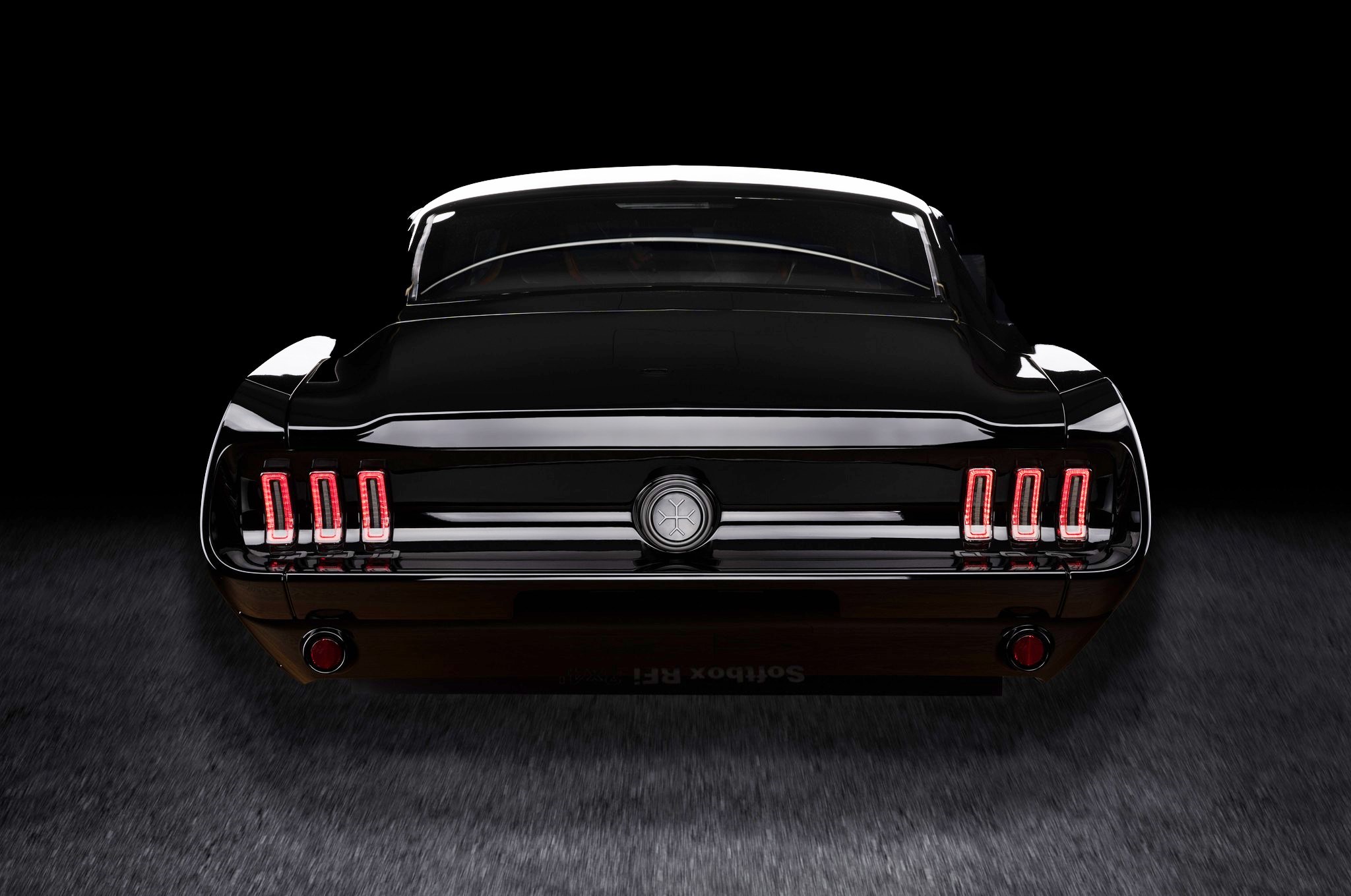
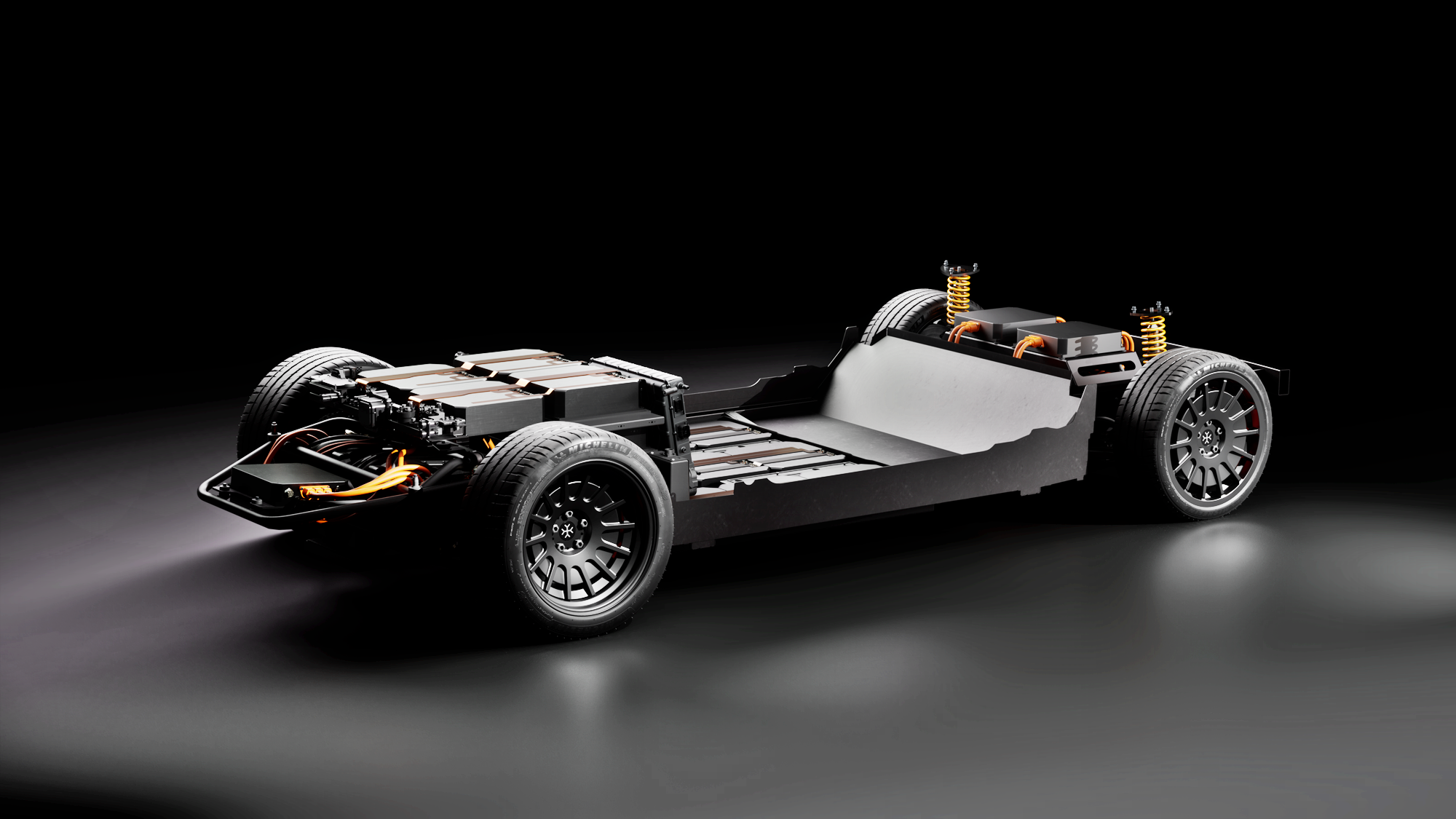
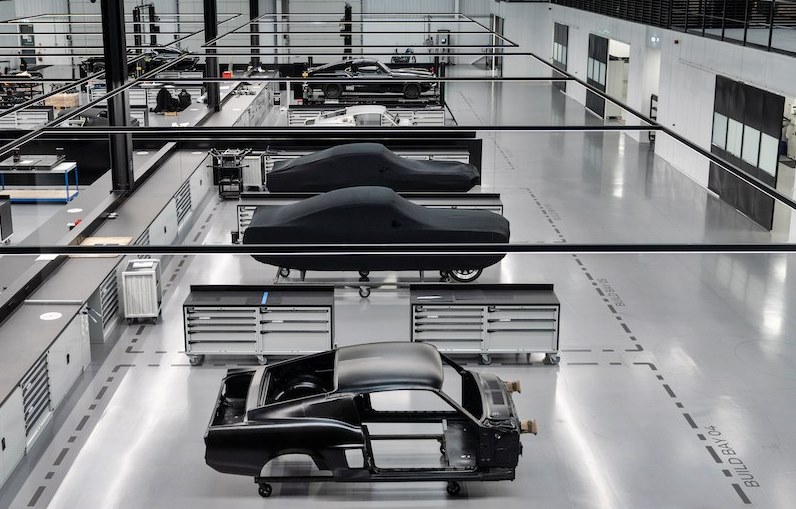
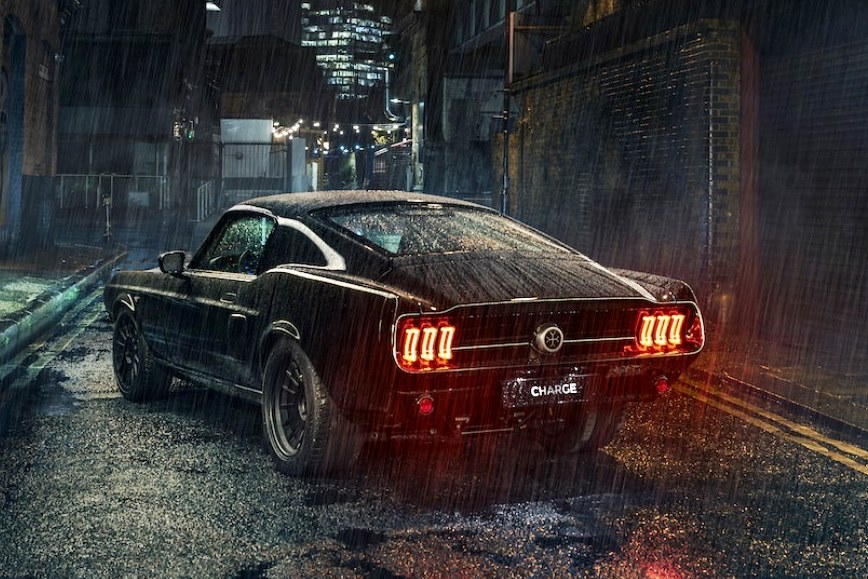
The company has announced its latest ‘restomod’ project to build EVs which is a 499-unit production run of the iconic 1960s Ford Mustang. While some other companies require an existing body and chassis to convert, Charge Cars takes an officially licensed body with the design of the legendary Mustang. The bodyshell (in the fastback style of 1967) is made of composite material but has the necessary engineering to ensure that it is safe and can meet safety requirements for road use.
It’s something like what ACE (a subsidiary of EON) used to do with the TD2000, a model which had the looks of a 1950s MG sportscar but a modern powertrain and chassis. The powertrain was not electric and was a 2-litre petrol engine sourced from Toyota similar to that found in the early RAV4.
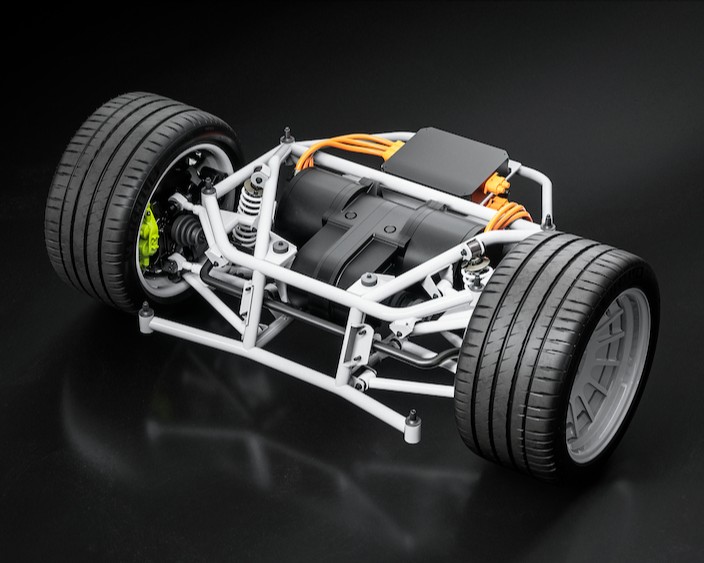
So Charge Car basically builds a new Mustang with the 1960s design and fits an electric powertrain into it. It gets two electric motors which presumably are installed at the front and rear as all-wheel drive is mentioned, something which the Mustang has never had. The total system output is 500 kW (equivalent to 680 ps) and up to 1,500 Nm, so it should easily get from 0 to 60 mph (96 km/h) within the claimed 3.9 seconds. The battery pack, which can be fast-charged, has a capacity of 64 kWh which is said to be good for up to 320 kms.
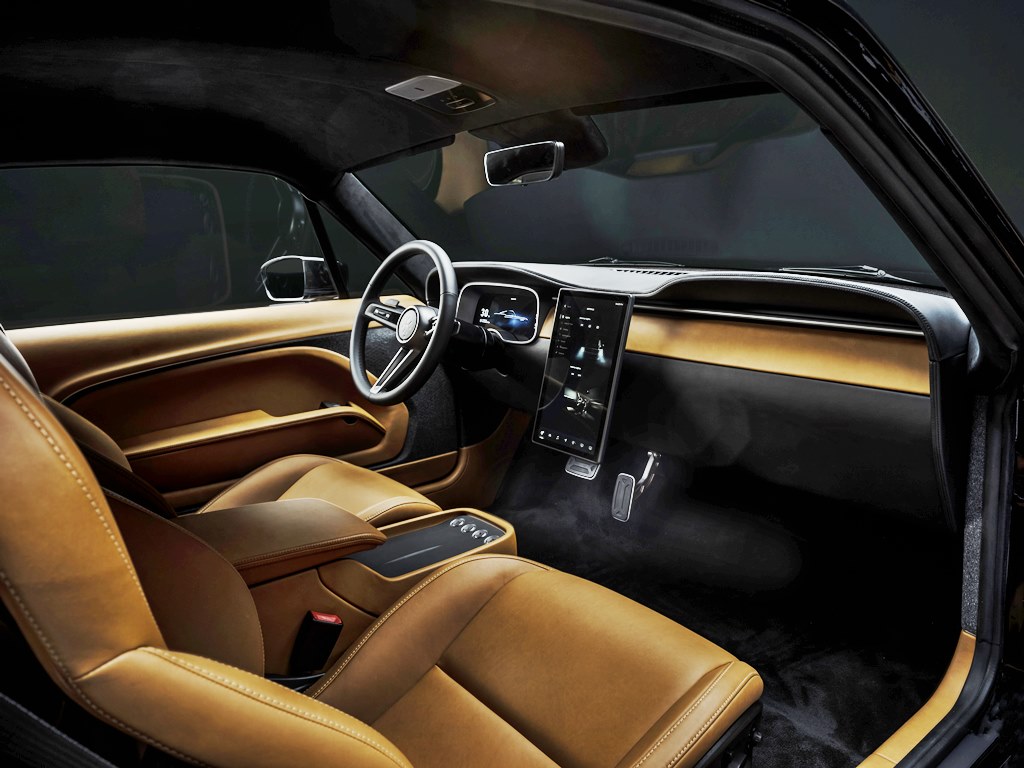
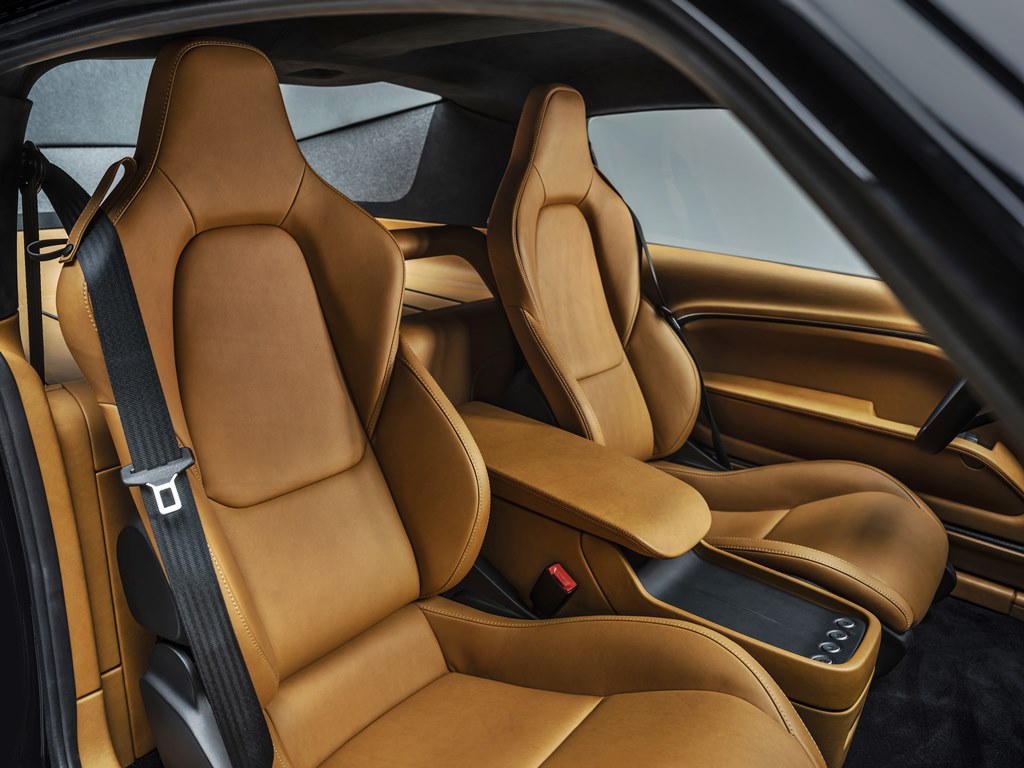
Charge Car will personalize the 2-person interior to customers’ requirements and there are various options and accessories to choose from. While the original Mustang had classic meters, the Mustang EV has digital instruments and a tablet-like centre panel which looks like the same idea as in the latest Mustang Mach-E e-SUV.
Each unit, which would be handbuilt, will cost upwards of £350,000 (about RM1.94 million) ex-factory. Orders are now being taken and the first customers will get their cars by the end of this year or early in 2023.
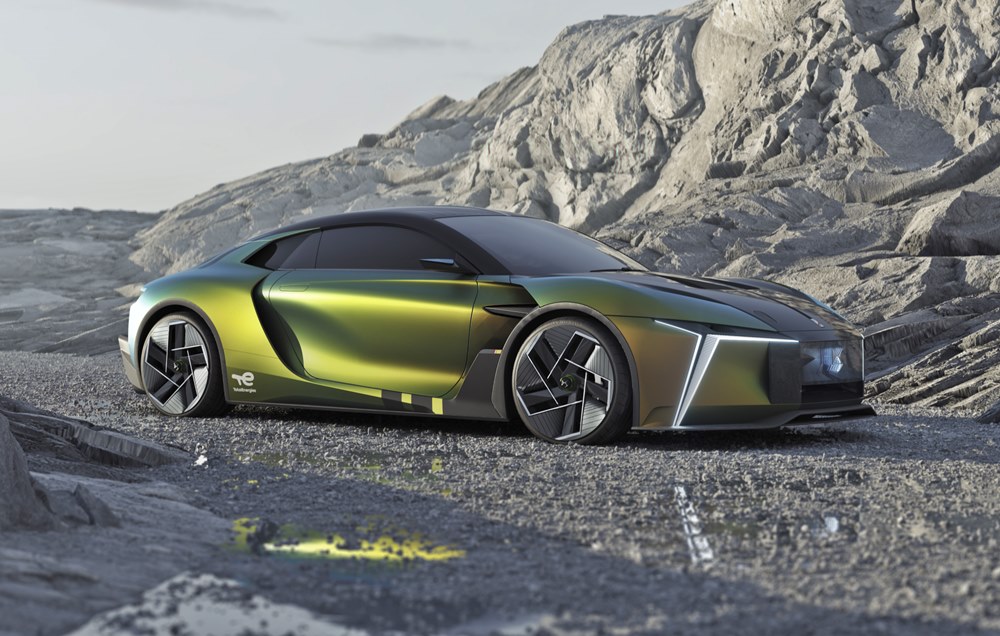
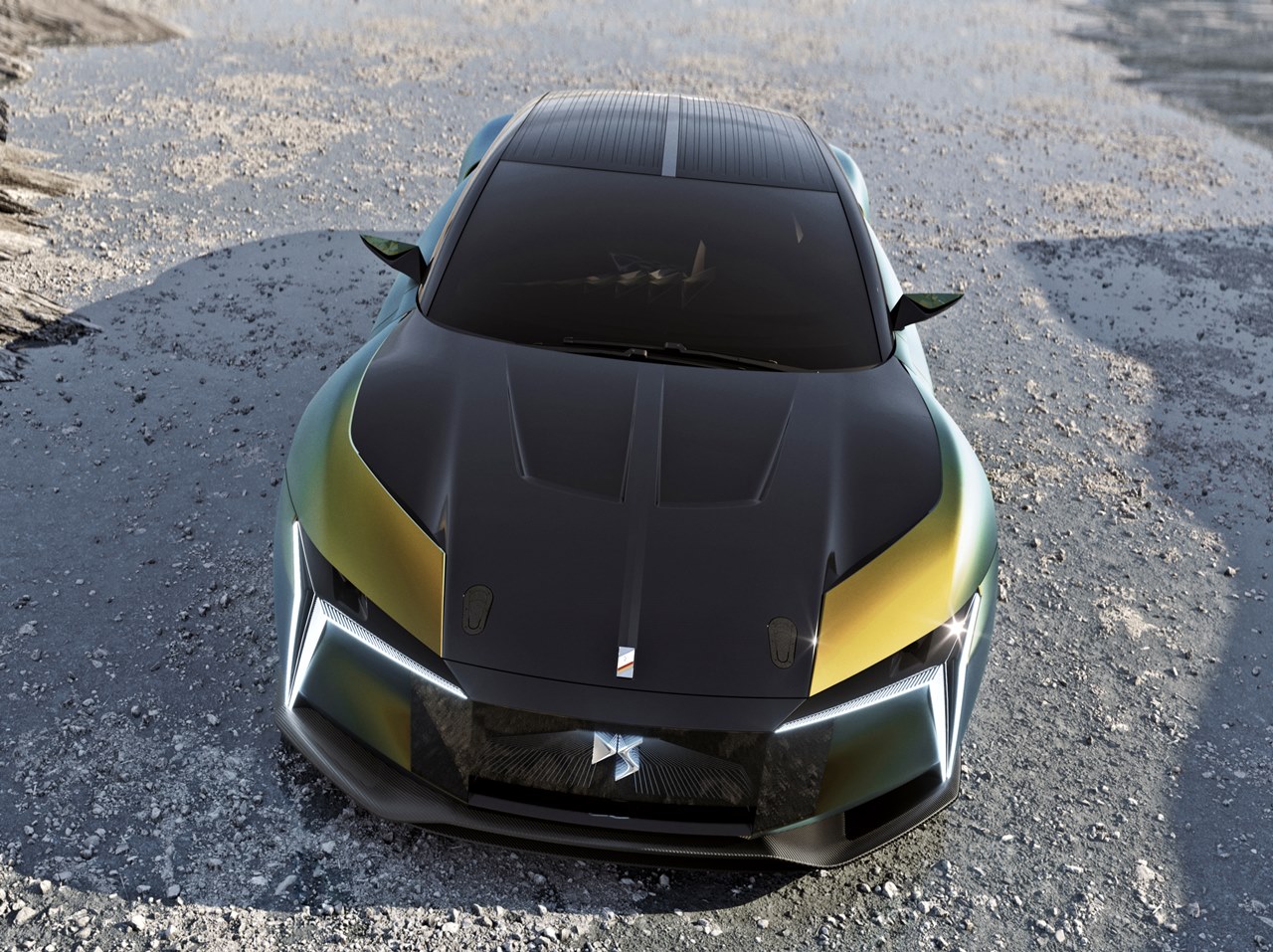
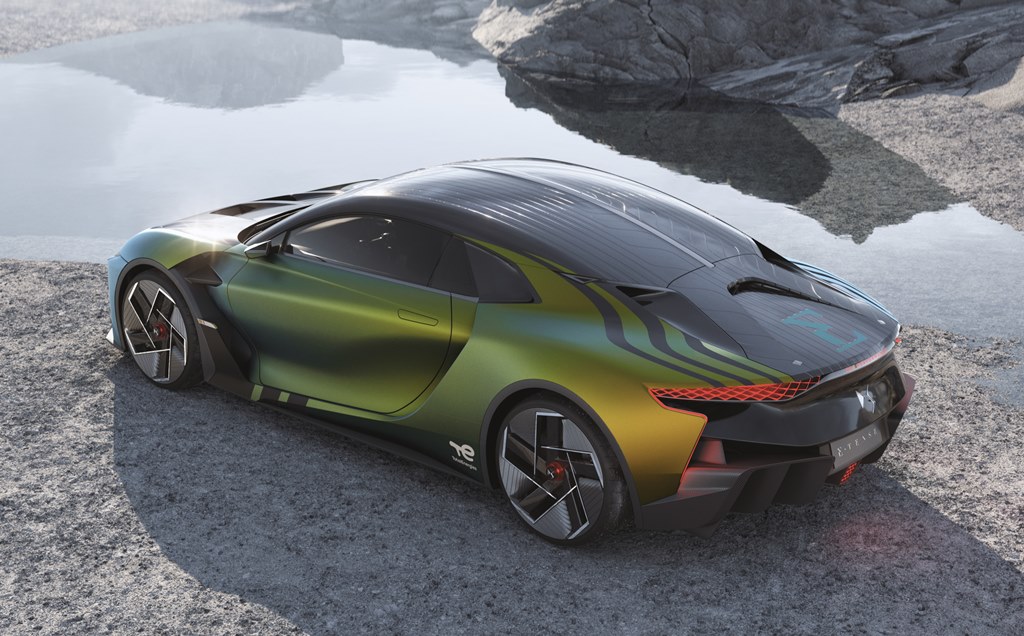
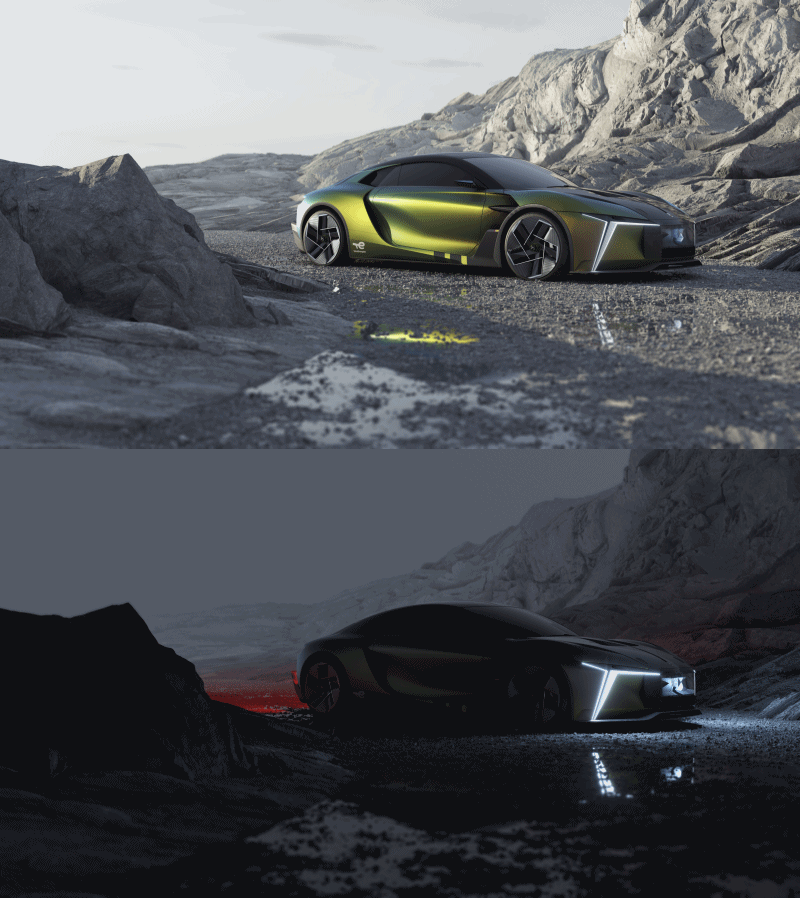
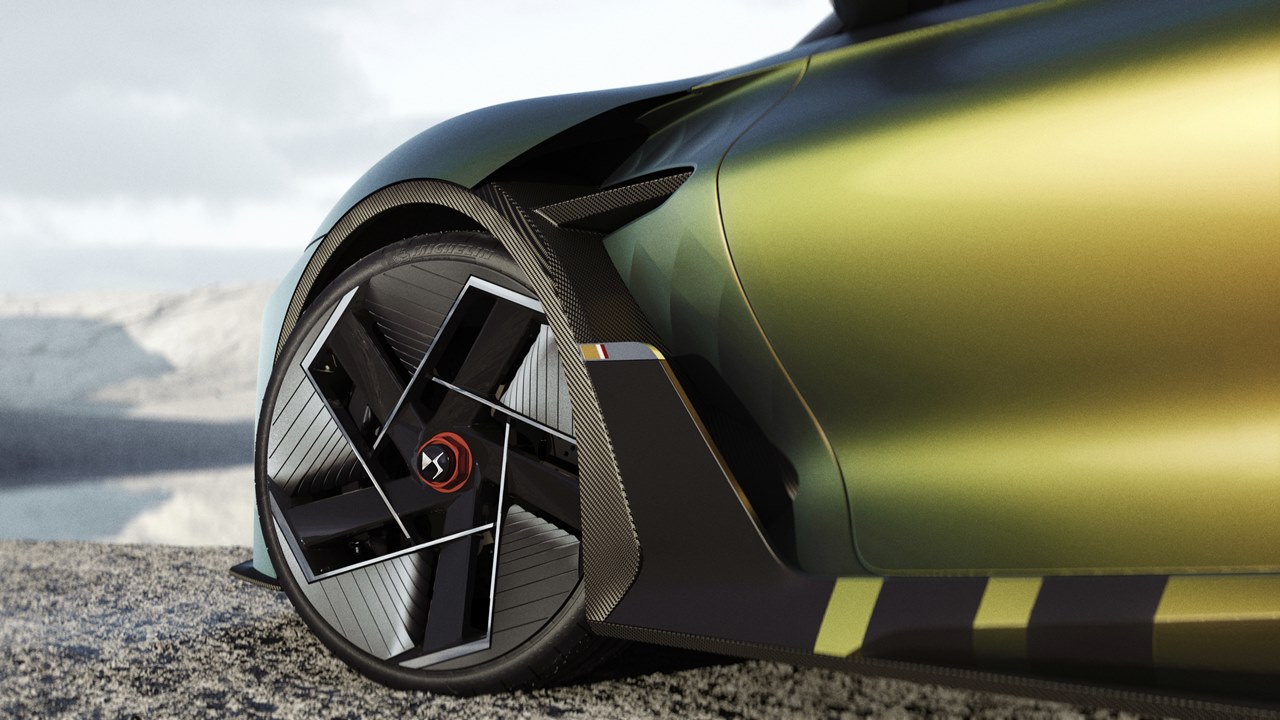
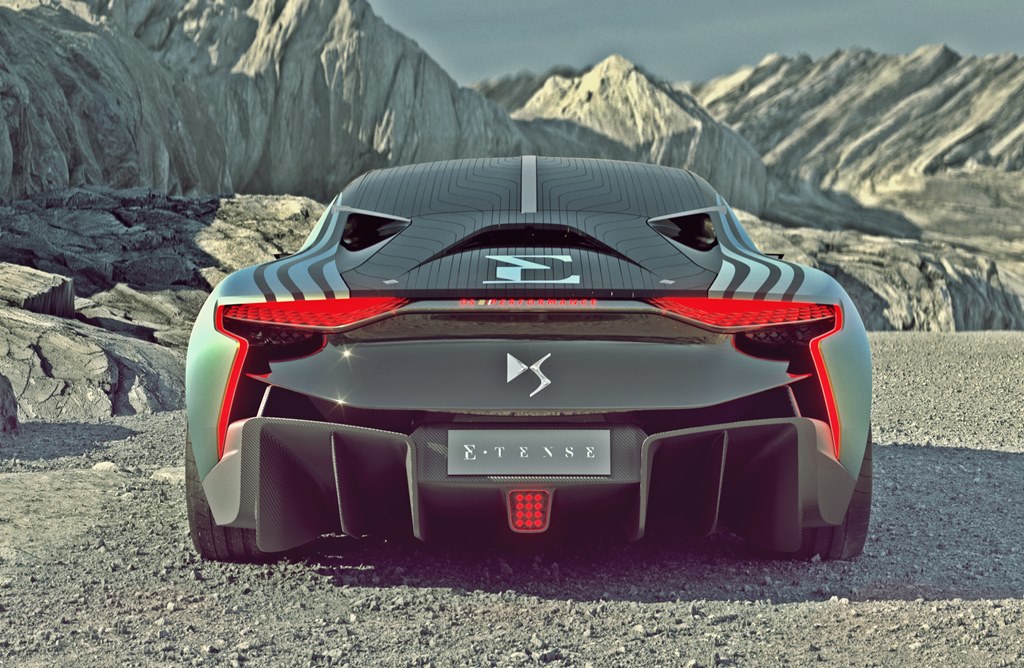
While the extreme design of the E-TENSE PERFORMANCE may make it seem like just a showcar, it is actually intended for use as a high-performance laboratory by DS Automobiles, the spin-off brand from Citroen which became a standalone brand.
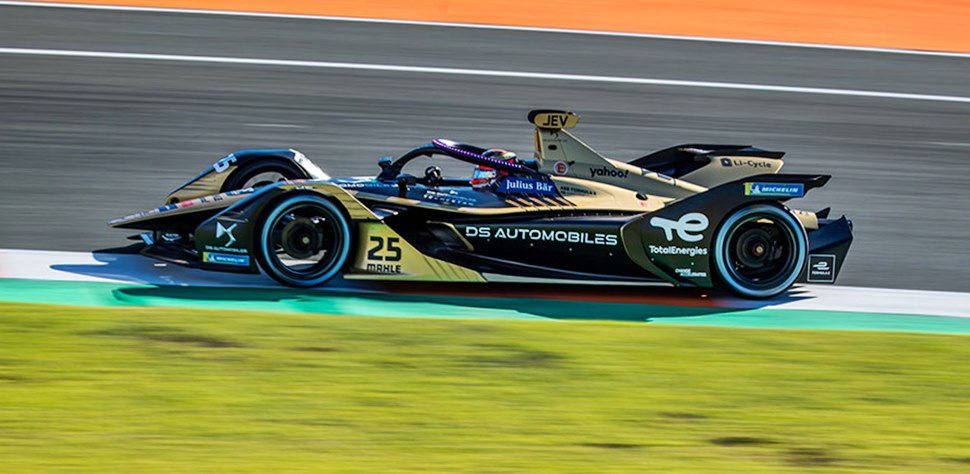
The prototype has been conceived to accelerate the development of technology for the future of DS Automobiles design. It has been devised, developed and created by DS Performance, which has been successfully participating in the single-seater electric Formula E series.
DS Performance has been participating in single-seater electric Formula E series with the French-Chinese TECHEETAH team since 2016.
“Our objective is to apply the experience acquired in Formula E and the expertise that we’ve taken from our international titles to a project which predicts the high-performance electric car of tomorrow. It is a laboratory that we will use to analyse the behaviour of components and to develop them with a view to future manufacturing. The idea is also to find solutions to lower costs, make them easier to manufacture and explore implementations in production models. The next generations of the E-TENSE range will benefit from these developments,” said Thomas Chevaucher, Director of DS PERFORMANCE, the brand’s motorsports division.
Up to 8,000 Nm
The powertrain is made up of two electric motors giving a combined power of 600 kW (250 kW at the front, 350 kW at the back) corresponding to 815 hp and torque of 8,000 Nm at the wheels. Taken straight from DS PERFORMANCE developments for Formula E, these two electric motors prioritise the use of energy in the most effective way. If, physically, the DS E-TENSE PERFORMANCE keeps a braking system with discs and pads for safety, only the regeneration system is used for braking.
The battery pack is one of the fundamental parts of the very high-performance mobile laboratory. It is compact and housed in a carbonfibre-aluminium composite envelope. This is situated in a central rear position for optimum weight distribution. The battery pack, using experience from electric car racing, is developed jointly with TotalEnergies and its subsidiary Saft. It uses innovative chemistry and an immersive cooling system for cells – at odds with current technology – thanks to a bespoke design of Quartz EV Fluid solution. This battery permits phases of acceleration and regeneration of up to 600 kW, enabling the exploration of new avenues for future generations of production vehicles.
The design language
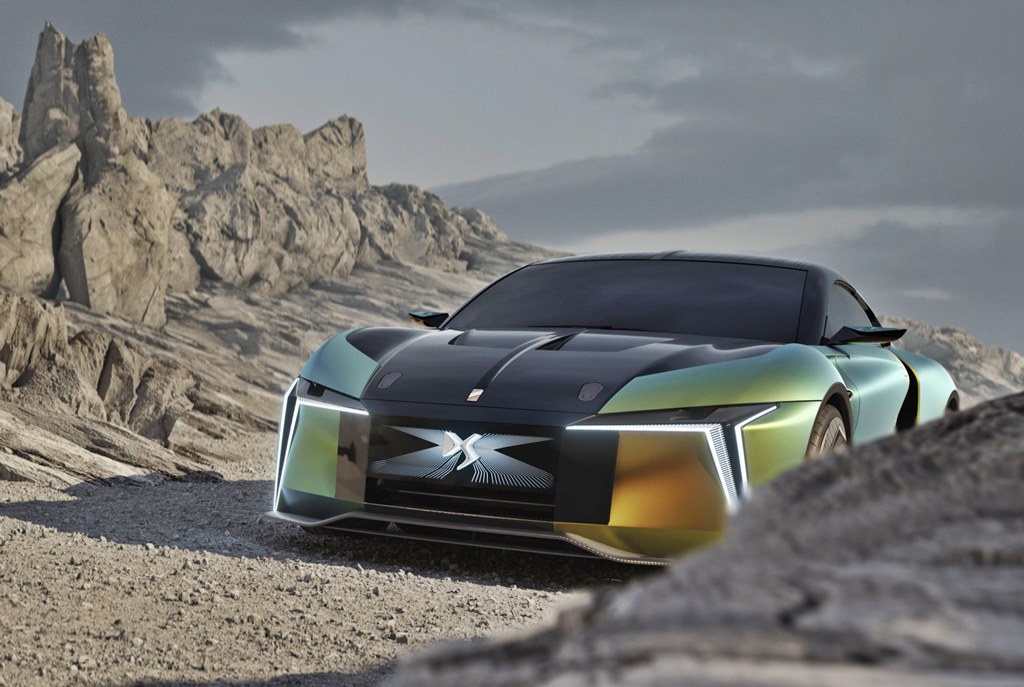
The DS Design Studio Paris was responsible for the extreme form with a frontal appearance that has a new surface for expression in place of the grille. Already suggested by the DS AERO SPORT LOUNGE, this treatment combines the DS Automobiles logo with a 3-dimensional effect that displays a special welcome sequence.
On either side, new daytime lights combine technology and design with unprecedented thinness to give a wide span of light (made up of 800 LEDs). Two cameras are used instead of headlamps, providing a visual identity while enabling useful data to be collected while on the move.
To go with the aerodynamic lines, the bodywork introduces a ‘beetle-effect’ interference colour. Depending on exterior conditions and the viewing angle, the perception of the colour changes and gives a striking contrast against the gloss black surfaces stretching to the bonnet.
The cockpit has been conceived to gather data. Bucket seats and a Formula E steering wheel create an ambience devoted to high performance but there is also comfort and attention to detail. An in-car FOCAL Utopia sound system with a pair of exclusive Scala Utopia Evo speakers give a unique signature sound.
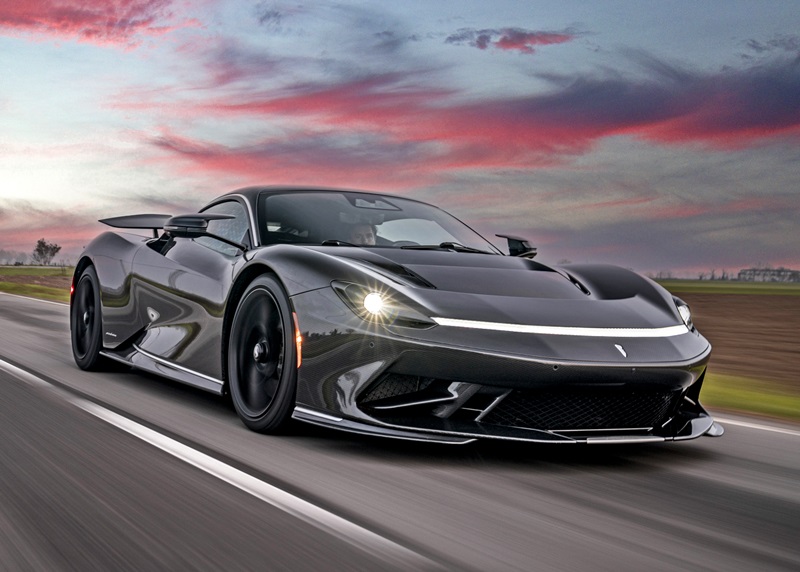
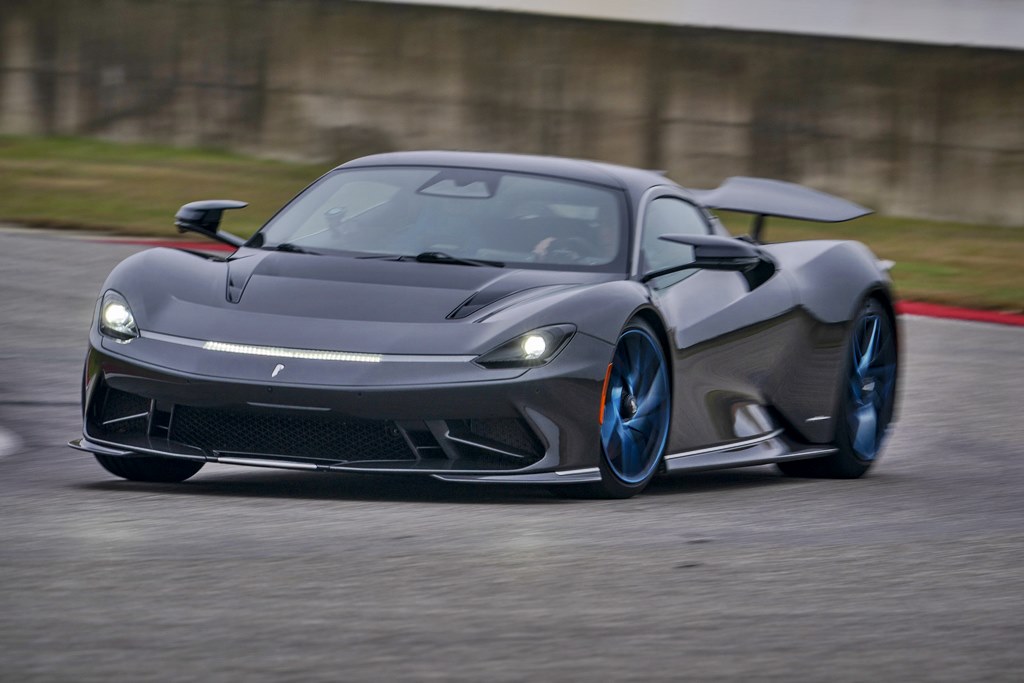
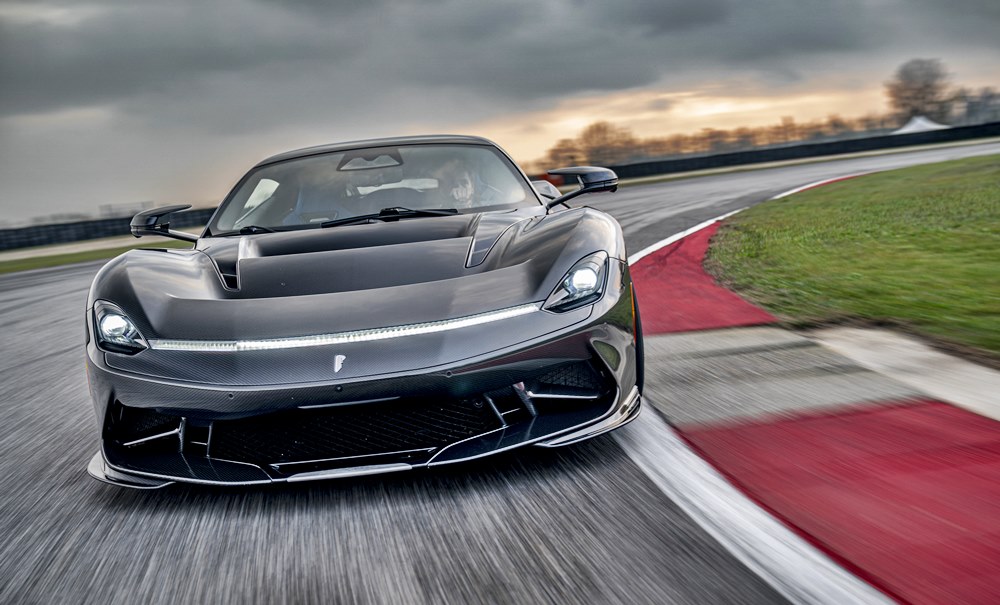
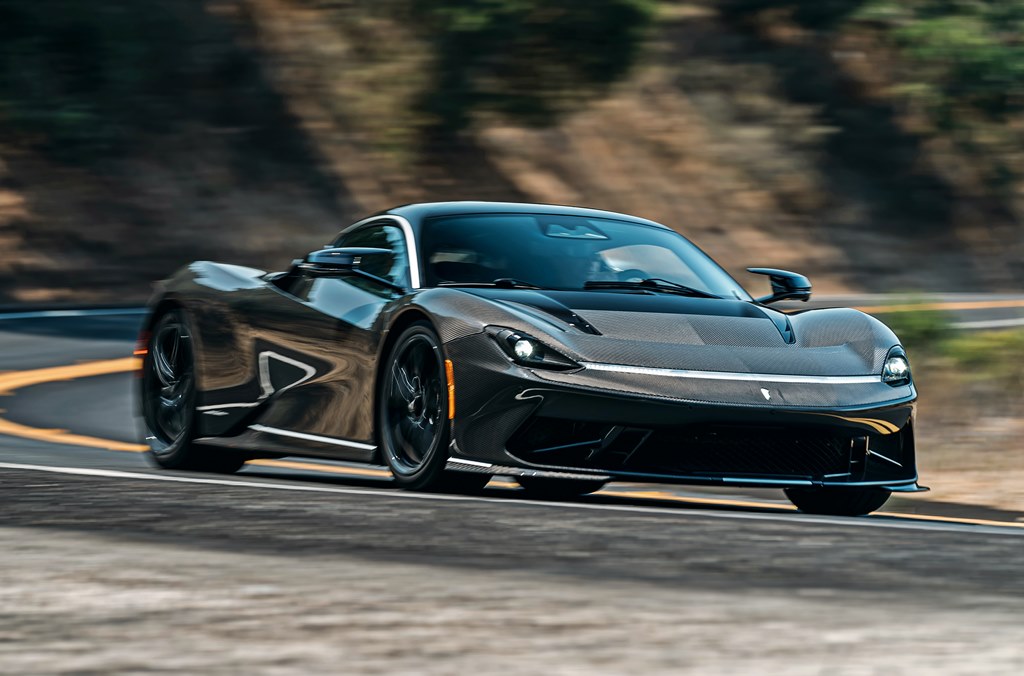
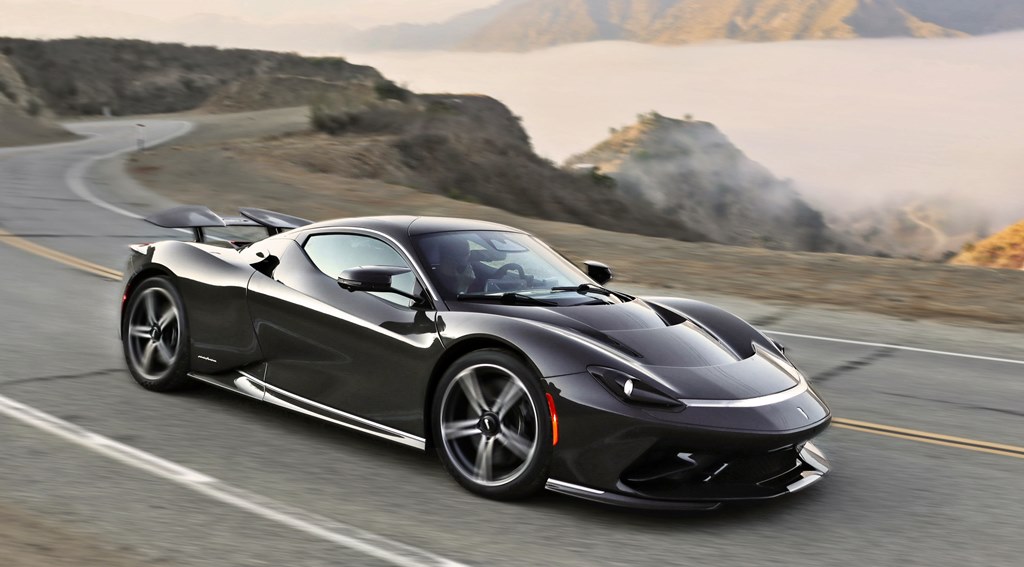
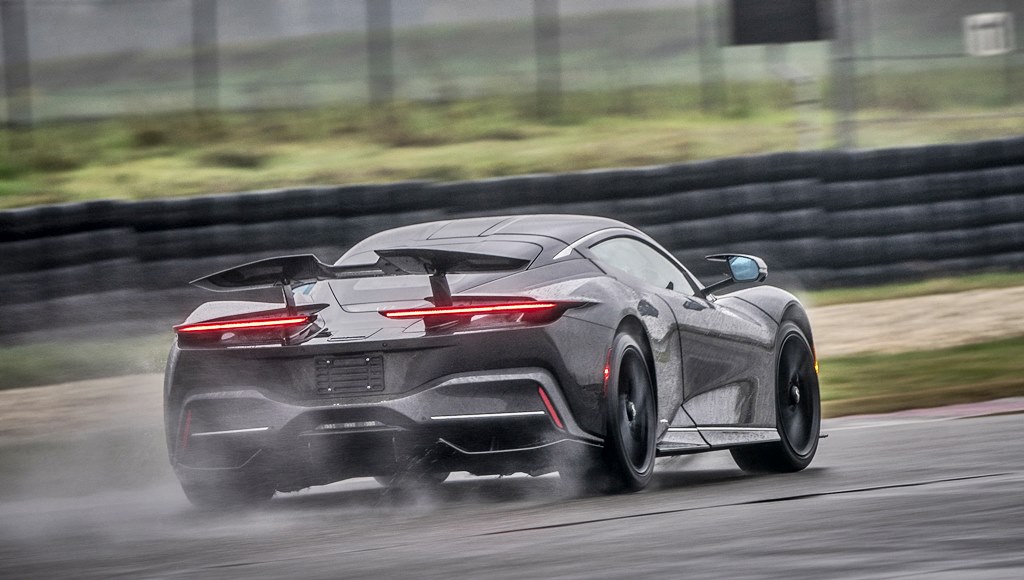
2022 looks like the year of electric hypercars as some manufacturers will either unveil their products or start deliveries. Among them is Automobili Pininfarina which has announced that its Battista hyper GT – Italy’s most powerful production car ever – will start going to customer in early 2022. Final production prototypes have been running with test-drivers completing assessments of various systems.
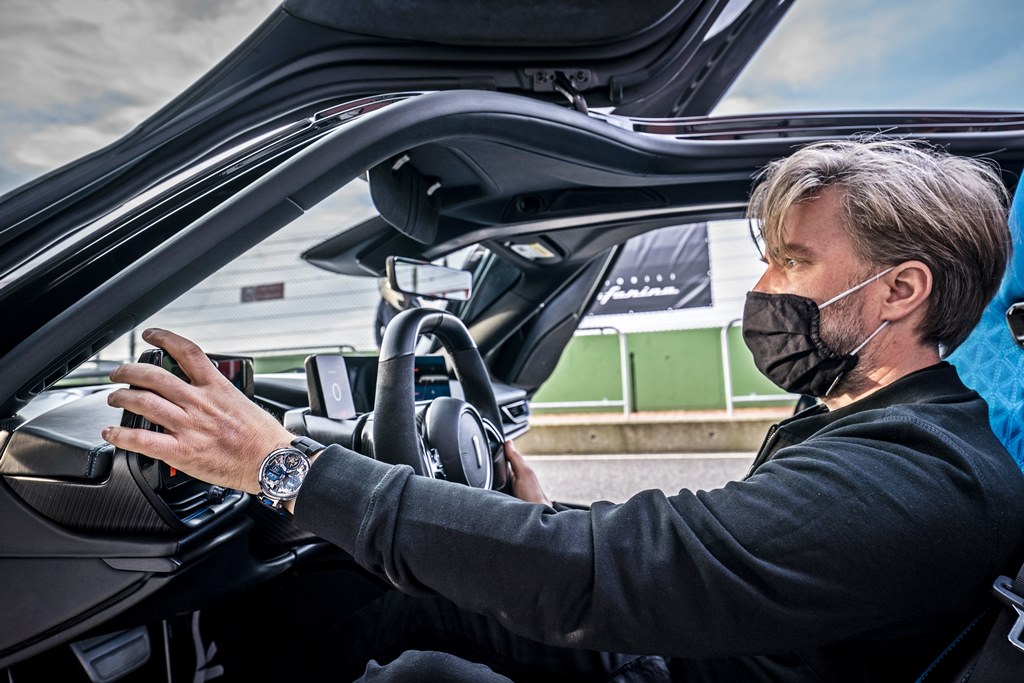
Nick Heidfeld, ex-Formula One and Formula E driver, is a Test and Development Driver for Automobili Pininfarina who has been working with the engineers for the past 2 years. “From the first time I experienced Battista’s performance in 2019 in an advanced simulator, to today on road and track, I believe the Automobili Pininfarina team has successfully developed a unique hyper GT that is enormous fun, as well as incredibly fast,” he said.
Heidfeld has experienced the Battista on the road and track in Italy in production-intent form, accompanied by its emotive soundscape for the first time. “In this test, I was able to drive Battista with full power available. The effect under acceleration is completely mind-bending – drivers will never bore of the experience, no matter how many times they feel it. This roadcar sprints faster than a Formula 1 car, and in Furiosa mode, I was left with a huge grin on my face every time. Every client that experienced Battista with me was positively overwhelmed by the experience – there is simply nothing like it!” said Heidfeld.
The Furiosa mode mentioned unleashes the full 1,900 ps, which also utilises the full torque available from the 4 independent electric motors. Originally projected to produce 2,300 Nm of torque, the Battista is now developing an increased 2,360 Nm. This comes from two 250 kW motors at the front, and two 450 kW motors at the rear, with 280 Nm of torque for each front motor and 900 Nm at each rear motor. Their combined output makes it possible to go from 0 – 100 km/h in a claimed time of less than 2 seconds and reach a top speed of 350 km/h.
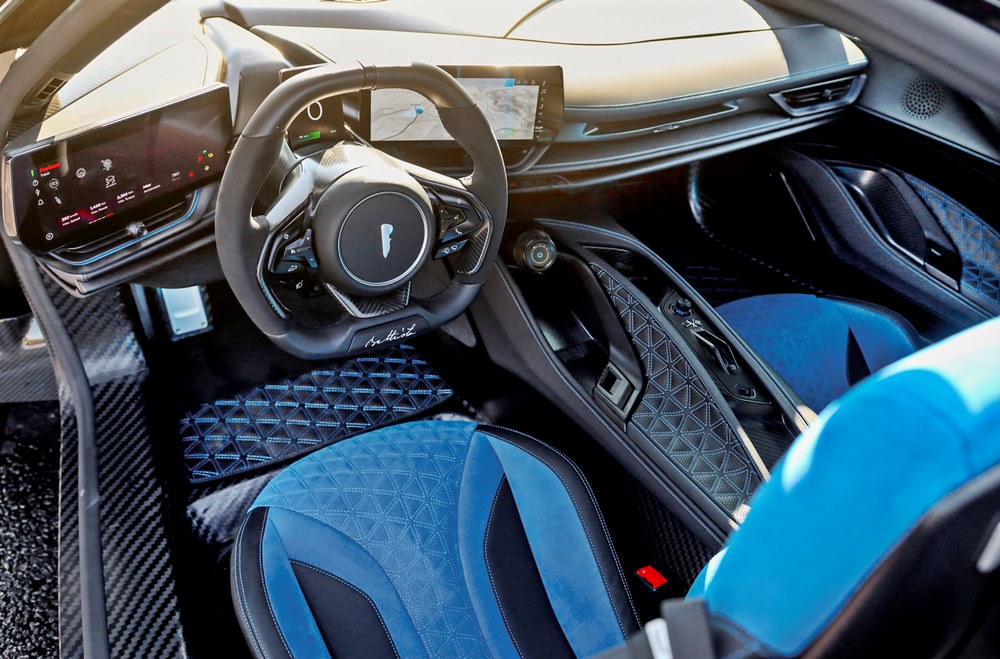
Besides the Furiosa mode, there are 4 others – Pura, Calma, Energica, and Carattere. Control of the driving experience is provided by a beautifully-milled rotary dial, ergonomically situated right next to the driver, allowing for quick changes in driving mode, each one lending a unique character to the Battista’s drive, perfectly adapted to a range of driving conditions.
Calibrated using thousands of kilometres of software simulation before being introduced to development cars, the driving modes allow the driver to fine-tune the driving experience and unlock both the full potential of the advanced torque vectoring system and honed characteristics of the Battista.
The system recuperates and transfers electrical energy without using the brakes – the active energy shifting takes place directly via the 4 electric motors, resulting in a much faster, more precise and efficient shift of torque compared with torque vectoring by braking.
The motors are powered by a powerful 120 kWh lithium-ion battery and, depending on driving style and other conditions, the range is claimed to be up to 500 kms.
“The handling on open roads – even on unpredictable surfaces – proved Battista to be beautifully balanced. Just how a hyper GT should feel. Battista’s performance on track had already surprised and impressed me after I experienced it in Nardo earlier this year, so my expectations on this occasion were set high. This test however confirmed that the team has achieved its target of creating a new type of hyper GT which is rewarding on all surfaces. The ride quality and damping both feel excellent, and the steering feels natural and the perfect fit for what we want to achieve in Battista. I am very sensitive to steering feel as a racing driver, and the sweet spot here is for it to feel light yet connected, and direct yet smooth,” explained Heidfeld.
Paolo Dellacha, Automobili Pininfarina’s Chief Product and Engineering Officer, commended Heidfeld for his input which has helped the engineers to fine-tune the car. “Nick has been a brilliant partner throughout the whole development programme, not only for his driving skills and unique experience in both Formula 1 and Formula E, but also for his ability to evaluate and improve the programme in its various stages of development by delivering the anticipated view of our customers,” he said.
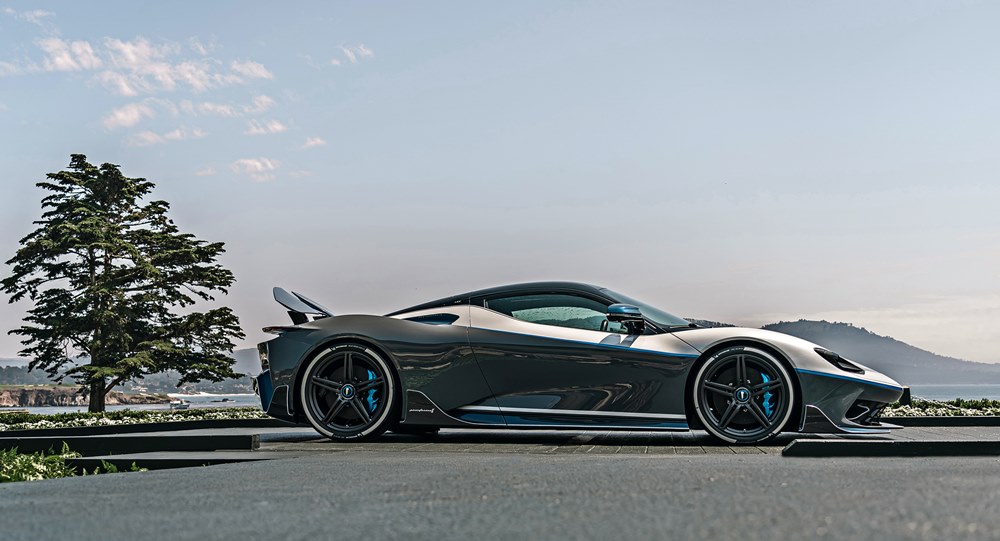
The Battista in production form made its global debut at California’s Monterey Week in August this year. Potential customers had an opportunity to experience the hypercar on the scenic coastal roads and listen to its ‘tailor-made exterior soundscape’. Those who decided they must own one would have to book a unit which will cost from €1.98 million (about RM9.37 million).
It seems that Rolls-Royce Motor Cars either cannot contain its own excitement about its new fully electric car or pressure from its customers has persuaded it to reveal more about the new model. Until now, the company has said that the car will be launched during the decade, which can mean up till 2030. However, today CEO Torsten Muller-Otvos has announced that the finished product will have its global debut as early as the fourth quarter of 2023.
Another ‘otherworldly’ model name
The car’s name has also been revealed: Spectre, which perfectly fits with the other ‘otherworldly’ model names like Ghost, Silver Spirit, Wraith and Phantom. “Spectre is a name given to otherworldly beings synonymous with great power and apparition; creatures of an alternative realm that make their presence felt through fleeting manifestation. A spectre forces the world to pause. It dominates the space it occupies. Then, as quickly as it appears, it dissipates, leaving a wake of exhilaration, energy, and intrigue,” explained Muller-Otvos.
“This name perfectly matches the extraordinary Rolls-Royce that we are announcing today – a motorcar that makes its presence felt before disappearing into a world inaccessible to all but the very few. As a quintessentially British brand, we have selected the British spelling; however, the meaning is universal,” he added.
Road-testing to commence soon
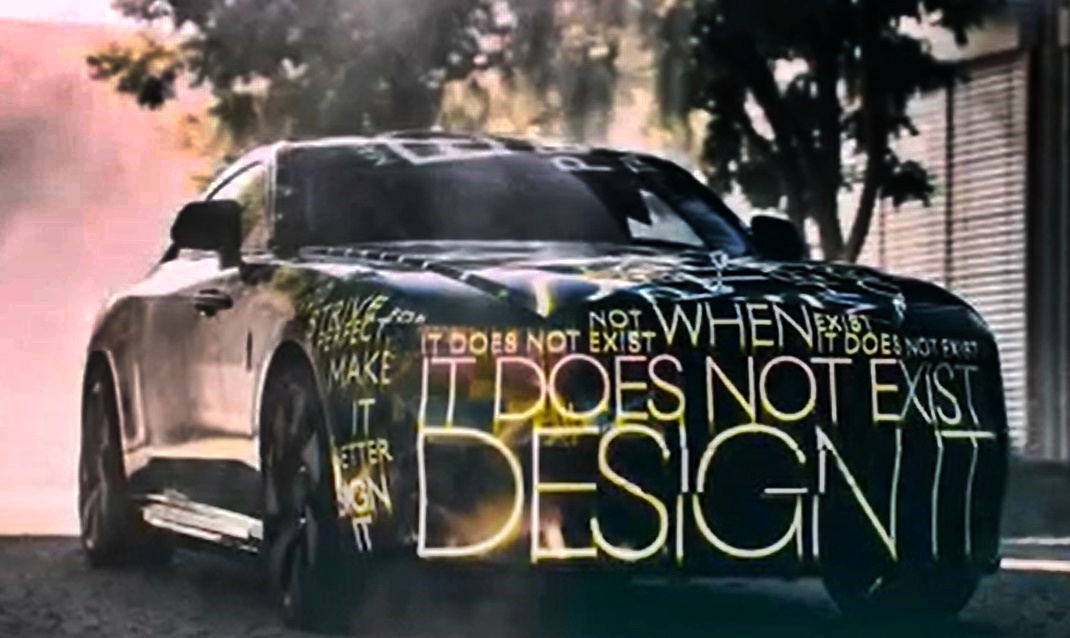
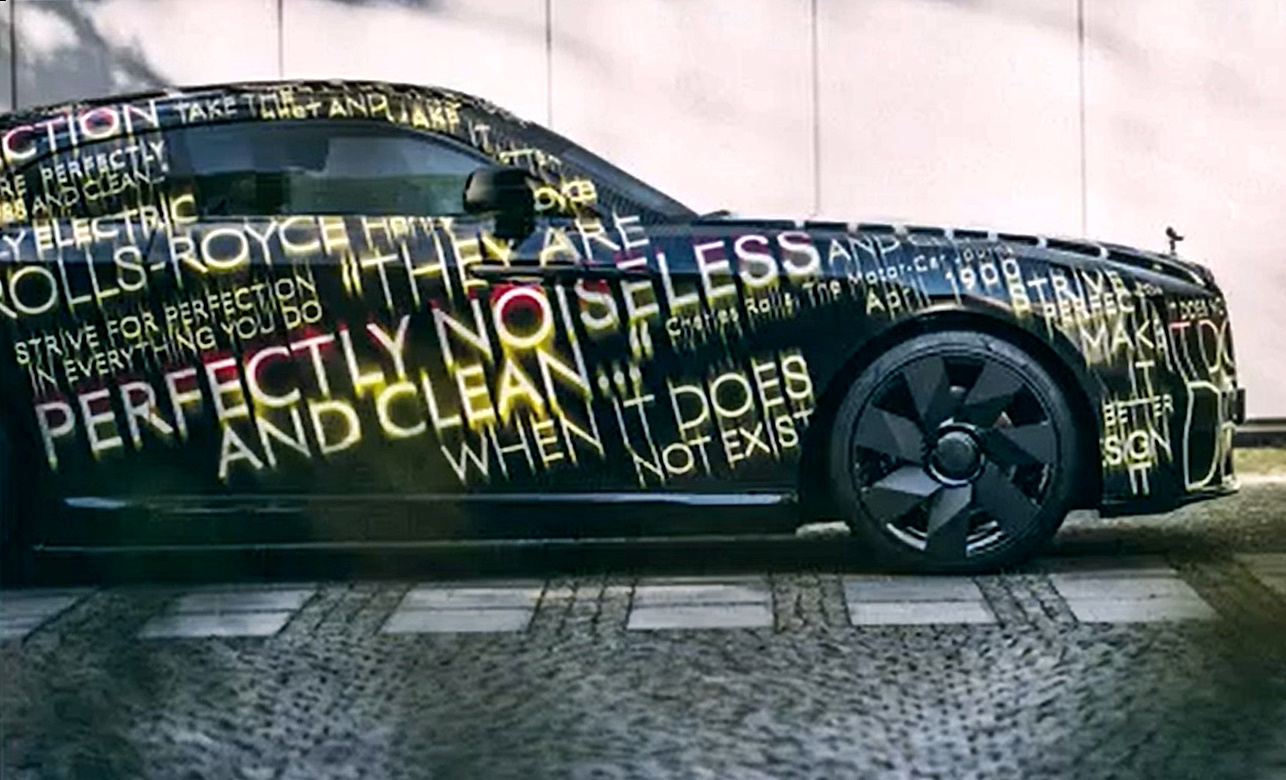
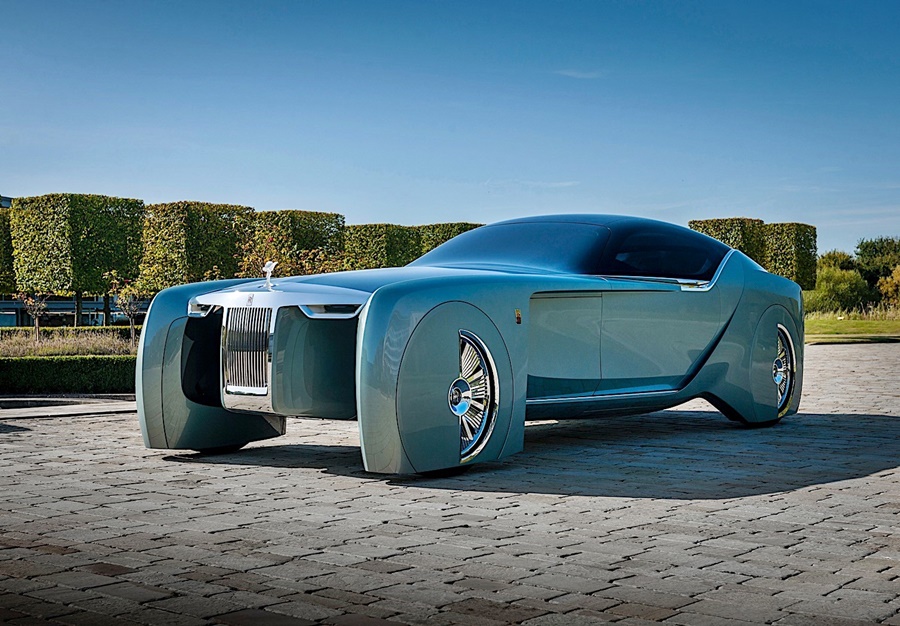
Understandably, technical details are sparse at this time and the first two pictures of the camouflaged car do not reveal much although the side view does show a sleek form. Certainly, it will be nothing like the VISION NEXT 100 (103EX) concept shown earlier. The new car will begin testing shortly, which could explain why the company is making the announcement today. “This is not a prototype. It’s the real thing, it will be tested in plain sight,” he said. “We have conceived the most demanding testing programme in Rolls-Royce’s history. We will cover 2.5 million kilometres – a simulation of more than 400 years of use for a Rolls-Royce, on average – and we will travel to all four corners of the world to push this new motorcar to the limit.”
“You will see these test cars on roads, around the world. Look out for them – they will be in plain sight. They will be tested in all conditions and over all terrains on their multi-million-mile journey – that will literally accelerate Rolls-Royce into the future,” he added. Of course, the cars are likely to be heavily camouflaged.
Building up expertise in electric cars
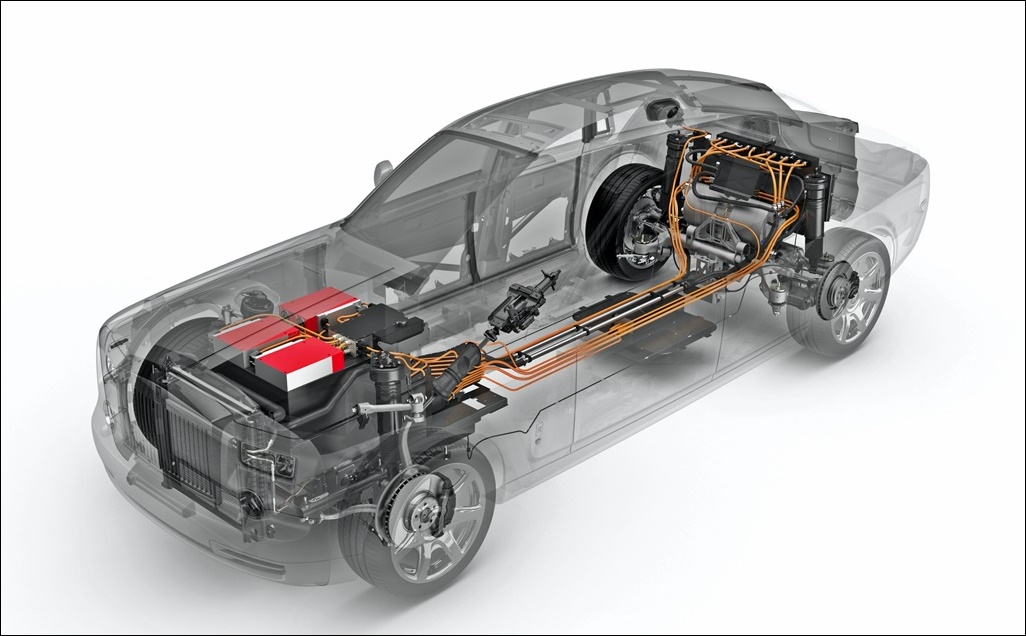
Besides the fact that the founders of the company – Charles Rolls and Henry Royce – were familiar and even experienced electric cars over 100 years ago, the company has also been building up its expertise in electric powertrains for some time. “At Rolls-Royce, we have been experimenting with an electric powertrain for some time. In 2011, we revealed 102EX, a fully operational all-electric Phantom. We followed this in 2016 with our fully electric 103EX, which represented our vision for the marque several decades into the future,” said Muller-Otvos.
Layout of the electric powertrain in the 102EX.VISION NEXT 100 (103EX)
“We embark on this bold new future with a huge advantage. Electric drive is uniquely and perfectly suited to Rolls-Royce Motor Cars, more so than any other automotive brand. It is silent, refined and creates torque almost instantly, going on to generate tremendous power. This is what we at Rolls-Royce call ‘waftability’,” he added.
Exclusive spaceframe architecture
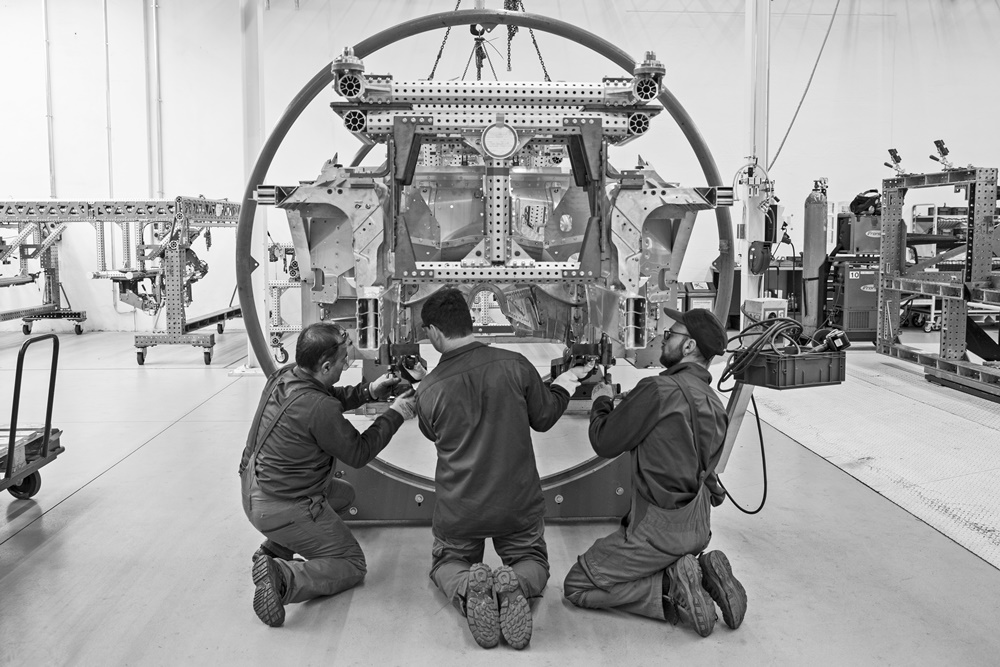
“In 2016, we debuted Phantom and, with it, the marque’s proprietary aluminium architecture: a scalable and flexible spaceframe that would underpin all forthcoming Rolls-Royce motorcars. This unique technology – developed for Rolls-Royce by Rolls-Royce and reserved for the marque’s exclusive use – was created to form the foundation of not just different internal combustion engine models, as it now does with Cullinan and Ghost, but models with completely different powertrains.”
Part of the proprietary aluminium architecture with a scalable and flexible spaceframe to be used for the Spectre.
“To this end, our forthcoming electric car benefits from the Rolls-Royce architecture and therefore the extraordinary experience of a Rolls-Royce on the road. Free of any group platform sharing strategy, we were able to integrate our plans for an electric powertrain into the architecture’s initial design and ensure that this extraordinary new product meets the extremely high expectations of our clients,” he explained.
“With this new product, we set out our credentials for the full electrification of our entire product portfolio by 2030. By then, Rolls-Royce Motor Cars will no longer be in the business of producing or selling any internal combustion engine products,” he declared.
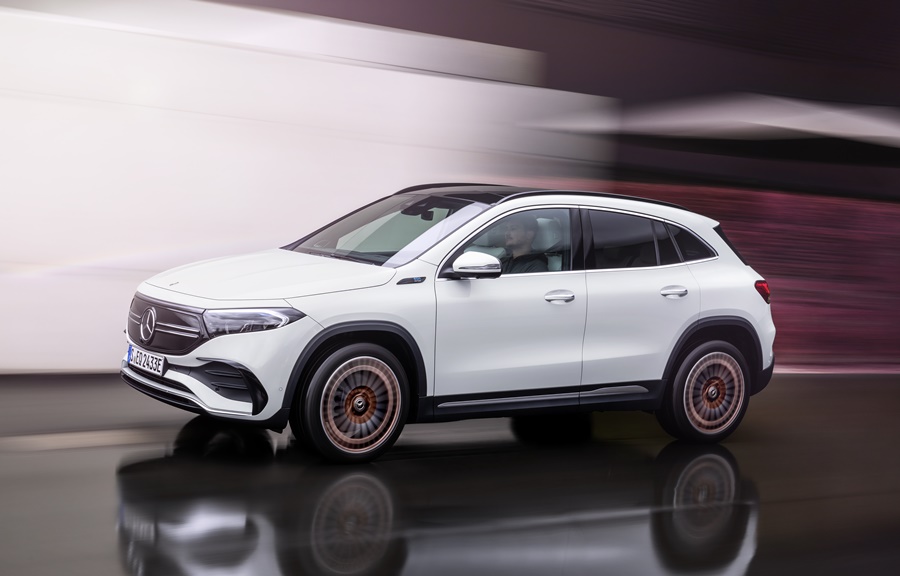
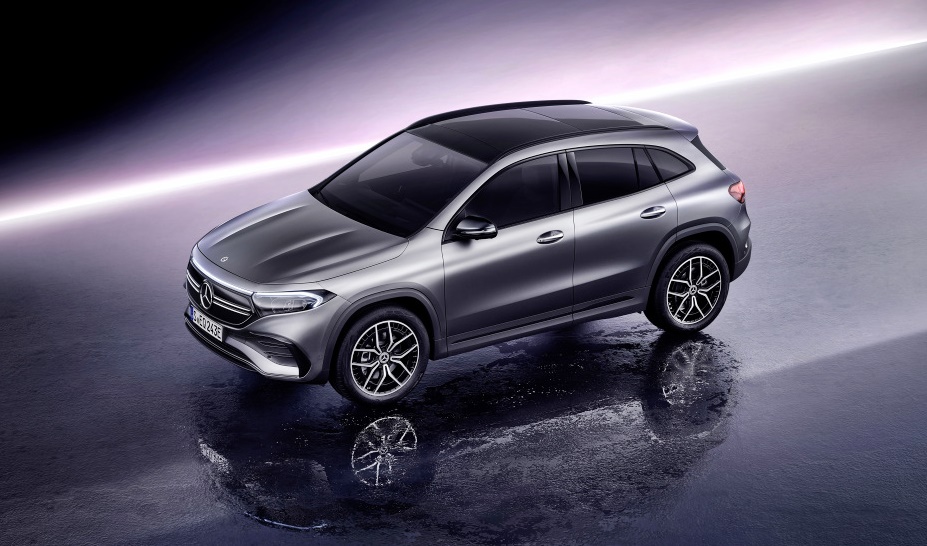
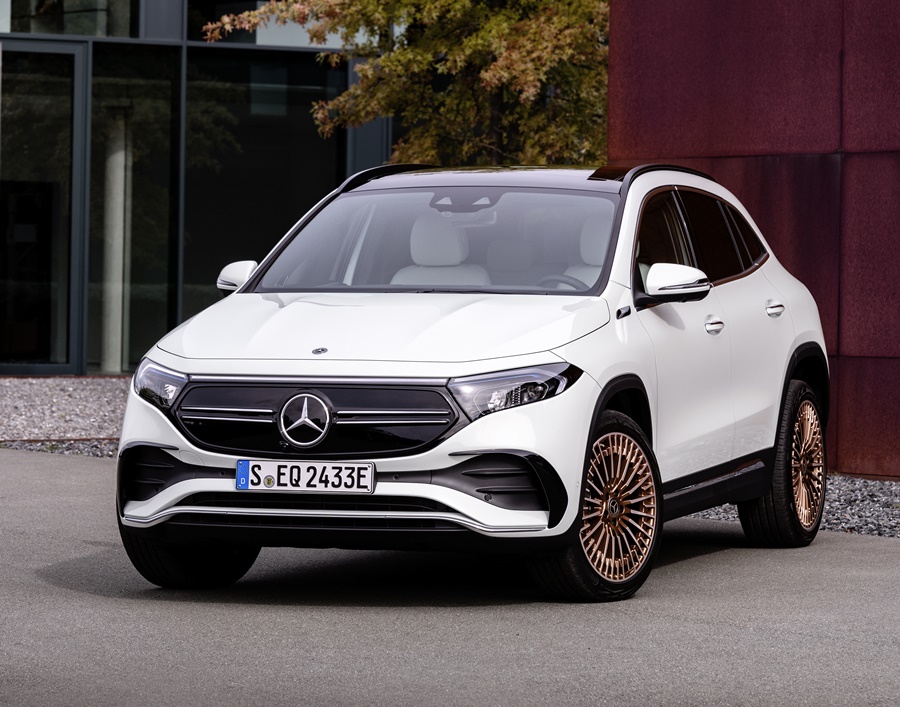
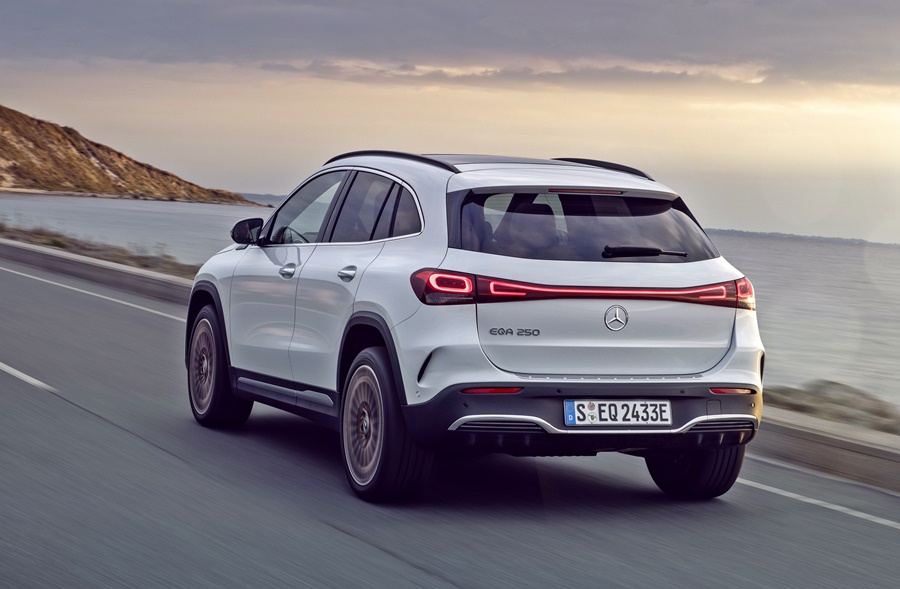
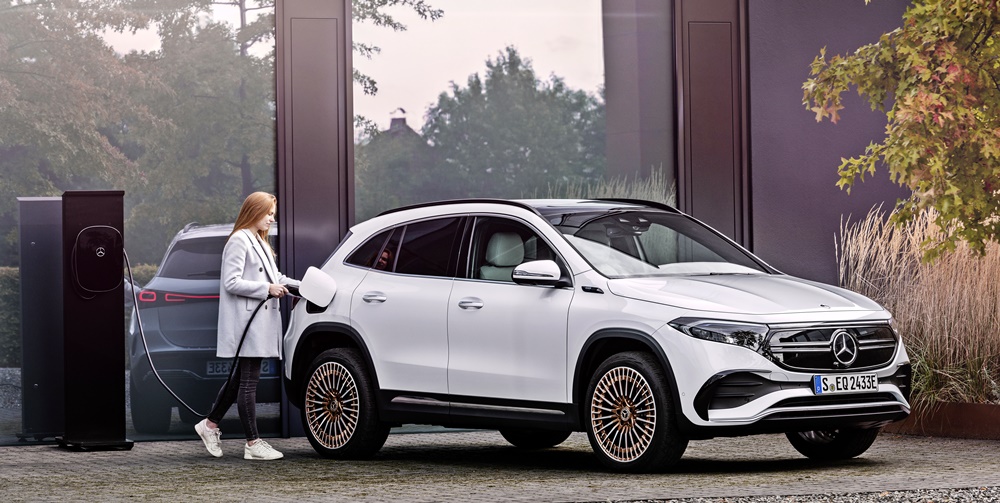
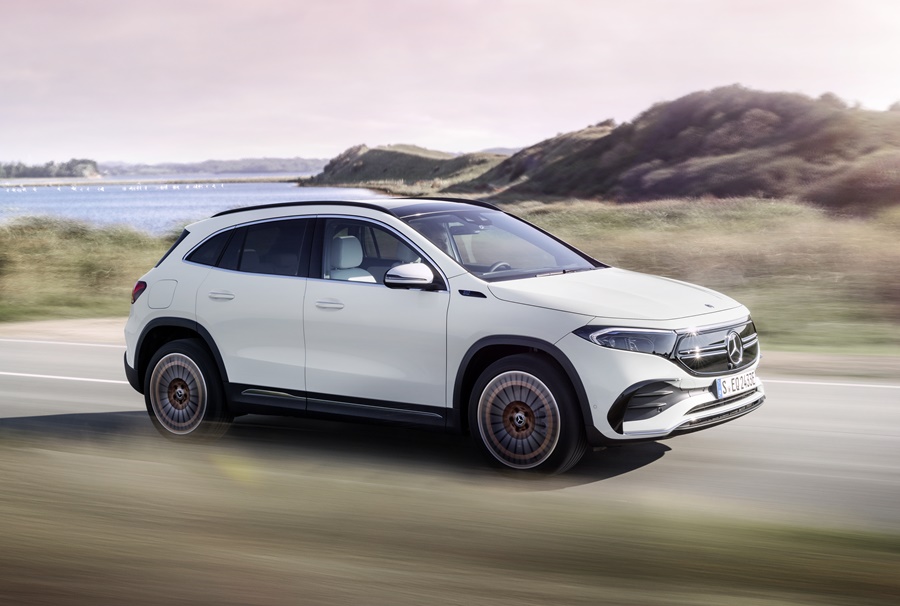
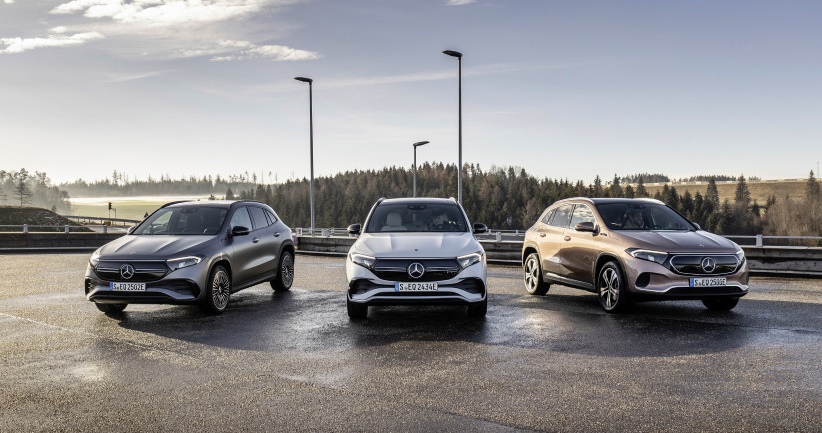
Mercedes-Benz continues its roll-out of its all-electric EQ range, which will total 10 models by 2022, with the unveiling of the EQA. The ‘A’ indicates its entry-level positioning in the big Mercedes-Benz family, and it is considered a member of the compact car line although it has a dedicated electric powertrain.
Besides being built in Germany, from which European dealerships will soon get their units, the EQA will also be built in China. The first version, the EQA 250, will be sold in Germany at prices from 47,540.50 euros (about RM233,000) with various rebates being available from the government and also the manufacturer.
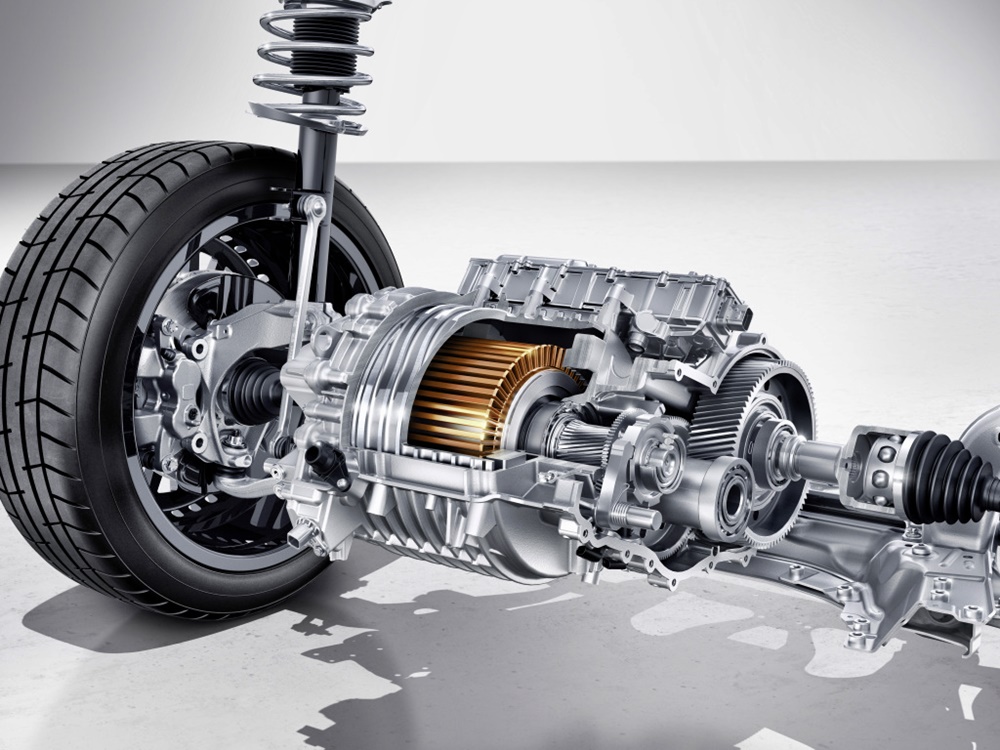
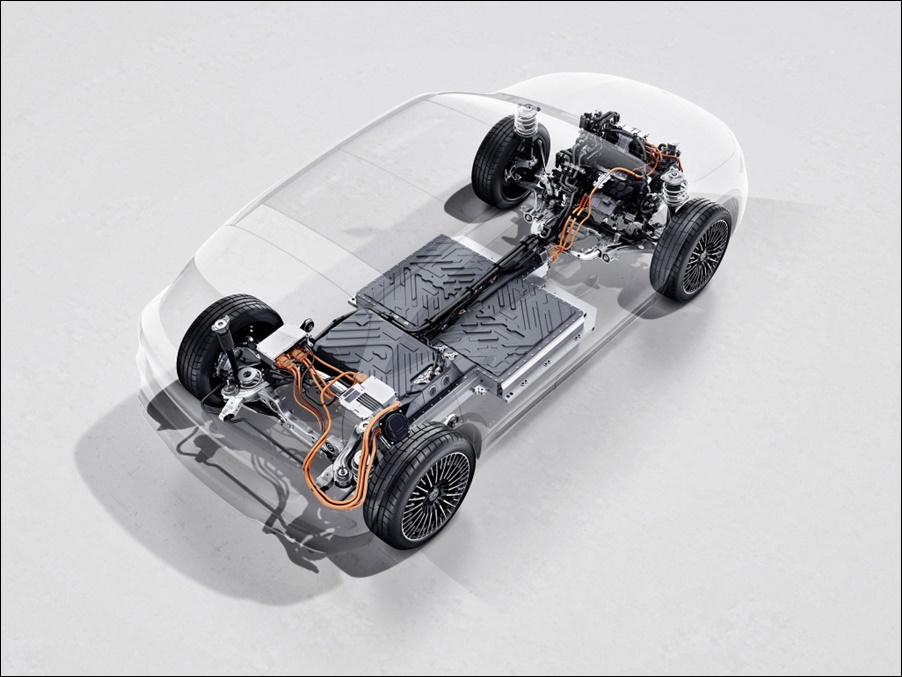
The EQA 250 has a ‘double-decker’ lithium-ion battery pack which sits as a structural element within the underbody of the vehicle. In order to meet the low levels of noise and vibration expected from the brand, complex damping measures have been taken to isolate the electric powertrain from the chassis and body.
The battery pack has an energy content of 66.5 kWh and a stated combined electric consumption of 15.7 kWh/100 kms, and a claimed range of 486 kms. Further variants to meet specific customer requirements will follow. These will include all-wheel-drive with an additional electric powertrain, and, for those wanting range, a version that will go more than 500 kms.
Charging management
At home or at public charging points, the on-board charger provides a convenient way of charging the EQA with up to 11 kW using alternating current (AC). The charging time required for a full charge depends on the available infrastructure and the country-specific vehicle equipment. Charging at a Mercedes-Benz Wallbox would be considerably faster than at a domestic power socket. Faster speeds can be achieved at direct current (DC) rapid charging stations. Here, the EQA can be charged with a maximum output of up to 100 kW from 10% – 80% in around 30 minutes.
Electro-aesthetics
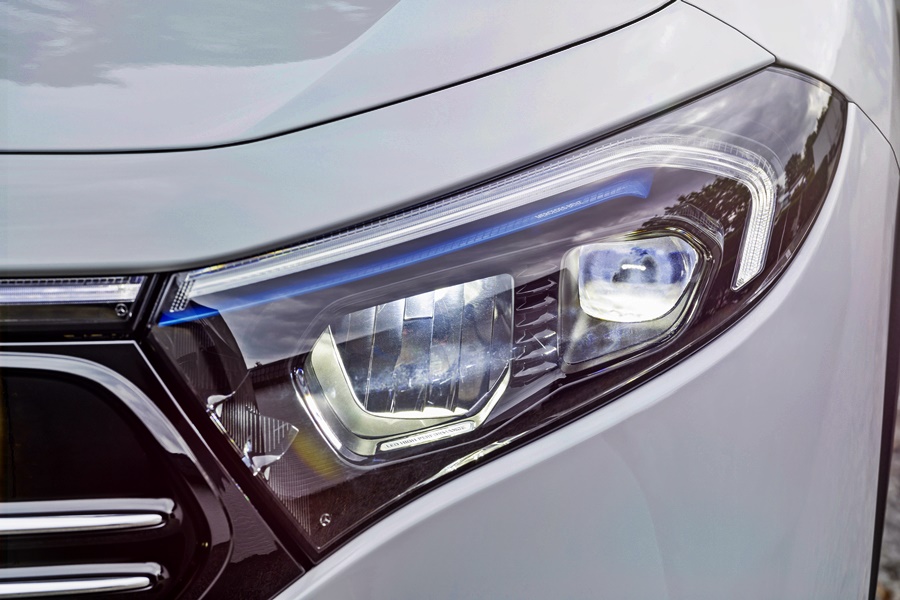
The EQA features the black panel radiator grille with the central star, which will be used for all EQ models. A further distinctive design feature of the all-electric vehicles is the continuous light strip at front and rear. A horizontal fibreoptic strip connects the daytime running lights of the full-LED headlamps, ensuring a high level of recognisability both in daylight and at night. Blue colour highlights within the headlamp reinforce the signature Mercedes-EQ appearance.
The LED tail lamps merge seamlessly into the tapered LED light strip, thus underlining the impression of width in the rear view of the EQA. The licence plate has also been relocated to the bumper. Exclusive to this model are light-alloy wheels in a bi or tri-colour design, up to 20 inches in size, in some cases with rosé gold-coloured or blue decorative trim.
Efficiency the key factor
The frontal area totals 2.47 square metres, contributing to a Cd of 0.28. Aerodynamic measures adopted include the completely closed cooling air control system in the upper section, the aerodynamically efficient front and rear aprons, a very smooth, almost completely enclosed underbody, specially optimised Aero wheels and specifically adapted front and rear wheel spoilers.
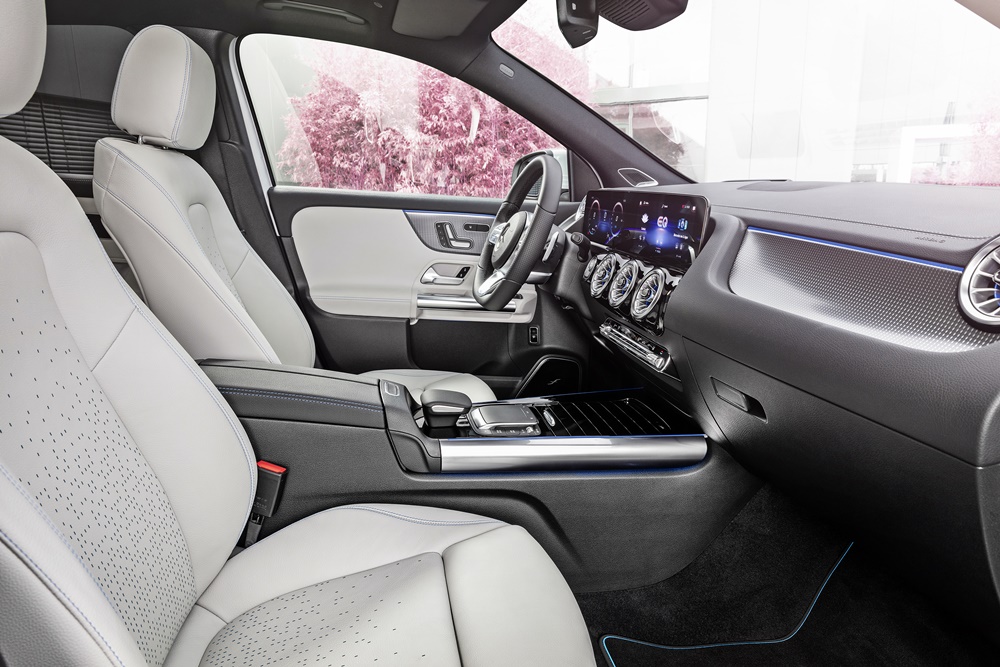
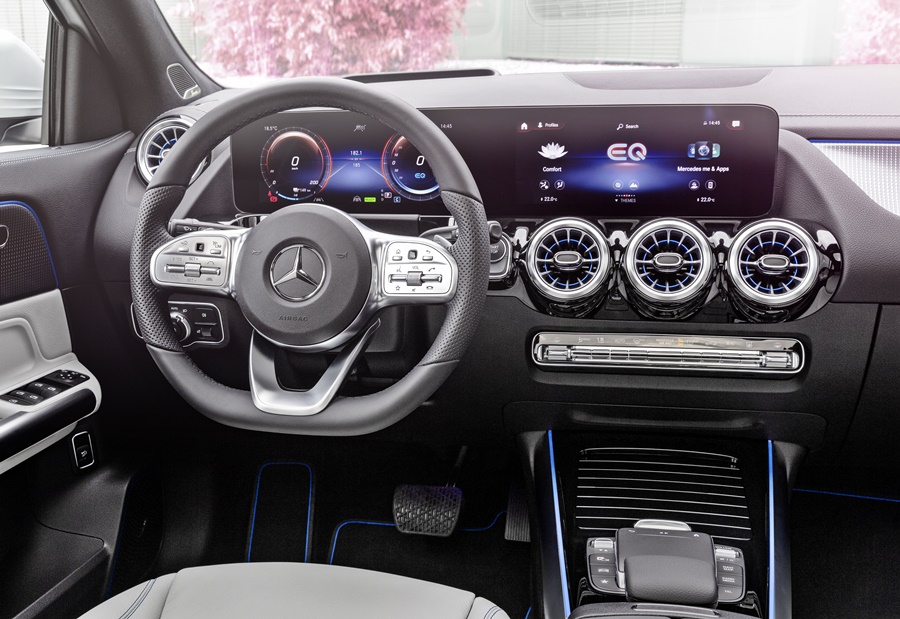
An indication of the electric character in the interior of the EQA is provided by a new-style back-lit trim element and rose gold-coloured decorative trim on the ventilation outlets, seats and the vehicle key. The Edition 1 special model additionally features perforated leather seats, through which blue fabric can be seen. The instruments, with their electric car-specific displays, pick up on the same colour scheme with rose gold-coloured and blue highlights.
The seating position is high and upright, as is typical for an SUV – making it not only comfortable for getting in and out, but also good in terms of all-round visibility. Utility value was one of the general focuses during development and as with most SUVs, the rear seat backrests are divided 40:20:40 and can fold down to vary cargo volume and floor length.
The standard heat pump forms part of the sophisticated thermal management system. With its numerous innovative details, such as the reuse of the waste heat from the electric drive system, the system is configured for exceptional efficiency and thus maximum range.
Latest MBUX with EV-specific features
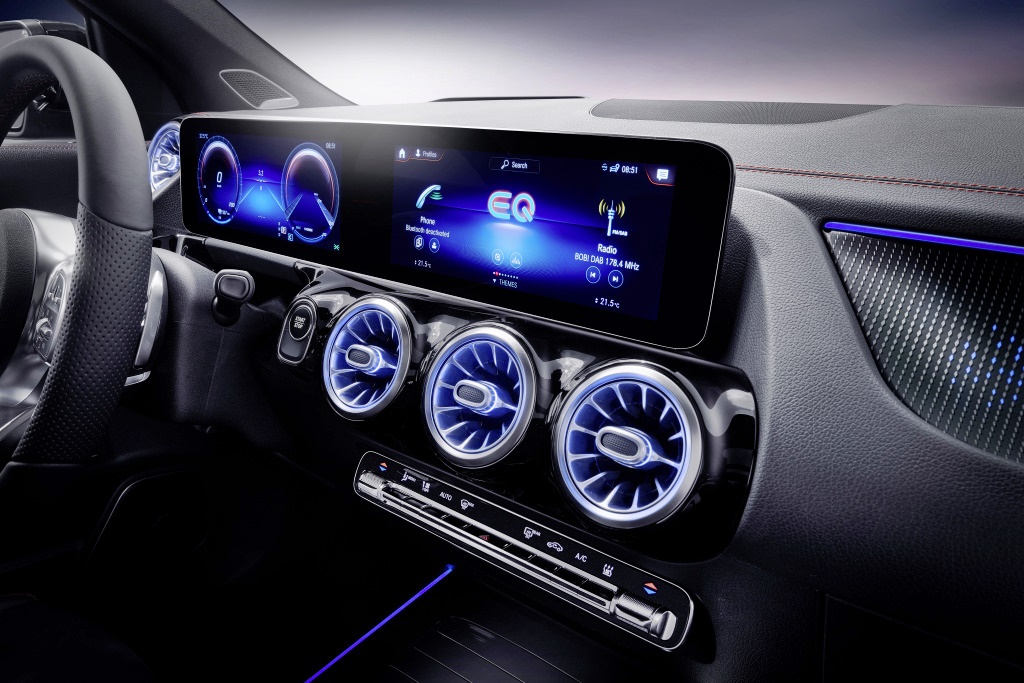
Included as standard is, of course, the intuitively operated MBUX infotainment system (Mercedes-Benz User Experience). MBUX, with a powerful computer system, can be individually configured with the help of various options. It has learning software and voice control activated by the keyword ‘Hey Mercedes’, and options such as a full-colour head-up display, navigation with augmented reality,
The Mercedes-EQ tile in the media display can be used to call up menus relating to charging options, electrical consumption and energy flow. The right-hand display within the instrument cluster is a wattmeter rather than a tachometer. The upper section shows the percentage of power used, the lower section the recuperation. The left-hand instrument can be used to show whether the destination can be reached without an interim charging stop.
The colours change according to the driving situation. During a boost process, for example, the display changes to white. Depending on mood, or to match the particular interior, the user has a choice of four different styles.
In conjunction with Mercedes me, the URBAN GUARD Vehicle Protection and URBAN GUARD Vehicle Protection Plus enable all-round monitoring of the parked vehicle, including its location. If the service is active, the driver is informed via the Mercedes me App not only if the vehicle is being removed (as in being stolen) but also the severity of parking damage and in which area of the vehicle it occurred. In the case of the latter, the vehicle sensors register when the parked and locked vehicle is bumped.
Driving assistance systems
It goes without saying that the EQA would have a comprehensive range of intelligent driving assistance systems and these have cooperative driver support. The enhanced functions of the Driving Assistance Package include a turning manoeuvre function, emergency corridor function, exit warning function (alerting the driver to approaching cyclists or vehicles), and a warning when pedestrians are detected near zebra crossings.
Included as standard on board are Active Lane Keeping Assist and Active Brake Assist. In many situations, the purpose of the latter is to prevent a collision by autonomous braking, or to mitigate its consequences. The system is also able to brake for stationary vehicles and crossing pedestrians at typical city speeds and even to prevent collisions, depending on the situation.
Partial autonomous mode
In certain situations, the EQA is able to drive in partially automated mode. To do this, it keeps a close eye on the traffic situation. Improved camera and radar systems allow it to see far ahead, adjusting the cruising speed when necessary to ensure a safe gap.
The EQA also uses map and navigation data for assistance functions. For example, Active Distance Assist DISTRONIC as part of the optional Driving Assistance Package is able to provide route-based support to the driver in numerous situations, and to predictively and conveniently adjust the speed, eg when approaching bends, junctions or roundabouts. In doing so, it interacts with ECO Assist.
“Mercedes-EQ aspires to take the lead in the field of electric drive systems and vehicle software. To this end, we have defined some ambitious product development goals and resolved to push forward with the accelerated market introduction of new technologies,” said Markus Schafer, Member of the Board of Management of Daimler AG and Mercedes-Benz AG; responsible for Daimler Group Research and Mercedes-Benz Cars COO.
“The new EQA allows us to show the way we envisage e-mobility as tailored to the needs of our customers. It proves that, by using a tried and tested architecture, it is possible to achieve an excellent compromise between performance, costs and time to market,” he said.
Over the past 15 years, a number of new companies have announced intentions to make cars, mainly electric vehicles. The notion was that cars of the future are largely packages of electronics so it was more like putting a computer package on wheels with people inside. Obviously, it’s not that simple as there are quality and safety issues to consider but there have been many companies which have already started up and begun making hybrid or electric cars.
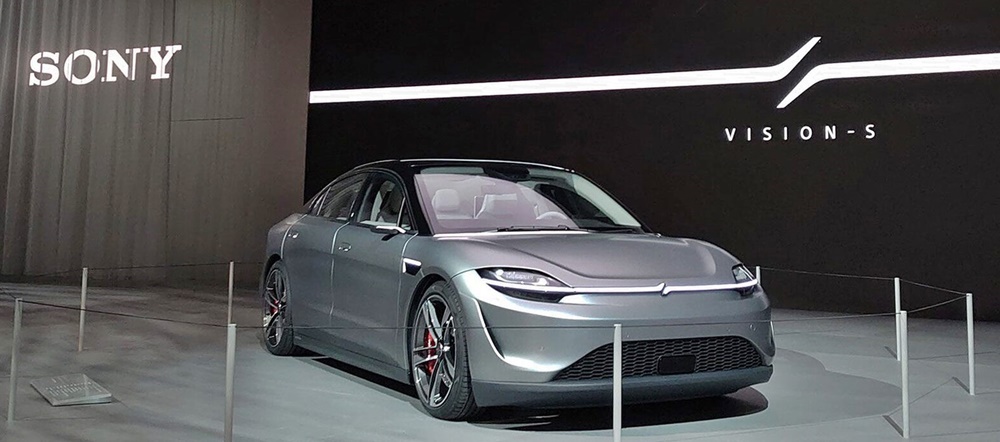
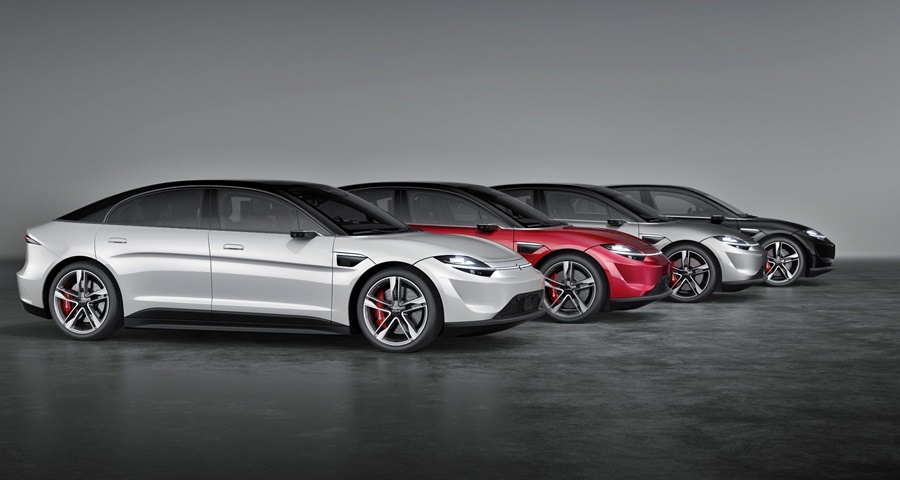
Joining them could be Sony – yes, the Sony we all know from the consumer electronics sector – which actually indicated its intentions a year ago at the 2020 Consumer Electronics Show (CES) in America. At that time, it displayed what seemed to be a concept car to show off various technologies, which is also done by other electronics companies.
Vision-S concept first shown at CES in 2020.
From concept to running prototype
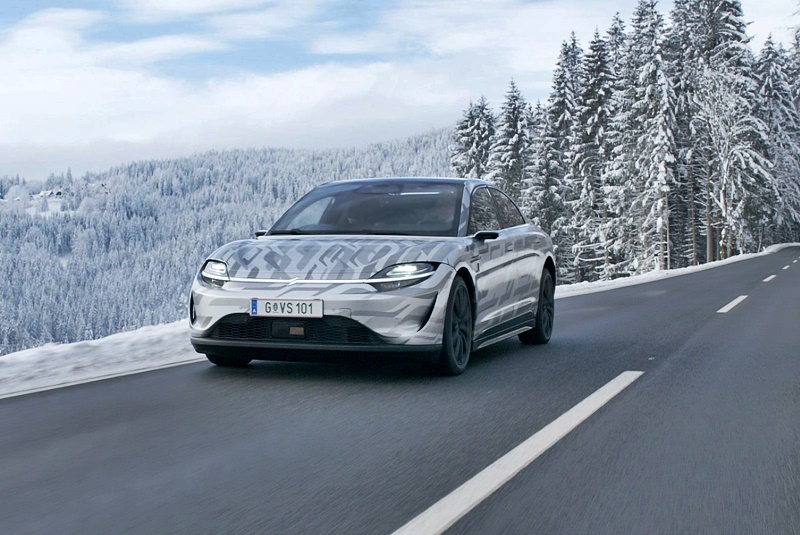
However, it appears that the company has decided to go further with the concept car and has been quietly developing it into a running prototype. In fact, for the CES this year, Sony even showed a short video showing the car – known as Vision-S – being tested on public roads and on a test track in Austria.
“We made a fairly grand announcement [at CES 2020], so I often get asked why Sony moved into car development. As a matter of fact, the move wasn’t triggered by any dramatic decision. Rather, it was more like the time had finally come. At the time, the 2010s—the decade of smartphones—were drawing to a close, and we knew the next decade would belong to mobility” said Izumi Kawanishi, a senior Vice-President in the company.
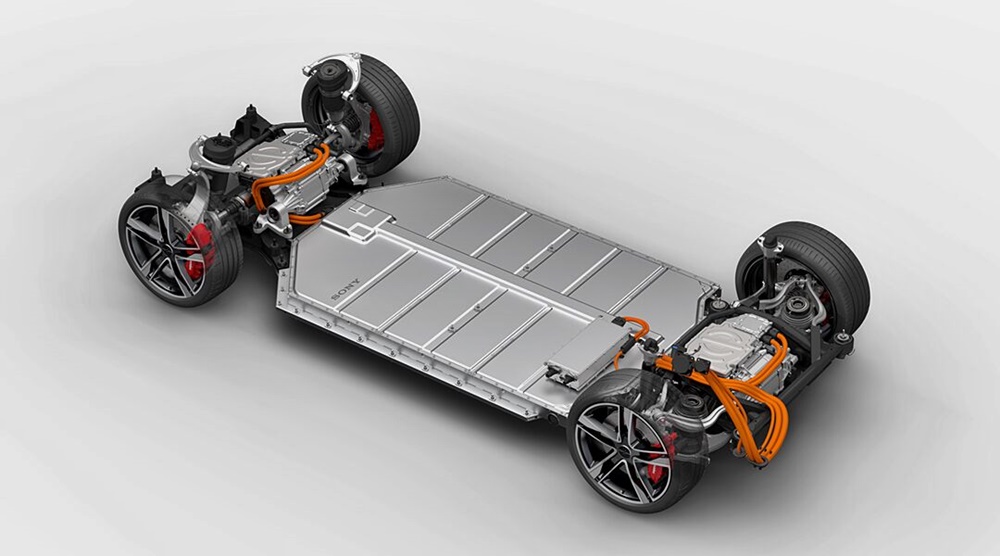
Full technical details are still not revealed but it has a fully electric powertrain. It obviously has much experience in electronics, even in automotive-related areas, but as it has not made cars before, it has commissioned Magna Steyr to provide engineering services for chassis development.
Other partners include familiar names such as Bosch, Continental, ZF, Vodafone Nvidia and Qualcomm as well as other companies which may not be as readily known to the public. Just as specialist suppliers work with carmakers on specific systems, Sony would be getting its own group of specialists although they may not be in traditional automotive fields.
In-house design
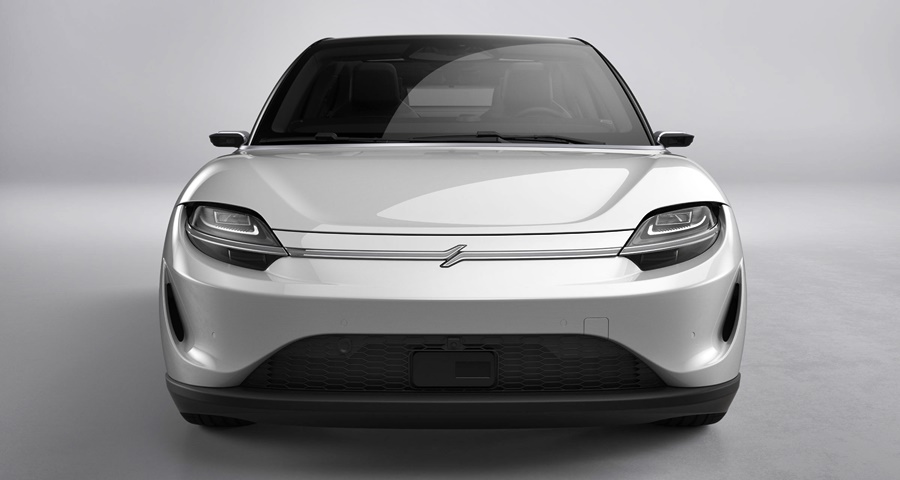
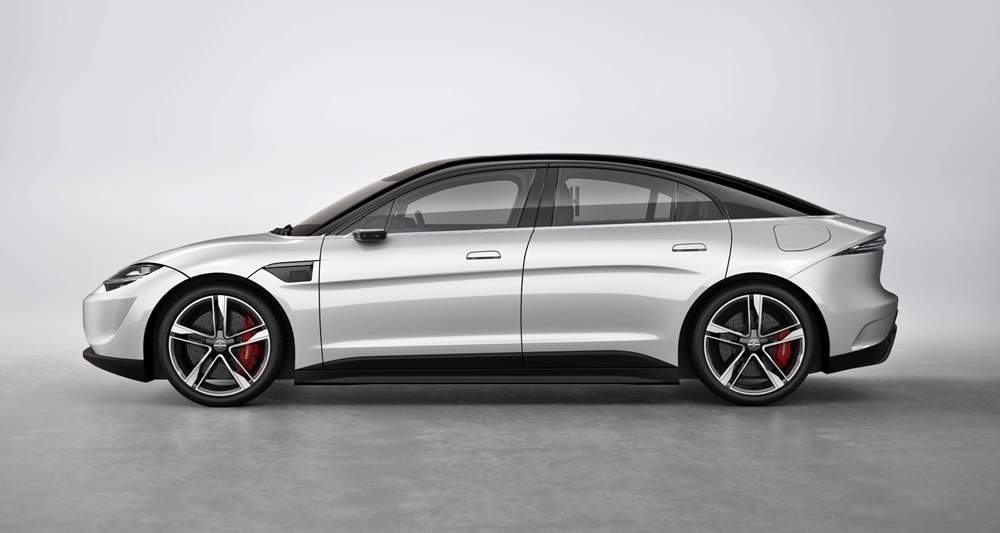
The design was developed in-house by Sony’s own team. Commenting on the appearance of the Vision-S, Daisuke Ishii, Creative Director at the Sony’s Creative Centre, said they aimed for a style that would be clearly distinct from the bold, aggressive designs with a focus on on-road performance that are common these days.
“At the same time, a nondescript or impersonal design wouldn’t work either, so it was a tough process. One of the things we tried to realize with this car was the concept of ‘wrapping’ people. So you could say the design was the stylistic embodiment of the idea of mobility that protects people through sensing. A blacked-out glass cabin wrapped in a sensor-packed case that gleams with a metallic light. The interior was also designed to encircle the rider, almost like a capsule holding people,” he explained.
Camera-based rearview mirrors
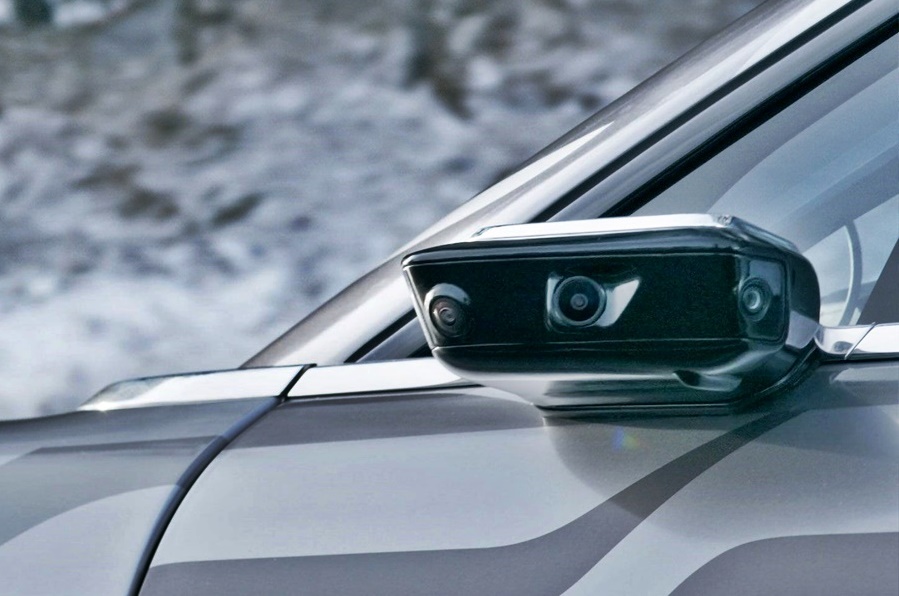
The prototype has some of the technologies which were showcased last year such as camera-based rearview ‘mirrors’ – which carmakers like Lexus and Audi have already begun offering as options in countries where their use is permitted. Of course, Honda has also been offering this idea for a few years now in its LaneWatch system for blinsspot monitoring.
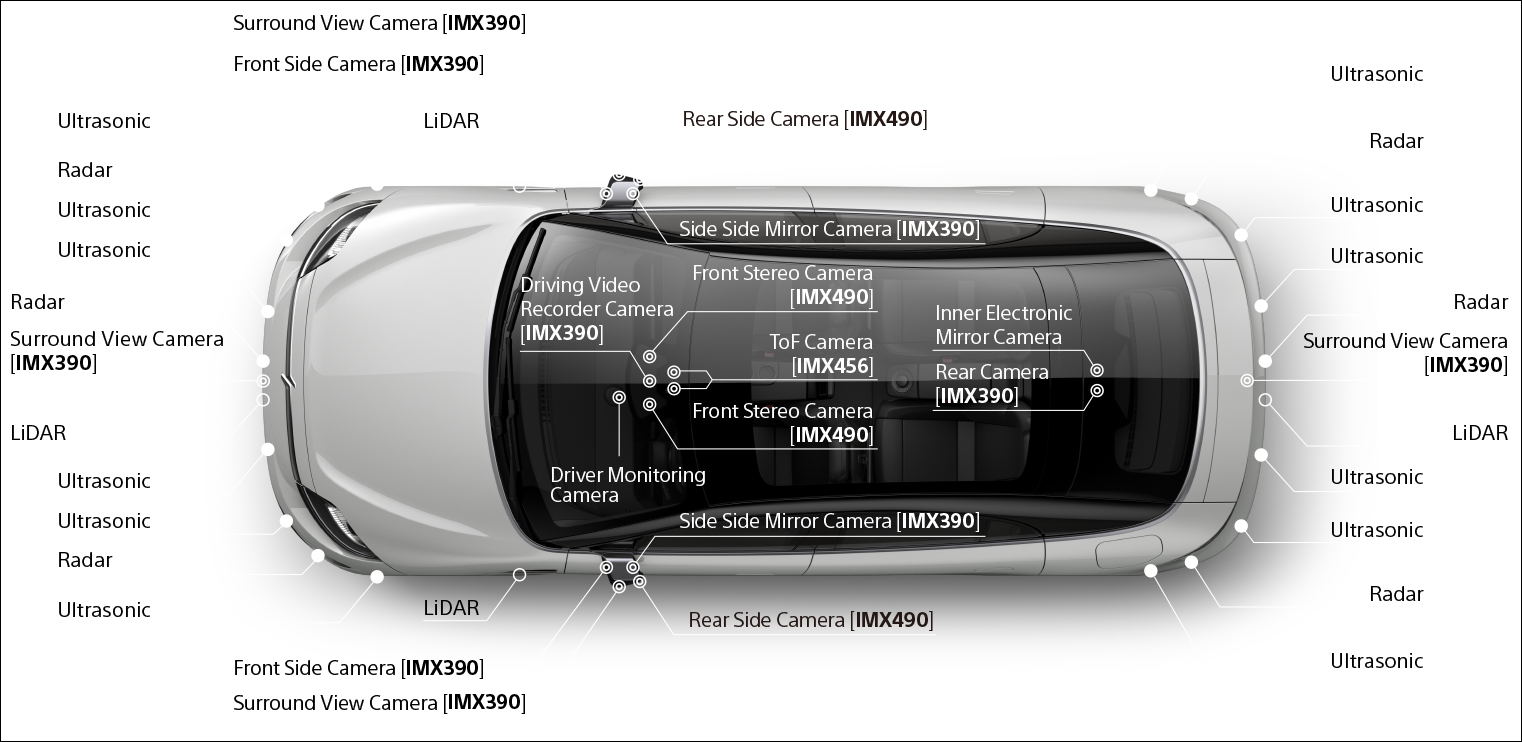
Autonomous capability would certainly be available as the car, if it goes into production, would be entering the market when autonomous cars become available. Up to 40 sensors are installed on the car to fully cover 360 degrees and collect data and imagery to be processed by the computer.
Occupant recognition
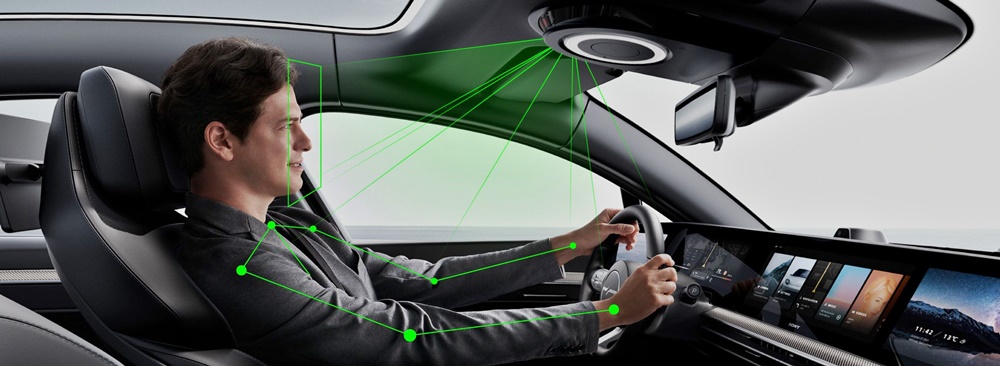
Sony interior designers also propose the use of camera imagery of occupants in the car for managing things like air-conditioning and other personal preferences. Facial recognition could identify the occupant and from data input, preferences relating to temperature or even music can be applied automatically.
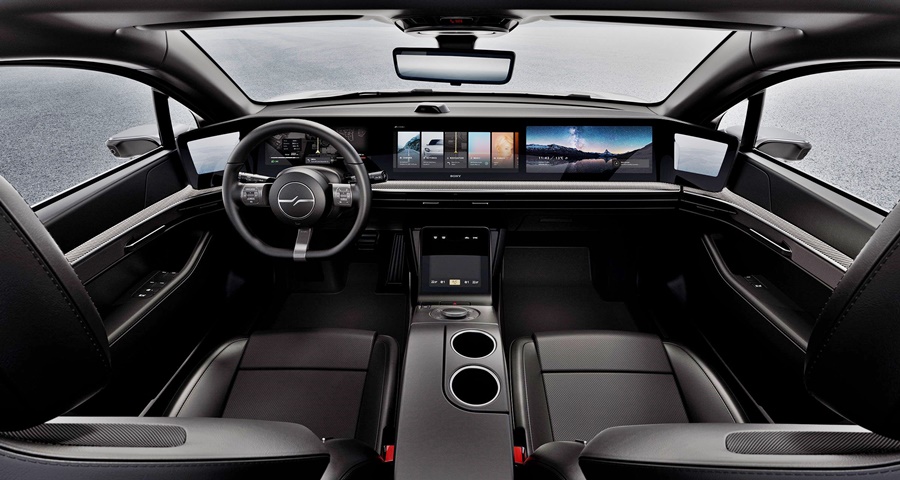
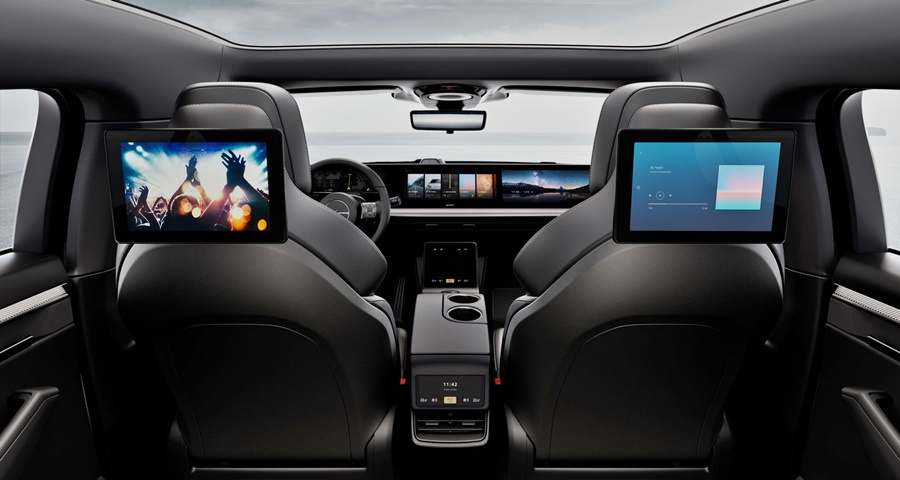
From the video, the dashboard layout can be seen to be fully occupied by digital panel displays. This is only to be expected and given Sony’s expertise in displays, we will probably see high-definition images and advanced interfaces for audio-visual systems and navigation.
No production schedule has been mentioned yet so Sony is probably not in a hurry to launch is first car. It will certainly be interesting to see which of the ‘big names’ in the electronics industry will be the first to do so, signalling the beginning of a change in the auto industry’s status quo.