


Piston.my

EV

Hopium is a French car brand you probably never heard of. In fact, before October 2019, it never existed and was established in that month by Olivier Lombard, the youngest winner in the 24 hours of Le Mans (LMP2 class). Hopium is the brand of Hydrogen Motive Company which will make high-end hydrogen-fuelled vehicles (FCEVs).

Now 31 years old, Lombard starts off with 7 years of personal experience with such vehicles and has assembled a team of experts as well as business partners to develop the car of the future. While the transport sector alone is responsible for 20% of greenhouse gas emissions that are causing climate change, Hopium is positioning itself as a player in the fight against climate change.
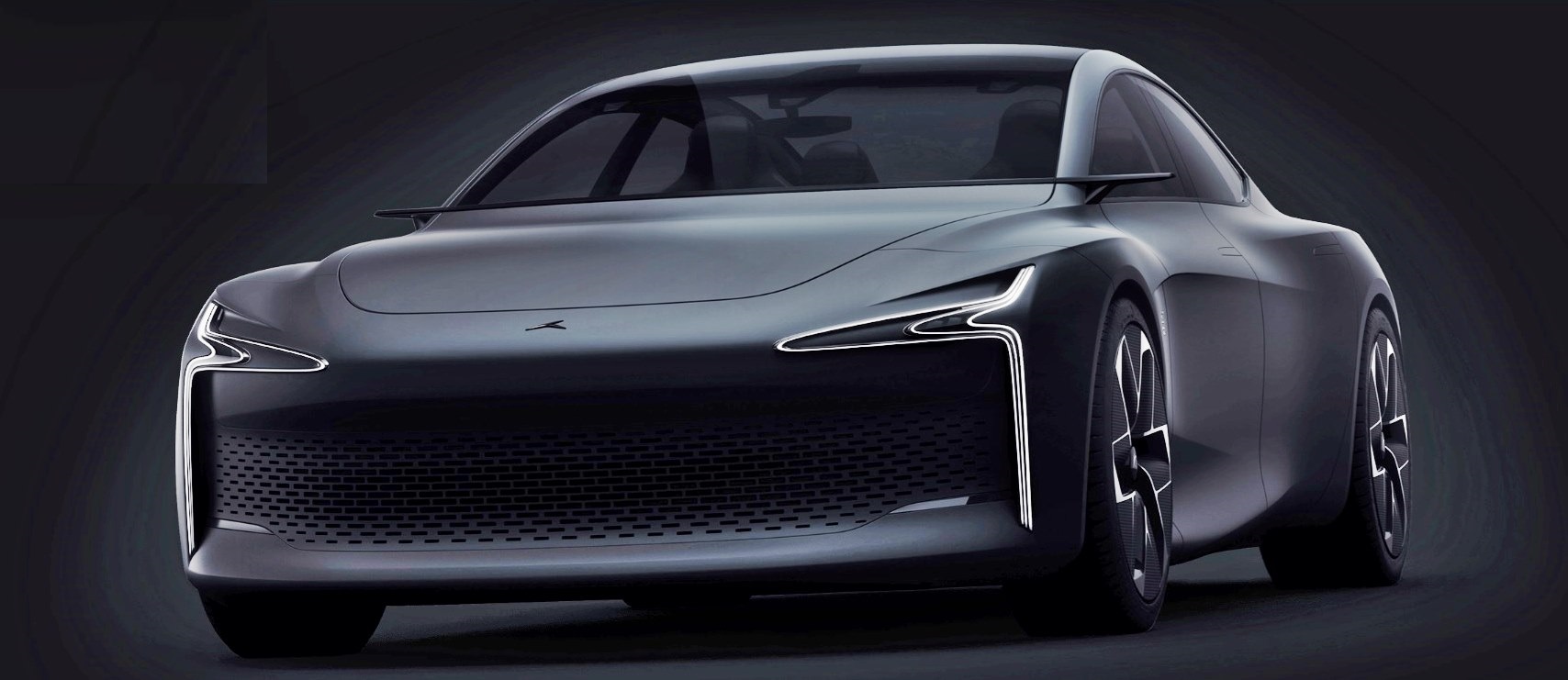
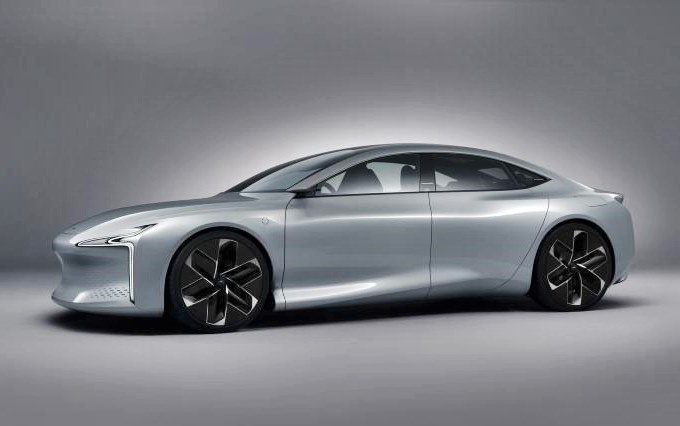
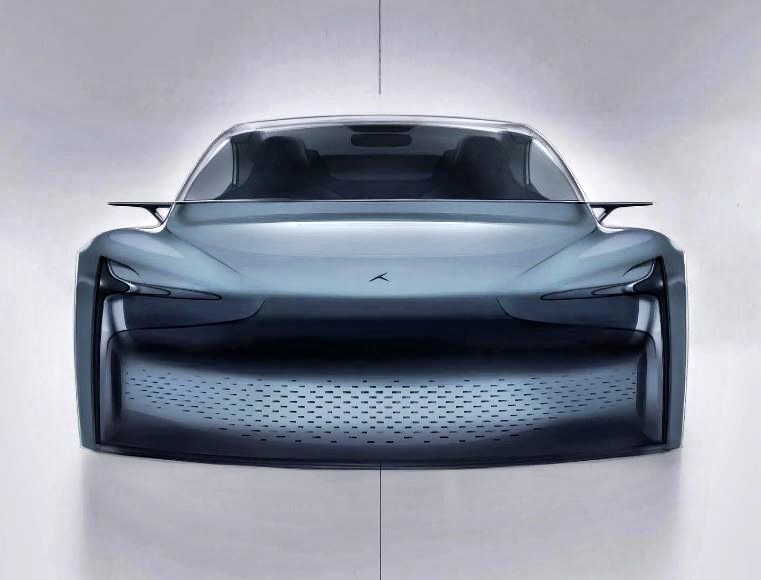
2023 Hopium Macxhina FCEV

2023 Hopium Machina FCEV

Prototype developed in record time
The development work began in October 2020 and by June 2021, the first prototype was produced in record time. It has been known as Alpha 0 and is used to certify the reliability of the fuel cell system. After the design and architecture phases, followed by the implementation of the various components within the vehicle, the prototype went through lab and track tests. It has already reached a maximum speed of 200 km/h, the performance level which is promised for the Machina, as the production model is to be known.

Over the past 12 months, the next phase following the rolling prototype has been underway and has led to the completion of the Machina concept car which gives a preview of the design features. Conceived by automotive designer Felix Godard (previously at Porsche, Tesla and Lucid) has a sleek aerodynamic form with an imposing grille in the ascending fuselage to optimize fuel cell cooling.
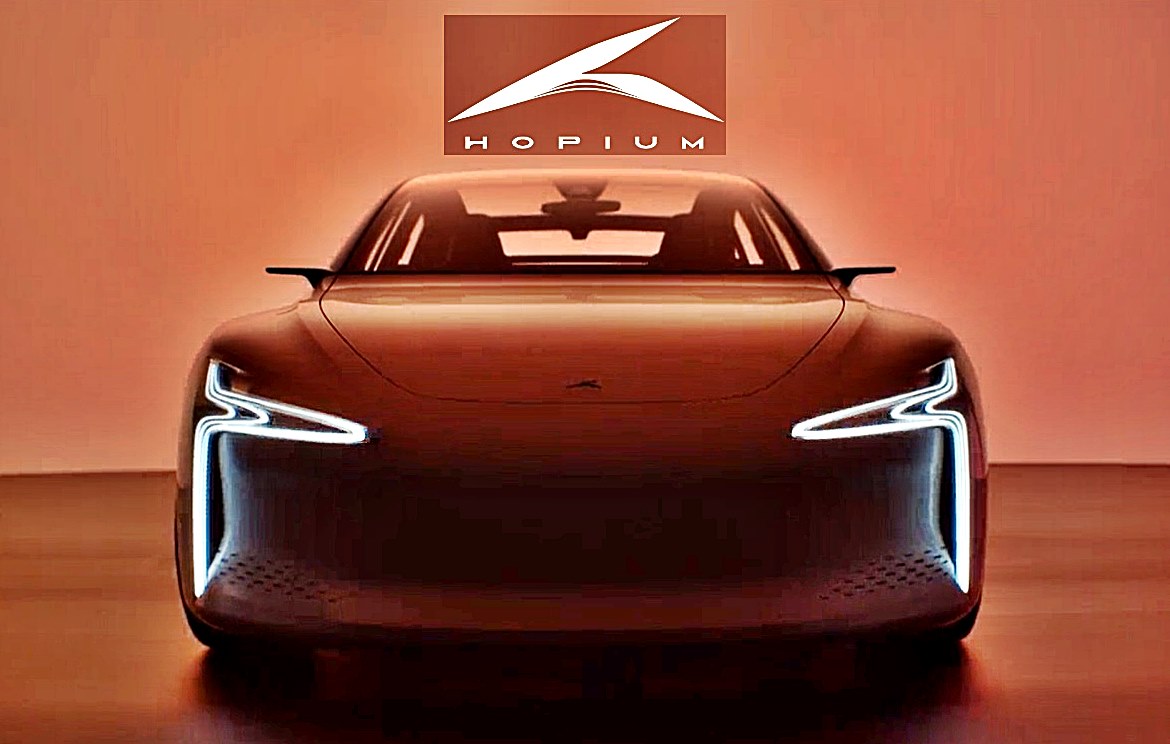
2023 Hopium Machina FCEV

Inspired by water
The lighting signature is distinctive and also serves as the emblem of Hopium. The lines replicate the stratification of hydrogen and the movement of waves on the surface of water. In fact, much of the design has been inspired by water, which is a harmless by-product of the reaction in the fuel cell to generate electricity.
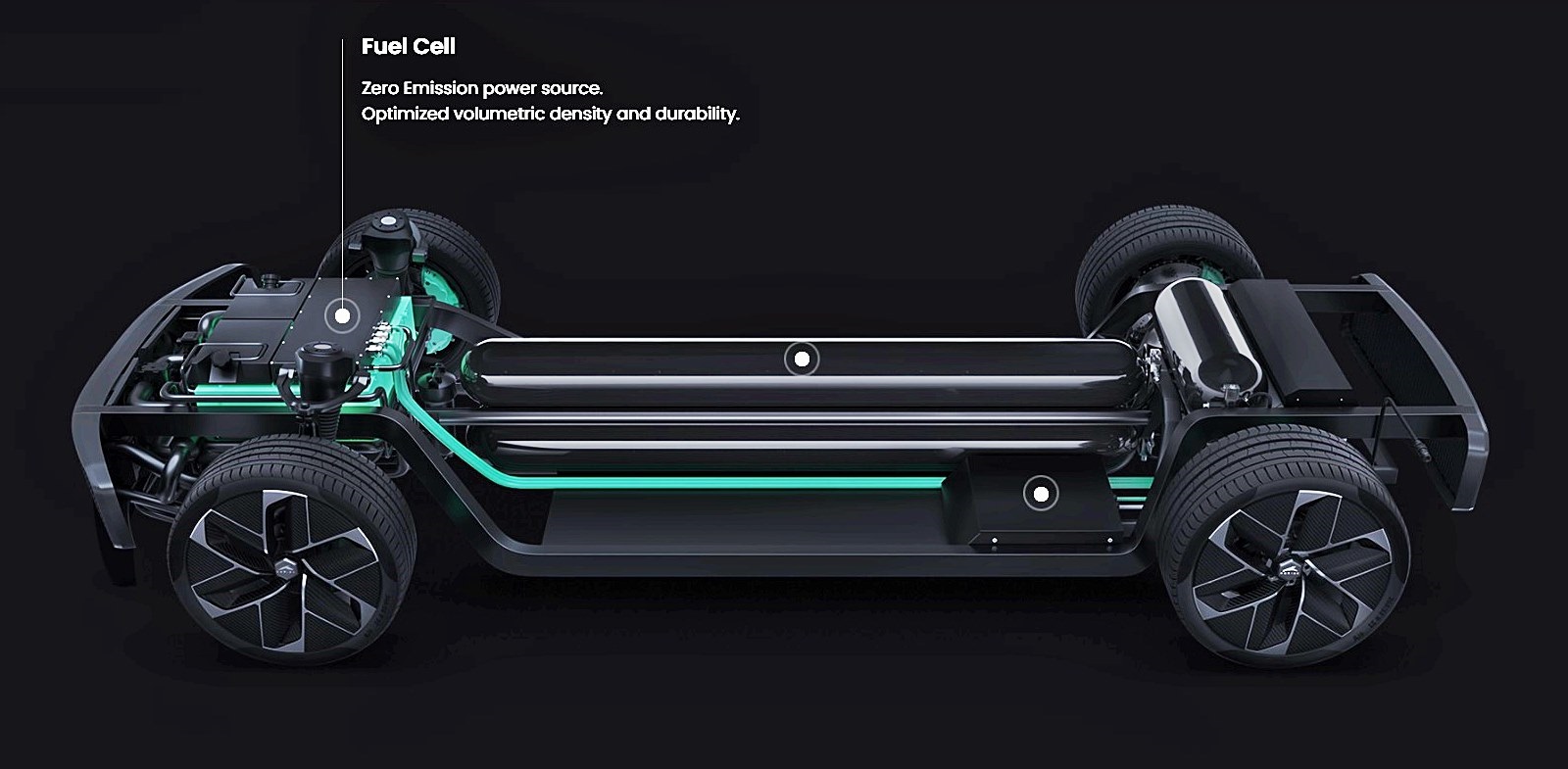
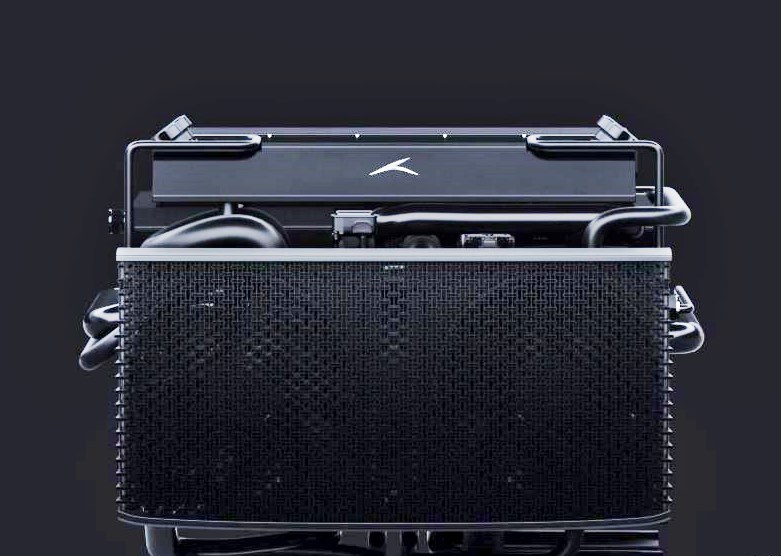
2023 Hopium Machina FCEV

2023 Hopium Machina FCEV

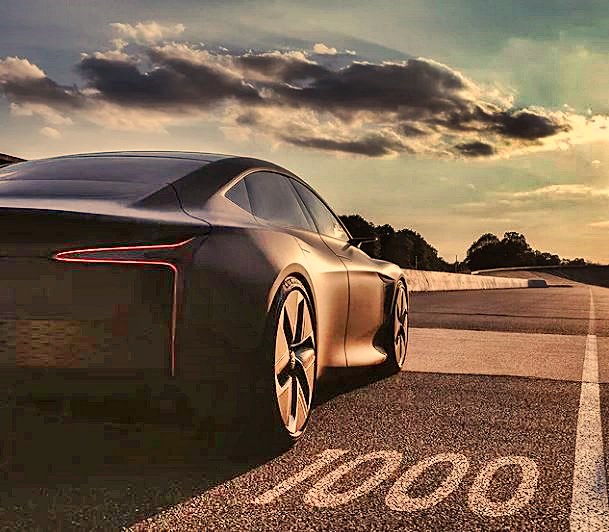
The platform has the fuel cell system installed up front, generating electricity that is stored in battery packs that are optimised in size and efficiency. The hydrogen storage tanks can contain over 6 kgs of the gas which will take only 3 minutes to fill with high-pressure pumps. The performance targets for the Machina are 500 ps, 230 km/h and 1,000 kms of range.

Future of the Human/Machine relationship
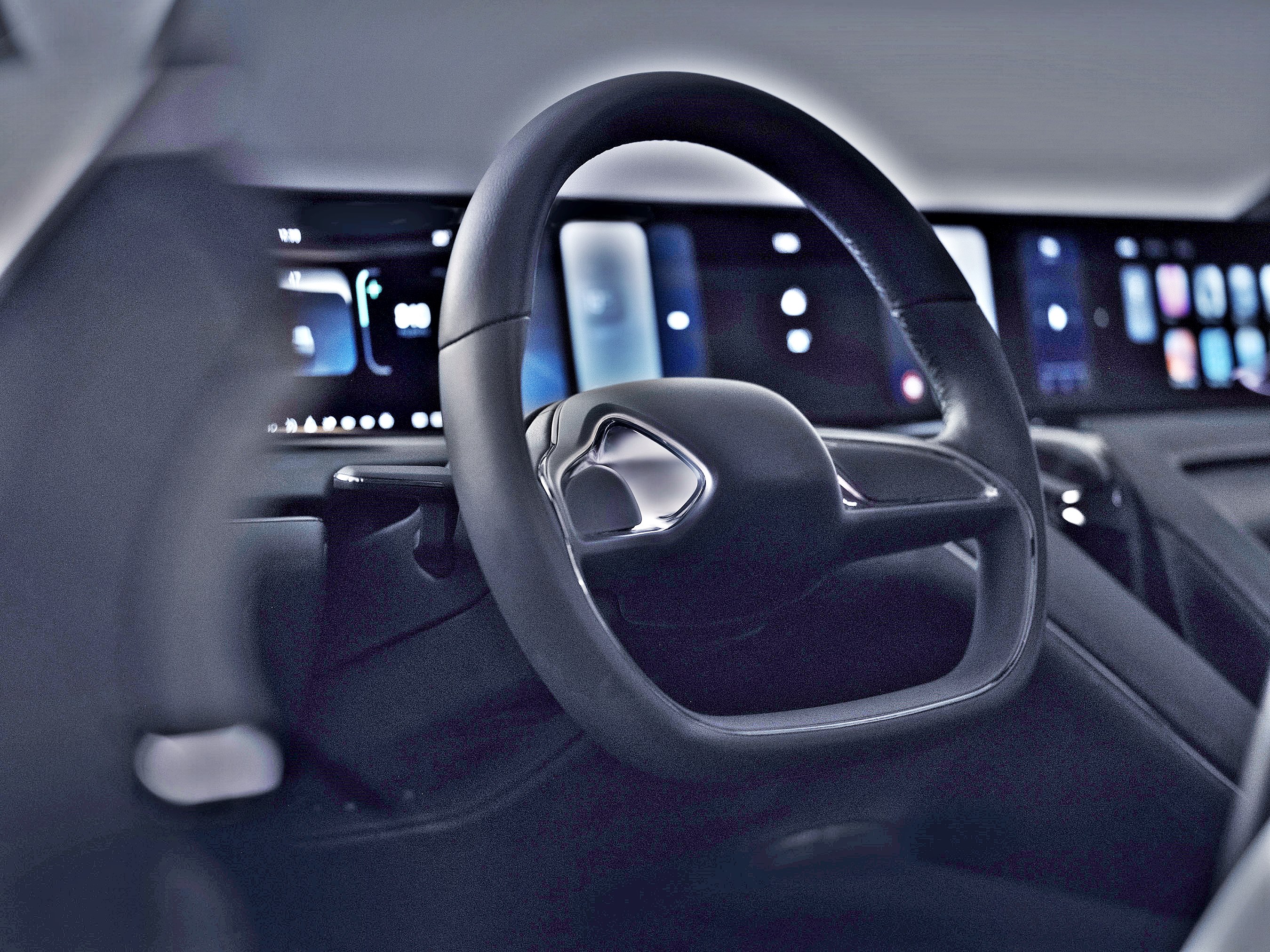
Godard and his designers imagine the future of the Human/Machine relationship inside the Machina. Facing the front occupants is a pillar-to-pillar display with a ‘digital landscape’ of information. It can transform into a full or minimized layout as desired, in a wave-like motion. The haptic console offers a new sensory connection with the interface.
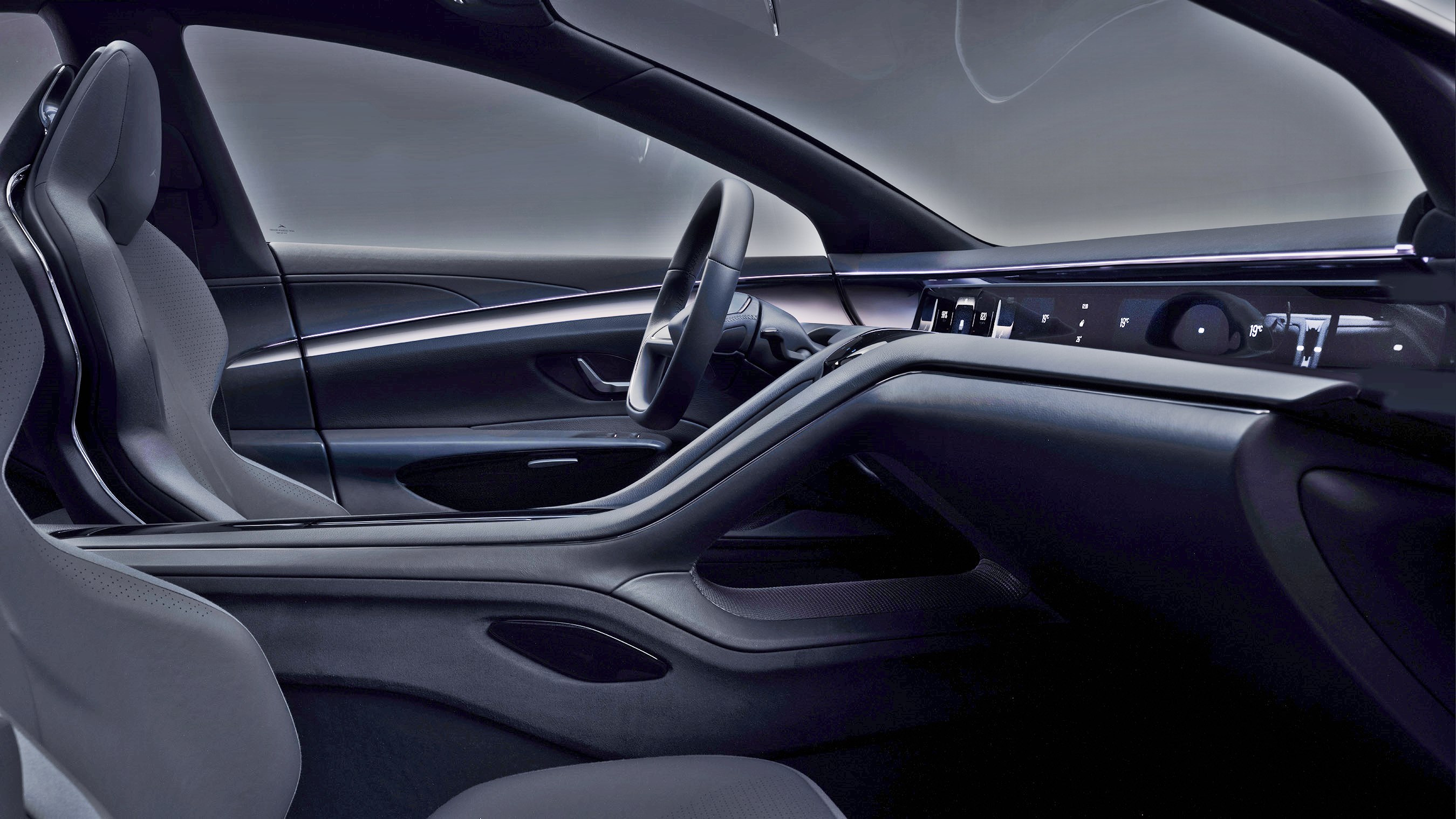
2023 Hopium Macxhina FCEV

2023 Hopium Macxhina FCEV

2023 Hopium Macxhina FCEV

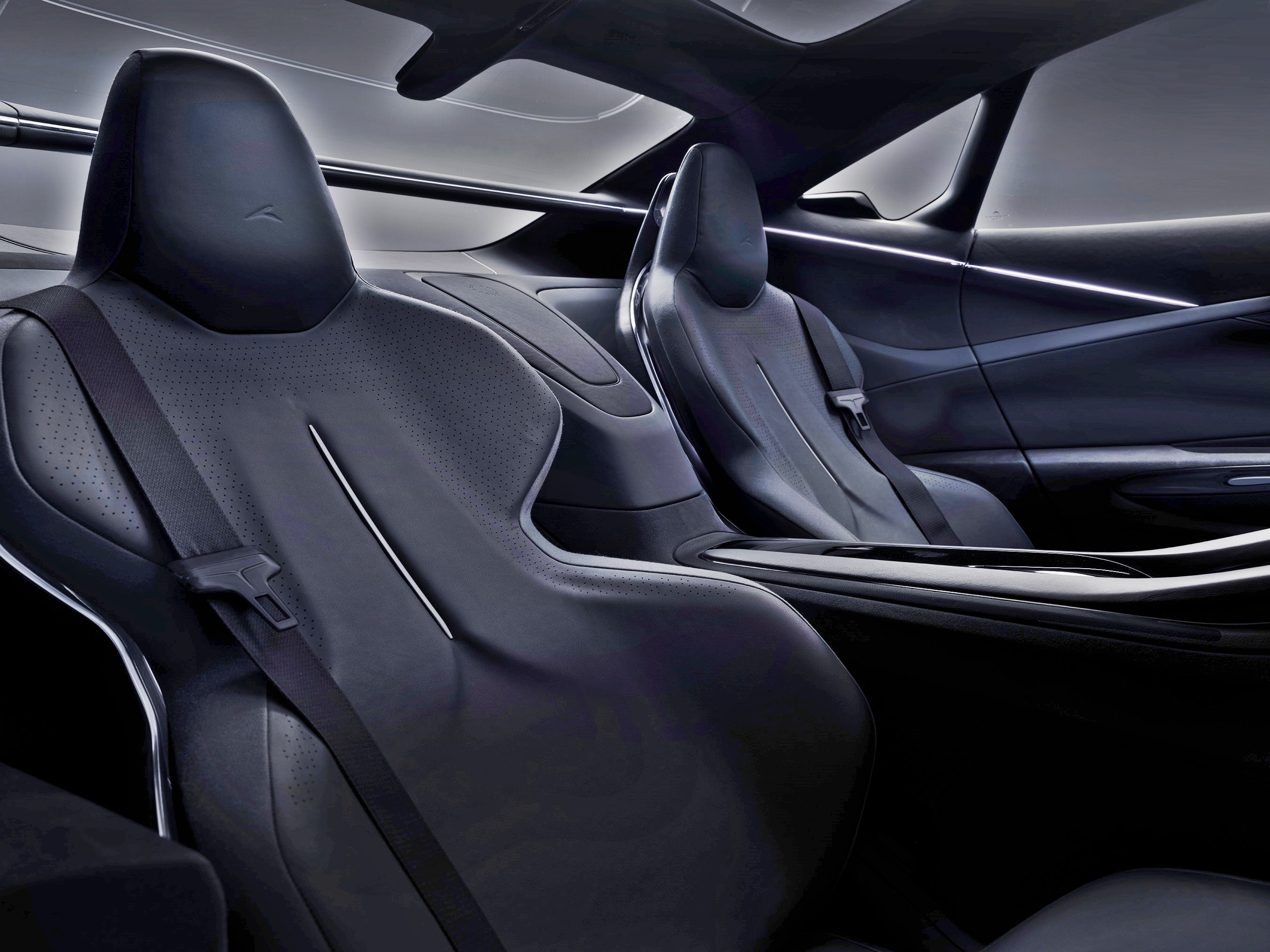
At the back, passengers can enjoy the comfort of a spacious interior with a view of the sky. All the materials used for the interior are of the highest quality, and made to last a long time. The materials will be sourced in Europe to reduce their environmental impact.

Orders for the first 1,000 units of the Machina have been accepted over the past year  but the company has not revealed how many there are. It will make its world premiere at the 2022 Paris Motor Show this October.
2023 Hopium Machina FCEV

UKM team completes development of two hydrogen fuel cell electric vehicles (FCEVs)

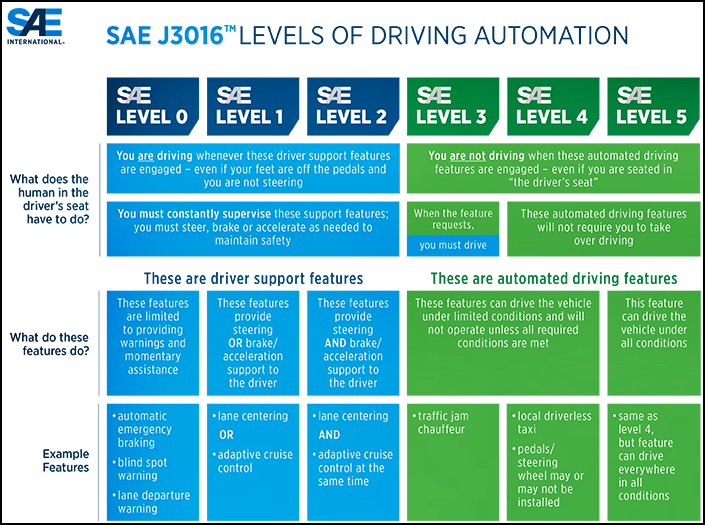
There are 6 levels (include level 0) of autonomous driving technology established by the US Society of Automotive Engineers (SAE), and currently, many vehicles are able to offer up to Level 2 but the driver must still give attention. Beyond Level 2, the requirement for the driver to be ready to take over control when necessary becomes less. By level 5, the vehicle can operate entirely on its own and the driver can even read a book or watch TV while moving.

For the higher levels to be introduced requires that other elements of the environment around the vehicle must also be ready. For instance, signage must be clear so that the cameras can capture important information and road markings must also be well defined for the vehicle to travel in a precise position.

For this reason, even though there are some vehicles already able to operate at level 4 where driver control is not needed, they can only do so within a limited area of a city or highway. As such, they are currently being used for vehicle-sharing purposes where the public can use them as autonomous transport around the city.

Hyundai Motor Group Autonomous Vehicles

Hyundai Motor Group Autonomous Vehicles

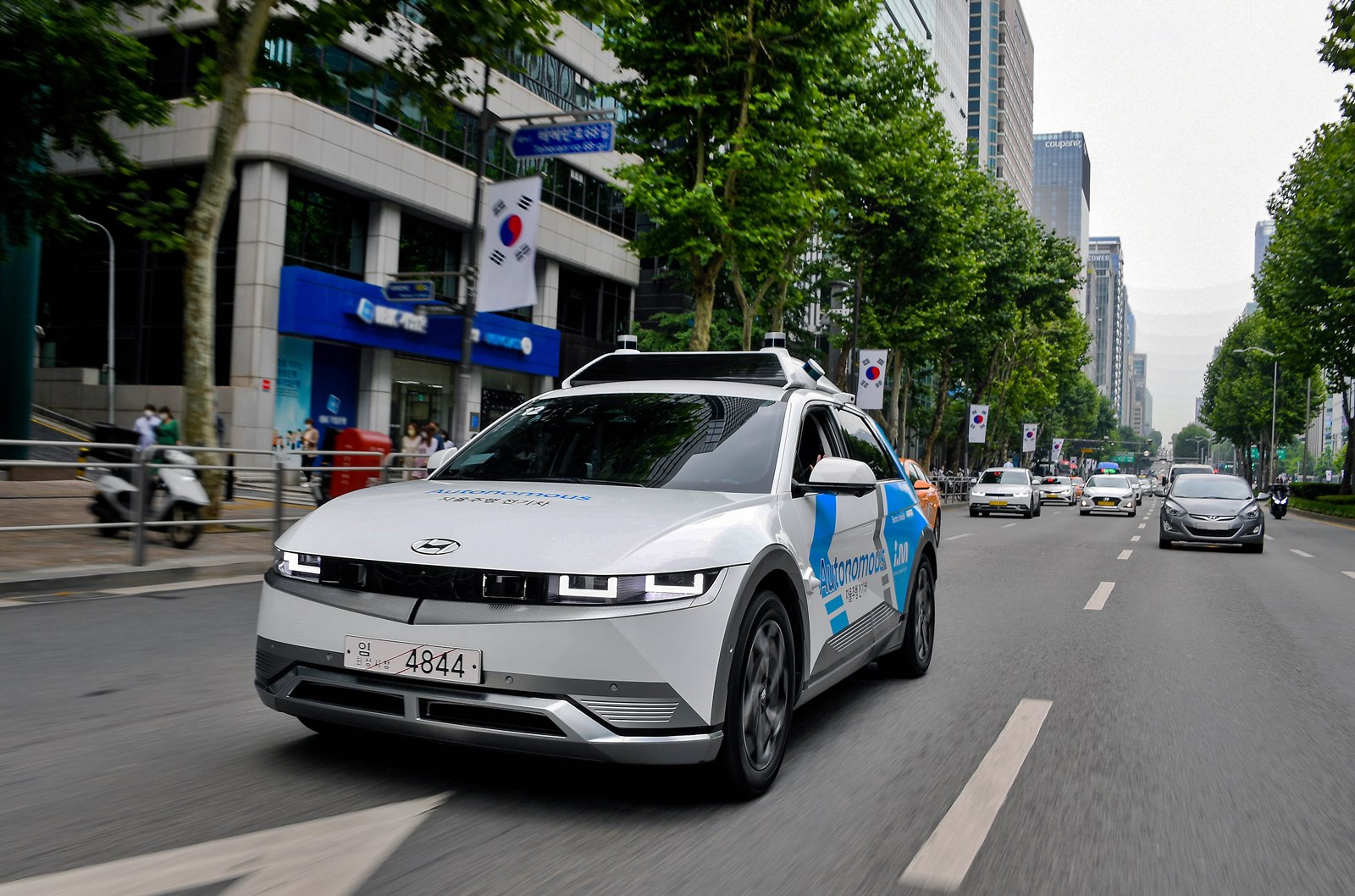
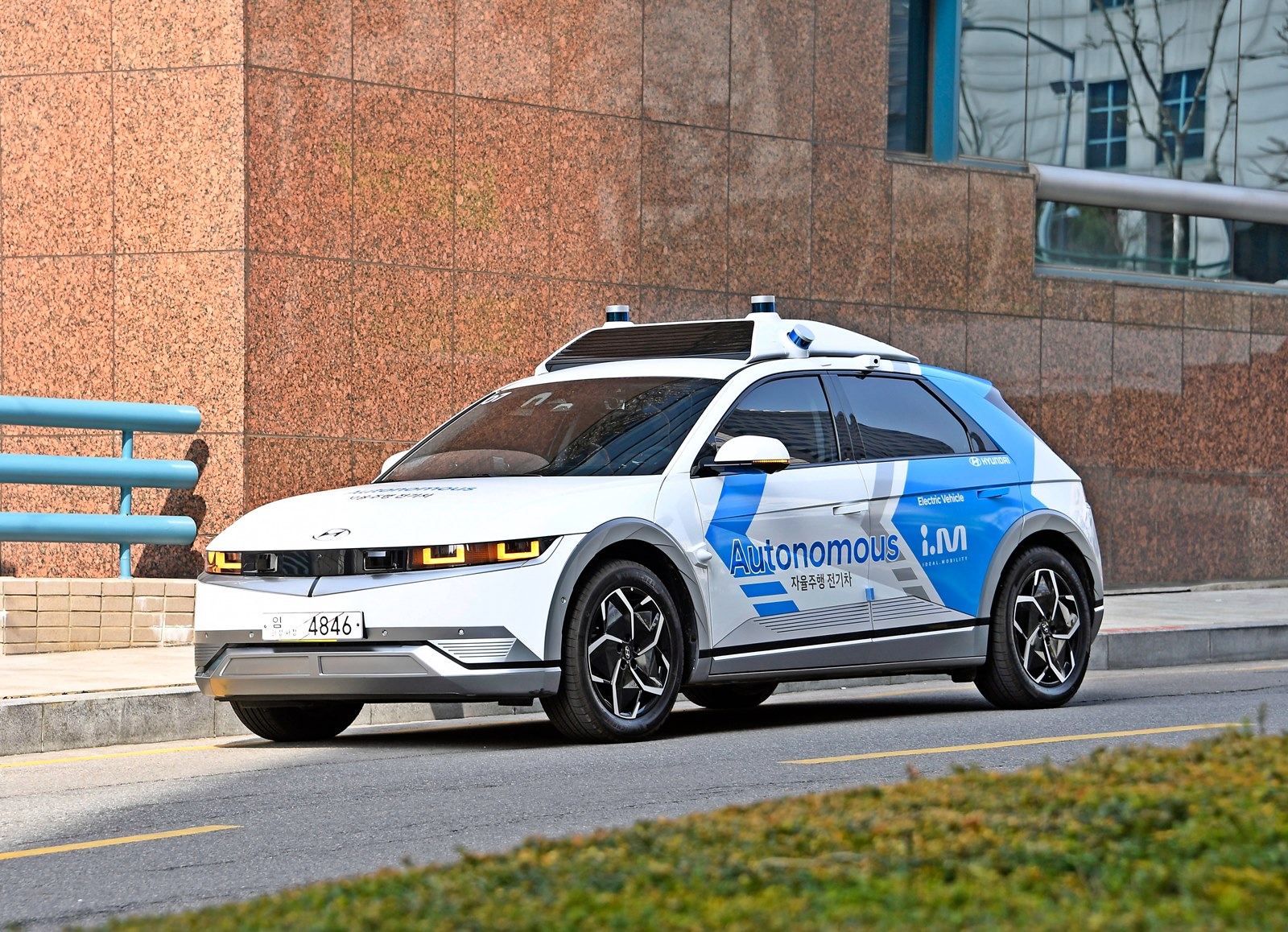
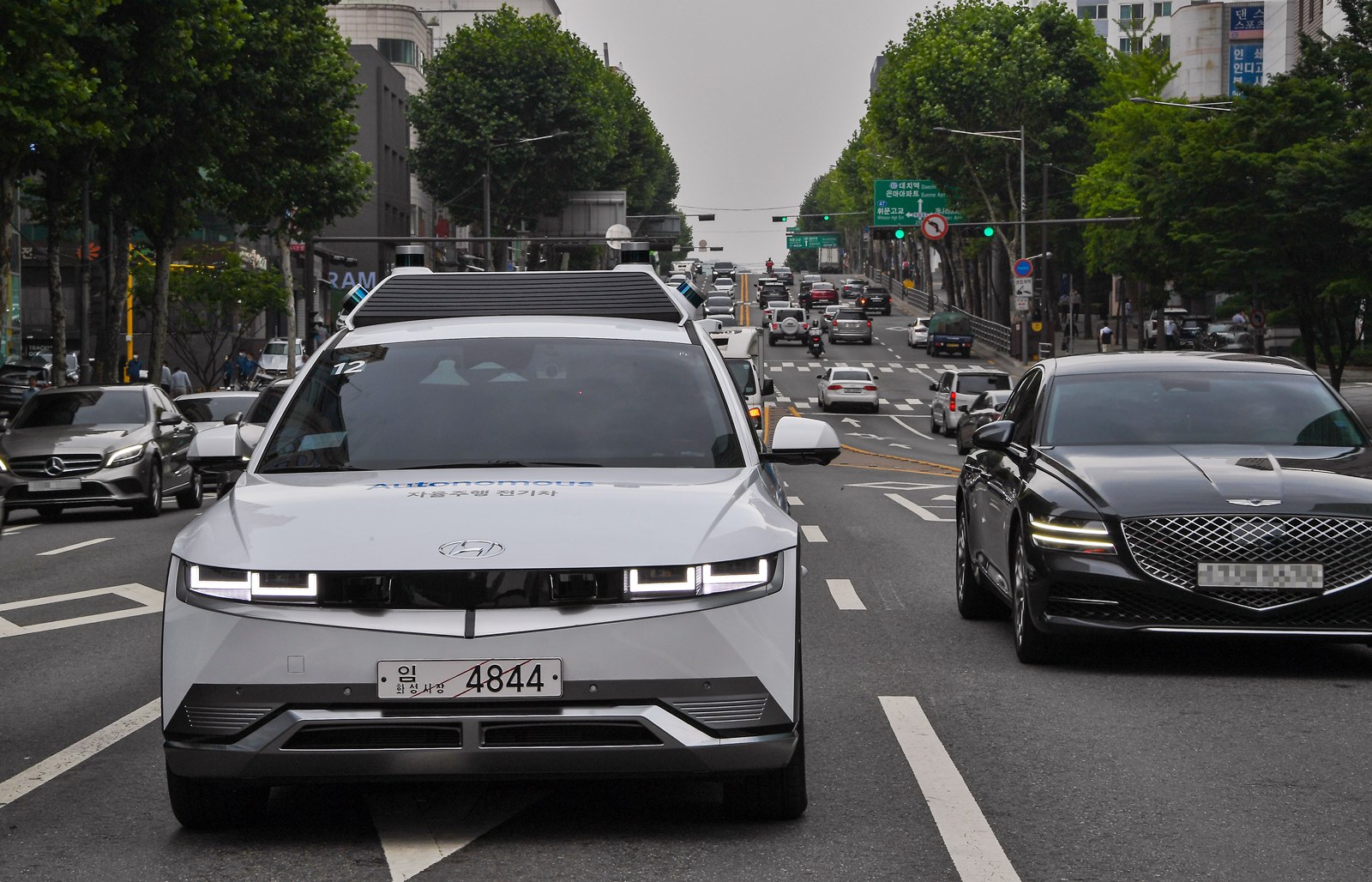
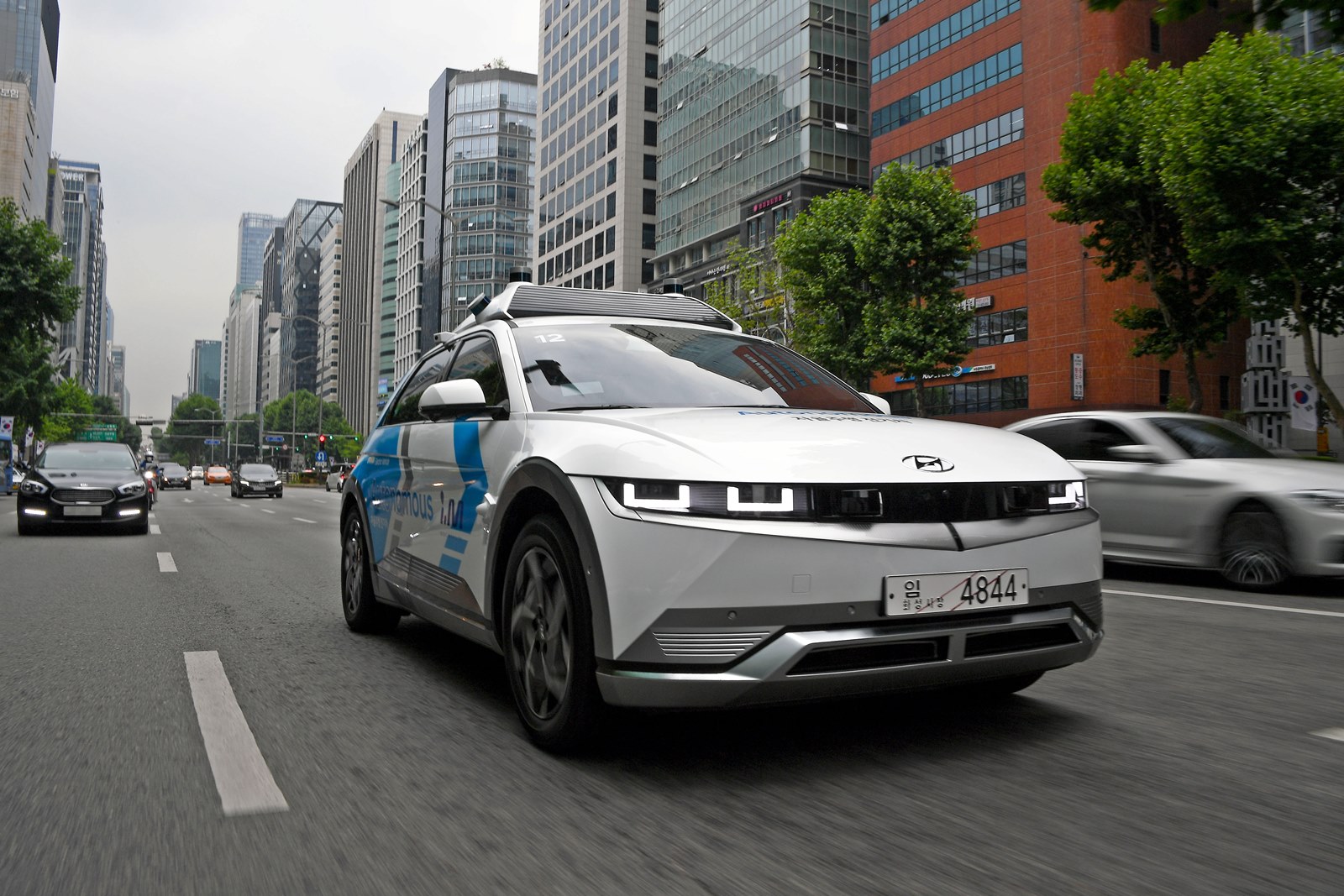
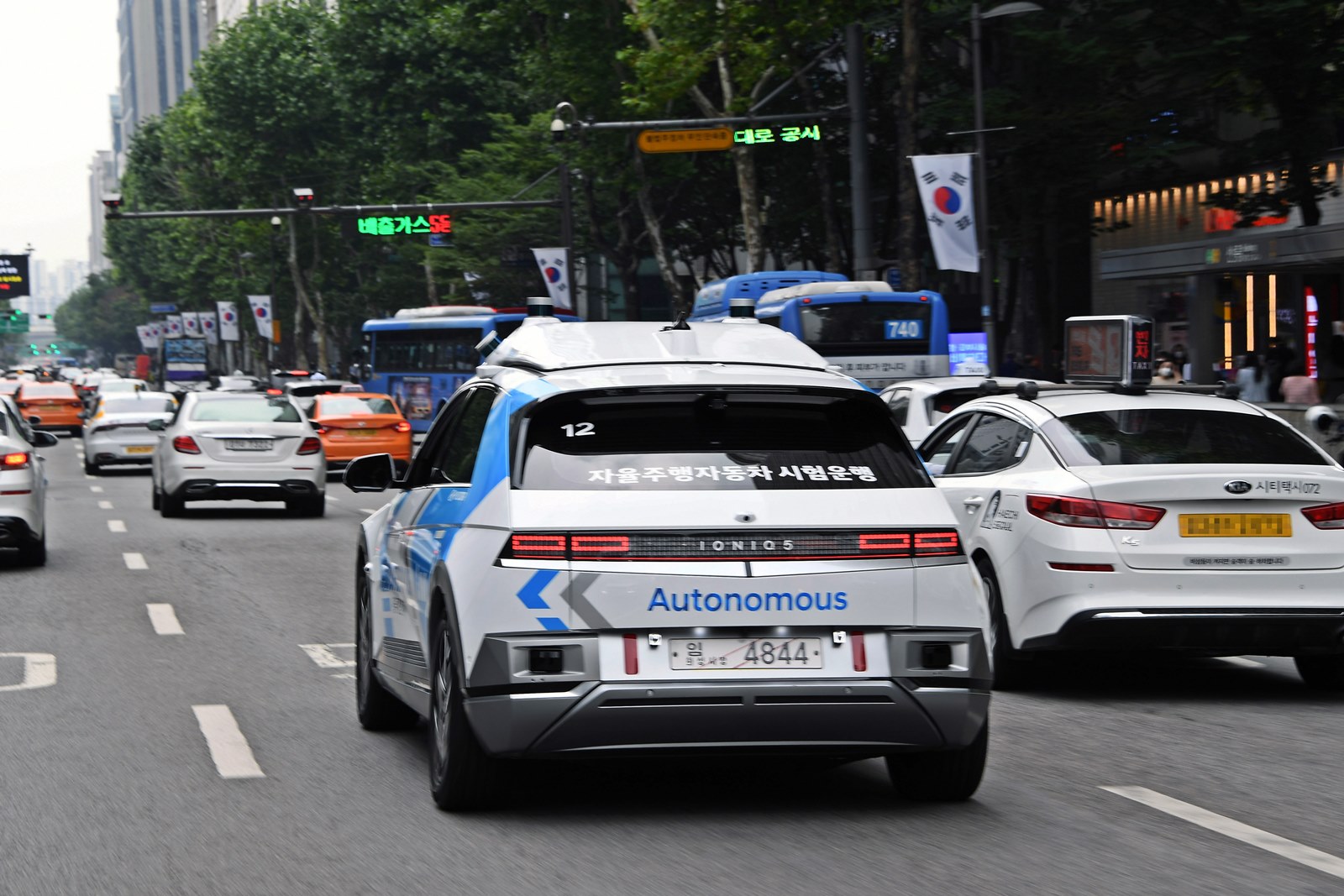
The Hyundai Motor Group (HMG) is one of the companies that has a vehicle ready to operate with level 4 technology and it will be running a pilot service in the Gangnam area of Seoul, South Korea’s capital city. Called the RoboRide car-hailing service, IONIQ 5 battery electric vehicles (BEV) fitted with the necessary equipment will be used. The pilot RoboRide will be the first car-hailing service with autonomous driving vehicles to operate in Gangnam, one of the most congested areas in metropolitan Seoul.

For the pilot service, the Group has obtained a temporary autonomous driving operation permit from the authorities. It will collaborate with Jin Mobility, a Korean startup operating the artificial intelligence (AI)-powered car-hailing mobility platform ‘i.M.’. Jin Mobility will be in charge of operating the two IONIQ 5 RoboRide units on its i.M application.

HMG also plans to expand the pilot service, while further developing autonomous driving technology with consideration for various conditions, such as driving stability.

Hyundai Motor Group Autonomous Vehicles

“At Hyundai Motor Group, we are developing level 4 autonomous driving technology based on the internally developed Advanced Driving Support System, whose functionally and safety are verified through mass production and successful commercial launch,” said Woongjun Jang, Senior Vice-President and Head of the Autonomous Driving Centre of HMG. “We expect this RoboRide pilot service will be an important inflection point that will enable us to internalize autonomous driving technology.”

Through this pilot PROGRAM, HMG expects to collect valuable autonomous driving data and plans to further develop the level 4 autonomous driving technology to navigate safely and flexibly in complicated urban environments. To prepare for such a complicated driving environment, HMG has also worked with Seoul Metropolitan Government to establish a system that can connect traffic signals with autonomous vehicles.

Hyundai Motor Group Autonomous Vehicles

In addition, an in-house developed remote vehicle assist system will be provided to ensure safety. The system monitors autonomous driving status, vehicle and route, and supports the trip with remote assist functions, such as changing the lane under circumstances where autonomous driving is not feasible. Based on the level 4 autonomous driving technology, a RoboRide vehicle will perceive, make decisions, and control its own driving status, while its safety driver will only intervene under limited conditions.

The RoboRide pilot service will operate from 10 am to 4 pm, Mondays to Fridays, to minimize any possible inconveniences on the road. Up to 3 passengers can be on a ride, and there will be a ‘safety driver’ present in the vehicle as well to respond to any emergencies.

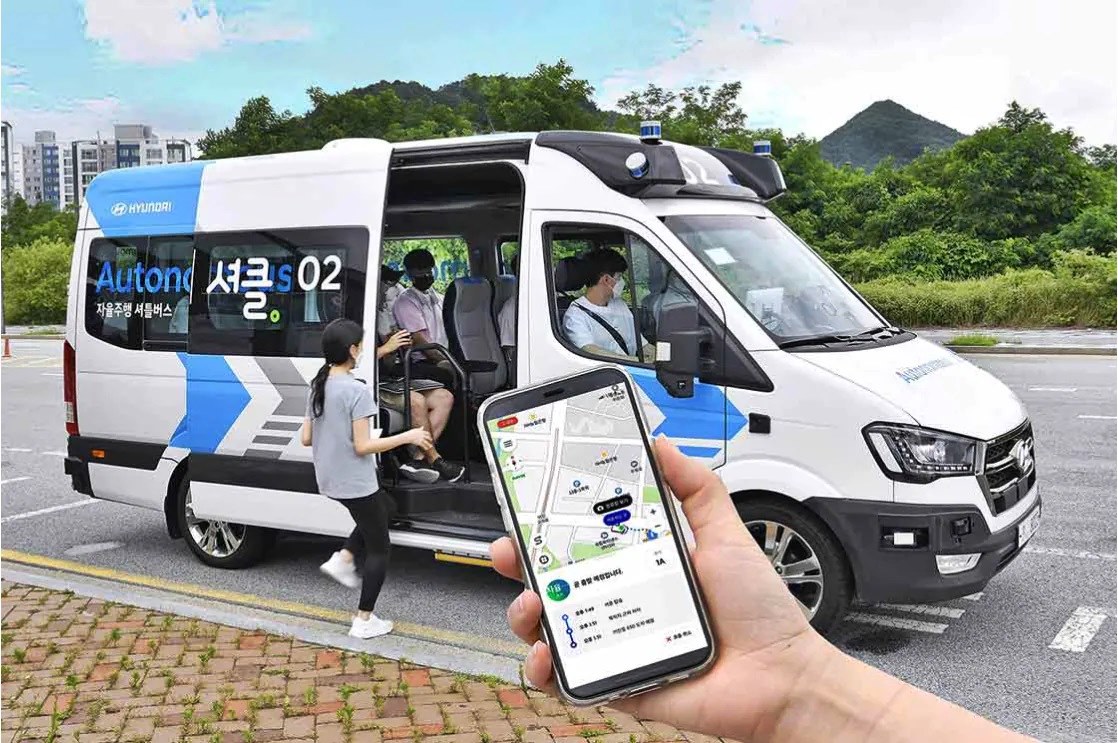
Besides RoboRide, the company has also been conducting a test operation of its RoboShuttle service since August last year. The demand-responsive, high-occupancy vehicle service, powered by autonomous driving and Artificial Intelligence (AI) technology, operates along a 6.1-km route in Korea’s Sejong Smart City.

RoboShuttle service which has been operating since August 2021.

The pilot operation is conducted using a H350 van equipped with autonomous driving technology. This technology has a range of Level 4-comparable core technologies and is developed in-house by the Autonomous Driving Centre. Based on its self-driving capabilities, the vehicle is designed to perceive its surroundings, make decisions, and control itself while driving on the road, requiring minimal intervention from a safety driver.

Hyundai IONIQ 5 EV to be used for fully autonomous robotaxi by Motional

The auto industry is rapidly ‘electrifying’ its products as part of its efforts to address climate change. While it has been producing and selling more and more electric vehicles (EVs), the network of recharging stations has not grown as quickly in some countries. In Malaysia, for example, the number of recharging stations can still be said to be limited and far apart.

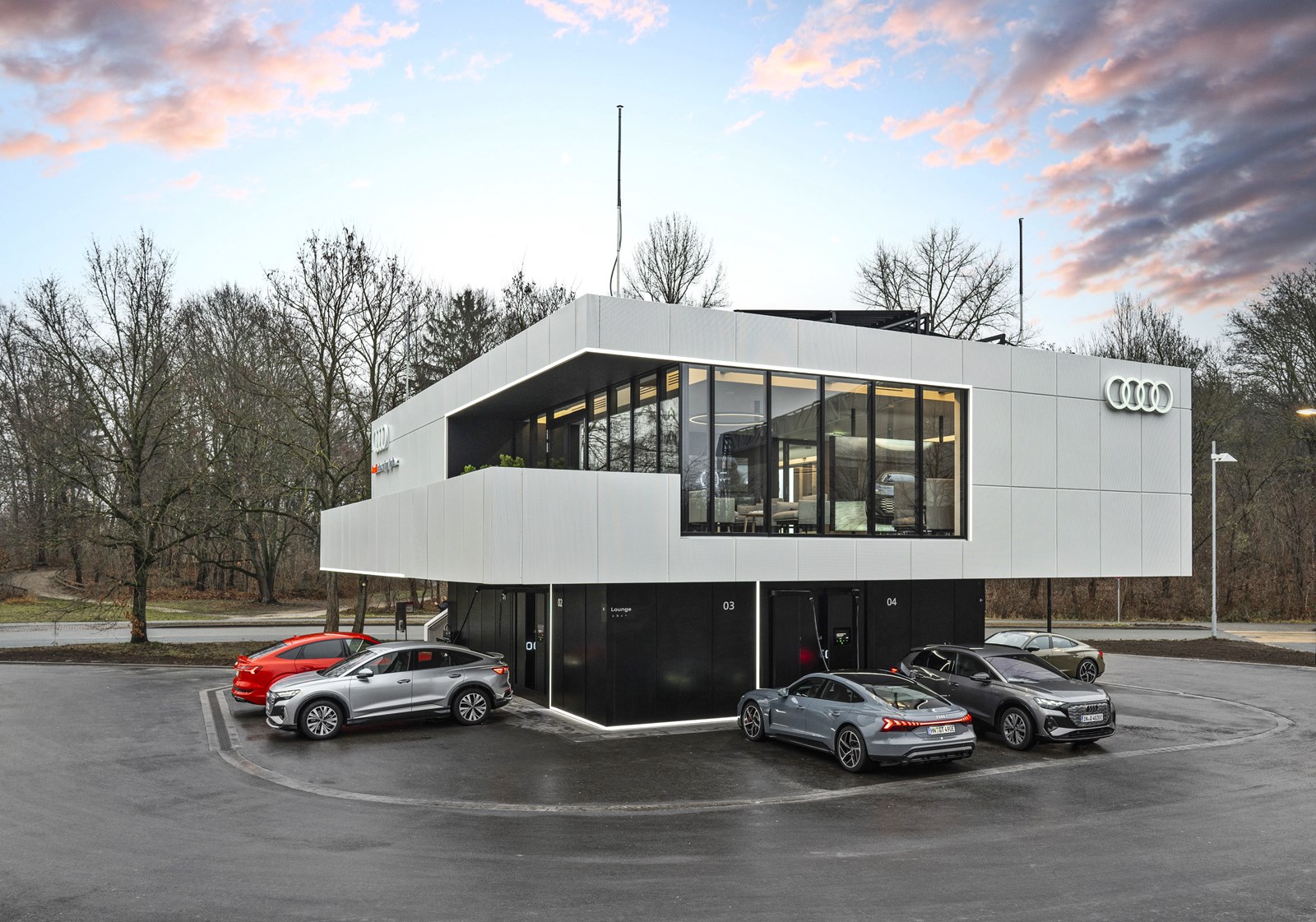
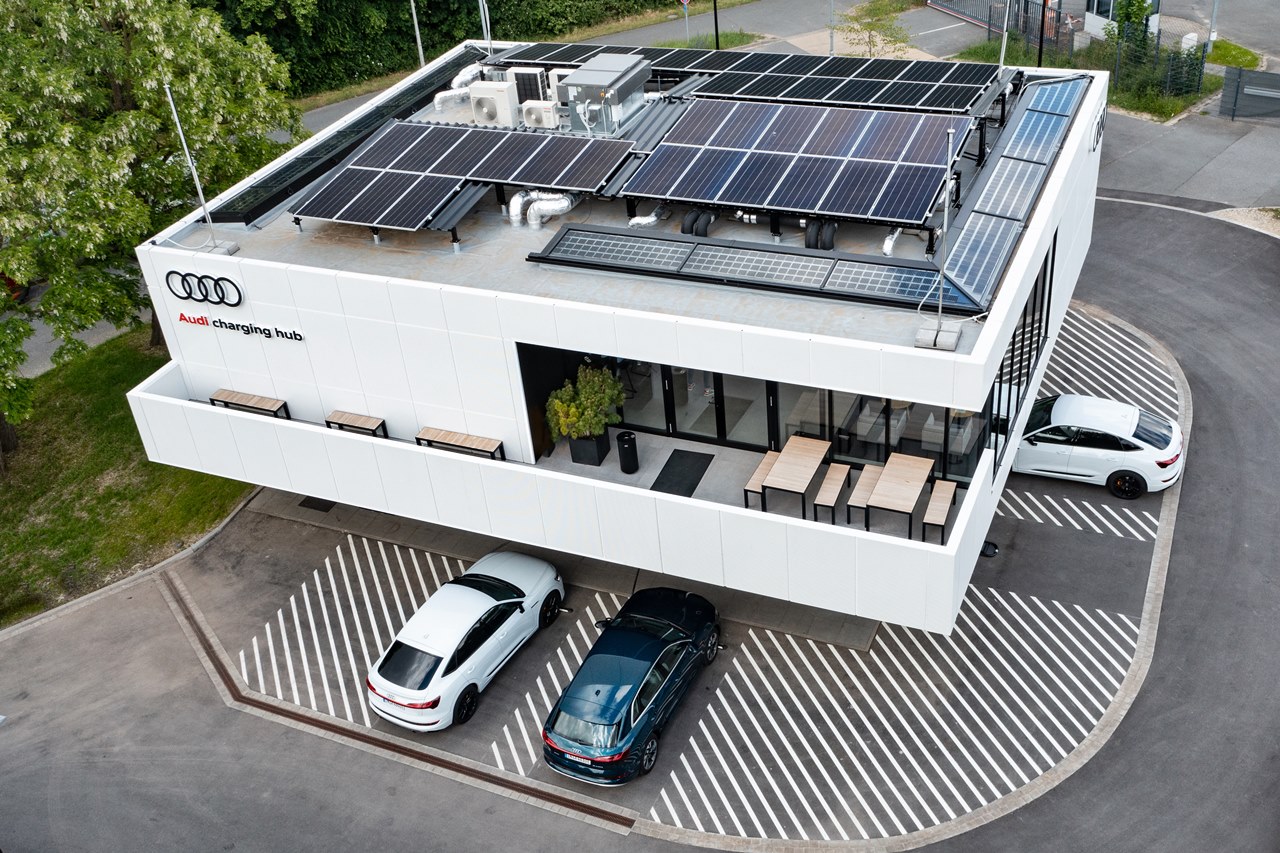
Audi charging hub

Audi charging hub

Premium Charging Hub concept
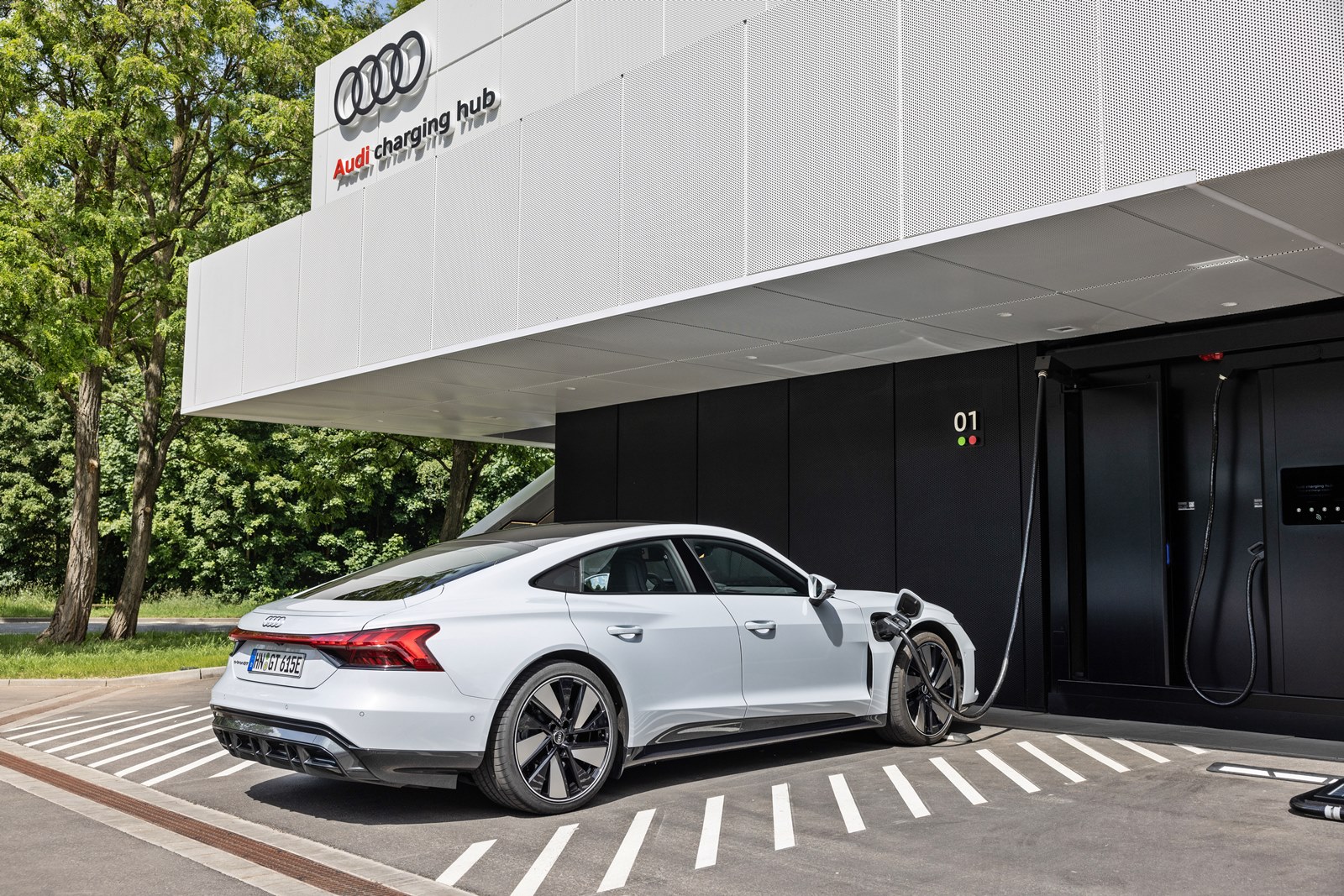
In order to support their customers’ needs, some carmakers have worked with other companies to build up the networks. One approach that has proven to be successful is in Germany where Audi introduced a pilot charging hub last December. The concept, said to be a first in the world, is aimed at providing EV owners a recharging facility if they don’t have any charging opportunities at home. That’s a situation that is evident in urban areas with multi-storey housing and no place for installation of wallboxes.

“We want to use it to test flexible and premium-oriented quick-charging infrastructure in urban space,” says Ralph Hollmig, Audi’s charging hub project manager. “We’re going where our customers don’t necessarily wake up in the morning with a fully charged electric car and, at the same time, thinking about increasing charging demand in the future.”

Audi charging hub

Self-sustaining power supply
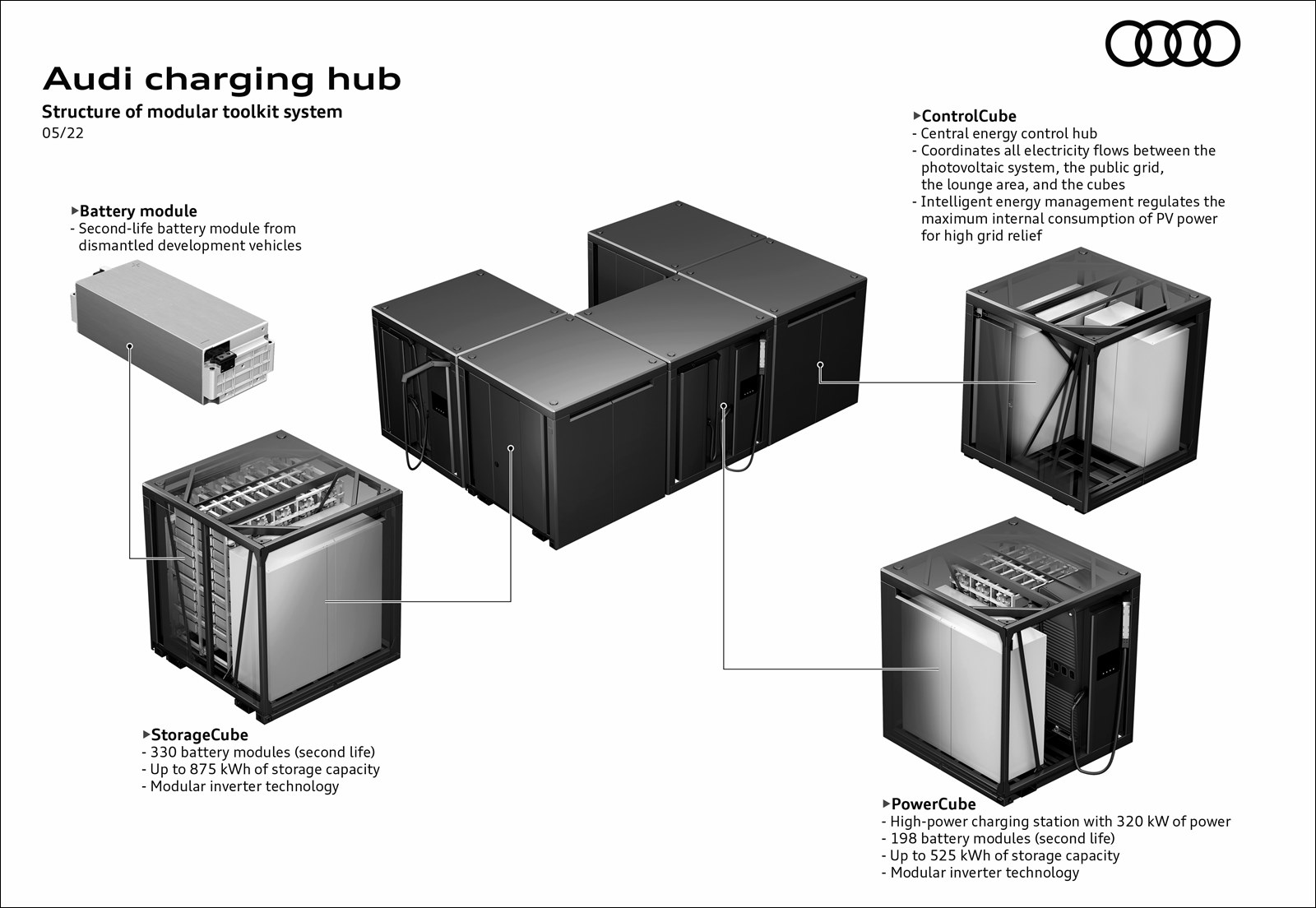
Cubes are the foundation of the Audi charging hub. The flexible container cubes can be assembled and disassembled again in existing areas in a few days. The cubes provide two fast-charging stations for each unit and can be combined in various constellations. Used and processed lithium-ion batteries packs function as energy storage systems. These are known as ‘second-life’ batteries taken from dismantled development vehicles previously used by the carmaker.

The approach reduces costs and resources, and makes complex infrastructure with high-voltage power lines and expensive transformers unnecessary. This means that there are also less procedures that would need to be obtained from authorities for laying cables to draw electricity from the power grid.

This system brings sustainable quick-charging infrastructure where the electricity grid is not enough. Up to six EVs can charge at one time at high speed. With a green power contract in place, the Audi charging hub only uses energy from sustainable resources, while solar panels on the roof provide up to 30 kW of additional green energy.

Audi charging hub

Positive feedback to pilot hub
The first such charging hub was installed in Nuremberg and feedback after 6 months has been overwhelmingly positive, according to Audi. It is evident that EV owners like the idea enough that repeat visitors accounted for some 60% of charging sessions.

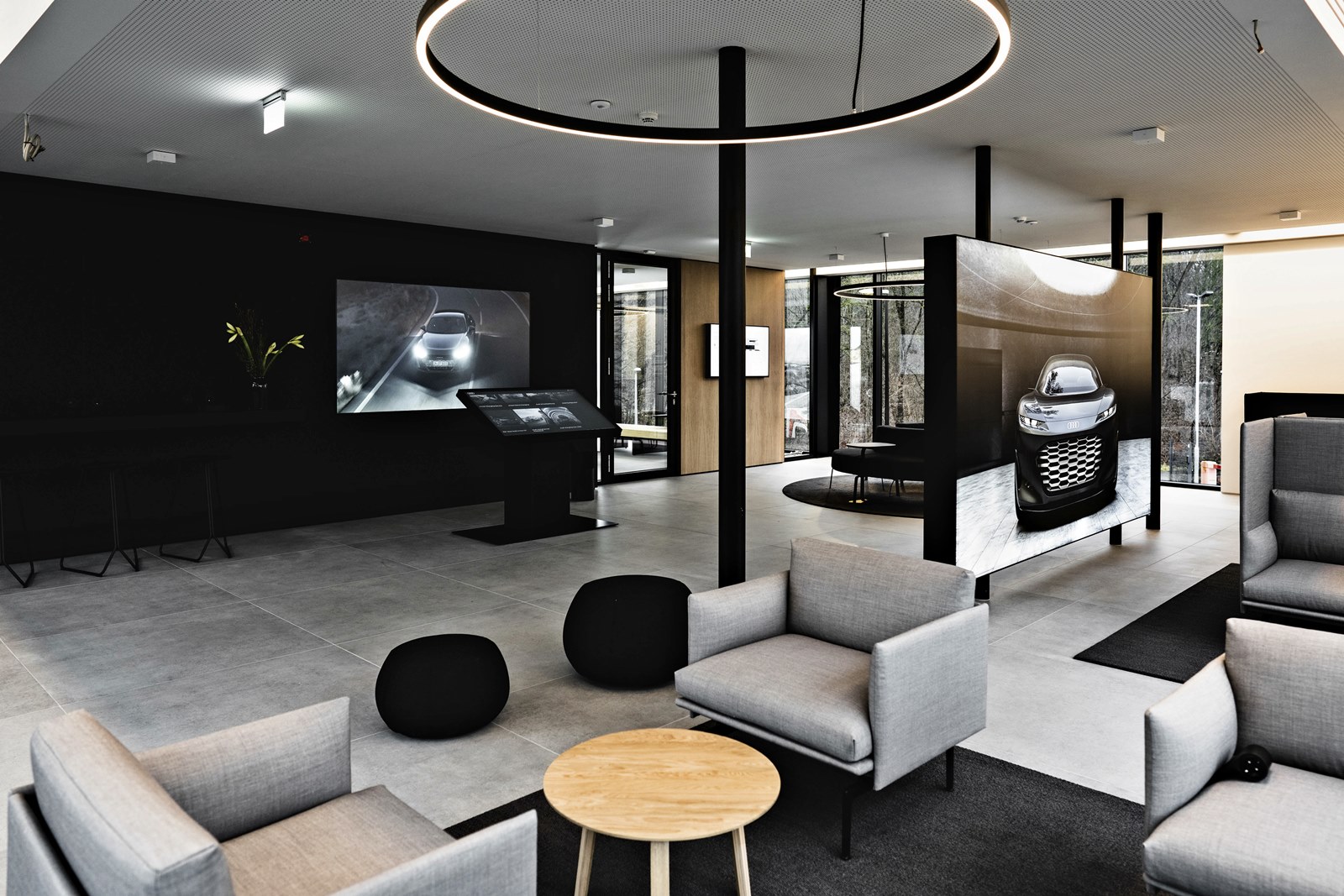
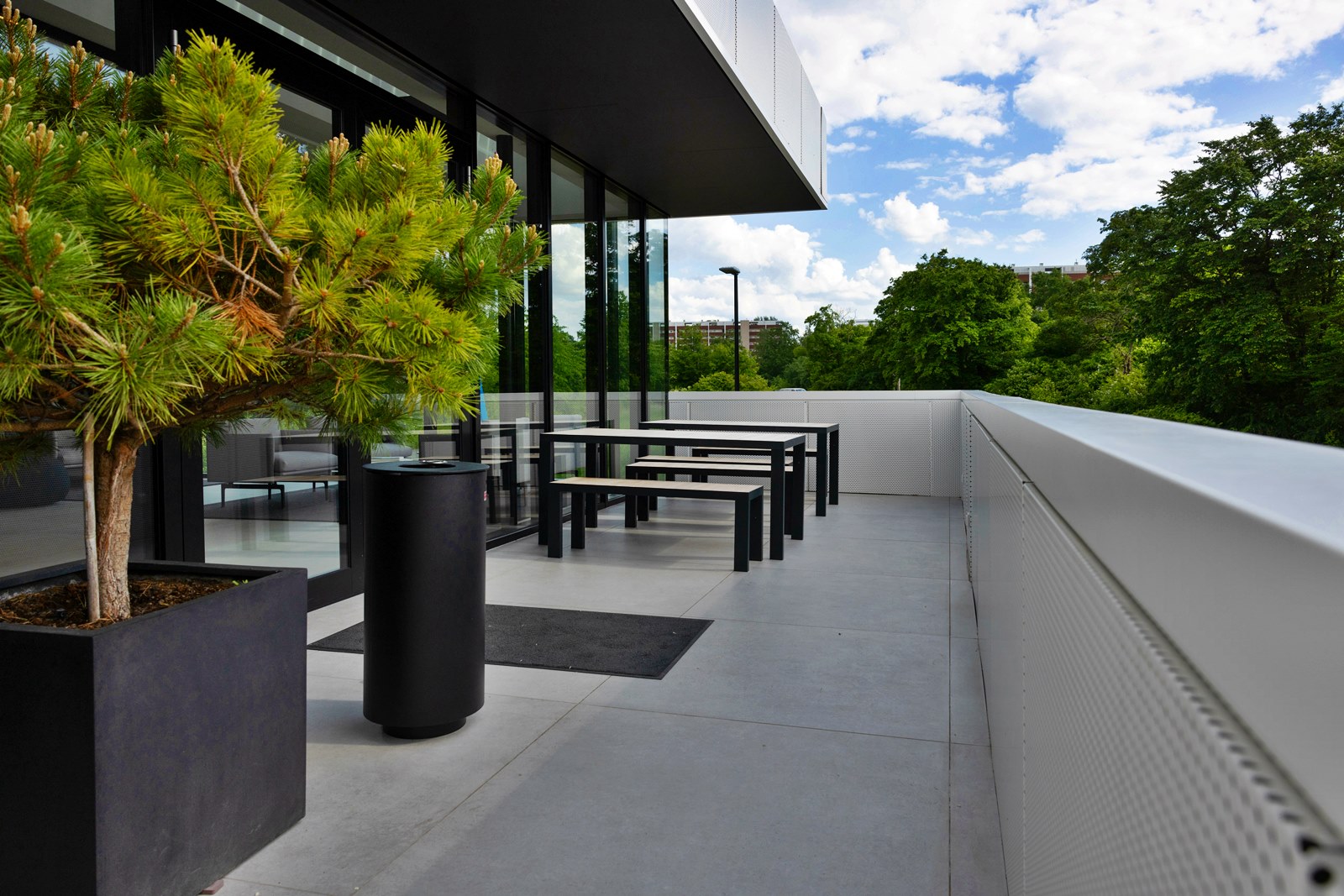
Additionally, there is a lounge integrated in the facility with a terrace above the charging cubes. The comfortable lounge has catering as well. Vehicle owners can work and relax while waiting for their vehicles to be recharged. The status of the recharging can be followed on a large screen in the lounge. Frequent use was also made of additional services such as the exchange station for micromobility batteries and a grocery delivery service.

Audi charging hub

Audi charging hub

More charging hubs to be set up
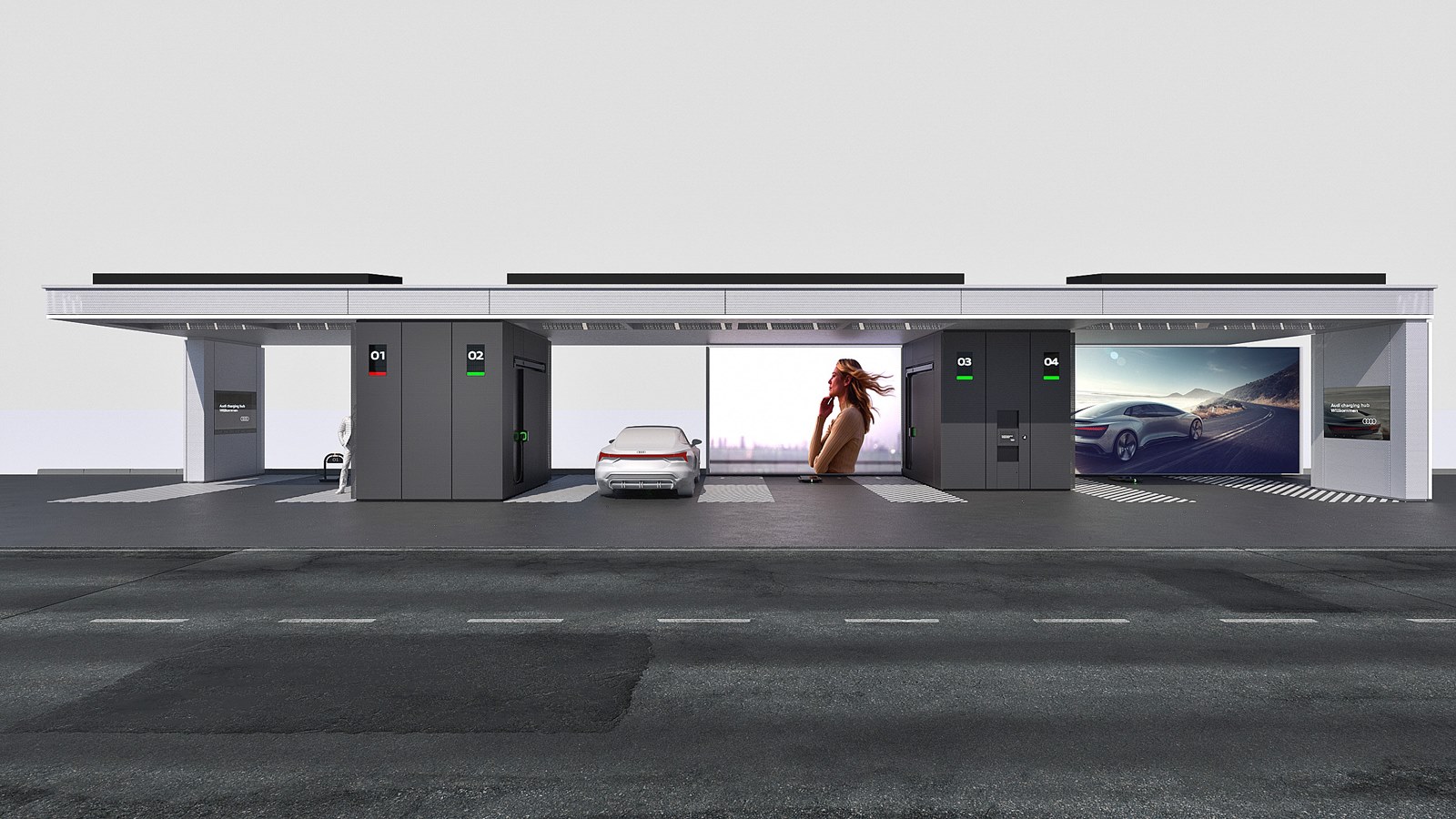
Based on the insights gained in Nuremberg and the positive customer feedback, Audi is opening another version of the modular Audi charging hub system in Zurich in the second half of this year. This will have 4 roofed charging points at 2 power cubes The tighter space requirements tailored to suit urban locations are the perfect fit for Zurich’s banking and insurance district.

Additional advantages include short prep times for planning and implementation as well as a lack of any need for civil engineering work. An essential component of the adaptable, compact concept is the reworked swivel arm that ensures barrier-free charging of all the cars across the entire width of the individual charging points with up to 320 kW of power.

Audi charging hub

Two 55-inch screens draw customers’ attention to the broad services available at the hub. Besides food and fitness offerings as well as shopping, there are also e-bike sharing facilities nearby. More compact than the site in Nuremberg, the Audi charging hub in Zurich is also based on the same modular design that enables the construction of a variously sized charging hub with or without a lounge. “The system’s modular design lets us react flexibly to on-site conditions,” explained Hollmig.

After Zurich, Audi is planning additional charging hub sites in Berlin and Salzburg later in the year. These three sites are expected to help meet the increased charging demands in urban spaces starting in 2023. Additional sites are planned to open in other cities Germany in 2023 and mid-2024.

Audi Charging Hub concept could be refuelling station of the future

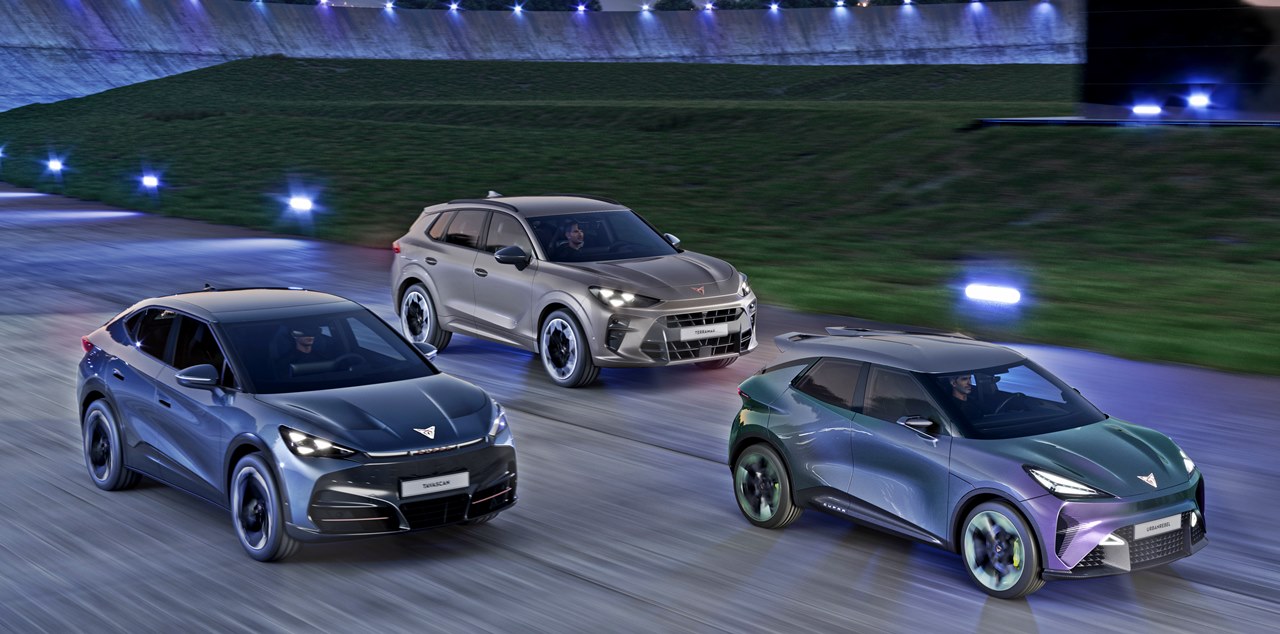
Like a number of manufacturers, Spanish carmaker SEAT (a member of the Volkswagen Group) also has a performance sub-brand. Known as CUPRA, its name was taken from the high-performance motorsport subsidiary of the company. CUPRA was established in 2018 to focus on high-performance products which, like those of SEAT, uses much of the Volkswagen Group’s technologies and platforms.

The brand has gained a lot of credibility with its high-performance models, delivering close to 200,000 units to date, mostly in Europe. Now it is looking ahead to an electrified future and will launch 3 new electrified models by 2025. The names of the new models were revealed recently – Terramar, Tavascan and UrbanRebel.


“Here is the entire range of CUPRA’s next generation of heroes to be launched by 2025,” said Wayne Griffiths, CEO of CUPRA, at the presentation of the future models. ”In the mid-term, our aim is to deliver 500,000 cars per year and push forward with our international expansion into new markets as well as entering new segments. The CUPRA Tribe is committed to making all this happen, it’s the people that count. Because at the end, it’s the people who make the brand.”

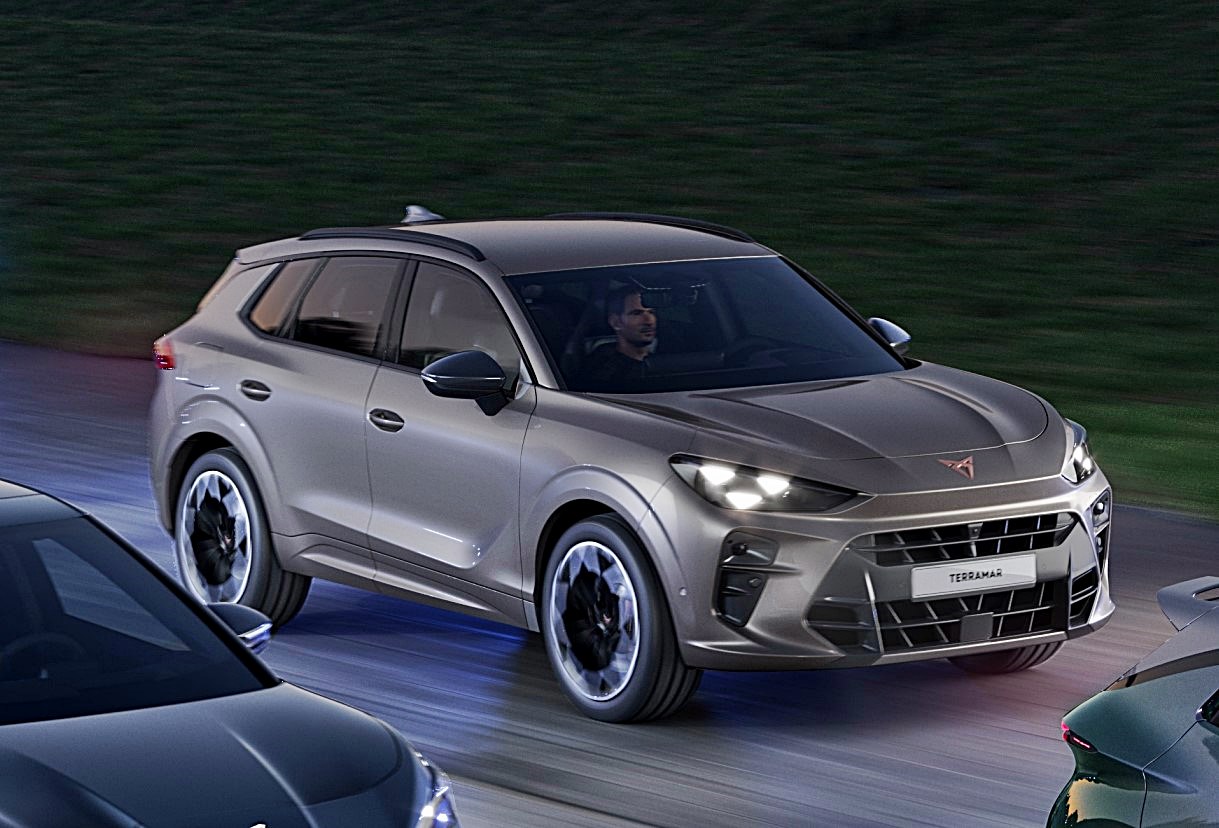
The Terramar
This will be the first electrified SUV of the brand which is expected to move the company to the hotspot of the SUV segment, the fastest-growing segment in Europe. To be produced in Hungary at Audi’s plant, the Terramar will be available with conventional petrol powertrains as well as a new generation of plug-in hybrid powertrains that are promised to deliver around 100 kms in all-electric mode. The e-HYBRID range focuses on performance and contemporary sportiness and are part of the bigger journey as CUPRA fulfils its electrification revolution.

“Terramar, our new sporty hybrid SUV, perfectly combines bold proportions with a long striking bonnet, while the shark nose means breakthrough resistance and the determination to win,” said Jorge Diez, Design Director at CUPRA. “Thinking of how the driver will feel, we provide a unique experience with the latest technology, thanks to the driver oriented interior concept. All in all, a 4.5-metre long SUV, with CUPRA DNA ready to shake one of the most competitive segments”.

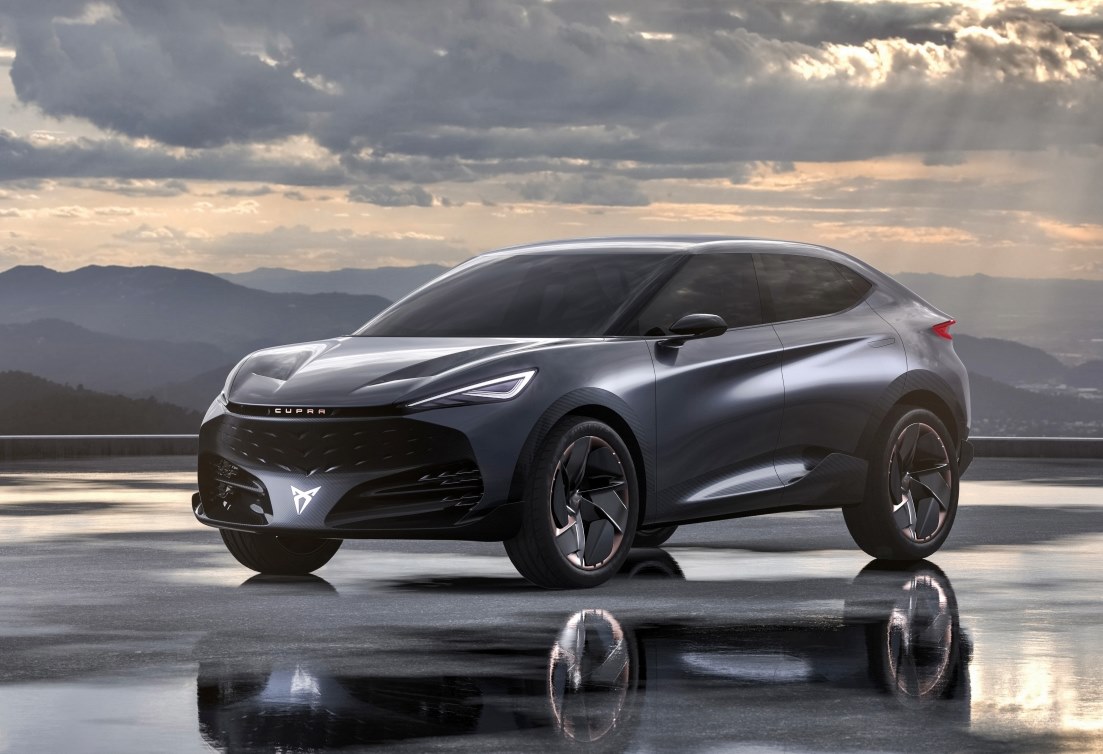
Tavascan
In 2024, CUPRA will launch the Tavascan, based on the electrified vision shown in the 2019 concept car of the same name. Some design elements were already strongly hinted at in the 2021 Tavascan Extreme E Concept. The Tavascan will have the mission of globalising the brand and take CUPRA to new markets.

UrbanRebel
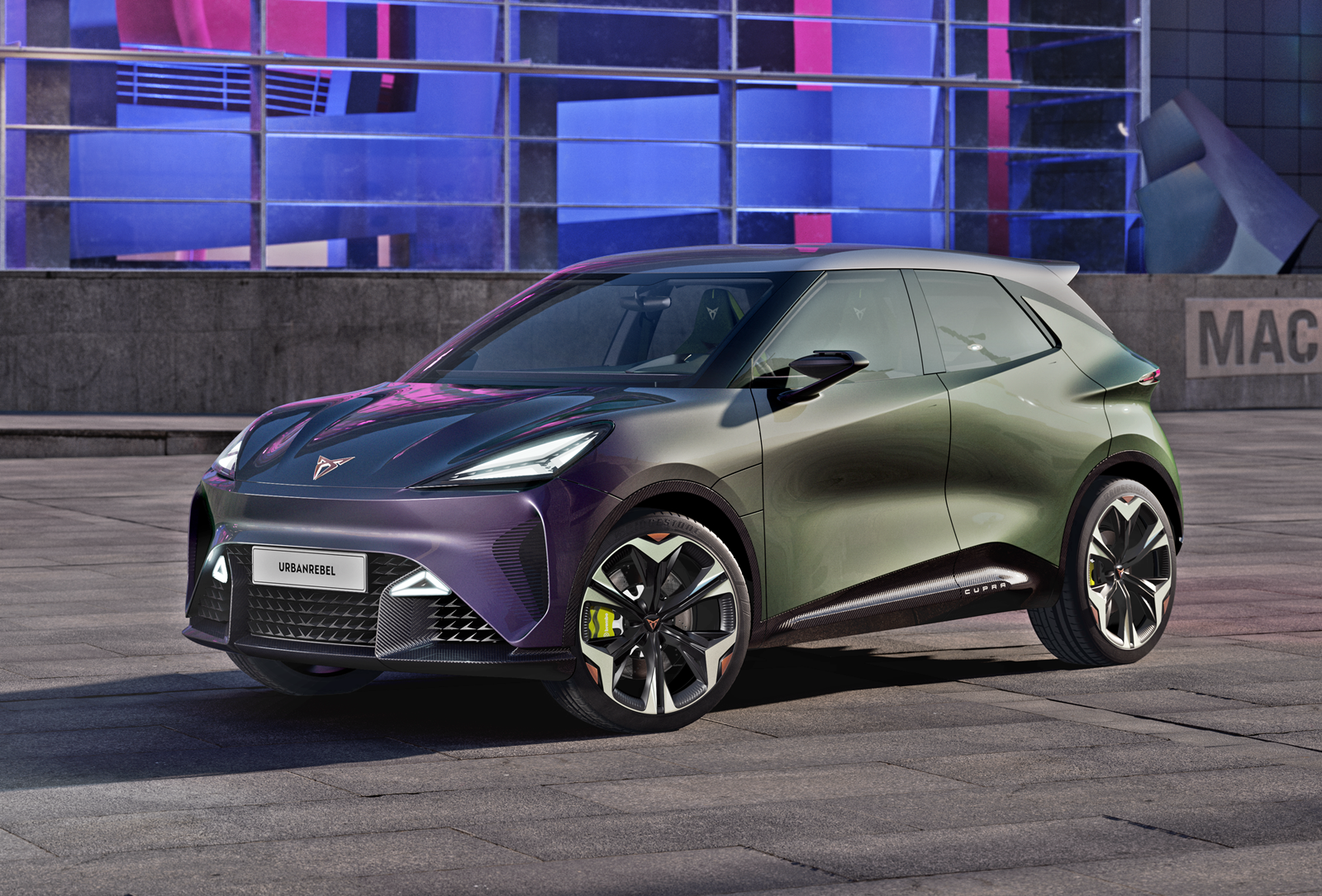
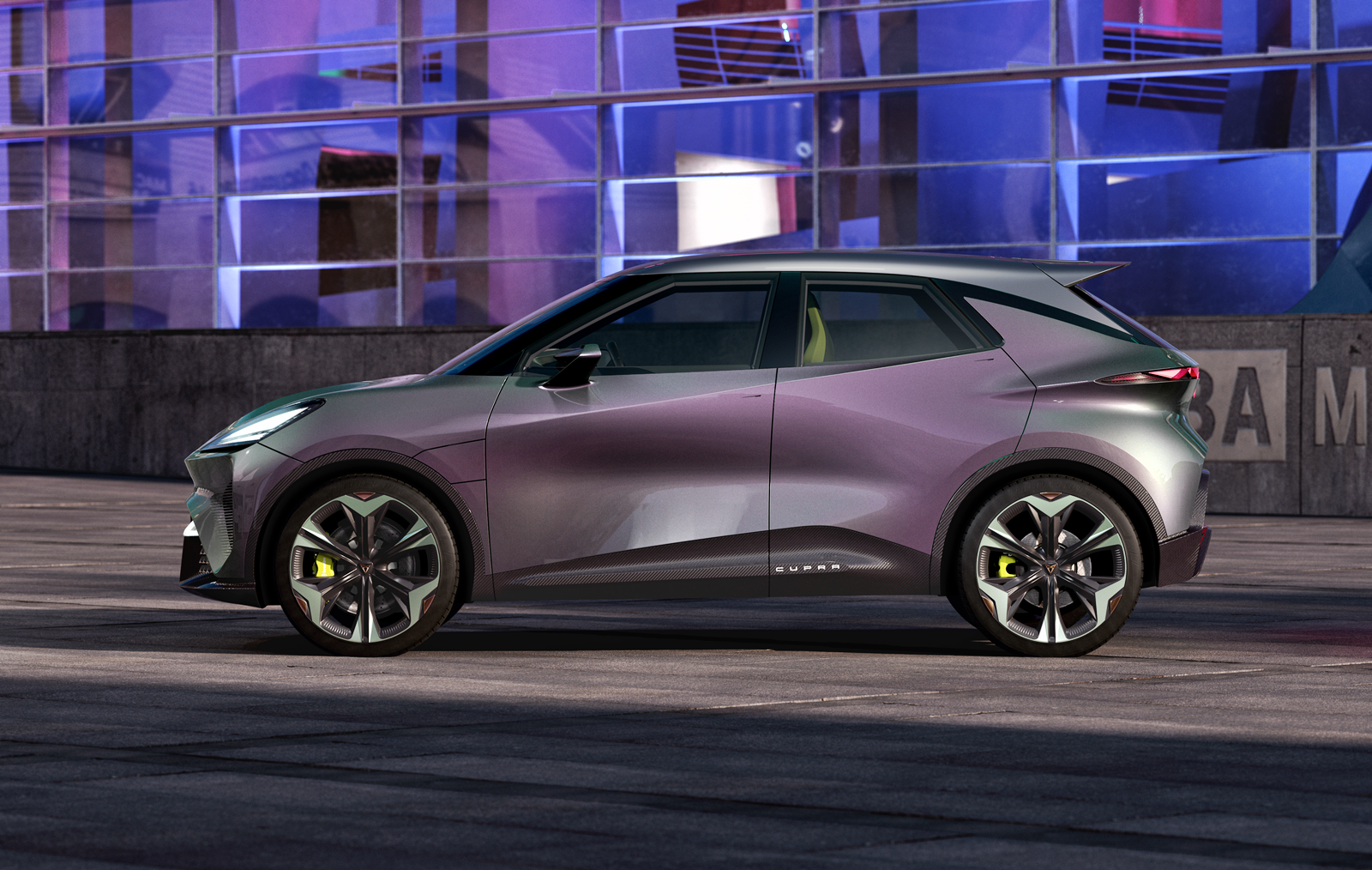
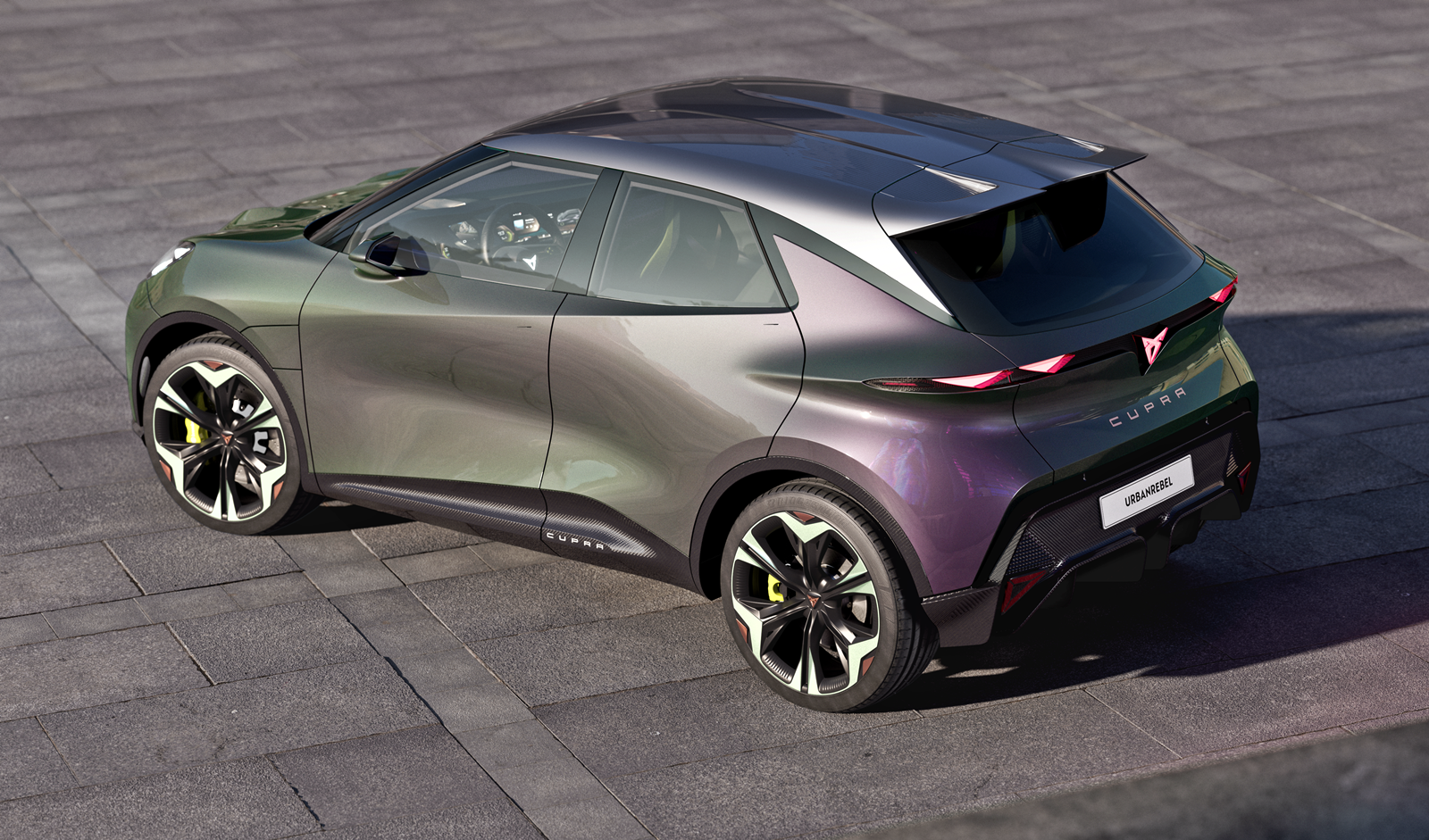
In 2025, the UrbanRebel will be the final model to be launched. Its name suggests that it will take the brand beyond its traditional boundaries. It will have an emotional design and be ‘developed for a more rebellious electric world’, according to CUPRA. The front-wheel drive model will sit on Volkswagen Group’s MEB Small platform.

Measuring 4030 mm long, the vehicle has sustainability at its core, integrating advanced recycled polymers and bio-based materials to push the boundaries of what is achievable, and delivering a more environmentally-conscious vehicle. It mixes 3D printed and 3D knitted manufacturing approaches with parametric design to improve performance and value perception.

Lightweight design both in the exterior and interior help the vehicle’s 166 kW (226 ps) electric motor propel the urban electric car to 100 km/h in a claimed 6.9 seconds. The battery pack will have energy to give a range of up to 440 kms.
CUPRA URBAN REBEL EV 2025

CUPRA URBAN REBEL EV 2025

“The CUPRA UrbanRebel will be the biggest project for our company in the upcoming years since it is key for our transformation as a fully electric brand. We are leading the cluster development, the family of vehicles that will democratise sustainable urban mobility, for different brands within the Volkswagen Group,” said Werner Tietz, Vice-President for Research & Development at CUPRA.

During the impulse event, CUPRA’s CEO also hinted at the future versions of the current range which consists of the Leon, Formentor and Born, to be renewed by 2025.

CUPRA is first carmaker to join new EXTREME E off-road championship

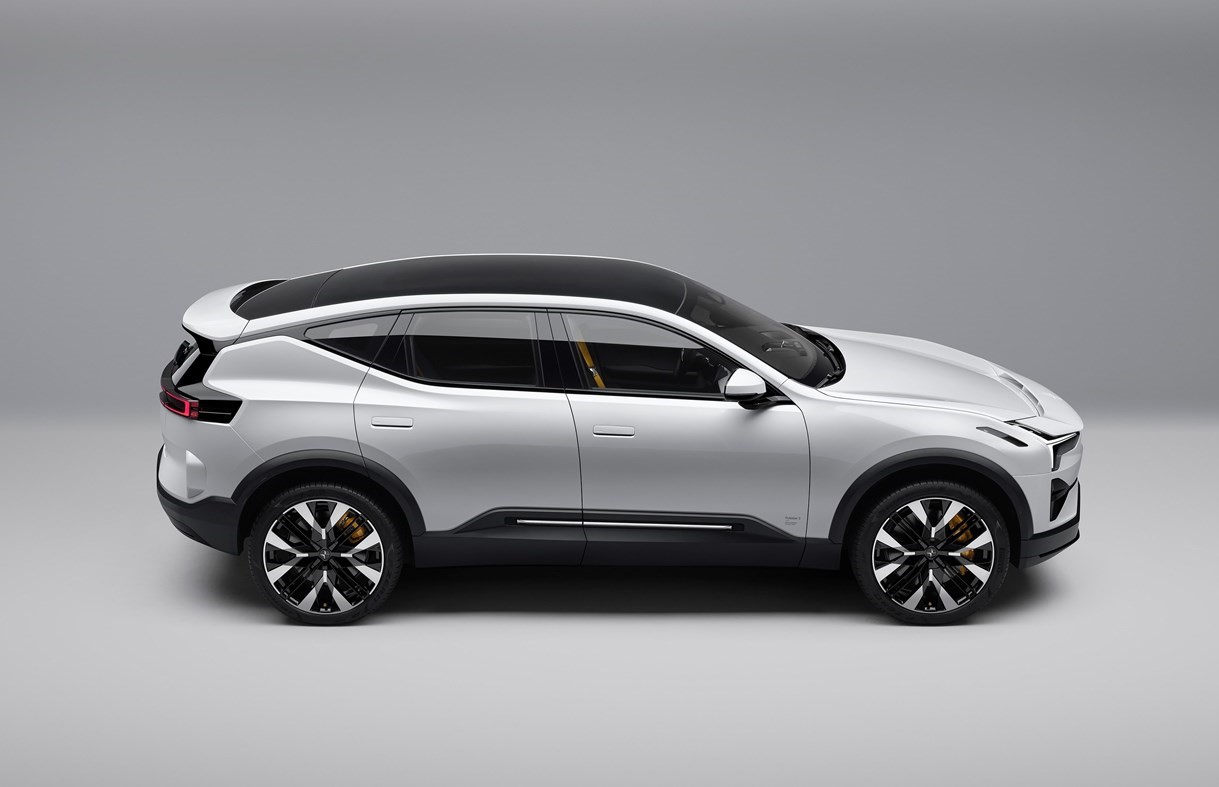
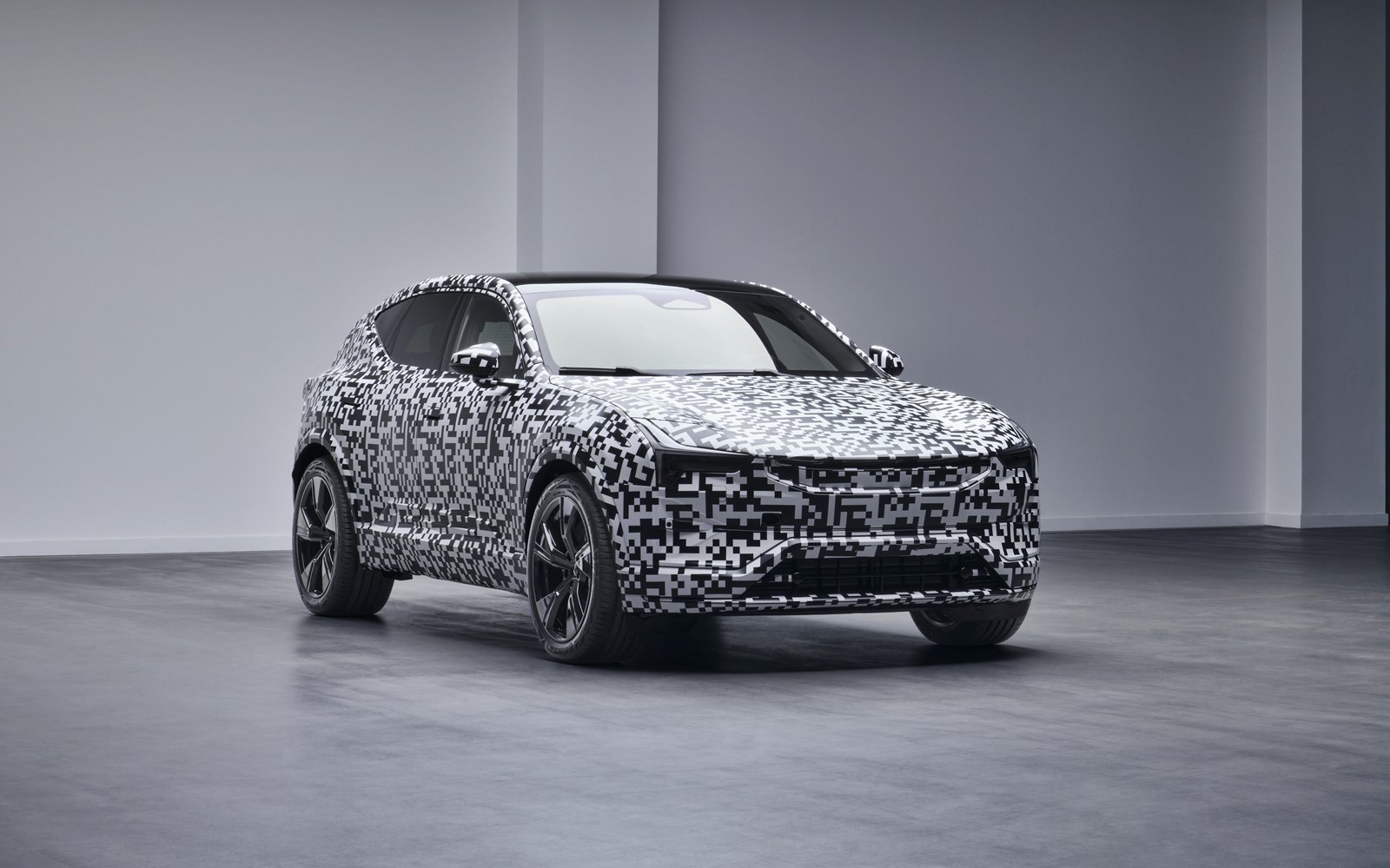
Polestar, the Swedish car company which makes and sells on battery electric vehicles (BEVs), will hold the world premiere for its next model, the Polestar 3, this October. This will be a SUV, the company’s first, and reflects the significance of the segment which is the most competitive today. Polestar will be entering one of the highest margin and growth segments in the automotive industry, particularly in the USA.

Customers can expect to order Polestar 3 in initial launch markets from the day of the premiere. Production is expected to begin in early 2023, and besides China, the model will be manufactured in the USA. This follows carmakers like Mercedes-Benz and BMW which set up factories for their first SUVs in the USA in the 1990s.

“This is a major milestone for our company, one that boosts our growth trajectory and takes us into our next phase,” said Thomas Ingenlath, Polestar’s CEO. “Polestar 3 is the SUV for the electric age. Our design identity evolves with this high-end large luxury EV, with a strong, individual brand character. With this car, we bring the ‘sport’ back to the SUV, staying true to our performance roots.”

The company said that Polestar 3 will, over time, offer autonomous highway piloting powered by the best-in-class LiDAR sensor from Luminar and centralized NVIDIA computing power. At launch, it will have a dual-motor drivetrain for all-wheel drive and a large battery, with a range target of over 600 kms.

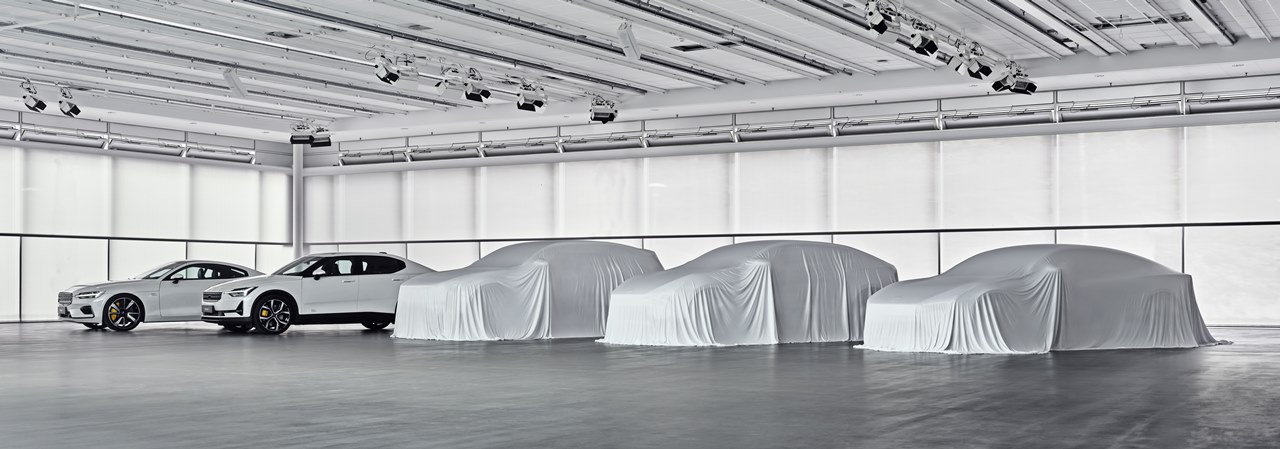
Polestar plans to launch a new model every year for the next 3 years, starting with Polestar 3. Polestar 4 is expected to follow in 2023, and it will be a smaller SUV coupe. In 2024, the Polestar 5 performance 4-door GT is expected to debut as the production evolution of Polestar Precept.

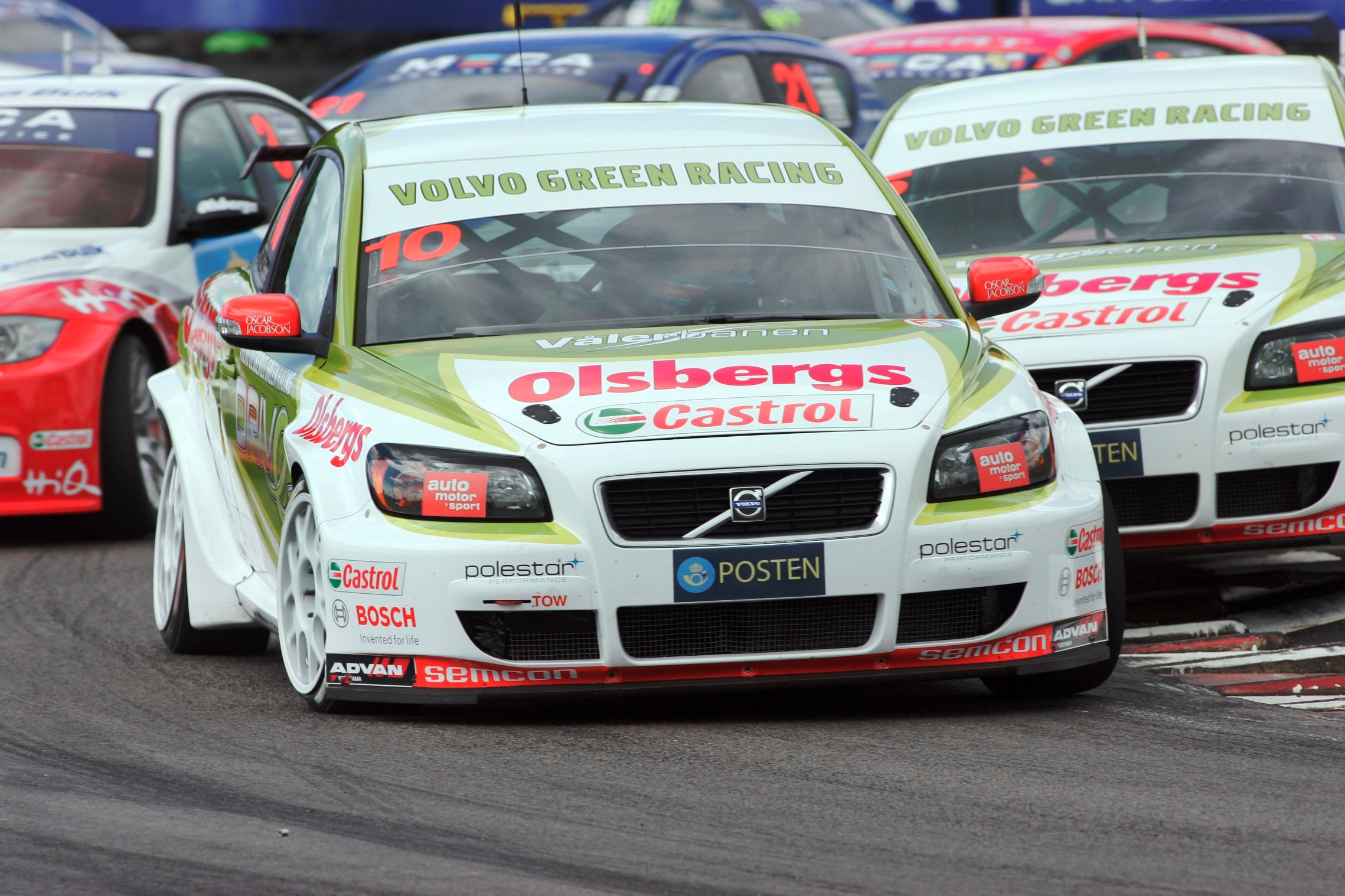
While Polestar is a recognised carmaker today, its origins were rather unusual as it started off as the name of a racing team in 1996. It gained prominence in the Swedish Touring Car Championship running Volvos and by 2015, Volvo Cars decided to take it in and give it a role involving high performance products.

The Polestar name first appeared with a successful racing team running in the Swedish Touring Car Championship with Volvos.

With Volvo Cars being acquired by the Geely Group in 2010, Polestar also became part of the group while its racing activities have been run by Cyan Racing. Under the Geely Group, Polestar grew further and besides developing and selling electric performance cars, it offers performance hardware upgrades and engine software optimisations for Volvo models through their Polestar Engineered division.

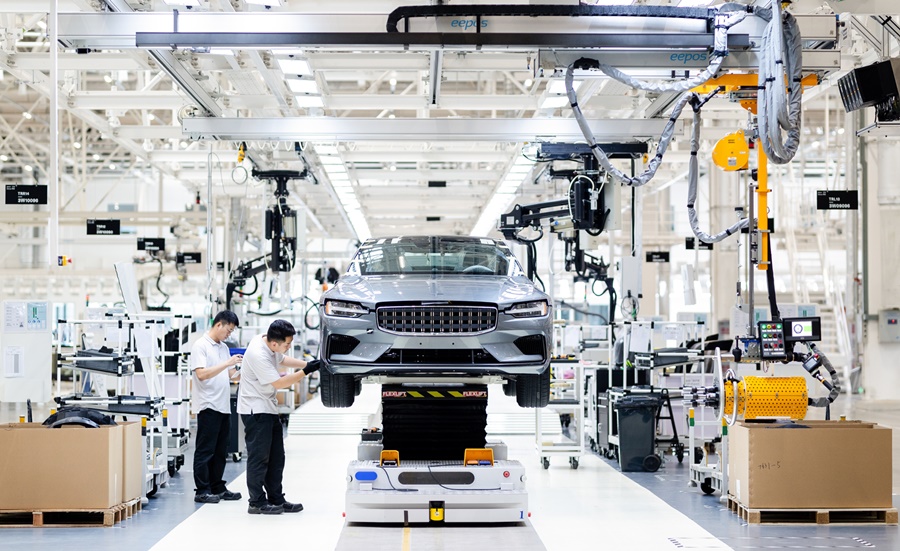
Polestar also functions as an innovation lab for Volvo Cars, developing designs and technologies. Being part of a huge group, Polestar enjoys technological and engineering synergies and benefits from significant economies of scale as a result, as well as sharing resources. Polestar has production facilities in China, and as mentioned earlier, there will be a new factory in the USA to manufacture the new SUV model.

Polestar factory in Chengdu, China.

To date, Polestar has produced two models – the Polestar 1 which was built between 2019 and 2021 as a low-volume electric performance hybrid GT with a carbonfibre body, and the Polestar 2 which sells in larger volumes.

The company plans to increase its presence to at least 30 global markets by the end of next year. This supports its plans to grow ten-fold from global sales of approximately 29,000 in 2021 to approximately 290,000 by the end of 2025.

Polestar O2 concept shows that sportscars will still exist in the electric age

It looks like the Chinese carmakers are steadily establishing their presence in the ASEAN market as sales are growing for some of the brands that have entered a few years earlier. This is not their first approach as they began to appear in the 2000s. But back then, their products were not of the same quality as what consumers had come to be used to from the Japanese and Korean brands, so they quietly faded away. Chery was one of them, having tried its luck in Malaysia and even did some local assembly but pulled out in the end.

Today, the Chinese carmakers have progressed greatly and have improved quality as well as made technological advancements themselves. With the government having given a push towards electric vehicles (EVs), they have had to develop EV technology as quickly as possible while competing with each other for a slice of the biggest vehicle market in the world.

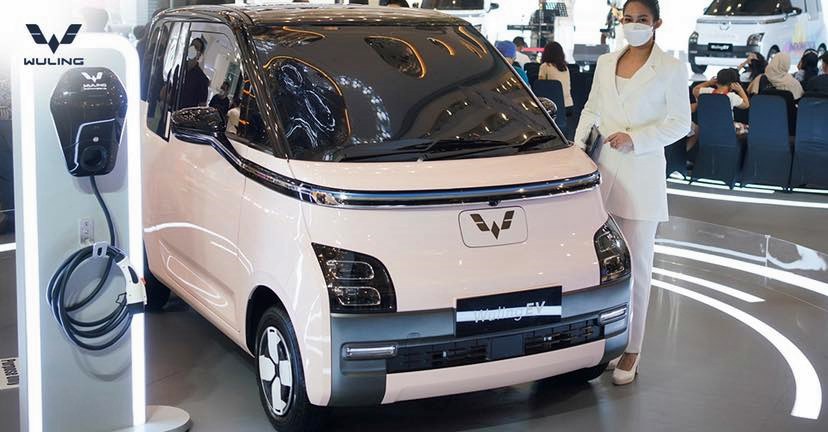
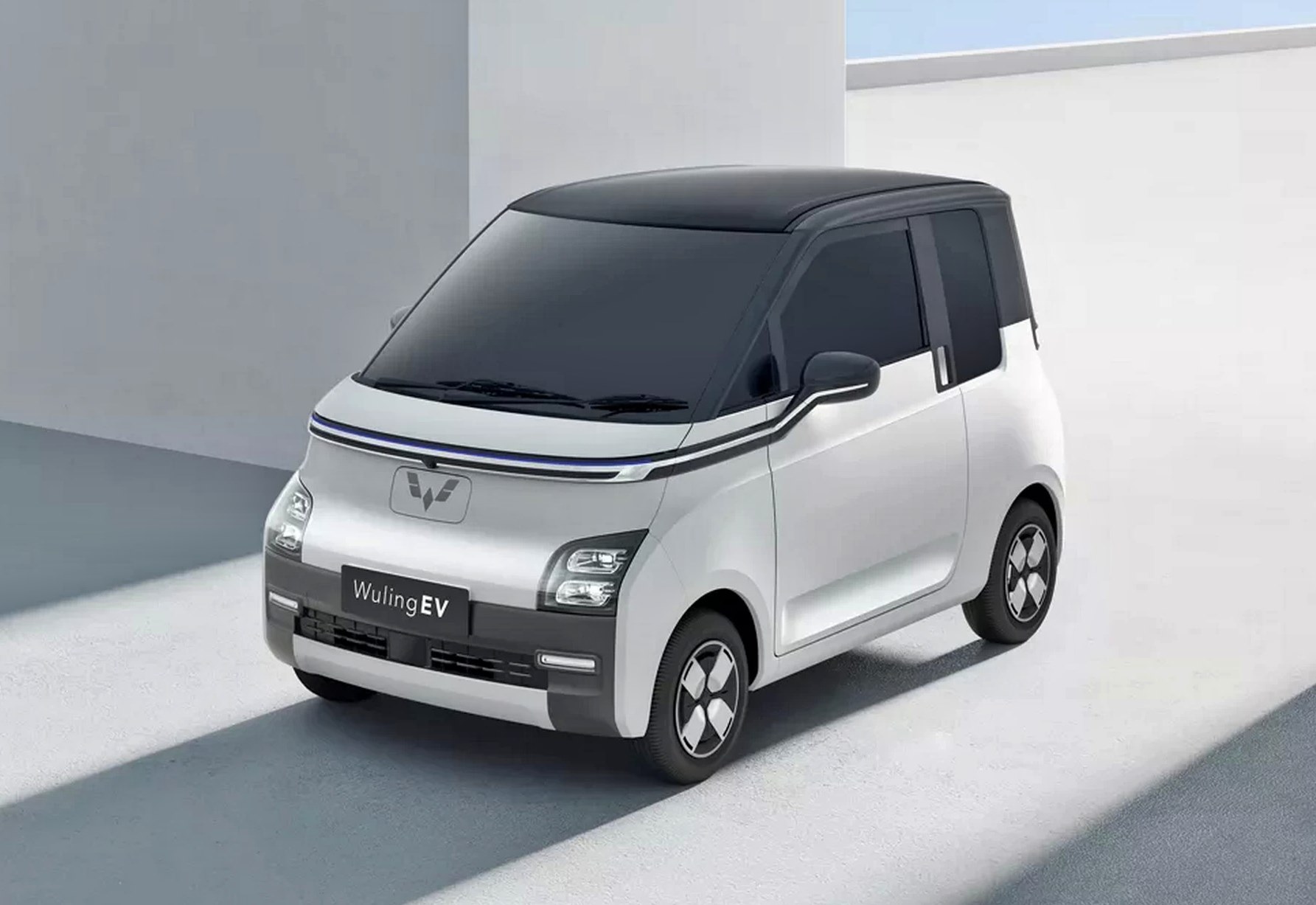
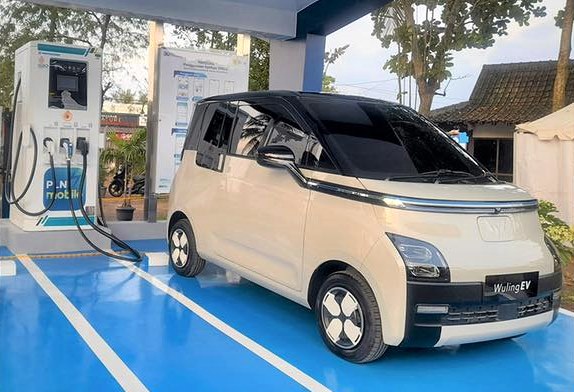
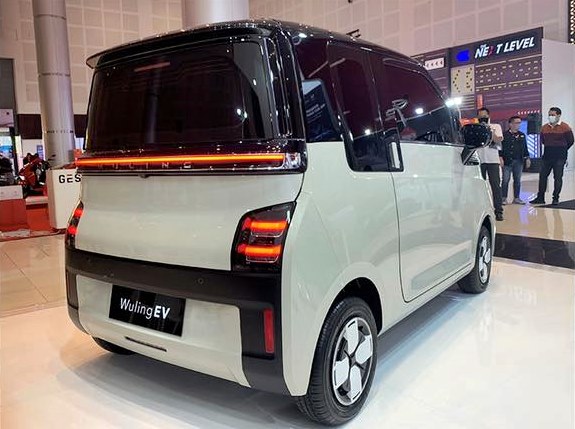
2022 Wuling Air EV

Having their own EV technology and products is timely, of course, as government around the world are pushing the auto industry to take definite action to address climate change. Going electric is one approach and countries like Indonesia have offered attractive incentives that are drawing carmakers there to grow their EV business.

Wuling Motors, through its SAIC-GM-Wuling (SGMW) joint-venture with General Motors, is aiming to do just that and develop Indonesia into a major overseas market. Over the past 15 years, it has gained experience in export sales, having sold one of the most popular small vans in Asia. In 2021, SGMW exported over 140,000 units from China to more than 40 countries and regions.
2022 Wuling Air EV

Now it intends to also promote its new range of models developed on its Global Small Electric Vehicle (GSEV) platform. And for the debut of its first global-market zero-emission vehicle – the Wuling Air EV – it chose Indonesia for the world premiere. Apart from the country’s attractive incentives for EV players, SGMW already has a significant presence and a manufacturing plant.

The Wuling Air will be the first EV model that SGMW will sell outside China and has been selected as the official car partner for the 2022 G20 Summit to be held in Indonesia this November. It is likely that the model will be assembled in Indonesia where there can be significant economies of scale and flexibility.

2022 Wuling Air EV

Furthermore, with the provisions of the ASEAN Free Trade Area (AFTA) agreement, the EV can be exported to other markets in the region duty-free. Of course, for Malaysia, that will be the case anyway since there is presently full exemption on import duties for BEVs (battery electric vehicles).

It is likely that SGMW will produce LHD versions in China for the domestic market, complementing the joint venture’s current EV portfolio that has the Wuling Hong Guang MINIEV, Wuling Nano EV and Baojun KiWi EV. Indonesia could thus become the production hub for RHD versions.

2022 Wuling Air EV

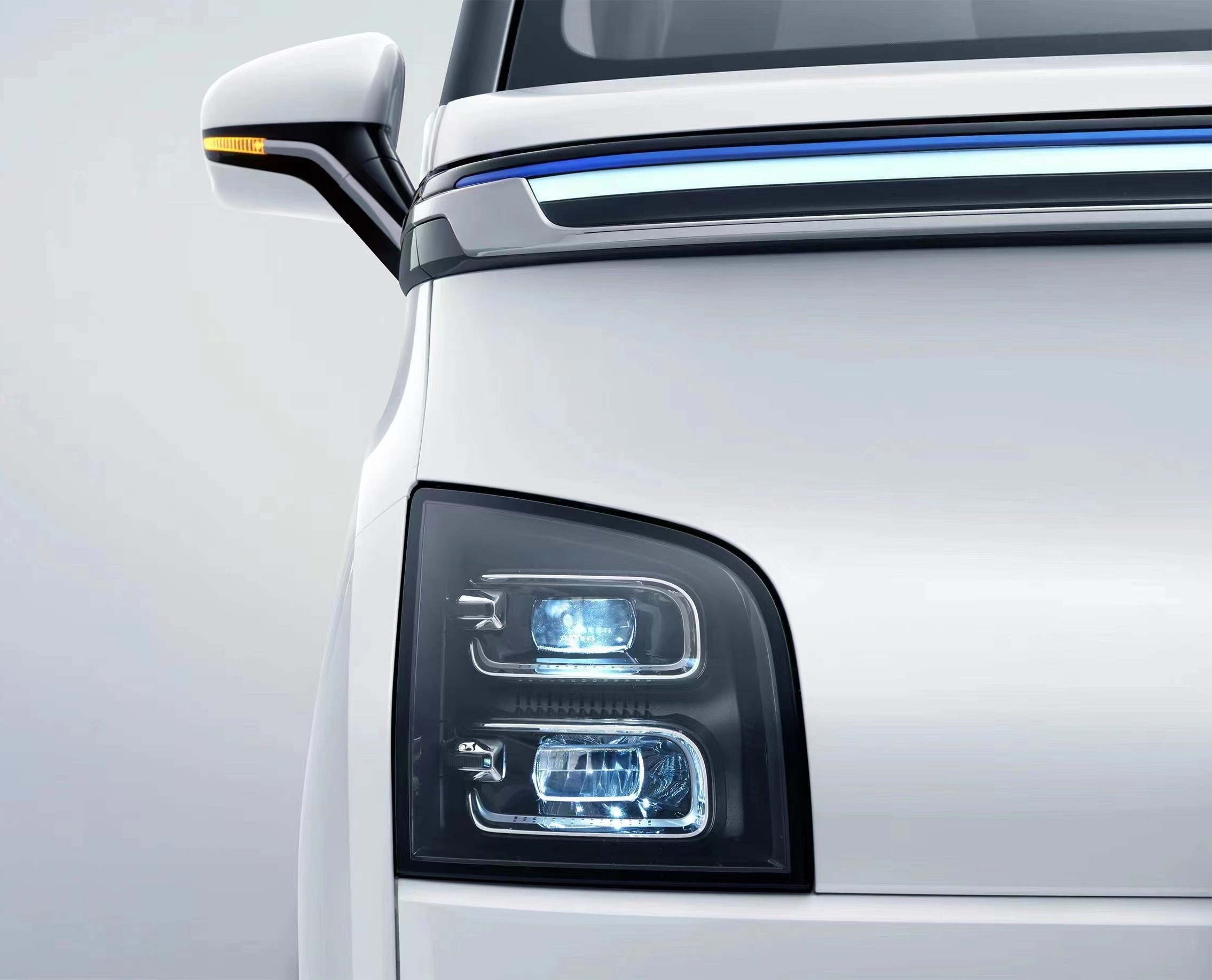
The Air EV is the Wuling’s fourth next-generation vehicle to adopt the brand’s new look with a new design language. It has a modern appearance that is somewhat different from other small EVs, with a front fascia that features a horizontal bar extending to the sideview mirrors, and integrated LED daytime running lights.

Size-wise, there are two versions – one with a long wheelbase (LWB) and the other with a shorter wheelbase (SWB). From information released in Indonesia, it appears that only the 4-seater LWB will be offered outside China. This has a length of 2974 mm, width of 1505 mm and height of 1631 mm with a wheelbase measuring 2010 mm. The SWB version can accommodate only two persons and is 2599 mm long with a wheelbase of 1635 mm.

2022 Wuling Air EV

These are certainly very small cars as a Perodua Axia is 3645 mm in length. And while it is often said that an EV doesn’t have a heavy engine, the lithium iron phosphate battery pack is still heavy. In spite of being smaller than an Axia which weighs 825 kgs to 860 kgs, the Air EV LWB weighs 860 kgs, while the SWB version is 100 kgs less.

The powertrain will be fairly basic with a single motor driving the front wheels. There will be a choice of 30 kW or 50 kW and also Standard and Extended ranges of 200 kms and 305 kms, respectively. Top speed is claimed to be 100 km/h which is probably as fast as you would want to go in such a small car.

2022 Wuling Air EV

The price in Indonesia is rumoured to start from 275 million rupiahs (about RM84,000) and while that is down to the Honda City/Toyota Vios level in Malaysia, Perodua and Proton offer cheaper cars – and they are more spacious too. So we can’t see the Air EV coming in and besides, with the still-limited recharging network, many will be hesitant to invest in a car which could be stuck in some kampung in the rural areas because its battery can’t be recharged. Presumably, Indonesia’s plan to raise EV adoption will see a rapid development of the recharging network around the country.

The reality of producing and running electric vehicles

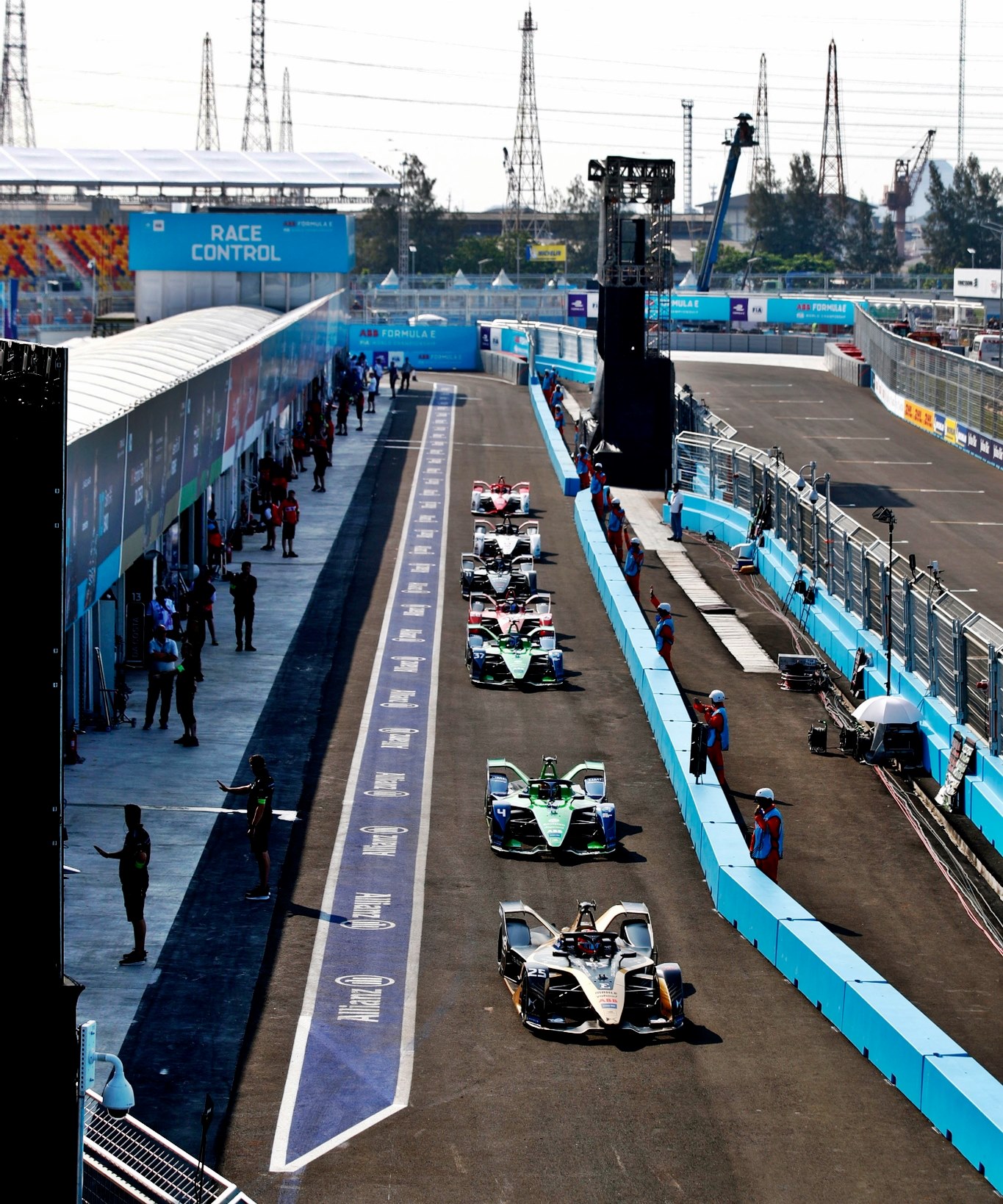
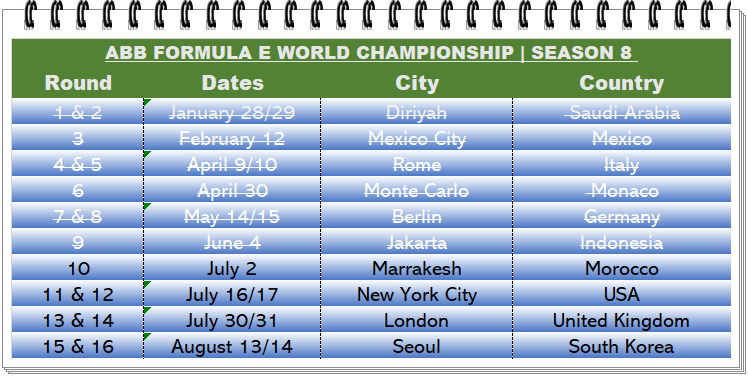
The ABB FIA Formula E World Championship appeared this weekend for the first time in Indonesia, joining 16 races at 5 locations so far in Asia. In fact, the very first Formula E ePrix was held in Beijing while the 50th race was in Hong Kong. Other locations have been Putrajaya in Malaysia (twice) and Diriyah in Saudi Arabia. Seoul, Korea will join the list for the first time at the end of this season.

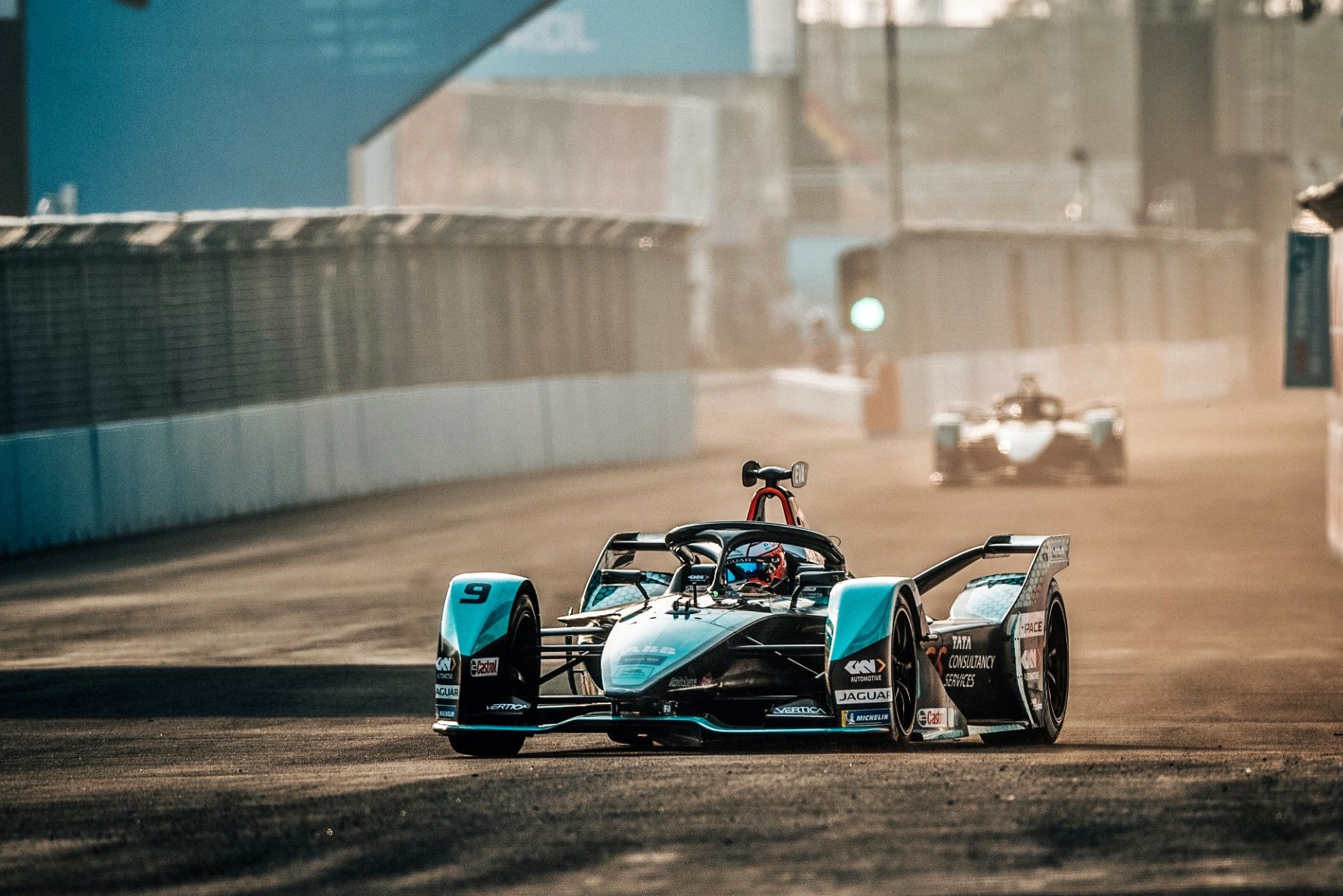
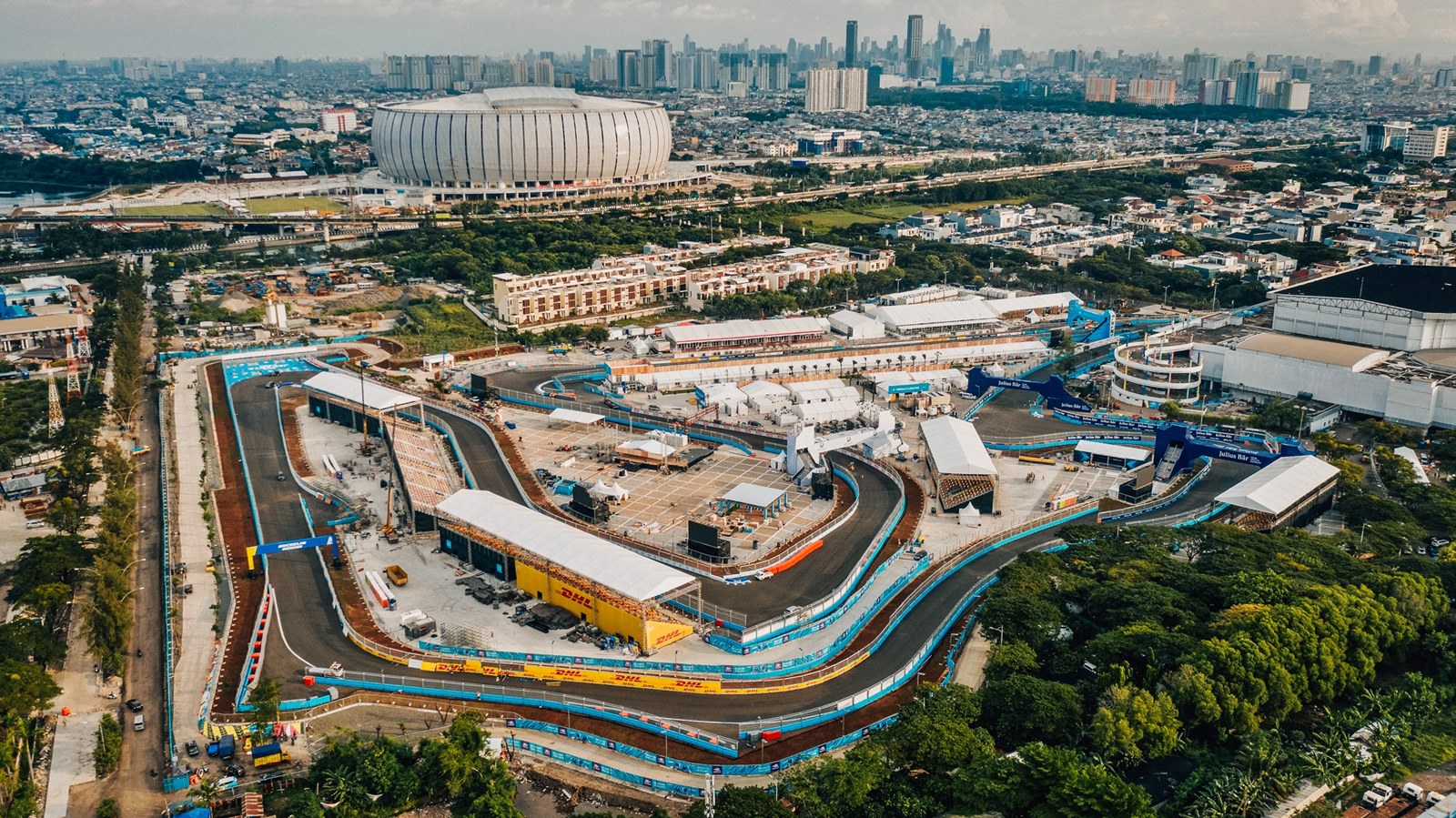
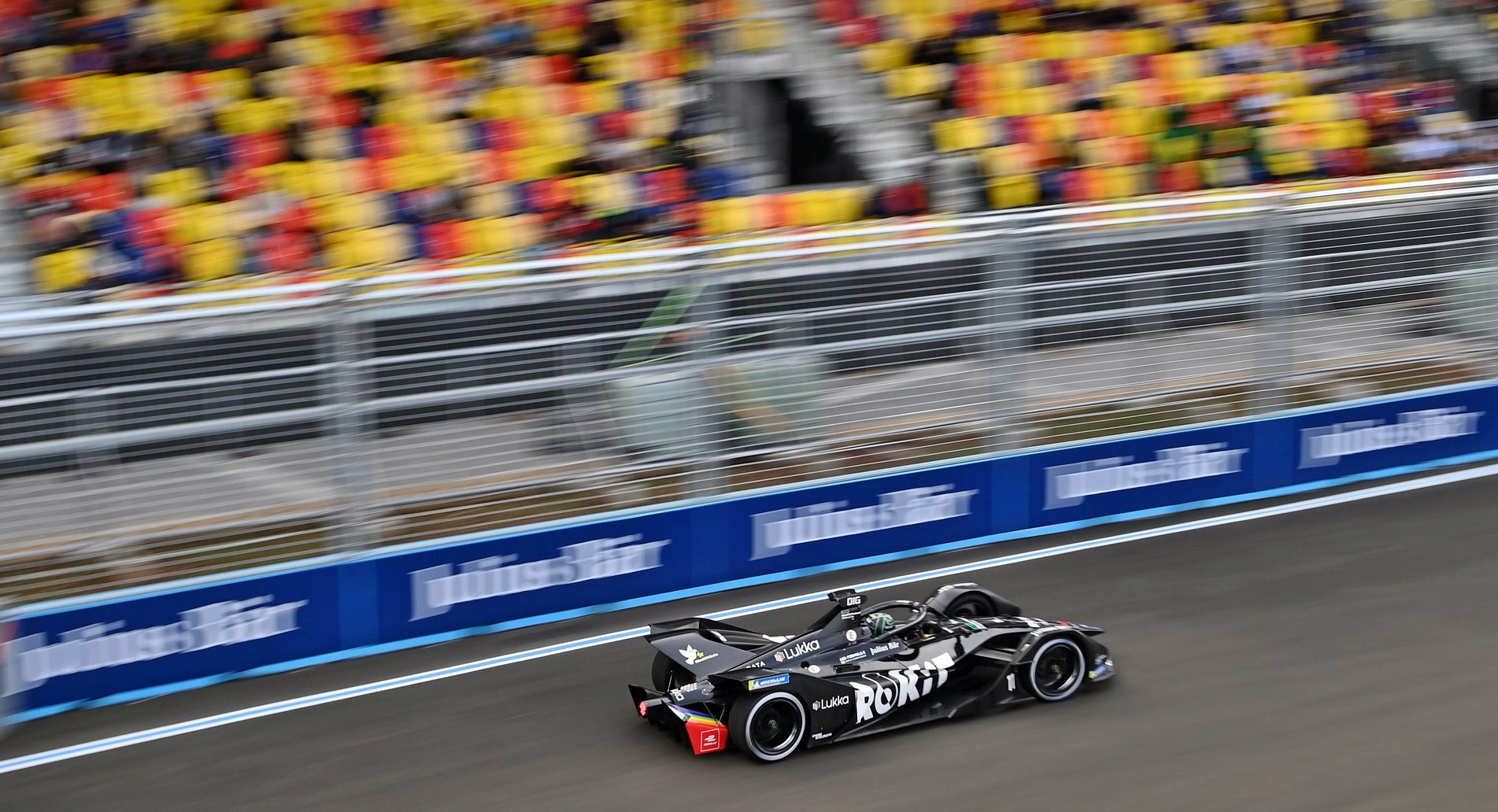
Indonesian President Joko Widodo and Governor of Jakarta Anies Baswedan joined over 60,000 spectators at the first-ever Jakarta ePrix, Round 9 of the 16-race calendar of Season 8. 11 teams and 22 drivers took part on the specially built Jakarta International e-Prix Circuit in Ancol Beach. It was uncharted territory for the participants with high humidity and searing heat. Also adding to the unknowns was the 2.37-km circuit’s unique banked sections, undulations, bumps and a mix of technical and high-speed sections.

The 2.37-KM, 18 corner circuit layout was inspired by the horses of the Kuda Kepang traditional dance.

Jakarta ePrix 2022 Formula E

After 8 rounds and 5 different race winners, Season 8 remains a thrilling battle. Going into Round 9 in Jakarta was championship leader Stoffel Vandoorne of Mercedes-EQ, ahead of ROKiT Venturi Racing’s Edoardo Mortara and DS TECHEETAH’s double champion Jean-Eric Vergne.

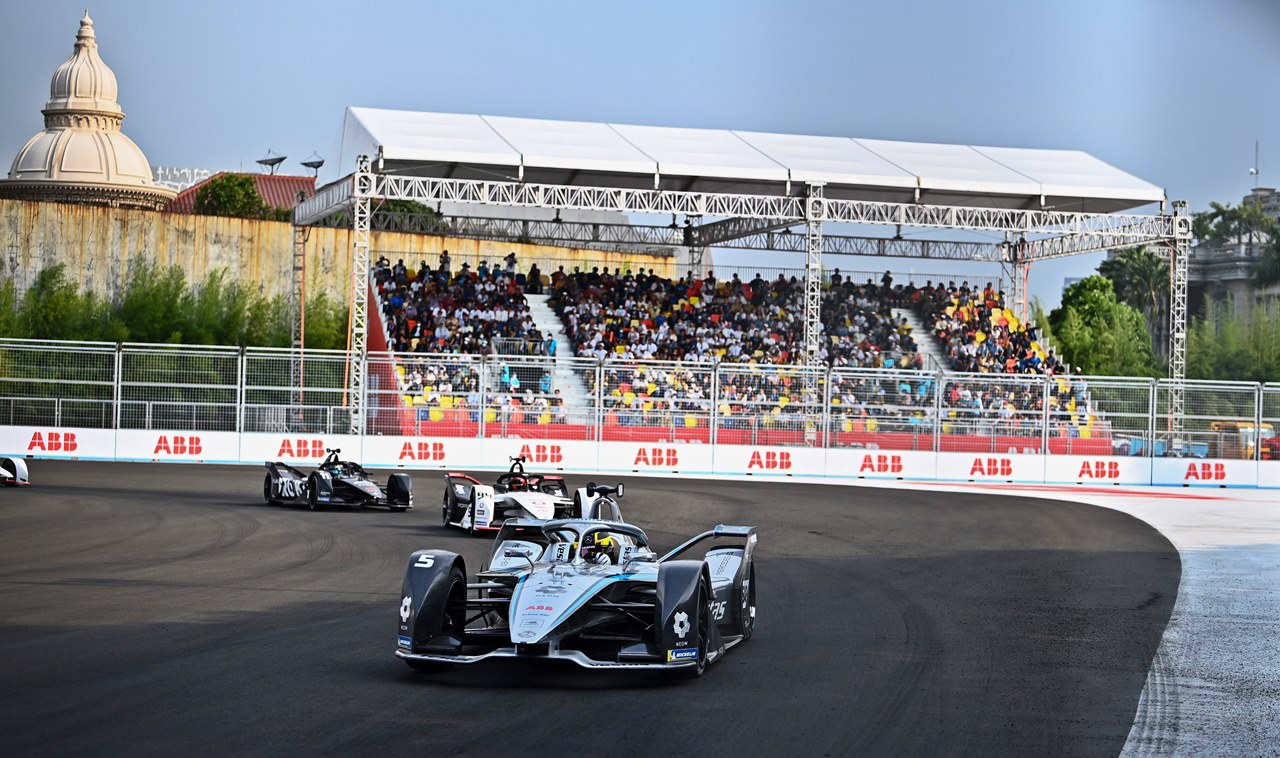
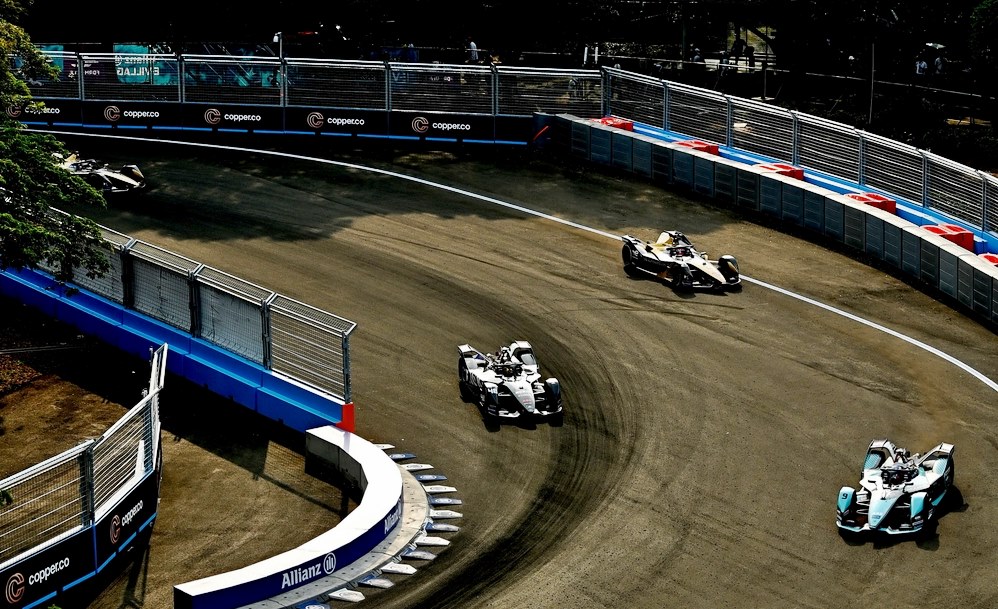
But it was Mitch Evans (Jaguar TCS Racing) who fended off the efforts of Vergne  and Edoardo Mortara to take his third win of the season. The Kiwi made a late-race lunge that caught then-leader Vergne off-guard at Turn 7 on Lap 31 in an opportunistic move from way back.

Jakarta ePrix 2022 Formula E

From there, energy management became increasingly critical for the lead duo as they fought between themselves and against searing track temperatures. After an early Safety Car period, the race was extended and drivers posted 40 laps in total as a result.

That allowed Mortara to join the party as Evans and Vergne duelled. Evans had some 5 minutes plus added time to hold the pair off, with the race anybody’s heading into the final turn and his rear tyres fading fast. He held on to stay ahead of Vergne and Mortara home as all 3 drivers finished within a second of each other.

Jakarta ePrix 2022 Formula E

Antonio Felix da Costa (DS TECHEETAH) slipped from second at the start to be fourth across the finishing line. As for the championship leader, Vandoorne was able to make 3 crucial passes through the race to wind up fifth after starting from seventh. He has enough points to retain his championship lead though the gap is now reduced.

“That was hard. I was just happy to be in it at the end. We had a tough last race [in Berlin], and this track was similar with the climate being on another level! We put a lot of work into the set-up and the systems, but the team gave me what I need, gave me the goods,” said Evans. “It was really tight at the end with Vergne; I thought I was going to pull away but my tyres started going off as soon as I got past him. I was under a bit of heat but we got the job done. This is what we needed.”

Jakarta ePrix 2022 Formula E

With Vandoorne’s closest rivals all finishing on the podium, the Drivers’ standings are closer. Just 12 points now split the top four, with Vergne 5 points back from the Belgian, Mortara 2 points away  from the Frenchman in third, and Evans another 5 points back in fourth.

Vandoorne’s team, Mercedes-EQ, still holds its position at the top of the Teams’ championship with 186 points. That’s 16 points ahead of DS TECHEETAH which, after the Jakarta ePrix, climbs above ROKiT Venturi Racing.

Jakarta ePrix 2022 Formula E

The teams leave Jakarta to head to Morocco for the Marrakesh e-Prix on July 2. It will be Round 10 of the ABB FIA Formula E World Championship and as in Indonesia, there will only be a single round run.

McLaren Racing to take over Mercedes-EQ Formula E Team for 2023 entry

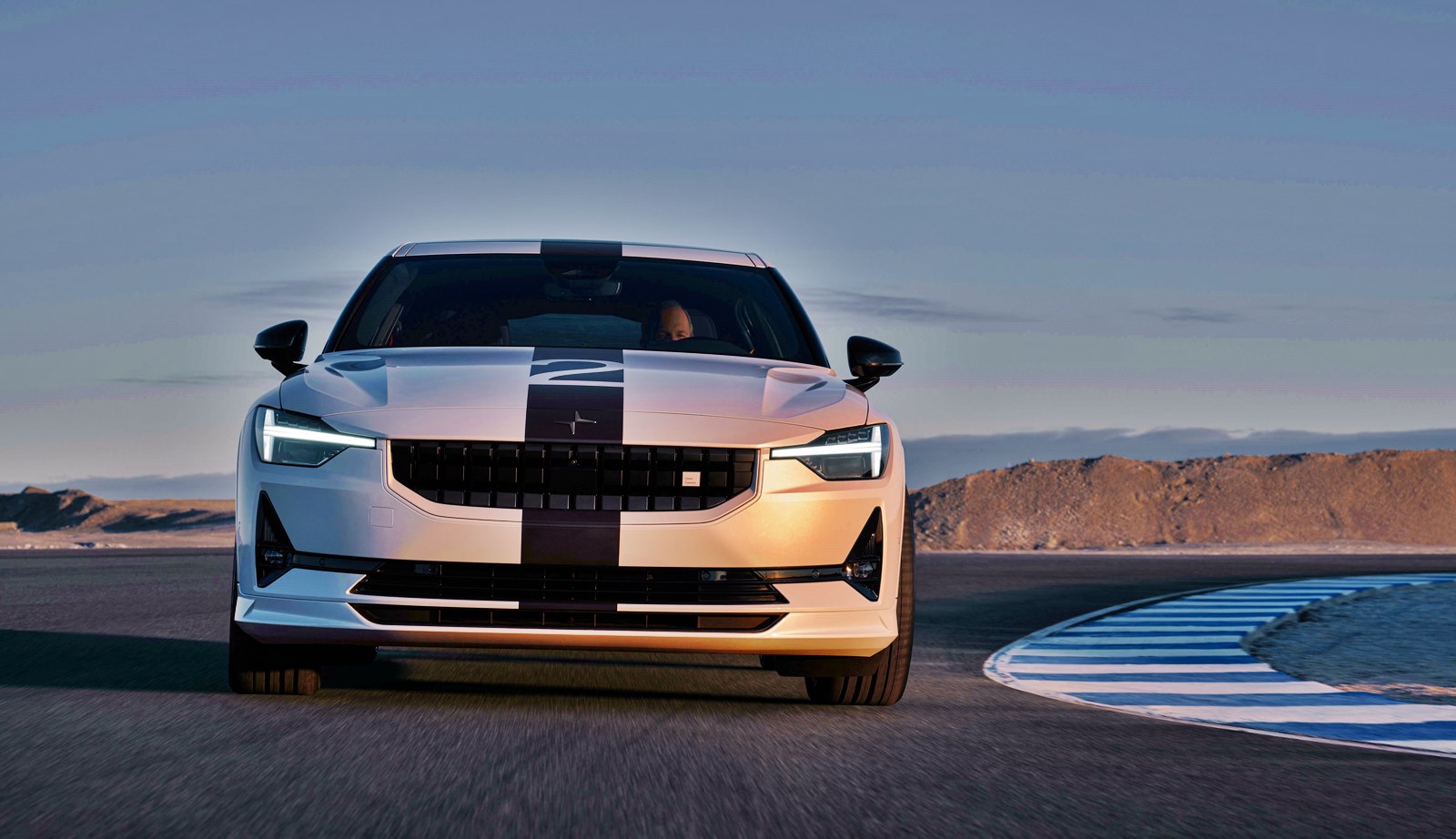
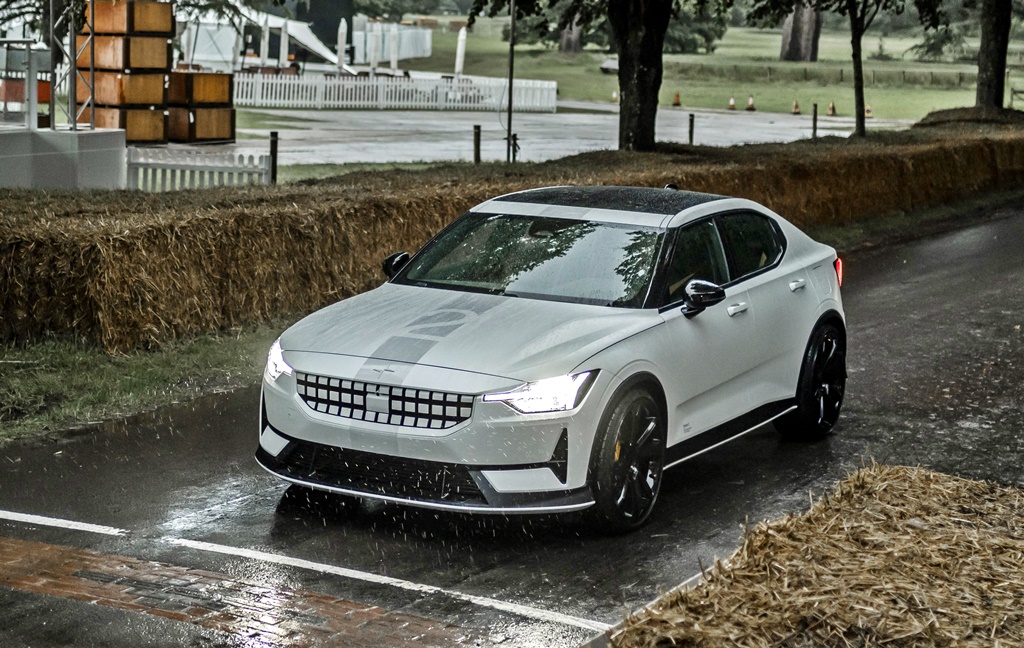
At last year’s Goodwood Festival of Speed in England, Polestar showed off an experimental specially modified Polestar 2 with impressive performance. However, the company said that it was just a one-off which they would not be turning into a production model. Nevertheless, enthusiasts loved it and there was a lot of interest expressed in buying one if it was made available.

“We had a great reaction and the response made it clear – we should create a version like that for production,” said Thomas Ingenlath, Polestar’s CEO. He had proposed the project last year to push the boundaries of the performance fastback’s design and performance potential.

The experimental Polestar 2 at Goodwood in 2021 (above), and the production version (below) that will be offered to 270 customers.

2022 Polestar 2 BST edition 270

Only 270 units
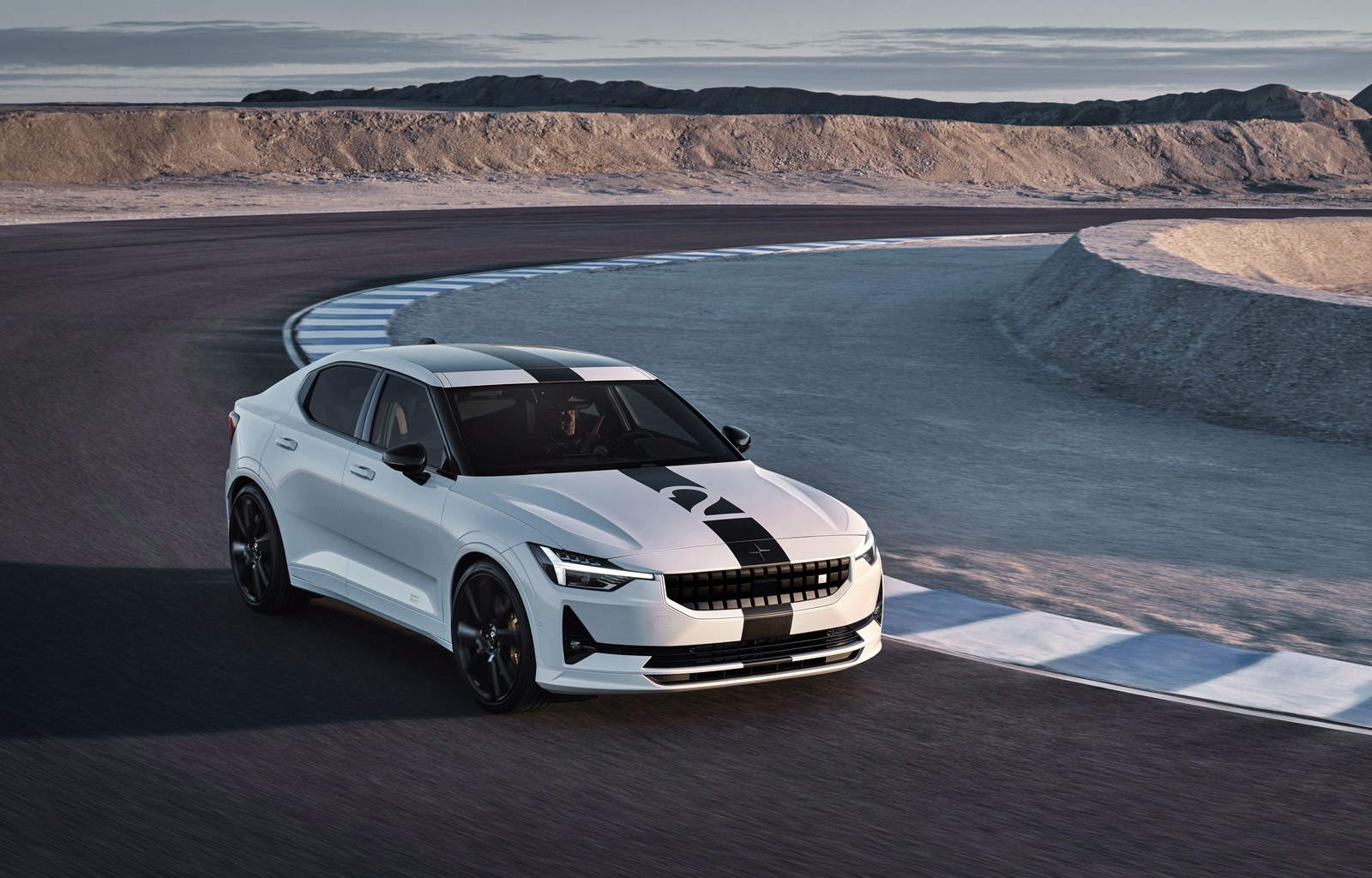
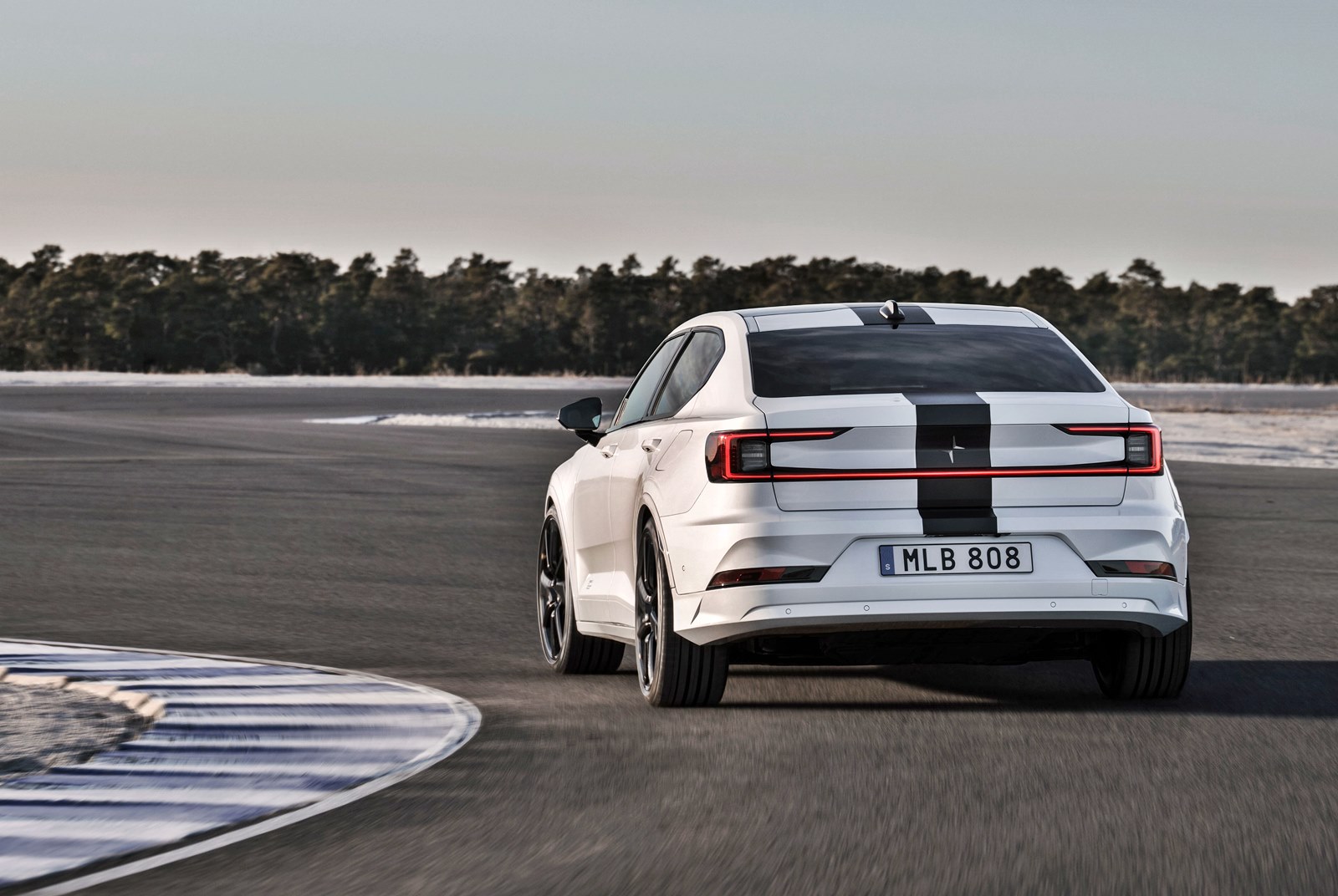
And here it is – a special edition called the Polestar 2 BST edition 270. The ‘270’ indicates the number of units that will be offered, exclusively for Europe, North America and China (so they will all be in lefthand drive).

The tuning-based Polestar Engineered product leverages on decades of tuning experience to create the brand’s most dynamic electric driver’s car yet. The production car includes mechanical modifications along with key design enhancements that place it above standard Polestar 2 models.

2022 Polestar 2 BST edition 270

2022 Polestar 2 BST edition 270

Increased output
The two electric motors and 78 kWh battery pack have been enhanced for a maximum power output of 350 kW (476 ps) and 680 Nm of torque, along with heightened responsiveness to go with the sportier dynamics.

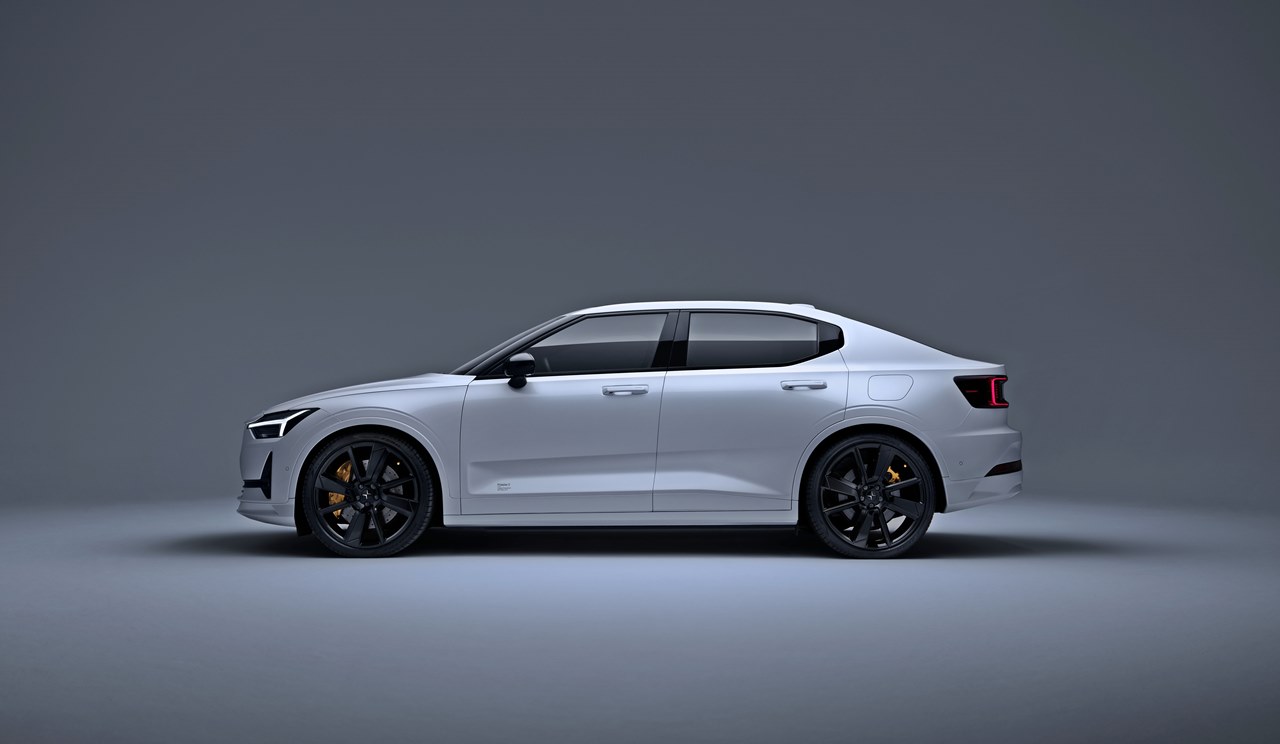
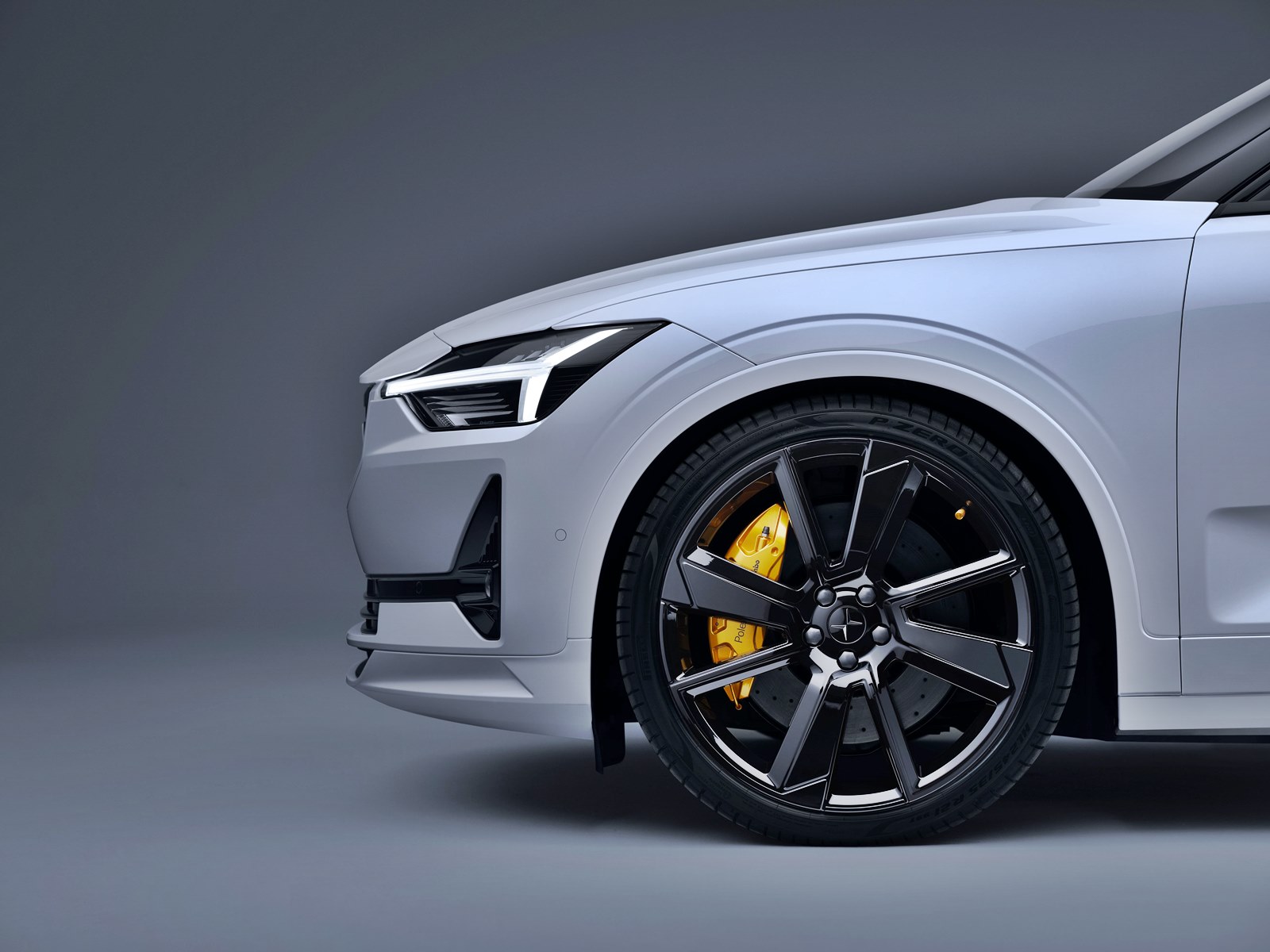
Chassis modifications include lowered ride height (by 25 mm), specially developed and unique Ohlins 2-way adjustable dampers with auxiliary adjustment chambers mounted under the bonnet, a front strut bar, 20% stiffer springs and unique new black 21-inch alloy. The tyres fitted are 245/35R21 Pirelli P Zero, developed specifically for the car which retains the standard 4-piston Brembo brakes.

2022 Polestar 2 BST edition 270

2022 Polestar 2 BST edition 270

Styling enhancements
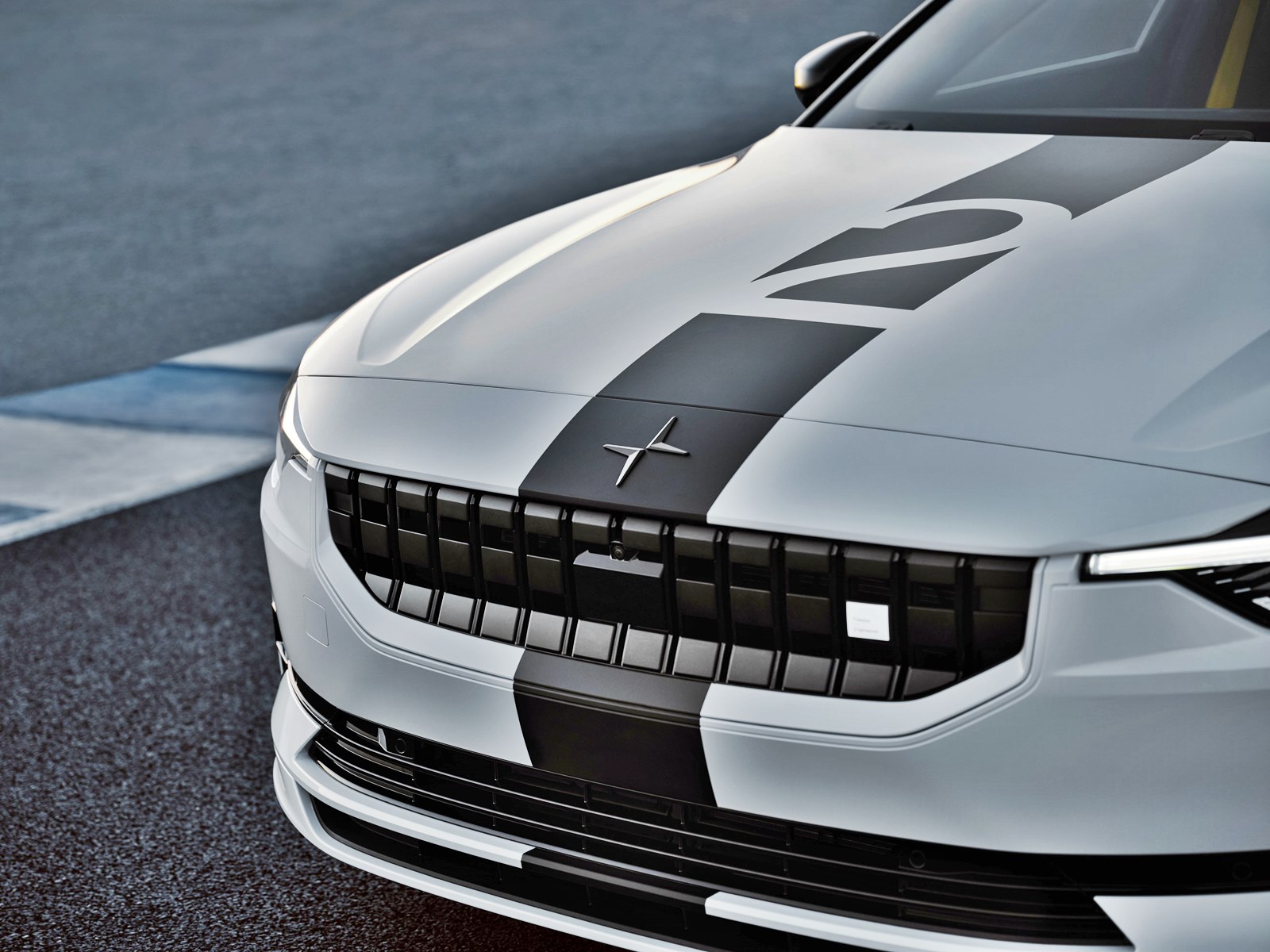
The limited-edition model has a more substantial expression, thanks to fully-painted bumpers and side skirts. A matte black body stripe is available as an option, as well as a full-body Battleship Gray satin wrap. Th side mirrors are finished in glossy black while the signature ‘Swedish gold’ details remain, including on the brake calipers, damper elements, valve caps and seatbelts.

Each unit will be priced around US$77,000 (about RM338,000) and production is planned to begin in mid-2022, with deliveries starting in the fourth quarter of the year.

2022 Polestar 2 BST edition 270

Polestar O2 concept shows that sportscars will still exist in the electric age


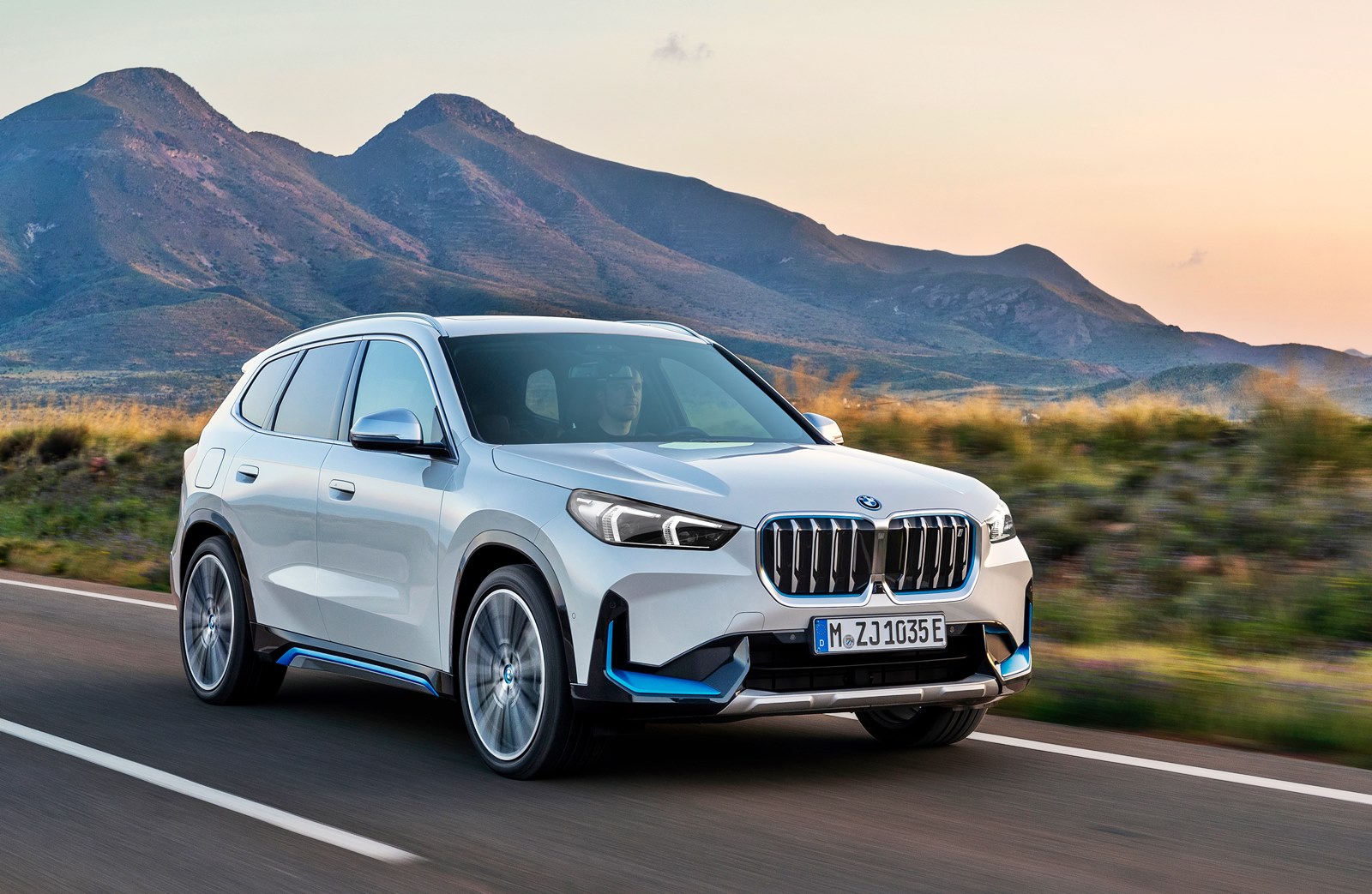
Starting its third model generation since being introduced in 2009, the BMW X1 range includes a battery electric (BEV) variant for the first time – the iX1. Other electrified models of the range have plug-in hybrid powertrains and there are also petrol and diesel engine choices.

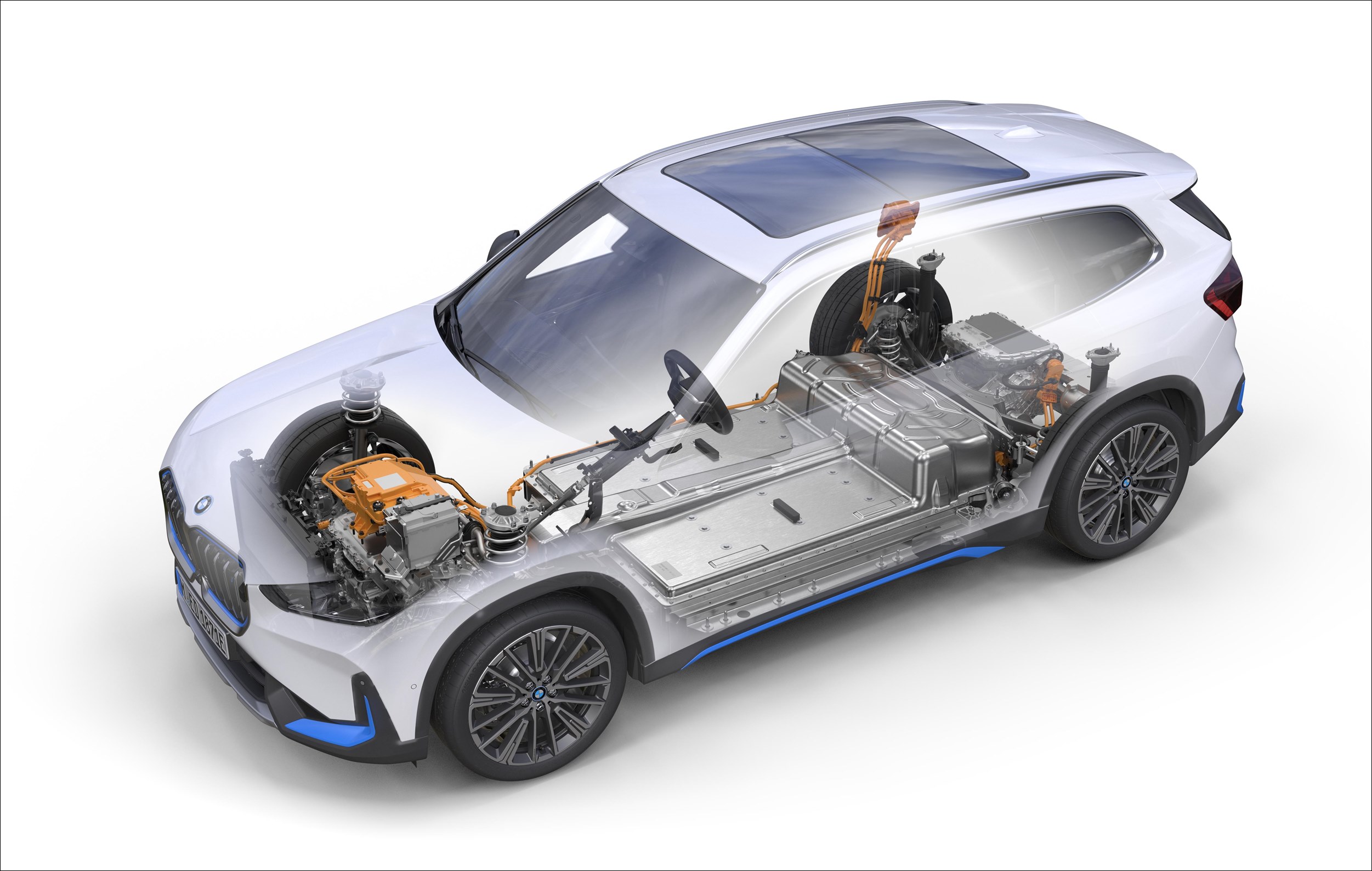
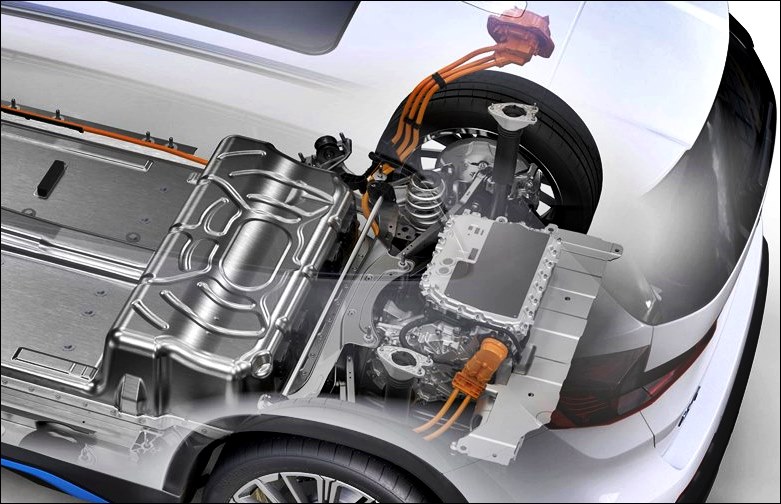
The new iX1 xDrive30 is the BMW Group’s first premium compact model based on a flexible vehicle architecture to feature an all-electric drive system. It has one electric motor at the front axle and another at the rear to power all four wheels and deliver xDrive performance. Total system output is 313 ps with up to 494 Nm of torque.

2022 BMW iX1

Interaction between the two motors is enhanced by a unique drive torque control which is interlinked with the DSC and the AWD-specific version of the near-actuator wheel slip limitation function.

5th generation BME eDrive technology
The fifth-generation BMW eDrive technology uses a 64.7 kWh high-voltage battery pack positioned flat within the vehicle’s underbody. The battery’s high energy density and the drive system’s efficiency achieve combined power consumption of 18.4 – 17.3kWh per 100 kms and can cover a driving range claimed to be up to 438 kms.

2022 BMW iX1

Combined Charging Unit
The Combined Charging Unit in the iX1 enables single and 3-phase AC charging up to 11 kW, optionally increased to 22 kW. This allows the battery to be fully recharged from empty in 6.5 hours as standard, or 3 hours 45 minutes as an option. DC recharging at up to 130 kW is claimed to raise the energy level from 10% to 80% in 29 minutes, or increase range by 120 kms in 10 minutes.

An optimised cooling strategy for DC charging improves the durability of the battery. Alternating phases of full and partial cooling power are used to prevent cell temperatures dropping too low during fast charging, shortening charging times and reducing ageing.

2022 BMW iX1

BMW IconicSounds Electric
As with other BMW BEV models, there’s BMW IconicSounds Electric which treats drivers to soundscapes developed as part of a collaboration between the BMW Group and 2-time Academy Award-winning film score composer, Hans Zimmer. The character of the sound alters according to the vehicle setting. A drive sound emitted externally at low speeds helps to protect pedestrians by making them aware that the car is approaching.

2022 BMW iX1

Larger dimensions
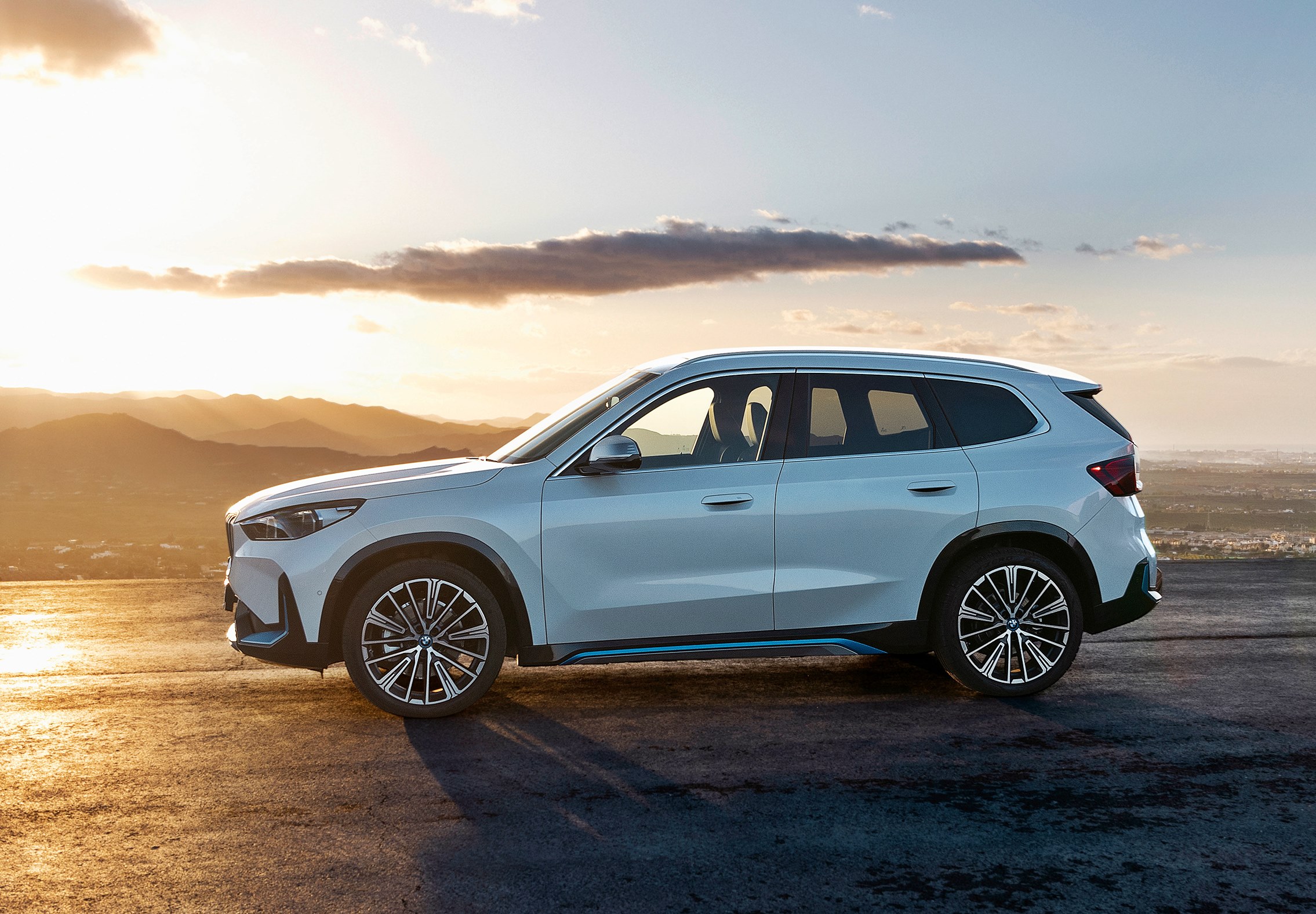
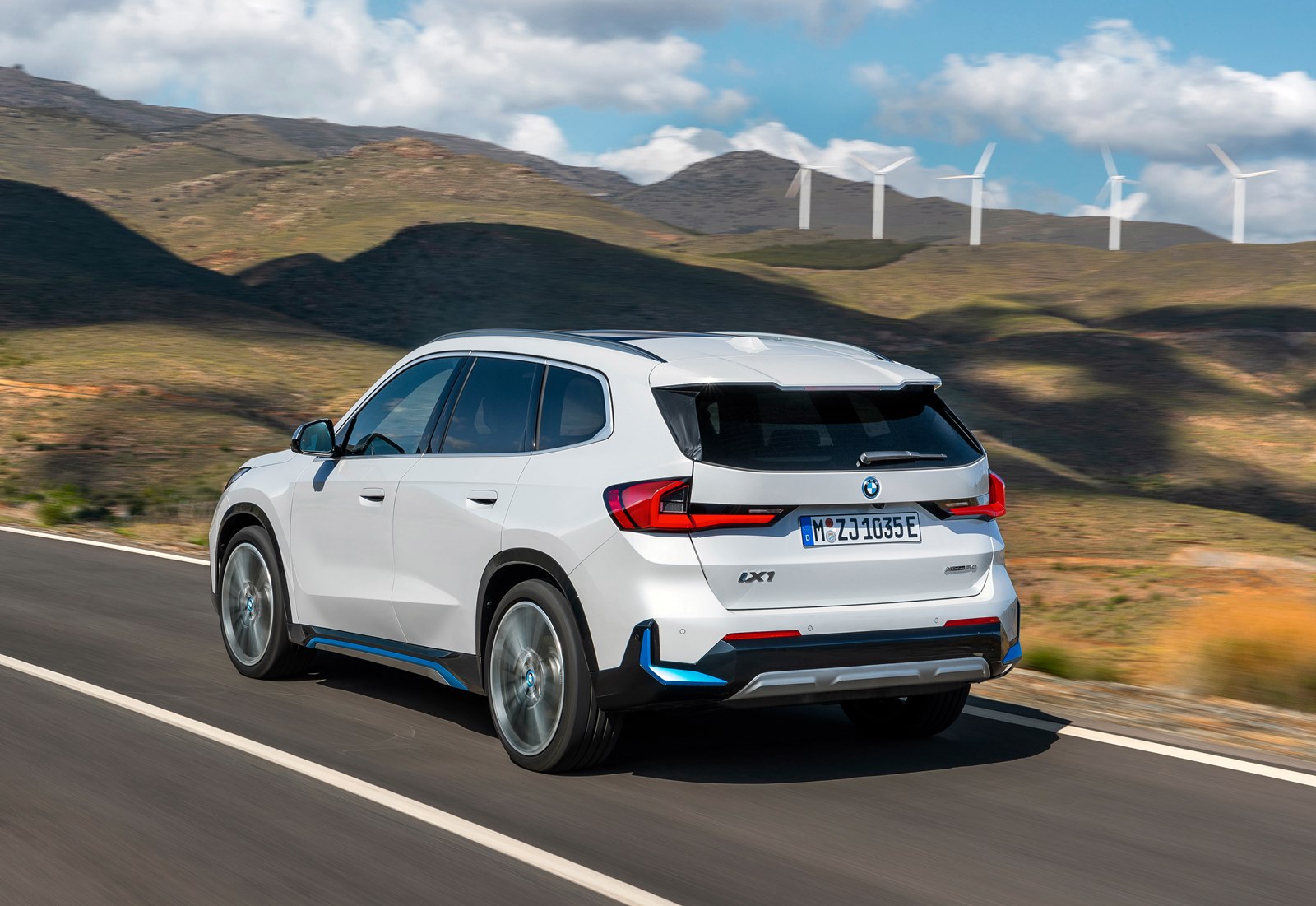
The surface treatment, lines and exterior design details of the iX1 display its Sports Activity Vehicle (SAV) identity more clearly than before. Distinctive design features include the stretched silhouette, almost square wheel arch contours and the signature BMW X model styling of the front and rear ends. When viewed from the rear, the slim tailgate window, horizontal lines, striking LED lights and flared wheel arches produce the typical SAV look.

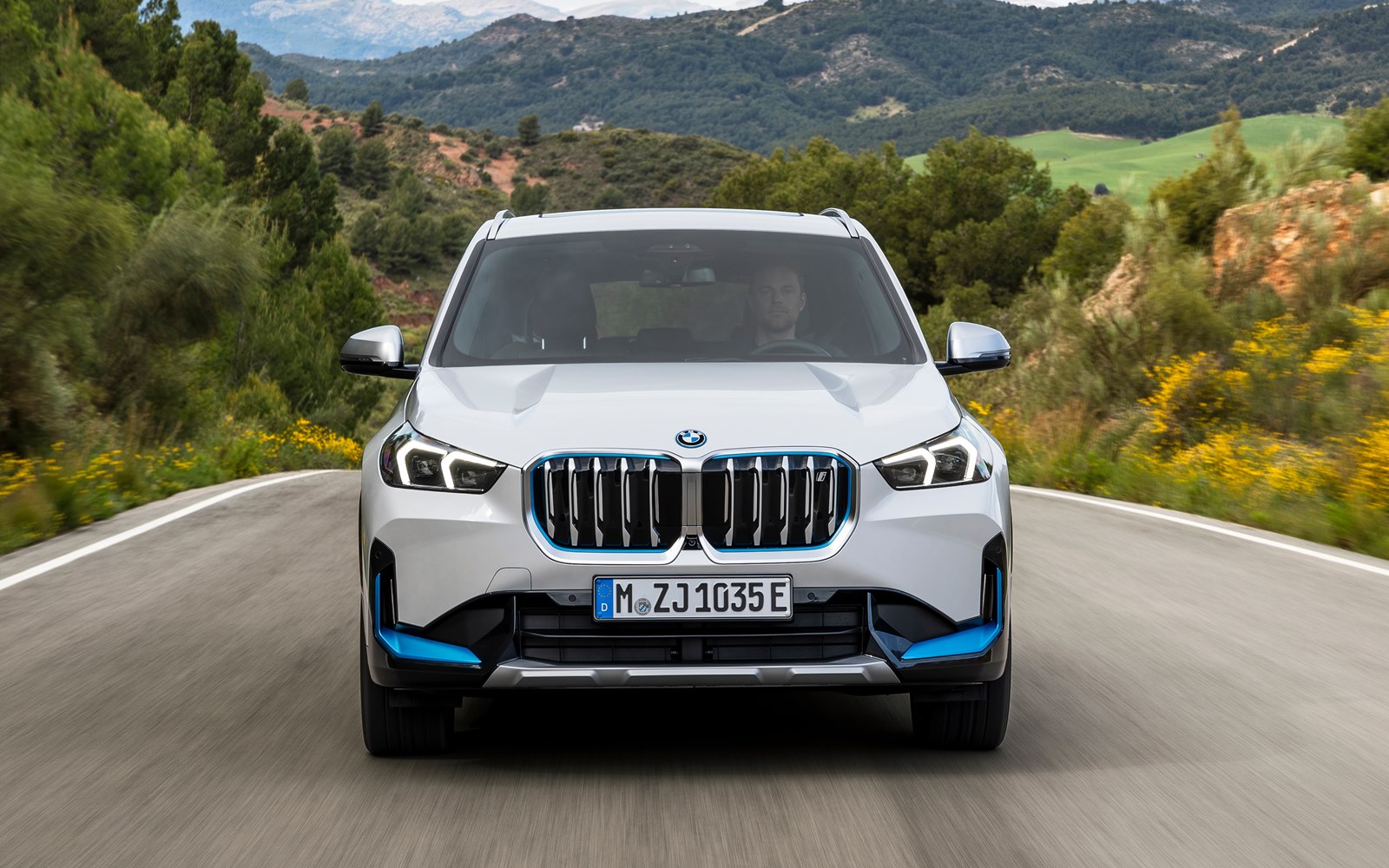
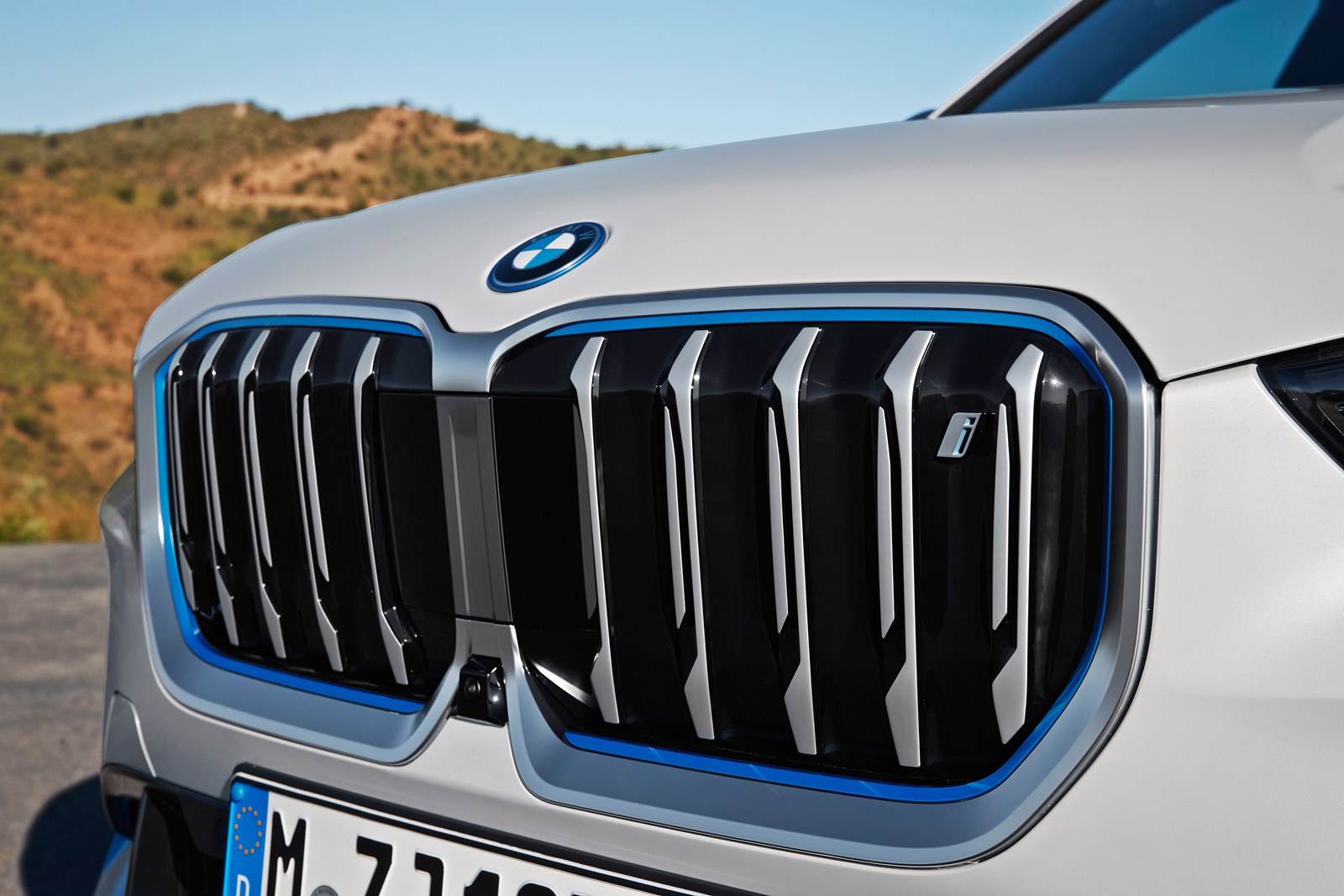
At the centre of the new front end design stands the large, almost square BMW kidney grille, its contouring highlighted by the three-dimensional chrome surround. The grille bars are finished in Black high-gloss as standard. In the outer areas of the lower air intake, large chrome strips accentuate the classy design of the front end.

2022 BMW iX1

The X1 bodyshell is larger than its predecessor – by 53 mm in length to 4500mm, 24 mm in width to 1845 mm and 44 mm in height to 1642mm. The wheelbase of 2692 mm is 22 mm longer than before, while track widths have increased by 31 mm at the front and rear.

More space, optimised comfort
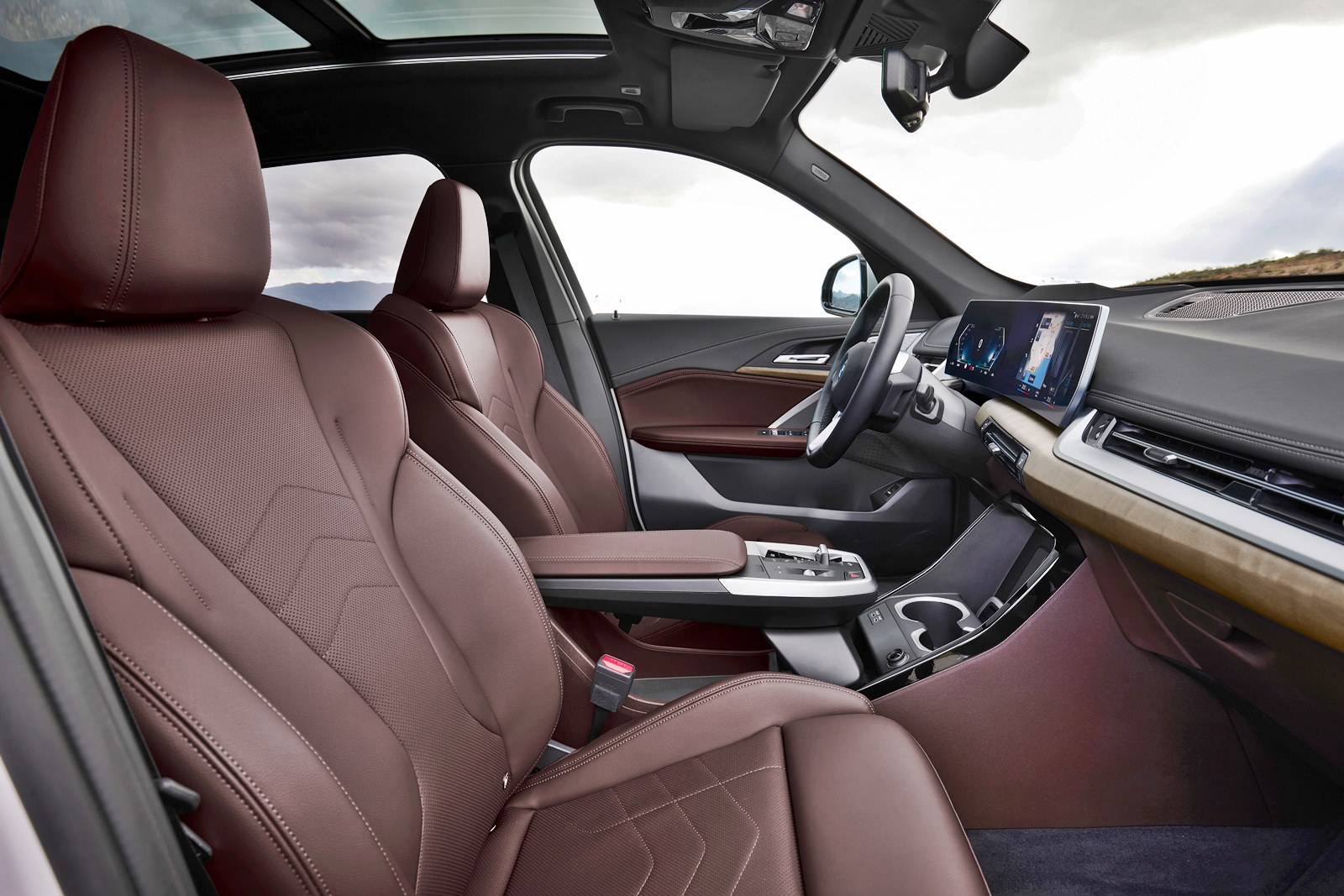
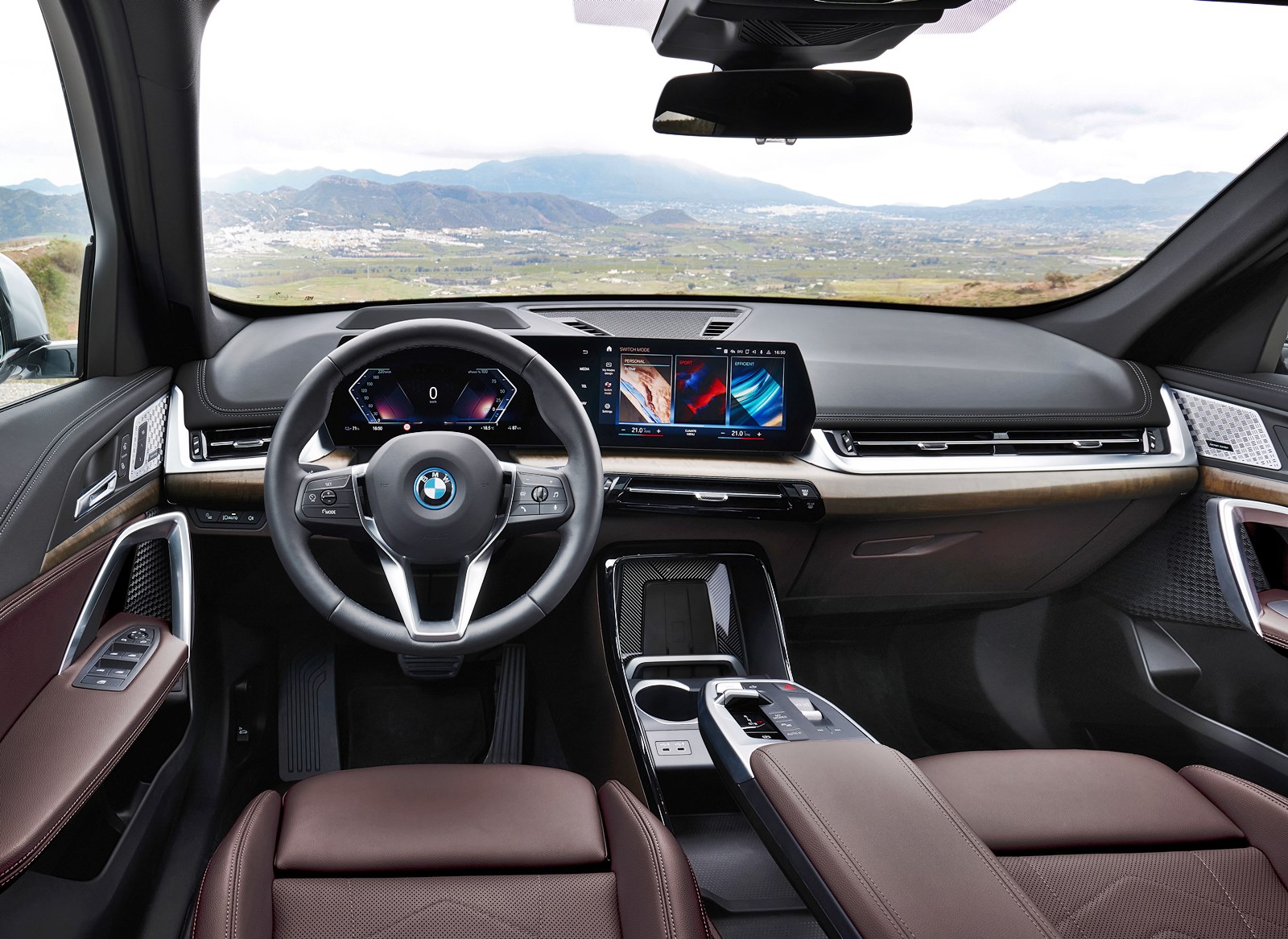
With the enlarged body, there are more generous amounts of space. Key features include the slender instrument panel, a stage for the BMW Curved Display, and a ‘floating’ armrest with integral controls. The raised seating position also provides the commanding view which is one of the reasons why many people like SAVs. The newly developed seats offer optimised comfort over long distances and extended functionality, with their prominent bolsters and adjustability of seat angle and depth.

2022 BMW iX1

2022 BMW iX1

The BMW Curved Display is framed by solid-looking trim pieces which extend out to the doors. Four interior trim variants, including the new open-pore fine eucalyptus wood and Aluminium Hexacube for the M Sport model, allow owners to individualise the design.

With a glass surface measuring around one square metre, the panoramic glass sunroof  floods the interior of the iX1 with light and can also allow fresh air in. The roller blind cover for the glass roof now has a multi-layer design and is also electrically operated.

The fore-and-aft adjustment of the rear seat bench and triple-split backrest provides variability in the cabin configuration. The rear seat can be moved forward up to 13 cm, allowing boot capacity to expand from 540 litres to 1,600 litres.

2022 BMW iX1

Malaysians understand merits of EVs but misconceptions remain, BMW survey finds

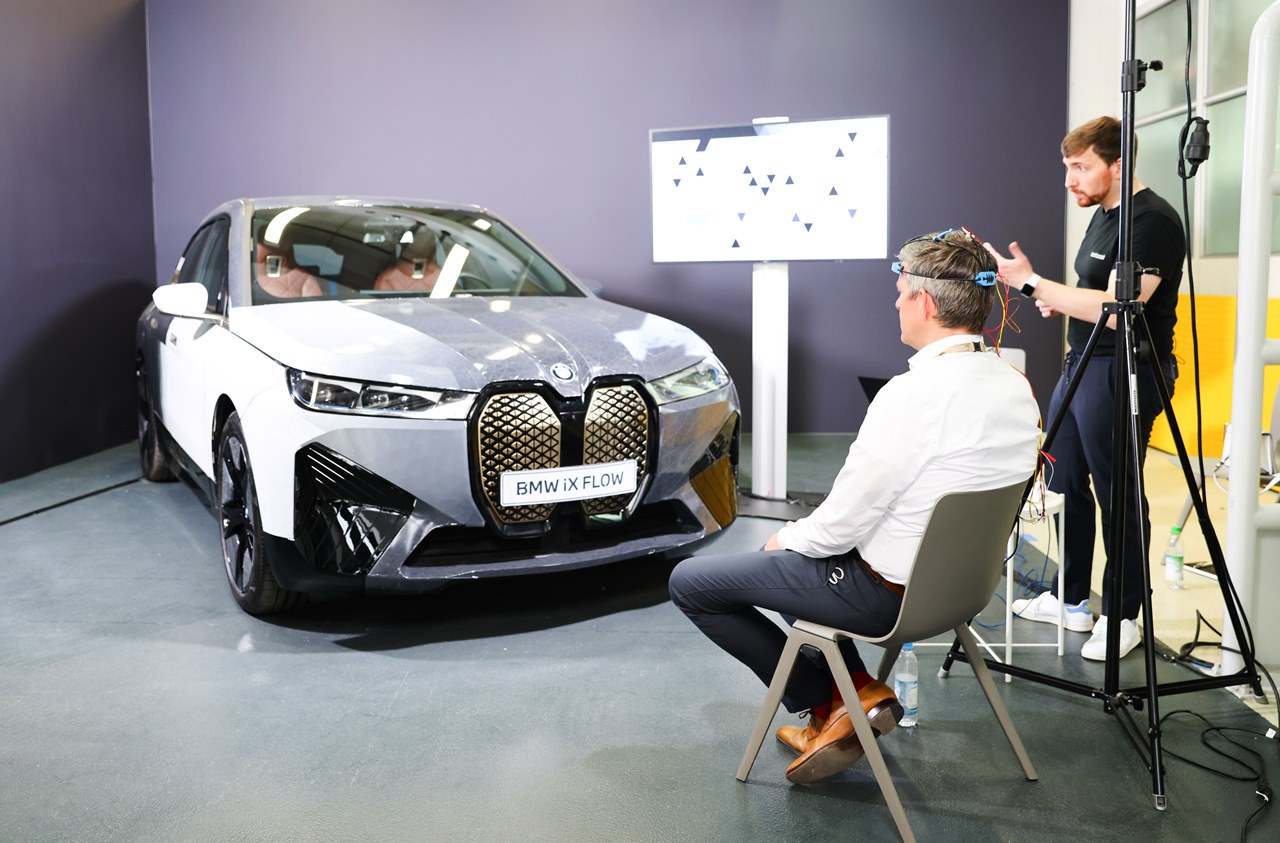
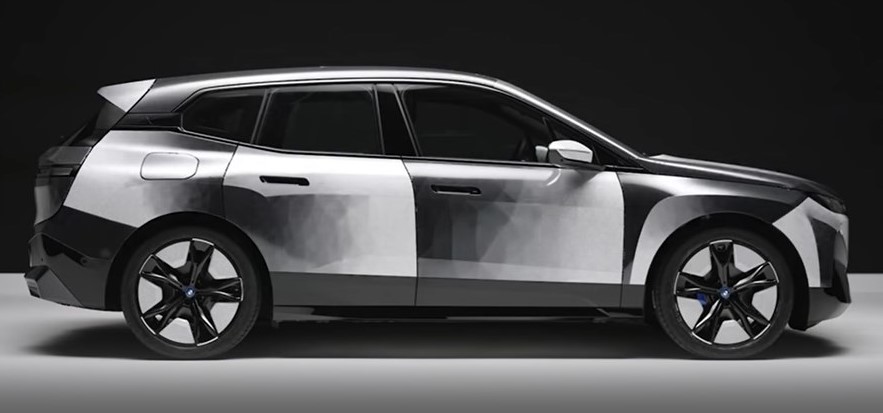
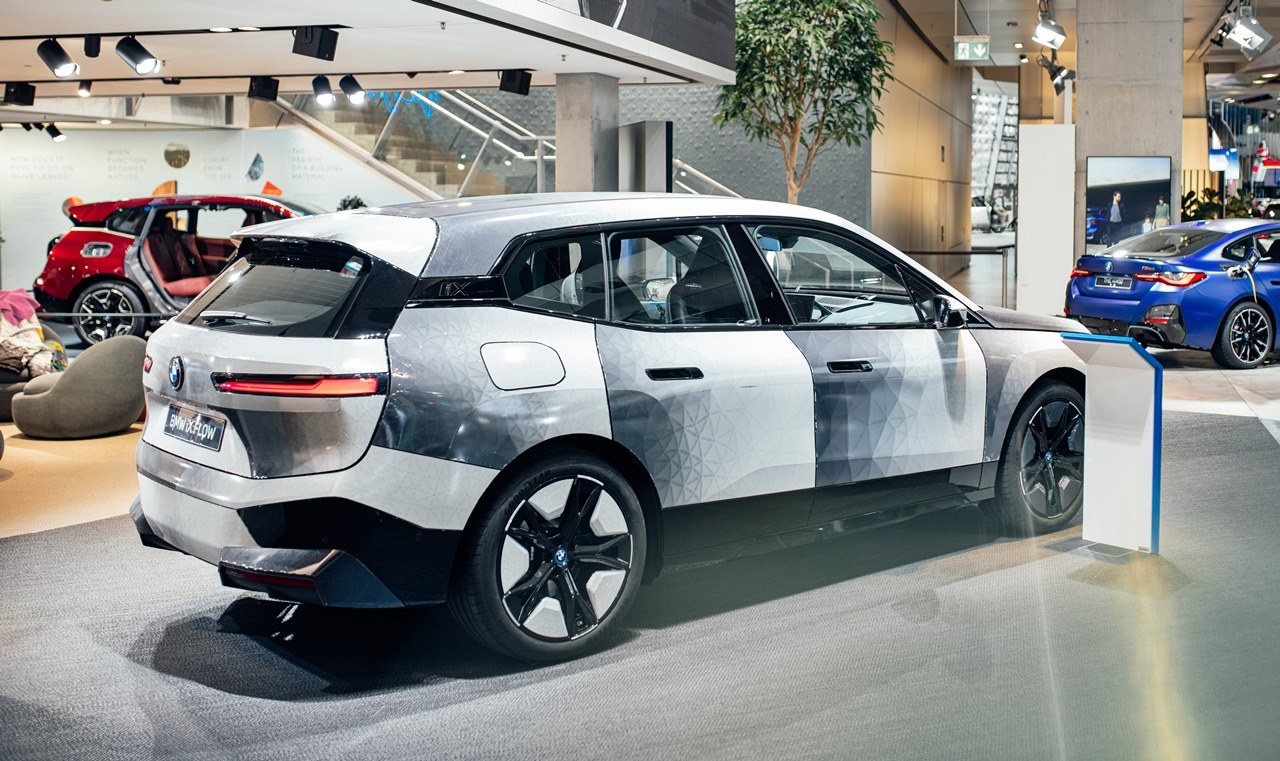
Wouldn’t it be nice to have the colour of your car change as you wish, with just the touch of a button? It’s still an idea in science fiction but the BMW Group has developed a technology which can do it. The technology, known as E Ink, was demonstrated on a BMW iX Flow at the Consumer Electronics Show (CES) 2022 in Las Vegas this year.

“Since then, we have already introduced further improvements for the technology,” said Stella Clarke, project lead of the BMW iX Flow. “Previously, the changes between colour patterns only took place in a gradual transition. Now, the control electronics have been tweaked to enable instantaneous transformations, resulting in an even more stunning visual effect.”

Neurotechnology to change colours
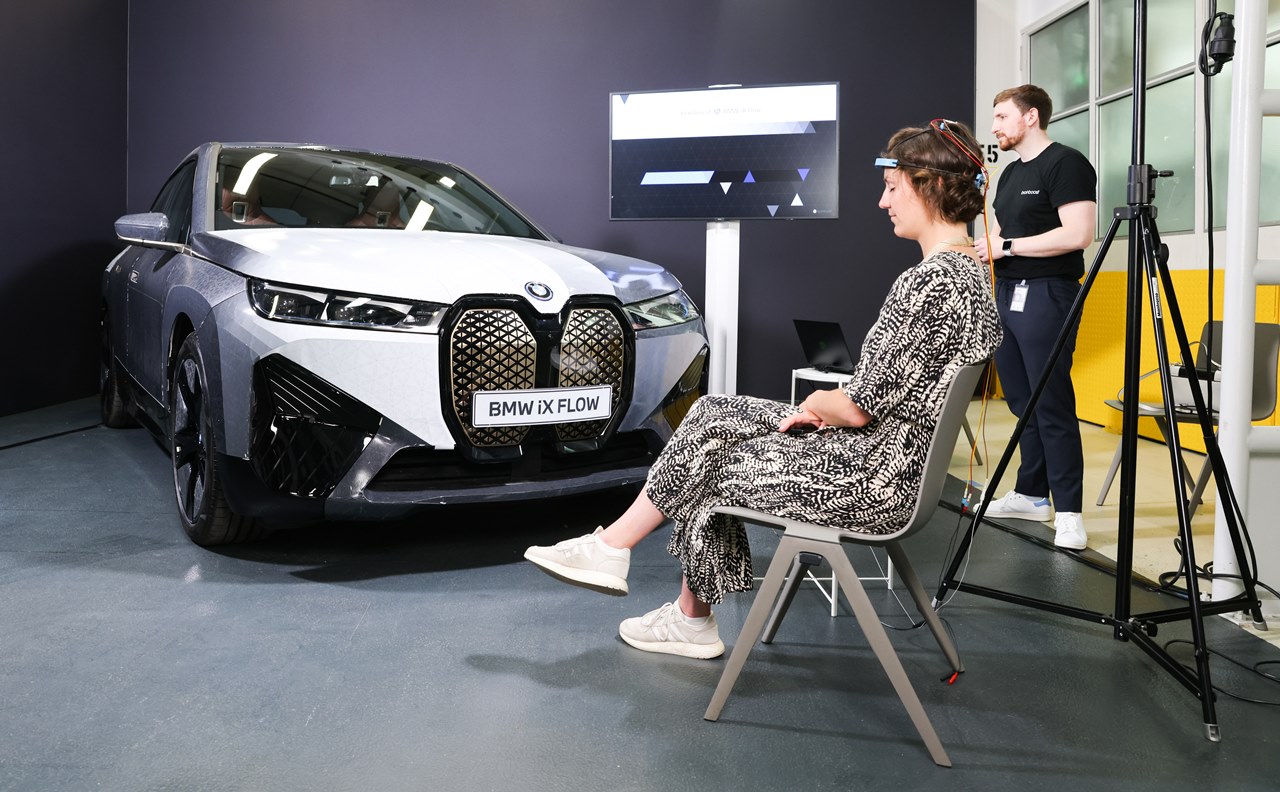
In a one-off collaboration with the BMW Group, a Munich-based start-up called brainboost has developed a new and improved colour-changing effect using brainwaves. With the help of brainboost, the BMW iX Flow was connected directly to the brain of the delegates at a dialogue platform using an electroencephalograph (EEG), which records the brain’s electrical activity.

“The colour patterns of the BMW iX Flow react to brain activity and reflect the level of activity,” explained brainboost CEO Philipp Heiler. “Once the brain is at rest, the changes of patterns on the iX Flow also become calmer and more rhythmical.”

A special animation was activated if delegates managed to maintain this state for several seconds. Thus, the participants were able to gradually calm and relax their brains under the guidance of the brainboost experts and with the help of neurofeedback via the iX Flow.

Technology behind the colour change
The body of the BMW iX Flow is laminated in a special film containing millions of colour capsules. When stimulated by electrical signals, negatively charged white pigments or positively charged black ones will collect at the surface, thereby changing the exterior colour.

The innovative E Ink technology opens completely new ways of changing the vehicle’s appearance in line with the driver’s aesthetic preferences, the environmental conditions or even functional requirements. By making it possible to alter the body colour and display different patterns, the BMW iX Flow featuring E Ink opens up a whole new way of personalising the driving experience.

Apart from a greater degree of personalisation, a customer will also not have to settle for just one colour – he or she can have many more for different occasions! “This gives the driver the freedom to express different facets of their personality or even their enjoyment of change outwardly, and to redefine this each time they sit into their car,” said Clarke.

Colour variability enhances efficiency
A variable exterior colour can also contribute to wellness in the interior and to the efficiency of the vehicle. This is done by taking account of the different abilities of light and dark colours when it comes to reflecting sunlight and the associated absorption of thermal energy. A white surface reflects a lot more sunlight than a black one. By implication, heating of the vehicle and passenger compartment as a result of strong sunlight and high outside temperatures can be reduced by changing the exterior to a light colour. In cooler weather, a dark outer skin will help the vehicle to absorb noticeably more warmth from the sun.

In both cases, selective colour changes can help to cut the amount of cooling and heating required from the vehicle’s air conditioning. This reduces the amount of energy the vehicle electrical system needs and with it also the vehicle’s fuel or electricity consumption.

In an all-electric car, changing the colour in line with the weather can therefore also help to increase the range. In the interior, the technology could, for example, prevent the dashboard from heating up too much.

E Ink technology itself is extremely energy efficient. Unlike displays or projectors, the electrophoretic technology needs absolutely no energy to keep the chosen colour state constant. Current only flows during the short colour changing phase.

The technology is still under development and as with many new advanced technologies, it will be expensive when it is initially offered. But over time, the cost could come down and then everyone can have a colour-changing car (the police won’t be happy!).

THE 8 X JEFF KOONS – most elaborately designed vehicle in all of BMW’s history

Archive

Follow us on Facebook

Follow us on YouTube